System-Level, Molecular and Cellular Mechanisms of Selected Plant Adaptogens—A Review



Abstract
1. Introduction
2. Materials and Methods
3. Mechanisms of Action of Selected Adaptogens
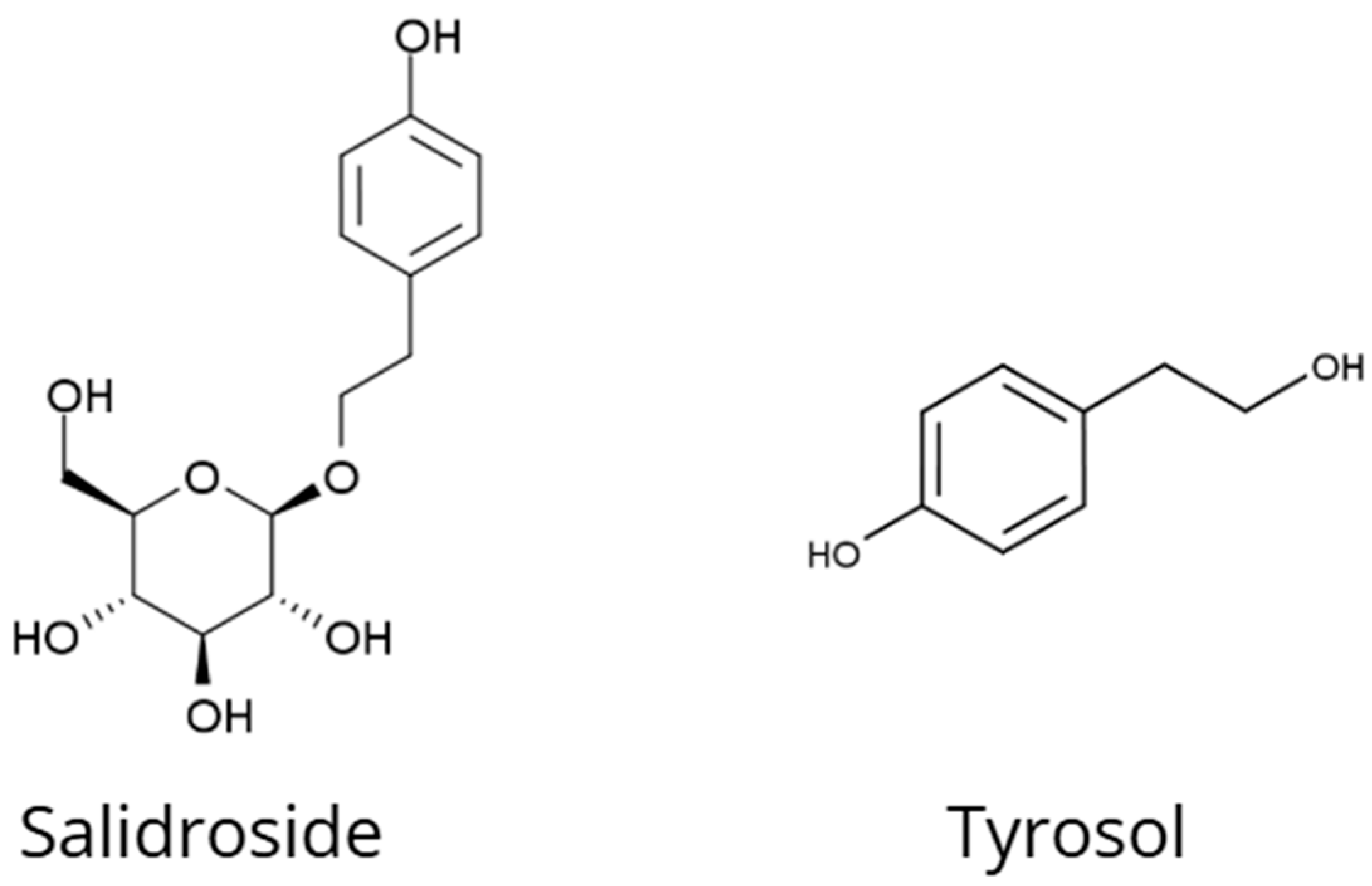
3.1. Rhodiola rosea L.
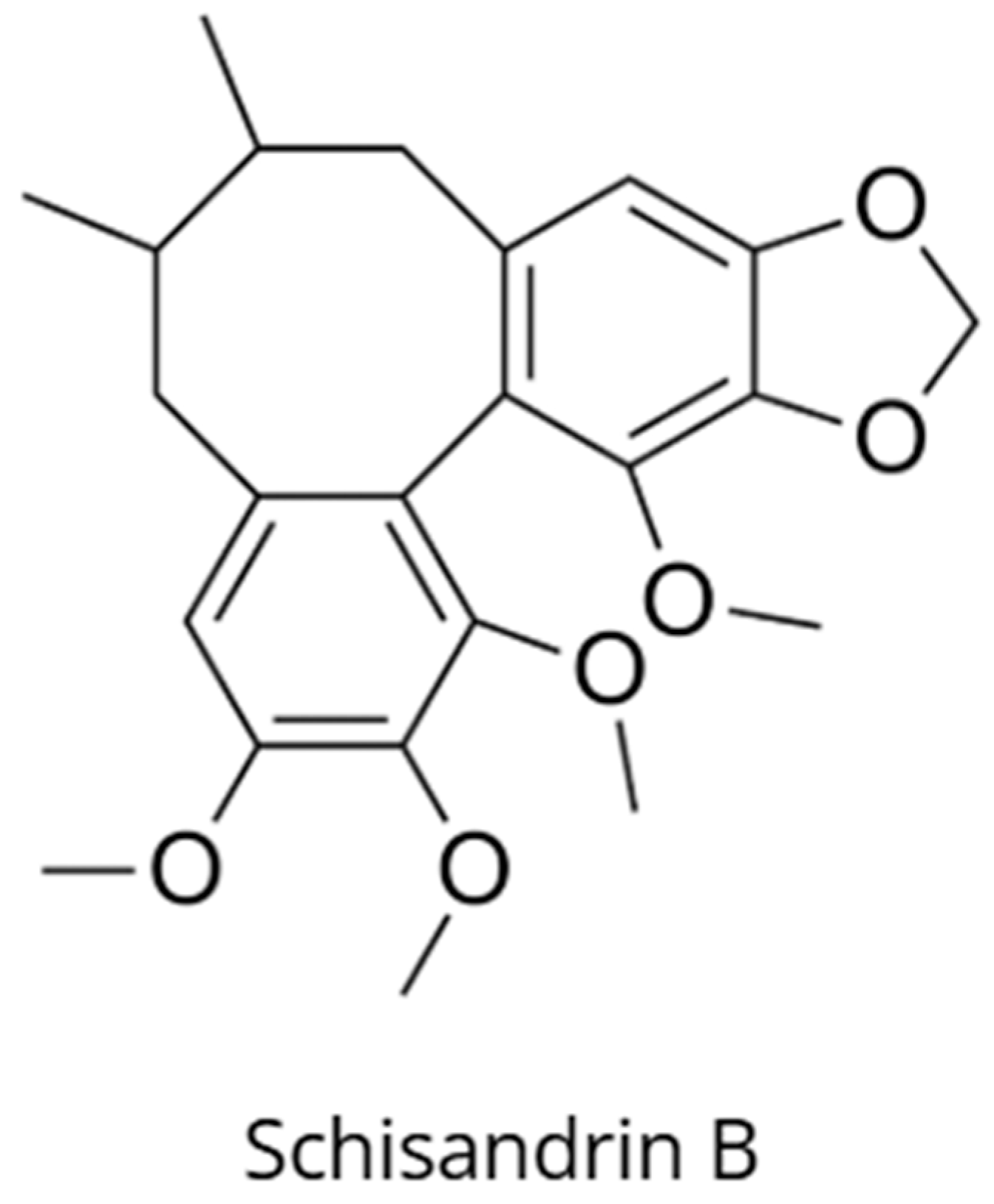
3.2. Schisandra chinensis (Turcz.) Baill.
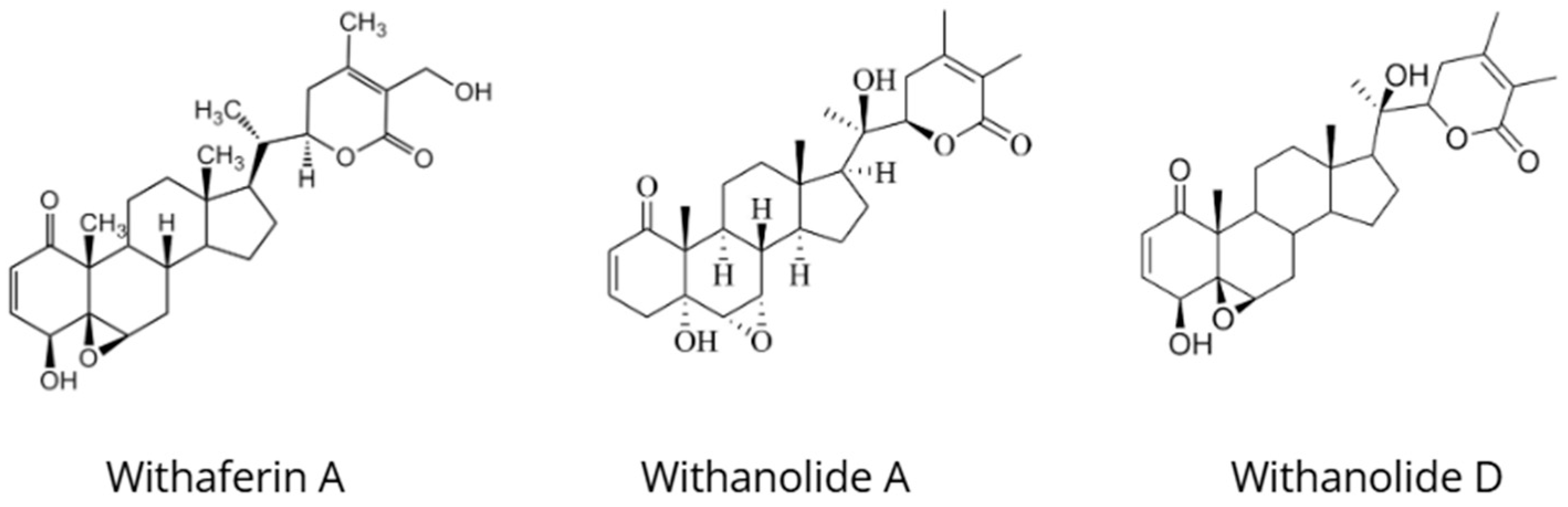
3.3. Withania somnifera (L.) Dunal
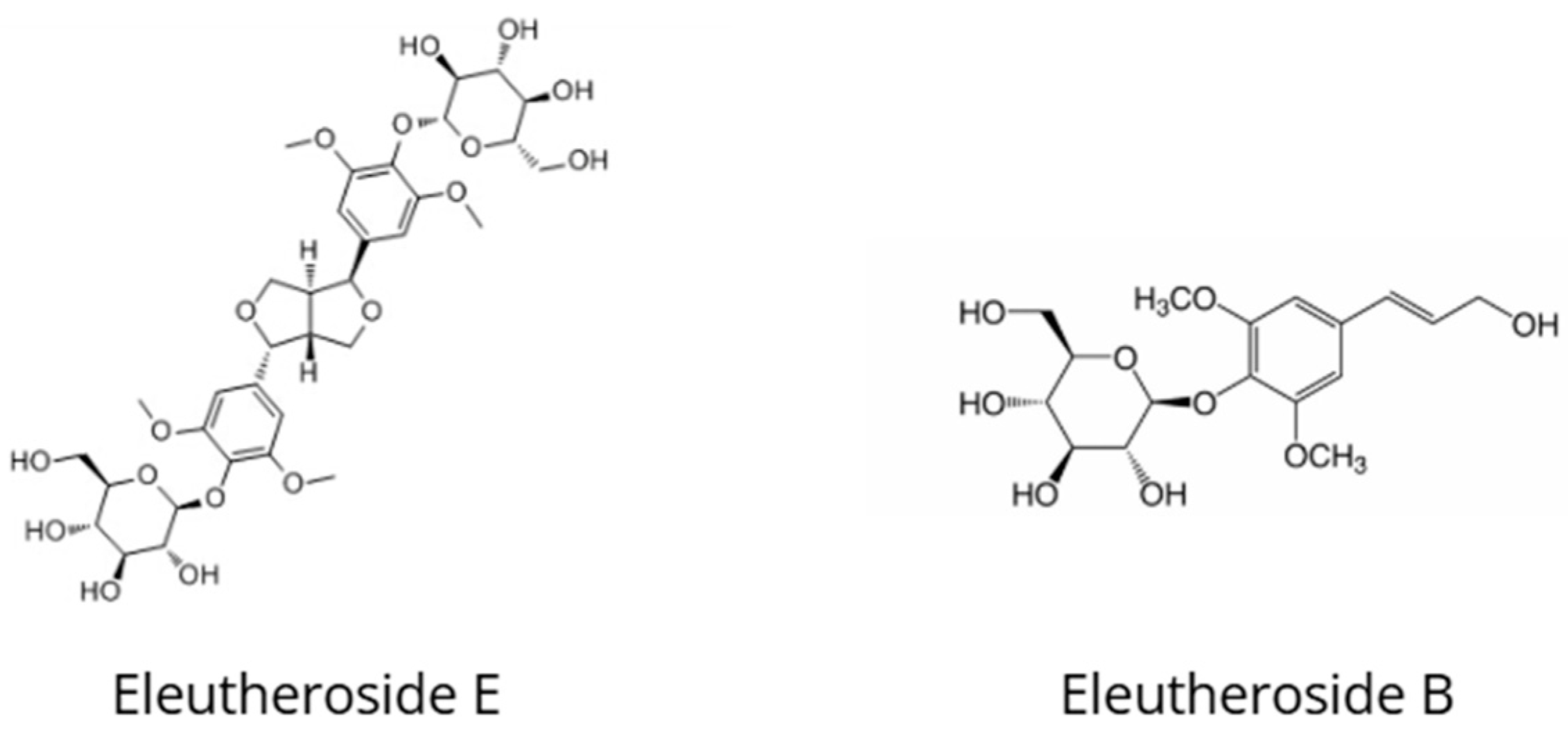
3.4. Eleutherococcus senticosus (Rupr. & Maxim.) Maxim
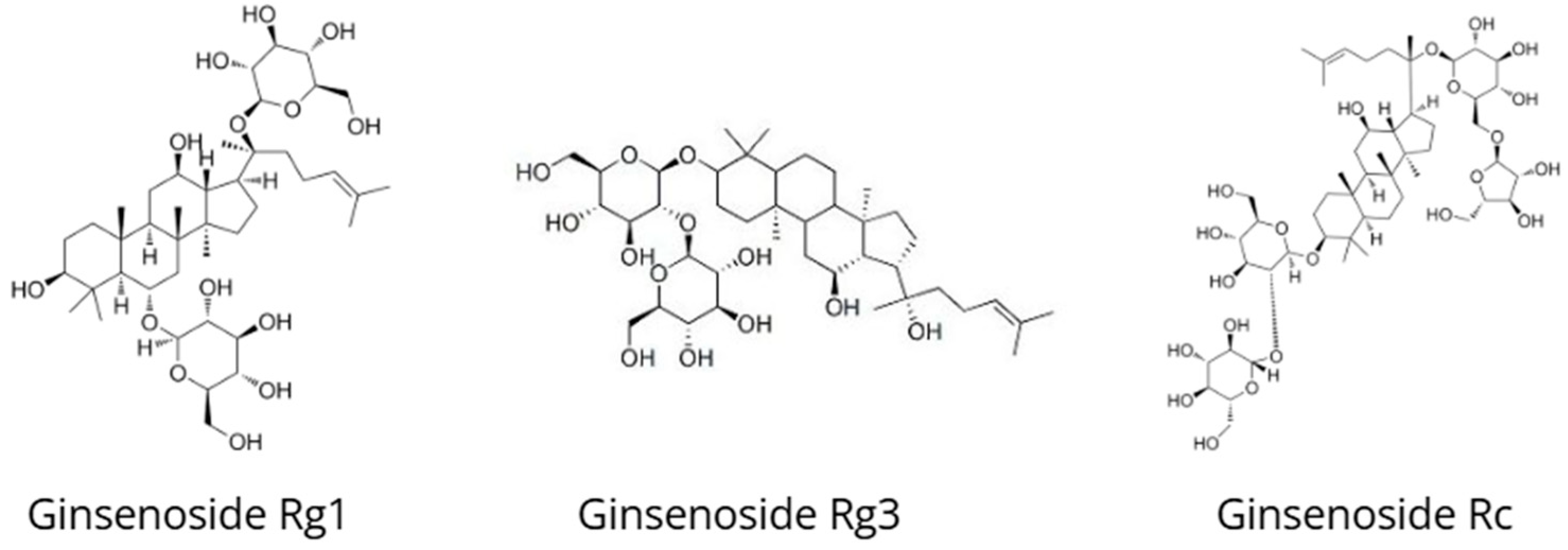
3.5. Panax ginseng C.A. Meyer
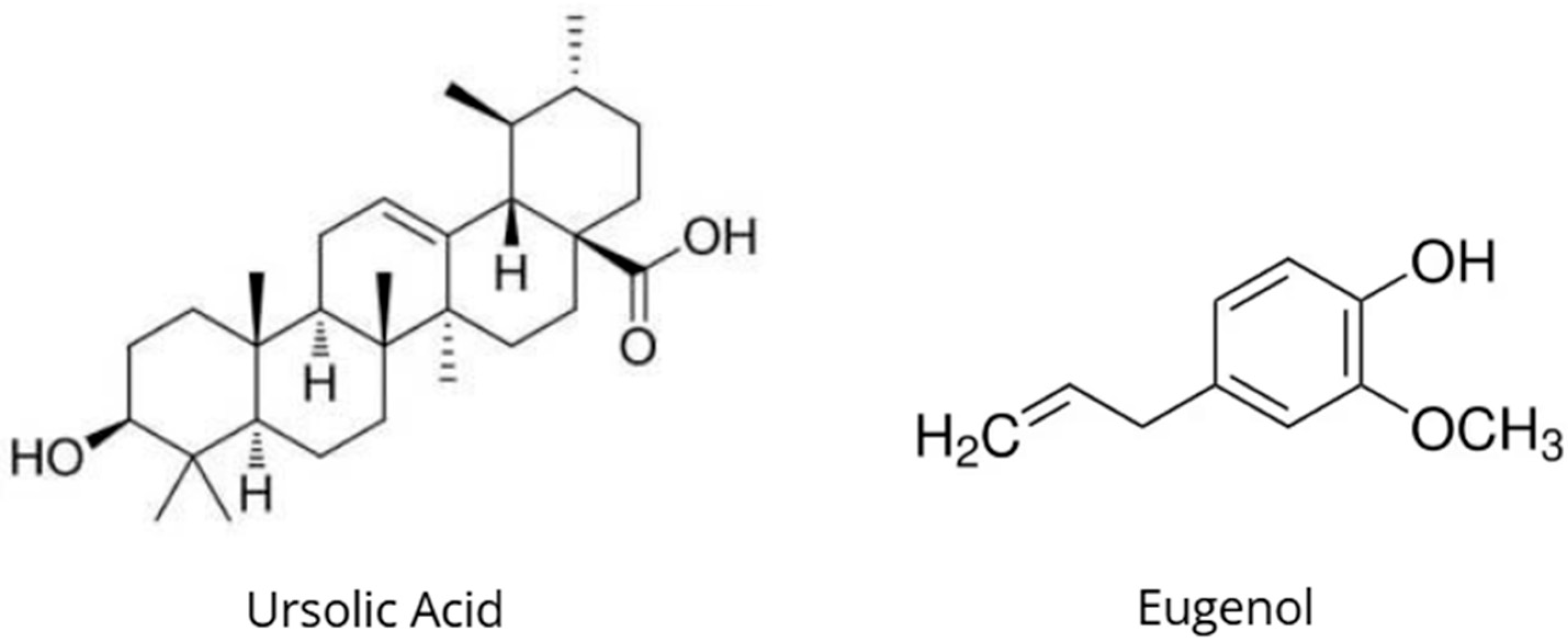
3.6. Ocimum tenuiflorum L.
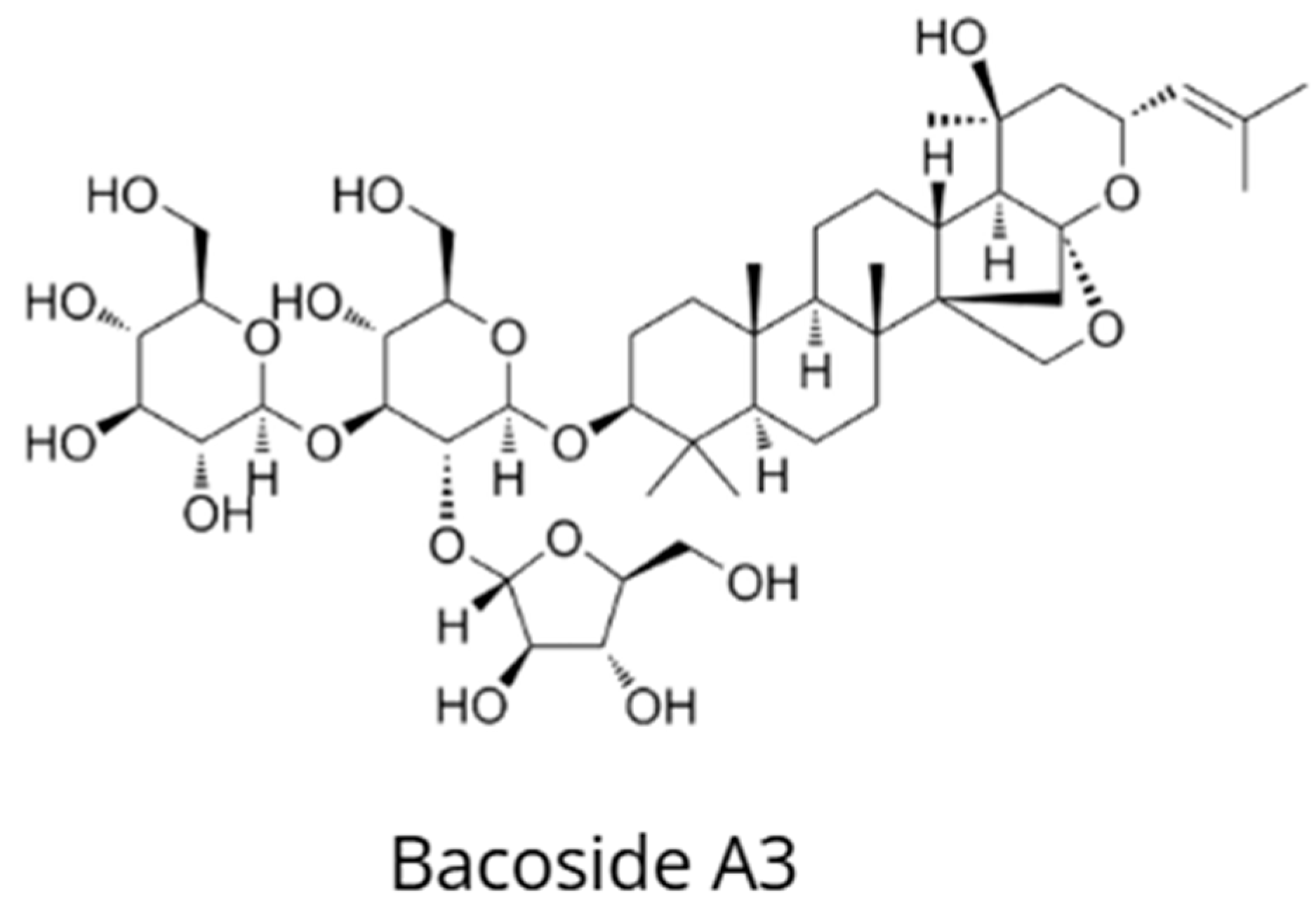
3.7. Bacopa monnieri (L.) Westtst.
4. Discussion
5. Conclusions
Author Contributions
Funding
Institutional Review Board Statement
Informed Consent Statement
Data Availability Statement
Conflicts of Interest
References
- Blyumin-Karasik, M.; Colon, J.; Karasik, D.; Nguyen, S.; Woolery-Lloyd, H.; Lain, E. What are topical adaptogens? A systematic review and proposed system to identify and categorize skin adaptogens in dermatology. J. Clin. Aesthetic Dermatol. 2025, 18, 28–35. [Google Scholar] [PubMed Central]
- Panossian, A.; Wikman, G. Effects of adaptogens on the central nervous system and the molecular mechanisms associated with their stress-protective activity. Pharmaceuticals 2010, 3, 188–224. [Google Scholar] [CrossRef]
- Panossian, A.; Efferth, T. Network pharmacology of adaptogens in the assessment of their pleiotropic therapeutic activity. Pharmaceuticals 2022, 15, 1051. [Google Scholar] [CrossRef]
- Panossian, A.; Hamm, R.; Kadioglu, O.; Wikman, G.; Efferth, T. Synergy and antagonism of active constituents of ADAPT-232 on transcriptional level of metabolic regulation of isolated neuroglial cells. Front. Neurosci. 2013, 7, 16. [Google Scholar] [CrossRef]
- Sudhakar, A.; Aswathy, L. Integrative mechanisms of Ayurvedic adaptogens in stress regulation and cognitive enhancement: A review. Int. J. Res. Ayurveda Pharm. 2025, 16, 148–152. [Google Scholar] [CrossRef]
- Grech-Baran, M.; Sykłowska-Baranek, K.; Pietrosiuk, A. Approaches of Rhodiola kirilowii and Rhodiola rosea field cultivation in Poland and their potential health benefits. Ann. Agric. Environ. Med. 2015, 22, 281–285. [Google Scholar] [CrossRef]
- Zheng, J.; Zhang, J.; Han, J.; Zhao, Z.; Lin, K. The effect of salidroside in promoting endogenous neural regeneration after cerebral ischemia/reperfusion involves notch signaling pathway and neurotrophic factors. BMC Complement. Med. Ther. 2024, 24, 293. [Google Scholar] [CrossRef] [PubMed]
- Li, R.; Wang, S.; Li, T.; Wu, L.; Fang, Y.; Feng, Y.; Zhang, L.; Chen, J.; Wang, X. Salidroside Protects Dopaminergic Neurons by Preserving Complex I Activity via DJ-1/Nrf2-Mediated Antioxidant Pathway. Park. Dis. 2019, 2019, 6073496. [Google Scholar] [CrossRef] [PubMed]
- Wang, X.H.; Zuo, Z.F.; Meng, L.; Yang, Q.; Lv, P.; Zhao, L.P.; Wang, X.B.; Wang, Y.F.; Huang, Y.; Fu, C.; et al. Neuroprotective effect of salidroside on hippocampal neurons in diabetic mice via PI3K/Akt/GSK-3β signaling pathway. Psychopharmacology 2023, 240, 1865–1876. [Google Scholar] [CrossRef]
- Liu, H.; Lv, P.; Zhu, Y.; Wu, H.; Zhang, K.; Xu, F.; Zheng, L.; Zhao, J. Salidroside promotes peripheral nerve regeneration based on tissue engineering strategy using Schwann cells and PLGA: In vitro and in vivo. Sci. Rep. 2017, 7, 39869. [Google Scholar] [CrossRef]
- Li, J.; Zhang, Y.; Yang, Z.; Zhang, J.; Lin, R.; Luo, D. Salidroside promotes sciatic nerve regeneration following combined application epimysium conduit and Schwann cells in rats. Exp. Biol. Med. 2020, 245, 522–531. [Google Scholar] [CrossRef]
- Li, T.; Feng, Y.; Yang, R.; Wu, L.; Li, R.; Huang, L.; Yang, Q.; Chen, J. Salidroside Promotes the Pathological α-Synuclein Clearance Through Ubiquitin-Proteasome System in SH-SY5Y Cells. Front. Pharmacol. 2018, 9, 377. [Google Scholar] [CrossRef] [PubMed]
- Zhang, X.; Lai, W.; Ying, X.; Xu, L.; Chu, K.; Brown, J.; Chen, L.; Hong, G. Salidroside Reduces Inflammation and Brain Injury After Permanent Middle Cerebral Artery Occlusion in Rats by Regulating PI3K/PKB/Nrf2/NFκB Signaling Rather than Complement C3 Activity. Inflammation 2019, 42, 1830–1842. [Google Scholar] [CrossRef] [PubMed]
- Lam, P.Y.; Ko, K.M. Schisandrin B as a hormetic agent for preventing age-related neurodegenerative diseases. Oxidative Med. Cell. Longev. 2012, 2012, 250825. [Google Scholar] [CrossRef]
- Nasser, M.I.; Zhu, S.; Chen, C.; Zhao, M.; Huang, H.; Zhu, P. A Comprehensive Review on Schisandrin B and Its Biological Properties. Oxidative Med. Cell. Longev. 2020, 2020, 2172740. [Google Scholar] [CrossRef]
- Giridharan, V.V.; Thandavarayan, R.A.; Arumugam, S.; Mizuno, M.; Nawa, H.; Suzuki, K.; Ko, K.M.; Krishnamurthy, P.; Watanabe, K.; Konishi, T. Schisandrin B Ameliorates ICV-Infused Amyloid β Induced Oxidative Stress and Neuronal Dysfunction through Inhibiting RAGE/NF-κB/MAPK and Up-Regulating HSP/Beclin Expression. PLoS ONE 2015, 10, e0142483. [Google Scholar] [CrossRef]
- Duan, H.; Li, H.; Liu, T.; Chen, Y.; Luo, M.; Shi, Y.; Zhou, J.; Rashed, M.M.A.; Zhai, K.; Li, L.; et al. Exploring the Molecular Mechanism of Schisandrin C for the Treatment of Atherosclerosis via the PI3K/AKT/mTOR Autophagy Pathway. ACS Omega 2024, 9, 32920–32930. [Google Scholar] [CrossRef]
- Pan, Y.; Chen, M.; Pan, L.; Tong, Q.; Cheng, Z.; Lin, S.; Pan, R.; Chen, M.; Zhi, Y. Shisandra Decoction Alleviates Parkinson’s Disease Symptoms in a Mouse Model Through PI3K/AKT/mTOR Signalling Pathway. Neuropsychiatr. Dis. Treat. 2024, 20, 2011–2027. [Google Scholar] [CrossRef]
- Tran, S.H.; Nguyen, U.T.T.; Kim, M.R.; Lee, H.J.; Youn, E.; Bae, W.Y.; Kang, S.W.; Kim, W.K.; Choi, K.Y.; Park, K.; et al. Elucidation of the protective effect of schisandrin C originating from Schisandra chinensis (Turcz.) Baill. against indomethacin-induced intestinal injury by combining network pharmacology, molecular docking, and experimental validation. Appl. Biol. Chem. 2025, 68, 59. [Google Scholar] [CrossRef]
- Jo, H.S.; Lee, Y.W.; Son, S.R.; Jang, D.S.; Woo Kwon, T.; Ha, Y.; Moon, S.K.; Kim, M.S.; Cho, I.H. A supercritical oil extract of Schisandra chinensis seeds ameliorates Huntington’s disease-like symptoms and neuropathology: The potential role of anti-oxidant and anti-inflammatory effects. Front. Pharmacol. 2024, 15, 1471024. [Google Scholar] [CrossRef]
- Li, H.; Dong, A.; Li, N.; Ma, Y.; Zhang, S.; Deng, Y.; Chen, S.; Zhang, M. Mechanistic Study of Schisandra chinensis Fruit Mixture Based on Network Pharmacology, Molecular Docking and Experimental Validation to Improve the Inflammatory Response of DKD Through AGEs/RAGE Signaling Pathway. Drug Des. Dev. Ther. 2023, 17, 613–632. [Google Scholar] [CrossRef]
- Song, L.; Piao, Z.; Yao, L.; Zhang, L.; Lu, Y. Schisandrin ameliorates cognitive deficits, endoplasmic reticulum stress and neuroinflammation in streptozotocin (STZ)-induced Alzheimer’s disease rats. Exp. Anim. 2020, 69, 363–373. [Google Scholar] [CrossRef]
- Olas, B. Cardioprotective Potential of Berries of Schisandra chinensis Turcz. (Baill.), Their Components and Food Products. Nutrients 2023, 15, 592. [Google Scholar] [CrossRef]
- Yoo, A.; Ahn, J.; Kim, M.J.; Seo, H.D.; Hahm, J.H.; Jung, C.H.; Ha, T.Y. Fruit of Schisandra chinensis and its bioactive component schizandrin B ameliorate obesity-induced skeletal muscle atrophy. Food Res. Int. 2022, 157, 111439. [Google Scholar] [CrossRef]
- Khalid, M.U.; Sultan, M.T.; Baig, I.; Abbas, A.; Noman, A.M.; Zinedine, A.; Bartkiene, E.; Rocha, J.M. A comprehensive review on the bioactivity and pharmacological attributes of Withania somnifera. Nat. Prod. Res. 2025, 1–15. [Google Scholar] [CrossRef] [PubMed]
- Martorana, M.; Liga, A.V.; Venturella, F. Therapeutic potential of Withania somnifera (Ashwagandha): A comprehensive review of its phytochemical, pharmacological, and clinical applications. J. Biol. Res. 2025, 98, 13901. [Google Scholar] [CrossRef]
- Dutta, R.; Khalil, R.; Green, R.; Mohapatra, S.S.; Mohapatra, S. Withania Somnifera (Ashwagandha) and Withaferin A: Potential in Integrative Oncology. Int. J. Mol. Sci. 2019, 20, 5310. [Google Scholar] [CrossRef]
- Sprengel, M.; Laskowski, R.; Jost, Z. Withania somnifera (Ashwagandha) supplementation: A review of its mechanisms, health benefits, and role in sports performance. Nutr. Metab. 2025, 22, 9. [Google Scholar] [CrossRef] [PubMed]
- Dipankar, S.P.; Dani, M.M.; Anirudhan, R.; Tripathi, D.; Mishra, C.; Devi, S.H. Pharmacological Insights into Ashwagandha (Withania somnifera): A Review of Its Immunomodulatory and Neuroprotective Properties. Cureus 2025, 17, e89856. [Google Scholar] [CrossRef] [PubMed]
- Dhar, N.; Razdan, S.; Rana, S.; Bhat, W.W.; Vishwakarma, R.; Lattoo, S.K. A decade of molecular understanding of withanolide biosynthesis and in vitro studies in Withania somnifera (L.) Dunal: Prospects and perspectives for pathway engineering. Front. Plant Sci. 2015, 6, 1031. [Google Scholar] [CrossRef]
- Sari, A.N.; Bhargava, P.; Dhanjal, J.K.; Putri, J.F.; Radhakrishnan, N.; Shefrin, S.; Ishida, Y.; Terao, K.; Sundar, D.; Kaul, S.C.; et al. Combination of Withaferin-A and CAPE Provides Superior Anticancer Potency: Bioinformatics and Experimental Evidence to Their Molecular Targets and Mechanism of Action. Cancers 2020, 12, 1160. [Google Scholar] [CrossRef]
- Yadav, N.; Tripathi, S.; Sangwan, N.S. Phyto-therapeutic potential of Withania somnifera: Molecular mechanism and health implications. Phytother. Res. 2024, 38, 1695–1714. [Google Scholar] [CrossRef] [PubMed]
- Zhang, L.; Shi, Y.; Yan, M.; Zhang, G. Modulatory action of withaferin-A on oxidative damage through regulation of inflammatory mediators and apoptosis via PI3K/AKT signaling pathway in high cholesterol-induced atherosclerosis in experimental rats. J. Biochem. Mol. Toxicol. 2022, 36, e23154. [Google Scholar] [CrossRef]
- Hiremath, V.; Vedantam, G.; Sahu, T.; Josephraj, P.J. Insilico analysis of Ashwagandha (Withania somnifera (L.) Dunal) for its balya activity with special reference to cachexia. Int. J. Ayurvedic Med. 2024, 14, 988–993. [Google Scholar] [CrossRef]
- Wróbel-Biedrawa, D.; Podolak, I. Anti-neuroinflammatory effects of adaptogens: A mini-review. Molecules 2024, 29, 866. [Google Scholar] [CrossRef] [PubMed]
- Khan, A.; Abd Elaleem, K.G.; Elsharief, A.A.; Imran, M.; Ali, Y.H.; Saeed, I.K.; Mostafa, H.M.; Sharma, R. Exploration of mechanism of Withania somnifera (L.) Dunal in the treatment of Huntington disease: A network pharmacology approaches integrated with molecular docking and dynamics. Orient. J. Chem. 2025, 41, 1106–1119. [Google Scholar] [CrossRef]
- Singh, G.; Tiwari, M.; Singh, S.P.; Singh, S.; Trivedi, P.K.; Misra, P. Silencing of sterol glycosyltransferases modulates the withanolide biosynthesis and leads to compromised basal immunity of Withania somnifera. Sci. Rep. 2016, 6, 25562. [Google Scholar] [CrossRef] [PubMed]
- Rathi, A.; Kumar, V.; Sundar, D. Insights into the potential of withanolides as phosphodiesterase-4 (PDE4D) inhibitors. J. Biomol. Struct. Dyn. 2023, 41, 2108–2117. [Google Scholar] [CrossRef]
- Łuszczak, J.; Kocki, J. Clinical evidence for the adaptogenic effects of Withania somnifera and Rhodiola rosea—A systematic review with molecular interpretation of psychometric outcomes. Ann. Agric. Environ. Med. 2025, 32. [Google Scholar] [CrossRef]
- Caputi, F.F.; Acquas, E.; Kasture, S.; Ruiu, S.; Candeletti, S.; Romualdi, P. The standardized Withania somnifera Dunal root extract alters basal and morphine-induced opioid receptor gene expression changes in neuroblastoma cells. BMC Complement. Altern. Med. 2018, 18, 9. [Google Scholar] [CrossRef]
- Saha, P.; Ajgaonkar, S.; Maniar, D.; Sahare, S.; Mehta, D.; Nair, S. Current insights into transcriptional role(s) for the nutraceutical Withania somnifera in inflammation and aging. Front. Nutr. 2024, 11, 1370951. [Google Scholar] [CrossRef]
- Makhlouf, E.A.; AlamElDeen, Y.K.; El-Shiekh, R.A.; Okba, M.M. Unveilling the antidiabetic potential of ashwagandha (Withania somnifera L.) and its withanolides-a review. Nat. Prod. Res. 2025, 39, 7203–7218. [Google Scholar] [CrossRef]
- Patyra, A.; Kołtun-Jasion, M.; Kupniewska, K.; Parzonko, A.; Kiss, A.K. Eleutherococcus root: A comprehensive review of its phytochemistry and pharmacological potential in the context of its adaptogenic effect. Front. Pharmacol. 2025, 16, 1683795. [Google Scholar] [CrossRef]
- Ptaszyńska, A.A.; Załuski, D. Extracts from Eleutherococcus senticosus (Rupr. et Maxim.) Maxim. Roots: A New Hope Against Honeybee Death Caused by Nosemosis. Molecules 2020, 25, 4452. [Google Scholar] [CrossRef]
- Molina, C.N.; Gasparre, N.; Mañes Vinuesa, J.; Scanlon, M.G. Chemical profiling and processing effects on bioactive compounds in Rhodiola rosea and Eleutherococcus senticosus. Int. J. Food Sci. Technol. 2025, 60, vvaf049. [Google Scholar] [CrossRef]
- Yang, P.; Jia, Q.; Jiang, Z.L.; Zhao, X. The influence of eleutheroside on blood glucose and blood lipid of D-galactose-induce rats through inhibiting blood superoxide dismutase activities. Adv. J. Food Sci. Technol. 2013, 5, 900–903. [Google Scholar] [CrossRef]
- Załuski, D.; Kuźniewski, R.; Janeczko, Z. HPTLC-profiling of eleutherosides, mechanism of antioxidative action of eleutheroside E1, the PAMPA test with LC/MS detection and the structure-activity relationship. Saudi J. Biol. Sci. 2018, 25, 520–528. [Google Scholar] [CrossRef] [PubMed]
- Ahmed, S.; Moni, D.A.; Sonawane, K.D.; Paek, K.Y.; Shohael, A.M. A comprehensive in silico exploration of pharmacological properties, bioactivities and COX-2 inhibitory potential of eleutheroside B from Eleutherococcus senticosus (Rupr. & Maxim.) Maxim. J. Biomol. Struct. Dyn. 2021, 39, 6553–6566. [Google Scholar] [CrossRef]
- Panossian, A.; Brendler, T. The role of adaptogens in prophylaxis and treatment of viral respiratory infections. Pharmaceuticals 2020, 13, 236. [Google Scholar] [CrossRef]
- Jin, Y.; Cui, R.; Zhao, L.; Fan, J.; Li, B. Mechanisms of Panax ginseng action as an antidepressant. Cell Prolif. 2019, 52, e12696. [Google Scholar] [CrossRef] [PubMed]
- Lee, S.; Rhee, D.K. Effects of ginseng on stress-related depression, anxiety, and the hypothalamic-pituitary-adrenal axis. J. Ginseng Res. 2017, 41, 589–594. [Google Scholar] [CrossRef] [PubMed]
- Hyun, S.H.; Bhilare, K.D.; In, G.; Park, C.K.; Kim, J.H. Effects of Panax ginseng and ginsenosides on oxidative stress and cardiovascular diseases: Pharmacological and therapeutic roles. J. Ginseng Res. 2022, 46, 33–38. [Google Scholar] [CrossRef]
- Kim, Y.; Cho, S.H. The effect of ginsenosides on depression in preclinical studies: A systematic review and meta-analysis. J. Ginseng Res. 2021, 45, 420–432. [Google Scholar] [CrossRef]
- Li, H.; Ge, M.; Lu, B.; Wang, W.; Fu, Y.; Jiao, L.; Wu, W. Ginsenosides modulate hypothalamic–pituitary–adrenal function by inhibiting FKBP51 on glucocorticoid receptor to ameliorate depression in mice exposed to chronic unpredictable mild stress. Phytother. Res. 2024, 38, 5016–5029. [Google Scholar] [CrossRef]
- Lee, J.; Lee, H.; Park, S.; Huh, S.; Kim, S.; Kim, S.; Lee, S. Ginsenoside-Rg1, one of the major active molecules from Panax ginseng, is a functional ligand of glucocorticoid receptor. Mol. Cell. Endocrinol. 1997, 133, 135–140. [Google Scholar] [CrossRef] [PubMed]
- Cheung, L.W.T.; Leung, K.W.; Wong, C.K.C.; Wong, R.N.S.; Wong, A.S.T. Ginsenoside-Rg1 induces angiogenesis via non-genomic crosstalk of glucocorticoid receptor and fibroblast growth factor receptor-1. Cardiovasc. Res. 2011, 89, 419–425. [Google Scholar] [CrossRef]
- Qin, M.; Chen, L.; Zhang, Y.; Yang, L. Total saponins of Panax ginseng (TSPG) exhibit antidepressant-like effects via anti-inflammatory mechanisms involving the CX3CL1/CX3CR1 pathway. Phytother. Res. 2023, 37, 4248–4260. [Google Scholar] [CrossRef]
- Chanana, P.; Kumar, A. GABA-BZD receptor modulating mechanism of Panax quinquefolius against 72-h sleep deprivation induced anxiety like behavior: Possible roles of oxidative stress, mitochondrial dysfunction and neuroinflammation. Front. Neurosci. 2016, 10, 84. [Google Scholar] [CrossRef] [PubMed]
- Kim, A.; Park, S.-M.; Kim, N.S.; Lee, H. Ginsenoside Rc, an active component of Panax ginseng, alleviates oxidative stress-induced muscle atrophy via improvement of mitochondrial biogenesis. Antioxidants 2023, 12, 1576. [Google Scholar] [CrossRef] [PubMed]
- Guo, P.; Wang, Z.; Sun, L.; He, Z.; Li, J.; Geng, J.; Zong, Y.; Chen, W.; Du, R. 20 (S)-Protopanaxadiol alleviates DRP1-mediated mitochondrial dysfunction in a depressive model in vitro and in vivo via the SIRT1/PGC-1α signaling pathway. Molecules 2024, 29, 5085. [Google Scholar] [CrossRef]
- Chen, W.; Guo, P.; Su, L.; Guo, X.; Shi, M.; Geng, J.; Zong, Y.; Zhao, Y.; Du, R.; He, Z. Combining network pharmacology and transcriptomic strategies to explore the pharmacological mechanism of total ginsenoside ginseng root and its impact on antidepressant effects. Int. J. Mol. Sci. 2024, 25, 12606. [Google Scholar] [CrossRef]
- Lee, B.; Sur, B.; Lee, H.; Oh, S. Korean red ginseng prevents posttraumatic stress disorder-triggered depression-like behaviors in rats via activation of the serotonergic system. J. Ginseng Res. 2020, 44, 644–654. [Google Scholar] [CrossRef]
- Terstege, D.J.; MacDonald, D.S.; Tasker, R.A. Standardised ginseng extract G115® potentiates the antidepressant-like properties of fluoxetine in the forced swim test. Acta Neuropsychiatr. 2021, 33, 141–147. [Google Scholar] [CrossRef] [PubMed]
- Loo, S.; Kam, A.; Dutta, B.; Zhang, X.; Feng, N.; Sze, S.K.; Liu, C.F.; Wang, X.; Tam, J.P. Broad-spectrum ginsentides are principal bioactives in unraveling the cure-all effects of ginseng. Acta Pharm. Sin. B 2024, 14, 653–666. [Google Scholar] [CrossRef] [PubMed]
- Dormal, V.; Jonniaux, L.; Buchet, M.; Simar, L.; Copine, S.; Deldicque, L. Effect of hydroponically grown red Panax ginseng on perceived stress level, emotional processing, and cognitive functions in moderately stressed adults: A randomized, double-blind, placebo-controlled study. Nutrients 2025, 17, 955. [Google Scholar] [CrossRef]
- Liu, L.; Luo, Y.; Zhang, R.; Guo, J. Effects of ginsenosides on hypothalamic-pituitary-adrenal function and brain-derived neurotrophic factor in rats exposed to chronic unpredictable mild stress. Zhongguo Zhong Yao Za Zhi 2011, 36, 1342–1347. (In Chinese) [Google Scholar] [PubMed]
- Ullah, M.A.; Hassan, A.; Hamza, A. Clinical uses of ginseng. J. Gen. Med. Clin. Pract. 2024, 7, 13. [Google Scholar] [CrossRef]
- CM, M.G.; Murugan, S.K.; Bethapudi, B.; Purusothaman, D.; Mundkinajeddu, D.; D’Souza, P. Ocimum tenuiflorum extract (HOLIXERTM): Possible effects on hypothalamic-pituitary-adrenal (HPA) axis in modulating stress. PLoS ONE 2023, 18, e0285012. [Google Scholar] [CrossRef]
- Panossian, A.G.; Efferth, T.; Shikov, A.N.; Pozharitskaya, O.N.; Kuchta, K.; Mukherjee, P.K.; Banerjee, S.; Heinrich, M.; Wu, W.; Guo, D.-A.; et al. Evolution of the adaptogenic concept from traditional use to medical systems: Pharmacology of stress- and aging-related diseases. Med. Res. Rev. 2020, 41, 630–703. [Google Scholar] [CrossRef]
- Liu, J.; Meng, T.; Wang, C.; Cheng, W.; Zhang, Q.; Cheng, G. Natural products for the treatment of depression: Insights into signal pathways influencing the hypothalamic–pituitary–adrenal axis. Medicine 2023, 102, e35862. [Google Scholar] [CrossRef] [PubMed]
- Aguiar, S.; Borowski, T. Neuropharmacological review of the nootropic herb Bacopa monnieri. Rejuvenation Res. 2013, 16, 313–326. [Google Scholar] [CrossRef] [PubMed]
- Rajan, K.E.; Preethi, J.; Singh, H.K. Molecular and functional characterization of Bacopa monniera: A retrospective review. Evid.-Based Complement. Altern. Med. 2015, 2015, 945217. [Google Scholar] [CrossRef] [PubMed]
- Ramasamy, S.; Chin, S.P.; Sukumaran, S.D.; Buckle, M.J.C.; Kiew, L.V.; Chung, L.Y. In silico and in vitro analysis of bacoside A aglycones and its derivatives as the constituents responsible for the cognitive effects of Bacopa monnieri. PLoS ONE 2015, 10, e0126565. [Google Scholar] [CrossRef] [PubMed]
- Sekhar, V.C.; Viswanathan, G.; Baby, S. Insights into the molecular aspects of neuroprotective bacoside A and bacopaside I. Curr. Neuropharmacol. 2019, 17, 438–446. [Google Scholar] [CrossRef]
- Shoukat, S.; Zia, M.A.; Uzair, M.; Attia, K.A.; Abushady, A.M.; Fiaz, S.; Ali, S.; Yang, S.H.; Ali, G.M. Bacopa monnieri: A promising herbal approach for neurodegenerative disease treatment supported by in silico and in vitro research. Heliyon 2023, 9, e21161. [Google Scholar] [CrossRef]
- Fatima, U.; Roy, S.; Ahmad, S.; Ali, S.; Elkady, W.M.; Khan, I.; Alsaffar, R.M.; Adnan, M.; Islam, A.; Hassan, M.I. Pharmacological attributes of Bacopa monnieri extract: Current updates and clinical manifestation. Front. Nutr. 2022, 9, 972379. [Google Scholar] [CrossRef]



| Adaptogen | Main Active Compounds | Primary Molecular Mechanisms | Stress-Related Effects Described in the Study |
|---|---|---|---|
| Rhodiola rosea | salidroside, tyrosol, rosavins | activation of PI3K/Akt signaling, Nrf2 activation, SIRT1 induction | reduction in fatigue, neuroprotection, improved cognitive performance |
| Schisandra chinensis | schisandrin B, schisandrin C | induction of Hsp70, modulation of PI3K/AKT/mTOR pathway | mitochondrial protection, reduction of oxidative stress |
| Withania somnifera | withanolides (withaferin A, withanolide A) | inhibition of PDE4D, modulation of NF-κB and Nrf2 | reduction in cortisol, anti-inflammatory and neuroprotective activity |
| Eleutherococcus senticosus | eleutheroside B, eleutheroside E | GPCR-mediated signaling, modulation of MAPK and NF-κB | improved physical performance, immunomodulation |
| Panax ginseng | ginsenosides (Rb1, Rg1, Rc, Rd) | modulation of glucocorticoid receptor sensitivity, inhibition of FKBP51 | antidepressant activity, regulation of HPA axis |
| Ocimum tenuiflorum | eugenol, ursolic acid | antagonism of CRF1 receptor, activation of Nrf2 | reduction in cortisol release, antioxidant effects |
| Bacopa monnieri | bacoside A, bacoside B | activation of choline acetyltransferase, inhibition of acetylcholinesterase | improved memory and cognitive function |
Disclaimer/Publisher’s Note: The statements, opinions and data contained in all publications are solely those of the individual author(s) and contributor(s) and not of MDPI and/or the editor(s). MDPI and/or the editor(s) disclaim responsibility for any injury to people or property resulting from any ideas, methods, instructions or products referred to in the content. |
© 2026 by the authors. Licensee MDPI, Basel, Switzerland. This article is an open access article distributed under the terms and conditions of the Creative Commons Attribution (CC BY) license.
Share and Cite
Such, S.; Puchalski, C.; Kogut, Ł.; Zaguła, G. System-Level, Molecular and Cellular Mechanisms of Selected Plant Adaptogens—A Review. Nutrients 2026, 18, 931. https://doi.org/10.3390/nu18060931
Such S, Puchalski C, Kogut Ł, Zaguła G. System-Level, Molecular and Cellular Mechanisms of Selected Plant Adaptogens—A Review. Nutrients. 2026; 18(6):931. https://doi.org/10.3390/nu18060931
Chicago/Turabian StyleSuch, Sebastian, Czesław Puchalski, Łukasz Kogut, and Grzegorz Zaguła. 2026. "System-Level, Molecular and Cellular Mechanisms of Selected Plant Adaptogens—A Review" Nutrients 18, no. 6: 931. https://doi.org/10.3390/nu18060931
APA StyleSuch, S., Puchalski, C., Kogut, Ł., & Zaguła, G. (2026). System-Level, Molecular and Cellular Mechanisms of Selected Plant Adaptogens—A Review. Nutrients, 18(6), 931. https://doi.org/10.3390/nu18060931