




- Review

The Role of Zinc in Pediatric Respiratory Infections: Evidence from Clinical Trials and Real-World Studies
- Giulio Dinardo,
- Cristiana Indolfi and
- Giorgio Ciprandi
- + 4 authors
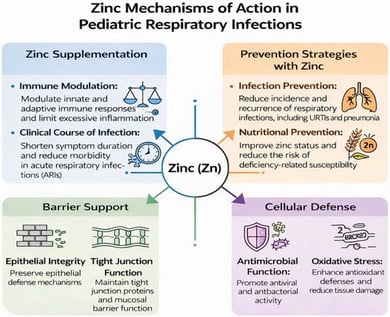
Background/Objectives: Zinc is an essential trace element involved in multiple aspects of immune function, including epithelial barrier integrity, innate and adaptive immune responses, regulation of inflammation and oxidative stress. Zinc deficiency has been associated with increased susceptibility to infections, particularly in the pediatric population. This narrative review aims to summarize and discuss current evidence on the role of zinc in the prevention and management of pediatric respiratory infections. Methods: A comprehensive literature review was conducted including randomized controlled trials, real-world studies, and international guidelines published in recent years. Both zinc monotherapy and multicomponent dietary supplements containing zinc were considered. Results: Evidence consistently supports a preventive role of zinc supplementation in reducing the incidence and burden of respiratory infections, particularly in children with recurrent disease and in zinc-deficient populations. Zinc-containing multicomponent supplements demonstrated significant reductions in infection frequency and duration, alongside improved patient and parent-reported outcomes, with a favorable safety profile. In contrast, data on zinc as an adjunctive treatment during acute infections, especially severe pneumonia, are less consistent, with limited impact on major clinical outcomes. The effectiveness of zinc appears to be influenced by treatment duration, baseline nutritional status, and formulation. Conclusions: In conclusion, zinc may represent a valuable component of preventive immune-nutritional strategies for pediatric respiratory infections, especially when administered as part of multicomponent formulations and over prolonged periods. While its role in acute disease management remains uncertain, optimizing zinc status may contribute to reducing infection recurrence and overall disease burden. Further well-designed trials are warranted to clarify optimal dosing, timing, and target populations.
7 February 2026