Article

The Effects of Strain Rate and Anisotropy on the Formability and Mechanical Behaviour of Aluminium Alloy 2024-T3

1
Faculty of Mechanical Engineering, Brno University of Technology, Technická 2896/2, 616 69 Brno, Czech Republic
2
MST-DyMaLab, Department of Electromechanical, Systems and Metal Engineering, Ghent University, Technologiepark 46, 9052 Zwijnaarde, Belgium
*
Authors to whom correspondence should be addressed.
Metals 2024, 14(1), 98; https://doi.org/10.3390/met14010098
Submission received: 2 December 2023 / Revised: 9 January 2024 / Accepted: 11 January 2024 / Published: 13 January 2024
(This article belongs to the Topic Alloys and Composites Corrosion and Mechanical Properties)

Abstract

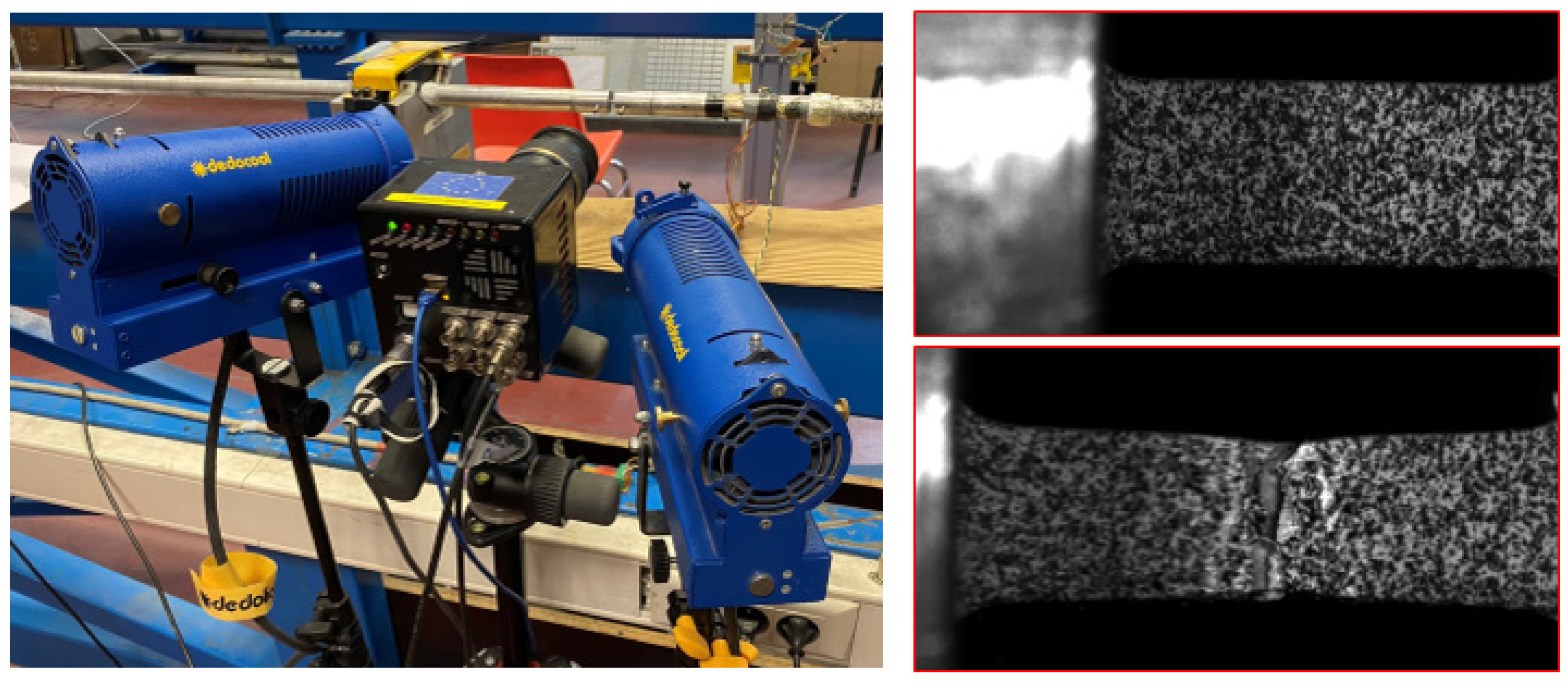
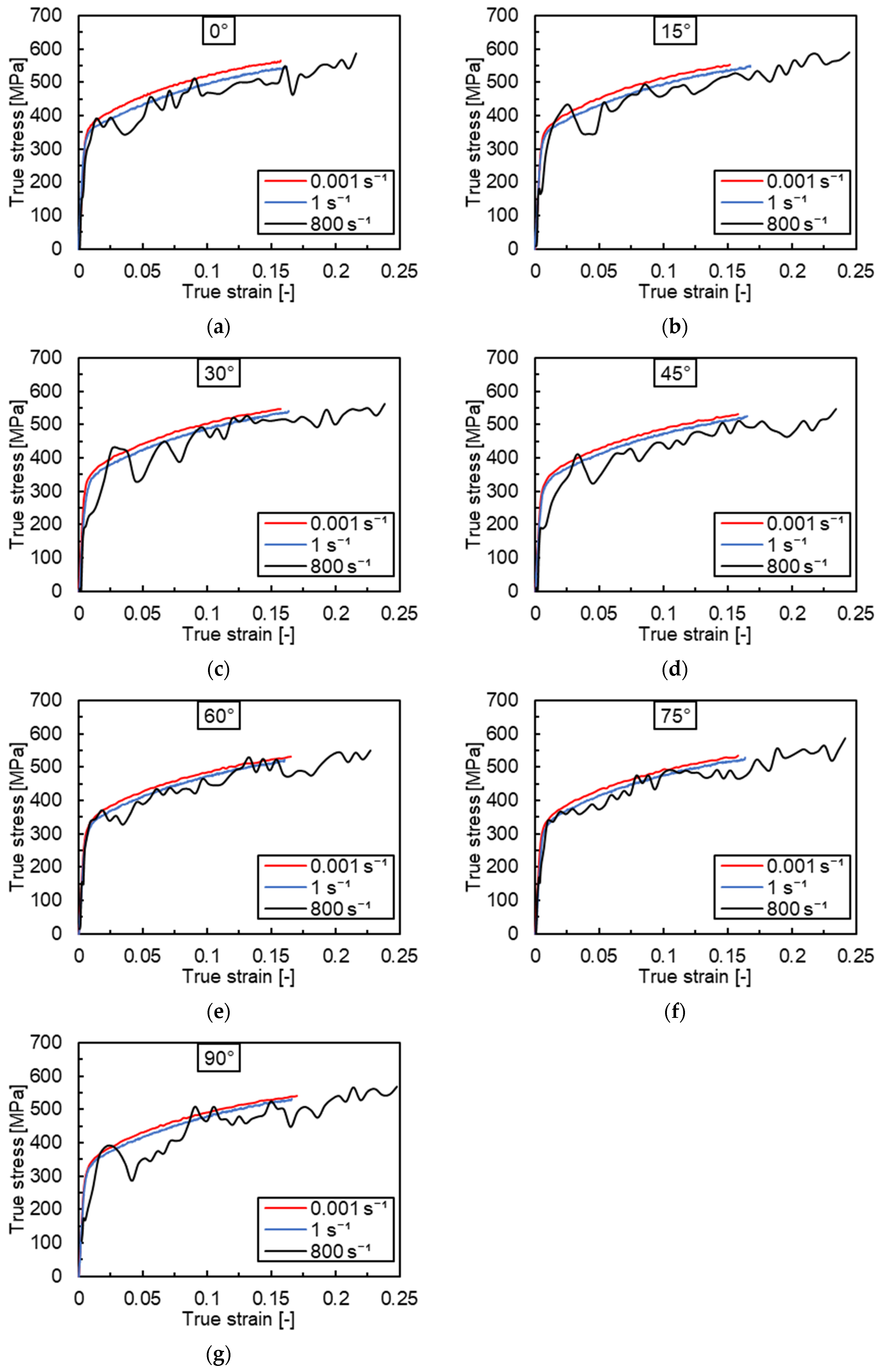
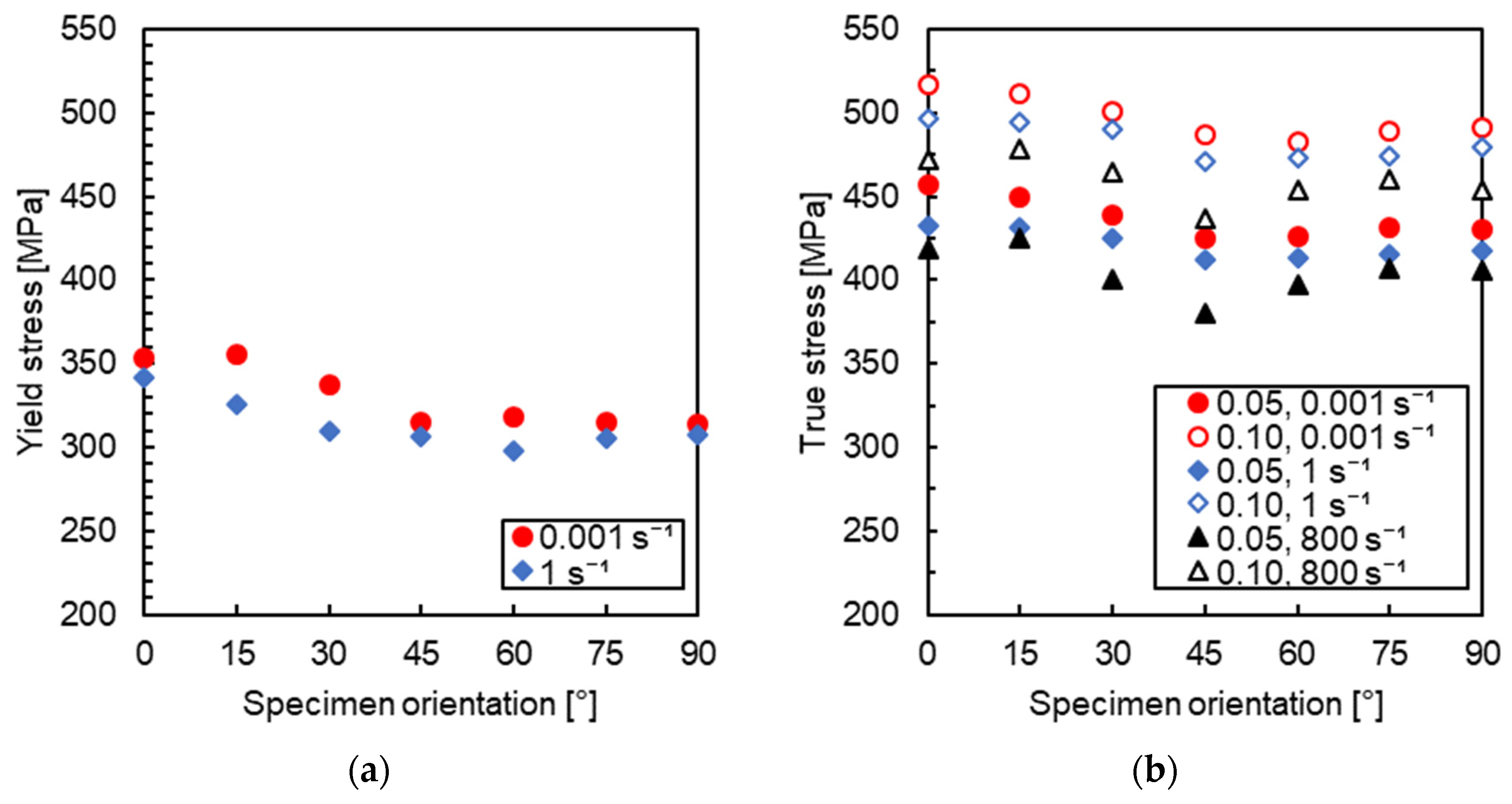
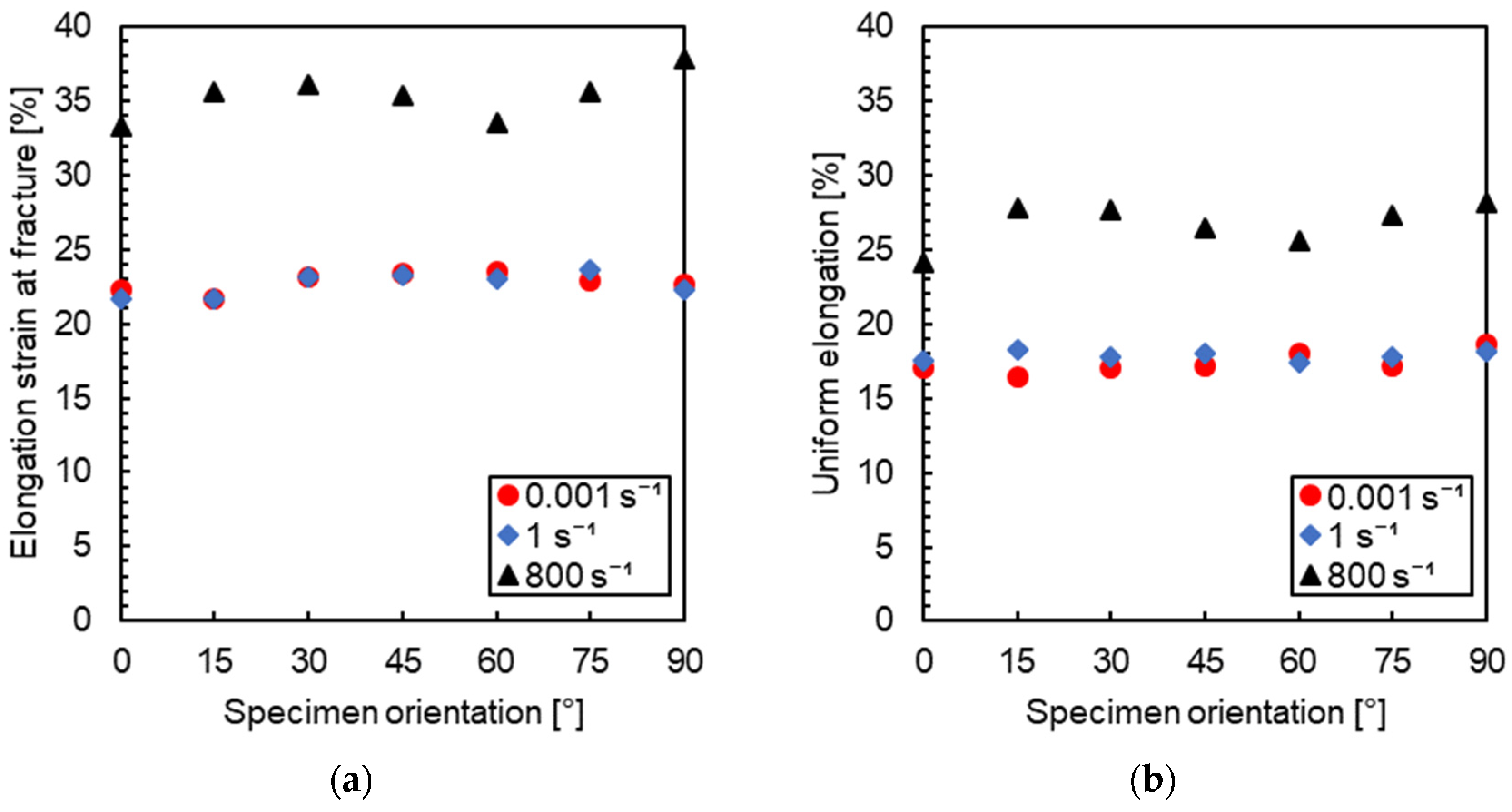
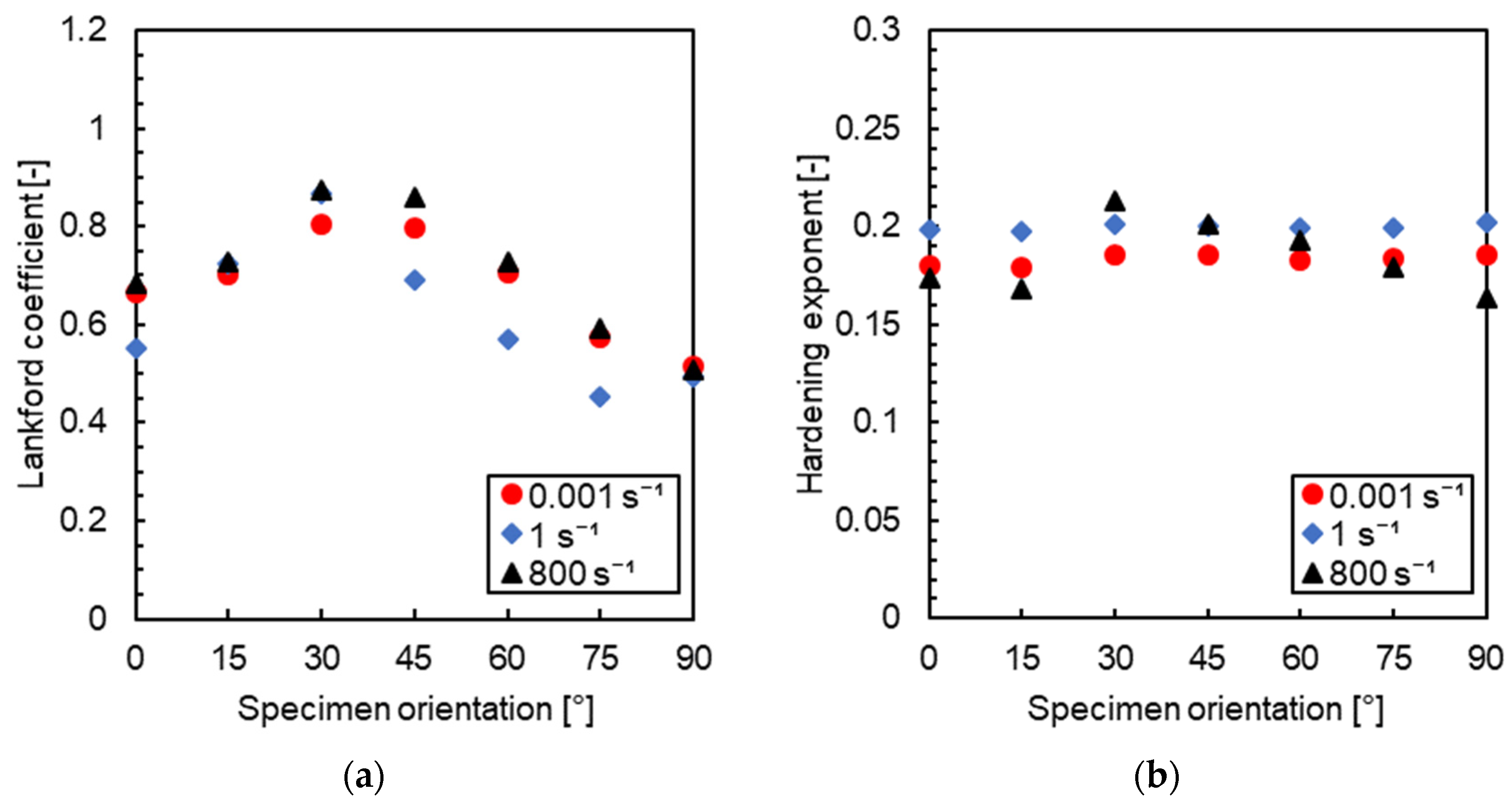
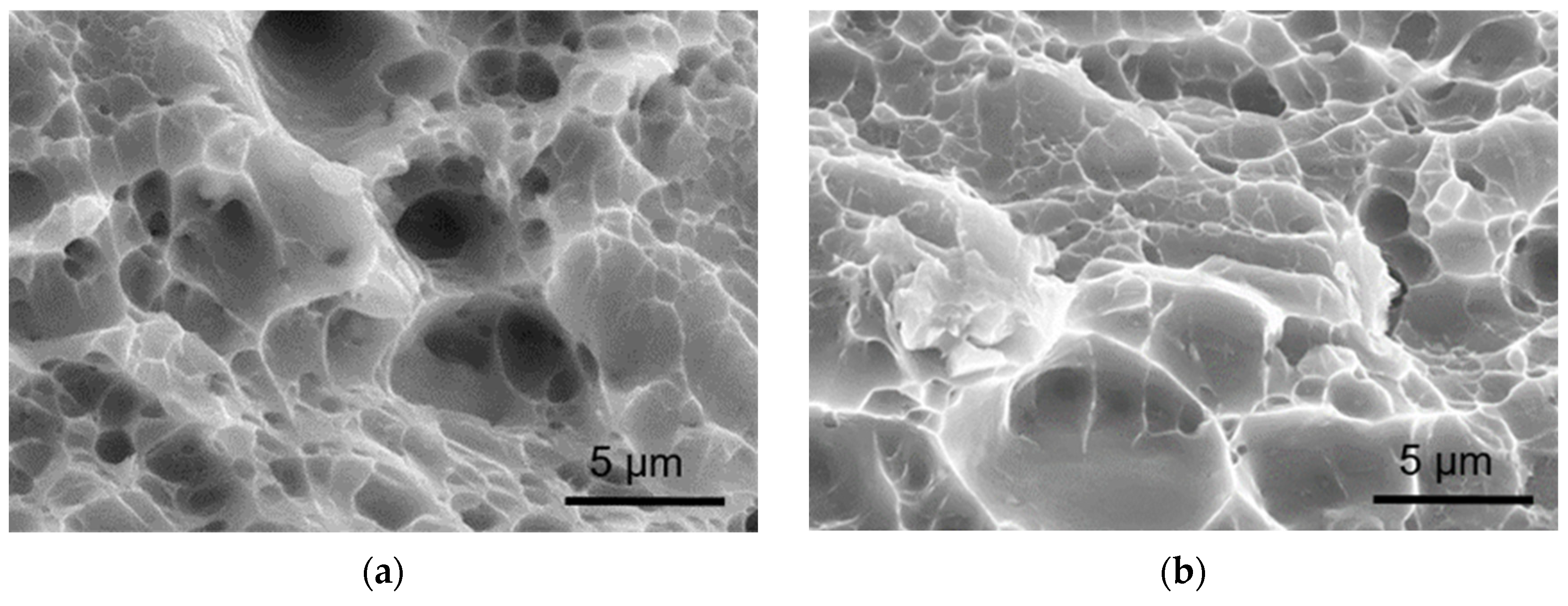
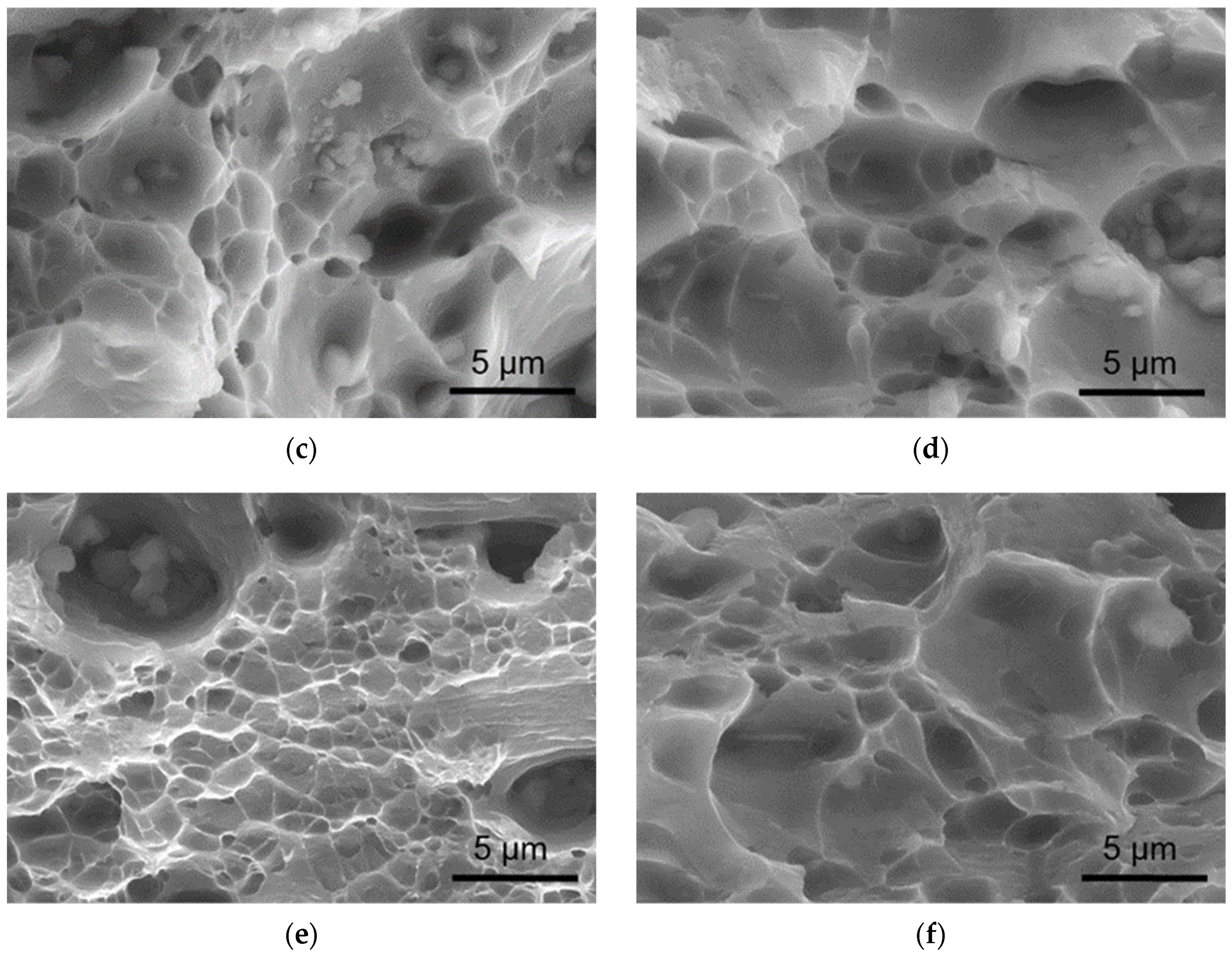
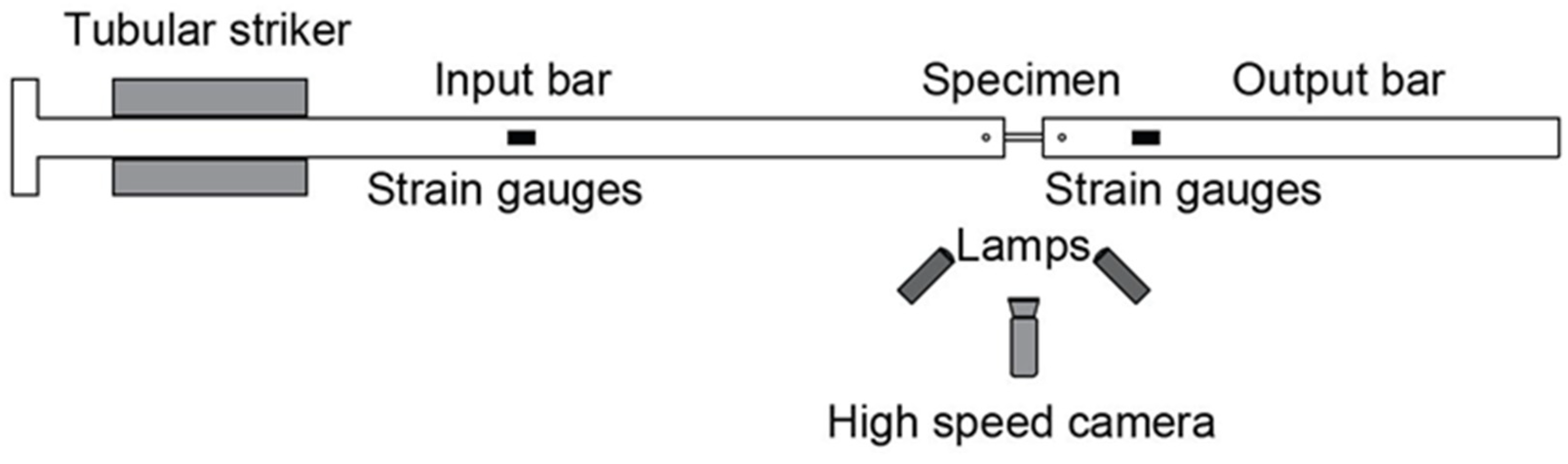
The present study focuses on the mechanical behaviour and formability of the aluminium alloy 2024-T3 in sheet form with a thickness of 0.8 mm. For this purpose, tensile tests at quasi-static and intermediate strain rates were performed using a universal testing machine, and high strain rate experiments were performed using a split Hopkinson tension bar (SHTB) facility. The material’s anisotropy was investigated by considering seven different specimen orientations relative to the rolling direction. Digital image correlation (DIC) was used to measure specimen deformation. Based on the true stress–strain curves, the alloy exhibited negative strain rate sensitivity (NSRS). Dynamic strain aging (DSA) was investigated as a possible cause. However, neither the strain distribution nor the stress–strain curves gave further indications of the occurrence of DSA. A higher deformation capacity was observed in the high strain rate experiments. The alloy displayed anisotropic mechanical properties. Values of the Lankford coefficient lower than 1, more specifically, varying between 0.45 and 0.87 depending on specimen orientations and strain rate, were found. The hardening exponent was not significantly dependent on specimen orientation and only moderately affected by strain rate. An average value of 0.183 was observed for specimens tested at a quasi-static strain rate. Scanning electron microscopy (SEM) revealed a typical ductile fracture morphology with fine dimples. Dimple sizes were hardly affected by specimen orientation and strain rate.
Keywords: 2024-T3; aluminium alloy; high strain rates; anisotropy; mechanical behaviour 2024-T3; aluminium alloy; high strain rates; anisotropy; mechanical behaviour