Systematic Review

Interdisciplinary Perspectives on Green Infrastructure: A Systematic Exploration of Definitions and Their Origins


Myers-Lawson School of Construction, Virginia Tech, Blacksburg, VA 24061, USA
*
Author to whom correspondence should be addressed.
Environments 2024, 11(1), 8; https://doi.org/10.3390/environments11010008

Submission received: 1 November 2023 / Revised: 21 December 2023 / Accepted: 23 December 2023 / Published: 2 January 2024

Abstract

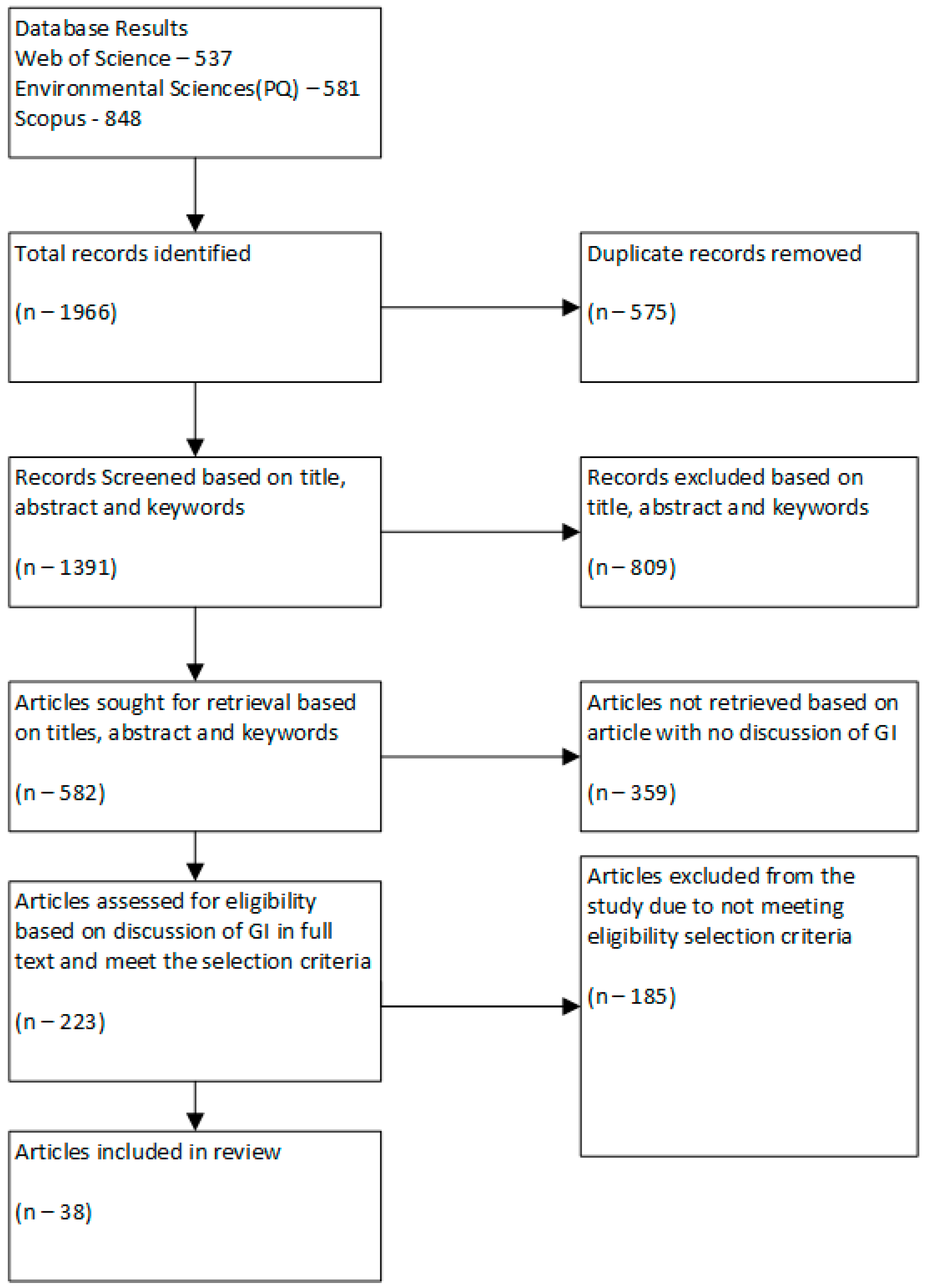
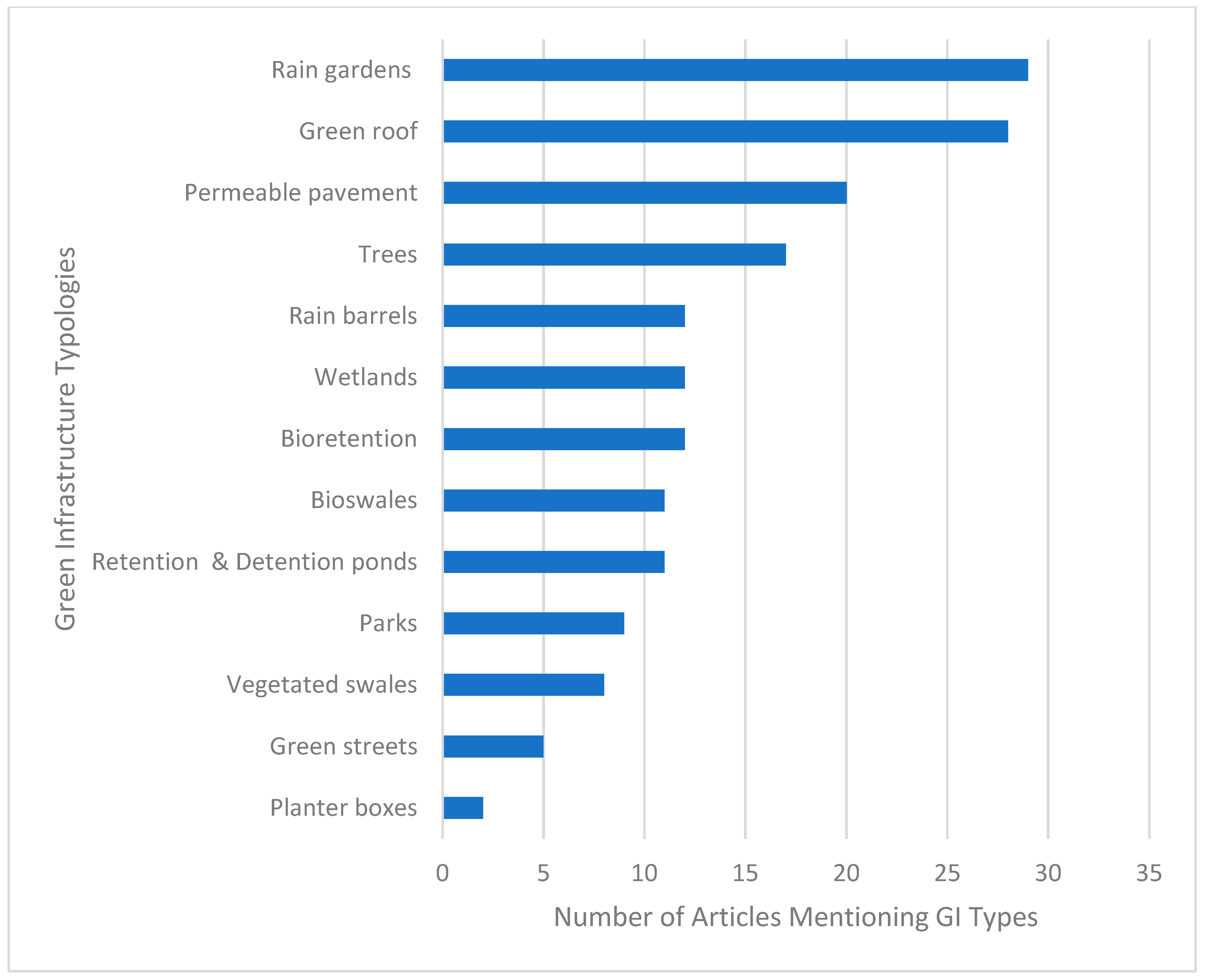
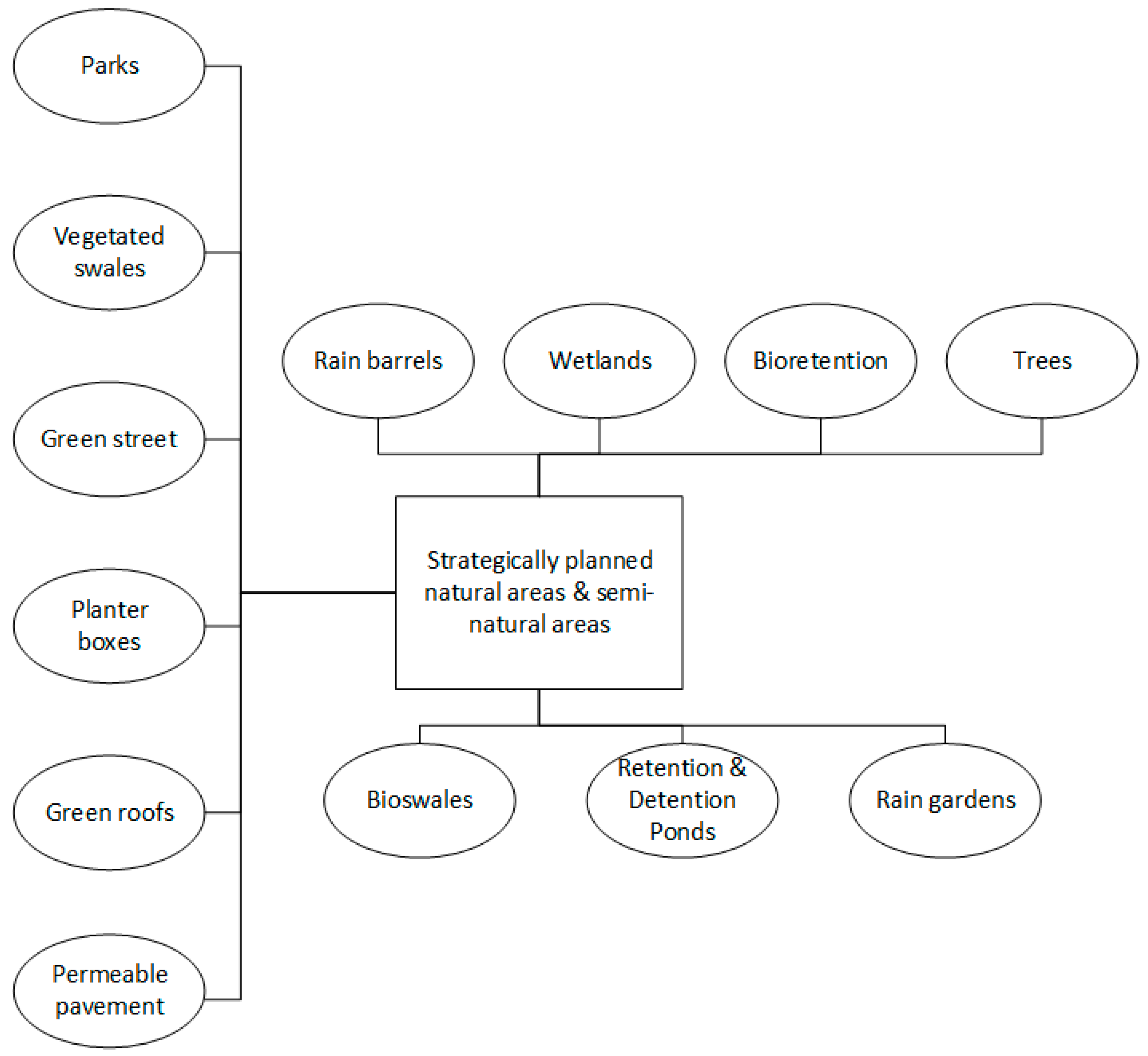
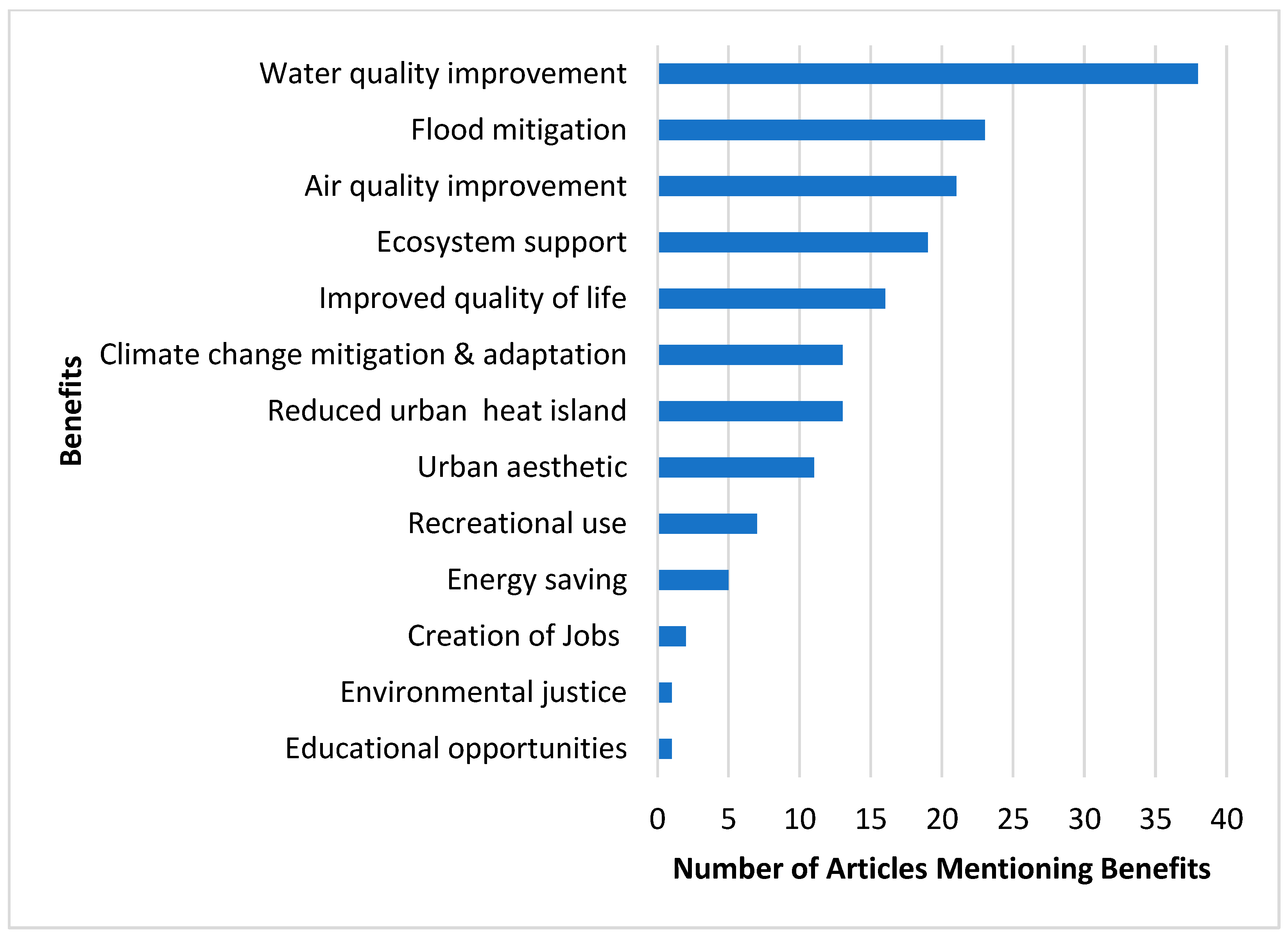
Green Infrastructure (GI) is rooted in ecology and cuts across multiple disciplines, including landscape architecture, environmental sciences, planning, policy, and engineering. Likewise, the definition of this concept also cuts across disciplines, which creates ambiguity around what GI is and what makes up GI in practice—for example, mistaking bioswales for regular tree planters or green space within communities in which they are installed. We undertook a systematic literature review of 38 peer-reviewed articles for this study using the Preferred Reporting Items for Systematic Reviews and Meta-Analysis (PRISMA) method to identify and synthesize the different disciplinary definitions of GI in the literature. This study also presents the types of GI systems mentioned in the peer-reviewed articles while identifying other benefits apart from the primary benefit of GI installation, which is stormwater management. The analysis revealed three clusters of GI definitions: (I) Interconnected natural areas and other open spaces, (II) Strategically planned natural and semi-natural areas, and (III) Decentralized systems and techniques. However, we got rid of the third cluster during the analysis because GI is known to be a decentralized system, and the definition region could not be tracked. These clusters represent a spectrum, one of which employs the structure of natural systems already in place to support human goals (bio-inclusivity). The other includes living systems as components within engineered solutions to achieve objectives (bio-integration). This review points to the need for an encompassing definition that cuts across disciplines with a consensus on the adoption and concise categorization of GI types and the multiple benefits they provide to humans and ecosystems. A consensus definition helps clear misconceptions and improve the understanding of GI, potentially improving receptivity towards these solutions within communities from a community member perspective.
Keywords: green infrastructure; definition; types; benefits; stormwater management; nature-based solution; multidisciplinary; interdisciplinary green infrastructure; definition; types; benefits; stormwater management; nature-based solution; multidisciplinary; interdisciplinary