Article

Effect of Screen Printing Methods on Titanium Dioxide Films Modified with Silver Nanoparticles to Improve Dye-Sensitized Solar Cell Performance


1
Department of Electronic Engineering, National Formosa University, Yunlin 632, Taiwan
2
Department of Electrical Engineering, Cheng Shiu University, Kaohsiung 833, Taiwan
*
Authors to whom correspondence should be addressed.
Coatings 2025, 15(12), 1421; https://doi.org/10.3390/coatings15121421
Submission received: 11 November 2025 / Revised: 25 November 2025 / Accepted: 2 December 2025 / Published: 4 December 2025

Abstract

Dye-sensitized solar cells (DSSCs) are considered a prospective alternative to silicon-based solar cells due to their lower production cost and simpler fabrication process than conventional solar cells. DSSCs’ adjustable optical properties enable them to function effectively under diverse illumination conditions, making them ideal for powering small electronic devices in indoor environments. In DSSCs, silver nanoparticles (AgNPs) are incorporated into titanium dioxide (TiO2) photoanodes due to their localized surface plasmon resonance (LSPR) effect, which enhances scattering and absorbing incident light and creates a strong electromagnetic field near the surface. There are diverse manufacturing methods for DSSCs, while the screen printing method is preferred because the area of the TiO2 film can be easily customized to effectively reduce human error and make the film highly stable. In this study, eight different stacked DSSC film structures were fabricated by adding AgNPs to TiO2 films. The TiO2 paste with a concentration of 3 mwt% (percentage by mass) of AgNPs performed best in this study. The photovoltaic performance was evaluated using power conversion efficiency (PCE), and the results showed that the AgNP-doped film on the surface of the fluorine-doped tin oxide (FTO) glass significantly improved the photovoltaic performance. The three layers of TiO2 doped with AgNPs achieved the highest PCE. PCE was increased since the TiO2 film containing AgNPs became thicker and closer to the FTO substrate. The PCE of DSSCs was compared using pure TiO2 NPs and the AgNP-doped TiO2 photoanode. The efficiency increased from 5.67% to a maximum of 6.13%. This enhanced efficiency, driven by LSPR and improved electron transport, confirms the viability of screen-printed, plasmon-enhanced photoanodes for high-efficiency DSSCs.

1. Introduction

Since the Industrial Revolution of the 19th century, industrialization has significantly advanced human civilization while dramatically increasing global energy demand. This demand has been predominantly met by fossil fuels such as coal, oil, and natural gas [1,2]. However, the combustion of these fuels releases greenhouse gases, notably carbon dioxide, contributing to global climate change. As a result, environmental protection has become a critical concern, driving the development of renewable energy technologies. Among these, solar energy has emerged as a leading candidate due to rapid technological progress and currently exhibits the highest growth rate in power generation among all renewable sources [3,4]. The expansion of the Internet of Things (IoT) and AI technologies has further intensified the need for stable and efficient energy solutions [5].
Silicon has traditionally dominated solar cell fabrication. Nonetheless, its high production cost and reduced efficiency under variable temperature and light conditions limit its broader application. These limitations have led to the development of dye-sensitized solar cells (DSSCs) as a promising alternative, offering advantages such as low production cost, ease of fabrication, mechanical flexibility, and optical transparency. A typical DSSC consists of a photoanode, dye, electrolyte, and counter electrode. Previous studies have shown that incorporating metal nanoparticles into the photoanode enhances light absorption via localized surface plasmon resonance (LSPR), thereby improving power conversion efficiency (PCE) [6,7,8,9].
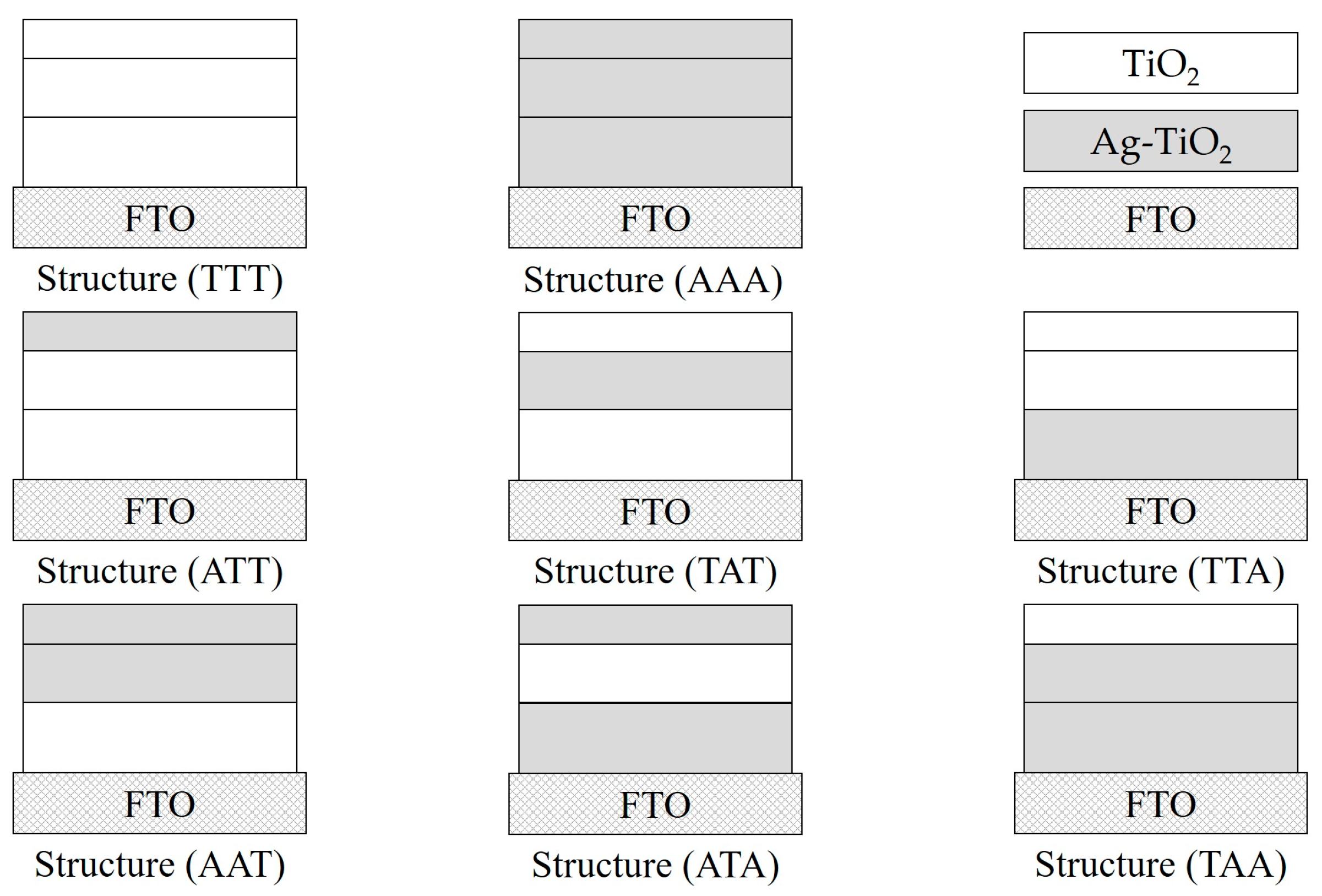
Titanium dioxide (TiO2) nanoparticles (NPs) are commonly used as the photoanode material. Therefore, in this study, silver nanoparticles (AgNPs) were incorporated into TiO2 NP photoanode films to leverage the LSPR effect, which enhances light scattering and absorption while generating a strong electromagnetic field near the film surface. To optimize the doping concentration of AgNPs, we investigated the impact of various layer configurations on DSSC performance. AgNPs were introduced into TiO2 NP photoanode films (fabricated by 15 wt% paste), and the influence of LSPR on PCE was evaluated across eight structural configurations. These configurations were formed by segmenting the photoanode into three layers, combining pure TiO2 (T) and AgNP-doped TiO2 (A) in the following arrangements: TTT, ATT, TAT, TTA, AAT, ATA, TAA, and AAA.
The fabricated DSSCs were characterized using ultraviolet–visible (UV–Vis) spectroscopy, electrochemical impedance spectroscopy (EIS), and PCE measurements. The dye and electrolyte were synthesized in the experiment, with platinum employed as the counter electrode. To improve reproducibility and operational efficiency, the screen printing method was adopted for photoanode fabrication instead of the conventional doctor blade technique. Based on experimental results, we identified the optimal AgNP doping concentration and layered configuration to maximize the LSPR effect. The electronic and optical properties of AgNPs were analyzed using EIS and UV–Vis spectroscopy. Our findings demonstrate that placing the AgNP-containing layer closer to the FTO substrate significantly enhances DSSC performance, offering a scalable and effective strategy for high-efficiency solar cell fabrication.

2. Materials and Methods

2.1. Materials

Fluorine-doped tin oxide (FTO) substrates and indium tin oxide (ITO) were purchased from Ruilong Electromechanical Corporation (Co.) Limited (Ltd.) (Taiwan). Acetone (95%), methyl alcohol (95%), tertiary butanol (99%), ethanol (99%), titanium dioxide nanoparticles (TiO2 P25, anatase 80%, and rutile 20%), N3 dye (cis-bis(dithiocyanato)-bis(4,4’-dicarboxylic acid-2,2’-bipyridine) ruthenium(II)) were purchased from Uni-Onward Corporation (Taiwan). Lithium iodide (98%) was purchased from Thermo Scientific Chemicals Incorporated (Inc.) (USA). Acetonitrile (99.5%) was purchased from Avantor Performance Materials Inc. (USA), 4-Tert-butylpyridine (99%) was purchased from Sigma-Aldrich Corporation (USA), iodide (99.9%) from Osaka Limited Liability Company, Japan. 1,2-Dimethyl-3-propylimidazolium iodide (98%) from TCI Co., Ltd. (Taiwan), 3-Methoxypropionitrile from Fluka Inc. (USA), and AgNPs (0.1 mg/mL) from Conjutek Co., Ltd. (Taiwan).

2.2. Device Fabrication

For substrate cleaning, the FTO substrate was placed in a beaker and cleaned using an ultrasonic bath with acetone, methanol, and deionized water for five minutes, respectively. Acetone was used to remove organic impurities and surface oils. Residual acetone was removed by using methanol and then deionized water to remove remaining solvents. The cleaned substrate was dried using nitrogen purging.
A 15 wt% TiO2 paste was prepared by mixing tertiary butanol (99% v/v) and anhydrous alcohol (95%) in a ratio of 1:2 (v/v). AgNPs were added in varying weights according to experimental requirements to produce AgNP-doped TiO2 paste (Table 1). The prepared paste was screen-printed onto the FTO substrate using a 150-mesh polyester stencil. The printing process was repeated three times to achieve the desired film thickness.
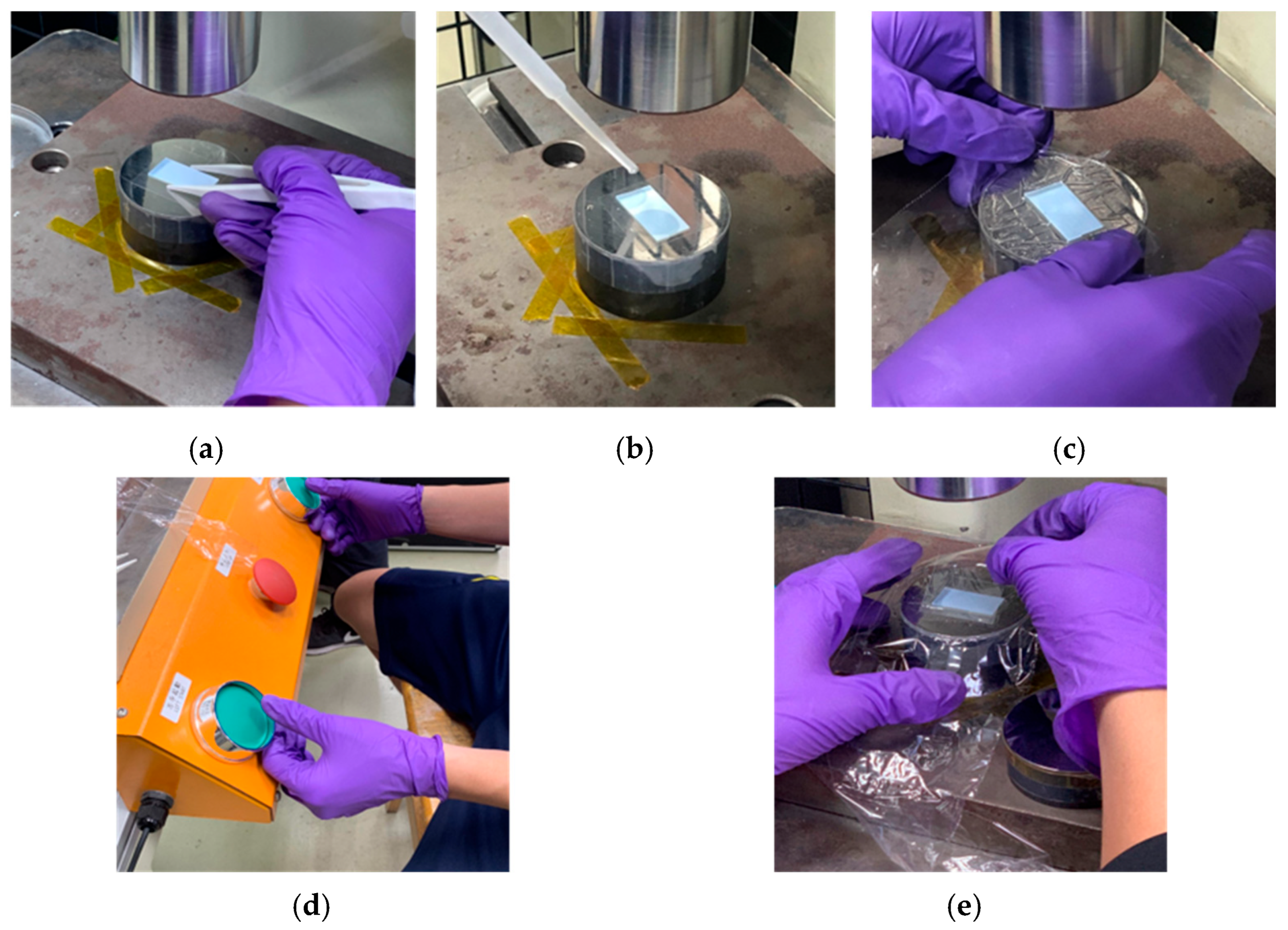
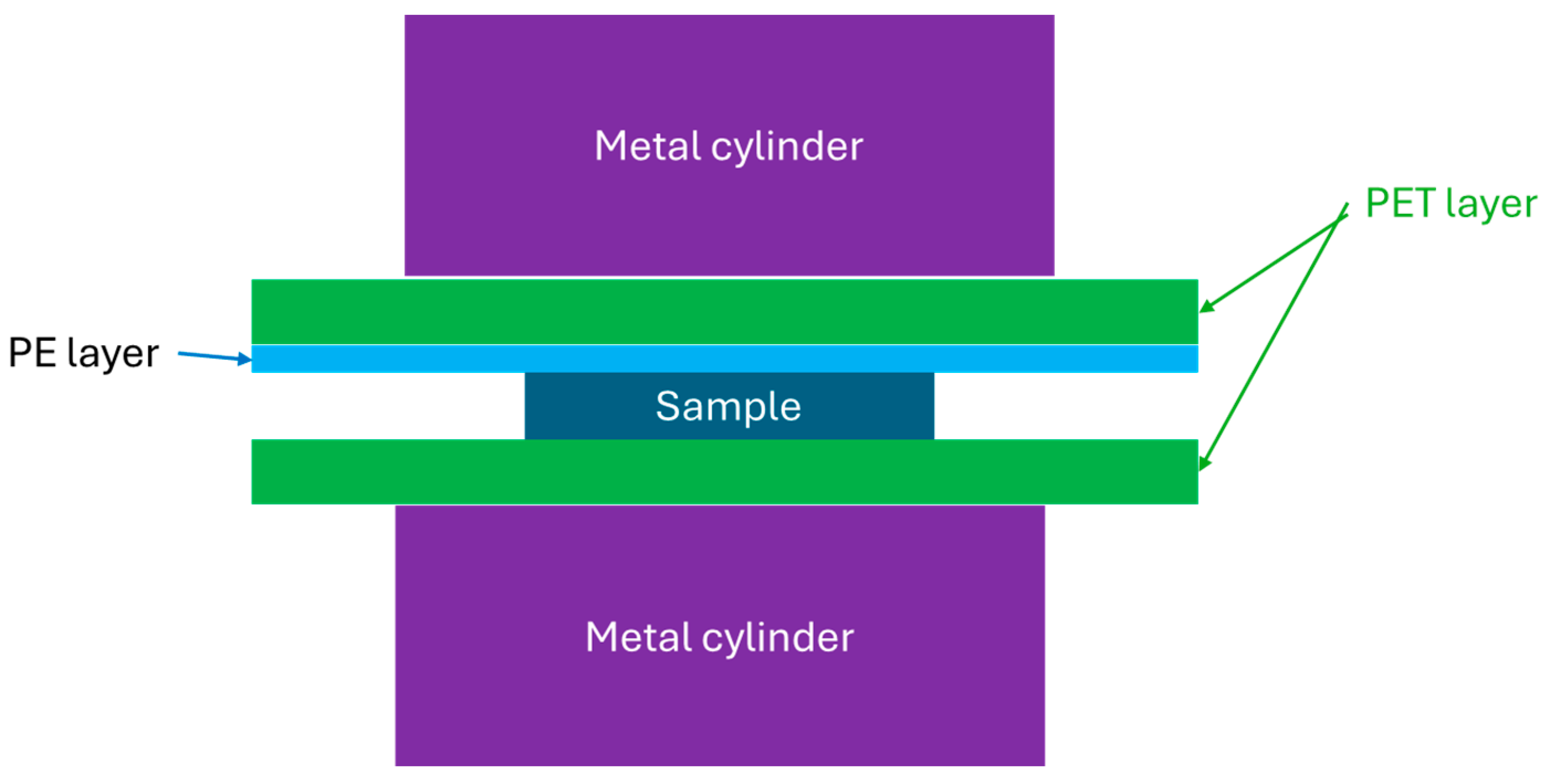
The nanoparticle film was compressed at 138.4 kg/cm2 for 60 s using a hydraulic press after drying (Figure 1). First, a polyethylene terephthalate (PET) sheet and the experimental sample were placed on the metal cylinder of a compressing machine (Figure 2a). Then, a few drops of n-pentane were added to the top layer of the PET sheet (Figure 2b). A PE film was covered (Figure 2c), and the layer containing the film was pressed. After the compression, the PE film was removed (Figure 2d,e). Subsequently, the photoanode film was annealed in ambient air in two stages: first at 150 °C for 1.5 h, followed by 450 °C for 0.5 h, a total of 2 h, when the main absorption peaks in the visible light range were observed. The annealed photoanode films were immersed in a 0.3 mM solution of N3 dye at 45 °C for two hours. After sensitization, the films were rinsed in acetonitrile to remove unbound dye molecules and then dried in an oven at 45 °C.
To fabricate a counter electrode, a 10 nm platinum layer was sputtered to deposit it onto the ITO glass substrate. A 60 μm thick hot-melt polymer spacer was used to assemble the counter electrode with the photoanode. Electrolyte was introduced into the inter-electrode space by capillary action through a pre-drilled injection hole in the counter electrode. The hole was subsequently sealed using a small piece of ITO glass.

2.3. Characterization

The morphology and structure of the photoanode film were examined using a field emission scanning electron microscope (FE-SEM, JSM-7610FPlus, JEOL Ltd., Japan). A transmission electron microscope (TEM, JEM-2100Plus, JEOL Ltd., Japan) was used to measure the size of AgNPs. A UV–Vis spectrometer (U2900A, Hitachi Ltd., Japan) was used to measure the absorption of visible light by the photoanode films. X-ray diffraction (XRD, Bruker Corporation, Germany) was used to identify the crystalline phases of the photoanode films. Electrochemical impedance spectroscopy (EIS) was used to characterize the carrier transport behavior of the fabricated DSSCs. EIS is a standard method for measuring current response under an AC voltage of various frequencies. The frequencies ranged from 10 mHz to 100 kHz. Current–voltage (J–V) characteristics were measured using a Keithley 2400 source meter (Keithley Instruments, Inc., USA) under simulated sunlight (SAN-EI XES-40S1, San-EiCo., Ltd., Japan) with air mass 1.5G radiation at an intensity of 100 mW/cm2.

3. Result and Discussion

We examined the effect of varying concentrations of AgNPs doped into TiO2 films and determined the optimal concentration for a subsequent layered structure. We also evaluated the influence of the layered structure on the PCE of DSSCs.
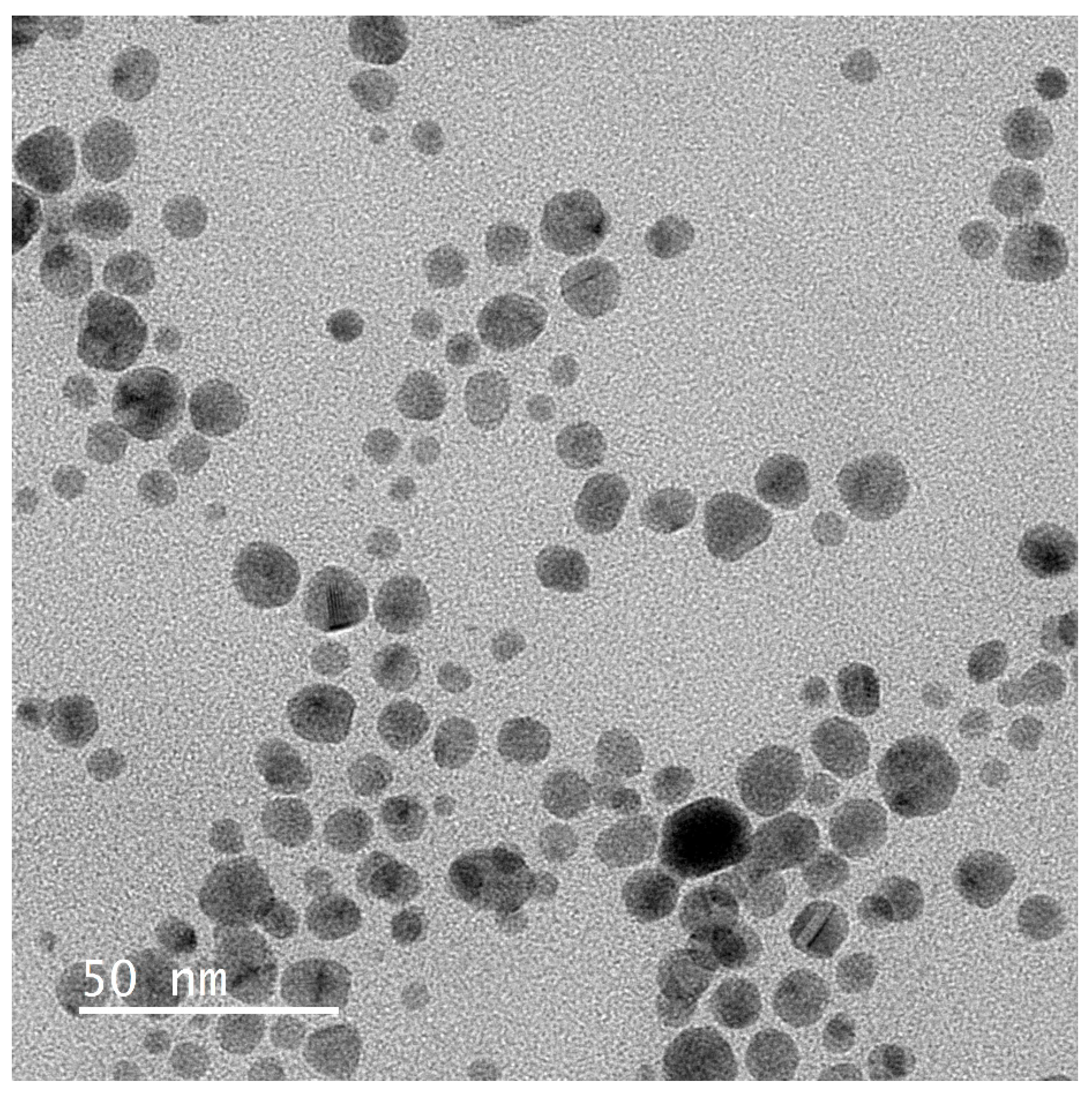
Figure 3 presents a TEM image of the AgNPs used in the experiment at a scale of 50 nm. The particle sizes ranged from 5 to 20 nm, consistent with the manufacturer’s specifications.
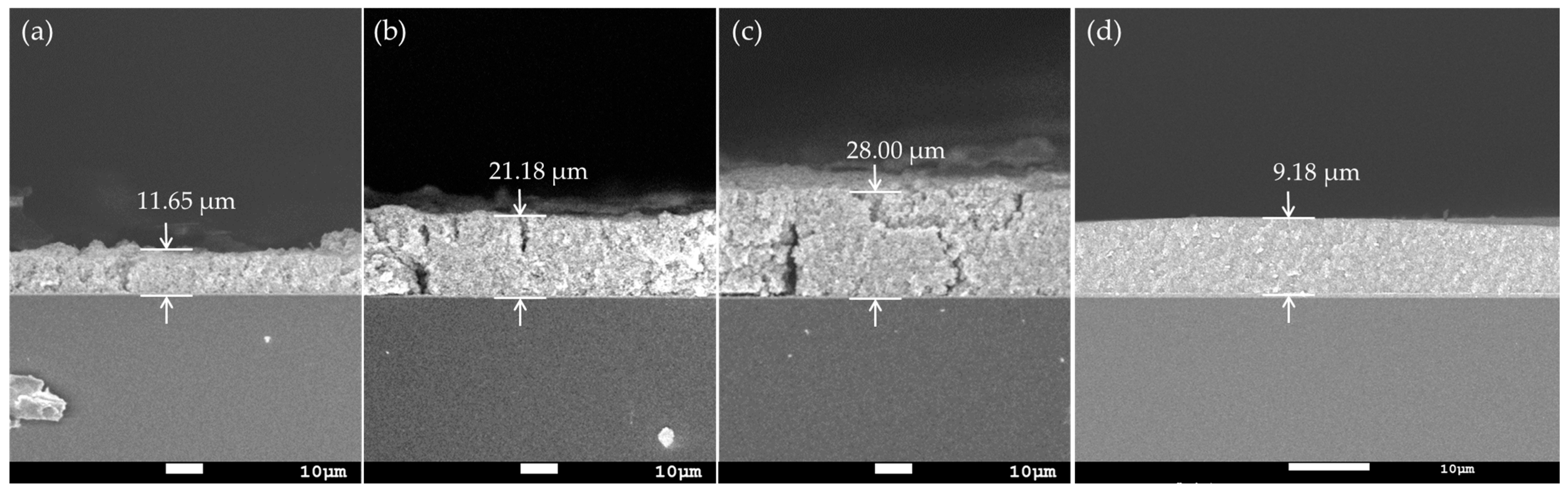
Figure 4 shows cross-sectional images of photoanodes fabricated via screen printing. One, two, and three coating layers are shown in Figure 2a,b,c, respectively. The multilayer coatings were applied to achieve sufficient thickness for effective photon absorption. As the number of layers increased, the film thickness increased from approximately 11.65 to 28.00 µm. However, thicker films exhibited more cracks, and applying a fourth layer or more caused delamination when the Teflon mesh was removed. Therefore, the number of coating layers was limited to three. Cracks in the TiO2 NP film, caused by solvent evaporation during drying, promote electron–hole recombination, reducing PCE. To address this and enhance its density, we compressed the film at 138.4 kg/cm2 using a hydraulic press. This process significantly reduced film thickness and eliminated cracks, resulting in improved PCE (Figure 2d). The enhanced performance is attributed to the shortened electron transport path, facilitating more efficient charge collection [10,11,12]. The thicknesses of the first, second, and third coatings were approximately 11.65, 9.53, and 6.82 µm. After compression, the total thickness was reduced to approximately 9.18 µm.
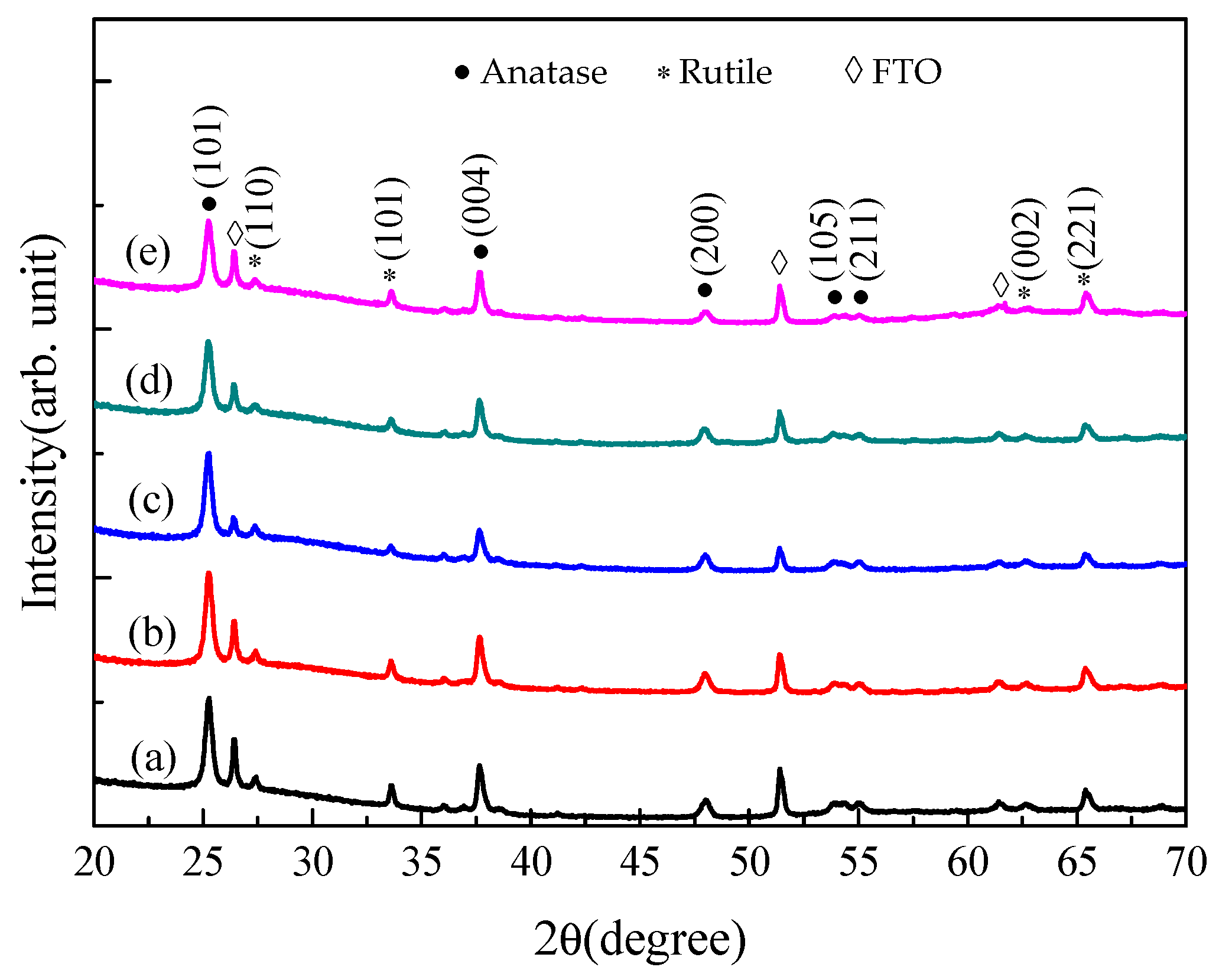
A 15 wt% TiO2 NP paste was used as the base, and AgNPs were added at concentrations of 0, 1, 3, 5, and 10 mwt% to form the photoanodic slurry. The XRD analysis results (Figure 5a) confirmed that the diffraction pattern matched that of the FTO substrate. The TiO2 NPs fabricated in this study consisted of 80% anatase and 20% rutile phases. Annealing at 450 °C did not alter the crystallinity of the TiO2, consistent with previous findings that suggest improved nanoparticle connectivity and enhanced photoelectron transport [11,12]. Due to the low doping levels, AgNPs were not distinctly visible in the XRD spectra.
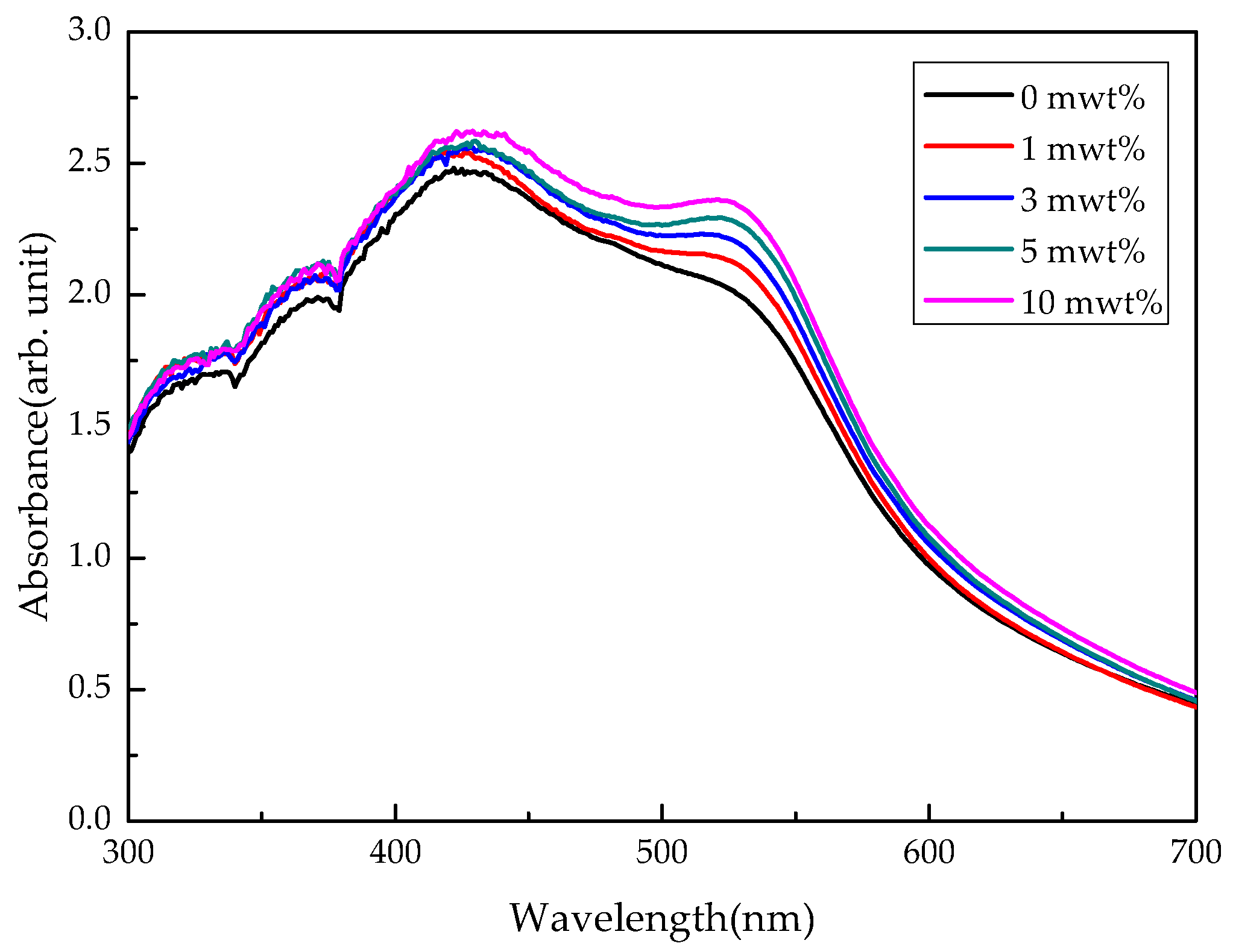
UV–Vis spectroscopy was used to assess the effect of AgNPs on light absorption. Absorbance was calculated as log(I0/I), where I0 is the incident light intensity, and I is the transmitted intensity. Figure 6 displays the UV–Vis absorption spectra of AgNP-doped films after N3 dye adsorption. A significant increase in absorption was observed around 521 nm, the absorption band of N3 dye in the visible spectrum, as AgNP concentration increased. This enhancement is attributed to the LSPR effect, wherein AgNPs generate a local electromagnetic field under illumination, thereby boosting the light absorption of the surrounding semiconductor matrix [13,14,15]. These results confirm that AgNP incorporation enhances the optical absorption of DSSCs.
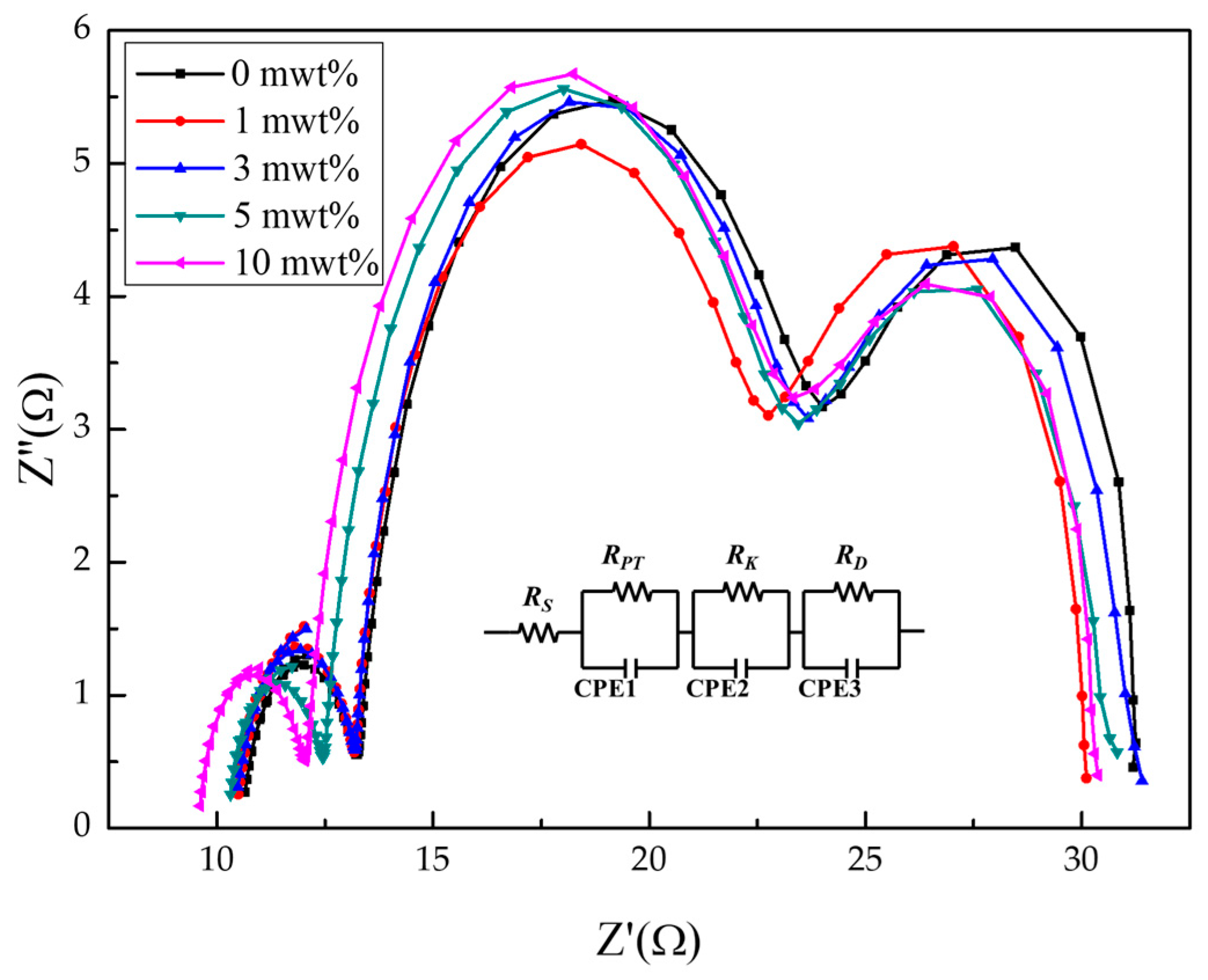
Figure 7 presents the EIS spectra of DSSCs with different AgNP concentrations, with corresponding data summarized in Table 2. The Nyquist plots provide key parameters: series resistance (RS), charge transfer resistance at the electrolyte–counter electrode interface (RPT), charge transfer resistance through the TiO2/dye/electrolyte interface (RK), and Warburg diffusion impedance (RD). The electron recombination rate constant (Keff) was derived from the peak frequency in the mid-frequency region, and the electron lifetime (τeff) was calculated using τeff = 1/(2π Keff). The Nyquist plots also revealed three constant phase elements (CPEs): CPE1 (platinum counter electrode/electrolyte interface), CPE2 (TiO2/dye/electrolyte interface), and CPE3 (charge transport through the TiO2/dye/electrolyte interface). Pressurization and annealing influence photoanode properties. Since all process conditions were held constant except for AgNP concentration in the experiment, RS, RPT, RK, and RD remained almost unchanged across samples. A slight increase in RK was observed beginning at 1 mwt% doping due to enhanced electron generation via the LSPR effect [16]. However, excessive electron generation at higher doping levels promotes recombination with dye holes, further increasing RK [17]. Due to frequency resolution limitations, only two Keff values were obtained, yielding two corresponding τeff values. As AgNP concentration increased, τeff decreased, indicating faster electron transport and decay, which enhances charge collection efficiency [18].
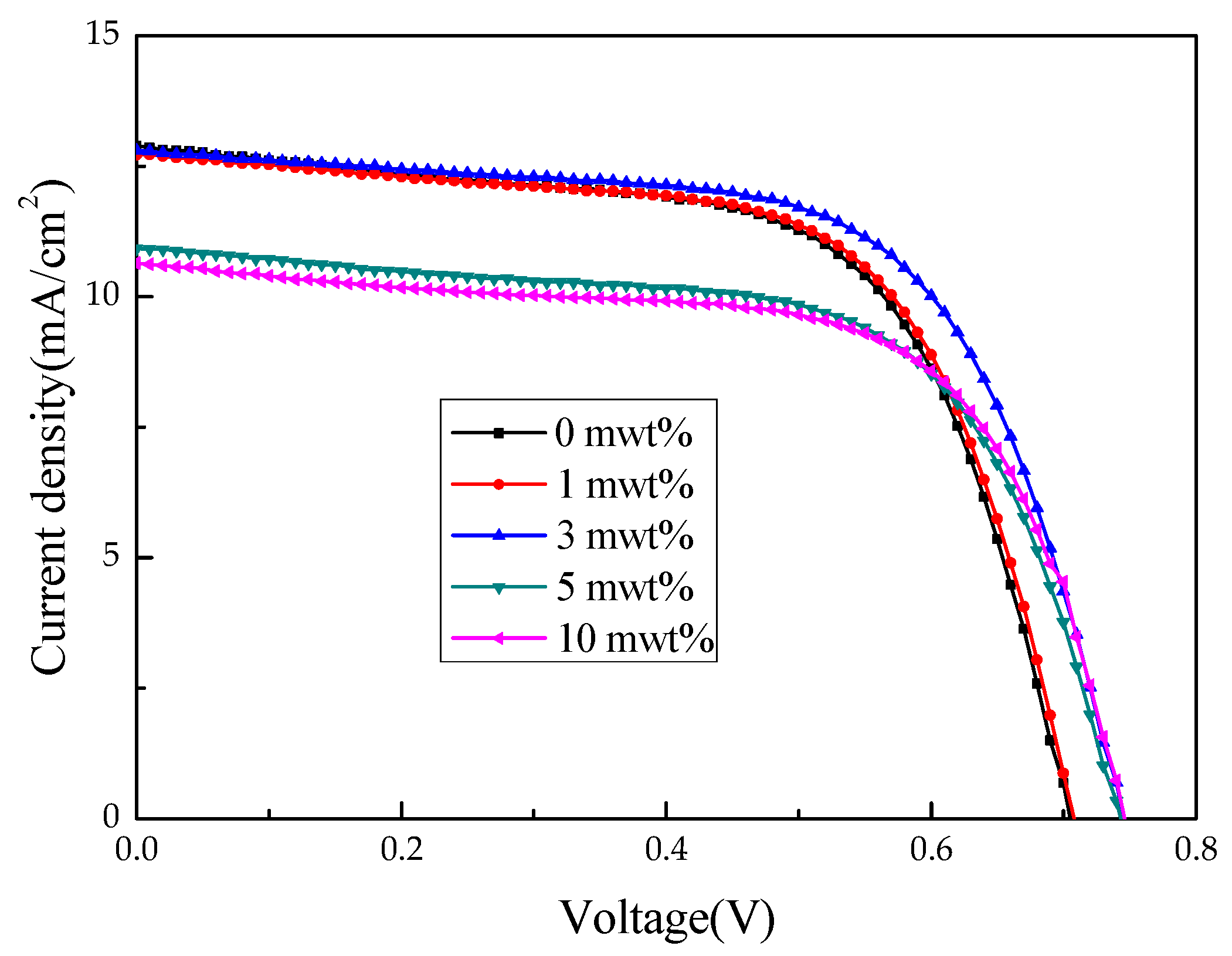
Finally, the effect of AgNPs on current density–voltage (J–V) characteristics was evaluated. Figure 8 shows the J–V curves for DSSCs with varying AgNP concentrations, and Table 3 presents the associated data. The open-circuit voltage (VOC) increased with AgNP concentration, likely due to enhanced dye–silver interactions at higher doping levels [19]. The short-circuit current density (JSC) also increased with AgNP content, leading to an increase in PCE from 5.69% (undoped) to 6.13% at 3 mwt% doping. However, doping beyond 5 mwt% resulted in reduced JSC and PCE, due to increased electron–hole recombination.
To investigate the influence of AgNP concentration on device performance, different layered structures were experimented with. In the previous doping experiment, a concentration of 3 mwt% AgNPs yielded the highest PCE. Accordingly, the layered structures were fabricated using TiO2 paste doped with 3 mwt% AgNPs and a 15 wt% pure TiO2 NP paste. Figure 9 illustrates the three-layer photoanode architecture. Eight distinct configurations were constructed by permutating layers of A and T. In the schematic, white rectangles represent pure TiO2 layers, gray rectangles indicate Ag-TiO2 layers, and the dark gray region corresponds to the FTO substrate. Structural codes are arranged from top to bottom, reflecting the layer sequence.
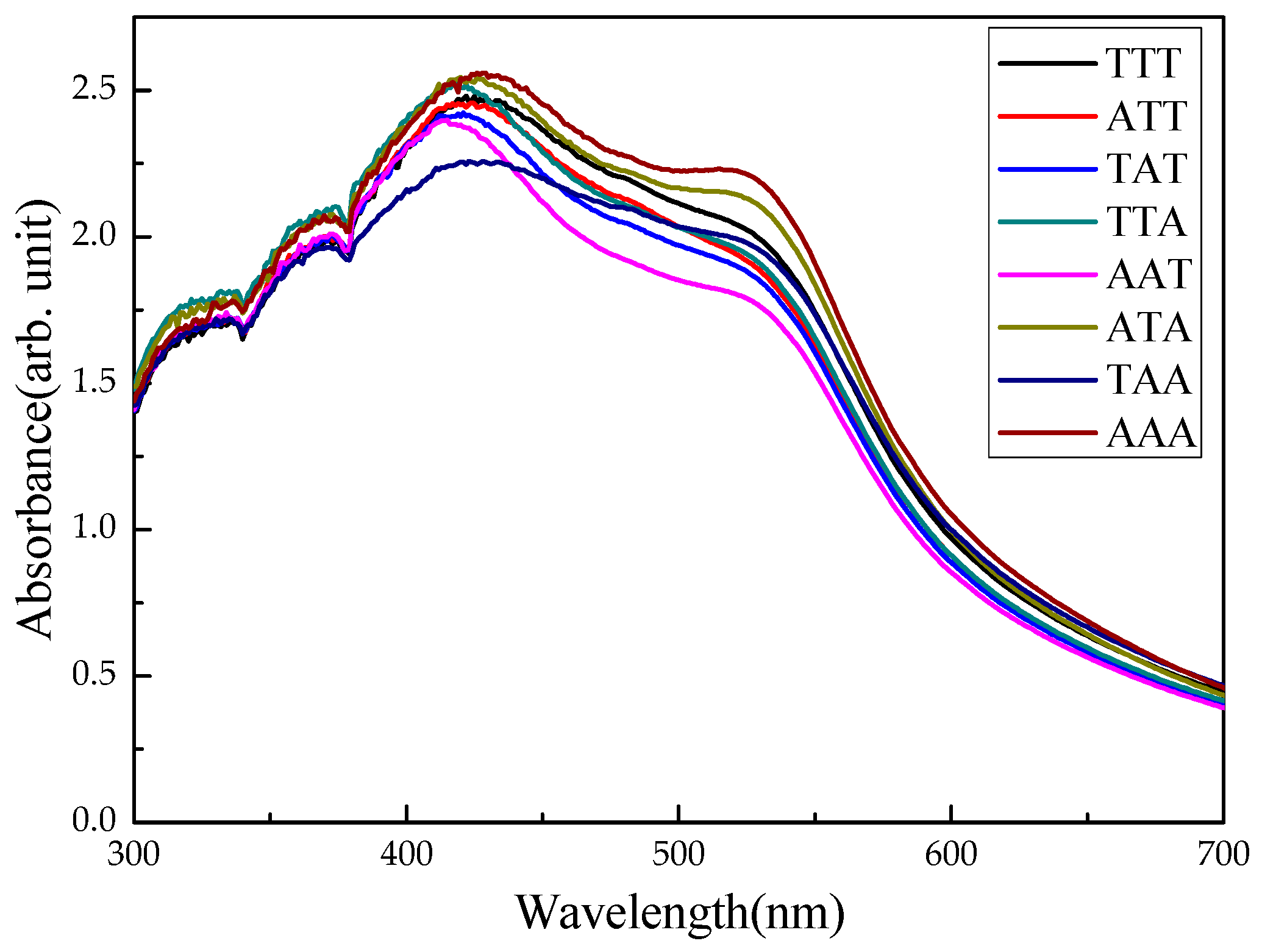
We investigated the influence of layer configuration on light absorption using UV–Vis spectroscopy. Figure 10 presents the absorption spectra of eight distinct stacked structures. Compared with DSSCs containing a single Ag-TiO2 layer, DSSCS with TTA exhibited superior absorption to those with ATT and TAT. This enhancement is attributed to the proximity of the Ag-TiO2 layer to the FTO substrate in TTA, which also possesses the greatest thickness and photon density. Figure 6 demonstrates that Ag-TiO2 exhibits higher light absorbance than pure TiO2. Among the configurations with a single pure TiO2 layer, AAT shows the lowest absorbance, while AAA presents the highest. These results suggest that AgNPs on the illuminated surface effectively absorb incident light, with LSPR enhancing absorptivity. Subsequent analysis focused on the PCE.
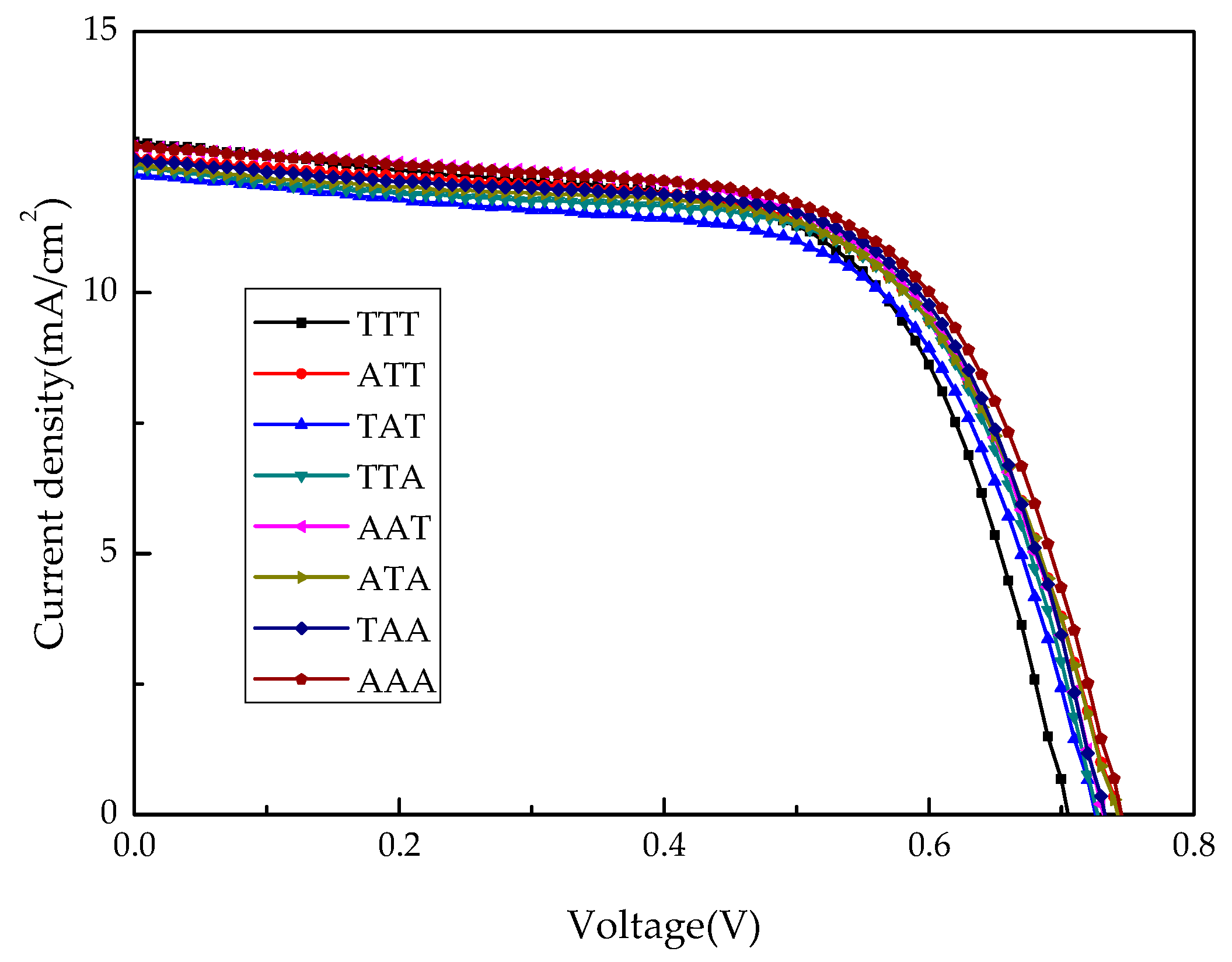
Figure 11 and Table 4 illustrate the J–V characteristic curves for the eight structures. PCE improves with the incorporation of composite layers. In addition, DSSCs containing one Ag-TiO2 layer outperform those with a pure TiO2 photoanode. Structures with two Ag-TiO2 layers also demonstrate higher PCE than those with two pure TiO2 layers. Notably, the structure AAA, comprising three Ag-TiO2 layers, achieves the highest PCE of 6.13%, while TTT, with three pure TiO2 layers, records the lowest at 5.67%. Among the single Ag-TiO2 layer structures, ATT, TAT, and TTA, TTA yields the highest PCE. Similarly, among the single TiO2 layer structures, AAT, ATA, and TAA, TAA shows the highest efficiency. These results indicate that photovoltaic conversion efficiency is enhanced when the AgNP-containing layer is both thicker and positioned closer to the FTO substrate.
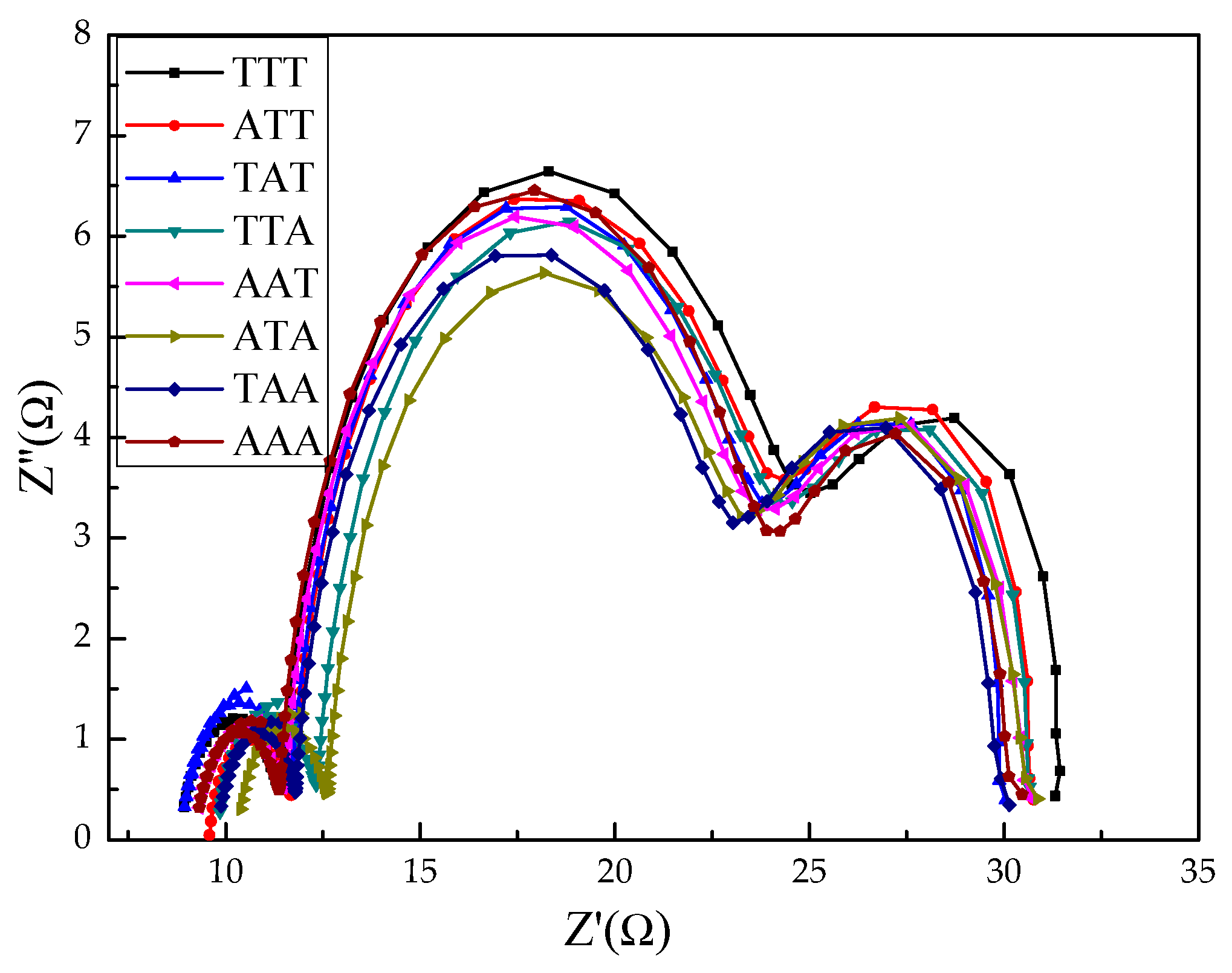
Figure 12 and Table 5 present the electrochemical impedance spectra of the eight-layered structures. Samples containing two Ag-TiO2 layers adjacent to the substrate—specifically, configurations (AAA) and (TTA)—exhibited higher electron recombination rate constants (Keff) and consequently shorter electron lifetimes (τeff) compared to configurations with two pure TiO2 layers, such as (TTT) and (ATT). These findings align with the PCE measurements, which show that (AAA) and (TTA) structures achieved superior efficiency.
The superior performance of TTA and AAA is attributed to the synergistic interaction between optical enhancement and charge transport kinetics. Although AgNPs enhance light absorption via the LSPR effect across all doped layers, the location of this enhancement is important. When the plasmonic generation of hot electrons occurs in the bottom layer (closest to the FTO), the transport distance required for these carriers to reach the current collector can be minimized. This shortened diffusion path hinders charge recombination during transit, facilitating efficient charge collection. This is supported by the EIS analysis, which indicates distinct electron transport behavior in bottom-doped configurations compared with top-doped ones. This indicates that strategic layer placement is essential for fully leveraging the LSPR-induced photocurrent [20,21,22].
However, AgNPs can remain in the environment through transformations such as sulfidation or aggregation, which change their toxicity and mobility. AgNPs can affect soil enzyme activities, microbial diversity, and wastewater treatment processes, raising concerns about ecological safety [23,24]. The relatively high cost of silver and the need for safe nanoparticle handling protocols also influence the feasibility of large-scale commercialization.

4. Conclusions

We fabricated DSSCs using the screen printing method, specifically employing a polyester screen plate with a 150 mesh polyester stencil. We incorporated varying concentrations of AgNPs into the TiO2 photoanode to analyze the impact of the LSPR effect on the PCE of the DSSC. UV–Vis analysis results revealed that LSPR enhances light absorption in the photoanode, which was confirmed by a significant increase in absorption around 521 nm. EIS showed that LSPR affected the PCE of DSSCs by positively influencing the charge transfer resistance (RK) and the electron lifetime (τeff). The optimal AgNP concentration was determined to be 3 mwt%. Using this optimal concentration, PCE was consistently higher in similar structures when the film containing AgNPs was thicker and closer to the FTO substrate. This principle was validated by the AAA structure (three Ag-TiO2 layers), which achieved the highest PCE of 6.13% (JSC = 13.05 mA/cm2 and VOC = 0.74 V). This represents a significant improvement from the TTT structure, which yielded a PCE of 5.67%.
Doping pure TiO2 with 3 mwt% AgNPs and constructing the AAA photoanode structure successfully enhanced light absorption through LSPR and improved electron transport, resulting in the highest PCE of 6.13%. The application of the screen printing method confirms its potential as a reliable, reproducible, and operationally efficient technique for fabricating plasmon-enhanced DSSCs on a large scale. These results provide structural guidelines for future research and development of high-efficiency DSSCs, confirming that the synergistic effect of optimal plasmonic doping concentration and strategic layer positioning relative to the charge collector is key to maximizing photovoltaic performance.
The photovoltaic metrics presented in this study reflect the performance of the best-performing devices and highlight the potential of the LSPR effect combined with structural optimization. While our work focused on the fundamental performance enhancement of AgNPs mixed with TiO2 photoanodes, statistical analysis of batch-to-batch consistency, long-term lifetime stability, and commercial feasibility was not conducted. Possible degradation mechanisms, such as nanoparticle aggregation, oxidation, or migration within the TiO2 matrix, also influence device lifetime and efficiency.
Therefore, stability tests under continuous illumination, thermal cycling, and long-term storage are required to assess practical reliability. In addition, scaling up AgNP-containing DSSCs necessitates careful consideration of environmental and economic aspects. AgNPs transform in the environment, affecting ecological safety, while their relatively high cost and the need for safe handling protocols affect commercial viability. Therefore, systematic stability testing, life-cycle assessment, and cost–benefit analysis must be conducted to ensure that plasmon-enhanced DSSCs are efficient, sustainable, and environmentally responsible.

Author Contributions

Designed the work and edited the manuscript, J.-K.T.; the preparation of samples and J–V measurements, L.-J.L.; UV–Vis absorption, Y.-J.L.; TEM measurement, W.-M.H.; FE-SEM measurement, T.-C.W.; XRD measurement, K.-W.M.; English editing and checked all experimental data, T.-H.M. All authors have read and agreed to the published version of the manuscript.

Funding

This research received no external funding.

Institutional Review Board Statement

Not applicable.

Informed Consent Statement

Not applicable.

Data Availability Statement

The data supporting the findings of this study are available from the corresponding authors upon reasonable request. In line with open science practices, analysis scripts and raw datasets can be shared with readers upon request.

Acknowledgments

The authors are grateful to Y.-P. Luo, W.-Y. Tzeng, W.-C. Chang, and C.-W. Lin for their help.

Conflicts of Interest

The authors declare no conflicts of interest.

Abbreviations

The following abbreviations are used in this manuscript:
DSSCDye-sensitized solar cell
LSPRLocalized surface plasmon resonance
FE-SEMField-emission scanning electron microscope
TEMTransmission electron microscope
XRDX-ray diffraction
PCEPower conversion efficiency
AgNPSilver nanoparticle
UV–VisUltraviolet–visible
EISElectrochemical impedance spectroscopy
FTOFluorine-doped tin oxide
ITOIndium tin oxide

References

  1. Wang, Q.; Guo, J.; Li, R.; Jiang, X.T. Exploring the Role of Nuclear Energy in the Energy Transition: A Comparative Perspective of Coal, Oil, Natural Gas, Renewable Energy, and Nuclear Power on Economic Growth and Carbon Emissions. Environ. Res. 2023, 221, 115290. [Google Scholar] [CrossRef]
  2. Karim, N.A.; Mehmood, U.; Zahid, H.F.; Asif, T. Nanostructured Photoanode and Counter Electrode Materials for Efficient DSSCs. Sol. Energy 2019, 185, 165–188. [Google Scholar] [CrossRef]
  3. Fox, M.A.; Dulay, M.T. Heterogeneous Photocatalysis. Chem. Rev. 1993, 93, 341–357. [Google Scholar] [CrossRef]
  4. Pourasl, H.H.; Barenji, R.V.; Khojastehnezhad, V.M. Solar energy status in the world: A comprehensive review. Energy Rep. 2023, 10, 3474–3493. [Google Scholar] [CrossRef]
  5. Kumavat, P.P.; Sonar, P.; Dalal, D.S. An overview on basics of organic and dye sensitized solar cells, their mechanism and recent improvements. Renew. Sustain. Energy Rev. 2017, 78, 1262–1287. [Google Scholar] [CrossRef]
  6. Khojasteh, F.; Mersagh, M.R.; Hashemipour, H. The influences of Ni, Ag-doped TiO2 and SnO2, Ag-doped SnO2/TiO2 nanocomposites on recombination reduction in dye synthesized solar cells. J. Alloys Compd. 2022, 890, 161709. [Google Scholar] [CrossRef]
  7. Rai, P. Plasmonic noble metal@metal oxide core–shell nanoparticles for dye-sensitized solar cell applications. Sustain. Energy Fuels 2019, 3, 63. [Google Scholar] [CrossRef]
  8. Bhullar, V.; Devi, D.; Singh, F.; Chopra, S.; Debnath, A.K.; Aswal, D.K.; Mahajan, A. Ag implanted TiO2 nanoparticle/nanofibers composites for dye sensitized solar cells applications. Sol. Energy 2022, 241, 109–119. [Google Scholar] [CrossRef]
  9. Deepa, K.G.; Lekha, P.; Sindhu, S. Efficiency enhancement in DSSC using metal nanoparticles: A size dependent study. Sol. Energy 2012, 86, 326–330. [Google Scholar] [CrossRef]
  10. Tsai, J.K.; Hsu, W.D.; Wu, T.C.; Meen, T.H.; Chong, W.J. Effect of Compressed TiO2 Nanoparticle Thin Film Thickness on the Performance of DSSCs. Nanoscale Res. Lett. 2013, 8, 459. [Google Scholar] [CrossRef]
  11. Meen, T.H.; Tsai, J.K.; Tu, Y.S.; Wu, T.C.; Hsu, W.D.; Chang, S.J. Optimization of the Dye-Sensitized Solar Cell Performance by Mechanical Compression. Nanoscale Res. Lett. 2014, 9, 523. [Google Scholar] [CrossRef]
  12. Wu, T.C.; Huang, W.M.; Tsai, J.K.; Chang, C.E.; Meen, T.H. Effect of Photoanode Process Sequence on Efficiency of Dye-Sensitized Solar Cells. Coatings 2024, 14, 304. [Google Scholar] [CrossRef]
  13. Qin, L.; Liu, D.; Zhang, Y.; Zhao, P.; Zhou, L.; Liu, Y.; Liu, F. Comparison of two ways using Ag nanoparticles to improve the performance of dye-sensitized solar cells. Electrochim. Acta 2018, 263, 426–432. [Google Scholar] [CrossRef]
  14. Dong, H.; Wu, Z.; Lu, F.; Gao, Y.; El-Shafei, A.; Jiao, B.; Ning, S.; Hou, X. Optics–electrics highways: Plasmonic silver nanowires@TiO2 core–shell nanocomposites for enhanced dye-sensitized solar cells performance. Nano Energy 2014, 10, 181–191. [Google Scholar] [CrossRef]
  15. Xu, Y.; Zhang, H.; Li, X.; Wang, W.; Li, J. Ag-encapsulated Single-Crystalline Anatase TiO2 Nanoparticle photoanodes for enhanced dye-sensitized solar cell performance. J. Alloys Compd. 2017, 695, 1104–1111. [Google Scholar] [CrossRef]
  16. Song, D.H.; Kim, H.Y.; Kim, H.S.; Suh, J.S.; Jun, B.H.; Rho, W.Y. Preparation of plasmonic monolayer with Ag and Au nanoparticles for dye-sensitized solar cells. Chem. Phys. Lett. 2017, 687, 152–157. [Google Scholar] [CrossRef]
  17. Jung, H.Y.; Yeo, I.S.; Kim, T.U.; Ki, H.C.; Gu, H.B. Surface plasmon resonance effect of silver nanoparticles on a TiO2 electrode for dye-sensitized solar cells. Appl. Surf. Sci. 2018, 432, 266–271. [Google Scholar] [CrossRef]
  18. Rajakani, V.; Shajan, X.S.; Arulgnanam, A.; Premkumar, P.S. Studies on the silver incorporated titania aerogel nanostructure as a photoanode in quasi-solid dye-sensitized solar cells. Mater. Today Proc. 2022, 65, 2473–2479. [Google Scholar] [CrossRef]
  19. Supriyanto, A.; Saputri, D.G.; Ahmad, M.K.B.; Ramelan, A.H.; Ramadhani, F. Significant efficiency improvement of TiO2:LEG4-Ag layer dye sensitized solar cells by incorporating small concentration of Ag. Optik 2021, 231, 166. [Google Scholar] [CrossRef]
  20. Jeong, N.C.; Prasittichai, C.; Hupp, J.T. Photocurrent enhancement by surface plasmon resonance of silver nanoparticles in highly porous dye-sensitized solar cells. Langmuir 2011, 27, 14609. [Google Scholar] [CrossRef]
  21. Nien, Y.H.; Chen, H.H.; Hsu, H.H.; Rangasamy, M.; Hu, G.M.; Yong, Z.R.; Kuo, P.-Y.; Chou, J.-C.; Lai, C.-H.; Ko, C.-C.; et al. Study of how photoelectrodes modified by TiO2/Ag nanofibers in various structures enhance the efficiency of dye-sensitized solar cells under low illumination. Energies 2020, 13, 2248. [Google Scholar] [CrossRef]
  22. Selvapriya, R.; Abhijith, T.; Ragavendran, V.; Sasirekha, V.; Reddy, V.S.; Pearce, J.M.; Mayandi, J. Impact of coupled lasmonic effect with multishaped silver nanoparticles on efficiency of dye sensitized solar cells. J. Alloys Compd. 2022, 894, 162339. [Google Scholar] [CrossRef]
  23. Wu, L.; Ye, Y.; Cai, Y.; Ma, Y.; Fan, T.; Liang, C. Environmental Effects of Surfactant-Free Silver Nanoparticles on Enzyme Activities, Bacterial Diversity, and Soil Function. Environ. Toxicol. Chem. 2023, 42, 1685. [Google Scholar] [CrossRef] [PubMed]
  24. Das, D.; Paul, P. Environmental impact of silver nanoparticles and its sustainable mitigation by novel approach of green chemistry. Plant Nano Biol. 2025, 14, 100210. [Google Scholar] [CrossRef]
Figure 1. Compressed nanoparticle film including sample, PE, and PET layers.
Coatings 15 01421 g001
Figure 2. (ae) Procedure for the fabrication of the nanoparticle film using a compression method.
Coatings 15 01421 g002
Figure 3. TEM image of AgNPs used in this study.
Coatings 15 01421 g003
Figure 4. Cross-sectional FE-SEM images of the photoanode: (a) coating one layer; (b) coating two layers; (c) coating three layers; (d) three layers after compression.
Coatings 15 01421 g004
Figure 5. XRD of silver nanoparticles doped with different concentrations: (a) 0 mwt%; (b) 1 mwt%; (c) 3 mwt%; (d) 5 mwt%; (e) 10 mwt% (Joint Committee on Powder Diffraction Standards card no. 21-1272).
Coatings 15 01421 g005
Figure 6. UV–Vis spectroscopy of photoanodes doped with different concentrations of AgNPs.
Coatings 15 01421 g006
Figure 7. The Nyquist plots of DSSCs based on five DSSC samples with different concentrations of AgNP photoanodes.
Coatings 15 01421 g007
Figure 8. The J–V characteristics curves of DSSCs based on five DSSC samples with different concentrations of AgNP photoanodes.
Coatings 15 01421 g008
Figure 9. Structure diagrams of eight different stacked-type photoanodes. The white rectangle is pure TiO2 film, and the gray one is doped AgNP film (Ag-TiO2).
Coatings 15 01421 g009
Figure 10. UV–Vis spectra for eight different layered structures.
Coatings 15 01421 g010
Figure 11. J–V characteristic curves of different layered structures.
Coatings 15 01421 g011
Figure 12. EIS of eight different layered structures.
Coatings 15 01421 g012
Table 1. Weights of AgNPs in AgNP-doped TiO2 paste.
Concentration of AgNPsTotal Mass (g)TiO2 (g)Used Volume of AgNP Solution (mL)Weight of AgNP (μg)
1 mwt%8.3261.2490.83383.3
3 mwt%8.3261.2492.498249.8
5 mwt%8.3261.2494.163416.3
10 mwt%8.3261.2498.326832.6
Table 2. Data on the EIS of AgNPs doped at five different concentrations.
AgNPs
Concentration (mwt%)
RS
(Ω)
RPT
(Ω)
RK
(Ω)
RD
(Ω)
Keff
(s−1)
τeff
(ms)
010.652.5910.757.2491.9910.87
110.492.679.587.3591.9910.87
310.482.6910.487.72121.658.22
510.312.1311.037.32121.658.22
109.612.4111.317.03121.658.22
Table 3. The J–V characteristics data are shown for DSSCs with five different concentrations of AgNPs.
AgNPs
Concentration
(mwt%)
VOC
(V)
JSC
(mA/cm2)
Fill Factor
(%)
Efficiency
(%)
00.7312.3963.065.69
10.7312.4764.265.82
30.7413.0563.646.13
50.7510.9765.845.40
100.7510.0965.835.00
Table 4. J–V characteristic data of different layered structures.
StructureVOC
(V)
JSC
(mA/cm2)
Fill Factor
(%)
Efficiency
(%)
TTT0.7212.2663.065.67
ATT0.7412.5763.065.89
TAT0.7312.3963.725.69
TTA0.7312.3965.425.89
AAT0.7312.7963.885.98
ATA0.7412.4763.695.90
TAA0.7312.5565.676.04
AAA0.7413.0563.646.13
Table 5. EIS data of eight different layered structures.
StructureRS
(Ω)
RPT
(Ω)
RK
(Ω)
RD
(Ω)
Keff
(s−1)
τeff
(ms)
TTT8.942.4413.646.4014.6668.21
ATT9.582.1012.686.3914.6668.21
TAT8.942.7412.086.2514.6668.21
TTA9.852.4711.806.5014.6668.21
AAT9.332.1412.207.0319.3651.65
ATA10.392.2010.657.6114.6668.21
TAA9.881.9011.247.1119.3651.65
AAA9.322.0412.886.2219.3651.65
Disclaimer/Publisher’s Note: The statements, opinions and data contained in all publications are solely those of the individual author(s) and contributor(s) and not of MDPI and/or the editor(s). MDPI and/or the editor(s) disclaim responsibility for any injury to people or property resulting from any ideas, methods, instructions or products referred to in the content.