1. Introduction
Solid rocket motors (SRMs) are widely used in the propulsion systems of aircraft due to their advantages of simple structure and excellent storage performance. As a key component for energy conversion in solid rocket motors, the performance of the nozzle directly impacts the overall engine efficiency. Within a nozzle, due to the drastic changes in temperature and pressure, a series of chemical reactions occur among the gaseous species (e.g., CO2, H2O, CO, H2, etc.) produced by the combustion of the propellent. As the velocity in the nozzle is extremely high, the characteristic time scale of the flow is comparable to the time scale of the chemical reactions. In addition, the reaction rates among the gaseous species cannot keep pace with the drastic changes in temperature and pressure. As a result, a typical nonequilibrium flow is often encountered in SRM nozzles. To precisely simulate such nonequilibrium flow, a chemical reaction mechanism should serve as the foundation for simulating the non-equilibrium two-phase flow processes in the nozzle, which consists of various elementary reactions involving all components in the gas and the Arrhenius equation coefficients included in each elementary reaction, enabling effective prediction of the flow field inside the nozzle and the engine performance. On the other hand, with the presence of the aluminum oxide (Al2O3) generated by aluminum-containing composite propellant, a typical two-phase non-equilibrium flow should be precisely simulated to better predict the performance of the SRM nozzle.
Numerous studies have been conducted regarding the transonic chemical nonequilibrium flow [
1,
2,
3,
4,
5,
6,
7,
8,
9,
10,
11]. Based on the continuum flow assumption, Lee [
1] derived conservative governing equations for 11 air components that can describe chemical nonequilibrium flow, incorporating the effects of translational, vibrational, and electronic temperatures. However, Liu et al. [
2] pointed out that to effectively solve the governing equations involving chemical components, it is necessary to address the severe “stiffness” problem caused by the coexistence of multiple types of time scales differing by several orders of magnitude in the flow field. Although implicit methods can handle such problems, they still have significant drawbacks [
6], consuming substantial computational resources. To resolve this issue, there are currently two main approaches to reducing the number of solution variables. The first is the skeletal reaction mechanism method [
4,
5,
6,
7,
8,
9], which simplifies detailed mechanisms containing a large number of components and reactions. This has led to the development of various simplification techniques, such as the direct relation graph (DRG) method [
7], component-based sensitivity analysis (STSA) [
4], and full species sensitivity analysis (FSSA) [
6]. The second is the application of decoupling methods [
10,
11], which decompose complex multi-physics problems into several sub-problems based on their physical meanings.
Since the main components of the primary combustion products generated by the composite propellant in high-performance SRM are CO, H
2, CO
2, H
2O, N
2, AlCl, HCl, and liquid Al
2O
3, the chemical reactions can be directly constructed using the existing H
2/CO/HCl system or introducing Cl-containing reaction mechanisms into the existing H
2/CO reaction mechanism, on the assumption that no reactions of Al element are considered. Corresponding chemical reaction mechanisms have been established for the AP/HTPB system [
12,
13,
14,
15,
16,
17]. Felt [
12] proposed a combustion model for AP /HTPB composite propellant, in which three types of flames were involved and a 127-reactions mechanism for gas phase was developed. Korobeinichev et al. [
13] proposed a chemical reactions mechanism consisting of 35 components and 58 elementary reactions of mixed composition based on ammonium perchlorate and polybutadiene rubber. Jeppson et al. [
14] developed a chemical reaction mechanism with 36 components and 72 elementary reactions for the premixed combustion of a fine AP/HTPB composite propellant. Tanner et al. [
15] presented a more detailed chemical reaction mechanism for the modeling of RDX/GAP and AP/HTPB propellent. Following Felt [
12], Zhao et al. [
16] established a combustion model for ammonium perchlorate AP/ HTPB composite propellant, and Liu et al. [
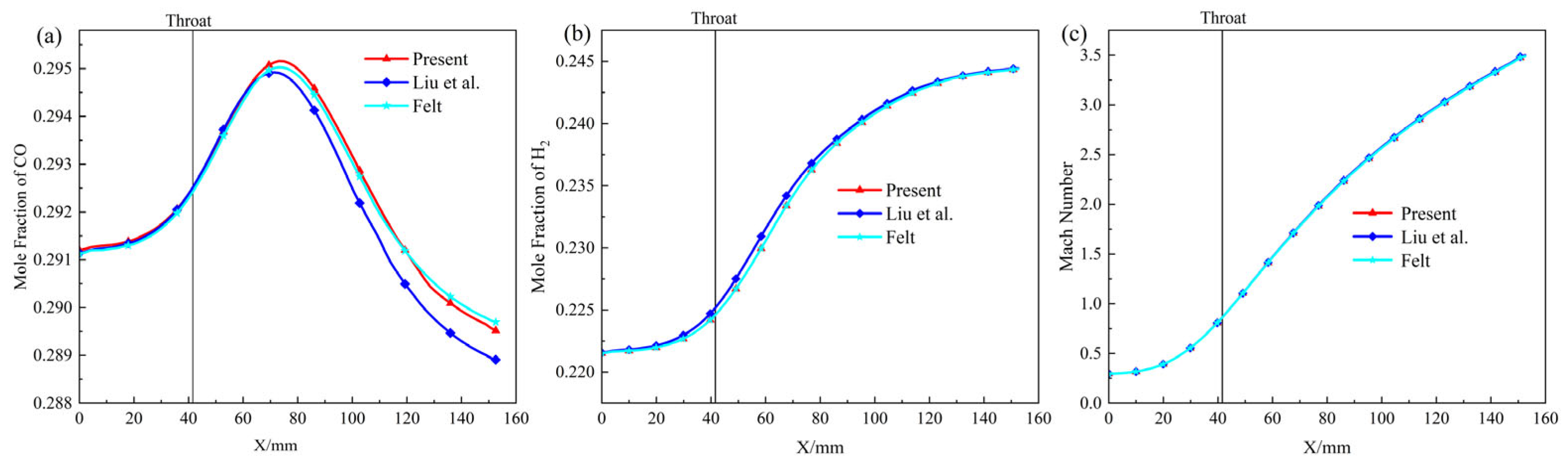
18] simplified the mechanism to a 17-component 19-step simplified reaction mechanism and studied the surface roughness effects on non-equilibrium flow in the expansion section of SRM nozzles. Gao et al. [
19] applied three chemical reaction mechanisms, i.e., the 37-component 127-step chemical reaction [
15], 39-step H
2/CO chemical reaction [
20,
21], and the 41-step H
2/CO chemical reaction [
22], and compared the results with an experimental study using a TDLAS system. Grossi [
23] adopted a numerical approach in order to investigate the role of finite-rate kinetics on the predictions of nozzle performance, in which two different chemical mechanisms are employed by George [
24] and Troyes et al. [
25] of, respectively, 15 and 17 reactions in the expansion part of a nozzle. Recently, Grégoire et al. [
26] systematically evaluated existing AP combustion chemical kinetic models, compared their performance against experimental data on ammonia, perchloric acid, and related intermediates, and pointed out the shortcomings of the current models.
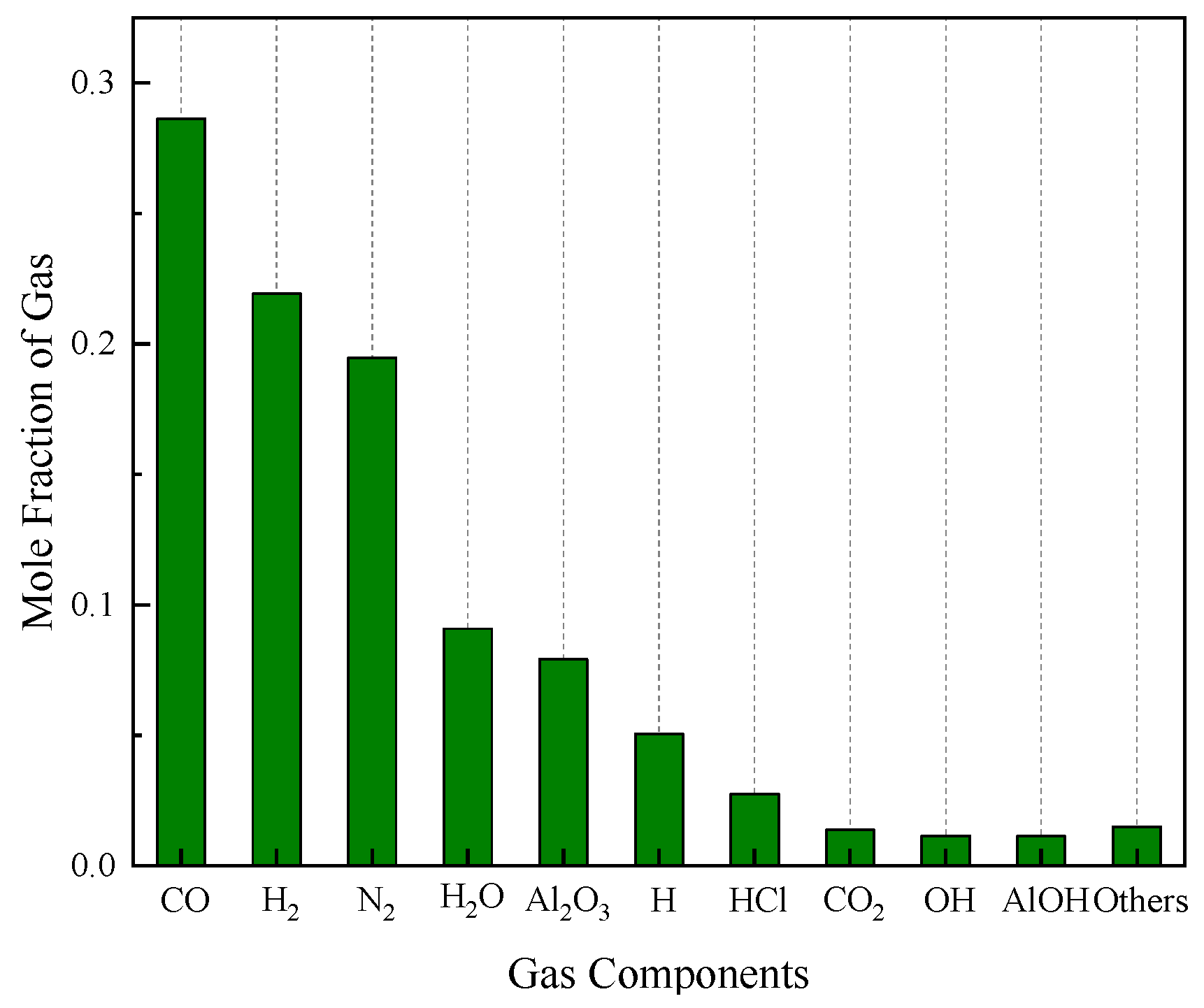
Although the above studies have been conducted on the chemical non-equilibrium flows in SRM nozzles, the simplification chemical reactions for high-energy-based propellent like NEPE and the analysis of the two-phase non-equilibrium flow characteristics in nozzles are limited. Therefore, in this study, we intend to study the nonequilibrium two-phase flow characteristics in SRM nozzles with NEPE propellent, in which the gas components at the nozzle inlet were calculated and then a chemical reaction mechanism simplified from Felt [
12] was obtained. The influence of the nonequilibrium flow, the total pressure, and Al
2O
3 particles are thoroughly investigated, revealing the influence of chemical nonequilibrium effects on nozzle performance and providing an effective approach for the accurate prediction of SRM performance.
4. Conclusions
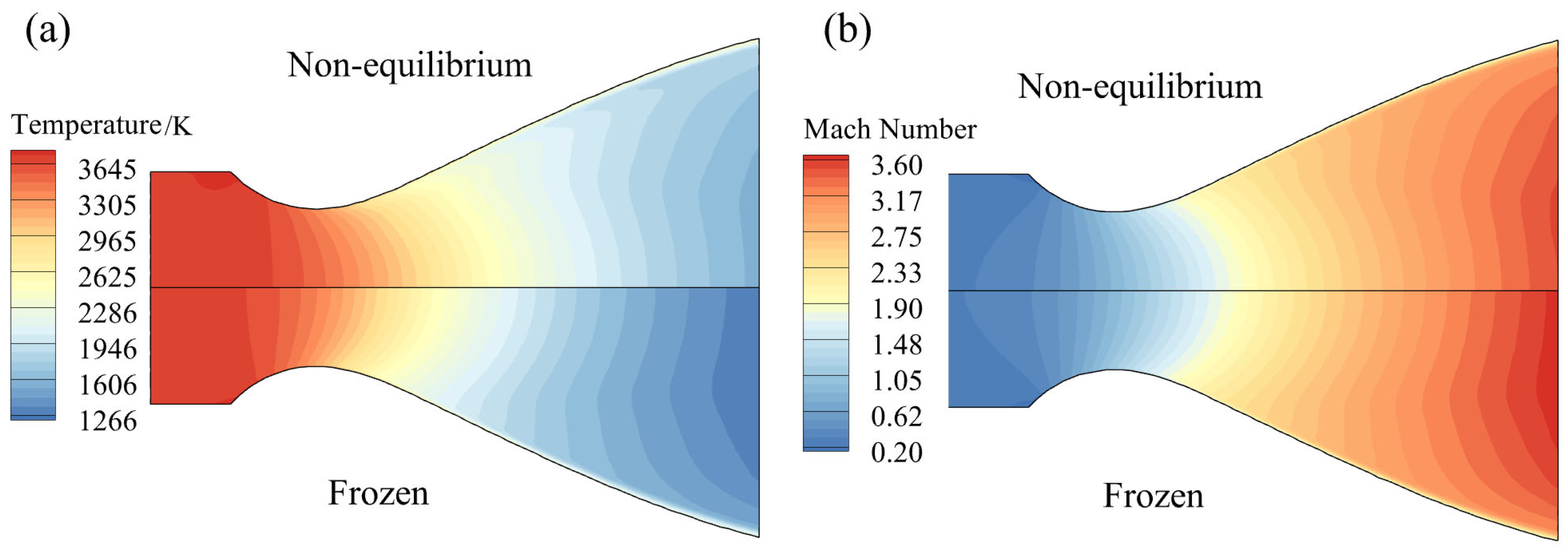
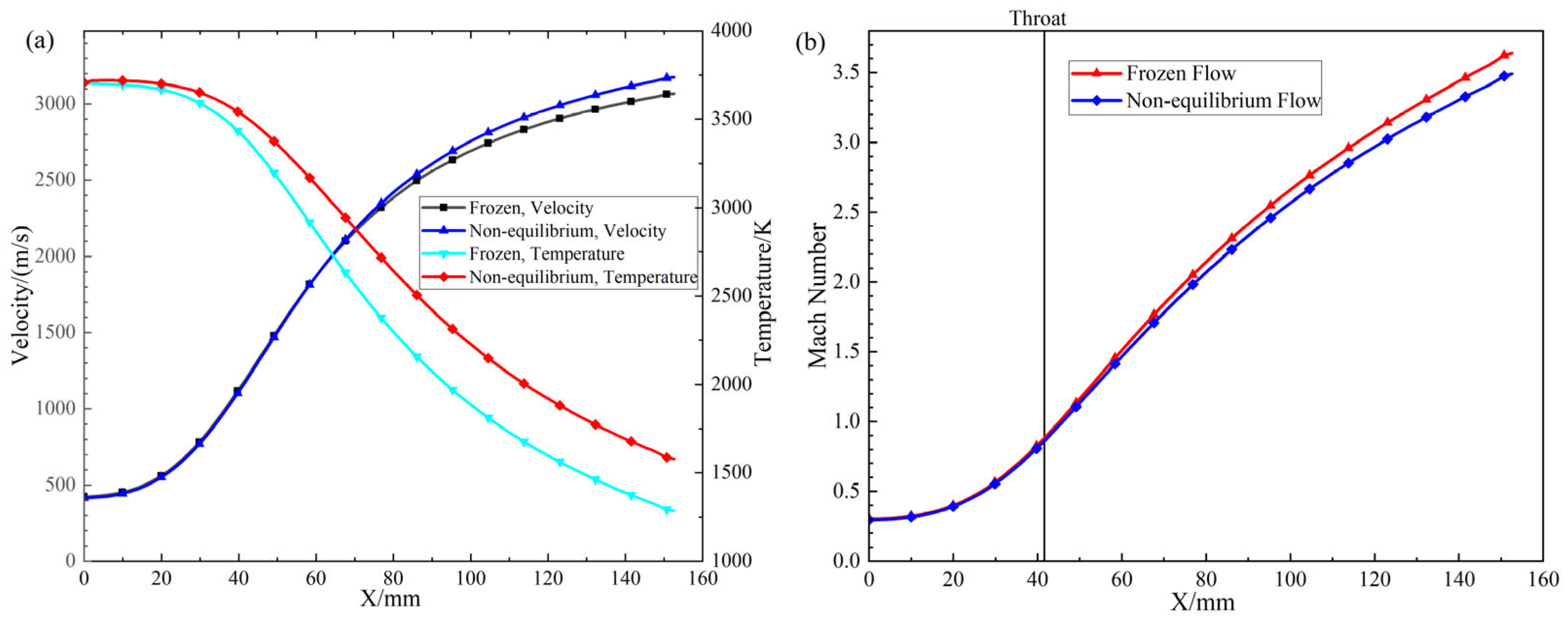
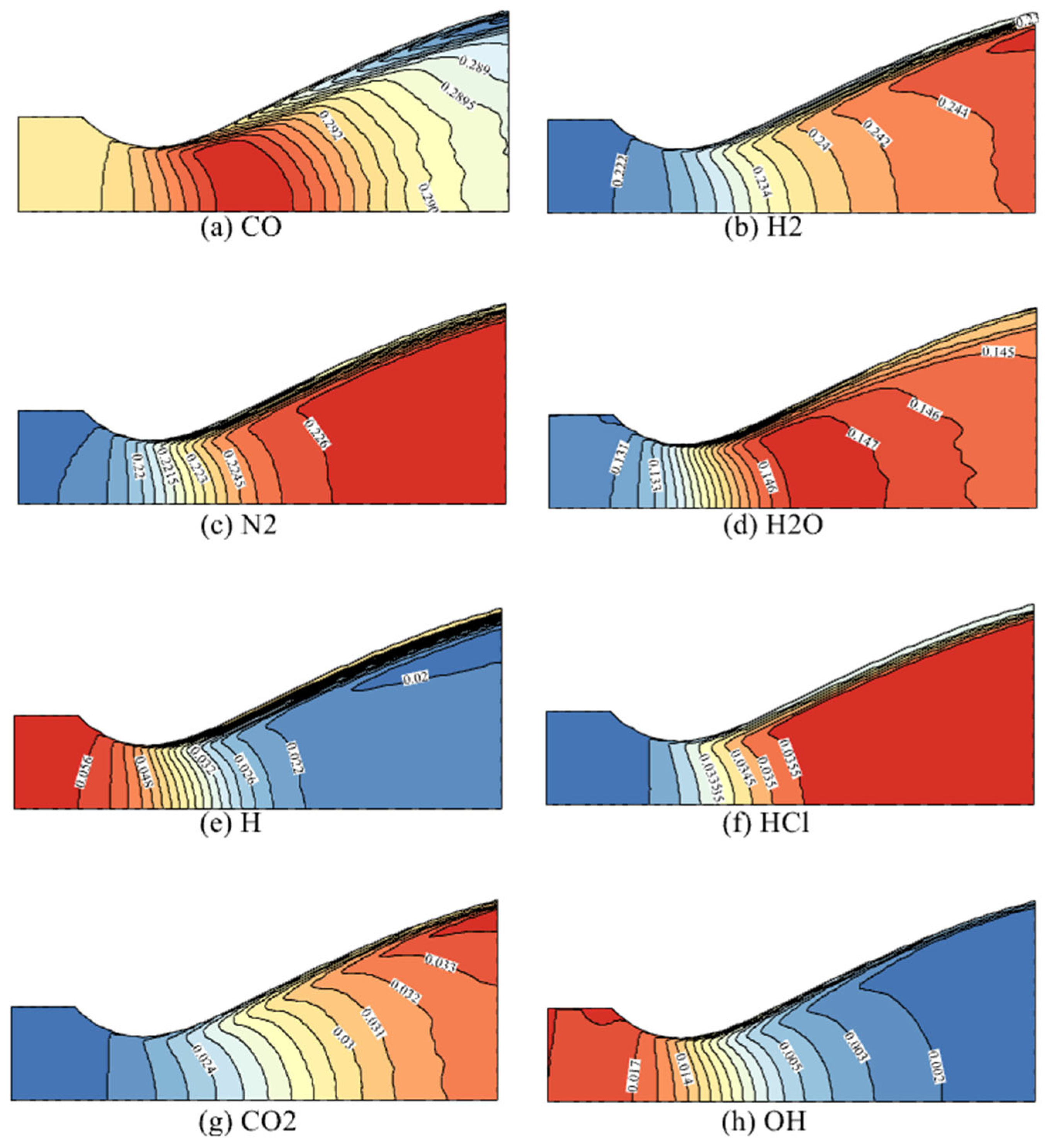
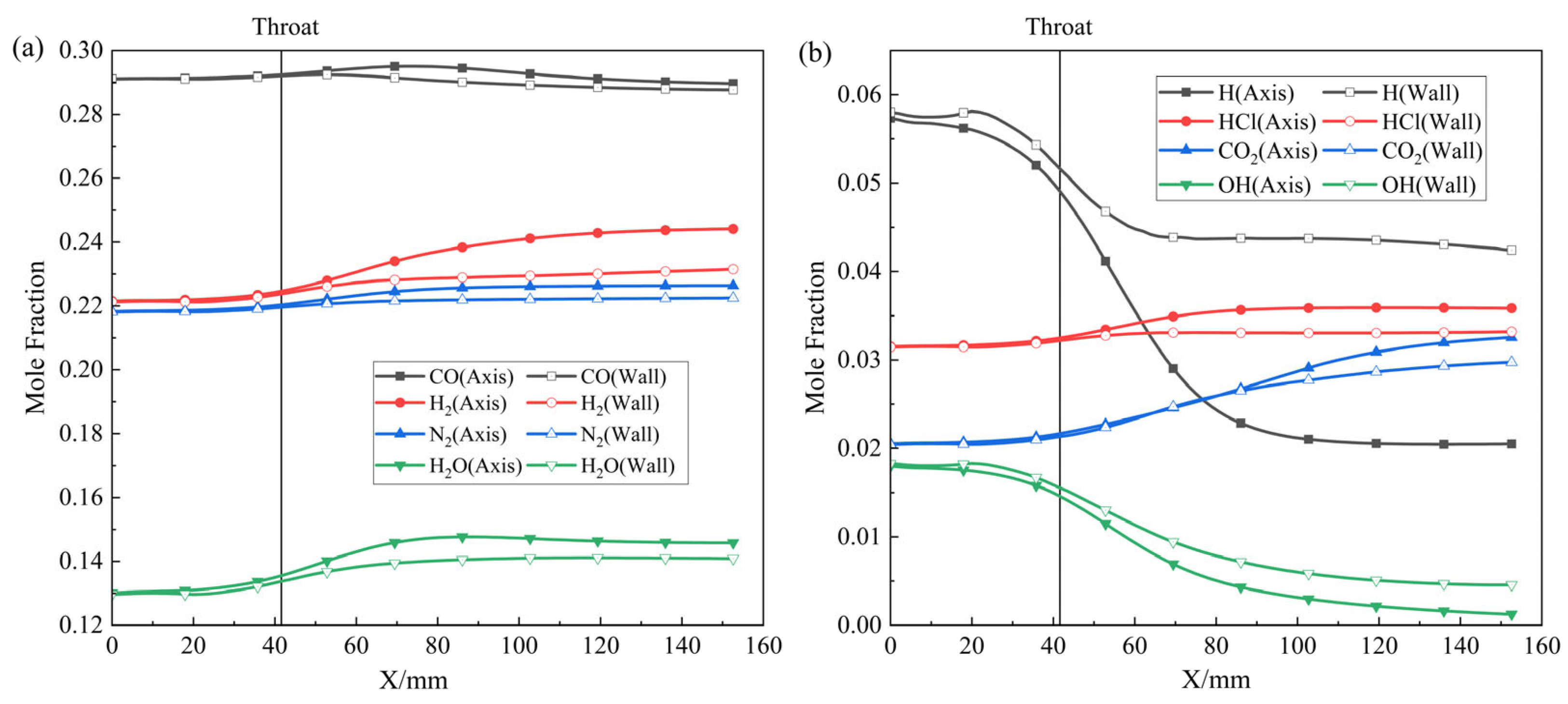
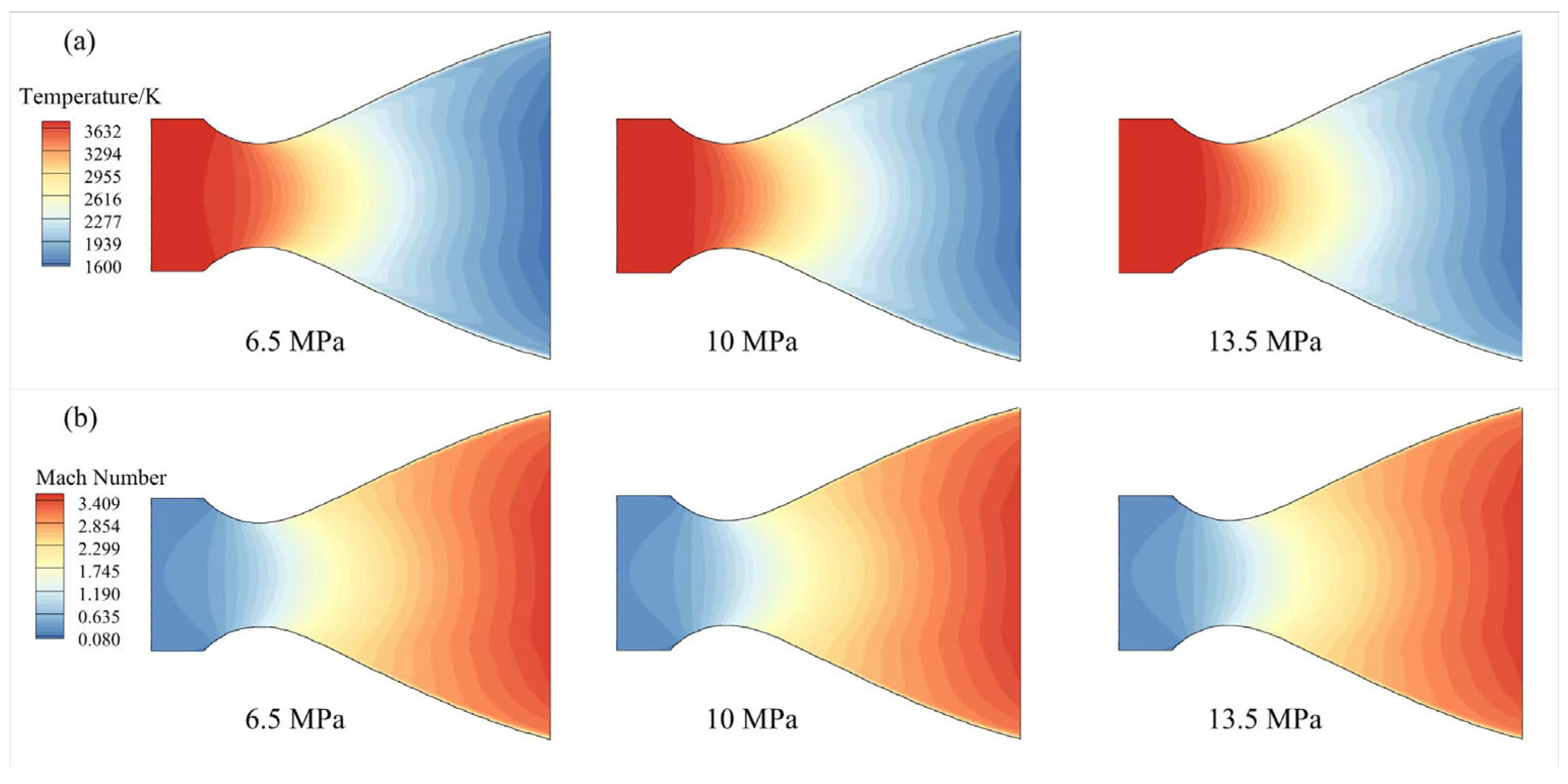
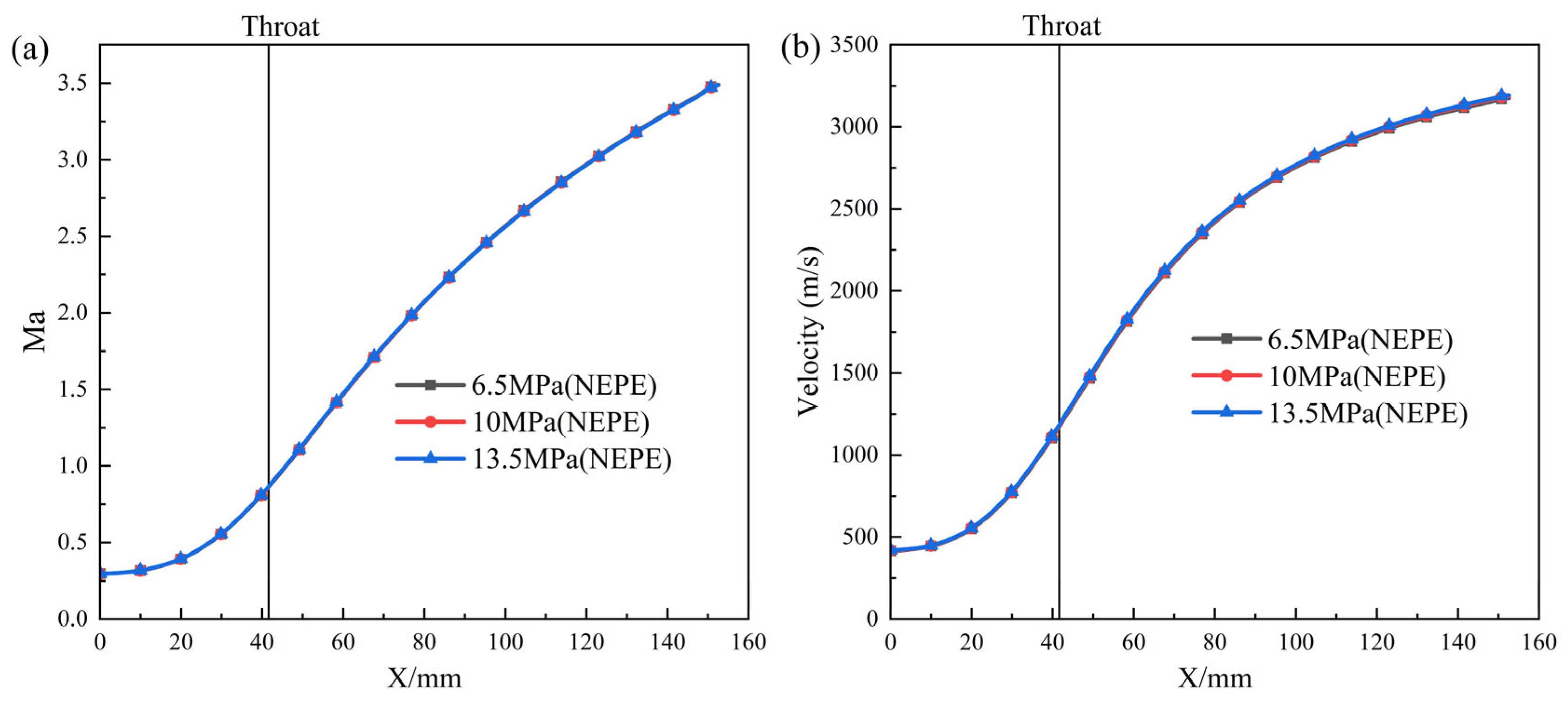
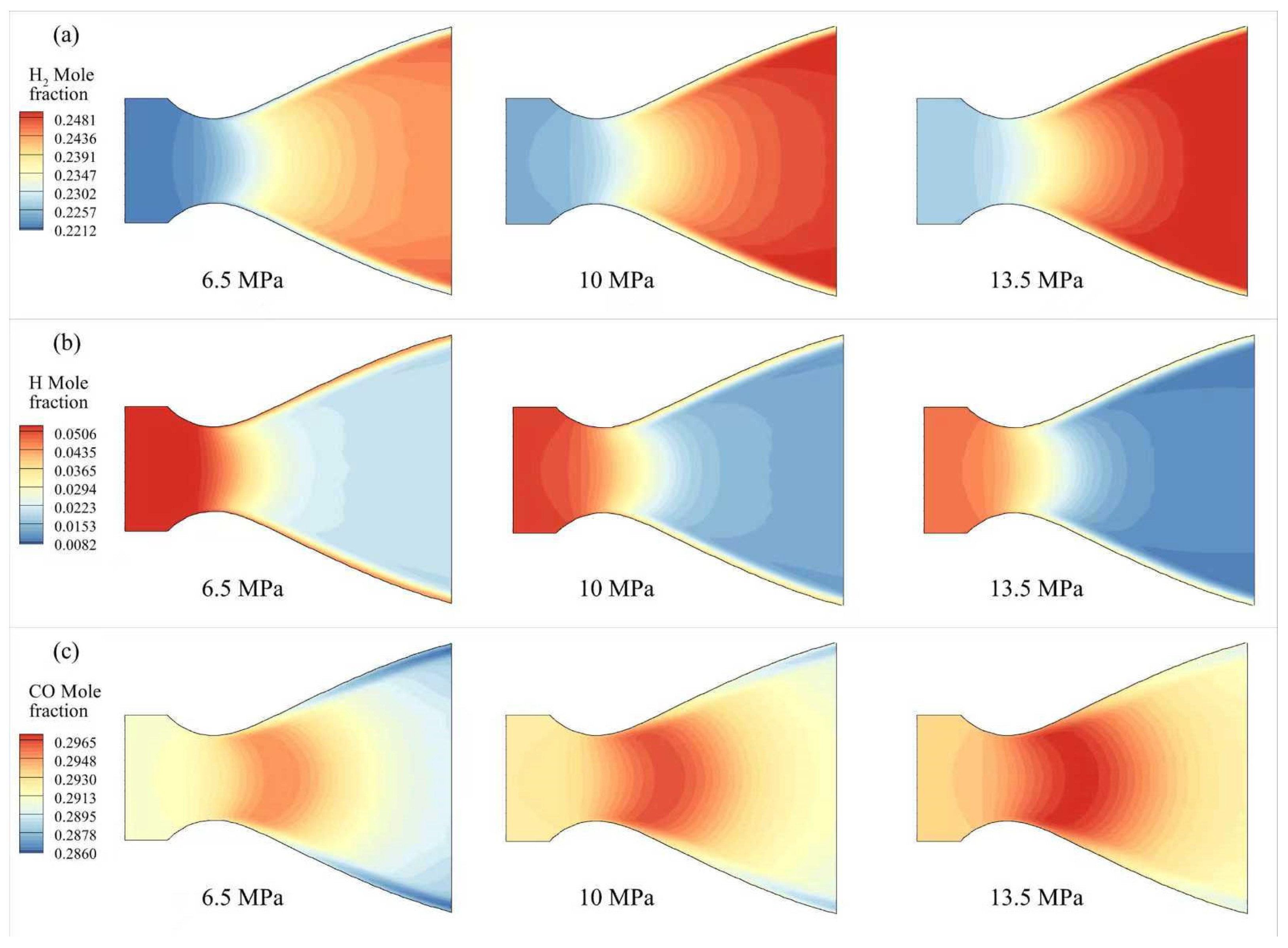
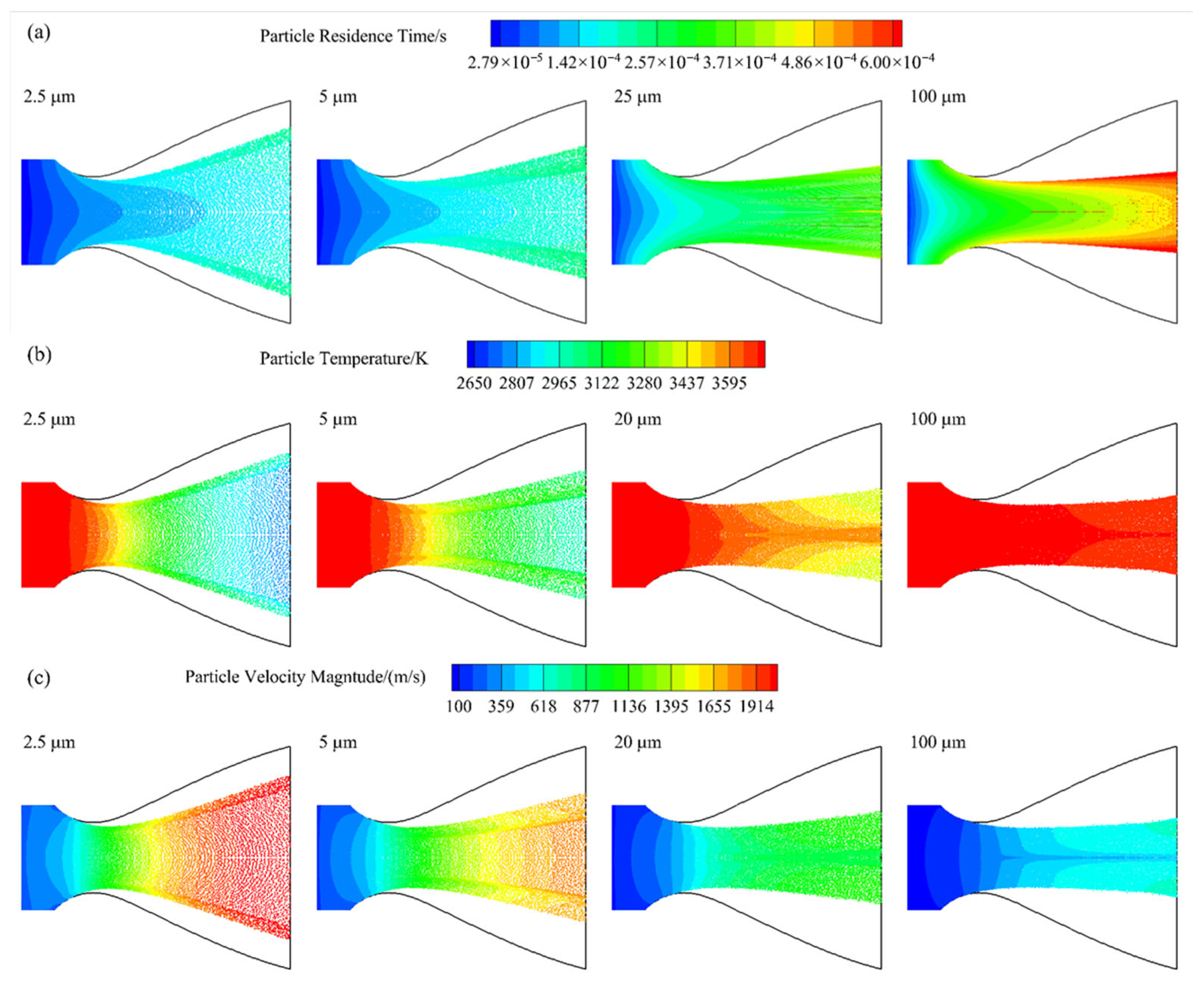
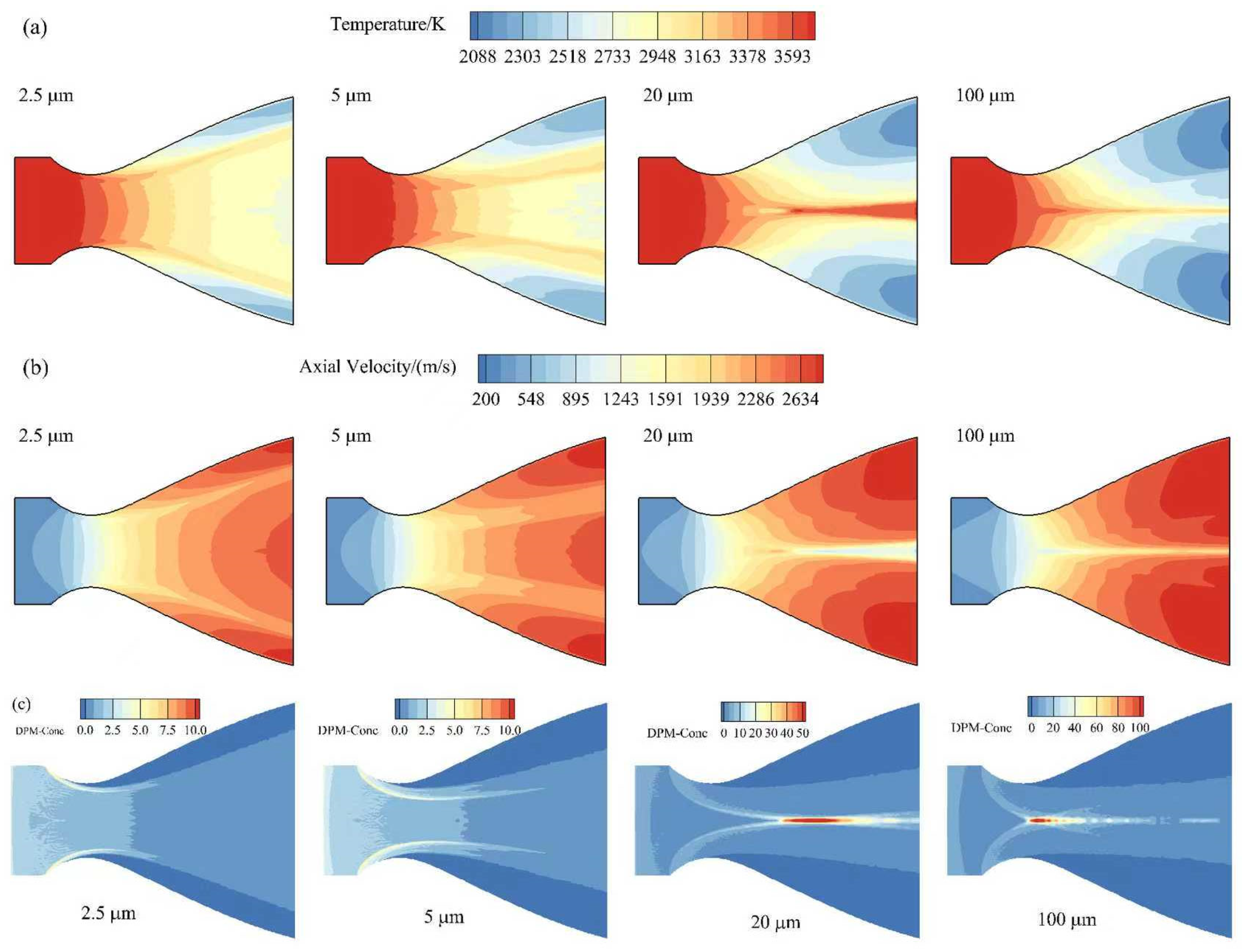
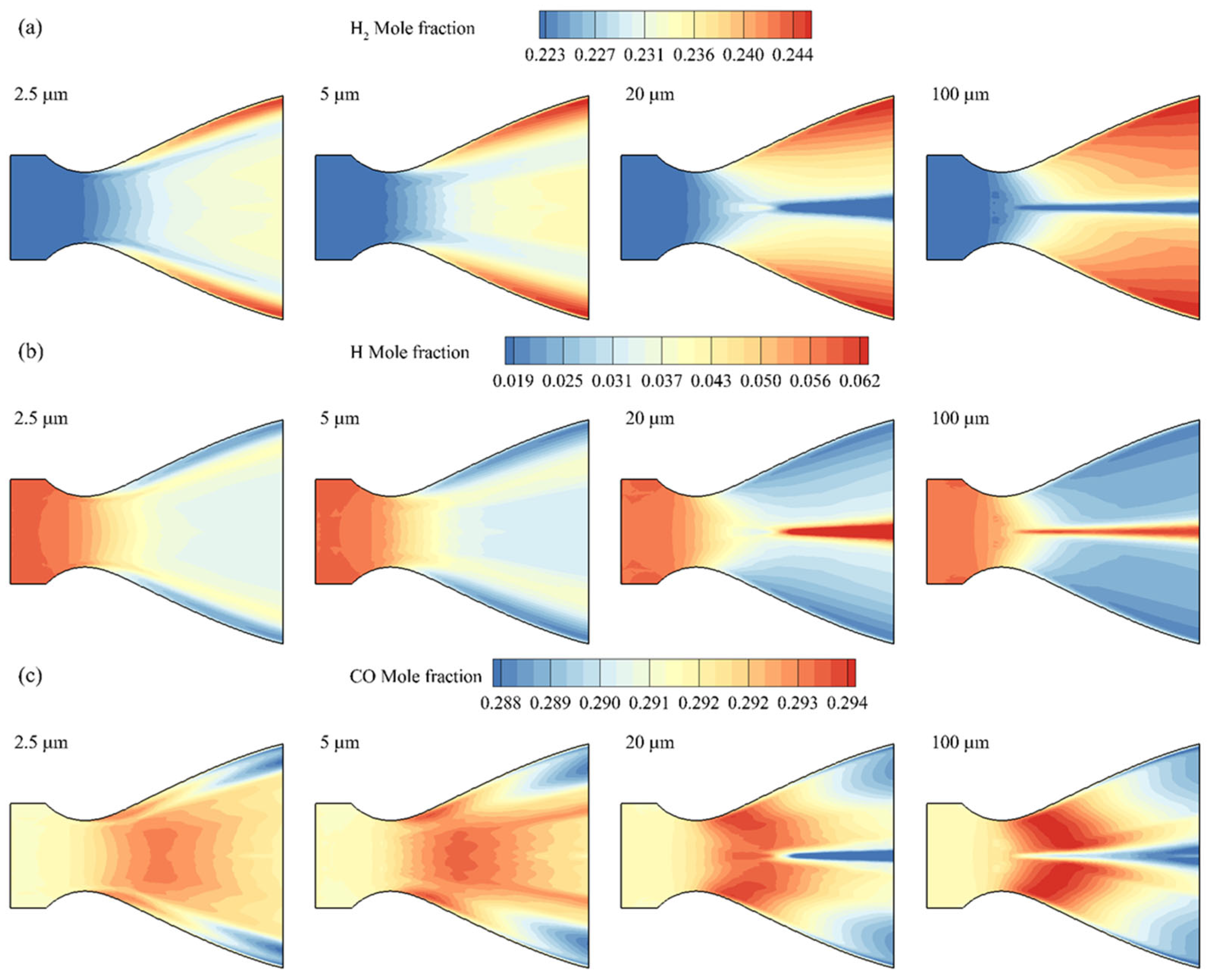
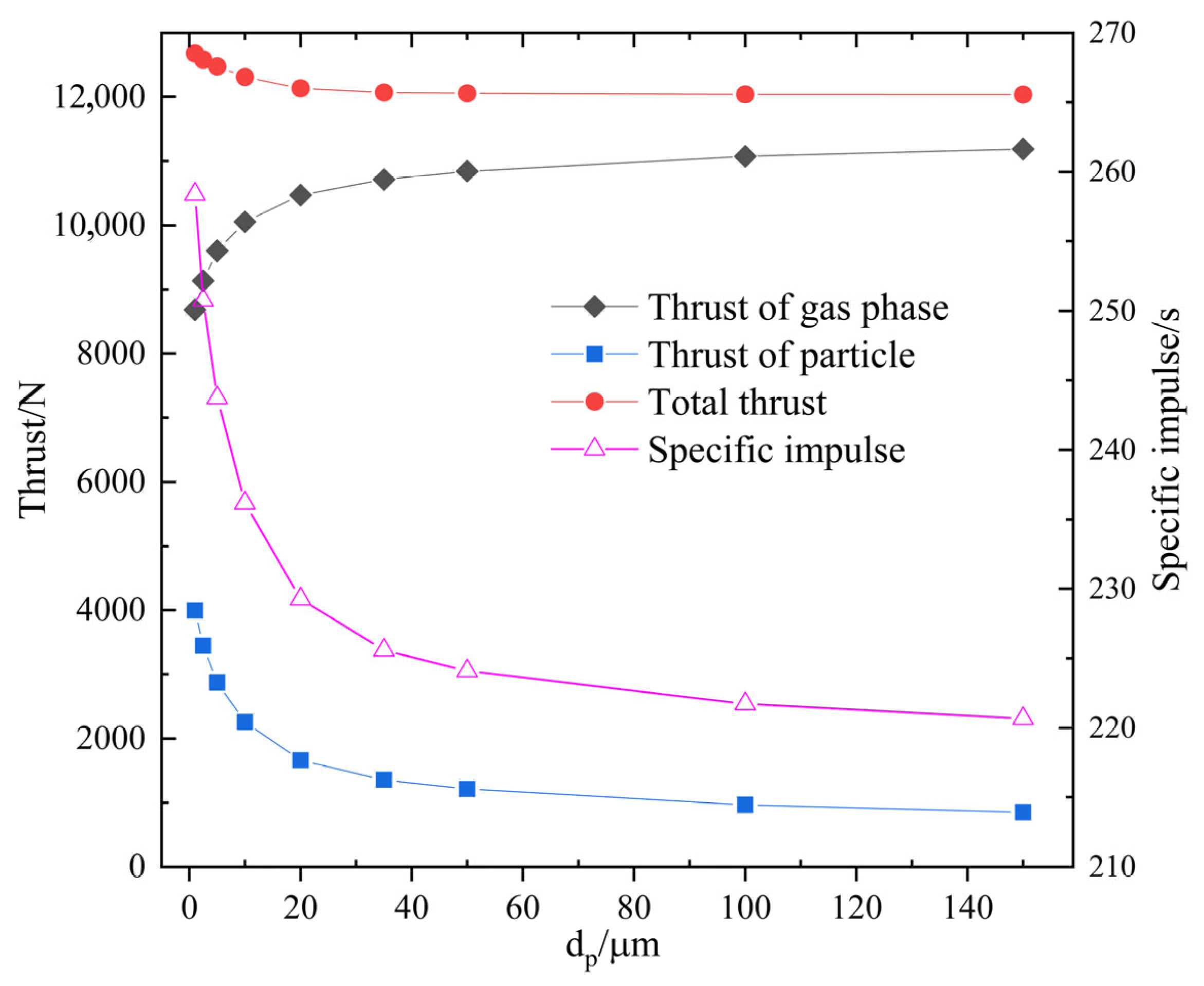
In this study, a calculation method for two-phase nonequilibrium flow in solid rocket motor nozzles is established, and an in-depth investigation into the laws of nonequilibrium flow within the nozzle is conducted. Firstly, based on NEPE propellant, a simplified chemical nonequilibrium flow reaction mechanism model consisting of 16 components and 22 steps is established and validated using the full-component sensitivity analysis method. Secondly, chemical nonequilibrium flow and frozen flow in the nozzle are simulated. The effects of chemical equilibrium shifts on the temperature, velocity, and component field inside the nozzle are obtained, and the influence of nonequilibrium chemical reactions on nozzle performance is revealed. It is found that in nonequilibrium flow, chemical reactions result in a 22.4% increase in the flow field temperature and an approximate 4.13% improvement in specific impulse. Finally, the effects of different total pressure/total temperature conditions on the nonequilibrium flow in the nozzle are studied. Additionally, a discrete phase model is adopted in the nonequilibrium flow simulation to predict the evolution of Al2O3 particles in the nozzle, and the impacts of particle size on the temperature, velocity, component field, and nozzle performance are analyzed. Results show that the particles not only impact the temperature and velocity, but also influence the component fields. As the particle size increases, both the nozzle thrust and specific impulse decrease, with the specific impulse being more significantly affected by particle size variations due to the variation of the gas-phase mass flow rate. Specifically, the total thrust is enhanced by 6.28% and 0.92% due to the presence of particles with the diameter of 1 μm and 150 μm, while the specific impulse is reduced from 298.14 s for the particle-free case to 258.38 s and 220.68 s for a particle diameter of 1 and 150 μm, representing a maximum decrease of 25.98%.