
Journal Description
Aerospace
Aerospace
is a peer-reviewed, open access journal of aeronautics and astronautics, published monthly online by MDPI. The European Aerospace Science Network (EASN) and ECATS International Association are affiliated with Aerospace and their members receive a discount on the article processing charges.
- Open Access— free for readers, with article processing charges (APC) paid by authors or their institutions.
- High Visibility: indexed within Scopus, SCIE (Web of Science), Inspec, Ei Compendex, and other databases.
- Journal Rank: JCR - Q2 (Engineering, Aerospace) / CiteScore - Q2 (Aerospace Engineering)
- Rapid Publication: manuscripts are peer-reviewed and a first decision is provided to authors approximately 22.9 days after submission; acceptance to publication is undertaken in 2.4 days (median values for papers published in this journal in the second half of 2025).
- Recognition of Reviewers: reviewers who provide timely, thorough peer-review reports receive vouchers entitling them to a discount on the APC of their next publication in any MDPI journal, in appreciation of the work done.
- Companion journal: Astronautics
- Journal Cluster of Mechanical Manufacturing and Automation Control: Aerospace, Automation, Drones, Journal of Manufacturing and Materials Processing, Machines, Robotics and Technologies.
Impact Factor:
2.2 (2024);
5-Year Impact Factor:
2.4 (2024)
Latest Articles
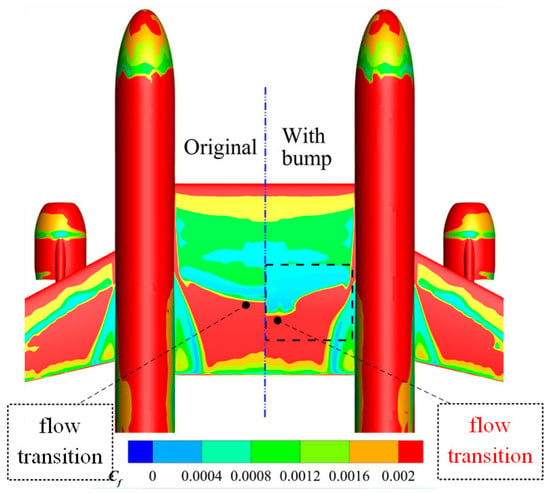
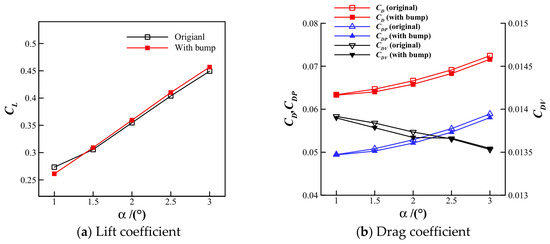
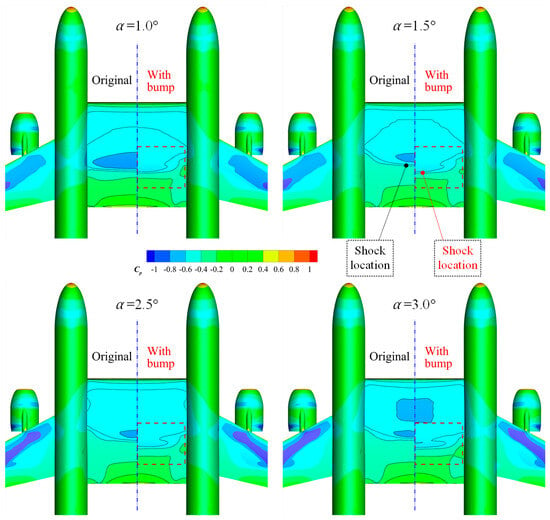
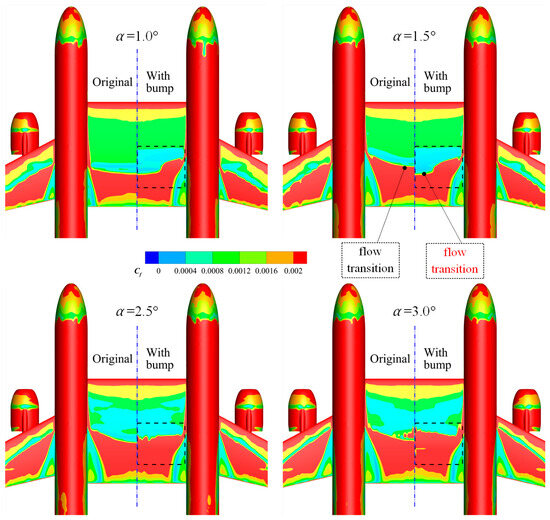
Shock Control on a Double-Fuselage Aircraft with a Natural Laminar Flow Wing
Aerospace 2026, 13(6), 540; https://doi.org/10.3390/aerospace13060540 (registering DOI) - 10 Jun 2026
Abstract
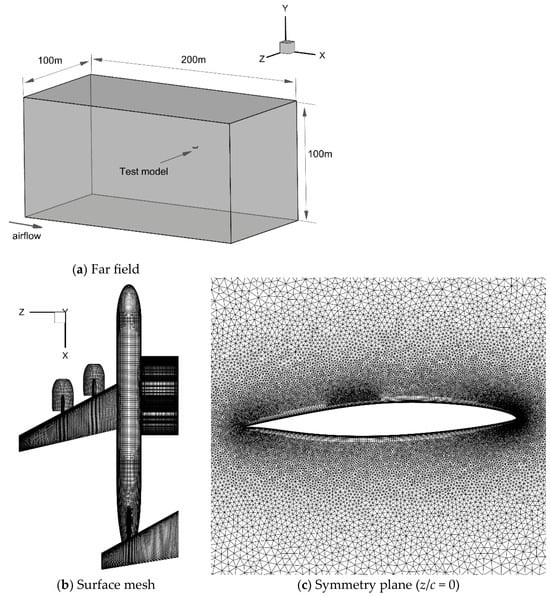
This paper presents the design of shock control bumps on a double-fuselage aircraft with a natural laminar flow (NLF) wing section. Both two-dimensional (2D) and three-dimensional (3D) bumps were investigated to identify the high-impact factors on both shock control and natural laminar flow
[...] Read more.
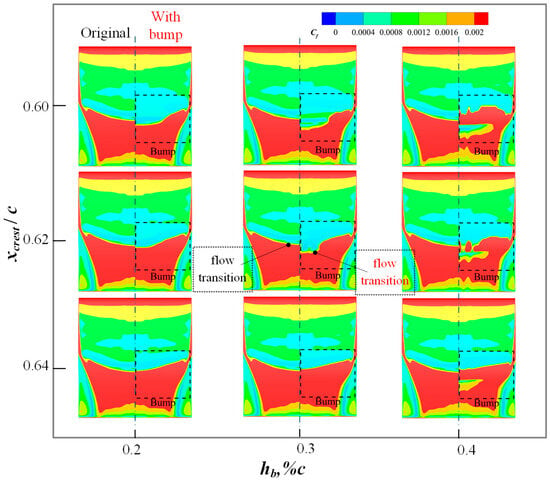
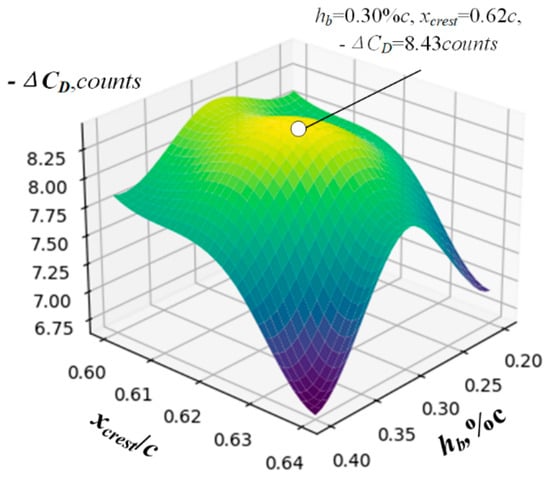
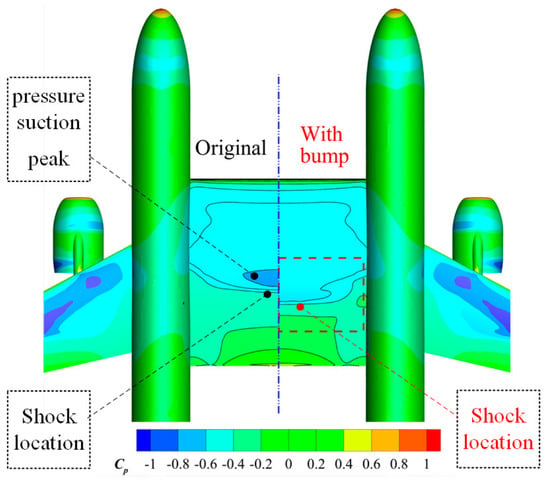
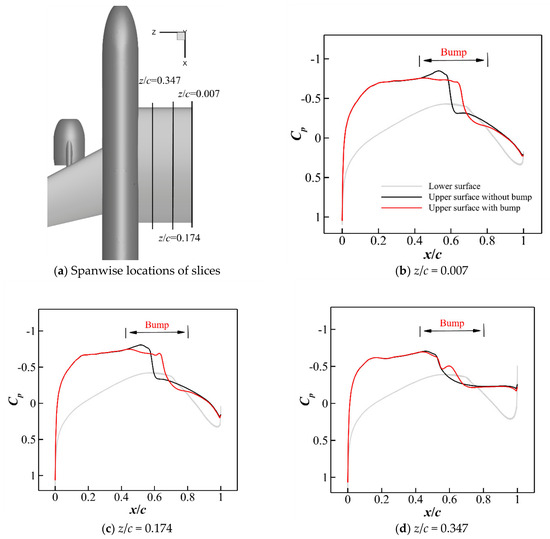
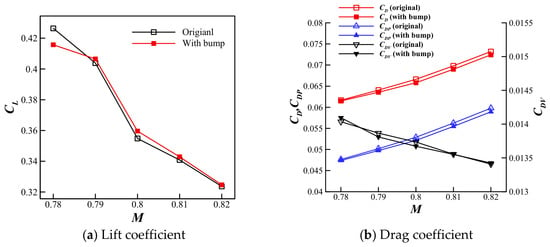
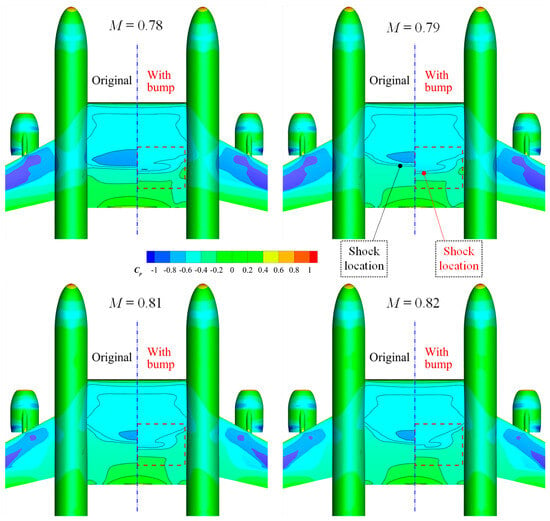
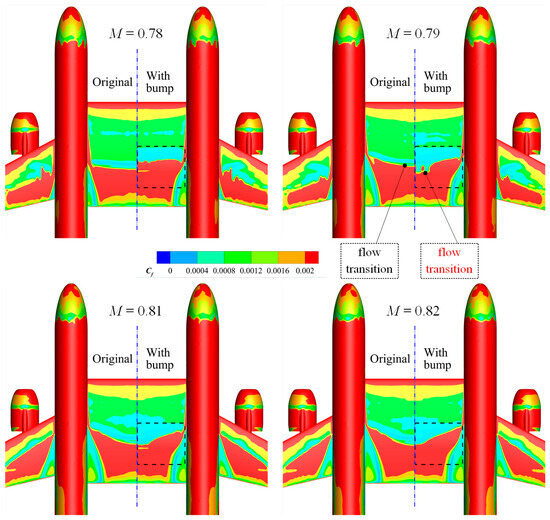
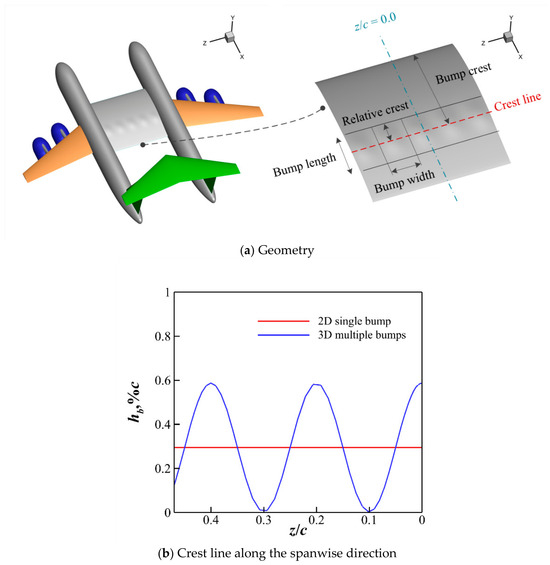
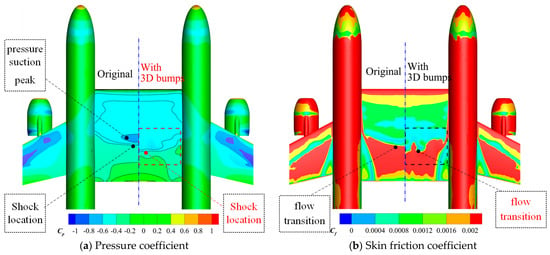
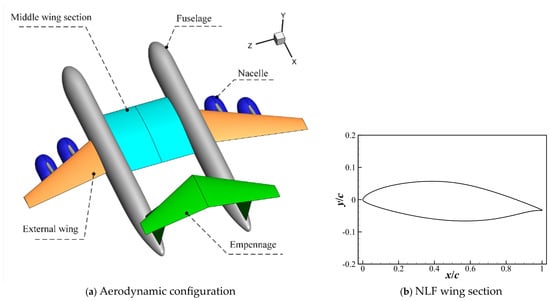
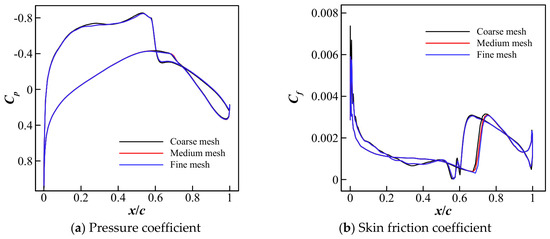
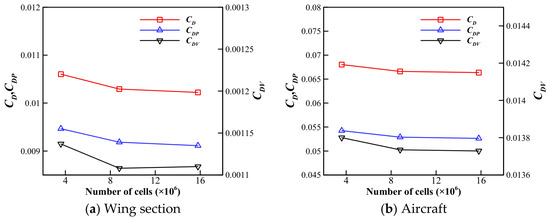
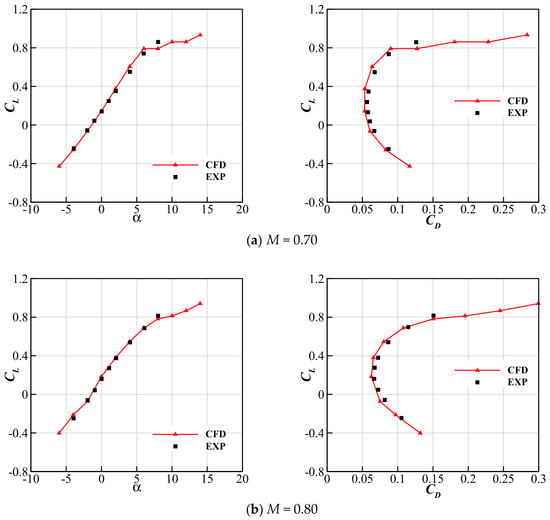
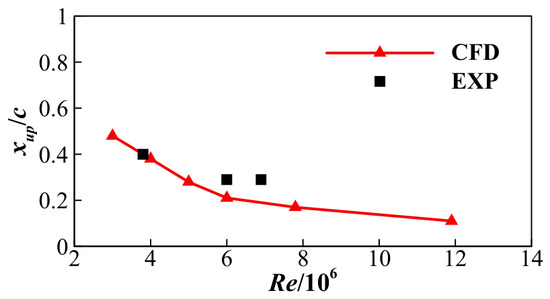
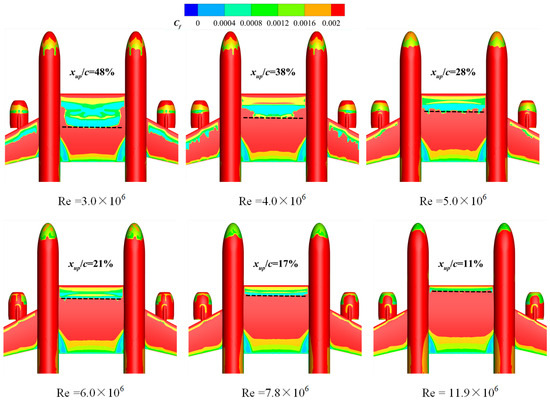
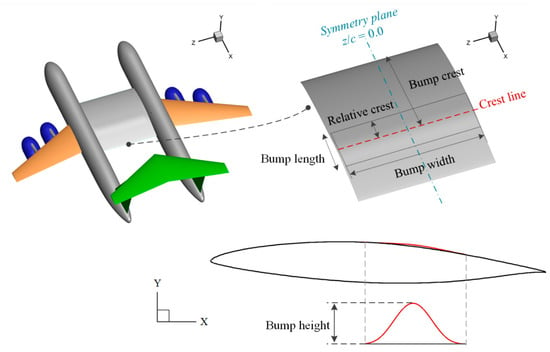
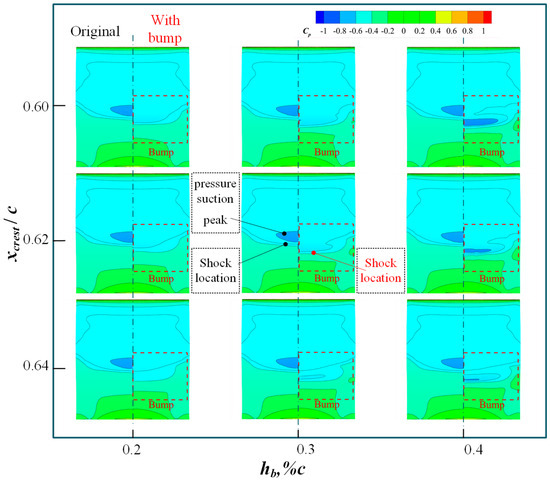
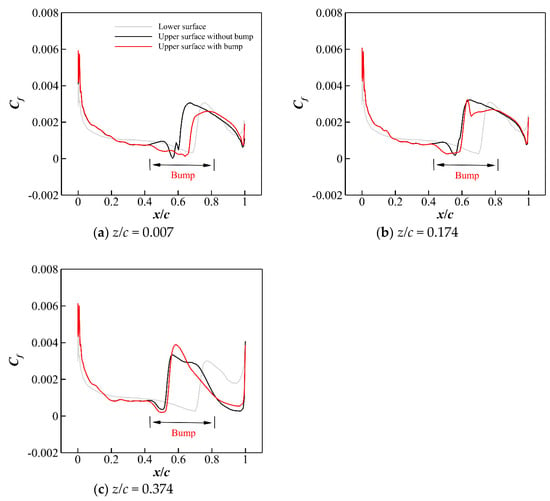
This paper presents the design of shock control bumps on a double-fuselage aircraft with a natural laminar flow (NLF) wing section. Both two-dimensional (2D) and three-dimensional (3D) bumps were investigated to identify the high-impact factors on both shock control and natural laminar flow for the aircraft, and to understand the associated flow physics. Firstly, two key geometric parameters, namely the bump crest location and the bump height, were optimized to trade off shock control and laminar flow. The optimized 2D bump results in 8.19% total drag reduction in the wing section, specifically, 8.61% pressure drag reduction and 6.23% viscous drag reduction. The total drag coefficient of the aircraft reduces by 8.12 counts while the lift slightly increases. Then, the robustness of the bump at off-design conditions was verified as well. Finally, the 2D bump was converted to 3D bumps according to the transonic area rule to explore more alternative designs, and it was found that the two have similar performances, confirming the effectiveness of the transonic area rule applied in the shock-control-bump design.
Full article
(This article belongs to the Section Aeronautics)
►
Show Figures
Open AccessArticle
Characterizations of Swept Shock/Boundary Layer Interactions: A Comparison Between Planar Shock, Curved Shock, and Isentropic Compression
by
Fajia Sheng, Dengxue Song, Hexia Huang, Huijun Tan, Xiankai Li and Zhiyu Zhang
Aerospace 2026, 13(6), 539; https://doi.org/10.3390/aerospace13060539 (registering DOI) - 10 Jun 2026
Abstract
To investigate the flow characteristics of three-dimensional swept interactions, 3D steady Reynolds-averaged Navier–Stokes (RANS) simulations are conducted at an incoming Mach number of 3.5 and a Reynolds number of 30,955 based on the incoming boundary-layer thickness δ0. Three independent compression configurations
[...] Read more.
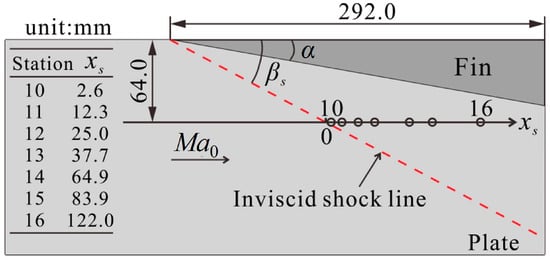
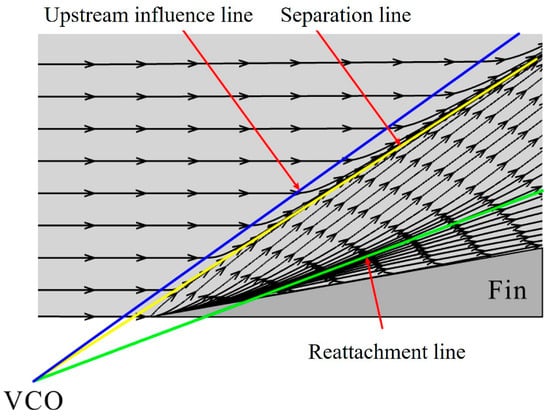
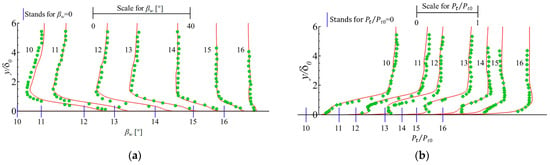
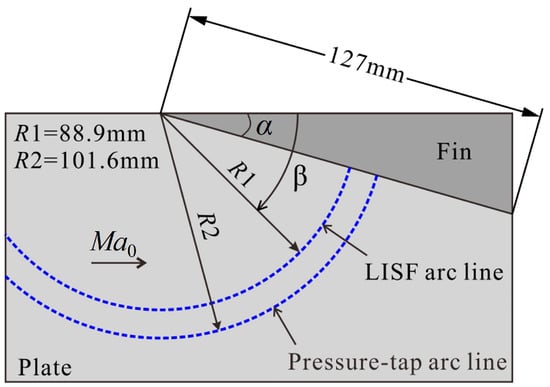
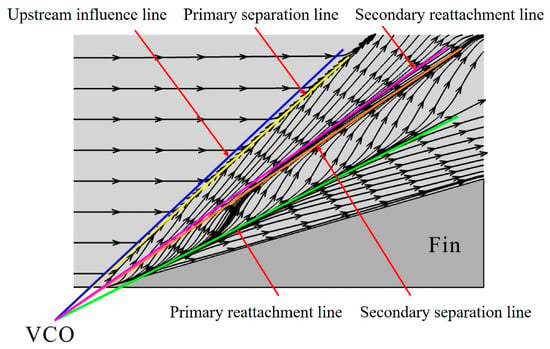
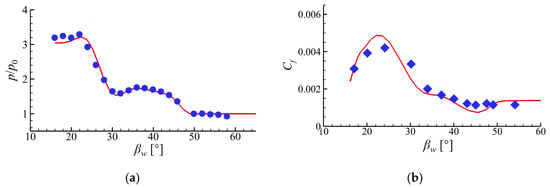
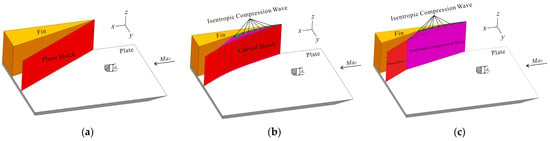
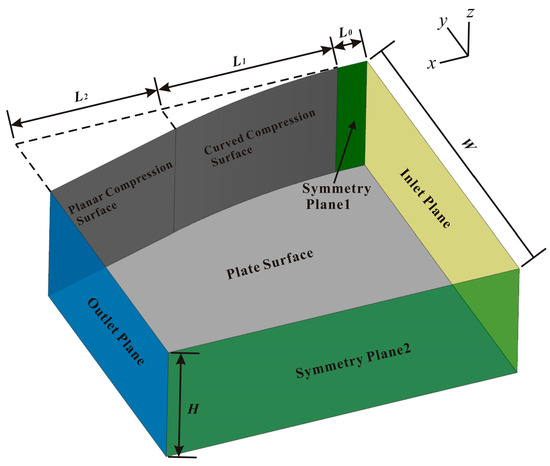
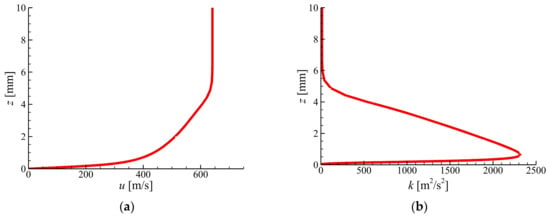
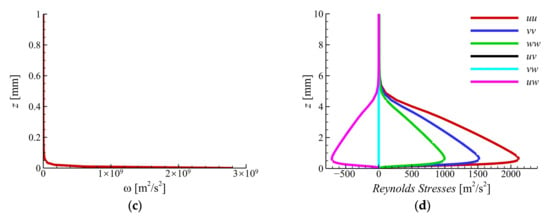
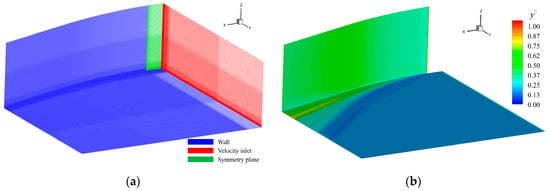
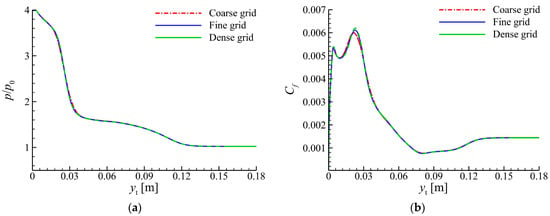
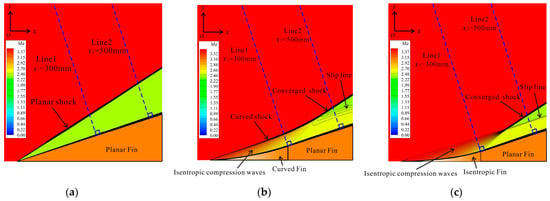
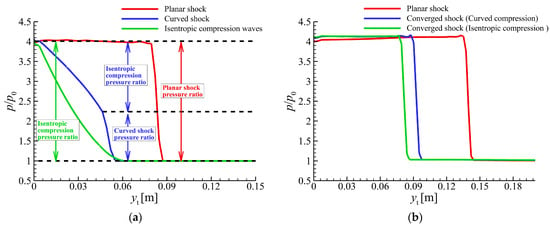
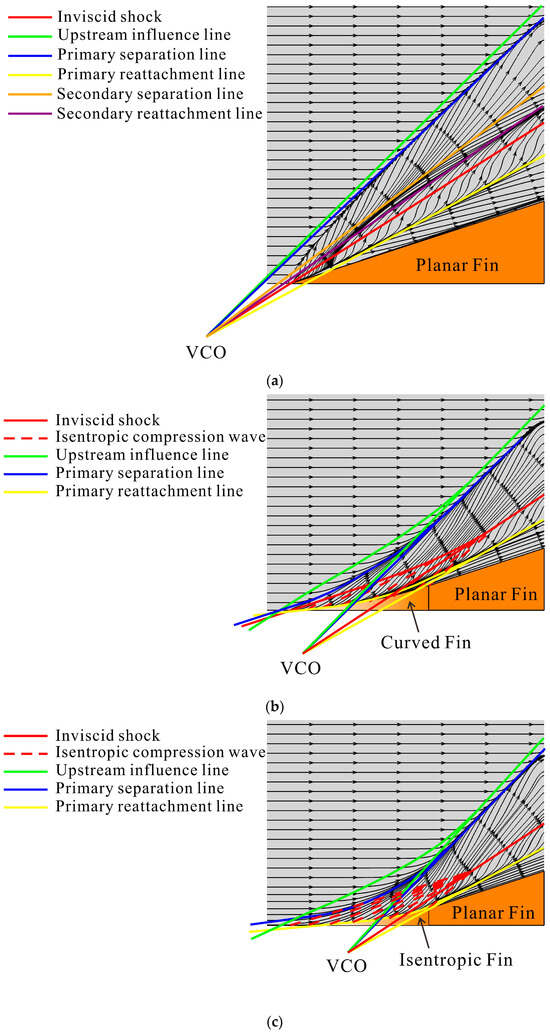
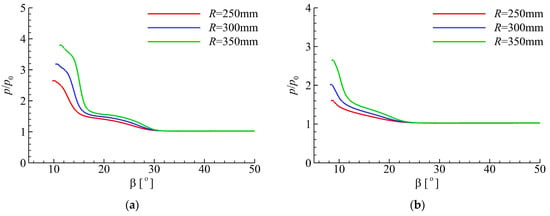
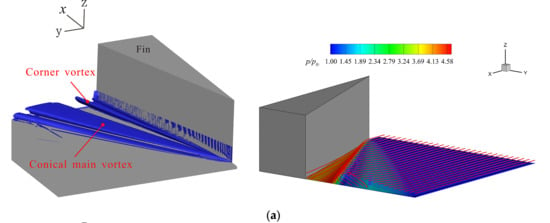
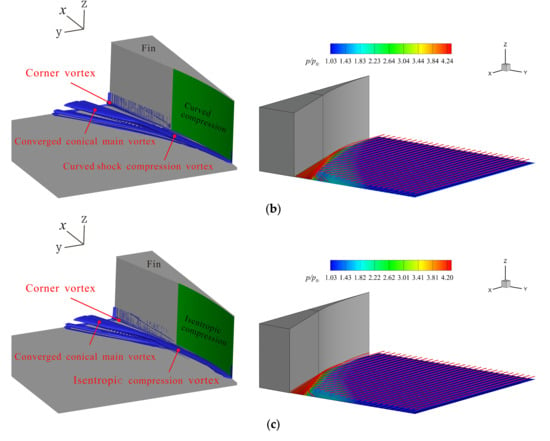
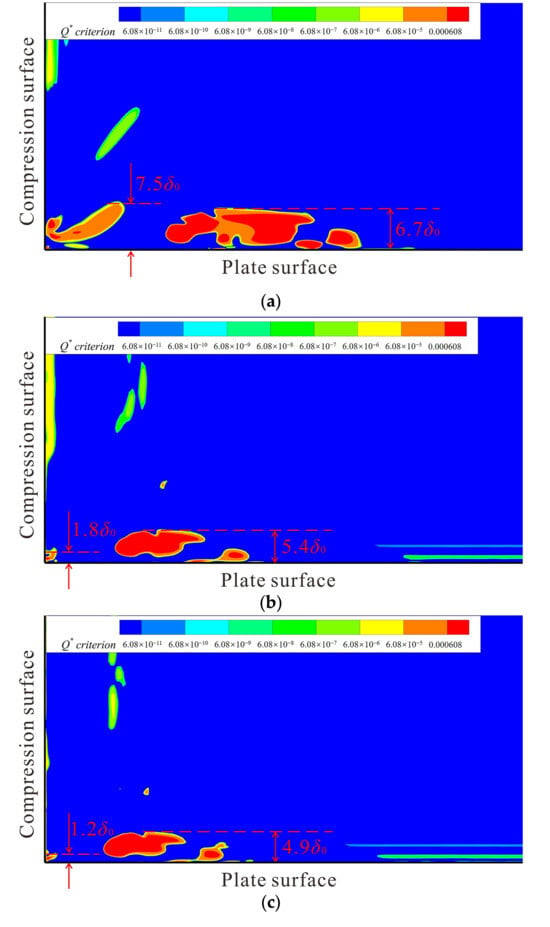
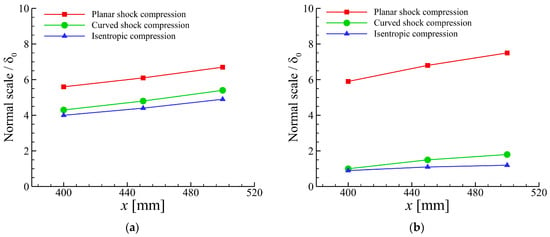
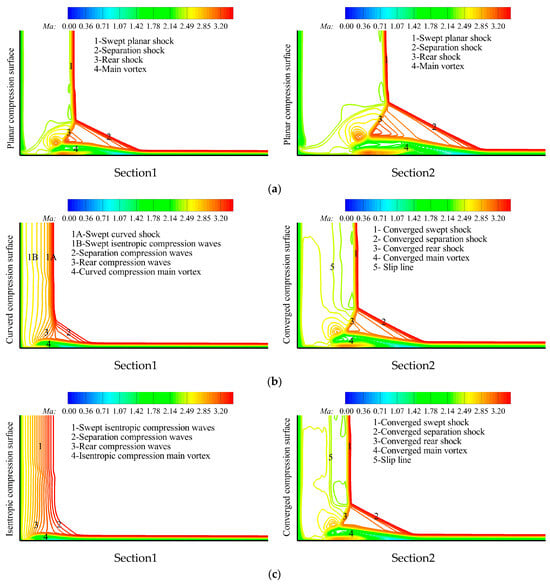
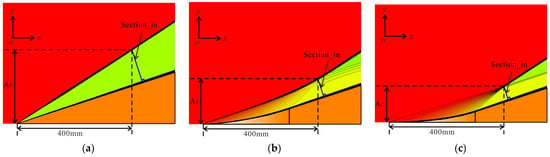
To investigate the flow characteristics of three-dimensional swept interactions, 3D steady Reynolds-averaged Navier–Stokes (RANS) simulations are conducted at an incoming Mach number of 3.5 and a Reynolds number of 30,955 based on the incoming boundary-layer thickness δ0. Three independent compression configurations with a total compression angle of 18° are analyzed and compared: planar swept shocks, curved swept shocks featuring an initial 2° deflection step followed by a continuously curved compression surface, and continuous isentropic compression waves. The results demonstrate that, unlike the baseline planar case, the interactions induced by both curved swept shocks and isentropic compression waves depart from the canonical quasi-conical similarity and transcend existing topological classification frameworks. These non-planar interactions are characterized by large-scale primary vortices and small-scale corner vortices that evolve along curved trajectories downstream. Quantitatively, the curved shock interaction yields maximum normal scales of 5.4δ0 for the primary vortex and 1.8δ0 for the corner vortex—significantly more compact than the 6.7δ0 and 7.5δ0 observed in the planar-shock interaction. Furthermore, the specific modality of compression—whether by discrete shock or continuous wave—exerts a profound effect on aerodynamic performance. Under the present conditions, while isentropic compression achieves the highest compression efficiency and planar shocks provide superior mass flow capture, curved shock compression strikes a favorable balance between these competing metrics. Curved shock configurations may offer potential for improving integrated inlet performance through appropriate adjustment of the initial shock strength.
Full article
(This article belongs to the Section Aeronautics)
►▼
Show Figures

Figure 1
Open AccessArticle
Lightweight Spatial–Frequency Constraint Propagation Framework for Satellite Detection in Space Surveillance
by
Rui Hong, Jiahao Li, Han Pan and Qian Wang
Aerospace 2026, 13(6), 538; https://doi.org/10.3390/aerospace13060538 (registering DOI) - 9 Jun 2026
Abstract
Satellite object detection in space surveillance is challenged by sparse and weak targets in large-scale, structured backgrounds (e.g., star fields, clouds, and streak noise). Such interference is not random but exhibits spatial correlation and frequency regularity, causing target responses to be overwhelmed and
[...] Read more.
Satellite object detection in space surveillance is challenged by sparse and weak targets in large-scale, structured backgrounds (e.g., star fields, clouds, and streak noise). Such interference is not random but exhibits spatial correlation and frequency regularity, causing target responses to be overwhelmed and difficult to separate within a single representation space. To address this issue, we propose a lightweight framework, termed DRSS-Net, based on the key observation that target–background separability can be enhanced across complementary representation coordinate systems. Specifically, spatial modeling captures local structural consistency, while frequency-domain processing characterizes global energy distribution and structured patterns. By alternating between these domains, the proposed method enables constraint propagation, where predictable background patterns are suppressed, and structurally inconsistent target responses are emphasized. In the spatial domain, a mutual conditioning mechanism with asymmetric channel allocation enhances the consistency between localization and semantic responses. In the frequency domain, a coupled refinement module models the interaction between energy distribution and structural configuration to distinguish structured background from anomalous targets. In addition, a scale selection strategy retains stable intermediate representations for efficient detection. Experiments on two independent space target datasets demonstrate that DRSS-Net consistently achieves superior detection performance with a compact model size under diverse observation conditions, including variations in target appearance, illumination, and structured background interference.
Full article
(This article belongs to the Section Astronautics & Space Science)
Open AccessArticle
A Cooperative Trajectory Planning Method for Multi-Aircraft Thunderstorm Avoidance Based on Optimal Control and Game Equilibrium
by
Rui Su, Xiangxi Wen, Shuangfeng Li, Youfu Chen and Wenda Yang
Aerospace 2026, 13(6), 537; https://doi.org/10.3390/aerospace13060537 (registering DOI) - 9 Jun 2026
Abstract
This paper presents a cooperative trajectory planning method for multiple aircraft avoiding thunderstorms, formulated within a game-theoretic optimal control framework. We model the multi-aircraft system as a non-cooperative game and employ an Iterative Best Response (IBR) algorithm to decompose the coupled planning problem
[...] Read more.
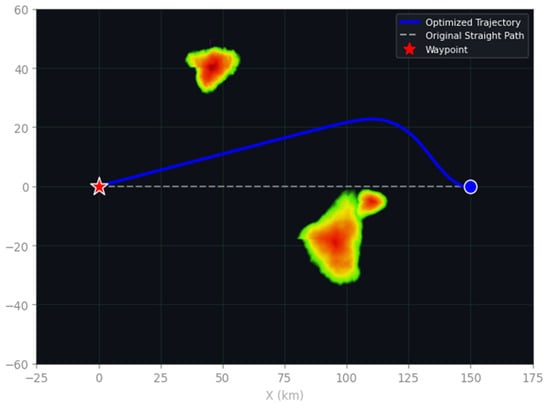
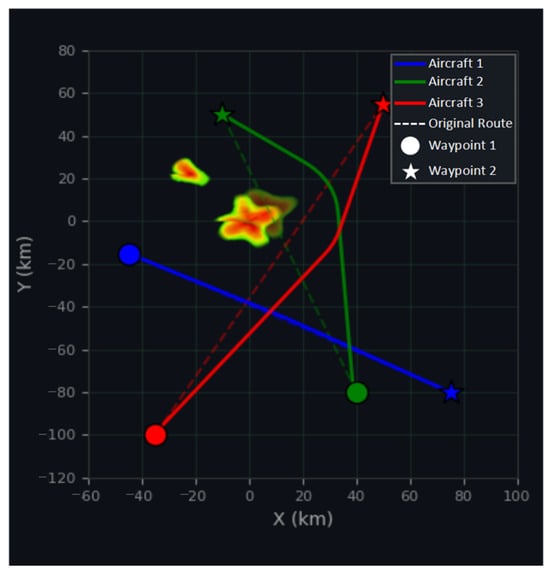
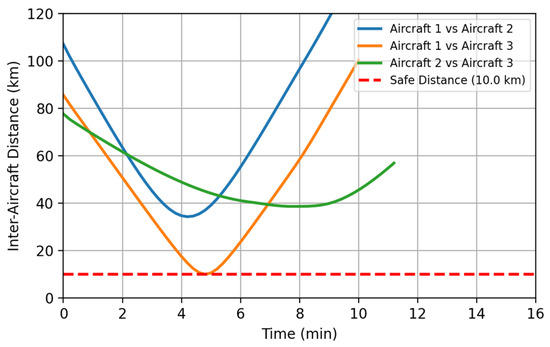
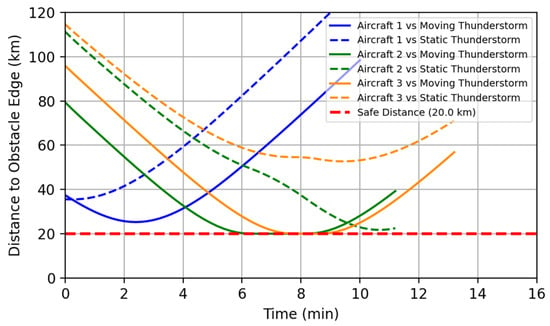
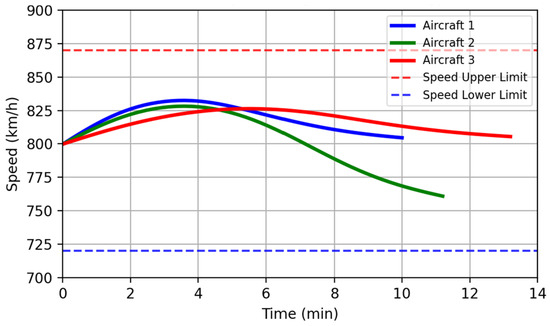
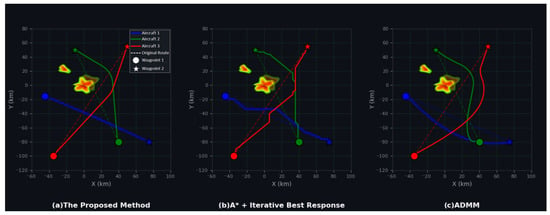
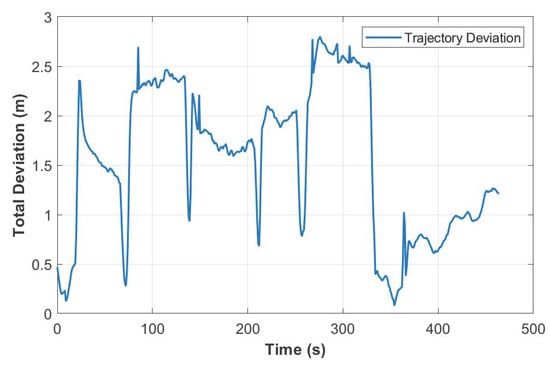
This paper presents a cooperative trajectory planning method for multiple aircraft avoiding thunderstorms, formulated within a game-theoretic optimal control framework. We model the multi-aircraft system as a non-cooperative game and employ an Iterative Best Response (IBR) algorithm to decompose the coupled planning problem into a series of single-agent, nonlinear optimal control subproblems. Each subproblem is solved using the CasADi framework, enabling the continuous and simultaneous optimization of both aircraft velocity and heading. This approach directly generates smooth, dynamically feasible 4D trajectories that satisfy strict on-time arrival constraints at each waypoint, addressing a key limitation of many existing methods. Our simulations show that the framework not only ensures safe separation from thunderstorms and other aircraft but also effectively manages arrival times, with errors on the order of seconds. These results demonstrate the method’s capability to produce safe, efficient, and punctual trajectories for complex multi-aircraft encounters in dynamic weather.
Full article
(This article belongs to the Section Air Traffic and Transportation)
►▼
Show Figures

Figure 1

Open AccessArticle
Range-Feasibility Blindness in Urban UAV Logistics: A Feasibility-Embedded Location–Routing Framework for Infrastructure Planning
by
Qunting Yang, Bingqing Liu, Chunsheng Xie and Zhang Wen
Aerospace 2026, 13(6), 536; https://doi.org/10.3390/aerospace13060536 (registering DOI) - 8 Jun 2026
Abstract
Existing unmanned aerial vehicle (UAV) urban logistics planning follows a sequential paradigm—depot siting first, routing second—that embeds a structural information loss. Straight-line distance screening systematically overestimates the feasible service radius of candidate depots, creating a blindzone of depot–demand pairs that appear reachable but
[...] Read more.
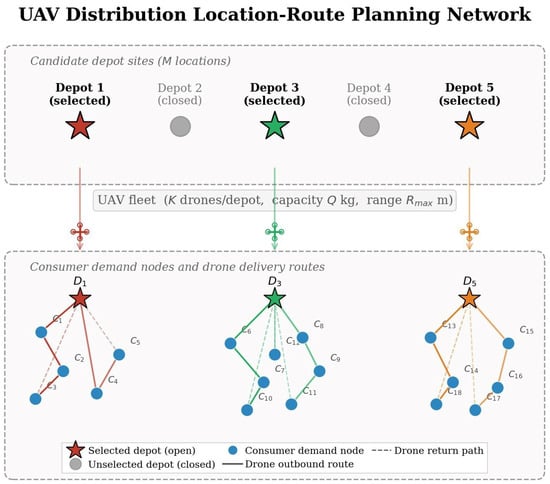
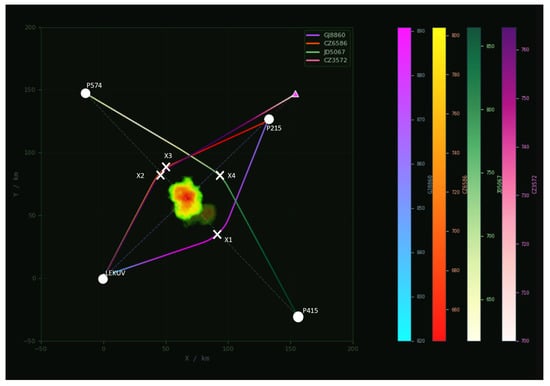
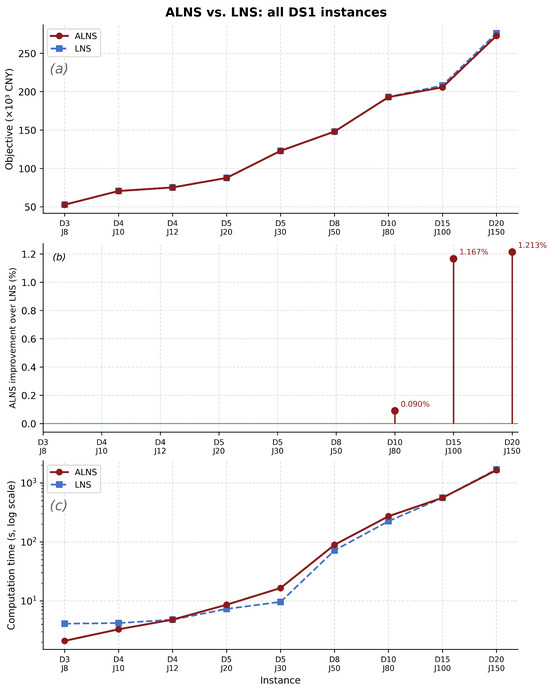
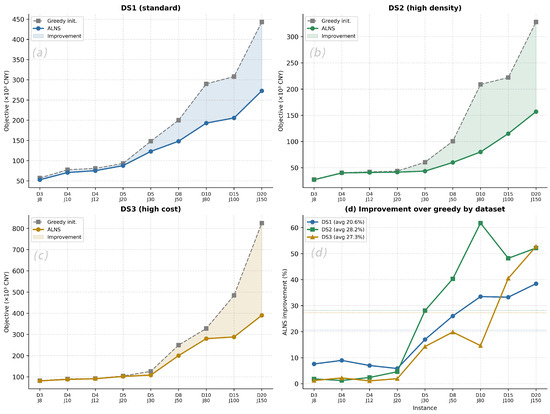
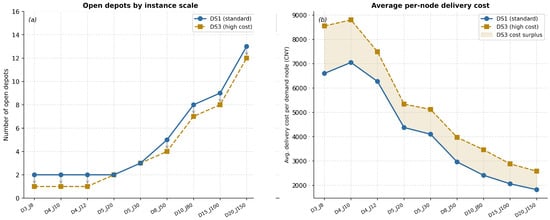
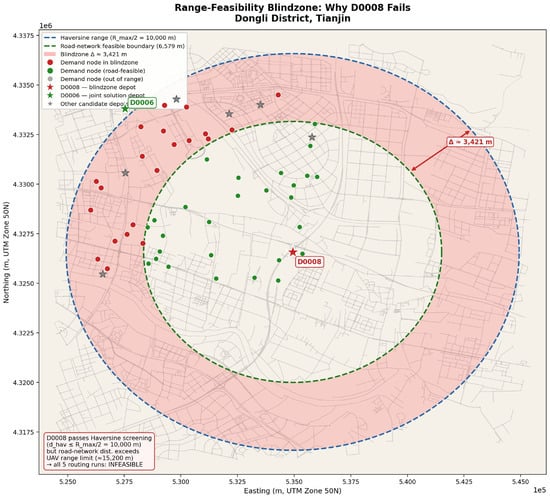
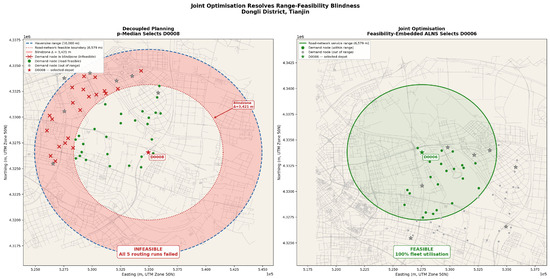
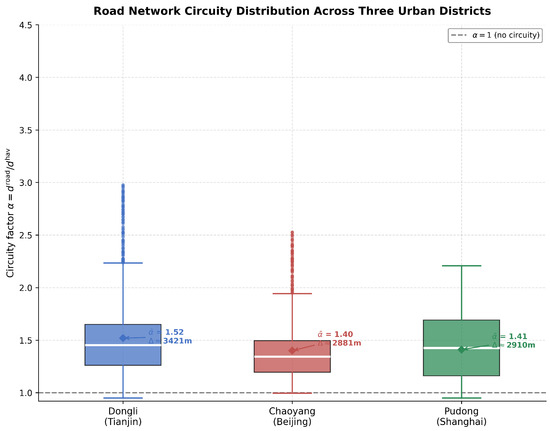
Existing unmanned aerial vehicle (UAV) urban logistics planning follows a sequential paradigm—depot siting first, routing second—that embeds a structural information loss. Straight-line distance screening systematically overestimates the feasible service radius of candidate depots, creating a blindzone of depot–demand pairs that appear reachable but prove operationally infeasible under road network distances. We term this range-feasibility blindness and derive its analytical radius , where is the road-to-straight-line distance ratio. Empirical measurement across three Chinese urban districts confirms and blindzone radii exceeding 2.8 km, establishing the phenomenon as a systemic property of high-density urban road geometry. To eliminate this failure by construction, we formulate a feasibility-embedded location–routing mixed-integer linear programme (MILP) that enforces road network range constraints simultaneously with depot opening decisions, making blindzone configurations implicitly inadmissible. A structure-aware Adaptive Large Neighbourhood Search (ALNS) solves the model at practical scales. Benchmark experiments on Dongli District (Tianjin) show cost reductions of 20.6–28.2% over greedy sequential baselines across three demand scenarios, with gains increasing monotonically with instance scale; cross-city experiments in Beijing and Shanghai confirm consistent improvement averaging 11.4% (Chaoyang, Beijing) and 10.2% (Pudong, Shanghai) over greedy initialisation across diverse urban morphologies. These results position joint optimisation as a necessary methodological shift for city-scale UAV infrastructure planning.
Full article
(This article belongs to the Special Issue Low-Altitude Technology and Engineering)
►▼
Show Figures

Figure 1
Open AccessArticle
Symbolic Regression for Air Transport Delay Analysis: A Viable Alternative to Classical Approaches?
by
Massimiliano Zanin
Aerospace 2026, 13(6), 535; https://doi.org/10.3390/aerospace13060535 (registering DOI) - 8 Jun 2026
Abstract
Delays are among air transport’s main operational challenges, with significant economic, societal and environmental consequences, and many methodological alternatives have been used in their study. Here we explore the use of symbolic regression, a data-driven technique that searches a space of analytic expressions
[...] Read more.
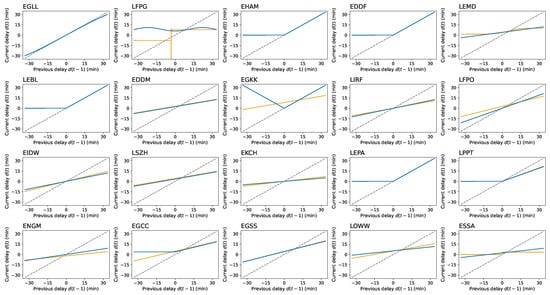
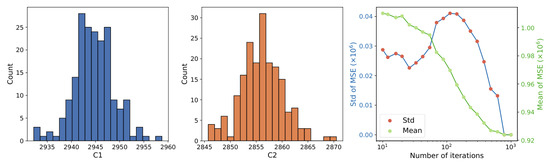
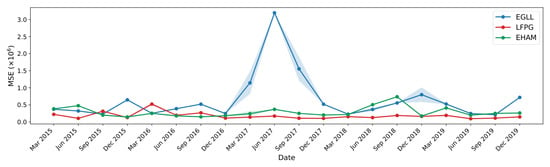
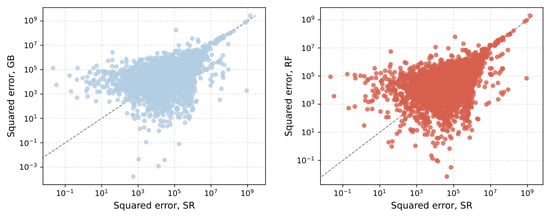
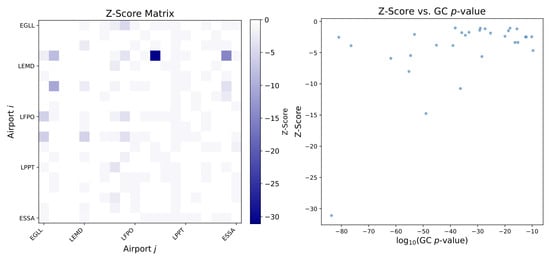
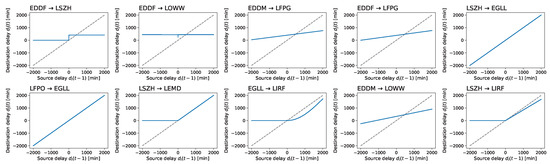
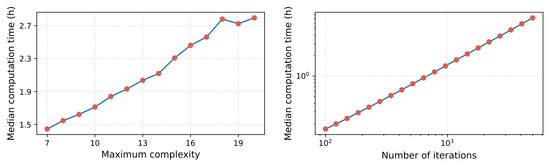
Delays are among air transport’s main operational challenges, with significant economic, societal and environmental consequences, and many methodological alternatives have been used in their study. Here we explore the use of symbolic regression, a data-driven technique that searches a space of analytic expressions to identify compact and interpretable models explaining a given set of data. We specifically use symbolic regression to characterise delays at the busiest European airports, how they evolve in time and depend on their own past, up to how they propagate across airports. This is done with the aim of evaluating the feasibility of using this approach, and the added value when compared to standard statistical and causal models. Results of this proof of concept point to a nuanced picture: while symbolic regression demonstrates clear potential for uncovering interpretable functional relationships in delay dynamics, its applicability is hindered by the significant computational cost and its stochastic nature.
Full article
(This article belongs to the Section Air Traffic and Transportation)
►▼
Show Figures

Figure 1

Open AccessArticle
Three-Dimensional Integrated Guidance and Control Design with Terminal Angle and Attitude Angle Constraints
by
Qi Wang, Zhe Hu, Tianyi Wang, Shusen Yuan, Lei Zhang and Wenjun Yi
Aerospace 2026, 13(6), 534; https://doi.org/10.3390/aerospace13060534 (registering DOI) - 8 Jun 2026
Abstract
To address the limitations of existing sliding mode-based integrated guidance and control (IGC) schemes, such as chattering, input saturation, and insufficient robustness, this paper proposes a three-dimensional IGC design method incorporating both terminal angle and attitude angle constraints. First, a control-oriented six-degrees-of-freedom model
[...] Read more.
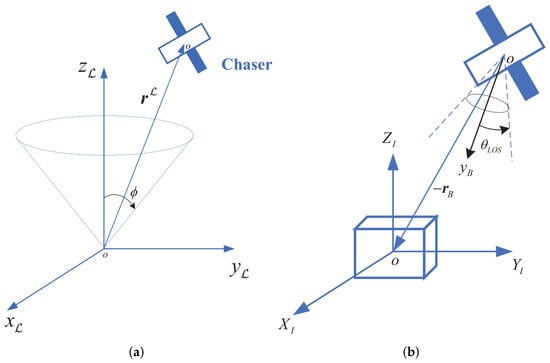
To address the limitations of existing sliding mode-based integrated guidance and control (IGC) schemes, such as chattering, input saturation, and insufficient robustness, this paper proposes a three-dimensional IGC design method incorporating both terminal angle and attitude angle constraints. First, a control-oriented six-degrees-of-freedom model is established based on three-dimensional relative motion and vehicle dynamics, and the control objectives for maneuvering target interception under multiple constraints are clarified. Subsequently, a finite-time terminal sliding mode guidance law based on time-to-go (TGO) is integrated with dynamic surface control to construct the IGC framework. In this design, command filters are introduced to overcome the “explosion of complexity”, while amplitude saturation functions are employed to constrain system states and control inputs. Meanwhile, a generalized super-twisting extended state observer (GSTESO) is incorporated to estimate and compensate for lumped uncertainties in the system. Finally, by combining Lyapunov stability theory with an integral barrier Lyapunov (IBL) function, it is proven that the closed-loop system is uniformly ultimately bounded and satisfies the terminal angle constraints. Comparative simulations under multiple disturbance scenarios demonstrate that the proposed method meets the accuracy requirements in terms of miss distance and LOS angle error. Moreover, it alleviates high-frequency chattering and prevents control-input saturation, showing improved robustness and disturbance rejection capability compared with the baseline methods. Therefore, the proposed approach provides a valuable reference for engineering applications of three-dimensional IGC in maneuvering target interception.
Full article
(This article belongs to the Section Aeronautics)
Open AccessArticle
Priority-Aware Multi-Runway UAV Sequencing for Disaster Relief Operations: Reinforcement Learning with Emergent Runway Specialisation Under Operational Constraints
by
Jia Peng, Yarong Wu, Chenjie Wei, Yang Ou, Hao Wang and Miaomiao Zhu
Aerospace 2026, 13(6), 533; https://doi.org/10.3390/aerospace13060533 - 7 Jun 2026
Abstract
Multi-runway sequencing of unmanned aerial vehicles (UAVs) at temporary disaster relief aerodromes presents a priority-heterogeneous scheduling problem under class-asymmetric wake turbulence constraints. We formulate this as a priority-weighted Markov decision process with a deliberately minimalist reward—per-step class weights for completed landings, with no
[...] Read more.
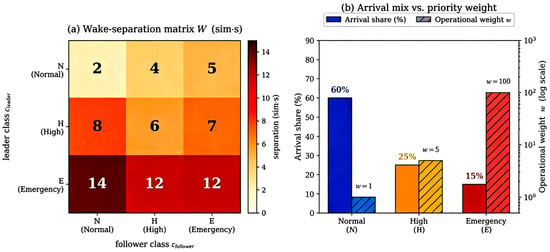
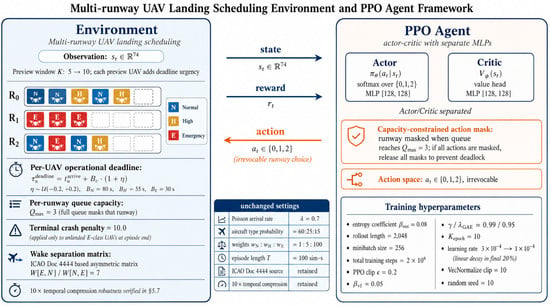
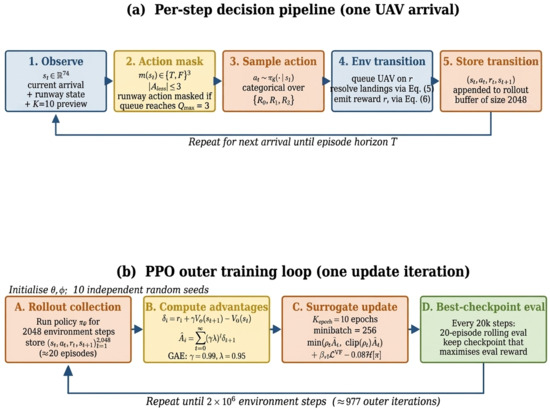
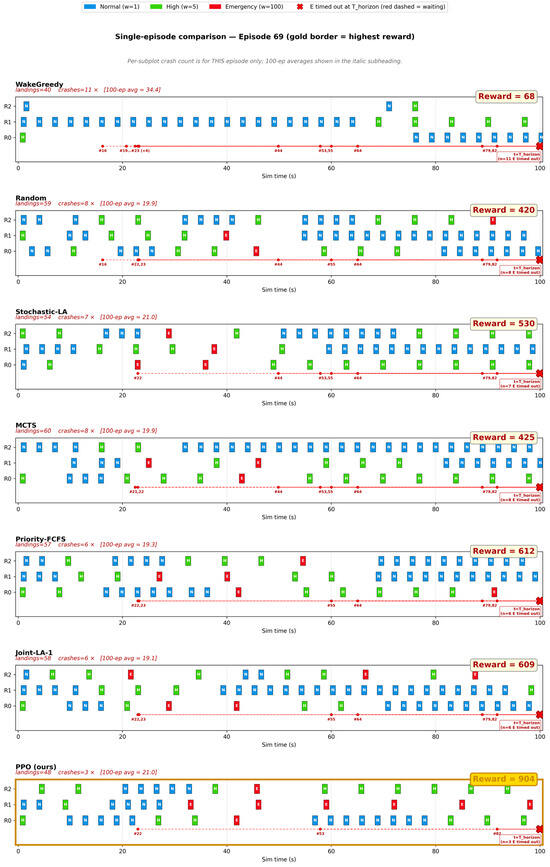
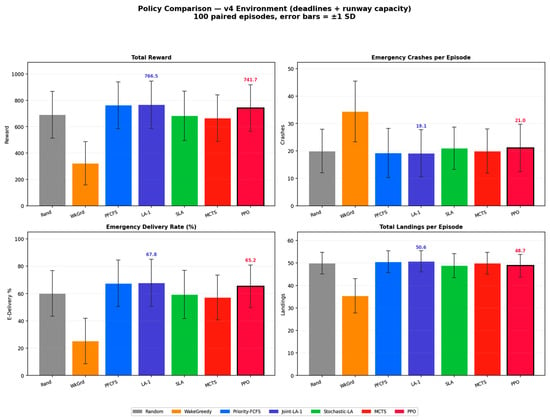
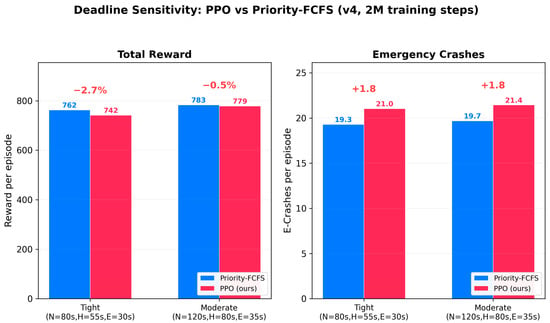
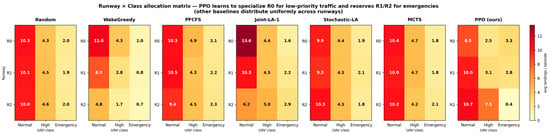
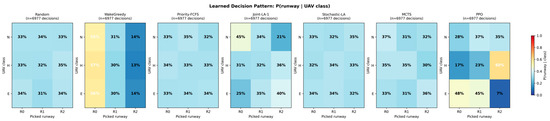
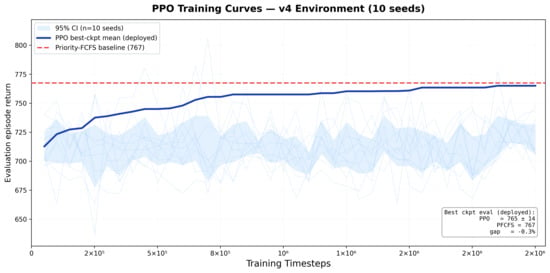
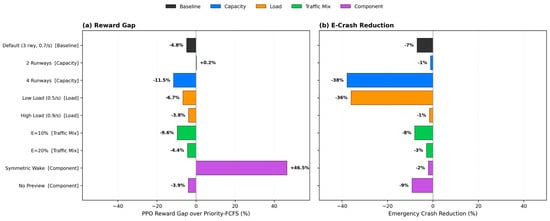
Multi-runway sequencing of unmanned aerial vehicles (UAVs) at temporary disaster relief aerodromes presents a priority-heterogeneous scheduling problem under class-asymmetric wake turbulence constraints. We formulate this as a priority-weighted Markov decision process with a deliberately minimalist reward—per-step class weights for completed landings, with no shaping or hand-crafted safety logic—and extend it with per-UAV operational deadlines (encoding en-route endurance consumption) and per-runway queue capacity constraints that produce a non-trivial action mask. We train a Proximal Policy Optimisation (PPO) agent and benchmark it against six baselines spanning deterministic optimisation (Joint-LA-1), stochastic lookahead (Stochastic-LA), and online tree search (MCTS). Across 100 paired evaluation episodes, PPO matches the operational standard Priority-FCFS within 2.7% (p = 0.124, not significant); Joint-LA-1, the strongest non-learned baseline, outperforms PPO by 3.2% (p = 0.043). Despite near-identical aggregate throughput, PPO autonomously develops a runway specialisation pattern—concentrating 60% of high-priority landings on a single strip while routing 93% of emergency arrivals to the remaining strips—that emerges entirely from the reward signal. Under looser deadlines, the PPO–PFCFS gap narrows to −0.5%, and wake symmetry ablation reveals that PPO outperforms Priority-FCFS by 46.5% when the asymmetric wake structure is removed. These results demonstrate that priority-aware capacity reservation can emerge without embedded domain knowledge, and that simple heuristics are near-optimal under tight operational constraints—a finding with direct implications for autonomous scheduling in disaster relief aviation.
Full article
(This article belongs to the Section Air Traffic and Transportation)
►▼
Show Figures

Figure 1

Open AccessArticle
Dynamic Modeling and Response Analysis of a Landing Gear Retraction and Extension System Considering Irregular Wear Clearance
by
Wencheng Ma, Shuai Jiang and Zhengzheng Yin
Aerospace 2026, 13(6), 532; https://doi.org/10.3390/aerospace13060532 - 7 Jun 2026
Abstract
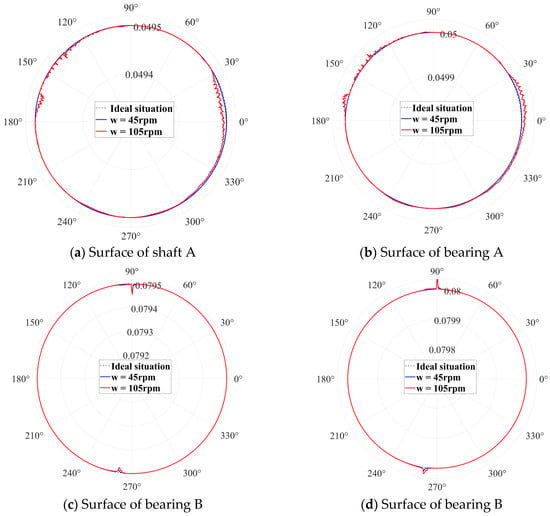
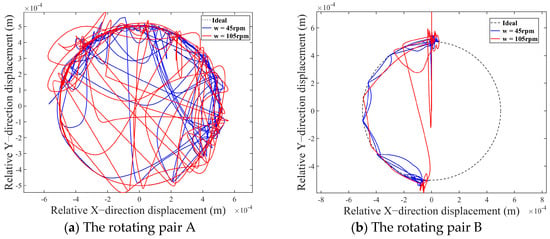
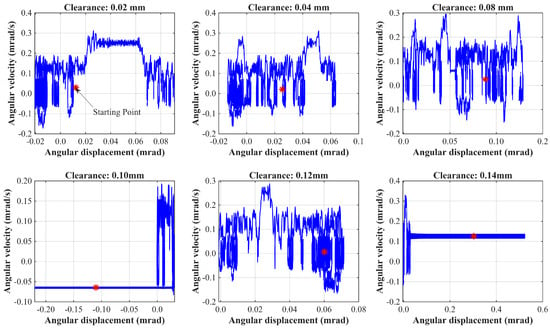
Over the course of long-term operation, wear to moving parts can significantly affect the dynamic behavior, reliability and service life of landing gear retraction and extension systems. The primary innovation of this paper is the proposal of a multi-body rigid-body dynamics modeling method
[...] Read more.
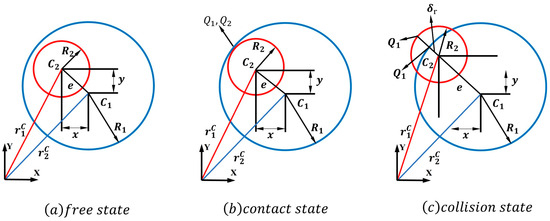
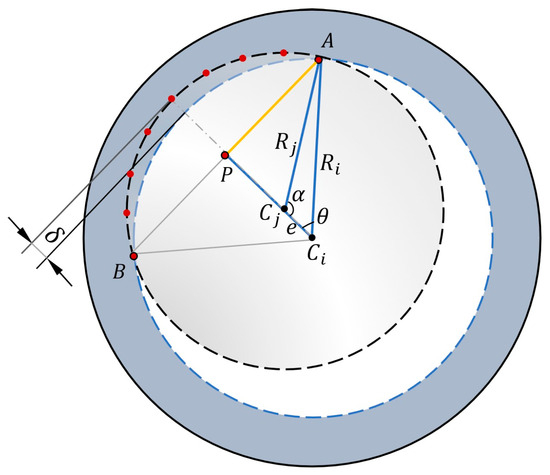
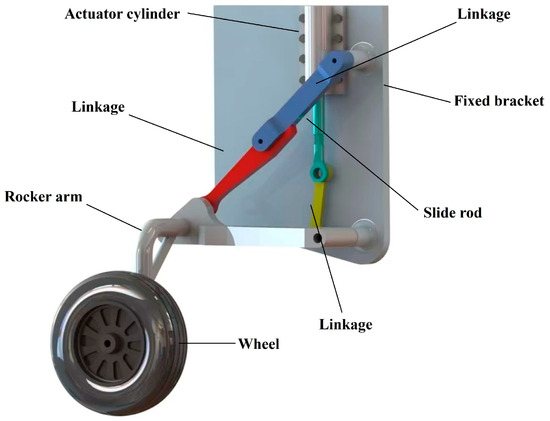
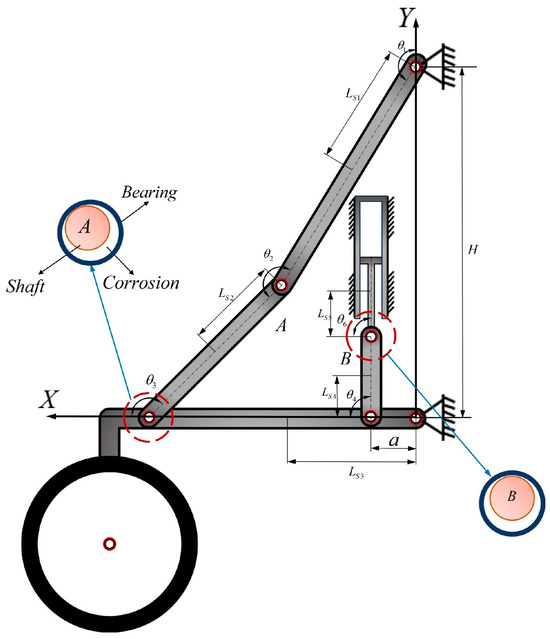
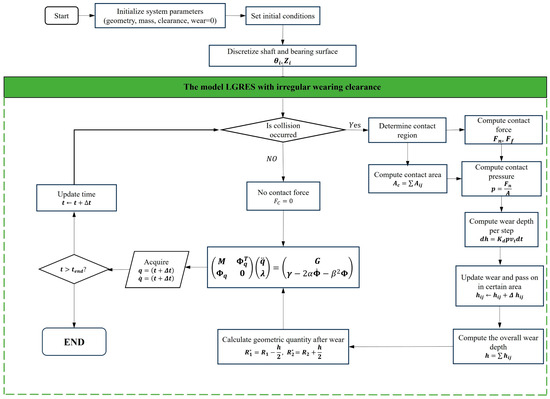
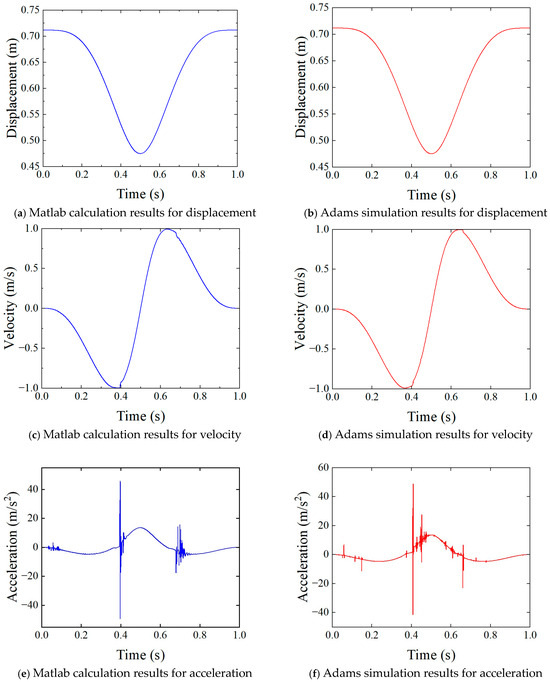
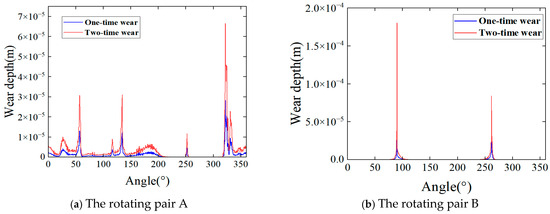
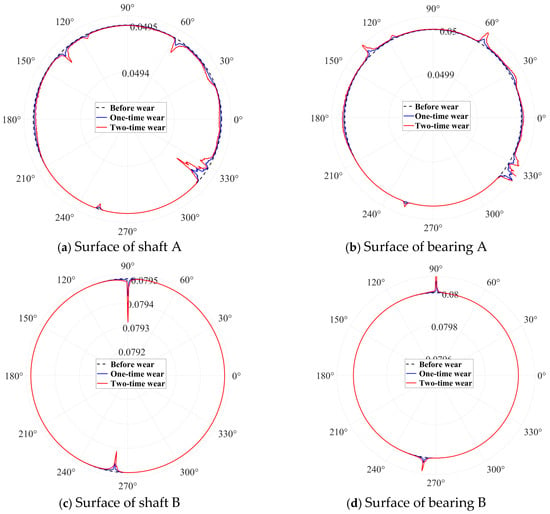
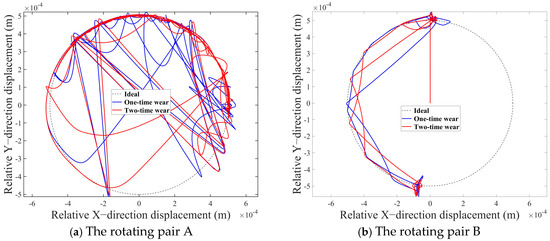
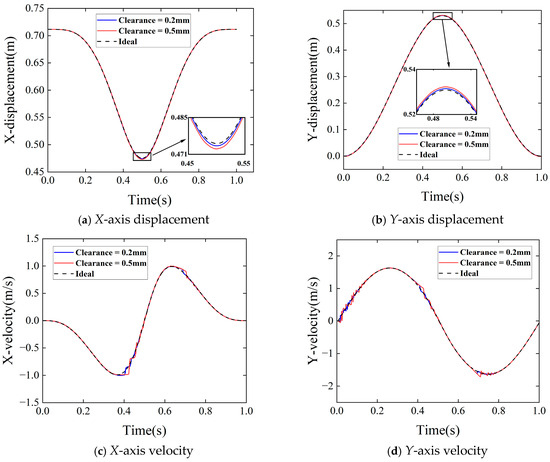
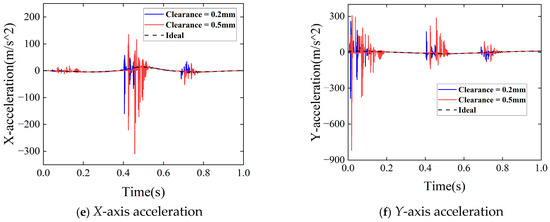
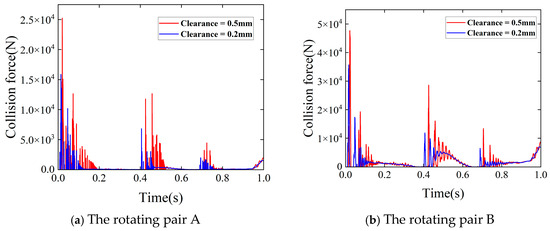
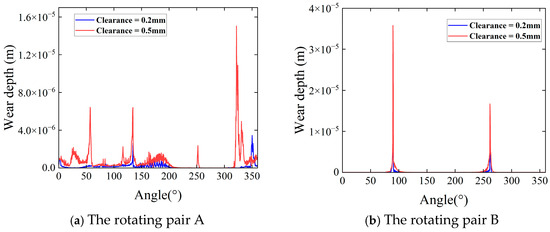
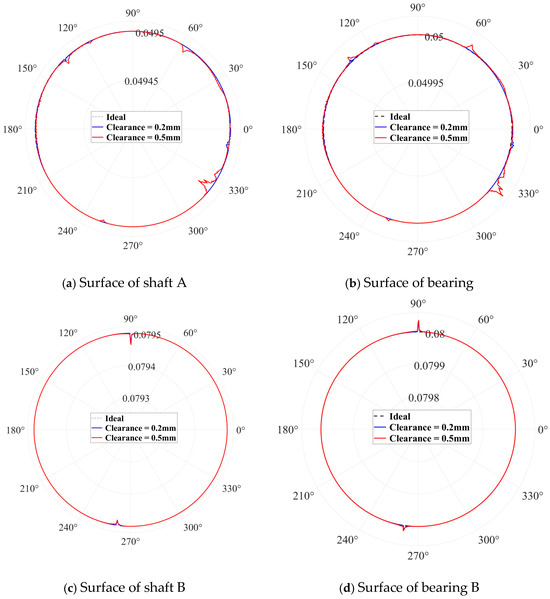
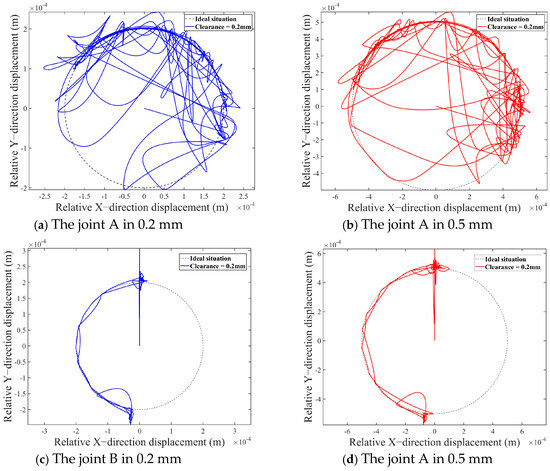
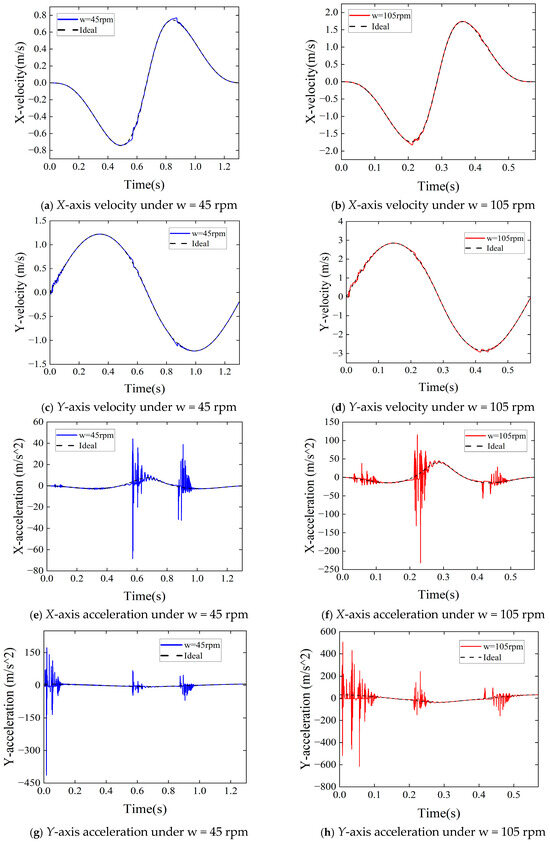
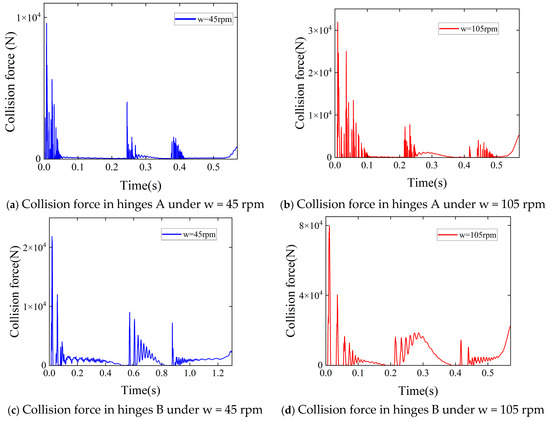
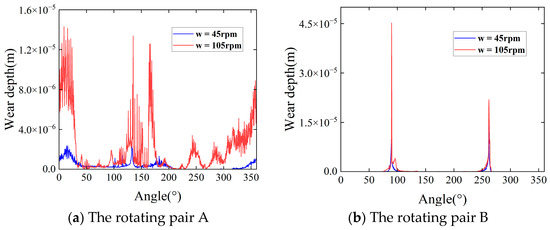
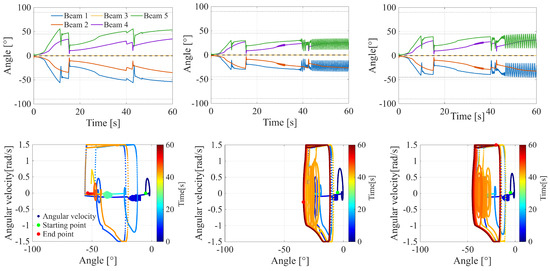
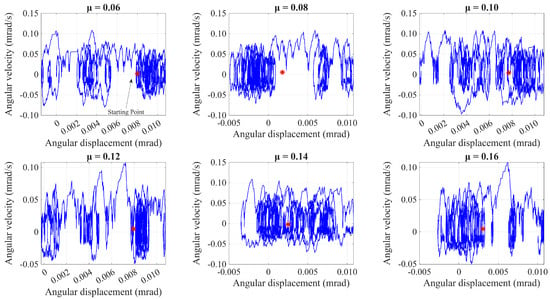
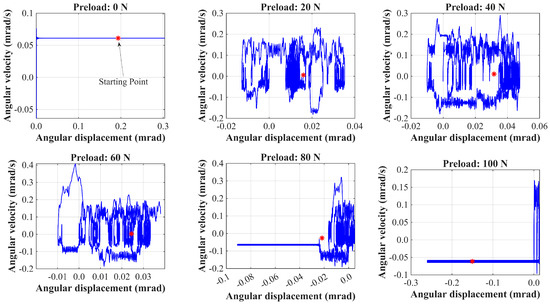
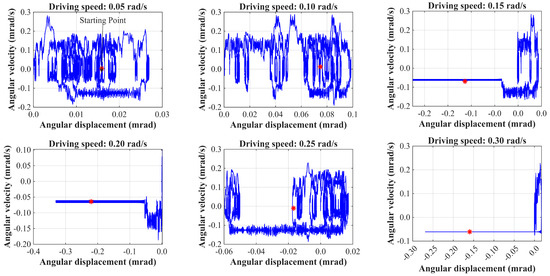
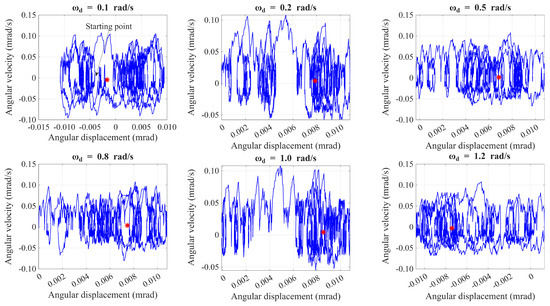
Over the course of long-term operation, wear to moving parts can significantly affect the dynamic behavior, reliability and service life of landing gear retraction and extension systems. The primary innovation of this paper is the proposal of a multi-body rigid-body dynamics modeling method for LGRES that accounts for irregular wear clearances, along with an analysis of its dynamic response under different system parameters. First, an exact dynamic model of the LGRES with joint clearance is developed. Secondly, the Archard wear model is introduced to characterize the wear evolution of the joint surfaces. Finally, the dynamic behavior of the mechanism under different wear cycles, initial clearance values, and drive speeds is compared to analyze the impact of these system parameters on wear characteristics. The results indicate that as these system parameters increase, wear significantly amplifies the impact forces on the joint and further exacerbates wear between the hinge pin and the bearing, as well as motion errors.
Full article
(This article belongs to the Section Aeronautics)
►▼
Show Figures

Figure 1

Open AccessArticle
A Robust Method for High-Precision Celestial Positioning of Space Targets
by
Shijie Zhai, Wenhua Cheng and Tinghua Zhang
Aerospace 2026, 13(6), 531; https://doi.org/10.3390/aerospace13060531 - 6 Jun 2026
Abstract
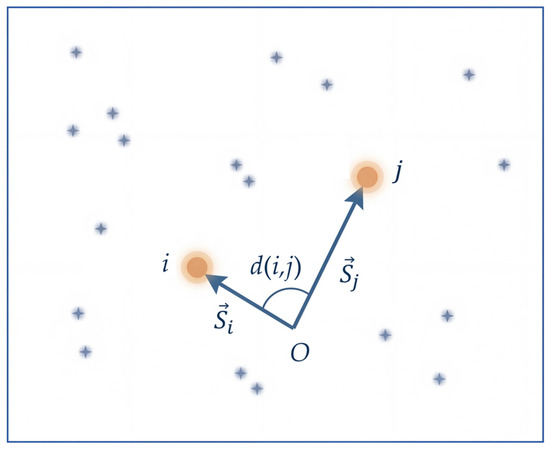
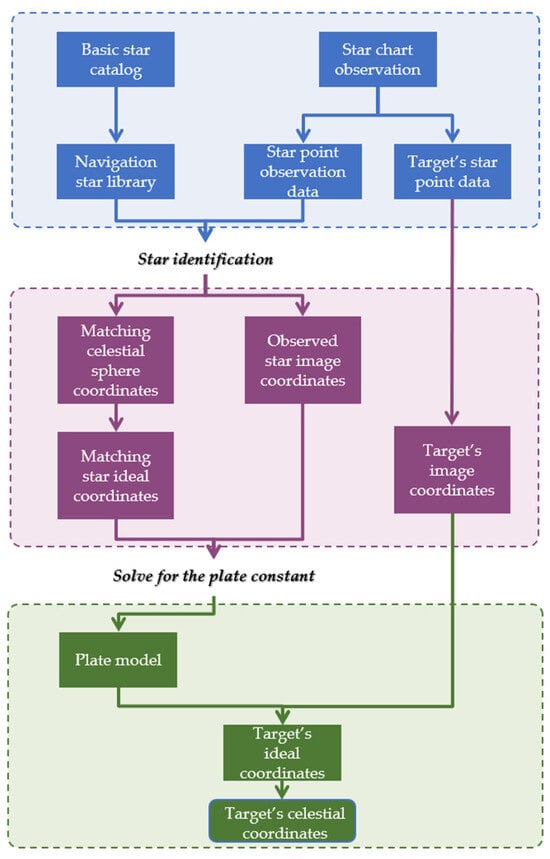
The high-precision celestial positioning of space targets is constrained by star point centroid errors, star identification errors, and residual distortions in wide-field imaging. To improve the positioning accuracy and robustness under complex stellar-field conditions, this study focuses on improving star point centroid extraction
[...] Read more.
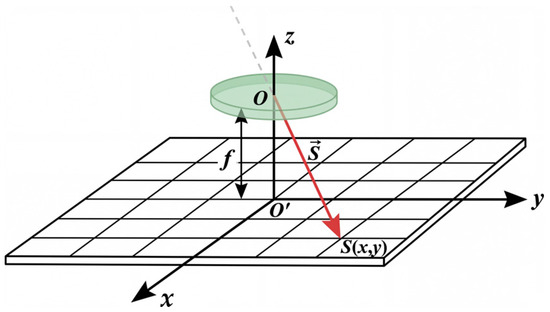
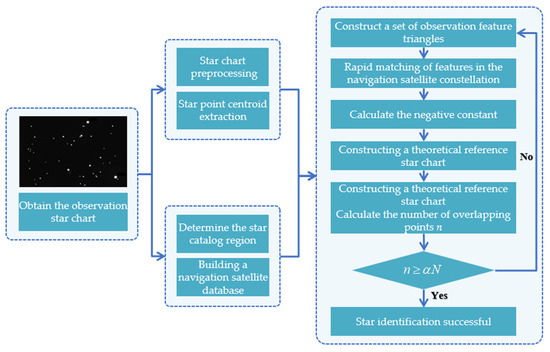
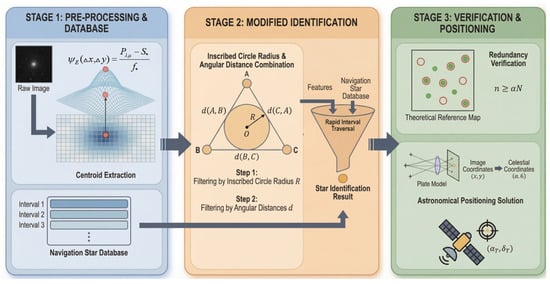
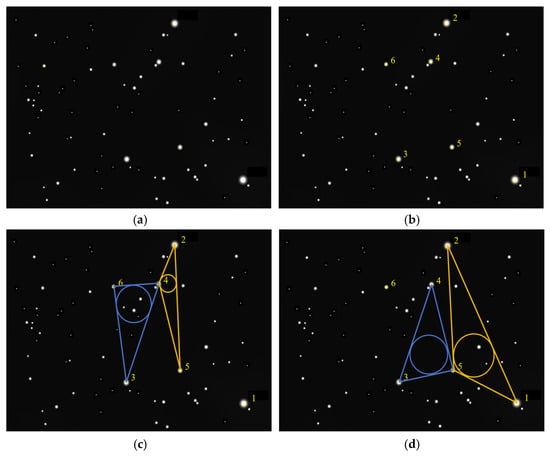
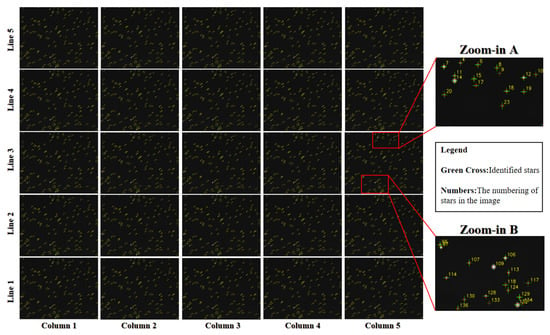
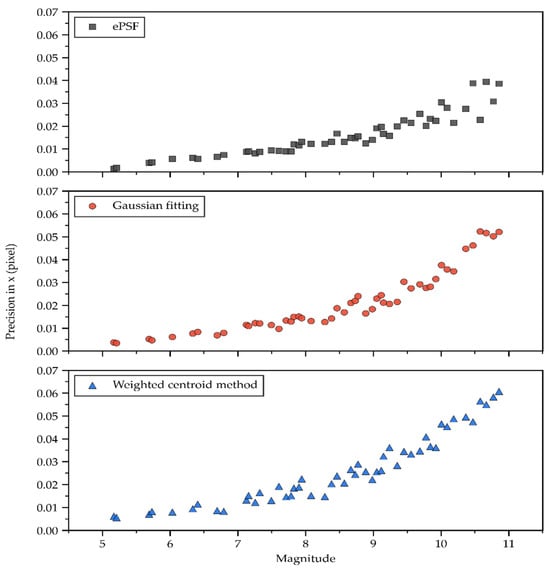
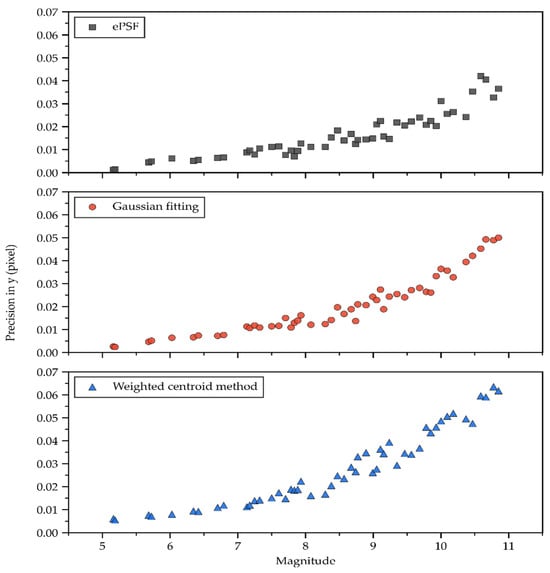
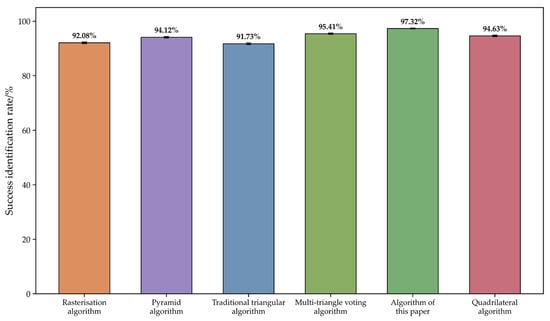
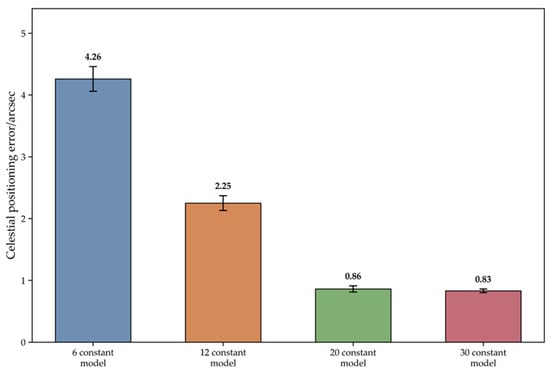
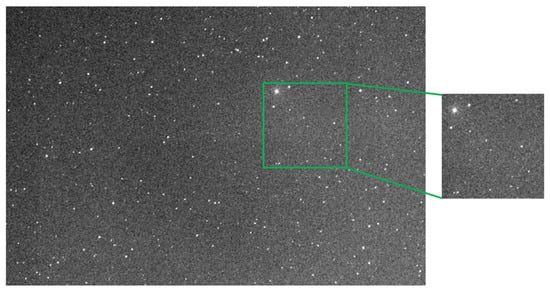
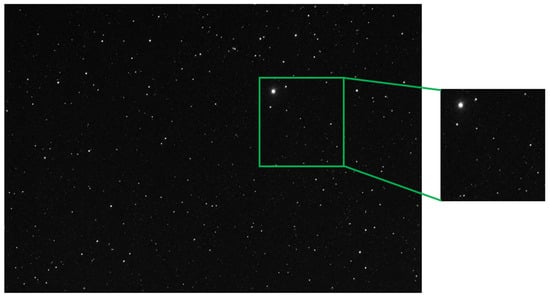
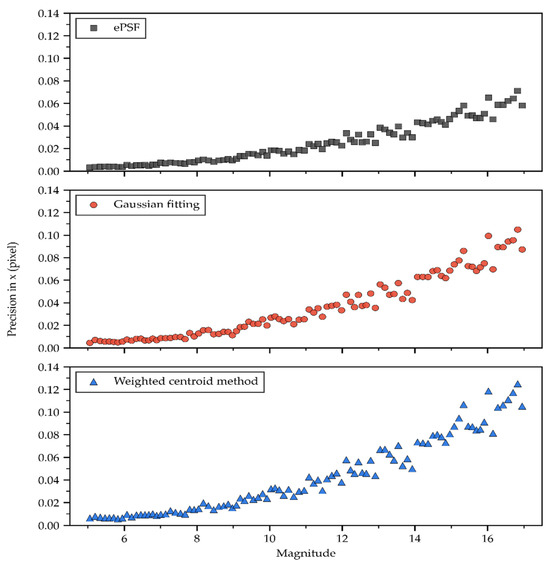
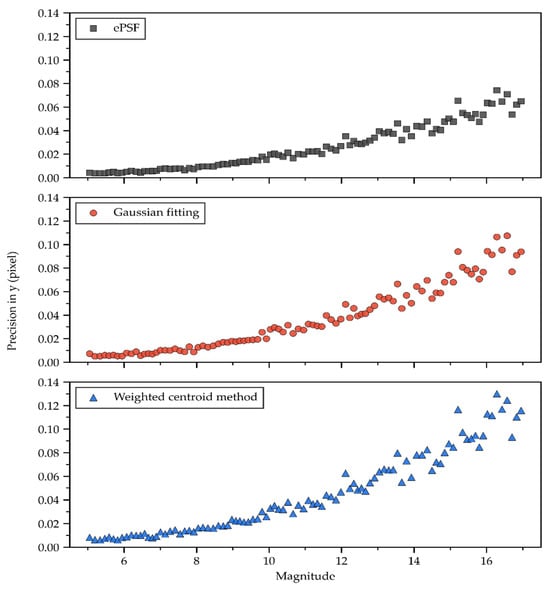
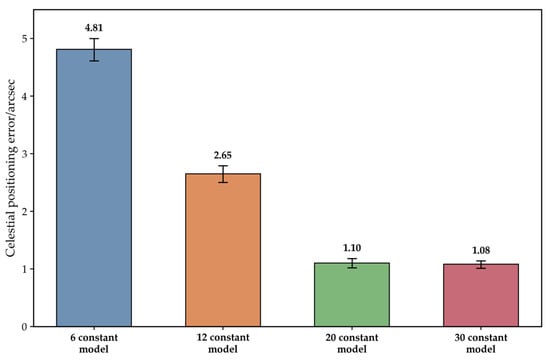
The high-precision celestial positioning of space targets is constrained by star point centroid errors, star identification errors, and residual distortions in wide-field imaging. To improve the positioning accuracy and robustness under complex stellar-field conditions, this study focuses on improving star point centroid extraction and star identification. For star point centroid extraction, an improved effective point spread function (ePSF) fitting method is adopted to construct an ePSF model consistent with the actual imaging process, which characterizes the instrumental response, pixel sampling, and stellar intensity distribution, thereby improving the accuracy of sub-pixel centroid extraction. For star identification, a two-level matching method combining the inradius of star triangles and angular-distance constraints is proposed. Candidate screening, angular-distance constraints, and posterior validation based on a theoretical reference star map are used to reduce redundant matches and mismatching risks. Experiments on simulated star images show that the star identification success rate of the proposed method reaches 97.32%, outperforming traditional algorithms. In real star images, the star identification precision, star identification completeness, and F1 score are 93.59%, 90.14%, and 91.83%, respectively. When the 20-constant plate model is adopted, the average positioning errors of simulated and real star images are reduced to 0.86″ and 1.10″, respectively. Further increasing the model to 30 constants provides limited accuracy gain, which is insufficient to fully offset the cost of increased model complexity and parameter stability. The results show that the proposed method achieves a favorable balance among positioning accuracy, identification reliability, and model complexity.
Full article
(This article belongs to the Section Astronautics & Space Science)
►▼
Show Figures

Figure 1
Open AccessArticle
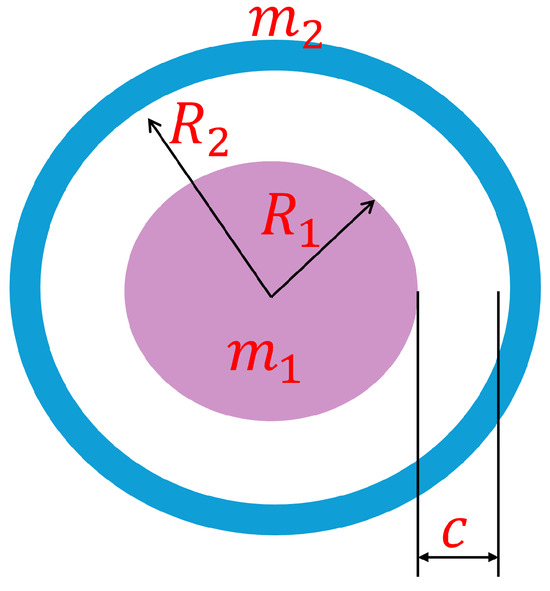
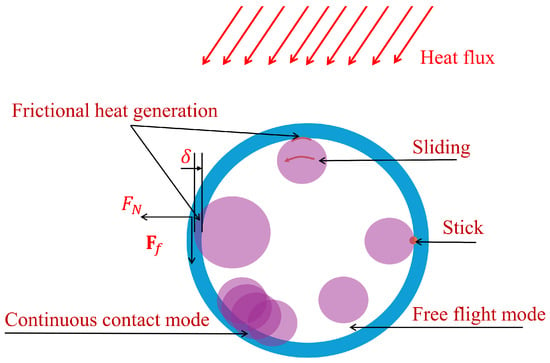
Thermo-Mechanical Analysis of Preload Distribution in Clamp Band Separation Mechanisms
by
Hanxin Lin, Bing Yu, Jia Guo, Hongjian Zhang and Caishan Liu
Aerospace 2026, 13(6), 530; https://doi.org/10.3390/aerospace13060530 - 5 Jun 2026
Abstract
Clamp band separation mechanisms are widely used in spacecraft interfaces, and the clamp band preload is a key factor governing both connection reliability and separation performance. The conventional torque-control method is susceptible to friction-induced preload non-uniformity in clamp band separation mechanisms. To overcome
[...] Read more.
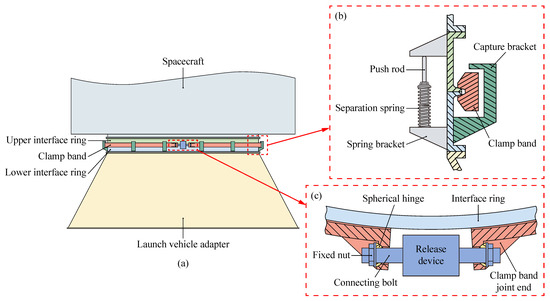
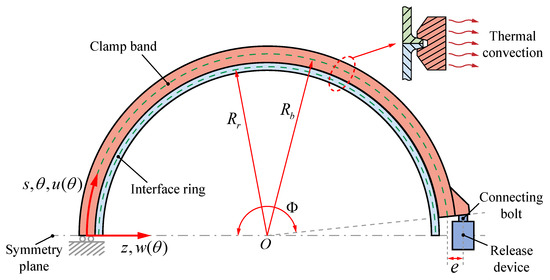
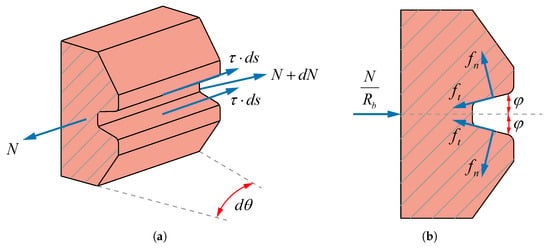
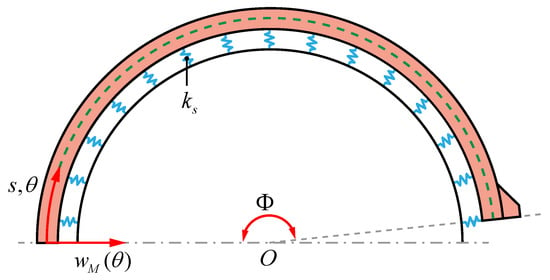
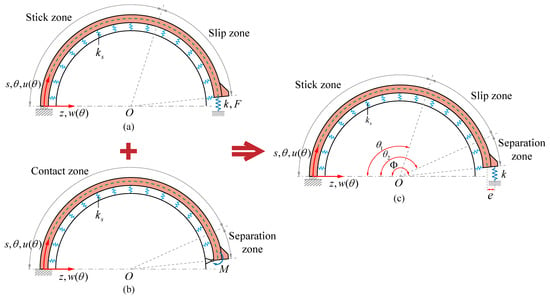
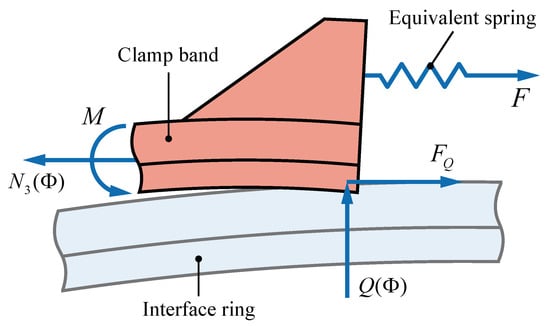
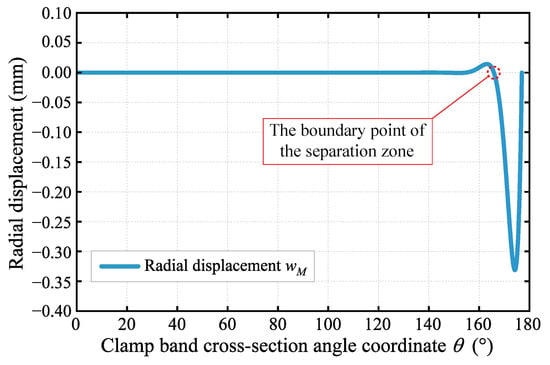
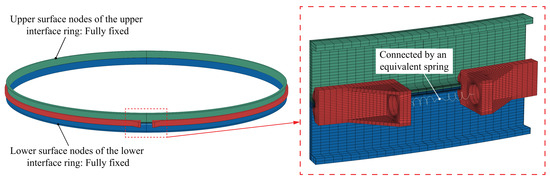
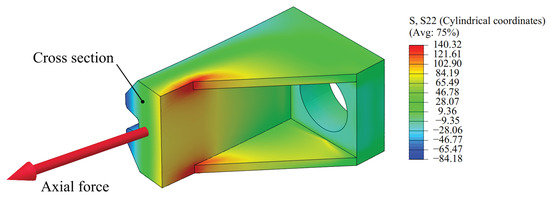
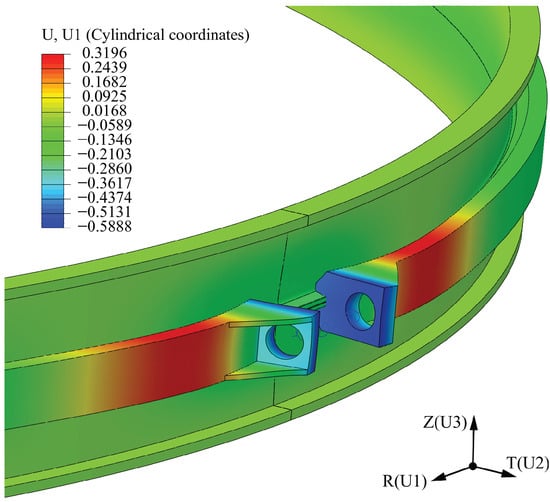
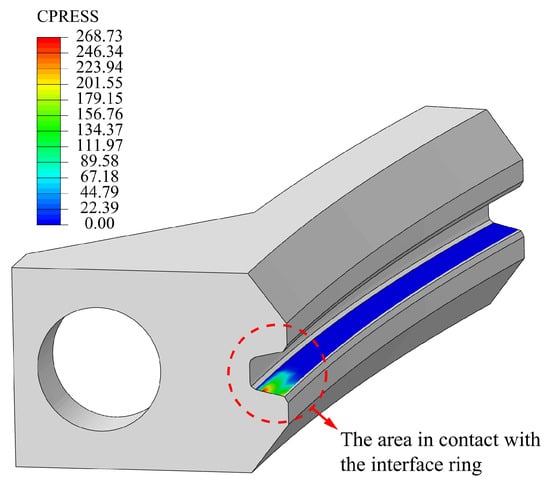
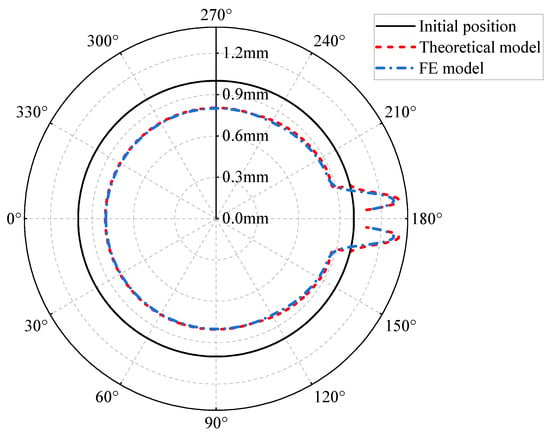
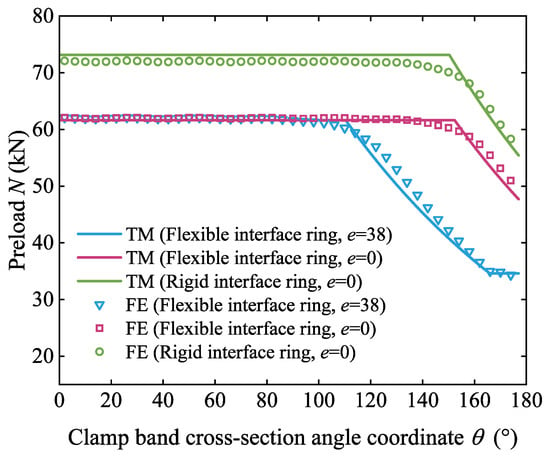
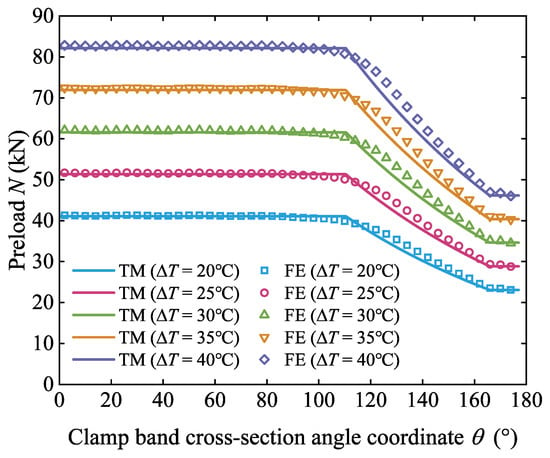
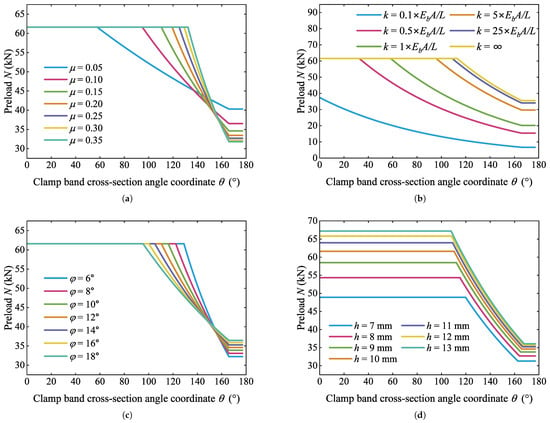
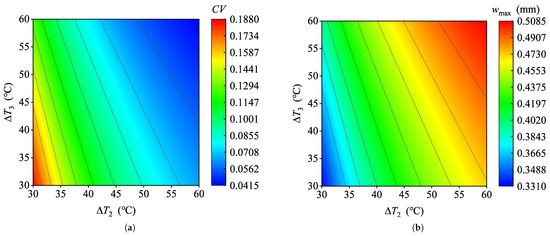
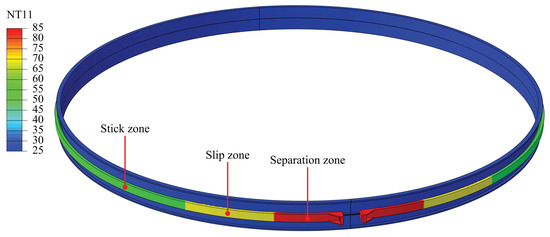
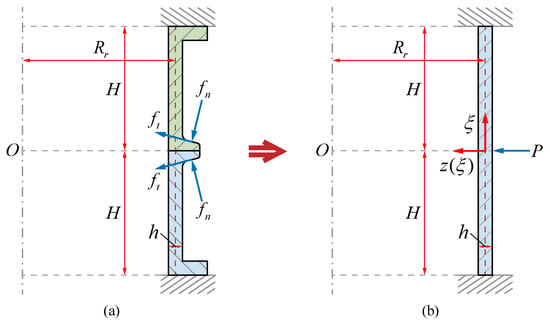
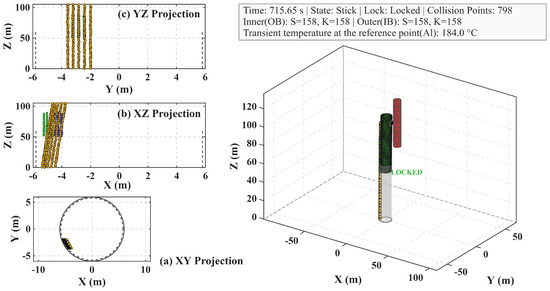
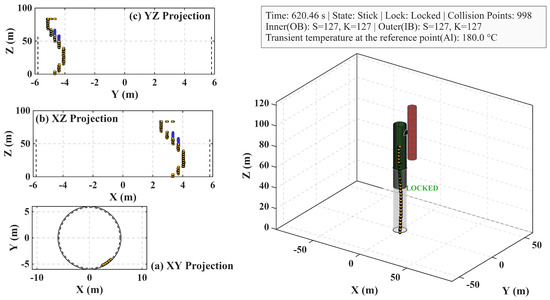
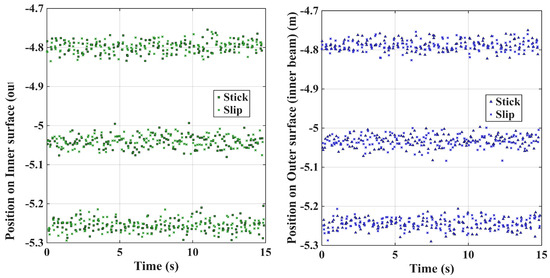
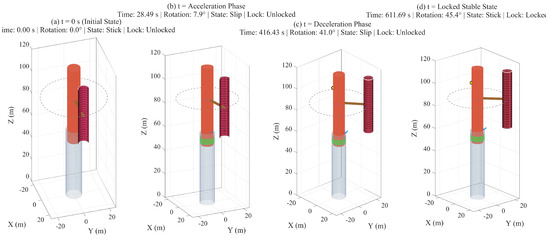
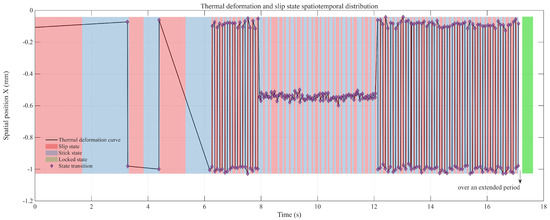
Clamp band separation mechanisms are widely used in spacecraft interfaces, and the clamp band preload is a key factor governing both connection reliability and separation performance. The conventional torque-control method is susceptible to friction-induced preload non-uniformity in clamp band separation mechanisms. To overcome this limitation, thermal preloading has been proposed as an alternative installation method. In this paper, a thermo-mechanical analytical model is established for clamp band separation mechanisms during thermal preloading based on curved-beam and thin-shell theories. Theoretical analysis shows that the preload distribution can be divided into three characteristic zones: a stick zone, a slip zone, and a separation zone. In the stick zone, the preload remains constant and is mainly governed by thermal stress and structural relative stiffness. In the slip zone, friction dominates the load transfer, leading to a non-uniform preload distribution. In the separation zone, local disengagement occurs near the clamp band joint end due to the eccentricity-induced bending moment. The proposed model is validated by finite element simulations, and parametric studies are conducted to reveal the effects of friction coefficient and structural geometric parameters on preload distribution. Based on the theoretical model, a zoned-heating method is proposed to improve preload uniformity, providing a useful reference for optimizing the thermal preloading method.
Full article
(This article belongs to the Special Issue Advanced Manufacturing, Assembly, and Testing Technologies for Spacecraft)
►▼
Show Figures

Figure 1

Open AccessArticle
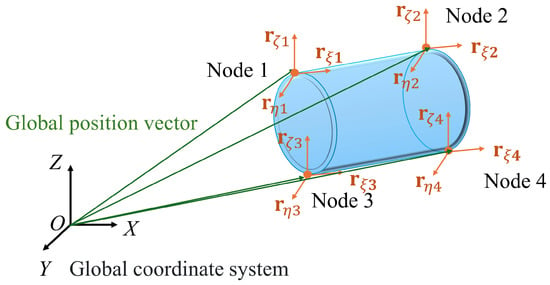
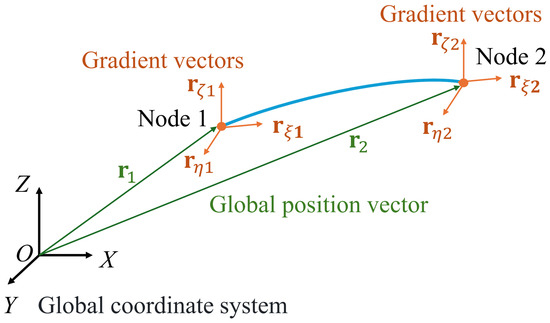
Dynamic Modeling and Thermo-Mechanical Coupling Analysis of Variable-Geometry Spacecraft Antenna with Clearance Hinges Under Extreme Thermal Environment
by
Yuntao Hua, Ning Zhang, Yingyong Shen, Shengxin Sun, Hutao Cui and Wenlai Ma
Aerospace 2026, 13(6), 529; https://doi.org/10.3390/aerospace13060529 (registering DOI) - 5 Jun 2026
Abstract
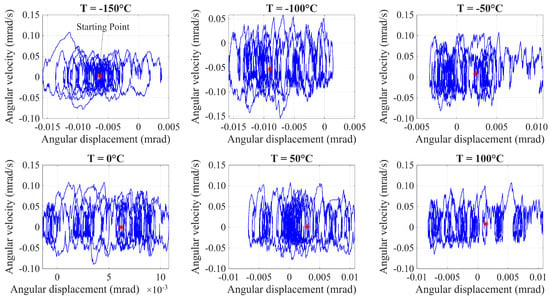
Extreme cyclic temperature fluctuations (−200 °C to 200 °C) and inherent clearance nonlinearity in deployment hinges severely threaten the on-orbit deployment accuracy and dynamic stability of large variable-geometry spacecraft antennas for geosynchronous Earth orbit applications. However, current modeling approaches suffer from three critical
[...] Read more.
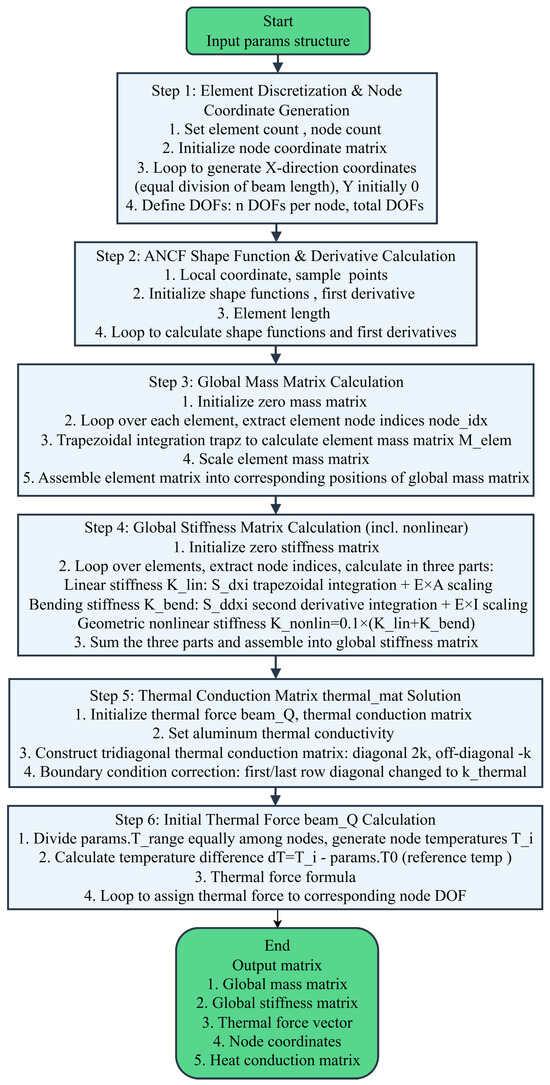
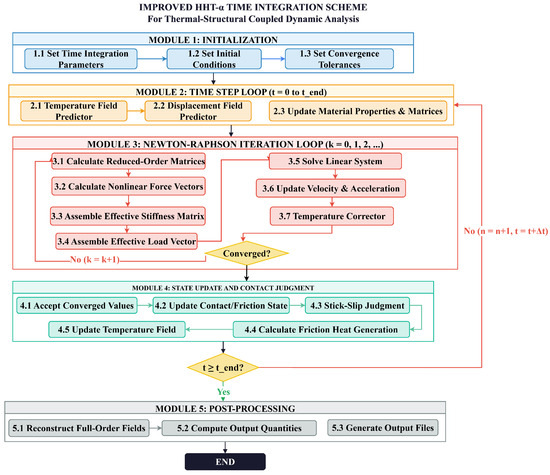
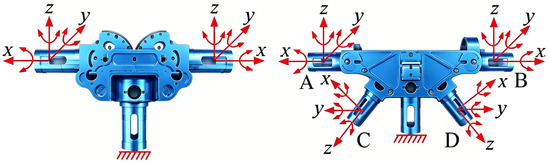
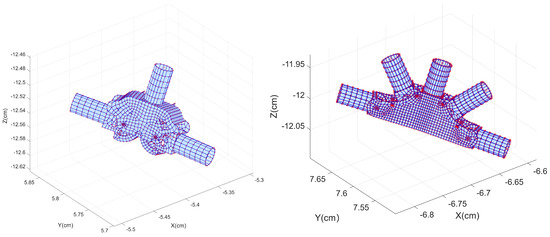
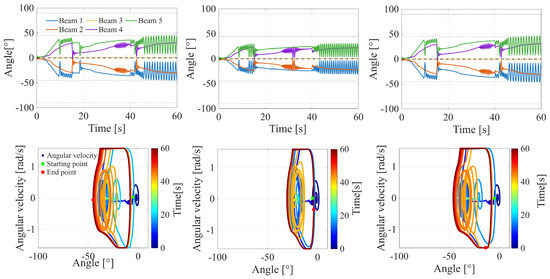
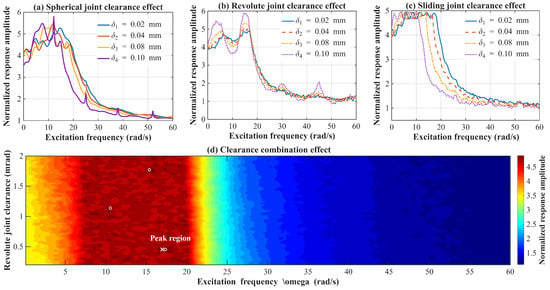
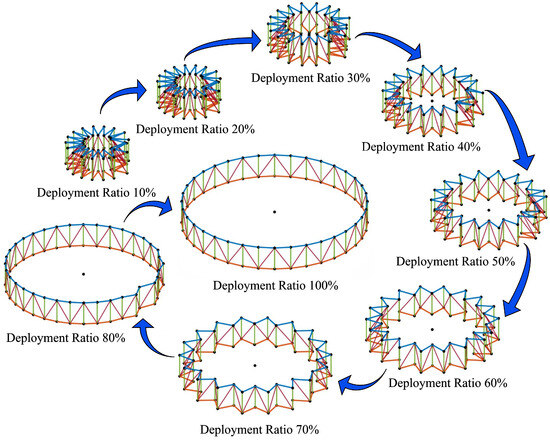
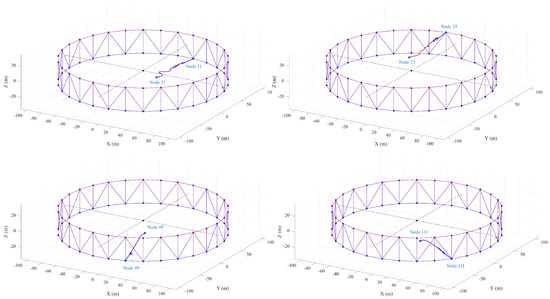
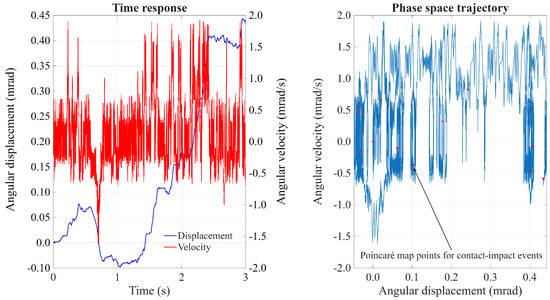
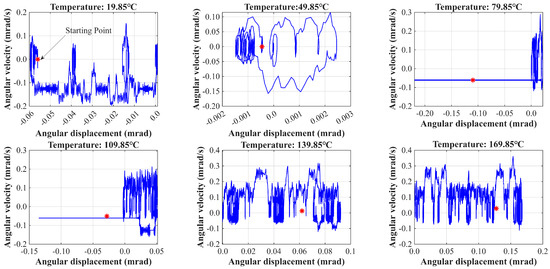
Extreme cyclic temperature fluctuations (−200 °C to 200 °C) and inherent clearance nonlinearity in deployment hinges severely threaten the on-orbit deployment accuracy and dynamic stability of large variable-geometry spacecraft antennas for geosynchronous Earth orbit applications. However, current modeling approaches suffer from three critical limitations: single-configuration models requiring manual switching, there are inherent geometric nonlinear errors from conventional floating frame formulations, and incomplete thermo-mechanical coupling neglects the temperature effects on contact stiffness and friction. To address these gaps, we propose a unified high-fidelity dynamic model based on the Absolute Nodal Coordinate Formulation (ANCF). This model eliminates geometric errors and mesh mismatch, enables seamless multi-configuration deployment without switching, and fully incorporates temperature-dependent material properties and nonlinear contact forces. An improved Hilber–Hughes–Taylor- implicit integration algorithm with second-order accuracy and unconditional stability is adopted to solve the strongly nonlinear differential-algebraic equations. Numerical results demonstrate that the proposed model achieves a calculation error below 3% against experimental data, significantly outperforming the traditional floating frame of reference formulation with an error of 15–22%. Non-uniform temperature fields increase thermally induced vibration amplitudes by 32–45%, and every 0.1 increase in the friction coefficient raises the impact force at the clearance hinge by 15–20%. The proposed unified modeling framework provides a solid theoretical basis for deployment stability prediction and the on-orbit control optimization of large variable-geometry spacecraft antennas.
Full article
(This article belongs to the Section Astronautics & Space Science)
►▼
Show Figures

Figure 1

Open AccessArticle
Effects of Characteristic Chamber Length on c* Efficiency in CAMUI-Type Hybrid Rockets Using Hydrogen Peroxide
by
Ryota Kinjo, Sota Watanabe, Ananda Rafi Dhaifan, Masashi Wakita and Harunori Nagata
Aerospace 2026, 13(6), 528; https://doi.org/10.3390/aerospace13060528 - 4 Jun 2026
Abstract
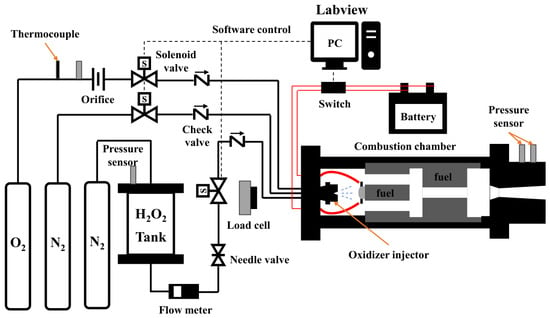
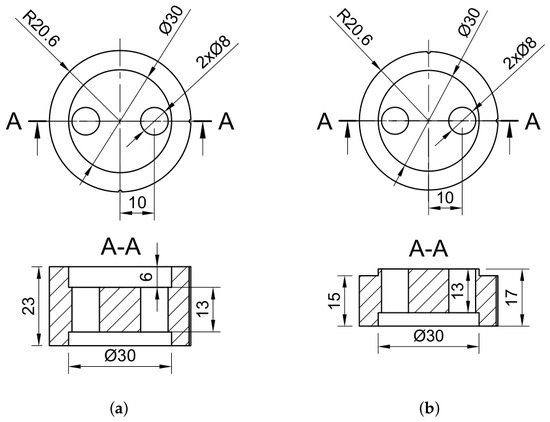
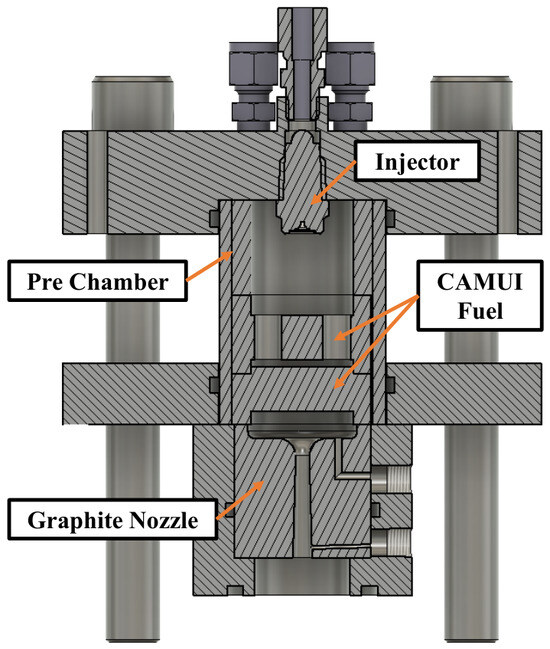
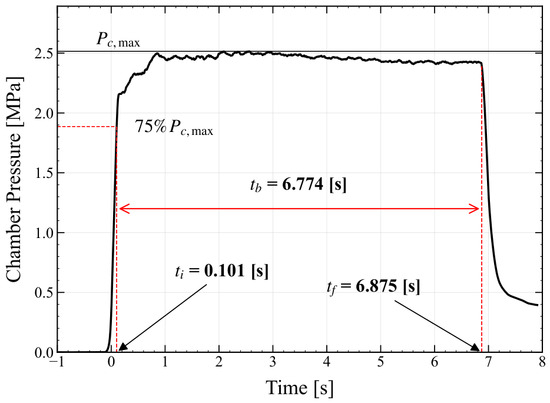
This study experimentally investigated the effect of characteristic chamber length, , on combustion efficiency and stability in CAMUI-type hybrid rockets using 70 wt% and 80 wt% hydrogen peroxide under non-catalytic spray-injection conditions. Combustion tests were conducted by systematically varying
[...] Read more.
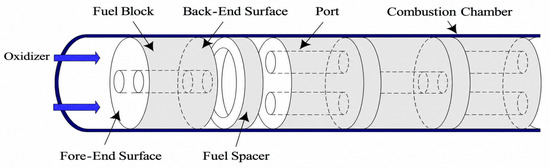
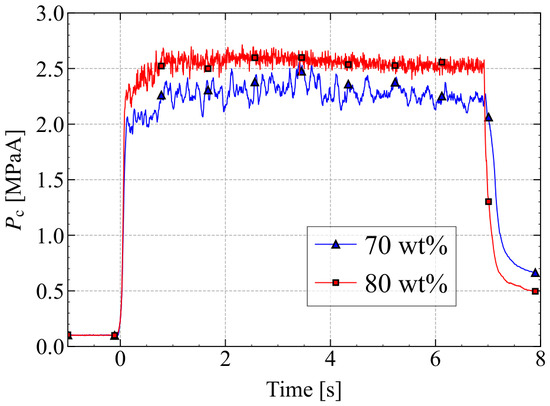
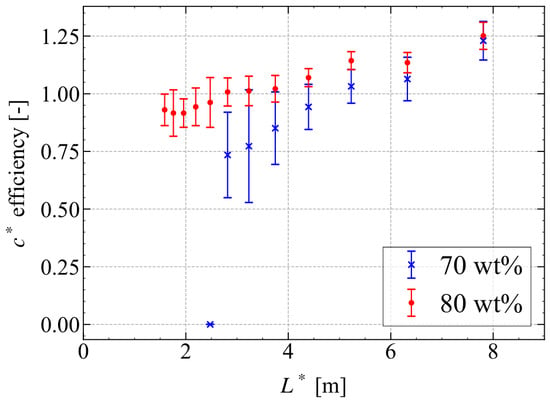
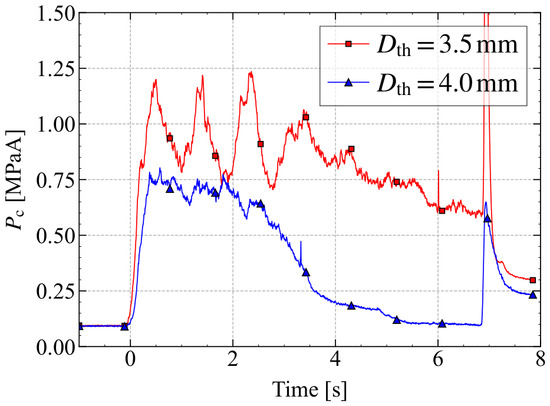
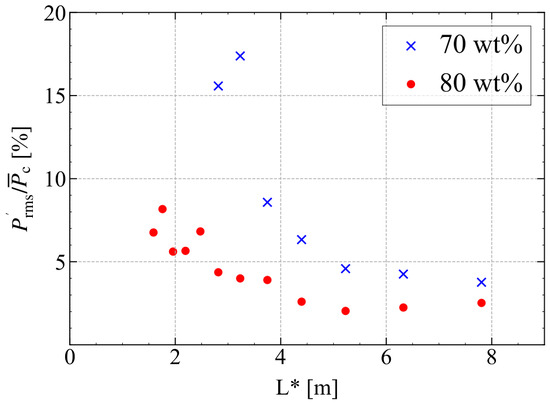
This study experimentally investigated the effect of characteristic chamber length, , on combustion efficiency and stability in CAMUI-type hybrid rockets using 70 wt% and 80 wt% hydrogen peroxide under non-catalytic spray-injection conditions. Combustion tests were conducted by systematically varying through changes in the nozzle throat diameter while maintaining the combustor volume constant. For both oxidizer concentrations, the characteristic exhaust velocity efficiency, , increased with increasing . The 70 wt% cases required a larger than the 80 wt% cases to achieve comparable efficiency, and flame blowoff occurred in the low- region. The normalized RMS pressure fluctuation was also larger for the 70 wt% cases, particularly in the low- region, indicating lower combustion stability. These results indicate that reducing the hydrogen peroxide concentration increases the required to maintain stable and efficient combustion. As a key outcome of this study, stable and efficient combustion of 70 wt% hydrogen peroxide was demonstrated without catalytic assistance when a sufficiently large was provided. These results demonstrate the capability of the CAMUI-type combustor to extend stable operation toward lower oxidizer concentrations and experimentally clarify the concentration-dependent requirement as a practical design guideline for catalyst-free hydrogen peroxide hybrid rockets.
Full article
(This article belongs to the Special Issue Propulsion Solutions for Enhancing the Small Launchers’ Competitiveness)
►▼
Show Figures

Figure 1
Open AccessArticle
Static Geotechnical Characterization of Lunar Soil Simulants
by
Devansh Joshi, Timothy Newson and Gordon R. Osinski
Aerospace 2026, 13(6), 527; https://doi.org/10.3390/aerospace13060527 - 4 Jun 2026
Abstract
Recent technological advances and the reinvigoration of NASA’s Artemis program have increased the feasibility of lunar habitats and supporting infrastructure, necessitating the development of specialized foundation systems capable of maintaining stability under transferred structured loads. Site investigation techniques, including in situ testing, sampling,
[...] Read more.
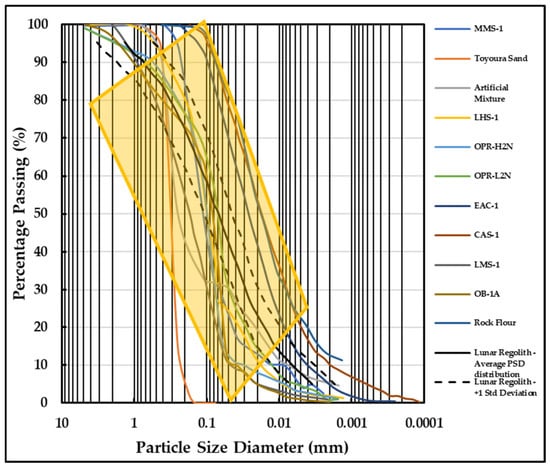
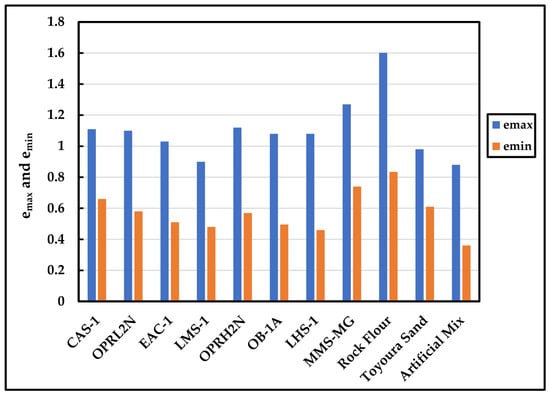
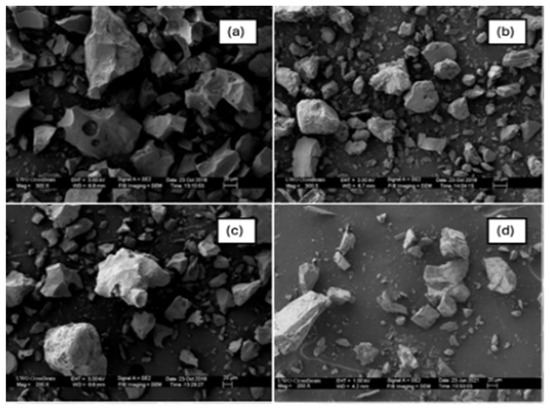
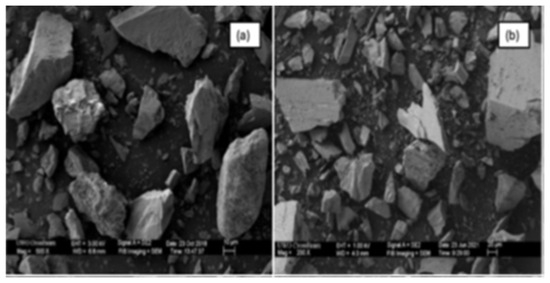
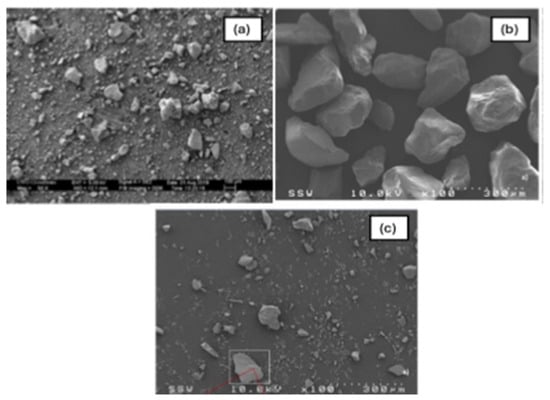
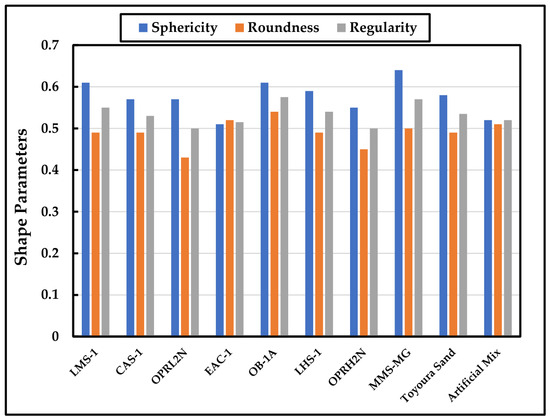
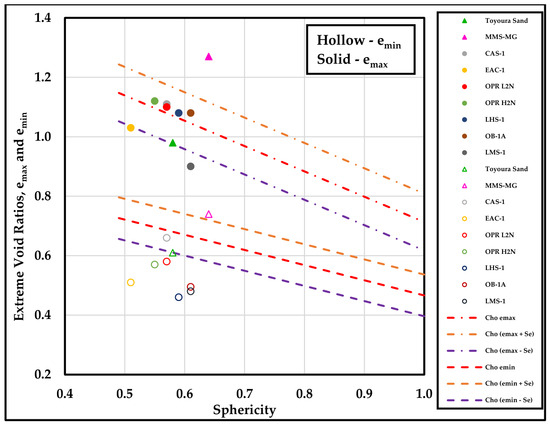
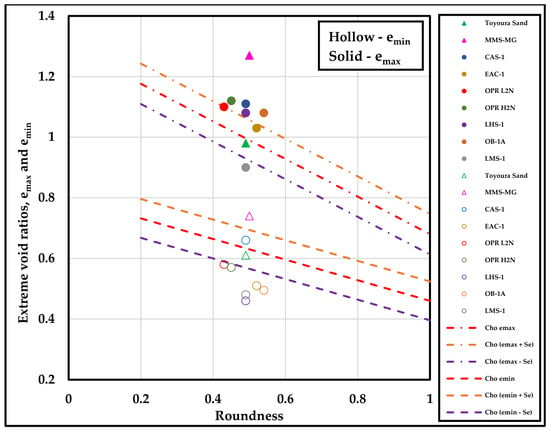
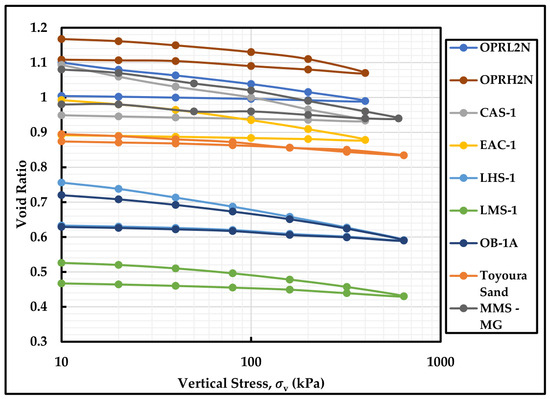
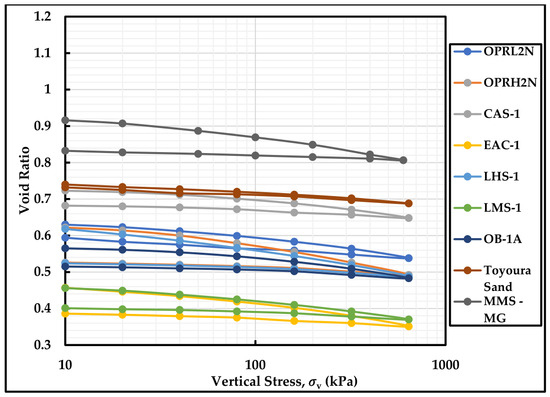
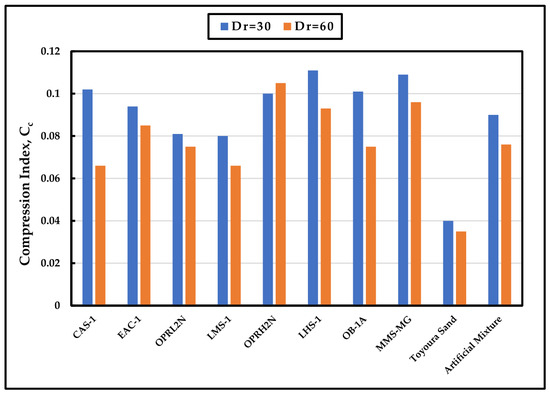
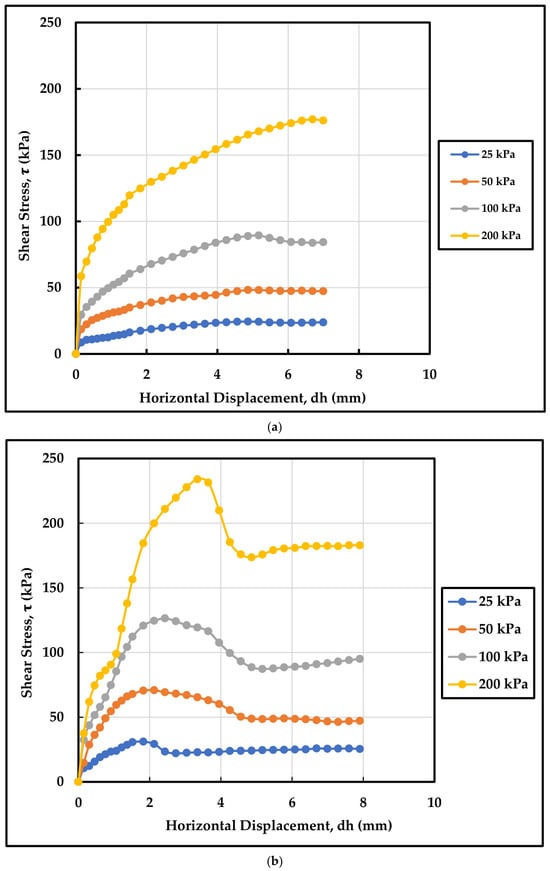
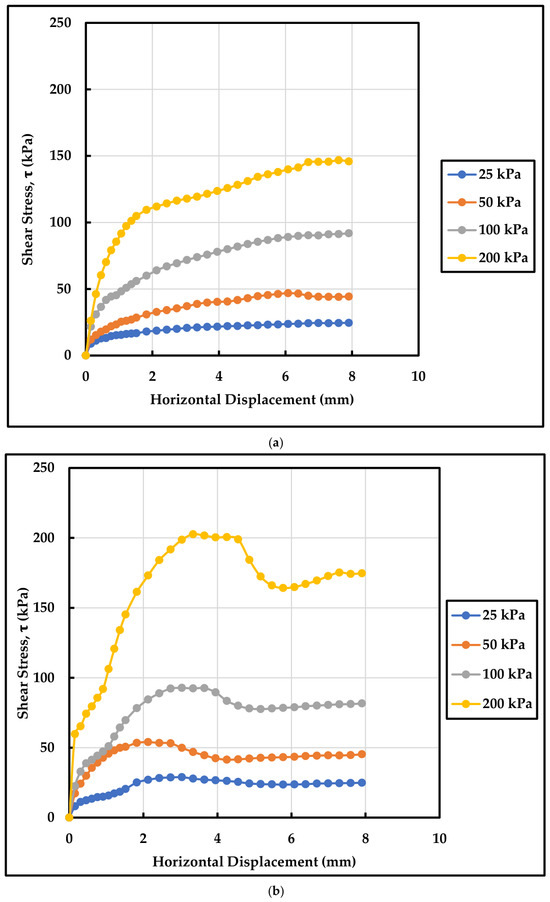
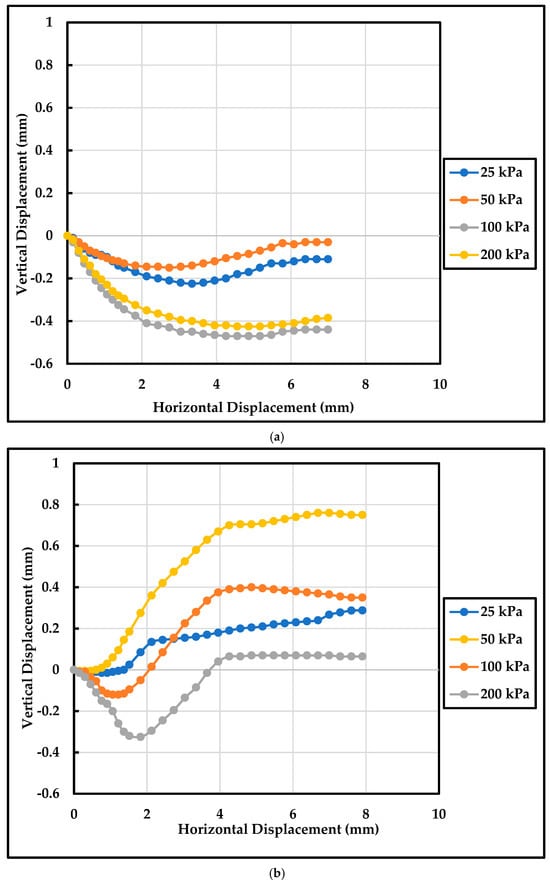
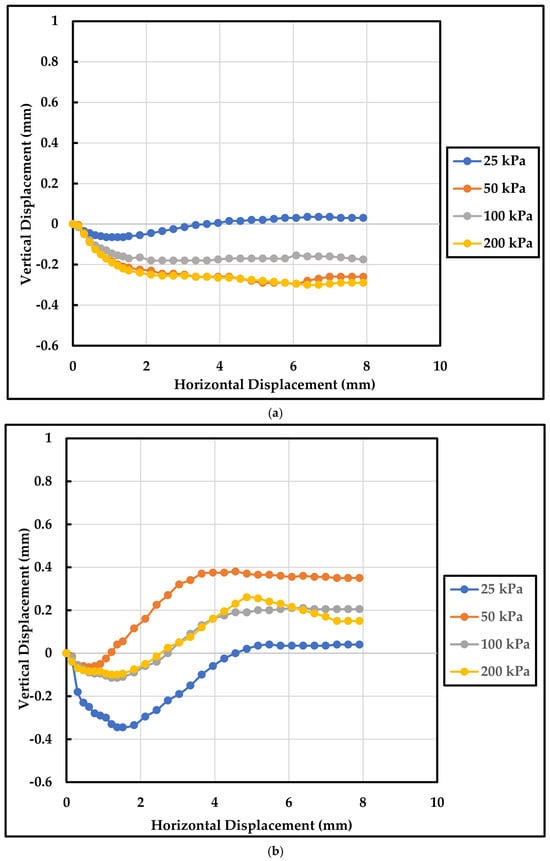
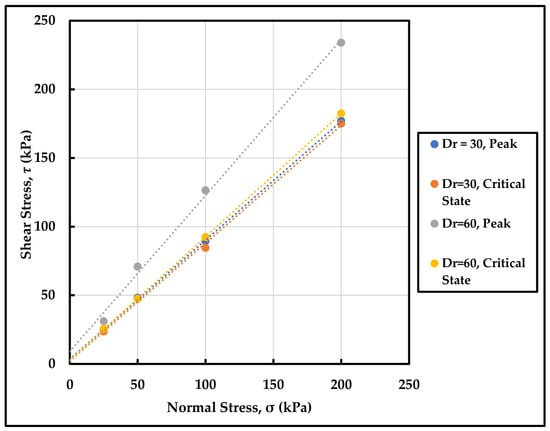
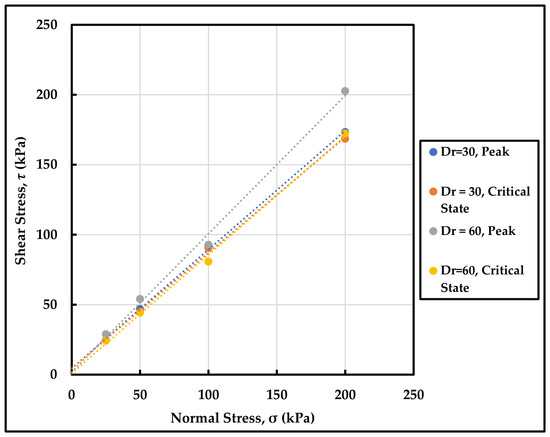
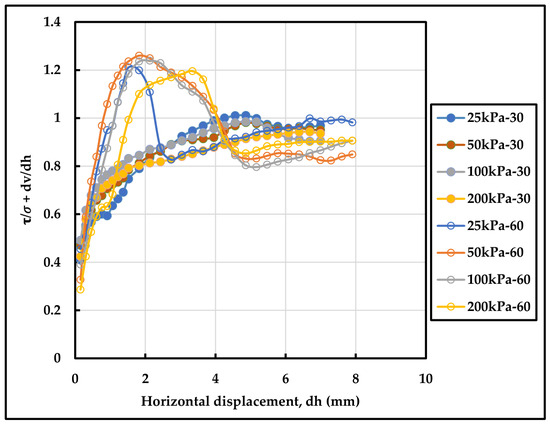
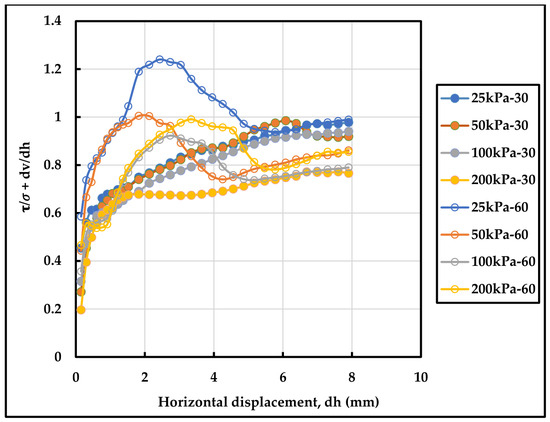
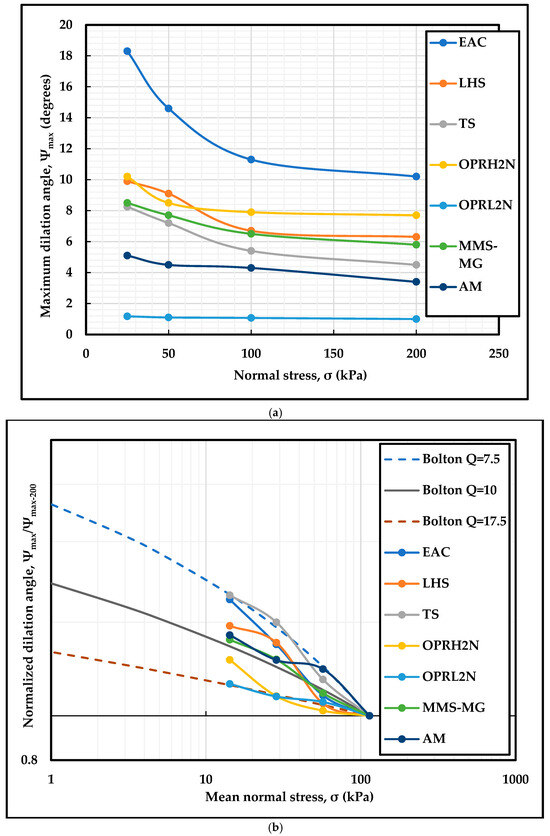
Recent technological advances and the reinvigoration of NASA’s Artemis program have increased the feasibility of lunar habitats and supporting infrastructure, necessitating the development of specialized foundation systems capable of maintaining stability under transferred structured loads. Site investigation techniques, including in situ testing, sampling, and geophysical mapping, must therefore be adapted for lunar conditions, while construction using regolith requires an improved understanding of lunar soil mechanics. Foundations must also endure extreme thermal fluctuations, reduced gravity, radiation exposure, micrometeoroid impacts, and lunar seismicity to ensure long-term performance. Consequently, enhanced knowledge of the monotonic and cyclic geotechnical behavior of lunar soils is essential. Owing to the limited availability of in situ testing opportunities and returned lunar materials, high-fidelity simulants that replicate regolith behavior are required for experimental studies. This research investigates the static behavior of several contemporary lunar simulants and compares their responses with terrestrial benchmark soils. The results indicate that the overall stress–strain trends of lunar simulants broadly resemble those of terrestrial soils; however, the particle morphology and distinctive mineralogical compositions, including basaltic and anorthositic constituents, yield higher values of certain geomechanical parameters. Comparison with terrestrial datasets further suggests that carefully selected benchmark soils may facilitate the development of a next generation of lunar simulants with improved fidelity to lunar regolith.
Full article
(This article belongs to the Special Issue Lunar Construction)
►▼
Show Figures

Figure 1
Open AccessArticle
Distributed Formation Control Method with Hierarchical Leader–Follower Architecture and Repulsive Function-Based Obstacle Avoidance for UAV Formation Flight
by
Jaewan Choi and Younghoon Choi
Aerospace 2026, 13(6), 526; https://doi.org/10.3390/aerospace13060526 - 4 Jun 2026
Abstract
In modern battlefields, the rapid advancement of Counter-UAV (C-UAV) technologies has made single-UAV missions increasingly difficult. This highlights the need for distributed swarm systems that can operate reliably under such threats. Among various swarm coordination methods, hierarchical leader–follower structures have been actively studied
[...] Read more.
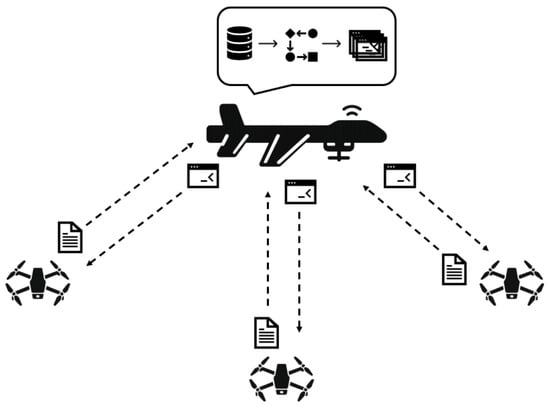
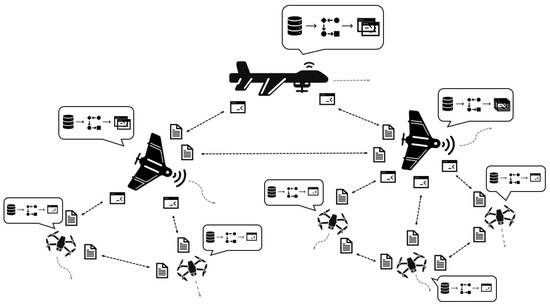
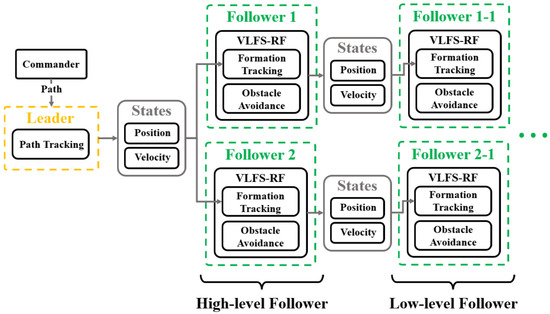
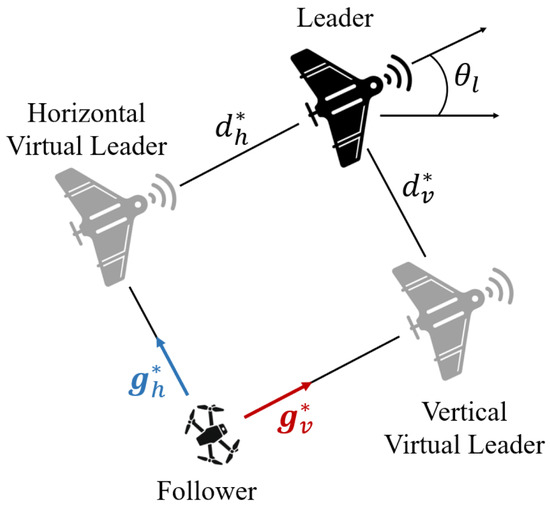
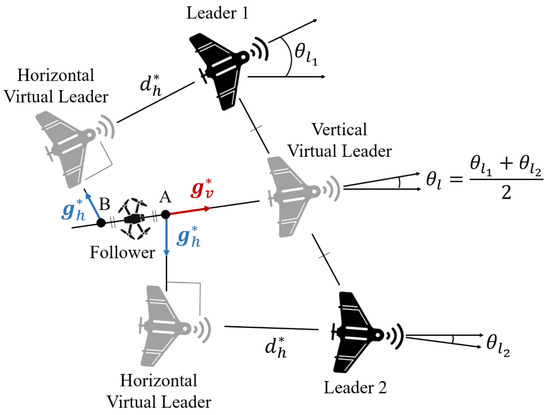
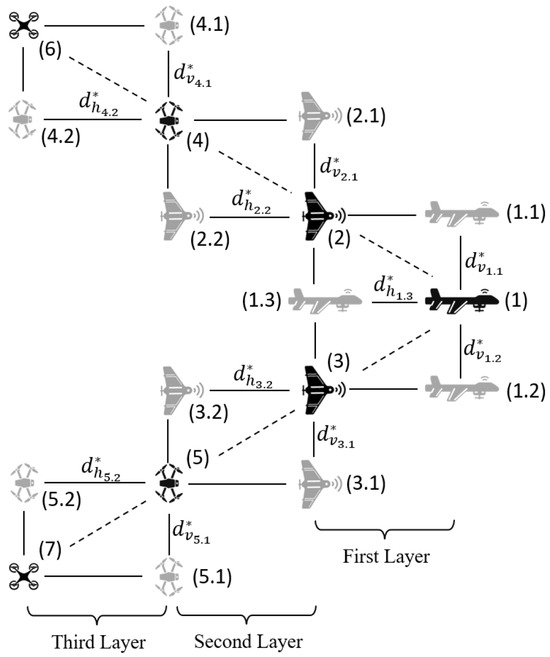
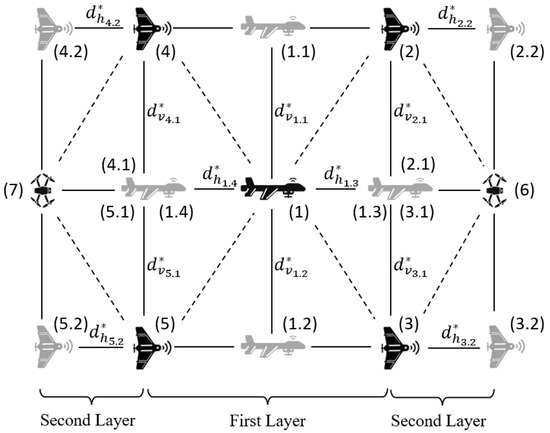
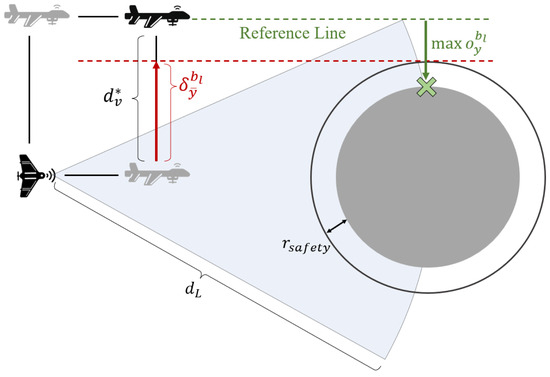
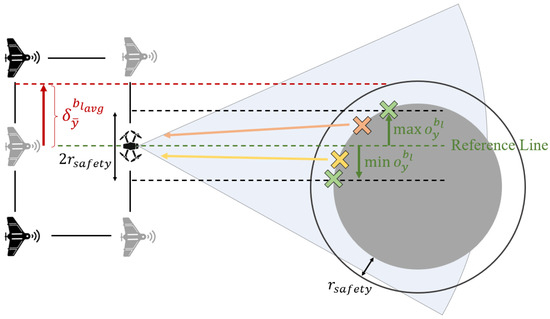
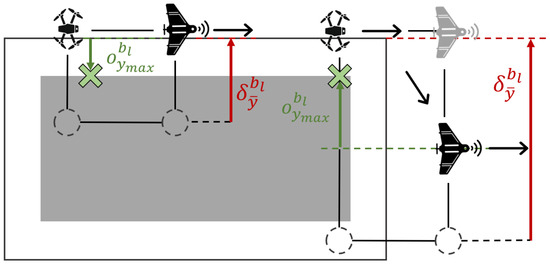
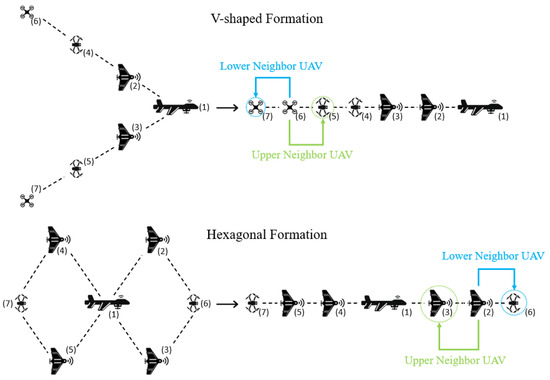
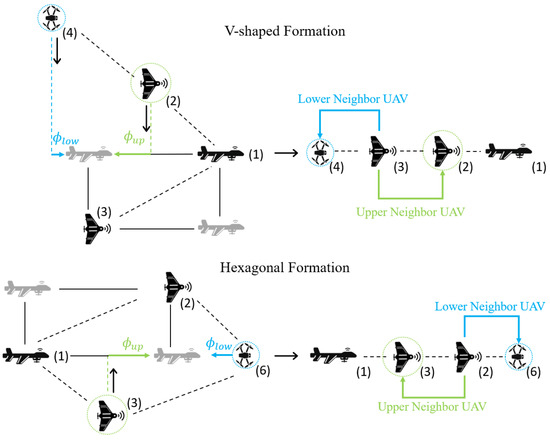
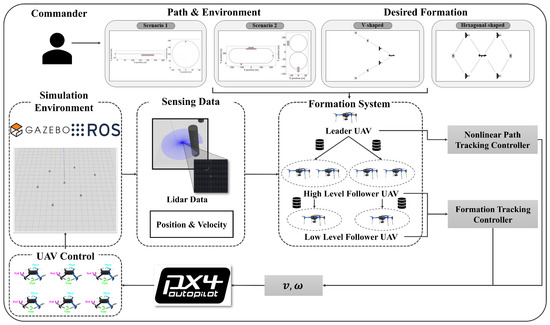
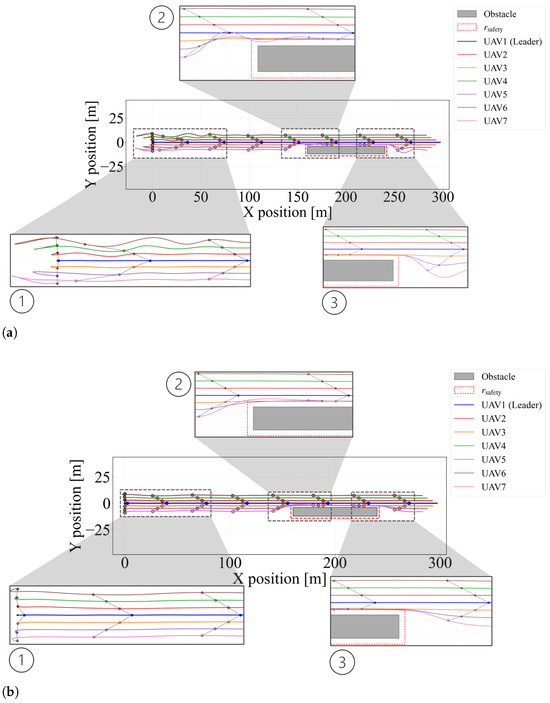
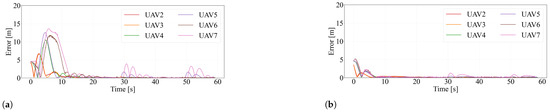
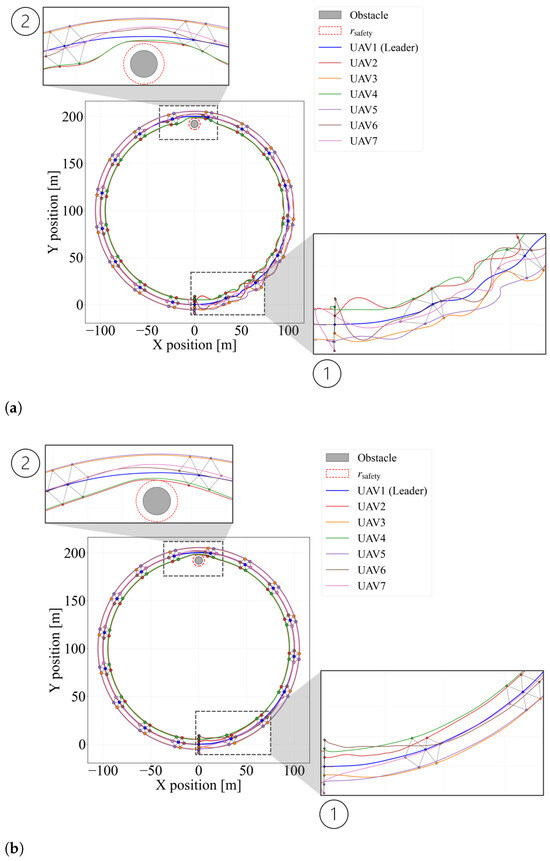
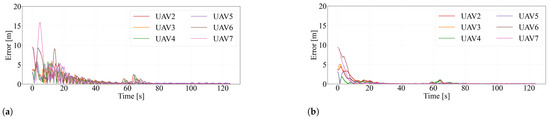
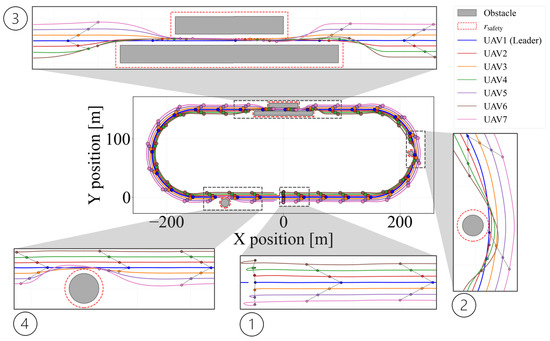
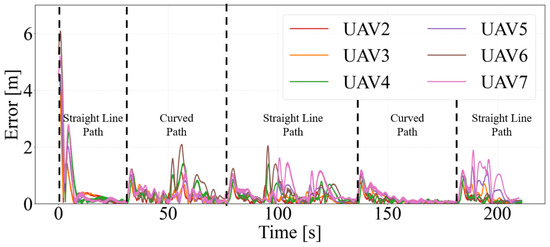
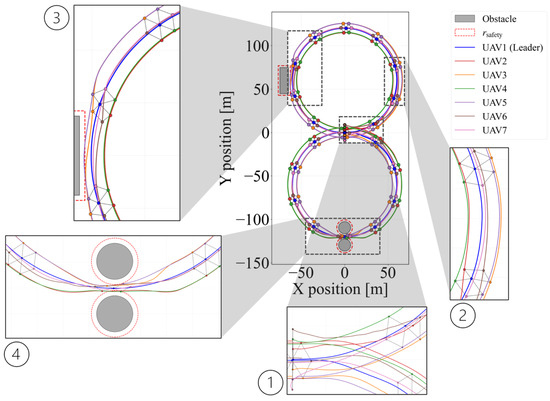
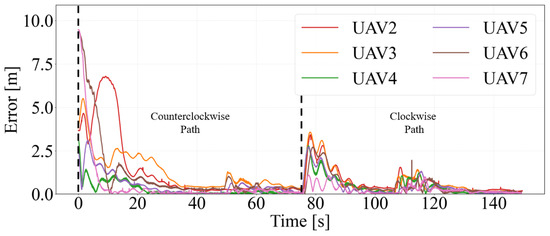
In modern battlefields, the rapid advancement of Counter-UAV (C-UAV) technologies has made single-UAV missions increasingly difficult. This highlights the need for distributed swarm systems that can operate reliably under such threats. Among various swarm coordination methods, hierarchical leader–follower structures have been actively studied for battlefield environments with high risk of agent loss and limited communication. The Virtual Leader-based Formation System (VLFS), which follows this structure, enables formation through a virtual leader. It also introduces a novel collision avoidance approach that allows followers to avoid obstacles during formation flight. However, the conventional VLFS suffers from long convergence time with severe oscillations. In addition, it does not consider inter-UAV collisions and has demonstrated avoidance only in simple obstacle environments. To address these limitations, this paper proposes the VLFS-RF method, which directly integrates a repulsive function into the VLFS. The proposed method consists of four control modes that perform formation tracking, inter-UAV collision avoidance, and obstacle avoidance simultaneously according to the situation. Software-In-The-Loop (SITL) simulations were conducted in a ROS-Gazebo environment using V-shaped and hexagonal formations. The results show that the formation tracking error is reduced by approximately 59% compared to the conventional VLFS. In addition, inter-UAV collisions are prevented during initial convergence, and obstacles are successfully avoided in narrow passages and gaps between two obstacles. These results demonstrate that VLFS-RF is a practical formation control method for UAV swarms in complex environments.
Full article
(This article belongs to the Section Aeronautics)
►▼
Show Figures

Figure 1
Open AccessArticle
Application of One- or Three-Dimensional Laser Vibrometry Techniques to Identify Natural Modes of a Small Turbine Engine Fan
by
Michał Szcześniak, Robert Rogólski and Aleksander Olejnik
Aerospace 2026, 13(6), 525; https://doi.org/10.3390/aerospace13060525 - 4 Jun 2026
Abstract
The identification of natural vibration modes in turbomachinery components is essential to ensure safe and reliable operation, particularly with respect to resonance avoidance. In lightweight structures such as bladed disks, conventional contact-based measurement techniques may alter the dynamic response of the system. This
[...] Read more.
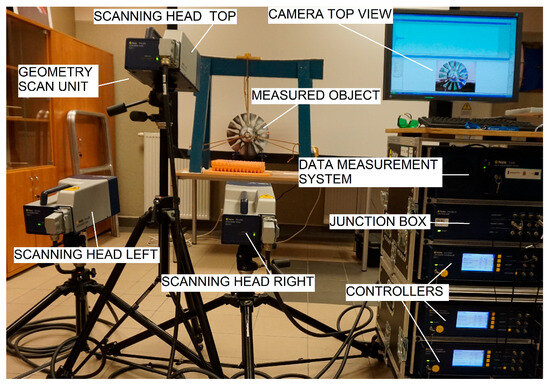
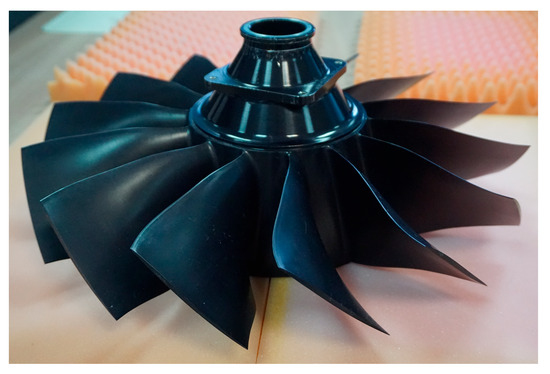
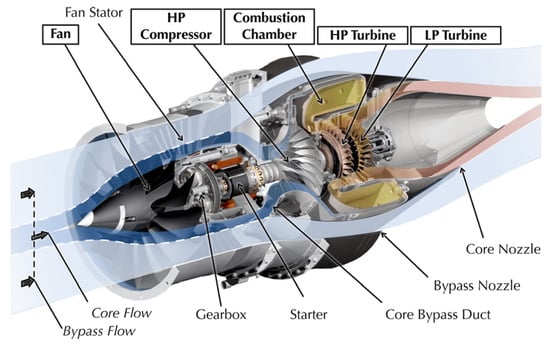
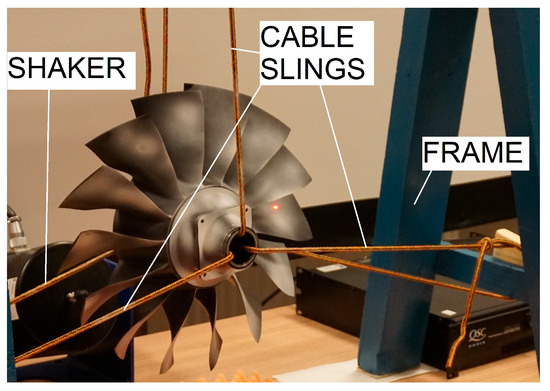
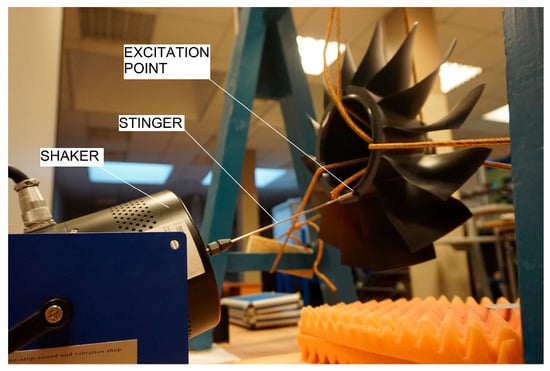
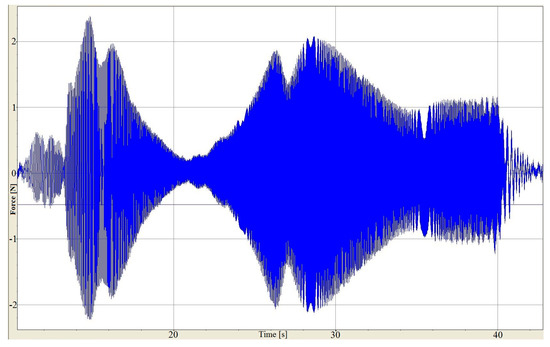
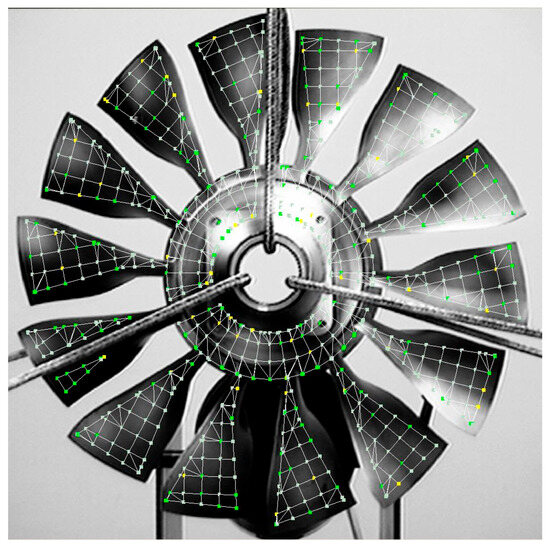
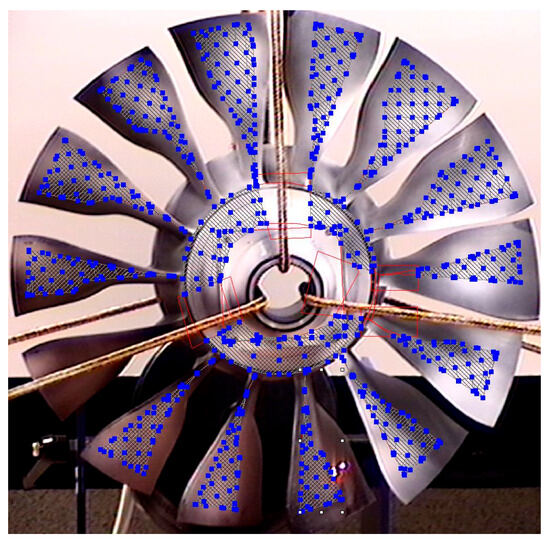
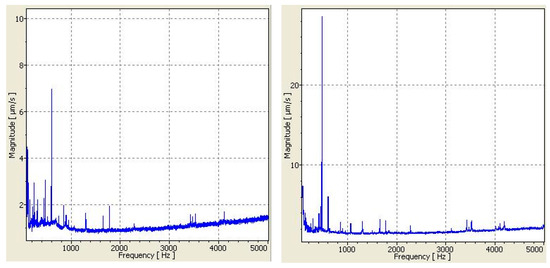
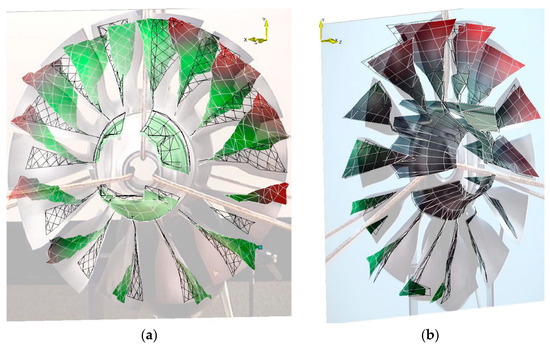
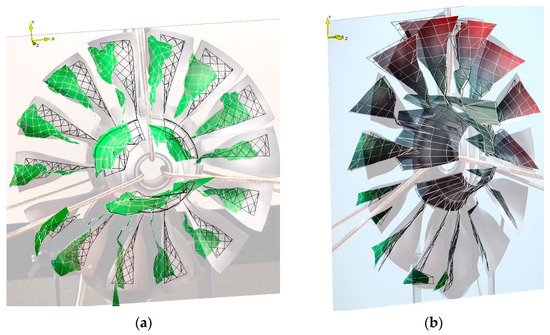
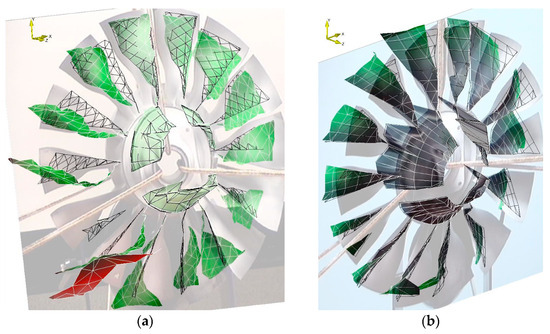
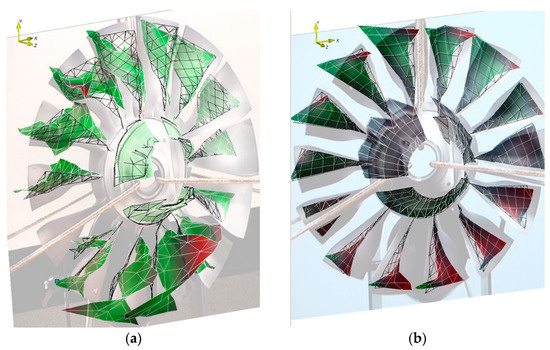
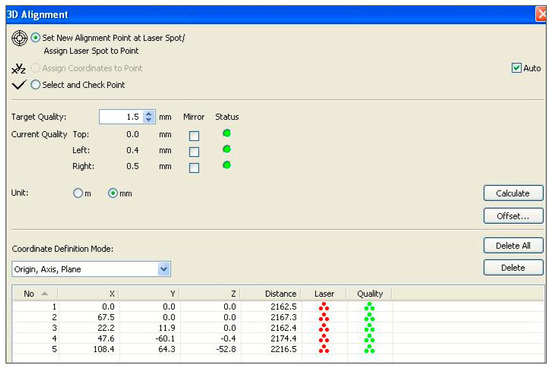
The identification of natural vibration modes in turbomachinery components is essential to ensure safe and reliable operation, particularly with respect to resonance avoidance. In lightweight structures such as bladed disks, conventional contact-based measurement techniques may alter the dynamic response of the system. This study presents an experimental comparison of one-dimensional (1D) and three-dimensional (3D) laser Doppler vibrometry for non-contact modal analysis of a miniature turbofan engine rotor. The investigation focuses on measurement accuracy, experimental complexity, and the practical applicability of both approaches. Experimental tests were conducted on an isolated rotor of the DGEN-380 engine using a scanning laser vibrometer system. The obtained natural frequencies and mode shapes were compared for both techniques. The results indicate that, for vibration modes dominated by axial motion, the differences between 1D and 3D measurements are typically below 1%. At the same time, the 1D approach significantly simplifies the experimental setup and reduces measurement time. These findings suggest that 1D vibrometry can be effectively used in selected engineering applications, while 3D measurements remain necessary for the full spatial characterization of complex vibration modes.
Full article
(This article belongs to the Special Issue 15th EASN International Conference on Innovation in Aviation & Space Towards Sustainability Today and Tomorrow)
►▼
Show Figures

Figure 1
Open AccessArticle
Design and Ground Simulation Performance Test of Coring Sampler for Mars Drilling and Sampling
by
Wei Xu, Yuyang Liu, Jie Ji, Ye Tian, Yachen Sun, Wenhui Guo, Jiahang Zhang, Weilong Wang, Jialin Zhang, Weiwei Zhang and Yafang Liu
Aerospace 2026, 13(6), 524; https://doi.org/10.3390/aerospace13060524 - 4 Jun 2026
Abstract
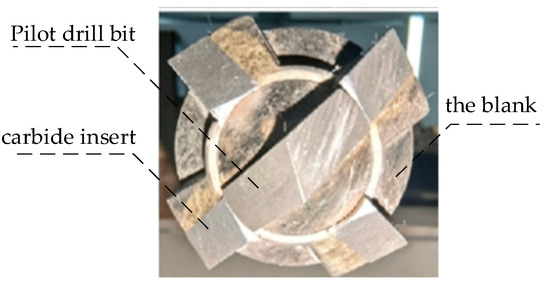
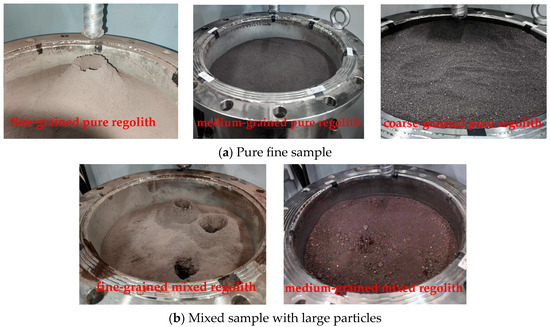
The complex composition and extremely harsh, uncertain surface conditions on Mars impose stringent requirements on the coring performance and fault tolerance of a coring sampler. To satisfy the drilling and coring requirements of Martian soil–rock composite strata, a coring sampler capable of multiple
[...] Read more.
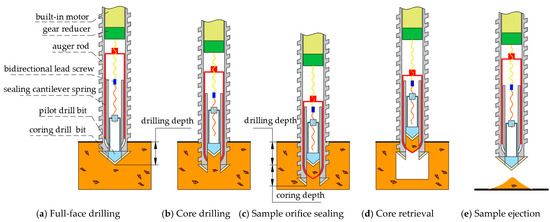
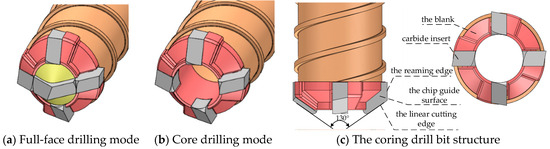
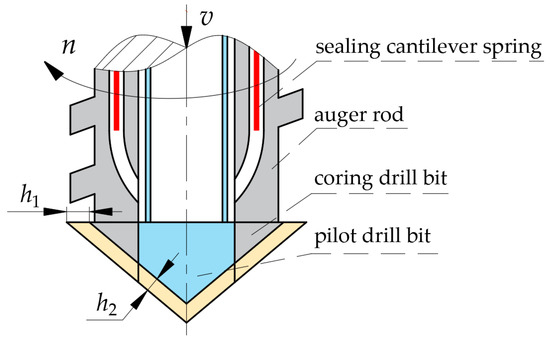
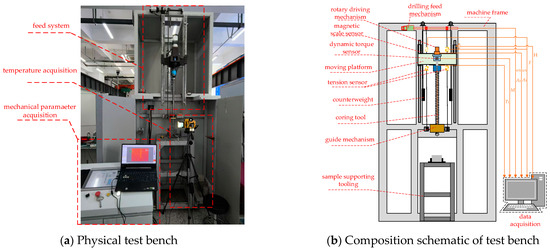
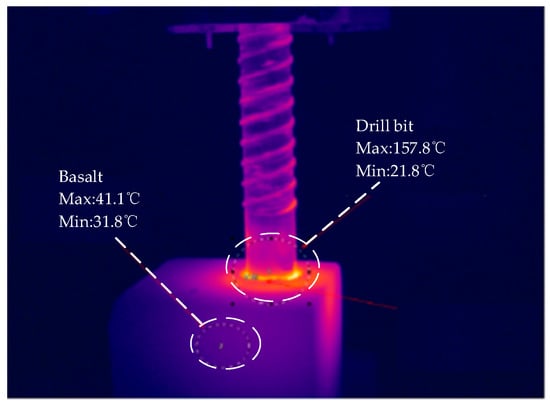
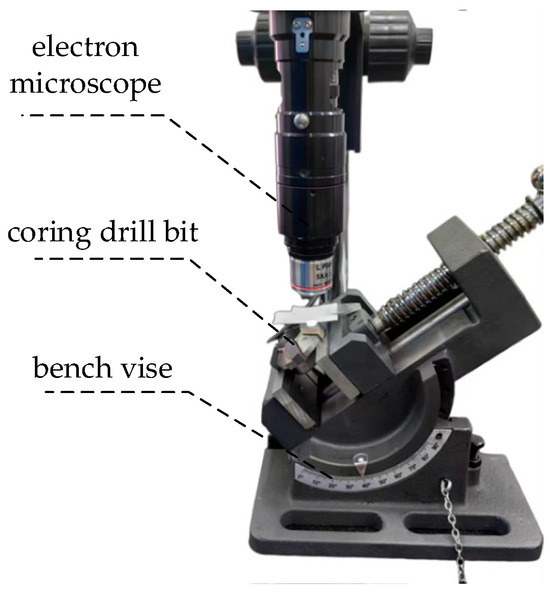
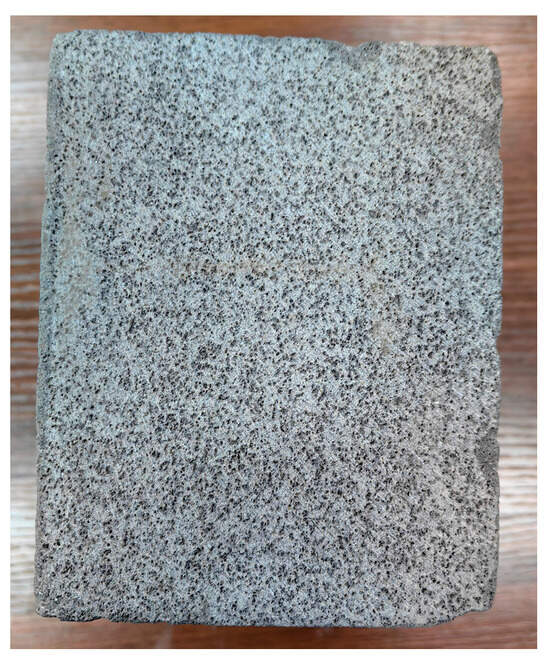
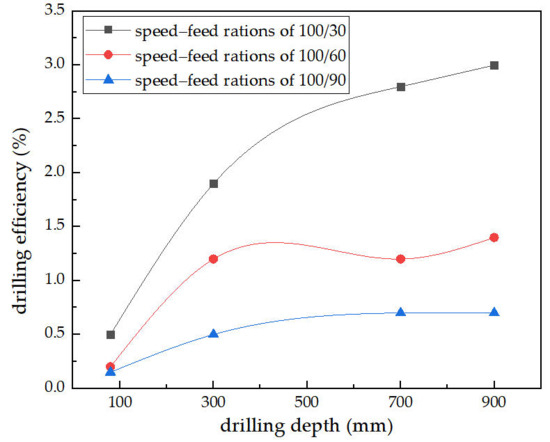
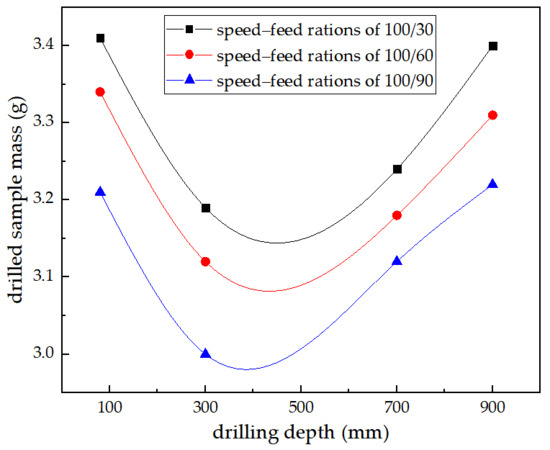
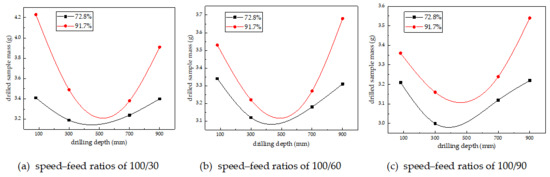
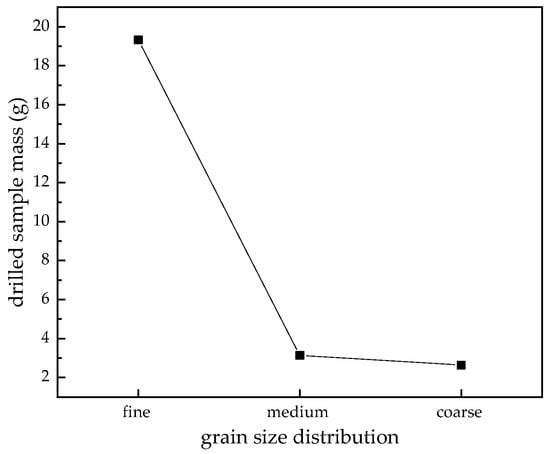
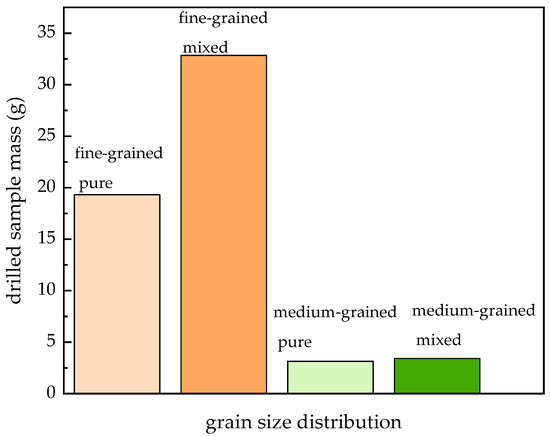
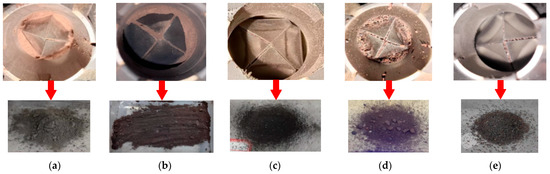
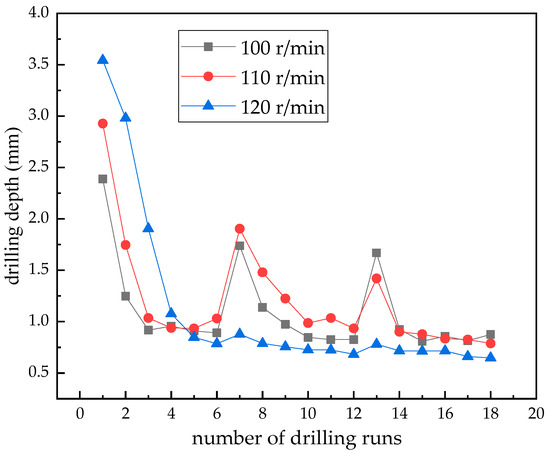
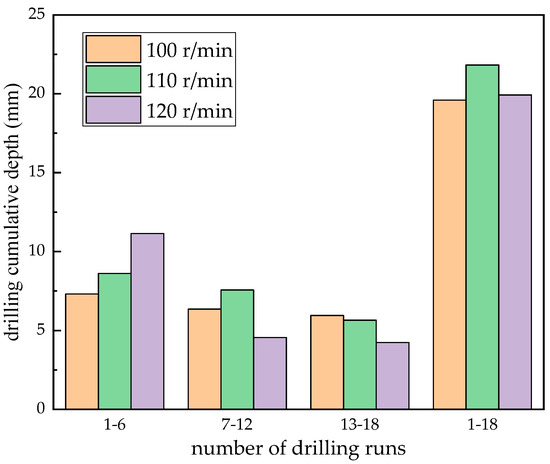
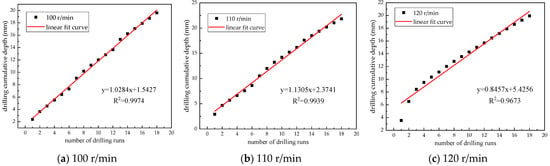
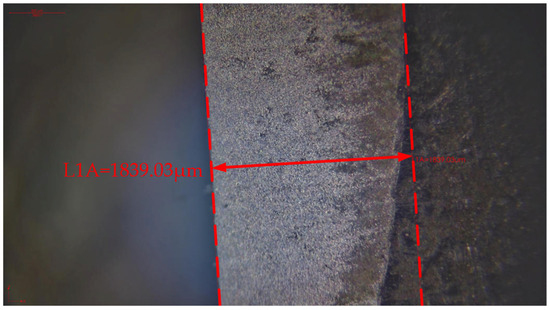
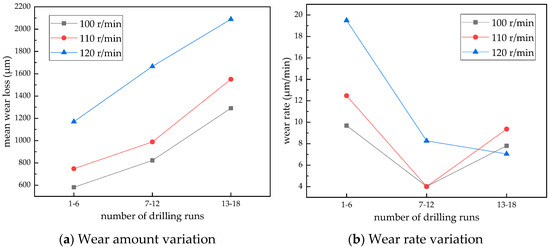
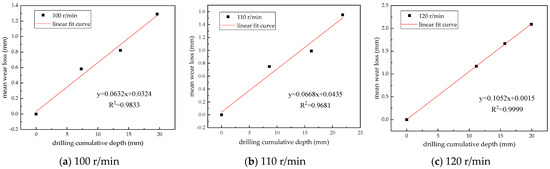
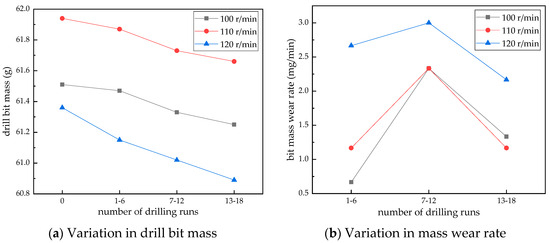
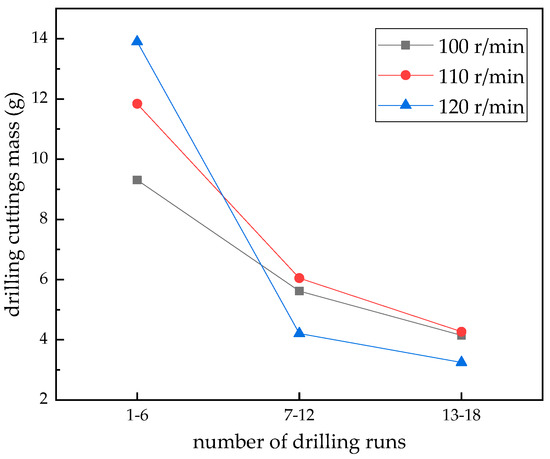
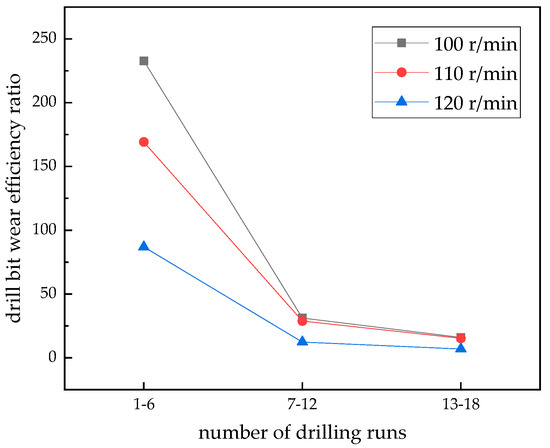
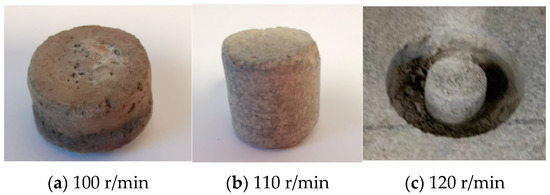
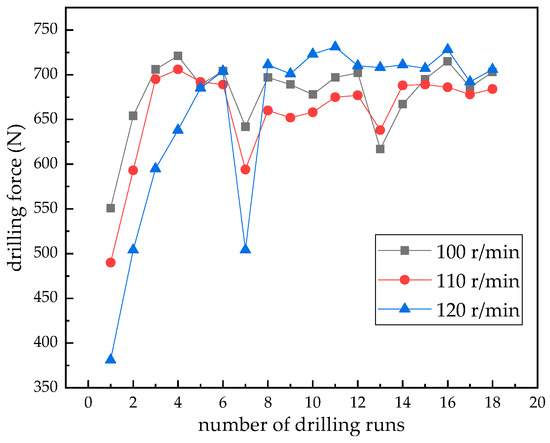
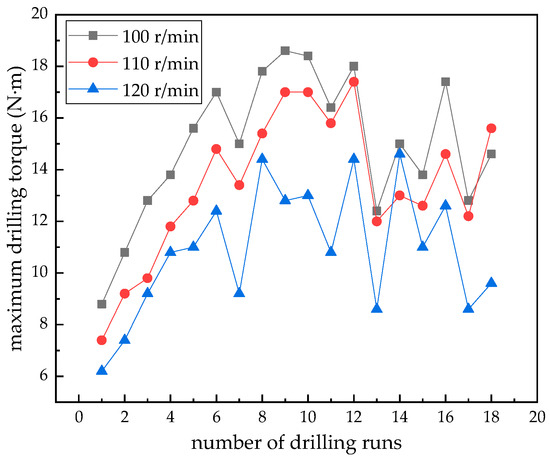
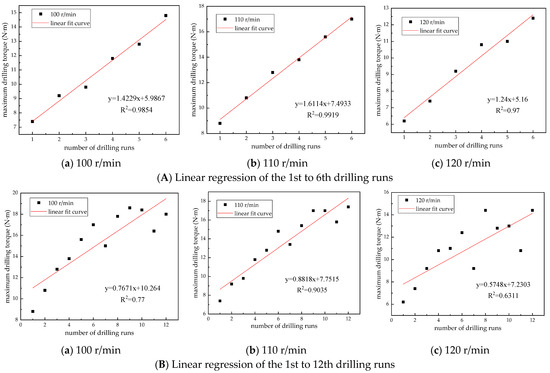
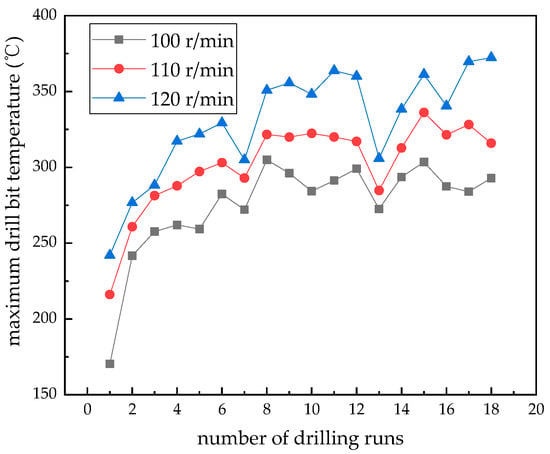
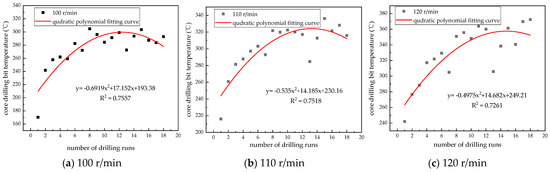
The complex composition and extremely harsh, uncertain surface conditions on Mars impose stringent requirements on the coring performance and fault tolerance of a coring sampler. To satisfy the drilling and coring requirements of Martian soil–rock composite strata, a coring sampler capable of multiple repeated sampling operations is designed, which enables reliable acquisition and preservation of core samples. Drilling and coring experiments are conducted on simulated Martian soil with different particle size distributions and relative densities, as well as basalt specimens. The coring efficiency of the developed bit for Martian soil and rock under diverse working conditions, together with its wear characteristics during repeated coring, is systematically investigated. The results indicate that the proposed coring sampler structure is well adaptable to Martian soil–rock composite drilling. The coring mass of simulated Martian soil increases with increasing advance-to-rotation ratio and relative density, as well as decreasing median particle size. The coring mass of specimens with 91.7% relative density is significantly higher than that of 72.8%, and the maximum single coring mass of fine-grained pure regolith specimens reaches 19.32 g. During basalt coring, higher rotational speeds lead to more severe bit wear and more pronounced temperature elevation, with a peak temperature of 372.4 °C at 120 r/min. A rotational speed of 110 r/min achieves the best compromise between core integrity and bit service life, exhibiting excellent long-term operational stability and favorable cutting–rock-breaking matching performance. The results of this research provide a reference scheme and data support for future Martian soil–rock composite coring and drilling exploration missions.
Full article
(This article belongs to the Section Astronautics & Space Science)
►▼
Show Figures

Figure 1
Open AccessArticle
Robust Model Predictive Control for Autonomous Spacecraft Close-Proximity Operations Around an Asteroid
by
Qian Wang, Chong Jiang and Shunli Li
Aerospace 2026, 13(6), 523; https://doi.org/10.3390/aerospace13060523 - 3 Jun 2026
Abstract
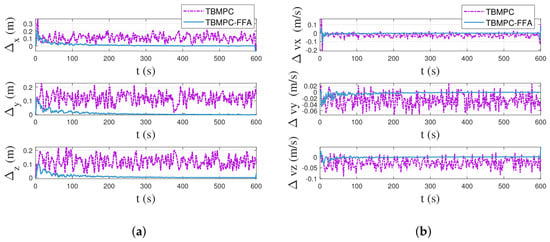
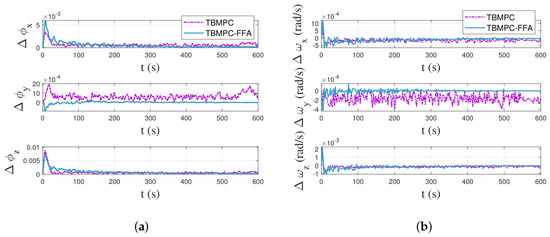
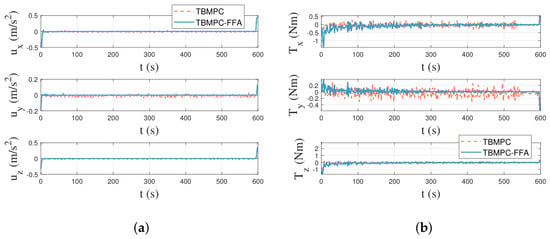
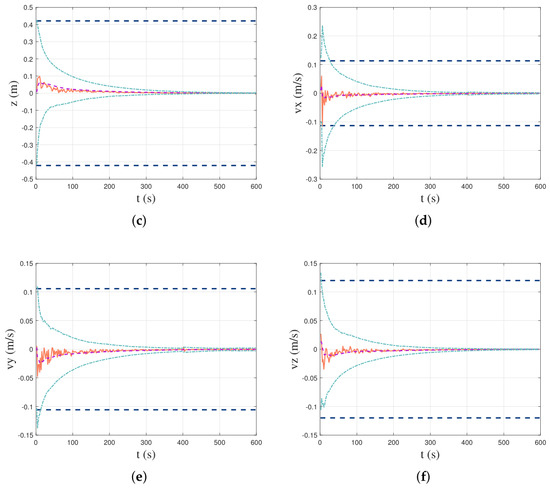
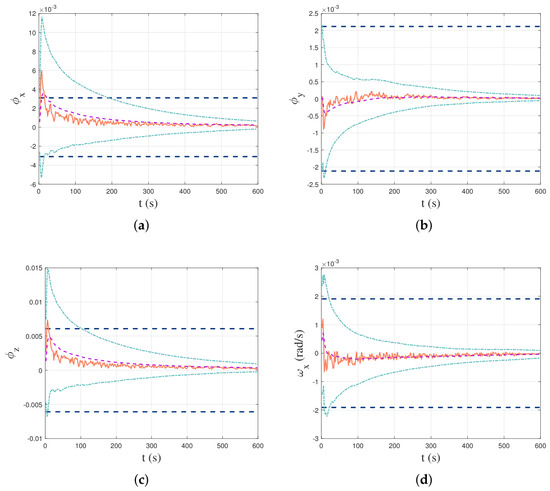
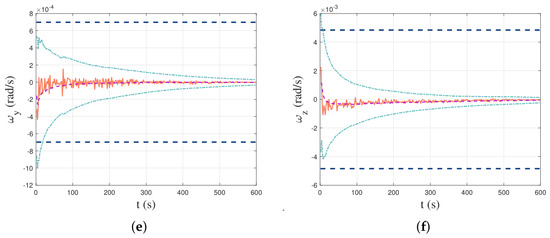
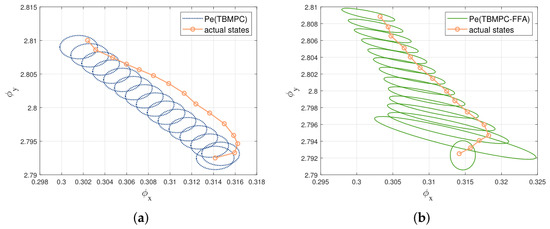
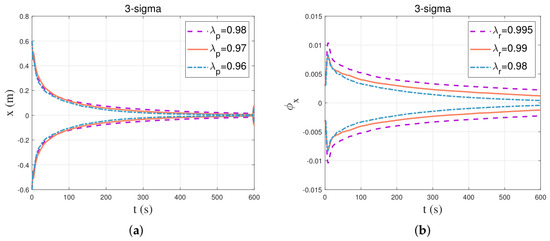
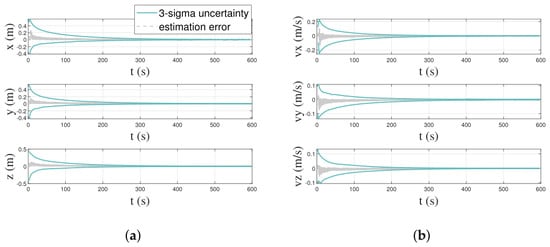
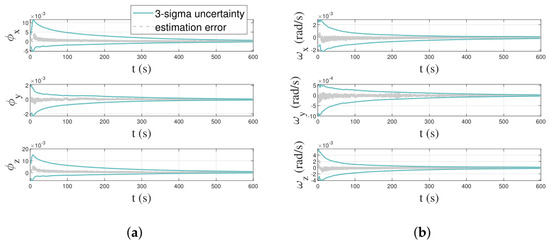
To address the robustness of autonomous proximity trajectories in asteroid exploration missions under model uncertainties and external disturbances, this paper proposes a tube-based model predictive control (TBMPC) framework with disturbance identification for a six-degree-of-freedom nonlinear model. Specifically, the inner layer employs a sequential
[...] Read more.
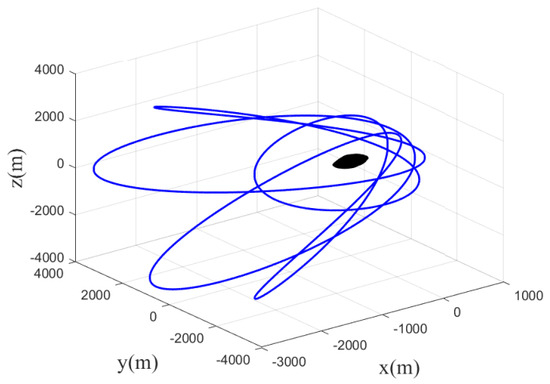
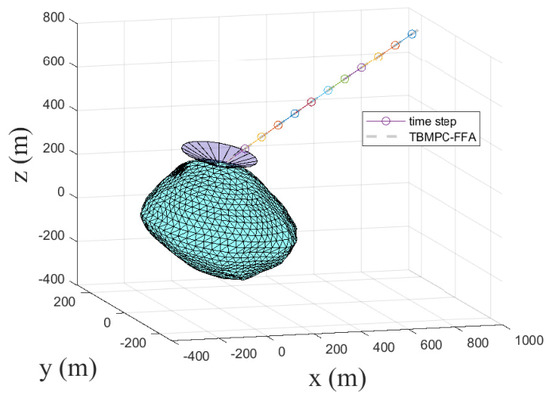
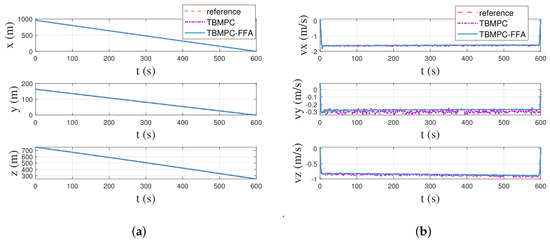
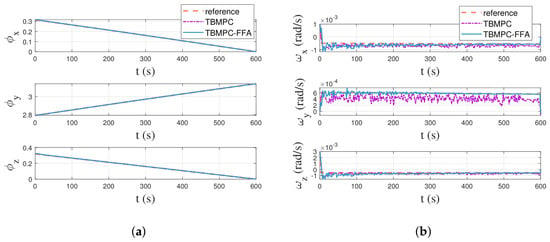
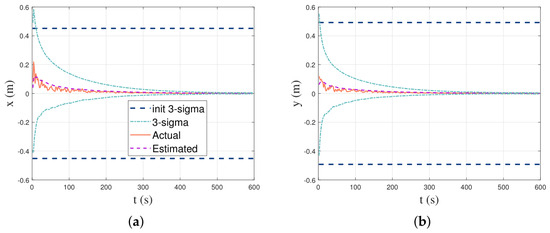
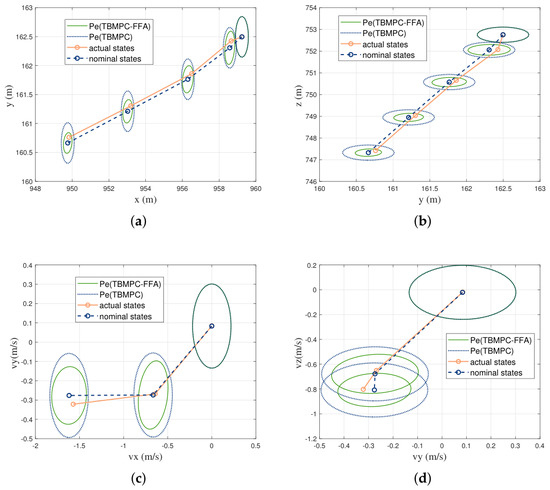
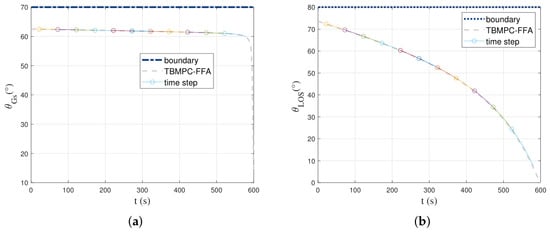
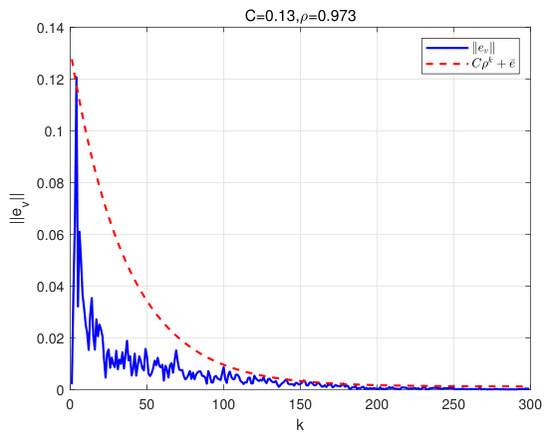
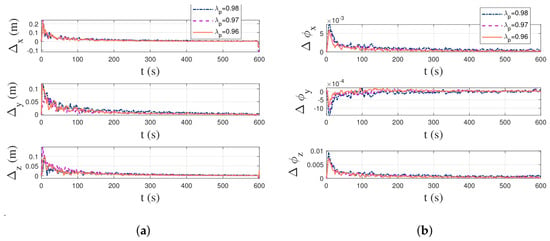
To address the robustness of autonomous proximity trajectories in asteroid exploration missions under model uncertainties and external disturbances, this paper proposes a tube-based model predictive control (TBMPC) framework with disturbance identification for a six-degree-of-freedom nonlinear model. Specifically, the inner layer employs a sequential convex optimization-based nonlinear MPC framework to solve the nominal trajectory optimization problem, while the outer layer dynamically estimates the disturbance set using real-time measurement information through an online exogenous input identification mechanism and adaptively adjusts the size of the disturbance-invariant tube, thereby effectively reducing the conservatism caused by the fixed disturbance bounds in conventional TBMPC. In addition, a sensitivity analysis of the forgetting factor parameter is conducted to investigate the influence of different forgetting factor values on system performance. Finally, 100 Monte Carlo simulations are performed to further verify the robustness and stability of the proposed method under randomly bounded disturbances. The results show that all actual trajectories remain within the disturbance-invariant tube, demonstrating the good engineering applicability of the proposed method.
Full article
(This article belongs to the Section Astronautics & Space Science)
►▼
Show Figures

Figure 1
Open AccessArticle
Sample Return from All Across the Solar System
by
Anthony Freeman, Reza Karimi, John Elliott, Damon Landau, Matteo Clark, Steven Zusack, Alfred Nash, Kelley Case, Lizbeth B. De La Torre, Jonathan Murphy, Rashied Amini, Mathieu Choukroun, Carol Raymond and Art Chmielewski
Aerospace 2026, 13(6), 522; https://doi.org/10.3390/aerospace13060522 - 3 Jun 2026
Abstract
Sample return missions are among the most difficult tasks for robotic spacecraft in exploring our solar system. However, the samples they return to Earth have significantly high value for the planetary science community. Thus far, we have only acquired samples from the Moon,
[...] Read more.
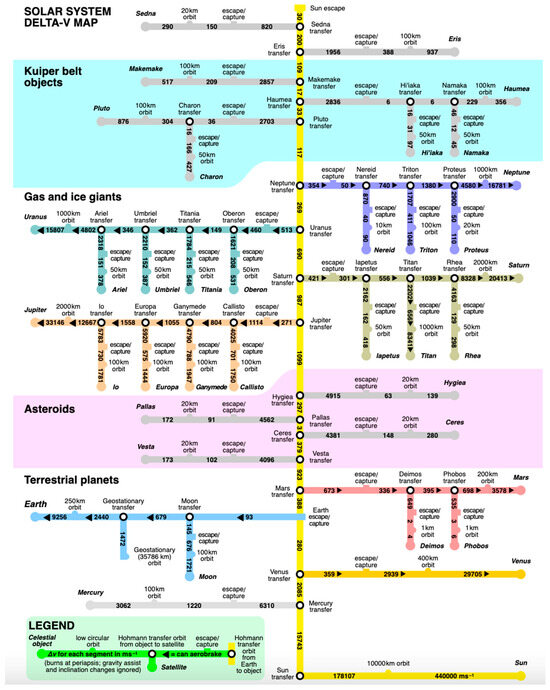
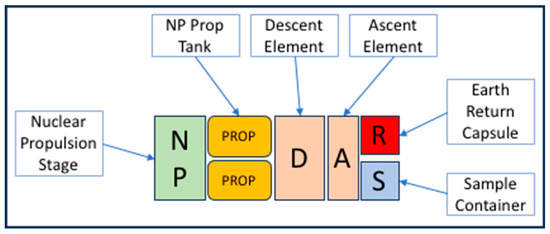
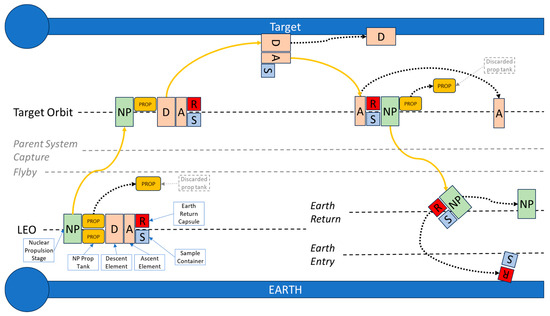
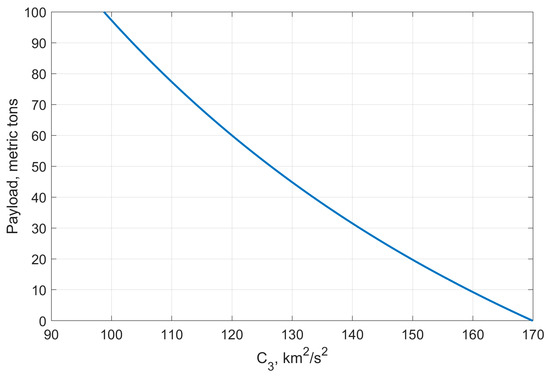
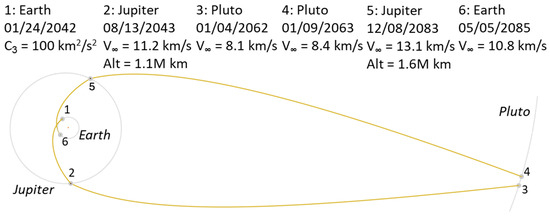
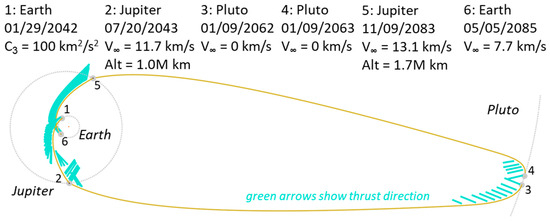
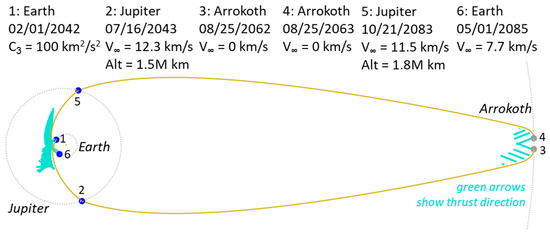
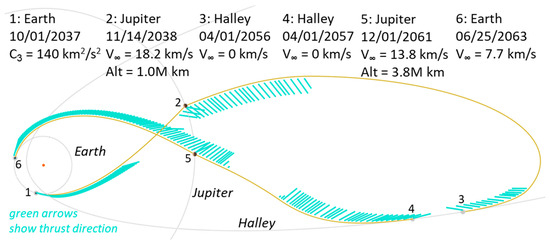
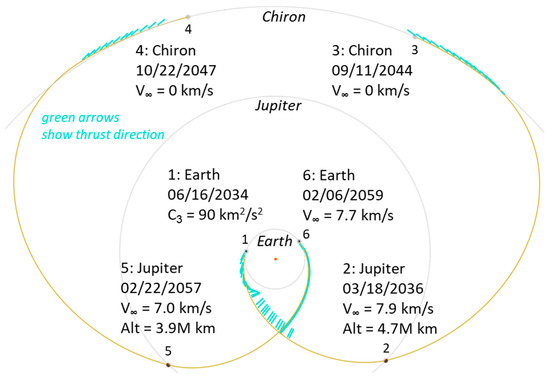
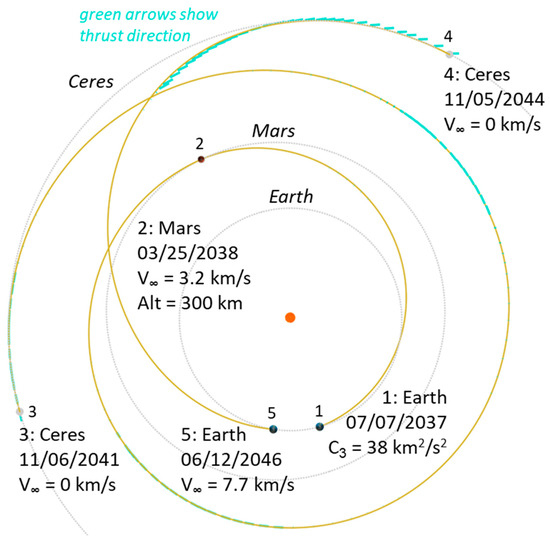
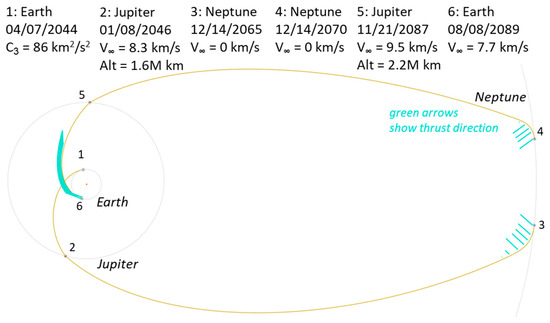
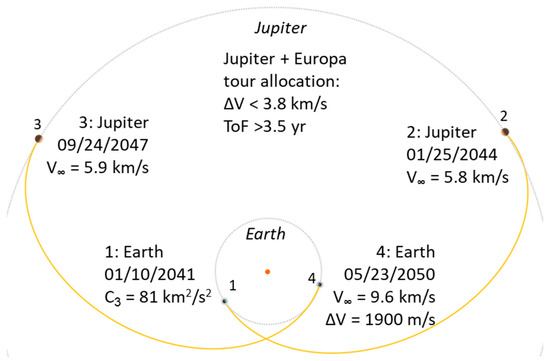
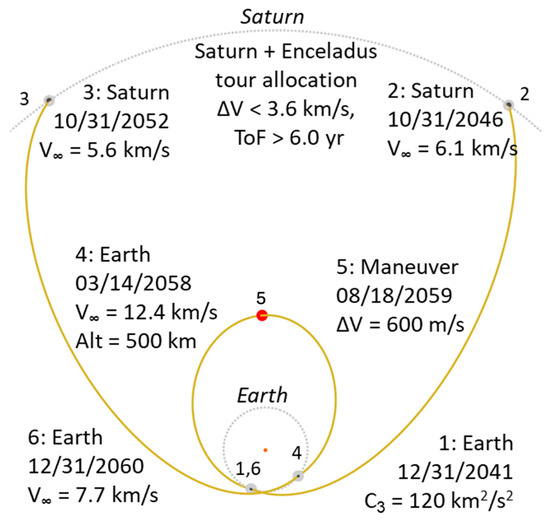
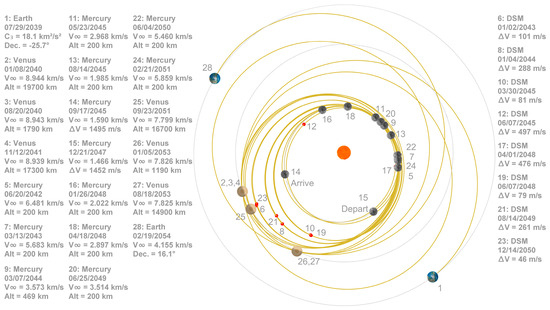
Sample return missions are among the most difficult tasks for robotic spacecraft in exploring our solar system. However, the samples they return to Earth have significantly high value for the planetary science community. Thus far, we have only acquired samples from the Moon, three asteroids, a comet’s tail, and the solar wind at the Earth–Sun Lagrange Points. The National Academy’s most recent decadal survey of planetary science at NASA emphasized the value of samples returned to Earth for analysis and called for NASA to prioritize samples returned from Mars, the Moon’s South Pole, a Jupiter-family comet, and Ceres. Currently available rockets and propulsion technology impose severe, and possibly insurmountable, limits to where we can send robot explorers and return samples within a reasonable timescale. Now, the advent of large new rockets offers the potential for very high C3 (characteristic energy) Earth escape trajectories. Parallel developments in Nuclear Propulsion yield much higher ISP than chemical propulsion and can operate far away from the Sun. Our novel trajectory modeling results and mission architecture analysis show that, by combining these technologies, sample return from across the solar system becomes feasible within the career lifetime of a planetary scientist.
Full article
(This article belongs to the Special Issue Spacecraft Orbit Transfers (2nd Edition))
►▼
Show Figures

Figure 1
Open AccessArticle
Application of DRL-Based Algorithm for the Resolution of Strategic Conflicts in U-Space Airspaces †
by
Manuel González, Sandra Amarillo, Alex Sanchis and Juan Vicente Balbastre
Aerospace 2026, 13(6), 521; https://doi.org/10.3390/aerospace13060521 - 3 Jun 2026
Abstract
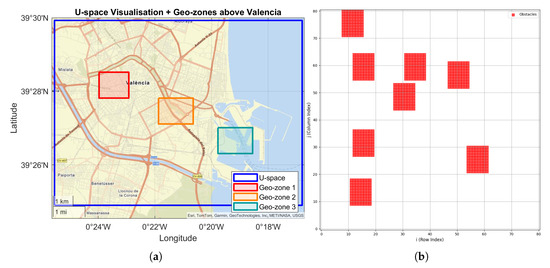
The rapid expansion of Unmanned Aircraft Systems (UAS) operations has created an urgent need for scalable strategic conflict resolution methods within the U-space framework. When requested 4D flight plans overlap with previously authorised ones, the Flight Authorisation Service denies the request and can
[...] Read more.
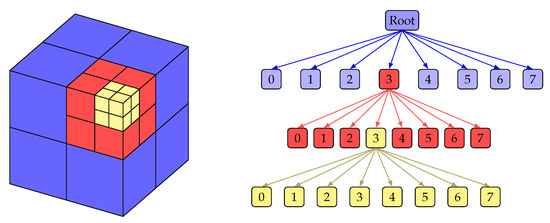
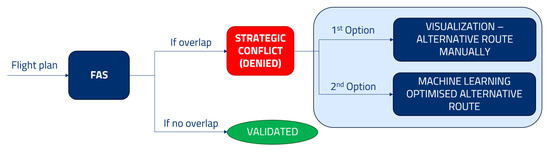
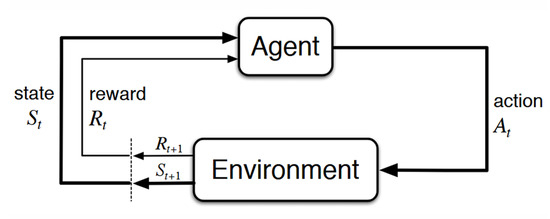
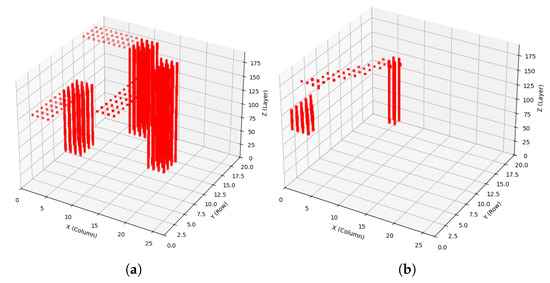
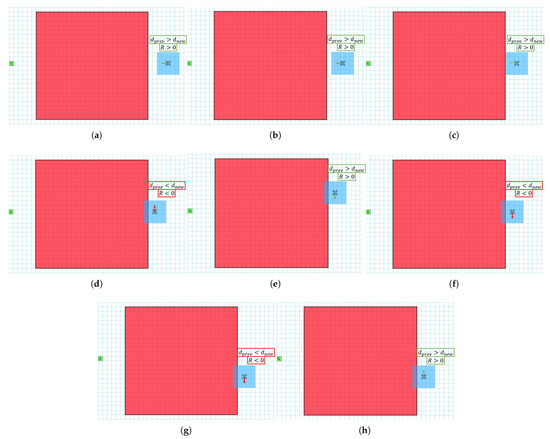
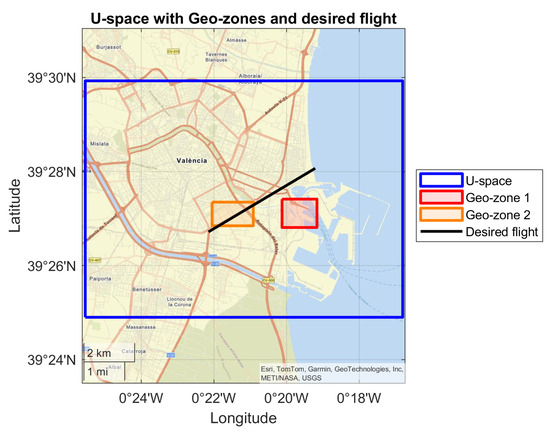
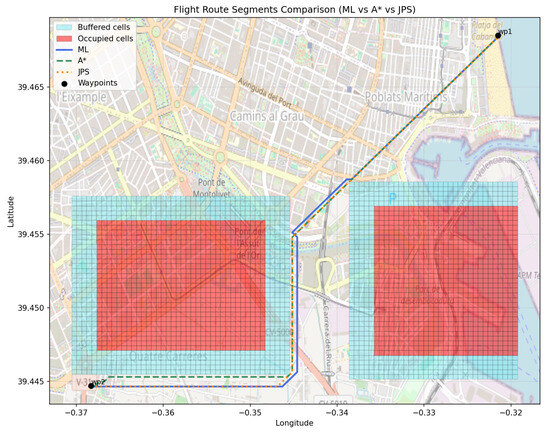
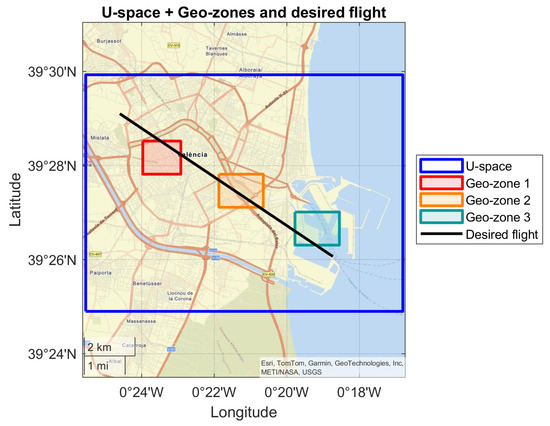
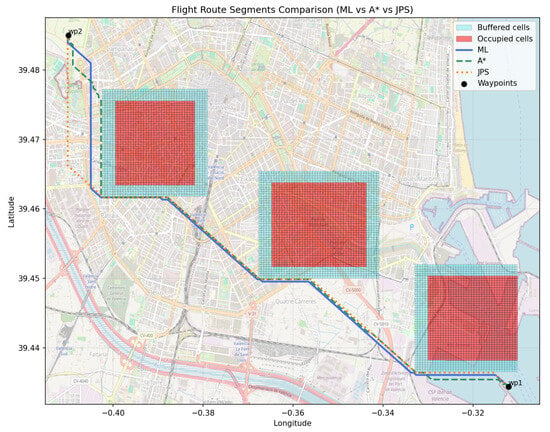
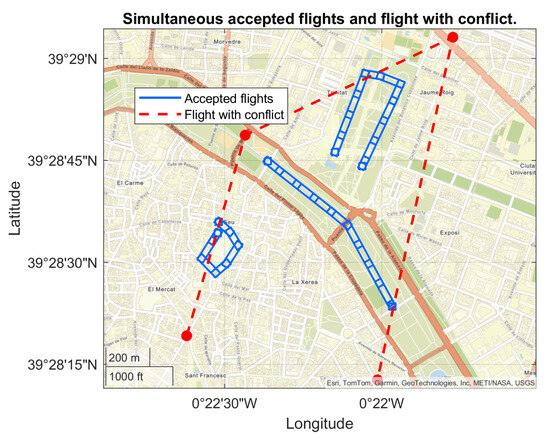
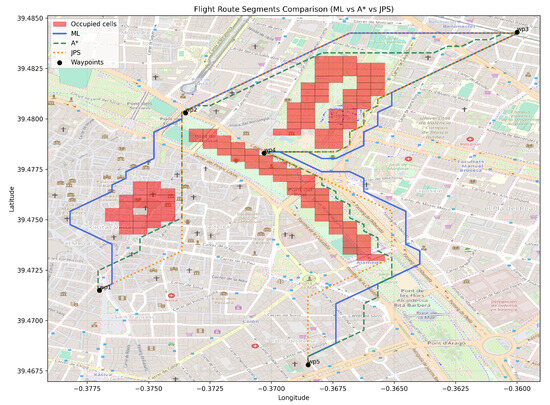
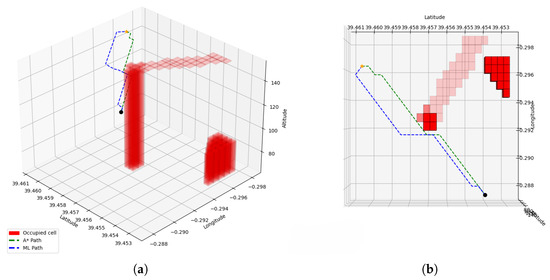
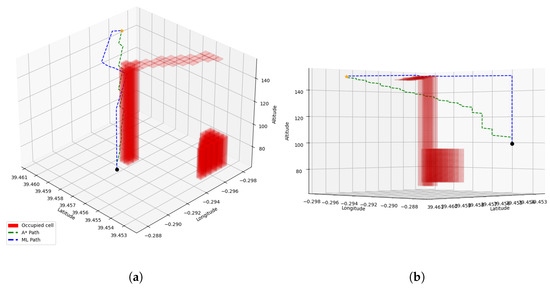
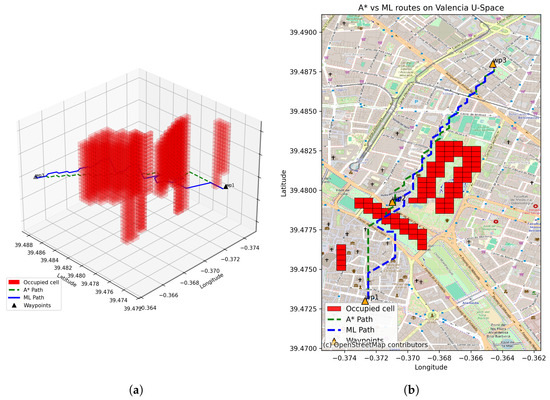
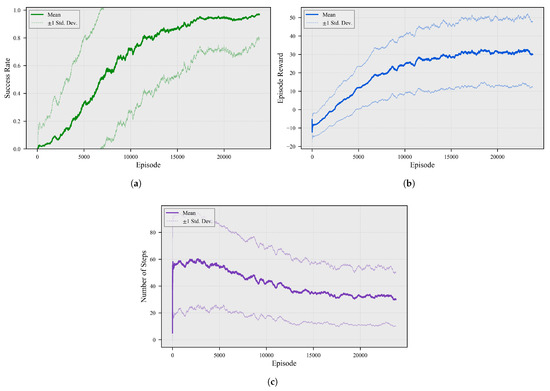
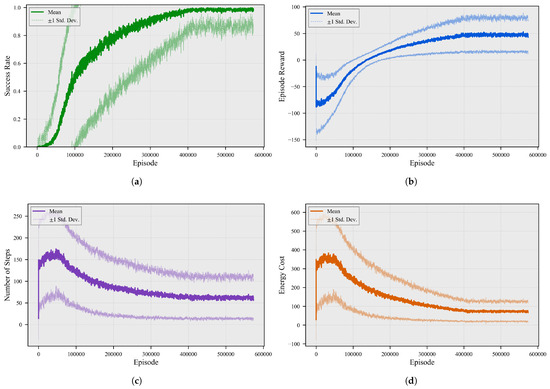
The rapid expansion of Unmanned Aircraft Systems (UAS) operations has created an urgent need for scalable strategic conflict resolution methods within the U-space framework. When requested 4D flight plans overlap with previously authorised ones, the Flight Authorisation Service denies the request and can provide the UAS operator with an alternative, conflict-free route. While traditional pathfinding algorithms ensure optimal routes, their computational cost creates a critical bottleneck during the flight activation phase or emergency missions, which demand near-instantaneous responses. To address this, we propose a three-stage framework. First, an Octree spatial partitioning discretises the airspace to identify occupied cells. Second, both A* and JPS algorithms are implemented to establish an optimal reference route. Finally, a standard Deep Reinforcement Learning (DRL) model, trained on realistic PX4 Simulator trajectories and using a well-adjusted reward function, generates alternative paths that optimise distance and energy. Results demonstrate that this DRL architecture achieves near-optimal routing behaviour. Crucially, it reduces computation time by several orders of magnitude compared to traditional algorithms, solving complex conflicts in milliseconds rather than seconds. We conclude that simple, well-tuned DRL architectures overcome latency limitations of classical pathfinding while achieving optimal results, ensuring rapid, safe, and efficient conflict resolution for high-density U-space.
Full article
(This article belongs to the Special Issue 15th EASN International Conference on Innovation in Aviation & Space Towards Sustainability Today and Tomorrow)
►▼
Show Figures

Figure 1
Journal Menu
► ▼ Journal Menu-
- Aerospace Home
- Aims & Scope
- Editorial Board
- Reviewer Board
- Topical Advisory Panel
- Instructions for Authors
- Special Issues
- Topics
- Sections & Collections
- Article Processing Charge
- Indexing & Archiving
- Most Cited & Viewed
- Journal Statistics
- Journal History
- Journal Awards
- Society Collaborations
- Conferences
- Editorial Office
Journal Browser
► ▼ Journal BrowserHighly Accessed Articles
Latest Books
E-Mail Alert
News
Topics
Topic in
Aerospace, Drones, Electronics, Remote Sensing, Sensors, Signals
Civil and Public Domain Applications of Unmanned Aviation 2025
Topic Editors: Kimon P. Valavanis, Nikolaos VitzilaiosDeadline: 30 June 2026
Topic in
Aerospace, Applied Sciences, Catalysts, Energies, Modelling
Theoretical, Numerical and Experimental Studies on Clean Energy and Combustion, 2nd Edition
Topic Editors: Pedro Miguel Rebelo Resende, Mohsen Ayoobi, Alexandre M. AfonsoDeadline: 30 September 2026
Topic in
Aerospace, Applied Sciences, Astronautics, Coatings, J. Compos. Sci., JMMP, Materials, Polymers
Advanced Materials and Manufacturing for Extreme Environments in Energy and Aerospace
Topic Editors: Richard E. Wirz, Chih-Hung (Alex) Chang, Tianyi Chen, Somayeh Pasebani, Dong Lin, Devin J. Roach, Jesse A. RodriguezDeadline: 31 October 2026
Topic in
Aerospace, Applied Sciences, Drones, Electronics, Eng, Remote Sensing, Sensors
Unmanned Vehicles Technology and Embodied Intelligence Systems for Intelligent Transportation
Topic Editors: Jian Chen, Min Xia, Hui XieDeadline: 20 November 2026
Conferences
Special Issues
Special Issue in
Aerospace
Aircraft Electric Power System II: Motor Drive Design and Control
Guest Editors: Yuan Gao, Zhen Huang, Hengliang Zhang, Zhan Li, Pat WheelerDeadline: 30 June 2026
Special Issue in
Aerospace
Aircraft Conceptual Design: Tools, Processes and Examples
Guest Editor: Timothy TakahashiDeadline: 30 June 2026
Special Issue in
Aerospace
Breakthrough Propulsion for Spacecraft
Guest Editors: Martin Tajmar, Les JohnsonDeadline: 30 June 2026
Special Issue in
Aerospace
Modern Small Spacecraft Design
Guest Editors: Jesus D. Gonzalez-Llorente, Zizung YoonDeadline: 30 June 2026
Topical Collections
Topical Collection in
Aerospace
Air Transportation—Operations and Management
Collection Editors: Michael Schultz, Judith Rosenow
Topical Collection in
Aerospace
Avionic Systems
Collection Editors: Carlos Insaurralde, Francesco Dell’Olio