Carbon Capture, Utilization and Storage: Technology, Application, and Policy


Abstract
1. Introduction
2. CCUS Technology Introduction
2.1. CO2 Capture Technologies
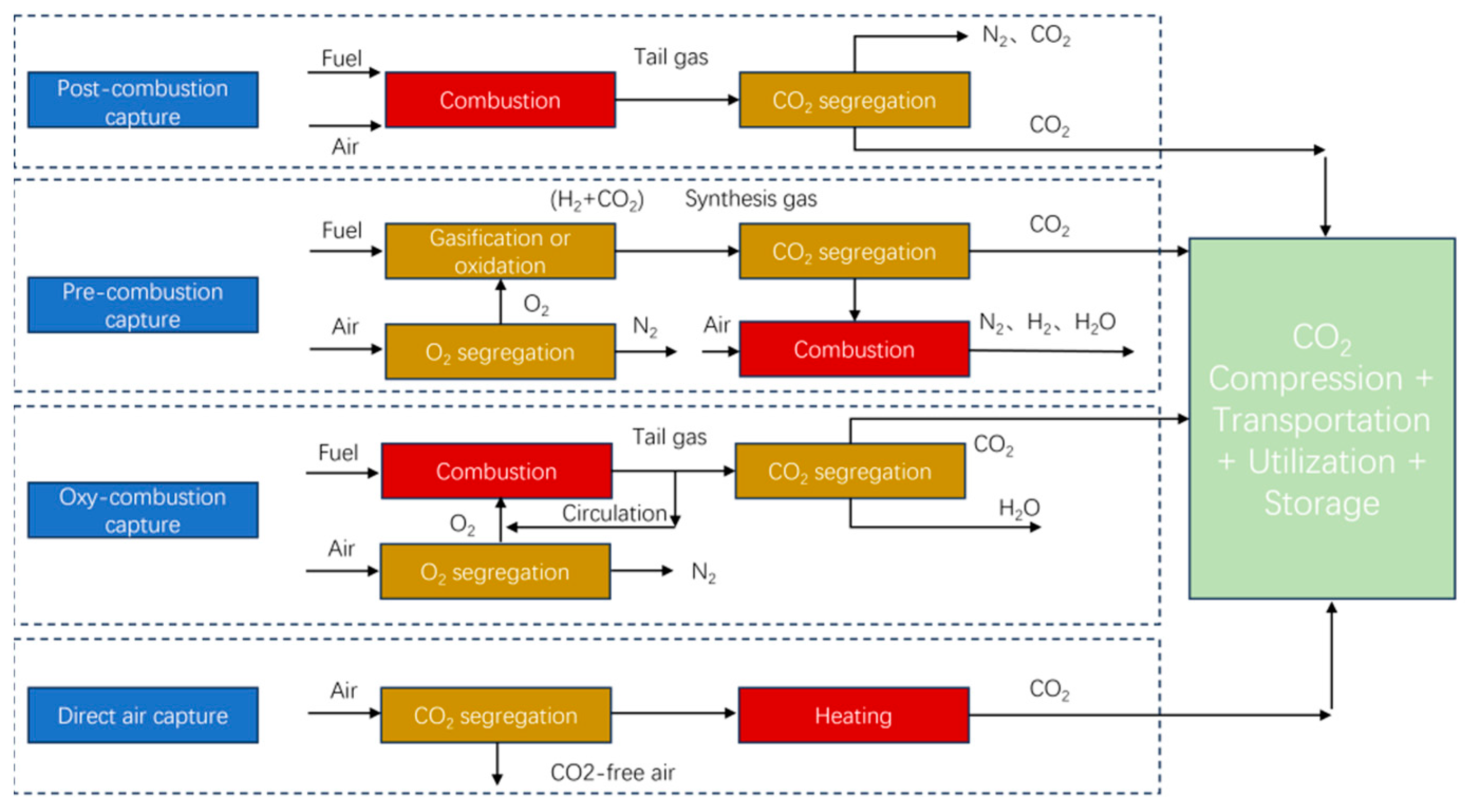
2.1.1. Overview of CO2 Capture Technologies
2.1.2. CO2 Capture Capacity and Performance Characteristics
2.1.3. CO2 Capture Demonstration Projects
2.2. CO2 Transport Technologies
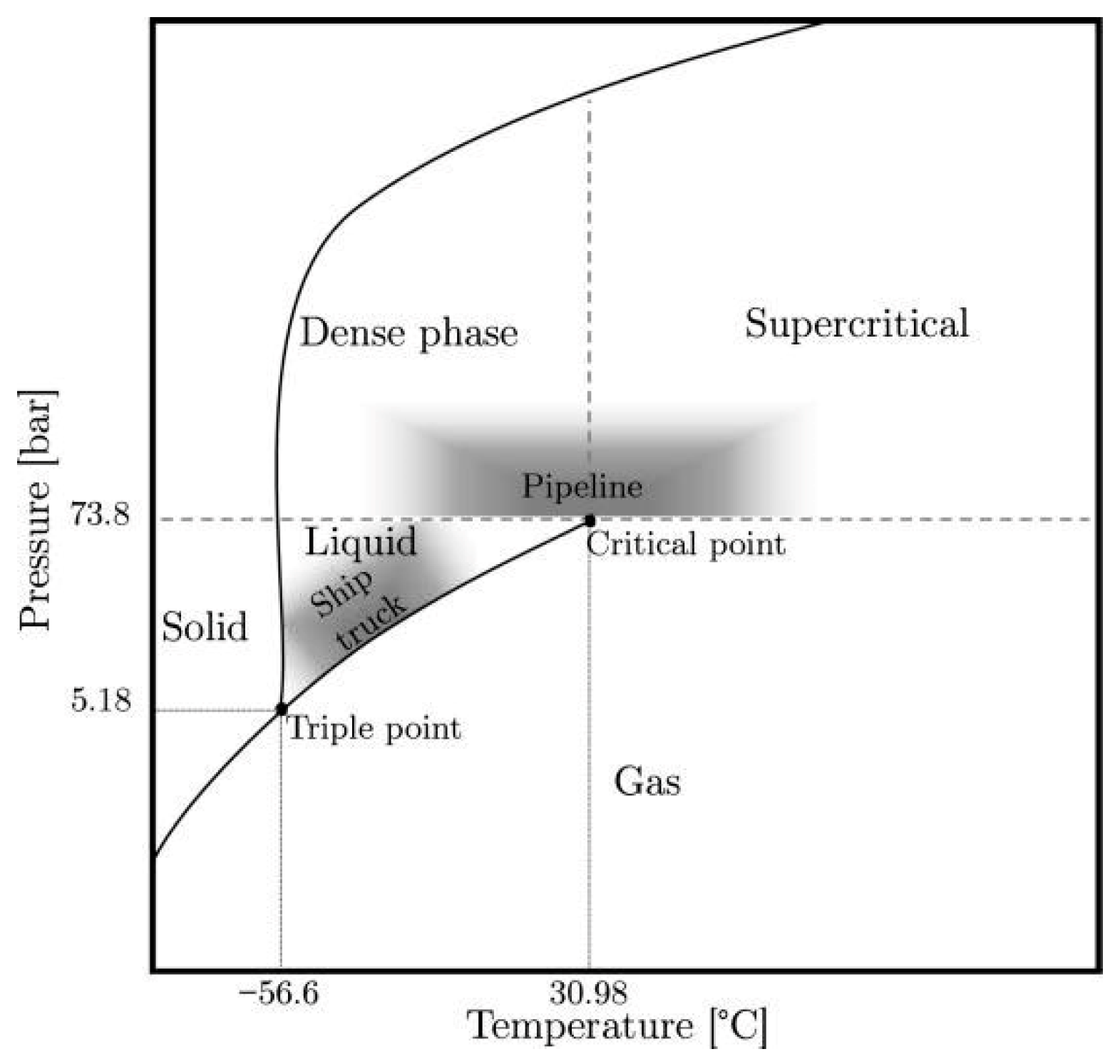
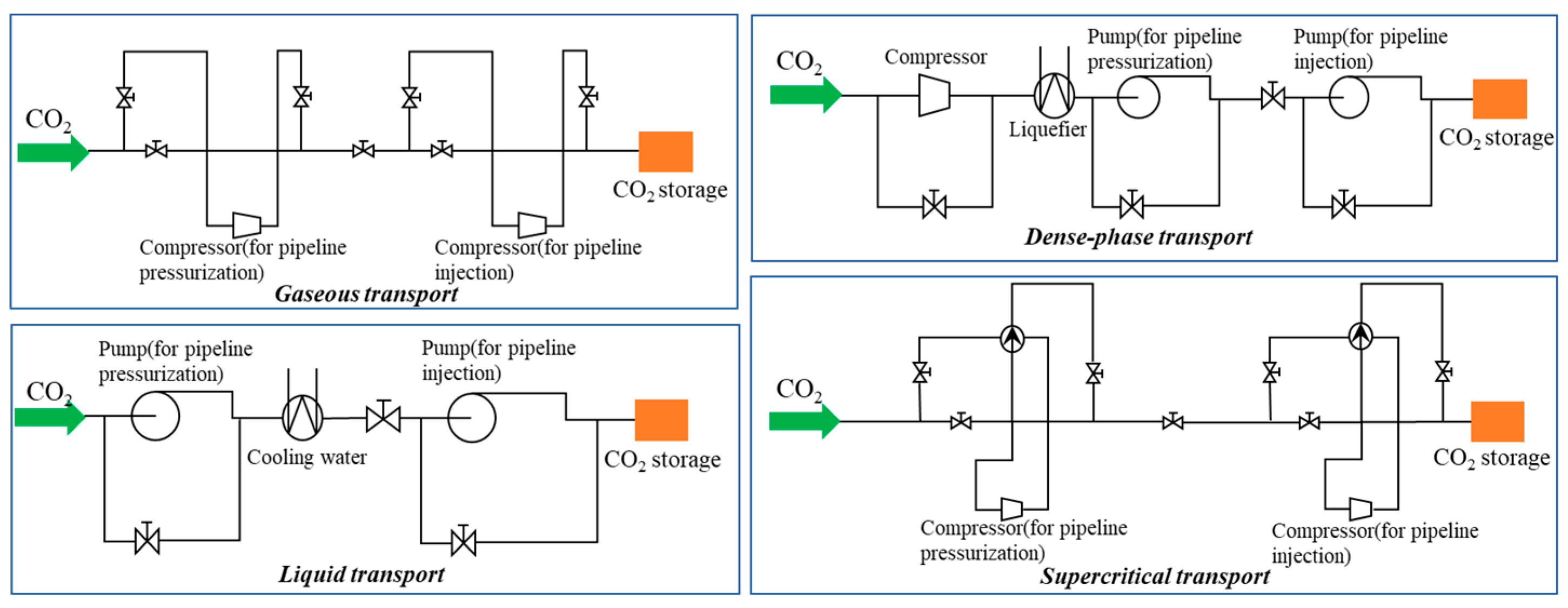
2.2.1. Overview of CO2 Transport Technologies
2.2.2. Comparison of Applicable Scenarios for Transport Methods
2.2.3. CO2 Transport Demonstration Projects
2.3. CO2-EOR and Storage Technologies
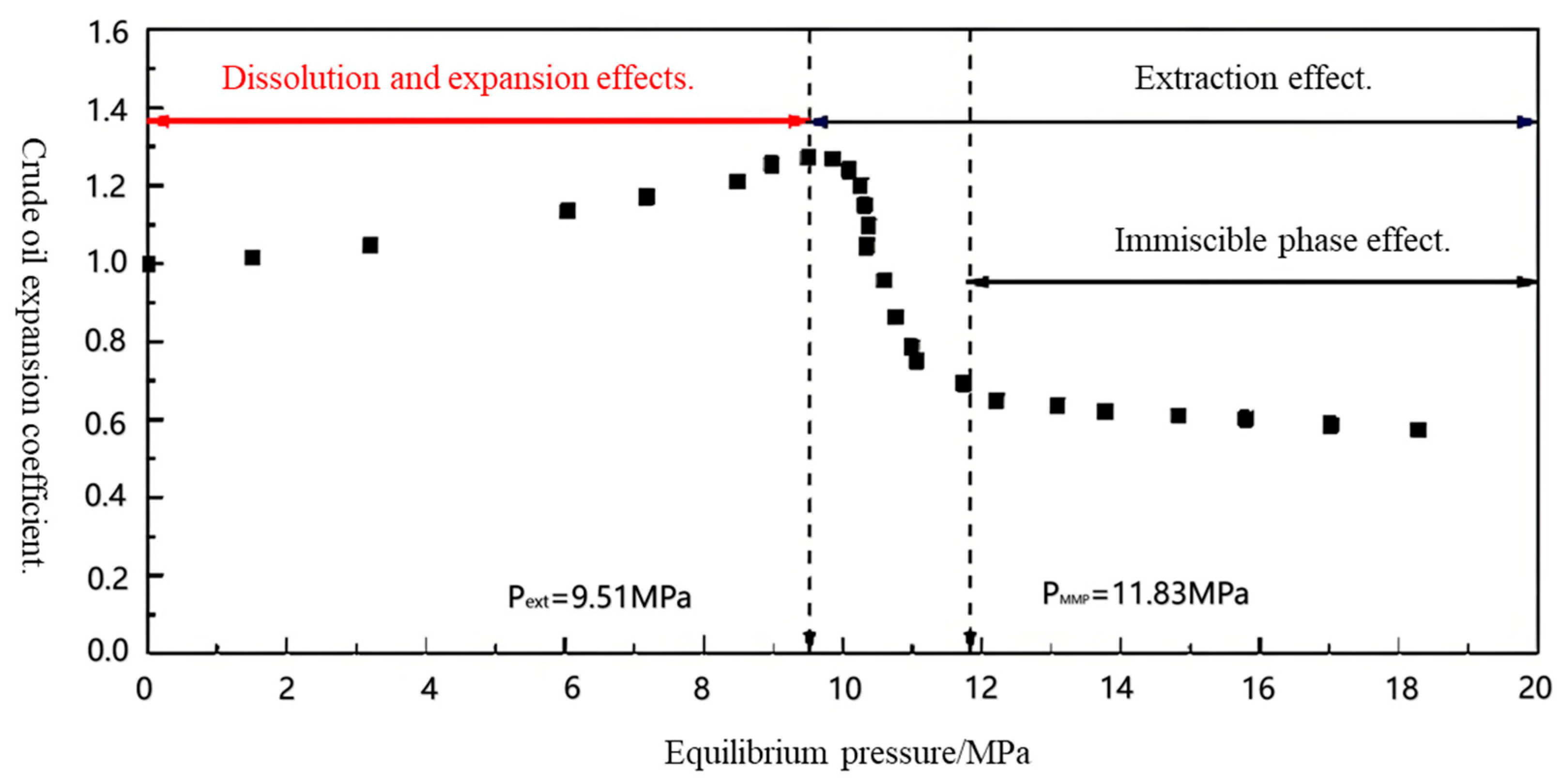
2.3.1. Overview of CO2-EOR Technologies

2.3.2. CO2 Storage Technologies
2.3.3. Comparison of Storage Efficiency
2.3.4. CO2-EOR and Storage Demonstration Projects
2.4. Full-Process Cost Structure Analysis
3. Challenges in CCUS Engineering Applications
3.1. Capture Stage: High Energy Consumption and Absorbent Efficiency
3.2. Transport Stage: Safety Risks and Monitoring Technology Bottlenecks
3.3. Storage and Utilization Stage: Long-Term Stability and Leakage Prevention
4. International CCUS Policies
4.1. Current Status of International CCUS Policy Development
4.2. Effective Analysis of Key National Policies
4.3. Analysis of Key Policy Instruments
5. Future Outlook
5.1. Future Outlook for CO2 Capture
5.2. Future Outlook for CO2 Transport
5.3. Future Outlook for CO2-EOR and Storage
5.4. Industrial Innovation in CCUS Applications
5.5. Future Outlook for CCUS Policy
6. Conclusions
Author Contributions
Funding
Data Availability Statement
Conflicts of Interest
References
- Nath, F.; Mahmood, N.; Yousuf, N. Recent advances in CCUS: A critical review on technologies, regulatory aspects and economics. Geoenergy Sci. Eng. 2024, 238, 212726. [Google Scholar] [CrossRef]
- Pathak, P.K.; Yadav, A.K.; Kamwa, I. Green hydrogen: A strategic energy vector for achieving net-zero emissions by 2050. Sustain. Energy Fuels 2025, 9, 5218–5226. [Google Scholar] [CrossRef]
- Liu, E.; Lu, X.; Wang, D. A Systematic Review of Carbon Capture, Utilization and Storage: Status, Progress and Challenges. Energies 2023, 16, 2865. [Google Scholar] [CrossRef]
- Long, Y.; Li, X.; Ding, Q.; Xiong, Z.; Xu, Z.; Zhao, Y. Research progress and system construction of Carbon Capture Utilization and Storage standards. Clean Coal Technol. 2025, 31, 17–28. [Google Scholar]
- Xie, H.; Ren, S.; Xie, Y.; Jiao, X.; Zheng, D.; Zhang, Y. Development of Electricity Generated from Zero-Carbon Clean Coal: Feasibility and Competitiveness of “Clean Coal Power + CCUS”. Strateg. Study Chin. Acad. Eng. 2024, 26, 176–185. [Google Scholar]
- Dahl, C.; Sun, C.; Wang, J. How can CCUS play its needed role in climate policy. In Proceedings of the Mapping the Energy Future-Voyage in Uncharted Territory-, 43rd IAEE International Conference, International Association for Energy Economics, Tokyo, Japan, 31 July–4 August 2022. [Google Scholar]
- Ivanov, E.V.; Kapustin, A.V.; Avduevskaya, N.N. Study of the effect of vaccination against Staphylococcus aureus causing mastitis and endometritis in cows. Vet. Med. Today 2024, 13, 360–365. [Google Scholar] [CrossRef]
- Li, Y.; Huang, W.; Jin, Y. Development and application of CO2 flooding technology for enhanced oil recovery in different types of oil reservoirs in China Petrochemical under the dual-carbon vision. Oil Gas Reserv. Eval. Dev. 2021, 11, 793–804+790. [Google Scholar]
- Azizi, M.I.; Xu, X.; Duan, X.; Qin, H.; Xu, B. Carbon Pricing Strategies and Policies for a Unified Global Carbon Market. Atmosphere 2025, 16, 836. [Google Scholar] [CrossRef]
- Wei, H. Economic benefits and fiscal tax policies of CO2 capture, utilization and storage. Youqicang Pingjia Yu Kaifa 2024, 14, 277–283. [Google Scholar]
- Feng, L.; Ren, Q.; Ioppolo, G.; Liao, W. Integrating China’s carbon capture, utilization, and storage policy for sustainable development: Insights from content analysis. Sustain. Dev. 2024, 32, 5104–5119. [Google Scholar] [CrossRef]
- Xing, X.; Wang, R.; Bauer, N.; Ciais, P.; Cao, J.; Chen, J.; Tang, X.; Wang, L.; Yang, X.; Boucher, O.; et al. Spatially explicit analysis identifies significant potential for bioenergy with carbon capture and storage in China. Nat. Commun. 2021, 12, 3159. [Google Scholar] [CrossRef] [PubMed]
- Almena, A.; Thornley, P.; Chong, K.; Röder, M. Carbon dioxide removal potential from decentralised bioenergy with carbon capture and storage (BECCS) and the relevance of operational choices. Biomass Bioenergy 2022, 159, 106406. [Google Scholar] [CrossRef]
- Lux, B.; Schneck, N.; Pfluger, B.; Maenner, W.; Sensfuß, F. Potentials of direct air capture and storage in a greenhouse gas-neutral European energy system. Energy Strategy Rev. 2023, 45, 101012. [Google Scholar] [CrossRef]
- Küng, L.; Aeschlimann, S.; Charalambous, C.; McIlwaine, F.; Young, J.P.; Shannon, N.; Strassel, K.; Maesano, C.N.; Kahsar, R.; Pike, D.; et al. A roadmap for achieving scalable, safe, and low-cost direct air carbon capture and storage. Energy Environ. Sci. 2023, 16, 4280–4304. [Google Scholar] [CrossRef]
- Postweiler, P.; Engelpracht, M.; Rezo, D.; Gibelhaus, A.; von der Assen, N. Environmental process optimisation of an adsorption-based direct air carbon capture and storage system. Energy Environ. Sci. 2024, 17, 3004–3020. [Google Scholar] [CrossRef]
- Lau, H.C.; Ramakrishna, S.; Zhang, K.; Radhamani, A.V. The role of carbon capture and storage in the energy transition. Energy Fuels 2021, 35, 7364–7386. [Google Scholar] [CrossRef]
- Cormos, C.-C. Integrated assessment of IGCC power generation technology with carbon capture and storage (CCS). Energy 2012, 42, 434–445. [Google Scholar] [CrossRef]
- Cormos, A.-M.; Dinca, C.; Cormos, C.-C. Multi-fuel multi-product operation of IGCC power plants with carbon capture and storage (CCS). Appl. Therm. Eng. 2015, 74, 20–27. [Google Scholar] [CrossRef]
- Acharya, S.; Wang, T. Investigation of Air Extraction and Carbon Capture in an Integrated Gasification Combined Cycle (IGCC) System. In Proceedings of the ASME Power Conference, Virtual, 20–22 July 2021; American Society of Mechanical Engineers: New York, NY, USA, 2021; Volume 85109. [Google Scholar]
- Raganati, F.; Ammendola, P. CO2 post-combustion capture: A critical review of Current technologies and future directions. Energy Fuels 2024, 38, 13858–13905. [Google Scholar] [CrossRef]
- Ibigbami, O.A.; Onilearo, O.D.; Akinyeye, R.O. Post-combustion capture and other Carbon Capture and Sequestration (CCS) technologies: A review. Environ. Qual. Manag. 2024, 34, e22180. [Google Scholar] [CrossRef]
- Rui, Z.; Zeng, L.; Dindoruk, B. Challenges in the large-scale deployment of CCUS. Engineering 2025, 44, 17–20. [Google Scholar] [CrossRef]
- Jiang, K.; Ashworth, P. The development of Carbon Capture Utilization and Storage (CCUS) research in China: A bibliometric perspective. Renew. Sustain. Energy Rev. 2021, 138, 110521. [Google Scholar] [CrossRef]
- Nemitallah, M.A.; Habib, M.A.; Badr, H.M.; Said, S.A.; Jamal, A.; Ben-Mansour, R.; Mokheimer, E.M.A.; Mezghani, K. Oxy-fuel combustion technology: Current status, applications, and trends. Int. J. Energy Res. 2017, 41, 1670–1708. [Google Scholar] [CrossRef]
- Kheirinik, M.; Ahmed, S.; Rahmanian, N. Comparative techno-economic analysis of carbon capture processes: Pre-combustion, post-combustion, and oxy-fuel combustion operations. Sustainability 2021, 13, 13567. [Google Scholar] [CrossRef]
- Shi, X.; Xiao, H.; Azarabadi, H.; Song, J.; Wu, X.; Chen, X.; Lackner, K.S. Sorbents for the direct capture of CO2 from ambient air. Angew. Chem. Int. Ed. 2020, 59, 6984–7006. [Google Scholar] [CrossRef] [PubMed]
- Voskian, S.; Hatton, T.A. Faradaic electro-swing reactive adsorption for CO2 capture. Energy Environ. Sci. 2019, 12, 3530–3547. [Google Scholar] [CrossRef]
- Liu, J.; Li, X.; Zhang, Z.; Li, L.; Bi, Y.; Zhang, L. Promotion of CO2 capture performance using piperazine (PZ) and diethylenetriamine (DETA) bi-solvent blends. Greenh. Gases-Sci. Technol. 2019, 9, 349–359. [Google Scholar] [CrossRef]
- Wang, C.; Xiao, G.; Zhou, X.; Zhu, Q.; Chen, Y.; Gao, Z.; Liu, C.; Zhu, J. The formation of high CO2 loading solid phase from 1,4-butanediamine/ethylene glycol biphasic solvent: Phase-changing behavior and mechanism. Sep. Purif. Technol. 2023, 323, 124397. [Google Scholar] [CrossRef]
- Lv, B.; Yang, K.; Zhou, X.; Zhou, Z.; Jing, G. 2-Amino-2-methyl-1-propanol based non-aqueous absorbent for energy-efficient and non-corrosive carbon dioxide capture. Appl. Energy 2020, 264, 114703. [Google Scholar]
- Das, A.; Peu, S.D.; Hossain, S.; Alam Nahid, M.; Bin Karim, F.R.; Chowdhury, H.; Porag, M.H.; Argha, D.B.P.; Saha, S.; Islam, A.R.M.T.; et al. Advancements in adsorption based carbon dioxide capture technologies- A comprehensive review. Heliyon 2023, 9, e22341. [Google Scholar] [CrossRef]
- Dinda, S. In-situ grafted amine functionalized metal-organic frameworks for CO2 capture: Preparation and bench-scale performance evaluation. Mater. Today Commun. 2023, 35, 105927. [Google Scholar] [CrossRef]
- Chen, G.; Wang, F.; Wang, S.; Ji, C.; Wang, W.; Dong, J.; Gao, F. Facile fabrication of copper oxide modified activated carbon composite for efficient CO2 adsorption. Korean J. Chem. Eng. 2021, 38, 46–54. [Google Scholar] [CrossRef]
- Li, H.; Zhang, S.; Sengupta, B.; Li, H.; Wang, F.; Li, S.; Yu, M. Polystyrene sulfonate (PSS) stabilized polyethylenimine (PEI) membranes fabricated by spray coating for highly effective CO2/N2 separation. J. Membr. Sci. 2022, 657, 120617. [Google Scholar] [CrossRef]
- Shen, J.; Liu, G.; Huang, K.; Jin, W.; Lee, K.; Xu, N. Membranes with fast and selective gas-transport channels of laminar graphene oxide for efficient CO2 Capture. Angew. Chem.-Int. Ed. 2015, 54, 578–582. [Google Scholar] [CrossRef]
- Han, J.; Li, J.; Tang, X.; Wang, L.; Yang, X.; Ge, Z.; Yuan, F. Coal-fired power plant CCUS project comprehensive benefit evaluation and forecasting model study. J. Clean. Prod. 2023, 385, 135657. [Google Scholar] [CrossRef]
- Shimokata, N. Petra Nova CCUS Project in USA; JX Nippon Oil & Gas Exploration Corporation: Tokyo, Japan, 2018. [Google Scholar]
- Stéphenne, K. Start-up of world’s first commercial post-combustion coal fired CCS project: Contribution of Shell Cansolv to SaskPower Boundary Dam ICCS project. Energy Procedia 2014, 63, 6106–6110. [Google Scholar] [CrossRef]
- Marashi, S.V. Northern Lights Project: Aurora Model Investigation with Sensitivity Studies and Using Different Simulation Methods. Master’s Thesis, NTNU, Trondheim, Norway, 2022. [Google Scholar]
- Badejo, A.O.; Aminu, N.I.; Sekar, L.K.; Okoroafor, E.R. Assessment of the Environmental Risks and Policies Associated with Carbon Capture and Storage in the United Kingdom—A Case Study of the HyNet North West Project. In Proceedings of the Abu Dhabi International Petroleum Exhibition and Conference, Abu Dhabi, United Arab Emirates, 4–7 November 2024; SPE: Richardson, TX, USA, 2024; p. D031S083R004. [Google Scholar]
- Sawada, Y.; Tanaka, J.; Tanase, D.; Sasaki, T.; Suzuki, C. Tomakomai ccs demonstration project-achievements and future outlook. In Proceedings of the TCCS–11. CO2 Capture, Transport and Storage. Trondheim 22nd–23rd June 2021 Short Papers from the 11th International Trondheim CCS Conference; SINTEF Academic Press: Trondheim, Norway, 2021. [Google Scholar]
- Marshall, J.P. A social exploration of the West Australian Gorgon Gas, carbon capture and storage project. Clean Technol. 2022, 4, 67–90. [Google Scholar] [CrossRef]
- Wilson, C.; Hattingh, S.; Peacock, D.; Zhang, T. The framework and practice of CO2 storage resources evaluation: Santos Moomba CCS Project CO2 storage resources assessment. APPEA J. 2023, 63, S478–S482. [Google Scholar] [CrossRef]
- Leung, D.Y.C.; Caramanna, G.; Maroto-Valer, M.M. An overview of current status of CO2 capture and storage technologies. Renew. Sustain. Energy Rev. 2014, 39, 426–443. [Google Scholar] [CrossRef]
- Chen, Z.; Zhou, Y.; Li, H. A Review of Phase Behavior Mechanisms of CO2-EOR and Storage in Subsurface Formations. Ind. Eng. Chem. Res. 2022, 61, 10298–10318. [Google Scholar] [CrossRef]
- Sani, A.G.; Najafi, H.; Azimi, S.S. Dynamic thermal modeling of the refrigerated liquified CO2 tanker in carbon capture, utilization, and storage chain: A truck transport case study. J. Appl. Energy 2022, 326, 119990. [Google Scholar] [CrossRef]
- Ho, A.; Giannopoulos, D.; Pilorgé, H.; Psarras, P. Opportunities for rail in the transport of CO2 in the United States. Front. Energy Res. 2024, 11, 1343085. [Google Scholar] [CrossRef]
- Liu, E.B.; Peng, Y.; Peng, S.B.; Yu, B.; Chen, Q.K. Research on low carbon emission optimization operation technology of natural gas pipeline under multi-energy structure. Pet. Sci. 2022, 19, 3046–3058. [Google Scholar] [CrossRef]
- Liu, E.B.; Peng, Y.; Ji, Y.Q.; Azimi, M.; Shi, L.M. Energy Consumption Optimization Model of Large Parallel Natural Gas Pipeline Network: Using Compressors with Multiple Operating Modes. Energy Fuels 2022, 37, 774–784. [Google Scholar] [CrossRef]
- Svensson, R.; Odenberger, M.; Johnsson, F.; Strömberg, L. Transportation systems for CO2—Application to carbon capture and storage. Energy Convers. Manag. 2004, 45, 2343–2353. [Google Scholar] [CrossRef]
- Lu, H.F.; Ma, X.; Huang, K.; Fu, L.D.; Azimi, M. CO2 transport via pipelines: A systematic review. J. Clean. Prod. 2020, 266, 121994. [Google Scholar] [CrossRef]
- Zahid, U. CO2 transport: Design considerations and project outlook. Curr. Opin. Chem. Eng. 2015, 10, 42–48. [Google Scholar] [CrossRef]
- Simonsen, K.R.; Hansen, D.S.; Pedersen, S. Challenges in CO2 transportation: Trends and perspectives. Renew. Sustain. Energy Rev. 2024, 191, 114149. [Google Scholar] [CrossRef]
- Hu, J.; Zhang, L.; Xiao, S.; Ma, W.; Li, W.; Xia, G. Integrity and Safety Management Challenges of Supercritical CO2 Pipeline Transportation at Offshore Platforms. J. Pipeline Syst. Eng. Pract. 2024, 15. [Google Scholar] [CrossRef]
- Dziejarski, B.; Krzyyńska, R.; Andersson, K. Current status of carbon capture, utilization, and storage technologies in the global economy: A survey of technical assessment. Fuel 2023, 342, 127776. [Google Scholar] [CrossRef]
- Doctor, R.D.; Molburg, J.C.; Brockmeier, J.F. Transporting CO2 recovered from fossil-energy cycles. Off. Sci. Tech. Inf. Tech. Rep. 2000, 1–7. [Google Scholar]
- Spinelli, C.; Demofonti, G.; Lucci, A.; Biagio, M.D.; Ahmad, M. CO2 Pipeline Transportation New Needs. In Proceedings of the Twenty-Fourth International Ocean and Polar Engineering Conference, Busan, Republic of Korea, 15–20 June 2014. [Google Scholar]
- Gao, L.; Fang, M.; Li, H.; Hetland, J. Cost Analysis of CO2 Transportation: Case Study in China. Energy Procedia 2011, 4, 5974–5981. [Google Scholar] [CrossRef]
- Teh, C.; Barifcani, A.; Pack, D.; Tade, M.O. The importance of ground temperature to a liquid CO2 pipeline. Int. J. Greenh. Gas Control 2015, 39, 463–469. [Google Scholar] [CrossRef]
- Martynoy, S.; Dowell, N.M.; Brown, S.; Mahgerefteh, H. Assessment of Integral Thermo-Hydraulic Models for Pipeline Transportation of Dense-Phase and Supercritical CO2. Ind. Eng. Chem. Res. 2015, 54, 8587–8599. [Google Scholar] [CrossRef]
- Lee, J.; Son, H.; Oh, J.; Yu, T.; Kim, H.; Lim, Y. Advanced process design of subcooling re-liquefaction system considering storage pressure for a liquefied CO2 carrier. Energy 2024, 293, 130556. [Google Scholar] [CrossRef]
- Wang, D.; Zhang, Y.D.; Adu, E.; Yang, J.P.; Shen, Q.W.; Tian, L.; Wu, L. Influence of Dense Phase CO2 Pipeline Transportation Parameters. Int. J. Heat Technol. 2016, 34, 479–484. [Google Scholar] [CrossRef]
- Dong, C.; Jiang, J.; Ye, B.; Sun, Z.; Zhang, Y.; Xia, C. Comparative life cycle assessment of CO2 onshore transport in China: Pipeline or tanker truck? J. CO2 Util. 2025, 94, 103057. [Google Scholar] [CrossRef]
- Han, L.; Shi, X.; Ni, H.; Zhang, W.; Gao, Q. Review of CO2 Fracturing and Carbon Storage in Shale Reservoirs. Energy Fuels 2024, 38, 15913–15934. [Google Scholar] [CrossRef]
- Wang, S.; Cheng, Q.; Li, Z.; Qi, Y.; Liu, Y. Molecular Dynamics Study on the Diffusion Mass Transfer Behaviour of CO2 and Crude Oil in Fluids Produced via CO2 Flooding. Molecules 2023, 28, 7948. [Google Scholar] [CrossRef]
- Song, Z.; Li, Y.; Song, Y.; Bai, B.; Hou, J.; Song, K.; Jiang, A.; Su, S. A critical review of CO2 enhanced oil recovery in tight oil reservoirs of North America and China. In Proceedings of the SPE Asia Pacific Oil and Gas Conference and Exhibition, SPE, Virtual, 17–19 November 2020; p. D011S005R002. [Google Scholar]
- Li, B.; Zheng, L.; Cao, A.; Bai, H.; Zhang, C.; Li, Z. Effect of interaction between CO2 and crude oil on the evolution of interface characteristics. Colloids Surf. A Physicochem. Eng. Asp. 2022, 647, 129043. [Google Scholar] [CrossRef]
- Marçon, D.R.; Iglesias, R.S.; Novaes, A.M.d.A.; de Faria, R.M.B. Water-Alternating CO2 Injection in Carbonate Reservoirs: A Review of Fluid-Rock Interaction Studies. SPE J. 2024, 29, 6418–6444. [Google Scholar] [CrossRef]
- Wang, X.; Lun, Z.; Wang, R.; Lv, C.; Tang, Y.; Hu, W. Effect of CO2 injection on interfacial tension of oil-formation water system under high temperature and pressure. In Proceedings of the Fourth International Conference on Energy Engineering and Environmental Protection, Xiamen, China, 19–21 November 2019; The IOP Conference Series: Earth and Environmental Science. IOP Publishing: Bristol, UK, 2020; Volume 467, p. 012010. [Google Scholar]
- Che, X.; Yi, X.; Dai, Z.; Zhang, Z.; Zhang, Y. Application and development countermeasures of CCUS technology in China’s petroleum industry. Atmosphere 2022, 13, 1757. [Google Scholar] [CrossRef]
- Zhu, F.; Hao, Y.; Fan, J.L. Study on Oil Displacement Mechanism by CO2. Tianjin Chem. Ind. 2025, 39, 196–200. [Google Scholar]
- Zhang, T.; Tang, M.; Ma, Y.; Zhu, G.; Zhang, Q.; Wu, J.; Xie, Z. Experimental study on CO2/Water flooding mechanism and oil recovery in ultralow: Permeability sandstone with online LF-NMR. Energy 2022, 252, 123948. [Google Scholar] [CrossRef]
- Al-Shargabi, M.; Davoodi, S.; Wood, D.A.; Rukavishnikov, V.S.; Minaev, K.M. Carbon dioxide applications for enhanced oil recovery assisted by nanoparticles: Recent developments. ACS Omega 2022, 7, 9984–9994. [Google Scholar] [CrossRef] [PubMed]
- Li, Y. Technical progress and prospect of CO2 flooding for enhanced oil recovery in low-permeability reservoirs. J. Pet. Geol. Recovery Effic. 2020, 27, 1–10. [Google Scholar]
- He, R.; Weizhong, M.A.; Ma, X.; Liu, Y. Modeling and optimizing for operation of CO2-EOR project based on machine learning methods and greedy algorithm. Energy Rep. 2021, 7, 3664–3677. [Google Scholar] [CrossRef]
- Liu, X.; Huang, Y.; Babaei, S.; Hazra, B.; Ostadhassan, M. Experimental and molecular simulation of carbon dioxide solubility in hexadecane at varying pressures and temperatures. Chem. Eng. J. 2024, 502, 157721. [Google Scholar] [CrossRef]
- Ju, J.; Li, Q.; Xu, J. Experimental Study on the Self-Healing Behavior of Fractured Rocks Induced by Water-CO2-Rock Interactions in the Shendong Coalfield. Geofluids 2020, 2020, 8863898. [Google Scholar] [CrossRef]
- Tan, F.; Jiang, R.; Ma, C.; Jing, Y.; Chen, K.; Lu, Y. CO2 Oil Displacement and Geological Storage Status and Prospects. Energy Sci. Eng. 2025, 13, 475–511. [Google Scholar] [CrossRef]
- Yue, P.; Zhang, R.; Sheng, J.J.; Yu, G.; Liu, F. Study on the Influential Factors of CO2 Storage in Low Permeability Reservoir. Energies 2022, 15, 344. [Google Scholar] [CrossRef]
- Li, L.; Liu, Y.; Su, Y.; Niu, H.; Hou, Z.; Hao, Y. Integrated study on CO2 enhanced oil recovery and geological storage in tight oil reservoirs. Geoenergy Sci. Eng. 2024, 241, 14. [Google Scholar] [CrossRef]
- Zhang, M.; Wu, J.; Cai, L.; Li, B.; Yu, X.; Hou, Y.; Shi, F.; Zhang, C. CO2 dissolution-diffusion in clay inhibitor/oil systems and synergistic CCUS-EOR effects in strongly water-sensitive reservoirs. Sci. Rep. 2025, 15, 27224. [Google Scholar]
- Liu, X.; Chen, H.; Li, Y.; Zhu, Y.; Liao, H.; Zhao, Q.; Zhou, X.; Zeng, H. Oil production characteristics and CO2 storage mechanisms of CO2 flooding in ultra-low permeability sandstone oil reservoirs. Pet. Explor. Dev. 2025, 52, 196–207. [Google Scholar] [CrossRef]
- Zhang, M.; Li, B.; Lei, W.; Zhao, X.; Ding, W.; Zhang, X.; Xin, Y.; Li, Z. Oil displacement and CO2 storage during CO2 immiscible huff-n-puff within a saturated reservoir: An experimental study. Fuel 2024, 371 Pt. B, 16. [Google Scholar] [CrossRef]
- Yu, H.; Tang, H.; Han, X.; Song, P.; Ma, R.; Zhang, L.; Jia, H.; Lu, J.; Wang, Y. Enhanced Oil Recovery and CO2 Storage by Enhanced Carbonated Water Injection: A Mini-Review. Energy Fuels 2024, 38, 24. [Google Scholar] [CrossRef]
- He, Q.; Song, W.; Han, Y. Research progress and application of CO2 flooding oil storage: A review. J. Min. Sci. Technol. 2024, 9, 668–677. [Google Scholar]
- Wang, G.F.; Qin, J.S.; Huang, C.X.; Cui, X.Y. Calculation of simultaneous sequestration amount of CO2 flooding in low-permeability reservoirs. J. Sci. Technol. Eng. 2019, 19, 148–154. [Google Scholar]
- Shukla, R.; Ranjith, P.; Haque, A.; Choi, X. A review of studies on CO2 sequestration and caprock integrity. Fuel 2010, 89, 2651–2664. [Google Scholar] [CrossRef]
- Abidoye, L.K.; Khudaida, K.J.; Das, D.B. Geological Carbon Sequestration in the Context of Two-Phase Flow in Porous Media: A Review. Crit. Rev. Environ. Sci. Technol. 2015, 45, 1105–1147. [Google Scholar] [CrossRef]
- Bachu, S. Review of CO2 storage efficiency in deep saline aquifers. Int. J. Greenh. Gas Control 2015, 40, 188–202. [Google Scholar] [CrossRef]
- Adu-Gyamfi, B.; Ampomah, W.; Sun, Q.; Will, R.; Tu, J. Evaluation of Geo-Mechanical-Chemical Impacts of CO2 Injection to Depleted Oil Reservoirs. In Proceedings of the 15th Greenhouse Gas Control Technologies Conference, Virtual, 15–18 March 2021; Social Science Electronic Publishing: Rochester, NY, USA, 2025. [Google Scholar]
- Ma, X.; Liang, J.; Li, Q.; Yuan, Y.; Chen, J.; Luo, D.; Zhao, H.; Song, P. Progress and prospects of CO2 geological storage in saline aquifer. Mar. Geol. Front. 2024, 40, 1–18. [Google Scholar]
- Hou, L.; Yu, Z.; Luo, X.; Wu, S. Self-sealing of caprocks during CO2 geological sequestration. Energy 2022, 252, 124064. [Google Scholar] [CrossRef]
- Qin, J.; Zhong, Q.; Tang, Y.; Rui, Z.; Qiu, S.; Chen, H. CO2 storage potential assessment of offshore saline aquifers in China. Fuel 2023, 341, 127681. [Google Scholar] [CrossRef]
- Abraham-A, R.M.; Tassinari, C.C. Carbon dioxide storage efficiency involving the complex reservoir units associated with Irati and Rio Bonito Formations, Paraná Basin, Brazil. AAPG Bull. 2023, 107, 357–386. [Google Scholar] [CrossRef]
- Cheng, Q.; Tang, J.; Lu, Y.; Lu, Z.; Jia, Y.; Zhou, J.; Zhang, C. Mechanism and potential evaluation method of CO2 geological storage in depleted shale gas reservoirs. J. China Coal Soc. 2025, 50, 1695–1704. [Google Scholar]
- Liu, W.; Shan, Y.; Peng, B.; Zhao, H.; Xu, X.; Zhang, C.; Bai, J. Evaluation of the dual-effect suitability of CO2 storage and enhanced oil recovery in oil and gas reservoirs: A case study of typical oilfields in the Bohai Bay Basin. China Min. Mag. 2025, 34, 133–140. [Google Scholar]
- On, T.; Nguyen, T.; Balch, R. Experimental and Probability-Based Approaches to Estimate Leakage Rates in Plugged and Abandoned Wells in CO2-Enhanced Oil Recovery Fields. In Proceedings of the International Conference on Offshore Mechanics and Arctic Engineering, Hamburg, Germany, 5–10 June 2022; American Society of Mechanical Engineers: New York, NY, USA, 2022; Volume 85956, p. V010T11A094. [Google Scholar]
- He, X.; Tian, X.; Song, D. Progress and expectation of CO2 sequestration safety in coal seams. Coal Sci. Technol. 2022, 50, 212–219. [Google Scholar]
- Yao, Y.; Sun, X.; Wan, L. Micro-mechanism of geological sequestration of CO2 in coal seam. Coal Geol. Explor. 2023, 51, 11. [Google Scholar]
- Jiang, K.; Li, Z.P.; Dou, H.G.; Cao, Z.Y.; Hong, Y. Evaluation model of CO2 storage potential in Qinshui Basin. Spec. Oil Gas Reserv. 2016, 23, 112–114. [Google Scholar]
- Wang, X.; Duan, L.; Zhang, S.; Tang, S.; Lv, J.; Li, X. A New Method for Numerical Simulation of Coalbed Methane Pilot Horizontal Wells—Taking the Bowen Basin C Pilot Area in Australia as an Example. Processes 2024, 12, 616. [Google Scholar] [CrossRef]
- Weijermars, R. Surface subsidence and uplift resulting from well interventions modeled with coupled analytical solutions: Application to Groningen gas extraction (Netherlands) and CO2-EOR in the Kelly-Snyder oil field (West Texas). Geoenergy Sci. Eng. 2023, 228, 211959. [Google Scholar] [CrossRef]
- Yuan, S.; Ma, D.; Li, J.; Zhou, T.; Ji, Z.; Han, S. Progress and prospects of CO2 capture, EOR-utilization and storage industrialization. Pet. Explor. Dev. 2022, 49, 955–962. [Google Scholar] [CrossRef]
- Liu, S.; Huang, F.; Du, R.; Chen, S.; Guan, Y.; Liu, Y.; Wang, T. Progress and Typical Case Analysis of CO2 Geological Storage and Utilization Demonstration Projects. Coalf. Geol. Explor. 2023, 51, 158–174. [Google Scholar]
- Chen, W.; Lu, X. The optimal layout of CCUS clusters in China’s coal-fired power plants towards carbon neutrality. Progress. Inquisitiones Mutat. Clim. 2022, 18, 261–271. [Google Scholar]
- Chang, Y.; Gao, S.; Ma, Q.; Wei, Y.; Li, G. Techno-economic analysis of carbon capture and utilization technologies and implications for China. Renew. Sustain. Energy Rev. 2024, 199, 114550. [Google Scholar] [CrossRef]
- Vikara, D.; Shih, C.Y.; Lin, S.; Guinan, A.; Grant, T.; Morgan, D.; Remson, D.U.S. DOE’s Economic Approaches and Resources for Evaluating the Cost of Implementing Carbon Capture, Utilization, and Storage (CCUS). J. Sustain. Energy Eng. 2017, 5, 307–340. [Google Scholar] [CrossRef]
- McCoy, S.T.; Rubin, E.S. An engineering-economic model of pipeline transport of CO2 with application to carbon capture and storage. Int. J. Greenh. Gas Control 2008, 2, 219–229. [Google Scholar] [CrossRef]
- Solomon, M.D.; Scheffler, M.; Heineken, W.; Ashkavand, M.; Birth-Reichert, T. Pipeline Infrastructure for CO2 Transport: Cost Analysis and Design Optimization. Energies 2024, 17, 2911. [Google Scholar] [CrossRef]
- Wei, N.; Liu, S.; Li, X. Evaluation on potential of CO2 enhanced water recovery deployment in China’s coal chemical industry. Clim. Change Res. 2021, 17, 70–78. [Google Scholar]
- Diao, B.; Gu, X.; Feng, Y. Large scale CO2 capture and comprehensive utilization demonstration. Boil. Technol. 2021, 52, 76–80. [Google Scholar]
- Miao, L.; Feng, L.; Ma, Y. Comprehensive evaluation of CCUS technology: A case study of China’s first million-tonne CCUS-EOR project. Environ. Impact Assess. Rev. 2025, 110, 107684. [Google Scholar] [CrossRef]
- Sabatino, F.; Grimm, A.; Gallucci, F.; van Sint Annaland, M.; Kramer, G.J.; Gazzani, M. A comparative energy and costs assessment and optimization for direct air capture technologies. Joule 2021, 5, 2047–2076. [Google Scholar] [CrossRef]
- Jacobson, M.Z.; Fu, D.; Sambor, D.J.; Mühlbauer, A. Energy, Health, and Climate Costs of Carbon-Capture and Direct-Air-Capture versus 100%-Wind-Water-Solar Climate Policies in 149 Countries. Environ. Sci. Technol. 2025, 59, 3034–3045. [Google Scholar] [PubMed]
- Zweigel, P.; Svendsen, T.E.; Talukdar, S.; Gemmer, L.; Furre, A.K.; Bussat, S.; Nazarian, B.; Terjesen, H.E. The Heimdal Field (North Sea)—A Potential Site for CO2 Storage in a Depleted Gas Field. In Proceedings of the 14th Greenhouse Gas Control Technologies Conference, Melbourne, Australia, 21–26 October 2018; pp. 21–26. [Google Scholar]
- Alqaydi, M.; Almazrouei, A.; Alameri, A. Comprehensive Study of Carbon Capture, Utilization, and Storage (CCUS) in the UAE: A Step Towards Sustainable Future. In Proceedings of the SPE International Conference and Exhibition on Health, Safety, Environment, and Sustainability, Abu Dhabi, United Arab Emirates, 10–12 September 2024; SPE: Richardson, TX, USA, 2024. [Google Scholar]
- Lin, K.; Jing, T.; Wei, N.; Chen, Q.; Zhao, W.; Zhou, J.; Ali, M.; Wang, W.; Li, X. A Comprehensive Analysis of the Mutual Feedback Mechanisms between CO2 Geological Storage and Underground Coal Mining in the Ordos Basin. Energy Fuels 2025, 39, 5802–5817. [Google Scholar] [CrossRef]
- Guzmán, E.L.V.; Sant’Anna, L.G. Integrated assessment of global carbon capture, utilization, and storage projects. Int. J. Greenh. Gas Control 2024, 131, 104031. [Google Scholar] [CrossRef]
- Vishal, V.; Chandra, D.; Singh, U.; Verma, Y. Understanding initial opportunities and key challenges for CCUS deployment in India at scale. Resour. Conserv. Recycl. 2021, 175, 105829. [Google Scholar] [CrossRef]
- Jiang, K.; Ashworth, P.; Zhang, S.; Liang, X.; Sun, Y.; Angus, D. China’s carbon capture, utilization and storage (CCUS) policy: A critical review. Renew. Sustain. Energy Rev. 2020, 119, 109601. [Google Scholar] [CrossRef]
- Zhang, Q.; Wang, Y.; Liu, L. Carbon tax or low-carbon subsidy? Carbon reduction policy options under CCUS investment. Sustainability 2023, 15, 5301. [Google Scholar] [CrossRef]
- Global CO2 Emissions from Fossil Fuels. Available online: https://ourworldindata.org/co2-emissions (accessed on 29 September 2025).
- Wang, X.; Tang, R.; Meng, M.; Su, T. Research on CCUS business model and policy incentives for coal-fired power plants in China. Int. J. Greenh. Gas Control 2023, 125, 103871. [Google Scholar] [CrossRef]
- Mon, M.T.; Tansuchat, R.; Yamaka, W. CCUS technology and carbon emissions: Evidence from the United States. Energies 2024, 17, 1748. [Google Scholar] [CrossRef]
- Liu, M.; Liang, X.; Lin, Q.; Wang, L. Key issues and countermeasures of CCUS projects linking carbon emission trading market under the target of carbon neutrality. Proc. CSEE 2021, 41, 4731–4739. [Google Scholar]
- Zhang, W.; Dai, C.; Luo, X.; Ou, X. Policy incentives in carbon capture utilization and storage (CCUS) investment based on real options analysis. Clean Technol. Environ. Policy 2021, 23, 1311–1326. [Google Scholar] [CrossRef]
- Taghizadeh-Hesary, F.; Vandercamme, L.; Phoumin, H. Enhancing the economic feasibility of carbon capture, utilisation, and storage (CCUS) projects. J. Environ. Assess. Policy Manag. 2024, 26, 2350024. [Google Scholar] [CrossRef]
- Nie, S.; Cai, G.; He, J.; Wang, S.; Bai, R.; Chen, X.; Wang, W.; Zhou, Z. Economic costs and environmental benefits of deploying CCUS supply chains at scale: Insights from the source–sink matching LCA–MILP approach. Fuel 2023, 344, 128047. [Google Scholar] [CrossRef]



| Region | Country | Project | Technology Type | Annual Capture/Storage Capacity | Commissioning Year | Capture Rate (%) | Energy Consumption (GJ/t CO2) | CO2 Purity (%) | Cost (USD/t CO2) |
|---|---|---|---|---|---|---|---|---|---|
| North America | USA | Petra Nova | Post-combustion capture | 1.4 Mt | 2017 | ≈90 | 2.7 | >99 | 60 |
| Europe | Canada | Boundary Dam | Post-combustion capture | 1.0 Mt | 2014 | ≈85 | 2.5–2.8 | 99.5 | 105 |
| North America | USA | Century Plant | Industrial capture (natural gas processing) | >8 Mt (cumulative) | 2010 | ≈95 | <2.0 | 99.9 | – |
| Europe | Norway | Northern Lights | Post-combustion capture | 1.5 Mt (Phase I) | 2025 (planned) | ≥95 | – | ≥95 | 100–150 |
| Europe | Netherlands | Porthos | Industrial capture + pipeline transport | 2.5 Mt | 2026 (planned) | ≈90 | – | – | 150–200 |
| Europe | UK | HyNet/BECCS | Bioenergy + CCS | N/A | Pilot stage | ≈90 | – | – | – |
| Asia | China | Guohua Jingjie (0.15 Mt/a) | Post-combustion capture | 0.15 Mt | 2021 | ≈90 | – | 99 | 33.71 |
| Asia | China | Taizhou (0.5 Mt/a) | Post-combustion capture | 0.5 Mt | 2021 | ≈90 | <2.4 | 99.5 | 36.52 |
| Asia | China | Huaneng Tianjin IGCC | Pre-combustion capture | 0.06–0.1 Mt | 2012 | ≈85 | 2.9 | ≥95 | – |
| Asia | Japan | Tomakomai | Offshore storage | 0.3 Mt (cumulative) | 2016 | ≈90 | – | – | – |
| Asia | UAE | Al Reyadah | Steel flue gas capture → EOR | 0.8 Mt | 2016 | ≈85 | – | 95 | – |
| Asia | Qatar | Ras Laffan LNG CCS | Natural gas processing | 2.5 Mt | Operating | ≈90 | – | 98 | – |
| Oceania | Australia | Gorgon CCS | Natural gas liquefaction storage | 40 Mt (design) | 2019 | ≈80 | – | – | 120–150 |
| South America | Brazil | Petrobras (pre-salt oil reservoirs) | Associated gas reinjection | ~0.68 Mt (cumulative) | Commercial | – | – | – | – |
| Africa | Algeria | In Salah | Natural gas decarbonization | ~0.038 Mt (cumulative) | 2004–2011 | ≈85 | – | – | – |
| Transport Method | Advantage | Disadvantage |
|---|---|---|
| Truck Transport | Strong flexibility. Suitable for short distance and decentralized transport scenarios. High technological maturity and complete industrial supporting facilities. | High unit transport costs. The limited capacity of a single vehicle makes it difficult to meet the demand for large-scale transport. High security risk. |
| Pipeline Transport | The core method for large-scale land CO2 transport is pipeline-based. Gas pipelines are ideal for short distances and low flows due to their low construction costs. Liquid-phase pipelines offer higher density, while dense-phase pipelines provide better transport efficiency. Supercritical pipelines, with low viscosity and high density, are most suited for long-distance, large-scale transport. | High investment cost. Impurities or purity in the gas source can affect phase control and pipeline corrosion, making technical adaptation complex. Difficulty in regional collaboration. High requirements for safety risk prevention and control |
| Ship Transport | Ships offer strong flexibility for cross-sea and long-distance deployment, efficiently meeting cross-border and regional CO2 transport needs. Their large capacity is ideal for large-scale sea transport. | Ship construction and operation costs are high, with technical challenges in loading/unloading and CO2 liquefaction/gasification, leading to potential losses. Port infrastructure constraints, strict maritime safety standards, and complex certification and regulatory processes further complicate operations. |
| Territory | Name | Country | Quality Mt/Year | Length/km | Transport State |
|---|---|---|---|---|---|
| North America | Canyon Reef | America | 5.20 | 352 | - |
| Central Basin | America | 11.50 | 286 | Dense phase | |
| Cortez | America | 19.30 | 808 | Supercritical | |
| Green Pipeline | America | 13.80 | 505 | - | |
| Greencore Pipeline | America | 10.70 | 370 | - | |
| Weyburn | Canada | 5.00 | 328 | Supercritical | |
| Aquistore | Canada | 3.60 | 66 | Dense phase | |
| ACTL | Canada | 1.60 | 240 | - | |
| Europe | Snohvit | Norway | 0.70 | 153 | Supercritical |
| OCAP | Netherlands | 0.40 | 97 | Vapor phase | |
| Lacq | France | 0.06 | 27 | Vapor phase | |
| Asia | Qilu Petrochemical-Shengli Oilfield CCUS Demonstration Project | China | 1.00 | 109 | Dense phase |
| Daqing CO2 piping project | China | 2.00 | 142 | Supercritical | |
| Yanchang Petroleum CO2 Transport Pipeline Project | China | 0.36 | 102 | Supercritical | |
| Jilin Oilfield CCUS-EOR Demonstration Project | China | 0.60 | 8 | Vapor phase | |
| Changqing Oilfield CO2 Pipeline | China | 1.50 | 98 | Supercritical | |
| Tomakomai | Japan | 0.10 | 1.4 | Vapor phase | |
| Kashiwazaki Hydrogen–Ammonia Integrated Project | Japan | 0.10 | 2.5 | Vapor phase | |
| Other countries or regions | Al Reyadah | UAE | 0.80 | 42 | Vapor phase |
| Bati Raman | Turkey | 1.10 | 90 | Supercritical | |
| Gorgon | Australia | 4.00 | 7 | Supercritical |
| CO2-EOR | Main Oil Displacement Mechanisms | Advantage | Disadvantage |
|---|---|---|---|
| CO2 immiscible displacement | Expansion, viscosity reduction, mineralization | Wide applicability, low operating cost | Relatively low oil displacement efficiency, prone to gas migration |
| CO2 near-miscible displacement | Reduce interfacial tension, dissolved gas drive | Relatively low cost, wide gas source | Low oil displacement efficiency, complex field operation and difficult parameter optimization |
| CO2 miscible displacement | Miscible effect, extraction effect | High oil displacement efficiency, effectively displacing crude oil from small pores | Strict operating conditions, high cost and gas channeling |
| Storage Methods | Advantage | Disadvantage | |
|---|---|---|---|
| Physical storage. | Geological storage. | Capable of large-scale CO2 storage with high storage stability. | Geological assessment is challenging. |
| Adsorbed gas storage. | Great storage potential, improving oil recovery. | Difficult to select a site. | |
| Chemical storage. | Dissolution storage. | Improve oil recovery and promote convective mixing. | Underground dissolution takes a long time, while surface dissolution has high costs. |
| Mineralization storage. | Difficult to leak, environmentally friendly. | High cost, complex process, harsh reaction conditions, and low mineralization efficiency. | |
| Territory | Project Name | Country | Technology | Annual Capture Capacity/Mt | Commissioning Date |
|---|---|---|---|---|---|
| North America | Bonanza Bioenergy Carbon Capture, Oil Recovery, and Storage Project | America | EOR | 0.10 | 2012 |
| Kemper County, Mississippi Carbon Capture and Oil Recovery Project (USA) | America | EOR | 3.00 | 2016 | |
| Petranova Carbon Capture and Oil Recovery Project | America | EOR | 1.40 | 2017 | |
| Great Plains Synthetic Fuels Plant Carbon Capture and Enhanced Oil Recovery Project | Canada | EOR | 3.00 | 2000 | |
| Canada Border Dam Carbon Capture and Oil Recovery Project | Canada | EOR | 1.00 | 2014 | |
| Alberta and Sturgeon CO2 Refinery Carbon Capture Project | Canada | EOR | 1.40 | 2020 | |
| Asia | Daqing Oilfield EOR Project | China | EOR | 0.20 | 2003 |
| Jilin Oilfield CO2-EOR Research and Demonstration Project | China | EOR | 0.60 | 2008 | |
| Shaanxi Yanchang Petroleum Group CO2 Capture and Enhanced Oil Recovery Demonstration Project | China | EOR | 0.30 | 2013 | |
| Huaneng Energy 1 Million Tons CO2 Capture, Utilization, and Storage Research and Demonstration Project | China | EOR | 0.30 | 2021 | |
| Qilu Petrochemical—Shengli Oilfield CCUS Project | China | EOR | 1.00 | 2022 | |
| Other Countries or Regions | Utmania CO2 Enhanced Oil Recovery Demonstration Project | Saudi Arabia | EOR | 0.80 | 2015 |
| Abu Dhabi Gas Plant Carbon Capture and Oil Recovery Project | United Arab Emirates | EOR | 0.80 | 2016 |
| CCUS Technical Link | Technical Type | Cost-Dominant Factors | Unit Capture Cost | Proportion in Total Process Cost |
|---|---|---|---|---|
| Capture Link | Pre-combustion Capture | Equipment investment, energy consumption | $28–41/t CO2 | Approximately 60% to 80% of the full process |
| Post-combustion Capture | Low-concentration flue gas collection, equipment investment, energy consumption, absorbent consumption cost | $36–53/t CO2 | ||
| Oxy-fuel Combustion | Oxygen production cost, equipment investment, energy consumption | $36–67/t CO2 | ||
| Transport Link | Pipeline Transport | Transport distance, transport volume | Varies greatly depending on distance and scale | Approximately 5% to 15% of the full process |
| Tanker Transport | Transport distance, transport volume, fuel price | The unit cost of road tankers is about $15–30/t CO2·km, and that of railway tankers is about $10–20/t CO2·km | ||
| Ship Transport | Ship purchase, fuel price, import and export taxes | $5–10/t CO2 | ||
| Storage Link | High-Quality Reservoir | Distance from carbon source | $1–10/t CO2 | Approximately 10% to 25% of the full process |
| Low-Quality Reservoir | Pre-reservoir reconstruction, energy consumption for later injection, and equipment monitoring | $20–40/t CO2 | ||
| Offshore Storage | Construction cost, operation and maintenance cost | 40–70% higher than onshore storage |
Disclaimer/Publisher’s Note: The statements, opinions and data contained in all publications are solely those of the individual author(s) and contributor(s) and not of MDPI and/or the editor(s). MDPI and/or the editor(s) disclaim responsibility for any injury to people or property resulting from any ideas, methods, instructions or products referred to in the content. |
© 2025 by the authors. Licensee MDPI, Basel, Switzerland. This article is an open access article distributed under the terms and conditions of the Creative Commons Attribution (CC BY) license (https://creativecommons.org/licenses/by/4.0/).
Share and Cite
Wang, Z.; Yuan, P.; Yu, H.; Ma, Q.; Xu, B.; Zhao, D. Carbon Capture, Utilization and Storage: Technology, Application, and Policy. Processes 2025, 13, 3414. https://doi.org/10.3390/pr13113414
Wang Z, Yuan P, Yu H, Ma Q, Xu B, Zhao D. Carbon Capture, Utilization and Storage: Technology, Application, and Policy. Processes. 2025; 13(11):3414. https://doi.org/10.3390/pr13113414
Chicago/Turabian StyleWang, Zicheng, Peng Yuan, Hui Yu, Qizhao Ma, Baoshen Xu, and Dongya Zhao. 2025. "Carbon Capture, Utilization and Storage: Technology, Application, and Policy" Processes 13, no. 11: 3414. https://doi.org/10.3390/pr13113414
APA StyleWang, Z., Yuan, P., Yu, H., Ma, Q., Xu, B., & Zhao, D. (2025). Carbon Capture, Utilization and Storage: Technology, Application, and Policy. Processes, 13(11), 3414. https://doi.org/10.3390/pr13113414