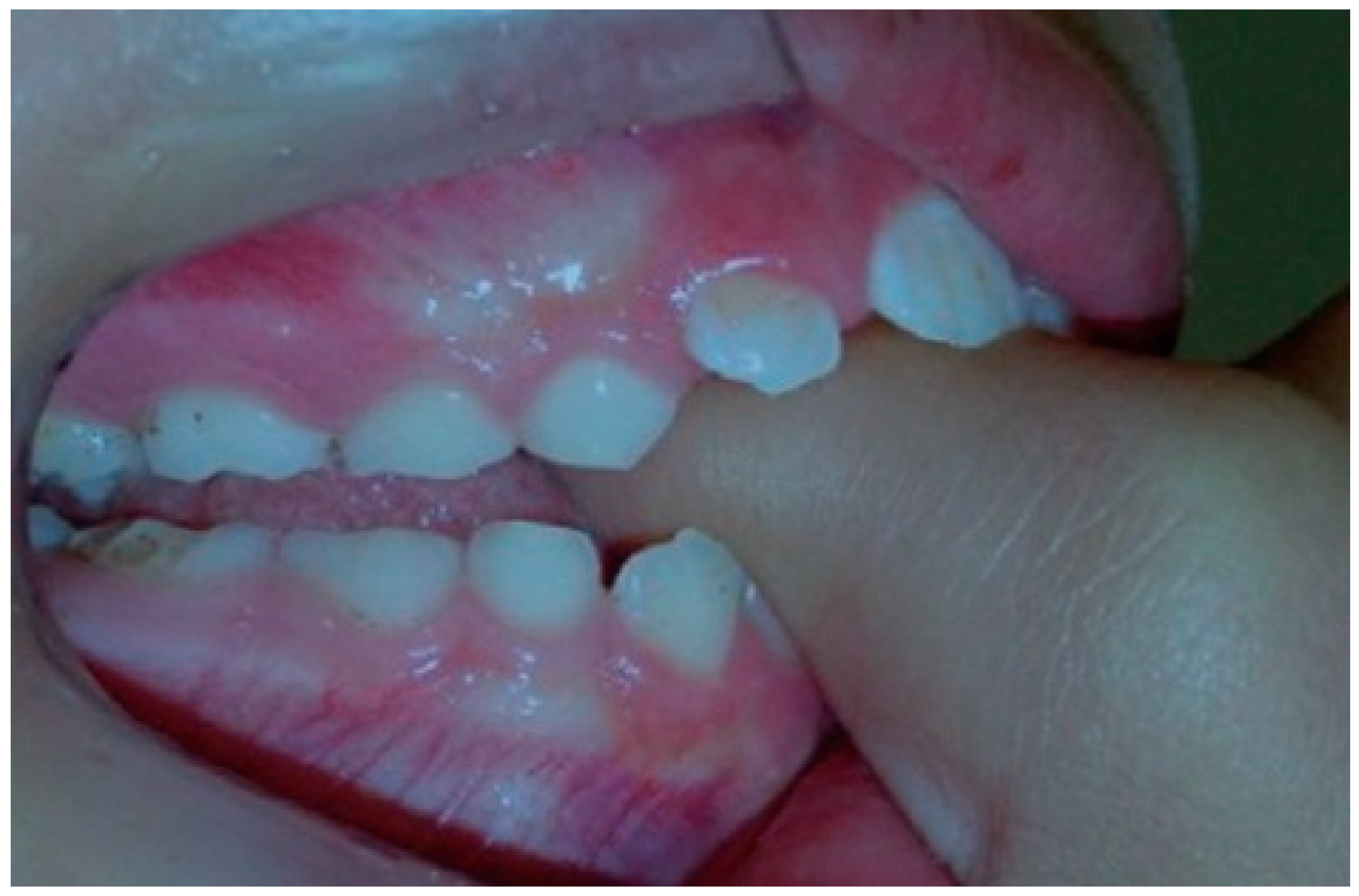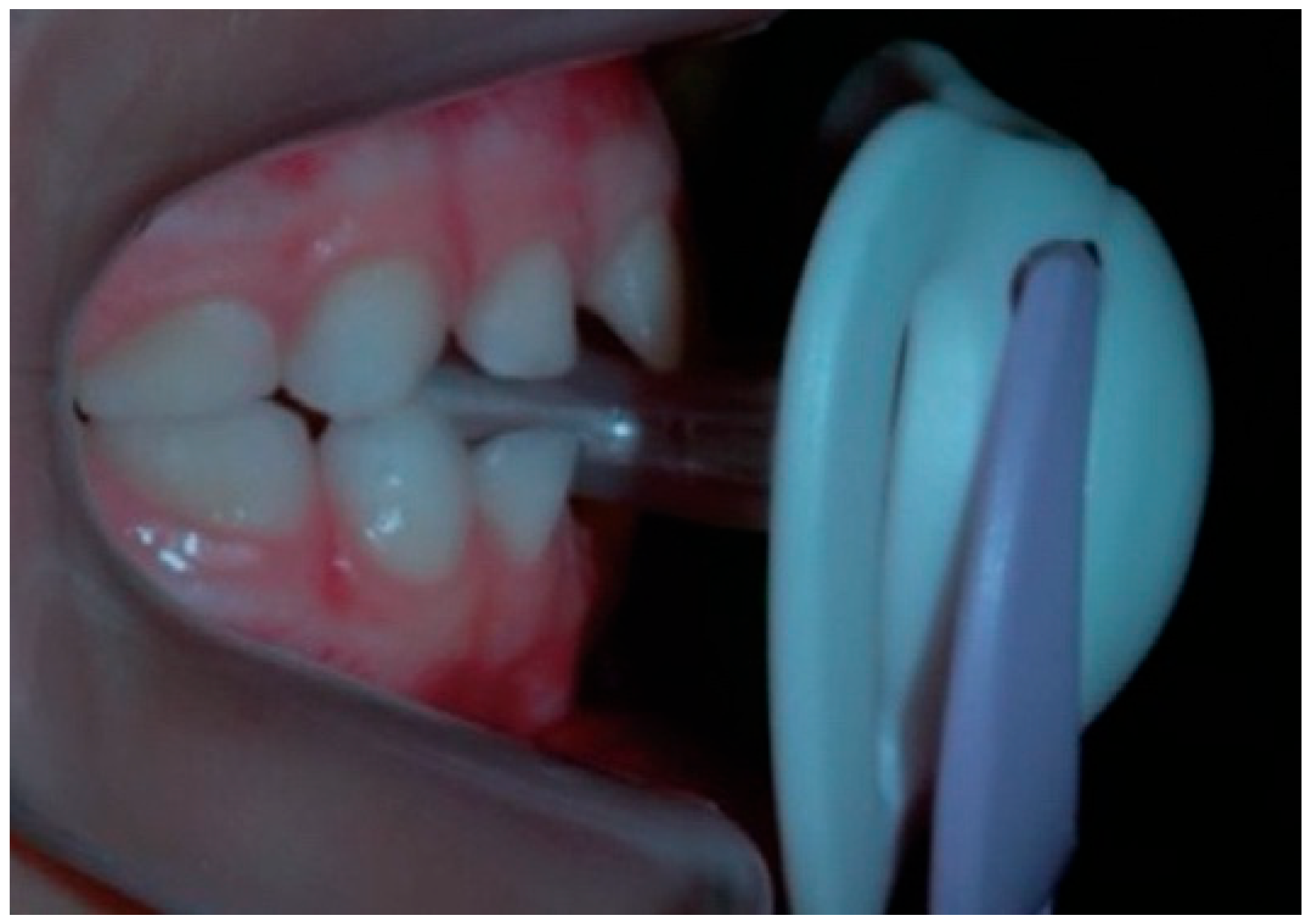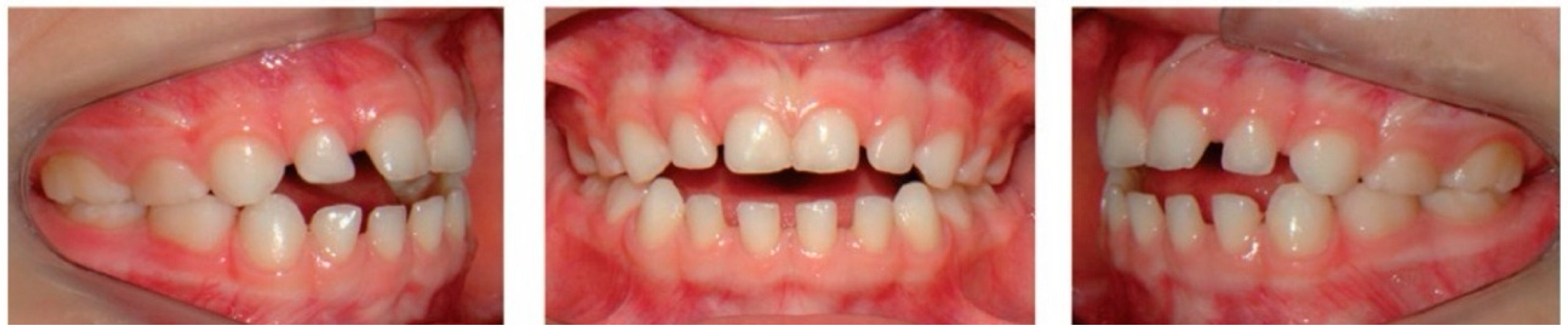


The Role of Digit- and Pacifier-Sucking Habits on Malocclusion Development in Children: Anterior Open Bite and Posterior Crossbite—A Systematic Review & Meta-Analysis


Abstract
1. Introduction
1.1. Hypothesis
1.2. Objectives
- I.
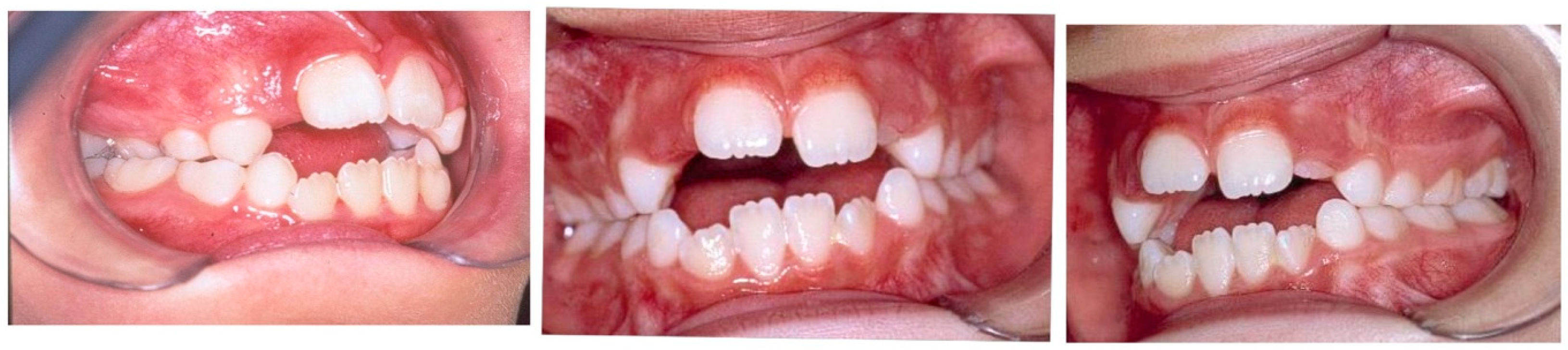
- To determine the prevalence of anterior open bite in children with digit-sucking habits vs. non-digit-sucking habits and pacifier-sucking habits vs. non-pacifier-sucking habits.
- II.
- To determine the prevalence of posterior crossbite in children with digit-sucking habits vs. non-digit-sucking habits and pacifier-sucking habits vs. non-pacifier-sucking habits.
- III.
- Through a meta-analysis, to analyze the overall association between digit- and pacifier-sucking habits in the development of anterior open bite and posterior crossbite, and the clinical implications
2. Materials and Methods
- P (Population): children and teenagers.
- I (Intervention): history of digit-sucking habits; history of pacifier-sucking habits.
- C (Comparison): patients without any non-nutritive sucking habits.
- O (Outcome): development and prevalence of malocclusions (anterior open bite and posterior crossbite).
2.1. Eligibility Criteria
- Type of study: Publications in the English language; published from January 2000 to December 2024; observational studies, including case–control studies, cohort studies, cross-sectional studies, and longitudinal studies; experimental studies, including randomized controlled trials (RCTs) and non-randomized studies.
- Type of patient/teeth: Children and teenagers (both genders); deciduous dentition, mixed dentition, or permanent dentition; history of pacifier-sucking habit or history of digit-sucking habit; normal number, size, and shape of all teeth in the dentition.
- Type of intervention: Observational exposure to pacifier-sucking habits or digit-sucking habits (e.g., frequency, duration, or history of habit presence); history of pacifier-sucking habit or digit-sucking habit/PSH or DSH present at the time of the study.
- Type of outcome variables: Studies reporting measurable malocclusion outcomes (prevalence of anterior open bite and posterior crossbite); studies providing quantitative data for statistical analysis (e.g., prevalence rates, relative risk, and p-values).
- Type of study: Case reports or case studies with insufficient sample sizes for generalization (less than 10); animal or in vitro studies; systematic reviews and meta-analyzes.
- Type of patient/teeth: Major tooth destruction (due to caries or trauma) or reconstruction; systemic diseases and/or neurological diseases affecting craniofacial growth (e.g., cleft palate); previous orthodontic treatment.
- Type of intervention: Nutritive sucking habits (e.g., breastfeeding and bottle-feeding) or interventions unrelated to non-nutritive sucking habits.
- Type of outcome variables: Studies lacking specific malocclusion-related outcomes (e.g., general oral health or unrelated dental conditions); studies with insufficient or non-quantitative data that cannot be included in a meta-analysis; studies without any data on the specific malocclusions of interest (studies without any data on posterior crossbite and anterior open bite).
2.2. Search Strategy and Study Selection
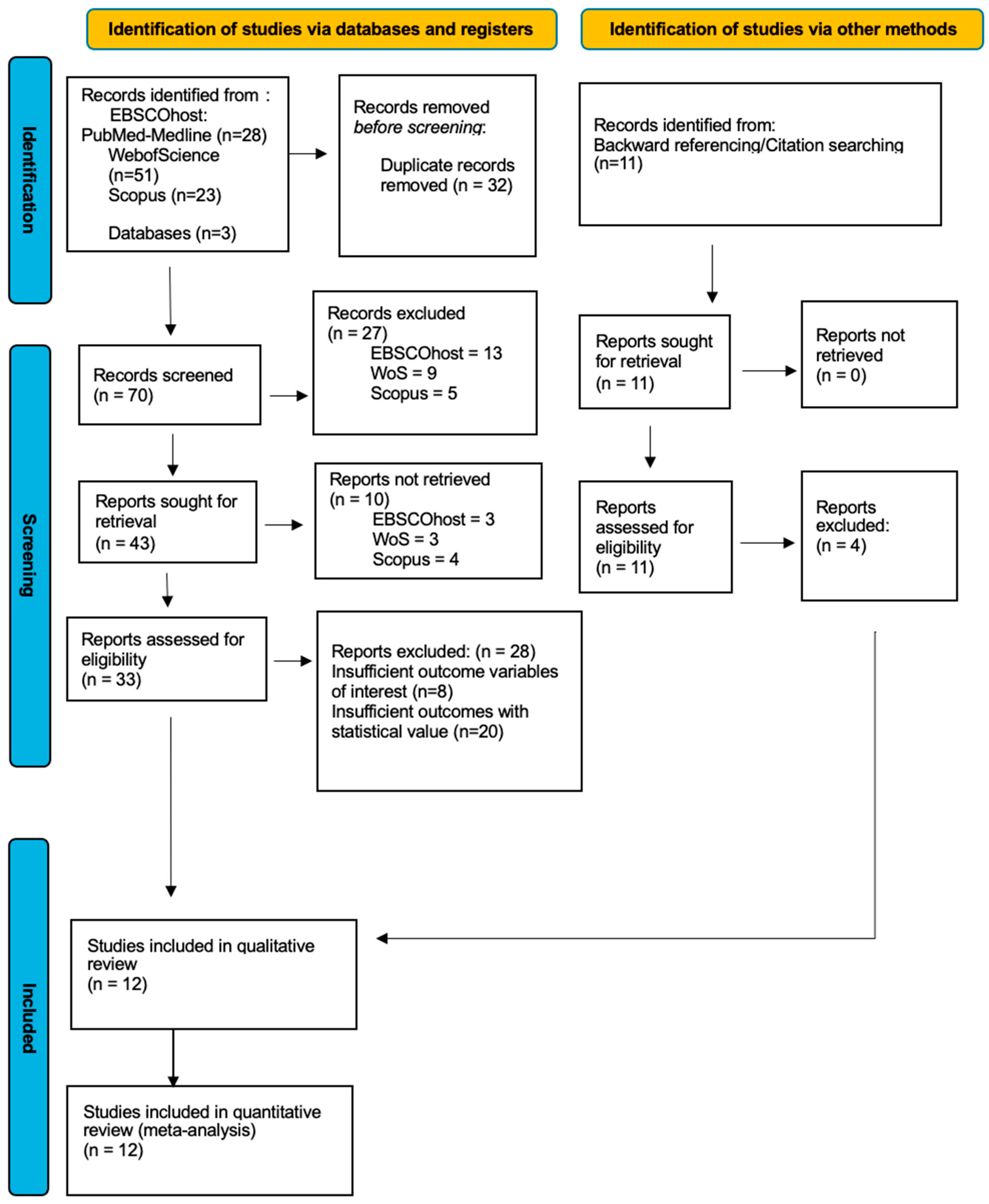
2.3. Selection Process of the Studies
2.4. Data Extraction
2.5. Data Synthesis
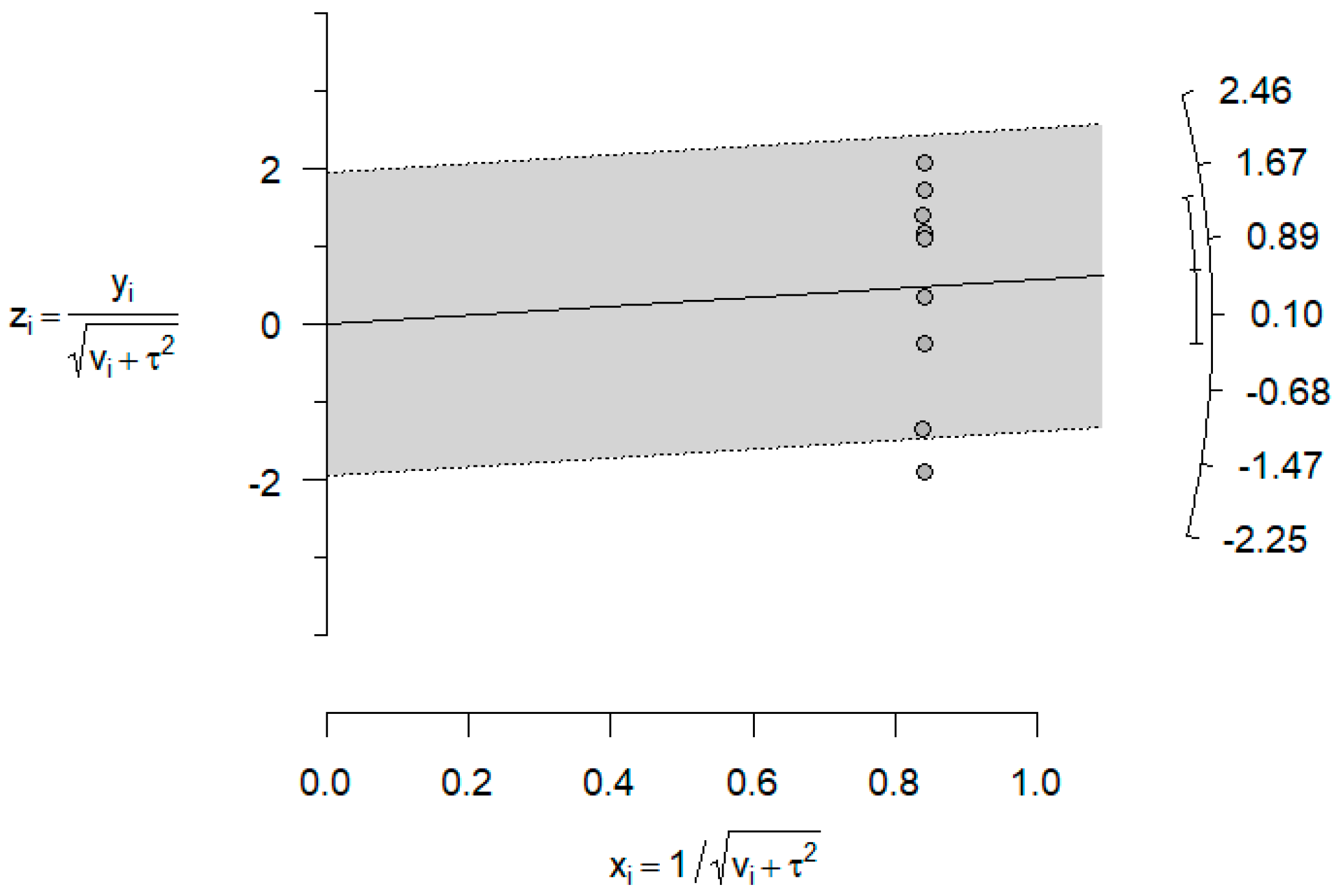
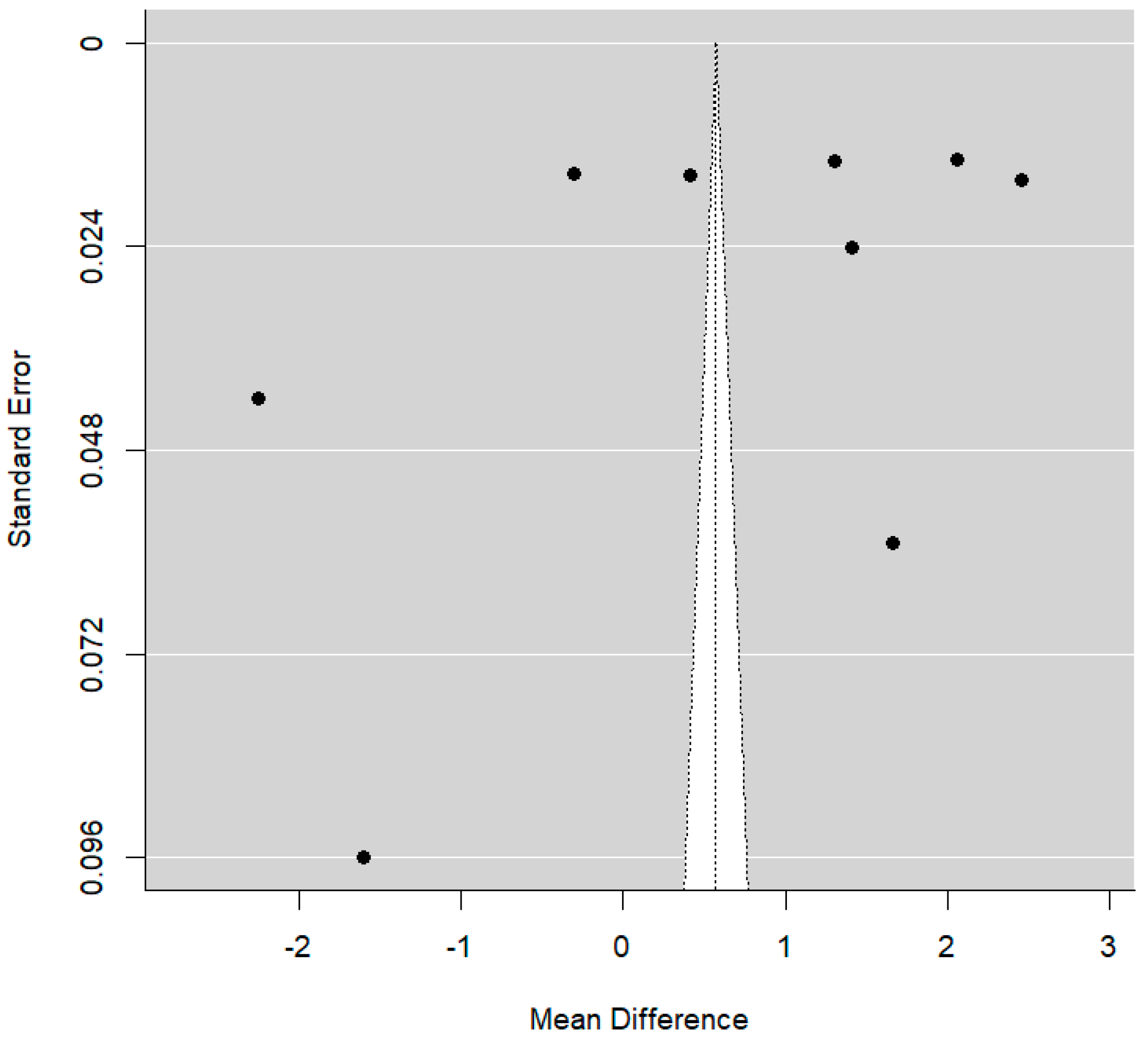
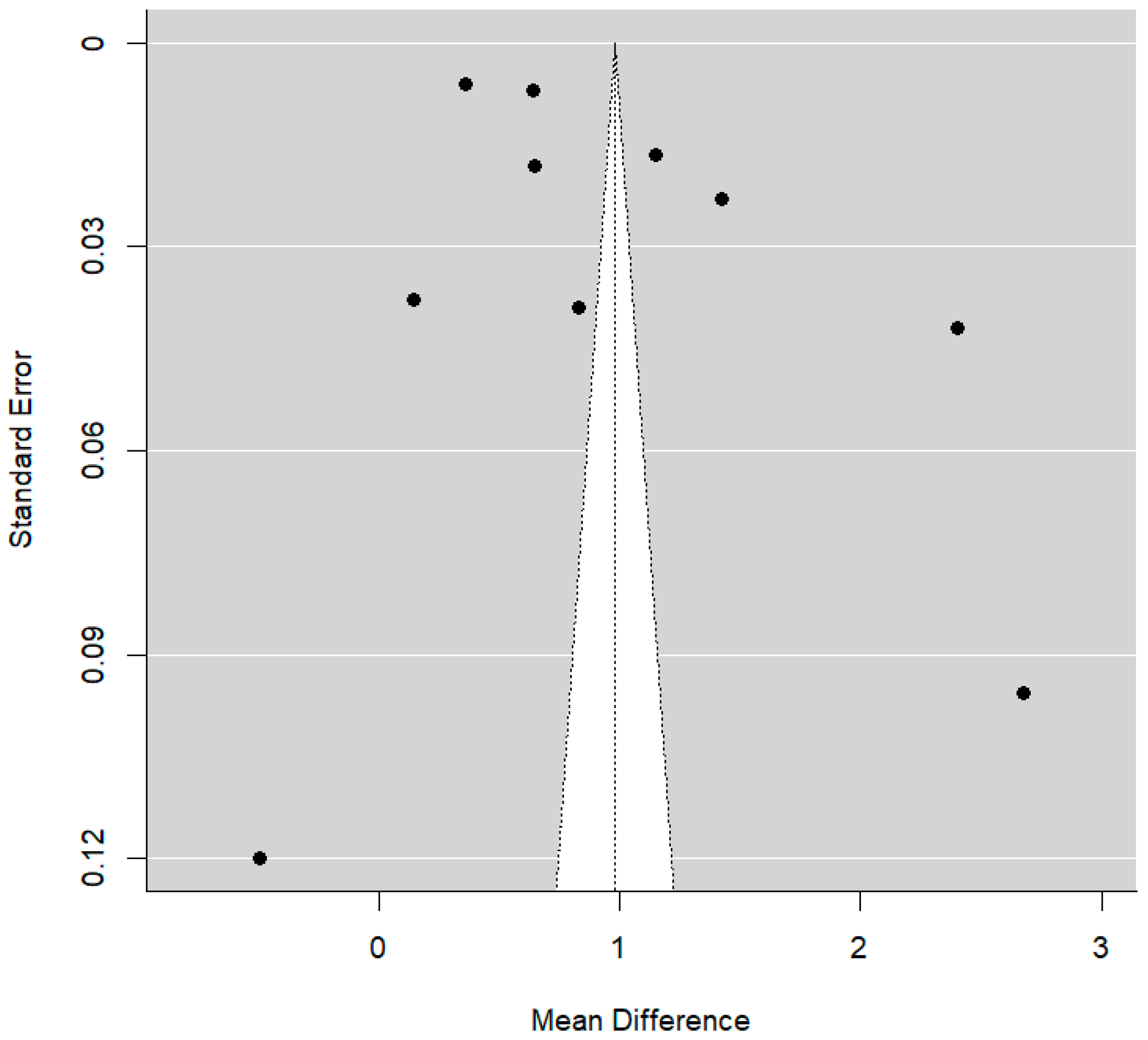
- A random-effects model will be used to estimate the overall effect measure (AOB rate) for each group (DSH/control). A restricted maximum likelihood estimator of heterogeneity will be used. Forest graphs will be plotted in order to visualize results with 95% confidence intervals. Regarding heterogeneity analysis, Cochran’s Q test was applied, and the I2 index of heterogeneity was also calculated, representing the proportion of between-study variability compared to total variability. Funnel graphs were also generated to explore potential publication bias, and Egger’s test was carried out to measure the impact of this type of bias (despite its low power in small samples). Wilson’s correction was used to estimate heterogeneity estimators under absolute individual rates (0% and 100%).
- Comparison between DSH and control group. As the effect measure, the odds ratio (OR) will be calculated (expressed as log OR because of symmetric and normality characteristics) from a meta-analysis with a random-effects model. Corresponding Z statistics, p-values, and 95% confidence intervals were obtained, and these results were represented using forest plots.
- 3.
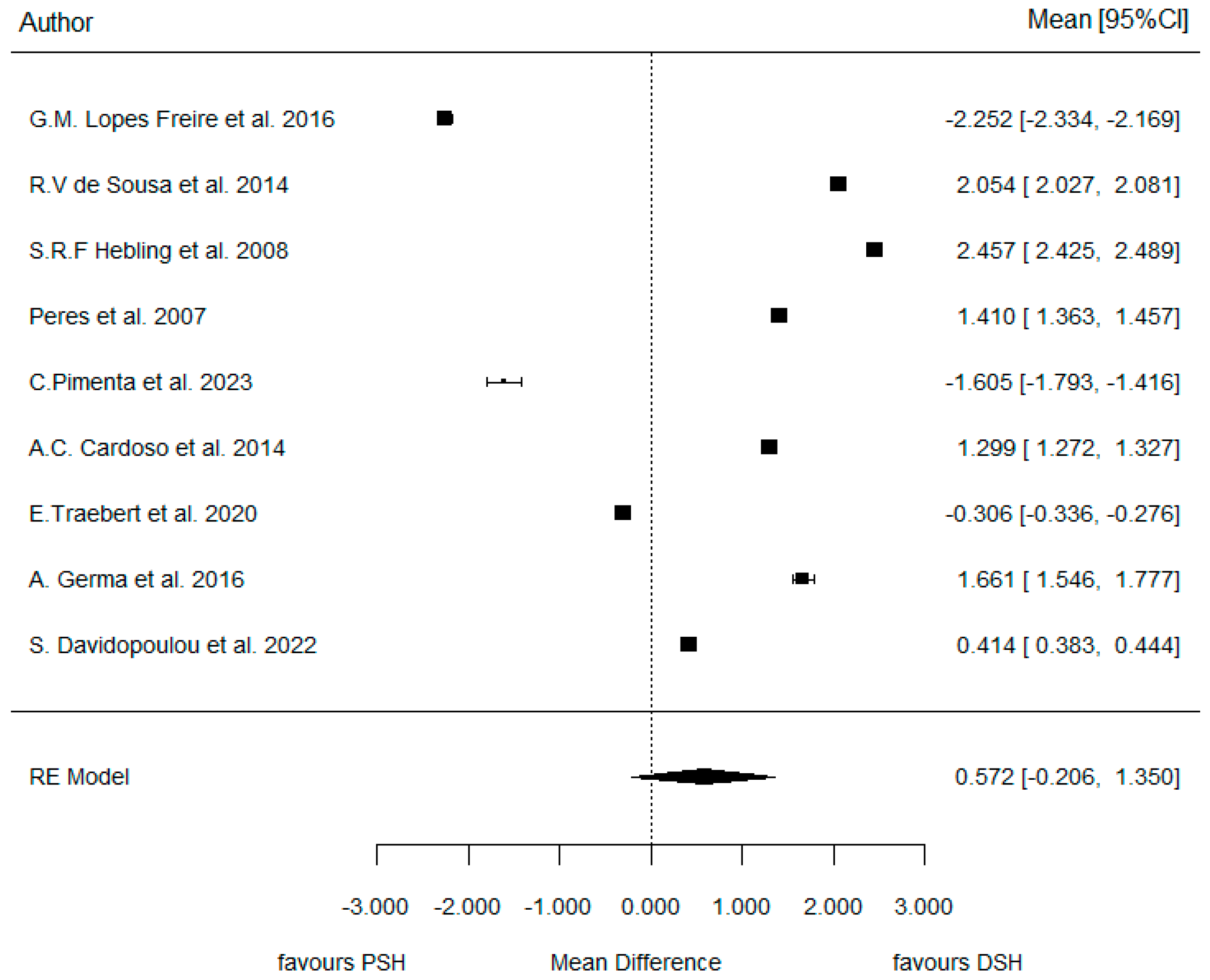
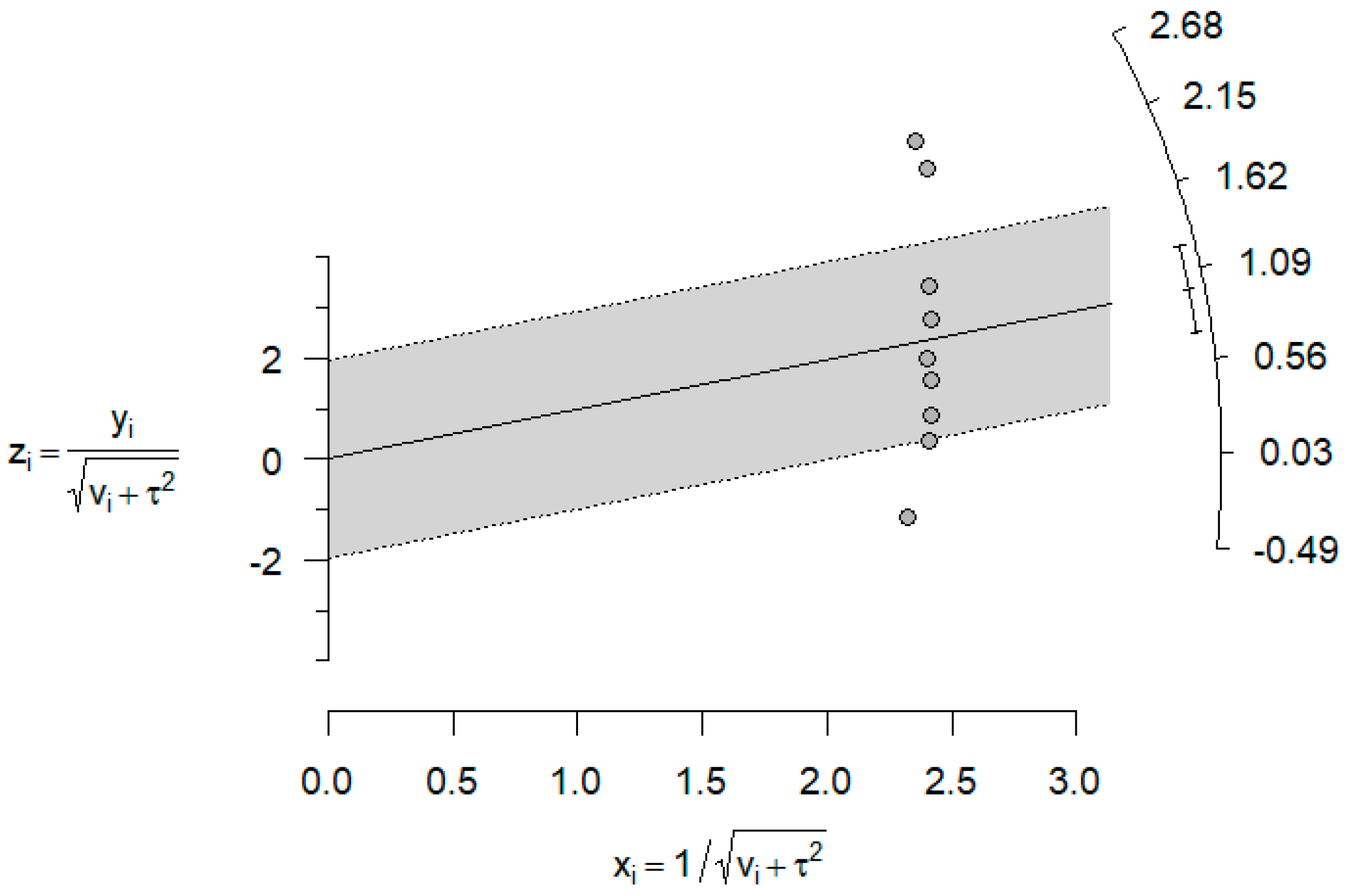
- In order to compare the effect of DSH vs. PSH on the risk of AOB, a model for the weighted mean difference (WMD) of previously calculated effect measures (log OR) will be conducted.
3. Results
3.1. Comparison of DSH vs. PSH Effects on AOB
3.2. Comparison of DSH vs. PSH Effects on PCB
4. Discussion
4.1. General Objective
4.2. Specific Objectives
4.3. AOB Prevalence: DSH vs. Non-DSH and PSH vs. Non-PSH
4.4. PCB Prevalence: DSH vs. Non-DSH and PSH vs. Non-PSH
4.5. Overall Associations: DSH vs. PSH
4.6. Limitations
5. Conclusions
- The information and results integrated from a variety of different studies provided sufficient evidence to conclude the following:
- -
- There is no significant difference in the prevalence of AOB between children with digit- or pacifier-sucking habits.
- -
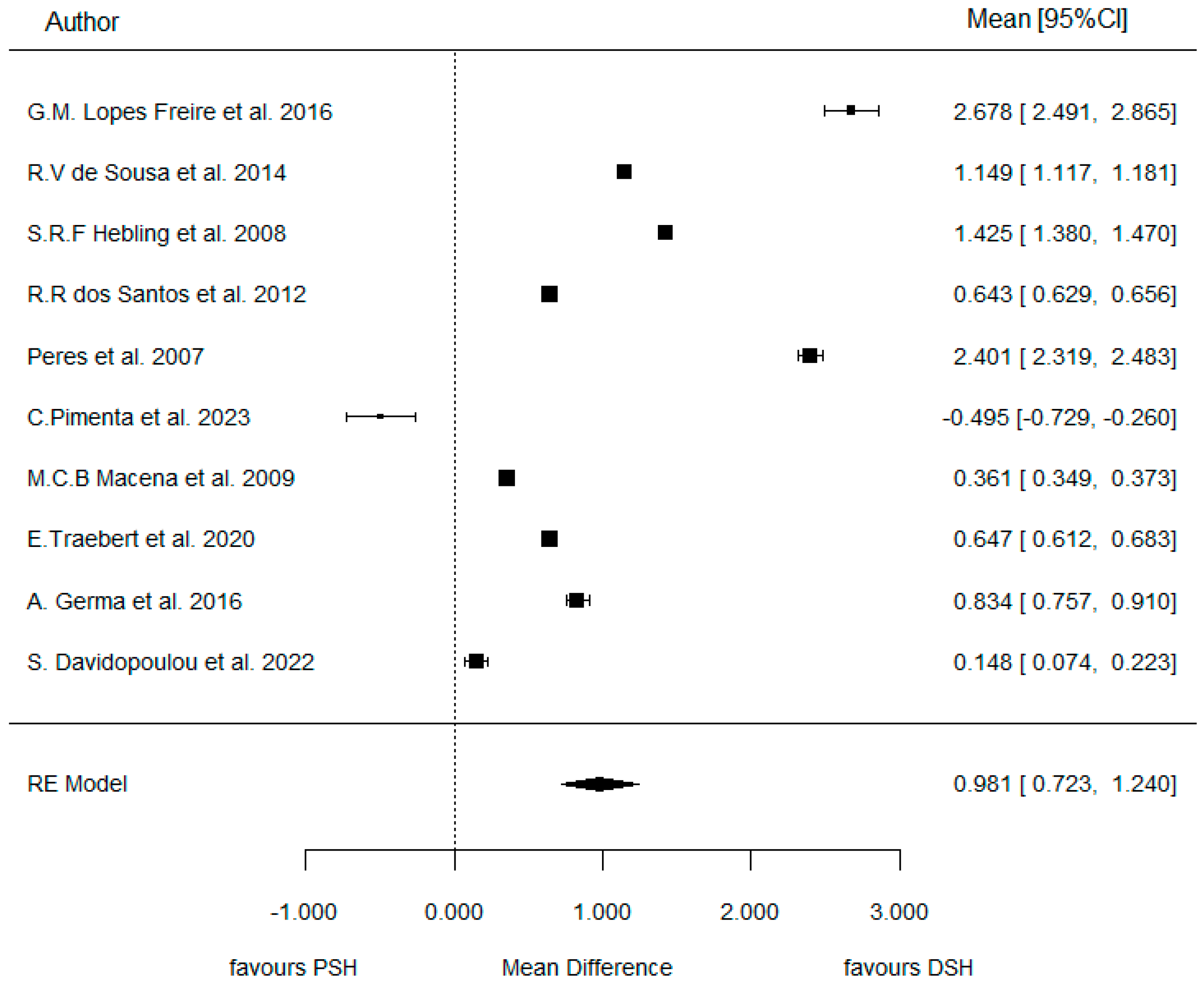
- There is a significant difference in the prevalence of PCB between children with digit- or pacifier-sucking habits, with the prevalence of PCB associated with PSH being significantly higher.
- The meta-analysis provided significant data to conclude the following:
- -
- The risk of AOB for DSH was significantly higher than for non-DSH (OR = 5; p < 0.001).
- -
- The risk of AOB for PSH was significantly higher than for non-PSH (OR = 7.4; p < 0.001).
- -
- The risk of PCB was not significantly higher for DSH compared with non-DSH (OR = 1.27; p = 0.055).
- -
- The risk of PCB was significantly higher for PSH compared with non-PSH (OR = 2.80; p < 0.001).
Supplementary Materials
Author Contributions
Funding
Institutional Review Board Statement
Informed Consent Statement
Data Availability Statement
Acknowledgments
Conflicts of Interest
References
- Ling, H.T.B.; Sum, F.H.K.M.H.; Zhang, L.; Yeung, C.P.W.; Li, K.Y.; Wong, H.M.; Yang, Y. The association between nutritive, non-nutritive sucking habits and primary dental occlusion. BMC Oral Health 2018, 18, 145. [Google Scholar] [CrossRef]
- Reiter, M.J.; Schwope, R.B.; Theler, J.M. Postoperative CT of the Mandible Following Trauma: Review of Normal Appearances and Common Complications. Acad. Radiol. 2019, 26, 686–698. [Google Scholar] [CrossRef] [PubMed]
- Peres, K.G.; Barros, A.J.; Peres, M.A.; Victora, C.G. Effects of breastfeeding and sucking habits on malocclusion in a birth cohort study Efeitos da amamentação e dos hábitos de sucção sobre as oclusopatias num estudo de coorte. Rev. Saúde. Pública 2007, 41, 343–350. [Google Scholar] [CrossRef]
- Baskaradoss, J.K.; Bhagavatula, P. Measurement and Distribution of Malocclusion, Trauma, and Congenital Anomalies. In Burt and Eklund’s Dentistry, Dental Practice, and the Community; Elsevier: Amsterdam, The Netherlands, 2021; pp. 208–217. [Google Scholar]
- Dutra, S.R.; Pretti, H.; Martins, M.T.; Bendo, C.B.; Vale, M.P. Impact of malocclusion on the quality of life of children aged 8 to 10 years. Dent. Press J. Orthod. 2018, 23, 46–53. [Google Scholar] [CrossRef] [PubMed]
- Infante, P.F. Malocclusion in the Deciduous Dentition in White, Black, and Apache Indian Children. Angle Orthod. 1975, 45, 213–218. [Google Scholar]
- Ballanti, F.; Franchi, L.; Cozza, P. Transverse Dentoskeletal Features of Anterior Open Bite in the Mixed Dentition. Angle Orthod. 2009, 79, 615–620. [Google Scholar] [CrossRef] [PubMed]
- Lone, I.M.; Zohud, O.; Midlej, K.; Paddenberg, E.; Krohn, S.; Kirschneck, C.; Proff, P.; Watted, N.; Iraqi, F.A. Anterior Open Bite Malocclusion: From Clinical Treatment Strategies towards the Dissection of the Genetic Bases of the Disease Using Human and Collaborative Cross Mice Cohorts. J. Pers. Med. 2023, 13, 1617. [Google Scholar] [CrossRef]
- Hsu, J.-Y.; Cheng, J.H.-C.; Feng, S.-W.; Lai, P.-C.; Yoshida, N.; Chiang, P.-C. Strategic treatment planning for anterior open bite: A comprehensive approach. J. Dent. Sci. 2024, 19, 1328–1337. [Google Scholar] [CrossRef]
- Klocke, A.; Nanda, R.S.; Kahl-Nieke, B. Anterior open bite in the deciduous dentition: Longitudinal follow-up and craniofacial growth considerations. Am. J. Orthod. Dentofac. Orthop. 2002, 122, 353–358. [Google Scholar] [CrossRef]
- da Silva Filho, O.G.; Santamaria, M., Jr.; Filho, L.C. Epidemiology of Posterior Crossbite in the Primary Dentition. J. Clin. Pediatr. Dent. 2007, 32, 73–78. [Google Scholar] [CrossRef]
- Kurol, J.R.; Berglund, L. Longitudinal study and cost-benefit analysis of the effect of early treatment of posterior cross-bites in the primary dentition. Eur. J. Orthod. 1992, 14, 173–179. [Google Scholar] [CrossRef] [PubMed]
- Melink, S.; Vagner, M.V.; Hocevar-Boltezar, I.; Ovsenik, M. Posterior crossbite in the deciduous dentition period, its relation with sucking habits, irregular orofacial functions, and otolaryngological findings. Am. J. Orthod. Dentofac. Orthop. 2010, 138, 32–40. [Google Scholar] [CrossRef] [PubMed]
- Dimberg, L.; Lennartsson, B.; Soderfeldt, B.; Bondemark, L. Malocclusions in children at 3 and 7 years of age: A longitudinal study. Eur. J. Orthod. 2013, 35, 131–137. [Google Scholar] [CrossRef] [PubMed]
- Duncan, K.; McNamara, C.; Ireland, A.J.; Sandy, J.R. Sucking habits in childhood and the effects on the primary dentition: Findings of the Avon Longitudinal Study of Pregnancy and Childhood. Int. J. Paediatr. Dent. 2008, 18, 178–188. [Google Scholar] [CrossRef]
- Otaren, N.J.; Umweni, A.A.; Otuyemi, O.D.; Ogbeide, E. Digit Sucking Habit, Prevalence and Effects on Occlusion in 7–12 Year Old School Children In Benin City, Nigeria. Niger. J. Dent. Sci. 2022, 5, 25–31. [Google Scholar]
- Farsi, N.M.; Salama, F.S. Sucking habits in Saudi children: Prevalence, contributing factors and effects on the primary dentition. Pediatr. Dent. 1997, 19, 28–33. [Google Scholar]
- Bishara, S.E.; Warren, J.J.; Broffitt, B.; Levy, S.M. Changes in the prevalence of nonnutritive sucking patterns in the first 8 years of life. Am. J. Orthod. Dentofac. Orthop. 2006, 130, 31–36. [Google Scholar] [CrossRef]
- Warren, J.J.; Bishara, S.E.; Steinbock, K.L.; Yonezu, T.; Nowak, A.J. Effects of oral habits’ duration on dental characteristics in the primary dentition. J. Am. Dent. Assoc. 2001, 132, 1685–1693. [Google Scholar] [CrossRef]
- DATAtab Team. DATAtab: Online Statistics Calculator. DATAtab e.U. Graz Austria Cohen’s Kappa. 2025. Available online: https://datatab.net/tutorial/cohens-kappa (accessed on 15 March 2025).
- Freire, G.M.L.; de Deza, J.E.E.S.; da Silva, I.C.R.; Oliveira, L.B.; Torrent, J.U.; Quesada, J.B. Non-nutritive sucking habits and their effects on the occlusion in the deciduous dentition in children. Eur. J. Paediatr. Dent. 2016, 17, 301–306. [Google Scholar]
- Pimenta, C.; Esperancinha, C.; Bernardo, M.; Mendes, S. Malocclusion in primary dentition: A cross-sectional study in a Lisbon population. Rev. Port. De Estomatol. Med. Dent. Cir. Maxilofac. 2023, 64, 28–34. [Google Scholar] [CrossRef]
- de Sousa, R.V.; Ribeiro, G.L.A.; Firmino, R.T.; Martins, C.C.; Granville-Garcia, A.F.; Paiva, S.M. Prevalence and associated factors for the development of anterior open bite and posterior crossbite in the primary dentition. Braz. Dent. J. 2014, 25, 336–342. [Google Scholar] [CrossRef]
- Germa, A.; Clément, C.; Weissenbach, M.; Heude, B.; Forhan, A.; Martin-Marchand, L.; Bonet, M.; Vital, S.; Kaminski, M.; Nabet, C. Early risk factors for posterior crossbite and anterior open bite in the primary dentition. Angle Orthod. 2016, 86, 832–838. [Google Scholar] [CrossRef]
- Hebling, S.R.F.; Cortellazzi, K.L.; da Silva Tagliaferro, E.P.; Hebling, E.; Bovi Ambrosano, G.M.; Castro Meneghim, M.D.; Pereira, A.C. Relationship Between Malocclusion and Behavioral, Demographic and Socioeconomic Variables: A Cross-Sectional Study of 5-Year-Olds. J. Clin. Pediatr. Dent. 2008, 33, 75–79. [Google Scholar] [CrossRef] [PubMed]
- Traebert, E.; Zanini, F.A.; Nunes, R.D.; Traebert, J. Nutritional and non-nutritional habits and occurrence of malocclusions in the mixed dentition. An. Acad. Bras. Cienc. 2020, 92, e20190833. [Google Scholar] [CrossRef]
- Carvalho Cardoso, A.; González de Bello, M.; Vellini-Ferreira, F.; Ferreira-Santos, R.I. Sucking habits and anterior open bite among Venezuelan and Brazilian children. Braz. J. Oral Sci. 2014, 13, 219–224. [Google Scholar]
- Davidopoulou, S.; Arapostathis, K.; Berdouses, E.D.; Kavvadia, K.; Oulis, C. Occlusal features of 5-year-old Greek children: A cross-sectional national study. BMC Oral Health 2022, 22, 281. [Google Scholar] [CrossRef]
- Santosa, R.R.D.; Naymea, J.G.R.; Garbinb, A.J.I.; Saliba, N.; Garbin, C.A.; Moimaz, S.A. Prevalence of Malocclusion and Related Oral Habits in 5- to 6-year-old Children. Oral. Health Prev. Dent. 2012, 10, 311–318. [Google Scholar]
- MacEna, M.C.B.; Katz, C.R.T.; Rosenblatt, A. Prevalence of a posterior crossbite and sucking habits in Brazilian children aged 18–59 months. Eur. J. Orthod. 2009, 31, 357–361. [Google Scholar] [CrossRef] [PubMed]
- Tanny, L.; Huang, B.; Shaweesh, A.; Currie, G. Characterisation of anterior open bite in primary school-aged children: A preliminary study with artificial neural network analysis. Int. J. Paediatr. Dent. 2021, 31, 576–582. [Google Scholar] [CrossRef]




| AOB Study | PCB | |
|---|---|---|
| DSH | 557 | 943 |
| Non-DSH | 4453 | 6193 |
| PSH | 1805 | 3081 |
| Non-PSH | 3206 | 4894 |
| Author | PSH | DSH | ||||
|---|---|---|---|---|---|---|
| nTX | mTX | sTX | nCT | mCT | sCT | |
| G.M. Lopes Freire et al. 2016 | 272 | −0.141 | 0.327 | 272 | 2.11 | 0.61 |
| R.V de Sousa et al. 2014 | 732 | 2.441 | 0.255 | 732 | 0.387 | 0.274 |
| S.R.F Hebling et al. 2008 | 659 | 3.492 | 0.234 | 513 | 1.035 | 0.305 |
| Peres et al. 2007 | 359 | 2.154 | 0.26 | 359 | 0.744 | 0.377 |
| C. Pimenta et al. 2023 | 87 | 0.085 | 0.554 | 87 | 1.69 | 0.706 |
| A.C. Cardoso et al. 2014 | 839 | 3.538 | 0.229 | 778 | 2.239 | 0.323 |
| E. Traebert et al. 2020 | 654 | 0.648 | 0.232 | 652 | 0.954 | 0.318 |
| A. Germa et al. 2016 | 224 | 4.039 | 0.615 | 216 | 2.378 | 0.624 |
| S. Davidopoulou et al. 2022 | 1185 | 1.725 | 0.421 | 1198 | 1.311 | 0.336 |
| WMD | SE | 95% CI | z (p-Value) | I2 | QH (p-Value) | Egger (p-Value) |
|---|---|---|---|---|---|---|
| 0.57 | 0.40 | −0.21 1.35 | 0.150 | 99.9% | <0.001 *** | 0.033 * |
| Author | PSH | DSH | ||||
|---|---|---|---|---|---|---|
| nTX | mTX | sTX | nCT | mCT | sCT | |
| G.M. Lopes Freire et al. 2016 | 274 | 1.192 | 0.6231 | 274 | −1.486 | 1.4500 |
| R.V de Sousa et al. 2014 | 730 | 1.292 | 0.2600 | 732 | 0.143 | 0.3606 |
| S.R.F Hebling et al. 2008 | 661 | 0.852 | 0.2098 | 514 | −0.573 | 0.4880 |
| R.R dos Santos et al. 2012 | 1298 | 1.07 | 0.1634 | 1304 | 0.427 | 0.1887 |
| Peres et al. 2007 | 359 | 2.187 | 0.6120 | 359 | −0.214 | 0.5071 |
| C.Pimenta et al. 2023 | 87 | 0.45 | 0.8158 | 87 | 0.945 | 0.7631 |
| M.C.B Macena et al. 2009 | 2503 | 0.381 | 0.1311 | 1800 | 0.020 | 0.2360 |
| E.Traebert et al. 2020 | 654 | 0.965 | 0.2585 | 652 | 0.318 | 0.3843 |
| A. Germa et al. 2016 | 224 | 1.751 | 0.3962 | 216 | 0.917 | 0.4199 |
| S. Davidopoulou et al. 2022 | 1185 | 0.752 | 1.0499 | 1198 | 0.603 | 0.7710 |
| WMD | SE | 95% CI | z (p-Value) | I2 | QH (p-Value) | Egger (p-Value) |
|---|---|---|---|---|---|---|
| 0.98 | 0.13 | 0.72 1.24 | <0.001 *** | 99.9% | <0.001 *** | 0.716 |
Disclaimer/Publisher’s Note: The statements, opinions and data contained in all publications are solely those of the individual author(s) and contributor(s) and not of MDPI and/or the editor(s). MDPI and/or the editor(s) disclaim responsibility for any injury to people or property resulting from any ideas, methods, instructions or products referred to in the content. |
© 2026 by the authors. Licensee MDPI, Basel, Switzerland. This article is an open access article distributed under the terms and conditions of the Creative Commons Attribution (CC BY) license.
Share and Cite
Faryad, A.; Muwaquet Rodriguez, S.; Hijazi Alsadi, T. The Role of Digit- and Pacifier-Sucking Habits on Malocclusion Development in Children: Anterior Open Bite and Posterior Crossbite—A Systematic Review & Meta-Analysis. Dent. J. 2026, 14, 55. https://doi.org/10.3390/dj14010055
Faryad A, Muwaquet Rodriguez S, Hijazi Alsadi T. The Role of Digit- and Pacifier-Sucking Habits on Malocclusion Development in Children: Anterior Open Bite and Posterior Crossbite—A Systematic Review & Meta-Analysis. Dentistry Journal. 2026; 14(1):55. https://doi.org/10.3390/dj14010055
Chicago/Turabian StyleFaryad, Arvin, Susana Muwaquet Rodriguez, and Tawfiq Hijazi Alsadi. 2026. "The Role of Digit- and Pacifier-Sucking Habits on Malocclusion Development in Children: Anterior Open Bite and Posterior Crossbite—A Systematic Review & Meta-Analysis" Dentistry Journal 14, no. 1: 55. https://doi.org/10.3390/dj14010055
APA StyleFaryad, A., Muwaquet Rodriguez, S., & Hijazi Alsadi, T. (2026). The Role of Digit- and Pacifier-Sucking Habits on Malocclusion Development in Children: Anterior Open Bite and Posterior Crossbite—A Systematic Review & Meta-Analysis. Dentistry Journal, 14(1), 55. https://doi.org/10.3390/dj14010055