1. Introduction
The purpose of this paper was to develop an analysis of the differences produced by federal/unitary constitutions in relation to the provision of “infrastructural powers” in 19 Latin American countries. The region has 4 cases of Federations (Argentina, Brazil, Mexico, and Venezuela) and 15 unitary states: Bolivia, Chile, Colombia, Costa Rica, El Salvador, Ecuador, Guatemala, Haiti, Honduras, Nicaragua, Panama, Paraguay, Peru, Dominican Republic, and Uruguay [
1].
This paper seeks to develop a comparative analysis of governments in Latin America, examining the administrative structure of multilevel governance (federal/central, state/provincial and local/municipal government), and levels of political autonomy in subnational governments. For this purpose will be used the Regional Authority Index (RAI) by Hooghe et al. [
2], built to measure institutional prerogatives of subnational governments and structured in two dimensions: Self-rule (institutional authority, policy scope, fiscal autonomy, borrowing autonomy, representation); and Shared-rule (Law making, Executive control, fiscal control, borrowing control, Constitutional reform). In parallel, indicators of administrative decentralization—and fiscal decentralization—will be considered. Infrastructural power corresponds to “the capacity of the state to actually penetrate civil society, and to implement logistically political decisions throughout the realm” [
3] (p. 113). To penetrate and promote centralized coordination in the provision of public services, “infrastructural” state institutions have (a) specialized administrative structures, (b) subnational civil service trained to implement policies, measured through the proportion of civil service in local/municipal governments, (c) availability of information through census and public records (d) communication and transportation resources, € proportion of revenues in local governments, (f) indicators of violence and public security, as proxies of the state’s capacity to reach the territory.
To achieve this objective, the work is structured as follows: the theoretical section was organized into two parts. The first reconstructs the debate in the literature on federalism, decentralization, and multilevel governance, starting from the analytical efforts to refine the categories used to classify types of vertical intergovernmental relations. The second part of the theoretical section takes as its starting point the concept of “infrastructural power” [
3] and its recent developments, considering the capacity for territorial penetration through local political authority, civil servants, revenue, infrastructure, services, and public policies [
4,
5]. The second section analyses “Comparative Analysis of Governments in Latin”, and, finally, “Discussion” systematizes the findings, comparing them with the propositions in the literature. Similarly, this section also presented indications for future research agendas.
The main findings indicate that constitutional prerogatives of regional autonomy do not automatically guarantee greater territorial penetration. Cases such as Brazil and Chile demonstrate that, regardless of whether they are federations or unitary states, the development of robust infrastructural powers is more strongly linked to path-dependent historical extractive capacity (since the beginning of the 20th century) and the early professionalization of the bureaucracy than to contemporary institutional arrangements.
1.1. The Many Institutional Designs of Multilevel Governments
Multilevel governance (MLG) has established itself as one of the central paradigms in contemporary political science to explain the dispersion of governmental authority across different scales. The seminal works of Marks [
6] and the subsequent collaboration with Hooghe [
7,
8] are unavoidable milestones, introducing the distinction between “Type I Governance,” which focuses on generalist and non-overlapping jurisdictions [such as states and local governments], and “Type II Governance,” which deals with functional, flexible arrangements geared towards specific tasks. These authors argue that decision-making is no longer a monopoly of the nation-state, but rather a shared process between subnational, national, and supranational levels, especially in the context of the European Union.
The theoretical expansion of the concept has benefited from fundamental contributions from authors such as Bache and Flinders [
9], who organized the literature around the transition from traditional government to governance, emphasizing how partnerships between public and private actors alter the coordination of public policies. Within the scope of institutional analysis and comparative federalism, Benz and Papadopoulos [
10] offered critical reflections on the “democratic deficit” and the complexity of accountability in systems where competencies are fragmented. These works explore the challenges of coordination and the tensions between administrative efficiency and political legitimacy in federative arrangements and international networks.
More recently, the literature has advanced to global scales and sectoral challenges, notably the work of Betsill and Bulkeley [
11], who applied multilevel governance to climate policy, demonstrating how cities and transnational networks of local governments exercise political agency independently of states. Another essential reference is Ongaro [
12], who integrates MLG into public administration, discussing how the European context shapes policy implementation through multiple levels of bureaucracy. Taken together, these references form the basis for understanding how authority has been rescaled, requiring new forms of vertical and horizontal coordination to deal with complex public problems.
Recent literature between 2020–2024 highlights themes such as “Digital Governance” and “Climate Governance”:
Cairney [
13] discusses MLG in the context of decentralized decision-making and the complexity of contemporary public policies; Hoogue et al. [
14] provided an update adapted to the challenges of the new decade; Caponio and Ponzo [
15] seek to understand how MLG is applied in practice in recent humanitarian and migratory crises; Sager et al. [
16] discuss the implementation of policies in multilevel governance systems, focusing on efficiency and coordination; Dougherty and Nebreda [
17] analyze the coordination between levels of government for the fulfillment of sustainable development goals and green transition; OECD Report [
18] addresses multilevel governance from the perspective of digital transformation and innovation in the public sector; United Nations [
19] is a landmark document that establishes the basis for global multilevel governance of artificial intelligence and digital technologies by 2030.
1.2. Federalism, Decentralization, and Subnational Governments
The challenge of modern nation-states has been to penetrate their territory, distributing laws, civil servants, taxes, and public services. This ended up producing a spatial division of the exercise of authority, between central government and subnational governments.
A first layer in the territorial institutional design can be found in the differences between federal and unitary states. For Riker [
20,
21], federations are the result of bargaining between expansionist central governments that intend to expand their resources and prerogatives for the centralized exercise of authority, and regional politicians who seek to maximize their autonomy. Factors such as the search for territorial consolidation in the face of limited resources or the need for mutual defense and security against external threats would lead territorial powers to a shared government pact with varying degrees of autonomy for subnational units. Political parties would be key organizations to explain varying degrees of centralization in federations. Strong and centralized national parties would tend to promote a more centralized federalism, while more regionalized or decentralized parties would lead to a looser federal system.
In contrast, for Elazar [
22], federalism constitutes a type of “covenant” based on mutual consent, cooperation, and partnership for common purposes, while preserving the integrity and autonomy of the constituent units. A necessary element in federalism would be “non-centralization”, distinct from “decentralization”, which is constituted by a central government that delegates authority.
From the Rikerian notion, one should retain the perspective that resulting from disputes and bargains between central and regional powers, vertical government arrangements imply (a) diachronic variations and (b) distinct degrees of centralization/decentralization, considering prerogatives of regional autonomy and sharing of national decisions, as well as fiscal and administrative resources and means.
Following this path, Lijphart [
23] suggests a primordial distinction between unitary and federal states, combined with a subclass formed by the types “centralization” and “decentralization”. His analysis concludes by emphasizing the association between federalism/decentralization and unitarism/centralization. The complexity of this relationship, however, can be observed in the fact that while 21 of the cases under observation fit this taxonomy, no less than 17 show deviant behavior, including centralized federal states, semi-federal, and decentralized unitary states.
Moving towards a more nuanced treatment of this relationship as a continuum, Stepan [
24] suggested variations between federations—demos-enabling, those whose institutional arrangement enhances the expression of majority preferences of the national electorate, and demos-constraining, characterized by the attribution of veto points to subnational governments, which would restrict the powers of central governments in policy-making.
Recently, Palermo [
25] explored how federalism adapts to the challenges of pluralism in contemporary societies, where decisions are made by a diversity of actors beyond traditional political institutions. Palermo argues that the phenomenon of legal pluralism intensifies the complexity of decision-making, as multiple governmental levels and sectors, as well as interest groups, influence the elaboration of norms. The author proposes that traditional federalism, focused on the formal division of competencies, must evolve towards a more procedure-oriented model, incorporating participatory and multilateral governance practices. Thus, federalism is not just a governmental structure, but also a matrix for regulating and accommodating societal diversity. Palermo suggests that studies on federalism need to advance methodologically, focusing more on decision-making procedures and specific policy areas, such as environment and security. The author also highlights the growing role of constitutional courts in mediating disputes over competencies and democratic participation.
Valentina, Putera, and Salsabila [
26] shows that complex service problems require coordination structures between different actors, reinforcing the importance of dispersed authority for effective implementation. The authors analyze how collaborative governance and multilevel governance are essential to overcoming the global waste crisis, arguing that the traditional, centralized model is insufficient to address the complexity of the problem. Through a systematic literature review, the authors maintain that the solution lies in creating cooperative networks that vertically integrate different governmental spheres and horizontally integrate the private sector, Non-Governmental Organizations (NGOs), and civil society. The central argument emphasizes that the success of waste management depends on overcoming institutional fragmentation, transforming the role of the State from an isolated executor into a facilitator of participatory and interdependent processes.
Shifting the focus to Latin America, Falleti [
27] compares decentralization processes in Argentina, Brazil, Colombia, and Mexico, seeking to deconstruct the notion that decentralization necessarily corresponds to more power for subnational governments and actors. The context in question refers to the moment of exhaustion of developmental policies and the fiscal and administrative transfer to regional or local spheres. The core of Falleti’s explanation lies in the sequence of decentralization processes: national elites prefer to trigger reforms through the administrative dimension, followed by the fiscal and political spheres; while subnational authorities have their preference scale as political > fiscal > administrative. In addition, when the process is controlled by a central government, it tends to prefer strengthening local/municipal governments over state/regional ones. Thus, for Falleti, Brazil and Colombia experienced a broader decentralization process, while Argentina and Mexico showed more moderate results in this direction.
In contrast, Arretche [
28,
29] confronts the idea that Brazilian federalism weakens the central government and favors overrepresented minorities in the National Congress. The author argues that, contrary to this view, the Brazilian institutional arrangement, marked by disproportionality in state representation, broad legislative authority of the Union, and the partisan behavior of senators, strengthens the central government and facilitates the approval of reforms. Arretche highlights that, although the Senate is a veto arena, there is not enough cohesion among state caucuses to systematically block initiatives of the federal Executive. Brazilian federalism grants broad legislative powers to the Union, which can legislate on most policies executed by states and municipalities. Furthermore, the Brazilian party system shows high discipline, which further reduces the possibility of regionalized veto. Arretche also criticizes the idea that Brazil would be an extreme case of “demos-constraining”—Alfred Stepan’s concept that characterizes federative systems where minorities manage to obstruct the will of the majority. Arretche empirically demonstrates that, in Brazil, there are no multiple veto arenas nor supermajority requirements for the approval of federative reforms, which facilitates the action of the central government. Her main conclusion is that Brazilian federalism not only does not weaken the Union but, in practice, brings the country closer to institutional models that favor central authority, challenging the most widespread theoretical predictions on the topic.
On the other hand, for Abrucio and Costa [
30], although decentralization has strengthened subnational entities, it has been accompanied by regional inequalities, coordination difficulties, and fragmentation of public policies. In this context, many states and municipalities did not have sufficient institutional capacity to exercise the new competencies assigned. Similarly, the Union maintained and, in some aspects, even reinforced its presence, especially in fiscal and financial control, acting as an articulator and regulator of the federative system, in addition to defining national policies. The sharing of responsibilities, in which the federal government plans and finances policies and municipal governments implement them, produced forms of intergovernmental cooperation, with coordination instruments between different levels of government, such as the Unified Health System and the Unified Social Assistance System.
Ascensio [
31] addresses the evolution of Argentine fiscal federalism in the last two decades, highlighting important transformations in the legal and constitutional system. Since the 1990s, legal and constitutional changes have occurred, especially after the 1994 constitutional reform, which altered the financing dynamics between federal, provincial, and municipal governments. The author emphasizes the concept of “multilevel fiscality,” explaining how Argentina experienced a strengthening of central power, both in collection and in the control of fiscal resources. The tax co-participation system underwent changes with deduction mechanisms and the creation of new national taxes that restricted the financial autonomy of the provinces. The provinces, in turn, sought to strengthen their own revenues, mainly through increasing taxes on properties and on local economic activities, although this has been limited by political and economic factors. The comparison with other Latin American countries shows that Argentina and Brazil have more decentralized systems regarding public spending, but there is still strong centralization in tax collection. Ascensio also highlights the importance of decentralization through national expenses, with the national budget being used as an instrument to promote or restrict subnational competencies.
What can be highlighted up to this point is the difficulty of dichotomous categories of federalism/unitarism to account for the existing variations in degrees and types of decentralization, prerogatives of autonomy of subnational governments, and sharing of national power and decisions [
32]. As Hooghe et al. [
2] mention:
“The concept of federalism does a better job at capturing regional authority, but it is insensitive to reform short of constitutional change and does not pick up cross sectional variation among federal or among unitary countries.”
From this perspective, we share this discomfort with dichotomous classifications and follow the author’s and collaborators’ suggestion that
“centralization and decentralization are poles of a continuous variable describing the extent to which authority is handled by the central government versus any government below. […] This can be a useful simplification in cross-national comparison, but it severely restricts the study of governance within the state.”
Thus, measuring the degrees of authority enjoyed by subnational governments requires precisely capturing the full range of existing variations regarding the power and prerogatives granted to regional/state and/or local/municipal governments.
In this direction, to measure the concentration/dispersion of power in multilevel governments, we use Hooghe et al.’s [
2] Regional Authority Index [RAI], constituted from formal powers, defined in legal rules, and composed of two dimensions:
Self-rule: Independence of subnational governments in relation to the central government; scope of authority of subnational governments to decide policies in their territorial jurisdiction; fiscal autonomy; autonomy to seek bank credit; existence of elected representative institutions.
Shared-rule: Subnational governments co-determine and share decisions with the central government; sharing of decisions or veto power over fiscal territorial allocation; veto power over loans taken by the central government; power to initiate or restrict constitutional reforms.
Infrastructural powers.
In recent decades, a vast literature has presented evidence of the provision of “state capacities” as means, resources, and instruments necessary for the implementation of public policies, such as by Cingolani [
33], Cingolani et al. [
34]; Centeno, Kohli and Yashar [
35]; Dahstrom et al. [
36]; Cingolani [
37]. However, the concept has been used polysemically, corresponding to administrative (Evans and Rauch [
38]; Centeno [
39]; Centeno, Kohli and Yashar [
35]), informational (D’Arcy and Nistotskaya [
40]), fiscal (Besley and Persson, [
41,
42]), legal (Fukuyama [
43]), political, and relational (Olsen, Weaver and Rockman [
44]) dimensions.
The meaning employed here resumes the characterization given by Mann [
3] (p. 113) as “infrastructural power”: ‘the capacity of the state to actually penetrate civil society, and to implement logistically political decisions throughout the realm’. To penetrate and promote centralized coordination in the provision of public services, “infrastructural” state institutions need to have specialized administrative structures, laws, codification of currency systems, writing, weights and measures, communication and transport resources, promote mass schooling, and capillarity the provision of public services.
In this direction, Acemoglu, Garcia-Jimeno and Robinson [
45] showed how differences in local state capacities in Colombia can be explained by the presence of the State in the territory through civil servants and agencies and by the road network, as a proxy for the infrastructural logistics that allows state penetration through laws, taxes, and public services. This dimension is relevant, as the provision of public services can be intense, but territorially circumscribed (Soifer [
46]; Acemoglu, Moscona, and Robinson [
47]; Nistotskaya and Cingolani [
48]; Luna and Soifer [
49]).
In parallel, D’Arcy and Nistotskaya [
4] indicate that in addition to territorial penetration, infrastructural state capacity also translates into professional bureaucracies and informational resources. In this direction, D’Arcy and Nistotskaya [
40], D’Arcy, Nistotskaya and Ellis [
50] and Cingolani [
5] investigate the creation of population censuses, civil registries, educational and health cadasters, as logistical penetration resources for state institutions, giving them infrastructural power and greater capacity in the provision of public services.
Literature on infrastructural power often emphasizes state capacity—understood as the possession of administrative, fiscal, and logistical resources to implement decisions. However, for the state to effectively penetrate civil society, the availability of means must be accompanied by state autonomy. As suggested by Evans [
51] and Olsen et al. [
44], the capacity to implement policies depends on the state not being captured by the particular interests of local elites, possessing an “embodied autonomy” that allows it to act independently, but connected to development objectives.
In the context of multilevel governance in Latin America, the interaction between capacity and autonomy takes on a critical dimension:
Capacity without Autonomy: Subnational governments may possess trained bureaucracies and fiscal resources, but lack the autonomy to counter regional clientelism, which neutralizes infrastructural power.
Autonomy with Low Capacity: Conversely, the state may wish to implement national policies, but the absence of capillarity and a professional bureaucracy [logistical means] prevents this will from materializing in the territory.
Therefore, infrastructural power is not merely a measure of “resource stock,” but the result of the coordination between the logistical capacity for territorial penetration and the political autonomy to exercise a monopoly of authority over social actors.
The effectiveness of multilevel governance in Latin America cannot be fully understood without examining the strategic interaction between state capacity and autonomy at the subnational level. As argued by Jessop [
52] and Fine [
53], state power is inherently relational and strategically selective. In this sense, the ‘infrastructural power’ to penetrate territory is not merely a matter of technical resources, but of the state’s autonomous capacity to navigate competing social interests and economic systems of provision. In the Latin American context, the works of Nem Singh [
54] and Wylde [
55] highlight that subnational autonomy is a dynamic process of agency building. Provincial or state governments often negotiate their implementation capacity against the pressures of global commodity markets and national political coalitions. This ‘embedded autonomy’—or the lack thereof—explains why countries with high formal authority scores [RAI], such as Argentina or Venezuela, may still exhibit fragmented infrastructural penetration. The ability of subnational units to professionalize their own bureaucracies and resist patronage, as seen in the historical trajectories of certain Brazilian states or Chilean regions, remains a fascinating and critical determinant of modern governance outcomes
Obviously, infrastructural power does not arise in a vacuum, but is the result of the logistical coordination of four distinct sources of social power: ideological, economic, military, and political. In contemporary times, this articulation is enhanced by the technological revolution, which acts as the new connective tissue of these forces. Ideological power now spreads through recommendation algorithms, economic power flows in instantaneous digital financial networks, military power extends to the domain of cyberwarfare, and political power is exercised through surveillance and mass data processing. This digital integration allows infrastructural power to reach an unprecedented level of capillarity, where the logistics of control are no longer limited to physical borders, but infiltrate the invisible architecture of information, shaping behaviors and governing society through technical, automated, and globally connected management. Saputra et al. [
56] conduct a systematic literature review to investigate how integrity and Organizational Citizenship Behavior [OCB] act as fundamental pillars for improving modern public management. The authors argue that, in addition to technical skills and formal structures, the efficiency of government institutions crucially depends on civil servants who operate with high ethical standards and are willing to perform “extra-role” functions—voluntary actions that benefit the organization without being formally prescribed in contracts. The study’s synthesis indicates that strengthening these two elements not only reduces corruption and inefficiency practices but also creates a more resilient and collaborative work environment, transforming the organizational culture from a purely bureaucratic model to one focused on delivering public value and commitment to the collective interest.
The question guiding this paper is whether federalism or unitarism, as institutional arrangements that configure intergovernmental relations within national spaces, determine the scale and availability of “infrastructural powers”, that is, means and resources that allow state penetration into the territory, such as powers of subnational governments, availability of civil servants, participation in fiscal revenue, and public infrastructure.
Table 1 operacionalizes dimensions, indicators and sources used to analyze infrastructural powers.
To identify the presence of federal or unitary constitutions, data were extracted from the Comparative Constitutions Project and from Elkins & Ginsburg [
57]. In parallel, the analytical category “infrastructural powers” was operationalized considering the following dimensions:
Table 1.
Dimensions, indicators, and sources used to operationalize infrastructural powers.
Table 1.
Dimensions, indicators, and sources used to operationalize infrastructural powers.
| Dimension | Indicators | Sources |
|---|
| Political and legal | Self-rule and shared-rule | Scores relative to each Latin American country extracted from Hooghe et al. [2] |
| | Unitary/Federal Constitution | Comparative Constitutions Project at https://comparativeconstitutionsproject.org/download-data/ (accessed on 20 January 2026) |
| Administrative | % Civil Service in local/municipal governments | Interamerican Development Bank [58], ILOSTAT [59] |
| Fiscal | % Local/municipal revenue x total government revenue | OECD [18] |
| Infrastructural | Road extension x km2 territorial extension | Interamerican Development Bank [58] |
| | Territorial extension | IBGE [60] |
| | Homicides | UN Office on Drugs and Crime’s International Homicide Statistics database [61] |
For the construction of the Infrastructural Power Scale [
Table 2], continuous indicators were converted into binary values (0 or 1) using the regional average as a cutoff point. Data transparency and coding criteria follow the rules below:
Political Power [RAI]: Coded as 1 if the country’s total score is above the average of the Latin American sample [approx. 2010] and 0 otherwise.
Administrative Capacity: Based on the percentage of public employees in local governments relative to the national total [2023/2025 data]. Coded as 1 if above the regional average.
Fiscal Autonomy: Percentage of municipal/local revenue over total government revenue [OECD data]. Coded as 1 if above average.
Physical Infrastructure: Relative road density [km of roads per km2 of territory]. Coded as 1 if above average.
Public Security [Reverse Coding]: The intentional homicide rate per 100,000 inhabitants [2020–2021] was used. Following the recommendation that lower violence indicates greater territorial control capacity, countries with rates below the regional average were coded as 1, and those with rates above [more violent] as 0.
Table 2.
Scale of infrastructural powers according to constitutional structure.
Table 2.
Scale of infrastructural powers according to constitutional structure.
| Country | Constitution | RAI | Local Civil Service | Fiscal | Roads | Homicides 1 | Scale |
|---|
| Brazil | Federation | 1 | 1 | 1 | 0 | 0 | 3 |
| Mexico | Federation | 1 | 1 | 0 | 1 | 0 | 3 |
| Bolivia | Unitary | 1 | 0 | 1 | 0 | 1 | 3 |
| Chile | Unitary | 0 | 1 | 1 | 0 | 1 | 3 |
| Colombia | Unitary | 1 | 1 | 1 | 0 | 0 | 3 |
| Ecuador | Unitary | 0 | 0 | 1 | 1 | 1 | 3 |
| Peru | Unitary | 1 | 0 | 1 | 0 | 1 | 3 |
| Dominican Republic | Unitary | 1 | 0 | 0 | 1 | 1 | 3 |
| Argentina | Federation | 1 | 0 | 0 | 0 | 1 | 2 |
| Haiti | Unitary | 0 | 0 | 1 | 0 | 1 | 2 |
| Nicaragua | Unitary | 0 | 0 | 1 | 0 | 1 | 2 |
| Uruguay | Unitary | 0 | 0 | 0 | 1 | 1 | 2 |
| Costa Rica | Unitary | 0 | 0 | 0 | 0 | 1 | 1 |
| Honduras | Unitary | 0 | 0 | 1 | 0 | 0 | 1 |
| Panama | Unitary | 0 | 0 | 0 | 0 | 1 | 1 |
| Paraguay | Unitary | 0 | 0 | 0 | 0 | 1 | 1 |
| Venezuela | Federation | 0 | 0 | 0 | 0 | 0 | 0 |
| El Salvador | Unitary | 0 | 0 | 0 | 0 | 0 | 0 |
| Guatemala | Unitary | 0 | 0 | 0 | 0 | 0 | 0 |
2. Comparative Analysis of Governments in Latin America
Subsequently, the analytical procedures sought to consider differences between federal and unitary states regarding the powers and constitutional prerogatives granted to subnational governments, the distribution of the civil service and the proportion of civil servants in local/municipal governments, participation in fiscal revenue, and public infrastructure.
The first step was to examine the Regional Authority Index (RAI), by Hooghe et al. [
9], which seeks to measure formal powers attributed to subnational governments. The RAI is composed of two dimensions: [
1] self-rule, which measures the autonomy of regional or local governments to make decisions through [a] independence of subnational governments in relation to the central government [scale from 0 to 3]; [b] scope of authority of subnational governments to decide policies in their territorial jurisdiction [0 to 4]; [c] fiscal autonomy [0 to 4]; [d] autonomy to seek bank credit [0 to 3]; [e] existence of elected representative institutions [0 to 2 for Assembly and Executives separately]. [
2] Shared-rule corresponds to the ability to share decisions with the central/federal government: [f] subnational governments co-determine and share decisions with the central government [0 to 2]; [g] sharing of decisions or veto power over fiscal territorial allocation [0 to 2]; [h] veto power over loans taken by the central government [0 to 2]; [i] power to initiate or restrict constitutional reforms [0 to 4]. The scores attributed to each of the two dimensions were considered, taking into account the last time interval presented by Hooghe et al. (2016) [
2].
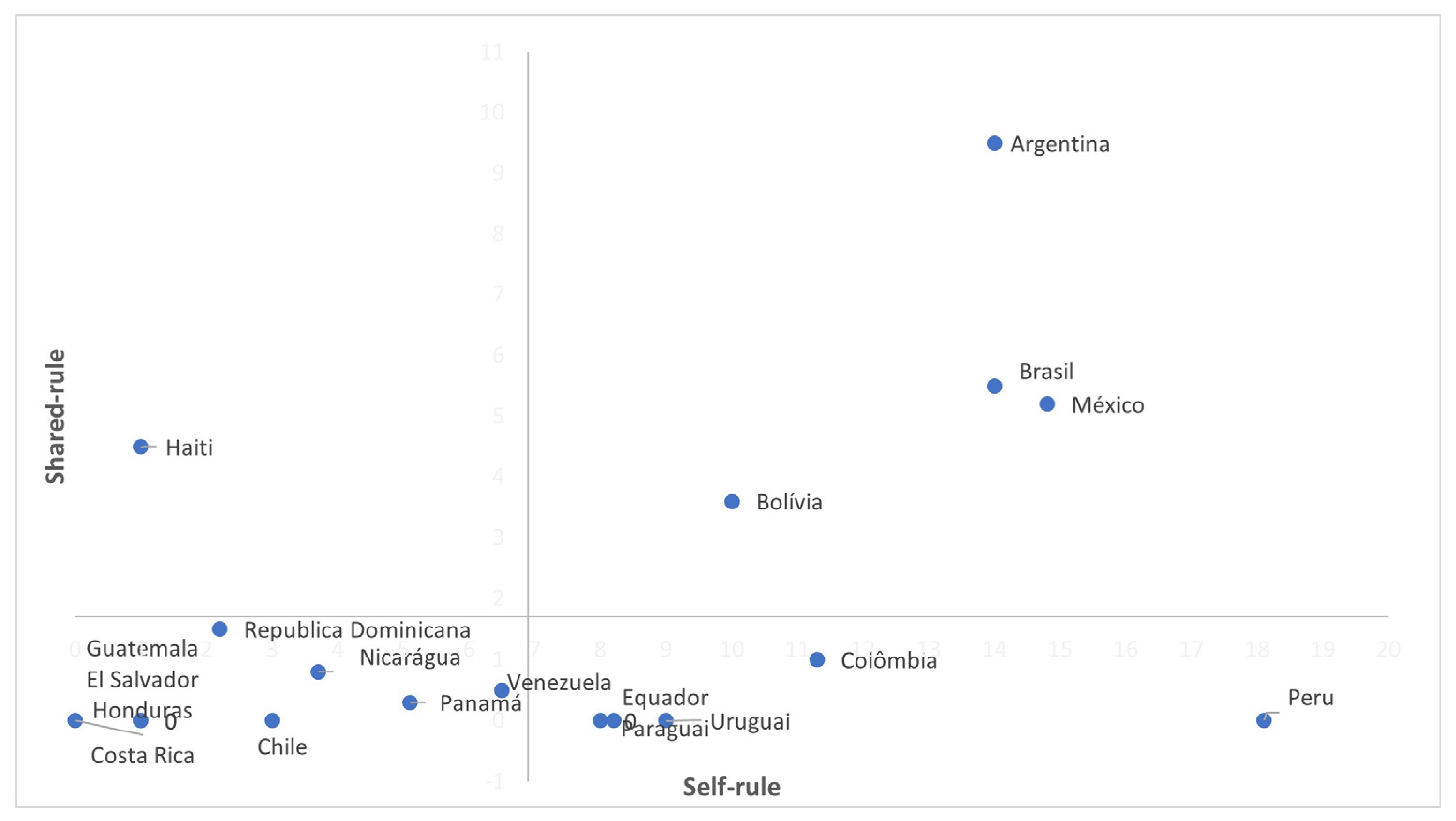
The cut-off points (0 or 1) were based on the regional average of each indicator and are indicated below each figure. The average calculation did not take missing cases into account.
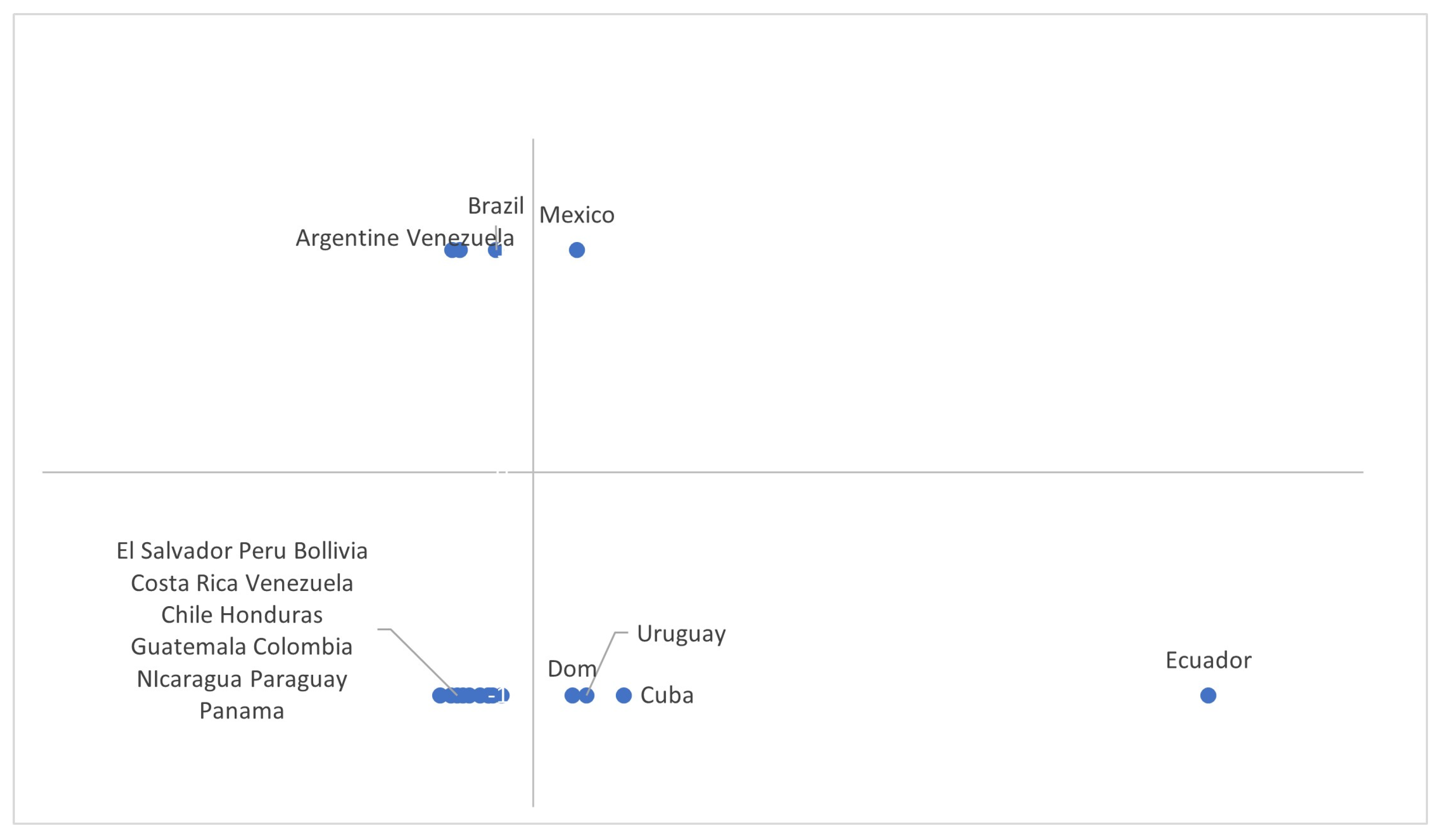
Figure 1 presents the distribution of scores for Latin American countries.
As might be expected, three federations (Argentina, Brazil, and Mexico) were located in the upper right quadrant of the distribution, with scores above average in both dimensions. Argentina’s high scores are notable in terms of sharing decision-making power with its respective federal government, with full scores regarding federal fiscal allocation, veto over federal loans, and a high degree of power to initiate or restrict constitutional reforms. Argentina has 23 Provinces, which have autonomy for administrative and institutional organization and to set their own election dates. Although the federal government can decree intervention in these provinces, cases have been scarce: Tucuman (1991), Catamarca (1991), Santiago del Estero (1991 and 2004), Corrientes (1992 and 1999). Among the responsibilities of the Provinces are housing, sanitation, social assistance, food, environment, industrial development, and, since 1979, elementary and secondary education.
Also in this quadrant, a unitary state stands out (Bolivia), especially for its scores regarding subnational decision-making autonomy. Unitary states such as Colombia, Uruguay, Paraguay, and Ecuador and Peru—the latter with the highest scores for self-rule, above the three federations mentioned—also have institutional autonomy prerogatives granted to national governments, distinguishing themselves from federations by more restricted prerogatives regarding national decision-sharing by local/regional authorities.
The lower left quadrant, on the other hand, gathers small Central American nations, in addition to Chile, all unitary states with reduced territorial dimensions and scarce prerogatives of subnational autonomy or sharing of central decisions. The presence of Venezuela, a federation with strong centralizing features (Lijphart [
23]), stands out in this group. Haiti’s discrepant scores—low autonomy, high sharing—can be attributed to a situation of “absent state” and societal power Acemoglu and Robinson [
56,
62].
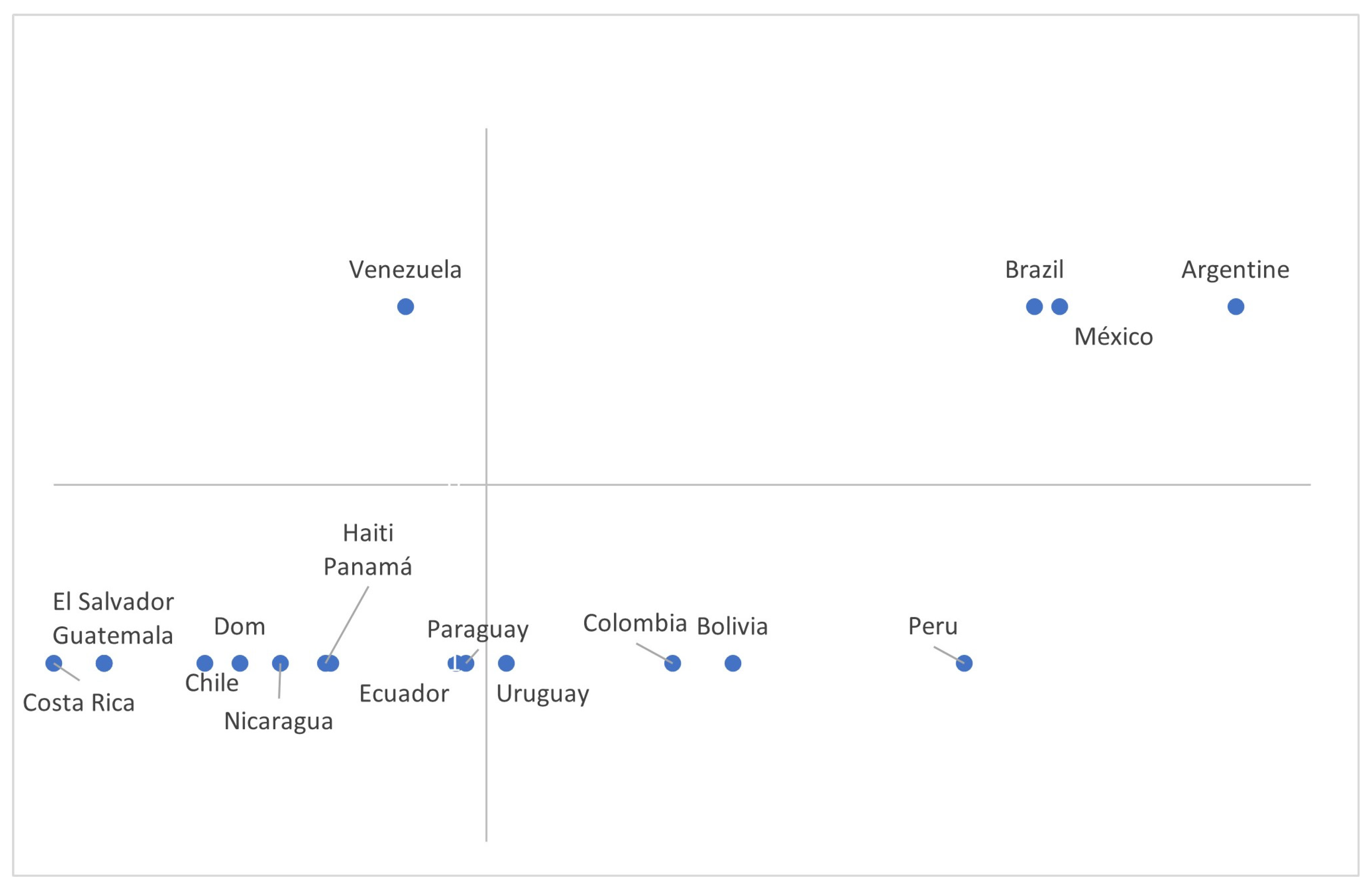
A clearer picture of the overlap between federalism and subnational government authority is offered by
Figure 2, which combines constitutional design and the Regional Authority Index [RAI].
Federal states are located in the upper cells of the graphic figure, and unitary states in their lower quadrants. This procedure allows for analytical segmentation, distinguishing 13 congruent cases regarding the expected relationship: federalism [+]/unitarism [–] and subnational constitutional powers.
The centralization of the Mexican state during decades of Partido Revolucionário Institucional (PRI) dominance was attenuated by decentralization promoted after 1980, with prerogatives transferred to states and municipalities. However, states still exercise power over local governments. States have responsibilities over social assistance, health, and—after 1992—education.
However, Peru, Bolivia, Colombia, and Uruguay present regional authorities with strong legal prerogatives, while Venezuela, diverging from the federative model, has weak ones. Colombia has 32 Departments, 6 Districts, and 1102 municipalities. Until 1974, it had a centripetal and centralist dynamic. However, the 1991 Constitution inaugurated a cycle of decentralization, and in 1992, direct elections for Department governors were introduced. These have responsibilities regarding regional development policies, tourism, transport, environment, and public service provision. Together with municipalities, they share regulations over education and health.
On the other hand, the centralism of the Chilean state is striking. Chile has two levels of intermediate structures: Regions (15) and Provinces (54), both with restricted political autonomy. In addition, it has municipalities, which only held elections from 1991 onwards. A 2009 Constitutional Amendment (Article 5 of Law 20390) established direct elections for the members of Regional Councils, as well as the election of their President by their own members. These Councils also received the prerogative of defining the budget for their jurisdiction.
The question, at this point, concerns whether constitutional prerogatives granted to subnational governments correspond to means, instruments, and resources equivalent to “infrastructural powers”, which allow them—effectively—to exercise institutional and political authority. To answer this question, it is necessary to consider the administrative, fiscal, and public infrastructure resources available to subnational governments.
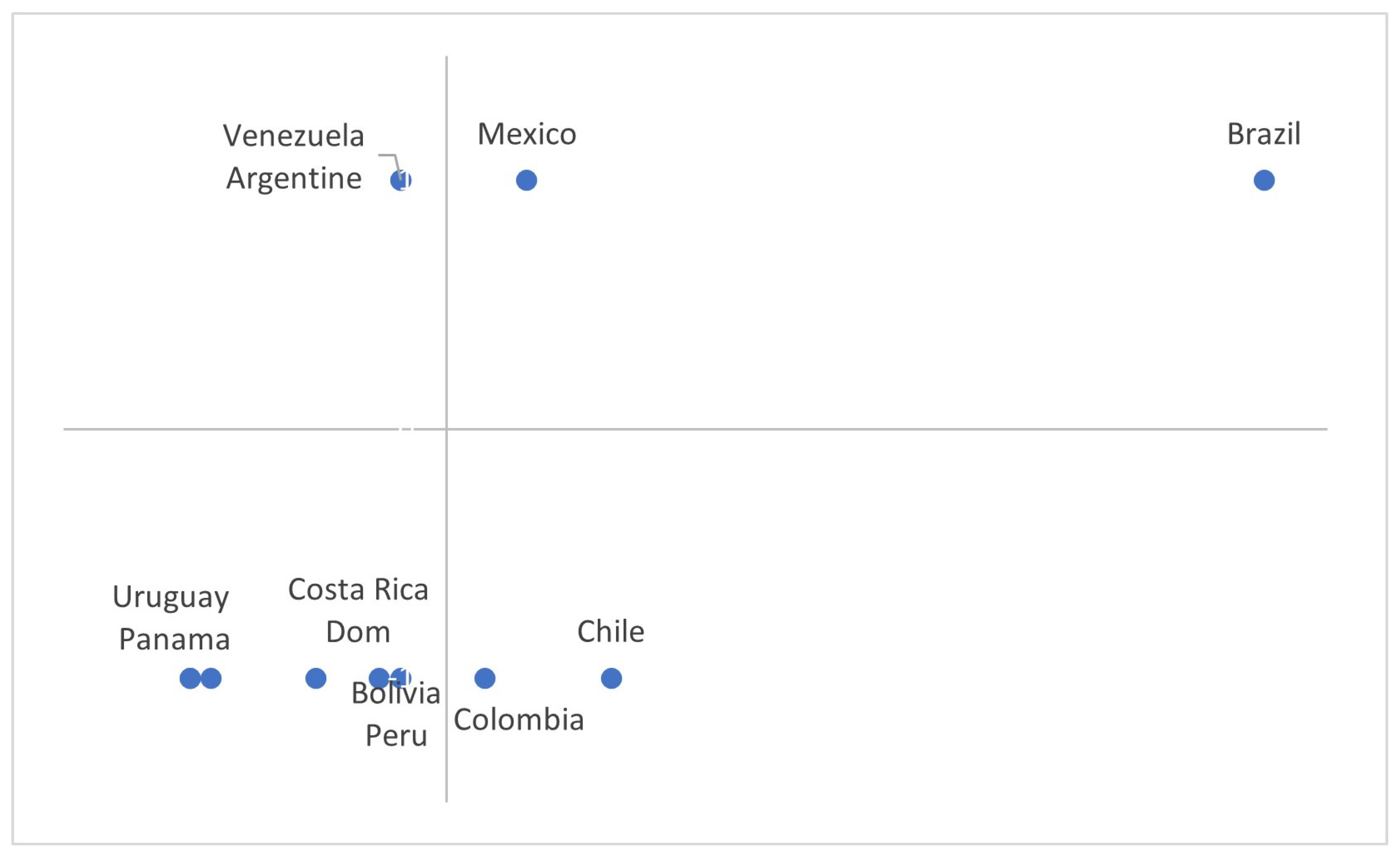
The first procedure in this direction is offered by the information in
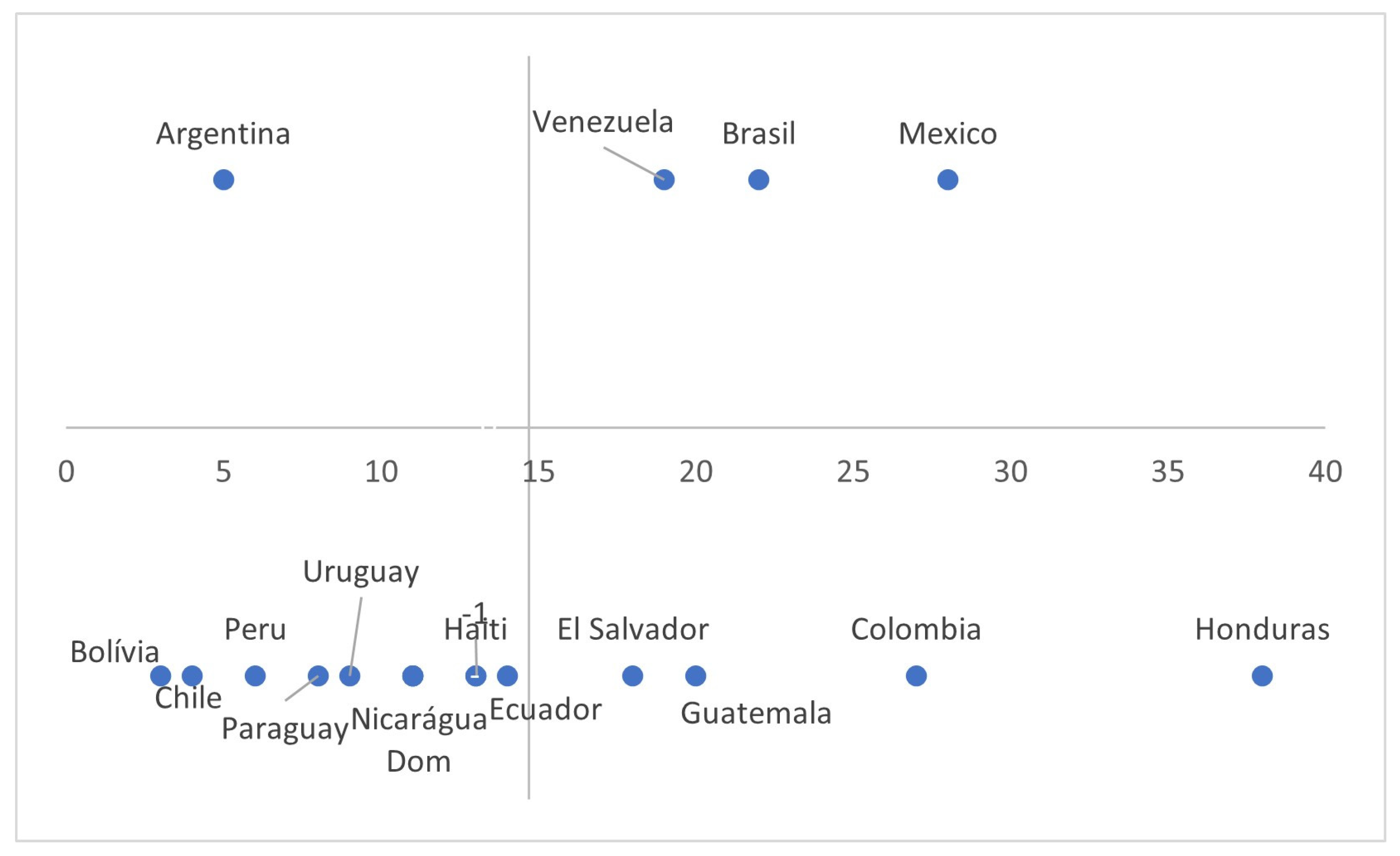
Figure 3, which compares the RAI with the proportion of civil servants allocated in the administration of local/municipal governments, in relation to the total national civil service:
The Brazilian Federal Constitution of 1988 designed a model of intergovernmental relations characterized by cooperative federalism (Arretche [
28], Abrucio [
30]) with federal responsibility for policy formulation and shared execution with subnational, state, and municipal governments. Education, Health, and Social Assistance represent areas with strong participation in municipal budgets, whether due to constitutional conditionalities, federal transfers, and shared responsibilities between their formulation, financing, and regulation by the federal government and management and execution by municipal governments. Health and Social Assistance institutionalized this intergovernmental cooperation through the respective Unified Health System (SUS) and Unified Social Assistance System (SUAS), in parallel with the absence of a national education system.
The assignment of responsibilities to municipal governments in policy implementation resulted in an expansion in the proportion of municipal civil servants in the Brazilian public administration as a whole, increasing from 35.3% (1990) to 57% (2023), while state civil servants decreased from 44.8% to 29%, and federal civil servants from 19.7% to 14%, in the same period. Three other national cases with some prominence in the relative participation of civil servants in local governments, Chile (26%), Mexico (22%), and Colombia (20%), nevertheless showed a greater concentration of civil servants at their central/federal government levels, in the case of Chile [54%] and Colombia [60%], and state level, in Mexico [54%].
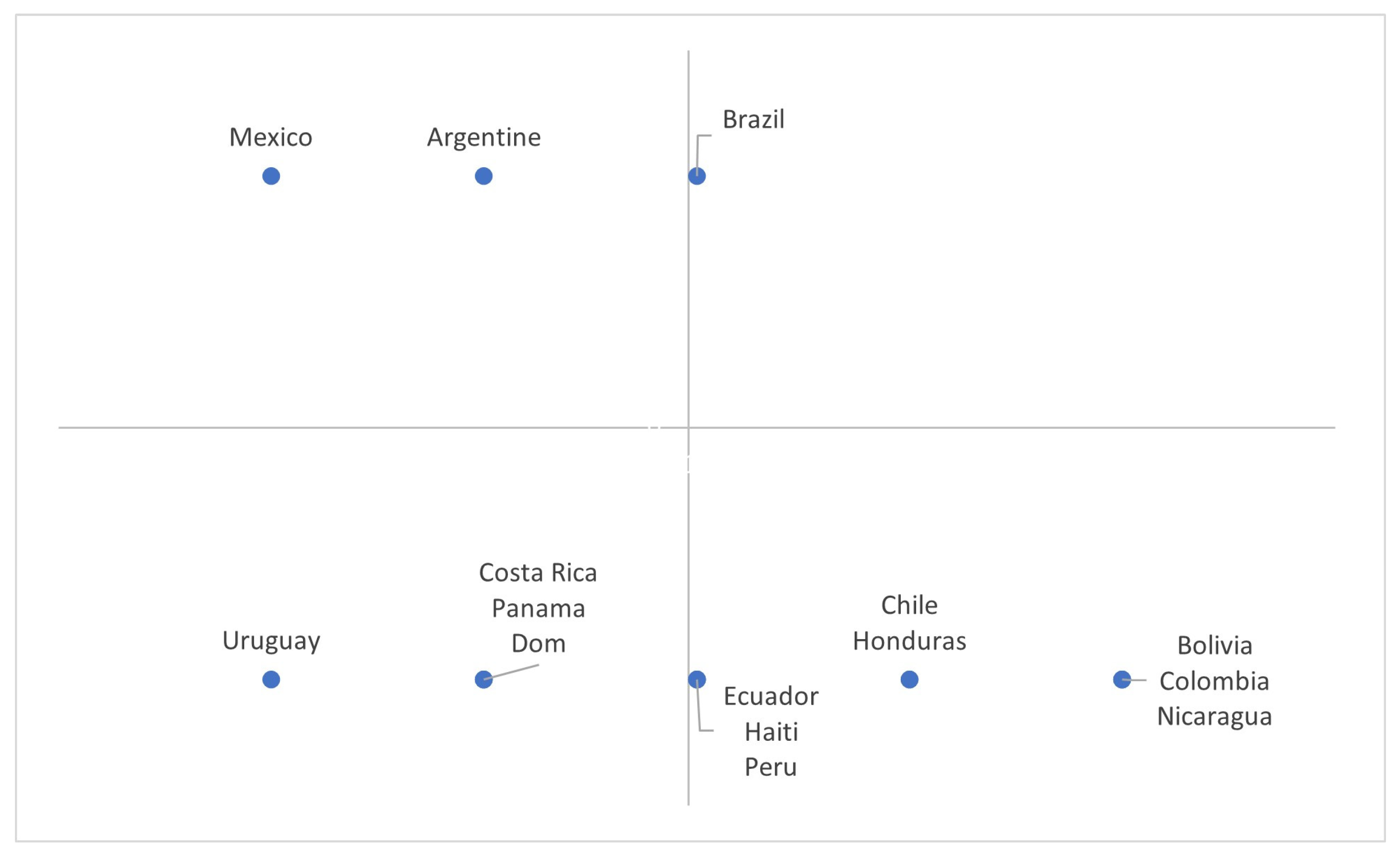
Another requirement to evaluate the effectiveness of multilevel governance consists of the distribution of taxes and fiscal revenue.
Figure 4 presents the national distribution regarding this issue.
Among Latin American federations, paradoxically, Brazil was the only case that showed a participation of local governments in fiscal revenue above the regional average, and, even so, by a narrow margin (15%). Argentina (10%) and Mexico (5%), despite their federal constitutions, dedicate a reduced portion of revenue to local administrations, concentrating resources from taxes and tributes in their federal governments (70% and 80%, respectively). Since the second half of the 20th century, there has been a decline in Argentine provincial tax autonomy. The 1994 Constitution assigned the Federal Government the creation of indirect taxes—concomitant with the provinces—and direct taxes, these with provincial co-participation. In Mexico, the tax prerogatives of the states are limited. In 1979, the Value Added Tax was created, administered by the federal government and shared with states. In 1983, property tax was transferred to the municipalities.
Bolivia (25%), Colombia (25%), Nicaragua (25%), Chile (20%) and Honduras (20%)—all unitary states—are the regional leaders in fiscal decentralization. In contrast, Uruguay allocates only 5% of its revenues to local governments. Once again, it is striking that the federalism/unitarism distinction does not seem to impact the vertical distribution of fiscal revenues among Latin American nations.
The capillarity of a state “infrastructural power” can be registered by using the extension of the road network in each national case as a proxy. For civil servants, funds, laws, and public services to reach the entire territorial extension of each nation-state, infrastructural resources, such as roads, are necessary. Obviously, the simple spatial extension of the road network is influenced by the territorial dimensions of each state. To avoid this bias, the relative road extension was considered, by extracting the ratio between kilometers of road extension over square kilometers of national territorial extension. The results of this procedure can be seen in
Figure 5.
Unitary states with limited territorial extension showed the highest relative values of road network extension: Ecuador (2.01), Cuba (0.54), Uruguay (0.44), and the Dominican Republic. Only Mexico—among the federations—recorded values above the regional average (0.42), higher than Brazil (0.20) and Argentina (0.09). Venezuela and small unitary states in South and Central America revealed reduced or concentrated road infrastructure.
Unlike a purely technical view, the expansion of the road network should be interpreted as a manifestation of the ideological and military autonomy of the State. In cases of relative success, such as Mexico, the physical infrastructure was not merely an engineering feat, but a deliberate political choice of territorial integration to exercise a monopoly on coercion and administration. Where this autonomy was low or the State was “captured,” the infrastructure remained concentrated or nonexistent, regardless of national wealth.
In the celebrated formula enshrined by Max Weber, modern states exercise the monopoly of physical coercion within the borders of their national territory. Infrastructural power, thus, cannot fail to consider the state’s capacity to spread its authority, promoting order and security for its citizens. A proxy for measuring internal security levels or, conversely, the violence that challenges state coercive monopoly can be obtained through homicide rates per hundred thousand inhabitants, represented in
Figure 6.
Among Federations, Argentina was the only case with low levels of violence, contrasting with the scale of the phenomenon in Mexico, Brazil, and Venezuela. However, unitary states with reduced territory such as Honduras, Guatemala, and El Salvador presented high homicide rates, also accompanied by Colombia. In contrast, other unitary states have low levels of violence, such as Bolivia, Chile, Peru, Paraguay, and Uruguay.
None of the 19 Latin American national cases managed to meet all the requirements that configure effective infrastructural powers. Brazil promoted—from the 1988 Federal Constitution—decentralization of prerogatives, civil servants, and fiscal revenue. However, its results in road network and [in]security indicate that its capacity to deliver public policies is limited. Mexico reached an equivalent level, transferring prerogatives and civil servants to subnational governments, but maintaining fiscal concentration in the federal government. It has good results in road infrastructure, but high violence rates. Five unitary states also reached this level: Chile, Colombia, Ecuador, Peru, and the Dominican Republic. Similar to Brazil, Colombia transferred prerogatives, civil servants, and fiscal revenue to local governments, but its results were also not positive. Ecuador, on the other hand, with constitutional and civil service centralization, but revenue distribution, produced good results in infrastructure and security. Argentina, despite its constitution granting high powers to the provinces, concentrates civil servants and revenues, resulting in a precarious road network, alongside low violence rates. Finally, Venezuela, despite having a federal constitution, concentrates civil servants and revenue, with precarious infrastructural powers.
What factors can contribute to increasing infrastructural powers in Latin American states? Could a federal constitution, by decentralizing legal prerogatives, administrative structures, and fiscal resources, potentially enhance state capillarity in the territory? Would territorial extension be an aggravating factor, as it increases the costs for penetration across the entire geographical area? Could the configuration of the party system, with organizations more focused on the provision of distributive goods to local electoral strongholds, influence this? Do indicators of governmental effectiveness seem to constitute a strong predictor of infrastructural capacities? Path dependency, with territorial state capacities resulting from temporal sequences?
To try to unravel these questions, a multivariate regression was run, considering the scale as the dependent variable, compared to predictors related to potential explanations mentioned above: Ext for territorial extension; Partylink is another scale from the V-Dem database, which considers how much national parties are more linked to local electoral bases [values closer to zero]; the Government Effectiveness indicator [Goveff] from the World Bank; and Federal Constitution [value 1]. Seeking to identify a trajectory-dependent pattern, the variable Fiscal1900 used the indicator State fiscal source of revenue [v2stfisccap] from the V-Dem database, for the year 1900 and which is constituted as a scale:
On which of the following sources of revenue does the central government primarily rely to finance its activities?
0: The state is not capable of raising revenue to finance itself. 1: The state primarily relies on external sources of funding [loans and foreign aid] to finance its activities. 2: The state primarily relies on directly controlling economic assets [natural resource rents, public monopolies, and the expropriation of assets within and outside the country] to finance its activities. 3: The state primarily relies on taxes on property [land taxes] and trade [customs duties]. 4: The state primarily relies on taxes on economic transactions [such as sales taxes] and/or taxes on income, corporate profits and capital.
|
The results can be seen in
Table 3.
R = 0.758; R
2 = 0.574; r
2 adj = 0.397. Sources: Ext: IBGE [
60]; Fiscal1900 and Partylink: V-Dem [
64]; Fed: Comparative Constitutions Project [
63], Goveff: World Bank [
65], consulted on 1 June 2025.
The R2 found indicates that the model is able to explain 57.4% of the variation in the scale of infrastructural powers. However, the lower adjusted R2 value suggests the presence of variables in the model that may not be contributing to a more robust explanation. Ext, although positive, shows a very small variation and its p > 0.05 confirms a non-statistically significant relationship. That is, geographical extension is not a preponderant factor in accounting for state penetration into the territory. Partylink presents negative coefficients, meaning that a pattern closer to pork barrel strategies seems to decrease infrastructural state powers. Surprisingly, the behavior of the World Bank’s government effectiveness indicator [goveff], with a negative relationship to the scale of infrastructural powers and p > 0.05, again translates into statistical insignificance. Finally, federalism [Fed] shows a negative trend, but not statistically significant at the conventional 0.05 level.
The most robust and only statistically significant predictor [p < 0.05] was Fiscal1900. That is, the greater and more complex the state’s extractive capacity in 1900, the greater the likelihood of developing “infrastructural powers” in the following hundred years. Extractive capacity depends on a governmental bureaucracy that collects and registers taxes and ensures territorial coercive monopoly. Chile (3.36), Brazil (3.13), Bolivia (2.83), Peru (2.80) presented the highest values in extractive capacity in 1900, and all also reached scale 3 in infrastructural powers. An incongruent case was Colombia, which started from a weak extractive capacity at the beginning of the 20th century (1.77) and reached the same level 3 in state territorial penetration capacities.
Given the small sample size (N = 19) and the inclusion of multiple predictors, we performed a robustness check to ensure that the relationship between historical extractive capacity (Fiscal1900) and current infrastructural powers is not an artifact of model overfitting. A non-parametric Spearman’s rank correlation was conducted, confirming a strong and positive association (rho = 0.68; p < 0.01). This suggests that the historical trajectory of state-building remains a robust correlate of territorial penetration, independent of the linear model’s parametric assumptions.
While the multivariate linear regression (
Table 3) identifies the independent contribution of each factor, Spearman’s rank correlation [rho] was employed to verify the strength and direction of the associations without assuming a normal distribution of the data. The results in
Table 4 confirm that Fiscal1900 (historical extractive capacity) holds the strongest and most significant association with the current scale of Infrastructural Powers.
Discussion of Robustness: The correlation analysis reinforces the path dependency argument. Even when removing the parametric assumptions of the regression model, the state’s historical capacity to collect taxes in 1900 remains a robust predictor of its modern ability to penetrate the territory and provide public goods. Conversely, the formal constitutional structure [Federalism] and contemporary Government Effectiveness scores do not show a statistically significant positive correlation with the distribution of infrastructural resources in this Latin American sample. This supplementary analysis ensures that the primary conclusion is not an artifact of model overfitting or the inclusion of non-significant predictors in the multivariate model.