Our Impact

Key Figures
- 4.5 MillionAuthors
- 7.5 BillionArticle Views
- 97%Articles covered in WoS
- 1.8 MillionArticles Published
Community Feedback
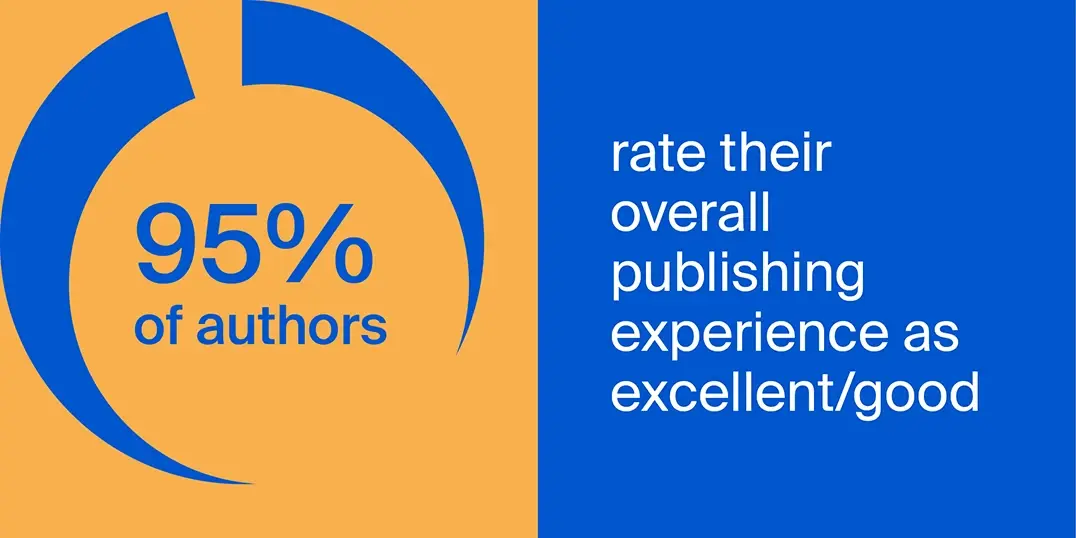
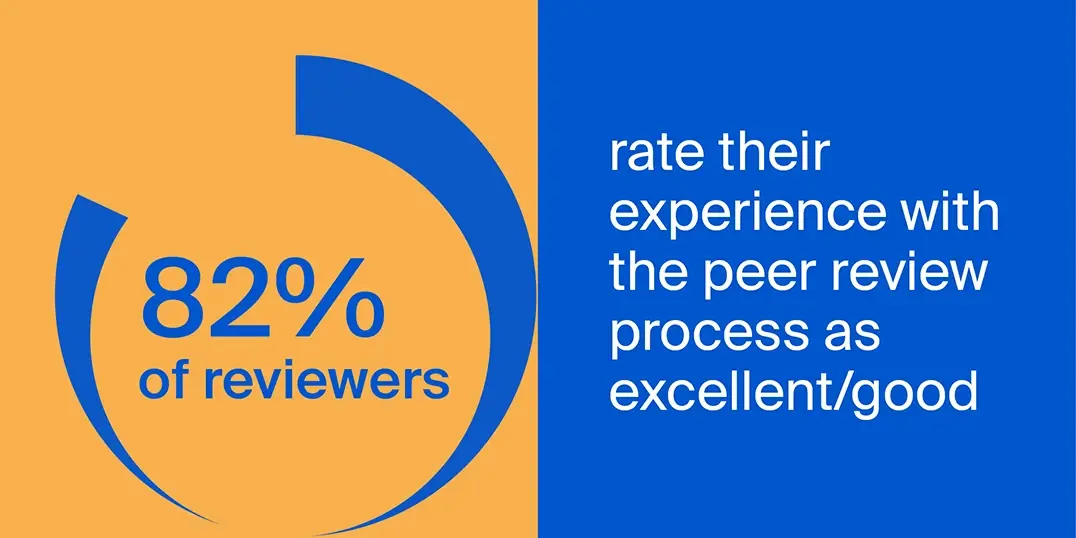
At MDPI, our author-centric approach is reflected in the positive feedback we consistently receive from our community. In 2024, 95% of authors rated their overall experience with the publication process as Excellent/Good, while 92% rated their peer review experience similarly.
We deeply value the time and expertise of our reviewers, whose contributions are greatly appreciated by our authors. Our surveys consistently highlight the significance of this collaboration. Supported by over 4,500 editorial staff and our robust article submission platform, our editorial process is designed to ensure a seamless and efficient user experience.
Indexing of Our Journals
Our journals’ articles are indexed by major industry databases, as well as numerous scope-specific databases. We are committed to expanding the visibility of our publications by continuously increasing their coverage in key academic databases, including:

We also collaborate with universities and government organizations to ensure our journals are included in country-specific ranking lists, which are often required by funders and institutions for authors to publish with a journal.
All MDPI journals are digitally preserved cover-to-cover by the Swiss National Library and CLOCKSS, ensuring long-term archival of all of our publications.
Sustainability
Sustainability has always been a core interest of MDPI. This started in 1996 with the collection and preservation of rare chemical samples, which led to the creation of our first journal, Molecules.
As a global company, we share responsibility in advancing practices that contribute to the prosperity of society and life. MDPI’s commitment to sustainability is focused on open science practices that promotes content related to environmental sustainability and the sustainable development goals (SDGs) defined by the UN.
Sustainability has become one of our flagship journals and we have supported and organized several conferences and events based on sustainability, including the World Sustainability Forum. As a global enterprise, it is our duty to promote responsible practices that will ensure a bright future for our planet.
In 2020, the SDG Publishers Compact was launched to promote SDG relevant content. One year later, MDPI became a signatory of the SDG Publishers Compact, and this past year, launched the MDPI SDG Hub as part of our commitment to the Compact.
We also support and lead the discourse on Sustainability through our journals, including our flagship journal Sustainability and through our conferences, including the World Sustainability Forum (WSF)—a biannual conference focused on general topics in sustainability. Furthermore, we financially support researchers through two awards given at the WSF: 1) the USD 100,000 World Sustainability Award, given to senior researchers; and 2) the USD 20,000 Emerging Sustainability Leader Award, funded by the journal Sustainability, given to early career researchers. MDPI is also a proud member of the United Nations Global Compact to support corporate responsibility.

Supporting Young Researchers
We offer special support for researchers at the outset of their careers, including young researchers from developing countries. To support them, we fund award programs such as our Early Career Investigator Award and our Travel Awards, creating new opportunities for early-career researchers to share their work with the world.
Memberships and Collaborations
MDPI is a member of, or collaborates with, the following organizations
Partnerships
By partnering with universities, libraries, academies and other organizations worldwide, we remove barriers to scientific collaboration, provide access to vital research, simplify workflows, and expand the global reach of scientific research. In 2024, we strengthened ties with more than 900 institutions and consortia, making Open Access more affordable.
With 68 new institutional partners added in 2024, MDPI continues to be at the forefront of Open Science—ensuring research is widely accessed, shared, and put into action. Beyond formal agreements, we prioritize open dialogue. Our institutional partnerships team engaged with institutions at 15 academic conferences, refining our approach based on real-world needs.