
Journal Description
Acoustics
Acoustics
is an international, peer-reviewed, open access journal on acoustics science and engineering, published quarterly online by MDPI.
- Open Access— free for readers, with article processing charges (APC) paid by authors or their institutions.
- High Visibility: indexed within ESCI (Web of Science), Scopus, and other databases.
- Journal Rank: CiteScore - Q2 (Acoustics and Ultrasonics)
- Rapid Publication: manuscripts are peer-reviewed and a first decision is provided to authors approximately 23.3 days after submission; acceptance to publication is undertaken in 4.6 days (median values for papers published in this journal in the second half of 2025).
- Recognition of Reviewers: reviewers who provide timely, thorough peer-review reports receive vouchers entitling them to a discount on the APC of their next publication in any MDPI journal, in appreciation of the work done.
- Journal Cluster of Civil Engineering and Built Environment: Acoustics, Architecture, Buildings, CivilEng, Construction Materials, Infrastructures, Intelligent Infrastructure and Construction, NDT and Vibration.
Impact Factor:
1.2 (2024);
5-Year Impact Factor:
1.7 (2024)
Latest Articles
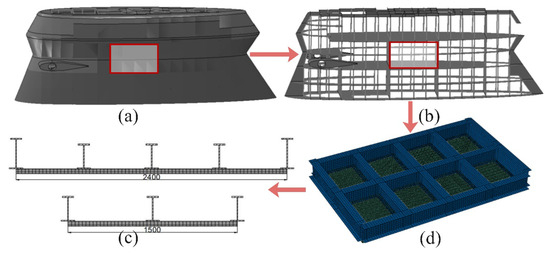
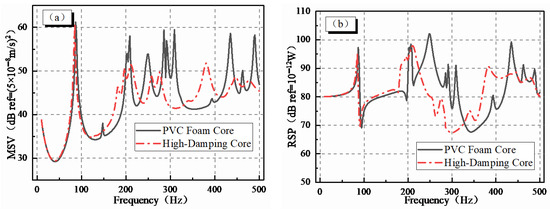
Numerical Investigation of Stiffness Saturation and Damping Effects on Underwater Acoustic Radiation of Composite Grillage Structures
Acoustics 2026, 8(2), 24; https://doi.org/10.3390/acoustics8020024 - 1 Apr 2026
Abstract
►
Show Figures
Enhancing the vibroacoustic performance of underwater vehicles remains a critical challenge in marine engineering. Increasing geometric stiffness is a conventional strategy to suppress vibration, yet its effectiveness in reducing underwater sound radiation can be practically limited. This paper presents a numerical investigation of
[...] Read more.
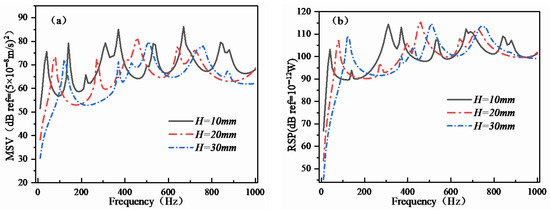
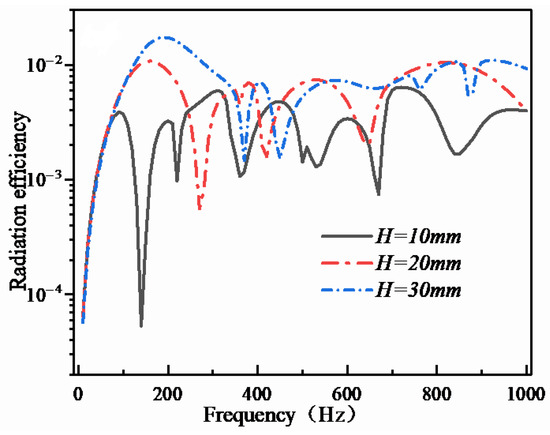
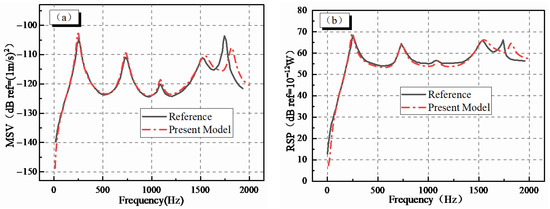
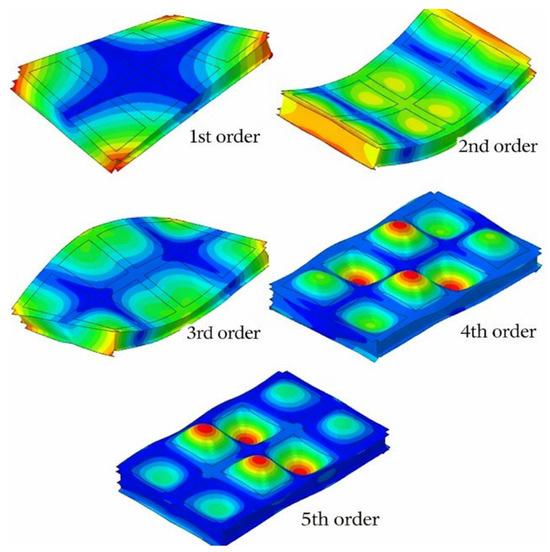
Enhancing the vibroacoustic performance of underwater vehicles remains a critical challenge in marine engineering. Increasing geometric stiffness is a conventional strategy to suppress vibration, yet its effectiveness in reducing underwater sound radiation can be practically limited. This paper presents a numerical investigation of the vibroacoustic response of composite grillage sandwich structures, with a focus on separating the contributions of geometric stiffening and core damping. A coupled acoustic structural model is developed based on the equivalent single layer theory and implemented in a finite element framework, then validated against analytical benchmark solutions. The parametric study reveals a stiffness saturation phenomenon in the acoustic domain. Although increasing rib height significantly reduces the mean square velocity, the radiated sound power reaches a saturation plateau and can even show a slight rebound at higher frequencies. This behavior is attributed to an increase in structural phase velocity that shifts modal components toward a more efficient radiation regime, thereby increasing radiation efficiency. To address this limitation, the damping modulation role of the core material is examined. The results show that introducing a high damping core into the grillage skeleton suppresses broadband noise and resonance peaks, without a comparable rise in radiation efficiency that may accompany geometric stiffening. The study indicates that a hierarchical synergistic design strategy that uses geometric stiffness for load bearing and low frequency control, while leveraging core damping to mitigate the acoustic saturation limit, provides useful physical insight into more efficient noise control approaches than purely stiffness based approaches.
Full article
Open AccessArticle
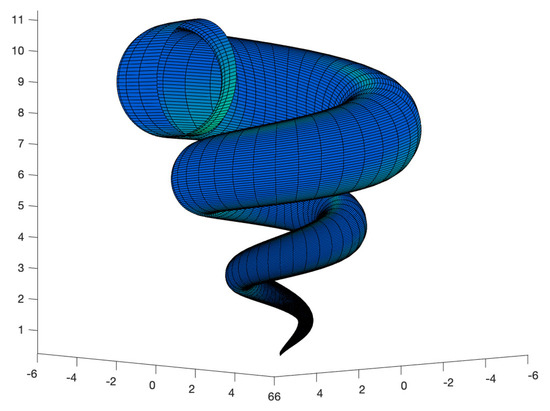
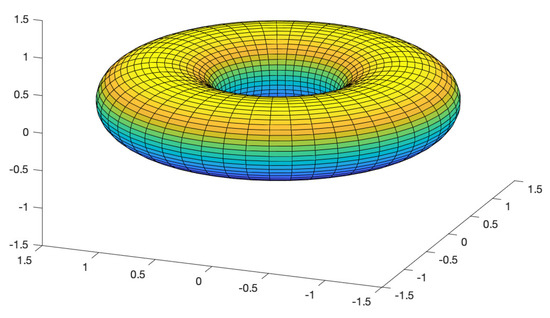
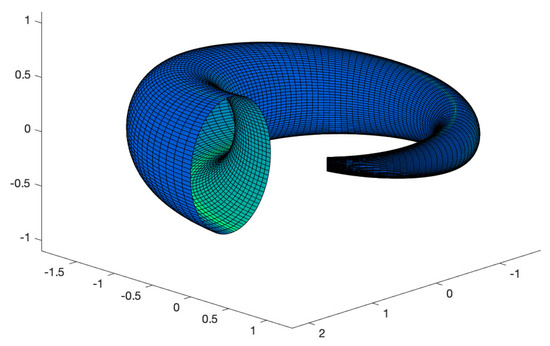
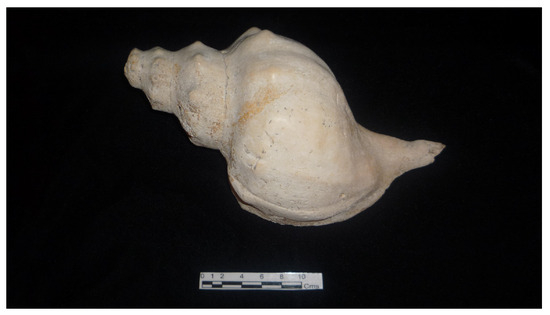
Modelling of Shell Trumpet Overtones and Acoustics of Helicoidal Geometries
by
Marcel-André Ramírez-Trocherie, Pablo Padilla, Francisca Zalaquett and Martín Salinas-Vázquez
Acoustics 2026, 8(2), 23; https://doi.org/10.3390/acoustics8020023 - 1 Apr 2026
Abstract
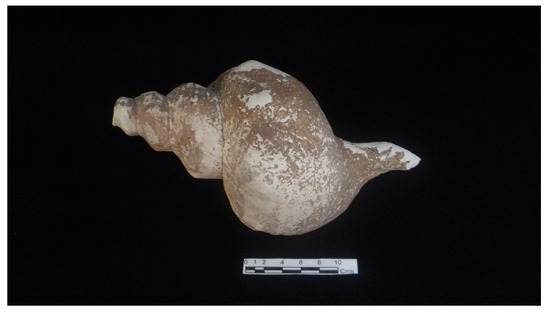
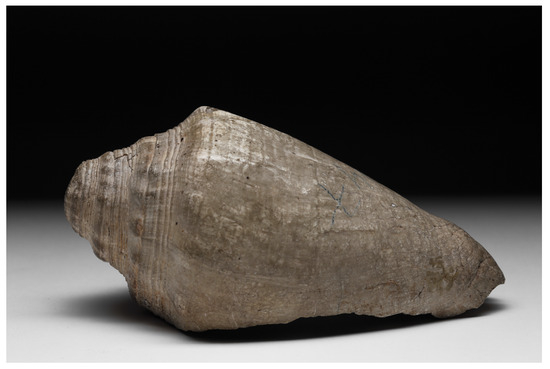
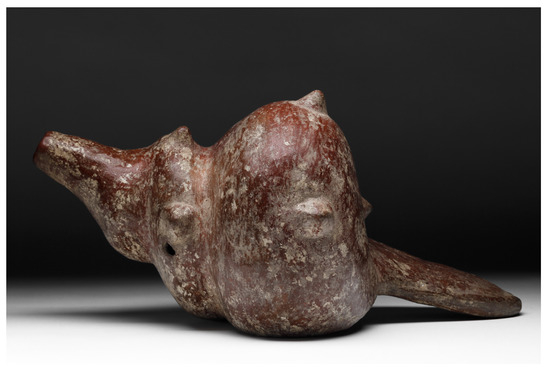
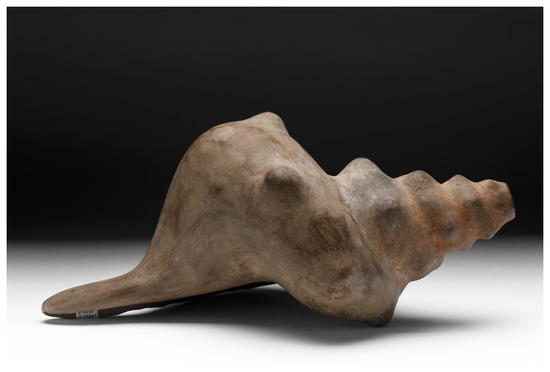
In this work, the propagation of acoustic waves in shell trumpets is explored, and the overtones generated by them are studied. We consider different shell geometries, for which their particular morphology is taken into account. This impacts the fundamental frequencies as well as
[...] Read more.
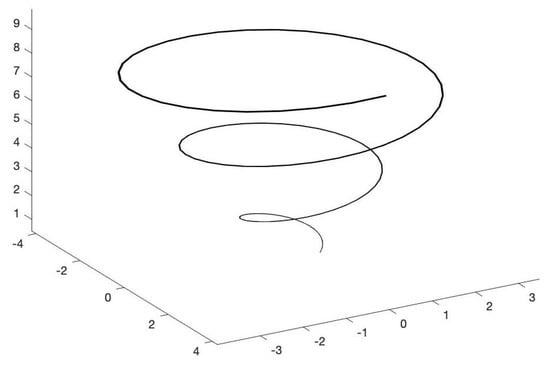
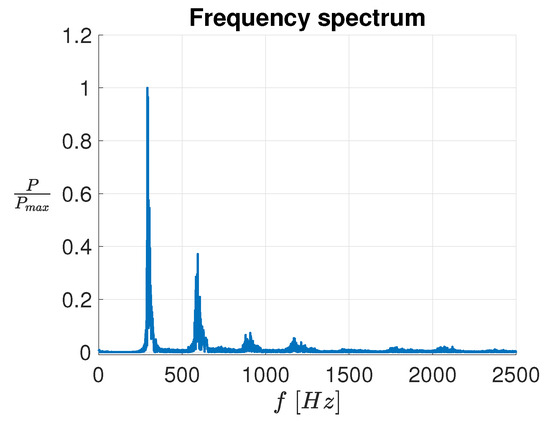
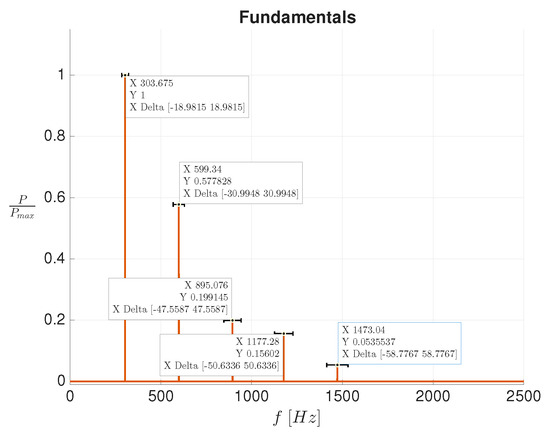
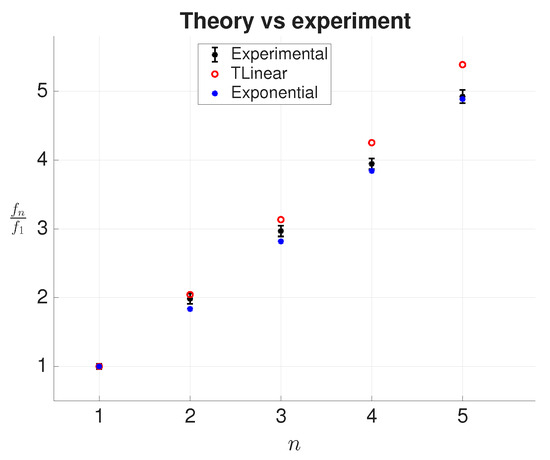
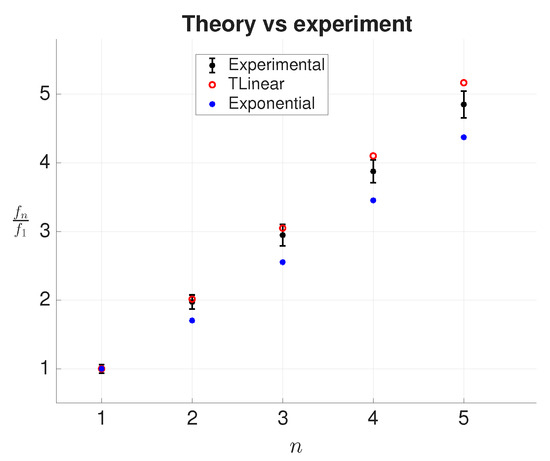
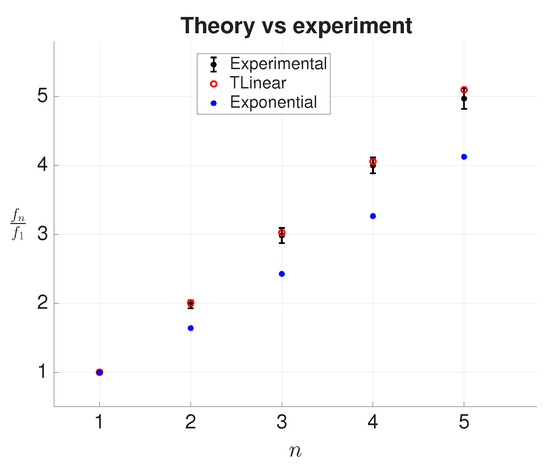
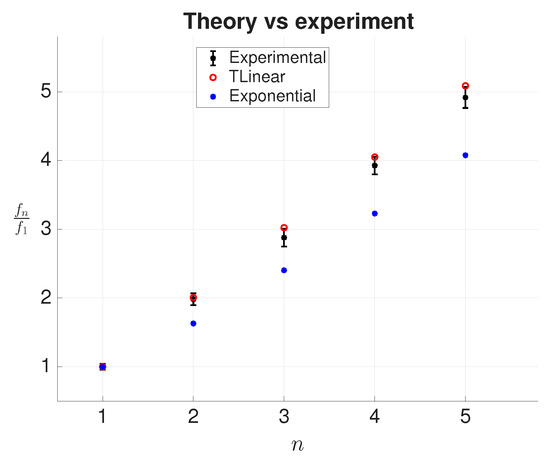
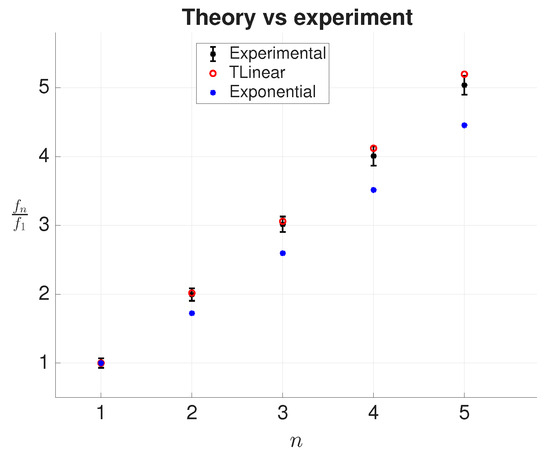
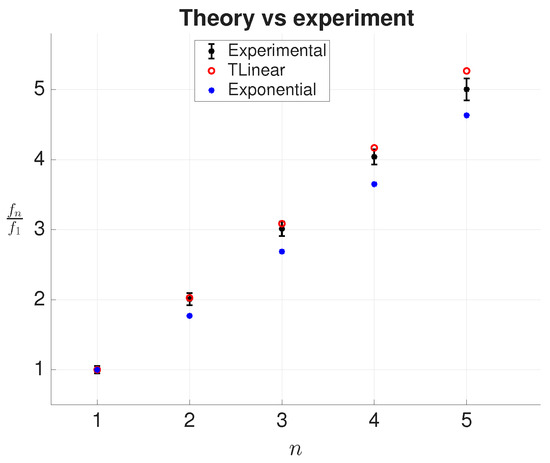
In this work, the propagation of acoustic waves in shell trumpets is explored, and the overtones generated by them are studied. We consider different shell geometries, for which their particular morphology is taken into account. This impacts the fundamental frequencies as well as the overtones. An analytical model based on differential equations is developed to predict these overtones and compared with real recordings of some shell trumpets belonging to several collections in Mexico (experimental results). As a consequence, the notes of archaeological shells that cannot be played due to their physical damage are estimated.
Full article
(This article belongs to the Special Issue The Past Has Ears: Archaeoacoustics and Acoustic Heritage)
►▼
Show Figures

Figure 1
Open AccessArticle
Underwater Target Recognition with Fusion of Multi-Domain Temporal Features
by
Xiaochun Liu, Chenyu Wang, Yunchuan Yang, Xiangfeng Yang, Youfeng Hu and Jianguo Liu
Acoustics 2026, 8(2), 22; https://doi.org/10.3390/acoustics8020022 - 25 Mar 2026
Abstract
►▼
Show Figures
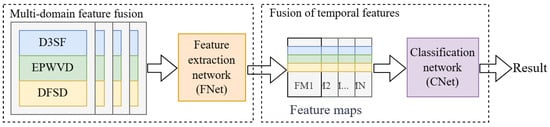
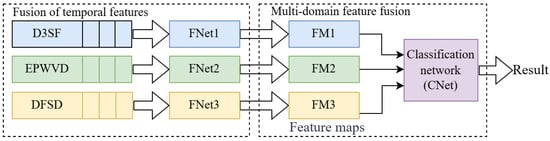
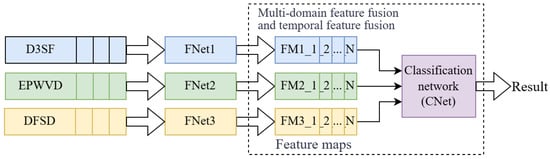
The dynamic nature of acoustic environments—particularly the fluctuation of underwater channels and time-varying target observation angles—poses significant challenges for active sonar target recognition, a problem further aggravated by the scarcity of labeled training samples. To address these limitations, this paper proposes a novel
[...] Read more.
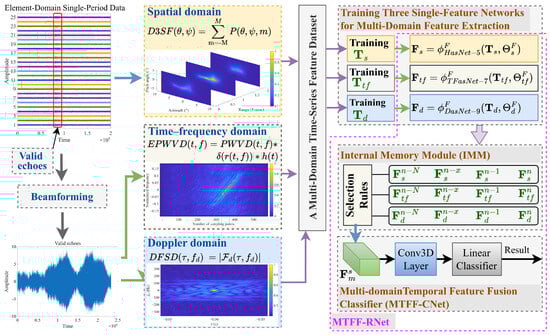
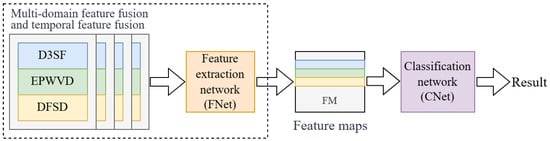
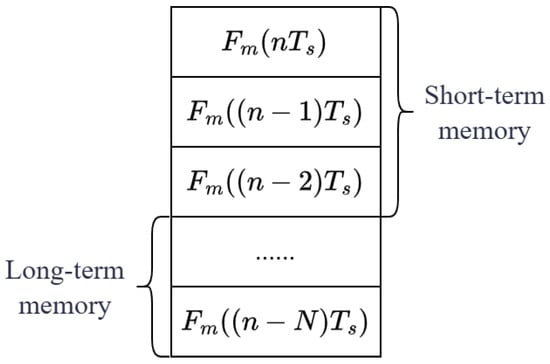
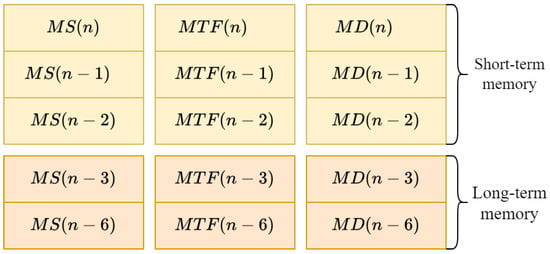
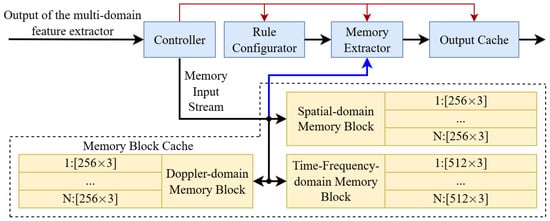
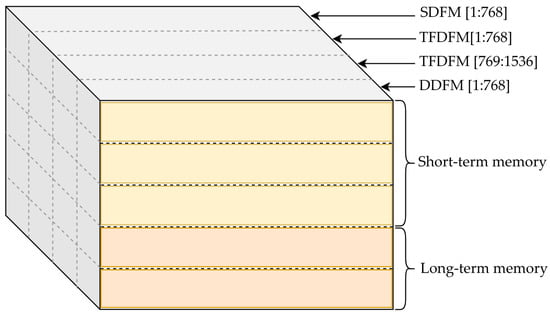
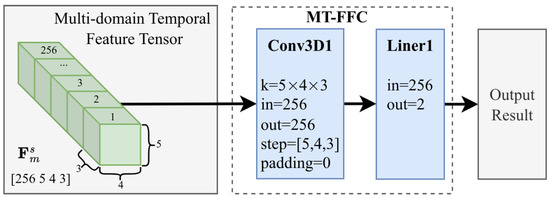
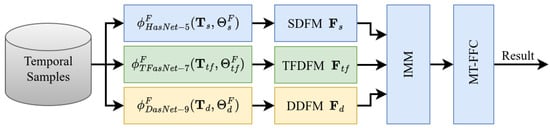
The dynamic nature of acoustic environments—particularly the fluctuation of underwater channels and time-varying target observation angles—poses significant challenges for active sonar target recognition, a problem further aggravated by the scarcity of labeled training samples. To address these limitations, this paper proposes a novel recognition method enabling deep fusion of multi-domain temporal features extracted from target echoes. First, complementary features are extracted across spatial, time–frequency, and Doppler domains to achieve a comprehensive and discriminative representation of targets. Subsequently, we introduce a feature vector-level fusion mechanism designed specifically for few-shot learning, integrating a meta-knowledge-driven multi-stream feature extractor with an internal memory module within the feature tensor framework. This architecture constitutes the Multi-domain Temporal Feature Fusion Recognition Network (MTFF-RNet). The proposed approach is evaluated on a hybrid dataset combining simulated and experimental data, achieving a high recognition accuracy of 96.2% for both targets and interferents. Experimental results demonstrate that MTFF-RNet significantly enhances robustness and adaptability under varying underwater acoustic conditions and dynamic viewing geometries.
Full article

Figure 1
Open AccessArticle
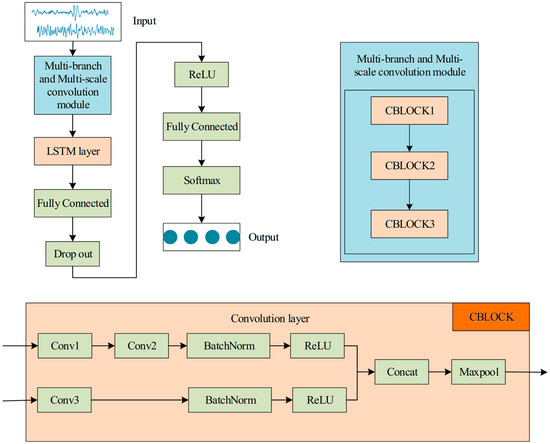
Infrasound Signal Classification Fusion Model Based on Double-Branch and Multi-Scale CNN and LSTM
by
Hao Yin, Yu Lu, Yunhui Wu, Wei Cheng, Xinliang Pang and Peng Li
Acoustics 2026, 8(2), 21; https://doi.org/10.3390/acoustics8020021 - 24 Mar 2026
Abstract
►▼
Show Figures
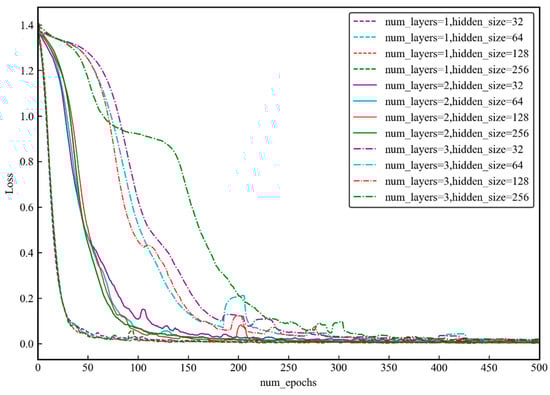
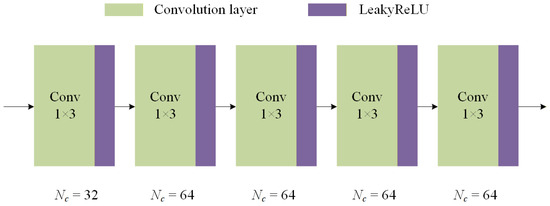
The accurate classification of infrasound events is significant in natural disaster warning, verification of nuclear test bans and geophysical research. Current deep learning-based classification methods mostly focus on denoised and filtered signals. To simplify the process, avoid information loss, and address the issues
[...] Read more.
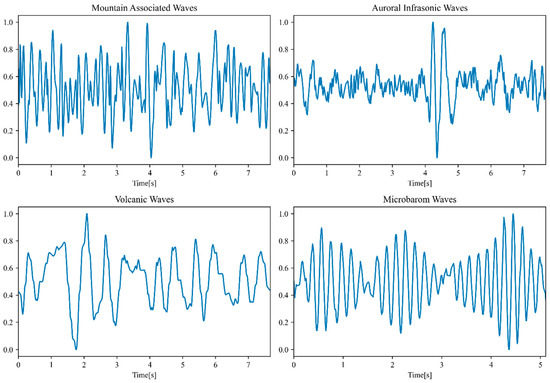
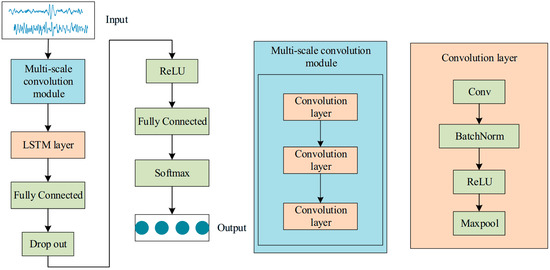
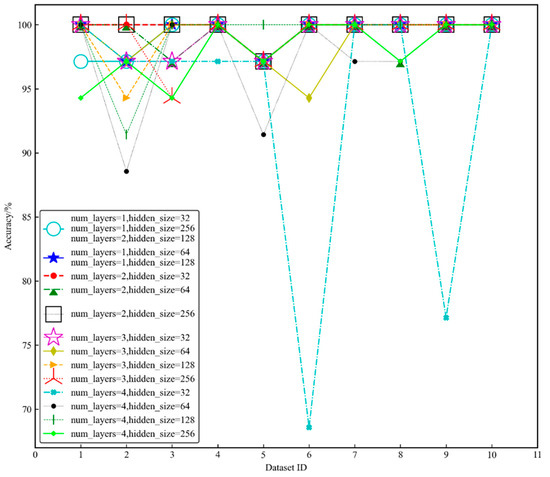
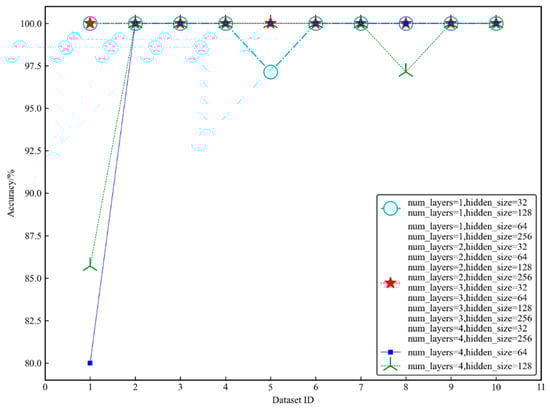
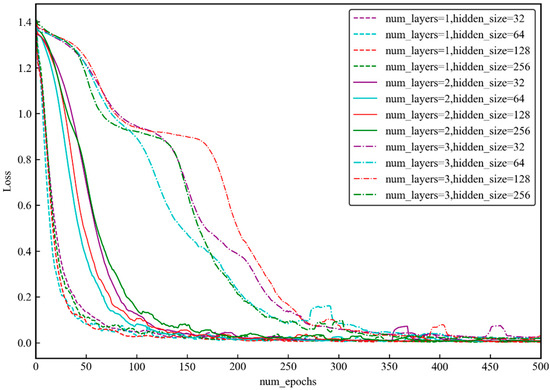
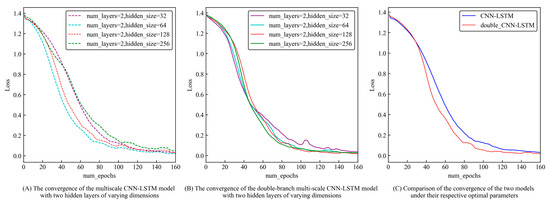
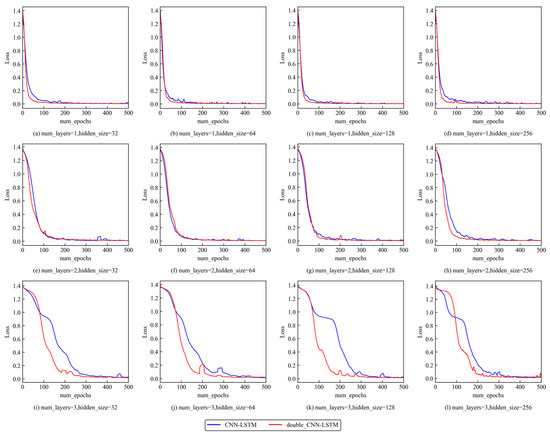
The accurate classification of infrasound events is significant in natural disaster warning, verification of nuclear test bans and geophysical research. Current deep learning-based classification methods mostly focus on denoised and filtered signals. To simplify the process, avoid information loss, and address the issues of incomplete feature extraction by single-scale convolution kernels and the potential loss of physical information by single models, this paper directly utilizes raw infrasound signals and proposes two fusion classification models based on multi-scale Convolutional Neural Network (CNN) and Long Short-Term Memory (LSTM). Experiments were conducted on a typical infrasound signal dataset (comprising four signal types: mountain-associated waves, auroral infrasound waves, volcanic eruptions, and microbaroms). The performances of the two models were compared in terms of accuracy, convergence speed, and stability. The results indicate that both models achieve classification accuracies exceeding 99% with optimal parameter combinations. The dual-branch multi-scale CNN-LSTM model generally outperforms the multi-scale CNN-LSTM model in classification accuracy, while also demonstrating faster convergence speed and better stability. Addressing the class imbalance in the dataset, evaluations using precision, recall, and F1-score further validated the effectiveness of the proposed models. This study demonstrates that the proposed methods can effectively achieve end-to-end classification of raw infrasound signals and are competitive with existing techniques.
Full article

Figure 1
Open AccessArticle
Identification of Abnormal UGW Signals Using Multi-Scale Progressive Reconstruction Network
by
Yangkun Zou, Jiande Wu, Bo Ye, Honggui Cao, Changchun Yang and Yulong Cui
Acoustics 2026, 8(1), 20; https://doi.org/10.3390/acoustics8010020 - 18 Mar 2026
Abstract
►▼
Show Figures
The use of ultrasonic guided waves (UGWs) is an efficient damage monitoring technique. Due to their characteristics of a wide monitoring range and low power consumption, UGWs have been widely applied in various structural health monitoring fields. In practice, the transducers and coupling
[...] Read more.
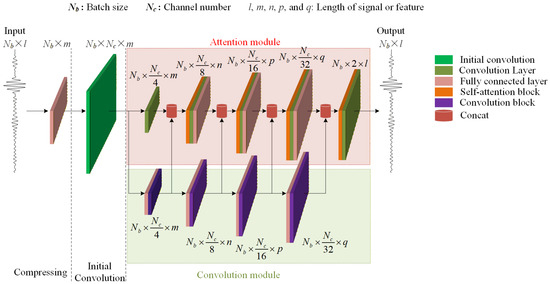
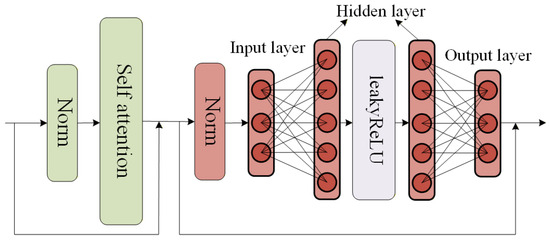
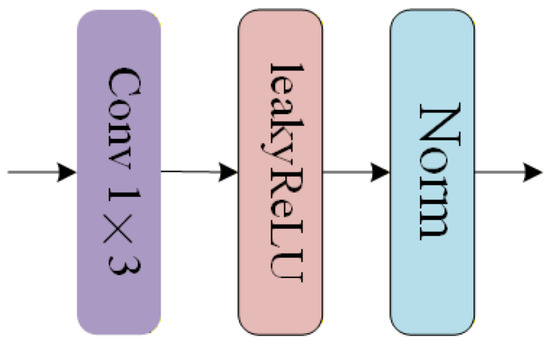
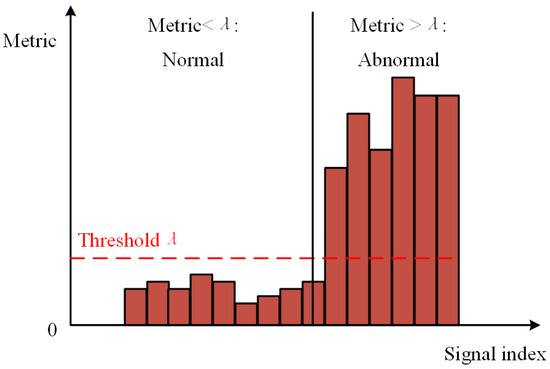
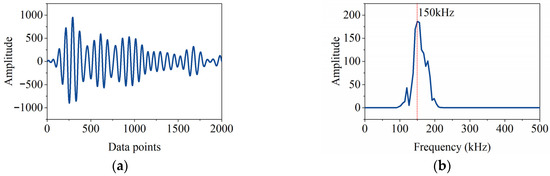
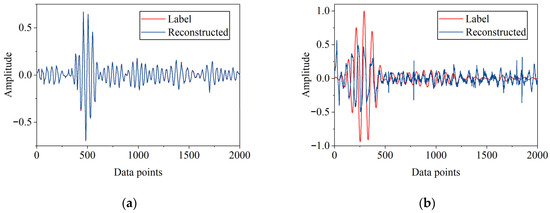
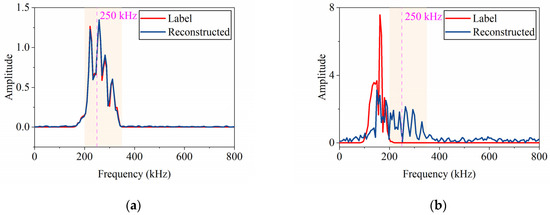
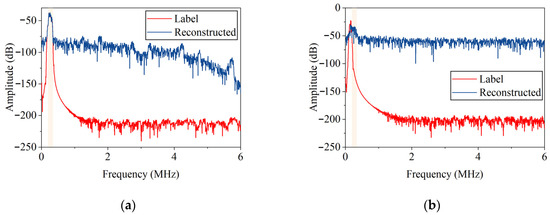
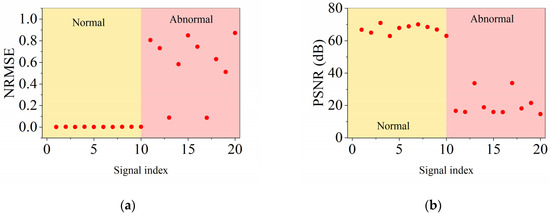
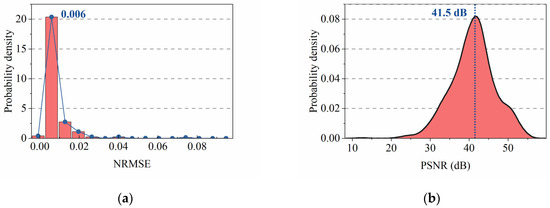
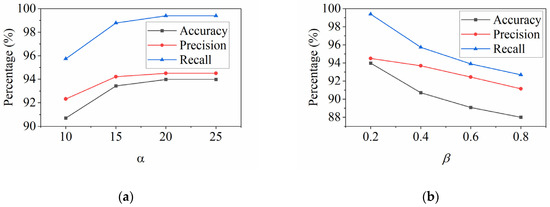
The use of ultrasonic guided waves (UGWs) is an efficient damage monitoring technique. Due to their characteristics of a wide monitoring range and low power consumption, UGWs have been widely applied in various structural health monitoring fields. In practice, the transducers and coupling agents used for UGW excitation and reception are prone to failure due to service environmental factors, resulting in abnormal UGW signals. To ensure reliable damage monitoring, this paper proposed an abnormal UGW signal identification method based on the UGW reconstruction errors. First, a multi-scale progressive reconstruction network (MPRN) is proposed to accurately reconstruct normal UGW signals. Leveraging the inherent differences between normal and anomalous UGW signal characteristics, the reconstruction errors increase significantly when abnormal UGW signals are input into the MPRN, which has been trained exclusively on normal data. This discrepancy in reconstruction errors enables the identification of abnormal signals. The experimental results show that sensor failure causes frequency shifts in the received UGW signals. When reconstructing normal UGW signals, the proposed MPRN achieves high fidelity, with an average NRMSE as low as 0.0036 and an average PSNR as high as 40.04 dB. In contrast, when reconstructing abnormal UGW signals, the average NRMSE is no lower than 0.62, and the average PSNR is no higher than 16.67 dB. The proposed reconstruction-error-based abnormal UGW signal identification method achieves a maximum accuracy of 93.43%.
Full article

Figure 1

Open AccessEditorial
Developments in Acoustic Phonetic Research
by
Georgios P. Georgiou
Acoustics 2026, 8(1), 19; https://doi.org/10.3390/acoustics8010019 - 16 Mar 2026
Abstract
Acoustic phonetics has entered a period of rapid expansion, shaped by new theoretical questions, richer empirical environments, and unprecedented advances in measurement and modeling [...]
Full article
(This article belongs to the Special Issue Developments in Acoustic Phonetic Research)
Open AccessArticle
Analysis of Fundamental Frequency Changes in Astronaut Speech in Microgravity and in Terrestrial Conditions
by
Natalia Repyuk, Anton Konev, Vladimir Faerman, Dmitry Rulev and Grigory Yashchenko
Acoustics 2026, 8(1), 18; https://doi.org/10.3390/acoustics8010018 - 13 Mar 2026
Abstract
This study investigates the influence of microgravity on the fundamental frequency (F0) of astronauts’ speech. A speech corpus was compiled, including recordings in microgravity and on Earth, matched by speaker and content. The signal processing methodology included filtering with consideration of human auditory
[...] Read more.
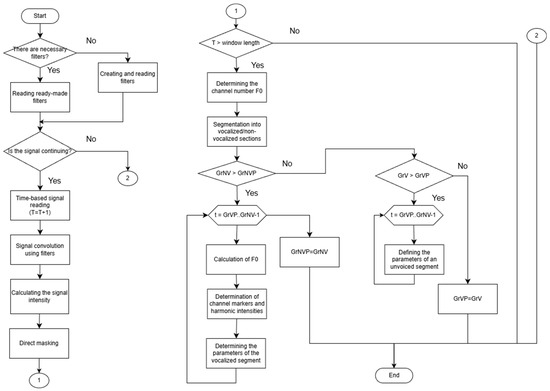
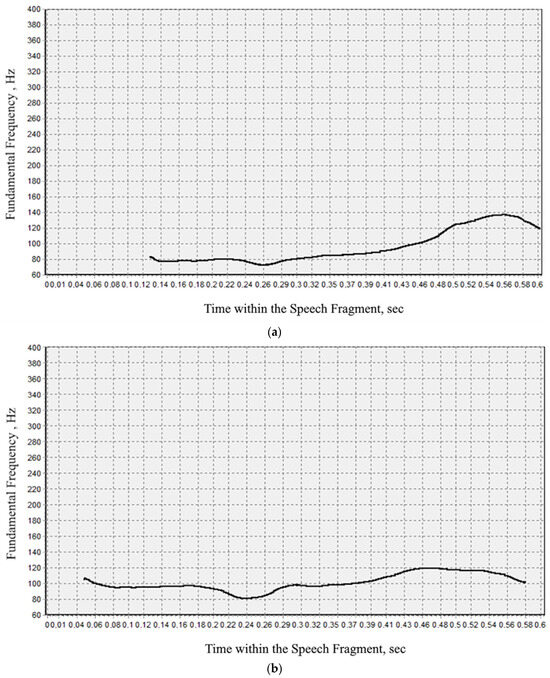
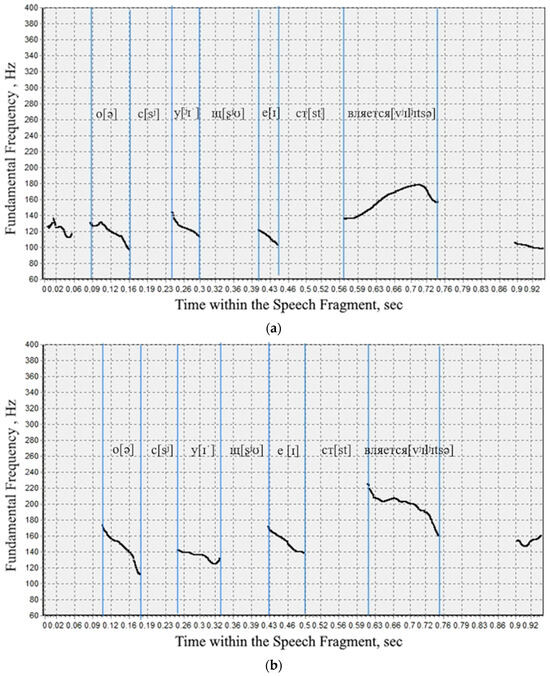
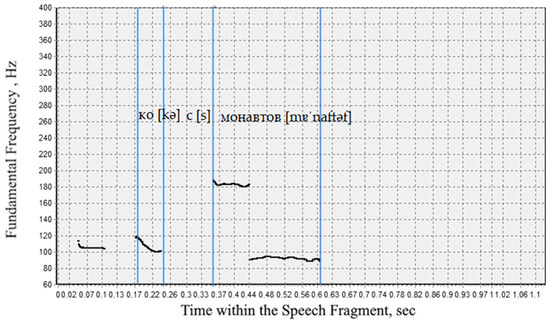
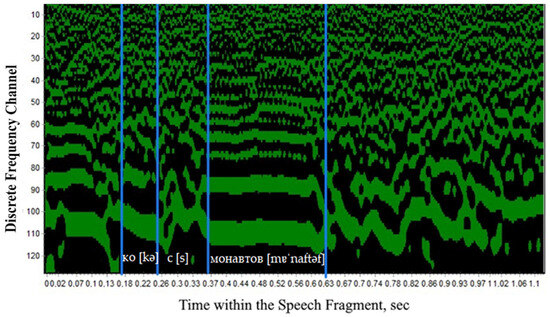
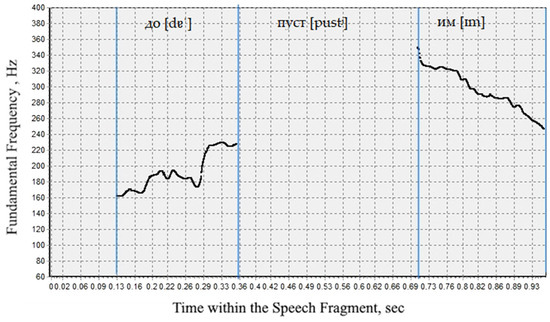
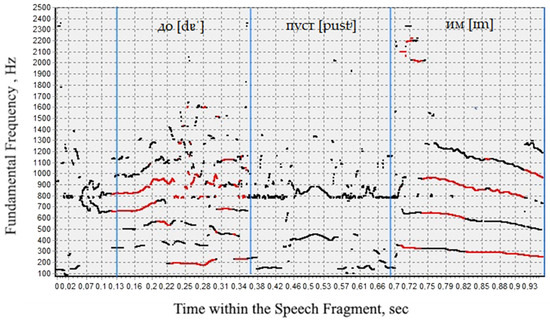
This study investigates the influence of microgravity on the fundamental frequency (F0) of astronauts’ speech. A speech corpus was compiled, including recordings in microgravity and on Earth, matched by speaker and content. The signal processing methodology included filtering with consideration of human auditory perception, segmentation of speech fragments, F0 estimation using digital signal processing techniques, and visualization through fundamental frequency dynamics plots. Results revealed a consistent increase in F0 for most astronauts under microgravity, with maximum values of 450 Hz for female speakers and 245 Hz for male speakers. Elevated F0 levels were observed for approximately 86% of the total duration of speech fragments recorded in microgravity, compared with 14% on Earth. These findings confirm that microgravity affects the speech apparatus and acoustic characteristics of voice. Practical implications include adapting voice-controlled systems and automatic speech recognition for space environments, monitoring crew condition, and studying speech physiology under extreme conditions.
Full article
(This article belongs to the Special Issue Advancing Audio/Speech Machine Learning: From Static to Continual Learning)
►▼
Show Figures

Figure 1
Open AccessArticle
Room Acoustic Differences Between Enclosed and Open Learning Spaces
by
Jukka Keränen, Valtteri Hongisto and Jenni Radun
Acoustics 2026, 8(1), 17; https://doi.org/10.3390/acoustics8010017 - 7 Mar 2026
Abstract
►▼
Show Figures
Enclosed learning spaces, e.g., classrooms, are used in most schools. Open learning spaces, which enable teaching more than one group of students at a time, have become increasingly popular. A recent survey showed that acoustic satisfaction was lower among teachers working in open
[...] Read more.
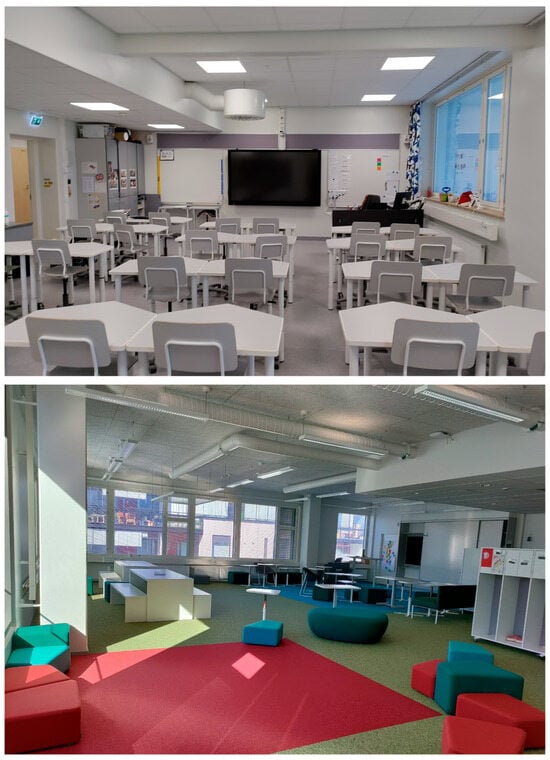
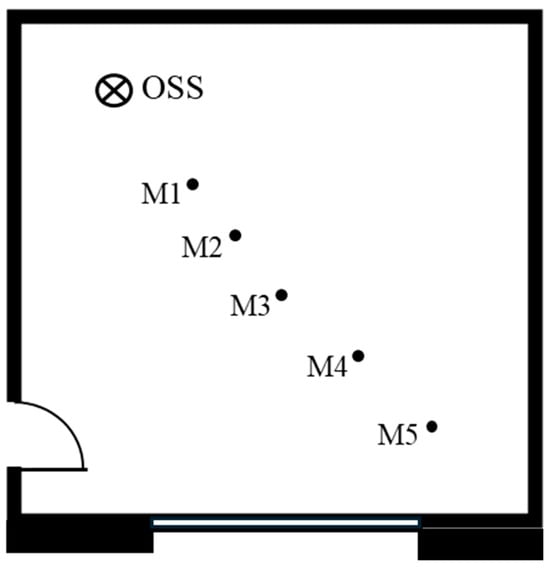
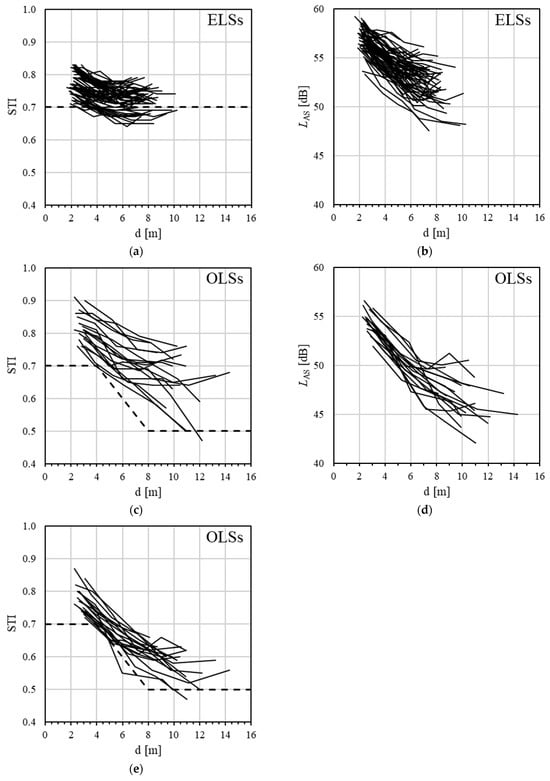
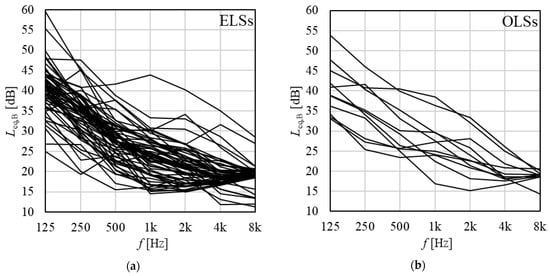
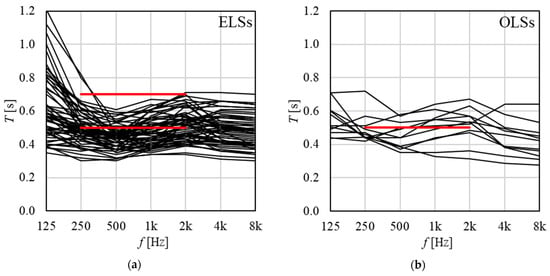
Enclosed learning spaces, e.g., classrooms, are used in most schools. Open learning spaces, which enable teaching more than one group of students at a time, have become increasingly popular. A recent survey showed that acoustic satisfaction was lower among teachers working in open learning spaces. Our purpose was to compare the acoustic conditions of these learning space types. We investigated the room acoustic quality of 73 learning spaces in 20 schools. Ten schools involved only enclosed and ten both open and enclosed learning spaces. Measurements concerned speech transmission index, STI, background noise level, LAeq, and reverberation time, T. Variation in results in both learning space types was rather large. In enclosed learning spaces, STI varied within 0.64–0.83, LAeq within 25–47 dB, and T within 0.34–0.82 s. The corresponding variations in open learning spaces were 0.47–0.91, 29–44 dB, and 0.44–0.72 s. The differences between enclosed and open learning spaces were surprisingly small. Due to the different intended uses of these space types, Finnish target values are tighter for open than for enclosed learning spaces. These target values were fulfilled in 56% of enclosed and 9% of open learning spaces. The more frequent violation of target values in open learning spaces was due to the STI being too large at longer distances. Our study provides suggestive evidence that the room acoustic conditions are worse in open than enclosed learning spaces. Further research is needed to prove whether room acoustic conditions could explain worse acoustic satisfaction in teachers.
Full article

Figure 1
Open AccessArticle
Hearing a Sacred Space: An Archaeoacoustic Analysis of the Church of St. Francis in Pula, Croatia
by
Teo Poldrugovac, Marko Horvat and Danijela Roksandić Vukadin
Acoustics 2026, 8(1), 16; https://doi.org/10.3390/acoustics8010016 - 3 Mar 2026
Abstract
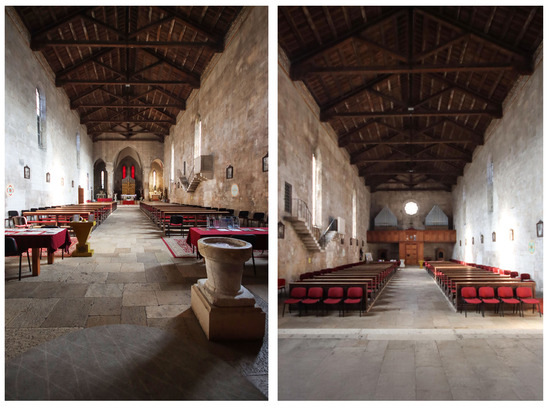
The Church of St. Francis in Pula, Croatia, is a well-preserved example of Franciscan gothic sacral architecture from the late 13th century. As preaching was highly valued by the Franciscan order as a way of communicating with the faithful, the study is focused
[...] Read more.
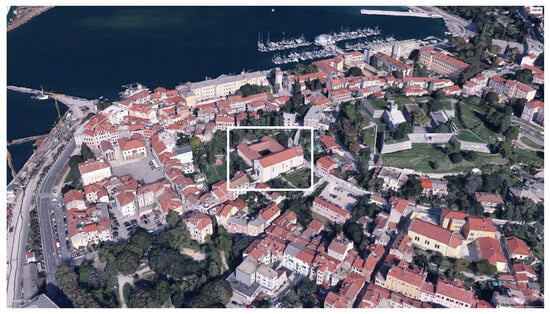
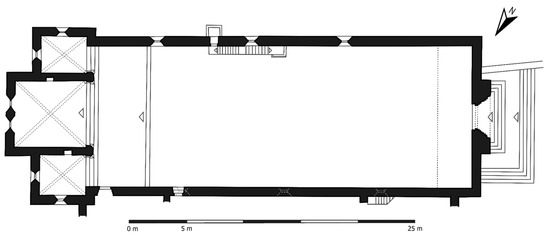
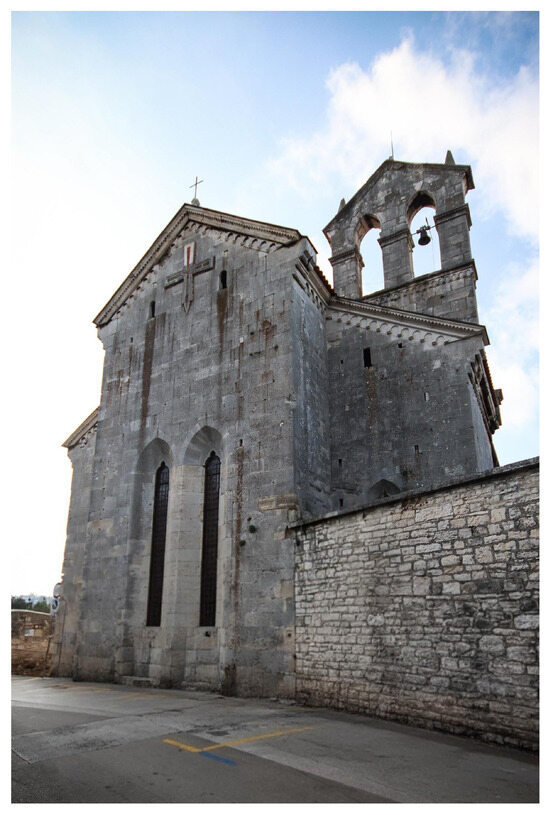
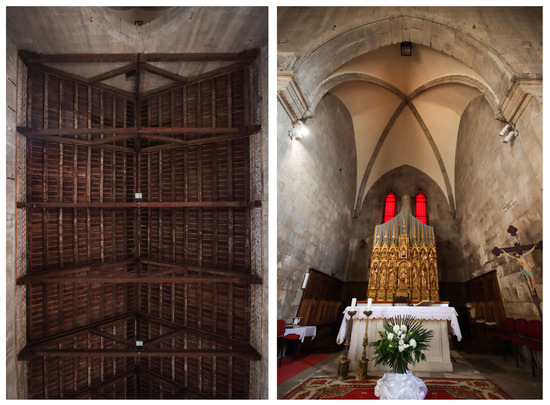
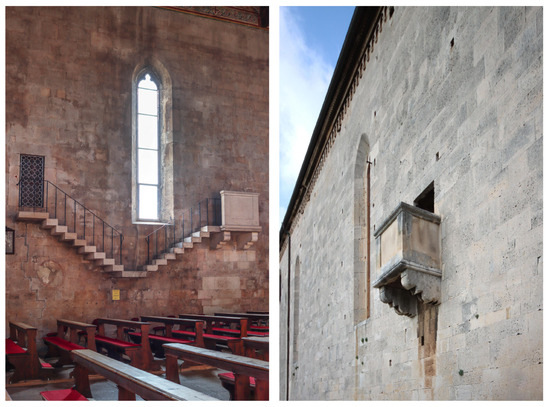
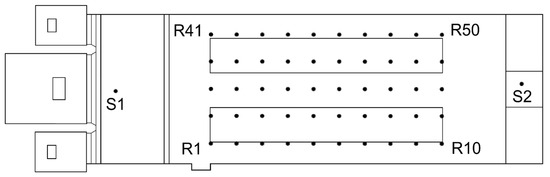
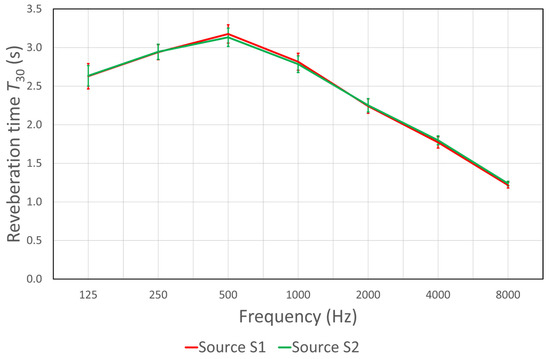
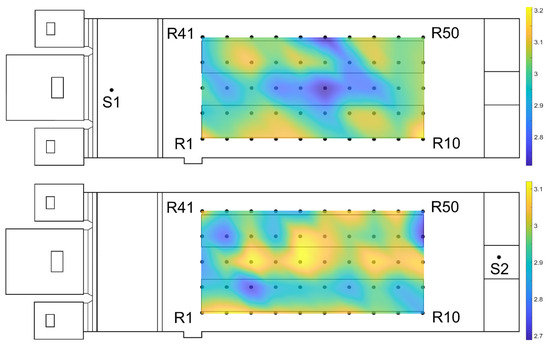
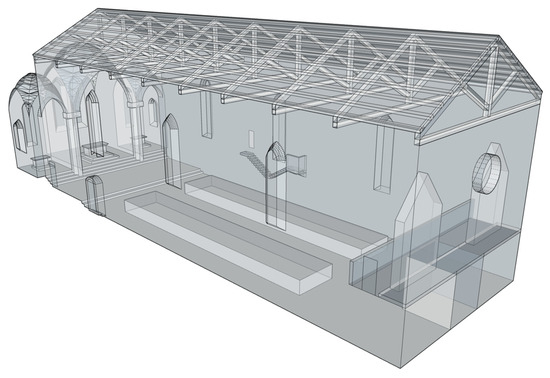
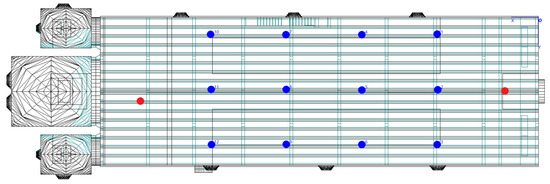
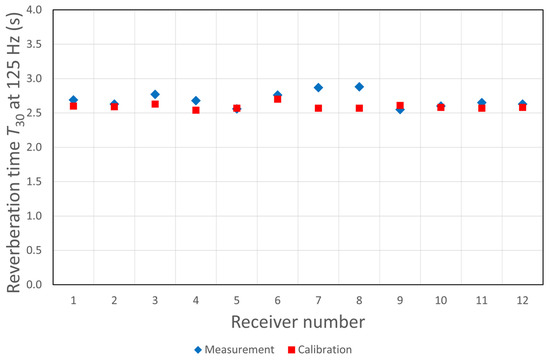
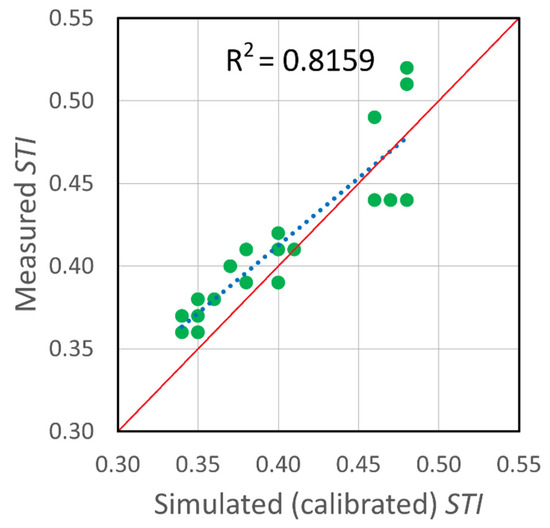
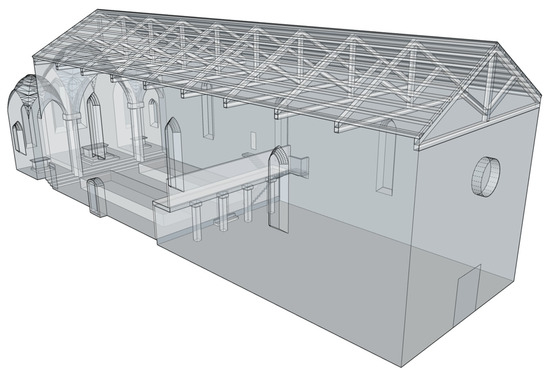
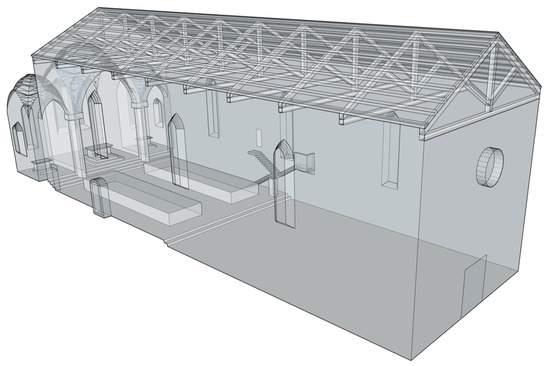
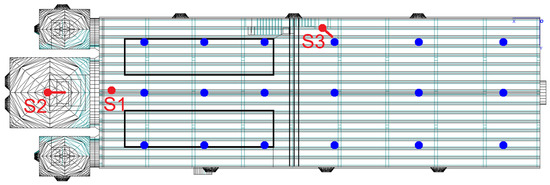
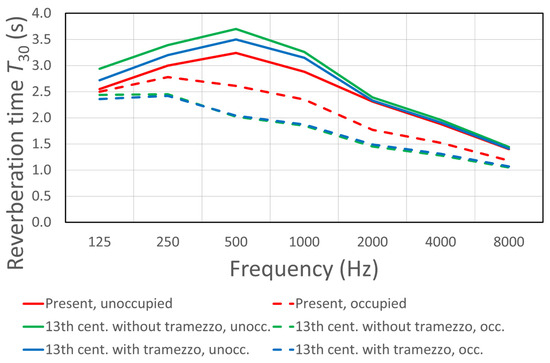
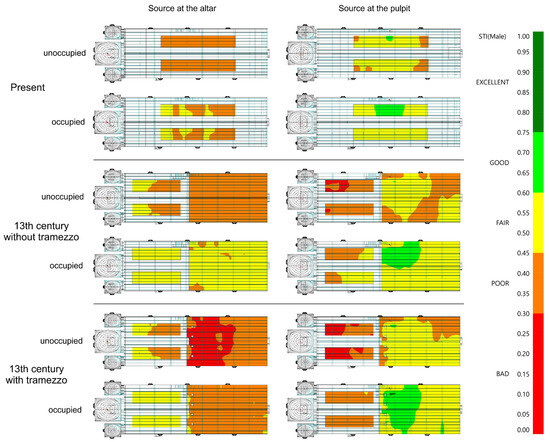
The Church of St. Francis in Pula, Croatia, is a well-preserved example of Franciscan gothic sacral architecture from the late 13th century. As preaching was highly valued by the Franciscan order as a way of communicating with the faithful, the study is focused on determining whether speech intelligibility in the church would have been adequate for successful communication between priests and their audience. The archaeoacoustic analysis of the church was performed in four stages: (1) in situ acoustic measurements in the present state, (2) development and calibration of the model of the present state based on measurement results, (3) development of the two models of the presumed historical state based on the calibrated model and historical data, and (4) prediction of acoustic conditions in the present and the historical states in terms of reverberation time T30 and of speech intelligibility in terms of speech transmission index STI. The factors considered in the study were (1) acoustics of the church, (2) profile of the audience (friars and the faithful), (3) layout of the audience areas (choir area in the front of the nave for the friars, back area of the nave for the faithful), (4) positions of the speech sources (altar for addressing the friars, pulpit for addressing the faithful), (5) occupancy (unoccupied and fully occupied church), (6) language used in liturgical ceremonies (Latin and native language), and (7) language proficiency of the audience (native speakers, users of a second language). The results show that (1) fair speech intelligibility (STI ≥ 0.45 for the faithful as native speakers, STI ≥ 0.50 for friars as non-native speakers of Latin) can be achieved for 50% of the audience in the choir area and for the entire audience in the back area in favourable conditions (fully occupied church, audience addressed from dedicated speaker positions), (2) the position of the pulpit (close to the audience and considerably elevated above it) is more favourable than the position of the altar (remote, barely elevated above the audience), and (3) in unoccupied conditions, fair speech intelligibility can still be achieved in at least 50% of the back audience area with the faithful gathered close to the pulpit, while it is not possible for the front audience area addressed from the altar. The summary conclusion is that the church of St. Francis in its presumed historical layout(s) would fulfil its primary function in a limited capacity. Fair speech intelligibility would likely have been sufficient for the audience to follow liturgical ceremonies conducted in the church, but not without difficulty.
Full article
(This article belongs to the Special Issue The Past Has Ears: Archaeoacoustics and Acoustic Heritage)
►▼
Show Figures

Figure 1
Open AccessArticle
Low-Frequency Piezoelectric Hydrophone with High Sensitivity Based on a Piston Structure
by
Zhenming Piao, Tianyuan Hou, Yuhang Wang, Junye Tong, Hamadullah Panhwar, Yanxin Lv and Yi Xin
Acoustics 2026, 8(1), 15; https://doi.org/10.3390/acoustics8010015 - 27 Feb 2026
Abstract
►▼
Show Figures
Low-frequency hydrophones are used to detect underwater low-frequency acoustic signals and are widely applied in marine science, resource exploration, environmental monitoring, and military operations. Their primary advantage lies in the fact that low-frequency acoustic waves experience less attenuation in water, enabling long-distance detection.
[...] Read more.
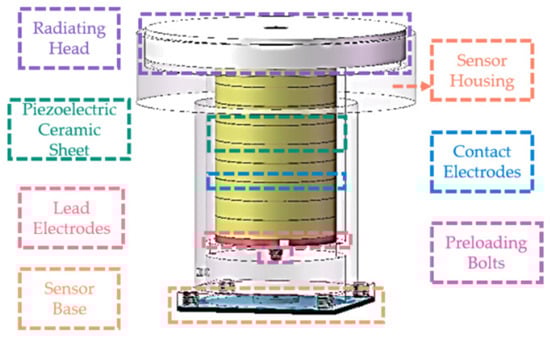
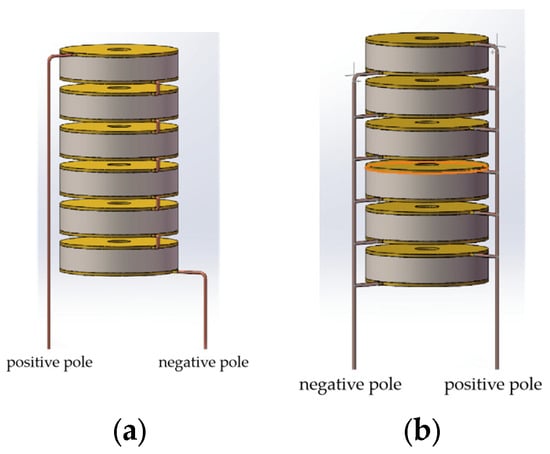
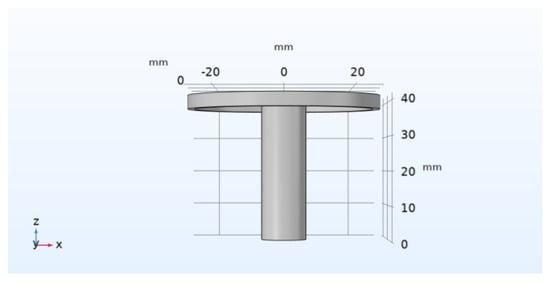
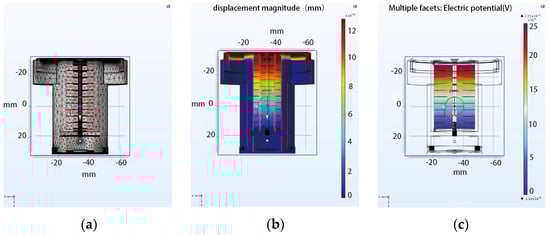
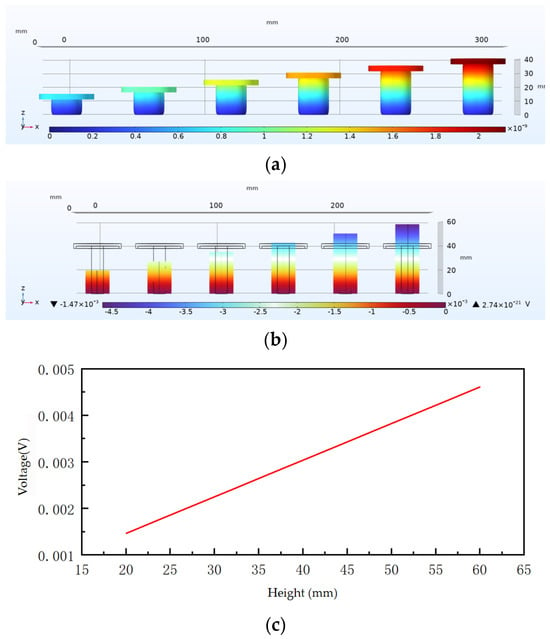
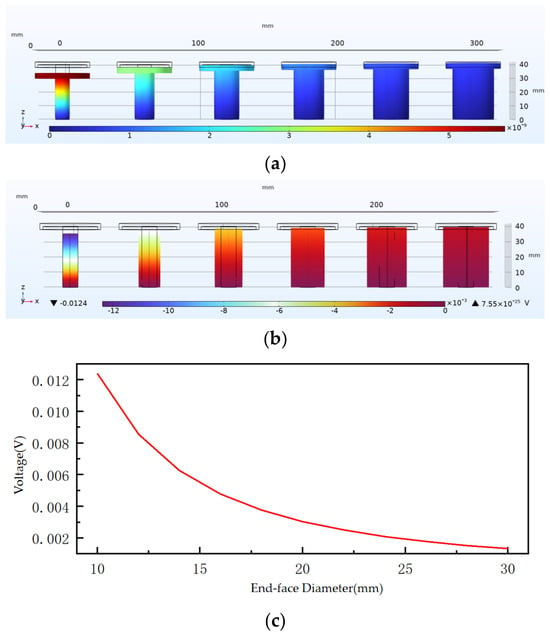
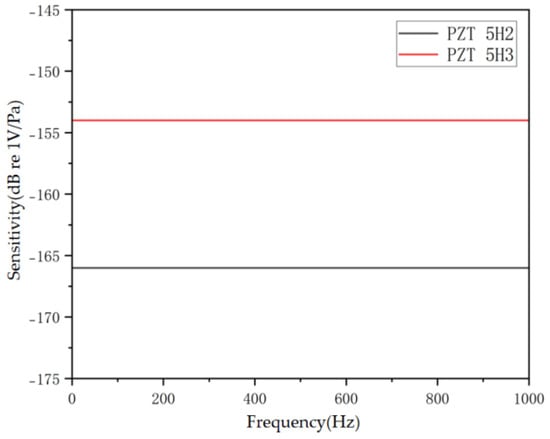
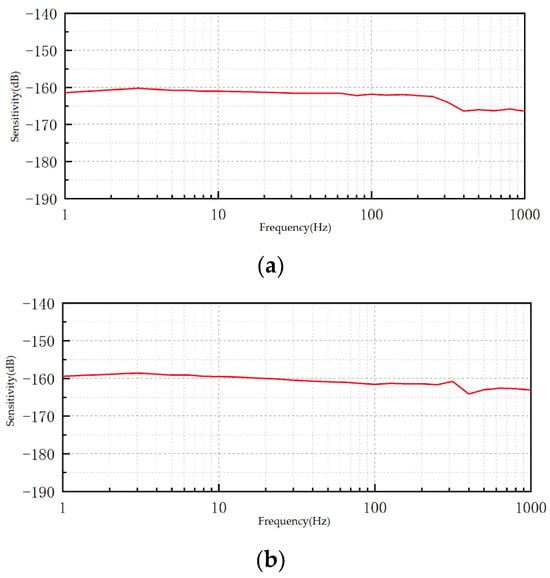
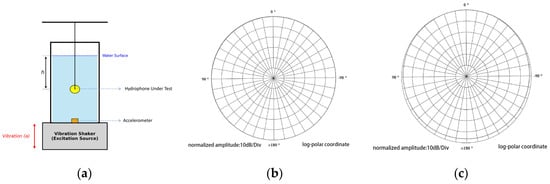
Low-frequency hydrophones are used to detect underwater low-frequency acoustic signals and are widely applied in marine science, resource exploration, environmental monitoring, and military operations. Their primary advantage lies in the fact that low-frequency acoustic waves experience less attenuation in water, enabling long-distance detection. This characteristic makes them indispensable for long-range and wide-area sensing. In this study, a piston-structured hydrophone using a stack of lead zirconate titanate (PZT) piezoelectric ceramic sheets is designed. Finite element simulation analysis is used to derive the output voltage variation in the piezoelectric ceramic stack as a function of its thickness and end-face diameter. The piston-structured hydrophone is then designed accordingly. Results show that the piston structure, combined with the longitudinal stacking of PZT piezoelectric ceramic sheets, enhances the sensitivity of the piezoelectric hydrophone. The prepared hydrophone has a directivity of 360° in the operating frequency range of 1 Hz to 1 kHz, as well as a flat frequency response and high sensitivity of −161 dB. These research results indicate that the proposed sonar design provides valuable reference for the development of low-frequency sonar with higher sensitivity, which is of great significance to the development of marine science.
Full article

Figure 1
Open AccessArticle
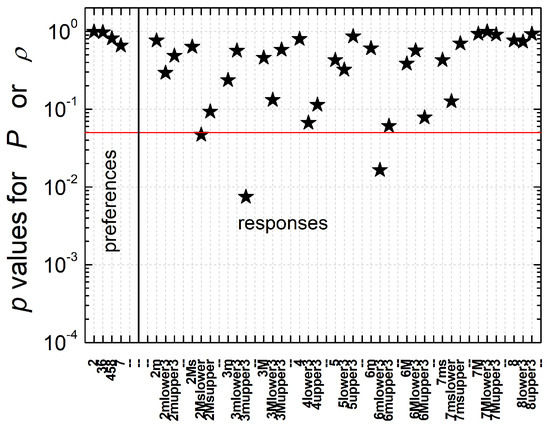
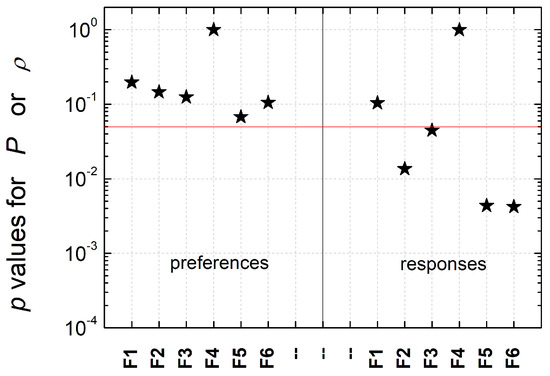
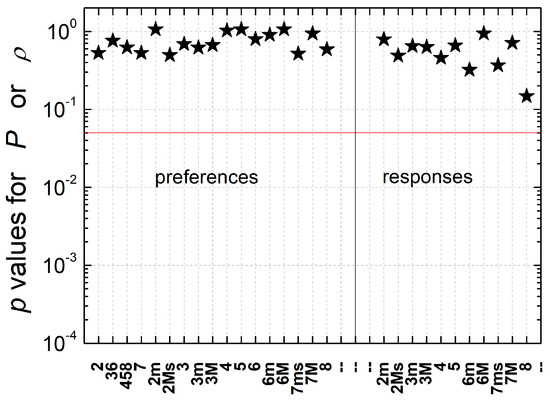
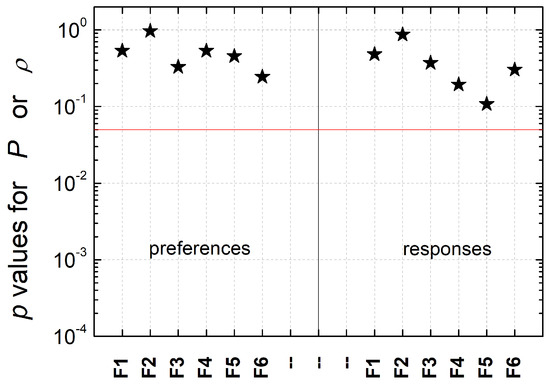
Psychoacoustic Study of Simple-Tone Dyads: Frequency Ratio and Pitch
by
Stefania Kaklamani and Constantinos Simserides
Acoustics 2026, 8(1), 14; https://doi.org/10.3390/acoustics8010014 - 9 Feb 2026
Abstract
►▼
Show Figures
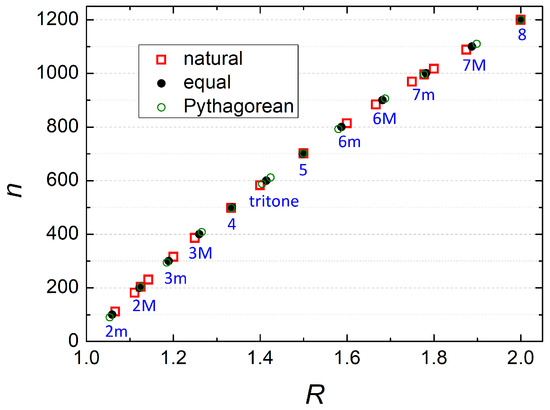
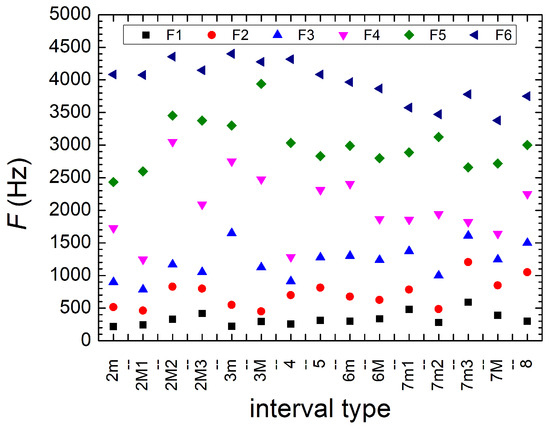
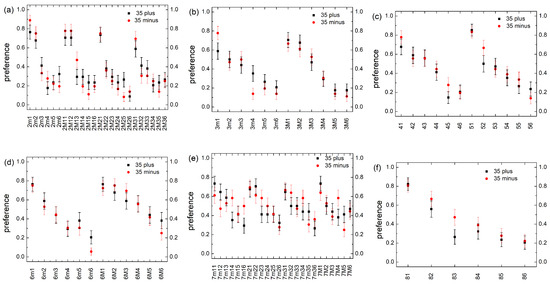
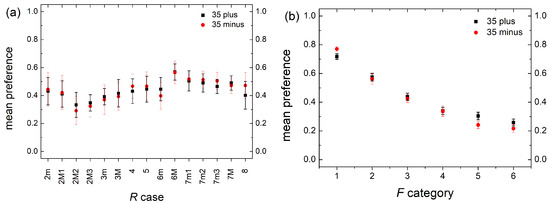
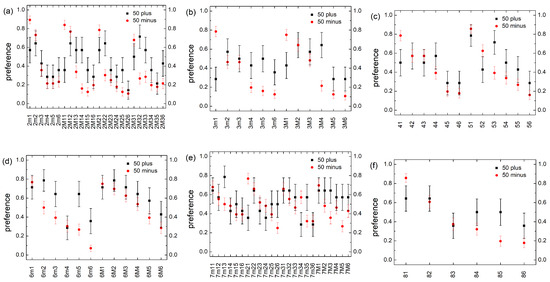
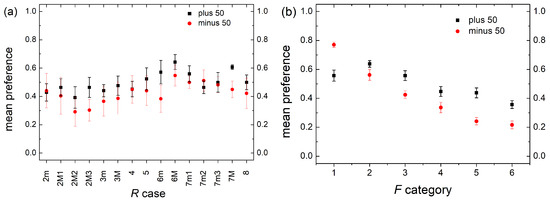
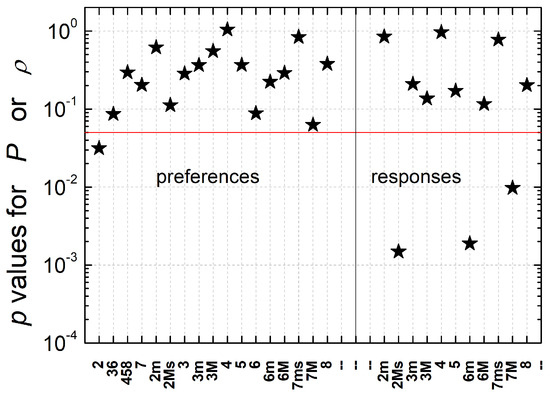
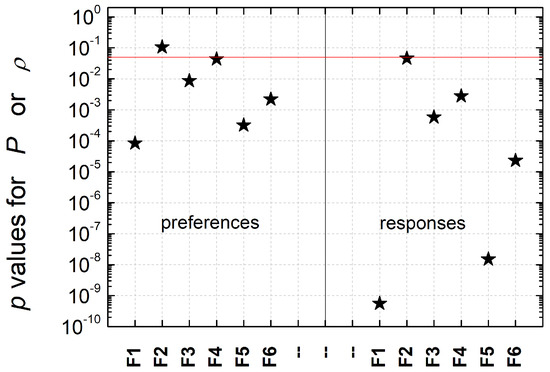
This study investigates how listeners perceive consonance and dissonance in dyads composed of simple (sine) tones, focusing on the effects of frequency ratio (R) and mean frequency (F). Seventy adult participants—categorized by musical training, gender, and age group—rated randomly
[...] Read more.
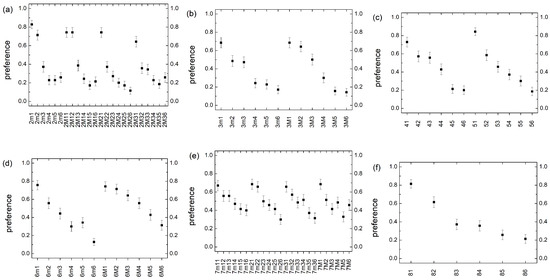
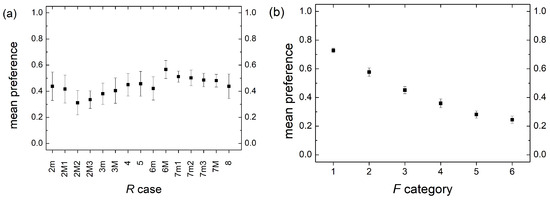
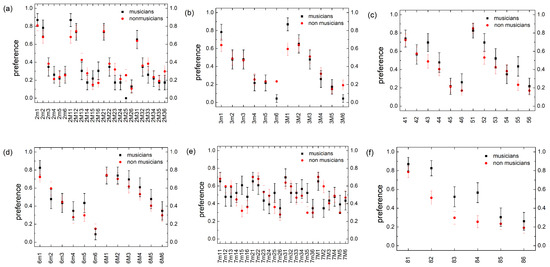
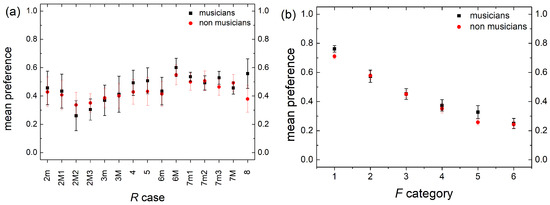
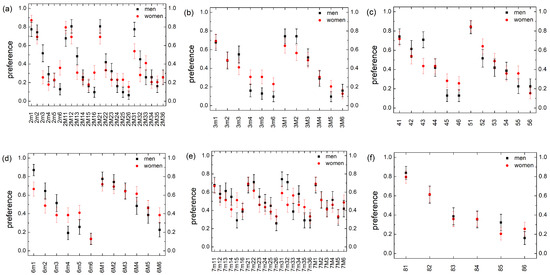
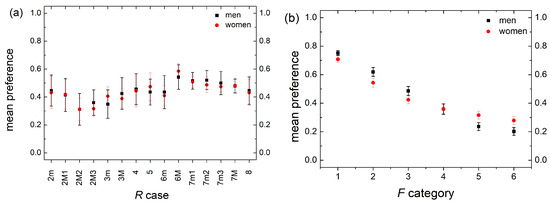
This study investigates how listeners perceive consonance and dissonance in dyads composed of simple (sine) tones, focusing on the effects of frequency ratio (R) and mean frequency (F). Seventy adult participants—categorized by musical training, gender, and age group—rated randomly ordered dyads using binary preference responses (“like” or “dislike”). Dyads represented standard Western intervals but were constructed with sine tones rather than musical notes, preserving interval ratios while varying absolute pitch. Statistical analyses reveal a consistent decrease in preference with increasing mean frequency, regardless of interval class or participant group. Octaves, fifths, fourths, and sixths showed a nearly linear decline in preference with increasing F. Major seconds were among the least preferred. Musicians rated octaves and certain consonant intervals more positively than non-musicians, while gender and age groups exhibited different sensitivity to high frequencies. The findings suggest that both interval structure and pitch range shape the perception of consonance in simple-tone dyads, with possible psychoacoustic explanations involving frequency sensitivity and auditory fatigue at higher frequencies.
Full article

Figure 1

Open AccessArticle
Evaluating Noise Levels and Perception: A Study on the Impact of Noise Pollution in an Urban and Semi-Rural Campus of the University of Guadalajara, Mexico
by
Gabriel Torres-Pasillas, Arturo Figueroa-Montaño, Martha Georgina Orozco-Medina and Valentina Davydova-Belitskaya
Acoustics 2026, 8(1), 13; https://doi.org/10.3390/acoustics8010013 - 9 Feb 2026
Abstract
►▼
Show Figures
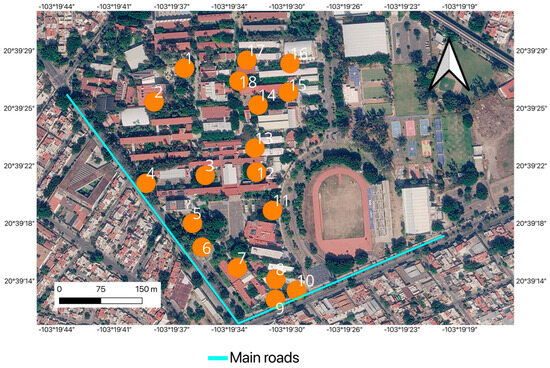
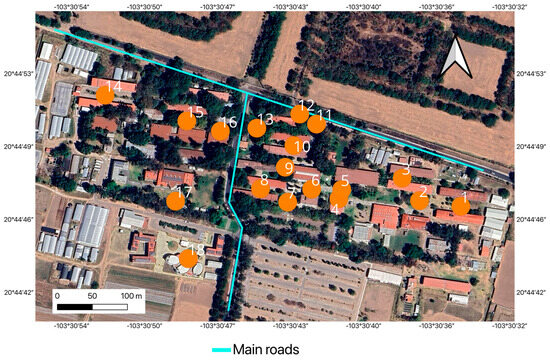
Noise pollution poses a serious threat to human health and well-being, especially in educational environments where concentration and learning are essential. While urban noise has been widely studied, its effects within university settings remain underexplored. This study investigates environmental noise and student perceptions
[...] Read more.
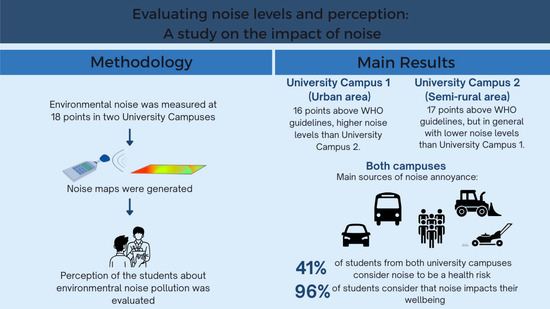
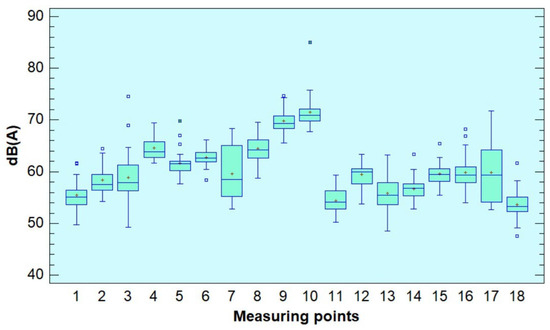
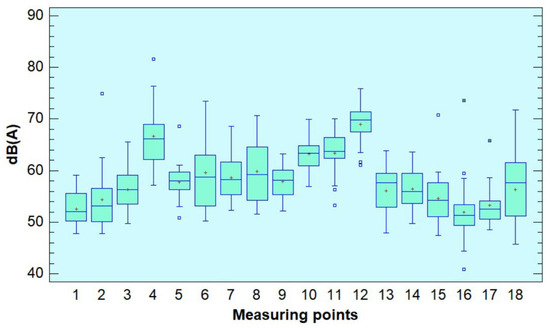
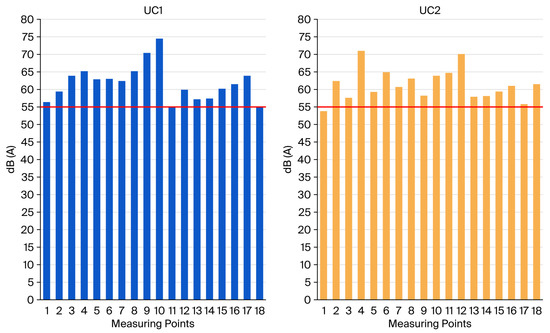
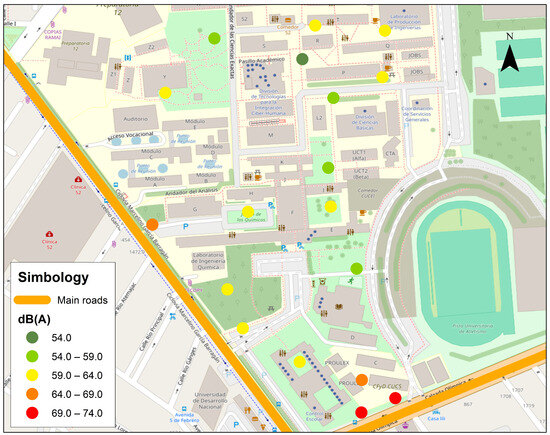
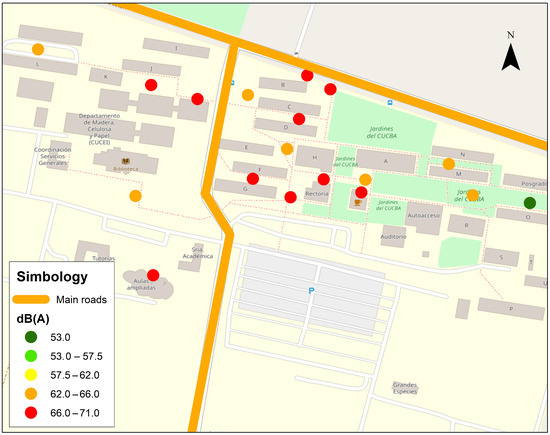
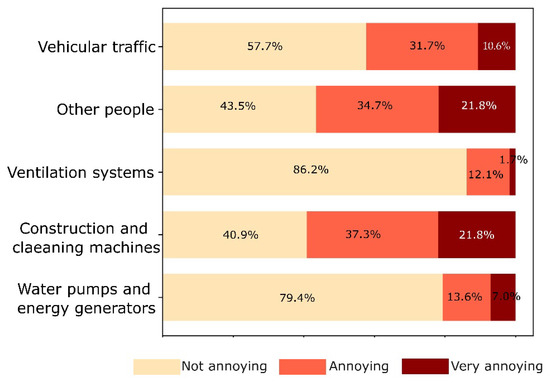
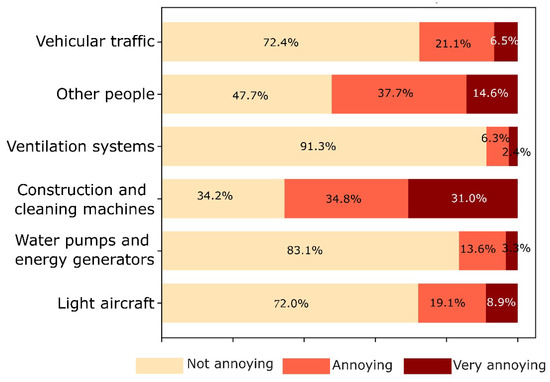
Noise pollution poses a serious threat to human health and well-being, especially in educational environments where concentration and learning are essential. While urban noise has been widely studied, its effects within university settings remain underexplored. This study investigates environmental noise and student perceptions on two campuses of the University of Guadalajara, Mexico—one located in an urban area and the other in a semi-rural setting. Noise levels were measured using the CESVA-SC260 integrating instrument (CESVA Instruments, SLU, Barcelona, Spain), and student perceptions were gathered through a survey. A total of 731 students participated, with 357 from the urban campus and 374 from the semi-rural one. Results showed that noise levels on both campuses frequently exceeded the WHO’s recommended limit of 55 dB(A) for educational facilities, with readings between 40.9 and 85.0 dB(A); 89% of measurements surpassed the threshold. Major sources of noise included vehicular traffic, student gatherings, and construction-related machinery. Survey responses indicated that 41% of students perceived noise as a health risk, and 96% reported adverse effects on well-being and identified it as a disruptor of academic tasks. These findings underscore the pressing need for targeted noise management strategies in university environments and call for further research into effective, context-specific interventions that enhances learning conditions.
Full article

Graphical abstract
Open AccessArticle
Dual-Band Acoustic Metasurface: Bimodal Resonance for Anomalous Reflections
by
Xiaole Yan, Qingning Yang, Limei Hao, Xi Chen, Shijie Wu, You Xie and Zhi Chen
Acoustics 2026, 8(1), 12; https://doi.org/10.3390/acoustics8010012 - 8 Feb 2026
Abstract
►▼
Show Figures
In fields such as noise control, medical ultrasound, and acoustic communication, the flexible regulation of reflected sound waves has significant application value. In this work, a dual-band acoustic metasurface was designed using a split hollow cuboid with an open-hole plate (OPSHC) structure, which
[...] Read more.
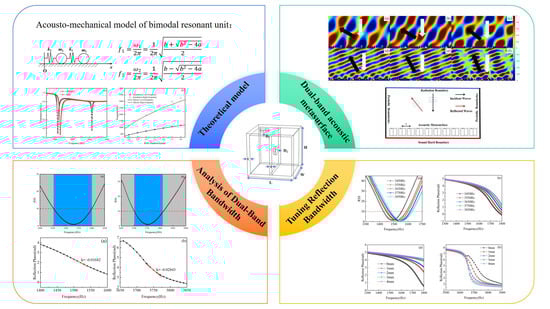
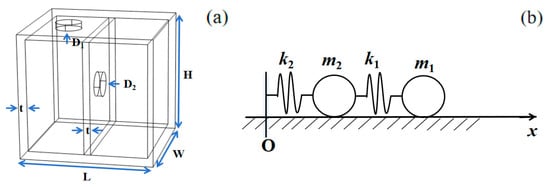
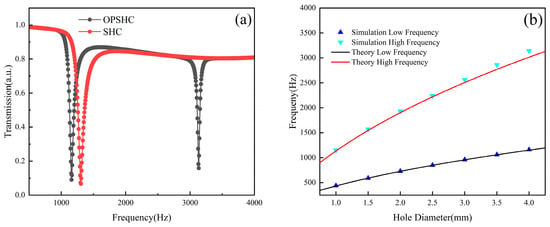
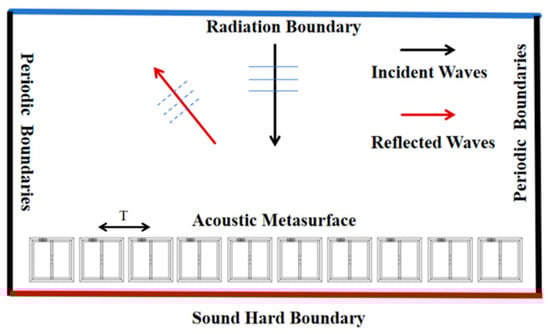
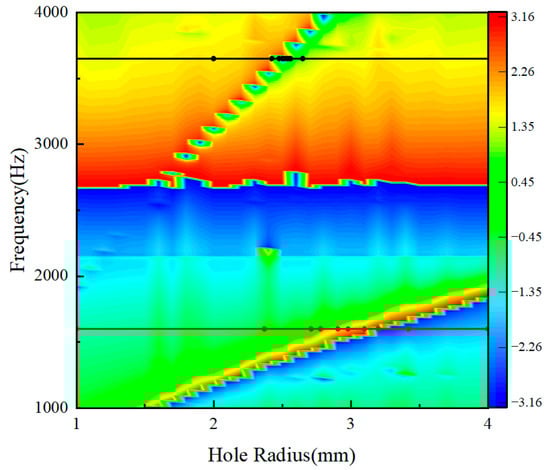
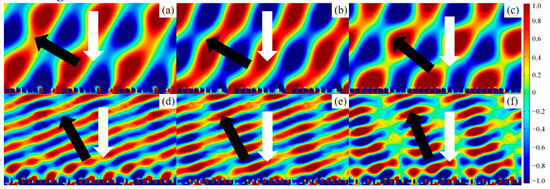
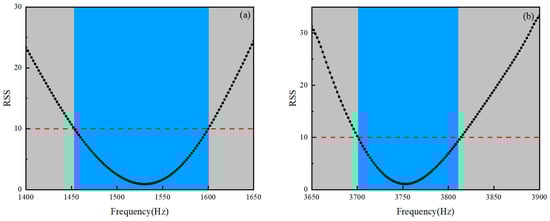
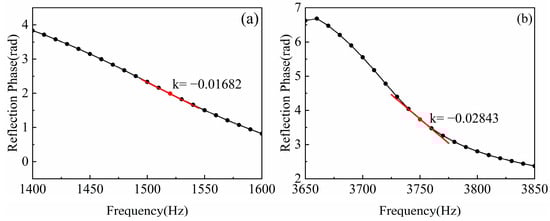
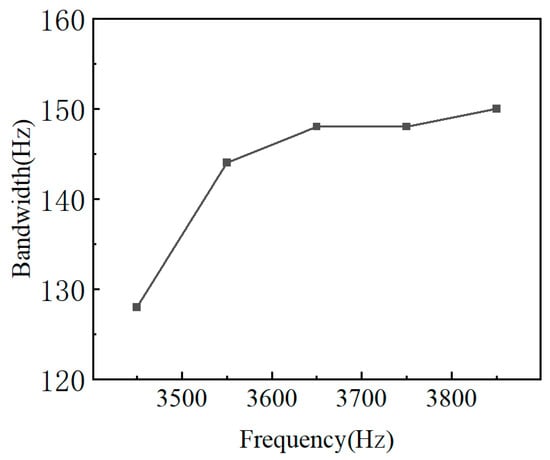
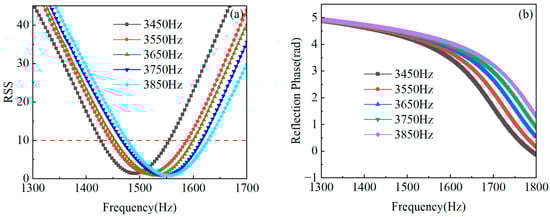
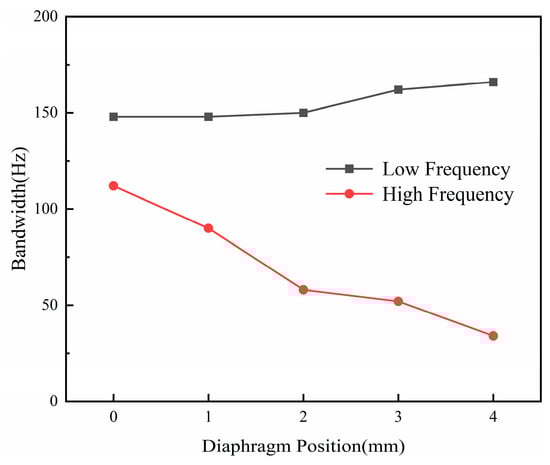
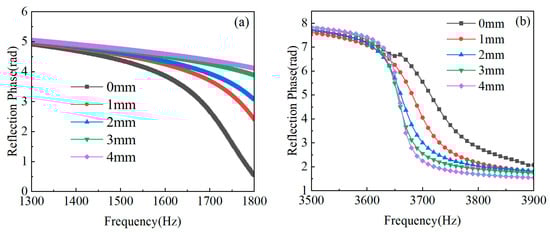
In fields such as noise control, medical ultrasound, and acoustic communication, the flexible regulation of reflected sound waves has significant application value. In this work, a dual-band acoustic metasurface was designed using a split hollow cuboid with an open-hole plate (OPSHC) structure, which simultaneously achieves the direction control of reflected sound waves in both frequency bands. An OPSHC is a series structural unit, and the two center frequencies are mainly controlled by the diameters of the two openings in the structure and the position of the open-hole plate. Through finite element simulation, the influence of the center frequency of the metasurface and the position of the open-hole plate on the bandwidth of the anomalous reflection was studied. The results show that when the low-frequency center frequency is fixed, the low-frequency bandwidth of the metasurface increases with the increase in the high-frequency center frequency. When the position of the plate is moved, the low-frequency bandwidth increases and the high-frequency bandwidth decreases. This type of metasurface provides a new technical approach for broadband acoustic metasurface applications in noise control and underwater detection systems.
Full article

Graphical abstract
Open AccessReview
Review of Modelling and Prediction Methods for Flanking Transmissions
by
Jordi Poblet-Puig
Acoustics 2026, 8(1), 11; https://doi.org/10.3390/acoustics8010011 - 3 Feb 2026
Abstract
►▼
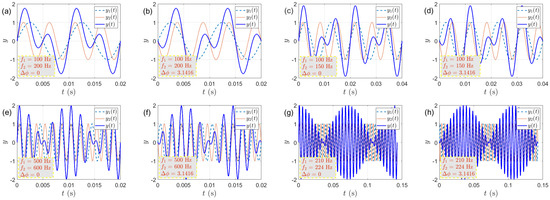
Show Figures
This review provides a comprehensive assessment of modelling techniques for flanking transmission, with a primary focus on building acoustics. The discussion is organised into three main parts. First, methods that address the full vibro-acoustic problem are examined, distinguishing between deterministic approaches—such as the
[...] Read more.
This review provides a comprehensive assessment of modelling techniques for flanking transmission, with a primary focus on building acoustics. The discussion is organised into three main parts. First, methods that address the full vibro-acoustic problem are examined, distinguishing between deterministic approaches—such as the Finite Element Method, spectral formulations, and modal techniques—and statistical approaches, in particular, Statistical Energy Analysis. Second, simplified characterisation methods for flanking transmission paths are reviewed, with emphasis on the EN 12354 framework for heavy structures and subsequent adaptations for lightweight constructions. Third, the parameters commonly used to characterise vibration transmission at structural junctions are introduced, followed by an extensive review of junction-level models. These include wave-based formulations, finite-dimension models suitable for low and mid frequencies, and simplified regression-based expressions intended for practical design workflows. The review concludes with a curated compilation of experimental data available in the literature.
Full article

Figure 1
Open AccessArticle
Using Neural Networks to Generate a Basis for OFDM Acoustic Signal Decomposition in Non-Stationary Underwater Media to Provide for Reliability and Energy Efficiency
by
Aleksandr Yu. Rodionov, Lyubov G. Statsenko, Andrey A. Chusov, Denis A. Kuzin and Mariia M. Smirnova
Acoustics 2026, 8(1), 10; https://doi.org/10.3390/acoustics8010010 - 2 Feb 2026
Abstract
►▼
Show Figures
The high peak-to-average power ratio (PAPR) in classical high-speed digital data transmission systems with orthogonal frequency division multiplexing (OFDM) limits energy efficiency and communication range. This paper proposes a method for randomizing OFDM signals via frequency coding using synthesized pseudorandom sequences with improved
[...] Read more.
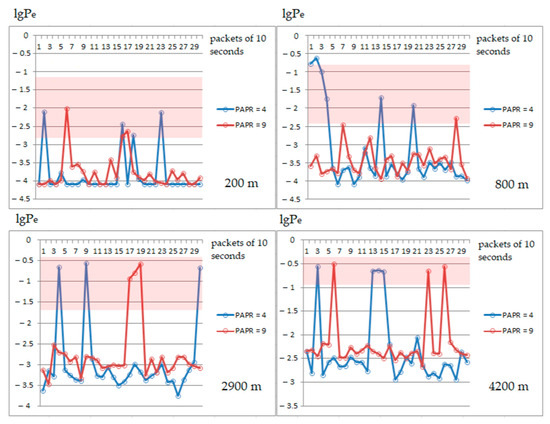
The high peak-to-average power ratio (PAPR) in classical high-speed digital data transmission systems with orthogonal frequency division multiplexing (OFDM) limits energy efficiency and communication range. This paper proposes a method for randomizing OFDM signals via frequency coding using synthesized pseudorandom sequences with improved autocorrelation properties, obtained through machine learning, to minimize PAPR in complex, non-stationary hydroacoustic channels for communicating with underwater robotic systems. A neural network architecture was developed and trained to generate codes of up to 150 elements long based on an analysis of patterns in previously found best short sequences. The obtained class of OFDM signals does not require regular and accurate estimation of channel parameters while remaining resistant to various types of impulse noise, Doppler shifts, and significant multipath interference typical of the underwater environment. The attained spectral efficiency values (up to 0.5 bits/s/Hz) are relatively high for existing hydroacoustic communication systems. It has been shown that the peak power of such multi-frequency information transmission systems can be effectively reduced by an average of 5–10 dB, which allows for an increase in the communication range compared to classical OFDM methods in non-stationary hydrological conditions at acceptable bit error rates (from 10−2 to 10−3 and less). The effectiveness of the proposed methods of randomization with synthesized codes and frequency coding for OFDM signals was confirmed by field experiments at sea on the shelf, over distances of up to 4.2 km, with sea waves of up to 2–3 Beaufort units and mutual movement of the transmitter and receiver.
Full article

Figure 1

Open AccessArticle
Perceptual Evaluation of Acoustic Level of Detail in Virtual Acoustic Environments
by
Stefan Fichna, Steven van de Par, Bernhard U. Seeber and Stephan D. Ewert
Acoustics 2026, 8(1), 9; https://doi.org/10.3390/acoustics8010009 - 30 Jan 2026
Abstract
►▼
Show Figures
Virtual acoustics enables the creation and simulation of realistic and ecologically valid indoor environments vital for hearing research and audiology. For real-time applications, room acoustics simulation requires simplifications. However, the acoustic level of detail (ALOD) necessary to capture all perceptually relevant effects remains
[...] Read more.
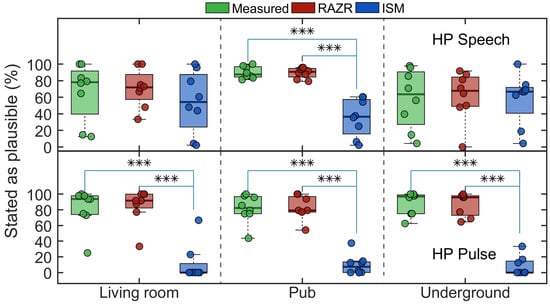
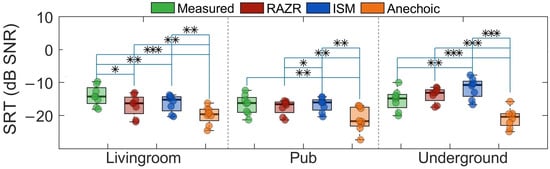
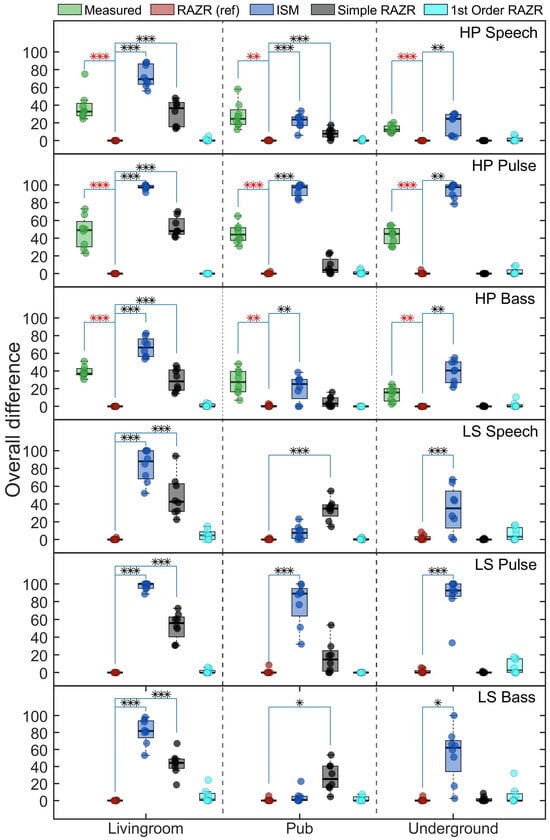
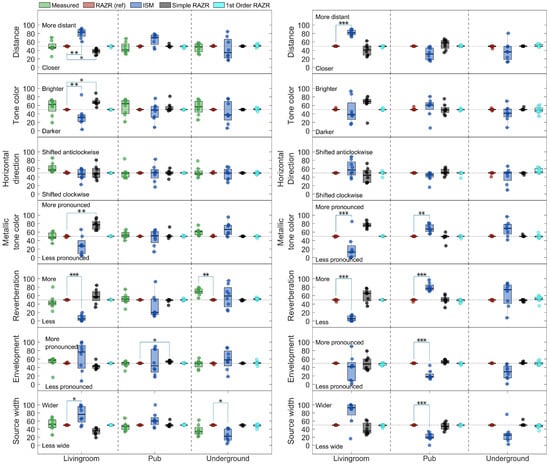
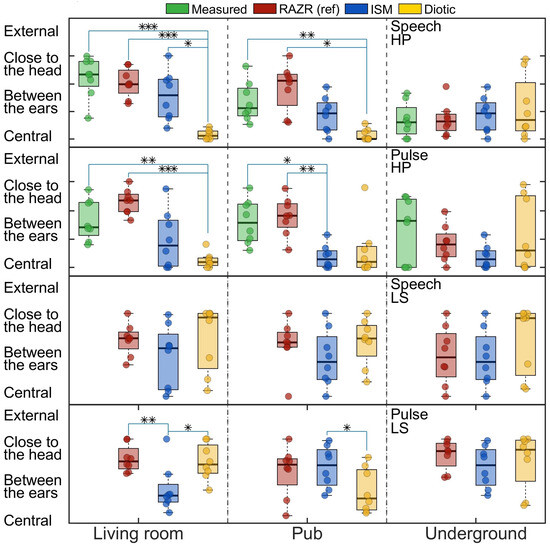
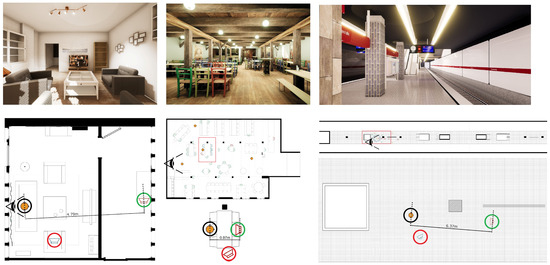
Virtual acoustics enables the creation and simulation of realistic and ecologically valid indoor environments vital for hearing research and audiology. For real-time applications, room acoustics simulation requires simplifications. However, the acoustic level of detail (ALOD) necessary to capture all perceptually relevant effects remains unclear. This study examines the impact of varying ALOD in simulations of three real environments: a living room with a coupled kitchen, a pub, and an underground station. ALOD was varied by generating different numbers of image sources for early reflections, or by excluding geometrical room details specific for each environment. Simulations were perceptually evaluated using headphones in comparison to measured, real binaural room impulse responses, or by using loudspeakers. The perceived overall difference, spatial audio quality differences, plausibility, speech intelligibility, and externalization were assessed. A transient pulse, an electric bass, and a speech token were used as stimuli. The results demonstrate that considerable reductions in acoustic level of detail are perceptually acceptable for communication-oriented scenarios. Speech intelligibility was robust across ALOD levels, whereas broadband transient stimuli revealed increased sensitivity to simplifications. High-ALOD simulations yielded plausibility and externalization ratings comparable to real-room recordings under both headphone and loudspeaker reproduction.
Full article

Figure 1

Open AccessArticle
Soundscapes Across Mountains and Cities: A Linguistic Study in the Trentino Region
by
Giacomo Gozzi, Simone Torresin and Linda Badan
Acoustics 2026, 8(1), 8; https://doi.org/10.3390/acoustics8010008 - 30 Jan 2026
Abstract
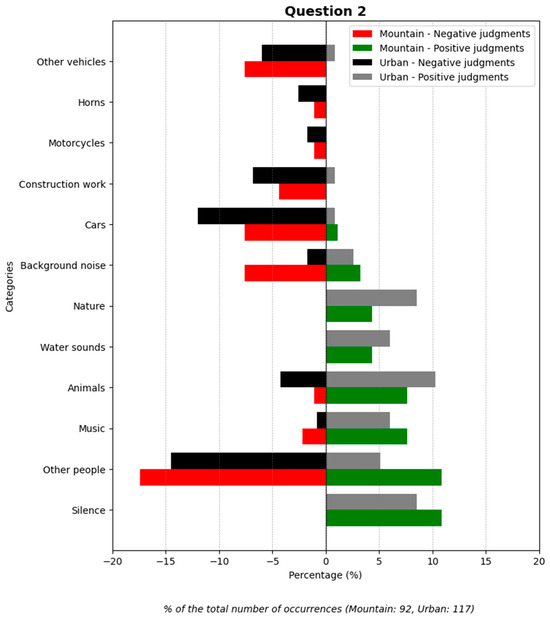
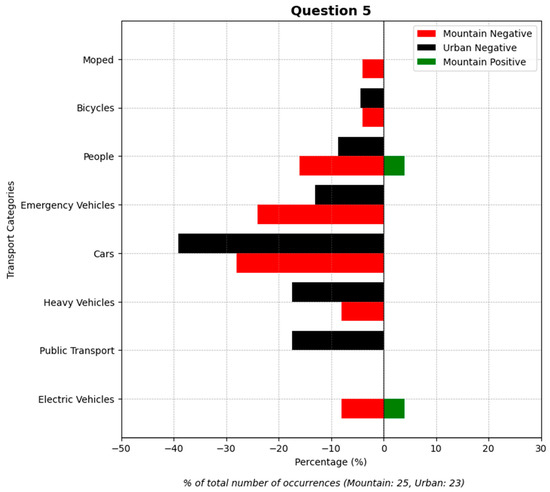
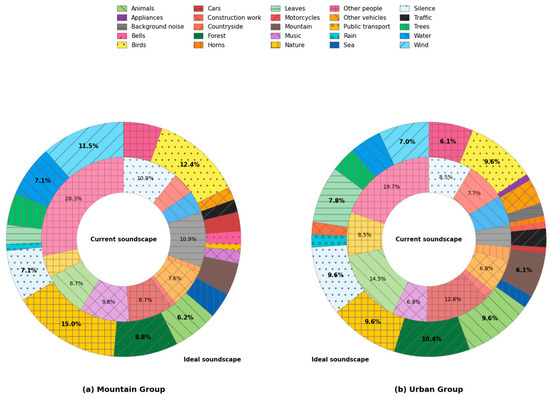
Trentino, a sparsely populated and almost entirely mountainous region in northeastern Italy, has so far received little attention in linguistic studies on soundscapes, which provide an important cultural ecosystem service. This study analyzes the responses of 68 participants—31 from mountain areas and 37
[...] Read more.
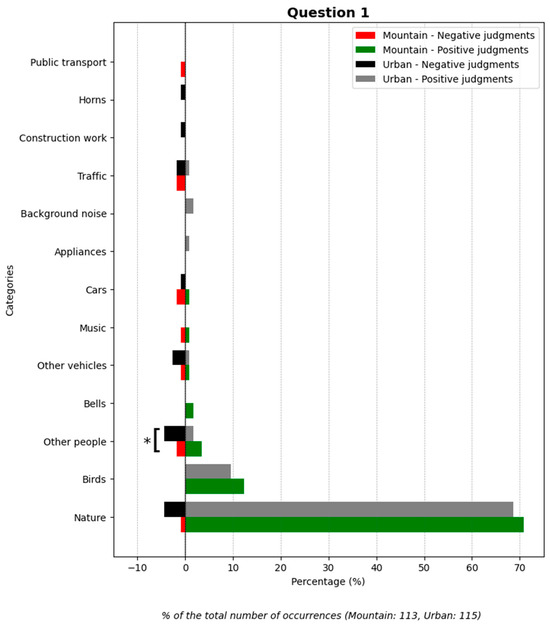
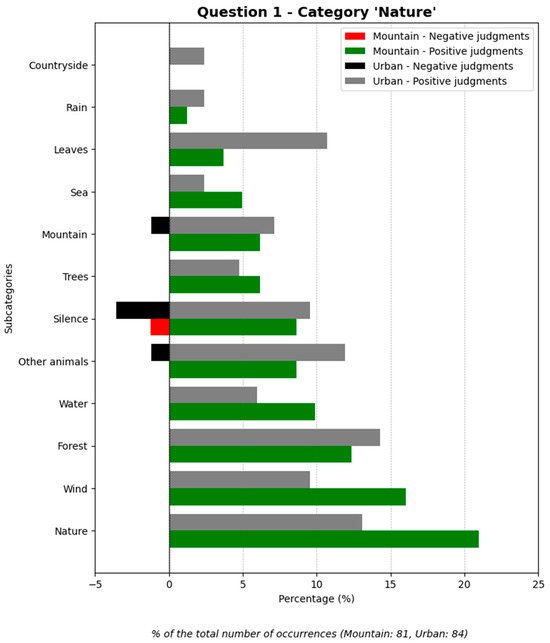
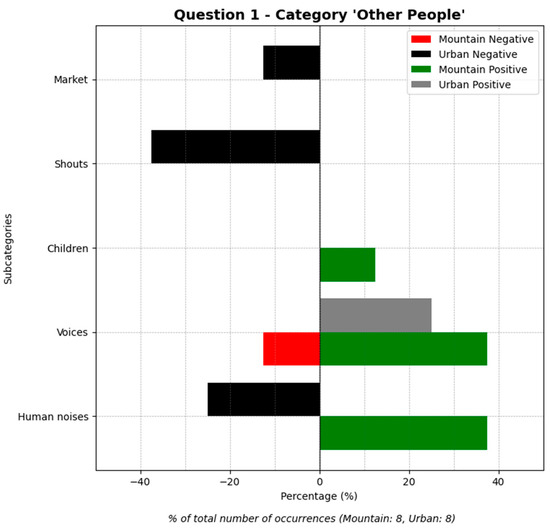
Trentino, a sparsely populated and almost entirely mountainous region in northeastern Italy, has so far received little attention in linguistic studies on soundscapes, which provide an important cultural ecosystem service. This study analyzes the responses of 68 participants—31 from mountain areas and 37 from urban areas—to an open-ended questionnaire adapted from Guastavino, using a mixed-methods approach to investigate: (1) differences in current and ideal soundscape perception between residents of urban and mountain areas in Trentino; (2) how these findings compare with Guastavino’s study conducted in a purely urban context; (3) the role of Trentino’s multilingual context in shaping the description and understanding of the soundscape. Findings reveal that, in addition to a latent substratum of the dialectal component, differences emerge mainly in the description of ideal soundscapes. Urban participants evaluate human sounds more negatively and use metonymic expressions for mechanical noises. Mountain participants align their ideal soundscape more closely with their lived experience, often identifying the sound source rather than the sound itself. Tranquility and silence are central values across both groups for the ideal soundscape and for the current one, cognitively linked to natural environments, which therefore remains a cultural legacy to be preserved.
Full article
(This article belongs to the Collection Historical Acoustics)
►▼
Show Figures

Figure 1
Open AccessArticle
Experimental Investigation of Deviations in Sound Reproduction
by
Paul Oomen, Bashar Farran, Luka Nadiradze, Máté Csanád and Amira Val Baker
Acoustics 2026, 8(1), 7; https://doi.org/10.3390/acoustics8010007 - 28 Jan 2026
Abstract
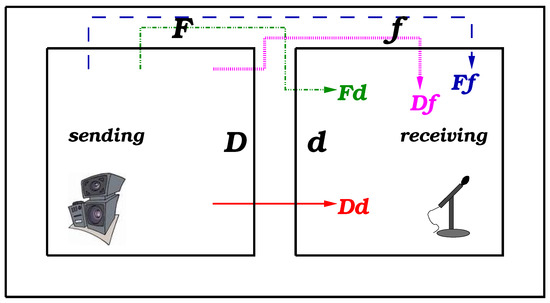
Sound reproduction is the electro-mechanical re-creation of sound waves using analogue and digital audio equipment. Although sound reproduction implies that repeated acoustical events are close to identical, numerous fixed and variable conditions affect the acoustic result. To arrive at a better understanding of
[...] Read more.
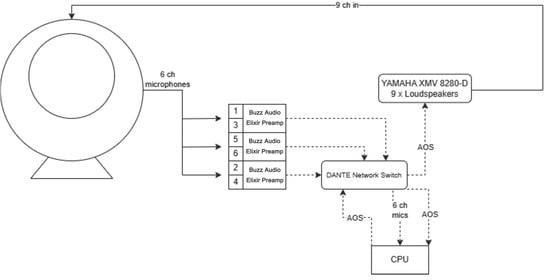
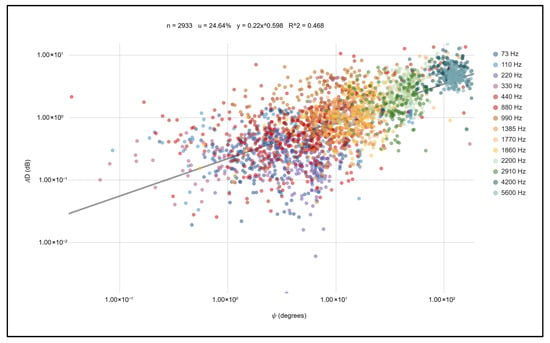
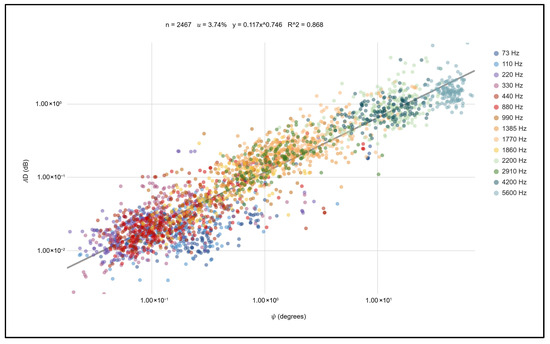
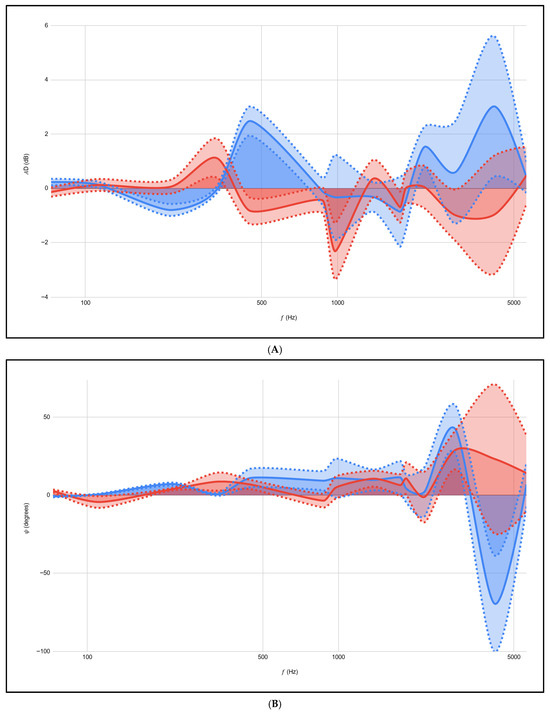
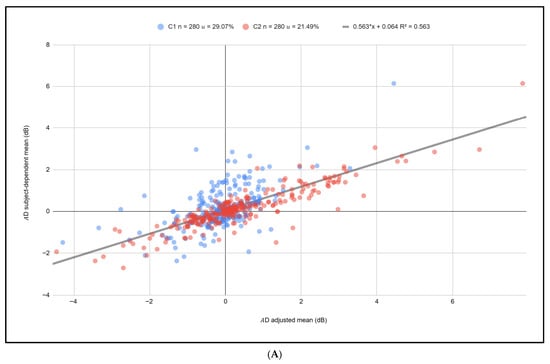
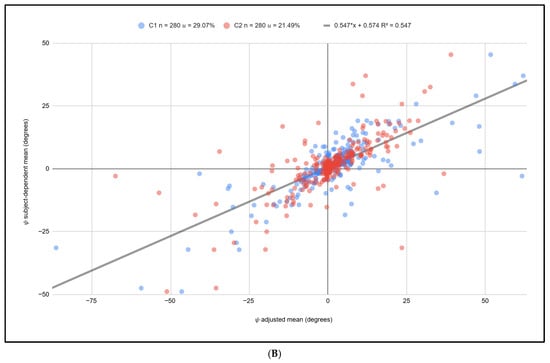
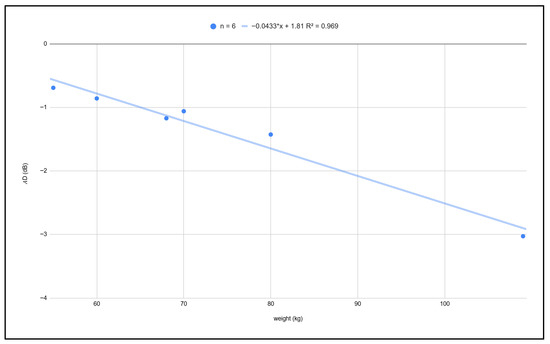
Sound reproduction is the electro-mechanical re-creation of sound waves using analogue and digital audio equipment. Although sound reproduction implies that repeated acoustical events are close to identical, numerous fixed and variable conditions affect the acoustic result. To arrive at a better understanding of the magnitude of deviations in sound reproduction, amplitude deviation and phase distortion of a sound signal were measured at various reproduction stages and compared under a set of controlled acoustical conditions, one condition being the presence of a human subject in the acoustic test environment. Deviations in electroacoustic reproduction were smaller than ±0.2 dB amplitude and ±3 degrees phase shift when comparing trials recorded on the same day (Δt < 8 h, mean uncertainty = 1.58%). Deviations increased significantly with greater than two times the amplitude and three times the phase shift when comparing trials recorded on different days (Δt > 16 h, = 4.63%). Deviations further increased significantly with greater than 15 times the amplitude and the phase shift when a human subject was present in the acoustic environment ( = 24.64%). For the first time, this study shows that the human body does not merely absorb but can also cause amplification of sound energy. The degree of attenuation or amplification per frequency shows complex variance depending on the type of reproduction and the subject, indicating a nonlinear dynamic interaction. The findings of this study may serve as a reference to update acoustical standards and improve accuracy and reliability of sound reproduction and its application in measurements, diagnostics and therapeutic methods.
Full article
(This article belongs to the Special Issue Advancing Audio/Speech Machine Learning: From Static to Continual Learning)
►▼
Show Figures

Figure 1
Open AccessArticle
A Prototypical Silencer–Resonator Concept Applied to a Heat Pump Mock-Up—Experimental and Numerical Studies
by
Sebastian Wagner and Yohko Aoki
Acoustics 2026, 8(1), 6; https://doi.org/10.3390/acoustics8010006 - 27 Jan 2026
Abstract
►▼
Show Figures
Modern, electrically operated heat pumps are characterized by a high degree of efficiency and represent an attractive alternative to conventional heating systems. However, the noise emissions from heat pumps installed outside can lead to increasing noise pollution in densely populated residential areas, which
[...] Read more.
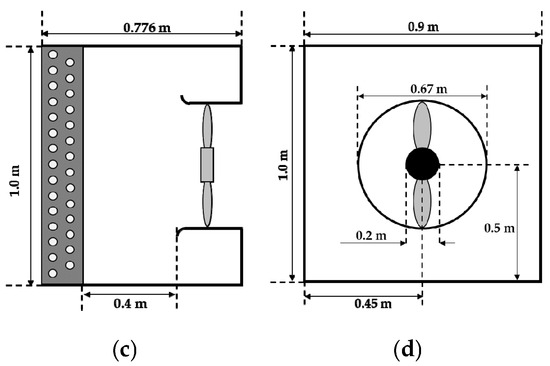
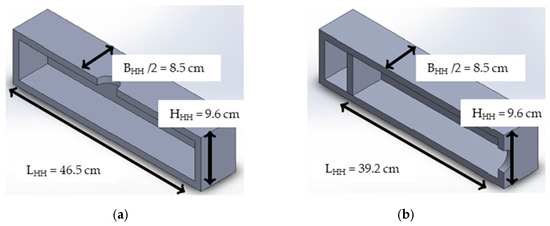
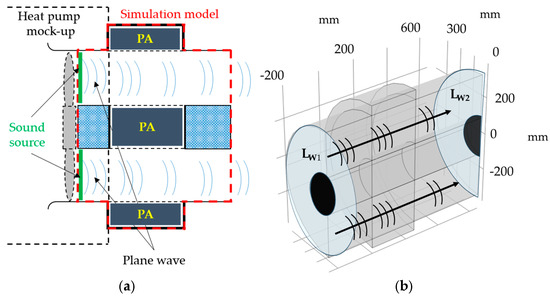
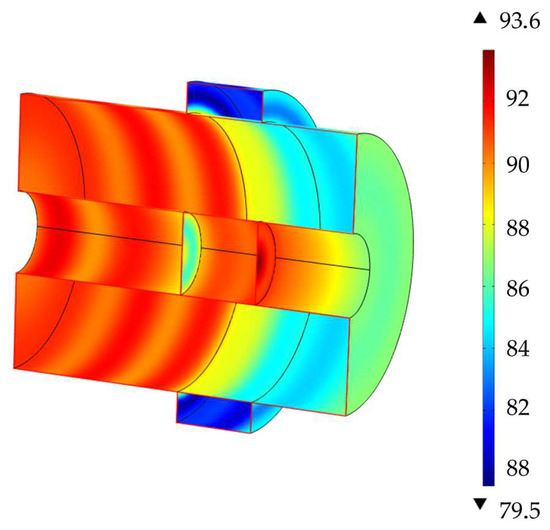
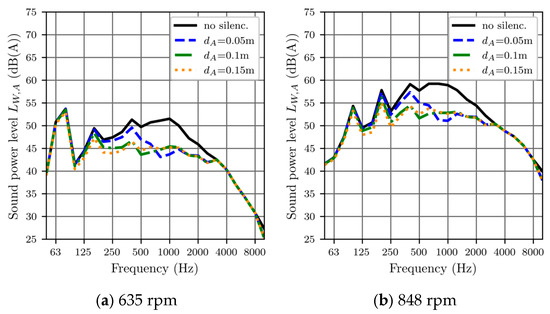
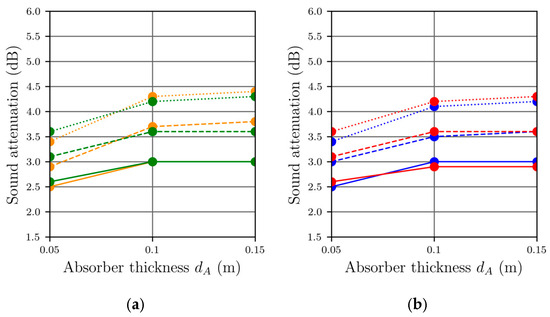
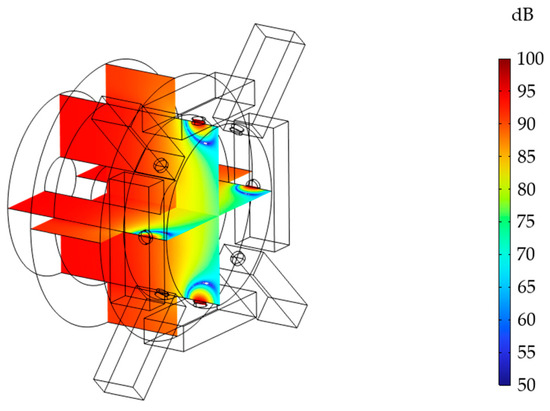
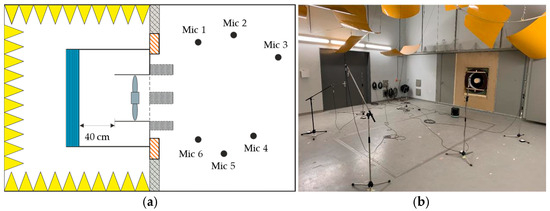
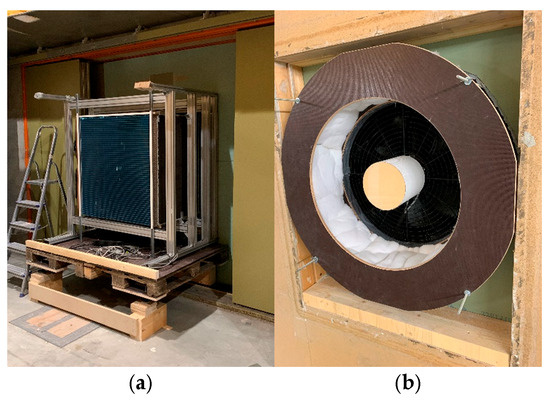
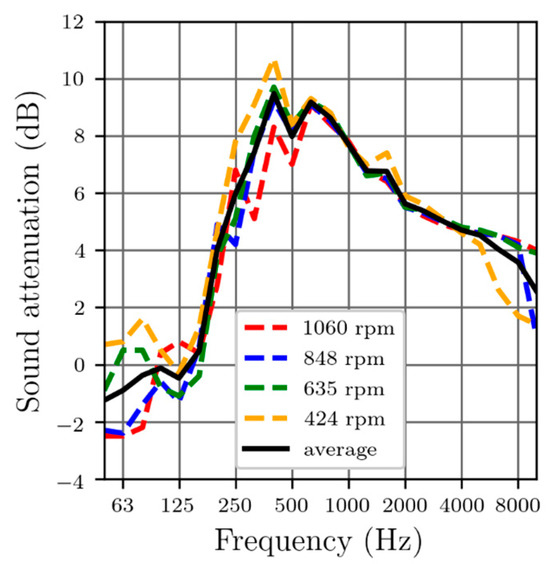
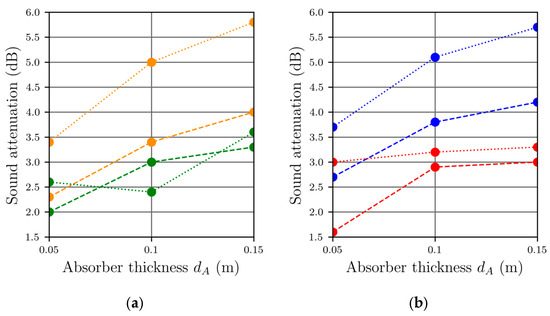
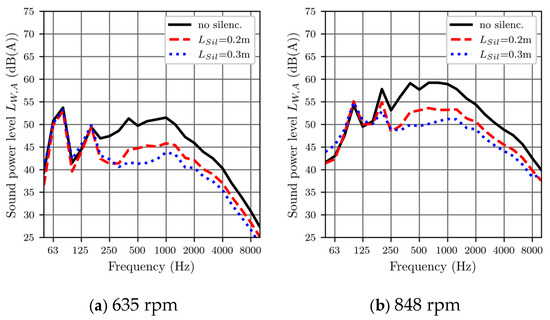
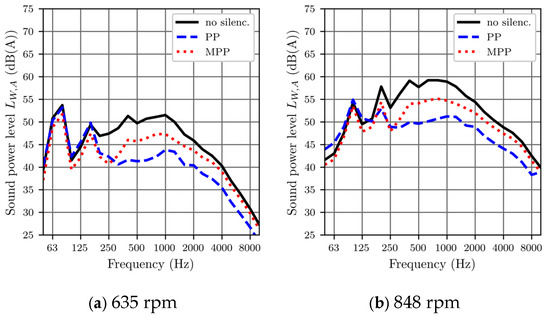
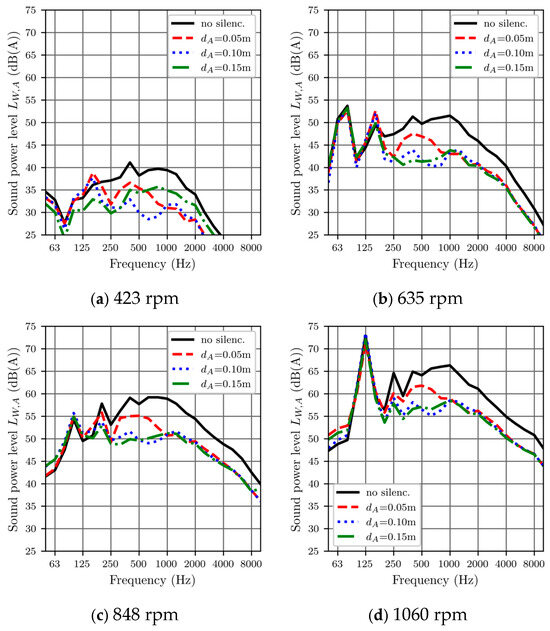
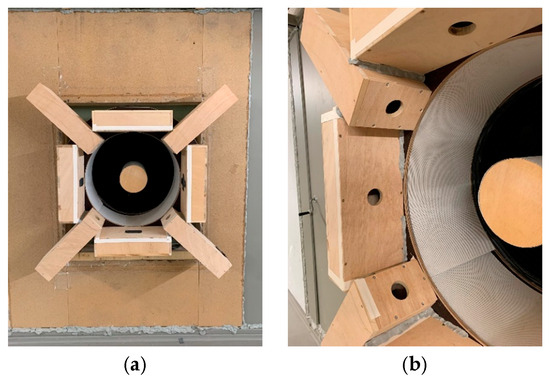
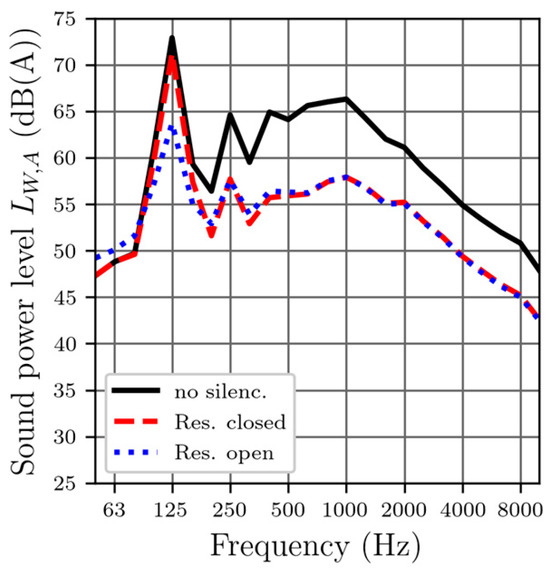
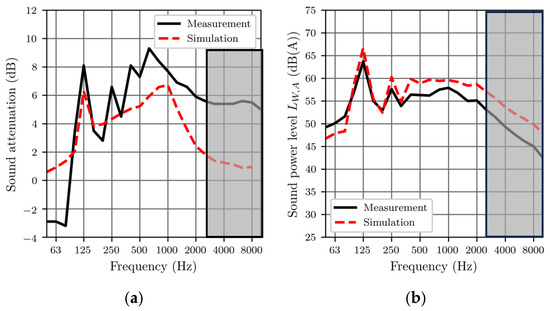
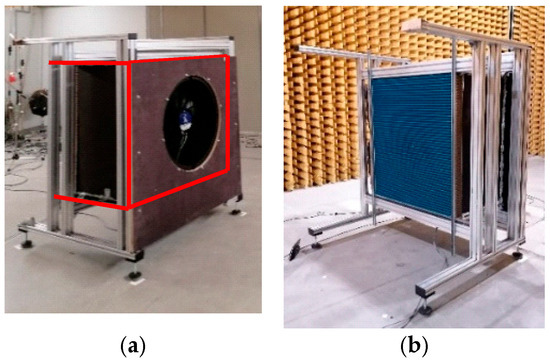
Modern, electrically operated heat pumps are characterized by a high degree of efficiency and represent an attractive alternative to conventional heating systems. However, the noise emissions from heat pumps installed outside can lead to increasing noise pollution in densely populated residential areas, which represents an obstacle to widespread use. As part of a research project, a heat pump mock-up was built based on an outdoor unit in the Fraunhofer IBP. With this mock-up, investigations have now been carried out with a prototypical silencer–resonator concept. The aim was to reduce the sound power on the outlet side of the heat pump mock-up. To estimate the effect of this silencer–resonator concept for heat pumps, FEM simulations were first carried out using COMSOL Multiphysics® with a simplified model. The simulation results validated the silencer–resonator concept for heat pumps and indicated the considerable potential for sound reduction. A measurement was then set up, with which different silencer lengths and absorber thicknesses in the silencer were tested. The measured sound attenuation was higher than the simulated values. The results showed that porous absorbers with sufficient thickness can achieve effective performance in the mid-frequency range. A maximum sound power reduction of 5.7 dB was achieved with the 0.15 m absorber. Additionally, Helmholtz resonators were implemented to attenuate the low-frequency range and tonal peaks. With these resonators sound attenuation was increased to 7.7 dB.
Full article

Figure 1

Open AccessArticle
Comparing Multi-Scale and Pipeline Models for Speaker Change Detection
by
Alymzhan Toleu, Gulmira Tolegen and Bagashar Zhumazhanov
Acoustics 2026, 8(1), 5; https://doi.org/10.3390/acoustics8010005 - 25 Jan 2026
Abstract
Speaker change detection (SCD) in long, multi-party meetings is essential for diarization, Automatic speech recognition (ASR), and summarization, and is now often performed in the space of pre-trained speech embeddings. However, unsupervised approaches remain dominant when timely labeled audio is scarce, and their
[...] Read more.
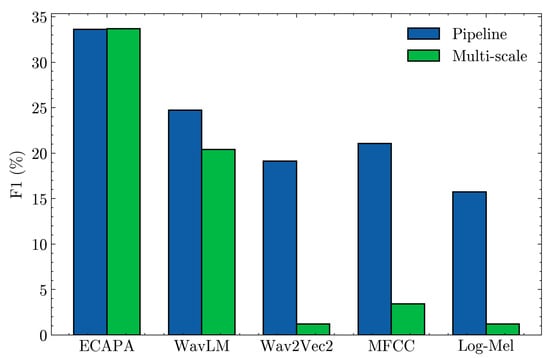
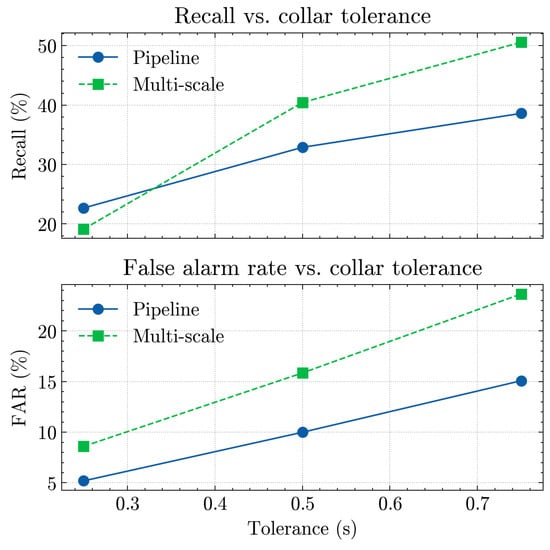
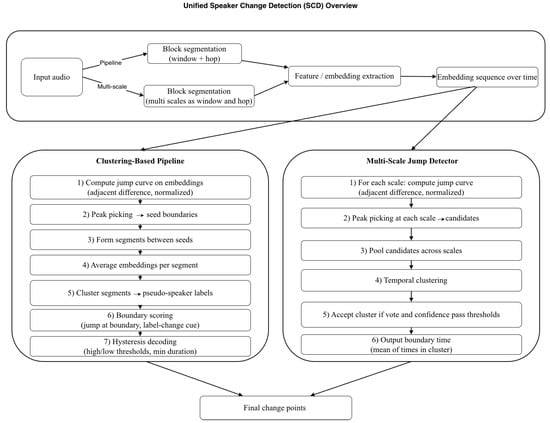
Speaker change detection (SCD) in long, multi-party meetings is essential for diarization, Automatic speech recognition (ASR), and summarization, and is now often performed in the space of pre-trained speech embeddings. However, unsupervised approaches remain dominant when timely labeled audio is scarce, and their behavior under a unified modeling setup is still not well understood. In this paper, we systematically compare two representative unsupervised approaches on the multi-talker audio meeting corpus: (i) a clustering-based pipeline that segments and clusters embeddings/features and scores boundaries via cluster changes and jump magnitude, and (ii) a multi-scale jump-based detector that measures embedding discontinuities at several window lengths and fuses them via temporal clustering and voting. Using a shared front-end and protocol, we vary the underlying features (ECAPA, WavLM, wav2vec 2.0, MFCC, and log-Mel) and test the model’s robustness under additive noise. The results show that embedding choice is crucial and that the two methods offer complementary trade-offs: the pipeline yields low false alarm rates but higher misses, while the multi-scale detector achieves relatively high recall at the cost of many false alarms.
Full article
(This article belongs to the Special Issue Advancing Audio/Speech Machine Learning: From Static to Continual Learning)
►▼
Show Figures

Figure 1
Highly Accessed Articles
Latest Books
E-Mail Alert
News
Topics
Topic in
Acoustics, Applied Sciences, Buildings, Fibers, Infrastructures, Intelligent Infrastructure and Construction, Sci, Sustainability
Sustainable Structural Methods for Construction and Infrastructure
Topic Editors: Marco Corradi, Giulio CastoriDeadline: 1 May 2027
Special Issues
Special Issue in
Acoustics
Artificial Intelligence in Acoustic Phonetics
Guest Editor: Georgios P. GeorgiouDeadline: 15 July 2026
Special Issue in
Acoustics
Advancing Audio/Speech Machine Learning: From Static to Continual Learning
Guest Editor: Kele XuDeadline: 22 July 2026
Special Issue in
Acoustics
The Past Has Ears: Archaeoacoustics and Acoustic Heritage
Guest Editor: Brian FG KatzDeadline: 31 August 2026
Special Issue in
Acoustics
Vibration and Noise (3rd Edition)
Guest Editor: Yat Sze ChoyDeadline: 16 September 2026