
Journal Description
Applied Nano
Applied Nano
is an international, peer-reviewed, open access journal on all aspects of application of nanoscience and nanotechnology, published quarterly online by MDPI.
- Open Access— free for readers, with article processing charges (APC) paid by authors or their institutions.
- High Visibility: indexed within Scopus and other databases.
- Journal Rank: CiteScore - Q2 (Materials Science (miscellaneous))
- Rapid Publication: manuscripts are peer-reviewed and a first decision is provided to authors approximately 15.7 days after submission; acceptance to publication is undertaken in 4.7 days (median values for papers published in this journal in the second half of 2025).
- Recognition of Reviewers: APC discount vouchers, optional signed peer review, and reviewer names published annually in the journal.
- Applied Nano is a companion journal of Nanomaterials and Applied Sciences.
Latest Articles
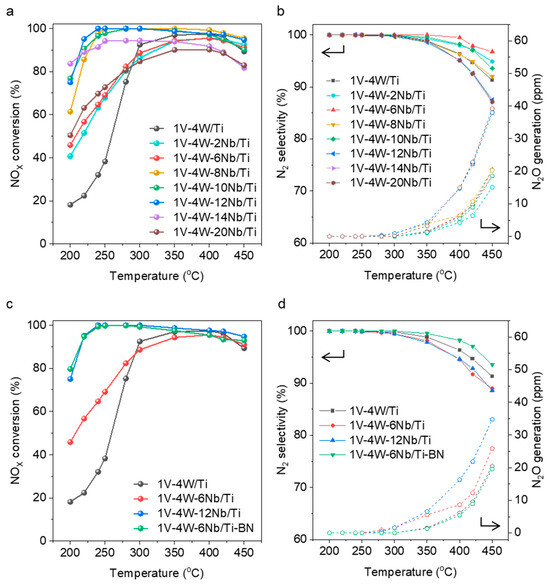
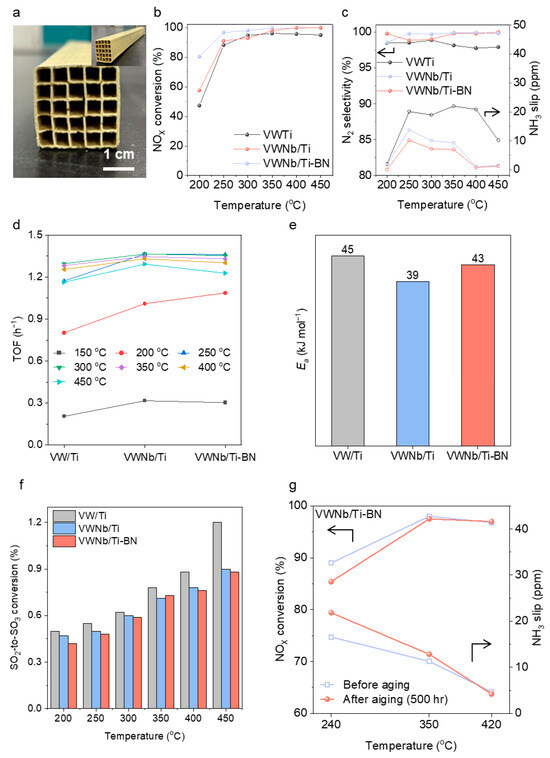
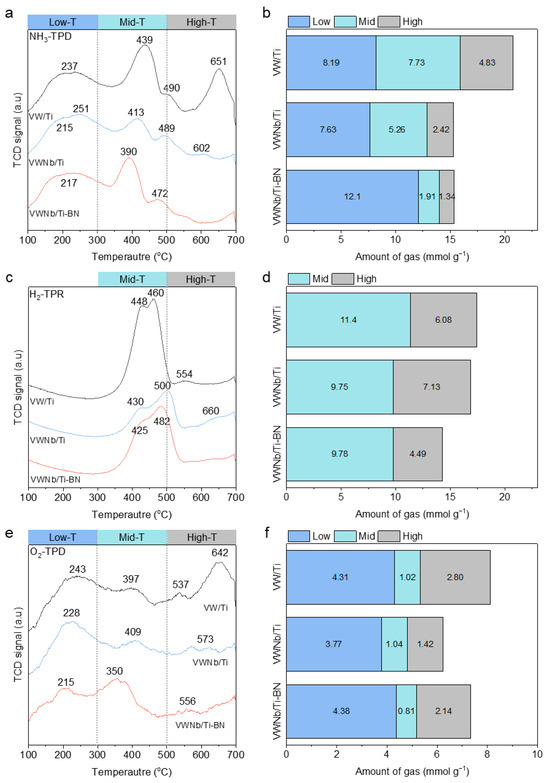
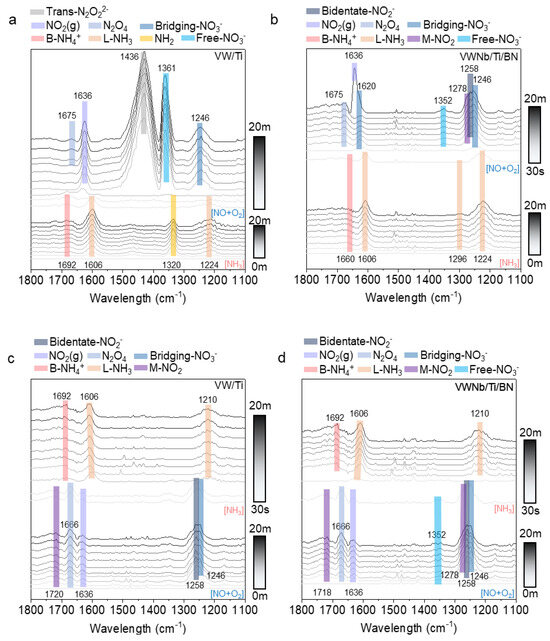
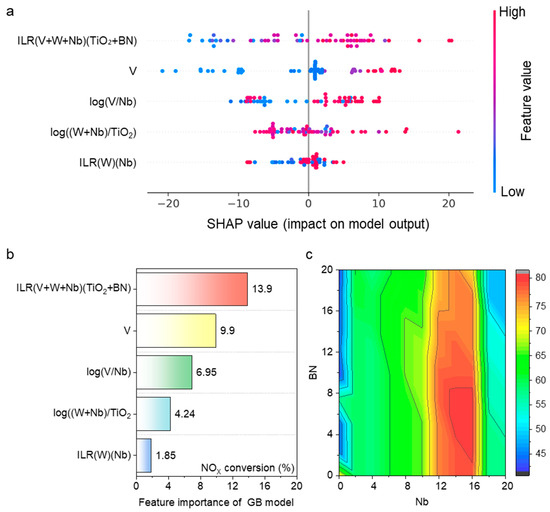
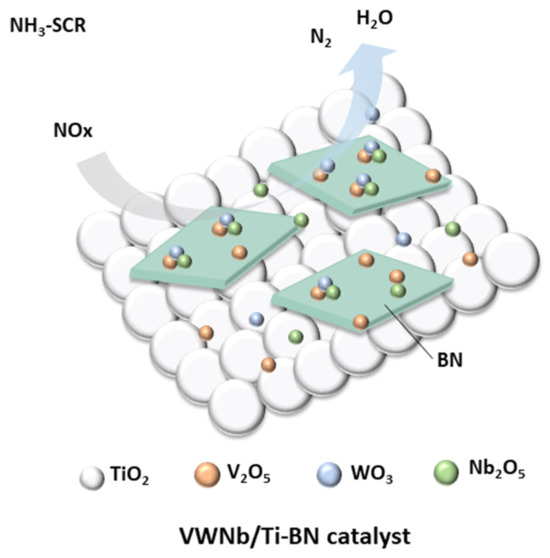
Boosting NH3-Selective Catalytic Reduction of NOx by Cooperation of Nb and Boron Nitride to V-Based Catalyst over a Wide Temperature Window
Appl. Nano 2026, 7(1), 9; https://doi.org/10.3390/applnano7010009 - 19 Mar 2026
Abstract
The commercialization of V-based catalysts for the selective catalytic reduction of NOx by NH3 (NH3-SCR) is hindered by their narrow operating temperature window, insufficient low-temperature (LT) activity, and severe SO2-to-SO3 oxidation. To bridge this gap, we herein
[...] Read more.
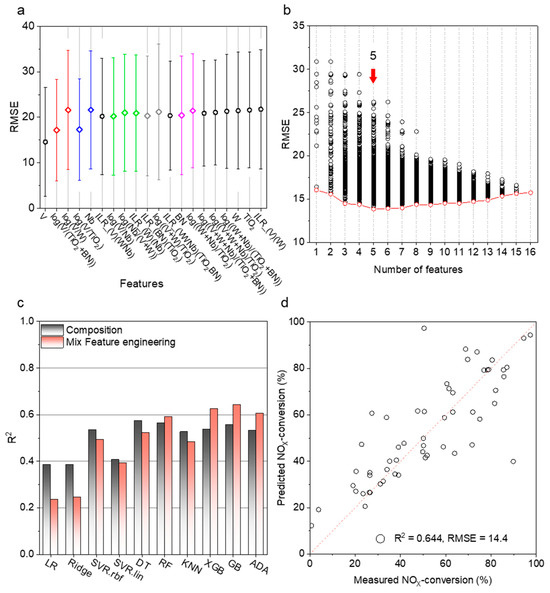
The commercialization of V-based catalysts for the selective catalytic reduction of NOx by NH3 (NH3-SCR) is hindered by their narrow operating temperature window, insufficient low-temperature (LT) activity, and severe SO2-to-SO3 oxidation. To bridge this gap, we herein introduced Nb and hexagonal BN into a VW/TiO2 system to simultaneously enhance its LT SCR activity, suppress undesired side reactions, and improve durability. Nb incorporation promoted V5+/V4+ redox cycling and enhanced lattice oxygen mobility, thus reducing the apparent activation energy and suppressing SO2 oxidation at elevated temperatures. However, excessive Nb loading induced NH3 oxidation and N2O formation. This drawback was mitigated by introducing BN as a dispersion promoter, which helped secure high catalytic performance at a reduced Nb content. The VWNb/Ti-BN catalyst achieved superior NOx conversion and N2 selectivity over a wide temperature range and benefited from notably suppressed NH3 oxidation and SO2-to-SO3 oxidation. Kinetic analysis revealed that Nb primarily lowered the reaction energy barrier via redox property enhancement, whereas BN accelerated surface reaction turnover by stabilizing and dispersing active acidic sites, markedly increasing the turnover frequency without reducing the activation energy. In situ spectroscopic analysis confirmed the accelerated consumption of adsorbed NH3 species and enhanced formation of reactive NOx intermediates, indicating SCR pathway enhancement. After aging in the presence of SO2 and H2O, the best-performing honeycomb-type monolithic catalyst retained and NOx conversion of >80%, demonstrating excellent long-term durability under practical conditions. A composition-aware machine learning model based on log-ratio-transformed variables quantitatively identified the synergistic balance among V, Nb, W, BN, and TiO2 as the dominant factor governing LT SCR performance. Thus, this work provides valuable mechanistic insights and a strategy for designing wide-temperature-window SCR catalysts with improved activity, selectivity, and resistance to sulfur poisoning.
Full article
(This article belongs to the Topic Nanocomposites: Properties and Applications in Health and Environmental Care)
►
Show Figures
Open AccessArticle
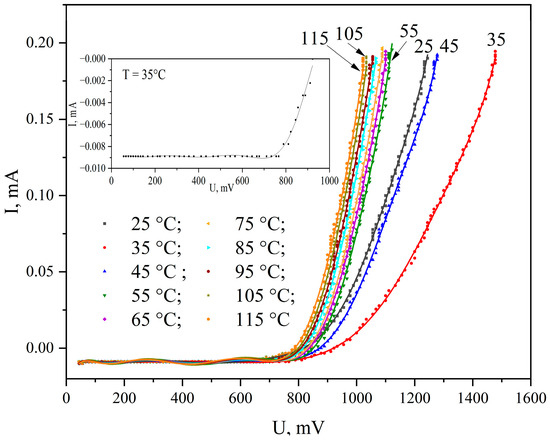
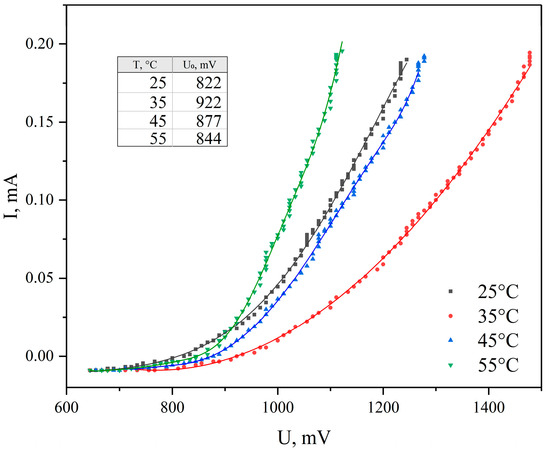
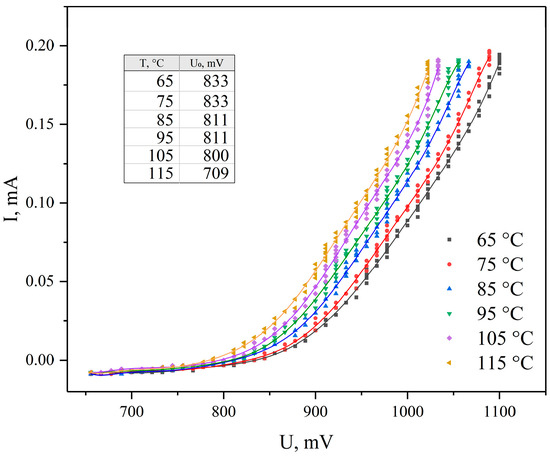
Influence of Temperature on Electron Transport, Current-Voltage Characteristics, and Capacitive Properties of MIM Nanostructures with Amorphous Niobium Pentoxide
by
Vyacheslav Alekseevich Moshnikov, Ekaterina Nikolaevna Muratova, Igor Alfonsovich Vrublevsky, Viktor Borisovich Bessonov, Stepan Evgenievich Parfenovich, Alexandr Ivanovich Maximov, Alena Yuryevna Gagarina, Danila Andreevich Kavalenka and Dmitry Alexandrovich Kozodaev
Appl. Nano 2026, 7(1), 8; https://doi.org/10.3390/applnano7010008 - 1 Mar 2026
Abstract
►▼
Show Figures
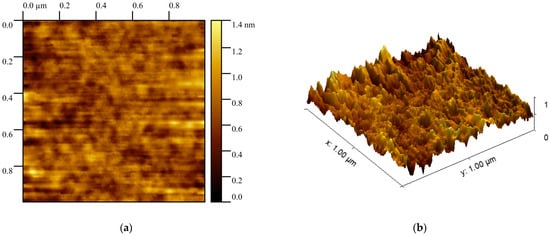
Currently, titanium dioxide films are widely used as the electron transport layer material in perovskite solar cells. An alternative to titanium dioxide for this role could be niobium pentoxide (Nb2O5), an n-type conducting semiconductor oxide. However, the application of
[...] Read more.
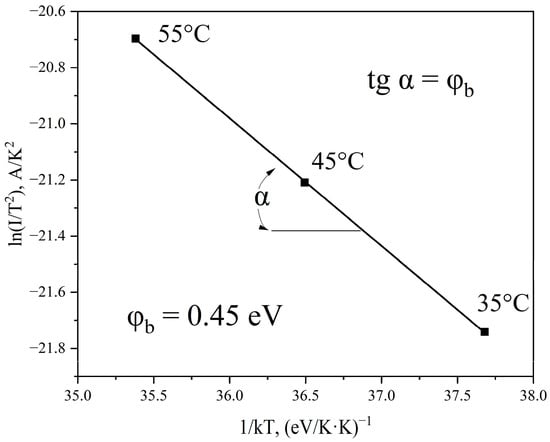
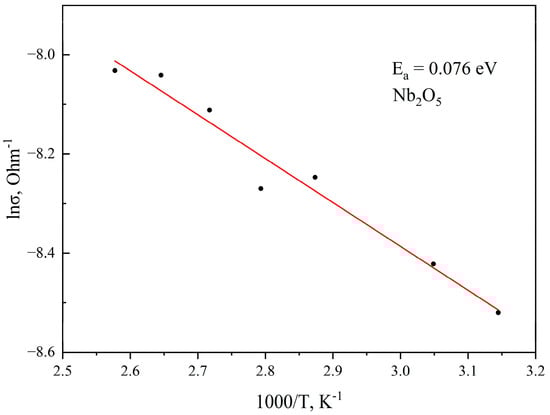
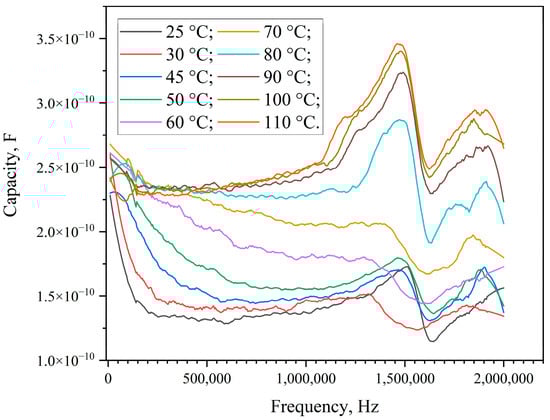
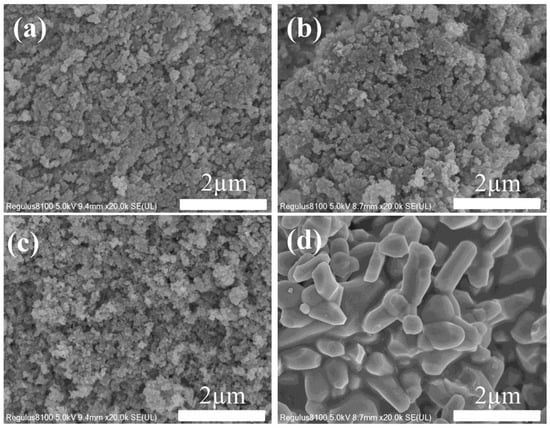
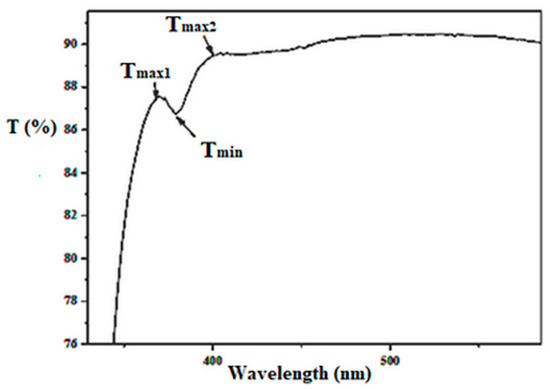
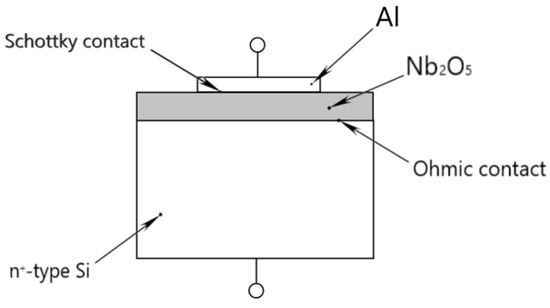
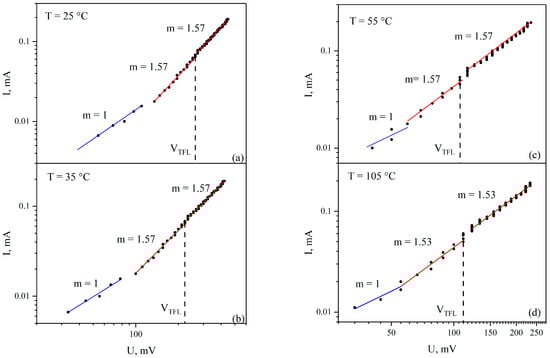
Currently, titanium dioxide films are widely used as the electron transport layer material in perovskite solar cells. An alternative to titanium dioxide for this role could be niobium pentoxide (Nb2O5), an n-type conducting semiconductor oxide. However, the application of Nb2O5 in perovskite solar cells is hindered by a lack of data on its electron transport properties, electrophysical parameters, and current–voltage characteristics. Amorphous niobium pentoxide films were obtained by magnetron sputtering. To study their electrical and capacitive properties, a structure of heavily doped n+-silicon (n+)/niobium oxide/aluminum was used. Based on the analysis of the I–V curves, it was concluded that for a sample at 25 °C, the electron mean free path is greater than the width of the Schottky barrier layer, allowing electrons to pass through this layer without collisions. At temperatures of 35 °C and higher, electrons experience numerous collisions within the Schottky barrier layer. The height of the Schottky barrier for the contact between niobium pentoxide and aluminum was determined. The obtained capacitance frequency plots were explained using the concepts of dipole-relaxation polarization in a dielectric, where electric dipoles can reorient in an external electric field. It has been shown that the use of magnetron sputtering to produce amorphous niobium pentoxide films leads to a reduction in the effective Schottky barrier height. This allows for high electron injection density at low voltages when using such an oxide semiconductor as an electron transport layer, thereby potentially increasing the efficiency of solar cells.
Full article

Figure 1
Open AccessArticle
Copper Removal from Water by Citrate-Stabilized Amorphous Calcium Phosphate Nanoparticles: Adsorption Performance and Mechanisms
by
Miaomiao Wang, Yuwei Jiang and Junjun Tan
Appl. Nano 2026, 7(1), 7; https://doi.org/10.3390/applnano7010007 - 20 Feb 2026
Abstract
►▼
Show Figures
Amorphous calcium phosphate (ACP), a key calcium-phosphorus compound, has been widely applied in fields such as dentistry, orthopedics, and biomedicine. However, its potential for removing copper ions from aqueous solutions remains largely unexplored. In this study, sodium citrate-stabilized amorphous calcium phosphate (Cit-ACP) and
[...] Read more.
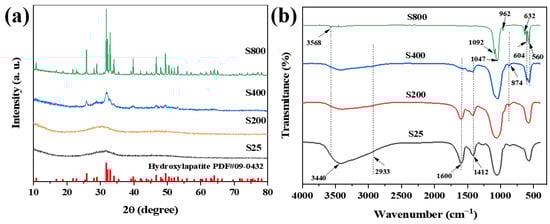
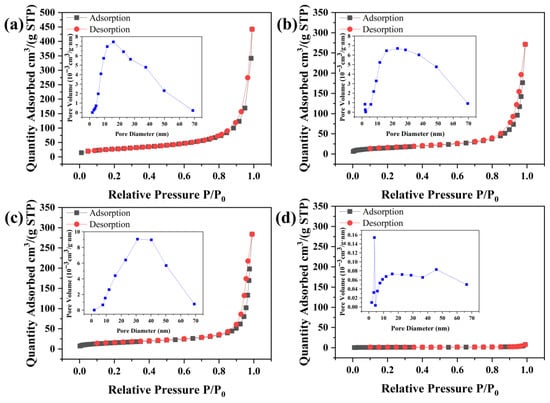
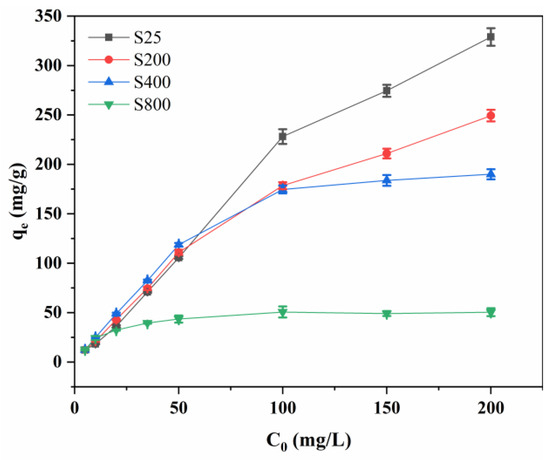
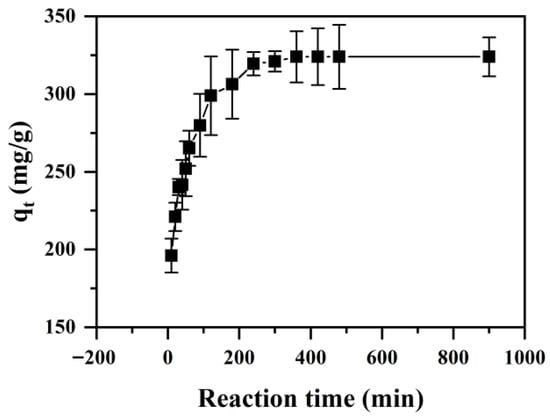
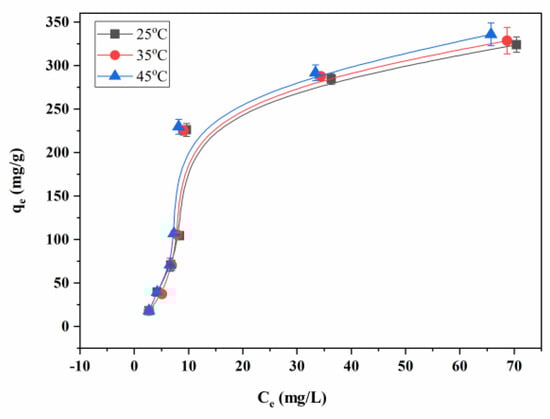
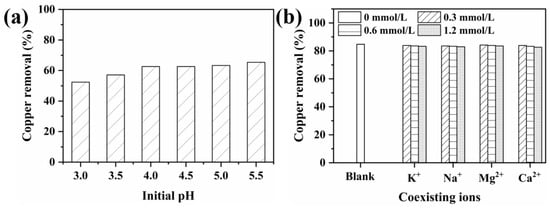
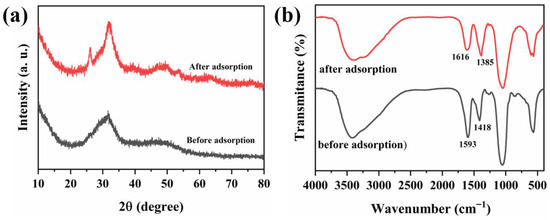
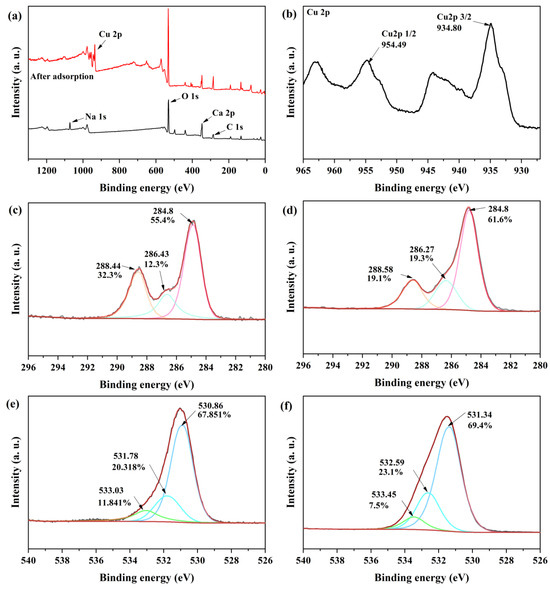
Amorphous calcium phosphate (ACP), a key calcium-phosphorus compound, has been widely applied in fields such as dentistry, orthopedics, and biomedicine. However, its potential for removing copper ions from aqueous solutions remains largely unexplored. In this study, sodium citrate-stabilized amorphous calcium phosphate (Cit-ACP) and its calcined derivatives at various temperatures were successfully synthesized as adsorbents for copper ions. The adsorption behavior of Cit-ACP was best described by the Langmuir isotherm, with kinetics following a pseudo-second-order model. Under conditions of pH 5.5 and an initial copper ion concentration of 200 mg/L, Cit-ACP exhibited a maximum adsorption capacity of 323.96 mg/g. Thermodynamic analysis confirmed that the adsorption process was spontaneous and endothermic. Comprehensive characterization via XRD, XPS, and zeta potential measurements before and after adsorption revealed a two-stage adsorption mechanism. At low initial copper concentrations, adsorption occurred predominantly through surface complexation between copper ions and sodium citrate molecules on Cit-ACP nanoparticles. At higher concentrations, the mechanism extended to include co-precipitation of copper ions with hydroxyl groups, which promoted the transformation of Cit-ACP into copper-substituted calcium phosphate phases, such as copper-containing hydroxyapatite. Owing to its straightforward synthesis, high adsorption capacity, and inherent biocompatibility, Cit-ACP presents a promising, cost-effective, and efficient adsorbent for the removal of copper ions from aqueous environments.
Full article

Figure 1
Open AccessArticle
Development of a Flexible Film Based on Purple Yam Flour and Nanoparticles Obtained by Aqueous Counter Collision
by
Gregorio Simon Diaz Martinez and Edith Marleny Cadena Chamorro
Appl. Nano 2026, 7(1), 6; https://doi.org/10.3390/applnano7010006 - 14 Feb 2026
Abstract
►▼
Show Figures
The utilization of biopolymers as raw materials for the development of sustainable materials has become one of the most promising strategies to minimize the negative impact of plastic pollution. Tubers such as purple yam are rich in starch, which serves as the main
[...] Read more.
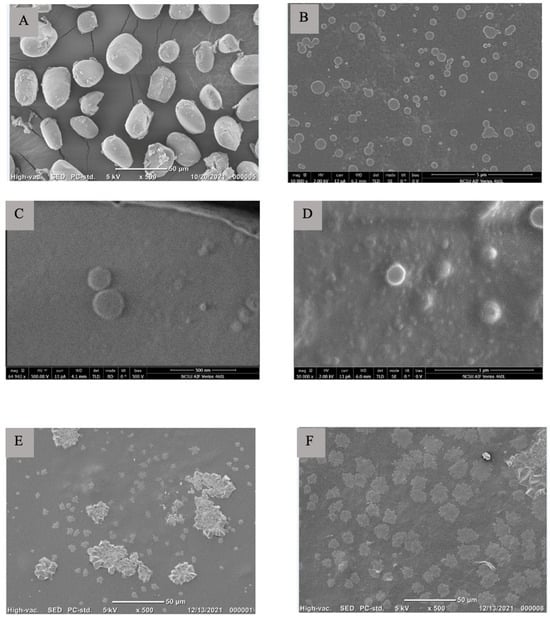
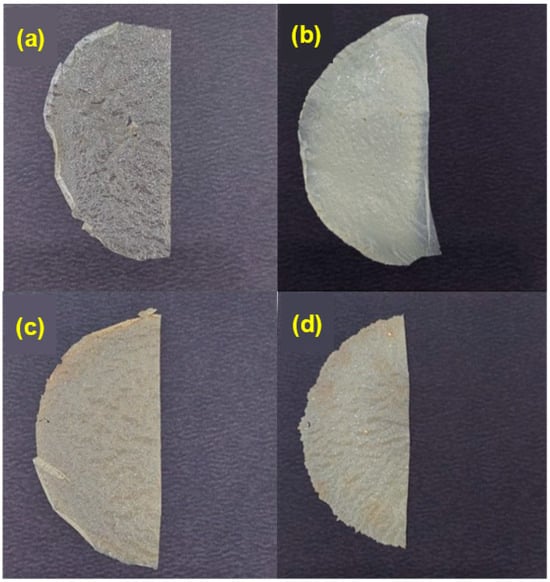
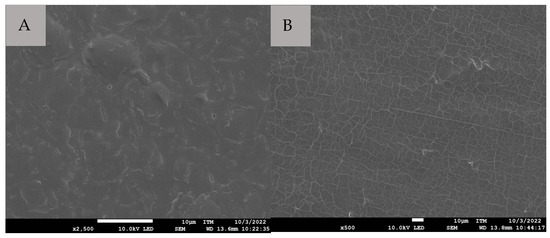
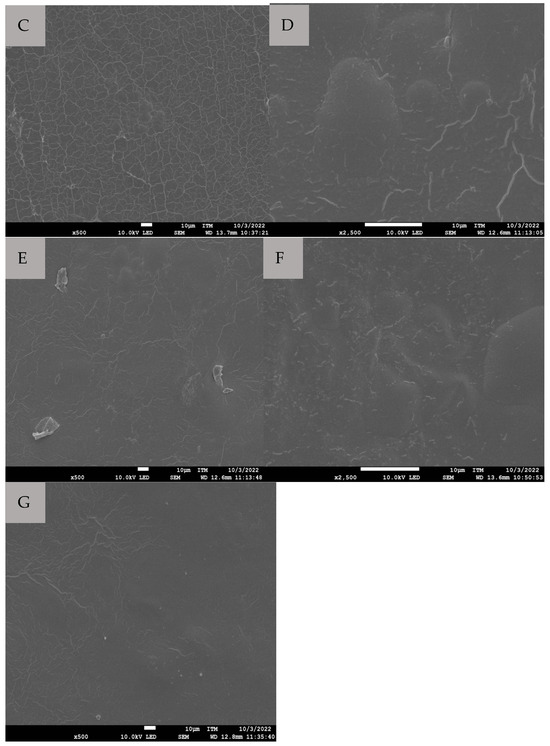
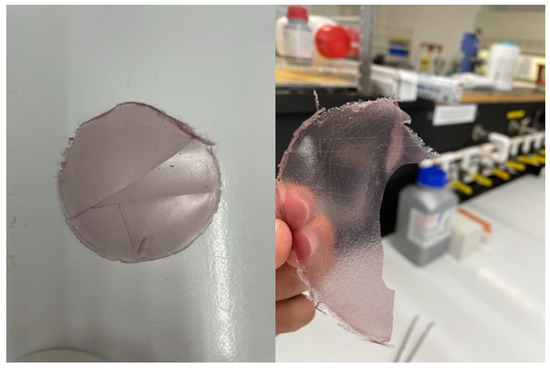
The utilization of biopolymers as raw materials for the development of sustainable materials has become one of the most promising strategies to minimize the negative impact of plastic pollution. Tubers such as purple yam are rich in starch, which serves as the main component for producing strong and durable bioplastics with properties comparable to conventional plastics. In this study, purple yam flour was used as a raw material to develop a biodegradable film through the casting method. Additionally, Flour Nanoparticles (FN) extracted via the Aqueous Counter Collision technique were incorporated to enhance the mechanical, morphological, and barrier properties of the films. The nanoparticles exhibited sizes below 100 nm, as determined by DLS analysis. The casting process was carried out using film solutions containing 2 wt% flour and 15 wt% glycerol, with FN concentrations of 5 wt%, 15 wt%, and 25 wt%. The main results showed that the films with 25 wt% FN displayed improved mechanical strength, increasing from 2.2 MPa (control) to 7.3 MPa, as well as enhanced thermal resistance, rising from 68 °C (control) to 102 °C. The films also exhibited a smoother morphology, indicating improved water vapor transmission (WVT). The incorporation of FN thus contributed to the development of films with reduced hydrophobicity.
Full article

Figure 1
Open AccessReview
Biogenic Copper-Based Nanoparticles: Emerging Antimicrobial Agents Against Pathogenic Microorganisms
by
Edith Dube and Grace Emily Okuthe
Appl. Nano 2026, 7(1), 5; https://doi.org/10.3390/applnano7010005 - 10 Feb 2026
Abstract
Biogenic copper-based nanoparticles have attracted attention as potent antimicrobial agents synthesised via environmentally sustainable routes using plants, microorganisms, and biological waste. Green synthesis leverages phytochemicals, enzymes, and proteins as natural reducing and stabilising agents, enabling nanoparticle formation under mild, non-toxic conditions without hazardous
[...] Read more.
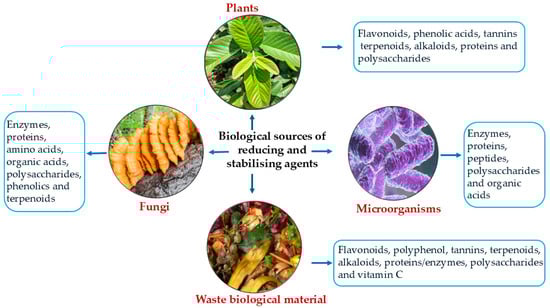
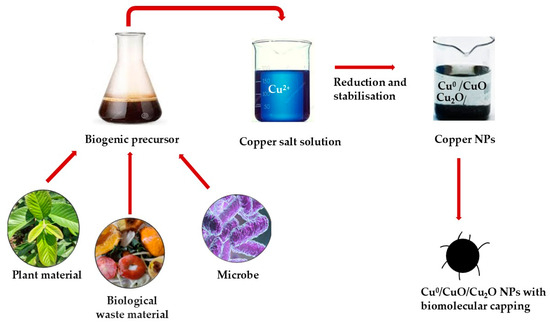
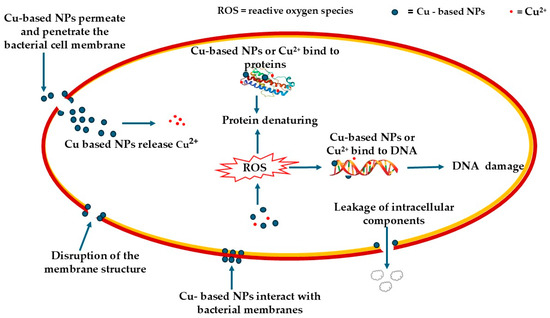
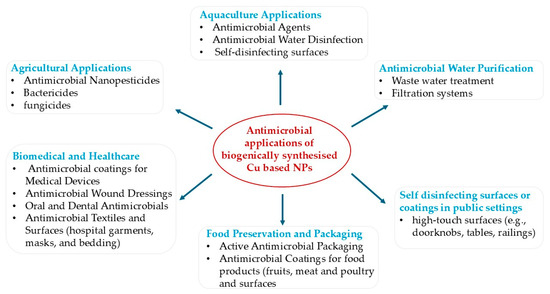
Biogenic copper-based nanoparticles have attracted attention as potent antimicrobial agents synthesised via environmentally sustainable routes using plants, microorganisms, and biological waste. Green synthesis leverages phytochemicals, enzymes, and proteins as natural reducing and stabilising agents, enabling nanoparticle formation under mild, non-toxic conditions without hazardous reagents. The resulting nanoparticles are typically spherical, <100 nm in size, and enriched with bioactive surface functionalities that contribute to broad-spectrum antimicrobial activity against bacteria, fungi, and biofilms. Their antimicrobial effects arise from interconnected mechanisms, including the generation of reactive oxygen species, the release of Cu2 ions, membrane disruption, and interference with vital metabolic and genetic processes. Hybrid systems such as Ag–Cu, Zn–CuO, and CuS nanoparticles further enhance efficacy through synergistic redox and photothermal effects. These properties support applications in medical coatings, wound dressings, food packaging, aquaculture disease management, and sustainable crop protection. However, toxicity is highly context-dependent, influenced by factors such as nanoparticle size, shape, surface chemistry, capping agent, concentration, exposure medium, and the biological system. Small or weakly capped NPs can induce cytotoxicity, hemolysis, developmental defects, or growth inhibition, whereas functionalization or capping can improve selectivity and biocompatibility. Standardised physicochemical characterisation, harmonised toxicity testing, and mechanistic understanding are critical for the safe translation of biogenic CuNPs into regulatory-approved applications. This review summarises recent advances (2015–2025) in the biogenic synthesis of copper-based nanoparticles, highlighting how biological systems govern nanoparticle morphology, stability, and antimicrobial efficiency. It integrates mechanistic insights, compares monometallic and hybrid systems, and evaluates emerging applications in medicine, agriculture, aquaculture, and food safety. The review also identifies current limitations and future directions for standardisation, toxicity evaluation, and regulatory approval.
Full article
(This article belongs to the Special Issue Biocompatible Functional Nanostructures for Nanomedicine, Environmental and Energy Applications)
►▼
Show Figures

Figure 1
Open AccessReview
Three-Dimensional Behaviors of Protein Molecules and Bacteria near Model Organic Surfaces in Real Crowding Conditions
by
Tomohiro Hayashi, Glenn Villena Latag and Evan Angelo Quimada Mondarte
Appl. Nano 2026, 7(1), 4; https://doi.org/10.3390/applnano7010004 - 29 Jan 2026
Abstract
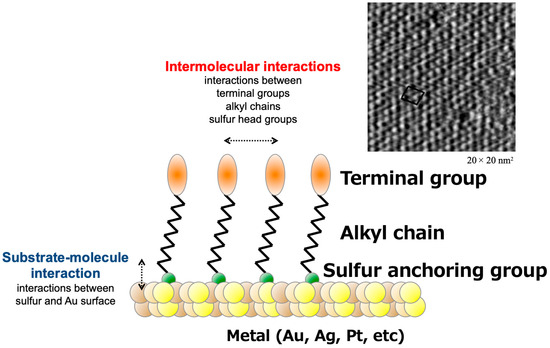
The interface between synthetic materials and biological systems is a critical determinant of performance in medical devices and biosensors. This review examines the evolution of biointerface science through the lens of self-assembled monolayers (SAMs) of thiols on gold, a model system that offers
[...] Read more.
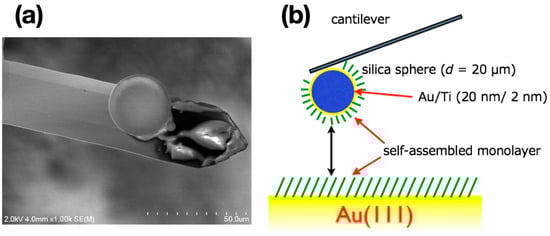
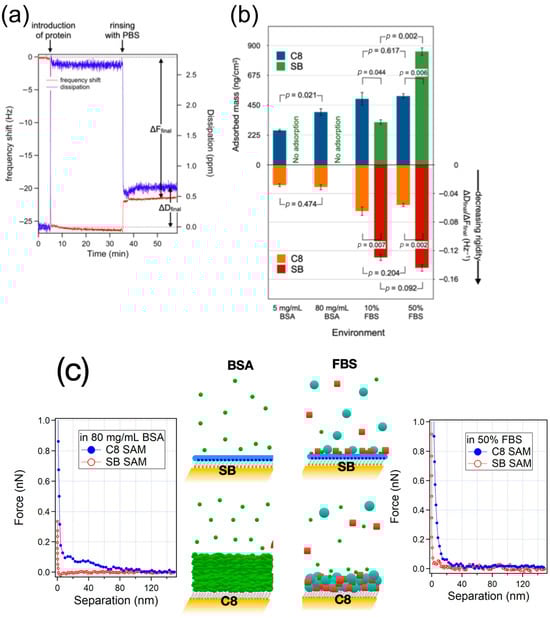
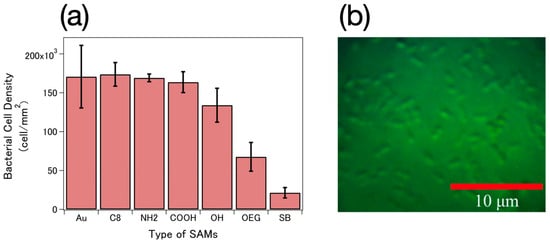
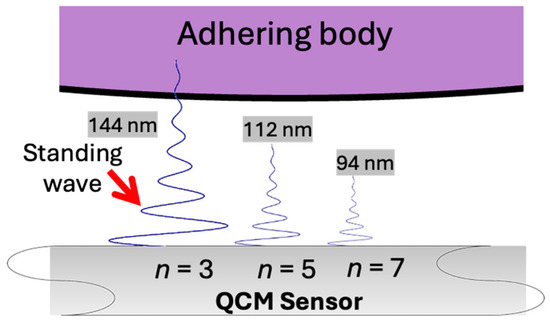
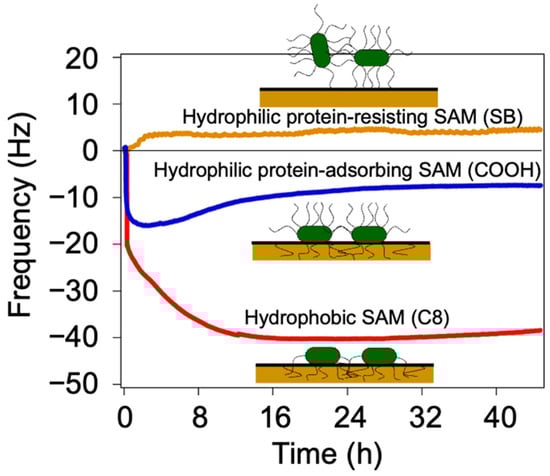
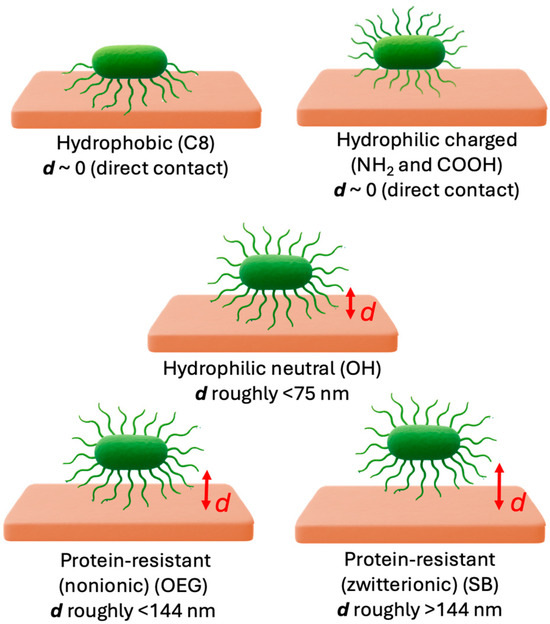
The interface between synthetic materials and biological systems is a critical determinant of performance in medical devices and biosensors. This review examines the evolution of biointerface science through the lens of self-assembled monolayers (SAMs) of thiols on gold, a model system that offers atomic-level control over surface chemistry. We trace the field from the foundational structural characterization to the establishment of empirical design rules for bio-inertness. While early theoretical models attributed protein resistance to steric repulsion forces in polymer brushes, contemporary understanding has shifted toward the “water barrier” hypothesis, which posits that tightly bound interfacial water prevents direct biomolecular contact. We highlight recent studies that extend these concepts into “realistic” crowded biological environments. Their work reveals that fouling surfaces in crowded media generate a “viscous interphase layer” (VIL) that extends tens of nanometers into solution, whereas zwitterionic surfaces maintain a robust hydration shell that prevents this accumulation. Furthermore, this hydration barrier is shown to fundamentally alter bacterial mechanics, forcing microorganisms into a reversible, tethered “hovering” state at a significant biological interaction distance (>100 nm) from the surface, effectively precluding biofilm nucleation. These insights underscore that the future of antifouling material design lies in the precise engineering of interfacial hydration structures.
Full article
(This article belongs to the Collection Review Papers for Applied Nano Science and Technology)
►▼
Show Figures

Figure 1
Open AccessArticle
Solar-Driven Photodegradation of Methylene Blue Dye Using Al-Doped ZnO Nanoparticles
by
Md. Shakil Rana, Rupna Akther Putul, Nanziba Salsabil, Maliha Tasnim Kabir, Md. Shakhawoat Hossain, Shah Md. Masum and Md. Ashraful Islam Molla
Appl. Nano 2026, 7(1), 3; https://doi.org/10.3390/applnano7010003 - 2 Jan 2026
Cited by 2
Abstract
►▼
Show Figures
ZnO semiconductor-based photocatalysts are mainly studied for the elimination of toxic textile dyes. Metal-doped ZnO displays better performance for this purpose. Herein, Al-doped ZnO (Al–ZnO) was prepared using the mechanochemical calcination method with varying aluminum concentrations for the degradation of the persistent methylene
[...] Read more.
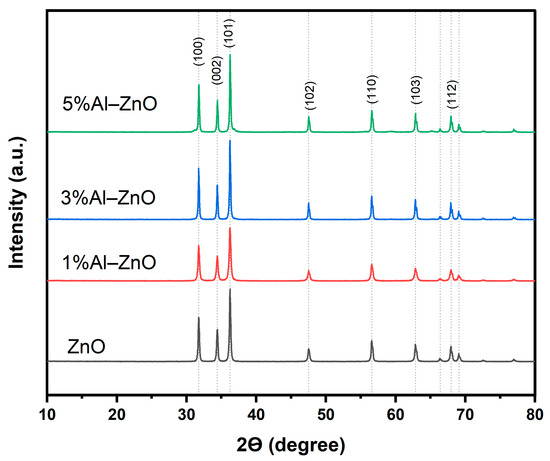
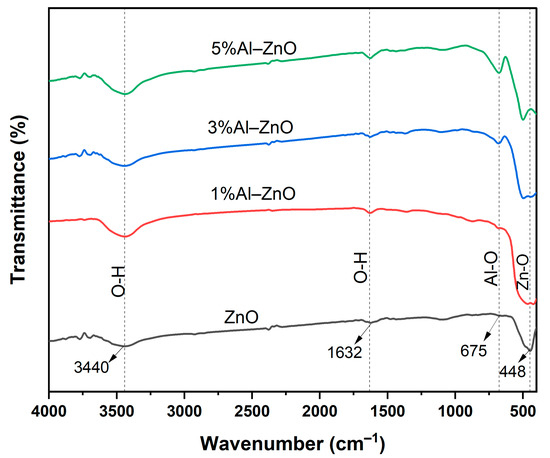
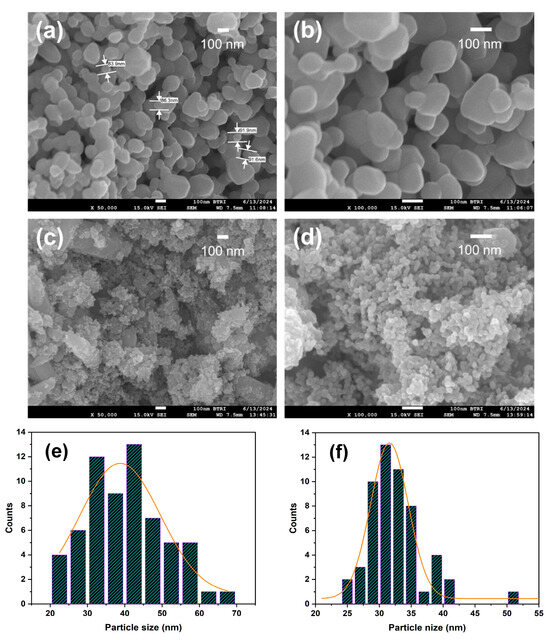
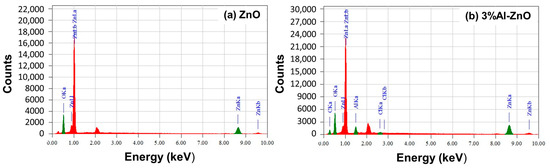
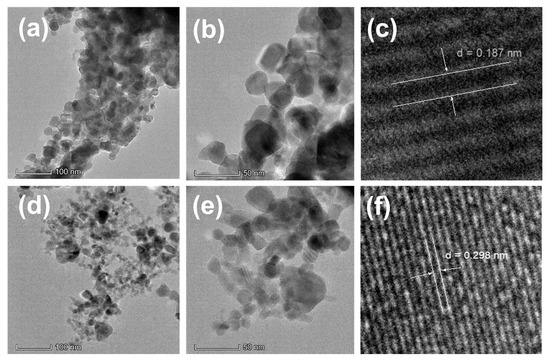
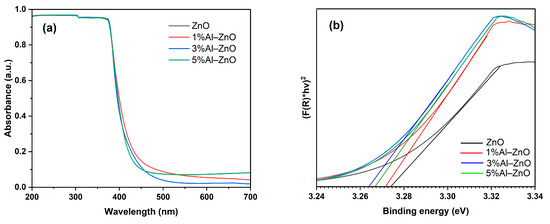
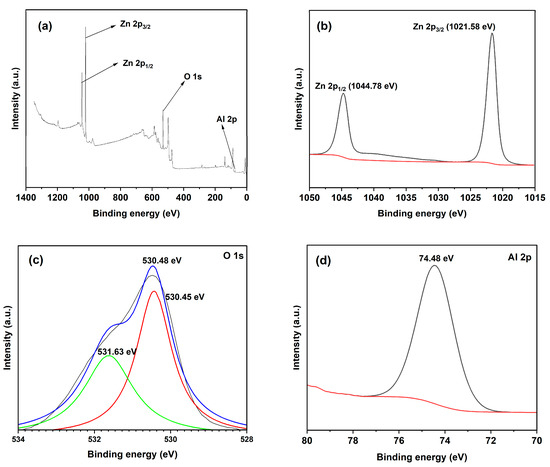
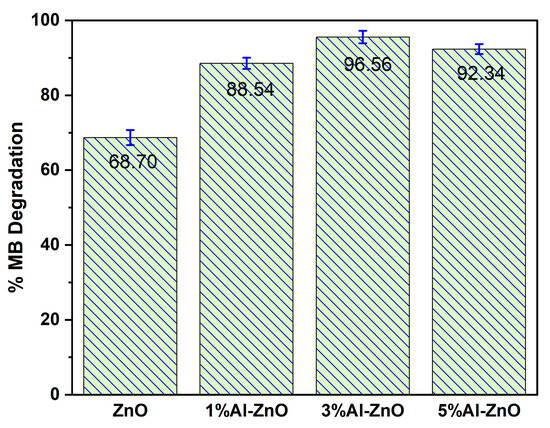
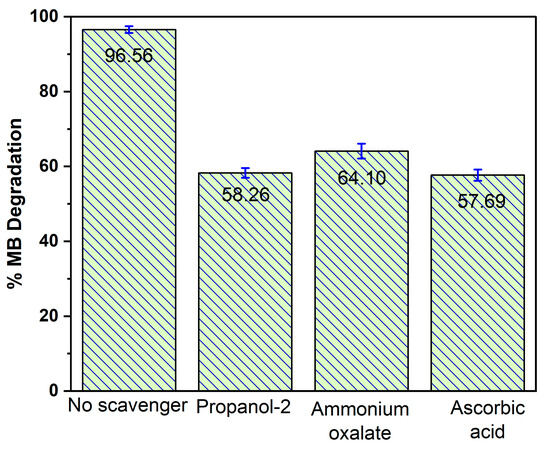
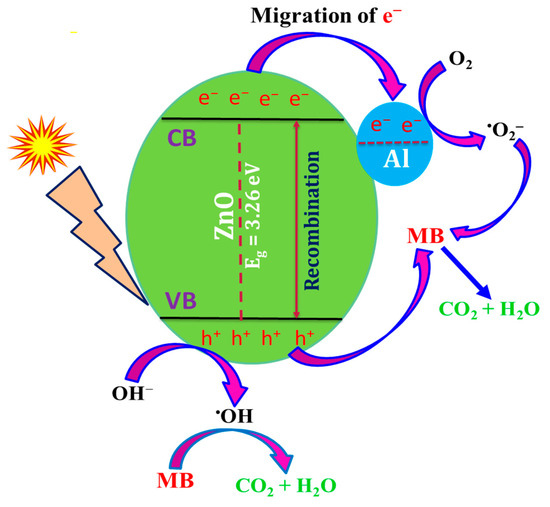
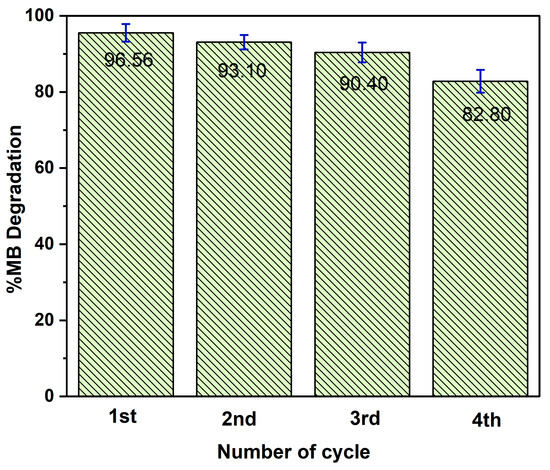
ZnO semiconductor-based photocatalysts are mainly studied for the elimination of toxic textile dyes. Metal-doped ZnO displays better performance for this purpose. Herein, Al-doped ZnO (Al–ZnO) was prepared using the mechanochemical calcination method with varying aluminum concentrations for the degradation of the persistent methylene blue (MB) dye. Various characterization techniques, including XRD, FTIR, FESEM, TEM, UV-DRS, and XPS, revealed the improved properties of 3% Al–ZnO in degrading the MB dye. It exhibits 96.56% degradation of 25 mg/L MB dye under 60 min of natural sunlight irradiation with a catalyst dose of 0.5 g/L at a natural pH of 6.4. A smaller particle size, a lower band gap energy of 3.264 eV, and the presence of oxygen vacancies and defect states all facilitate photocatalytic degradation. Radical scavenger experiments using ascorbic acid (for •O2−), 2-propanol (for •OH), and diammonium oxalate (for h+) confirmed the crucial role of superoxide (•O2−) and hydroxyl (•OH) radicals in the degradation mechanism. The achievement of 82.80% MB degradation efficiency at the 4th cycle validates the notable stability and excellent reusability of Al–ZnO.
Full article

Figure 1
Open AccessArticle
Metals Oxides-Reinforced Epoxy Nanocomposites for Energy Applications: A First Comparative Study of the Structural and Optical Properties of SnO2 and ZnO Oxides
by
Noura El Ghoubali, Adnane El Hamidi, Amine El Haimeur, Khalid Nouneh and Abdelkrim Maaroufi
Appl. Nano 2026, 7(1), 2; https://doi.org/10.3390/applnano7010002 - 31 Dec 2025
Abstract
►▼
Show Figures
This study aims to address a major challenge and find solutions for developing less expensive, lighter, and more efficient energy storage materials while remaining environmentally friendly. This work combines the study of the structural, morphological, and optical properties of epoxy nanocomposites containing ZnO
[...] Read more.
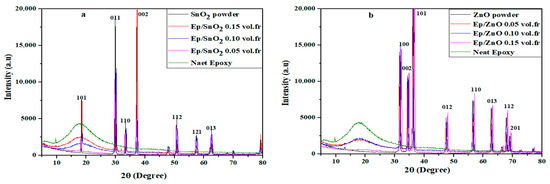
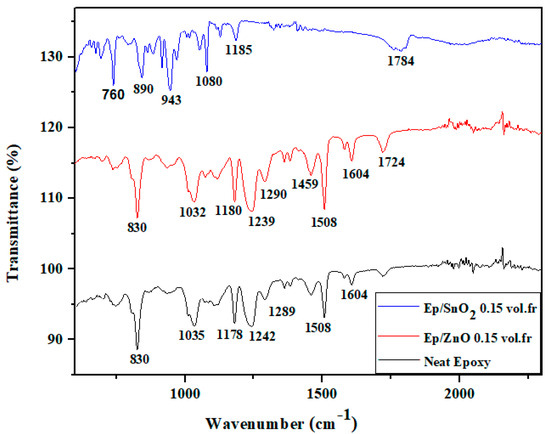
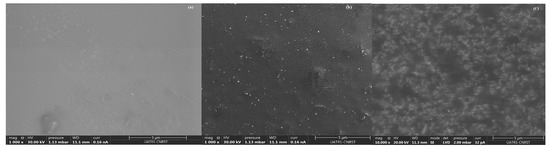
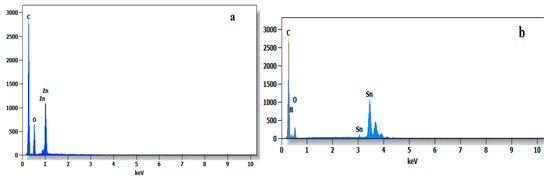
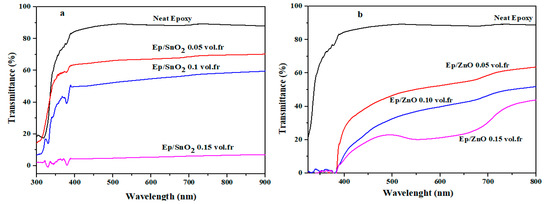
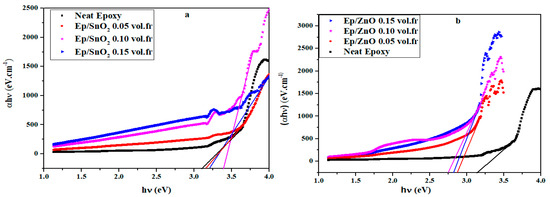
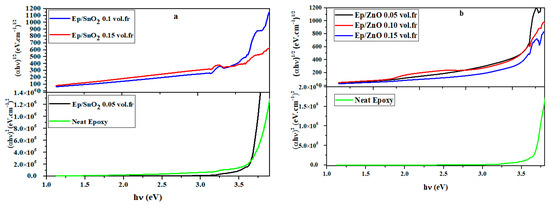
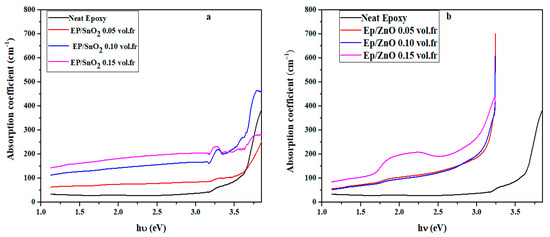
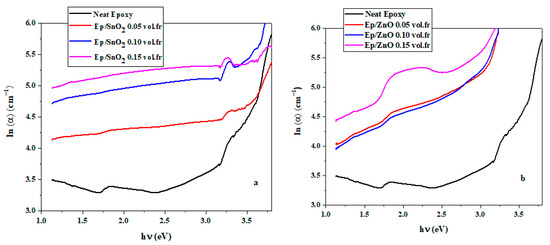
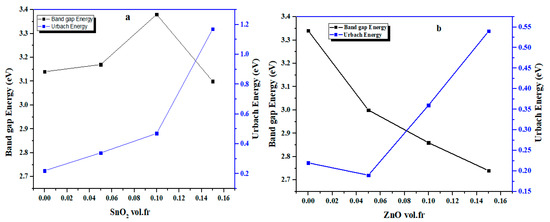
This study aims to address a major challenge and find solutions for developing less expensive, lighter, and more efficient energy storage materials while remaining environmentally friendly. This work combines the study of the structural, morphological, and optical properties of epoxy nanocomposites containing ZnO and SnO2 and highlights the influence of oxide filler content on their energy storage performance. To this end, epoxy nanocomposites filled with metal oxides (ZnO and SnO2) prepared by extrusion, a simple, economical, and reliable industrial method, were studied and compared. The materials obtained are inexpensive, lightweight, and highly efficient, and can replace traditional glass-based systems in the energy sector. The results of XRD, SEM, and FTIR analyses show the absence of impurities, the stability of the structures in humid environments, and the homogeneity of the prepared films. They also indicate that the nature and charge content of the oxide integrated into the polymer matrix play a significant role in the properties of the nanocomposites. Optical measurements were used to determine the film thickness, the type of electronic transition, the band gap energy, and the Urbach energy. Based on the results obtained, the prepared nanocomposite films appear to be promising materials for energy-based optical applications.
Full article

Figure 1
Open AccessArticle
Comparative Characterization and Evaluation of WS6 Loaded Nanoformulations Using Solid Lipid, PLGA, and PCL Versus Eudragit RS/RL Prepared by Microfluidics
by
Marwa Mohammad, Duaa Abuarqoub, Mohammad Alnatour, Abdolelah Jaradat, Nidal A. Qinna, Ghayda’ AlDabet, Alqassem H. Abuarqoub and Abdalla Awidi
Appl. Nano 2026, 7(1), 1; https://doi.org/10.3390/applnano7010001 - 30 Dec 2025
Abstract
►▼
Show Figures
Objectives: This study aimed to optimize WS6-loaded nanoparticles (NPs) with favorable therapeutic properties, including appropriate size, low toxicity, high encapsulation efficiency, and enhanced biocompatibility, for selective cancer targeting and regenerative applications. Methods: Three formulations were investigated: solid lipid nanoparticles (SLNs), polycaprolactone (PCL)-based NPs,
[...] Read more.
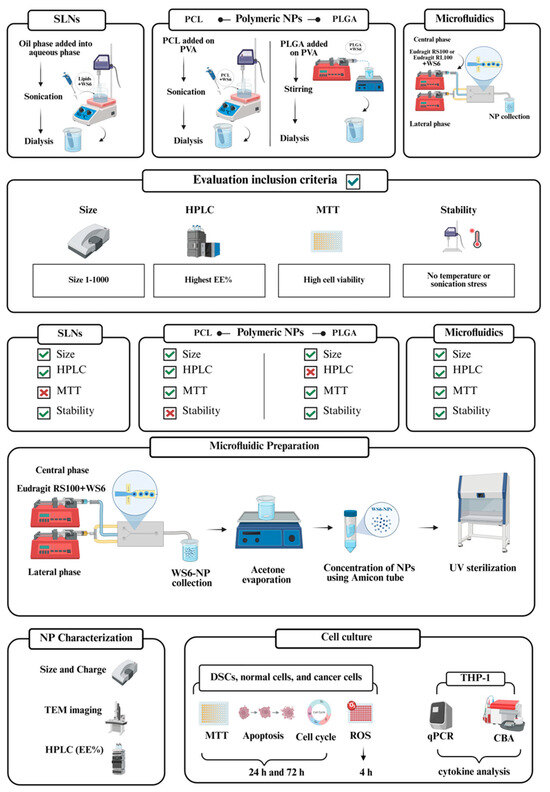
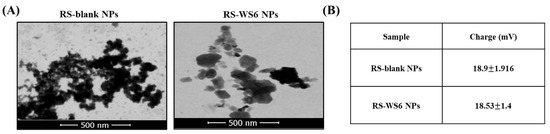
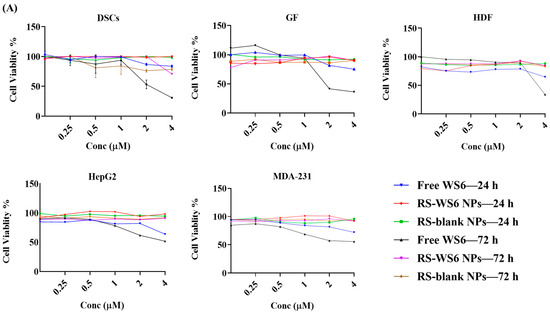
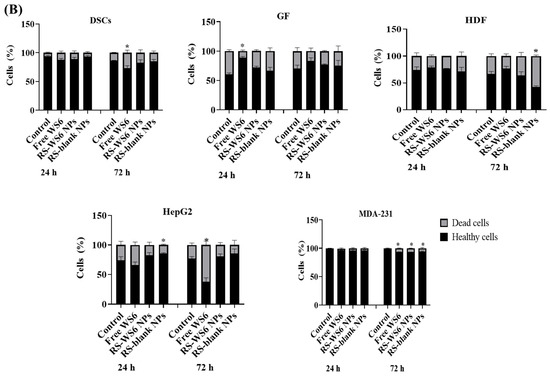
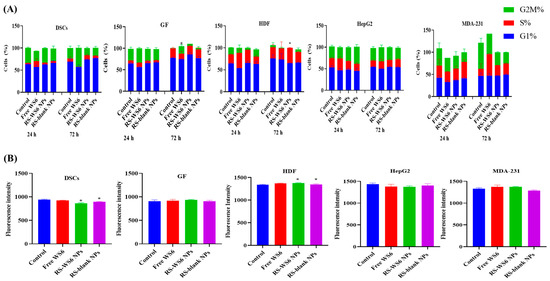
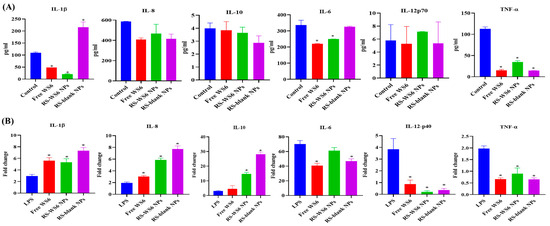
Objectives: This study aimed to optimize WS6-loaded nanoparticles (NPs) with favorable therapeutic properties, including appropriate size, low toxicity, high encapsulation efficiency, and enhanced biocompatibility, for selective cancer targeting and regenerative applications. Methods: Three formulations were investigated: solid lipid nanoparticles (SLNs), polycaprolactone (PCL)-based NPs, and Eudragit RS100-based NPs via microfluidic synthesis. Their physicochemical properties were assessed, followed by biological evaluation on normal cells—dental-derived stem cells (DSCs), gingival fibroblasts (GFs), and human dermal fibroblasts (HDFs)—and cancer cell lines MDA-231 and HepG2. Assays included MTT for viability, apoptosis/necrosis, cell cycle analysis, ROS detection, and cytokine profiling. Results: SLNs showed inherent toxicity despite improved viability upon WS6 loading. PCL NPs improved encapsulation and compatibility but lacked stability. The microfluidic RS-WS6 NPs exhibited optimal characteristics, significantly enhancing viability in normal cells and selectively inducing apoptosis in cancer cells. At 1 µM, RS-WS6 NPs reduced ROS in normal cells (p < 0.05) and increased it in cancer cells (p < 0.05). Cytokine analysis revealed significant downregulation of IL-6, IL-12p70, and TNF-α (p < 0.05), indicating immunomodulatory potential. Conclusions: RS-WS6 NPs developed via microfluidics offer a promising therapeutic platform with selective cytotoxicity against cancer cells, minimal toxicity to normal cells, and anti-inflammatory properties, supporting their use in targeted therapy and regenerative medicine.
Full article

Figure 1
Open AccessArticle
A Methodology for Validation of DNA Origami–Quantum Dot Hybridization
by
Mathis Janßen, Anastasiia D. Murkina, Julia Hann, Gunnar Klös, Martin Moebius, Christoph R. Meinecke, Andreas Morschhauser, Aitziber L. Cortajarena and Danny Reuter
Appl. Nano 2025, 6(4), 30; https://doi.org/10.3390/applnano6040030 - 8 Dec 2025
Abstract
Since the introduction of the DNA origami technology by Seeman and Rothemund, the integration of functional entities (nanoparticles, quantum dots, antibodies, etc.) has been of huge interest to broaden the area of applications for this technology. The possibility of precise functionalization of the
[...] Read more.
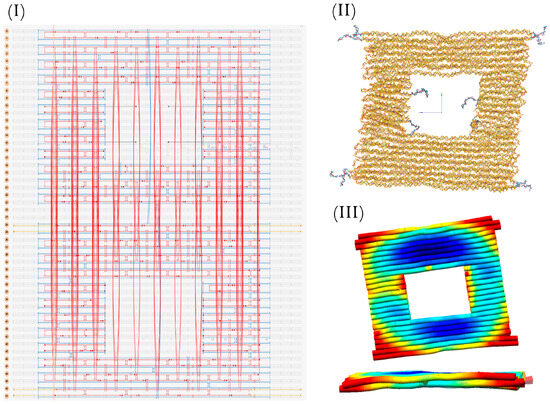
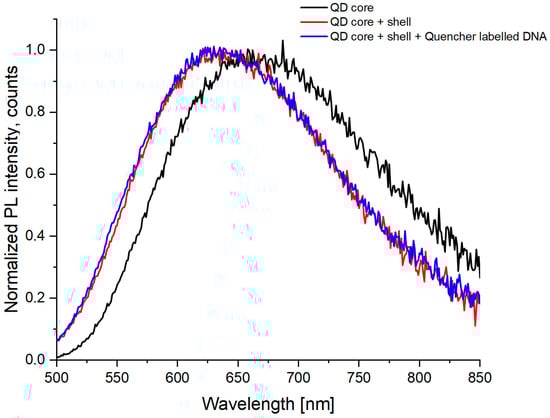
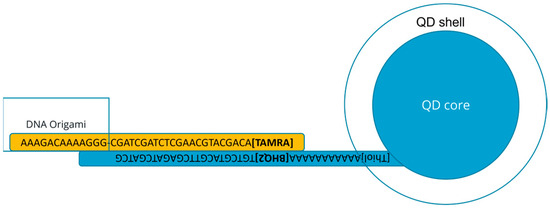
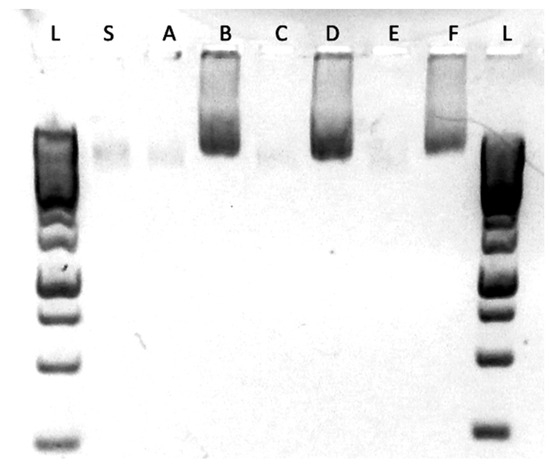
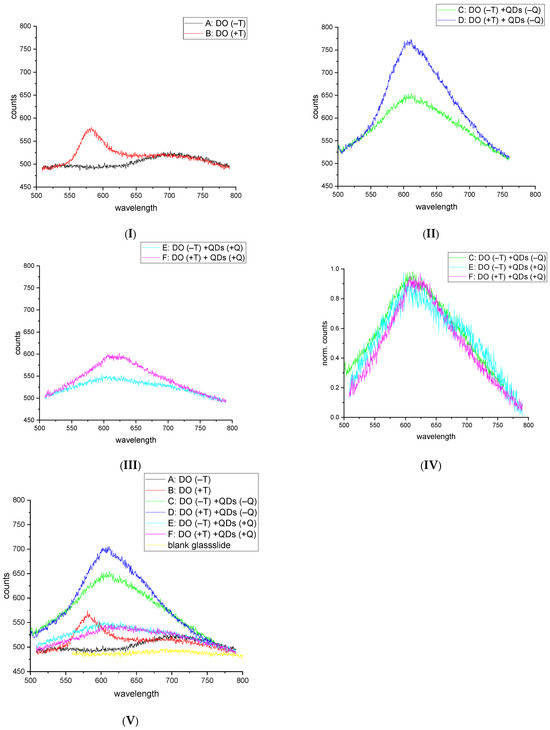
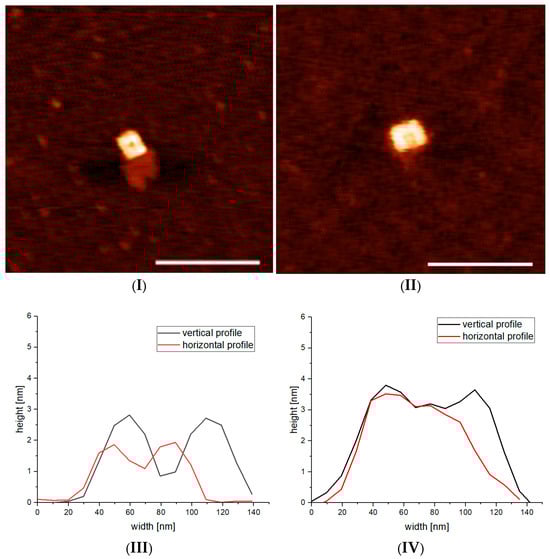
Since the introduction of the DNA origami technology by Seeman and Rothemund, the integration of functional entities (nanoparticles, quantum dots, antibodies, etc.) has been of huge interest to broaden the area of applications for this technology. The possibility of precise functionalization of the DNA origami technology gives opportunity to build up complex novel structures, opening up endless opportunities in medicine, nanotechnology, photonics and many more. The main advantage of the DNA origami technology, namely the self-assembly mechanism, can represent a challenge in the construction of complex mixed-material structures. Commonly, DNA origami structures are purified post-assembly by filtration (either spin columns or membranes) to wash away excess staple strands. However, this purification step can be critical since these functionalized DNA origami structures tend to agglomerate during purification. Therefore, custom production and purification procedures need to be applied to produce purified functionalized DNA origami structures. In this paper, we present a workflow to produce functionalized DNA origami structures, as well as a method to qualify the successful hybridization of a quantum dot to a square frame DNA origami structure. Through the utilization of a FRET fluorophore–quencher pair as well as a subsequent assembly, successful hybridization can be performed and confirmed using photoluminescence measurements.
Full article
(This article belongs to the Topic New Research on Thin Films and Nanostructures)
►▼
Show Figures

Figure 1
Open AccessArticle
Biodegradable 3D Screen Printing Technique for Roll-to-Roll Manufacturing of Eco-Friendly Flexible Hybrid Electronics
by
Sonia Ceron, David Barba and Miguel A. Dominguez
Appl. Nano 2025, 6(4), 29; https://doi.org/10.3390/applnano6040029 - 2 Dec 2025
Abstract
►▼
Show Figures
In this work, an eco-friendly 3D screen printing technique implemented in roll-to-roll technology for the manufacturing of flexible electronics is presented. The conductive ink was prepared through the decomposition of hydrogen peroxide, an eco-friendly reagent, onto the surfaces of silver nanoparticles. A biodegradable
[...] Read more.
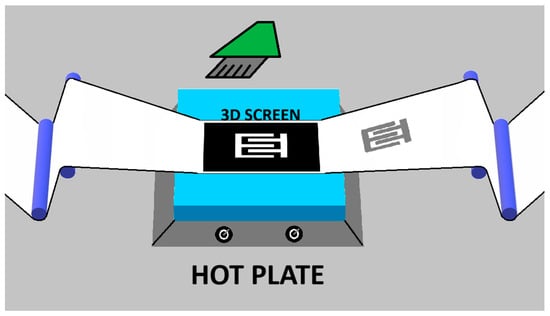
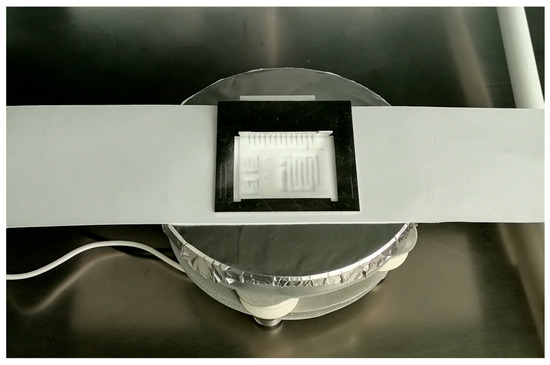
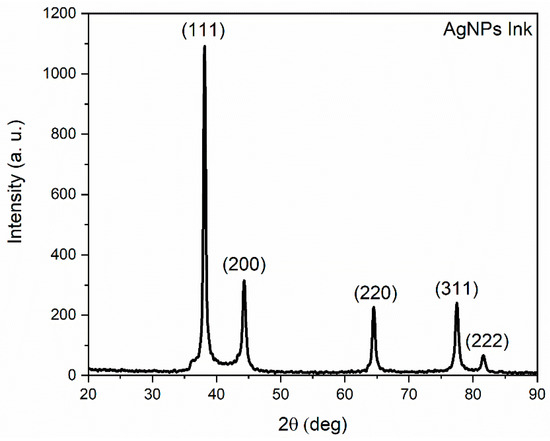
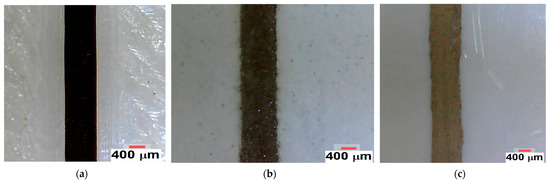
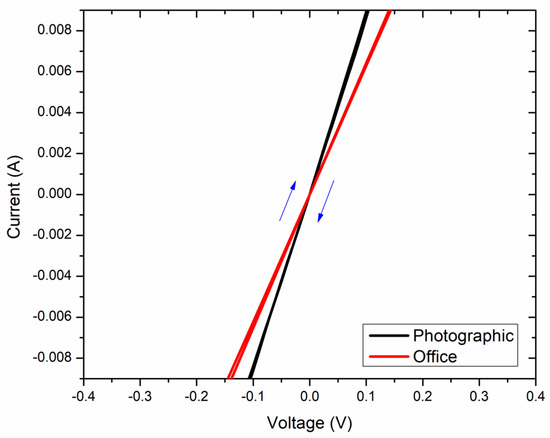
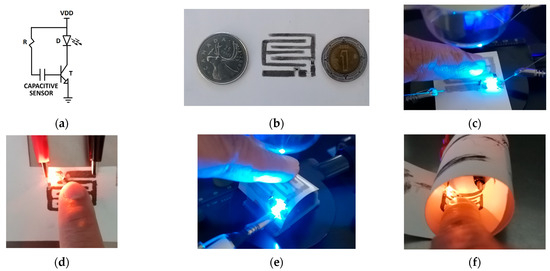
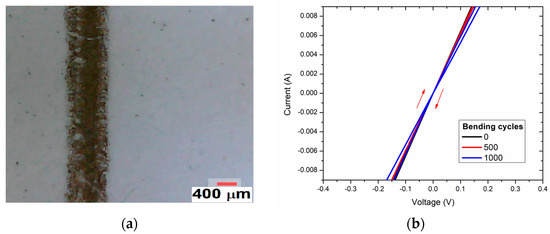
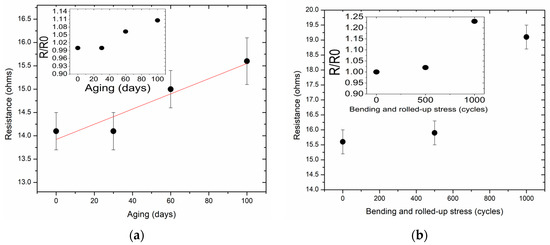
In this work, an eco-friendly 3D screen printing technique implemented in roll-to-roll technology for the manufacturing of flexible electronics is presented. The conductive ink was prepared through the decomposition of hydrogen peroxide, an eco-friendly reagent, onto the surfaces of silver nanoparticles. A biodegradable master pattern for screen printing was printed by 3D fused deposition modeling using a polylactic acid filament. This technique was implemented to fabricate hybrid touch-sensitive sensors, to be used as electrical switches, on both photographic and conventional office papers. The functionality of these sensors was demonstrated, and the systems were tested under aging and bending conditions, proving the reliability of this technological approach in flexible electronics and offering a biodegradable alternative.
Full article

Figure 1
Open AccessArticle
Development of Chitosan-Based Nanocomposite Films Functionalized with Ag/TiO2 Catalysts for Antimicrobial and Packaging Applications
by
Luiz Eduardo Nochi Castro, William Gustavo Sganzerla, Carina Mendonça Müller, Lázaro José Gasparrini, Helton José Alves, Dirlei Diedrich Kieling, Cassia Reika Takabayashi and Leda Maria Saragiotto Colpini
Appl. Nano 2025, 6(4), 28; https://doi.org/10.3390/applnano6040028 - 29 Nov 2025
Cited by 4
Abstract
►▼
Show Figures
The growing demand for environmentally friendly materials has driven extensive research into biopolymer-based nanocomposites with enhanced functional performance. Chitosan, a naturally derived polysaccharide, offers excellent film-forming ability, biodegradability, and antimicrobial potential, making it a promising matrix for sustainable packaging and coating applications. In
[...] Read more.
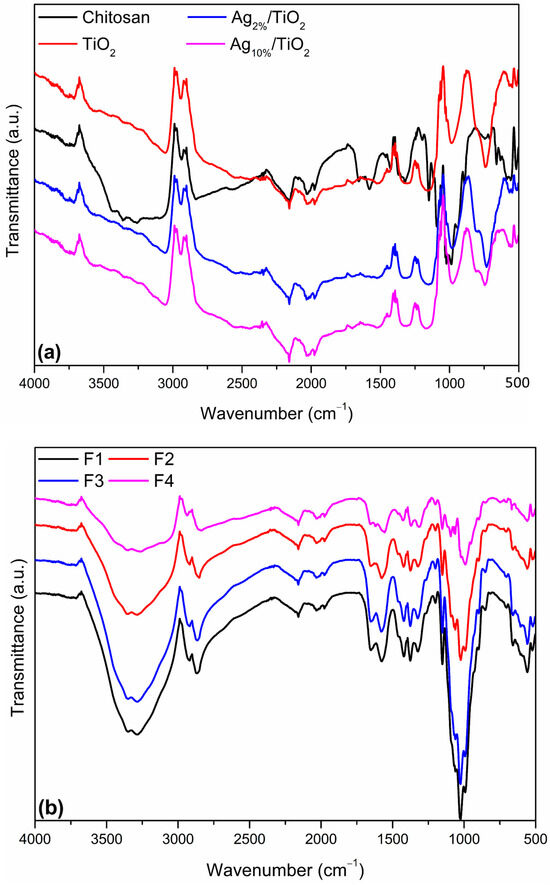
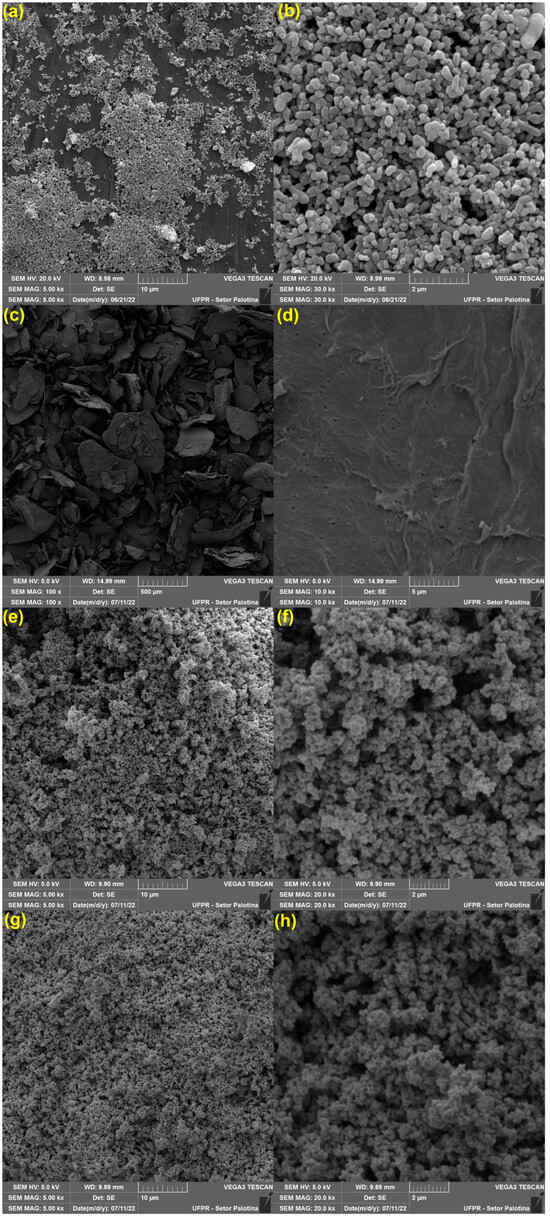
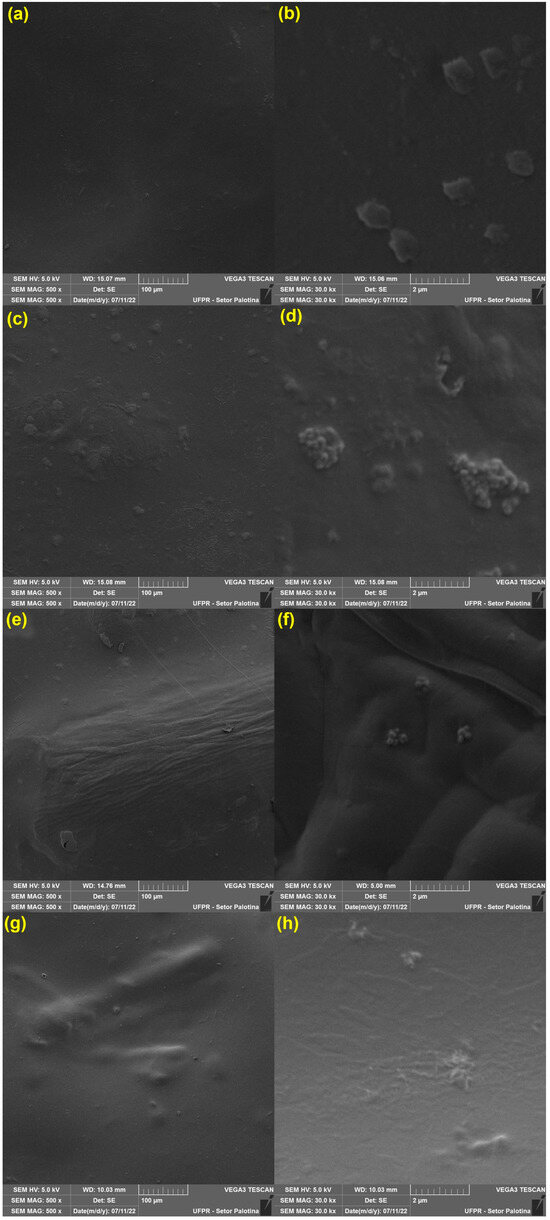
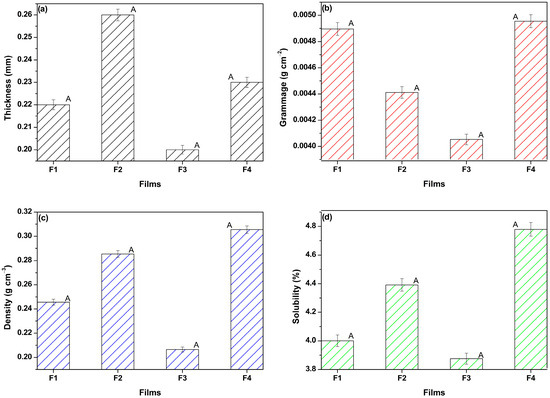
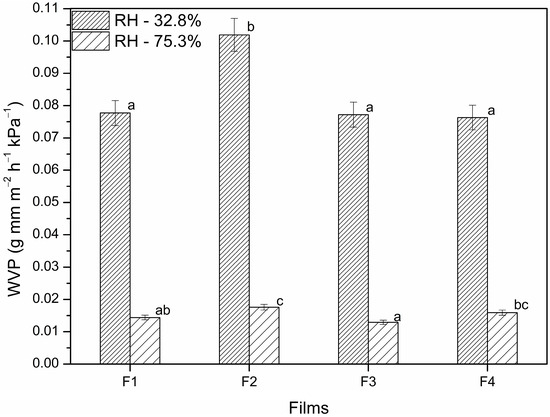
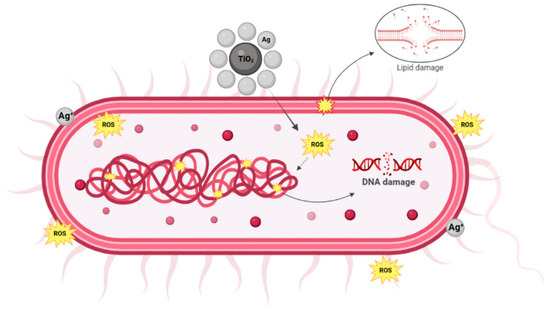
The growing demand for environmentally friendly materials has driven extensive research into biopolymer-based nanocomposites with enhanced functional performance. Chitosan, a naturally derived polysaccharide, offers excellent film-forming ability, biodegradability, and antimicrobial potential, making it a promising matrix for sustainable packaging and coating applications. In this study, a distinctive solvent-casting strategy was employed to fabricate chitosan-based nanocomposite films functionalized with dual-action silver/titania (Ag/TiO2) nanoparticles, combining both photocatalytic and metallic antimicrobial mechanisms—an approach that provides broader functionality than conventional single-component fillers. The biodegradable films were systematically characterized for their structural, mechanical, optical, and barrier properties, as well as their antimicrobial performance. The integration of Ag/TiO2 imparted unique synergistic effects, modifying film morphology and color, slightly reducing tensile strength, and enhancing hydrophobicity and structural compactness. The obtained water vapor permeability values (0.013–0.102 g·mm·m−2·h−1·kPa−1) classified the materials as moderate barriers, comparable to or better than many existing chitosan-based systems without nanofiller reinforcement. Notably, films containing 10 wt% Ag/TiO2 achieved a 40.4% reduction in Escherichia coli viability and an 8.2% inhibition of Staphylococcus aureus, demonstrating concentration-dependent antimicrobial activity superior to that of neat chitosan films. Overall, the unique combination of a biodegradable chitosan matrix with multifunctional Ag/TiO2 nanofillers offers clear advantages over traditional biopolymer films, highlighting their potential as advanced materials for active food packaging and antimicrobial surface coatings.
Full article

Figure 1
Open AccessArticle
Initial Stage Flocculation of Positively Charged Colloidal Particles in the Presence of Ultrafine Bubbles
by
Marita Wulandari, Santanu Saha and Yasuhisa Adachi
Appl. Nano 2025, 6(4), 27; https://doi.org/10.3390/applnano6040027 - 26 Nov 2025
Cited by 2
Abstract
►▼
Show Figures
Ultrafine bubbles (UFBs) have been proposed as interfacial agents that modulate colloidal interactions, yet their role in early-stage flocculation remains insufficiently quantified. Using amidine latex (AL) as a cationic model colloid under controlled end-over-end mixing, we combined flocculation kinetics with electrokinetic and interfacial
[...] Read more.
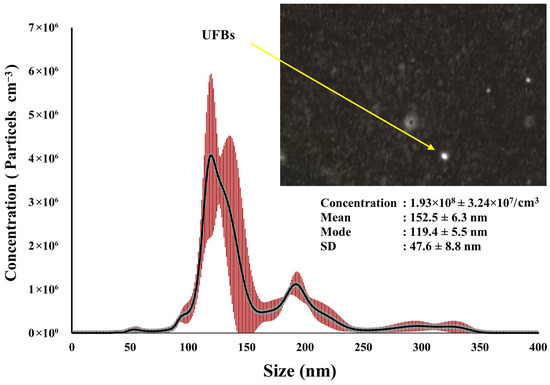
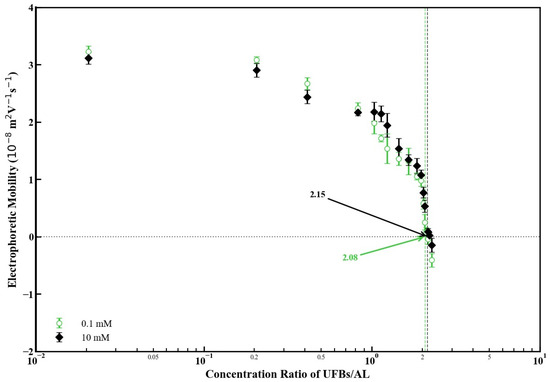
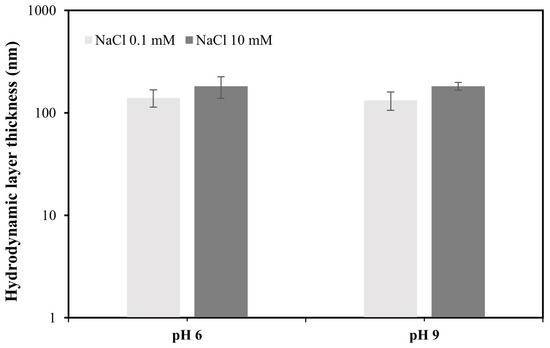
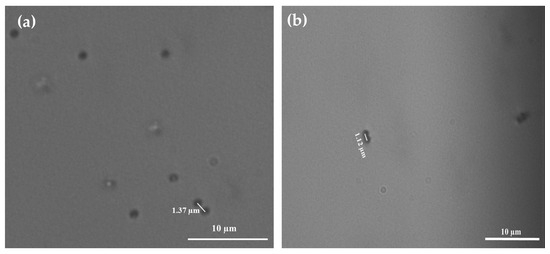
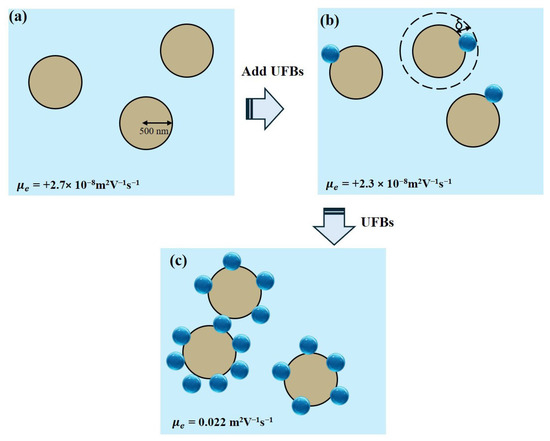
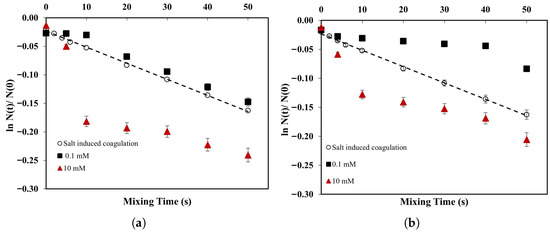
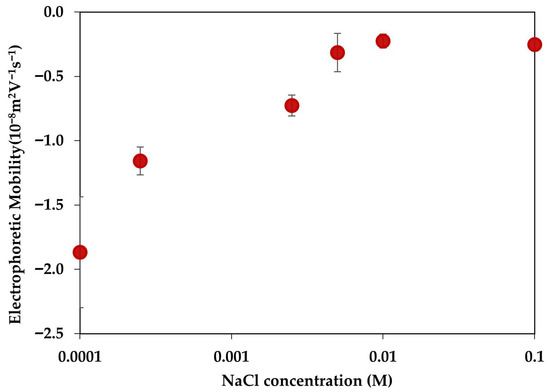
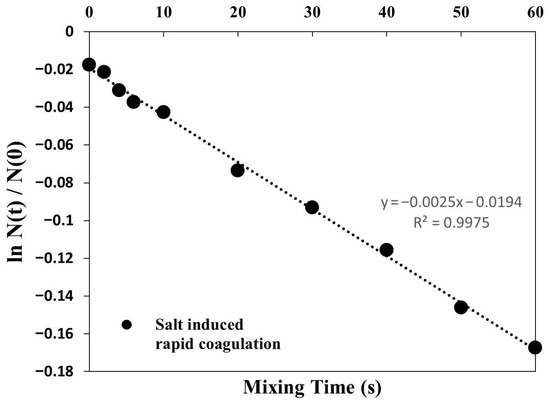
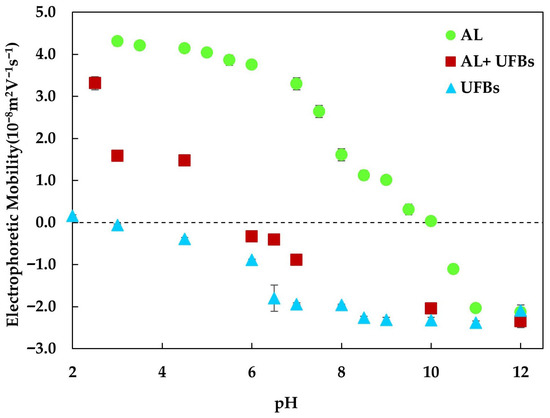
Ultrafine bubbles (UFBs) have been proposed as interfacial agents that modulate colloidal interactions, yet their role in early-stage flocculation remains insufficiently quantified. Using amidine latex (AL) as a cationic model colloid under controlled end-over-end mixing, we combined flocculation kinetics with electrokinetic and interfacial measurements to elucidate the mechanism by which UFBs promote aggregation. Electrophoretic measurements show adsorption-driven charge regulation by bubbles; increasing the UFB-to-AL ratio progressively neutralizes the surface and at sufficient dose reverses its charge. The neutrality point occurs at a characteristic ratio that is only weakly sensitive to background sodium chloride (NaCl). Interfacial measurements reveal a thicker hydrodynamic layer at higher ionic strength, consistent with closer packing of adsorbed UFBs under double layer compression, and micrographs of particle dimers confirm a larger inter-particle separation that directly visualizes this layer. Aggregation accelerates at 10 mM sodium chloride but remains slow at 0.1 mM, indicating that electrolyte screening is required for efficient adsorption and bridging; pH modulated the process secondarily. Together, the results support a coherent picture in which UFB adsorption creates patchy, charge-compensated surfaces and a soft hydrodynamic layer that enlarges the effective collision cross-section, thereby enhancing early-stage flocculation.
Full article

Figure 1
Open AccessArticle
Commercial Zinc Oxide Nanoparticles: Mechanistic Investigation into the Bacterial Leaf Blight Pathogen of Rice and Evaluation of Their Biocompatibility
by
Thanee Jaiyan, Paweena Rangsrisak, Kanchit Rahaeng, Duagkamol Maensiri and Wuttipong Mahakham
Appl. Nano 2025, 6(4), 26; https://doi.org/10.3390/applnano6040026 - 13 Nov 2025
Cited by 1
Abstract
Bacterial leaf blight (BLB), a destructive disease of rice caused by Xanthomonas oryzae pv. oryzae (Xoo), continues to limit rice productivity worldwide. Although biologically synthesized zinc oxide nanoparticles (ZnO NPs) have been extensively investigated, knowledge regarding the antibacterial activity and biocompatibility
[...] Read more.
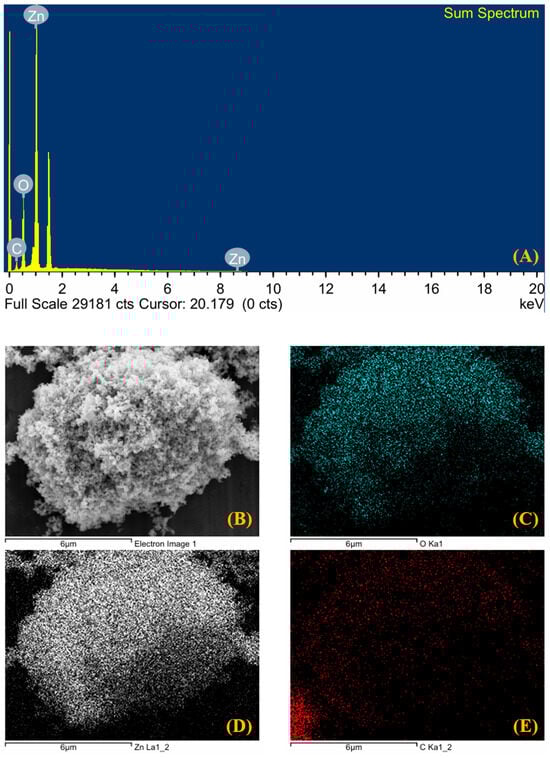
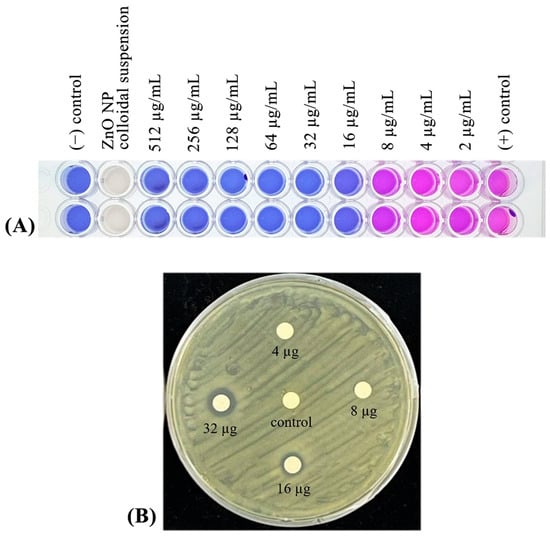
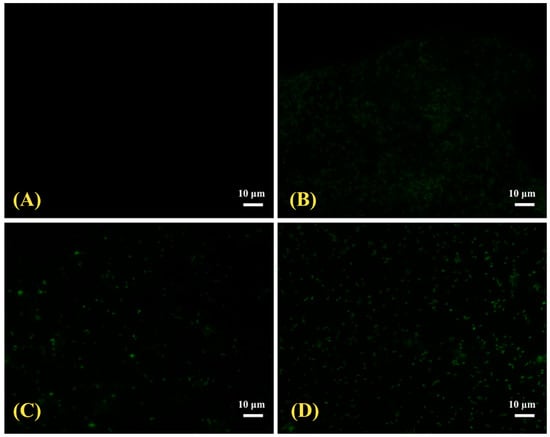
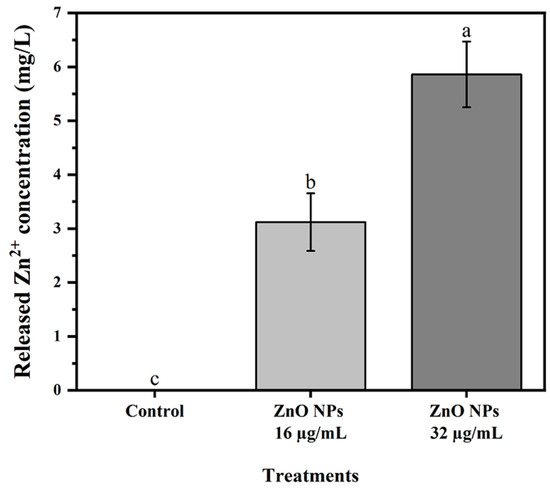
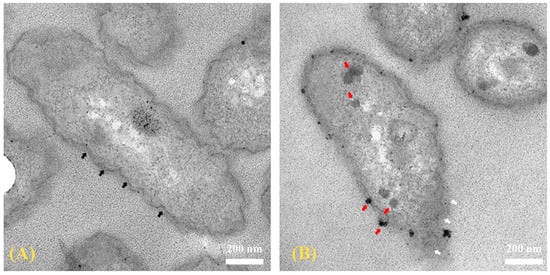
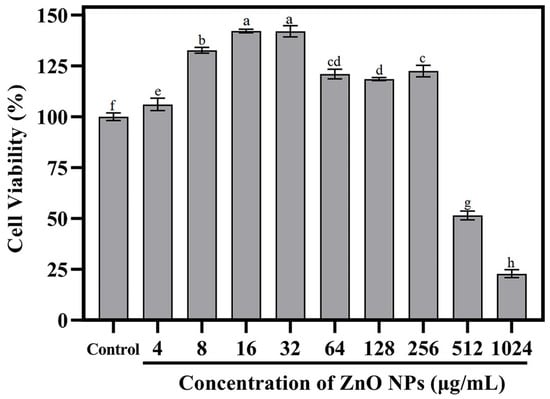
Bacterial leaf blight (BLB), a destructive disease of rice caused by Xanthomonas oryzae pv. oryzae (Xoo), continues to limit rice productivity worldwide. Although biologically synthesized zinc oxide nanoparticles (ZnO NPs) have been extensively investigated, knowledge regarding the antibacterial activity and biocompatibility of commercially available ZnO NPs is still limited. In this study, commercial ZnO NPs were systematically characterized and evaluated for their antibacterial mechanisms and biocompatibility in mammalian cells. FE-SEM and TEM analyses revealed irregular polyhedral, hexagonal, and short rod-like morphologies with an average particle size of ~33 nm, consistent with crystallite sizes estimated by XRD. The nanoparticles exhibited pronounced antibacterial activity against Xoo, with a minimum inhibitory concentration (MIC) of 16 µg/mL and a clear dose-dependent response. Mechanistic assays confirmed multifaceted bactericidal actions involving membrane disruption, ROS generation, Zn2+ release, and ultrastructural damage. Biocompatibility testing in human dermal fibroblasts showed enhanced proliferation at 8–32 µg/mL, no cytotoxicity up to 256 µg/mL, and reduced viability only at ≥512 µg/mL. These findings represent the first mechanistic evaluation of commercial ZnO NPs against Xoo, together with cytotoxicity assessment in mammalian cells, highlighting their structural distinctness and dual functionality that combine potent antibacterial activity with minimal mammalian cytotoxicity. Overall, the results underscore their potential as safe nanobiocontrol agents for sustainable rice disease management.
Full article
(This article belongs to the Topic Nano-Enabled Innovations in Agriculture)
►▼
Show Figures

Figure 1
Open AccessArticle
Upscaled, Industrial In-Line Monitoring of Nanoparticle Synthesis by Turbidity Measurement and Transferable Chemometric Modeling
by
James Bolton, Susana Gomez, Alessandro Nardecchia, Eva M. Torres and Laura Rodriguez-Turienzo
Appl. Nano 2025, 6(4), 25; https://doi.org/10.3390/applnano6040025 - 10 Nov 2025
Abstract
►▼
Show Figures
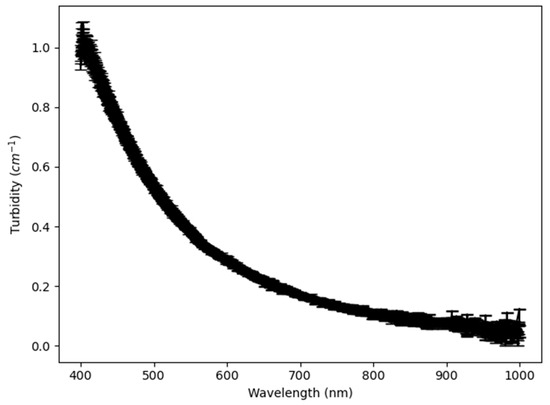
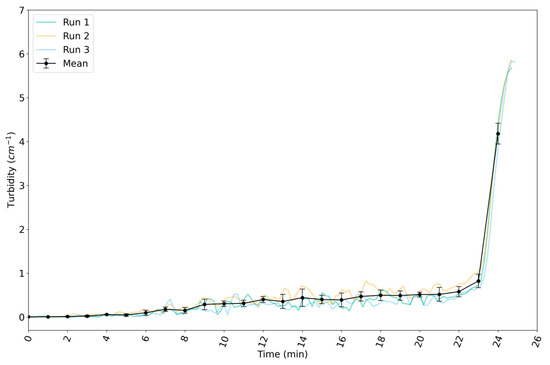
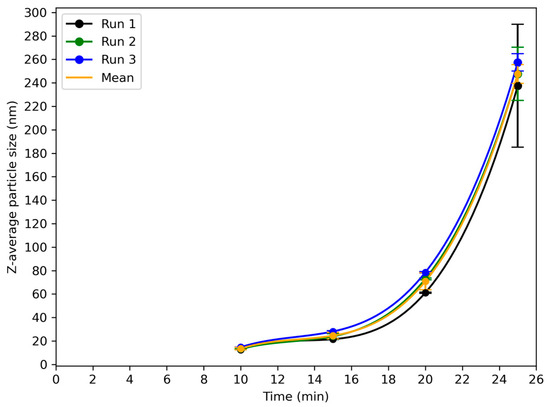
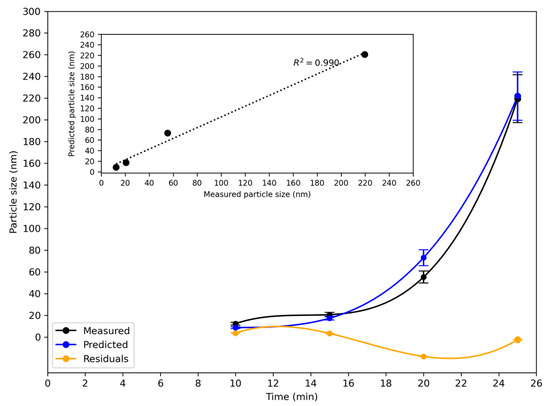
An industrial system, based on a probe for turbidity measurement and a model, has been developed and tested for the in-line monitoring of nanoparticle synthesis reactions, thus providing information on the reaction progress and particle size. Real-time turbidity measurements, reliably indicating the reaction
[...] Read more.
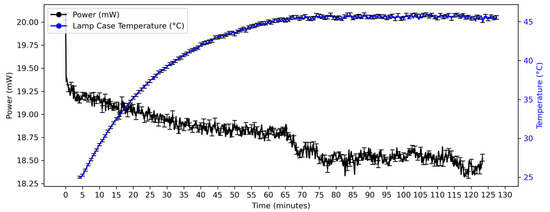
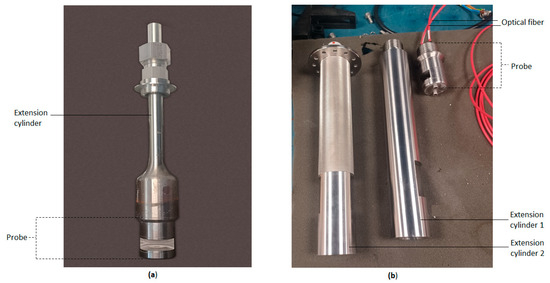
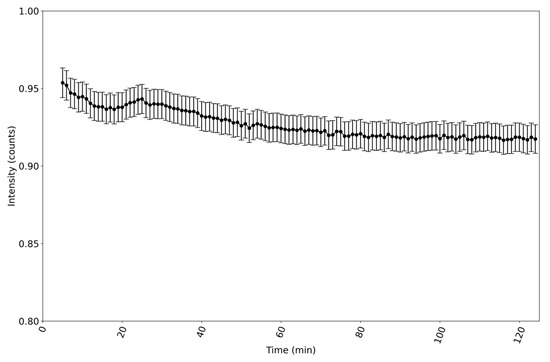
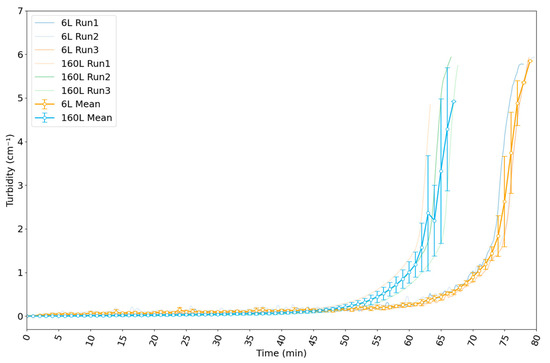
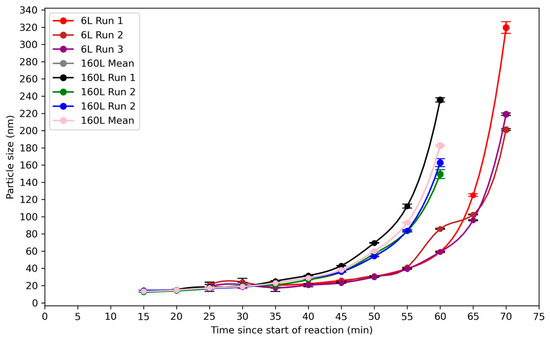
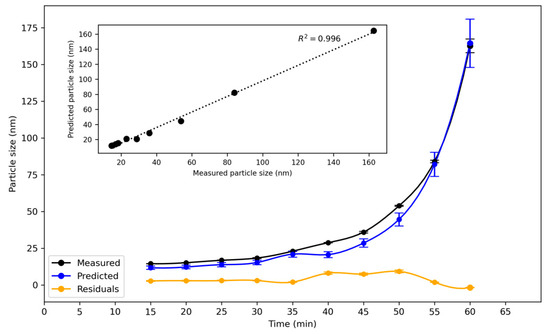
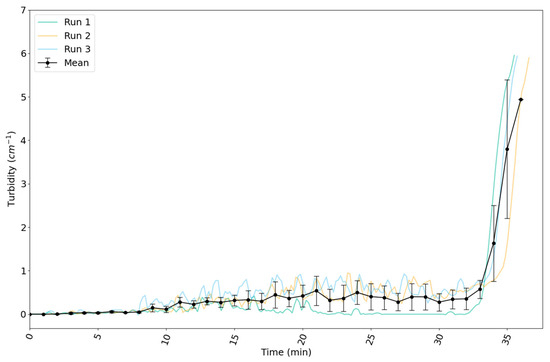
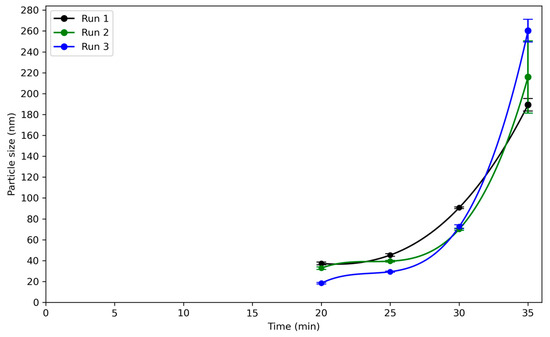
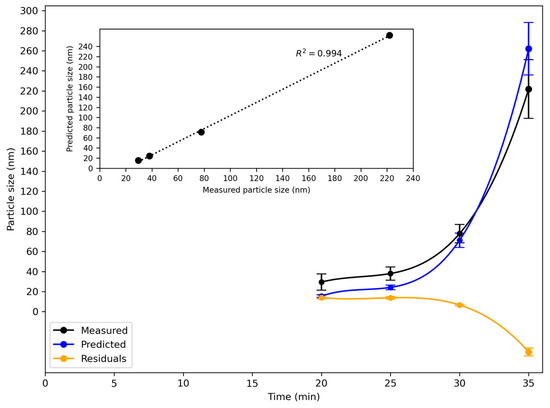
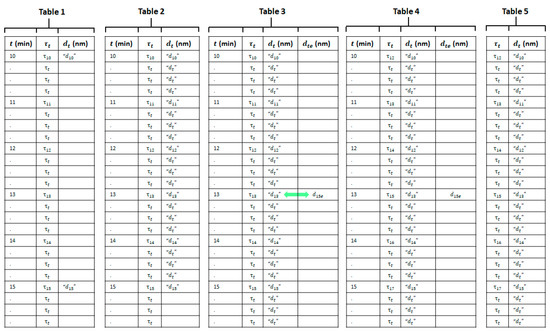
An industrial system, based on a probe for turbidity measurement and a model, has been developed and tested for the in-line monitoring of nanoparticle synthesis reactions, thus providing information on the reaction progress and particle size. Real-time turbidity measurements, reliably indicating the reaction end and allowing run-time variations to be detected, were obtained for three silica nanoparticle syntheses. The system, initially built for a research laboratory reactor of 6 L, was successfully upscaled to an industrial 160 L reactor, simply by adapting the probe’s mounting components. In a further upscaling process, transferability of the model from the smaller to the larger reactor, giving accurate particle size predictions, was achieved. In addition, a combined model, developed from the first two reactions, predicted the particle size in the third reaction without first needing to obtain any data for the model from this reaction. The combined model’s predictions showed an average relative error of 18% with respect to the measured particle size. The probe was resistant to harsh reaction conditions at a temperature of 90 °C with concentrated acids, making the system potentially useful in industrial nanoparticle production.
Full article

Figure 1
Open AccessEditorial
Applied Nano—Five Years of Growth and Challenges
by
Angelo Taglietti
Appl. Nano 2025, 6(4), 24; https://doi.org/10.3390/applnano6040024 - 31 Oct 2025
Abstract
When I was first invited to lead the Editorial Board of Applied Nano in 2020, one question immediately came to mind: Do we really need another nano-journal [...]
Full article
Open AccessArticle
Hyperfine Coupling Constants of Photoinduced Axial Symmetry NV Centers in a 6H Silicon Carbide: DFT and High-Field ENDOR Spectroscopy Study
by
Yuliya Ermakova, Ekaterina Dmitrieva, Irina Gracheva, Darya Shurtakova, Margarita Sadovnikova, Fadis Murzakhanov, Georgy Mamin, Sergey Nagalyuk, Evgeny Mokhov and Marat Gafurov
Appl. Nano 2025, 6(4), 23; https://doi.org/10.3390/applnano6040023 - 31 Oct 2025
Abstract
►▼
Show Figures
Solid-state spin centers are at the forefront of developing advanced quantum technologies, engaging in applications of sensing, communication and computing. A semiconductor host matrix compatible with existing silicon technology provides a robust platform for holding spin defects and an opportunity for external manipulation.
[...] Read more.
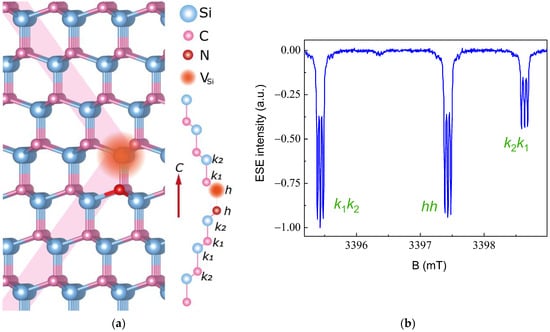
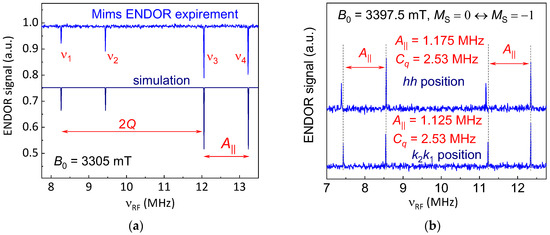
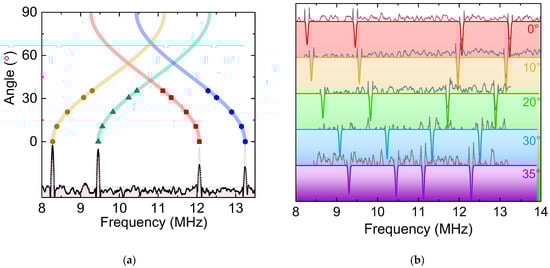
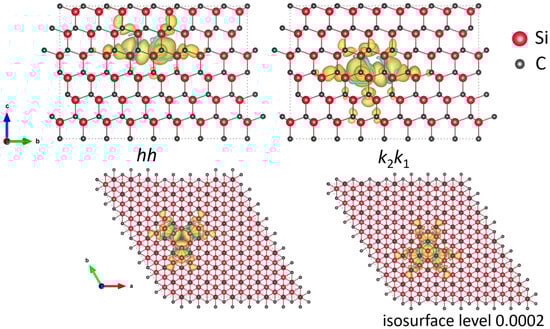
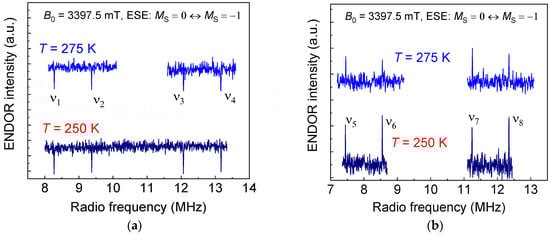
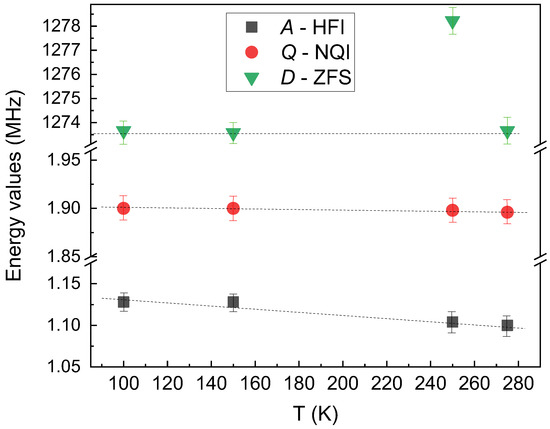
Solid-state spin centers are at the forefront of developing advanced quantum technologies, engaging in applications of sensing, communication and computing. A semiconductor host matrix compatible with existing silicon technology provides a robust platform for holding spin defects and an opportunity for external manipulation. In this article, negatively charged nitrogen-vacancy (NV) centers in the hexagonal hh position in a 6H polytype silicon carbide crystal was studied using high-frequency (94 GHz) electron paramagnetic (EPR) and electron nuclear double resonances (ENDOR) spectroscopy. Experimentally determined values of hyperfine and quadrupole interactions of 14N were compared with the values obtained for the centers in NVk2k1 positions. The distribution of spin density of the defect within a supercell of the SiC crystal lattice was calculated using the density functional theory approach. The theoretical estimation of electron-nuclear interaction constants turned out to be in close agreement with the experimental values, which allows us to refine the microscopic model of a point defect. The temperature dependence of the spin Hamiltonian values (δA/δT ≅ 180 Hz/K) was studied with the possibility of observing the 14N NMR signal at room temperature. The fundamental knowledge gained about interactions’ parameters’ behavior lays the foundation for the creation of promising quantum platforms.
Full article

Figure 1
Open AccessArticle
Influence of pH and Temperature on the Synthesis and Stability of Biologically Synthesized AgNPs
by
Oksana Velgosova, Lívia Mačák, Maksym Lisnichuk and Peter Varga
Appl. Nano 2025, 6(4), 22; https://doi.org/10.3390/applnano6040022 - 10 Oct 2025
Cited by 8
Abstract
The synthesis of silver nanoparticles (AgNPs) using sustainable and non-toxic methods has become an important research focus due to the limitations of conventional chemical approaches, which often involve hazardous reagents and produce unstable products. In particular, the effects of reaction conditions on the
[...] Read more.
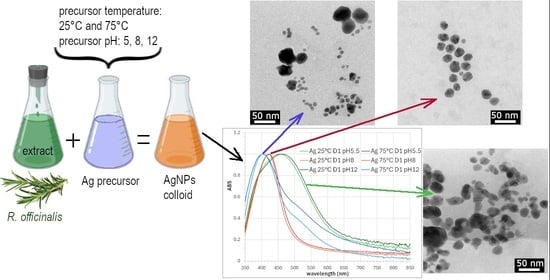
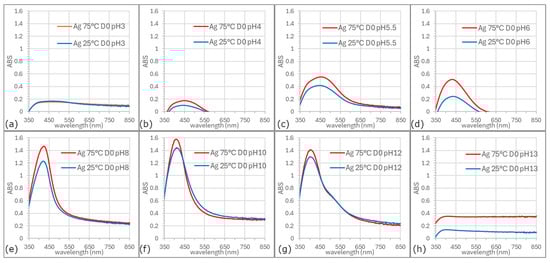
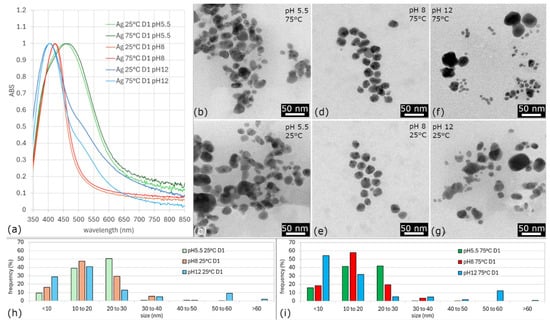
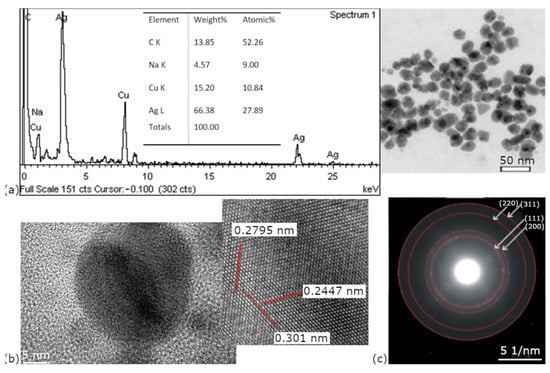
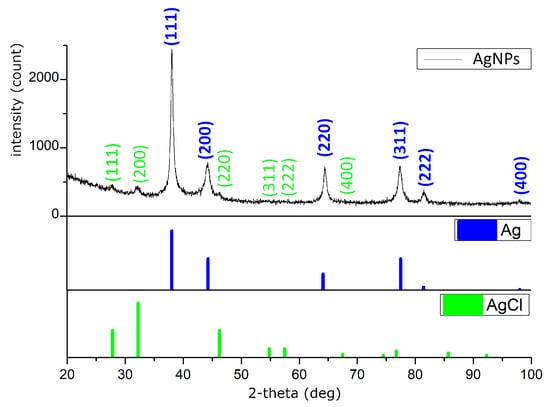
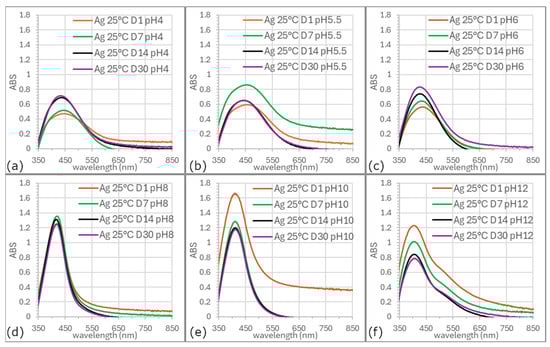
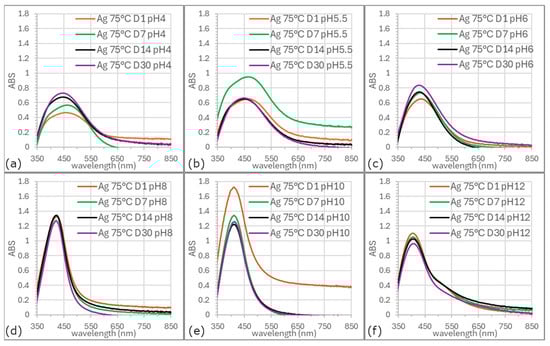
The synthesis of silver nanoparticles (AgNPs) using sustainable and non-toxic methods has become an important research focus due to the limitations of conventional chemical approaches, which often involve hazardous reagents and produce unstable products. In particular, the effects of reaction conditions on the quality and stability of AgNPs obtained via green synthesis remain insufficiently understood. This study addresses this gap by examining the influence of pH and temperature on the synthesis of AgNPs using Rosmarinus officinalis extract as both reducing and stabilizing agents. UV-vis spectroscopy and TEM analysis revealed that optimal conditions for producing uniform, stable, and spherical AgNPs were achieved at pH 8, with a narrow size distribution (~17.5 nm). At extreme pH values (≤3 or ≥13), nanoparticle formation was hindered by aggregation or precipitation, while elevated temperatures mainly accelerated reaction without altering particle morphology. HRTEM and SAED confirmed the crystalline face-centered cubic structure, and colloids synthesized at pH 8 showed excellent stability over 30 days. Overall, the results demonstrate that precise pH control is critical for obtaining high-quality AgNPs via a simple, scalable, and environmentally friendly approach. Their stability and homogeneous size highlight potential applications in biomedicine, food packaging, and sensing, where reproducibility and long-term functionality are essential.
Full article
(This article belongs to the Collection Feature Papers for Applied Nano)
►▼
Show Figures

Graphical abstract
Open AccessReview
Food Safety Promotion via Nanotechnology: An Argumentative Review on Nano-Sanitizers
by
Lok R. Pokhrel, Caroline A. Knowles and Pradnya T. Akula
Appl. Nano 2025, 6(4), 21; https://doi.org/10.3390/applnano6040021 - 1 Oct 2025
Cited by 1
Abstract
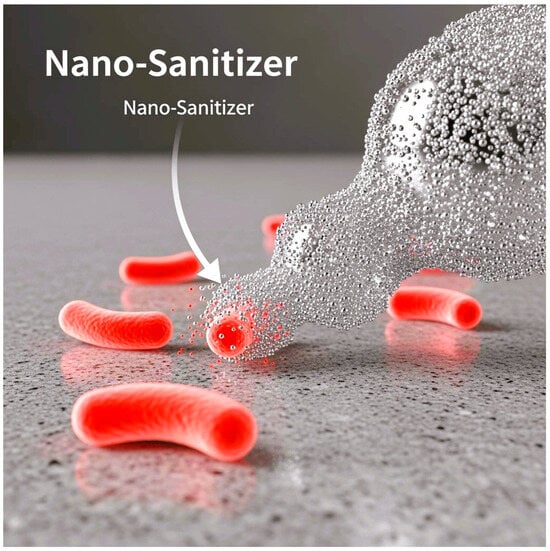
Nano-sanitizers, which exploit the unique physicochemical properties of nanomaterials, are being increasingly investigated as innovative tools to promote food safety. In this argumentative review, we compare and contrast nano-sanitizers with conventional sanitation methods by examining their underlying antimicrobial mechanisms, multifaceted benefits, inherent challenges,
[...] Read more.
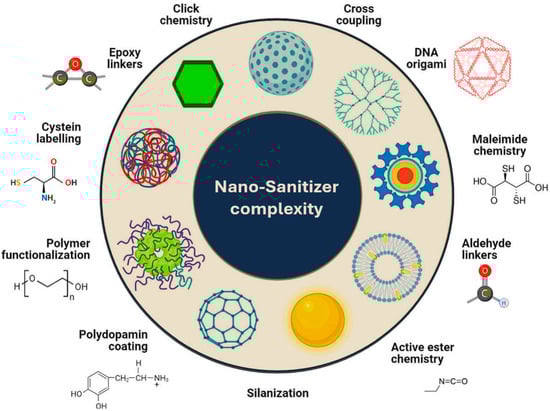
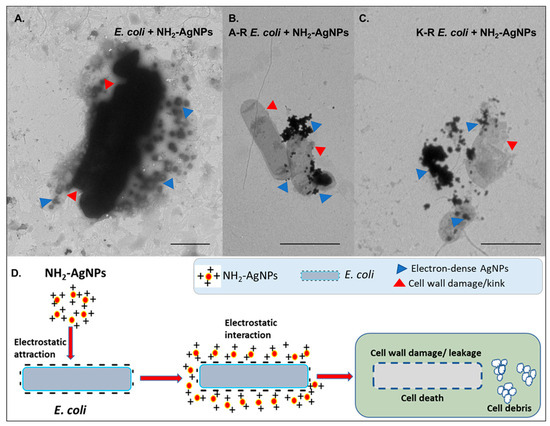
Nano-sanitizers, which exploit the unique physicochemical properties of nanomaterials, are being increasingly investigated as innovative tools to promote food safety. In this argumentative review, we compare and contrast nano-sanitizers with conventional sanitation methods by examining their underlying antimicrobial mechanisms, multifaceted benefits, inherent challenges, and wide-ranging public health implications. We evaluate regulatory conundrums and consumer perspectives alongside future outlooks for integration with advanced technologies such as artificial intelligence. Through selective synthesis of the published literature, our argumentative discussion demonstrates that nano-sanitizers not only promise superior performance in pathogen inactivation but could also contribute to overall food system sustainability, provided safety and regulatory concerns are adequately addressed.
Full article
(This article belongs to the Topic Nano-Enabled Innovations in Agriculture)
►▼
Show Figures

Figure 1
Open AccessArticle
Multi-Walled Carbon Nanotube Application Alters Stomatal Behavior in Boreal Shrubs Under Drought Conditions
by
Sahari Inoue, Binyam Tedla, Jean-Marie Sobze and Raymond Thomas
Appl. Nano 2025, 6(4), 20; https://doi.org/10.3390/applnano6040020 - 28 Sep 2025
Abstract

►▼
Show Figures
Seedling establishment on reclaimed boreal sites is frequently constrained by drought and other abiotic stresses. Carbon nanomaterials have been shown to influence stress physiology in crops, but their effects on native boreal species are poorly understood. We tested whether carboxylic acid-functionalized multi-walled carbon
[...] Read more.
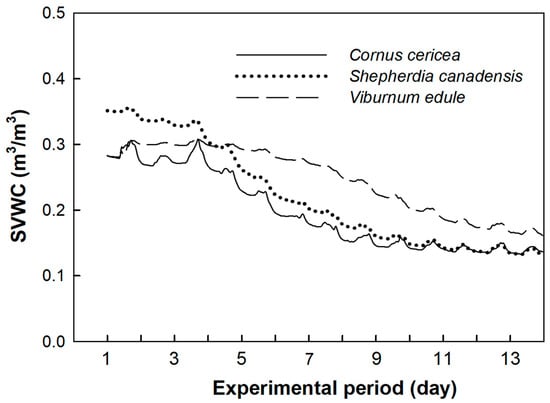
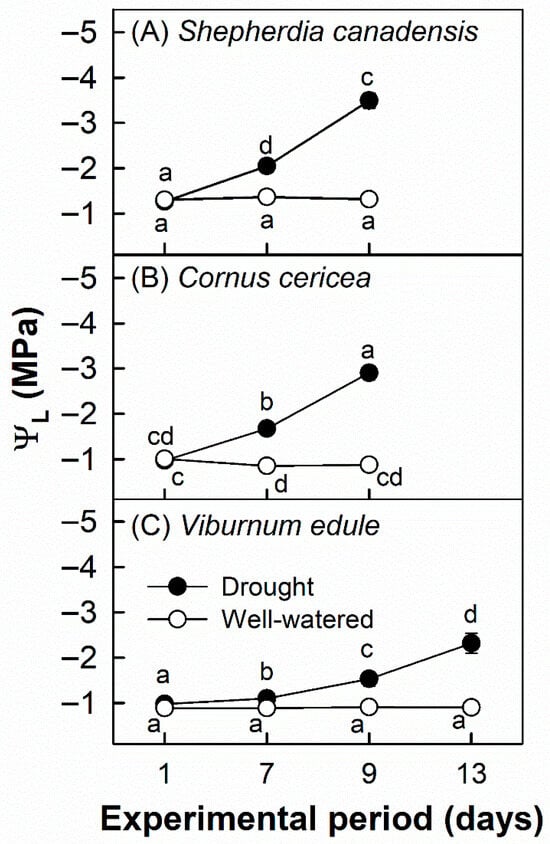
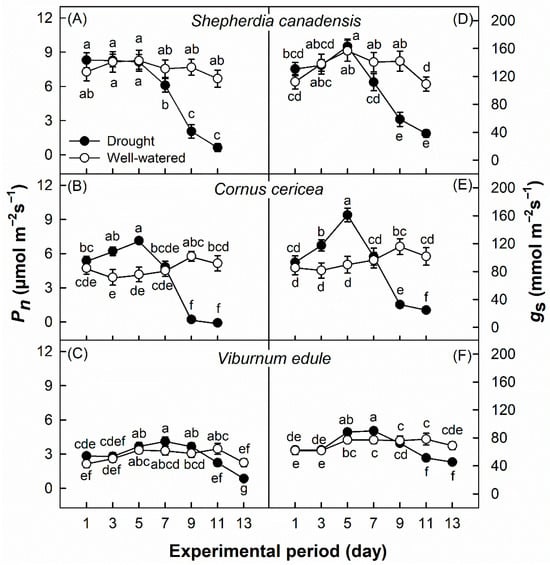
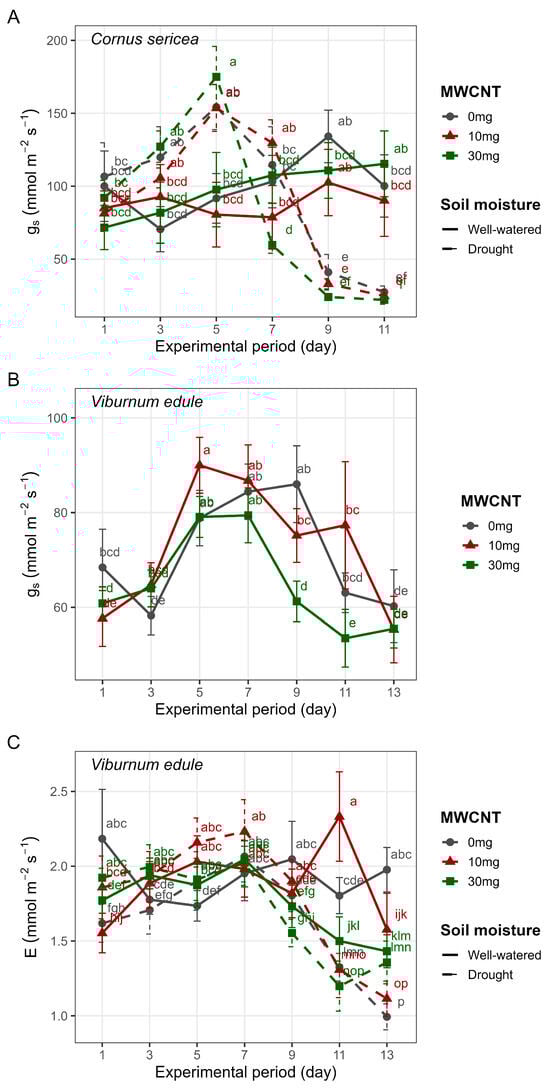
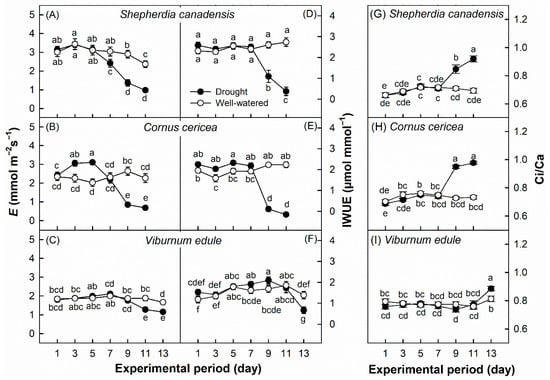
Seedling establishment on reclaimed boreal sites is frequently constrained by drought and other abiotic stresses. Carbon nanomaterials have been shown to influence stress physiology in crops, but their effects on native boreal species are poorly understood. We tested whether carboxylic acid-functionalized multi-walled carbon nanotubes (MWCNTs) alter drought responses in three shrubs widely used in reclamation: Shepherdia canadensis (L.) Nutt, Cornus sericea L., and Viburnum edule. Seedlings received two irrigations with MWCNTs suspensions (0 (control), 10, or 30 mg L−1) before exposure to well-watered or drought conditions in a greenhouse. Drought reduced photosynthesis, stomatal conductance, and transpiration and increased Ci/Ca across species, consistent with declining leaf water potential. MWCNTs did not broadly modify these responses, but the highest concentration (30 mg L−1) further suppressed stomatal conductance in C. sericea and V. edule during mid- to late drought. S. canadensis showed little responsiveness. These effects suggest that MWCNT-associated stomatal closure may limit water loss under stress but also constrain CO2 uptake, offering no clear photosynthetic benefit. MWCNT impacts were subtle, species- and dose-dependent, and centered on stomatal regulation. Application in reclamation should therefore be approached cautiously, balancing potential water-saving benefits against possible reductions in carbon assimilation and growth.
Full article

Figure 1
Highly Accessed Articles
Latest Books
E-Mail Alert
News
Topics
Topic in
Applied Nano, Catalysts, Materials, Nanomaterials, Polymers, Molecules
Application of Nanomaterials in Environmental Analysis
Topic Editors: Yonggang Zhao, Yun ZhangDeadline: 13 April 2026
Topic in
Applied Nano, Ceramics, Crystals, Energies, Materials
High Performance Ceramic Functional Materials
Topic Editors: Letao Yang, Hua Hao, Qinghu Guo, Zhonghua YaoDeadline: 1 June 2026
Topic in
Applied Nano, C, Materials, Nanomaterials, Polymers
Advances in Carbon-Based Materials
Topic Editors: Giovanni Spinelli, Vittorio RomanoDeadline: 30 June 2026
Topic in
Applied Nano, Materials, Molecules, Nanomaterials, Polymers, Processes, Lubricants, Inorganics
Preparation and Application of Polymer Nanocomposites, 2nd Edition
Topic Editors: Hongbo Gu, Zilong Deng, Donglu Fang, Xianhu Liu, Kai Sun, Hu LiuDeadline: 31 August 2026
Special Issues
Special Issue in
Applied Nano
Biocompatible Functional Nanostructures for Nanomedicine, Environmental and Energy Applications
Guest Editor: Valeria De MatteisDeadline: 20 December 2026
Topical Collections
Topical Collection in
Applied Nano
Feature Papers for Applied Nano
Collection Editor: Angelo Taglietti
Topical Collection in
Applied Nano
Review Papers for Applied Nano Science and Technology
Collection Editor: Johann Michael Köhler