

Journal Description
Clinics and Practice
is an international, peer-reviewed, open access journal on clinical medicine, published monthly online by MDPI (from Volume 11, Issue 1 - 2021).
- Open Access— free for readers, with article processing charges (APC) paid by authors or their institutions.
- High Visibility: indexed within Scopus, ESCI (Web of Science), PubMed, PMC, Embase, and other databases.
- Journal Rank: JCR - Q2 (Medicine, General and Internal) / CiteScore - Q2 (General Medicine)
- Rapid Publication: manuscripts are peer-reviewed and a first decision is provided to authors approximately 25.7 days after submission; acceptance to publication is undertaken in 3.8 days (median values for papers published in this journal in the second half of 2025).
- Recognition of Reviewers: APC discount vouchers, optional signed peer review, and reviewer names published annually in the journal.
Impact Factor:
2.2 (2024);
5-Year Impact Factor:
1.9 (2024)
Latest Articles
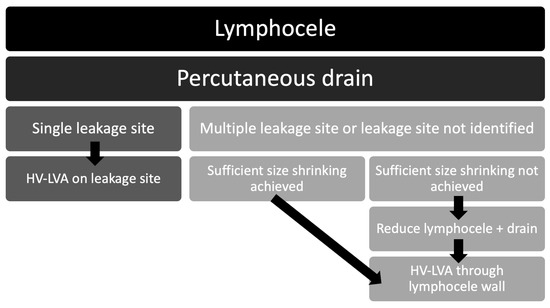
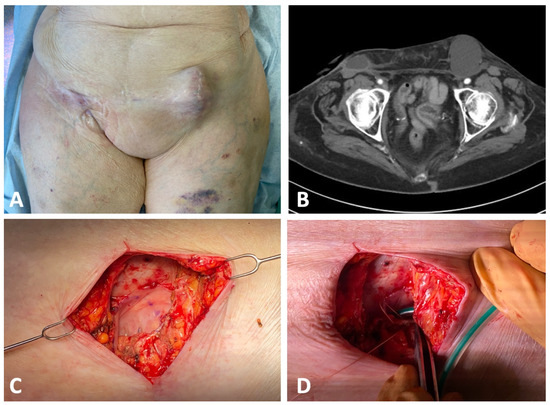
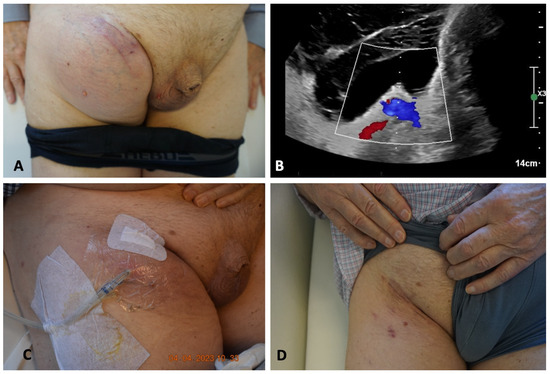
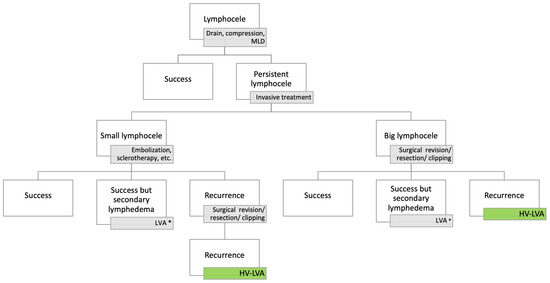
High-Volume LVA—New Surgical Technique for Treatment of Lymphoceles in the Groin
Clin. Pract. 2026, 16(4), 71; https://doi.org/10.3390/clinpract16040071 - 31 Mar 2026
Abstract
►
Show Figures
Background: Groin lymphoceles are common postoperative complications after vascular interventions that can be difficult to treat, especially in recurrent or complex cases. While lymphovenous anastomosis (LVA) is a potential, minimally invasive option, its limited flow capacity may not provide sufficient drainage in large
[...] Read more.
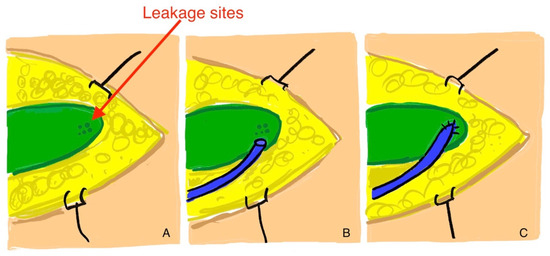
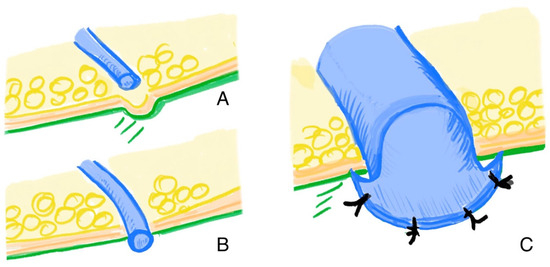
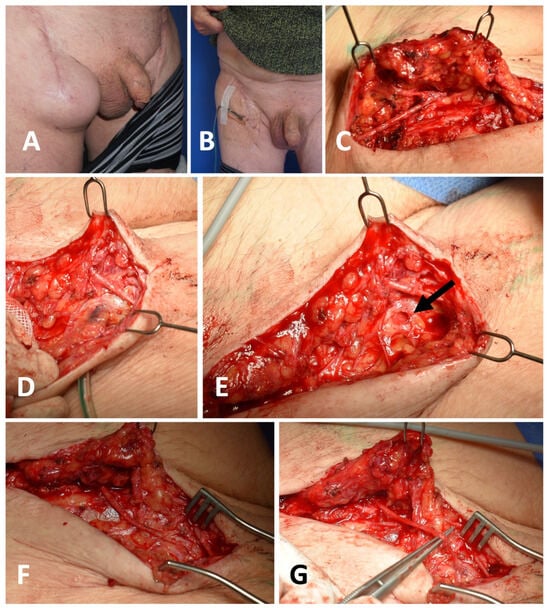
Background: Groin lymphoceles are common postoperative complications after vascular interventions that can be difficult to treat, especially in recurrent or complex cases. While lymphovenous anastomosis (LVA) is a potential, minimally invasive option, its limited flow capacity may not provide sufficient drainage in large lymphoceles. We present a novel high-volume LVA technique that uses larger veins to directly drain the lymphocele cavity. Methods: Five patients with six groin lymphoceles, all previously treated unsuccessfully with conventional methods (mean 3.3 surgeries), underwent high-volume LVA (HV-LVA). The technique involved direct anastomosis of a large regional vein to the lymphocele cavity. Lymphatic inflow points were identified with Patent Blue or ICG when possible. Outcomes were assessed over 6–14 months. Results: In total, seven HV-LVAs were performed. Three lymphoceles (50%) were successfully treated with a single operation; three required revisions due to venous occlusion. All patients were successfully treated without recurrence. The average number of surgeries per patient was 2.2. Conclusions: High-volume LVA may be an effective option for therapy-resistant inguinal lymphoceles, providing greater drainage capacity than standard techniques. Further studies are needed to confirm its long-term efficacy and safety.
Full article
Open AccessArticle
Knowledge and Clinical Approaches to Temporomandibular Disorders in Primary Healthcare: A Cross-Sectional Comparative Study of Physicians and Dentists in Croatia
by
Dora Martic, Martin Miskovic, Antonija Palac Bzik, Ana Glavina, Ivan Kovacic and Antonija Tadin
Clin. Pract. 2026, 16(4), 70; https://doi.org/10.3390/clinpract16040070 - 31 Mar 2026
Abstract
Objectives: Temporomandibular disorders (TMDs) are common but often underrecognized and inadequately managed in primary healthcare, which may delay diagnosis and appropriate care. This study aimed to compare TMD-related knowledge, awareness, and clinical practices between dentists and physicians working in primary care and to
[...] Read more.
Objectives: Temporomandibular disorders (TMDs) are common but often underrecognized and inadequately managed in primary healthcare, which may delay diagnosis and appropriate care. This study aimed to compare TMD-related knowledge, awareness, and clinical practices between dentists and physicians working in primary care and to identify factors associated with higher diagnostic confidence. Methods: A cross-sectional survey was conducted among dentists and physicians working in Croatian primary healthcare. TMD-related knowledge, clinical confidence, screening practices, and referral patterns were assessed using a structured questionnaire. Results: Dentists demonstrated significantly higher overall knowledge scores than physicians (15.6 ± 1.7 vs. 13.2 ± 4.1; p < 0.001), as well as greater diagnostic and therapeutic confidence (all p < 0.001). Routine TMD screening was reported by only 21.8% of participants, more frequently by dentists than physicians (36.1% vs. 8.2%; p < 0.001). Most respondents preferred referral rather than independent management. Regression analysis identified profession as the only independent predictor of higher TMD-related knowledge (p = 0.003). Insufficient knowledge, experience, and lack of confidence were the most reported barriers, particularly among physicians. Conclusions: The findings indicate clinically relevant gaps in TMD preparedness within primary healthcare, especially among physicians, despite frequent patient contact. Strengthening undergraduate and continuing education, promoting interdisciplinary training, and establishing clearer referral pathways may enhance early recognition and improve primary-level management of TMD.
Full article
Open AccessArticle
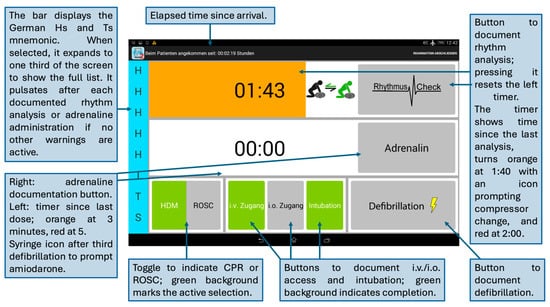
Evaluation of a Cognitive Aid Application to Improve Non-Technical Skills in Simulated Cardiopulmonary Resuscitation (CPR): A Randomised Controlled Trial
by
Carlos Ramon Hölzing, Tristan Ernst, Thomas Wurmb, Tobias Grundgeiger, Patrick Meybohm and Oliver Happel
Clin. Pract. 2026, 16(4), 69; https://doi.org/10.3390/clinpract16040069 - 30 Mar 2026
Abstract
Background/Objectives: The success of cardiopulmonary resuscitation relies on both technical and non-technical skills. Cognitive aids, such as checklists, have been shown to enhance technical performance in emergencies. The aim of this study was to evaluate the capabilities of a cognitive aid app (CA-App)
[...] Read more.
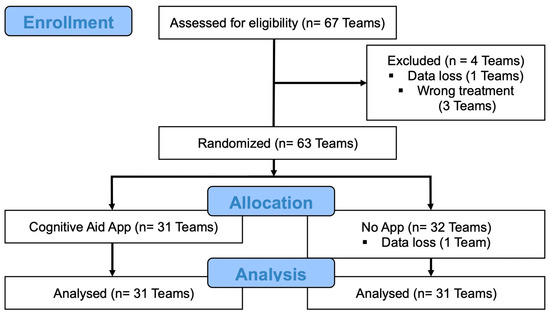
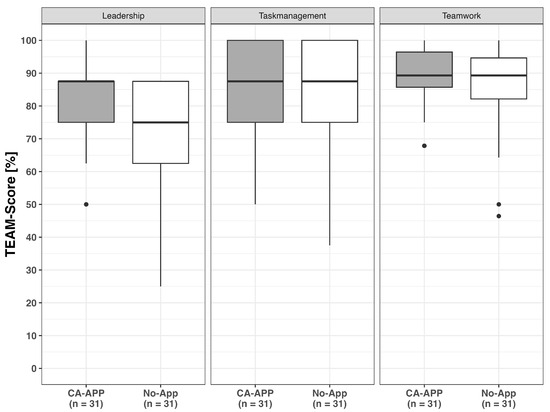
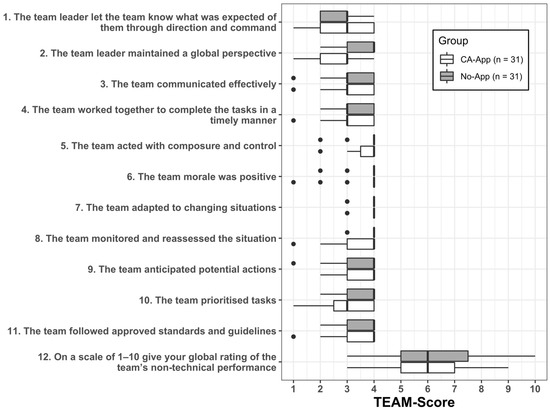
Background/Objectives: The success of cardiopulmonary resuscitation relies on both technical and non-technical skills. Cognitive aids, such as checklists, have been shown to enhance technical performance in emergencies. The aim of this study was to evaluate the capabilities of a cognitive aid app (CA-App) in improving non-technical skills. Methods: In this single-centre randomised controlled trial, 62 teams, each consisting of an experienced physician and a specialised nurse, were randomised either to CA-App or control (No-App) groups performing cardiopulmonary resuscitation. The study was registered with the German Clinical Trials Register (DRKS) on 4 November 2025 (DRKS00038336). The primary outcome was the team leader’s performance in non-technical skills, assessed via the validated Team Emergency Assessment Measure (TEAM™) questionnaire by two raters. Secondary analyses examined TEAM™ subdomains (leadership, teamwork, task management) and the correlation between app usage duration and performance. Results: 62 out of 67 teams were finally randomised, with 31 teams in each group. The CA-App group demonstrated a marginally elevated median TEAM™ total score (83.33%) in comparison to the control group (79.33%), although this difference was not statistically significant (p = 0.190). The leadership subgroup score was significantly higher in the app group (p = 0.006). There was no significant correlation between the time spent using the app and improved team performance (r = 0.260, p = 0.166). Conclusions: The CA-App demonstrated potential for improving leadership skills, a critical component of non-technical skills in emergency scenarios. These findings highlight the potential capability of cognitive aids to improve non-technical skills and the need for further research to explore their optimal design and integration into clinical practice to enhance team performance and patient safety.
Full article
(This article belongs to the Special Issue Emergency and Disaster Medicine: Preparedness, Response, and Resilience in Health Systems)
►▼
Show Figures

Figure 1
Open AccessReview
Serotonin–Norepinephrine Reuptake Inhibitors in Fibromyalgia Management: An Integrative Literature Review of Clinical Evidence
by
Isabella Oliveira do Lago, Bruna Moura Medina Diniz, Daniela Vieira Buchaim and Rogerio Leone Buchaim
Clin. Pract. 2026, 16(4), 68; https://doi.org/10.3390/clinpract16040068 - 28 Mar 2026
Abstract
►▼
Show Figures
Fibromyalgia (FM) is a chronic pain syndrome characterized by central sensitization and impaired pain modulation, involving dysfunctional descending inhibitory pathways and altered nociceptive processing. These processes contribute to persistent musculoskeletal pain, difficulties with sleep, feelings of depression, and ongoing fatigue. Serotonin and norepinephrine
[...] Read more.
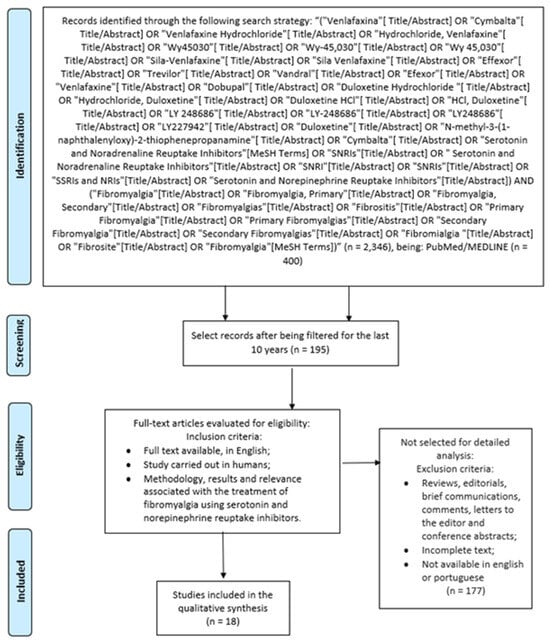
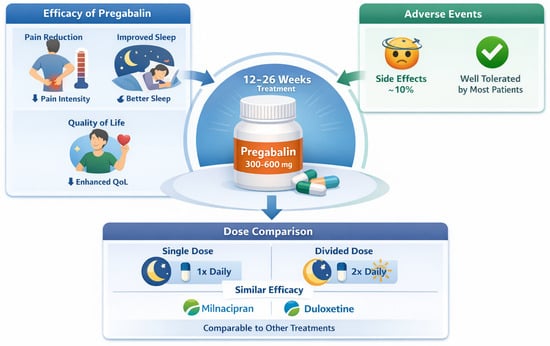
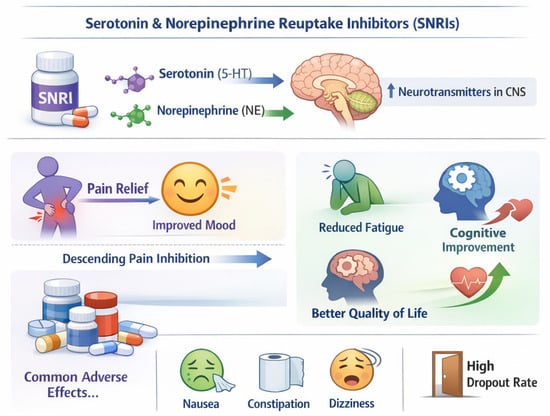
Fibromyalgia (FM) is a chronic pain syndrome characterized by central sensitization and impaired pain modulation, involving dysfunctional descending inhibitory pathways and altered nociceptive processing. These processes contribute to persistent musculoskeletal pain, difficulties with sleep, feelings of depression, and ongoing fatigue. Serotonin and norepinephrine are key mediators of pain control, and evidence indicates that dual reuptake inhibition provides superior analgesia compared to single-pathway approaches. Accordingly, serotonin–norepinephrine reuptake inhibitors (SNRIs), including milnacipran and duloxetine, approved for FM treatment, show favorable efficacy and tolerability compared with tricyclic antidepressants. This integrative literature review aimed to evaluate the impact of SNRIs on musculoskeletal pain, fatigue, depression, and quality of life in patients with FM by analyzing randomized clinical trials (RCTs), identified via PubMed/MEDLINE searches (2015–2025) in English/Portuguese using descriptors: “Fibromyalgia”, “Serotonin and Norepinephrine Reuptake Inhibitors”, “Duloxetine” and “Milnacipran”. From 195 records screened, 18 studies met inclusion criteria (9.2% inclusion rate); duloxetine evaluated in 16 studies (88.9%), milnacipran in 2 (11.1%); SNRIs demonstrated superior efficacy vs. placebo: pain reduction 30–40%, fatigue improvement 25%, quality of life enhancement 20%. SNRIs were overall more effective than placebo but did not achieve high levels of analgesia, underscoring the need for further research on long-term efficacy and comparisons with combination pharmacological and non-pharmacological therapies. SNRIs significantly alleviate musculoskeletal pain (30–50% of patients), fatigue, depression symptoms, and improve quality of life in FM versus placebo. Duloxetine showed superior efficacy for pain/depression; milnacipran excelled in sleep quality. Long-term studies and combination therapies warrant further investigation.
Full article

Figure 1
Open AccessArticle
Atrial Fibrillation Modifies the Relationship Between Beta Blocker Dose and Physical Capacity After Myocardial Infarction
by
Paulina Rabiej-Krzys, Karolina Szczygiel, Rafal Lenard, Francesco Perone and Joanna Popiolek-Kalisz
Clin. Pract. 2026, 16(4), 67; https://doi.org/10.3390/clinpract16040067 - 28 Mar 2026
Abstract
Background: Atrial fibrillation (AF) is a common arrythmia in post-myocardial infarction (MI) cardiac rehabilitation (CR) cohorts, and beta-adrenergic signaling remodeling and rate-control pharmacotherapy may influence functional capacity. Methods: We retrospectively studied 117 consecutive male post-MI patients referred to outpatient CR. Functional capacity was
[...] Read more.
Background: Atrial fibrillation (AF) is a common arrythmia in post-myocardial infarction (MI) cardiac rehabilitation (CR) cohorts, and beta-adrenergic signaling remodeling and rate-control pharmacotherapy may influence functional capacity. Methods: We retrospectively studied 117 consecutive male post-MI patients referred to outpatient CR. Functional capacity was assessed with a 6 min walk test (6MWT). AF was identified from clinical records, and beta-blocker exposure was unified as carvedilol-equivalent daily dose. Results: Beta-blockers were used in 94.1% of patients and AF was present in 10.3%. Patients with AF were older (72.7 ± 6.6 vs 58.1 ± 9.3 years) and walked shorter distances (430.0 [375.0–497.5] vs. 540.0 [480.0–570.0] m). In the prespecified interaction model, age remained independently associated with lower 6MWT (−4.29 m/year; p < 0.001), AF was associated with lower 6MWT (−137.21 m; p = 0.01), and the beta-blocker dose × AF interaction was positive (+6.78; p = 0.02; R2 = 0.44). Importantly, the beta-blocker dose was not associated with 6MWT in patients without AF, whereas a positive association was observed in AF (B = 7.55, p = 0.04). Conclusions: In this exploratory analysis, AF identified a subgroup with markedly reduced functional capacity in early post-MI CR, supporting the potential of phenotype-informed assessment. Additionally, the association between beta-blocker dose and 6MWT distance differed by rhythm status. These preliminary findings require confirmation in larger prospective cohorts.
Full article
(This article belongs to the Special Issue Exercise and Sports for Chronic Diseases)
Open AccessArticle
Quality of ChatGPT-Generated Responses to Common Patient Questions About Peripheral Nerve Stimulation: A Cross-Sectional Study
by
Charles A. Odonkor, Muhammad Uzair Siddique, Sarvesh Palaniappan, Jacob Locklear, Sreekrishna Pokuri, Alexandra Adler, Peju Adekoya, Annie W. Hsu, Jonathan Paek, Hari Prabhakar, Yuri Chaves Martins, Christina Smith, Uzondu Osuagwu, Frederick K. Comrie and Alaa Abd El Sayed
Clin. Pract. 2026, 16(4), 66; https://doi.org/10.3390/clinpract16040066 - 25 Mar 2026
Abstract
►▼
Show Figures
Background: Peripheral nerve stimulation (PNS) is increasingly used in selected patients with neuropathic pain, and many individuals seek supplemental online information to clarify procedural expectations and postoperative care. Large language models such as ChatGPT may provide scalable patient education; however, their performance
[...] Read more.
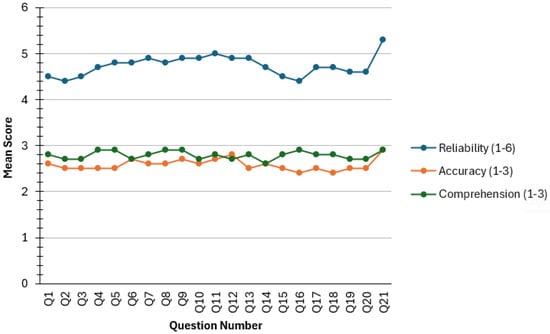
Background: Peripheral nerve stimulation (PNS) is increasingly used in selected patients with neuropathic pain, and many individuals seek supplemental online information to clarify procedural expectations and postoperative care. Large language models such as ChatGPT may provide scalable patient education; however, their performance for PNS-related questions has not been evaluated. This study assessed the reliability, accuracy, and comprehensibility of ChatGPT-5.0 responses to common PNS patient questions. Methods: We conducted a cross-sectional evaluation of ChatGPT-5.0 responses to 21 standardized questions derived through expert consensus, spanning pre-implantation, implantation, and post-implantation domains. Sixteen board-certified interventional pain specialists and a nurse educator independently rated each response using validated scales for reliability (1–6), accuracy (1–3), and comprehensibility (1–3). Descriptive statistics were calculated, and domain-level patterns were examined. Results: Clinician ratings demonstrated generally strong performance across all domains. Mean reliability was 4.7 ± 1.4, mean accuracy 2.6 ± 0.6, and mean comprehensibility 2.8 ± 0.5. Foundational questions addressing mechanisms, expectations, and postoperative care received the highest ratings. Lower ratings were observed for implantation-focused items requiring procedural nuance. No response fell below predefined acceptability thresholds, and sensitivity analyses confirmed that including one partial evaluator did not alter the observed trends. Conclusions: ChatGPT-5.0 generated responses to PNS-related patient questions that clinicians rated as generally reliable, accurate, and understandable, particularly for foundational and postoperative topics. Performance was more variable for procedural questions, underscoring the need for clinician oversight and verification. These findings provide a benchmark of current LLM capabilities and highlight the importance of ongoing evaluation as models evolve and as patients access versions with differing functionalities.
Full article

Figure 1
Open AccessArticle
Pre-Injury Adversity, Functional Recovery, and Salivary microRNA Changes After a Dual-Task Exercise in Asians and Pacific Islanders with Mild Traumatic Brain Injury: A Feasibility Study
by
Hyunhwa Lee, Haehyun Lee, Jinyoung Park and Jessica Gill
Clin. Pract. 2026, 16(4), 65; https://doi.org/10.3390/clinpract16040065 - 25 Mar 2026
Abstract
►▼
Show Figures
Background: Mild traumatic brain injury (mTBI) is frequently associated with persistent cognitive and psychosocial symptoms, yet biological correlates of recovery remain poorly understood, particularly among Asian and Pacific Islander (API) populations. Pre-injury psychosocial adversity may further shape post-injury recovery trajectories. This pilot study
[...] Read more.
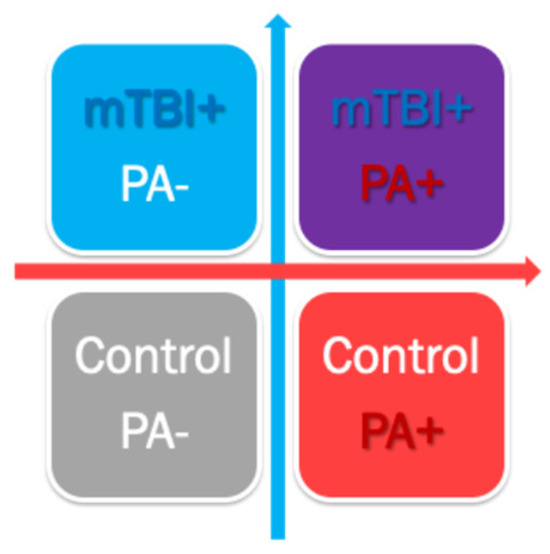
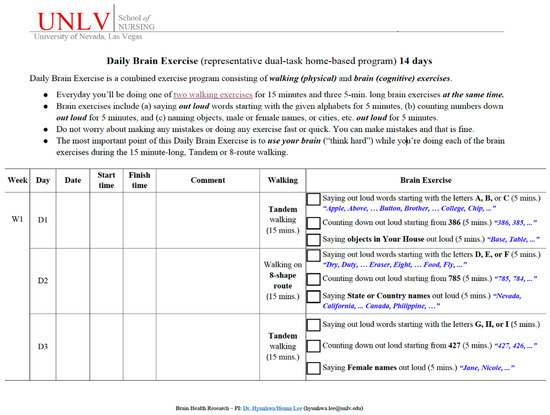
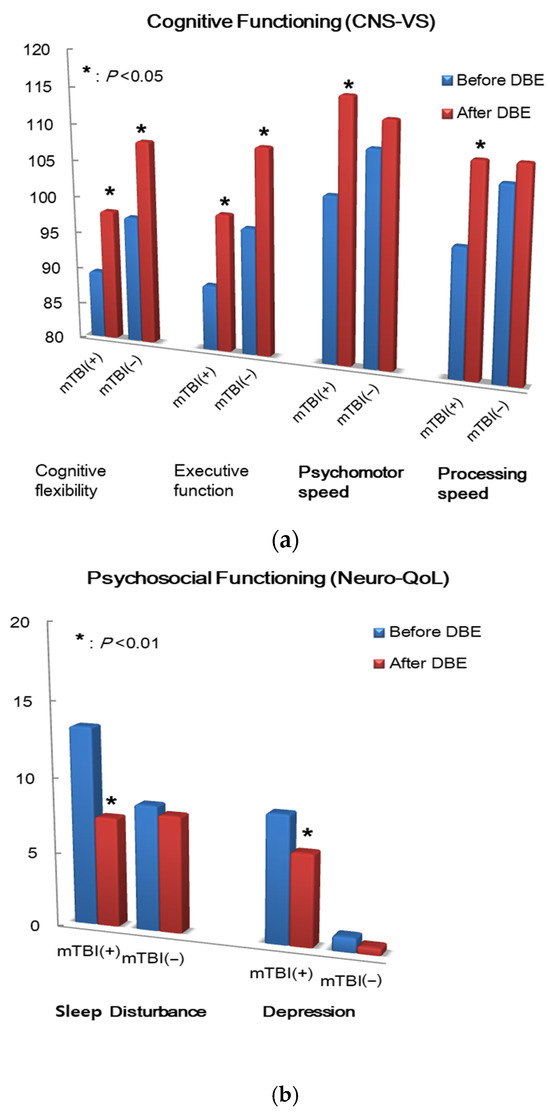
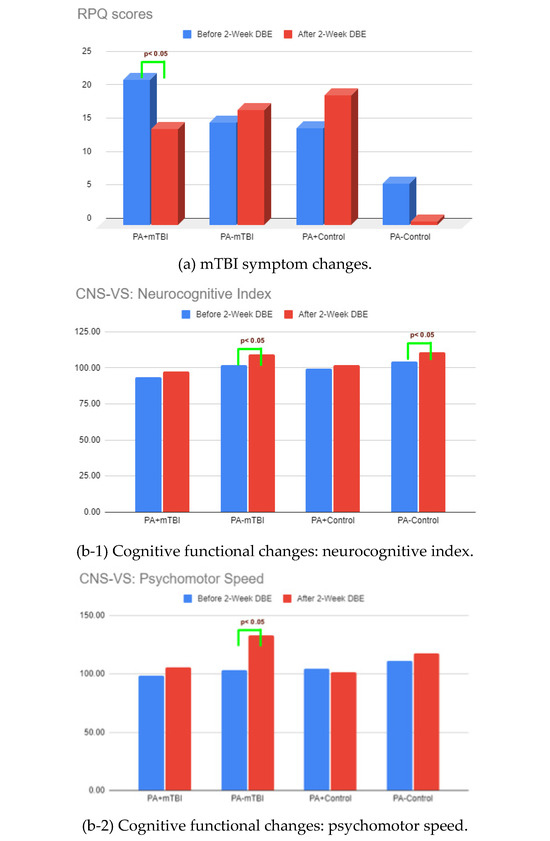
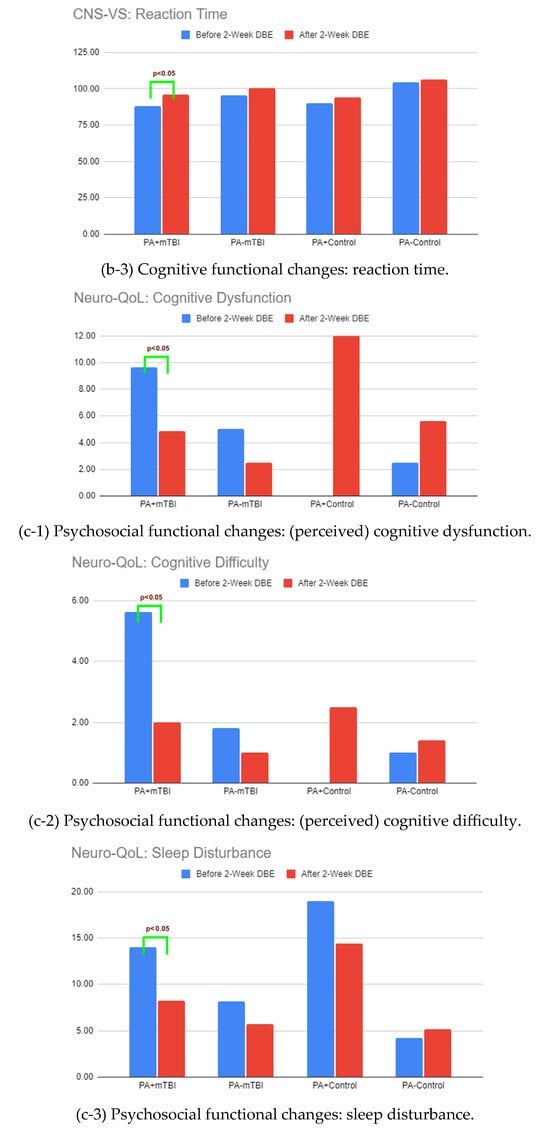
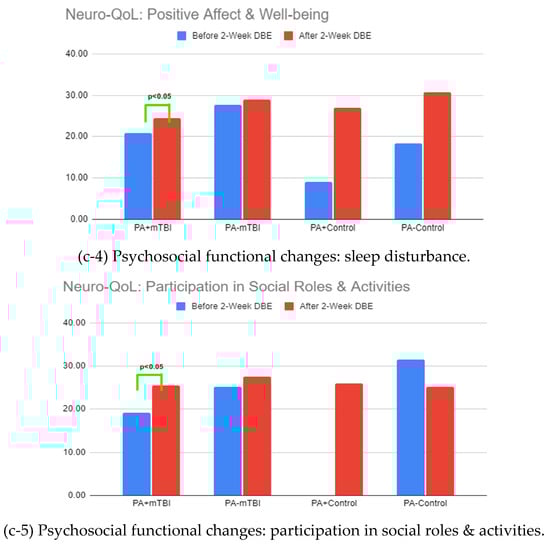
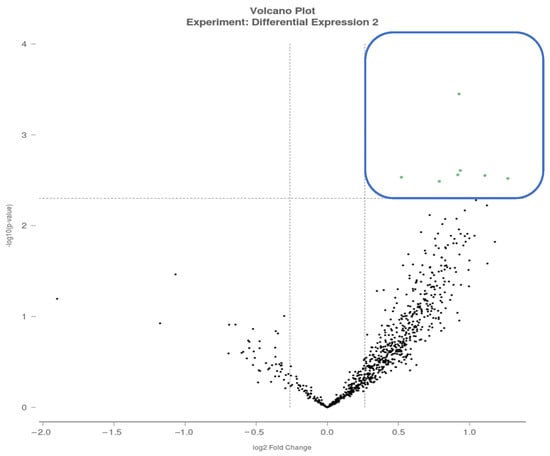
Background: Mild traumatic brain injury (mTBI) is frequently associated with persistent cognitive and psychosocial symptoms, yet biological correlates of recovery remain poorly understood, particularly among Asian and Pacific Islander (API) populations. Pre-injury psychosocial adversity may further shape post-injury recovery trajectories. This pilot study examined associations between participation in a 2-week, home-based, dual-task cognitive–walking intervention (Daily Brain Exercise; DBE) and changes in cognitive, psychological, and salivary microRNA (miRNAs) measures among APIs with and without a self-reported history of mTBI. Methods: API participants completed remote cognitive testing (CNS Vital Signs), psychosocial assessments (Neuro-QoL), and saliva collection before and after DBE participation. Salivary RNA was purified, and miRNA expression was profiled using nCounter® Human v3 miRNA Expression Panels (NanoString). Differential expression analyses were conducted using ROSALIND® platform (OnRamp Bioinformatics, San Diego, CA, USA), a cloud-based bioinformatics analysis system, to calculate fold changes and p-values. Pre-injury psychosocial adversity was assessed via the Trauma History Screen and examined descriptively as a contextual modifier of functional outcomes. Results: Twenty-one APIs (mean age 22.9 years; 76.7% female) were enrolled, including 14 individuals with a self-reported history of mTBI (mean 4.64 years post-injury; 50% with multiple injuries). Following DBE participation, increases in cognitive flexibility and executive function scores were observed in both mTBI and control groups. Additional increases in psychomotor speed, processing speed, sleep disturbance, and depressive symptoms were observed descriptively within the mTBI group. Subgroup analyses suggested variability in pre–post patterns across combinations of mTBI history and pre-injury psychosocial adversity. Exploratory miRNA analyses identified seven miRNAs that were differentially expressed in the mTBI group following DBE (unadjusted p < 0.005), including hsa-miR-7-5p, previously reported in association with neurodevelopmental and neurological pathways. Conclusions: In this pilot, feasibility-focused study, participation in a brief, home-based, dual-task intervention was associated with descriptive changes in selected cognitive and psychosocial measures among APIs, particularly those with a history of mTBI and pre-injury adversity. The observed subgroup patterns warrant confirmation in adequately powered, controlled studies. Exploratory changes in salivary miRNAs co-occurred with functional improvements, thus generating a hypothesis for a future investigation.
Full article

Figure 1
Open AccessReview
Triple Latency as a Driver of Chronic Inflammation: An Integrative View of HSV, EBV, and CMV Persistence in Immunocompetent Hosts
by
Maria E. Ramos-Nino
Clin. Pract. 2026, 16(4), 64; https://doi.org/10.3390/clinpract16040064 - 24 Mar 2026
Abstract
►▼
Show Figures
Background: Herpes simplex virus (HSV), Epstein–Barr virus (EBV), and cytomegalovirus (CMV) establish lifelong latency in sensory neurons, lymphoid tissue, and myeloid–endothelial cells, respectively. A substantial proportion of adults worldwide are infected with all three viruses and may experience concurrent herpesvirus latency, yet they
[...] Read more.
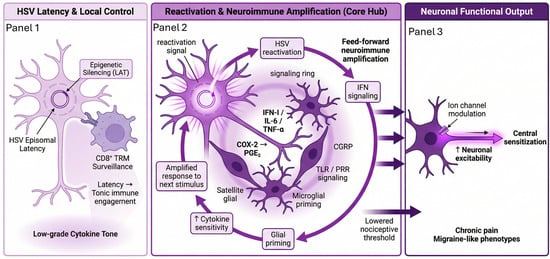
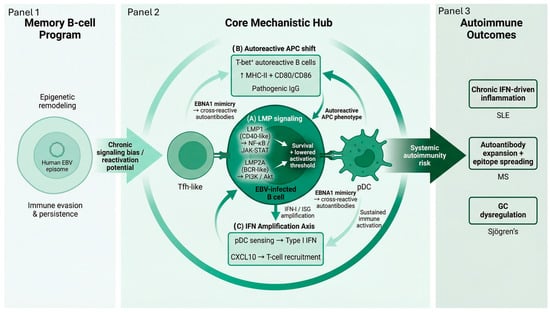
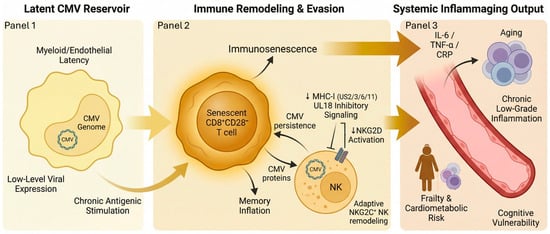
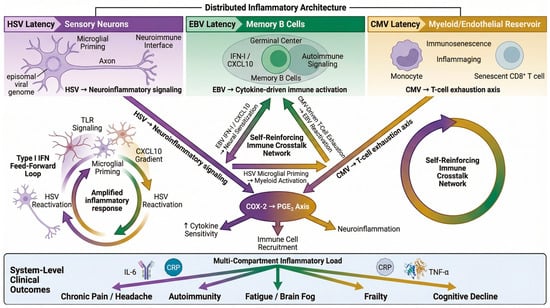
Background: Herpes simplex virus (HSV), Epstein–Barr virus (EBV), and cytomegalovirus (CMV) establish lifelong latency in sensory neurons, lymphoid tissue, and myeloid–endothelial cells, respectively. A substantial proportion of adults worldwide are infected with all three viruses and may experience concurrent herpesvirus latency, yet they have largely been studied independently. This review examined whether latent and intermittently reactivating herpesviruses share overlapping inflammatory signatures and whether their combined presence contributes to chronic inflammatory burden. Methods: A narrative integrative review was conducted using MEDLINE, Embase, and Google Scholar (inception–October 2025). Evidence from thirty-one cohort studies and mechanistic investigations spanning virology, immunology, neurology, and clinical medicine was synthesized. Results: Herpesvirus reactivation rates ranged from 23% in general Intensive Care Unit (ICU) populations to 85% in severe COVID-19. Concurrent reactivation of multiple viruses occurred in 34–63% of critically ill patients and was associated with worse clinical outcomes. Notably, simultaneous CMV and EBV reactivation independently predicted mortality (adjusted hazard ratio, 3.17; 95% CI, 1.41–7.13). Across infections, overlapping inflammatory biomarkers, including IL-6, TNF-α, CRP, and PGE2, were consistently elevated, reflecting convergent activation of IFN and NF-κB signaling pathways. Mechanistic studies suggest cross-compartment immune priming, where CMV-driven T-cell exhaustion facilitates EBV reactivation, and viral cytokine signaling enhances HSV-associated neuroinflammation. Conclusions: HSV, EBV, and CMV triple latency may represent an underrecognized contributor to chronic inflammation in immunocompetent hosts. Understanding this multi-virus inflammatory network may inform mechanistic research, biomarker-guided risk stratification, and therapeutic strategies targeting convergent inflammatory pathways. Prospective interventional studies incorporating concurrent multi-virus monitoring are needed to clarify causal relationships.
Full article

Figure 1
Open AccessArticle
Preoperative Administration of Levosimendan to Prevent Low Cardiac Output Syndrome Following Pediatric Cardiac Surgery: A Retrospective Study
by
Laurence Boillat, Laure Pache-Wannaz, Guillaume Maitre, Frida Rizzati, Maria Pérez Marin, Vivianne Chanez, Stefano Di Bernardo and Maria-Helena Perez
Clin. Pract. 2026, 16(3), 63; https://doi.org/10.3390/clinpract16030063 - 22 Mar 2026
Abstract
►▼
Show Figures
Background: Low cardiac output syndrome (LCOS) is a significant cause of postoperative morbidity and mortality in children with congenital heart disease. Prophylactic levosimendan is increasingly used to prevent LCOS, but its superiority to other strategies remains unproven. Based on the pharmacokinetics of levosimendan,
[...] Read more.
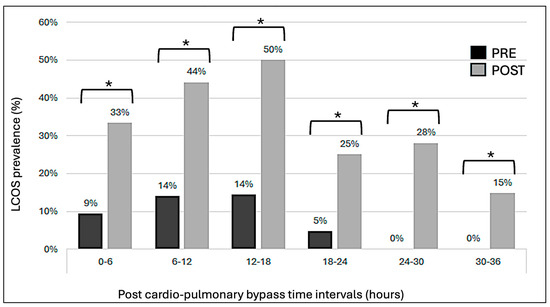
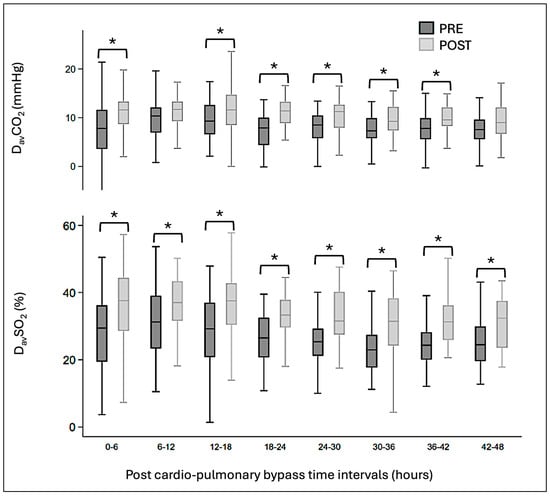
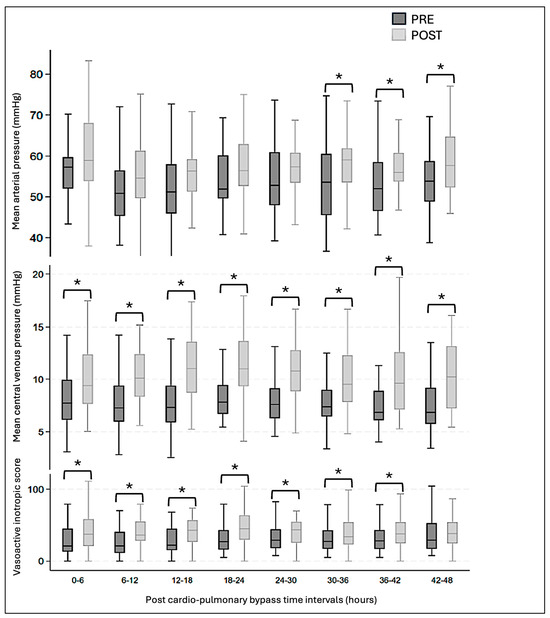
Background: Low cardiac output syndrome (LCOS) is a significant cause of postoperative morbidity and mortality in children with congenital heart disease. Prophylactic levosimendan is increasingly used to prevent LCOS, but its superiority to other strategies remains unproven. Based on the pharmacokinetics of levosimendan, we hypothesize that preoperative administration is beneficial for preventing LCOS in a specifically at-risk population. Methods: This is a retrospective single-center cohort study in a tertiary pediatric intensive care unit. All patients under one year of age undergoing surgery for congenital heart disease using cardiopulmonary bypass and receiving levosimendan within 24 h before or after surgery were included and classified into two groups: preoperative and postoperative administration. Results: Overall, 107 patients were included. Fifty-three patients (49.5%) received levosimendan before surgery, with significantly lower mortality, fewer LCOS markers, and lower LCOS scores compared to patients receiving levosimendan after surgery. Although not significant, the use of extracorporeal membrane oxygenation, renal replacement therapy, and temperature control was also lower in the preoperative group. There was no difference in mechanical ventilation duration and length of stay. Conclusions: Preoperative administration of levosimendan seems associated with a lower incidence of LCOS and reduced mortality in high-risk children with congenital heart surgery.
Full article

Figure 1
Open AccessArticle
Efficacy of Escherichia coli Nissle 1917 for the Prevention of Recurrent Urinary Tract Infections in Women: A Preliminary Controlled Prospective Study
by
Filippo Murina, Cecilia Fochesato, Dario Recalcati and Valeria Savasi
Clin. Pract. 2026, 16(3), 62; https://doi.org/10.3390/clinpract16030062 - 21 Mar 2026
Abstract
►▼
Show Figures
Background/Objectives: More than 50% of adult women experience at least one urinary tract infection (UTI) during their lifetime, and approximately 25% develop recurrent UTIs (rUTIs), defined as ≥2 episodes within six months. Management of rUTI is challenging and often requires long-term, multimodal preventive
[...] Read more.
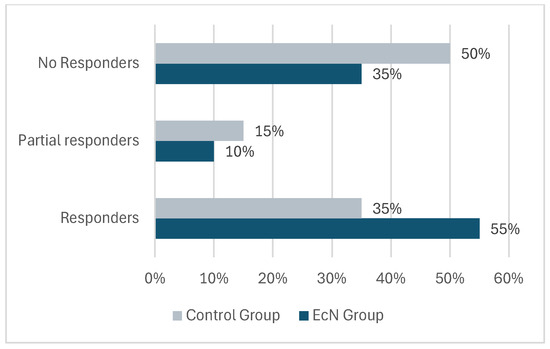
Background/Objectives: More than 50% of adult women experience at least one urinary tract infection (UTI) during their lifetime, and approximately 25% develop recurrent UTIs (rUTIs), defined as ≥2 episodes within six months. Management of rUTI is challenging and often requires long-term, multimodal preventive strategies. Escherichia coli Nissle 1917 (EcN) is a non-pathogenic probiotic strain with demonstrated antagonistic activity against pathogenic enterobacteria. This study evaluated the efficacy and safety of EcN in preventing symptomatic recurrences in premenopausal women with rUTI. Methods: In this prospective observational study, 40 premenopausal women with rUTI were enrolled. Twenty patients received EcN prophylaxis (twice daily for four weeks, followed by once daily for eight weeks), while 20 patients received no prophylaxis and served as controls. Patients were followed for six months (three months of treatment and three months post-treatment). The primary outcome was the frequency of symptomatic rUTI episodes during follow-up. Results: Forty patients were analyzed (20 EcN; 20 controls). During the six-month observation period, 55% (11/20) of patients in the EcN group remained UTI-free compared with 35% (7/20) in the control group. Two patients (10%) in the EcN group experienced a single recurrence versus three (15%) in the control group. Recurrent episodes (≥2 UTIs) occurred in 35% (7/20) of EcN-treated patients compared with 50% (10/20) of controls. Overall, EcN prophylaxis was associated with a lower proportion of patients experiencing multiple recurrences. Conclusions: Prophylaxis with E. coli Nissle 1917 was associated with a reduced rate of recurrent UTIs compared with no prophylaxis in premenopausal women, supporting its potential role as a non-antibiotic preventive strategy in rUTI management.
Full article

Figure 1

Open AccessCase Report
Efficacy and Safety of Intranasal Esketamine in Treatment-Resistant Depression with Comorbid Autism Spectrum Disorder: Three Case Reports
by
Alessandro Guffanti, Matteo Leonardi, Natascia Brondino, Bernardo Dell’Osso, Vassilis Martiadis and Miriam Olivola
Clin. Pract. 2026, 16(3), 61; https://doi.org/10.3390/clinpract16030061 - 13 Mar 2026
Abstract
►▼
Show Figures
Introduction: Major depressive disorder (MDD) is a leading cause of disability worldwide and contributes significantly to the global burden of disease. Recent data show an increasing prevalence of treatment-resistant depression (TRD). Patients with autism spectrum disorder (ASD) often exhibit MDD as a comorbidity
[...] Read more.
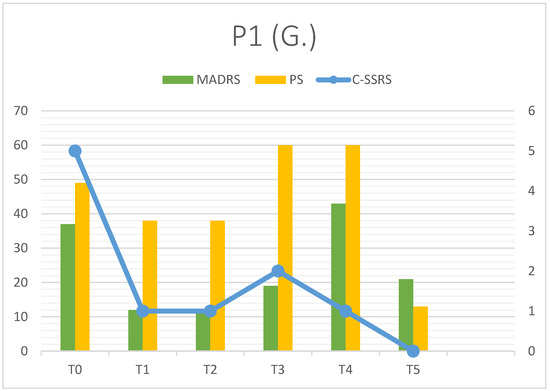
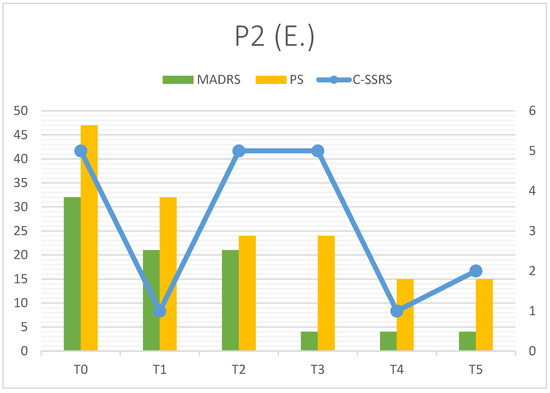
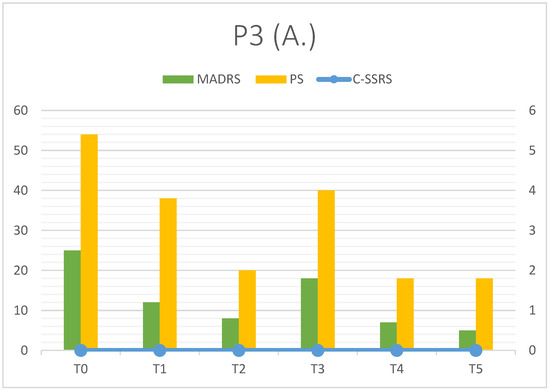
Introduction: Major depressive disorder (MDD) is a leading cause of disability worldwide and contributes significantly to the global burden of disease. Recent data show an increasing prevalence of treatment-resistant depression (TRD). Patients with autism spectrum disorder (ASD) often exhibit MDD as a comorbidity and it is often resistant to conventional treatments. ASD determines emotional dysregulation and a reduced ability to understand mental states (mentalization). These features can lead to suicidal ideation and/or behavior. Intranasal esketamine may offer a novel therapeutic option for this population. Methods: This case series focuses on the clinical response to intranasal esketamine in patients with autism and TRD; esketamine is approved in Italy as an add-on therapy in TRD, so our case study is based on an in-label treatment. Three young patients (n = 3, F/M 2:1, age range 20–25 y) with light to moderate autism (Level 1 or 2) were treated. Esketamine was administered in augmentation with selective serotonin reuptake inhibitors (SSRIs) or serotonin-norepinephrine reuptake inhibitors (SNRIs) in accordance with EMA/AIFA guidelines. A structured follow-up protocol was set to monitor depressive symptoms, social cognition, and mentalization. Follow-up during treatment was maintained for six months, and psychometric evaluations were performed at six time points: baseline (T0), 1 week (T1), 1 month (T2), 2 months (T3), 3 months (T4), and 6 months (T5). Also, subjective quality of life was investigated before and after the observation period. Results: Despite differences in clinical profile, all patients showed good efficacy of esketamine in reducing depressive symptoms: two patients experienced clinical remission at T5 (MADRS < 10), one patient showed partial response (dMADRS = 43.24%). No major side effects were reported. Significant improvements were observed after the first week of treatment (P1: MADRS_T0 = 37, MADRS_T1 = 12; P2: MADRS_T0 = 32, MADRS_T1 = 21; P3: MADRS_T0 = 25, MADRS_T1 = 12). Depressive relapses occurred (e.g., P1, T3–T4), but they were not associated with hospitalizations and/or suicidal attempts. Suicidal ideation, when present, decreased by the end of the follow-up period. Lack of mentalization and in social cognition was noted, with just mild improvements during therapy. Subjective quality of life improved significantly for all patients (P1: 28% at T0, 73% at T5. P2: 25% at T0, 71% at T5. P3: 35% at T0, 80% at T5). Conclusions: Intranasal esketamine showed a favorable efficacy and safety in these three cases of TRD in comorbidity with ASD (at six months: total remission = 66.66%, partial remission = 33.33%, inefficacy = 0%, drop-out = 0, severe adverse events = 0). Besides improvements in depressive symptoms, esketamine was associated with a constant decrease in suicidal thoughts. A case series is unfit to form statistical conclusions; preliminary data warrant further investigation in randomized controlled studies to validate the therapeutic potential of esketamine in this population.
Full article

Figure 1
Open AccessReview
Case-Based Perspectives on the Management of Genitourinary Syndrome of Menopause
by
Jissy Cyriac and Richa Sood
Clin. Pract. 2026, 16(3), 60; https://doi.org/10.3390/clinpract16030060 - 12 Mar 2026
Abstract
►▼
Show Figures
Background and Objectives: Genitourinary syndrome of menopause (GSM), previously known as vulvovaginal atrophy, is a chronic, progressive hypoestrogenic condition affecting vulvovaginal, urinary and sexual health in women. Common symptoms include vaginal dryness, itching, dyspareunia, urinary urgency and recurrent urinary tract infections (UTIs). Despite
[...] Read more.
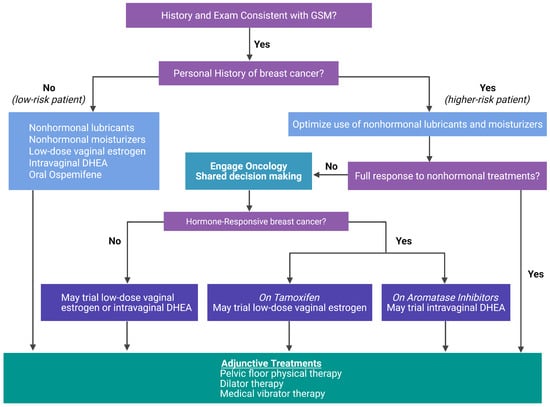
Background and Objectives: Genitourinary syndrome of menopause (GSM), previously known as vulvovaginal atrophy, is a chronic, progressive hypoestrogenic condition affecting vulvovaginal, urinary and sexual health in women. Common symptoms include vaginal dryness, itching, dyspareunia, urinary urgency and recurrent urinary tract infections (UTIs). Despite the high prevalence, GSM is underdiagnosed and undertreated, thereby negatively impacting women’s quality of life. To illustrate the practical aspects of GSM diagnosis and provide evidence-based management, we present a case-based narrative review synthesizing recently published, high-quality evidence. Materials and Methods: Evidence was drawn from multiple sources through targeted searches of databases, and included the 2025 AUA/SUFU/AUGS guideline (AUA), the 2024 NICE network meta-analyses (NICE), a 2025 systematic review/meta-analysis in breast-cancer survivors, the 2020 Menopause Society GSM Position Statement, the 2018 NAMS/ISSWSH breast cancer consensus, several primary source citations and other high quality peer-reviewed publications. Results: Five illustrative composite case vignettes of GSM are presented to highlight the evaluation strategy and evidence-supported treatment choices. Nonhormonal options are the first line treatments for mild GSM symptoms, either with or without the addition of vaginal estrogen therapy. For moderate to severe GSM, low-dose vaginal estrogen, vaginal DHEA, and ospemifene are all effective FDA-approved options. In breast cancer survivors, individualized decisions with oncology input are warranted. Maximal caution and a shared decision-making approach is required for women using Aromatase Inhibitors (AIs) for breast cancer risk reduction when choosing treatments for GSM. Conclusions: Treating GSM improves vaginal, sexual and urinary outcomes and quality of life of women. Clinicians need to proactively screen for GSM and offer evidence-based treatment options. The treatment decisions in breast cancer survivors are nuanced, requiring a shared-decision approach.
Full article

Figure 1

Open AccessArticle
Reduction in Ocular Surface Culture Positivity Following Short-Term Treatment with Liposomal Ozonated Oil Eyedrops
by
Andreea-Talida Tirziu, Maria-Alexandra Preda, Aimee Rodica Chis, Ionela-Iasmina Yasar, Norberth-Istvan Varga, Florin George Horhat, Mihnea Munteanu and Rosca Cosmin
Clin. Pract. 2026, 16(3), 59; https://doi.org/10.3390/clinpract16030059 - 10 Mar 2026
Abstract
Background/Objectives: The ocular surface is continuously exposed to microorganisms, and disruption of host–microbial balance may lead to infection or postoperative complications. Increasing antimicrobial resistance and biofilm formation have highlighted the need for alternative or complementary non-antibiotic strategies to control ocular surface microbial
[...] Read more.
Background/Objectives: The ocular surface is continuously exposed to microorganisms, and disruption of host–microbial balance may lead to infection or postoperative complications. Increasing antimicrobial resistance and biofilm formation have highlighted the need for alternative or complementary non-antibiotic strategies to control ocular surface microbial burden. Liposomal ozonated oil eyedrops have demonstrated antimicrobial and antibiofilm activity in preclinical and preliminary clinical studies. The aim of this study was to evaluate changes in ocular surface microbiological culture results before and after treatment with liposomal ozonated oil eyedrops in a real-world clinical setting. Methods: This was a prospective, observational, real-world pre–post study including 101 eyes from 101 patients undergoing ocular surface microbiological sampling in routine clinical practice. Two samples were obtained per patient: Sample I immediately before treatment and Sample II at the routine follow-up visit after short-course treatment with liposomal ozonated oil eyedrops (1 drop, four times daily, for 4 days). The interval between samples ranged from 3 to 5 days (median 3 days). Microbiological cultures were classified as positive or showing no growth. Paired changes in culture positivity were analyzed using McNemar’s exact test. Results: At baseline, 87 of 101 samples (86.1%) yielded positive cultures, while 14 (13.9%) showed no growth. Following treatment, culture positivity decreased to 11 of 101 samples (10.9%), with 90 samples (89.1%) showing no growth. Among baseline-positive samples, microbiological clearance was observed in 76 cases (87.4%). No cases converted from culture-negative to culture-positive at follow-up. The reduction in culture positivity after treatment was statistically significant (McNemar’s exact test, p < 0.001). Recent antibiotic exposure within 14 days prior to baseline sampling was reported in 8 patients (7.9%). Persistent positive cultures were observed in a minority of cases and were mainly associated with common ocular surface pathogens. Conclusions: In routine clinical practice, short-term treatment with liposomal ozonated oil eyedrops was associated with a significant reduction in ocular surface culture positivity over a short follow-up interval.
Full article
Open AccessArticle
Translation, Cultural Adaptation, and Validation of the Greek Version of the 4 ‘A’s Test for Delirium Screening in Elderly Patients with Hip Fracture
by
Maria Spyraki, Evanthia Dimitriou, Panagiotis Antzoulas, Georgios Karpetas, Francesk Mulita, Vasileios Leivaditis, Ejona Shaska, John Lakoumentas, Diamanto Aretha and Andreas Panagopoulos
Clin. Pract. 2026, 16(3), 58; https://doi.org/10.3390/clinpract16030058 - 9 Mar 2026
Abstract
►▼
Show Figures
Background: Delirium is a frequent and serious complication in elderly patients with hip fractures and is associated with adverse outcomes. Early identification requires a brief and reliable screening tool suitable for routine clinical practice. The 4 ‘A’s Test (4AT) is a rapid instrument
[...] Read more.
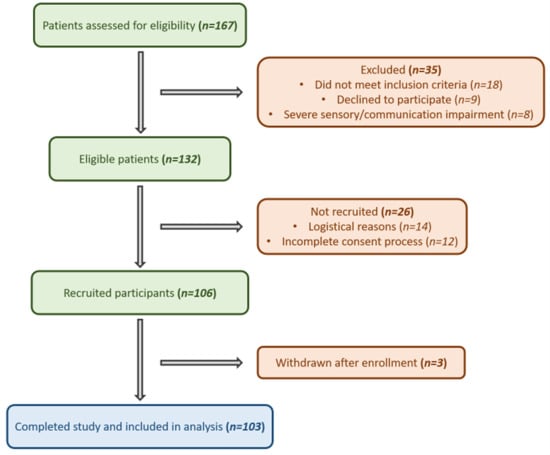
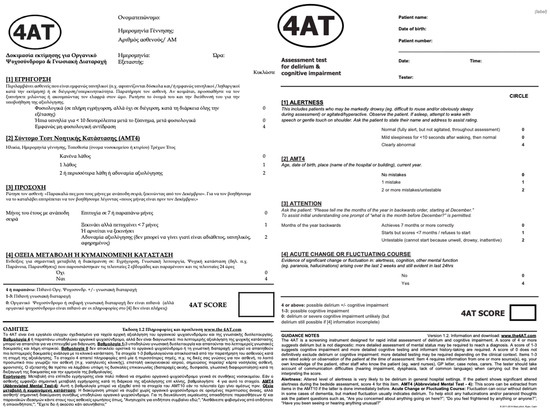
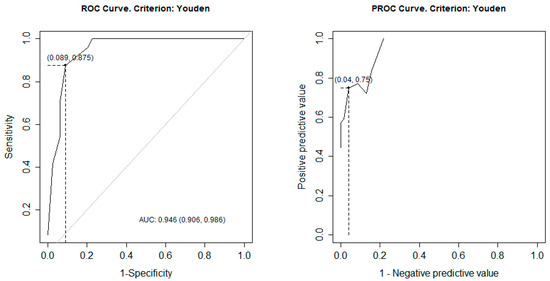
Background: Delirium is a frequent and serious complication in elderly patients with hip fractures and is associated with adverse outcomes. Early identification requires a brief and reliable screening tool suitable for routine clinical practice. The 4 ‘A’s Test (4AT) is a rapid instrument for delirium detection that requires minimal training. Objective: To translate, culturally adapt, and validate the Greek version of the 4AT in elderly patients with hip fractures. Methods: A total of 103 patients aged ≥65 years who were admitted with hip fracture were enrolled. The 4AT was translated using a forward–backward translation process and culturally adapted according to established guidelines. Delirium diagnosis was established using DSM-5 criteria by trained clinicians, serving as the reference standard. The 4AT was administered independently within 3 h. Diagnostic accuracy was assessed by calculating sensitivity, specificity, positive predictive value (PPV), negative predictive value (NPV), and area under the receiver operating characteristic curve (AUC). The optimal cut-off was determined using Youden’s index. Results: At a cut-off score ≥4, the Greek 4AT demonstrated a sensitivity of 87.5% and specificity of 91.1%, with PPV 75% and NPV 96%. The AUC was 0.94, indicating excellent diagnostic performance. Conclusions: The Greek version of the 4AT is a valid and reliable screening tool for detecting delirium in elderly patients with hip fractures.
Full article

Figure 1

Open AccessArticle
Hospitalization Trends Due to Chronic Liver Diseases: Vicious Circle of Co-Morbidities and Hospitalization Length
by
Ivana Pantic, Nikola Grubor, Sofija Lugonja, Nina Rajovic, Svetlana Miltenovic, Marija Brankovic, Tijana Gmizic and Tamara Milovanovic
Clin. Pract. 2026, 16(3), 57; https://doi.org/10.3390/clinpract16030057 - 6 Mar 2026
Abstract
►▼
Show Figures
Background and Aims: Chronic liver diseases (CLD) represent a significant healthcare burden, mostly due to late diagnosis and numerous co-morbidities. We evaluated the effect of co-morbidities, cirrhosis, and disease etiology on hospitalization duration. Methods: Hospitalizations due to alcohol-related, viral, autoimmune, and
[...] Read more.
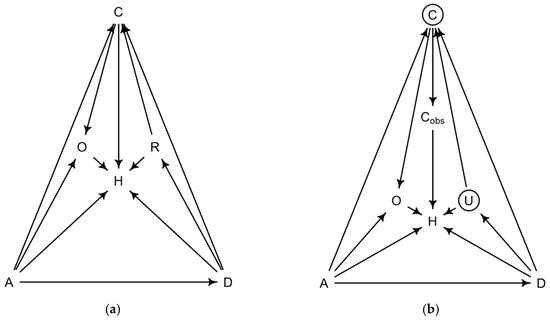
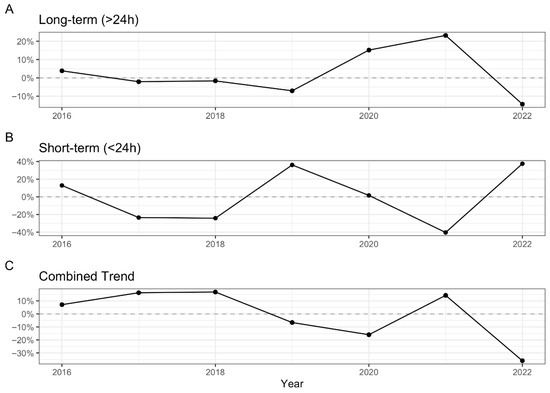
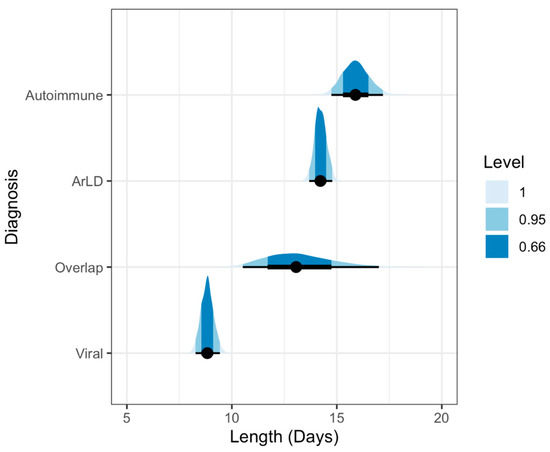
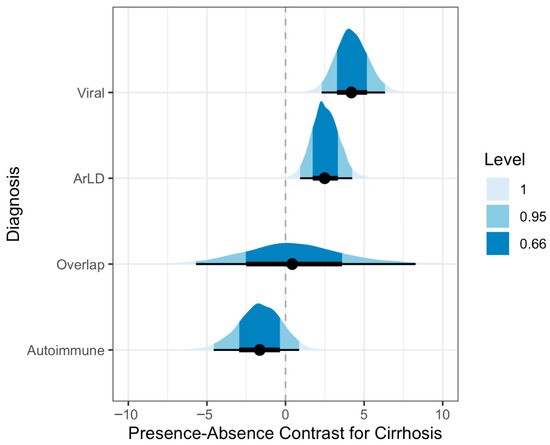
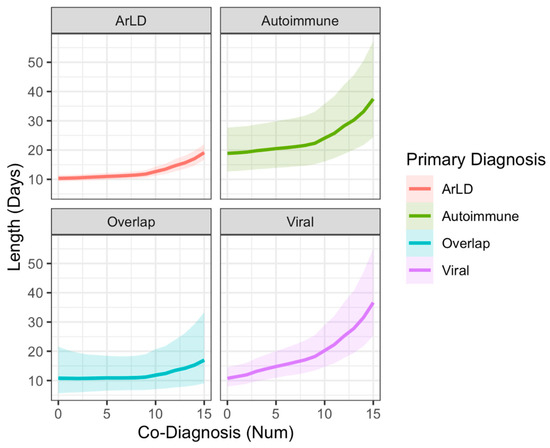
Background and Aims: Chronic liver diseases (CLD) represent a significant healthcare burden, mostly due to late diagnosis and numerous co-morbidities. We evaluated the effect of co-morbidities, cirrhosis, and disease etiology on hospitalization duration. Methods: Hospitalizations due to alcohol-related, viral, autoimmune, and overlapping liver disease in Belgrade, Serbia (2016–2022), were identified using pre-defined discharge codes. We investigated the hospitalization trend descriptively by plotting the relative mean change in the hospitalization length against time. Assuming the covariate relationship in the directed acyclic graph, we estimated the direct causal effect of the diagnosis type on the length of stay (LOS) by fitting pre-specified Bayesian distributional lognormal models based on domain knowledge. We conducted a post hoc analysis of the impact of cirrhosis on LOS per primary diagnosis. Results: The empirical data show a decrease in the estimated average LOS (8.25–5.51 days). For the same period, the median LOS decreased (4 days (IQR 0–12) to 1 day (IQR 1–7)). In 2021, the share of short-term hospitalizations rose to 46.94%, while the median long-term hospitalization peaked at 11.5 days (IQR 7–21). The expected LOS was the highest for the primary diagnosis of autoimmune liver disease (15.89, 95% CI [14.74, 17.2] days), followed by alcohol-related liver disease (14.22, 95% CI [13.68, 14.79] days). The largest impact of cirrhosis on LOS was observed among patients hospitalized due to viral disease (4.19, 95% CI [2.29, 6.33] days). Conclusions: The presence of co-morbidities and cirrhosis significantly affects LOS. In order to provide better treatment and reduce healthcare costs, there is the need to detect liver disease at earlier stages and better manage its associated co-morbidities.
Full article

Figure 1

Open AccessSystematic Review
Assessment of Cognitive Emotion Regulation in Gambling Disorder: A Systematic Review of the Literature
by
Ioana Ioniță, Mădălina Iuliana Mușat, Bogdan Cătălin and Adela Magdalena Ciobanu
Clin. Pract. 2026, 16(3), 56; https://doi.org/10.3390/clinpract16030056 - 5 Mar 2026
Abstract
►▼
Show Figures
Background/Objectives: Gambling disorder (GD) is a behavioral addiction characterized by persistent and repetitive gambling behaviors that cause significant psychological distress and functional impairment. Increasing evidence indicates that difficulties in emotion regulation are a key factor in the development and persistence of GD. This
[...] Read more.
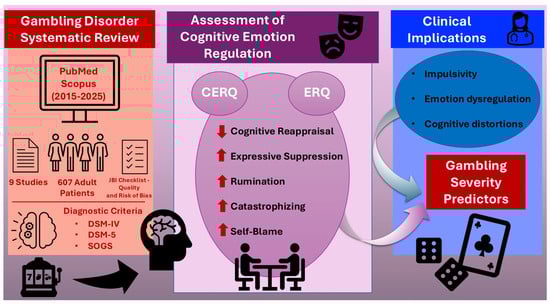
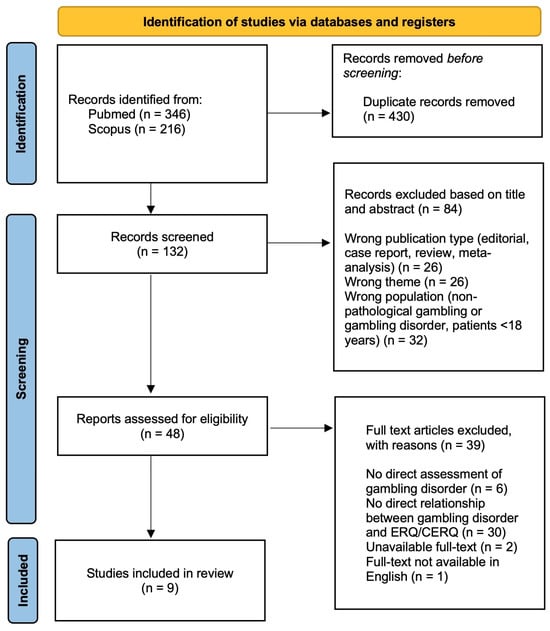
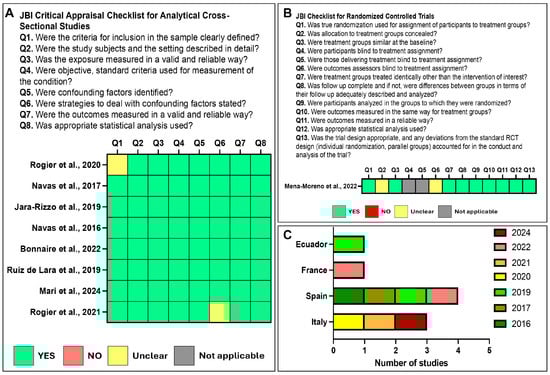
Background/Objectives: Gambling disorder (GD) is a behavioral addiction characterized by persistent and repetitive gambling behaviors that cause significant psychological distress and functional impairment. Increasing evidence indicates that difficulties in emotion regulation are a key factor in the development and persistence of GD. This systematic review aimed to summarize and critically evaluate the existing literature on the relationship between emotion regulation strategies and gambling disorder, with a specific focus on studies using the Emotion Regulation Questionnaire (ERQ) and the Cognitive Emotion Regulation Questionnaire (CERQ). Methods: The review was conducted according to the Preferred Reporting Items for Systematic Reviews and Meta-Analyses (PRISMA 2020) guidelines. Systematic searches were performed in PubMed and Scopus databases for studies published between 25 October 2015 and 25 October 2025. The methodological quality and risk of bias of the included studies were evaluated using the Joanna Briggs Institute (JBI) Critical Appraisal Checklist and JBI Checklist for Randomized Controlled Trials. Data extraction and synthesis were performed manually by two independent reviewers. Eligible studies included adult participants (≥18 years) diagnosed with gambling disorder or pathological gambling and using the ERQ or CERQ to assess emotion regulation. Results: Nine studies met the inclusion criteria, comprising a total of 607 patients with GD. Across studies, individuals with GD consistently showed reduced cognitive reappraisal, greater expressive suppression, and higher use of maladaptive cognitive strategies such as rumination, catastrophizing, and self-blame. All studies identified impulsivity, emotion dysregulation, alexithymia, or gambling-related cognitive distortions as significant predictors of gambling severity. Neuroimaging evidence from one study further revealed altered activation of frontal regions during negative emotion regulation. Conclusions: This review highlights the central role of emotion regulation in GD. However, the limited available ERQ/CERQ studies in GD were mostly cross-sectional, limiting causal inferences. Second, samples were predominantly male, reducing generalizability to women. Finally, only one study used neurobiological measures, hindering integration of self-report and neural data. These findings emphasize the importance of integrating emotion regulation-based interventions within therapeutic programs for gambling disorder, with ERQ and CERQ being useful tools to assess the pathology.
Full article

Graphical abstract
Open AccessArticle
Improvement of Heart Failure Discrimination by the Integration of the Left Ventricle Global Longitudinal Strain
by
Alberto Cordero, Mª Amparo Quintanilla, Cristina Torres, Natalia López, Carles Bodí, Germán Bixquert and José Mª Lopez-Ayala
Clin. Pract. 2026, 16(3), 55; https://doi.org/10.3390/clinpract16030055 - 4 Mar 2026
Abstract
►▼
Show Figures
Introduction: Clinical diagnosis of chronic heart failure (HF) in ambulatory patients can be difficult. Echocardiography is the most widespread diagnostic imaging technique, although the usefulness of the global longitudinal strain (GLS) of the left ventricle (LV) in this clinical setting is less
[...] Read more.
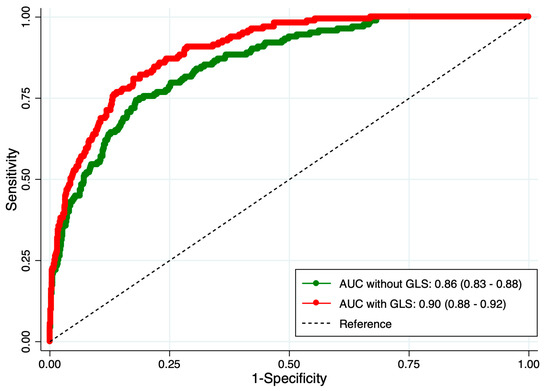
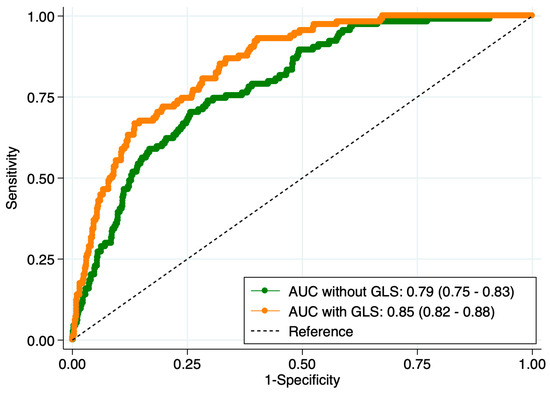
Introduction: Clinical diagnosis of chronic heart failure (HF) in ambulatory patients can be difficult. Echocardiography is the most widespread diagnostic imaging technique, although the usefulness of the global longitudinal strain (GLS) of the left ventricle (LV) in this clinical setting is less clear. Methods: We performed a cross-sectional study of stable outpatients and GLS was obtained with an automatic software that uses the three apical planes of the LV. We analyzed the improvement of the diagnostic capacity of including GLS above all the clinical and echocardiographic parameters using reclassification indexes. Results: We included 1362 patients, including 12.9% with HF who presented lower values of ejection fraction (EF) and GLS and worse diastolic function. Most patients (92.8%) with HF had a GLS < −14 as compared to patients without HF (36.1%). LV EF (OR: 0.93) and GLS (OR: 1.27 CI 95% 1.20–1.35) were associated with the presence of HF. The AUC was significantly higher (p < 0.001) in the logistic model that included GLS vs. without GLS, and the reclassification index for GLS was 19.8%. GLS was more affected in patients with HFpEF vs. controls as well as diastolic function parameters. The logistic regression model only identified age (OR: 1.07 95% CI 1.02–1.06) and GLS (OR: 1.29 95% CI 1.21–1.38) as independently associated with the presence of HFpEF. The AUC of the model for the presence of HFpEF with GLS was significantly higher (p < 0.01). The reclassification index for GLS was 38.8%. Conclusions: LV GLS assessment increased the diagnostic discrimination of chronic HF in stable patients.
Full article

Figure 1
Open AccessArticle
Performance Validation of ORTHOSEG, a Novel Artificial Intelligence Tool for the Segmentation of Orthopantomographs and Intra-Oral X-Rays
by
Giuseppe Cota, Gaetano Scaramozzino, Marco Chiesa, Lelio Gennaro, Maurizio Pascadopoli, Andrea Scribante and Marco Colombo
Clin. Pract. 2026, 16(3), 54; https://doi.org/10.3390/clinpract16030054 - 4 Mar 2026
Abstract
Background: Dental radiographs are essential for diagnosis and treatment planning in modern dentistry. However, their manual interpretation is time-consuming and subject to variability, highlighting the need for automated tools to improve efficiency and consistency. This study aims to validate ORTHOSEG, a deep learning-based
[...] Read more.
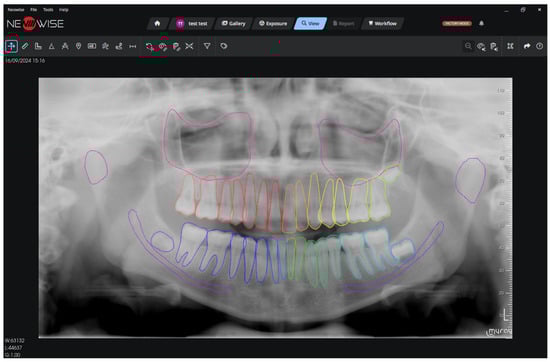
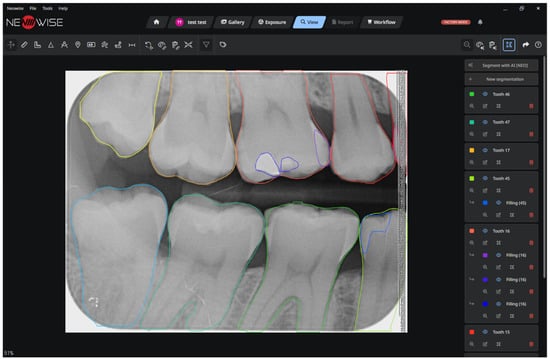
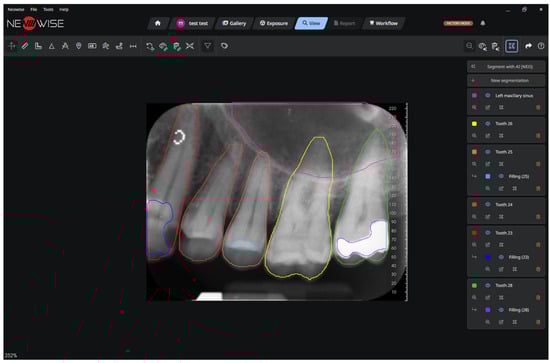
Background: Dental radiographs are essential for diagnosis and treatment planning in modern dentistry. However, their manual interpretation is time-consuming and subject to variability, highlighting the need for automated tools to improve efficiency and consistency. This study aims to validate ORTHOSEG, a deep learning-based system designed to automate the segmentation of anatomical, pathological, and non-pathological elements in radiographs, including orthopantomograms, bitewings, and periapical images. Methods: ORTHOSEG’s performance was evaluated using a rigorously curated dataset of 150 dental radiographs, including 50 orthopantomograms, 50 bitewings, and 50 periapical images, with manual annotations by expert clinicians serving as the ground truth. The system’s segmentation performance was assessed using standard evaluation metrics, including mean Dice Similarity Coefficient (mDSC) and mean Intersection over Union (mIoU), and inference time was also recorded. Results: The system achieved high accuracy, with mDSC and mIoU values of 0.635 ± 0.233 and 0.576 ± 0.214, respectively. In particular for orthopantomograms, it achieved an mDSC of 0.756 ± 0.174 and an mIoU of 0.684 ± 0.172, surpassing existing benchmarks. Its segmentation capabilities extend to approximately 70 distinct elements, underscoring its comprehensive utility. The system demonstrated efficient computational performance, with processing times of 19.745 ± 3.625 s for orthopantomograms, 8.467 ± 0.903 s for bitewings, and 5.653 ± 0.897 s for periapical radiographs on standard clinical hardware. Conclusions: ORTHOSEG demonstrates efficiency suitable for integration into routine workflows. This study confirms ORTHOSEG’s reliability and potential to improve diagnostic workflows, offering clinicians a valuable tool for faster and more detailed radiograph analysis. Future research will focus on extending validation across diverse clinical scenarios to ensure broader applicability. However, this study has limitations, including the use of a dataset derived from a European population and the absence of usability and clinical workflow evaluation, which should be addressed in future studies.
Full article
(This article belongs to the Special Issue Clinical Outcome Research in the Head and Neck: 2nd Edition)
►▼
Show Figures

Figure 1
Open AccessArticle
Factors Associated with Quality of Life Among Patients with Cardiac Pacemakers Assessed by Two Scales
by
Eirini Stavrou, Georgios Vasilopoulos, Dionyssios Leftheriotis, Panagiota Flevari and Maria Polikandrioti
Clin. Pract. 2026, 16(3), 53; https://doi.org/10.3390/clinpract16030053 - 28 Feb 2026
Abstract
Background/Objectives: Permanent cardiac pacemakers (PPMs) are small electronic implanted devices that regulate cardiac rhythm. Measurement of quality of life (QoL) serves as a powerful tool for gaining in-depth insights into pacing therapy and ultimately guiding patient-centered management strategies. The aim of the
[...] Read more.
Background/Objectives: Permanent cardiac pacemakers (PPMs) are small electronic implanted devices that regulate cardiac rhythm. Measurement of quality of life (QoL) serves as a powerful tool for gaining in-depth insights into pacing therapy and ultimately guiding patient-centered management strategies. The aim of the present study was to evaluate factors affecting QoL among PPM patients by applying the two generic questionnaires: SF-36 and EQ-5D-5L. Materials and Methods: A total of 120 patients with PPM were enrolled. QoL data were collected through interviews using the 36-Item Short Form Health Survey (SF-36) and the Euro QoL 5-Dimensions 5-Levels Health Questionnaire (EQ-5D-5L). Patients’ characteristics were also recorded. Results: The majority of participants were male (54.2%), retired (83.3%) residents in urban areas (75.5%), had a DDD pacemaker (82.5%), had rate response programmed on (77.5%), and had comorbidities (83.3%). Regarding QoL measured by SF-36, the Physical Component Summary Score (PCS) was significantly associated with programming rate response in their pacemaker (p = 0.046), comorbidities (p = 0.047), and the NYHA functional class (p = 0.047). The Mental Component Summary Score (MCS) was significantly associated with sex (p = 0.034), place of residence (p = 0.003), NYHA functional class (p = 0.001), and patients’ level of information about the device (p = 0.039). Patients’ QoL, as measured by the EQ-5D-5L, was significantly associated with sex (p = 0.001), age (p = 0.019), occupation (p = 0.040), pacing mode (p = 0.034), comorbidities (p = 0.019), NYHA functional class (p = 0.047), and level of information about the device (p = 0.005). Conclusions: NYHA functional class, comorbidities, and level of information as reported by patients were the factors associated with QoL, as shown by the two scales. All three factors guide a personalized care plan since NYHA class shows the burden of disease, comorbidities add to the complexity, and patient information determines the effectiveness of management.
Full article
Open AccessSystematic Review
Fall Prevention Interventions and Fracture Risk in Community-Dwelling Older Adults: A Systematic Review and Meta-Analysis
by
Yazan Jumah Alalwani, Munira Abdullah Aldossari, Layan Adeeb Alzahrani, Nouf Ibrahim Alhatlani, Sarah Musaad Albarrak, Waleed Khalid Moosa, Raghad Ali Aloufi, Ibtisam Heji AlBader, Sadeem Khalid Almulhim, Nurah Jamel Alnbi, Leen Awad Alkahtani, Fatimah Mohammed Alsayoud, Ahmed Y. Azzam and Ghada Fouad Al Yousif
Clin. Pract. 2026, 16(3), 52; https://doi.org/10.3390/clinpract16030052 - 28 Feb 2026
Abstract
►▼
Show Figures
Introduction: Falls and subsequent fractures represent a major public health concern among older adults. While fall prevention interventions have demonstrated efficacy in reducing falls, their impact on fracture outcomes remains unclear. Methods: We conducted a systematic review and meta-analysis following PRISMA 2020 guidelines.
[...] Read more.
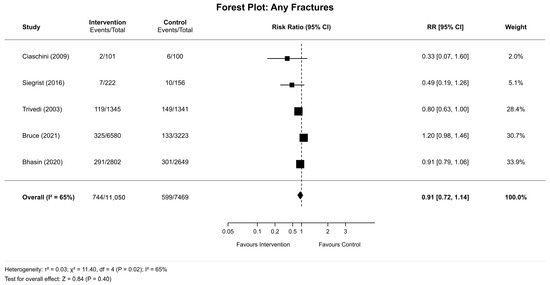
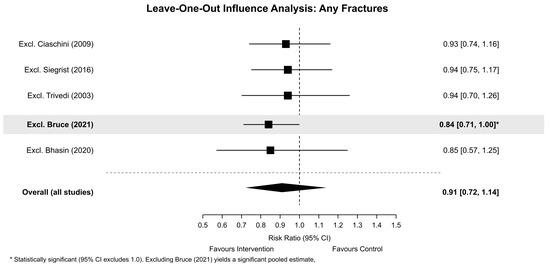
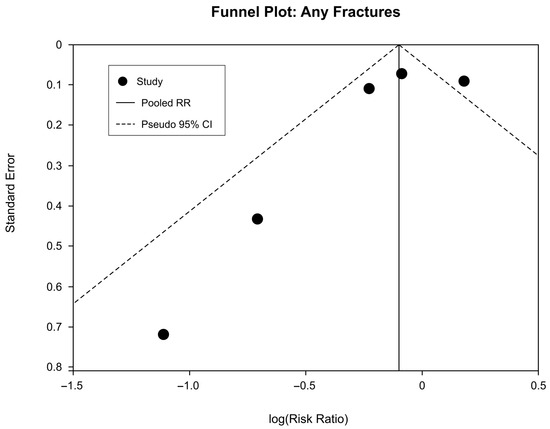
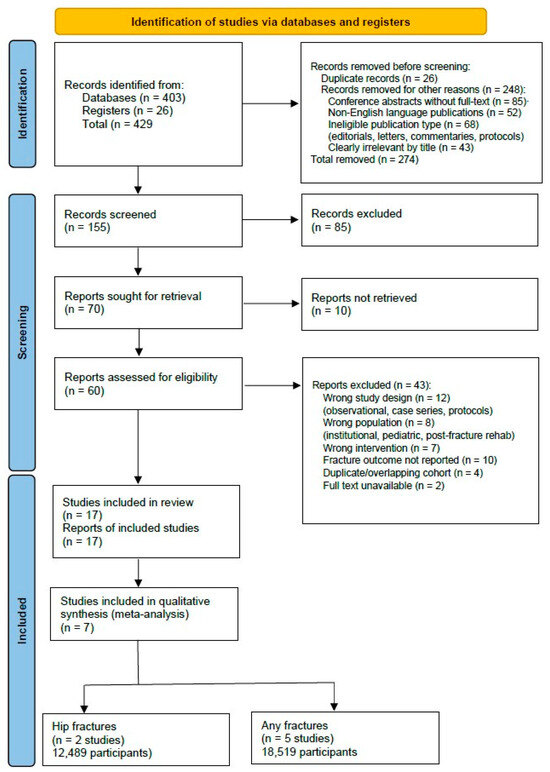
Introduction: Falls and subsequent fractures represent a major public health concern among older adults. While fall prevention interventions have demonstrated efficacy in reducing falls, their impact on fracture outcomes remains unclear. Methods: We conducted a systematic review and meta-analysis following PRISMA 2020 guidelines. We searched multiple databases up to 7 June 2025 for studies investigating fall prevention interventions and fracture outcomes in community-dwelling older adults. A primary outcome was hip fractures; secondary outcomes included any fractures, falls, and serious fall injuries. Risk ratios (RRs) with 95% confidence intervals (CIs) were calculated, using random-effects meta-analysis where appropriate. Results: Seventeen studies were included, spanning over 25,000 participants. Interventions included exercise programs, multifactorial approaches, medication optimization, and vitamin D supplementation. For hip fractures, only two randomized controlled trials (RCTs) reported extractable outcome data (12,489 participants; 132 events); both showed non-significant reductions favoring intervention (RR 0.80–0.87), precluding pooled meta-analysis. For any fractures, five studies (18,519 participants; 1343 events) demonstrated no significant effect (RR 0.91, 95% CI 0.72–1.14; p-value = 0.40) with significant heterogeneity (I2 = 65%). Fall prevention interventions significantly reduced falls across 14 studies. GRADE assessment indicated very low certainty for both hip fractures and any fractures due to limited studies, inconsistency, and imprecision. Conclusions: Current evidence suggests fall prevention interventions may reduce hip fractures but do not significantly prevent fractures overall. Despite consistent fall reduction, the translation to fracture prevention remains uncertain, highlighting the need for integrated interventions targeting both fall risk and bone health.
Full article

Figure 1

Highly Accessed Articles
Latest Books
E-Mail Alert
News
Topics
Topic in
Clinics and Practice, JCM, Medicina, JCDD
Cardiac Imaging: State of the Art, 2nd Edition
Topic Editors: Camilla Calvieri, Nicola Galea, Francesco SecchiDeadline: 30 June 2026
Topic in
Applied Sciences, Diagnostics, JCM, Clinics and Practice, Therapeutics
Advances in Diagnosis and Treatment of Dental Diseases and Temporomandibular Joints
Topic Editors: Rafał Obuchowicz, Małgorzata Pihut, Karolina Nurzynska, Andrzej UrbanikDeadline: 31 July 2026
Topic in
Microorganisms, JCM, Biomedicines, Oral, Clinics and Practice
Periodontal and Peri-Implant Disease: Contemporary Perspectives on Pathogenesis and Precision Management
Topic Editors: Giuseppe Troiano, Vito Carlo Alberto Caponio, Mario DioguardiDeadline: 31 August 2026
Topic in
Biomedicines, Clinics and Practice, Diagnostics, JCM, Rheumato
Rheumatic Disorder: From Basic Science to Clinical Practice—2nd Edition
Topic Editors: Andreina Manfredi, Caterina Vacchi, Giulia CassoneDeadline: 20 September 2026
Special Issues
Special Issue in
Clinics and Practice
The Effect of Dietary Compounds on Inflammation-Mediated Diseases
Guest Editors: Charalampia Amerikanou, Efstathia Papada, Aristea GioxariDeadline: 20 May 2026
Special Issue in
Clinics and Practice
Clinical Nutritional Management of Patients with Kidney Disease
Guest Editors: Sara Morales Palomares, Stefano MancinDeadline: 30 June 2026
Special Issue in
Clinics and Practice
Advances in First-Line and Second-Line Treatment Research for Renal Cell Carcinoma
Guest Editors: Francesco Ditonno, Celeste Manfredi, Antonio FrancoDeadline: 15 July 2026
Special Issue in
Clinics and Practice
Innovations in Youth Psychiatry and Psychology: Challenges and Advances
Guest Editor: Vassilis MartiadisDeadline: 15 July 2026