
Journal Description
Condensed Matter
Condensed Matter
is an international, peer-reviewed, open access journal on the physics of condensed matter published quarterly online by MDPI.
- Open Access— free for readers, with article processing charges (APC) paid by authors or their institutions.
- High Visibility: indexed within Scopus, ESCI (Web of Science), Inspec, CAPlus / SciFinder, and other databases.
- Rapid Publication: manuscripts are peer-reviewed and a first decision is provided to authors approximately 20.8 days after submission; acceptance to publication is undertaken in 3.4 days (median values for papers published in this journal in the second half of 2025).
- Recognition of Reviewers: reviewers who provide timely, thorough peer-review reports receive vouchers entitling them to a discount on the APC of their next publication in any MDPI journal, in appreciation of the work done.
Impact Factor:
1.5 (2024);
5-Year Impact Factor:
1.5 (2024)
Latest Articles
Impact of Synthesis Temperature on the Structural, Electronic Structural, Optical, Magnetic, and Electrochemical Properties of SmFeO3 Nanoparticles
Condens. Matter 2026, 11(2), 11; https://doi.org/10.3390/condmat11020011 - 31 Mar 2026
Abstract
The multifunctional attributes of SmFeO3 make it a promising candidate for the current diverse technological applications. Therefore, in this work, we investigated the effect of synthesis temperature on the magnetic, optical and electrochemical properties of SmFeO3 nanoparticles at room temperature (SFO-RT)
[...] Read more.
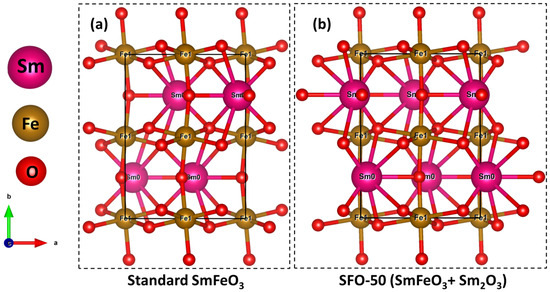
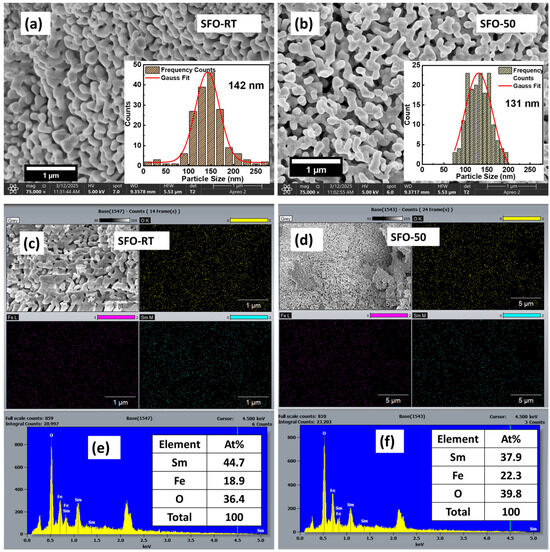
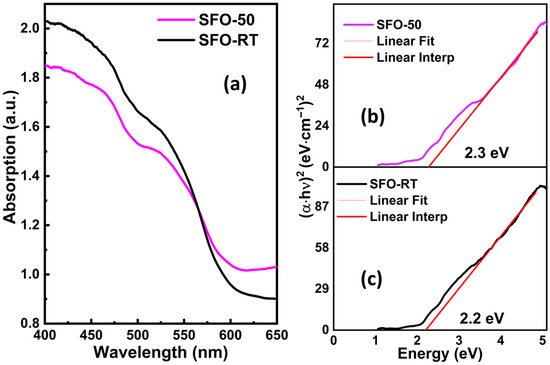
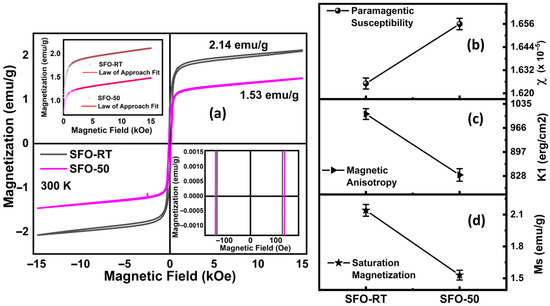
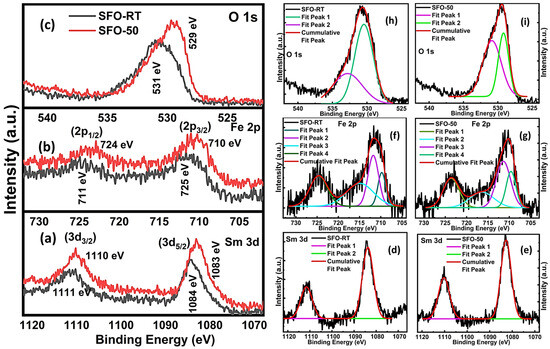
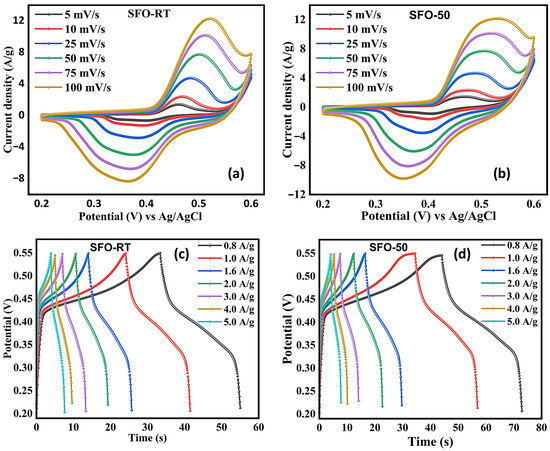
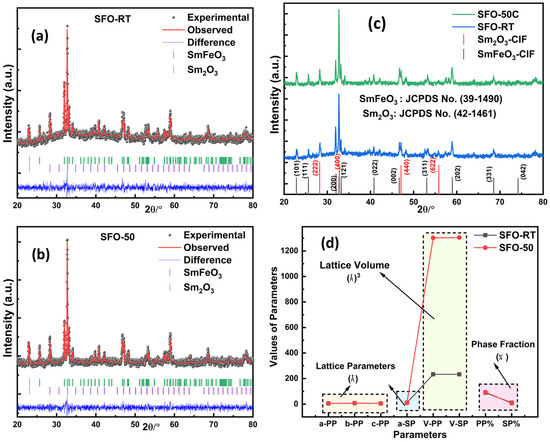
The multifunctional attributes of SmFeO3 make it a promising candidate for the current diverse technological applications. Therefore, in this work, we investigated the effect of synthesis temperature on the magnetic, optical and electrochemical properties of SmFeO3 nanoparticles at room temperature (SFO-RT) and 50 °C (SFO-50) when prepared through the co-precipitation method. The XRD analysis revealed two distinct phases: SmFeO3 and Sm2O3 as secondary with SmFeO3 emerging as the primary phase (88–93%). The FESEM images showed the amalgamated morphology of the nanoparticles indicating the enhanced thermal kinetics of the solution which not only limited the particle growth but also facilitated their coalition. The band gap energy was found to be 2.2 and 2.3 eV for SFO-RT and SFO-50, respectively, while the values of saturation magnetization noted were 2.14 and 1.53 emu/g for SFO-RT and SFO-50, respectively. The XPS analysis revealed Sm to be in a +3 oxidation state, while Fe was in a mixed (+3/+2) oxidation state showing an increase in the ionic concentration in SFO-50. From the electrochemical measurements, the highest specific capacitance was observed for SFO-50 (65.8 F/g) as compared to SFO-RT (49.3 F/g). The results indicate a clear effect of synthesis temperature on the properties of SmFeO3. Here, two factors played a prominent role: one was the morphology, shaped through the particle growth, and the other was the secondary phase. The decrease in the size of the agglomerated particles and phase fraction of the secondary phase brought about necessary changes in the structural attributes to reduce the saturation magnetization and enhance the specific capacitance of SFO-50. Overall, this study shows that the synthesis temperature affects the crystalline structure and phase fractions leading to the modulation of electronic structure, band gap, magnetic interactions and specific capacitance.
Full article
(This article belongs to the Special Issue Synergistic Electrochemical and Magnetic Behavior in Nanocomposite Materials)
►
Show Figures
Open AccessReview
Bridging Quantum Capacitance and Experimental Electrochemical Performance in 2D Materials for Supercapacitors: From Density of States to Device-Level Interpretation
by
Maria C. Barrero-Moreno, Abraham Méndez-Reséndiz, Juan C. Carrillo-Rodriguez and Andrés M. Garay-Tapia
Condens. Matter 2026, 11(1), 10; https://doi.org/10.3390/condmat11010010 - 21 Mar 2026
Abstract
Two-dimensional (2D) materials, particularly MXenes and transition metal dichalcogenides (TMDs), have attracted intense interest as supercapacitor electrodes due to their high surface area and tunable electronic structure. However, large discrepancies persist between the quantum capacitance values predicted by density functional theory (DFT) calculations
[...] Read more.
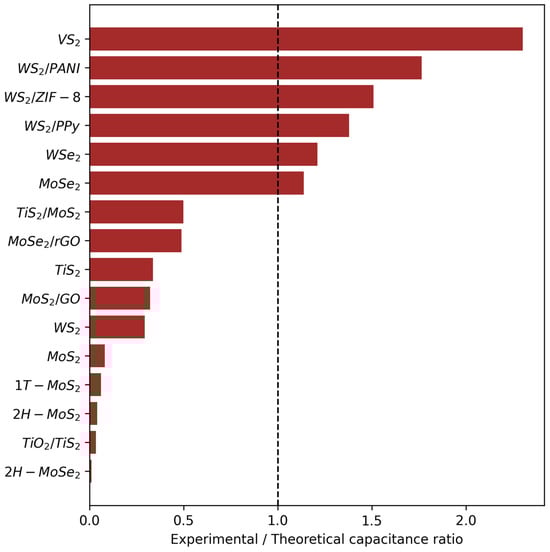
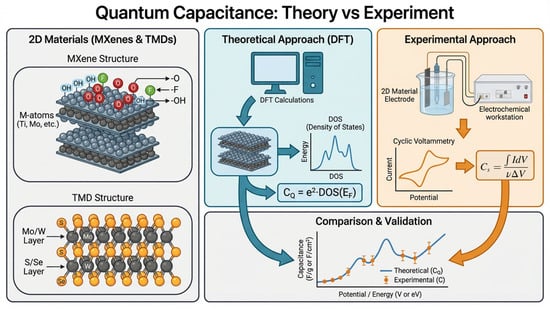
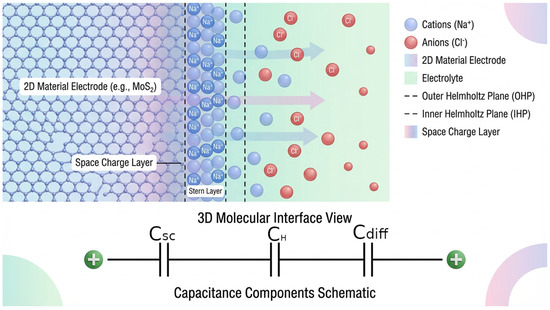
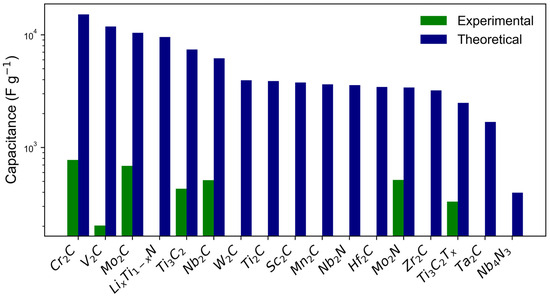
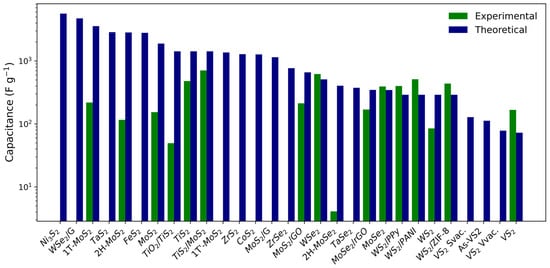
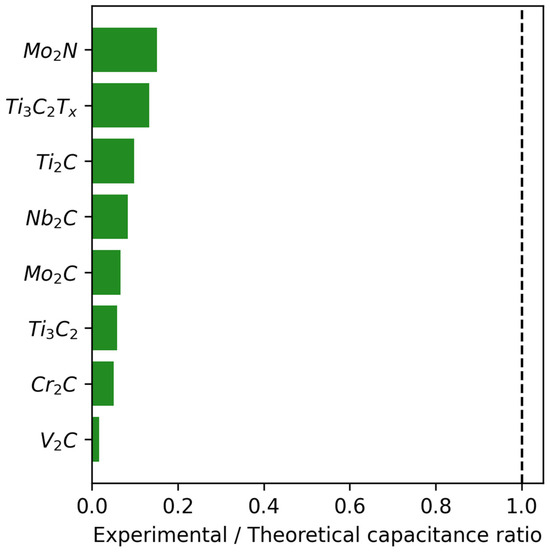
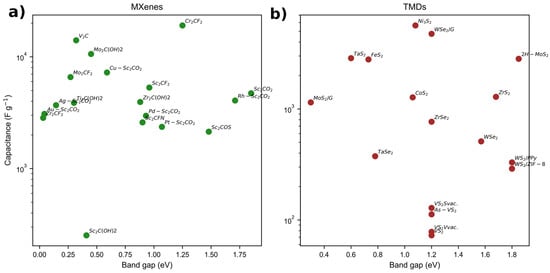
Two-dimensional (2D) materials, particularly MXenes and transition metal dichalcogenides (TMDs), have attracted intense interest as supercapacitor electrodes due to their high surface area and tunable electronic structure. However, large discrepancies persist between the quantum capacitance values predicted by density functional theory (DFT) calculations and experimentally measured gravimetric capacitances. In this review, we critically analyze DFT methodologies, surface models, normalization strategies, and electrochemical characterization protocols, and compile an extensive dataset of reported MXene and TMD systems to quantify the degree of experimental–theoretical agreement. We show that MXenes typically achieve less than 20% of their predicted capacitance because of restacking, surface terminations, and limited ion accessibility, whereas TMDs exhibit substantially better correspondence, often approaching or exceeding 70% of theoretical values. These results indicate that the theoretical capacitance predicted by DFT is primarily determined by the electronic structure of the material, which defines the upper limit of charge storage, whereas the experimentally achieved capacitance is largely controlled by morphological factors, surface chemistry, and electrode architecture that limit ion accessibility.
Full article
(This article belongs to the Special Issue Flexible Matter for Electronics, Photonics, and Energy Conversion)
►▼
Show Figures

Graphical abstract
Open AccessArticle
Two-Dimensional Tunable Reactance Element Free from Electromagnetic Coupling
by
Yong Sun and Shigeru Kanemitsu
Condens. Matter 2026, 11(1), 9; https://doi.org/10.3390/condmat11010009 - 2 Mar 2026
Abstract
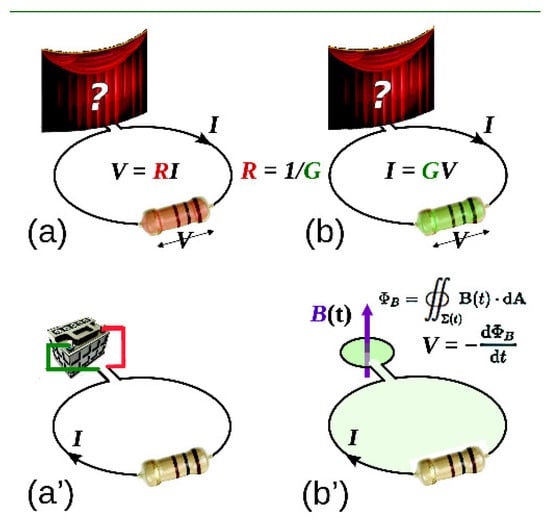
A capacitor modeled as a parallel combination of a resistance ( ) and a capacitance ( ) exhibits three distinct operating regimes when both parameters depend on the applied voltage (V): a positive-capacitance regime (
[...] Read more.
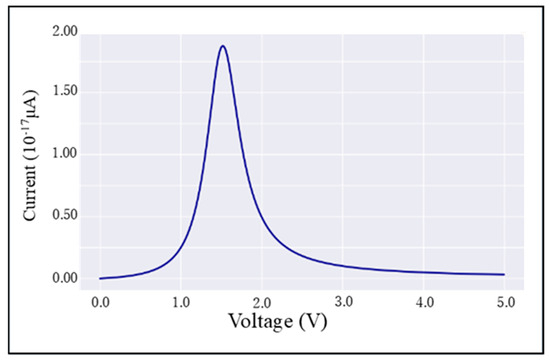
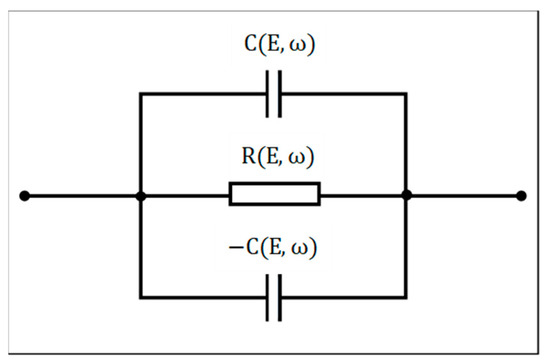
A capacitor modeled as a parallel combination of a resistance ( ) and a capacitance ( ) exhibits three distinct operating regimes when both parameters depend on the applied voltage (V): a positive-capacitance regime ( ), an Ohmic regime ( ), and a negative-capacitance regime ( ). In the limit ( ), the device behaves as a conventional permittivity-based capacitor, whereas in the limit ( ), negative capacitance emerges due to nonlinear current–voltage characteristics. To verify this mechanism, we fabricated nanometer-spaced two-electrode structures using multi-walled carbon nanotubes (MWCNTs) and Si crystals. The measurements confirmed negative capacitance consistent with theoretical predictions. Unlike ferroelectric negative capacitance, the effect demonstrated here arises solely from the nonlinear I–V characteristics at the electrode interfaces, without involving any ferroelectric polarization dynamics. This negative capacitance can be interpreted as an equivalent inductance, enabling a two-dimensional tunable reactance element (TDTRE) that operates without electromagnetic coupling and is compatible with conventional IC technologies.
Full article
(This article belongs to the Section Physics of Materials)
►▼
Show Figures

Figure 1
Open AccessFeature PaperArticle
Measurements of Electronic Band Structure in CeCoGe3 by Angle-Resolved Photoemission Spectroscopy
by
Robert Prater, Mingkun Chen, Matthew Staab, Sudheer Sreedhar, Journey Byland, Zihao Shen, Sergey Y. Savrasov, Valentin Taufour, Vsevolod Ivanov and Inna Vishik
Condens. Matter 2026, 11(1), 8; https://doi.org/10.3390/condmat11010008 - 25 Feb 2026
Abstract
In this paper, we present a comprehensive study of the electronic structure of CeCoGe3 throughout the entire Brillouin zone in the non-magnetic regime using angle-resolved photoemission spectroscopy (ARPES). The electronic structure agrees in large part with first principles calculations, including predicted topological
[...] Read more.
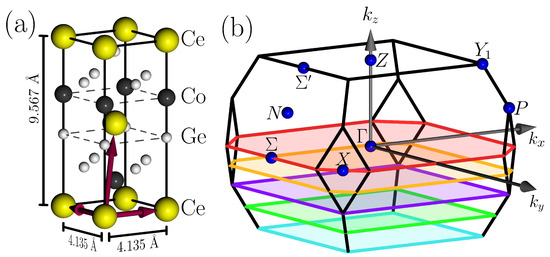
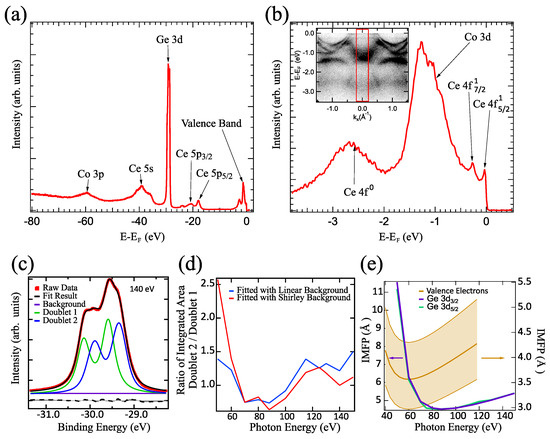
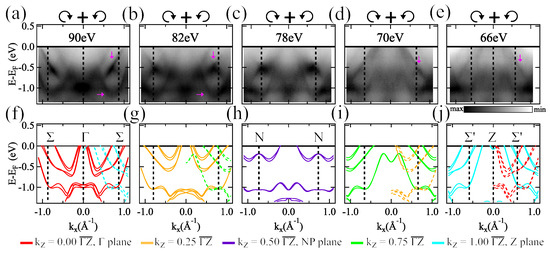
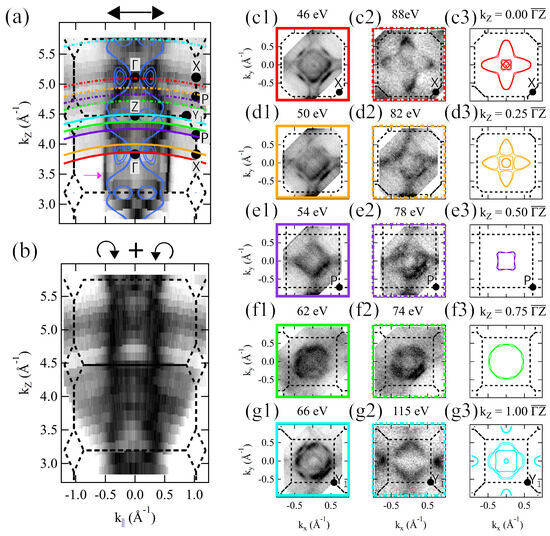
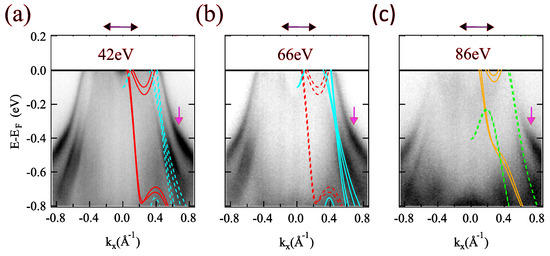
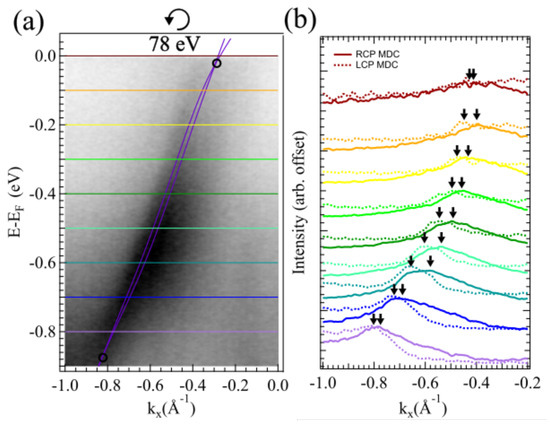
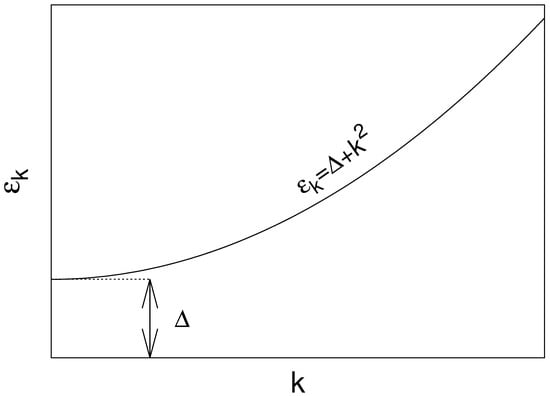
In this paper, we present a comprehensive study of the electronic structure of CeCoGe3 throughout the entire Brillouin zone in the non-magnetic regime using angle-resolved photoemission spectroscopy (ARPES). The electronic structure agrees in large part with first principles calculations, including predicted topological nodal lines. Two new features in the band structure are also observed, namely a surface state and folded bands, the latter of which is argued to originate from a unit cell reconstruction.
Full article
(This article belongs to the Special Issue Topological and Quantum Materials for Energy and Information: Spectroscopy and Computation Approaches)
►▼
Show Figures

Figure 1
Open AccessFeature PaperArticle
Laser-Spot Step-Heating Thermography for Non-Destructive Evaluation of Thermal Diffusivity in Apples
by
Ginevra Lalle, Alessandro Maurizi, Anna Maria Giusti, Grigore Leahu, Gianmario Cesarini, Emilija Petronijevic, Alesandro Belardini and Roberto Li Voti
Condens. Matter 2026, 11(1), 7; https://doi.org/10.3390/condmat11010007 - 18 Feb 2026
Abstract
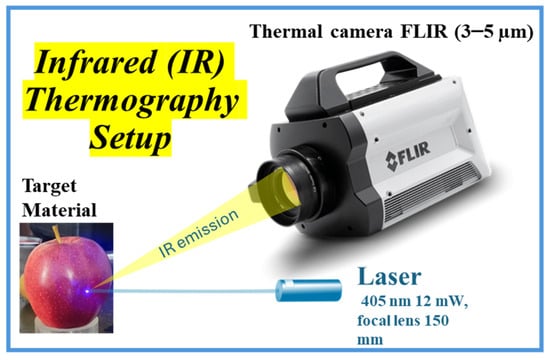
In this work, thermal imaging is employed to study the opto-thermal response of apples (Malus domestica Borkh.), assessing their post-harvest evolution through the estimation of thermal diffusivity. A non-destructive experimental procedure based on mid-wave infrared (MWIR) thermal camera (3–5 µm) and localized heating
[...] Read more.
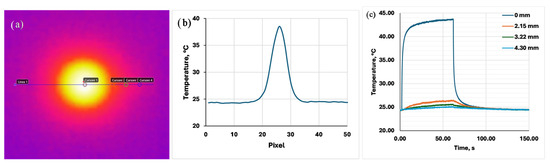
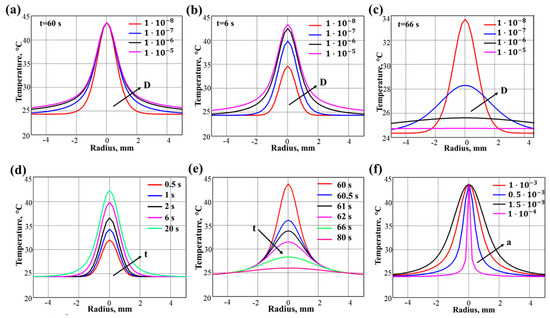
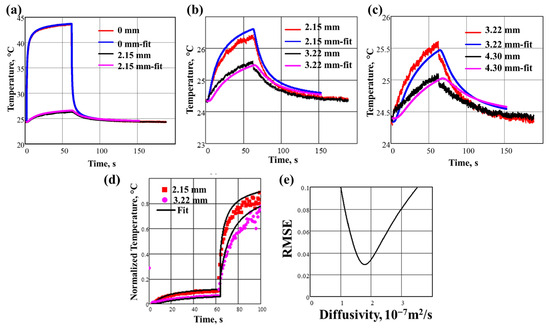
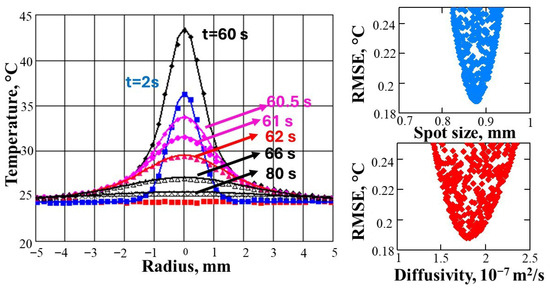
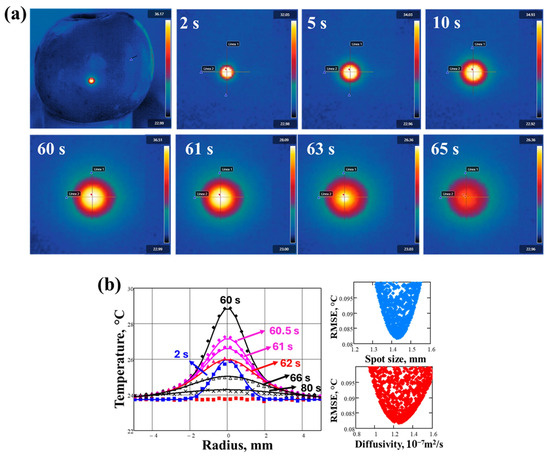
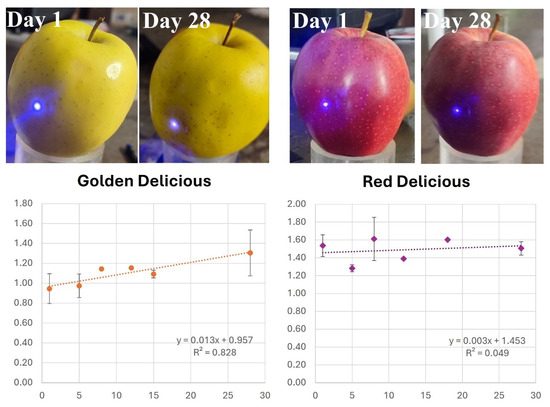
In this work, thermal imaging is employed to study the opto-thermal response of apples (Malus domestica Borkh.), assessing their post-harvest evolution through the estimation of thermal diffusivity. A non-destructive experimental procedure based on mid-wave infrared (MWIR) thermal camera (3–5 µm) and localized heating with a visible laser is developed, enabling spatially and temporally resolved surface temperature measurements. Temperature fields are recorded at different time points and radial distances from the heated spot. A theoretical model based on Fourier thermal diffusion equation is formulated to describe the spatio-temporal evolution of surface temperature. After validation on a reference sample, the method is applied to Golden and Red Delicious apples over a 28-day storage period at room temperature. Red Delicious apple exhibits higher mean diffusivity values without significant temporal changes, whereas a progressive increase in diffusivity is observed for Golden Delicious apples. These results show that thermal diffusivity is sensitive to post-harvest physiological changes in apple tissue and may be associated with intrinsic properties such as tissue density and water content. By relating laser-induced temperature fields to the estimation of thermal diffusivity, this approach enables the non-destructive, quantitative assessment of thermal diffusivity, showing potential for fruit maturity and quality assessment, which are of high importance in agri-food monitoring applications.
Full article
(This article belongs to the Section Spectroscopy and Imaging in Condensed Matter)
►▼
Show Figures

Figure 1
Open AccessArticle
Insights into Neutral vs. Deprotonated Phenol Adsorption on Graphene Oxide
by
Jeton Halili, Kledi Xhaxhiu, Nensi Isak, Makfire Sadiku, Arianit Reka, Muhamed Farruku and Avni Berisha
Condens. Matter 2026, 11(1), 6; https://doi.org/10.3390/condmat11010006 - 6 Feb 2026
Cited by 1
Abstract
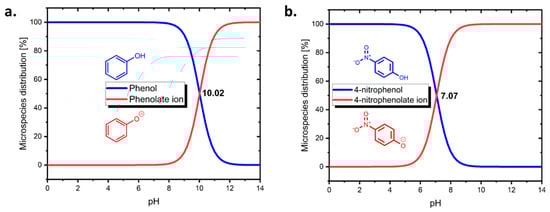
Water pollution from phenols remains a critical concern due to their persistence, toxicity, and industrial prevalence. Graphene oxide (GOx), with its functional groups and large surface area, offers strong adsorption potential. Using density functional theory (DFT), reduced density gradient (RDG), and quantitative structure–activity
[...] Read more.
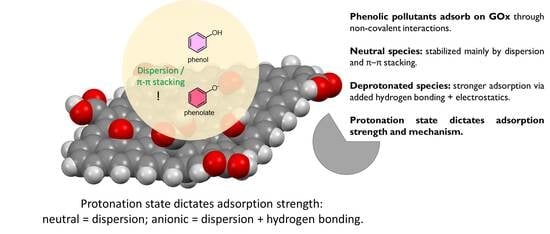
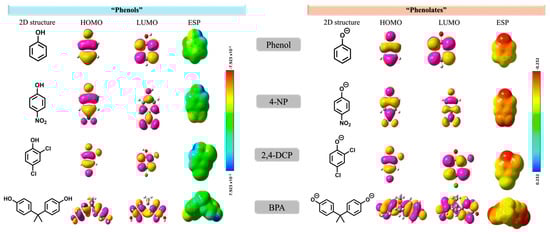
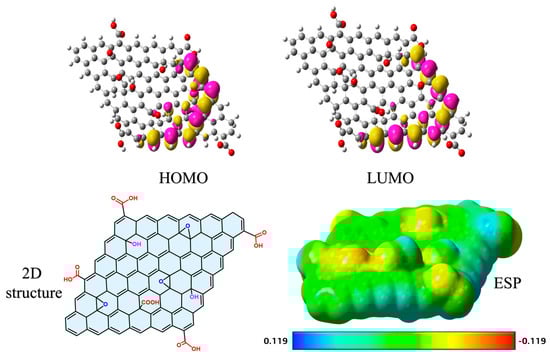
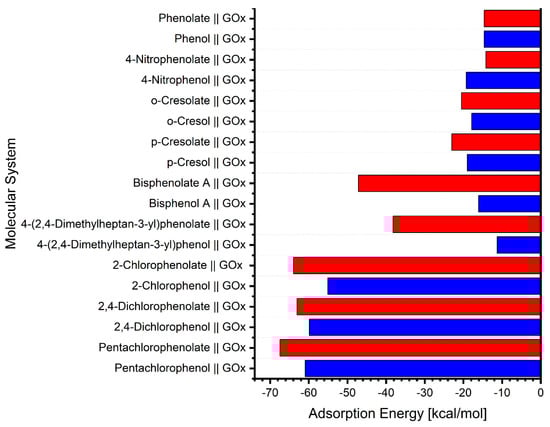
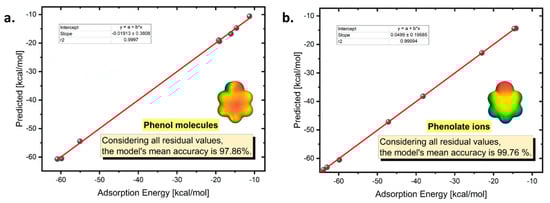
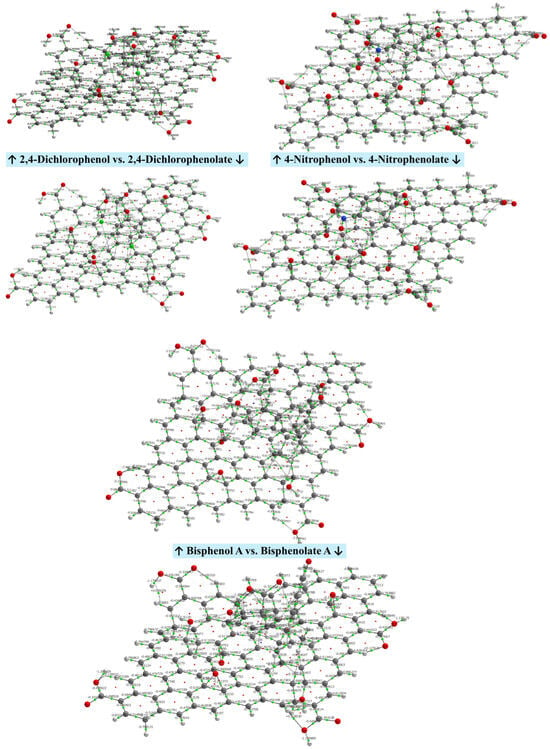
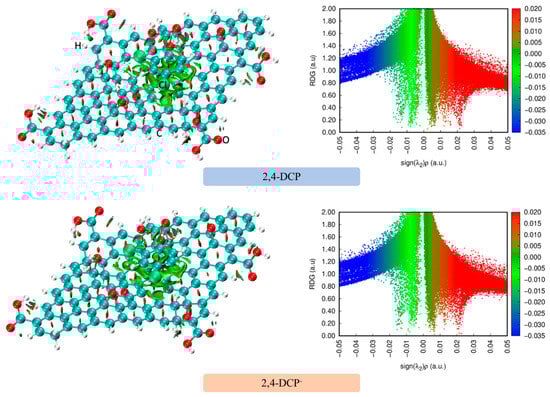
Water pollution from phenols remains a critical concern due to their persistence, toxicity, and industrial prevalence. Graphene oxide (GOx), with its functional groups and large surface area, offers strong adsorption potential. Using density functional theory (DFT), reduced density gradient (RDG), and quantitative structure–activity relationship (QSAR), we examined how protonation and substituents influence phenol adsorption. Deprotonated phenolates bind more strongly to GO than neutral species via electrostatics and H-bonding. Substituents alter affinity: halogens enhance it, bulky alkyls hinder it, and nitro groups show electron-withdrawing effects. Bisphenolate A displayed multidentate binding. QSAR models reproduced DFT energies with R2 > 0.99, enabling fast prediction. These results highlight how pH speciation and substituents govern adsorption on GO, guiding the design of efficient water treatment materials.
Full article
(This article belongs to the Special Issue Selected Papers from the 3-Day International Conference on Materials Science (3D-ICOMAS))
►▼
Show Figures

Graphical abstract
Open AccessFeature PaperArticle
Two-Carrier Description of Cuprate Superconductors from NMR
by
Daniel Bandur, Abigail Lee, Jakob Nachtigal, Stefan Tsankov and Jürgen Haase
Condens. Matter 2026, 11(1), 5; https://doi.org/10.3390/condmat11010005 - 5 Feb 2026
Abstract
Cuprates currently hold the record for the highest temperature superconductivity at ambient pressure, but the microscopic understanding of these materials remains elusive. Here, we utilize nuclear magnetic resonance (NMR) data of planar oxygen and copper from essentially all hole-doped cuprates to provide a
[...] Read more.
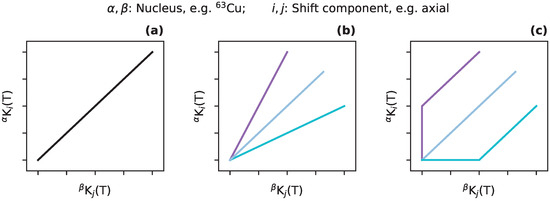
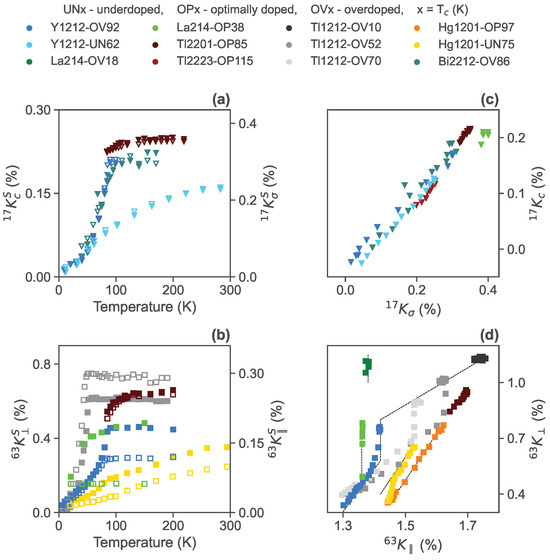
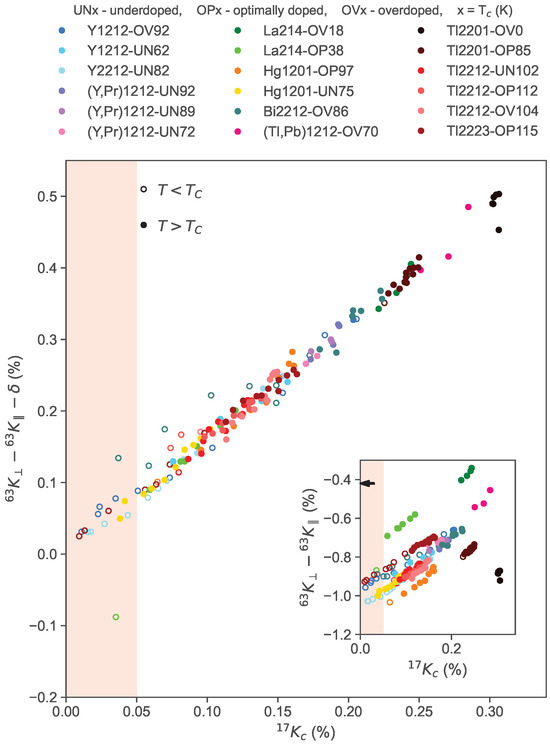
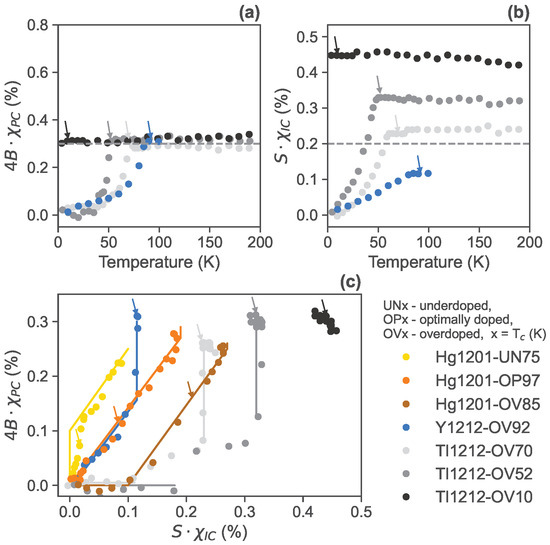
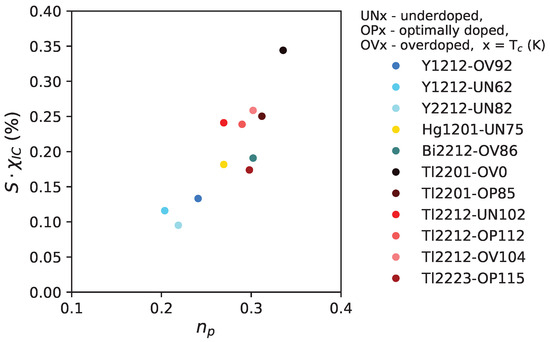
Cuprates currently hold the record for the highest temperature superconductivity at ambient pressure, but the microscopic understanding of these materials remains elusive. Here, we utilize nuclear magnetic resonance (NMR) data of planar oxygen and copper from essentially all hole-doped cuprates to provide a universal phenomenology relating the NMR spin shifts, which measure the electronic spin polarization at a given nucleus, with the superconducting dome and maximum critical temperature. There appear to be two separate contributions to the spin shift in planar copper, only one of which is seen at the oxygen site, and we associate them with two different types of carriers. Upon disentangling these two components, their relative size is shown to correlate not only with the doping dependence of the superconducting dome but also with the variation in maximum superconducting critical temperature, , between different families. One of these components is independent of family and resides in the hybridized planar orbitals of Cu and O. The second component, in contrast, is predominately isotropic and encodes the differences between the families. It is thus related to the charge transfer gap and planar hole sharing. Our findings offer universal insight which should prove useful in the continuing development of a comprehensive theory of the cuprates, as well as an indication of how it may be possible to engineer materials with higher critical temperatures.
Full article
(This article belongs to the Special Issue Superstripes Physics, 4th Edition)
►▼
Show Figures

Figure 1

Open AccessArticle
Electron Correlation and High-Temperature Superconductivity
by
Takeshi Egami
Condens. Matter 2026, 11(1), 4; https://doi.org/10.3390/condmat11010004 - 30 Jan 2026
Abstract
Strong electron correlation plays a central role in the high-temperature superconductivity (HTSC) of cuprates. However, to date, research has focused only on its role in spin dynamics and related effects, even though it is becoming increasingly clear that spin alone may not be
[...] Read more.
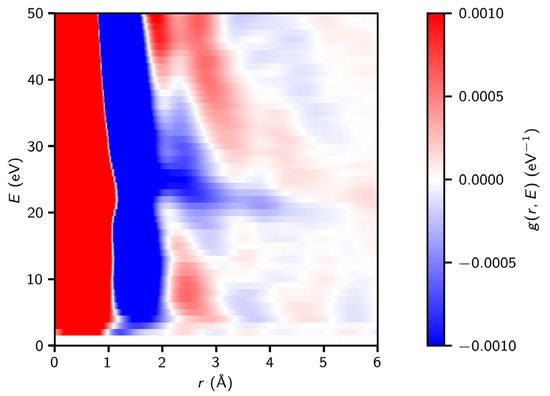
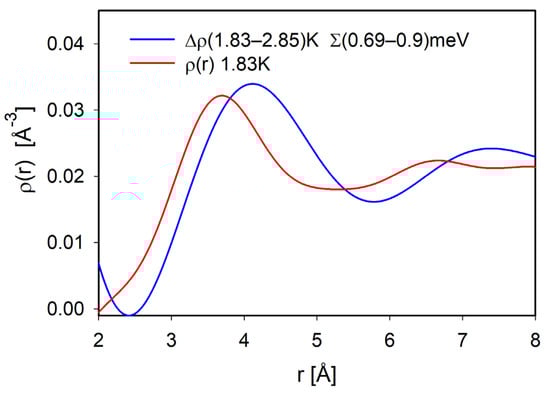
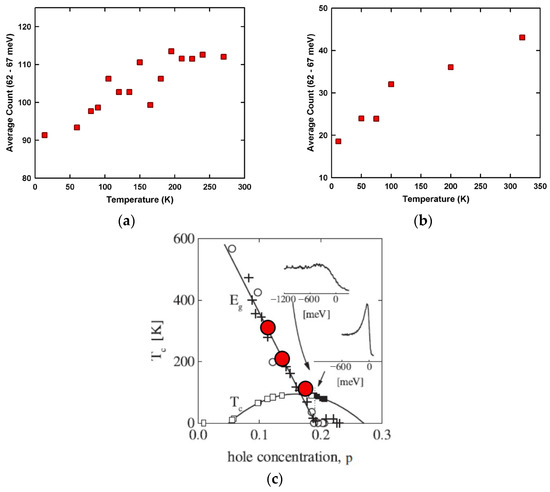
Strong electron correlation plays a central role in the high-temperature superconductivity (HTSC) of cuprates. However, to date, research has focused only on its role in spin dynamics and related effects, even though it is becoming increasingly clear that spin alone may not be sufficient to create HTSC. Here, we discuss a possible role of electron correlation in the Bose–Einstein condensation (BEC) of Cooper pairs. Recently, we succeeded in observing dynamic electron correlation via inelastic X-ray scattering through results presented in real space. We discovered that electron correlations are strongly modified in the plasmon, proving that electron dynamics significantly affect electron correlation. Earlier, we found that in 4He, the atom–atom distance in the BE condensate is 10% longer than that in the non-condensate. These results suggest the possibility that the reduction in electron-repulsion energy upon BEC is driving Tc to high values. Thus, electron correlation itself could be the origin of the HTSC phenomenon.
Full article
(This article belongs to the Special Issue Superstripes Physics, 4th Edition)
►▼
Show Figures

Figure 1
Open AccessReview
Solid-State Detector for FLASH Radiotherapy: Dosimetric Applications and Emerging Concepts
by
Pablo P. Yepes
Condens. Matter 2026, 11(1), 3; https://doi.org/10.3390/condmat11010003 - 23 Jan 2026
Abstract
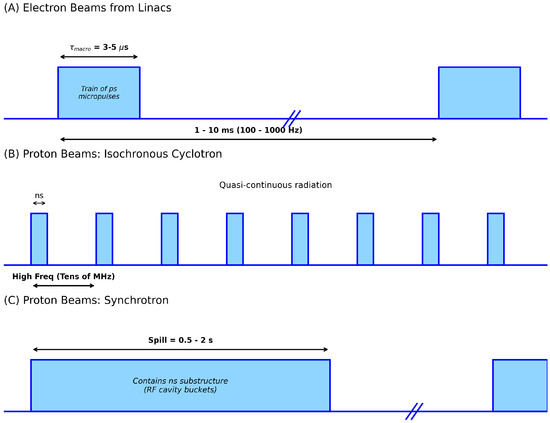
The implementation of FLASH Radiotherapy (FLASH-RT), characterized by ultra-high dose rates (UHDRs) frequently exceeding Gy/s in microsecond pulses, imposes stringent requirements on real-time dosimetry. Conventional ionization chambers suffer severe ion recombination and space-charge limitations under these conditions. This review summarizes the
[...] Read more.
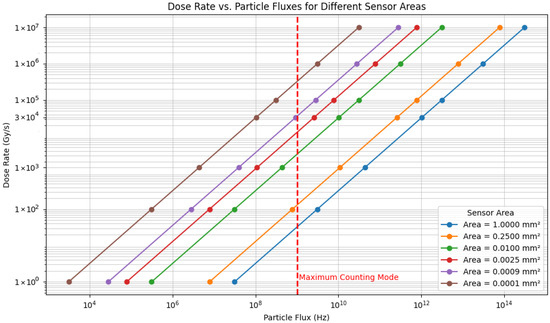
The implementation of FLASH Radiotherapy (FLASH-RT), characterized by ultra-high dose rates (UHDRs) frequently exceeding Gy/s in microsecond pulses, imposes stringent requirements on real-time dosimetry. Conventional ionization chambers suffer severe ion recombination and space-charge limitations under these conditions. This review summarizes the state of SSD technologies—including conventional standard silicon diodes, advanced SiC diodes, Low-Gain Avalanche Detectors (LGADs), and pixel detectors—and compares their performance, linearity, and dynamic range in UHDR environments. Particular attention is devoted to operational modes (integrating vs. counting), saturation mechanisms, and readout electronics, which frequently dominate detector behavior at FLASH conditions. We discuss the experimental results from recent UHDR beamlines and highlight emerging concepts that will shape future clinical translation.
Full article
(This article belongs to the Special Issue The Universe Observed With Particle Detectors: Celebrating the Scientific Legacy of Prof. Guido Barbiellini Amidei)
►▼
Show Figures

Figure 1

Open AccessArticle
First-Principles Study of the Formation and Stability of the Interstitial and Substitutional Hydrogen Impurity in Magnesium Oxide
by
A. G. Marinopoulos
Condens. Matter 2026, 11(1), 2; https://doi.org/10.3390/condmat11010002 - 9 Jan 2026
Abstract
Hydrogen is frequently incorporated in alkaline-earth oxides during crystal growth or post-deposition annealing. For MgO, several studies in the past showed that interstitial monatomic hydrogen can also favourably bind with oxygen vacancies to form stable substitutional defect complexes (substitutional hydrogen or U-defect centers).
[...] Read more.
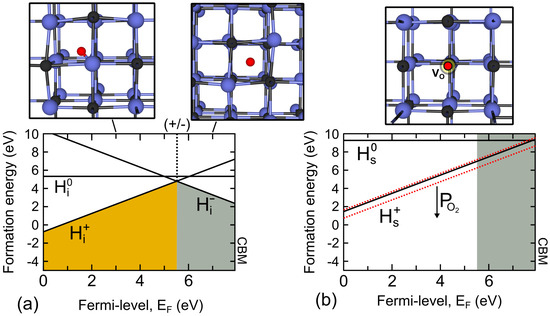
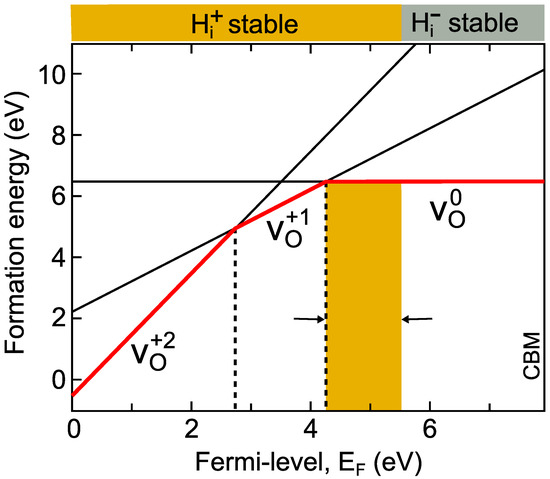
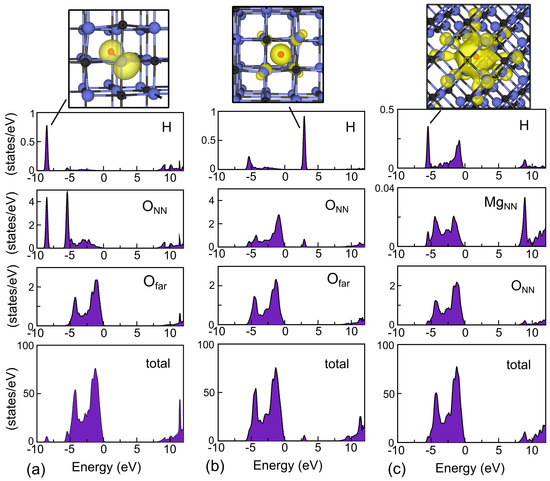
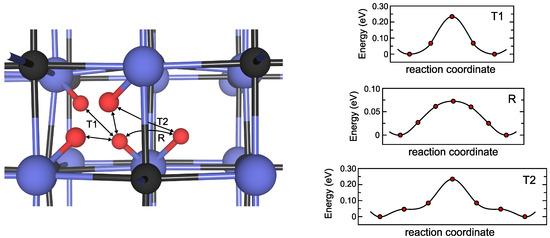
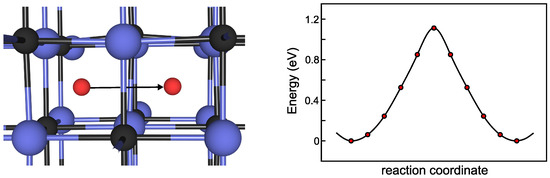
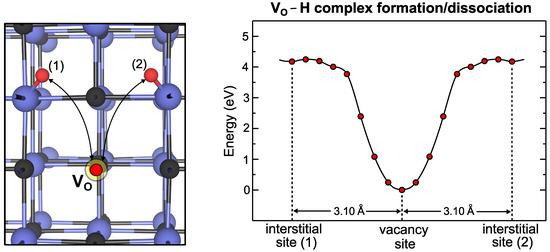
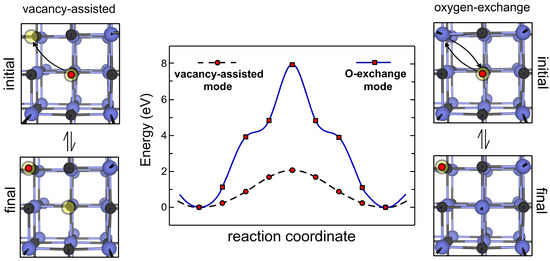
Hydrogen is frequently incorporated in alkaline-earth oxides during crystal growth or post-deposition annealing. For MgO, several studies in the past showed that interstitial monatomic hydrogen can also favourably bind with oxygen vacancies to form stable substitutional defect complexes (substitutional hydrogen or U-defect centers). The present study reports first-principles density-functional calculations of the formation energies of both interstitial and substitutional forms of the hydrogen impurity in MgO. Determination of the site-resolved densities of electronic states allowed for a detailed identification of the nature of the impurity-induced levels, both in the valence-energy region and inside the band gap of the host. The stability and diffusion mechanisms of both hydrogen defects was also studied with the aid of nudged elastic-band (NEB) calculations. Interstitial hydrogen was found to be an amphoteric defect with the lower formation energy for any realistic environment conditions (temperature and oxygen partial pressure). The NEB calculations showed that it is a fast-diffusing species when it is thermodynamically stable as a positively-charged state (bare proton). In contrast, the hydrogen-vacancy complex is a shallow donor, extremely stable against dissociation and virtually immobile as an isolated defect. Its formation is found to be favoured for a range of mid-gap Fermi-level positions where positively-charged interstitial hydrogen and neutral oxygen vacancies (F centers) are both thermodynamically stable low-energy defects. The present findings are consistent with the established consensus on the electrical activity of hydrogen in MgO as well as with experimental observations reporting the remarkable thermal stability of substitutional hydrogen defects and their ability to act as electron traps.
Full article
(This article belongs to the Section Condensed Matter Theory)
►▼
Show Figures

Figure 1

Open AccessArticle
Unveiling Bulk Modulus and Stretching Bond Force Constants of Cubic and Wurtzite Boron Nitride Structures: A DFT Study
by
Melissa L. Casais-Molina, César A. Cab, Rubén A. Medina-Esquivel and Jorge A. Tapia
Condens. Matter 2026, 11(1), 1; https://doi.org/10.3390/condmat11010001 - 21 Dec 2025
Abstract
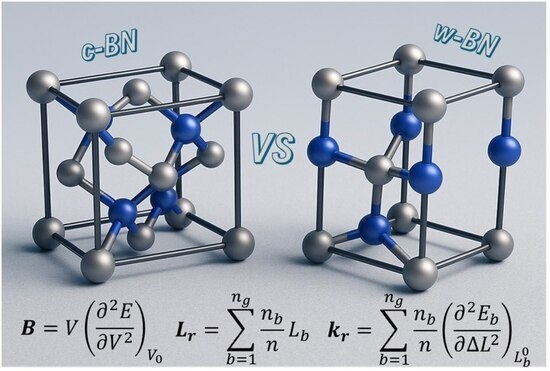
The mechanical properties of cubic (c-BN) and wurtzite (w-BN) boron nitride structures were investigated and compared using density functional theory (DFT) with several exchange–correlation functionals. This research focuses on determining the bulk modulus ( ) and, for the first time, the stretching
[...] Read more.
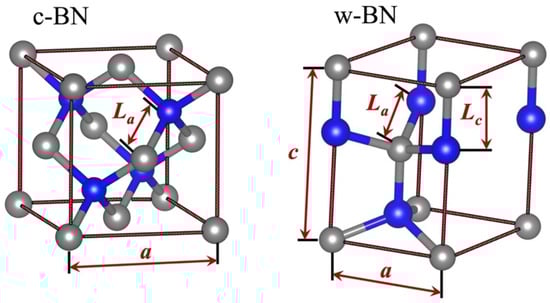
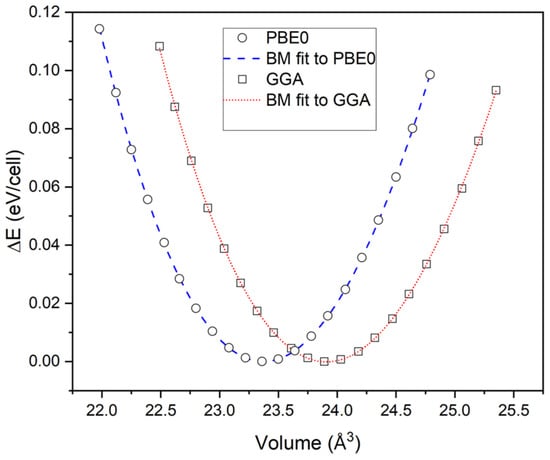
The mechanical properties of cubic (c-BN) and wurtzite (w-BN) boron nitride structures were investigated and compared using density functional theory (DFT) with several exchange–correlation functionals. This research focuses on determining the bulk modulus ( ) and, for the first time, the stretching bond force constants ( ), two fundamental parameters that describe the intrinsic stiffness and elastic resistance of these BN structures. Despite their structural similarity with the same tetrahedral coordination between atoms, c-BN and w-BN exhibit subtle differences in bond strength and compressibility that have not been fully clarified at the atomistic level. By systematically analyzing the influence of hybrid and semi-local functionals, consistent relationship between structural configuration and the predicted and values of both c-BN and w-BN structures were established and compared. These findings not only validate DFT as a reliable approach for assessing the mechanical properties of BN polymorphs, but also offer key parameters for machine learning and advanced multiscale modeling. Therefore, this theoretical study contributes to understanding the origin of mechanical properties in BN structures and supports their design in applications where a particular hardness and stability are required.
Full article
(This article belongs to the Section Physics of Materials)
►▼
Show Figures

Graphical abstract
Open AccessFeature PaperReview
Recent Progress in the Theory of Flat Bands and Their Realization
by
Izumi Hase
Condens. Matter 2025, 10(4), 64; https://doi.org/10.3390/condmat10040064 - 5 Dec 2025
Abstract
►▼
Show Figures
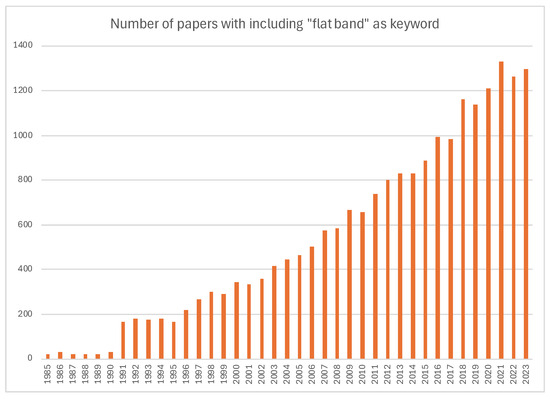
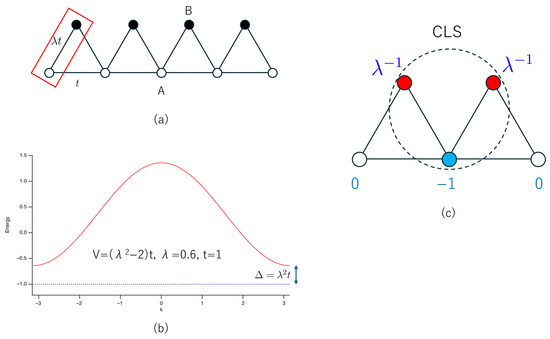
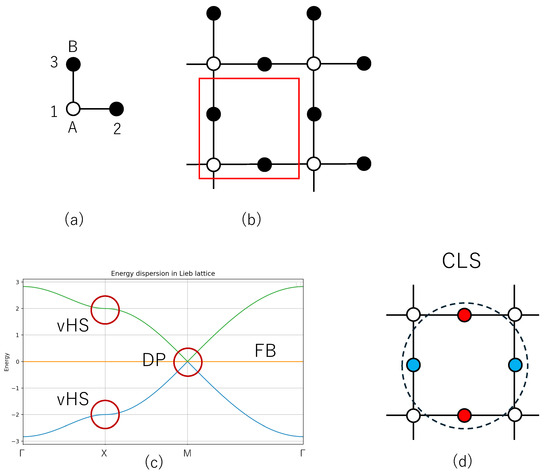
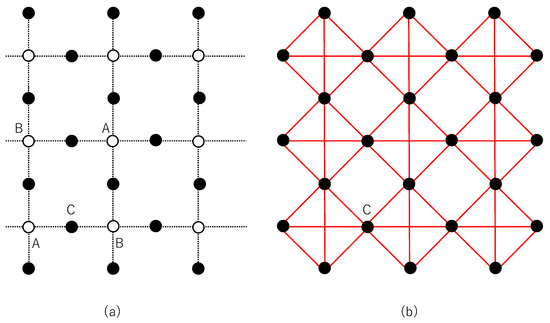
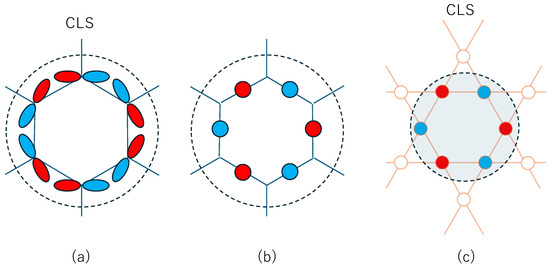
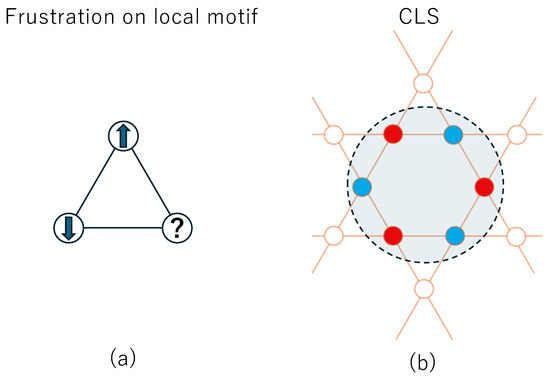
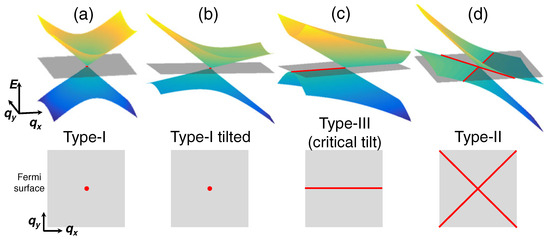
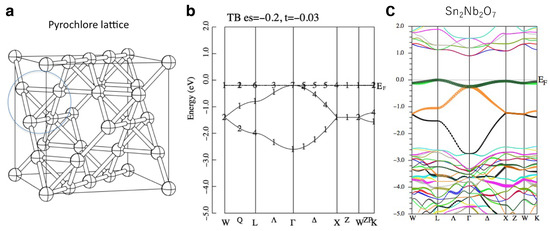
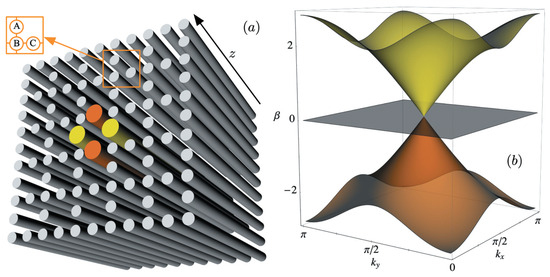
Flat electronic bands, characterized by a nearly dispersionless energy spectrum, have emerged as fertile ground for exploring strong correlation effects, unconventional magnetism, and topological phases. This review paper provides an overview of the theoretical basis, material realization, and emergent phenomena associated with flat
[...] Read more.
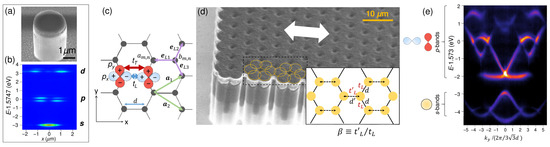
Flat electronic bands, characterized by a nearly dispersionless energy spectrum, have emerged as fertile ground for exploring strong correlation effects, unconventional magnetism, and topological phases. This review paper provides an overview of the theoretical basis, material realization, and emergent phenomena associated with flat bands. We begin by discussing the geometric and topological origins of flat bands in lattice systems, emphasizing mechanisms such as destructive interference and compact localized states. We will also explain the relationship between quantum metrics and flat bands, which are recent theoretical findings. We then survey various classes of materials—ranging from engineered lattices and Moiré structures to transition metal compounds—where flat bands have been theoretically predicted or experimentally observed. The interplay between flat-band physics and strong correlations is explored through recent developments in ferromagnetism, superconductivity, and various Hall effects. Finally, we outline open questions and potential directions for future research, including the quest for ideal flat-band systems, the role of spin–orbit coupling, and the impact of disorder. This review aims to bridge fundamental concepts with cutting-edge advances, highlighting the rich physics and material prospects of flat bands.
Full article

Figure 1
Open AccessArticle
Unveiling the Role of Graphene in Enhancing the Mechanical Properties of Electrodeposited Ni Composites
by
Bingqian Zhang, Junhao Zhu, Zhihua Yuan and Peide Han
Condens. Matter 2025, 10(4), 63; https://doi.org/10.3390/condmat10040063 - 5 Dec 2025
Abstract
►▼
Show Figures
Graphene holds significant promise as an ideal reinforcing phase. However, its tendency to irreversibly aggregate and its unclear impact on electrodeposition mechanisms have hindered the full exploitation of its advantages for enhancing material mechanical properties. In this study, we produced a graphene/Ni composite
[...] Read more.
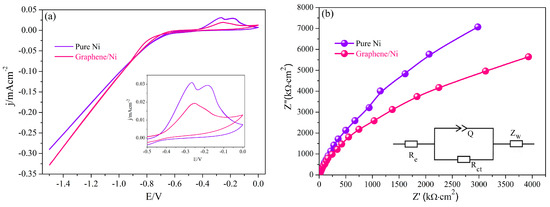
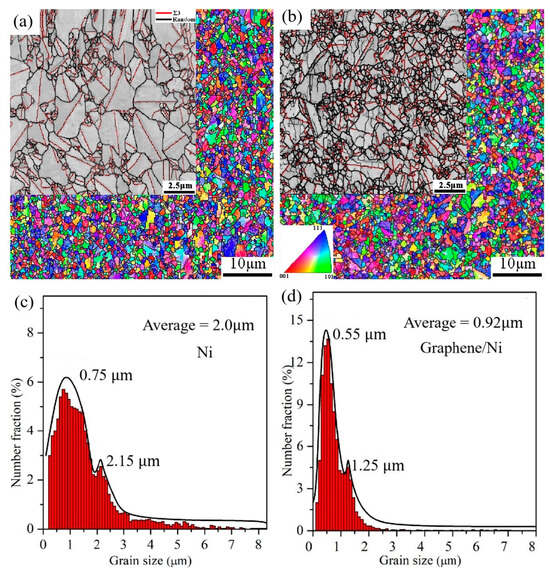
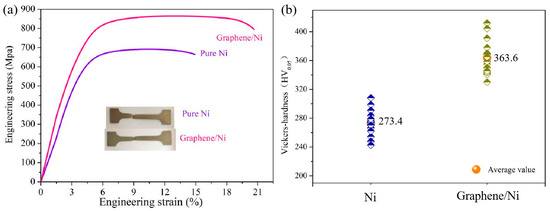
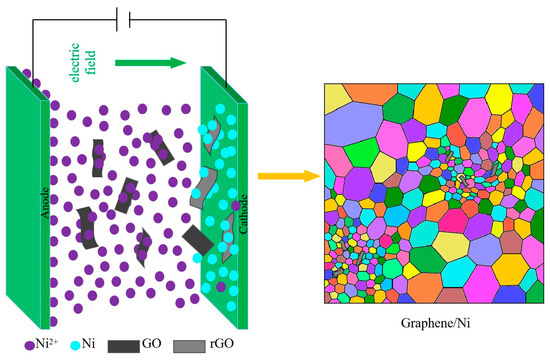
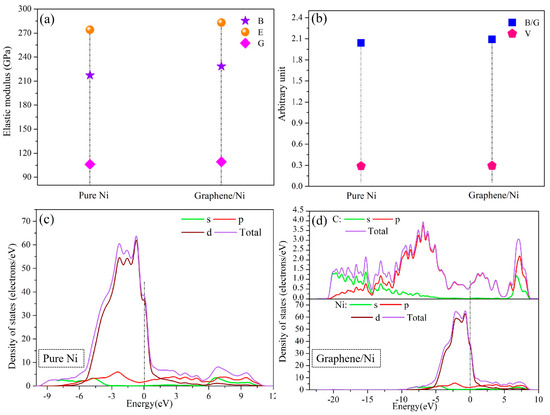
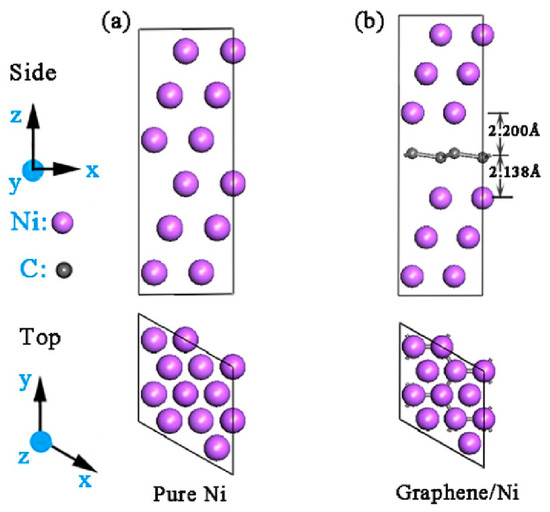
Graphene holds significant promise as an ideal reinforcing phase. However, its tendency to irreversibly aggregate and its unclear impact on electrodeposition mechanisms have hindered the full exploitation of its advantages for enhancing material mechanical properties. In this study, we produced a graphene/Ni composite reinforced with reduced graphene oxide (rGO) via a simple, scalable, and cost-effective electrodeposition approach. The incorporation of graphene not only raised the cathodic polarization potential but also enhanced the transport of ions. As a result, the presence of rGO significantly influenced the grain size, grain distribution, and the proportion of growth twins-3(111). Compared with Ni, the graphene/Ni composite exhibited improvements of 14.8% in strength and 16.8% in fracture elongation. Additionally, first-principles calculations confirmed that superior electronic conductivity and all elastic moduli along with Poisson’s ratio were found to be higher in the composite. Our findings offer fundamental insights into the role of rGO in governing the structural evolution of graphene/metal composites.
Full article

Figure 1
Open AccessArticle
Spectral Characterization of CeF3-YF3-TbF3 Nanoparticles for Temperature Sensing in 80–320 K Temperature Range
by
Svetlana Kalinichenko and Maksim Pudovkin
Condens. Matter 2025, 10(4), 62; https://doi.org/10.3390/condmat10040062 - 3 Dec 2025
Abstract
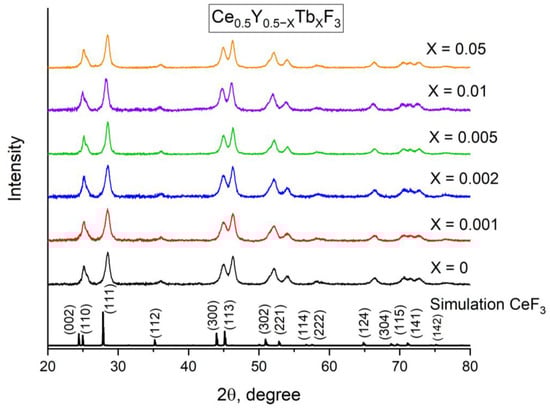
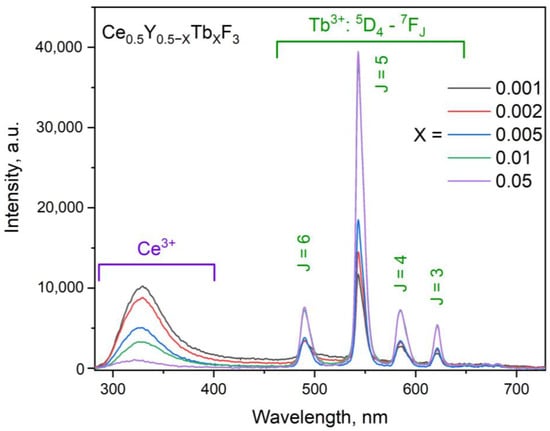
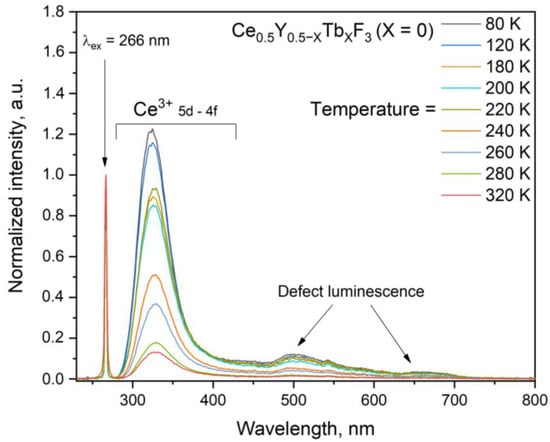
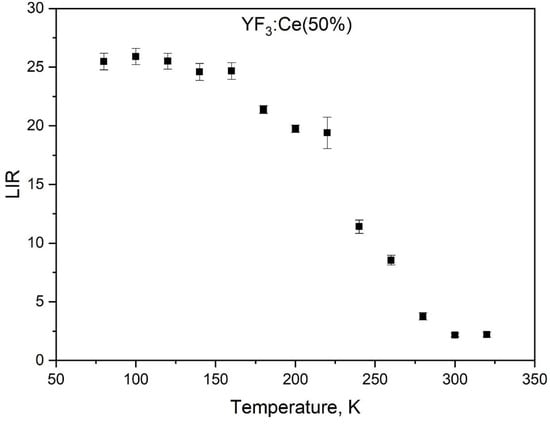
The studied Ce0.5Y0.5−XTbXF3 (X = 0, 0.001, 0.002, 0.005, 0.01, and 0.05) nanoparticles were synthesized via the water-based co-precipitation method. All the samples demonstrated diameters in the 17–20 nm range and a hexagonal phase corresponding to
[...] Read more.
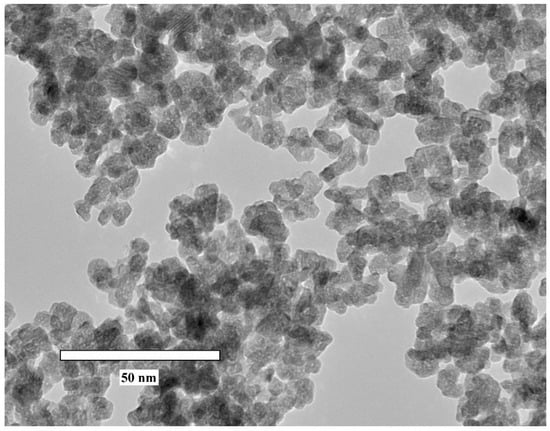
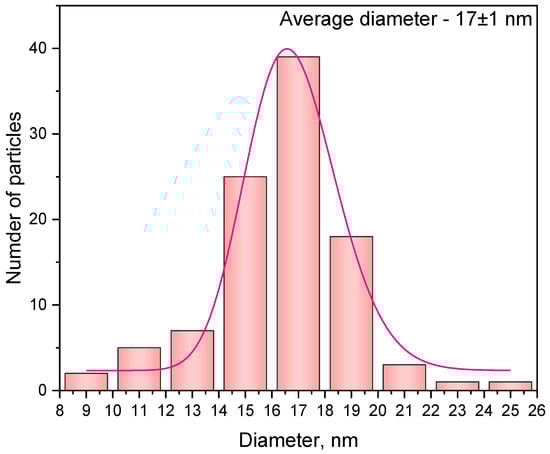
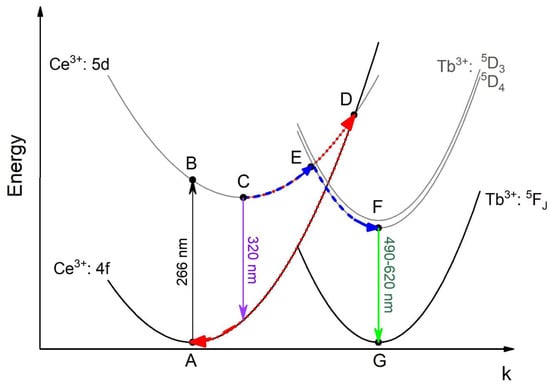
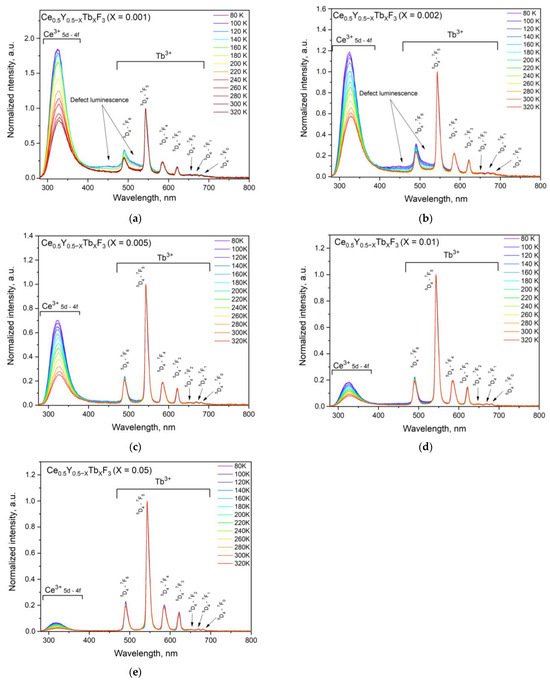
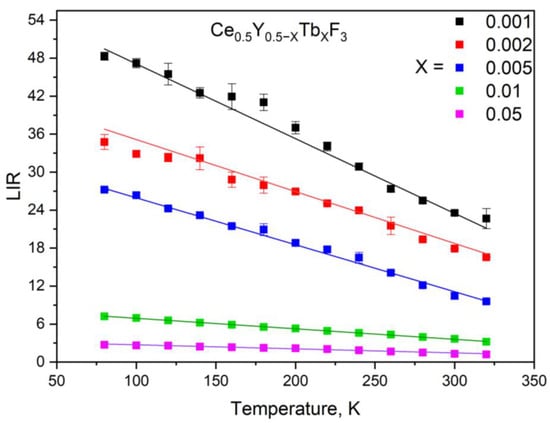
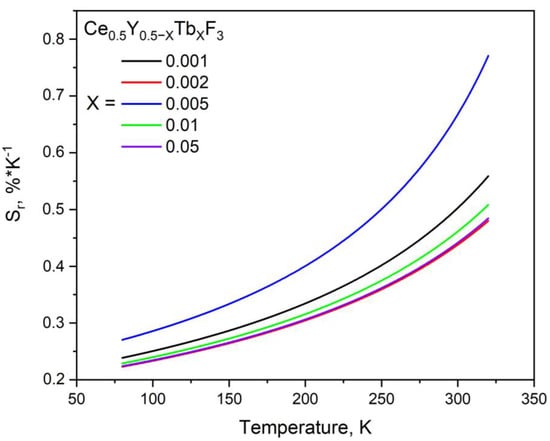
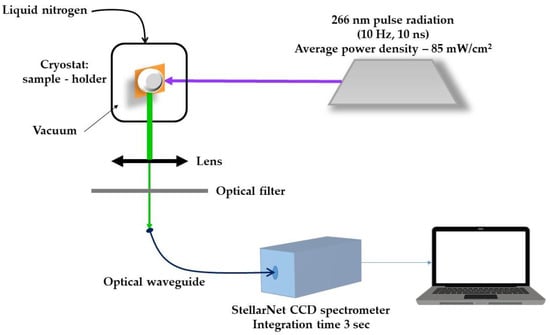
The studied Ce0.5Y0.5−XTbXF3 (X = 0, 0.001, 0.002, 0.005, 0.01, and 0.05) nanoparticles were synthesized via the water-based co-precipitation method. All the samples demonstrated diameters in the 17–20 nm range and a hexagonal phase corresponding to the phase of CeF3. Under 266 nm excitation (4f–5d absorption band of Ce3+), the luminescence spectrum shape was notably dependent on temperature. The integrated luminescence intensity ratio (LIR) of Ce3+ and Tb3+ (5D4–7F3) peaks was chosen as a temperature-dependent parameter. It was shown that the LIR functions linearly decay. The rate of decay decreases with the increase in Tb3+ concentration. This was explained by the fact that in the case of low Tb3+ concentrations, the spectral temperature dependence is mostly based on effective thermal quenching of Ce3+ luminescence. At higher Tb3+ concentrations, there is a higher probability of Ce3+ to Tb3+ energy transfer. Here, the efficiency of the temperature dependence of this process is lower, and the rate of LIR decay is lower as well.
Full article
(This article belongs to the Section Spectroscopy and Imaging in Condensed Matter)
►▼
Show Figures

Figure 1
Open AccessFeature PaperArticle
Magnetic-Field Oscillations of the Critical Temperature in Ultraclean, Two-Dimensional Type-I Superconductors
by
Aiying Zhao, Richard A. Klemm and Qiang Gu
Condens. Matter 2025, 10(4), 61; https://doi.org/10.3390/condmat10040061 - 29 Nov 2025
Abstract
►▼
Show Figures
We investigate the influence of Landau Levels (LLs) and Zeeman energy, induced by an applied magnetic field , on the critical temperature for two-dimensional (2D) ultraclean superconductors using a fully quantum mechanical approach within the Bardeen–Cooper–Schrieffer (BCS) theory. In contrast
[...] Read more.
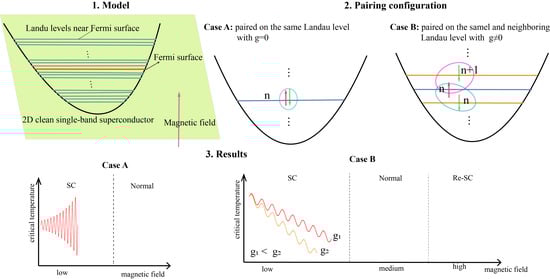
We investigate the influence of Landau Levels (LLs) and Zeeman energy, induced by an applied magnetic field , on the critical temperature for two-dimensional (2D) ultraclean superconductors using a fully quantum mechanical approach within the Bardeen–Cooper–Schrieffer (BCS) theory. In contrast to standard BCS theory, it allows for Cooper pair formation between electrons with opposite spins and momenta along the direction, both on the same or on neighboring LLs. Our quantum mechanical treatment of LLs reveals that the critical temperature for electrons paired on the same LL exhibits oscillations around the BCS critical temperature at low magnetic fields. The Zeeman energy leads to a decrease in with increasing for electrons paired both on the same and on neighboring LLs. Notably, as the g-factor increases, decreases faster as the magnetic field increases for a larger g-factor than for a smaller one.
Full article

Graphical abstract
Open AccessArticle
Transitions from Coplanar Double-Q to Noncoplanar Triple-Q States Induced by High-Harmonic Wave-Vector Interaction
by
Satoru Hayami
Condens. Matter 2025, 10(4), 60; https://doi.org/10.3390/condmat10040060 - 28 Nov 2025
Abstract
►▼
Show Figures
We theoretically investigate topological transitions between coplanar and noncoplanar magnetic states in centrosymmetric itinerant magnets on a square lattice. A canonical effective spin model incorporating bilinear and biquadratic exchange interactions at finite wave vectors is analyzed to elucidate the emergence of multiple-Q
[...] Read more.
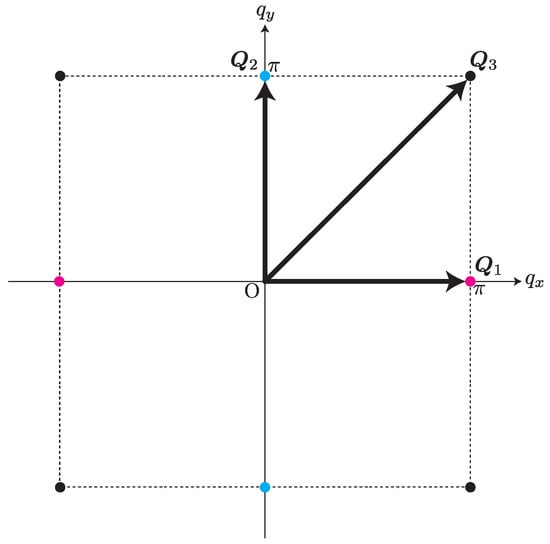
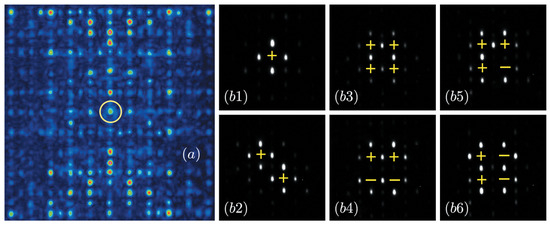
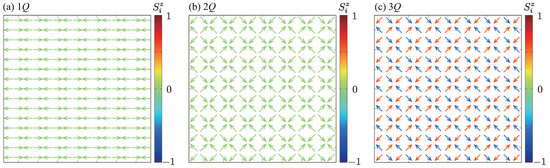
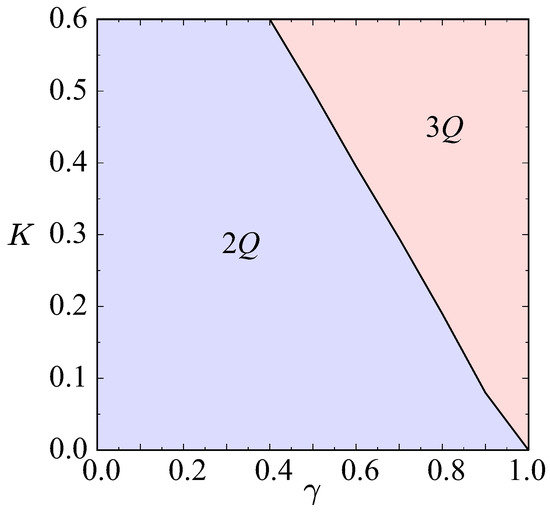
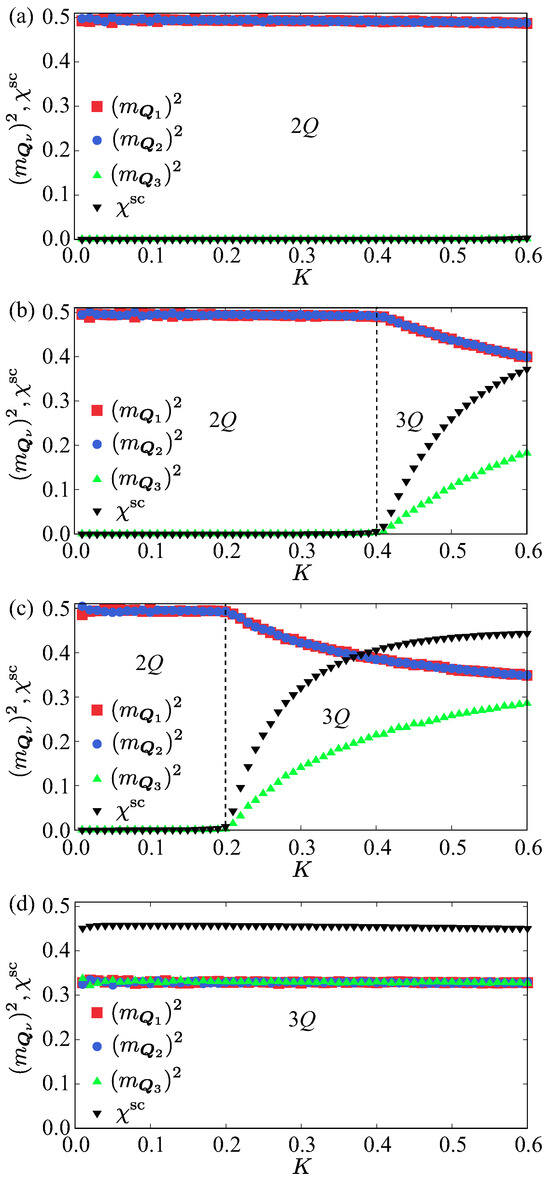
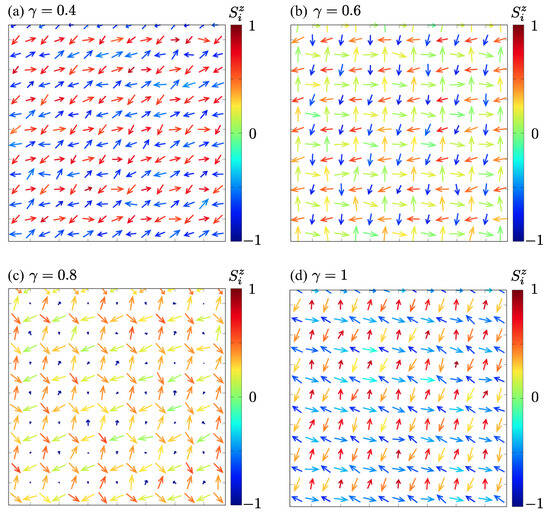
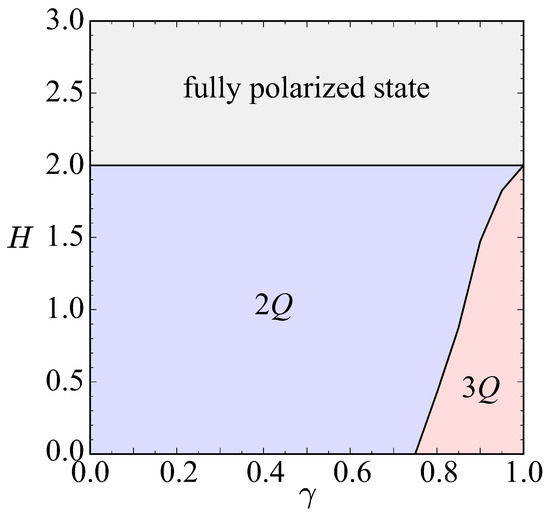
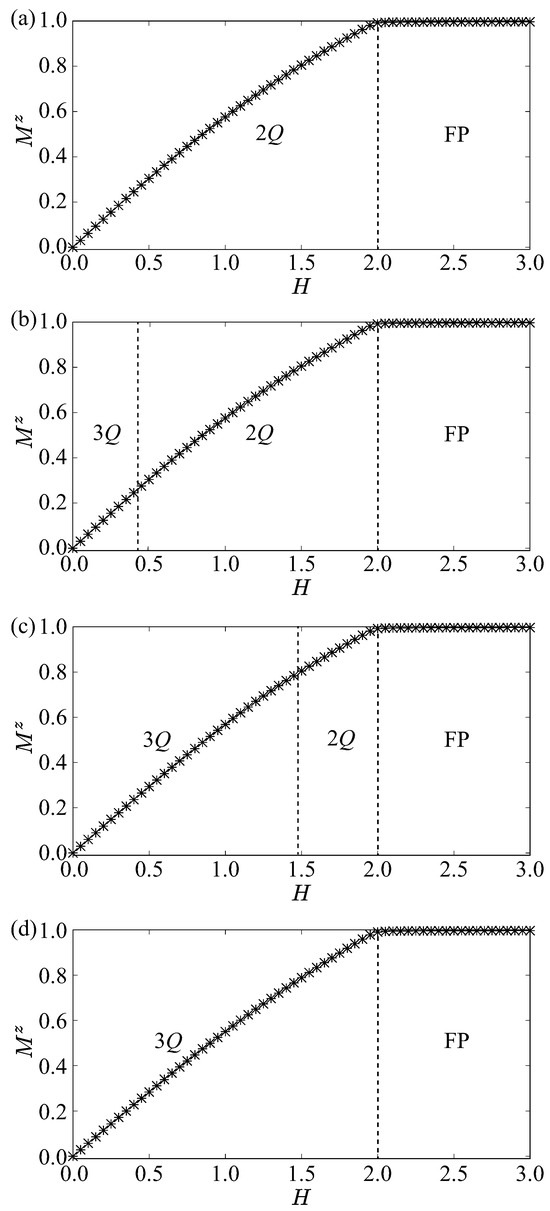
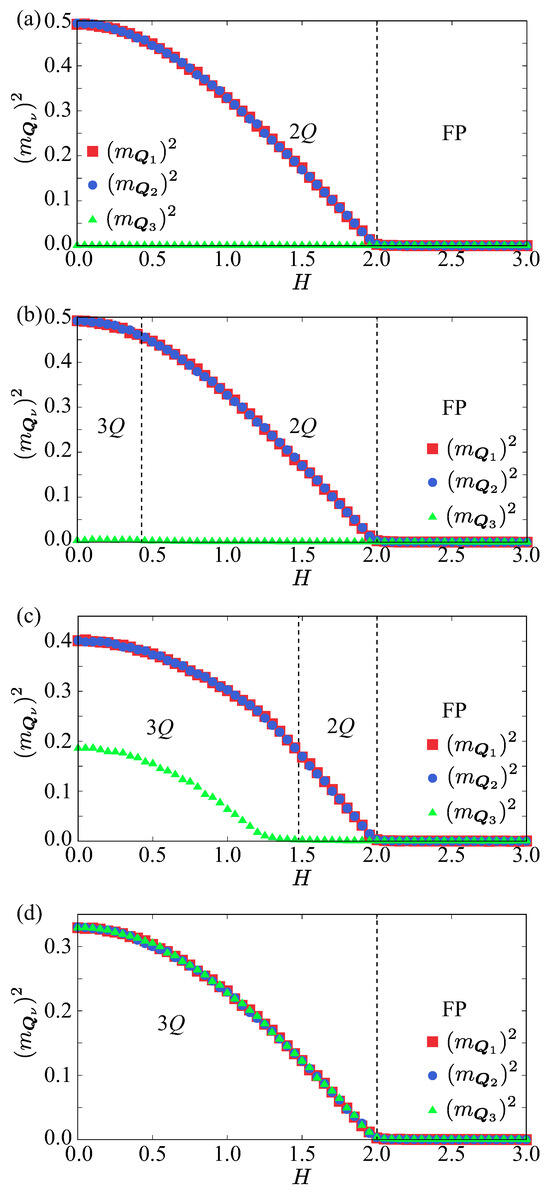
We theoretically investigate topological transitions between coplanar and noncoplanar magnetic states in centrosymmetric itinerant magnets on a square lattice. A canonical effective spin model incorporating bilinear and biquadratic exchange interactions at finite wave vectors is analyzed to elucidate the emergence of multiple-Q magnetic orders. By taking into account high-harmonic wave-vector interactions, we demonstrate that a coplanar double-Q spin texture continuously evolves into a noncoplanar triple-Q state carrying a finite scalar spin chirality. The stability of these multiple-Q states is examined using simulated annealing as a function of the relative strengths of the high-harmonic coupling, the biquadratic interaction, and the external magnetic field. The resulting phase diagrams reveal a competition between double-Q and triple-Q states, where the noncoplanar triple-Q phase is stabilized through the cooperative effect of the high-harmonic and biquadratic interactions. Real-space spin textures, spin structure factors, and scalar spin chirality distributions are analyzed to characterize the distinct magnetic phases and the topological transitions connecting them. These findings provide a microscopic framework for understanding the emergence of noncoplanar magnetic textures driven by the interplay between two- and four-spin interactions in centrosymmetric itinerant magnets.
Full article

Figure 1
Open AccessOpinion
Conservation in High-Field Quantum Transport
by
Mukunda P. Das and Frederick Green
Condens. Matter 2025, 10(4), 59; https://doi.org/10.3390/condmat10040059 - 27 Nov 2025
Abstract
This article provides an overview of the role of microscopic conservation in charge transport at small scales and at driving fields beyond the linear-response limit. As a practical example, we recall the measurement and theory of interband coupling effects in a quantum point
[...] Read more.
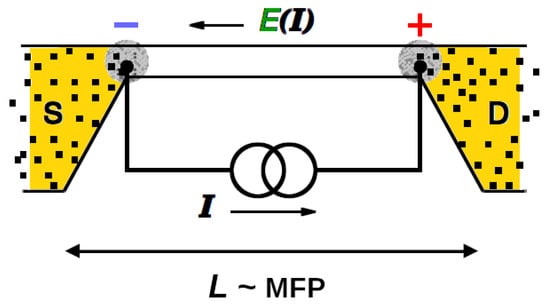
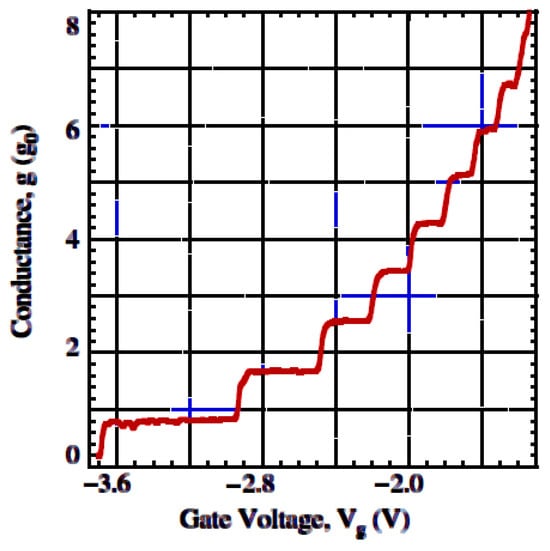
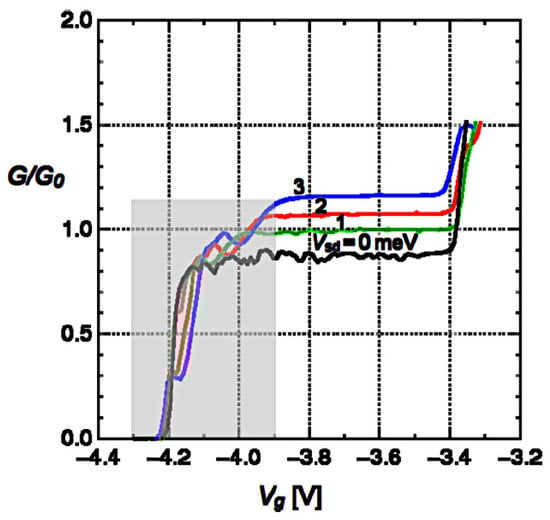
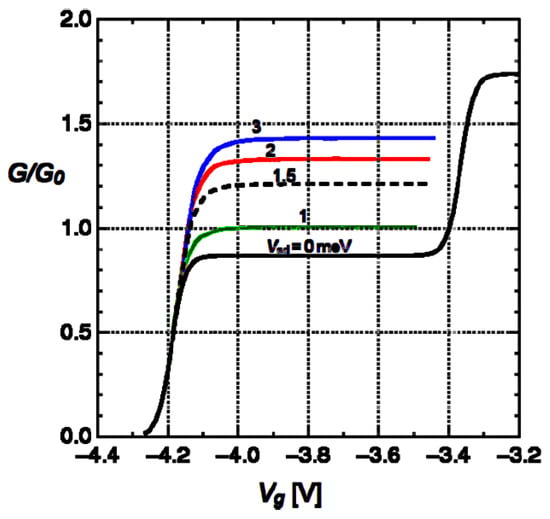
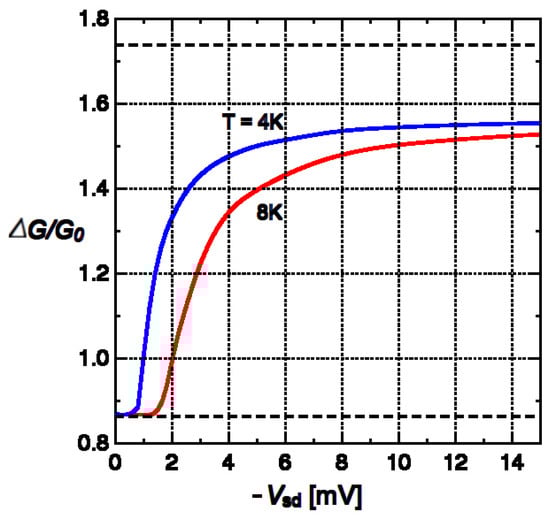
This article provides an overview of the role of microscopic conservation in charge transport at small scales and at driving fields beyond the linear-response limit. As a practical example, we recall the measurement and theory of interband coupling effects in a quantum point contact driven far from equilibrium.
Full article
(This article belongs to the Special Issue New Advances in Condensed Matter Physics, 2nd Edition)
►▼
Show Figures

Figure 1

Open AccessReview
de Gennes–Suzuki–Kubo Quantum Ising Mean-Field Dynamics: Applications to Quantum Hysteresis, Heat Engines, and Annealing
by
Soumyaditya Das, Soumyajyoti Biswas, Muktish Acharyya and Bikas K. Chakrabarti
Condens. Matter 2025, 10(4), 58; https://doi.org/10.3390/condmat10040058 - 20 Nov 2025
Abstract
►▼
Show Figures
We briefly review the early development of the mean-field dynamics for cooperatively interacting quantum many-body systems, mapped to pseudo-spin (Ising-like) systems. We start with (Anderson, 1958) pseudo-spin mapping the BCS (1957) Hamiltonian of superconductivity, reducing it to a mean-field Hamiltonian of the XY
[...] Read more.
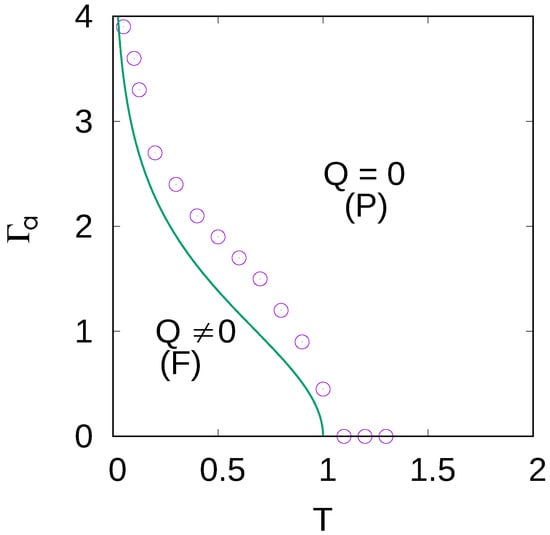
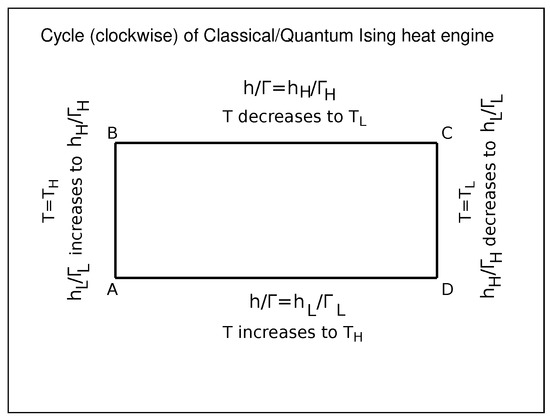
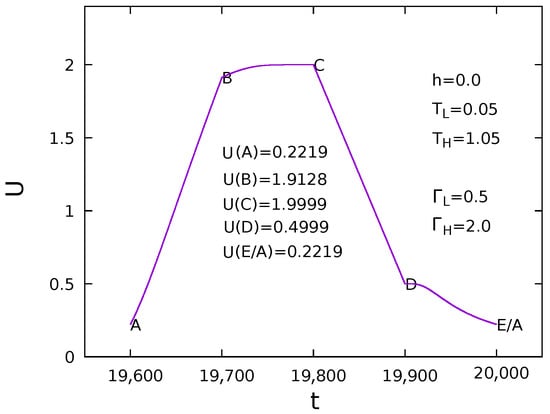
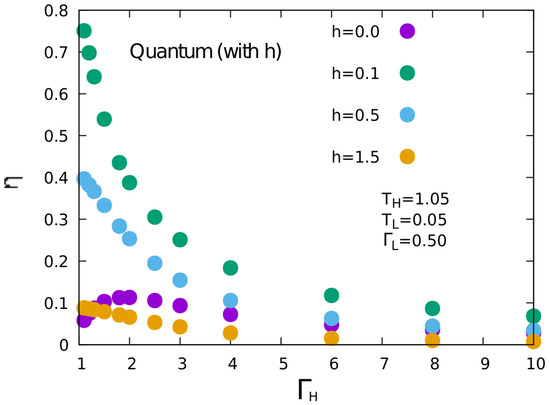
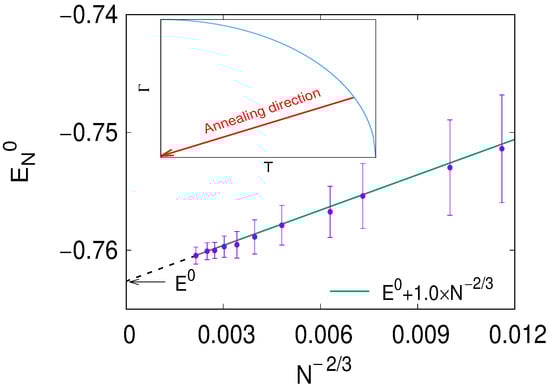
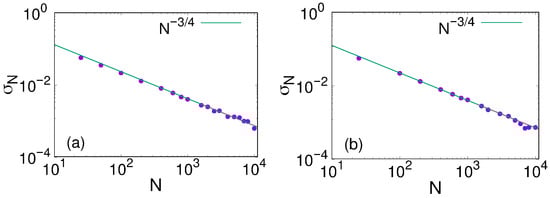
We briefly review the early development of the mean-field dynamics for cooperatively interacting quantum many-body systems, mapped to pseudo-spin (Ising-like) systems. We start with (Anderson, 1958) pseudo-spin mapping the BCS (1957) Hamiltonian of superconductivity, reducing it to a mean-field Hamiltonian of the XY (or effectively Ising) model in a transverse field. Then, we obtain the mean-field estimate for the equilibrium gap in the ground-state energy at different temperatures (gap disappearing at the transition temperature), which fits Landau’s (1949) phenomenological theory of superfluidity. We then present in detail a general dynamical extension (for non-equilibrium cases) of the mean-field theory of quantum Ising systems (in a transverse field), following de Gennes’ (1963) decomposition of the mean field into the orthogonal classical cooperative (longitudinal) component and the quantum (transverse) component, with each of the component following Suzuki–Kubo (1968) mean-field dynamics. Next, we discuss its applications to quantum hysteresis in Ising magnets (in the presence of an oscillating transverse field), to quantum heat engines (employing the transverse Ising model as a working fluid), and to the quantum annealing of the Sherrington–Kirkpatrick (1975) spin glass by tuning down (to zero) the transverse field, which provides us with a very fast computational algorithm, leading to ground-state energy values converging to the best-known analytic estimate for the model. Finally, we summarize the main results obtained and draw conclusions about the effectiveness of the de Gennes–Suzuki–Kubo mean-field equations for the study of various dynamical aspects of quantum condensed matter systems.
Full article

Figure 1
Open AccessArticle
Impact of Overdeposition on Magnetic Behavior in Ferromagnetic Nanowire Arrays
by
Oleksandr Pastukh
Condens. Matter 2025, 10(4), 57; https://doi.org/10.3390/condmat10040057 - 12 Nov 2025
Abstract
►▼
Show Figures
Owing to their dimensions and high aspect ratio, magnetic nanowires possess distinctive physical and chemical properties and are of great importance in building nanoelectronics devices. Nanowires are traditionally produced by electrochemical deposition methods using alumina or polycarbonate membranes, and their parameters (porosity, size,
[...] Read more.
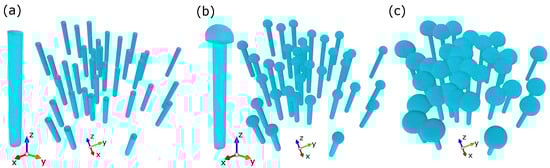
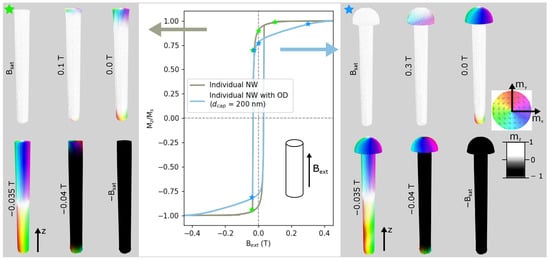
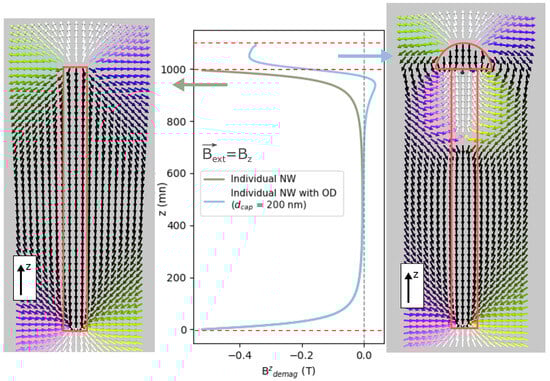
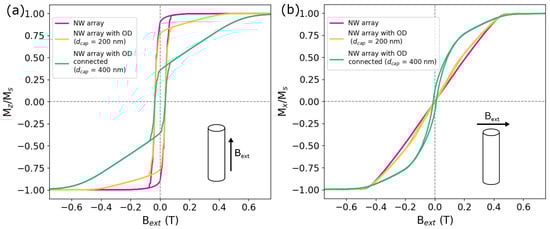
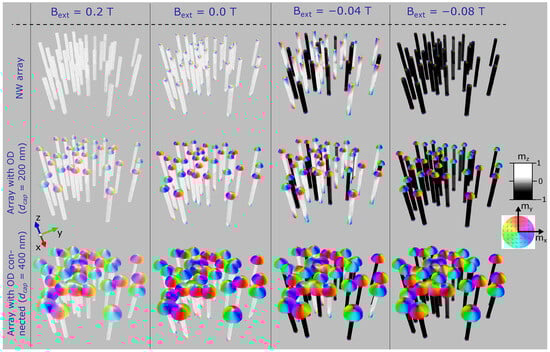
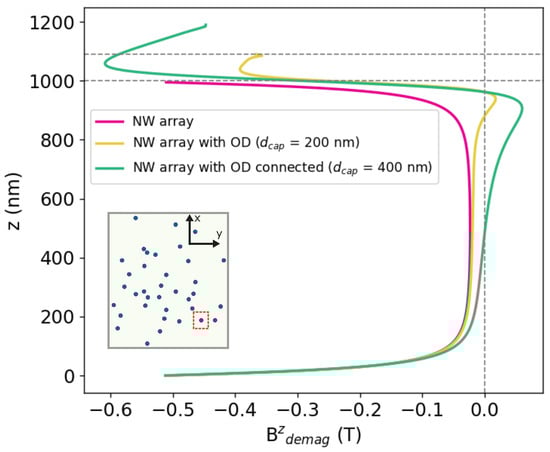
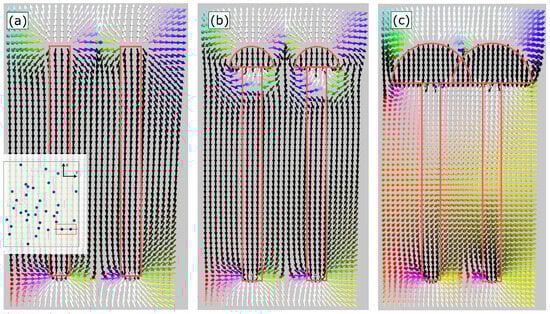
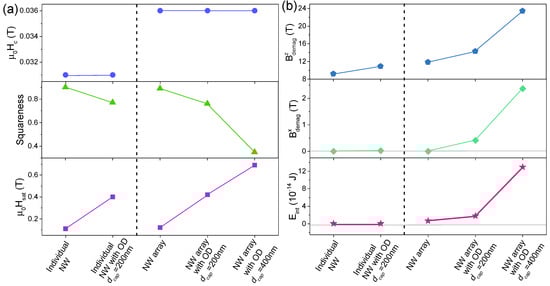
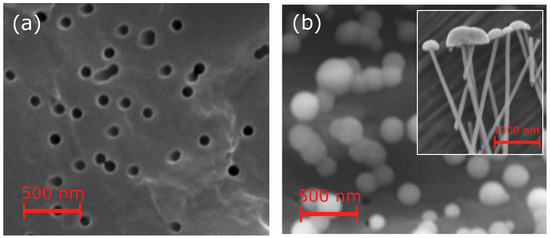
Owing to their dimensions and high aspect ratio, magnetic nanowires possess distinctive physical and chemical properties and are of great importance in building nanoelectronics devices. Nanowires are traditionally produced by electrochemical deposition methods using alumina or polycarbonate membranes, and their parameters (porosity, size, and arrangement of pores) strongly influence the magnetic properties of nanowires. However, very often, the effect that cannot be neglected during synthesis is overdeposition. The influence of overdeposition on the magnetic properties of nanowires is often overlooked, but it can strongly alter the magnetic behavior of the system. In this study, we use micromagnetic simulations to investigate how different levels of overdeposition affect the hysteretic behavior of nanowires and their magnetization switching mechanism. It was shown that the formation of hemispherical caps on the ends of the nanowires may alter the out-of-plane magnetic anisotropy of the nanowires and strongly influence the squareness of the hysteresis loop. The demagnetizing field distribution for nanowires with overdeposition was also investigated, showing a strong influence of its spatial distribution change on the reversal mechanism and interaction between nanowires. The obtained results were compared to existing experimental observations, showing good agreement with the magnetic behavior of the system. Performed research can be of great interest to experimental groups, as it highlights the importance of controlling overdeposition during nanowire synthesis and its potential influence on magnetic performance.
Full article

Figure 1
Open AccessPerspective
Nanoscale Lattice Heterostructure in High-Tc Superconductors
by
Annette Bussmann-Holder, Jürgen Haase, Hugo Keller, Reinhard K. Kremer, Sergei I. Mukhin, Alexey P. Menushenkov, Andrei Ivanov, Alexey Kuznetsov, Victor Velasco, Steven D. Conradson, Gaetano Campi and Antonio Bianconi
Condens. Matter 2025, 10(4), 56; https://doi.org/10.3390/condmat10040056 - 30 Oct 2025
Cited by 1
Abstract
Low-temperature superconductivity has been known since 1957 to be described by BCS theory for effective single-band metals controlled by the density of states at the Fermi level, very far from band edges, the electron–phonon coupling constant l, and the energy of the boson
[...] Read more.
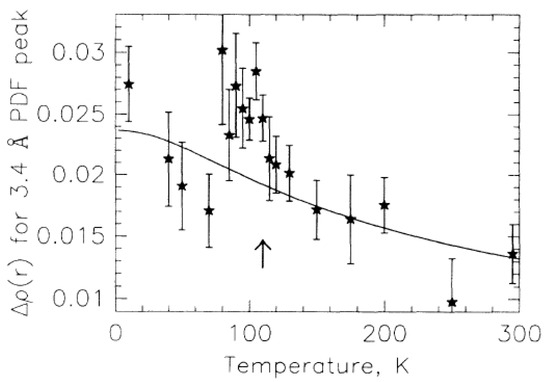
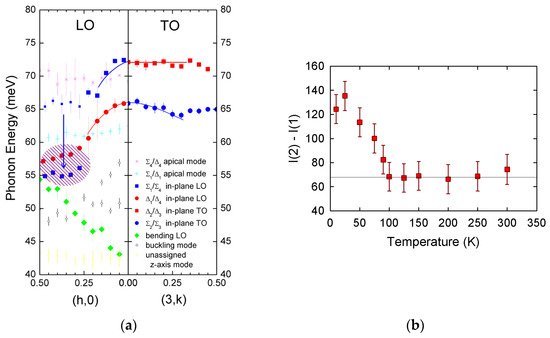
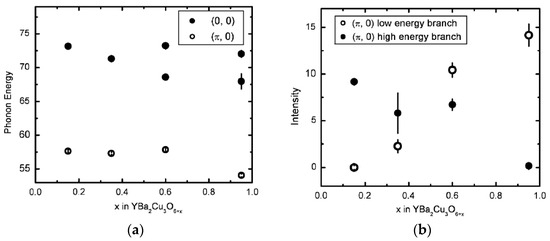
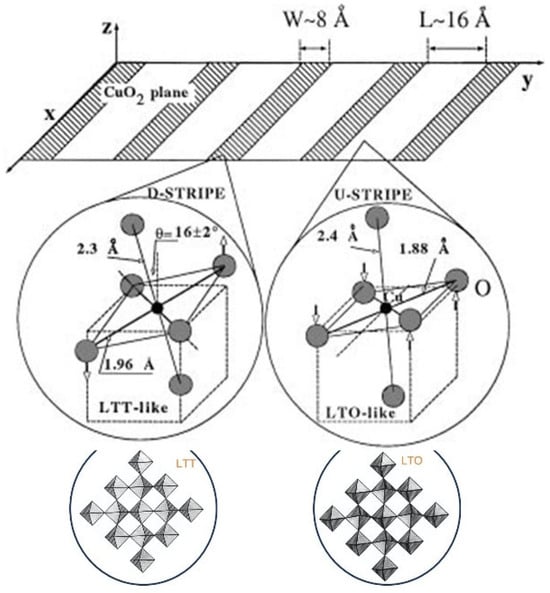
Low-temperature superconductivity has been known since 1957 to be described by BCS theory for effective single-band metals controlled by the density of states at the Fermi level, very far from band edges, the electron–phonon coupling constant l, and the energy of the boson in the pairing interaction w0, but BCS has failed to predict high-temperature superconductivity in different materials above about 23 K. High-temperature superconductivity above 35 K, since 1986, has been a matter of materials science, where manipulating the lattice complexity of high-temperature superconducting ceramic oxides (HTSCs) has driven materials scientists to grow new HTSC quantum materials up to 138 K in HgBa2Ca2Cu3O8 (Hg1223) at ambient pressure and near room temperature in pressurized hydrides. This perspective covers the major results of materials scientists over the last 39 years in terms of investigating the role of lattice inhomogeneity detected in these new quantum complex materials. We highlight the nanoscale heterogeneity in these complex materials and elucidate their special role played in the physics of HTSCs. Especially, it is highlighted that the geometry of lattice and charge complex heterogeneity at the nanoscale is essential and intrinsic in the mechanism of rising quantum coherence at high temperatures.
Full article
(This article belongs to the Special Issue Superstripes Physics, 4th Edition)
►▼
Show Figures

Figure 1

Journal Menu
► ▼ Journal Menu-
- Condensed Matter Home
- Aims & Scope
- Editorial Board
- Reviewer Board
- Topical Advisory Panel
- Instructions for Authors
- Special Issues
- Topics
- Sections
- Article Processing Charge
- Indexing & Archiving
- Editor’s Choice Articles
- Most Cited & Viewed
- Journal Statistics
- Journal History
- Conferences
- Editorial Office
- 10th Anniversary
Journal Browser
► ▼ Journal BrowserHighly Accessed Articles
Latest Books
E-Mail Alert
News
Topics
Conferences
Special Issues
Special Issue in
Condensed Matter
Superstripes Physics, 4th Edition
Guest Editors: Antonio Bianconi, Andrea Perali, Yasutomo UemuraDeadline: 30 April 2026
Special Issue in
Condensed Matter
The Universe Observed With Particle Detectors: Celebrating the Scientific Legacy of Prof. Guido Barbiellini Amidei
Guest Editors: Antonio Bianconi, Bernardo BarbielliniDeadline: 31 May 2026
Special Issue in
Condensed Matter
Synergistic Electrochemical and Magnetic Behavior in Nanocomposite Materials
Guest Editors: Bon Heun Koo, Shalendra Kumar, Kavita KumariDeadline: 31 May 2026
Special Issue in
Condensed Matter
New Advances in Condensed Matter Physics, 2nd Edition
Guest Editor: Mukunda DasDeadline: 1 June 2026