

Journal Description
Fibers
Fibers
is an international, peer-reviewed, open access journal on fiber science, published monthly online by MDPI.
- Open Access— free for readers, with article processing charges (APC) paid by authors or their institutions.
- High Visibility: indexed within Scopus, ESCI (Web of Science), Ei Compendex, PubAg, CAPlus / SciFinder, Inspec, and other databases.
- Journal Rank: JCR - Q2 (Materials Science, Multidisciplinary) / CiteScore - Q1 (Civil and Structural Engineering)
- Rapid Publication: manuscripts are peer-reviewed and a first decision is provided to authors approximately 23.1 days after submission; acceptance to publication is undertaken in 5.7 days (median values for papers published in this journal in the second half of 2025).
- Recognition of Reviewers: reviewers who provide timely, thorough peer-review reports receive vouchers entitling them to a discount on the APC of their next publication in any MDPI journal, in appreciation of the work done.
Impact Factor:
3.9 (2024);
5-Year Impact Factor:
4.1 (2024)
Latest Articles
Preparation of Activated Carbon Fiber-Based Filter Papers from Different Precursors and the Adsorption Performance for DMMP
Fibers 2026, 14(4), 43; https://doi.org/10.3390/fib14040043 - 7 Apr 2026
Abstract
►
Show Figures
Military confined spaces face poor ventilation and severe airborne hazards (toxic gases/particulates), while conventional air purification systems with separate filtration–adsorption units are bulky and hard to miniaturize. Activated carbon fiber paper (ACFP) is a promising integrated filtration–adsorption material, but existing studies lack systematic
[...] Read more.
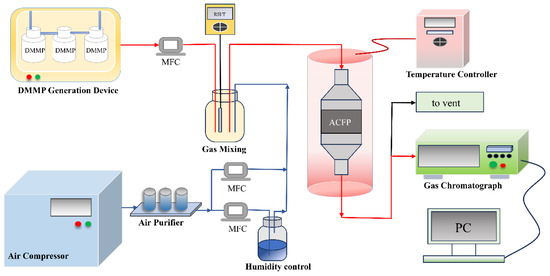
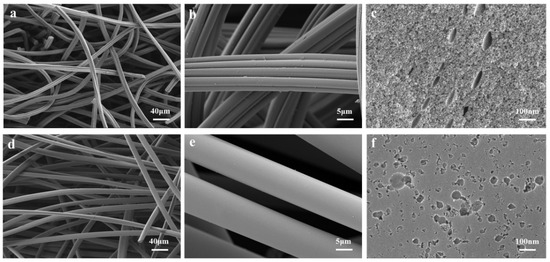
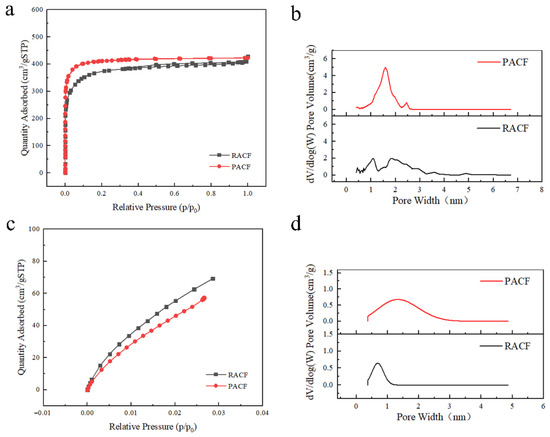
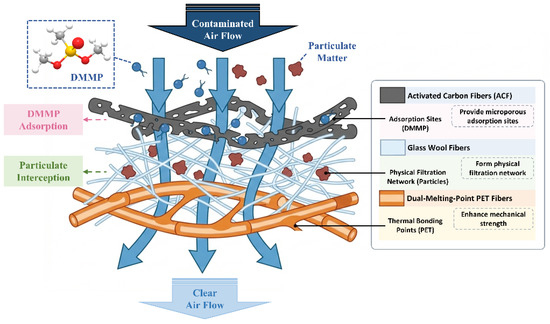
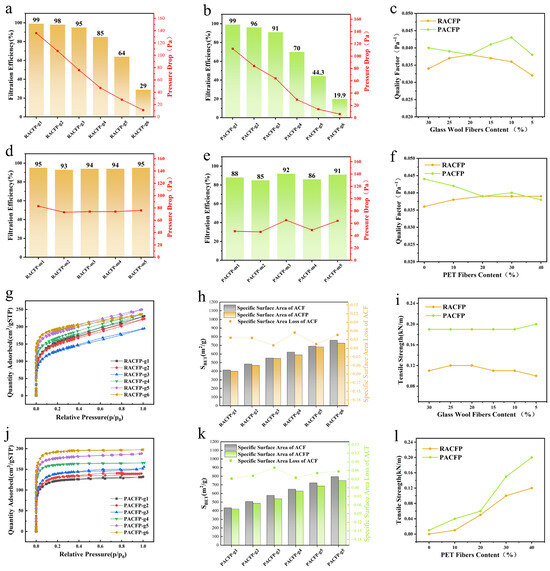
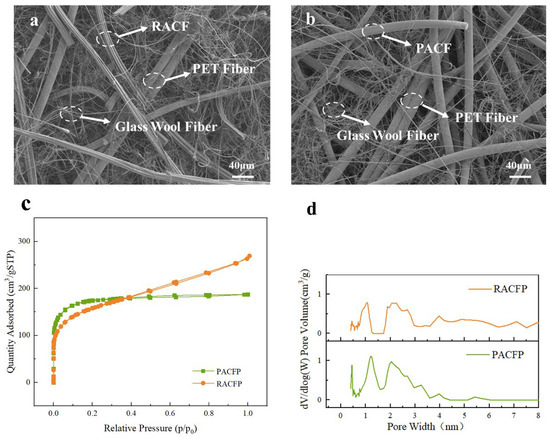
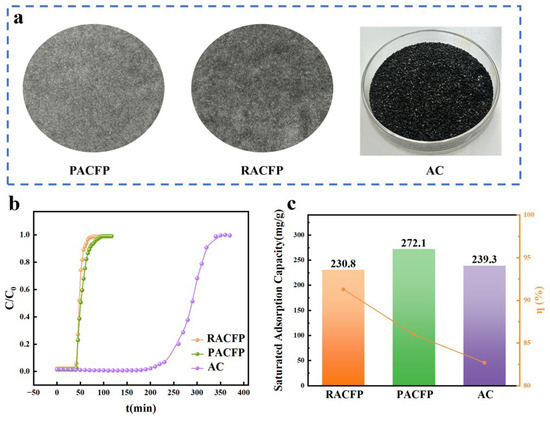
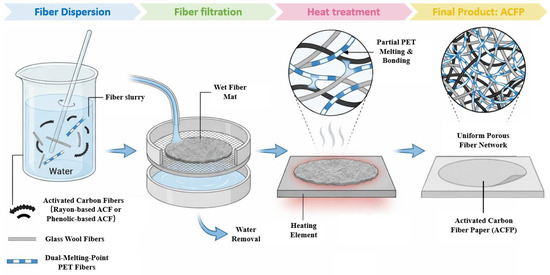
Military confined spaces face poor ventilation and severe airborne hazards (toxic gases/particulates), while conventional air purification systems with separate filtration–adsorption units are bulky and hard to miniaturize. Activated carbon fiber paper (ACFP) is a promising integrated filtration–adsorption material, but existing studies lack systematic comparisons of different ACF precursors and rational balancing of adsorption, filtration, and mechanical properties. Herein, ACFPs were fabricated via wet papermaking technology, using two ACFs (rayon-based, RACF, and phenolic-based, PACF) as the adsorptive component, glass wool as a filtration enhancer, and dual-melting-point polyethylene terephthalate (PET) fibers as a mechanical reinforcer. Dynamic adsorption was evaluated via DMMP (a Sarin simulant). Results showed that PACF had a micropore ratio twice that of RACF. Under the optimal formulation (20% glass wool, 30% PET, and 50% ACF), both types of ACFP showed FE0.3 μm ≥ 90%. PACFP outperformed RACFP in comprehensive performance, showing higher adsorption capacity, tensile strength, and filtration quality factor. Both ACFPs exhibited superior bed utilization efficiency (RACFP: 91.3%; PACFP: 86.0%) to granular activated carbon (AC: 82.7%), confirming better dynamic adsorption kinetics. This work provides a rational optimization strategy for ACFPs, offering a lightweight, integrated material for air purification in military confined spaces.
Full article
Open AccessArticle
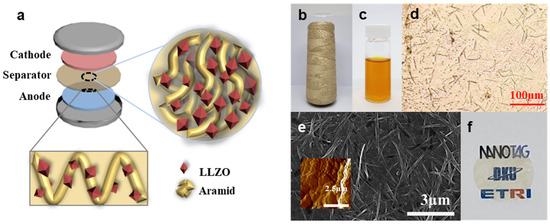
Self-Reinforced Aramid Composites as Flame-Retardant Separators with Lithium-Ion Conduction
by
Se Jin Kim, So Hee Shin, Dong Ok Shin and Won Jun Lee
Fibers 2026, 14(4), 42; https://doi.org/10.3390/fib14040042 - 31 Mar 2026
Abstract
►▼
Show Figures
Conventional separators for lithium metal batteries suffer from poor thermal stability, flammability, and limited mechanical strength. In this study, we report a self-reinforced aramid separator integrated with Li7La3Zr2O12 (LLZO) via a sodium–naphthalene-based selective dissolution strategy. Controlled
[...] Read more.
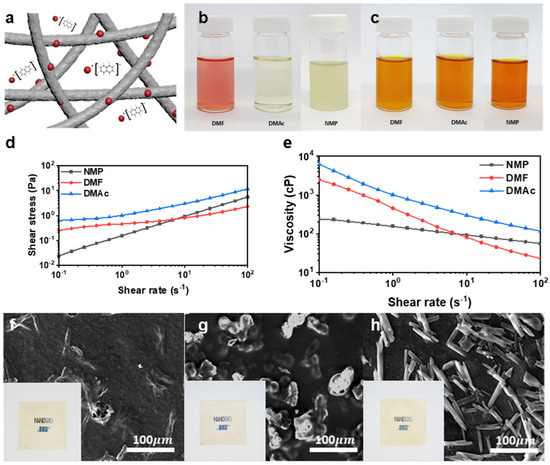
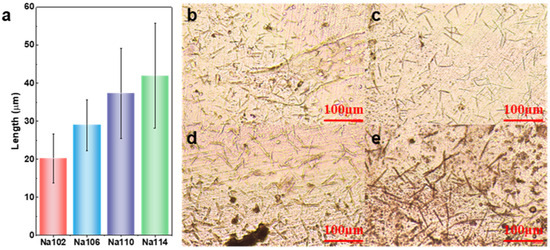
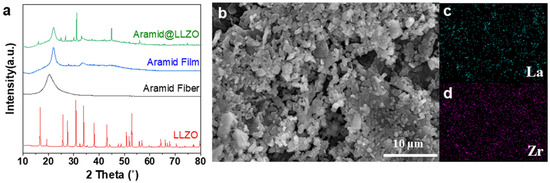
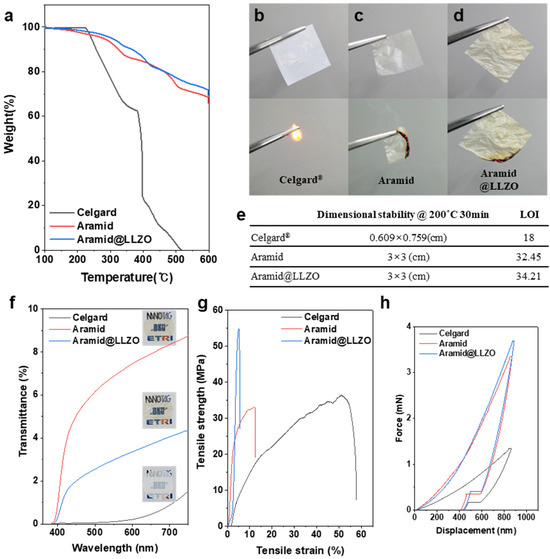
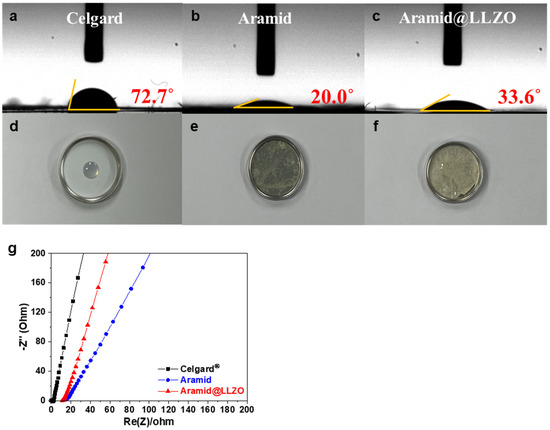
Conventional separators for lithium metal batteries suffer from poor thermal stability, flammability, and limited mechanical strength. In this study, we report a self-reinforced aramid separator integrated with Li7La3Zr2O12 (LLZO) via a sodium–naphthalene-based selective dissolution strategy. Controlled partial disruption of hydrogen bonding in copolymerized aramid enables the formation of a hierarchical structure consisting of intact fibers and nanofibrillar networks, thereby providing intrinsic mechanical reinforcement without binders. The separator maintains structural integrity up to ~400 °C and retains over 70% weight at 600 °C, exhibiting self-extinguishing behavior (LOI > 30). Puncture strength is more than three times higher than Celgard®, while LLZO integration doubles the ionic conductivity along with excellent electrolyte wettability. This synergistic design provides a promising route toward intrinsically safe and high-performance lithium metal battery separators.
Full article

Figure 1
Open AccessArticle
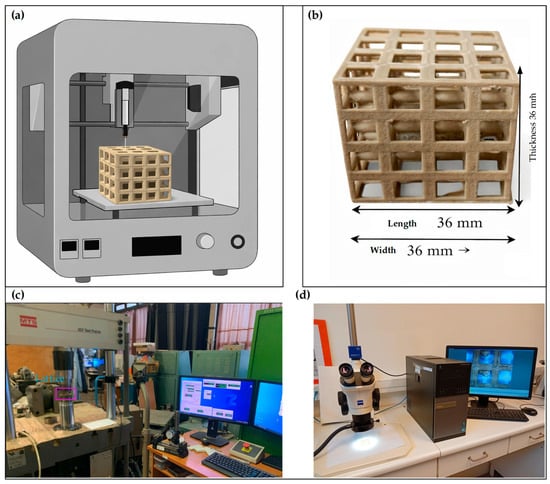
Experimental Characterization and a Machine Learning Framework for FDM-Fabricated Biocomposite Lattice Structures
by
Md Mazedur Rahman, Md Ahad Israq, Szabolcs Szávai, Saiaf Bin Rayhan and Gyula Varga
Fibers 2026, 14(4), 41; https://doi.org/10.3390/fib14040041 - 27 Mar 2026
Abstract
►▼
Show Figures
The present study investigates simple cubic lattice structures fabricated through an FDM-based three-dimensional (3D) printing method using wood–polylactic acid (wood–PLA) bio-composite filament and develops a data-driven framework to predict their mechanical response. The design of experiments (DOE) was developed using a response surface
[...] Read more.
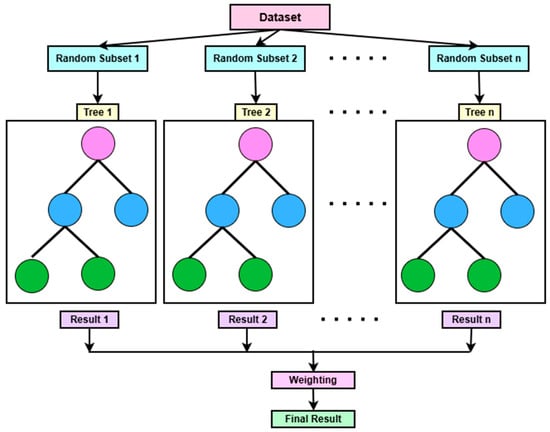
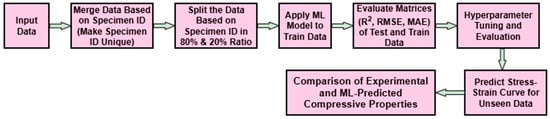
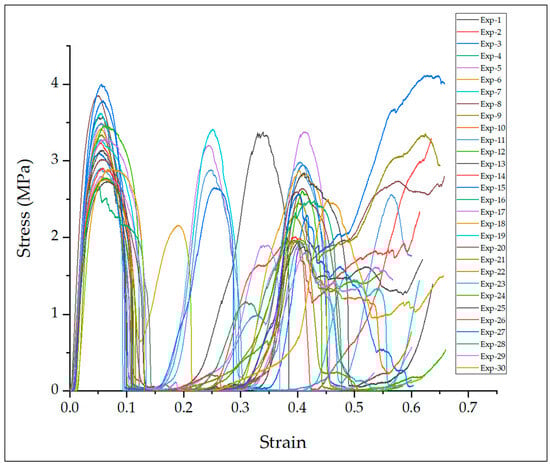
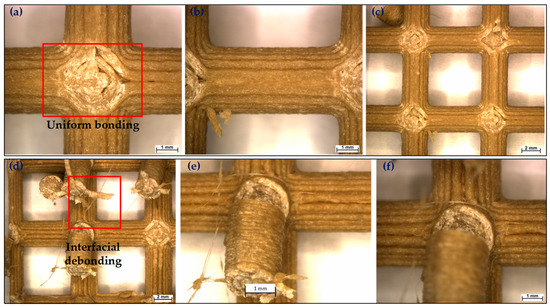
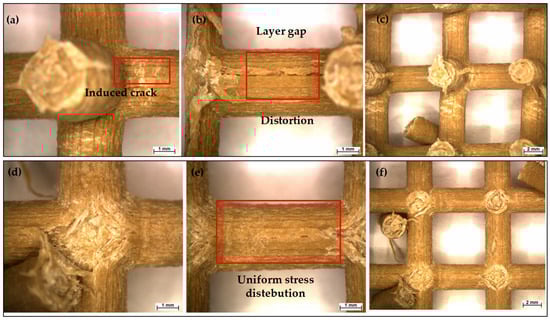
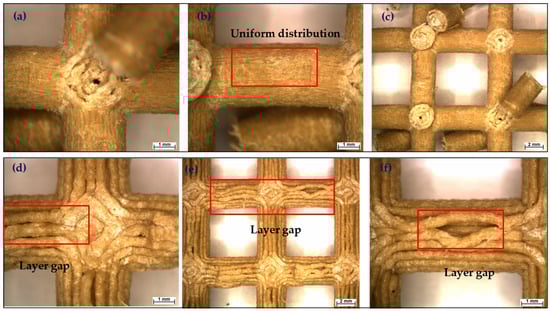
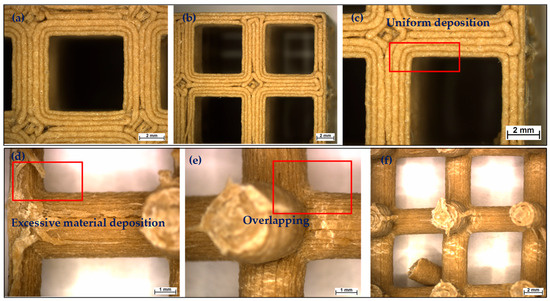
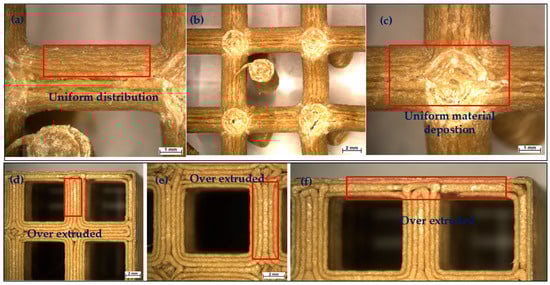
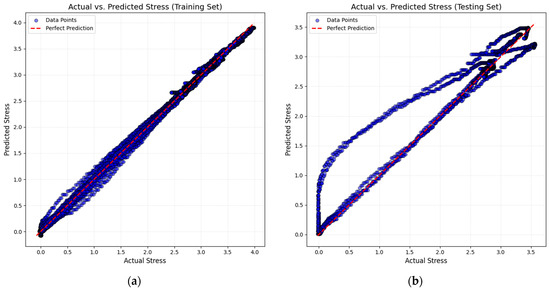
The present study investigates simple cubic lattice structures fabricated through an FDM-based three-dimensional (3D) printing method using wood–polylactic acid (wood–PLA) bio-composite filament and develops a data-driven framework to predict their mechanical response. The design of experiments (DOE) was developed using a response surface methodology (RSM) based on a central composite design (CCD) that was implemented in Design-Expert software (Version 13). During fabrication, four different manufacturing parameters—the layer height, the printing speed, the nozzle temperature, and the infill density—were considered. The compressive strength and compressive modulus were evaluated experimentally, and the corresponding stress–strain responses were examined. The results reveal that the layer height is the most influential parameter, where lower layer heights (0.06–0.1 mm) significantly improve both the compressive strength and the modulus due to enhanced interlayer bonding and reduced void formation. The printing speed and the nozzle temperature also play critical roles, where lower printing speeds (≈40 mm/s) and moderate nozzle temperatures (≈195–205 °C) promote more uniform material deposition and improved interlayer bonding, while higher speeds (≥60 mm/s) and excessive temperatures (≈225 °C) lead to reduced bonding quality and a deterioration in mechanical performance. In contrast, the infill density exhibited a non-monotonic influence, where intermediate levels (around 70%) provided an improved performance under combinations of the low layer height (≈0.1 mm), the low printing speed (≈40 mm/s), and the moderate nozzle temperature (≈195–215 °C), suggesting an interaction-driven effect rather than a purely density-dependent trend. To complement the experimental findings, a machine learning model based on eXtreme Gradient Boosting (XGBoost) was developed using 12,000 data points that were derived from stress–strain curves. The model successfully predicted continuous mechanical responses with errors in the range of 2–8% for unseen specimens, suggesting its capability to capture the relationship between printing parameters and mechanical behavior within the studied design space. Overall, the study highlights that the mechanical properties of wood–PLA lattice structures can be effectively tailored by choosing an appropriate printing parameter control and demonstrates the feasibility of using machine learning to estimate mechanical performance without additional physical testing within the defined parameter domain.
Full article

Figure 1
Open AccessArticle
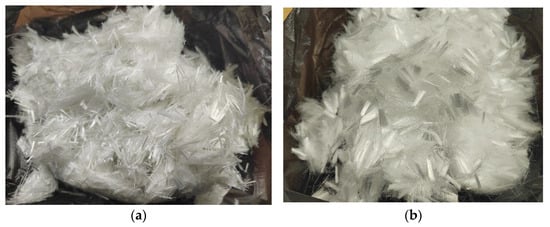
Experimental Study on Strength Development, Water Absorption and Microstructure of Naturally Aged Hybrid Glass Fiber and Polypropylene Fiber-Reinforced Concrete
by
Lihui Yin and Zhu Yuan
Fibers 2026, 14(4), 40; https://doi.org/10.3390/fib14040040 - 26 Mar 2026
Abstract
►▼
Show Figures
This paper presents a systematic investigation into the long-term mechanical property development, water absorption behavior, and microstructural characteristics of hybrid glass and polypropylene fiber-reinforced concrete (HGPFRC). The findings provided valuable engineering construction solutions for holistically considering the improvement effect of hybrid fibers on
[...] Read more.
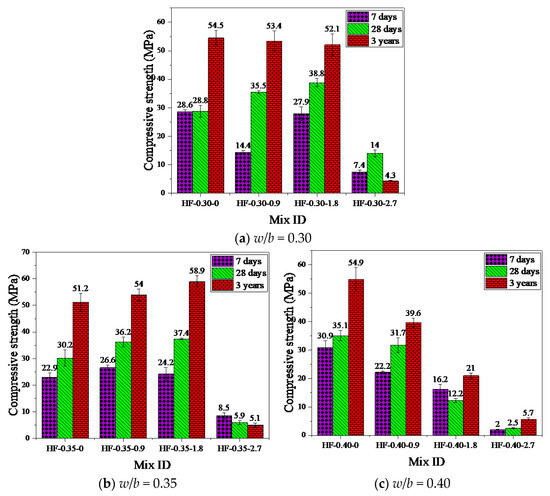
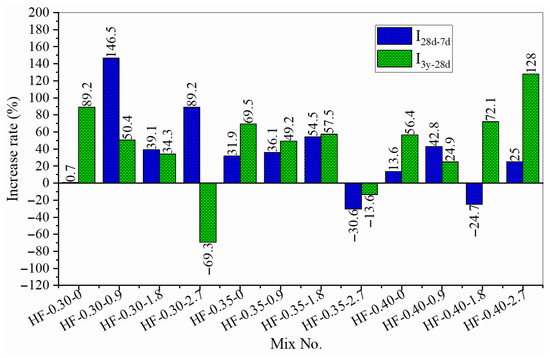
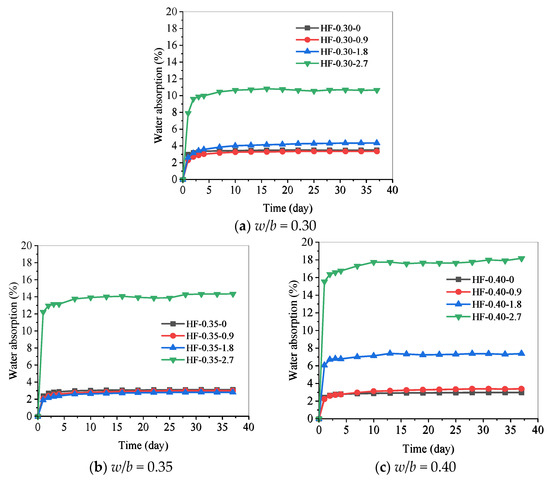
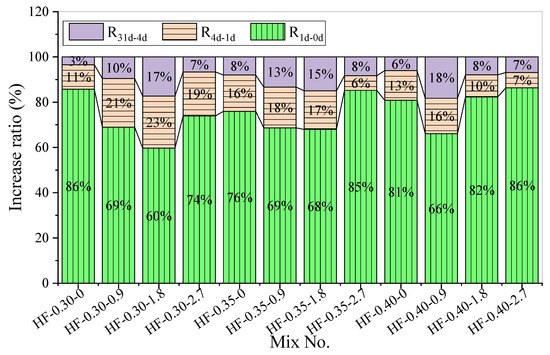
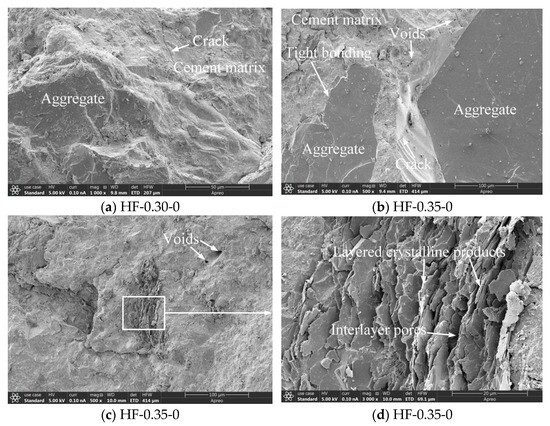
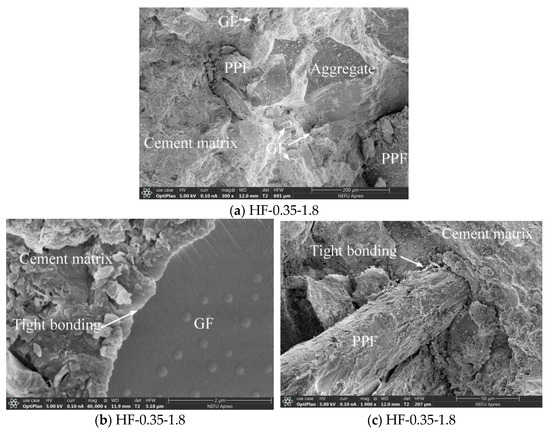
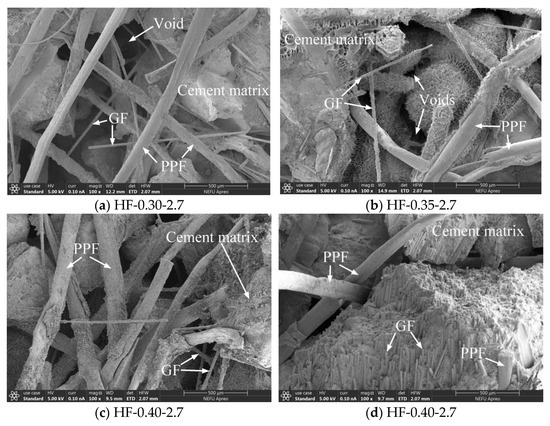
This paper presents a systematic investigation into the long-term mechanical property development, water absorption behavior, and microstructural characteristics of hybrid glass and polypropylene fiber-reinforced concrete (HGPFRC). The findings provided valuable engineering construction solutions for holistically considering the improvement effect of hybrid fibers on concrete performance and for the durability design of concrete materials. The main conclusions of the study are as follows: the water-to-binder ratio (w/b) and the hybrid fiber content significantly influenced the development rate of compressive strength in concrete. Compared to the control group without fibers, the compressive strength of HGPFRC increased more rapidly during the curing stage from 7 to 28 days. HGPFRC with different w/b and fiber contents exhibited significant differences in water absorption rates at various testing stages. In this study, the water absorption of HGPFRC reached 60% to 86% of the total absorption on the first day, 6% to 23% from the second to the fourth day, and 3% to 18% from the fifth to the thirty-first day. Considering the compressive strength, water absorption performance, and microstructure observed via SEM, the optimal mix proportion for the HGPFRC in this study was determined to be a w/b of 0.35 and a hybrid fiber content of 1.8%. The hybrid glass and polypropylene fiber content of 2.7% used in this study exceeded the optimal dosage, and the resulting concrete could not meet engineering construction requirements.
Full article

Figure 1
Open AccessReview
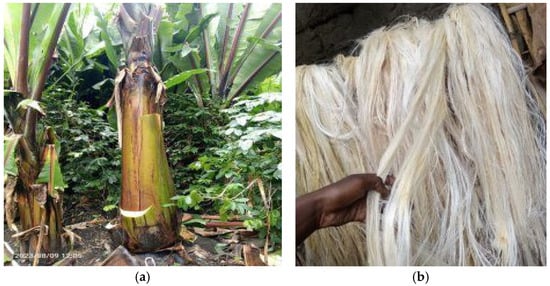
Review on the Current Status of Enset Fiber-Reinforced Polymer Composite: Mechanical Properties, Fabrication, and Applications
by
Tishager Taye Teriya, Hirpa G. Lemu and Endalkachew Mosisa Gutema
Fibers 2026, 14(4), 39; https://doi.org/10.3390/fib14040039 - 24 Mar 2026
Abstract
►▼
Show Figures
The objective of this study is to review the literature on the natural resources needed for biodegradable materials underscoring the importance of natural fiber-based composites as a feasible alternative. The review focuses on the pivotal role of natural fiber-based composites in the formulation
[...] Read more.
The objective of this study is to review the literature on the natural resources needed for biodegradable materials underscoring the importance of natural fiber-based composites as a feasible alternative. The review focuses on the pivotal role of natural fiber-based composites in the formulation of industry benchmarks, the challenges associated with application of natural fibers, the application areas, and the mechanical properties as well as the determinants influencing the properties of the composites. The manufacturing methods were discussed and compared. In addition, the study highlights the successful instances where enset fiber-based composites have been adeptly implemented. The study also observed potential areas of future research to improve the performance of enset fiber-reinforced composites including the fabrication techniques and treatments. Hand lay-up and compression molding are the conventionally used composite fabrication methods, while the recent advances in 3D printing for composite fabrication bring new opportunities to solve many of the existing limitations. In addition, most research is currently limited to alkali treatment, whereas other fiber treatment techniques could further improve the mechanical performance by modifying the surface properties and removing the impurities. Moreover, hybridization, orientation of fiber, and addition of nano-particles are observed to have direct impact on the composite properties. The review scrutinizes comprehensive examination of the prevailing landscape and prospective courses for enset fiber applications within the realm of sustainable material science, utilizing diverse processing techniques and applications while pinpointing inherent challenges.
Full article

Figure 1
Open AccessArticle
Hydrothermal Extraction and Characterization of Cellulose Fibers from Bamboo Moso (Phyllostachys edulis) Culms
by
Andrea Marangon, Elisa Calà, Alessandro Bessi, Alessandro Croce, Enrico Avattaneo, Eleonora Cara and Giorgio Gatti
Fibers 2026, 14(3), 38; https://doi.org/10.3390/fib14030038 - 20 Mar 2026
Abstract
►▼
Show Figures
In recent years, there has been a notable increase in commercial demand for natural fibers. Consequently, numerous studies have concentrated on formulating innovative industrial production methodologies for natural fibers, with a particular emphasis on the environmental sustainability of production processes. Among natural fiber
[...] Read more.
In recent years, there has been a notable increase in commercial demand for natural fibers. Consequently, numerous studies have concentrated on formulating innovative industrial production methodologies for natural fibers, with a particular emphasis on the environmental sustainability of production processes. Among natural fiber sources, bamboo has emerged as a leading candidate, attracting considerable interest due to its exceptional renewability, rapid growth, and low cultivation requirements. The contemporary industrial methodologies employed in the extraction of cellulose from bamboo frequently entail the utilization of concentrated solutions of strong acids and bases, often at elevated temperatures and with extended treatment durations. These processes generate highly polluting waste from mineral acids and bases, posing significant environmental challenges and ecosystem damage. In response to the prevailing concerns, there has been a marked increase in the focus on environmentally friendly techniques that combine enzymatic treatments, selective chemical reagents, and optimized mechanical processes. These processes facilitate the extraction of high-quality bamboo fibers, which are suitable for utilization in the textile industry and have the potential to replace synthetic fibers. This work demonstrates the efficacy of methodologies employing more diluted solutions than conventional approaches. Specifically, this study utilizes a weak base, such as NH4OH, in conjunction with hydrothermal extraction. It is therefore possible for dilute weak base solutions to yield natural fibers after a relatively brief period of processing, typically just a few hours.
Full article

Figure 1
Open AccessArticle
Preparation and Properties of Heparin-Loaded PTFE Fiber Film-Coated Airway Stent
by
Jinming Zhang, Yiyang Xu, Dongfang Wang and Qian Li
Fibers 2026, 14(3), 37; https://doi.org/10.3390/fib14030037 - 18 Mar 2026
Abstract
After implantation in vivo, airway stents are prone to negative biological effects, such as platelet adhesion, aggregation, and blood coagulation, which may lead to vascular occlusion and thrombosis. Therefore, when studying the antithrombotic properties of vascular grafts, it is crucial to construct a
[...] Read more.
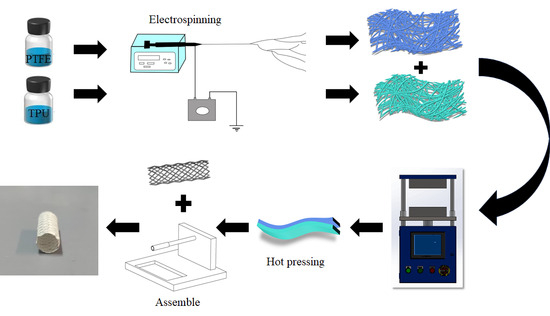
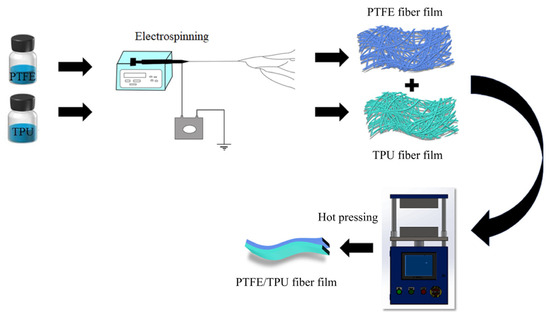
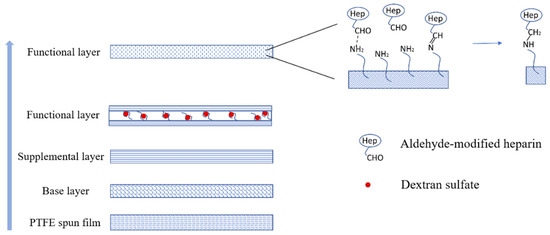
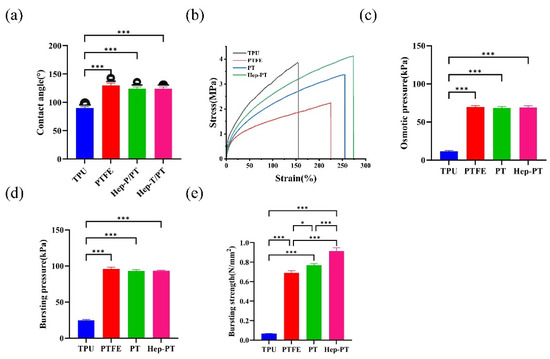
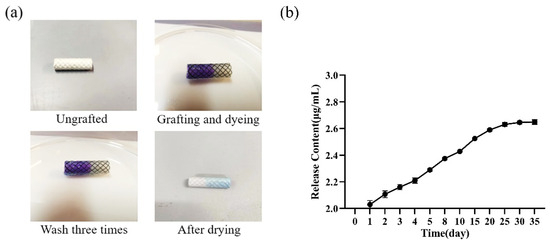
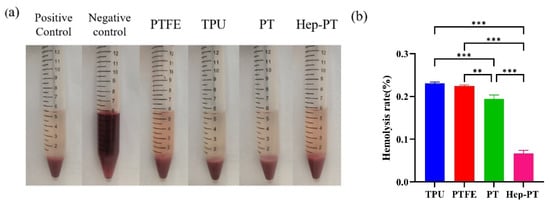
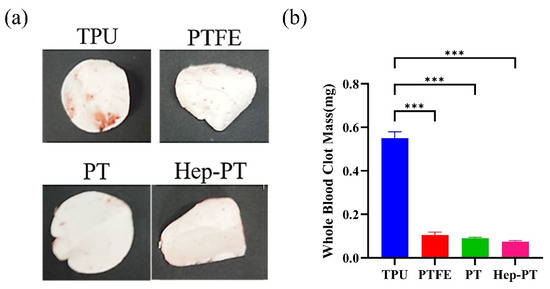
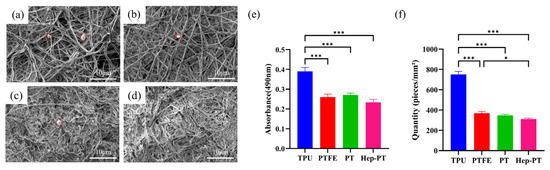
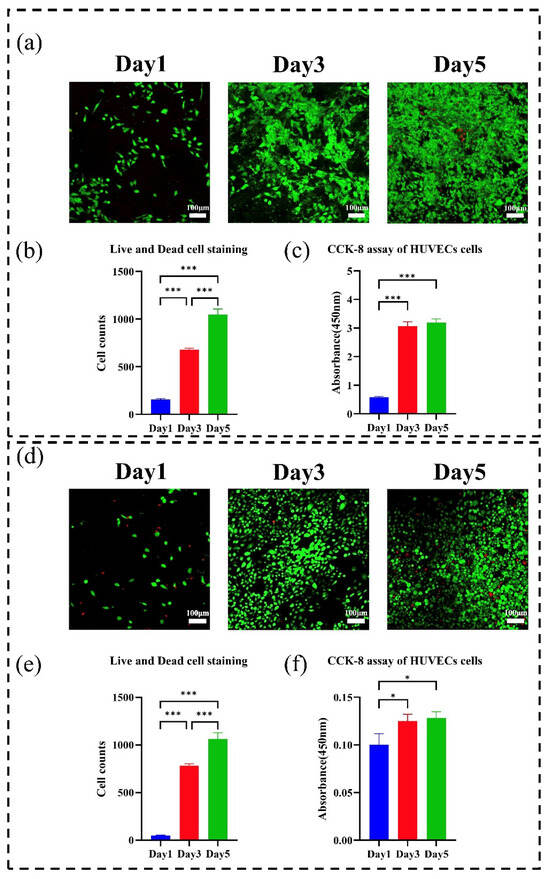
After implantation in vivo, airway stents are prone to negative biological effects, such as platelet adhesion, aggregation, and blood coagulation, which may lead to vascular occlusion and thrombosis. Therefore, when studying the antithrombotic properties of vascular grafts, it is crucial to construct a fiber film-coated airway stent with antithrombotic properties. In this paper, PTFE/TPU fiber film was prepared by emulsion electrospinning, and heparin aldehyde group was modified to covalently graft with the fiber film to obtain heparin-loaded fiber film (Hep-PT fiber film), and a heparin-loaded PTFE fiber film-coated airway stent (Hep-PT fiber film-coated airway stent) was prepared. Covalent grafting improves the stability of heparin and promotes the long-term stable release of heparin. The loading of heparin increases the fiber nodes between the fiber films, increases the friction between the fibers, and improves the mechanical properties and ability of the fiber film to resist external forces. At the same time, the Hep-PT fiber film-coated airway stent exhibits excellent cytocompatibility, making it an ideal candidate system for airway stent materials.
Full article
(This article belongs to the Topic Advanced Composite Materials)
►▼
Show Figures

Graphical abstract
Open AccessArticle
Development of Low-Resistance Conductive Threads from E-Waste for Smart Textiles
by
Aman Ul Azam Khan, Nazmunnahar Nazmunnahar, Mehedi Hasan Roni, Aurghya Kumar Saha, Zarin Tasnim Bristy, Abdul Baqui and Abdul Md Mazid
Fibers 2026, 14(3), 36; https://doi.org/10.3390/fib14030036 - 12 Mar 2026
Abstract
Conductive thread is an integral aspect of smart textiles in the domain of electronic textiles (e-textiles). This study unveils the development of twelve distinct variants of conductive threads using the twisting method: the fusion of copper filament with cotton and polyester threads. The
[...] Read more.
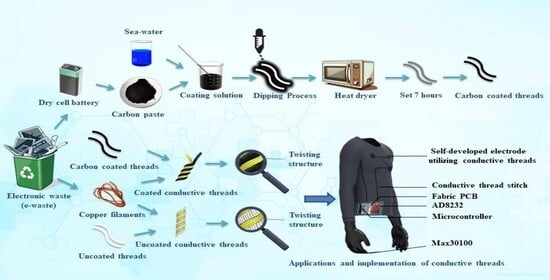
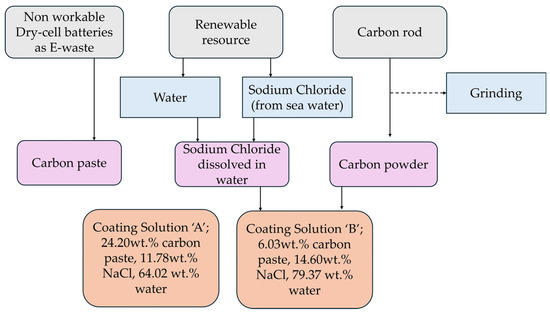
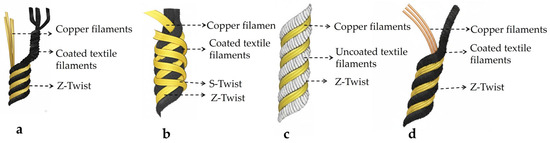
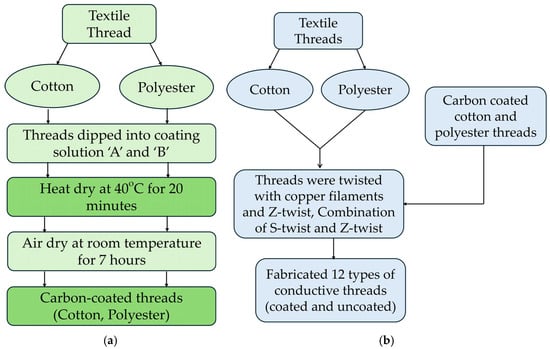
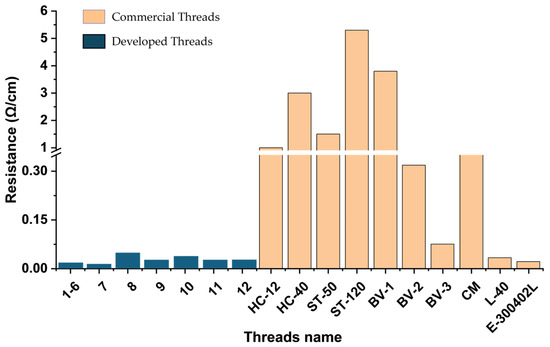
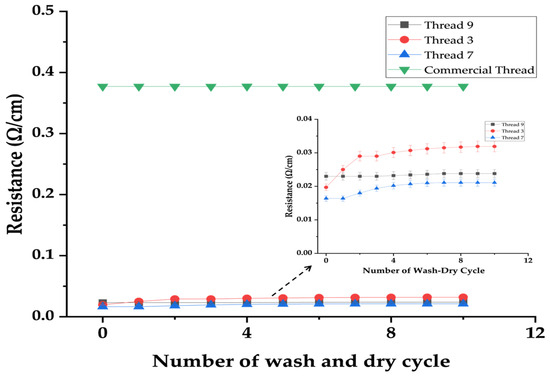
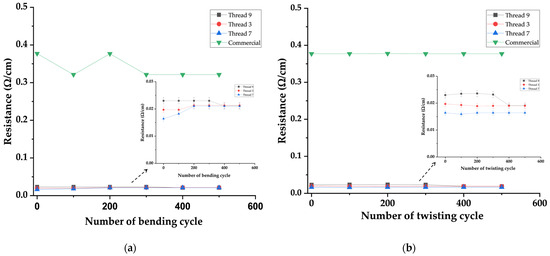
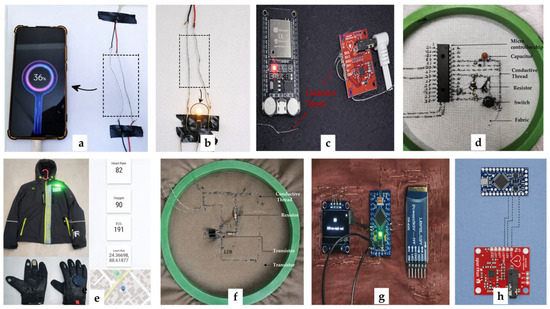
Conductive thread is an integral aspect of smart textiles in the domain of electronic textiles (e-textiles). This study unveils the development of twelve distinct variants of conductive threads using the twisting method: the fusion of copper filament with cotton and polyester threads. The threads are coated with a carbon paste solution enriched with dissolved sea salt. The carbon paste is obtained from non-functional dry cell batteries, conventionally categorized as hazardous electronic waste (e-waste), which underscores an economically viable and environmentally sustainable approach. Experiments proved that each variant demonstrates minimal electrical resistance. The lowest resistance, 0.0164 ± 0.0001 Ω/cm, was achieved by Carbon-Coated Cotton Twisted Copper Thread-II. Comparative evaluation with commercially available conductive threads, including Bekaert Bekinox® VN type (12/1x275/100z), indicated comparable or moderately lower resistance values for the developed copper-based threads. Mechanical–electrical stability under bending, twisting, and wash–dry cycles confirmed consistent conductive performance with minimal resistance variation. Practical demonstrations further validated the integration of the threads into fabric-based flexible circuits and wearable electronic systems. These findings demonstrate that twisted copper-based conductive threads derived from sustainable coating materials provide a promising alternative for smart textile and wearable electronic applications. Future research should focus on scalable fabrication, enhanced coating fixation, and long-term durability assessment.
Full article
(This article belongs to the Special Issue Smart Textiles—2nd Edition)
►▼
Show Figures

Graphical abstract
Open AccessArticle
Durability Assessment of Elastolefin-Based Workwear Fabrics
by
Izabela Jasińska, Alicja Nejman, Beata Tkacz-Szczęsna and Sandra Flinčec Grgac
Fibers 2026, 14(3), 35; https://doi.org/10.3390/fib14030035 - 9 Mar 2026
Abstract
►▼
Show Figures
Textile fabrics intended for use in protective clothing, workwear, and uniforms are subjected to repeated high-temperature industrial washing and drying processes. It is evident that due to the rigorous nature of the prescribed preservation conditions, textiles that are currently utilised for this purpose
[...] Read more.
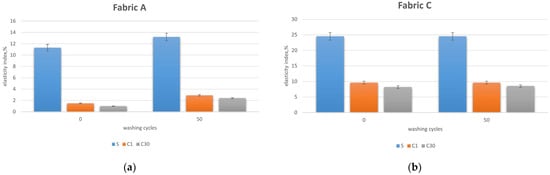
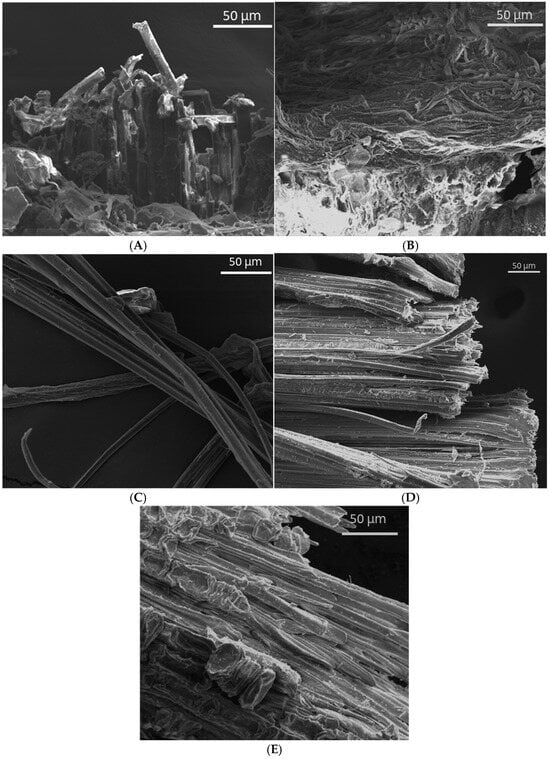
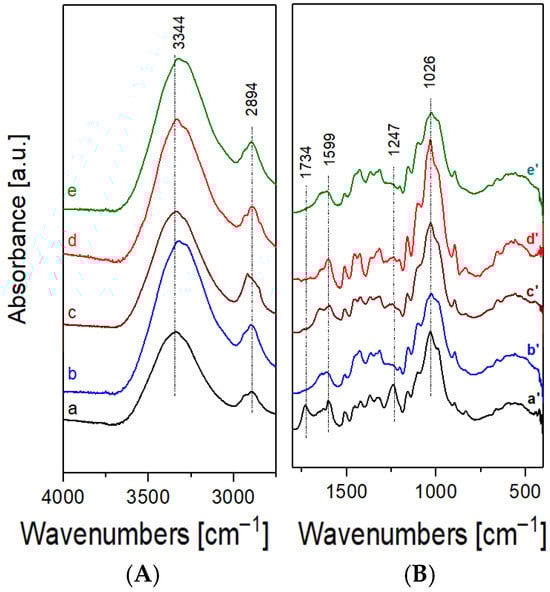
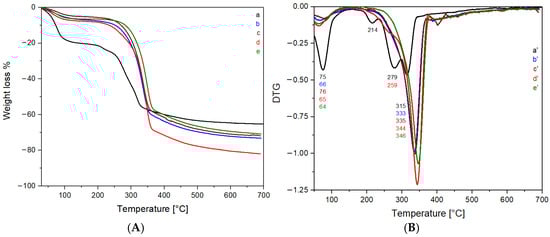
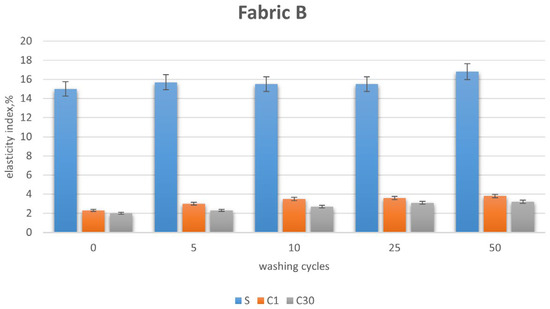
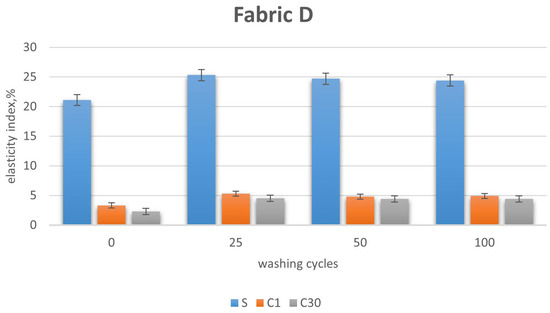
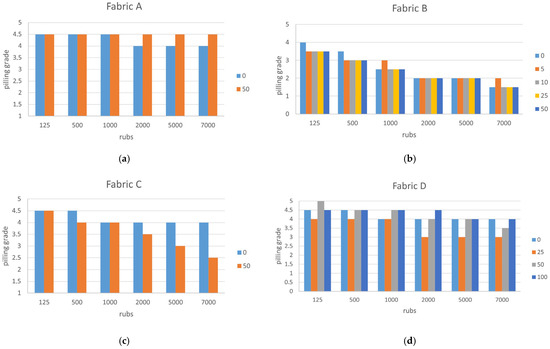
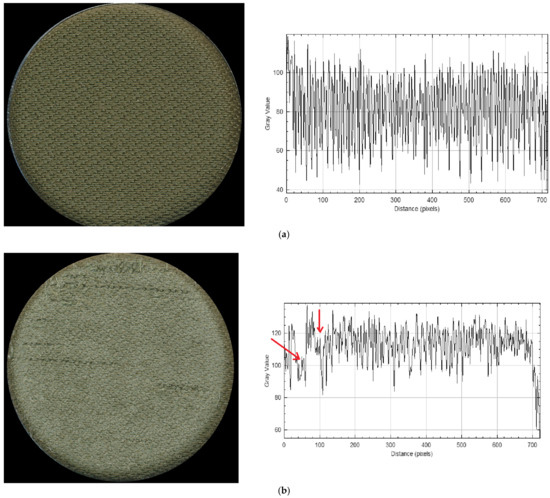
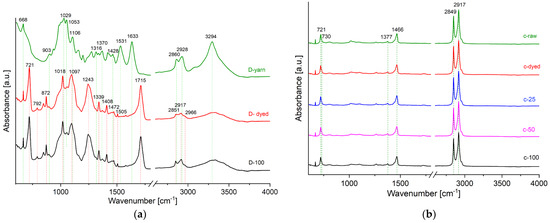
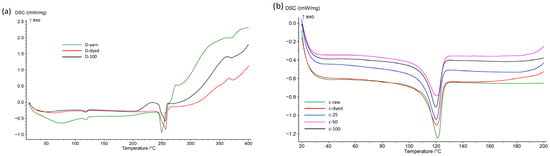
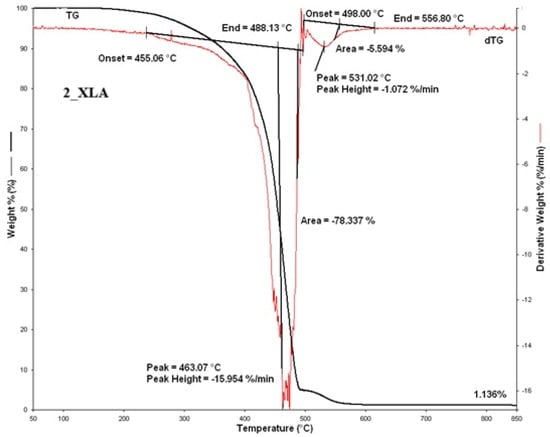
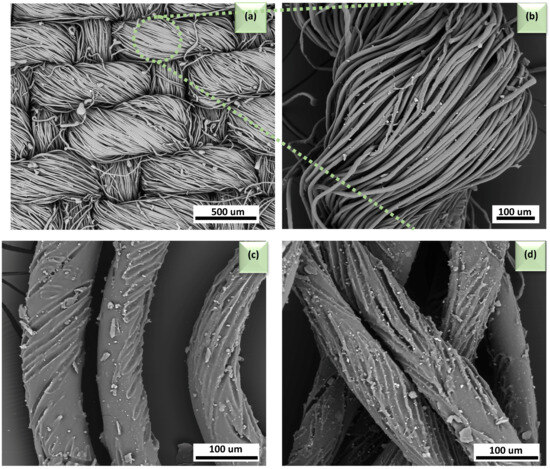
Textile fabrics intended for use in protective clothing, workwear, and uniforms are subjected to repeated high-temperature industrial washing and drying processes. It is evident that due to the rigorous nature of the prescribed preservation conditions, textiles that are currently utilised for this purpose do not contain elastomeric yarns: a consequence of their suboptimal thermal stability. However, elastomers enable garments to better fit the wearer’s figure and enhance safety and comfort during occupational activities. Currently, no investigations of EOL (elastolefin) yarn elastic durability under commercial maintenance conditions have been conducted. The publication evaluates the elastic properties and pilling resistance of fabrics with EOL-core weft yarns before and after repeated industrial washing under conditions that are typical of rental use. Additionally, an analysis using SEM, FTIR spectroscopy, thermal and thermogravimetric techniques of core-yarns and the core itself was performed. The tested fabrics retained a high elasticity index, even after 100 industrial washing cycles, as confirmed by instrumental analysis. In conclusion, fabrics with EOL-core yarns can be used for garments that are subjected to intensive maintenance in industrial washing conditions without losing their elastic properties.
Full article

Figure 1
Open AccessArticle
Oilseed Pomace as a Substitute for Wood Filler in Composites Based on Post-Consumer Polyethylene
by
Karolina Lipska, Izabela Betlej, Agnieszka Laskowska and Piotr Boruszewski
Fibers 2026, 14(3), 34; https://doi.org/10.3390/fib14030034 - 6 Mar 2026
Abstract
►▼
Show Figures
The development of composite materials based on post-consumer polymers and agricultural residues is a pragmatic valorization approach that extends the lifetime of materials. This research aimed to analyze the selected physical and mechanical properties of post-consumer-polyethylene-based composites with lignocellulosic fillers. This study explores
[...] Read more.
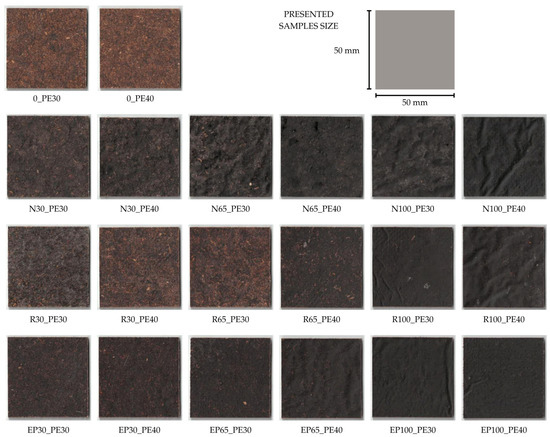
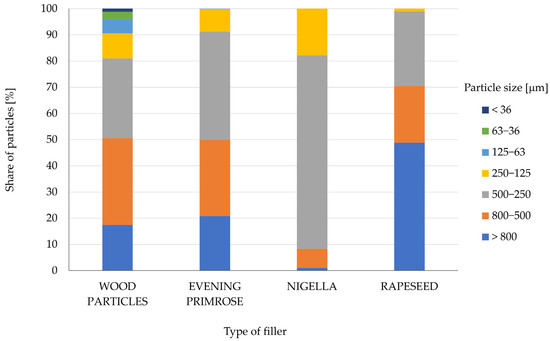
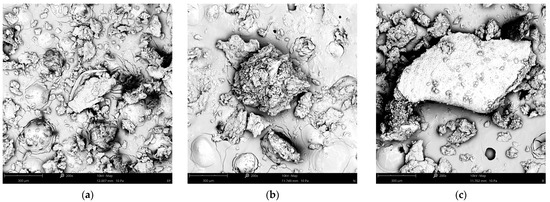
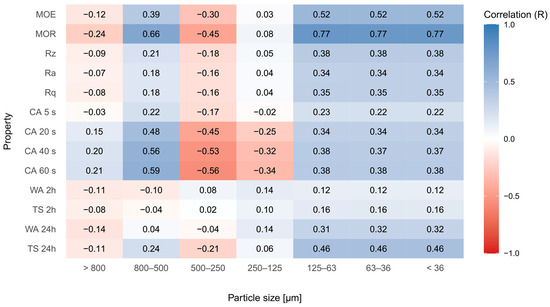
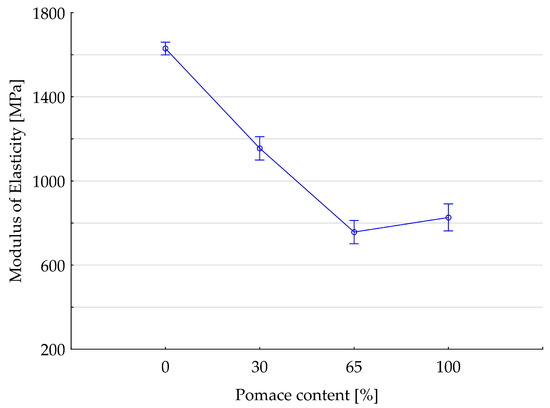
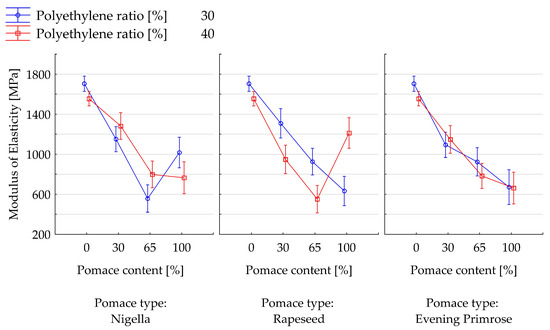
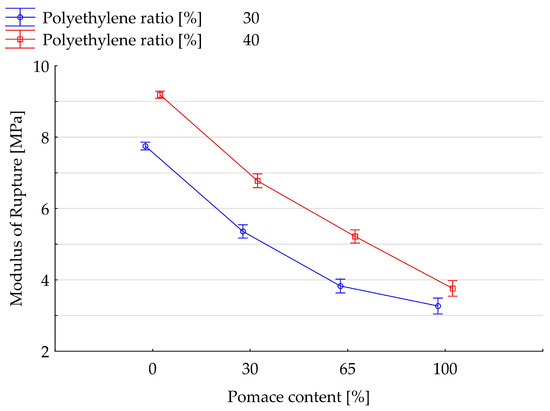
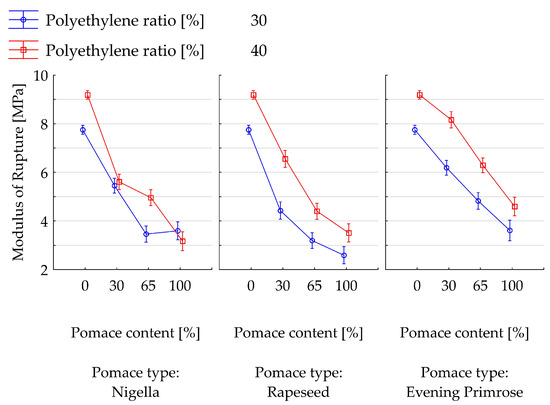
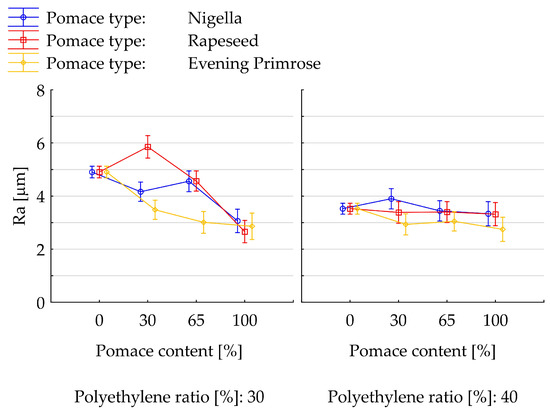
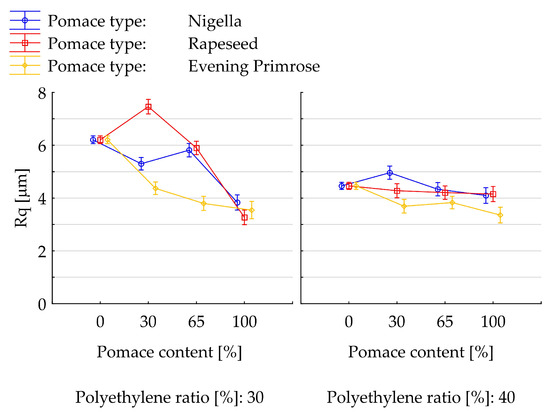
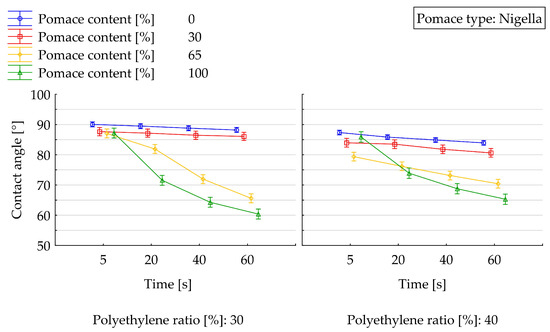
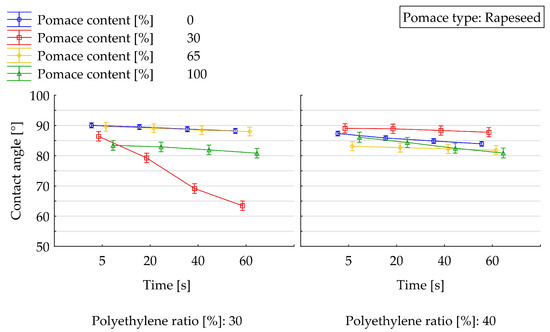
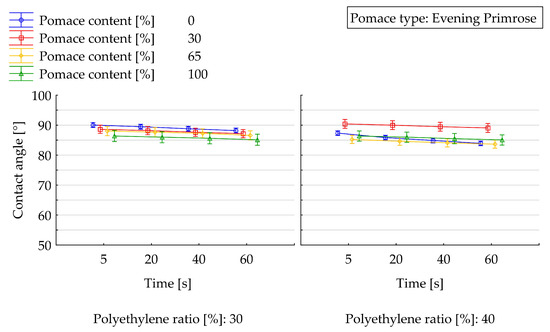
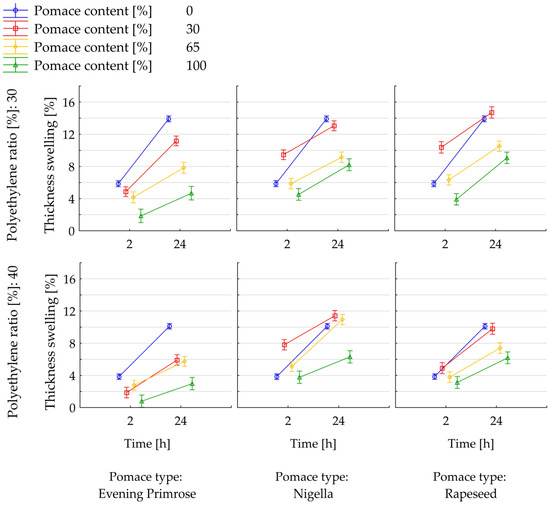
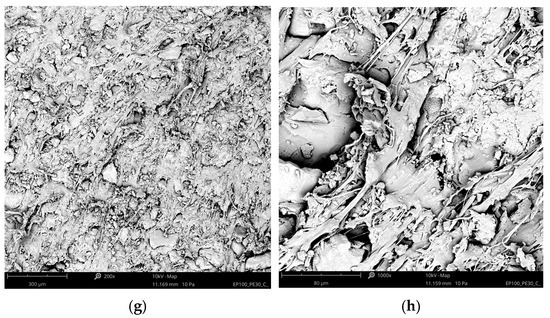
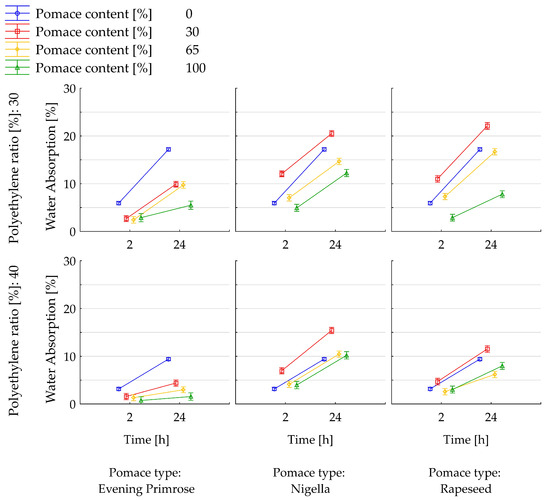
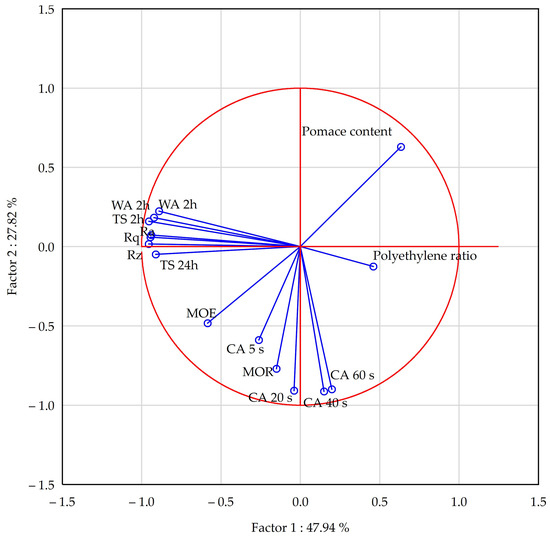
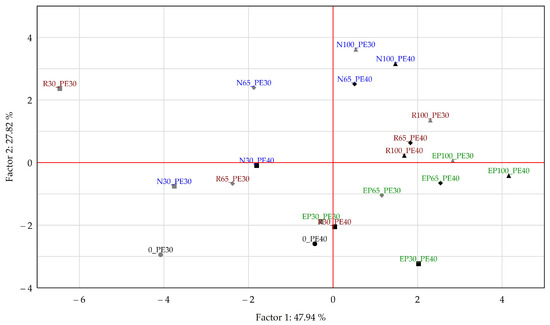
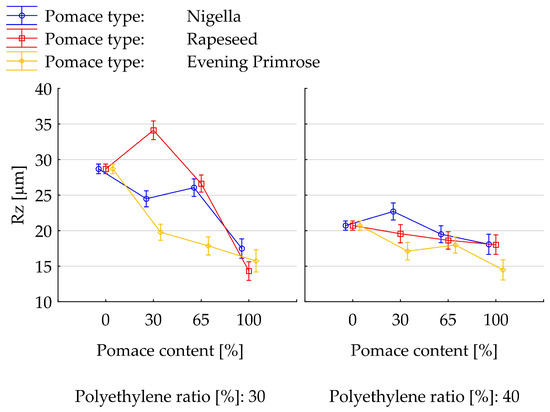
The development of composite materials based on post-consumer polymers and agricultural residues is a pragmatic valorization approach that extends the lifetime of materials. This research aimed to analyze the selected physical and mechanical properties of post-consumer-polyethylene-based composites with lignocellulosic fillers. This study explores the ‘ready-to-use’ valorization of untreated oilseed pomaces. The polyethylene ratio was set at 30% and 40%. Wood particles were substituted with oilseed pomace from nigella, rapeseed and evening primrose. The content of the pomace replacing wood particles was 30%, 65% and 100%. The composites made of post-consumer polyethylene and wood particles were used as a reference. The manufacturing process utilized a hybrid approach, combining extrusion with flat pressing. Increasing pomace content generally reduced the modulus of rupture and modulus of elasticity. Surface roughness decreased with higher pomace addition, except for the 30% rapeseed content for the lower polyethylene ratio, i.e., 30%, which showed unusually high roughness. Higher pomace content improved surface wettability, particularly for nigella-based composites. Water absorption and thickness swelling after 2 h and 24 h of soaking were highest at 30% pomace content and decreased with increasing substitution levels. Evening primrose composites consistently exhibited the lowest water uptake and swelling.
Full article

Figure 1
Open AccessCommunication
Experimental Research into the Thermal Properties of Structural Barriers Produced Using Additive Methods and Phase Change Materials (PCMs)
by
Beata Anwajler, Krystian Grabowski, Tullio de Rubeis, Monika Nowakowska, Paweł Leśniewski and Jacek Kasperski
Fibers 2026, 14(3), 33; https://doi.org/10.3390/fib14030033 - 4 Mar 2026
Abstract
►▼
Show Figures
Construction technologies and materials engineering are collaborating to develop new solutions that enhance energy efficiency. One such solution is thermal barriers filled with phase change material. Thanks to their thermal properties, these innovative barriers are being used in an increasing number of construction
[...] Read more.
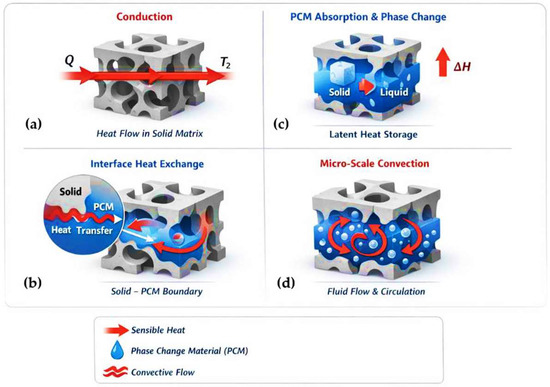
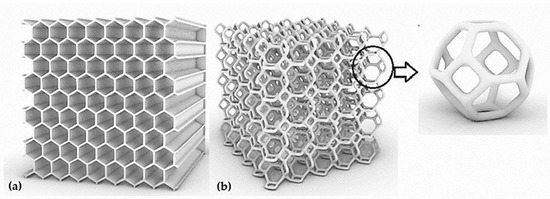
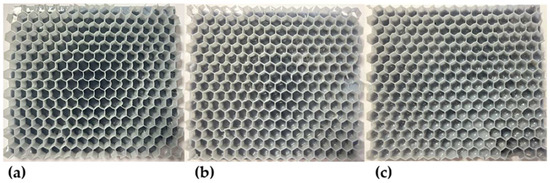
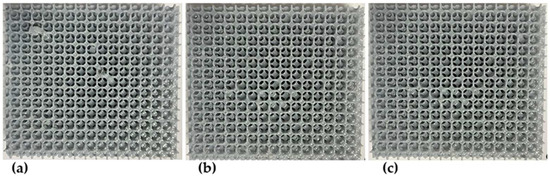
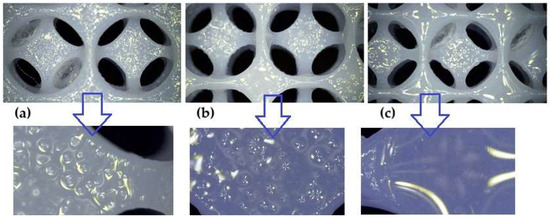
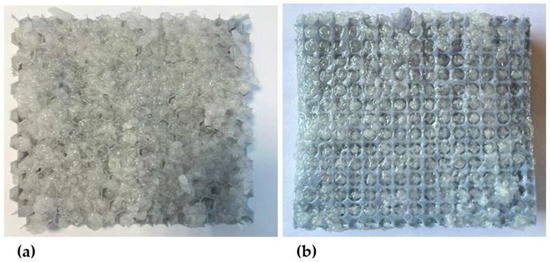
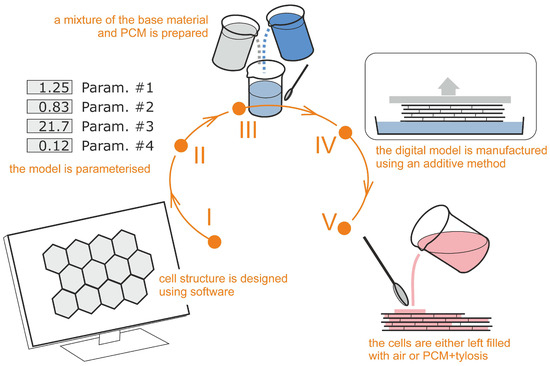
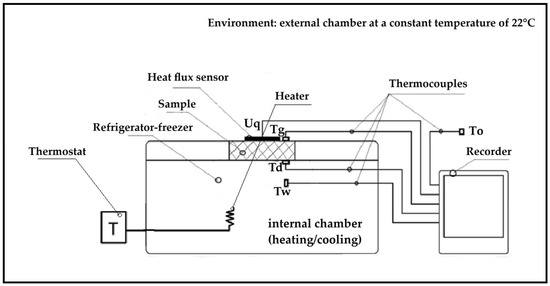
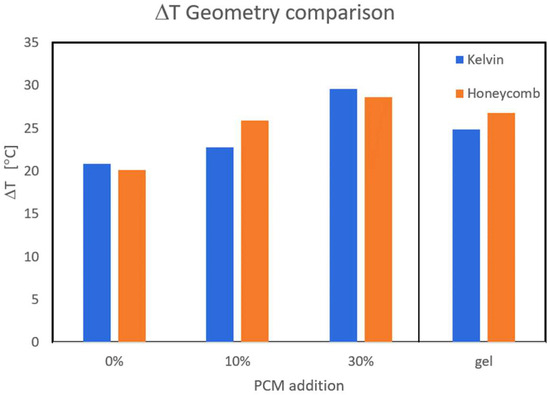
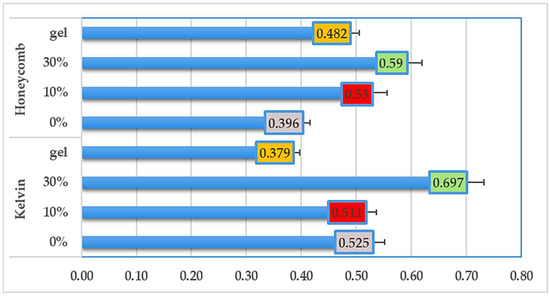
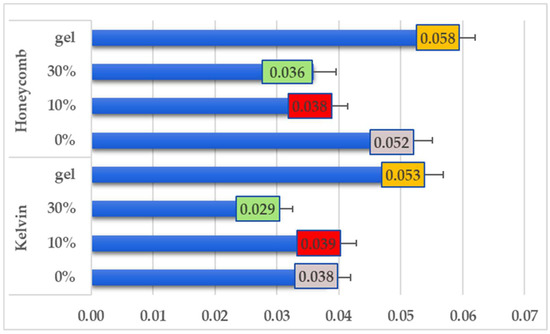
Construction technologies and materials engineering are collaborating to develop new solutions that enhance energy efficiency. One such solution is thermal barriers filled with phase change material. Thanks to their thermal properties, these innovative barriers are being used in an increasing number of construction projects. Additive manufacturing enables the production of architected thermal barriers with controlled cellular topologies and customized heat transfer pathways. This study investigates the thermal performance of lightweight partitions produced using masked stereolithography (m-SLA) 3D printing, focusing on two geometries: open-cell Kelvin structures and closed-cell honeycomb structures. Two strategies for incorporating phase change material were evaluated: direct addition of 10% and 30% paraffin oil by weight to the photopolymer resin and post-print filling of cellular voids with a PCM-based gel. The aim was to establish the effect of topology and PCM distribution on steady-state thermal parameters and transient temperature stabilization. Experimental testing under cyclic heating–cooling conditions revealed that increasing paraffin oil content significantly improves thermal performance. The open-cell Kelvin structure with 30% PCM exhibited the lowest thermal conductivity (λ = 0.0289 W/(m·K)) and the highest thermal resistance (R = 0.697 m2·K/W). Honeycomb structures achieved λ = 0.0360 W/(m·K) and R = 0.590 m2·K/W at the same PCM content. Transient analysis demonstrated enhanced temperature stabilization, with maximum ΔT values of 29.55 K (30% PCM) and 28.61 K (honeycomb 30%). These results confirm that the geometry produced by additive manufacturing plays a decisive role in governing heat transfer and latent heat utilization in PCM-based thermal barriers.
Full article

Figure 1
Open AccessArticle
The Impact of Accelerated Aging on Organic, Inorganic, and Food-Nature Biocolorants in Biodegradable Polymer Films
by
Mária Petková, Marcela Hricová, Viera Jančovičová, Zita Tomčíková and Anna Ujhelyiová
Fibers 2026, 14(3), 32; https://doi.org/10.3390/fib14030032 - 3 Mar 2026
Abstract
►▼
Show Figures
This work presents the preparation and obtained results of the properties of biodegradable-oriented systems of dyed polymer by biocolorants in mass. The oriented systems (films) were prepared from biodegradable material Nonoilen. Our applied research is focused on preparing masterbatches using inorganic, organic, and
[...] Read more.
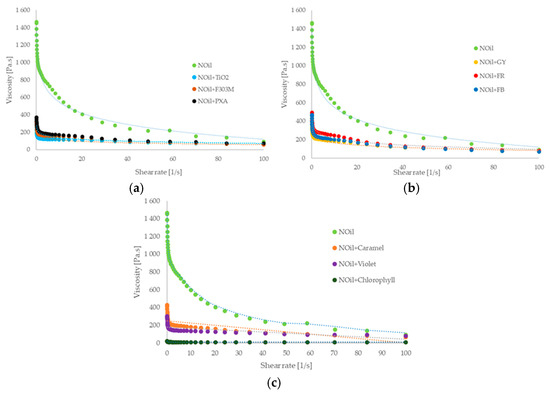
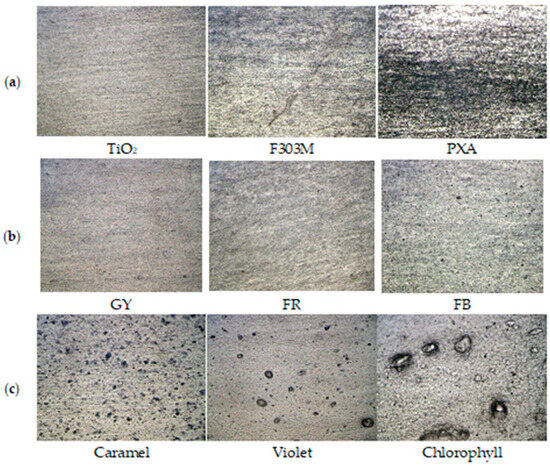
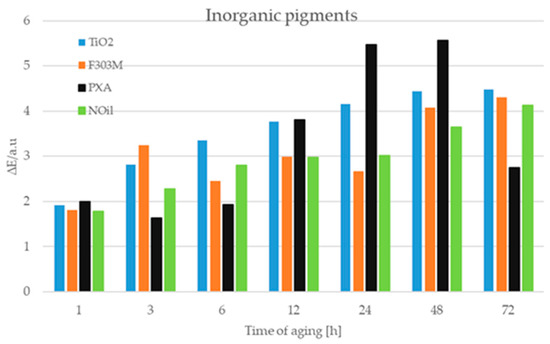
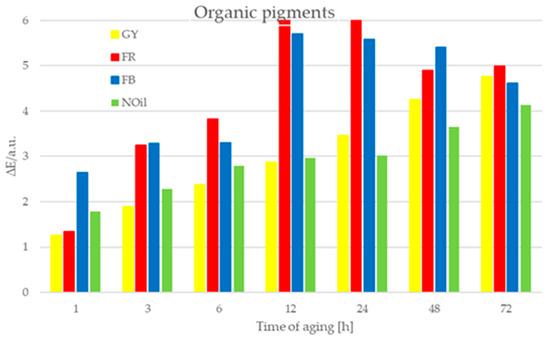
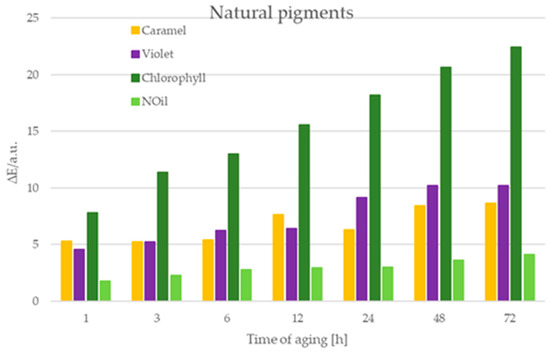
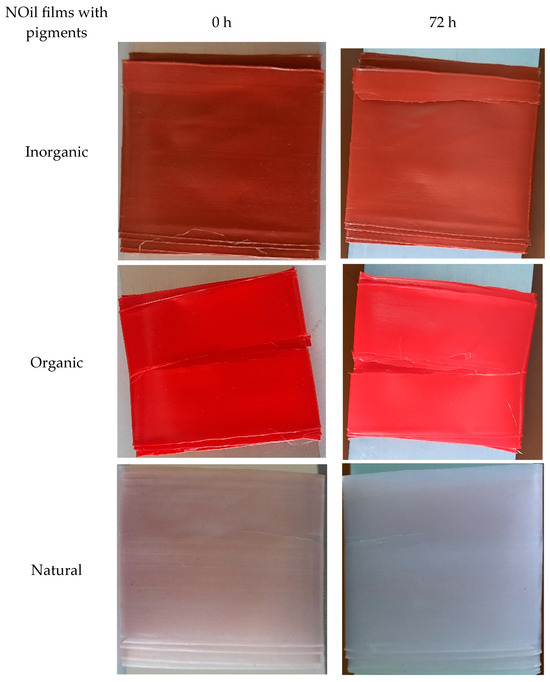
This work presents the preparation and obtained results of the properties of biodegradable-oriented systems of dyed polymer by biocolorants in mass. The oriented systems (films) were prepared from biodegradable material Nonoilen. Our applied research is focused on preparing masterbatches using inorganic, organic, and food-nature pigments to prepare films as packaging materials. Inorganic pigments, such as iron and titanium oxide, and organic pigments were selected to maintain the biodegradability of the polymer mixture, as the manufacturer declares the biodegradability of the selected pigments. The food-natural pigments are extracted from plants and food pigments, such as chlorophyll, caramel, and violets. First, rheology was evaluated to verify the processing conditions of the materials, and then the properties of the prepared films were examined. Mechanical properties, supermolecular structure, and coloristic properties were assessed for the pure and dyed films. We investigated color fastness after accelerated thermal-light aging using Q-SUN equipment. Food-nature pigments showed sufficient colorability after preparation, although the coloration was lost relatively quickly after accelerated light aging. If they are used as food packaging materials, these pigments would be highly safe for health, in addition to being biodegradable. The color stability of inorganic and organic pigments reached high stability values even after accelerated aging.
Full article

Figure 1
Open AccessArticle
Comparative Analysis and Optimization of Sensitivity Enhancement Methods for Fiber-Optic Strain Sensors in Structural Monitoring
by
Askar Abdykadyrov, Amandyk Tuleshov, Nurzhigit Smailov, Zhandos Dosbayev, Sunggat Marxuly, Yerlan Tashtay, Gulbakhar Yussupova and Nurlan Kystaubayev
Fibers 2026, 14(3), 31; https://doi.org/10.3390/fib14030031 - 3 Mar 2026
Abstract
►▼
Show Figures
In recent decades, the reliability and safety of large engineering structures have become a critical issue due to failures caused by undetected micro-level deformations. Fiber-optic strain sensors, especially Fiber Bragg Grating (FBG) and interferometric systems, are widely used in structural health monitoring (SHM);
[...] Read more.
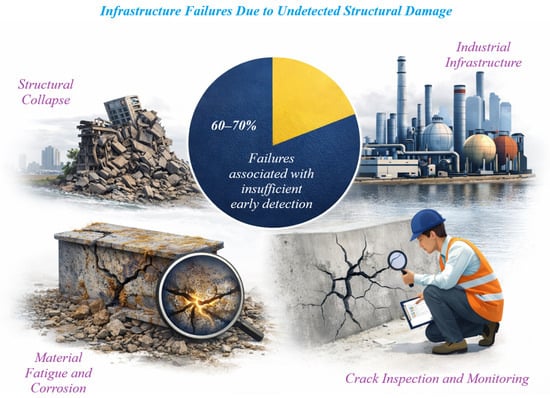
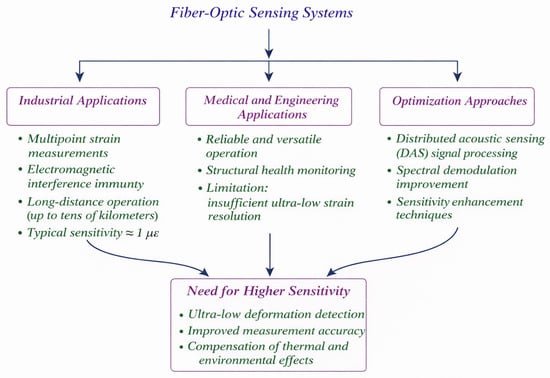
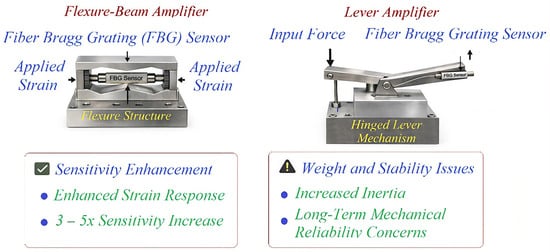
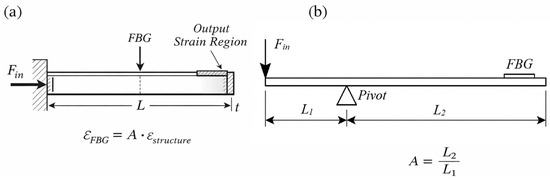
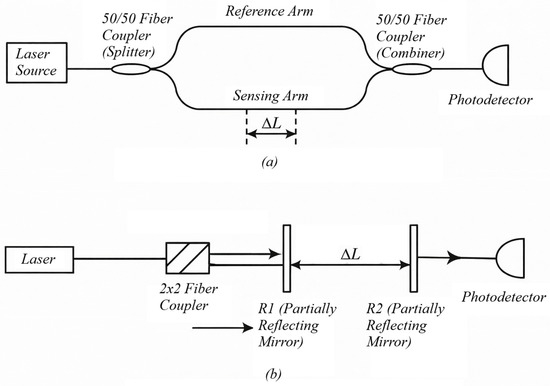
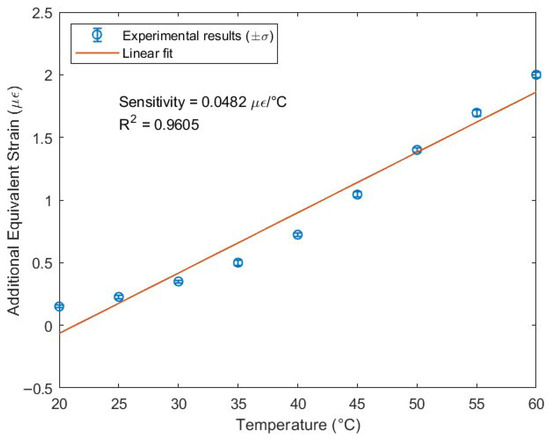
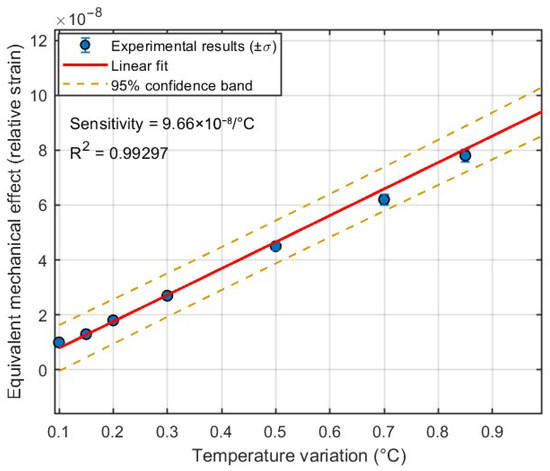
In recent decades, the reliability and safety of large engineering structures have become a critical issue due to failures caused by undetected micro-level deformations. Fiber-optic strain sensors, especially Fiber Bragg Grating (FBG) and interferometric systems, are widely used in structural health monitoring (SHM); however, their standard sensitivity is often insufficient for early detection of nano-strain level damage. This paper presents a comparative analysis and system-level optimization of the main sensitivity enhancement methods, including mechanical amplification, functional coatings and composite embedding, interferometric schemes, and advanced spectral signal processing. Analytical modeling and numerical simulations were performed. It is shown that flexure-beam amplifiers provide a stable sensitivity gain of 2.1–4.8, whereas lever-type mechanisms achieve higher amplification (5.6–9.3) at the cost of dynamic degradation. Functional coatings increase the strain transfer coefficient from 0.62 to 0.68 to 0.91–0.97, but introduce temperature-induced errors up to 1.5–2.0 µε. Interferometric systems can detect strains at the 10−8 level but exhibit high temperature cross-sensitivity. Advanced spectral processing reduces the Bragg wavelength estimation error by 8–15 times, improving the equivalent strain resolution to (2–5) × 10−8. Based on these results, an optimized integrated approach combining moderate mechanical amplification (2.5–3.5), improved strain transfer (η ≈ 0.85–0.92), and efficient spectral processing is proposed. This improves the equivalent strain resolution from 1 × 10⁻⁶ to (1.5–3.0) × 10−8 while keeping temperature-induced errors within 15–25% and limiting the computational load increase to 2–3 times. The proposed solution is suitable for long-term monitoring of large engineering structures.
Full article

Figure 1

Open AccessArticle
Numerical Simulation of the Behavior of Reinforced UHPFRC Ties Considering Effects of Tension Stiffening and Shrinkage
by
Eduardo J. Mezquida-Alcaraz, Juan Navarro-Gregori and Pedro Serna
Fibers 2026, 14(3), 30; https://doi.org/10.3390/fib14030030 - 26 Feb 2026
Abstract
►▼
Show Figures
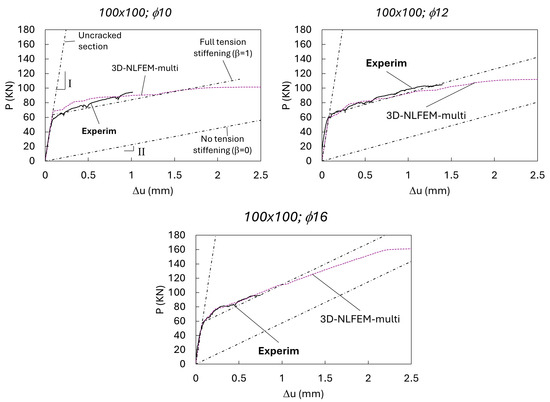
This study presents a reliable methodology for analyzing reinforced ultra-high-performance fiber-reinforced concrete (UHPFRC) elements by linking material behavior to structural performance. A non-linear finite element model (NLFEM) is proposed to simulate the tensile response of reinforced UHPFRC elements, with particular emphasis on shrinkage
[...] Read more.
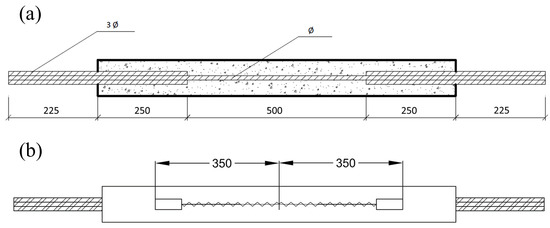
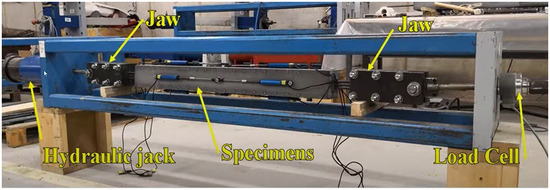
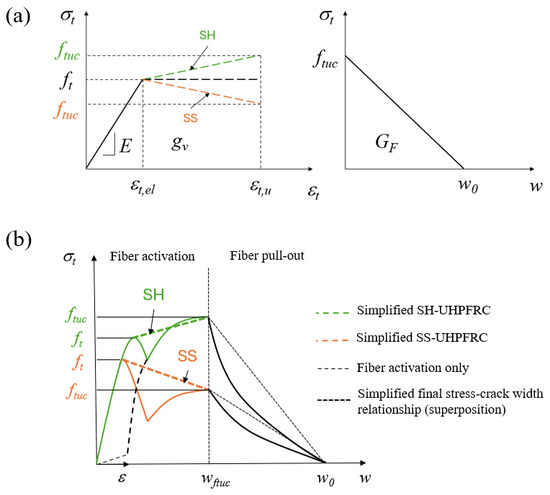
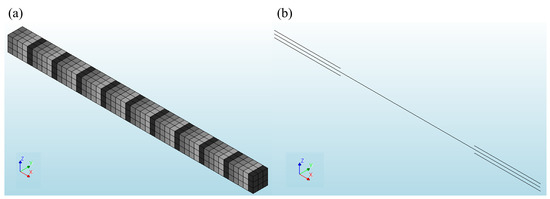
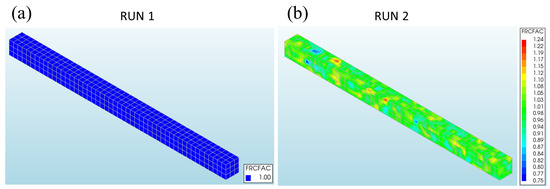
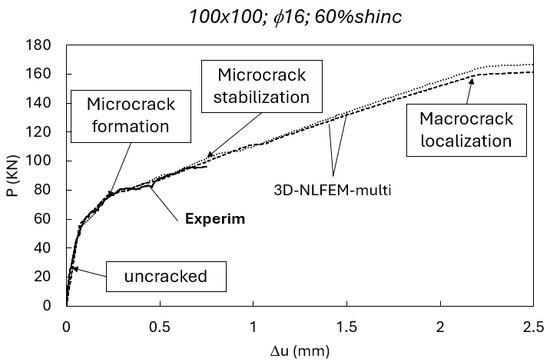
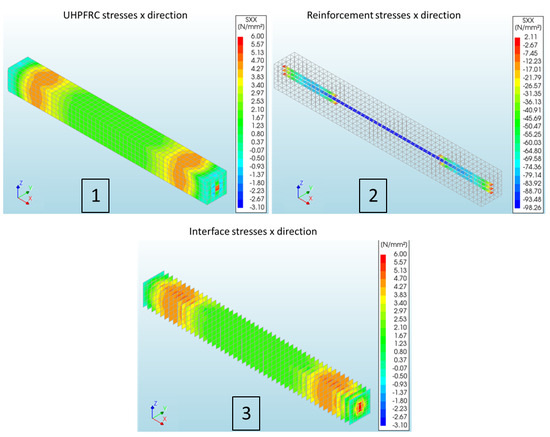
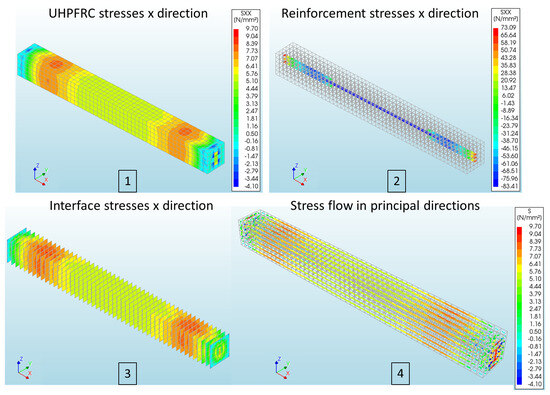
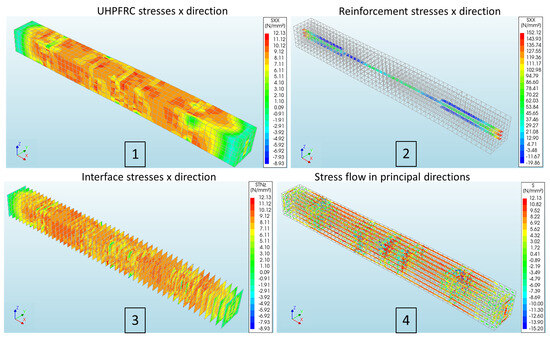
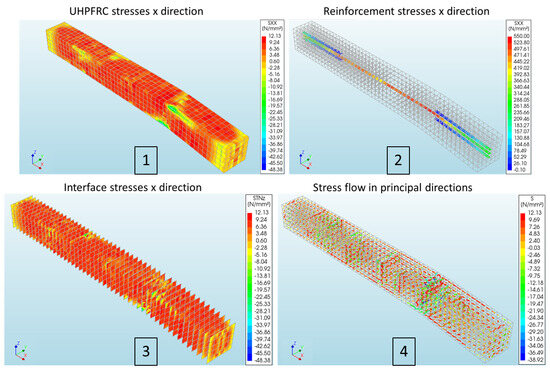
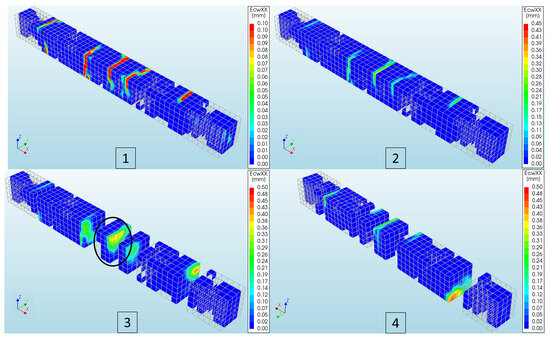
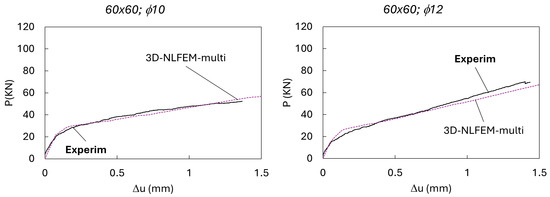
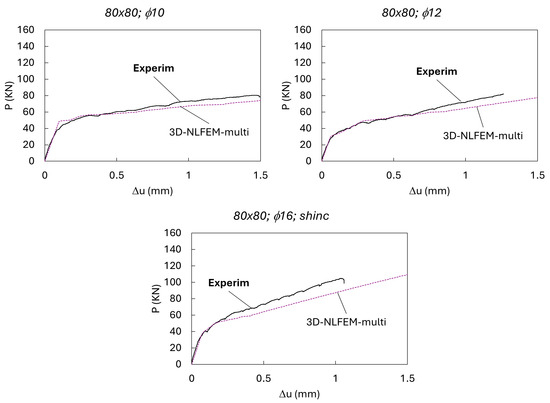
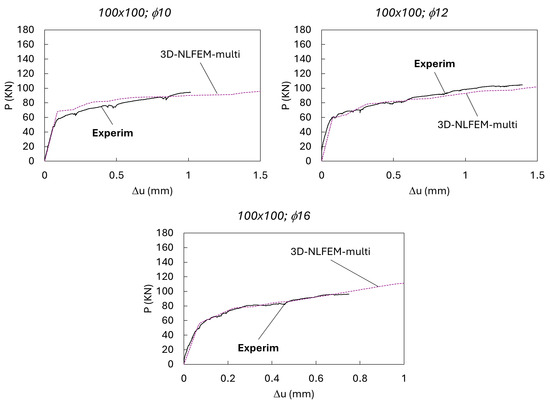
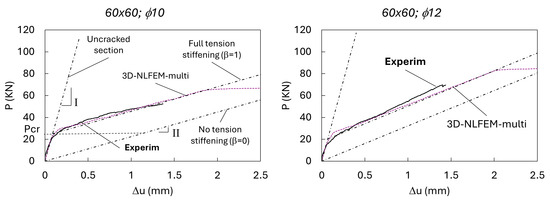
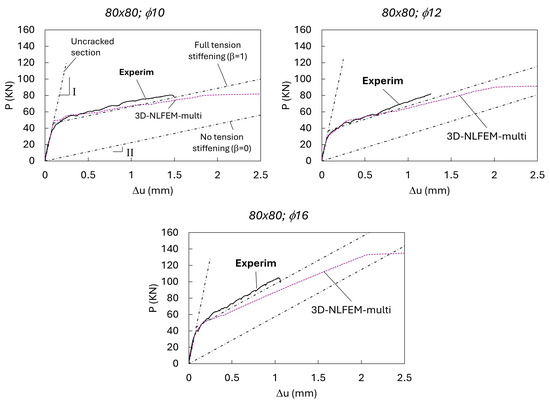
This study presents a reliable methodology for analyzing reinforced ultra-high-performance fiber-reinforced concrete (UHPFRC) elements by linking material behavior to structural performance. A non-linear finite element model (NLFEM) is proposed to simulate the tensile response of reinforced UHPFRC elements, with particular emphasis on shrinkage effects. The model operates in two phases: the first simulates shrinkage during specimen storage and the second simulates the mechanical tensile test, using the internal stresses from the first phase as initial conditions. The model was validated through an experimental program involving reinforced UHPFRC ties. The NLFEM accurately reproduced the load–displacement response using average UHPFRC tensile parameters obtained from a simplified Four-Point bending test Inverse Analysis method (4P-IA). It reliably predicted the shrinkage strain range and its impact on stiffness loss during microcrack initiation and stabilization, where tension-stiffening behavior is critical. Additionally, the simulation from the model captured the transition from microcracking to macrocrack formation and the role of fiber bridging in maintaining stiffness. The predicted shrinkage strain aligns with values reported in the literature and represents a conservative upper bound, neglecting the potential effects of creep and relaxation. Overall, the NLFEM effectively simulates the full tension-stiffening behavior of reinforced UHPFRC, including three-dimensional effects, and provides a reliable tool for structural analysis and design.
Full article

Figure 1
Open AccessReview
Carbon Fiber-Reinforced Polymer Matrix Composites: Processing, Properties, and Applications
by
Matthew Davidson, Ryan Graunke, Aidan Green, Hayden Haelsig, Laura Heinemann, Subin Antony Jose and Pradeep L. Menezes
Fibers 2026, 14(3), 29; https://doi.org/10.3390/fib14030029 - 25 Feb 2026
Abstract
►▼
Show Figures
Carbon Fiber-Reinforced Polymer (CFRP) composites represent a transformative class of structural materials, combining low density, high specific strength, and excellent fatigue resistance. This review provides a comprehensive overview of CFRPs, addressing their structure, manufacturing routes, mechanical performance, and functional behavior, with particular emphasis
[...] Read more.
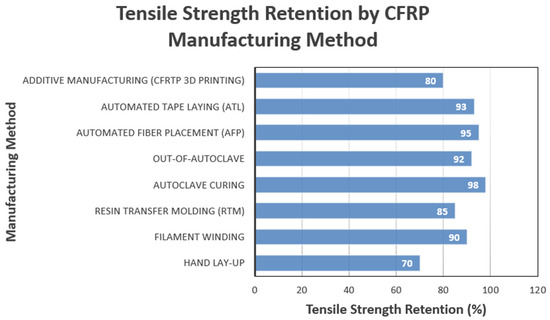
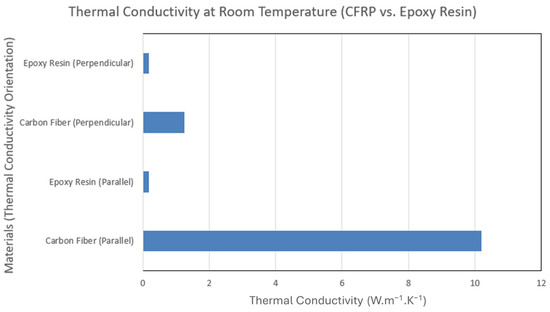
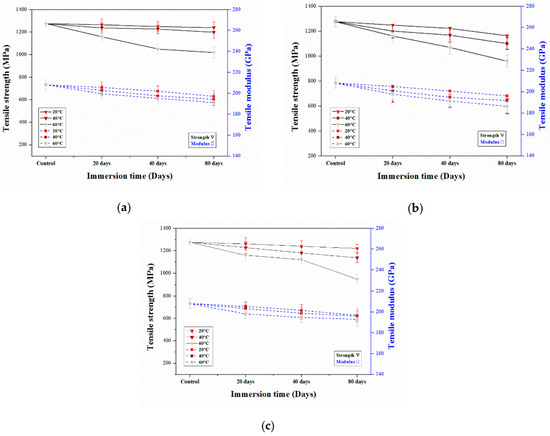
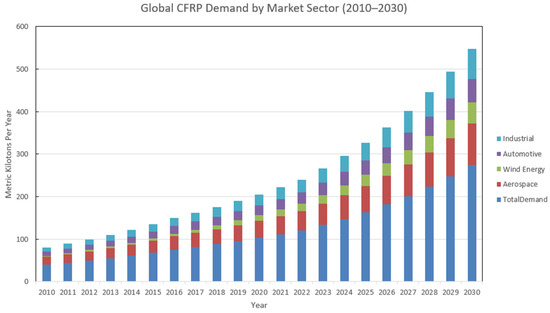
Carbon Fiber-Reinforced Polymer (CFRP) composites represent a transformative class of structural materials, combining low density, high specific strength, and excellent fatigue resistance. This review provides a comprehensive overview of CFRPs, addressing their structure, manufacturing routes, mechanical performance, and functional behavior, with particular emphasis on damage tolerance, tribological properties, and environmental durability. The discussion begins with the classification and morphology of carbon fibers, highlighting their influence on composite anisotropy and interlaminar behavior. The effects of impact loading, delamination, and environmental conditioning on residual strength and fatigue life are then examined, with reference to established evaluation methods such as ASTM D7136 and compression-after-impact (CAI) testing. From a tribological perspective, the incorporation of nanoscale additives, such as graphite nanoplatelets and TiO2 nanoparticles, and their contribution to enhancing wear resistance by promoting the formation of stable tribofilms, is explored. Advances in processing techniques, including low-pressure curing and improved resin systems, are also discussed for their roles in enhancing manufacturability and energy efficiency. Overall, the review underscores that optimal CFRP performance is achieved through the synergistic integration of fiber architecture, matrix design, and precise processing control, while future progress in nanomodification, recycling, and sustainable curing technologies is expected to further expand CFRP applications in the aerospace, automotive, and high-performance engineering sectors.
Full article

Figure 1

Open AccessArticle
Freeze–Thaw Durability and Damage Evolution of High-Strength Concrete Reinforced with Steel–Polypropylene Hybrid Fibers
by
Yingying Tao, Yanmei Zhang, Chuan Zhao, Changlei Bu, Rui Zhang, Qikai Wang, Qingzhe Yi, Fuxin Wu, Yanchang Zhu and Yongxiang Fang
Fibers 2026, 14(3), 28; https://doi.org/10.3390/fib14030028 - 24 Feb 2026
Abstract
High-strength concrete (HSC) is vital for large-scale tunnel infrastructure; however, its durability is often compromised by rigorous freeze–thaw cycles in cold-region environments. This study investigates the synergistic effects of incorporating hybrid steel fiber (SF) and polypropylene fiber (PPF) to enhance the frost resistance
[...] Read more.
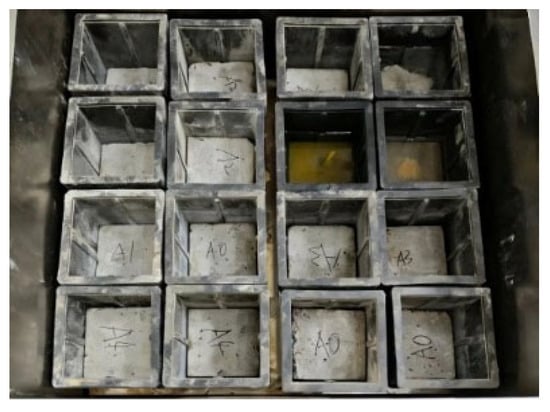
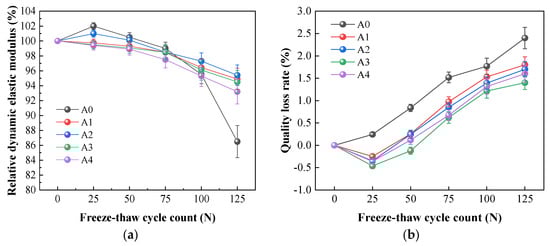
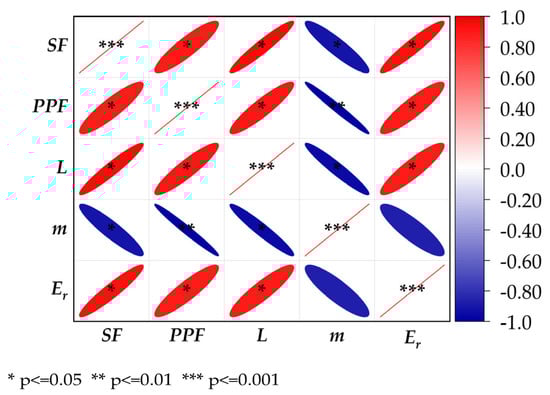
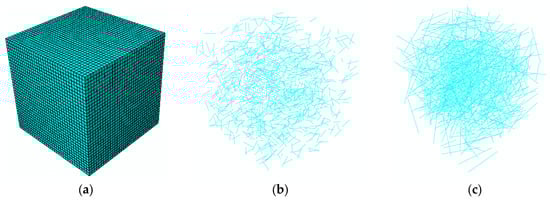
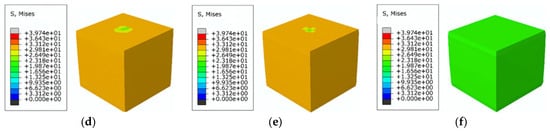
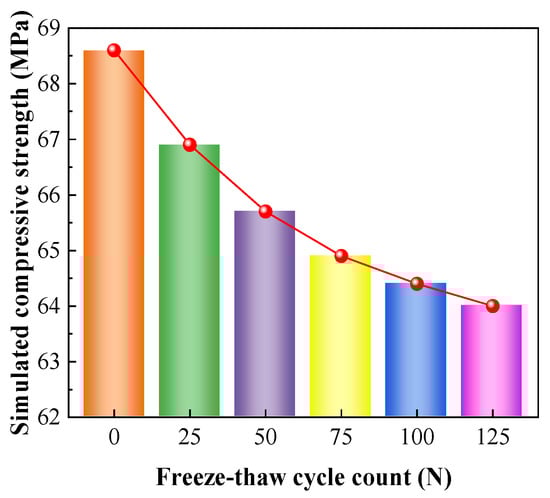
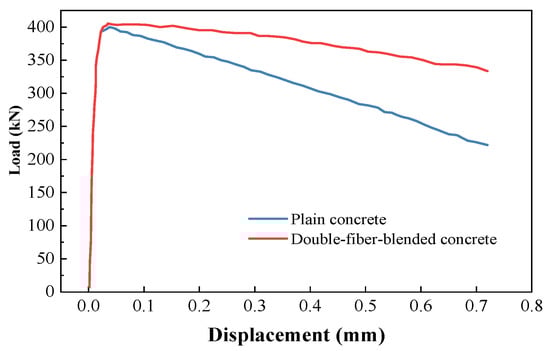
High-strength concrete (HSC) is vital for large-scale tunnel infrastructure; however, its durability is often compromised by rigorous freeze–thaw cycles in cold-region environments. This study investigates the synergistic effects of incorporating hybrid steel fiber (SF) and polypropylene fiber (PPF) to enhance the frost resistance of HSC. Experimental testing involved 125 freeze–thaw cycles across various fiber dosages and lengths, monitoring mass loss and the relative dynamic modulus of elasticity. Additionally, a concrete damage plasticity (CDP) model was utilized in numerical simulations to analyze thermal stress distribution and damage evolution under coupled freeze–thaw and axial loading. Results indicate that the hybrid fiber integration significantly improved durability, with Group A3 (35 kg/m3 SF and 1.5 kg/m3 of 18 mm PPF) achieving the highest performance. After 125 cycles, Group A3 maintained a relative dynamic modulus of 94.5% and restricted mass loss to 1.42%, a 41% improvement over the fiber-free control. Numerical simulations corroborated these findings, demonstrating that the dual-fiber system preserves load-bearing capacity, limiting compressive strength degradation to just 6.7%. These findings quantitatively validate the synergistic mechanisms of hybrid fibers, providing a robust reference for designing high-durability concrete in cold-climate engineering applications.
Full article
(This article belongs to the Special Issue Fiber-Reinforced Cement Composites and Geopolymers: Mechanics and Durability)
►▼
Show Figures

Figure 1
Open AccessArticle
Mechanical Behavior and Modeling of Flax Fiber-Reinforced Geopolymers in Comparison with Other Natural Fiber Composites
by
Sana Ullah, Salvatore Benfratello, Carmelo Sanflippo and Luigi Palizzolo
Fibers 2026, 14(2), 27; https://doi.org/10.3390/fib14020027 - 14 Feb 2026
Abstract
The rising environmental concerns over cement-based construction materials have led to the development of sustainable alternatives. Among these, geopolymers represent a promising class of low-carbon binders offering environmental benefits and competitive mechanical properties; however, their intrinsic brittleness limits their tensile and post-cracking performance.
[...] Read more.
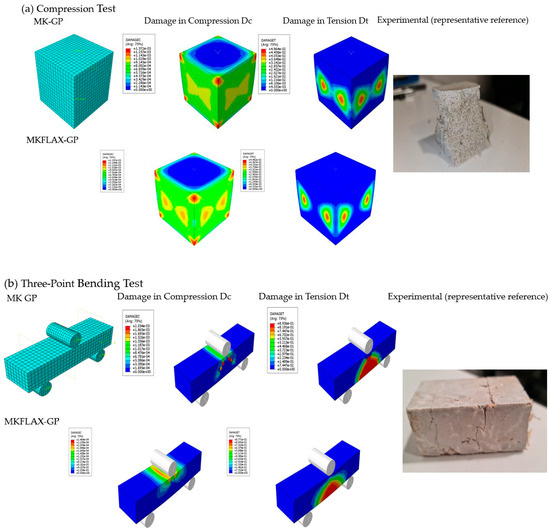
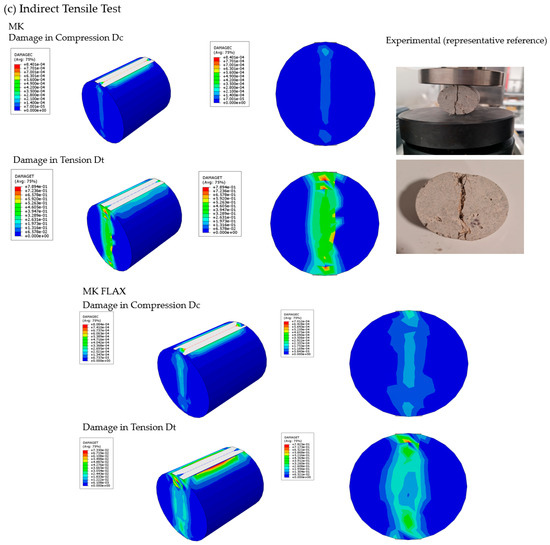
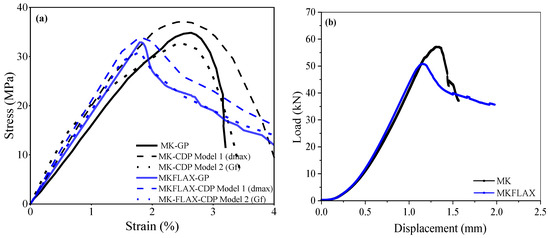
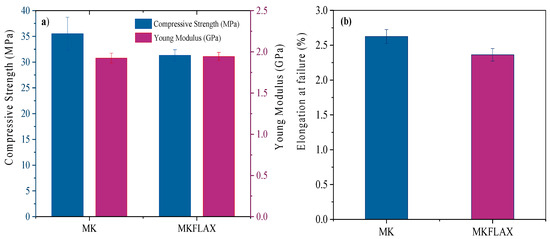
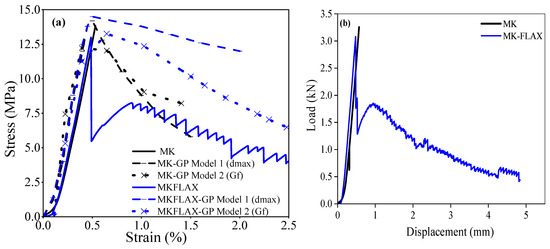
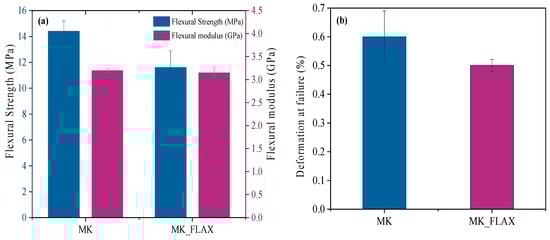
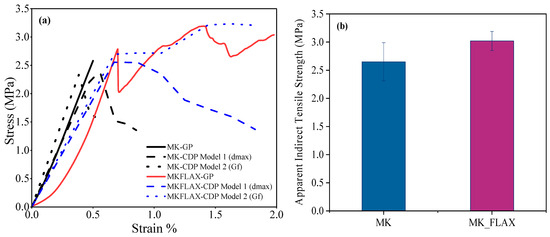
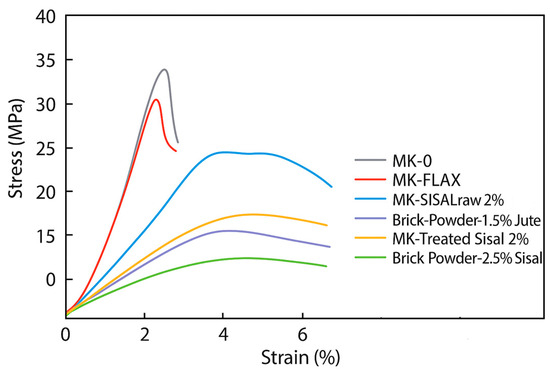
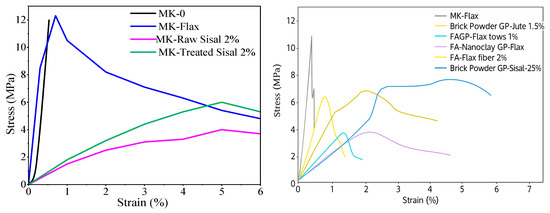
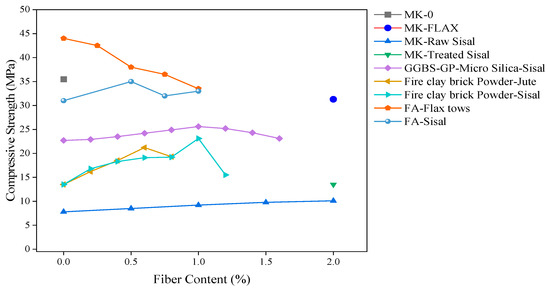
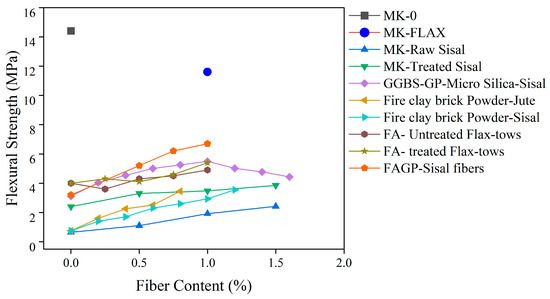
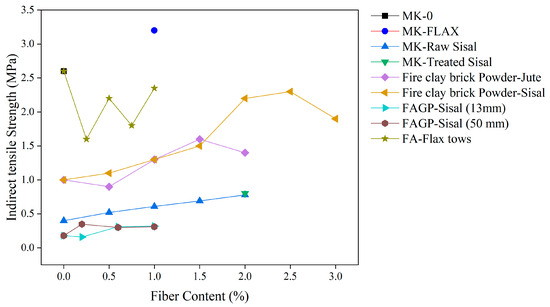
The rising environmental concerns over cement-based construction materials have led to the development of sustainable alternatives. Among these, geopolymers represent a promising class of low-carbon binders offering environmental benefits and competitive mechanical properties; however, their intrinsic brittleness limits their tensile and post-cracking performance. This study investigates the adoption of flax fibers as natural reinforcement to enhance ductility and post-peak behavior of metakaolin-based geopolymers. The performance of metakaolin-based geopolymers with flax fibers (MKFLAX) was experimentally evaluated in terms of strength, stiffness, toughness, and failure behavior. The addition of flax fibers enhanced ductility, toughness, and post-peak load-carrying capacity while slightly improving stiffness due to the bridging of cracks and the fiber pull-out mechanism. In comparison with the available literature on sisal, flax, and jute fibers, flax fibers showed improved performance due to the better dispersion within the matrix and higher tensile modulus. These findings highlight that flax fiber-reinforced metakaolin geopolymers show enhanced post-cracking behavior at the laboratory scale and could be of interest for sustainable cementitious materials, subject to further validation at the structural scale. Furthermore, a nonlinear finite element model was adopted based on damage mechanics to simulate the damage localization, stress–strain response and post-peak behavior of geopolymer composites. The numerical results showed a reasonable agreement with the experimental trends, particularly in the elastic and early softening phases. The findings are limited to the studied material system, fiber content, and small-scale samples and should be viewed as trend-level observations rather than generalized performance claims.
Full article
(This article belongs to the Special Issue Fiber-Reinforced Cement Composites and Geopolymers: Mechanics and Durability)
►▼
Show Figures

Figure 1
Open AccessArticle
High-Power and Fiber-Solid Hybrid MOPA Nanosecond Laser for High-Efficiency 4H-SiC Wafers Slicing
by
Chunquan Hong, Jincheng Wen, Huailiang Liu, Libo Wang, Lin Zhang and Xiuquan Ma
Fibers 2026, 14(2), 26; https://doi.org/10.3390/fib14020026 - 14 Feb 2026
Abstract
►▼
Show Figures
Laser slicing of 4H-SiC wafers offers high efficiency and minimal material loss. While nanosecond lasers are the preferred light source, simultaneously achieving high output power, excellent beam quality (M2 < 1.3), and broad operational tunability remains an outstanding challenge. This study developed
[...] Read more.
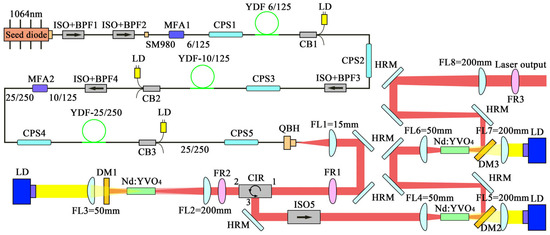
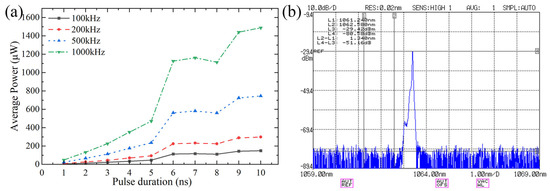
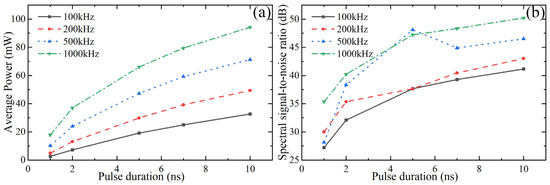
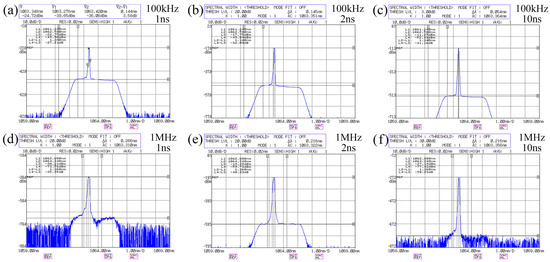
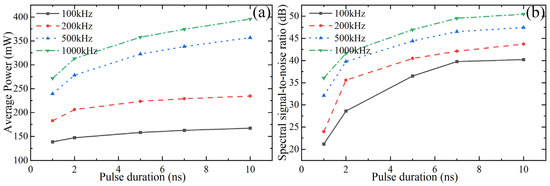
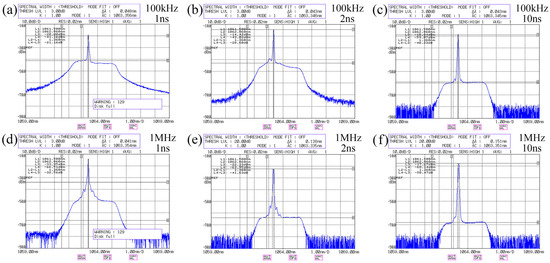
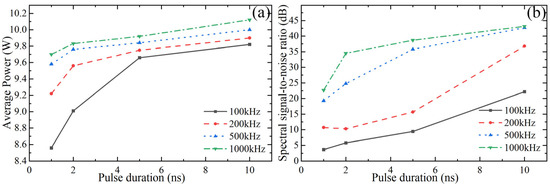
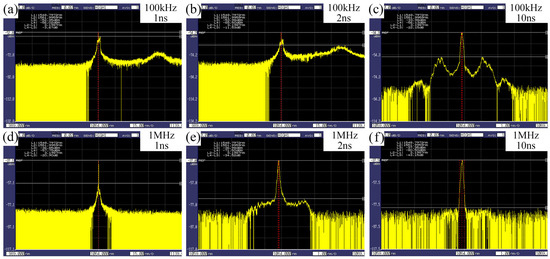
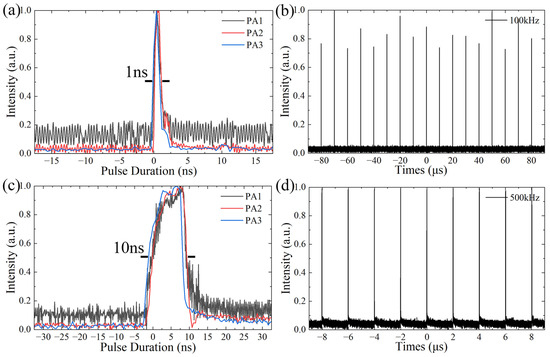
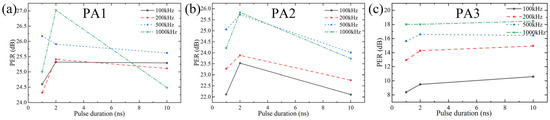
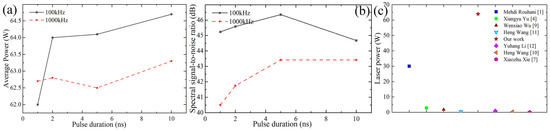
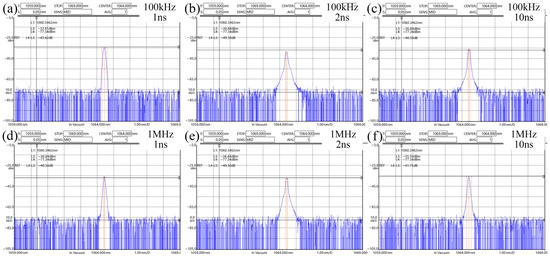
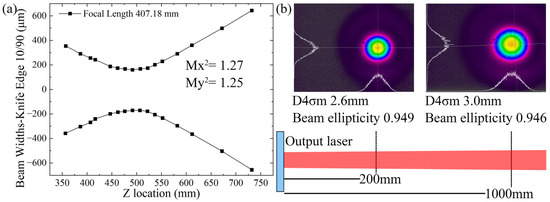
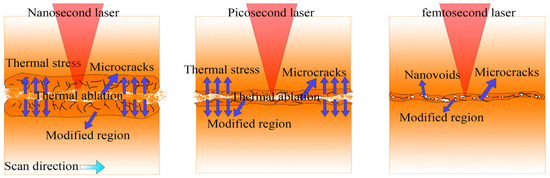
Laser slicing of 4H-SiC wafers offers high efficiency and minimal material loss. While nanosecond lasers are the preferred light source, simultaneously achieving high output power, excellent beam quality (M2 < 1.3), and broad operational tunability remains an outstanding challenge. This study developed a highly efficient nanosecond laser source using hybrid fiber and solid-state multi-stage amplification architecture. With excellent beam quality (M2 < 1.3), it achieves the highest output power, widest continuously tunable pulse width range, and broadest repetition rate range currently reported for 4H-SiC laser slicing. This advancement is poised to advance the continued development of 4H-SiC slicing technology.
Full article

Figure 1

Open AccessArticle
Mechanical Characterization of Sustainable Fiber-Reinforced Plasters for Non-Structural Wall Application
by
Buda Rocco and Pucinotti Raffaele
Fibers 2026, 14(2), 25; https://doi.org/10.3390/fib14020025 - 13 Feb 2026
Abstract
►▼
Show Figures
The seismic vulnerability of existing reinforced concrete buildings is often exacerbated by the inadequate mechanical performance of non-structural components, such as masonry infill walls, which may exhibit brittle behavior and limited deformation capacity under seismic actions. This issue highlights the need for innovative
[...] Read more.
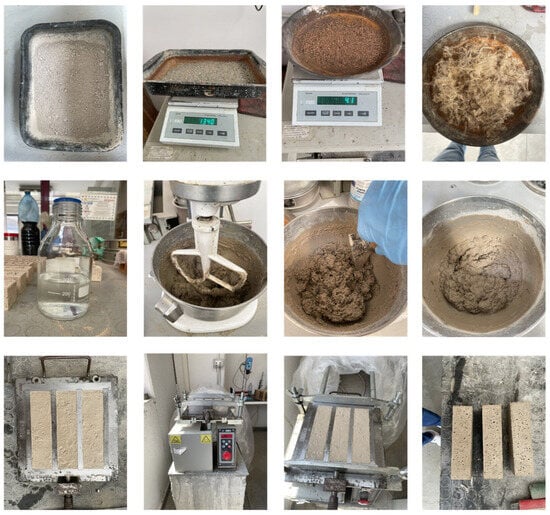
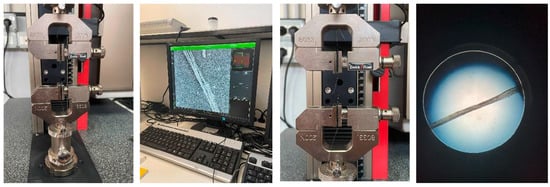
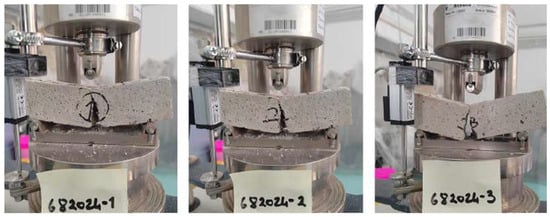
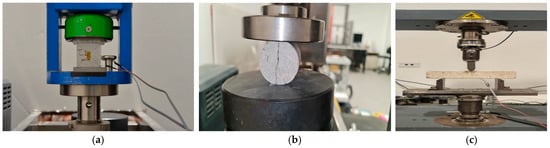
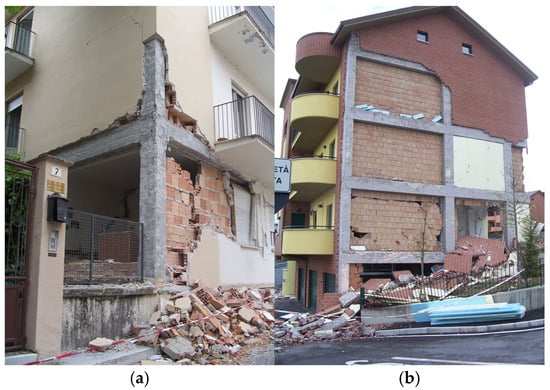
The seismic vulnerability of existing reinforced concrete buildings is often exacerbated by the inadequate mechanical performance of non-structural components, such as masonry infill walls, which may exhibit brittle behavior and limited deformation capacity under seismic actions. This issue highlights the need for innovative and compatible strengthening materials capable of improving ductility and damage tolerance while maintaining adequate mechanical strength. This study presents an experimental investigation aimed at developing a sustainable fiber-reinforced plaster manufactured exclusively from locally sourced natural materials from the Calabria region, including cork granules, broom fibers, and natural hydraulic lime. Following a preliminary experimental phase, the mixture containing 30% cork granules was selected as the reference matrix due to its favorable mechanical performance and deformability. In the present phase of the research, several composite formulations incorporating broom fibers were produced and experimentally characterized. Uniaxial tensile tests were conducted on broom fibers to assess their reinforcing potential, while compressive and flexural tests were performed on the plaster matrices. The experimental results show that the incorporation of broom fibers significantly enhances flexural behavior and post-cracking ductility, while maintaining compressive strength levels compatible with structural retrofit applications. The study demonstrates that the combined use of cork and broom fiber effectively enhances the mechanical performance of the plaster by promoting ductility, improving flexural behavior, and limiting crack initiation and propagation. The high tensile strength of the fibers promotes effective crack-bridging mechanisms and improved energy dissipation capacity. Overall, the combined use of cork aggregates and broom fibers results in a mechanically balanced plaster composite characterized by enhanced deformability and reduced brittleness. These features make the proposed material particularly suitable for the strengthening of masonry infill walls and for applications where improved ductility and damage tolerance are required, such as seismic retrofitting and restoration of existing buildings.
Full article

Figure 1

Open AccessArticle
Structural and Mechanical Characterisation of Five Agave Fibres for Sustainable Textile Applications
by
Ramia Almohamad, Jean-Yves Drean, Laurence Peschel and Omar Harzallah
Fibers 2026, 14(2), 24; https://doi.org/10.3390/fib14020024 - 13 Feb 2026
Abstract
►▼
Show Figures
This study evaluates the textile potential of five underexplored Agave varieties (Agave salmiana crassispina, A. salmiana salmiana, A. ingens marginata, A. tecta, and A. mapisaga) through combined analyses of extraction behaviour, microstructure, and single-fibre mechanical performance. Fibres
[...] Read more.
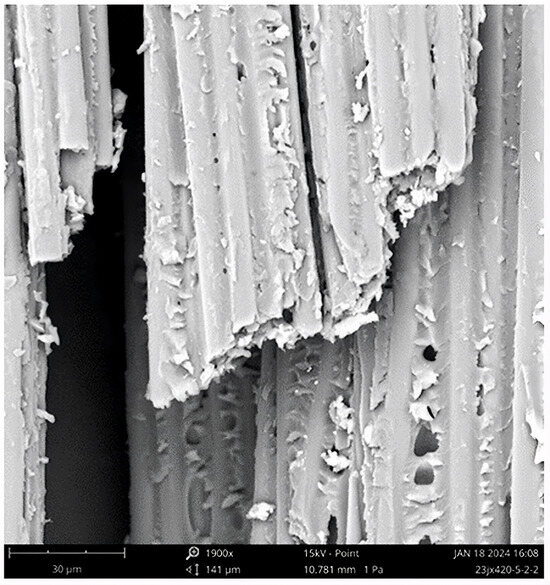
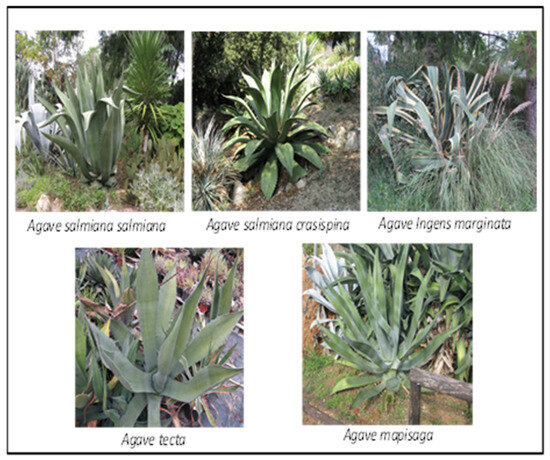
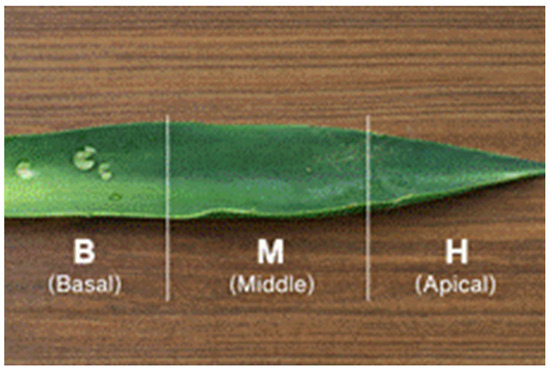
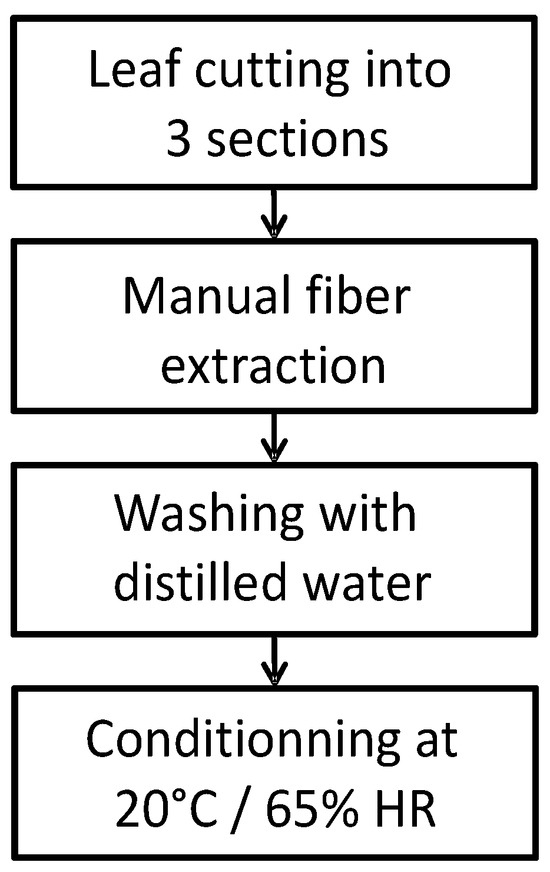
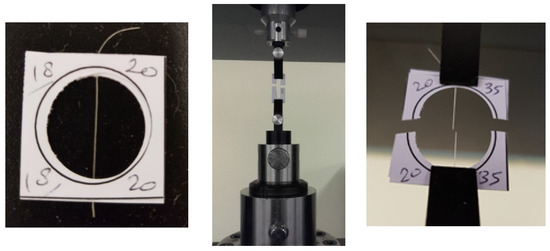
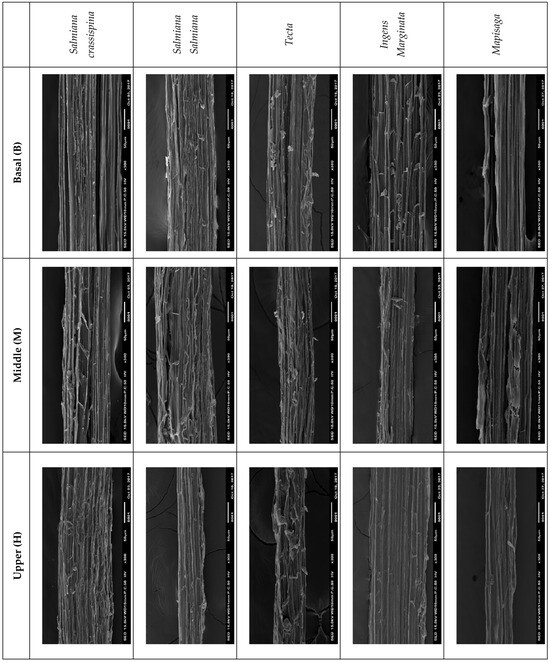
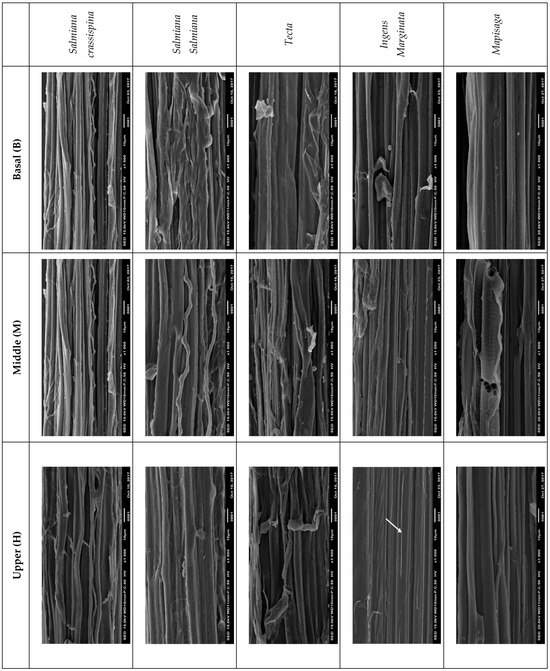
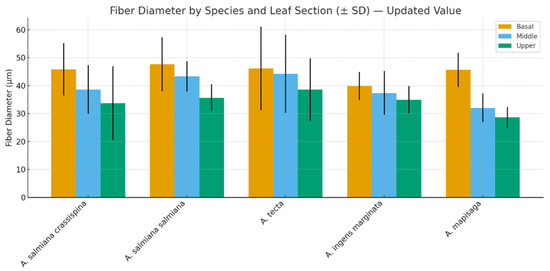
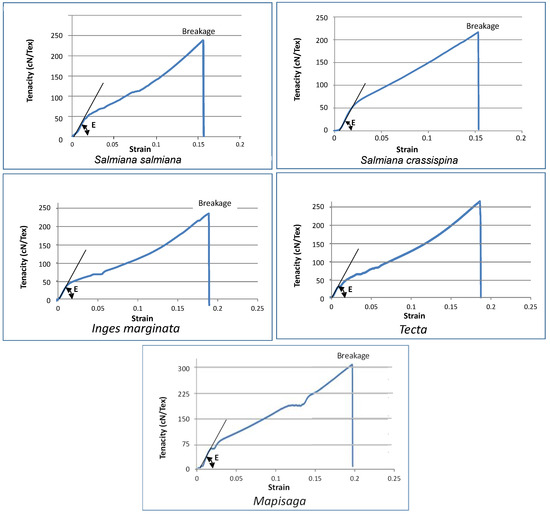
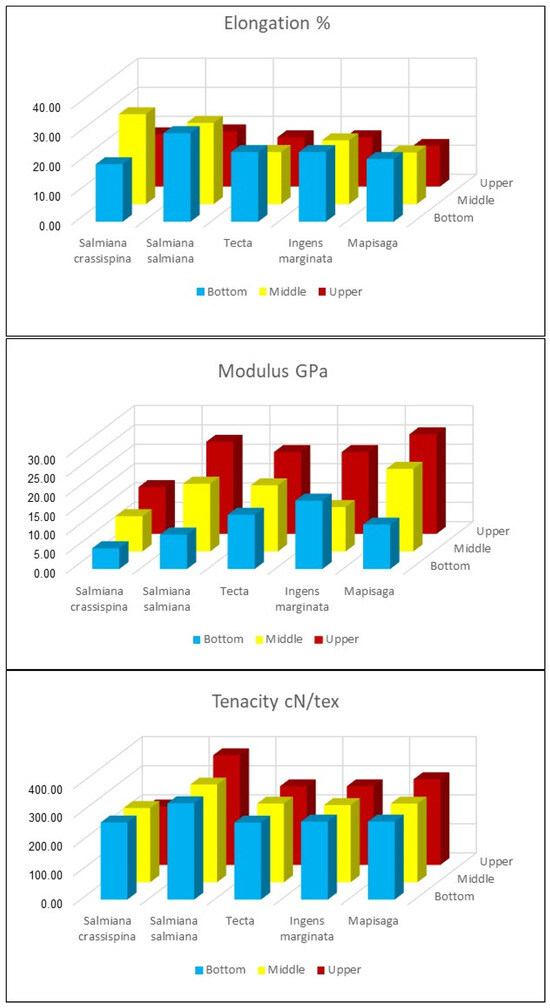
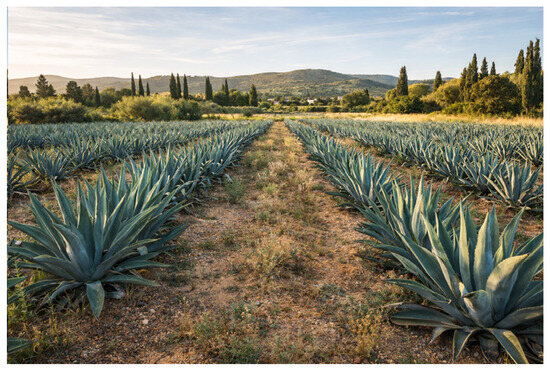
This study evaluates the textile potential of five underexplored Agave varieties (Agave salmiana crassispina, A. salmiana salmiana, A. ingens marginata, A. tecta, and A. mapisaga) through combined analyses of extraction behaviour, microstructure, and single-fibre mechanical performance. Fibres extracted from basal, middle, and upper leaf sections were characterised using scanning electron microscopy (SEM) and single-fibre tensile testing under controlled conditions. All varieties produced spinnable fibres and exhibited significant longitudinal variability in mechanical behaviour along the leaf axis (p < 0.05). Mechanical performance depended strongly on both species and leaf position, with fibres from the middle leaf section generally showing higher tenacity. Variations in Young’s modulus reflected differences in fibre maturity and internal microstructural organisation. Fractographic observations revealed predominantly brittle fracture with microfibrillar rupture and longitudinal fibrillation. Overall, the results demonstrate that agave species and leaf position are key parameters governing fibre performance. These agave varieties therefore represent promising candidates for sustainable textile applications, provided that appropriate fibre selection and blending strategies are implemented to ensure homogeneous yarn properties.
Full article

Figure 1
Journal Menu
► ▼ Journal Menu-
- Fibers Home
- Aims & Scope
- Editorial Board
- Reviewer Board
- Topical Advisory Panel
- Instructions for Authors
- Special Issues
- Topics
- Topical Collections
- Article Processing Charge
- Indexing & Archiving
- Editor’s Choice Articles
- Most Cited & Viewed
- Journal Statistics
- Journal History
- Journal Awards
- Conferences
- Editorial Office
Journal Browser
► ▼ Journal BrowserHighly Accessed Articles
Latest Books
E-Mail Alert
News
Topics
Topic in
Applied Sciences, Optics, Sensors, Materials, Fibers, Photonics, Micromachines
Distributed Optical Fiber Sensors
Topic Editors: Jian Li, Hao Wu, Giancarlo C. Righini, Zhe Ma, Yahui WangDeadline: 30 June 2026
Topic in
Fibers, J. Compos. Sci., JMMP, Materials, Polymers, Recycling
Advanced Composites Manufacturing and Plastics Processing, 2nd Volume
Topic Editors: Patricia Krawczak, Ludwig Cardon, Frederik DesplentereDeadline: 1 September 2026
Topic in
Applied Sciences, Materials, Buildings, Construction Materials, Fibers, Sustainability, Clean Technol.
Advanced Composite Materials
Topic Editors: Sebastiano Candamano, Ricardo do CarmoDeadline: 30 November 2026
Topic in
Acoustics, Applied Sciences, Buildings, Fibers, Infrastructures, Intelligent Infrastructure and Construction, Sci, Sustainability
Sustainable Structural Methods for Construction and Infrastructure
Topic Editors: Marco Corradi, Giulio CastoriDeadline: 1 May 2027
Conferences
Special Issues
Special Issue in
Fibers
Recent Developments in Structural Applications of Fiber-Reinforced Concrete
Guest Editors: Maria C. C. Naoum, Nikos Papadopoulos, George SapidisDeadline: 15 April 2026
Special Issue in
Fibers
Fiber-Reinforced Concrete and Fiber-Reinforced Polymer Materials: Innovative Solutions in Construction Engineering
Guest Editors: Theodoros Rousakis, Ioannis E. Kavvadias, Maria C. C. Naoum, Kosmas E. Bantilas, Emmanouil GoliasDeadline: 31 May 2026
Special Issue in
Fibers
Nanocellulose Hydrogels and Aerogels as Smart Sensing Platforms
Guest Editor: Falk LiebnerDeadline: 30 June 2026
Topical Collections
Topical Collection in
Fibers
Feature Papers in FibersCollection Editors: Ionela Andreea Neacsu, Alexandru Grumezescu