
- Case Report

7 Pages
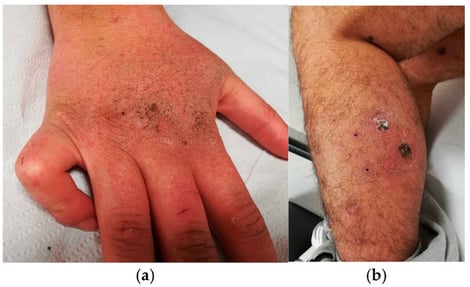
Prolidase deficiency is an ultra-rare autosomal recessive metabolic disorder caused by pathogenic variants in the PEPD gene, resulting in impaired turnover of proline-rich proteins, including collagen. It is characterized by chronic skin lesions, recurrent infections, hepatosplenomegaly, and immune dysregulation. Hematologic manifestations remain poorly defined so far. An 18-year-old male was referred for unexplained hyperferritinemia, splenomegaly, thrombocytopenia, and intermittent mild anemia. Since childhood, he had had recurrent respiratory and skin infections, chronic lower-limb ulcers, cutaneous thickening, and multiple hospitalizations without definitive diagnosis. Examination revealed dysmorphic facial features, telangiectasias, hidradenitis-like lesions, severe splenomegaly, mild hepatomegaly, and chronic skin ulcers. Laboratory investigations showed hyperferritinemia with normal transferrin saturation, thrombocytopenia, polyclonal hypergammaglobulinemia, and mild proteinuria. Magnetic resonance imaging excluded iron overload. Infectious and immunological investigations were inconclusive. Plasma amino acid analysis demonstrated markedly reduced hydroxyproline levels. Prolidase deficiency was confirmed by severely reduced erythrocyte prolidase activity due to a homozygous pathogenic PEPD variant (c.977G>A). During follow-up, an acute episode of immune thrombotic thrombocytopenic purpura (iTTP) with detectable anti-ADAMTS13 autoantibodies was observed. To the best of our knowledge this is the first reported case of iTTP associated with prolidase deficiency. Prolidase deficiency-related immune dysregulation may contribute to the development of anti-ADAMTS13 autoantibodies, while the proline-rich structure of ADAMTS13 invites further speculation on potential mechanistic links with iTTP. This case expands the spectrum of hematologic manifestations of prolidase deficiency by suggesting possible association with iTTP. Recognition of multisystemic clinical features may shorten the diagnostic delay and improve therapeutic management of these ultra-rare patients.
Hemato
22 September 2026