Journal Description
Horticulturae
Horticulturae
is an international, peer-reviewed, open access journal on all areas and aspects of temperate to tropical horticulture, published monthly online by MDPI. The Spanish Society of Horticultural Sciences (SECH) and The Greek Society for Horticultural Science (GSHS) are affiliated with Horticulturae and their members receive discounts on the article processing charges.
- Open Access— free for readers, with article processing charges (APC) paid by authors or their institutions.
- High Visibility: indexed within Scopus, SCIE (Web of Science), PubAg, AGRIS, FSTA, and other databases.
- Journal Rank: JCR - Q1 (Horticulture) / CiteScore - Q1 (Horticulture)
- Rapid Publication: manuscripts are peer-reviewed and a first decision is provided to authors approximately 16.7 days after submission; acceptance to publication is undertaken in 2.6 days (median values for papers published in this journal in the second half of 2025).
- Recognition of Reviewers: reviewers who provide timely, thorough peer-review reports receive vouchers entitling them to a discount on the APC of their next publication in any MDPI journal, in appreciation of the work done.
- Journal Cluster of Agricultural Science: Agriculture, Agronomy, Horticulturae, Soil Systems, AgriEngineering, Crops, Seeds, Grasses, Agrochemicals and AI and Precision Agriculture.
Impact Factor:
3.0 (2024);
5-Year Impact Factor:
3.2 (2024)
Latest Articles
Bacillus sp. L11 Promotes Tomato (Solanum lycopersicum L.) Seedling Growth by Reshaping Rhizosphere Bacterial Communities and Enhancing Root Growth Parameters
Horticulturae 2026, 12(5), 627; https://doi.org/10.3390/horticulturae12050627 (registering DOI) - 19 May 2026
Abstract
Plant growth-promoting rhizobacteria (PGPR) represent a sustainable and eco-friendly strategy to enhance crop productivity and support integrated agricultural systems. Among these, members of the genus Bacillus are highly valued for their resilience and multifaceted beneficial traits. The growth-promoting effects of Bacillus sp. L11
[...] Read more.
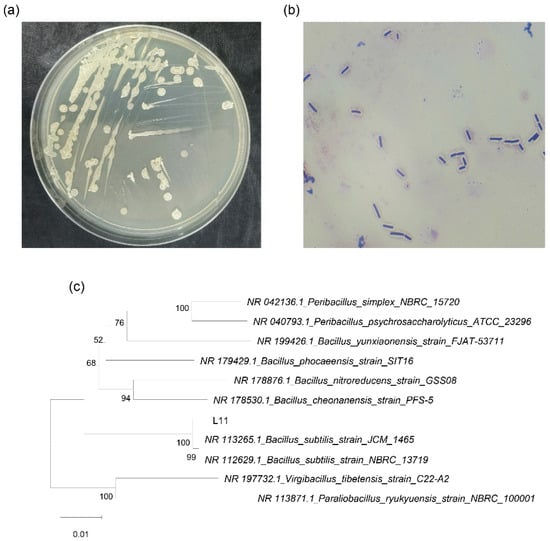
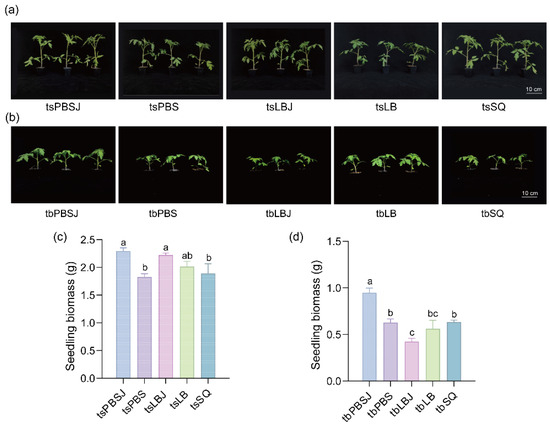
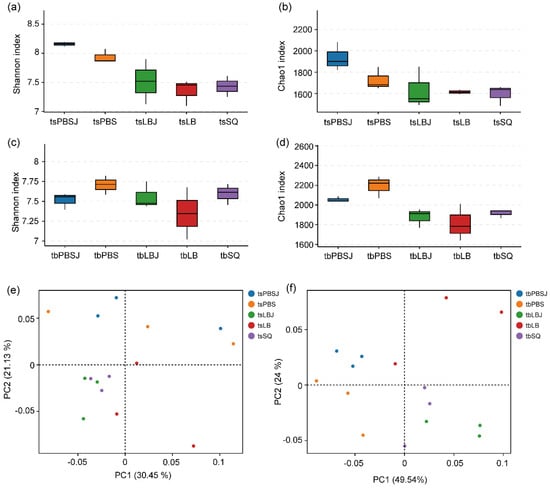
Plant growth-promoting rhizobacteria (PGPR) represent a sustainable and eco-friendly strategy to enhance crop productivity and support integrated agricultural systems. Among these, members of the genus Bacillus are highly valued for their resilience and multifaceted beneficial traits. The growth-promoting effects of Bacillus sp. L11 on S. lycopersicum seedlings were investigated in soil and artificial peat-based substrates. Rhizosphere microbial diversity was subsequently analyzed to investigate the interaction between L11 and the indigenous microbiota. We evaluated plant growth parameters, root growth parameters, and rhizosphere bacterial community dynamics using 16S rRNA high-throughput sequencing. Overall, L11 inoculation was associated with significantly improved growth indices of S. lycopersicum seedlings in both cultivation systems. Notably, the phosphate-buffered saline (PBS)-resuspended L11 markedly increased shoot fresh weight and plant height, and enhanced root-associated parameters such as total root length and root surface area. While L11 did not significantly alter alpha diversity, principal coordinates analysis (PCoA) revealed that its presence was associated with substantial restructuring of the rhizosphere bacterial community. Inoculation specifically enriched beneficial genera, including Chitinophaga, Devosia, and Pseudomonas. Correlation analyses showed that these microbial shifts were positively associated with the enhancement of seedling biomass and development. In conclusion, these findings suggest that Bacillus sp. L11 may promote S. lycopersicum growth through direct stimulation and by reshaping the rhizosphere microbiome, positioning it as a promising microbial inoculant for sustainable vegetable production.
Full article
(This article belongs to the Topic Applications of Biotechnology in Food and Agriculture)
►
Show Figures
Open AccessArticle
Comparative Genomics and Co-Expression Profiling of MADS-Box Genes Reveal Conserved Candidate Regulators of Secondary Cell Wall Formation in Lignified Endocarp and Seed Coat Across Four Angiosperm Species
by
Jing Sun, Zekun Zhou, Zhixin Wang, Funing Wei, Fanqing Meng, Mengyun Wen, Xueliang Xi, Aizhong Liu and Anmin Yu
Horticulturae 2026, 12(5), 626; https://doi.org/10.3390/horticulturae12050626 (registering DOI) - 19 May 2026
Abstract
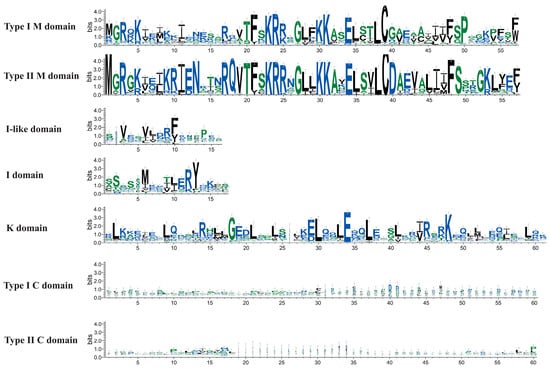
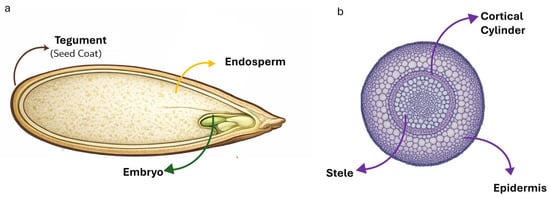
Fruit endocarp and seed coat are essential protective structures that influence key agronomic and mechanical traits in species with lignified protective tissues, yet their regulatory mechanisms remain incompletely understood. Here, we conducted a comprehensive genome-wide analysis of the MADS-box gene family in four
[...] Read more.
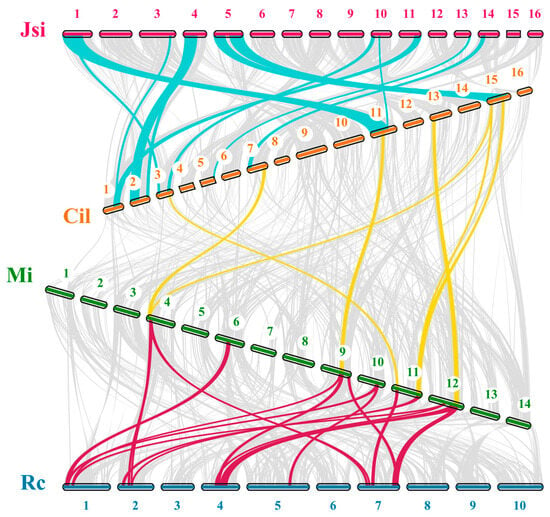
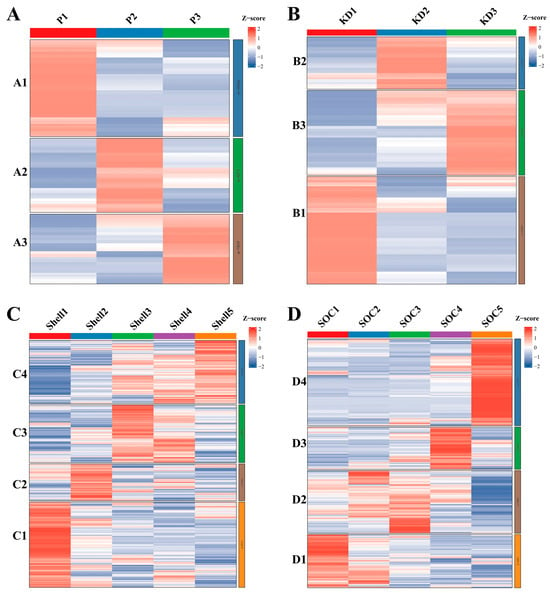
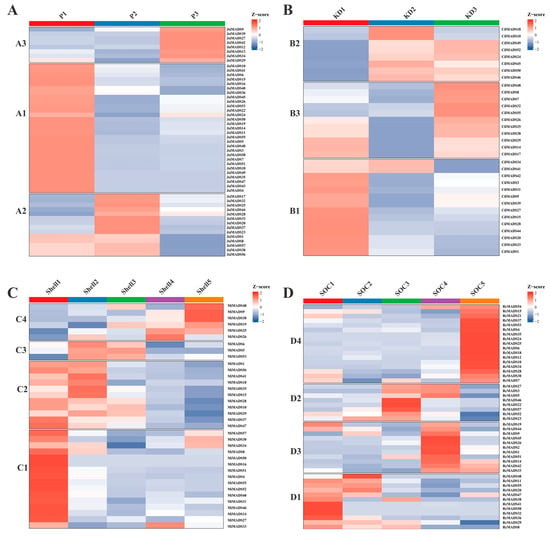
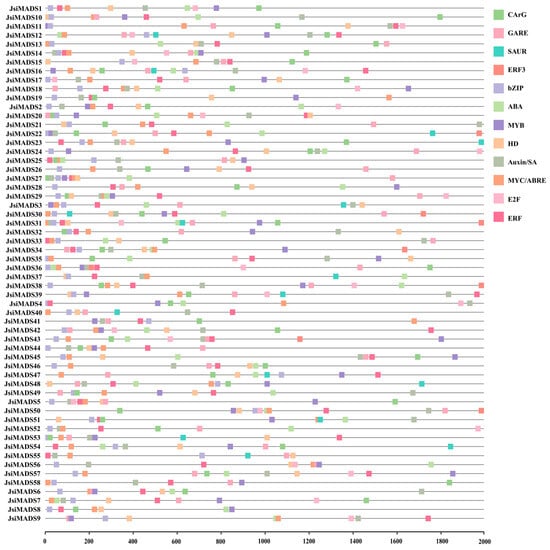
Fruit endocarp and seed coat are essential protective structures that influence key agronomic and mechanical traits in species with lignified protective tissues, yet their regulatory mechanisms remain incompletely understood. Here, we conducted a comprehensive genome-wide analysis of the MADS-box gene family in four angiosperm species: Juglans sigillata, Carya illinoinensis, Macadamia integrifolia, and Ricinus communis. A total of 58, 55, 57, and 57 MADS-box genes were identified, respectively, and systematically characterized through phylogenetic, structural, and evolutionary analyses. Comparative results revealed that MIKCc-type genes are highly conserved and primarily expanded via segmental duplication under strong purifying selection. Co-expression network analysis identified MADS-box genes as high-connectivity hub candidates that are strongly associated with genes involved in tissue specification, hormone signaling, and secondary cell wall biosynthesis. Promoters analysis indicated that these genes contain diverse cis-regulatory elements; however, these results are based on sequence prediction and do not demonstrate functional regulatory interactions. Across species, MADS-box genes exhibited analogous temporal expression dynamics during lignified endocarp and seed coat development, consistent with a potentially conserved transcriptional framework. Collectively, this study provides new insights into the evolutionary diversification and putative functions of MADS-box genes, and proposes a putative hierarchical regulatory framework for lignified endocarp and seed coat development. These findings supply valuable candidate target genes for future molecular breeding aimed at improving shell thickness, hardness, and related agronomic traits in woody nut and oilseed species.
Full article
(This article belongs to the Special Issue Advances in Developmental Biology in Tree Fruit and Nut Crops—2nd Edition)
►▼
Show Figures

Figure 1

Open AccessEditorial
Advances in Propagation and Cultivation of Mushroom
by
Hailong Yu, Yajie Zou, Shoumian Li and Qiang Li
Horticulturae 2026, 12(5), 625; https://doi.org/10.3390/horticulturae12050625 (registering DOI) - 18 May 2026
Abstract
The edible fungi industry is a characteristic agricultural industry that combines economic value, ecological value, and social benefits [...]
Full article
(This article belongs to the Special Issue Advances in Propagation and Cultivation of Mushroom)
Open AccessArticle
Phenotypic Diversity, Oil Quality Evaluation, and Elite Germplasm Screening of Xanthoceras sorbifolium Germplasm Resources
by
Shenghu Liu, Peidan Wen, Yuying Bai, Yanfen Liu, Shijie Wang and Lihui Zuo
Horticulturae 2026, 12(5), 624; https://doi.org/10.3390/horticulturae12050624 (registering DOI) - 18 May 2026
Abstract
To enrich the breeding resources of Xanthoceras sorbifolium and provide support for its industrialization, we conducted multi-trait comparisons and comprehensive evaluations of 48 elite X. sorbifolium clones with high oil contents and high comprehensive utilization values, based on germplasms preserved at Qiuxian Forest
[...] Read more.
To enrich the breeding resources of Xanthoceras sorbifolium and provide support for its industrialization, we conducted multi-trait comparisons and comprehensive evaluations of 48 elite X. sorbifolium clones with high oil contents and high comprehensive utilization values, based on germplasms preserved at Qiuxian Forest Farm, Handan, Hebei Province, China. The coefficients of variation for quantitative traits were 7.04–74.16%, with variability being greatest in shell and fruit weights. Cluster analysis categorized the 48 germplasms into four distinct groups, with marked inter-group trait differences. Soluble protein, soluble sugar, and starch contents varied significantly among accessions. The average kernel oil content was 60.30%, differences in oil content were validated at the cellular level through microscopic oil body observations. Correlation analysis demonstrated that comprehensive oil content was strongly significantly positively correlated with fruit- and seed-related traits, whereas oil content was strongly significantly negatively correlated with fruit shell thickness and seed coat thickness. Principal component analysis extracted five principal components with a cumulative contribution rate of 72.747%, encapsulating four core information dimensions: fruit and seed size, oil content, protein quality, and energy substances. Membership function analysis, selected germplasms G10, G2, G4, G7, G20, G24, G17, G, G34, and G5 as optimal accessions. These clones are suitable core breeding materials due to their outstanding performance in terms of nutrient content, geometric characteristics, and fruit and seed weights. Notably, G24, G5, and G17 demonstrated significant advantages in oil quality with high linoleic acid (C18:2), oleic acid (C18:1), and nervonic acid (C24:1) contents, respectively, indicating the excellent potential of X. sorbifolium development for oil production.
Full article
(This article belongs to the Special Issue Genetic Breeding and Diversity of Fruit Germplasm Resources)
Open AccessArticle
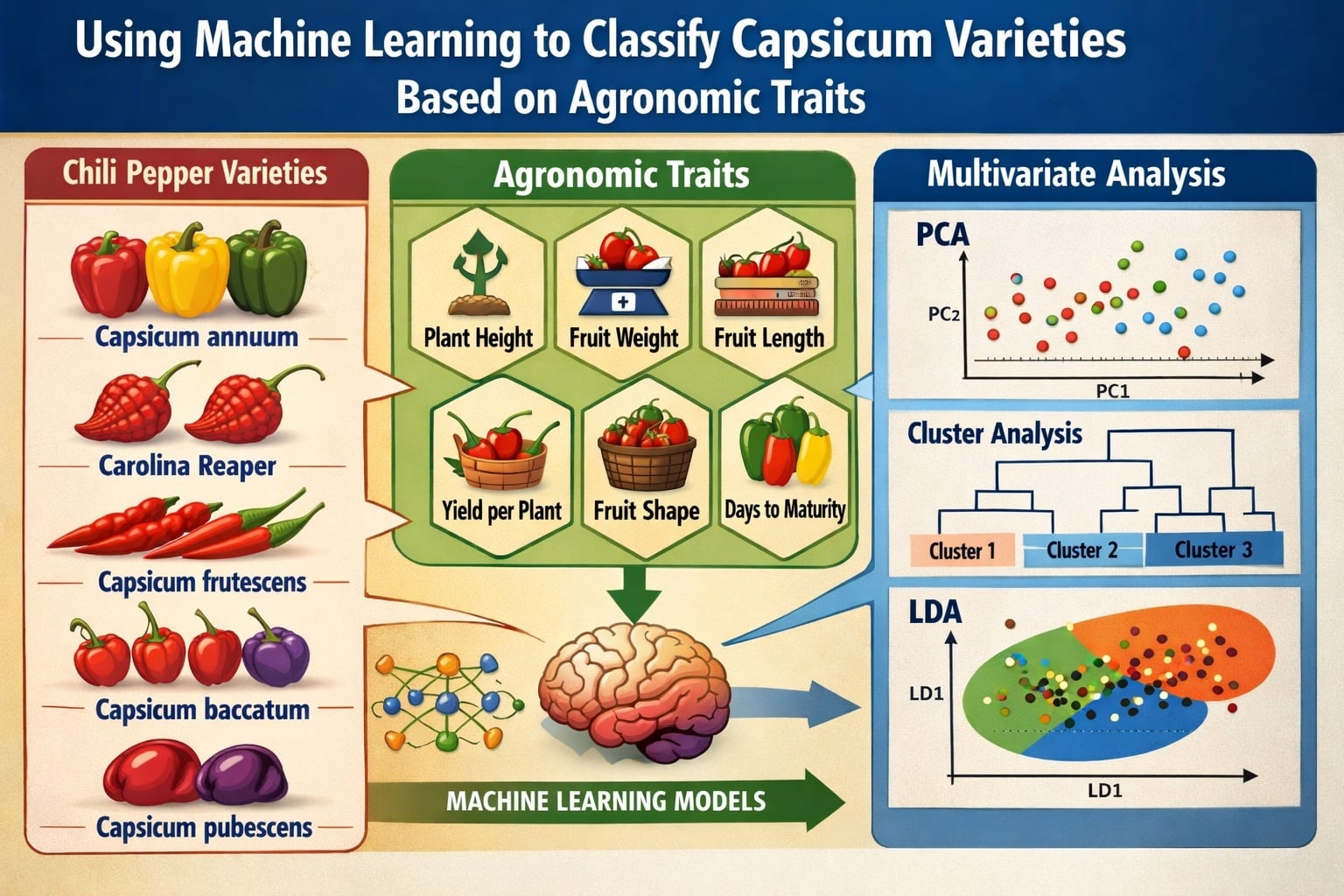
Using Machine Learning to Classify Capsicum Genotypes Based on Agronomic Traits
by
Ana Izabella Freire, Alex Fernandes de Souza, Gustavo dos Santos Leal, Filipe Bittencourt Machado de Souza, Filipe Alves Neto Verri, Pedro Paulo Balestrassi, Anderson Paulo de Paiva, João José da Silva Júnior, Leonardo França da Silva, Fernando Henrique Silva Garcia and Guilherme Godoy Fonseca
Horticulturae 2026, 12(5), 623; https://doi.org/10.3390/horticulturae12050623 (registering DOI) - 18 May 2026
Abstract
Peppers from the Capsicum genus are highly valued worldwide for their culinary, medicinal, and nutritional uses. However, accurately classifying and developing new varieties to enhance these traits remains a challenge due to the limitations of traditional methods, which often lack precision and are
[...] Read more.
Peppers from the Capsicum genus are highly valued worldwide for their culinary, medicinal, and nutritional uses. However, accurately classifying and developing new varieties to enhance these traits remains a challenge due to the limitations of traditional methods, which often lack precision and are time-consuming. This study aimed to overcome these limitations by applying advanced multivariate statistical techniques and machine learning models (KNN, RF, XGBoost) to characterize and classify Capsicum genotypes based on genetic and phenotypic features. Sixteen Capsicum genotypes were analyzed using methods such as MANOVA, PCA, and cluster analysis to explore their variabilities and similarities. Cluster analysis revealed the formation of distinct groups, indicating phenotypic similarity patterns among specific varieties. The machine learning models were evaluated using Leave-One-Out cross-validation to address the challenges posed by small datasets. The results indicated that Random Forest outperformed the other models, exhibiting superior class discrimination with an AUC of 0.96, while KNN and XGBoost achieved AUC values of 0.95 and 0.85, respectively. Despite the slightly superior performance of Random Forest relative to KNN, both models demonstrated strong predictive performance, whereas XGBoost exhibited moderate performance. In addition, key agronomic traits such as pericarp thickness, fruit diameter, seeds per fruit, and corolla color were identified as the most relevant variables for classification. Principal component analysis indicated that the first components explained a substantial proportion of the total variance, supporting efficient dimensionality reduction and pattern recognition. Furthermore, the Random Forest model achieved high overall performance, with accuracy, precision, recall, and F1-score values close to 0.93, reinforcing its robustness in multiclass classification. This study highlights the effectiveness of machine learning in overcoming the constraints of traditional classification methods, providing a robust approach for the accurate identification and improvement of pepper varieties.
Full article
(This article belongs to the Section Genetics, Genomics, Breeding, and Biotechnology (G2B2))
►▼
Show Figures

Graphical abstract
Open AccessArticle
Sensitivity of Pinus kesiya var. langbianensis Seeds to Desiccation Treatment for Storage and Elucidation of the Physiological Mechanisms
by
Xiaomei Sun, Tianyang Zhang, Shuya Zhang and Jin Li
Horticulturae 2026, 12(5), 622; https://doi.org/10.3390/horticulturae12050622 (registering DOI) - 18 May 2026
Abstract
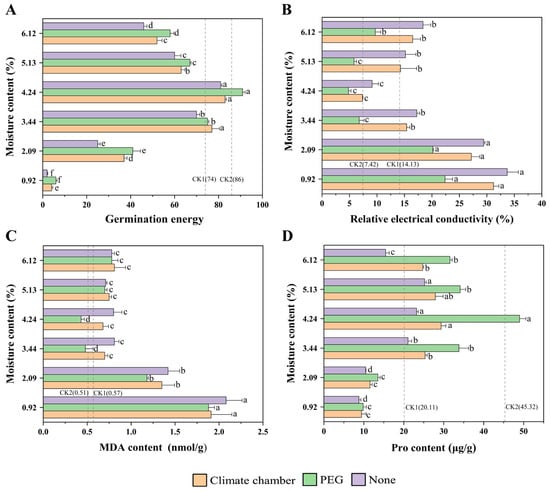
Temperature and humidity are the key environmental factors affecting the storage life of seeds. To explore the feasibility and factors influencing ultra-dry storage of Pinus kesiya var. langbianensis seeds, the seeds were dehydrated to six different moisture contents (0.92–6.12%) and stored for one
[...] Read more.
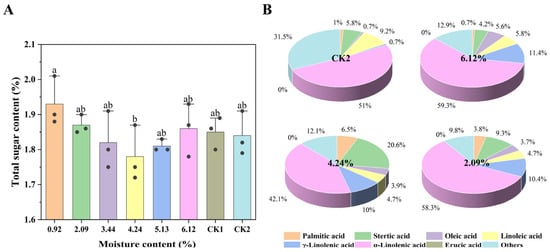
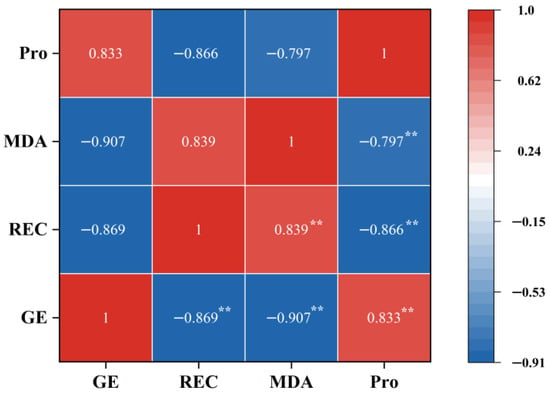
Temperature and humidity are the key environmental factors affecting the storage life of seeds. To explore the feasibility and factors influencing ultra-dry storage of Pinus kesiya var. langbianensis seeds, the seeds were dehydrated to six different moisture contents (0.92–6.12%) and stored for one year. The effects of moisture content, packaging method, storage temperature, and pre-humidification method on the viability of ultra-dry seeds were systematically investigated using an orthogonal experimental design. The germination energy, relative electrical conductivity (REC), malondialdehyde (MDA), proline (Pro), total soluble sugar content, and fatty acid composition were determined. The results showed that moisture content and pre-humidification had significant effects on seed germination energy and vigor (p < 0.01). The germination energy of ultra-dried seeds was significantly negatively correlated with REC and MDA contents (p < 0.01) and significantly positively correlated with Pro content (p < 0.01). Based on the comprehensive indices, the optimal combination for seed germination energy was: 4.24% moisture content, self-sealing bag packaging, room temperature (25 °C) storage, and 20% polyethylene glycol (PEG) pre-humidification. Under the optimal moisture content (4.24%), the total sugar content of seeds was the lowest, while the fatty acid unsaturation index and oleic acid content were higher than those in the other treatments. Therefore, appropriate ultra-dry treatment can effectively maintain the seed vigor of P. kesiya var. langbianensis, and its protective effect is closely related to reducing membrane lipid peroxidation, accumulating proline, and regulating fatty acid unsaturation. This has important implications for forest seed conservation and germplasm management, particularly for long-term ex situ preservation of tree seeds in gene banks, supporting reforestation and biodiversity restoration efforts.
Full article
(This article belongs to the Section Propagation and Seeds)
►▼
Show Figures

Figure 1
Open AccessArticle
Optimizing Carbon Dioxide Enrichment to Balance Yield, Functional Food Quality, and Economic Feasibility in Plant-Factory-Cultivated Kale
by
Manop Kupia, Weerasin Sonjaroon, Gadewara Matmarurat, Masayoshi Shigyo, Patchareeya Boonkorkaew, Nikolaos Tzortzakis and Jutiporn Thussagunpanit
Horticulturae 2026, 12(5), 621; https://doi.org/10.3390/horticulturae12050621 (registering DOI) - 18 May 2026
Abstract
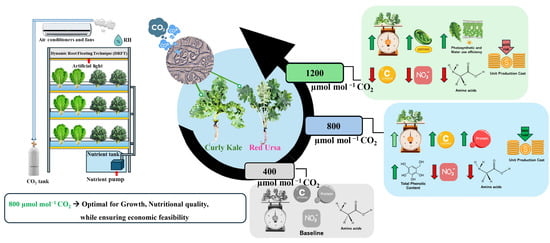
Kale is widely recognized as a nutritional superfood. This study investigated the impact of carbon dioxide (CO2) concentrations (400, 800, and 1200 µmol mol−1) on the growth, yield, physiological responses, and nutritional contents of two kale cultivars (‘Curly Kale’
[...] Read more.
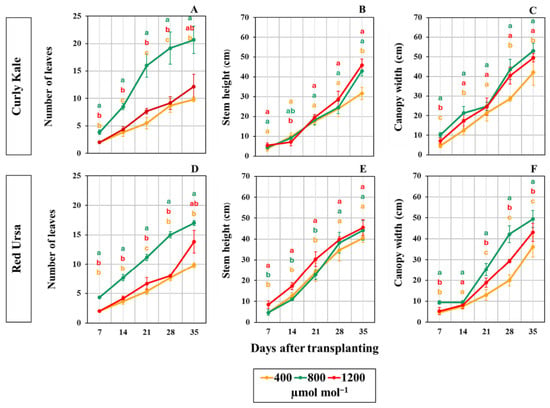
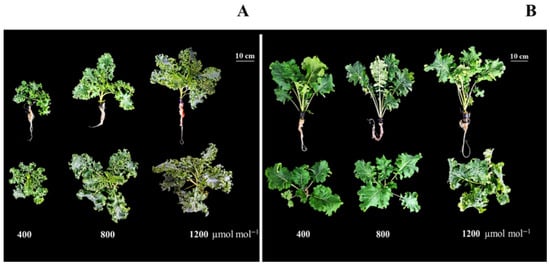
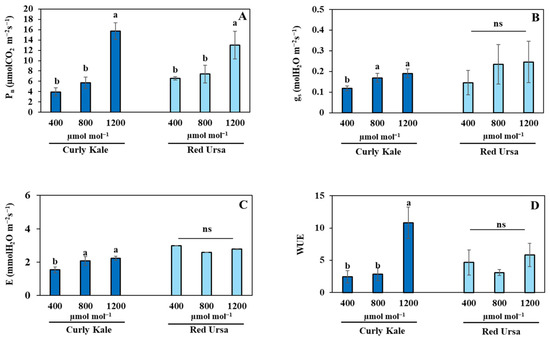
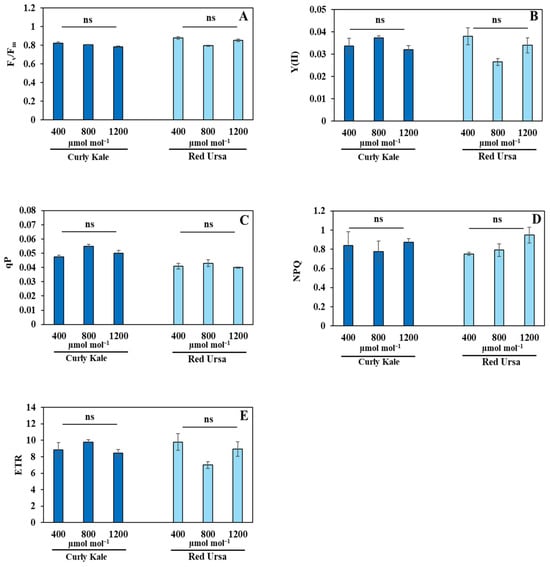
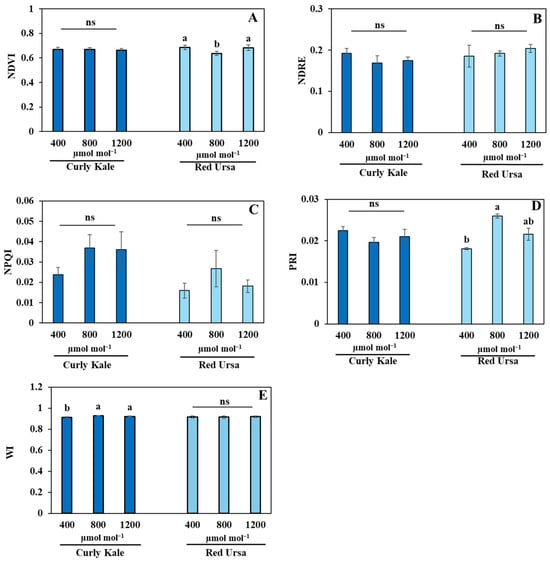
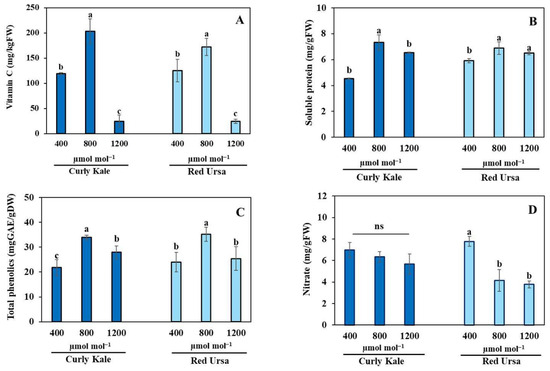
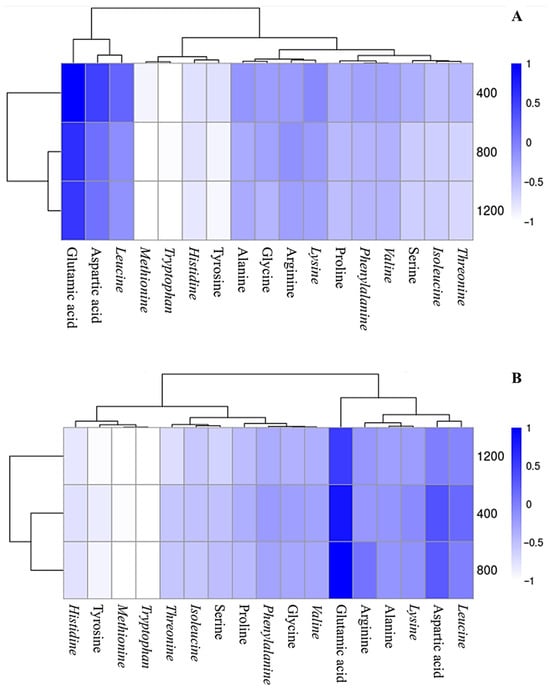
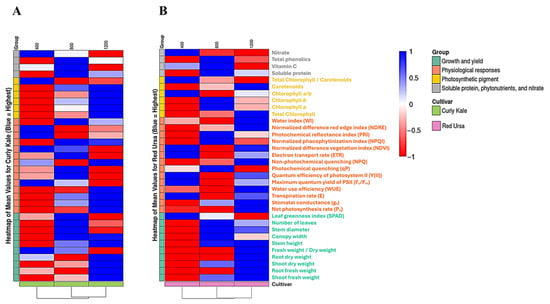
Kale is widely recognized as a nutritional superfood. This study investigated the impact of carbon dioxide (CO2) concentrations (400, 800, and 1200 µmol mol−1) on the growth, yield, physiological responses, and nutritional contents of two kale cultivars (‘Curly Kale’ and ‘Red Ursa’) grown in a plant factory. A completely randomized design was used to evaluate these parameters. Based on the results, increasing the CO2 concentration to 1200 µmol mol−1 significantly enhanced stem height, shoot, and root fresh weight and dry weight in ‘Curly Kale’ and ‘Red Ursa’, compared to the other CO2 concentrations. Increasing CO2 concentration to 1200 µmol mol−1 significantly enhanced net photosynthesis rate, stomatal conductance, transpiration rate, and water use efficiency in ‘Curly Kale’. In addition, compared to ambient CO2, the increase in the CO2 concentration to 800 µmol mol−1 significantly increased the vitamin C, soluble protein, and total phenolic contents, while reducing the nitrate accumulation in both cultivars. However, further elevation to 1200 µmol mol−1 CO2 markedly decreased the vitamin C content and total amino acids, including both the essential and non-essential amino acids. Among the tested concentration gradients, 800 µmol mol−1 CO2 was identified as the most cost-effective level for maintaining nutrient density, whereas 1200 µmol mol−1 CO2 increased unit production costs for ‘Red Ursa’ due to a lack of significant yield returns. In conclusion, enriching the CO2 concentration to 800 µmol mol−1 provided a balance between improved growth, photosynthetic performance, and optimal nutritional quality, while ensuring economic feasibility and preserving the superfood identity of kale.
Full article
(This article belongs to the Special Issue Horticultural Crop Cultivation in Greenhouse Ecosystems: Environmental Regulation and Sustainable Production)
►▼
Show Figures

Graphical abstract
Open AccessArticle
Biostimulant Priming Modulates Photosynthesis and Storability of Salt-Stressed Garlic (Allium sativum L.) in a Cultivar-Dependent Manner
by
Miaohong Liu, Duyen Nguyen, Song Gao, Michiko Takagaki, Kun Xu and Na Lu
Horticulturae 2026, 12(5), 620; https://doi.org/10.3390/horticulturae12050620 (registering DOI) - 17 May 2026
Abstract
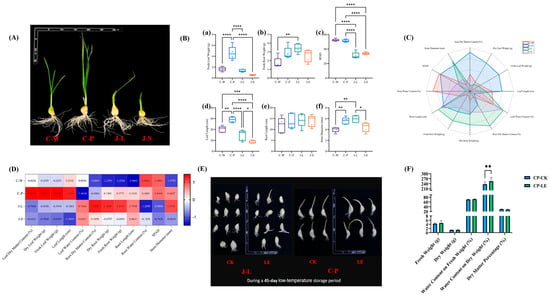
This study evaluated the growth, physiological, chlorophyll fluorescence (JIP-test), and postharvest responses of a shoot-dominant (‘C-P’) and a root-dominant (‘J-L’) garlic material to graded salinity (0, 50, and 200 mM NaCl) in a hydroponic system, with or without seed-clove priming using LEAFENERGY®
[...] Read more.
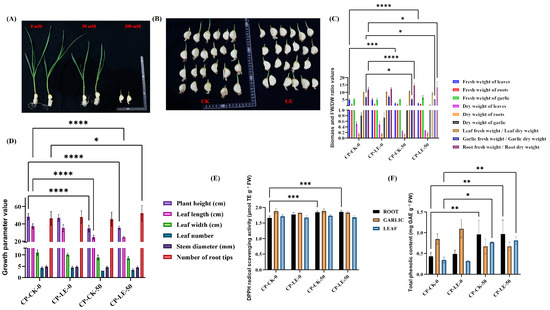
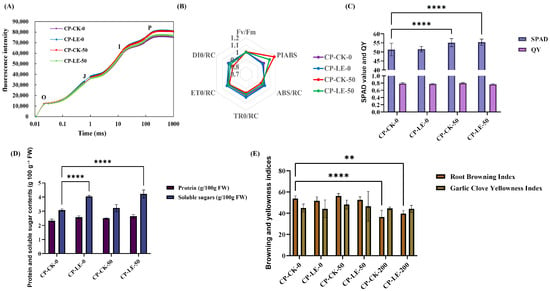
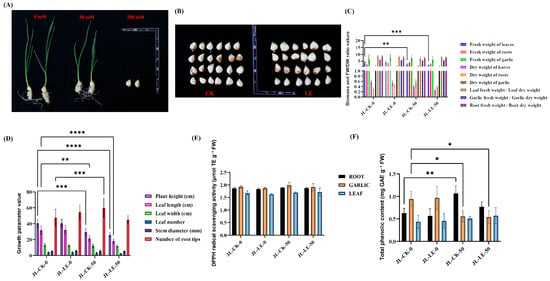
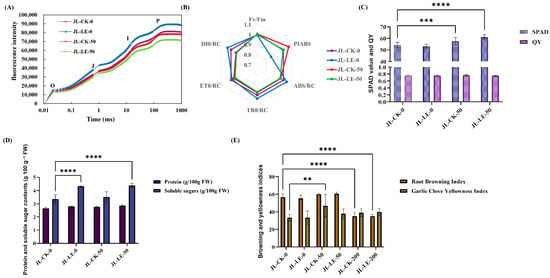
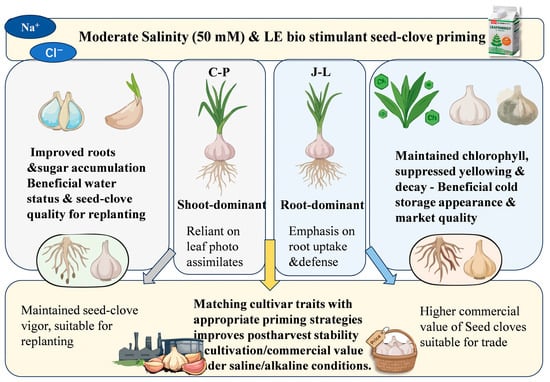
This study evaluated the growth, physiological, chlorophyll fluorescence (JIP-test), and postharvest responses of a shoot-dominant (‘C-P’) and a root-dominant (‘J-L’) garlic material to graded salinity (0, 50, and 200 mM NaCl) in a hydroponic system, with or without seed-clove priming using LEAFENERGY®, a commercial biostimulant mainly composed of naturally derived rare fatty acids. Results showed 50 mM NaCl significantly inhibited shoot growth, while 200 mM nearly arrested growth and induced clove decay. Under moderate salinity, biostimulant priming exhibited cultivar-dependent mitigation. In ‘C-P’, biostimulant priming increased clove soluble sugar content by 1.140 g 100 g−1 FW under 50 mM NaCl and increased dry-weight-based clove water content after cold storage. In ‘J-L’, biostimulant priming increased SPAD values under 50 mM NaCl and reduced the salt-induced increase in clove yellowness index to a level not significantly different from the non-saline control. In conclusion, garlic’s response to salinity is fundamentally dictated by intrinsic resource allocation strategies. Rather than merely promoting growth, biostimulant priming optimizes photosynthetic energy fluxes and reshapes metabolism. This tailored approach effectively preserves the visual marketability of susceptible cultivars while enhancing osmoprotectant accumulation and hydration in vigorous morphotypes, providing a sustainable strategy to safeguard industrial raw materials in salinized controlled cultivation systems.
Full article
(This article belongs to the Special Issue Innovative Applications of Organic Manures, Biostimulants, and Micronutrients in Sustainable Horticultural Production)
►▼
Show Figures

Figure 1
Open AccessFeature PaperArticle
The Impact of Planting Density and Vegetative Duration on Yield Optimization and Cannabinoid Stability in Medicinal Cannabis Under Controlled-Environment Cultivation
by
Panagiotis Karnoutsos, Stratos Mallis, Eirini Sarrou, Nikos Koukovinos, Eleni Tsaliki, Marios Karagiovanidis, Ioannis Ganopoulos and Apostolos Kalivas
Horticulturae 2026, 12(5), 619; https://doi.org/10.3390/horticulturae12050619 (registering DOI) - 17 May 2026
Abstract
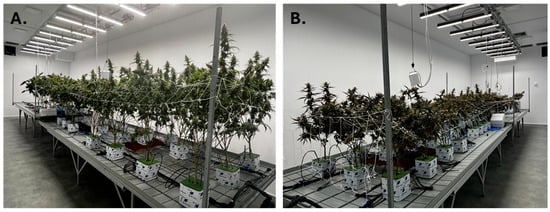
Optimizing plant density and vegetative growth duration is important for improving productivity in controlled-environment medicinal cannabis cultivation. Although both factors strongly influence canopy development and yield, their combined effects under modern high-intensity LED lighting, and particularly their consequences for cannabinoid uniformity across the
[...] Read more.
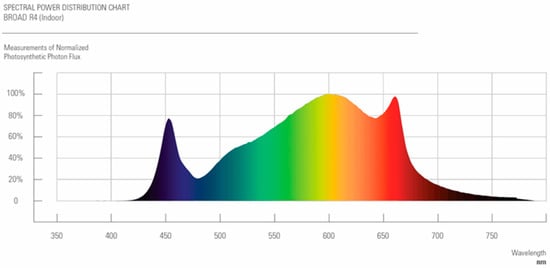
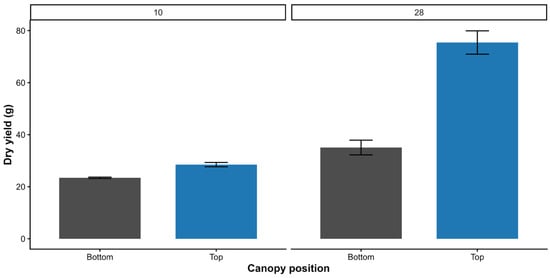
Optimizing plant density and vegetative growth duration is important for improving productivity in controlled-environment medicinal cannabis cultivation. Although both factors strongly influence canopy development and yield, their combined effects under modern high-intensity LED lighting, and particularly their consequences for cannabinoid uniformity across the canopy, remain insufficiently characterized. This study examined how planting density and vegetative duration influence plant growth, yield, and cannabinoid concentration in Cannabis sativa L. (strain ‘Fat Banana’) grown under controlled environment conditions, high-intensity LED lighting and precision fertigation. Two vegetative durations (10 and 28 days) were evaluated in separate but identical controlled-environment chambers under broad-spectrum high-intensity LED lighting and automated precision fertigation on rockwool substrate. The 10-day regime compared 8, 14 and 18 plants m−2; the 28-day regime compared 6, 8 and 10 plants m−2. Each combination was replicated across two independent cultivation cycles, and because density levels differed between regimes, direct between-regime comparisons were restricted to the shared density of 8 plants m−2. Extending the vegetative phase from 10 to 28 days increased plant height, stem diameter and internodal length. Area-based yield increased strongly with density, reaching 1091 g m−2 at 18 plants m−2 under the 10-day regime and 1009 g m−2 at 10 plants m−2 under the 28-day regime. Apical biomass exceeded basal biomass, but total THC concentration did not differ significantly among planting densities, vegetative durations or canopy positions. Higher planting densities combined with shorter vegetative periods can therefore increase area-based productivity while maintaining stable THC concentration under high-intensity LED cultivation.
Full article
(This article belongs to the Section Protected Culture)
►▼
Show Figures

Figure 1

Open AccessArticle
Effects of Stage-Specific Red-to-White Light Ratios on the Growth and Nutritional Properties of Pak Choi
by
Xiangyu Wang, Shijun Zhu, Jun Ju, Minggui Zhang, Youzhi Hu, Xiaolong Yang, Jiali Song and Houcheng Liu
Horticulturae 2026, 12(5), 618; https://doi.org/10.3390/horticulturae12050618 (registering DOI) - 15 May 2026
Abstract
In plant factories with artificial lighting (PFALs), spectral regulation serves as the predominant factor governing plant growth and development. The implementation of red-enriched spectral regimens during cultivation promotes biomass accumulation, whereas blue-dominant spectra enhance the biosynthesis of phytochemicals and nutritional compounds in plants.
[...] Read more.
In plant factories with artificial lighting (PFALs), spectral regulation serves as the predominant factor governing plant growth and development. The implementation of red-enriched spectral regimens during cultivation promotes biomass accumulation, whereas blue-dominant spectra enhance the biosynthesis of phytochemicals and nutritional compounds in plants. Nevertheless, systematic investigations into the effects of staged spectral regimens on both plant development and secondary metabolite biosynthesis remain limited. This study evaluated four distinct stage-specific dynamic lighting regimens (T1–T4) under a constant total photosynthetic photon flux density (PPFD) of 200 μmol·m−2·s−1. The treatments utilized three distinct red-to-white photon flux ratios (R:W = 3:1, 1:1, and 1:3) administered sequentially during critical developmental phases of Pak choi: the seedling stage, the early growth stage (15 days after transplanting, DAT), and the late growth stage (16–30 DAT). The effects of these treatments on biomass production, morphological development, photosynthetic pigments, nutritional metabolites, antioxidant levels and radical quenching capacity were evaluated. The results demonstrated that the T4 treatment significantly enhanced biomass production, increasing shoot fresh weight by 51.3% compared to the T1 treatment at the late growth stage. The application of a higher red-light proportion (HR, R:W = 3:1) during the seedling stage significantly increased leaf area by 70% compared to the low red-light treatment (LR, R:W = 1:3). Regarding nutritional quality, while carotenoid content showed no significant differences among treatments, higher blue-light proportions selectively stimulated the biosynthesis of chlorophyll, vitamin C, and soluble proteins. Specifically, the T3 treatment enhanced certain traits during the early growth stage, whereas the T2 treatment best maintained specific antioxidant capacities (FRAP and flavonoids) at the late growth stage prior to harvest. Notably, nitrate levels were not significantly affected by the spectral shifts. This study establishes that the temporal modulation of red-to-white spectral ratios enables the targeted optimization of either crop yield (T4) or specific harvest-stage nutritional attributes (T2) in Pak choi.
Full article
(This article belongs to the Special Issue Optimized Light Management in Controlled-Environment Horticulture)
Open AccessArticle
Red Light Night-Break at 660 nm Extends Autumn Flowering in Annona squamosa Through Shoot Senescence Delay and Phytohormone Remodeling Under Warm Temperature Dependence
by
Hsin-Hsiu Fang, Chih-Wei Tung, Hsiu-Yen Ma, Wen-Li Lee, Chih-Cheng Hsu, Kuo-Dung Chiou and Yu-Chang Tsai
Horticulturae 2026, 12(5), 617; https://doi.org/10.3390/horticulturae12050617 (registering DOI) - 15 May 2026
Abstract
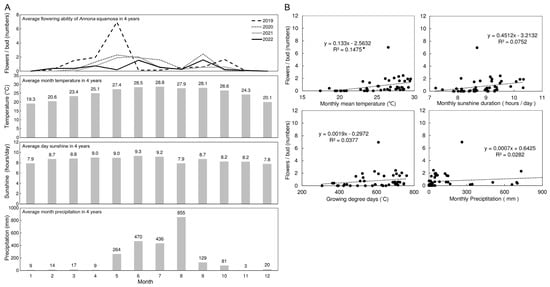
Extending the fruiting season of Annona squamosa L. requires overcoming autumn and winter flowering declines. This study investigates the efficacy of light-quality regulation technologies and their temperature dependence for floral induction. Field surveys initially identified temperature as the primary climatic factor governing flowering.
[...] Read more.
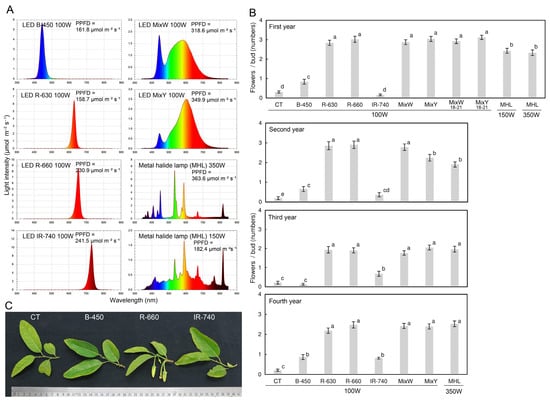
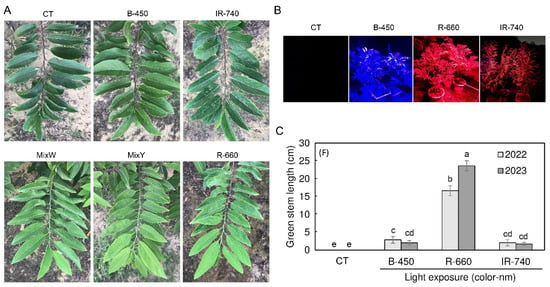
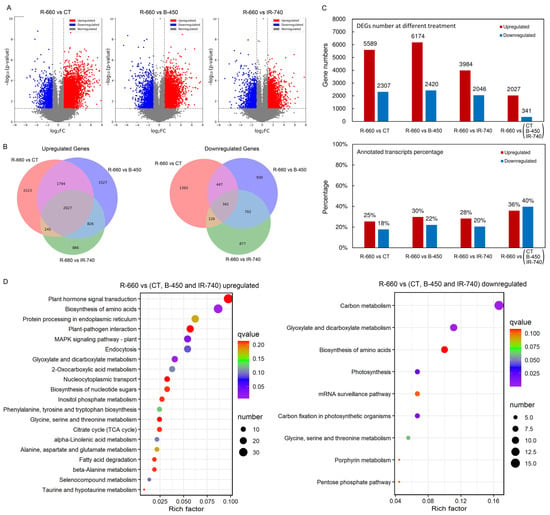
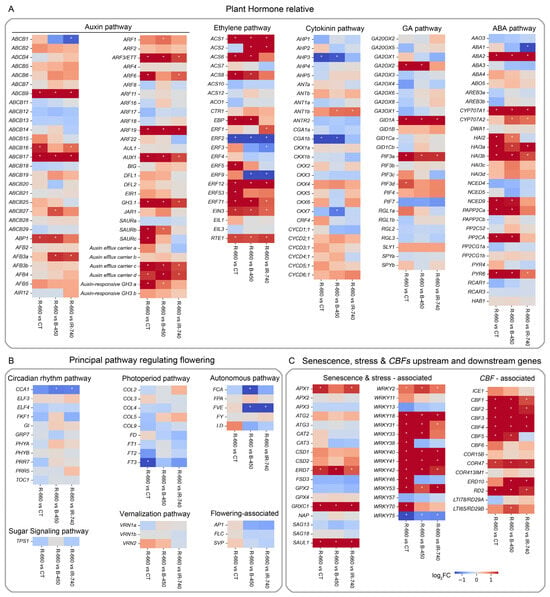
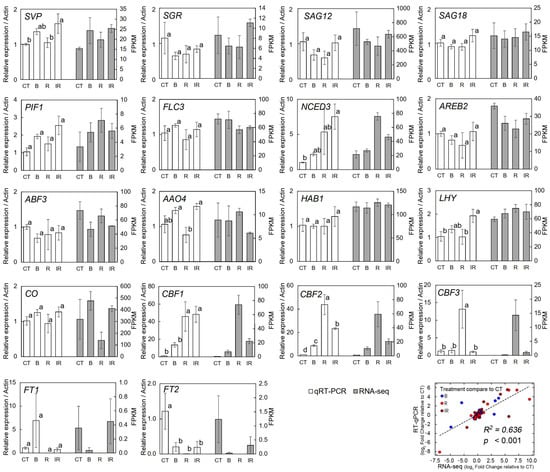
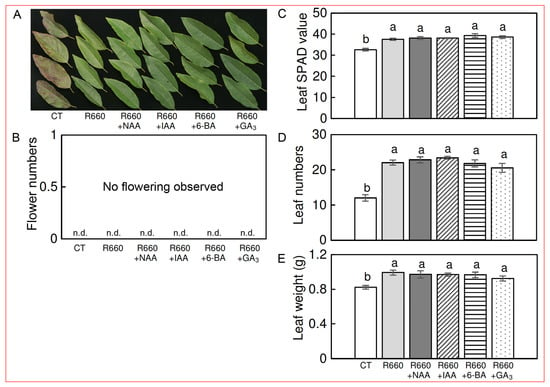
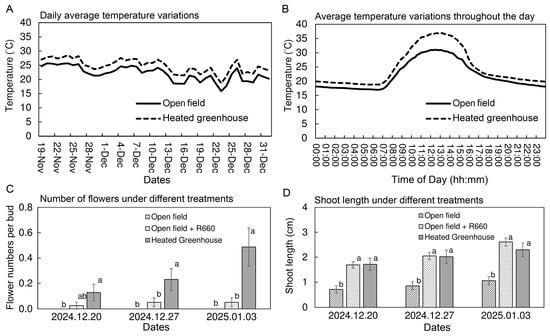
Extending the fruiting season of Annona squamosa L. requires overcoming autumn and winter flowering declines. This study investigates the efficacy of light-quality regulation technologies and their temperature dependence for floral induction. Field surveys initially identified temperature as the primary climatic factor governing flowering. Under suboptimal autumn temperatures, red light (R-660) night-break (NB) treatments significantly enhanced shoot growth and flowering compared to other light spectra. Transcriptomic analysis revealed 2027 upregulated and 341 downregulated transcripts consistently regulated by R-660, with significant enrichment in the plant hormone signal transduction pathway. Furthermore, R-660 upregulated cold response genes (e.g., CBFs, WRKYs, ERD7), which are associated with the maintenance of vegetative vigor under suboptimal autumn temperatures. However, mid-winter R-660 NB failed to induce flowering without supplemental greenhouse heating. Ultimately, warm ambient temperature is the absolute prerequisite for A. squamosa floral induction, with R-660 serving as a highly effective seasonal supplement to extend autumn flowering.
Full article
(This article belongs to the Section Developmental Physiology, Biochemistry, and Molecular Biology)
►▼
Show Figures

Figure 1
Open AccessArticle
Bioactive Compounds of Aqueous and Ethanol Extracts of Nance (Byrsonima crassifolia) and Their Bioactivity Against Selected Pathogenic Bacteria
by
Renata Pamela Patiño-Hernández, Jose Irving Valdez-Miranda, Raúl Eduardo López-Hernández, Diana Maylet Hernández-Martínez, Graciela Castro-Escarpulli, Andres Saldaña-Padilla, Gustavo F. Gutiérrez-López, Patricia Rosales-Martínez and Maribel Cornejo-Mazón
Horticulturae 2026, 12(5), 616; https://doi.org/10.3390/horticulturae12050616 (registering DOI) - 15 May 2026
Abstract
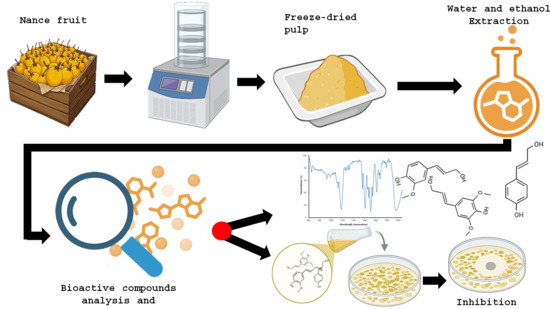
Nance fruits are produced worldwide in small cultivars and are valued for their characteristic aroma, flavor, and rich vitamins and fiber, as well as for their antioxidant characteristics. The use of herbal infusions in various communities is common, and considerable knowledge behind such
[...] Read more.
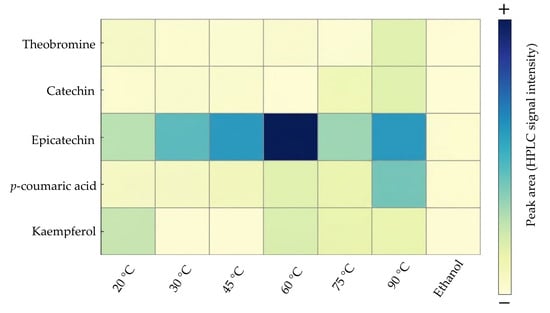
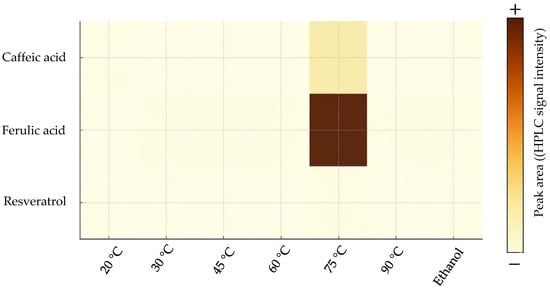
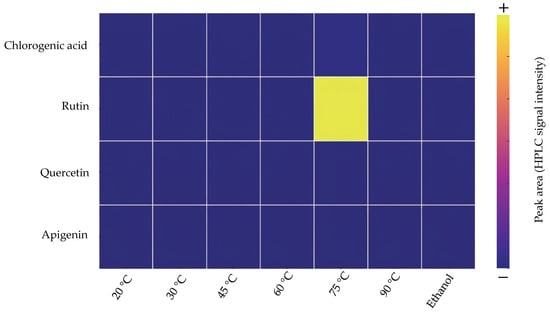
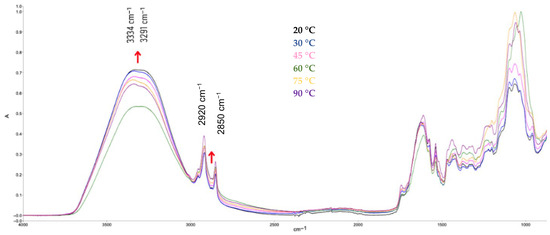
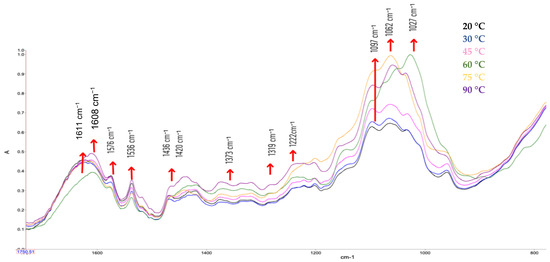
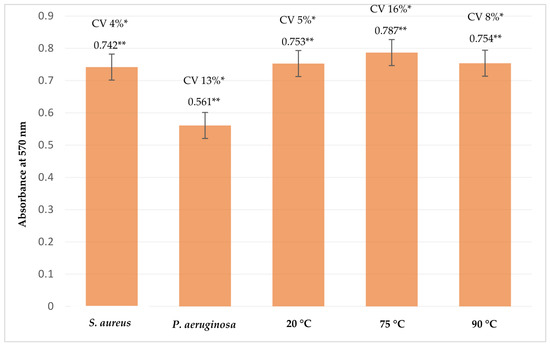
Nance fruits are produced worldwide in small cultivars and are valued for their characteristic aroma, flavor, and rich vitamins and fiber, as well as for their antioxidant characteristics. The use of herbal infusions in various communities is common, and considerable knowledge behind such usage remains empirical. In this work, we investigated the bioactive profile of nance fruit pulp water and ethanol extracts obtained at various temperatures, as well as their feasibility to inhibit selected pathogenic bacteria strains and biofilm formation. The extracts showed a significant content of vitamin C that increased from 11 to 17 mg/100 mL when temperatures rose to 75–90 °C. Antioxidant capacity by DPPH• and ABTS•+ also increased with extraction temperature (75–90 °C), and phenolic compounds correspondingly depicted maximum values of 8.0 and 11.2 mg GAE/100 mL at the same temperatures. The higher values of bioactive compounds and antioxidant capacity at high extraction temperatures was possibly due to the disruption of cell walls and membranes at these temperatures that allowed for the release of bioactive compounds. Fourier transform infrared spectroscopy bands indicated that the aqueous extracts of nance pulp contained a combination of hydroxyl, amide, and methylene functional groups, demonstrating the coexistence of phenolic compounds, amino acids, and lipids, which supported the presence of molecules with potential biological activity. Inhibition of microbial growth by aqueous extracts obtained at 20 °C was observed against S. aureus and P. aeruginosa, and none of the extracts prevented biofilm formation against S. aureus.
Full article
(This article belongs to the Special Issue Bioactive Compounds from Horticultural Plants and Plant Byproducts: Cultivating Innovation for a Sustainable Future in Food Systems)
►▼
Show Figures

Graphical abstract
Open AccessArticle
Red Light Irradiation Modulates Reactive Oxygen Species Homeostasis and Redox Signaling in Different Parts of Mango Fruit During Postharvest Ripening
by
Yewei Tan, Tao Rong, Min Zhang, Rui Wang, Qi Lin, Xinrong Li, Chunmei Feng, Ning Ji, Linliang Wang, Lihua Jiang, Bangdi Liu and Jing Sun
Horticulturae 2026, 12(5), 615; https://doi.org/10.3390/horticulturae12050615 (registering DOI) - 15 May 2026
Abstract
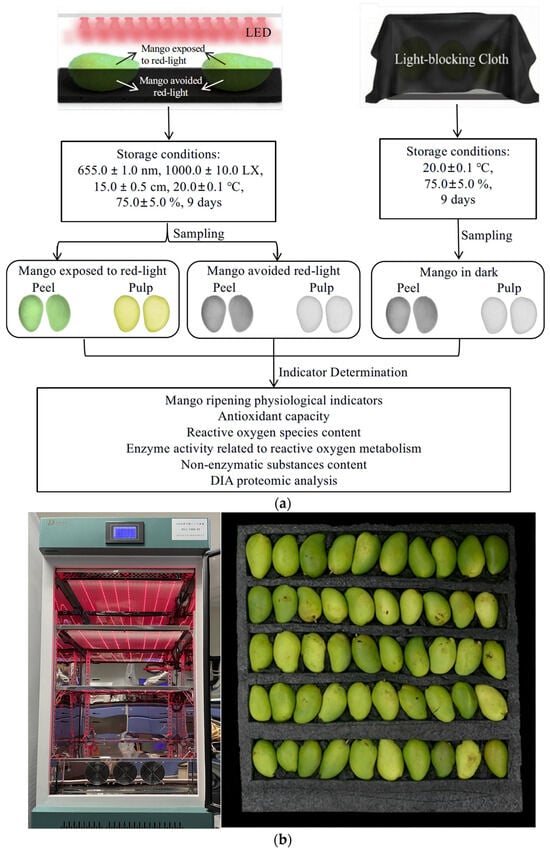
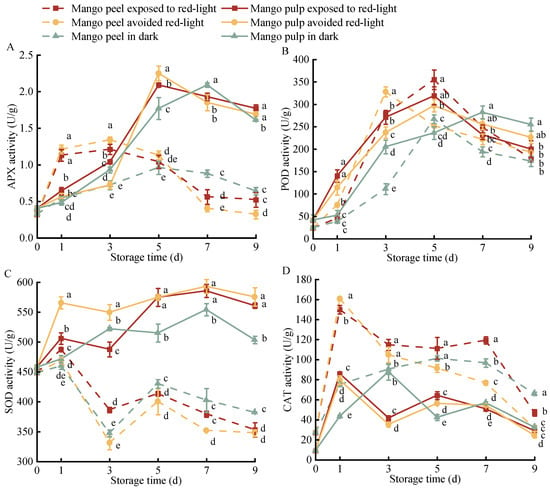
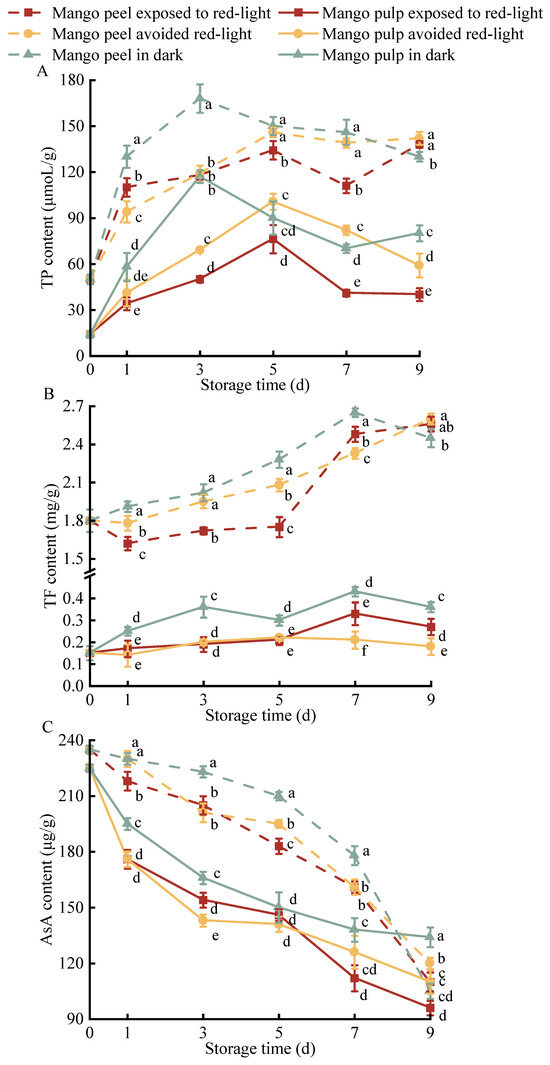
To investigate the differences in reactive oxygen species (ROS) metabolism and signal transduction between the illuminated and non-illuminated surfaces of mangoes exposed to red light, this study used “Tainong No.1” mangoes as the test material, setting up three groups: mango exposed to red
[...] Read more.
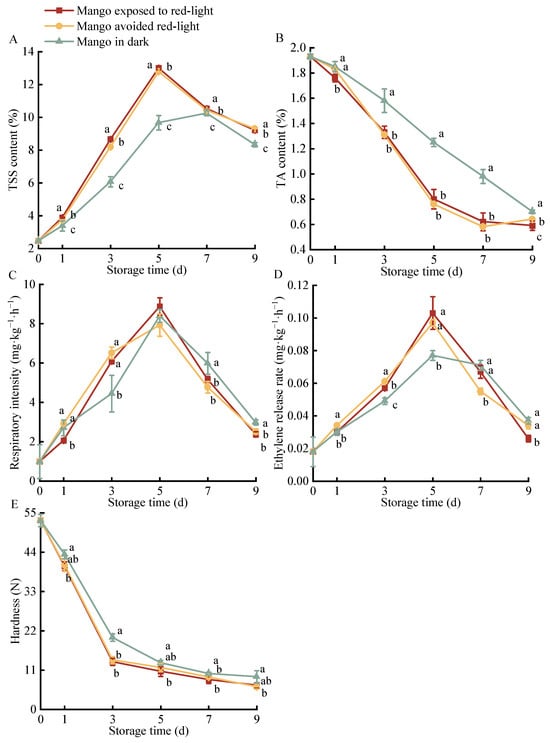
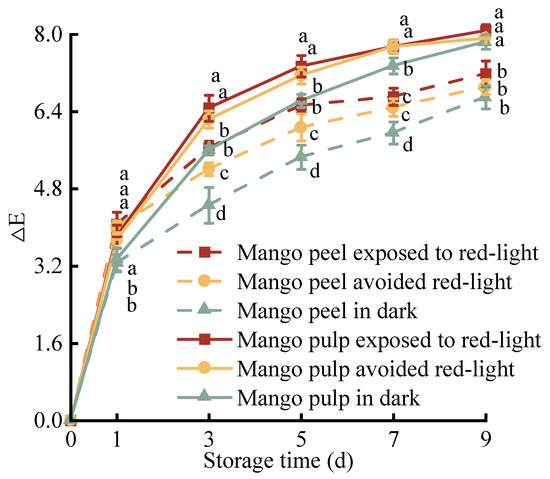
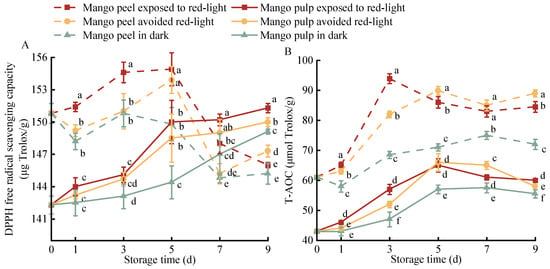
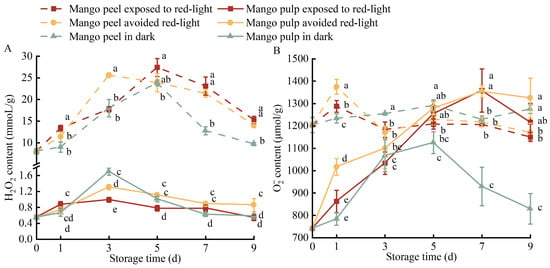
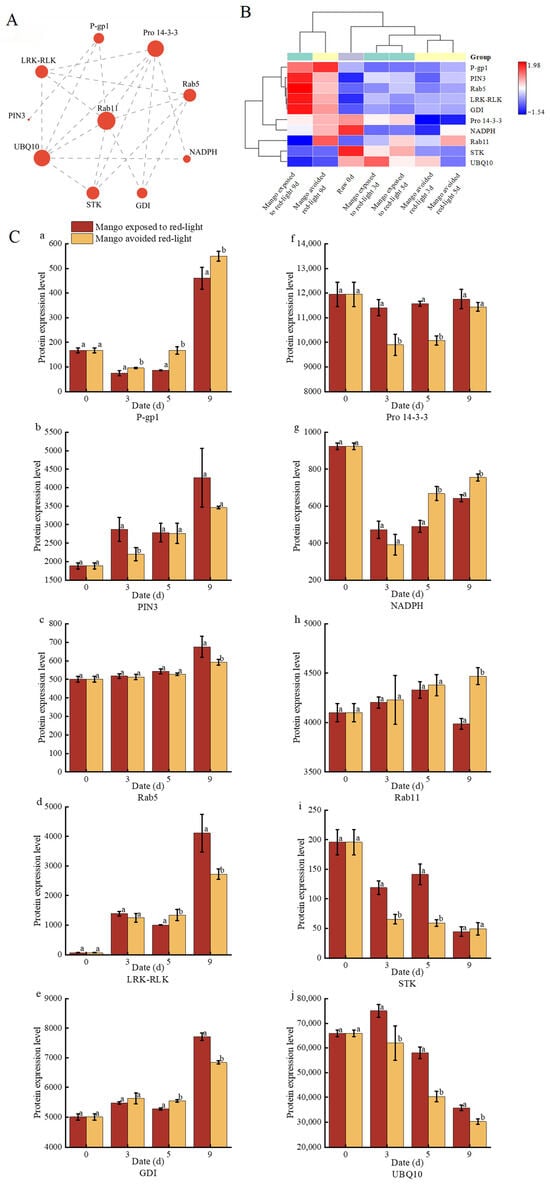
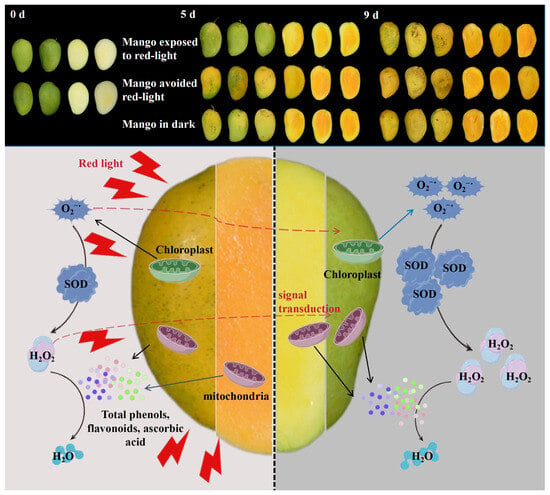
To investigate the differences in reactive oxygen species (ROS) metabolism and signal transduction between the illuminated and non-illuminated surfaces of mangoes exposed to red light, this study used “Tainong No.1” mangoes as the test material, setting up three groups: mango exposed to red light, mango without red light and mango in darkness. The study measured maturity physiological indicators, ROS content, antioxidant enzyme activity, non-enzymatic substances, and combinations with DIA proteomics analysis. The results showed that red light exposure promoted the overall ripening of mangoes, and there was almost no difference in ripening between mango exposed to red light and mango without red light. Red light mainly induced rapid accumulation of hydrogen peroxide in the peel of the irradiated area and stimulated the synthesis of superoxide anion in the pulp. The antioxidant capacity of both the irradiated and non-irradiated areas was enhanced. Key proteins in the ROS signaling pathways such as Rab11, LRK-RLK, and PIN3 were significantly upregulated. In summary, red light promotes synchronous ripening of mango fruits by coordinately regulating the ROS homeostasis of the tissue, and provides new insights into the use of light signals for regulating fruit metabolism.
Full article
(This article belongs to the Special Issue Advances in Molecular Regulation of Fruit Ripening and Innovations in Postharvest Storage Techniques)
►▼
Show Figures

Figure 1
Open AccessFeature PaperArticle
Carbon-Ion Irradiation Modulates Early Development of Lettuce Seedlings: A Morphotype-Specific Response
by
Chiara Amitrano, Walter Tinganelli, Sara De Francesco, Marco Durante, Stefania De Pascale and Veronica De Micco
Horticulturae 2026, 12(5), 614; https://doi.org/10.3390/horticulturae12050614 (registering DOI) - 15 May 2026
Abstract
Understanding how plants respond to high-energy ionizing radiation is essential for developing resilient crops for controlled-environment agriculture and future space exploration. This study investigates whether carbon-ion (12C) irradiation of dry seeds can modulate early development in lettuce (Lactuca sativa L.)
[...] Read more.
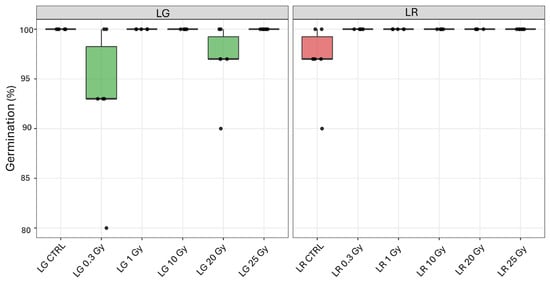
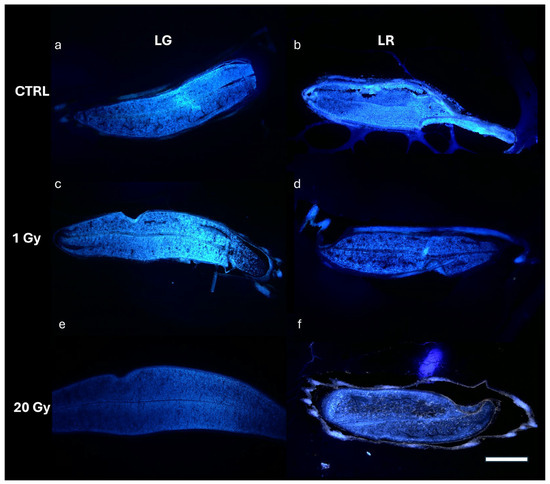
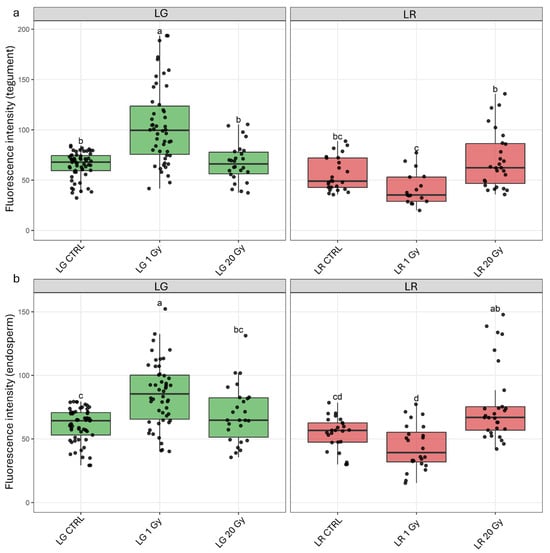
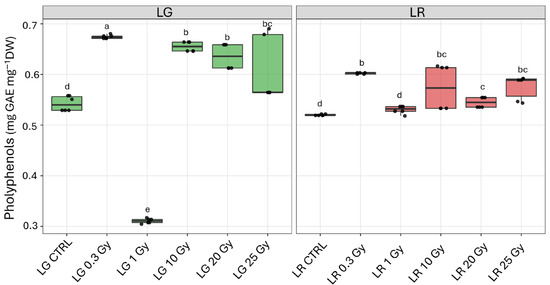
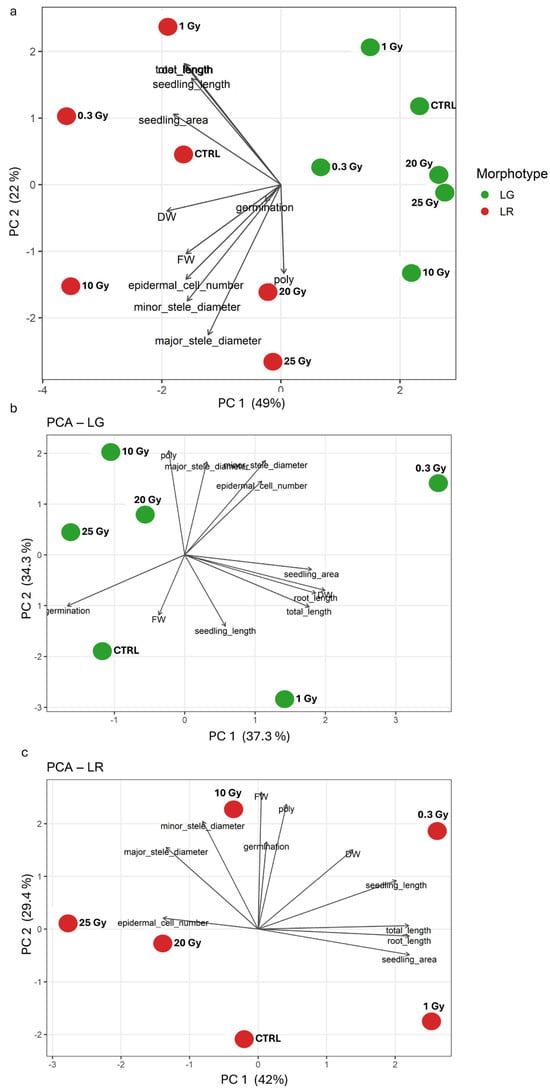
Understanding how plants respond to high-energy ionizing radiation is essential for developing resilient crops for controlled-environment agriculture and future space exploration. This study investigates whether carbon-ion (12C) irradiation of dry seeds can modulate early development in lettuce (Lactuca sativa L.) and induce dose-dependent responses relevant to controlled-environment agriculture and space farming. Dry seeds of red- and green-leaf morphotypes were exposed to increasing radiation doses (0.3, 1, 10, 20, and 25 Gy) and evaluated for germination, early growth, anatomical traits, and polyphenol content. While germination remained unaffected, seedling growth showed a hormetic response: low doses (0.3–1 Gy) promoted elongation of roots and hypocotyls, whereas higher doses (10–25 Gy) progressively inhibited growth. Anatomical changes in vascular traits and increased polyphenol levels at low doses indicated structural and metabolic adaptations enhancing early stress resistance. Notably, the two morphotypes responded differently: red-leaf lettuce exhibited stronger early vigor, higher biomass accumulation, and relatively greater anatomical stability, particularly at low to moderate doses, while the green-leaf type showed earlier and more pronounced growth inhibition, likely associated with differences in phenolic metabolism and resource allocation. These findings suggest that carbon-ion irradiation induces a hormetic response capable of boosting early vigor and triggering acclimatory processes in lettuce, with morphotype-specific differences underscoring its potential for optimizing crop performance in controlled environments and future extraterrestrial agriculture.
Full article
(This article belongs to the Section Vegetable Production Systems)
►▼
Show Figures

Figure 1
Open AccessArticle
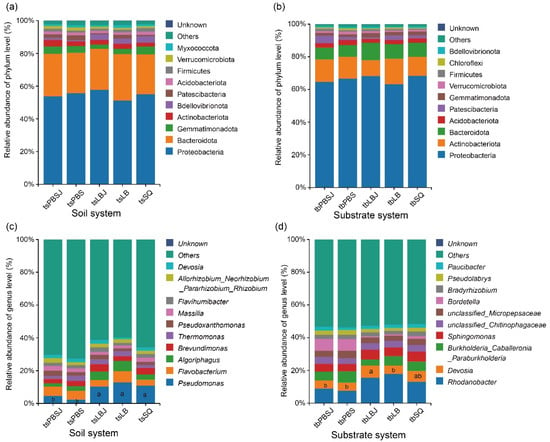
Genome-Wide Identification of SRS Genes and Candidate Regulators of Camptothecin Biosynthesis in Camptotheca acuminata
by
Bingrun Yang, Chunhao Chang, Yanyan Wang, Biying Wang and Fang Yu
Horticulturae 2026, 12(5), 613; https://doi.org/10.3390/horticulturae12050613 (registering DOI) - 14 May 2026
Abstract
The SHI-related sequence (SRS) transcription factors are vital plant regulators involved in development and stress responses. Given that biosynthesis of the valuable anticancer drug camptothecin (CPT) in Camptotheca acuminata is influenced by developmental and environmental cues, we hypothesized that SRS genes play key
[...] Read more.
The SHI-related sequence (SRS) transcription factors are vital plant regulators involved in development and stress responses. Given that biosynthesis of the valuable anticancer drug camptothecin (CPT) in Camptotheca acuminata is influenced by developmental and environmental cues, we hypothesized that SRS genes play key regulatory roles in the CPT biosynthetic pathway. To test this hypothesis and characterize the SRS family in this medicinally crucial plant, we performed a genome-wide identification of CaSRS genes and focused our analysis on their potential functional link to CPT biosynthesis. Eight distinct CaSRS genes were identified and classified into three phylogenetic subgroups. Comprehensive characterization—including phylogenetic relationships, gene structures, conserved motifs, chromosomal distribution, and synteny with Arabidopsis thaliana, Catharanthus roseus, and Ophiorrhiza pumila—provided foundational insights into the family. Crucially, integrated analysis of multi-tissue expression profiles revealed significant correlations between specific CaSRS genes (CaSRS2, CaSRS3, and CaSRS5) and key CPT biosynthetic genes. Promoter cis-regulatory element analysis further indicated that these CaSRS genes possess binding sites associated with stress and hormone responses known to modulate CPT production. These convergent lines of evidence strongly implicate CaSRS2, CaSRS3, and CaSRS5 as potential regulators of CPT biosynthesis. Collectively, this study first identifies specific CaSRS gene candidates for functional validation and provides a crucial foundation for understanding the role of the CaSRS family in regulating CPT biosynthesis in C. acuminata.
Full article
(This article belongs to the Section Genetics, Genomics, Breeding, and Biotechnology (G2B2))
Open AccessArticle
Exogenous Melatonin Application Enhances Growth and Floral Traits of Zinnia elegans Under Drought Stress
by
Pablo Henrique de Almeida Oliveira, João Everthon da Silva Ribeiro, Elania Freire da Silva, Ester dos Santos Coêlho, Antonio Gideilson Correia da Silva, John Victor Lucas Lima, Ayslan do Nascimento Fernandes, Aurélio Paes Barros Júnior and Lindomar Maria da Silveira
Horticulturae 2026, 12(5), 612; https://doi.org/10.3390/horticulturae12050612 (registering DOI) - 14 May 2026
Abstract
Zinnia (Zinnia elegans) is a widely cultivated ornamental plant whose growth and floral traits can be compromised by abiotic stresses, especially water deficit. Melatonin (MEL) has stood out as a plant growth regulator with antioxidant potential, capable of mitigating the adverse
[...] Read more.
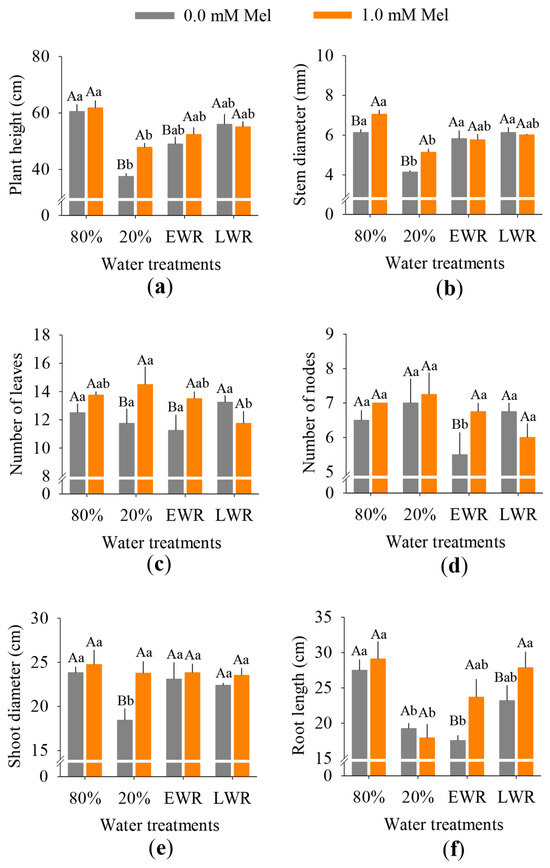
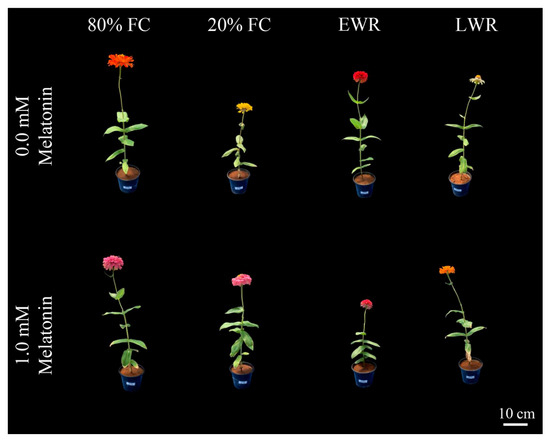
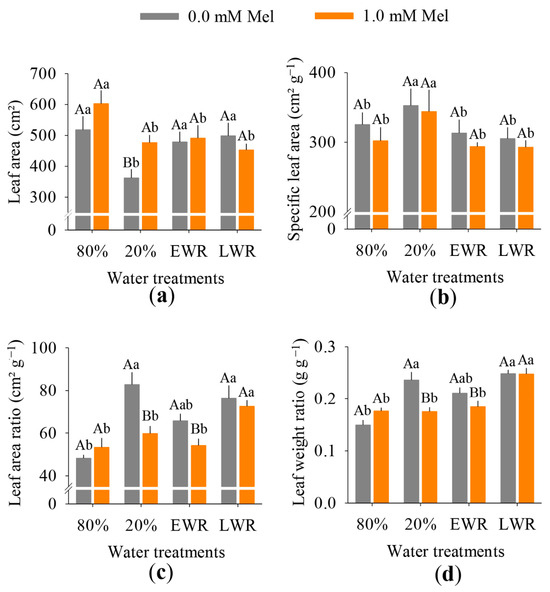
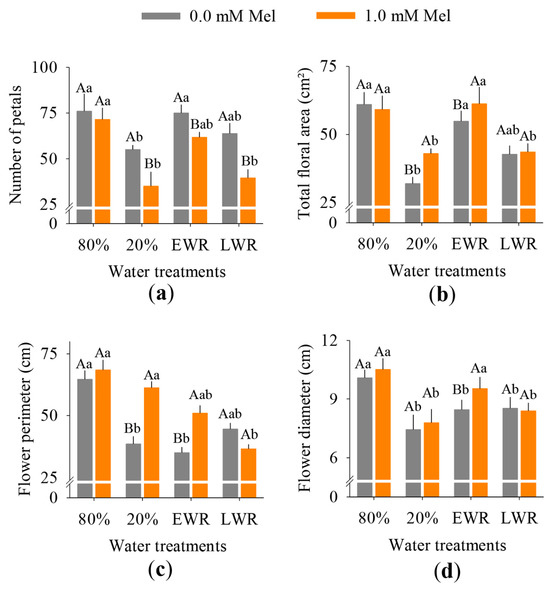
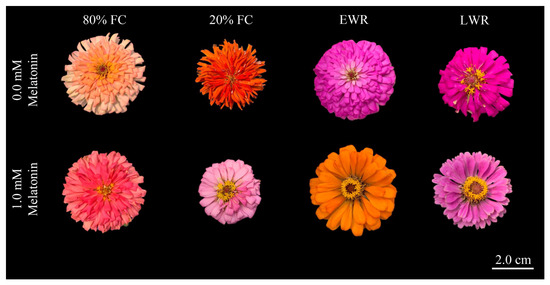
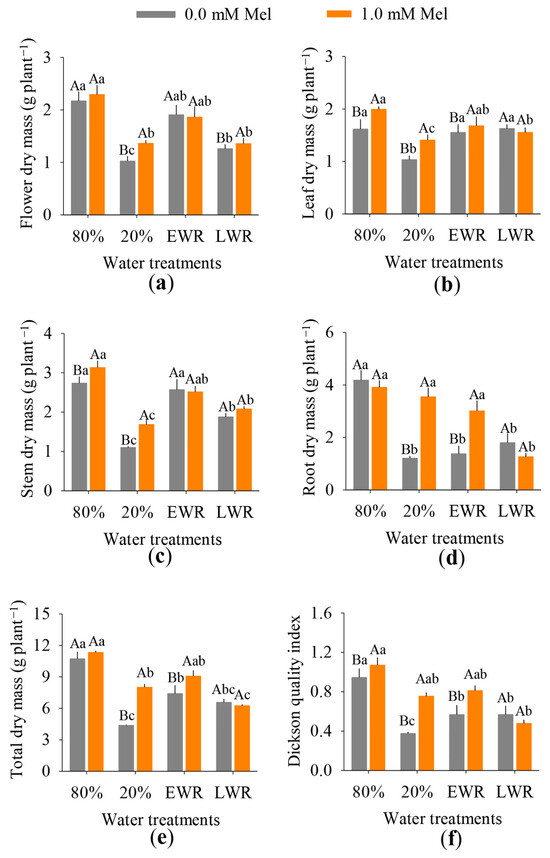
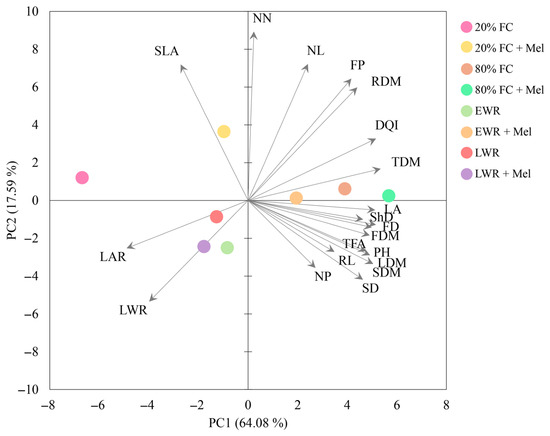
Zinnia (Zinnia elegans) is a widely cultivated ornamental plant whose growth and floral traits can be compromised by abiotic stresses, especially water deficit. Melatonin (MEL) has stood out as a plant growth regulator with antioxidant potential, capable of mitigating the adverse effects of water stress. This study aimed to evaluate the effects of foliar MEL application on the growth and floral characteristics of Z. elegans under different water regimes. The experiment was carried out in a greenhouse using a randomized block design in a 4 × 2 factorial scheme with five replications. The first factor consisted of four water conditions: 80% of field capacity (FC) (no stress), 20% of field capacity (severe stress), early water restriction (20% of FC followed by 80% of FC), and late water restriction (80% of FC followed by 20% of FC). The second factor corresponded to the foliar application of MEL at two concentrations (0.0 and 1.0 mM). Growth variables (plant height, stem diameter, number of leaves, leaf area, and dry mass of different organs) and floral characteristics (number of petals, area, perimeter, and diameter) were evaluated. Water deficit, especially under severe stress (20% FC), significantly reduced plant growth and floral traits, decreasing the total dry mass by 60.27% and total floral area by 47.57% compared to the control. However, the application of 1.0 mM MEL attenuated the deleterious effects of water deficit, increasing total dry mass by 50.26% and total floral area by 25.56% under severe stress (20% FC) compared to untreated plants, making it a promising strategy for zinnia production in environments with limited water availability.
Full article
(This article belongs to the Section Biotic and Abiotic Stress)
►▼
Show Figures

Figure 1
Open AccessArticle
Effects of Different Colored Films on the Microenvironment and Development of Morchella septimelata and Morchella sextelata
by
Boran Zhang, Wei Zhou, Haodong Liu, Panpan Zhang, Xiaofeng Li, Guojie Li, Xiao Li, Ao Ma, Ming Li, Jinghua Tian, Shoumian Li and Junling Wang
Horticulturae 2026, 12(5), 611; https://doi.org/10.3390/horticulturae12050611 (registering DOI) - 14 May 2026
Abstract
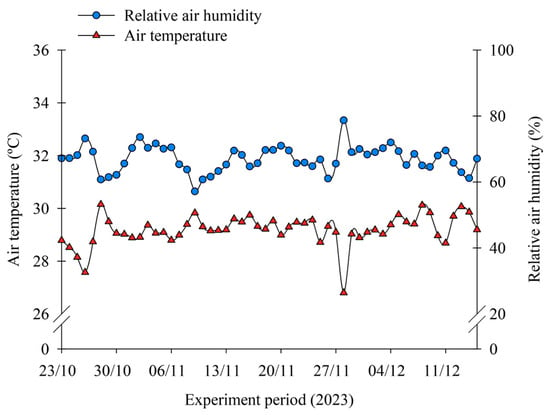
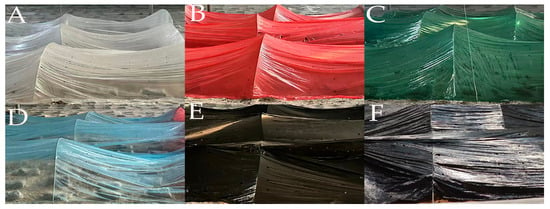
Morchella spp. are rare and highly valued edible fungi that often exhibit unstable yield and quality under protected cultivation due to inadequate regulation of the light and temperature microenvironment. Colored films can effectively optimize these conditions. In this study, the effects of six
[...] Read more.
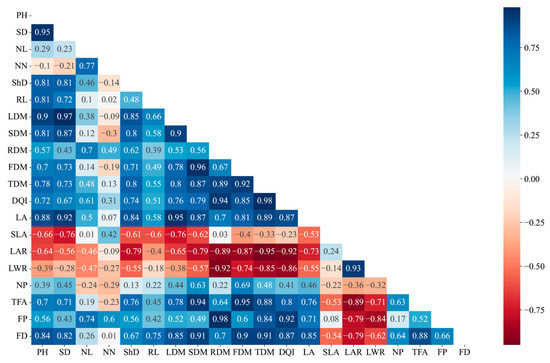
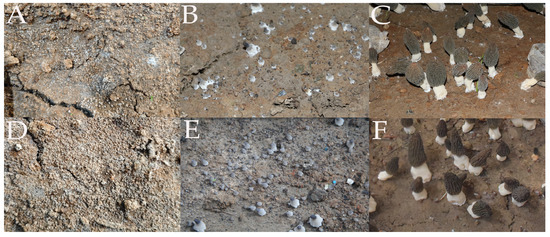
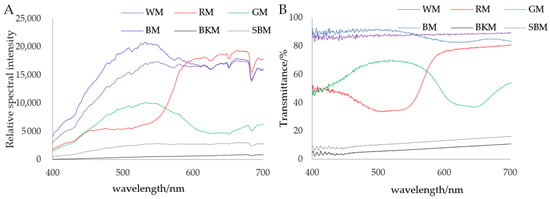
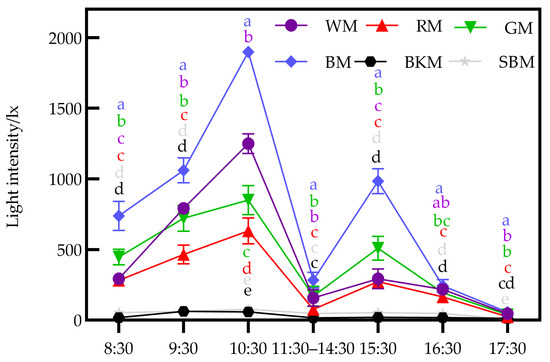
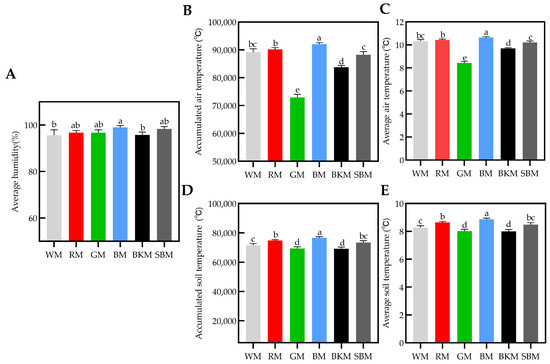
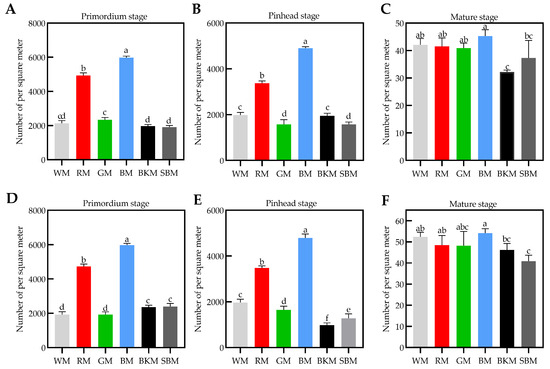
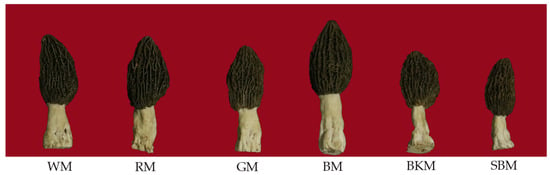
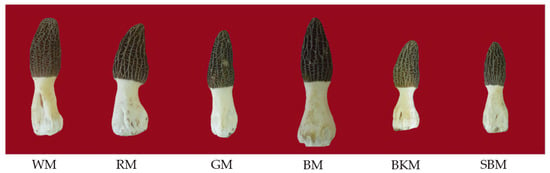
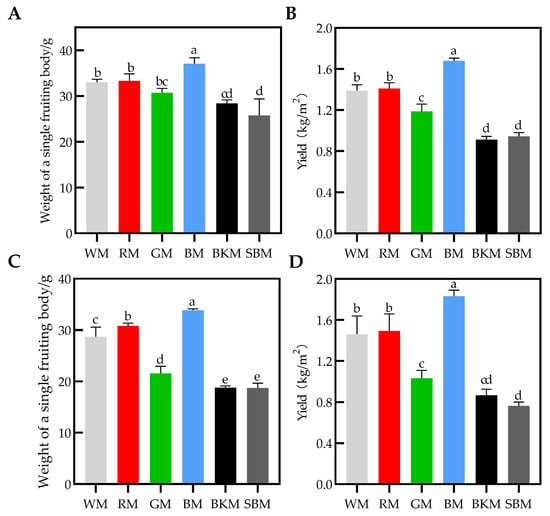
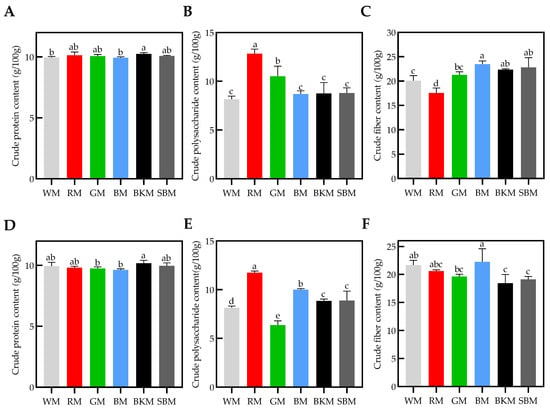
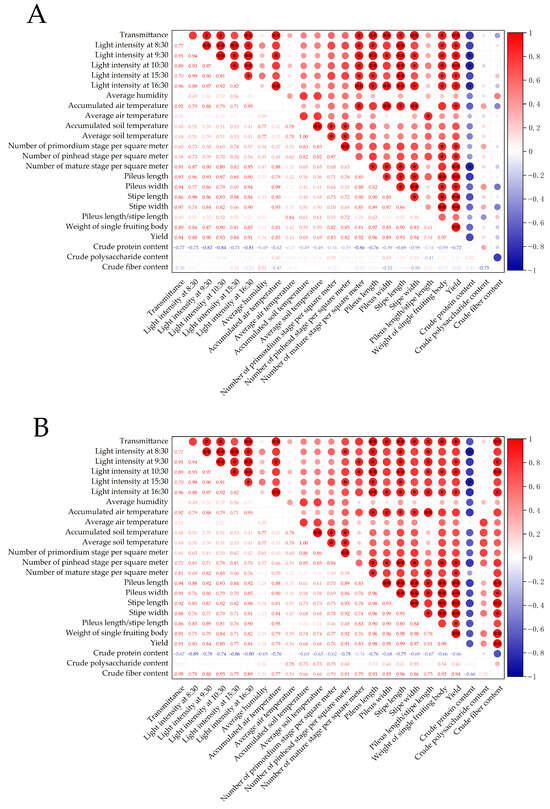
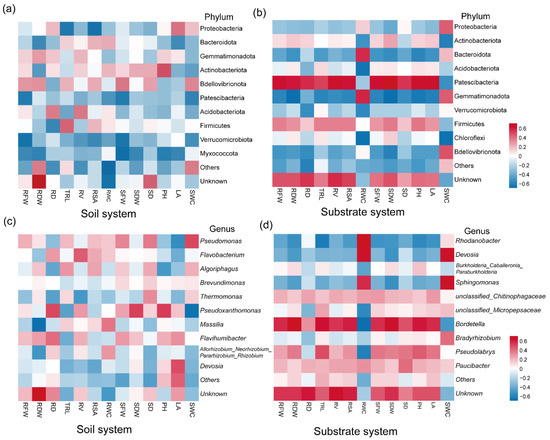
Morchella spp. are rare and highly valued edible fungi that often exhibit unstable yield and quality under protected cultivation due to inadequate regulation of the light and temperature microenvironment. Colored films can effectively optimize these conditions. In this study, the effects of six colored film treatments—white film (WM), red film (RM), green film (GM), blue film (BM), black film (BKM), and silver-black film (SBM)—on the microenvironment and development of Morchella septimelata and M. sextelata were investigated. The results showed that the BM treatment improved the microenvironment and promoted Morchella development. BM exhibited high transmittance, enhancing light intensity and increasing accumulated air and soil temperatures. It also led to the production of the greatest number of mature fruiting bodies, with 46 per square meter for M. septimelata and 54 per square meter for M. sextelata. Agronomic traits were also superior under the BM treatment, with pileus lengths of 82.97 mm for M. septimelata and 70.76 mm for M. sextelata. Compared with WM, BM significantly increased the weight of a single fruiting body and yield by 12.23% and 20.86% for M. septimelata and by 18.14% and 25.34% for M. sextelata, respectively. BM also significantly increased crude fiber content by 16.92% in M. septimelata and 2.63% in M. sextelata. RM significantly increased crude polysaccharide content by 47.42% in M. septimelata and by 44.12% in M. sextelata. This study indicated that BM was the preferred choice for Morchella protected cultivation.
Full article
(This article belongs to the Section Medicinals, Herbs, and Specialty Crops)
►▼
Show Figures

Figure 1
Open AccessArticle
Excising Part of Primary Root Induces Adventitious Lateral Root (adLR) Formation in Peach Seedlings: An Approach to Dissect adLR Origin
by
Tianyu Liu, Bo Zhao, Xiaolong Chang, Huanbing Lu, Jun Cheng, Wei Wang, Bin Tan, Xianbo Zheng, Xia Ye, Zhiqian Li, Haipeng Zhang, Xiaobei Wang, Jiancan Feng and Langlang Zhang
Horticulturae 2026, 12(5), 610; https://doi.org/10.3390/horticulturae12050610 (registering DOI) - 14 May 2026
Abstract
Peach (Prunus persica L.) trees exhibit low propagation efficiency from cuttings, primarily due to the limited ability of their cuttings to develop adventitious roots (ARs). ARs originate from a single or a few cells and occur randomly and in varying numbers at
[...] Read more.
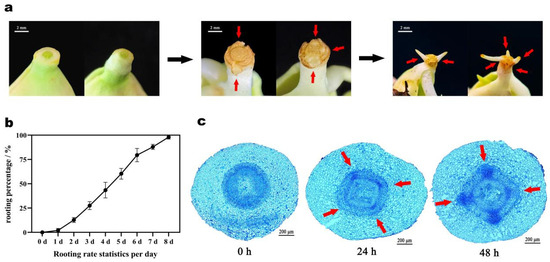
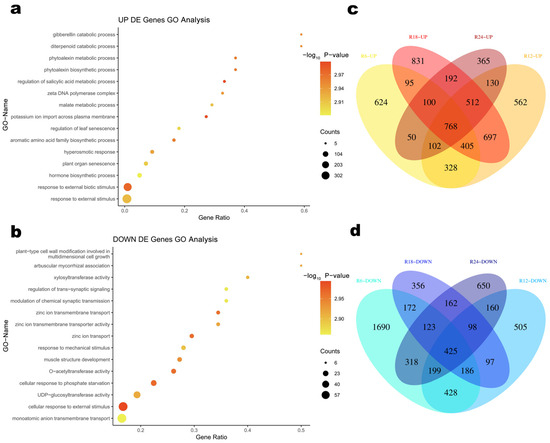
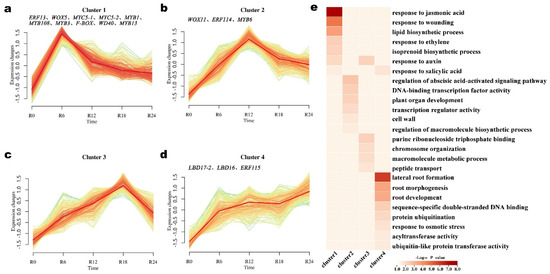
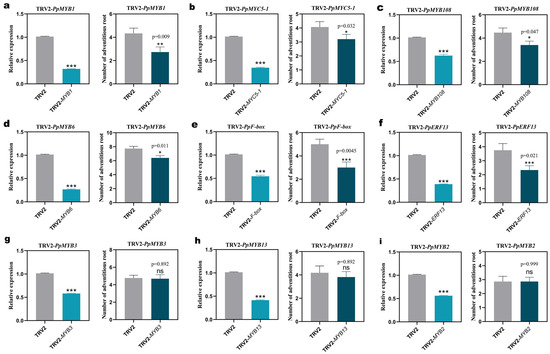
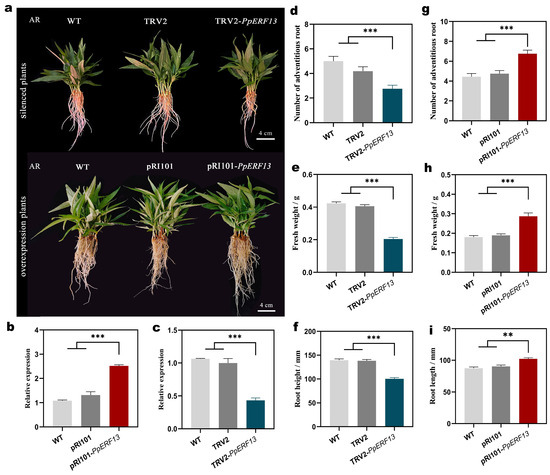
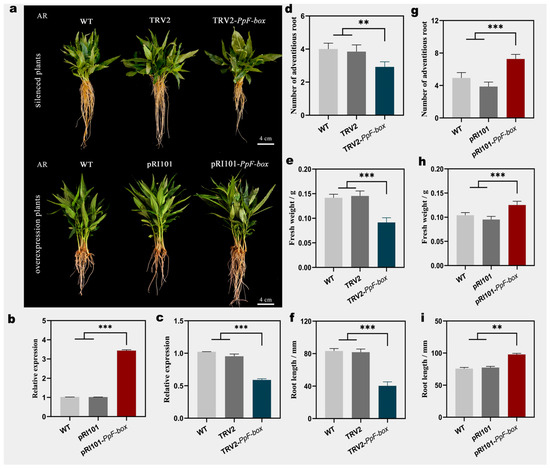
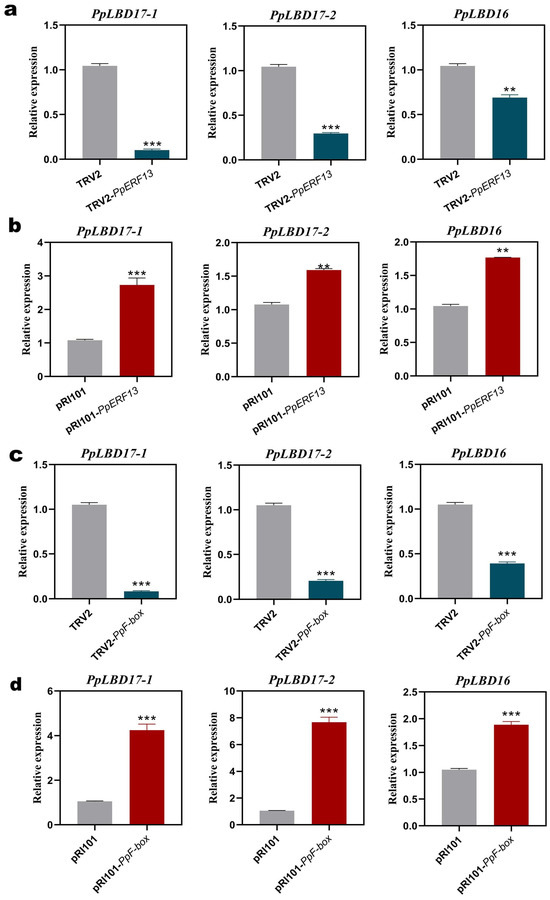
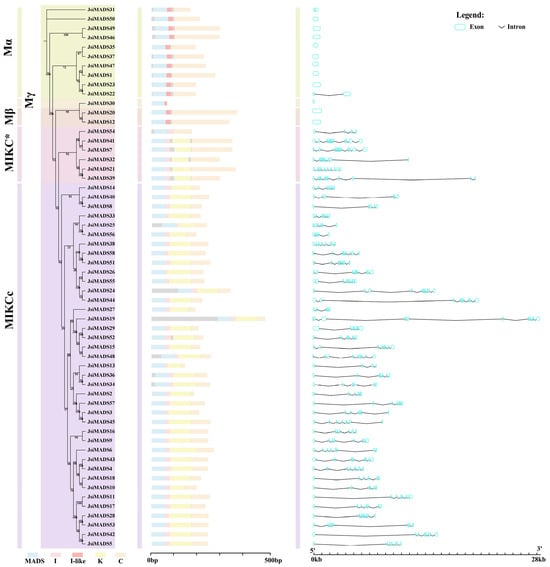
Peach (Prunus persica L.) trees exhibit low propagation efficiency from cuttings, primarily due to the limited ability of their cuttings to develop adventitious roots (ARs). ARs originate from a single or a few cells and occur randomly and in varying numbers at the base of the cuttings. This poses a challenge for precise research on their regulatory mechanisms. Adventitious lateral roots (adLRs) are one kind of AR, which are induced from injured primary roots. In this study, we developed a method to induce adLRs by removing part of the primary root of young peach seedlings. The adLRs induced by this method are characterized by no obvious callus formation, a relatively stable number (2–4 roots), a fixed occurrence position (at the incision site), and a rooting rate of 100%. Using this system, we conducted transcriptome sequencing analysis during the early stage of adLR induction (0–24 h). The results showed that after the primary root was removed, the jasmonic acid (JA), wound, ethylene (ET), auxin, and salicylic acid (SA) signaling pathways were rapidly activated; subsequently, pathways related to root formation and development were significantly enriched. By screening early rapid-response genes, we successfully identified two key genes, PpF-box and PpERF13, that are involved in AR formation in peach. This study not only provides a reliable and efficient research system for analyzing the molecular regulatory mechanism of AR formation in peach, but also lays an important foundation for future in-depth studies using precise technologies such as single-cell sequencing and microscopic sampling.
Full article
(This article belongs to the Section Propagation and Seeds)
►▼
Show Figures

Figure 1
Open AccessArticle
A Chlorophyll a/b-Binding Protein SlCAB3 Positively Regulates Heat Tolerance Through Interaction with SlDREBA4 in Tomato
by
Ying Zhou, Junqiang Xu, Shu Han, Haoran Zhang, Kaiyun Chen, Zushuai Ma, Yu Liu, Yuhao Jing, Yanyan Wang and Kai Zhao
Horticulturae 2026, 12(5), 609; https://doi.org/10.3390/horticulturae12050609 (registering DOI) - 14 May 2026
Abstract
High-temperature stress severely limits the growth, development, and productivity of tomatoes. Understanding the molecular mechanisms underlying its thermotolerance is crucial for breeding heat-resistant varieties. This study employed a stepwise experimental strategy to systematically elucidate the role of the chlorophyll a/b-binding protein SlCAB3 in
[...] Read more.
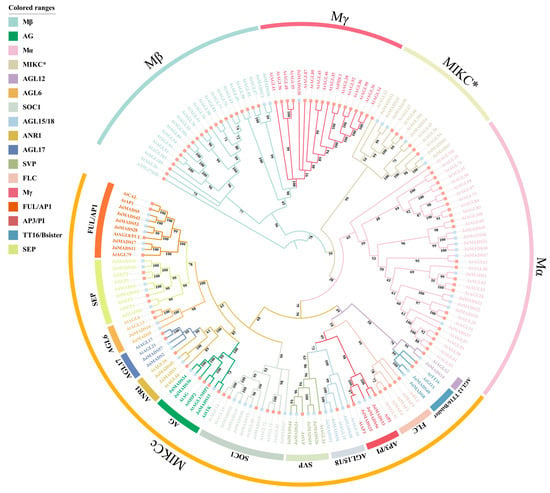
High-temperature stress severely limits the growth, development, and productivity of tomatoes. Understanding the molecular mechanisms underlying its thermotolerance is crucial for breeding heat-resistant varieties. This study employed a stepwise experimental strategy to systematically elucidate the role of the chlorophyll a/b-binding protein SlCAB3 in tomato thermotolerance. First, a high-temperature responsive transcription factor, SlDREBA4, previously identified in our lab, was used in a yeast two-hybrid screen to identify potential interacting proteins, including SlCAB3. The interaction between SlDREBA4 and SlCAB3 was further validated using tobacco in vivo luciferase complementation imaging (LCI) and in vitro pull-down assays. Subsequently, the expression patterns of SlCAB3 under heat stress were analyzed, and its biological function was further evaluated through overexpression, gene silencing, and knockout experiments. Additionally, reactive oxygen species (ROS) accumulation, antioxidant enzyme activities, chlorophyll content, and the expression of stress-responsive genes were measured to comprehensively assess their physiological and molecular regulatory roles. The results indicate that SlCAB3 encodes a typical chlorophyll a/b-binding protein and is rapidly induced by heat stress. Overexpression of SlCAB3 significantly enhances plant thermotolerance, evidenced by reduced heat damage, increased chlorophyll content, decreased ROS accumulation, elevated antioxidant enzyme activities, and upregulation of antioxidant-related genes. Conversely, silencing SlCAB3 produces opposite effects. Moreover, co-expression of SlCAB3 with SlDREBA4 further improves thermotolerance, accompanied by enhanced expression of heat shock protein-related and antioxidant-related genes. In conclusion, SlCAB3 is a positive regulator of tomato thermotolerance, and the interaction module formed with SlDREBA4 may collectively enhance heat resistance by strengthening antioxidant defense and heat stress response mechanisms.
Full article
(This article belongs to the Section Biotic and Abiotic Stress)
Open AccessArticle
Hempseed Press Cake-Derived Protein Hydrolysate–Zn(II) Complex as a Seed Coating Improves Germination and Early Seedling Establishment in Hot Pepper (Capsicum annuum L.)
by
Napat Srisuwannaphat, Panumart Rithichai, Yaowapha Jirakiattikul, Nanthawat Wannarit, Jakkrapong Kangsopa and Bhornchai Harakotr
Horticulturae 2026, 12(5), 608; https://doi.org/10.3390/horticulturae12050608 (registering DOI) - 14 May 2026
Abstract
Uniform germination and rapid seedling establishment are essential for efficient hot pepper production. This study evaluated a hempseed press cake-derived protein hydrolysate–zinc(II) complex (HPH–Zn) as a seed coating designed to enhance early crop performance via formulation-based Zn delivery. The HPH–Zn complex was synthesized
[...] Read more.
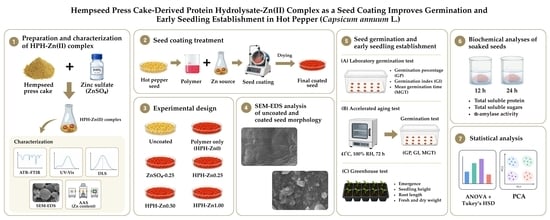
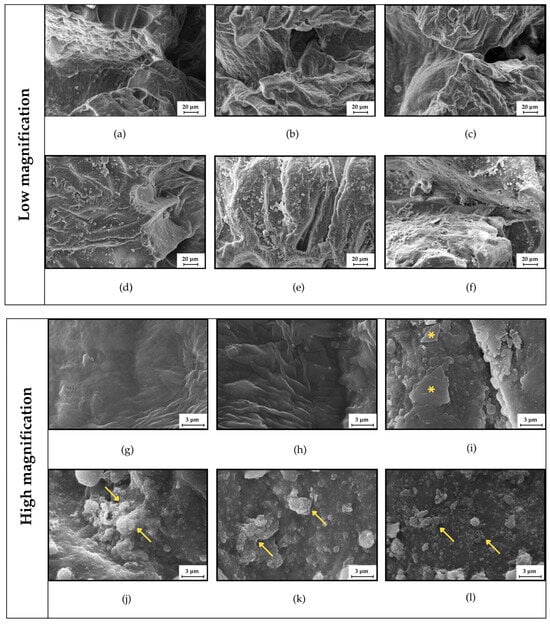
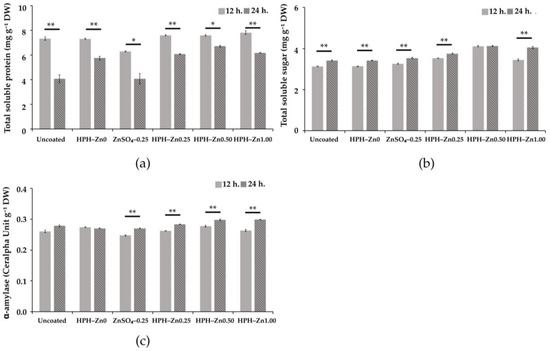
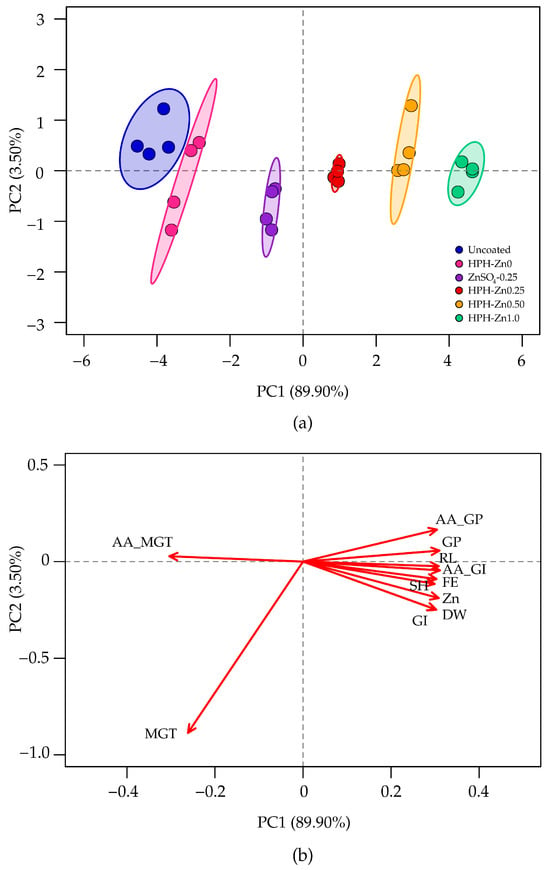
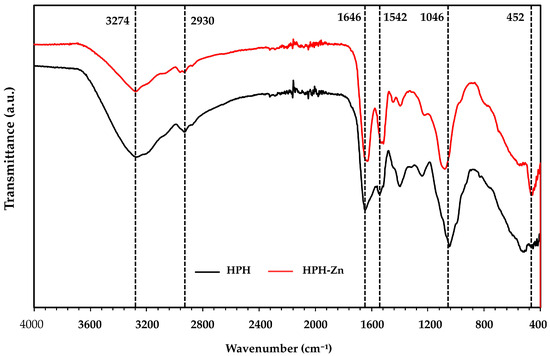
Uniform germination and rapid seedling establishment are essential for efficient hot pepper production. This study evaluated a hempseed press cake-derived protein hydrolysate–zinc(II) complex (HPH–Zn) as a seed coating designed to enhance early crop performance via formulation-based Zn delivery. The HPH–Zn complex was synthesized via peptide–Zn chelation, physicochemically characterized, and applied at 0.25, 0.50, and 1.00 mg Zn g−1 seed (HPH–Zn0.25, HPH–Zn0.50, and HPH–Zn1.00, respectively). Seed performance was assessed by laboratory germination, accelerated aging, and greenhouse tests. Compared with uncoated, polymer-only, and ZnSO4 treatments, HPH–Zn significantly improved germination, post-aging performance, field emergence, and early seedling growth in a dose-dependent manner. Relative to uncoated seeds, HPH–Zn1.00 increased laboratory germination, post-aging germination, and field emergence by 10.9, 12.3, and 20.3%, respectively. These responses were associated with stronger soluble sugar accumulation and α-amylase activity during early imbibition. PCA ranked HPH–Zn1.00 as the highest-performing treatment, characterized by greater emergence, biomass, and Zn uptake. However, HPH–Zn0.50 still improved germination and early growth at lower Zn input, whereas HPH–Zn1.00 maximized emergence and Zn accumulation, indicating a performance–input trade-off. These results support waste-derived HPH–Zn as a formulation-based seed coating for improving early seedling establishment in hot pepper.
Full article
(This article belongs to the Section Propagation and Seeds)
►▼
Show Figures

Graphical abstract
Journal Menu
► ▼ Journal Menu-
- Horticulturae Home
- Aims & Scope
- Editorial Board
- Reviewer Board
- Topical Advisory Panel
- Instructions for Authors
- Special Issues
- Topics
- Sections & Collections
- Article Processing Charge
- Indexing & Archiving
- Editor’s Choice Articles
- Most Cited & Viewed
- Journal Statistics
- Journal History
- Journal Awards
- Society Collaborations
- Conferences
- Editorial Office
Journal Browser
► ▼ Journal BrowserHighly Accessed Articles
Latest Books
E-Mail Alert
News
Topics
Topic in
Agronomy, Crops, Foods, Plants, Agriculture, Horticulturae
Multidisciplinary Advances in Tea Science: Smart Cultivation, Digital Processing, and Health Innovation
Topic Editors: Chunwang Dong, Lin Chen, Yang LiDeadline: 30 June 2026
Topic in
Agronomy, Agriculture, Plants, Horticulturae, Crops, IJPB
Bridging Plant Biochemistry and Food Innovation: From Metabolic Stress to Functional Food
Topic Editors: Tomasz Piechowiak, Dagmara MigutDeadline: 15 September 2026
Topic in
Agronomy, Climate, Crops, Grasses, Horticulturae, Land, Plants
Reframing Strategies for a Low Carbon Future in Agricultural Systems
Topic Editors: M. Ibrahim Khalil, Bruce OsborneDeadline: 8 October 2026
Topic in
Agriculture, Crops, Horticulturae, Remote Sensing, Sensors, Agronomy
Intelligent Agriculture: Perception Technologies and Agricultural Equipment for Crop Production Processes
Topic Editors: Chenglin Wang, Lufeng Luo, Juntao Xiong, Xiangjun ZouDeadline: 31 December 2026
Conferences
Special Issues
Special Issue in
Horticulturae
Advances in Irrigation and Fertilization Technologies for Sustainable Plant Production
Guest Editors: Di Feng, Songrui NingDeadline: 20 May 2026
Special Issue in
Horticulturae
Breeding and Genetic Strategies for Bananas
Guest Editors: Zhihao Cheng, Zhuo WangDeadline: 20 May 2026
Special Issue in
Horticulturae
Sustainable Management of the Mechanization of Works for Horticultural Crops
Guest Editors: Ioan Ţenu, Nicolae Valentin VlăduţDeadline: 20 May 2026
Special Issue in
Horticulturae
Orchard Management Under Climate Change: 2nd Edition
Guest Editors: Sergio Ruffo Roberto, Simone Rodrigues da Silva, Sarita LeonelDeadline: 20 May 2026
Topical Collections
Topical Collection in
Horticulturae
Application of Tissue Culture to Horticulture
Collection Editors: Federica Blando, Claudia Ruta
Topical Collection in
Horticulturae
Recent Scientific Developments in Genetics, Genomics, and Breeding of Fruit Trees
Collection Editors: Minjie Qian, Aidi Zhang, Junbei Ni
Topical Collection in
Horticulturae
Neglected and Underutilized Plant Species in Horticultural and Ornamental Systems: Perspective for Biodiversity, Nutraceuticals and Agricultural Sustainability
Collection Editors: Rosario Paolo Mauro, Carlo Nicoletto, Leo Sabatino
Topical Collection in
Horticulturae
Nutritional Quality of Fruits and Vegetables
Collection Editor: Sergio Ruffo Roberto