Journal Description
Humans
Humans
is an international, peer-reviewed, open access journal on anthropology published quarterly online by MDPI.
- Open Access— free for readers, with article processing charges (APC) paid by authors or their institutions.
- High Visibility: indexed within Scopus and other databases.
- Rapid Publication: manuscripts are peer-reviewed and a first decision is provided to authors approximately 25 days after submission; acceptance to publication is undertaken in 6.3 days (median values for papers published in this journal in the second half of 2025).
- Recognition of Reviewers: APC discount vouchers, optional signed peer review, and reviewer names are published annually in the journal.
Latest Articles
A Multiple-Proxy Geochemical Investigation of a Shallow Core from Doggerland: Implications for Palaeolandscape and Paleoenvironmental Reconstruction
Humans 2026, 6(1), 5; https://doi.org/10.3390/humans6010005 - 2 Feb 2026
Abstract
►
Show Figures
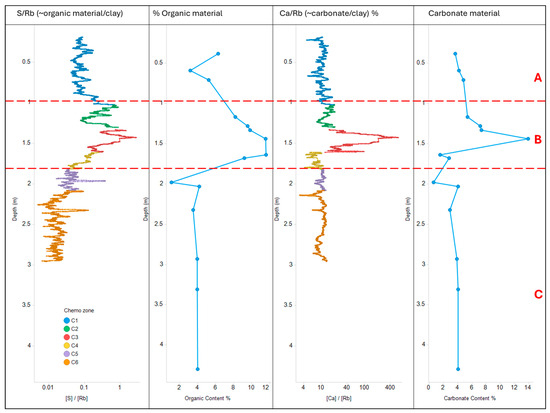
The exploration of Doggerland, the prehistoric landscape that once connected Britain to the continent, remains one of Europe’s most significant archeological challenges. This paper presents a study into the palaeolandscape and the paleoenvironmental development of Doggerland, through the geochemical analyses of a core
[...] Read more.
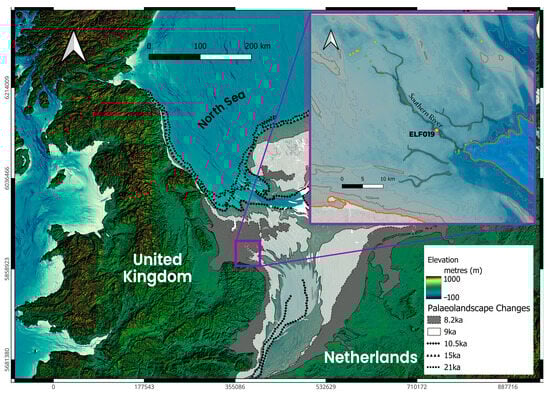
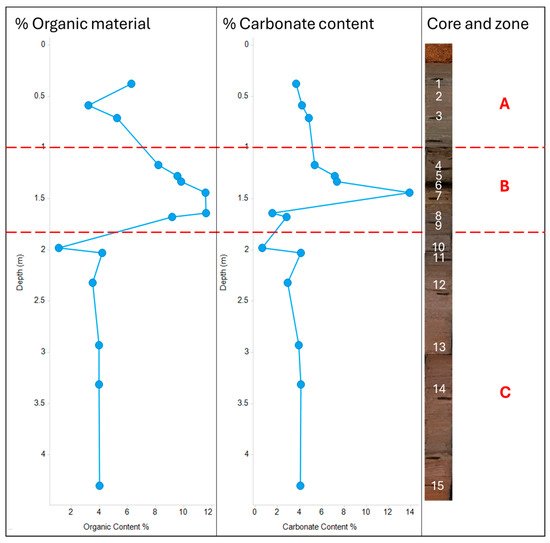
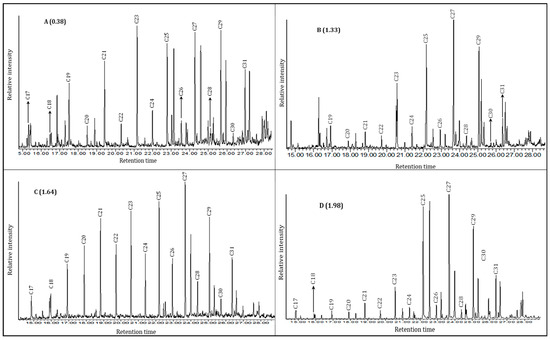
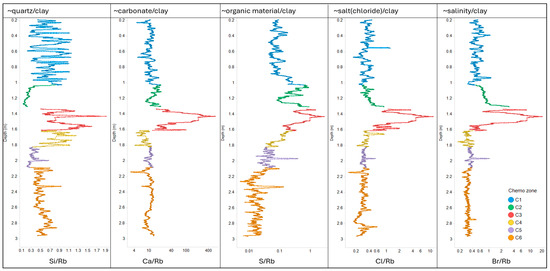
The exploration of Doggerland, the prehistoric landscape that once connected Britain to the continent, remains one of Europe’s most significant archeological challenges. This paper presents a study into the palaeolandscape and the paleoenvironmental development of Doggerland, through the geochemical analyses of a core (ELF019) taken from the southern North Sea. The thermal properties divided the core into three sedimentary zones based on the variations in organic matter and carbonate content. Organic biomarkers were used to distinguish between terrestrial and aquatic vegetation inputs, revealing alternating freshwater, terrestrial, and marine input influences. Chemostratigraphy defined six depositional zones that corresponded with the identified thermal and biomarker data. Radiocarbon dating of peat-derived humic fractions anchored the key environmental transition between freshwater and saline deposition to the Greenlandian period of the Lower Holocene (10,243–10,199 Cal BP). The integrated geochemical evidence suggests a transformation from freshwater silts, low organic content, and sandy clay deposit to saline clay marine deposit. The progressive transformation may reflect the inundation sequence that led to the final submergence of Doggerland.
Full article
Open AccessArticle
Pansemioticism and Cognition: On the Semiotic Anthropology of Early Buddhism Meditation
by
Federico Divino
Humans 2026, 6(1), 4; https://doi.org/10.3390/humans6010004 - 14 Jan 2026
Abstract
►▼
Show Figures
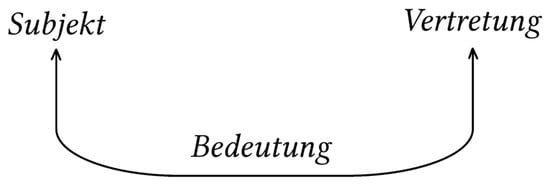
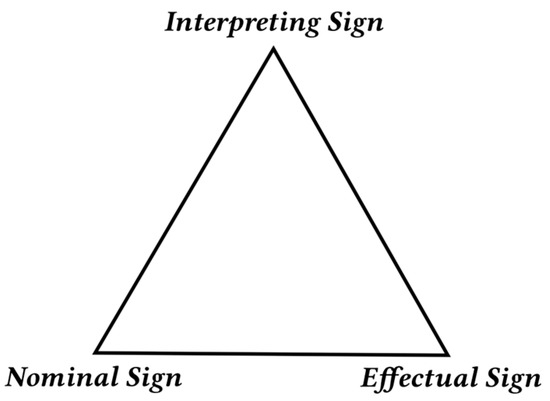
This article examines the cognitive theory expressed in early Buddhist Pāli sources by situating their analyses of perception, language, and meditative experience within a psychosemiotic framework. It argues that Buddhist thinkers conceived cognition as a stratified process emerging from the dynamic interaction between
[...] Read more.
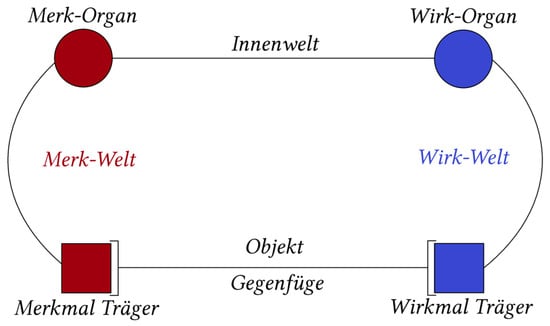
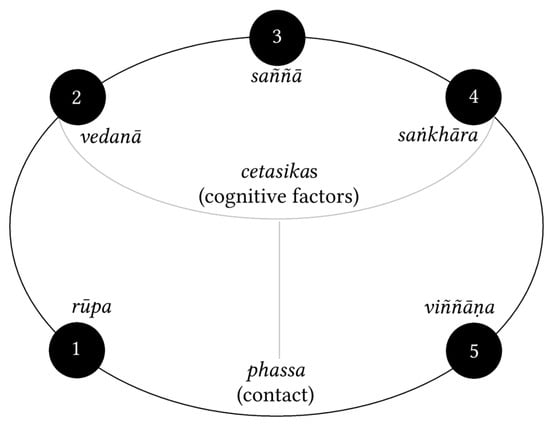
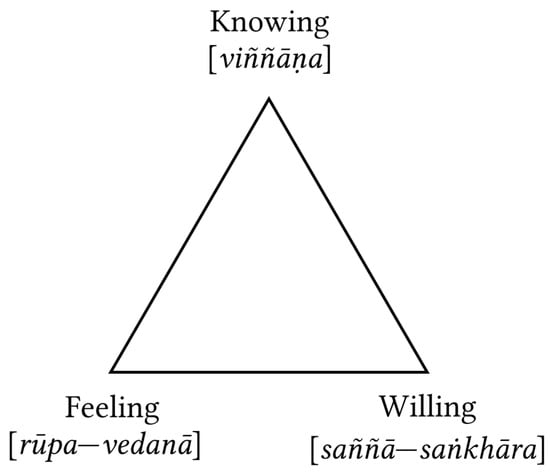
This article examines the cognitive theory expressed in early Buddhist Pāli sources by situating their analyses of perception, language, and meditative experience within a psychosemiotic framework. It argues that Buddhist thinkers conceived cognition as a stratified process emerging from the dynamic interaction between sensory and effectual domains, culminating in the semiotic determinations of nāmarūpa and the proliferative activity of conceptual constructs. Drawing on parallels with Peircean pansemioticism, the study highlights how both traditions interpret phenomena as sign-constituted events and how contemplative practice can intervene in the habitual chains of semiosis that ordinarily shape human experience. By bridging Buddhist phenomenology with contemporary cognitive science and semiotics, this work proposes that the Buddhist model—precise in its technical vocabulary and rich in its analyses of attention, perception, and conceptualization—offers valuable tools for understanding and modulating cognitive processes in both theoretical and practical domains.
Full article

Figure 1
Open AccessEssay
Looking Upstream: Applying Social Theory to the Interpretation of the Forensic Record
by
Rylan Tegtmeyer Hawke, Phoenix Farnham, Sarajane Smith-Escudero, Rachel Coppock and Jesse Goliath
Humans 2026, 6(1), 3; https://doi.org/10.3390/humans6010003 - 9 Jan 2026
Abstract
Traditionally, the field of forensic anthropology has built its foundation on being an objective observer of human behavior to answer questions of medicolegal significance. With the publication of the NAS report in 2009, the field continues to fulfill scientific criteria by analyzing data
[...] Read more.
Traditionally, the field of forensic anthropology has built its foundation on being an objective observer of human behavior to answer questions of medicolegal significance. With the publication of the NAS report in 2009, the field continues to fulfill scientific criteria by analyzing data and providing statistical validation for methods of identification, yet may often fall short in offering interpretations of the patterns that exist and the underlying factors influencing these observations. Conversely, biocultural anthropology excels at theorizing and interpreting social patterns by recognizing that biology and culture interact to impact an individual’s lived experience, but its foundation often lacks a robust statistical lens. However, if we combine the analytics of forensic anthropology with the interpretive power of biocultural anthropology—specifically, social theories of behavior—we have the opportunity to explore the intersection between personhood, the body, and society. One such example can be seen through examining the prolonged (and often generational) effects of structural, physical, and cultural violence, social injustices, inequities, and inequalities that may affect an individual’s propensity to be both a perpetrator AND a victim of circumstance. This paper examines previous work discussing the theoretical foundations of forensic anthropology and existing social theory research to bridge the gap between the “who,” the “why,” and the “when” as they exist in the forensic record. Ultimately, the goal is to provide meaningful steps for understanding, interpreting, and potentially influencing change in the field of forensic anthropology.
Full article
Open AccessArticle
Imagining Community Through Counterspeech
by
Cathy Buerger
Humans 2026, 6(1), 2; https://doi.org/10.3390/humans6010002 - 5 Jan 2026
Abstract
As online spaces have become increasingly hostile, some internet users have begun to organize collectively to counter hatred through what is known as counterspeech. This article explores how loosely affiliated individuals come to feel a strong sense of community in such efforts, even
[...] Read more.
As online spaces have become increasingly hostile, some internet users have begun to organize collectively to counter hatred through what is known as counterspeech. This article explores how loosely affiliated individuals come to feel a strong sense of community in such efforts, even when they have never met in person. Using digital ethnographic data collected on the international counterspeaking group #iamhere, I argue that participants build imagined rhetorical communities: affective bonds forged through shared moral language and collective communicative action. Although members are geographically dispersed and largely unknown to one another offline, they nonetheless experience a sense of solidarity rooted in their common linguistic and ethical framework. This article shows how rhetorical practices, particularly those focused on empathy and civil discourse, become the glue that holds these activist formations together. By examining the ways moral discourse enables both individual agency and collective identity in counterspeech, this work offers new insight into how human groups form online to resist hatred and assert shared values.
Full article
Open AccessArticle
Identifying “Ina Jane Doe”: The Forensic Anthropologists’ Role in Revising and Correcting Narratives in a Cold Case
by
Amy R. Michael, Samantha H. Blatt, Jennifer D. Bengtson, Ashanti Maronie, Samantha Unwin and Jose Sanchez
Humans 2026, 6(1), 1; https://doi.org/10.3390/humans6010001 - 30 Dec 2025
Abstract
The 1992 cold case homicide of “Ina Jane Doe” illustrates how an interdisciplinary team worked to identify the decedent using a combined approach of skeletal re-analysis, updated forensic art informed by anthropologists’ input, archival research, and forensic investigative genetic genealogy. The original forensic
[...] Read more.
The 1992 cold case homicide of “Ina Jane Doe” illustrates how an interdisciplinary team worked to identify the decedent using a combined approach of skeletal re-analysis, updated forensic art informed by anthropologists’ input, archival research, and forensic investigative genetic genealogy. The original forensic art for “Ina Jane Doe” showed an over-pathologization of skeletal features and an inaccurate hairstyle; however, the case gained notoriety on internet true crime forums leading to speculation about the decedent’s intellectual capacity and physical appearance. The “Ina Jane Doe” case demonstrates the importance of advocating for skeletal re-analysis as more robust methods and technologies emerge in forensic science, as well as the impact of sustained public interest in cold cases. In this case, continuous public interest and online speculation led to anthropologists constructing a team of experts to correct and revise narratives about the decedent. Forensic anthropologists’ role in cold cases may include offering skeletal re-analysis, recognizing and correcting errors in the original estimations of the biological profile, searching for missing person matches, and/or working collaboratively with subject matter experts in forensic art, odontology and forensic investigative genetic genealogy.
Full article
(This article belongs to the Special Issue Forensic Anthropology: Evolving Perspectives in Human Skeletal Variation and Identification)
Open AccessReview
Humans and Gold Mining in Peru: A Place-Based Synthesis of Historical Legacies, Environmental Challenges, and Pathways to Sustainability
by
Julia Zea, Pablo A. Garcia-Chevesich, Carlos Zevallos, Madeleine Guillen, Francisco Alejo, Eliseo Zeballos, Johan Vanneste, Henry Polanco, John E. McCray, Christopher Bellona and David C. Vuono
Humans 2025, 5(4), 34; https://doi.org/10.3390/humans5040034 - 15 Dec 2025
Abstract
►▼
Show Figures
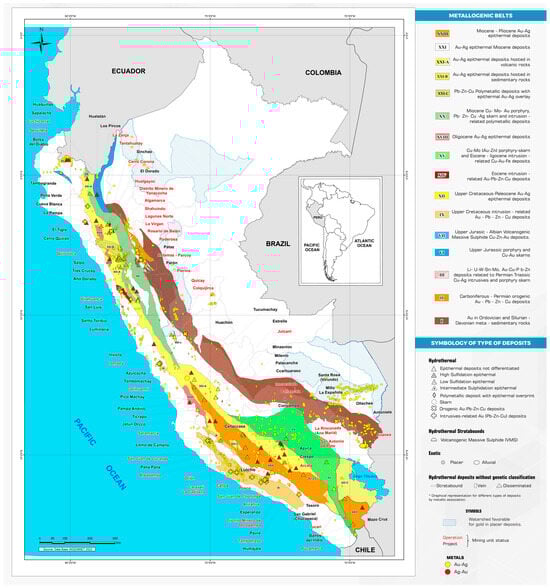
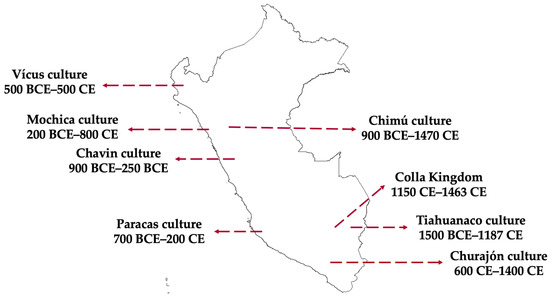
Gold mining has played a central role in shaping Peruvian society from pre-Inca civilizations to the present. However, existing literature offers fragmented perspectives, often focusing on isolated themes such as metallurgy, colonial mercury use, or environmental degradation, without integrating these across time and
[...] Read more.
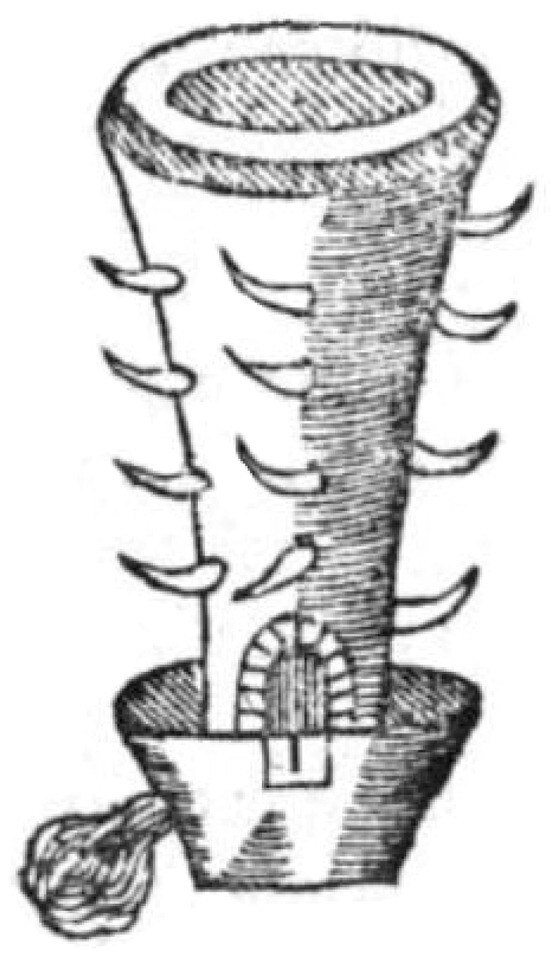
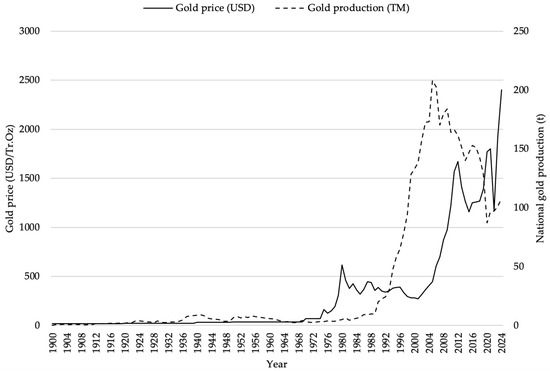
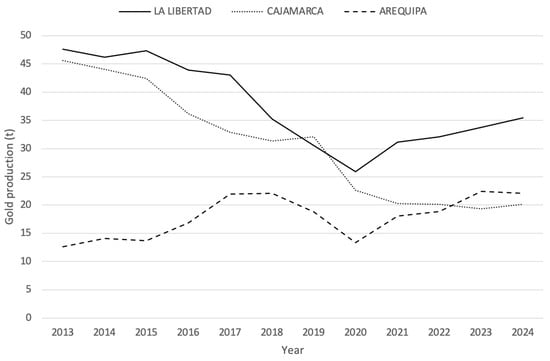
Gold mining has played a central role in shaping Peruvian society from pre-Inca civilizations to the present. However, existing literature offers fragmented perspectives, often focusing on isolated themes such as metallurgy, colonial mercury use, or environmental degradation, without integrating these across time and territory. This review addresses that gap by offering a place-based synthesis that combines archaeological, historical, legal, environmental, and comparative insights. Drawing on both Spanish-language sources and international literature, the paper reconstructs Peru’s gold mining trajectory through five historical phases—pre-Inca, Inca, colonial, republican, and contemporary—highlighting continuities and ruptures in governance, labor systems, and environmental impacts. The analysis reveals persistent challenges in Peru’s gold sector, including informality, mercury pollution, and weak institutional capacity. Compared to other mining economies such as Chile, Ghana, and South Africa, Peru exhibits greater fragmentation and limited integration of mining into national development strategies. The review also explores the role of gold in the global energy transition, emphasizing its relevance in clean technologies and green finance, and identifies policy gaps that hinder Peru’s alignment with sustainability goals. By bridging linguistic and disciplinary divides, this synthesis contributes to a more inclusive historiography of extractive industries and underscores the need for interdisciplinary approaches to mining governance. Ultimately, the paper calls for a reimagining of Peru’s gold sector, one that prioritizes environmental justice, social equity, and long-term resilience.
Full article

Figure 1
Open AccessArticle
The Semiotics of Western Hospitals: From a Stone Boat in Rome to Reconstructing the Self in Montreal
by
Guy Lanoue
Humans 2025, 5(4), 33; https://doi.org/10.3390/humans5040033 - 9 Dec 2025
Abstract
In this article I analyze the symbolic role of the hospital in its social context, from its creation in Rome in the 2nd century BCE to contemporary Montreal hospitals. I trace the change from its original role as a site to isolate the
[...] Read more.
In this article I analyze the symbolic role of the hospital in its social context, from its creation in Rome in the 2nd century BCE to contemporary Montreal hospitals. I trace the change from its original role as a site to isolate the sick to limit the symbolic pollution of the allegedly perfect social body of the Roman state, a trope that became an important vector of unity as Rome expanded and incorporated greater numbers of foreigners and slaves. Today, however, western hospitals have become a semiotic engine where patients construct a new biography to counter the depersonalisation of contemporary medical practices. I propose that today patients use the hospital as raw material to construct a temporal framework that substitutes the rhythms of everyday life that illness and the institutional culture of the hospital have interrupted. These narratives adhere to the same basic structure: the entrance scenario is always admission to the hospital; the plot structure is built with the non-medical details of the daily hospital routine. Surrounded by a neoliberal ethos that insists on the autonomy of the self but silenced by the mechanisation of illness, contemporary patients transform hospitals into semiotic engines where patients use their immediate environment to re-engineer new voices of the self.
Full article
Open AccessArticle
Lifelong Learning and Archeological Field Schools
by
Edward Mark Schortman and Patricia Ann Urban
Humans 2025, 5(4), 32; https://doi.org/10.3390/humans5040032 - 2 Dec 2025
Abstract
►▼
Show Figures
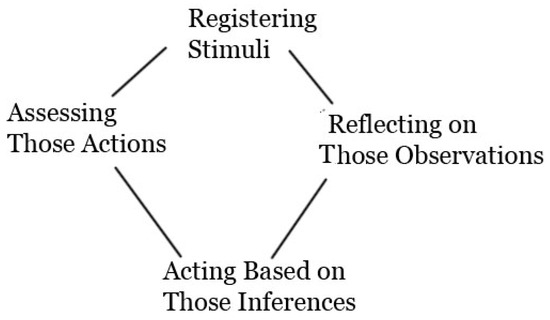
Higher education inculcates in students an enduring curiosity about the world. Accomplishing this goal requires helping undergraduates recognize that learning is a social process occurring within multiple communities of practice. Each of these collectives provides different lenses through which aspects of reality are
[...] Read more.
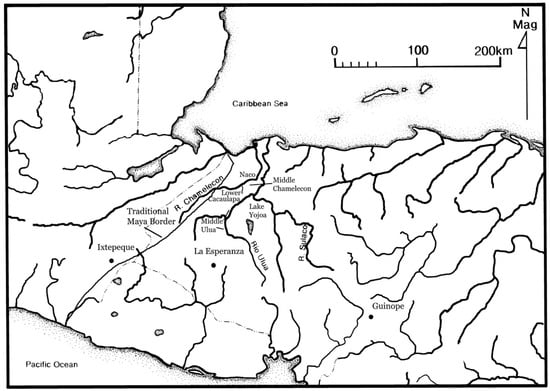
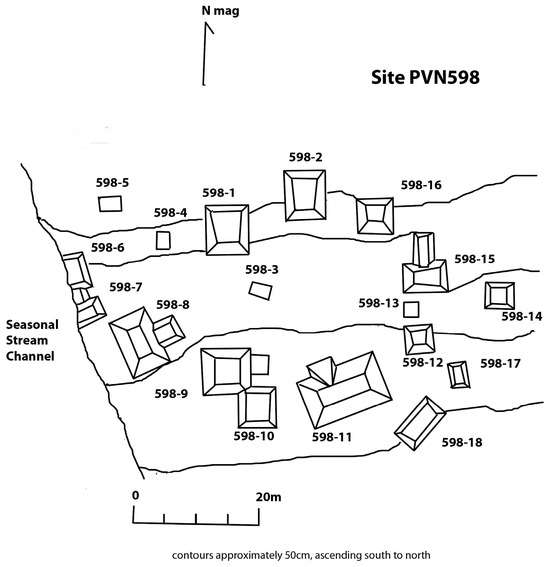
Higher education inculcates in students an enduring curiosity about the world. Accomplishing this goal requires helping undergraduates recognize that learning is a social process occurring within multiple communities of practice. Each of these collectives provides different lenses through which aspects of reality are illuminated, none encompassing all there is to know about a subject. Students thus appreciate that learning is an open-ended processes driven by a curiosity that is never satisfied. Knowledge resulting from that process is forever being refined, a project to which undergraduates can contribute. Appreciating the many ways of knowing the world requires engaging meaningfully with these distinct communities. This is best achieved by participating directly in the work and lives of multiple such collectives. Field schools provide excellent opportunities in which students come to perceive, think about, and act in worlds constituted by the community of archeologists and that comprise people hosting and participating in the investigations. We use our experiences directing an archeological field school in northwest Honduras from 1983-2008 to illustrate how we used this learning environment to help undergraduates make original contributions to knowledge of the area’s past while rethinking who they are and what they are capable of achieving.
Full article

Figure 1
Open AccessEditorial
Introduction to the Special Issue on Systems Thinking in Anthropology: Understanding Cultural Complexity in the Era of Super-Diversity
by
Sylvie Genest
Humans 2025, 5(4), 31; https://doi.org/10.3390/humans5040031 - 2 Dec 2025
Abstract
The objective of this Special Issue is to highlight the efforts of contemporary anthropologists to integrate the theoretical framework and methods of systems thinking into their research [...]
Full article
(This article belongs to the Special Issue Systems Thinking in Anthropology: Understanding Cultural Complexity in the Era of Super-diversity)
Open AccessArticle
Beyond Abducted Semantics: Ethnographic Methods and Literary Theory as Frameworks for Research Engines That Enhance Human Understanding
by
Alison Louise Kahn
Humans 2025, 5(4), 30; https://doi.org/10.3390/humans5040030 - 1 Dec 2025
Abstract
This article examines how ethnographic methodology and literary theory can advance research engines and artificial intelligence systems beyond the reductive computational approaches that dominate contemporary AI development. Drawing on recent Stanford research revealing fundamental gaps in large language models’ ability to distinguish factual
[...] Read more.
This article examines how ethnographic methodology and literary theory can advance research engines and artificial intelligence systems beyond the reductive computational approaches that dominate contemporary AI development. Drawing on recent Stanford research revealing fundamental gaps in large language models’ ability to distinguish factual knowledge from belief, I argue that contemporary AI systems enact what I term “abducted semantics”—appropriating the inferential logic of human meaning-making while systematically attenuating the culturally embedded, phenomenologically grounded capacities that generate authentic understanding. Through close analysis of Clifford Geertz’s thick description, Charles Sanders Peirce’s triadic semiotics, and canonical literary works—Miguel de Cervantes’ Don Quixote and Gabriel García Márquez’s One Hundred Years of Solitude—I demonstrate that human understanding operates through complex semiotic processes irreducible to pattern-matching and statistical prediction. The article proposes concrete interventions to transform research engines from tools of semantic extraction into technologies that preserve and enhance interpretive richness, arguing that ethnographic and literary methodologies offer essential correctives to the epistemological impoverishment inherent in current AI architectures.
Full article
Open AccessHypothesis
Areas and Consequences of the Mismatch Between Ancestral and Modern Conditions on Mate-Retention Capacity
by
Menelaos Apostolou
Humans 2025, 5(4), 29; https://doi.org/10.3390/humans5040029 - 21 Nov 2025
Abstract
►▼
Show Figures
Several people in contemporary postindustrial societies experience difficulties retaining intimate partners. This paper investigates the proximate reasons (the immediate causes of reduced capacity) and the ultimate reasons (the evolutionary causes behind those proximate mechanisms) that lead to such difficulties. I argue that the
[...] Read more.
Several people in contemporary postindustrial societies experience difficulties retaining intimate partners. This paper investigates the proximate reasons (the immediate causes of reduced capacity) and the ultimate reasons (the evolutionary causes behind those proximate mechanisms) that lead to such difficulties. I argue that the mechanisms or adaptations involved in partner retention evolved in ancestral preindustrial contexts and may not be effective in contemporary postindustrial settings. Relevant mismatches include the protection of human rights, dependence on intimate partners, freedom in mate choice, and access to parenting resources. I further argue that these mismatches have affected adaptations involved in partner retention, including the expression of undesirable traits, such as aggression and jealousy, insufficient mating effort, poor initial mate choice, and an impaired ability to meet the demands of parenting. As a consequence, many individuals today experience reduced mate-retention capacity, with implications that I explore.
Full article

Figure 1
Open AccessArticle
Minorities Who Advocate White Supremacist and Nazi Ideology in the United States
by
Sharon K. Moses
Humans 2025, 5(4), 28; https://doi.org/10.3390/humans5040028 - 9 Nov 2025
Abstract
This article highlights the phenomenon of marginalized populations and minorities who espouse white supremacist ideology despite their own ethnic and cultural backgrounds within the USA. This study focusses on how non-Caucasian individuals are attracted to this ideology, its organizations, and how this contradiction
[...] Read more.
This article highlights the phenomenon of marginalized populations and minorities who espouse white supremacist ideology despite their own ethnic and cultural backgrounds within the USA. This study focusses on how non-Caucasian individuals are attracted to this ideology, its organizations, and how this contradiction is reconciled. Of particular interest is the rise in gun violence or the advocacy of gun violence by non-white individuals in the United States harboring white supremacist ideals and identifying with those principles. Statistical data for national violence is limited to general categories by state and federal law enforcement. This article examines public comments made by high-profile individuals as examples reflecting current attitudes under examination as well as violent acts resulting in deaths perpetrated by minorities motivated by supremacist ideals. Findings suggest that non-Caucasian or minority individuals from multivariant ethnic groups who espouse Nazi ideals are not following a singular objective or unified under one rubric but have mixed motivations rooted in establishing legitimacy and “white proximity”. White supremacist ideology is redefined to suit personal grievances unique to an individuals’ cultural group and/or needs.
Full article
Open AccessArticle
Biopolitics of Techno-Mindfulness: Anthropological Reflections on the Issue of Modern App-Based Training of Focused Attention
by
Federico Divino
Humans 2025, 5(4), 27; https://doi.org/10.3390/humans5040027 - 21 Oct 2025
Abstract
With an emphasis on the adaptation and mediation of Buddhist meditation within Western societies, this study explores the transformative interaction of traditional contemplative practices and modern technologies. By means of an extensive ethnographic investigation carried out in multiple European locations, this study sheds
[...] Read more.
With an emphasis on the adaptation and mediation of Buddhist meditation within Western societies, this study explores the transformative interaction of traditional contemplative practices and modern technologies. By means of an extensive ethnographic investigation carried out in multiple European locations, this study sheds light on the significant influence that digital devices—specifically, smartphone applications—have on the accessibility, practice, and conception of meditation. These digital tools become guides that not only democratize access to meditation but also fundamentally change its nature, making it more individualized, commodified, and integrated into the field of self-care and therapeutic modalities from a deeply philosophical and communal practice. This inquiry critically looks at the two outcomes of this shift: the good that meditation is now more widely available and the bad that it is losing its conventional discipline and philosophical profundity. This paper raises concerns about the integrity of spiritual practices in the digital age and their evolution under the influence of Western epistemologies by arguing that the digital facilitation of meditation practices parallels broader societal tendencies towards personalization and digitization.
Full article
Open AccessArticle
The End of the Egyptian New Kingdom in Colonial Nubia: New Perspectives on Sociocultural Transformations in the Middle Nile
by
Julia Budka
Humans 2025, 5(4), 26; https://doi.org/10.3390/humans5040026 - 15 Oct 2025
Abstract
►▼
Show Figures
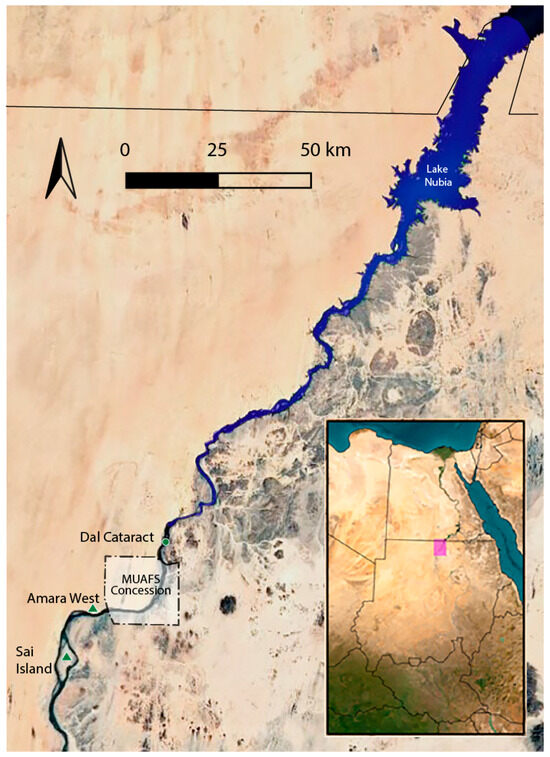
In recent decades, the concept of a so-called Dark Age in ancient Sudan at the beginning of the first millennium BCE has been called into question within the field of Nubian archaeology. This is primarily due to new archaeological findings at urban sites
[...] Read more.
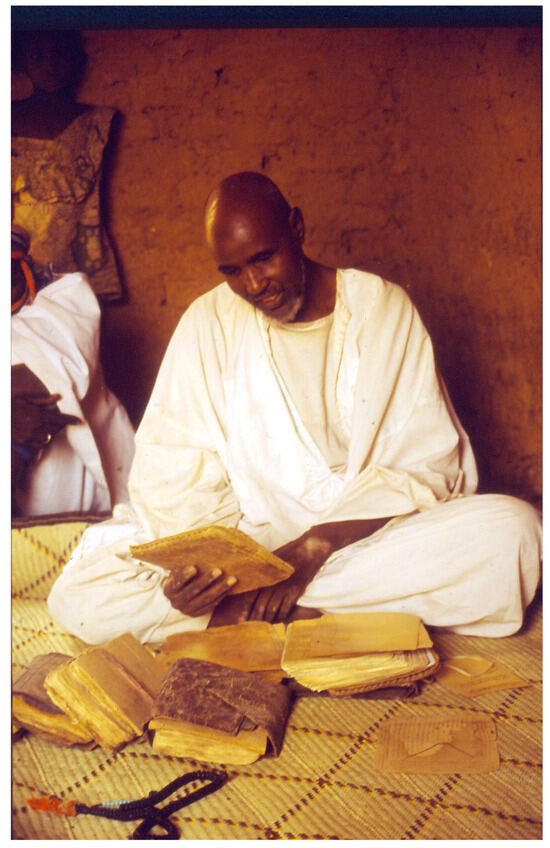
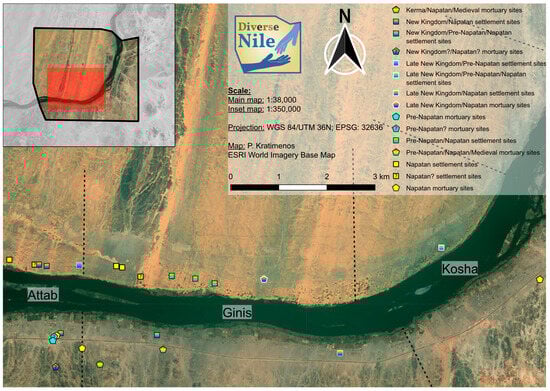
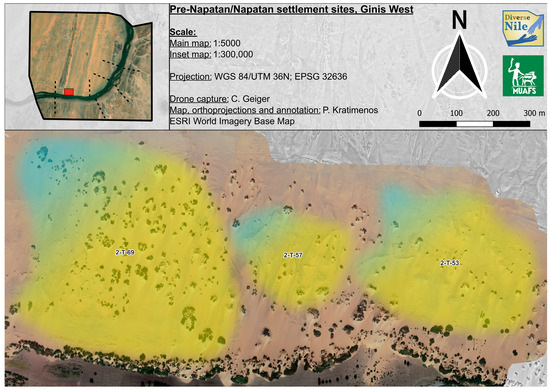
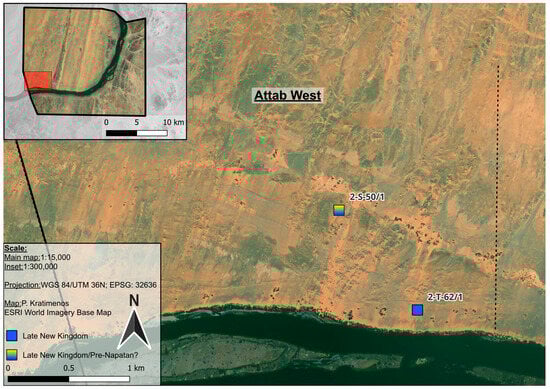
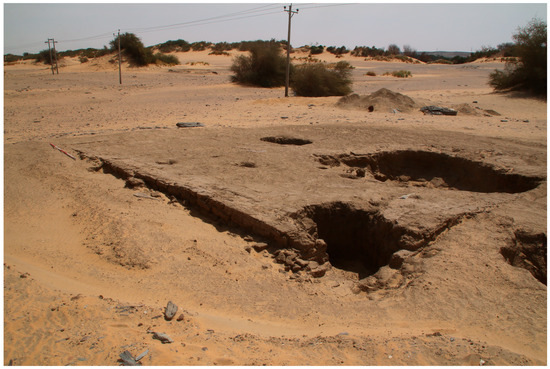
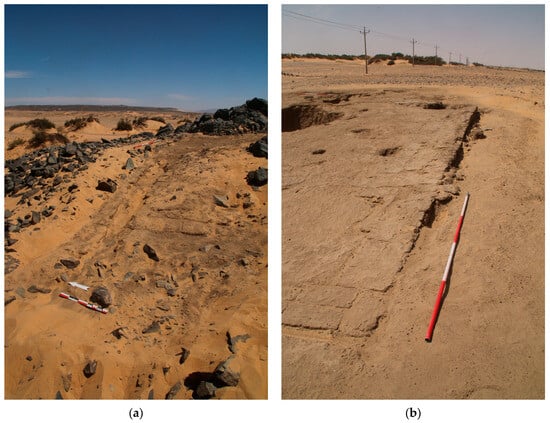
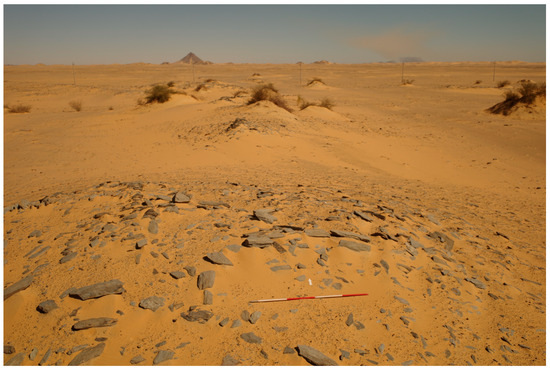
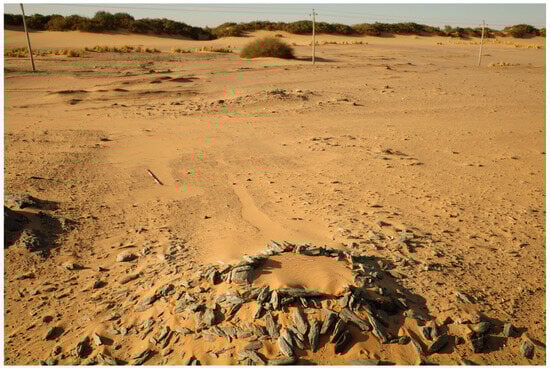
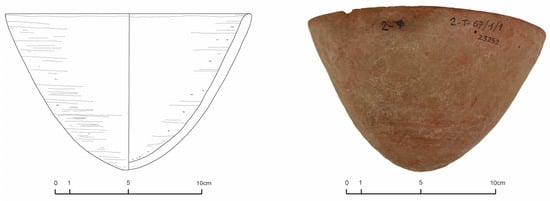
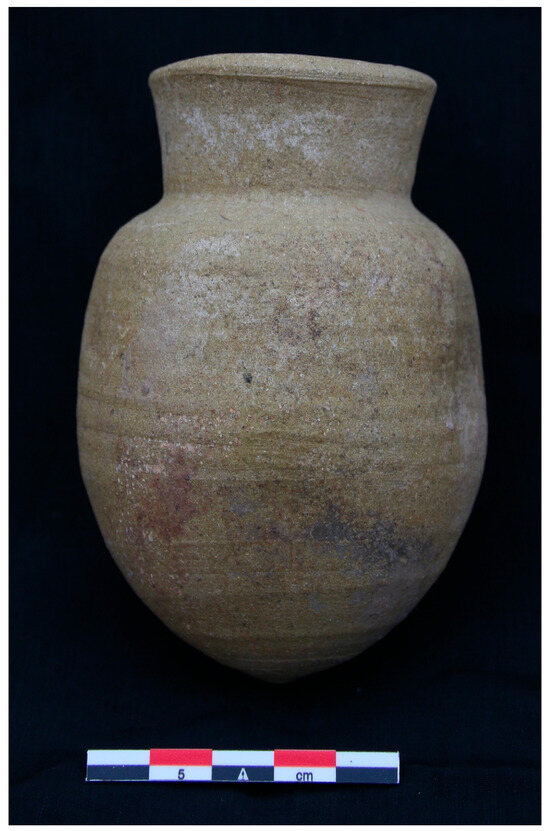
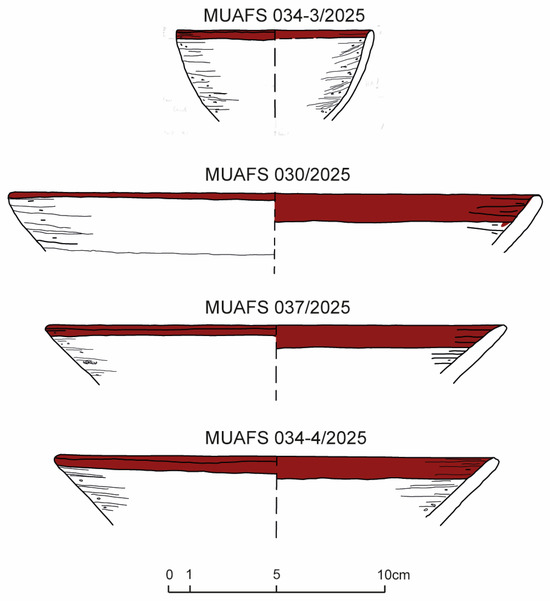
In recent decades, the concept of a so-called Dark Age in ancient Sudan at the beginning of the first millennium BCE has been called into question within the field of Nubian archaeology. This is primarily due to new archaeological findings at urban sites such as Tombos and Amara West, as well as new theoretical approaches developed during the postcolonial turn. This study aims to show that new remote sensing, surveys and excavations in the Attab to Ferka region of Sudan have also revealed important evidence of continued occupation after the end of Egypt’s colonial rule over Nubia. In particular, studies of settlement patterns and ceramics enrich our understanding of people’s lives during the period between 1070 and 750 BCE and allow us to expand on dynamic processes, local forms of resilience and innovation. This new understanding of the persistence of communities after the fall of colonial Nubia under Egyptian rule facilitates a more nuanced interpretation of the evolution of the Napatan Empire, thereby challenging the conventional concept of secondary states. The Attab to Ferka case study demonstrates that previously marginalised regions and communities are significant contributors to cultural dynamics and achievements during the first millennium BCE in Sudan.
Full article

Figure 1
Open AccessArticle
Landscape Afterlives: A Geospatial Approach to the History of African Burial Grounds in New York City and the Hudson Valley
by
Sebastian Wang Gaouette
Humans 2025, 5(4), 25; https://doi.org/10.3390/humans5040025 - 1 Oct 2025
Abstract
►▼
Show Figures
Throughout the eighteenth and early nineteenth centuries, slavery was a central element of life in colonial and early national New York. The places where the enslaved buried their dead, referred to today as African Burial Grounds, remain important sites of reflection and remembrance
[...] Read more.
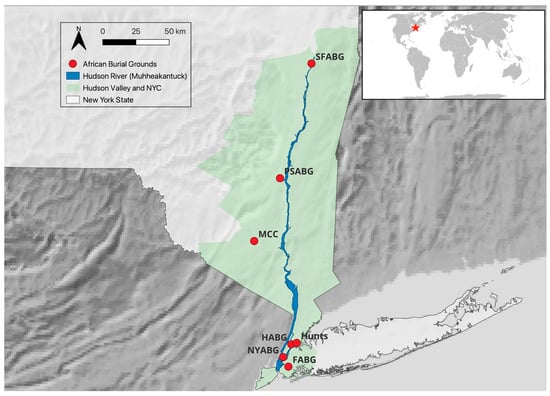
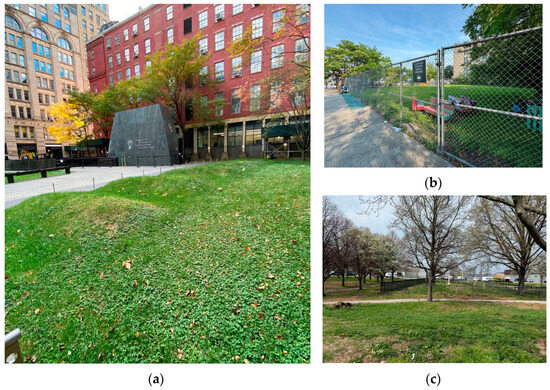
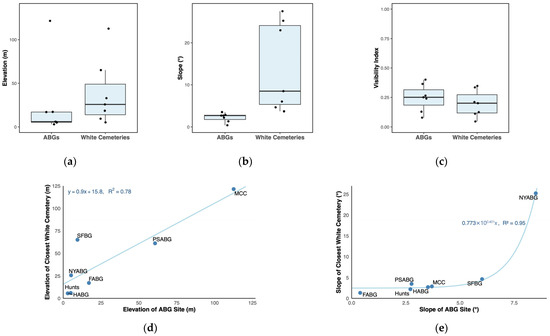
Throughout the eighteenth and early nineteenth centuries, slavery was a central element of life in colonial and early national New York. The places where the enslaved buried their dead, referred to today as African Burial Grounds, remain important sites of reflection and remembrance for many New Yorkers. However, little literature exists discussing New York’s African Burial Ground sites from a broad, comparative perspective. This study examines seven African Burial Grounds in New York City and the Hudson Valley, two historically significant regions of New York State. GIS data from all seven sites, considered alongside GIS data from nearby coeval white Christian cemeteries, reveal that while the individuals interred in New York’s African Burial Grounds represent a variety of lived experiences, certain unifying patterns nonetheless emerge in the spatial dialectics of their final resting places. The findings have implications for the preservation of Black cultural heritage throughout southeastern New York State.
Full article

Figure 1
Open AccessReview
Beyond the Drawing: Ethnography and Architecture as Contested Narratives of the Human Experience of Dwelling
by
Jose Abásolo-Llaría and Francisco Vergara-Perucich
Humans 2025, 5(3), 24; https://doi.org/10.3390/humans5030024 - 18 Sep 2025
Abstract
►▼
Show Figures
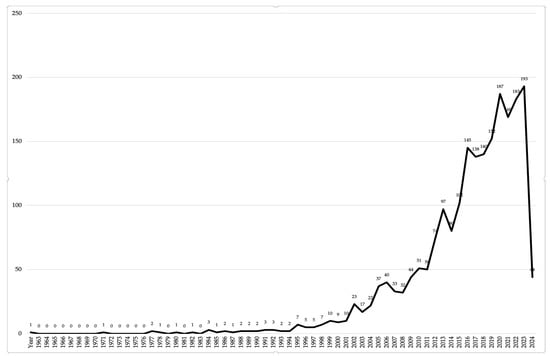
This study interrogates the interplay between architectural practice and ethnographic inquiry to elucidate human spatial experience across time and culture. Employing a mixed-methods design that integrates computational bibliometric analysis with thematic coding of international academic literature, the research identifies six thematic domains—memory, pedagogy,
[...] Read more.
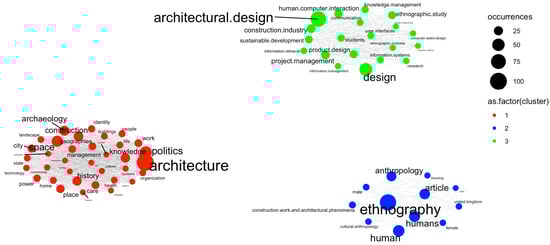
This study interrogates the interplay between architectural practice and ethnographic inquiry to elucidate human spatial experience across time and culture. Employing a mixed-methods design that integrates computational bibliometric analysis with thematic coding of international academic literature, the research identifies six thematic domains—memory, pedagogy, urban injustice, institutional care, domesticity, and vernacular epistemes. These domains reveal how ethnographic methods, though increasingly incorporated in architectural discourse, are frequently relegated to an instrumental role focused on design optimisation rather than the critical examination of cultural practices and power structures. The findings underscore that architecture functions as both a technical and cultural medium, simultaneously shaping and reflecting human behaviour and social relations. By foregrounding ethnography as a tool for capturing situated, embodied knowledge, the study advocates for a reconceptualisation of architectural practice that embraces reflexivity, inclusiveness, and contextual sensitivity. In doing so, it contributes to interdisciplinary debates central to anthropology, challenging established epistemological hierarchies and highlighting the potential for transformative, culturally informed spatial design.
Full article

Figure 1
Open AccessArticle
The Afterlives of Segmentary Lineage: (Post-)Structural Theory and Postcolonial Politics in the Horn of Africa
by
Daniel K. Thompson, Juweria Ali and Mohammed Hassan Dable
Humans 2025, 5(3), 23; https://doi.org/10.3390/humans5030023 - 4 Sep 2025
Abstract
Segmentary lineage theory fell out of favor in cultural anthropology during the 1980s. However, the core ideas of segmentary lineage have continued to shape political mobilization as well as political analysis in Africa long after the theory’s supposed death. This article analyzes how
[...] Read more.
Segmentary lineage theory fell out of favor in cultural anthropology during the 1980s. However, the core ideas of segmentary lineage have continued to shape political mobilization as well as political analysis in Africa long after the theory’s supposed death. This article analyzes how and why the framework of segmentary lineage has endured as a potent means of describing and experiencing politics in the Somali-inhabited Horn of Africa. It theorizes Somali clanship, a classic example of a “pure” segmentary lineage structure, as a framework for managing the near-term future rather than as an objective description of existing social structures. We show how segmentary lineage has been politicized during the colonial and postcolonial eras as a tool for pre-emptive action by governments. We link this broader dynamic of politicization to the functions of clanship in everyday life as a mode of anticipating other people’s likely behavior based on clan-framed narratives about the past. Based on archival research, ethnographic fieldwork, and analysis of media and social media, we argue that Somali clanship operates in politics less as a network of shared interests or mobilization based on anticipated collective gains, and more as a framework for anticipating and attempting to pre-empt other people’s likely behavior.
Full article
Open AccessEssay
Sparking Change: Frictions as a Key Function of Ethnography for Healthcare Improvement
by
Giulia Sinatti, Julie G. Salvador and Jennifer Creese
Humans 2025, 5(3), 22; https://doi.org/10.3390/humans5030022 - 2 Sep 2025
Abstract
Anthropologists increasingly engage with healthcare systems, using ethnographic research as a critical tool for understanding and improving healthcare practices. The resulting interactions and collaborations between ethnographers, healthcare practitioners, and administrators often give rise to ‘frictions’—moments of tension, frustrations, misalignments, and misunderstandings. In physics,
[...] Read more.
Anthropologists increasingly engage with healthcare systems, using ethnographic research as a critical tool for understanding and improving healthcare practices. The resulting interactions and collaborations between ethnographers, healthcare practitioners, and administrators often give rise to ‘frictions’—moments of tension, frustrations, misalignments, and misunderstandings. In physics, friction is the force that one object’s surface exerts over another’s to slow its motion, push back against its inherent energy and movement, and is a constant at all touchpoints between the objects, from both sides. While friction often evokes negative connotations, in this article, we look beyond frictions as obstacles, and instead explore them as productive forces that can drive transformation in the healthcare improvement field. Drawing both on the authors’ own experiences and on the work of other anthropologists, we reflect on how friction helps shed light on the dynamics of interdisciplinary work and improve collaboration. We unpack how conceptual and ethical frictions in applied ethnographic work reveal deeper structural and relational insights that would otherwise remain obscured. This article contributes to anthropological discussions on interdisciplinary collaboration and applied practice, and it offers concrete strategies for handling different kinds of friction in health-related ethnographic research.
Full article
Open AccessArticle
Transhumanism as Capitalist Continuity: Branded Bodies in the Age of Platform Sovereignty
by
Ezra N. S. Lockhart
Humans 2025, 5(3), 21; https://doi.org/10.3390/humans5030021 - 29 Aug 2025
Cited by 1
Abstract
This theoretical article explores the contrasting ontologies, axiologies, and political economies of transhumanism and posthumanism. Transhumanism envisions the human as an enhanced, autonomous agent shaped by neoliberal and Enlightenment ideals. Posthumanism challenges this by emphasizing relationality, ecological entanglement, and critiques of commodification. Both
[...] Read more.
This theoretical article explores the contrasting ontologies, axiologies, and political economies of transhumanism and posthumanism. Transhumanism envisions the human as an enhanced, autonomous agent shaped by neoliberal and Enlightenment ideals. Posthumanism challenges this by emphasizing relationality, ecological entanglement, and critiques of commodification. Both engage with technology’s role in reshaping humanity. Drawing on Braidotti’s posthumanism, Haraway’s cyborg figuration, Ahmed’s politics of emotion, Berlant’s cruel optimism, Massumi’s affective modulation, Seigworth and Gregg’s affective intensities, Zuboff’s surveillance capitalism, Fisher’s capitalist realism, Cooper’s surplus life, Sadowski’s digital capitalism, Lupton’s quantified self, Schafheitle et al.’s datafied subject, Pasquale’s black box society, Terranova’s network culture, Bratton’s platform sovereignty, Dean’s communicative capitalism, and Morozov’s technological solutionism, the article elucidates how subjectivity, data, and infrastructure are reorganized by corporate systems. Introducing technogensis as the co-creation of human and technological subjectivities, it links corporate-platform practices to future trajectories governed by Apple, Meta, and Google. These branded technologies function not only as enhancements but as infrastructures of governance that commodify subjectivity, regulate affect and behavior, and reproduce socio-economic stratification. A future is extrapolated where humans are not liberated by technology but incubated, intubated, and ventilated by techno-conglomerate governments. These attention-monopolizing, affective-capturing, behavior-modulating, and profit-extracting platforms do more than enhance; they brand subjectivity, rendering existence subscription-based under the guise of personal optimization and freedom. This reframes transhumanism as a cybernetic intensification of liberal subjectivity, offering tools to interrogate governance, equity, agency, and democratic participation, and resist techno-utopian narratives. Building on this, a posthumanist alternative emphasizes relational, multispecies subjectivities, collective agency, and ecological accountability, outlining pathways for ethical design and participatory governance to resist neoliberal commodification and foster emergent, open-ended techno-social futures.
Full article
Open AccessArticle
The Cultural Senses of Homo Sapiens
by
Walter E. A. van Beek
Humans 2025, 5(3), 20; https://doi.org/10.3390/humans5030020 - 18 Aug 2025
Abstract
►▼
Show Figures
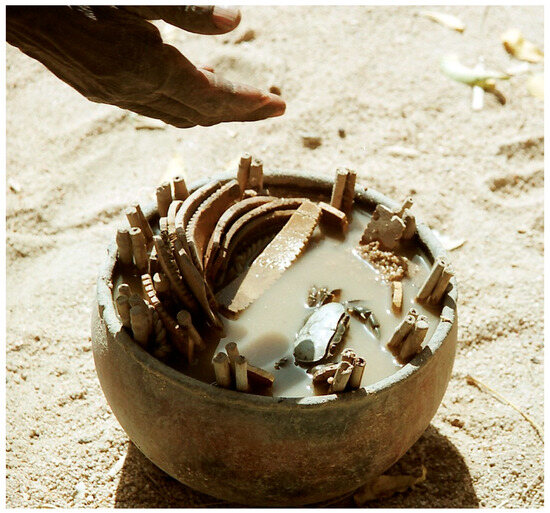
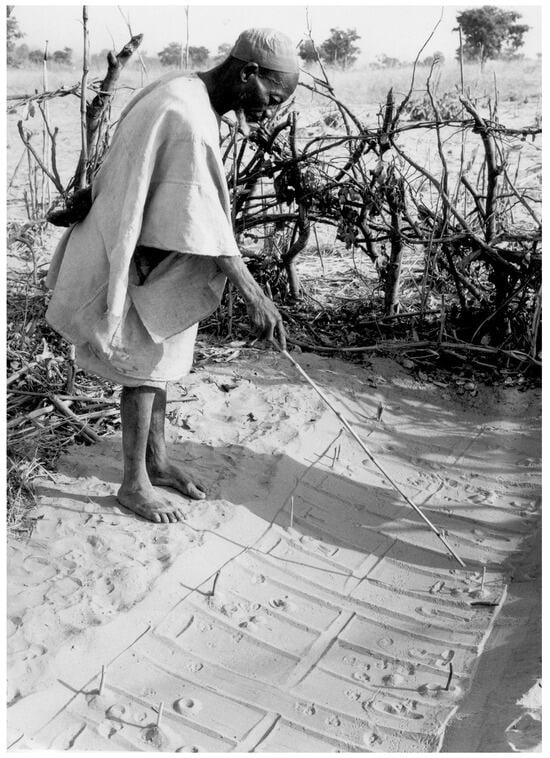
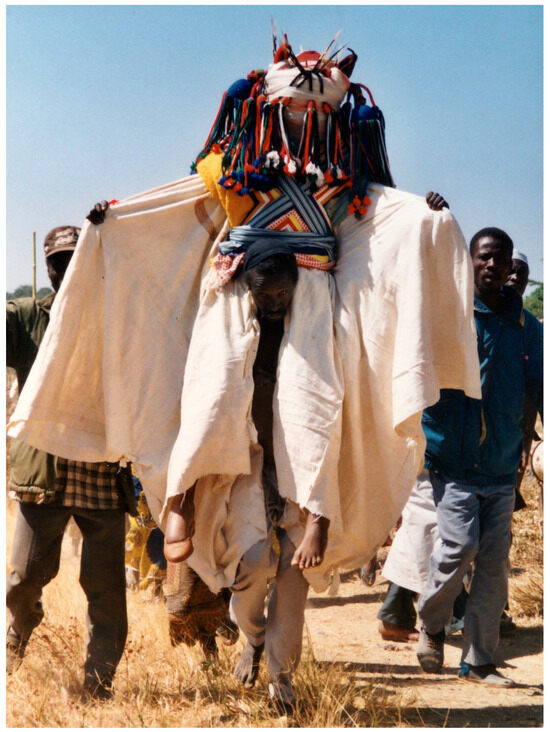
Humans are a curious mix of biology and culture, and one interaction area between these two that has recently come into focus is located in the senses, our biological apparatus to connect with the world. In this essay, I address the variation in
[...] Read more.
Humans are a curious mix of biology and culture, and one interaction area between these two that has recently come into focus is located in the senses, our biological apparatus to connect with the world. In this essay, I address the variation in appreciation of the senses in various cultures, both historical and contemporaneous, in order to explore the extent to which culture steers not only our observations, but also our appreciation of the epistemological weight of those senses. I concentrate on three senses—vision, hearing, and smell—and show how the relative weight attributed to each of them shifts in different cultures or historical periods. Using data from anthropology, history, literature, psychology, and linguistics, I argue that vision, sound, and smell occupy different positions in various cultures, and that our sensory balance shifts with culture. Thus, our present epistemological dominance of sight over all other senses is neither a biological given nor a cultural necessity.
Full article

Figure 1
Highly Accessed Articles
Latest Books
E-Mail Alert
News
Topics
Special Issues
Special Issue in
Humans
Contemporary Anthropological Perspectives on Drug Use
Guest Editor: Cristiana Vale PiresDeadline: 31 May 2026
Special Issue in
Humans
Archaeological Sciences and the Development of Complexity in the Ancient Near East
Guest Editor: Tina L. GreenfieldDeadline: 30 June 2026
Special Issue in
Humans
Forensic Anthropology: Evolving Perspectives in Human Skeletal Variation and Identification
Guest Editors: Amanda Hale, Ann H. RossDeadline: 30 June 2026
Special Issue in
Humans
Migration in Anthropological Perspective
Guest Editor: Kevin M. KellyDeadline: 30 September 2026