


Journal Menu
► ▼ Journal Menu-
- IJERPH Home
- Aims & Scope
- Editorial Board
- Reviewer Board
- Topical Advisory Panel
- Instructions for Authors
- Special Issues
- Topics
- Sections & Collections
- Article Processing Charge
- Indexing & Archiving
- Editor’s Choice Articles
- Most Cited & Viewed
- Journal Statistics
- Journal History
- Journal Awards
- Society Collaborations
- Editorial Office
Journal Browser
► ▼ Journal Browser-
arrow_forward_ios
Forthcoming issue
arrow_forward_ios Current issue - Vol. 23 (2026)
- Vol. 22 (2025)
- Vol. 21 (2024)
- Vol. 20 (2023)
- Vol. 19 (2022)
- Vol. 18 (2021)
- Vol. 17 (2020)
- Vol. 16 (2019)
- Vol. 15 (2018)
- Vol. 14 (2017)
- Vol. 13 (2016)
- Vol. 12 (2015)
- Vol. 11 (2014)
- Vol. 10 (2013)
- Vol. 9 (2012)
- Vol. 8 (2011)
- Vol. 7 (2010)
- Vol. 6 (2009)
- Vol. 5 (2008)
- Vol. 4 (2007)
- Vol. 3 (2006)
- Vol. 2 (2005)
- Vol. 1 (2004)
Need Help?
Announcements
4 March 2026
MDPI’s 2025 Best Paper Awards—Award-Winning Papers Announced
MDPI is honored to announce the recipients of the 2025 Best Paper Awards, celebrating exceptional research for its scientific merit and broad impact. After a rigorous evaluation process conducted by Academic Editors, this year’s awards showcase papers that stand out for their innovation, relevance, and high-quality presentation.
Out of a highly competitive pool, 396 winning papers have been recognized for their exceptional contributions. We congratulate these authors for pushing the boundaries of their respective disciplines.
At MDPI, we are dedicated to broadening the reach of innovative science. To learn more about the award-winning papers and explore research projects in your field of study, please visit the following links:
- Biology and Life Sciences;
- Business and Economics;
- Chemistry and Materials Sciences;
- Computer Sciences and Mathematics;
- Engineering;
- Environmental and Earth Sciences;
- Medicine and Pharmacology;
- Social Sciences, Arts and Humanities;
- Physical Sciences;
- Public Health and Healthcare.
About MDPI Awards:
To reward the global research community and enhance academic dialogue, MDPI journals regularly host award programs across diverse scientific disciplines. These awards, serving as a source of inspiration and recognition, help raise the influence of talented individuals who have been credited with outstanding achievements and whose work drives the advancement of their fields.
Explore the Best Paper Awards open for participation, please click here.
25 November 2025
Meet Us Virtually at the 1st International Online Conference on Behavioral Sciences (IOCBS2026), 1–3 April 2026

We are delighted to announce the 1st International Online Conference on Behavioral Sciences (IOCBS2026), chaired by Prof. Dr. Jerrell Cassady (Department of Educational Psychology, Ball State University, Muncie, 47306, United States), which will take place from 1 to 3 April 2026.
IOCBS2026 warmly invites researchers from academic institutions and professionals in the behavioral sciences industry to share their original research, innovative ideas, scientific insights, and practical experiences.
We welcome contributions that align with the following thematic areas:
S1. Psychiatric, emotional, and behavioral disorders;
S2. Cognition;
S3. Developmental psychology;
S4. Educational psychology;
S5. Social psychology;
S6. Health psychology;
S7. Child and adolescent psychiatry;
S8. Organizational behaviors;
S9. Experimental and clinical neurosciences.
Important deadlines:
Deadline for abstract submission: 4 January 2026;
Notification of acceptance: 29 January 2026;
Deadline for registration: 27 March 2026.
Guide for Authors:
To submit your abstract, please click on the following link: https://sciforum.net/user/submission/create/1351.
To register for the event for free, please click on the following link: https://sciforum.net/event/IOCBS2026?section=#registration.
For more information, you may refer to: https://sciforum.net/event/iocbs2026.
For any enquiries regarding the event, please contact us at iocbs2026@mdpi.com.
We look forward to seeing you at the 1st International Online Conference on Behavioral Sciences.
8 April 2026
Meet Us at the 2026 American College of Sports Medicine (ACSM) Annual Meeting, 26–29 May 2026, Salt Lake City, UT, USA

MDPI is excited to announce its participation as an exhibitor at the 2026 American College of Sports Medicine Annual Meeting, taking place in Salt Lake City, UT, USA, from 26 to 29 May 2026.
In 2026, ACSM’s Annual Meeting Spotlight will focus on the powerful convergence of Physical Activity, Exercise, and Technology. Technology transforms how physical activity is studied, prescribed, and experienced—from wearable devices and AI-driven interventions to virtual platforms and advanced diagnostics. This year’s spotlight will explore the intersection of basic, applied, and/or clinical science as it relates to the collective impact of physical activity, exercise, and technological advancement. Sessions in this track should reflect how innovations in technology enhance scientific understanding, clinical outcomes, performance, or population health. Through this spotlight, ACSM aims to highlight research and initiatives that are not only shaping the future of the field but also advancing its mission to extend and enrich lives through the power of movement.
The following open access journals will be represented at the conference:
If you are planning to attend this conference, please get in touch with us. Our delegates look forward to meeting you in person at the booth and answering any questions that you may have. For more information about the conference, please visit the following website: https://acsm.org/events-general/annual-meeting/exhibit-sponsor/.
7 April 2026
World Health Day, 7 April 2026

World Health Day, observed annually on 7 April, highlights the global commitment to improving public health and ensuring that all people have access to quality healthcare. Established by the World Health Organization, the day draws attention to pressing health challenges and mobilizes collective action to strengthen health systems, advance medical research, and promote well-being worldwide.
Despite significant progress in medicine and public health, many individuals and communities continue to face barriers to healthcare, including unequal access to services, limited resources, and emerging global health threats. These interconnected challenges highlight the importance of sustained research, international collaboration, and evidence-based policies to improve health outcomes and build resilient healthcare systems.
In support of World Health Day 2026 and the United Nations Sustainable Development Goal 3: Good Health and Well‑Being, MDPI journals from the Public Health & Healthcare subject aim to foster interdisciplinary dialogue and research on global health, disease prevention, and healthcare innovation. Through Special Issues and research articles, MDPI provides platforms to explore health challenges from diverse perspectives, including public health, clinical medicine, epidemiology, and health policy.


We are delighted to announce that nominations are now open for the 2026 Tu Youyou Award. Named after Nobel Laureate Tu Youyou, whose discovery of artemisinin has saved millions of lives, this award recognizes researchers whose work advances the fields of natural products chemistry and medicinal chemistry, while also contributing to human health.


“Breastfeeding in Infancy and Adult Health: A Narrative Review”
by Eleftherios Panteris, Ioanna Kakatsaki, Ourania Galani, Zoi Koukou and Eleftheria Hatzidaki
Children 2026, 13(2), 286; https://doi.org/10.3390/children13020286
“Bridging the Gap: Health Education Needs Among Rural Populations with Chronic Illness and Low Health Literacy in Unincorporated Communities in Southern California”
by Shiloh A. Williams, Ryan C. Shriver and Candace C. Juhala
Int. J. Environ. Res. Public Health 2026, 23(1), 21; https://doi.org/10.3390/ijerph23010021
“Predicting Workplace Hazard, Stress and Burnout Among Public Health Inspectors: An AI-Driven Analysis in the Context of Climate Change”
by Ioannis Adamopoulos, Antonios Valamontes, Panagiotis Tsirkas and George Dounias
Eur. J. Investig. Health Psychol. Educ. 2025, 15(5), 65; https://doi.org/10.3390/ejihpe15050065
“Clinical and Public Health Challenge of Handling Synthetic Cathinone and Cannabinoid Abuse in Pediatric Care: A Narrative Review”
by Valerio Ricci and Giuseppe Maina
Pediatr. Rep. 2025, 17(1), 19; https://doi.org/10.3390/pediatric17010019
“Factors Affecting Online Health Promotion Program Adherence Among People with Disabilities”
by Madison Mintz, Robert A. Oster, Jereme Wilroy and James H. Rimmer
Disabilities 2025, 5(1), 16; https://doi.org/10.3390/disabilities5010016
“Digital Twins’ Advancements and Applications in Healthcare, Towards Precision Medicine”
by Konstantinos Papachristou, Paraskevi F. Katsakiori, Panagiotis Papadimitroulas, Lidia Strigari and George C. Kagadis
J. Pers. Med. 2024, 14(11), 1101; https://doi.org/10.3390/jpm14111101
”European Nurses’ Burnout before and during the COVID-19 Pandemic and Its Impact on Patient Safety: A Scoping Review”
by Goitseone Mogomotsi and Jennifer Creese
Hospitals 2024, 1(2), 151-171; https://doi.org/10.3390/hospitals1020013
“Framework to Support the Transfer of Innovative Interventions in the Disability Field: Lessons from the Transferability of Complex Interventions in Public Health: A Review”
by Eléonore Ségard, Philippe Chervin and Linda Cambon
Disabilities 2024, 4(3), 724-740; https://doi.org/10.3390/disabilities4030044

|
“Body-Related Attitudes, Self-Esteem, and Psychological Wellbeing” Guest Editors: Dr. Anne-Mette Hermans, Dr. Rebecca Nash and Dr. Helena Lewis-Smith |
“Reducing Health Disparities: The Role of Health Literacy and Health Promotion” Guest Editor: Prof. Dr. Hae-Ra Han |
 |
 |
|
“Ehealth, Telemedicine, and AI in the Precision Medicine Era” Guest Editor: Dr. Mirella Veras |
“Emergency and Disaster Medicine: Preparedness, Response, and Resilience in Health Systems” Guest Editor: Dr. Ulrich Sack |
 |
 |

 |
The 2nd International One Health Conference Highlights:
Click here to read the full list of papers. |

 |
 |
2 April 2026
2026 Tu Youyou Award—Open for Nominations
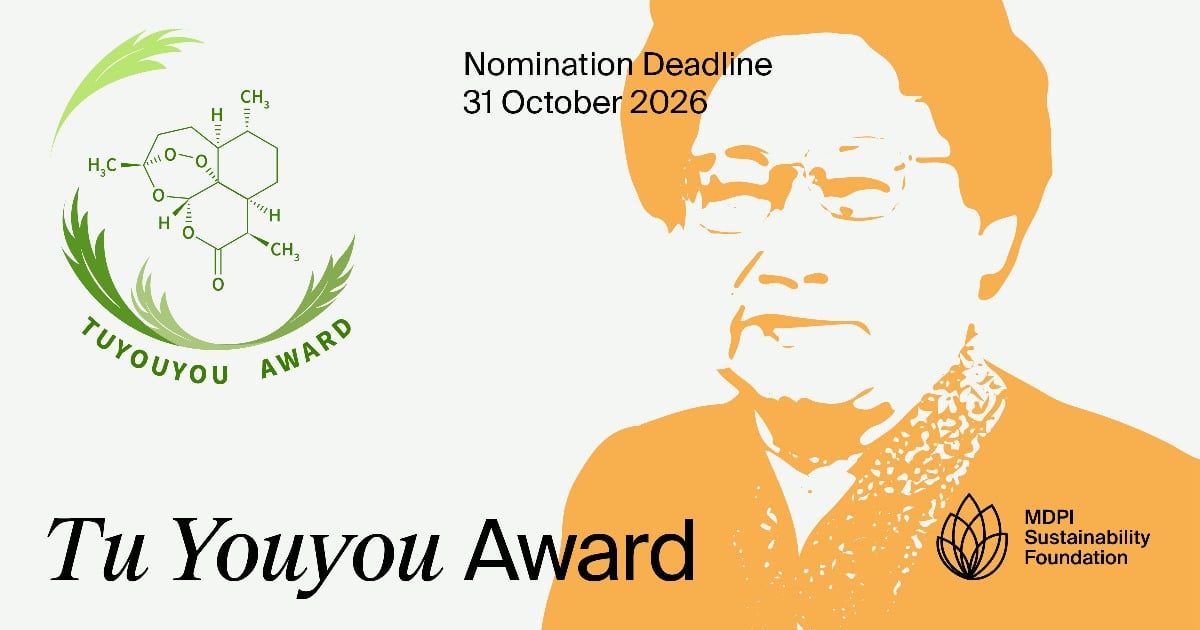
We are delighted to announce that nominations are now open for the 2026 Tu Youyou Award. Named after Nobel Laureate Tu Youyou, whose discovery of artemisinin has saved millions of lives, this award recognizes researchers whose work advances the fields of natural products chemistry and medicinal chemistry, while also contributing to human health.
Prize
– CHF 100,000;
– A medal;
– A certificate.
The monetary prize will be shared equally should there be multiple recipients.
Who May Be Nominated?
– Scientists with outstanding achievements and contributions in the fields of natural products chemistry and medicinal chemistry.
Nominees must be individuals; team or group nominations are not permitted. Nominations are valid only for the current award cycle.
Who May Submit a Nomination?
– The director of the nominee’s host research institution or recognized scientists within the field.
Self-nominations will not be considered.
Nomination Materials
– A biographical sketch;
– A detailed description of the nominee’s contributions;
– 5–10 representative academic publications;
– A list of academic honors, awards, and funded projects;
– A nomination letter signed by two nominators.
How to Submit?
Submit nominations online via the following link: https://tuyouyouprize.org/nomination
Important Dates
– Nomination Deadline: 31 October 2026
– Winner Announcement: March 2027
For further information, please visit the Tu Youyou Award website (https://tuyouyouprize.org/). For any inquiries, please contact the Tu Youyou Award Team at tuyouyouaward@mdpi.com.
31 March 2026
MDPI INSIGHTS: The CEO’s Letter #33 - 2025 Annual Report, Preprints.org, IWD, Recapping Viruses 2026 & Romania Salon

Welcome to the MDPI Insights: The CEO's Letter.
In these monthly letters, I will showcase two key aspects of our work at MDPI: our commitment to empowering researchers and our determination to facilitating open scientific exchange.
Opening Thoughts

Scaling Open Access with Integrity: MDPI Annual Report 2025
I am pleased to share the release of MDPI’s 2025 Annual Report, reflecting our continued progress as one of the world’s leading open access publishers. The report highlights not only our growth, but also the continued evolution of our publishing model and our commitment to quality, transparency, and collaboration.
You can explore the full report here: https://mdpi-res.com/data/mdpi_annual_report_2025_0401.pdf?1775045421
Or visit the interactive page: https://www.mdpi.com/annual-report-2025/
A Year of Growth and Responsibility
2025 was a year of significant growth for MDPI. We received over 669,000 manuscript submissions, the highest in our history, while maintaining a rejection rate above 60%, reinforcing our commitment to both scale and quality.
We published 261,576 peer-reviewed open access articles across a portfolio of 500 journals, supported by a global community of more than 68,000 Editorial Board Members and 209,000 reviewers.
Scaling with Integrity
Growth alone is not the objective; how we grow matters.
Our 2025 Annual Report, Scaling Open Access with Integrity, reflects our continued focus on building the systems and processes that support reliable and trustworthy publishing. As submission volumes increase globally, so too does the importance of robust editorial workflows, research integrity frameworks, and the infrastructure required to support them.
In 2025, we continued to invest in:
- Research integrity and quality assurance processes
- Editorial support and reviewer engagement
- Transparency across the publishing workflow
These efforts ensure that scale does not come at the expense of rigor, but rather reinforces it.
Validation Through Indexing and Visibility
As MDPI continues to grow, validation of quality remains essential.
In 2025, the number of MDPI journals indexed in the Web of Science Core Collection increased from 298 to 329, while Scopus coverage reached 355 journals, including 45 new acceptances. Coverage in major biomedical databases (PMC/Medline/PubMed) expanded to 95 journals, and indexing in Ei Compendex increased significantly.
These milestones reflect the strength of our editorial processes and the trust placed in our journals by independent indexing bodies.
Importantly:
- 96% of all MDPI articles are indexed in Web of Science databases
- More than 1.75 million articles are indexed, with an average of 13 citations per article
Recognition through Journal Citation Reports also continues to grow:
- 298 journals received Impact Factors
- 65% ranked in the top half of their categories
- 61 journals achieved top-quartile positions
These developments demonstrate that growth and quality are advancing together, supported by strong editorial oversight and consistent performance across our journal portfolio.
Strengthening Partnerships and Community
Open access is a collaborative endeavor.
In 2025, we expanded our institutional partnerships to more than 1,000 IOAP agreements, helping simplify publishing for researchers and institutions worldwide.
We also hosted 60 in-person conferences and virtual events, bringing together more than 28,000 participants to exchange ideas, share research, and strengthen connections across the global scientific community.
At the heart of everything we do is this community of authors, editors, reviewers, and partners who make open science possible.
Looking Ahead
Open access continues to move toward becoming the standard model for sharing research globally. With that growth comes increased responsibility.
Our focus moving forward is to continue building a publishing ecosystem that is:
- Collaborative, to serve the research community
- Rigorous, to ensure quality
- Transparent, to support trust
- Scalable, to meet global demand
We believe that open access, when combined with strong editorial standards and integrity, is the most effective way to accelerate scientific progress.
Thank you to all the scholarly community who collaborated with us and our MDPI staff for your continued dedication and contributions in making 2025 a successful year.
Impactful Research

Celebrating Ten Years of Preprints.org: Accelerating Open Research
In 2026, MDPI’s preprints server Preprints.org marked its 10th anniversary as a platform dedicated to accelerating the dissemination of research. Since its launch, Preprints.org has grown into a global platform that hosts more than 120,000 preprints contributed by hundreds of thousands of researchers worldwide, generating tens of millions of views and downloads and demonstrating the value of sharing research openly and rapidly.
At MDPI, we are proud to celebrate ten years of Preprints.org supporting the mission of open science. Over the past decade, we have seen how early sharing of research can accelerate collaboration and help ideas move more quickly from discovery to impact.
The Evolution of Preprints
While Preprints.org launched in 2016, the idea behind it has deeper roots. The concept of rapid research dissemination has existed for decades, with early preprint servers showing how open sharing can accelerate scientific progress.
Over the past decade, preprints have become an increasingly important part of scholarly communication. Researchers across disciplines are looking at faster ways to share their discoveries, exchange ideas, and receive feedback from the global scientific community.
Preprints in a Growing Research Ecosystem
The global preprint landscape has expanded significantly over the past decade, with multiple platforms serving different research communities. The figure below (sourced from James Butcher newsletter), based on data from Dimensions (Digital Science), shows the growth of preprint outputs across several major platforms over time.

Among these platforms, arXiv (the pioneering preprint server) has experienced great growth in recent years. At the same time, other platforms have continued to expand their reach across disciplines, capturing increasing global interest in early research sharing.
Preprints.org contributes to this evolving ecosystem by providing a multidisciplinary platform that works in synergy with academic journals, helping researchers bridge the gap between rapid dissemination and the formal publication process.
Celebrating the First Decade
To commemorate this milestone, Preprints.org launched a 10th Anniversary celebration hub highlighting the impact of preprints and the researchers who contribute to them.

One of the central initiatives is the Popular Preprints of the Decade Award, recognizing influential preprints published between 2016 and 2026 across multiple research fields. Through community voting, the award will recognize research that has generated high engagement and visibility within the global research community.
Looking Ahead: The Next Decade of Preprints
As research communication continues to evolve, preprints will continue to play an important role in enabling faster collaboration, improving transparency, and expanding access to knowledge. The next decade may bring further integration between preprint platforms and journals, new tools for discovery and evaluation, and greater global participation in open science.
At MDPI, we remain committed to supporting researchers through platforms that encourage the open exchange of ideas. The success of Preprints.org over the past ten years reflects the engagement and trust of the global research community – authors, readers, reviewers, and collaborators who believe in the value of sharing knowledge openly.
Congratulations to everyone involved in the development and growth of Preprints.org over the past decade!
Inside MDPI

Beyond International Women’s Day: Supporting Women in Research
International Women’s Day (IWD) offers an opportunity to recognize the achievements of women around the world and reflect on how we can continue building a more inclusive future. In research and academia, this conversation carries particular importance, as scientific progress depends on diverse perspectives, and supporting women in science is essential to strengthening the global research ecosystem.
For MDPI, IWD is an opportunity to celebrate the achievements of women in research and highlight the initiatives, conversations, and collaborations that help support researchers across disciplines and career stages.
Highlighting Women in Science Across MDPI
This year, MDPI marked International Women’s Day with a global campaign highlighting research, awards, and perspectives that support women in science. Throughout the week, our teams shared content across MDPI’s social media channels sharing the work of women researchers and encouraging engagement across the academic community.

As part of this initiative, MDPI published several blog articles exploring important themes related to gender equity in research. One article, Give Support, Gain Progress: Retaining Women in Science, discusses the importance of mentorship, institutional support, and inclusive research environments in helping women build sustainable scientific careers.
Another featured article, Bridging the Gap in Women’s Health Research, highlights the ongoing need to address disparities in health research and ensure that women’s health receives the scientific attention and investment it deserves.
These topics capture the notion that supporting women in science benefits not only individual researchers but the entire scientific community. When researchers from diverse backgrounds can contribute their perspectives and ideas, the scope and impact of scientific discovery expand.
Creating Spaces for Dialogue
Beyond online content, MDPI is also supporting conversations about women in research through community engagement.

On 10 March, MDPI UK hosted the “Women in Research” event, bringing together researchers and professionals to share experiences and discuss the opportunities and challenges women face throughout their scientific careers. Events like these are an opportunity for open dialogue, mentorship, and networking to create more inclusive research communities.
Looking Beyond a Single Day
While IWD is an important moment of recognition, progress requires ongoing effort.
Supporting women in research involves many forms of engagement: from mentorship and collaboration to creating inclusive environments in which diverse voices are heard and valued. Publishers, institutions, and researchers all play a role in building this ecosystem.
At MDPI, we remain committed to supporting the global research community and to promoting open access publishing as a foundation for accessible and inclusive knowledge-sharing.
As we reflect on IWD this year, we recognize the many women who contribute to research as authors, reviewers, editors, mentors, and educators; we also recognize the impact they continue to have on the advancement of science. The influence of women in research extends far beyond a single day of recognition, reminding us that supporting them is a commitment that continues throughout the year.
Coming Together for Science

Highlights from Viruses 2026 – New Horizons in Virology (11–13 March)
Through 11–13 March, we successfully delivered the Viruses 2026 – New Horizons in Virology MDPI conference in Barcelona, bringing together an international community of researchers, editors, and partners dedicated to advancing the field of virology.
Conference Highlights
Viruses 2026 in numbers:
- 198 total registrations, with 171 attendees on site
- 233 submissions, with 122 accepted
- 42 short talks, 9 flash talks, and 80 posters
- 13 invited speakers and 1 keynote speaker

The strong level of participation and quality of submissions once again demonstrate the relevance of the Viruses community.
A standout moment was the keynote lecture by Dr. Ho, which also attracted an NBC documentary film crew, highlighting the broader impact of the research being presented.
Scientific Programme
The conference programme covered areas across modern virology, including viral replication, pathogenesis, immunology, and public health. Sessions explored topics on antiviral therapeutics and vaccines, innate immunity, virus–host interactions, and the structure and mechanisms of virus replication.
Together, these discussions highlighted both the fundamental biology of viruses and the translational challenges of addressing emerging infectious diseases, reflecting the breadth and continued importance of virology research in a global context. The programme also included a sponsored workshop on research data management in virology, further emphasizing the importance of data practices in advancing the field.
Thank You
Feedback from participants has been very positive, and I would like to thank the Conference team for the organization and delivery of this year’s event.

Thank you to our Viruses journal team and all colleagues involved behind the scenes in supporting the delivery of the event. As noted by Dr. Eric Freed (EiC of Viruses), the success of this edition gives us strong momentum as we look ahead to the next conference in 2028, with opportunities to further expand participation and engagement.
Closing Thoughts

Recap from MDPI Romania Salon in Cluj-Napoca (24 March)
On 24 March, we had the opportunity to meet with members of the Romanian research community in Cluj-Napoca at our MDPI Romania Salon. The event was a space for presentations, open discussion, and the exchange of perspectives on publishing and the research landscape in Romania.

We welcomed 39 participants, including 27 researchers from institutions across Romania, representing cities such as Cluj-Napoca, Timișoara, and Reșița. Among them were Editorial Board Members, Associate Editors, and Guest Editors, all of whom play an important role in collaborating with MDPI and shaping the quality and direction of academic publishing.
|
|
|
|



A Shared Commitment to Research Excellence
These events reflect MDPI’s commitment to connecting with and supporting researchers by means of transparency, dialogue, and collaboration. During the day, MDPI colleagues shared a series of presentations covering different parts of our publishing ecosystem:
- MDPI’s presence in Romania – Anamaria Vartolomei (Journal Relationship Specialist (JRS), Section Managing Editor (ME))
- MDPI’s performance, growth, and impact in Romania – Stefan Tochev (CEO)
- Academic services, initiatives, and projects supporting researchers – Ioana Preda (JRS, Section ME)
- Best practices and standards in publication ethics – Lavinia Rogojina (Research Integrity Manager)
- Panel session on ethics, AI, and peer review – Lavinia Rogojina, Ioana Preda, Doris Larisa Albu (JRS, Section ME), Cristina Georgiana Spelmezan (JRS, Section ME)
- Closing remarks – Lavinia Dumitrela Cozma (Operations Manager, Section ME)

Feedback from participants was very positive, particularly regarding the quality of discussions, the relevance of the topics, and the opportunity to engage directly with MDPI colleagues. What stood out most was the openness of the discussion. These events are important not only for the purposes of presenting what we do, but also as an opportunity to listen, understand concerns, and continue to build alignment with the research community.
Romania and the Growth of Open Access Publishing
The Romanian research landscape continues to show growth in open access (OA) publishing.
In 2025:
- 72% of all publications in Romania were published as OA
- Of these, 74% were Gold Open Access
Over the past five years, Romania has produced more than 109,000 publications, with approximately 71% available openly, highlighting a sustained shift toward accessibility and knowledge-sharing.
Within this landscape, MDPI continues to play a significant role:

- MDPI is the leading OA publisher in Romania, contributing 42% of all OA publications in 2025
- More than 37,000 articles have been published with MDPI by Romanian institutions since 1996
- This figure includes over 7,500 publications in 2025 alone
- More than 400 Editorial Board Members from Romania collaborate with MDPI across disciplines
These trends show the growth of OA and the strength of collaboration between MDPI and the Romanian research community.
Looking Ahead
As academic publishing continues to evolve, maintaining open and transparent communication with researchers is essential. Events such as our Salons and Summits provide great opportunities to exchange perspectives and to build trust and collaboration.
Thank you to all participants who joined us in Cluj, and to our teams in Romania for delivering a successful event. A special thank-you to Alina-Florina Agafitei (Marketing Specialist) for her care and attention to detail in delivering the Salon.
Chief Executive Officer
MDPI AG
30 March 2026
International Journal of Environmental Research and Public Health | An Interview with Author Prof. Dr. Paulo Farinatti

Name: Prof. Dr. Paulo Farinatti
Affiliations: Graduate Program in Exercise and Sport Sciences, University of Rio de Janeiro State, Rio de Janeiro 20550-900, Brazil
“Bone Health in Former Artistic Gymnasts Aged 45 Years and Over: Case–Control Comparison with Controls and Reference Populations”
by Patrícia Arruda de Albuquerque Farinatti, Cinthia Sousa, Rodrigo Zacca, Lurdes Ávila Carvalho, Jorge Mota, Igor Monteiro, Joana Carvalho, Nádia Souza Lima da Silva and Paulo Farinatti
Int. J. Environ. Res. Public Health 2026, 23(2), 159; https://doi.org/10.3390/ijerph23020159
The following is an interview with Prof. Dr. Paulo Farinatti:
1. Congratulations on your recent publication! Could you briefly introduce yourself and your current research focus?
My name is Paulo Farinatti, and I'm a Full Professor at the University of Rio de Janeiro State in Brazil. I also founded and currently coordinate the Laboratory of Physical Activity and Health Promotion (LABSAU-UERJ), where we study how different types of exercise affect health across the lifespan.
My research interests revolve around the acute and chronic effects of exercise, including aerobic, resistance, flexibility, and combined training. Much of our work focuses on exercise prescription for populations with specific health needs, such as older adults and people living with chronic conditions like hypertension, obesity, diabetes, and so on.
In recent years, our lab has also become increasingly interested in physical activity earlier in life and how it influences health decades later. The study we published in the International Journal of Environmental Research and Public Health actually fits exactly into that perspective because it looks at how intensive physical training during youth may affect bone health many years later.
2. Your research specifically focused on former artistic gymnasts. What makes artistic gymnastics such a unique and powerful model for studying long-term bone health compared to other sports or activities?
Compared to other sports, artistic gymnastics is a fascinating model to study bone health because it places very high mechanical loads on the skeleton during childhood and adolescence, which are precisely the years when bone is most responsive to mechanical stimulation. In some movements, especially landings from jumps, the forces transmitted through the skeleton can reach up to 15 times one’s body weight. That kind of loading is extremely osteogenic, meaning it strongly stimulates bone formation. Because many gymnasts start training early with high intensity and train with high volume for many years, the sport offers a unique opportunity to see whether the skeletal benefits gained during youth can persist decades later.
In our study, which included former gymnasts aged 45 to 87 years, we found that these individuals still showed clear advantages in bone mineral density compared with non-athletic controls. For instance, these scores at the femoral neck and total femoral were roughly four to six times, right, higher in former gymnasts, suggesting that the bone from the adaptation developed during youth may remain detectable even long after competitive training has ended. That was a very interesting result.
3. Your work connects physical activity in youth with a major public health issue, osteoporosis. How does research like yours help shift the focus from treating age-related diseases to preventing them much earlier in life?
One of the key messages of this research is that bone health in older age doesn't start in older age—it starts much earlier in life. In our study, the prevalence of osteopenia in osteoporosis was clearly lower among former gymnasts than among controls. Among men, it was about 3% in former gymnasts compared to 16% in controls in men, and among women, it was 35–36% versus 52–53%, respectively.
What was particularly striking is that when we compared our results with large reference data sets from Brazil and Portugal, we didn't observe any cases of osteoporosis among the former gymnasts, where the prevalence in the general population ranged from 6 to 12% and up to around 13% among people aged 60 and older. So what this suggests is that building a higher peak bone mass earlier in life may create a kind of bone reserve. From a public health perspective, this reinforces the importance of promoting impacts and weight-bearing physical activity during childhood and adolescence as a way of preventing osteoporosis much later in life.
4. What was the most significant challenge you encountered during this research, and how did you overcome it?
One of the biggest challenges was finding and recruiting former artistic gymnasts who are now middle-aged and older. Gymnasts’ careers usually end relatively early, and these individuals are often scattered and no longer connected to the sport in later life. We relied a lot on personal networks, former clubs, and contacts with the gymnast community to locate potential participants in Brazil and Portugal. And we also spent a year in Portugal to locate former gymnasts there. It took time, but it allowed us to identify people who had trained intensively for many years, on average, over a decade of high-level training with national or international competition experience.
Another challenge was making sure that the differences we observed were not just due to current lifestyle habits. To address this, we assess the physical activity both during and in the previous 10 years, and we adjust our analysis for factors like current activity levels and hormonal or calcium therapy. Even after these adjustments, the bone advantages of former gymnasts were significant. We were very happy with this result.
5. Based on this research, what is the next big question that either yourself or other researchers in the field should be trying to answer about exercise and lifelong bone health?
A major question moving forward is how long the skeletal benefits of early-life, high-impact exercise can really last and what factors help maintain them over time. Our study showed that these benefits can still be observed decades later, but it also saw that the effect seems to be less pronounced in older women, particularly after the age of 60. That likely reflects the accelerated bone loss associated with menopause, which can gradually reduce earlier advantages. So, an important next step is understanding how physical activity in adulthood, especially resistant and impacted exercise, can help preserve those early life benefits.
Another interesting question is whether similar long-term advantages could be achieved through structured physical activity programs for children who are not competitive athletes. This would have important implications for public health, and we should surely check if other sports can bring about the same effects that we observed in gymnastics.
6. You chose to publish this research in IJERPH. What makes this journal the right fit for your research?
Our publication was in a Special Issue dedicated to chronic disease. When people think about chronic disease, they always think about cardiometabolic disease and other types of chronic diseases. So, we thought that this could be an original input for this Special Issue. Also, this is a very respectable journal with a good reputation, and this also was an aspect that we took into consideration.
7. Based on your experience publishing with us, what aspects of our editorial process most impacted your author experience?
The quality of the reviews. We were very happy with that because sometimes we receive reviews that do not reflect all the effort we put into a study. In this case, there were four reviewers, and all of them spent a lot of energy and time to make their reviews constructive, and that was a very positive aspect of the whole process.
27 March 2026
Meet Us at the 41st Annual Meeting of Japanese Society for Infection Prevention and Control, 9–11 July 2026, Yokohama, Japan

MDPI will attend the 41st Annual Meeting of Japanese Society for Infection Prevention and Control, which will take place from 9 July 2026, Yokohama, Japan.
This congress will be held at the PACIFICO Yokohama North – Exhibition Hall C + D, organized by the Japanese Society for Infection Prevention and Control.
The theme of this meeting is “Shaping the Future of Infection Control Together”. The Japanese Society for Infection Prevention and Control serves as a “hub” where professionals from diverse backgrounds—such as physicians, nurses, pharmacists, clinical laboratory technologists, and those working in long-term care facilities—come together. By bringing together a wide range of healthcare professionals, the society provides opportunities to share experiences and perspectives, from which new approaches to infection prevention and control for tomorrow are expected to emerge.
The conference will feature programs that allow each participant to rediscover the value of learning about infectious diseases and infection prevention and control in an engaging way, while also offering sessions designed for thoughtful and in-depth discussion.
The following open access journals will be represented:
- Diseases;
- Reports;
- Epidemiologia;
- Infectious Disease Reports;
- Hygiene;
- IJERPH;
- ARM;
- TropicalMed;
- JMMS;
- Medicines;
- JCM.
If you plan to attend this event, we encourage you to visit our booth and speak to our representatives. We are eager to meet you in person and assist you with any queries that you may have. For more information about the conference, please visit the official website: https://www.congre.co.jp/jsipc2026/index.html
27 March 2026
MDPI Open Science Insights: Academic Publishing Workshop at the New Jersey Institute of Technology, 30 March 2026

This Academic Publishing Workshop will be led by MDPI Regional Journal Relations Specialist, Dr. Barnaby Crook. Dr. Crook will present on the following topics: “Academic Publishing: From Idea to Publication” and “Publication Ethics for Authors”. In the first part of the workshop, participants will receive practical advice on essential aspects of writing academic articles, finding appropriate venues to submit their research, and navigating the peer review process. In the second part of the workshop, attendees will receive an introduction to contemporary issues in publication ethics, guidance on how to avoid ethical pitfalls in research, and learn about the impact of artificial intelligence on publishing. Attendees will leave with a clear understanding of how to successfully contribute to scientific journals.
Date: 30 March 2026
Time: 4:00–5:20 p.m. (EDT)
Venue: Online (Zoom)
Schedule:
|
Speaker |
Program |
Time |
|
Dr. Barnaby Crook |
Academic Publishing: From Idea to Publication
|
4:00–4:40 p.m. |
|
Dr. Barnaby Crook |
Publication Ethics for Authors
|
4:40–5:20 p.m. |
Speaker:
|
|
Dr. Barnaby Crook completed an MA in philosophy and neuroscience at the Humboldt University of Berlin in 2021 and a PhD in the philosophy of artificial intelligence at the University of Bayreuth in 2025. After moving from Germany to Toronto, Dr. Crook began working for MDPI as an Assistant Editor with the journal IJERPH. He now works as a Regional Journal Relations Specialist for North America. In this role, Dr. Crook builds and maintains relationships with academic stakeholders, fostering collaboration and developing partnerships. He is passionate about scientific communication and research integrity. |

25 March 2026
International Journal of Environmental Research and Public Health Papers Cited in the News in 2025

Throughout 2025, research published in the International Journal of Environmental Research and Public Health (IJERPH, ISSN: 1660-4601) was featured over 705 times in news articles published by media sources such as Forbes, CNN News, New York Post and The Atlantic.
Learn more about this research below.
“A 2025 study published in Environmental Research and Public Health offers a simple suggestion to handle such thoughts. Researchers explored whether interacting with nature in a structured way, specifically tending to an indoor plant, could reduce rumination and improve mental well-being after stressful life events.”
Forbes—”3 Strategies To Pull You Out Of Your ‘Fall Funk,’ By A Psychologist”
IJERPH—”Thriving Through Stressful Life Events with Nature: A Mixed-Method Study on Tending Indoor Plants and Rumination Resilience”
Article link: https://www.mdpi.com/1660-4601/22/3/369
“So what is the right amount of sunlight exposure? For simple vitamin-D synthesis, estimates range from nine to 15 minutes a day, depending on season, location, and skin type. Much more than this, and the effect probably does not increase.”
The Atlantic—”How to Keep on the Sunny Side of Life”
IJERPH—”Insufficient Sun Exposure Has Become a Real Public Health Problem”
Article link: https://www.mdpi.com/1660-4601/17/14/5014
“A 2020 study found that drinking 500 milliliters of water, about two glasses, after 12 hours of dehydration improved memory, alleviated thirst and boosted mood. Drinking 200 milliliters provided many of these benefits, while 100 milliliters was much less effective.”
New York Post—”This easy habit first thing in the morning boosts your energy, mood, memory and metabolism”
IJERPH—”Different Amounts of Water Supplementation Improved Cognitive Performance and Mood among Young Adults after 12 h Water Restriction in Baoding, China: A Randomized Controlled Trial (RCT)”
Article link: https://www.mdpi.com/1660-4601/17/21/7792
“…Several other studies have shown that green environments reduce stress, and green space in urban environments in particular are linked to happiness.…”
New York Post—”6 cheap and easy things you can do to be happier today, according to science”
IJERPH—”Effects of Changes in Environmental Color Chroma on Heart Rate Variability and Stress by Gender”
Article link: https://www.mdpi.com/1660-4601/19/9/5711
“That means the hundreds of thousands of people who are under evacuation orders or warnings amid some of the worst wildfires in the history of the Los Angeles area face threats not just their physical safety but also their mental health—and not just immediately after the fire passes. Mishra’s studies have also showed that some people experienced problems months, or even years, after wildfires.”
CNN News—”Wildfires are a threat to mental health that can linger even years later”
IJERPH—”Chronic Mental Health Sequelae of Climate Change Extremes: A Case Study of the Deadliest Californian Wildfire”
Article link: https://www.mdpi.com/1660-4601/18/4/1487
The National Tribune—”How even just 15 minutes in nature can boost your wellbeing”
IJERPH—”Does Forest Therapy Have Physio-Psychological Benefits? A Systematic Review and Meta-Analysis of Randomized Controlled Trials”
Article link: https://www.mdpi.com/1660-4601/19/17/10512
