

Journal Description
Immuno
Immuno
is an international, peer-reviewed, open access journal on immunological research and clinical applications published quarterly online by MDPI.
- Open Access— free for readers, with article processing charges (APC) paid by authors or their institutions.
- High Visibility: indexed within ESCI (Web of Science), Scopus, EBSCO, and other databases.
- Rapid Publication: manuscripts are peer-reviewed and a first decision is provided to authors approximately 21.2 days after submission; acceptance to publication is undertaken in 3.6 days (median values for papers published in this journal in the first half of 2026).
- Journal Rank: CiteScore - Q2 (Medicine (miscellaneous))
- Recognition of Reviewers: APC discount vouchers, optional signed peer review, and reviewer names published annually in the journal.
Impact Factor:
2.7 (2025);
5-Year Impact Factor:
2.4 (2025)
Latest Articles
Cytokine-Mediated Hemorheological Alterations in Chronic Chagas Disease
Immuno 2026, 6(3), 44; https://doi.org/10.3390/immuno6030044 - 28 Jun 2026
Abstract
Chagas disease is a parasitic infection caused by Trypanosoma cruzi and remains an important public health problem with changing epidemiological patterns. Both the acute and chronic phases pose diagnostic and prognostic challenges due to the disease’s heterogeneous clinical course. Chronic inflammation and fibrosis
[...] Read more.
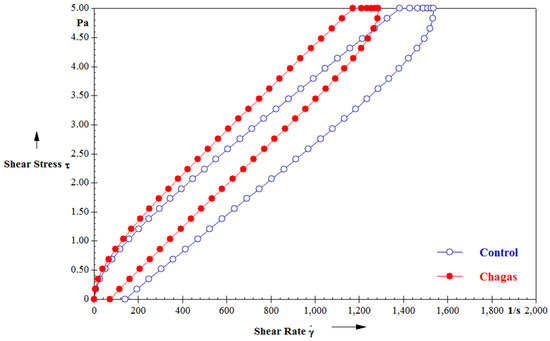
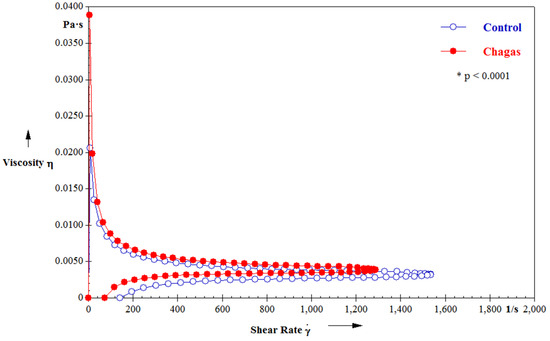
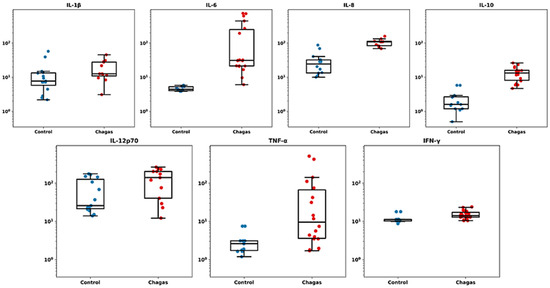
Chagas disease is a parasitic infection caused by Trypanosoma cruzi and remains an important public health problem with changing epidemiological patterns. Both the acute and chronic phases pose diagnostic and prognostic challenges due to the disease’s heterogeneous clinical course. Chronic inflammation and fibrosis associated with Chagas disease lead to anatomical and morphological changes, as well as increased release of inflammatory mediators. These factors may contribute to alterations in blood viscosity and hemorheological behavior. This study aimed to evaluate hemorheological properties and inflammatory cytokine levels in individuals with chronic Chagas disease. Blood samples from 18 individuals infected with T. cruzi and 15 uninfected controls were analyzed. Rheological parameters were measured using a rheometer, and cytokine levels were quantified by flow cytometry. The infected group had a mean age of 57.25 years, including both sexes. The mean time since laboratory diagnosis was 13 years. Hematological analysis demonstrated significant alterations in leukocyte subpopulations and erythrocyte-related parameters, including lymphocyte count, red blood cell indices, hemoglobin, hematocrit, and platelet-related markers. Blood samples from both groups demonstrated non-Newtonian fluid behavior and non-linear flow curves. However, individuals infected with T. cruzi presented significant alterations in blood viscosity compared to controls. Increased serum levels of IL-1β, IL-6, CXCL8 (IL-8), and IL-10 were also observed in infected individuals. The blood viscosity showed a significant positive correlation with CXCL8 (IL-8) and IL-10 levels. These findings suggest that cytokine-associated hemorheological alterations may contribute to the pathophysiology and clinical progression of chronic Chagas disease.
Full article
(This article belongs to the Section Innate Immunity and Inflammation)
►
Show Figures
Open AccessArticle
Immunomodulatory Potential of Agro-Industrial Residues: Passiflora edulis and Rubus glaucus Seed Oils Promote MMP-9 Release from Human Neutrophils
by
Nathalia Estefany Patiño Rodríguez, Jaqueline Mena Huertas, Orfa Alexandra España Jojoa and Andrés Mauricio Hurtado Benavides
Immuno 2026, 6(3), 43; https://doi.org/10.3390/immuno6030043 - 24 Jun 2026
Abstract
Background: Neutrophil dysregulation drives inflammatory pathologies through mechanisms such as matrix metalloproteinase-9 (MMP-9) release. High-value bioprospecting of agro-industrial residues offers a sustainable strategy to identify novel bioactive compounds. In this study, the immunomodulatory effects of seed oils (SOs) obtained via supercritical fluid extraction
[...] Read more.
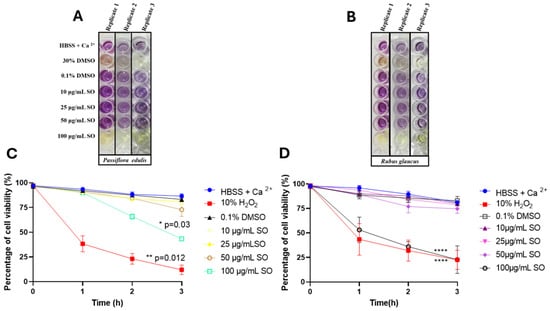
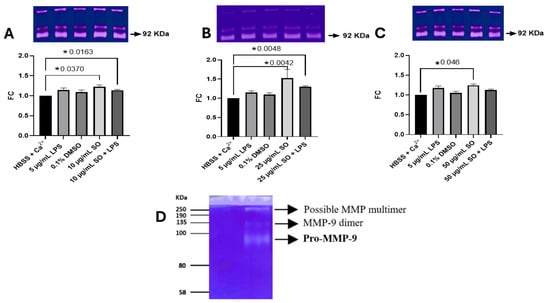
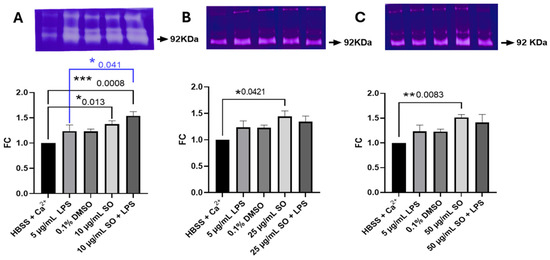
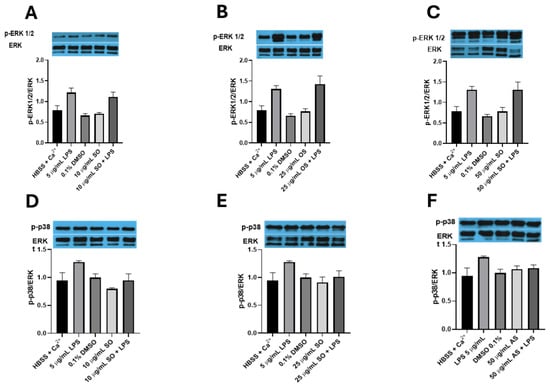
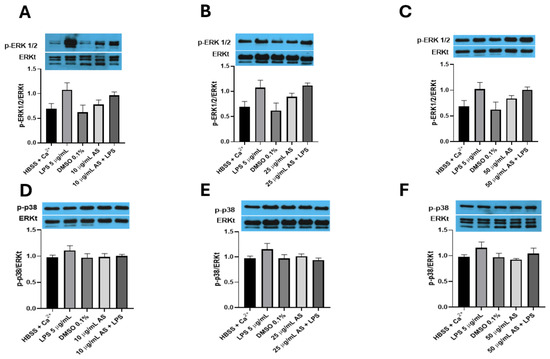
Background: Neutrophil dysregulation drives inflammatory pathologies through mechanisms such as matrix metalloproteinase-9 (MMP-9) release. High-value bioprospecting of agro-industrial residues offers a sustainable strategy to identify novel bioactive compounds. In this study, the immunomodulatory effects of seed oils (SOs) obtained via supercritical fluid extraction from Passiflora edulis and Rubus glaucus byproducts on human neutrophil responses was evaluated. Methods: SO lipid profiles were characterized via GC-MS. Human neutrophils were isolated using Percoll gradients and treated with the SOs (10–50 µg/mL). Cytocompatibility was assessed via MTT and trypan blue assays. MMP-9 activity and ERK1/2/p38 phosphorylation were determined via zymography and Western blotting, respectively. Results of GC-MS revealed matrices rich in unsaturated lipids: R. glaucus SO was dominated by linoleic (50.02%) and α-linolenic (29.84%) acids, whereas P. edulis SO contained linoleic (58.91%) and oleic (19.75%) acids. Both oils were highly biocompatible up to 50 µg/mL. Both SOs significantly increased MMP-9 release; notably, R. glaucus induced a dose-dependent response and a potential priming effect at 10 µg/mL. Interestingly, neither oil induced the phosphorylation of ERK1/2 or p38. Conclusions: Supercritical fluid-extracted SOs from P. edulis and R. glaucus byproducts modulate early neutrophil responses by increasing MMP-9 release through pathways independent of classical MAPK phosphorylation. Further functional and in vivo validation is needed to clarify the precise regulatory roles of these specialized lipid matrices in human inflammation resolution and their potential as bioactive ingredients for nutraceutical or pharmaceutical applications.
Full article
(This article belongs to the Section Autoimmunity and Immunoregulation)
►▼
Show Figures

Figure 1
Open AccessReview
Post-Translational Circadian Regulation of Inflammation: Mechanistic Control of Immune Signaling Networks
by
Derek Gu and Vincent Yuan
Immuno 2026, 6(3), 42; https://doi.org/10.3390/immuno6030042 - 24 Jun 2026
Abstract
Circadian rhythms impose temporal organization on immune function, shaping host responses to infection, injury, and chronic disease. While transcriptional control by core clock components such as CLOCK and BMAL1 has been extensively characterized, this paradigm alone cannot explain the rapid and dynamic nature
[...] Read more.
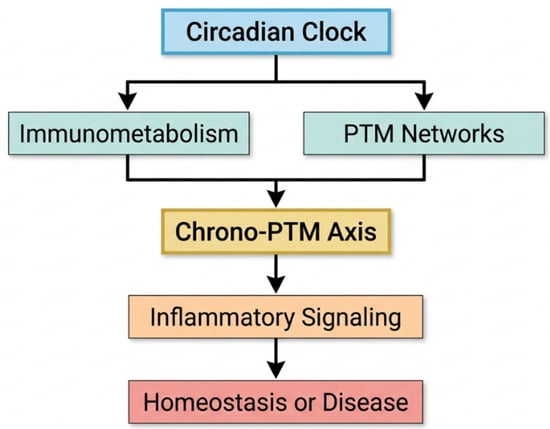
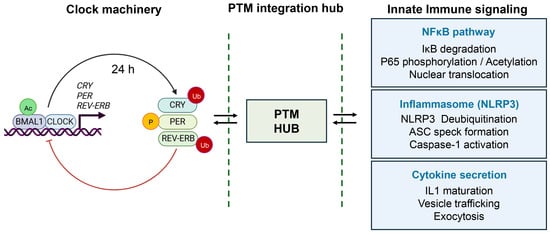
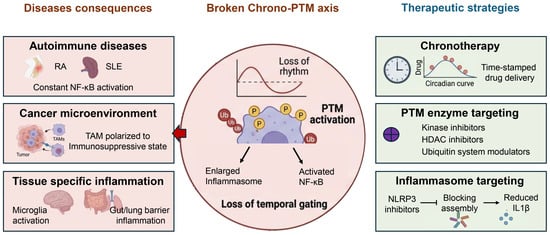
Circadian rhythms impose temporal organization on immune function, shaping host responses to infection, injury, and chronic disease. While transcriptional control by core clock components such as CLOCK and BMAL1 has been extensively characterized, this paradigm alone cannot explain the rapid and dynamic nature of immune signaling. Emerging evidence identifies post-translational modifications (PTMs)—including phosphorylation, ubiquitination, and acetylation—as critical regulators that confer speed, reversibility, and specificity to inflammatory pathways. Here, we propose the concept of a “Chrono-PTM axis,” in which circadian timing and PTM-dependent signaling are functionally integrated to govern immune activation thresholds. We discuss how PTMs not only regulate core clock machinery but also temporally gate key innate immune pathways, including NF-κB signaling and inflammasome activation, thereby controlling cytokine production at multiple levels. Furthermore, we highlight the role of immunometabolism in supplying essential cofactors that couple cellular energetic states to PTM dynamics, linking metabolic oscillations to inflammatory outputs. Disruption of this axis contributes to the pathogenesis of autoimmune diseases, cancer, and tissue-specific inflammatory disorders. Finally, we outline emerging therapeutic opportunities targeting the Chrono-PTM axis, including chronotherapy and PTM-directed interventions, and identify critical gaps in temporal proteomics and translational studies. Elucidating the integration of circadian and post-translational regulation will provide a unifying framework for understanding immune homeostasis and may enable time-informed precision immunotherapy.
Full article
(This article belongs to the Section Innate Immunity and Inflammation)
►▼
Show Figures

Figure 1
Open AccessArticle
Coordinated Th1- and Th17-Related Responses Support Antibody- and Neutrophil-Mediated Protection Against Pneumococcal Pneumonia
by
Analía Rial, María Paula Céspedes, Victoria Comas, Mariana Rivera-Patrón, Juan Martín Marqués and José Alejandro Chabalgoity
Immuno 2026, 6(2), 41; https://doi.org/10.3390/immuno6020041 - 9 Jun 2026
Abstract
Streptococcus pneumoniae is a leading cause of community-acquired pneumonia, yet the immune mechanisms required for protection against invasive pulmonary infection remain inadequately understood. Using a murine model of homologous protection against invasive pneumococcal pneumonia, we explored the relative contributions of humoral and cellular
[...] Read more.
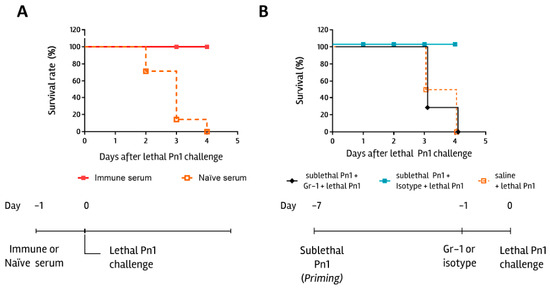
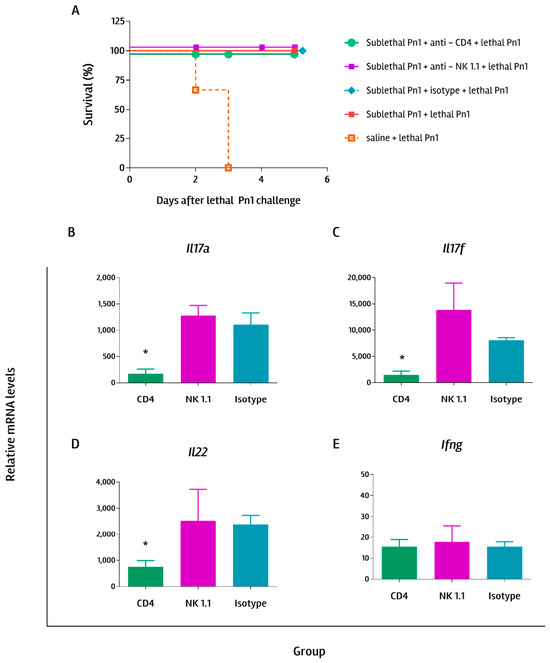
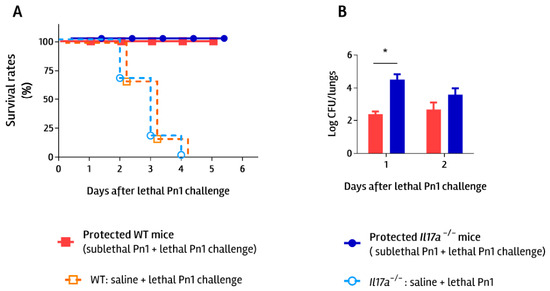
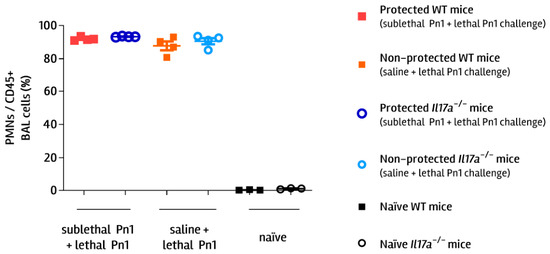
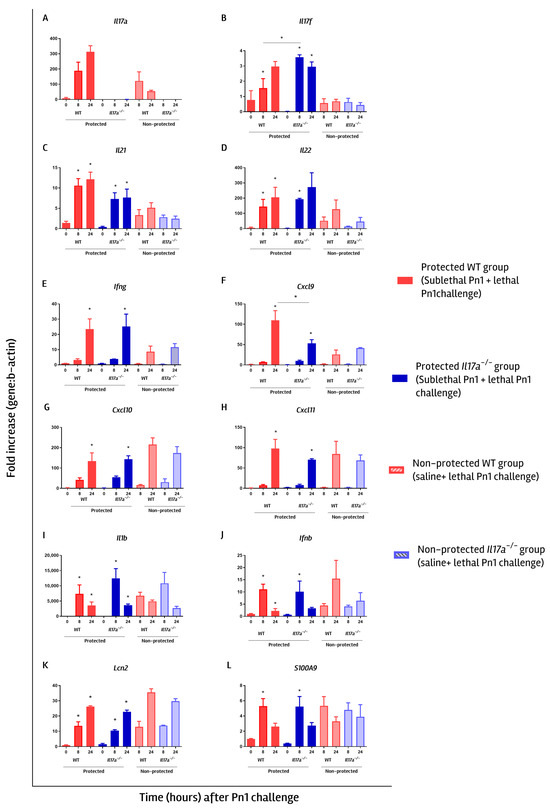
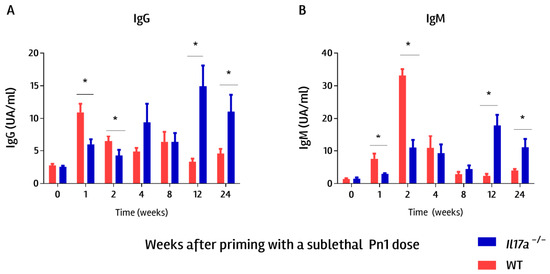
Streptococcus pneumoniae is a leading cause of community-acquired pneumonia, yet the immune mechanisms required for protection against invasive pulmonary infection remain inadequately understood. Using a murine model of homologous protection against invasive pneumococcal pneumonia, we explored the relative contributions of humoral and cellular immunity using adoptive serum transfer, immune cell depletion, and lung transcriptional profiling. Our findings indicated that passive transfer of immune serum provided robust protection, while neutrophil depletion significantly compromised bacterial control, highlighting that both antibodies and neutrophils are key mediators of protection. In contrast, depletion of CD4+ T cells or NK cells did not compromise survival. Although IL-17A has been widely implicated in host defense against pneumococcal infection, IL-17A-deficient mice remained protected, albeit with delayed clearance and reduced early antibody responses. We associate this delay with compensatory upregulation of IL-17F and increased expression of Th1-associated genes in the lungs. Together, these findings indicate that IL-17A is not essential for protection and support a model in which coordinated Th1- and Th17-related cytokine responses collectively promote neutrophil recruitment and effective antibody-mediated defense. These results highlight functional redundancy within the IL-17 cytokine axis and suggest that integrated cytokine networks, rather than individual mediators, underpin protective immunity to pneumococcal pneumonia, with implications for next-generation vaccine design.
Full article
(This article belongs to the Section Infectious Immunology and Vaccines)
►▼
Show Figures

Figure 1
Open AccessCase Report
CDK4/6 Inhibition and Stereotactic Radiotherapy in Oligometastatic HR+/HER2− Breast Cancer: Evidence of Immunogenic Modulation and Pseudoprogression
by
Andrea Emanuele Guerini, Sara Pedretti, Althea Carlino, Marta Maddalo, Eneida Mataj, Ludovica Pegurri, Gianluca Cossali, Paolo Borghetti, Giorgio Facheris, Luca Nicosia, Chiara Valietti, Marco Lorenzo Bonù, Luca Triggiani and Michela Buglione di Monale e Bastia
Immuno 2026, 6(2), 40; https://doi.org/10.3390/immuno6020040 - 8 Jun 2026
Abstract
►▼
Show Figures
Background: A combination of cyclin-dependent kinase 4/6 inhibitors (CDKi) and radiotherapy (RT) may enhance antitumoral immunity, yet clinical evidence of this interaction in HR+/HER2− metastatic breast cancer (MBC) remains limited. This study evaluates the impact of combined CDKi and stereotactic body radiotherapy (SBRT)
[...] Read more.
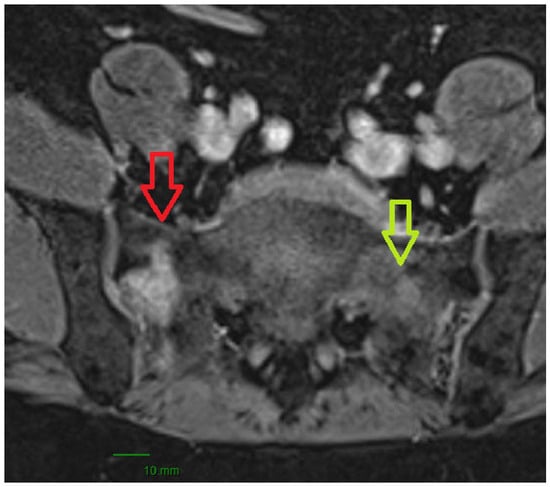
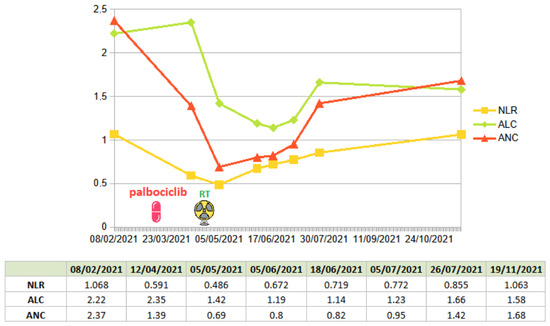
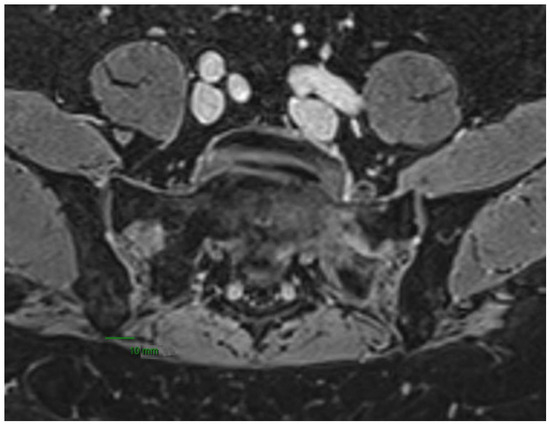
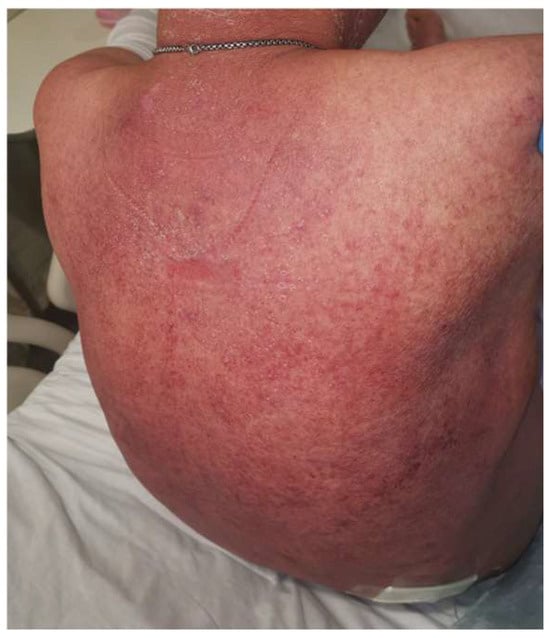
Background: A combination of cyclin-dependent kinase 4/6 inhibitors (CDKi) and radiotherapy (RT) may enhance antitumoral immunity, yet clinical evidence of this interaction in HR+/HER2− metastatic breast cancer (MBC) remains limited. This study evaluates the impact of combined CDKi and stereotactic body radiotherapy (SBRT) on immune biomarkers and treatment response. Methods: We report a case of a 51-year-old woman with oligometastatic HR+/HER2− MBC involving the sacrum. Clinical management included letrozole plus palbociclib and SBRT (30 Gy in 3 fractions). Serial Neutrophil-to-lymphocyte ratio (NLR) measurements, MRI, and PET-CT scans were used to monitor systemic immune modulation and treatment efficacy over a five-year period. Results: Baseline NLR was 1.068. Following four weeks of CDKi, NLR decreased by 44.7% (0.591). Post-SBRT, a further 17.8% reduction was observed (nadir 0.486). Five months post-RT, MRI showed a volumetric increase in sacral lesions despite clinical improvement. Subsequent PET-CT demonstrated a complete metabolic response, confirming the MRI findings as pseudoprogression. As of January 2026, the patient remains in sustained complete metabolic remission. Conclusion: The integration of CDKi and SBRT might induce an immune-mediated antitumoral response, evidenced by dynamic NLR reductions and radiologic pseudoprogression. Multimodal imaging is essential to differentiate immune-mediated swelling from true progression in this setting.
Full article

Figure 1
Open AccessArticle
Association Between Endometrial Microbiome Composition and Local Immune Cell Distribution During the Window of Implantation
by
Rumiana Ganeva, Teodora Tihomirova, Dimitar Parvanov, Margarita Ruseva, Maria Handzhiyska, Stela Chapanova, Dimitar Metodiev, Maria Pancheva, Maria Serafimova, Rada Staneva, Blaga Rukova, Jinahn Safir, Sofia Koristashevskaya, Georgi Stamenov and Savina Hadjidekova
Immuno 2026, 6(2), 39; https://doi.org/10.3390/immuno6020039 - 1 Jun 2026
Abstract
The aim of this study was to investigate the association between the endometrial microbiome and local immune cell composition during the implantation window. We conducted a single-center prospective observational study including endometrial samples from 58 women without endometrial pathology. All samples were obtained
[...] Read more.
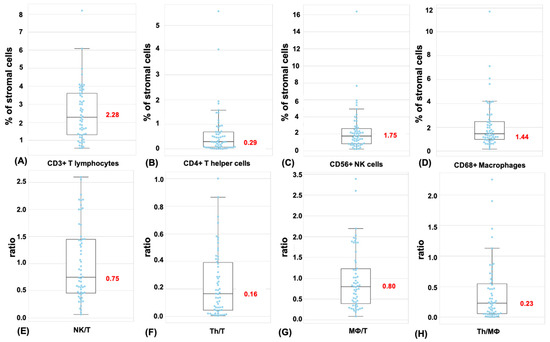
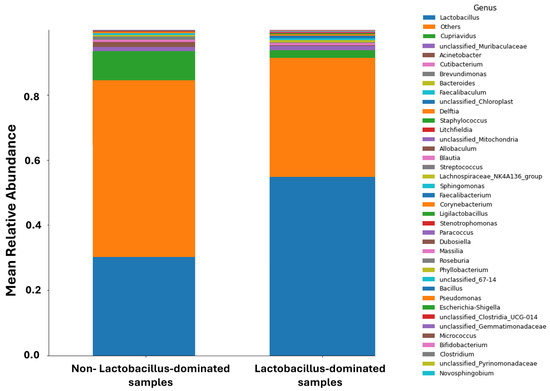
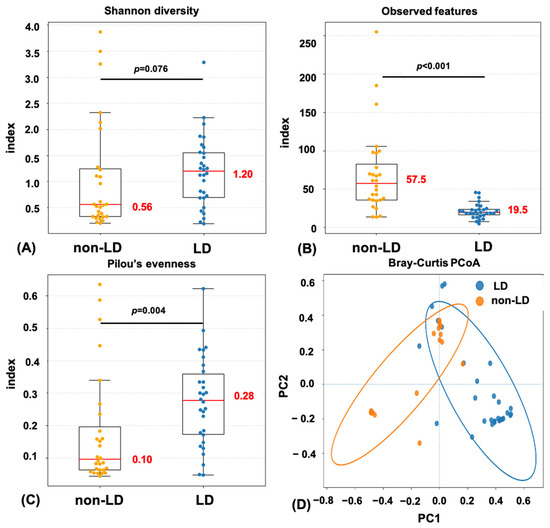
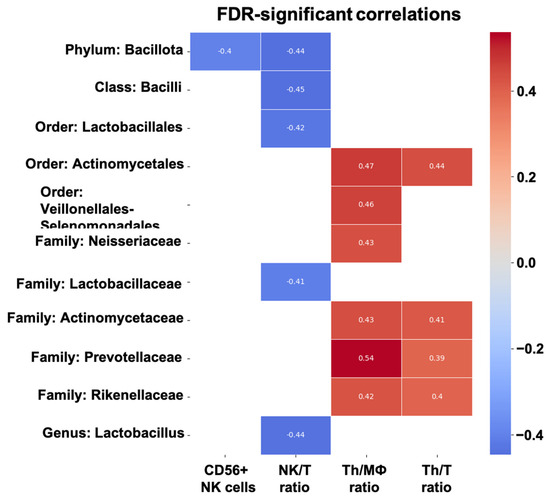
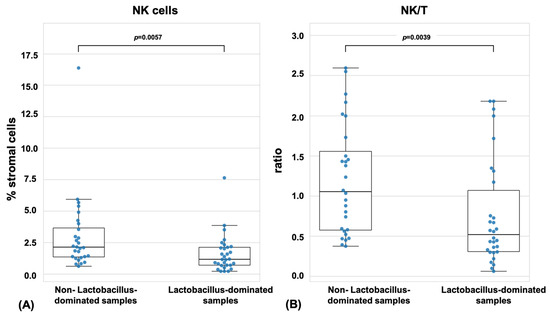
The aim of this study was to investigate the association between the endometrial microbiome and local immune cell composition during the implantation window. We conducted a single-center prospective observational study including endometrial samples from 58 women without endometrial pathology. All samples were obtained during the mid-secretory phase (day 5 post-ovulation). Endometrial stromal CD3+ T cells, CD4+ T helpers, CD56+ NK cells and CD68+ macrophages were identified by immunohistochemistry and quantified as a percentage of stromal cells using HALO image analysis software. Microbiome composition was assessed by 16S rRNA gene sequencing (V4–V5 region). Lactobacillus dominance (LD) was defined as the genus with the highest centered log-ratio value within each sample. Endometrial immune cell composition showed a median 2.28% CD3+ T cells of stromal cells, 1.75% CD56+ NK cells, 1.44% CD68+ macrophages and 0.29% CD4+ T helpers. Lactobacillus-dominated microbiota was identified in 51.7% (30/58) of samples. Correlation analysis showed that Lactobacillus-related taxa were negatively associated with NK/T ratios and positively with T helper-related ratios. LD samples exhibited reduced NK cell abundance (1.17% vs. 2.12%, p = 0.006, q = 0.023) and a lower NK/T ratio (0.52 vs. 1.05, p = 0.004, q = 0.023) compared to non-LD samples. This study provides evidence for a link between microbial composition and local immune regulation in the endometrium.
Full article
(This article belongs to the Section Reproductive Immunology)
►▼
Show Figures

Figure 1

Open AccessSystematic Review
Immune Biomarker Signatures in Oral Squamous Cell Carcinoma Identified Through Spatial and Single-Cell Transcriptomics and Artificial Intelligence-Enabled Pathology: A Systematic Review with Functional Meta-Synthesis
by
Carlos M. Ardila, Eliana Pineda-Vélez, Anny M. Vivares-Builes and Alejandro I. Díaz-Laclaustra
Immuno 2026, 6(2), 38; https://doi.org/10.3390/immuno6020038 - 1 Jun 2026
Abstract
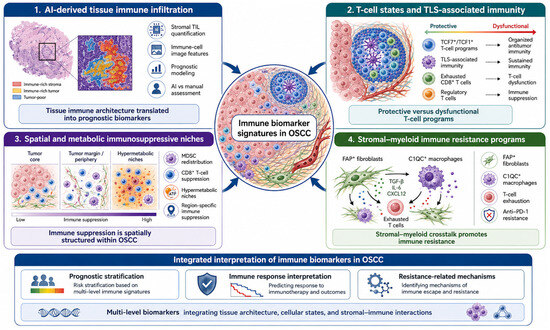
Oral squamous cell carcinoma (OSCC) shows substantial immune and clinical heterogeneity that is not fully captured by conventional clinicopathologic risk factors. This systematic review synthesized primary studies evaluating immune biomarker signatures in OSCC identified through spatial transcriptomics, single-cell transcriptomics, and artificial intelligence (AI)-enabled
[...] Read more.
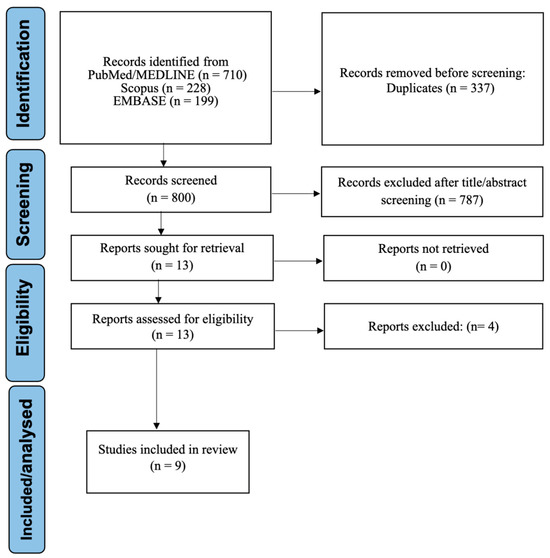
Oral squamous cell carcinoma (OSCC) shows substantial immune and clinical heterogeneity that is not fully captured by conventional clinicopathologic risk factors. This systematic review synthesized primary studies evaluating immune biomarker signatures in OSCC identified through spatial transcriptomics, single-cell transcriptomics, and artificial intelligence (AI)-enabled pathology. PubMed/MEDLINE, Scopus, and Embase were searched without language or date restrictions. Eligible studies included original human OSCC investigations reporting immune-relevant biomarker outputs derived from spatial/single-cell transcriptomics or AI-enabled pathology. Nine studies met the inclusion criteria. Six used spatial and/or single-cell transcriptomic approaches, and three used AI-enabled pathology applied to histopathological whole-slide images. Functional meta-synthesis identified four interconnected domains: AI-derived tissue immune infiltration for prognostic stratification; T-cell states and tertiary lymphoid structure-associated antitumor immunity; spatial and metabolic immunosuppressive niches; and stromal–myeloid programs linked to T-cell exhaustion and resistance. Quantitative synthesis was considered but not performed because no group of studies was sufficiently comparable in biomarker construct, comparator, outcome, and effect measure. Clinical confidence remains limited by heterogeneity and prospective validation gaps. These findings suggest that emerging OSCC immune biomarkers may integrate tissue architecture, cellular states, and stromal–immune interactions; however, the current evidence remains exploratory and requires standardized, prospective validation before clinical translation can be considered.
Full article
(This article belongs to the Special Issue Immune Biomarkers in Cancer: Prediction, Response, and Resistance in Immuno-Oncology)
►▼
Show Figures

Figure 1
Open AccessArticle
Integration of Physicochemical Profiling and HLA Class II Binding for the Identification of Conserved Epitopes in the Glycoprotein of Lyssaviruses from Phylogroups I and II
by
André Miller C. Lima, Taciana Fernandes S. B. Coelho and Carlos Alberto M. Carvalho
Immuno 2026, 6(2), 37; https://doi.org/10.3390/immuno6020037 - 29 May 2026
Abstract
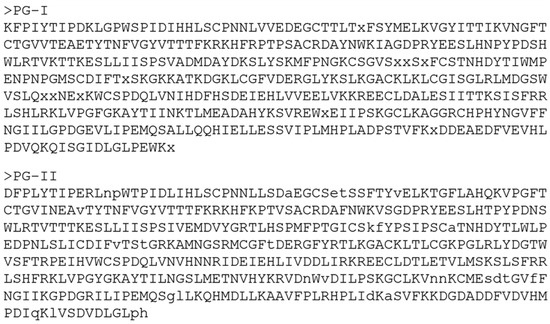
Lyssaviruses are neurotropic viruses that cause fatal encephalitis, with the rabies virus as the most prominent member. The viral glycoprotein (G) plays a key role in infection and is the main target of adaptive immune responses. This study aimed to comparatively analyze linear
[...] Read more.
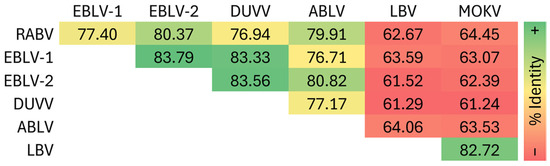
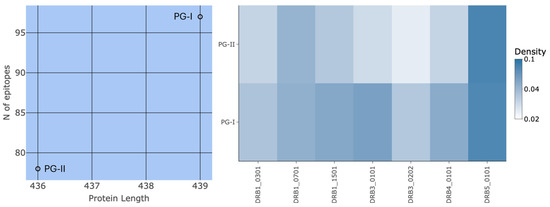
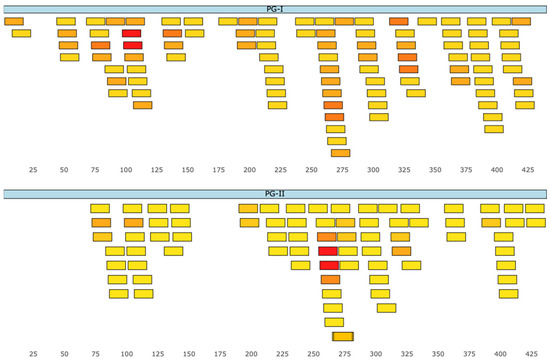
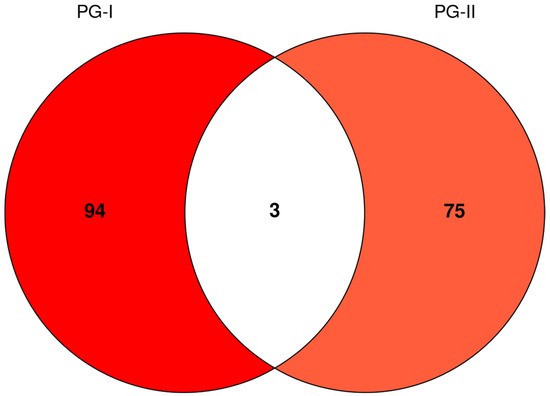
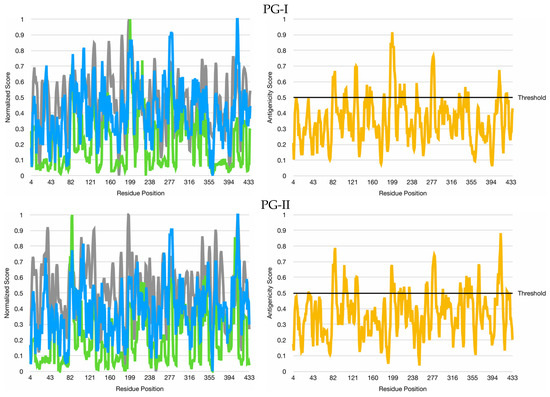
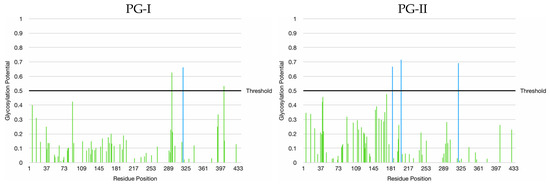
Lyssaviruses are neurotropic viruses that cause fatal encephalitis, with the rabies virus as the most prominent member. The viral glycoprotein (G) plays a key role in infection and is the main target of adaptive immune responses. This study aimed to comparatively analyze linear B- and CD4+ T-cell epitopes in the G protein ectodomain of lyssaviruses from phylogroups I (RABV, EBLV-1, EBLV-2, DUVV, and ABLV) and II (LBV and MOKV) using bioinformatics tools. Protein sequences were obtained from GenBank, processed to isolate ectodomains, aligned for identity analysis, and used to generate consensus sequences. CD4+ T-cell epitopes were predicted based on HLA-II binding affinity, while linear B-cell epitopes were identified using physicochemical properties and assessed for N-glycan masking. Amino acid identity ranged from 76.71% to 83.79% in phylogroup I and 82.72% in phylogroup II. Phylogroup I showed a higher density of HLA-II epitopes (0.22) than phylogroup II (0.18). Despite differences in antigenicity distribution, conserved linear B-cell epitopes in both phylogroups overlapped with peptides binding to HLA-II DRB1*15:01 and were not masked by N-glycans. These findings highlight putatively conserved antigenic regions identified through computational analysis and may support future studies focused on the development of improved vaccines and immunoprophylactic strategies against lyssaviruses.
Full article
(This article belongs to the Special Issue Immunological Responses and Therapeutic Modulation in Viral Infections: From Acute Disease to Latency)
►▼
Show Figures

Figure 1

Open AccessReview
Potential Target Line, FGFR3, EGFR and Immune Checkpoint Axis for Bladder Cancer Therapy
by
Akshayaa Manikandan, Charles Emmanuel Jebaraj Walter, Sankari Durairajan, Natarajan Kumaresan, Anandan Balakrishnan, Ashwini Saravanan, Jezra Emmanuel Walter and Thanka Johnson
Immuno 2026, 6(2), 36; https://doi.org/10.3390/immuno6020036 - 25 May 2026
Abstract
Bladder cancer worldwide has seen a sharp rise, making it a significant global health concern. Recurrence monitoring is the main concern in treating the disease, and drug resistance follows suit. Treatment options include first-line medications, adjuvant therapy with BCG (Bacillus Calmette–Guérin) instillations, and
[...] Read more.
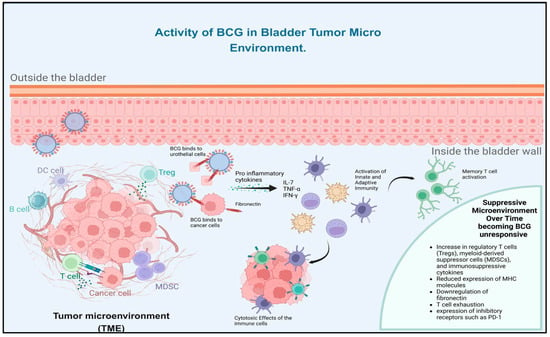
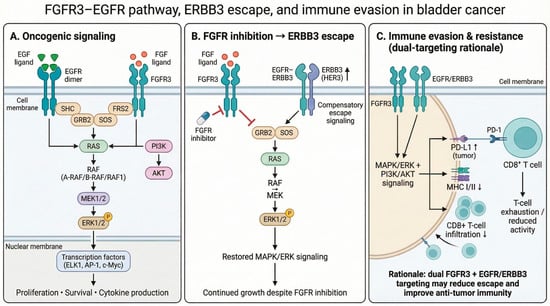
Bladder cancer worldwide has seen a sharp rise, making it a significant global health concern. Recurrence monitoring is the main concern in treating the disease, and drug resistance follows suit. Treatment options include first-line medications, adjuvant therapy with BCG (Bacillus Calmette–Guérin) instillations, and combination therapies targeting the PD-1/PD-L1 axis. It has varying 5-year relative survival rates depending on the stage at diagnosis. Despite initial treatment success, resistance often develops, leading to relapse. Resistant to standard treatment is often due to immune landscape changes that are controlled by the most aberrant genes in bladder cancer, which also have a hold in the immune environment of the bladder. Dysregulation of FGFR3 (Fibroblast Growth Factor Receptor 3) in bladder cancer contributes to cell proliferation and metastasis. Simultaneously, the alterations in EGFR (Epidermal Growth Factor Receptor) regulation are linked to cell migration and resistance to treatment. FGFR3 in non-muscle invasive bladder cancer and EGFR in muscle-invasive bladder cancer are central elements in triggering various signaling pathways that contribute to chemoresistance. Concentrating the roles of both genes within the bladder tumour, they present opportunities not only as therapeutic targets but also as potential points of resistance and monitoring for recurrence. Exploring FGFR3 and EGFR to enhance treatment efficacy when combined with ICIs and developing markers into reliable diagnostic tools for recurrence, ultimately aiming for improved patient well-being, is the key aspect we propose to target from this narrative.
Full article
(This article belongs to the Special Issue New Insights of Anti-cancer Immunity and Cancer Immune Evasion)
►▼
Show Figures

Figure 1

Open AccessCase Report
Use of Thrombopoietin Receptor Agonists in Severe Aplastic Anemia During Pregnancy: A Case Report
by
Mostafa F. Mohammed Saleh, Ahemd Kotb Abrabou, Abdulrahman Nasiri, Alfadil Haroon and Mahmoud Aljurf
Immuno 2026, 6(2), 35; https://doi.org/10.3390/immuno6020035 - 13 May 2026
Abstract
Severe aplastic anemia (SAA) in pregnancy represents a rare but life-threatening clinical challenge. Standard therapies such as hematopoietic stem cell transplantation (HSCT) and immunosuppressive therapy are limited during pregnancy due to safety concerns, leaving supportive care as the mainstay. Thrombopoietin receptor agonists (TPO-RAs)
[...] Read more.
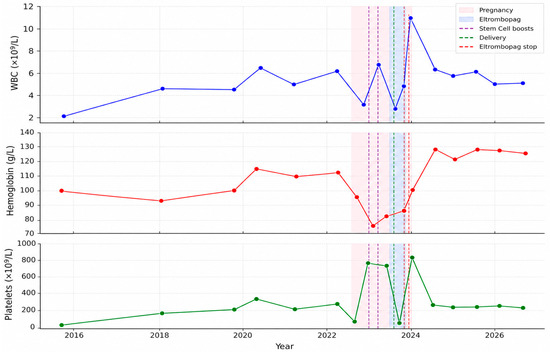
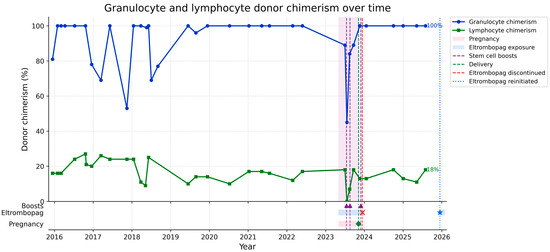
Severe aplastic anemia (SAA) in pregnancy represents a rare but life-threatening clinical challenge. Standard therapies such as hematopoietic stem cell transplantation (HSCT) and immunosuppressive therapy are limited during pregnancy due to safety concerns, leaving supportive care as the mainstay. Thrombopoietin receptor agonists (TPO-RAs) such as eltrombopag have emerged as promising agents in refractory SAA, though evidence of their safety in pregnancy remains scarce. We present the case of a 27-year-old woman with SAA post-allogeneic bone marrow transplant who relapsed during subsequent pregnancies. Her disease course was characterized by recurrent pancytopenia, mixed chimerism, and repeated need for stem cell boosts. During pregnancy in 2023, discontinuation of cyclosporine led to worsening cytopenias, prompting reintroduction of cyclosporine and the continuation of eltrombopag. This combined approach, alongside G-CSF and stem cell boosts, contributed to favorable hematologic stabilization. She successfully delivered a healthy infant and achieved hematologic recovery following a third stem cell boost postpartum. This report highlights the potential utility of TPO-RAs during pregnancy when conventional therapy is limited, while emphasizing the need for vigilant monitoring of maternal–fetal outcomes. A review of the literature suggests that although routine use of eltrombopag in pregnancy is not recommended, it may be considered in refractory SAA cases with careful risk–benefit assessment. The case underscores the role of multidisciplinary care, individualized therapeutic planning, and the need for further studies on TPO-RAs in pregnancy-associated bone marrow failure syndromes.
Full article
(This article belongs to the Special Issue Bone Marrow Failure and Leukemia Predisposition Syndromes)
►▼
Show Figures

Figure 1

Open AccessReview
Harnessing Living Therapies: The Role of CAR-T Cells, Oncolytic Viruses, and Bacteria in Cancer Treatment
by
Shukur Wasman Smail, Abdullah Hayder Flaih, Blnd Azad Ismail, Akhter Ahmed Ahmed, Ahmed Abdulrazzaq Bapir, Fikry Ali Qadir and Christer Janson
Immuno 2026, 6(2), 34; https://doi.org/10.3390/immuno6020034 - 12 May 2026
Abstract
Living therapies, including chimeric antigen receptor T (CAR-T) cells, oncolytic viruses (OVs), and bacteria-based platforms, are emerging as promising approaches in cancer treatment because they can directly target tumors and modulate anti-tumor immunity. This narrative review summarizes current knowledge on these therapies, focusing
[...] Read more.
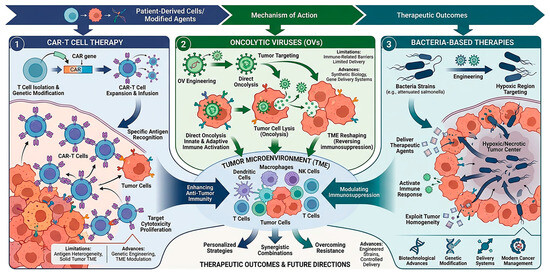
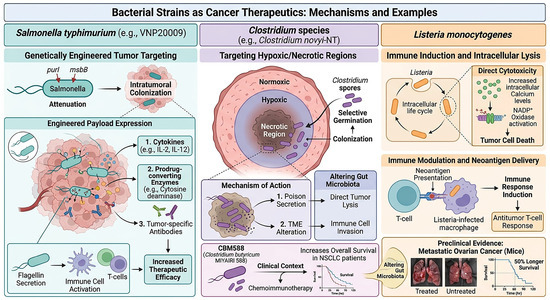
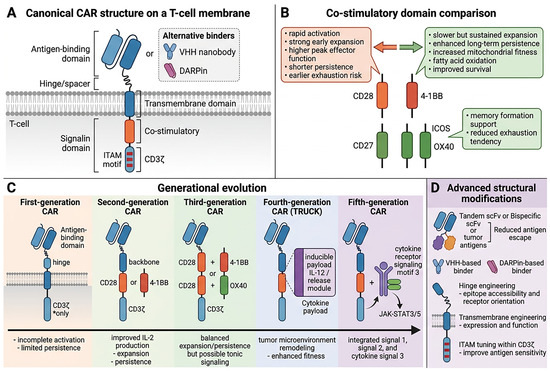
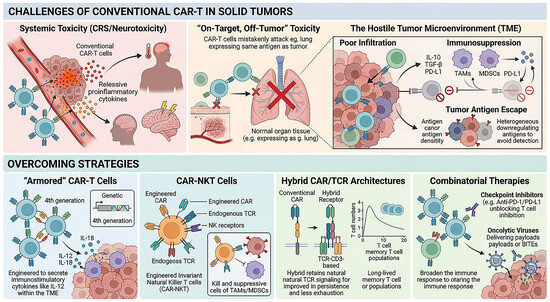
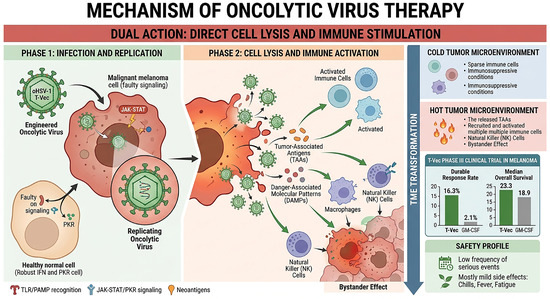
Living therapies, including chimeric antigen receptor T (CAR-T) cells, oncolytic viruses (OVs), and bacteria-based platforms, are emerging as promising approaches in cancer treatment because they can directly target tumors and modulate anti-tumor immunity. This narrative review summarizes current knowledge on these therapies, focusing on their mechanisms of action, therapeutic applications, major limitations, and recent advances in genetic engineering, synthetic biology, and delivery systems. CAR-T cell therapy has shown substantial clinical success in hematological malignancies through the genetic redirection of T cells against tumor-associated antigens, although its efficacy in solid tumors remains limited by antigen heterogeneity and the immunosuppressive tumor microenvironment (TME). OVs selectively infect and lyse malignant cells while also stimulating local and systemic immune responses, and engineered OVs may further enhance therapeutic activity by reshaping the TME. Bacteria-based therapies exploit the natural tumor-targeting ability of selected strains, particularly in hypoxic regions, to deliver therapeutic agents and activate immune responses. Despite encouraging progress, safety concerns, immune-related barriers, and tumor complexity remain major challenges. Overall, integrating living therapies with modern biotechnological advances and existing treatment modalities may support more personalized and synergistic strategies for cancer management.
Full article
(This article belongs to the Section Cancer Immunology and Immunotherapy)
►▼
Show Figures

Graphical abstract
Open AccessArticle
Characterization of Extracellular Vesicle-Enriched Populations in B-Cell Acute Lymphoblastic Leukemia from Peripheral Blood
by
Miguel Angel Carmona-Zamudio, Francisco Sierra-López, Carlos Emilio Miguel-Rodríguez, Maricarmen Hernández-Rodríguez, Gustavo Acosta-Altamirano and Mónica Sierra-Martínez
Immuno 2026, 6(2), 33; https://doi.org/10.3390/immuno6020033 - 6 May 2026
Abstract
►▼
Show Figures
Extracellular vesicles (EVs) are lipid bilayer-bound structures capable of transporting molecular markers from their cell of origin and are secreted by multiple cell types, including malignant cells. EVs have emerged as promising tools for developing less invasive diagnostic approaches. In B-cell acute lymphoblastic
[...] Read more.
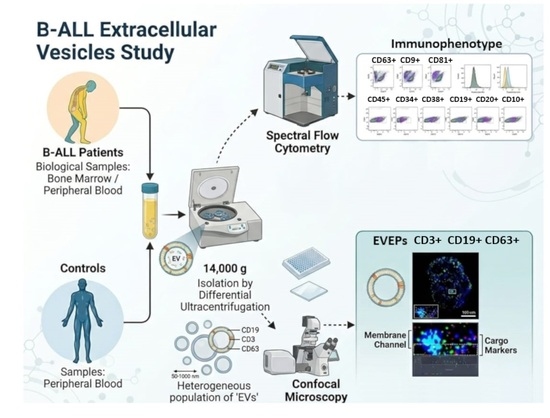
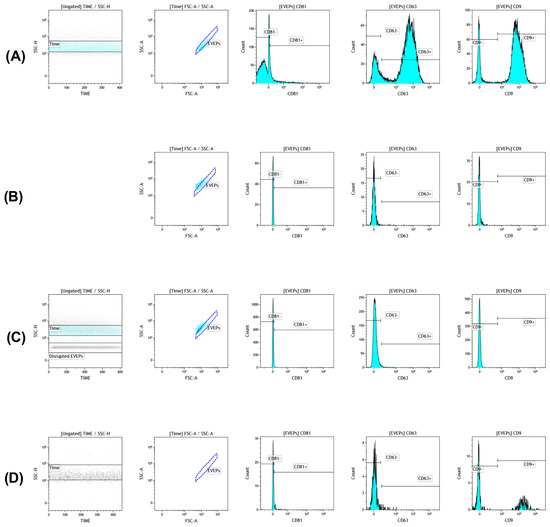
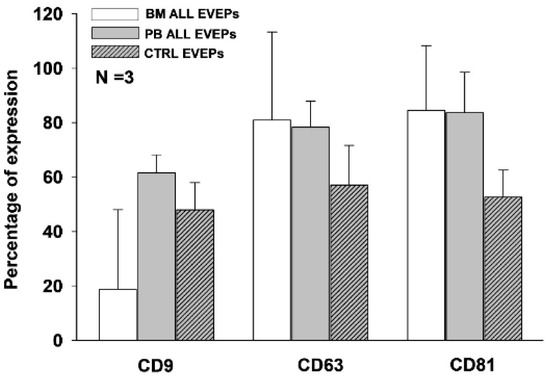
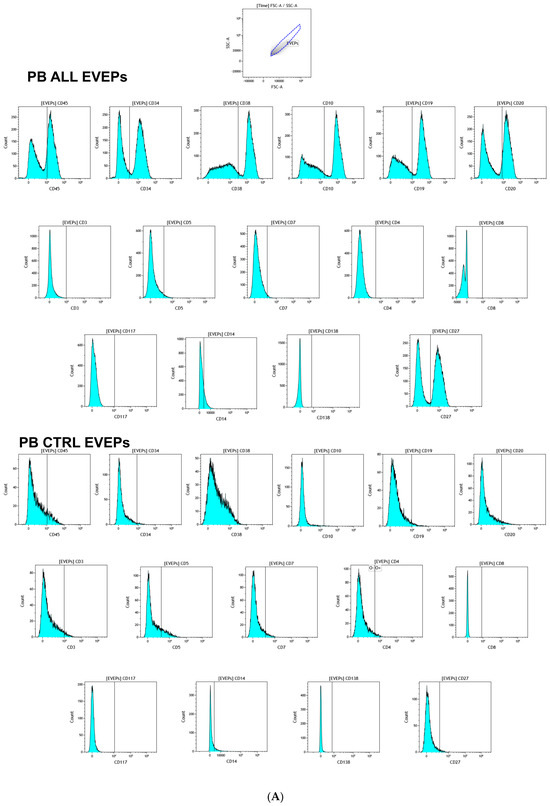
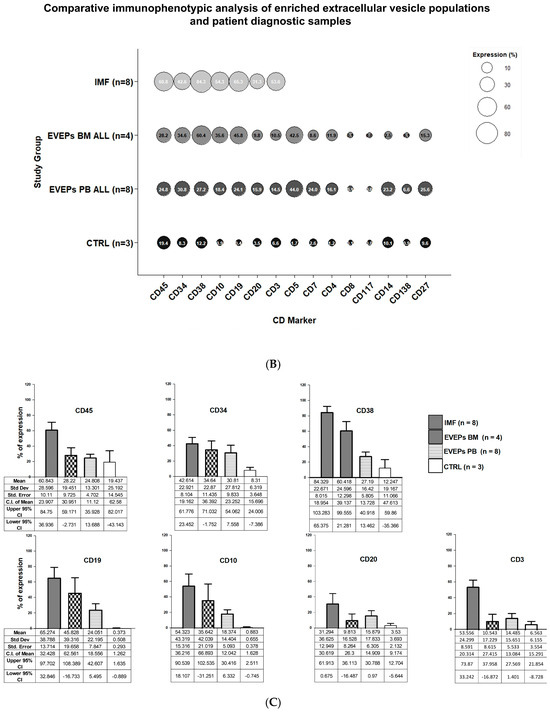
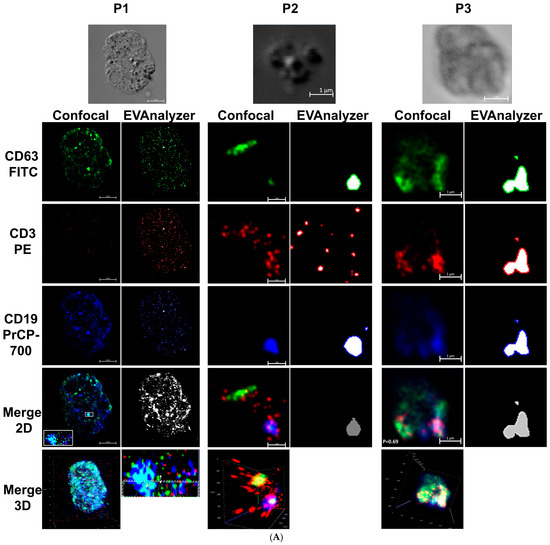
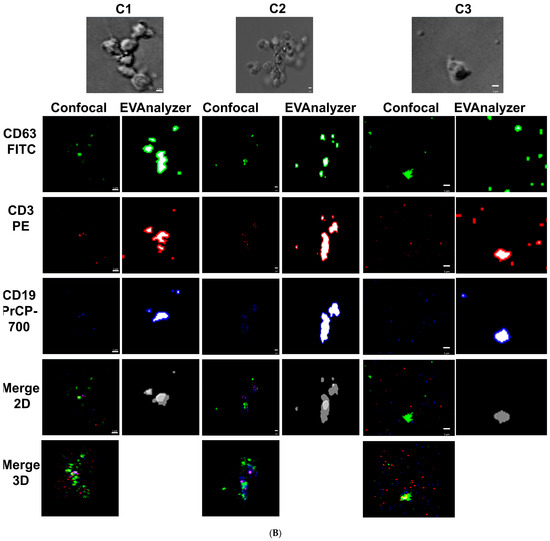
Extracellular vesicles (EVs) are lipid bilayer-bound structures capable of transporting molecular markers from their cell of origin and are secreted by multiple cell types, including malignant cells. EVs have emerged as promising tools for developing less invasive diagnostic approaches. In B-cell acute lymphoblastic leukemia (B-ALL), immunophenotypic characterization of extracellular vesicle-enriched populations (EVEPs) in peripheral blood (PB) may provide complementary information for disease detection and monitoring. This exploratory study aimed to characterize EVEPs obtained from PB and bone marrow (BM) of adult patients with B-ALL and to compare them with the clinical immunophenotype (CIP). A total of 12 individuals were initially recruited (eight with B-ALL, one with T-ALL, and three healthy controls). The study focused on the eight B-ALL patients and three controls, while the T-ALL sample was used as a specificity control. EVEPs were isolated by differential centrifugation and analyzed by flow cytometry and confocal microscopy, primarily evaluating CD3 and CD19 expression. EVEPs derived from PB samples of patients with B-ALL showed a higher percentage of marker-positive events by flow cytometry (CD45, CD34, CD19, CD20, and CD10), consistent with the leukemic phenotype identified in the CIP. Additionally, CD3+CD19+ EVEPs were occasionally detected. These findings suggest that EVEPs partially reflect the leukemic immunophenotype and may serve as a complementary source of biological information. The detection of CD3+CD19+ events highlights complex cellular interactions within the leukemic niche and warrants further investigation.
Full article

Graphical abstract
Open AccessArticle
In Vitro Activity of Gallic Acid-Paromomycin Combination Against Leishmania guyanensis and Human Cell Lymphoproliferative Primary Immune Response
by
Rebecca Sayuri Barbosa Hanada, Antonia Maria Ramos Franco-Pereira, Juliana Cavalcante de Araújo, Laís Gomes da Silva, Mayara Arguello da Silva, Rafaela Benício Santana, Sandra Tuye Velaca, Claudio Lucas Santos Catão, Estela Yasmin Coelho de Oliveira, Yury Oliveira Chaves, Allyson Guimarães da Costa, Adriana Malheiro Alle Marie, José Fernando Marques Barcellos and Bruno Bezerra Jensen
Immuno 2026, 6(2), 32; https://doi.org/10.3390/immuno6020032 - 6 May 2026
Abstract
►▼
Show Figures
Cutaneous leishmaniasis remains a therapeutic challenge due to toxicity, parasitic resistance, and the limitations of conventional drugs. In this context, combination therapies using natural immunomodulatory compounds have emerged as a promising alternative. This study evaluated the antileishmanial, cytotoxic, and immunomodulatory effects of gallic
[...] Read more.
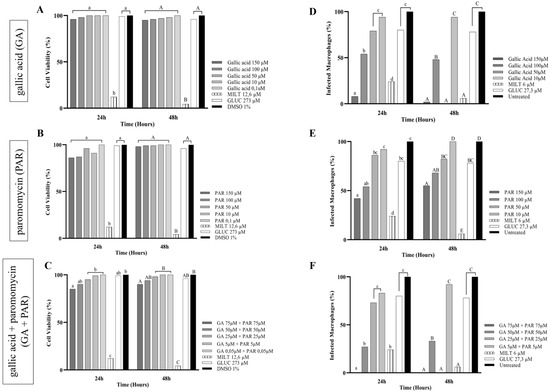
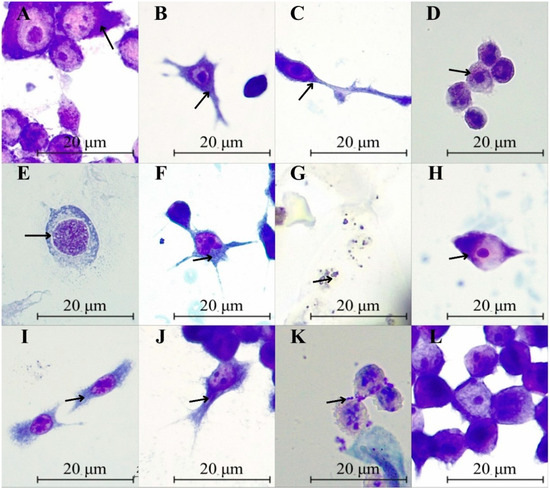
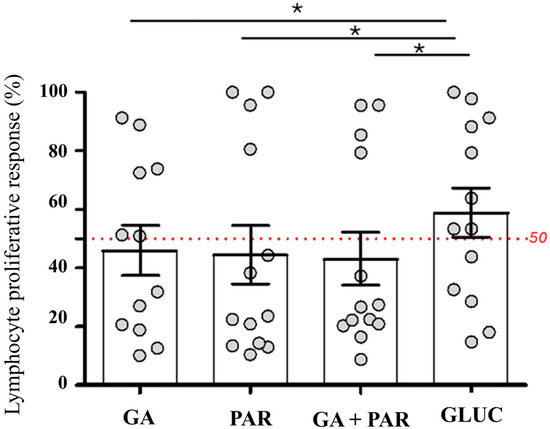
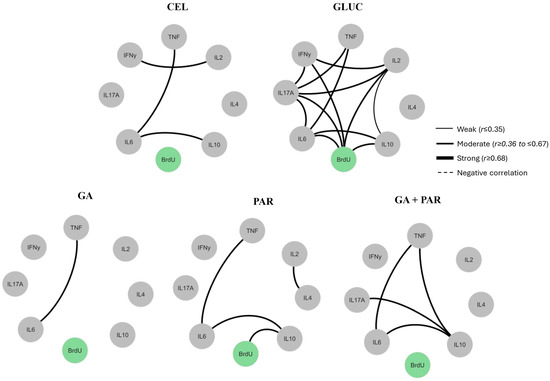
Cutaneous leishmaniasis remains a therapeutic challenge due to toxicity, parasitic resistance, and the limitations of conventional drugs. In this context, combination therapies using natural immunomodulatory compounds have emerged as a promising alternative. This study evaluated the antileishmanial, cytotoxic, and immunomodulatory effects of gallic acid (GA) combined with paromomycin sulfate (PAR) using in vitro models. IC50 values were determined in promastigote and amastigote forms of Leishmania (Viannia) guyanensis, and CC50 values were assessed in RAW 264.7 macrophages. Peripheral blood mononuclear cells (PBMCs) from healthy volunteers (n = 13) were stimulated with GA, PAR, GA + PAR, or controls to evaluate lymphoproliferation and cytokine production. GA showed higher activity against intracellular amastigotes (IC50 = 11.4 µM), while GA + PAR also demonstrated activity (IC50 = 20.5 µM). PAR alone showed limited efficacy. The combination exhibited limited antiparasitic activity, with effects mainly at higher concentrations and without consistent superiority over GA monotherapy. Immunologically, GA + PAR displayed a balanced cytokine profile without inducing excessive proliferation. These findings suggest a complementary immunomodulatory effect, although further studies are needed to confirm its therapeutic relevance.
Full article

Figure 1
Open AccessArticle
Development and Optimization of an Indirect Sandwich ELISA for Detection of Foot-And-Mouth Disease Virus Serotype O
by
Muhammad Mujahid Amjed, Khushi Muhammad, Masood Rabbani, Aman Ullah Khan, Muhammad Mubashar Beig and Muhammad Asad Ali
Immuno 2026, 6(2), 31; https://doi.org/10.3390/immuno6020031 - 4 May 2026
Abstract
Foot-and-Mouth Disease (FMD) is caused by the FMD virus. Indirect Sandwich Enzyme-Linked Immunosorbent Assay (IS-ELISA) was standardized to characterize the FMD serotype “O” virus. Total protein content in the guinea pig serum (whole serum), ammonium sulfate precipitated guinea pig serum (ASPGPS) protein and
[...] Read more.
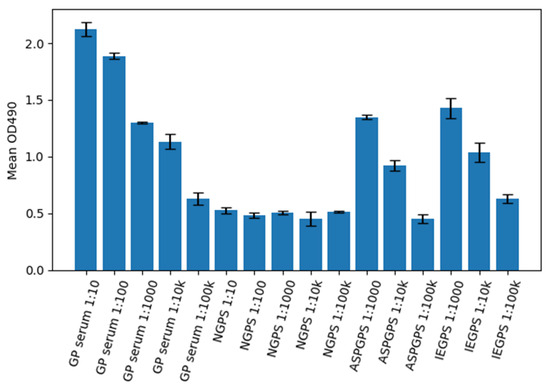
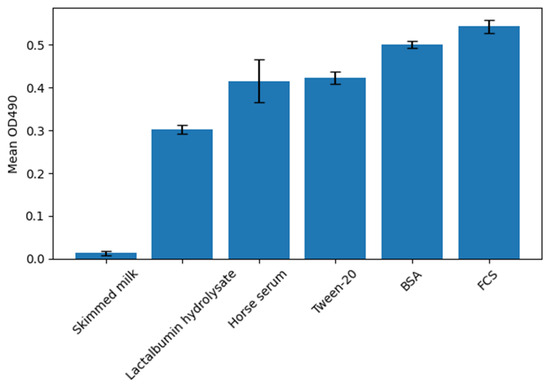
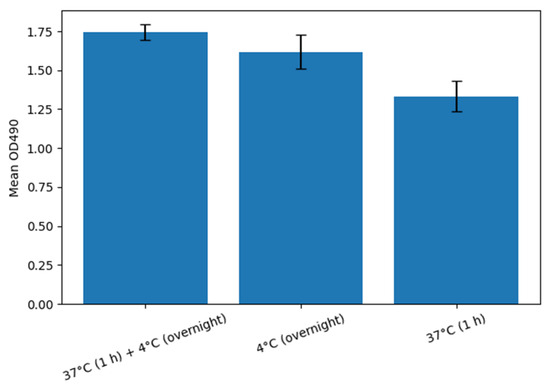
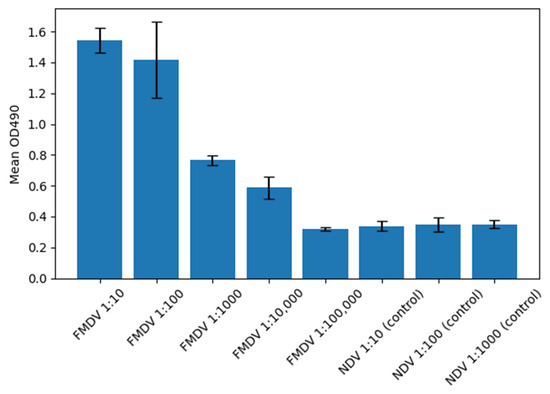
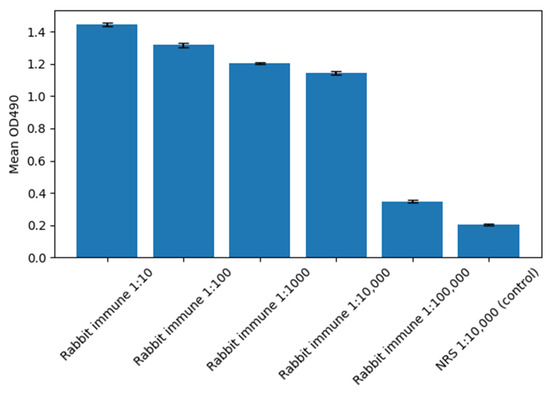
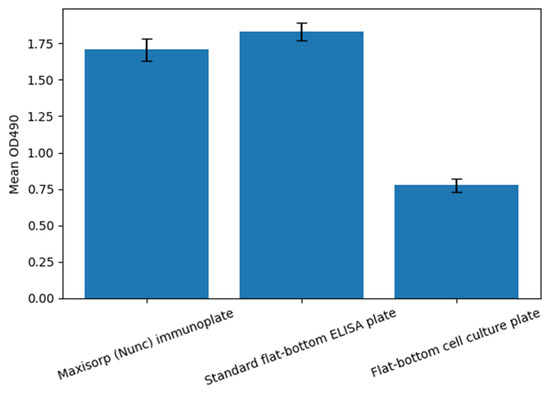
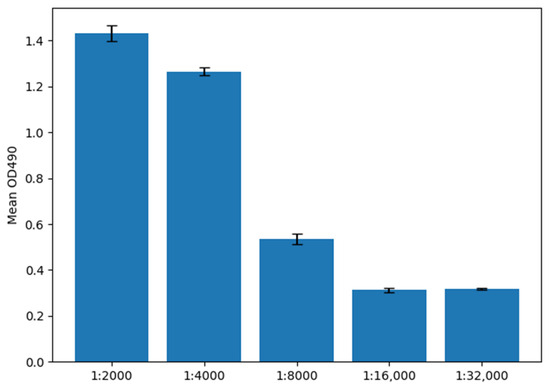
Foot-and-Mouth Disease (FMD) is caused by the FMD virus. Indirect Sandwich Enzyme-Linked Immunosorbent Assay (IS-ELISA) was standardized to characterize the FMD serotype “O” virus. Total protein content in the guinea pig serum (whole serum), ammonium sulfate precipitated guinea pig serum (ASPGPS) protein and ion-exchange-based purified guinea pig serum (IEGPS) protein was measured as 52 µg/mL, 24 µg/mL and 10 µg/mL respectively. The whole serum of guinea pigs and rabbits showed the 1:32 and 1:64 anti-FMD serotype “O” virus neutralizing antibody titers, while the anti-FMD serotype “O” virus neutralizing antibody titer was 1:128 in the IEGPS proteins. IEGPS protein with 1:128 neutralizing antibody titers were used as capture/trapping antibodies in the standardization of the assay. The IEGPS protein 1:1000 diluted with 10 µg/mL of protein content was found to be optimum for capture/trapping antibodies. To cover residual blank spaces, different available blocking buffers were evaluated and Skimmed Milk Solution 5% in Phosphate-Buffered Saline (PBS5%) proved best amongst blocking buffers. Coating of 1:1000 diluted IEGPS at 37 °C for 1 h followed by storage at 4 °C for overnight was best for incubation time. FMD serotype “O” virus 1:100 diluted was optimum in IS-ELISA. Similarly rabbit anti-FMD serotype “O” virus specific immune serum 1:10,000 diluted and goat anti-rabbit IgG horseradish peroxidase conjugate 1:4000 diluted were found to be optimum during the standardization of the assay. Lastly ELISA plates proved to be best amongst the available plates for assay. In each experiment, the plateau region, test background and plate background were recorded. Lastly it became possible for the establishment of an optimized and potentially cost-effective IS-ELISA requiring further diagnostic validation in research and diagnostic laboratories in the country.
Full article
(This article belongs to the Section Infectious Immunology and Vaccines)
►▼
Show Figures

Figure 1
Open AccessSystematic Review
Immunomodulatory and Anti-Inflammatory Effects of Gabapentin: A Systematic Review and Risk of Bias Analysis of Preclinical Studies
by
Annette d’Arqom, Kireina Azizah Rizky, Nasya Malfa Aqilah, Fathul Huda, Ming Tatt Lee, Belinda Anasthasya Tansy, Suzita Mohd Noor, Rimbun and Ni Luh Ayu Megasari
Immuno 2026, 6(2), 30; https://doi.org/10.3390/immuno6020030 - 21 Apr 2026
Abstract
Gabapentin is widely used for epilepsy and neuropathic pain. Beyond neurological indications, preclinical evidence suggests that gabapentin may exert anti-inflammatory effects that have not been systematically reviewed. A systematic review (2015–2025) was performed, resulting in thirteen in vitro and in vivo studies evaluating
[...] Read more.
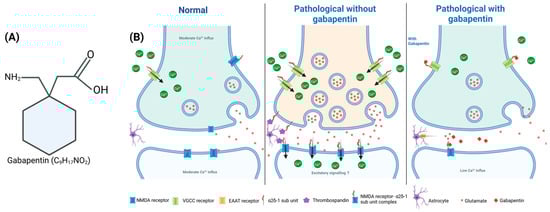
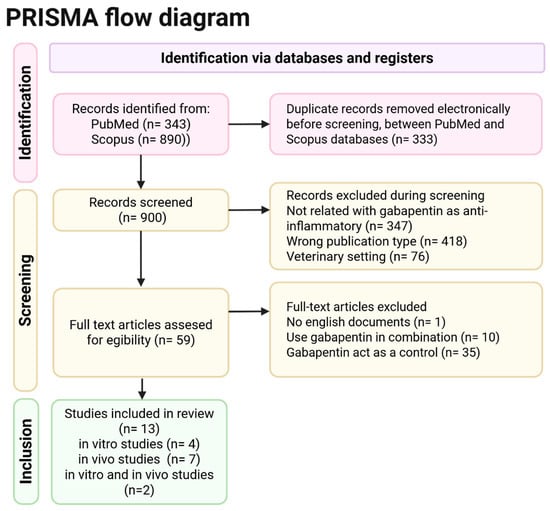
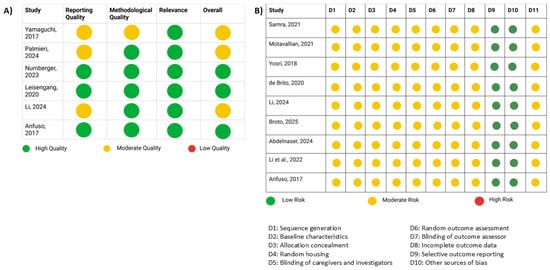
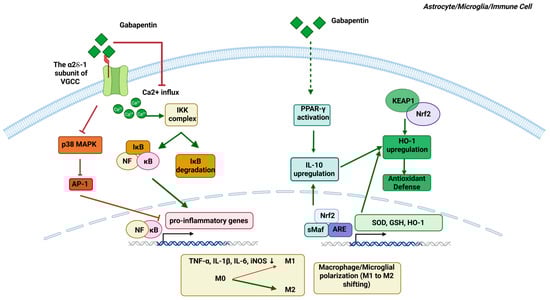
Gabapentin is widely used for epilepsy and neuropathic pain. Beyond neurological indications, preclinical evidence suggests that gabapentin may exert anti-inflammatory effects that have not been systematically reviewed. A systematic review (2015–2025) was performed, resulting in thirteen in vitro and in vivo studies evaluating gabapentin’s impact on inflammatory signaling pathways, cytokine production, immune cell activity, and tissue inflammation. Outcomes included molecular pathways, inflammatory mediators, histopathological changes, and functional inflammatory measures. Risk of bias and study quality were assessed using the SYRCLE RoB tool for in vivo studies and the SciRAP approach for in vitro studies. Gabapentin demonstrated potential modulation of inflammatory responses in neuropathic pain, neuroinflammation, uveitis, and sepsis models through inhibition of MAPK and NF-κB signaling, reduction in pro-inflammatory cytokines, modulation of PPAR signaling pathways, and activation of Nrf2/HO-1 pathway. Gabapentin’s pharmacological actions extend beyond neuronal excitability to include modulation of inflammatory pathways, supporting a broader biological role for gabapentin. Although preclinical data support gabapentin’s potential anti-inflammatory properties, further targeted experimental and clinical studies are warranted to confirm these findings.
Full article
(This article belongs to the Section Neuroimmunology)
►▼
Show Figures

Figure 1

Open AccessArticle
Size-Based Targeting of Anti-Inflammatory Nanoparticles for Drug Delivery to Blast-Injured BBB for TBI Treatment
by
Rebecca R. Schmitt, Sonali Garg, Tracey A. Ignatowski, Kathiravan Kaliyappan, Vijaya Prakash Krishnan Muthaiah, Paras N. Prasad and Supriya D. Mahajan
Immuno 2026, 6(2), 29; https://doi.org/10.3390/immuno6020029 - 20 Apr 2026
Abstract
Traumatic brain injury (TBI) is a leading cause of death and disability worldwide, with blast TBI (bTBI) particularly affecting military personnel and individuals exposed to explosive environments, yet there are no available curative treatments to date. While adrenergic receptor antagonists have shown promise
[...] Read more.
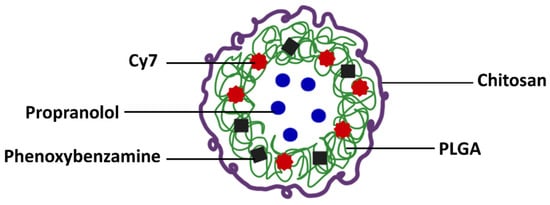
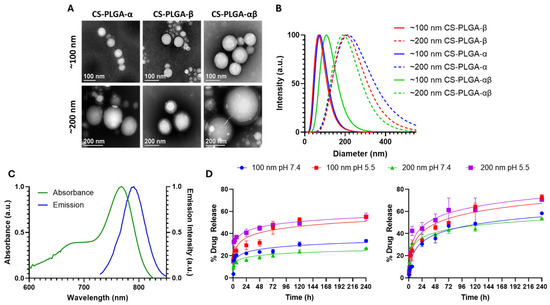
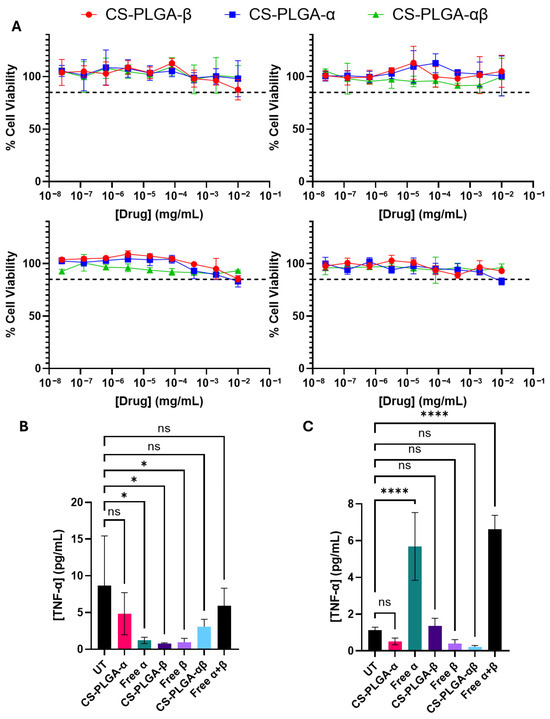
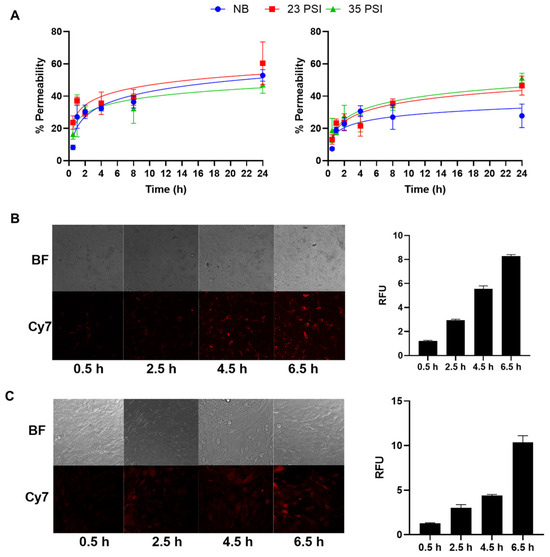
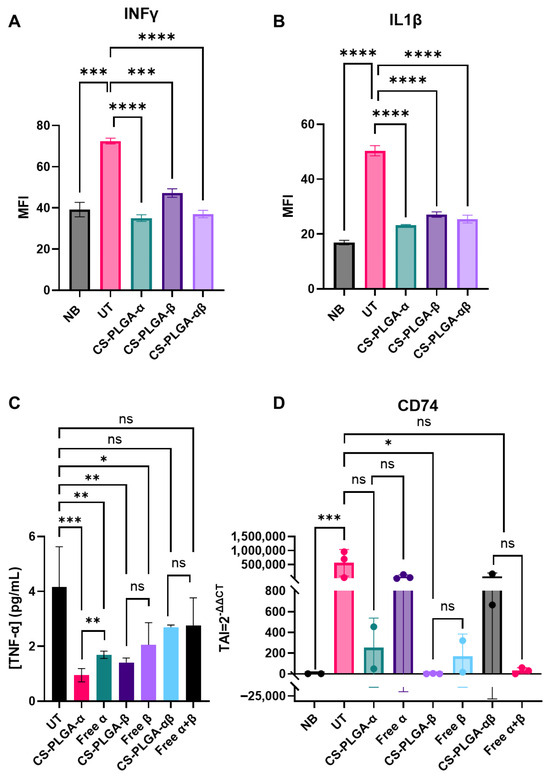
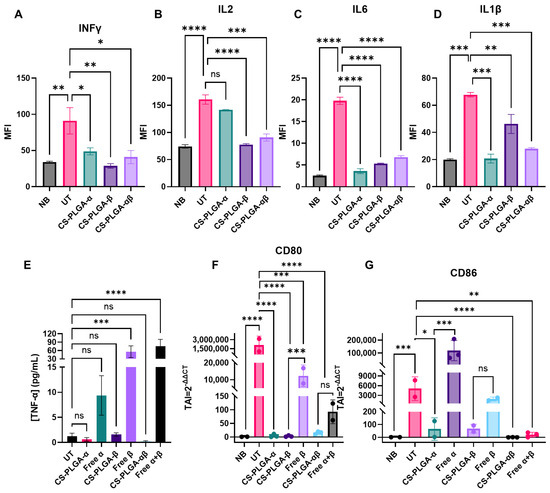
Traumatic brain injury (TBI) is a leading cause of death and disability worldwide, with blast TBI (bTBI) particularly affecting military personnel and individuals exposed to explosive environments, yet there are no available curative treatments to date. While adrenergic receptor antagonists have shown promise in reducing neuroinflammation and improving TBI mortality rates, systemic administration of these drugs can have deleterious effects including bradycardia and hypotension. Here, we introduce a polymeric nanoparticle system for the delivery of adrenergic receptor antagonists, which allows for size-based targeting of the injured blood–brain barrier (BBB). These nanoparticles consist of chitosan-coated polylactic co-glycolic acid encapsulating the β-adrenergic receptor antagonist propranolol and/or the α-adrenergic receptor antagonist phenoxybenzamine. Particles designed with a 200 nm hydrodynamic diameter showed a 20–24% increase in permeability on an in vitro contact co-culture BBB model exposed to a 23 or 35 PSI acoustic blast when compared to uninjured controls, whereas 100 nm particles show no difference, suggesting blast injury induces BBB damage that enables the accumulation of larger particles. Treatment of blast-injured human brain microvascular cells with our nanoformulation reduced extracellular inflammatory cytokine levels and reduced the expression of pro-inflammatory markers in microglia. Moreover, these particles mitigated the upregulation of extracellular TNFα induced by free phenoxybenzamine in injured and uninjured microglia, suggesting nanoparticle drug encapsulation can reduce adverse drug reactions in the brain. Together, these findings provide proof-of-concept for size-based targeting and the potential anti-inflammatory effects of CS-PLGA nanoparticles containing adrenergic receptor antagonists for treatment of TBI and bTBI.
Full article
(This article belongs to the Special Issue Nano-Pharmacology: Nanotechnology Based Therapeutics for Targeting Neuroinflammation)
►▼
Show Figures

Figure 1
Open AccessReview
Neuroimmune Amplification and Resolution of Chronic Pain: A Systematically Searched Narrative Review
by
Keren Grinberg
Immuno 2026, 6(2), 28; https://doi.org/10.3390/immuno6020028 - 17 Apr 2026
Abstract
►▼
Show Figures
Chronic pain is increasingly understood as a neuroimmune disorder rather than a purely neuronal condition, in which immune mediators and immune-like signaling within the nervous system regulate nociceptive gain across peripheral tissues, dorsal root ganglia (DRG), spinal cord, and supraspinal networks. Seminal and
[...] Read more.
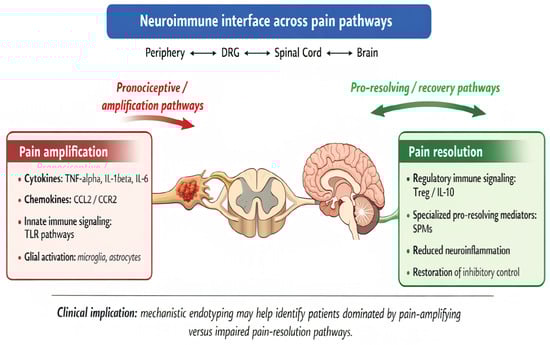
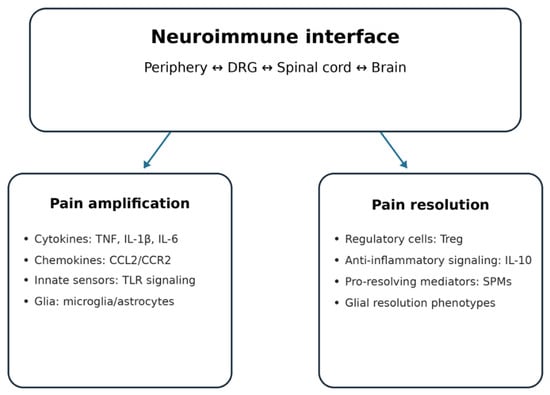
Chronic pain is increasingly understood as a neuroimmune disorder rather than a purely neuronal condition, in which immune mediators and immune-like signaling within the nervous system regulate nociceptive gain across peripheral tissues, dorsal root ganglia (DRG), spinal cord, and supraspinal networks. Seminal and recent syntheses show that microglia, macrophages, cytokines/chemokines, and innate immune sensors can initiate and maintain maladaptive plasticity and central sensitization, helping explain the frequent clinical dissociation between structural pathology, systemic inflammatory markers, and pain severity. However, immune biology is bidirectional: alongside pronociceptive pathways, a growing literature describes active “pain-resolving” programs that terminate sensitization and restore homeostasis, including regulatory T cell (Treg)–IL-10 signaling and specialized pro-resolving mediators (SPMs). A structured search of PubMed/MEDLINE, supplemented by Europe PMC and PubMed Central, was performed, and citation chasing through broad scholarly indices was used to identify high-impact reviews, meta-analyses, and translational mechanistic studies. Systematic biomarker syntheses in low back pain, neck pain, and fibromyalgia indicate modest and heterogeneous systemic inflammatory signals, underscoring the need for mechanistic endotyping and stage-specific interventions. Based on this evidence, a clinically oriented framework is presented that distinguishes immune-driven pain amplification from impaired resolution and outlines practical implications for assessment, biomarker interpretation, and precision-oriented trial design.
Full article

Figure 1
Open AccessReview
Molecular Parallels: Innate Immunity and Pathogen Strategies in Plants and Animals
by
Lesly Cristel Jiménez Cabrera, Pablo Alejandro Gamas-Trujillo, César De los Santos-Briones, Luis Sáenz-Carbonell, Ignacio Islas-Flores, Karla Gisel Carreón-Anguiano, Roberto Vázquez-Euan, Nuvia Kantún-Moreno and Blondy Canto-Canché
Immuno 2026, 6(2), 27; https://doi.org/10.3390/immuno6020027 - 15 Apr 2026
Abstract
►▼
Show Figures
Both plants and animals have developed a sophisticated two-tiered innate immune system. This involves an initial recognition of microbial patterns conserved on the cell surface (PAMP-triggered immunity) and a subsequent more specific intracellular recognition of pathogenic effectors or their activities (effector-triggered immunity). A
[...] Read more.
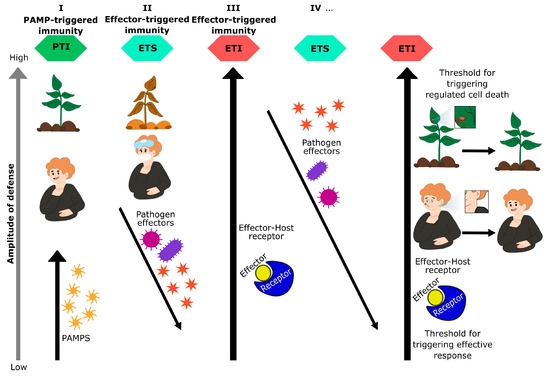
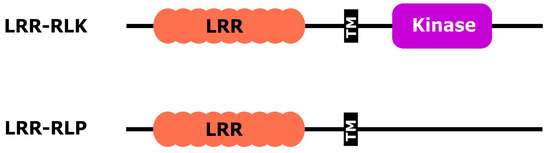
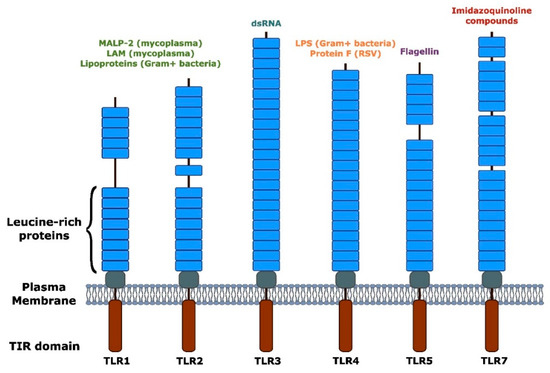
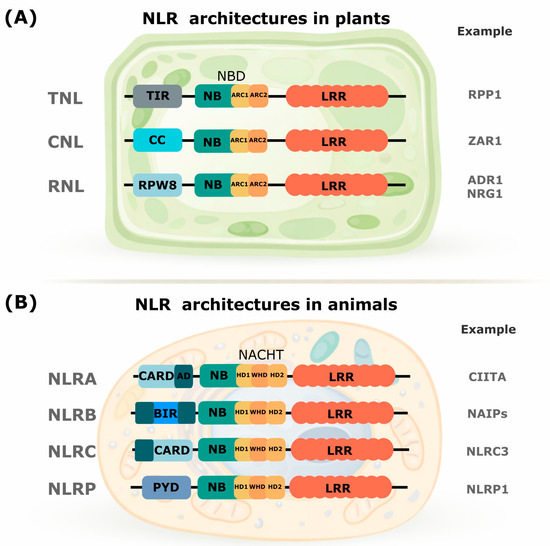
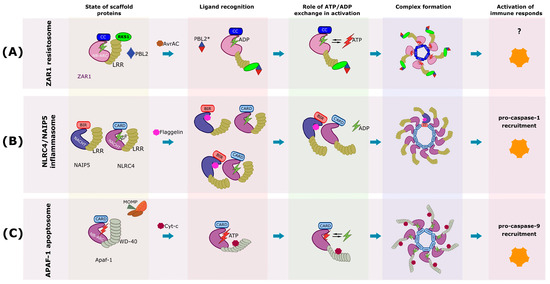
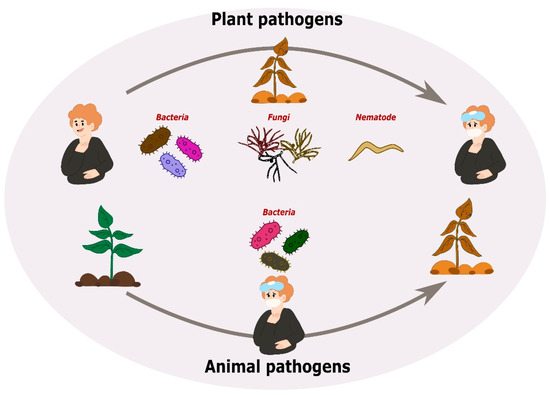
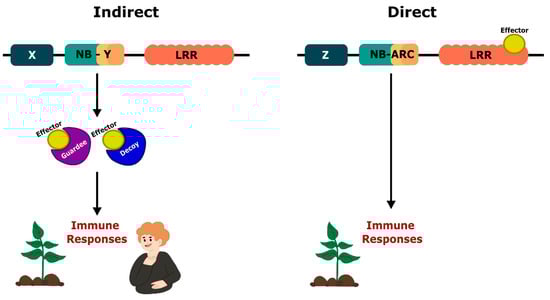
Both plants and animals have developed a sophisticated two-tiered innate immune system. This involves an initial recognition of microbial patterns conserved on the cell surface (PAMP-triggered immunity) and a subsequent more specific intracellular recognition of pathogenic effectors or their activities (effector-triggered immunity). A common fundamental feature is the use of NLR-like intracellular receptors to detect insider threats. Both plant NLRs (receptors containing nucleotide-binding domains and leucine-rich repeats) and animal NLRs (NOD-like receptors) share a modular tripartite architecture, typically featuring a central nucleotide-binding domain (NBD/NOD) and C-terminal leucine-rich repeats (LRRs). The NBD/NOD is crucial for facilitating the exchange of ADP/ATP, acting as a molecular switch to promote oligomerization and activation of NLRs in both kingdoms. In this review, we summarize the similarities and differences between plant and animal molecular perception and immunity mechanisms. Additionally, we highlight the fact that some human pathogens can infect plants, and crucially, some plant pathogens are capable of causing disease in humans. This suggests conserved molecular strategies to invade and manipulate host cells belonging to different biological kingdoms, uncovering that plant and human pathology may benefit from future investigations in their respective fields.
Full article

Figure 1
Open AccessArticle
PEPlife2: An Updated Repository of the Half-Life of Peptides and Proteins
by
Urooj Alam, Kunal Chaudhary, Nishant Kumar, Ritu Tomer, Sumeet Patiyal and Gajendra P. S. Raghava
Immuno 2026, 6(2), 26; https://doi.org/10.3390/immuno6020026 - 8 Apr 2026
Abstract
►▼
Show Figures
This manuscript presents an updated version of PEPlife, a manually curated database that provides extensive information on peptide half-life. The updated version, PEPlife2, contains 4500 total entries, including 2300 newly curated entries and 2200 entries from the previous PEPlife database. These entries correspond
[...] Read more.
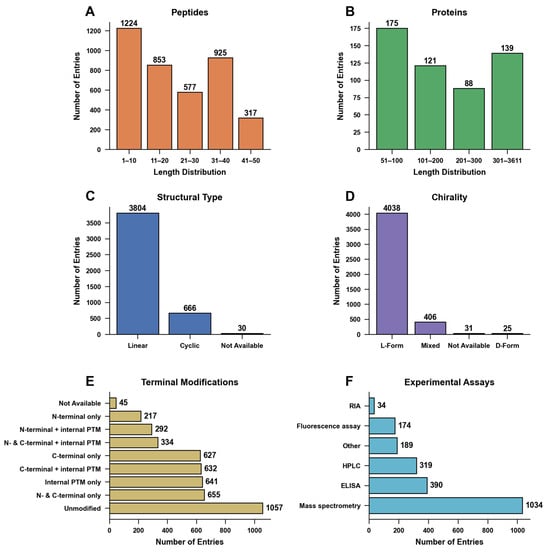
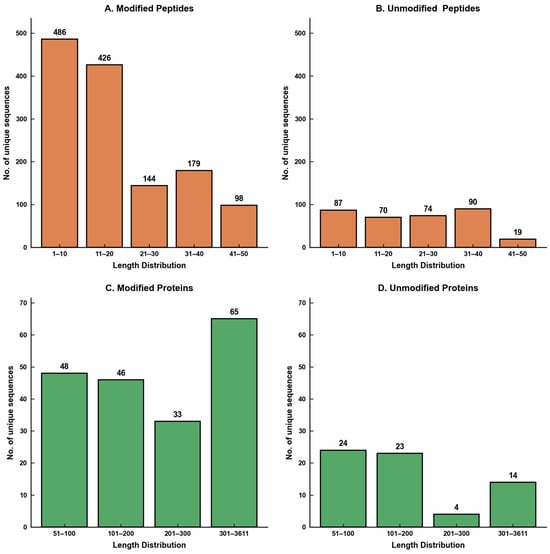
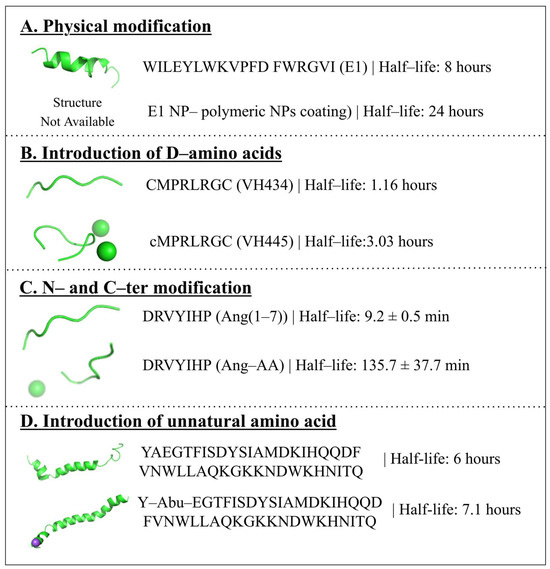
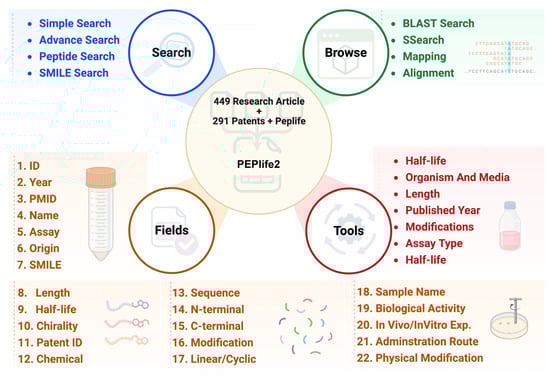
This manuscript presents an updated version of PEPlife, a manually curated database that provides extensive information on peptide half-life. The updated version, PEPlife2, contains 4500 total entries, including 2300 newly curated entries and 2200 entries from the previous PEPlife database. These entries correspond to 1673 unique peptide sequences and 257 unique protein sequences where different entries may refer to the same peptide/protein sequence, the half-life of which was evaluated using different experimental assays. Each entry contains detailed information, including experimental methods used to determine half-life, chemical modifications, biological activity, routes of administration, and other relevant data. In addition to unmodified peptide sequences, PEPlife2 includes cyclic peptides and chemically modified peptides, such as those with N- and C-terminal modifications. To provide structural insights, peptide and protein structures were sourced from the Protein Data Bank (PDB) or predicted using PEPstrMOD. PEPlife2 integrates advanced analytical tools including BLAST (version 2.7.1), Smith–Waterman and CLUSTALW. This database provides a valuable resource for peptide and protein therapeutics research, particularly in the design of immunotherapeutics and vaccines.
Full article

Figure 1
Open AccessCase Report
Cytokine Release Syndrome-like Reactions Following Exposure to Iodinated Contrast Media: A Case Series
by
Xin Rong Lim, Samuel Shang Ming Lee, Justina Wei-Lynn Tan, Sze-Chin Tan and Bernard Pui Lam Leung
Immuno 2026, 6(2), 25; https://doi.org/10.3390/immuno6020025 - 7 Apr 2026
Abstract
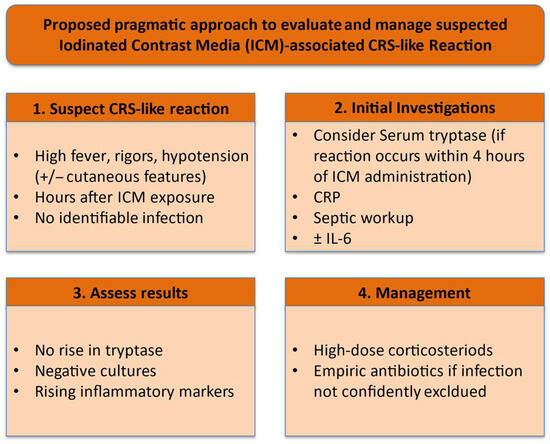
Hypersensitivity reactions to iodinated contrast media (ICM) are traditionally categorized as immediate or delayed reactions, involving IgE-mediated pathways, non–IgE-dependent mast cell or complement activation, or T cell–mediated immune mechanisms. However, we observed that some individuals develop systemic inflammatory responses that do not fit
[...] Read more.
Hypersensitivity reactions to iodinated contrast media (ICM) are traditionally categorized as immediate or delayed reactions, involving IgE-mediated pathways, non–IgE-dependent mast cell or complement activation, or T cell–mediated immune mechanisms. However, we observed that some individuals develop systemic inflammatory responses that do not fit these established categories. We describe here a case series of three patients who developed cytokine release syndrome (CRS)-like reactions following iodinated contrast administration, which were initially difficult to distinguish from sepsis and were only recognized after recurrent episodes. Clinical presentation, laboratory findings, cytokine profiles, allergy investigations, and treatment outcomes were reviewed. All patients developed fever, rigors, and hypotension within 5 to 70 h after exposure, accompanied by leukocytosis and markedly elevated inflammatory markers despite negative microbiological investigations. Serum tryptase levels remained within the normal range with no significant rise, while cytokine analyses demonstrated elevations of pro-inflammatory interleukin-6 and other cytokines in patients 1 and 3 where samples were available. Standard corticosteroid premedication did not prevent recurrence, and one patient developed systemic symptoms following intradermal testing. All patients improved with high-dose systemic corticosteroids and supportive care. These findings suggest that ICM may induce a cytokine-mediated inflammatory phenotype distinct from classical hypersensitivity reactions, highlighting the importance of early clinical recognition to guide diagnosis and management.
Full article
(This article belongs to the Special Issue The Role of Cytokines and Autoantibodies Against Cytokines in Health and Disease)
►▼
Show Figures

Figure 1
Highly Accessed Articles
Latest Books
E-Mail Alert
News
Topics
Topic in
Cells, Immuno, IJMS, JCM, Allergies, Dermato
Skin Barrier Function and Immune Mediators as Key Therapeutic Targets of Main Inflammatory Diseases
Topic Editors: Marco Manfredini, Carlo PincelliDeadline: 31 August 2026
Topic in
IJMS, Cells, Biomolecules, Geriatrics, Immuno
Inflammaging: The Immunology of Aging, 2nd Edition
Topic Editors: Brianna Cyr, Juan Pablo de Rivero VaccariDeadline: 15 February 2027
Topic in
Biomedicines, Cancers, Immuno, IJMS, Biologics
New Advancements in Innate Immunity and Cancer Immunotherapy
Topic Editors: Jeonghyun Ahn, Zhiwei HuDeadline: 30 June 2027
Topic in
Biomedicines, Cells, CIMB, IJMS, Immuno, JCM, Transplantology
New Advances in the Molecular Mechanisms of Rejection in Lung Transplantation and Organ Preservation
Topic Editors: Michele Samaja, Mario Nosotti, Anna CarettiDeadline: 31 July 2027
Special Issues
Special Issue in
Immuno
New Insights of Anti-cancer Immunity and Cancer Immune Evasion
Guest Editor: Vadim SumbayevDeadline: 31 July 2026
Special Issue in
Immuno
Immunological Responses and Therapeutic Modulation in Viral Infections: From Acute Disease to Latency
Guest Editor: Sherif HassanDeadline: 31 July 2026
Special Issue in
Immuno
Bone Marrow Failure and Leukemia Predisposition Syndromes
Guest Editors: Toshihiko Torigoe, Francesco LanzaDeadline: 31 August 2026
Special Issue in
Immuno
Immune Biomarkers in Cancer: Prediction, Response, and Resistance in Immuno-Oncology
Guest Editor: Roberto ScatenaDeadline: 31 December 2026
Topical Collections
Topical Collection in
Immuno
Recent Advances in Onco-Rheumatology
Collection Editor: Kosaku Murakami