


-
Two Native Fairyflies Are Egg Parasitoids of the Invasive Two-Spot Cotton Leafhopper in Florida -
Light-Dependent Color Preferences in Mosquitoes -
Mosquito-Borne Diseases in Europe -
The Black Fig Fly, Silba adipata: Current Knowledge and Research Needs -
Evaluation of 10-Year Selection for Virus Resistance in a Mass Breeding Program
Journal Description
Insects
Insects
is an international, peer-reviewed, open access journal on entomology, published monthly online by MDPI.
- Open Access— free for readers, with article processing charges (APC) paid by authors or their institutions.
- High Visibility: indexed within Scopus, SCIE (Web of Science), PubMed, PMC, GEOBASE, PubAg, and other databases.
- Journal Rank: JCR - Q1 (Entomology) / CiteScore - Q1 (Insect Science)
- Rapid Publication: manuscripts are peer-reviewed and a first decision is provided to authors approximately 18.9 days after submission; acceptance to publication is undertaken in 2.6 days (median values for papers published in this journal in the second half of 2025).
- Recognition of Reviewers: reviewers who provide timely, thorough peer-review reports receive vouchers entitling them to a discount on the APC of their next publication in any MDPI journal, in appreciation of the work done.
- Journal Cluster of Animal Science: Animals, Arthropoda, Birds, Dairy, Insects, Journal of Zoological and Botanical Gardens, Pets, Poultry, Ruminants and Veterinary Sciences.
Impact Factor:
2.9 (2024);
5-Year Impact Factor:
3.3 (2024)
Latest Articles
Molecular Recognition Mechanism of Key VOCs by Odorant-Binding Proteins in the Western Corn Rootworm (Diabrotica virgifera virgifera)
Insects 2026, 17(6), 595; https://doi.org/10.3390/insects17060595 (registering DOI) - 5 Jun 2026
Abstract
The western corn rootworm (Diabrotica virgifera virgifera) relies on odorant-binding proteins (OBPs) to locate maize hosts and mates via volatile organic compounds (VOCs). However, the molecular recognition mechanisms of specific attractants, such as (E)-β-caryophyllene, 6-methoxy−2-benzoxazolinone (6-MBOA), and the sex pheromone 8R-methyl−2R-decyl
[...] Read more.
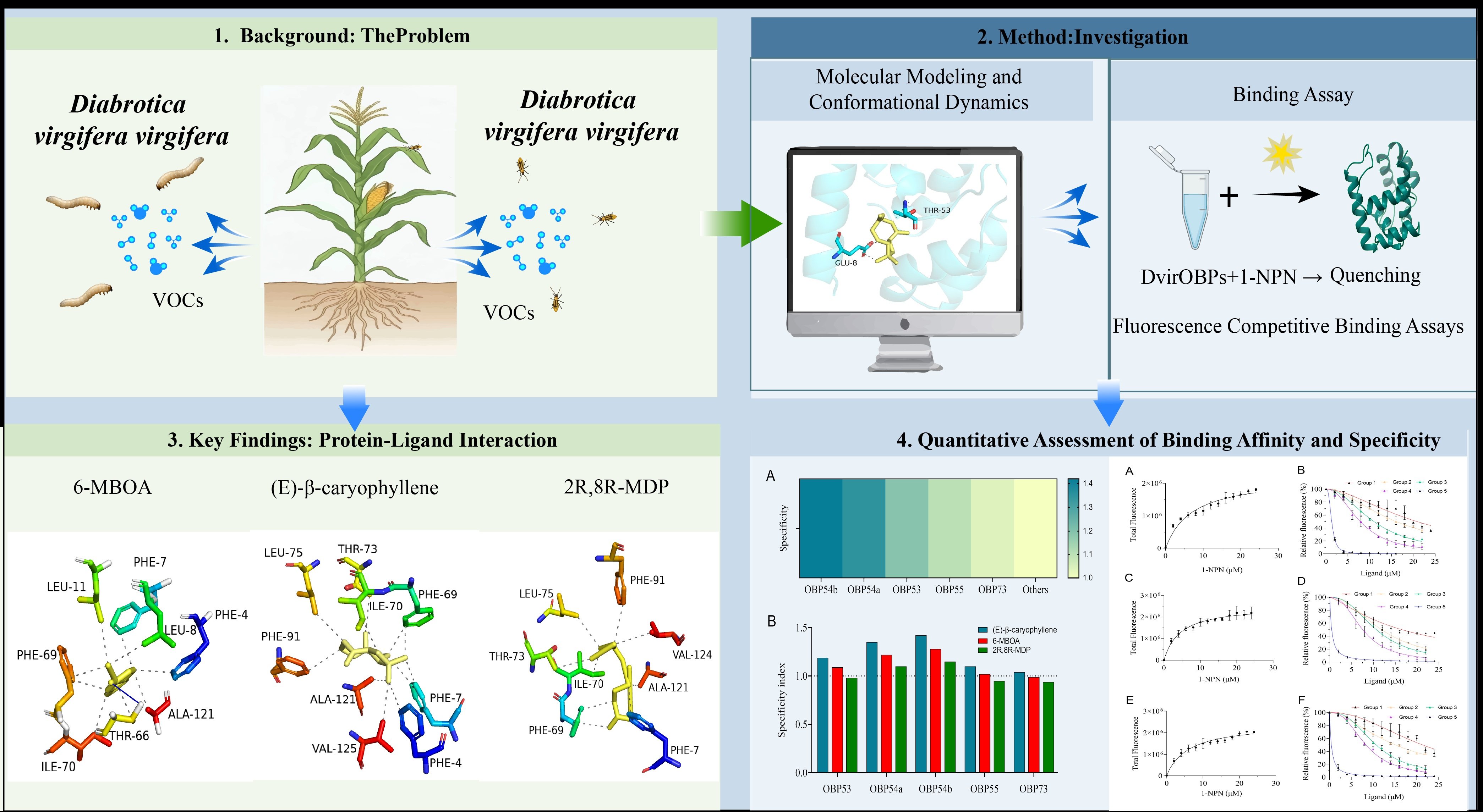
The western corn rootworm (Diabrotica virgifera virgifera) relies on odorant-binding proteins (OBPs) to locate maize hosts and mates via volatile organic compounds (VOCs). However, the molecular recognition mechanisms of specific attractants, such as (E)-β-caryophyllene, 6-methoxy−2-benzoxazolinone (6-MBOA), and the sex pheromone 8R-methyl−2R-decyl propanoate (2R,8R-MDP), remain elusive. Here, we integrated phylogenetic analysis, AlphaFold2 structural prediction, molecular docking, molecular dynamics (MD) simulations, and in vitro fluorescence competitive binding assays to characterize the binding specificity of DvirOBPs toward these key ligands. Pan-family screening identified DvirOBP54b as possessing the highest ligand-binding specificity, resolving its evolutionary divergence from its tandem duplicative paralog DvirOBP54a. Structural and dynamic analyses revealed that DvirOBP54b binding to (E)-β-caryophyllene and 2R,8R-MDP is predominantly driven by hydrophobic interactions within a core pocket (Phe7, Phe69, Ile70, Ala121). Conversely, its interaction with 6-MBOA is further stabilized by a specific hydrogen bond at Thr66. Dynamic trajectories confirmed the high stability of the DvirOBP54b complexes, while in vitro assays validated the strong binding affinities toward the core host-derived volatiles. These findings elucidate the structural basis of VOC-mediated olfactory recognition in D. v. virgifera, providing critical molecular targets for developing high-efficiency attractants and novel pest management strategies.
Full article
(This article belongs to the Special Issue Monitoring, Management and Molecular Mechanisms of Invasive Insect Pests)
►
Show Figures
Open AccessArticle
An Assessment of the Impacts of Feeding Four Fungal Extracts on the Lifespan and Midgut of Newly Emerged Carniolan Honey Bees (Apis mellifera carnica)
by
Leticia S. Ansaloni, Caio E. C. Domingues, Marija Gregori, Andrej Gregori and Aleš Gregorc
Insects 2026, 17(6), 594; https://doi.org/10.3390/insects17060594 (registering DOI) - 5 Jun 2026
Abstract
Given the current global agricultural system, honey bees are exposed to a complex network of stressors that can act simultaneously, making it challenging to maintain healthy colonies. Therefore, studies on natural products to improve colony health have increased in recent years. Among them,
[...] Read more.
Given the current global agricultural system, honey bees are exposed to a complex network of stressors that can act simultaneously, making it challenging to maintain healthy colonies. Therefore, studies on natural products to improve colony health have increased in recent years. Among them, fungal extracts have been shown to be beneficial to honey bees. However, there remains a knowledge gap regarding lifespan and histomorphological studies in bees fed fungal extracts. Our current study aimed to assess the impacts of extracts from Ganoderma lucidum (GL), Hericium erinaceus (HE), Inonotus obliquus (IO), and Trametes versicolor (TV) on the lifespan and midgut of honey bees. Newly emerged Carniolan honey bees (Apis mellifera carnica) were fed 4% of each fungal extract until the death of the last individual to assess survival probability. For histomorphological analyses, bees were fed for 7, 14, and 21 days and sampled at these same time points. Then, the midguts were dissected and histologically processed for qualitative and semi-quantitative microscopic analyses. The results showed that the fungal extracts did not significantly affect honey bee survival, and that the histomorphology of the intestinal villi, digestive cells, and regenerative cells in bees treated with fungal extracts did not differ from that of untreated bees throughout the analyzed period. Similarly, no differences were observed in the midgut lesion index between bees treated with fungal extracts and the untreated group. Overall, the absence of harmful effects on lifespan and midgut suggests that feeding fungal extracts may be a potential alternative for supporting bee health.
Full article
(This article belongs to the Special Issue Losses, Health and Wellbeing of Honey Bees Across the World)
Open AccessArticle
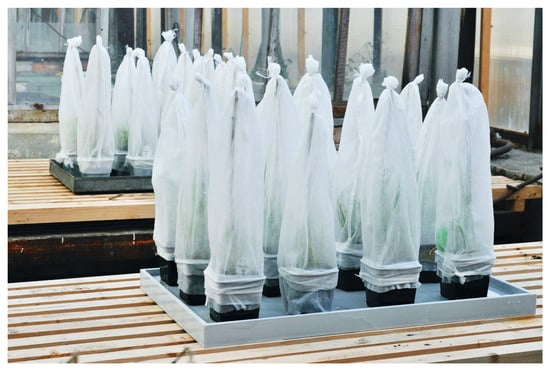
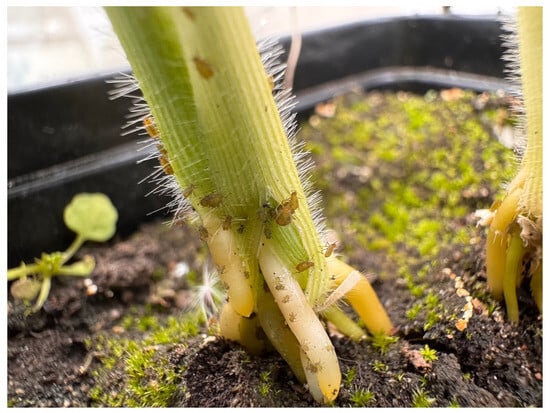
Variation in the Acceptability of Cereal Grasses by Rhopalosiphum padi (L.) (Hemiptera: Sternorrhyncha: Aphididae) from Different Geographical Areas in Russia
by
Elena S. Gandrabur, Alla B. Vereshchagina, Andrei N. Frolov and Natalia S. Klimenko
Insects 2026, 17(6), 593; https://doi.org/10.3390/insects17060593 (registering DOI) - 5 Jun 2026
Abstract
Global warming and changes in grass biodiversity increase the vulnerability of agricultural crops to the harmful bird cherry-oat aphid, Rhopalosiphum padi. This study examined 23 wild grass species, wheat, and maize as hosts for R. padi. We studied aphid development on different
[...] Read more.
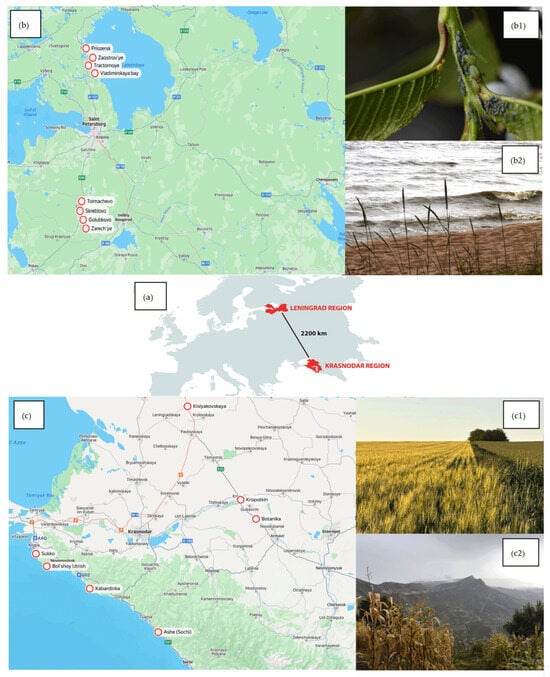
Global warming and changes in grass biodiversity increase the vulnerability of agricultural crops to the harmful bird cherry-oat aphid, Rhopalosiphum padi. This study examined 23 wild grass species, wheat, and maize as hosts for R. padi. We studied aphid development on different hosts to estimate reproduction of apterous females and their progeny winging using clones of R. padi originated from the Krasnodar Region (Southern Russia) and two districts of the Leningrad Region (Northwestern Russia). Within the framework of “outdoor microcosm” experiments, a highly significant influence of the host, the regional origin of the clone, and the interaction of these factors was detected. The most favorable for R. padi development species (along with wheat and maize) were Poa trivialis, Lolium multiflorum, and Hordeum jubatum. The least suitable were Panicum miliaceum, Agrostis capillaris, Leymus arenarius, Setaria viridis, Elymus repens, and Bromus erectus. There was a tendency to decrease aphid reproduction on wild plants with the C4 type of photosynthesis. When feeding on less suitable host plants, R. padi offspring tend to develop wings quickly, even at low colony density, thereby triggering dispersal. Aphids showed some local trophic specialization: a negative correlation was observed between the offspring of one female during the first 14 days of breeding (P14) and its winging in clones collected from the Leningrad Region, but not from the Krasnodar Region, indicating some spatial heterogeneity in the ecological strategies of aphids. The results obtained may be useful for improving R. padi control systems.
Full article
(This article belongs to the Special Issue Biology, Ecology and Management of Sap-Sucking Pests)
►▼
Show Figures

Figure 1
Open AccessArticle
Seasonal Population Dynamics of Mosquitoes in Taipei, Taiwan
by
Da-Gang Huang, Hsin-Chieh Tang and Chi-Wei Tsai
Insects 2026, 17(6), 592; https://doi.org/10.3390/insects17060592 (registering DOI) - 5 Jun 2026
Abstract
Mosquito-borne diseases pose a significant public health concern globally; however, data on mosquito population dynamics in Taipei, Taiwan are limited and outdated. Updated information on species composition and seasonal abundance is crucial for enhancing vector surveillance and informing effective control strategies. In this
[...] Read more.
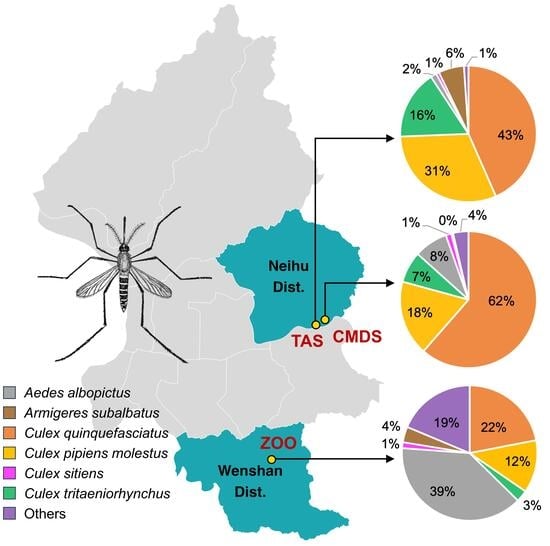
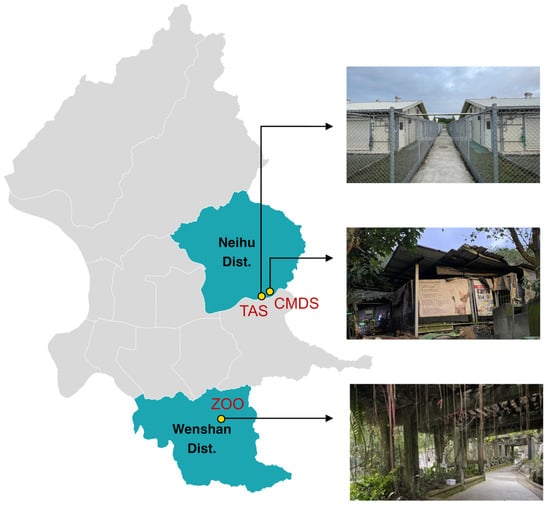
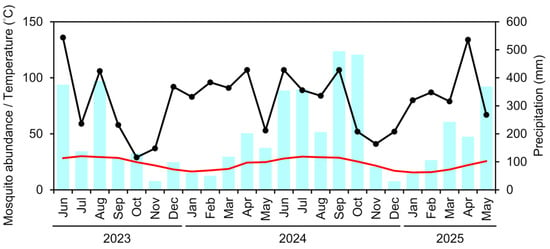
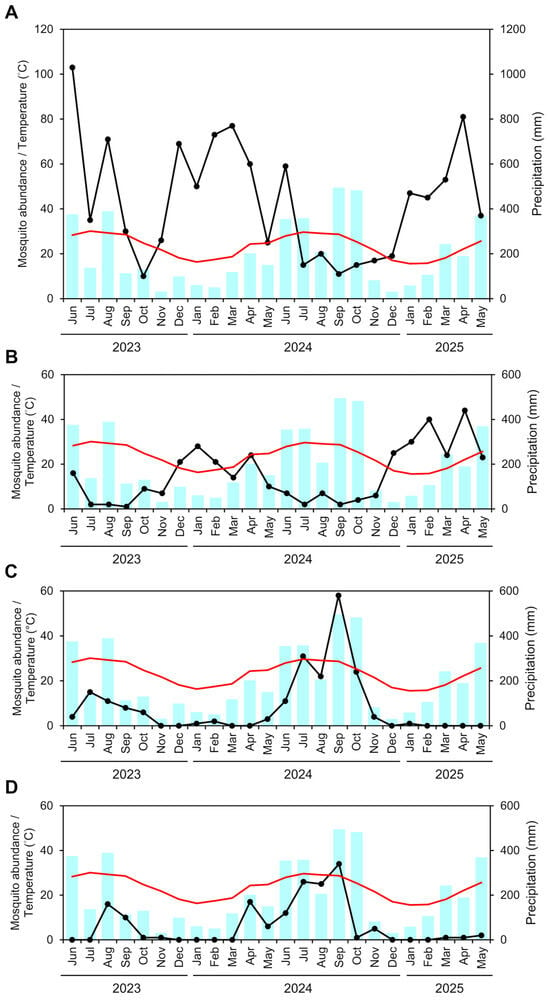
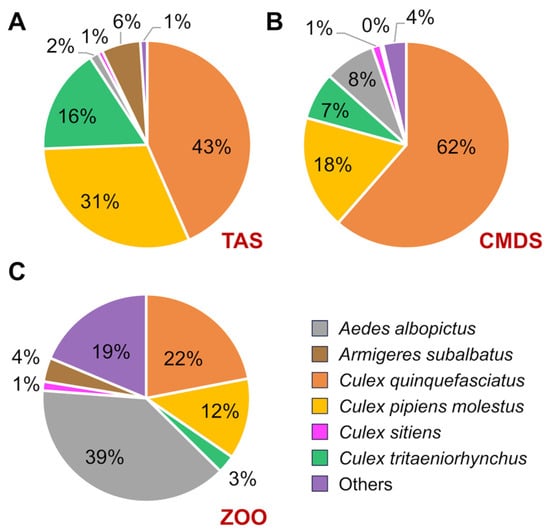
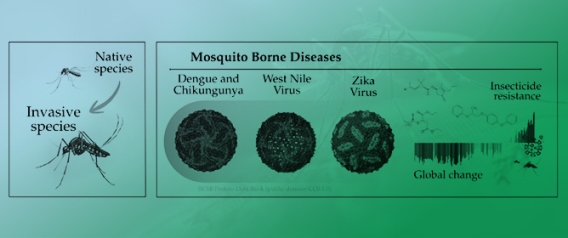
Mosquito-borne diseases pose a significant public health concern globally; however, data on mosquito population dynamics in Taipei, Taiwan are limited and outdated. Updated information on species composition and seasonal abundance is crucial for enhancing vector surveillance and informing effective control strategies. In this study, to investigate the seasonal dynamics of mosquito populations in Taipei, Taiwan, adult females were collected biweekly from June 2023 to May 2025 using CDC light traps baited with ultraviolet light and dry ice. Species identification was performed based on morphological characteristics, and morphologically challenging Culex mosquito species were further confirmed using cytochrome c oxidase I barcoding. Mosquito surveillance from June 2023 to May 2025 yielded 1926 females representing 31 species. Of these, Culex quinquefasciatus, Culex pipiens molestus, Aedes albopictus, and Culex tritaeniorhynchus accounted for over 90% of all specimens. These dominant species exhibited distinct seasonal patterns: Cx. quinquefasciatus occurred year-round, Cx. pipiens molestus predominated during winter and spring, while Ae. albopictus and Cx. tritaeniorhynchus populations peaked in summer. Furthermore, spatial heterogeneity in both mosquito abundance and species composition was noted among the study sites. Monitoring the composition and seasonal dynamics of mosquito species is essential for understanding the epidemiology of mosquito-borne pathogens. These insights can inform more effective and targeted vector control strategies for reducing disease transmission. Such ecological insights can also support One Health approaches by linking human, animal, and environmental factors that influence the transmission of mosquito-borne diseases.
Full article
(This article belongs to the Section Medical and Livestock Entomology)
►▼
Show Figures

Graphical abstract
Open AccessArticle
Genetic Variation of Spongy Moth (Lymantria dispar) in Kazakhstan
by
Alibek Makhambetov, Zarina Dairbekova, Bakyt Dulat, Abay Sagitov, Alexandr Pozharskiy, Yerlan Kydyrbayev, Allah Bakhsh and Dilyara Gritsenko
Insects 2026, 17(6), 591; https://doi.org/10.3390/insects17060591 - 4 Jun 2026
Abstract
The spongy moth (Lymantria dispar) is a significant defoliator of broadleaf forests and fruit trees, but its population genetic structure in Central Asia remains poorly defined. We analyzed 153 specimens collected from ten populations across Kazakhstan between 2023 and 2024, using
[...] Read more.
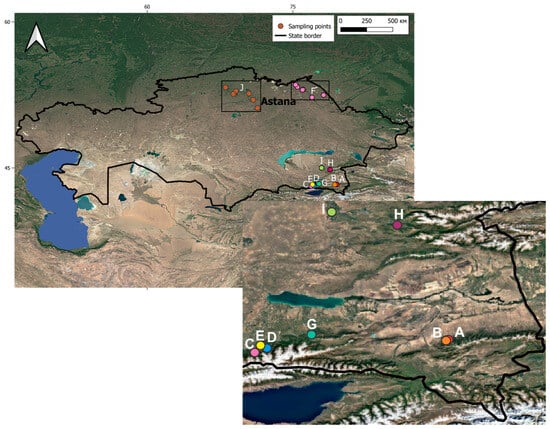
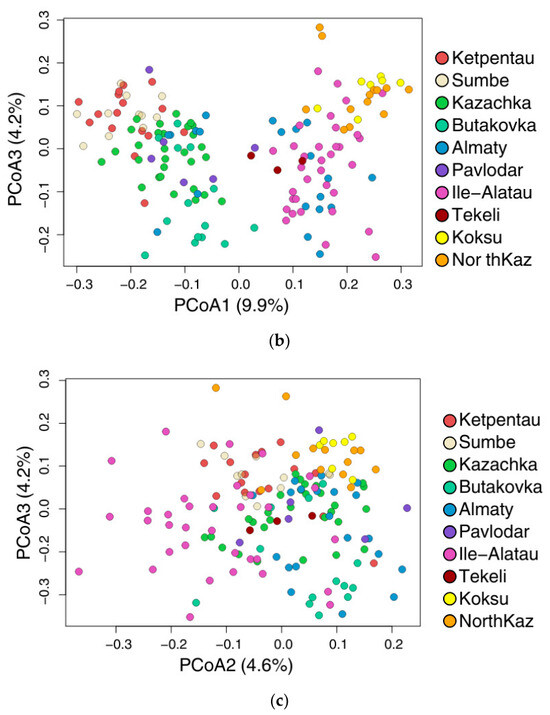
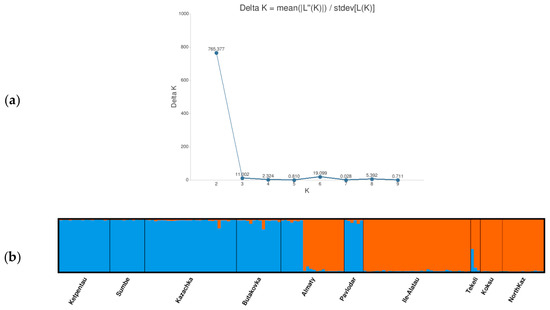
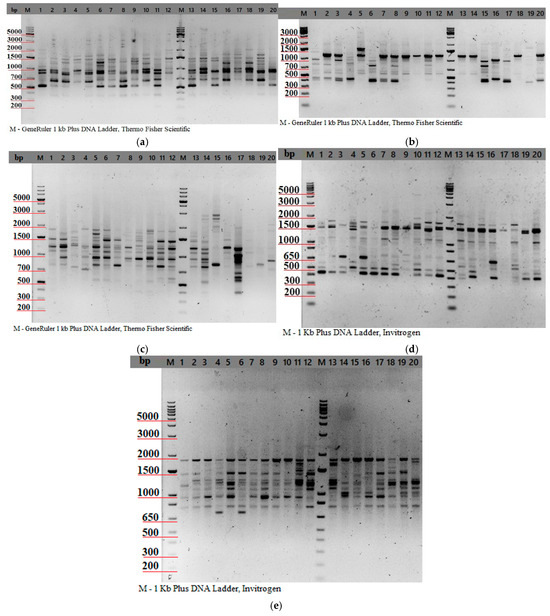
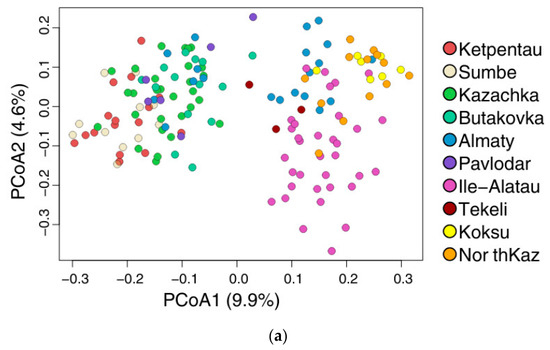
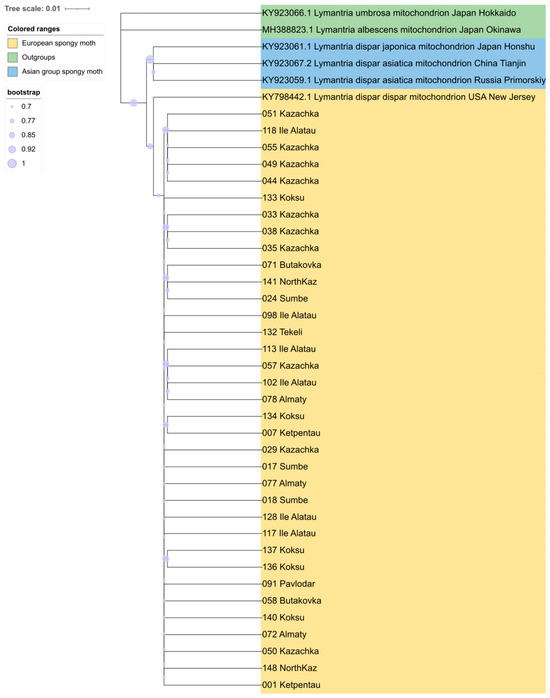
The spongy moth (Lymantria dispar) is a significant defoliator of broadleaf forests and fruit trees, but its population genetic structure in Central Asia remains poorly defined. We analyzed 153 specimens collected from ten populations across Kazakhstan between 2023 and 2024, using a combination of diagnostic real-time PCR, RAPD genotyping, and mitochondrial COI sequencing. Subspecies identification and Asian introgression were initially assessed with the COI/FS1 TaqMan assay. All samples carried the European mitochondrial type L. dispar dispar, while the nuclear FS1 locus indicated Asian introgression in 92.8% of specimens, including eleven heterozygotes for the Asian allele. RAPD amplification with five polymorphic primers produced 107 variable bands, which we converted into a presence/absence matrix for population genetics analysis. Principal coordinate analysis showed weak but detectable population structure, and Bayesian clustering (STRUCTURE) supported the presence of two primary nuclear clusters. Populations from Ketpentau, Sumbe, Kazachka, Butakovka, and Pavlodar were assigned predominantly to one cluster, whereas most individuals from Almaty, Ile-Alatau, Koksu, North Kazakhstan, and Tekeli were assigned predominantly to the other, with limited admixture in several localities. COI sequences formed a single, minimally differentiated L. dispar clade, with no evidence of distinct mitochondrial lineages. Overall, these findings reveal extensive Asian nuclear introgression in populations retaining European mitochondrial haplotypes, supporting the interpretation of Kazakhstan as part of a broad contact zone within the larger dispar–asiatica gradient. The observed mito-nuclear discordance has important implications for quarantine diagnostics and highlights the need for multilocus molecular assays in regional biosurveillance.
Full article
(This article belongs to the Special Issue Selected Papers from the Second International Electronic Conference on Entomology)
►▼
Show Figures

Figure 1
Open AccessArticle
Association of Different Host Diets with the Nutritional Composition of the Fall Webworm, Hyphantria cunea Drury (Lepidoptera: Erebidae)
by
Qiuyu Xu, Kexin Gu, Yanxin Bai, Qun Li and Yanqun Liu
Insects 2026, 17(6), 590; https://doi.org/10.3390/insects17060590 - 4 Jun 2026
Abstract
Different host plants influence the nutritional and metabolic profiles of the fall webworm (Hyphantria cunea), a globally invasive pest. This study investigated the proximate composition, free amino acid and lipid profiles of its pupae from larvae reared on three distinct diets
[...] Read more.
Different host plants influence the nutritional and metabolic profiles of the fall webworm (Hyphantria cunea), a globally invasive pest. This study investigated the proximate composition, free amino acid and lipid profiles of its pupae from larvae reared on three distinct diets (Robinia pseudoacacia, Morus alba and Armeniaca sibirica). The results showed that pupal weight and size varied significantly with host plant. The pupae contained 64.94 ± 1.57% crude protein and 30.82 ± 0.53% crude fat (dry mass basis), with high levels of magnesium and calcium. A total of 82 free amino acids and their metabolites were identified, including all essential and non-essential amino acids. In addition, 1026 lipids were detected, with triacylglycerols as the predominant class. Notably, the levels of linoleic and α-linolenic acid were highest in the pupae fed on R. pseudoacacia. Among the three diet groups, the lipid species TG (16:0_16:2_20:5) was identified as a characteristic differential metabolite. These findings show that host-plant-induced nutritional variation reflects metabolic plasticity, which underlies the dietary adaptability and invasion success of this polyphagous pest and also suggestsits potential use as a feed ingredient.
Full article
(This article belongs to the Special Issue Moths: Biology, Ecology and Management)
Open AccessSystematic Review
Fall Armyworm in Maize: A Systematic Review of Smallholder Livelihood and Food Security Impacts in Africa
by
Constantino Francisco Lhamine, Arsênio Daniel Ndeve, Domingos Raquene Cugala, Pedro Fato, Prince M. Matova, Pedro Silvestre Chauque, Rogerio Marcos Chiulele, Suwilanji Nanyangwe, Mable Chebichii Kipkoech, Kolawole Peter Oladiran and Constantino Tomas Senete
Insects 2026, 17(6), 589; https://doi.org/10.3390/insects17060589 - 4 Jun 2026
Abstract
Fall armyworm, Spodoptera frugiperda (J.E. Smith), has emerged as one of the most damaging invasive pests affecting maize production and household food security across sub-Saharan Africa since its first detection in 2016. This systematic review synthesizes empirical evidence published between 2016 and 2025
[...] Read more.
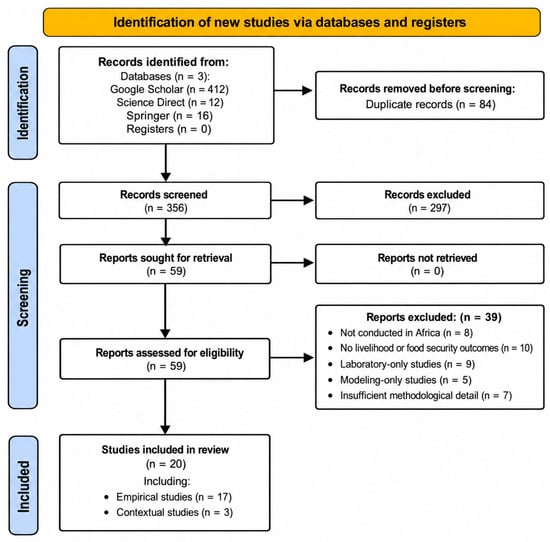
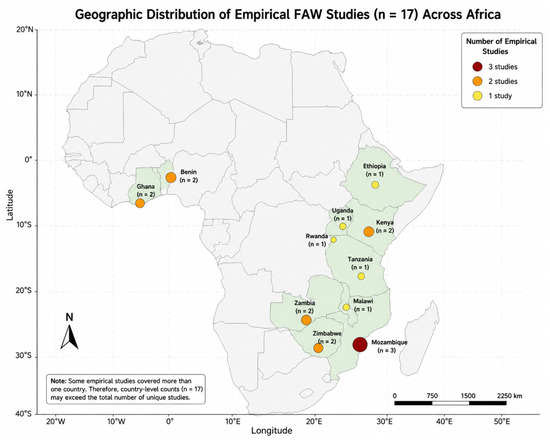
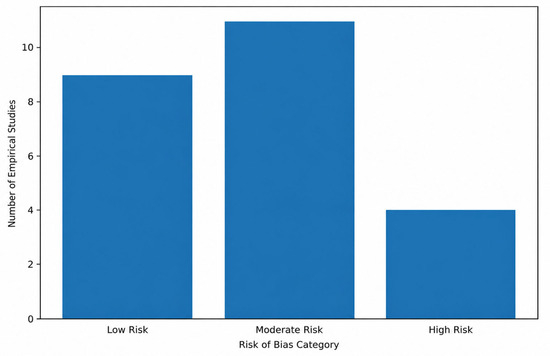
Fall armyworm, Spodoptera frugiperda (J.E. Smith), has emerged as one of the most damaging invasive pests affecting maize production and household food security across sub-Saharan Africa since its first detection in 2016. This systematic review synthesizes empirical evidence published between 2016 and 2025 to assess the agronomic, livelihood, and food security impacts of FAW on smallholder farming systems across Eastern, Southern, Western, and Central Africa. Following the Preferred Reporting Items for Systematic Reviews and Meta-Analyses (PRISMA) guidelines and the Population, Intervention, Comparison, Outcome, Time, and Setting (PICOTS) framework, 20 studies (17 empirical and 3 contextual) were identified through comprehensive searches of academic databases and institutional repositories and were included in the final synthesis after methodological screening. The evidence indicates that FAW invasion causes substantial maize yield losses ranging from approximately 20% to 50%, with the greatest reductions reported in rain-fed systems with limited access to pest management technologies. Infestation rates frequently exceeded 50%, particularly during early invasion phases. Beyond agronomic losses, several studies reported reduced household income, constrained food availability, and livelihood disruptions, including increased labor requirements, higher production costs, and reliance on short-term coping strategies. Only a small proportion of studies (n = 4) directly assessed nutrition-related indicators, but the available evidence indicates declines in dietary diversity in severely affected communities. Overall, the agronomic impacts of FAW are consistently documented across regions, whereas the socioeconomic and nutrition outcomes remain comparatively underreported, indicating a significant evidence gap. These findings highlight FAW as both an agronomic and livelihood challenge, underscoring the need for integrated pest management strategies, strengthened extension services, and coordinated policy responses to safeguard food and income security among smallholder farmers in Africa.
Full article
(This article belongs to the Special Issue Spodoptera frugiperda: Current Situation and Future Prospects)
►▼
Show Figures

Figure 1
Open AccessArticle
Chemical Modifications of an Insect Immune Resolvin, EpOME, to a Broad-Spectrum Lepidopteran-Specific Insecticide
by
Falguni Khan, Taegeun Song, Anders Vik, Niayesh Shahmohammadi and Yonggyun Kim
Insects 2026, 17(6), 588; https://doi.org/10.3390/insects17060588 - 4 Jun 2026
Abstract
EpOMEs suppress excessive and unnecessary immune responses at late infection stage in insects. This immune resolvin activity of EpOMEs includes the cell lysis of hemocytes by causing apoptosis. This cytolytic toxicity of EpOMEs suggests a potential insecticidal activity of their stable analogs. In
[...] Read more.
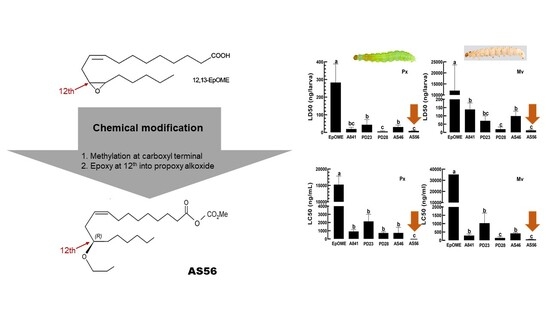
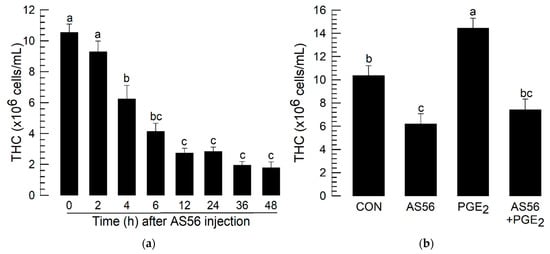
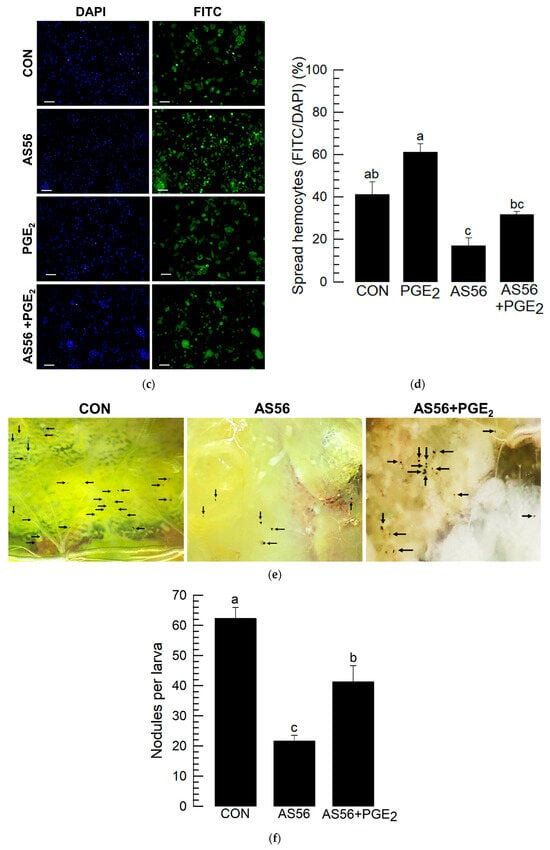
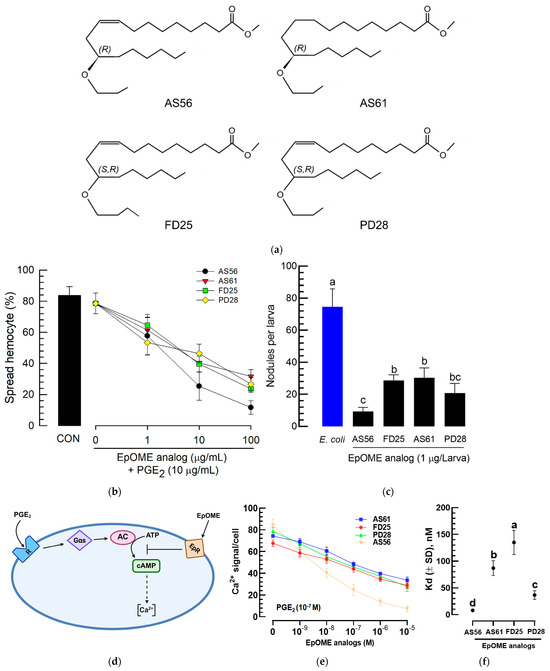
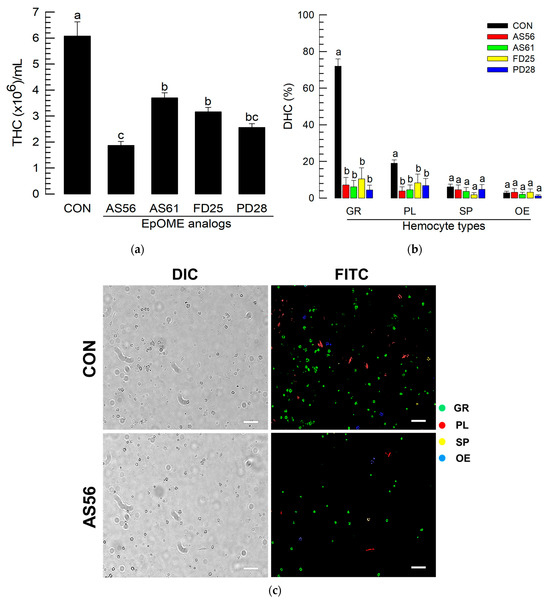
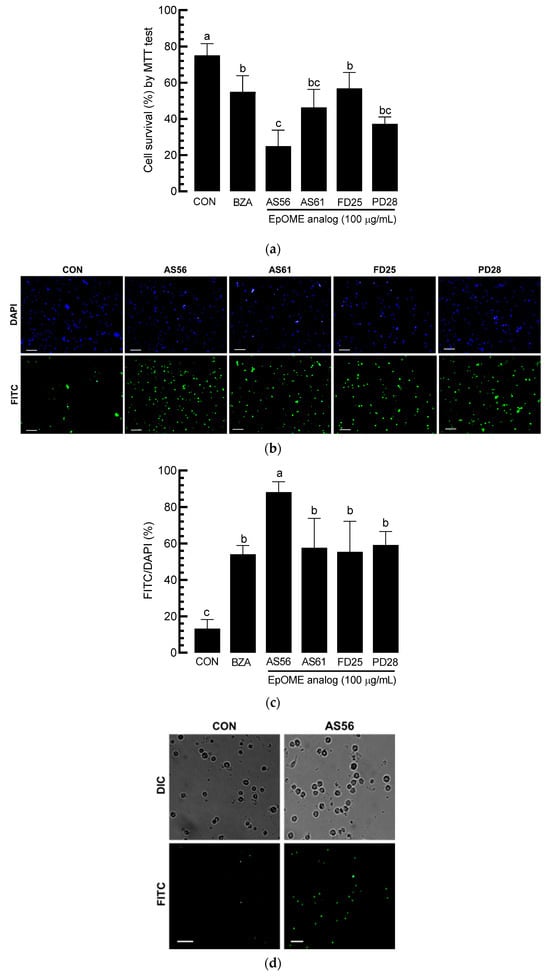
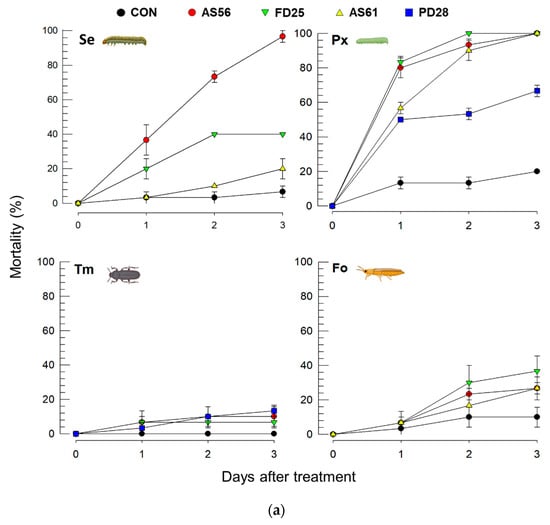
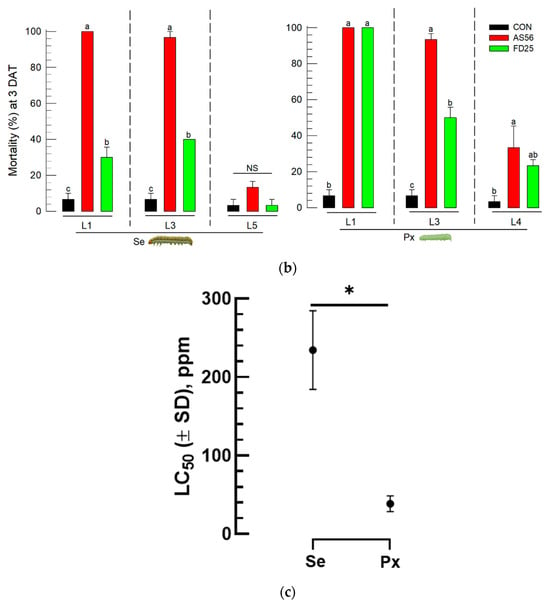
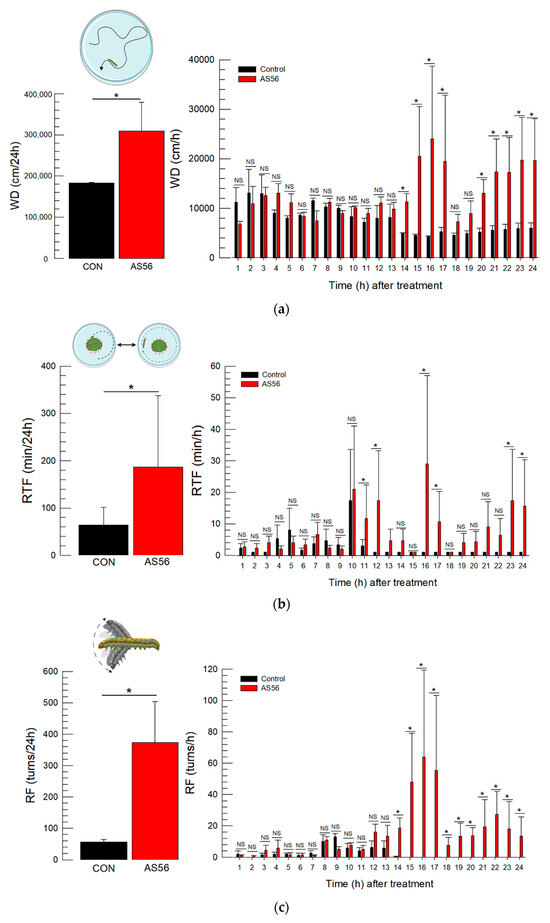
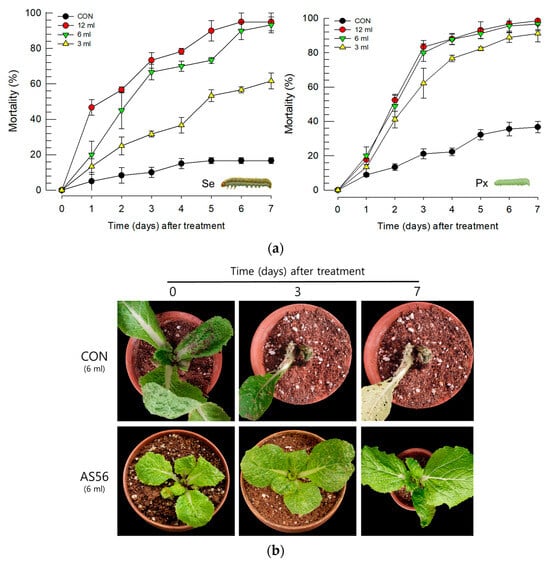
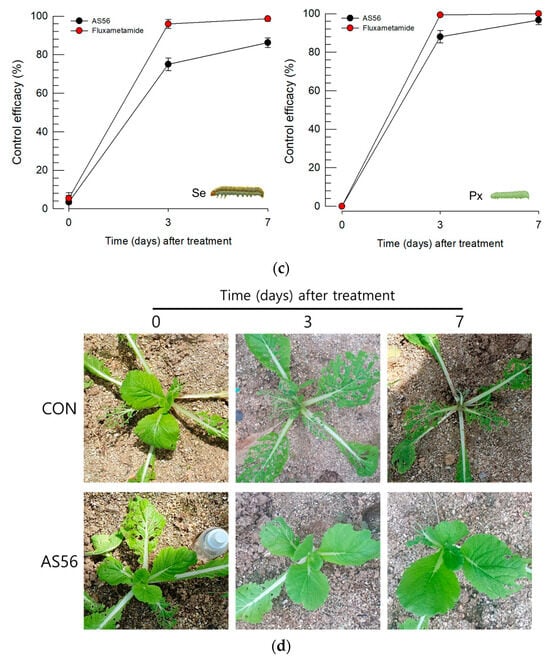
EpOMEs suppress excessive and unnecessary immune responses at late infection stage in insects. This immune resolvin activity of EpOMEs includes the cell lysis of hemocytes by causing apoptosis. This cytolytic toxicity of EpOMEs suggests a potential insecticidal activity of their stable analogs. In fact, a propoxy derivative of 12,13-EpOME called AS56 mimicked EpOME activity by suppressing immune responses and exhibited insecticidal activity against a lepidopteran insect, Spodoptera exigua. This study evaluated the potency of the EpOME analogs by modifying their functional groups. PD28 is a racemic mixture of propoxy analog at the twelfth carbon. FD25 is a racemic butoxy mixture at the twelfth carbon of AS56. AS61 is saturated at the ninth carbon of AS56. The effects of the EpOME analogs were assessed on two cellular immune responses: hemocyte-spreading and nodule formation. All four analogs inhibited the cellular immune responses; however, AS56 was the most potent in inhibiting the immune responses. FD25 and AS61 were significantly less potent compared to AS56, suggesting crucial roles of the double bond at the ninth carbon and the propoxy chain at the twelfth carbon. The stronger inhibitory activity of AS56 compared to PD28 also suggests the functional role of the stereoisomeric form in physiological functions. The cytotoxicity of AS56 was also the most potent among the analogs, suggesting its insecticidal activity. Subsequent insecticidal bioassays on AS56 toxicity were performed against different insect species. These EpOME analogs were potent against lepidopteran insects (S. exigua and Plutella xylostella) but not against coleopteran (Tenebrio molitor) or thysanopteran (Frankliniella occidentalis) species. Among the EpOME analogs, AS56 was the most toxic against the lepidopteran insects. Spraying AS56 in cabbage fields infested by lepidopteran insects led to acute and high control efficacy against two lepidopteran pests, similar to that of a chemical insecticide, fluxametamide. The AS56-intoxicated larvae exhibited over-excitation in their behavior around 12 h post-treatment. This study indicates that AS56 exhibits an oral toxicity against lepidopteran insects with its cytotoxicity and behavioral over-excitation.
Full article
(This article belongs to the Section Insect Physiology, Reproduction and Development)
►▼
Show Figures

Graphical abstract
Open AccessArticle
Learning the Structural Diversity of Olfactory Receptors: A Genomic Case Study in Two Longhorn Beetles (Cerambycidae: Lamiinae)
by
Mataya Duncan, Terrence Sylvester, Emilee Walden, Jenniffer Roa Lozano, Emma Turner, Samuel Duncan, Robert F. Mitchell, Duane D. McKenna and Rich Adams
Insects 2026, 17(6), 587; https://doi.org/10.3390/insects17060587 - 4 Jun 2026
Abstract
Recent advances in machine learning are transforming biological research by offering powerful tools to address complex challenges across the life sciences. In particular, deep learning approaches now enable accurate predictions of protein structure and function, opening new avenues for investigating proteomic diversity in
[...] Read more.
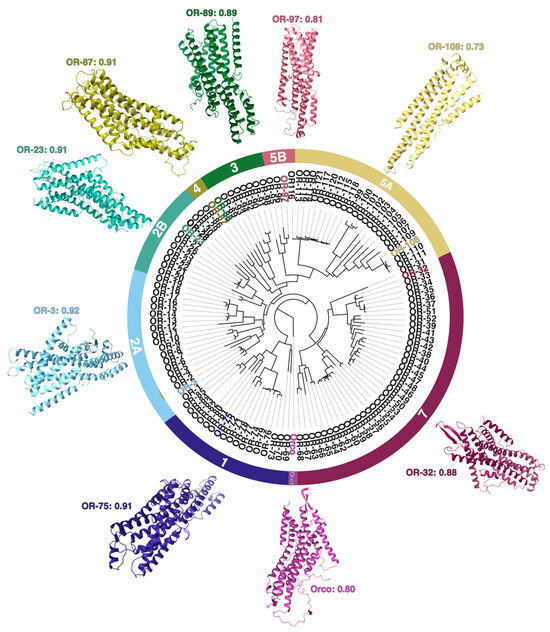
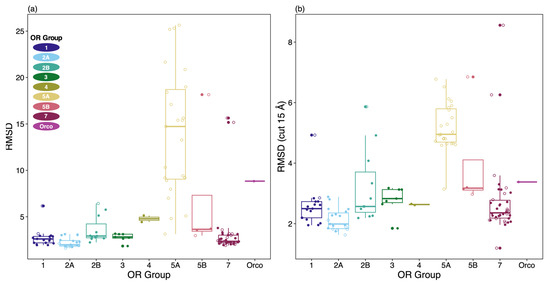
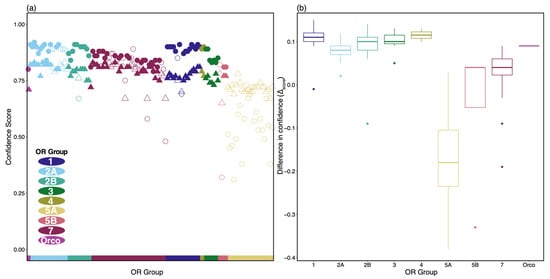
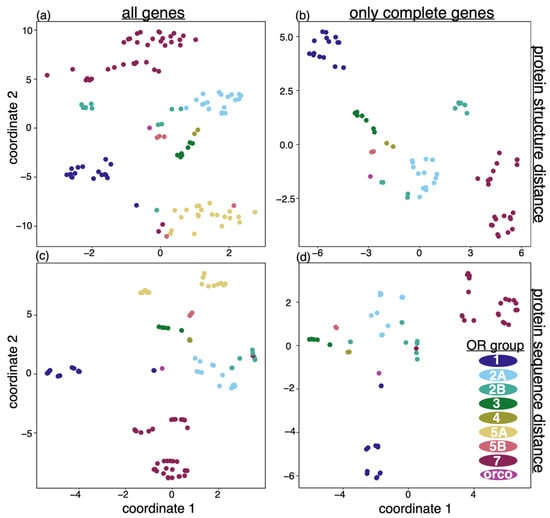
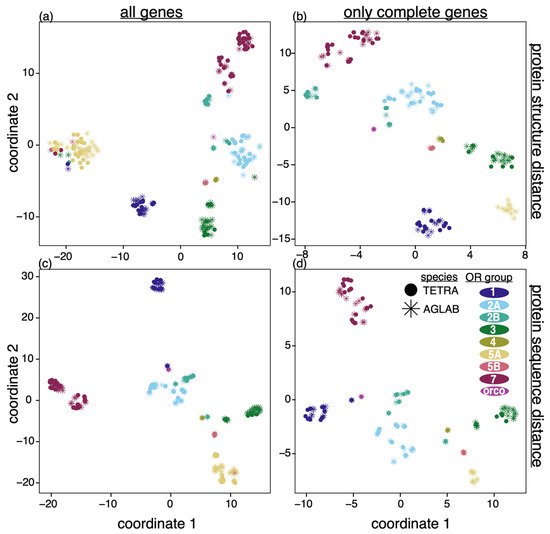
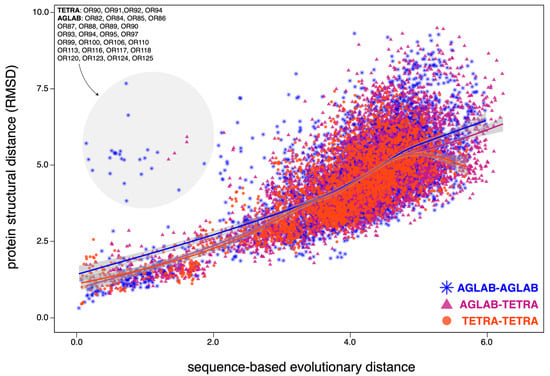
Recent advances in machine learning are transforming biological research by offering powerful tools to address complex challenges across the life sciences. In particular, deep learning approaches now enable accurate predictions of protein structure and function, opening new avenues for investigating proteomic diversity in non-model organisms. In this study, we conducted a genomic case study that examines the predicted structure and diversity of odorant receptor (OR) proteins in two species of longhorn beetles (Cerambycidae) with divergent life histories: the highly specialized red milkweed beetle (Tetraopes tetrophthalmus) and the broadly polyphagous Asian longhorned beetle (Anoplophora glabripennis). Using leading predictive algorithms, we inferred the structure of beetle-encoded OR genes, compared confidence scores, and assessed protein diversity across OR families and between the two genomes. Unsupervised clustering applied to pairwise protein comparisons revealed an expected strong correlation between structure and sequence, while supporting the evolutionary classification of previously predicted OR groups and revealing new evidence of previously unrecognized OR subclusters. Notably, we identify specific proteins exhibiting substantial structural divergence despite relatively low sequence divergence with other paralogs, suggesting potential outliers subject to unusual evolutionary processes. These results highlight the utility of statistical learning for uncovering patterns of protein evolution and structural diversity in understudied insect genomes.
Full article
(This article belongs to the Special Issue Bark and Wood-Boring Insects: Past and Present Research and Essential Future Knowledge—2nd Edition)
►▼
Show Figures

Figure 1
Open AccessArticle
Seasonal, Aspect and Elevational Effects on Auchenorrhyncha Communities in Taibai Mountain, China
by
Luwei Liu, Yusen Du, Xiuyun He, Haoyue Zhang, Chunni Zhang and Wu Dai
Insects 2026, 17(6), 586; https://doi.org/10.3390/insects17060586 - 4 Jun 2026
Abstract
Forest biomes exhibit considerable spatial heterogeneity in insect diversity, hosting complex and dynamic insect assemblages. Auchenorrhyncha, a highly diverse infraorder of herbivorous hemipterans, demonstrates strong associations with native flora and exhibits predictable responses to environmental changes, rendering this group an ideal bioindicator for
[...] Read more.
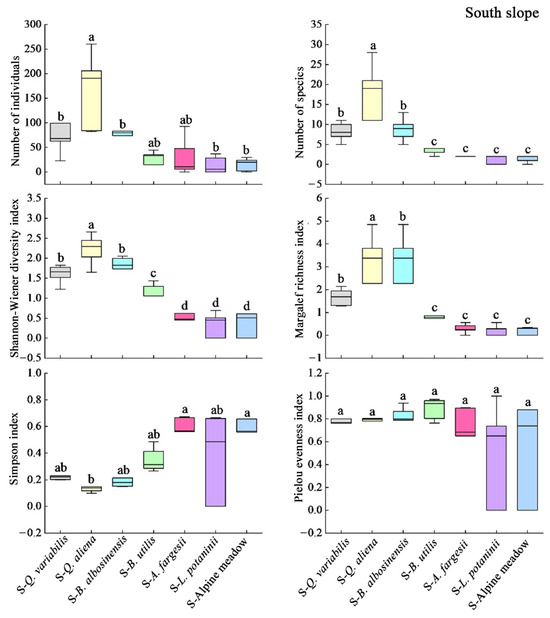
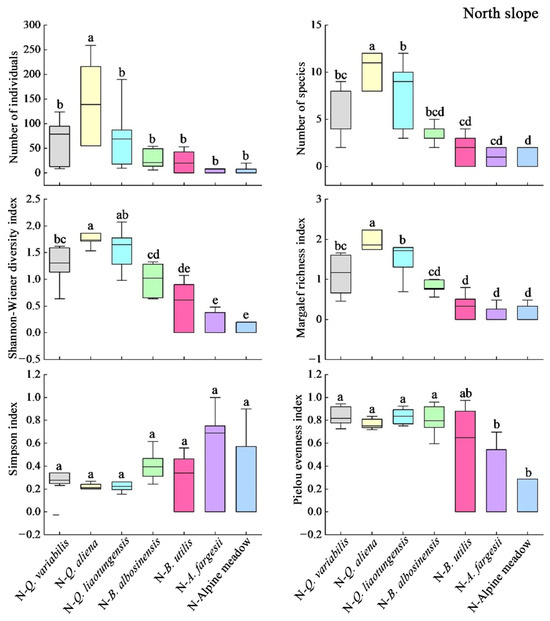
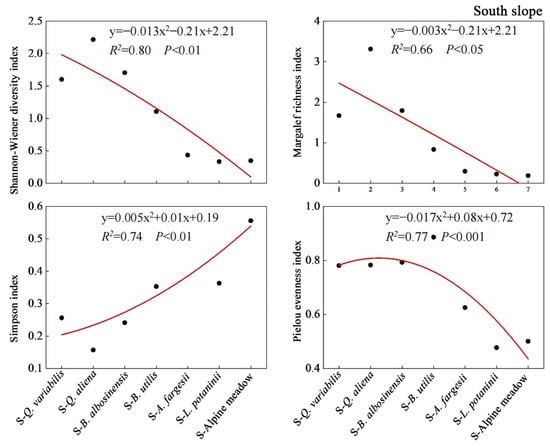
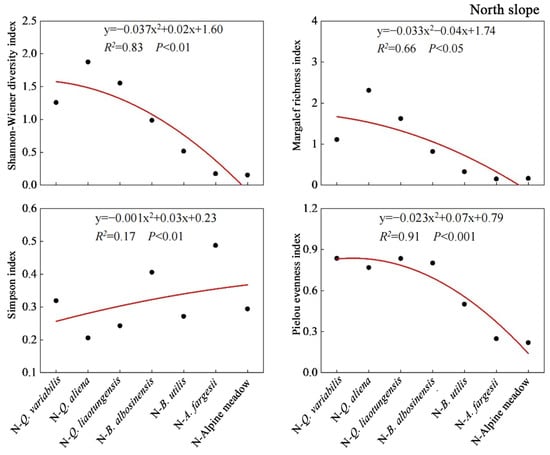
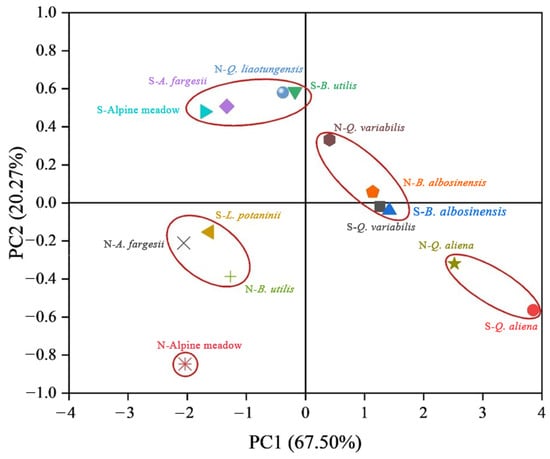
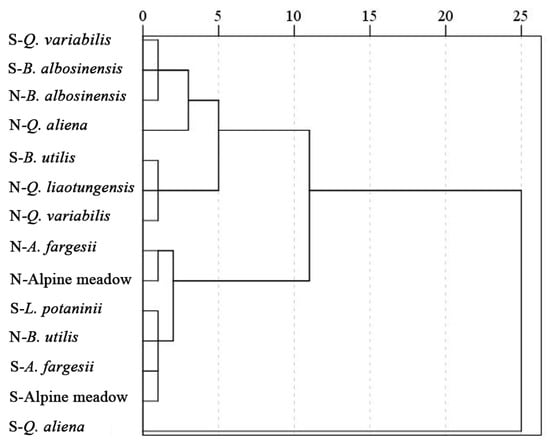
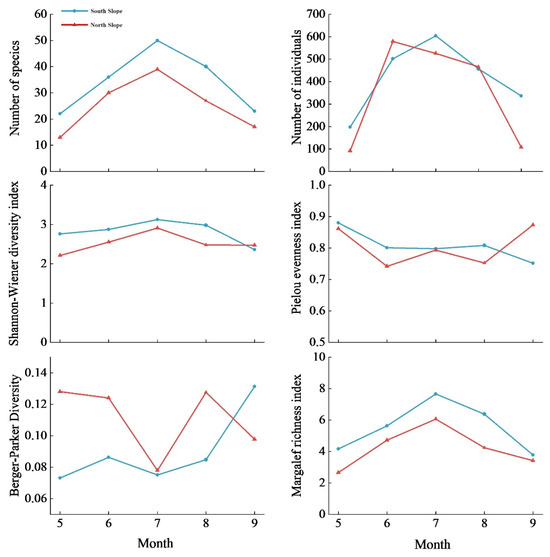
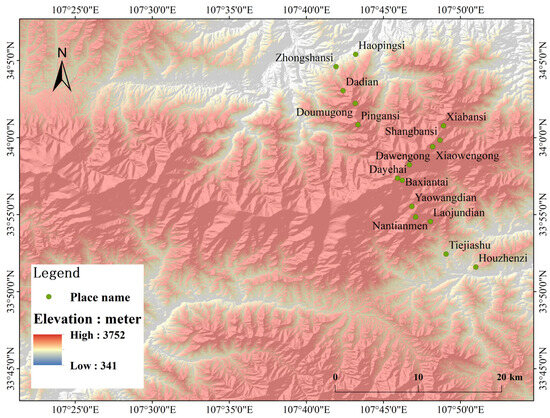
Forest biomes exhibit considerable spatial heterogeneity in insect diversity, hosting complex and dynamic insect assemblages. Auchenorrhyncha, a highly diverse infraorder of herbivorous hemipterans, demonstrates strong associations with native flora and exhibits predictable responses to environmental changes, rendering this group an ideal bioindicator for ecosystem health assessments. While the utility of these insects has been recognized in grassland ecosystems, their utility for monitoring montane forests remains underexplored. This study investigates the spatiotemporal and elevational distribution patterns of Auchenorrhyncha on Taibai Mountain, a critical biodiversity hotspot within China’s Qinling Range. Systematic field surveys conducted along a continuous elevational gradient (1100 to 3700 m a.s.l.) documented a total of 124 species belonging to 80 genera and 12 families. Notably, species richness was significantly higher on the southern slope (95 species/60 genera) than on the northern slope (71 species/51 genera). Clear elevational stratification was observed: Cicadellidae and Aphrophoridae were widely distributed, whereas Fulgoroidea and Membracidae were restricted elevations below the Betula utilis zones, and Cicadidae occurred exclusively in Quercus variabilis and Q. aliena forests. Community diversity peaked at mid-elevations, consistent with the mid-domain effect, and was highest in Q. aliena forests. Community similarity was greater within the same forest type across different slopes than between adjacent elevational zones on the same slope. Seasonal analysis revealed peak diversity in July, with the southern slope consistently supporting higher diversity across all sampling periods. These findings not only establish essential baseline data but also confirm the potential of Auchenorrhyncha as effective bioindicators for monitoring biodiversity and ecological changes in complex montane ecosystems.
Full article
(This article belongs to the Special Issue Insect Adaptive Dynamics in a Changing Environment)
►▼
Show Figures

Figure 1
Open AccessArticle
Prevalence and Distribution of Endosymbionts in Bemisia tabaci Populations from Pakistan: Dominance of Arsenophonus in Indigenous Asia II-1 Population
by
Mariyam Masood, Zafar Iqbal, Roma Mustafa, Sallah A. Al Hashedi, Adil AlShoaibi and Rob W. Briddon
Insects 2026, 17(6), 585; https://doi.org/10.3390/insects17060585 - 3 Jun 2026
Abstract
Bemisia tabaci is a globally destructive agricultural pest and an efficient vector of begomoviruses, which cause recurrent epidemics across South Asia, including cotton leaf curl disease in Pakistan. Increasing evidence shows that bacterial endosymbionts play a central role in shaping whitefly biology, population
[...] Read more.
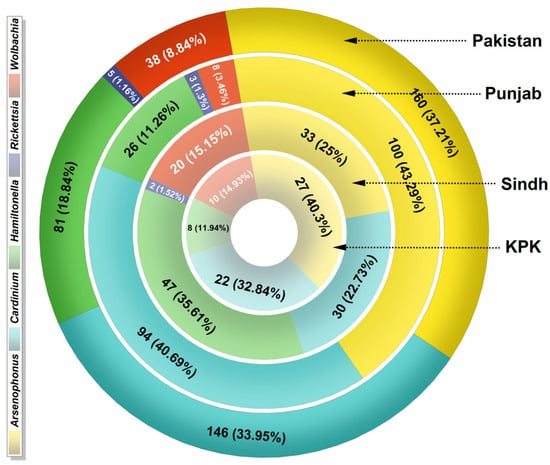
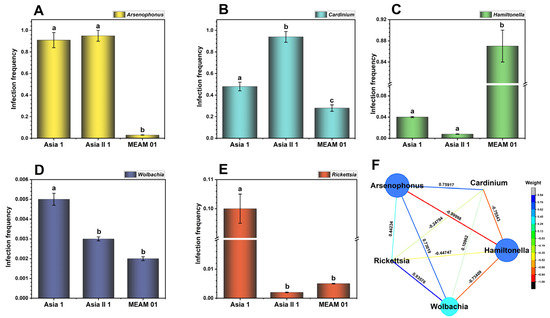
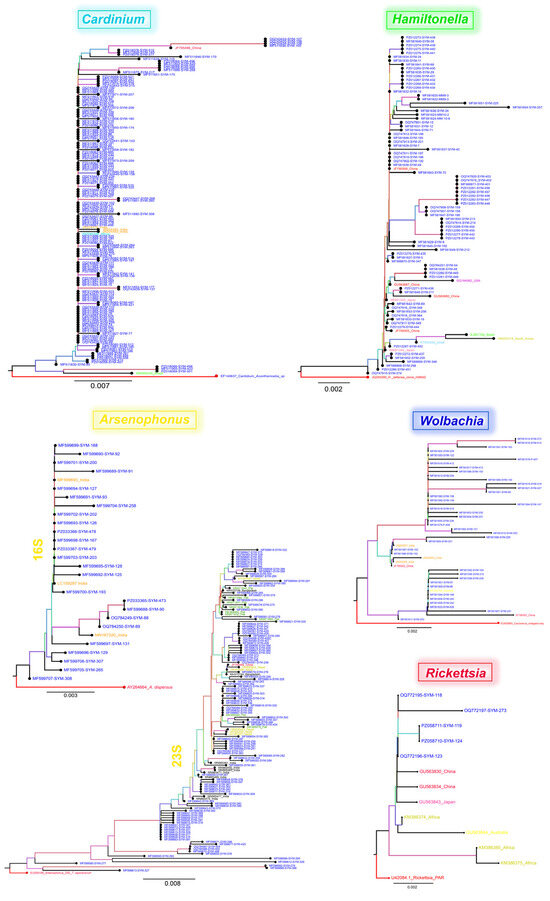
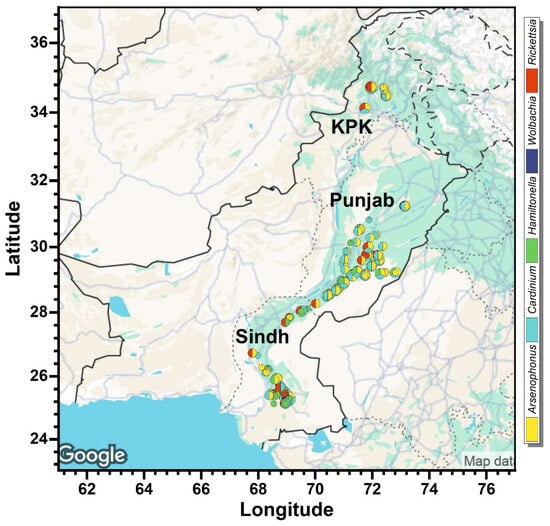
Bemisia tabaci is a globally destructive agricultural pest and an efficient vector of begomoviruses, which cause recurrent epidemics across South Asia, including cotton leaf curl disease in Pakistan. Increasing evidence shows that bacterial endosymbionts play a central role in shaping whitefly biology, population dynamics, and vector competence. However, the distribution of these symbionts remains poorly resolved in Pakistan, a region where begomoviruses are persistent and widespread. This study investigated the cryptic species diversity, secondary endosymbiont composition and their infection frequency in B. tabaci populations collected from major agricultural regions of Pakistan. A total of 274 adult whiteflies belonging to Asia II-1 (n = 199), MEAM-1 (n = 67), Asia I (n = 7), and Asia II-8 (n = 1) were screened using a symbiont-specific PCR assay for six endosymbionts. The primary endosymbiont Candidatus Portiera aleyrodidarum was detected in all individuals, whereas five secondary endosymbionts (Arsenophonus, Cardinium, Hamiltonella, Wolbachia and Rickettsia) were identified with distinct cryptic species- and region-specific patterns. Notably, Arsenophonus was the most prevalent endosymbiont, occurring in 68% of Asia II-1, 100% of Asia I, and 21% of MEAM-1 individuals, with the highest regional prevalence in Punjab (80%) and Khyber Pakhtunkhwa (77%). Logistic regression analyses confirmed significantly higher infection probabilities in indigenous Asia II-1 populations. Network analysis revealed structured co-occurrence patterns, including strong negative associations between Arsenophonus and Hamiltonella. Phylogenetic analyses revealed close relatedness of Pakistani Arsenophonus strains to those reported from neighboring regions, indicating regional community rather than unique local diversification. The dominance of Arsenophonus in Pakistani whitefly populations is of particular significance, given its role in protecting begomoviruses within the insect vector and its implication in facilitating virus persistence and transmission. This study, for the first time in Pakistan, provides a comprehensive assessment of endosymbiont–cryptic species associations in Pakistani B. tabaci populations and highlights the dominant prevalence of Arsenophonus as a potential key player in local virus vector dynamics.
Full article
(This article belongs to the Topic Diversity of Insect-Associated Microorganisms)
►▼
Show Figures

Figure 1
Open AccessArticle
Valorization of Organic Food Surpluses and Brewer’s Spent Grains into Organic Insect Protein for Replacing Soybean in Post-Weaning Piglets
by
Hugo Luttenschlager, Joachim Carpentier, Yves Beckers, José Wavreille, Nicolas Deville, Christophe Blecker, Sabine Danthine, Giorgia Purcaro, Philippe Maesen, Sandrine Dufourny, Fréjus Tanguy Ablo Zinsou, Aurore Richel, Frédéric Francis, Sébastien Finet and Rudy Caparros Megido
Insects 2026, 17(6), 584; https://doi.org/10.3390/insects17060584 - 3 Jun 2026
Abstract
The conversion of agro-industrial co-products and unsold organic plant-based residues into black soldier fly (BSF; Hermetia illucens (L. 1758)) proteins was assessed for use in organic post-weaning piglet diets in Belgium. A total of 72 crossbred female piglets (Landrace × Pietrain) were enrolled
[...] Read more.
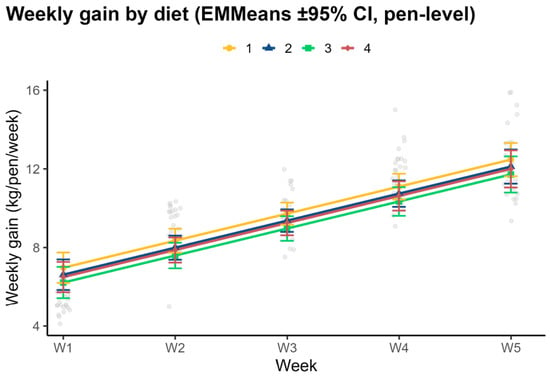
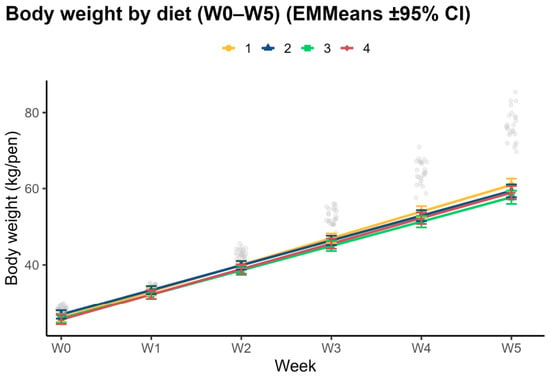
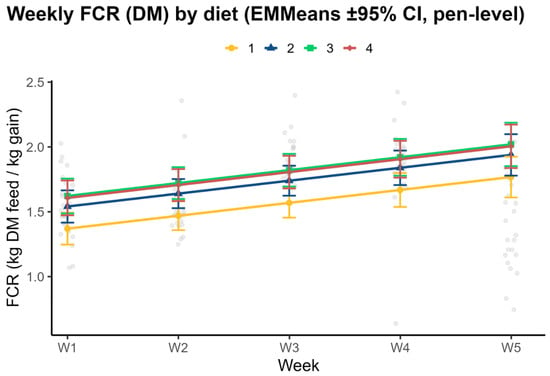
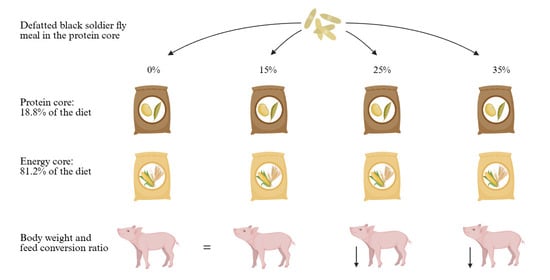
The conversion of agro-industrial co-products and unsold organic plant-based residues into black soldier fly (BSF; Hermetia illucens (L. 1758)) proteins was assessed for use in organic post-weaning piglet diets in Belgium. A total of 72 crossbred female piglets (Landrace × Pietrain) were enrolled in a 5-week feeding trial. Experimental diets consisted of a common energy core (81.2% of the feed) and a protein core (18.8%) composed of organic soybean meal, pea meal, and potato protein, partially replaced by defatted BSF meal at inclusion levels of 15%, 25%, and 35%. All diets were formulated to be isoenergetic and isonitrogenous, with standardized ileal digestibility values for lysine, methionine, threonine, and tryptophan held constant. Incorporating 15% defatted BSF meal can substitute conventional organic protein sources without compromising growth performance in post-weaning piglets. However, economic modelling based on a cumulative feed conversion ratio expressed on a dry matter (DM) basis showed that break-even prices for organic BSF meal remained well below the price of the control protein nucleus (€1039·t−1, excluding VAT), indicating that economic parity could not be achieved at typical market prices under the observed feed efficiency.
Full article
(This article belongs to the Special Issue Insects as the Nutrition Source in Animal Feed)
►▼
Show Figures

Graphical abstract
Open AccessArticle
Amfor-Mediated cGMP-PKG Signaling and Transcriptomic Divergence Underlying Division of Labor in Apis mellifera ligustica
by
Zongwen Hu, Daohao Xie, Xu Dai, Juan Yang, Chunhui Miao, Fangdong You, Jun Liu and Yahui Li
Insects 2026, 17(6), 583; https://doi.org/10.3390/insects17060583 - 3 Jun 2026
Abstract
Traits such as defense and foraging in social insects depend on the coordinated division of labor (DOL) among workers. However, several aspects of the molecular mechanisms driving behavioral specialization for these tasks remain incompletely characterized. In this study, we examined two forms of
[...] Read more.
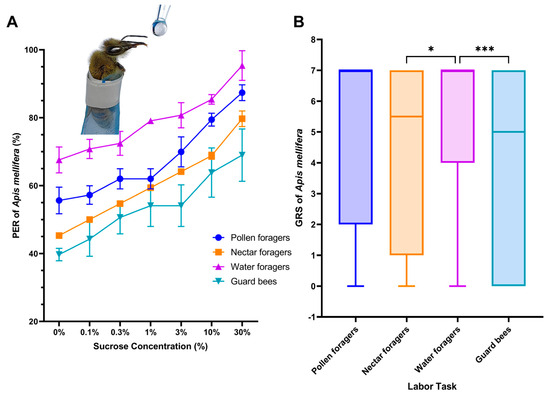
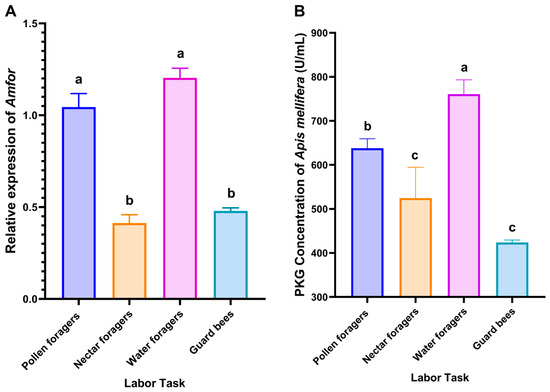
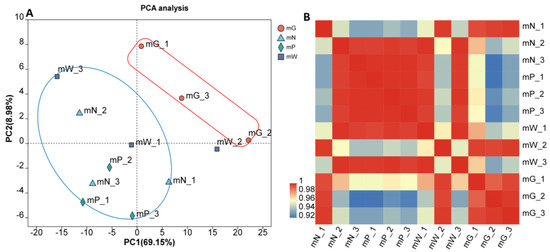
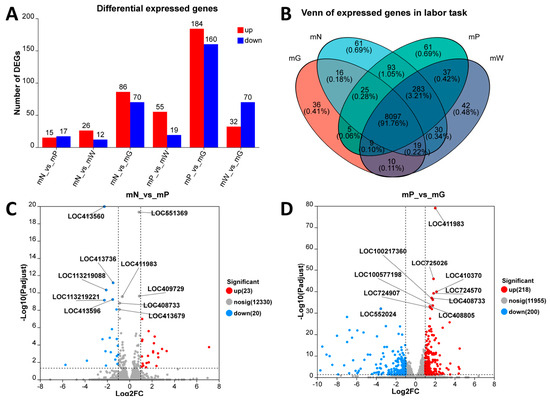
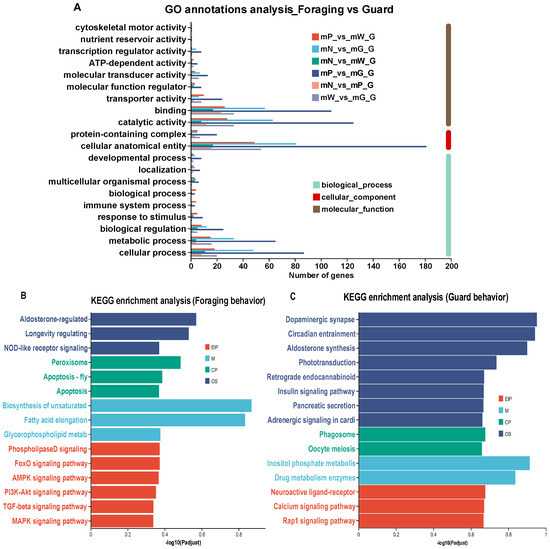
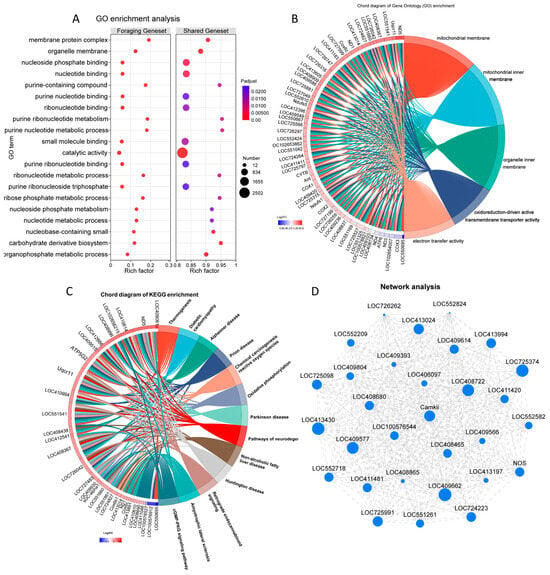
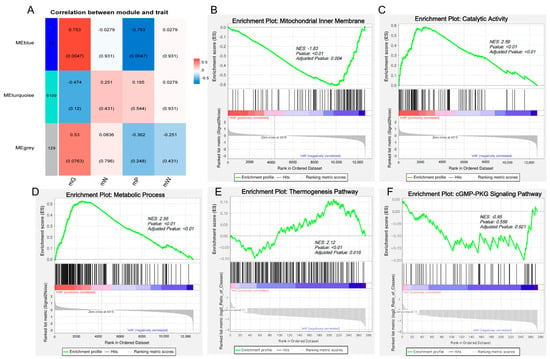
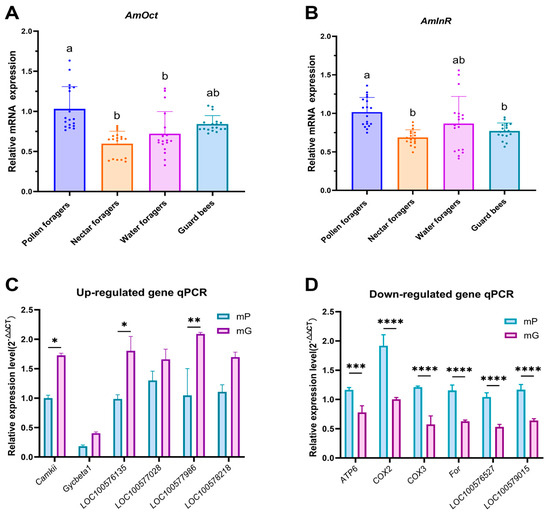
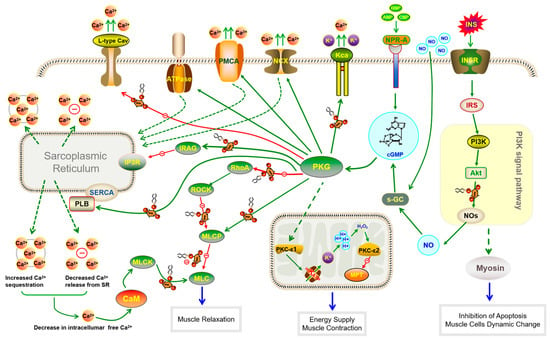
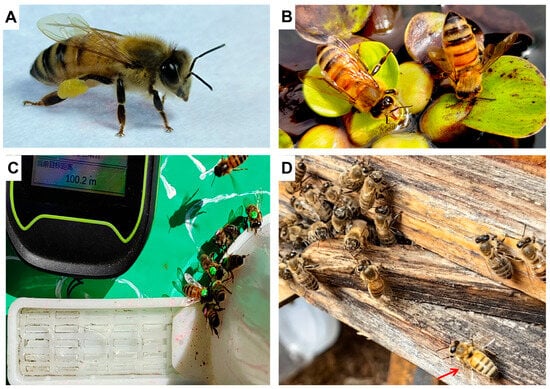
Traits such as defense and foraging in social insects depend on the coordinated division of labor (DOL) among workers. However, several aspects of the molecular mechanisms driving behavioral specialization for these tasks remain incompletely characterized. In this study, we examined two forms of DOL in the Western honeybee (Apis mellifera ligustica): foraging (nectar, pollen, and water collection) and defense (guard bees). Using proboscis extension response (PER) assays, gustatory response score (GRS), quantitative PCR, enzyme-linked immunosorbent assay, and transcriptome RNA sequencing of brain tissue, we characterized the behavioral and molecular differences among four task groups. Water foragers showed the highest PER values, gustatory response scores, Amfor expression, and PKG activity, while guard bees showed the lowest PKG activity. Transcriptome analysis identified up to 418 differentially expressed genes (DEGs) between forager subtypes and guard bees. DEGs in water foragers were associated with body surface morphology and water transport, those in pollen and nectar foragers with cGMP synthesis, and those in guard bees with retinol metabolism and olfaction. KEGG enrichment analysis of DEGs from guard-vs-forager pairwise comparisons identified the cGMP-PKG signaling pathway as significantly enriched in both foraging-associated and defense-associated DEG lists, indicating that this pathway serves as a shared outside-hive behavioral enabler rather than a foraging-specific switch. WGCNA further revealed that Nos, Camkii, and Amfor-encoded PKG show correlated expression patterns within the same co-expression module, suggesting that a broader calcium-NO-cGMP signaling network, rather than Amfor alone, may constitute the functional molecular unit underlying task-specific behavior. These findings provide a transcriptomic framework for understanding how the cGMP-PKG pathway and its associated network regulate behavioral DOL in social insects.
Full article
(This article belongs to the Special Issue Neural, Behavioral, and Physiological Bases of Social Organization in Insects)
►▼
Show Figures

Figure 1
Open AccessArticle
Synergistic Control of Bemisia tabaci Using Nesidiocoris tenuis and Orius laevigatus and Its Effects on Tomato Yield
by
Lassaad Mdallel, Abderrahman Mquitib, Abdallah Guerban, Bader Sulaiman Sudayri, Selman Al-Oudah and Soltan MMohamed Al-Eid
Insects 2026, 17(6), 582; https://doi.org/10.3390/insects17060582 - 3 Jun 2026
Abstract
The whitefly Bemisia tabaci is a major pest of greenhouse-grown tomato, causing significant yield and quality losses worldwide. This study evaluated the population dynamics of B. tabaci on tomato crops maintained at a maximum temperature of 24 ± 1 °C and assessed the
[...] Read more.
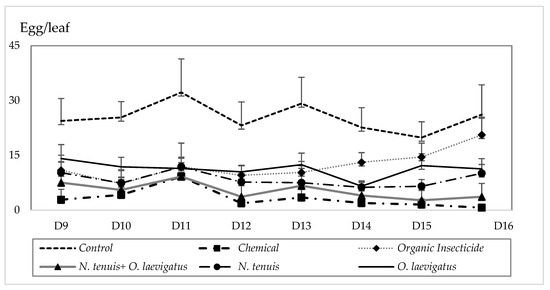
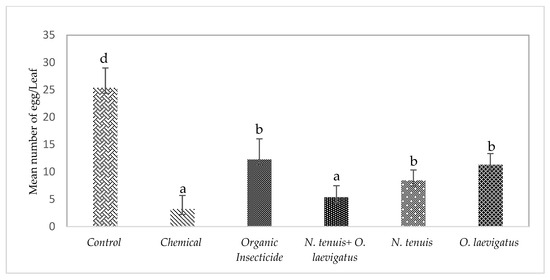
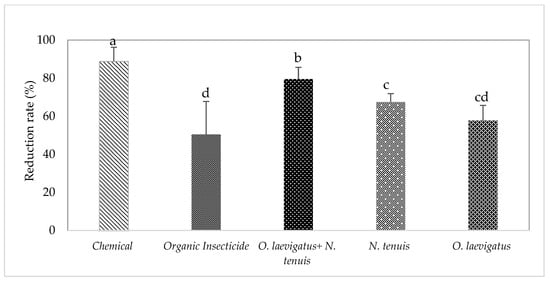
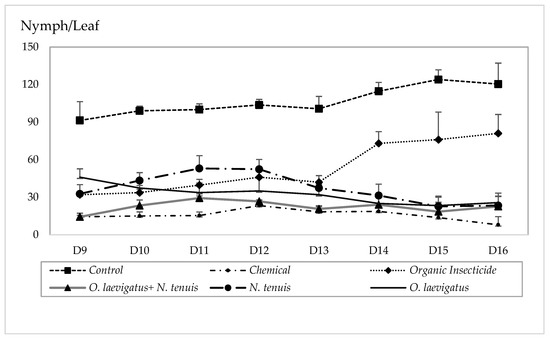
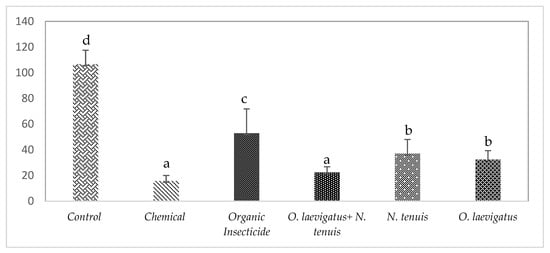
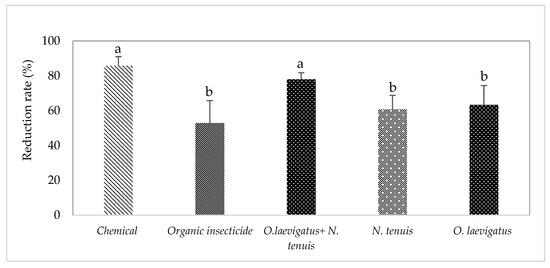
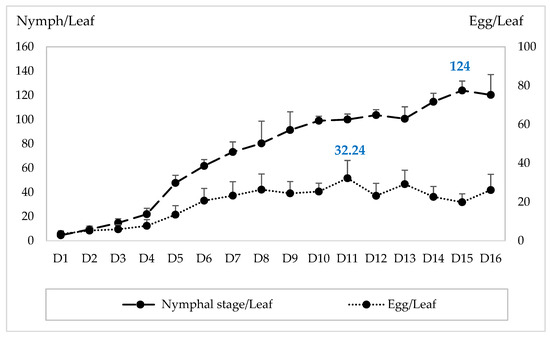
The whitefly Bemisia tabaci is a major pest of greenhouse-grown tomato, causing significant yield and quality losses worldwide. This study evaluated the population dynamics of B. tabaci on tomato crops maintained at a maximum temperature of 24 ± 1 °C and assessed the effectiveness of two generalist predators, Nesidiocoris tenuis and Orius laevigatus, applied individually or in combination under greenhouse conditions in Saudi Arabia. Whitefly populations increased progressively throughout the study, reaching peak densities of 32.24 eggs and 124.00 ± 7.78 nymphs per leaf. Predator release significantly reduced B. tabaci populations at both the egg and nymphal stages. N. tenuis showed greater efficacy against eggs, achieving a 67.44% reduction, whereas O. laevigatus was slightly more effective against nymphs, with a 63.30% reduction. Notably, the combined release of both predators resulted in the greatest suppression of whitefly populations, reducing egg and nymphal densities by 79.50% and 78.02%, respectively, suggesting additive or synergistic interactions between the two predators. The dual-predator treatment also significantly improved yield-related parameters, including fruit number, fruit size, and total yield per plant, without adversely affecting fruit quality. In addition, vitamin C content increased under the combined predator treatment. These findings demonstrate that the integration of N. tenuis and O. laevigatus enhances biological control efficacy and supports sustainable integrated pest management strategies for greenhouse tomato production.
Full article
(This article belongs to the Special Issue An Eco-Friendly Approach for Pest Management)
►▼
Show Figures

Figure 1
Open AccessArticle
LsToll Gene Mediates Antibacterial Immunity and Developmental Regulation in Loxostege sticticalis
by
Liqiong Yan, Yasiguleng Bai, Pengwu Zhao, Jianxin Wu, Wenxin Xia, Yanru Zhang, Xiaoli Wang, Liyan Zhang and Haiyan Jiang
Insects 2026, 17(6), 581; https://doi.org/10.3390/insects17060581 - 3 Jun 2026
Abstract
Toll-like receptors (TLRs) are conserved pattern recognition receptors essential to insect innate immunity. However, the functions of TLRs in Loxostege sticticalis, a destructive agricultural pest, remain poorly characterized. In this study, the full-length coding sequence of the L. sticticalis Toll receptor (
[...] Read more.
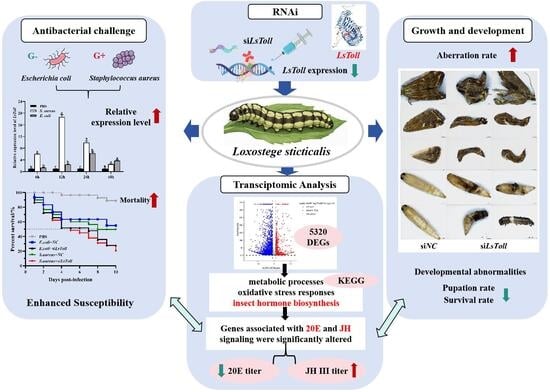
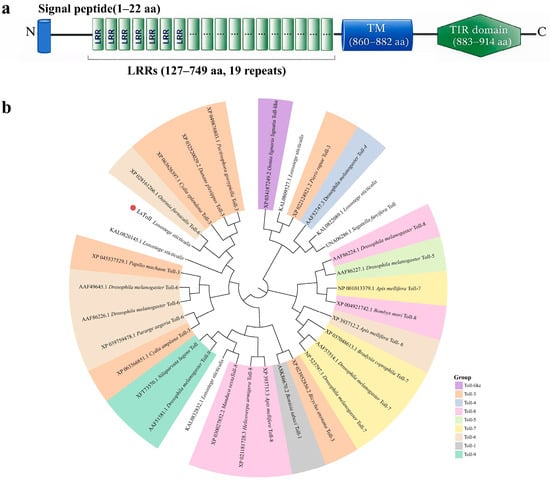
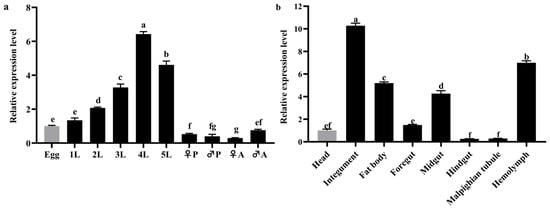
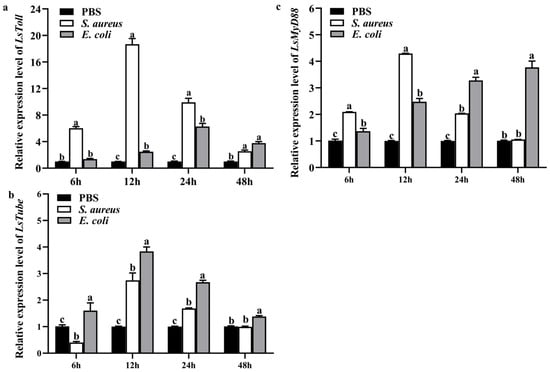
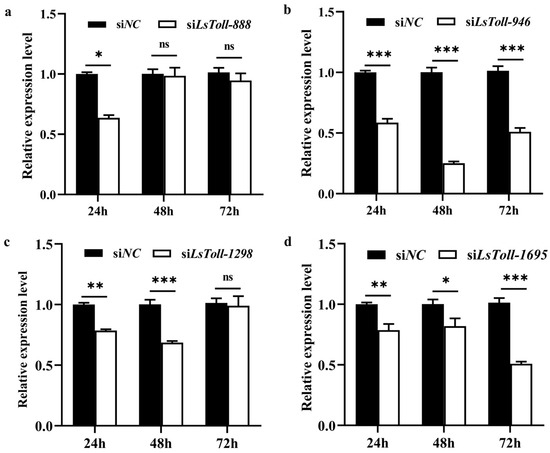
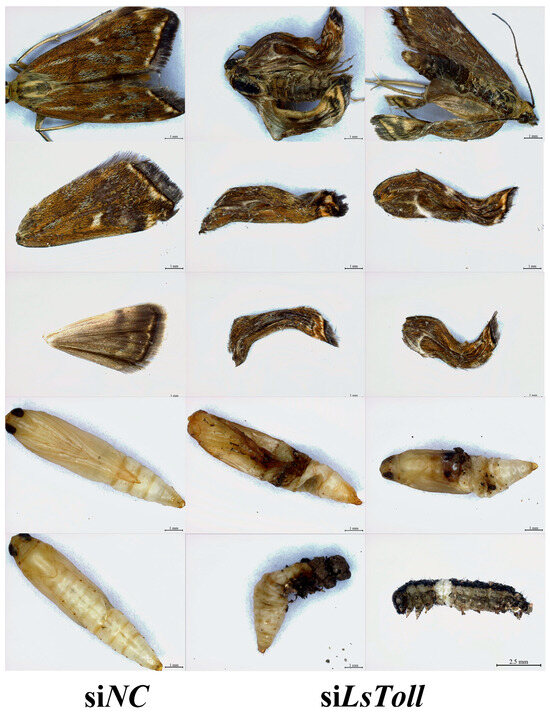
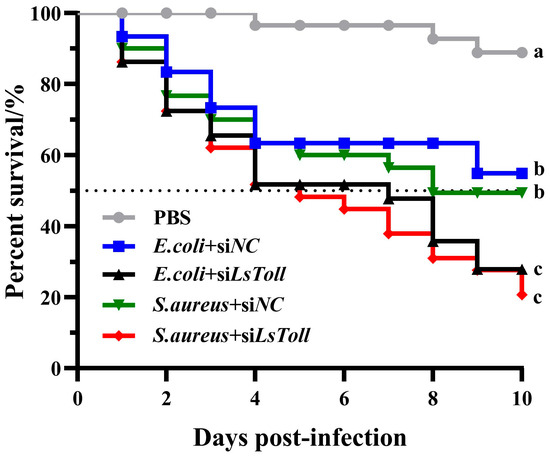
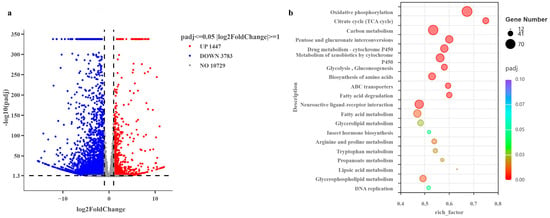
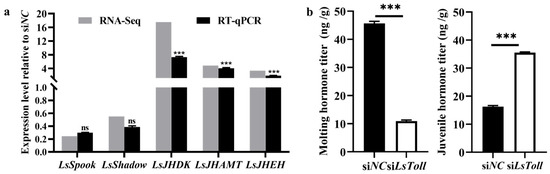
Toll-like receptors (TLRs) are conserved pattern recognition receptors essential to insect innate immunity. However, the functions of TLRs in Loxostege sticticalis, a destructive agricultural pest, remain poorly characterized. In this study, the full-length coding sequence of the L. sticticalis Toll receptor (LsToll) was identified and characterized to analyze its molecular features. Structural analysis showed that LsToll possesses typical Toll family features, including an extracellular domain containing 19 leucine-rich repeats (LRRs), a transmembrane helix, and a highly conserved intracellular Toll/interleukin-1 receptor (TIR) domain. LsToll transcript levels were significantly upregulated after bacterial challenge. RNAi-mediated silencing of LsToll significantly reduced larval tolerance to bacterial infection and increased mortality. Notably, LsToll suppression also induced severe developmental abnormalities, including molting obstruction, pupation failure, and defects in wing expansion in newly emerged adults. Transcriptome analysis after RNAi identified 5230 differentially expressed genes (DEGs), which were significantly enriched in insect hormone biosynthesis and metabolic pathways. Biochemical assays further confirmed that LsToll knockdown decreased 20-hydroxyecdysone (20E) titers and increased juvenile hormone III (JH III) titers. These results suggest that LsToll contributes to antibacterial defense and normal development in L. sticticalis. Its involvement in both survival and development indicates that LsToll may serve as a promising molecular target for sustainable pest management strategies.
Full article
(This article belongs to the Section Insect Molecular Biology and Genomics)
►▼
Show Figures

Graphical abstract
Open AccessArticle
Cold-Chain Compatible Ethyl Formate Fumigation for Phytosanitary Disinfestation of Drosophila suzukii in Blueberries
by
Changyao Shan, Li Li, Hang Zou, Ronghua Chen, Baishu Li and Tao Liu
Insects 2026, 17(6), 580; https://doi.org/10.3390/insects17060580 - 2 Jun 2026
Abstract
Ethyl formate (EF) is a promising alternative to methyl bromide for postharvest disinfestation, but berry export chains require efficacy under refrigerated handling without loss of marketable quality. Using spotted-wing drosophila (Drosophila suzukii) in blueberries as a cold-chain model, we compared stage-specific
[...] Read more.
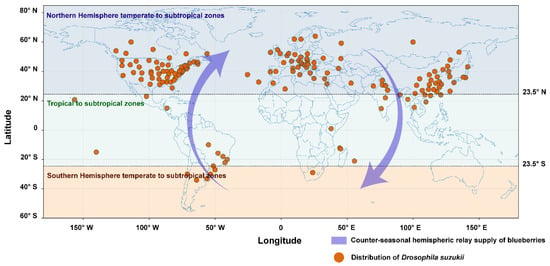
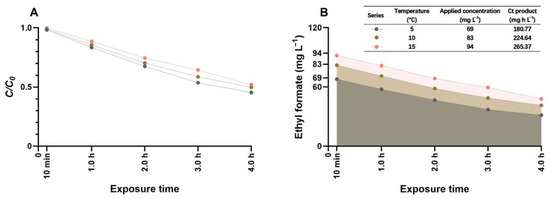
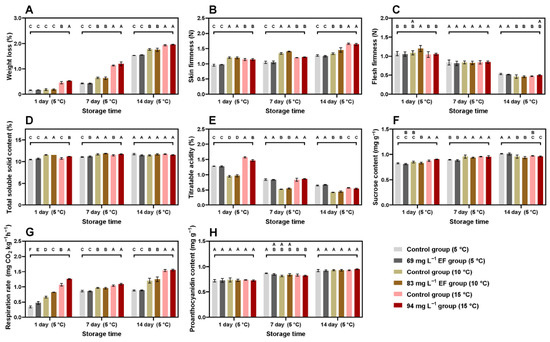
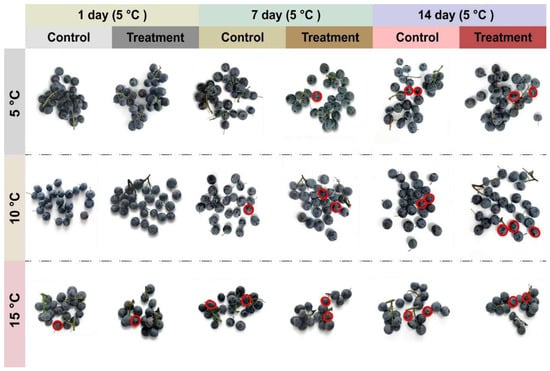
Ethyl formate (EF) is a promising alternative to methyl bromide for postharvest disinfestation, but berry export chains require efficacy under refrigerated handling without loss of marketable quality. Using spotted-wing drosophila (Drosophila suzukii) in blueberries as a cold-chain model, we compared stage-specific tolerance at 5 to 15 °C and identified 1-day-old eggs as the most tolerant stage, with mortality strongly temperature dependent. Egg-stage concentration to mortality relationships were quantified under 4 h exposures at 5, 10, and 15 °C to nominate temperature-specific intensities within EF flammability safety limits. Candidate schedules (69, 83, and 94 mg·L−1 for 4 h at 5, 10, and 15 °C) were confirmed by verification-scale zero-survivor tests under simulated cold-chain conditions, achieving complete control of the most tolerant egg stage. Post-treatment quality was assessed after 1, 7, and 14 days of cold storage. Weight loss, firmness, total soluble solids, titratable acidity, sucrose, and proanthocyanidins were driven mainly by storage time and temperature. EF effects were limited to transiently elevated respiration early in storage, with no detectable injury, decay, or adverse changes in appearance or other physicochemical attributes. Overall, EF provides a cold-chain compatible processing window integrating efficacy, operational safety, and quality preservation for refrigerated blueberry export logistics.
Full article
(This article belongs to the Section Insect Pest and Vector Management)
►▼
Show Figures

Figure 1
Open AccessArticle
What Really Lurks in the Dark? Revisiting the Occurrence of Tomicus destruens (Coleoptera, Curculionidae, Scolytinae) in Greece
by
Dimitrios N. Avtzis, Hugo Mas, Matteo Bracalini, Achilleas Kaltsidis, Eleni I. Koutsogeorgiou, Stefanos S. Andreadis, Nikoleta Eleftheriadou and Massimo Faccoli
Insects 2026, 17(6), 579; https://doi.org/10.3390/insects17060579 - 1 Jun 2026
Abstract
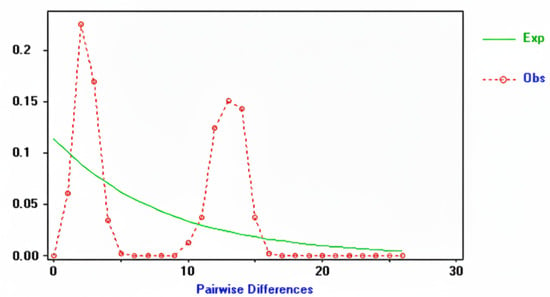
Tomicus destruens (Wollaston), the Mediterranean pine shoot beetle, has long been confused with Tomicus piniperda (Linnaeus) in Greece, as well as in many other Mediterranean countries. To clarify its presence and population structure, we analyzed COI sequences of specimens from 21 Greek sites
[...] Read more.
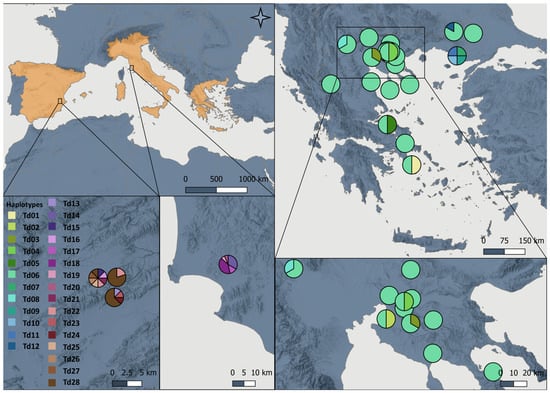
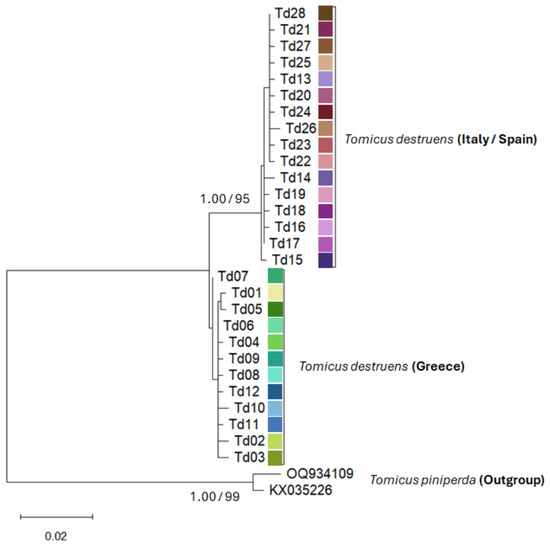
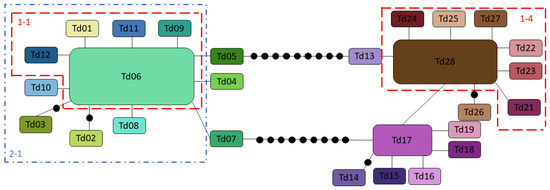
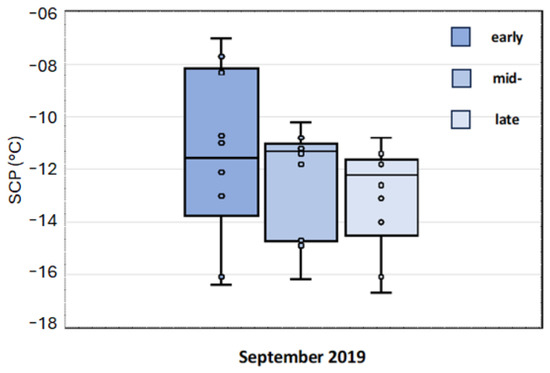
Tomicus destruens (Wollaston), the Mediterranean pine shoot beetle, has long been confused with Tomicus piniperda (Linnaeus) in Greece, as well as in many other Mediterranean countries. To clarify its presence and population structure, we analyzed COI sequences of specimens from 21 Greek sites (including islands) and compared them with samples from central (Italy) and western (Spain) Mediterranean populations. Greek populations were dominated by a single haplotype (Td06), whereas Samothraki Island harbored several private haplotypes, indicating long localized lineage persistence. In contrast, Italian and Spanish populations showed high haplotype diversity with many region-specific lineages, consistent with long-term refugial stability in the central-western Mediterranean. Physiological measurements further differentiate the two species: the mean supercooling point (SCP) of Greek T. destruens (–12.3 °C) was substantially higher than reported for T. piniperda (≈–18 °C), demonstrating lower cold tolerance. This supports its restriction to mild Mediterranean climates. Overall, our results confirm the dominant occurrence of T. destruens with no recovery of T. piniperda individuals in Greece and highlight the combined value of genetic and physiological markers for resolving species boundaries and understanding Mediterranean bark beetle biogeography.
Full article
(This article belongs to the Special Issue Bark and Wood-Boring Insects: Past and Present Research and Essential Future Knowledge—2nd Edition)
►▼
Show Figures

Figure 1
Open AccessArticle
Rethinking Lesser Mealworm Management: New Evidence from Two Entomopathogenic Nematodes
by
Eirini Karanastasi, Lampros Lamprou, Georgia Anna Tzouda and Christos I. Rumbos
Insects 2026, 17(6), 578; https://doi.org/10.3390/insects17060578 - 1 Jun 2026
Abstract
Alphitobius diaperinus (Panzer) (Coleoptera: Tenebrionidae) is a common pest in poultry farms, causing significant economic damage, spreading easily and quickly. The species is resilient, adaptable, and capable of thriving in a variety of environments, and both larvae and adults can hide in hard-to-reach
[...] Read more.
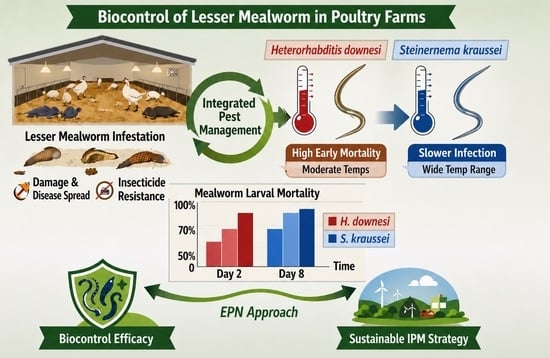
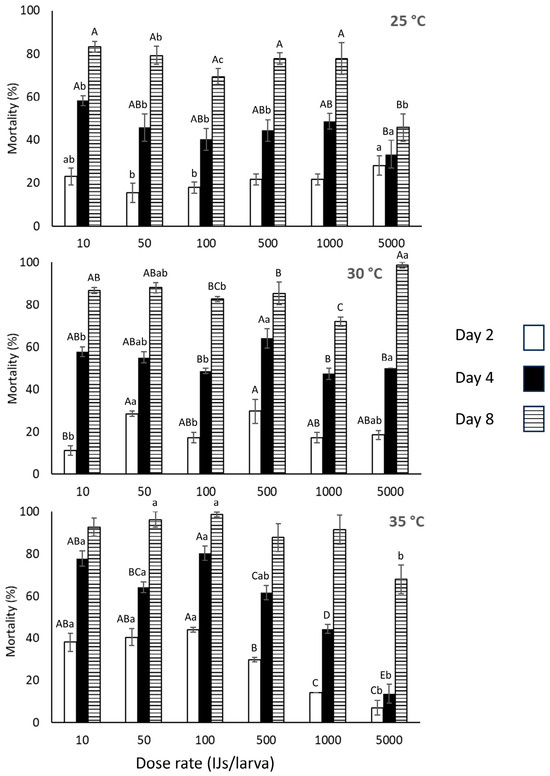
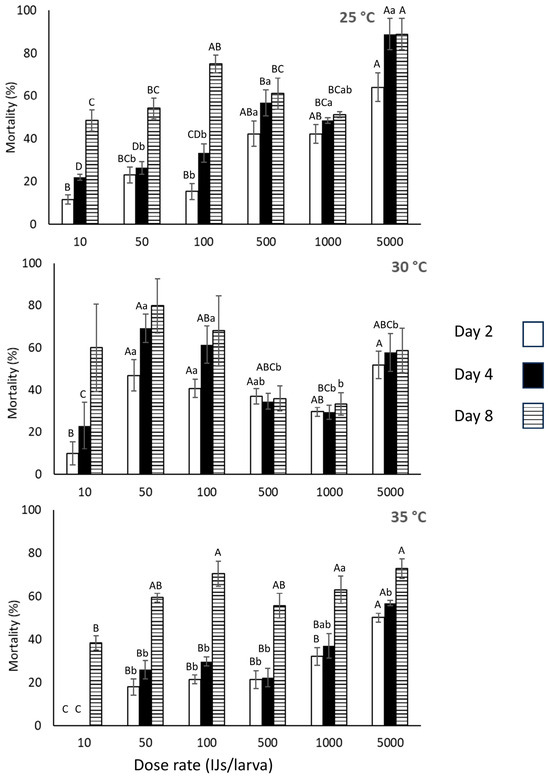
Alphitobius diaperinus (Panzer) (Coleoptera: Tenebrionidae) is a common pest in poultry farms, causing significant economic damage, spreading easily and quickly. The species is resilient, adaptable, and capable of thriving in a variety of environments, and both larvae and adults can hide in hard-to-reach places; thus, control becomes highly challenging. Moreover, the species has developed resistance to commonly used insecticides, increasing the need to adopt integrated pest management strategies. Hence, this study examined the mortality dynamics of A. diaperinus larvae exposed to the entomopathogenic nematodes (EPNs) Heterorhabditis downesi Stock, Griffin & Burnell 2002 (Rhabditida: Heterorhabditidae) and Steinernema kraussei (Steiner, 1923) (Rhabditida: Steinernematidae) across a range of temperatures, dose rates, and exposure intervals. The patterns of larval mortality closely followed the classical EPN infection timeline: limited mortality during the first hours, a pronounced increase between day 2 and 4, and high cumulative mortality after day 8. Steinernema kraussei produced moderate early mortality, increasing by day 8, across all tested temperatures, reflecting its relatively slower but effective infection progression. In contrast, H. downesi induced higher early mortality at moderate temperatures and stronger dose-dependent responses. Temperature significantly modulated infection in both species, with reduced performance at 35 °C, particularly for H. downesi, although high-dose treatments achieved substantial mortality. The significant temperature × dose × time interactions align with established EPN biology and previous research on both species and, overall, the results confirm that they both possess strong pathogenic potential against A. diaperinus, while their performance characteristics support their suitability as biological control agents for poultry facilities.
Full article
(This article belongs to the Topic Advances in Integrated Pest Management: New Tools and Tactics for Pest Control)
►▼
Show Figures

Graphical abstract
Open AccessArticle
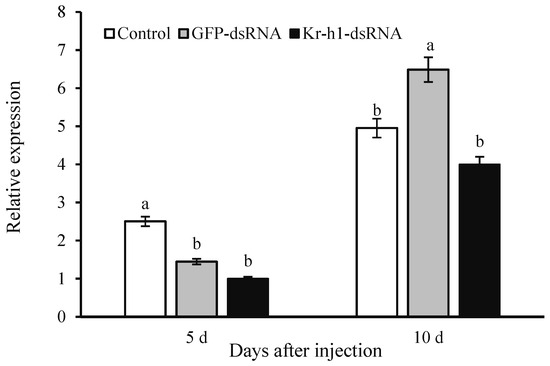
Kr-h1 Encoding Juvenile Hormone Transcription Factor Impacts Reproductive Functions in Coccinella septempunctata
by
Ying Cheng, Yuhang Zhou and Cao Li
Insects 2026, 17(6), 577; https://doi.org/10.3390/insects17060577 - 1 Jun 2026
Abstract
The gene encoding juvenile hormone transcription factor Krüppel homolog 1 (Kr-h1) was studied for its effects on ovary development and reproduction in the ladybug beetle, Coccinella septempunctata. Kr-h1 expression in C. septempunctata was evaluated in females supplied with a juvenile
[...] Read more.
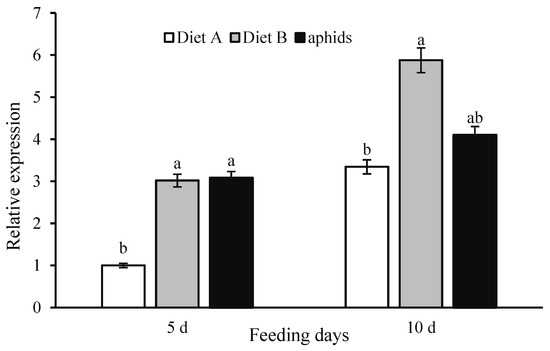
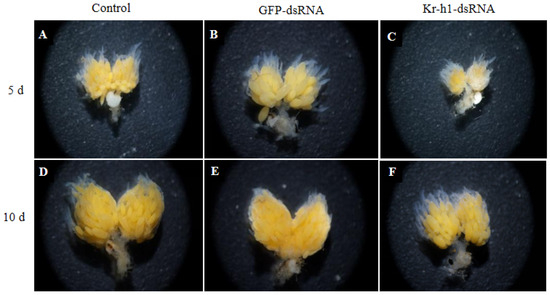
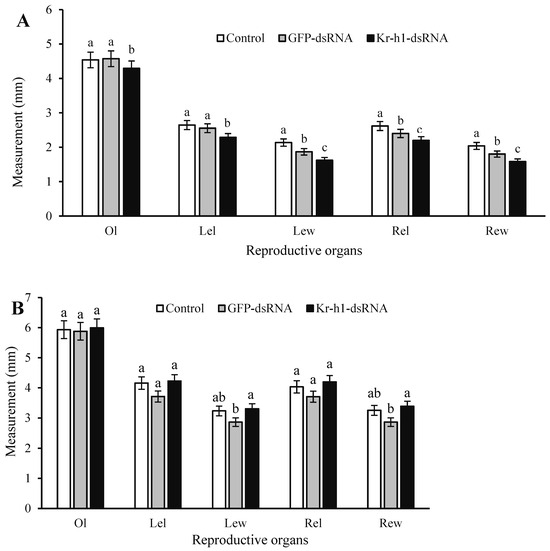
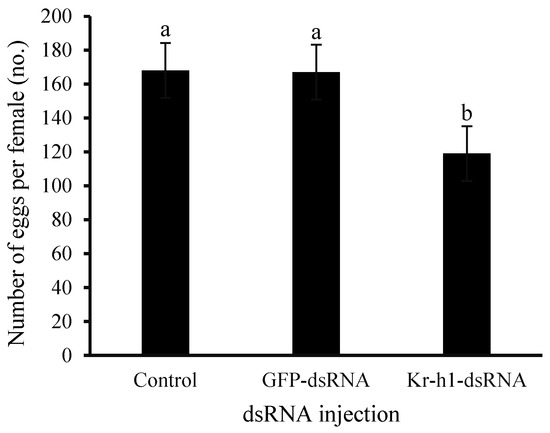
The gene encoding juvenile hormone transcription factor Krüppel homolog 1 (Kr-h1) was studied for its effects on ovary development and reproduction in the ladybug beetle, Coccinella septempunctata. Kr-h1 expression in C. septempunctata was evaluated in females supplied with a juvenile hormone (JH) amended diet using quantitative PCR, and the function of Kr-h1 in female reproduction was assessed using RNAi technology. Expression of Kr-h1 in females supplied with a JH diet was significantly higher at 5 and 10 d than in females not supplied with JH. At 5 and 10 d post-injection with Kr-h1-dsRNA, Kr-h1 expression levels were 30.97% and 38.32% lower, respectively, than expression in controls injected with GFP-dsRNA. Development of ovaries and vitellogenesis in ladybugs microinjected with Kr-h1-dsRNA was significantly delayed in comparison to controls. At 20 d post-injection, mean egg production decreased by 28.74% relative to controls. These results prove that Kr-h1 has a vital role in modulating ladybug fecundity by impacting ovary development and egg production.
Full article
(This article belongs to the Section Insect Physiology, Reproduction and Development)
►▼
Show Figures

Figure 1
Open AccessArticle
Influence of Sublethal Carbon Dioxide on Biological Characteristics and Life Table Parameters of Cynaeus angustus (LeConte) (Coleoptera: Tenebrionidae)
by
Ruotong Shen, Dianxuan Wang, Chen Wang, Xi Zhu, Huanyi Sun and Qiaozhen Zhang
Insects 2026, 17(6), 576; https://doi.org/10.3390/insects17060576 - 31 May 2026
Abstract
Understanding insect survival and developmental characteristics in sublethal carbon dioxide (0.25–4%), which could exist in stored grain, is beneficial to scientific pest management. The survival, developmental duration, oviposition, and life table parameters of Cynaeus angustus (LeConte) were measured with carbon dioxide at 0.25%,
[...] Read more.
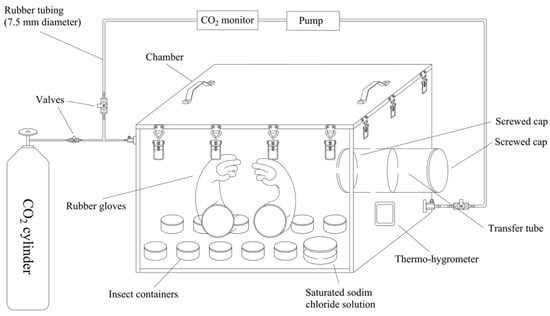
Understanding insect survival and developmental characteristics in sublethal carbon dioxide (0.25–4%), which could exist in stored grain, is beneficial to scientific pest management. The survival, developmental duration, oviposition, and life table parameters of Cynaeus angustus (LeConte) were measured with carbon dioxide at 0.25%, 0.5%, 1%, 2%, and 4% in air, respectively, and 0.04% as a control. The developmental duration at 4% of carbon dioxide was 87 days versus 90 days in control at 23 °C, 79 days versus 85 days in control at 28 °C. The generation survival rate varied from 77% to 69% at 23 °C, and from 81% to 74% at 28 °C in the concentrations. The number of eggs laid per female reduced from 28 in the control to 19 in 4% of carbon dioxide. The sex ratio decreased from 1.19 and 1.21 to below 1.0 at 4% of carbon dioxide at the tested temperatures. Life table parameters (T, R0, r, λ) were significantly decreased at and above 0.5% carbon dioxide at 23 °C; r and λ were significantly decreased at 2% carbon dioxide at 28 °C. Carbon dioxide above 0.25% or 0.5% significantly affected the survival and development, which may affect fumigation or controlled atmosphere with this sublethal carbon dioxide.
Full article
(This article belongs to the Section Insect Pest and Vector Management)
►▼
Show Figures

Figure 1
Journal Menu
► ▼ Journal Menu-
- Insects Home
- Aims & Scope
- Editorial Board
- Reviewer Board
- Topical Advisory Panel
- Instructions for Authors
- Special Issues
- Topics
- Sections & Collections
- Article Processing Charge
- Indexing & Archiving
- Editor’s Choice Articles
- Most Cited & Viewed
- Journal Statistics
- Journal History
- Journal Awards
- Conferences
- Editorial Office
Journal Browser
► ▼ Journal BrowserHighly Accessed Articles
Latest Books
E-Mail Alert
News
Topics
Topic in
Infectious Disease Reports, Insects, IJERPH, Pathogens, TropicalMed, Zoonotic Diseases
Vector-Borne Disease Spatial Epidemiology, Disease Ecology, and Zoonoses
Topic Editors: Chad L. Cross, Louisa Alexandra MessengerDeadline: 31 December 2026
Topic in
Agriculture, Agronomy, Crops, Insects, Plants, Agrochemicals, IJPB
Exploring Plant-Derived Compounds for Effective Insect Pest Management in Agriculture
Topic Editors: Ian Scott, Roselyne M. LabbéDeadline: 31 January 2027
Topic in
Agriculture, CIMB, IJMS, Insects, Plants, Stresses
Smart and Green Strategies for Insect Pest Management
Topic Editors: Farman Ullah, Yaobin Lu, Shuo YanDeadline: 28 February 2027
Topic in
Animals, Arthropoda, Insects, Vaccines, Veterinary Sciences, Pathogens
Ticks and Tick-Borne Pathogens: 2nd Edition
Topic Editors: Alina Rodriguez-Mallon, Alejandro Cabezas-CruzDeadline: 31 March 2027
Conferences
Special Issues
Special Issue in
Insects
Insects Sensory Ecology: From Natural Environments to Neural Mechanisms
Guest Editors: Anindya Ganguly, Amir AyaliDeadline: 15 June 2026
Special Issue in
Insects
Beetles: Biology, Ecology, and Integrated Management
Guest Editor: Maria C. BoukouvalaDeadline: 30 June 2026
Special Issue in
Insects
Thysanoptera as Invasive Alien Species
Guest Editors: David A.J. Teulon, Mette-Cecilie Krause NielsenDeadline: 30 June 2026
Topical Collections
Topical Collection in
Insects
Butterfly Diversity and Conservation
Collection Editors: David G. James, Kathleen L. Prudic
Topical Collection in
Insects
Cultural Entomology: Our Love-hate Relationship with Insects
Collection Editor: Joseph R. Coelho
Topical Collection in
Insects
Integrated Management and Impact of Stored-Product Pests
Collection Editors: Georgina V. Bingham, James Campbell