


-
A Low-Power Architecture for Passive Acoustic Autonomous Maritime Surveillance -
Sub-Bottom Profiler in Underwater Archaeology: Comparative Analysis for Non-Intrusive Surveying and Documentation of Underwater Cultural Heritage in Spain -
Performance of SOFC and PEMFC Auxiliary Power Systems Under Alternative Fuel Pathways for Bulk Carriers -
Acoustic Characteristics of Finless Porpoises (Neophocaena asiaeorientalis) and Their Relationships with Environmental Variables Revealed by Passive Acoustic Monitoring in Korean Coastal Aquaculture Waters
Journal Description
Journal of Marine Science and Engineering
is an international, peer-reviewed, open access journal on marine science and engineering, published semimonthly online by MDPI. The Australia New Zealand Marine Biotechnology Society (ANZMBS) is affiliated with JMSE and its members receive discounts on the article processing charges.
- Open Access— free for readers, with article processing charges (APC) paid by authors or their institutions.
- High Visibility: indexed with Scopus, SCIE (Web of Science), Ei Compendex, GeoRef, Inspec, AGRIS, and other databases.
- Journal Rank: JCR - Q2 (Oceanography) / CiteScore - Q1 (Ocean Engineering)
- Rapid Publication: manuscripts are peer-reviewed and a first decision is provided to authors approximately 15 days after submission; acceptance to publication is undertaken in 2.6 days (median values for papers published in this journal in the first half of 2026).
- Recognition of Reviewers: Reviewers whose reports are timely and of high quality receive an APC discount voucher for a future publication in an MDPI journal. Become a reviewer.
- Companion Journals: Companion journal: Maritime.
- Journal Clusters of Water Resources: Water, Journal of Marine Science and Engineering, Hydrology, Resources, Oceans, Limnological Review, Coasts and Hydropower.
Impact Factor:
3.2 (2025);
5-Year Impact Factor:
3.2 (2025)
Latest Articles
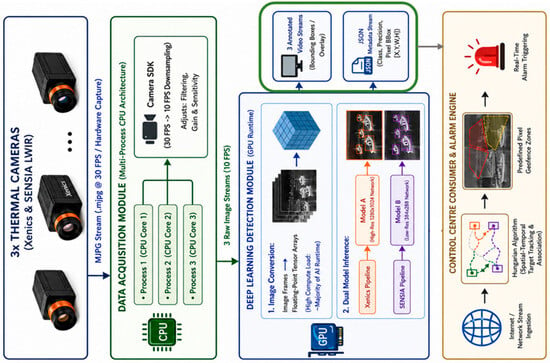
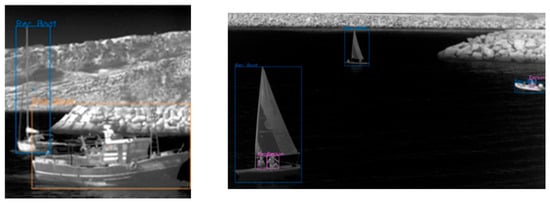
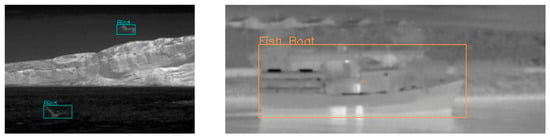
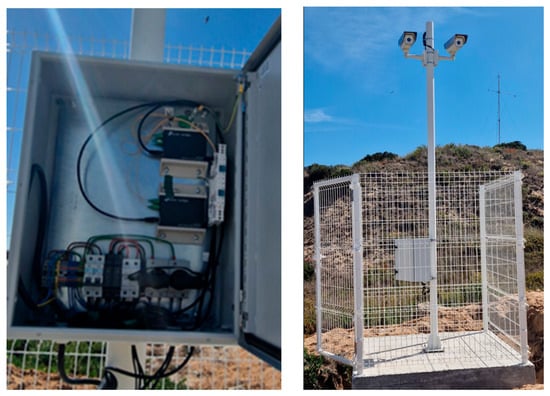
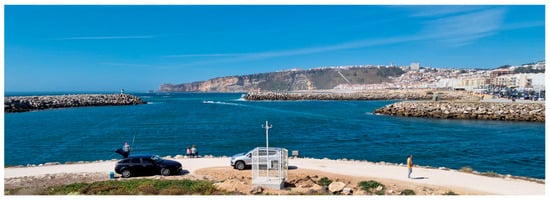
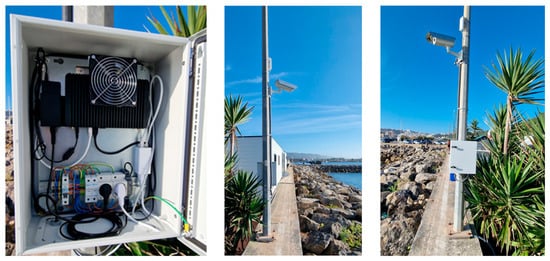
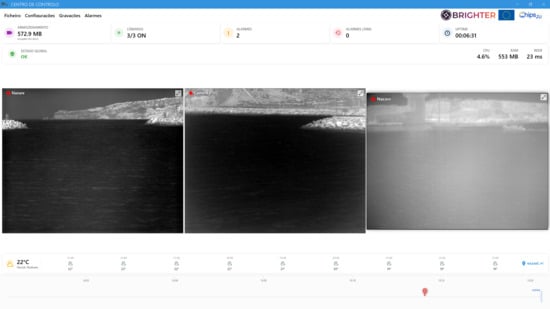
An AI-Assisted Thermal Monitoring System for Maritime Safety: A Case Study at the Port of Nazaré
J. Mar. Sci. Eng. 2026, 14(18), 1747; https://doi.org/10.3390/jmse14181747 (registering DOI) - 20 Sep 2026
Abstract
Harbour bar entrances present severe maritime safety risks, particularly under low-light and adverse weather conditions where conventional visible-spectrum RGB (Red, Green, and Blue) cameras lose effectiveness. This Communication presents an advanced, 24/7 thermal monitoring system deployed at the Port of Nazaré, Portugal, developed
[...] Read more.
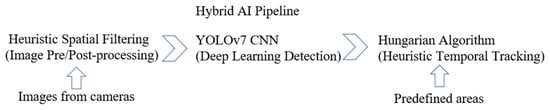
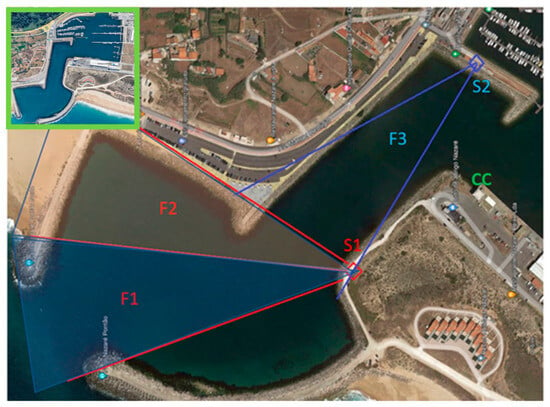
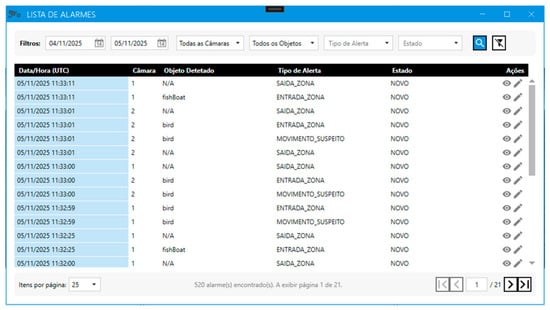
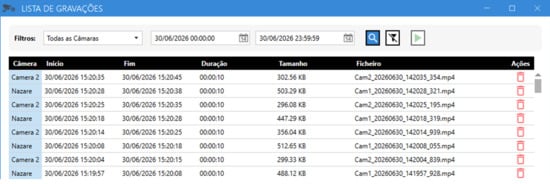
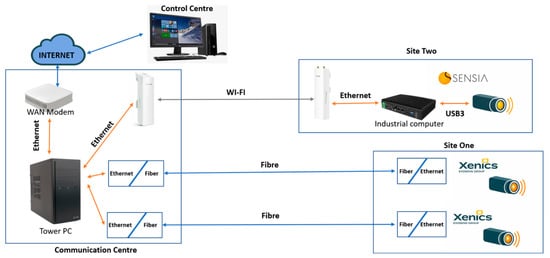
Harbour bar entrances present severe maritime safety risks, particularly under low-light and adverse weather conditions where conventional visible-spectrum RGB (Red, Green, and Blue) cameras lose effectiveness. This Communication presents an advanced, 24/7 thermal monitoring system deployed at the Port of Nazaré, Portugal, developed within the framework of the European BRIGHTER project. Combining Long-Wave Infrared (LWIR) sensors with hybrid Artificial Intelligence (AI)—integrating computer vision, heuristic rules, and YOLOv7-based Convolutional Neural Networks (CNNs)—the system achieves continuous real-time detection and classification of fishing vessels, recreational boats, people, and birds. The hardware architecture links two remote camera sites via a hybrid network (fibre optics and long-range Wi-Fi) to a centralised Communication Centre powered by a high-performance Central Processing Unit (CPU) and Graphics Processing Unit (GPU). Over a two-year operational period, the system collected a domain-specific dataset of over 48,000 annotated thermal images. Results demonstrate high target precision, robust persistent tracking using the Hungarian algorithm, and automated JavaScript Object Notation (JSON) metadata generation for triggering intelligent geofenced alarms.
Full article
(This article belongs to the Section Coastal Engineering)
►
Show Figures
Open AccessArticle
Comparative Evaluation of Rudder Excitation Signals for Bayesian Identification of an MMG Model
by
Satoru Gomi, Taiga Mitsuyuki, Hyuga Shimozawa and Keisuke Hirukawa
J. Mar. Sci. Eng. 2026, 14(18), 1746; https://doi.org/10.3390/jmse14181746 (registering DOI) - 19 Sep 2026
Abstract
Accurate maneuvering models are crucial for autonomous ships. Traditional methods such as model tests and CFD analysis require considerable time and cost to construct white-box models, while black-box models lack interpretability. Although system identification using operational data to identify white-box model parameters is
[...] Read more.
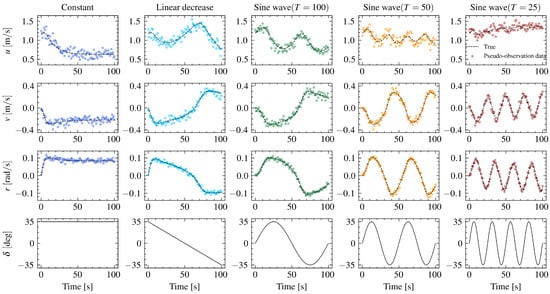
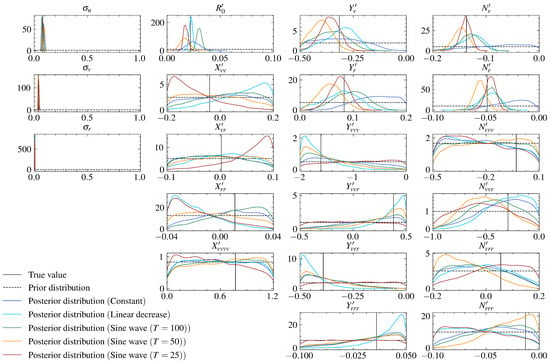
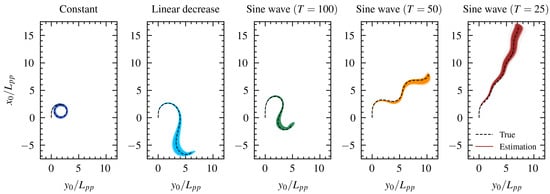
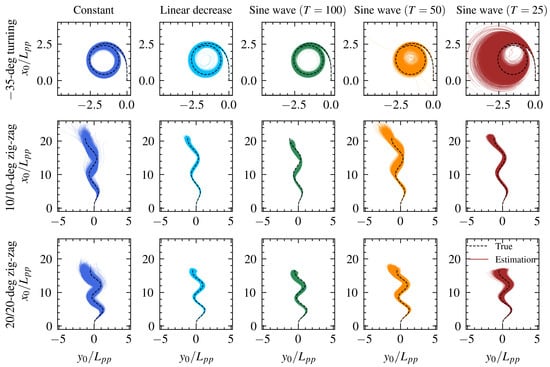
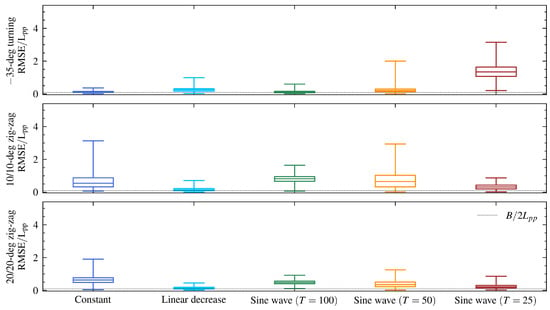
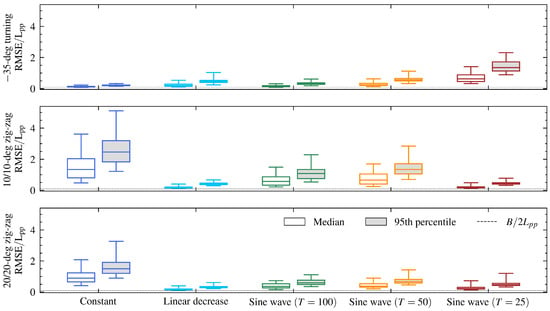
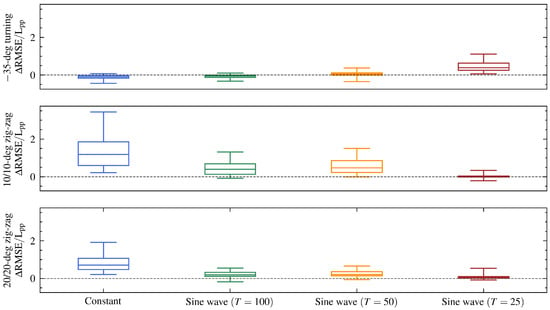
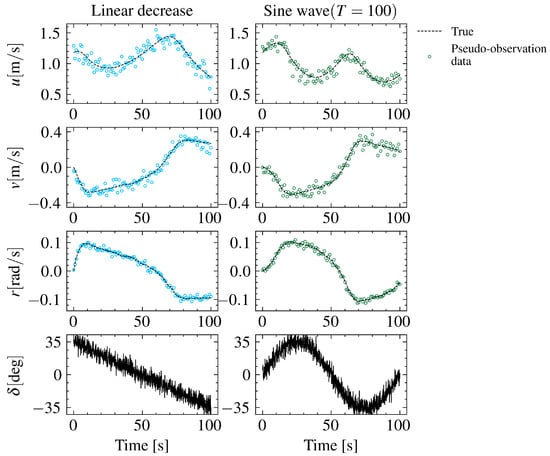
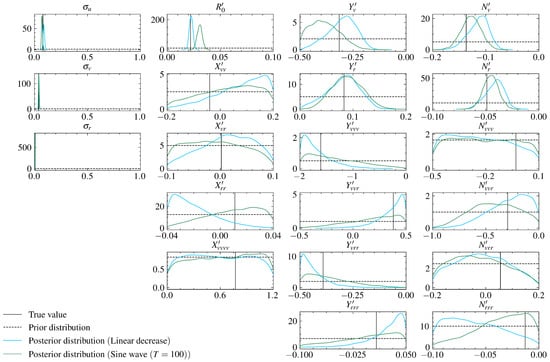
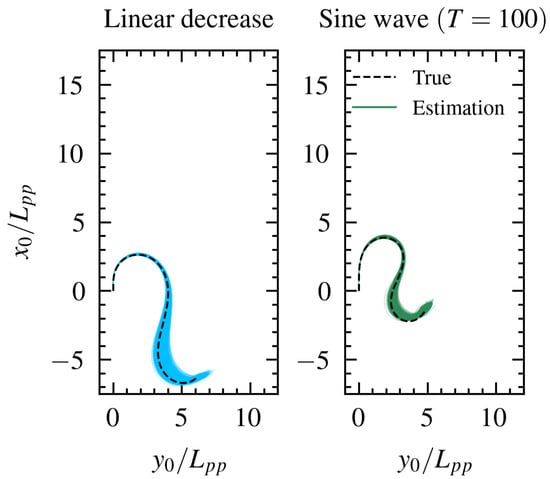
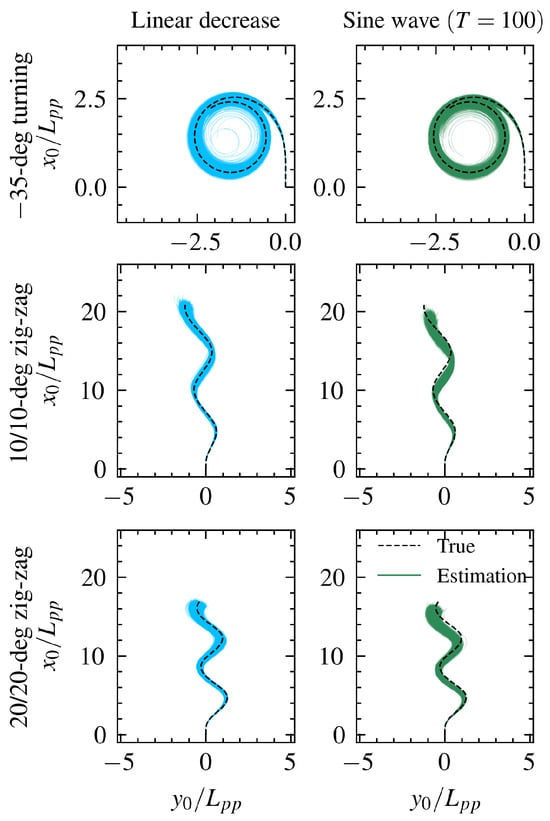
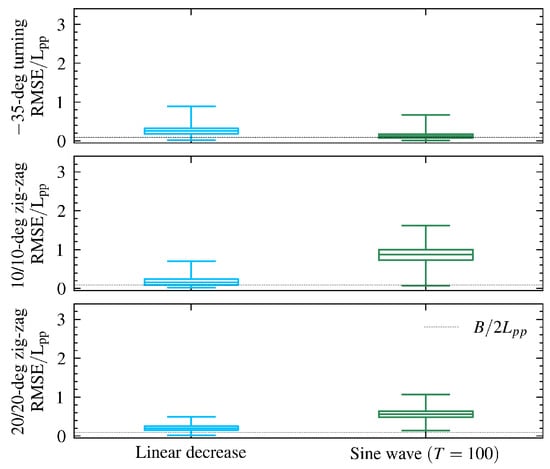
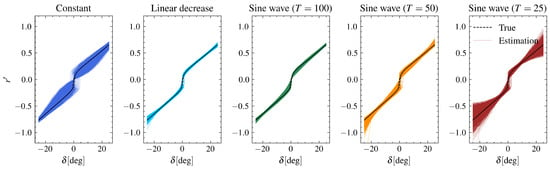
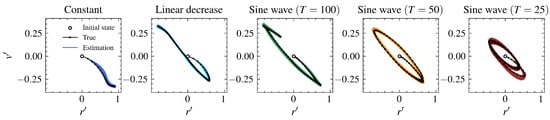
Accurate maneuvering models are crucial for autonomous ships. Traditional methods such as model tests and CFD analysis require considerable time and cost to construct white-box models, while black-box models lack interpretability. Although system identification using operational data to identify white-box model parameters is efficient, standard maneuvers often lack sufficient excitation signals to yield generalizable models, and random maneuvers are impractical on full-scale ships. This study comparatively examines practical excitation signals that are easily implementable on full-scale ships to obtain informative data. Using pseudo-observation data of a KVLCC2 model ship, hydrodynamic coefficients of the MMG model are identified via a Markov Chain Monte Carlo (MCMC) method to quantify parameter uncertainty while explicitly accounting for observation noise. Among the tested cases, the linearly decreasing rudder-angle signal yielded the most balanced predictive performance for the turning and zig-zag maneuvers. In this numerical case study, the signal covered the full allowable rudder-angle range and generated motions ranging from turning to approximately straight-line behavior. The identified models also retained similar predictive accuracy under a specific synthetic perturbation introduced between the commanded and actual rudder angles. These results indicate that a linearly decreasing rudder-angle signal is a promising candidate for acquiring informative data for MMG model identification.
Full article
(This article belongs to the Section Ocean Engineering)
►▼
Show Figures

Figure 1
Open AccessArticle
Mooring Tendon Dynamic Tension Estimation in a 15 MW TLP-Type FOWT: A Comparison of Self-Attention, LSTM, and GRU Networks
by
Seung Mo Kim, Byungho Kang and Woo Chul Chung
J. Mar. Sci. Eng. 2026, 14(18), 1745; https://doi.org/10.3390/jmse14181745 (registering DOI) - 19 Sep 2026
Abstract
Tension Leg Platform (TLP)-type Floating Offshore Wind Turbines (FOWTs) rely on continuously pre-tensioned mooring tendons, the integrity of which must be monitored to ensure safe operation. However, direct measurement of tendon tension at submerged locations is difficult in practice. This study investigates a
[...] Read more.
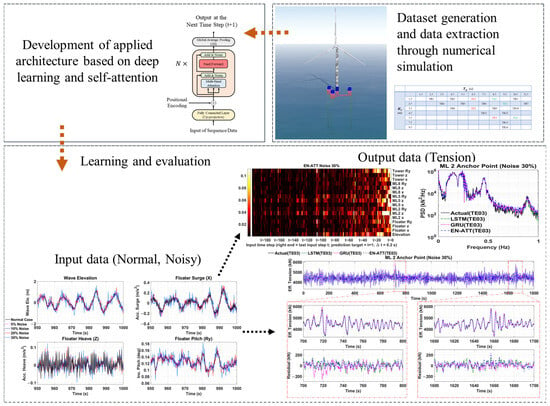
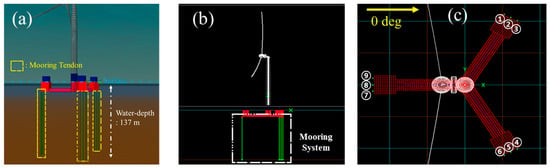
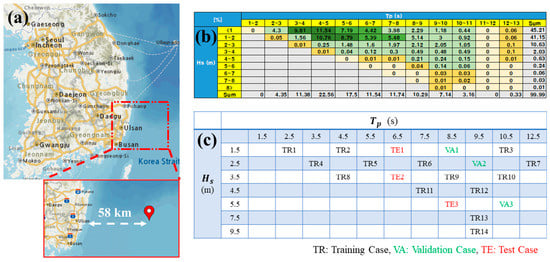
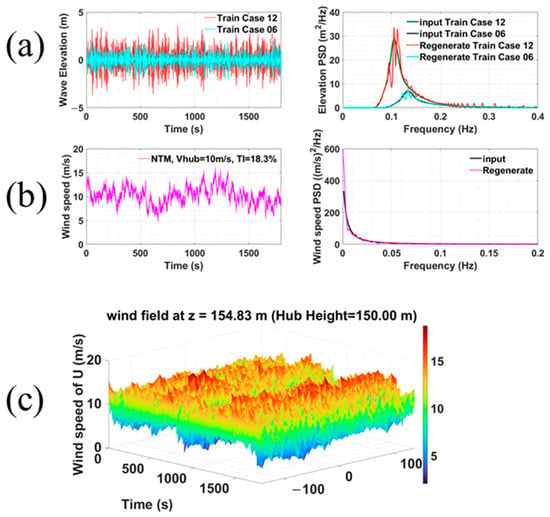
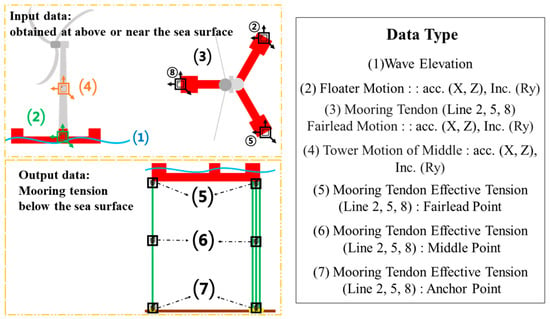
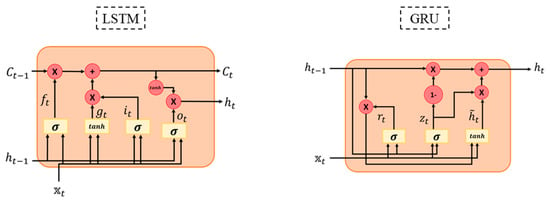
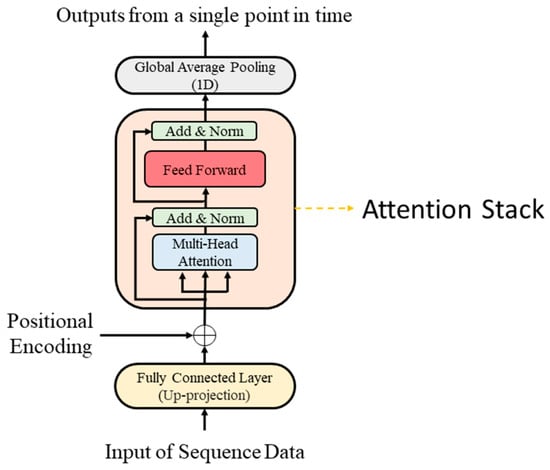
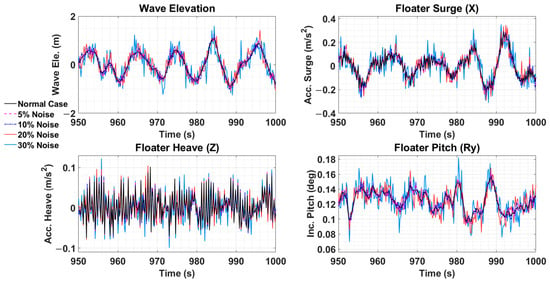
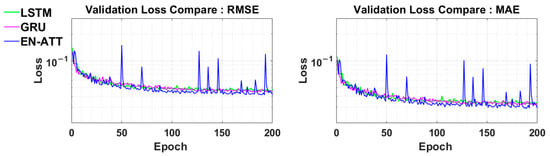
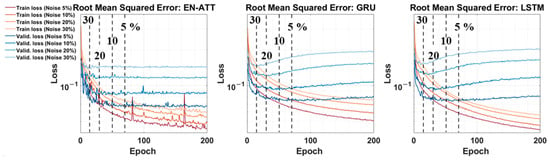
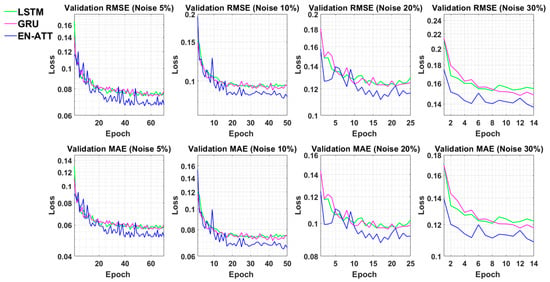
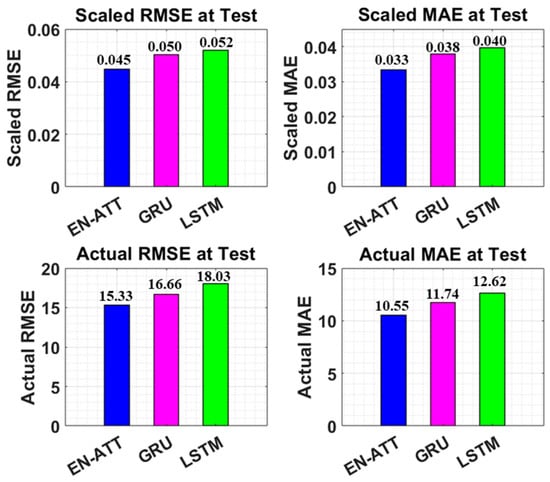
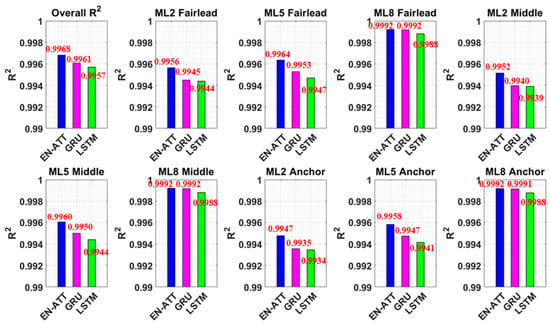
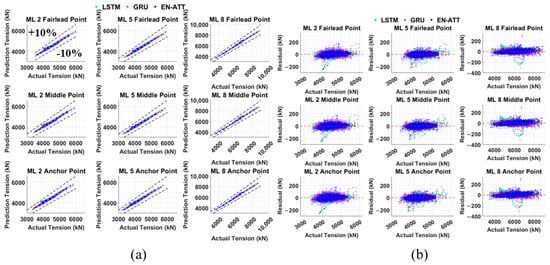
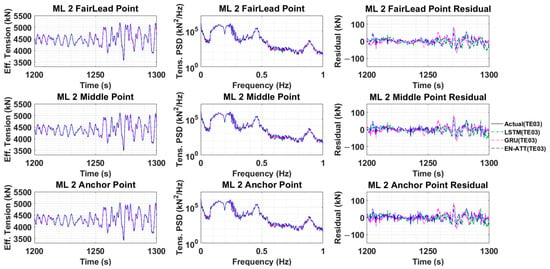
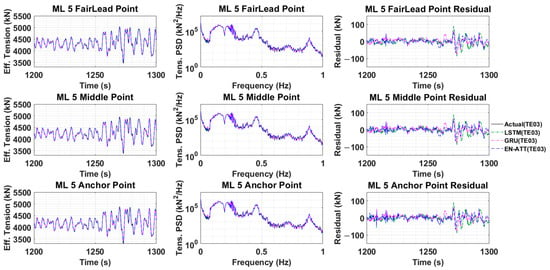
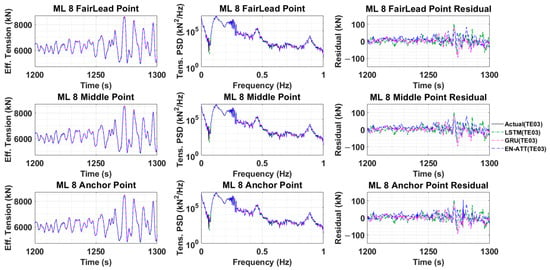
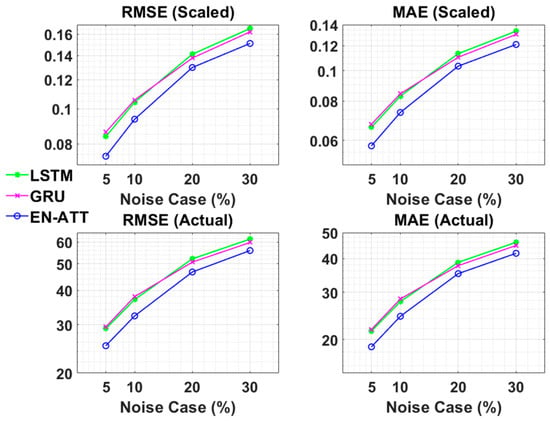
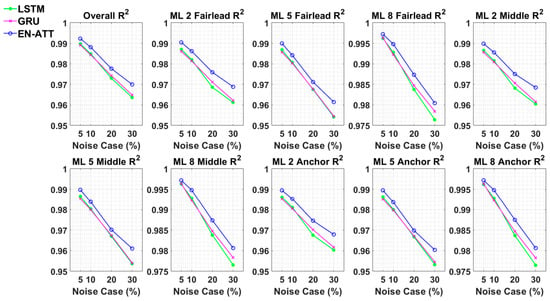
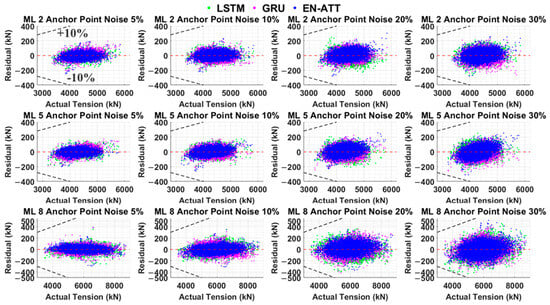
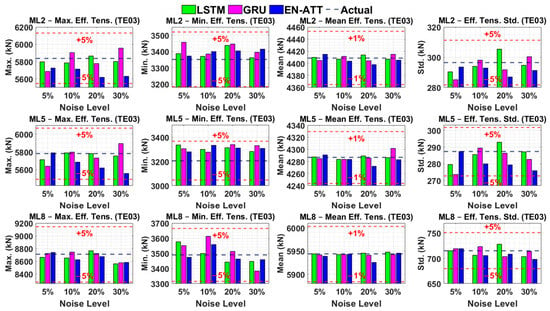
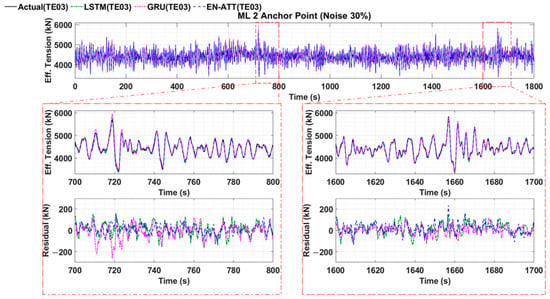
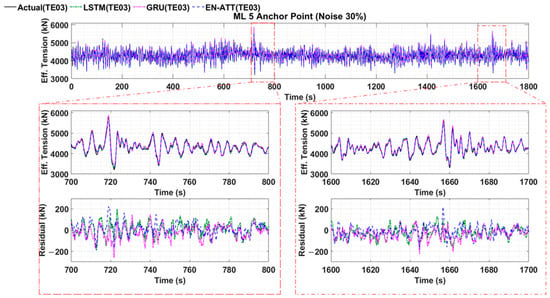
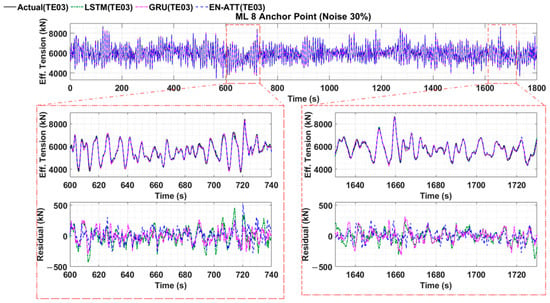
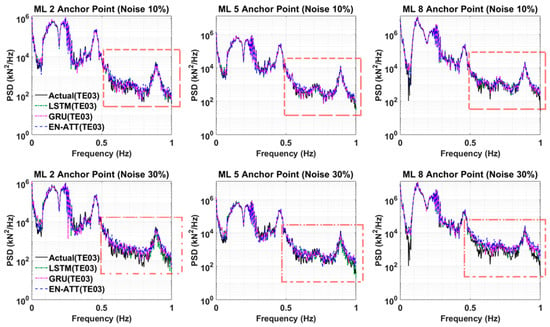
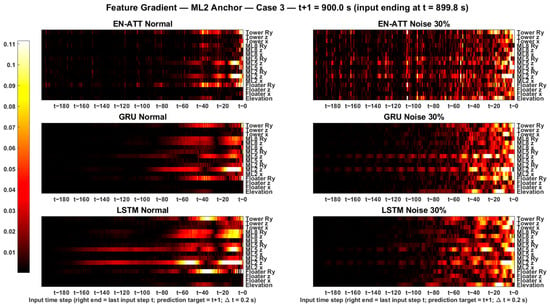
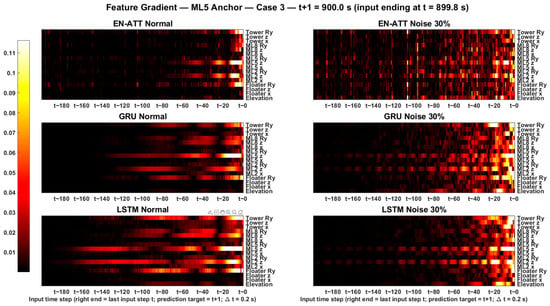
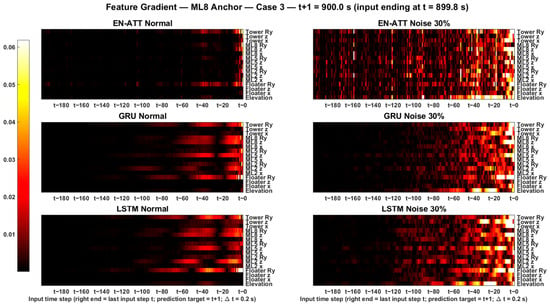
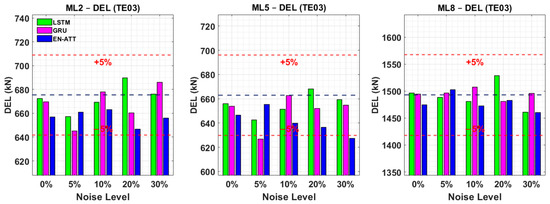
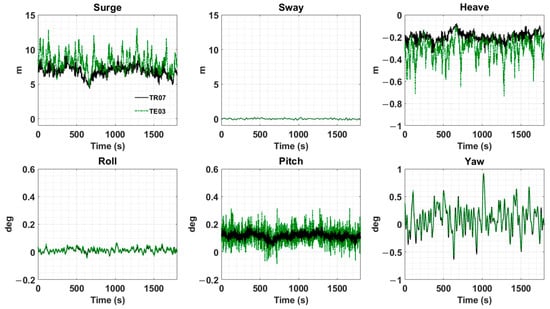
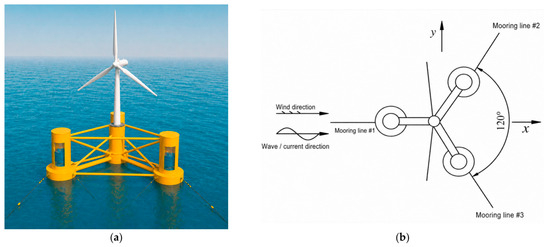
Tension Leg Platform (TLP)-type Floating Offshore Wind Turbines (FOWTs) rely on continuously pre-tensioned mooring tendons, the integrity of which must be monitored to ensure safe operation. However, direct measurement of tendon tension at submerged locations is difficult in practice. This study investigates a virtual sensing approach in which the effective tension at multiple tendon points—fairlead, middle, and anchor—of a 15 MW TLP-type FOWT is estimated from responses measured at or near the free surface. Three deep learning architectures are comparatively evaluated: a Transformer-encoder-based self-attention network (EN-ATT), Long Short-Term Memory (LSTM), and Gated Recurrent Unit (GRU). Fully coupled time-domain simulations are used to generate the training and test data, and the models are assessed under both nominal and noisy input conditions across multiple noise levels. The EN-ATT achieves the highest accuracy in terms of RMSE, MAE, and the coefficient of determination under both nominal and noisy conditions. Feature gradient analysis indicates that the self-attention model exhibits greater sensitivity to longer input lags than the recurrent networks. While the EN-ATT does not consistently outperform the recurrent networks for extreme values, the results suggest that self-attention architectures are a promising direction for mooring tension monitoring of TLP-type FOWTs.
Full article
(This article belongs to the Special Issue Numerical Analysis and Modeling of Floating Structures (2nd Edition))
►▼
Show Figures

Figure 1

Open AccessArticle
Effects of Water Depth on the Performance of Geotextile-Armored and Vegetated Submerged Breakwaters
by
Hongyi Li, Cuiping Kuang, Weibo Wang, Wei Xing and Qingping Zou
J. Mar. Sci. Eng. 2026, 14(18), 1744; https://doi.org/10.3390/jmse14181744 (registering DOI) - 19 Sep 2026
Abstract
Water depth substantially affects wave transformation over hybrid submerged breakwaters, yet the incremental effects of geotextile armoring and crest vegetation remain insufficiently understood. Experiments were conducted in the 50.0 m long, 0.8 m wide, and 1.2 m high wave flume at the Hydraulic
[...] Read more.
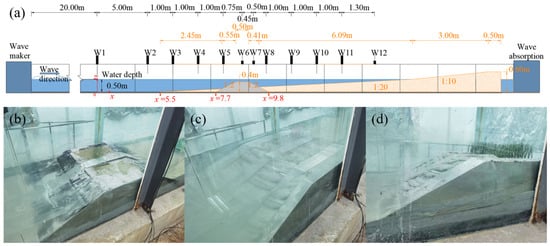
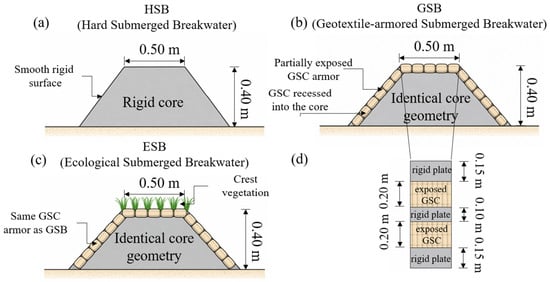
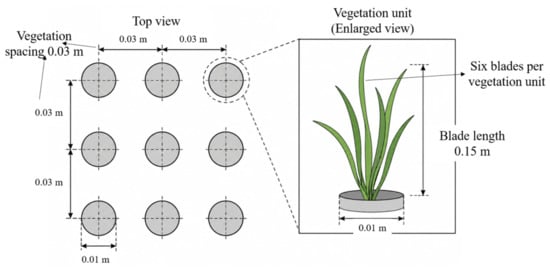
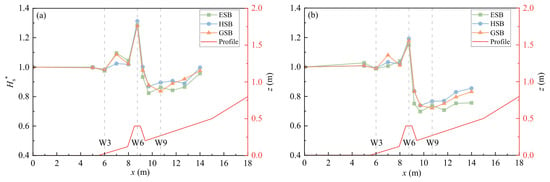
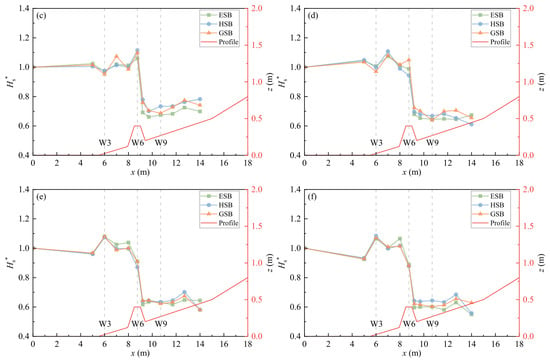
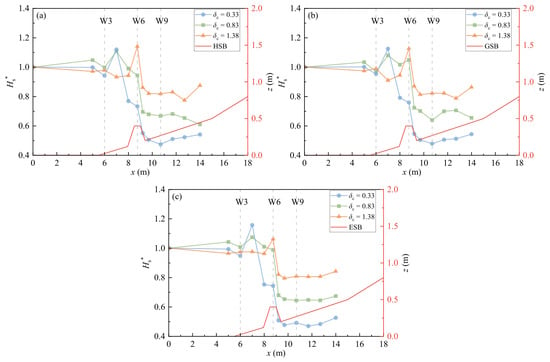
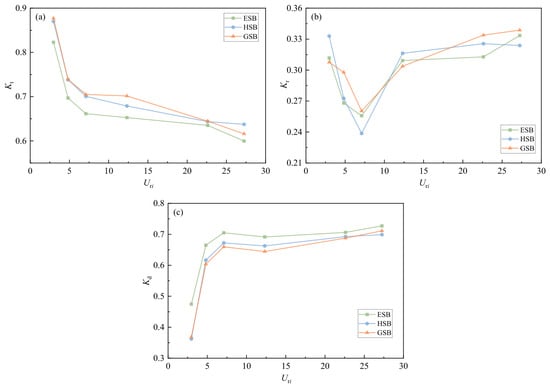
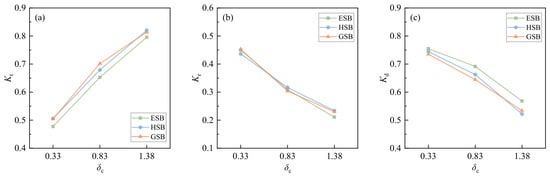
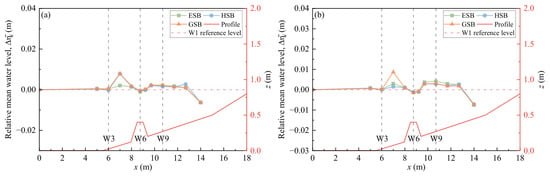
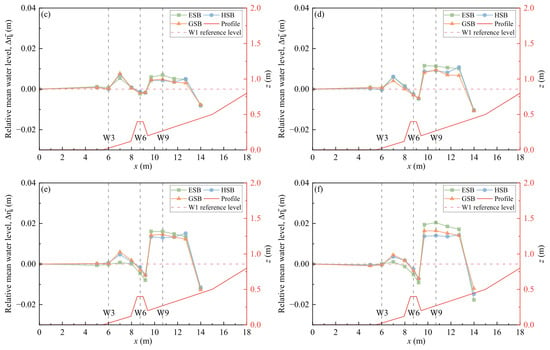
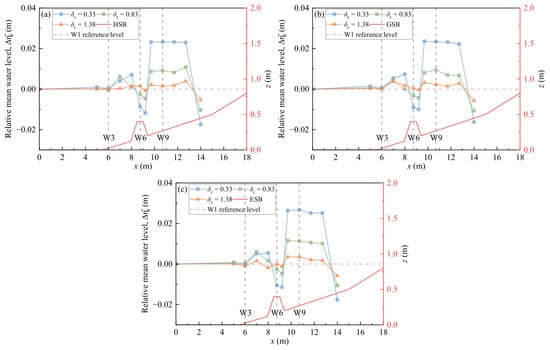
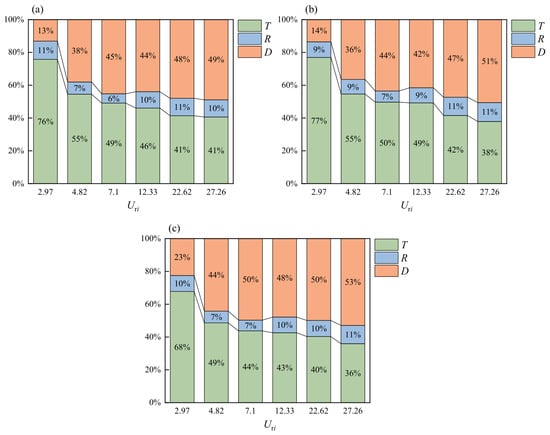
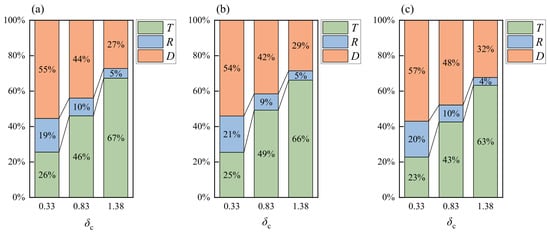
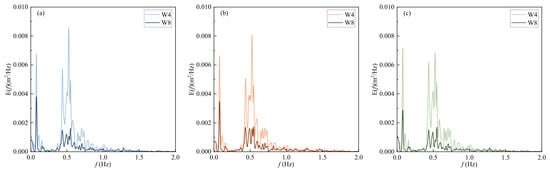
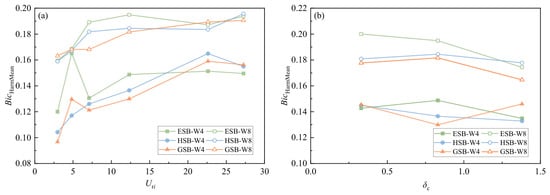
Water depth substantially affects wave transformation over hybrid submerged breakwaters, yet the incremental effects of geotextile armoring and crest vegetation remain insufficiently understood. Experiments were conducted in the 50.0 m long, 0.8 m wide, and 1.2 m high wave flume at the Hydraulic and Harbor Engineering Laboratory of Tongji University. A hard submerged breakwater (HSB), a geotextile-armored submerged breakwater (GSB), and a vegetation-integrated ecological submerged breakwater (ESB) with identical core geometry were compared. Six irregular-wave conditions with H0 = 0.06–0.16 m and Tp = 1.4–2.2 s were tested at h = 0.50 m, corresponding to an incident Ursell number range of Uri = 2.97–27.26. Three still-water depths, h = 0.44, 0.50, and 0.56 m, were examined under H0 = 0.12 m and Tp = 1.8 s, corresponding to a relative crest-submergence range of δc = = 0.33–1.38, where dc is the still-water depth above the breakwater crest and is the measured incident significant wave height at W1. Wave transformation, relative mean water-level adjustment, bulk wave coefficients, coefficient-based energy partition, wave spectra, and harmonic bicoherence were examined. With increasing Uri, the energy partition shifts from transmission toward residual energy loss, while reflection remains secondary. Adding crest vegetation to the GSB reduces the transmitted energy fraction, T = Kt2, where Kt is the wave-transmission coefficient defined as the ratio of transmitted to incident significant wave height, by an average of 5.2 percentage points over the tested Uri range, whereas the tested partially exposed GSC armor alone produces no systematic attenuation improvement relative to the HSB. Increasing δc increases transmission while reducing reflection, residual energy loss, and relative mean water-level contrast. The incremental vegetation effect is non-monotonic and is greatest at dc/lv = 0.67, where dc is the still-water depth above the breakwater crest and lv is the upright vegetation blade length. Mean squared harmonic bicoherence, defined as the average squared bicoherence over the selected harmonic-coupling frequency-pair region, is consistently higher at the immediate lee-side gauge than at the seaward gauge, indicating enhanced coherent quadratic phase coupling among harmonic frequency components during wave transformation across the breakwater; this lee-side coupling generally weakens with increasing δc. Overall, relative crest submergence governs not only bulk attenuation but also the associated mean water-level and nonlinear phase-coupling responses, while crest vegetation provides a more consistent attenuation benefit than the tested GSC armor alone.
Full article
(This article belongs to the Section Coastal Engineering)
►▼
Show Figures

Figure 1
Open AccessArticle
Investigation of Ambient Aging Metrics in 3D-Printed PLA Components for Maritime Logistical Inventories
by
Igor Vujović, Miro Petković and Marko Zubčić
J. Mar. Sci. Eng. 2026, 14(18), 1743; https://doi.org/10.3390/jmse14181743 (registering DOI) - 19 Sep 2026
Abstract
Additive manufacturing (AM) using fused filament fabrication (FFF) offers a responsive solution to maritime supply chain delays through on-demand, shipboard component fabrication. However, the operational reliability of non-structural polylactic acid (PLA) assets over extended lifecycles remains critical. This paper investigates the 6-month atmospheric
[...] Read more.
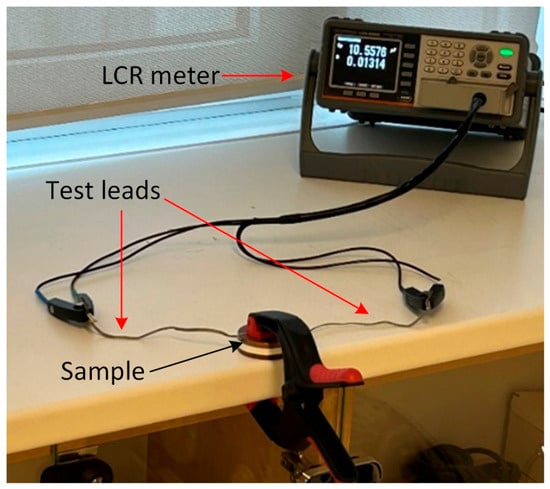
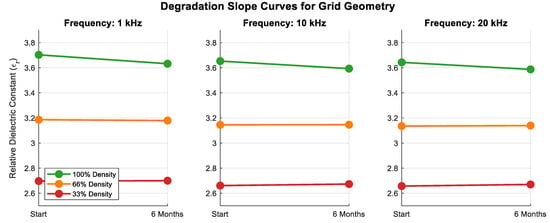
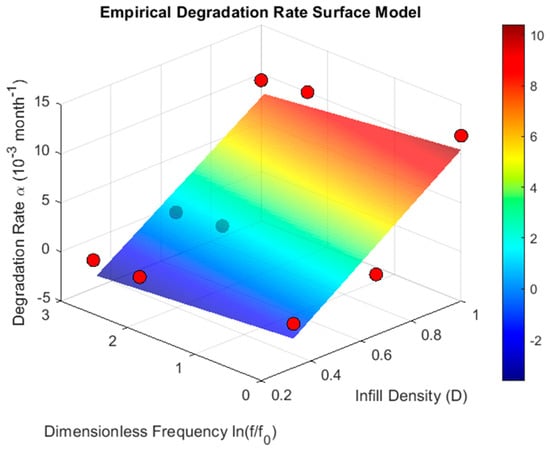
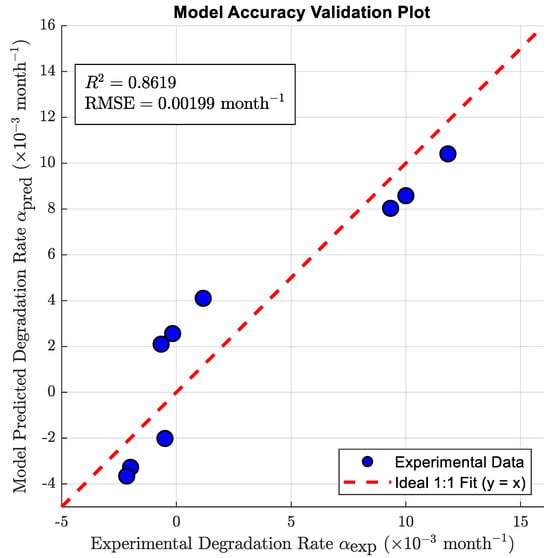
Additive manufacturing (AM) using fused filament fabrication (FFF) offers a responsive solution to maritime supply chain delays through on-demand, shipboard component fabrication. However, the operational reliability of non-structural polylactic acid (PLA) assets over extended lifecycles remains critical. This paper investigates the 6-month atmospheric degradation behavior of FFF-printed PLA components across varying infill densities (33%, 66%, and 100%). Utilizing non-destructive parallel-plate dielectric spectroscopy across an alternating current spectrum (1 kHz to 20 kHz), experimental results reveal that the decay in the relative dielectric constant (εr) is most prominent at the 1 kHz window—dropping from 3.70 to 3.63 for solid structures. At higher frequencies (10–20 kHz), this aging signature is heavily attenuated due to polymer dipole immobilization, causing the dielectric response to converge toward a baseline polarization value. To map these state transitions, a multi-variable surface linear regression framework with an ordinary least squares metric was implemented. The bilinear model successfully captures the coupled density–frequency interaction, achieving a Coefficient of Determination (R2) of 0.8619 and a Root Mean Square Error (RMSE) of 0.00199 month−1, providing a quantitative screening tool for decentralized maritime digital inventories.
Full article
(This article belongs to the Section Ocean Engineering)
►▼
Show Figures

Figure 1
Open AccessArticle
A Mathematical Modeling Method for the Expression of Navigation Situations in Complex Port Environments
by
Kai Feng, Xiaoyuan Wang, Jingheng Wang, Junlin Li, Tinglin Chen, Han Zhang, Cheng Shen, Yabin Li and Yuhan Jiang
J. Mar. Sci. Eng. 2026, 14(18), 1742; https://doi.org/10.3390/jmse14181742 (registering DOI) - 19 Sep 2026
Abstract
The unified expression of the mixed, dynamic and scattered navigation situation information in complex port area environments in a computable mathematical model is the foundation for ships to achieve intelligence and unmanned capability. Existing studies remain insufficient in terms of characterizing complex navigation
[...] Read more.
The unified expression of the mixed, dynamic and scattered navigation situation information in complex port area environments in a computable mathematical model is the foundation for ships to achieve intelligence and unmanned capability. Existing studies remain insufficient in terms of characterizing complex navigation situations involving multiple interacting factors, such as ship attributes, dynamic encounter relationships, spatial constraints, environmental conditions and navigation rules. To address this issue, a mathematical expression method for navigation situations is proposed. The ship interest perception area is first defined and discretized to characterize the directional anisotropy of surrounding situation constraints. Then, the ship interaction field, encounter conflict field, and navigation restriction field are constructed and integrated through normalization and weighted coupling. Environmental impacts, navigation-rule compliance, direction weights, and direction consistency are further incorporated to map the comprehensive situation constraint distribution into a virtual guidance direction, and a computable relationship between situation space and short-term behavioral preference space is established. Finally, the model is calibrated and validated using real ship data. The results demonstrate that the proposed model can effectively characterize directional multi-source constraints in typical complex port scenarios and generate directional preferences that are reasonably consistent with actual short-term ship motion, providing a structured information basis for navigation situation understanding and upper-level autonomous decision-making of unmanned ships.
Full article
(This article belongs to the Special Issue Multi-Source Data Supported Maritime Traffic Knowledge Discovery for Autonomous Ship Navigation)
Open AccessArticle
Design and Experimental Study of Blade-Type Extremely Low Frequency Underwater Sound Source System
by
Shuli Liu, Yongping Jin, Deshun Liu, Buyan Wan and Xinpei Gu
J. Mar. Sci. Eng. 2026, 14(18), 1741; https://doi.org/10.3390/jmse14181741 (registering DOI) - 19 Sep 2026
Abstract
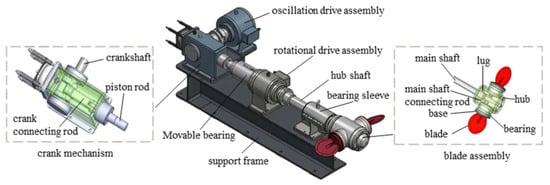
To address the inherent limitations of traditional resonant underwater sound sources—specifically their excessive size and the sharp decline in sound pressure level (SPL) at frequencies below resonance—a blade-type extremely low frequency (<30 Hz) underwater sound source system was developed. The structure of the
[...] Read more.
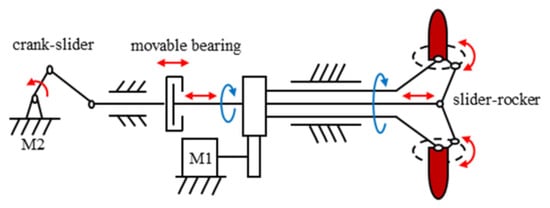
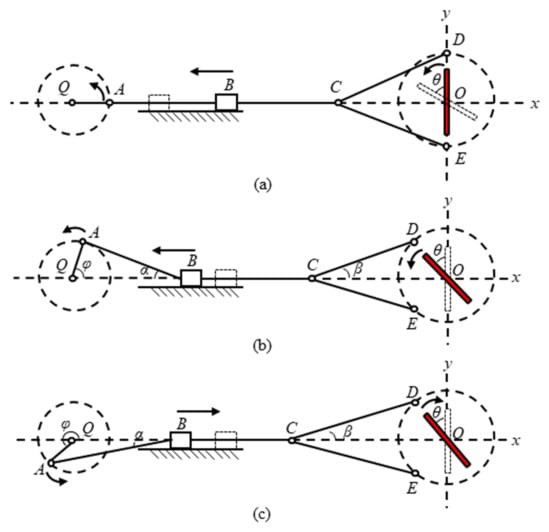
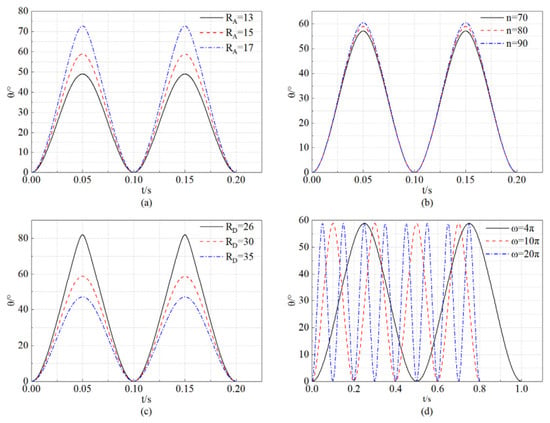
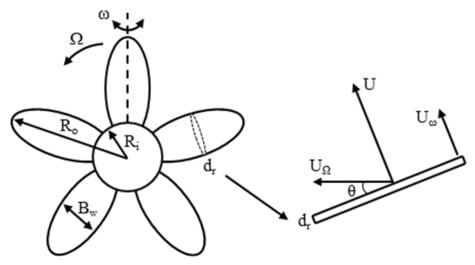
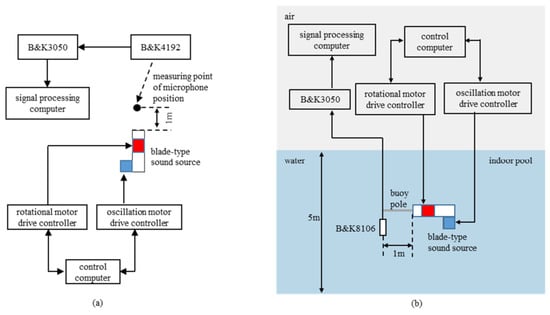
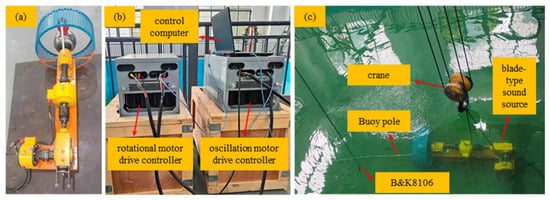
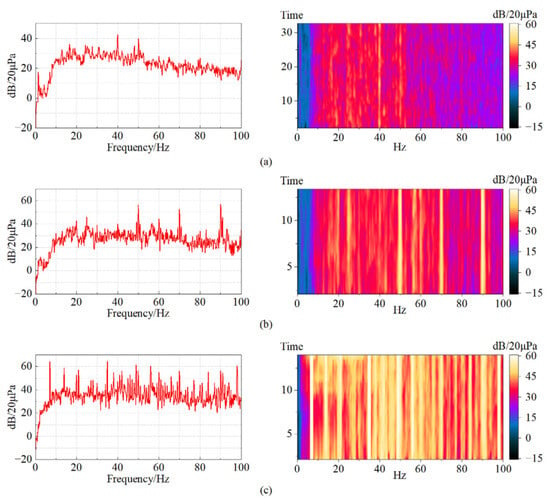
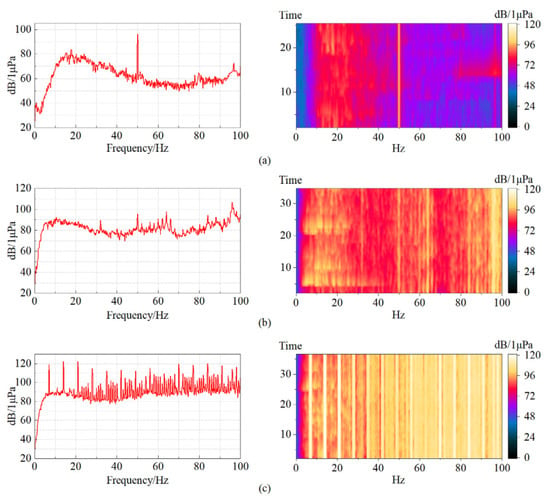
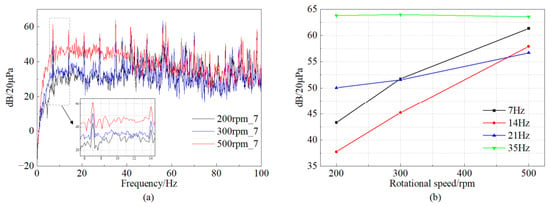
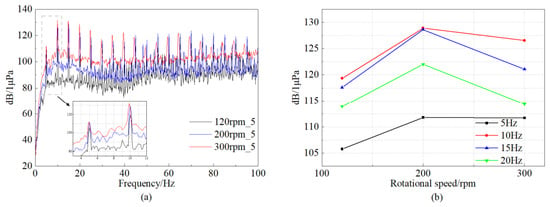
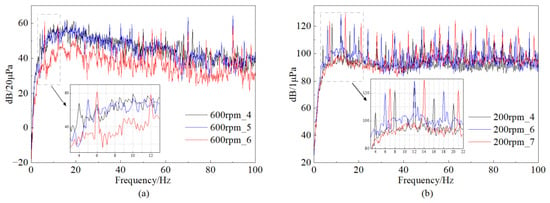
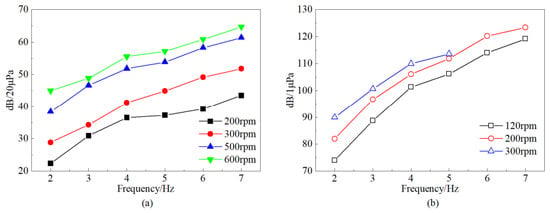
To address the inherent limitations of traditional resonant underwater sound sources—specifically their excessive size and the sharp decline in sound pressure level (SPL) at frequencies below resonance—a blade-type extremely low frequency (<30 Hz) underwater sound source system was developed. The structure of the system and the principles of its coupled rotational and oscillatory motions are elucidated. The kinematic equations of the blade oscillation driven by a combined crank-connecting rod-slider-connecting rod-rocker mechanism are established, and the effects of the impeller rotational speed and the blade oscillation speed on the SPL are analytically evaluated. The prototype was tested in both air and underwater environments. The experimental results show that the blade-type sound source can emit acoustic waves of extremely low frequency ranging from 2 Hz to 7 Hz, with the fundamental frequency of the acoustic waves perfectly aligned with the blade oscillation frequency. Increasing rotational speed more strongly affects the SPL of harmonics, while changing the oscillation frequency has a greater effect on the fundamental. Notably, a steady increase in the SPL in this paper is maintained even when the oscillation-to-rotation frequency ratio exceeds 2, while the existing blade sound source gradually decreases when the ratio exceeds 1/2. With blade dimensions as small as 13 cm in length and 9 cm in width, the SPL at 10 Hz reaches 131.77 dB (re 1 μPa), highlighting its potential for high-performance acoustic radiation applications at an extremely low frequency.
Full article
(This article belongs to the Special Issue Underwater Acoustic Field Modulation Technology)
►▼
Show Figures

Figure 1

Open AccessArticle
MarineGuard-GNN: A Physics-Informed Multimodal Heterogeneous Graph Neural Network for Submarine Cable Fault Risk Assessment Under Geographic Shift
by
Shuming Liu, Jinguo Yang, Lixi Zhao, Dawei Ji, Yaning Li and Quanan Zheng
J. Mar. Sci. Eng. 2026, 14(18), 1740; https://doi.org/10.3390/jmse14181740 (registering DOI) - 19 Sep 2026
Abstract
With the rapid development of graph neural networks and physics-informed machine learning for critical infrastructure risk, reliable assessment of submarine telecommunication cables has become both a practical resilience requirement and a demanding cross-domain learning problem. These cables carry more than 99% of international
[...] Read more.
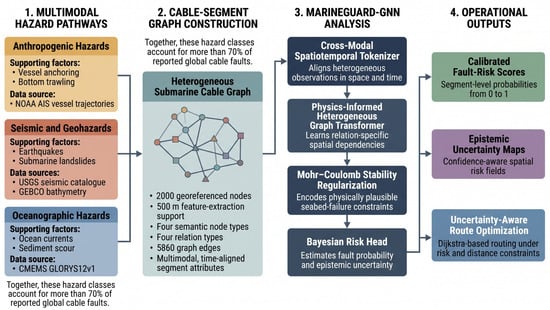
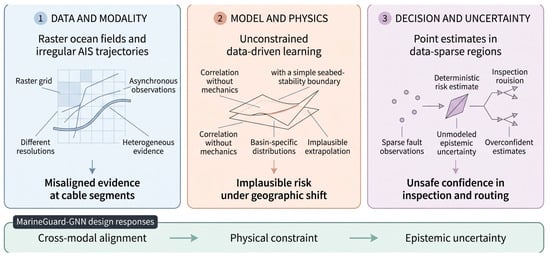
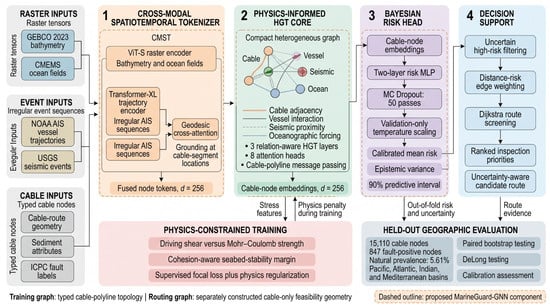
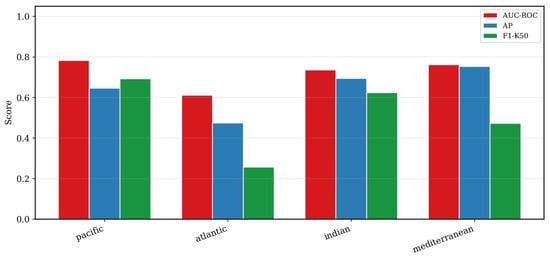
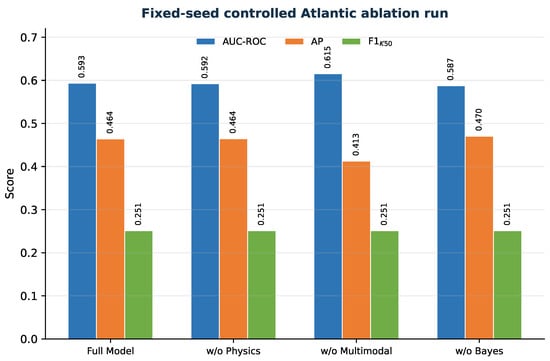
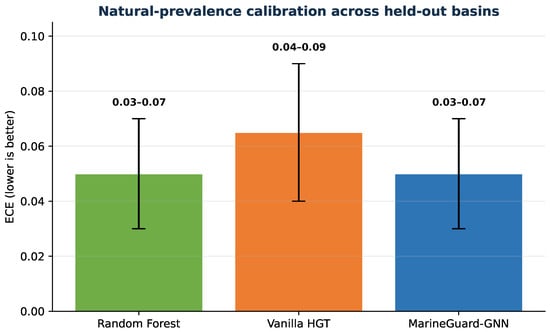
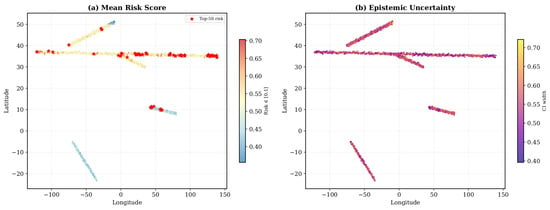
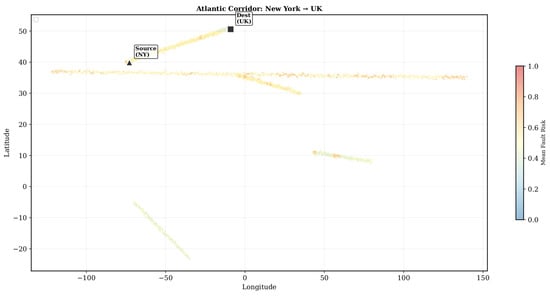
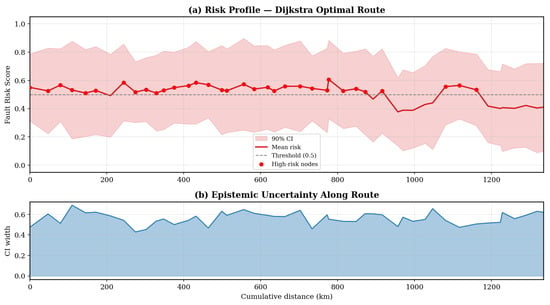
With the rapid development of graph neural networks and physics-informed machine learning for critical infrastructure risk, reliable assessment of submarine telecommunication cables has become both a practical resilience requirement and a demanding cross-domain learning problem. These cables carry more than 99% of international data traffic, yet fault risk modeling faces four explicit challenges: (1) modality misalignment, because marine evidence combines gridded environmental fields with irregular vessel trajectories; (2) relational heterogeneity, because hazards interact through semantically distinct spatial links; (3) physical inconsistency, because unconstrained predictions may violate seabed geomechanics under geographic shift; and (4) decision uncertainty, because safety-critical inspection and routing require uncertainty rather than point estimates alone. The closest approaches leave identifiable gaps. Makrakis and colleagues optimized static cable routes without learned hazard interactions or uncertainty; Taghizadeh and colleagues constrained flood graph predictions without cable-specific heterogeneous entities; and Guo and colleagues fused maritime trajectories without forecasting cable faults or screening routes. No existing approaches combine these missing capabilities under geographically held-out cable basins. To address this gap, the present paper proposes MarineGuard-GNN, a physics-informed multimodal heterogeneous graph neural network. Its Cross-Modal Spatiotemporal Tokenizer maps GEBCO bathymetry, CMEMS ocean fields, and NOAA AIS trajectories into a shared 256-dimensional space; a relation-aware Heterogeneous Graph Transformer represents four semantic node types and four physical relation types; a differentiable Mohr–Coulomb loss regularizes geomechanical consistency; and a Monte Carlo dropout risk head estimates segment-level epistemic uncertainty for inspection and routing. Under 4-fold geographic cross-validation at natural prevalence on 15,110 cable nodes (847 faults), MarineGuard-GNN attains cross-basin AUC-ROC, average-precision, and F1 ranges of – , – , and – , respectively; average precision corresponds to a – lift over the no-skill prevalence baseline. Paired basin-stratified bootstrap analysis and Holm-corrected tests confirm improvements over the strongest tabular and graph baselines ( AUC-ROC , AP ; ). Matched ablation shows that removing the corrected mechanics term reduces AUC-ROC by and average precision by without improving calibration. Across three densely sampled public cable corridors, uncertainty-aware routing reduces mean predicted risk by at least while limiting distance overhead to below ; the conclusion remains stable for risk thresholds from to . These results demonstrate statistically supported cross-basin generalization, establishing the proposed framework as a reproducible decision support method.
Full article
(This article belongs to the Special Issue Artificial Intelligence and Its Application in Ocean Engineering)
►▼
Show Figures

Figure 1
Open AccessArticle
Adsorption Equilibrium and Thermodynamics of Supercritical High-Pressure Methane Adsorption on the Lower Cambrian Organic-Rich Marine Shuijingtuo Shales Based on the Dubinin-Astakhov (D-A) Model
by
Sile Wei, Mingyi Hu, Yukun Liu and Xin Zhan
J. Mar. Sci. Eng. 2026, 14(18), 1739; https://doi.org/10.3390/jmse14181739 (registering DOI) - 19 Sep 2026
Abstract
Characterizing methane (CH4) adsorption behavior in marine shale reservoirs is of great significance for assessing geological natural gas reserves and elucidating adsorption mechanisms within complex pore systems. In this study, supercritical high-pressure CH4 adsorption experiments were conducted on Lower Cambrian
[...] Read more.
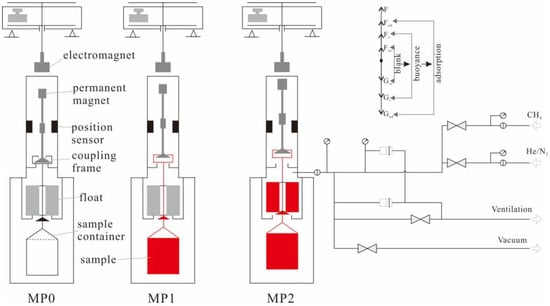
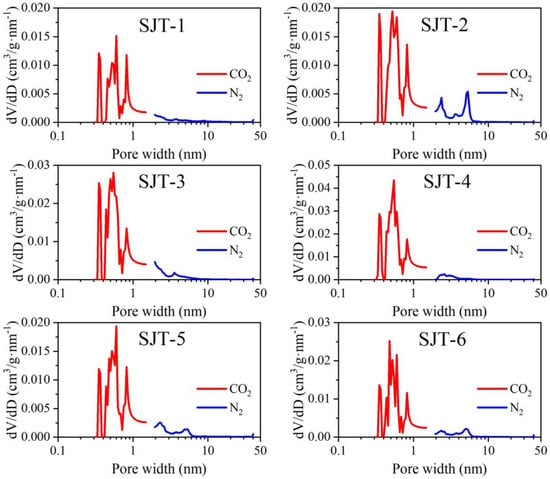
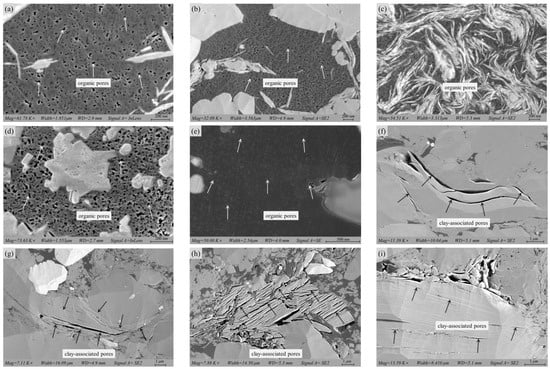
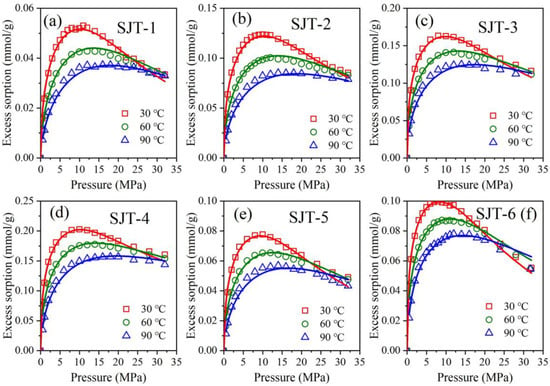
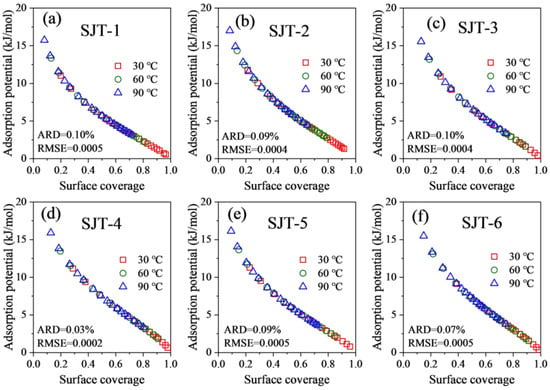
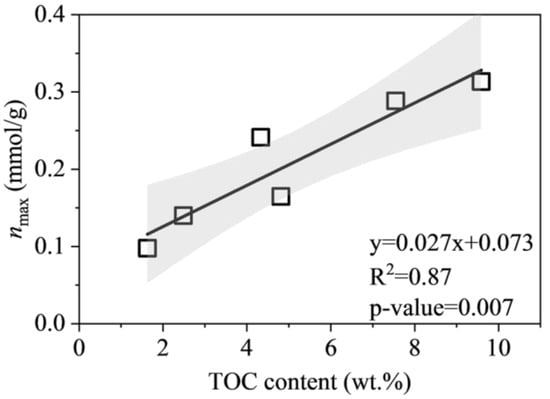
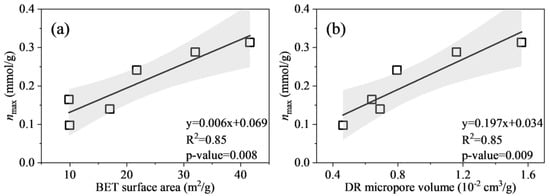
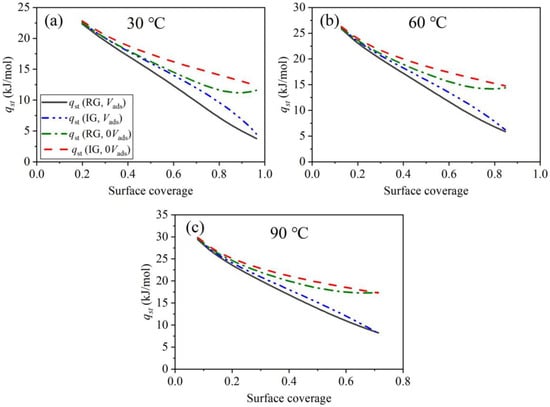
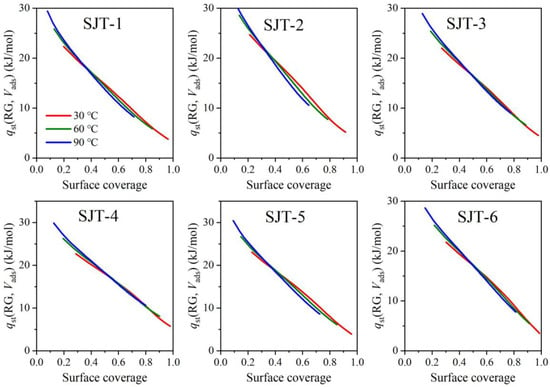
Characterizing methane (CH4) adsorption behavior in marine shale reservoirs is of great significance for assessing geological natural gas reserves and elucidating adsorption mechanisms within complex pore systems. In this study, supercritical high-pressure CH4 adsorption experiments were conducted on Lower Cambrian organic-rich marine Shuijingtuo shales under reservoir-relevant pressure and temperature conditions (30–90 °C and up to 32 MPa). The measured excess isotherms were analyzed using the Polanyi theory-derived Dubinin-Astakhov (D-A) model, which incorporates a pseudo-saturation pressure correction for supercritical conditions and accounts for the adsorbed phase density. The D-A model yielded excellent fits (R2 = 0.976–0.990) and temperature-independent characteristic curves for all marine shale samples, confirming its suitability for supercritical CH4 adsorption in heterogeneous pore systems. A strong positive correlation (R2 = 0.87) was observed between total organic carbon (TOC) content and adsorption capacity. This relationship is attributable to the abundant nanoscale organic pores developed within the organic matter, which increase the micropore volume and BET surface area, thereby improving the gas uptake potential. Thermodynamic analysis incorporating real gas behavior and adsorbed phase volume reveals that simplified assumptions (assuming an ideal gas or negligible adsorbed phase volume) systematically overestimate the isosteric heat of adsorption, with this deviation being particularly pronounced at high surface coverages. The model-derived isosteric heat decreases with increasing surface coverage across all shale samples, an observation that is highly consistent with the preferential occupation of high-energy sites within a highly heterogeneous marine nanopore system. The theoretical framework of the isosteric heat of adsorption provided in this study is suitable for other gas–solid adsorption systems and establishes a foundation for future research on other thermodynamic analyses such as the adsorbed phase enthalpy and adsorbed phase specific heat capacity.
Full article
(This article belongs to the Special Issue Advances in Offshore Oil and Gas Exploration and Development, 2nd Edition)
►▼
Show Figures

Figure 1

Open AccessReview
Coastal Sustainability Under Development Pressures: A Narrative Review of Degradation Drivers and Governance Responses
by
Yiwen Zhang and Junyi Wang
J. Mar. Sci. Eng. 2026, 14(18), 1738; https://doi.org/10.3390/jmse14181738 (registering DOI) - 18 Sep 2026
Abstract
Coastal zones rank among the most productive, densely populated, and rapidly transforming systems on Earth, yet the very development that sustains them increasingly compromises their long-term viability. Drawing on the international coastal management and marine science literature, this narrative review traces the ways
[...] Read more.
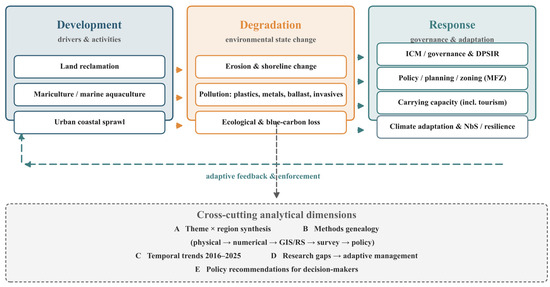
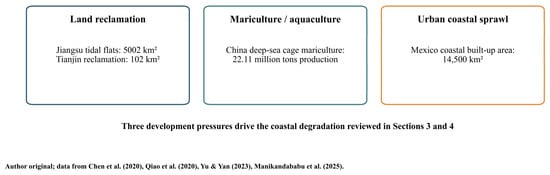
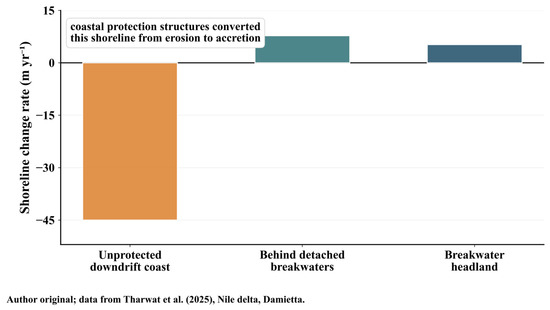
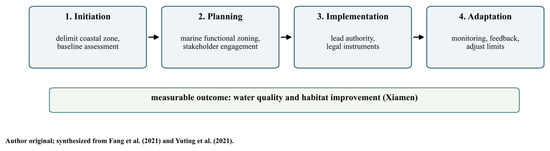
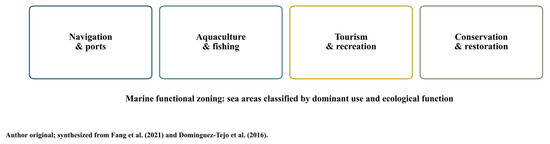
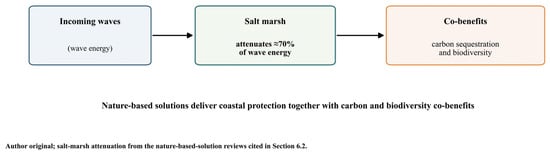
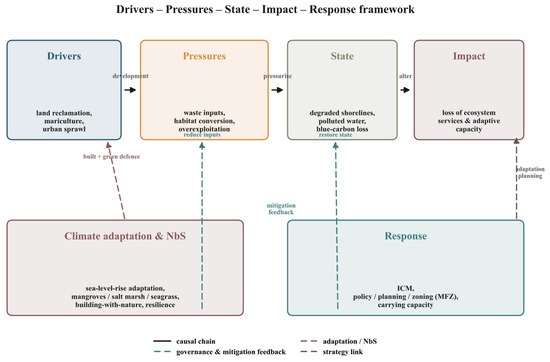
Coastal zones rank among the most productive, densely populated, and rapidly transforming systems on Earth, yet the very development that sustains them increasingly compromises their long-term viability. Drawing on the international coastal management and marine science literature, this narrative review traces the ways in which human development along the coast drives environmental degradation and, in turn, elicits institutional and ecological responses. It shows that three principal activities—land reclamation, mariculture and marine aquaculture, and urban coastal sprawl—recur as the sources of a recurring suite of environmental harms, spanning shoreline erosion, plastic and heavy-metal pollution, invasive-species incursions, and the loss of blue-carbon habitat. In response, a growing literature documents integrated coastal management, marine functional zoning, carrying-capacity assessment, and climate-adaptive and nature-based solutions as progressively more integrated instruments of governance. The review argues that these three stages form a single development–degradation–response cycle, and that whether that cycle closes constructively depends less on the mere presence of development than on the quality of the governance response it elicits. Across the cases synthesized here, the most acute pressure–degradation couplings arise where rapid urbanization and intensive coastal use coincide with weak or fragmented governance, whereas durable institutions of integrated coastal management and zoning have demonstrably contained or reversed degradation. The review closes by identifying the most pressing research gaps and the policy levers available to decision-makers seeking to reconcile coastal development with sustainability.
Full article
(This article belongs to the Section Coastal Engineering)
►▼
Show Figures

Figure 1

Open AccessArticle
A Context Modulation Network (CM-Net) for Ship Targets Ultra-Fine-Grained Recognition in Optical Remote Sensing Images
by
Wei Xiong, Shaowei He, Libo Yao, Zhao Liang, Ping Wang and Lanhui Sun
J. Mar. Sci. Eng. 2026, 14(18), 1737; https://doi.org/10.3390/jmse14181737 (registering DOI) - 18 Sep 2026
Abstract
►▼
Show Figures
Ultra-fine-grained ship recognition is a core task in optical remote sensing maritime situational awareness. Two fundamental bottlenecks persist: (1) discriminative microstructures (e.g., radar antennas, superstructures, vertical launch systems) are severely diluted or lost during repeated downsampling; (2) high-frequency background noise from sea foam,
[...] Read more.
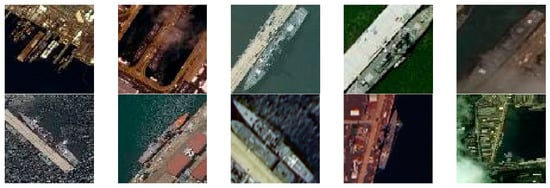
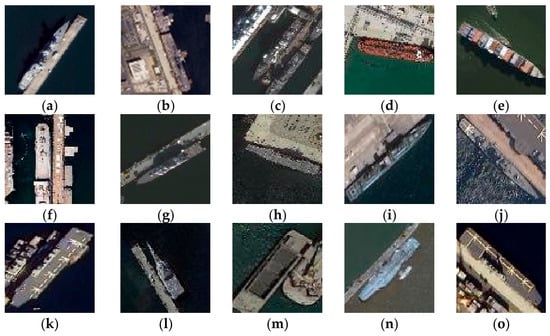
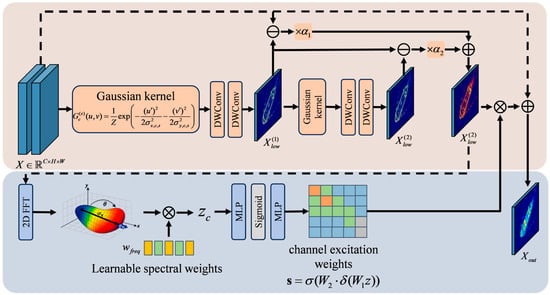
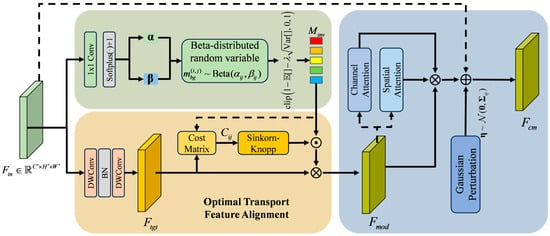
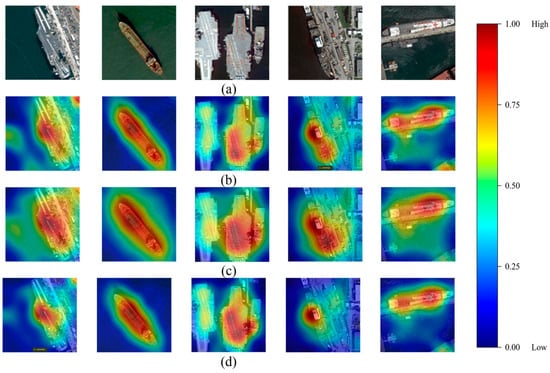
Ultra-fine-grained ship recognition is a core task in optical remote sensing maritime situational awareness. Two fundamental bottlenecks persist: (1) discriminative microstructures (e.g., radar antennas, superstructures, vertical launch systems) are severely diluted or lost during repeated downsampling; (2) high-frequency background noise from sea foam, port edges and storage facilities is spectrally entangled with target signals, causing severe inter-class feature confusion. To address these issues, we propose the context modulation network (CM-Net), which unifies detail enhancement and background suppression as sequential stages within a single feature propagation pathway. Discriminative high-frequency information is first recovered in shallow-to-intermediate layers, after which uncertainty-aware modulation suppresses residual background responses in deeper layers, forming a two-stage frequency enhancement and background purification framework. Specifically, the Ultra-Fine-Grained Feature Enhancement Module (UFG-FEM) recovers multi-scale discriminative high-frequency details in shallow-to-intermediate layers, enriching representations for deeper stages. The Dual-Branch Context Modulation Module (DB-CMM) subsequently models background uncertainty via a Beta evidential distribution and selectively suppresses background interference through optimal transport-based soft alignment and an information bottleneck, forming a sequential pipeline with clear functional division. We also build the FGSC-72 dataset with 72 model-level categories and ~13,000 images. On FGSC-72, CM-Net achieves 97.49% Top-5 accuracy, 91.67% macro-Precision, 94.69% mean Average Precision (mAP), and 92.01% macro-averaged F1 score, with a 4.64-percentage-point improvement in mAP over Oriented R-CNN. Across five representative backbones, it improves mAP by 4.60–7.11 points, indicating consistent cross-architecture applicability.
Full article

Figure 1
Open AccessArticle
In Situ Sediment–Seawater Solute Flux Determined with a Unisense A/S MiniChamber Lander: Effects of Stirrer Speed and Particle Resuspension
by
Elianna Zoura, David R. Plew and Kay Vopel
J. Mar. Sci. Eng. 2026, 14(18), 1736; https://doi.org/10.3390/jmse14181736 (registering DOI) - 18 Sep 2026
Abstract
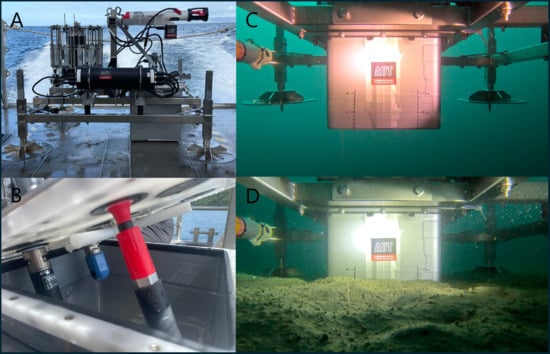
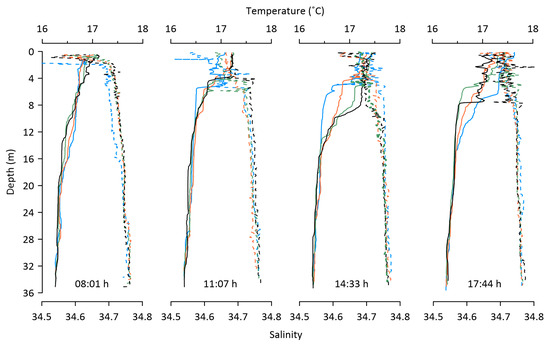
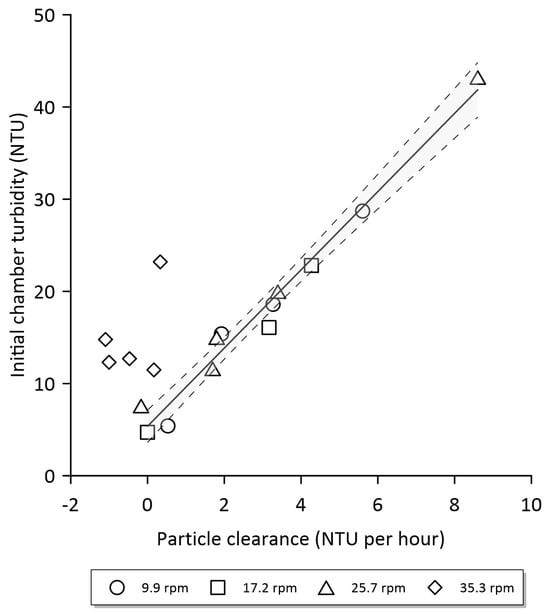
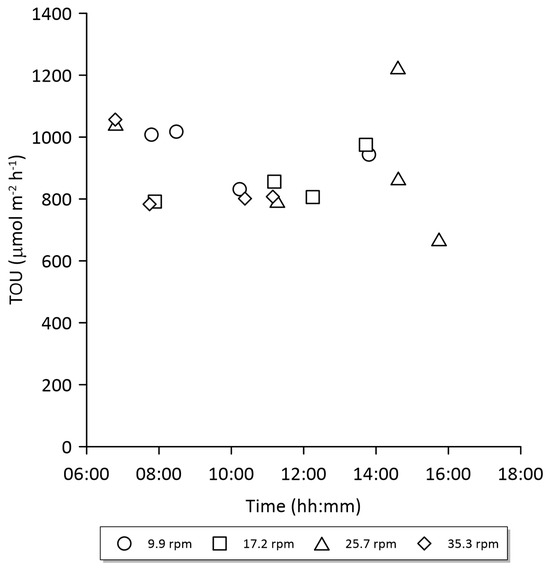
Benthic chambers measure the sediment–seawater solute exchange. In cohesive sediments, this exchange may scale with the sediments’ diffusive boundary layer (DBL) thickness and thus the intensity of chamber water agitation. To investigate this, we deployed a customised Unisense A/S MiniChamber lander with an
[...] Read more.
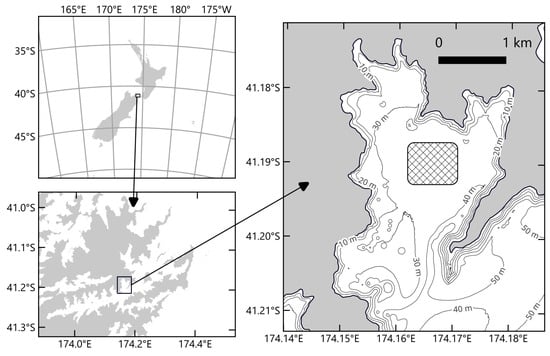
Benthic chambers measure the sediment–seawater solute exchange. In cohesive sediments, this exchange may scale with the sediments’ diffusive boundary layer (DBL) thickness and thus the intensity of chamber water agitation. To investigate this, we deployed a customised Unisense A/S MiniChamber lander with an opaque, stirred benthic chamber on the subtidal seafloor of Queen Charlotte Sound, New Zealand. We deployed the chamber at 18 sites over six days, during the morning, midday, and the afternoon, using four stirrer speeds (10, 17, 26, 35 rpm). All but the highest stirrer speed allowed particles resuspended during chamber deployment to settle. Sediment total O2 uptake (TOU) ranged from 614 to 1125 µmol m−2 h−1. Ammonium, phosphorus, and nitrate fluxes indicated consistent sediment release, except for two deployments that showed nitrate uptake. Statistical analyses revealed a negative effect of the initial chamber turbidity on TOU, but failed to detect effects of stirrer speed or time of day on any measured flux. Variation in TOU was minimal across stirrer speeds at midday but higher during the morning and afternoon. We discuss these observations in the context of sediment disturbance during deployment and diel variations in infaunal activity. Overall, our results align with those of previous studies using different chambers, indicating that chamber-derived sediment–seawater solute flux estimates may be unaffected by chamber water agitation intensity.
Full article
(This article belongs to the Special Issue Novel Advances in Offshore Sensor Systems)
►▼
Show Figures

Figure 1
Open AccessArticle
A Coupled Framework for Short-Term Mooring Tension Prediction and Ballast Control for Floating Offshore Wind Turbines
by
Baicheng Lyu, Zhanghanyi Li, Yingfei Zan and Shenghua Zhong
J. Mar. Sci. Eng. 2026, 14(18), 1735; https://doi.org/10.3390/jmse14181735 (registering DOI) - 18 Sep 2026
Abstract
Floating offshore wind turbines (FOWTs) experience six-degree-of-freedom motions and related forces acting on their mooring systems. Under combined wind, wave, and current loading, platform motions and mooring line tensions are dynamically coupled. To support ballast control decisions without repeatedly running high-fidelity coupled simulations,
[...] Read more.
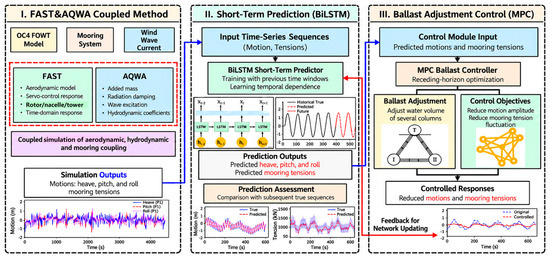
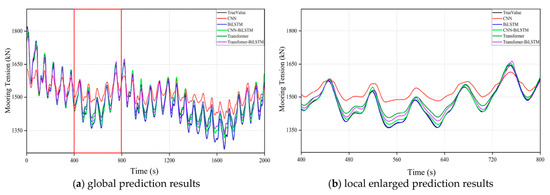
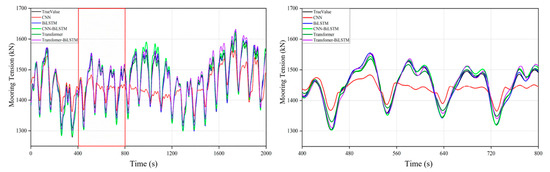
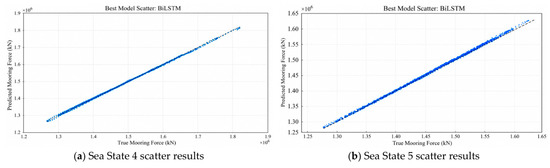
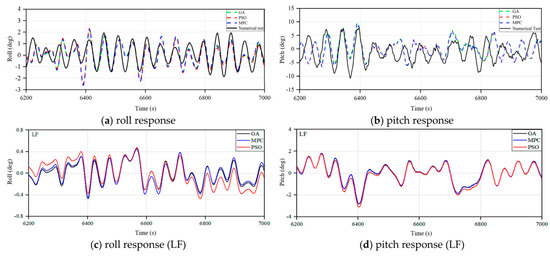
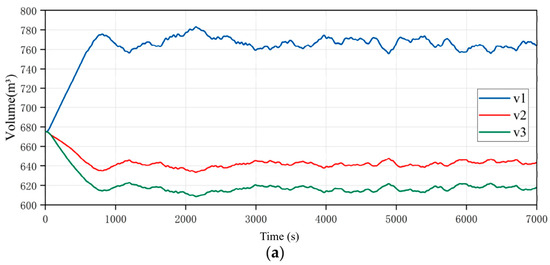
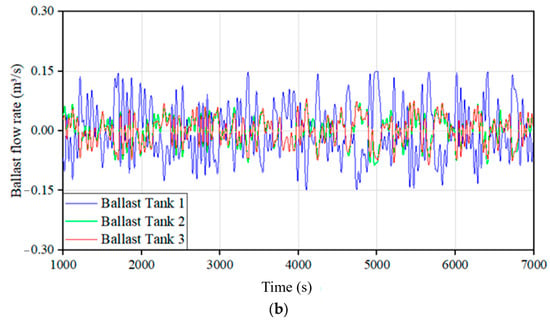
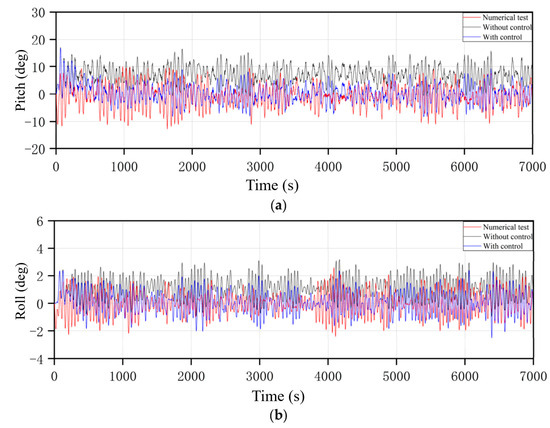
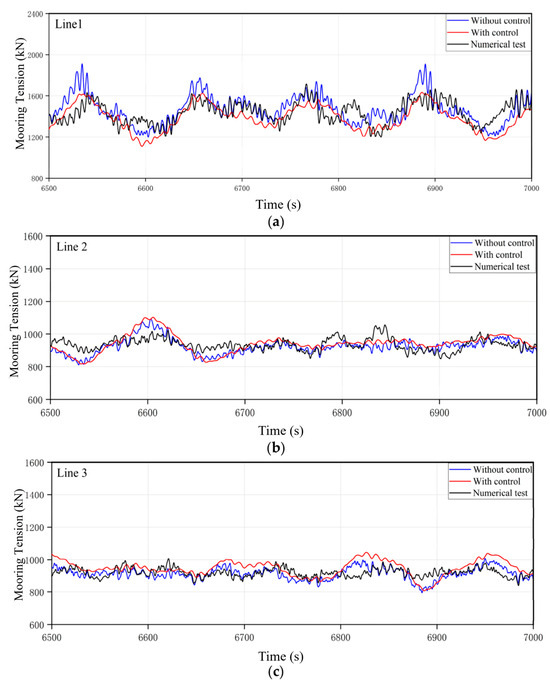
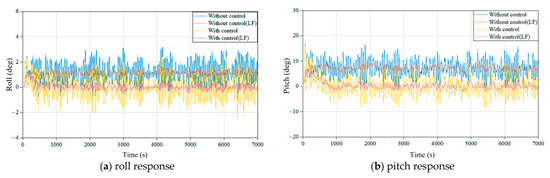
Floating offshore wind turbines (FOWTs) experience six-degree-of-freedom motions and related forces acting on their mooring systems. Under combined wind, wave, and current loading, platform motions and mooring line tensions are dynamically coupled. To support ballast control decisions without repeatedly running high-fidelity coupled simulations, this paper developed a specialized computational framework combining FAST-AQWA time-domain simulation, short-term mooring tension prediction, and ballast control optimization. Five predictive models were trained and evaluated using the same sliding window dataset. After training, the predicted mooring tension data were used for ballast control calculations. In this study, the bidirectional long short-term memory (BiLSTM) model showed the highest prediction accuracy for mooring tension and the Model Prediction Control (MPC) produced a smoother control action and significantly reduced the amplitude of low-frequency roll and pitch. The proposed framework provides a practical approach for combining short-term response prediction with ballast control and demonstrates that explicit mooring tension constraints must be incorporated into the design considerations of subsequent control systems.
Full article
(This article belongs to the Special Issue Advances in Marine Engineering Hydrodynamics, 2nd Edition)
►▼
Show Figures

Figure 1
Open AccessArticle
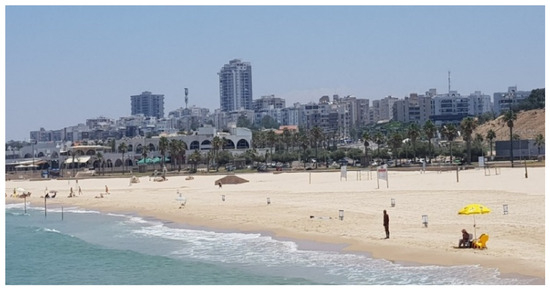
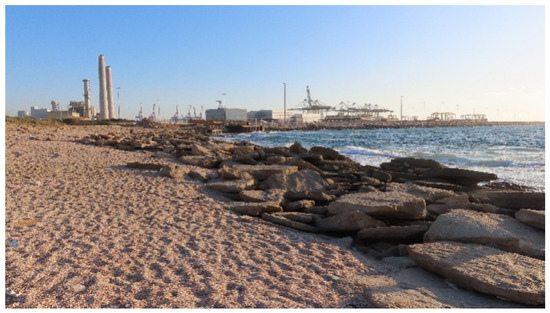
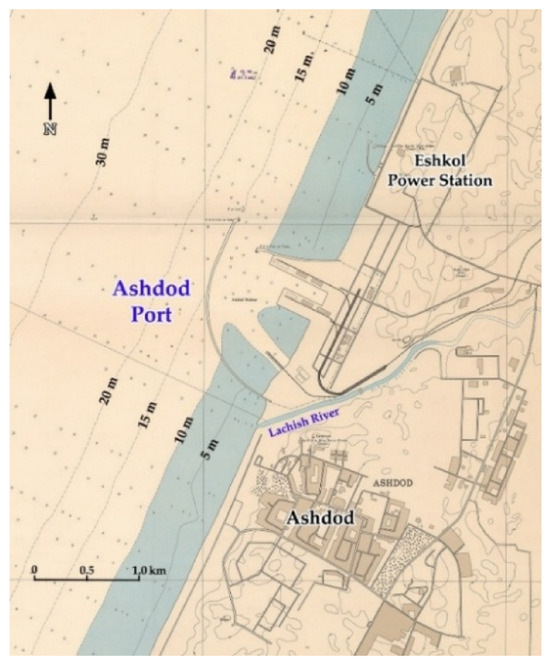
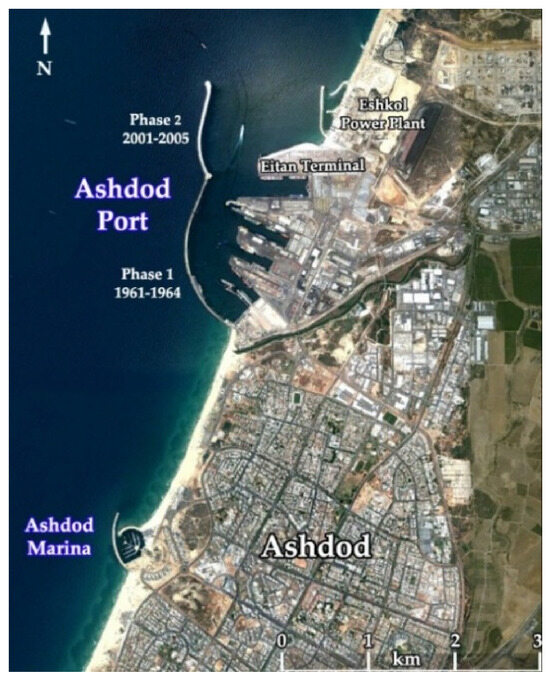
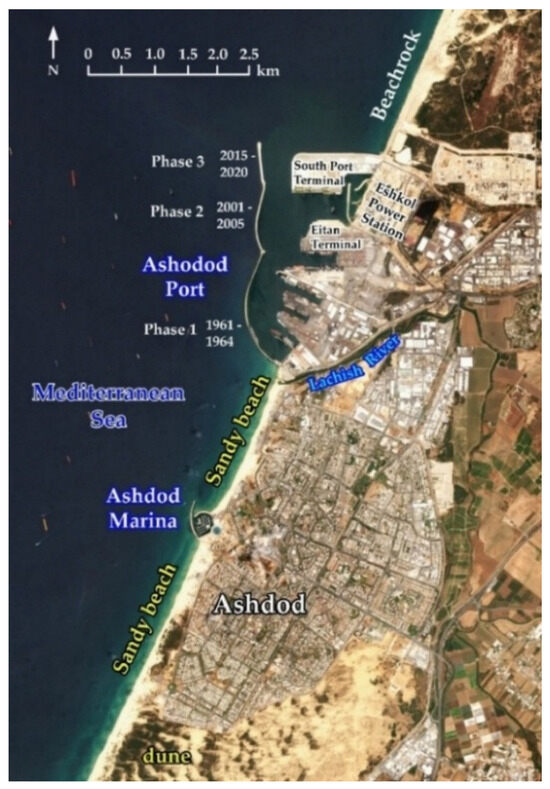
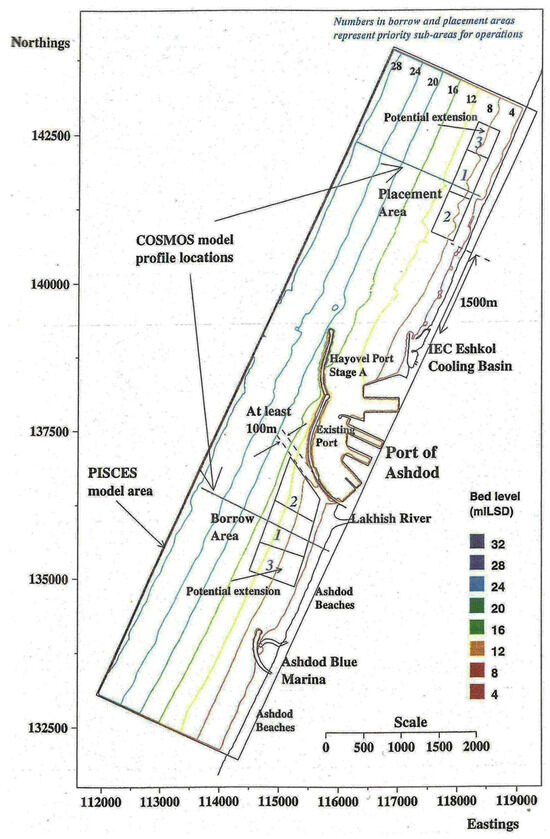
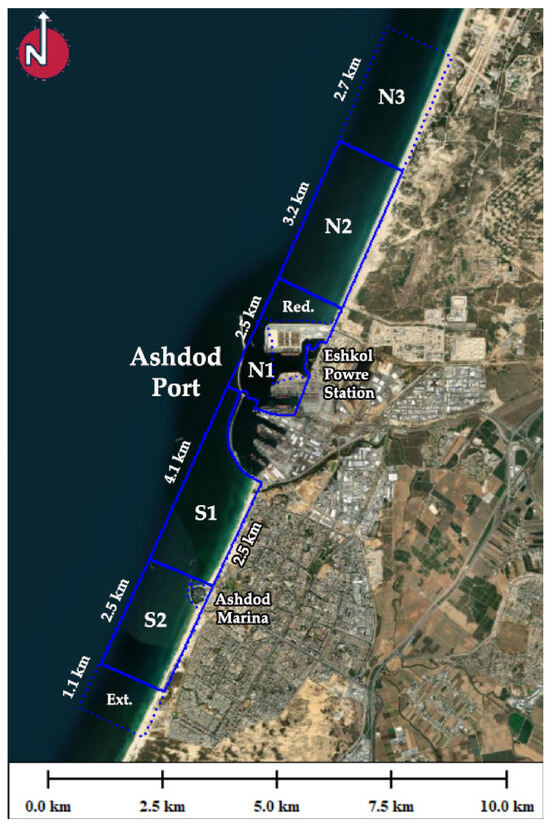
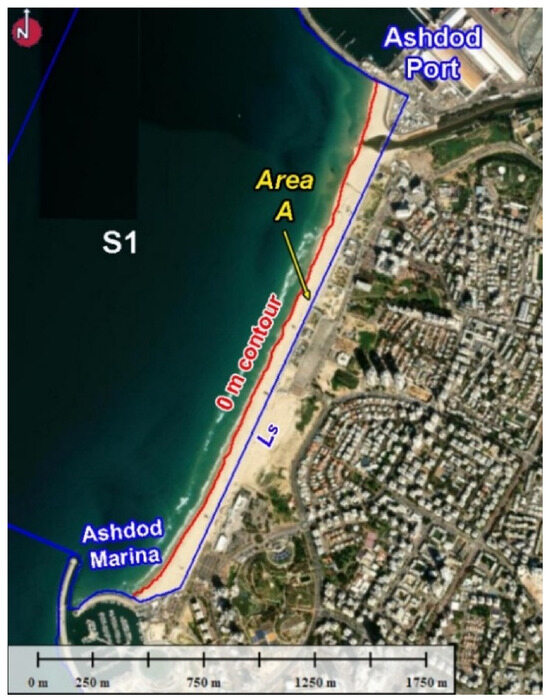
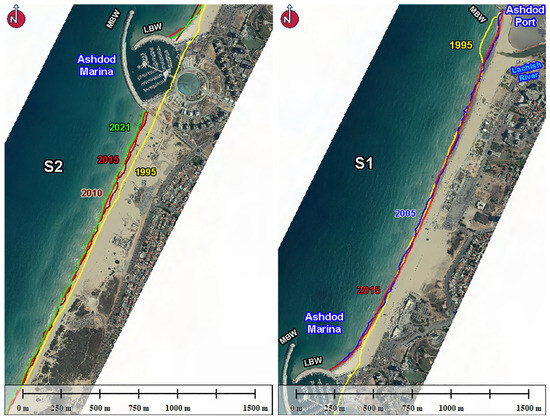
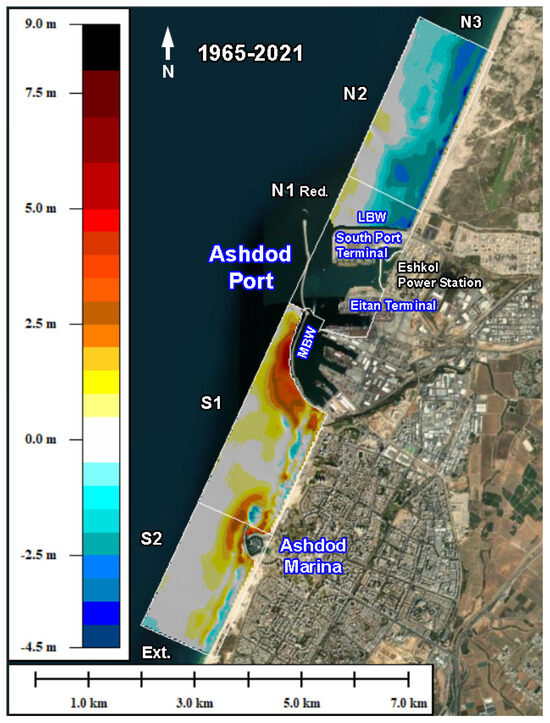
Six Decades of Morphodynamic Evolution Around Ashdod Port, Southeastern Mediterranean Coast of Israel
by
Dov Zviely
J. Mar. Sci. Eng. 2026, 14(18), 1734; https://doi.org/10.3390/jmse14181734 (registering DOI) - 17 Sep 2026
Abstract
Long-term morphodynamic responses to large ports are difficult to quantify when historical observations cover different periods, spatial domains, and engineering interventions. At Ashdod Port, on the Mediterranean coast of southern Israel, previous studies documented individual stages of coastal change, but the cumulative response
[...] Read more.
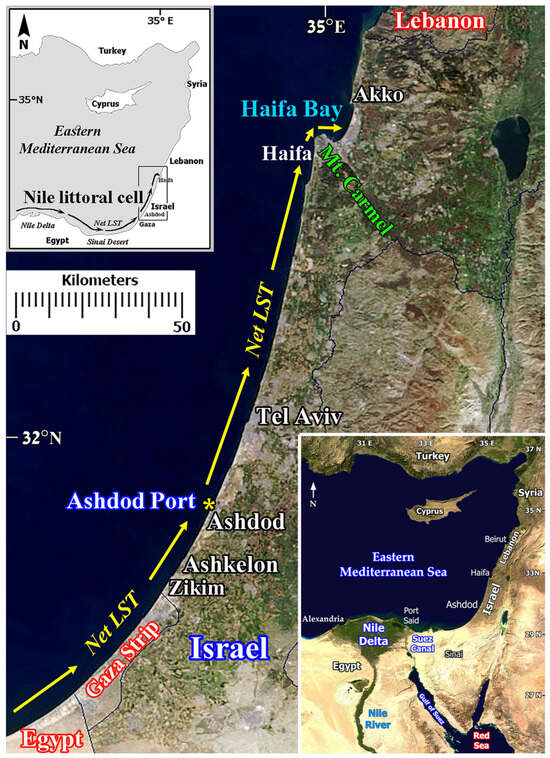
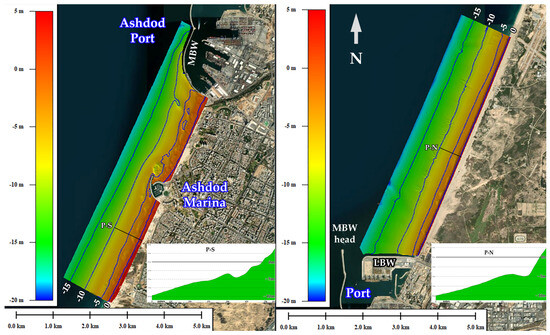
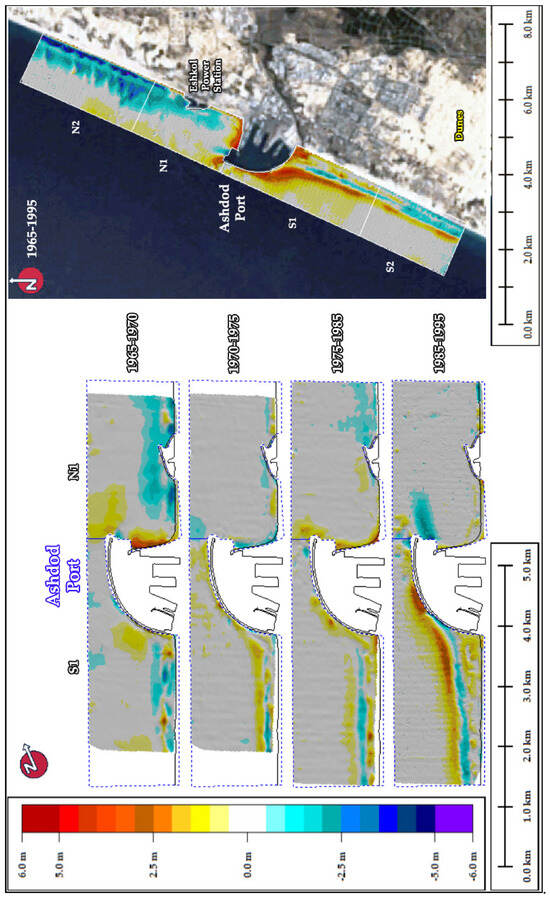
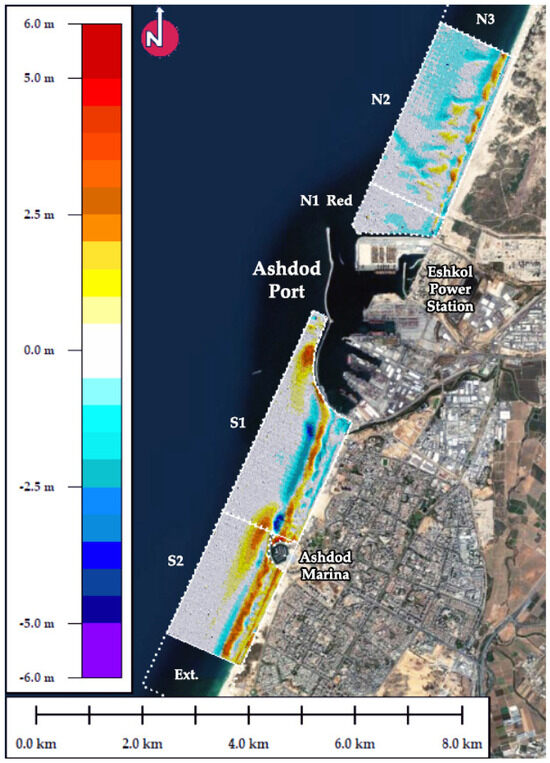
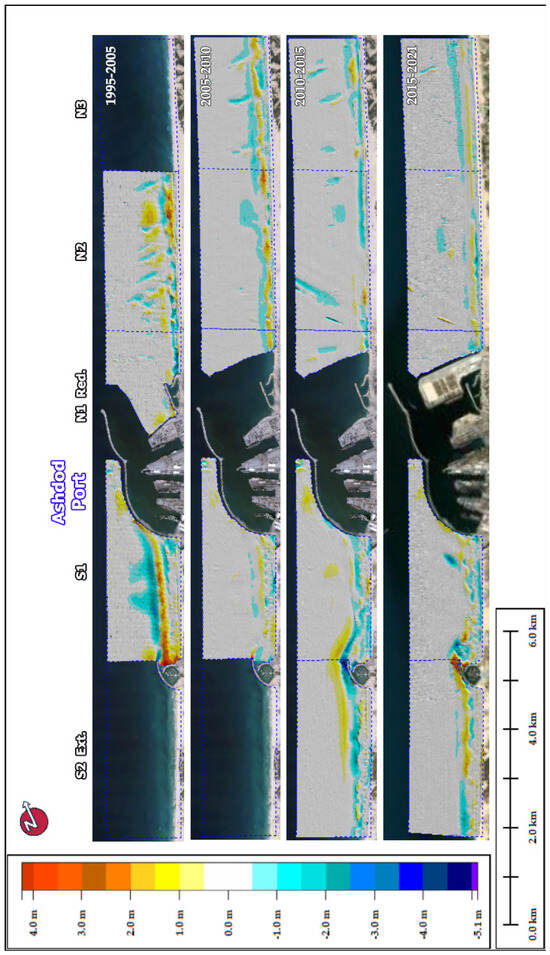
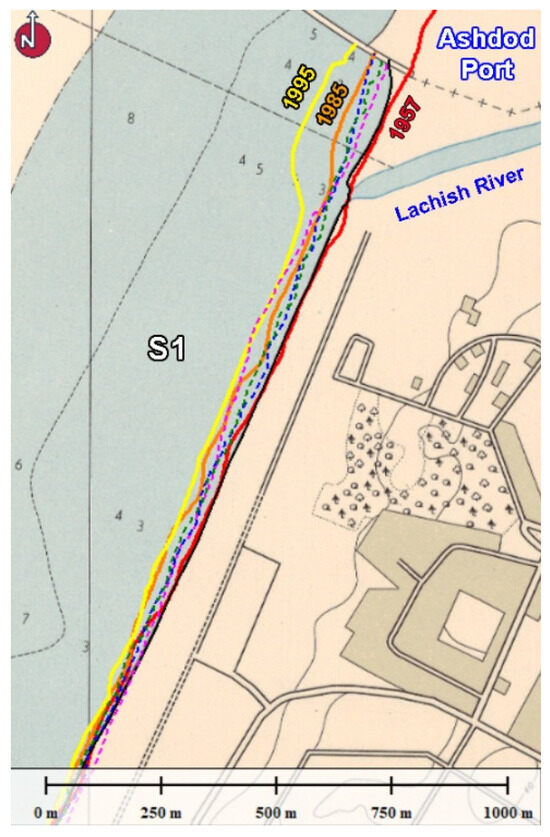
Long-term morphodynamic responses to large ports are difficult to quantify when historical observations cover different periods, spatial domains, and engineering interventions. At Ashdod Port, on the Mediterranean coast of southern Israel, previous studies documented individual stages of coastal change, but the cumulative response to six decades of port development remained unresolved. This study reconstructs the Ashdod coastal system from 1957 to 2025 using historical and modern bathymetric–topographic surveys, shoreline analysis, and intervention-adjusted sediment balances. During 1965–1995, approximately 4.50 × 10⁶ m3 of sand accumulated within the ~2.5 km sector immediately south of the main breakwater (MBW), while a comparable deficit developed north of the port. Following construction of Ashdod Marina (1995–1997), accumulation became distributed across the southern sectors, while erosion persisted north of the port and extended farther downdrift. For 1965–2021, intervention-adjusted balances were +7.859 × 10⁶ m3 south and −7.208 × 10⁶ m3 north of the port, corresponding to +140 and −129 × 103 m3/yr, respectively. Their similar magnitude and opposite signs constrain the long-term morphological response to interruption of the predominantly northward sediment-transport system but do not constitute a direct LST estimate. Successive port expansions extended the MBW head from ~15 to ~25 m water depth, across most of the sandy inner-shelf domain extending to ~30 m. North of the port, substantial sediment losses were accompanied by limited shoreline retreat, showing that shoreline change alone underrepresents the submerged response. Despite artificial northward transfer of ~1.457 × 10⁶ m3 since 2000, the downdrift deficit persisted. Historical accumulation south of the port should therefore not be equated with a presently available sand reserve. The record demonstrates the value of multi-decadal volumetric analysis for resolving cumulative port impacts and supporting sediment management on engineered sandy coasts.
Full article
(This article belongs to the Section Coastal Engineering)
►▼
Show Figures

Figure 1
Open AccessArticle
Risk-Aware Hybrid Decision-Making Combining Reinforcement Learning and Receding Horizon Control for AUV Bistatic Sonar Target Tracking
by
Weicong Zhan, Yu Tian, Feng Zheng, Jiancheng Yu and Yan Huang
J. Mar. Sci. Eng. 2026, 14(18), 1733; https://doi.org/10.3390/jmse14181733 (registering DOI) - 17 Sep 2026
Abstract
Reinforcement learning (RL) can guide autonomous underwater vehicle (AUV) maneuvering to improve the relative source–target–receiver geometry for bistatic sonar target tracking. However, learning a reliable RL policy typically requires substantial interactions with the environment. This paper proposes a risk-aware hybrid decision-making framework that
[...] Read more.
Reinforcement learning (RL) can guide autonomous underwater vehicle (AUV) maneuvering to improve the relative source–target–receiver geometry for bistatic sonar target tracking. However, learning a reliable RL policy typically requires substantial interactions with the environment. This paper proposes a risk-aware hybrid decision-making framework that combines an RL policy with selective receding horizon control (RHC) to reduce policy training requirements. Specifically, soft actor-critic (SAC) serves as the nominal decision maker, while a tracking-risk detector assesses target existence probability and estimation uncertainty. When a high-risk belief state is identified, RHC temporarily overrides the SAC action and performs finite-horizon planning based on predicted tracking uncertainty and acoustic detectability. Monte Carlo tree search is employed to efficiently solve the resulting planning problem. Numerical simulations show that the proposed framework improves tracking performance and reduces target-loss events under limited SAC training budgets. In particular, the hybrid framework using a SAC policy trained for 160,000 interaction steps achieves tracking performance comparable to that of pure SAC trained for 500,000 steps, while requiring only sparse RHC intervention. These results demonstrate that selective online planning provides an effective trade-off among policy training requirements, online computational cost, and target tracking performance.
Full article
(This article belongs to the Section Ocean Engineering)
Open AccessArticle
Evaluation Method for Low-Grade Thermal Energy Conversion Systems Including Finite Heat Exchanger Thermal Performance
by
Yasuyuki Ikegami and Takafumi Morisaki
J. Mar. Sci. Eng. 2026, 14(18), 1732; https://doi.org/10.3390/jmse14181732 (registering DOI) - 17 Sep 2026
Abstract
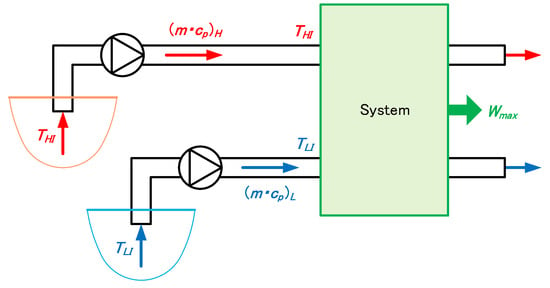
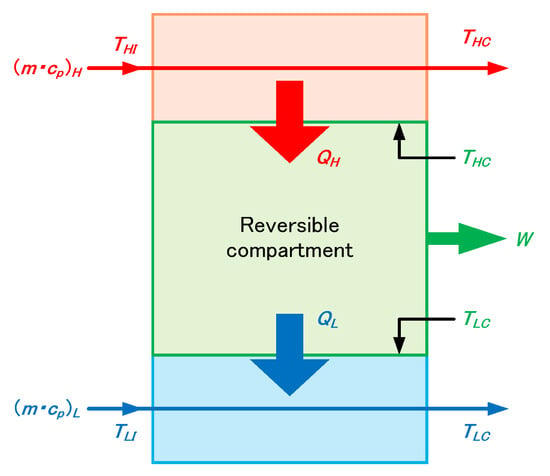
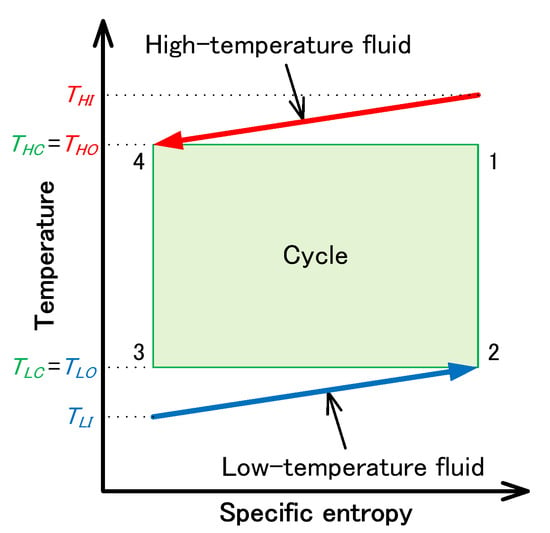
Low-grade thermal energy conversion (LTEC), including ocean thermal energy conversion (OTEC) and waste heat recovery, holds substantial potential for sustainable power generation. Because LTEC systems operate under extremely small temperature differences, conventional thermal efficiency of cycle alone cannot adequately characterize the maximum power
[...] Read more.
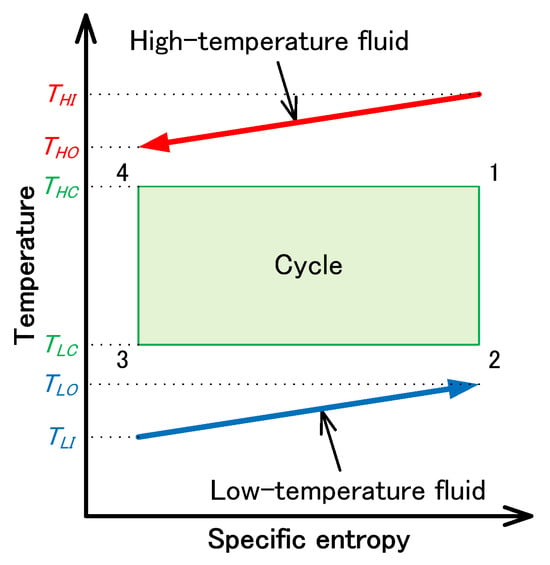
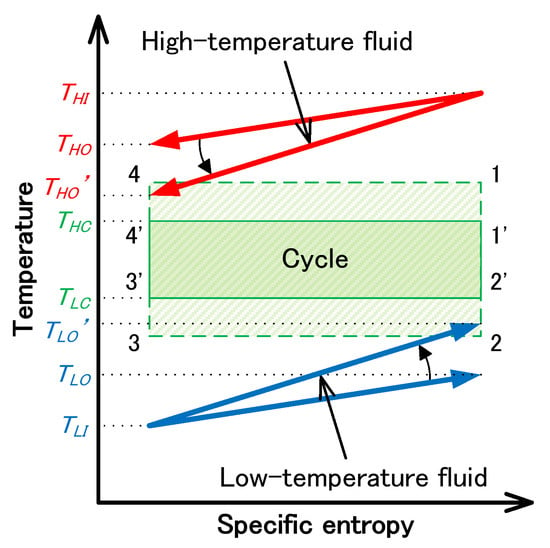
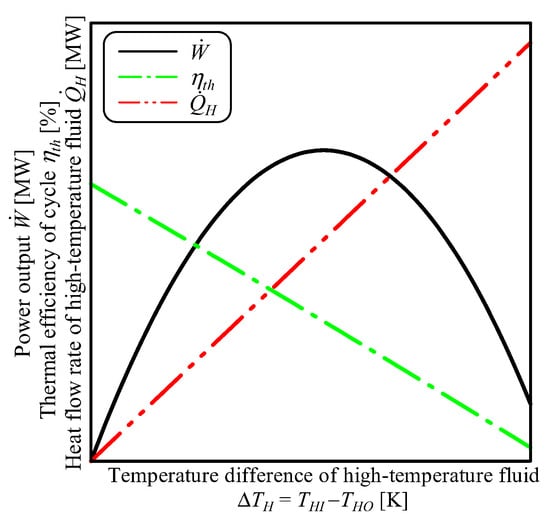
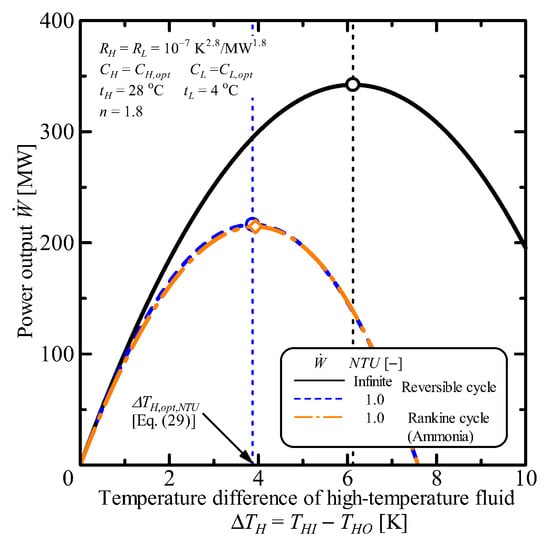
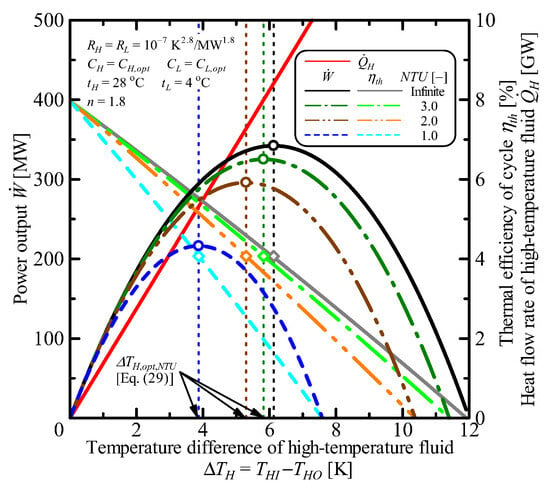
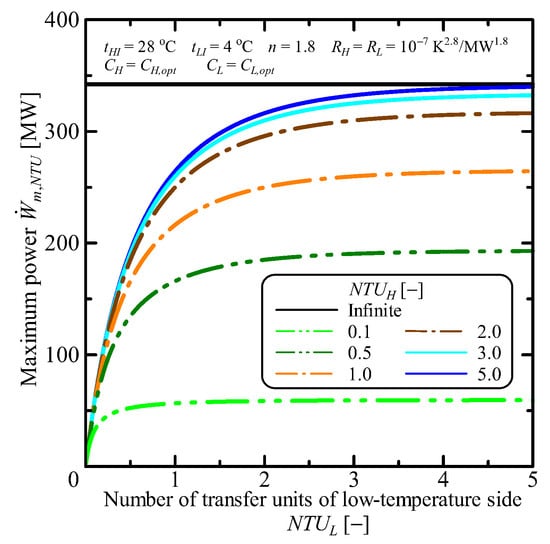
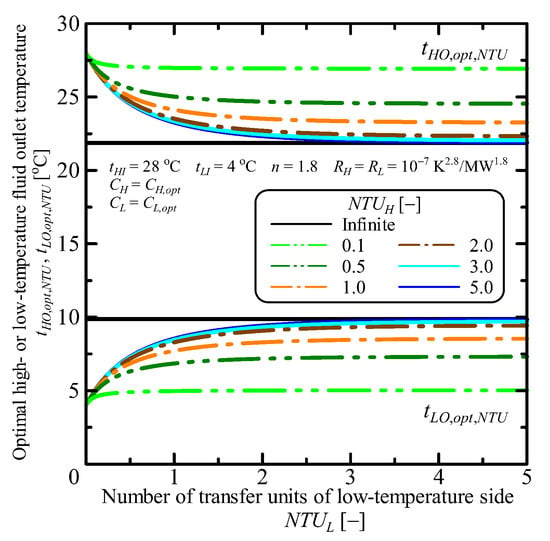
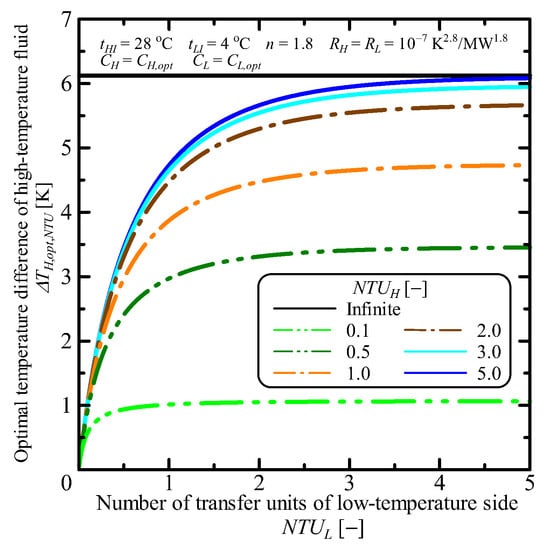
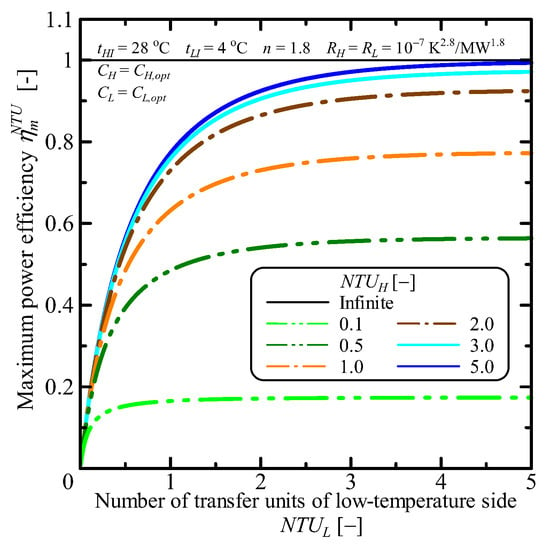
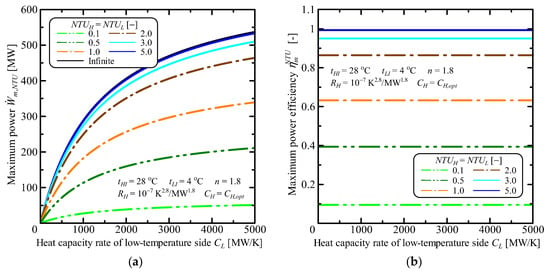
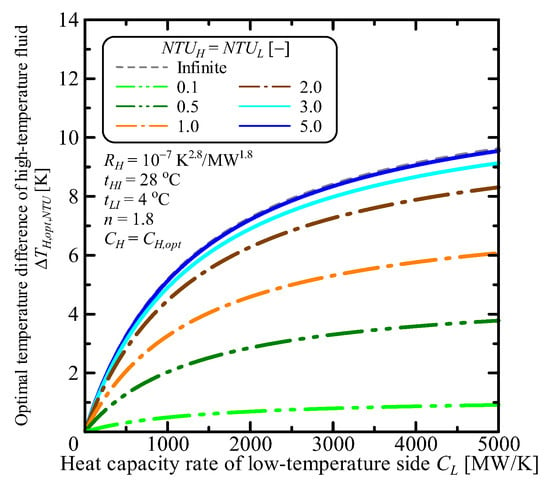
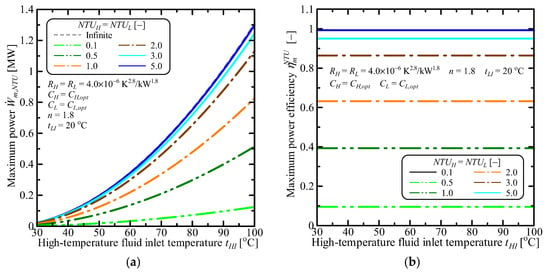
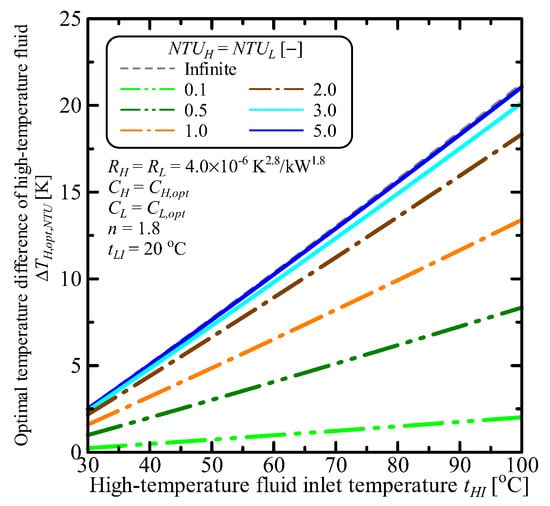
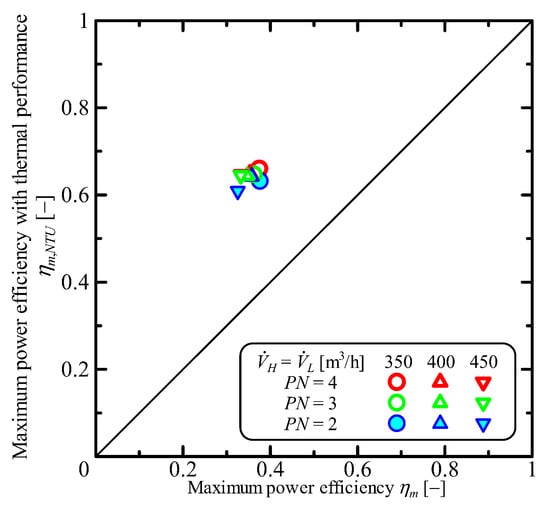
Low-grade thermal energy conversion (LTEC), including ocean thermal energy conversion (OTEC) and waste heat recovery, holds substantial potential for sustainable power generation. Because LTEC systems operate under extremely small temperature differences, conventional thermal efficiency of cycle alone cannot adequately characterize the maximum power extractable from finite-flow-rate heat sources. Although previous studies have analyzed heat exchanger irreversibilities and theoretical power limits, a compact analytical framework that simultaneously couples finite heat-capacity flow rates with the thermal performances of both high- and low-temperature heat exchangers remains limited. In this study, a theoretical framework for a single-stage endoreversible cycle is developed, expressing heat exchanger performance in terms of the number of transfer units (NTU). Closed-form analytical equations are derived for the maximum gross power (Wm,NTU), optimal heat-source temperature changes, and maximum power efficiency (ηm). Comparative evaluation against the classical model by Ikegami and Bejan demonstrates that finite heat exchanger thermal performance not only reduces the attainable maximum power, but also shifts the optimum outlet temperature changes of both warm and cold streams. Furthermore, the performances of the high- and low-temperature heat exchangers are strongly coupled; increasing the NTU on one side yields diminishing returns in power output if the other side remains limited, eventually reaching a fixed upper limit. Conversely, the thermal efficiency of cycle at maximum power (ηth,m) remains independent of NTU and is determined by the high- and low-temperature heat source inlet temperatures. Comparison with an ammonia Rankine cycle model under representative OTEC conditions confirms close agreement in predicted maximum power and optimal temperature shifts. This analytical framework provides a simple, robust benchmark for evaluating and optimizing LTEC and OTEC systems while accounting for heat source flow limits and heat exchanger performance.
Full article
(This article belongs to the Special Issue Ocean Thermal Energy Conversion and Utilization)
►▼
Show Figures

Figure 1
Open AccessArticle
Physics-Informed Neural Network Framework for Ship Roll Motion Prediction with Adaptive Loss Balancing
by
Lifen Hu, Xinyu Mu, Jie Liu, Saishuai Dai, Junying Bi, Yufan Gao and Shenhao Yang
J. Mar. Sci. Eng. 2026, 14(18), 1731; https://doi.org/10.3390/jmse14181731 (registering DOI) - 17 Sep 2026
Abstract
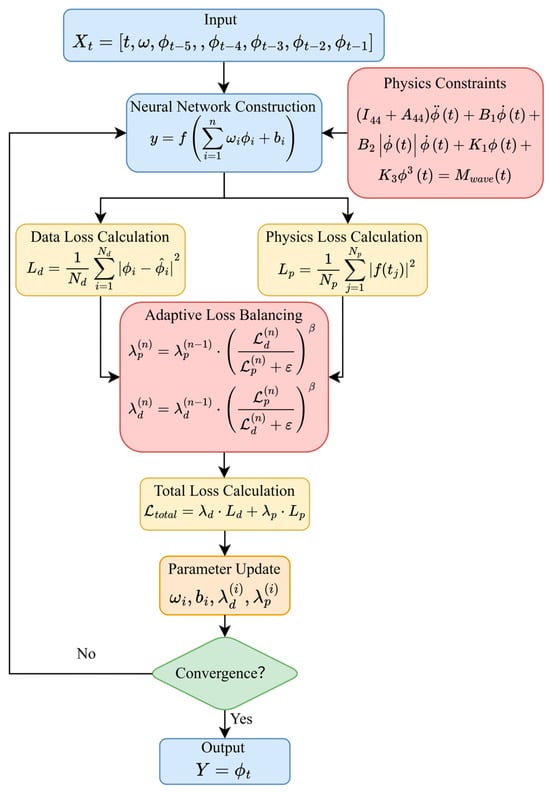
Accurate prediction of ship roll motion is essential for maritime safety and stability assessment. Physics-based methods can provide physically interpretable predictions, but high-fidelity numerical simulations usually require considerable computational resources, limiting their application to efficient and long duration roll motion prediction. In contrast,
[...] Read more.
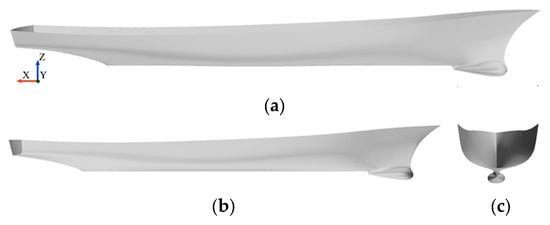
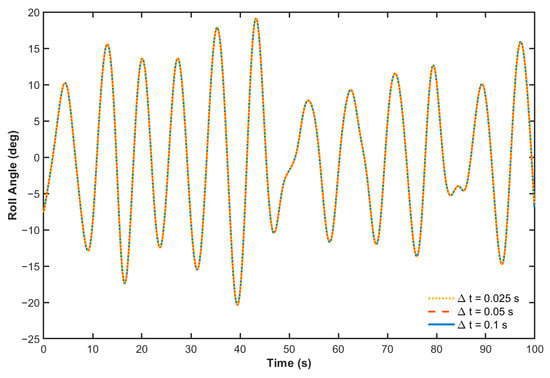
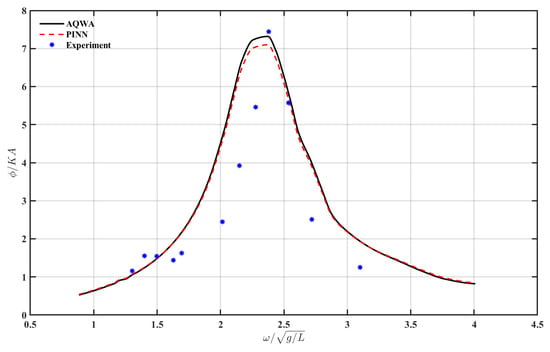
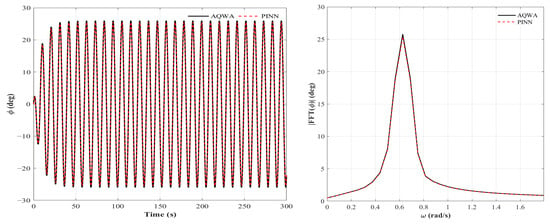
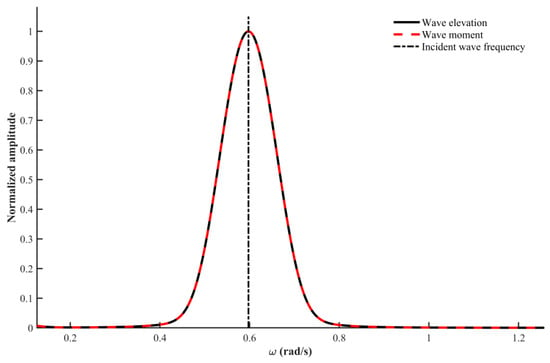
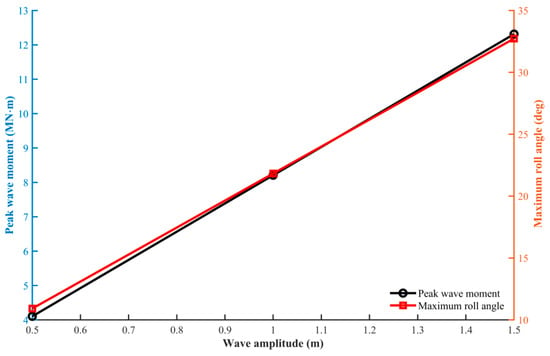
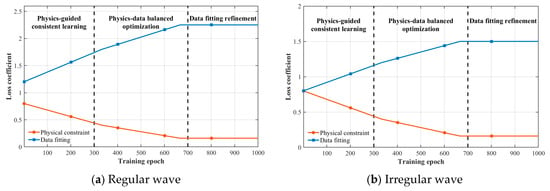
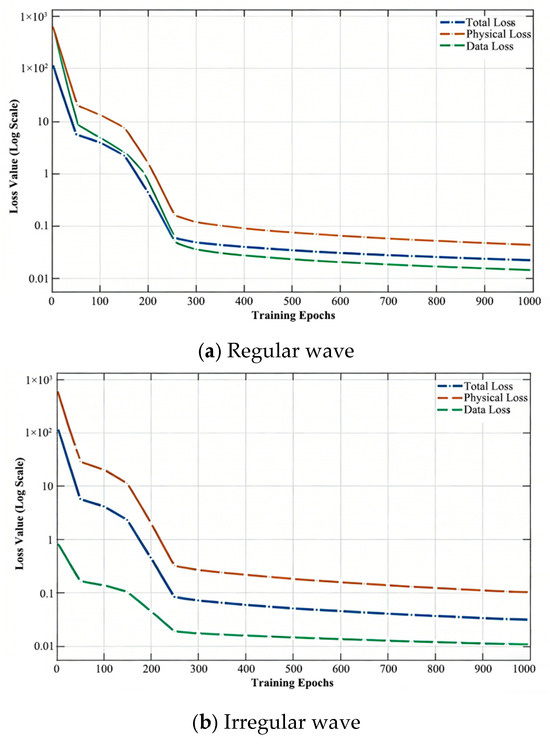
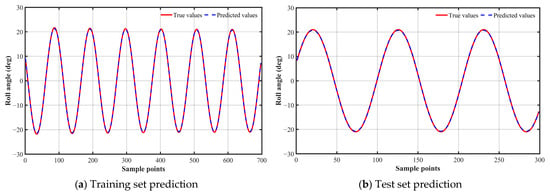
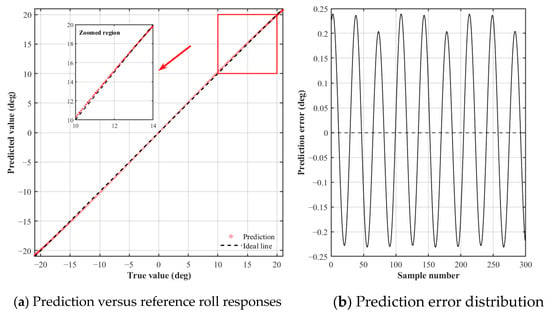
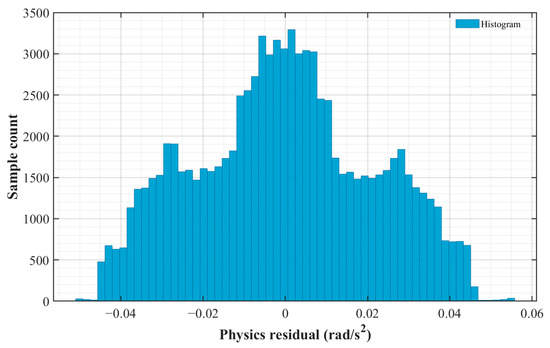
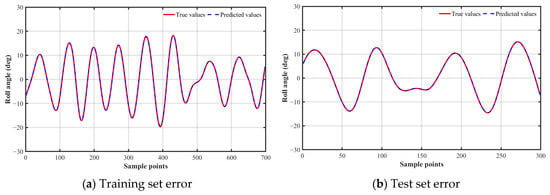
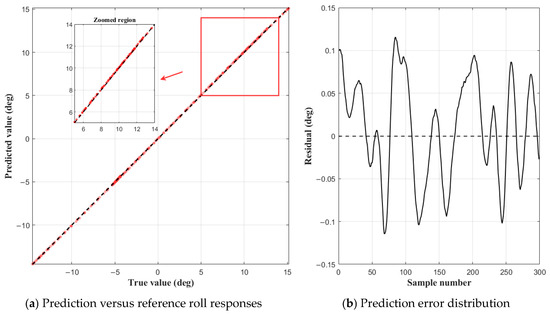
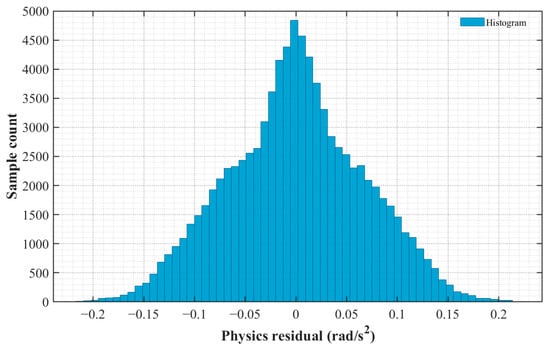
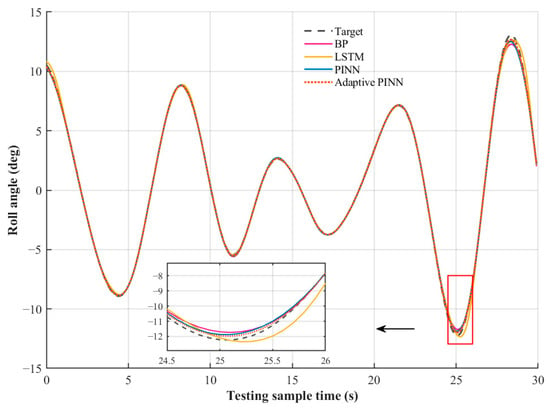
Accurate prediction of ship roll motion is essential for maritime safety and stability assessment. Physics-based methods can provide physically interpretable predictions, but high-fidelity numerical simulations usually require considerable computational resources, limiting their application to efficient and long duration roll motion prediction. In contrast, purely data driven models are computationally efficient but may lack physical consistency. To address these limitations, this study develops a physics-informed neural network (PINN) framework with an adaptive loss-balancing strategy for ship roll motion prediction. An adaptive loss balancing strategy is incorporated to dynamically regulate the relative contributions of the governing equation loss and the data fitting loss during training, thereby integrating physical constraints with available roll response data. The DTMB 5415 hull is selected as a benchmark case, in which the roll motion equation is incorporated as a physical constraint, and time series data under both regular and irregular wave conditions are generated through numerical simulations. Comparative results demonstrate that the proposed PINN-BP (Adaptive) framework achieves the lowest RMSE and MAE among the evaluated models, while maintaining an R2 comparable to that of the standard PINN. The computational results further show that its training cost remains comparable to that of the standard PINN and is substantially lower than that of the LSTM model, while the inference time remains at a low level. The results demonstrate that incorporating adaptive loss balancing into the physics-informed BP neural-network framework can improve roll motion prediction accuracy without introducing a substantial additional computational burden. The proposed framework provides a physically informed and computationally efficient approach for ship roll motion prediction under the investigated wave conditions.
Full article
(This article belongs to the Section Ocean Engineering)
►▼
Show Figures

Figure 1
Open AccessArticle
Real-Time Precise Positioning Performance of BDS-3 PPP-B2b: Evaluation and Marine Buoy Application
by
Xiangyu Tian, Haojun Li, Xiao Yin, Tengfei Bai, Ren Wang and Jialong Sun
J. Mar. Sci. Eng. 2026, 14(18), 1730; https://doi.org/10.3390/jmse14181730 - 17 Sep 2026
Abstract
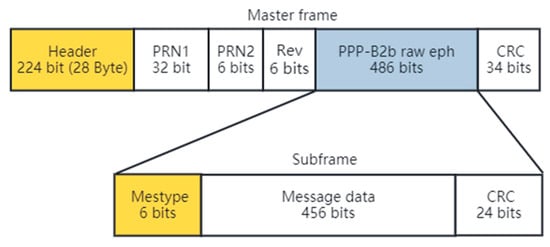
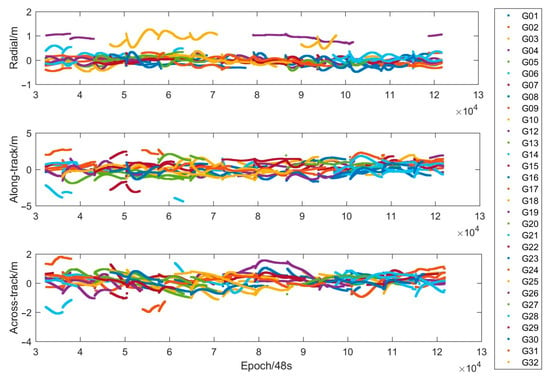
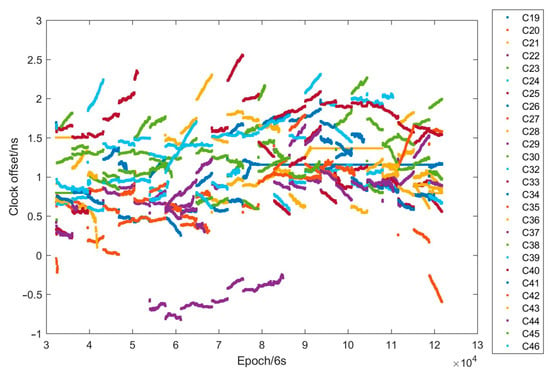
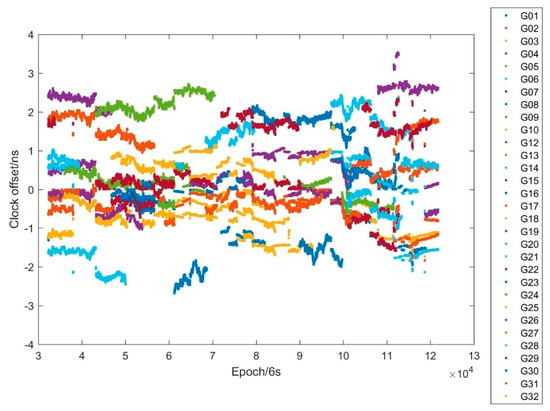
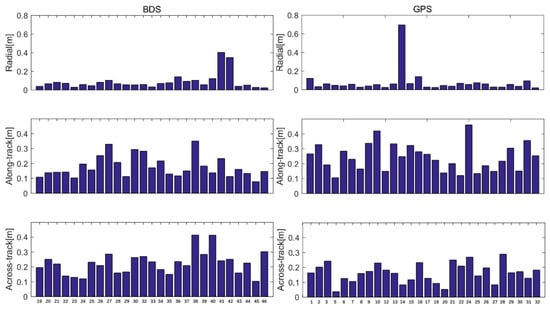
This study decodes the BDS-3 PPP-B2b binary data broadcast by BDS satellites using a self-developed software decoder, RT-B2b (Real-Time PPP-B2b). The orbit, clock corrections, and differential code biases (DCB)—collectively referred to as State Space Representation (SSR) corrections—are extracted from the decoded messages. Subsequently,
[...] Read more.
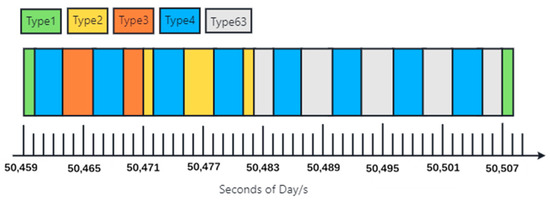
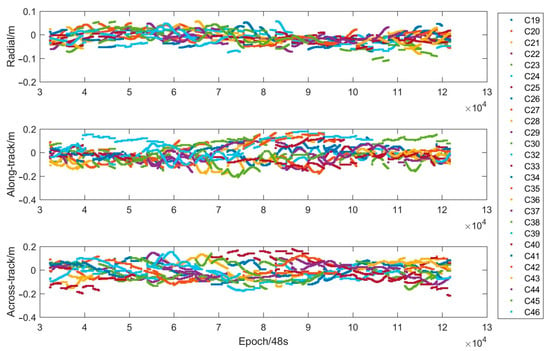
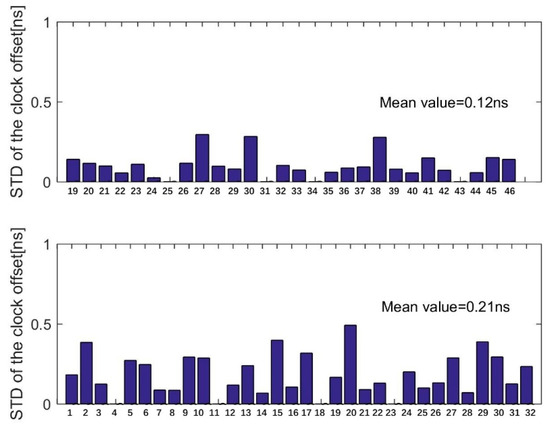
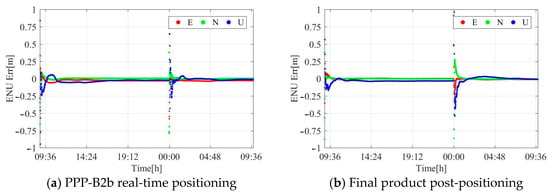
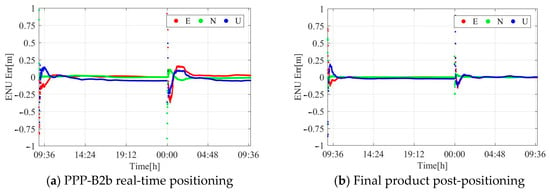
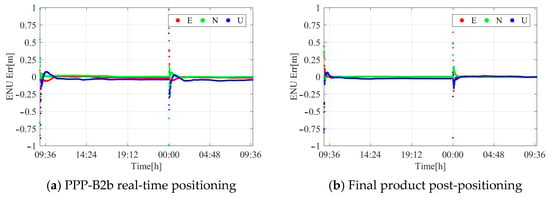
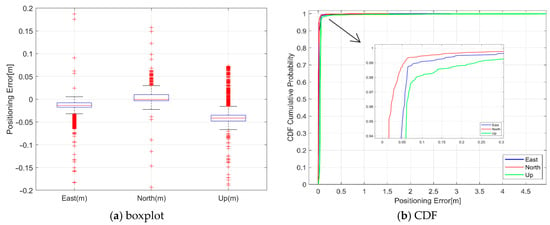
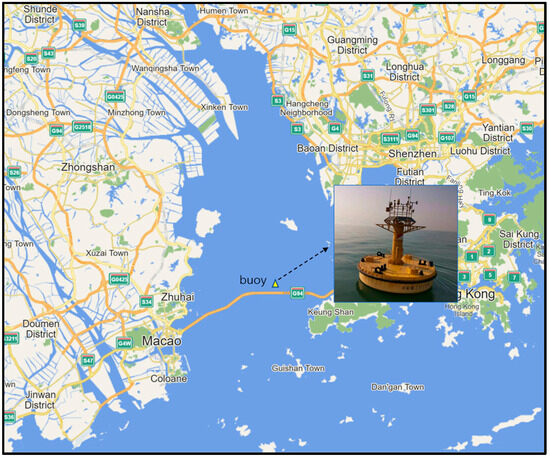
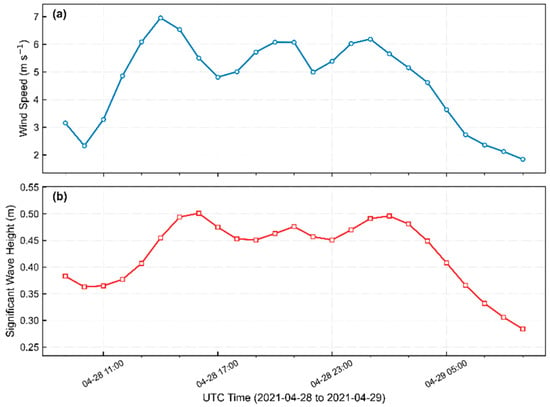
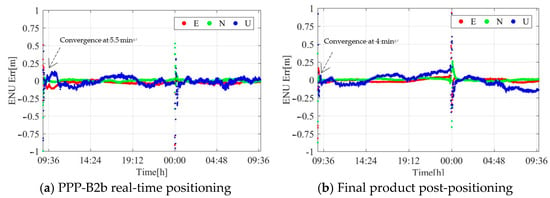
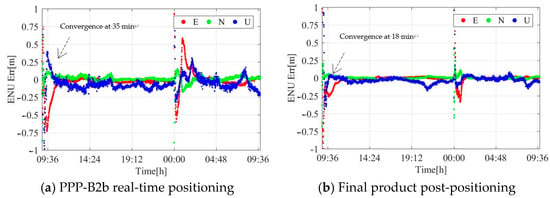
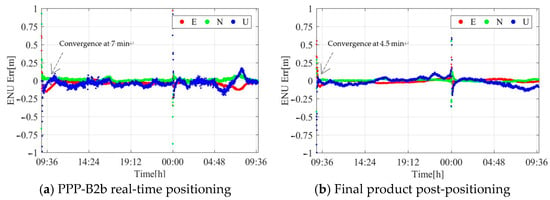
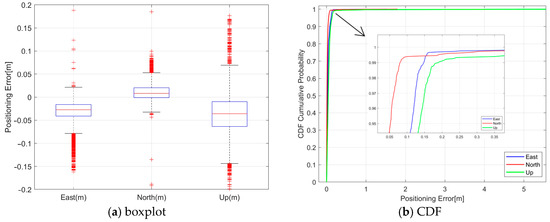
This study decodes the BDS-3 PPP-B2b binary data broadcast by BDS satellites using a self-developed software decoder, RT-B2b (Real-Time PPP-B2b). The orbit, clock corrections, and differential code biases (DCB)—collectively referred to as State Space Representation (SSR) corrections—are extracted from the decoded messages. Subsequently, precise satellite orbits and clock offsets are recovered in real time by integrating the SSR corrections with the broadcast ephemeris. The characteristics and accuracy of the SSR corrections are first evaluated. The performance of real-time PPP is then assessed through both static and kinematic experimental schemes, with particular emphasis on the kinematic positioning of a marine buoy. The results demonstrate that the developed software decoder can reliably decode the PPP-B2b SSR corrections and derive accurate orbit and clock products. In terms of positioning performance, real-time PPP achieves centimeter-level accuracy of 4–5 cm in static terrestrial scenarios and decimeter-level accuracy of 1–2 dm in the kinematic marine buoy scenario. This study validates the reliability of the PPP-B2b real-time service in marine environments, thereby providing a valuable reference for marine precise positioning and the practical application of high-accuracy positioning information.
Full article
(This article belongs to the Section Ocean Engineering)
►▼
Show Figures

Figure 1
Open AccessArticle
Three-Dimensional Numerical Simulation of Spanwise Scour Propagation Beneath a Submarine Pipeline
by
Jun Huang, Guang Yin, Xueliang Wen, Lusheng Jia, Yancheng Li, Zerui Tao, Naiquan Ye and Muk Chen Ong
J. Mar. Sci. Eng. 2026, 14(18), 1729; https://doi.org/10.3390/jmse14181729 - 17 Sep 2026
Abstract
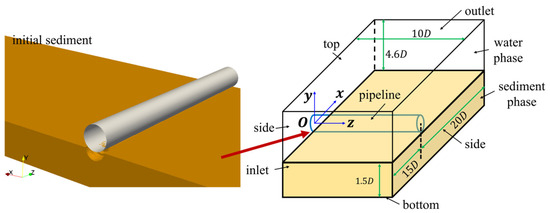
When submarine pipelines are placed on erodible sandy beds, the interaction between the surrounding flow, the pipeline, and the sediment can induce local scour. While two-dimensional simulations have been extensively performed to capture the scour process in a two-dimensional cross-sectional plane, they cannot
[...] Read more.
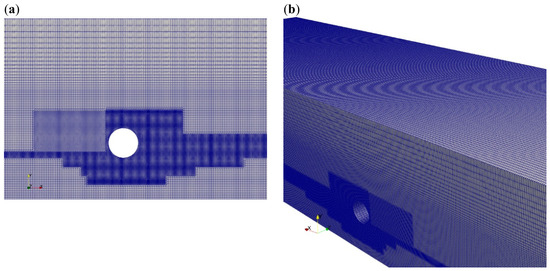
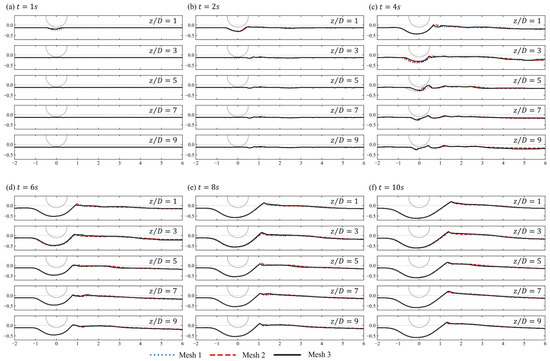
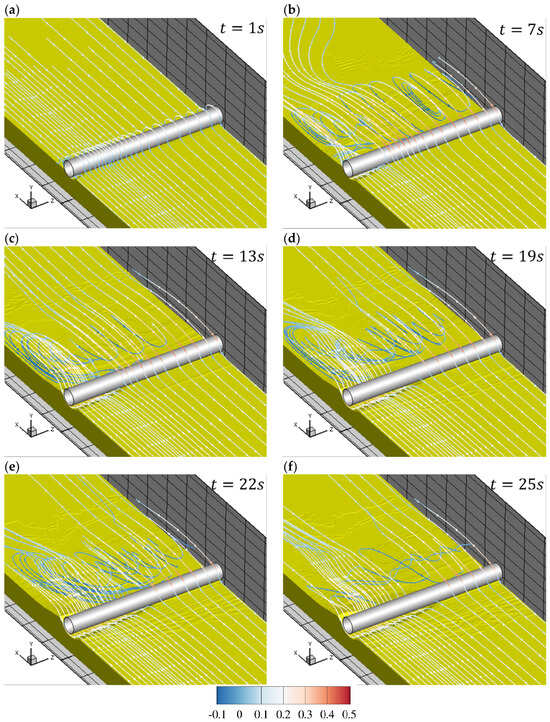
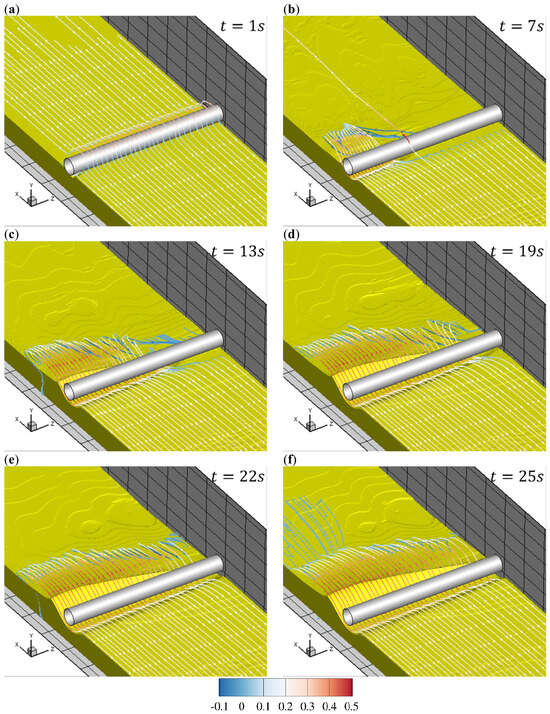
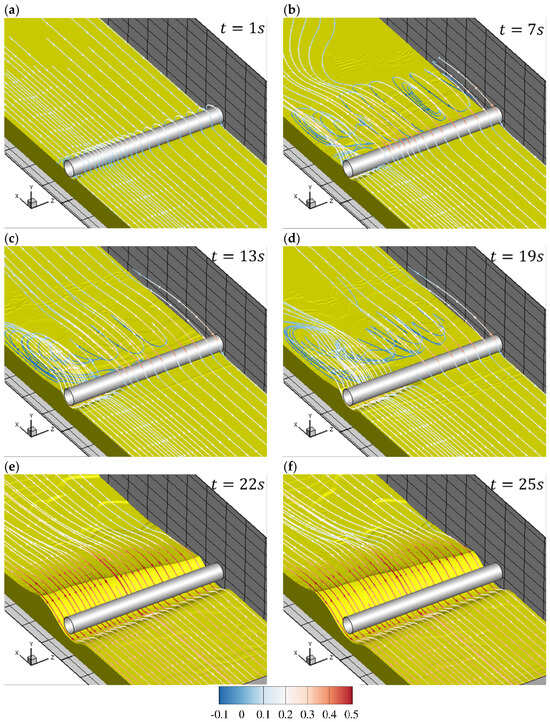
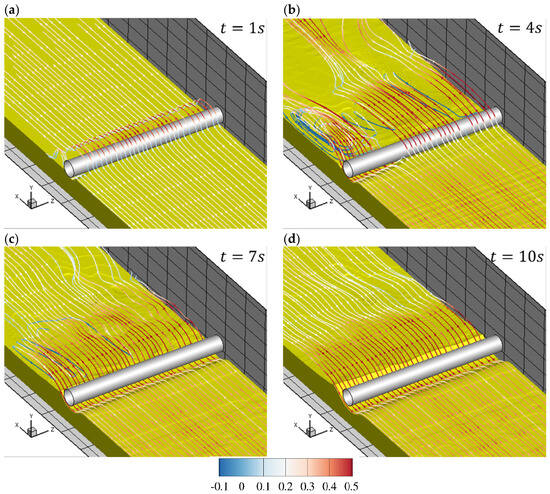
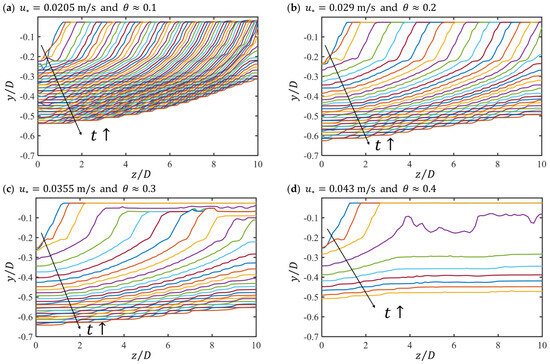
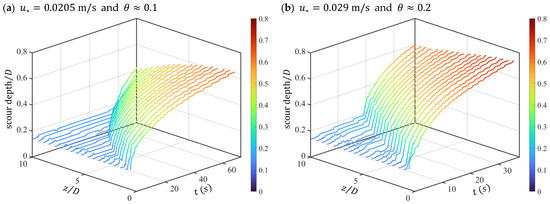
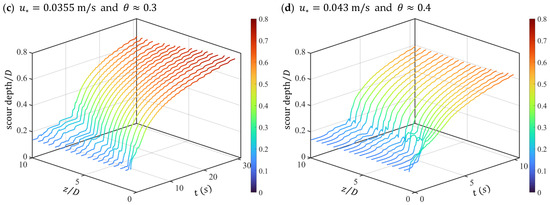
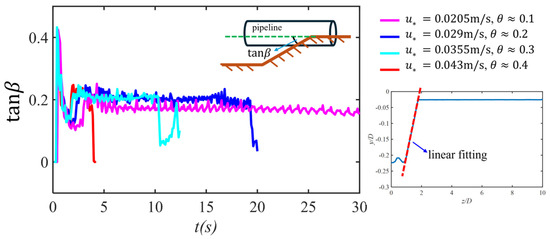
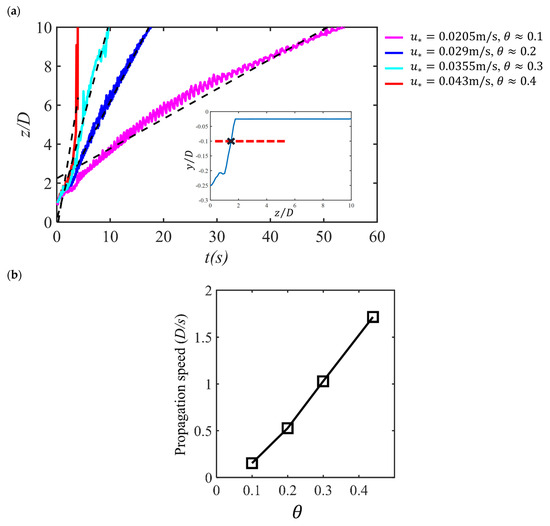
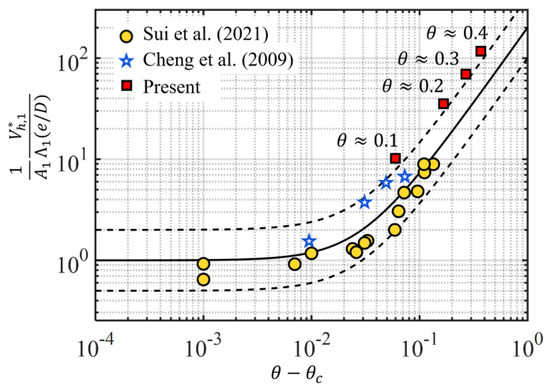
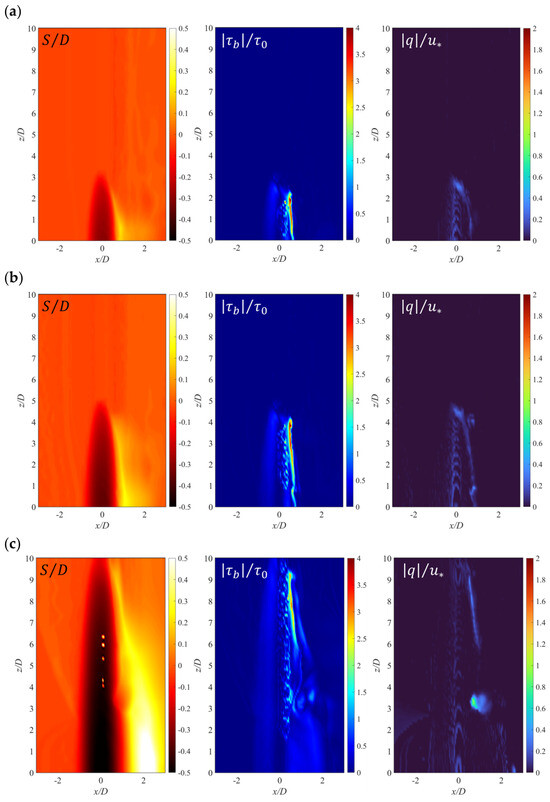
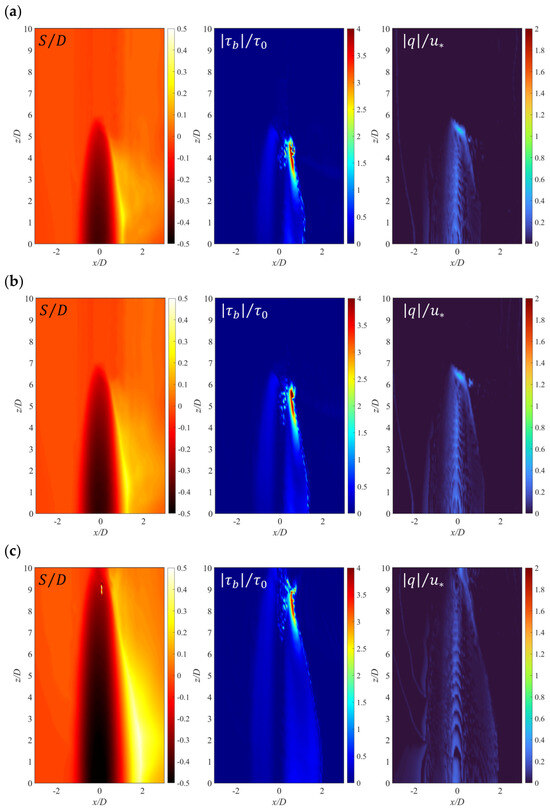
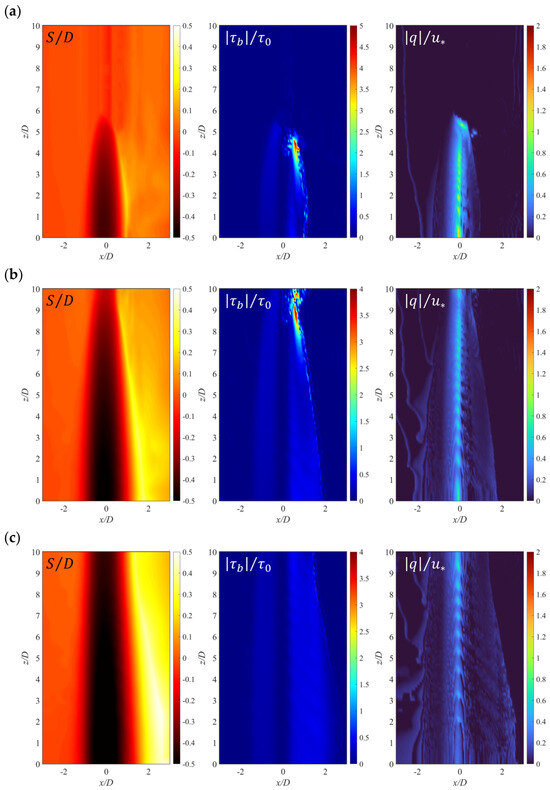
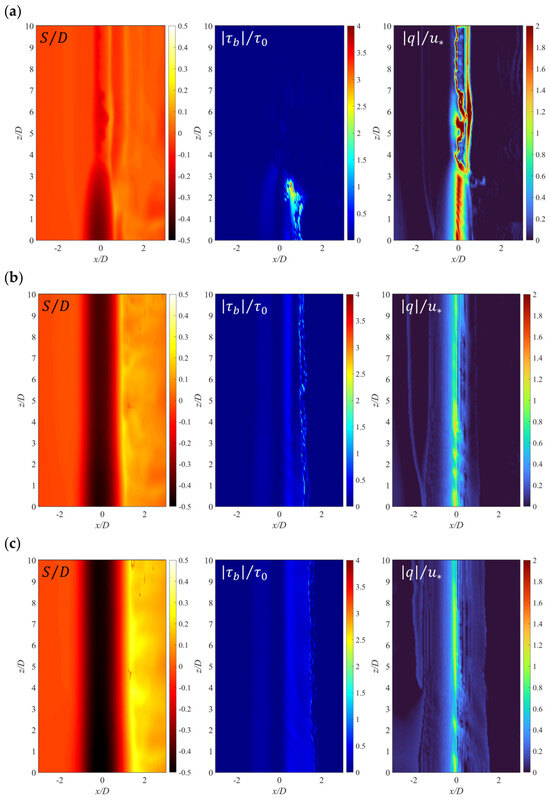
When submarine pipelines are placed on erodible sandy beds, the interaction between the surrounding flow, the pipeline, and the sediment can induce local scour. While two-dimensional simulations have been extensively performed to capture the scour process in a two-dimensional cross-sectional plane, they cannot simulate the three-dimensional (3D) spanwise propagation of the scour hole, which leads to free-span development. This study presents 3D numerical simulations of current-induced scour propagation in the spanwise direction beneath a subsea pipeline using an open-source Eulerian two-phase flow solver. Systematic simulations are performed under four distinct Shields parameters. The results indicate a close spatial association between the evolving 3D scour hole and regions of localized shear stress amplification and sediment flux near the span shoulder. For low Shields parameters, the scour hole retains pronounced 3D features with steady spanwise propagation, which is also characterized by skewed wake flow structures and oblique downstream dunes. At higher Shields parameters, the scour front propagates rapidly across the domain, causing the morphology and flow streamlines to transition to a quasi-2D state. Furthermore, the scour slope at the span shoulder remains approximately constant across the investigated flow conditions. The spanwise propagation speed is approximately constant during the fitted propagation stage for the selected four simulated conditions.
Full article
(This article belongs to the Section Ocean Engineering)
►▼
Show Figures

Figure 1
Open AccessArticle
FishDet-XR and FishBoT-SLR-TDR: A YOLO11s-Based Detection and Tracker-Side Recovery-Reranking Framework for Underwater Fish Tracking
by
Xinran Tian, Lei Yang, Kun Liu and Shengya Zhao
J. Mar. Sci. Eng. 2026, 14(18), 1728; https://doi.org/10.3390/jmse14181728 - 17 Sep 2026
Abstract
Underwater fish detection and multi-object tracking support marine ecological monitoring, underwater robot inspection, and fish behavior analysis. In a tracking-by-detection framework, this study targets three specific problems: unstable detection inputs for small- and medium-scale elongated fish, short-term trajectory breaks when low-confidence true detections
[...] Read more.
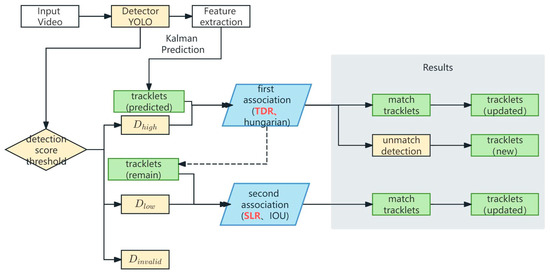
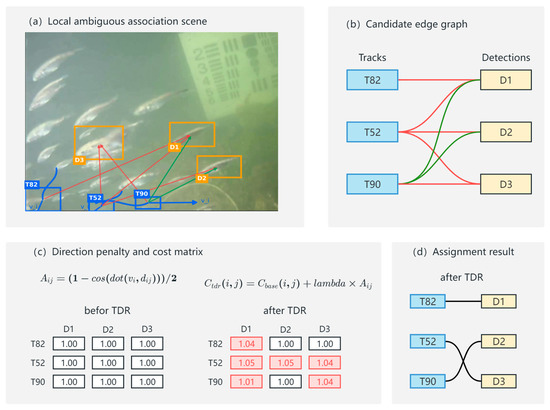
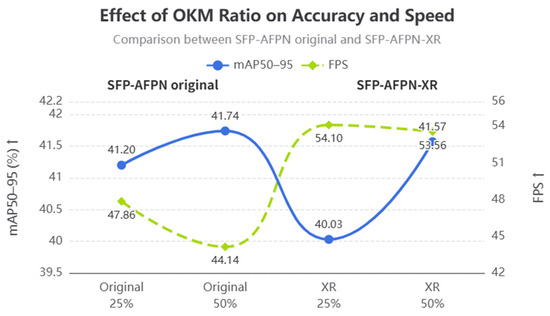
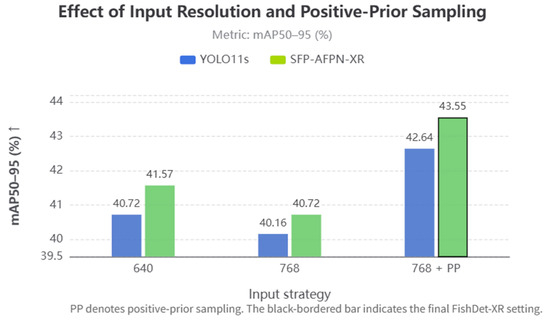
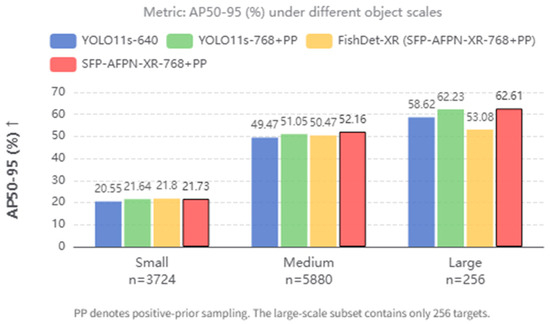
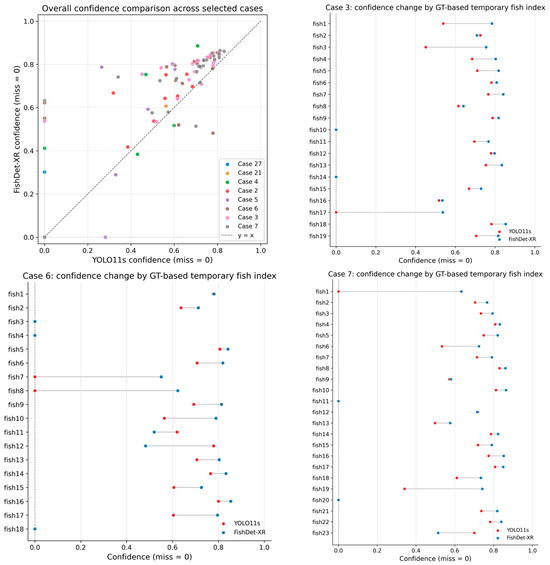
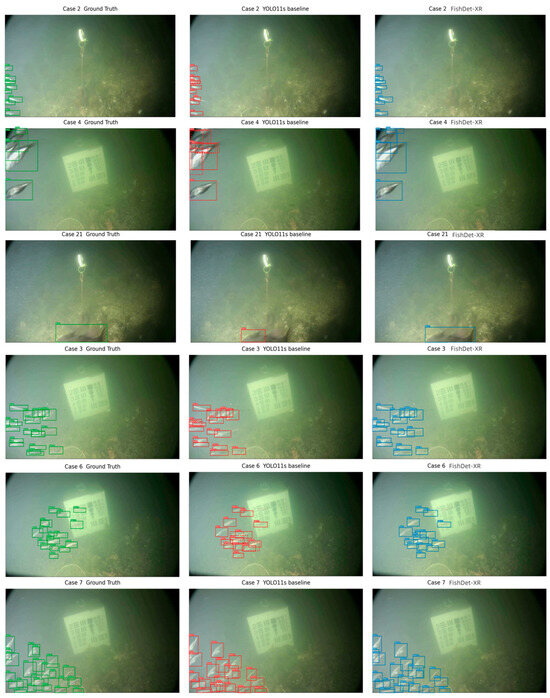
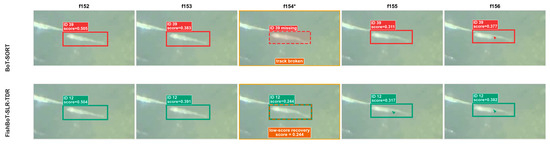
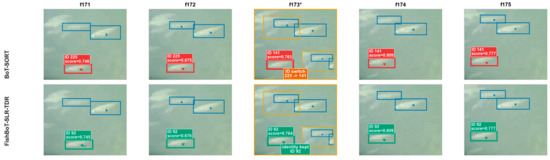
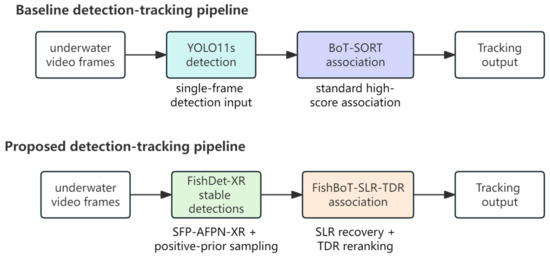
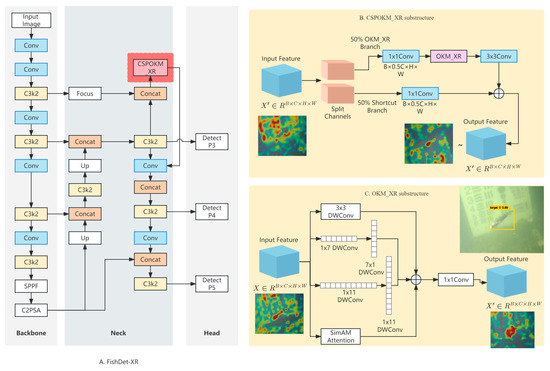
Underwater fish detection and multi-object tracking support marine ecological monitoring, underwater robot inspection, and fish behavior analysis. In a tracking-by-detection framework, this study targets three specific problems: unstable detection inputs for small- and medium-scale elongated fish, short-term trajectory breaks when low-confidence true detections are discarded, and identity switches caused by local candidate-edge competition when fish cross or move close together. We address these problems with a joint framework that combines the FishDet-XR detector and the FishBoT-SLR-TDR tracker. FishDet-XR stabilizes detector inputs through the proposed SFP-AFPN-XR feature-fusion neck, strip-shaped directional feature modeling, the Simple Parameter-Free Attention Module (SimAM), and positive-prior sampling. FishBoT-SLR-TDR improves tracker-side association through Spatially-Gated Low-Score Recovery (SLR) and Trajectory-Direction Reranking (TDR). Experiments on BrackishMOT-onlyfish show that the framework improves detection localization and tracking continuity while maintaining real-time inference. At the detection stage, FishDet-XR improves mean average precision at an Intersection over Union threshold of 0.50 (mAP50) from 74.48% to 76.19%, mean average precision averaged over Intersection over Union thresholds from 0.50 to 0.95 (mAP50–95) from 40.72% to 43.55%, and Precision from 86.75% to 88.00% compared with YOLO11s-640, while maintaining 54.76 frames per second (FPS). Compared with the YOLO11s-640 + BoT-SORT baseline, the final detection-tracking chain increases Higher Order Tracking Accuracy (HOTA) from 40.090 to 42.497 and identity F1 score (IDF1) from 51.372 to 54.926, while reducing identity switches (IDSW) from 184 to 159 and trajectory fragmentations (Frag) from 270 to 253.
Full article
(This article belongs to the Section Ocean Engineering)
►▼
Show Figures

Figure 1
Journal Menu
► ▼ Journal Menu-
- JMSE Home
- Aims & Scope
- Editorial Board
- Reviewer Board
- Topical Advisory Panel
- Early Career Editorial Board
- Instructions for Authors
- Special Issues
- Topics
- Sections
- Article Processing Charge
- Indexing & Archiving
- Editor’s Choice Articles
- Most Cited & Viewed
- Journal Statistics
- Journal History
- Journal Awards
- Society Collaborations
- Conferences
- Editorial Office
Journal Browser
► ▼ Journal BrowserHighly Accessed Articles
Latest Books
E-Mail Alert
News
16 March 2026
Meet Us Virtually at the 2nd International Online Conference on Marine Science and Engineering, 23–25 November 2026
7 September 2026
Meet Us at the IWA World Water Congress & Exhibition 2026, 4–8 October 2026, Glasgow, UK
Topics
Topic in
Applied Sciences, Energies, JMSE, Processes, Resources, Gases
Exploitation and Underground Storage of Oil and Gas
Topic Editors: Jianjun Liu, Rui Song, Liuke Huang, Yao Wang, Mingyang Wu, Gang HuiDeadline: 30 September 2026
Topic in
Applied Sciences, Buildings, Designs, Infrastructures, JMSE
Resilient Civil Infrastructure, 2nd Edition
Topic Editors: De-Cheng Feng, Ji-Gang Xu, Xu-Yang CaoDeadline: 31 October 2026
Topic in
Applied Sciences, Electronics, JMSE, Signals, Telecom, Sensors
Advances in Underwater Signal Processing and Communication: Challenges, Innovations, and Applications
Topic Editors: Jaehak Chung, Hojun Lee, Yongcheol KimDeadline: 30 November 2026
Topic in
Drones, Geosciences, JMSE, Remote Sensing
Recent Advances in Iberian Coastal Geomorphology
Topic Editors: Carlos Cabezas Rabadán, Jesus Palomar-Vazquez, Lluis Gomez-PujolDeadline: 31 December 2026
Conferences
Special Issues
Special Issue in
JMSE
Marine and Coastal Processes in a Changing Climate
Guest Editor: Yukiharu HisakiDeadline: 20 September 2026
Special Issue in
JMSE
Biogeography, Biodiversity and Systematics of Marine Cephalopods
Guest Editors: Christian Marcelo Ibáñez, Sergio A. Carrasco, María Cecilia Pardo-GandarillasDeadline: 20 September 2026
Special Issue in
JMSE
Marine Aquatic Species: Innovations in Health and Conservation
Guest Editors: Hisham Abdelrahman, Gianluca SaràDeadline: 20 September 2026
Special Issue in
JMSE
AI-Driven Optimization of Ship Performance and Navigation Safety
Guest Editors: Wengang Mao, Lianzhong Huang, Jinlu ShengDeadline: 20 September 2026