
Topical Advisory Panel applications are now closed. Please contact the Editorial Office with any queries.
-
1-[4-(4-Chlorophenyl)piperazin-1-yl]-2-[(4-phenyl-4H-1,2,4-triazol-3-yl)sulfanyl]ethan-1-one -
7,7′-(1,4-Phenylene)bis(2-benzyl-3-(3,4-dihydroisoquinolin-2(1H)-yl)-6-(4-methoxybenzyl)-6,7-dihydro-5H-pyrrolo[3,4-b]pyridin-5-one) -
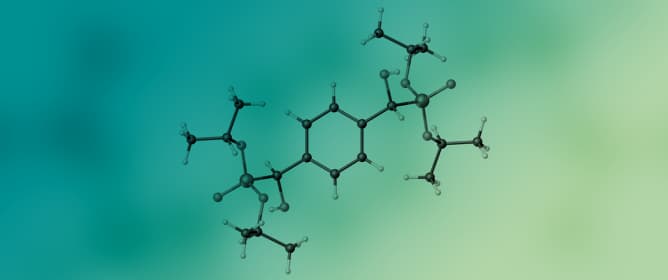
P,P,P′,P′-Tetraisopropyl(1,4-phenylenebis(hydroxymethylene))bis(phosphonate)
Journal Description
Molbank
Molbank
is an international, peer-reviewed, open access journal comprised of a unique collection of one-compound-per-paper short notes on synthetic compounds and natural products published bimonthly online by MDPI.
- Open Access— free for readers, with article processing charges (APC) paid by authors or their institutions.
- High Visibility: indexed within Scopus, ESCI (Web of Science), Reaxys, CAPlus / SciFinder, and other databases.
- Rapid Publication: manuscripts are peer-reviewed and a first decision is provided to authors approximately 12.7 days after submission; acceptance to publication is undertaken in 2.7 days (median values for papers published in this journal in the second half of 2025).
- Recognition of Reviewers: reviewers who provide timely, thorough peer-review reports receive vouchers entitling them to a discount on the APC of their next publication in any MDPI journal, in appreciation of the work done.
Impact Factor:
0.4 (2024)
Latest Articles
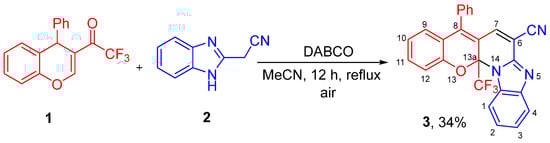
8-Phenyl-13a-(trifluoromethyl)-13aH-benzo[4,5]imidazo[1,2-a]chromeno[3,2-e]pyridine-6-carbonitrile
Molbank 2026, 2026(1), M2142; https://doi.org/10.3390/M2142 - 23 Feb 2026
Abstract
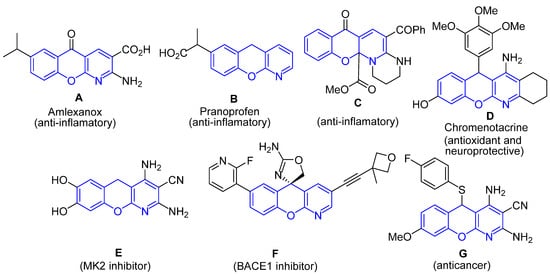
A DABCO-catalyzed one-pot synthesis of a novel pentacyclic heterocycle featuring an unprecedented benzo[4,5]imidazo[1,2-a]chromeno[3,2-e]pyridine scaffold from 2-(cyanomethyl)benzimidazole and 3-trifluoroacetyl-4-phenyl-4H-chromene has been developed. This hybrid architecture merges three privileged pharmacophores—benzimidazole, chromene, and pyridine—into a rigid, nearly planar π-extended system
[...] Read more.
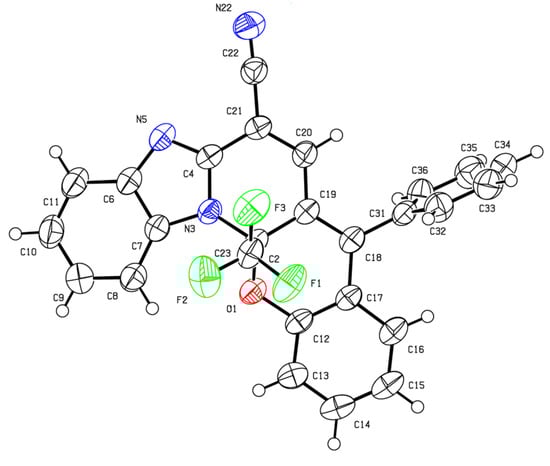
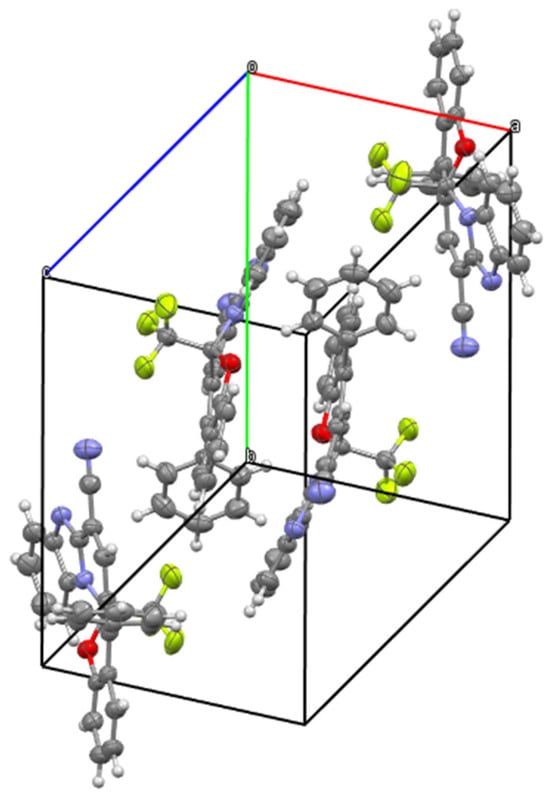
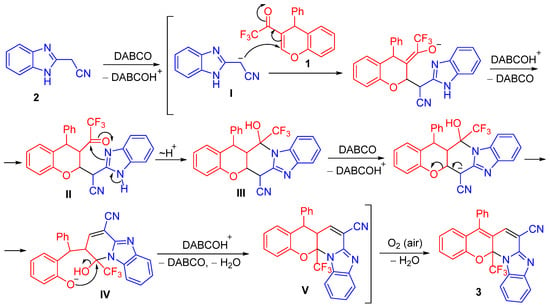
A DABCO-catalyzed one-pot synthesis of a novel pentacyclic heterocycle featuring an unprecedented benzo[4,5]imidazo[1,2-a]chromeno[3,2-e]pyridine scaffold from 2-(cyanomethyl)benzimidazole and 3-trifluoroacetyl-4-phenyl-4H-chromene has been developed. This hybrid architecture merges three privileged pharmacophores—benzimidazole, chromene, and pyridine—into a rigid, nearly planar π-extended system decorated with trifluoromethyl and nitrile groups. The structure of 8-phenyl-13a-(trifluoromethyl)-13aH-benzo[4,5]imidazo[1,2-a]chromeno[3,2-e]pyridine-6-carbonitrile was unambiguously confirmed through NMR spectroscopy and X-ray diffraction analysis. A plausible mechanism involves Michael addition, hemiaminal formation, ring opening, recyclization, and oxidation.
Full article
(This article belongs to the Collection Heterocycle Reactions)
►
Show Figures
Open AccessShort Note
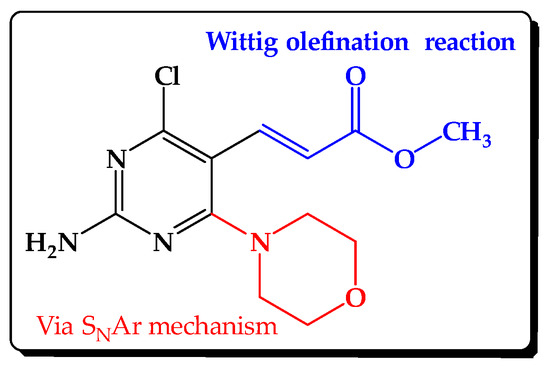
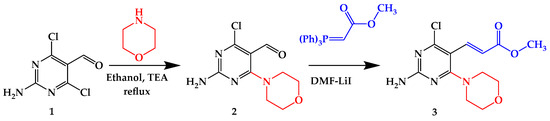
(E)-Methyl 3-(2-amino-4-chloro-6-morpholinopyrimidin-5-yl)acrylate
by
Jorge Trilleras, Efraín Polo-Cuadrado and Jairo Quiroga
Molbank 2026, 2026(1), M2141; https://doi.org/10.3390/M2141 - 16 Feb 2026
Abstract
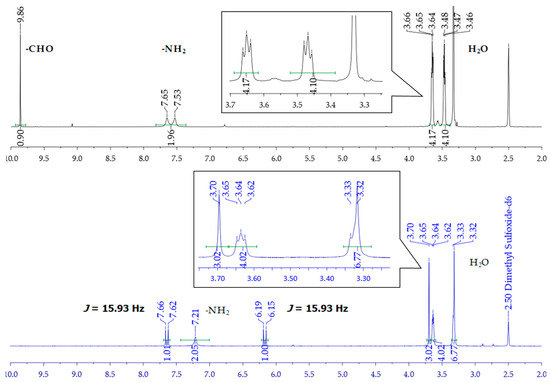
The synthesis of methyl (E)-3-(2-amino-4-chloro-6-morpholinopyrimidin-5-yl)acrylate 3 was accomplished using a Schlosser-modified Wittig reaction. Complete 1H and 13C NMR signal assignments confirm the formation of E-alkene.
Full article
(This article belongs to the Collection Heterocycle Reactions)
►▼
Show Figures

Figure 1
Open AccessShort Note
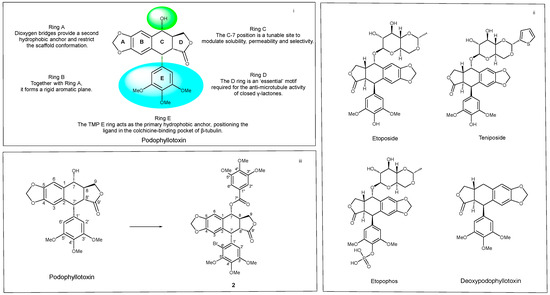
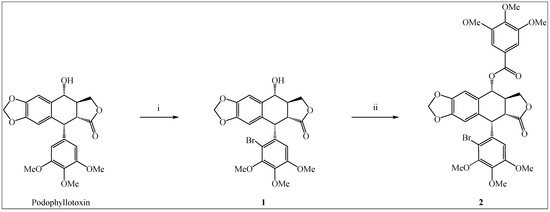
(5R,5aR,8aR,9S)-9-(2-Bromo-3,4,5-trimethoxyphenyl)-8-oxo-5,5a,6,8,8a,9-hexahydrofuro[3′,4′:6,7]naphtho[2,3-d][1,3]dioxol-5-yl 3,4,5-trimethoxybenzoate
by
Yuhan Xie, Alessandra Gianoncelli, Imran Khan, Giovanni Ribaudo and Paolo Coghi
Molbank 2026, 2026(1), M2140; https://doi.org/10.3390/M2140 - 13 Feb 2026
Abstract
In this report, we describe the synthesis and full spectroscopic characterization of a previously unreported podophyllotoxin (PTOX) analogue bearing a second 3,4,5-trimethoxyphenyl (TMP) unit at the C-4 position through an ester linkage. This dual-TMP PTOX derivative is obtained from a brominated PTOX intermediate.
[...] Read more.
In this report, we describe the synthesis and full spectroscopic characterization of a previously unreported podophyllotoxin (PTOX) analogue bearing a second 3,4,5-trimethoxyphenyl (TMP) unit at the C-4 position through an ester linkage. This dual-TMP PTOX derivative is obtained from a brominated PTOX intermediate. In this precursor, the bromine atom is located on the TMP aromatic ring at the 2′-position. The new compound was fully characterized by proton (1H), carbon-13 (13C), heteronuclear single-quantum coherence (HSQC), and distortionless enhancement by polarization transfer (DEPT) NMR spectroscopy. Ultraviolet–visible (UV-Vis) spectroscopy, Fourier-transform infrared (FTIR) spectroscopy, mass spectrometry and elemental analysis were also performed to confirm the structure and purity of the synthesized ester derivative.
Full article
(This article belongs to the Section Organic Synthesis and Biosynthesis)
►▼
Show Figures

Figure 1
Open AccessShort Note
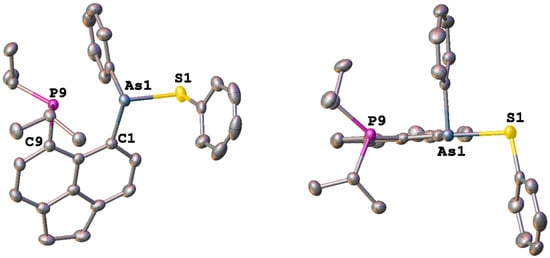
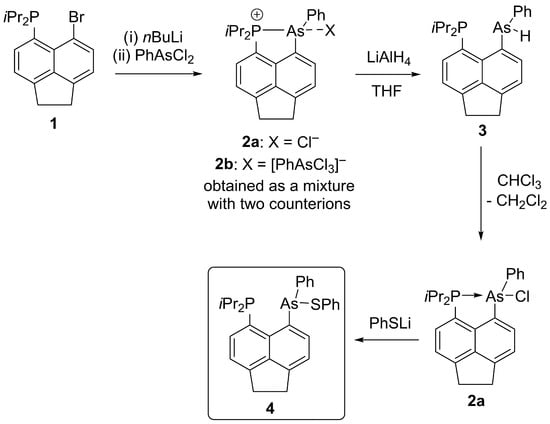
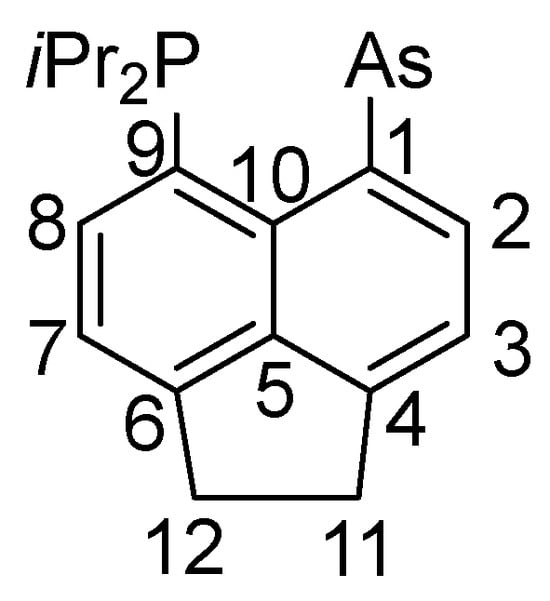
Diisopropyl(6-(phenyl(phenylthio)arsaneyl)-1,2-dihydroacenaphthylen-5-yl)phosphane
by
Laurence J. Taylor, Philip Pickett, David B. Cordes and Petr Kilian
Molbank 2026, 2026(1), M2139; https://doi.org/10.3390/M2139 - 10 Feb 2026
Abstract
►▼
Show Figures
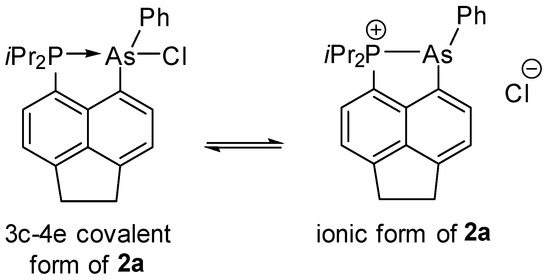
Peri-substituted bis(tertiary) phosphine-arsine Acenap(PiPr2)(As(SPh)Ph) (4, Acenap = acenaphthene-5,6-diyl) was synthesized by the reaction of the chloroarsine (PiPr2)(AsPhCl) with PhSLi. The X-ray crystal structure of this compound reveals an intramolecular P∙∙∙As–Cl pnictogen bond, with
[...] Read more.
Peri-substituted bis(tertiary) phosphine-arsine Acenap(PiPr2)(As(SPh)Ph) (4, Acenap = acenaphthene-5,6-diyl) was synthesized by the reaction of the chloroarsine (PiPr2)(AsPhCl) with PhSLi. The X-ray crystal structure of this compound reveals an intramolecular P∙∙∙As–Cl pnictogen bond, with the phosphorus lone pair donating into the As–S σ* orbital.
Full article

Figure 1
Open AccessCommunication
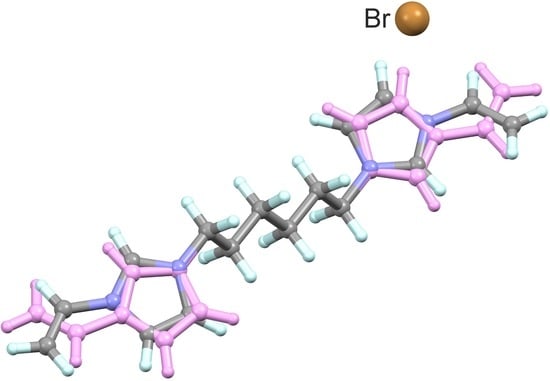
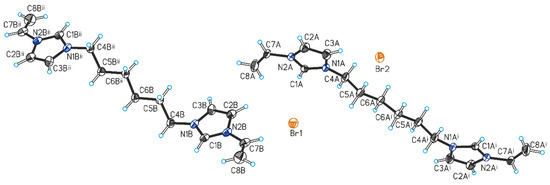
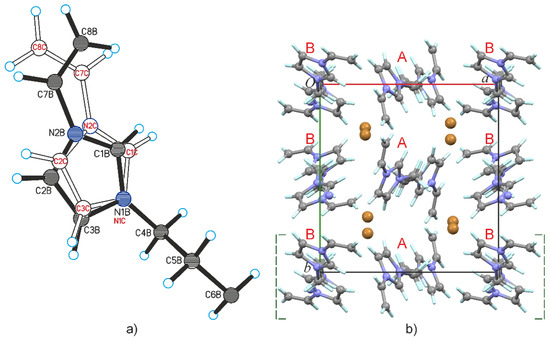
Crystal Structure of [1046127-79-0], 3,3′-(n-Hexane-1,6-diyl)bis(1-vinylimidazolium) Bromide
by
Thomas Gelbrich, Johanna Freilinger, Gabriel Partl, Herwig Schottenberger, Volker Kahlenberg, Jan Back and Sven Nerdinger
Molbank 2026, 2026(1), M2138; https://doi.org/10.3390/M2138 - 10 Feb 2026
Abstract
Vinylimidazolium salts constitute a highly relevant class of polymerizable heterocycles, especially in the field of so-called polymer ionic liquids (PILs), and they are frequently used as components of polyelectrolytes. Therefore, crystallographic characterizations, in particular studies of charge distribution and conformational features, can provide
[...] Read more.
Vinylimidazolium salts constitute a highly relevant class of polymerizable heterocycles, especially in the field of so-called polymer ionic liquids (PILs), and they are frequently used as components of polyelectrolytes. Therefore, crystallographic characterizations, in particular studies of charge distribution and conformational features, can provide fundamental insights concerning ion–ion and ion–dipole interactions. The structure of the title compound [1046127-79-0] has the space group symmetry P21/c. Its asymmetric unit contains one formula unit, consisting of two bromide anions and the halves of two cation moieties. The cation units possess inversion symmetry, and their C6H12 chains adopt an all-trans conformation.
Full article
(This article belongs to the Section Structure Determination)
►▼
Show Figures

Graphical abstract
Open AccessShort Note
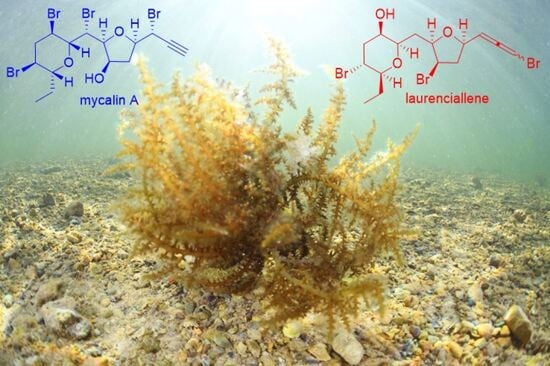
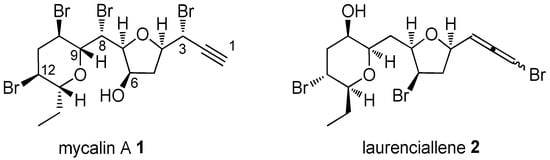
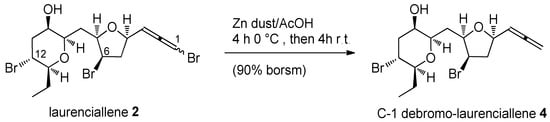
(2R,3R,5R,6S)-5-Bromo-2-{[(2R,3R,5R)-3-bromo-5-(propa-1,2-dien-1-yl)tetrahydro-furan-2-yl]methyl}-6-ethyltetrahydro-2H-pyran-3-ol
by
Vincenzo Piccialli, Nicola Borbone and Monica Terracciano
Molbank 2026, 2026(1), M2137; https://doi.org/10.3390/M2137 - 9 Feb 2026
Abstract
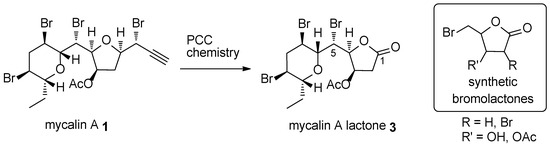
As a part of an SAR study aimed at testing the antitumor activity of some C15 acetogenins related to mycalin A, we report here the synthesis of the C-1 debromo-derivative of laurenciallene, a substance recently isolated from the red alga Laurencia obtusa
[...] Read more.
As a part of an SAR study aimed at testing the antitumor activity of some C15 acetogenins related to mycalin A, we report here the synthesis of the C-1 debromo-derivative of laurenciallene, a substance recently isolated from the red alga Laurencia obtusa. This new substance has been obtained by the selective, reductive debromination of the terminal bromoallene moiety of laurenciallene with Zn/AcOH. Its structure has been fully characterized by spectral methods, including 2D-NMR spectra.
Full article
(This article belongs to the Section Organic Synthesis and Biosynthesis)
►▼
Show Figures

Graphical abstract
Open AccessCommunication
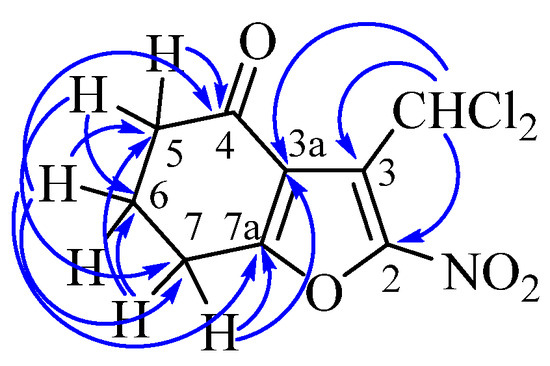
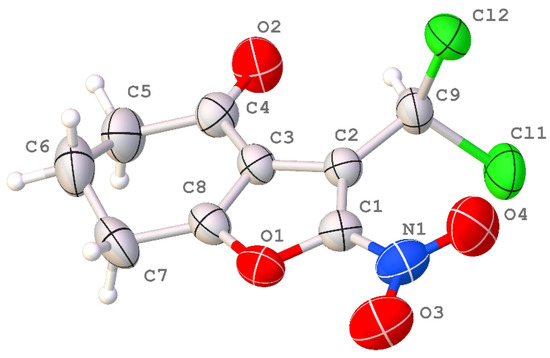
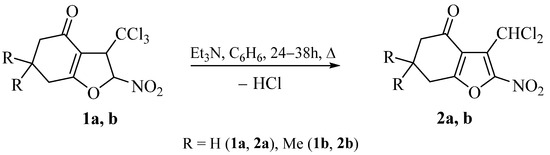
Synthesis and Characteristics of New 3-(Dichloromethyl)-2-nitro-6,7-dihydro-1-benzofuran-4(5H)-ones
by
Ilia A. Pilipenko, Olga Yu. Ozerova, Oleg P. Demidov, Ruslan I. Baichurin, Oussama A. Mammeri and Sergey V. Makarenko
Molbank 2026, 2026(1), M2134; https://doi.org/10.3390/M2134 - 6 Feb 2026
Abstract
The previously unknown compounds—3-(dichloromethyl)-2-nitro-6,7-dihydro-1-benzofuran-4(5H)-ones—have been synthesized and structurally characterized via single-crystal X-ray diffraction, 1H, 13C–{1H}, 1H–13C HMQC and 1H–13C HMBC NMR spectroscopy, IR, and UV spectroscopy.
Full article
(This article belongs to the Section Structure Determination)
►▼
Show Figures

Graphical abstract
Open AccessShort Note
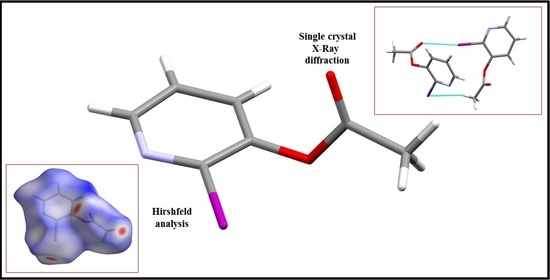
2-Iodopyridin-3-yl acetate
by
Mihaela Cristea, Sergiu Shova, Marcel Mirel Popa and Florea Dumitrascu
Molbank 2026, 2026(1), M2135; https://doi.org/10.3390/M2135 - 6 Feb 2026
Abstract
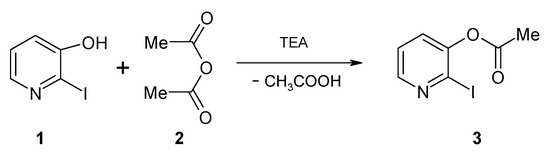
The title compound 2-iodopyridin-3-yl acetate was obtained by acetylation of the OH group of 2-iodo-3-hydroxypyridine. Knowing that the hydroxyl group, as a strong H-bond donor in halogenated hydroxypyridines, usually directs supramolecular packing and might enforce possible halogen–halogen contacts, we crystallized 2-iodo-3-acetoxypyridine with the
[...] Read more.
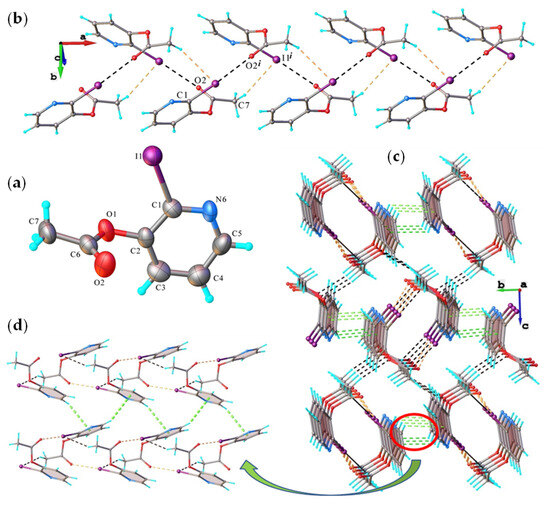
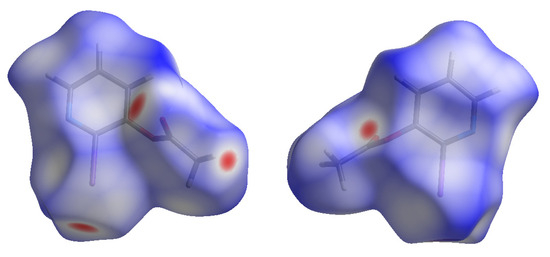
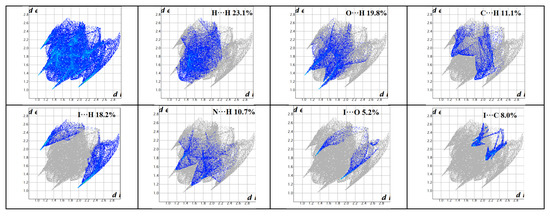
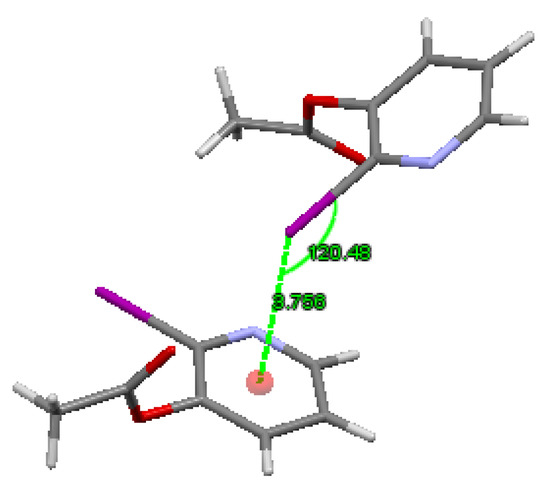
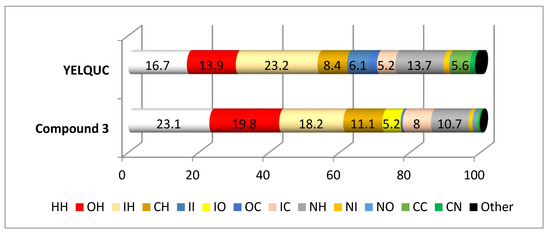
The title compound 2-iodopyridin-3-yl acetate was obtained by acetylation of the OH group of 2-iodo-3-hydroxypyridine. Knowing that the hydroxyl group, as a strong H-bond donor in halogenated hydroxypyridines, usually directs supramolecular packing and might enforce possible halogen–halogen contacts, we crystallized 2-iodo-3-acetoxypyridine with the aim of disrupting the most important H-bond donor and assessing the propensity of the iodine for halogen bond formation. Indeed, in the compound 2-iodopyridin-3-yl acetate, the crystal packing is characterized by infinite 3D chains bonded through I···O=C and C-H···I contacts between adjacent molecules. These chains are interconnected by weak C-H···O contacts, implying the presence of oxygen in the ester. The I···H contact with the C-H axis perpendicular to the electron belt of the iodine atom can enhance the σ-hole of the iodine and act cooperatively in crystal cohesion. No halogen–halogen contacts were present.
Full article
(This article belongs to the Section Structure Determination)
►▼
Show Figures

Graphical abstract
Open AccessShort Note
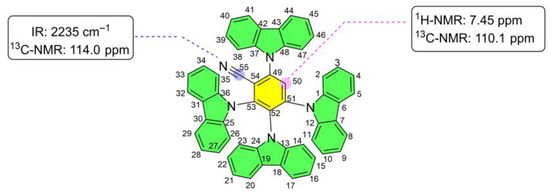
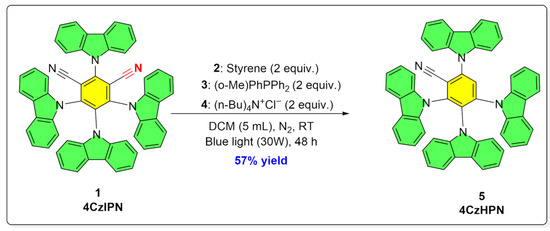
2,3,4,6-Tetra(9H-carbazol-9-yl)benzonitrile
by
Qing-Qing Wan and Zhi-Cheng Fu
Molbank 2026, 2026(1), M2136; https://doi.org/10.3390/M2136 - 6 Feb 2026
Abstract
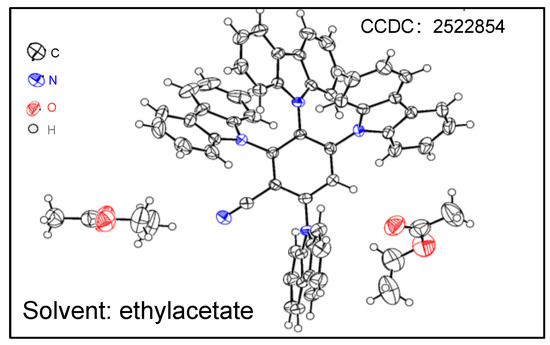
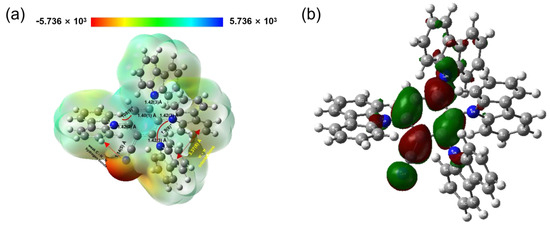
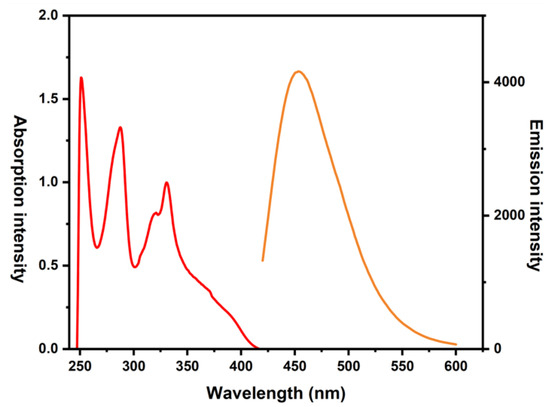
Here, we synthesized 2,3,4,6-tetra(9H-carbazol-9-yl)benzonitrile (4CzHPN) via visible-light-driven photocatalytic monodecyanation using the versatile metal-free catalyst 4CzIPN. Characterized by NMR, IR, X-ray diffraction, and DFT calculations, it features a 3.49 eV HOMO-LUMO gap and shows blue-shifted absorption/emission, emerging as a promising advanced metal-free
[...] Read more.
Here, we synthesized 2,3,4,6-tetra(9H-carbazol-9-yl)benzonitrile (4CzHPN) via visible-light-driven photocatalytic monodecyanation using the versatile metal-free catalyst 4CzIPN. Characterized by NMR, IR, X-ray diffraction, and DFT calculations, it features a 3.49 eV HOMO-LUMO gap and shows blue-shifted absorption/emission, emerging as a promising advanced metal-free photoredox catalyst.
Full article
(This article belongs to the Section Structure Determination)
►▼
Show Figures

Figure 1
Open AccessShort Note
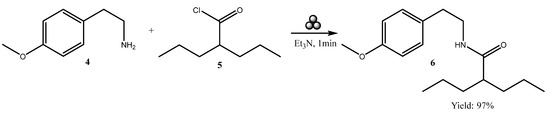
N-(4-Methoxyphenethyl)-2-propylpentanamide
by
Diyana Dimitrova, Tsvetelina Marinova, Reni Bozhanova, Iliyan Ivanov, Dimitar Bojilov, Gabriel Marc and Stanimir Manolov
Molbank 2026, 2026(1), M2132; https://doi.org/10.3390/M2132 - 4 Feb 2026
Abstract
Herein, we report the mechanochemical synthesis of a novel hybrid molecule, N-(4-methoxyphenethyl)-2-propylpentanamide. This solvent-minimized synthesis aligns with the principles of Green Chemistry and exemplifies the emerging paradigm of medicinal mechanochemistry, offering an efficient, sustainable route to pharmaceutically relevant amides. The newly synthesized
[...] Read more.
Herein, we report the mechanochemical synthesis of a novel hybrid molecule, N-(4-methoxyphenethyl)-2-propylpentanamide. This solvent-minimized synthesis aligns with the principles of Green Chemistry and exemplifies the emerging paradigm of medicinal mechanochemistry, offering an efficient, sustainable route to pharmaceutically relevant amides. The newly synthesized compound was fully characterized by melting point determination, 1H and 13C NMR spectroscopy, infrared (IR) spectroscopy, and mass spectrometry.
Full article
(This article belongs to the Section Structure Determination)
►▼
Show Figures

Figure 1

Open AccessShort Note
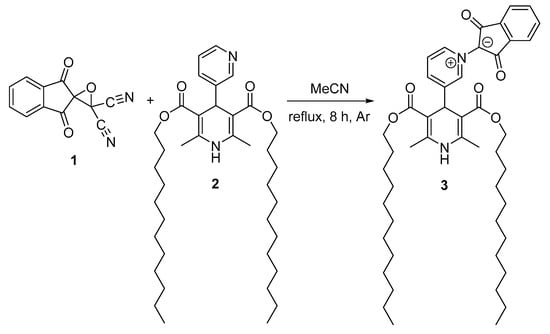
2-(3′,5′-Bis((dodecyloxy)carbonyl)-2′,6′-dimethyl-1′,4′-dihydro-[3,4′-bipyridin]-1-ium-1-yl)-1,3-dioxo-2,3-dihydro-1H-inden-2-ide
by
Mara Plotniece, Krista Arule, Karlis Pajuste, Aiva Plotniece and Arkadij Sobolev
Molbank 2026, 2026(1), M2133; https://doi.org/10.3390/M2133 - 4 Feb 2026
Abstract
Indane-1,3-dione and 1,4-dihydropyridine (1,4-DHP) scaffolds are of significant interest in medicinal chemistry. Herein, we report the synthesis characterization of a new lipid-like indane-1,3-dione–1,4-DHP betaine, 2-(3′,5′-bis((dodecyloxy)carbonyl)-2′,6′-dimethyl-1′,4′-dihydro-[3,4′-bipyridin]-1-ium-1-yl)-1,3-dioxo-2,3-dihydro-1H-inden-2-ide (3). Compound 3 was synthesized from 2,2-dicyanomethylideneindan-1,3-dione (1) oxide and a didodecyl-substituted
[...] Read more.
Indane-1,3-dione and 1,4-dihydropyridine (1,4-DHP) scaffolds are of significant interest in medicinal chemistry. Herein, we report the synthesis characterization of a new lipid-like indane-1,3-dione–1,4-DHP betaine, 2-(3′,5′-bis((dodecyloxy)carbonyl)-2′,6′-dimethyl-1′,4′-dihydro-[3,4′-bipyridin]-1-ium-1-yl)-1,3-dioxo-2,3-dihydro-1H-inden-2-ide (3). Compound 3 was synthesized from 2,2-dicyanomethylideneindan-1,3-dione (1) oxide and a didodecyl-substituted 1,4-DHP derivative 2 and characterized by UV–Vis spectroscopy, 1H-NMR, 13C-NMR, and HRMS. The obtained results demonstrate a promising strategy for the design of delivery agents, exploiting the lipid-like properties of the synthesized betaine.
Full article
(This article belongs to the Collection Heterocycle Reactions)
►▼
Show Figures

Scheme 1
Open AccessCommunication
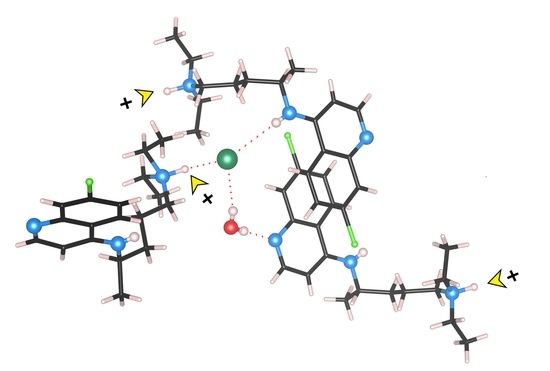
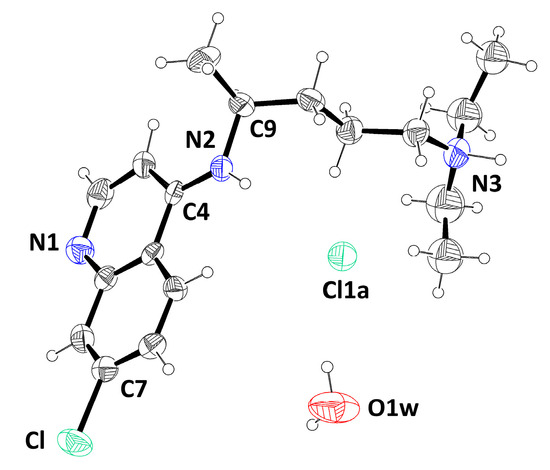
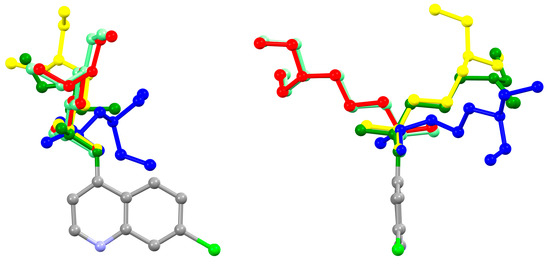
Molecular Structure of the Monohydrate Hydrochloride Salt of the Antimalarial Drug Chloroquine
by
Silvia Rizzato and Massimo Moret
Molbank 2026, 2026(1), M2131; https://doi.org/10.3390/M2131 - 3 Feb 2026
Abstract
We report the crystallization and single-crystal X-ray analysis of the monohydrate hydrochloride salt of chloroquine(CQ), abbreviated CQHCl·H2O, an antimalarial drug with the formula C18H26ClN3. The crystal structure reveals a well-defined supramolecular architecture stabilized by
[...] Read more.
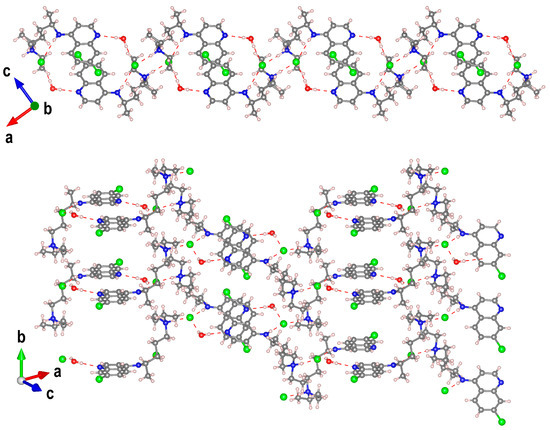
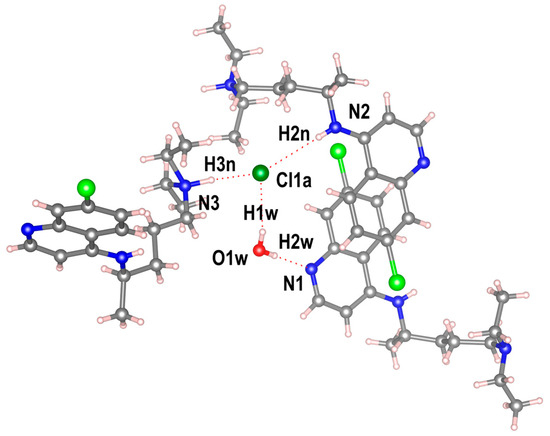
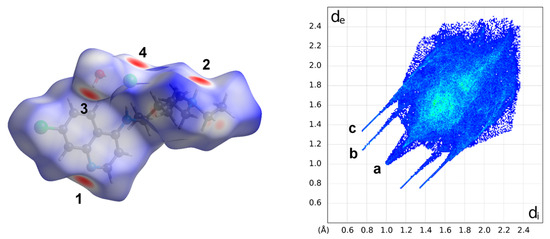
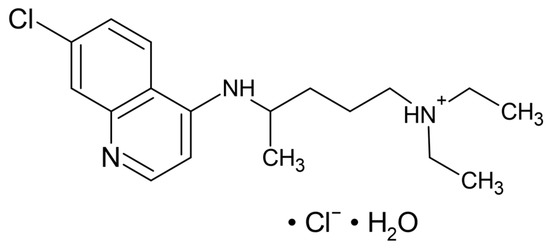
We report the crystallization and single-crystal X-ray analysis of the monohydrate hydrochloride salt of chloroquine(CQ), abbreviated CQHCl·H2O, an antimalarial drug with the formula C18H26ClN3. The crystal structure reveals a well-defined supramolecular architecture stabilized by an extensive hydrogen-bonding network involving CQH+ cations, chloride anions, and water molecules. Notably, this study provides the first crystallographic characterization of a monoprotonated chloroquine salt. Additionally, our findings demonstrate the feasibility of isolating pseudo-polymorphic forms of a commercially available CQ salt via heterogeneous crystallization.
Full article
(This article belongs to the Section Structure Determination)
►▼
Show Figures

Graphical abstract
Open AccessShort Note
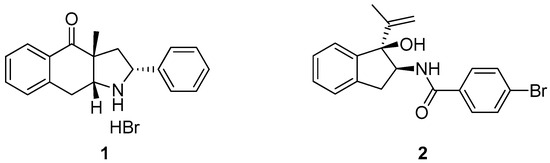
(2RS,3aRS,9aRS)-3a-Methyl-2-phenyl-3,3a,9,9a-tetrahydro-1H-benzo[f]indol-4(2H)-one Hydrobromide
by
Denis A. Tiunov, Victor A. Tafeenko and Alexander V. Kurkin
Molbank 2026, 2026(1), M2130; https://doi.org/10.3390/M2130 - 2 Feb 2026
Abstract
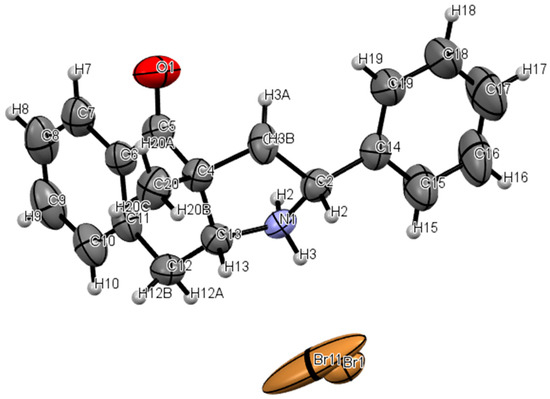
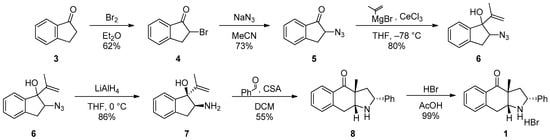
(2RS,3aRS,9aRS)-3a-methyl-2-phenyl-3,3a,9,9a-tetrahydro-1H-benzo[f]indol-4(2H)-one hydrobromide was first synthesized via a tandem aza-Cope rearrangement and Mannich reaction from (1RS,2SR)-2-amino-1-(prop-1-en-2-yl)-2,3-dihydro-1H-inden-1-ol, which, in turn, was obtained in four steps from commercially available 2,3-dihydro-1
[...] Read more.
(2RS,3aRS,9aRS)-3a-methyl-2-phenyl-3,3a,9,9a-tetrahydro-1H-benzo[f]indol-4(2H)-one hydrobromide was first synthesized via a tandem aza-Cope rearrangement and Mannich reaction from (1RS,2SR)-2-amino-1-(prop-1-en-2-yl)-2,3-dihydro-1H-inden-1-ol, which, in turn, was obtained in four steps from commercially available 2,3-dihydro-1H-inden-1-one. The molecular and crystal structure features of the new compounds were characterized using NMR spectroscopy (1H, 13C spectra).
Full article
(This article belongs to the Collection Heterocycle Reactions)
►▼
Show Figures

Figure 1
Open AccessCommunication
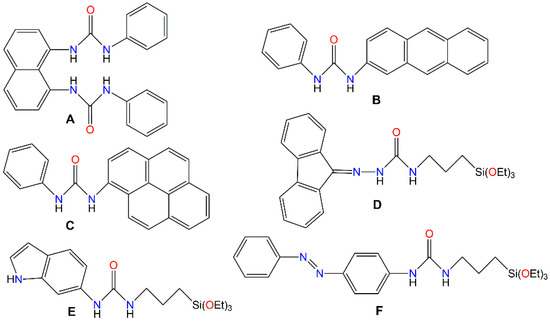
Synthesis of 1-(Naphthalen-2-yl)-3-(3-(triethoxysilyl)propyl)urea and Determination of Its Crystal Structure
by
Abderrahim Khatyr, Isabelle Jourdain, Michael Knorr, Carsten Strohmann and Tobias Schrimpf
Molbank 2026, 2026(1), M2129; https://doi.org/10.3390/M2129 - 28 Jan 2026
Abstract
►▼
Show Figures
The addition of 3-isocyanatopropyltriethoxysilane and 2-aminonaphthalene in THF affords the title compound 1-(naphthalen-2-yl)-3-(3-(triethoxysilyl)propyl)urea 1. A determination of the crystal structure of this naphthyl urea reveals the occurrence of strong intermolecular N-H···O hydrogen bonds, giving rise to a 1D supramolecular ribbon, whose interactions
[...] Read more.
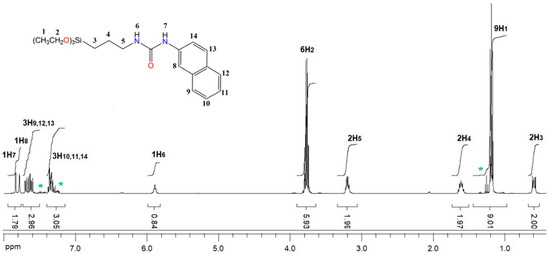
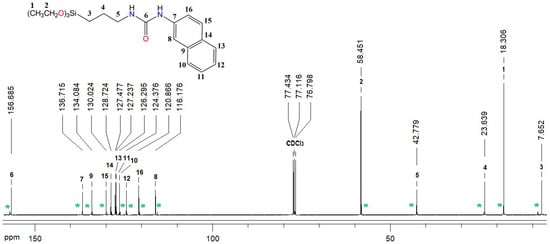
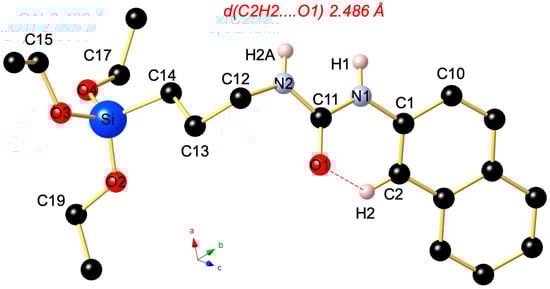
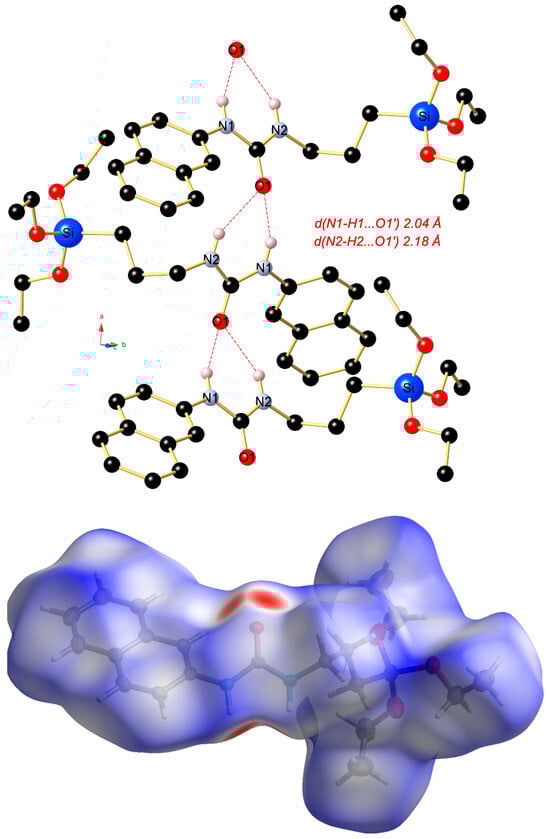
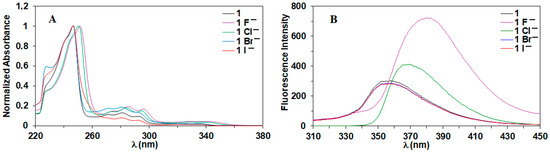
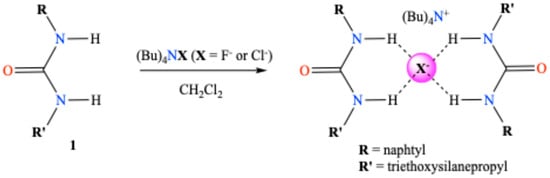
The addition of 3-isocyanatopropyltriethoxysilane and 2-aminonaphthalene in THF affords the title compound 1-(naphthalen-2-yl)-3-(3-(triethoxysilyl)propyl)urea 1. A determination of the crystal structure of this naphthyl urea reveals the occurrence of strong intermolecular N-H···O hydrogen bonds, giving rise to a 1D supramolecular ribbon, whose interactions have also been assessed by a Hirshfeld surface analysis. The propensity of 1 to sense halide ions by intramolecular trapping through N-H···Hal bonding was also investigated by UV-vis spectroscopy and fluorescence measurements.
Full article

Figure 1
Open AccessShort Note
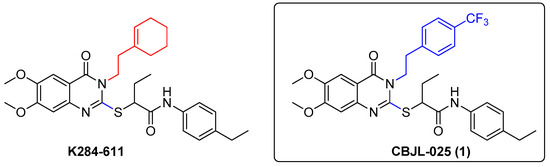
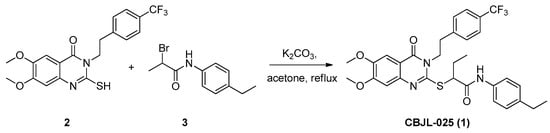
2-((6,7-Dimethoxy-4-oxo-3-(4-(trifluoromethyl)phenethyl)-3,4-dihydroquinazolin-2-yl)thio)-N-(4-ethylphenyl)butanamide
by
Young Hee Lee and Jae-Kyung Jung
Molbank 2026, 2026(1), M2128; https://doi.org/10.3390/M2128 - 26 Jan 2026
Abstract
2-({3-[2-(1-cyclohexen-1-yl)ethyl]-6,7-dimethoxy-4-oxo-3,4-dihydro-2-quinazolinyl}sulfanyl)-N-(4-ethylphenyl)butanamide (K284-6111; K284), the representative CHI3L1 inhibitor, has interesting biological activities, including anti-cancer and anti-inflammatory effects on neuroinflammation. Following our hit-to-lead program, we report the most active novel derivative, named CBJL-025, 2-((6,7-dimethoxy-4-oxo-3-(4-(trifluoromethyl)phenethyl)-3,4-dihydroquinazolin-2-yl)thio)-N-(4-ethylphenyl)butanamide. The title compound, CBJL-025, was successfully synthesized by S
[...] Read more.
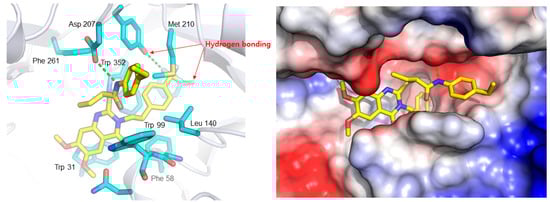
2-({3-[2-(1-cyclohexen-1-yl)ethyl]-6,7-dimethoxy-4-oxo-3,4-dihydro-2-quinazolinyl}sulfanyl)-N-(4-ethylphenyl)butanamide (K284-6111; K284), the representative CHI3L1 inhibitor, has interesting biological activities, including anti-cancer and anti-inflammatory effects on neuroinflammation. Following our hit-to-lead program, we report the most active novel derivative, named CBJL-025, 2-((6,7-dimethoxy-4-oxo-3-(4-(trifluoromethyl)phenethyl)-3,4-dihydroquinazolin-2-yl)thio)-N-(4-ethylphenyl)butanamide. The title compound, CBJL-025, was successfully synthesized by S-alkylation of the p-trifluoromethyl phenethyl group possessing quinazoline and the corresponding bromide. The structure of CBJL-025 was confirmed by 1H and 13C nuclear magnetic resonance (NMR) and high-resolution mass spectrometry (HRMS).
Full article
(This article belongs to the Section Organic Synthesis and Biosynthesis)
►▼
Show Figures

Figure 1

Open AccessShort Note
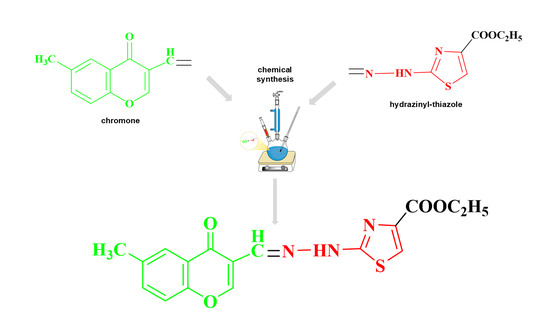
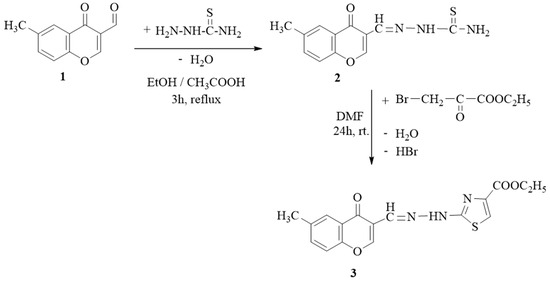
Ethyl 2-(2-((6-Methyl-4-oxo-4H-chromen-3-yl)methylene)hydrazineyl)thiazole-4-carboxylate
by
Adriana Grozav, Cristina Azarov, Gabriel Marc, Adrian Pîrnău, Stanimir Manolov, Ovidiu Oniga and Ovidiu Crișan
Molbank 2026, 2026(1), M2127; https://doi.org/10.3390/M2127 - 22 Jan 2026
Abstract
This study presents the synthesis of a new compound, ethyl 2-(2-((6-methyl-4-oxo-4H-chromen-3-yl)methylene)hydrazinyl)thiazole-4-carboxylate, obtained by the Hantzsch heterocyclisation reaction. The compound was analyzed through melting point determination, 1H and 13C NMR spectroscopy, infrared, and UV spectroscopy.
Full article
(This article belongs to the Collection Heterocycle Reactions)
►▼
Show Figures

Graphical abstract
attachment
Supplementary material:
Supplementary File 1 (ZIP, 1771 KB)
Supplementary File 2 (MOL, 4 KB)
Supplementary File 3 (INCHI, 2 KB)
Supplementary File 4 (MOL, 4 KB)
Supplementary File 5 (CIF, 5 KB)
Supplementary File 6 (CIF, 5 KB)
Supplementary File 7 (CIF, 6 KB)
Supplementary File 8 (CIF, 4 KB)
Supplementary File 9 (CIF, 4 KB)
Supplementary File 10 (CIF, 5 KB)
Supplementary File 11 (CIF, 5 KB)
Supplementary File 1 (ZIP, 1771 KB)
Supplementary File 2 (MOL, 4 KB)
Supplementary File 3 (INCHI, 2 KB)
Supplementary File 4 (MOL, 4 KB)
Supplementary File 5 (CIF, 5 KB)
Supplementary File 6 (CIF, 5 KB)
Supplementary File 7 (CIF, 6 KB)
Supplementary File 8 (CIF, 4 KB)
Supplementary File 9 (CIF, 4 KB)
Supplementary File 10 (CIF, 5 KB)
Supplementary File 11 (CIF, 5 KB)
Open AccessCommunication
Structural and Electronic Insights into Arylalkanones from Myristica ceylanica
by
Navaratnarajah Kuganathan and Tharmarajah Manoranjan
Molbank 2026, 2026(1), M2126; https://doi.org/10.3390/M2126 - 20 Jan 2026
Abstract
►▼
Show Figures
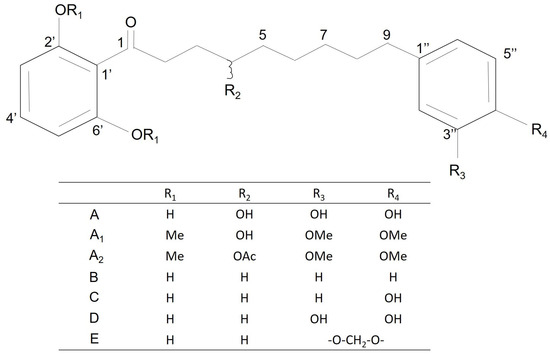
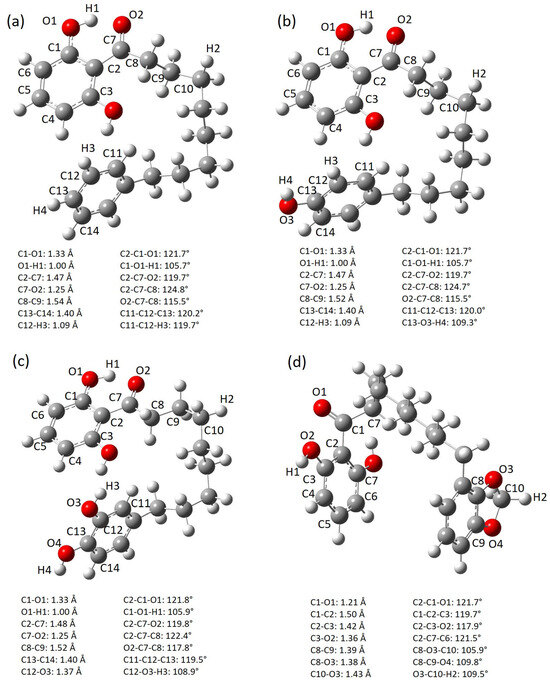
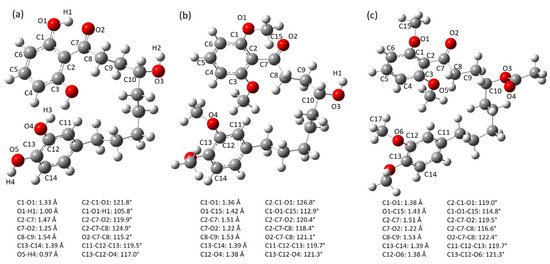
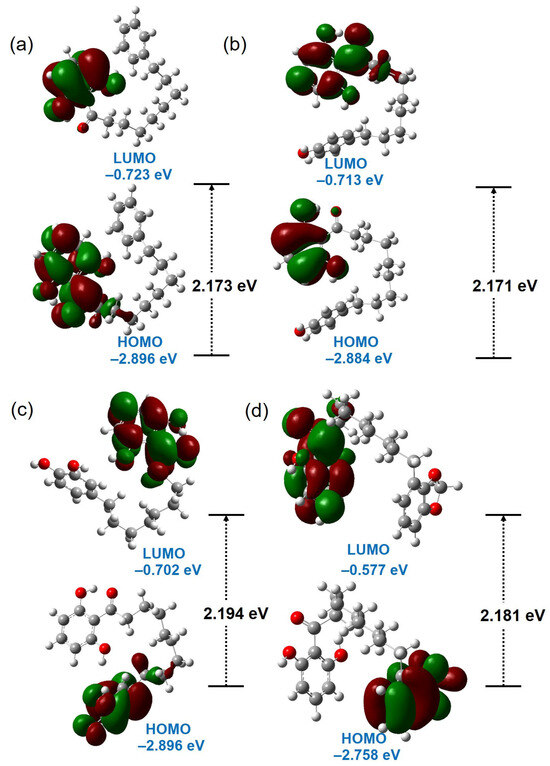
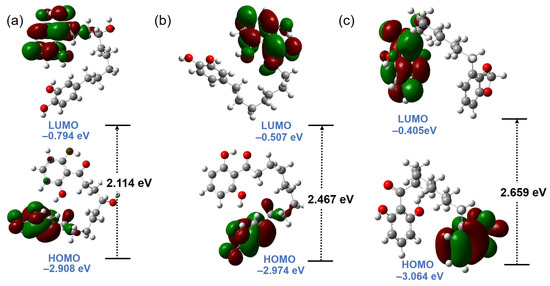
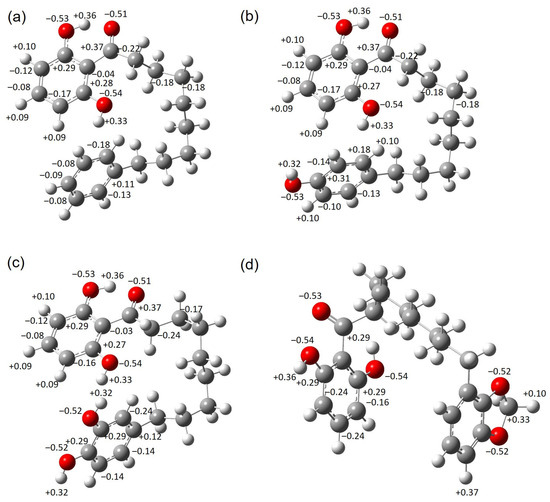
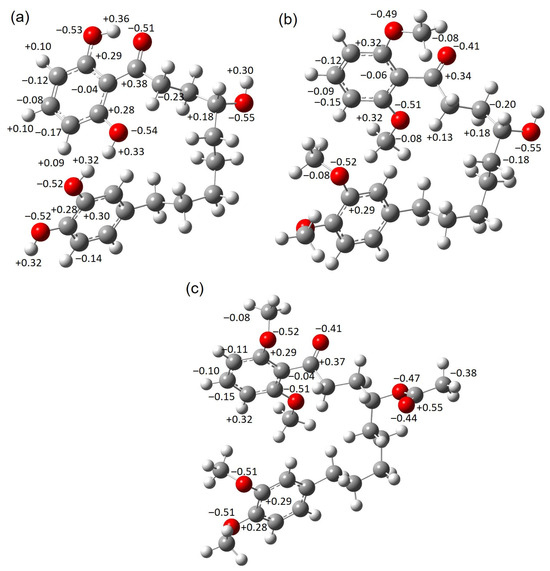
A phytochemical investigation of Myristica ceylanica resulted in the identification of seven arylalkanone-derived phenolic compounds, comprising one new naturally occurring arylalkanone (A), two derivatives (A1 and A2) prepared by chemical synthesis, and four known malabaricones (B–E). Density functional theory (DFT)
[...] Read more.
A phytochemical investigation of Myristica ceylanica resulted in the identification of seven arylalkanone-derived phenolic compounds, comprising one new naturally occurring arylalkanone (A), two derivatives (A1 and A2) prepared by chemical synthesis, and four known malabaricones (B–E). Density functional theory (DFT) calculations were conducted to evaluate the geometries, electronic properties, and charge distributions of the newly identified arylalkanone and its derivatives and to compare them with those of malabaricones B–E. The arylalkanones exhibited geometrical features comparable to those of the malabaricones, whereas frontier molecular orbital analysis revealed similar HOMO–LUMO energy gaps for the malabaricones but a progressive widening of the gap among the arylalkanone derivatives, indicating enhanced electronic stabilisation. Mulliken population analysis identified oxygen atoms as the principal electron-rich sites in both series, with arylalkanones displaying greater charge polarisation and increased sensitivity to structural substitution.
Full article

Figure 1
Open AccessCommunication
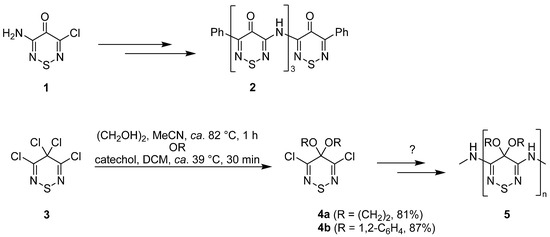
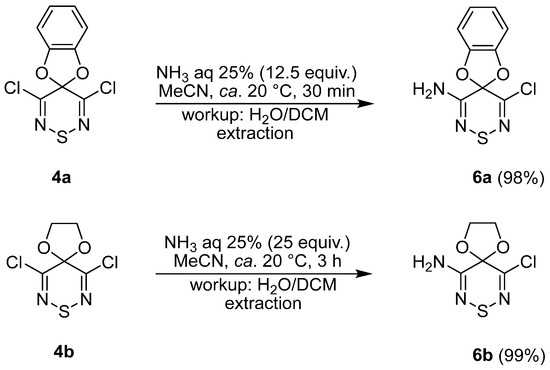
Synthesis of 5′-Chlorospiro(benzo[d][1,3]dioxole-2,4′-[1,2,6]thiadiazin)-3′-amine and 10-Chloro-1,4-dioxa-8-thia-7,9-diazaspiro[4.5]deca-6,9-dien-6-amine
by
Andreas S. Kalogirou and Panayiotis A. Koutentis
Molbank 2026, 2026(1), M2125; https://doi.org/10.3390/M2125 - 16 Jan 2026
Abstract
Reactions of 3′,5′-dichlorospiro(benzo[d][1,3]dioxole-2,4′-[1,2,6]thiadiazine) or 6,10-dichloro-1,4-dioxa-8-thia-7,9-diazaspiro[4.5]deca-6,9-diene with ammonia in MeCN, at ca. 20 °C, gave 5′-chlorospiro(benzo[d][1,3]dioxole-2,4′-[1,2,6]thiadiazin)-3′-amine and 10-chloro-1,4-dioxa-8-thia-7,9-diazaspiro[4.5]deca-6,9-dien-6-amine, respectively, in near quantitative yields.
Full article
(This article belongs to the Section Organic Synthesis and Biosynthesis)
►▼
Show Figures

Figure 1
Open AccessShort Note
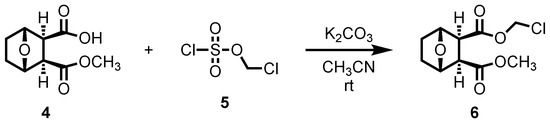
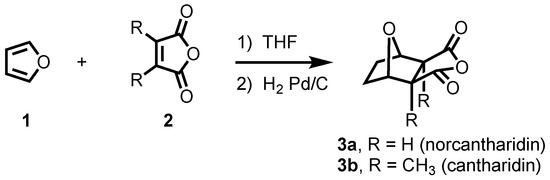
Methyl 2-(Chloromethoxy-1-carbonyl)-7-oxabicyclo[2.2.1]heptane-3-carboxylate
by
Hannah K. Lawley, Bailey N. Baxter, Caleb N. Lopansri, Mary Helene Marmande, Kathryn N. Mayeaux, Lucy A. Orr and David C. Forbes
Molbank 2026, 2026(1), M2124; https://doi.org/10.3390/M2124 - 13 Jan 2026
Abstract
►▼
Show Figures
Overexpression of protein phosphatase 5 (PP5) is implicated in tumor cell growth, establishing PP5 as a compelling target for small-molecule anticancer therapy. Building on prior success in achieving selectivity within the PP2A domain through scaffold functionalization that maximizes active-site interactions, we propose a
[...] Read more.
Overexpression of protein phosphatase 5 (PP5) is implicated in tumor cell growth, establishing PP5 as a compelling target for small-molecule anticancer therapy. Building on prior success in achieving selectivity within the PP2A domain through scaffold functionalization that maximizes active-site interactions, we propose a parallel strategy for PP5 inhibition. Norcantharidin, the demethylated cousin of cantharidin, is a potent yet unselective phosphatase inhibitor, making its bicyclic framework an attractive platform for systematic derivatization. The approach reported herein exploits anhydride reactivity to generate a carboxylic acid derivative that is transformed into a chloromethyl ester. Chloromethyl ester functionality serves as a strategically activated intermediate enabling downstream functional-group diversification under mild, neutral conditions while preserving scaffold integrity. This modular synthetic strategy establishes a foundation for the development of PP5-selective norcantharidin derivatives with improved tumor selectivity, potency, and synthetic feasibility.
Full article

Scheme 1
Open AccessShort Note
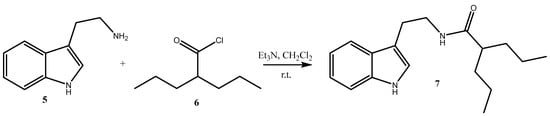
N-(2-(1H-Indol-3-yl)ethyl)-2-propylpentanamide
by
Diyana Dimitrova, Iliyan Ivanov, Simona Ilieva, Ivelina Cherneva, Dimitar Bojilov and Stanimir Manolov
Molbank 2026, 2026(1), M2123; https://doi.org/10.3390/M2123 - 9 Jan 2026
Abstract
Herein we describe the synthesis of N-(2-(1H-indol-3-yl)ethyl)-2-propylpentanamide. The compound was comprehensively characterized using melting-point analysis, 1H and 13C NMR spectroscopy, infrared spectroscopy, and mass spectrometry. The collective analytical results confirm the successful synthesis and structural integrity of the target molecule.
Full article
(This article belongs to the Section Structure Determination)
►▼
Show Figures

Figure 1

Highly Accessed Articles
Latest Books
E-Mail Alert
News
Topics
Conferences
Special Issues
Special Issue in
Molbank
Carbonylation Chemistry in the Synthesis of High Value Added Compounds
Guest Editors: Bartolo Gabriele, Raffaella MancusoDeadline: 20 April 2026
Topical Collections
Topical Collection in
Molbank
Molecules from Catalytic Processes
Collection Editor: Nicola Della Ca’