

-
Progress in Gliotoxin Research -
Fluorimetric Determination of Eosin Y in Water Samples and Drinks Using Deep Eutectic Solvent-Based Liquid-Phase Microextraction -
Synthesis, Structures and Corrosion Inhibition Properties of 4-Nitrophenylacetato-Rare-Earth(III) 1D Coordination Polymers -
Catechins and Human Health: Breakthroughs from Clinical Trials
Journal Description
Molecules
Molecules
is a leading international, peer-reviewed, open access journal of chemistry, and is published semimonthly online by MDPI. The International Society of Nucleosides, Nucleotides & Nucleic Acids (IS3NA), Spanish Society of Medicinal Chemistry (SEQT) and International Society of Heterocyclic Chemistry (ISHC) are affiliated with Molecules and their members receive discounts on the article processing charges.
- Open Access— free for readers, with article processing charges (APC) paid by authors or their institutions.
- High Visibility: indexed within Scopus, SCIE (Web of Science), PubMed, MEDLINE, PMC, Reaxys, CaPlus / SciFinder, MarinLit, AGRIS, and other databases.
- Journal Rank: JCR - Q2 (Biochemistry and Molecular Biology) / CiteScore - Q1 (Organic Chemistry)
- Rapid Publication: manuscripts are peer-reviewed and a first decision is provided to authors approximately 16.1 days after submission; acceptance to publication is undertaken in 2.6 days (median values for papers published in this journal in the first half of 2025).
- Recognition of Reviewers: reviewers who provide timely, thorough peer-review reports receive vouchers entitling them to a discount on the APC of their next publication in any MDPI journal, in appreciation of the work done.
- Sections: published in 25 topical sections.
- Testimonials: See what our editors and authors say about Molecules.
- Companion journal: Foundations.
- Journal Cluster of Chemical Reactions and Catalysis: Catalysts, Chemistry, Electrochem, Inorganics, Molecules, Organics, Oxygen, Photochem, Reactions, Sustainable Chemistry.
Impact Factor:
4.6 (2024);
5-Year Impact Factor:
5.0 (2024)
Latest Articles
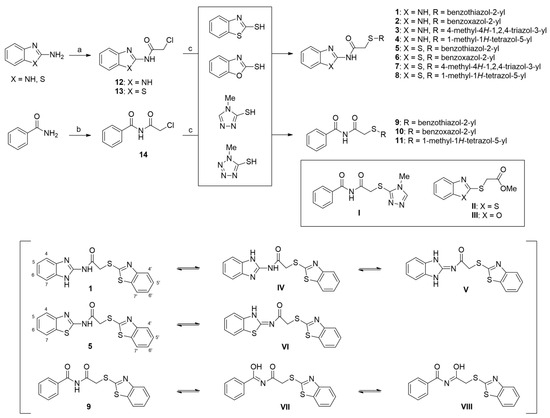
New Dimethylpyridine-3-Carboxamide Derivatives as MMP-13 Inhibitors with Anticancer Activity
Molecules 2025, 30(24), 4662; https://doi.org/10.3390/molecules30244662 (registering DOI) - 5 Dec 2025
Abstract
A series of dimethylpyridine-3-carboxamide derivatives was designed as potential, selective, non-zinc chelating inhibitors of matrix metalloproteinase 13 (MMP-13), and subsequently synthesized. The identity of the obtained compounds was confirmed by FT-IR, 1H/13C NMR, and HR-MS methods. Fluorescence spectroscopy was applied
[...] Read more.
A series of dimethylpyridine-3-carboxamide derivatives was designed as potential, selective, non-zinc chelating inhibitors of matrix metalloproteinase 13 (MMP-13), and subsequently synthesized. The identity of the obtained compounds was confirmed by FT-IR, 1H/13C NMR, and HR-MS methods. Fluorescence spectroscopy was applied to study the interaction of synthesized compounds with human serum albumin, providing insight into their potential transport properties in plasma. In parallel, the electronic properties and reactivity parameters relevant to enzyme binding of the designed molecules were analyzed using density functional theory. Molecular docking and molecular dynamics simulations revealed the compounds to interact preferentially and stably within the S1 pocket of MMP-13 via hydrogen bonds and π-stacking interactions. The calculated binding free energy confirmed the stability and persistence of the complexes during simulation, indicating a strong and specific recognition pattern. On the other hand, their affinity towards MMP-8 was considerably weaker, which is consistent with the predicted selectivity profile. In addition, the biological evaluation confirmed MMP-13 inhibition. Finally, in vitro tests revealed their cytotoxic activity against cancer cell lines.
Full article
(This article belongs to the Special Issue Design, Synthesis and Biological Evaluation of Medicinal Potential Compounds—2nd Edition)
►
Show Figures
Open AccessArticle
Computational Study of Graphene Quantum Dots (GQDs) Functionalized with Thiol and Amino Groups for the Selective Detection of Heavy Metals in Wastewater
by
Joaquín Alejandro Hernández-Fernández, Juan Sebastian Gómez Pérez and Edgar Marquez
Molecules 2025, 30(24), 4661; https://doi.org/10.3390/molecules30244661 (registering DOI) - 5 Dec 2025
Abstract
►▼
Show Figures
Given the growing interest in contaminant detection, research has addressed the functionalization behavior of graphene quantum dots (GQDs) with thiol (-SH) and amino (-NH2) groups to optimize and improve the selective detection of heavy metals in wastewater. Implementing Density Functional Theory
[...] Read more.
Given the growing interest in contaminant detection, research has addressed the functionalization behavior of graphene quantum dots (GQDs) with thiol (-SH) and amino (-NH2) groups to optimize and improve the selective detection of heavy metals in wastewater. Implementing Density Functional Theory (DFT), the interactions between the functionalized GQDs and hydrated metals such as Cr, Cd, and Pb were simulated. The results showed that GQDs with thiol groups exhibited a high affinity for metals such as Pb and Cd, with an energy gap (Eg) of 0.02175 eV in the interaction with Pb, showing optimized reactivity. On the other hand, amino-modified GQDs presented a higher Eg, indicating a lower reactivity and efficacy in contaminant identification. Furthermore, this study evaluated electronic properties such as the energy gap and total dipole moment (TDM), resulting in the -SH-functionalized GQDs showing a higher TDM, which presented a greater interaction capacity with these metals. Likewise, the electrostatic potential maps (MEPs) provided information on the charge distribution when adsorbing metals, an important parameter to understand electronic interactions. These results showed that the modification of GQDs improved the detection of heavy metals, although limitations in the DFT method used are recognized and the need for experimental studies is suggested to validate the results and investigate other functional modifications.
Full article

Figure 1
Open AccessArticle
Procedural Challenges in Soil Sample Preparation for Pharmaceuticals Analysis
by
Agnieszka Fiszka Borzyszkowska, Ewa Olkowska and Lidia Wolska
Molecules 2025, 30(23), 4660; https://doi.org/10.3390/molecules30234660 - 4 Dec 2025
Abstract
The determination of trace levels of pharmaceuticals in complex environmental samples requires an appropriate sample preparation stage prior to final determination. Currently, special attention should be paid to pharmaceuticals extensively used on industrial farms due to their possible emission into the soil environment,
[...] Read more.
The determination of trace levels of pharmaceuticals in complex environmental samples requires an appropriate sample preparation stage prior to final determination. Currently, special attention should be paid to pharmaceuticals extensively used on industrial farms due to their possible emission into the soil environment, which has become a public health concern. The greatest challenge in such sample analyses lies in selecting the appropriate analyte extraction procedure. To address these challenges, five sample preparation procedures were evaluated for the determination of 24 pharmaceuticals, aiming to compare analyte recovery. We focused on commonly used stages of the procedure, such as ultrasonication and filtration, to minimize potential analyte loss. Our results indicate that some compounds can be eliminated even up to 100% (including amoxicillin, ampicillin, and lincomycin) during ultrasonication and/or filtration. The selected procedure allowed for the improvement of the recovery value in the case of 15 pharmaceuticals in comparison with the primary method. Consequently, the proposed procedure was applied to analyze environmental soil samples from the area surrounding a poultry farm. This study demonstrates that even problematic compounds, despite their low recovery, can be analyzed by the addition of isotopically labelled internal standards with acceptable accuracy. This finding is particularly important for environmental monitoring, where trace-level detection of pharmaceutical residues is often challenged by matrix complexity and analyte instability.
Full article
(This article belongs to the Special Issue Advances in Chemical Analysis Procedures (Part III): Future Trends in Reducing the Environmental Impact)
►▼
Show Figures

Graphical abstract
Open AccessArticle
Molecular Pathways Affected by Sulfonylpurine Derivatives in 2D and 3D HeLa Cell Models
by
Marijana Leventić, Josipa Matić, Dijana Pavlović Saftić, Željka Ban, Biserka Žinić and Ljubica Glavaš-Obrovac
Molecules 2025, 30(23), 4659; https://doi.org/10.3390/molecules30234659 - 4 Dec 2025
Abstract
►▼
Show Figures
This study investigates two sulfonylpurine derivatives, Pur-6-NH2-SS and Pur-6-Mor-SS, which contain amino and morpholino substituents, for their anticancer potential in 2D and 3D models of human cervical adenocarcinoma (HeLa) cells. Cell cycle distribution, apoptosis, mitochondrial membrane potential, and ROS accumulation were
[...] Read more.
This study investigates two sulfonylpurine derivatives, Pur-6-NH2-SS and Pur-6-Mor-SS, which contain amino and morpholino substituents, for their anticancer potential in 2D and 3D models of human cervical adenocarcinoma (HeLa) cells. Cell cycle distribution, apoptosis, mitochondrial membrane potential, and ROS accumulation were evaluated by flow cytometry. Both Pur-6-NH2-SS and Pur-6-Mor-SS reduced the proportion of cells in the G0/G1 phase (to 39.65 ± 5.59% and 28.25 ± 1.20%, respectively) when compared with untreated cells. Pur-6-NH2-SS additionally increased the proportion of cells in the S phase (7.41 ± 0.32%), whereas Pur-6-Mor-SS increased the number of cells in subG0 (21.05 ± 6.15%). Additionally, Pur-6-NH2-SS triggered early apoptosis in 79.6 ± 8.5% of cells, accompanied by mitochondrial membrane depolarisation in 64.3 ± 9.0%. In comparison, Pur-6-Mor-SS elicited an even stronger apoptotic response, inducing early apoptosis in 87.4 ± 15.6% of cells and mitochondrial membrane potential disruption in 86.8 ± 9.0%, relative to untreated cells. RT-PCR analysis assessed the expression of key regulators, including miR-21, miR-210, and genes involved in survival and stress-response pathways (Akt, CAIX, caspase-3, and cytochrome C). In the 2D model, both derivatives increased CAIX, Akt, and Cyp C expression compared with untreated cells. In contrast, p53 expression remained unchanged in Pur-6-NH2-SS-treated cells and was slightly decreased in Pur-6-Mor-SS-treated cells. Casp3 expression was slightly elevated following Pur-6-NH2-SS treatment and remained nearly unchanged in Pur-6-Mor-SS-treated cells. In the 3D model, Pur-6-NH2-SS exerted a stronger inhibitory effect on CAIX, Akt, p53, Cyp C, and Casp3 expression than Pur-6-Mor-SS, which showed weaker inhibition overall. Both derivatives had a comparable impact on miR-21 and miR-210 expression in 2D and 3D HeLa models. These findings provide mechanistic insight into amino- and morpholino-substituted sulfonylpurine derivatives and highlight how 2D and 3D tumour models influence drug response, offering a basis for further development of purine-based anticancer agents.
Full article

Graphical abstract
Open AccessArticle
Synthesis and Characterization of Activated Biocarbons Produced from Avocado Seeds Using the Non-Toxic and Environmentally Friendly Activating Agent K2CO3 for CO2 Capture
by
Joanna Siemak and Beata Michalkiewicz
Molecules 2025, 30(23), 4658; https://doi.org/10.3390/molecules30234658 - 4 Dec 2025
Abstract
Activated biocarbons were synthesized from avocado seeds using potassium carbonate as an activating agent. The study aimed to evaluate K2CO3 as a greener and less corrosive alternative to KOH, traditionally used for producing porous carbons. Twelve samples were obtained under
[...] Read more.
Activated biocarbons were synthesized from avocado seeds using potassium carbonate as an activating agent. The study aimed to evaluate K2CO3 as a greener and less corrosive alternative to KOH, traditionally used for producing porous carbons. Twelve samples were obtained under varying activation conditions using both dry K2CO3 and its saturated solution. The material activated at 800 °C with a 1:1 precursor-to-activator ratio (C_K2CO3_800) showed the highest CO2 adsorption capacity of 6.26 mmol/g at 0 °C and 1 bar. Nitrogen adsorption–desorption analysis confirmed a predominantly microporous structure, with ultramicropores (0.3–0.7 nm) primarily responsible for the high CO2 uptake. The Sips model provided the best fit to the adsorption equilibrium data, indicating a heterogeneous surface. The isosteric heat of adsorption (22–26 kJ/mol) confirmed a physical adsorption mechanism. Furthermore, the CO2/N2 selectivity, evaluated using the Ideal Adsorbed Solution Theory (IAST), reached values up to 18 at low pressures, highlighting the excellent separation performance. These findings demonstrate that avocado seed-derived activated carbons prepared with K2CO3 are efficient, renewable, and environmentally friendly sorbents for CO2 capture, combining high adsorption capacity with sustainability and ease of synthesis.
Full article
(This article belongs to the Special Issue From Biomass to High-Value Products: Processes and Applications)
►▼
Show Figures

Figure 1
Open AccessArticle
Non-Invasive Analysis of Bulk and Surface Remodeling of Non-Woven PLLA and Fiber-Sponge PLLA/Chitosan Scaffolds in Cell Culture Environment
by
Elena Khramtsova, Yulia Petronyuk, Christina Antipova, Roman Sharikov, Alexey Bogachenkov, Sergey Malakhov, Daria Bednik, Petr Dmitryakov and Timofei Grigoriev
Molecules 2025, 30(23), 4657; https://doi.org/10.3390/molecules30234657 - 4 Dec 2025
Abstract
The expanding application of three-dimensional matrices with complex surface topographies in regenerative medicine requires new methods to visualize and analyze the evolving elastic properties of tissue-engineered constructs (TECs) during maturation. In this study, scanning impulse acoustic microscopy (SIAM) was employed for the non-invasive
[...] Read more.
The expanding application of three-dimensional matrices with complex surface topographies in regenerative medicine requires new methods to visualize and analyze the evolving elastic properties of tissue-engineered constructs (TECs) during maturation. In this study, scanning impulse acoustic microscopy (SIAM) was employed for the non-invasive investigation of non-woven matrices based on PLLA and its composites with chitosan. This technique was used to determine the speed of sound, integral attenuation, and spectral characteristics within the samples. The data obtained through acoustic microscopy were compared with the results from tensile testing, gel permeation chromatography, differential scanning calorimetry, scanning electron microscopy, and CCK-8 assays. The findings demonstrate that SIAM exhibits high sensitivity to alterations in the TEC’s composition, including the presence of functionalizing additives, embedded cells, and the subsequent processes of cell proliferation and extracellular matrix synthesis, as well as to changes in its geometric structure. Consequently, this methodology can be recommended as a powerful and non-destructive tool for the comprehensive monitoring of TECs throughout their in vitro maturation period.
Full article
(This article belongs to the Special Issue Physicochemical Research on Material Surfaces, 2nd Edition)
►▼
Show Figures

Graphical abstract
Open AccessReview
Cytotoxic and Antimicrobial Activity of the Ageratina Genus
by
Sarai Rojas-Jiménez, David Osvaldo Salinas-Sánchez, Verónica Rodríguez-López, Roberta Salinas-Marín, Dante Avilés-Montes, César Sotelo-Leyva, Rodolfo Figueroa-Brito, Genoveva Bustos Rivera-Bahena, Rodolfo Abarca-Vargas, Dulce María Arias-Ataide and María Guadalupe Valladares-Cisneros
Molecules 2025, 30(23), 4656; https://doi.org/10.3390/molecules30234656 - 4 Dec 2025
Abstract
Medicinal plants have long been used for therapeutic purposes in many cultures. They represent sources of important bioactive compounds, often of pharmacological significance. Ageratina Spach is the largest genus in Mexico and is characterised by its traditional use in the treatment of cancer
[...] Read more.
Medicinal plants have long been used for therapeutic purposes in many cultures. They represent sources of important bioactive compounds, often of pharmacological significance. Ageratina Spach is the largest genus in Mexico and is characterised by its traditional use in the treatment of cancer and infections of the skin, blood, and intestines. Different species of Ageratina have been biologically evaluated at the extract and compound levels, and their chemical contents have been purified and characterised. Following a PRISMA meta-analysis, 29 scientific reports were selected and analysed. Tables of different Ageratina species were integrated to compare their cytotoxic and antimicrobial activity at the extract and compound levels. Twelve pure and isolated natural compounds were tested for cytotoxic activity against several cell lines from lung, colon, and breast cancer, cervical carcinoma, hepatocarcinoma, promyelocytic leukaemia, and histiocytic lymphoma. Forty-one pure and isolated natural compounds were evaluated for antimicrobial activity against a wide spectrum of microorganisms, including Gram-positive and Gram-negative bacteria, yeast, fungi, parasites and viruses. Ageratina Spach contains cytotoxic and antimicrobial substances with broad chemical profiles. In addition to being a plant with active compounds, it could be useful for future rational drug design.
Full article
(This article belongs to the Special Issue New Insights into Bioactive Compounds from Natural Sources—Second Edition)
►▼
Show Figures

Figure 1
Open AccessArticle
Nickel Phosphine Complexes: Synthesis, Characterization, and Behavior in the Polymerization of 1,3-Butadiene
by
Massimo Guelfi, Giulio Bresciani, Guido Pampaloni, Anna Sommazzi, Francesco Masi, Benedetta Palucci, Simona Losio and Giovanni Ricci
Molecules 2025, 30(23), 4655; https://doi.org/10.3390/molecules30234655 - 4 Dec 2025
Abstract
Several nickel dichloride phosphine complexes have been synthesized, their crystalline structure determined, and their behavior, in combination with methylaluminoxane, in the polymerization of butadiene has been examined. High-cis polybutadienes were consistently obtained, regardless of the nature of the phosphine coordinated to the
[...] Read more.
Several nickel dichloride phosphine complexes have been synthesized, their crystalline structure determined, and their behavior, in combination with methylaluminoxane, in the polymerization of butadiene has been examined. High-cis polybutadienes were consistently obtained, regardless of the nature of the phosphine coordinated to the metal and the methylaluminoxane/Ni molar ratio used, contrary to what was previously observed in the polymerization of butadiene with analogous cobalt phosphine complexes, in which catalytic selectivity was found to be strongly influenced by these two factors. An interpretation for such different behavior is provided.
Full article
(This article belongs to the Special Issue Organometallic Compounds: Design, Synthesis and Application: 2nd Edition)
►▼
Show Figures

Figure 1
Open AccessArticle
A Core–Shell Pt–NiSe@NiFe-LDH Heterostructure for Bifunctional Alkaline Water Splitting
by
Shanshan Li, Yanping Guo, Ziqi Wang, Depeng Zhao, Rui Guo, Qingzhong Gao and Zhiqiang Zhang
Molecules 2025, 30(23), 4654; https://doi.org/10.3390/molecules30234654 - 4 Dec 2025
Abstract
The escalating global energy crisis has intensified the demand for sustainable hydrogen production through electrochemical water splitting. Herein, we report a novel oxygen-vacancy-rich bifunctional electrocatalyst, Pt-NiSe@NiFe-LDH-Ov, synthesized via a facile electrodeposition and reduction method. It demonstrates exceptional performance, requiring low overpotentials of 280
[...] Read more.
The escalating global energy crisis has intensified the demand for sustainable hydrogen production through electrochemical water splitting. Herein, we report a novel oxygen-vacancy-rich bifunctional electrocatalyst, Pt-NiSe@NiFe-LDH-Ov, synthesized via a facile electrodeposition and reduction method. It demonstrates exceptional performance, requiring low overpotentials of 280 mV for the HER and 344 mV for the OER to achieve current densities of 50 and 100 mA cm−2, respectively, in 1.0 M KOH. When employed for overall water splitting, the system requires a cell voltage of only 1.878 V to reach 50 mA cm−2. Notably, in an anion exchange membrane water electrolyzer (AEMWE), the performance shows significant enhancement with increasing operating temperature (20 to 60 °C), particularly at high current densities (>200 mA cm−2), highlighting its excellent thermal adaptability. The superior activity is attributed to the synergistic effect between the Pt-NiSe and NiFe-LDH interfaces and the abundant oxygen vacancies, which collectively enhance charge transfer and optimize the adsorption of reaction intermediates.
Full article
(This article belongs to the Special Issue Green Chemistry in China: Advancing Sustainable Science for a Better World)
►▼
Show Figures

Figure 1
Open AccessArticle
Utilizing Friction Energy on Nanoflowers (Zinc Oxide and Zinc Oxide/Neodymium Oxide) for Tribocatalysis of Doxycycline
by
Dobrina Ivanova, Hristo Kolev, Ralitsa Mladenova, Yordanka Karakirova and Nina Kaneva
Molecules 2025, 30(23), 4653; https://doi.org/10.3390/molecules30234653 - 4 Dec 2025
Abstract
Mechanical energy is a plentiful, environmentally friendly, and sustainable energy source in the natural world. In this work, we successfully use friction to transform mechanical energy into ZnO and ZnO/Nd2O3 (1, 2, 3, 4 and 5 mol%) tribocatalysts. Under magnetic
[...] Read more.
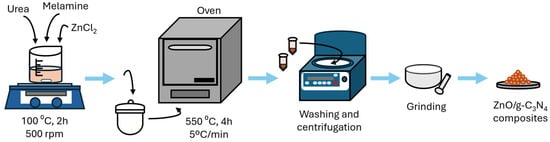
Mechanical energy is a plentiful, environmentally friendly, and sustainable energy source in the natural world. In this work, we successfully use friction to transform mechanical energy into ZnO and ZnO/Nd2O3 (1, 2, 3, 4 and 5 mol%) tribocatalysts. Under magnetic stirring, the catalyst particles and the polytetrafluoroethylene (PTFE)-sealed magnetic bar rubbed against one another, transferring electrons across the contact interface. While the PTFE absorbed the electrons, holes were simultaneously left on the catalyst. Because of their potent oxidative power, the holes in the valence band of sol–gel catalysts can efficiently oxidize organic pollutants, much like photocatalysis. In the absence of light, the tribocatalytic tests showed that ZnO and ZnO/Nd2O3 flowers could remove antibiotics (Doxycycline) when magnetized. We could further improve the tribocatalytic performance by adjusting the quantity of rare earth elements (1, 2, 3, 4 and 5 mol%), stirring speed, and magnetic rod type. Besides creating a green tribocatalysis method for organic pollutants’ oxidative purification, this work provides a possible pathway for transforming environmental mechanical energy into chemical energy, which may be applied to environmental remediation and sustainable energy.
Full article
(This article belongs to the Special Issue Design and Preparation of New Metal Catalysts for Functional Organic Compounds Synthesis)
►▼
Show Figures

Figure 1
Open AccessArticle
Iodinated Near-Infrared Dyes as Effective Photosensitizers for the Photodynamic Eradication of Amphotericin B-Resistant Candida Pathogens
by
Chen Damti, Andrii Bazylevich, Amartya Sanyal, Olga Semenova, Arjun Prakash, Iryna Hovor, Bat Chen R. Lubin, Leonid Patsenker and Gary Gellerman
Molecules 2025, 30(23), 4652; https://doi.org/10.3390/molecules30234652 - 4 Dec 2025
Abstract
Amphotericin: B (AmpB)-resistant Candida (C.) species, such as C. parapsilosis, are among the most common causes of invasive fungal infections, posing significant challenges in hospital settings. Although AmpB is considered the first-line treatment owing to its broad-spectrum
[...] Read more.
Amphotericin: B (AmpB)-resistant Candida (C.) species, such as C. parapsilosis, are among the most common causes of invasive fungal infections, posing significant challenges in hospital settings. Although AmpB is considered the first-line treatment owing to its broad-spectrum fungicidal activity, its use is hampered by severe side effects and the emergence of acquired resistance, particularly in C. parapsilosis, which exhibits reduced susceptibility to polyene, azole, and echinocandin-based antifungal drugs. Here, we present findings on photodynamic therapy (PDT) that targets the opportunistic fungal pathogens C. parapsilosis and C. albicans via the use of photosensitizers from the iodocyanine and newly developed iodinated Methylene blue families. These compounds contain heavy iodine atoms that increase the production of reactive oxygen species (ROS), the agents responsible for oxidative cellular damage, via the heavy-atom effect, which promotes intersystem crossing (ISC) and triplet-state formation. A strong antifungal effect was observed against AmpB-resistant C. parapsilosis, indicating a correlation between the quantum yield of ROS generation and the photosensitizing efficacy under near-infrared (NIR) light irradiation. The combination of efficient cellular uptake and enhanced ROS generation positions iodinated photosensitizers as promising candidates for the treatment of drug-resistant Candida strains.
Full article
(This article belongs to the Special Issue Photo- and Sonodynamic Antimicrobial and Anticancer Compounds)
►▼
Show Figures

Graphical abstract
Open AccessArticle
Influence of Electrode Polishing Protocols, Potentiostat Models, and LOD Calculation Methods on the Electroanalytical Performance of SWV Measurements at Glassy Carbon Electrodes
by
Michał Świderski, Jagoda Seroka, Dariusz Guziejewski, Paweł Krzymiński, Alicja Miniak-Górecka, Kamila Koszelska, Nabi Ullah and Sylwia Smarzewska
Molecules 2025, 30(23), 4651; https://doi.org/10.3390/molecules30234651 (registering DOI) - 4 Dec 2025
Abstract
The aim of this research is to present the extent to which the basic elements used in electrochemical measurements affect the results of electroanalytical procedures. Measurements were carried out using the square wave voltammetric technique on a glassy carbon electrode, and the recorded
[...] Read more.
The aim of this research is to present the extent to which the basic elements used in electrochemical measurements affect the results of electroanalytical procedures. Measurements were carried out using the square wave voltammetric technique on a glassy carbon electrode, and the recorded analytical signal corresponded to a model redox system. One of the objectives of the study was to illustrate the impact of using potentiostats from different manufacturers, as well as the variations observed among different models within the same brand. These models exhibited notable differences in both cost and advanced electrochemical measurement capabilities. The mechanical cleaning method for the solid disk electrode surface was also taken into consideration. Three different polishing motion types were tested, together with the number of repetitions. It was revealed that polishing motion significantly influences the electroactive surface area of the working electrode, as well as the repeatability of the measurements. The research showed that the largest electroactive surface area and the best repeatability of parameters are achieved when polishing is performed by drawing an 8-type motion on the polishing pad. The obtained results confirmed that the equipment and polishing applied in research have a greater than previously assumed impact on the statistical parameters characterizing the analytical procedure, for example, the limit of detection (LOD) or the dynamic range of the calibration curve. Both analyzed parameters have a significant impact on the quality of the statistical parameters describing derived analytical procedures. Finally, it was shown that significantly different statistical parameters can be obtained from the same set of data using various approaches for LOD estimation, with discrepancies reaching up to two orders of magnitude.
Full article
(This article belongs to the Section Analytical Chemistry)
►▼
Show Figures

Graphical abstract
Open AccessReview
Pea Protein Isolates: From Extraction to Functionality
by
Joanna Harasym, Oliwia Paroń and Ewa Pejcz
Molecules 2025, 30(23), 4650; https://doi.org/10.3390/molecules30234650 - 3 Dec 2025
Abstract
Pea protein isolates (PPIs) from Pisum sativum have emerged as strategic ingredients at the interface of nutrition, sustainability, and functional food design. This review synthesizes advances linking isolation procedures with molecular structure and techno-functional performance. We compare alkaline extraction–isoelectric precipitation with wet and
[...] Read more.
Pea protein isolates (PPIs) from Pisum sativum have emerged as strategic ingredients at the interface of nutrition, sustainability, and functional food design. This review synthesizes advances linking isolation procedures with molecular structure and techno-functional performance. We compare alkaline extraction–isoelectric precipitation with wet and dry fractionation, as well as green/fermentation-assisted methods, highlighting the purity–functionality trade-offs driven by denaturation, aggregation, and the removal of anti-nutritional factors. We relate globulin composition (vicilin/legumin ratio), secondary/tertiary structure, and disulfide chemistry to interfacial activity, solubility, gelation thresholds, and long-term emulsion stability. Structure-guided engineering strategies are critically evaluated, including enzymatic hydrolysis, deamidation, transglutaminase cross-linking, ultrasound, high-pressure homogenization, pH shifting, cold plasma, and selected chemical/glycation approaches. Application case studies cover high-moisture texturization for meat analogues, emulsion and Pickering systems, fermented dairy alternatives, edible films, and bioactive peptide-oriented nutraceuticals. We identify bottlenecks—weak native gel networks, off-flavors, acidic pH performance, and batch variability—and outline process controls and synergistic modifications that close functionality gaps relative to animal proteins. Finally, we discuss sustainability and biorefinery opportunities that valorize soluble peptide streams alongside globulin-rich isolates. By integrating extraction, structure, and function, the review provides a roadmap for designing PPI with predictable, application-specific performance.
Full article
(This article belongs to the Special Issue Featured Review Papers in Food Chemistry—2nd Edition)
►▼
Show Figures

Graphical abstract
Open AccessArticle
Impact of Drying Methods on β-Glucan Retention and Lipid Stability in Oyster Mushroom (Pleurotus ostreatus) Enriched Carp (Cyprinus carpio, L.) Fish Burgers
by
Grzegorz Tokarczyk, Katarzyna Felisiak, Iwona Adamska, Sylwia Przybylska, Agnieszka Hrebień-Filisińska, Patrycja Biernacka, Grzegorz Bienkiewicz, Małgorzata Tabaszewska, Emilia Bernaś and Eire López Arroyos
Molecules 2025, 30(23), 4649; https://doi.org/10.3390/molecules30234649 - 3 Dec 2025
Abstract
►▼
Show Figures
Background: The incorporation of edible mushrooms into fish-based products offers a promising approach to enhance nutritional quality and oxidative stability. Oyster mushrooms (Pleurotus ostreatus) are valued for their β-glucans and bioactive compounds. This study aimed to evaluate the effects of hot-air
[...] Read more.
Background: The incorporation of edible mushrooms into fish-based products offers a promising approach to enhance nutritional quality and oxidative stability. Oyster mushrooms (Pleurotus ostreatus) are valued for their β-glucans and bioactive compounds. This study aimed to evaluate the effects of hot-air dried and freeze-dried oyster mushrooms, added at different levels, on the nutritional composition, lipid quality, and oxidative stability of carp burgers. Methods: Carp burgers were prepared with 0.5–2.0% (w/w) of hot-air dried or freeze-dried oyster mushrooms, rehydrated at a standardized ratio of 5:1. Nutritional composition, β-glucan content, fatty acid profile, and lipid oxidation were determined. Oxidative stability was assessed by peroxide, p-anisidine, and total oxidation, while nutritional quality was evaluated using lipid indices, including polyunsaturated-to-saturated fatty acid ratio (PUFA/SFA), and atherogenicity index. Results: Freeze-dried mushrooms preserved higher β-glucan content (5.80 g/100 g at 2% inclusion) than hot-air dried samples (2.21 g/100 g). Their addition lowered fat by 19.6% and enhanced oxidative stability, with peroxide and anisidine values reduced by 23% and 35%, respectively. Lipid nutritional indices improved, as the PUFA/SFA ratio increased by 15% and the atherogenicity index remained below 0.36 across all treatments. At 2.0% inclusion, freeze-dried mushrooms maximized β-glucan retention (96.9%) and reduced TOTOX by 22.2%. The optimal range for balanced oxidative protection was 1.5–2.0%. Conclusions: Incorporating freeze-dried oyster mushrooms at 1.5–2.0% with standardized rehydration improves the nutritional profile, fatty acid composition, and oxidative stability of carp burgers. These results provide practical parameters for developing functional fish products with enhanced health value and extended shelf-life.
Full article

Figure 1
Open AccessReview
Enzymatic Production of Sustainable Aviation Fuels from Waste Feedstock
by
Maria Mero, Vasiliki Mesazou, Elissavet Emmanouilidou and Nikolaos C. Kokkinos
Molecules 2025, 30(23), 4648; https://doi.org/10.3390/molecules30234648 - 3 Dec 2025
Abstract
The continuous fossil fuel exhaustion, as well as the increasing environmental challenges that are occurring globally, has underscored the need for research on alternative pathways of producing biofuels that will minimize aviation emissions over the next decades. The present review explores the employment
[...] Read more.
The continuous fossil fuel exhaustion, as well as the increasing environmental challenges that are occurring globally, has underscored the need for research on alternative pathways of producing biofuels that will minimize aviation emissions over the next decades. The present review explores the employment of diverse waste sources as feedstock and enzymes as catalysts as environmentally friendly methods for producing sustainable aviation fuels (SAF). To achieve this goal, a comprehensive review was conducted using the Preferred Reporting Items for Systematic Reviews and Meta-Analyses. The results demonstrated that waste feedstocks catalyzed by enzymes represent an innovative alternative for SAF production. Specifically, the combination of enzymatic hydrolysis and microbial fermentation demonstrated considerable effectiveness in transforming complex waste feedstocks, such as lignocellulosic biomass, municipal solid waste, and food waste, into SAF precursors, including bio-isobutene and fatty acid methyl esters. Moreover, employing Chlorella variabilis fatty acid photodecarboxylase enzymes for photoenzymatic decarboxylation demonstrated significant conversion efficiency, particularly under gentle conditions, low energy consumption and remarkable selectivity. However, further research and development of the reviewed methods are necessary to enable the industrialization of these technologies.
Full article
(This article belongs to the Special Issue The Catalytic Conversion of Biomass)
►▼
Show Figures

Figure 1
Open AccessArticle
Optimized Extraction of Bioactive Polysaccharides from Wild Mushrooms: Toward Enhanced Yield and Antioxidant Activity
by
Aya Samy Ewesys Khalil and Marcin Lukasiewicz
Molecules 2025, 30(23), 4647; https://doi.org/10.3390/molecules30234647 - 3 Dec 2025
Abstract
The aqueous extraction of bioactive compounds from wild mushroom fruiting bodies, focusing on carbohydrates, has been systematically examined. This study includes three mushroom species common in the northern hemisphere: Suillus luteus, Tricholoma equestre, and Hydnum repandum. These species were selected
[...] Read more.
The aqueous extraction of bioactive compounds from wild mushroom fruiting bodies, focusing on carbohydrates, has been systematically examined. This study includes three mushroom species common in the northern hemisphere: Suillus luteus, Tricholoma equestre, and Hydnum repandum. These species were selected for their potential as cost-effective sources of bioactive compounds. For each species, the optimization of liquid-to-solid (LS) ratio (50:1 v/w to 150:1 v/w), temperature (70–90 °C), and processing time (3 to 5 h) was conducted to determine optimal parameters for total carbohydrate content (TCC), while minimizing reducing sugars to favor higher molecular weight polysaccharides. The bioactive properties were explored and optimized based on the antioxidant properties of extracts. The data were compared with previous studies on commonly cultivated mushrooms, such as Agaricus bisporus. Results show that the high LS ratio has the most significant influence on TCC content, though optimal values for other parameters (temperature and time) vary by species. The optimal LS ratios were 150:1 for Suillus luteus, 149.89 for Tricholoma equestre, and 149.76 for Hydnum repandum. Temperature and duration varied among species, with Suillus luteus requiring 5 h at 89.92 °C, Tricholoma equestre needing 3.98 h at 70.07 °C, and Hydnum repandum requiring 3.00 h at 70.01 °C. A similar trend was observed in minimizing reducing sugars, confirming the high LS ratio may support extracting longer polysaccharide chains. Studies on antioxidant activity revealed that bioactive molecules in the extract are water-soluble molecules; however, the optimal values for antioxidant activity are strongly mushroom-species-dependent. The optimal conditions for enhancing antioxidant activity of aqueous extracts, measured by ABTS method, were: for Suillus luteus, an LS ratio of 123.68, 5 h, and 86.63 °C; for Tricholoma equestre, an LS ratio of 95.27, 4.05 h, and 73.87 °C; and for Hydnum repandum, an LS ratio of 50.01, 5 h, and 89.98 °C. The aqueous extraction method proved efficient for recovering bioactive polysaccharide fractions from wild mushrooms.
Full article
(This article belongs to the Special Issue Food Bioactive Compounds: Chemical Challenges and Opportunities, 2nd Edition)
Open AccessArticle
Carvacrol@ZnO and trans-Cinnamaldehyde@ZnO Nanohybrids for Poly-Lactide/tri-Ethyl Citrate-Based Active Packaging Films
by
Areti A. Leontiou, Achilleas Kechagias, Anna Kopsacheili, Eleni Kollia, Yelyzaveta K. Oliinychenko, Alexandros Ch. Stratakos, Charalampos Proestos, Constantinos E. Salmas and Aris E. Giannakas
Molecules 2025, 30(23), 4646; https://doi.org/10.3390/molecules30234646 - 3 Dec 2025
Abstract
The growing demand for sustainable food packaging has driven the development of active packaging systems using biopolymers like poly(lactic acid) (PLA) and natural antimicrobials. This study focuses on creating novel nanohybrids by loading carvacrol (CV) and trans-cinnamaldehyde (tCN) onto ZnO
[...] Read more.
The growing demand for sustainable food packaging has driven the development of active packaging systems using biopolymers like poly(lactic acid) (PLA) and natural antimicrobials. This study focuses on creating novel nanohybrids by loading carvacrol (CV) and trans-cinnamaldehyde (tCN) onto ZnO nanorods for incorporation into PLA/triethyl citrate (TEC) films. The CV@ZnO and tCN@ZnO nanohybrids were synthesized and characterized using XRD, FTIR, desorption kinetics, and by assessing their antioxidant and antibacterial properties. These nanohybrids were then integrated into PLA/TEC films via extrusion. The resulting active films were evaluated for their physicochemical, mechanical, barrier, antioxidant, and antibacterial properties. The tCN@ZnO nanohybrid exhibited a stronger interaction with the ZnO surface and a slower release rate compared to CV@ZnO. While this strong interaction limited its direct antioxidant activity, it proved highly beneficial for the final film’s performance. Films containing 10% tCN@ZnO demonstrated the strongest antibacterial efficacy in vitro against Listeria monocytogenes and Escherichia coli and functioned as potent mechanical reinforcement fillers. Crucially, in a practical application, the PLA/TEC/10tCN@ZnO film significantly extended the shelf-life of fresh minced pork during 6 days of refrigerated storage. It effectively suppressed microbial growth (TVC), delayed lipid oxidation (lower TBARS values), and preserved the meat’s colour and nutritional quality (higher heme iron content) compared to control packaging. The developed tCN@ZnO nanohybrid is confirmed to be a highly effective active agent for creating PLA/TEC-based packaging that can enhance the preservation of perishable foods.
Full article
(This article belongs to the Special Issue Development of Food Packaging Materials, 2nd Edition)
►▼
Show Figures

Graphical abstract
Open AccessArticle
Changes in Resveratrol Containing Phytosterol Liposomes During Model Heating
by
Joanna Igielska-Kalwat, Magdalena Rudzińska, Anna Grygier, Dominik Kmiecik, Katarzyna Cieślik-Boczula and Jolanta Tomaszewska-Gras
Molecules 2025, 30(23), 4645; https://doi.org/10.3390/molecules30234645 - 3 Dec 2025
Abstract
Background: Phytosterols are bioactive lipids susceptible to oxidation, particularly under thermal stress. Incorporation into liposomes may enhance their stability, while resveratrol—a natural antioxidant—could further limit thermal degradation. Stigmasterol esters, which contain fatty acid residues prone to oxidation, require additional characterization to understand their
[...] Read more.
Background: Phytosterols are bioactive lipids susceptible to oxidation, particularly under thermal stress. Incorporation into liposomes may enhance their stability, while resveratrol—a natural antioxidant—could further limit thermal degradation. Stigmasterol esters, which contain fatty acid residues prone to oxidation, require additional characterization to understand their behavior under heating. Methods: Liposomes composed of dipalmitoylphosphatidylcholine (DPPC) were enriched with free stigmasterol (ST), stigmasteryl myristate (ME), or stigmasteryl oleate (OE), with or without resveratrol (RES). Liposomal systems were characterized using transmission electron microscopy, zeta potential, and hydrodynamic diameter analyses. Samples were heated at 60 °C and 180 °C for 8 h to evaluate stigmasterol degradation, oxyphytosterol (SOP) formation, and decomposition of fatty acid residues in the esters. Results: Liposomes remained structurally stable at 60 °C but underwent marked alterations at 180 °C. ST formed the smallest particles, while ME and OE systems exhibited larger hydrodynamic diameters. Incorporation of resveratrol enhanced thermal and oxidative stability, reducing stigmasterol degradation (7.73–18.86% at 60 °C; 29.66–35.28% at 180 °C) and limiting SOP formation. Differences in the breakdown of myristic versus oleic acid residues highlighted the role of fatty acid type in determining thermal resistance. Conclusions: Resveratrol effectively improves the stability of liposomes containing stigmasterol or its esters and mitigates oxidative damage under thermal stress. Protective effects were particularly evident at moderate temperatures, indicating the potential of resveratrol–phytosterol liposomes as thermally stable delivery systems.
Full article
(This article belongs to the Special Issue Exploring the Antioxidant Activity of Natural Extracts: New Findings and Potential Food- and Non-Food-Related Applications)
►▼
Show Figures

Figure 1
Open AccessArticle
Study on the Hygroscopic Properties and Mechanism of Novel Melt-Cast Matrix 3,4-Dinitropyrazole (DNP)
by
Tong Guan, Yuehui Yue, Wujiang Ying, Bo Yan, Pan Liu and Xiangrong Zhang
Molecules 2025, 30(23), 4644; https://doi.org/10.3390/molecules30234644 - 3 Dec 2025
Abstract
3,4-Dinitropyrazole (DNP) is a promising candidate as a next-generation matrix for melt-cast explosives. However, its hygroscopicity severely limits the application of DNP. In this work, the macroscopic hygroscopic properties of DNP powder and charge were determined through moisture absorption tests under varying temperature
[...] Read more.
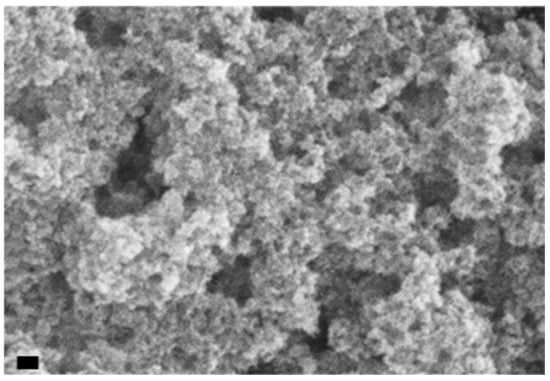
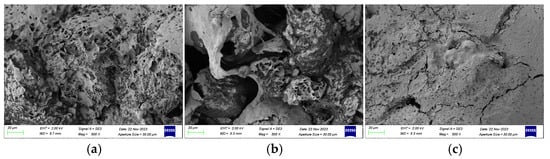
3,4-Dinitropyrazole (DNP) is a promising candidate as a next-generation matrix for melt-cast explosives. However, its hygroscopicity severely limits the application of DNP. In this work, the macroscopic hygroscopic properties of DNP powder and charge were determined through moisture absorption tests under varying temperature and relative humidity (RH) conditions. At the micrometer scale, the morphological evolution after moisture absorption was observed by scanning electron microscopy (SEM). The moisture absorption mechanism of DNP at the molecular level was elucidated using Raman spectroscopy. The results demonstrate that the hygroscopicity of DNP intensifies with rising temperature and RH. The critical relative humidity (CRH) was determined to be 85% at 25 °C, 62% at 40 °C, and 42% at 55 °C. The surface of dried DNP particles exhibits a highly developed porous structure conducive to moisture adsorption from the environment. The moisture absorption mechanism of DNP involves water molecules forming hydrogen bonds with both the N–H bonds and nitro groups of DNP molecules. The hydrogen bonds between water and DNP molecules replace the original N-H···O/N hydrogen-bond network within the DNP crystal and disrupt the intermolecular π-π stacking interactions.
Full article
(This article belongs to the Section Natural Products Chemistry)
►▼
Show Figures

Figure 1
Open AccessArticle
Plasmon-Enhanced Piezo-Photocatalytic Degradation of Metronidazole Using Ag-Decorated ZnO Microtetrapods
by
Farid Orudzhev, Makhach Gadzhiev, Rashid Gyulakhmedov, Sergey Antipov, Arsen Muslimov, Valeriya Krasnova, Maksim Il’ichev, Yury Kulikov, Andrey Chistolinov, Damir Yusupov, Ivan Volchkov, Alexander Tyuftyaev and Vladimir Kanevsky
Molecules 2025, 30(23), 4643; https://doi.org/10.3390/molecules30234643 - 3 Dec 2025
Abstract
The development of advanced semiconductor-based catalysts for the rapid degradation of emerging pharmaceutical pollutants in water remains a critical challenge in environmental science. In this study, we present the synthesis, characterization, and catalytic performance of zinc oxide (ZnO) microtetrapods decorated with plasmonic Ag
[...] Read more.
The development of advanced semiconductor-based catalysts for the rapid degradation of emerging pharmaceutical pollutants in water remains a critical challenge in environmental science. In this study, we present the synthesis, characterization, and catalytic performance of zinc oxide (ZnO) microtetrapods decorated with plasmonic Ag nanoparticles. These microtetrapods have been designed to enhance piezo-, photo-, and piezo-photocatalytic degradation of metronidazole (MNZ), a persistent antibiotic contaminant. ZnO microtetrapods were synthesized by high-temperature pyrolysis and using atmospheric-pressure microwave nitrogen plasma, followed by photochemical deposition of Ag nanoparticles at various precursor concentrations (0–1 mmol AgNO3). The structural integrity of the samples was confirmed through X-ray diffraction (XRD) analysis, while the morphology was examined using scanning electron microscopy with energy-dispersive X-ray analysis (SEM-EDX). Additionally, spectroscopic analysis, including Raman, electron paramagnetic resonance (EPR), and photoluminescence (PL) spectroscopy, was conducted to verify the successful formation of heterostructures with adjustable surface loading of Ag. It has been shown that ZnO microtetrapods decorated with plasmonic Ag nanoparticles exhibit Raman-active properties. A systematic evaluation under photocatalytic, piezocatalytic, and combined piezo-photocatalytic conditions revealed a pronounced volcano-type dependence of catalytic activity on Ag content, with the 0.75 mmol composition exhibiting optimal performance. In the presence of both light irradiation and ultrasonication, the optimized Ag/ZnO composite exhibited 93% degradation of MNZ within a span of 5 min, accompanied by an apparent rate constant of 0.56 min−1. This value stands as a significant improvement, surpassing the degradation rate of pristine ZnO by over 24-fold. The collective identification of defect modulation, plasmon-induced charge separation, and piezoelectric polarization as the predominant mechanisms driving enhanced reactive oxygen species (ROS) generation is a significant advancement in the field. These findings underscore the synergistic interplay between plasmonic and piezoelectric effects in oxide-based heterostructures and present a promising strategy for the efficient removal of recalcitrant water pollutants using multi-field activated catalysis.
Full article
(This article belongs to the Special Issue Photocatalytic Materials and Photocatalytic Reactions, 2nd Edition)
►▼
Show Figures

Graphical abstract
Journal Menu
► ▼ Journal Menu-
- Molecules Home
- Aims & Scope
- Editorial Board
- Reviewer Board
- Topical Advisory Panel
- Instructions for Authors
- Special Issues
- Topics
- Sections & Collections
- Article Processing Charge
- Indexing & Archiving
- Editor’s Choice Articles
- Most Cited & Viewed
- Journal Statistics
- Journal History
- Journal Awards
- Society Collaborations
- Conferences
- Editorial Office
Journal Browser
► ▼ Journal Browser-
arrow_forward_ios
Forthcoming issue
arrow_forward_ios Current issue - Vol. 30 (2025)
- Vol. 29 (2024)
- Vol. 28 (2023)
- Vol. 27 (2022)
- Vol. 26 (2021)
- Vol. 25 (2020)
- Vol. 24 (2019)
- Vol. 23 (2018)
- Vol. 22 (2017)
- Vol. 21 (2016)
- Vol. 20 (2015)
- Vol. 19 (2014)
- Vol. 18 (2013)
- Vol. 17 (2012)
- Vol. 16 (2011)
- Vol. 15 (2010)
- Vol. 14 (2009)
- Vol. 13 (2008)
- Vol. 12 (2007)
- Vol. 11 (2006)
- Vol. 10 (2005)
- Vol. 9 (2004)
- Vol. 8 (2003)
- Vol. 7 (2002)
- Vol. 6 (2001)
- Vol. 5 (2000)
- Vol. 4 (1999)
- Vol. 3 (1998)
- Vol. 2 (1997)
- Volumes not published by MDPI
Highly Accessed Articles
Latest Books
E-Mail Alert
News
Topics
Topic in
Biomass, Energies, Materials, Molecules, Nanomaterials, Polymers
Biomass for Energy, Chemicals and Materials
Topic Editors: Shaohua Jiang, Changlei Xia, Shifeng Zhang, Xiaoshuai HanDeadline: 31 December 2025
Topic in
J. Compos. Sci., Materials, Molecules, Nanomaterials, Polymers, Processes, Recycling
Science and Technology of Polymeric Blends, Composites, and Nanocomposites
Topic Editors: Roberto Scaffaro, Emmanuel Fortunato GulinoDeadline: 28 February 2026
Topic in
Cancers, IJMS, Pharmaceuticals, Pharmaceutics, Sci. Pharm., Current Oncology, Molecules
Recent Advances in Anticancer Strategies, 2nd Edition
Topic Editors: Hassan Bousbaa, Zhiwei HuDeadline: 31 March 2026
Topic in
Applied Nano, Catalysts, Materials, Nanomaterials, Polymers, Molecules
Application of Nanomaterials in Environmental Analysis
Topic Editors: Yonggang Zhao, Yun ZhangDeadline: 13 April 2026
Conferences
Special Issues
Special Issue in
Molecules
Advances in Sustainable Solvents for Greener Chemical Processes
Guest Editors: José Luis Todolí Torró, Gabriela GuillenaDeadline: 12 December 2025
Special Issue in
Molecules
Recent Advances in Development of Small Molecules to Fight Cancer—2nd Edition
Guest Editors: Giulia Bononi, Carlotta GranchiDeadline: 15 December 2025
Special Issue in
Molecules
Nano-Functional Materials for Sensor Applications—2nd Edition
Guest Editors: Li Fu, Aiwu WangDeadline: 15 December 2025
Special Issue in
Molecules
Heterocycles: Synthesis, Biological Activity, Pharmacokinetic Profiles, and Mechanism of Actions
Guest Editors: Guang Huang, Lucjan Strekowski, Xin LiDeadline: 15 December 2025
Topical Collections
Topical Collection in
Molecules
Recent Advances in Flavors and Fragrances
Collection Editor: Luca Forti
Topical Collection in
Molecules
Natural Products as Leads or Drugs against Neglected Tropical Diseases
Collection Editors: Thomas J. Schmidt, Valeria Sülsen, Josphat Matasyoh
Topical Collection in
Molecules
Featured Reviews in Natural Products Chemistry
Collection Editors: Enrique Barrajón-Catalán, Vicente Micol, María Herranz-López
Topical Collection in
Molecules
Preanalytical Methods for Natural Products Production
Collection Editors: Young Hae Choi, Farid Chemat, Giancarlo Cravotto, Erica G. Wilson