Journal Description
Medical Sciences Forum
is an open access journal dedicated to publishing findings resulting from academic conferences, workshops and similar events in all areas of medical sciences, for advances in basic, translational and clinical research and related disciplines. The conference organizers and proceedings editors are responsible for managing the peer-review process and selecting papers for conference proceedings.
Latest Articles
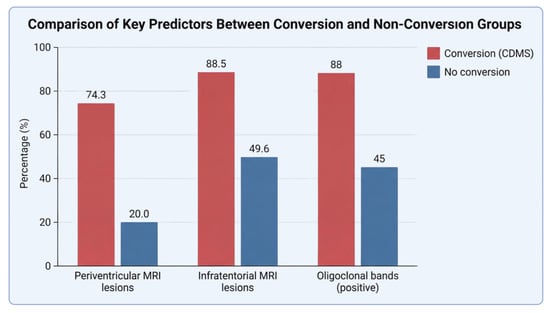
Clinical and Paraclinical Predictors of Conversion from Clinically Isolated Syndrome to Multiple Sclerosis: A Retrospective Cohort Study
Med. Sci. Forum 2026, 46(1), 10; https://doi.org/10.3390/msf2026046010 - 19 Aug 2026
Abstract
►
Show Figures
Clinically isolated syndrome (CIS) represents the first demyelinating event suggestive of multiple sclerosis (MS), with variable risk of progression. This study aimed to identify clinical and paraclinical predictors of conversion to clinically definite MS in a cohort of 273 patients. Multivariate analysis demonstrated
[...] Read more.
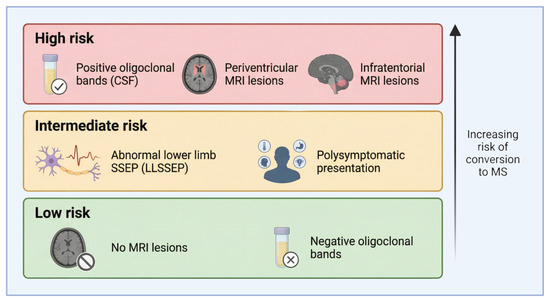
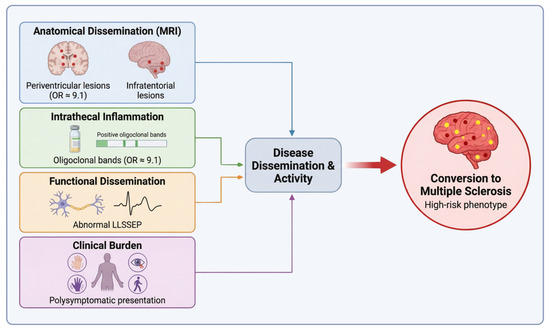
Clinically isolated syndrome (CIS) represents the first demyelinating event suggestive of multiple sclerosis (MS), with variable risk of progression. This study aimed to identify clinical and paraclinical predictors of conversion to clinically definite MS in a cohort of 273 patients. Multivariate analysis demonstrated that periventricular and infratentorial MRI lesions, as well as oligoclonal bands, were the strongest independent predictors of conversion. Additional factors included abnormal somatosensory evoked potentials and polysymptomatic presentation. These findings highlight the importance of integrating radiological, immunological, and clinical markers to improve early risk stratification and guide therapeutic decision-making in patients with CIS.
Full article
Open AccessEditorial
Statement of Peer Review
by
Lorraine S. Evangelista
Med. Sci. Forum 2021, 6(1), 9; https://doi.org/10.3390/msf2026047009 - 13 Aug 2026
Abstract
In submitting conference proceedings to Medical Sciences Forum, the volume editors of the proceedings certify to the publisher that all papers published in this volume have been subjected to peer review administered by the volume editors [...]
Full article
(This article belongs to the Proceedings of The 1st International Electronic Conference on Medicine)
Open AccessEditorial
Preface of the 1st International Online Conference on Healthcare (IOCH 2026)
by
Lorraine S. Evangelista
Med. Sci. Forum 2026, 47(1), 8; https://doi.org/10.3390/msf2026047008 - 13 Aug 2026
Abstract
The 1st International Online Conference on Healthcare (IOCH 2026) was hosted online from 25 to 26 March 2026 [...]
Full article
(This article belongs to the Proceedings of The 1st International Online Conference on Healthcare (IOCH 2026))
Open AccessConference Report
Abstracts of the 1st International Online Conference on Healthcare (IOCH 2026)
by
Lorraine S. Evangelista
Med. Sci. Forum 2026, 47(1), 7; https://doi.org/10.3390/msf2026047007 - 4 Aug 2026
Abstract
The 1st International Online Conference on Healthcare (IOCH 2026) was held online from 25–26 March 2026. IOCH 2026 aimed to explore the current landscape, address existing challenges and opportunities, and discuss future directions that will shape the evolution of healthcare delivery and systems.
[...] Read more.
The 1st International Online Conference on Healthcare (IOCH 2026) was held online from 25–26 March 2026. IOCH 2026 aimed to explore the current landscape, address existing challenges and opportunities, and discuss future directions that will shape the evolution of healthcare delivery and systems.
Full article
(This article belongs to the Proceedings of The 1st International Online Conference on Healthcare (IOCH 2026))
Open AccessProceeding Paper
NDS: A Novel Deep Learning-Based Systems Biology Framework for Identifying Prognostic Biomarkers in Hepatocellular Carcinoma
by
Muhammad Zurgham Akram and Mehwish Majeed
Med. Sci. Forum 2026, 48(1), 2; https://doi.org/10.3390/msf2026048002 - 31 Jul 2026
Abstract
►▼
Show Figures
Hepatocellular carcinoma (HCC) is an aggressive liver cancer requiring reliable biomarkers, while current approaches are limited by high-dimensional data and complex nonlinear gene interactions. In this study, differentially expressed genes were identified and fed to a deep autoencoder to reduce dimensionality, capture nonlinear
[...] Read more.
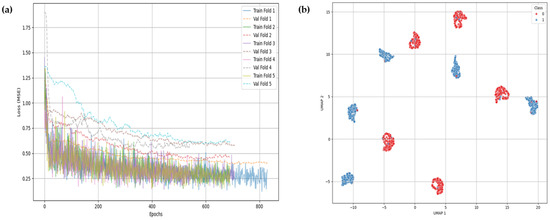
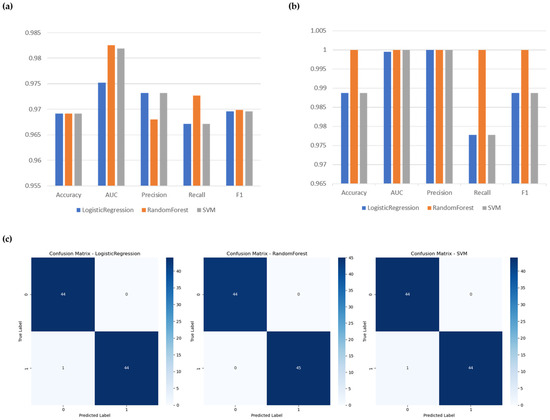
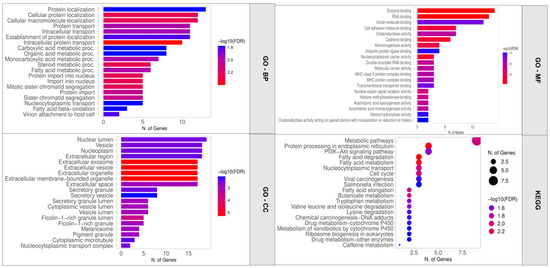
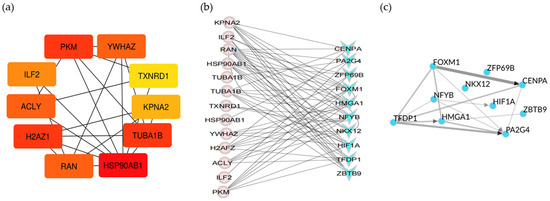
Hepatocellular carcinoma (HCC) is an aggressive liver cancer requiring reliable biomarkers, while current approaches are limited by high-dimensional data and complex nonlinear gene interactions. In this study, differentially expressed genes were identified and fed to a deep autoencoder to reduce dimensionality, capture nonlinear interactions, and extract informative latent features. Predictive gene features were selected through mutual information (MI) ranking and LASSO regression and subsequently evaluated using logistic regression (LR), random forest (RF), and support vector machine (SVM) classifiers with 5-fold cross-validation (CV). The top 50 genes underwent enrichment analyses. Protein–protein interaction (PPI) networks were constructed to identify hub genes, followed by gene–drug interaction, transcription factor analysis, and survival validation. Enrichment analysis highlighted critical pathways involved in metabolic, signaling, and cell-cycle, and viral carcinogenesis. CV showed stable and high performance across classifiers (accuracy = 0.969, F1 ≈ 0.97), with RF and SVM achieving the highest AUC values (~0.983 and ~0.982). Independent tests showed excellent performance, with RF achieving perfect performance (1.0) across all evaluation metrics, confirming high feature discriminative power. Survival analysis showed that hub genes, including HSP90AB1, TUBA1B, PKM, H2AZ1, YWHAZ, ACLY, RAN, ILF2, KPNA2, and TXNRD1, were significantly associated with poor prognosis (HR > 1.5, p < 0.05), correlating with reduced overall, relapse-free, and disease-specific survival in HCC. The integrative novel framework effectively identifies biologically relevant biomarkers, providing insights into HCC mechanisms and potential targets for precision therapy.
Full article

Figure 1
Open AccessProceeding Paper
In Silico Gene Expression Profiling Maps the Drivers of Pan-Cancer Progression
by
Mehwish Majeed and Muhammad Zurgham Akram
Med. Sci. Forum 2026, 48(1), 1; https://doi.org/10.3390/msf2026048001 - 29 Jul 2026
Abstract
►▼
Show Figures
Clear cell renal cell carcinoma (ccRCC), hepatocellular carcinoma (HCC), lung adenocarcinoma (LUAD), and pancreatic ductal adenocarcinoma (PDAC) are highly lethal cancers that share molecular mechanisms underlying tumor progression, yet common biomarkers across these cancers remain largely unexplored. Microarray datasets for the four cancers
[...] Read more.
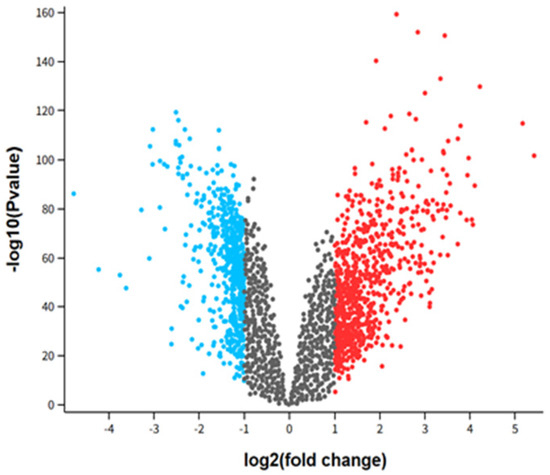
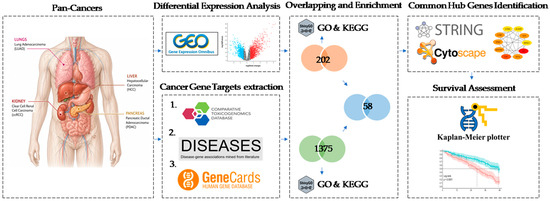
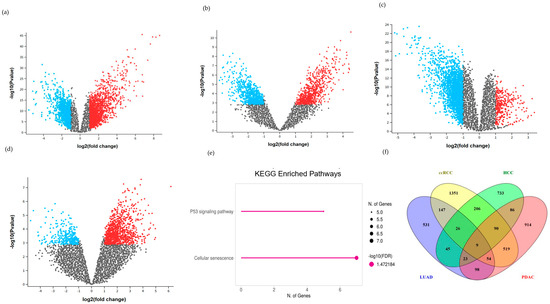
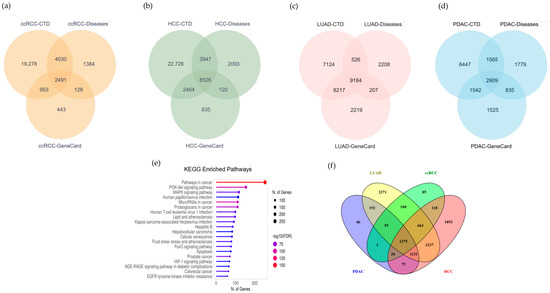
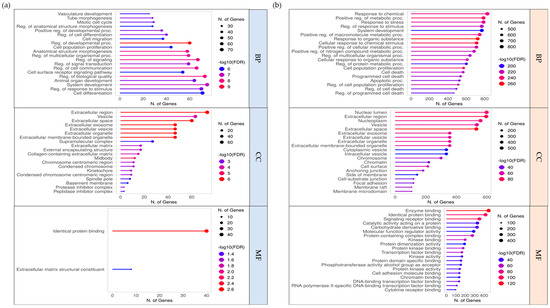
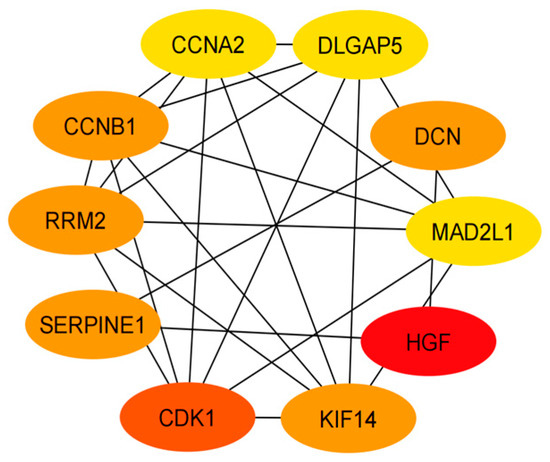
Clear cell renal cell carcinoma (ccRCC), hepatocellular carcinoma (HCC), lung adenocarcinoma (LUAD), and pancreatic ductal adenocarcinoma (PDAC) are highly lethal cancers that share molecular mechanisms underlying tumor progression, yet common biomarkers across these cancers remain largely unexplored. Microarray datasets for the four cancers were analyzed to identify differentially expressed genes (DEGs) using adjusted and as significance thresholds. Disease-associated gene targets were collected from CTD, DISEASES, and GeneCards databases. Shared genes were identified across cancers, and functional enrichment analysis revealed their involvement in key cancer-related pathways, particularly the cell cycle. Protein–protein interaction networks identified ten candidate hub biomarkers (HGF, CDK1, CCNB1, RRM2, KIF14, DCN, SERPINE1, CCNA2, DLGAP5, and MAD2L1) consistently dysregulated across all four cancers. Survival analysis supported their potential as therapeutic targets, correlating with poor prognosis. These findings highlight candidate pan-cancer biomarkers for improved diagnosis and therapy.
Full article

Figure 1
Open AccessProceeding Paper
Ethanol Extract of Solanum campylacanthum Mitigates Hypoxia-Induced Neurobehavioral and Biochemical Alterations in Male Wistar Rats
by
Valiant Orodeh Adeoye, Abayomi Mayowa Ajayi, Moses Aziakpono Omoirri, Peter Oghenebrorhie Orodeh, Emmanuel Oleba Ofutet, Felix Nnaemeka Ugwu, Magreth Michael Kileo and Andrew Mbowe
Med. Sci. Forum 2026, 46(1), 9; https://doi.org/10.3390/msf2026046009 - 27 Jul 2026
Abstract
►▼
Show Figures
Hypoxic stress disrupts homeostasis, provoking neuroendocrine and oxidative responses that manifest as behavioral impairments and biochemical alterations, with elevated corticosterone and oxidative damage as hallmark features. Solanum campylacanthum, traditionally used as a pest deterrent, lacks empirical validation, though its synonym S. incanum
[...] Read more.
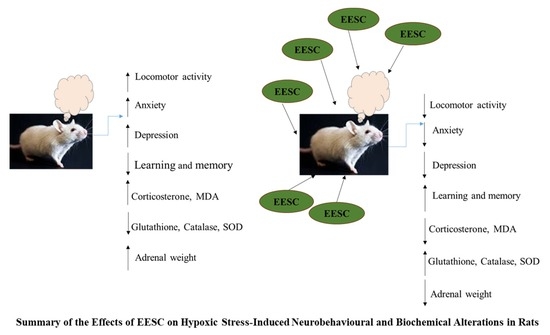
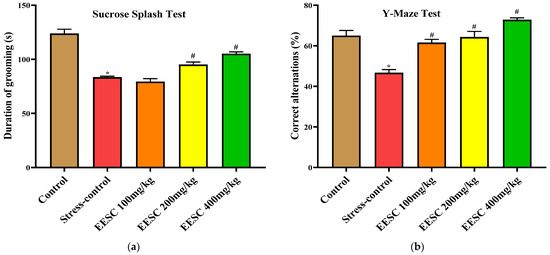
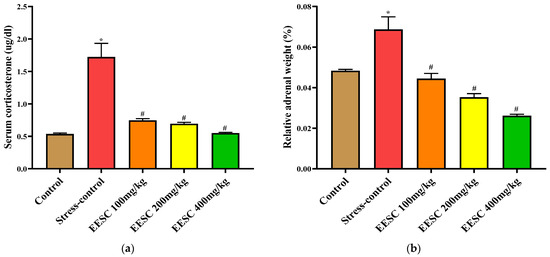
Hypoxic stress disrupts homeostasis, provoking neuroendocrine and oxidative responses that manifest as behavioral impairments and biochemical alterations, with elevated corticosterone and oxidative damage as hallmark features. Solanum campylacanthum, traditionally used as a pest deterrent, lacks empirical validation, though its synonym S. incanum exhibits antioxidant activity. This study evaluated ethanol extract of S. campylacanthum leaves (EESC) in male Wistar rats subjected to repeated hypoxic stress by daily 20 min exposures in sealed transparent chambers over 14 days, creating a hypoxic–hypercapnic environment that induced neurobehavioral and biochemical alterations. EESC significantly alleviated anxiety, depressive-like behaviors, locomotor deficits, and memory decline, while reducing corticosterone and malondialdehyde, enhancing antioxidant defenses, and preventing adrenal hypertrophy. These findings highlight EESC’s adaptogenic and neuroprotective potential under hypoxic stress.
Full article

Graphical abstract
Open AccessProceeding Paper
EEG Markers of Cognitive Load and Mental Fatigue in University Students: A Systematic Review
by
Nikol Petrović
Med. Sci. Forum 2026, 46(1), 8; https://doi.org/10.3390/msf2026046008 - 24 Jul 2026
Abstract
►▼
Show Figures
University students are frequently exposed to high cognitive demands, which can lead to sustained cognitive load and mental fatigue and may negatively affect learning outcomes and well-being. Electroencephalography (EEG) provides a non-invasive, real-time window into neural activity associated with cognitive effort. This systematic
[...] Read more.
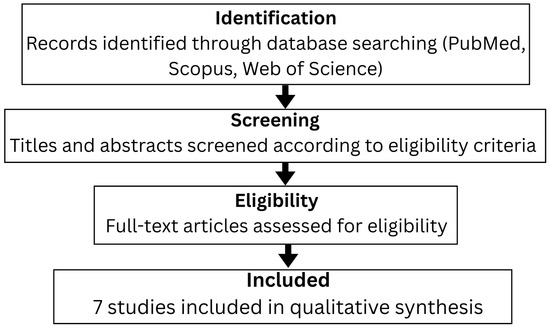
University students are frequently exposed to high cognitive demands, which can lead to sustained cognitive load and mental fatigue and may negatively affect learning outcomes and well-being. Electroencephalography (EEG) provides a non-invasive, real-time window into neural activity associated with cognitive effort. This systematic review aims to synthesize current evidence on EEG markers of cognitive load and mental fatigue in university students. The review was conducted in accordance with the PRISMA 2020 statement, and electronic databases including PubMed, Scopus, and Web of Science were systematically searched for peer-reviewed studies on EEG-based assessment of cognitive load and mental fatigue in healthy university students. Seven studies met the inclusion criteria, comprising 179 participants. Cognitive load was most often reflected in changes in theta, alpha, and beta power, as well as band ratios such as theta/alpha. Studies manipulating multimedia design principles generally reported lower cognitive load indicators and better learning performance when these principles were applied. EEG-based markers, particularly theta and posterior alpha activity, show promising potential for monitoring cognitive strain in educational settings; however, methodological variability and small sample sizes limit generalizability.
Full article

Figure 1
Open AccessProceeding Paper
Assessment of Knee Muscle Performance in Para-Athletes with Unilateral Transtibial Amputation
by
Victoria Kuvaeva, Anna Beknazarova, Grigorii Iskarevskii, Nikita Nagnibedov and Dmitry Onishchenko
Med. Sci. Forum 2026, 46(1), 7; https://doi.org/10.3390/msf2026046007 - 20 Jul 2026
Abstract
►▼
Show Figures
Unilateral transtibial amputation (TTA) is associated with knee strength deficits and inter-limb asymmetry (ILA), but multi-velocity isokinetic profiling in competitive para-athletes remains limited. Eight competitive male para-athletes with unilateral TTA (C2–C4; body mass 68.9 ± 7.9 kg; 31.1 ± 10.4 months post-amputation) were
[...] Read more.
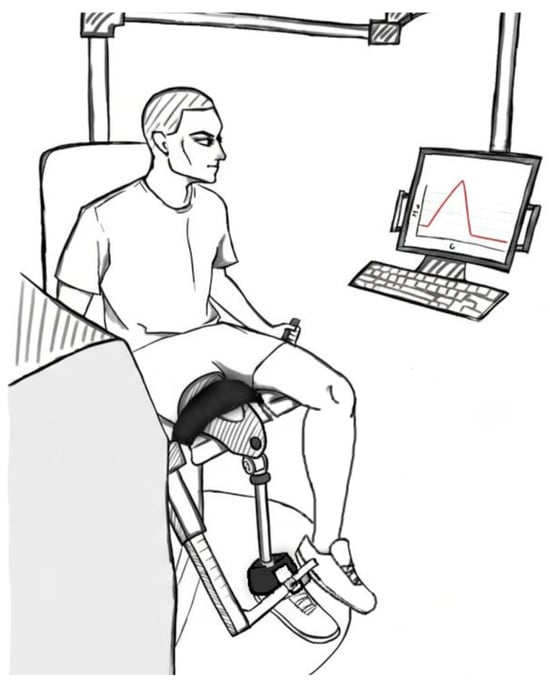
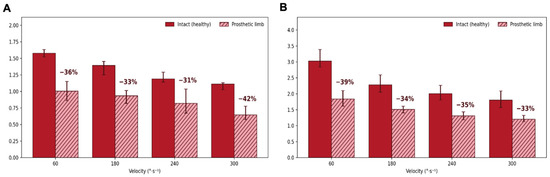
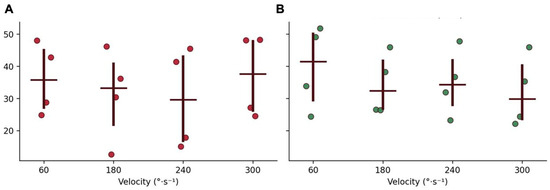
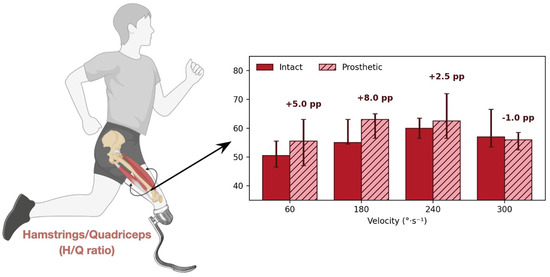
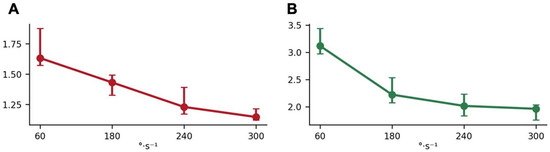
Unilateral transtibial amputation (TTA) is associated with knee strength deficits and inter-limb asymmetry (ILA), but multi-velocity isokinetic profiling in competitive para-athletes remains limited. Eight competitive male para-athletes with unilateral TTA (C2–C4; body mass 68.9 ± 7.9 kg; 31.1 ± 10.4 months post-amputation) were assessed on an IsoMed 2000 dynamometer at 60, 180, 240, and 300°·s−1. Peak torque (PT) was normalised to body mass. The intact limb served as an internal cohort reference (n = 8), while paired bilateral comparisons were available in four athletes (n = 4). Amputated-side PT was lower across all velocities, with flexion deficits of 31–42% and extension deficits of 33–39%. ILA was velocity-dependent, with minima at 240°·s−1 for flexion and 300°·s−1 for extension. H/Q showed a modest amputated-side upward shift at 60–240°·s−1 (+2.5 to +8.0 pp), consistent with relative flexor preservation and a predominant extensor deficit. This pilot descriptive dataset supports future multi-velocity screening and controlled trials of velocity-matched resistance training while highlighting substantial between-athlete variability.
Full article

Figure 1
Open AccessProceeding Paper
Nurses’ Knowledge Levels Regarding Medical Device-Related Pressure Injury Risk Factors, Prevention Strategies, and Device-Specific Competencies: A Descriptive Study
by
Handan Aydin Kahraman
Med. Sci. Forum 2026, 47(1), 6; https://doi.org/10.3390/msf2026047006 - 10 Jul 2026
Abstract
Medical device-related pressure injuries (MDRPIs) represent a significant subset of hospital-acquired pressure injuries, yet nurses’ knowledge regarding their prevention remains inadequately characterized. MDRPIs are a critical yet often overlooked patient safety issue in acute-care settings. This study aimed to evaluate the knowledge levels
[...] Read more.
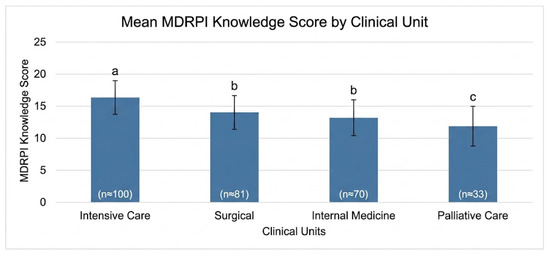
Medical device-related pressure injuries (MDRPIs) represent a significant subset of hospital-acquired pressure injuries, yet nurses’ knowledge regarding their prevention remains inadequately characterized. MDRPIs are a critical yet often overlooked patient safety issue in acute-care settings. This study aimed to evaluate the knowledge levels of nurses regarding MDRPI risk factors in a hospital located in Eastern Türkiye. A descriptive cross-sectional study was conducted with 284 nurses working in intensive care, palliative care, surgical, and internal medicine units between October and December 2024. Data were gathered through a structured questionnaire assessing knowledge of risk factors, evidence-based prevention strategies, and device-specific clinical competencies. Statistical analysis included descriptive statistics, ANOVA, and multiple regression modeling. Results revealed moderate overall MDRPI knowledge levels with significant variation by clinical unit, years of experience, prior training exposure, and frequency of medical device use. Regression analysis identified prior education on pressure injury prevention as the strongest predictor of knowledge scores. Nurses in intensive care units demonstrated higher knowledge and prevention competency compared to those in palliative care and general medical-surgical units (p < 0.001). These findings underscore the need for targeted, device-specific educational interventions and standardized training protocols to enhance nurses’ competency in MDRPI prevention across diverse clinical settings. Strengthening in-service training protocols is essential to reduce preventable patient harm and improve clinical outcomes in regional healthcare facilities.
Full article
(This article belongs to the Proceedings of The 1st International Online Conference on Healthcare (IOCH 2026))
►▼
Show Figures

Figure 1
Open AccessProceeding Paper
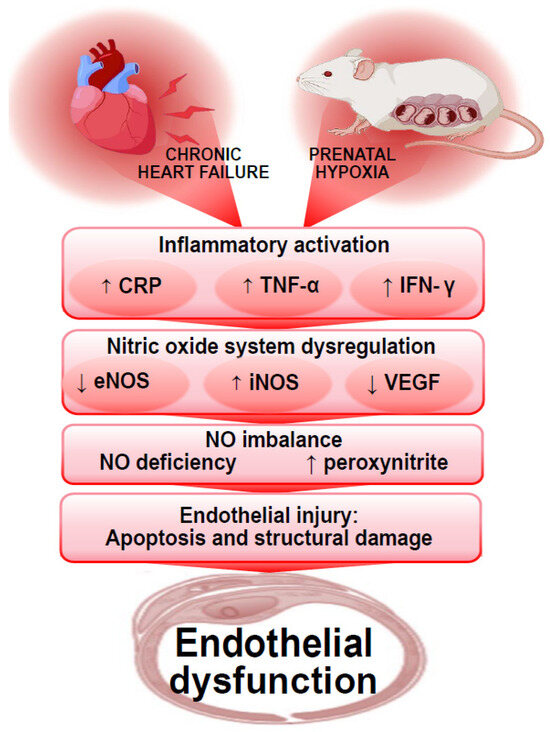
Shared Endothelial Alterations in Cerebral and Cardiac Vessels in Rat Models of Ischemic Heart Disease and Prenatal Hypoxia
by
Olena G. Aliyeva, Igor F. Belenichev, Olena O. Popazova and Olexiy Goncharov
Med. Sci. Forum 2026, 46(1), 6; https://doi.org/10.3390/msf2026046006 - 1 Jul 2026
Abstract
►▼
Show Figures
Introduction: Endothelial dysfunction (ED) is a key pathogenetic mechanism underlying cardiovascular and cerebrovascular diseases and is increasingly recognized as a common link between ischemic heart pathology and cerebral vascular impairment. In addition to postnatal risk factors, adverse intrauterine conditions, particularly prenatal hypoxia (PH),
[...] Read more.
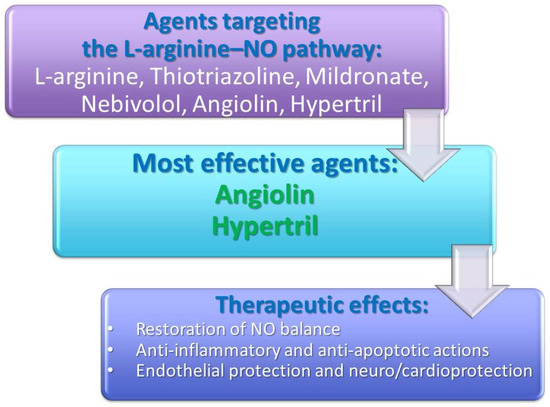
Introduction: Endothelial dysfunction (ED) is a key pathogenetic mechanism underlying cardiovascular and cerebrovascular diseases and is increasingly recognized as a common link between ischemic heart pathology and cerebral vascular impairment. In addition to postnatal risk factors, adverse intrauterine conditions, particularly prenatal hypoxia (PH), may program long-term endothelial alterations. The aim of this study was to investigate the structural and molecular features of ED in the myocardial and cerebral vessels in experimental chronic heart failure (CHF) and PH, as well as to evaluate the endothelioprotective potential of pharmacological agents targeting the nitric oxide system. Methods: This study was conducted on Wistar rats using experimental models of CHF (doxorubicin administration, cumulative dose 15 mg/kg) and PH (sodium nitrite 50 mg/kg administered to pregnant females on gestational days 16–21). The endothelial status of cerebral and myocardial vessels was assessed using immunohistochemistry, ELISA, morphometric analysis, and real-time PCR. Key markers of endothelial function, inflammation, nitric oxide metabolism, oxidative stress, and angiogenesis were evaluated. The endothelioprotective potential of nitric oxide-modulating pharmacological agents was also evaluated. Results: CHF and PH induced pronounced structural and functional endothelial alterations in the microcirculatory and muscular-type vessels of the heart and brain. These changes were characterized by reduced endothelial cell density, suppressed eNOS expression, increased iNOS expression, nitric oxide deficiency, elevated nitrotyrosine levels, and activation of proinflammatory cytokines. VEGF levels were significantly decreased, while apoptotic features of endothelial cells were intensified. Angiolin and Hypertril demonstrated the most pronounced endothelioprotective effects among the tested agents. Conclusions: CHF and PH induce persistent ED in cerebral and myocardial vessels through disruption of the nitric oxide system, oxidative stress, and inflammatory activation. PH may act as an early trigger increasing susceptibility to cardiovascular and cerebrovascular diseases later in life. These findings support the rationale for targeted endothelioprotective therapy in ischemic cardiovascular pathology.
Full article

Figure 1
Open AccessProceeding Paper
Psychoactive Substance Use and Acute Clinical Presentations in the Emergency Department: A Retrospective Study from a Greek Tertiary Hospital
by
Foteini Pavlidou, Nadia El-Fellah, Anna Patrikakou and Dimitrios Tsiftsis
Med. Sci. Forum 2026, 47(1), 5; https://doi.org/10.3390/msf2026047005 - 29 Jun 2026
Abstract
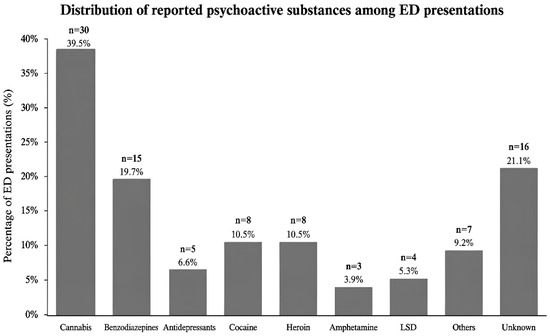
Psychoactive substance use is a frequent cause of Emergency Department (ED) presentations among young adults and often involves polysubstance use. We conducted a retrospective descriptive analysis of 76 presentations involving acute recreational drug toxicity in 2024 at a Greek tertiary hospital participating in
[...] Read more.
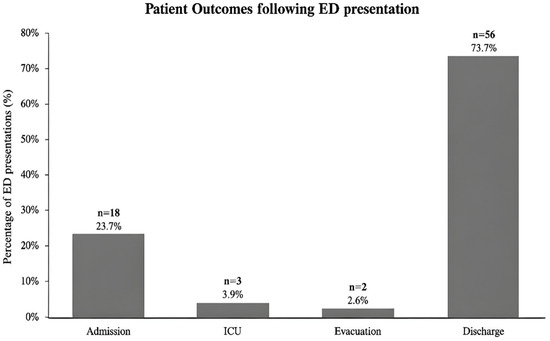
Psychoactive substance use is a frequent cause of Emergency Department (ED) presentations among young adults and often involves polysubstance use. We conducted a retrospective descriptive analysis of 76 presentations involving acute recreational drug toxicity in 2024 at a Greek tertiary hospital participating in the Euro-DEN network. The mean age was 30 years, and 61% were male. Cannabis was the most frequently reported substance, followed by cocaine, benzodiazepines and antidepressants. Common clinical features included anxiety, agitation, psychosis, vomiting and tachycardia. Hospital admission was required in 24% of cases and 4% required ICU care, with no fatalities recorded. Substance identification was based on clinical documentation and patient self-report without toxicological confirmation.
Full article
(This article belongs to the Proceedings of The 1st International Online Conference on Healthcare (IOCH 2026))
►▼
Show Figures

Figure 1
Open AccessProceeding Paper
Interactive Brain Interface for Multimodal EEG Visualization and Disease-Specific Neural Dynamics
by
Souhaila Khalfallah, Alaeddine Hmidi and Kais Bouallegue
Med. Sci. Forum 2026, 46(1), 5; https://doi.org/10.3390/msf2026046005 - 26 Jun 2026
Abstract
►▼
Show Figures
Understanding how brain activity varies across neurological and neurodevelopmental disorders requires tools capable of revealing patterns hidden in complex electroencephalographic (EEG) data. Conditions such as epilepsy, Alzheimer’s disease, dementia, and autism exhibit distinct alterations in neural oscillations and connectivity, which remain difficult to
[...] Read more.
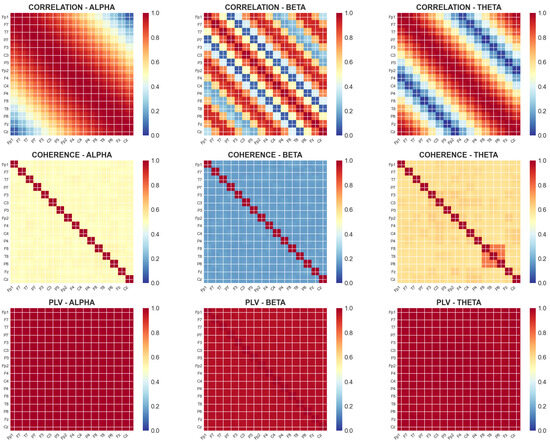
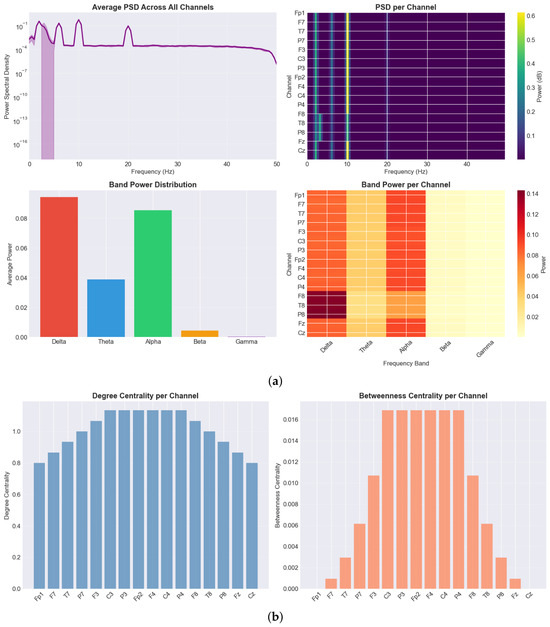
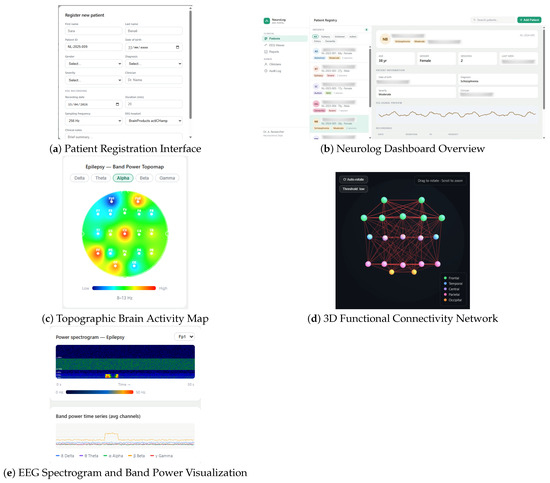
Understanding how brain activity varies across neurological and neurodevelopmental disorders requires tools capable of revealing patterns hidden in complex electroencephalographic (EEG) data. Conditions such as epilepsy, Alzheimer’s disease, dementia, and autism exhibit distinct alterations in neural oscillations and connectivity, which remain difficult to interpret in real time; therefore, this study proposes an interactive interface for intuitive exploration and analysis of disease-specific EEG dynamics. The system integrates classical signal processing techniques and computational modeling to extract spectral features, inter-electrode coherence, and spatial activation patterns, which are visualized through spectrograms, topographic maps, and connectivity graphs that update continuously. In addition, a web-based platform is incorporated to enable clinicians and technicians to store and manage patient information, including diagnosis, severity level, number of recordings, sampling frequency, recording duration, and acquisition dates, supporting structured data organization and longitudinal monitoring. The results demonstrate that the interface captures meaningful differences between disorders, with epileptic patterns showing strong synchronization and burst activity, while neurodegenerative conditions exhibit spectral slowing and reduced connectivity. Overall, the proposed framework provides an effective and accessible tool for EEG visualization, combining interactive analysis with clinical data management to support research, education, and potential clinical applications.
Full article

Figure 1
Open AccessProceeding Paper
Quercetin Suppresses mRNA Expression of Fto and the TNF-α/NF-κB/NLRP3 Inflammasome Pathway in Hypothalamus of Diet-Induced Obese Rats
by
Antonio Ávila-Guerrero, Ángel Miliar-García, Jorge Cornejo-Garrido, Alexis Alejandro García Rivero, Mercedes Uriyah Velázquez Romero and Aarón Domínguez López
Med. Sci. Forum 2026, 46(1), 4; https://doi.org/10.3390/msf2026046004 - 25 Jun 2026
Abstract
►▼
Show Figures
Background: The NLRP3 inflammasome is a key driver of obesity-associated chronic low-grade inflammation, contributing to hypothalamic neuroinflammation and disruption of energy homeostasis. Quercetin, a bioactive flavonoid, has been proposed as a modulator of inflammatory and metabolic pathways, including the fat mass and obesity-associated
[...] Read more.
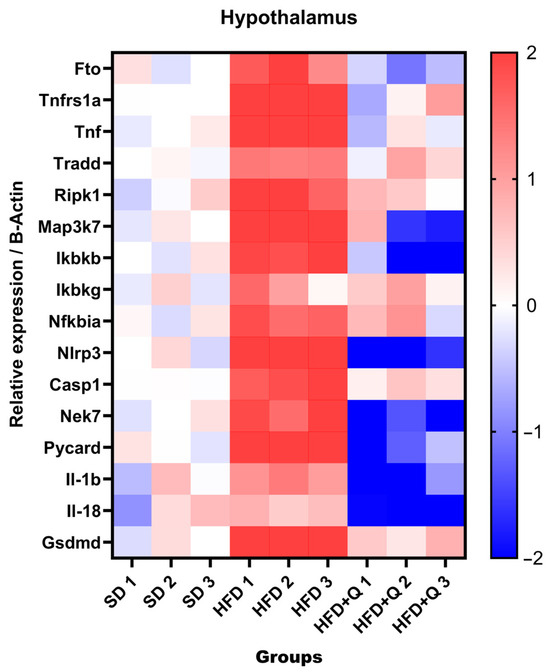
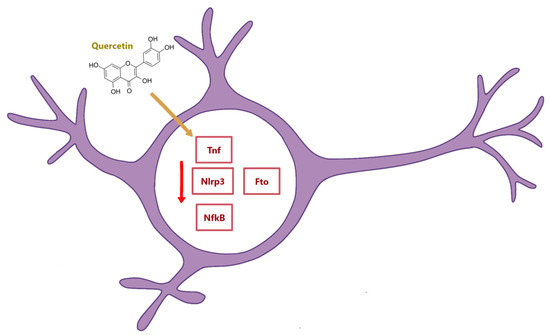
Background: The NLRP3 inflammasome is a key driver of obesity-associated chronic low-grade inflammation, contributing to hypothalamic neuroinflammation and disruption of energy homeostasis. Quercetin, a bioactive flavonoid, has been proposed as a modulator of inflammatory and metabolic pathways, including the fat mass and obesity-associated gene (FTO). Objective: This study evaluated the effects of quercetin on hypothalamic mRNA expression of Fto and components of the TNF-α/NF-κB/NLRP3 pathway. Methodology: In a high-fat diet (HFD)-induced obesity model, male Wistar rats (n = 18) were divided into three groups: standard diet (SD), HFD, and HFD + Q (supplemented with quercetin 50 mg/kg/day for 12 weeks). Gene expression was analyzed by quantitative PCR using the 2−ΔΔCt method. Results: HFD significantly increased the expression of Fto and pro-inflammatory genes, including Tnf, Nlrp3, Casp1, Il1b, and Il18. Quercetin supplementation attenuated this upregulation, restoring expression levels toward baseline. Conclusions: These findings indicate that quercetin reduces hypothalamic neuroinflammation and modulates Fto expression, likely through inhibition of NF-κB signaling and suppression of NLRP3 inflammasome activation. Quercetin may represent a potential molecular modulator of obesity-associated neuroinflammatory processes.
Full article

Figure 1
Open AccessProceeding Paper
Integration of Patient-Reported Outcome Measures (PROMs) into Health Systems: Challenges and Policy Implications
by
Maksim Rakovich
Med. Sci. Forum 2026, 47(1), 4; https://doi.org/10.3390/msf2026047004 - 17 Jun 2026
Abstract
Patient-reported outcome measures (PROMs) have become increasingly important in patient-centred healthcare and health-system performance assessment. However, their implementation at system level remains fragmented and methodologically challenging. This paper examines the role of PROMs in contemporary health systems, with particular attention to issues of
[...] Read more.
Patient-reported outcome measures (PROMs) have become increasingly important in patient-centred healthcare and health-system performance assessment. However, their implementation at system level remains fragmented and methodologically challenging. This paper examines the role of PROMs in contemporary health systems, with particular attention to issues of standardisation, integration into clinical workflows, data interpretation, and patient engagement. Drawing on the recent literature, it proposes a conceptual multi-level integration model linking national governance, provider-level implementation, and structured feedback mechanisms. The paper highlights the potential of PROMs to support quality improvement, outcome-based evaluation, and more responsive health policy development.
Full article
(This article belongs to the Proceedings of The 1st International Online Conference on Healthcare (IOCH 2026))
Open AccessProceeding Paper
Exploring Human–AI Interaction in Primary Healthcare: A Qualitative Study
by
Aikaterini Papachristou, Michael Rovithis and Areti Stavropoulou
Med. Sci. Forum 2026, 47(1), 3; https://doi.org/10.3390/msf2026047003 - 15 Jun 2026
Abstract
While artificial intelligence is rapidly reshaping the healthcare sector, it is important to assess readiness for AI integration to properly prepare healthcare professionals, particularly in countries where clinical AI systems have not yet been implemented in primary healthcare. This qualitative study explores healthcare
[...] Read more.
While artificial intelligence is rapidly reshaping the healthcare sector, it is important to assess readiness for AI integration to properly prepare healthcare professionals, particularly in countries where clinical AI systems have not yet been implemented in primary healthcare. This qualitative study explores healthcare professionals’ perceptions of the future use of Artificial Intelligence in Greek Primary Healthcare settings. Two focus groups were conducted with 18 Primary Health Care professionals working in a health center and a local primary healthcare unit (TOMY) in Greece. Thematic analysis identified six major themes: potential uses, challenges and risks, ethical concerns, readiness and training needs, trust factors, and AI impact on professional roles and skills. Future research should focus on developing training programs, establishing ethical and regulatory frameworks, and examining the long-term impact of Artificial Intelligence on professional roles, skills, and interprofessional collaboration in Primary Healthcare.
Full article
(This article belongs to the Proceedings of The 1st International Online Conference on Healthcare (IOCH 2026))
Open AccessProceeding Paper
Targeting Neurotrophin Regulation by Polyphenols: Mechanistic Basis for Cognitive Resilience
by
Paula Barciela, Ana Perez-Vazquez, Maria Carpena and Miguel A. Prieto
Med. Sci. Forum 2026, 46(1), 3; https://doi.org/10.3390/msf2026046003 - 15 Jun 2026
Abstract
►▼
Show Figures
Background: Synaptic plasticity in neurodegenerative disorders (NDs), cognitive impairment, and mental health conditions is regulated by brain-derived neurotrophic factor (BDNF). Even healthy individuals have different levels, which are affected by complex epigenetic, inflammatory, and metabolic regulation. BDNF expression changes are associated with both
[...] Read more.
Background: Synaptic plasticity in neurodegenerative disorders (NDs), cognitive impairment, and mental health conditions is regulated by brain-derived neurotrophic factor (BDNF). Even healthy individuals have different levels, which are affected by complex epigenetic, inflammatory, and metabolic regulation. BDNF expression changes are associated with both typical and abnormal aging, as well as mental health conditions. These changes affect brain areas that are crucial for memory, such as the hippocampus and the parahippocampal cortex. Neurotrophins (NTs), including nerve growth factor (NGF) and BDNF, are essential for neuronal differentiation via tropomyosin receptor kinase B (TrkB) and the p75 neurotrophin receptor (p75NTR). Dysregulated NTs signaling contributes to synaptic dysfunction and neuroinflammation. Objective: This systematic review synthesizes preclinical evidence of the potential of naturally derived compounds to modulate NTs for neuroprotection and their incorporation into novel foods. Methodology: A review of major databases found studies that examined the impact of dietary polyphenols and other bioactive substances on NT signaling oxidative stress, inflammation, and neuronal plasticity. Results: Compounds such as epigallocatechin gallate, resveratrol, curcumin, quercetin, and flavanols, can positively impact NTs, reducing reactive oxygen species/reactive nitrogen species, enhancing cell survival, and increasing the expression of trophic factors such as nuclear factor erythroid 2-related factor 2 (Nrf2), NGF, and vascular endothelial growth factor in neural stem cells. However, their bioavailability, optimal dosage, and dietary interactions require further research. Conclusions: The consumption of BDNF-promoting foods can potentially stimulate BDNF synthesis, support optimal neurotransmission, and fortify neural plasticity. Evidence supports a polyphenol-rich diet for preventing NDs and promoting brain health. Observational studies consistently support the protective effects of polyphenols on brain health through their impact on the gut–brain axis.
Full article

Figure 1
Open AccessProceeding Paper
How Is Purpose in Life Experienced When the Road Ahead Is Shorter than the Road Behind? A Qualitative Study with Older Adults in Spain
by
Alejandra Chulian, Carlos García-Prado, Sara Escriche-Martinez and Sonsoles Valdivia-Salas
Med. Sci. Forum 2026, 47(1), 2; https://doi.org/10.3390/msf2026047002 - 12 Jun 2026
Abstract
Purpose in life is a central component of healthy ageing and psychological well-being, yet its meaning in later life has often been operationalised through standardized measures rather than being grounded in older adults’ lived experience. This qualitative study explores how older adults living
[...] Read more.
Purpose in life is a central component of healthy ageing and psychological well-being, yet its meaning in later life has often been operationalised through standardized measures rather than being grounded in older adults’ lived experience. This qualitative study explores how older adults living in the community in Spain interpret their life purpose during the transitions of old age. Ten adults aged 65 years and older from Aragón and Andalucía participated in semi-structured interviews lasting 60–90 min. Data were analyzed using reflective thematic analysis on ageing supported by MAXQDA, supplemented with questions related to internalized ageism, psychological inflexibility, and quality of life to enrich the interpretive depth. Four themes were identified: (1) purpose as biographical continuity; (2) purpose as a dynamic and adaptive process; (3) legacy as a central axis towards meaning; and (4) the interplay between internal strengths and external conditions. Participants constructed purpose as rooted in identity, values, and life narratives rather than in distal goal attainment. Purpose was maintained through adaptive processes—including resilience, psychological flexibility, and meaning-centered coping—while internalized ageism and personal barriers emerged as life limitations. These findings suggest that purpose in later life is not diminished, but rather is reconfigured through processes of adaptation, value alignment, and social contribution. The study highlights the need for person-centred and process-based approaches that promote psychological flexibility and challenge deficit-based and ageist views of ageing.
Full article
(This article belongs to the Proceedings of The 1st International Online Conference on Healthcare (IOCH 2026))
Open AccessProceeding Paper
Genome-Wide Variant Associations and Biological Pathways in Postherpetic Neuralgia
by
Carlos Domínguez-Vargas, Jesús Eduardo García-Hernández, Emiliano Peña-Durán, Miranda Citlali Pérez-Castellón, Dante Joel Márquez-González, Diana Margarita Robles-Loera, Paloma Marylí Prado-López, Paola Fernanda Olmos-Suazo, Ramsés Emiliano Martínez-Hernández, Topacio Olivier Andrade-Romo and Gerardo Amaya-Tapia
Med. Sci. Forum 2026, 46(1), 2; https://doi.org/10.3390/msf2026046002 - 9 Jun 2026
Abstract
►▼
Show Figures
Postherpetic neuralgia (PHN) is a chronic neuropathic pain condition that arises following varicella-zoster virus reactivation and represents a significant clinical burden. Despite known risk factors, the genetic basis of PHN remains poorly understood. This study aimed to identify genetic variants associated with PHN
[...] Read more.
Postherpetic neuralgia (PHN) is a chronic neuropathic pain condition that arises following varicella-zoster virus reactivation and represents a significant clinical burden. Despite known risk factors, the genetic basis of PHN remains poorly understood. This study aimed to identify genetic variants associated with PHN through the secondary analysis of GWAS summary data (GCST012124). One genome-wide significant locus (KIF1B) and several suggestive variants (PTPRZ1, PRKCE, CXCR4) were identified. These genes converge on pathways related to axonal transport, neuroinflammation, and nociceptive sensitization. Findings support a multifactorial genetic contribution to PHN and highlight potential targets for future research and therapeutic development.
Full article

Figure 1
Open AccessProceeding Paper
Electronic Health Literacy and Functional Ability in Mental Health Service Recipients: Relevance for Patient Engagement
by
Styliani Agioti and Georgios Koulierakis
Med. Sci. Forum 2026, 47(1), 1; https://doi.org/10.3390/msf2026047001 - 1 Jun 2026
Abstract
Electronic health literacy (eHL) is important for accessing, understanding, and using online health information, particularly as healthcare services increasingly include digital resources. This study aimed to examine the association between eHL and functional ability among adults receiving mental health services, and to explore
[...] Read more.
Electronic health literacy (eHL) is important for accessing, understanding, and using online health information, particularly as healthcare services increasingly include digital resources. This study aimed to examine the association between eHL and functional ability among adults receiving mental health services, and to explore whether this association remained significant after accounting for selected sociodemographic factors. A cross-sectional study was conducted with 200 adults receiving mental health services in community and outpatient settings in Attica, Greece. eHL was assessed using the eHealth Literacy Scale (eHEALS), and functional ability was assessed using the 12-item WHO Disability Assessment Schedule 2.0 (WHODAS 2.0). The mean eHEALS score was 25.34 (SD = 7.93), and the mean WHODAS 2.0 score was 22.57 (SD = 8.18). Higher WHODAS 2.0 scores, indicating lower functional ability, were associated with lower eHL (rs = −0.21, p = 0.003). In multiple linear regression, WHODAS 2.0 score remained a significant predictor of eHL after controlling for age, sex, and years of education (b = −0.202, p = 0.002). Education and sex were also significant predictors, whereas age was not significant in the adjusted model. These findings suggest that functional ability is modestly but independently associated with eHL among mental health service recipients. Future patient engagement strategies and occupational therapy-informed digital health interventions should consider functional ability alongside sociodemographic factors.
Full article

(This article belongs to the Proceedings of The 1st International Online Conference on Healthcare (IOCH 2026))
Highly Accessed Articles
Latest Books
E-Mail Alert
News
Topics