

Journal Description
Tropical Medicine and Infectious Disease
(TropicalMed) is an international, peer-reviewed, open access journal of tropical medicine and infectious disease, and is published monthly online. The Australasian College of Tropical Medicine (ACTM) and its joint Faculties of Travel Medicine and Expedition and Wilderness Medicine are affiliated with the journal, serving as their official journal. College members receive discounts on the article processing charges.
- Open Access— free for readers, with article processing charges (APC) paid by authors or their institutions.
- High Visibility: indexed within Scopus, SCIE (Web of Science), PubMed, PMC, Embase, Informit, and other databases.
- Journal Rank: JCR - Q1 (Tropical Medicine) / CiteScore - Q2 (Public Health, Environmental and Occupational Health)
- Rapid Publication: manuscripts are peer-reviewed and a first decision is provided to authors approximately 22.2 days after submission; acceptance to publication is undertaken in 3.8 days (median values for papers published in this journal in the second half of 2025).
- Recognition of Reviewers: reviewers who provide timely, thorough peer-review reports receive vouchers entitling them to a discount on the APC of their next publication in any MDPI journal, in appreciation of the work done.
Impact Factor:
2.6 (2024);
5-Year Impact Factor:
2.8 (2024)
Latest Articles
Plasmodium falciparum Malaria and Arbovirus Co-Exposure in the Boende Health Zone, Northwestern Democratic Republic of the Congo
Trop. Med. Infect. Dis. 2026, 11(5), 122; https://doi.org/10.3390/tropicalmed11050122 - 5 May 2026
Abstract
Background: Malaria remains hyperendemic in the Democratic Republic of the Congo, while arboviral infections are increasingly reported but remain under-surveilled, particularly in remote regions. Overlapping ecological niches and non-specific clinical presentations complicate case management and surveillance. Methods: A cross-sectional door-to-door survey was conducted
[...] Read more.
Background: Malaria remains hyperendemic in the Democratic Republic of the Congo, while arboviral infections are increasingly reported but remain under-surveilled, particularly in remote regions. Overlapping ecological niches and non-specific clinical presentations complicate case management and surveillance. Methods: A cross-sectional door-to-door survey was conducted in December 2023 in Inkanamongo village (Lokolia Health Area, Boende Health Zone, Tshuapa Province). Blood samples were collected from 379 adults; malaria infection was assessed by using HRP2-based rapid diagnostic tests, and arboviral IgG antibodies were measured on dried blood spots using Luminex® multiplex immunoassay. Sociodemographic data were collected via standardized questionnaires. Results: Malaria prevalence was 51.7% (95%CI: 46.7–56.7). Overall arboviral seroprevalence reached 78.4% (95%CI: 73.1–81.5), dominated by O’nyong-nyong virus, 42.8% (95%CI: 37.6–47.5), Rift Valley fever virus, 32.0% (95%CI: 26.9–36.2), and chikungunya virus, 23.4% (95%CI: 19.0–27.4). Concurrent malaria infection and arboviral exposure were observed in 40.4% (95%CI: 35.6–45.4) of participants. No sociodemographic factors were significantly associated with co-exposure in the multivariable analysis. Conclusions: Substantial co-exposure of malaria and multiple arboviruses occurs in this remote Congo Basin setting.. Integrated surveillance and improved diagnostics are urgently needed to guide febrile illness management and preparedness in under-resourced regions.
Full article
(This article belongs to the Special Issue Advances in Tools for Battling Malaria)
Open AccessArticle
Effects of Lactococcus lactis Strain Plasma (LC-Plasma) Intake on Infection-Related Symptoms Among Healthcare Workers: A Randomized, Double-Blind, Placebo-Controlled Study
by
Zhao Xuan Low, Nghiem Nguyet Thu, Truong Tuyet Mai, Tran Thanh Duong, Pouya Hassandarvish, Vunjia Tiong, Nguyen Thi Thu Thuy, Nguyen Thi Tham, Cap Minh Duc, Osamu Kanauchi and Sazaly Abubakar
Trop. Med. Infect. Dis. 2026, 11(5), 121; https://doi.org/10.3390/tropicalmed11050121 - 5 May 2026
Abstract
The rising health threat to healthcare workers (HCWs) demands innovative preventive solutions that are affordable, scalable, and easy to deploy, especially in resource-limited settings. This present study investigated the effects of Lactococcus lactis strain Plasma (LC-Plasma) intake on upper respiratory infection (URI)-like symptoms
[...] Read more.
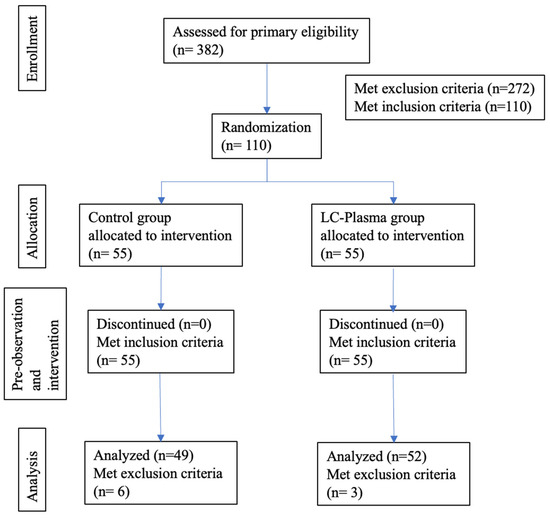
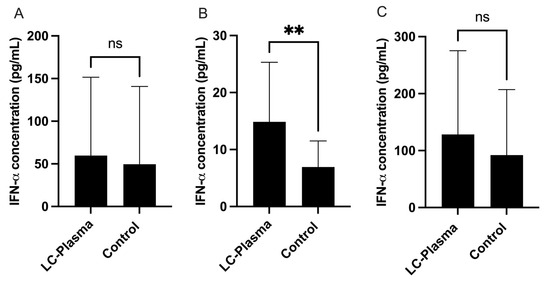
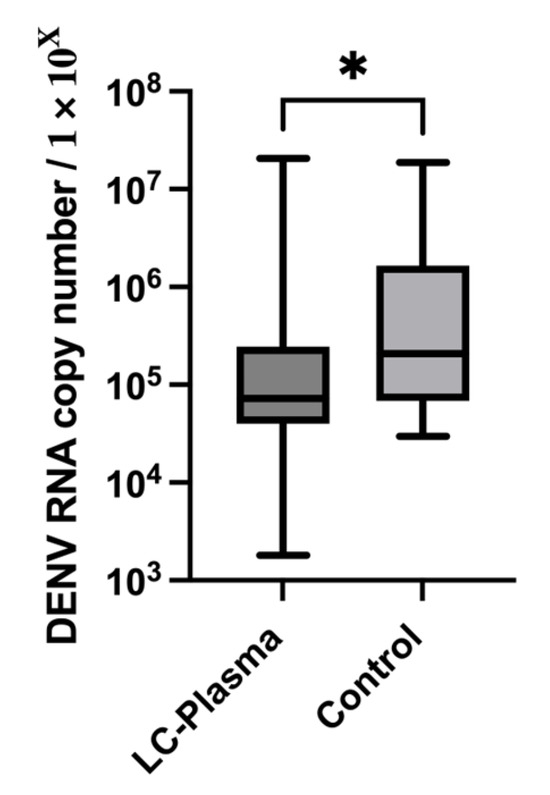
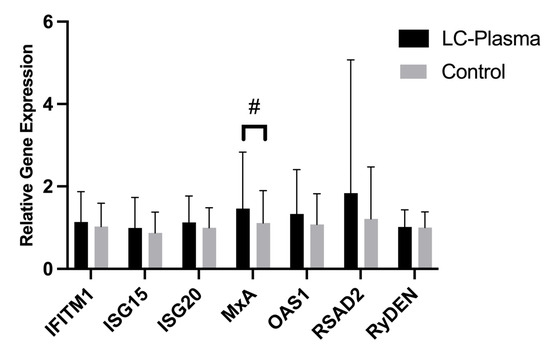
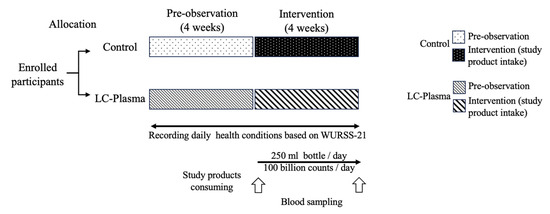
The rising health threat to healthcare workers (HCWs) demands innovative preventive solutions that are affordable, scalable, and easy to deploy, especially in resource-limited settings. This present study investigated the effects of Lactococcus lactis strain Plasma (LC-Plasma) intake on upper respiratory infection (URI)-like symptoms in a healthy healthcare-associated population in Vietnam. A randomized, placebo-controlled, double-blind, parallel-group clinical trial was conducted, integrating clinical symptom analysis with ex vivo immune response analysis of peripheral blood mononuclear cells (PBMCs). The study found that after 4 weeks of continuous oral LC-Plasma intake, participants in the LC-Plasma group had significantly fewer cumulative days of fever and fatigue than those in the Control group. Increased expression of interferon-stimulated genes (ISGs), particularly MxA, was observed in PBMC cultures from the LC-Plasma intake group. In PBMCs from LC-Plasma recipients classified as low IFN-α responders, the addition of CpG ODN 2216, a mild TLR9 agonist, significantly enhanced interferon-α production. Humoral factors derived from LC-Plasma-primed PBMCs demonstrated inhibitory effects on dengue virus replication in Huh-7 cells. These results suggest that LC-Plasma consumption by the healthcare-associated population reduces the severity of viral infection symptoms, notably fever and fatigue. Elevation of systemic antiviral immunity through activation of plasmacytoid dendritic cells (pDCs) to produce IFN-α and upregulation of ISG expression could be the mechanisms of action. Lactococcus lactis LC-Plasma supplementation, hence, presents a promising adjunctive approach to alleviate the burden of URI-like symptoms in low-resourced vulnerable populations.
Full article
(This article belongs to the Section Infectious Diseases)
►▼
Show Figures

Figure 1
Open AccessArticle
Rural Residence and One-Person Households Are Associated with Diagnostic Delay in Pulmonary Tuberculosis in a Low-Incidence European Setting
by
Tatjana Munko, Vesna Vukičević Lazarević, Jelena Barišić, Marina Perković and Tanja Vignjević
Trop. Med. Infect. Dis. 2026, 11(5), 120; https://doi.org/10.3390/tropicalmed11050120 - 4 May 2026
Abstract
Objectives: Diagnostic delay in pulmonary tuberculosis remains a significant barrier to effective disease control, even in low-incidence settings. This study aimed to identify factors associated with total delay and its components among adults with pulmonary tuberculosis in such a setting. Patients and methods:
[...] Read more.
Objectives: Diagnostic delay in pulmonary tuberculosis remains a significant barrier to effective disease control, even in low-incidence settings. This study aimed to identify factors associated with total delay and its components among adults with pulmonary tuberculosis in such a setting. Patients and methods: A retrospective observational study was conducted on adults with pulmonary tuberculosis treated at a tuberculosis care centre in Croatia. Total delay was defined as the interval between symptom onset and treatment initiation. Data were collected through structured patient interviews using a standardized questionnaire, medical record review, and routine tuberculosis notification forms from the national public health registry. Sociodemographic and clinical predictors were evaluated using multivariable linear and logistic regression analyses. Results: Among 116 participants, the median total delay was 85 days (interquartile range 48.5–155.3). Rural residence was the strongest independent predictor, with patients experiencing an 88% longer delay than urban residents (p = 0.006). Individuals living in one-person households had a 49% longer delay (p = 0.047). Absence of chest pain was associated with shorter delay (−38%, p = 0.032) and lower odds of extreme delay (odds ratio 0.39, p = 0.047). Retired status independently predicted prolonged health system delay (42.1 days longer) and treatment delay (3.4 days longer). Conclusion: Prolonged delay may become increasingly important in the context of population ageing and changing household structures. Targeted strategies focused on rural, retired, and people living in one-person households may improve the timeliness of tuberculosis detection in settings where declining incidence can reduce clinical suspicion.
Full article
(This article belongs to the Special Issue Tuberculosis Diagnosis: Current, Ongoing and Future Approaches)
Open AccessBrief Report
Diagnostic Performance of Two Commercial qPCR Kits for Leptospira spp. Detection
by
Andrés Esteban Barragán-Peña, Darwin Paredes-Núñez, Fabiola Jimenez Valenzuela, Solon Alberto Orlando, Elsy Carvajal, Angel Sebastian Rodriguez-Pazmiño and Miguel Angel Garcia-Bereguiain
Trop. Med. Infect. Dis. 2026, 11(5), 119; https://doi.org/10.3390/tropicalmed11050119 - 30 Apr 2026
Abstract
Early confirmation of leptospirosis is essential for prompt antimicrobial treatment, and PCR-based diagnosis has been reported as a highly sensitive method during the acute phase in the first week since the symptom’s onset. We evaluated the diagnostic performance of two commercial real-time PCR
[...] Read more.
Early confirmation of leptospirosis is essential for prompt antimicrobial treatment, and PCR-based diagnosis has been reported as a highly sensitive method during the acute phase in the first week since the symptom’s onset. We evaluated the diagnostic performance of two commercial real-time PCR assays—Viasure Leptospira Real-Time PCR (Certest Biotec, Spain) and Genesig Advanced Leptospira spp. (Primerdesign, UK) against an in-house qPCR assay targeting lipL32 as the reference method. A retrospective comparative evaluation was conducted on 235 human EDTA-blood samples obtained during the acute phase of clinical presentation suspected of leptospirosis. The in-house qPCR reference assay detected 55 positive and 180 negative samples, and both commercial kits accurately classified every specimen, achieving 100% sensitivity (95% CI: 93.5–100), 100% specificity (95% CI: 98.0–100), and 100% overall accuracy. In conclusion, both commercial qPCR kits offer high accuracy for the early detection of pathogenic Leptospira in human blood samples.
Full article
(This article belongs to the Special Issue Molecular Diagnostics for Tropical Infectious Diseases)
Open AccessArticle
Evaluation of Parasite Concentrator Kit and Kato–Katz Method for Detection of Intestinal Parasites in Stool Samples
by
Penchom Janwan, Lakkhana Sadaow, Patcharaporn Boonroumkaew, Rutchanee Rodpai, Oranuch Sanpool, Tongjit Thanchomnang, Pokkamol Laoraksawong, Pewpan Maleewong Intapan and Wanchai Maleewong
Trop. Med. Infect. Dis. 2026, 11(5), 118; https://doi.org/10.3390/tropicalmed11050118 - 29 Apr 2026
Abstract
Background: To address the significant burden of helminthiases in Thailand, this cross-sectional study compared the performance of a fecal parasite concentrator kit (FPCK) against the Kato–Katz (KK) method for diagnosing intestinal parasites in endemic populations across the Northeast and Southern regions. Methods: Stool
[...] Read more.
Background: To address the significant burden of helminthiases in Thailand, this cross-sectional study compared the performance of a fecal parasite concentrator kit (FPCK) against the Kato–Katz (KK) method for diagnosing intestinal parasites in endemic populations across the Northeast and Southern regions. Methods: Stool samples were collected from 140 participants and examined for intestinal parasitic infections using both FPCK and KK methods. Results: The FPCK method demonstrated a significantly higher detection rate of 45.0% compared to 35.0% for the KK method. For detecting liver fluke (Opisthorchis viverrini), the FPCK method detected significantly more cases than the KK method (10.71% vs. 4.29%) (p = 0.0027). For other parasites such as Trichuris trichiura, Strongyloides stercoralis, and Entamoeba coli, the FPCK method tended to detect more infections, but the differences were not statistically significant (p > 0.05). Conclusions: The FPCK method showed better performance than the KK method for detecting intestinal helminth infections in stool samples, particularly O. viverrini, T. trichiura, S. stercoralis, and Entamoeba coli. Therefore, FPCK could be used as a suitable stool examination method for surveillance and monitoring of preventive treatment for opisthorchiasis.
Full article
Open AccessBrief Report
Prevalence of Neurosyphilis in Patients with Acute Ischemic Stroke: A Cross-Sectional Screening Study in Thailand
by
Chumpol Anamnart and Nawanwat Tepkidakarn
Trop. Med. Infect. Dis. 2026, 11(5), 117; https://doi.org/10.3390/tropicalmed11050117 - 29 Apr 2026
Abstract
Meningovascular syphilis, a type of neurosyphilis, causes stroke and various types of myelopathy. In recent years, there has been an increase in the incidence of neurosyphilis. However, diagnosing neurosyphilis remains challenging due to the reliance on serum and cerebrospinal fluid (CSF) testing, which
[...] Read more.
Meningovascular syphilis, a type of neurosyphilis, causes stroke and various types of myelopathy. In recent years, there has been an increase in the incidence of neurosyphilis. However, diagnosing neurosyphilis remains challenging due to the reliance on serum and cerebrospinal fluid (CSF) testing, which has low specificity and sensitivity. Magnetic resonance vessel wall imaging (MR-VWI), recently developed to identify vessel wall pathologies, may aid in diagnosing neurosyphilis. In this cross-sectional study, we performed systematic screening for syphilis in all 366 patients with acute ischemic stroke or transient ischemic attack admitted to our stroke unit. Further CSF analysis and MR-VWI were specifically conducted only on those with reactive serum venereal disease research laboratory (VDRL) or treponema pallidum particle hemagglutination assay (TPHA) tests to evaluate neurosyphilis. Serum screening was reactive in 5.7% (21/366) of patients; among these, the prevalence of likely neurosyphilis (defined by abnormal CSF pleocytosis or protein levels) was 2.2% (8/366). Within this group of eight patients, MR-VWI was technically feasible and thus performed in six cases. Although all CSF-VDRL tests were non-reactive, MR-VWI identified diagnostic evidence of meningovascular syphilis (concentric wall thickening and enhancement) in 33.3% (2/6) of symptomatic patients who underwent the scan. Neurosyphilis remains a critical, treatable cause of stroke that can affect older patients with established vascular risk factors. Our findings demonstrate that routine serum screening is essential, as traditional CSF-VDRL tests may yield false-negative results. MR-VWI serves as a valuable adjunct tool to provide objective evidence of active vasculitis, guiding the initiation of appropriate antibiotic therapy when laboratory results are inconclusive.
Full article
(This article belongs to the Special Issue Molecular Diagnostics for Tropical Infectious Diseases)
Open AccessArticle
Hospital Cost Components and Predictors in Escherichia coli Bacteremia
by
Tri Pudy Asmarawati, Fikri Sasongko Widyatama, Hari Basuki Notobroto, Erwin Astha Triyono, Nasronudin Nasronudin, Motoyuki Sugai and Kuntaman Kuntaman
Trop. Med. Infect. Dis. 2026, 11(5), 116; https://doi.org/10.3390/tropicalmed11050116 - 28 Apr 2026
Abstract
Background/Objectives: Escherichia coli bacteremia is a major cause of morbidity, mortality, and healthcare expenditure. The increasing prevalence of extended-spectrum beta-lactamase (ESBL)-producing Escherichia coli (E. coli) complicates management and resource utilization. This study aimed to identify clinical predictors of higher hospital
[...] Read more.
Background/Objectives: Escherichia coli bacteremia is a major cause of morbidity, mortality, and healthcare expenditure. The increasing prevalence of extended-spectrum beta-lactamase (ESBL)-producing Escherichia coli (E. coli) complicates management and resource utilization. This study aimed to identify clinical predictors of higher hospital costs in E. coli bacteremia. Methods: We conducted a cross-sectional study of hospitalized patients with E. coli bacteremia in Surabaya, Indonesia (2022–2024). Hospital costs were categorized into bed costs, diagnostic costs, pharmacy costs, antibiotic costs, total costs, and daily costs. Costs were compared between ESBL and non-ESBL cases. Predictors of higher hospital costs were analyzed using generalized linear models with a Gamma distribution and log-link. Results: Among 209 patients, 131 (62.7%) had ESBL-producing E. coli. ESBL E. coli bacteremia was associated with significantly higher bed, diagnostic, pharmacy, total, and daily hospital costs than non-ESBL cases, while antibiotic costs were similar. ESBL E. coli bacteremia was associated with higher diagnostic and daily costs. High-care/ICU stay was the strongest predictor of increased costs. Pneumonia and infection source influenced cost components. Longer hospitalization increased total cost but reduced daily cost. Conclusions: Hospital costs in Escherichia coli bacteremia are driven by antimicrobial resistance, disease severity, and healthcare utilization. Targeted strategies such as antimicrobial stewardship and optimized critical care use are essential to reduce the economic burden.
Full article
(This article belongs to the Section Infectious Diseases)
Open AccessArticle
Hearing Assessment in HIV-Exposed-Uninfected Infants
by
Amanda Zanatta Berticcelli, Andréa Lúcia Corso, Pâmela Panassol, Leticia Petersen Schmidt Rosito, Roberta Rahal de Albuquerque, Letícia de Paula e Souza, Milena Lessa da Silva, Sady Selaimen da Costa and Luciana Friedrich
Trop. Med. Infect. Dis. 2026, 11(5), 115; https://doi.org/10.3390/tropicalmed11050115 - 27 Apr 2026
Abstract
Background: Among the complications caused directly or indirectly by the Human Immunodeficiency Virus (HIV) are alterations in the auditory system. Children who are HIV-exposed but uninfected (HEU) appear to have a higher risk of hearing loss (HL) compared to their unexposed peers, but
[...] Read more.
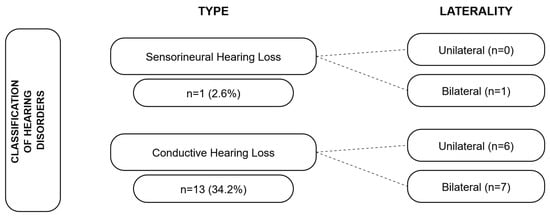
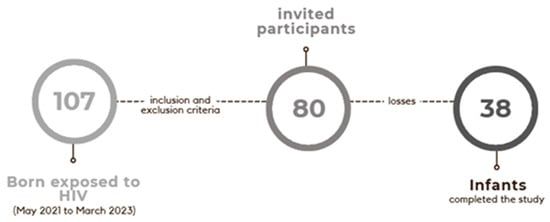
Background: Among the complications caused directly or indirectly by the Human Immunodeficiency Virus (HIV) are alterations in the auditory system. Children who are HIV-exposed but uninfected (HEU) appear to have a higher risk of hearing loss (HL) compared to their unexposed peers, but a lower risk than those infected with HIV. However, the literature remains inconclusive regarding this association. This study aims to evaluate the hearing function of HEU infants during the first months of life and to correlate these findings with maternal, gestational, and neonatal variables. Methods: This prospective cohort study included all HIV-exposed infants born in a quaternary hospital in southern Brazil between 2021 and 2023. Maternal, gestational, and neonatal data were collected, as well as the results of neonatal auditory screening. At approximately 6 months of age, otolaryngological and audiological assessments were performed, including wideband tympanometry and electrophysiological evaluation using Auditory Brainstem Response with frequency-specific stimuli. The prevalence of hearing loss refers to the number of infants affected. Results: Thirty-eight infants, with a mean age of 8 months (±3.3), completed the study. Of these, 1 (2.6%) presented with bilateral sensorineural HL, and 13 (34.2%) presented with conductive HL, with 6 cases being unilateral and 7 bilateral. No associations were found between hearing loss and maternal, gestational, or neonatal variables, except for maternal CD4 count, where higher CD4 cell counts were associated with an increased risk of conductive HL. Conclusion: The findings provide relevant data on auditory alterations in HEU infants, demonstrating a high prevalence of conductive HL. These results highlight the importance of monitoring the hearing of these children during the first years of life.
Full article
(This article belongs to the Special Issue HIV Elimination: Addressing Challenges in Vulnerable Populations and Reducing Discrimination)
►▼
Show Figures

Figure 1
Open AccessReview
Beyond Antiretroviral Therapy: Molecular and Immunological Innovations in HIV Treatment
by
Awadh Alanazi, Mohamed N. Ibrahim and Mohamed A. Elithy
Trop. Med. Infect. Dis. 2026, 11(5), 114; https://doi.org/10.3390/tropicalmed11050114 - 26 Apr 2026
Abstract
Despite prolonged viral inhibition with combination antiretroviral therapy (ART), HIV-1 survives as genetically intact, replication-capable proviruses within durable CD4+ T-cell fractions, involving central memory, transitional memory, and stem cell-like memory populations, as well as within tissue-resident compartments including lymphoid follicles and gut-associated lymphoid
[...] Read more.
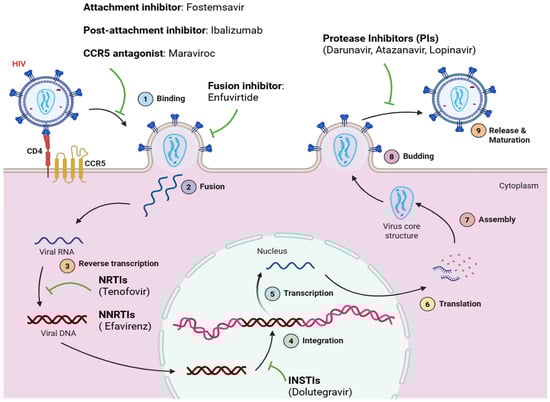
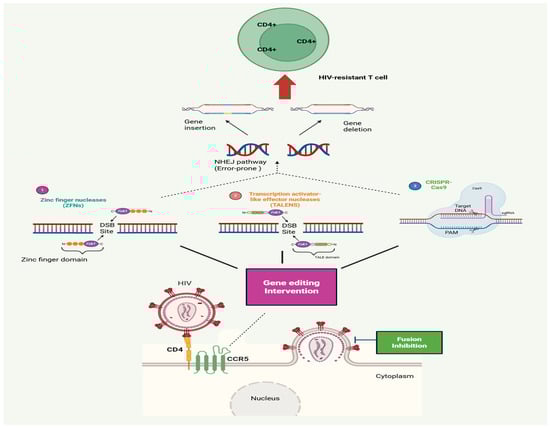
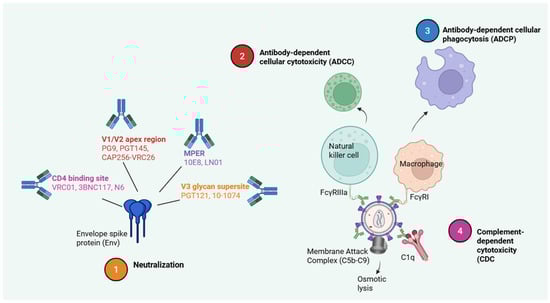
Despite prolonged viral inhibition with combination antiretroviral therapy (ART), HIV-1 survives as genetically intact, replication-capable proviruses within durable CD4+ T-cell fractions, involving central memory, transitional memory, and stem cell-like memory populations, as well as within tissue-resident compartments including lymphoid follicles and gut-associated lymphoid tissue. Reservoir stability is preserved via clonal growth of infected cells and epigenetic processes that impose proviral transcriptional silencing. As a result, current therapeutic approaches seek to either directly alter proviral survival or to improve immune-driven elimination of infected cells. At the molecular level, investigational strategies such as CRISPR–Cas9 and CRISPR–Cas12 gene-editing systems are intended to remove or induce inactivating mutations inside embedded proviral DNA, as well as alter host entrance co-receptors such as CCR5 to provide cellular resistance to infection. In addition, pharmacologic latency regulation is being studied via histone deacetylase inhibitors, protein kinase C agonists, and bromodomain inhibitors to reverse latency, along with Tat inhibitors and other transcriptional repressors aimed to persistently silence proviral expression. Moreover, immunological techniques aim to counteract inefficient endogenous antiviral defenses. Broadly neutralizing antibodies with tailored Fc-driven effector functions are under examination for both neutralization and antibody-dependent cellular cytotoxicity. Therapeutic vaccine approaches seek to elevate polyfunctional HIV-specific CD8+ T-cell responses, while adoptive cellular approaches, involving CAR-T cells aiming HIV envelope epitopes, remain in early clinical research. Immune checkpoint blockade is also being investigated to reverse T-cell depletion inside reservoir-rich tissues. Nevertheless, the key obstacles continue to be the diverse reservoir composition, restricted tissue penetration, viral escape, and safety limitations. The molecular and translational obstacles that characterize attempts toward an HIV cure must be addressed through ongoing multidisciplinary research.
Full article
(This article belongs to the Special Issue HIV Elimination: Addressing Challenges in Vulnerable Populations and Reducing Discrimination)
►▼
Show Figures

Figure 1
Open AccessReview
Application Strategy and Research Progress of Large-Scale Population Drug Intervention in Malaria Control
by
Zichao Cao, Yunan Gu, Guoming Li and Changsheng Deng
Trop. Med. Infect. Dis. 2026, 11(5), 113; https://doi.org/10.3390/tropicalmed11050113 - 25 Apr 2026
Abstract
Malaria is one of the major global public health issues. An estimated 282 million malaria cases occurred worldwide in 2024, and the overall prevention and control progress has stagnated or even reversed in some regions. Mass drug administration (MDA), as a potential strategy
[...] Read more.
Malaria is one of the major global public health issues. An estimated 282 million malaria cases occurred worldwide in 2024, and the overall prevention and control progress has stagnated or even reversed in some regions. Mass drug administration (MDA), as a potential strategy to accelerate malaria elimination, has regained attention. This paper reviews the evidence base, controversial focuses, and application strategies of MDA in malaria prevention and control. It aims to promote its scientific application in the elimination phase. MDA plays an important role in malaria prevention and control. However, this strategy is accompanied by core limitations such as long-term drug resistance risks, insufficient implementation sustainability, and a high failure rate of regional adaptation. It also faces challenges from multiple common malaria species, as well as the newly discovered Plasmodium knowlesi. We therefore propose an “MDA+” collaborative strategy integrating vaccines, digital monitoring, and cross-border cooperation, so as to optimize resource allocation, achieve full coverage control over various malaria parasites, and advance the global malaria elimination process.
Full article
(This article belongs to the Special Issue Advances in Tools for Battling Malaria)
Open AccessArticle
Brucella abortus Infection Promotes Mesenchymal Stem Cell Differentiation Toward Adipogenesis, Enhancing the Proinflammatory Profile
by
Rosa Nicole Freiberger, Cynthia Alicia Marcela López, María Belén Palma, Cintia Cevallos, Franco Agustin Sviercz, Patricio Jarmoluk, Marcela Nilda García, Jorge Quarleri and M. Victoria Delpino
Trop. Med. Infect. Dis. 2026, 11(5), 112; https://doi.org/10.3390/tropicalmed11050112 - 23 Apr 2026
Abstract
The most common complication of active brucellosis in humans is osteoarticular injury. In the bone marrow microenvironment, mesenchymal stem cells (MSCs) can differentiate into either adipocytes or osteoblasts, and this balance is tightly regulated because an increase in adipogenesis may negatively affect bone
[...] Read more.
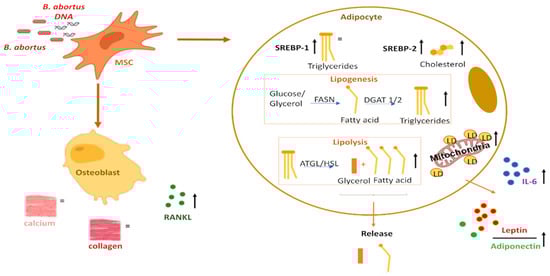
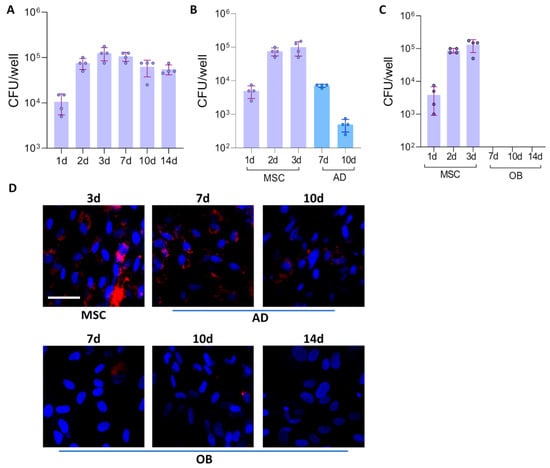
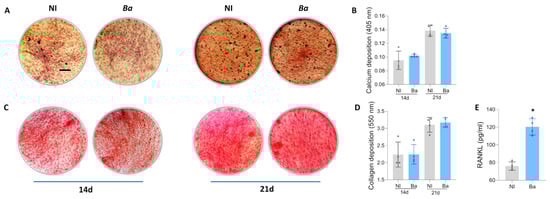
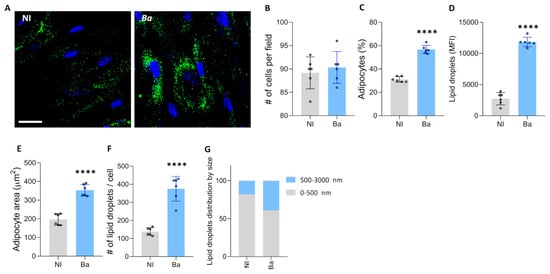
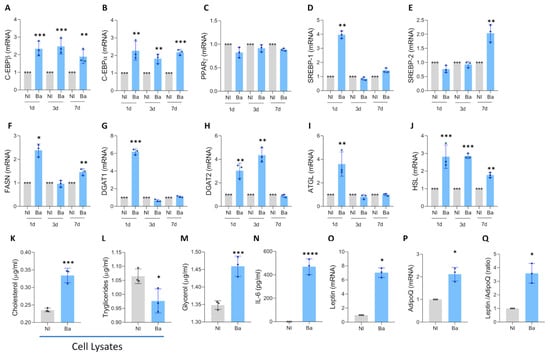
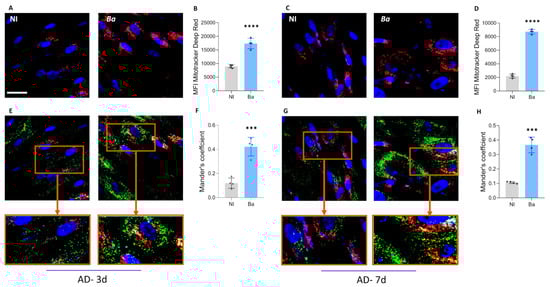
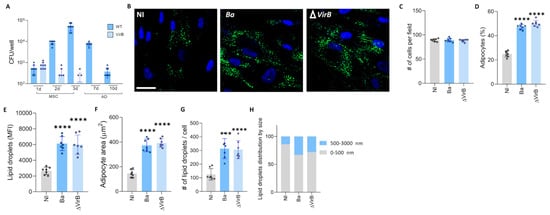
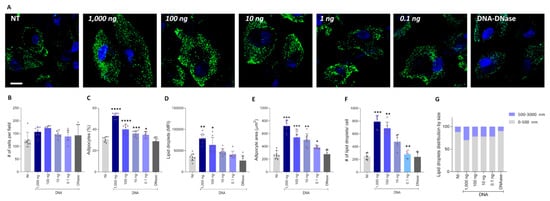
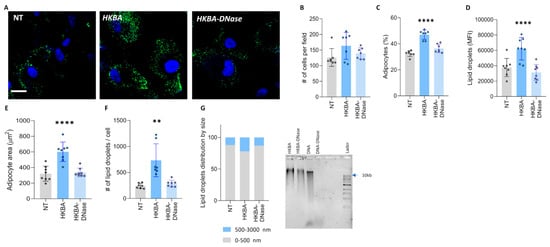
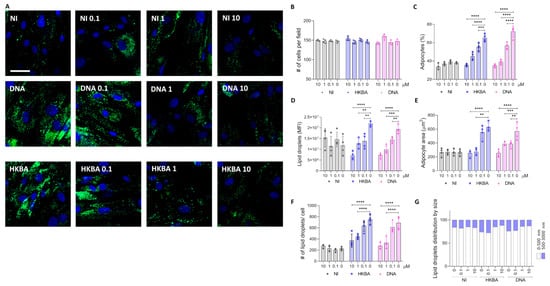
The most common complication of active brucellosis in humans is osteoarticular injury. In the bone marrow microenvironment, mesenchymal stem cells (MSCs) can differentiate into either adipocytes or osteoblasts, and this balance is tightly regulated because an increase in adipogenesis may negatively affect bone formation and favor bone loss. The differentiation of MSCs into adipocytes or osteoblasts is tightly regulated by mechanisms that promote cell fate toward one lineage while repressing the other. Our study demonstrated that Brucella abortus infects MSCs but does not affect the deposition of organic and mineral matrix during osteoblast differentiation. However, the infection upregulates Receptor Activator of Nuclear Factor Kappa-B Ligand (RANKL) expression in osteoblasts, which may contribute to osteoclast activation and bone resorption. Conversely, B. abortus infection significantly influences adipocyte differentiation by modulating lipolysis, lipogenesis, and interactions between lipid droplets and mitochondria. This leads to increased cellular cholesterol levels and reduced intracellular triglycerides, accompanied by glycerol release. These changes result in more differentiated adipocytes and larger lipid droplets. Consequently, we observed increased IL-6 secretion and a higher leptin/adiponectin ratio. Importantly, these effects were independent of a functional type IV secretion system (T4SS), as purified Brucella DNA fully reproduced the adipogenic phenotype. Moreover, inhibition of TLR9—the primary sensor of bacterial DNA—significantly reduced the DNA-induced adipogenic response, demonstrating that adipocyte modulation is at least in part mediated through TLR9 signaling. In summary, B. abortus promotes MSC differentiation toward an inflammatory adipocyte phenotype. It involves a TLR-9-mediated DNA detection. It may contribute to osteoarticular injury and infection-associated bone resorption.
Full article
(This article belongs to the Special Issue Advances in Brucella Infections)
►▼
Show Figures

Graphical abstract
Open AccessBrief Report
Effectiveness and Sustainability of Water Chlorination in Public Healthcare Services in Guatemala
by
Paulina Garzaro, Carmen Castillo, Natalie Fahsen, Lucas Santos, Joyce Lu, Christiana Hug, Matthew Lozier, Douglas R. Call, Celia Cordón-Rosales and Brooke M. Ramay
Trop. Med. Infect. Dis. 2026, 11(5), 111; https://doi.org/10.3390/tropicalmed11050111 - 23 Apr 2026
Abstract
Introduction: Healthcare-associated infections are a significant public health challenge, particularly in resource-limited settings. While hand hygiene is critical for infection prevention, contaminated water from hand hygiene stations (HHSs) in healthcare facilities (HCFs) may undermine infection control efforts. Chlorination can reduce microbial contamination in
[...] Read more.
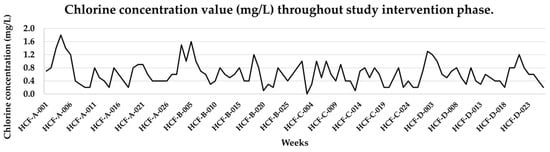
Introduction: Healthcare-associated infections are a significant public health challenge, particularly in resource-limited settings. While hand hygiene is critical for infection prevention, contaminated water from hand hygiene stations (HHSs) in healthcare facilities (HCFs) may undermine infection control efforts. Chlorination can reduce microbial contamination in HHSs, ensuring that water intended for hygiene does not become an infection source. Methods: Water quality was monitored before and after the installation of on-site chlorine dispensers (CDs) in water tanks and HHSs of HCFs in Quetzaltenango, Guatemala, to evaluate their effectiveness in improving water quality. Focus groups were conducted to develop action plan proposals to ensure the intervention’s sustainability. Results: Before the intervention, 75% of HHS water samples tested positive for total coliforms, with 50% testing positive for presumptive extended-spectrum beta-lactamase (ESBL)-producing total coliforms, while 20% were E. coli-positive, with 50% presumptive ESBL-producing E. coli. After installing CD, 1% of samples were coliform-positive over a six-month period. Focus groups identified resource limitations and political barriers and proposed solutions such as developing operational manuals, strengthening inter-institutional relationships, and forming alliances with external organizations. Conclusion: Localized chlorination was successfully implemented using a community participatory approach to improve water quality in resource-limited HCFs. These findings have important implications for infection prevention and control.
Full article
(This article belongs to the Special Issue Epidemiology and Public Health in Tropical Regions of Central America)
►▼
Show Figures

Figure 1
Open AccessReview
Imported Furuncular Myiasis in a Non-Endemic Setting: Two Case Reports of Dermatobia hominis Infection in Romania and a Review of Reports from Southeast and Eastern Europe
by
Gianluca D’Amico, Carmen Costache, Calin Gherman, Ioana Cristina Ilea and Adriana Györke
Trop. Med. Infect. Dis. 2026, 11(5), 110; https://doi.org/10.3390/tropicalmed11050110 - 22 Apr 2026
Abstract
Furuncular myiasis is rarely reported in Southeast/Eastern Europe and may be underrecognized or misdiagnosed in non-endemic settings. We described two imported furuncular myiasis cases diagnosed in Romania following travel to Peru and confirmed the etiologic agent by larval morphology and mitochondrial cytochrome c
[...] Read more.
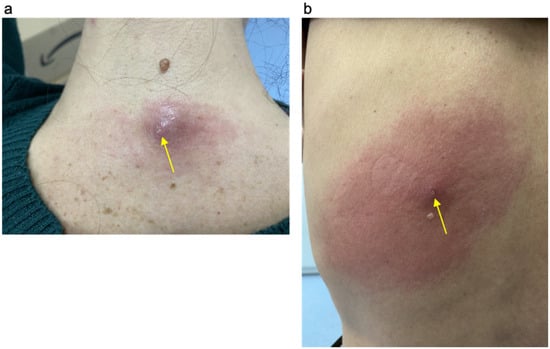
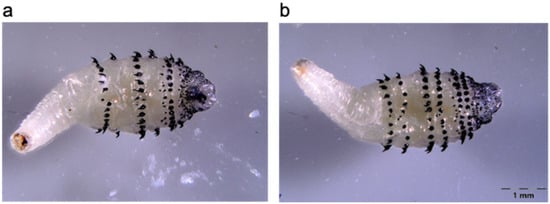
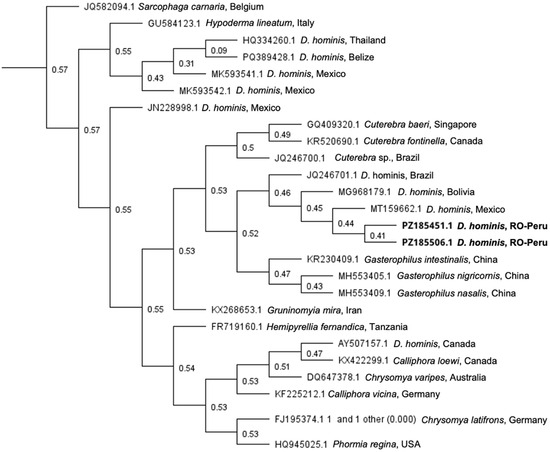
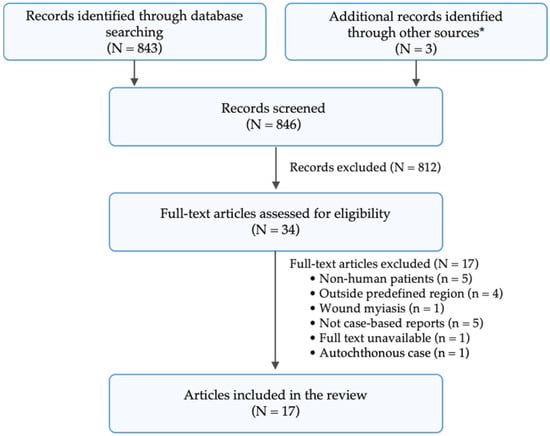
Furuncular myiasis is rarely reported in Southeast/Eastern Europe and may be underrecognized or misdiagnosed in non-endemic settings. We described two imported furuncular myiasis cases diagnosed in Romania following travel to Peru and confirmed the etiologic agent by larval morphology and mitochondrial cytochrome c oxidase subunit I (COI) sequencing. We also conducted a narrative review of published case reports/series from Southeast/Eastern Europe (1900–2025) and summarized case characteristics. A previously healthy 31-year-old woman and 32-year-old man presented with painful furuncle-like lesions on the upper back near the shoulder and the posterolateral upper arm, respectively, associated with pruritus and a sensation of movement. Each lesion had a central punctum with intermittent air bubbles. Occlusion of the breathing pore with petroleum jelly facilitated mechanical extraction of one barrel-shaped larva per lesion. Microscopy showed features consistent with second-instar Dermatobia hominis larvae, and COI sequencing demonstrated 97.14–99.33% identity with reference D. hominis sequences. Literature review identified 25 travel-associated cases, with D. hominis involved mostly after travel to Central/South America. These cases highlight the value of travel history and key diagnostic clues for D. hominis myiasis in travelers that may enable timely diagnosis and minimally invasive management. Greater awareness and reporting are needed to better define epidemiology.
Full article
(This article belongs to the Section Travel Medicine)
►▼
Show Figures

Figure 1
Open AccessArticle
Host-Seeking and Sugar-Feeding Behaviors of Aedes aegypti in Nouakchott, Mauritania: Implications for Dengue Transmission
by
Mohamed Haidy Massa, Mohamed Aly Ould Lemrabott, Osman Abdillahi Guedi, Nicolas Gomez, Sébastien Briolant and Ali Ould Mohamed Salem Boukhary
Trop. Med. Infect. Dis. 2026, 11(4), 109; https://doi.org/10.3390/tropicalmed11040109 - 21 Apr 2026
Abstract
Aedes aegypti, the main urban vector of dengue fever, poses a major public health problem in Nouakchott, Mauritania. This study analyzed the host-seeking and sugar-feeding behaviors of Ae. aegypti. Mosquitoes were collected using a vacuum cleaner in four districts between December
[...] Read more.
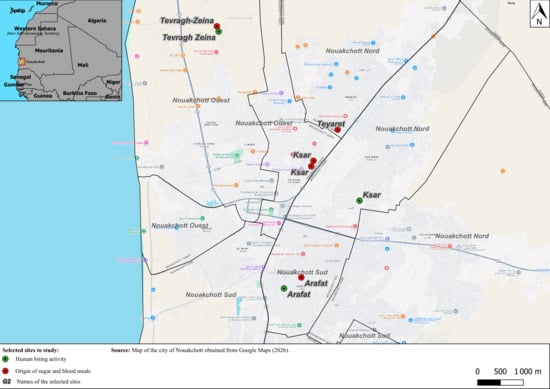
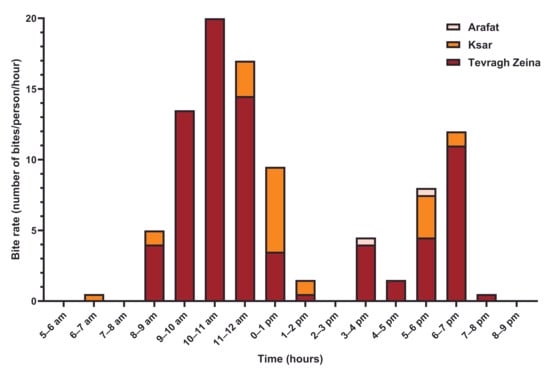
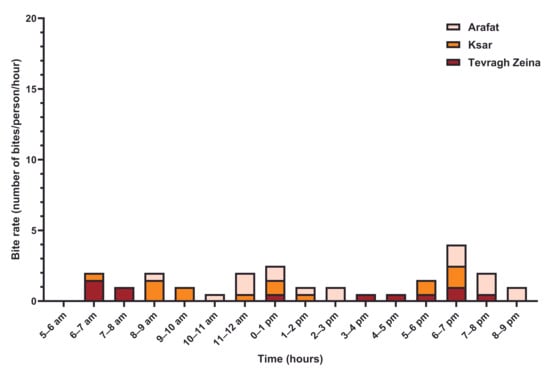
Aedes aegypti, the main urban vector of dengue fever, poses a major public health problem in Nouakchott, Mauritania. This study analyzed the host-seeking and sugar-feeding behaviors of Ae. aegypti. Mosquitoes were collected using a vacuum cleaner in four districts between December 2023 and October 2024. Biting activity on humans was studied in May 2024, exclusively in the districts of Ksar, Tevragh Zeina and Arafat, between 5:00 a.m. and 9:00 p.m. A negative binomial model was performed to analyze the effect of location and time on the human biting rate (HBR) of mosquitoes. In Nouakchott, except in the Arafat district, Ae. aegypti bites occur mainly outdoors, between 8:00 a.m. and 1:00 p.m., with a peak between 11:00 a.m. and noon (HBR = 20 bites/person), and between 5:00 p.m. and 7:00 p.m., with a peak between 6:00 p.m. and 7:00 p.m. (HBR = 11 bites/person). Inside homes, Ae. aegypti biting activity remains low everywhere (HBR ≤ 1.5 bites/person/hour). Molecular analysis of the origin of the blood meals showed that the females collected in Nouakchott were exclusively anthropophilic. Molecular analysis of the sugar sources revealed a great diversity with sweet potato being among the most common. These results highlight the need for targeted outdoor interventions and larval control measures to reduce the risk of dengue transmission in Nouakchott.
Full article
(This article belongs to the Section Vector-Borne Diseases)
►▼
Show Figures

Figure 1
Open AccessArticle
Clinical Characteristics and Outcomes of Malaria Patients in the Aseer Region, Saudi Arabia: A Retrospective Study (2022–2025)
by
Fouad Ibrahim Alshehri, Dhaifullah Ahmed Alkhosafi, Essam Abdullah Al Asmari, Abdulrahman Bin Saeed, Anas Mohammed Zarbah, Saeed Ali Algarni, Mohammed Gasim Ahmed, Marim Abdallah Mohamed, Fatma Anter Mady, Saleh Mohammed Zafer Albakri and Ramy Mohamed Ghazy
Trop. Med. Infect. Dis. 2026, 11(4), 108; https://doi.org/10.3390/tropicalmed11040108 - 20 Apr 2026
Abstract
Background: Saudi Arabia has made significant progress toward malaria elimination; however, imported cases continue to occur, particularly in the southwestern regions. This study aimed to describe the clinical characteristics and outcomes of patients with malaria in the Aseer Region, Saudi Arabia. Methods: A
[...] Read more.
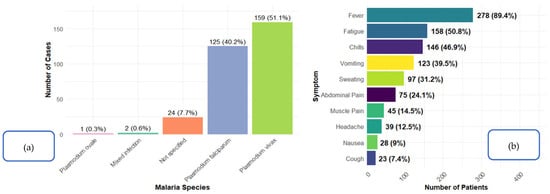
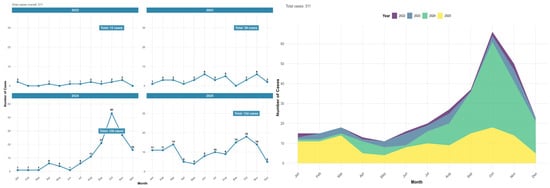
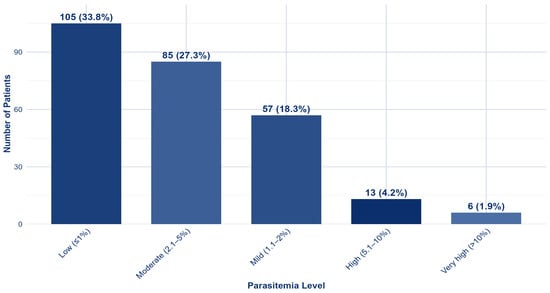
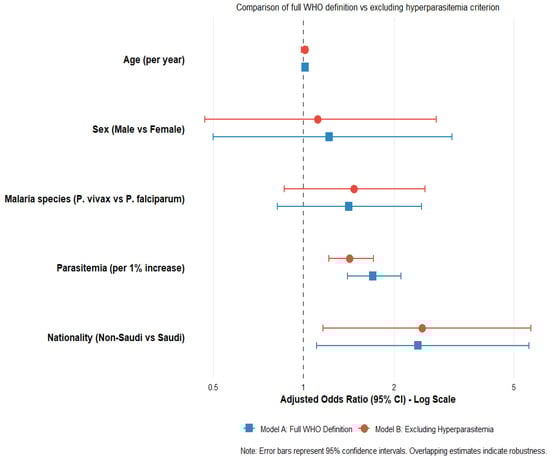
Background: Saudi Arabia has made significant progress toward malaria elimination; however, imported cases continue to occur, particularly in the southwestern regions. This study aimed to describe the clinical characteristics and outcomes of patients with malaria in the Aseer Region, Saudi Arabia. Methods: A retrospective observational study was conducted at Khamis Mushait General Hospital, Aseer Region, Saudi Arabia, including all patients with malaria from January 2022 to December 2025. Demographic, clinical, laboratory, and outcome data were extracted from the electronic medical records. Severe malaria was defined according to the World Health Organization criteria. Multivariate logistic regression using Firth’s penalized maximum likelihood estimation was performed to identify independent predictors of severe malaria (≥1 WHO criterion). Statistical analysis was performed using R software (version 4.2.1). Results: A total of 311 patients were included, predominantly male (90.0%), with a mean age of 28.8 ± 11.3 years. Ethiopian nationals comprised nearly half the cases (48.2%), followed by Saudi (16.4%) and Yemeni (15.1%) nationals. Plasmodium vivax was the most common species (51.1%), followed by Plasmodium. falciparum (40.2%). Fever was the most frequent symptom (89.4%), followed by fatigue (50.8%), chills (46.9%), and vomiting (39.5%). Low parasitemia (<1%) was the most frequent finding (33.8%), followed by moderate (27.3%) and mild (18.3%) levels, while high (4.2%) and very high parasitemia (1.9%) were uncommon. Severe malaria (≥1 criterion) was diagnosed at 43.7%, with severe anemia (26.0%) and jaundice (23.2%) being the most frequent WHO severity criteria. Notably, 84% of the cases occurred during 2024–2025, indicating a recent outbreak, with a sharp peak of 43 cases in October 2024. Multivariate logistic regression identified two independent predictors of having at least one WHO severity criterion: higher parasitemia level (adjusted OR = 1.70 per 1% increase, 95% CI: 1.40–2.11, p < 0.001) and non-Saudi nationality (adjusted OR = 2.40, 95% CI: 1.10–5.62, p = 0.027). Conclusions: Malaria in the Aseer Region predominantly affects young adult male expatriates, suggesting its imported nature. The predominance of P. vivax represents a shift from historical patterns. Parasitemia level and being of non-Saudi nationality independently predict severe malaria and may therefore support risk stratification and clinical decision-making. The dramatic case surge in 2024–2025 highlights regional vulnerability to outbreaks despite control progress. These findings support enhanced screening for at-risk populations, maintenance of clinical capacity for severe malaria management, and robust surveillance systems for early outbreak detection.
Full article
(This article belongs to the Special Issue The Global Burden of Malaria and Control Strategies, 2nd Edition)
►▼
Show Figures

Figure 1
Open AccessArticle
Urban Animal Exposures and Rabies Post-Exposure Prophylaxis in Istanbul, Turkey: Insights from a Metropolitan Emergency Department
by
Cansel Askin, Behcet Al, Cihad Unsal Karahaliloglu, Yunus Emre Gemici, Ibrahim Coban and Abdulkerim Emre Yanar
Trop. Med. Infect. Dis. 2026, 11(4), 107; https://doi.org/10.3390/tropicalmed11040107 - 20 Apr 2026
Abstract
Background: Rabies remains a major zoonotic disease worldwide, particularly in regions with large populations of free-roaming animals. In urban settings, animal-related injuries constitute a substantial healthcare burden and frequently result in the administration of rabies post-exposure prophylaxis (PEP). This study aimed to evaluate
[...] Read more.
Background: Rabies remains a major zoonotic disease worldwide, particularly in regions with large populations of free-roaming animals. In urban settings, animal-related injuries constitute a substantial healthcare burden and frequently result in the administration of rabies post-exposure prophylaxis (PEP). This study aimed to evaluate the epidemiological characteristics of animal exposures and real-world PEP practices in a metropolitan emergency department. Methods: This retrospective descriptive study included 1960 patients presenting to a tertiary metropolitan emergency department between 1 March and 1 September 2025 with suspected animal exposure. Demographic data, animal species involved, exposure mechanisms, animal ownership and vaccination status, time to presentation, and PEP practices were analyzed using descriptive statistics. Results: Most exposures were cat-related (86.3%) and were caused by scratching (81.5%). Nearly all injuries were superficial (99.8%), while deep injuries were rare (0.2%). The majority of animals were classified as strays (90.1%), and vaccination status was unknown in 81.2% of cases. Rabies immunoglobulin was administered to only 0.6% of patients; however, rabies vaccination was initiated in 98.8% of patients. Approximately 74.5% of patients presented within 24 h. Post-exposure animal observation was documented in only 20.2% of cases. Conclusions: Urban animal exposures in this metropolitan setting were predominantly superficial and cat-related, yet nearly all patients received rabies vaccination. Limited animal observation and incomplete vaccination documentation appear to constrain risk stratification and may contribute to the use of precautionary PEP. Strengthening surveillance systems, improving documentation, and implementing evidence-based risk-stratification strategies are essential for optimizing rabies prophylaxis practices in urban environments.
Full article
(This article belongs to the Section Neglected and Emerging Tropical Diseases)
Open AccessReview
Neglected Tropical Diseases Elimination in the Philippines: Challenges and Gaps
by
Josephine Abrazaldo, Patrick de Vera, Sheila Grace Martin, John Leo Dayrit, Daryl Christian Mejos and Ferdinand Mortel
Trop. Med. Infect. Dis. 2026, 11(4), 106; https://doi.org/10.3390/tropicalmed11040106 - 17 Apr 2026
Abstract
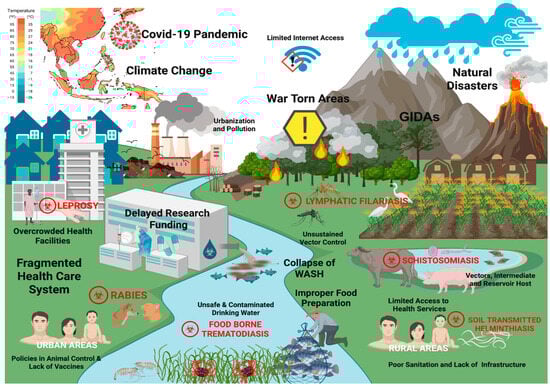
Neglected tropical diseases (NTDs) such as soil-transmitted helminthiasis, lymphatic filariasis, schistosomiasis, leprosy, rabies, and food-borne trematodiasis are endemic in the Philippines. Despite global and national elimination efforts, these six NTDs remain a persistent burden to the poor, those living in Geographically Isolated and
[...] Read more.
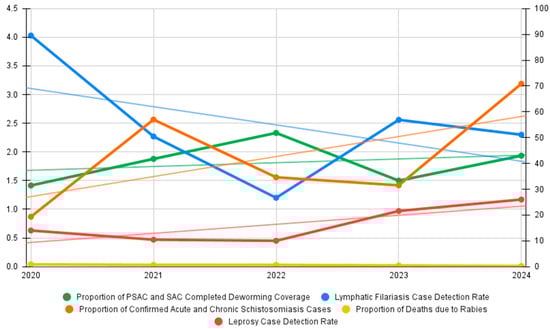
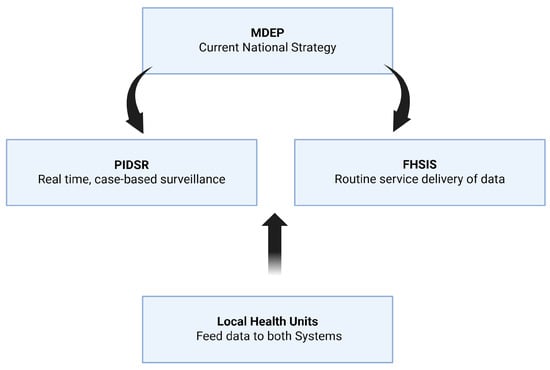
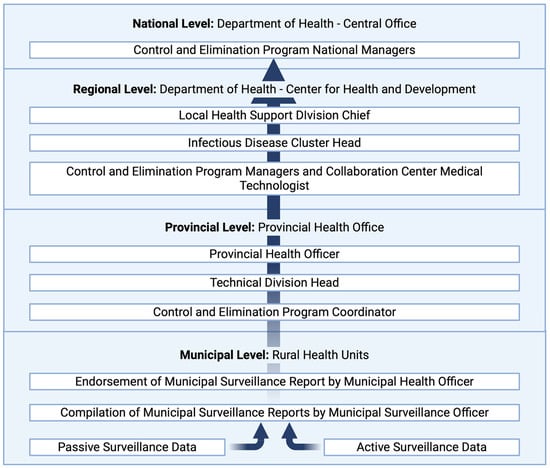
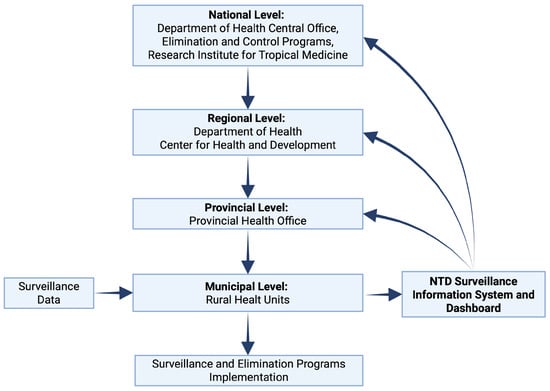
Neglected tropical diseases (NTDs) such as soil-transmitted helminthiasis, lymphatic filariasis, schistosomiasis, leprosy, rabies, and food-borne trematodiasis are endemic in the Philippines. Despite global and national elimination efforts, these six NTDs remain a persistent burden to the poor, those living in Geographically Isolated and Disadvantaged Areas (GIDAs), and other vulnerable groups. This narrative review synthesized data from Field Health Services Information System (FHSIS) reports of the Philippine Department of Health (DOH) from 2020 to 2024, the available literature from electronic databases, and DOH and WHO reports focusing on the challenges, barriers, and gaps in NTD control and elimination in the country. Core challenges include complex epidemiological landscapes, lapses in disease surveillance, infrastructure, and fragmented health care systems. Gaps include access to diagnostics, insufficient funding and human resource training, and scarcity of local studies focusing on endemic NTDs. With these challenges and gaps, this review highlights the need for a real-time feedback loop system in surveillance strategy, community-based interventions, full integration of NTDs in primary health care, and collaboration between government, NGOs and private entities. Addressing these challenges and gaps is key to shifting from control to elimination.
Full article
(This article belongs to the Special Issue Surveillance of Eliminated and Near-Eliminated Infectious Disease in the Western Pacific Region)
►▼
Show Figures

Figure 1
Open AccessArticle
Public Health Perspectives on Integrating Artemisia annua Tea for Uncomplicated Malaria Treatment: A Cross-Sectional Study of Perceptions and Acceptability Among Healthcare Workers in Kalima District, Maniema, DRC
by
Jérôme Munyangi wa Nkola, Pierre Akilimali Zalagile, Hendrick Lukuke Mbutshu, Spartacus Kabala Munyemo, Imani Ramazani Bin Eradi and Alioune Camara
Trop. Med. Infect. Dis. 2026, 11(4), 105; https://doi.org/10.3390/tropicalmed11040105 - 17 Apr 2026
Abstract
Background: The Democratic Republic of the Congo accounts for approximately 12–13% of the global malaria burden. While international guidelines oppose the use of Artemisia annua infusions due to risks of sub-therapeutic dosing and resistance selection, the plant remains widely used in resource-limited regions.
[...] Read more.
Background: The Democratic Republic of the Congo accounts for approximately 12–13% of the global malaria burden. While international guidelines oppose the use of Artemisia annua infusions due to risks of sub-therapeutic dosing and resistance selection, the plant remains widely used in resource-limited regions. This study evaluates the clinical acceptability and perceptions of healthcare providers regarding the integration of Artemisia annua tea into formal malaria control in the Maniema province. Methods: A cross-sectional survey was conducted among 337 healthcare professionals in the Kalima health district using the KoboCollect digital platform. Multivariate logistic regression was employed to identify the primary socio-professional determinants of clinical acceptability. Results: The overall clinical acceptability of Artemisia annua integration was 81.0%, with 82.8% of providers perceiving the preparation as effective. Rural residency was the strongest predictor of adherence (AOR = 6.847; p = 0.003), reflecting a pragmatic response to frequent ACT stockouts and high treatment costs. Despite high acceptability, 49.0% of providers identified the lack of clinical evidence as a major barrier, and 91.4% demanded formal training on standardized dosage and biological mechanisms. Conclusions: A significant “policy–practice gap” exists between international guidelines and field realities in the DRC. Healthcare providers demonstrate high readiness for integration but emphasize the absolute necessity of galenic standardization to mitigate resistance risks. To address these concerns, a complementary genomic investigation is currently underway in the same study area, comparing PfKelch13 mutation prevalence among Artemisia tea users versus ACT-treated patients. This molecular surveillance will provide essential evidence to define safety parameters for future phytopharmaceutical integration.
Full article
(This article belongs to the Section Vector-Borne Diseases)
Open AccessReview
Early Warning Signs, Effects, Risk Factors, and Diagnostic Indicators of Toxoplasmosis in Pregnant Women in Africa: A Scoping Review
by
Cherotich Jesca Tangus, Ndichu Maingi, James Chege Nganga, Davis Karanja Njuguna, Kariuki Njaanake, Bruno Enagnon Lokonon, Gloria Ivy Mensah, Kennedy Kwasi Addo, Andrée Prisca Ndjoug Ndour and Bassirou Bonfoh
Trop. Med. Infect. Dis. 2026, 11(4), 104; https://doi.org/10.3390/tropicalmed11040104 - 17 Apr 2026
Abstract
Toxoplasmosis is a widely distributed zoonosis caused by the protozoan parasite Toxoplasma gondii. Infection during pregnancy is a major public health concern due to its potential impact on both maternal health and fetal development. Early detection of maternal infection is critical to prevent
[...] Read more.
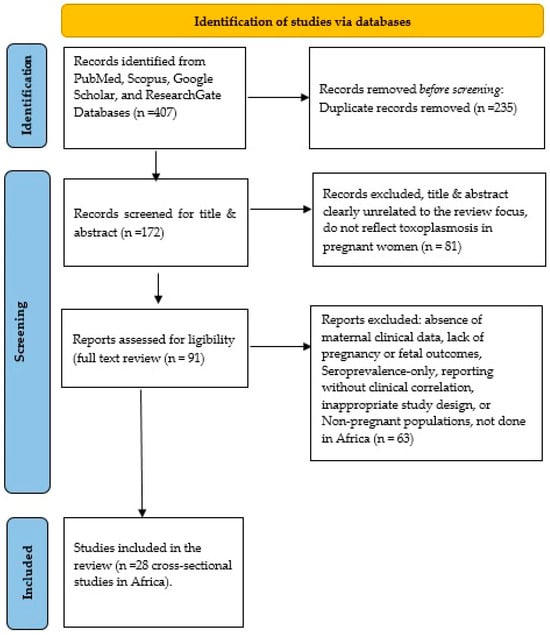
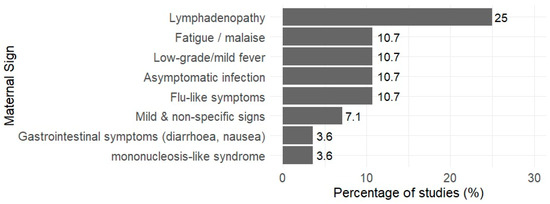
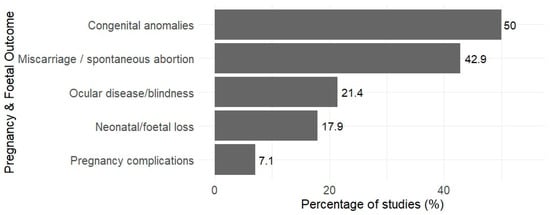
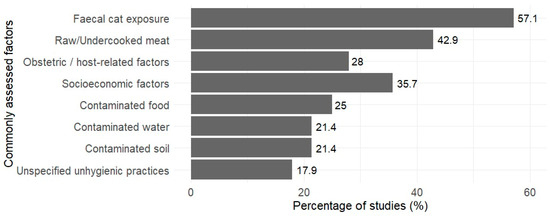
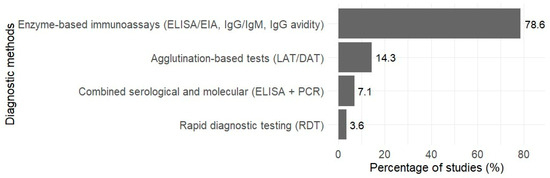
Toxoplasmosis is a widely distributed zoonosis caused by the protozoan parasite Toxoplasma gondii. Infection during pregnancy is a major public health concern due to its potential impact on both maternal health and fetal development. Early detection of maternal infection is critical to prevent adverse outcomes; however, maternal signs are often subtle, non-specific or absent, complicating timely diagnosis. This scoping review aimed to map and synthesise existing evidence on early maternal signs, pregnancy and foetal outcomes, frequently assessed risk factors, and diagnostic approaches of toxoplasmosis in expectant mothers in Africa. The review was done in accordance with the PRISMA-ScR guidelines. A literature search of PubMed, Scopus, ResearchGate, and Google Scholar was performed to identify studies published between 2000 and 2025. Retrieved records were managed using Zotero (version 8.0.4) for deduplication and screening. Only English-language studies conducted in Africa and reporting relevant maternal or clinical data were included. A total of 28 cross-sectional studies were included. Lymphadenopathy (25.0%) was the most frequently reported maternal early sign, followed by flu-like illness, asymptomatic infection, low-grade or mild fever, and fatigue or malaise (each 10.7%). Congenital anomalies (50.0%) and miscarriage or spontaneous abortion (42.9%) were the most commonly reported foetal and pregnancy outcomes. Frequently reported risk factors were exposure to cat faeces (57.1%) and ingestion of undercooked or raw meat (42.9%). Diagnostic approaches were commonly enzyme-based immunoassays (78.6%), with limited use of RDTs and molecular methods. These findings suggest the need for improved early detection and prevention strategies in high-risk, low-resource African settings. Enhancing routine screening, health education, and access to appropriate diagnostics are considered. Future studies should consider adopting standardised reporting and integrating sensitive, affordable, rapid diagnostic approaches to enhance early detection and reduce the burden of congenital toxoplasmosis.
Full article
(This article belongs to the Special Issue Toxoplasma gondii: Epidemiology, Clinical Challenges, and Case Insights)
►▼
Show Figures

Figure 1
Open AccessArticle
Systematic Evaluation of Four Cysteine Proteases (CsCP1–4) from Clonorchis sinensis for Serodiagnosis: From Single-Antigen Screening to Multi-Antigen Modeling
by
Shuai Wei, Xinyan Chen, Shangkun Cai, Xiaoqin Li, Ting Lu, Yaoting Li, Yuanlin Hou, Yanwen Li and Yunliang Shi
Trop. Med. Infect. Dis. 2026, 11(4), 103; https://doi.org/10.3390/tropicalmed11040103 - 16 Apr 2026
Abstract
►▼
Show Figures
Background: Cysteine proteases of Clonorchis sinensis are potential diagnostic antigens, yet the performance of individual members within this diverse enzyme family requires systematic evaluation. This study aimed to assess the diagnostic potential of four recombinant cysteine proteases (rCsCP1–4) for human clonorchiasis.
[...] Read more.
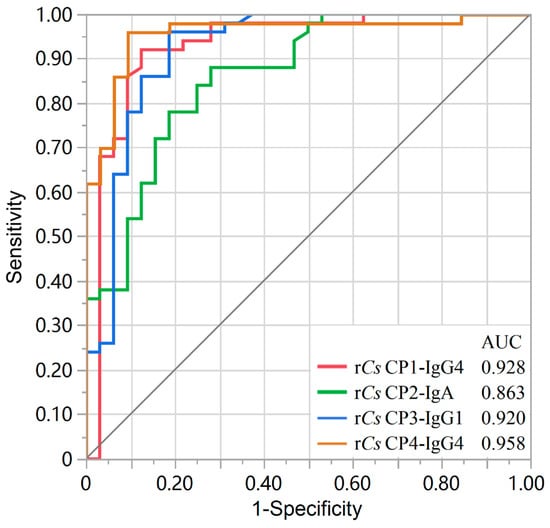
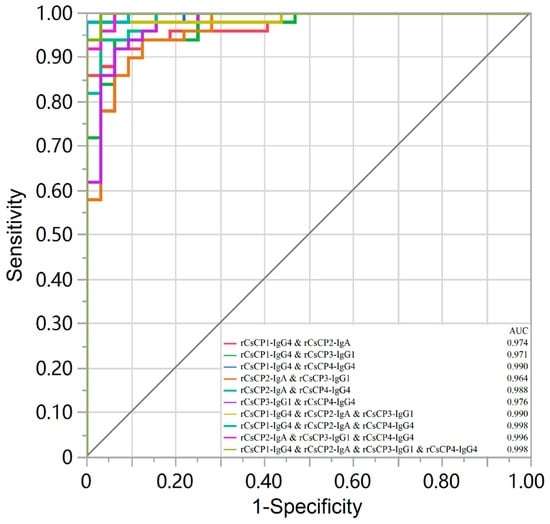
Background: Cysteine proteases of Clonorchis sinensis are potential diagnostic antigens, yet the performance of individual members within this diverse enzyme family requires systematic evaluation. This study aimed to assess the diagnostic potential of four recombinant cysteine proteases (rCsCP1–4) for human clonorchiasis. Methods: An indirect ELISA was developed to measure serum reactivity (IgG, IgG subclasses, IgA) against rCsCP1–4. The assay was validated using 180 microscopy-confirmed positive and 148 negative control sera. Samples were randomly split into training and validation sets (7.5:2.5). Diagnostic performance of single antigens and their combinations was evaluated using univariate and multivariate logistic regression and compared with a commercial kit. Key metrics included the area under the curve (AUC), sensitivity, specificity, accuracy, F1-score, and Kappa coefficient. Results: Four single antigen–antibody pairs showed high performance: rCsCP1-IgG4 (AUC = 0.928), rCsCP2-IgA (AUC = 0.863), rCsCP3-IgG1 (AUC = 0.920), and rCsCP4-IgG4 (AUC = 0.958). Among these, rCsCP1-IgG4, rCsCP3-IgG1, and rCsCP4-IgG4 outperformed the commercial kit, achieving higher sensitivity (92.0%, 96.0%, 96.0% vs. 86.0%), specificity (87.5%, 81.3%, 90.6% vs. 78.1%), accuracy (92.0%, 88.9%, 94.1% vs. 86.0%), and F1-scores (0.902, 0.902, 0.939 vs. 0.829). The Kappa values for rCsCP1-IgG4 (0.768) and rCsCP4-IgG4 (0.773) indicated substantial agreement with the microscopic standard. Multi-antigen combinations (triple or quadruple) further enhanced performance, achieving sensitivity and specificity > 98% with an AUC approaching 1.0. Conclusions: This study identifies rCsCP1 and rCsCP4, particularly in combination with IgG4 detection, as highly promising diagnostic targets for clonorchiasis. Multi-antigen combinations significantly improved diagnostic performance compared to single-antigen assays, offering a strategy for high-precision diagnosis. Furthermore, the efficacy of the rCsCP2-IgA pair suggests that detecting fecal secretory IgA could be a novel avenue for non-invasive, self-testing applications.
Full article

Figure 1
Journal Menu
► ▼ Journal Menu-
- TropicalMed Home
- Aims & Scope
- Editorial Board
- Topical Advisory Panel
- Instructions for Authors
- Special Issues
- Topics
- Sections & Collections
- Article Processing Charge
- Indexing & Archiving
- Editor’s Choice Articles
- Most Cited & Viewed
- Journal Statistics
- Journal History
- Journal Awards
- Society Collaborations
- Conferences
- Editorial Office
- 10th Anniversary
Journal Browser
► ▼ Journal BrowserHighly Accessed Articles
Latest Books
E-Mail Alert
News
Topics
Topic in
Infectious Disease Reports, Insects, IJERPH, Pathogens, TropicalMed, Zoonotic Diseases
Vector-Borne Disease Spatial Epidemiology, Disease Ecology, and Zoonoses
Topic Editors: Chad L. Cross, Louisa Alexandra MessengerDeadline: 31 December 2026
Topic in
IJERPH, TropicalMed, Microorganisms, Infectious Disease Reports, Pathogens
Genetic, Environmental, and Climatic Drivers of Emerging Arboviruses and Public Health Implications
Topic Editors: André Ricardo Ribas Freitas, Pedro María Alarcón-Elbal, Luciano Pamplona de Góes CavalcantiDeadline: 20 January 2027
Topic in
Diseases, Epidemiologia, Infectious Disease Reports, Medicina, TropicalMed
Surveillance Systems and Predictive Analytics for Epidemics
Topic Editors: Georgia Kourlaba, Elisavet StavropoulouDeadline: 31 January 2027
Conferences
Special Issues
Special Issue in
TropicalMed
Global Perspectives on Neglected Tropical Diseases: Burden, Science, and Policy Interventions
Guest Editor: Fabio ZickerDeadline: 15 May 2026
Special Issue in
TropicalMed
Surveillance of Eliminated and Near-Eliminated Infectious Disease in the Western Pacific Region
Guest Editors: Harriet Lawford, Adam CraigDeadline: 25 May 2026
Special Issue in
TropicalMed
Integrating Data-Driven Insights into Mathematical Modeling of Infectious Diseases
Guest Editors: Adejimi Adeniji, Kayode Oshinubi, Allan KomakechDeadline: 31 May 2026
Special Issue in
TropicalMed
HIV Testing, Prevention and Care Interventions, 2nd Edition
Guest Editors: Ricardo Izurieta, Enrique TeránDeadline: 31 May 2026
Topical Collections
Topical Collection in
TropicalMed
Infection Prevention and Control: Practical and Educational Advances
Collection Editors: Constantinos Tsioutis, Spyridon Karageorgos, Carlos Palos