


Abstract
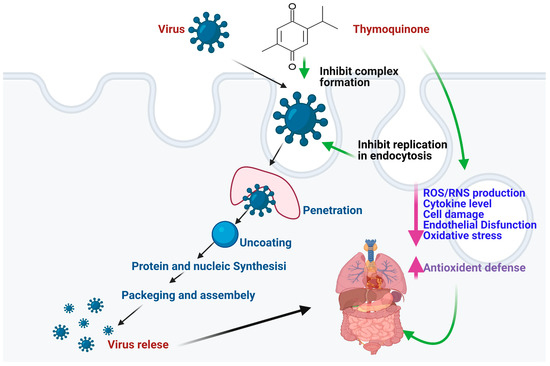
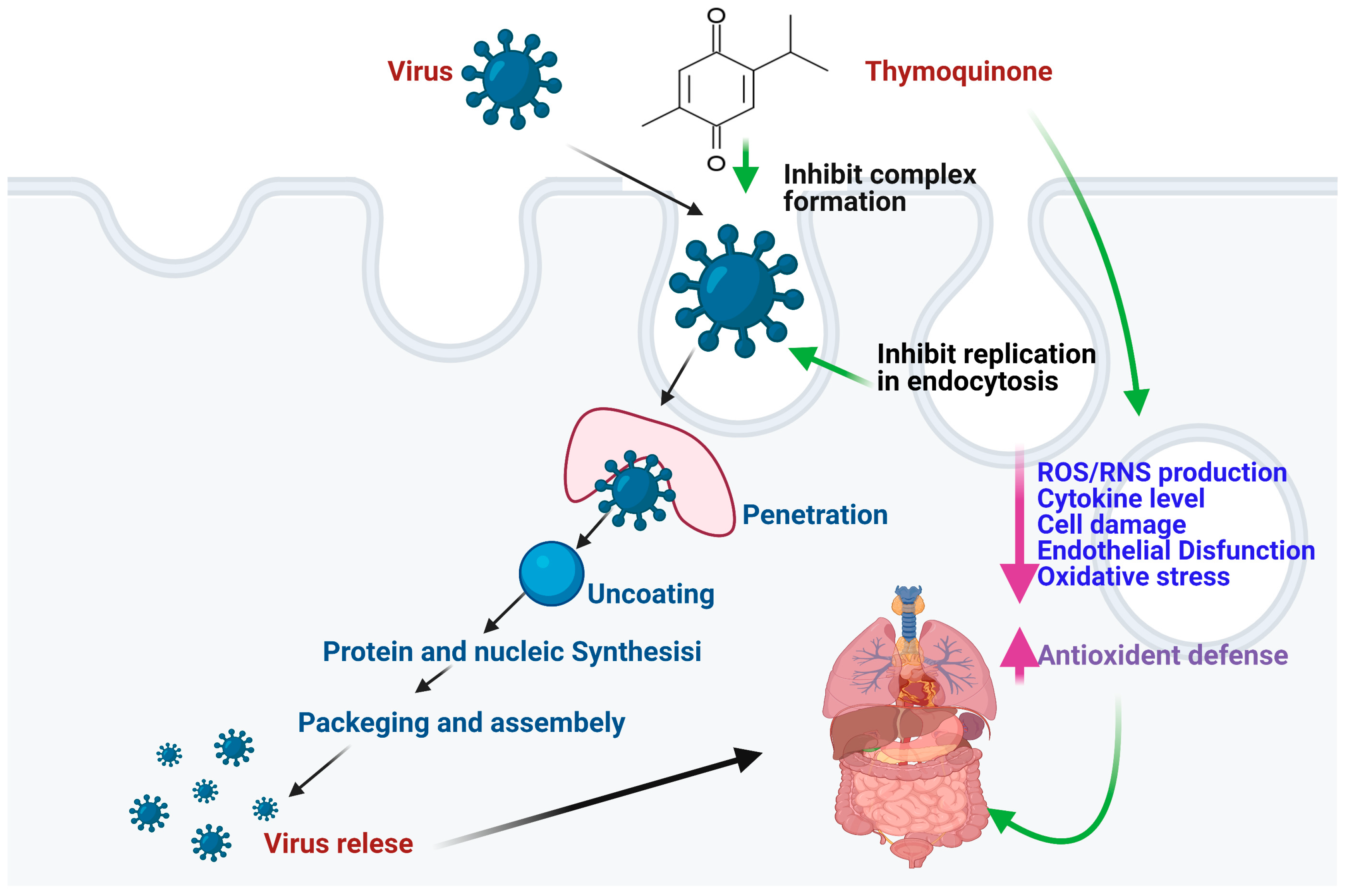
The goal of an antiviral agent research is to find an antiviral drug that reduces viral growth without harming healthy cells. Transformations of the virus, new viral strain developments, the resistance of viral pathogens, and side effects are the current challenges in terms of discovering antiviral drugs. The time has come and it is now essential to discover a natural antiviral agent that has the potential to destroy viruses without causing resistance or other unintended side effects. The pharmacological potency of thymoquinone (TQ) against different communicable and non-communicable diseases has been proven by various studies, and TQ is considered to be a safe antiviral substitute. Adjunctive immunomodulatory effects in addition to the antiviral potency of TQ makes it a major compound against viral infection through modulating the production of nitric oxide and reactive oxygen species, decreasing the cytokine storm, and inhibiting endothelial dysfunction. Nevertheless, TQ’s low oral bioavailability, short half-life, poor water solubility, and conventional formulation are barriers to achieving its optimal pharmacologic benefits. Nano-formulation proposes numerous ways to overcome these obstacles through a small particle size, a big surface area, and a variety of surface modifications. Nano-based pharmaceutical innovations to combat viral infections using TQ are a promising approach to treating surmounting viral infections.
1. An Introduction to Thymoquinone and Viral Diseases
Viral diseases are a serious concern worldwide, because of the extreme danger and complexity they pose to human life, due to their ability to cause a rapid outbreak among developing nations [1]. Viruses are intracellular parasites that encompass one of the significant classes of pathogens [2]. Viruses can generate several diseases such as: acquired immunodeficiency syndrome, dengue, Middle East respiratory syndrome, polio, etc. [3,4]. Viruses infect healthy cells and cause apoptosis in infected cells. Among all of these viruses, a small proportion of them cause the depletion of immune cells and, consequently, deteriorate the host’s immune system [5,6].
Developing remedies for viral diseases presents a tremendous challenge due to the easy transformation of viruses, the resistance of viral pathogens, new viral strain developments, side effects, the high cost of medicines, and the development of resistance [7]. The standard therapy for viral infections includes destroying the target pathogen; instead, many therapies inhibit viral development and shorten the length of the disease [8]. In modern times, the emergence of resistance of microbial and viral pathogens against common antimicrobial and antiviral drugs, mostly for respiratory tract infections (RTI), has increased day by day, which is a significant health problem affecting the treatment of these conditions [8]. According to the WHO’s (World Health Organization)’s current list, viruses, especially RNA viruses, are among the top ten health threats globally. The list includes: the influenza pandemic, human immunodeficiency virus, dengue virus, Ebola virus (EBOV), and SARS-COV-2. Other pathogens include Zika virus, various hemorrhagic fevers, Nipah virus, Middle East respiratory syndrome, SARS-COV-2, SARS-CoV, and disease X [9,10,11,12].
Plants have long been used to prevent disease. Botanicals are used to treat around eighty percent of the world’s population. Alternative medicine shows the economic importance of plants [13]. Natural medicinal plants are an essential source of different bioactive and therapeutic compounds with antiviral activities; very few studies have been conducted on various medicinal plants’ antiviral potential [14,15]. Since ancient times, the use of various medicinal plants has been considered to treat human diseases. A medicinal herb can change the pathological and physiological processes used to prevent and treat disease. Recently, there has been a remarkable increase in the therapeutic use of medicinal plants for different diseases, compared with chemical and synthetic drugs, because of their ease of availability without requiring a prescription, less interference from healthcare professionals, their low cost, and the belief that they are associated with fewer adverse effects [16,17]. Natural spices and herbs have been used since time immemorial for their medicinal and therapeutic purposes. These natural therapies are used in the treatment of multiple diseases around the globe. Barrett et al. reported that fifty percent of Americans use herbal and natural remedies to treat ailments [18,19].
N. sativa (Ranunculaceae), also known as black seed, is an herb that is commonly used in the Middle East as a natural food and traditional medicine [20]. Some research and data suggest that black seed and its principal active constituent TQ has significant antioxidant and cytoprotective effects against organ damage. It has antifungal, antiviral, anti-allergic, analgesic, anti-tumor, and antipyretic activity [18,21]. N. sativa oil has been shown to lower viral load in mice infected with cytomegalovirus to an undetectable level in the spleen and liver within ten days after being administered via the intraperitoneal route. This may be due to increasing the function and number of CD T cells and interferon-gamma production [22,23]. In patients (n = 30) infected with HCV (hepatitis C virus), in whom IFN-α/ribavirin drug therapy was contraindicated, a significant improvement was observed in HCV viral load. Moreover, various laboratory parameters have been shown to improve with N. sativa seed oil, including red blood cells, platelet count, and total protein, along with a decrease in postprandial glucose and fasting blood glucose in both non-diabetic and diabetic HCV patients [22,24]. In a case reported by Onifade et al., an HIV-positive patient was treated with 10 mL of N. sativa seed oil twice a day for six months, and complete seroconversion and regaining of physical health were reported [25]. In another case, a 27-year-old female patient was diagnosed with HIV infection during her antenatal care. She was not able to take antiretroviral therapy, so herbal medicine therapy was started with honey and black cumin mixture at a dose of 10 mL TID for a year, at which time, serology testing revealed an undetectable viral load [22,26].
One study showed that N. sativa black seed oil prevented rodent cytomegalovirus infection in experimental models. [27]. This may show that N. sativa seed oil and its active constituent TQ have a potent antiviral effect against murine cytomegalovirus infection, which may be due to the upregulation of IFN-g and macrophage activation [28]. It could be used as a potential co-therapeutic agent against numerous conditions related to immunodeficiency [6]. Currently, COVID-19, HIV/AIDS, and other viral diseases are serious global threats. Therefore, TQ derived from N. sativa might be an excellent natural product to cure these infectious diseases. Thus, this review focused more on the new technologies needed to achieve the full pharmacological potential of TQ. To do this, its poor oral bioavailability, short half-life, poor water solubility, and traditional formulation restrictions must be overcome. Numerous strategies for overcoming these challenges have been proposed using nano-formulations, including the use of extremely small particles, a large surface area, and various surface changes. In order to overcome viral infections, nano-based pharmaceutical advancements using TQ show great promise.
2. The Immune Mechanism in Viral Disease
When a virus comes in contact with the human body, it invades cells to survive and replicate, causing infection. The cells utilize histocompatibility complex proteins that lead to protein fragmentation inside the cell as well as on the cell membrane [29]. Once the cells are infected, these kinase cluster forms encompass virus-made protein components that can affect different inflammatory biomarkers, especially cytokines, along with macrophages such as neutrophils. These then release diverse compounds that cause cell disruption, and the production of cationic proteins, cytotoxic cytokines, lipid mediators, metalloprotease, and oxygen-release sources [30]. An accumulation of free radicals in mitochondria can lead to cellular damage [31], which plays an essential role in the mechanism of viral diseases and their prevention.
The cytotoxic T cell is a particular type of immune cell found in the human body that destroys virus-loaded cells that produce toxic mediators [32]. Several specialized proteins (T cell receptors) are found on the surface/membrane of cytotoxic T lymphocytes, and their basic function is to recognize the infected cells. There are T cell receptors on each cytotoxic cell that recognize a specific antigenic peptide attached to an important histocompatibility complex protein as soon as the pathogenic peptide can detect the T cell receptor, which may alert the T cell to the infection [33]. Cytotoxic factors are released by T cells that are usually stored inside compartments termed granules. The factors kill the infected cell, trigger their release, and prevent the survival of the spreading virus [34]. A particular protein also acts as a mediator, i.e., perforin, and the initial function of this protein is that it can make cell membrane pores. The pores on the surface may facilitate the destruction of the cell, with the help of other factors, into a target cell [31]. Granzymes (a form of enzyme) are also released and stored in the granules. They enter into the target cells via the pores developed by perforin. The cytokines released during viral infection are type I interferons that mediate the stimulation of either the immune response or the subsequent formation of responsive tolerance towards viruses [33].
Accordingly, viruses are highly adaptable, and they have developed different ways to avoid recognition by T cells. However, other specialized cells have a smaller number of major histocompatibility complex proteins on the surface and they kill the virally infected cells by releasing a toxic substance. The death of contaminated cells through CD8+ T cells seems to be the leading cause of liver failure in certain non-cytopathic viral diseases, like hepatitis B and C viruses [35]. Antiviral defense machines are stimulated when the immune system recognizes a viral infection [36]. Few pathogens have innate characteristics that make immunity regulation impossible, and even efforts by the host defense response at regulation result in significant tissue injury [37].
The interaction of immunoglobulin G with the fragment crystallizable receptors onto proinflammatory cytokines leads to the activation of inflammatory mediators, and reactions to antibody-mediated chronic inflammation result in toxins [38]. Viruses like the respiratory syncytial virus have antigens that really can trigger the immunoglobulin E reaction including type I oversensitivity [39]. The T cell is unknowing that the contaminated cell accommodates a virus. A natural killer cell is a type of immune killer specializing in killing cells with fewer MHC proteins on their membrane [40]. Whenever a natural killer cell determines the existence of a cell that has less MHC than usual, it produces toxins, close to how cytotoxic T cells destroy virus-infected cells [41]. Site pattern-recognition receptors which are specifically regulated through the immune system, including macrophages, may be identified as DNA and RNA formed through viral content-contaminated cells [42].
The Toll-like receptors, retinoic acid persuade genetic material, and NOD-resembling receptors are one of the many forms of innate immune receptors that can engage throughout the immune reaction [31,42]. Endocytic Toll-like receptors like TLR3, TLR7, TLR8, and TLR9 respectively identify nucleic acids of the virus and its double-stranded shaped RNA intermediate products and are normally activated by virus infections [43]. The NLRs accept viral DNA sequences, while the intracellular retinoic acid-inducible gene-like responders identify gene structure RNA or RNA formed by genomic DNA [44]. The sequence with an innate immune response that takes place when a virus enters the body can influence the infection’s result. natural killer (NK) cells, dendrite cells (DCs), and macrophages are examples of innate cells that develop anti-inflammatory activity like interleukin-10 represents as transforming growth factor (TGF), and IL-10 [44].
5. Biopharmaceutical Problems of Thymoquinone
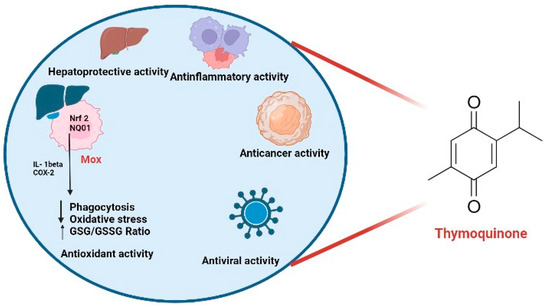
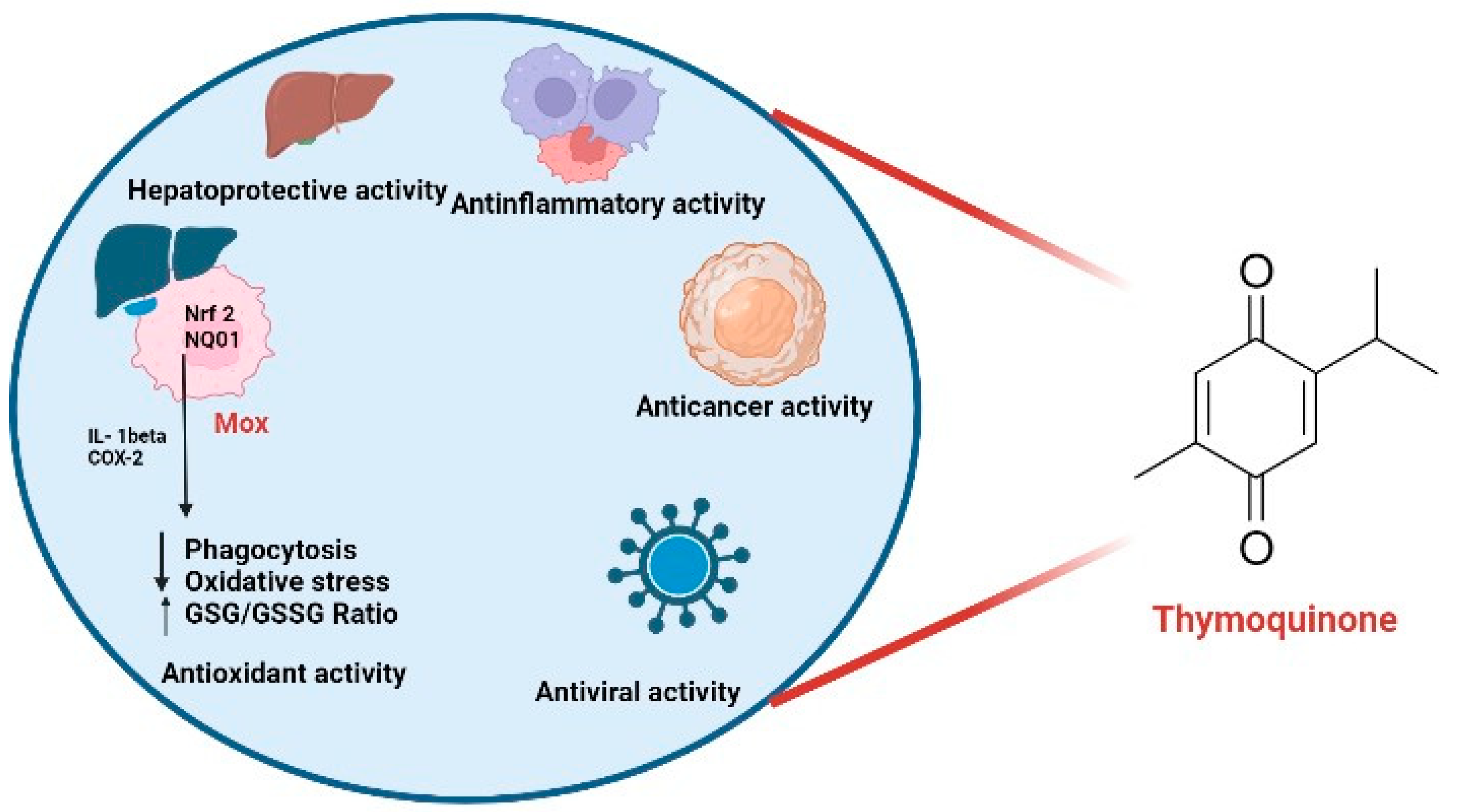
Viral infections are a global health challenge and SARS-COV-2 is the most recent addition to the list of global pandemic outbreaks [66]. Combating viral infections is a big challenge owing to the advent of new viral strains and a high level of genetic variability. These are often resistant to available drug inhibitors, and vaccines, and thus, the need for a new antiviral agent is always urgent and much required in the pharmaceutical market. For any agent to be a good antiviral agent, it should have an effective virucidal mechanism and a broad spectrum of activity against the viruses, and a good safety profile for the users [56]. Nature is a vast source of medicinal compounds derived from diverse organisms, such as plants, bacteria, and animals. However, plants are an essential source of phytochemicals. These phytochemicals have immense potential as medicinal and curative agents. The compendiums of their uses are mentioned in various traditional and alternative systems of medicine. TQ is one such multi-targeted wonder molecule from nature. The USFDA has classified Nigella oil as Generally Recognized as Safe [67]. TQ (2-isopropyl-5-methylbenzo-1,4-quinone) is the main active constituent of the N. sativa plant. The diverse therapeutic benefits of TQ viz. anti-inflammatory, antioxidant, anticancer, hepatoprotective, gastro-protective, antimicrobial, and anti-diabetic are well documented in both in-vitro and in-vivo. [68].
Despite being a wonder molecule of nature, TQ suffers from challenges related to poor biopharmaceutical characteristics and photo-instability. This hinders the potential of TQ, and it has not yet advanced to the clinical trial phase. TQ is a highly hydrophobic agent that has poor aqueous solubility issues [69]. The highly thermolabile nature of TQ, lack of quantification methods in blood and tissues, high hydrophobicity, and high lipophilicity (Log P = 2.54) causes poor formulation characteristics [70]. It is difficult to formulate TQ into formulations (tablets and capsules). In general, the use of herbal drugs in pharmaceutical research and development (R&D) is increasing exponentially in past few decades. The key benefits when utilizing natural prodrugs are that they are stable, economical, and have flexible properties; nevertheless, their main drawbacks include moderate water-solubility, poor oral bioavailability, limited half-life, and non-specific targeting problems. Nanotechnology provides a wide variety of potential solutions to tackle these challenges [71].
8. Advancements in the Field
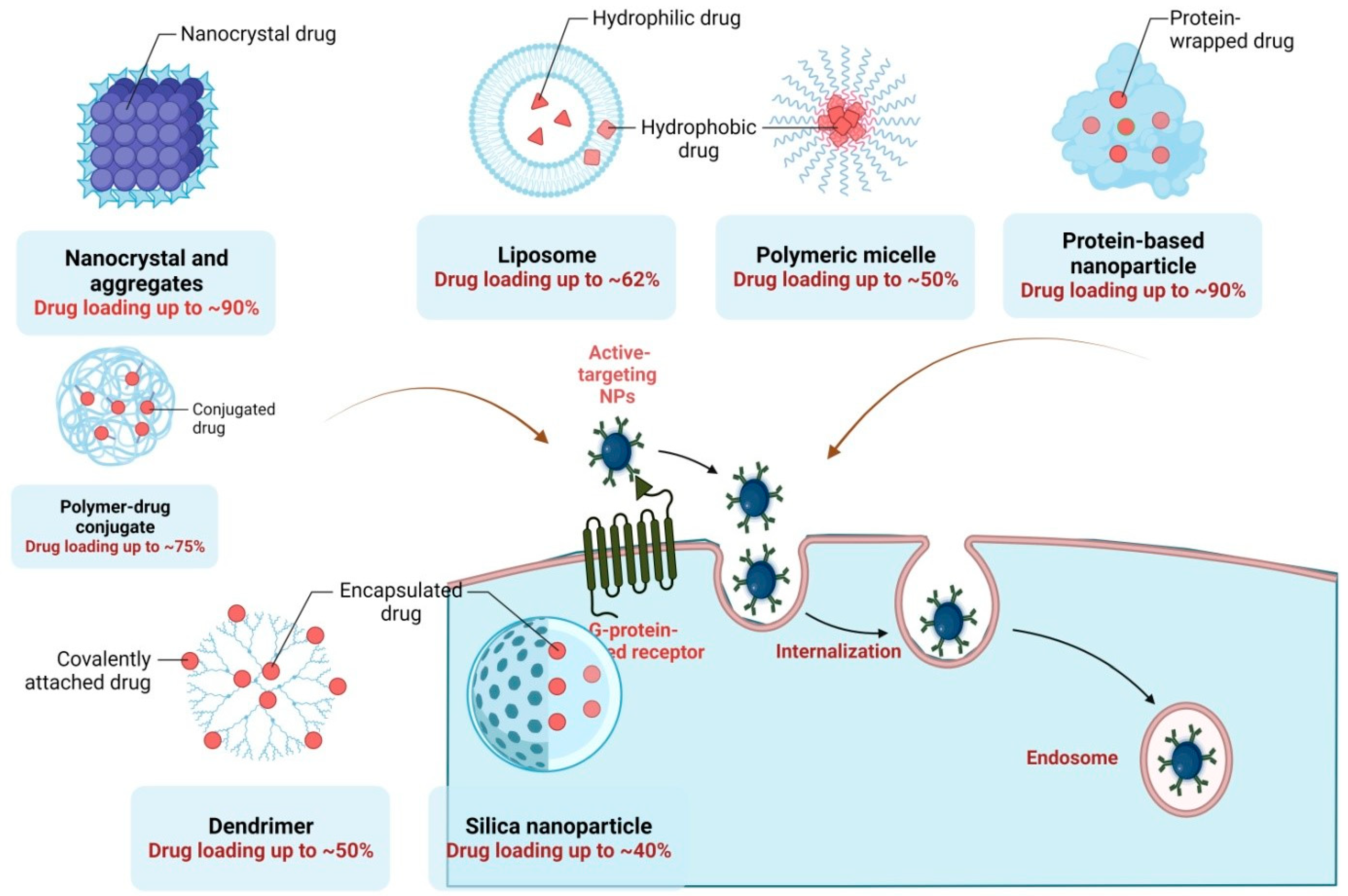
TQ is a phytochemical agent that can be used to cure several diseases. The main bioactive compound found in the N. sativa plant, TQ, is connected to most of the plant’s biological activities such as anti-cancer, anti-viral, and antioxidant activities and many more [101]. However, because of its low aqueous solubility and bioavailability, it has become difficult to use. TQ’s poor water solubility is one of the issues that limits its therapeutic efficiency. At room temperature, the solubility of TQ in water was found to be 1.0 mg/mL, so higher doses of TQ were required to achieve a therapeutic effect [84,88]. TQ has a poor dissolution rate and low water solubility, rendering it unsuitable for oral administration due to its low bioavailability. TQ’s biopharmaceutical problems restrict its use as an ideal drug candidate for oral administration, such as its pH instability, photo-degradability, high hydrophobicity, high first-pass metabolism, and poor systemic bioavailability. TQ has weak formulation properties due to its hydrophobic chemical nature. It has poor membrane penetration in humans [110]. The use of curcumin (CUR) and thymohydroquinone (THQ) in conjunction may have a more significant therapeutic benefit [102,111]. CUR and THQ have been shown to exhibit significant effects even low doses [112]. Temperature and light are two environmental variables that influence TQ. The use of nanoliposomes or nanoscale bilayer lipid vesicles may be a solution to these problems. Nanoliposomes distribute therapeutic agents in a controlled way, at the right time and in the right place. Nanoliposomes are smart drug delivery systems with a high biocompatibility index as they are composed of lipids and phospholipids. They have a greater surface area, and a good stability profile, nanometric size, and amphiphilic nature to entrap both hydrophilic and hydrophobic drugs simultaneously for combined effects. Regardless of their solubility, they improve the encapsulated material’s potency and cellular absorption. Nanoliposomes revolutionize reactive, volatile, or responsive molecules into stable ingredients [20].
9. Future Prospects
The future prospects for nano-formulations of thymoquinone (TQ) as a potent natural antiviral agent are promising. With various ongoing viral infections, there is an urgent need for effective antiviral drugs, and TQ has shown potential for use in the treatment of viral infections. Nano-formulations of TQ can further enhance its pharmacokinetic and bioavailability properties, leading to improved antiviral activity and potentially better clinical outcomes. One area of future research could be the development of targeted nano-formulations of TQ [79,80]. Targeted nano-formulations can selectively deliver TQ to the site of viral infection, resulting in higher concentrations of the drug at the target site, potentially reducing the risk of side effects. Targeted nano-formulations can also improve the therapeutic index of TQ, allowing for higher doses to be administered without toxicity. Another area of future research could be the investigation of combination therapy using TQ and other antiviral agents. Nano-formulations of TQ could be combined with other antiviral drugs to enhance their efficacy and reduce the risk of drug resistance. For example, TQ has been shown to enhance the antiviral activity of ribavirin against HCV, and nano-formulations of TQ could potentially improve the efficacy of other antiviral drugs against a range of viral infections. In summary, the future prospects for nano-formulations of TQ as a potent natural antiviral agent are promising, and further research in this area could lead to the development of more effective treatments for viral infections.
10. Conclusions
TQ-derived from N. sativa has been used as a traditional medicine for thousands of years, and its wide range of medicinal applications in various ailments has resulted in researchers exploring its biological active compounds. TQ may play a potential role in the treatment of various diseases including viral infections, as a result of its immunomodulatory, anti-inflammatory, and anticancer effects. Currently, different types of viral diseases have spread in the community; among these, some have presented serious global threats. In this regard, TQ obtained from N. sativa might be a promising natural alternative to cure viral infections, particularly against SARS-CoV-2, due to its antiviral action. It has the potential of binding SARS-CoV-2 and has the potential to disrupt virus–host interactions. The antiviral action of TQ is illustrated by it modulating the production of NO and ROS and reducing a cytokine storm. However, it is difficult to formulate TQ into formulations such as tablets and capsules. There is an urgent need to search for a substitute that could produce a superior outcome and that is easy to formulate. Consequently, nano-formulation is an alternate approach to achieve a better antiviral efficacy and improve bioavailability. Furthermore, studies and clinical trials are being conducted to discover antiviral and immunomodulatory activities that could be a promising potential approach for treating SARS-COV-2 and other viral diseases.
Funding
This research was funded by the Deputyship for Research and Innovation, Ministry of Education, in Saudi Arabia through project number ISP22-9.
Institutional Review Board Statement
Not applicable.
Informed Consent Statement
Not applicable.
Data Availability Statement
Not applicable.
Acknowledgments
The authors extend their appreciation to the Deputyship for Research and Innovation, Ministry of Education, in Saudi Arabia, for funding this research work through project number ISP22-9.
Conflicts of Interest
The authors declare no conflict of interest.
Sample Availability
Not applicable.
References
- Adnan, M.; Xiao, B.; Xiao, P.; Zhao, P.; Bibi, S. Heavy metal, waste, COVID-19, and rapid industrialization in this modern era—Fit for sustainable future. Sustainability 2022, 14, 4746. [Google Scholar] [CrossRef] [Scilit]
- Koonin, E.V.; Dolja, V.V.; Krupovic, M. The logic of virus evolution. Cell Host Microbe 2022, 30, 917–929. [Google Scholar] [CrossRef] [Scilit] [PubMed]
- Chauhan, R.P.; Dessie, Z.G.; Noreddin, A.; El Zowalaty, M.E. Systematic review of important viral diseases in Africa in light of the ‘one health’concept. Pathogens 2020, 9, 301. [Google Scholar] [CrossRef] [Scilit] [PubMed]
- Sathiyaraj, G.; Vaithyasubramanian, S. A study on contagious viruses based on mortality of statistical data of pandemic. AIP Conf. Proc. 2022, 2516, 340013. [Google Scholar]
- Amber, R.; Adnan, M.; Tariq, A.; Mussarat, S. A review on antiviral activity of the Himalayan medicinal plants traditionally used to treat bronchitis and related symptoms. J. Pharm. Pharmacol. 2017, 69, 109–122. [Google Scholar] [CrossRef] [Scilit] [PubMed]
- Salem, M.L.; Hossain, M.S. Protective effect of black seed oil from Nigella sativa against murine cytomegalovirus infection. Int. J. Immunopharmacol. 2000, 22, 729–740. [Google Scholar] [CrossRef] [Scilit]
- Goharshadi, E.K.; Goharshadi, K.; Moghayedi, M. The use of nanotechnology in the fight against viruses: A critical review. Coord. Chem. Rev. 2022, 464, 214559. [Google Scholar] [CrossRef] [Scilit]
- Wang, X.; Liu, Z. Prevention and treatment of viral respiratory infections by traditional Chinese herbs. Chin. Med. J. 2014, 127, 1344–1350. [Google Scholar]
- Adamson, C.S.; Chibale, K.; Goss, R.J.; Jaspars, M.; Newman, D.J.; Dorrington, R.A. Antiviral drug discovery: Preparing for the next pandemic. Chem. Soc. Rev. 2021, 50, 3647–3655. [Google Scholar] [CrossRef] [Scilit]
- Friedrich, M. WHO’s top health threats for 2019. JAMA 2019, 321, 1041. [Google Scholar] [CrossRef] [Scilit]
- Ahmad, M.F.; Wahab, S.; Ahmad, F.A.; Alam, M.I.; Ather, H.; Siddiqua, A.; Ashraf, S.A.; Shaphe, M.A.; Khan, M.I.; Beg, R.A. A novel perspective approach to explore pros and cons of face mask in prevention the spread of SARS-CoV-2 and other pathogens. Saudi Pharm. J. 2021, 29, 121–133. [Google Scholar] [CrossRef] [Scilit] [PubMed]
- Shoaib, A.; Azmi, L.; Shukla, I.; Alqahtani, S.S.; Alsarra, I.A.; Shakeel, F. Properties of ethnomedicinal plants and their bioactive compounds: Possible use for COVID-19 prevention and treatment. Curr. Pharm. Des. 2021, 27, 1579–1587. [Google Scholar] [CrossRef] [Scilit] [PubMed]
- Ikram, M.; Beshbishy, A.M.; Kifayatullah, M.; Olukanni, A.; Zahoor, M.; Naeem, M.; Amin, M.; Shah, M.; Abdelaziz, A.S.; Ullah, R.; et al. Chemotherapeutic Potential of Carthamus Oxycantha Root Extract as Antidiarrheal and In Vitro Antibacterial Activities. Antibiotics 2020, 9, 226. [Google Scholar] [CrossRef] [Scilit] [PubMed]
- Singh, P.A.; Bajwa, N.; Baldi, A. Possible role of traditional systems of medicine to manage COVID-19: A review. Isr. J. Plant Sci. 2021, 68, 3–28. [Google Scholar] [CrossRef] [Scilit]
- Batiha, G.E.-S.; Beshbishy, A.M.; Ikram, M.; Mulla, Z.S.; El-Hack, M.E.A.; Taha, A.E.; Algammal, A.M.; Elewa, Y.H.A. The Pharmacological Activity, Biochemical Properties, and Pharmacokinetics of the Major Natural Polyphenolic Flavonoid: Quercetin. Foods 2020, 9, 374. [Google Scholar] [CrossRef] [Scilit]
- Kooti, W.; Hasanzadeh-Noohi, Z.; Sharafi-Ahvazi, N.; Asadi-Samani, M.; Ashtary-Larky, D. Phytochemistry, pharmacology, and therapeutic uses of black seed (Nigella sativa). Chin. J. Nat. Med. 2016, 14, 732–745. [Google Scholar] [CrossRef] [Scilit]
- Ahmad, M.F.; Ahmad, F.A.; Azad, Z.; Ahmad, A.; Alam, M.I.; Ansari, J.A.; Panda, B.P. Edible mushrooms as health promoting agent. Adv. Sci. Focus 2013, 1, 189–196. [Google Scholar] [CrossRef] [Scilit]
- Majdalawieh, A.F.; Fayyad, M.W. Immunomodulatory and anti-inflammatory action of Nigella sativa and thymoquinone: A comprehensive review. Int. Immunopharmacol. 2015, 28, 295–304. [Google Scholar] [CrossRef] [Scilit]
- Barrett, B.; Kiefer, D.; Rabago, D. Assessing the risks and benefits of herbal medicine: An overview of scientific evidence. Altern. Ther. Health Med. 1999, 5, 40. [Google Scholar]
- Odeh, F.; Ismail, S. Liposomal Formulations Comprising Thymoquinone and Taxane, and Method of Treating Cancer Using Same. WO2016005786A1, 14 January 2016. [Google Scholar]
- Ahmad, M.F.; Ahmad, F.A.; Ashraf, S.A.; Saad, H.H.; Wahab, S.; Khan, M.I.; Ali, M.; Mohan, S.; Hakeem, K.R.; Athar, M.T. An updated knowledge of Black seed (Nigella sativa Linn.): Review of phytochemical constituents and pharmacological properties. J. Herb. Med. 2021, 25, 100404. [Google Scholar] [CrossRef] [Scilit]
- Yimer, E.M.; Tuem, K.B.; Karim, A.; Ur-Rehman, N.; Anwar, F. Nigella sativa L. (black cumin): A promising natural remedy for wide range of illnesses. Evid.-Based Complement. Altern. Med. 2019, 2019, 1528635. [Google Scholar] [CrossRef] [Scilit]
- Tavakkoli, A.; Ahmadi, A.; Razavi, B.M.; Hosseinzadeh, H. Black seed (Nigella sativa) and its constituent thymoquinone as an antidote or a protective agent against natural or chemical toxicities. Iran. J. Pharm. Res. IJPR 2017, 16, 2. [Google Scholar]
- Barakat, E.M.F.; El Wakeel, L.M.; Hagag, R.S. Effects of Nigella sativa on outcome of hepatitis C in Egypt. World J. Gastroenterol. WJG 2013, 19, 2529. [Google Scholar] [CrossRef] [Scilit] [PubMed]
- Onifade, A.A.; Jewell, A.P.; Adedeji, W.A. Nigella sativa concoction induced sustained seroreversion in HIV patient. Afr. J. Tradit. Complement. Altern. Med. 2013, 10, 332–335. [Google Scholar] [CrossRef] [Scilit] [PubMed]
- Onifade, A.A.; Jewell, A.; Okesina, A. Seronegative conversion of an HIV positive subject treated with Nigella sativa and honey. Afr. J. Infect. Dis. 2015, 9, 47–50. [Google Scholar] [CrossRef] [Scilit]
- Dajani, E.; Shahwan, T.; Dajani, N. Overview of the preclinical pharmacological properties of Nigella sativa (black seeds): A complementary drug with historical and clinical significance. J. Physiol. Pharm. 2016, 67, 801–817. [Google Scholar]
- Ahmed, S.I.; Jamil, S.; Ismatullah, H.; Hussain, R.; Bibi, S.; Khandaker, M.U.; Naveed, A.; Idris, A.M.; Emran, T.B. A Comprehensive Perspective of Traditional Arabic or Islamic Medicinal Plants as an Adjuvant Therapy against COVID-19. Saudi J. Biol. Sci. 2023, 30, 103561. [Google Scholar] [CrossRef] [Scilit]
- Theofilopoulos, A.N.; Baccala, R.; Beutler, B.; Kono, D.H. Type I interferons (α/β) in immunity and autoimmunity. Annu. Rev. Immunol. 2005, 23, 307–335. [Google Scholar] [CrossRef] [Scilit]
- Tal, M.C.; Sasai, M.; Lee, H.K.; Yordy, B.; Shadel, G.S.; Iwasaki, A. Absence of autophagy results in reactive oxygen species-dependent amplification of RLR signaling. Proc. Natl. Acad. Sci. USA 2009, 106, 2770–2775. [Google Scholar] [CrossRef] [Scilit]
- Akira, S.; Takeda, K.; Kaisho, T. Toll-like receptors: Critical proteins linking innate and acquired immunity. Nat. Immunol. 2001, 2, 675–680. [Google Scholar] [CrossRef] [Scilit]
- Schulz, O.; Diebold, S.S.; Chen, M.; Näslund, T.I.; Nolte, M.A.; Alexopoulou, L.; Azuma, Y.-T.; Flavell, R.A.; Liljeström, P.; Reis e Sousa, C. Toll-like receptor 3 promotes cross-priming to virus-infected cells. Nature 2005, 433, 887–892. [Google Scholar] [CrossRef] [Scilit] [PubMed]
- Rehermann, B. Hepatitis C virus versus innate and adaptive immune responses: A tale of coevolution and coexistence. J. Clin. Investig. 2009, 119, 1745–1754. [Google Scholar] [CrossRef] [Scilit] [PubMed]
- Catalfamo, M.; Karpova, T.; McNally, J.; Costes, S.V.; Lockett, S.J.; Bos, E.; Peters, P.J.; Henkart, P.A. Human CD8+ T cells store RANTES in a unique secretory compartment and release it rapidly after TcR stimulation. Immunity 2004, 20, 219–230. [Google Scholar] [CrossRef] [Scilit]
- Favre, D.; Lederer, S.; Kanwar, B.; Ma, Z.-M.; Proll, S.; Kasakow, Z.; Mold, J.; Swainson, L.; Barbour, J.D.; Baskin, C.R. Critical loss of the balance between Th17 and T regulatory cell populations in pathogenic SIV infection. PLoS Pathog. 2009, 5, e1000295. [Google Scholar] [CrossRef] [Scilit] [PubMed]
- Wang, L.; Xie, H.; Zheng, X.; Chen, J.; Zhang, S.; Wu, J. Recent advances and emerging trends in antiviral defense networking in rice. Crop J. 2021, 9, 553–563. [Google Scholar] [CrossRef] [Scilit]
- Ryan, P.M.; Caplice, N.M. Is adipose tissue a reservoir for viral spread, immune activation, and cytokine amplification in coronavirus disease 2019? Obesity 2020, 28, 1191–1194. [Google Scholar] [CrossRef] [Scilit]
- Farzi, R.; Aghbash, P.S.; Eslami, N.; Azadi, A.; Shamekh, A.; Hemmat, N.; Entezari-Maleki, T.; Baghi, H.B. The role of antigen-presenting cells in the pathogenesis of COVID-19. Pathol. Res. Pract. 2022, 233, 153848. [Google Scholar] [CrossRef] [Scilit]
- Ravetch, J. In vivo veritas: The surprising roles of Fc receptors in immunity. Nat. Immunol. 2010, 11, 183–185. [Google Scholar] [CrossRef] [Scilit]
- Brandstadter, J.D.; Yang, Y. Natural killer cell responses to viral infection. J. Innate Immun. 2011, 3, 274–279. [Google Scholar] [CrossRef] [Scilit]
- Lee, S.-H.; Miyagi, T.; Biron, C.A. Keeping NK cells in highly regulated antiviral warfare. Trends Immunol. 2007, 28, 252–259. [Google Scholar] [CrossRef] [Scilit]
- Iwasaki, A.; Medzhitov, R. Toll-like receptor control of the adaptive immune responses. Nat. Immunol. 2004, 5, 987–995. [Google Scholar] [CrossRef] [Scilit] [PubMed]
- Dalet, A.; Gatti, E.; Pierre, P. Integration of PKR-dependent translation inhibition with innate immunity is required for a coordinated anti-viral response. FEBS Lett. 2015, 589, 1539–1545. [Google Scholar] [CrossRef] [Scilit] [PubMed]
- Brooks, D.G.; Trifilo, M.J.; Edelmann, K.H.; Teyton, L.; McGavern, D.B.; Oldstone, M.B. Interleukin-10 determines viral clearance or persistence in vivo. Nat. Med. 2006, 12, 1301–1309. [Google Scholar] [CrossRef] [Scilit] [PubMed]
- Zaher, K.S.; Ahmed, W.; Zerizer, S.N. Observations on the biological effects of black cumin seed (Nigella sativa) and green tea (Camellia sinensis). Glob. Vet. 2008, 2, 198–204. [Google Scholar]
- Fröhlich, T.; Reiter, C.; Saeed, M.E.; Hutterer, C.; Hahn, F.; Leidenberger, M.; Friedrich, O.; Kappes, B.; Marschall, M.; Efferth, T. Synthesis of thymoquinone–artemisinin hybrids: New potent antileukemia, antiviral, and antimalarial agents. ACS Med. Chem. Lett. 2017, 9, 534–539. [Google Scholar]
- Karagöz, A.Ç.; Reiter, C.; Seo, E.-J.; Gruber, L.; Hahn, F.; Leidenberger, M.; Klein, V.; Hampel, F.; Friedrich, O.; Marschall, M. Access to new highly potent antileukemia, antiviral and antimalarial agents via hybridization of natural products (homo) egonol, thymoquinone and artemisinin. Bioorg. Med. Chem. 2018, 26, 3610–3618. [Google Scholar] [CrossRef] [Scilit] [PubMed]
- Umar, S.; Shah, M.; Munir, M.; Yaqoob, M.; Fiaz, M.; Anjum, S.; Kaboudi, K.; Bouzouaia, M.; Younus, M.; Nisa, Q. RETRACTED: Synergistic effects of thymoquinone and curcumin on immune response and anti-viral activity against avian influenza virus (H9N2) in turkeys. Poult. Sci. 2016, 95, 1513–1520. [Google Scholar] [CrossRef] [Scilit]
- Ulasli, M.; Gurses, S.A.; Bayraktar, R.; Yumrutas, O.; Oztuzcu, S.; Igci, M.; Igci, Y.Z.; Cakmak, E.A.; Arslan, A. The effects of Nigella sativa (Ns), Anthemis hyalina (Ah) and Citrus sinensis (Cs) extracts on the replication of coronavirus and the expression of TRP genes family. Mol. Biol. Rep. 2014, 41, 1703–1711. [Google Scholar] [CrossRef] [Scilit]
- Ahmad, S.; Abbasi, H.W.; Shahid, S.; Gul, S.; Abbasi, S.W. Molecular docking, simulation and MM-PBSA studies of nigella sativa compounds: A computational quest to identify potential natural antiviral for COVID-19 treatment. J. Biomol. Struct. Dyn. 2021, 39, 4225–4233. [Google Scholar] [CrossRef] [Scilit]
- Elfiky, A.A. Natural products may interfere with SARS-CoV-2 attachment to the host cell. J. Biomol. Struct. Dyn. 2021, 39, 3194–3203. [Google Scholar] [CrossRef] [Scilit]
- Mohammadabadi, M.; Mozafari, M. Enhanced efficacy and bioavailability of thymoquinone using nanoliposomal dosage form. J. Drug Deliv. Sci. Technol. 2018, 47, 445–453. [Google Scholar] [CrossRef] [Scilit]
- Alkharfy, K.M.; Ahmad, A.; Jan, B.L.; Raish, M. Thymoquinone reduces mortality and suppresses early acute inflammatory markers of sepsis in a mouse model. Biomed. Pharmacother. 2018, 98, 801–805. [Google Scholar] [CrossRef] [Scilit] [PubMed]
- Wahab, S.; Ahmad, I.; Irfan, S.; Ahmad, M.F.; Usmani, S.; Shoaib, A.; Ahmad, W. Hydrogel: An Encouraging Nanocarrier System for the Delivery of Herbal Bioactive Compounds. Curr. Nanosci. 2021, 17, 797–807. [Google Scholar] [CrossRef] [Scilit]
- Sommer, A.P.; Försterling, H.-D.; Naber, K.G. Thymoquinone: Shield and sword against SARS-CoV-2. Precis. Nanomed. 2020, 3, 541–548. [Google Scholar] [CrossRef] [Scilit]
- Liu, S.F.; Malik, A.B. NF-κB activation as a pathological mechanism of septic shock and inflammation. Am. J. Physiol. Lung Cell. Mol. Physiol. 2006, 290, L622–L645. [Google Scholar] [CrossRef] [Scilit]
- Bouchentouf, S.; Missoum, N. Identification of Compounds from Nigella Sativa as New Potential Inhibitors of 2019 Novel Coronasvirus (COVID-19): Molecular Docking Study. Available online: https://www.preprints.org/manuscript/202004.0079/v1 (accessed on 9 July 2023).
- Omar, S.; Bouziane, I.; Bouslama, Z.; Djemel, A. In-silico identification of potent inhibitors of COVID-19 main protease (Mpro) and angiotensin converting enzyme 2 (ACE2) from natural products: Quercetin, hispidulin, and cirsimaritin exhibited better potential inhibition than hydroxy-chloroquine against COVID-19 main protease active site and ACE2. ChemRxiv 2020. [Google Scholar] [CrossRef]
- Feng, Z.; Diao, B.; Wang, R.; Wang, G.; Wang, C.; Tan, Y.; Liu, L.; Wang, C.; Liu, Y.; Liu, Y. The novel severe acute respiratory syndrome coronavirus 2 (SARS-CoV-2) directly decimates human spleens and lymph nodes. medRxiv 2020. [Google Scholar] [CrossRef] [Scilit]
- Peterhans, E. Oxidants and antioxidants in viral diseases: Disease mechanisms and metabolic regulation. J. Nutr. 1997, 127, 962S–965S. [Google Scholar] [CrossRef] [Scilit]
- Islam, M.N.; Hossain, K.S.; Sarker, P.P.; Ferdous, J.; Hannan, M.A.; Rahman, M.M.; Chu, D.T.; Uddin, M.J. Revisiting pharmacological potentials of Nigella sativa seed: A promising option for COVID-19 prevention and cure. Phytother. Res. 2021, 35, 1329–1344. [Google Scholar] [CrossRef] [Scilit]
- Aqil, K.; Aslam, A.; Javeed, A.; Qayyum, R.; Yousaf, F.; Yasmeen, F.; Sohail, M.L.; Umar, S. In vitro antiviral activity of Nigella sativa against Peste des Petits Ruminants (PPR) virus. Pak. J. Zool. 2018, 50, 2223. [Google Scholar] [CrossRef] [Scilit]
- Seadawy, M.G.; Gad, A.F.; Elhoseny, M.; ELharty, B.E.; Shamel, M.; Elfiky, A.A.; Ahmed, A.; Zekri, A.R.N. In vitro: Natural compounds (Thymol, Carvacrol, Hesperidine, and Thymoquinone) against Sars-Cov2 strain isolated from Egyptian patients. bioRxiv 2020. [Google Scholar] [CrossRef] [Scilit]
- Baghdadi, H.B.; Al-Mathal, E.M. Anti-coccidial activity of Nigella sativa L. J. Food Agric. Environ. 2011, 9, 10–17. [Google Scholar]
- Kadil, Y.; Mouhcine, M.; Filali, H. In silico investigation of the SARS CoV2 protease with thymoquinone, the Major Constituent of Nigella Sativa. Curr. Drug Discov. Technol. 2021, 18, 570–573. [Google Scholar] [CrossRef] [Scilit] [PubMed]
- Ahsan, W.; Alhazmi, H.A.; Patel, K.S.; Mangla, B.; Al Bratty, M.; Javed, S.; Najmi, A.; Sultan, M.H.; Makeen, H.A.; Khalid, A. Recent Advancements in the diagnosis, prevention, and prospective drug therapy of COVID-19. Front. Public Health 2020, 8, 384. [Google Scholar] [CrossRef] [Scilit]
- Goyal, S.N.; Prajapati, C.P.; Gore, P.R.; Patil, C.R.; Mahajan, U.B.; Sharma, C.; Talla, S.P.; Ojha, S.K. Therapeutic potential and pharmaceutical development of thymoquinone: A multitargeted molecule of natural origin. Front. Pharmacol. 2017, 8, 656. [Google Scholar] [CrossRef] [Scilit]
- Negi, P.; Rathore, C.; Sharma, G.; Singh, B.; Katare, O.P. Thymoquinone a potential therapeutic molecule from the plant Nigella sativa: Role of colloidal carriers in its effective delivery. Recent Pat. Drug Deliv. Formul. 2018, 12, 3–22. [Google Scholar] [CrossRef] [Scilit]
- Rathore, C.; Rathbone, M.J.; Chellappan, D.K.; Tambuwala, M.M.; Pinto, T.D.J.A.; Dureja, H.; Hemrajani, C.; Gupta, G.; Dua, K.; Negi, P. Nanocarriers: More than tour de force for thymoquinone. Expert Opin. Drug Deliv. 2020, 17, 479–494. [Google Scholar] [CrossRef] [Scilit]
- Yaghmur, A.; Tran, B.V.; Moghimi, S.M. Non-lamellar liquid crystalline nanocarriers for thymoquinone encapsulation. Molecules 2019, 25, 16. [Google Scholar] [CrossRef] [Scilit]
- Ballout, F.; Habli, Z.; Rahal, O.N.; Fatfat, M.; Gali-Muhtasib, H. Thymoquinone-based nanotechnology for cancer therapy: Promises and challenges. Drug Discov. Today 2018, 23, 1089–1098. [Google Scholar] [CrossRef] [Scilit]
- Gurunathan, S.; Qasim, M.; Choi, Y.; Do, J.T.; Park, C.; Hong, K.; Kim, J.-H.; Song, H. Antiviral potential of nanoparticles—Can nanoparticles fight against coronaviruses? Nanomaterials 2020, 10, 1645. [Google Scholar] [CrossRef] [Scilit]
- Basak, S.; Packirisamy, G. Nano-based antiviral coatings to combat viral infections. Nano-Struct. Nano-Objects 2020, 24, 100620. [Google Scholar] [CrossRef] [Scilit]
- Kerry, R.G.; Malik, S.; Redda, Y.T.; Sahoo, S.; Patra, J.K.; Majhi, S. Nano-based approach to combat emerging viral (NIPAH virus) infection. Nanomed. Nanotechnol. Biol. Med. 2019, 18, 196–220. [Google Scholar] [CrossRef] [Scilit] [PubMed]
- Dung, T.T.N.; Nam, V.N.; Nhan, T.T.; Ngoc, T.T.B.; Minh, L.Q.; Nga, B.T.T.; Quang, D.V. Silver nanoparticles as potential antiviral agents against African swine fever virus. Mater. Res. Express 2020, 6, 1250g1259. [Google Scholar]
- Qin, T.; Ma, R.; Yin, Y.; Miao, X.; Chen, S.; Fan, K.; Xi, J.; Liu, Q.; Gu, Y.; Yin, Y. Catalytic inactivation of influenza virus by iron oxide nanozyme. Theranostics 2019, 9, 6920–6935. [Google Scholar] [CrossRef] [Scilit]
- Salleh, A.; Naomi, R.; Utami, N.D.; Mohammad, A.W.; Mahmoudi, E.; Mustafa, N.; Fauzi, M.B. The potential of silver nanoparticles for antiviral and antibacterial applications: A mechanism of action. Nanomaterials 2020, 10, 1566. [Google Scholar] [CrossRef] [Scilit]
- Maduray, K.; Parboosing, R. Metal nanoparticles: A promising treatment for viral and arboviral infections. Biol. Trace Elem. Res. 2021, 199, 3159–3176. [Google Scholar] [CrossRef] [Scilit]
- Yusuf, M.; Khan, M.; Alrobaian, M.M.; Alghamdi, S.A.; Warsi, M.H.; Sultana, S.; Khan, R.A. Brain targeted Polysorbate-80 coated PLGA thymoquinone nanoparticles for the treatment of Alzheimer’s disease, with biomechanistic insights. J. Drug Deliv. Sci. Technol. 2021, 61, 102214. [Google Scholar] [CrossRef] [Scilit]
- El-far, A.H.; Al Jaouni, S.K.; Li, W.; Mousa, S.A. Protective roles of thymoquinone nanoformulations: Potential nanonutraceuticals in human diseases. Nutrients 2018, 10, 1369. [Google Scholar] [CrossRef] [Scilit]
- Dewanjee, S.; Chakraborty, P.; Mukherjee, B.; De Feo, V. Plant-based antidiabetic nanoformulations: The emerging paradigm for effective therapy. Int. J. Mol. Sci. 2020, 21, 2217. [Google Scholar] [CrossRef] [Scilit]
- Shende, P.; Mallick, C. Nanonutraceuticals: A way towards modern therapeutics in healthcare. J. Drug Deliv. Sci. Technol. 2020, 58, 101838. [Google Scholar] [CrossRef] [Scilit]
- Odeh, F.; Ismail, S.I.; Abu-Dahab, R.; Mahmoud, I.S.; Al Bawab, A. Thymoquinone in liposomes: A study of loading efficiency and biological activity towards breast cancer. Drug Deliv. 2012, 19, 371–377. [Google Scholar] [CrossRef] [Scilit] [PubMed]
- Elmowafy, M.; Samy, A.; Raslan, M.A.; Salama, A.; Said, R.A.; Abdelaziz, A.E.; El-Eraky, W.; El Awdan, S.; Viitala, T. Enhancement of bioavailability and pharmacodynamic effects of thymoquinone via nanostructured lipid carrier (NLC) formulation. AAPS Pharmscitech 2016, 17, 663–672. [Google Scholar] [CrossRef] [Scilit] [PubMed]
- Kalam, M.A.; Raish, M.; Ahmed, A.; Alkharfy, K.M.; Mohsin, K.; Alshamsan, A.; Al-Jenoobi, F.I.; Al-Mohizea, A.M.; Shakeel, F. Oral bioavailability enhancement and hepatoprotective effects of thymoquinone by self-nanoemulsifying drug delivery system. Mater. Sci. Eng. C 2017, 76, 319–329. [Google Scholar] [CrossRef] [Scilit]
- Vignesh Kumar, S.K.; Renuka Devi, P.; Harish, S.; Hemananthan, E. Synthesis and characterisation of peg modified chitosan nanocapsules loaded with thymoquinone. IET Nanobiotechnol. 2017, 11, 104–112. [Google Scholar] [CrossRef] [Scilit]
- Goleva, T.; Rogov, A.; Korshunova, G.; Trendeleva, T.; Mamaev, D.; Aliverdieva, D.; Zvyagilskaya, R. SkQThy, a novel and promising mitochondria-targeted antioxidant. Mitochondrion 2019, 49, 206–216. [Google Scholar] [CrossRef] [Scilit]
- Al-Qubaisi, M.S.; Rasedee, A.; Flaifel, M.H.; Eid, E.E.; Hussein-Al-Ali, S.; Alhassan, F.H.; Salih, A.M.; Hussein, M.Z.; Zainal, Z.; Sani, D. Characterization of thymoquinone/hydroxypropyl-β-cyclodextrin inclusion complex: Application to anti-allergy properties. Eur. J. Pharm. Sci. 2019, 133, 167–182. [Google Scholar] [CrossRef] [Scilit] [PubMed]
- Zakarial Ansar, F.H.; Latifah, S.Y.; Wan Kamal, W.H.B.; Khong, K.C.; Ng, Y.; Foong, J.N.; Gopalsamy, B.; Ng, W.K.; How, C.W.; Ong, Y.S. Pharmacokinetics and biodistribution of thymoquinone-loaded nanostructured lipid carrier after oral and intravenous administration into rats. Int. J. Nanomed. 2020, 2020, 7703–7717. [Google Scholar] [CrossRef] [Scilit]
- Bergonzi, M.C.; Vasarri, M.; Marroncini, G.; Barletta, E.; Degl’Innocenti, D. Thymoquinone-loaded soluplus®-solutol® HS15 mixed micelles: Preparation, in vitro characterization, and effect on the SH-SY5Y cell migration. Molecules 2020, 25, 4707. [Google Scholar] [CrossRef] [Scilit]
- AbouAitah, K.; Lojkowski, W. Delivery of natural agents by means of mesoporous silica nanospheres as a promising anticancer strategy. Pharmaceutics 2021, 13, 143. [Google Scholar] [CrossRef] [Scilit]
- AbouAitah, K.; Swiderska-Sroda, A.; Kandeil, A.; Salman, A.M.; Wojnarowicz, J.; Ali, M.A.; Opalinska, A.; Gierlotka, S.; Ciach, T.; Lojkowski, W. Virucidal action against avian influenza H5N1 virus and immunomodulatory effects of nanoformulations consisting of mesoporous silica nanoparticles loaded with natural prodrugs. Int. J. Nanomed. 2020, 15, 5181–5202. [Google Scholar] [CrossRef] [Scilit]
- Rathore, C.; Upadhyay, N.; Kaundal, R.; Dwivedi, R.; Rahatekar, S.; John, A.; Dua, K.; Tambuwala, M.M.; Jain, S.; Chaudari, D. Enhanced oral bioavailability and hepatoprotective activity of thymoquinone in the form of phospholipidic nano-constructs. Expert Opin. Drug Deliv. 2020, 17, 237–253. [Google Scholar] [CrossRef] [Scilit] [PubMed]
- Alam, M.; Zameer, S.; Najmi, A.K.; Ahmad, F.J.; Imam, S.S.; Akhtar, M. Thymoquinone loaded solid lipid nanoparticles demonstrated antidepressant-like activity in rats via indoleamine 2, 3-dioxygenase pathway. Drug Res. 2020, 70, 206–213. [Google Scholar] [CrossRef] [Scilit]
- Zarrabi, A.; Alipoor Amro Abadi, M.; Khorasani, S.; Mohammadabadi, M.-R.; Jamshidi, A.; Torkaman, S.; Taghavi, E.; Mozafari, M.; Rasti, B. Nanoliposomes and tocosomes as multifunctional nanocarriers for the encapsulation of nutraceutical and dietary molecules. Molecules 2020, 25, 638. [Google Scholar] [CrossRef] [Scilit] [PubMed]
- Mehanna, M.M.; Sarieddine, R.; Alwattar, J.K.; Chouaib, R.; Gali-Muhtasib, H. Anticancer activity of thymoquinone cubic phase nanoparticles against human breast cancer: Formulation, cytotoxicity and subcellular localization. Int. J. Nanomed. 2020, 15, 9557–9570. [Google Scholar] [CrossRef] [Scilit] [PubMed]
- Shoaib, S.; Ansari, M.A.; Kandasamy, G.; Vasudevan, R.; Hani, U.; Chauhan, W.; Alhumaidi, M.S.; Altammar, K.A.; Azmi, S.; Ahmad, W. An Attention towards the Prophylactic and Therapeutic Options of Phytochemicals for SARS-CoV-2: A Molecular Insight. Molecules 2023, 28, 795. [Google Scholar] [CrossRef] [Scilit]
- Gamaleldin, M.; Nashat, S. Impact of Different Treatment Modalities on Immunity against COVID-19. 2020. Available online: https://osf.io/u56fc/ (accessed on 9 July 2023).
- Chaieb, K.; Kouidhi, B.; Jrah, H.; Mahdouani, K.; Bakhrouf, A. Antibacterial activity of Thymoquinone, an active principle of Nigella sativa and its potency to prevent bacterial biofilm formation. BMC Complement. Altern. Med. 2011, 11, 29. [Google Scholar] [CrossRef] [Scilit]
- Banerjee, S.; Kaseb, A.O.; Wang, Z.; Kong, D.; Mohammad, M.; Padhye, S.; Sarkar, F.H.; Mohammad, R.M. Antitumor activity of gemcitabine and oxaliplatin is augmented by thymoquinone in pancreatic cancer. Cancer Res. 2009, 69, 5575–5583. [Google Scholar] [CrossRef] [Scilit]
- Ahmad, A.; Husain, A.; Mujeeb, M.; Khan, S.A.; Najmi, A.K.; Siddique, N.A.; Damanhouri, Z.A.; Anwar, F. A review on therapeutic potential of Nigella sativa: A miracle herb. Asian Pac. J. Trop. Biomed. 2013, 3, 337–352. [Google Scholar] [CrossRef] [Scilit]
- Akhondian, J.; Kianifar, H.; Raoofziaee, M.; Moayedpour, A.; Toosi, M.B.; Khajedaluee, M. The effect of thymoquinone on intractable pediatric seizures (pilot study). Epilepsy Res. 2011, 93, 39–43. [Google Scholar] [CrossRef] [Scilit]
- Halwani, M.A.; Balkhy, H.H. Nano-Liposomal Aminoglycoside-Thymoquinone Formulations. WO2016061117, 21 April 2016.
- Greaves, J.A.; Narasimhamoorthy, B.; Srivastava, V.; Cloud, N.; Clark, D. Method for Production of Thymoquinone. US9745242B1, 29 August 2017. [Google Scholar]
- Kim, M.; Park, M.; Kim, T.; Lee, H. Pharmaceutical Composition for Treating or Preventing Neurological Disorders Caused by Alcohol Exposure during Pregnancy, Containing Metformin and/or Thymoquinone. WO2013172537A1, 21 November 2013. [Google Scholar]
- Available online: https://patents.google.com/patent/KR101493139B1/en (accessed on 9 July 2023).
- Available online: https://patents.google.com/patent/CN111000836B/en (accessed on 9 July 2023).
- Alkharfy, K.M.; Al-Daghri, N.M.; Al-Attas, O.S.; Alokail, M.S. Protective Effect of Thymoquinone in Sepsis. US8895625B2, 25 November 2014. Available online: https://patents.google.com/patent/US8895625B2/en (accessed on 9 July 2023).
- Crede, P. Compositions Comprising Thymoquinone for the Treatment of Inflammatory Diseases. 2013. Available online: https://patents.google.com/patent/WO2013030669A4/en?q=(Compositions+comprising+thymoquinone+for+the+treatment+of+inflammatory+diseases)&oq=Compositions+comprising+thymoquinone+for+the+treatment+of+inflammatory+diseases (accessed on 9 July 2023).
- Fahmy, H.M.; Khadrawy, Y.A.; Abd-El Daim, T.M.; Elfeky, A.S.; Abd Rabo, A.A.; Mustafa, A.B.; Mostafa, I.T. Thymoquinone-encapsulated chitosan nanoparticles coated with polysorbate 80 as a novel treatment agent in a reserpine-induced depression animal model. Physiol. Behav. 2020, 222, 112934. [Google Scholar] [CrossRef] [Scilit]
- Woo, C.C.; Kumar, A.P.; Sethi, G.; Tan, K.H.B. Thymoquinone: Potential cure for inflammatory disorders and cancer. Biochem. Pharmacol. 2012, 83, 443–451. [Google Scholar] [CrossRef] [Scilit] [PubMed]
- Decalf, J.; Tarbell, K.V.; Casrouge, A.; Price, J.D.; Linder, G.; Mottez, E.; Sultanik, P.; Mallet, V.; Pol, S.; Duffy, D. Inhibition of DPP 4 activity in humans establishes its in vivo role in CXCL 10 post-translational modification: Prospective placebo-controlled clinical studies. EMBO Mol. Med. 2016, 8, 679–683. [Google Scholar] [CrossRef] [Scilit] [PubMed]

Disclaimer/Publisher’s Note: The statements, opinions and data contained in all publications are solely those of the individual author(s) and contributor(s) and not of MDPI and/or the editor(s). MDPI and/or the editor(s) disclaim responsibility for any injury to people or property resulting from any ideas, methods, instructions or products referred to in the content. |
© 2023 by the authors. Licensee MDPI, Basel, Switzerland. This article is an open access article distributed under the terms and conditions of the Creative Commons Attribution (CC BY) license (https://creativecommons.org/licenses/by/4.0/).