



-
Enhancing Wide-Bandgap Triple-Halide Perovskites for Tandem Solar Cells by 0.5% Formate and Zn(II) Doping -
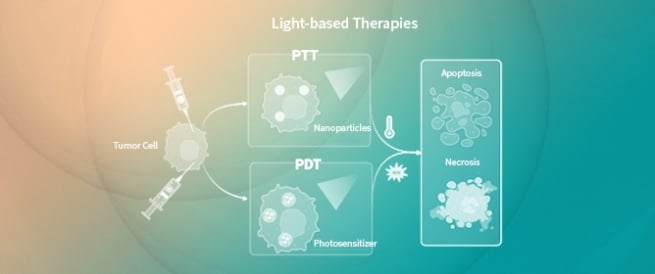
Targeting Triple-Negative Breast Cancer: A Special Focus on Phototherapy and Nanomaterials -
Classical Food Fermentations as Modern Biotechnological Platforms: Alcoholic, Acetic, Butyric, Lactic and Propionic Pathways and Applications -
Dietary Flavonoids as Cross-System Modulators of Hypertension and Intestinal Permeability -
Synthesis of BODIPY@MOFs as Hybrid Materials for Emerging Applications: A Review
Journal Description
Molecules
Molecules
is a leading international, peer-reviewed, open access journal of chemistry published semimonthly online by MDPI. The International Society of Nucleosides, Nucleotides & Nucleic Acids (IS3NA), Spanish Society of Medicinal Chemistry (SEQT) and International Society of Heterocyclic Chemistry (ISHC) are affiliated with Molecules and their members receive discounts on the article processing charges.
- Open Access— free for readers, with article processing charges (APC) paid by authors or their institutions.
- High Visibility: indexed within Scopus, SCIE (Web of Science), PubMed, MEDLINE, PMC, Reaxys, CaPlus / SciFinder, MarinLit, AGRIS, and other databases.
- Journal Rank: JCR - Q2 (Biochemistry and Molecular Biology) / CiteScore - Q1 (Organic Chemistry)
- Rapid Publication: manuscripts are peer-reviewed and a first decision is provided to authors approximately 15.1 days after submission; acceptance to publication is undertaken in 2.6 days (median values for papers published in this journal in the second half of 2025).
- Recognition of Reviewers: reviewers who provide timely, thorough peer-review reports receive vouchers entitling them to a discount on the APC of their next publication in any MDPI journal, in appreciation of the work done.
- Sections: published in 25 topical sections.
- Testimonials: See what our editors and authors say about Molecules.
- Companion journal: Foundations.
- Journal Cluster of Chemical Reactions and Catalysis: Catalysts, Chemistry, Electrochem, Inorganics, Molecules, Organics, Oxygen, Photochem, Reactions, Sustainable Chemistry.
Impact Factor:
4.6 (2024);
5-Year Impact Factor:
5.0 (2024)
Latest Articles
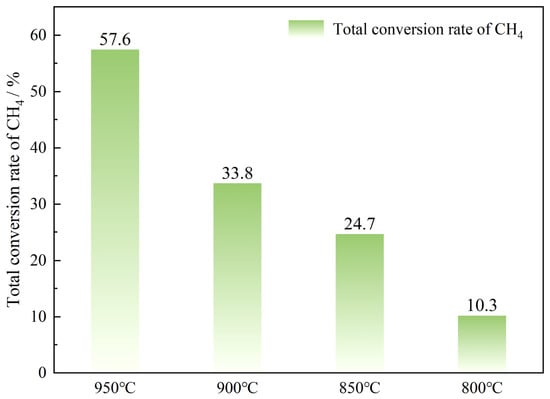
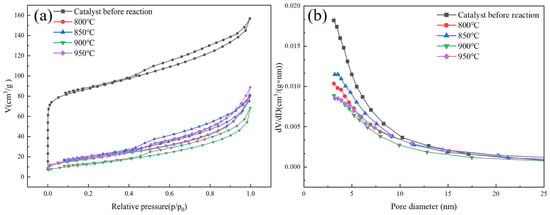
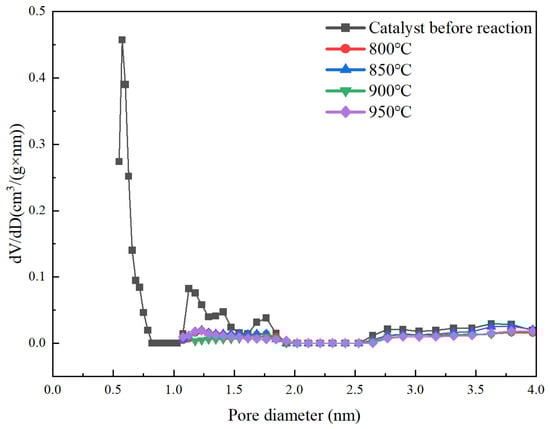
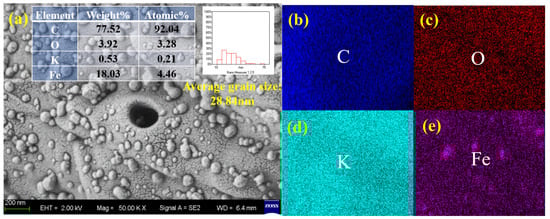
Study on the Effect of Temperature on Methane Catalytic Cracking over Biochar-Supported Fe
Molecules 2026, 31(9), 1479; https://doi.org/10.3390/molecules31091479 (registering DOI) - 29 Apr 2026
Abstract
To achieve carbon neutrality, increasing efforts have been devoted to the clean utilization of fossil fuels. This study investigates the effect of reaction temperature on methane catalytic cracking over a biochar-supported iron catalyst. Corn stalks were heated to make biochar which was used
[...] Read more.
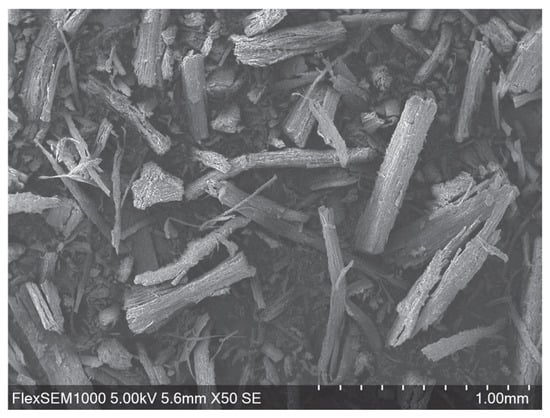
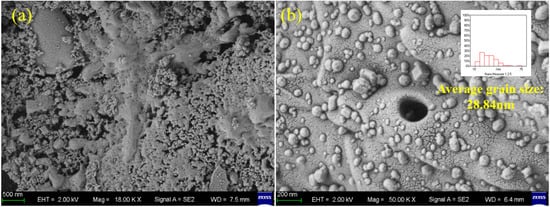
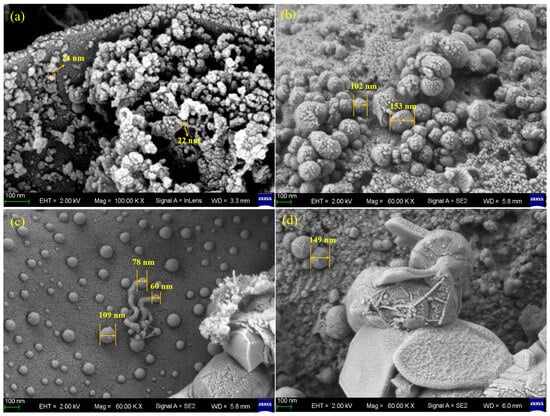
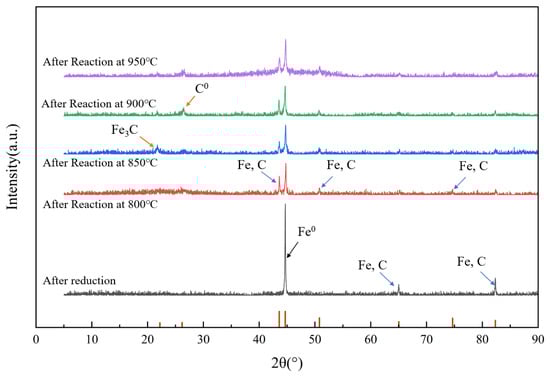
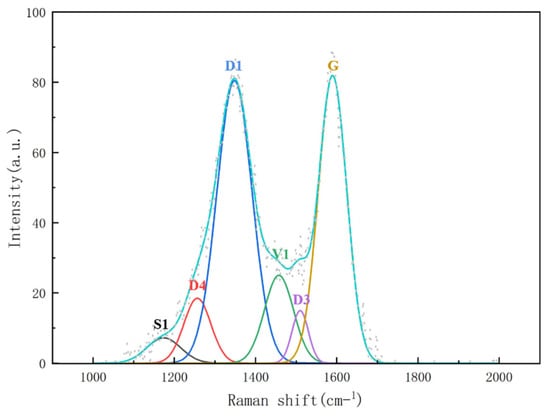
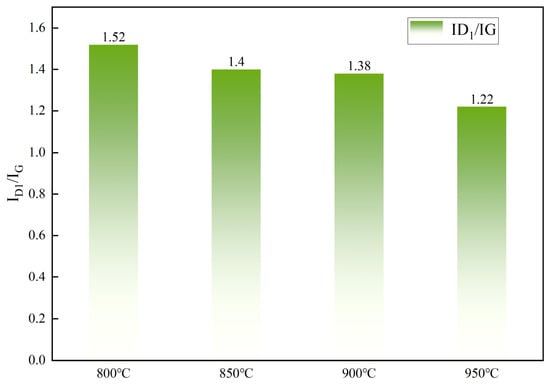
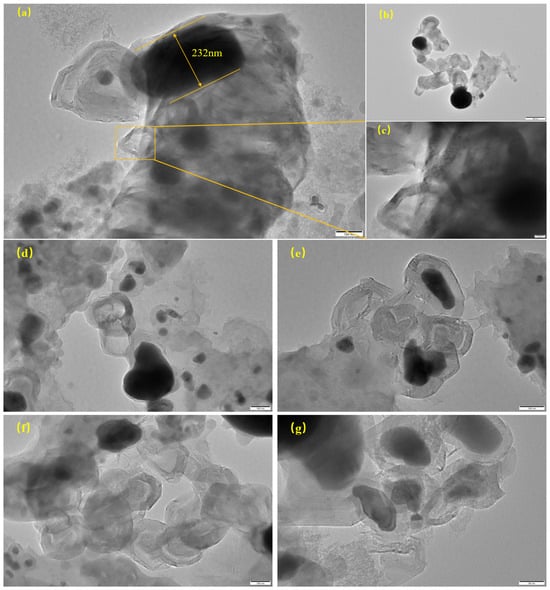
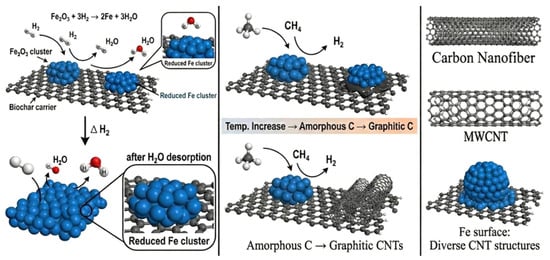
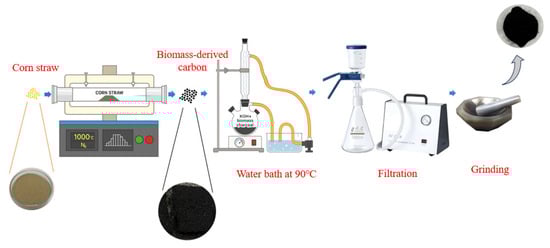
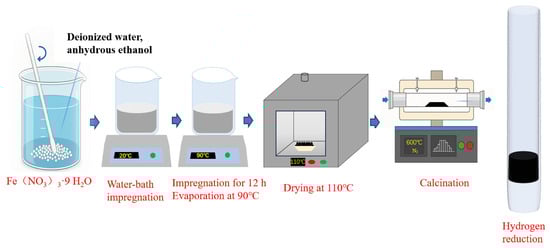
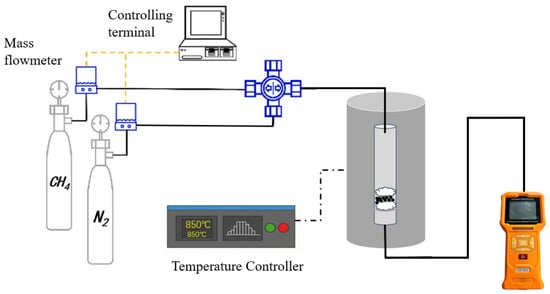
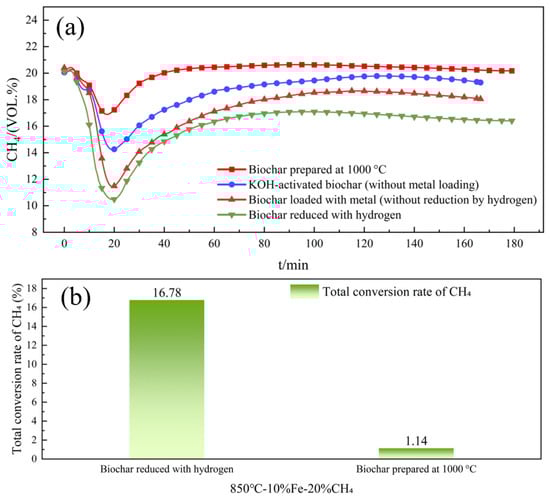
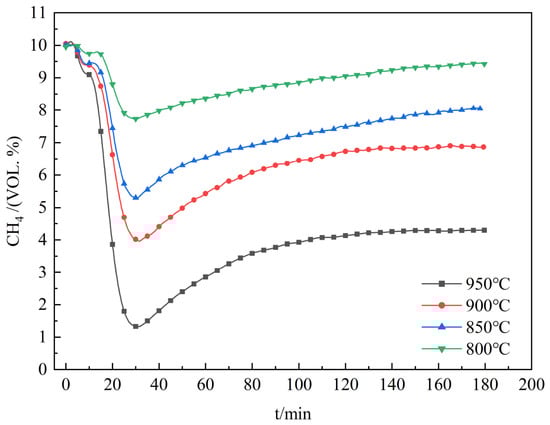
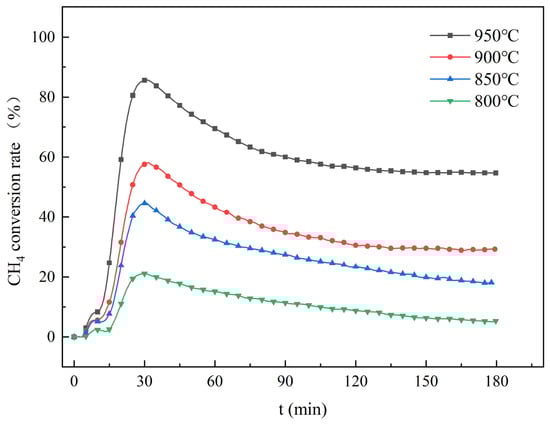
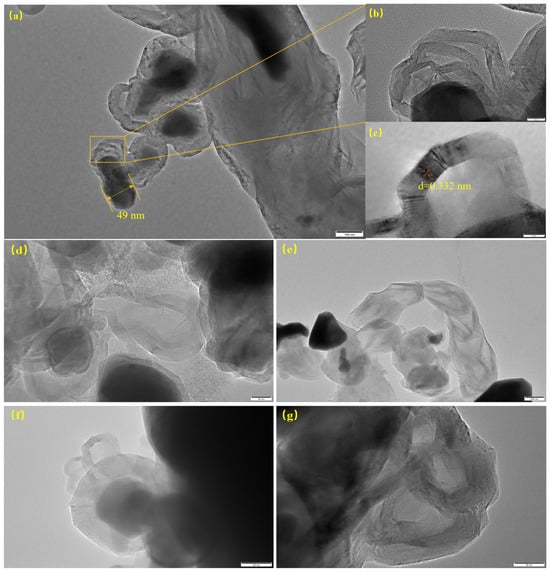
To achieve carbon neutrality, increasing efforts have been devoted to the clean utilization of fossil fuels. This study investigates the effect of reaction temperature on methane catalytic cracking over a biochar-supported iron catalyst. Corn stalks were heated to make biochar which was used as the carrier. To obtain biochar with a high specific surface area and well-developed porous structure, chemical activation was employed. The catalyst was made by adding iron to the biochar using the soaking method. This iron biochar catalyst is used to study its effectiveness in catalyzing methane cracking. The biochar-supported Fe catalyst was studied for its effectiveness in catalyzing methane cracking at different temperatures (800–950 °C). The results indicate that a higher temperature favors methane conversion in terms of reaction efficiency and cumulative conversion levels. At 950 °C, the catalyst exhibits the best performance, with a peak conversion rate of up to 85%, and it can still maintain a stable conversion rate of around 55% after prolonged reaction, yielding the total conversion of 57.6%. Raising the temperature can significantly promote the transformation of solid-phase products from highly blocking amorphous carbon to more ordered graphitized carbon. In addition, the reacted catalyst shows a remarkably reduced specific surface area, the disappearance of micropores, and a considerable increase in average pore size. Carbon nanotubes with various diameters and morphologies were formed on the catalyst surface.
Full article
(This article belongs to the Special Issue Renewable Energy, Fuels and Chemicals from Biomass, 2nd Edition)
►
Show Figures
Open AccessArticle
Comparative Antioxidant Profiling of Phenolic Acids and Flavonoids: Assay-Resolved Structure–Activity Relationships Under Harmonized In Vitro Conditions
by
Zafer Ömer Özdemir, Merve Soy, Sibel Ataseven, Ayşenur Özer and Mahfuz Elmastaş
Molecules 2026, 31(9), 1478; https://doi.org/10.3390/molecules31091478 (registering DOI) - 29 Apr 2026
Abstract
Phenolic acids and flavonoids remain attractive redox-active scaffolds in medicinal chemistry, where they are widely used for early-stage prioritization and intrinsic reactivity ranking. However, direct comparisons under harmonized conditions remain scarce, limiting structure-based assessment. Here, a structurally diverse panel of hydroxybenzoic acids, hydroxycinnamic
[...] Read more.
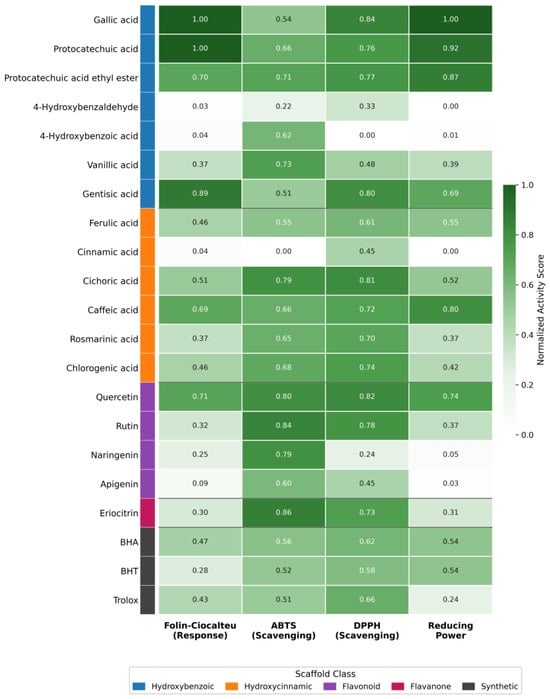
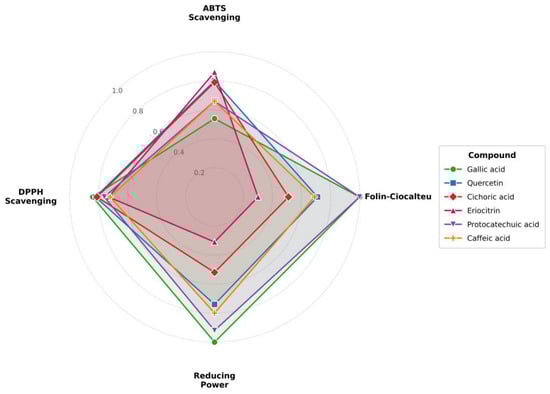
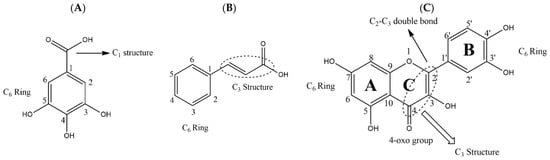
Phenolic acids and flavonoids remain attractive redox-active scaffolds in medicinal chemistry, where they are widely used for early-stage prioritization and intrinsic reactivity ranking. However, direct comparisons under harmonized conditions remain scarce, limiting structure-based assessment. Here, a structurally diverse panel of hydroxybenzoic acids, hydroxycinnamic acids, flavonoids, a flavanone, and synthetic comparators was profiled using Folin–Ciocalteu response, ABTS radical cation scavenging, DPPH radical scavenging, and reducing power assays. The data reveal pronounced assay dependence alongside clear structure–activity trends. Gallic acid showed the strongest DPPH scavenging (half-maximal inhibitory concentration, IC50 = 4.45 µmol/L) and reducing power (17.26 µmol TE/mg), while quercetin was consistently active across all four endpoints. Eriocitrin (IC50 = 2.47 µmol/L) and rutin (IC50 = 2.66 µmol/L) were particularly effective in the ABTS assay, showing that glycosylation does not abolish cation-radical scavenging. Lipinski’s Rule of Five and Veber oral-bioavailability criteria place these findings within a drug-likeness context. The results also highlight the limitations of the Folin–Ciocalteu assay as a standalone measure of total phenolic content, since its response depends strongly on hydroxylation density. Rather than asserting therapeutic efficacy, this work provides a harmonized comparative dataset identifying phenolic substructures with the strongest and most consistent redox activity, together with the structural drivers underlying these patterns.
Full article
(This article belongs to the Special Issue Organic Molecules in Drug Discovery and Development)
►▼
Show Figures

Figure 1
Open AccessReview
Traditional Uses, Phytochemicals, Biological Activities, and Biotechnological Applications of Serjania Species: A Review of Current Knowledge and Future Prospects
by
Ana Belem Rubio-García, Cecilia Guadalupe de Loza-García, Jorge Manuel Silva-Jara, Napoleón González-Silva, Luis Antonio Ramirez-Contreras, Zuamí Villagran, Omar Graciano-Machuca, Jessica del Pilar Ramírez-Anaya, Fernando Martínez-Esquivias and Luis Miguel Anaya-Esparza
Molecules 2026, 31(9), 1477; https://doi.org/10.3390/molecules31091477 (registering DOI) - 29 Apr 2026
Abstract
The genus Serjania (family Sapindaceae) comprises more than 240 species, primarily distributed in Brazil and Mexico, and it exhibits considerable ethnobotanical and therapeutic potential. Ethnobotanical evidence documents the widespread use of decoctions prepared from the leaves, stems, and roots of Serjania species for
[...] Read more.
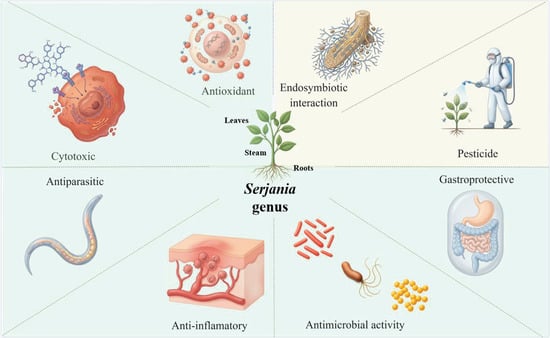
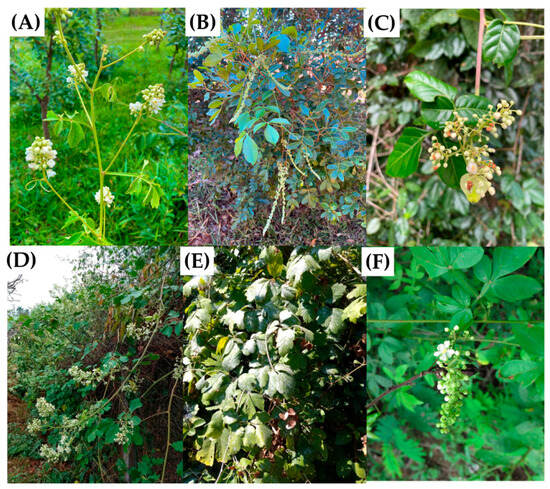
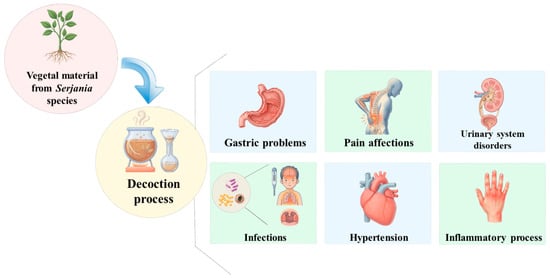
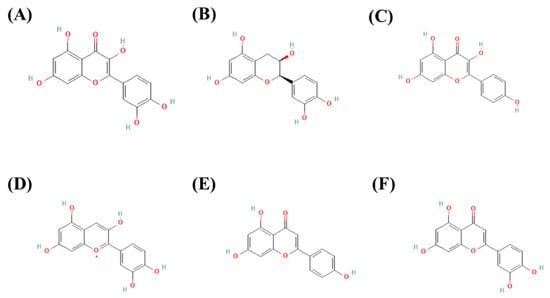
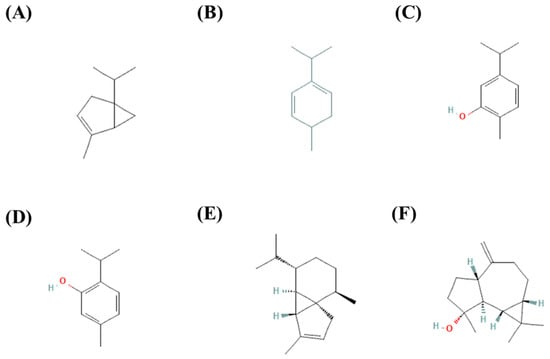
The genus Serjania (family Sapindaceae) comprises more than 240 species, primarily distributed in Brazil and Mexico, and it exhibits considerable ethnobotanical and therapeutic potential. Ethnobotanical evidence documents the widespread use of decoctions prepared from the leaves, stems, and roots of Serjania species for the treatment of gastrointestinal disorders, renal pain, inflammatory conditions, and infections. Among the most extensively studied species are S. marginata, S. erecta, S. lethalis, S. caracasana, S. goniocarpa, S. schiedeana, S. yucatenensis, S. triquetra, and S. racemose. Phytochemical research has identified a diverse array of bioactive secondary metabolites, including saponins, flavonoids, phenolic acids, tannins, and terpenoids. Significant experimental evidence supports the broad spectrum of biological activities of these Serjania species, including antimicrobial, anti-inflammatory, antioxidant, gastroprotective, antihypertensive, analgesic, antivenom, cytotoxic, antimutagenic, anti-ulcer, photoprotective, antiparasitic, and vasorelaxant effects, as demonstrated in both in vitro and in vivo models. Although preliminary toxicity assessments of extracts from some Serjania species in murine models, Oreochromis niloticus (Nile tilapia), and Artemia salina suggest a favorable safety profile, significant research gaps remain. Additionally, several Serjania species have shown potential as natural pesticides and bioherbicides, highlighting their relevance in agricultural applications. Future studies should prioritize the isolation and structural characterization of individual bioactive compounds, as well as the elucidation of their molecular mechanisms of action, moving beyond crude extract-based screening approaches. Overall, this review summarizes current knowledge on traditional uses, phytochemical composition, biological activities, and biotechnological applications of Serjania species.
Full article
(This article belongs to the Special Issue Natural Products and Microbiology in Human Health, 2nd Edition)
►▼
Show Figures

Graphical abstract
Open AccessArticle
Antibiotic-Free Expression of γ-Glutamyl Transpeptidase in Bacillus subtilis and Process Optimization for L-Theanine Separation and Purification
by
Ran Zhang, Bo Jiang, Ziqun Xiao and Longbei Xiang
Molecules 2026, 31(9), 1476; https://doi.org/10.3390/molecules31091476 (registering DOI) - 29 Apr 2026
Abstract
L-theanine is a characteristic non-proteinogenic amino acid found in tea leaves and has attracted considerable attention because of its diverse physiological activity and broad application prospects. γ-glutamyl transpeptidase (GGT) can catalyze the synthesis of L-theanine from L-glutamine and ethylamine without ATP consumption, highlighting
[...] Read more.
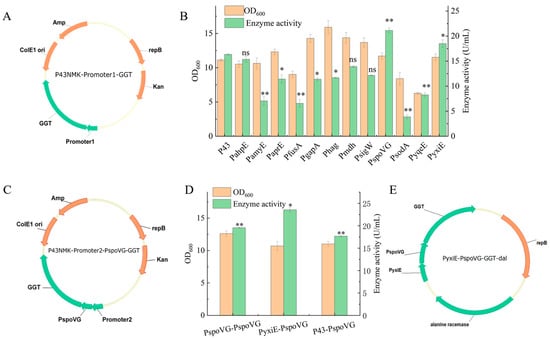
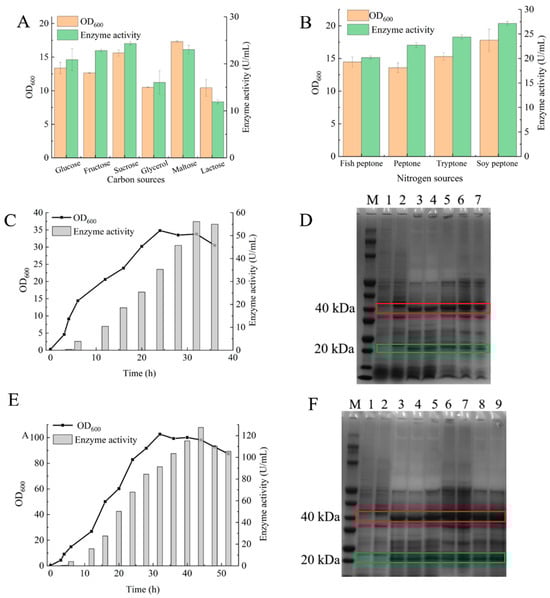
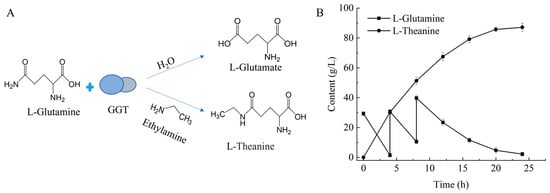
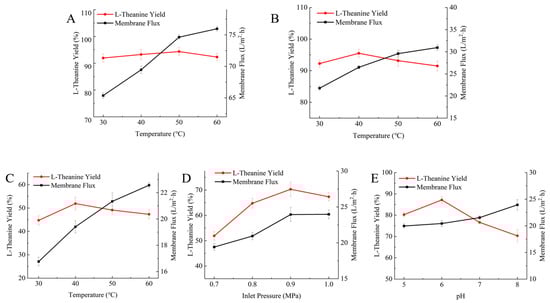
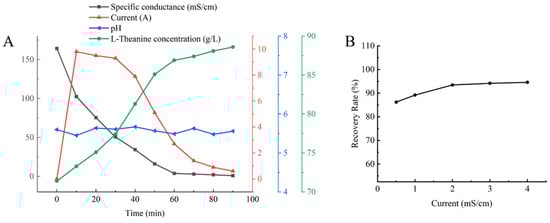
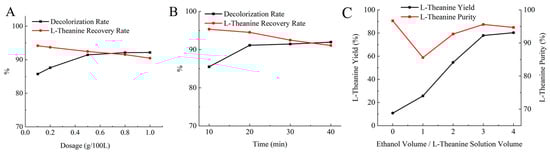
L-theanine is a characteristic non-proteinogenic amino acid found in tea leaves and has attracted considerable attention because of its diverse physiological activity and broad application prospects. γ-glutamyl transpeptidase (GGT) can catalyze the synthesis of L-theanine from L-glutamine and ethylamine without ATP consumption, highlighting its advantages for enzymatic production. In this study, a complete process was established for L-theanine production. Through screening of single and dual promoters, the optimal expression combination, PyxiE-PspoVG, was identified. Furthermore, by integrating the dal selection marker, an antibiotic-free engineered strain was developed. After flask-level optimization, the GGT activity reached 27.32 U/mL and further increased to 127.37 U/mL in 3 L fed-batch fermentation. Using the fermentation broth as the biocatalyst, fed-batch conversion of 0.6 M L-glutamine and 2 M ethylamine yielded 0.52 M (91.44 g/L) L-theanine within 24 h. Further integration of ceramic membrane filtration, ultrafiltration, nanofiltration, electrodialysis, activated-carbon decolorization and ethanol crystallization afforded a final product purity of 95.6%. This study offers a useful reference for large-scale L-theanine production.
Full article
(This article belongs to the Section Food Chemistry)
►▼
Show Figures

Figure 1

Open AccessArticle
A Multifunctional Core–Shell Nanoemulsion-Mediated Disruption of Asphaltene Aggregates for Unconventional Reservoir Oil Recovery Enhancement
by
Meng Cai, Qingguo Wang, Lichao Wang, Zhixuan Zhu, Jianxun Meng, Yanqiu Fang, Shangfei Wang, Lihong Yao, Qi Lv, Qi Zhou and Wenjing Li
Molecules 2026, 31(9), 1475; https://doi.org/10.3390/molecules31091475 (registering DOI) - 29 Apr 2026
Abstract
The development of tight heavy-oil reservoirs is severely hampered by the high viscosity and poor mobility of crude oil caused by strong intermolecular stacking interactions among asphaltenes, coupled with the substantial adsorption loss and inadequate deep transport capacity of conventional displacement agents. By
[...] Read more.
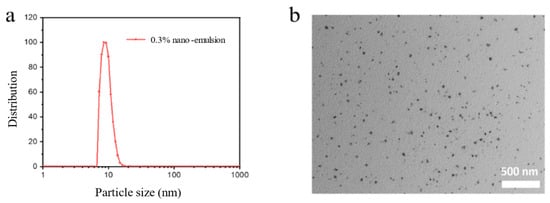
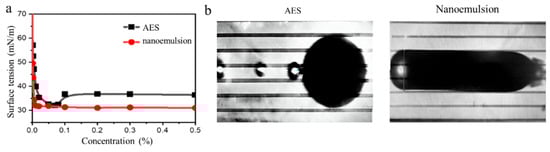
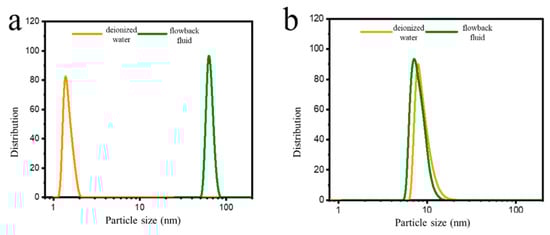
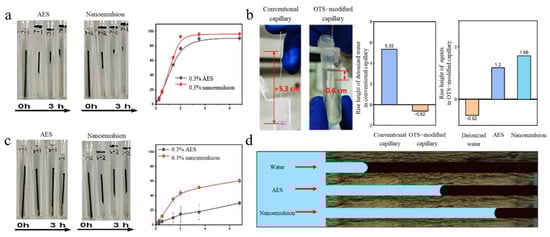
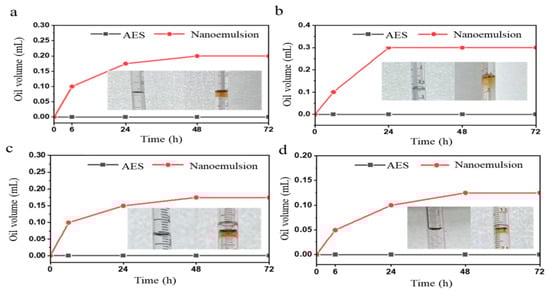
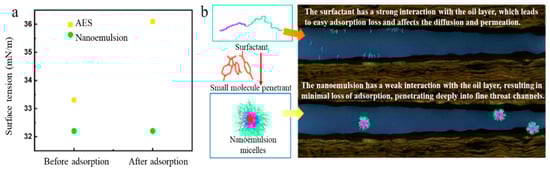
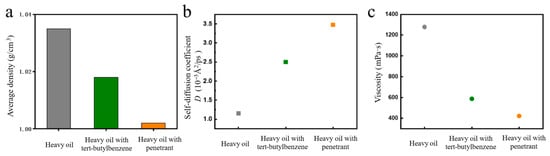
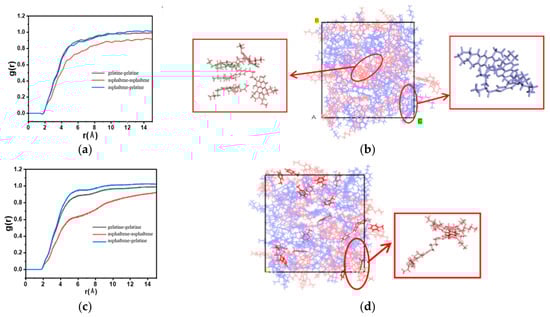
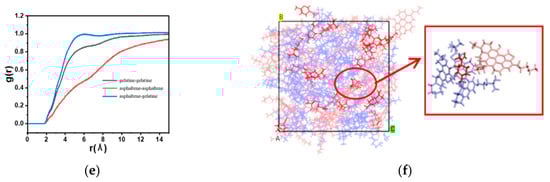
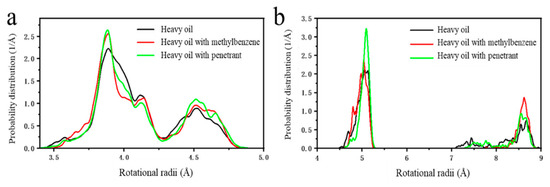
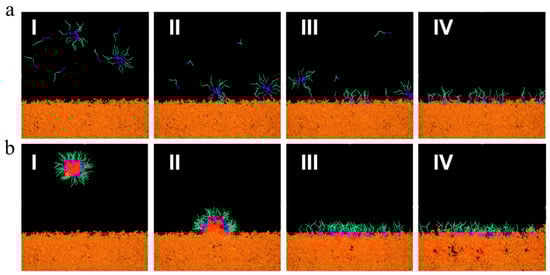
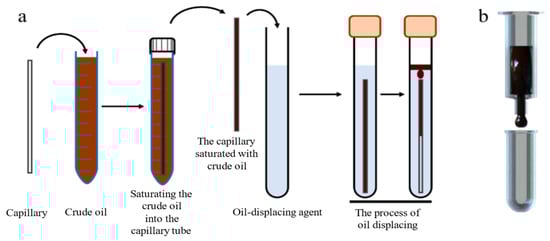
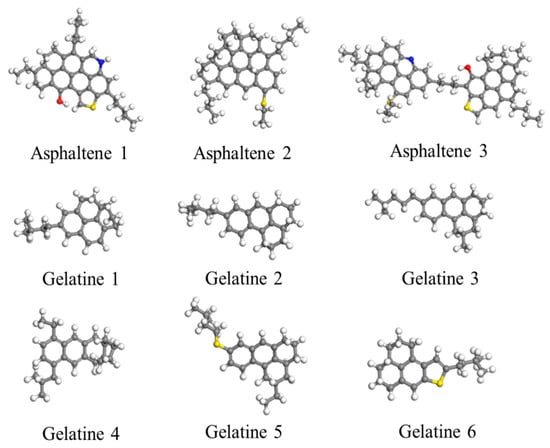
The development of tight heavy-oil reservoirs is severely hampered by the high viscosity and poor mobility of crude oil caused by strong intermolecular stacking interactions among asphaltenes, coupled with the substantial adsorption loss and inadequate deep transport capacity of conventional displacement agents. By targeted penetrant delivery, a novel nanoemulsion system with a well-defined “core–shell” architecture was synthesized to address these critical challenges. The physicochemical properties, stability and oil displacement performance were evaluated. The prepared nanoemulsion exhibited an ultrasmall and uniform particle size distribution between 10 nm and 20 nm. It also demonstrated exceptional dispersibility in aqueous media and remarkable thermal and salinity stability under reservoir conditions. Furthermore, an ultralow critical micelle concentration of approximately 0.01% could be achieved and the oil–water interfacial tension was reduced to 7.3 × 10⁻² mN/m, significantly outperforming the conventional surfactant AES. Core flooding tests revealed that the proposed nanoemulsion enhanced oil recovery by 37.1% and attained a displacement efficiency of 68.9% in oil-wet capillary models. Molecular dynamics simulations further elucidated the underlying synergistic mechanism. The hydrophilic shell minimized adsorption on rock surfaces, facilitating deep migration within nanoporous channels. The hydrophobic core, containing terpinene as a penetrant, effectively disrupted the π-π stacking of asphaltenes due to its nonplanar molecular configuration. This disruption transformed the asphaltene aggregates from a tightly packed state to a dispersed state, resulting in substantial viscosity reduction. This work elucidated the mechanism of asphaltene aggregate disruption by nanoemulsions at the molecular level, offering a promising and theoretically grounded strategy for the efficient exploitation of tight heavy-oil reservoirs.
Full article
(This article belongs to the Section Molecular Liquids)
►▼
Show Figures

Figure 1
Open AccessEditorial
Electroanalysis of Biochemistry and Material Chemistry—2nd Edition
by
Guangjin Wang
Molecules 2026, 31(9), 1474; https://doi.org/10.3390/molecules31091474 (registering DOI) - 29 Apr 2026
Abstract
Building on the success of the first edition of the Special Issue, entitled “Electroanalysis of Biochemistry and Material Chemistry”, and with the aim of collecting more recent research advances in biochemistry and materials chemistry, the second edition of the Special Issue has been
[...] Read more.
Building on the success of the first edition of the Special Issue, entitled “Electroanalysis of Biochemistry and Material Chemistry”, and with the aim of collecting more recent research advances in biochemistry and materials chemistry, the second edition of the Special Issue has been launched in Molecules [...]
Full article
(This article belongs to the Special Issue Electroanalysis of Biochemistry and Material Chemistry—2nd Edition)
Open AccessArticle
Edible Oil-Based Extraction of Cannabis sativa L. Roots: Effect of Solvent and Temperature on Friedelin Yield and Antioxidant Activity
by
Johana Angelica Guerrero Amaya, William Z. Xu and Paul A. Charpentier
Molecules 2026, 31(9), 1473; https://doi.org/10.3390/molecules31091473 (registering DOI) - 29 Apr 2026
Abstract
The roots of Cannabis sativa L., historically overlooked, are gaining attention as a potential source of bioactive compounds with antioxidant, antimicrobial, and anti-inflammatory properties. While previous studies have focused on extractions using ethanol, water, or supercritical CO2, the feasibility of edible
[...] Read more.
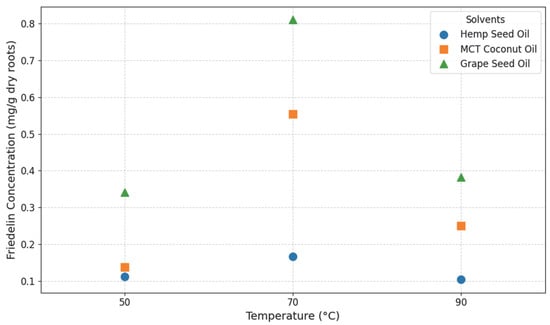
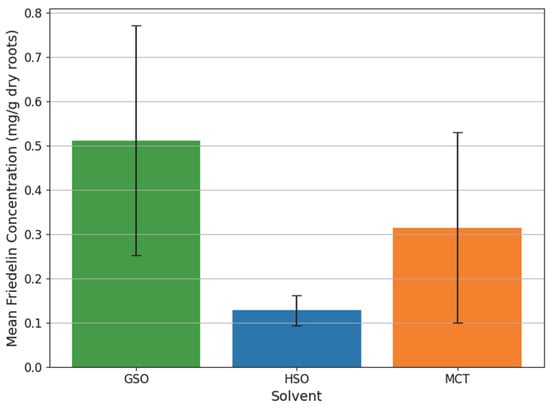
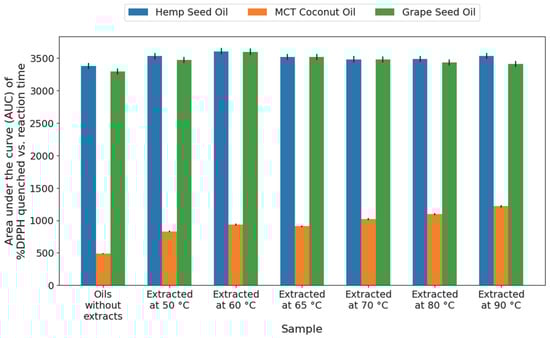
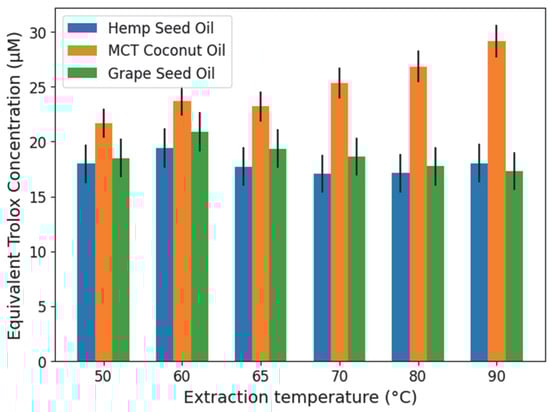
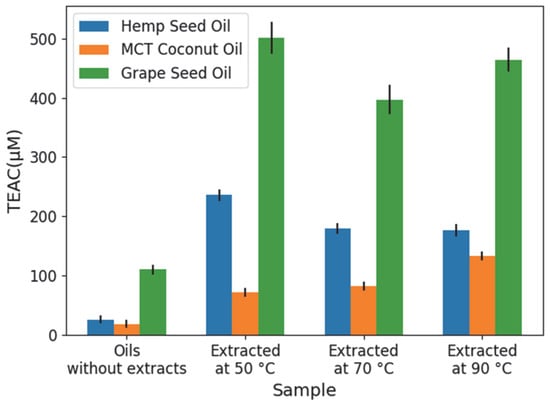
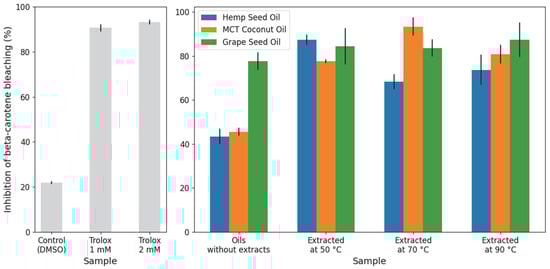
The roots of Cannabis sativa L., historically overlooked, are gaining attention as a potential source of bioactive compounds with antioxidant, antimicrobial, and anti-inflammatory properties. While previous studies have focused on extractions using ethanol, water, or supercritical CO2, the feasibility of edible oil-based extraction remains largely unexplored. This study evaluated the extraction of root compounds using hemp seed oil, MCT coconut oil, and grape seed oil at six temperatures (50–90 °C). Extracts were analyzed by GC–MS for compound identification and quantification, and antioxidant activity was assessed using the DPPH assay, ABTS test and β-carotene bleaching method, with results statistically evaluated by ANOVA. Friedelin was successfully extracted with all oils, with grape seed oil yielding the highest concentration (0.810 mg/g dry roots), achieving recoveries higher than those previously reported for ethanol-based extractions. All extracts demonstrated positive antioxidant activity, with grape seed oil, both alone and combined with extracts, showing higher values across the three methods. ANOVA revealed a significant effect of solvent type on both Friedelin concentration and antioxidant capacity. These results demonstrate that edible oils are effective solvents for extracting bioactive compounds from C. sativa roots, supporting their potential application in cosmetic or medicinal formulations.
Full article
(This article belongs to the Special Issue Recent Advances in Cannabis and Hemp Research—2nd Edition)
►▼
Show Figures

Figure 1

Open AccessArticle
Cytoprotective and Genoprotective Effects of Gelatin-Encapsulated Quercetin Against Oxidative Cell Damage
by
Alla Potapovich, Tatyana Kostyuk, Tatsiana Shutava and Vladimir Kostyuk
Molecules 2026, 31(9), 1472; https://doi.org/10.3390/molecules31091472 (registering DOI) - 29 Apr 2026
Abstract
The objective of this study was to compare the protective effects of native and nanostructured quercetin on the initiation of oxidative stress in human keratinocytes exposed to tert-butyl hydroperoxide (tBHP). Quercetin was encapsulated within gelatin-based nanocontainers, forming nanoparticles with diameters ranging from 140
[...] Read more.
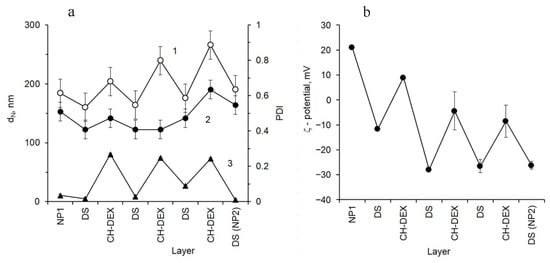
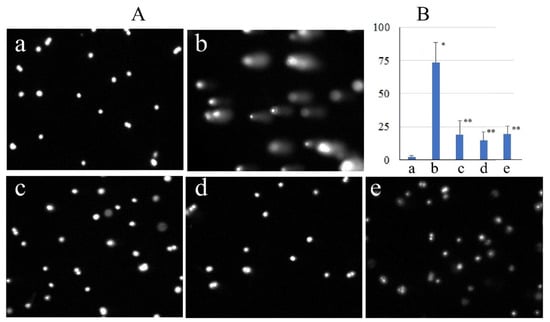
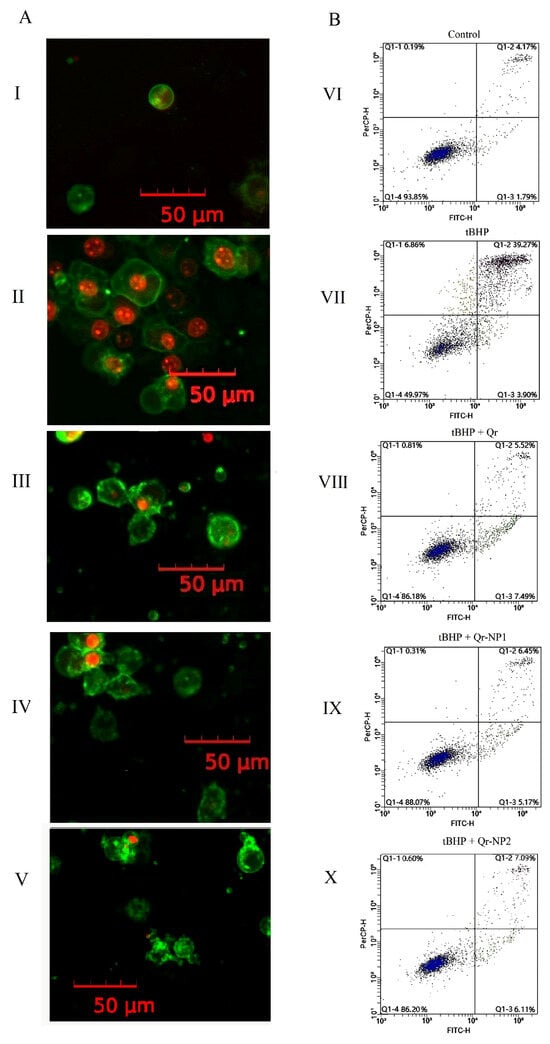
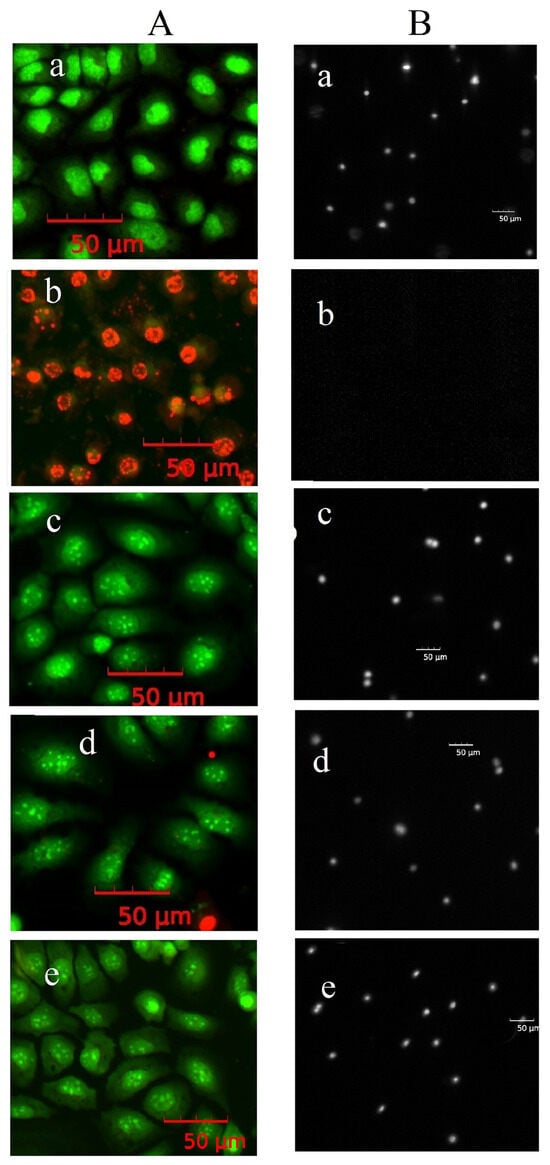
The objective of this study was to compare the protective effects of native and nanostructured quercetin on the initiation of oxidative stress in human keratinocytes exposed to tert-butyl hydroperoxide (tBHP). Quercetin was encapsulated within gelatin-based nanocontainers, forming nanoparticles with diameters ranging from 140 to 180 nm. Two formulations were prepared: uncoated gelatin nanoparticles (NP1) and gelatin nanoparticles coated with a shell composed of dextran sulfate and a chitosan–dextran copolymer (NP2). Cell viability was assessed using PrestoBlue™ reagent. Apoptotic and necrotic cell populations were identified via flow cytometry using an Annexin V-FITC/PI staining kit. DNA damage was evaluated using the comet assay. The results demonstrate that gelatin nanoparticles effectively encapsulate quercetin, and the nanostructured form enables its application in aqueous suspensions without compromising its antioxidant, gene-protective, and cytoprotective effects under conditions of cellular oxidative stress. These findings suggest that gelatin nanoparticles are suitable carriers for quercetin, owing to their high aqueous solubility, which may improve its potential for oral or topical delivery.
Full article
(This article belongs to the Special Issue Natural Ingredient-Based Cosmeceutical: Advances and Applications in Cosmetics Chemistry)
►▼
Show Figures

Figure 1

Open AccessArticle
Multi-Target Anti-Psoriatic Effects of Melissa officinalis: Phytochemical, Redox, Immunological, and Histological Evidence from an In Vivo Study
by
Branislava Daskalovic, Vladimir Jakovljevic, Sergej Bolevic, Marijana Andjic, Jovana Bradic, Aleksadar Kocovic, Nevena Lazarevic, Vanja Tadic, Ana Zugic, Milos Krivokapic, Nenad Stankovic, Svetlana Trifunovic and Jasmina Sretenovic
Molecules 2026, 31(9), 1471; https://doi.org/10.3390/molecules31091471 (registering DOI) - 29 Apr 2026
Abstract
Psoriasis is a chronic inflammatory skin disease linked to immune dysregulation and oxidative stress. Due to the limitations and side effects of conventional therapies, natural compounds are gaining increasing attention. The aim of this study was to evaluate the therapeutic potential of Melissa
[...] Read more.
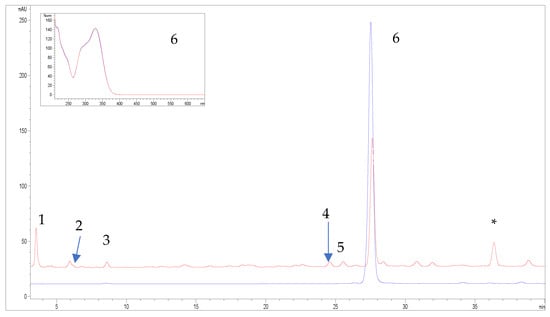
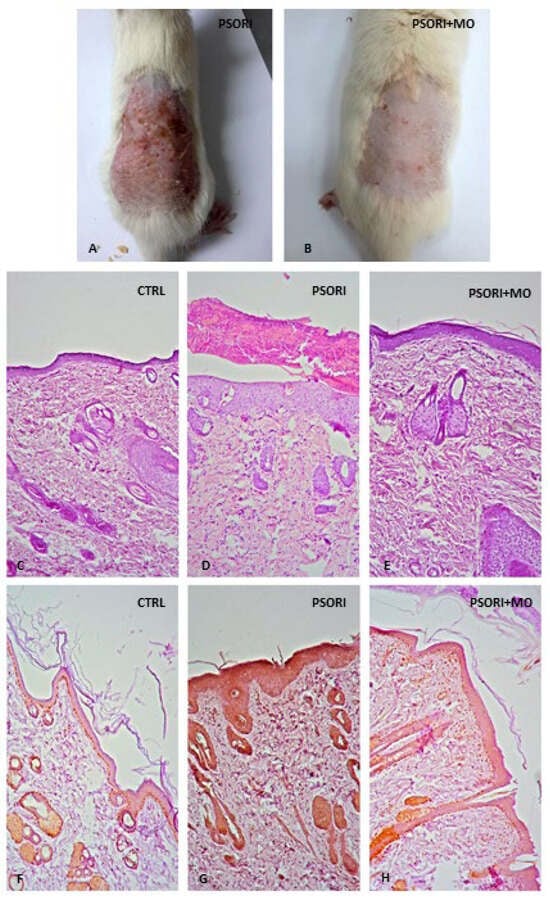
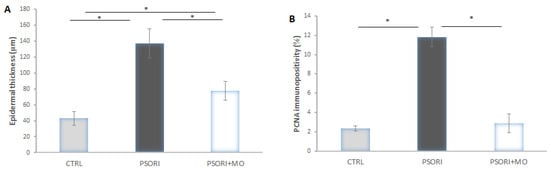
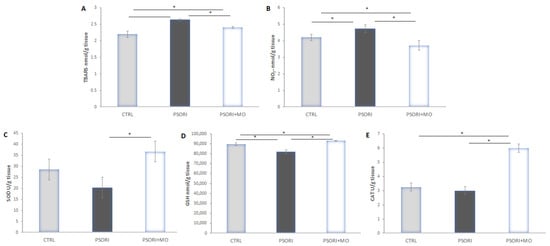
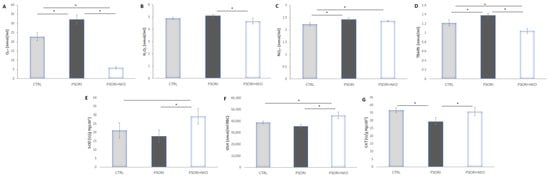
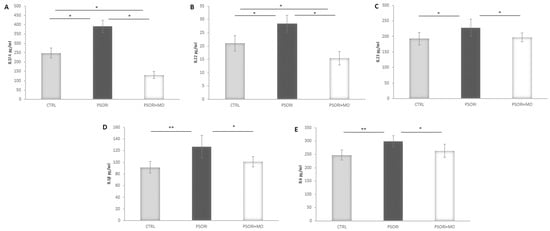
Psoriasis is a chronic inflammatory skin disease linked to immune dysregulation and oxidative stress. Due to the limitations and side effects of conventional therapies, natural compounds are gaining increasing attention. The aim of this study was to evaluate the therapeutic potential of Melissa officinalis extract in psoriasis. HPLC analysis was used to characterize the extract, while its antioxidant activity was assessed by DPPH, ABTS, and FRAP assays. An in vivo study was conducted on 18 male Wistar albino rats divided into control (CTRL), psoriasis (PSORI), and psoriasis treated with M. officinalis (PSORI+MO) groups. Psoriasis was induced by daily topical application of 5% imiquimod cream on the shaved back skin of rats for seven constitutive days. The PSORI+MO group received M. officinalis extract orally at a dose of 200 mg/kg during seven days. Redox and inflammatory cytokine analysis were performed. Isolated skin was fixed and stained with H/E and immunohistochemical staining. Morphometric and histological analyses revealed reduced inflammation, keratinocyte proliferation, and epidermal thickness. Systemic and tissue redox status showed decreased oxidative stress biomarkers and enhanced antioxidant defense. Inflammatory cytokines (IL-17A, IL-22, IL-23, IL-1β, and IL-6) were significantly reduced. Our findings suggest that Melissa officinalis extract exerts anti-psoriatic effects through antioxidant, anti-inflammatory, and antiproliferative mechanisms.
Full article
(This article belongs to the Special Issue Chemical Composition, Pharmacological and Therapeutic Activity of Plant Extracts)
►▼
Show Figures

Figure 1
Open AccessArticle
The Use of Piperidinium Surfactants in Nematicide Formulations
by
Rushana Kushnazarova, Alla Mirgorodskaya, Eugeny Nikitin, Anastasia Egorova, Alsu Gatiyatullina, Tatiana Kalinnikova and Lucia Zakharova
Molecules 2026, 31(9), 1470; https://doi.org/10.3390/molecules31091470 - 29 Apr 2026
Abstract
A series of hexadecylpiperidinium surfactants containing alkyl (PMe-16, PEt-16, PBu-16), benzyl (Benz-16, 1-Benz-3-HP-16, 1-Benz-4-HP-16), and hydroxyl (3-HPMe-16, 4-HPMe-16) substituents in the ring were tested with the nematode Caenorhabditis elegans to investigate the relationship between nematocidal activity and the structural features of surfactants. It
[...] Read more.
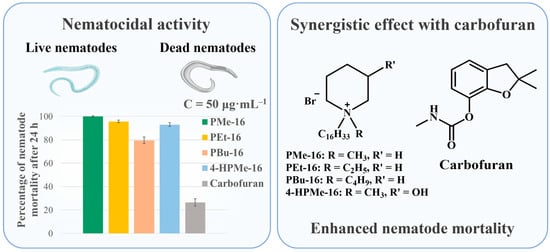
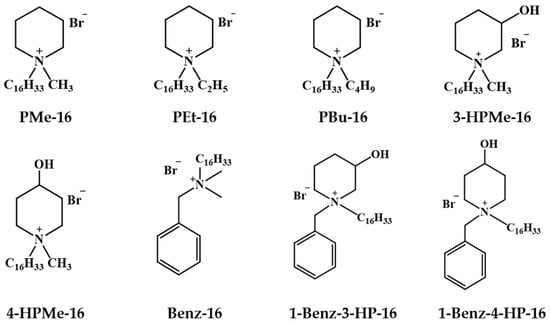
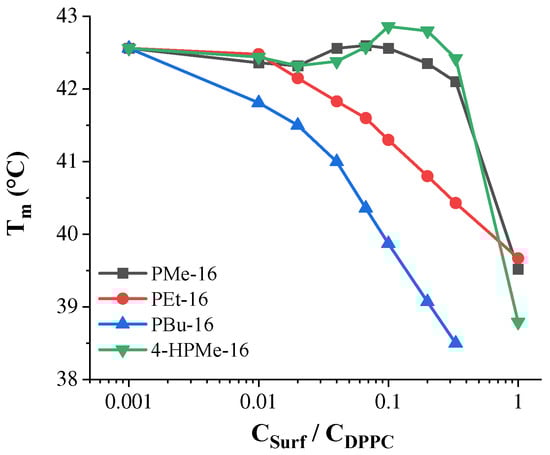
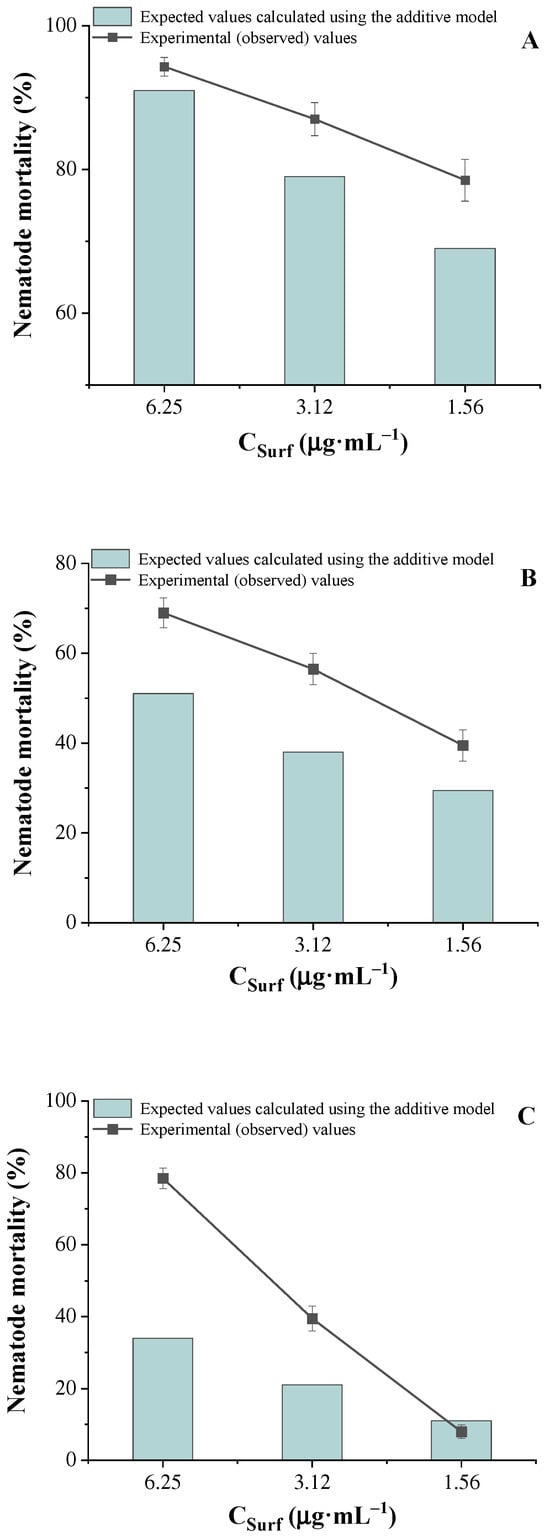
A series of hexadecylpiperidinium surfactants containing alkyl (PMe-16, PEt-16, PBu-16), benzyl (Benz-16, 1-Benz-3-HP-16, 1-Benz-4-HP-16), and hydroxyl (3-HPMe-16, 4-HPMe-16) substituents in the ring were tested with the nematode Caenorhabditis elegans to investigate the relationship between nematocidal activity and the structural features of surfactants. It was found that increasing the hydrophobicity of the substituent in the surfactant head group reduced the nematocidal activity in the order PMe-16 > PEt-16 > PBu-16 > Benz-16. The lead compound, PMe-16, showed significantly higher activity than the commercial insecticide carbofuran, and was able to induce nearly complete nematode mortality within 24 h at a concentration of 50 μg·mL−1, as well as suppress culture development at concentrations of 25–100 μg·mL−1. All tested piperidinium surfactants inhibited nematode population development at 100 μg·mL−1, while PMe-16 remained effective at concentrations as low as 25 μg·mL−1. The membranotropic properties of the surfactants were evaluated using a turbidimetric method with dipalmitoylphosphatidylcholine (DPPC)-based liposomes as a model of biomembranes. Dynamic light scattering measurements were performed in parallel to assess changes in liposome size and zeta potential as a function of surfactant content, as well as to determine the critical concentration required to induce lipid bilayer destabilization. These results provide indirect evidence of surfactant–membrane interactions. The combinations of piperidinium surfactants and carbofuran showed pronounced synergistic effects, reducing the insecticide dose while maintaining efficacy. Synergy was evaluated using the Bliss independence model and the Highest Single Agent model. The addition of the most active surfactants (PMe-16 and 4-HPMe-16) at 6.25 μg·mL−1 enabled an approximately twofold reduction in the carbofuran dose while maintaining full nematocidal activity.
Full article
(This article belongs to the Special Issue Synthesis and Derivatization of Heterocyclic Compounds)
►▼
Show Figures

Graphical abstract
Open AccessArticle
Study of Dangling Bond States in Magnetron-Sputtered a-Si Thin Films via Parametrization Using a Single UV–Vis–NIR Transmittance Spectrum
by
Dorian Minkov, George Angelov, Dimitar Nikolov, Rostislav Rusev, Eduardo Blanco, Susana Fernandez, Manuel Ballester and Emilio Marquez
Molecules 2026, 31(9), 1469; https://doi.org/10.3390/molecules31091469 - 28 Apr 2026
Abstract
While both Urbach tails and dangling bonds are known to be present in a-Si films, the current literature lacks parametrization that simultaneously accounts for both types of defects using only transmittance spectra, reflectance spectra, or spectroscopic ellipsometry. To address this issue, we performed
[...] Read more.
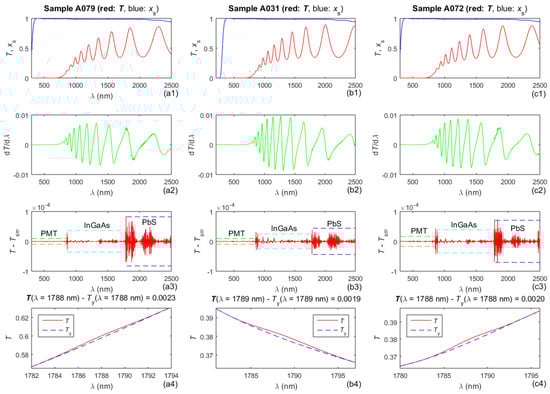
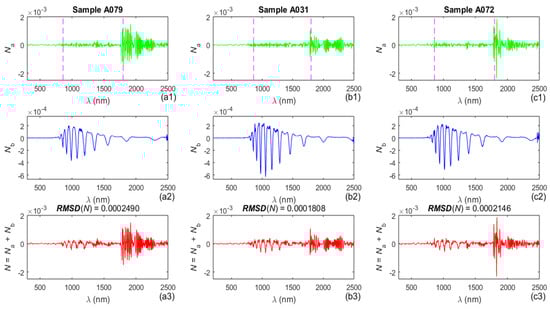
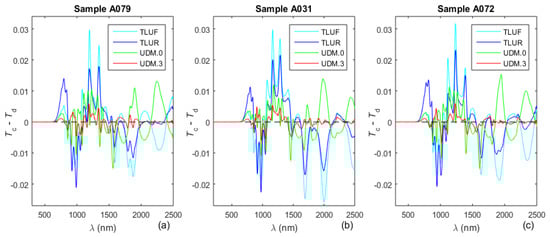
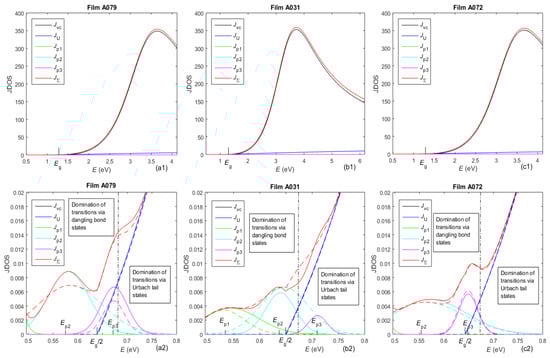
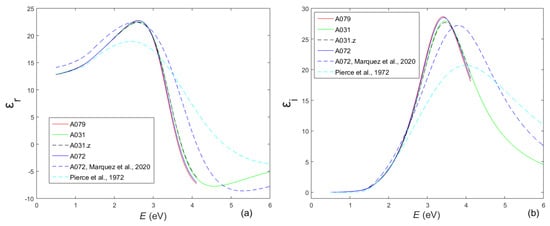
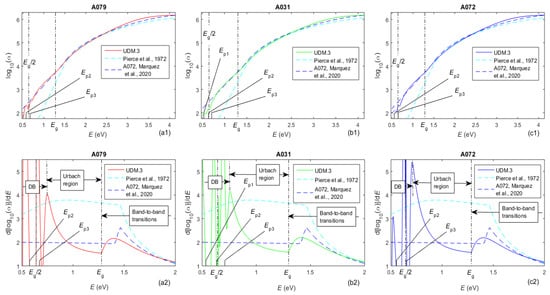
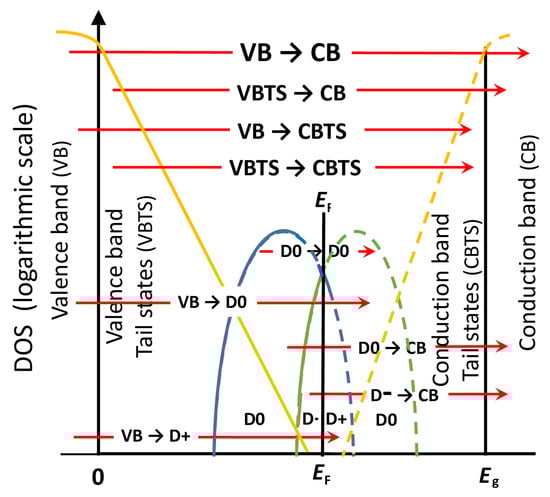
While both Urbach tails and dangling bonds are known to be present in a-Si films, the current literature lacks parametrization that simultaneously accounts for both types of defects using only transmittance spectra, reflectance spectra, or spectroscopic ellipsometry. To address this issue, we performed parametrizations of three magnetron-sputtered a-Si thin films deposited on glass substrates at different low pressures of argon gas, using only their measured UV–Vis–NIR transmittance spectra T(λ = [300, 2500] nm) and different dispersion models. We preprocessed T(λ) by suppressing both general and bandpass noise to yield the spectrum Td(λ). The films were parametrized from Td(λ) using two versions of the Tauc–Lorentz–Urbach dispersion model and the universal dispersion model (UDM) of Franta. The most accurate parametrization was achieved employing UDM including Urbach tail and three subgap oscillators. JDOS and the dielectric function ε(E) were computed by this UDM, and it was concluded that these three oscillators correspond to electron transitions via two bands of dangling bonds. The respective DOS is similar to the DOS previously reported for a-Si:H, but not to a-Si, indicating a relatively low density of dangling bonds in our a-Si films. Record low parametrization errors are achieved, which confirms the accuracy of these results.
Full article
(This article belongs to the Section Materials Chemistry)
►▼
Show Figures

Figure 1

Open AccessReview
An Overview of Metabolomic Approaches to Polyphenol Profiling for Nutraceutical Development
by
Temitope Oluwaferanmi Egbeniyi, Julius Dongsogo, Titilayo Oluwayemisi Bamidele and Alberta N. A. Aryee
Molecules 2026, 31(9), 1468; https://doi.org/10.3390/molecules31091468 - 28 Apr 2026
Abstract
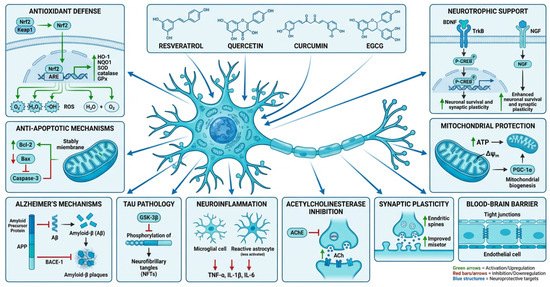
Secondary plant metabolites such as polyphenols (flavonoids, phenolic acids, stilbenes, and lignans) are valued for their numerous benefits and commonly associated with antioxidants, anti-inflammatory, anticancer, neuroprotective, and antidiabetic effects. Comprehensive profiling facilitates their identification and quantification, with metabolomics emerging as an increasingly valuable
[...] Read more.
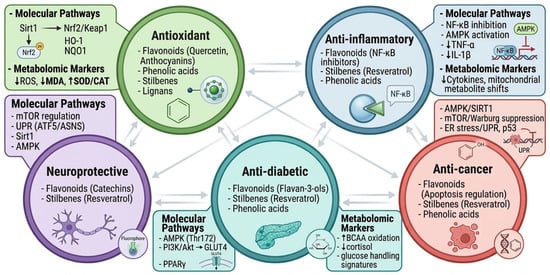
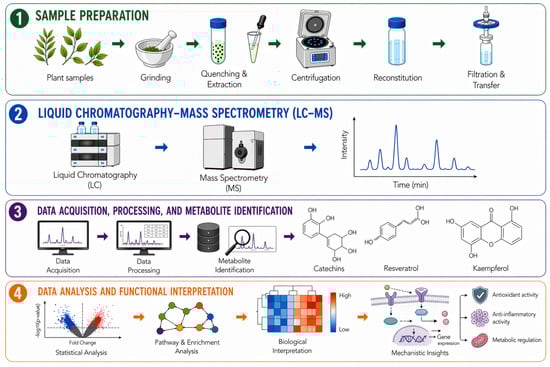
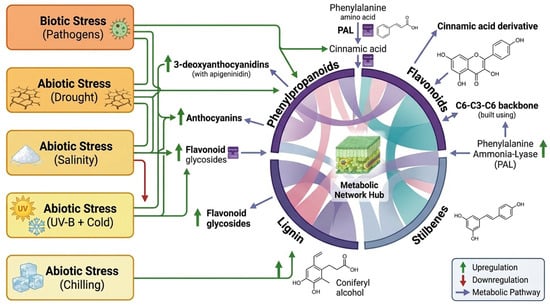
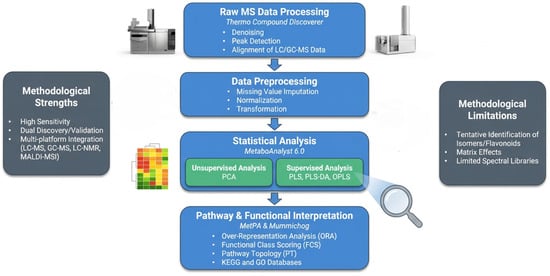
Secondary plant metabolites such as polyphenols (flavonoids, phenolic acids, stilbenes, and lignans) are valued for their numerous benefits and commonly associated with antioxidants, anti-inflammatory, anticancer, neuroprotective, and antidiabetic effects. Comprehensive profiling facilitates their identification and quantification, with metabolomics emerging as an increasingly valuable tool. This current work provides an overview of recent application of metabolomics for investigating polyphenols with nutraceutical potential. It also highlights the influence of plant species and environmental stressors (both biotics and abiotic) inducing metabolic shifts that promote the production and accumulation of these bioactive compounds (BACs). While various analytical tools including mass spectrometry (MS) coupled with liquid chromatography (LC-MS) or gas chromatography (GC-MS), as well as nuclear magnetic resonance (NMR) spectroscopy have been utilized to identify the diverse group of polyphenol metabolites, LC-MS has been predominantly used due to its superior sensitivity and wider metabolite coverage, with flavonoids being the main compounds identified. The integration of bioinformatic tools and pathway enrichment analysis in metabolomics is providing expansive insight into the pool of polyphenols, and their bio-functional interpretation and metabolic variations beyond the narrow scope of chromatographic separation alone. This overview also identifies limitations of current methods and suggests directions for future research, aimed at facilitating the development of nutraceuticals.
Full article
(This article belongs to the Special Issue Biological Evaluation of Plant Extracts, 2nd Edition)
►▼
Show Figures

Figure 1

Open AccessArticle
Elucidating the Structure–Nonlinear Optical Property Relationship of Ethynyl Extended Benzanthrone Chromophores
by
Divya Jattu Gouda, B. Siddlingeshwar, H. M. Suresh Kumar, Shivaraj R. Maidur, S. R. Manohara, Armands Maleckis and Elena M. Kirilova
Molecules 2026, 31(9), 1467; https://doi.org/10.3390/molecules31091467 - 28 Apr 2026
Abstract
Three ethynyl-extended benzanthrone derivatives with benzonitrile (Dye A), thiophene (Dye B), and methyl propiolate (Dye C) as substituents were synthesized and investigated to illustrate structure–property relationships governing their nonlinear optical (NLO) behavior. The third-order nonlinear absorption and refractive index of three dyes were
[...] Read more.
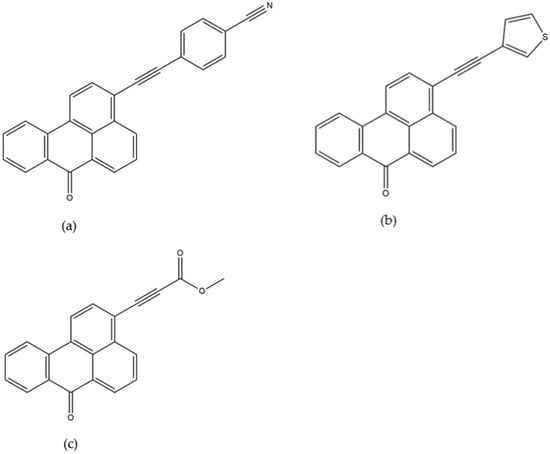
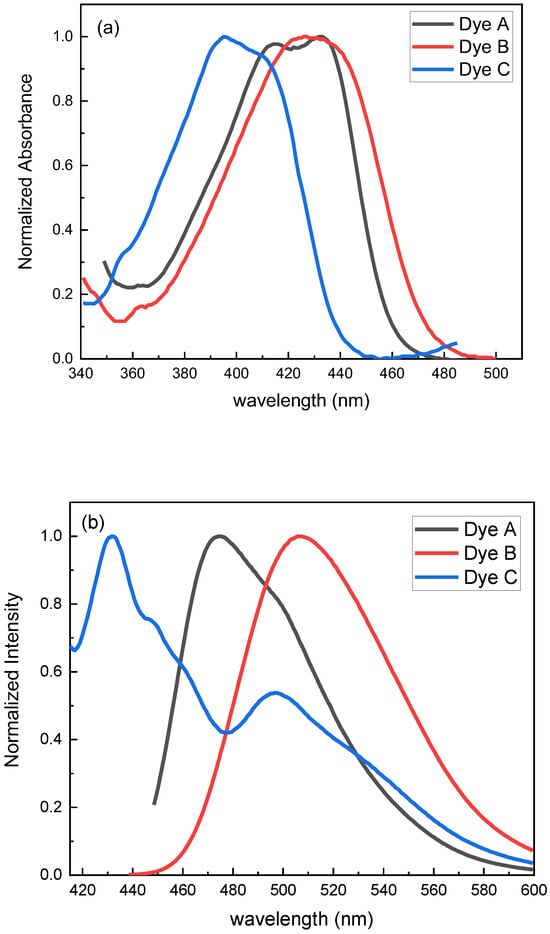
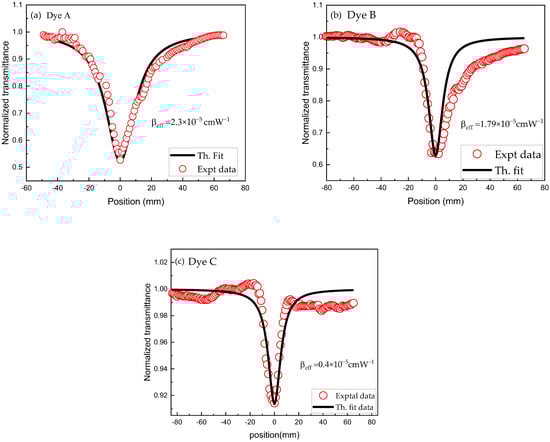
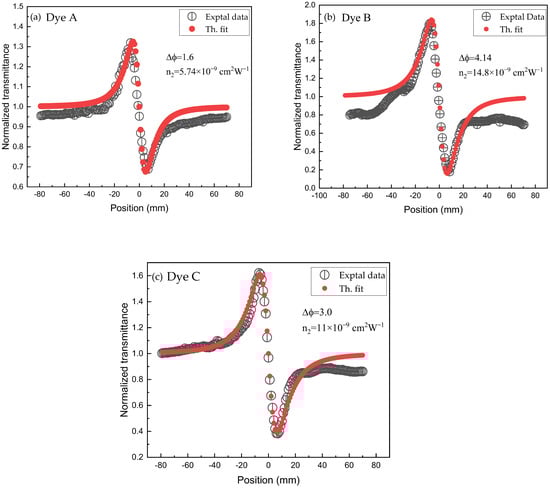
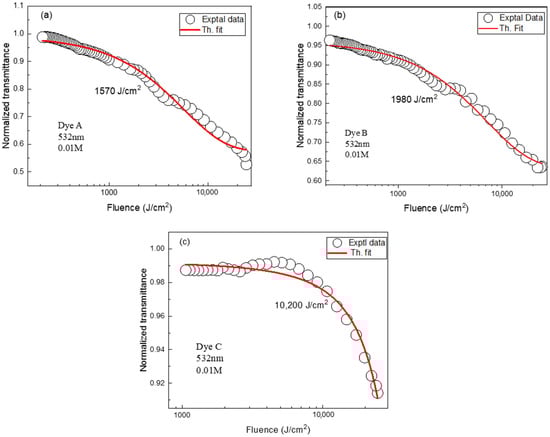
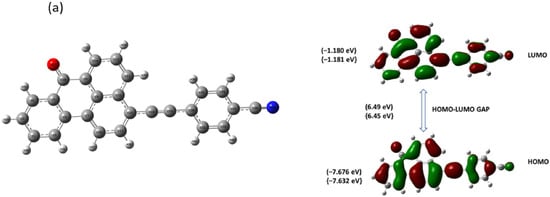
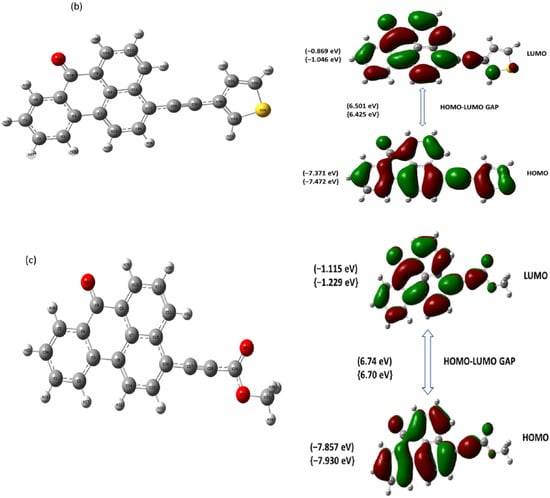
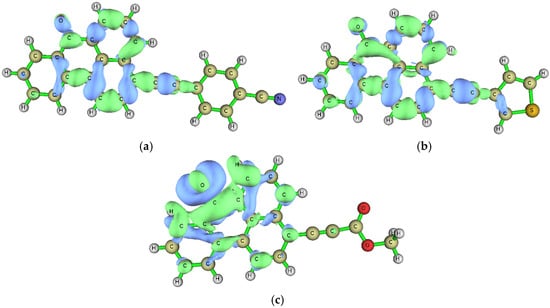
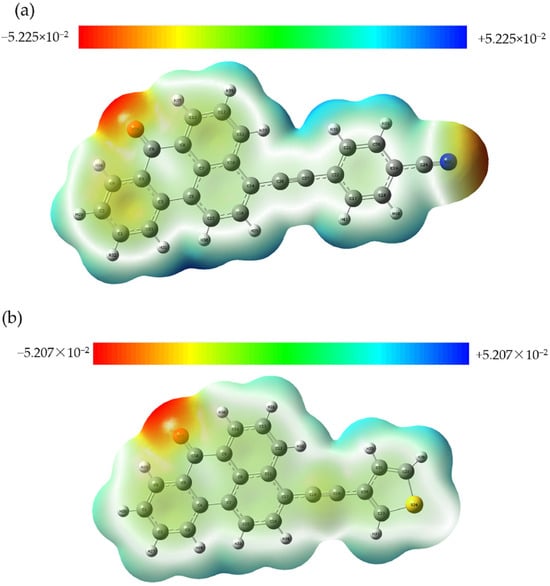
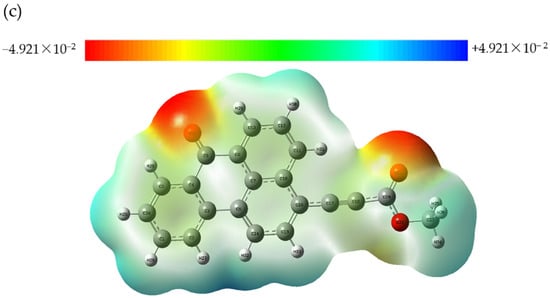
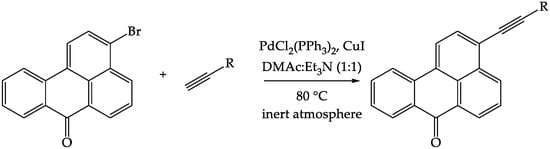
Three ethynyl-extended benzanthrone derivatives with benzonitrile (Dye A), thiophene (Dye B), and methyl propiolate (Dye C) as substituents were synthesized and investigated to illustrate structure–property relationships governing their nonlinear optical (NLO) behavior. The third-order nonlinear absorption and refractive index of three dyes were studied using open- and closed-aperture z-scan measurements under 532 nm continuous-wave laser excitation. All dyes exhibited reverse saturable absorption dominated by two-photon absorption, with Dye A showing the highest nonlinear absorption coefficient (βeff = 2.3 × 10⁻⁵ cm/W) and two-photon response, attributed to its extended conjugation and smaller HOMO−LUMO gap (6.45 eV). Closed-aperture Z-scans revealed strong nonlinear refraction (n2), with the thiophene-substituted Dye B displaying the largest n2 (14.8 × 10⁻⁹ cm2/W) and third-order susceptibility (χ3 = 3.1 × 10⁻⁶ esu). The evaluated optical switching figures of merit met the requirements for all-optical switching and optical limiting. DFT and TDDFT calculations demonstrated that donor substitution and conjugation length govern electronic structure, charge transfer character, and global reactivity descriptors. Enhanced electronic softness and hyperpolarizability in Dye B further support its superior refractive nonlinearity. These results establish clear structure–property correlations and highlight donor engineering as an effective strategy for developing organic nonlinear optical and photonic materials.
Full article
(This article belongs to the Special Issue Advances in Alkyne Chemistry)
►▼
Show Figures

Figure 1

Open AccessArticle
Structural Insights into the Impact of the M142I Mutation in Monkeypox Virus G9 Protein on Subcomplex Formation Revealed by AlphaFold 3 Modeling
by
Xudong She, Yuan Liang, Linqing Wang, Yifan Lin, Xuenan Zhang, Li Zhu, Qinghua Wu, Weiwei Xiao, Chengsong Wan, Kexin Xi, Wei Zhao, Chenguang Shen, Bao Zhang and Jianhai Yu
Molecules 2026, 31(9), 1466; https://doi.org/10.3390/molecules31091466 - 28 Apr 2026
Abstract
The membrane fusion process, mediated by the entry fusion complex (EFC) of the monkeypox virus (MPXV), is crucial for host cell invasion. Apolipoprotein B mRNA Editing Catalytic Polypeptide-like 3 (APOBEC3)-driven mutation bias is a key factor in MPXV’s adaptive evolution during its global
[...] Read more.
The membrane fusion process, mediated by the entry fusion complex (EFC) of the monkeypox virus (MPXV), is crucial for host cell invasion. Apolipoprotein B mRNA Editing Catalytic Polypeptide-like 3 (APOBEC3)-driven mutation bias is a key factor in MPXV’s adaptive evolution during its global spread. However, how these mutations affect the structure and function of EFC proteins remains poorly understood. To address this, we performed genomic mutation analysis on globally circulating MPXV clades Ib and IIb, combined with protein monomer, binary, and quaternary complex structure modeling based on AlphaFold 3 and experimental validation by ELISA. We first delineated the mutational spectra of all 11 EFC proteins, revealing that although EFC proteins in clade Ib are highly conserved, lineage IIb B exhibits extensive APOBEC3-driven mutations and the G9 M142I mutation is identified as a lineage-associated APOBEC3-type mutation of lineage IIb B. Structural predictions revealed that while the M142I mutation does not alter G9 monomer folding, it induces a conformational shift in the G9/A16 subcomplex. Furthermore, within the predicted G9/A16/A56/K2 quaternary complex, this mutation enlarges the interfacial gap and reduces docking stability between the G9/A16 subcomplex and A56/K2. Experimental validation demonstrated that the M142I mutation significantly reduces the binding affinity of G9 for A16 and impairs the recruitment of A56/K2 to the quaternary complex, confirming the computationally predicted mechanism of interface destabilization. These findings highlight a dynamic interplay between APOBEC3-driven evolution and EFC protein structure, demonstrating that the M142I mutation alters EFC complex assembly dynamics and may shift the regulatory balance of the membrane fusion system. These structural changes provide molecular insights into MPXV lineage differentiation, though direct functional assays are required to determine the net effect on viral entry efficiency.
Full article
(This article belongs to the Special Issue Computational Analysis of Protein and Nucleic Acid Structures, Interactions, and Functions)
Open AccessArticle
Synthesis, Spectroscopy Characterization and Biological Evaluation of La(III), Eu(III) and Gd(III) Complexes with Ampicillin: In Vitro Antimicrobial, Cytotoxic and Antiproliferative Activities and Theoretical Frameworks
by
Diego Boldo, Vasilii Khripun, Kristiane Fanti Del Pino, Juliana Jorge, Luana da Silva Oliveira, Danielle Bogo, Ana Camila Micheletti, Adriana Pereira Duarte, Hernane da Silva Barud, Ariadna Lafourcade Prada, Teofilo Fernando Mazon Cardoso, Gustavo Rocha de Castro, Jesus Rafael Rodríguez Amado and Marco Antonio Utrera Martines
Molecules 2026, 31(9), 1465; https://doi.org/10.3390/molecules31091465 - 28 Apr 2026
Abstract
This study reports the synthesis, characterization, DFT calculations and in vitro antimicrobial, cytotoxic and antiproliferative evaluation of La(III), Eu(III), and Gd(III) metal complexes with ampicillin. The compounds were characterized by Thermal Gravimetric Analysis (TGA), elemental analysis, ultraviolet–visible spectroscopy (UV–Vis), Fourier-transform infrared spectroscopy (FTIR),
[...] Read more.
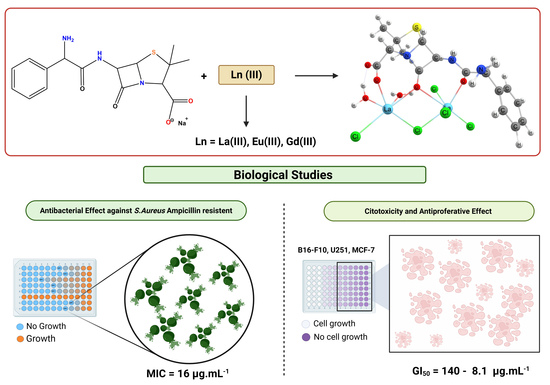
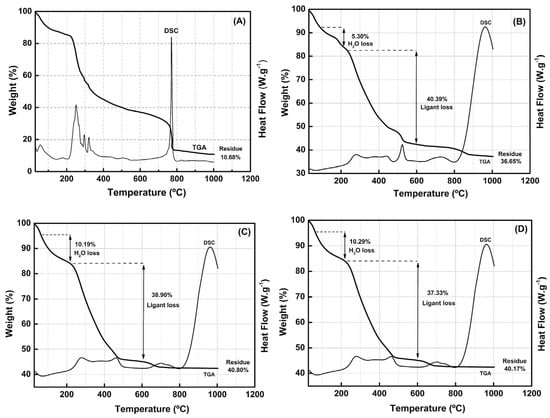
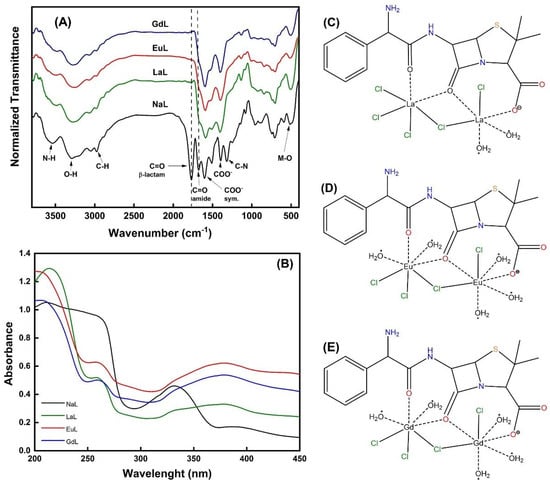
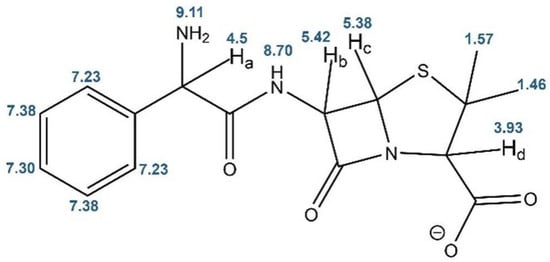
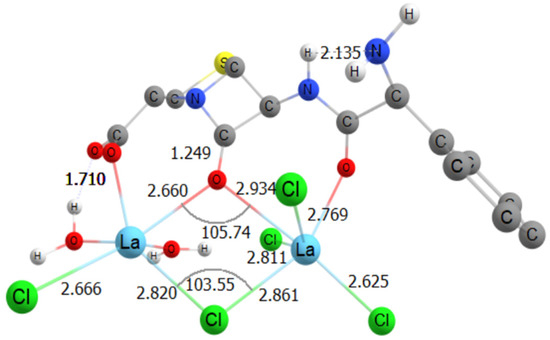
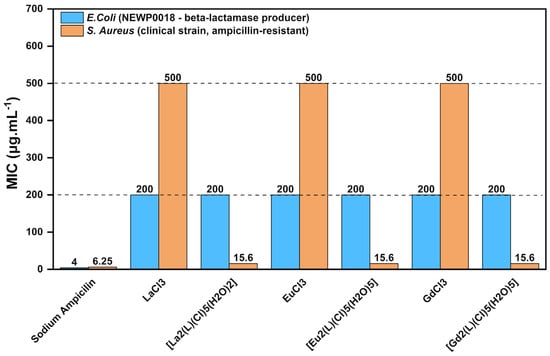
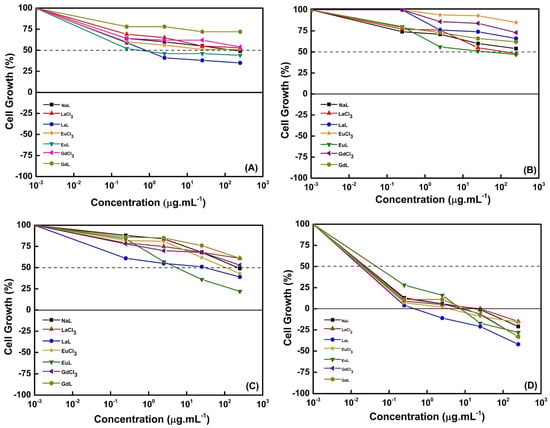
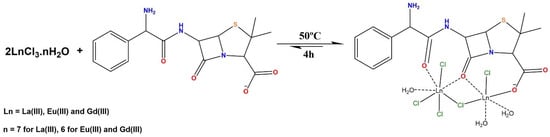
This study reports the synthesis, characterization, DFT calculations and in vitro antimicrobial, cytotoxic and antiproliferative evaluation of La(III), Eu(III), and Gd(III) metal complexes with ampicillin. The compounds were characterized by Thermal Gravimetric Analysis (TGA), elemental analysis, ultraviolet–visible spectroscopy (UV–Vis), Fourier-transform infrared spectroscopy (FTIR), and proton nuclear magnetic resonance (1H NMR), indicating a 2:1 metal-to-ligand ratio with ampicillin, and likely, a coordination through carbonyl, carboxylic and β-lactam groups, with the general formula [Ln2(L)(Cl)5(H2O)x] (Ln = La(III), Eu (III), Gd (III), and x = 2 for La(III), 5 for Eu(III) and Gd(III), L-ampicillin anion). Antimicrobial studies showed activity against ampicillin-resistant Staphylococcus aureus (MIC = 15.6 µg·mL−1) but no activity against Escherichia coli. In cytotoxicity studies, all complexes inhibited B16-F10 (murine melanoma) proliferation, with GI50 values around 140 µg·mL−1. Against U251 (glioma) cell line, only [Eu2(L)(Cl)5(H2O)5] exhibited cytotoxicity activity, GI50 = 104 µg·mL−1, and notably, [Eu2(L)(Cl)5(H2O)5] was active against MCF7 (breast carcinoma) with a GI50 = 8.1 µg·mL−1. However, all complexes exhibited high cytotoxicity in NIH-3T3 cells (GI50 = 0.030–2.90 µg·mL−1), indicating limited selectivity between normal and cancer cells. Nevertheless, except for the La complex, most compounds were less cytotoxic than doxorubicin, highlighting the need for further optimization to improve selectivity.
Full article
(This article belongs to the Special Issue Metal Clusters and Metal Complexes: Free Standing Species, Surface Stabilized Species, Species Under Confinement in Micropores or Inert Gas Matrixes)
►▼
Show Figures

Graphical abstract
Open AccessArticle
Prospects for the Creation of a Photocontrolled Supramolecular Machine Based on a 1,4-Di(azastyryl)benzene Derivative and Cucurbit[7]uril
by
Levon S. Atabekyan, Vitaly G. Avakyan, Vyacheslav N. Nuriev, Alexei V. Medved’ko, Sergey Z. Vatsadze and Sergey P. Gromov
Molecules 2026, 31(9), 1464; https://doi.org/10.3390/molecules31091464 - 28 Apr 2026
Abstract
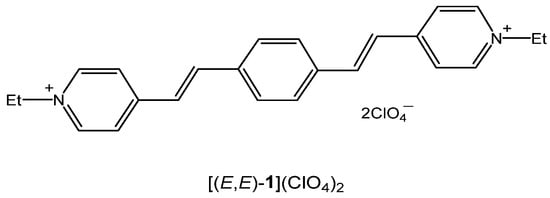
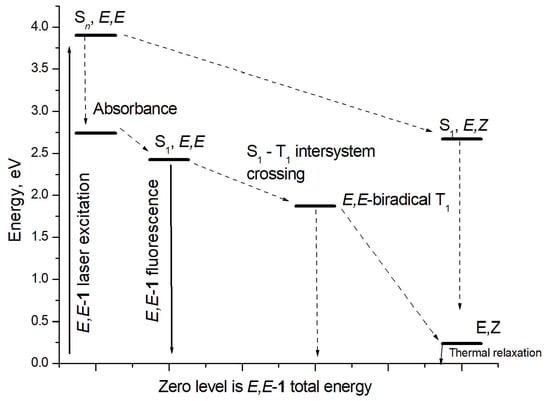
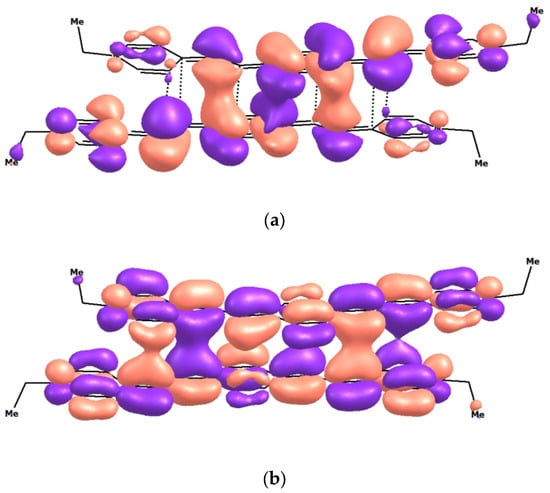
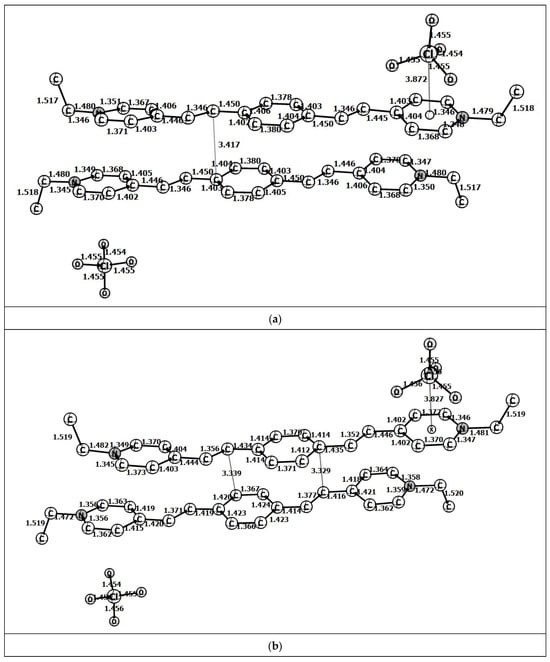
The photophysical processes and photochemical reactions of 1,4-di(azastyryl)benzene (1) derivative {[(E,E)-1](ClO4)2} were investigated by absorption, luminescence, and laser kinetic spectroscopy in the water solution. The observed photo processes include dimerization, E
[...] Read more.
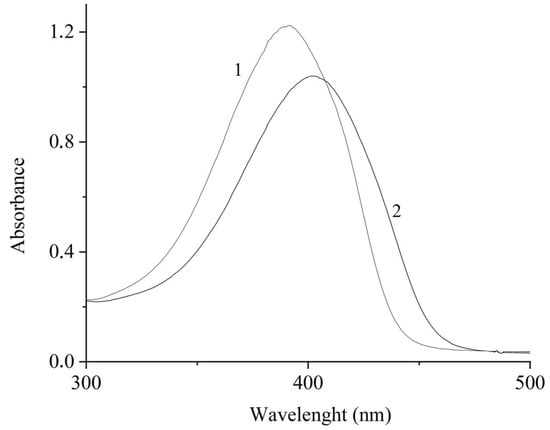
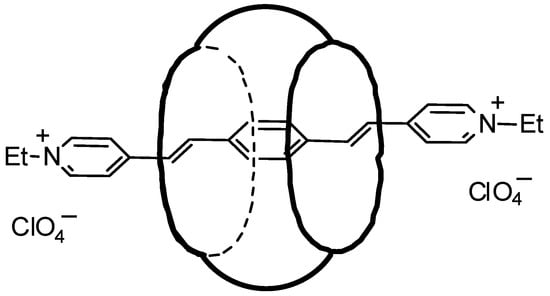
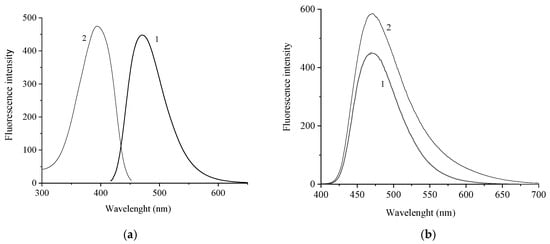
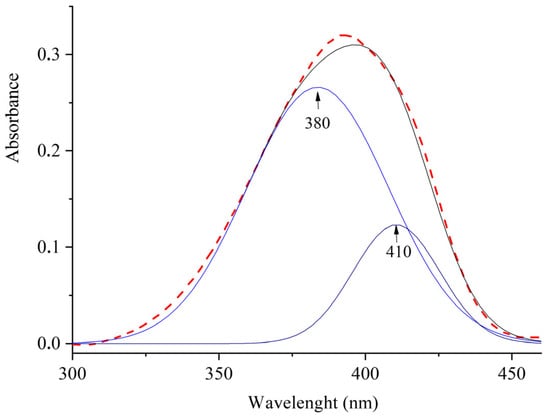
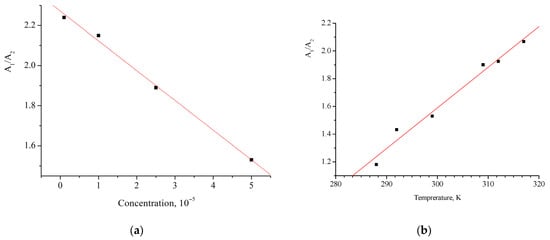
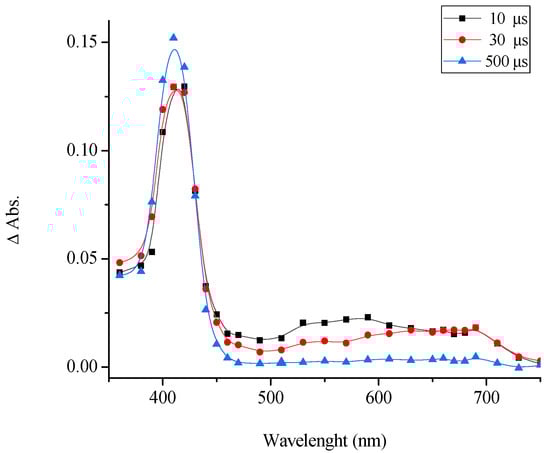
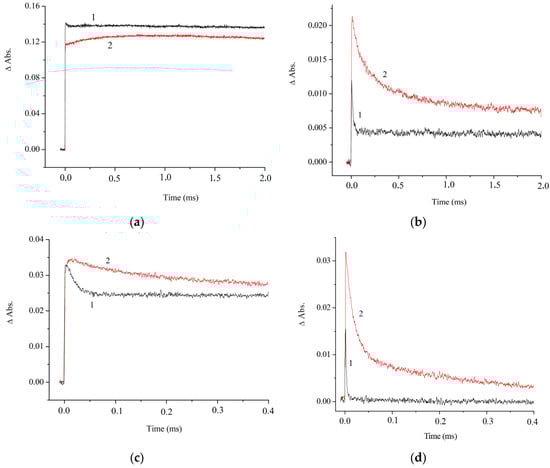
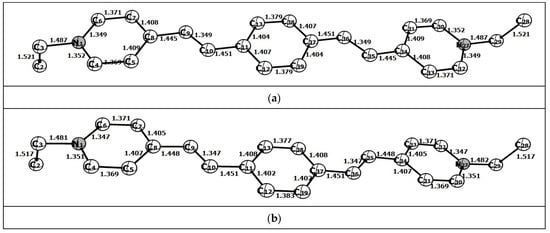
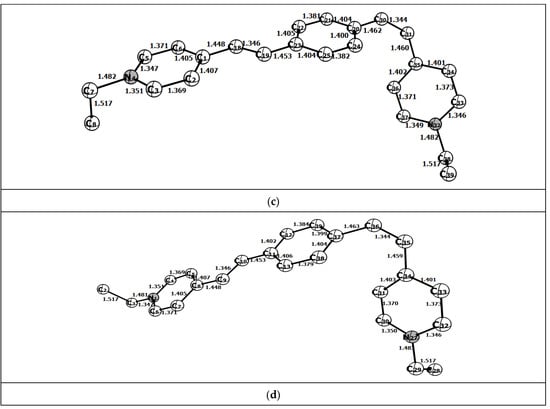
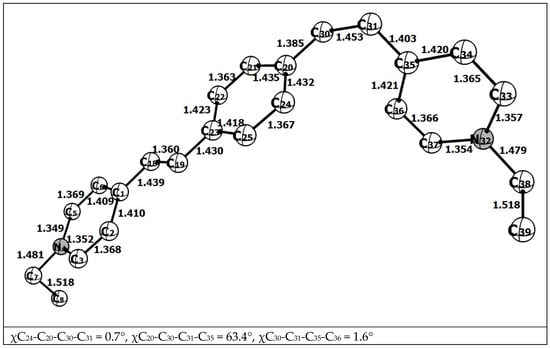
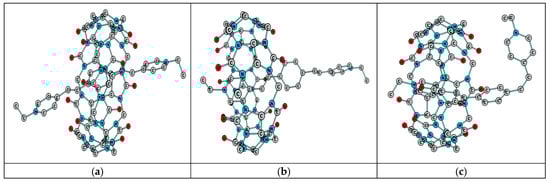
The photophysical processes and photochemical reactions of 1,4-di(azastyryl)benzene (1) derivative {[(E,E)-1](ClO4)2} were investigated by absorption, luminescence, and laser kinetic spectroscopy in the water solution. The observed photo processes include dimerization, E-Z isomerization, and intersystem crossing to the triplet state, as well as the complexation [(E,E)-1](ClO4)2 with cucurbit[7]uril (CB[7]). The [(E,E)-1](ClO4)2 dye dimerization was shown to be energetically more favorable in the excited state than in the ground state. The reversible photoinduced migration of the dye dication in the CB[7] cavity takes place as a result of partial exit of the [(E,E)-1]2+ from the cavity and its subsequent conversion to the (E,Z)-isomer in the excited state, which undergoes conversion to the initial complex of {[(E,E)-1]@CB[7]}2+ after returning to the ground state. This photoprocess is of interest in relation to the scientific problem of designing photocontrolled supramolecular machines.
Full article
(This article belongs to the Section Photochemistry)
►▼
Show Figures

Figure 1

Open AccessArticle
TEA–NaOAC Synergistic System for Hydrothermal Synthesis of Fe3O4 with Tunable Morphologies from a Single Iron Source
by
Chang Chen, Yaohui Xu, Qin Wang and Zhao Ding
Molecules 2026, 31(9), 1463; https://doi.org/10.3390/molecules31091463 - 28 Apr 2026
Abstract
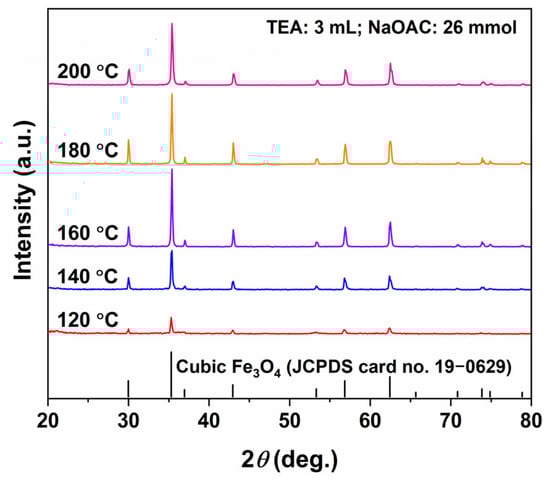
Achieving tunable morphologies of Fe3O4 using a single iron source remains challenging, mainly due to the oxidation of Fe2+ and the difficulty of regulating anisotropic crystal growth. In this study, Fe3O4 was synthesized via a one-step
[...] Read more.
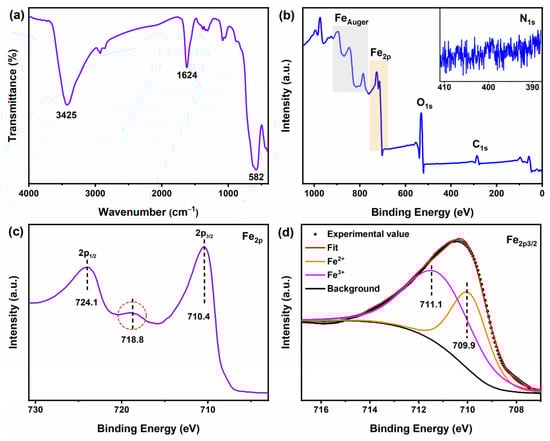
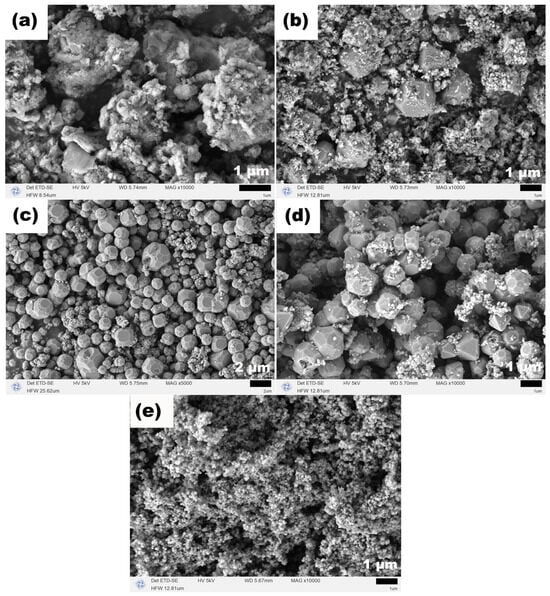
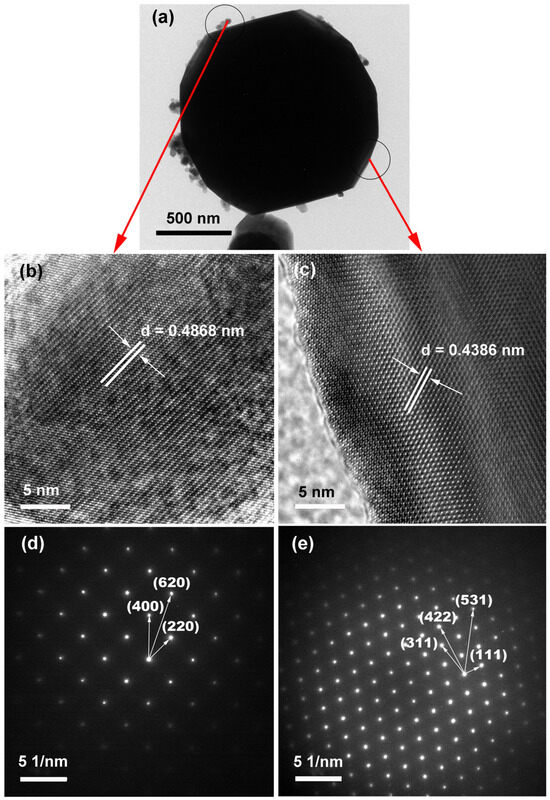
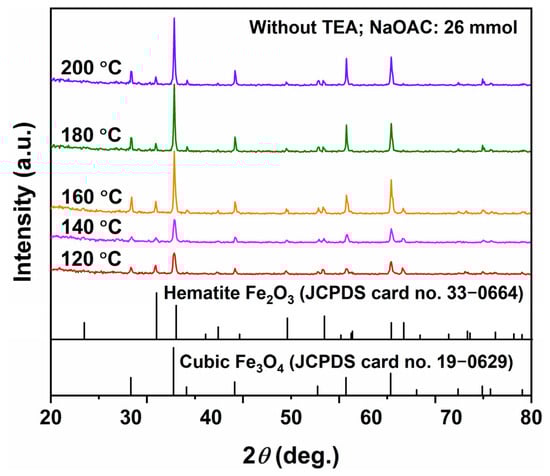
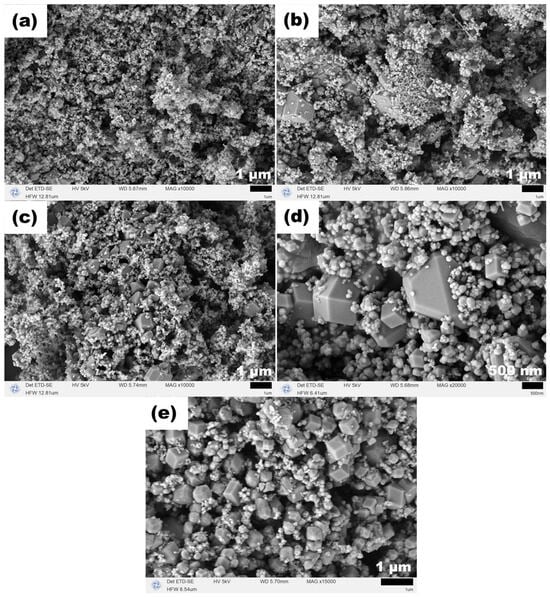
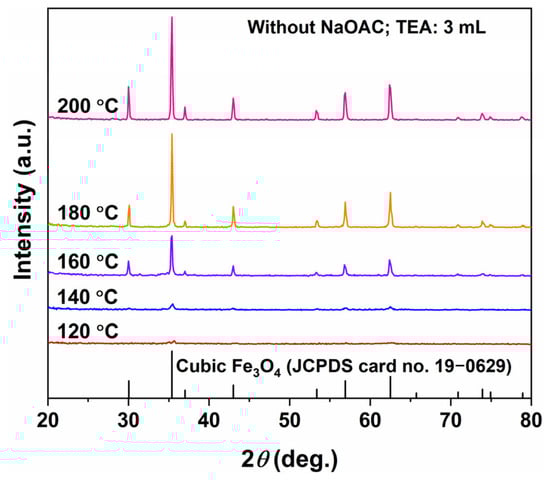
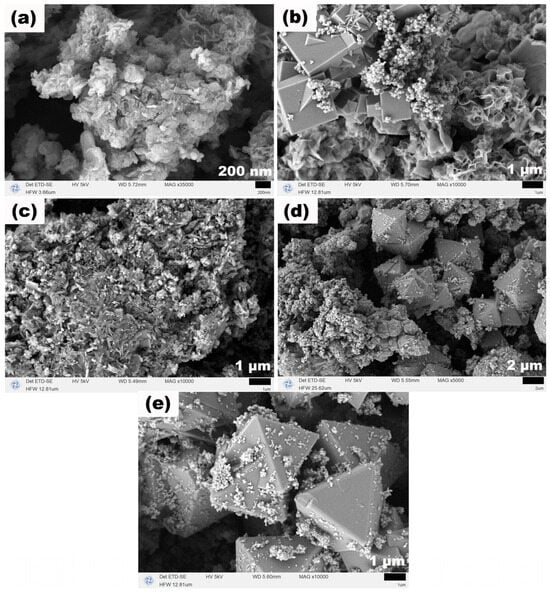
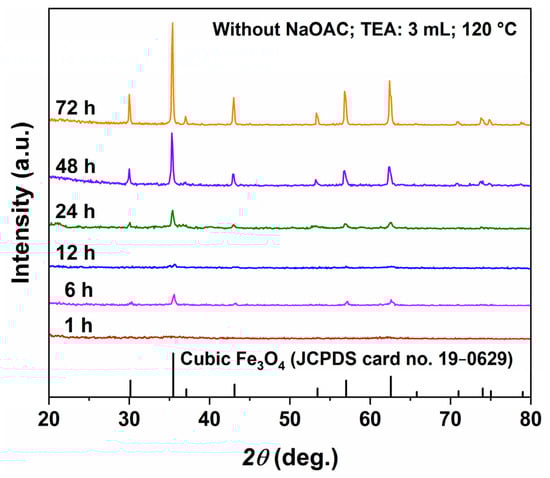
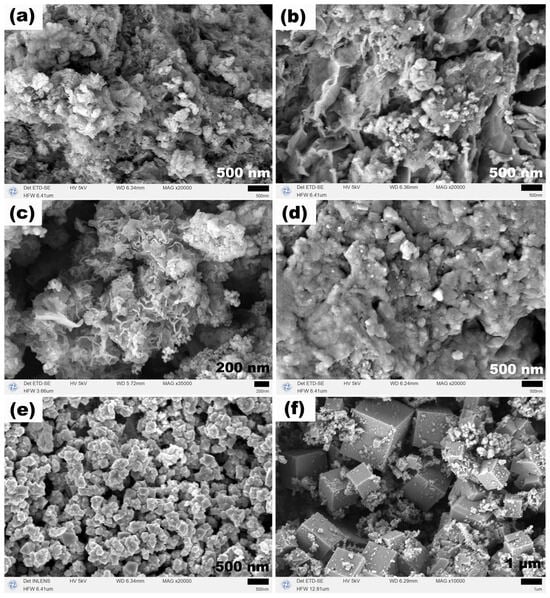
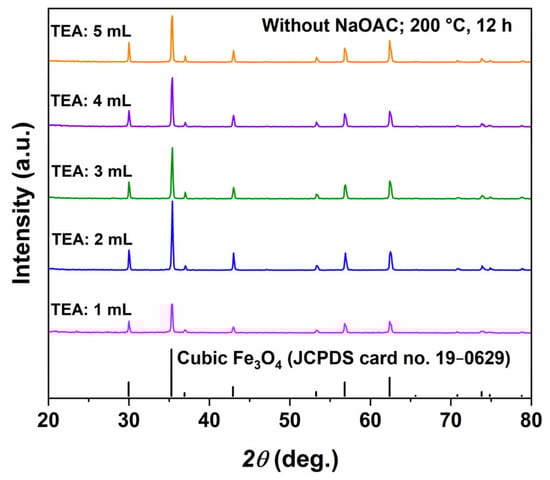
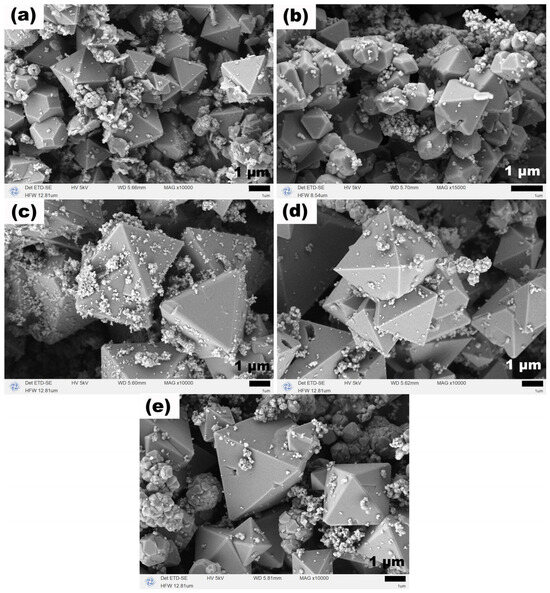
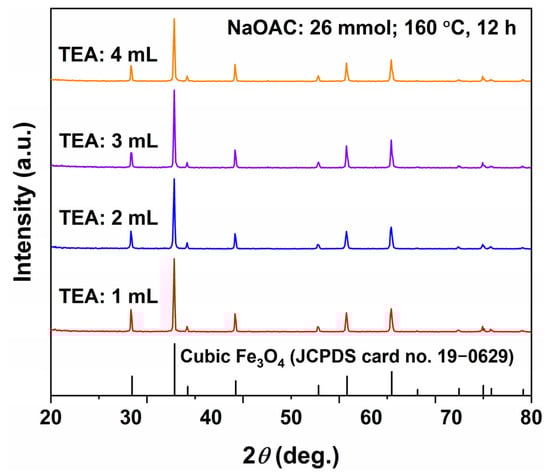
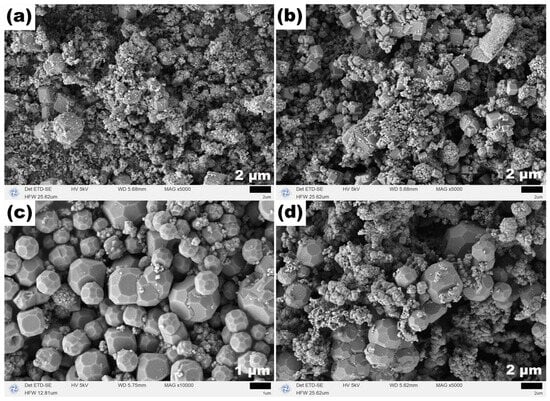
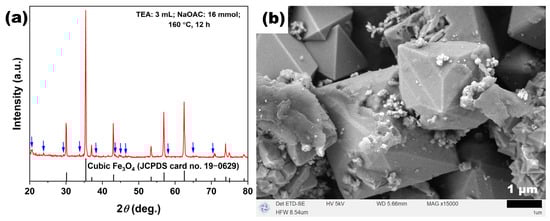
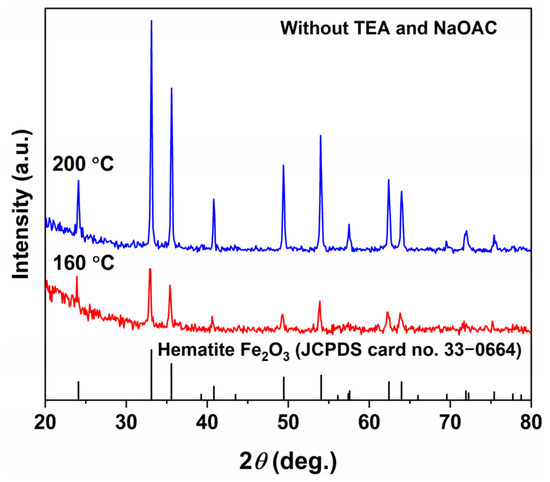
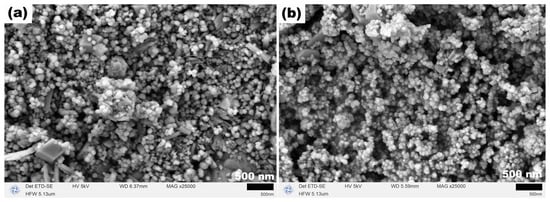
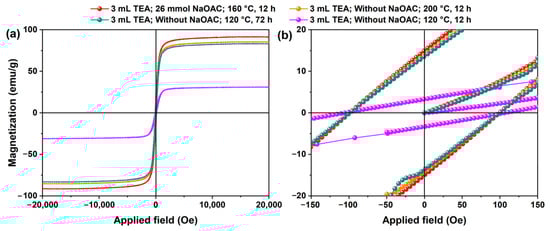
Achieving tunable morphologies of Fe3O4 using a single iron source remains challenging, mainly due to the oxidation of Fe2+ and the difficulty of regulating anisotropic crystal growth. In this study, Fe3O4 was synthesized via a one-step hydrothermal method using FeSO4·7H2O as a single iron source in a TEA–NaOAC synergistic system. The effects of hydrothermal temperature, additive ratio, and dosage were systematically investigated. Time-dependent and TEA dosage-dependent experiments were also designed to elucidate the morphological evolution mechanism. The results show that pure-phase Fe3O4 can be obtained with TEA alone, as TEA controls the release rate of Fe2+ and inhibits its oxidation. However, the synergistic addition of NaOAC provides a mild alkaline environment that not only maintains phase purity but also further promotes anisotropic crystal growth and enables a broader morphological tunability. By tuning the reaction conditions, a systematic morphological evolution from flower-like to cubic, regular octahedral, and polyhedral structures was achieved. Time-dependent experiments reveal a complete dissolution–recrystallization pathway from flower-like to cubic structures. TEM and SAED confirm that the polyhedral particles are micrometer-sized single crystals. Under optimized conditions (160 °C, TEA 3 mL, NaOAC 26 mmol), the polyhedral Fe3O4 exhibits a saturation magnetization of 91.4 emu/g, approaching the bulk theoretical value (92 emu/g), and a coercivity of approximately 100 Oe. This study provides new experimental evidence for morphology regulation of Fe3O4 using a single iron source, achieving high saturation magnetization close to the bulk theoretical value and moderate coercivity suitable for non-biomedical applications.
Full article
(This article belongs to the Collection Green Energy and Environmental Materials)
►▼
Show Figures

Figure 1
Open AccessArticle
Valorization of Mango By-Products: Bioactive Potential of Peel and Seeds and Their In Vitro Bioavailability
by
Sayonara Reyna, María de Guía Córdoba, María Ángeles Rivas, Iris Gudiño, María Vázquez-Hernández, Víctor Otero-Tuárez, Jaime Domínguez and Rocío Casquete
Molecules 2026, 31(9), 1462; https://doi.org/10.3390/molecules31091462 - 28 Apr 2026
Abstract
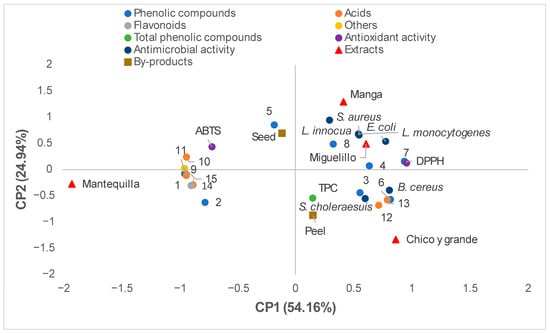
Mango (Mangifera indica L.) processing generates peel and seed by-products with high potential for valorization as sources of phenolic-rich ingredients. In this study, peel and seed from four Ecuadorian cultivars were extracted by ultrasound-assisted hydroalcoholic extraction and characterized for total phenolics, phenolic
[...] Read more.
Mango (Mangifera indica L.) processing generates peel and seed by-products with high potential for valorization as sources of phenolic-rich ingredients. In this study, peel and seed from four Ecuadorian cultivars were extracted by ultrasound-assisted hydroalcoholic extraction and characterized for total phenolics, phenolic profile by HPLC-ESI-QTOF, antioxidant capacity (DPPH and ABTS), and antimicrobial activity against food-relevant bacteria. A dynamic in vitro gastrointestinal digestion model was also applied to evaluate digestion-driven changes in phenolic-related measurements and antioxidant response, and to assess colonic fermentation outputs, including short-chain fatty acids and viable microbial populations. The results showed a strong dependence on cultivar and by-product type, with total phenolics ranging from 2562.35 to 6304.35 mg GAE/100 g in peels and 212.69 to 3006.48 mg GAE/100 g in seeds. LC–MS profiles were dominated by gallotannin-related compounds and phenolic acids. Extracts displayed antioxidant activity (DPPH: 221.97–456.31 mg Trolox/100 g in peels; 43.71–530.46 mg Trolox/100 g in seeds) and dose-dependent antibacterial effects, with inhibition at 700 mg/L reaching 87.57–94.75%. Digestion markedly modulated phenolic-related indices and fermentation-associated metabolites, with peel phenolics decreasing from 284.27 to 73.95 mg GAE/L and seed extracts increasing propionic acid production up to 55.46 mM. Overall, mango peel and seed are differentiated, cultivar-sensitive sources of bioactive extracts with antioxidant and antimicrobial functionality and measurable impacts on colonic fermentation, supporting their use as sustainable ingredients for circular-economy food and nutraceutical applications.
Full article
(This article belongs to the Special Issue Bioactive Compounds as Modulators of Antioxidant Activity and Inflammatory Processes in Related Diseases)
►▼
Show Figures

Figure 1
Open AccessArticle
Acid Degradation, Structure Characterization of a Novel Polysaccharide from Leaves of Isatis indigotica Fort. with Immunomodulatory Activity
by
Yu Shen, Xuefeng Wang, Huiming Zhang, Yuliang Wang, Zheng Wang, Yiying Zhang and Hongbo Zhao
Molecules 2026, 31(9), 1461; https://doi.org/10.3390/molecules31091461 - 28 Apr 2026
Abstract
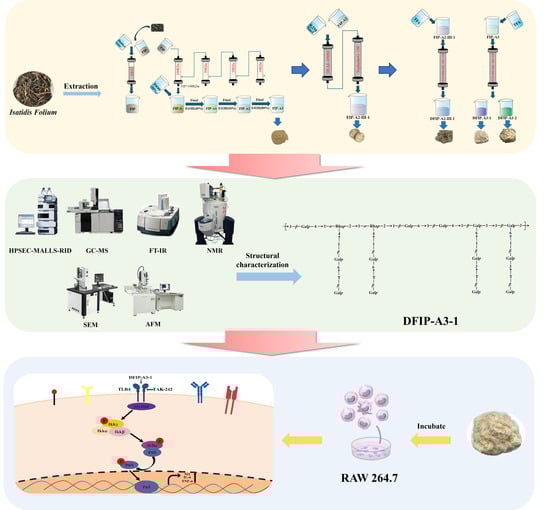
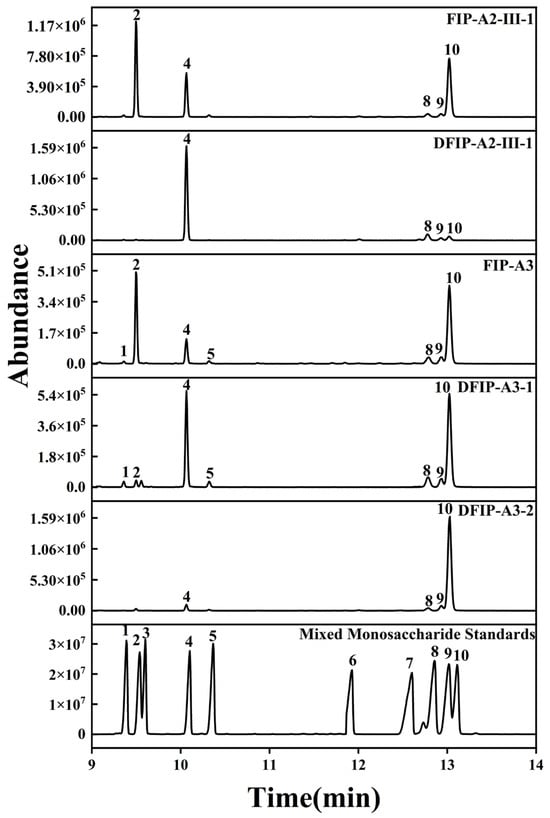
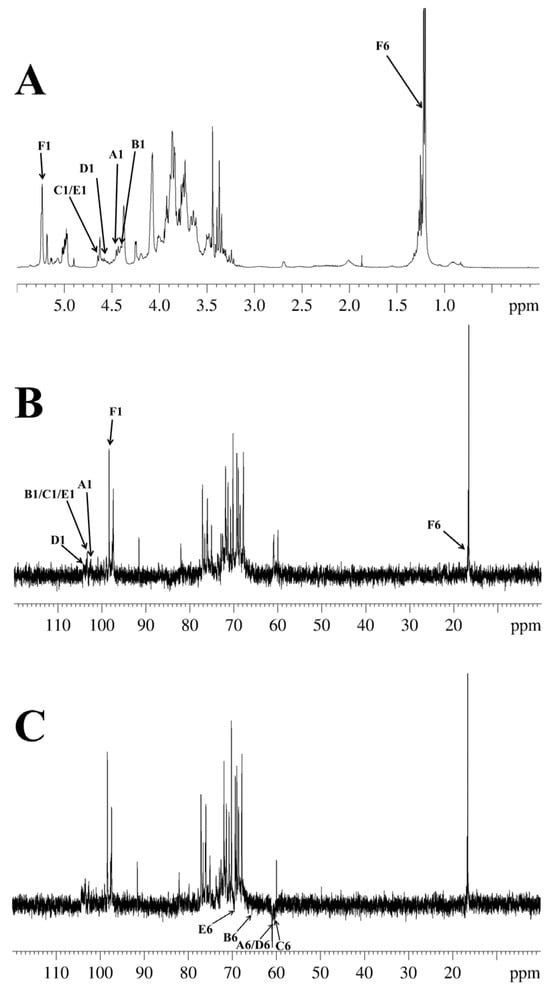
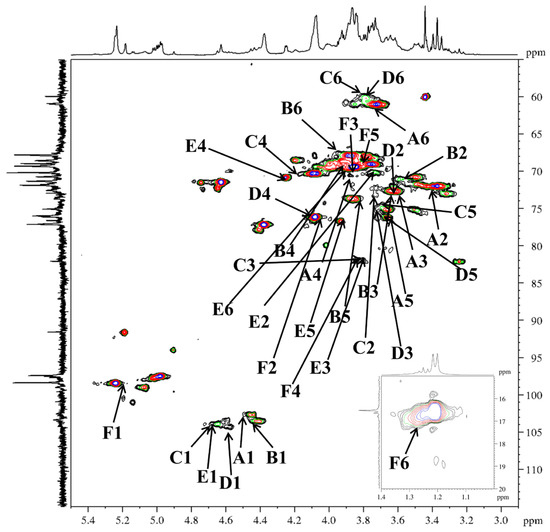
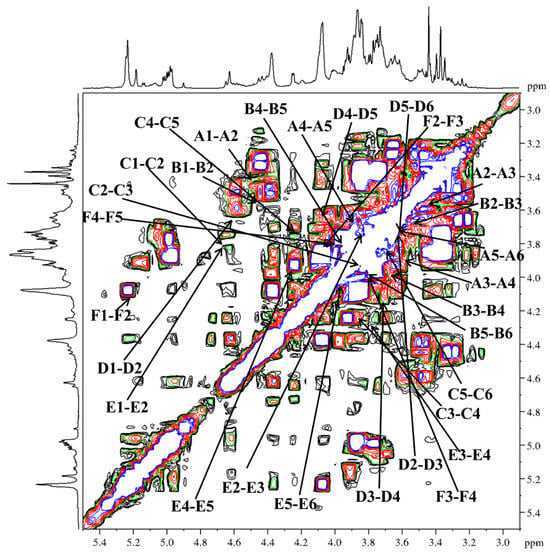
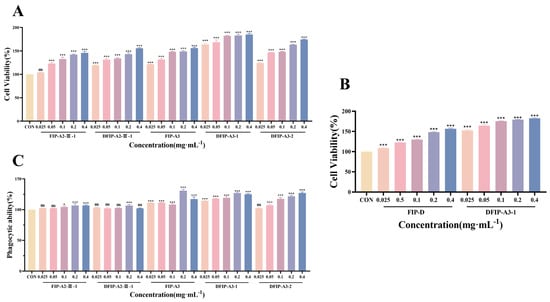
The immunomodulatory potential of natural polysaccharides is often limited by their structural complexity and high molecular weight. In this study, DFIP-A3-1 (Mw = 8.68 × 10³ g/mol) was obtained from the leaves of Isatis indigotica Fort. by ultrafiltration, DEAE-650M, and
[...] Read more.
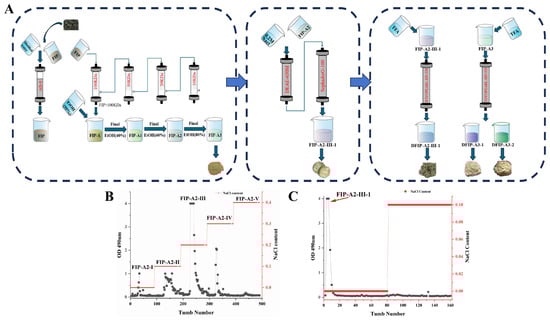
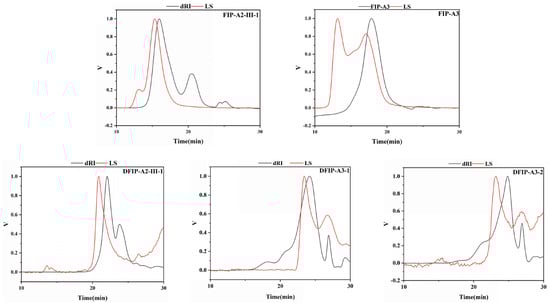
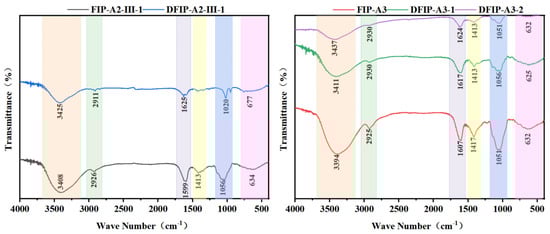
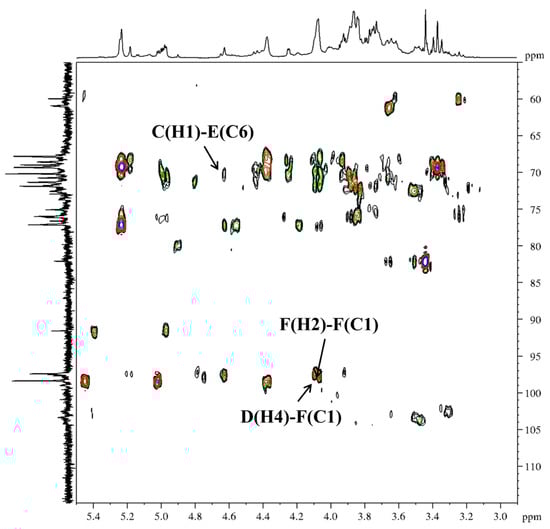
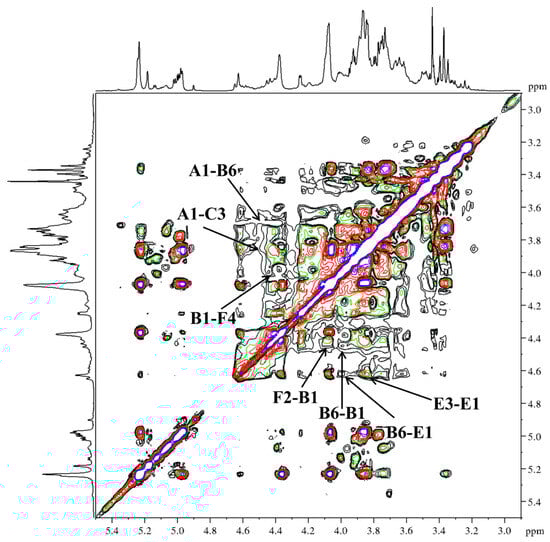
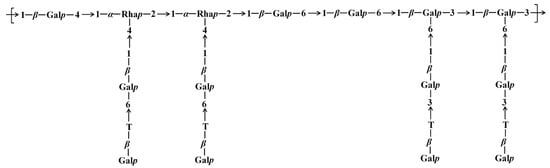
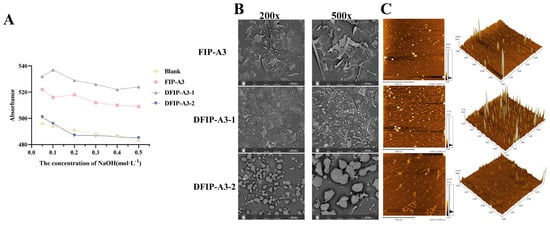
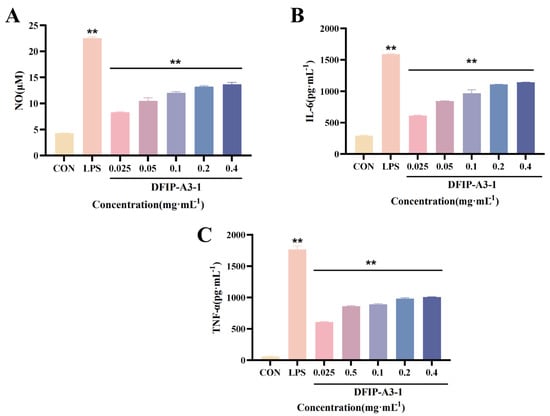
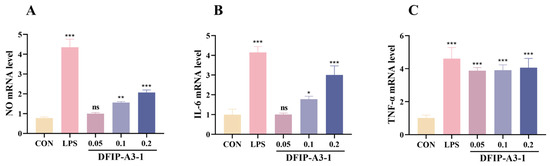
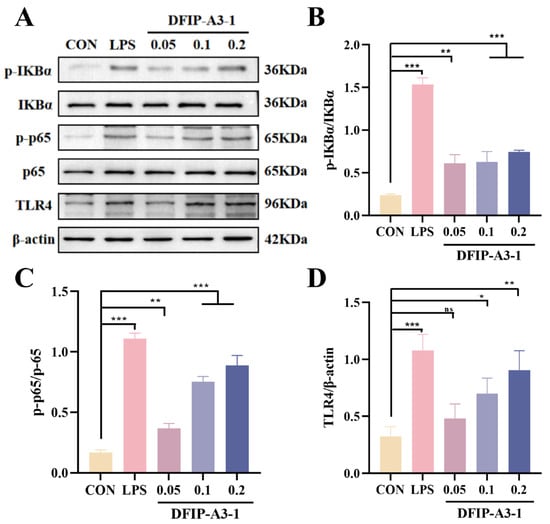
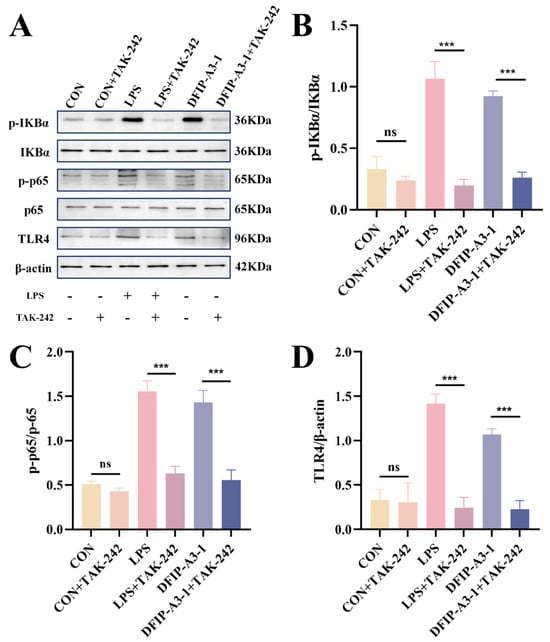
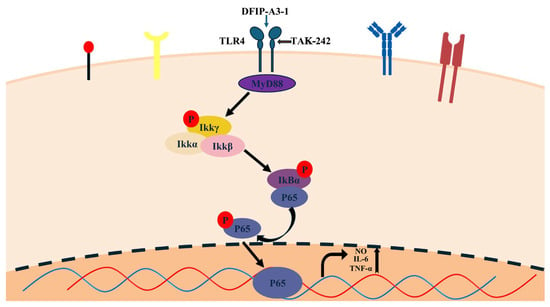
The immunomodulatory potential of natural polysaccharides is often limited by their structural complexity and high molecular weight. In this study, DFIP-A3-1 (Mw = 8.68 × 10³ g/mol) was obtained from the leaves of Isatis indigotica Fort. by ultrafiltration, DEAE-650M, and Sephadex G-100 chromatography, followed by acid degradation. Fortunately, DFIP-A3-1 exhibited the most potent immunostimulatory activity in vitro. HPGPC, HPSEC-MALLS-RID, GC-MS, FT-IR, Congo red tests, SEM, and AFM were used to characterize their structure, and 1D/2D NMR was used for further investigation of DFIP-A3-1 for in-depth structural clarification. DFIP-A3-1 was primarily composed of Rha and Gal. Based on methylation and NMR analyses, the structure of DFIP-A3-1 was elucidated as follows: →1)-β-Galp-(4→1,4)-α-Rhap-(2→1,4)-α-Rhap-(2→1)-β-Galp-(6→1)-β-Galp-(6→1,6)-β-Galp-(3→1,6)-β-Galp-(3→. Furthermore, DFIP-A3-1 was found to exhibit a triple-helix conformation. DFIP-A3-1 markedly upregulated the secretion of NO, IL-6, and TNF-α and enhanced the mRNA expression levels of their related genes in RAW 264.7 cells. Moreover, DFIP-A3-1 activated p-IκBα, p-p65, and TLR4, while co-treatment with TAK-242 markedly suppressed the expression of these pathway-related proteins. All of the aforementioned findings suggested that DFIP-A3-1 is a promising natural immunomodulatory drug deserving of additional research and use.
Full article
(This article belongs to the Special Issue Bioactive Properties and Chemical Composition of Wild Edible Species, 2nd Edition)
►▼
Show Figures

Graphical abstract
Open AccessArticle
Changes of Composition and Nutrition Value of Some Gluten Free (Pseudo)cereals by Addition of Carotenogenic Yeast Cell Homogenate
by
Agáta Bendová, Paula Večeríková, Pavlína Sniegoňová, Jan Obračaj, Jiří Holub and Ivana Márová
Molecules 2026, 31(9), 1460; https://doi.org/10.3390/molecules31091460 - 28 Apr 2026
Abstract
Gluten-free cereals and pseudocereals such as oats, quinoa, and buckwheat are widely used as bases for functional foods due to their protein quality, minerals, fiber, and polyphenols. However, they contain relatively low levels of some vitamins. This study evaluated the enrichment of cereal
[...] Read more.
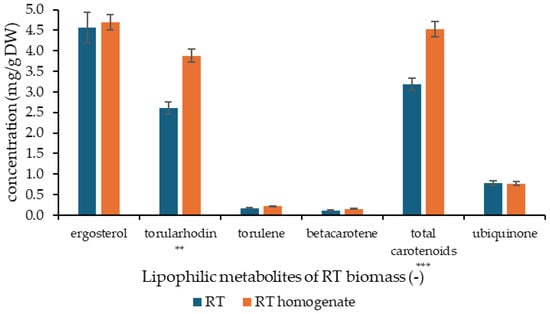
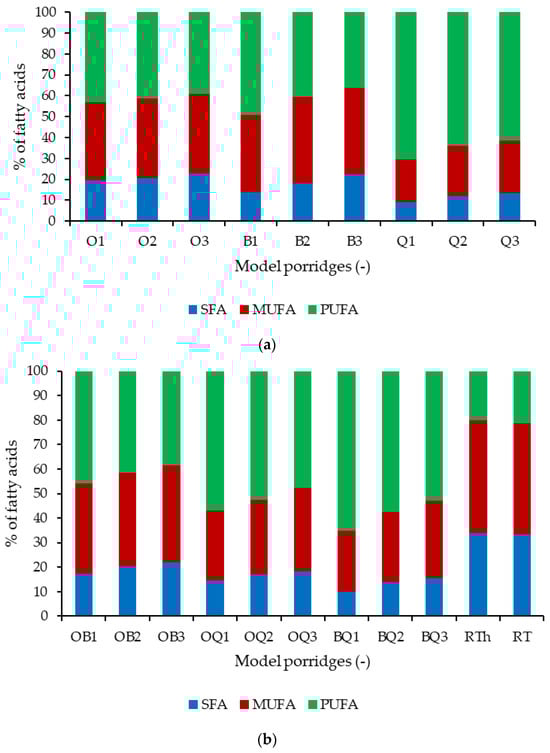
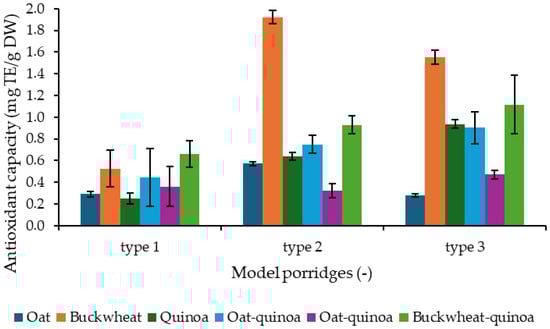
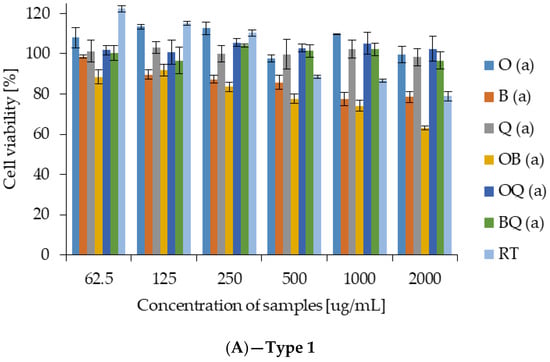
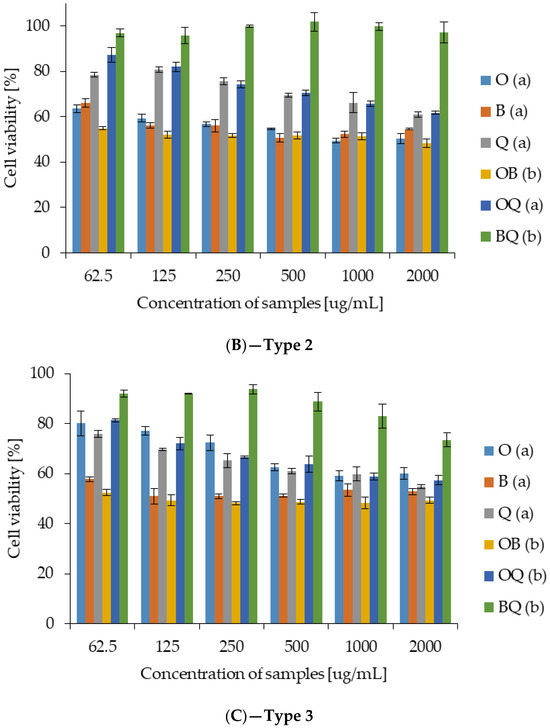
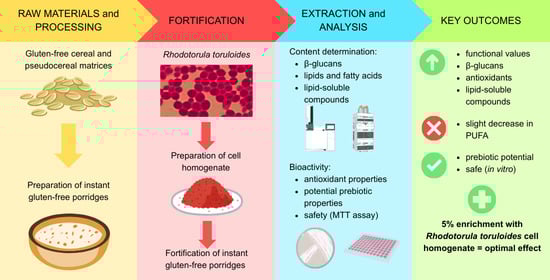
Gluten-free cereals and pseudocereals such as oats, quinoa, and buckwheat are widely used as bases for functional foods due to their protein quality, minerals, fiber, and polyphenols. However, they contain relatively low levels of some vitamins. This study evaluated the enrichment of cereal porridges with a cell-free homogenate of the carotenogenic yeast Rhodotorula toruloides (RT) as a natural strategy to enhance their nutritional value. Model porridges prepared from gluten-free oats, quinoa, buckwheat, and their blends were supplemented with 0%, 5%, or 10% R. toruloides homogenate (RTh). Samples were analyzed for antioxidant capacity (ABTS), lipid-soluble vitamins and provitamins (HPLC), fatty acid composition (GC-FID), approximate prebiotic potential, and cytotoxicity using the MTT assay on Caco-2 cells. The addition of RTh significantly increased antioxidant properties, with the highest value observed in buckwheat porridge with 5% RTh (1.9 mg TE/g DW). Lipid-soluble metabolites were detected only in enriched samples, reaching up to 420 µg/g DW ergosterol and 300 µg/g DW total carotenoids, mainly torularhodin. Quinoa porridges showed the highest PUFA content, whereas RTh was rich in oleic acid. Enrichment increased MUFA levels and improved the fatty acid profile. Approximate prebiotic potential was strongest in oat–quinoa blends. Cytotoxicity remained low, with most IC50 values above 2000 µg/mL. Supplementation with 5% R. toruloides homogenate effectively improves antioxidant and lipid composition of gluten-free porridges while maintaining low cytotoxicity.
Full article
(This article belongs to the Special Issue Advances in Extraction, Characterization and Application of High-Value Compounds)
►▼
Show Figures

Graphical abstract
Journal Menu
► ▼ Journal Menu-
- Molecules Home
- Aims & Scope
- Editorial Board
- Reviewer Board
- Topical Advisory Panel
- Instructions for Authors
- Special Issues
- Topics
- Sections & Collections
- Article Processing Charge
- Indexing & Archiving
- Editor’s Choice Articles
- Most Cited & Viewed
- Journal Statistics
- Journal History
- Journal Awards
- Society Collaborations
- Conferences
- Editorial Office
- 30th Anniversary
Journal Browser
► ▼ Journal Browser-
arrow_forward_ios
Forthcoming issue
arrow_forward_ios Current issue - Vol. 31 (2026)
- Vol. 30 (2025)
- Vol. 29 (2024)
- Vol. 28 (2023)
- Vol. 27 (2022)
- Vol. 26 (2021)
- Vol. 25 (2020)
- Vol. 24 (2019)
- Vol. 23 (2018)
- Vol. 22 (2017)
- Vol. 21 (2016)
- Vol. 20 (2015)
- Vol. 19 (2014)
- Vol. 18 (2013)
- Vol. 17 (2012)
- Vol. 16 (2011)
- Vol. 15 (2010)
- Vol. 14 (2009)
- Vol. 13 (2008)
- Vol. 12 (2007)
- Vol. 11 (2006)
- Vol. 10 (2005)
- Vol. 9 (2004)
- Vol. 8 (2003)
- Vol. 7 (2002)
- Vol. 6 (2001)
- Vol. 5 (2000)
- Vol. 4 (1999)
- Vol. 3 (1998)
- Vol. 2 (1997)
- Volumes not published by MDPI
Highly Accessed Articles
Latest Books
E-Mail Alert
News
Topics
Topic in
Catalysts, Energies, Processes, Sustainability, Waste, Water, Molecules, Nanomaterials
New Research on Waste Treatment, Disposal and Valorization
Topic Editors: Antonella Angelini, Carlo PastoreDeadline: 30 April 2026
Topic in
Biomass, Energies, Materials, Molecules, Nanomaterials, Polymers
Biomass for Energy, Chemicals and Materials
Topic Editors: Shaohua Jiang, Changlei Xia, Shifeng Zhang, Xiaoshuai HanDeadline: 24 May 2026
Topic in
Catalysts, ChemEngineering, Chemistry, Materials, Molecules, Processes, Sustainability, Clean Technol.
Green and Sustainable Chemical Processes
Topic Editors: Iuliana Deleanu, Cristina BusuiocDeadline: 20 June 2026
Topic in
Clean Technol., Energies, Molecules, Processes, Sustainability
CO2 Capture and Renewable Energy, 2nd Edition
Topic Editors: Haris Ishaq, Cheng CaoDeadline: 30 June 2026
Conferences
Special Issues
Special Issue in
Molecules
Exploring the Natural Antioxidants in Foods
Guest Editors: Ewa Piątkowska, Mariola Drozdowska, Ewelina Piasna-SłupeckaDeadline: 30 April 2026
Special Issue in
Molecules
Volatile Natural Products: Extraction, Characterization and Application
Guest Editor: Hsin-Chun ChenDeadline: 30 April 2026
Special Issue in
Molecules
Catalysis for Drug Discovery
Guest Editor: Deyun QianDeadline: 30 April 2026
Special Issue in
Molecules
Organic Fluorescent Dyes and Materials: From Synthesis to Applications in Detection and Bio-Imaging
Guest Editor: Anna BarattucciDeadline: 30 April 2026
Topical Collections
Topical Collection in
Molecules
Bioactive Compounds
Collection Editors: Roberto Fabiani, Eliana Pereira
Topical Collection in
Molecules
Versatility of G-quadruplexes
Collection Editors: Bernard Juskowiak, Anna Renata Dembska, Anna S. Kichkailo, Joanna Kosman
Topical Collection in
Molecules
Recent Advances in Flavors and Fragrances
Collection Editor: Luca Forti