


Abstract
The textile industry has contributed significantly to global microplastic pollution, generating both primary and secondary microplastics. Primary microplastics, released during the manufacturing process of textiles, are the main concern due to their long-chain structure and persistence, while secondary microplastics are generated from the degradation of synthetic or blended textile products, which have already been in service or use. This review provides a comprehensive overview of methods for investigating fibrous primary microplastics generated throughout the major stages of the textile value chain, including yarn production, fabric manufacturing, garment processing, finishing, and packaging. In fact, there is an urgent need to deal with fibrous primary microplastics, as they are particularly hazardous due to their form (thin, long and often needle-like) and long-lasting life (can sustain in the environment over hundreds of years). Each manufacturing stage produces measurable microfiber losses. For example, pre-consumer production emits approximately 0.12 million metric tons of microplastics per year. High-speed yarn spinning releases additional MP (microplastics); rotor-spun polyester yarns shed 2000–8000 MFPs/g (microplastic fibers/g). The mechanical stresses such as friction, abrasion, and yarn breakage during weaving and knitting operations contribute significantly up to 104–106 microfibers per m2 of fabric during production. Wet processing (dyeing, printing, and finishing) is another major hotspot for primary microplastic generation, with dye house effluents reporting up to 54,100 microfibers per liter. Moreover, during mechanical and chemical finishing operations, the generated nanoplastics (NPs) rose significantly, exceeding 1011 particles per gram of material. Subsequently, the garments manufacturing units are estimated to produce 10,000 garments per day (5 tons of fabric), which equates to 5–25 kg/day of microplastic fiber waste. Targeted schemes for the study of primary microplastics at the earliest stages of textile production could significantly reduce environmental release and strengthen progress toward a more circular and sustainable textile economy.
1. Introduction
The textile industry ranks among the largest manufacturing sectors globally and is a recognized point source of persistent microplastic contamination. Global fiber production, including both natural and synthetic fibers, has increased substantially over the last two decades, rising from 57 million metric tons (MMT) in 2000 to approximately 111 MMT in 2020 [1]. Alongside this rapid growth, the environmental burden associated with microplastics (MPs) has intensified. Current estimates suggest that nearly 51 trillion microplastic particles are present in the world’s oceans, posing serious ecological and toxicological concerns [2]. The International Union for Conservation of Nature (IUCN) identified synthetic textiles as the third largest contributor of primary microplastics entering marine environments, with domestic laundering alone responsible for approximately 35% of annual emissions [3]. Napper and Thompson [4] and Dris et al. [5] emphasized synthetic textiles as critical sources of microplastics entering wastewater. By 2020, synthetic textiles represented 65% of global primary fiber production [6]. Microplastics in textile materials and products mainly result from special textiles structure created from very strong elements, e.g., with an initial tensile modulus 100 times higher than plastics with the same chemical composition and polymeric chain length known as textile microplastics [3].
Fibrous microplastics (FMPs) originating from synthetic textiles are considered a major contributor to primary microplastic contamination [7], while classifying microplastics into primary and secondary categories is based on their respective definitions and distinguishing characteristics. In accordance with ECHA, primary microplastics (source is general plastics) are intentionally manufactured in small plastic particles (typically <5 mm) for specific applications, whereas secondary microplastics (originating from general plastics) result from the fragmentation of larger plastic items due to environmental or mechanical degradation. In the textiles industry, the definition is still in line with ECHA’s classification of primary microplastics, but it is modified to suit textile production processes. In this regard, textile primary microplastics include intentionally added small plastic particles, such as microbeads or plastic coatings, as well as microfibers that are released at various stages in textile production departments. Synthetic staple fibers release micro-sized fragments during blow room operations, fiber opening, cleaning, carding, and spinning, while fine nano- to microscale filaments may also be extruded during solution or melt spinning. Additional fiber lint comes out during weaving (weft yarn), knitting, and nonwoven formation (loosely held fibers comes out) due to mechanical abrasion. Wet processing and finishing further contribute through polymer additives and coating materials. The incorporation of these synthetic materials during dyeing, printing, and surface functionalization increases the likelihood of microplastic generation during washing, abrasion, and end-of-life degradation, thereby positioning the textile sector as a substantial contributor to primary microplastic pollution. Textiles secondary microplastics arise from the fragmentation or shedding of larger synthetic fibers during use or washing of clothes [8]. Even though the fibers are short and not strongly bound, their release becomes less with each wash. However, as the materials get older, they tend to shed more and form fiber fragments as a result of wear. The cloths which are frequently worn for short periods of time, such as sportswear, undergarments, fast-fashion items, and children’s clothing, result in more frequent washes and quicker wear and tear, which increases secondary microplastics emissions [9]. Moreover, textile nanoplastics are fragmented polymer fibers originating from textile materials (with at least one dimension smaller than 100 nanometers) or plastic debris emitted from coated finishes that lies in the range of the nanometric scale called polymeric nanoplastics (PNPs). They can also exist as both primary textile nanoplastics generated during textile manufacturing and secondary textile nanoplastics formed during textile use. Table 1 shows the comparison of microplastic terminology used in general plastics and textile contexts.
Table 1.
Comparison of microplastic terminology used in general plastics and textile contexts [9].
Short and fibrous fragments are consistently reported in textile wastewater [10] with polyester (56%), acrylic (23%), and polyamide (16%) identified as the major polymer types [11,12]. Mechanisms of primary micro- and nanoplastic generation in textiles are multifactorial and process-dependent [13]. During fiber and yarn production, abrasion and fiber breakage generate fine fragments, while wet processing (e.g., desizing, scouring, bleaching, dyeing, finishing) introduces chemical, thermal, and mechanical stresses that accelerate fragmentation and mobilize polymeric particulates from coatings and finishes [14,15]. Concentrations reported in dye house effluents often reach 104–106 items L−1 [16]. Additionally, the interaction of finishing chemicals generates complex particle–chemical mixtures, raising concerns about combined environmental toxicity [17,18]. Microplastic release can occur throughout the textile value chain. During industrial production, dry mechanical processes such as cutting, trimming, and sewing generate airborne fibers that may subsequently deposit into wastewater streams or surrounding soils [19]. At the consumer level, laundering remains the dominant pathway for microfiber release, although wearing and tumble drying also contribute to airborne and terrestrial dispersion [20]. The relative contribution of each stage largely depends on manufacturing practices, wastewater management strategies, and the implementation of mitigation technologies [21].
Recent research has identified several key parameters governing microfiber release, including fabric structure, thickness, fabric mass per unit area, polymer composition, and prior processing history [22]. Woven fabrics, especially acrylic-based structures, exhibit significantly higher microfiber release during laundering compared to knitted fabrics, which generally demonstrate lower fiber loss due to their looped structural configuration [23]. Despite growing attention to this issue, inconsistencies in experimental methodologies still limit direct comparison between studies. Ongoing standardization initiatives led by organizations such as ISO/TC 38 and the EU Joint Research Centre aim to harmonize sampling and reporting protocols for microfiber quantification, although significant uncertainties remain [24,25]. Laundering variables including liquor ratio, washing agitation, detergent formulation, yarn twist, and fiber fineness can cause order-of-magnitude differences in reported microfiber release values [26]. On a larger scale, it has been estimated that domestic laundering alone may release thousands to tens of thousands of tons of microfibers annually per country [27].
Although laundering has received considerable attention, microfiber generation during pre-consumer textile production remains comparatively underexplored. To date, no comprehensive review has systematically consolidated evidence on primary microplastic generation across different textile departments, including spinning, weaving, wet processing, garment manufacturing, and packaging. Therefore, the present study aims to examine the fundamental mechanisms responsible for microplastic shedding from textile structures and to identify key stages within the manufacturing chain that contribute to this phenomenon [28]. This review discusses all the possible methods for studying the so-called fibrous primary microplastics, which originate from nearly all major parts of the textile chain “yarns-fabrics-clothing-finishing and packaging etc”. It also addresses this gap by systematically examining the mechanisms of MP generation across the textile chain, quantifying departmental contributions, and discussing pre-consumer MPs as potential resources for future applications. By doing so, it highlights both the environmental risks and emerging opportunities associated with primary microplastics from the textile industry.
2. Differentiation and Inconsistencies Between Textile Micro/Nanoplastics and General Micro/Nanoplastics
Plastic fibers in synthetic textiles are a basic unit of hierarchical textile structures and typically have a diameter of 3 to 25 μm and a length of few centimeters (with a minimum of 1.5 cm). The length distribution of synthetic fiber is narrow if they are prepared by cutting and wider if they are prepared by the tearing method. They are held in textile structures by frictional forces only induced by the twist of the yarn or the construction of the fabric. These frictional interactions ensure key macroscopic mechanical properties of textile structures, including tensile strength, structural cohesion, abrasion resistance, and dimensional stability [3]. This leads to the potential release of shorter fibers which experience lower-intensity frictional contacts without breaking. This significant difference compared to solid plastic objects is one of the main causes of the formation of primary fibrous microplastics. Moreover, primary textile nanoplastics are intrinsically linked to primary textile microplastics because, unlike general environmental microplastics (that predominantly arise from the fragmentation of bulk plastic objects), the textile systems can directly generate both micro- and nanoplastics during production across multiple processing stages [29]. In these processes, microplastics are mainly released as fibrillar structures, whereas nanoplastics originate as both nanoscale fibrils and particulate debris formed through mechanical and chemical stress. In addition to being generated across multiple textile departments, these nanoplastics are released more specifically from surface-applied polymeric coatings and functional finishes, which are particularly susceptible to mechanical abrasion and chemical degradation [8]. Synthetic textiles are estimated to contribute 0.2 to 0.5 million tons of microplastics into marine ecosystems. These materials represent the primary raw materials used in the production of textile goods. According to current estimates, synthetic fibers are responsible for 60–70% of global textile fiber production [30].
Figure 1 highlights a key distinction between textile-derived micro/nanoplastics and general environmental micro/nanoplastics by showing the specific polymers polyester, nylon, acrylic, polypropylene and segmented polyurethanes. These polymers are most commonly used in traditional plastic industries, while in textiles they are the major source for fiber production and used in functional finishing (coatings which are major contributors to nanoplastic release). Unlike general micro/nanoplastics, which predominantly originate from bulk polymer fragmentation (e.g., plastics bottles, packaging films, household plastics), textile nanoplastics often derive from surface-applied polymeric coatings that undergo rapid abrasion during washing, wearing, stretching, and chemical exposure. Moreover, some major polymer groups used in textile production and finishing applications are shown in Table 2.
Figure 1.
Polymer types commonly used for the production of main synthetic fibers and highlighted (in blue) coating polymers such as PA6, PAN, PVA, PTFE, and polyurethanes that function as textile finishing layers and serve as important sources of nanoplastic debris. Redrawn with permission from Dinep, A review on synthetic fibers for polymer matrix composites: Performance, failure modes and applications, published by MDPI, 2022 [31].
Table 2.
Major polymer groups used in textile production and finishing applications.
The polymeric coatings circled in blue form thin functional layers imparting water repellency, elasticity, antistatic behavior, or soil resistance, making them more prone to shedding ultrafine fragments compared with structurally embedded fibers such as polyester (PET), polypropylene (PP), or polyamide 66 (PA66). This creates an inconsistency: while conventional micro/nanoplastics arise from large-scale breakdown of inherently robust plastics, textile nanoplastics frequently originate during textile production and from coating-layer degradation, producing smaller, more reactive particles with different chemistry, morphology, and emission pathways. Thus, the textile nanoplastic pollution is driven not only by fiber erosion, but also by specialized finishing polymers that behave differently from general plastic sources [8].
3. Mechanistic Framework of Fibrous Micro- and Nanoplastics
Microplastics and nanoplastics are generated throughout the cradle-to-grave cycle of fibrous materials, including during their production, use, and disposal. In the textile sector, primary micro- and nanoplastics arise not only as raw materials but also during various stages of textile production, including fiber synthesis, fabric production, wet processing, garments manufacturing, cutting, finishing, and packaging, through washing, drying, and handling textiles, as well as from industrial effluents [32]. Each step involves different types of physical, mechanical, thermal, and chemical actions, which in turn contribute to the release of microplastic fibrous-based pollutants. Key mechanisms include the following: (1) preparation of polymeric fibers (filament cutting or tearing to staple, texturing); (2) yarn production processes (abrasion, fiber breakage, and filament cutting, and fine fibers). Generally, there are two main mechanisms of primary microplastics generation. The first is due to the presence of short fibers with the same diameter as regular fibers in yarns, and the mechanism involves the release of these fibers from the yarn structure. The second mechanism involves the formation of fibrous fragments with a smaller diameter as a result of splitting and breaking (caused mainly by abrasion accompanied by local heating) during the fabrication of textile structures and their use. (3) Production of textile fabrics (weaving, knitting, and nonwovens) by frictional contacts, bending, and local heating can induce fibrillation and fragmentation. During the weaving process of the textile structures, there are frequent dynamical frictional contacts between surface and metallic surfaces of machines working elements (rollers, mandrels, pins, holes, etc.), causing local heat which can lead to breaks or fibrillation due to softening or partial melting. (4) Wet processing (pretreatment, bleaching, dyeing, and final treatment) and chemical finishing treatments (by PTFE, PAN, PU, PVA, and PA, etc.), combined with mechanical agitation, increase fiber breakage and release of micro- and nanoplastics.
The clothing industry, through certain mechanical actions, generates diverse waste streams, including fabric offcuts, lint, broken threads, and defective materials, many of which release microplastics during cutting, sewing, and finishing processes. Mostly, fleeced and synthetic textiles composed of polymers such as polyethylene, polyamide, polypropylene, polyester, and acrylic further contribute to microplastic release during production and assembly. Laundering and tumble drying significantly intensify fiber shedding, particularly during initial washes, with millions of microfibers released per kilogram of fabric, highlighting textile production and use as major sources of microplastic pollution [33]. Furthermore, the raw substances of fashion garments include fibers, yarns, and decorative material such as beads, sequins, pearls, beads, glitters, glues, resins, washing powder, and other cleansers are considered to be a common source of primary microplastics in textile manufacturing [34,35].
4. Release of Primary Micro- and Nanoplastic from Different Units of Textiles Production
4.1. Primary Microplastics Generation During Plastic Fibre Production (Filament Spinning)
Cotton is obtained through ginning and baling after harvest, while plastics (PET, nylon, PE, and PP) are synthesized from petrochemical monomers, processed into polymer chips and melt-spun into filaments [36,37]. Global synthetic production is heavily concentrated in the APAC region, particularly in China. In 2019, APAC contributed approximately 92% of the 62 million tons (MT) of synthetic materials produced worldwide, with China alone accounting for about 70% of this volume [38]. Despite this dominance in production volume, the industry remains highly fragmented; the 32 largest polyester fiber producers collectively account for only 47% of global output, of which 21 producers are based in China [39]. During plastic fiber production, primary microplastics are generated during fiber spinning/formation and subsequent mechanical preparation stages. The shedding of primary microplastics occurs across various stages of production, including dry processes such as melt spinning, winding, drawing, texturing, spinning, brushing, and cutting. In the case of man-made fibers, processes such as melt spinning of polyethylene terephthalate (PET) and polypropylene (PP), or solution/dry/wet spinning of nylon and acrylic, followed by drawing and heat-setting, are significant sources of primary microfiber release. Mechanical actions during cutting into staple length, spool changeovers, trimming, and fiber handling generate fine and short fiber fragments that accumulate on floors and in the surrounding air [32].
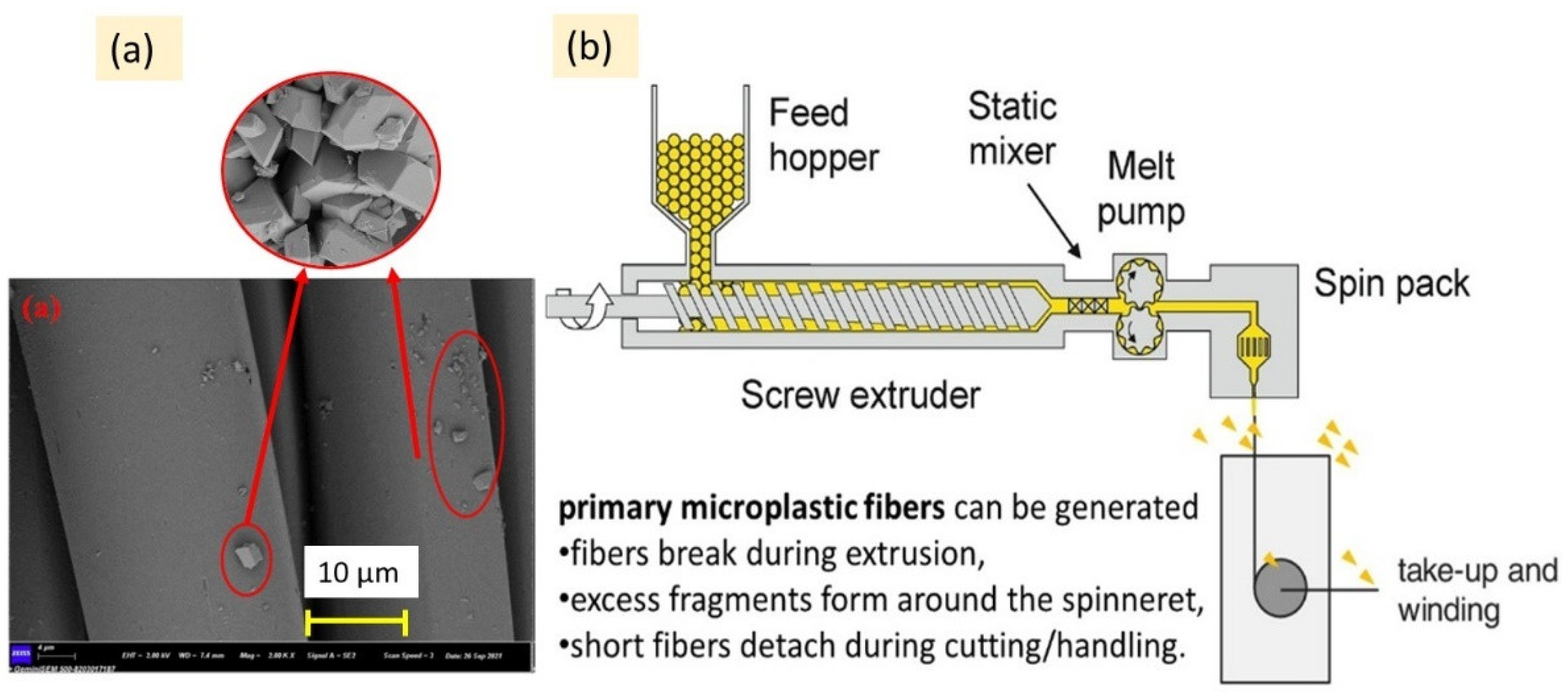
Selected synthetic polymers (also known as fiber-forming polymers) are basic components in textile manufacturing and can aid in the release of microplastics. These polymers are widely used in the production of synthetic fabrics and have the potential to accidently release microplastic particles throughout various stages of the manufacturing process. One requirement for fibrous polymers is a sufficient length of polymeric chains characterized by the degree of polymerization Dp which is the number of monomeric units in a polymeric chain. This value is typical for different synthetic materials, and it is a nonlinear function of strength. For polyester (PET), Dp is around 80–150 [40]. A decrease in DP during textile processing is an indication of fiber damage and it can be the reason of their potential breaks. It is known that polyester (polyethylene terephthalate (PET)) contains a small percentage of cyclic trimer as shown in Figure 2a [29]. Cyclic trimer can be dissolved in hot water, but in cold water, it creates small strong crystalline units on the surface of fibers. From a polymer standpoint, differences in abrasion resistance play an important role in determining the shedding behavior of synthetic fibers. As reported by Militký et al., polyamide fibers exhibit the highest abrasion resistance, followed by polyester and polypropylene, which also demonstrate relatively strong resistance to mechanical wear. In contrast, acrylic and modacrylic fibers show significantly lower abrasion resistance, making them more susceptible to fragmentation under mechanical stress. These intrinsic differences directly influence the generation of microplastic fibers (MPFs) during textile use and laundering. Accordingly, a concise stage-wise comparison in Table 3 shows that polymers with lower abrasion resistance (e.g., acrylic) tend to contribute more to MPF formation during mechanical actions, while higher-resistance polymers (e.g., polyamide) generally release fewer fragments under comparable conditions [15].
Table 3.
Polymer-specific shedding tendencies and resolution of the earlier issue of treating all synthetic fibers as a single category [15].
The spinning of chemical and synthetic fibers is mainly realized through melt spinning or solvent spinning [41]. Melt spinning is a relatively simple and widely preferred process. In this technique, the polymer is melted at temperatures typically around 20 °C above its melting point (commonly near ~200 °C depending on the polymer type) and extruded through a spinneret. The extruded filaments are subsequently solidified through controlled cooling, usually by cold air or water vapor, as illustrated in Figure 2b [42].
Solvent spinning is more complex because many fibrous polymers are soluble only in specific and often hazardous solvents. In this technique, the polymer is first dissolved in a suitable solvent and then extruded through a spinneret. Fiber solidification occurs through solvent removal, either by evaporation (dry spinning) or by coagulation in a nonsolvent bath (wet spinning), typically at processing temperatures at or below ~200 °C, governed mainly by the solvent boiling point rather than the polymer melting temperature. In dry spinning, the polymer is evaporated, and in wet spinning, the solvent is replaced by a non-solvent. Subsequent drawing and heat setting do not generate microplastics, but the final conversion of continuous filaments to staple fibers by cutting or mechanical tearing is accompanied by very strong mechanical forces, which can also produce shorter (tearing) or partially damaged fibers (cutting) [40].
Synthetic fibers have a specific structure composed of more or less organized regions. The basic structural element is a strong, thin (diameter: ~10 nm), and long (length: ~1 μm) microfibril, which contains a regular arrangement of crystalline and amorphous parts. According to their dimensions, these microfibrils can also be classified as a type of microplastic. Due to this fibrillar structure, synthetic fibers show pronounced anisotropy in their physical and mechanical properties. For example, the typical initial tensile modulus (stiffness) of the crystalline phase along the longitudinal (fiber axis) direction is about EKL = 150 GPa, while in the transverse (perpendicular to fiber axis) direction it is much lower, around EKT = 4 GPa. The modulus of the amorphous phase is even lower, about EA = 0.6 GPa. Since synthetic fibers are classified as thermoplastics, they become much softer at sufficiently high temperatures. Their tensile stiffness decreases to the MPa range, which is about three orders of magnitude lower. At low temperatures, synthetics exist in a glassy state with high stiffness, while at high temperatures they transition into a much less stiff, rubbery state [40]. The temperature at which this transition occurs in the amorphous regions, from a glassy to a rubbery structure, is called the glass transition temperature (Tg). Tg can be significantly decreased by adding low-molecular-weight plasticizers into the polymer matrix. For partially hydrophilic fibrous polymers, water itself also acts as a plasticizer. For example, the Tg of polyamide 6.6 decreases from about 80 °C at a 0% relative humidity (RH) to around −15 °C or lower at a 100% RH. The structural changes of polyamides caused by water are reversible below approximately 75 °C, but becomes irreversible above 95 °C. In comparison, for polyesters and acrylics, the decrease in Tg due to water is less dramatic. For instance, the Tg of dry PET (about 72 °C) decreases to only 16–18 °C in water [40]. Therefore, as washing increases the moisture content, it strongly influences the mechanical properties, promoting potentially microplastic creation. Spinning of synthetic fibers mostly sheds tiny plastics: cutting polyester filaments to staple fibers and abrasive drafting/twisting can release microplastics. Pre-consumer microfiber emissions from all textile manufacturing steps are Nosignificant: an analysis estimates ~0.12 million metric tons of synthetic microfiber are released annually during production (about 0.19% of polyester output) [43].
Figure 2.
(a) Nanoplastics due to cyclic trimers on the PET surface [29]; (b) primary microplastic release during the melt spinning process [42]. (a) was reprinted with permission from Hao Li, Extraction of cyclic oligomer and their influence on polyester dyeing in a silicone waterless dyeing system, published by MDPI, 2021 [29]. (b) was reprinted with permission from Martin Pelzer, Melt spinning and characterization of hollow fibers from poly(4-methyl-1-pentene), published by Wiley, 2020 [42].
4.2. Primary Microplastic Generation in Conventional Spinning Departments (Staple Fibers to Yarn)
Staple yarn production usually starts with a bale of compacted, disorganized staple fibers. However, before the bale reaches the mill, these staples have already gone through multiple production steps (filament fiber production; aforementioned). In this process, these filaments are imparted with texture through crimping, after which they are cut into staple fibers and finally packed into bales for subsequent processing. This cutting step is reported by the industry to be sharp and clean [44].
This cutting step is reported by industry sources to be sharp and clean [45]. Despite such claims, it may be considered a potential source of microplastic fibers (MPFs) within the bale, which could explain their presence at this stage. These staple fibers are subsequently processed using conventional staple spinning systems, which are widely employed not only for cotton yarn production but also for yarns composed of synthetic fibers and their blends. The staple fibers are most commonly made of polyethylene terephthalate (PET) and may be used alone or blended with cotton and/or other natural or synthetic fibers at varying blend ratios. Fiber blending is typically performed in a blow room or during the carding stage.
Cotton/polyester blends hinder natural cotton degradation and release microplastics at a slow rate into the environment [36]. It is observed that cotton/polyester blends shed more microplastics than fabrics made of 100% polyester [45]. Cotton/polyester blends processing requires a large amount of chemicals for their processing, leading to the production of micro-plastics, whereas polyester processing requires a high amount of heat and is usually a thermally driven procedure, leading to the rupture of the structure of fiber structure. Both these processes lead to the formation of primary micro-plastics at the point source [46,47]. Primary microplastics are present and generated at each step of the staple yarn production department from the starting material to the final yarns. Among all departments, the three primary departments (opening, cleaning, and carding) usually produce an excess of waste. They can be classified as returnable waste which is returned to the spinning process, non-returnable waste as a source of microplastics, and trash. In fact, in conventional spinning mills, microplastics are released mainly into the air, where they are then deposited in soil, as shown in Figure 3b [48]. A study suggested that up to 65% of microplastics may be emitted into the air, with short fibers released from textiles appearing to be predominant. The yarn manufacturing process is composed mainly of the following steps, shown in Figure 3a.
Figure 3.
(a) Basic steps of yarn spinning [49]; (b) schematic illustration of the shedding and releasing of primary microplastics in a blow room (opening, cleaning, and feeding to the card) [50]. (a) was redrawn with permission from Shahzad A, Fabrication of low-twist and high-strength metallic fibre hybrid spun yarns, published by MDPI, 2022 [49]. (b) was redrawn with permission from Aisyah H, A comprehensive review on advanced sustainable woven natural fibre polymer composites, published by MDPI, 2021 [50].
Usually, these fibers are delivered to spinning mills in bales. In the blow room, the opening stage plays a key role in staple spinning preparation for subsequent processing. The first opener operates at relatively high speeds to minimize tuft size, facilitating contaminant removal and enhancing fiber blending (the most common blend of cotton and polyester), while its gentle action minimizes the generation of neps and short fibers (PET) across diverse blended mixes. The initial process of bale opening and staple preparation for carding does not impose severe mechanical forces on the fibers; nevertheless, the concentration of microplastic fibers (MPFs) in the chute feed was observed to be approximately twice that in the original bale. This phenomenon explains the compact structure of bales where MPFs remain entrapped within the densely packed fiber’s matrix, limiting their release. In contrast, the loosening of fibers during chute feeding, the stream of loosened fibers transported toward the carding machine, and preparation that enhances fiber’s accessibility facilitate the detachment and subsequent release of embedded MPFs. The mixing stage is particularly critical, where fibers are homogenized within multiple blending chambers, typically six to eight depending on production capacity and the required level of doubling. Maintaining uniform fiber column heights within these chambers is essential to ensure consistent mixing prior to carding. Inadequate blending can result in process instability, poor yarn quality, and even streaky dyeing effects in downstream operations [51,52].
Subsequently, fibers pass to the carding machine, where a series of wire-covered cylinders (cards) comb and align them into a continuous loose rope or sliver. Carding also removes most remaining small trash and short primary microplastic fibers [51]. A study found that, in the carding rooms, dust contained a mixture of mineral particles, natural cotton, and other organic matter, including microplastic fibers that are strongly linked to respiratory diseases such as byssinosis [53]. Spinning rooms generate dust with more cotton but only about half the amount of these harmful microplastics fiber compared to carding [54]. Figure 4a,b schematically illustrates the mechanical actions occurring during carding and drawing, which contribute to microplastic liberation from fibers. Although Figure 4 presents process schematics rather than particle images, it highlights the mechanical interaction zones responsible for particle generation. Cotton-derived particles (non-microplastics) originate mainly from fiber opening and abrasion, while microplastic fibers are generated from synthetic materials at high-stress points such as feed rolls, carding cylinders, workers, strippers, and combing rolls, where repeated bending, shear, and friction promote fiber fragmentation.
Figure 4.
Schematic illustration of the shedding and releasing of primary microplastics: (a) by carding action (to web) [55]; (b) by Rotor spinning (web to sliver production) [50]. (a) was reprinted with permission from Manis F, Influences on textile and mechanical properties of recycled carbon fiber nonwovens produced by carding, published by MDPI, 2021 [55]. (b) was redrawn with permission from Aisyah H, A comprehensive review on advanced sustainable woven natural fibre polymer composites, published by MDPI, 2021 [50].
Several carded slivers are combined in the drawing (or draw frame) to further align and blend them. Rollers stretch (draft) and condense the bundle into a finer sliver. For fine-count yarns, a combing step follows, which pulls out the shortest fibers (typically <½ inch) and remaining impurities. This yields a smoother, stronger yarn but generates combing waste (the “noil”) composed of removed short primary microplastic fibers [51]. According to an estimation, carding and drawing yielded slivers containing 230–397 MPF/g. The values were obtained by mechanically extracting microplastic fibers from 1.0 ± 0.1 g sliver samples under controlled laboratory washing conditions (Gyrowash, ISO 105-C06–based protocol). The quantified fibers represent loose or weakly bound microplastic fibers detached from the bulk sliver during extraction [52]. MPF counts in slivers collected during carding, drawing, and roving indicate that no single process is the dominant contributor to MPF formation. Rather, each stage contributes to the overall release of microplastic fibers. The relative standard deviation of 17% is small when taking into account the standard variation between replicates and the overall magnitude of the study (tens of MPF versus thousands of MPF per gram), although there are only minor variations across the samples. Nevertheless, the variations in the median length and the length distribution demonstrate that the equipment affects the final MPF output [56]. The fact that the MPF median length increases gradually as the number of process steps that the segment goes through suggests that the dust-removal mechanisms integrated into the machines help to partially eliminate shorter MPFs. From the above, it can be concluded that the MPF count decreases with each process, which is consistent with this finding. The reverse is also true, and the data confirm the theory that each process generates MPFs by subjecting the product in process to physical stress, even when shorter MPFs are removed. As a result, the extracted MPF count is negligible. The nature of MPF outcomes provides an additional powerful indication of the specific process that generates MPFs. Fatigue failure, which is often associated with the extraction cycle, is likely to manifest in the morphology of fiber ends. To further investigate this, a study was conducted to examine the release of primary microplastics from cotton/polyester blended yarns across the entire production process, starting with bale opening and continuing through to the yarn dyeing stage. During mechanical processing within textile manufacture, such as bale opening, carding, and combing, fine fibers and fiber fragments are released into the atmosphere and onto factory surfaces. Notably, industrial dust in such environments is enriched with high counts of short synthetic microfibers, which are classified as microplastic fibers (MPFs). In wet processing stages of yarn (e.g., sizing, dyeing), industrial effluents can contain microfiber concentrations as high as 1450 MPFs per liter; following primary treatment, levels may drop to 15–120 MPFs/L and further to 0.5–90 MPFs/L with secondary or tertiary treatment. Sludge from these treatment systems is highly contaminated, with estimates reaching 200 microfibers per gram of sludge [57].
Another study observed that microplastics are generated throughout polyester yarn production, form raw bale opening and persisting into the final yarn. While initial stages like carding and sliver handling exhibit relatively low MPF levels, typically in the tens to a few hundred per gram; the spinning method dramatically influences MPF problems [52]. In another study, the release of fiber microplastics during the spinning process was found to be approximately 3.5 times greater than that observed during washing [56]. After carding and drawing, these slivers undergo different yarn-spinning techniques to produce yarn. Open-end (rotor) spinning feeds staple fibers (including primary microplastic fibers) into a high-speed rotor to form spun yarns, whereas ring spinning attenuates and twists a roving around a spindle and traveler to produce finer spun yarns. In contrast, yarns produced from continuous filaments are referred to as filament yarns and are manufactured through chemical extrusion processes rather than textile spinning.
Cotton (a short staple fiber) produces spun yarns, whereas polyester (a continuous filament) can produce smooth filament yarns or staple yarn after cutting. Synthetics often undergo texturizing (crimping or bulking filaments) before spinning to improve hand feel. During texturing and crimping, the microplastics of varied sizes are dropped. The resulting yarns are then converted into fabrics through weaving or knitting, followed by additional processing steps such as pretreatment, dyeing, printing, finishing, and rinsing [36]. The quantity of microplastic fibers (MPFs) varies significantly across different processing stages; however, rotor-spun yarn showed the highest release compared to alternative spinning methods as shown in Table 4. The structure, properties and release of microplastics of yarns are greatly characterized by fiber arrangements including hairiness and amount of twist insertion as shown in Figure 5a [58]. Yarn formation is primarily achieved through three major spinning technologies: ring spinning, rotor spinning, and air-jet spinning. In ring spinning, twist is continuously inserted into the drafted fiber strand by a rotating spindle−traveler system, producing a highly oriented and compact yarn structure. Spindle speeds in ring spinning typically range from 10,000 to 12,000 rpm. Rotor spinning, in contrast, introduces twist by collecting fibers within a rapidly rotating rotor. Although this method enables significantly higher production rates, the resulting yarns generally possess lower strength and different structural characteristics compared with ring-spun yarns [59]. Air-jet yarn is formed by feeding fibers into a high-velocity air stream, which wraps them around a core strand. This produces smoother yarns with fewer exposed fiber ends, contributing to lower MPF counts observed in air-jet yarns (tens to hundreds MPF/g) [52].
Table 4.
Release of microplastic fibers (MPFs) at different stages of textile yarn manufacturing.
Figure 5.
(a) Detachment of fibers from the beard by the combing roll and feed roll in rotor spinning [59]. (b) Structure of ring and rotor yarns (20 tex) from cotton fibers [59]. (a) was redrawn (adapted) from Militký J, Textile branch and main breakthroughs of the Czech Republic in the field of textile machinery: An illustrated review, published by MDPI, 2021 [59]. (b) was reprinted with permission from Jiri Militky, Textile branch and main breakthroughs of the Czech Republic in the field of textile machinery: An illustrated review, published by MDPI, 2021 [59].
Ring spinning produces yarns through true twisting, resulting in a characteristic helical structure primarily formed by the surface fibers as illustrated in Figure 5b [59].
During the friction in individual steps of yarn spinning, a local heat is produced which can cause thermal damage to the fibers. At the spindle speed of 6000 rpm, the polyester fiber shows a uniform appearance with small dust-like particles attached to the surface. At the spindle speed of 7500 rpm, the fiber also appears to be relatively uniform, but some accumulation of dust particles seem to be occurring [60].
Rotor spinning, also known as open-end spinning, produces yarn through a false-twist mechanism. In this process, torque forces acting on individual fibers generate twist, while the overall twist intensity is regulated by the motion of the rotor chamber. With rotor speeds exceeding 120,000 rpm, the process subjects fibers to extreme mechanical and thermal stresses, which may cause partial melting or breakage of polymer chains [61]. Rotor-spun yarns typically display a more disordered internal fiber arrangement compared to ring-spun yarns, with distinctive wrapper fibers encircling the surface. Despite this chaotic structure, they usually exhibit lower hairiness, which influences yarn strength, abrasion resistance, and microplastic shedding. However, polyester fibers processed through rotor spinning can undergo thermal damage due to repeated contact with the heated metal rotor surfaces [61].
Rotor spinning is particularly suitable for the manufacturing of coarse to medium-fine yarns. Compact spinning is one variant of ring spinning suppressing the creation of the yarn triangle and forming a more compact yarn with lower hairiness. Rotor spinning shows higher production but causes more damage than ring spinning [32]. The best methods for minimizing microplastic release due to yarn construction are high twist, low yarn fineness, and the use of sufficiently long fibers. Polyester and polypropylene filament yarn (manufactured from filaments) shed less microplastics than corresponding staple yarn. Ring yarns are generally hairier, resulting in pilling and the potential release of microplastics in the form of short fibers [52]. A study reveals that microplastic fibers (MPFs) are generated during textile spinning processes of polyester staple fibers, rather than during chemical filament extrusion. Notably, rotor-spun yarns contain the highest concentration of MPFs, ranging from approximately 2000 to 8000 per gram. In contrast, ring-spun, compact-spun, and air-jet yarns present much lower MPF counts in the range of tens to hundreds per gram. Moreover, increasing the rotor spinning speed by 25% can quadruple MPF generation, which underscores the great impact on process parameters. The fiber length distribution also varies: MPFs from rotor yarns average around 210 µm, from air-jet yarns about 330 µm, and from ring and compact yarns about 530–580 µm, reflecting distinct mechanical processes across spinning technologies. Spinning produced more MPFs (air-jet yarns: nearly 43–52 MPF/g; ring/compact: 82–194 MPF/g) and rotor-spun yarns greatly increased MPs (up to 2245–7840 MPF/g) [52]. The influence of spinning methods across different fiber types is summarized in Table 5. It should be noted that all investigated materials consisted of 100% polyester fibers, corresponding to 100% synthetic fiber content, with no blended fiber systems reported.
Table 5.
Influence of different spinning methods for shedding MPs during washing.
A recent study reported that rotor yarns released shorter microplastic fibers (MPFs), with an average length of 226 μm, compared to other yarn types varying between 300 and 500 μm. While the absolute quantities of MPFs differed across yarns, the overall ranking from the least to most shedding remained consistent. Furthermore, there is an obvious distinction between rotor yarns and other yarns with rotor yarns releasing 47 times more MPFs than air-jet yarns, a trend comparable to the findings of Cai et al., who observed a 35-fold increase when comparing the same materials [64]. In summary, the characteristics of the produced yarns of various spinning techniques and counts are shown in Table 6. With the exception of compact yarns, which were excluded due to their erratic behavior, the values represent the average of all yarns produced using the same procedure. While the other yarns (ring, compact) did not exhibit any obvious distinctions between the yarns spun at various rates, rotor-spun yarns can be identified by their spinning speed as they follow different trends. All reported MPF values were determined using a sonication extraction method, in which textile samples were subjected to ultrasonication in LAS solution, followed by filtration through 0.45 μm membranes and image-based quantification using FiberApp or ImageJ.
Table 6.
Fibrous release from different spinning methods with varying yarn counts [52].
The extent of microplastic fiber release is strongly linked to the yarn hairiness generated during spinning. SEM images clearly show that ring-spun yarns exhibit the highest degree of hairiness. This is because the twisting mechanism involves continuous friction between the traveler and the ring, which pushes many short outwards from the yarn body. These protruding fibers are weakly bound and can easily detach during further processing or use, leading to a higher release of microplastics [52]. In comparison, rotor-spun yarns display relatively lower hairiness. The centrifugal force acts in the same direction; however, due to differentiation in mass, shorter fibers exhibit lower inertia compared to longer ones, which causes differentiation in their displacement and final position within the yarn structure [52]. Air-jet spun yarns show the least hairiness among the three. Here, compressed air inserts fibers acting as a wrapper around the yarn core, firmly binding the structure. Scanning electron microscopy (SEM) images confirm that air-jet yarns exhibit a highly compact and uniform structure with very few protruding fibers. Such structural compactness significantly reduces the likelihood of fiber detachment and subsequent microplastic release [52]. Figure 6 shows SEM images of yarns made by different spinning methods. Shown yarns are specifically ring yarn, compact yarn, rotor yarn, rotor yarn, and air-jet yarn.
Figure 6.
Scanning electron microscope (SEM) images of yarns produced using different spinning techniques [52]. Reprinted with permission from Pinlova B, Systematic study of the presence of microplastic fibers during polyester yarn production, published by Elsevier, 2022 [52].
Cai et al. stated that polyester rotor-spun yarn released a substantially higher quantity of fibrous microplastics (4310 MPFs/g) as compared to other yarn types which generated (160–230 MPFs/g). This amount indicates that the rotor spinning process may represent a critical stage in microfiber generation [65]. Spinning produced more MPFs (air-jet yarns nearly 44–50 MPF/g; ring/compact ~82–194 MPF/g) and rotor-spun yarns greatly increased MPs (up to 2245–7840 MPF/g) [52]. Throughout spinning, waste is also generated as fiber lint, dust, and off-spec yarn. Combing waste contains longer fibers removed from cotton slivers. Ring spinning may produce broken yarn and fiber fly. According to Babu et al., typical spinning wastes include “fiber waste, sized yarn, [and] cleaning and processing waste” [66].
In another study, the release of fiber microplastics from spinning waste was found to be approximately 3.5 times greater than that observed during washing. For cotton or polycotton blends, data from mill processes are scarce (cotton itself is not plastic), but use-phase studies show polycotton fabrics shed far fewer fibers than pure polyester [56].
4.3. Microplastics Generation During Weaving and Knitting
The textile fabric is normally made by the interlacing of yarns during knitting or weaving processes. The final properties of the fabric depend upon the characteristics used to produce the yarn. Warping is the first preparatory step (before weaving) in fabric manufacturing, where hundreds to thousands of individual yarns are unwound from cones (spinning yarn) and wound onto a warp beam. All yarns are required to be kept under controlled tension to align them parallel to each other, to ensure proper warping on the beam. During warping, fibrils are released from cotton−polyester blend staple fibers due to mechanical contact with guides, combs, reeds, and rollers [43]. The second step involves fabric production, which is normally carried out through the interlacement of yarns during knitting or weaving. The final properties of fabric depend upon the characteristics of the yarn used to produce it. Mechanical stress during weaving or knitting machines can result in breakage and shedding of fibrils (up to 104–106 microfibers per m2 of fabric) particularly if the yarn has a hairy texture and yarns are damaged by friction against working parts of machines [67]. During weaving, 5–7% of warp yarns are broken as depicted in Figure 7. During weaving, fibers undergo abrasion both against each other and against the loom components. This abrasion, along with the removal of sizing agents, often leads to a reduction in yarn strength of approximately 30–50%, depending on the yarn type. Unsized warp yarns typically fail through slippage, whereas sized yarns, consolidated by the adhesion of sizing materials, predominantly fail through fiber breakage. In the case of weft yarns, the power required for picking increases cubically with loom speed. Additionally, some fibers are fractured during weaving, which slightly decreases yarn stiffness but contributes significantly to the overall loss in yarn strength [32]. This potentially increases the risk that microplastic may be discharged into the industrial air and swallowed by workers. These microplastics, mainly in the form of loose short fibers, settles as dust on the ground or in the air in weaving rooms. Eventually, these particles find their way through air into our aquatic habitats, adding to pollution [40]. Microplastics are mostly produced as a result of warp from synthetic abrasion on the heald wires during the weaving process. Another study revealed that for every gram of cloth, 4900–640,000 MPFs and 0–350,000 fibrils were released, with an average fibril/MPF ratio of 0.8. There was a favorable correlation between the total number of MPFs and fibrils generated during abrasion (mechanical action: heald frame motion for shed formation) and the rise in the number of rubs up to 10,000 times.
Figure 7.
Passage of warp yarn through weaving loom [32]. Reprinted with permission from Periyasamy, A review on microplastic emission from textile materials and its reduction techniques, published by Elsevier, 2022 [32].
In weaving rooms, the dust composition varied with the type of fabric and machinery used, but it generally lacked microplastics and was mostly made up of cotton and mineral particles [54]. The evaluation of microplastic release during weaving and knitting can be conducted using both dry sample collection methods and wet sample collection. Firstly, airborne or surface-deposited fibers can be captured directly. Microfibers generated in weaving departments can be collected effectively by using high-efficiency local exhaust ventilation systems positioned near positioned near heddles, reeds, and beat-up zones to capture airborne fibers at the source, supported by air-filtration units that remove fine particles from the circulating air. Machine-mounted collection trays or mesh traps help capture falling fibers, while centralized or high-suction vacuum systems are used for floor and machine cleaning without re-aerosolizing lint (a process by which particles that have previously settled onto a surface become airborne again). Maintaining proper humidity levels and minimizing static electricity further reduce fiber fly, and closed waste-collection bins prevent secondary release of accumulated fibers [36].
Secondly, fiber release can be quantitatively assessed by collecting fresh fabric samples from the production department (woven or knitted), subjecting them to controlled washing cycles, and capturing the released fibers using specialized sampling equipment fitted with appropriate filters, such as quartz fiber, silicon, or polycarbonate membranes. The collected fibers are then quantified and characterized using suitable analytical techniques. Carney et al. colleagues tried to measure the quantity of microplastics released when three varieties of synthetic textile knits (fresh samples), namely polyester, acrylic, and nylon, using varied gauges and procedures during laboratory washing [68]. Polyester fleece fabrics, in particular, shed the greatest amounts, with an average of 7360 microplastics/m2/1 in one wash, implying that a large number of microplastics liberated from a polyester fleece per wash may be an overestimation [69]. The production of microplastics is strongly influenced by yarn type (staple or filament) and yarn fineness. In an unpublished report by SINTEX [70], microplastic (MP) release was evaluated in knitted fabrics as shown in Figure 8, which presents the microplastic produced from polyester staple fibers (1.4 dtex), fine microfiber filaments (≤1.2 dtex), coarse filaments (>1.2 dtex), and mixed yarns. The fresh made samples (source of primary microplastics) were collected. All fabrics were manufactured as double-face pull structures on circular knitting machines, and MP release after standardized washing was quantified gravimetrically. The results showed that for filament yarns, MP emission increases with the number of individual filaments, meaning that finer filaments with smaller diameters release the most MPs while staple yarns with comparable fiber counts generated substantially lower emissions. These patterns were fully consistent with the SINTEX dataset, where fine filaments (0.57–1.15 dtex) released the highest amounts (≈250–330 mg MP per kg fabric), compared with staple yarn fabrics (~120 mg/kg). Primarily, this does not contradict the observation that staple-fiber rotor spinning is a major source of primary MP formation: during early fiber processing, mechanical opening, carding, and rotor drafting generate significant MPs from staple fibers, whereas continuous filaments bypass these abrasive steps and therefore do not produce comparable primary MPs [70].
Figure 8.
Microplastics released from polyester double-faced knitted fabric containing different fibrous structures [70]. Reprinted with permission from J. Prochazka, Knitted fabrics for evaluating the release of microplastic, an internal report published by SINTEX, a.s. Česká Třebová/TZU, s.p. Brno, 2024 [70].
The development of MPFs and fibrils was significantly indicated by visible pilling on the textile surface as in Figure 9a,b. The study found that the formation of MPF fibrils is caused by abrasion, a crucial, practical, and often disregarded mechanism in the weaving mainly during pattern formation in healds and shedding in looms [71].
Figure 9.
SEM images of the Rib F fabric surfaces before abrasion (a) and after rubs (b). Reprinted with permission from Tong Yang, Formation of microplastic and fibrils during abrasion of a representative set of 12 polyester textiles, published by Elsevier, 2022 [71].
4.4. Microplastics Generation from Nonwovens
The global demand for nonwovens is projected to increase substantially, from 11.2 million tons in 2019 (valued at USD 46.8 billion) to USD 64.8 billion by 2024 [72]. With this growing demand rate, the environmental burden associated with disposable nonwoven products had also increased dramatically. Approximately two-thirds of these products are produced from synthetic fibers [73], highlighting the need to better understand their role in microfiber release. Nonwovens are textile structures manufactured directly from fibers, bypassing any middle stage of the yarn production. Short staple fibers or long continuous filaments are bonded or interlocked either through any mechanical, thermal or hydroentangling methods, or by employing adhesives and solvents either individually or in combination. The fibers can be randomly oriented or aligned in specific directions, and layering techniques allow tailoring of mechanical properties along both machine (longitudinal) and cross directions [74]. Several studies have highlighted nonwoven-based products, including wet wipes, surgical gowns, face masks, and geotextile products, as significant sources contributing to the origin of microfibers pollution [75,76]. The structural construction of non-woven fibers is highly dependent on processing techniques and end-use requirements, with diameters ranging from the microscale to the nanoscale. Such fine structures are of particular concern due to their fatal impact on the respiratory system. Despite this, limited research has investigated microfiber emissions specifically from nonwoven materials [77,78]. A recent investigation observed microfiber release from meltblown nonwovens produced under varying manufacturing conditions. To mimic the disposal of nonwoven products in sewage and wastewater treatment systems, the samples were exposed to mechanical stress by placing them with metal balls inside a canister. In addition, potential microfiber shedding during product use was simulated by shaking nonwoven materials at a controlled rate under ambient air conditions [79]. Among synthetic fibers, polyester and polypropylene are most commonly found in nonwoven industries. More than half of nonwoven products are produced through carding combined with hydroentangling or thermal bonding techniques. Another common method is meltblowing, a physical bonding process in which fiber release is strongly influenced by the applied airflow rate [80]. It is well established that higher airflow rates in meltblowing generate finer orifices, producing extremely fine filaments that can lead to the formation of microfibers, some of which may also be released into the air. Furthermore, as the airflow rate increases, the density of the resulting web decreases [79].
Another technique of nonwoven production that mainly causes the release of primary microplastics is needle punching techniques. It is common to use partially oriented webs (layers) from staple fibers or filaments as the starting material. A great portion of nonwovens is used for sanitary purposes as napkins and wipes. These products mainly contain polypropylene, and synthetic short fibers, and fibrous fragments from nonwoven wipes have been shown to be among the very common microplastics found in marine environments [81,82]. Particles released from needle-punched nonwoven synthetic textiles may represent a major source of airborne microplastics, particularly in urban environments where their use and processing are widespread. Previous studies have demonstrated that even under routine washing conditions, needle-punched nonwovens release substantial numbers of microplastic fibers. These findings indicate that rotor spinning may represent a critical stage in microfiber generation during textile production. Moreover, mechanical stresses experienced during consumer use and maintenance can further accelerate microplastic release from such textile structures, amplifying their contribution to environmental pollution [83]. One study estimated that more than 700,000 microplastic fibers were released from a single 6 kg wash load of needle-punched acrylic nonwoven fabric. In another investigation, Azam et al. produced nonwoven Kevlar webs from fibrous waste using a needle-punching process [84]. The Kevlar waste consisted of industrial offcuts, yarn remnants, and loose fibers. Prior to web formation, the material underwent standard preparatory operations including opening, cleaning, garnetting, and carding. The resulting web was processed using a needle-punching machine with a needle density of 48 needles cm−2 at a line speed of 0.5 m min−1. The complete processing sequence is illustrated in Figure 10. Approximately 2 kg of Kevlar waste was processed, and total fiber release across all production stages was estimated at 0.2–2%, corresponding to roughly 4–40 g of released fibers. With an average filament diameter of 12 µm and fragment lengths between 1 and 5 mm, this mass corresponds to approximately 5–25 million fibers (for 5 mm fragments) and up to 25–250 million fibers (for 1 mm fragments) generated during the entire process [85]. Such estimations underline that even minor weight losses can correspond to extremely high particle numbers. This highlights both the potential scale of microplastic generation from technical textile recycling and the importance of developing optimized processing methods to minimize fiber release at the source.
Figure 10.
Schematic diagrams of converting Kevlar waste into a nonwoven web [85]. Reprinted with permission from Azam Ali, Fabrication of conductive, high strength and electromagnetic interference (EMI) shielded green composites based on waste materials, published by MDPI, 2022 [85].
4.5. Primary Microplastics Generation in a Wet Processing Unit
Wet processing is the final stage in dyed yarn or fabric manufacture that gives textiles their distinct characteristics [86]. Wet processing procedures often comprise pre-treatment (fabric cleaning and bleaching), coloring (dyeing or printing), and finishing. There are several procedures for various fibrous forms such as yarns or fabrics.
In addition to conventional textile substrates, synthetic leather fabrics (e.g., polyurethane (PU)- or polyvinyl chloride (PVC)-coated fabrics) also undergo extensive wet-processing treatments, including dipping, coagulation/solidification, washing, pigment coating, and finishing. These processes involve polymer dispersions, plasticizers, stabilizers, and surface modifiers applied under controlled thermal and chemical conditions. During dipping, coagulation, washing, and mechanical handling, polymer fragments and coating residues may be released into wastewater streams as primary microplastics. Therefore, synthetic leather processing represents an additional and significant pathway for primary microplastic emission, particularly due to the detachment of polymeric coating layers and unreacted resin particles. The flow chart of different types of wet textile processing operations is shown in Figure 11 [87]. During wet textile processing, an abundance of primary MF is released due to discharge effluent, either directly or indirectly via mill wastewater treatment plants (WWTPs). Wet textile processing units can be subcategorized into three major groups based on fiber type—synthetic, semi-synthetic, and natural fibers (used for fabric production)—and consist of main departments (bleaching, dyeing, printing, and finishing) [88]. Chemicals such as dyestuffs, alkalis, acids, enzymes, oxidants, and other textile additives, along with high pressure and temperature used in wet processing, can lose primary fiber structure and induce microplastics release. As a result, textiles undergoing wet-processing treatments are considered a major source of microplastic contamination. The associated hazards are further intensified by the harsh physicochemical effects of pigments, dyes, acids, and other processing chemicals [89].
Figure 11.
Common textile, synthetic leather, and product wet processing. Note: Sizing, desizing, scouring, and mercerising are pretreatment processes for cellulosic fabric preparation. Bleaching, dyeing, printing, and finishing are processes to enhance the performance or visual appearance of the fabrics [87]. Reprinted with permission from Chan, K.M.C, Microfibres from textile industry effluents, published by Taylor & Francis, 2024 [87].
China occupies the world’s largest production of textile goods, producing about 54,100 MFs/L through textile printing and dying waste water [90]. Although their WWTP showed the removal efficiencies of primary microplastics up to 85%, the effluent still contained an average of 537.5 microfibers per liter (facts highlight a discharge of 430 billion MNPs/day) [89]. In another research site, Xu et al. estimated about 30 ML/d (megaliters per day) of waste water in Chinese textile industrial parks contains approximately 334.1 MPs/L and 16.3 MPs/L, respectively [91]. In another study, the amount of textile MNPs in effluents of dyeing and printing industries could be 10–10,000 times higher [92].
In a recent investigation, 10 dyed fabric samples from different brands were cut into standard 160 × 200 mm pieces. These samples were produced using various synthetic clothes, including acrylic, recycled polyester, polypropylene, polyamide, and polyester. These consisted of four polyester (PET) samples (two woven and two knitted), one recycled polyester fabric (RPET, woven), three acrylic fabrics (two woven and two knitted), 1 polyamide fabric (PA, woven), and one polypropylene (PP, woven). The wet textile process (washing and rinsing) was subjected to each sample (size: 160 × 200 mm), having an initial weight ranging from 2.4 to 13.76 g at 40 °C [23]. A waste water vacuum filter having a pore size of about 0.70 μm was used. Microplastics with diameters below 10 μm, lengths between 1 μm and 5 mm, and a length-to-diameter ratio greater than 3 were identified. Microfiber release was quantified by filtering washing effluents through pre-weighed glass fiber filters (Whatman; Ø: 47 mm), followed by drying at 40 °C for 12 h. Retained particles were stained with Nile Red where applicable and analyzed using ImageJ-based image analysis under both visible and ultraviolet illumination. The number of released fibers was then expressed as total fibers, MPFs g−1, and MPFs g−1 min−. To account for the large number of samples, the results were expressed as the total fibrous microplastic (MPF) released during pre-washing and rinsing, as well as normalized values per fabric weight (MPF/g) and per unit time of washing (MPF/g·min), as summarized in Table 7. The data clearly indicate that pre-washing consistently generates higher MPF release per fabric weight and per minute (MPF/g·min−1) compared to both soaping and rinsing across all tested samples. These results show that the samples that released the most MPF during the first step of pre-treatment also released the most microplastics during soaping and rinsing. As a result, the individual properties of the textiles have a considerable impact on how the fabric samples behave during washing [23].
Table 7.
Results of the washing tests revealed the release of MPFs during pre-washing, soaping, and rinsing, and the total specific release per weight unit, fabric weight, and washing minute [23].
The wet textile finishing department is also a significant source of primary microplastics. To attain the aesthetic and performance requirements, post-dyeing operations (finishing) and washing are performed [93]. The finishing process is mainly categorized into two sub-types: (1) chemical finishing (coating or treatment with enzymes, PU, PET, or other polymers); and (2) physical finishing operations (mechanical actions by singeing, calendaring, embossing, raising (napping), shearing and sanforizing, etc.). The mechanical abrasion arises from interactions between individual fibers, between yarns, and across fabric surfaces. In addition, the treatment with chemicals and additives may cause larger molecules to degrade or split into smaller structures [57]. The polymeric coatings have the potential to break down over time with each washing cycle, releasing microplastics into the environment. In this context, finished textiles can generate two distinct types of plastic waste: (1) microplastics released directly from the polymeric coating; and (2) fragments of synthetic fibers bound within the polymeric coating [94]. Primary microplastics may also be released from smart coated textiles, which use microcapsules to release active ingredients in a regulated manner [95].
Among synthetic coatings, PET and PA are most often used as coating finishes in textile, which tends to release micro- and nanoplastics. The release of these plastic fragments occurs continuously during processing stages such as stentering (curing, heat exposure, and mechanical spiking) and calendaring (mechanical and thermal stress), as well as during subsequent cleaning, washing, production, and eventual disposal [8].
Washing and rinsing are essential steps in textile wet processing after dyeing or printing. These wet processes are a major source of polymeric micro- and nanoplastic release from synthetic textiles coated with polymeric finishes. According to an estimate, the MNPs release (about 35% of the total microplastics from all sources) during industrial laundering is the largest source of textile-based plastic pollution entering the ocean [96]. During washing and rinsing, mechanical actions such as stirring and abrasion further promote the detachment and emission of microplastics. The finished and tailor-made synthetic fabrics also often includes other polymeric or metal materials like glitter, embroidered beads, zippers, and buttons. They typically contain microparticles that are released into the environment during textile product usage and disposal [97]. Frequently used coated textile materials consist of a polyethylene terephthalate (PET) base fabric with a polyurethane (PU) resin top layer. In addition, several studies have investigated polytetrafluoroethylene (PTFE) coatings on textiles, with some focusing on the preparation of specialized PTFE-based fabrics. Other research has explored functional applications, such as the use of PTFE membranes in membrane distillation for textile effluent treatment, where a hydrophilic layer was coated over a hydrophobic PTFE substrate [98]. A study approach to the breakdown of PTFE coatings in water utilizing common metals was documented by Abhijit Nag et al. [99]. Spectrometric analysis detected approximately 53 mg of solid residues in the water, comprising fluorocarbon-based polymeric nanofragments generated during mechanical action and wear processes [99].
Generally, fibers and fabrics are exposed to both mechanical and chemical stresses during production and use, leading to fragmentation and subsequent release of microfibers into the environment. To enhance physical appearance, abrasive finishing techniques are applied to produce raised fabrics such as fleece, which increases the likelihood of fiber detachment (mechanical finishing). During domestic washing and industrial wet processing, these fragmented fibers are washed off and enter wastewater streams. Even though effluents from textile mills are typically treated in wastewater treatment plants (WWTPs), microfibers (MFs) often escape capture and are discharged into effluents, sludge, and the atmosphere. Since current treatment processes are not specifically designed to retain MFs, their release into the environment remains inevitable [57].
During raising and pilling, the waste products are fiber fragments, or microfibers, that are pulled from the yarn and fabric. Raising is a finishing process that intentionally raises fibers to create a fuzzy surface, and while it enhances softness and bulk, it also inherently creates fibers. These released fibers can then become loose and contribute to the pilling effect, characterized by the formation of small balls of entangled fibers on the fabric surface [100]. A study was conducted to produce finished fabric with a raised surface. The mechanical treatment of finish over the plain-woven cotton textiles were subjected by two types of raising: (1) sandpaper grinding; (2) steel needle raising. A comparison was made between the obtained fabrics having microfibers raised. The analysis was conducted by comparing the length distributions of the collected fibers. The lengths of the released fibers were measured using a Fibro length measurement device.
Due to the gripping of fibers within the comb, fiber segments of approximately 4 mm in size fibers produced by the sand risen method could not be measured, whereas in needle raising, the unmeasured length was about 12.7 mm. The release of primary microplastics with cut edges were higher in sand-risen samples compared to needle-raised samples. Figure 12 shows the structural exposure of a single-yarn textile system following the mechanical opening process [101]. Thermal texturing is another type of mechanical finishing, where a special operation used for bulk filaments preparation— texturing—produces the bulkiest multifilament yarns. During the texturing of synthetic fabrics, the contact time between the yarn and the heater plate is relatively short, ranging from 0.4 to 0.7 s. Owing to the low thermal conductivity of polymers, a heater temperature of 200–230 °C results in an actual yarn temperature of approximately 180 °C. This temperature is near the softening region of the majority of synthetics and can be a reason for the creation of excess microplastics [102].
Figure 12.
Opening of a textile with one thread system parallel to the feed direction. Here, the orange yarns are longitudinal and blue yarns are perpendicular to the feeding direction [101]. Reprinted with permission from Katarina Lindstrom, Mechanical textile recycling efficiency: Sample configuration, treatment effects and fibre opening assessment, published by Elsevier, 2024 [101].
Moreover, during mechanical and chemical finishing operations, the generated nanoplastics (NPs) rose significantly to 2.70 × 10¹¹ NPs/g and 9.3232 × 10⁷ MPs/g. Nanoplastics (NPs, <1 µm) represent a critical but largely overlooked fraction of textile-derived emissions, despite the evidence that synthetic fibers can release extremely high NP number concentrations, sometimes exceeding 1011 particles per gram of material [8]. Although NP formation can occur at every stage of the textile lifecycle, the combined mechanical, chemical, and thermal stresses applied during abrasion, finishing, and wet processing greatly accelerate nanoscale fragmentation (as mentioned in all the above sections). However, mechanical finishing operations such as brushing, sanding, napping, shearing, and calendaring subject fibers to repeated high-shear contact that induces microcrack initiation and surface fatigue, eventually detaching nanoscale fibrils even before visible microfibers are produced [103]. Fiber-to-fiber friction during fabric movement can create localized stress concentrations that promote nanoscale surface wear. Repeated wet–dry cycles during finishing can further induce polymer embrittlement, particularly in polyester and nylon fibers, making them more susceptible to fragmentation and early nanoparticle release. Because nanoscale fragments detach during the earliest stages of abrasion, they may constitute a substantial fraction of particles entering wastewater streams, although they often remain undetected by conventional analytical methods [67]. Chemical finishing steps also contribute substantially to NP formation. Treatments, such as scouring, bleaching, resin finishing, softening, water-repellency finishing, and antistatic applications, expose fibers to oxidizing agents, strong acids or bases, surfactants, and elevated temperatures. These conditions promote polymer chain scission, oxidation, hydrolysis, and surface roughening [17]. Thermal curing (120–180 °C) accelerates degradation processes and can create brittle zones, especially in polyester-based textiles. In certain cases, incompatibility between applied finishing layers and the underlying polymer matrix may cause delamination of thin surface coatings, generating nanoscale fragments that contain both polymer materials and chemical additives. Similarly, nano-enabled coatings designed to impart antimicrobial, hydrophobic, ultraviolet-protective, or antistatic properties may fracture due to poor adhesion or mechanical stress, leading to additional nanoparticle generation [11].
Wet processing, including desizing, scouring, bleaching, dyeing, printing, enzyme treatments, rinsing, and neutralization, further enhances NP formation by combining high temperatures, variable pH, surfactant-rich environments, and continuous agitation. High-temperature dyeing processes (100–130 °C) increase polymer chain mobility, making fibers more vulnerable to fragmentation under turbulent conditions. Enzymatic bio-polishing, commonly used to remove protruding fibrils from cotton fabrics or modify polyester surfaces, inherently generates micro- and nanofragments that detach during subsequent rinsing stages [104]. Even during routine laundering of finished textiles, surfactants, warm water, and drum rotation sustain steady NP release throughout the garment’s use-phase, with most nanosized particles remaining suspended in wash water and passing through filtration systems into wastewater pathways [105].
4.6. Microplastics Generation from Textile Garment Manufacturing
A wide range of waste, including offcuts, trims, faulty goods, and abandoned materials in garments, is generated in the clothing industry. Cutting techniques, which differ in principles, can release microplastics into the atmosphere, leading to pollution. After cutting, the components are joined and sewed into the clothing. Sewing operations sometimes entail the use of multiple threads, many of which break or are clipped to provide a smoother finish. Sewing threads can be therefore another substantial source of microplastics. Furthermore, various assembling processes might lead to microplastics being released into the environment [106]. Fleeced textiles are manufactured from crushed and chopped (also known as flock). These textiles have a size range of 0.2 to 5 mm and are made up of polymers such as polyethylene, polyamide, polypropylene, and polyester. These are added to adhesive-coated fabrics that may contribute to microplastic emissions [106].
Cutting and pattern-making produce the first major fiber losses. When fabrics are cut either manually with scissors or using automated cutting machines, short fiber fragments and yarn ends are detached along cut edges. These appear as lint, which easily disperses in the air or accumulates on factory floors. Research indicates that cutting areas are among the highest fiber dust emission zones, sometimes with thousands of particles per cubic meter of air [32]. Garment manufacturing processes also contribute to fiber shedding. Sewing operations involve repeated needle penetration combined with yarn tension and seam friction, which can weaken fibers along stitch lines. Additional processes such as thread trimming, overlocking, and serging release fine fiber fragments into the surrounding environment. Workplace monitoring studies have reported airborne fiber dust concentrations ranging from 1 to 5 mg m−3 in sewing departments [33]. Finally, finishing steps such as ironing, pressing, packaging, and handling can release additional microfibers from fabric surfaces. While larger lint particles may be captured by suction systems, smaller microfibers (<5 mm) often escape filtration and may ultimately enter both atmospheric and wastewater pathways [8]. In terms of scale, it is estimated that 0.1–0.5% of garment weight may be lost as lint and fiber fragments during manufacturing. For a medium-sized factory producing 10,000 garments per day (≈5 tonnes of fabric), this equates to 5–25 kg/day of microplastic fiber waste. While some of this material is collected as cutting waste, a significant portion becomes airborne or mixed into solid waste, making its way into the environment if not properly managed [24]. Another study investigated microfiber shedding from a range of textile samples, including five polyester fabrics, one polyamide t-shirt, one polyester anti-pill fleece fabric (PES-fap), an acrylic jumper (PAN-je), polyester fleece blankets (PES-fap), polyester softshell fabric (PES-ss), polyamide technical sports t-shirts (PA-ts), and polyester technical sports t-shirts (PES-ts1 and PES-ts2). The fabrics were laundered individually in a front-loading washing machine using 50 mL of liquid detergent. Washing was performed with the “Mix” program at 40 °C and a spin speed of 1200 rpm for a time span of 75 min [68]. Fabrics were dried using a front-load tumble dryer after each wash. In the tumble-drying experiment, the released fibers were collected, washed from the lint filter (mesh size 60 μm), dried and kept in petri dishes for gravimetric analysis. The discharged during the tumble-drying trials were evaluated using gravimetric methods with a microbalance (Mettler Toledo XP56, Mettler-Toledo International Inc., Greifensee, Switzerland). Fiber lengths were measured manually using Olympus cell Sens Entry imaging software (version 2.3) at magnifications ranging from 0.67 to 4.5. In the first wash, PES-ss shed the most (6.3 × 10⁶ per kilogram), followed by technical t-shirts PES-ts1 (3.1 × 10⁶ per kilogram), PES-ts2 (1.4 × 10⁶ per kilogram), and PA-ts (5.2 × 10⁵ per kilogram). The fleece textiles emitted 1.9 × 10⁵ per kilogram (PES-fnap) and 1.8 × 10⁵ per kilogram (PES-fap), whereas PAN-je produced the lowest emissions (1.0 × 10⁵ per kilogram). Textile emissions dropped sequentially, with values in the fifth wash ranging from 1.9 × 10⁴ to 1.9 × 10⁵ per kilogram. With the sole exception of PAN-je, the initial emission levels decreased in consecutive washes, reaching less than 20% after the third wash [107]. Sillanpaa and Sainio isolated fibrous microplastics separately, from synthetic polyester structure through testing the wastewater of garments before and after the second and third successive machine washings [108]. Quantities of fibrous microplastics that were released from polyester textile in the first wash ranged from 2.1 × 10⁵ to 1.3 × 10⁷ fibrous microplastics per kg. It was also found that the yearly emission of polyester from residential washing machines into wastewater was 154,000 (number of fibrous microplastics released) [108]. Sillanpaa and Sainio’s assumption about the number of microfibers emitted per unit mass of textiles after washing was significantly larger than results from previous investigations. Sillanpaa and Sainio remarked [108] that the differences might be caused by the use of filters with reduced pore diameters (0.7 mm) to collect samples from the laundry effluent. The filter employed by Sillanpaa and Sainio would have been smaller in size, implying that the microplastics were even smaller than those of the sample filter. Most of the microplastics were 10–20 nm thick and 100–1000 μm long, so some of the fibrous microplastics may have penetrated through. However, microplastics of smaller sizes may be considerably more harmful to the environment.
4.7. Release of Microplastics During Packaging
Microplastics are increasingly making their way into the environment because of washing, packaging, and transportation of textile products. Packaging plays an important role in organizing items for shipping, storage sale, and final use. Common packaging materials include jumbo bags, coated paper bags, polybags, wrapping sheets, containers, and sacks, all of which are often utilized in the textile industry. Recent studies indicate that wrapping sheets represent the third most common source of microplastics detected in sewage sludge collected from textile-industry locations. This observation highlights the increasing contribution of packaging materials to environmental microplastic contamination and underscores the need to develop more sustainable alternatives [109]. A substantial proportion of these packaging materials is produced from synthetic polymers, including high- and low-density polyethylene (HDPE and LDPE), polypropylene (PP), polyethylene terephthalate (PET), polyvinyl chloride (PVC), polyester, and polyurethanes. These polymers are widely used due to their durability and low cost; however, they are also recognized as important contributors to microplastic pollution once fragmented in the environment [110]. During baling, wrapping, sealing, stacking, and transportation of fibers, yarns, fabrics, and garments, both textile materials and polymer-based packaging undergo mechanical stresses such as compression, abrasion, cutting, and vibration. These actions can induce surface cracking, fibrillation, and detachment of micrometer-scale fragments from commonly used packaging polymers, as well as from the packaged textile surfaces themselves. Thin polyethylene and polypropylene films are particularly susceptible to tearing and edge fragmentation, while more rigid PET- and PA-based packaging components may generate irregular microplastic debris during repeated handling. Polyethylene (PE) and polystyrene (PS) containers, polypropylene (PP), and PE preservative films were immersed in deionized water for one hour at 50 °C, 75 °C, and 95 °C, respectively. Following this, the samples were agitated for 60 s at 160 rpm in a shaker and then steeped for an additional hour. This experimental setup simulated the practical use of different food packaging materials. The results showed that these materials released microplastics (MPs) of various sizes and shapes. Specifically, PP predominantly released fibrous MPs, while PS containers and PE preservative films released irregularly shaped MPs, as shown in Figure 13a–f [21,111,112]. The knitted PET sample further demonstrates fiber-level shedding promoted by friction and handling during packaging and transport.
Figure 13.
Microplastics (MPs) released from some victuals packaging materials: (a) polyester; (b) polyamide; (c) polyacrylonitrile; (d), polypropylene; (e) polyethylene; (f) knitted polyester. (a–c) were reprinted with permission from Shannen, Microplastic fibres from synthetic textiles: Environmental degradation and additive chemical content, published by ELSEVIER, 2021 [111]. (d,f) were reprinted with permission from Qing-Fang Guan, Microplastics release from victuals packaging materials during daily usage, published by WILEY, 2021 [112]. (f) was reprinted with permission from Jana Novotna, Release of microplastic fibers from polyester knit fleece during abrasion, washing, and drying, published by ACS, 2025 [21].
5. Comparative Analysis of Life-Cycle Pathways of Textile Micro- and Nanoplastic Generation
The aforementioned sections have explained well the textile life cycle systematically, from polymer production and fiber spinning to fabric formation, finishing, garment manufacturing, and packaging. Moreover, the following table demonstrates the textile life-cycle stages, processing methods, polymers involved, and associated pathways for micro- and nanoplastic release, including relative emission intensity and potential mitigation strategies. Early manufacturing stages mainly generate primary micro- and nanoplastics through mechanical fragmentation and fiber handling, while finishing and coating processes are key sources of nanoplastic release. Emission intensity varies by process, with fiber conversion, yarn manufacture, and textile finishing identified as major hotspots [32,36,42]. Table 8 gives the detailed comparative analysis of the life-cycle pathway for the micro- and nanopalstics.
Table 8.
Micro- and nanoplastic release and mitigation across the life cycle of synthetic textiles.
6. Separation and Characterization of Textile Primary Micro- and Nanoplastics
Understanding the separation and characterization of textile-derived micro- and nanoplastics requires knowledge of the hierarchical structure and mechanical behavior of textile fibers. Conventional classification based solely on chemical composition (e.g., polyester or polyamide) provides only limited insights into their fragmentation behavior, particularly because modern fibers are frequently modified through physical texturing and chemical treatments. A key characteristic of fibrous microplastics is their relatively narrow diameter distribution, typically ranging from a few micrometers to about 20–30 µm. In contrast, smaller fragments produced during fiber degradation may fall within the nanoplastic size range (<1 µm). Original synthetic filaments often exceed lengths of 3 cm, while their broken fragments can span a wide range of sizes, from nanoplastics to mesoplastic or even macroplastic dimensions [21].
At the microscopic level, the structural unit of most synthetic fibers is the microfibril, composed of alternating crystalline and amorphous regions arranged along the fiber axis. These microfibrils aggregate into fibrils through tie chains, forming larger hierarchical structures such as fibrillar bundles. In polyethylene terephthalate (PET) fibers, microfibrils typically exhibit diameters of 10–15 nm and lengths of approximately 1 µm, whereas fibrils generally range between 30 and 45 nm in diameter and 200–900 nm in length. Because the interactions between adjacent fibrils are relatively weak, mechanical stress can easily separate them during fiber fracture, promoting the release of micro- and nanoplastic fragments. Released fiber fragments during washing and drying span a broad size range, from tens of nanometers to several millimeters, indicating the presence of fibrillar bundles [115].
Studies examining particle morphology after washing and abrasion commonly distinguish among thicker microplastic fibers, finer fibrils, and nanoscale particles. In many cases, fragmentation of PET fibers proceeds through axial splitting along the fiber length, generating slender fragments with diameters of only a few micrometers. Textile construction also plays a significant role in this process. Although staple yarns are often assumed to release larger amounts of microplastics than multifilament yarns, processes such as filament texturing (e.g., bulked continuous filament production) can increase fibril breakage and consequently enhance microfiber release. Fiber degradation is closely linked to pilling behavior, which is strongly influenced by polymer molecular weight. Reduction in polymer chain length significantly lowers fiber strength and bending resistance, thereby increasing susceptibility to fragmentation. As a result, pilling-suppressed PET fibers were often produced through reduced molecular weight or chemical modification. It may inadvertently generate higher quantities of microplastics. These observations highlight the importance of detailed molecular and supramolecular characterization of the starting textile materials when evaluating microfiber release potential [116].
Microplastics collection presents major challenges due to the diversity of particle sizes, shapes, densities, and surface properties. Their transport behavior varies: low-density particles float, denser ones settle, and nanoplastics undergo Brownian motion. Sampling strategies must therefore be tailored to study objectives, environmental media, and spatial–temporal conditions. While controlled laboratory studies using artificial microplastics allow standardized sampling, environmental studies require highly specific protocols due to spatial and temporal variability. Sampling methods are strongly influenced by the investigated medium (water, sediment, air, wastewater, or biota), and sample pretreatment is often necessary to concentrate microplastics and remove organic or mineral contaminants [117].
Water sampling is commonly performed using nets, pumps, or discrete collection containers with mesh sizes ranging from 20 to 5000 µm. However, surface sampling may be influenced by biofouling, which increases particle density and can cause initially buoyant microplastics to sink over time. As a result, studies relying solely on surface sampling may underestimate actual microplastic concentrations. Wastewater generated during textile laundering represents a particularly complex matrix, containing mixtures of fibers, fibrils, particulate matter, and chemical residues. Microfiber release during washing can reach levels of 105–107 particles per wash, with results strongly dependent on washing conditions, detergent formulations, and textile construction parameters [118].
Sediment sampling typically focuses on beach sands or seabed deposits and is performed using standardized tools such as corers or trawls at defined depths. Microplastic abundance in sediments is usually reported per unit area, volume, or mass. In addition to environmental matrices, microplastics are frequently detected in biota, as their size range overlaps with that of planktonic organisms, facilitating ingestion. Biological sampling therefore involves collection, preservation, and dissection of organisms to quantify microplastics within tissues or digestive systems [119].
Sampling methods generally fall into two categories: grab sampling of relatively small volumes and on-site filtration of large water volumes using nets or sieves. Mesh sizes between 100 and 300 µm are commonly used, although smaller mesh sizes improve detection of fine particles. Despite increasing research activity in this area, reliable quantification remains challenging, and many studies emphasize the need for standardized and reproducible sampling protocols [120]. Extraction of microplastics from environmental samples is often performed using density separation techniques based on flotation. Solutions such as NaCl, NaI, or ZnCl2 are frequently used, depending on the density of the target particles. While NaCl solutions are adequate for low-density plastics, denser fibrous microplastics often require higher-density solutions for effective separation. Alternative chemicals with lower environmental impact, such as MgCl2, and multi-step techniques including elutriation or air-induced overflow systems are increasingly explored to improve extraction efficiency and reduce sample mass. Nevertheless, some advanced methods, such as high-pressure solvent extraction, may alter microplastic morphology and therefore must be applied cautiously [121].
Filtration remains the most widely used technique for microplastic separation and is often applied either as a preliminary concentration step or as the final isolation stage. The pore size of the filter determines the minimum particle size that can be captured, with typical values ranging from 1 to 2 µm. Common filter materials include glass fiber, polyamide, and cellulose ester membranes; however, non-polymeric filters are generally preferred to minimize contamination and avoid interference during subsequent spectroscopic analyses. Sieving enables size classification, while adhesive tapes and pressure-sensitive adhesive films facilitate microplastic recovery for microscopic or gravimetric analysis [31].
However, each department generates different types of particles and therefore requires different analytical methods. In the polymer preparation and fiber production departments, particles are typically very small (NPs), thermally or chemically fragmented, so fluorescence staining [114], FTIR, Raman, and SEM/EDS are most suitable [122]. Fluorescence staining is especially useful for polymer reactors, extruders, and pelletizers, because it provides rapid NP detection without complex preparation. FTIR and Raman spectroscopy allow chemical fingerprinting of polymer pellets, oligomers, and nano-fragments formed during polymerization and melt spinning. SEM and SEM–EDS are essential to inspect nozzle damage, fiber surface defects, and NP formation during drawing, allowing high-resolution imaging of sub-micron debris [123].
In the spinning and blow-room departments, fiber breakage produces larger MPs and fiber fragments (FFs) that become airborne. Therefore, air sampling techniques such as ambient filter samplers, air pumps [124], or total suspended particle samplers are the correct choice, placed at controlled heights depending on worker exposure [125]. These collected fibers are then examined with light microscopy, stereo microscopy, or digital imaging, followed by ImageJ-based fiber counting. The methods are simpler because the shed fibers are large (tens to hundreds of microns), making high-resolution nano-instrumentation unnecessary.
In weaving, knitting, and nonwoven production, mechanical abrasion from needles, healds, and friction points generates both MPs and fibrils. Here, gravimetric analysis (weighing filters before and after air or water filtration) is suitable for quantifying overall released mass, while manual microscopic counting or dynamic image analysis can identify differences between fiber types or machine settings. Gravimetric methods work particularly well because this department releases relatively heavier MP masses, allowing accurate microbalance readings [126].
In wet processing and finishing departments (scouring, bleaching, dyeing, coating, printing), chemical treatments and UV/thermal curing produce NPs and MPs through chemical degradation. This department requires spectroscopy-based tools, especially FTIR/micro-FTIR, Raman mapping [127], and TGA/DSC [126]. FTIR and Raman detect polymer oxidation, loss of functional groups, and degradation products on fiber surfaces. Micro-FTIR mapping additionally reveals chemical hotspots on fragmented fiber surfaces. TGA/DSC, TGA-MS, or TGA-FTIR are useful because particle mixtures after wet processing often contain additives, coatings, dyes, and polymer blends, which need thermal fingerprinting for identification [114].
In coating, lamination, and technical textiles, nano- and microparticles originate from polyurethane coatings, nanofinishes, and weathering of multilayer structures. These require high-resolution FESEM, AFM (when available), EDS, ATR-FTIR, and XRD [114]. FESEM and ATR-FTIR are ideal for identifying weathering cracks, particle detachment, and NP formation in polymeric layers. XRD reveals changes in crystallinity after UV exposure or thermal curing, which correlate strongly with NP formation [123,128].
In testing laboratories, where released MPs/NPs from washing, abrasion, or laundering simulations are analyzed, filter-based quantification, color-based mass estimation, optical microscopy, digital imaging, and image-based measurements are appropriate. These methods are chosen because washing effluents contain mixed fiber fragments, requiring length/diameter distribution and mass quantification rather than nanoscale imaging. For more advanced research laboratories, particle size analyzers (laser diffraction, Occhio systems) [129] and zeta potential analysis are used to understand the suspension behavior and aggregation of NPs in aqueous leachates [123].
However, analytical limitations remain a major barrier to the reliable detection and quantification of nanoplastics (NPs) as shown in Table 9. Conventional techniques lack sufficient spatial resolution to consistently identify particles below 100 nm, while advanced methods such as Raman spectroscopy, micro-FTIR, SEM, TEM, and AFM often suffer from weak spectral signals, fluorescence interference, complex sample preparation, and limited chemical specificity at the nanoscale. Extremely low environmental concentrations, particle aggregation, matrix interference, and contamination further compromise accurate size, number, and mass determination. In addition, destructive analytical approaches may eliminate morphological information, and the absence of standardized protocols and certified reference materials restricts inter-study comparability. These challenges collectively emphasize the urgent need for more sensitive, standardized, and integrated multi-analytical strategies for robust nanoplastic characterization [130].
Table 9.
Major analytical limitations affecting nanoplastic detection and their impact on measurement reliability, with representative references.
7. Future Remarks
There is an urgent need to address plastic pollution originating from textiles, whether in the form of fibrous debris or functional coatings, as growing evidence highlights the discharge of microplastics and their harmful impacts on ecosystems and, ultimately, on human and animal health. The rise in the quantity of scholarly papers on the subject during the past decade provides support for estimates of the need for more studies [94,95]. To begin, the databases Scopus and Google Scholar were chosen in order to embark on a literature study using keywords such as “microplastics”, “primary microplastic”, “synthetic fiber”, “yarn”, “polyester”, “composite”, and “plastic recycling” [1]. It also includes keywords that relate to the release of microplastics from textiles and its application. All conference papers, case studies, papers, and postgraduate and doctoral theses that were originally written in a language other than English were excluded from this research publication. It also contains keywords related to microplastics factors and the marine environment. All of the papers that were acquired underwent bibliometric analysis. If substantial action is not taken, the environmental problem of textiles releasing microplastics is predicted to get worse in the future. The textile industry is dominated by synthetic fibers like polyester, nylon, and acrylic, which leads to an increase in microplastic pollution from washing, wear, and material degradation. However, due to their small size, microplastics can be employed for a variety of purposes as technology advances. Stricter laws and restrictions were implemented in an effort to limit the discharge of microplastics into the environment as awareness of the negative health effects of these particles grew worldwide [96,97,137].
8. Conclusions
The urgent need to address primary microplastics produced primarily by all textile sectors was highlighted by this study. Each stage (of textile products fabrication) involves different types of physical, mechanical, and chemical actions, which in turn contribute to the release of fibrous microplastic-based pollutants. It was observed that the type of yarn, spinning method, and subsequent fabric treatments strongly influence both the quantity and morphology of MPFs released. Rotor-spun and staple-based yarns demonstrated considerably higher levels of shedding compared to filament-based yarns, which suggests that the structure of yarn and fiber alignment play a pivotal role in microfiber fragmentation. Furthermore, wet processing, including dyeing, printing, and finishing, was shown to exacerbate MNP release through the combined action of chemical exposure, moisture penetration, and mechanical stresses such as abrasion and agitation. The size distribution and morphology of released fibers suggest that textile machinery does not merely release pre-existing fibers but can also generate new microplastic fibers (MPFs) through mechanical stresses, fatigue failure, and surface damage. Washing and drying appear to be particularly critical stages in this process, as the presence of moisture can weaken the fabric structure and increase fiber mobility, thereby facilitating microfiber detachment during mechanical agitation. The persistence of synthetic polymers such as polyester and polyamide, together with the continuous growth of global textile production, further highlights the environmental importance of this issue. A report by the International Union for Conservation of Nature estimates that approximately 35% of primary microplastics entering the world’s oceans originate from the laundering of synthetic textiles [138]. Given that fibrous microplastics can accumulate in aquatic and terrestrial ecosystems and potentially pose risks to human health through inhalation and ingestion, the issue demands urgent and multifaceted interventions. The study also highlights the need for more sustainable such as reducing intentional microplastic additives, replacing polymer-based coatings with biodegradable or bio-based alternatives, improving fiber engineering to reduce shedding, and implementing closed-loop filtration or recovery systems during textile processing. This research strengthens the evidence base for developing targeted mitigation strategies and calls for a holistic approach that integrates improved material design, sustainable production processes, advanced wastewater treatment, and responsible consumer practices.
9. Recommendations
Textiles, during production, release fibers into the environment, yet there remains a significant knowledge gap regarding the extent of MF loss in this pathway and its broader implications. Nevertheless, one study suggested that eliminating MPFs at the production stage could substantially reduce the risk of microfiber shedding from finished garments [139]. Zhou et al. [89] and Chan et al. [140] reported that microfibers released from industrial sources can be just as significant as those from domestic laundry, posing comparable environmental impacts.
Funding
This work was funded by the project “Textile-derived microplastics in aquatic ecosystems: identification, characterizations, and effect assessment”, funded by the Czech Ministry of Education, Youth and Sport in program INTER-ACTION-LUAUS2.
Informed Consent Statement
Not applicable.
Data Availability Statement
No new data were created or analyzed in this study. Data sharing is not applicable to this article.
Acknowledgments
This work was supported by the project “Textile-derived microplastics in aquatic ecosystems: identification, characterizations, and effect assessment”, funded by the Czech Ministry of Education, Youth and Sport in program INTER-ACTION-LUAUS2.
Conflicts of Interest
Author Jiří Prochazka was employed by the company Sintex (Czechia). The remaining authors declare that the research was conducted in the absence of any commercial or financial relationships that could be construed as a potential conflict of interest.
Abbreviations
| % | percentage |
| °C | degree celsius |
| AATCC | American Association of Textile Chemists and Colorists |
| APAC | Asia Pacific |
| CF | continuous filament |
| DP | degree of polymerization |
| EA: | axial elastic modulus (Ea) |
| EKL | longitudinal elastic modulus (Ekl) |
| EPA | environmental protection agency |
| EU | European Union |
| FMP | fibrous microplastic |
| GPa | gigapascal |
| HT | hard twist |
| ISO | International Organization for Standardization |
| JRC | Joint Research Centre (European Commission) |
| L | liter |
| LCA | life cycle assessment |
| MMT | million metric ton |
| mm | millimeter |
| MNPs | micro- and nanoplastics |
| MP | microplastic |
| MPF | microplastic fiber(s) |
| MPs | microplastics |
| NaOH | sodium hydroxide |
| OE | open-end (spinning) |
| NPs | nanoplastics |
| OECD | The Organisation for Economic Co-operation and Development |
| PA | polyamide |
| PAN | polyacrylonitrile (Acrylic) |
| PAN-je | an acrylic jumper |
| PA-ts | pyamide technical sports t-shirts |
| PE | polyethylene |
| PES-fap | polyester anti-pill fleece fabric |
| PES-fap | polyester fleece blankets |
| PES-ss | polyester softshell fabric |
| PES-ts1 and PES-ts | polyester technical sports t-shirts |
| PET | polyethylene Terephthalate |
| PP | polypropylene |
| PS | polystyrene |
| PTFE | polytetrafluoroethylene |
| PU | polyurethane |
| PVC | polyvinyl chloride |
| RPET | recycled polyethylene terephthalate |
| rpm | revolutions per minute |
| SEM | scanning electron microscope/microscopy |
| Tg | glass transition temperature |
| UNEP | United Nations Environment Programme |
| WWTP | wastewater treatment plant |
References
- Particle Technology and Textiles: Review of Applications—Google Books. Available online: https://books.google.com.pk/books?hl=en&lr=&id=JL7REAAAQBAJ&oi=fnd&pg=PA473&dq=World+survey+on+textiles+%26+nonwovens,+Freidorf,+Switzerland,+2020.&ots=AqRQLfXOHW&sig=Fzek-VgewShJW4EYfgV_ub7JVP8&redir_esc=y#v=onepage&q=World%20survey%20on%20textiles%20%26%20nonwovens%2C%20Freidorf%2C%20Switzerland%2C%202020.&f=false (accessed on 14 September 2025).
- Nguyen, B.; Claveau-Mallet, D.; Hernandez, L.M.; Xu, E.G.; Farner, J.M.; Tufenkji, N. Separation and Analysis of Microplastics and Nanoplastics in Complex Environmental Samples. Acc. Chem. Res. 2019, 52, 858–866. [Google Scholar] [CrossRef] [Scilit] [PubMed]
- Osman, A.I.; Hosny, M.; Eltaweil, A.S.; Omar, S.; Elgarahy, A.M.; Farghali, M.; Yap, P.-S.; Wu, Y.-S.; Nagandran, S.; Batumalaie, K.; et al. Microplastic sources, formation, toxicity and remediation: A review. Environ. Chem. Lett. 2023, 21, 2129–2169. [Google Scholar] [CrossRef] [Scilit]
- Napper, I.E.; Thompson, R.C. Release of synthetic microplastic plastic fibres from domestic washing machines: Effects of fabric type and washing conditions. Mar. Pollut. Bull. 2016, 112, 39–45. [Google Scholar] [CrossRef] [Scilit] [PubMed]
- Dris, R.; Gasperi, J.; Mirande, C.; Mandin, C.; Guerrouache, M.; Langlois, V.; Tassin, B. A first overview of textile fibers, including microplastics, in indoor and outdoor environments. Environ. Pollut. 2017, 221, 453–458. [Google Scholar] [CrossRef] [Scilit] [PubMed]
- Textile Exchange. Preferred Fiber & Materials Market Report 2021; Textile Exchange: Lamesa, TX, USA, 2021. [Google Scholar]
- Zhang, Y.-Q.; Lykaki, M.; Markiewicz, M.; Alrajoula, M.T.; Kraas, C.; Stolte, S. Environmental contamination by microplastics originating from textiles: Emission, transport, fate and toxicity. J. Hazard. Mater. 2022, 430, 128453. [Google Scholar] [CrossRef] [Scilit]
- Ali, A.; Qamer, S.; Shahid, M.; Tomkova, B.; Khan, M.Z.; Militky, J.; Wiener, J.; Venkataraman, M. Micro- and Nanoplastics Produced from Textile Finishes: A Review. Langmuir 2024, 40, 17849–17867. [Google Scholar] [CrossRef] [Scilit]
- Hartline, N.L.; Bruce, N.J.; Karba, S.N.; Ruff, E.O.; Sonar, S.U.; Holden, P.A. Microfiber Masses Recovered from Conventional Machine Washing of New or Aged Garments. Environ. Sci. Technol. 2016, 50, 11532–11538. [Google Scholar] [CrossRef] [Scilit]
- Sharma, S.; Chatterjee, S. Microplastic pollution, a threat to marine ecosystem and human health: A short review. Environ. Sci. Pollut. Res. 2017, 24, 21530–21547. [Google Scholar] [CrossRef] [Scilit]
- Browne, M.A.; Crump, P.; Niven, S.J.; Teuten, E.; Tonkin, A.; Galloway, T.; Thompson, R. Accumulation of Microplastic on Shorelines Woldwide: Sources and Sinks. Environ. Sci. Technol. 2011, 45, 9175–9179. [Google Scholar] [CrossRef] [Scilit] [PubMed]
- Baldwin, A.K.; Corsi, S.R.; Mason, S.A. Plastic Debris in 29 Great Lakes Tributaries: Relations to Watershed Attributes and Hydrology. Environ. Sci. Technol. 2016, 50, 10377–10385. [Google Scholar] [CrossRef] [Scilit] [PubMed]
- Liu, S.Y.; Leung, M.M.-L.; Fang, J.K.-H.; Chua, S.L. Engineering a microbial ‘trap and release’ mechanism for microplastics removal. Chem. Eng. J. 2021, 404. [Google Scholar] [CrossRef] [Scilit]
- Palacios-Marín, A.V.; Tausif, M. Fragmented fibre (including microplastic) pollution from textiles. Text. Prog. 2021, 53, 123–182. [Google Scholar] [CrossRef] [Scilit]
- Militký, J.; Novotná, J.; Wiener, J.; Křemenáková, D.; Venkataraman, M. Microplastics and Fibrous Fragments Generated during the Production and Maintenance of Textiles. Fibers 2024, 12, 51. [Google Scholar] [CrossRef] [Scilit]
- Singh, R.P.; Mishra, S.; Das, A.P. Synthetic microfibers: Pollution toxicity and remediation. Chemosphere 2020, 257, 127199. [Google Scholar] [CrossRef] [Scilit]
- Belzagui, F.; Crespi, M.; Álvarez, A.; Gutiérrez-Bouzán, C.; Vilaseca, M. Microplastics’ emissions: Microfibers’ detachment from textile garments. Environ. Pollut. 2019, 248, 1028–1035. [Google Scholar] [CrossRef] [Scilit]
- Bodzek, M.; Pohl, A.; Rosik-Dulewska, C. Microplastics in Wastewater Treatment Plants: Characteristics, Occurrence and Removal Technologies. Water 2024, 16, 3574. [Google Scholar] [CrossRef] [Scilit]
- Visileanu, E.; Altmann, K.; Stepa, R.; Haiducu, M.; Miclea, P.T.; Vladu, A.; Dondea, F.; Grosu, M.C.; Scarlat, R. Comparative Analysis of Airborne Particle Concentrations in Textile Industry Environments Throughout the Workday. Microplastics 2025, 4, 34. [Google Scholar] [CrossRef] [Scilit]
- De Falco, F.; Di Pace, E.; Cocca, M.; Avella, M. The contribution of washing processes of synthetic clothes to microplastic pollution. Sci. Rep. 2019, 9, 6633. [Google Scholar] [CrossRef] [Scilit] [PubMed]
- Novotna, J.; Tunak, M.; Militky, J.; Kremenakova, D.; Wiener, J.; Novakova, J.; Sevcu, A. Release of Microplastic Fibers from Polyester Knit Fleece during Abrasion, Washing, and Drying. ACS Omega 2025, 10, 14241–14249. [Google Scholar] [CrossRef] [Scilit] [PubMed]
- Rathinamoorthy, R.; Balasaraswathi, S.R. Characterization of microfibers released from chemically modified polyester fabrics—A step towards mitigation. Sci. Total Environ. 2023, 866, 161317. [Google Scholar] [CrossRef] [Scilit]
- Akyildiz, S.H.; Fiore, S.; Bruno, M.; Sezgin, H.; Yalcin-Enis, I.; Yalcin, B.; Bellopede, R. Release of microplastic fibers from synthetic textiles during household washing. Environ. Pollut. 2024, 357, 124455. [Google Scholar] [CrossRef] [Scilit]
- Henry, B.; Laitala, K.; Klepp, I.G. Microfibres from apparel and home textiles: Prospects for including microplastics in environmental sustainability assessment. Sci. Total Environ. 2019, 652, 483–494. [Google Scholar] [CrossRef] [Scilit] [PubMed]
- Xu, J.-L.; Thomas, K.V.; Luo, Z.; Gowen, A.A. FTIR and Raman imaging for microplastics analysis: State of the art, challenges and prospects. TrAC Trends Anal. Chem. 2019, 119, 115629. [Google Scholar] [CrossRef] [Scilit]
- Hazlehurst, A.; Sumner, M.; Taylor, M. Investigating the influence of yarn characteristics on microfibre release from knitted fabrics during laundering. Front. Environ. Sci. 2024, 12, 1340229. [Google Scholar] [CrossRef] [Scilit]
- Hazlehurst, A.; Tiffin, L.; Sumner, M.; Taylor, M. Quantification of microfibre release from textiles during domestic laundering. Environ. Sci. Pollut. Res. 2023, 30, 43932–43949. [Google Scholar] [CrossRef] [Scilit] [PubMed]
- Zarus, G.M.; Muianga, C.; Hunter, C.M.; Pappas, R.S. A review of data for quantifying human exposures to micro and nanoplastics and potential health risks. Sci. Total Environ. 2021, 756, 144010. [Google Scholar] [CrossRef] [Scilit]
- Li, H.; Pei, L.; Zhang, H.; Wang, Z.; Saleem, M.A.; Alebeid, O.K.; Wang, J. Extraction of Cyclic Oligomer and Their Influence on Polyester Dyeing in a Silicone Waterless Dyeing System. Polymers 2021, 13, 3687. [Google Scholar] [CrossRef] [Scilit] [PubMed]
- Barrett, J.; Chase, Z.; Zhang, J.; Holl, M.M.B.; Willis, K.; Williams, A.; Hardesty, B.D.; Wilcox, C. Microplastic Pollution in Deep-Sea Sediments From the Great Australian Bight. Front. Mar. Sci. 2020, 7, 576170. [Google Scholar] [CrossRef] [Scilit]
- Rajak, D.K.; Wagh, P.H.; Linul, E. A Review on Synthetic Fibers for Polymer Matrix Composites: Performance, Failure Modes and Applications. Materials 2022, 15, 4790. [Google Scholar] [CrossRef] [Scilit] [PubMed]
- Periyasamy, A.P.; Tehrani-Bagha, A. A review on microplastic emission from textile materials and its reduction techniques. Polym. Degrad. Stab. 2022, 199, 109901. [Google Scholar] [CrossRef] [Scilit]
- Oo, T.W.; Thandar, M.; Htun, Y.M.; Soe, P.P.; Lwin, T.Z.; Tun, K.M.; Han, Z.M. Assessment of respiratory dust exposure and lung functions among workers in textile mill (Thamine), Myanmar: A cross-sectional study. BMC Public Health 2021, 21, 673. [Google Scholar] [CrossRef] [Scilit] [PubMed]
- Dou, P.-C.; Mai, L.; Bao, L.-J.; Zeng, E.Y. Microplastics on beaches and mangrove sediments along the coast of South China. Mar. Pollut. Bull. 2021, 172, 112806. [Google Scholar] [CrossRef] [Scilit] [PubMed]
- Ismanto, A.; Hadibarata, T.; Kristanti, R.A.; Sugianto, D.N.; Widada, S.; Atmodjo, W.; Satriadi, A.; Anindita, M.A.; Al-Mohaimeed, A.M.; Abbasi, A.M. A novel report on the occurrence of microplastics in Pekalongan River Estuary, Java Island, Indonesia. Mar. Pollut. Bull. 2023, 196, 115563. [Google Scholar] [CrossRef] [Scilit] [PubMed]
- Wang, M.; Yang, J.; Zheng, S.; Jia, L.; Yong, Z.Y.; Yong, E.L.; See, H.H.; Li, J.; Lv, Y.; Fei, X.; et al. Unveiling the Microfiber Release Footprint: Guiding Control Strategies in the Textile Production Industry. Environ. Sci. Technol. 2023, 57, 21038–21049. [Google Scholar] [CrossRef] [Scilit]
- Polyester Fiber Market Size, Share & Growth|Analysis, 2032. Available online: https://www.fortunebusinessinsights.com/polyester-fiber-market-111384 (accessed on 31 August 2025).
- Le, L.T.; Nguyen, K.Q.N.; Nguyen, P.T.; Duong, H.C.; Bui, X.T.; Hoang, N.B.; Nghiem, L.D. Microfibers in laundry wastewater: Problem and solution. Sci. Total Environ. 2022, 852, 158412. [Google Scholar] [CrossRef] [Scilit]
- The Nature Conservancy (TNC); Bain & Company. Toward Eliminating Pre-Consumer Emissions of Microplastics from the Textile Industry; The Nature Conservancy: San Francisco, CA, USA, 2021. [Google Scholar]
- Kaur, G.; Dandautiya, R. Microplastics in Synthetic Textile Industries: Origin, Occurrence, Routes and Their Fates on Environment and Human. E3S Web Conf. 2024, 509, 01010. [Google Scholar] [CrossRef] [Scilit]
- Sinclair, R. (Ed.) Textiles and Fashion: Materials, Design and Technology; Woodhead Publishing: Cambridge, UK, 2015. [Google Scholar]
- Pelzer, M.; Vad, T.; Becker, A.; Gries, T.; Markova, S.; Teplyakov, V. Melt spinning and characterization of hollow fibers from poly(4-methyl-1-pentene). J. Appl. Polym. Sci. 2020, 138, 49630. [Google Scholar] [CrossRef] [Scilit]
- Hossain, I.; Zhang, Y.; Haque, A.N.M.A.; Naebe, M. Fibrous Microplastics Release from Textile Production Phases: A Brief Review of Current Challenges and Applied Research Directions. Materials 2025, 18, 2513. [Google Scholar] [CrossRef] [Scilit]
- Oerlikon Neumag. Synthetic Staple Fiber Production the Right Solution for Every Need; Oerlikon Neumag: Neumünster, Germany, 2023. [Google Scholar]
- Zhang, Y.; Haque, A.N.M.A.; Ranjbar, S.; Tester, D.; Naebe, M. Decoding microplastic shedding from cotton/polyester blends: An analysis through fiber identification. Environ. Pollut. 2025, 383, 126909. [Google Scholar] [CrossRef] [Scilit]
- Hoekstra, A.Y.; Mekonnen, M.M. The water footprint of humanity. Proc. Natl. Acad. Sci. USA 2012, 109, 3232–3237. [Google Scholar] [CrossRef] [Scilit]
- Palacios-Mateo, C.; van der Meer, Y.; Seide, G. Analysis of the polyester clothing value chain to identify key intervention points for sustainability. Environ. Sci. Eur. 2021, 33, 2. [Google Scholar] [CrossRef] [Scilit] [PubMed]
- Hutten, I.M. Processes for Nonwoven Filter Media. In Handbook of Nonwoven Filter Media; Butterworth-Heinemann: Waltham, MA, USA, 2007; pp. 195–244. [Google Scholar] [CrossRef] [Scilit]
- Shahzad, A.; Qadir, M.B.; Ali, Z.; Khaliq, Z.; Khan, M.Q.; Kim, I.-S. Fabrication of Low-Twist and High-Strength Metallic Fibre Hybrid Spun Yarns. Appl. Sci. 2022, 12, 3413. [Google Scholar] [CrossRef] [Scilit]
- Aisyah, H.A.; Paridah, M.T.; Sapuan, S.M.; Ilyas, R.A.; Khalina, A.; Nurazzi, N.M.; Lee, S.H.; Lee, C.H. A comprehensive review on advanced sustainable woven natural fibre polymer composites. Polymers 2021, 13, 471. [Google Scholar] [CrossRef] [Scilit]
- Goyal, A. Management of spinning and weaving wastes. In Waste Management in the Fashion and Textile Industries; Woodhead Publishing: Duxford, UK, 2021; pp. 61–82. [Google Scholar] [CrossRef] [Scilit]
- Pinlova, B.; Hufenus, R.; Nowack, B. Systematic study of the presence of microplastic fibers during polyester yarn production. J. Clean. Prod. 2022, 363, 132247. [Google Scholar] [CrossRef] [Scilit]
- Nafees, A.A.; Muneer, M.Z.; Irfan, M.; Kadir, M.M.; Semple, S.; De Matteis, S.; Burney, P.; Cullinan, P. Byssinosis and lung health among cotton textile workers: Baseline findings of the MultiTex trial in Karachi, Pakistan. Occup. Environ. Med. 2023, 80, 129–136. [Google Scholar] [CrossRef] [Scilit]
- Drews, M.J.; Hatcher, J.D. A Chemical and Engineering Analysis of Dust in Textile Mills. Am. Ind. Hyg. Assoc. J. 1983, 44, 903–910. [Google Scholar] [CrossRef]
- Manis, F.; Stegschuster, G.; Wölling, J.; Schlichter, S. Influences on textile and mechanical properties of recycled carbon fiber nonwovens produced by carding. J. Compos. Sci. 2021, 5, 209. [Google Scholar] [CrossRef] [Scilit]
- Cui, H.; Xu, C. Study on the Relationship between Textile Microplastics Shedding and Fabric Structure. Polymers 2022, 14, 5309. [Google Scholar] [CrossRef] [Scilit] [PubMed]
- Chan, C.K.-M.; Fang, J.K.-H.; Fei, B.; Kan, C.-W. Microfibres Release from Textile Industry Wastewater Effluents Are Underestimated: Mitigation Actions That Need to Be Prioritised. Fibers 2023, 11, 105. [Google Scholar] [CrossRef] [Scilit]
- Artzt, P. Short staple spinning. Int. Text. Bull. 2004, 50, 17–20. [Google Scholar] [CrossRef] [Scilit]
- Militký, J.; Křemenáková, D.; Václavík, M.; Klička, V.; Dídek, S. Textile Branch and Main Breakthroughs of the Czech Republic in the Field of Textile Machinery: An Illustrated Review. Textiles 2021, 1, 466–482. [Google Scholar] [CrossRef] [Scilit]
- Gong, R.; Shekhani, A. Fibre Thermal Damage in Ring Spinning. Res. J. Text. Appar. 2005, 9, 40–44. [Google Scholar] [CrossRef] [Scilit]
- Militky, J.; Ibrahim, S. Effect of textile processing on fatigue. In Fatigue Failure of Textile Fibres; Woodhead Publishing: Oxford, UK, 2009; pp. 133–168. [Google Scholar]
- Jabbar, A.; Tausif, M. Investigation of ring, airjet and rotor spun yarn structures on the fragmented fibers (microplastics) released from polyester textiles during laundering. Text. Res. J. 2023, 93, 5017–5028. [Google Scholar] [CrossRef] [Scilit] [PubMed]
- Palacios-Marín, A.V.; Jabbar, A.; Tausif, M. Fragmented fiber pollution from common textile materials and structures during laundry. Text. Res. J. 2022, 92, 2265–2275. [Google Scholar] [CrossRef] [Scilit]
- Cai, Y.; Mitrano, D.M.; Heuberger, M.; Hufenus, R.; Nowack, B. The origin of microplastic fiber in polyester textiles: The textile production process matters. J. Clean. Prod. 2020, 267, 121970. [Google Scholar] [CrossRef] [Scilit]
- Piccardo, M.; Provenza, F.; Grazioli, E.; Cavallo, A.; Terlizzi, A.; Renzi, M. PET microplastics toxicity on marine key species is influenced by pH, particle size and food variations. Sci. Total Environ. 2020, 715, 136947. [Google Scholar] [CrossRef] [Scilit]
- An Overview of Wastes Produced During Cotton Textile Processingand Effluent Treatment Methods. Available online: https://www.researchgate.net/publication/230667514_An_Overview_of_Wastes_Produced_During_Cotton_Textile_Processingand_Effluent_Treatment_Methods (accessed on 31 August 2025).
- Cai, Y.; Mitrano, D.M.; Hufenus, R.; Nowack, B. Formation of fiber fragments during abrasion of polyester textiles. Environ. Sci. Technol. 2021, 55, 8001–8009. [Google Scholar] [CrossRef] [Scilit]
- Almroth, B.M.C.; Åström, L.; Roslund, S.; Petersson, H.; Johansson, M.; Persson, N.-K. Quantifying shedding of synthetic fibers from textiles; a source of microplastics released into the environment. Environ. Sci. Pollut. Res. 2017, 25, 1191–1199. [Google Scholar] [CrossRef] [Scilit]
- Acharya, S.; Rumi, S.S.; Hu, Y.; Abidi, N. Microfibers from synthetic textiles as a major source of microplastics in the environment: A review. Text. Res. J. 2021, 91, 2136–2156. [Google Scholar] [CrossRef] [Scilit]
- Prochazka, J. Knitted Fabrics for Evaluating the Release of Microplastic; SINTEX, a.s.: Česká Třebová, Czech Republic, 2024. [Google Scholar]
- Yang, T.; Gao, M.; Nowack, B. Formation of microplastic fibers and fibrils during abrasion of a representative set of 12 polyester textiles. Sci. Total Environ. 2022, 862, 160758. [Google Scholar] [CrossRef] [Scilit] [PubMed]
- Smithers Pira Releases Global Nonwovens Report|Nonwovens Industry. Available online: https://www.nonwovens-industry.com/contents/view_breaking-news/2019-07-23/smithers-pira-releases-global-nonwovens-report/ (accessed on 24 September 2025).
- Sustainability Reports. Available online: https://www.edana.org/how-we-take-action/edana-sustainability-initiatives/edana-sustainability-iniatives-faq/sustainability-reports (accessed on 24 September 2025).
- El-Sherif, M. Integration of fibre optic sensors and sensing networks into textile structures. In Wearable Electronics and Photonics; Woodhead Publishing: Cambridge, UK, 2005; pp. 105–135. [Google Scholar]
- Hasan, N.A.; Heal, R.D.; Bashar, A.; Haque, M.M. Face Masks: Protecting the Wearer but Neglecting the Aquatic Environment?—A Perspective from Bangladesh. SSRN Environ. Chall. 2021, 4, 100126. [Google Scholar] [CrossRef] [Scilit]
- Fadare, O.O.; Okoffo, E.D. Covid-19 face masks: A potential source of microplastic fibers in the environment. Sci. Total Environ. 2020, 737, 140279. [Google Scholar] [CrossRef] [Scilit] [PubMed]
- Silva, P.M.; Nanny, M.A. Impact of Microplastic Fibers from the Degradation of Nonwoven Synthetic Textiles to the Magdalena River Water Column and River Sediments by the City of Neiva, Huila (Colombia). Water 2020, 12, 1210. [Google Scholar] [CrossRef] [Scilit]
- Lee, J.; Jeong, S.; Chae, K.-J. Discharge of microplastics fibres from wet wipes in aquatic and solid environments under different release conditions. Sci. Total Environ. 2021, 784, 147144. [Google Scholar] [CrossRef] [Scilit] [PubMed]
- Kwon, S.; Zambrano, M.C.; Venditti, R.A.; Frazier, R.; Zambrano, F.; Gonzalez, R.W.; Pawlak, J.J. Microfiber shedding from nonwoven materials including wipes and meltblown nonwovens in air and water environments. Environ. Sci. Pollut. Res. 2022, 29, 60584–60599. [Google Scholar] [CrossRef] [Scilit]
- Alagirusamy, R.; Das, A. Conversion of Fibre to Yarn: An Overview. In Textiles and Fashion: Materials, Design and Technology; Woodhead Publishing: Cambridge, UK, 2015; pp. 159–189. [Google Scholar]
- Gago, J.; Carretero, O.; Filgueiras, A.V.; Viñas, L. Synthetic microfibers in the marine environment: A review on their occurrence in seawater and sediments. Mar. Pollut. Bull. 2018, 127, 365–376. [Google Scholar] [CrossRef] [Scilit] [PubMed]
- Durukan, S.; Karadagli, F. Physical characteristics, fiber compositions, and tensile properties of nonwoven wipes and toilet papers in relevance to what is flushable. Sci. Total Environ. 2019, 697, 134135. [Google Scholar] [CrossRef] [Scilit]
- Srinivasa Reddy Reddy, M.; Basha, S.; Adimurthy, S.; Ramachandraiah, G. Description of the small plastics fragments in marine sediments along the Alang-Sosiya ship-breaking yard, India. Estuar. Coast. Shelf Sci. 2006, 68, 656–660. [Google Scholar] [CrossRef] [Scilit]
- Ali, A.; Baheti, V.; Khan, M.Z.; Ashraf, M.; Militky, J. Development of electrically conductive composites based on recycled resources. J. Text. Inst. 2019, 111, 16–25. [Google Scholar] [CrossRef] [Scilit]
- Ali, A.; Hussain, F.; Tahir, M.F.; Ali, M.; Khan, M.Z.; Tomková, B.; Militky, J.; Noman, M.T.; Azeem, M. Fabrication of Conductive, High Strength and Electromagnetic Interference (EMI) Shielded Green Composites Based on Waste Materials. Polymers 2022, 14, 1289. [Google Scholar] [CrossRef] [Scilit]
- Pirc, U.; Vidmar, M.; Mozer, A.; Kržan, A. Emissions of microplastic fibers from microfiber fleece during domestic washing. Environ. Sci. Pollut. Res. 2016, 23, 22206–22211. [Google Scholar] [CrossRef] [Scilit] [PubMed]
- Chan, C.K.; Fang, J.K.; Kan, C. Microfibres from Textile Industry Effluents. In Microfibre Pollution from Textiles; CRC Press: Boca Raton, FL, USA, 2024; pp. 99–126. [Google Scholar] [CrossRef] [Scilit]
- Ali, A.; Baheti, V.; Militky, J.; Khan, Z.; Tunakova, V.; Naeem, S. Copper coated multifunctional cotton fabrics. J. Ind. Text. 2017, 48, 448–464. [Google Scholar] [CrossRef] [Scilit]
- Zhou, H.; Zhou, L.; Ma, K. Microfiber from textile dyeing and printing wastewater of a typical industrial park in China: Occurrence, removal and release. Sci. Total Environ. 2020, 739, 140329. [Google Scholar] [CrossRef] [Scilit]
- Muthu, S.S. (Ed.) Textiles and Clothing Sustainability; Springer Nature: Durham, NC, USA, 2017. [Google Scholar] [CrossRef] [Scilit]
- Xu, X.; Hou, Q.; Xue, Y.; Jian, Y.; Wang, L. Pollution characteristics and fate of microfibers in the wastewater from textile dyeing wastewater treatment plant. Water Sci. Technol. 2018, 78, 2046–2054. [Google Scholar] [CrossRef] [Scilit]
- Ziajahromi, S.; Neale, P.A.; Rintoul, L.; Leusch, F.D.L. Wastewater treatment plants as a pathway for microplastics: Development of a new approach to sample wastewater-based microplastics. Water Res. 2017, 112, 93–99. [Google Scholar] [CrossRef] [Scilit]
- Madhav, S.; Ahamad, A.; Singh, P.; Mishra, P.K. A review of textile industry: Wet processing, environmental impacts, and effluent treatment methods. Environ. Qual. Manag. 2018, 27, 31–41. [Google Scholar] [CrossRef] [Scilit]
- Gall, S.; Thompson, R. The impact of debris on marine life. Mar. Pollut. Bull. 2015, 92, 170–179. [Google Scholar] [CrossRef] [Scilit]
- De Souza Machado, A.A.; Kloas, W.; Zarfl, C.; Hempel, S.; Rillig, M.C. Microplastics as an emerging threat to terrestrial ecosystems. Glob. Chang. Biol. 2018, 24, 1405–1416. [Google Scholar] [CrossRef] [Scilit]
- Bianco, A.; Passananti, M. Atmospheric Micro and Nanoplastics: An Enormous Microscopic Problem. Sustainability 2020, 12, 7327. [Google Scholar] [CrossRef] [Scilit]
- Liu, Z.; Nowack, B. Using dynamic release modeling to predict historic and current macro- and microplastic releases. Resour. Conserv. Recycl. 2024, 214, 108011. [Google Scholar] [CrossRef] [Scilit]
- García, J.V.; Dow, N.; Milne, N.; Zhang, J.; Naidoo, L.; Gray, S.; Duke, M. Membrane Distillation Trial on Textile Wastewater Containing Surfactants Using Hydrophobic and Hydrophilic-Coated Polytetrafluoroethylene (PTFE) Membranes. Membranes 2018, 8, 31. [Google Scholar] [CrossRef] [Scilit]
- Nag, A.; Baksi, A.; Ghosh, J.; Kumar, V.; Bag, S.; Mondal, B.; Ahuja, T.; Pradeep, T. Tribochemical Degradation of Polytetrafluoroethylene in Water and Generation of Nanoplastics. ACS Sustain. Chem. Eng. 2019, 7, 17554–17558. [Google Scholar] [CrossRef] [Scilit]
- Asker, Ğ.; Balci, O. Investigation of the Effect of Raising and Finishing Process on the Physical Performance of 3-Thread Fleece Fabric. Text. Appar. 2022, 32, 183–192. [Google Scholar] [CrossRef] [Scilit]
- Lindström, K.; van der Holst, F.; Berglin, L.; Persson, A.; Kadi, N. Mechanical textile recycling efficiency: Sample configuration, treatment effects and fibre opening assessment. Results Eng. 2024, 24, 103252. [Google Scholar] [CrossRef] [Scilit]
- Bhattacharya, S.S.; Shaikh, T.N.; Pratap, A.; Saxena, N.S. An Investigation of Thermal Characteristic of Mechanical Crimp Textured Polyester Yarn by Differential Scanning Calorimeter (DSC). AIP Conf. Proc. 2010, 1249, 67–74. [Google Scholar] [CrossRef] [Scilit]
- Hernandez, E.; Nowack, B.; Mitrano, D.M. Polyester Textiles as a Source of Microplastics from Households: A Mechanistic Study to Understand Microfiber Release During Washing. Environ. Sci. Technol. 2017, 51, 7036–7046. [Google Scholar] [CrossRef] [Scilit]
- De Falco, F.; Gullo, M.P.; Gentile, G.; Di Pace, E.; Cocca, M.; Gelabert, L.; Brouta-Agnésa, M.; Rovira, A.; Escudero, R.; Villalba, R.; et al. Evaluation of microplastic release caused by textile washing processes of synthetic fabrics. Environ. Pollut. 2018, 236, 916–925. [Google Scholar] [CrossRef] [Scilit] [PubMed]
- Napper, I.E.; Bakir, A.; Rowland, S.J.; Thompson, R.C. Characterisation, quantity and sorptive properties of microplastics extracted from cosmetics. Mar. Pollut. Bull. 2015, 99, 178–185. [Google Scholar] [CrossRef] [Scilit]
- Cesa, F.S.; Turra, A.; Baruque-Ramos, J. Synthetic fibers as microplastics in the marine environment: A review from textile perspective with a focus on domestic washings. Sci. Total Environ. 2017, 598, 1116–1129. [Google Scholar] [CrossRef] [Scilit] [PubMed]
- Kärkkäinen, N.; Sillanpää, M. Quantification of different microplastic fibres discharged from textiles in machine wash and tumble drying. Environ. Sci. Pollut. Res. 2020, 28, 16253–16263. [Google Scholar] [CrossRef] [Scilit] [PubMed]
- Sillanpää, M.; Sainio, P. Release of polyester and cotton fibers from textiles in machine washings. Environ. Sci. Pollut. Res. 2017, 24, 19313–19321. [Google Scholar] [CrossRef] [Scilit]
- Sobhani, Z.; Lei, Y.; Tang, Y.; Wu, L.; Zhang, X.; Naidu, R.; Megharaj, M.; Fang, C. Microplastics generated when opening plastic packaging. Sci. Rep. 2020, 10, 123807. [Google Scholar] [CrossRef] [Scilit]
- Deng, H.; Wei, R.; Luo, W.; Hu, L.; Li, B.; Di, Y.; Shi, H. Microplastic pollution in water and sediment in a textile industrial area. Environ. Pollut. 2020, 258, 113658. [Google Scholar] [CrossRef] [Scilit] [PubMed]
- Sait, S.T.; Sørensen, L.; Kubowicz, S.; Vike-Jonas, K.; Gonzalez, S.V.; Asimakopoulos, A.G.; Booth, A.M. Microplastic fibres from synthetic textiles: Environmental degradation and additive chemical content. Environ. Pollut. 2021, 268, 115745. [Google Scholar] [CrossRef] [Scilit]
- Guan, Q.; Yang, H.; Zhao, Y.; Han, Z.; Ling, Z.; Yang, K.; Yin, C.; Yu, S. Microplastics release from victuals packaging materials during daily usage. EcoMat 2021, 3, e12107. [Google Scholar] [CrossRef] [Scilit]
- Kanon, T.A.; Rashid, E.; Haque, R.U.; Islam, A.; Khan, R. Double air suctioned carding process: A method for achieving improved quality ring-spun carded yarn. Heliyon 2023, 9, e13096. [Google Scholar] [CrossRef] [Scilit] [PubMed]
- Zhou, F.; Wang, X.; Wang, G.; Zuo, Y. A Rapid Method for Detecting Microplastics Based on Fluorescence Lifetime Imaging Technology (FLIM). Toxics 2022, 10, 118. [Google Scholar] [CrossRef] [Scilit] [PubMed]
- Choi, S.; Kwon, M.; Park, M.-J.; Kim, J. Characterization of Microplastics Released Based on Polyester Fabric Construction during Washing and Drying. Polymers 2021, 13, 4277. [Google Scholar] [CrossRef] [Scilit]
- De Falco, F.; Cocca, M.; Avella, M.; Thompson, R.C. Microfiber Release to Water, Via Laundering, and to Air, via Everyday Use: A Comparison between Polyester Clothing with Differing Textile Parameters. Environ. Sci. Technol. 2020, 54, 3288–3296. [Google Scholar] [CrossRef] [Scilit]
- Meloun, M.; Militký, J. Statistical analysis of univariate data. In Statistical Data Analysis; Woodhead Publishing: New Delhi, India, 2011. [Google Scholar]
- Rocha-Santos, T.; Duarte, A.C. A critical overview of the analytical approaches to the occurrence, the fate and the behavior of microplastics in the environment. TrAC Trends Anal. Chem. 2015, 65, 47–53. [Google Scholar] [CrossRef] [Scilit]
- Vianello, A.; Boldrin, A.; Guerriero, P.; Moschino, V.; Rella, R.; Sturaro, A.; Da Ros, L. Microplastic particles in sediments of Lagoon of Venice, Italy: First observations on occurrence, spatial patterns and identification. Estuar. Coast. Shelf Sci. 2013, 130, 54–61. [Google Scholar] [CrossRef] [Scilit]
- Hidalgo-Ruz, V.; Gutow, L.; Thompson, R.C.; Thiel, M. Microplastics in the Marine Environment: A Review of the Methods Used for Identification and Quantification. Environ. Sci. Technol. 2012, 46, 3060–3075. [Google Scholar] [CrossRef] [Scilit]
- Cutroneo, L.; Reboa, A.; Geneselli, I.; Capello, M. Considerations on salts used for density separation in the extraction of microplastics from sediments. Mar. Pollut. Bull. 2021, 166, 112216. [Google Scholar] [CrossRef] [Scilit] [PubMed]
- Löder, M.G.; Gerdts, G. Methodology Used for the Detection and Identification of Microplastics—A Critical Appraisal. In Marine Anthropogenic Litter; Springer: Cham, Switzerland, 2015; pp. 201–227. [Google Scholar]
- Tirkey, A.; Upadhyay, L.S.B. Microplastics: An overview on separation, identification and characterization of microplastics. Mar. Pollut. Bull. 2021, 170, 112604. [Google Scholar] [CrossRef] [Scilit] [PubMed]
- O’Brien, S.; Rauert, C.; Ribeiro, F.; Okoffo, E.D.; Burrows, S.D.; O’Brien, J.W.; Wang, X.; Wright, S.L.; Thomas, K.V. There’s something in the air: A review of sources, prevalence and behaviour of microplastics in the atmosphere. Sci. Total Environ. 2023, 874, 162193. [Google Scholar] [CrossRef] [Scilit] [PubMed]
- Stanton, T.; Johnson, M.; Nathanail, P.; MacNaughtan, W.; Gomes, R.L. Freshwater and airborne textile fibre populations are dominated by ‘natural’, not microplastic, fibres. Sci. Total Environ. 2019, 666, 377–389. [Google Scholar] [CrossRef] [Scilit]
- Mansa, R.; Zou, S. Thermogravimetric analysis of microplastics: A mini review. Environ. Adv. 2021, 5, 100117. [Google Scholar] [CrossRef] [Scilit]
- Bartolomei, B.; Bogo, A.; Amato, F.; Ragazzon, G.; Prato, M. Nuclear Magnetic Resonance Reveals Molecular Species in Carbon Nanodot Samples Disclosing Flaws. Angew. Chem. 2022, 134, e202200038. [Google Scholar] [CrossRef] [Scilit]
- Bhuyar, P.; Rahim, M.H.A.; Sundararaju, S.; Ramaraj, R.; Maniam, G.P.; Govindan, N. Synthesis of silver nanoparticles using marine macroalgae Padina sp. and its antibacterial activity towards pathogenic bacteria. Beni. Suef. Univ. J. Basic Appl. Sci. 2020, 9, 3. [Google Scholar] [CrossRef] [Scilit]
- Nabi, I.; Bacha, A.-U.; Zhang, L. A review on microplastics separation techniques from environmental media. J. Clean. Prod. 2022, 337, 130458. [Google Scholar] [CrossRef] [Scilit]
- Zhang, R.; Martin, L.; Mandal, A.; Liu, Y.; Xu, J.; Lee, E.; Moon, S.; Xu, W.; Luo, T. A review of advancements and challenges in nanoplastics detection. Cell Rep. Phys. Sci. 2026, 7, 103042. [Google Scholar] [CrossRef] [Scilit]
- Nguyen-Tri, P.; Ghassemi, P.; Carriere, P.; Nanda, S.; Assadi, A.A.; Nguyen, D.D. Recent applications of advanced atomic force microscopy in polymer science: A review. Polymers 2020, 12, 1142. [Google Scholar] [CrossRef] [Scilit] [PubMed]
- Guerra, L.F.; Muir, T.W.; Yang, H. Single-Particle Dynamic Light Scattering: Shapes of Individual Nanoparticles. Nano Lett. 2019, 19, 5530–5536. [Google Scholar] [CrossRef] [Scilit]
- British Standards Institution. Textiles and Textile Products. Microplastics from Textile Sources. Part 1, Determination of Material Loss from Fabrics During Washing; British Standards Institution: London, UK, 2023; p. 20. [Google Scholar]
- Frost, H.; Zambrano, M.C.; Leonas, K.; Pawlak, J.J.; Venditti, R.A. Do recycled cotton or polyester fibers influence the shedding propensity of fabrics during laundering? AATCC J. Res. 2020, 7, 32–41. [Google Scholar] [CrossRef] [Scilit]
- Peng, L.; Mehmood, T.; Bao, R.; Wang, Z.; Fu, D. An Overview of Micro(Nano)Plastics in the Environment: Sampling, Identification, Risk Assessment and Control. Sustainability 2022, 14, 14338. [Google Scholar] [CrossRef] [Scilit]
- Kutralam-Muniasamy, G.; Pérez-Guevara, F.; Elizalde-Martínez, I.; Shruti, V. Review of current trends, advances and analytical challenges for microplastics contamination in Latin America. Environ. Pollut. 2020, 267, 115463. [Google Scholar] [CrossRef] [Scilit] [PubMed]
- Periyasamy, A.P. Microfiber Emissions from Functionalized Textiles: Potential Threat for Human Health and Environmental Risks. Toxics 2023, 11, 406. [Google Scholar] [CrossRef] [Scilit]
- Boucher, J.; Friot, D. Primary Microplastics in the Oceans: A Global Evaluation of Sources; IUCN: Gland, Switzerland, 2017. [Google Scholar]
- Jönsson, C.; Arturin, O.L.; Hanning, A.-C.; Landin, R.; Holmström, E.; Roos, S. Microplastics Shedding from Textiles—Developing Analytical Method for Measurement of Shed Material Representing Release during Domestic Washing. Sustainability 2018, 10, 2457. [Google Scholar] [CrossRef] [Scilit]
- Chan, C.K.M.; Park, C.; Chan, K.M.; Mak, D.C.W.; Fang, J.K.H.; Mitrano, D.M. Microplastic fibre releases from industrial wastewater effluent: A textile wet-processing mill in China. Environ. Chem. 2021, 18, 93–100. [Google Scholar] [CrossRef] [Scilit]
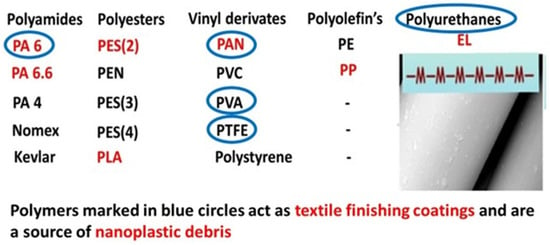
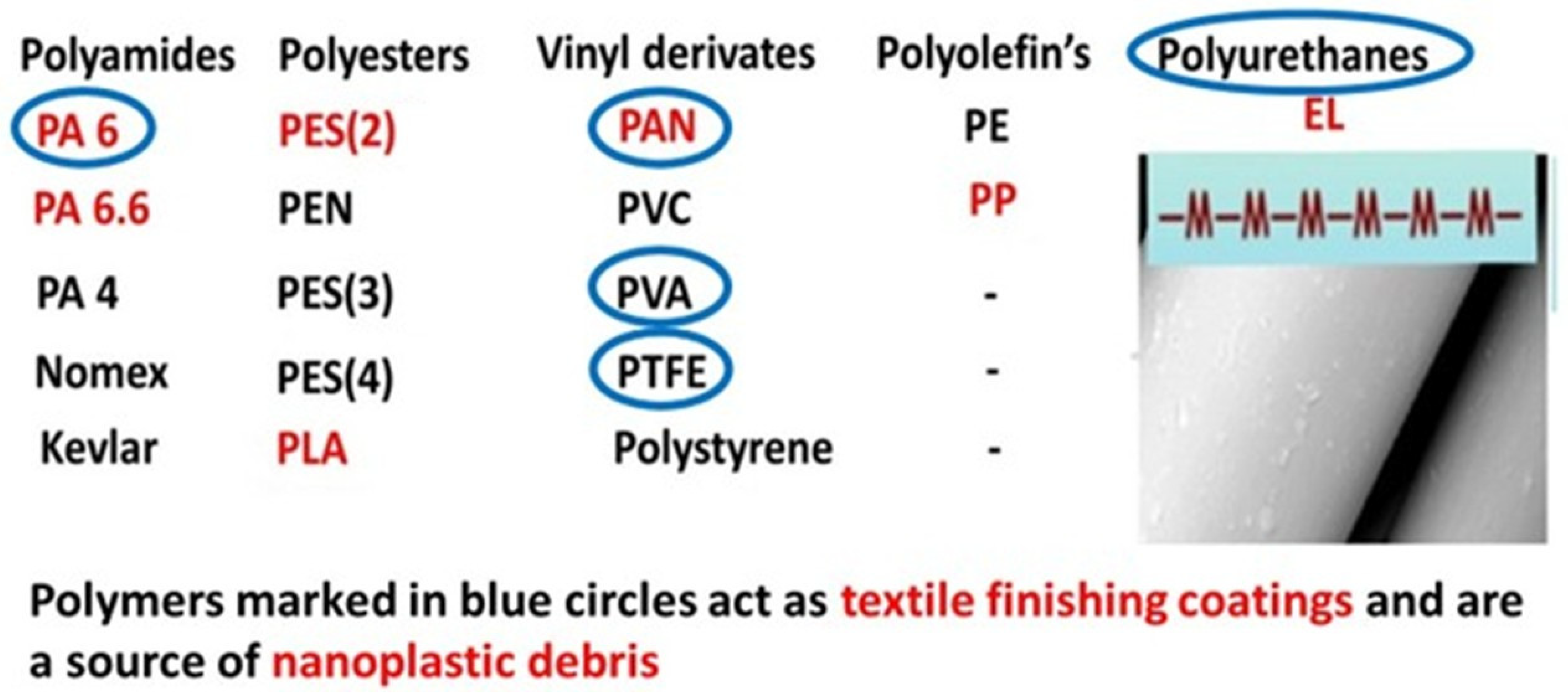
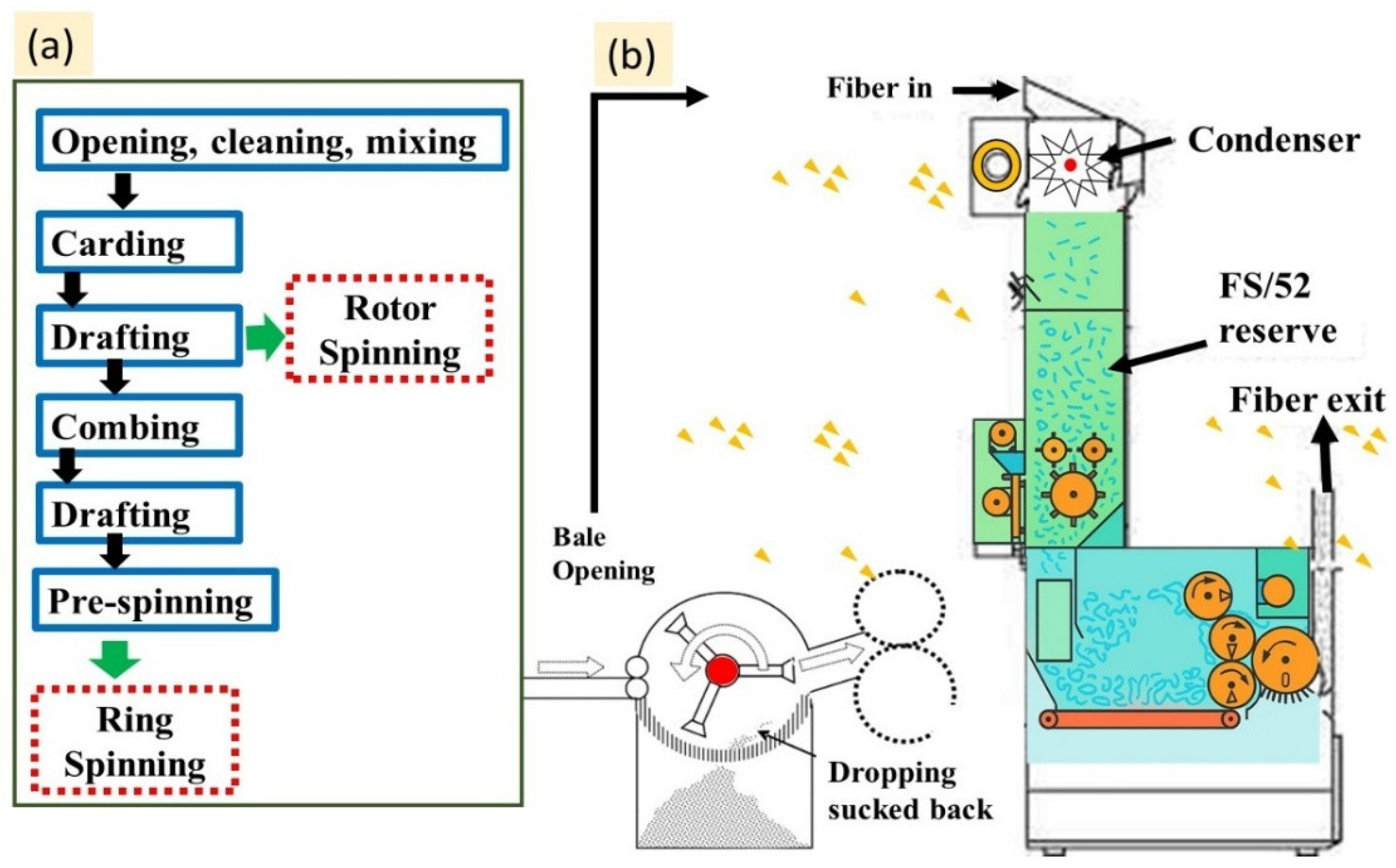
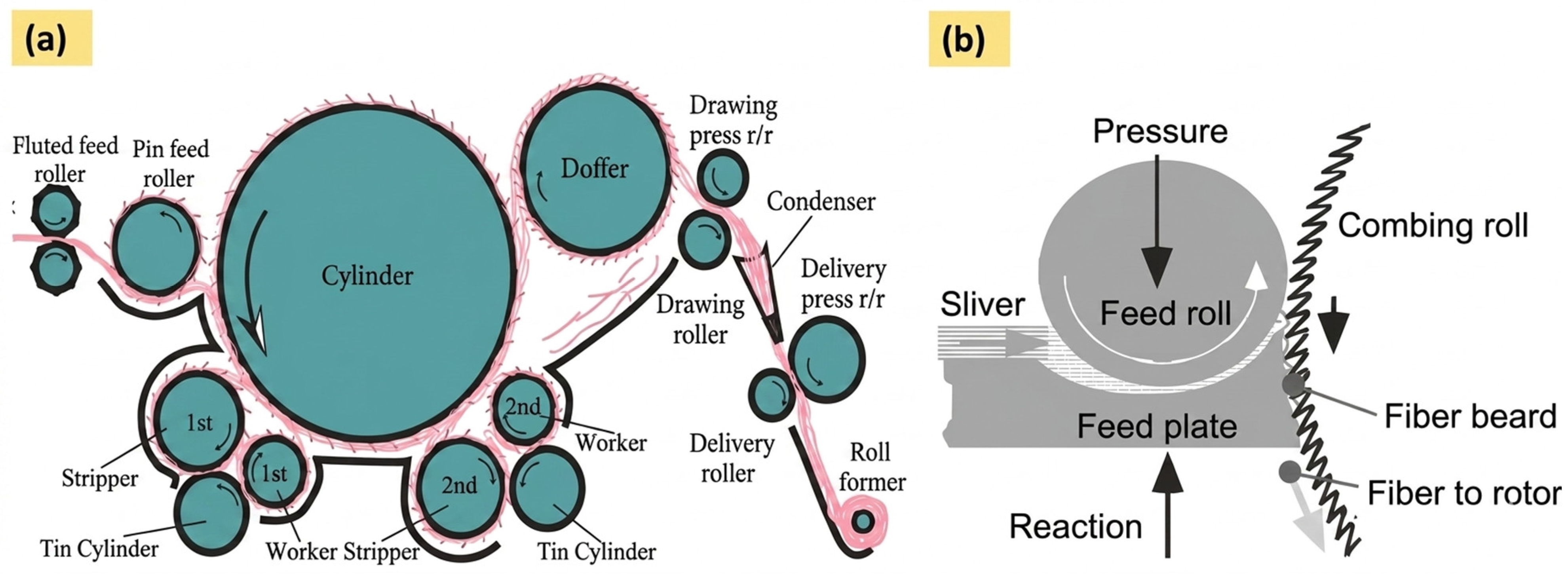
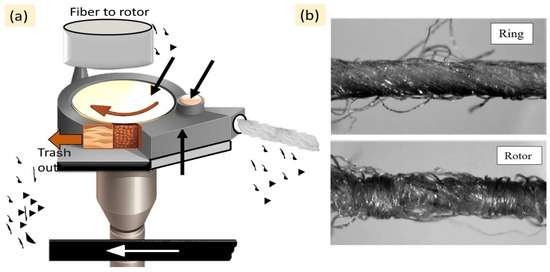
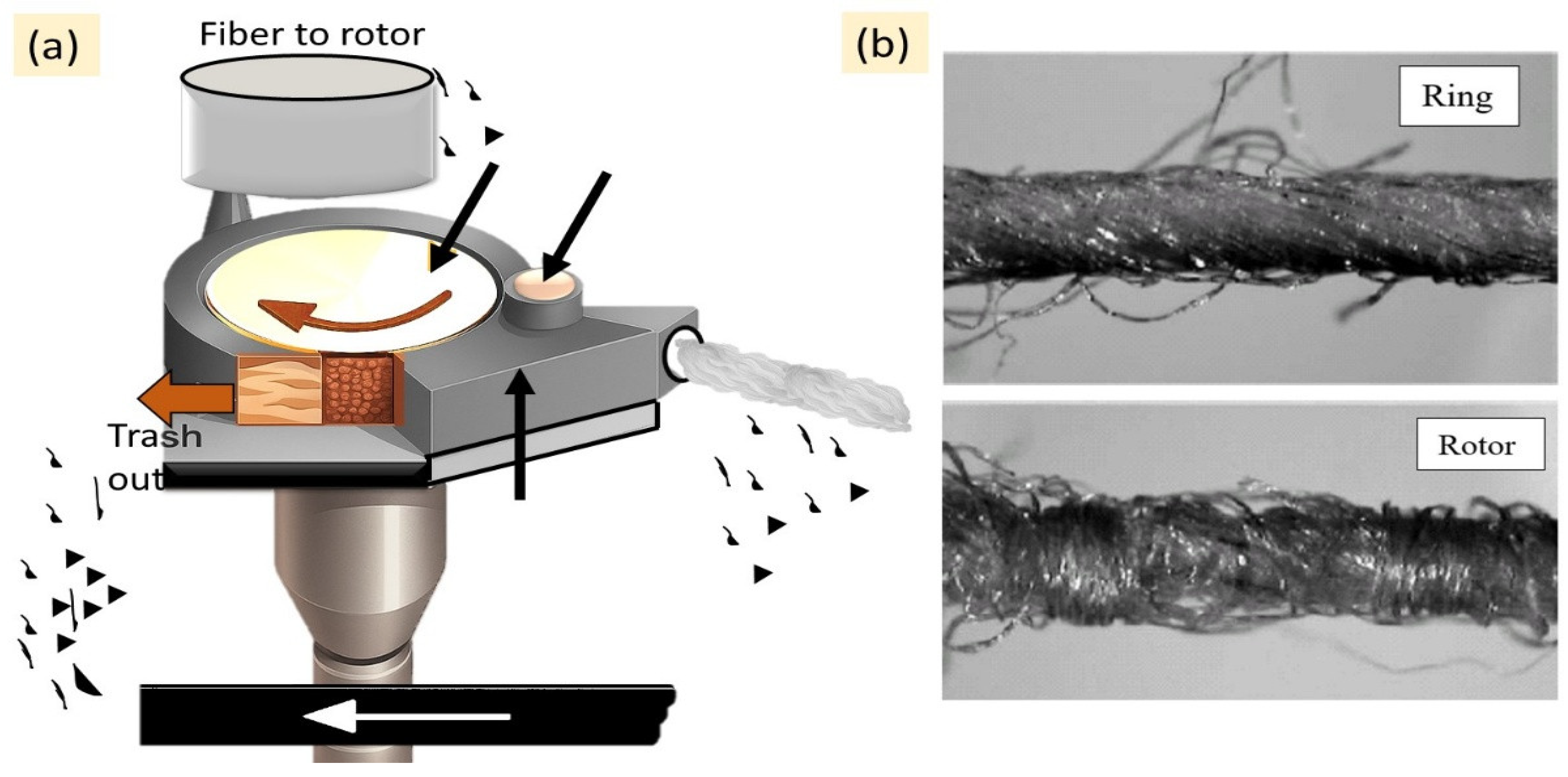
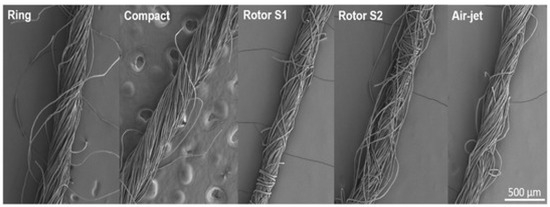
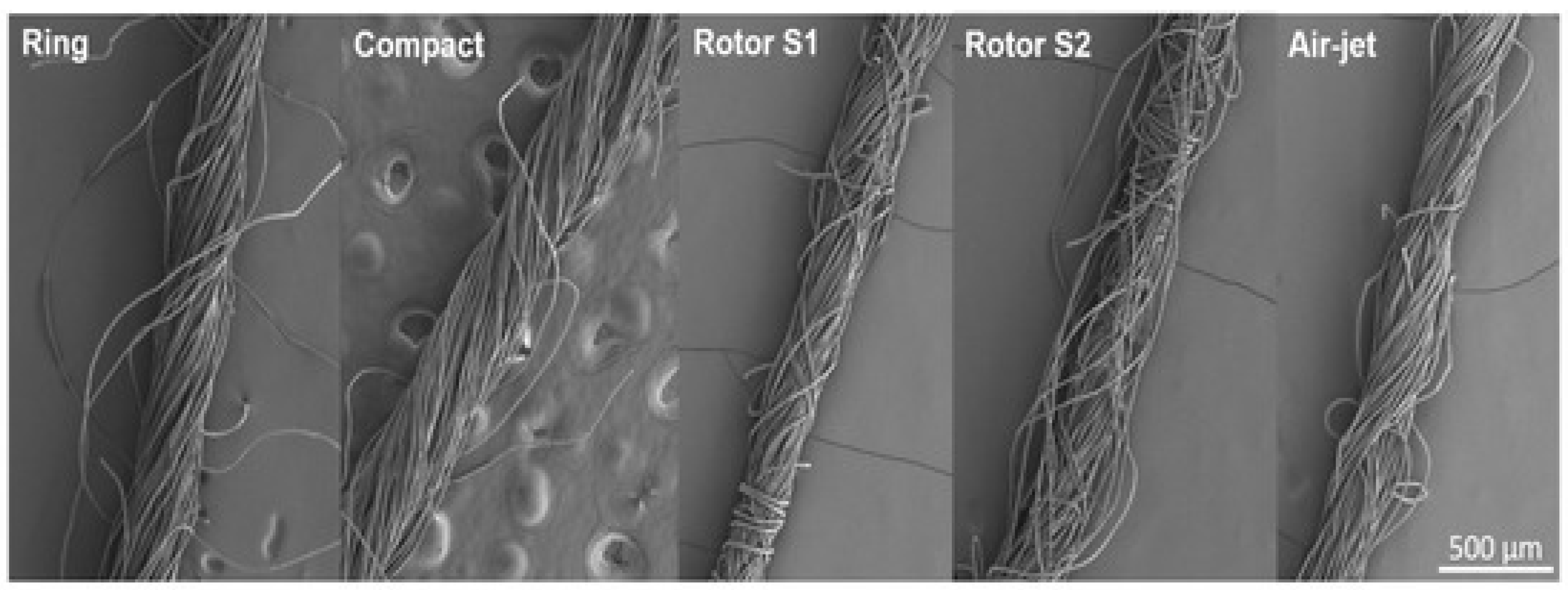
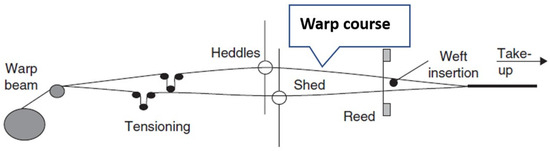
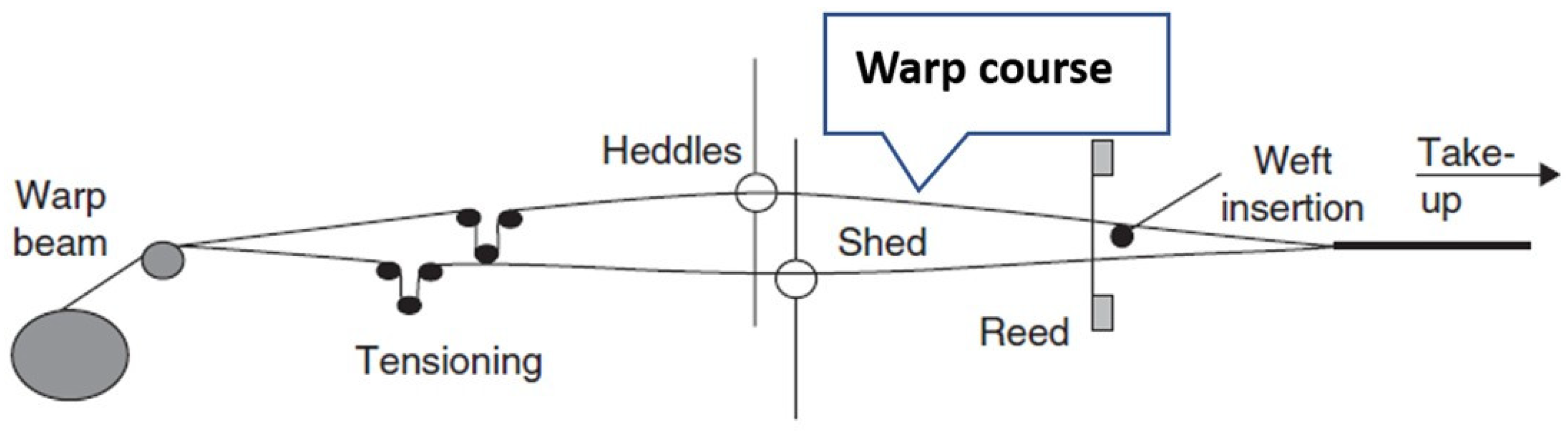
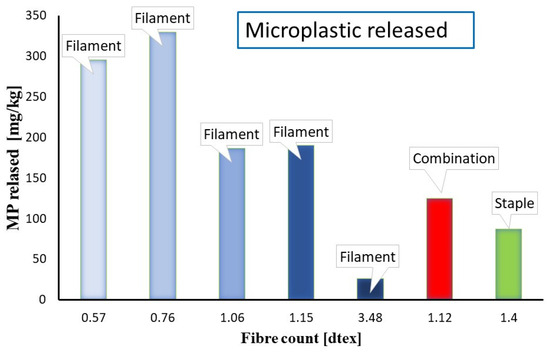
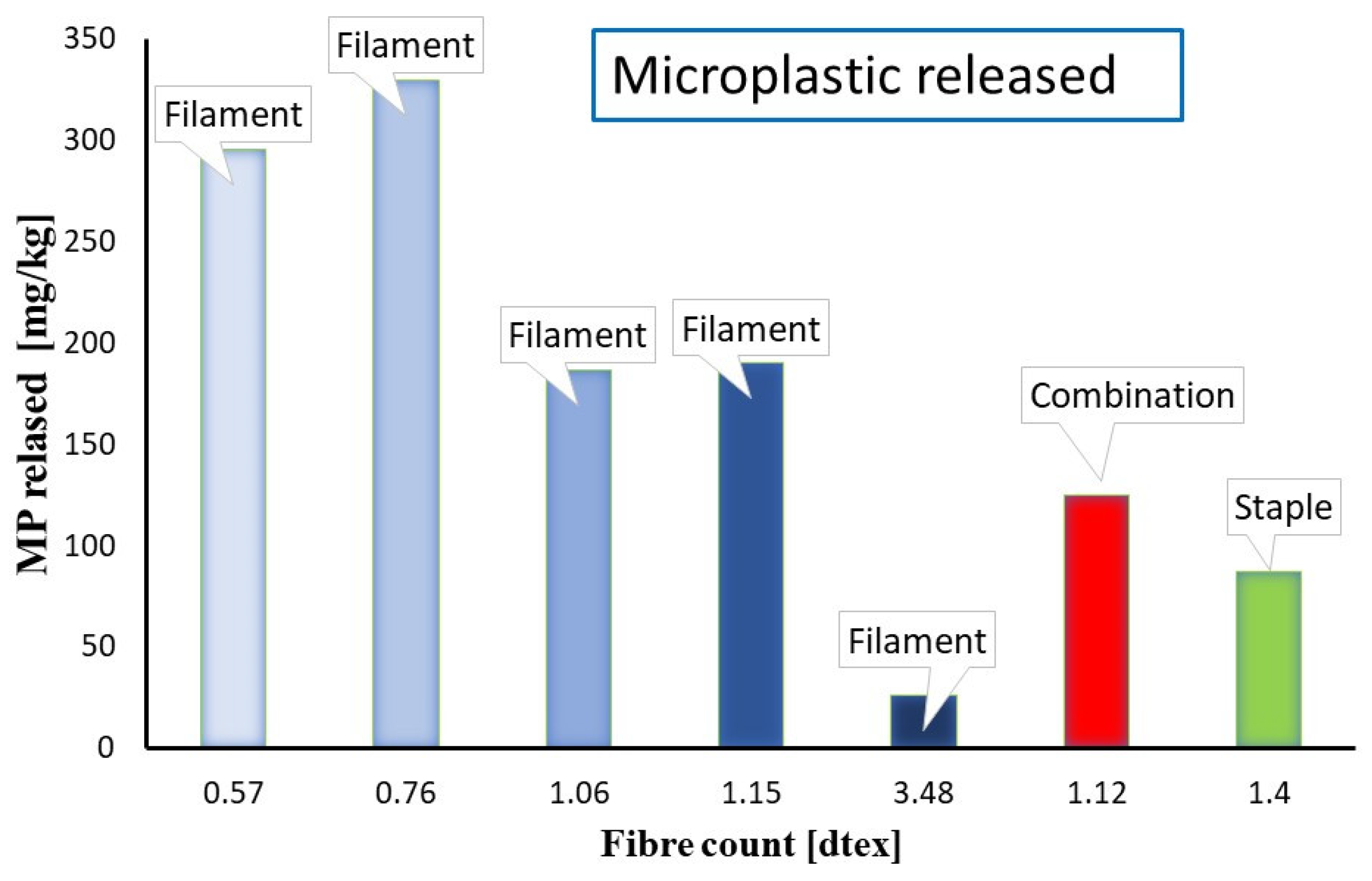
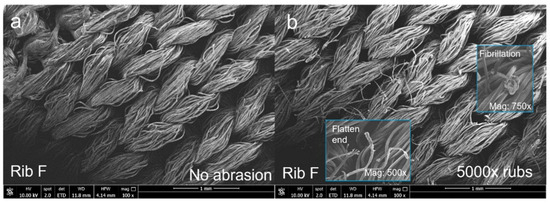
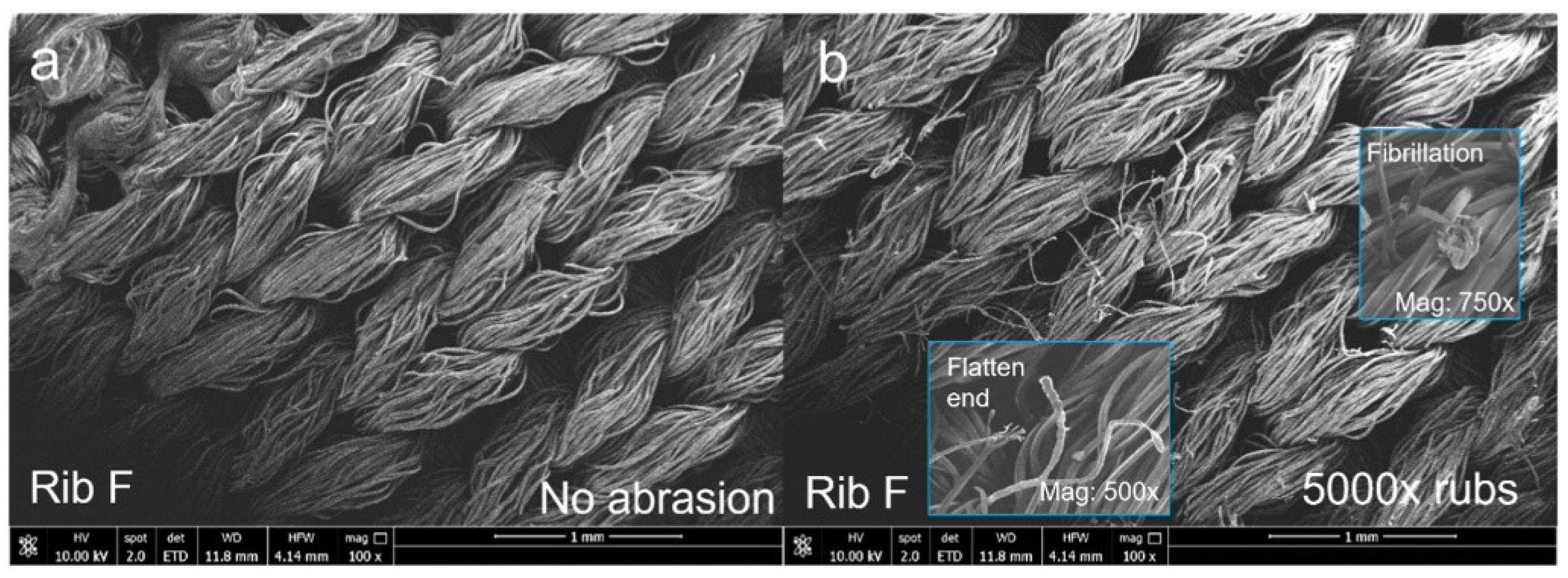
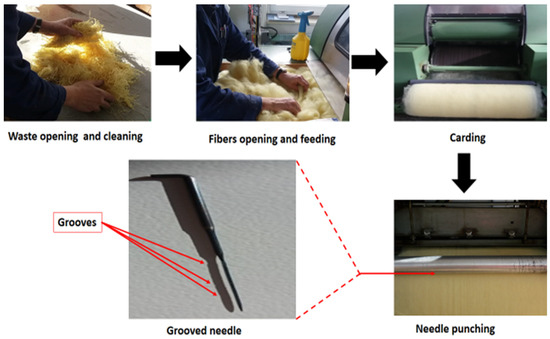
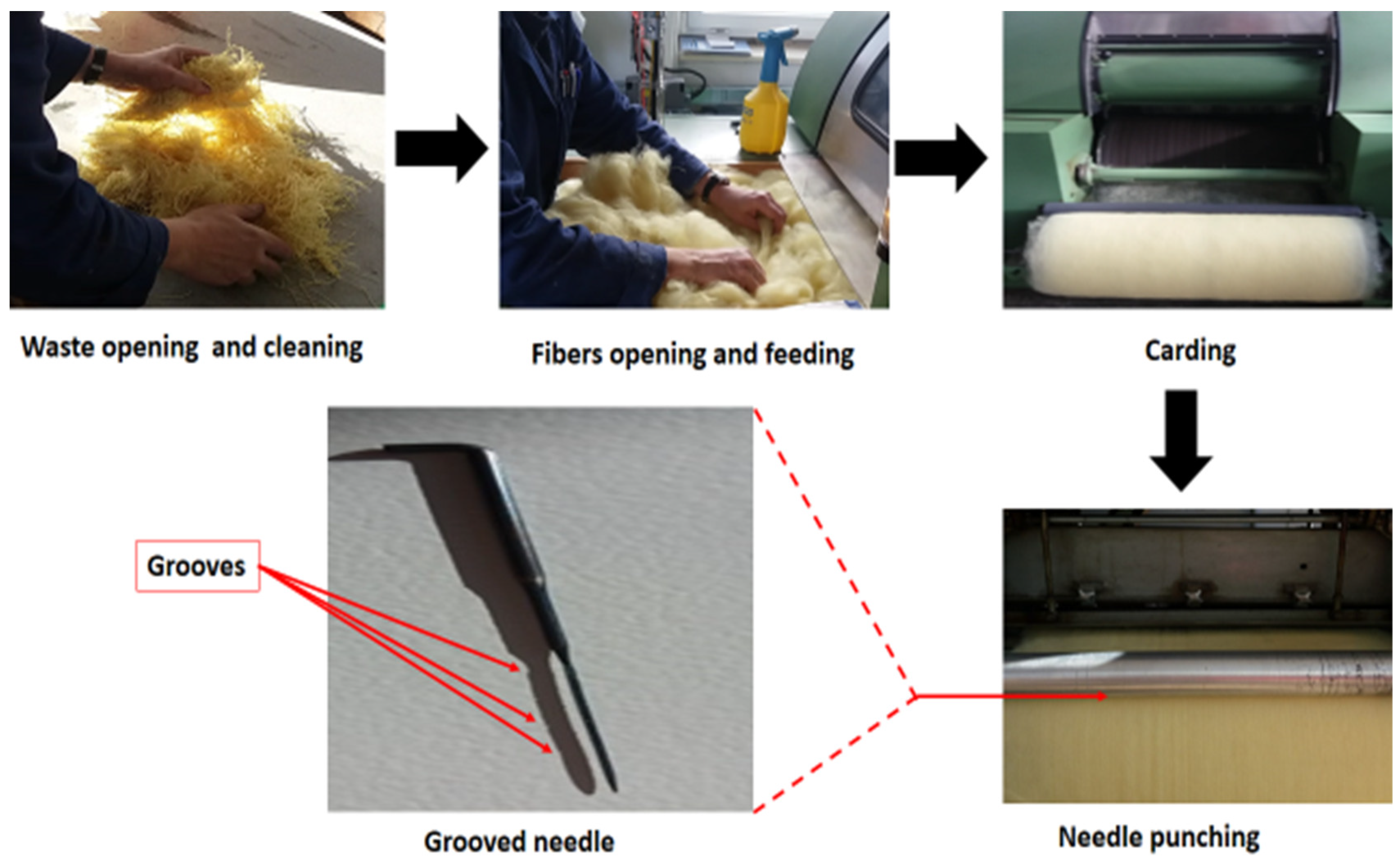
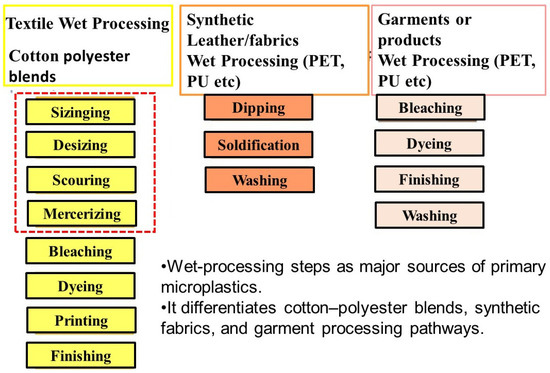
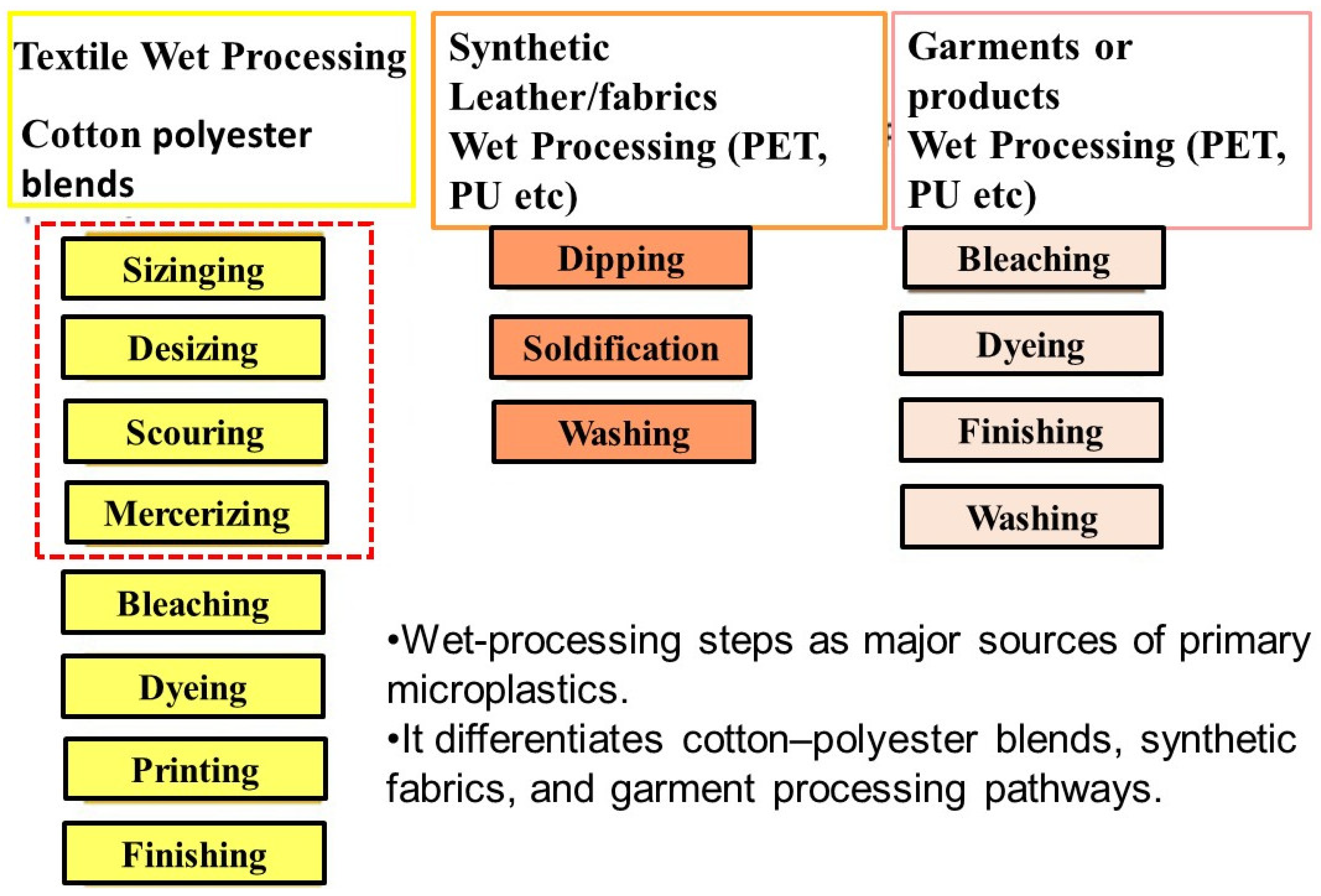
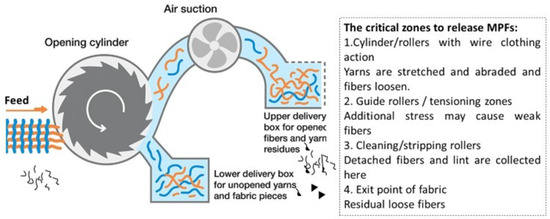
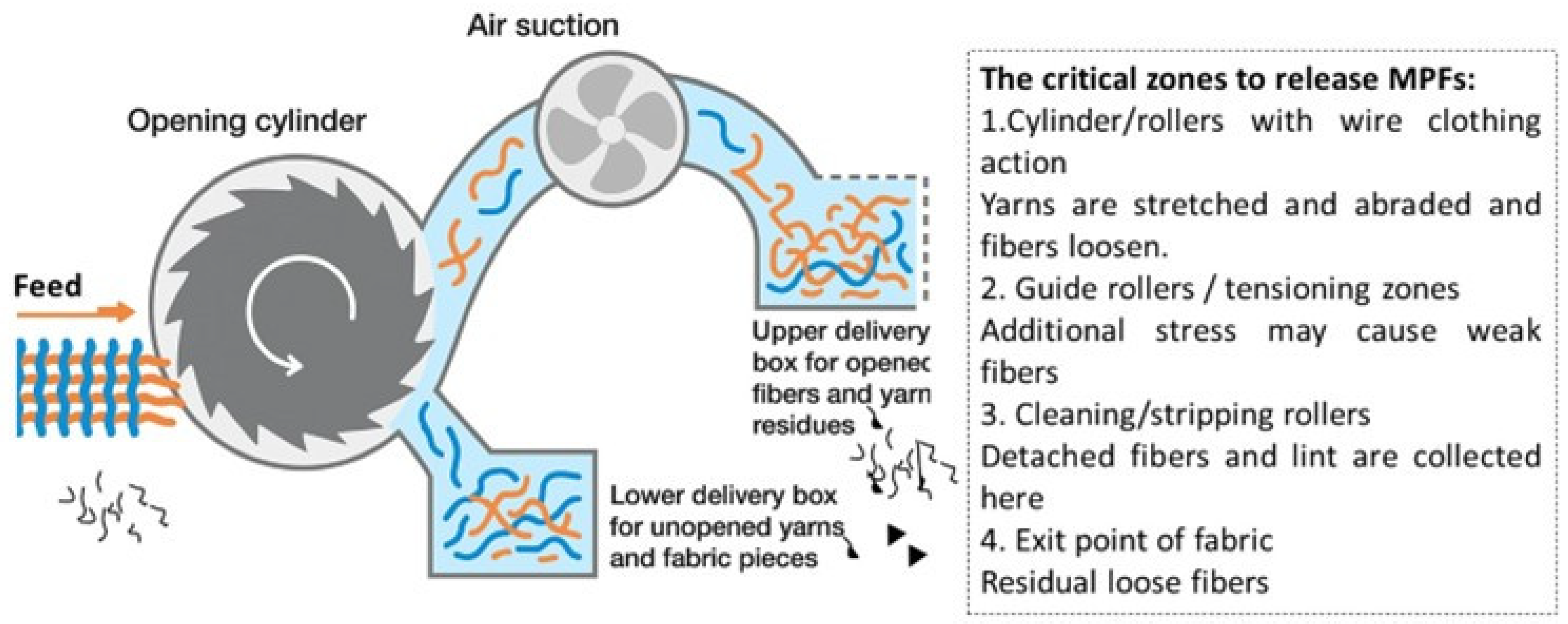
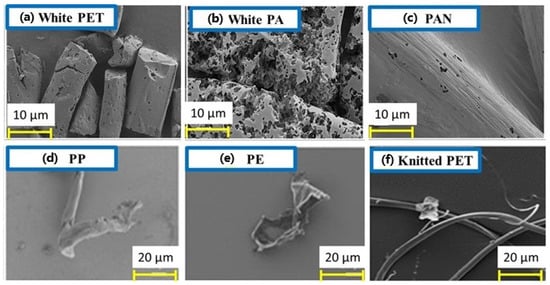
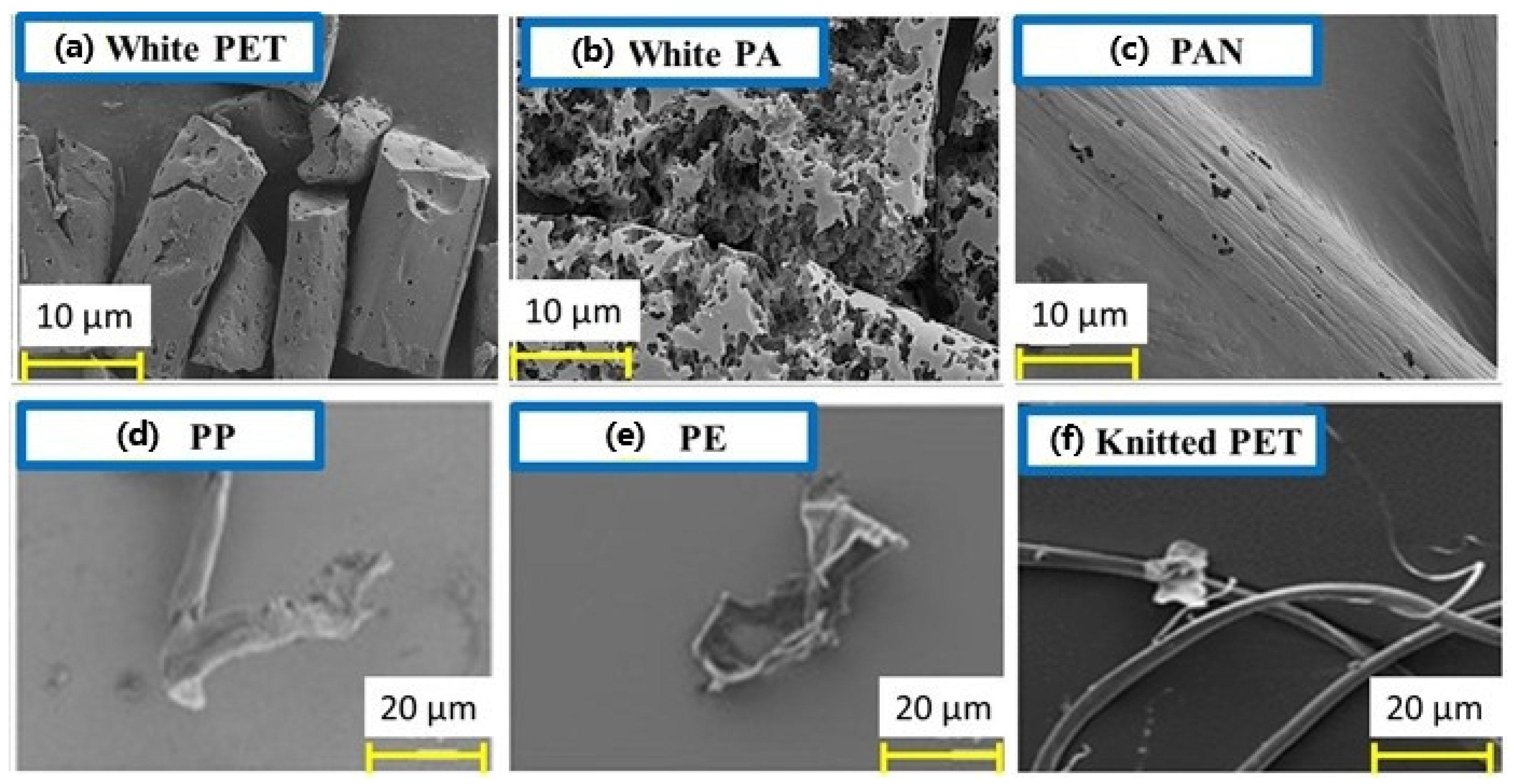

Disclaimer/Publisher’s Note: The statements, opinions and data contained in all publications are solely those of the individual author(s) and contributor(s) and not of MDPI and/or the editor(s). MDPI and/or the editor(s) disclaim responsibility for any injury to people or property resulting from any ideas, methods, instructions or products referred to in the content. |
© 2026 by the authors. Licensee MDPI, Basel, Switzerland. This article is an open access article distributed under the terms and conditions of the Creative Commons Attribution (CC BY) license.