

Journal Description
Textiles
Textiles
is an international, peer-reviewed, open access journal on textile science and engineering published quarterly online by MDPI.
- Open Access— free for readers, with article processing charges (APC) paid by authors or their institutions.
- High Visibility: indexed within ESCI (Web of Science), Scopus, EBSCO and other databases.
- Journal Rank: JCR - Q1 (Materials Science, Textiles)
- Rapid Publication: manuscripts are peer-reviewed and a first decision is provided to authors approximately 25.6 days after submission; acceptance to publication is undertaken in 7.5 days (median values for papers published in this journal in the second half of 2025).
- Recognition of Reviewers: APC discount vouchers, optional signed peer review, and reviewer names published annually in the journal.
- Journal Cluster of Polymer and Macromolecular Science: Polymers, Gels, Polysaccharides, Textiles, Macromol, Microplastics and Adhesives.
Impact Factor:
4.9 (2024);
5-Year Impact Factor:
5.1 (2024)
Latest Articles
Exploratory Design-Space Mapping of Knitted Fabrics Based on Combined Structural, Comfort-Related, and Optical Parameters
Textiles 2026, 6(2), 51; https://doi.org/10.3390/textiles6020051 - 21 Apr 2026
Abstract
►
Show Figures
The study presents an exploratory design-space mapping approach for analysing knitted fabrics through the combined consideration of structural, comfort-related, and optical parameters. The methodology addresses the multi-parameter nature of knitted macrostructures, where functional behaviour emerges from the interaction of yarn composition, stitch architecture,
[...] Read more.
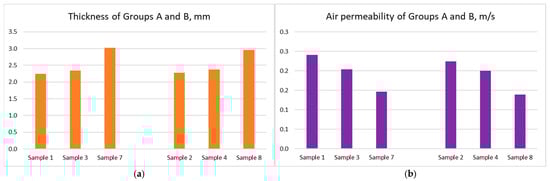
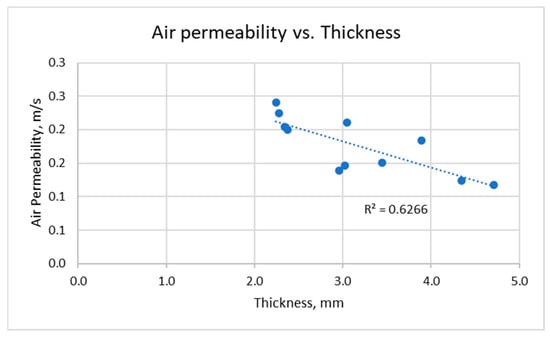
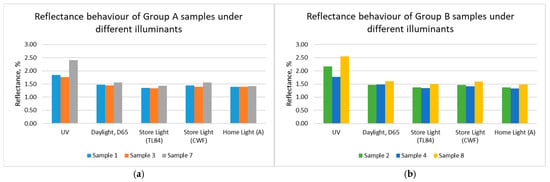
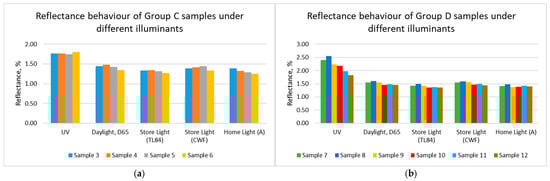
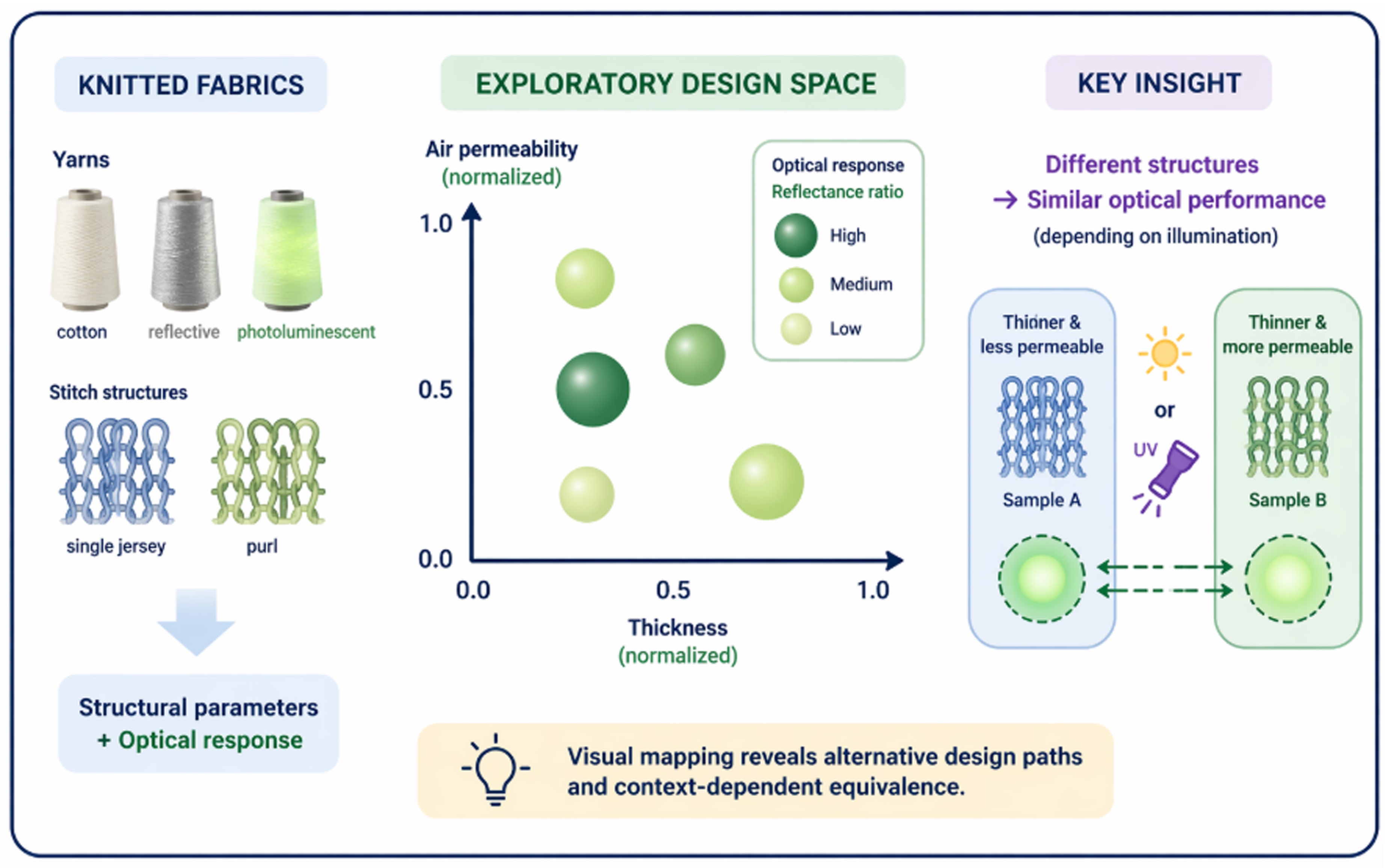
The study presents an exploratory design-space mapping approach for analysing knitted fabrics through the combined consideration of structural, comfort-related, and optical parameters. The methodology addresses the multi-parameter nature of knitted macrostructures, where functional behaviour emerges from the interaction of yarn composition, stitch architecture, and structural configuration rather than from isolated descriptors. Twelve knitted samples differing in stitch type and yarn linear density, and incorporating photoluminescent and reflective yarns, were analysed. Fabric thickness and air permeability were selected as representative structural and comfort-related parameters, while optical response was characterised using a dimensionless reflectance ratio under multiple illumination conditions. All parameters were normalised to enable comparative representation within a unified design space. The resulting maps reveal visual clusters, structurally isolated cases, and illumination-dependent optical equivalence between structurally different configurations. The findings demonstrate that similar optical performance can be achieved through alternative structural solutions, depending on the illumination context. The proposed approach provides a qualitative, design-oriented framework that supports engineering decision-making without implying optimisation or ranking, while revealing alternative design pathways and context-dependent equivalence.
Full article
Open AccessArticle
Indigo: Textile Print Removal Using Aqueous-Based Solutions and Ozone Technology
by
Catarina Rodrigues, Joana M. Gomes, Maria Santos, Helena Vilaça and Carla Joana Silva
Textiles 2026, 6(2), 50; https://doi.org/10.3390/textiles6020050 - 21 Apr 2026
Abstract
►▼
Show Figures
The textile and clothing industry exerts a significant environmental impact in the EU, contributing heavily to water, land, and resource depletion, with waste generation expected to rise sharply due to fast fashion trends. Accelerating circularity and closed-loop production is critical to reduce the
[...] Read more.
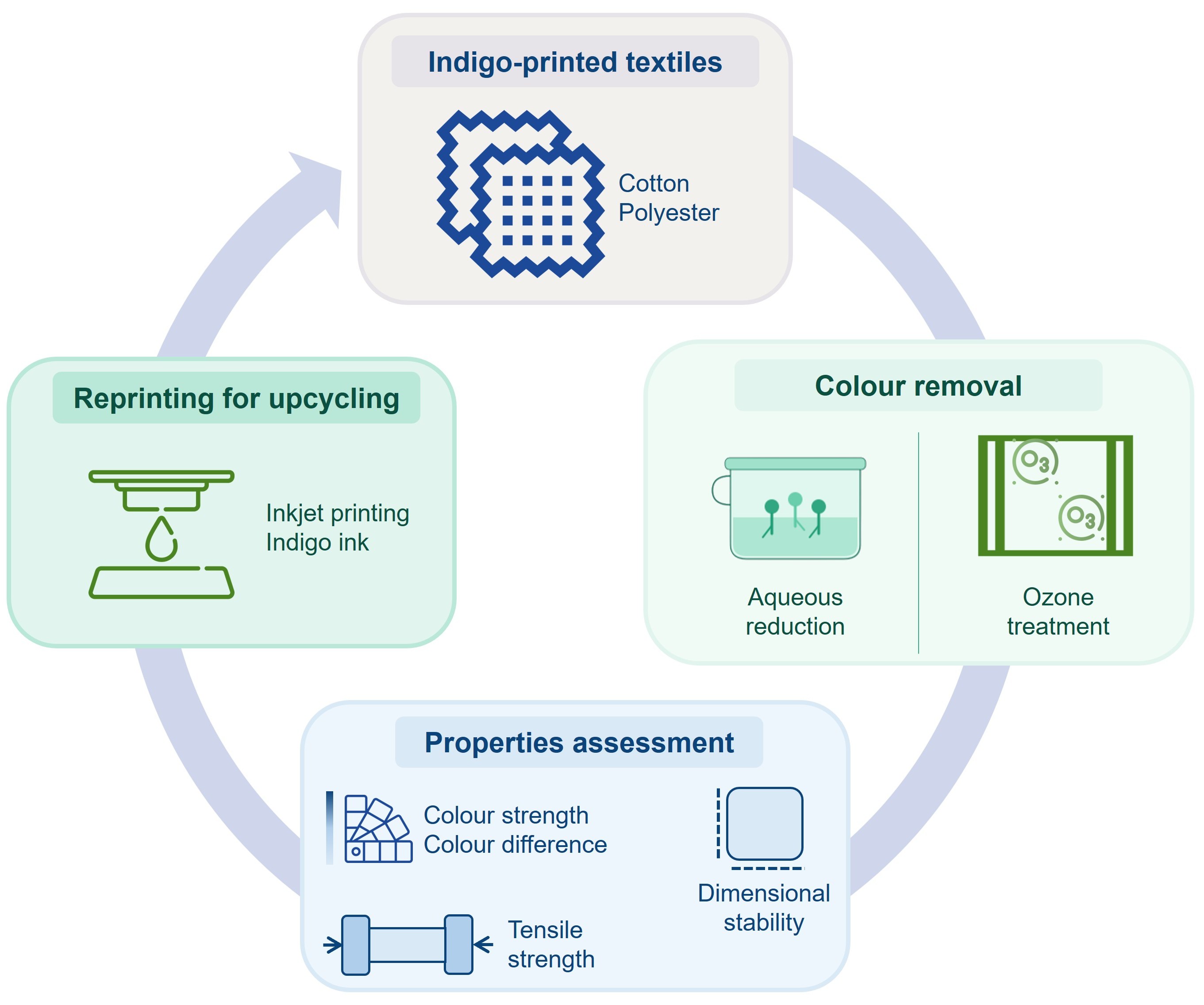
The textile and clothing industry exerts a significant environmental impact in the EU, contributing heavily to water, land, and resource depletion, with waste generation expected to rise sharply due to fast fashion trends. Accelerating circularity and closed-loop production is critical to reduce the sector’s ecological footprint. This study investigates newer approaches for the removal of indigo prints from cotton (CO) and polyester (PES) textiles using aqueous-based solutions and/or ozone treatment. Aqueous alkaline solutions containing reducing agents and surfactants were evaluated, as well as dry and wet ozone treatments. The efficacy of colour removal was assessed via spectrophotometric analysis [colour strength (K/S) and colour difference (ΔE)] and the fabrics were tested for dimensional stability and tensile strength before and after treatment. Results reveal that surfactant-assisted aqueous treatments enable effective pigment removal and maintain textile properties, supporting subsequent reprinting for textile upcycling. Wet ozone treatment also promoted substantial decolourisation, particularly in cellulosic substrates. Although PES samples exhibited better mechanical resistance, they revealed limited pigment extraction upon ozone treatment. These findings demonstrate the potential of chemical treatments using aqueous-based solutions and surfactants for circular textile applications, facilitating pigment removal without compromising substrate integrity, and boosting the upcycling.
Full article

Graphical abstract
Open AccessArticle
Enhancing High-Performance Mechanical Properties of Lignin/PVA-Based Fiber: How Purity, Morphology, and Spinnability Play a Role
by
Silvia Mar’atus Shoimah, Yati Mardiyati, Arif Basuki, Valentinus Alphano Dabur, Husaini Ardy, Sigit Puji Santosa and Steven Steven
Textiles 2026, 6(2), 49; https://doi.org/10.3390/textiles6020049 - 17 Apr 2026
Abstract
►▼
Show Figures
Lignin is an abundant aromatic biopolymer, but its conversion into high-performance fibers remains challenging due to intrinsically poor spinnability, structural heterogeneity, and inefficient stress transfer in lignin-rich systems. In this study, a processing and structure strategy is demonstrated to overcome these limitations by
[...] Read more.
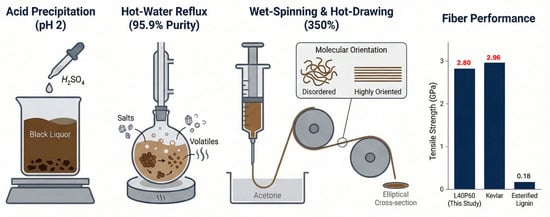
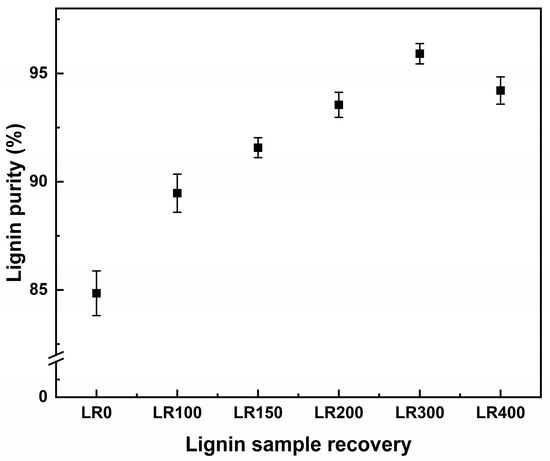
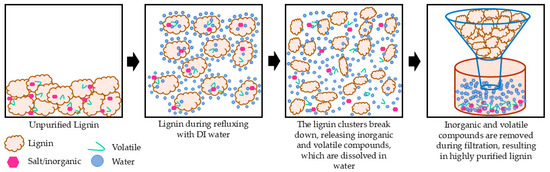
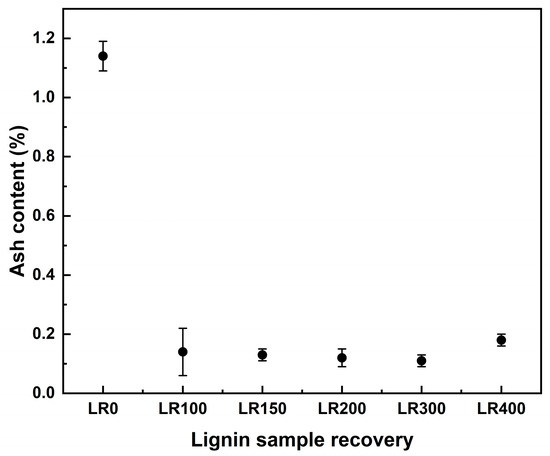
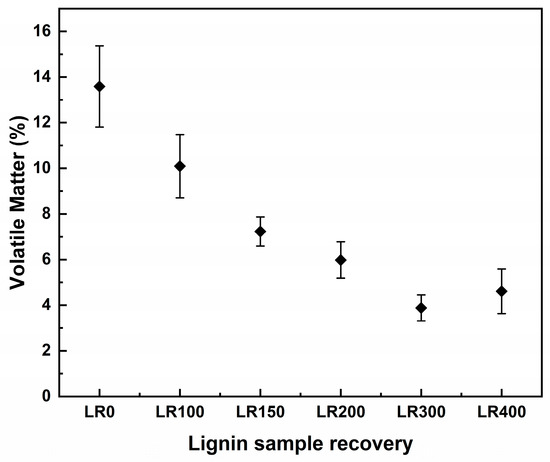
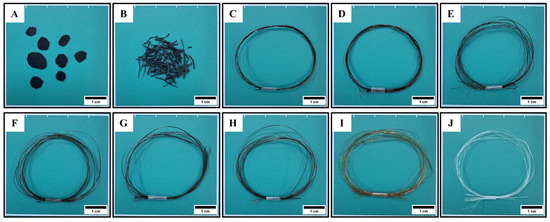
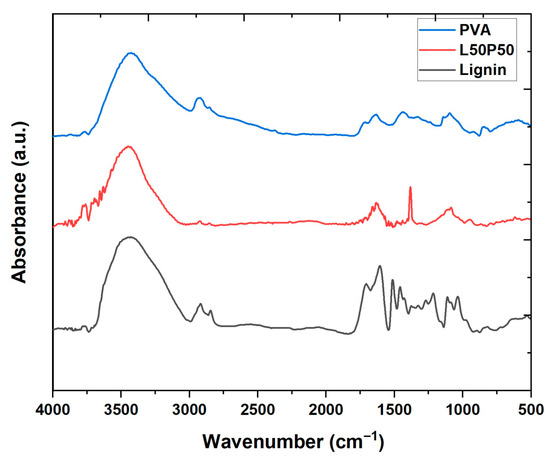
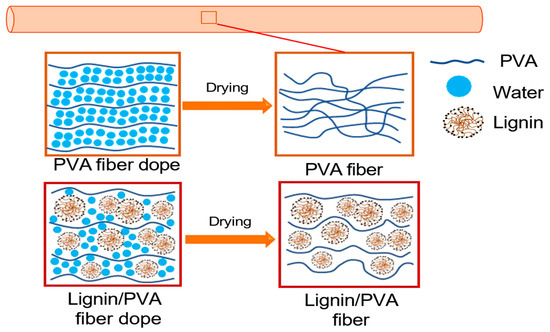
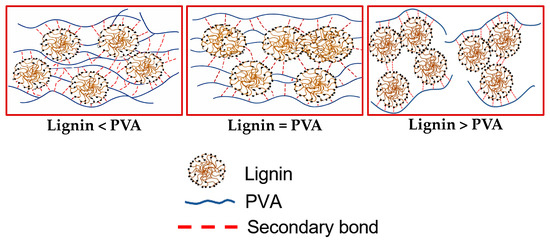
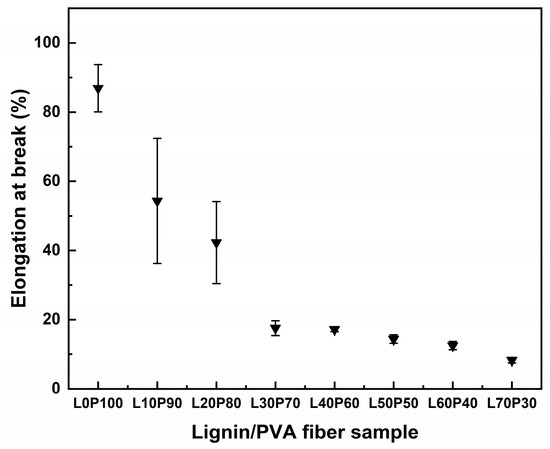
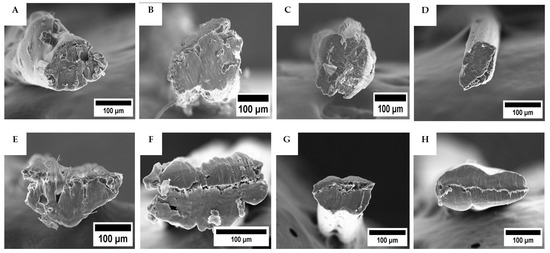
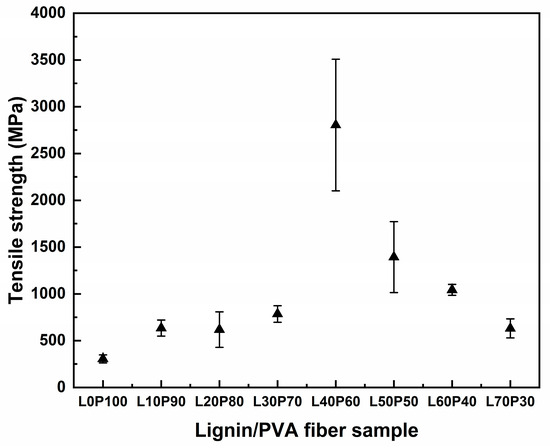
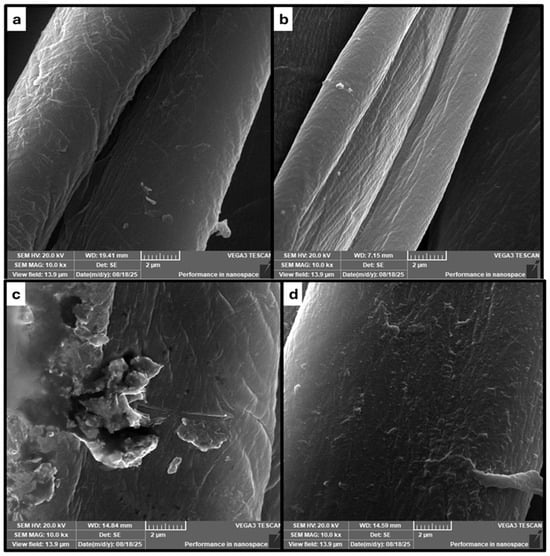
Lignin is an abundant aromatic biopolymer, but its conversion into high-performance fibers remains challenging due to intrinsically poor spinnability, structural heterogeneity, and inefficient stress transfer in lignin-rich systems. In this study, a processing and structure strategy is demonstrated to overcome these limitations by transforming industrial black-liquor kraft lignin into a spinnable and load-bearing fiber component. Kraft lignin recovered from black-liquor waste was extracted and subsequently purified using a hot-water treatment to remove inorganic impurities and thermally unstable fractions, increasing lignin purity to 95.9% through extensive deionized water purification using a water-to-lignin ratio of 300:1. The purified lignin was then blended with poly(vinyl alcohol) (PVA), wet-spun into continuous filaments, and subjected to post-spinning hot drawing to induce molecular orientation. This sequential extraction, purification, blending, spinning, and drawing approach enables stable wet spinning and the continuous formation of lignin-rich lignin/PVA filaments without filament breakage, directly addressing the primary processing bottleneck of lignin-based fibers. Molecular-level miscibility between lignin and PVA is confirmed by the presence of a single glass transition temperature at 88.3 °C, indicating the formation of a homogeneous amorphous phase. SEM observations reveal composition-dependent surface roughness and non-circular cross-sectional morphologies arising from differential coagulation and shrinkage, demonstrating that lignin actively participates in the load-bearing fiber network rather than acting as a passive filler. As a result of purification-enabled spinnability, true blend miscibility, and post-spinning hot drawing, fibers with a lignin-to-PVA composition of 40:60 achieve a maximum tensile strength of 2.8 GPa, approaching the performance range of commercial high-strength polymer fibers. This work establishes a clear relationship between material structure, processing strategy, and resulting properties, highlighting the potential of industrial lignin waste as a sustainable precursor for advanced fiber applications.
Full article

Graphical abstract
Open AccessArticle
Functionalized Cotton as a Robust Platform for Laccase Immobilization: A Sustainable Approach for Bisphenol A Bioremediation
by
Reda M. El-Shishtawy, Nedaa Alharbi and Yaaser Q. Almulaiky
Textiles 2026, 6(2), 48; https://doi.org/10.3390/textiles6020048 - 17 Apr 2026
Abstract
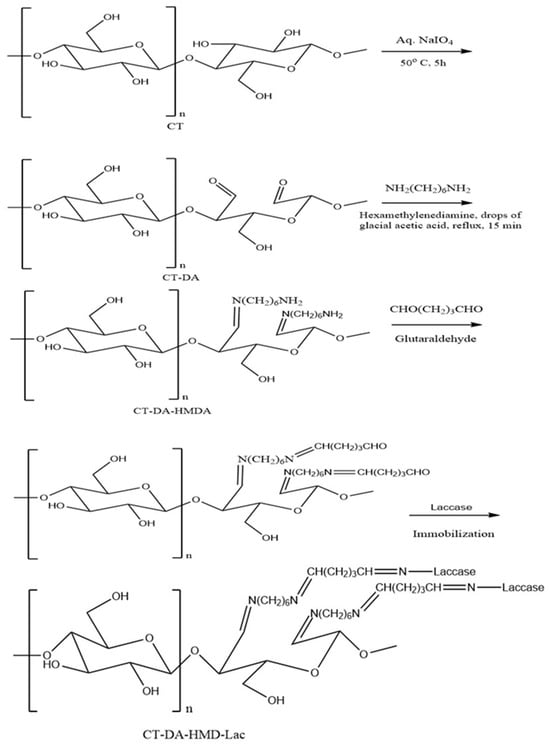
This study presents a highly efficient and sustainable biocatalytic platform for bisphenol A (BPA) bioremediation through the covalent immobilization of laccase onto hierarchically functionalized cotton fibers. The immobilization strategy involved selective periodate oxidation of cellulose, grafting a hexamethylenediamine (HMDA) spacer arm, and glutaraldehyde
[...] Read more.
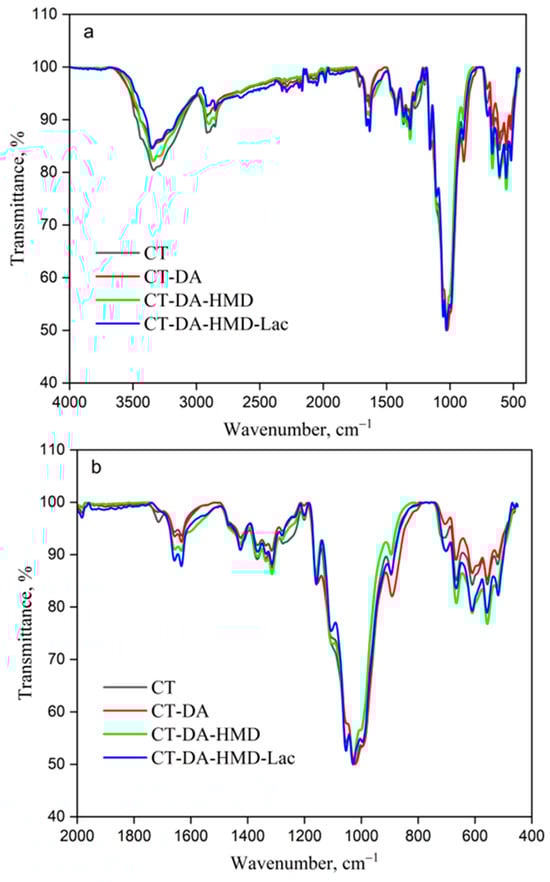
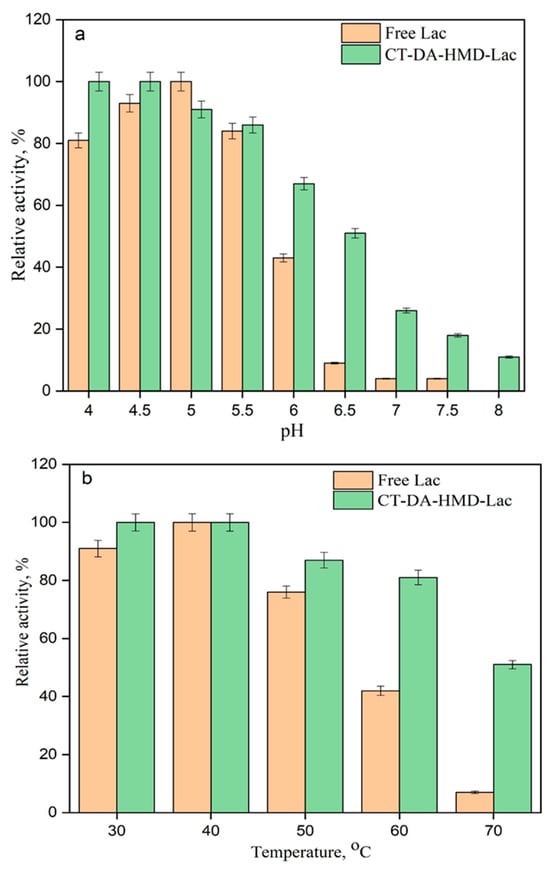
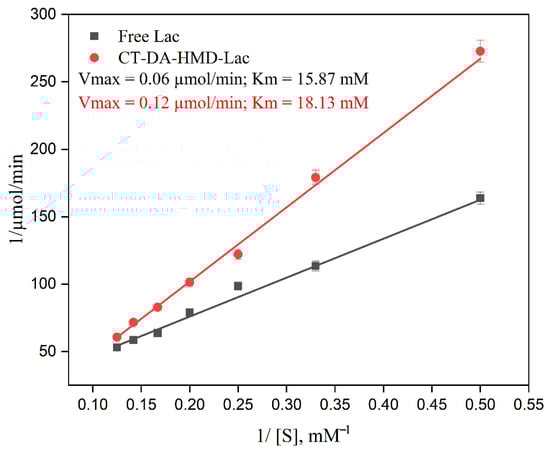
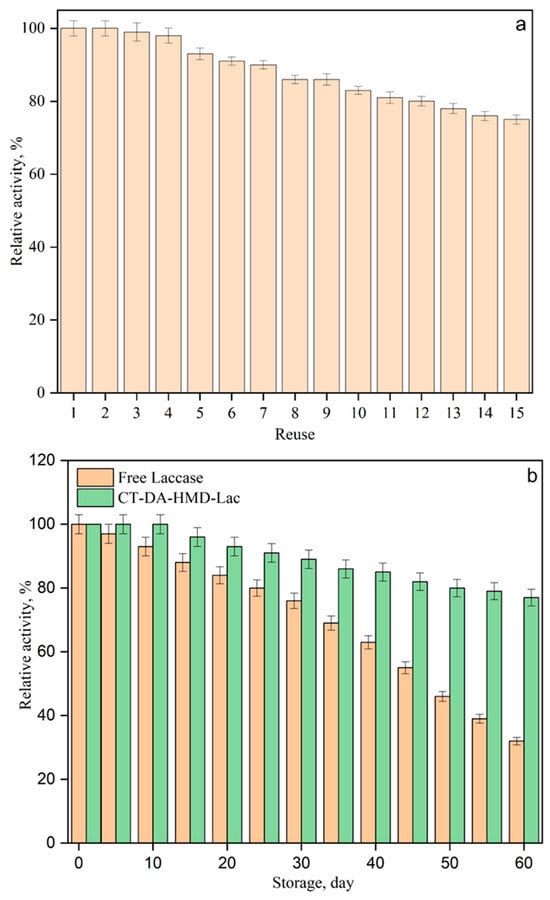
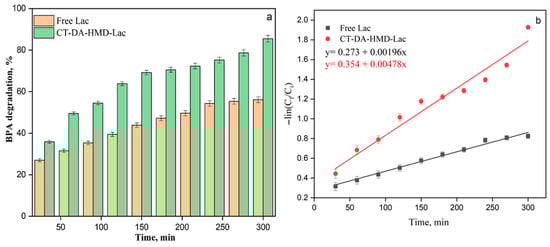
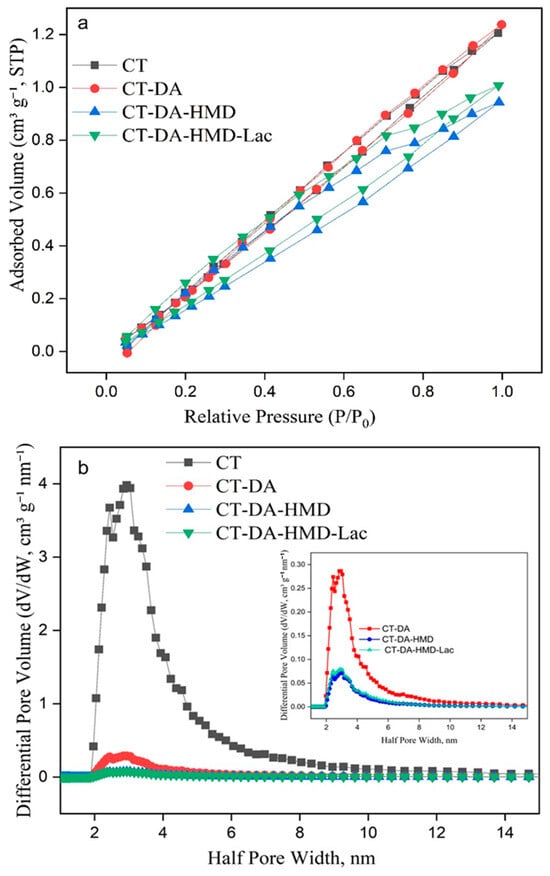
This study presents a highly efficient and sustainable biocatalytic platform for bisphenol A (BPA) bioremediation through the covalent immobilization of laccase onto hierarchically functionalized cotton fibers. The immobilization strategy involved selective periodate oxidation of cellulose, grafting a hexamethylenediamine (HMDA) spacer arm, and glutaraldehyde activation, ensuring stable covalent attachment. Characterization via FTIR, SEM, and BET confirmed successful surface modification and high enzyme loading, achieving an immobilization yield of 90.5%. The immobilized laccase (CT-DA-HMD-Lac) exhibited significantly enhanced performance compared to the free enzyme, with a two-fold increase in maximum reaction velocity (Vmax) and a 75% improvement in catalytic efficiency of action (Vmax/Km). Furthermore, the biocatalyst demonstrated superior robustness, maintaining high activity across broader pH and temperature ranges, and retaining 75% of its initial activity after 15 consecutive reusability cycles. Storage stability was also markedly improved, with 83% activity retention after 60 days. Practical application in BPA degradation showed 85% removal efficiency within 300 min, a 2.4-fold increase in the degradation rate constant over the free enzyme. These results highlight functionalized cotton as a promising, cost-effective, and scalable support for advanced enzymatic wastewater treatment and the remediation of persistent endocrine-disrupting chemicals.
Full article
(This article belongs to the Special Issue Textile Recycling and Sustainability)
►▼
Show Figures

Figure 1
Open AccessArticle
‘Skin’ Hydration Under Wet Fabrics
by
Sahar Abdolmaleki, Raechel Laing and Cheryl Anne Wilson
Textiles 2026, 6(2), 47; https://doi.org/10.3390/textiles6020047 - 14 Apr 2026
Abstract
►▼
Show Figures
The effects of fabric type and of the duration of application on fabric water retention, water transfer to skin, and skin hydration do not appear to have been systematically examined despite frequent use of skin hydration as an indicator of skin health and
[...] Read more.
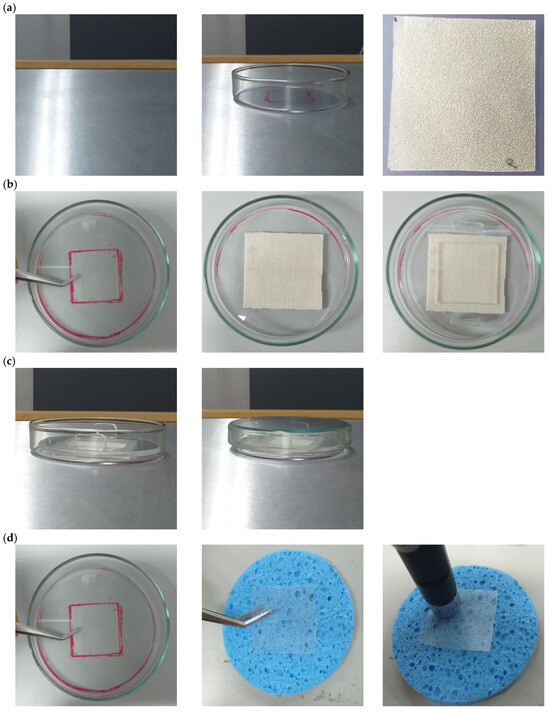
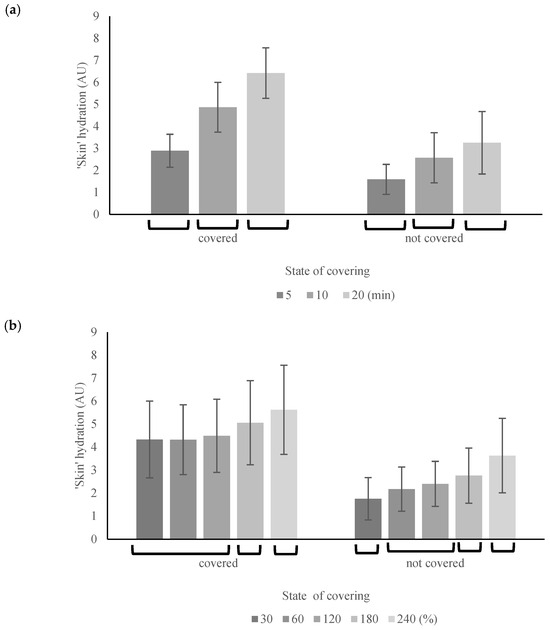
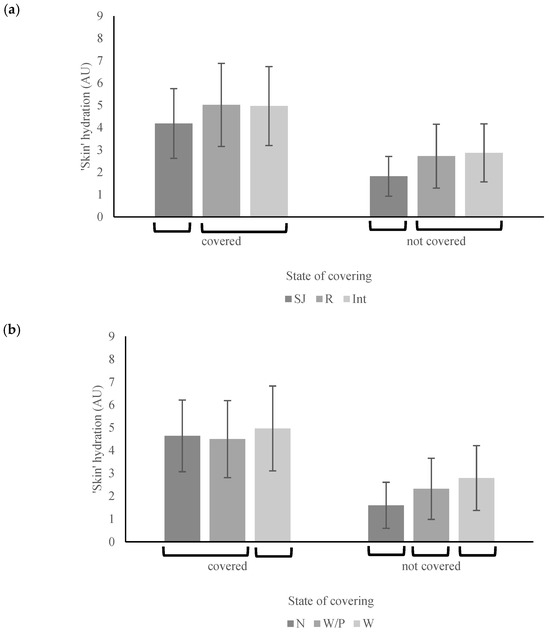
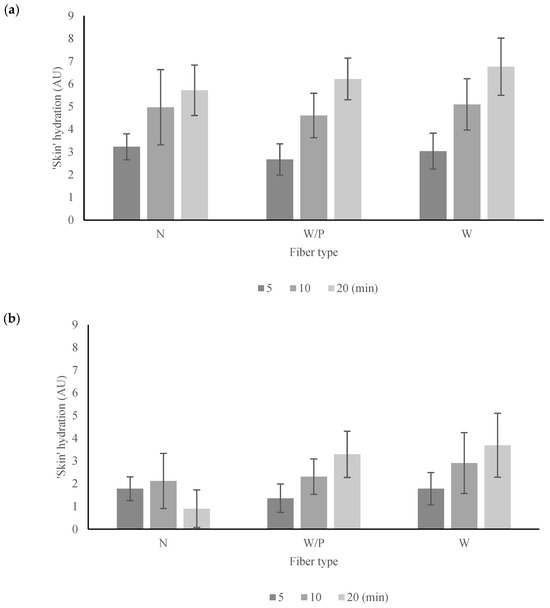
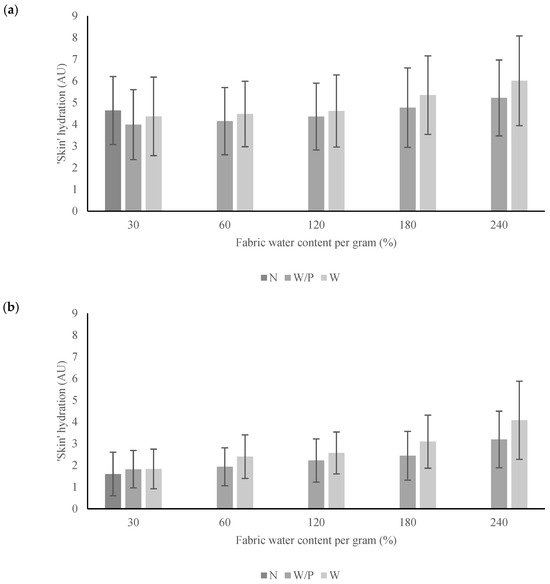
The effects of fabric type and of the duration of application on fabric water retention, water transfer to skin, and skin hydration do not appear to have been systematically examined despite frequent use of skin hydration as an indicator of skin health and wet fabrics being applied to the skin to increase skin hydration, enhance penetration of treatment, and/or facilitate cooling. In this work, three fiber types (nylon, wool/polyester, and wool), three fabric structures (single jersey, rib 1 × 1, and interlock 1 × 1), and five water levels (30%, 60%, 120%, 180%, and 240%—percent of dry fabric weight) were examined to determine which variables affect water transfer from wet fabrics to Vitro-Skin® (‘skin’). Water transfer was determined by measuring ‘skin’ hydration after exposing ‘skin’ to wet fabric (for 5, 10, and 20 min) when ‘covered’ (i.e., under an occlusive layer) and when ‘not covered’. ‘Skin’ hydration was greater with an occlusive layer and increased as the fabric water content increased. While ‘skin’ hydration increased with longer exposure, hydration decreased when ‘skin’ was under the wet nylon fabric for 20 min without a cover. The highest ‘skin’ hydration was recorded for wool rib and interlock fabrics with a water content of 240% used in combination with an occlusive layer. Where a cover was not used, the effects of fabric variables on ‘skin’ hydration were more pronounced.
Full article

Figure 1
Open AccessArticle
Metaheuristic Optimized Random Forest Regression with Streamlit Web Application for Predicting Jute Yarn Tenacity
by
Nageshkumar T, Avijit Das, Sanjoy Debnath and D. B. Shakyawar
Textiles 2026, 6(2), 46; https://doi.org/10.3390/textiles6020046 - 14 Apr 2026
Abstract
►▼
Show Figures
Yarn tenacity is one of the vital quality parameters that determine the performance, fabric durability and end use suitability. The tenacity of yarn is largely influenced by the fibre characteristics used. The physical properties of jute fibres, including root content, defect, bundle strength,
[...] Read more.
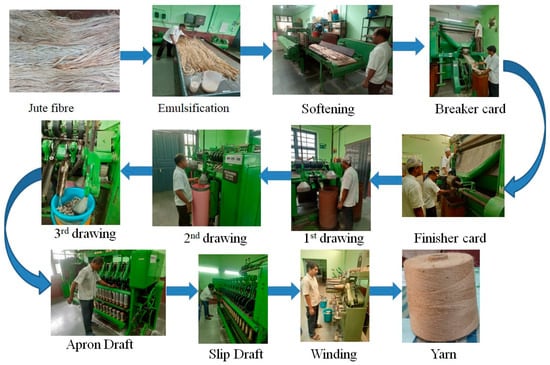
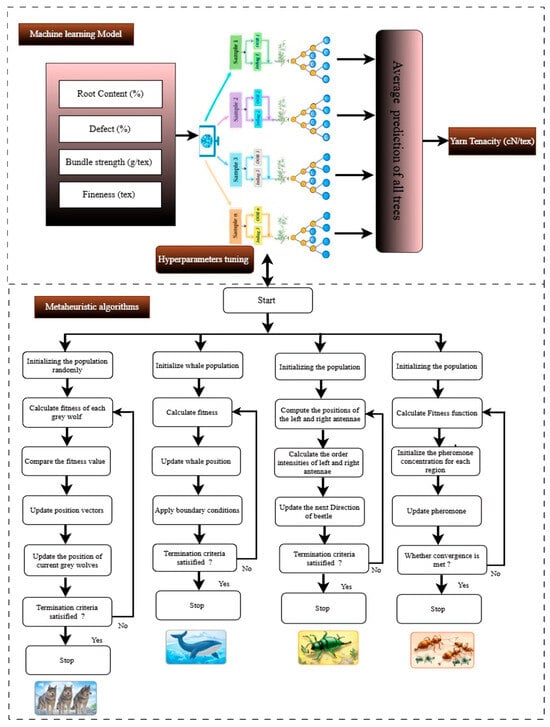
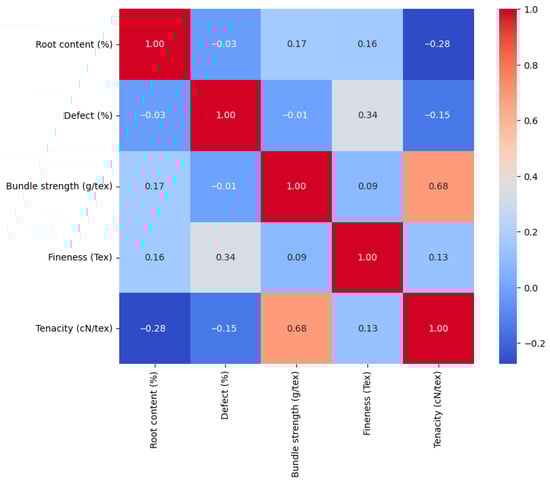
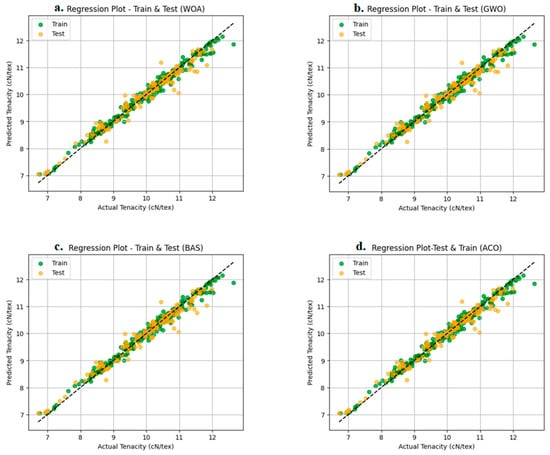
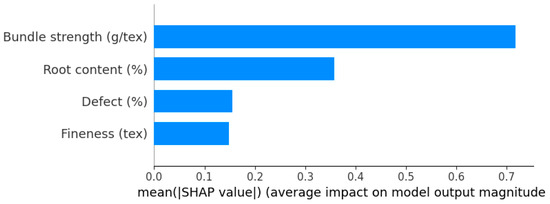
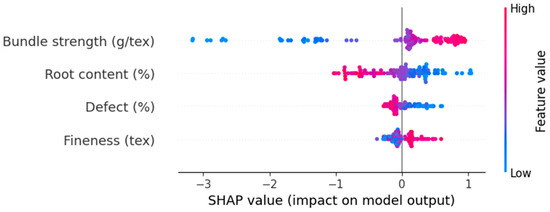
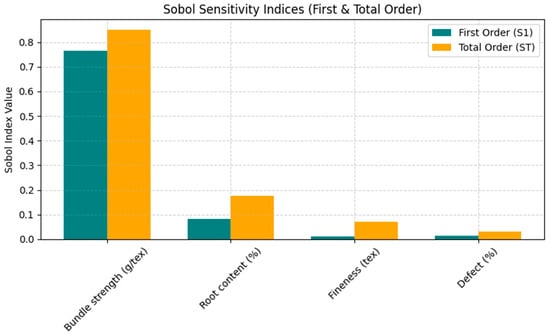
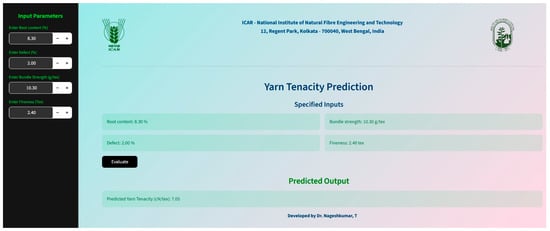
Yarn tenacity is one of the vital quality parameters that determine the performance, fabric durability and end use suitability. The tenacity of yarn is largely influenced by the fibre characteristics used. The physical properties of jute fibres, including root content, defect, bundle strength, and fineness, exert a significant influence on yarn tenacity. This study utilized metaheuristic optimized random forest regression (RFR) to predict jute yarn tenacity from fibre parameters. The hyperparameters of the RFR models were optimized using four metaheuristic algorithms: whale optimization algorithm (WOA), grey wolf optimization (GWO), beetle antennae search (BAS) and ant colony optimization (ACO). The model utilized a dataset comprising 414 experimental data with 70% data for training and 30% for testing the model, using input variables such as bundle strength (g/tex), defects (%), root content (%) and fineness (tex) to predict yarn tenacity (cN/tex). The developed models effectively predicted yarn tenacity. However, RFR–GWO achieved slightly better performance with R2 of 1.0 for training set and 0.96 for test set. Regarding execution time, RFR–GWO is the fastest requiring only 14.25 s. SHAP analysis revealed that bundle strength and root content of jute fibre are the most influential factors, whereas defect and fineness exert the least influence on model’s prediction. The best model RFR–GWO was deployed into an interactive Streamlit web application, offering an intuitive and user-friendly platform for the real-time estimation of yarn tenacity.
Full article

Figure 1
Open AccessArticle
Structure–Property Relationships in Periodate Oxidized Cotton Fabrics: Role of Textile Pretreatments
by
Romeo Pruneanu, Melinda Pruneanu, Stelian Sergiu Maier, Vasilica Popescu, Vasilica Maier, Viorica Vasilache, Daniel Timpu and Diana Elena Ciolacu
Textiles 2026, 6(2), 45; https://doi.org/10.3390/textiles6020045 - 9 Apr 2026
Abstract
►▼
Show Figures
This study investigates the influence of conventional textile pretreatment and periodate oxidation parameters on the structural modifications and functional properties of woven cotton fabrics. Unlike most studies focused on cellulose pulps or isolated textile fibers, the present work examines how the initial structural
[...] Read more.
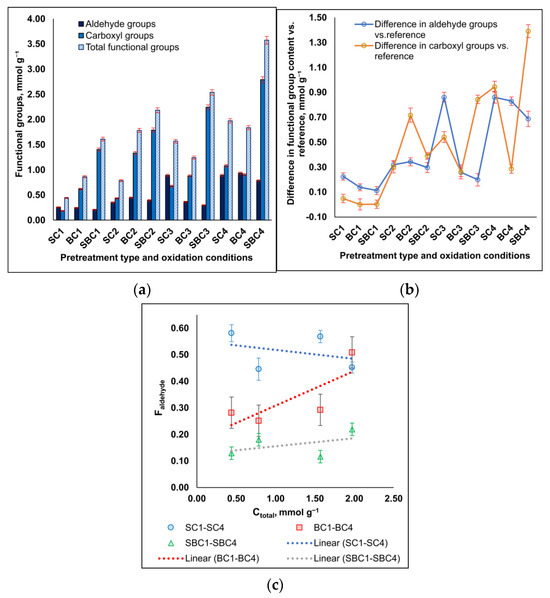
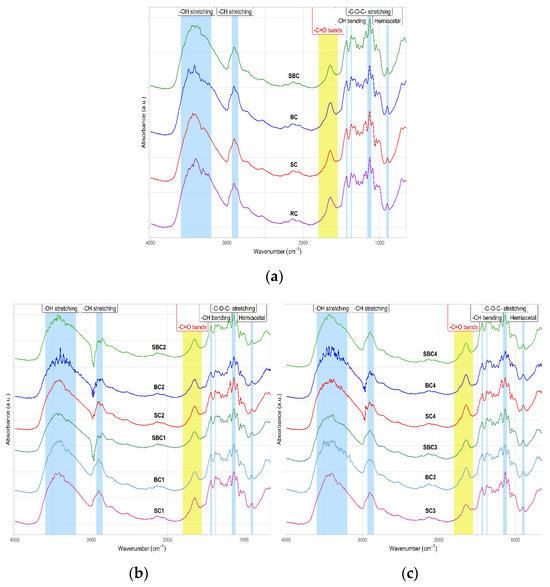
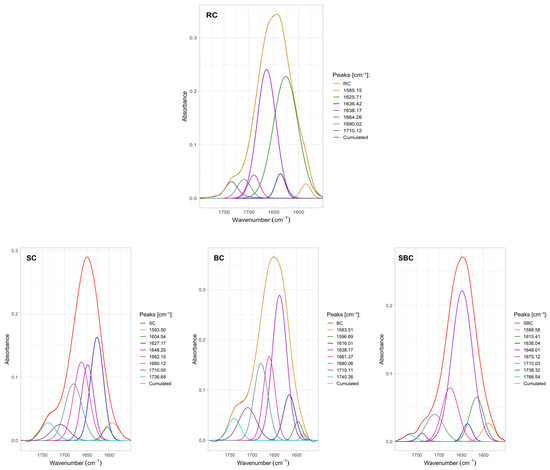
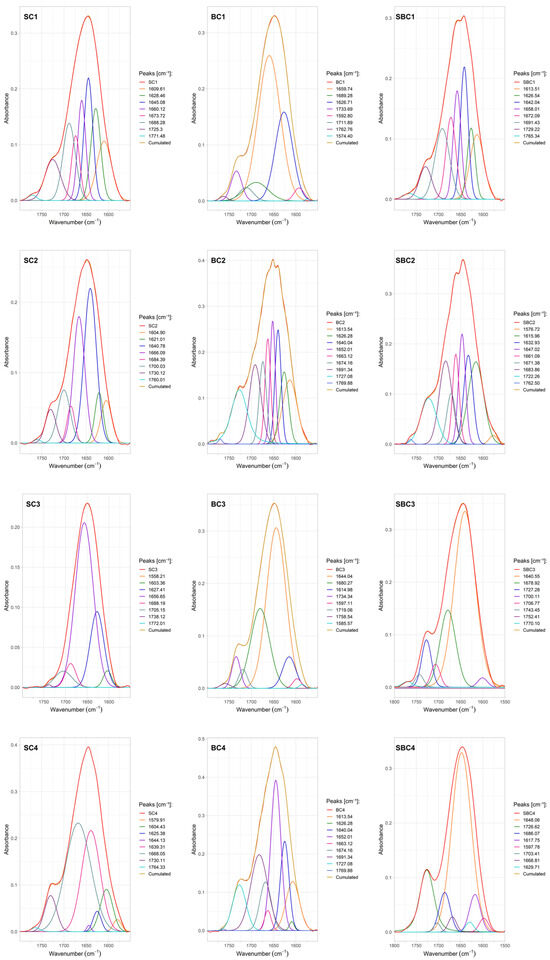
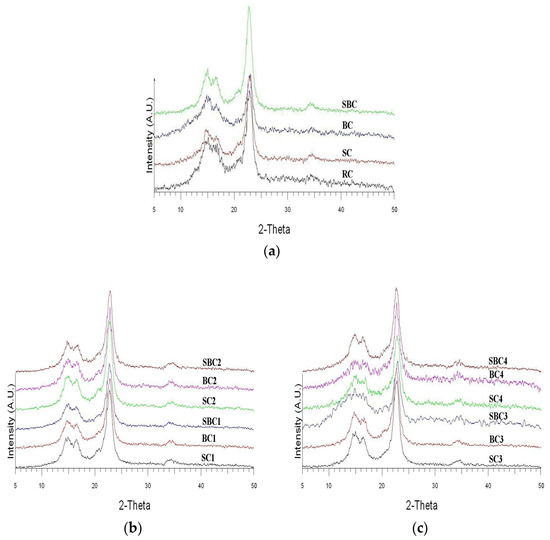
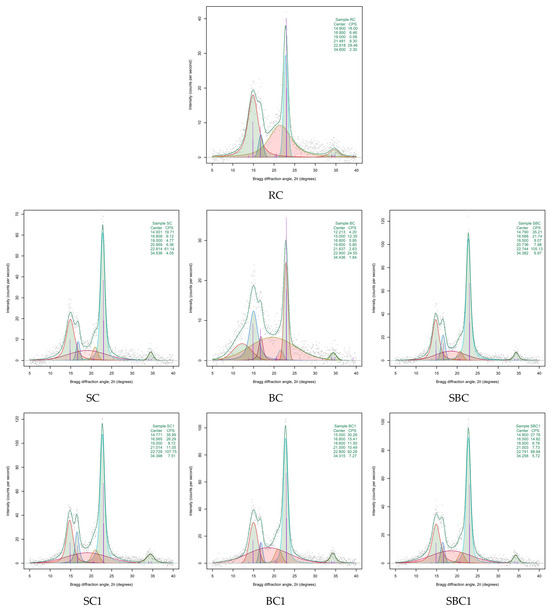
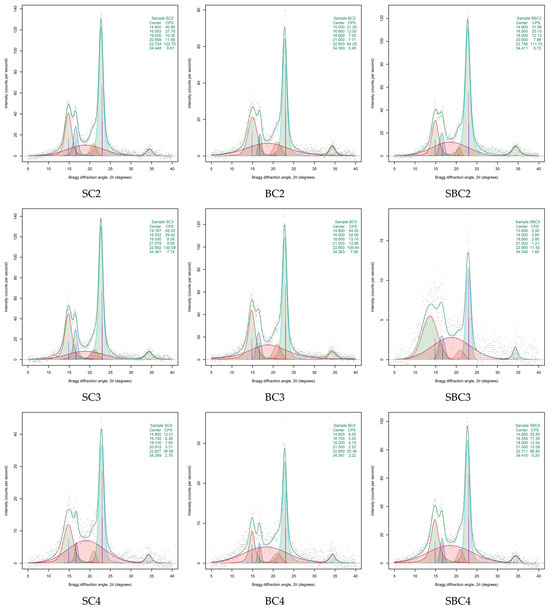
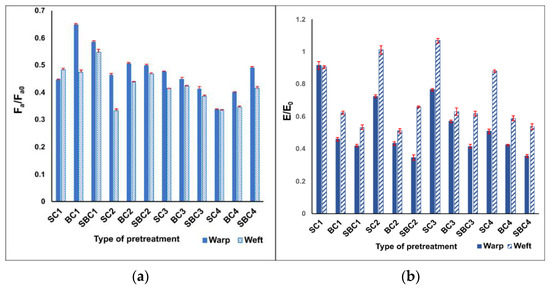
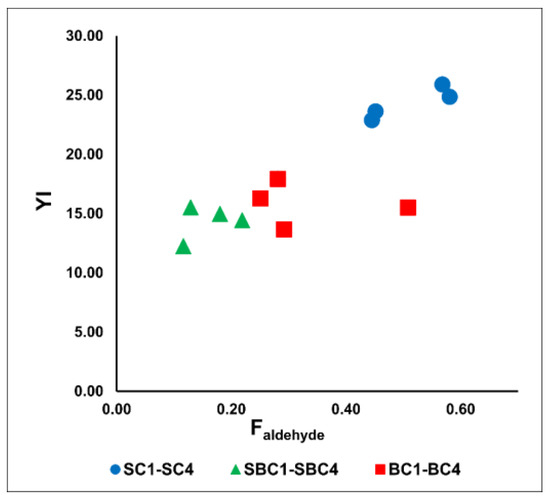
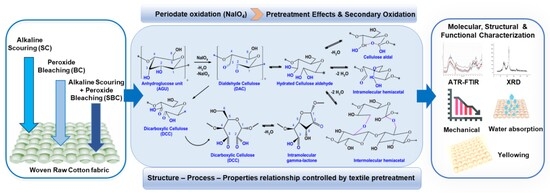
This study investigates the influence of conventional textile pretreatment and periodate oxidation parameters on the structural modifications and functional properties of woven cotton fabrics. Unlike most studies focused on cellulose pulps or isolated textile fibers, the present work examines how the initial structural state of the textile substrate, determined by its pretreatment history, governs the oxidation pathways. Cotton fabrics were subjected to alkaline scouring (SC), hydrogen peroxide bleaching (BC), and combined scouring–bleaching (SBC), followed by sodium periodate oxidation under controlled conditions. Carbonyl species were quantified analytically and identified by ATR-FTIR spectroscopy, while structural changes were evaluated by X-ray diffraction (XRD). Mechanical properties were assessed using the normalized parameters (Fa/Fa0 and E/E0), hydrophilicity by water absorption capacity (WAC), and optical stability by the yellowness index (YI). The results demonstrated that the pretreatments influence the oxidant accessibility and the balance between carbonyl speciation. XRD analysis shows a moderate decrease in crystallinity, indicating partial preservation of the crystalline domains, whereas mechanical properties decrease significantly (35–65%), concomitant with a 25–45% reduction in WAC. These results suggest that the impairment in mechanical and hydrophilic properties is primarily governed by localized C2–C3 bond scission, secondary oxidative reactions, and supramolecular rearrangements, rather than by bulk crystalline loss. The oxidized SC series exhibits higher YI values associated with an increased free aldehyde content, while the BC and SBC fabrics show improved optical stability. Overall, these results demonstrate that pretreatment history governs periodate oxidation pathways and establishes clear structure–property relationship relevant for the controlled functionalization of woven cotton fabrics.
Full article

Graphical abstract
Open AccessArticle
Design and Evaluation of Adaptive Clothing for Diverse Body Shapes Using Auxetic Knitted Structures
by
Aqsa Imran, Muhammad Babar Ramzan, Sheheryar Mohsin Qureshi, Maham Raza and Shahood uz Zaman
Textiles 2026, 6(2), 44; https://doi.org/10.3390/textiles6020044 - 7 Apr 2026
Abstract
►▼
Show Figures
Traditional ready-to-wear garments can mostly not conform to different body shapes because of the adoption of the generic sizing system, which leads to the local strain of concentration and morphological misfit. Auxetic structures, which have a negative Poisson’s ratio, permit enhanced redistribution of
[...] Read more.
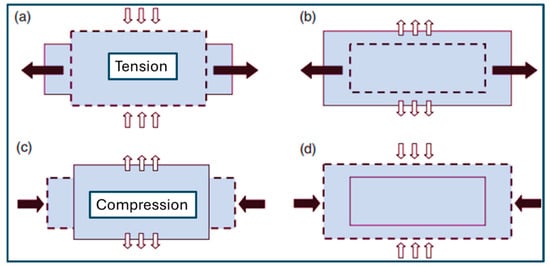
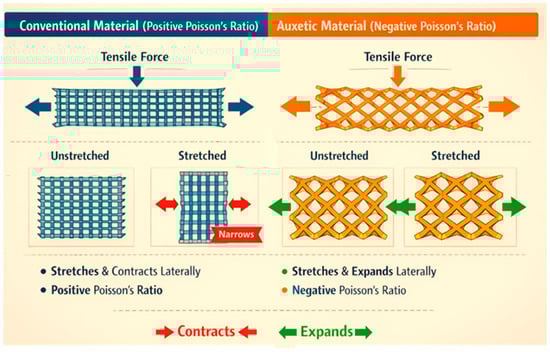
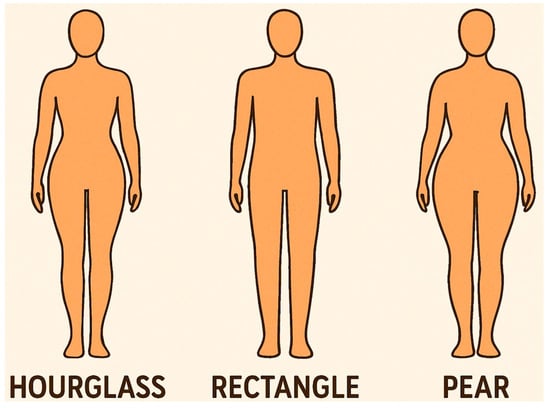
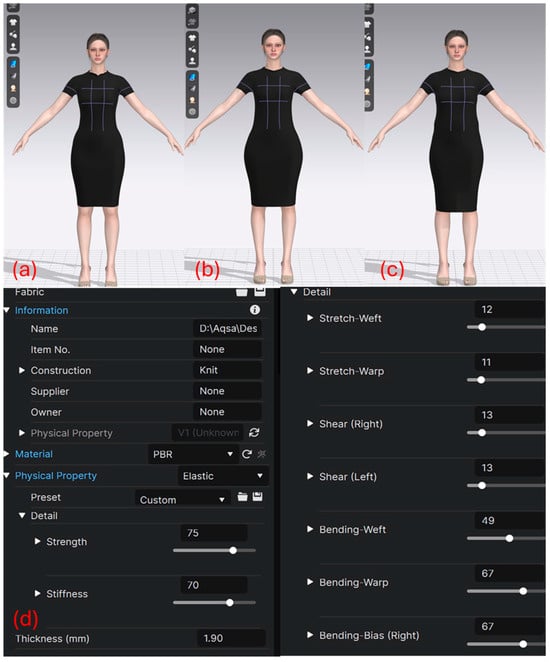
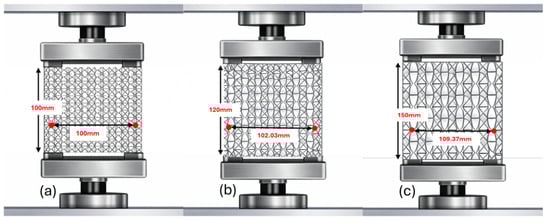
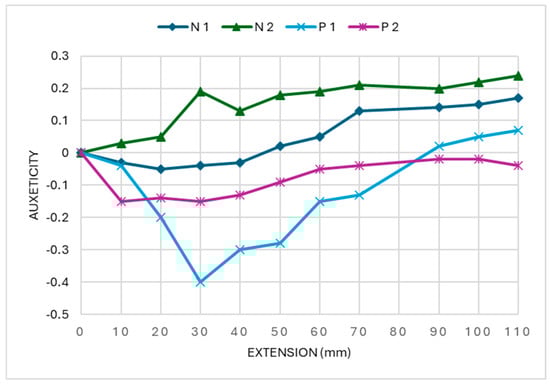
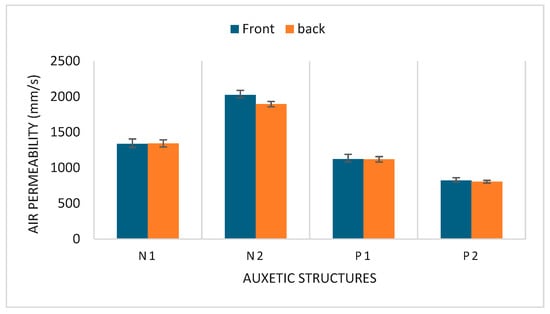
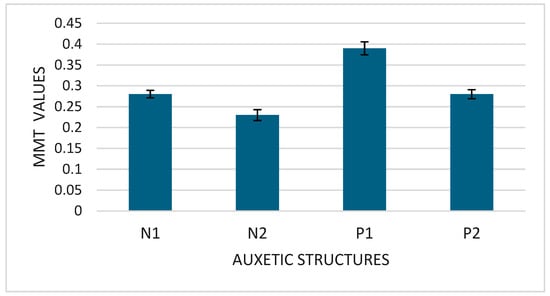
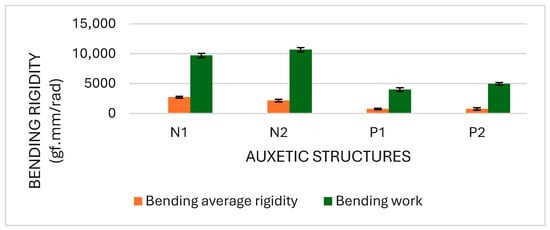
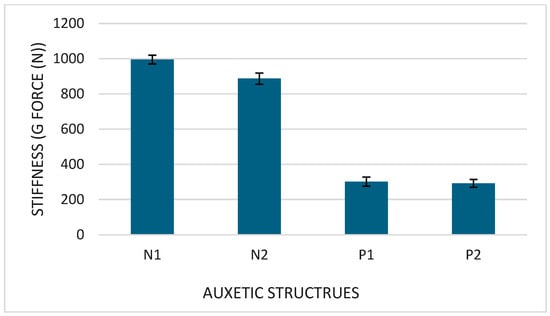
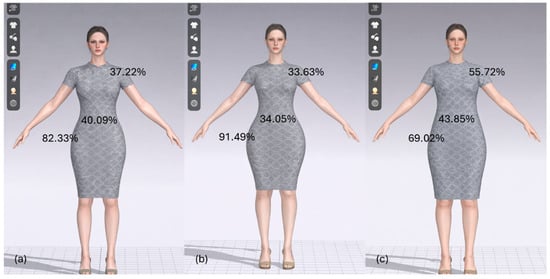
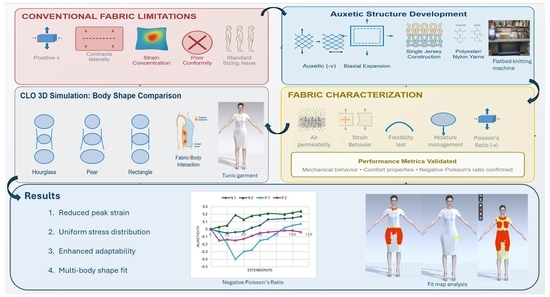
Traditional ready-to-wear garments can mostly not conform to different body shapes because of the adoption of the generic sizing system, which leads to the local strain of concentration and morphological misfit. Auxetic structures, which have a negative Poisson’s ratio, permit enhanced redistribution of stress and geometry and allow deformation. Two auxetic knitted structures were developed by using 100% polyester and 100% nylon yarns with a fabric density of 41 Wales and 40 courses per inch. Characterization of the initial fabrics involved checking the behavior of negative Poisson’s ratio (NPR) where the polyester line (P1) structure shows the highest auxeticity, with a NPR of approximately −0.4 and peak strain reductions of 80–90%, as well as air permeability, moisture management, bend test, compression, roughness, friction properties and stiffness tests to check the mechanical and comfort-related performances. The standardized tunic garment was modeled in CLO 3D on three female body shapes—hourglass, pear and rectangle—with a constant size of 34. The fit map showed a strain of 91.49% in auxetic and 509.75% in single-jersey fabric at the hip area of the pear body shape when measuring fabric and body interaction. The findings indicate lower peak strain levels, which ascertain that increased adaptability is possible and support its use in the development of adaptive ready-to-wear garments.
Full article

Graphical abstract
Open AccessArticle
The Effect of Tow Stretch Breaking Process Parameters on High-Bulk Acrylic Yarn Properties
by
Kenan Yildirim, Ferhan Gebes, İlter Sevilen, Tugce Begum Bilir and Emel Kucukoglu
Textiles 2026, 6(2), 43; https://doi.org/10.3390/textiles6020043 - 7 Apr 2026
Abstract
►▼
Show Figures
This study represents the first comprehensive investigation examining how oven temperature and drawing ratios, two key tow stretch-breaking parameters, influence the properties of high-bulk acrylic yarns. Only the tow parameters were altered, while all other production parameters involved in converting from tow to
[...] Read more.
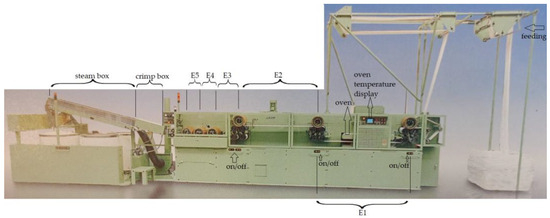
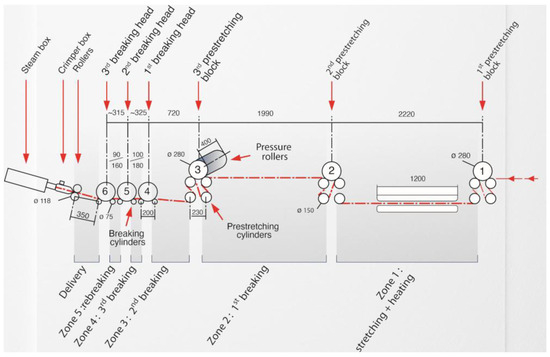
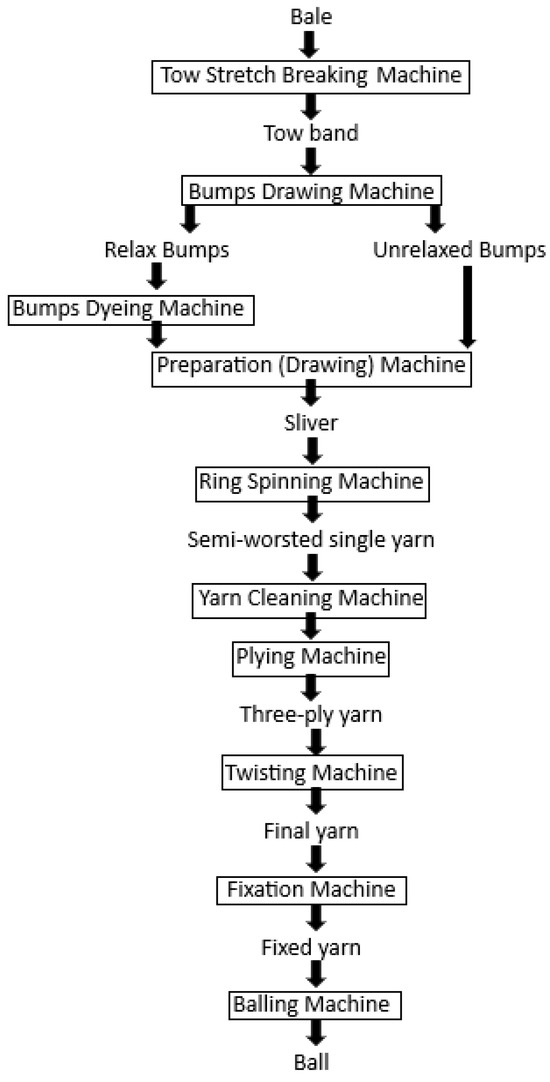
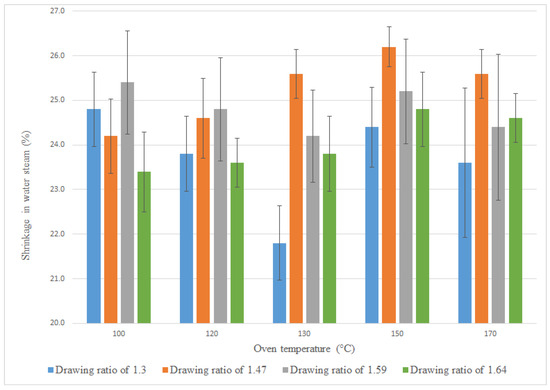
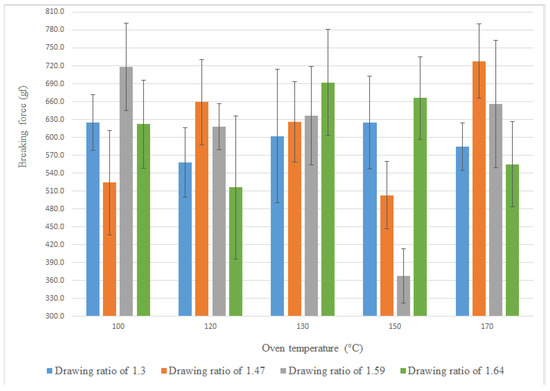
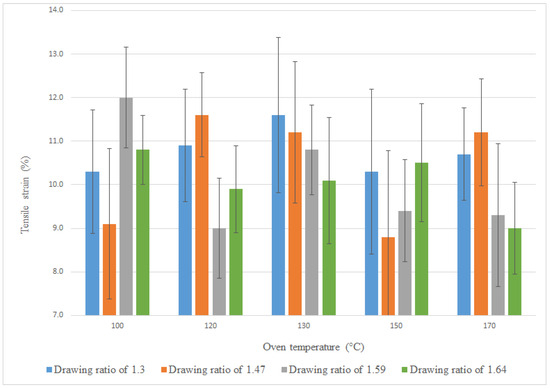
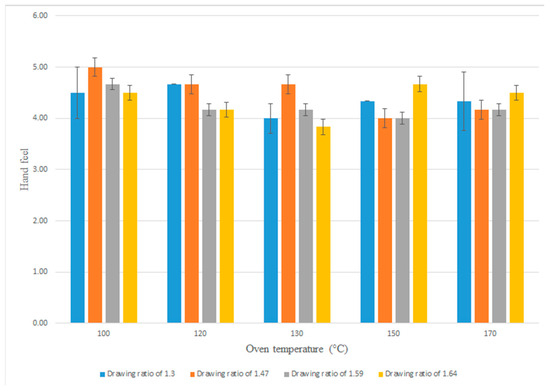
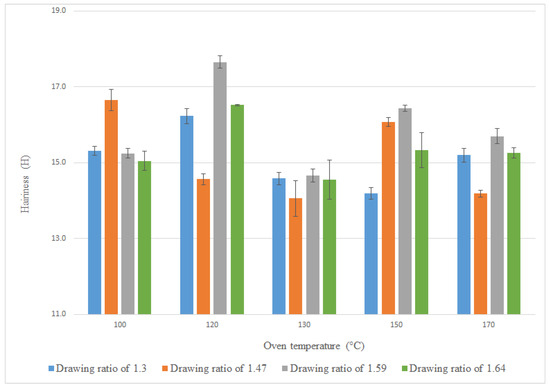
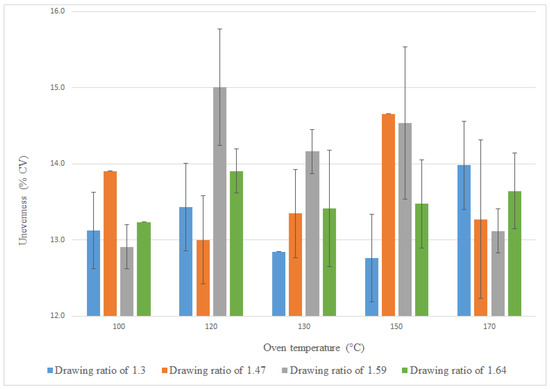
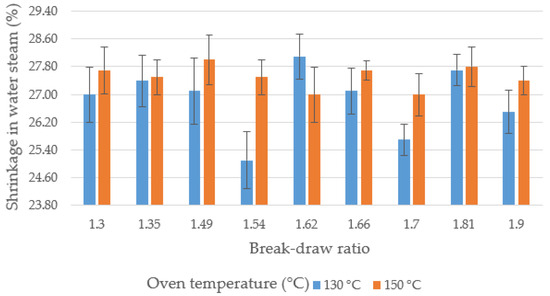
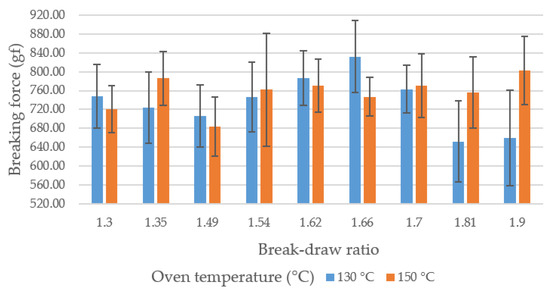
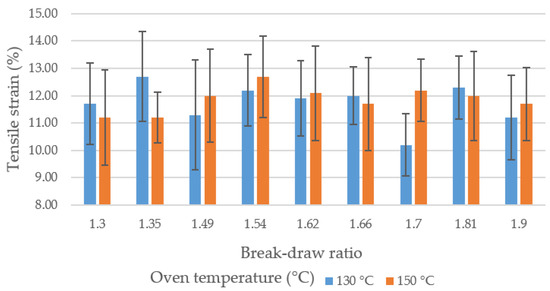
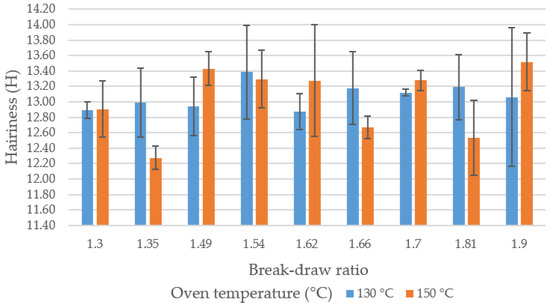
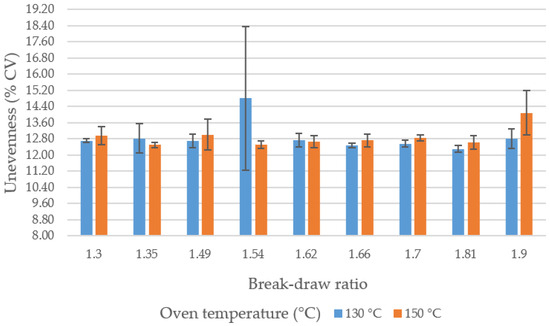
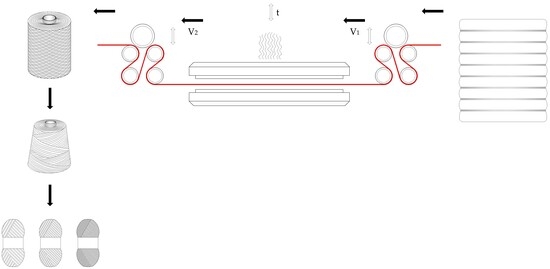
This study represents the first comprehensive investigation examining how oven temperature and drawing ratios, two key tow stretch-breaking parameters, influence the properties of high-bulk acrylic yarns. Only the tow parameters were altered, while all other production parameters involved in converting from tow to yarn remained constant. Two experimental sets were conducted. In the first, oven temperatures (100 °C, 120 °C, 130 °C, 150 °C, and 170 °C) and the ratios (1.3, 1.47, 1.59, and 1.64) in the drawing zone (E1) were altered. In the second, oven temperatures (130 °C and 150 °C) and the ratios (1.3, 1.35, 1.49, 1.54, 1.62, 1.66, 1.70, 1.81, and 1.90) in the break-draw zone (E5) were altered. The samples, produced on industrial-scale machines, were evaluated for shrinkage of fiber slivers in water steam, yarn hairiness, unevenness, tensile strength and strain, and hand-feel rating of yarn balls. The highest shrinkage was obtained at 130 °C and 150 °C with the drawing ratio of 1.47, while the lowest occurred at 130 °C with the drawing ratio of 1.3. The lowest tensile strength and strain were obtained at 150 °C, while the highest values were obtained at 130 °C with 1.59. The yarn hairiness and unevenness were lowest at 130 °C and increased at both lower and higher temperatures.
Full article

Graphical abstract
Open AccessArticle
Thermophysiological and Perceptual Responses to Wearable Cooling Devices During Intermittent Exercise in a Hot Environment
by
Hiroki Maru, Takumi Yuasa and Hiroyuki Kanai
Textiles 2026, 6(2), 42; https://doi.org/10.3390/textiles6020042 - 2 Apr 2026
Abstract
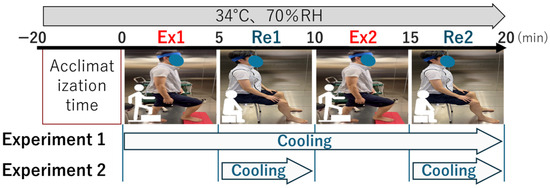
In this study, we employed forced convective cooling under the fan-cooling garment (FC condition) and conductive cooling under the neck cooling device (NC condition) in a hot environment during intermittent exercise to compare their effects on thermophysiological and subjective responses. Cooling was examined
[...] Read more.
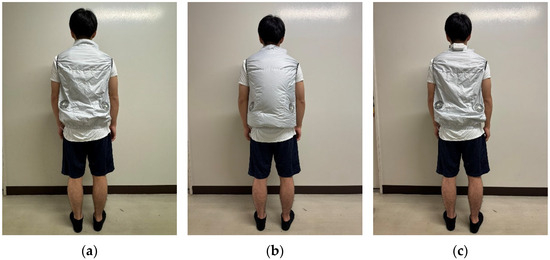
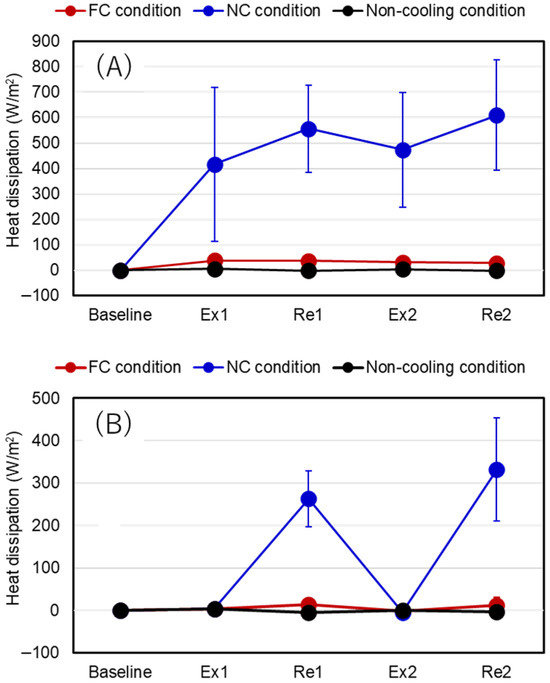
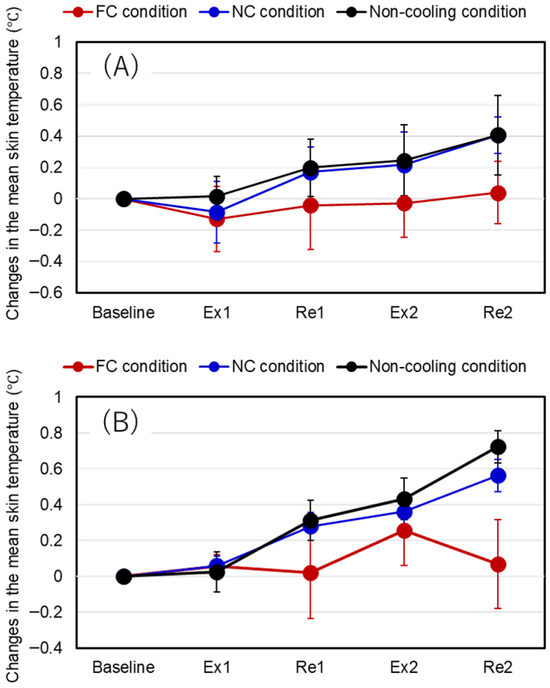
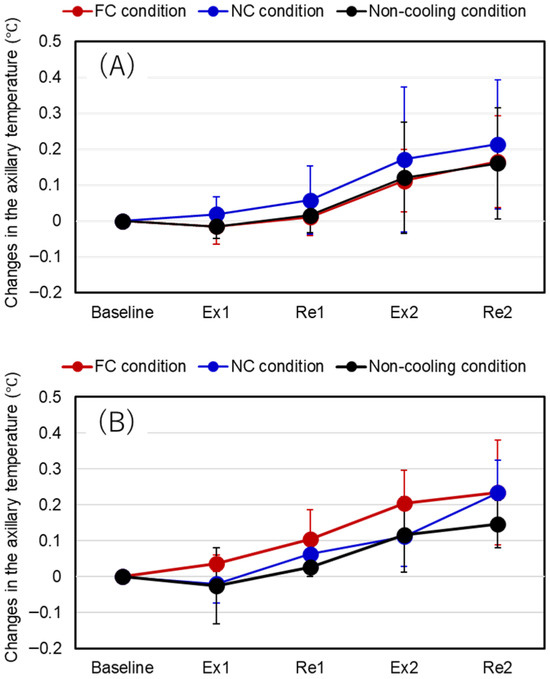
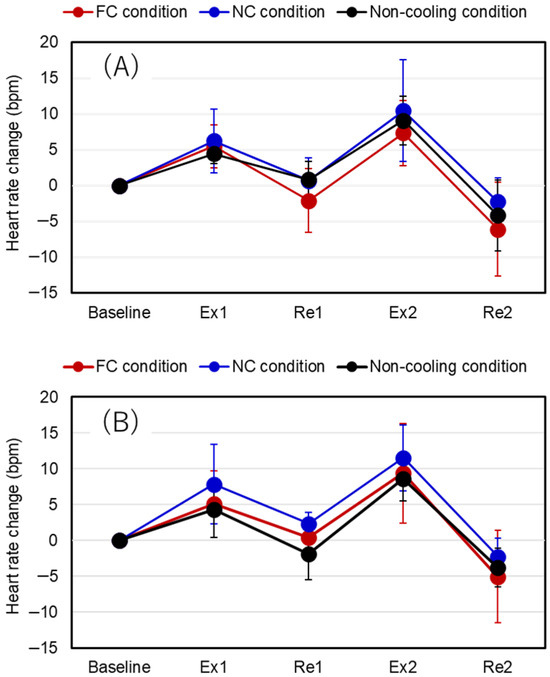
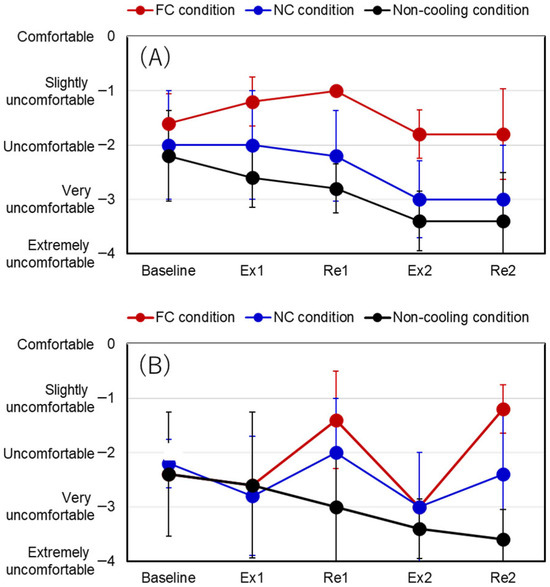
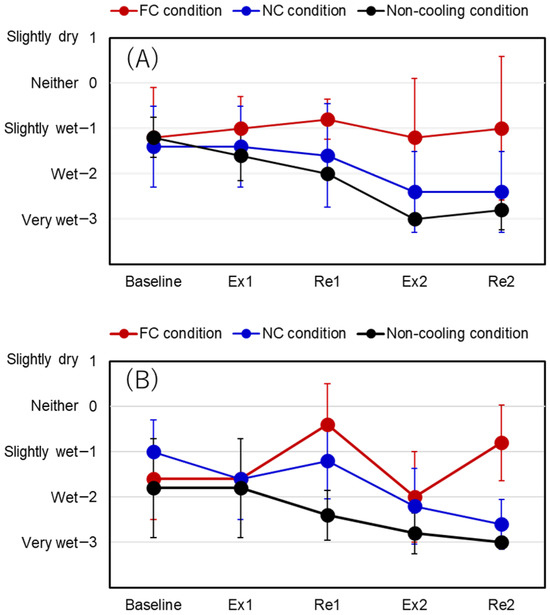
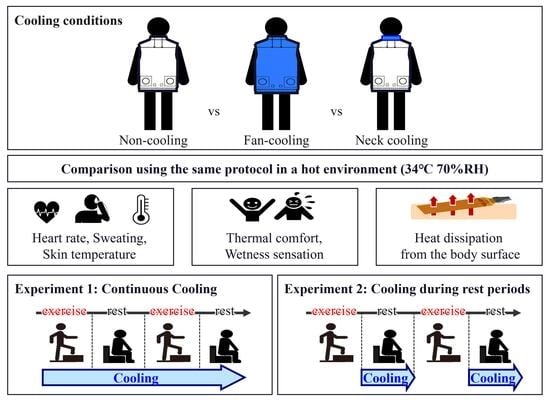
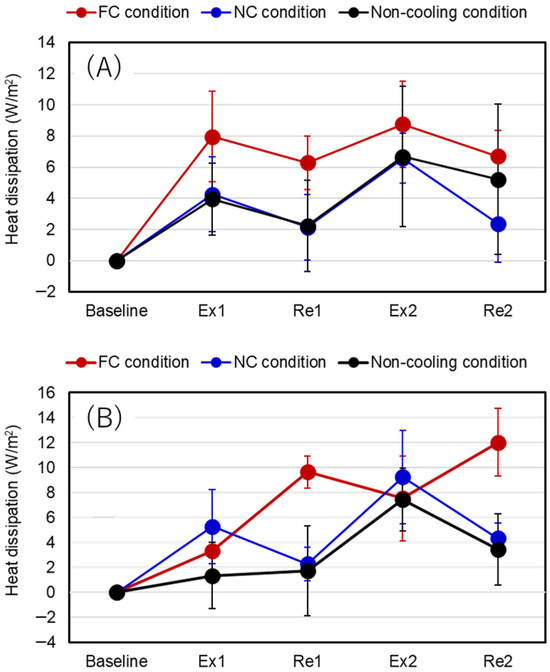
In this study, we employed forced convective cooling under the fan-cooling garment (FC condition) and conductive cooling under the neck cooling device (NC condition) in a hot environment during intermittent exercise to compare their effects on thermophysiological and subjective responses. Cooling was examined under two conditions: continuous application throughout both exercise and rest periods (Experiment 1) and application solely during rest periods (Experiment 2). As different participant groups were utilized for each experiment, the effects of cooling timing were interpreted in an exploratory manner. No differences were observed between conditions at baseline. In the FC condition, whole-body heat dissipation (HF_mean) significantly increased (p < 0.05), particularly during the recovery phase, and was associated with significant suppression of mean skin temperature rise (p < 0.05) and enhanced thermal comfort. Conversely, although localized heat dissipation at the neck (HF_neck) significantly increased under the NC condition, its effects on whole-body heat dissipation and mean skin temperature were limited. No consistent differences were observed between cooling conditions in axillary temperature or heart rate responses. These results suggest that forced convective cooling, which facilitates ventilation within clothing, and localized conductive cooling exhibit distinct thermal response characteristics. This study provides fundamental comparative data under controlled conditions, contributing to the understanding of the response characteristics of wearable cooling devices.
Full article
(This article belongs to the Special Issue Advances in Smart Textiles)
►▼
Show Figures

Graphical abstract
Open AccessArticle
Effect of Air Permeability of Material and Structure of Air Layer on Garment Insulation
by
Jiyeon Kwon, Shuga Tanizaki, Fumitoshi Kobayashi, Shunji Takeuchi, Hiroki Maru, Hiroyuki Kanai and Tetsu Sasagawa
Textiles 2026, 6(2), 41; https://doi.org/10.3390/textiles6020041 - 1 Apr 2026
Abstract
►▼
Show Figures
This study investigated thermal insulation in layered suit systems by systematically varying air-layer thickness and structure (single vs. sandwiched), fabric air permeability, and ambient airflow. A hot plate based apparatus equipped with air-layer spacers and an airflow-generation system was developed, and suit fabrics
[...] Read more.
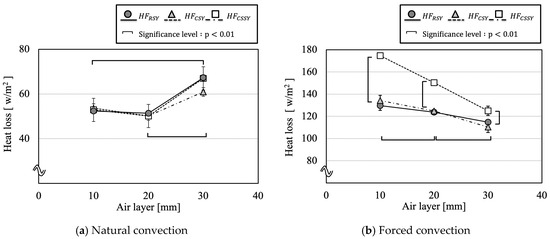
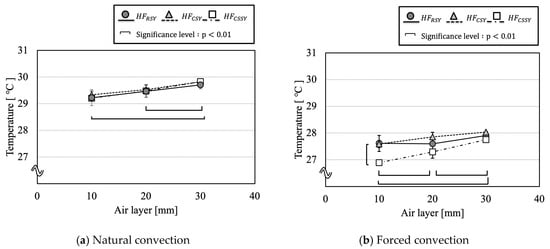
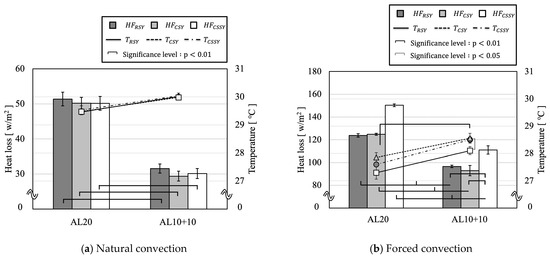
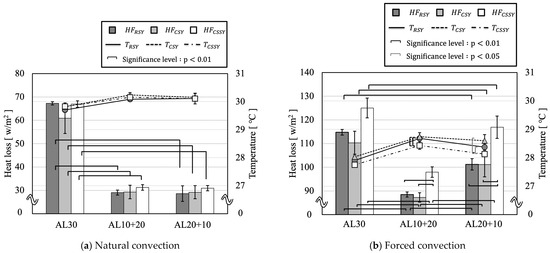
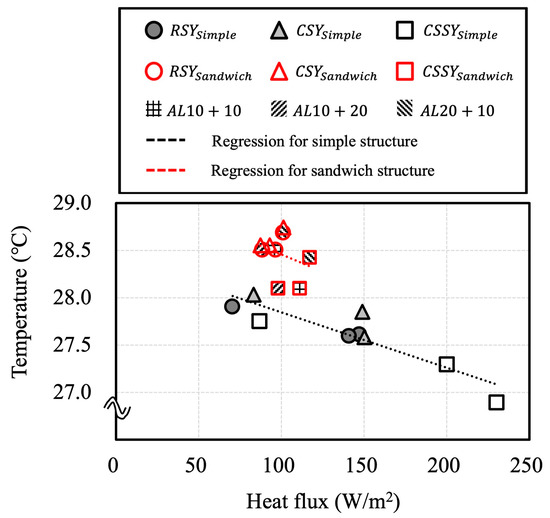
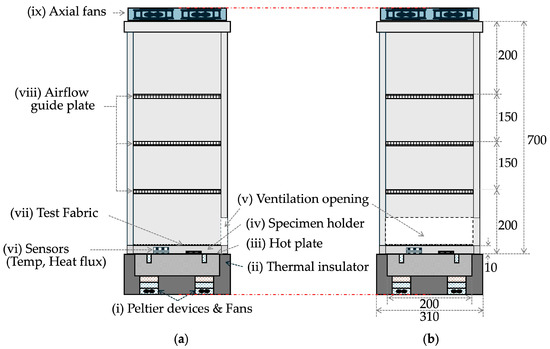
This study investigated thermal insulation in layered suit systems by systematically varying air-layer thickness and structure (single vs. sandwiched), fabric air permeability, and ambient airflow. A hot plate based apparatus equipped with air-layer spacers and an airflow-generation system was developed, and suit fabrics with different air permeability but similar thickness were fabricated. Heat flux from the heated plate and air-layer temperature were measured in three experimental series. Under no-airflow conditions, insulation was maximized at a 20 mm air layer, whereas a 30 mm air layer increased heat flux, suggesting buoyancy-driven convection. Under airflow conditions, thinner air-layers allowed airflow to influence the hot plate region more directly, while thicker-layers attenuated this effect. The sandwich-structured air layer reduced heat flux compared with a single air layer of the same total thickness, and its effect depended on the thickness distribution between the upper and lower air-layers. Fabric air permeability increased heat flux mainly under airflow, indicating that permeability effects should be evaluated under combined conditions of ambient airflow and controlled air-layer configurations.
Full article

Figure 1
Open AccessArticle
X-Ray and Optical Orientation of Modified Cotton Fibers
by
Abdurrahman Ishaq and Yunusa Umar
Textiles 2026, 6(2), 40; https://doi.org/10.3390/textiles6020040 - 30 Mar 2026
Abstract
►▼
Show Figures
The effect of structure on the properties of cotton fibers is yet to be fully understood even after many years of research. This is due to the presence of convolutions that occur at various intervals in cotton fibers. An attempt was made in
[...] Read more.
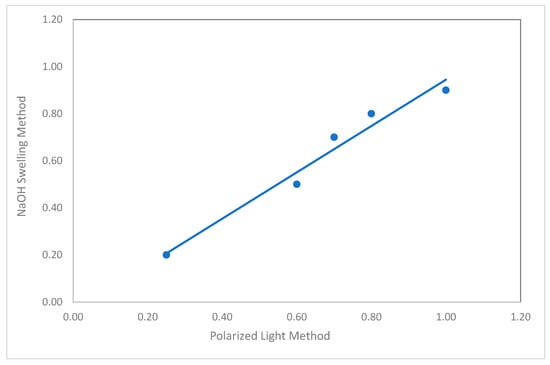
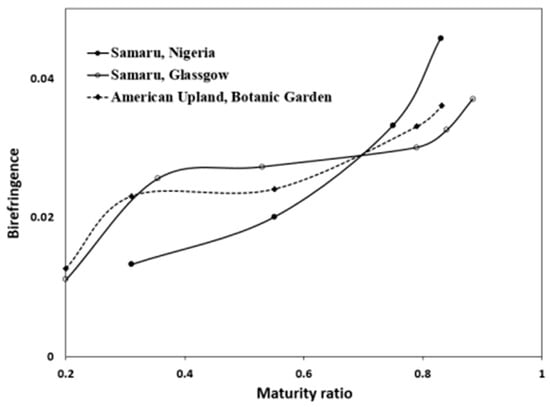
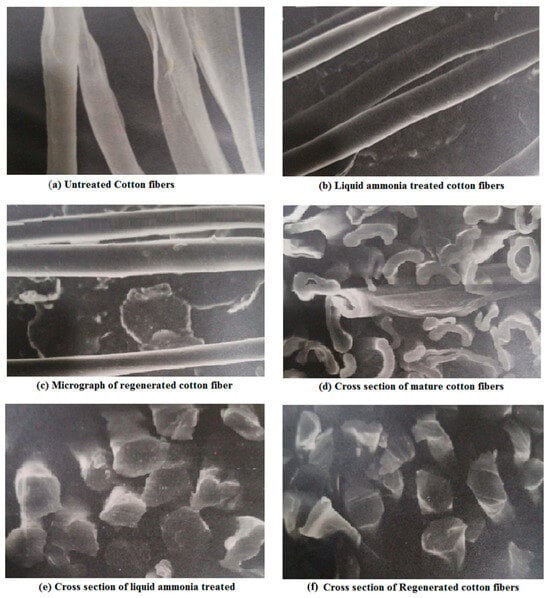
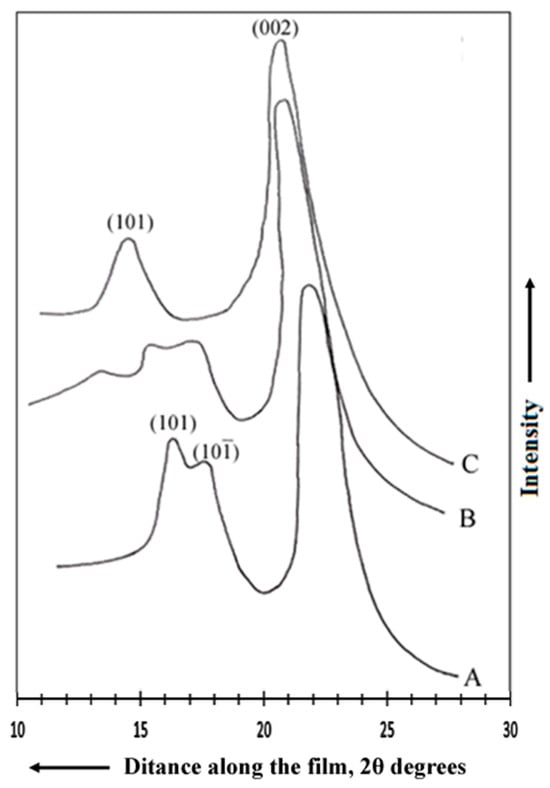
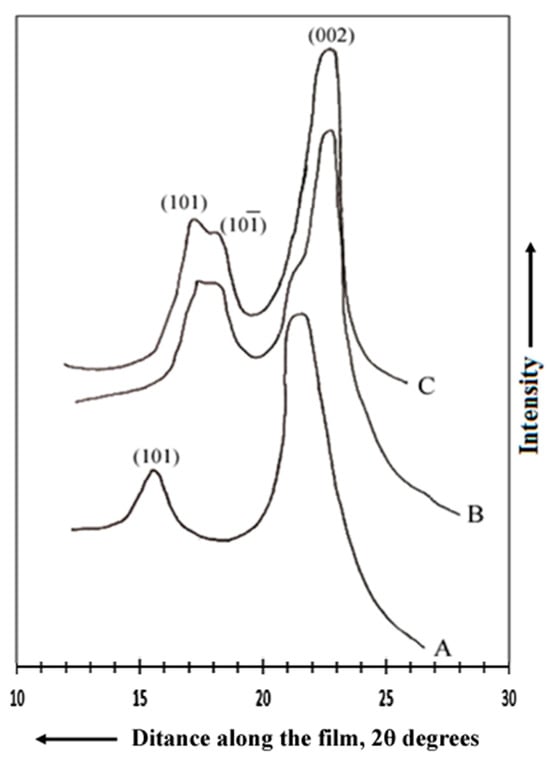
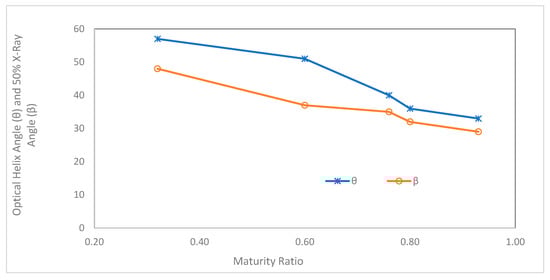
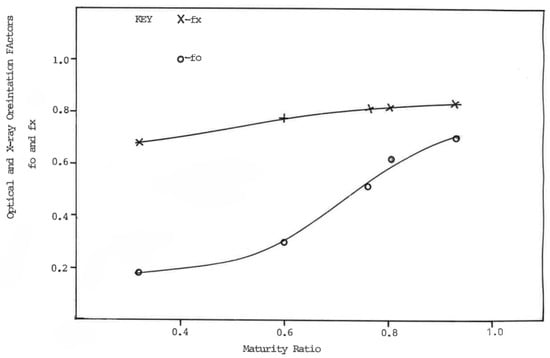
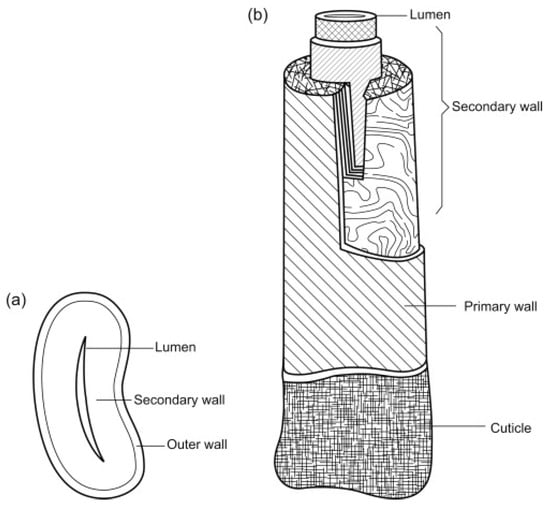
The effect of structure on the properties of cotton fibers is yet to be fully understood even after many years of research. This is due to the presence of convolutions that occur at various intervals in cotton fibers. An attempt was made in this investigation to remove these convolutions using liquid ammonia treatment. The optical and X-ray orientation angles of two varieties of G. hirsutum cotton fibers were investigated at various stages of maturity, and results were compared. An American upland variety was also studied. Four-hour treatment of cotton fibers in liquid ammonia at a temperature of −50 °C ensures a complete change of the lattice structure from cellulose I polymorph to cellulose III polymorph. The cellulose I lattice structure is restored by boiling it in distilled water for 24 h. X-ray diffractograms confirm these conversions. Mature fibers after treatments are devoid of convolutions and are rounded in appearance with no central lumen. The scanning electron micrographs revealed these morphological structures. A close correlation exists between the optical and X-ray orientation measurements and are both strongly dependent on fiber maturity. In all the varieties studied, a maturity ratio of at least 0.8 is required for a cotton fiber to be of commercial value, in terms of strength and durability The progressive build-up of both the primary and secondary walls as the fiber matures shows a gradual decrease in helix angles and, hence, an increase in the orientation of the fibrils, conforming to the constant pitch model. The effect of convolutions on both the optical and X-ray orientation angle is found to be higher than 10%.
Full article

Figure 1
Open AccessArticle
Effect of Material, Number of Yarns, and Loop Length on Pressure, Stretchability, and Thermal Properties of Seamless Knitted Fabrics for Compression Textiles
by
Nga Wun Li, Mei-Ying Kwan and Kit-Lun Yick
Textiles 2026, 6(2), 39; https://doi.org/10.3390/textiles6020039 - 26 Mar 2026
Abstract
►▼
Show Figures
Compression textiles have been widely applied in medical, sportswear, and daily usage, with single-jersey structures produced by circular knitting dominating the market due to their thinness and light weight. However, the presence of seams may compromise compression performance and wearer comfort. This study
[...] Read more.
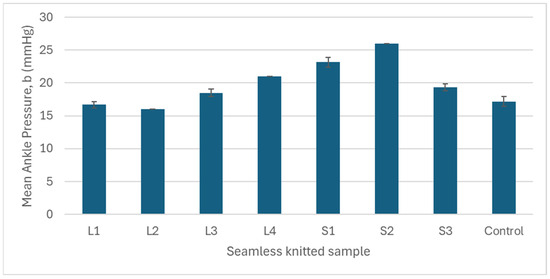
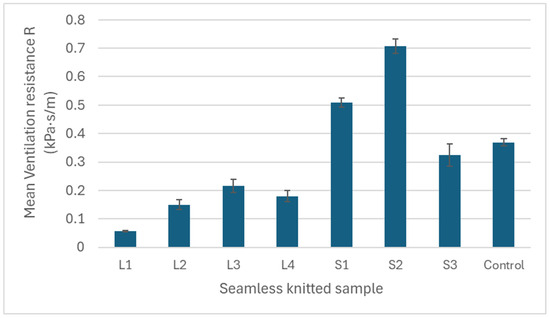
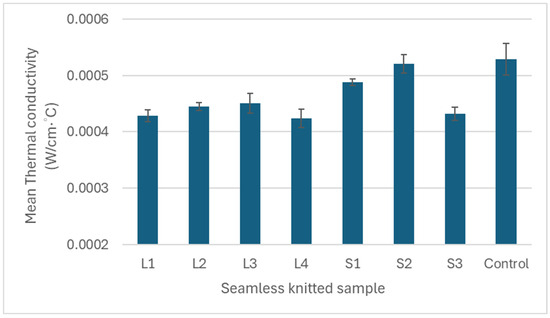
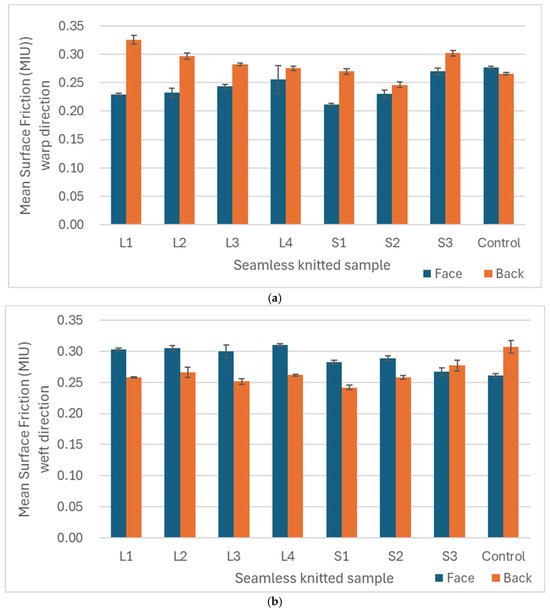
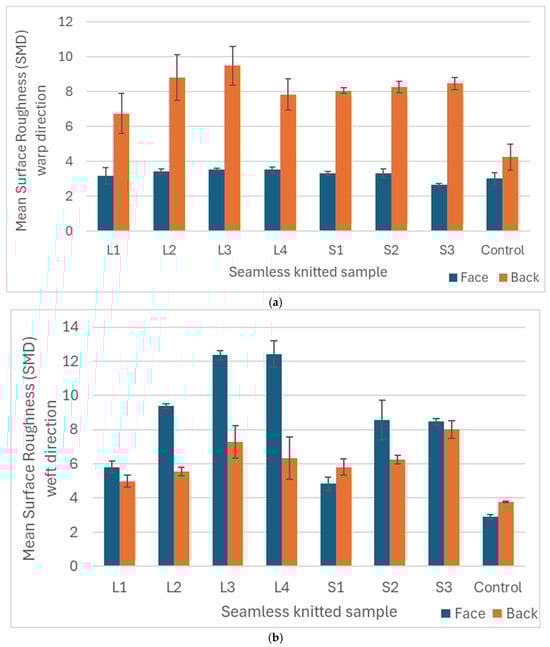
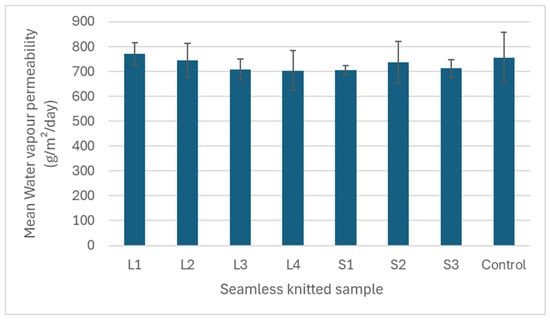
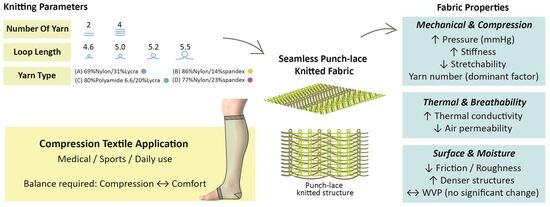
Compression textiles have been widely applied in medical, sportswear, and daily usage, with single-jersey structures produced by circular knitting dominating the market due to their thinness and light weight. However, the presence of seams may compromise compression performance and wearer comfort. This study investigates the effects of yarn type, number of yarns, and loop length on pressure, stretchability, and thermal comfort of seamless punch-lace knitted fabrics and explores their potential application in compression textiles. The results show that yarn number is the dominant factor influencing fabric stiffness, stretchability, and pressure. Fabrics with increased yarn content demonstrate higher maximum load and compression pressure. Smaller loop lengths and additional reinforcing yarns improve dimensional stability and resistance to extension. Air permeability decreases with increasing yarn number due to increased fabric thickness and reduced porosity, while thermal conductivity increases and is positively associated with ventilation resistance, indicating a trade-off between heat transfer and breathability. Surface friction and roughness are significantly affected by yarn number, yarn type, and loop length, whereas water vapour permeability shows no significant relationship with the investigated variables. Overall, seamless punch-lace knitted fabrics demonstrate strong potential for compression applications, although careful design is required to balance breathability and thermal comfort.
Full article

Graphical abstract
Open AccessArticle
Paediatric Dermatology Insights for Functional Fashion Textile Design
by
Diana Santiago, Sofia Moreira, Isabel Cabral, Paulo Mendes and Joana Cunha
Textiles 2026, 6(2), 38; https://doi.org/10.3390/textiles6020038 - 24 Mar 2026
Abstract
►▼
Show Figures
Children’s skin is uniquely vulnerable, requiring specialised design solutions that transcend traditional aesthetics. This exploratory study investigates the importance of paediatric dermatology in informing functional fashion design through expert medical perspectives. Using a qualitative approach, data were gathered from a purposive cohort of
[...] Read more.
Children’s skin is uniquely vulnerable, requiring specialised design solutions that transcend traditional aesthetics. This exploratory study investigates the importance of paediatric dermatology in informing functional fashion design through expert medical perspectives. Using a qualitative approach, data were gathered from a purposive cohort of paediatric dermatologists and immunoallergologists and analysed through inductive thematic analysis. Findings identify four core themes: the physiological immaturity of children’s skin (notably the prevalence of atopic dermatitis), clothing’s role as a symptomatic aggravator rather than a primary aetiology, the clinical risks posed by chemical additives in synthetic textile processes, and the therapeutic potential of natural fibres and biofunctional agents. The data also highlights significant diagnostic constraints in paediatric patch testing, emphasising the necessity of proactive material safety. The findings suggest that integrating healthcare expertise into human-centred design may support the development of safer paediatric clothing solutions, ensuring that fashion industry innovation meets the physiological requirements of children. By transitioning from hazardous synthetic processes to biocompatible textiles, such as undyed natural fibres and medicinal plant-derived dyes, the industry can transform apparel from a potential irritant into a secondary protective barrier. This provides initial insights for developing clothing that safeguards the skin barrier and improves the overall wellbeing of vulnerable populations.
Full article

Figure 1
Open AccessArticle
Research on Surface Acoustic Wave Yarn Tension Sensor for Spinning Machines: Structural Optimization, Sensitivity Enhancement and Temperature Compensation
by
Hao Chen, Yang Feng, Shuai Zhu, Ben Wang, Bingkun Zhang, Hua Xia, Xulehan Yu and Wanqing Chen
Textiles 2026, 6(1), 37; https://doi.org/10.3390/textiles6010037 - 23 Mar 2026
Abstract
►▼
Show Figures
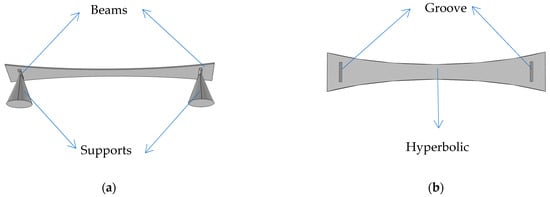
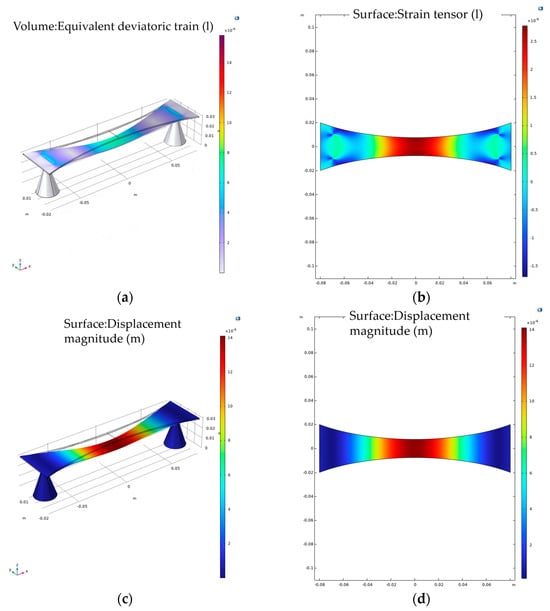
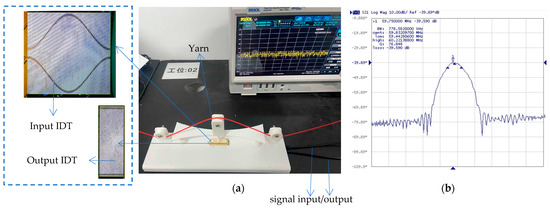
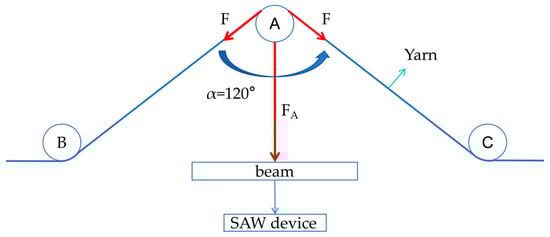
This paper presents a yarn tension sensor based on Surface Acoustic Waves (SAW). To enhance the detection accuracy of the sensor, an improved beam structure is designed for tension measurement, along with intelligent algorithms for temperature compensation. Firstly, regarding the sensor structure, a
[...] Read more.
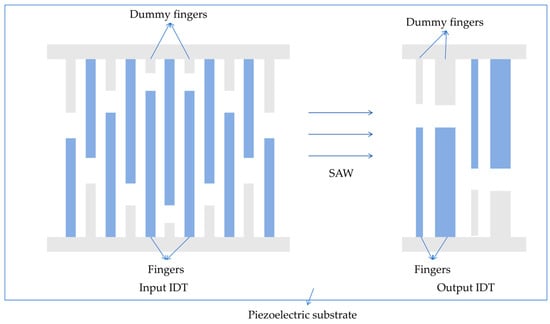
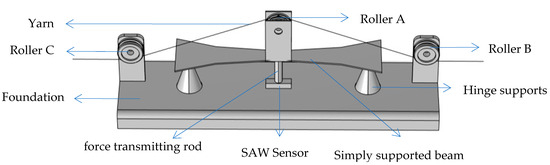
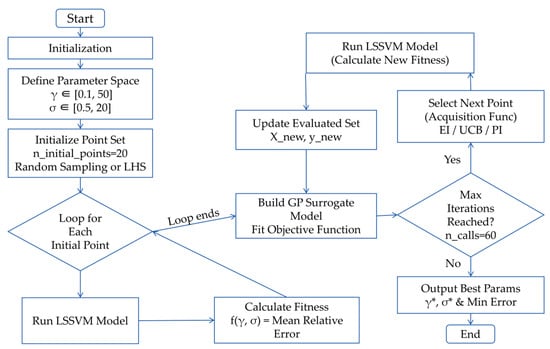
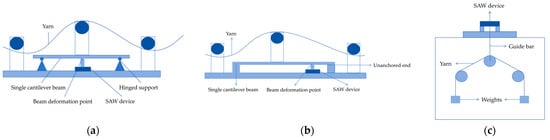
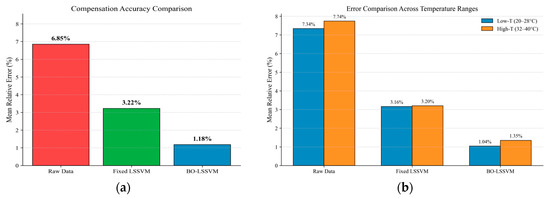
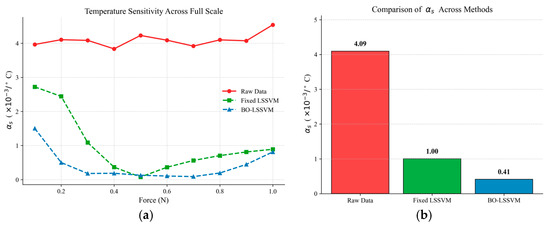
This paper presents a yarn tension sensor based on Surface Acoustic Waves (SAW). To enhance the detection accuracy of the sensor, an improved beam structure is designed for tension measurement, along with intelligent algorithms for temperature compensation. Firstly, regarding the sensor structure, a simply supported beam with a hyperbolic surface is designed to achieve stress concentration by reducing the section modulus at the beam’s midpoint. Secondly, by incorporating an unbalanced split-electrode Interdigital Transducer (IDT) design, the sensor effectively suppresses signal sidelobe interference and significantly improves the structure’s tension sensitivity. Finally, in terms of signal processing, to eliminate the influence of environmental temperature fluctuations on measurements, a temperature-compensation algorithm based on Bayesian Optimization Least Squares Support Vector Machine (BO-LSSVM) with Gaussian Process regression is proposed. Experimental results show that the tension sensitivity of the improved structure was 8.2% higher than that of the doubly clamped beam and 12.7% higher than that of the cantilever beam. For temperature compensation, the BO-LSSVM model reduced the Mean Relative Error (MRE) by 5.67 percentage points relative to raw data and by 2.04 percentage points relative to the fixed-parameter LSSVM model, lowering the temperature sensitivity coefficient from 4.09 to 0.41 .
Full article

Figure 1
Open AccessArticle
Effects of Yarn Composition and Knitted Macrostructure on the Functional Properties of Smart Textiles with Optical Functionalities
by
Radostina A. Angelova, Elena Borisova and Daniela Sofronova
Textiles 2026, 6(1), 36; https://doi.org/10.3390/textiles6010036 - 20 Mar 2026
Abstract
►▼
Show Figures
This study analyses the influence of yarn composition and knitted macrostructure on the structural and functional performance of passive smart knitted fabrics with optical functionalities. Twelve knitted macrostructures were produced using folded composite yarns combining cotton, reflective, and photoluminescent components and different stitch
[...] Read more.
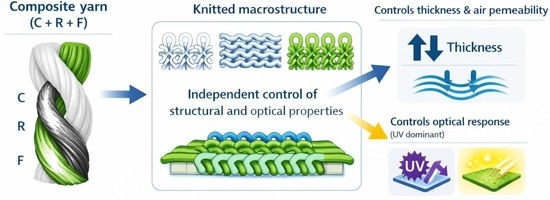
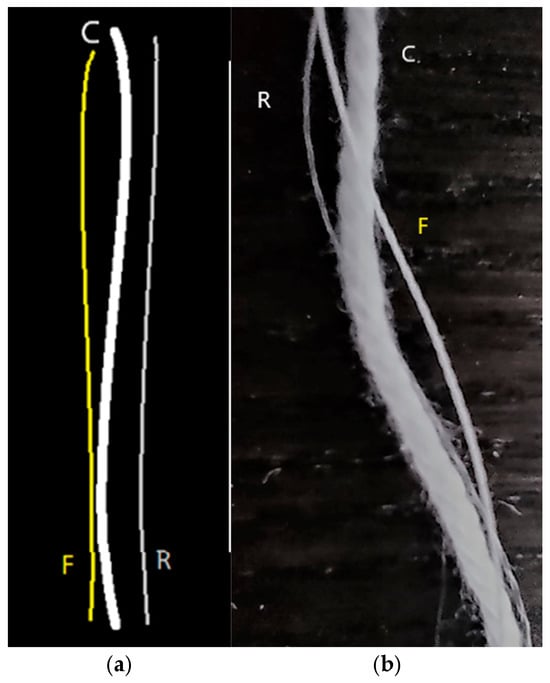
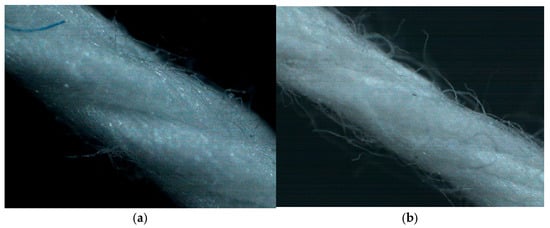
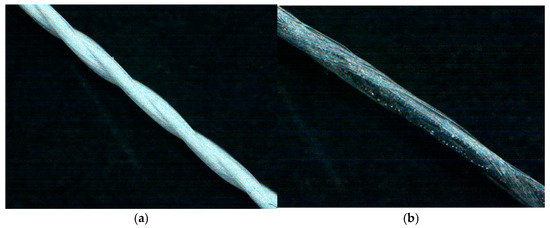
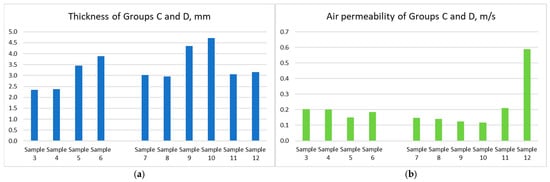
This study analyses the influence of yarn composition and knitted macrostructure on the structural and functional performance of passive smart knitted fabrics with optical functionalities. Twelve knitted macrostructures were produced using folded composite yarns combining cotton, reflective, and photoluminescent components and different stitch patterns. Thickness, air permeability, and reflectance under UV and visible illumination were experimentally evaluated. The results indicate that knitted macrostructure primarily controls thickness and air permeability, whereas optical response is governed by yarn composition. Variations in stitch pattern enable regulation of air permeability independent of optical behaviour, while UV-responsive yarn components dominate reflectance performance. The findings support independent optimisation of structural and optical properties through combined yarn and macrostructural design.
Full article

Graphical abstract
Open AccessArticle
Sustainable Dyeing and Functionalization of Knitted Cotton Fabrics with Algae Extracts
by
Helena S. Oliveira, Joana Santos, Tânia Ferreira, Artur Ribeiro, Carla Silva, Joana C. Antunes, João Bessa, Luís Miguel Oliveira and Raul Fangueiro
Textiles 2026, 6(1), 35; https://doi.org/10.3390/textiles6010035 - 19 Mar 2026
Abstract
►▼
Show Figures
Algae extracts have emerged as a sustainable and eco-friendly alternative to synthetic dyes and functional additives in the textile industry, particularly for dyeing and functionalizing of cotton fabrics. Herein, two types of water-soluble algae extracts from Arthrospira platensis and Porphyridium cruentum were characterized
[...] Read more.
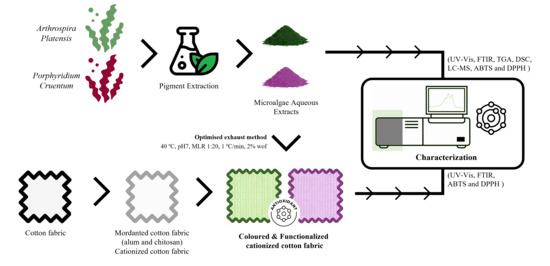
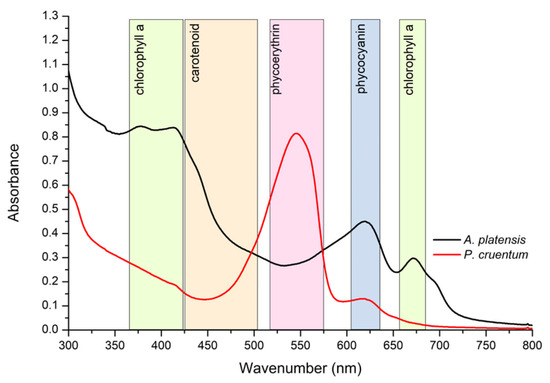
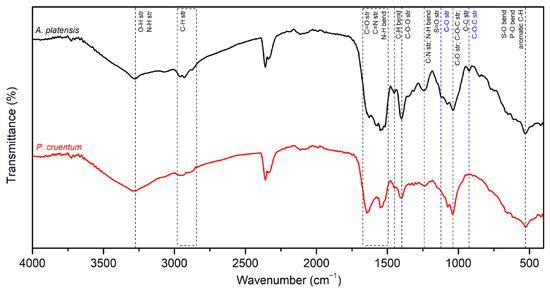
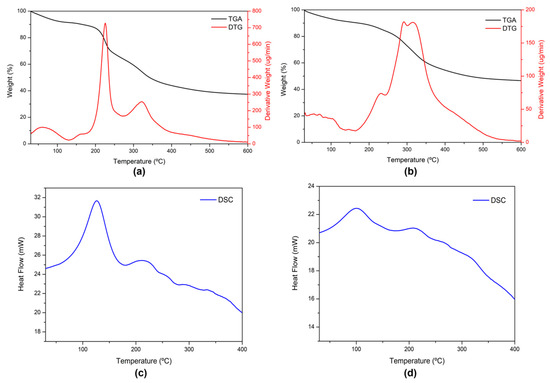
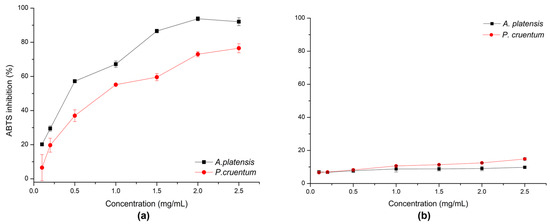
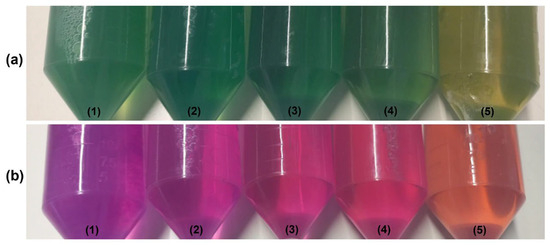
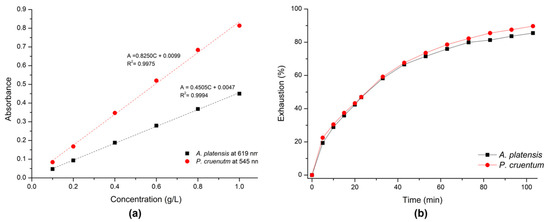
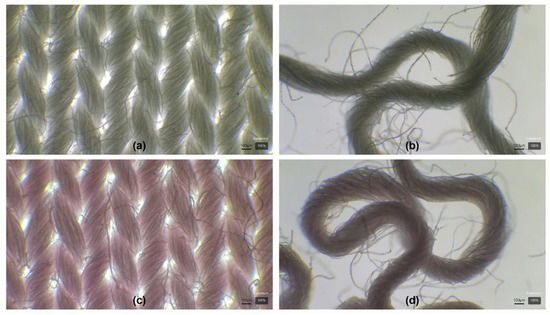
Algae extracts have emerged as a sustainable and eco-friendly alternative to synthetic dyes and functional additives in the textile industry, particularly for dyeing and functionalizing of cotton fabrics. Herein, two types of water-soluble algae extracts from Arthrospira platensis and Porphyridium cruentum were characterized in terms of thermal, structural, and functional properties and used as dye and/or functional agents. Cotton samples were pre-treated with chitosan and alum mordants and compared with commercially treated cationic cotton. The algae extracts were applied through the exhaust method, with variations in temperature, pH, liquor ratio, temperature rise gradient, and extract percentages. The resulting colours, assessed through CIE L*a*b* coordinates and K/S values using UV–Vis spectroscopy, displayed green and pink coloration, with commercial cationic cotton exhibiting more intense colours. Colour fastness measurements were also performed on functionalized cotton fabrics. The water-based algae extracts and functionalized samples were additionally characterized for functional features, displaying an antioxidant activity exceeding 60% (68.13 ± 3.60 and 60.76 ± 1.18, for A. platensis and P. cruentum, respectively). This work highlights their dual role in providing both aesthetic dyeing and functional enhancement of cotton. By using renewable marine resources and eco-friendly water-based processes, this approach supports the development of greener, more sustainable textile technologies.
Full article

Graphical abstract

Open AccessReview
Exploring Textile Fibre Characterisation: A Review of Vibrational Spectroscopy and Chemometrics
by
Diva Santos, A. Margarida Teixeira, M. Leonor Sousa, Andréa Marinho and Clara Sousa
Textiles 2026, 6(1), 34; https://doi.org/10.3390/textiles6010034 - 18 Mar 2026
Abstract
►▼
Show Figures
The identification/classification of textile fibres is essential in manufacturing, forensic science, cultural heritage preservation, and recycling. Conventional methods, including solubility tests, optical microscopy, and chromatographic techniques, are often destructive, labour-intensive, and limited in scope. Vibrational spectroscopy, particularly near-infrared (NIR), Fourier-transform infrared (FTIR), and
[...] Read more.
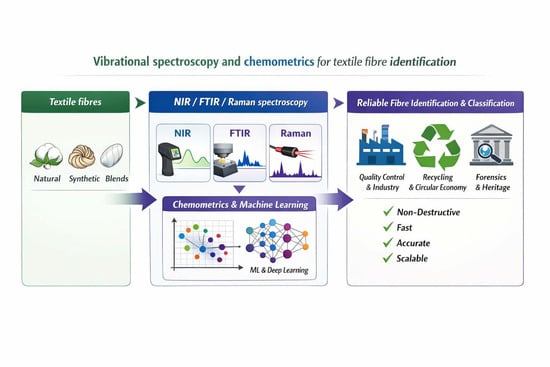
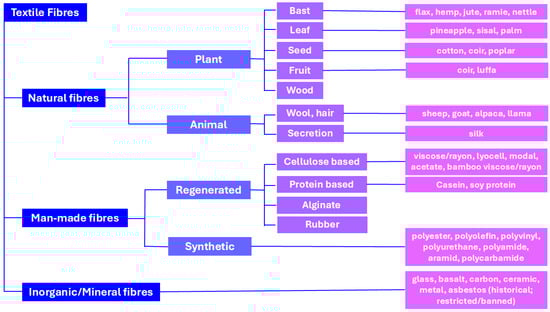
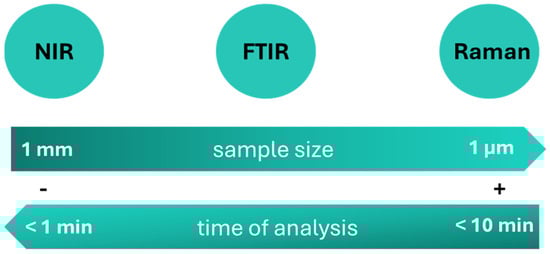
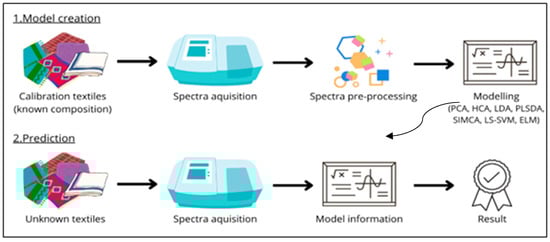
The identification/classification of textile fibres is essential in manufacturing, forensic science, cultural heritage preservation, and recycling. Conventional methods, including solubility tests, optical microscopy, and chromatographic techniques, are often destructive, labour-intensive, and limited in scope. Vibrational spectroscopy, particularly near-infrared (NIR), Fourier-transform infrared (FTIR), and Raman spectroscopy, has emerged as a rapid, non-destructive, and accurate alternative for fibre analysis. However, multi-composition textiles, dyes, finishing agents, and ageing effects frequently cause overlapping spectral features, hampering direct interpretation. This review examines the combined use of vibrational spectroscopy and chemometrics for textile fibre discrimination. It critically evaluates the performance of different spectroscopic techniques in classifying natural, synthetic, and blended fibres. The role of multivariate analysis methods, such as PCA, PLS, LDA, SIMCA, and machine learning algorithms, in improving spectral interpretation and classification accuracy is highlighted. Key factors affecting model robustness, including spectral pre-processing, sample heterogeneity, moisture, and colour, are also discussed. The integration of spectroscopy with chemometrics provides a robust, scalable, and sustainable solution for fibre identification, supporting quality control, fraud detection, and circular economy initiatives. This approach demonstrates significant potential for both research and industrial applications.
Full article

Graphical abstract
Open AccessArticle
Anthropodynamic Optimization and Virtual Fitting of Workwear: A Biomechanical Approach to Ergonomic Design
by
Erkejan Ashimova, Igor Tyurin, Salikh Tashpulatov, Elisabetta M. Zanetti, Giulia Pascoletti, Zulfiya Zufarova, Umida Voxidova, Raushan Zhilisbayeva and Zebuniso Mamaxanova
Textiles 2026, 6(1), 33; https://doi.org/10.3390/textiles6010033 - 16 Mar 2026
Abstract
►▼
Show Figures
This study investigates the development of workwear designed to withstand harsh conditions and support physically demanding tasks. Its central aim is to create garments that enhance workers’ comfort and mobility by optimizing ergonomic and anthropometric factors. First of all, expert surveys were collected,
[...] Read more.
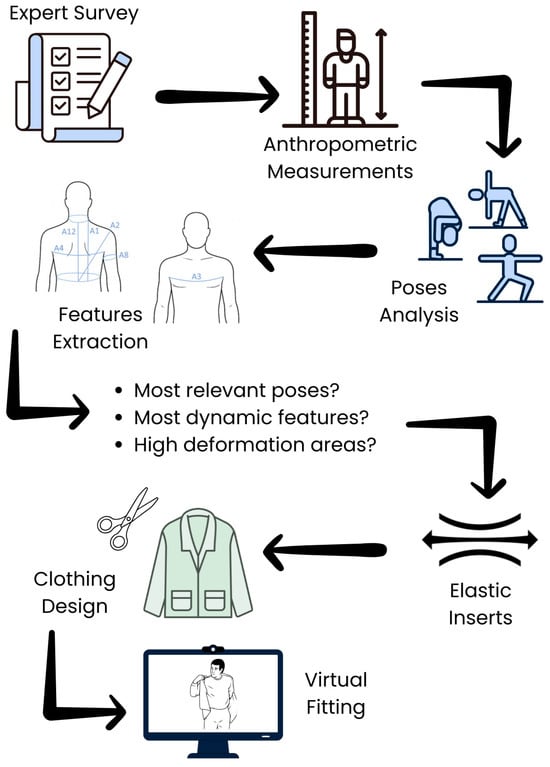
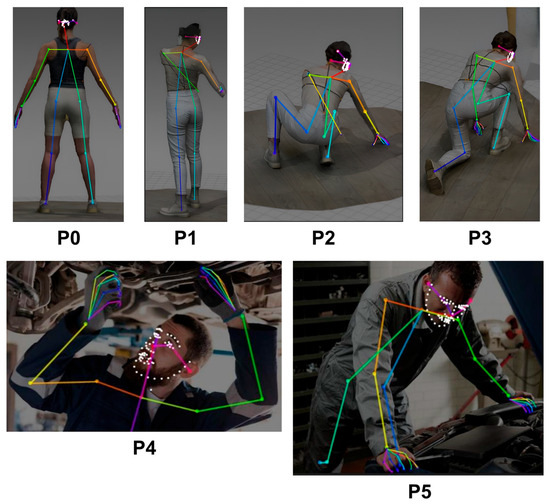
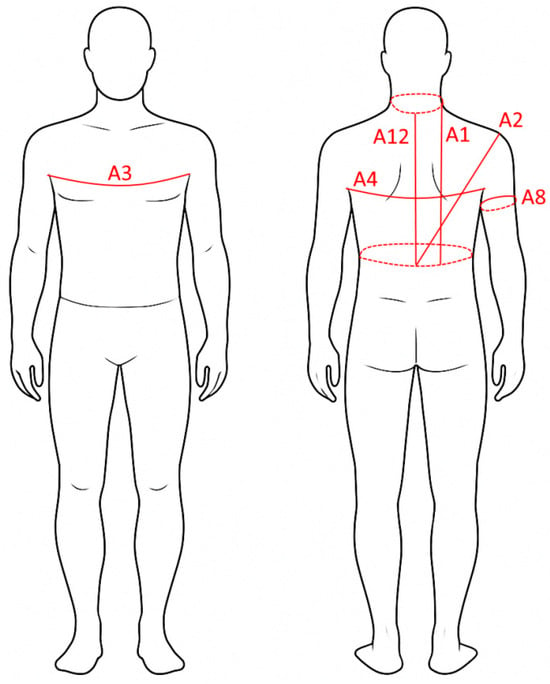
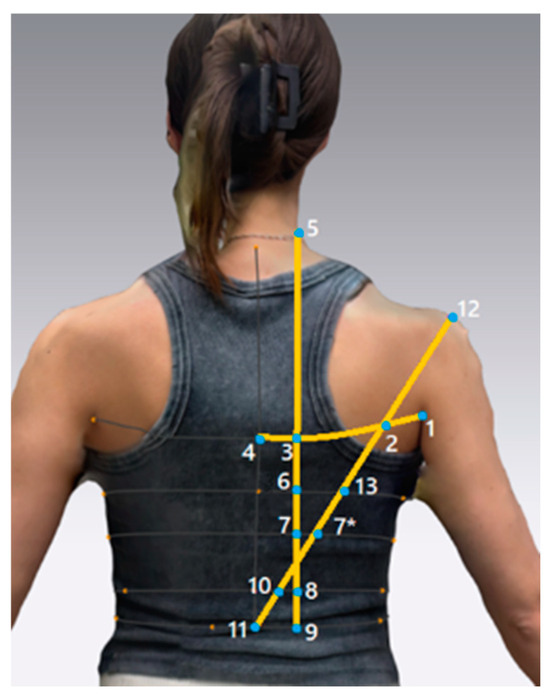
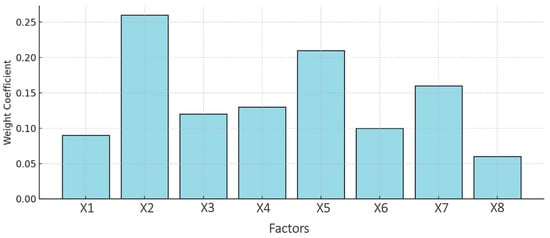
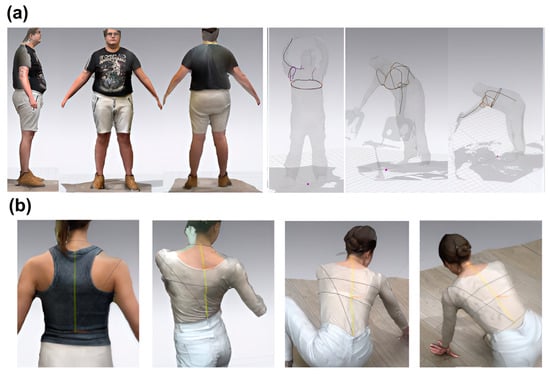
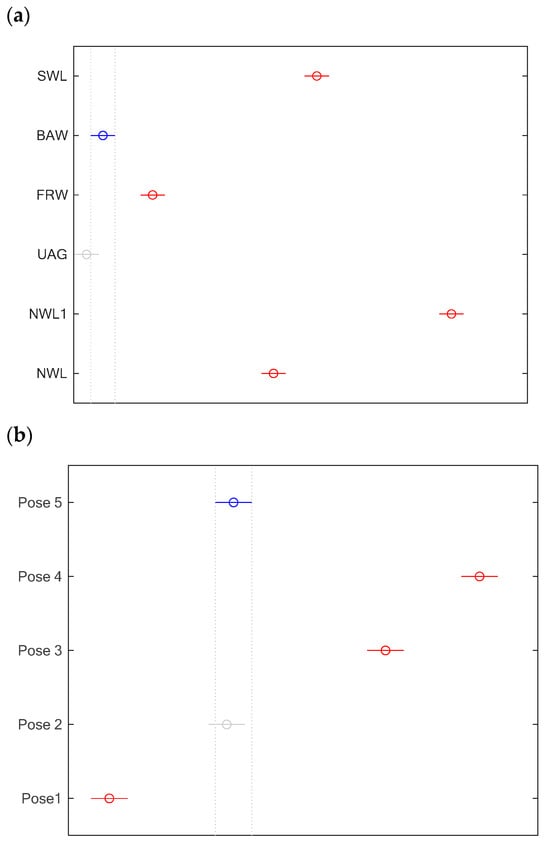
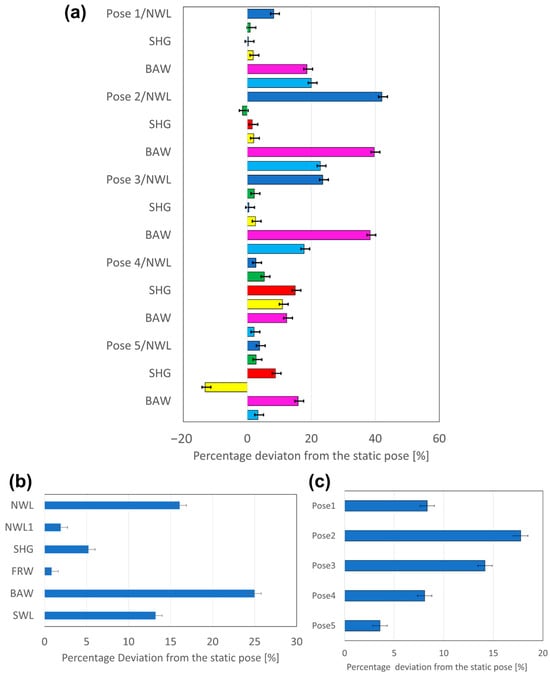
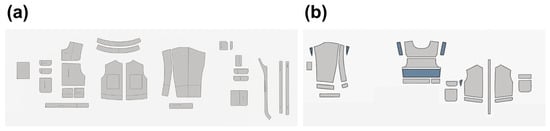
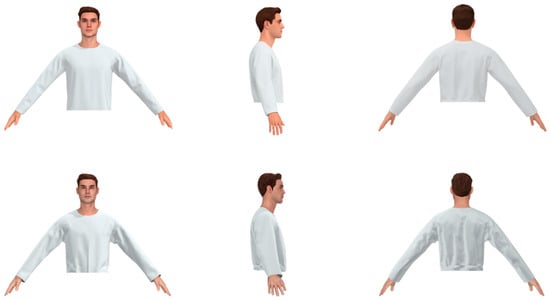
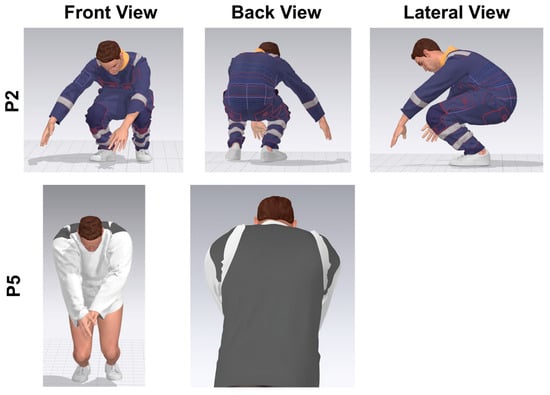
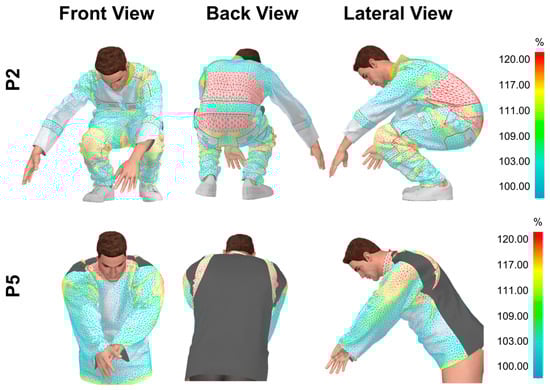
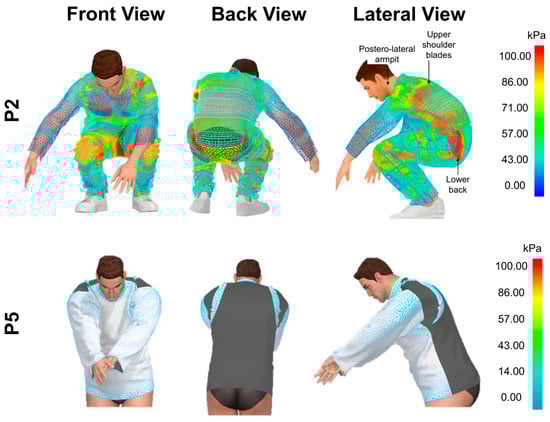
This study investigates the development of workwear designed to withstand harsh conditions and support physically demanding tasks. Its central aim is to create garments that enhance workers’ comfort and mobility by optimizing ergonomic and anthropometric factors. First of all, expert surveys were collected, and the importance of posture adaptability and material comfort was highlighted. To investigate realistic body–garment interactions, the 3D body scans of the upper body from 34 participants in common working poses were captured. These scans revealed the zones of high deformation, guiding the placement of elastic inserts to improve flexibility in targeted areas. The redesigned garments underwent a two-stage evaluation process. First, Clo3D virtual fittings provided qualitative insights into overall jacket fit and movement behavior. Next, stress and strain mapping offered quantitative validation, showing that fabric stress levels remained below 120 kPa, providing evidence that the added elasticity effectively reduced mechanical load and improved wearability. Expert reviewers confirmed the enhanced fit and functional performance. Overall, the study demonstrates an integrated design strategy that unites textile behavior, body dimensions and biomechanics. This approach not only improves workwear but also offers a transferable framework for developing specialized clothing across other physically intensive professions.
Full article

Figure 1
Open AccessArticle
Detox NH3 Textile—Decontamination of Production-Related Ammonia in Farming and Industry with the Aid of Functional Adsorber Textiles
by
Klaus Opwis, Marcel Remek, Bert Gillessen, Peter Lohse, Thomas Siegfried, Joerg Brandes, Bernd Kimpfel, Wiebke Schulze Esking, Philipp Schulze Esking and Jochen Stefan Gutmann
Textiles 2026, 6(1), 32; https://doi.org/10.3390/textiles6010032 - 13 Mar 2026
Abstract
►▼
Show Figures
Ammonia is one of the most important and widely produced basic chemicals worldwide. However, this highly toxic gas is also produced in livestock farming and a variety of industrial processes, posing a potential threat to humans, animals and the environment and also significantly
[...] Read more.
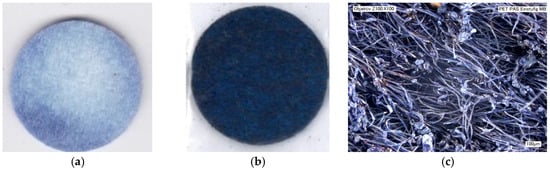
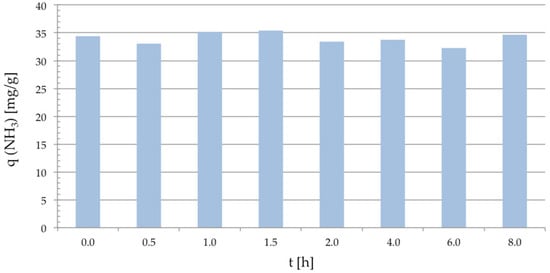
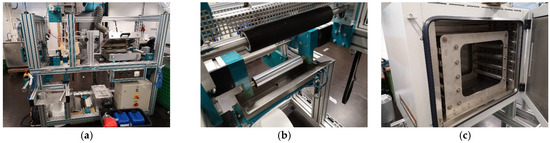
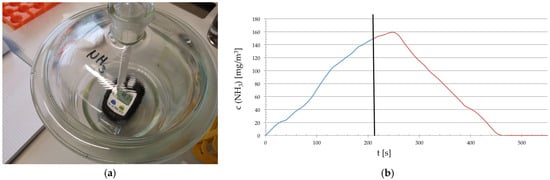
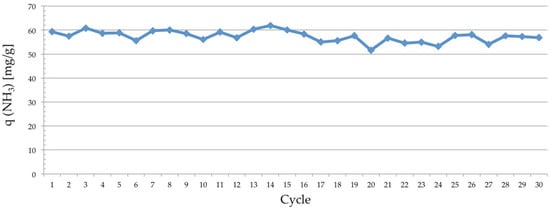
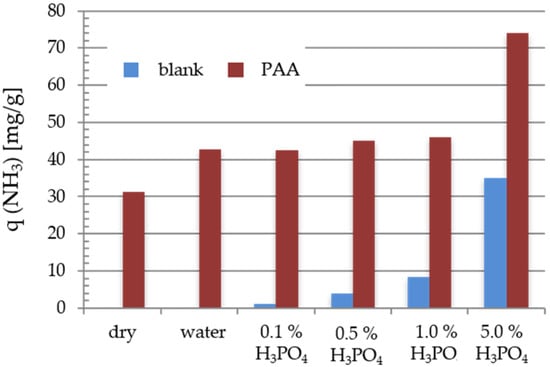
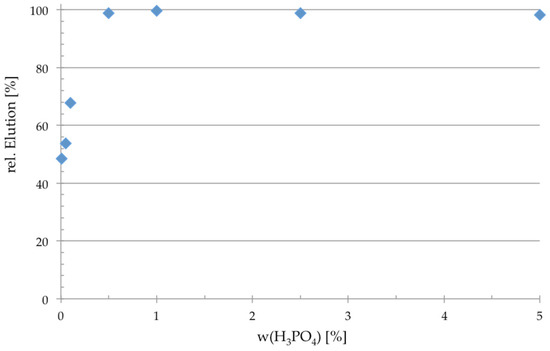
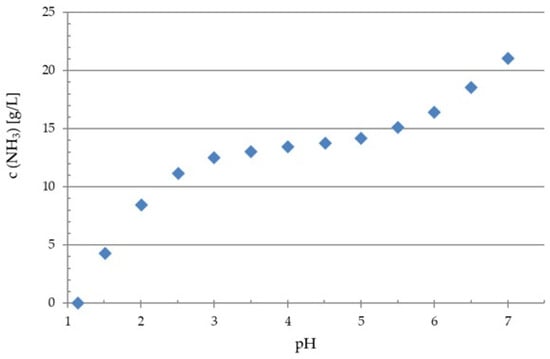
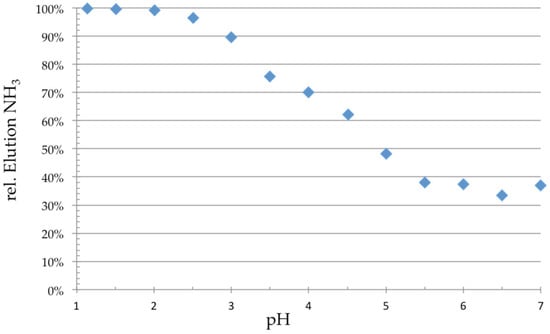
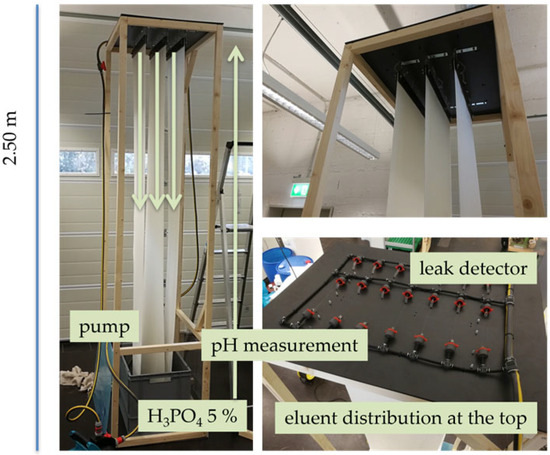
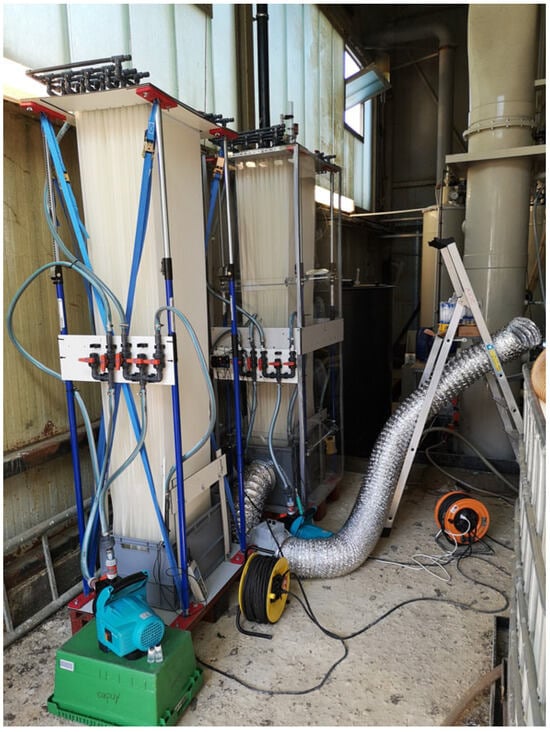
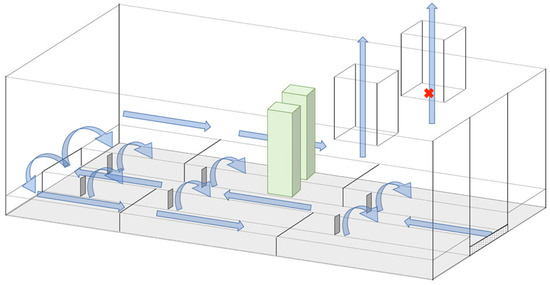
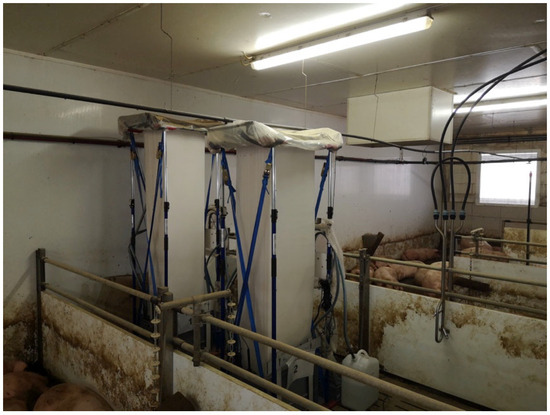
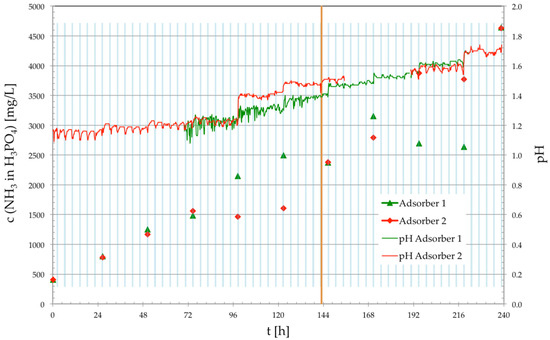
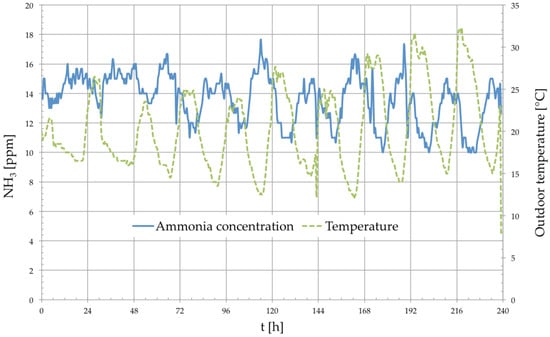
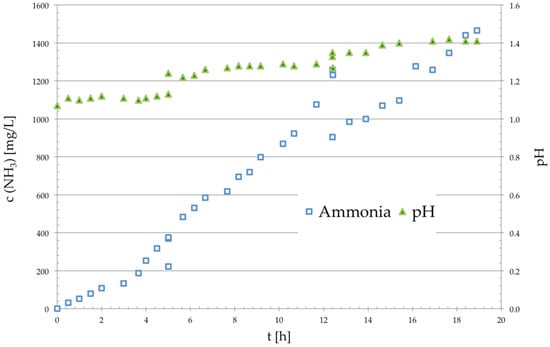
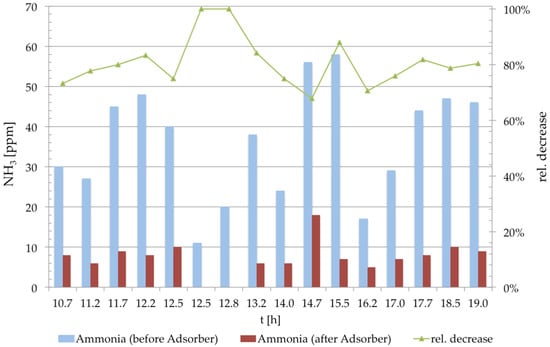
Ammonia is one of the most important and widely produced basic chemicals worldwide. However, this highly toxic gas is also produced in livestock farming and a variety of industrial processes, posing a potential threat to humans, animals and the environment and also significantly contributing to the formation of persistent particulate matter. The aim of this project was to develop a textile-based adsorber material and to demonstrate a suitable test system for purifying ammonia-contaminated air from production-related sources using the example of pig fattening and PCB production. This aim was achieved through the wash-resistant immobilization of polyacrylic acid on a polyester needle felt at laboratory, pilot plant and industrial scales. In addition, various system concepts have been developed in which air or phosphoric acid can flow through the adsorber textile, whereby in the latter case, the phosphoric acid is both actively involved in ammonia adsorption and also serves to elute the bound ammonia, enabling continuous and low-maintenance operation. Concurrently, the high-quality inorganic fertilizer ammonium phosphate is produced. In summary, an efficient alternative to existing solutions for ammonia minimization has been developed, which is fundamentally characterized by its universal applicability in different load scenarios, including small mobile systems in production facilities with local ammonia pollution, in addition to scenarios for large-scale agricultural operations.
Full article

Figure 1
Highly Accessed Articles
Latest Books
E-Mail Alert
News
Topics
Conferences
Special Issues
Special Issue in
Textiles
Textiles in Cultural Heritage: Technology, Dyes and Conservation
Guest Editor: Ioannis KarapanagiotisDeadline: 31 May 2026
Special Issue in
Textiles
Advances in 2D-Material Functionalized Textiles
Guest Editor: Vanja KokolDeadline: 30 September 2026
Special Issue in
Textiles
Advances in Functional Textiles and Wearable Devices for Biomedical Applications
Guest Editors: Artur Ribeiro, Carla SilvaDeadline: 30 November 2026
Special Issue in
Textiles
Textile Recycling and Sustainability
Guest Editor: Rajesh MishraDeadline: 31 December 2026
Topical Collections
Topical Collection in
Textiles
Feature Reviews for Advanced Textiles
Collection Editor: Rajesh Kumar Mishra