Journal Description
Aerospace
Aerospace
is a peer-reviewed, open access journal of aeronautics and astronautics, published monthly online by MDPI. The European Aerospace Science Network (EASN) and ECATS International Association are affiliated with Aerospace and their members receive a discount on the article processing charges.
- Open Access— free for readers, with article processing charges (APC) paid by authors or their institutions.
- High Visibility: indexed within Scopus, SCIE (Web of Science), Inspec, Ei Compendex, and other databases.
- Journal Rank: JCR - Q2 (Engineering, Aerospace) / CiteScore - Q2 (Aerospace Engineering)
- Rapid Publication: manuscripts are peer-reviewed and a first decision is provided to authors approximately 22.9 days after submission; acceptance to publication is undertaken in 2.4 days (median values for papers published in this journal in the second half of 2025).
- Recognition of Reviewers: reviewers who provide timely, thorough peer-review reports receive vouchers entitling them to a discount on the APC of their next publication in any MDPI journal, in appreciation of the work done.
- Companion journal: Astronautics
- Journal Cluster of Mechanical Manufacturing and Automation Control: Aerospace, Automation, Drones, Journal of Manufacturing and Materials Processing, Machines, Robotics and Technologies.
Impact Factor:
2.2 (2024);
5-Year Impact Factor:
2.4 (2024)
Latest Articles
Impedance-Controlled Compliant Assembly Technology for Large-Scale Components
Aerospace 2026, 13(5), 481; https://doi.org/10.3390/aerospace13050481 - 20 May 2026
Abstract
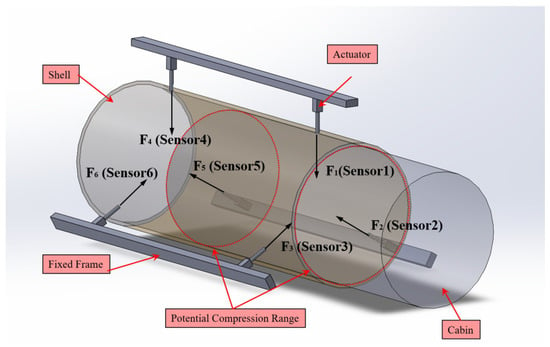
To meet the high-precision and automated requirements for the insertion assembly between large-scale components and non-cooperative outer shells, an impedance-controlled large-component insertion assembly technology, namely compliant insertion assembly technology, is proposed. This paper explains the working principle of the technology from a theoretical
[...] Read more.
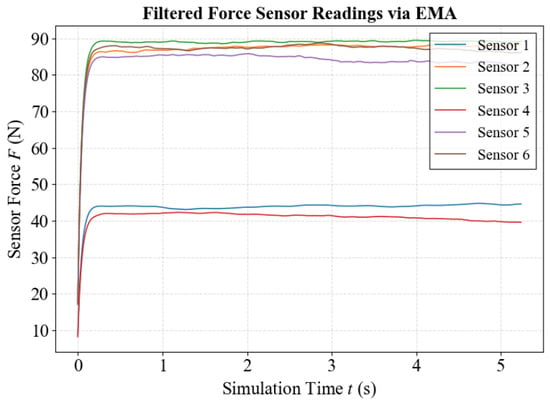
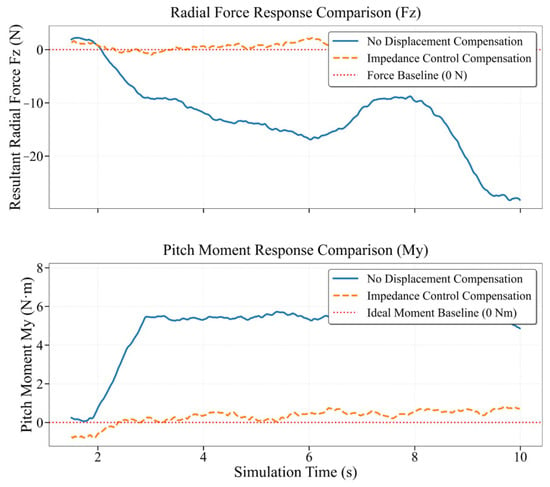
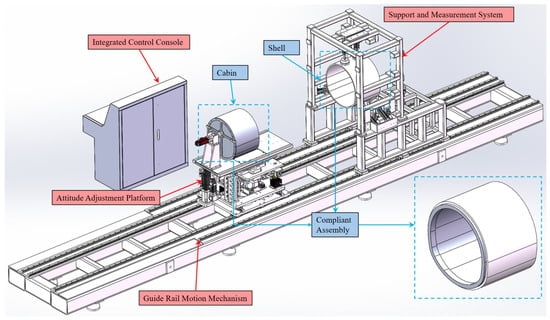
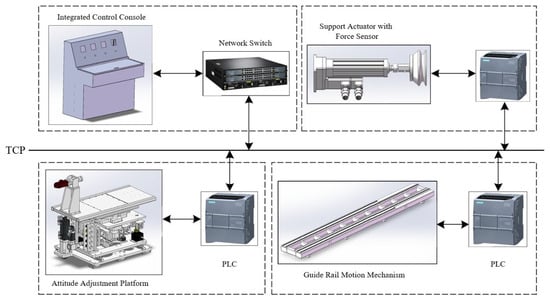
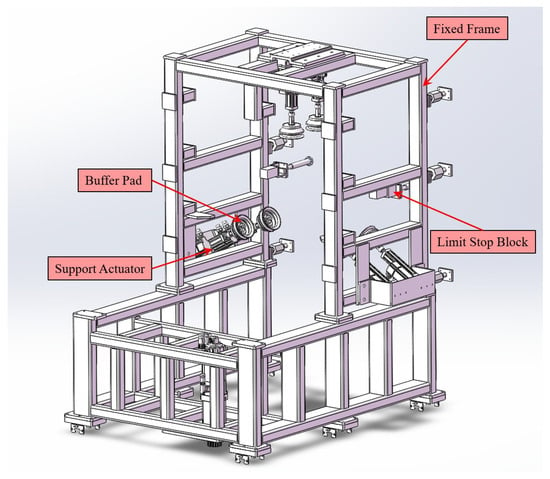
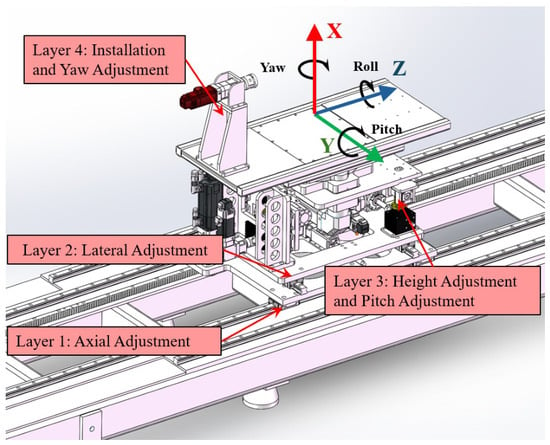
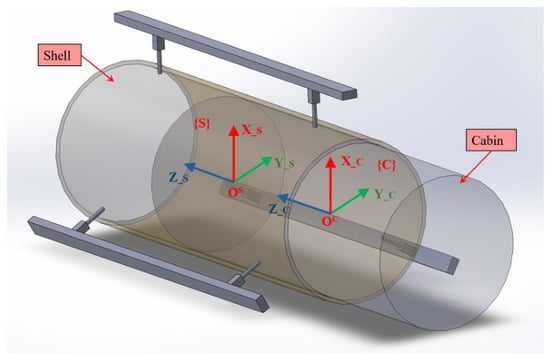
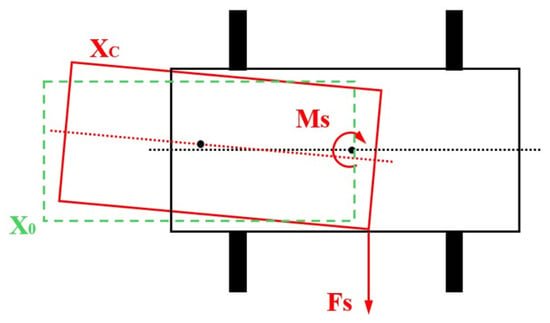
To meet the high-precision and automated requirements for the insertion assembly between large-scale components and non-cooperative outer shells, an impedance-controlled large-component insertion assembly technology, namely compliant insertion assembly technology, is proposed. This paper explains the working principle of the technology from a theoretical perspective, elaborates on two key technical aspects—pose control and force-following control based on a parallel mechanism—and conducts horizontal insertion assembly simulation for components. The simulation results demonstrate that force-following control via the parallel mechanism can reduce the axial pose accuracy error between the component and the shell by more than 85%, meeting the pose accuracy requirements for insertion assembly. It is also verified that force-following control can adjust the pose of the shell in real time based on the coaxiality between the component and the shell, satisfying the minor deformation requirements during the insertion assembly process.
Full article
(This article belongs to the Special Issue Advanced Manufacturing, Assembly, and Testing Technologies for Spacecraft)
►
Show Figures
Open AccessArticle
The Impact of Dispatch Weight Restrictions on Derivative Aircraft Propulsion Technology Evaluation
by
Timothy T. Takahashi
Aerospace 2026, 13(5), 480; https://doi.org/10.3390/aerospace13050480 - 20 May 2026
Abstract
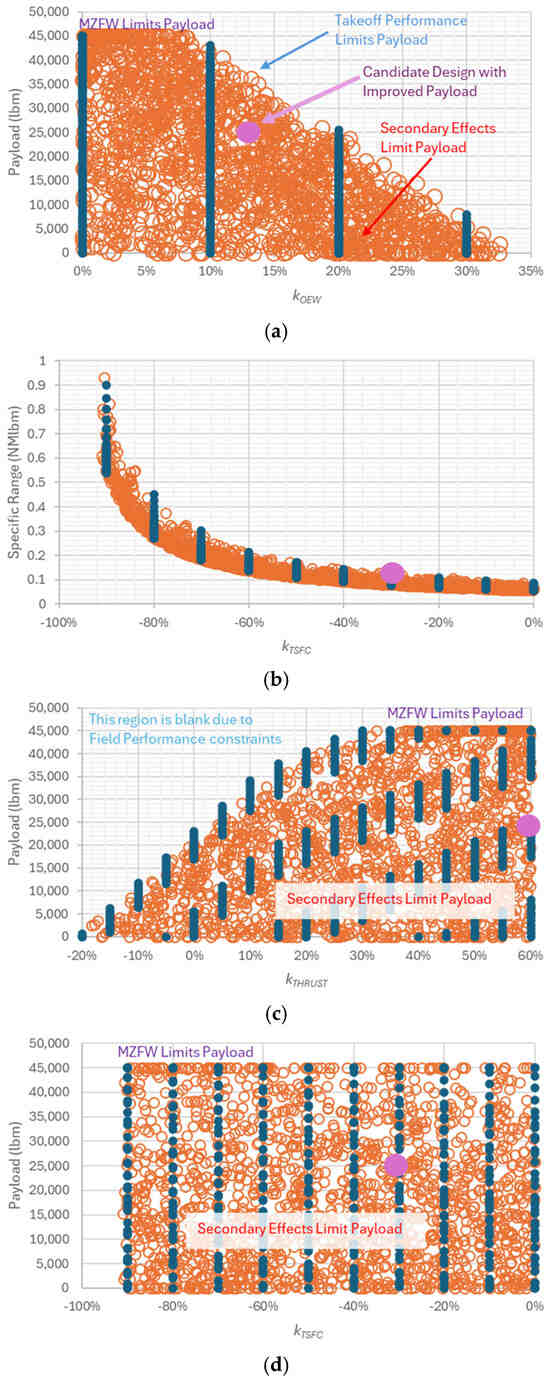
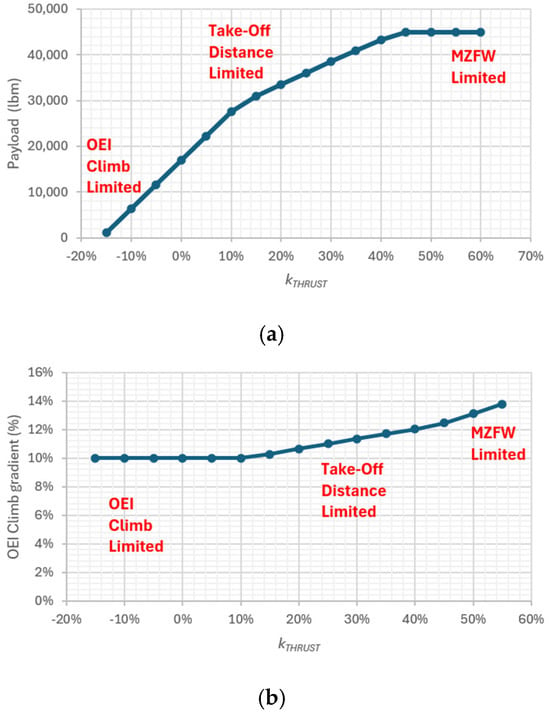
This paper arises from an ARPA-E-sponsored project seeking design opportunities to retrofit existing aircraft with hybrid electric propulsion systems. Engineers typically configure aircraft to fly a given payload over a long range, which is subject to field performance constraints. In practice, operators fly
[...] Read more.
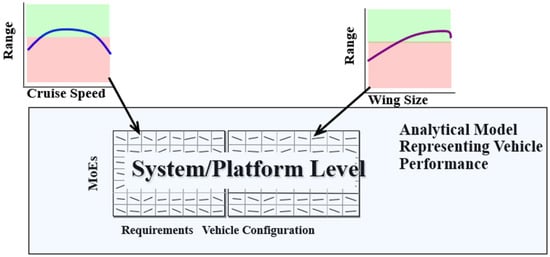
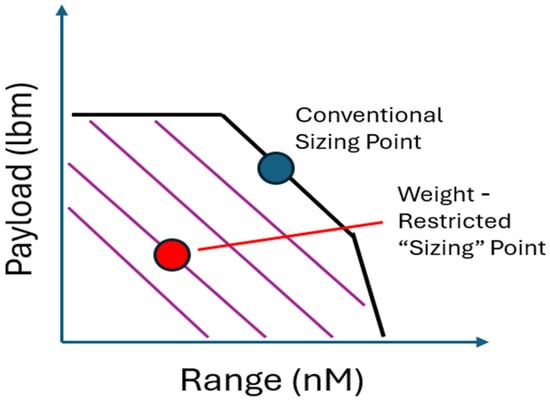
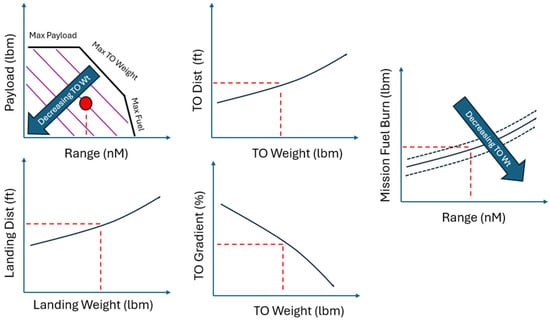
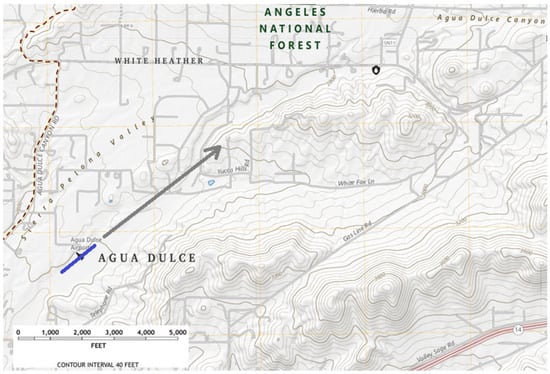
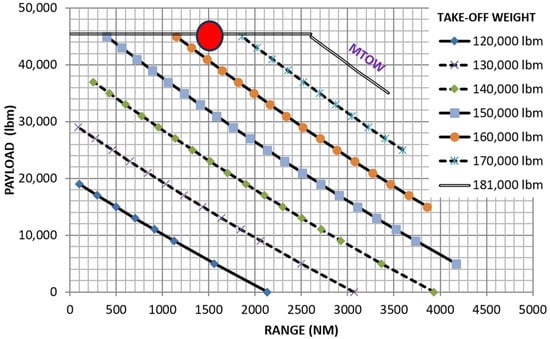
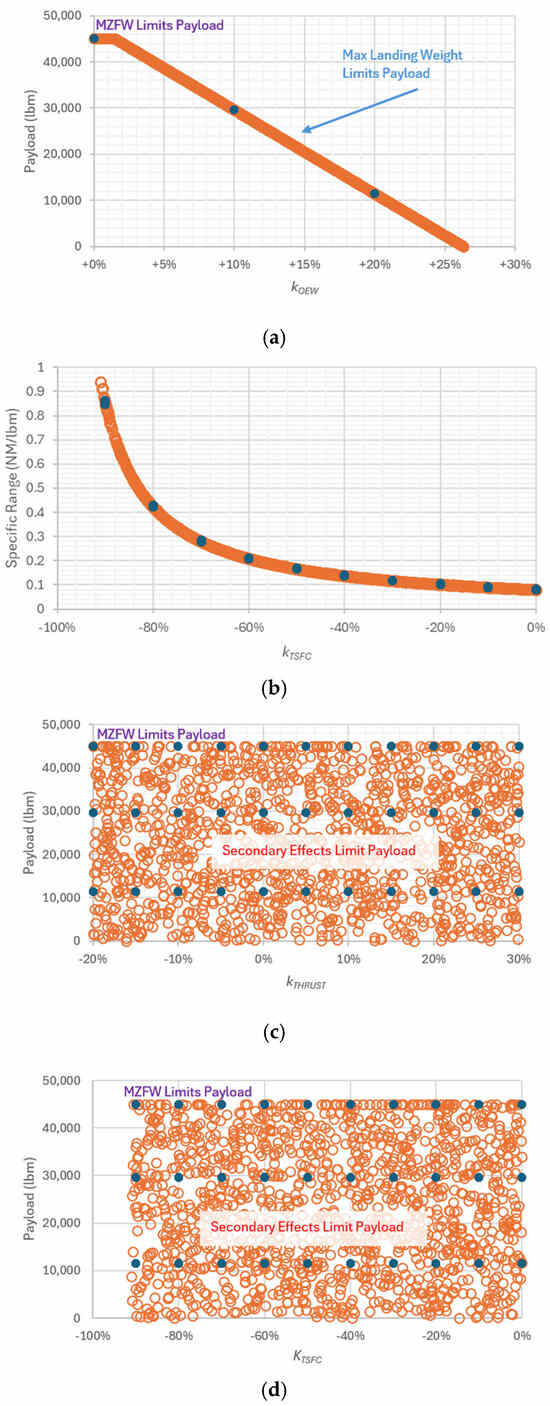
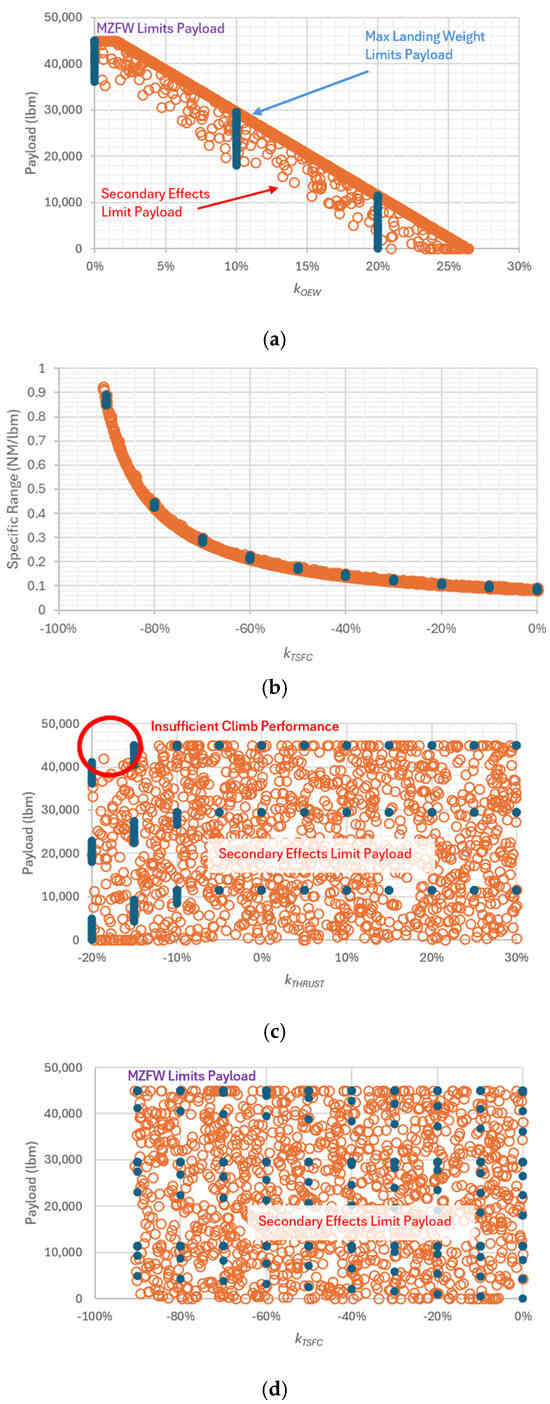
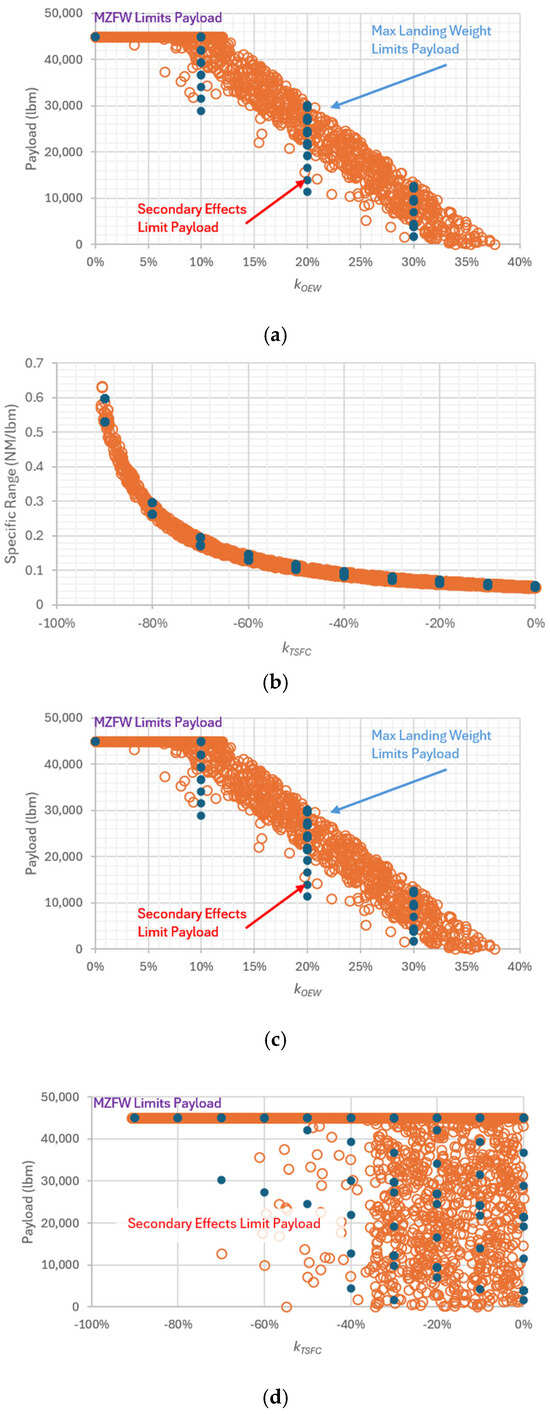
This paper arises from an ARPA-E-sponsored project seeking design opportunities to retrofit existing aircraft with hybrid electric propulsion systems. Engineers typically configure aircraft to fly a given payload over a long range, which is subject to field performance constraints. In practice, operators fly transport aircraft (civilian and military) in a manner where dispatch consciously trades payload and/or range to enable safe operations to and from short runways. This work describes a simple yet novel analytical process suitable for inclusion in conceptual design or technology portfolio trade study evaluations to assess the impacts of weight-restricted dispatch upon usable payloads. We find that options that increase low-speed thrust may maintain or improve the useful payload even if it substantially increases aircraft fixed weight. Conversely, otherwise desirable technologies that decrease low-speed thrust may severely impact the useful payload of aircraft operating to and from short runways.
Full article
(This article belongs to the Section Aeronautics)
►▼
Show Figures

Figure 1

Open AccessArticle
Research on a Pinning Control Method for Congestion Mitigation in High-Density Air Route Networks
by
Wenlei Liu, Minghua Hu, Wen Tian and Jinghui Sun
Aerospace 2026, 13(5), 479; https://doi.org/10.3390/aerospace13050479 - 20 May 2026
Abstract
To address peak-period congestion in high-density air route networks and the high cost and limited precision of traditional global control methods, this study proposes a congestion mitigation method based on pinning control theory. First, a comprehensive evaluation index system for critical waypoints is
[...] Read more.
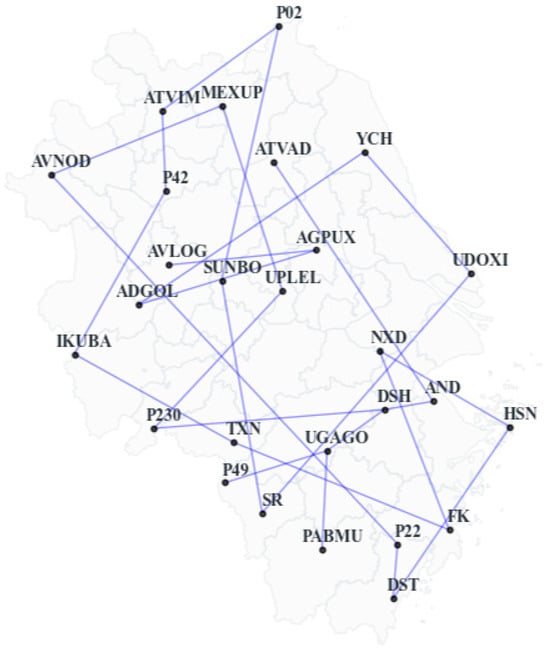
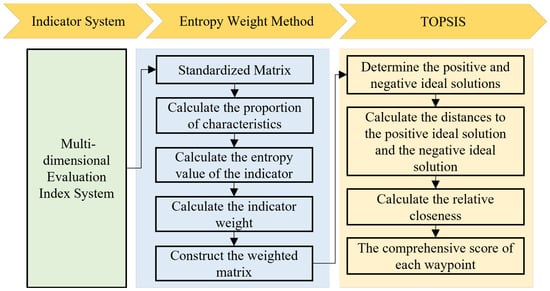
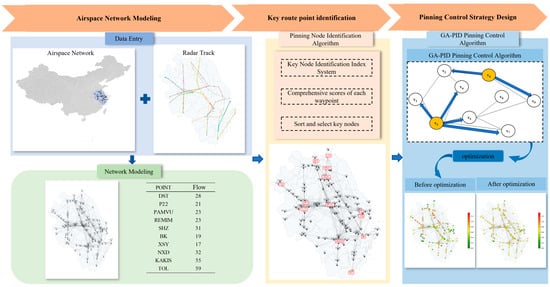
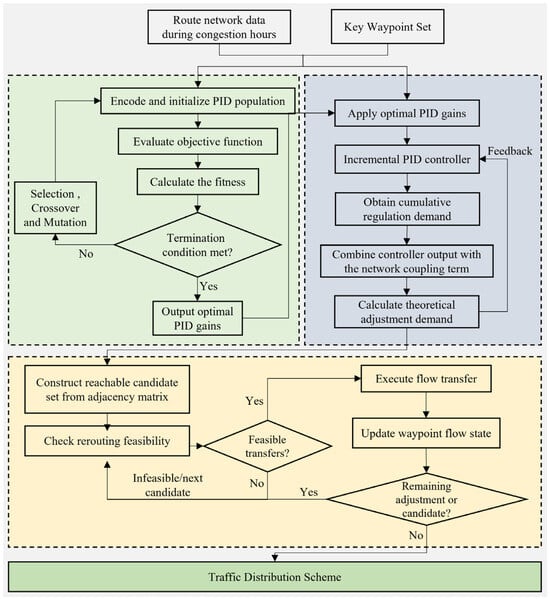
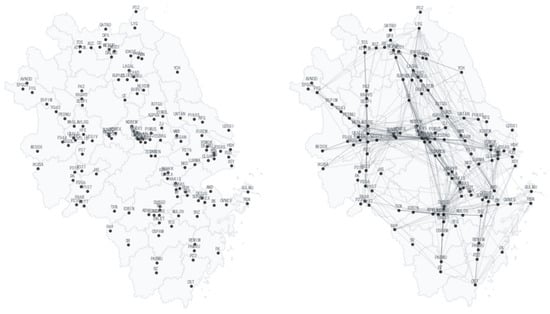
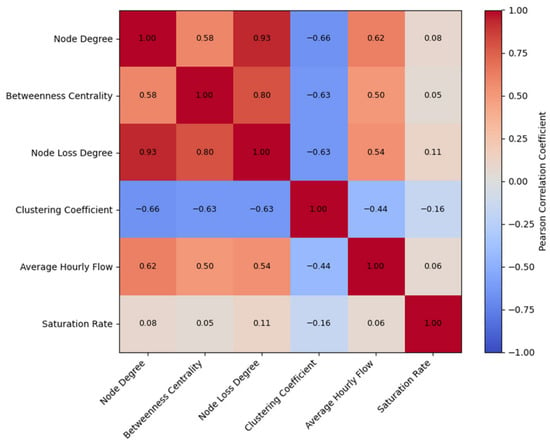
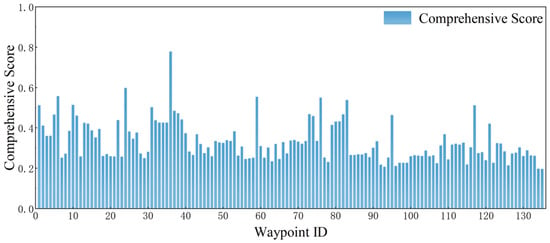
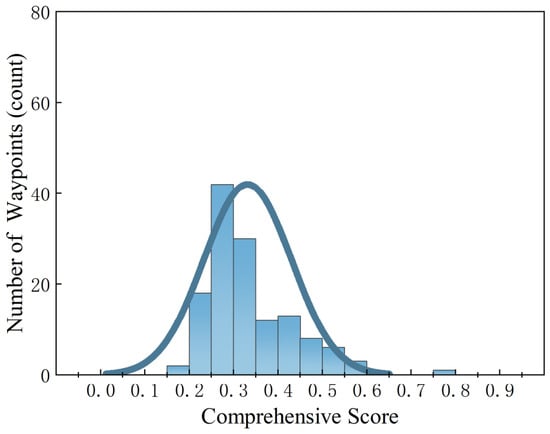
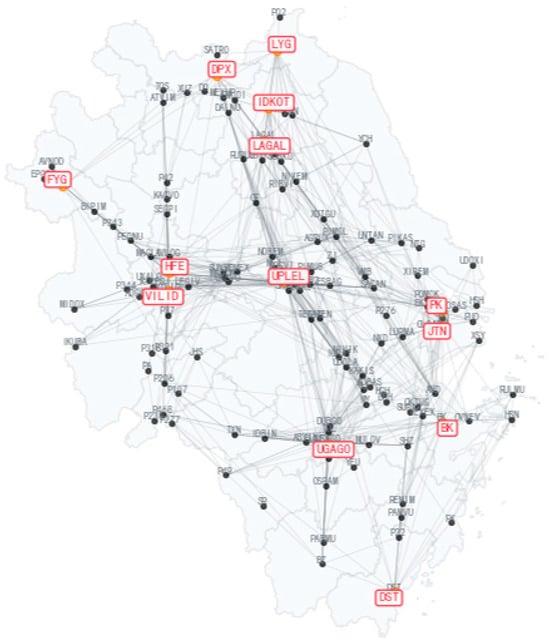
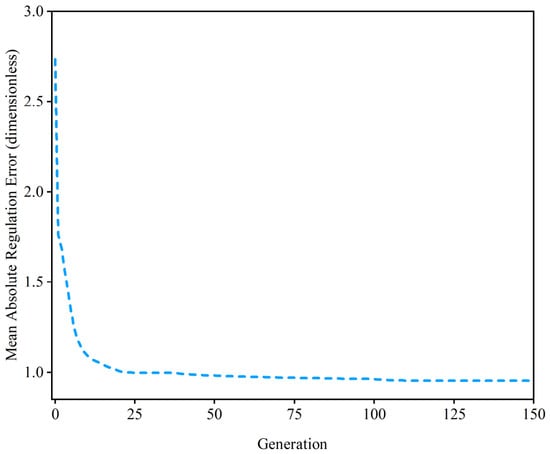
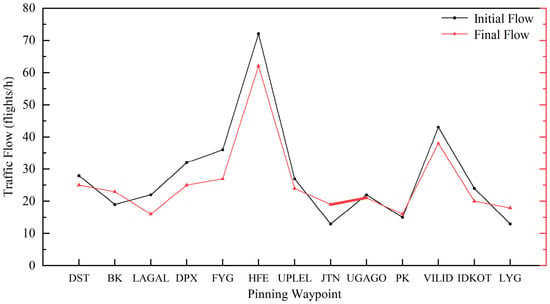
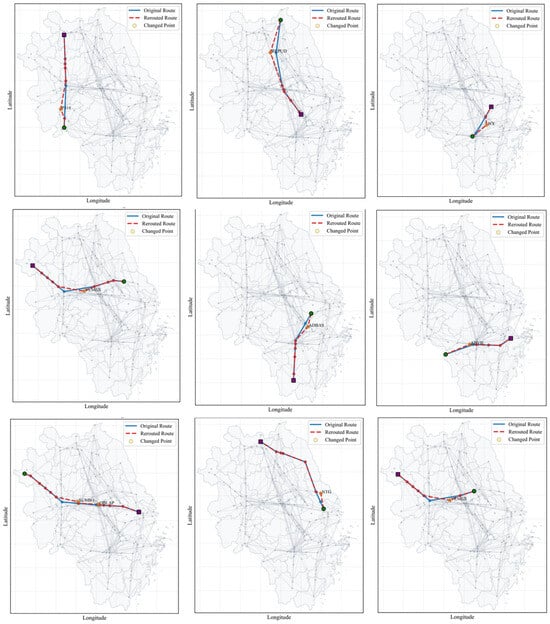
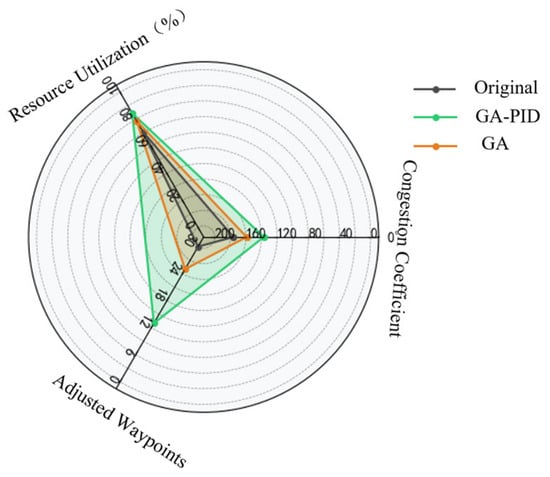
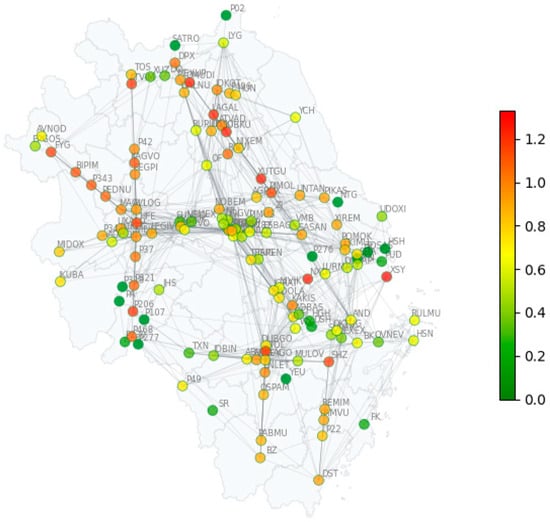
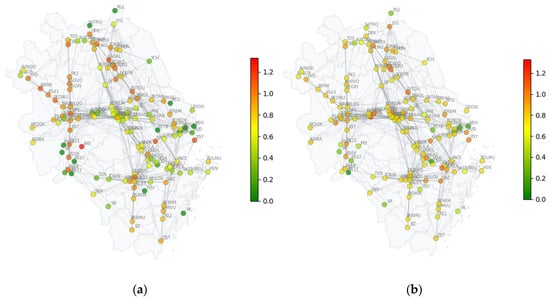
To address peak-period congestion in high-density air route networks and the high cost and limited precision of traditional global control methods, this study proposes a congestion mitigation method based on pinning control theory. First, a comprehensive evaluation index system for critical waypoints is constructed from complex-network structural characteristics, traffic flow characteristics, and congestion-state information. Pearson correlation analysis is used to examine redundancy among candidate indicators, and the entropy-weighted TOPSIS method is then employed to evaluate waypoint importance and identify critical pinning nodes. Second, a GA-PID pinning control optimization model is established to realize closed-loop optimization of network congestion by dynamically regulating a small number of critical nodes. Finally, simulation experiments are conducted using actual operational trajectory data from the Yangtze River Delta airspace. The results show that the proposed method reduces the network congestion coefficient from 176 to 137, representing a decrease of 22.16%, and increases airspace resource utilization from 70.76% to 84.41%, representing an improvement of 19.29%. Compared with the baseline GA method, the proposed method achieves better optimization performance and requires adjustments at only 13 waypoints, whereas the baseline GA method requires adjustments at 25 waypoints, demonstrating lower control costs and higher regulation efficiency.
Full article
(This article belongs to the Section Air Traffic and Transportation)
►▼
Show Figures

Figure 1
Open AccessArticle
Simulation of Single-Choked Supersonic Ejectors. Part 1: Turbulence Modelling
by
Gabriele Milanese, Edward Canepa, Massimo Rivarolo and Loredana Magistri
Aerospace 2026, 13(5), 478; https://doi.org/10.3390/aerospace13050478 - 19 May 2026
Abstract
The use of computational fluid dynamics provides an important tool for the design of supersonic ejectors. Within Reynolds/Favre-averaged simulations, the turbulence model plays an essential role in determining results’ reliability. Existing validation studies show general accuracy problems, whose relevance, partially masked in the
[...] Read more.
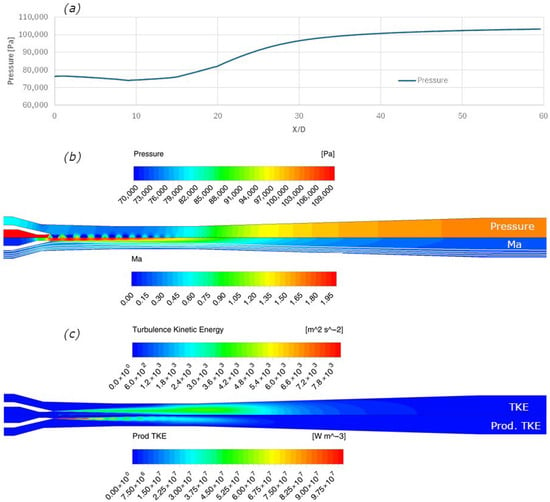
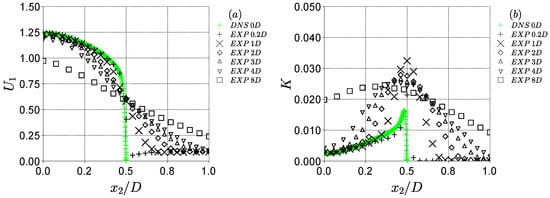
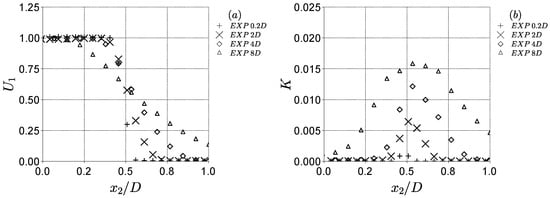
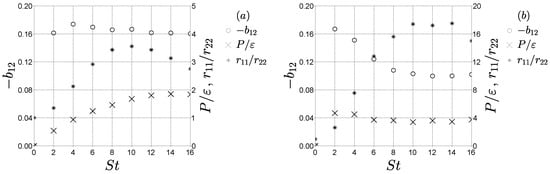
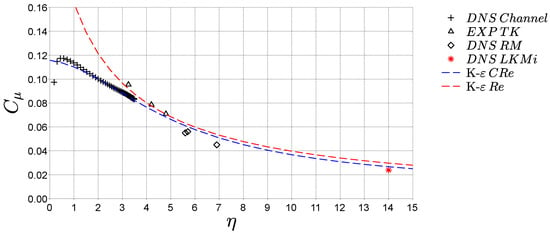
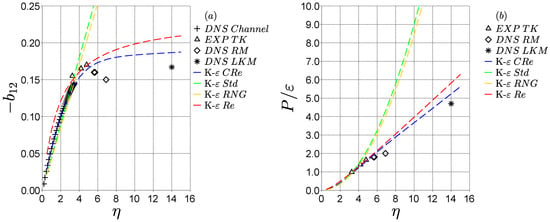
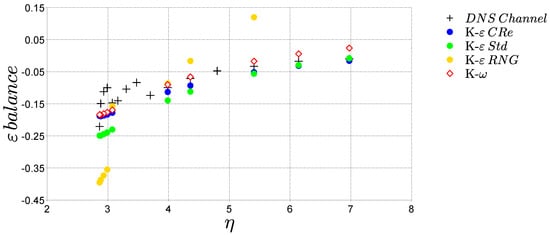
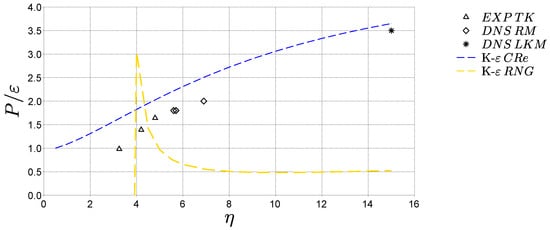
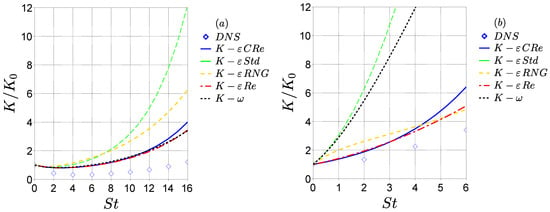
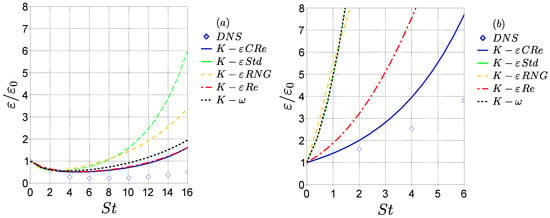
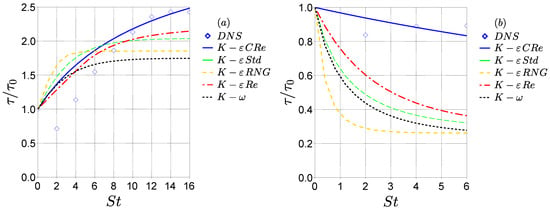
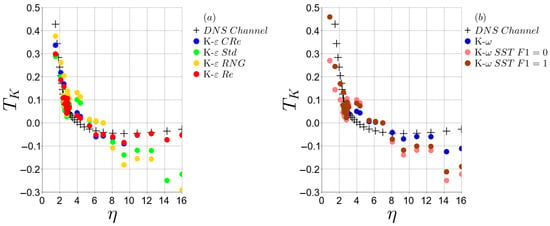
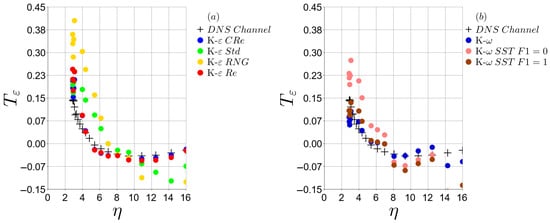
The use of computational fluid dynamics provides an important tool for the design of supersonic ejectors. Within Reynolds/Favre-averaged simulations, the turbulence model plays an essential role in determining results’ reliability. Existing validation studies show general accuracy problems, whose relevance, partially masked in the double-choked regime, becomes fully evident for the single-choked regime. For this flow regime, errors reported in the literature are strongly erratic, reaching magnitudes higher than 50% in terms of global performance. The absence of clear, unified conclusions by different authors motivates the present work, focused on single-choked ejectors. In the first part, the main ejector flow features are discussed, highlighting the importance of adequately reproducing the turbulence response to different shear intensities. To properly address this point, an original analysis is conducted, exploiting data from previous studies on jets and basic shear flows. The developed analysis explains how the prediction of an ejector jet is influenced by the constitutive relationship of eddy viscosity models and by the modelled balance of the turbulent-dissipation rate. The modelling failures of these two elements are discussed for existing models in common use and addressed through the development of a new Consistent Realizable K − ε model. In Part 2, the analyzed models are used to simulate two test cases, with detailed measurements available.
Full article
(This article belongs to the Special Issue Advances in Thermal Fluid, Dynamics and Control)
►▼
Show Figures

Figure 1

Open AccessArticle
Intelligent Trajectory Generation Method for Hypersonic Glide Vehicles Based on RBF Neural Networks
by
Feng Yang, Ziheng Cheng and Chengyu Zhao
Aerospace 2026, 13(5), 477; https://doi.org/10.3390/aerospace13050477 - 19 May 2026
Abstract
In this paper, a radial basis function (RBF) neural network based trajectory generation strategy is proposed to solve the online rapid generation of initial reference trajectory for low-cost hypersonic glide vehicles (HGV) under initial state perturbation. Firstly, the feasible trajectories that constitute the
[...] Read more.
In this paper, a radial basis function (RBF) neural network based trajectory generation strategy is proposed to solve the online rapid generation of initial reference trajectory for low-cost hypersonic glide vehicles (HGV) under initial state perturbation. Firstly, the feasible trajectories that constitute the sample sets are offline generated by pseudospectral method according to the possible distribution of heights and velocities. Then, the sample set is randomly divided into training subset and test subset, by which the RBF neural network is trained and verified. Moreover, the input of the RBF neural network is a vector comprised by height and velocity from the initial state, whereas the output is a discrete state-control sequence which represents the trajectory from the current state to the expected final state. The simulation results validate that the proposed method has high confidence and small errors, which can improve the on-line generation efficiency of the trajectory.
Full article
(This article belongs to the Section Aeronautics)
Open AccessArticle
Study on the Influence of Suction Parameters on the Effectiveness of Hybrid Laminar Flow Control for Two-Dimensional Airfoils
by
Ce Zhang, Hexiang Wang, Daxin Liao, Dawei Liu, Xiping Kou, Siyuan Gao, Guoshuai Li and Yang Tao
Aerospace 2026, 13(5), 476; https://doi.org/10.3390/aerospace13050476 - 19 May 2026
Abstract
Boundary layer suction is a critical technique in hybrid laminar flow control (HLFC) for delaying transition and reducing drag. While the effectiveness of suction is well-established, systematic studies on the parametric optimization of suction hole diameter, location, and coefficient for two-dimensional airfoils remain
[...] Read more.
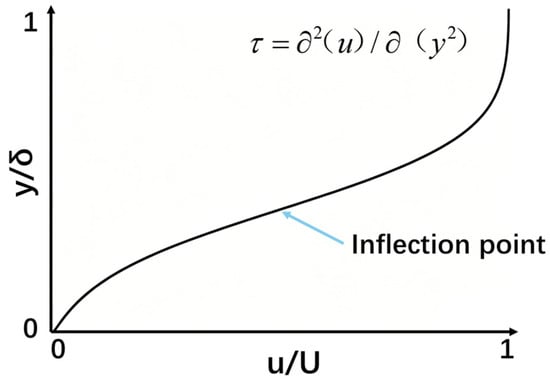
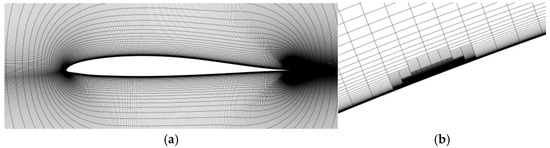
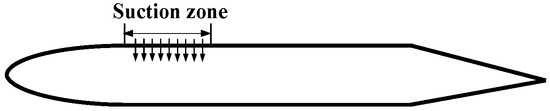
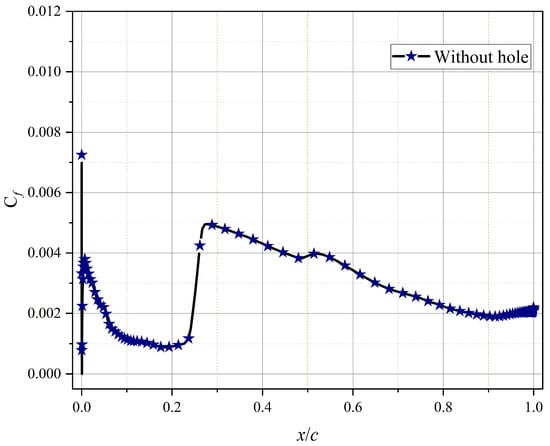
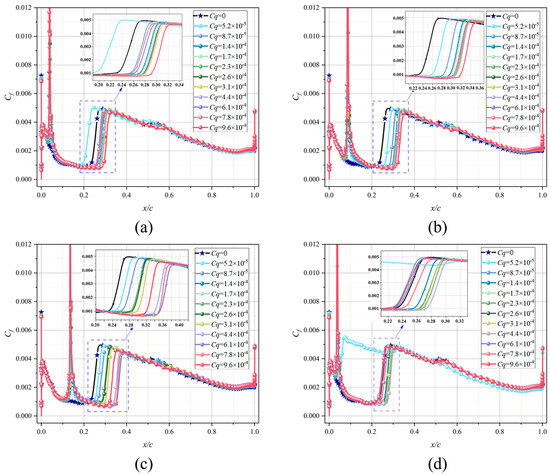
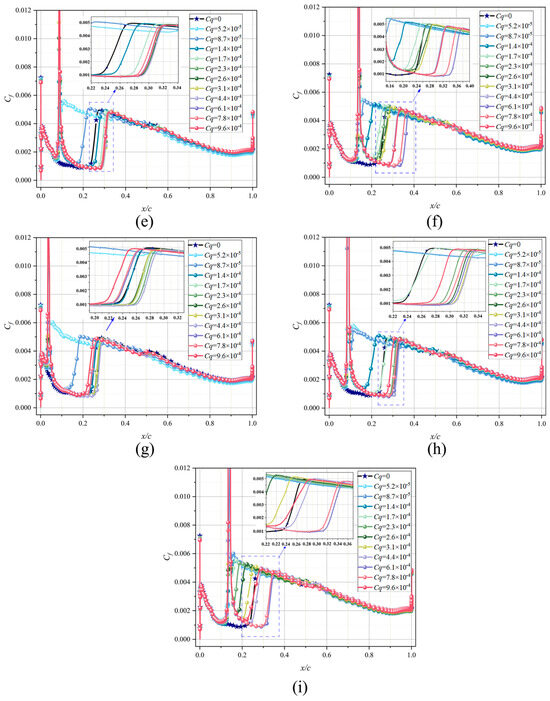
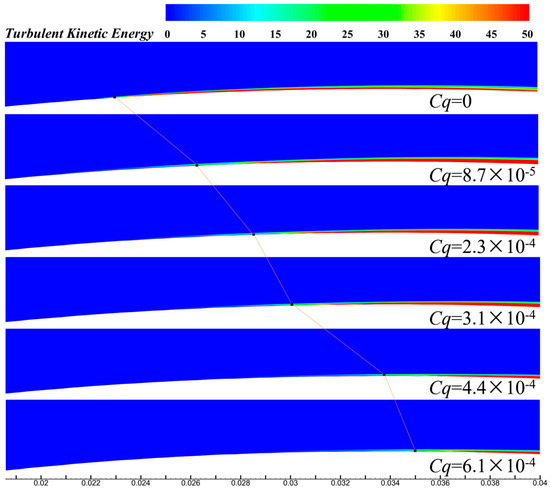
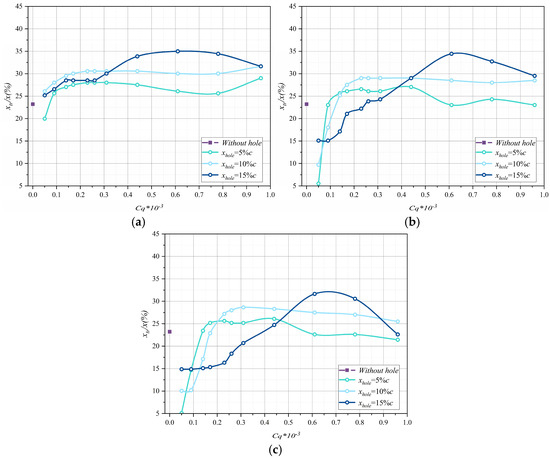
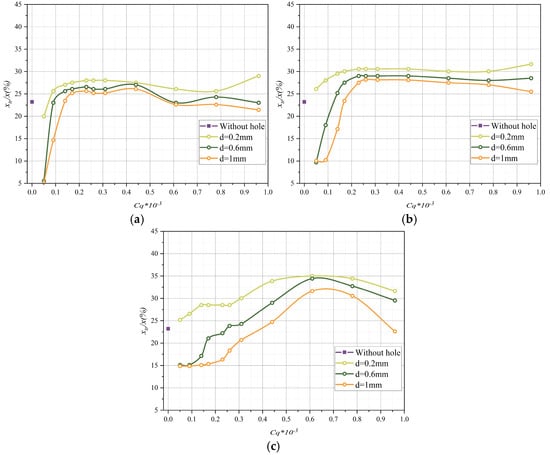
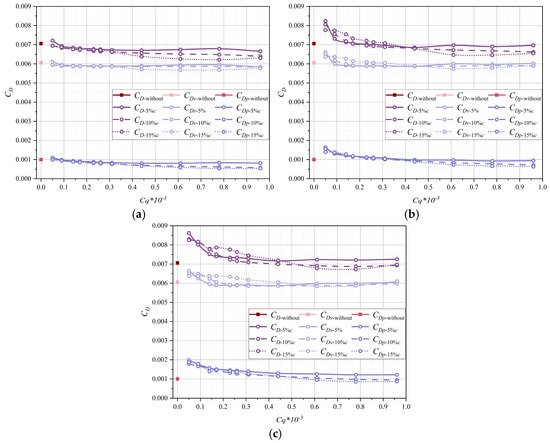
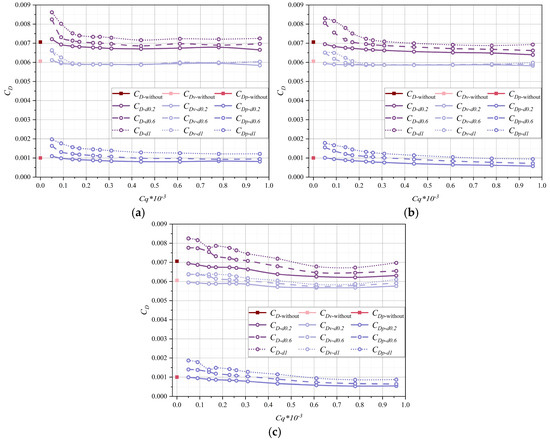
Boundary layer suction is a critical technique in hybrid laminar flow control (HLFC) for delaying transition and reducing drag. While the effectiveness of suction is well-established, systematic studies on the parametric optimization of suction hole diameter, location, and coefficient for two-dimensional airfoils remain scarce. This study addresses this gap through numerical investigations using the validated γ- transition model. The research systematically analyzes the synergistic effects of suction coefficient (Cq), location (5%, 10%, and 15% chord), and suction hole diameter (0.2 mm, 0.6 mm, and 1.0 mm) on transition characteristics and aerodynamic performance. The results reveal that suction location predominantly governs the viscous drag coefficient (CDv), whereas suction hole diameter primarily influences the pressure drag coefficient (CDp). Consequently, suction location selection proves more critical for drag reduction than suction hole diameter. The maximum drag reduction (11.9% decrease in CD) and optimal transition delay (11.8% chord shift) are achieved using a small suction hole (0.2 mm) located at an aft position (15% chord) with a high suction coefficient. Furthermore, an optimal matching range exists between suction location and coefficient, which widens with decreasing suction hole diameter. Based on these findings, this study proposes an energy-efficient design strategy: employing small apertures across the suction region while gradually increasing suction rates toward the trailing edge to achieve significant drag reduction with minimal energy penalty.
Full article
(This article belongs to the Section Aeronautics)
►▼
Show Figures

Figure 1

Open AccessArticle
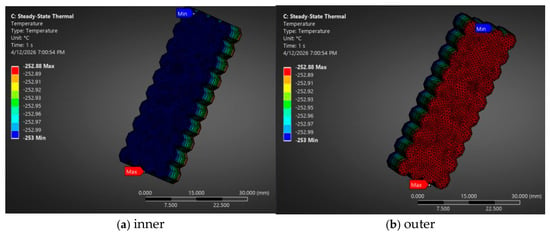
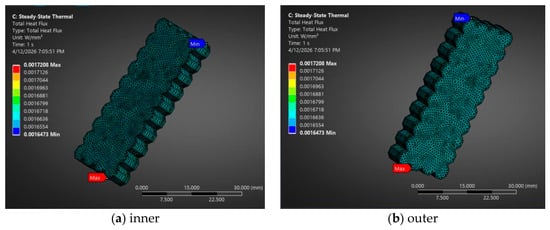
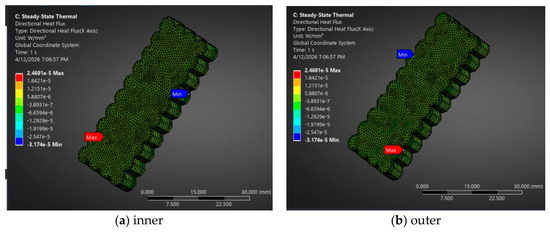
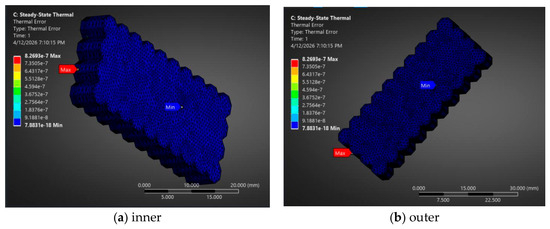
Design and Finite Element Thermo-Structural Analysis of a Structurally Integrated Multilayer Composite Cryogenic Thermal Barrier for Liquid Hydrogen Tank Applications
by
Alexa-Andreea Crisan, Mircea Moraru, Daniel-Eugeniu Crunteanu and Alina Bogoi
Aerospace 2026, 13(5), 475; https://doi.org/10.3390/aerospace13050475 - 18 May 2026
Abstract
►▼
Show Figures
Effective thermal insulation of cryogenic liquid hydrogen (LH2) storage tanks remains a critical engineering challenge, as conventional vacuum-based or monolithic systems are constrained by manufacturing complexity, mechanical vulnerability, and poor geometric adaptability. This study presents the design and numerical verification of
[...] Read more.
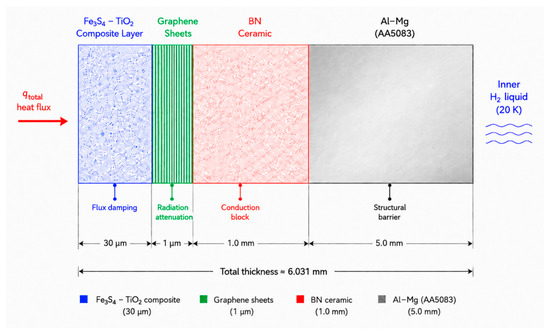
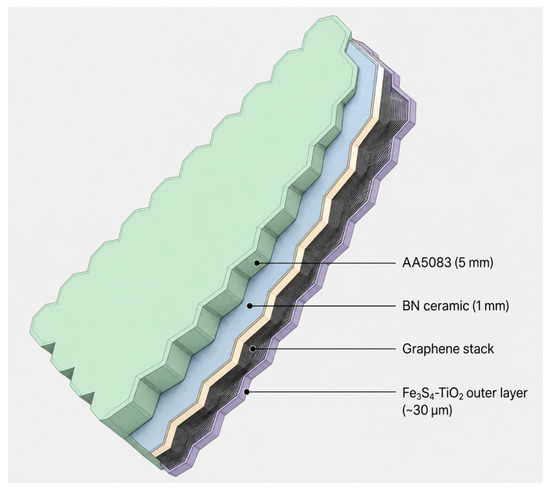
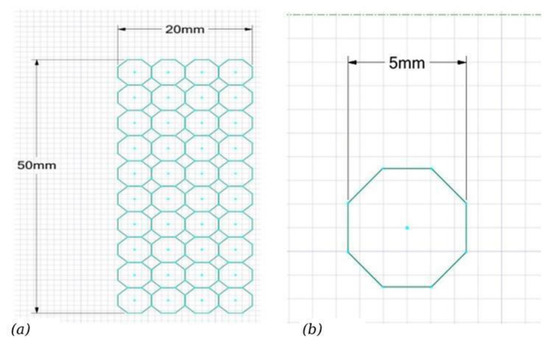
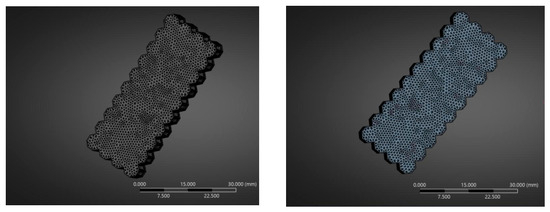
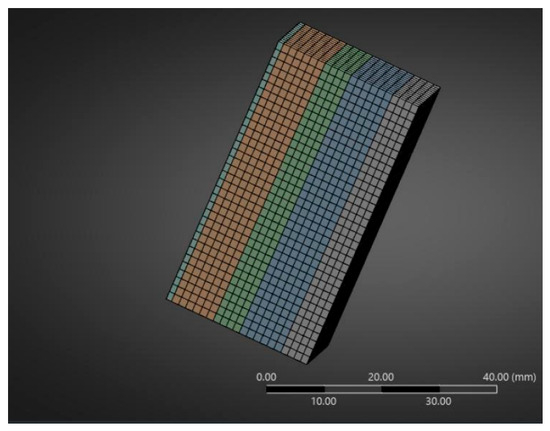
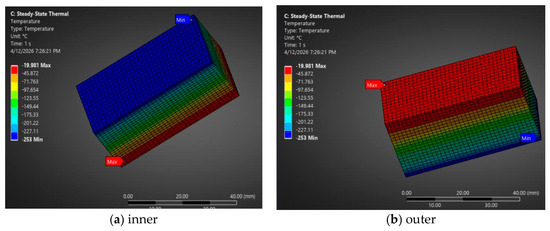
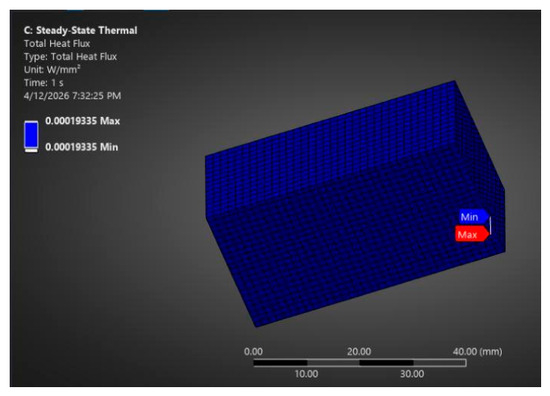
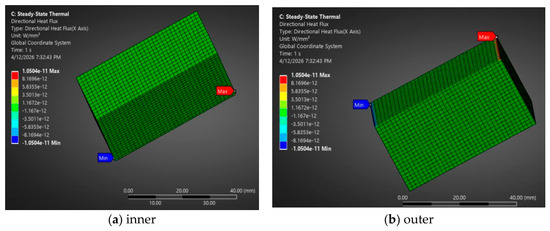
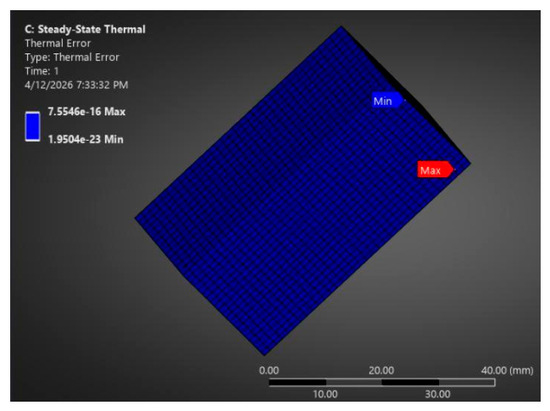
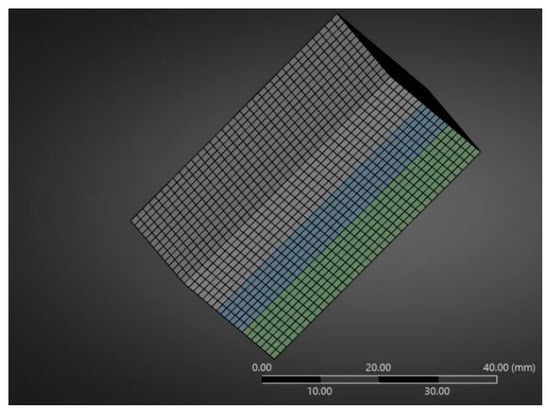
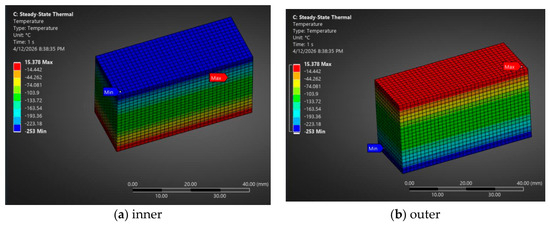
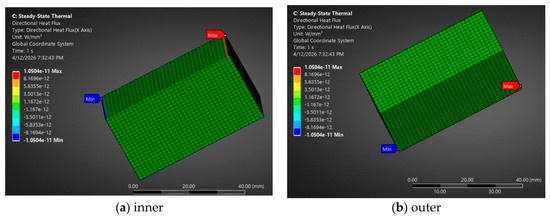
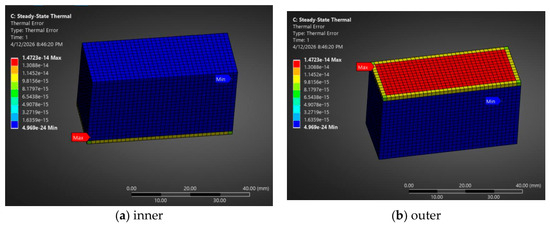
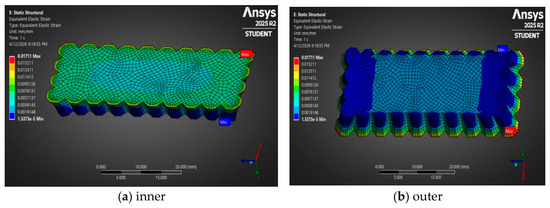
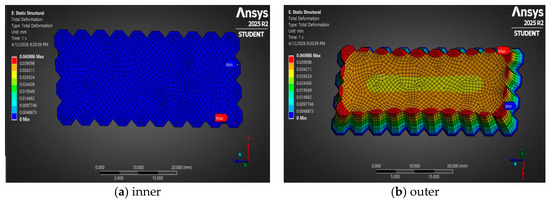
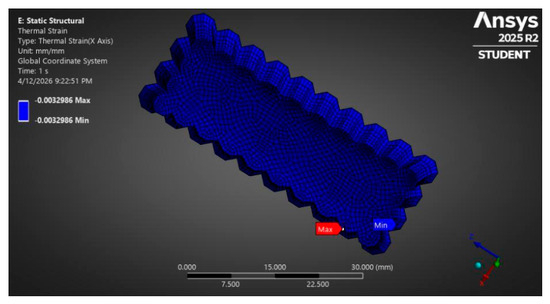
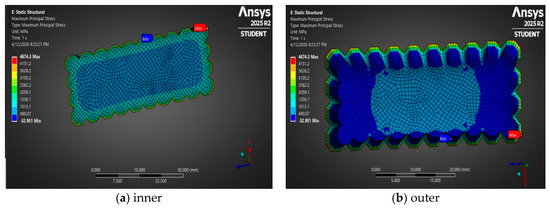
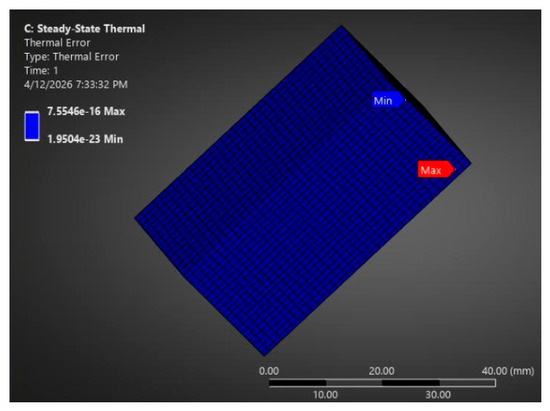
Effective thermal insulation of cryogenic liquid hydrogen (LH2) storage tanks remains a critical engineering challenge, as conventional vacuum-based or monolithic systems are constrained by manufacturing complexity, mechanical vulnerability, and poor geometric adaptability. This study presents the design and numerical verification of a four-layer octagonal composite thermal shield fabricated via additive manufacturing: an AA5083 structural layer (5 mm), a boron nitride-doped ceramic plate (1 mm), up to 290 stacked graphene sheets in a sealed compartment, and an outer Fe3S4-TiO2 nanocomposite layer (~30 µm). Steady-state and transient FEA in ANSYS evaluated three convective boundary conditions (h = 10, 15, and 20 W/m2·K), with the inner wall fixed at 20 K. Temperature distributions remained essentially invariant across all cases (20 K inner, ~20.12 K outer), confirming that thermal performance is governed by the multilayer architecture rather than convective intensity. The shield achieved a mean heat flux of 1684 W/m2, R_total ≈ 0.163 m2K/W, and a boil-off rate of 13.9 g/hour. Comparative FEA against NASA US9617069 (q = 193.35 W/m2) and JP2018-119634A (q = 37.975 W/m2) highlights the compactness advantage of the proposed 6 mm shield; the coupled thermo-structural assessment yielded a safety factor of 64,182, confirming elastic-regime operation at 20 K.
Full article

Figure 1
Open AccessArticle
SB-ObsGen: A Framework for Flyby Small Body Observation Plan Generation Using LLMs and Physics-Informed Tools
by
Yanzhao Li, Xiaoyi Du, Wenlong Niu, Xiaodong Peng, Yun Li and Siqi Li
Aerospace 2026, 13(5), 474; https://doi.org/10.3390/aerospace13050474 - 18 May 2026
Abstract
Deep space exploration missions may encounter opportunities to visit previously unplanned small bodies, which require timely and reliable observation planning under complex engineering constraints. However, traditional manual planning is labor-intensive and difficult to adapt to multi-objective flyby scenarios, while fully autonomous systems still
[...] Read more.
Deep space exploration missions may encounter opportunities to visit previously unplanned small bodies, which require timely and reliable observation planning under complex engineering constraints. However, traditional manual planning is labor-intensive and difficult to adapt to multi-objective flyby scenarios, while fully autonomous systems still face reliability limitations. To address these challenges, this study proposes SB-ObsGen, a framework for flyby small-body observation plan generation that integrates large language models (LLMs) with physics-informed tools. The framework follows a Generate-and-Optimize paradigm: an Observation Plan Generation Module decomposes tasks and invokes domain-specific tools to derive feasible observation information, and a Plan Optimization Module iteratively refines the initial plan through discriminator-guided feedback. Experiments on 80 mission scenarios show that SB-ObsGen achieves strong performance across different LLM backbones, with the best configurations reaching over 85% plan consistency with reference recommendation plans. Comparative experiments against classical planning methods further show that the proposed framework is competitive on structured planning tasks while offering additional advantages in tool use, flexible constraint handling, and end-to-end planning from heterogeneous inputs. Ablation studies confirm the critical role of the Plan Optimization Module in improving final plan quality.
Full article
(This article belongs to the Special Issue Advanced AI and Robotic Technologies for Spacecraft Modelling, Optimization, and Decision-Making)
Open AccessArticle
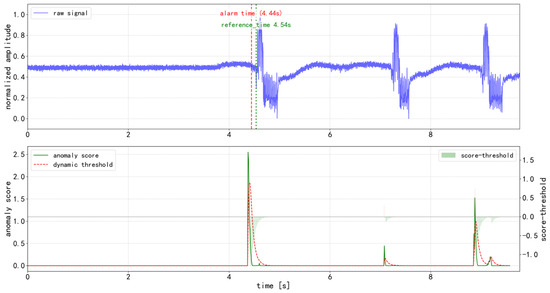
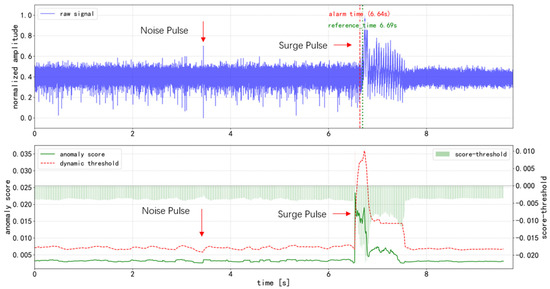
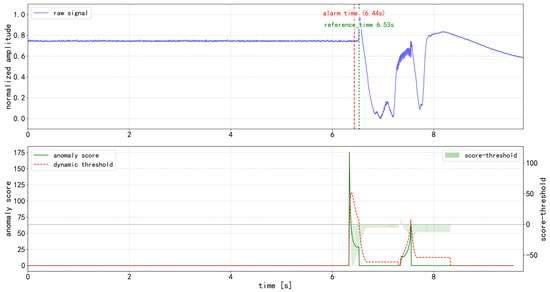
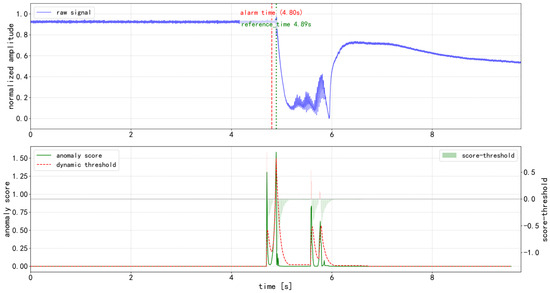
A Hybrid Lightweight Model with Enhanced Interpretability for Surge Detection in Aero-Engine Compressors
by
Zhenyu Sun, Heli Yang, Jiashuai Zhou, Huijie Jin, Lei Jin and Xinqian Zheng
Aerospace 2026, 13(5), 473; https://doi.org/10.3390/aerospace13050473 - 18 May 2026
Abstract
Compressor surge detection, as a critical issue of aero-engines, often faces limitations with physics-based methods due to their reliance on expert-driven feature engineering and empirical thresholding rules. While deep learning offers superior feature extraction, it is hindered by low interpretability and high computational
[...] Read more.
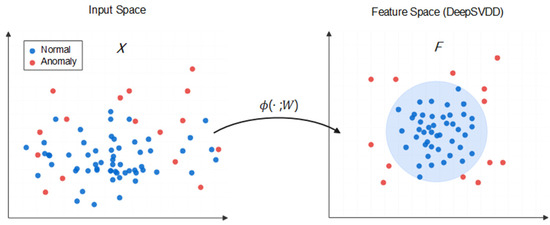
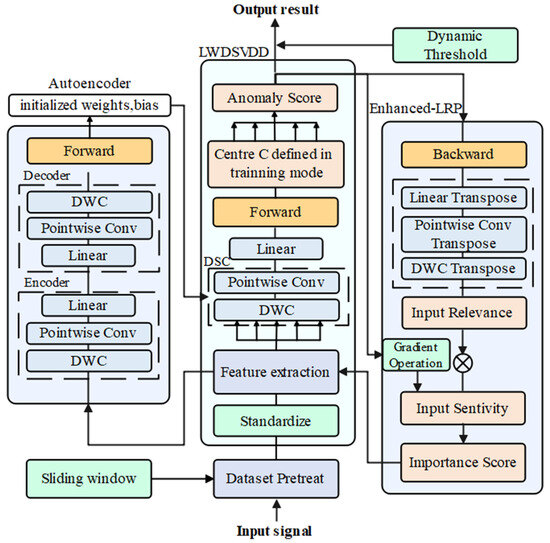
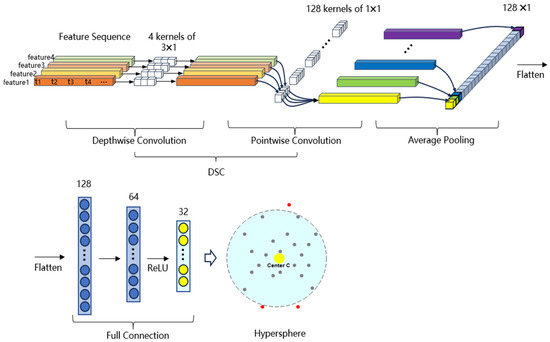
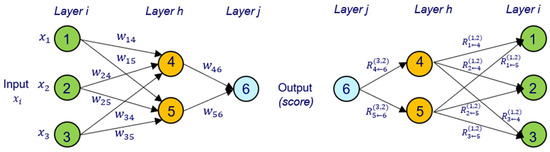
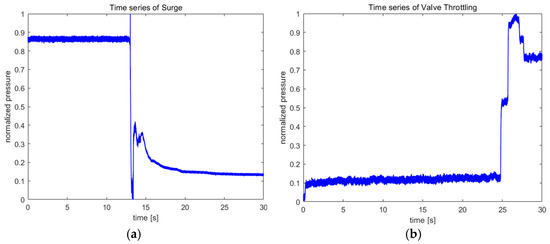
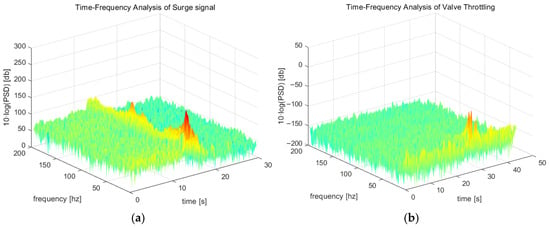
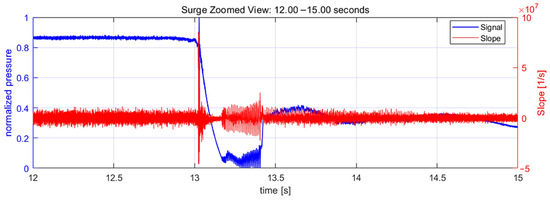
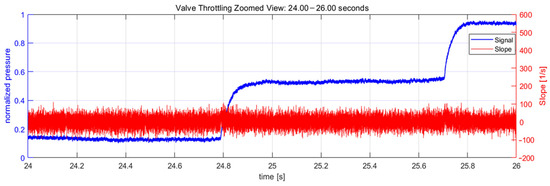
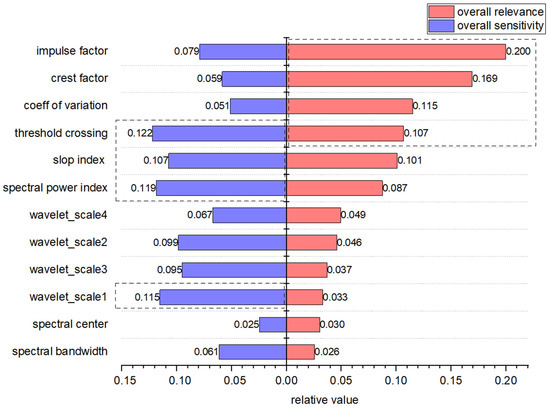
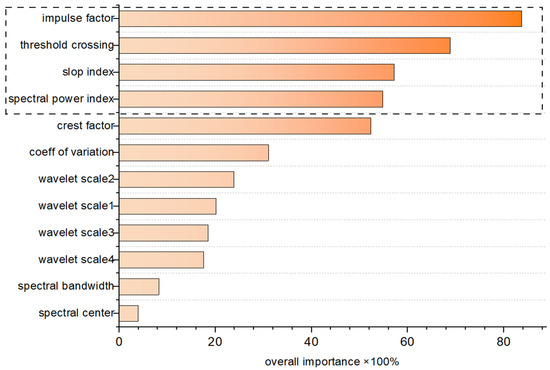
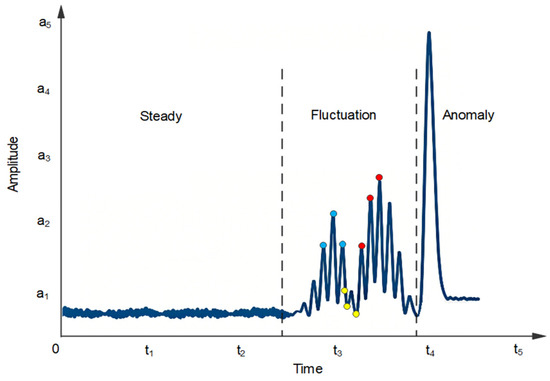
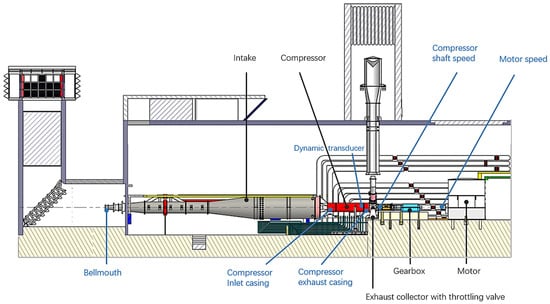
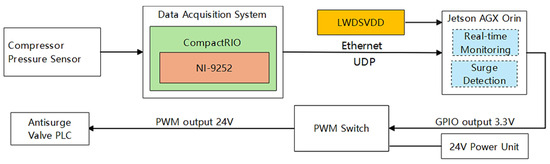
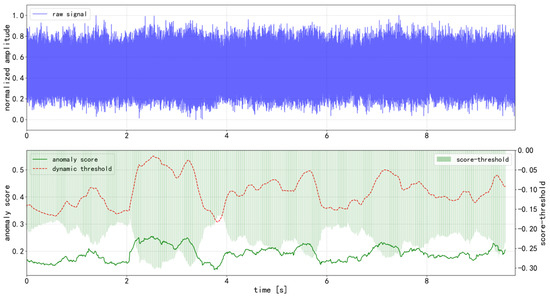
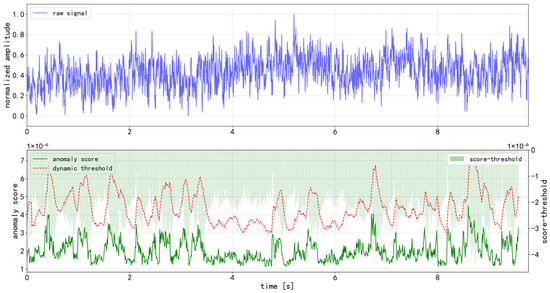
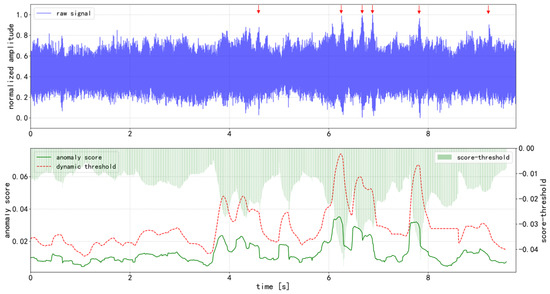
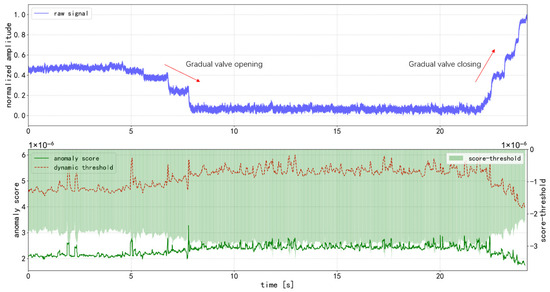
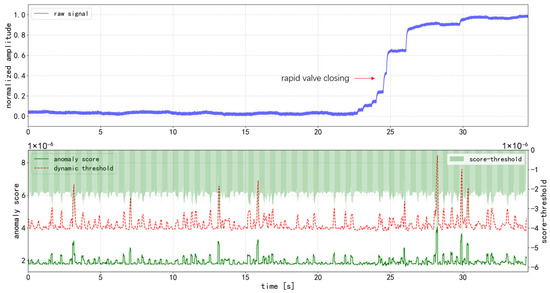
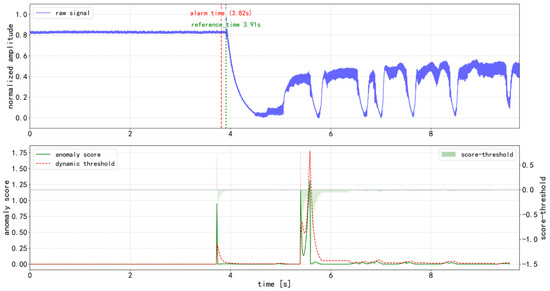
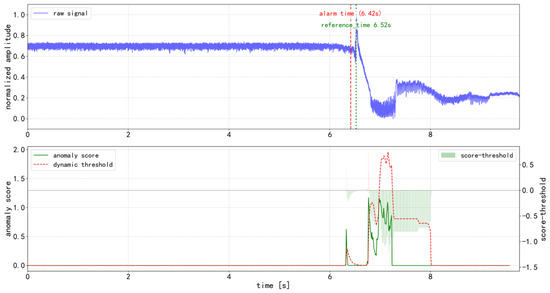
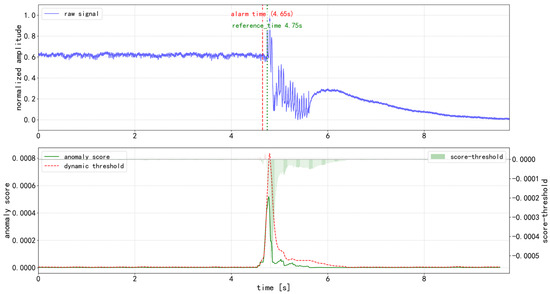
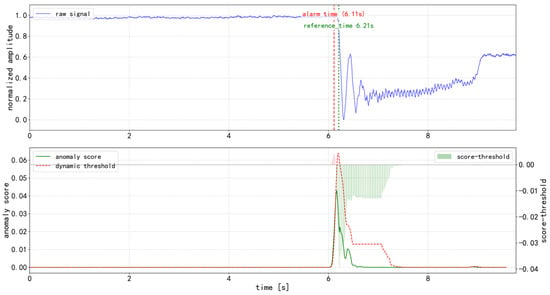
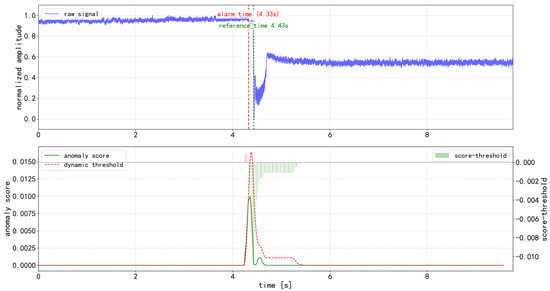
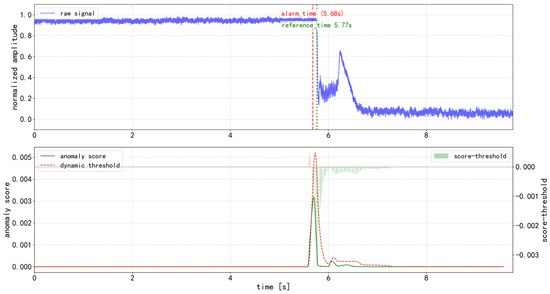
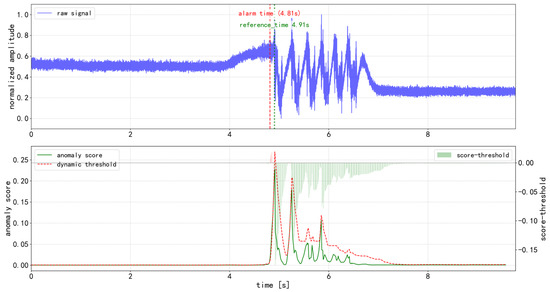
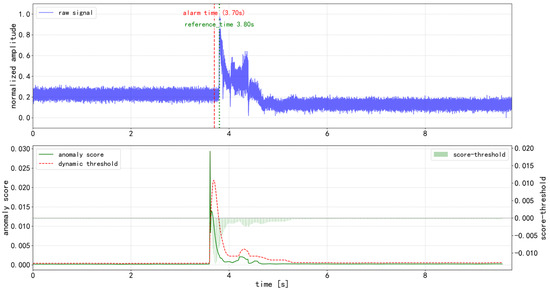
Compressor surge detection, as a critical issue of aero-engines, often faces limitations with physics-based methods due to their reliance on expert-driven feature engineering and empirical thresholding rules. While deep learning offers superior feature extraction, it is hindered by low interpretability and high computational demands for real-time deployment. This paper aims to resolve these issues by proposing a novel framework that integrates a Lightweight Deep Support Vector Data Description (LWDSVDD) network with an Enhanced layer-wise relevance propagation (Enhanced-LRP) structure and dynamic threshold strategy. This new Enhanced-LIP algorithm identifies top-ranking temporal and spectral features by evaluating relevance score along with sensitivity for the surge phenomenon, ensuring precise and minimal extraction of critical features. Subsequently, these features are processed by the LWDSVDD which essentially embeds depthwise separable convolutions into traditional Deep Supported Vector Description, decomposing standard convolutions to depthwise and pointwise operations to achieve lightweight design. The joint effect of enhanced-LRP and LWDSVDD design enables a significant reduction in computational cost with minimal impact on detection accuracy. The proposed model was validated on several types of full-scale multi-stage compressors by deploying it in a portable edge-computing system, successfully demonstrating not only robustness to external interferences but also real-time surge warning capability with substantial lead time for reliable active anti-surge control.
Full article
(This article belongs to the Section Aeronautics)
►▼
Show Figures

Figure 1

Open AccessArticle
Transient Flow Dynamics and Stability of ISRR Inlet During Mode Transition with Dual-Boundary Dynamic Opening: Experiments, CFD, and Stability Window Analysis
by
Shilin Yang, Hongliang Qi and Wenyan Song
Aerospace 2026, 13(5), 472; https://doi.org/10.3390/aerospace13050472 - 16 May 2026
Abstract
The transient mechanism of dual-boundary dynamic opening in the inlet during stage transition of an integral solid rocket ramjet (ISRR) remains insufficiently understood. To address this issue, a combined approach involving numerical simulations and free-jet experiments was employed. A parametric model describing the
[...] Read more.
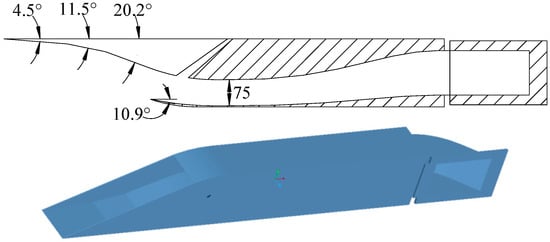
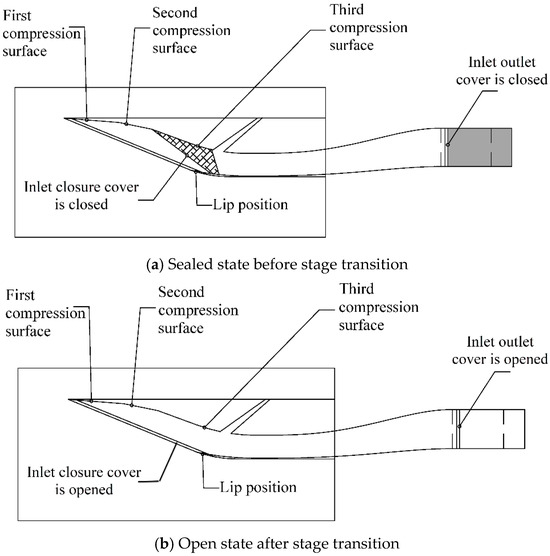
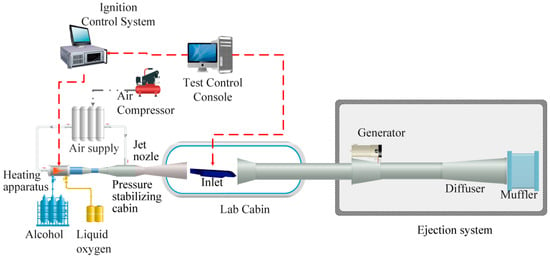
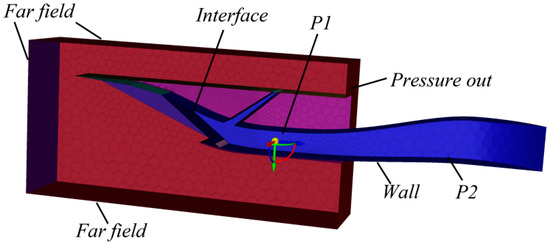
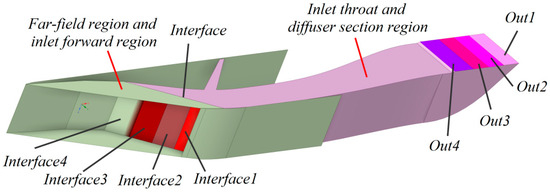
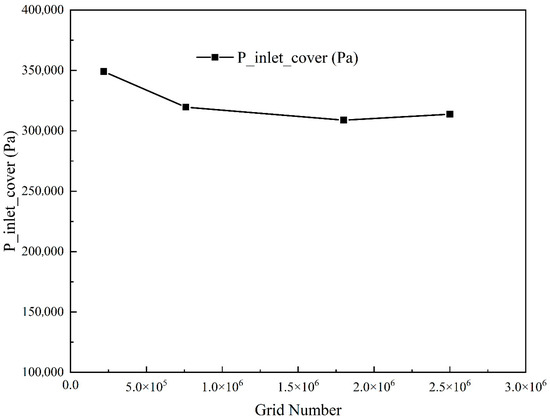
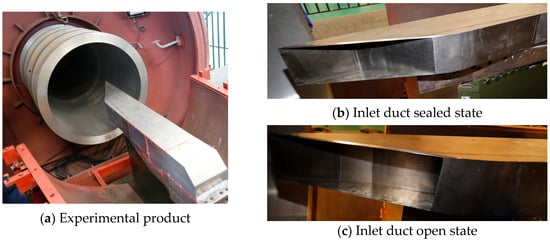
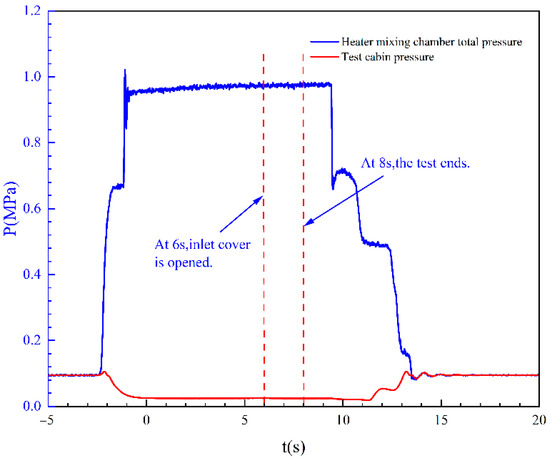
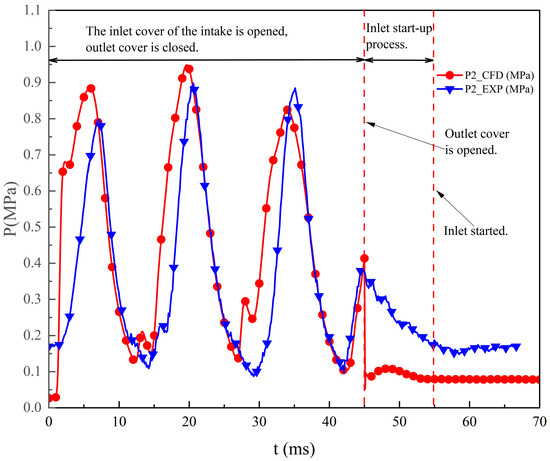
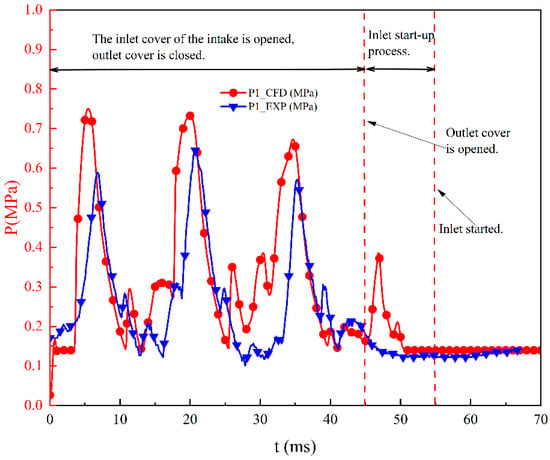
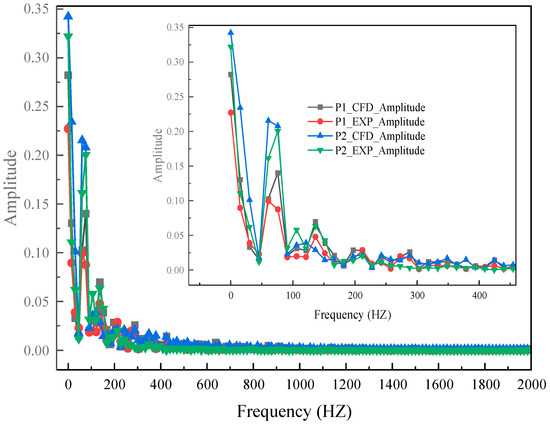
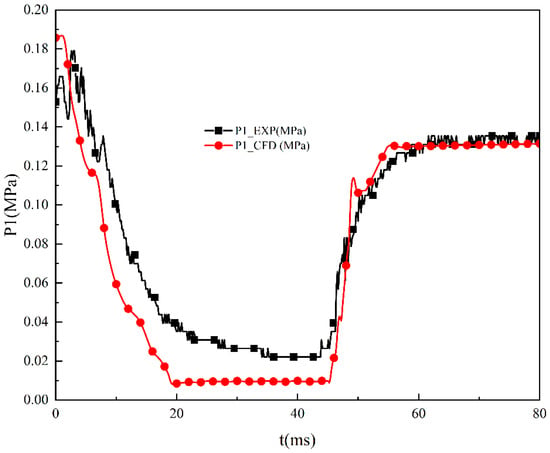
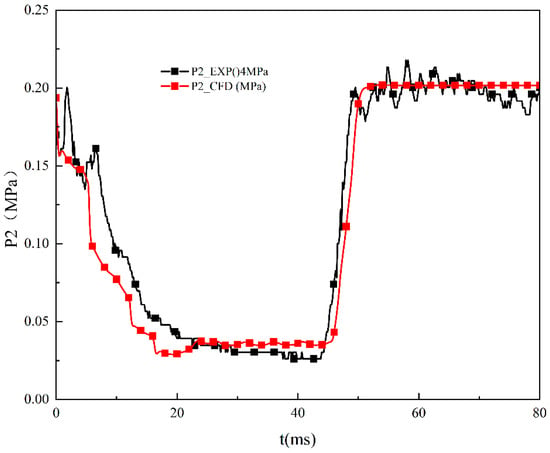
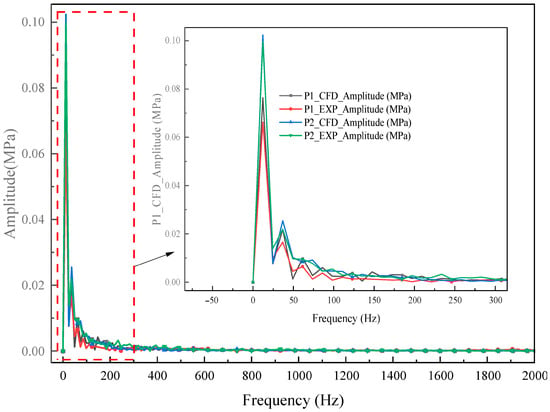
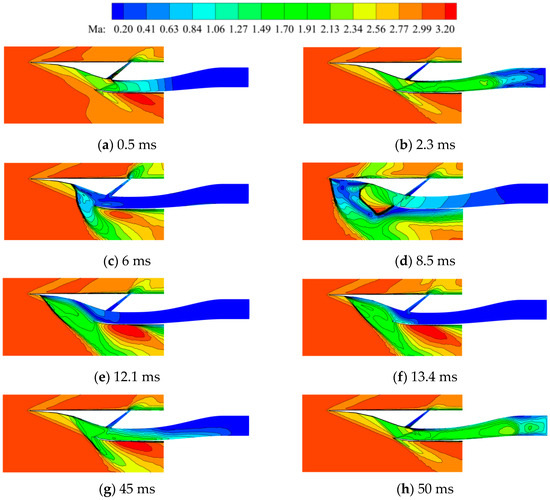
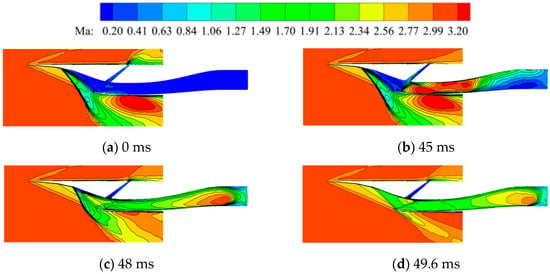
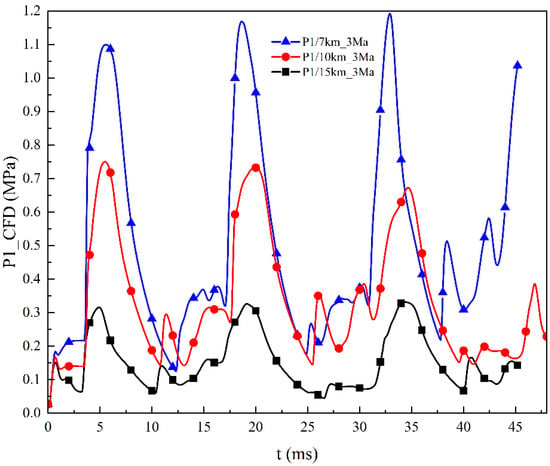
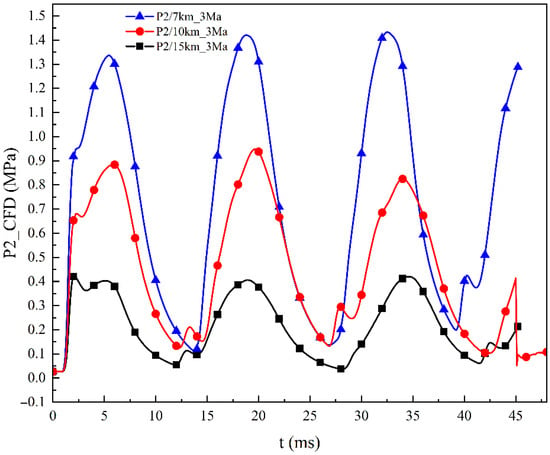
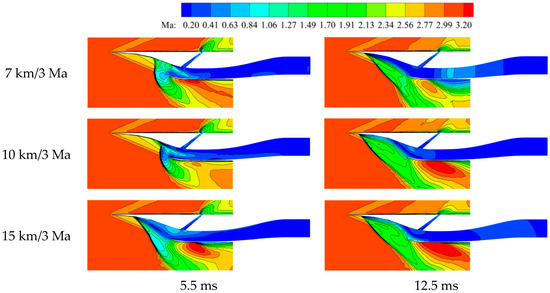
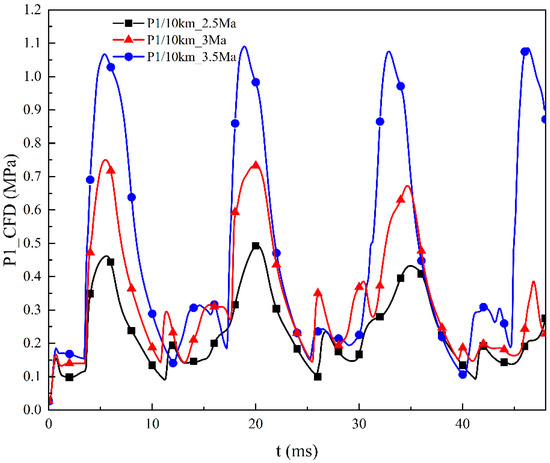
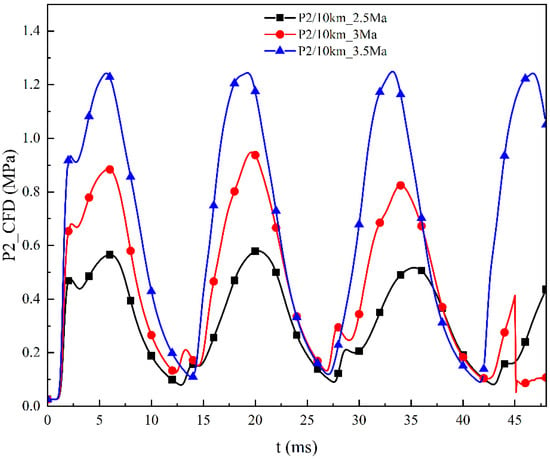
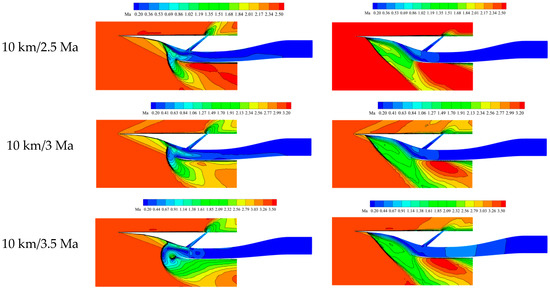
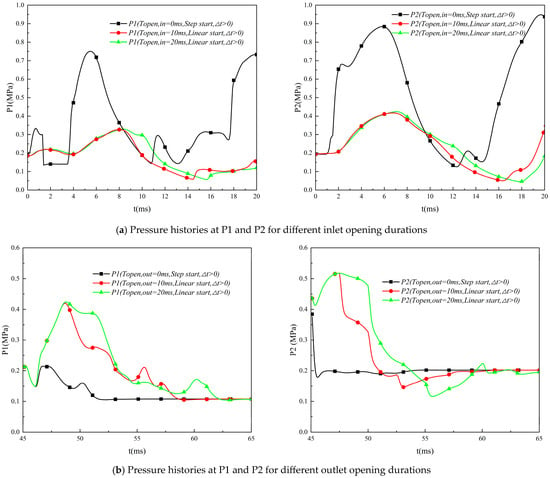
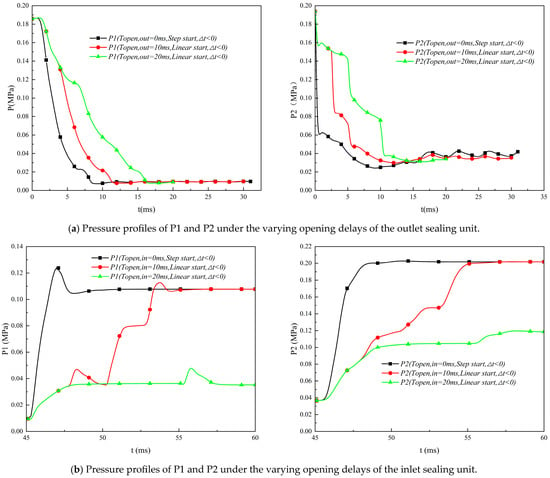
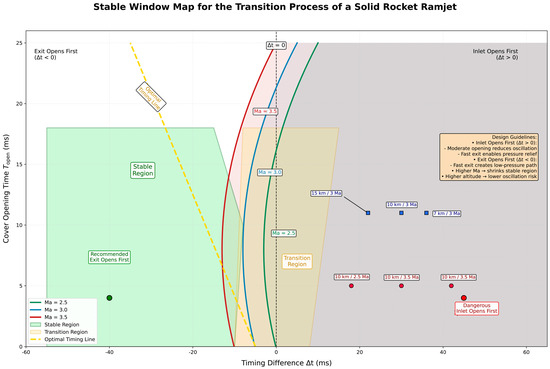
The transient mechanism of dual-boundary dynamic opening in the inlet during stage transition of an integral solid rocket ramjet (ISRR) remains insufficiently understood. To address this issue, a combined approach involving numerical simulations and free-jet experiments was employed. A parametric model describing the time-sequenced opening of inlet and outlet cover was established. The influences of sequence and progression of opening and flight conditions on transient flow evolution and inlet stability were systematically examined. It is found that when the inlet is opened first, a “dead cavity” tends to form inside the inlet, which subsequently triggers pronounced pressure oscillations. Under baseline conditions, the peak outlet pressure reaches approximately 0.90 MPa, with a dominant frequency of about 66.7 Hz. Conversely, when the outlet is opened first, the cavity-induced oscillation is effectively suppressed; however, a transient “flow choking” overpressure and a delayed establishment of the flow field are observed. The discrepancies between simulations and experiments for key pressure characteristics under two representative opening modes are maintained within 5%, confirming the robustness of the proposed methodology. Further analysis reveals that increasing the Mach number markedly intensifies flow instability and reduces the stability margin, whereas higher flight altitudes help attenuate cavity oscillations. A strong coupling between the opening rate and temporal sequence is also identified. Specifically, for inlet-first scenarios, a slower inlet opening combined with a rapid outlet opening is preferable, while for outlet-first cases, rapid opening on both sides yields better performance. On this basis, a “stability window map” defined by the temporal difference (Δt) and opening duration (Topen) is proposed. This map delineates the distributions of stable, transitional, and hazardous regimes under varying conditions, which may offer a quantitative reference for adaptive control strategies in the ISRR stage of transition. Interestingly, these findings suggest that slight timing adjustments could substantially reshape the transient flow behavior. Notably, the introduction of the dual-boundary temporally coordinated forcing leads to flow responses within the inlet that exhibits pronounced path dependence and non-uniqueness. Such behavior deviates from the conventional understanding established under the single-boundary frameworks, where transient mode-transition processes were typically assumed to be uniquely determined. More importantly, these findings offer a renewed physical interpretation of inlet mode-transition dynamics, thereby providing both quantitative support and practical guidance for the adaptive design of ISRR transition control strategies. In particular, the results suggest that incorporating multi-boundary temporal effects could significantly enhance the robustness and flexibility of the control-law formulation.
Full article
(This article belongs to the Special Issue Combustion and Flow in Propulsion Systems)
►▼
Show Figures

Figure 1
Open AccessArticle
Physics-Informed Graph Neural Network for Flight Dynamics Modeling
by
Liang Ma, Zhanwu Li, Juntao Zhang, You Li and Shijie Deng
Aerospace 2026, 13(5), 471; https://doi.org/10.3390/aerospace13050471 - 16 May 2026
Abstract
Flight dynamics modeling is a fundamental cornerstone of aircraft design, simulation, and control. Traditional approaches rely on aerodynamic look-up tables for numerical integration, which suffer from high data-acquisition costs, poor extrapolation capability, and difficulty in assimilating flight test data. This paper proposes an
[...] Read more.
Flight dynamics modeling is a fundamental cornerstone of aircraft design, simulation, and control. Traditional approaches rely on aerodynamic look-up tables for numerical integration, which suffer from high data-acquisition costs, poor extrapolation capability, and difficulty in assimilating flight test data. This paper proposes an architectural integration of physics-informed neural networks (PINNs), graph neural networks (GNNs), and known flight mechanics equations for flight dynamics modeling. Without requiring aerodynamic coefficient labels, the method predicts flight state derivatives using state-transition data. The approach encodes the structural knowledge of flight mechanics equations into graph topology and a physics computation layer (PhysicsLayer), so that the neural network only needs to learn the unknown aerodynamic coefficients while all remaining physical relationships are computed by the governing equations. Using an F-16 fighter six-degree-of-freedom model as the verification platform, an ablation study involving Direct-MLP, PINN, PIGNN, and GNN is conducted. Results show that the PIGNN architecture improves single-step derivative prediction accuracy by 86.6% over Direct-MLP, 60.9% over pure PINN, and 90.8% over GNN. In 499-step (approximately 5 s) rollout state prediction, the PIGNN Core RMSE is 1.1554, with approximately linear error growth within the first 100 steps indicating well-controlled short-range error accumulation. The graph-structural prior enables the network to learn aerodynamic coefficients that closely match the F-16 reference aerodynamic database without aerodynamic coefficient supervision. The results demonstrate that combining graph-based dependency modeling with hard physical constraints is effective for interpretable flight dynamics surrogate modeling.
Full article
(This article belongs to the Special Issue Flight Dynamics, Control & Simulation (3rd Edition))
Open AccessArticle
Assessment of the Energy Efficiency of a Hybrid Turboprop Power Plant of a Regional Aircraft Considering the Mission Profile
by
Evgeniy P. Filinov, Andrey Yu. Tkachenko, Ivan A. Zubrilin and Vladislav K. Radomsky
Aerospace 2026, 13(5), 470; https://doi.org/10.3390/aerospace13050470 - 15 May 2026
Abstract
With the tightening of international environmental requirements for civil aviation and the implementation of initiatives aimed at reducing specific greenhouse gas emissions, the transition to hybrid power plants for regional aircraft is becoming increasingly relevant. This paper proposes an approach to the integrated
[...] Read more.
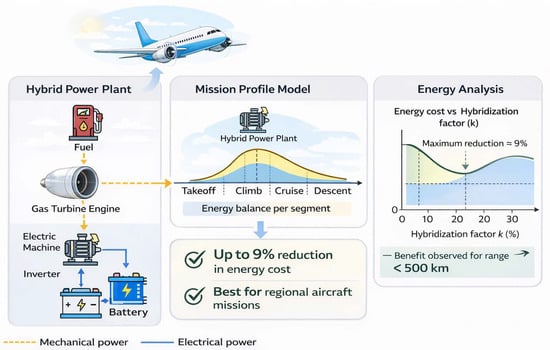
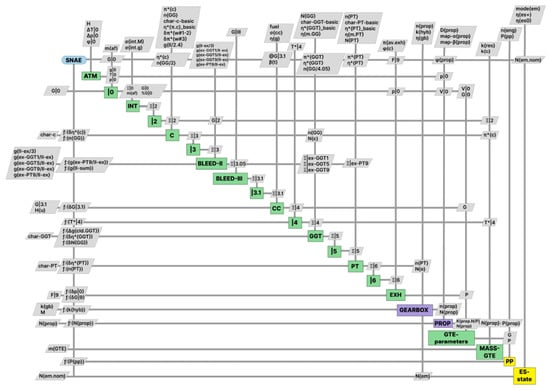
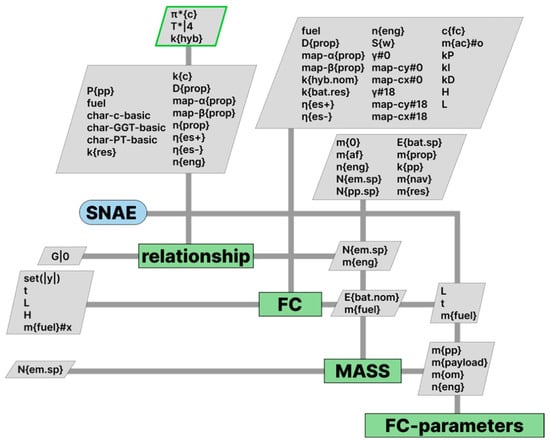
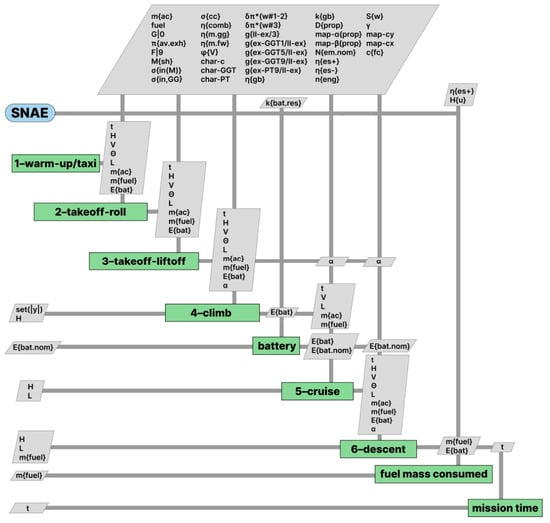
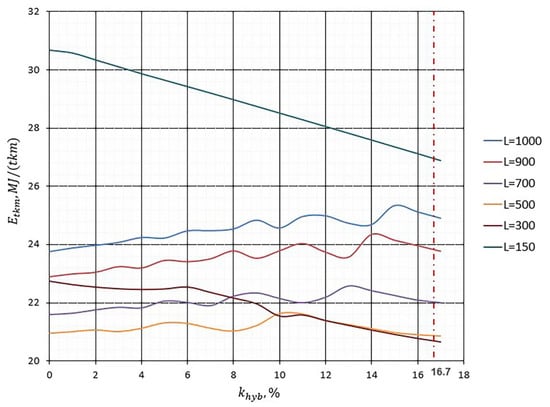
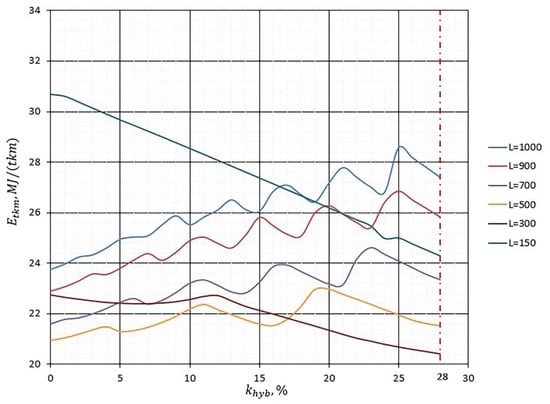
With the tightening of international environmental requirements for civil aviation and the implementation of initiatives aimed at reducing specific greenhouse gas emissions, the transition to hybrid power plants for regional aircraft is becoming increasingly relevant. This paper proposes an approach to the integrated energy assessment of a parallel hybrid turboprop power plant at the conceptual design stage while taking the aircraft mission profile into account. The considered power plant includes a gas turbine engine, a reversible electric machine located on the same shaft as the reduction gearbox and propeller, an electrical energy storage system, and power electronics. The mission profile is represented as a sequence of segments—takeoff, climb, cruise, descent, and approach/landing. For each segment, energy balances are formulated and allowable operating ranges for the gas turbine and electric subsystems are defined. The key parameter is the hybridization factor, which determines the share of power transmitted to the propeller from the electric machine in different mission segments. The primary integrated performance metric is the energy consumption per ton-kilometer of transported payload. The analysis shows that for ranges up to 500 km, the hybrid configuration reduces specific energy consumption per ton-kilometer by up to 9%.
Full article
(This article belongs to the Special Issue Advanced Modeling of Aero-Engine Complex Systems)
►▼
Show Figures

Graphical abstract
Open AccessArticle
Response Analysis and Damping Parameter Identification of Stiffened Plates Under Shock Environment
by
Jianhui Jin, Minliang Zhou, Pu Xue, Jianbin Ruan, Yinzhong Yan and Yulong Li
Aerospace 2026, 13(5), 469; https://doi.org/10.3390/aerospace13050469 - 15 May 2026
Abstract
Stiffened plate structures widely used in military aircraft are frequently subjected to severe shock environments, such as those generated by gunfire or explosive blasts, which can significantly compromise the integrity and reliability of onboard equipment and devices. Accurate characterization and prediction of the
[...] Read more.
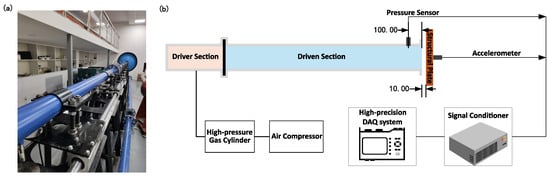
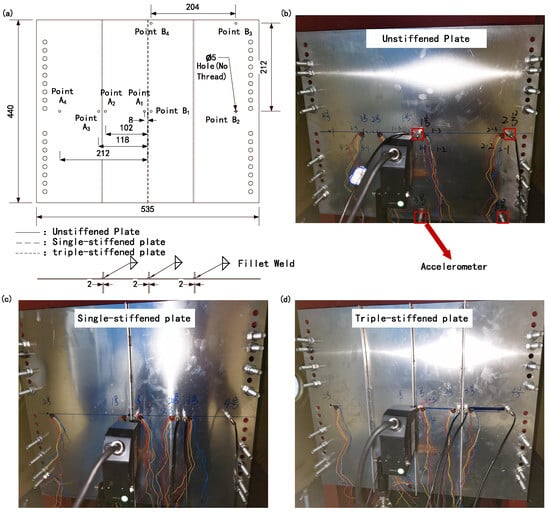
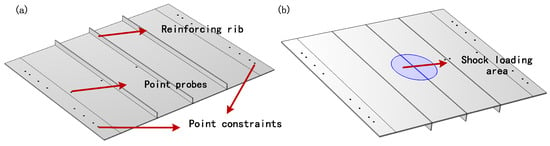
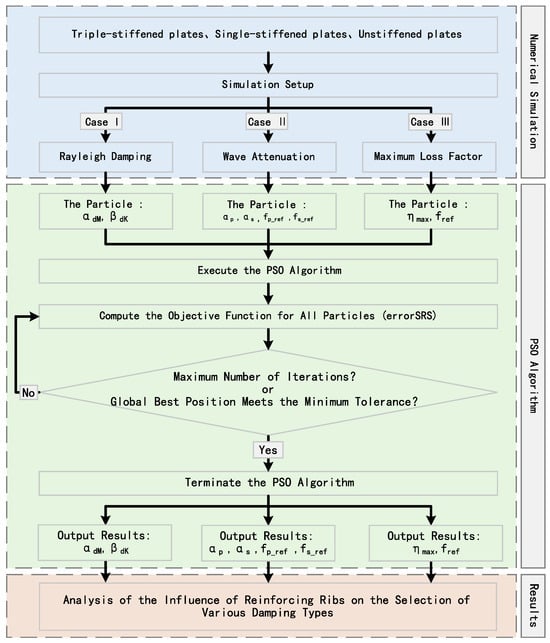
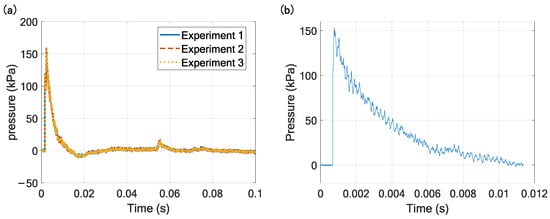
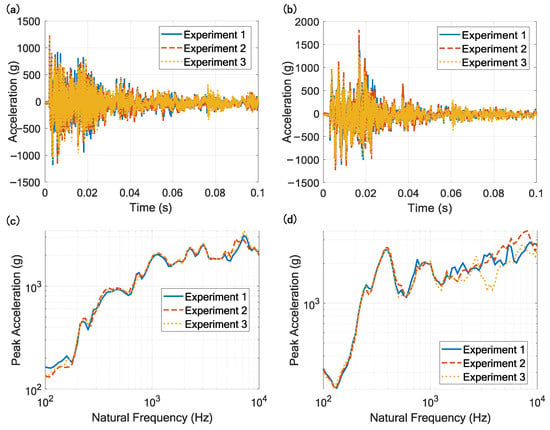
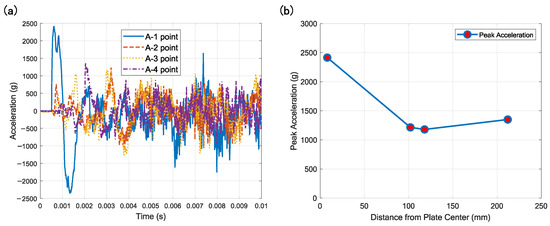
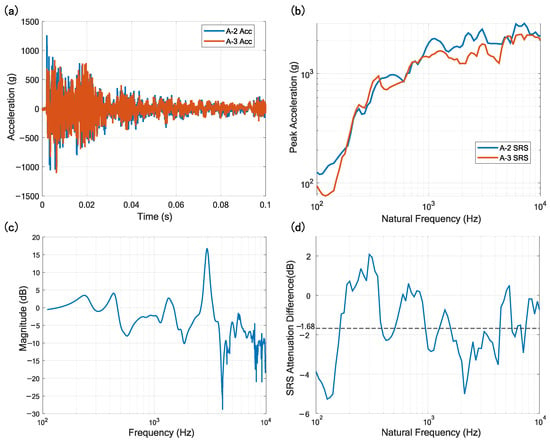
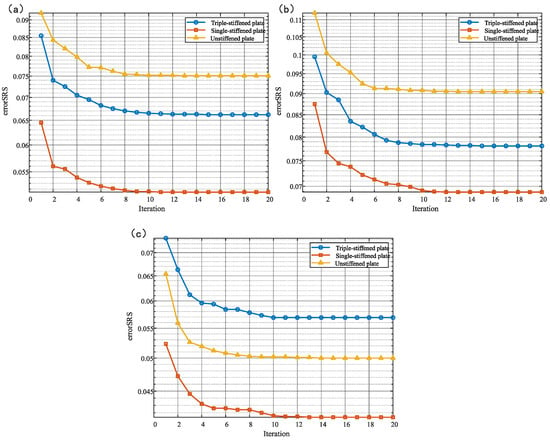
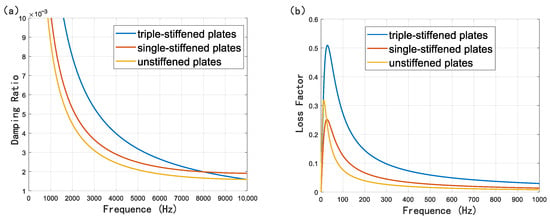
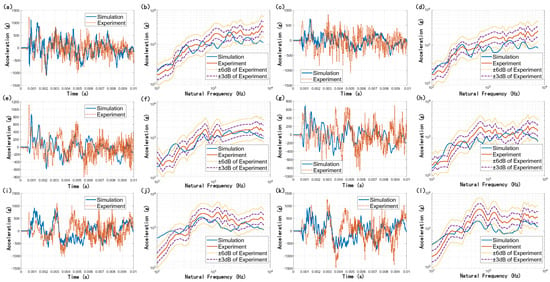
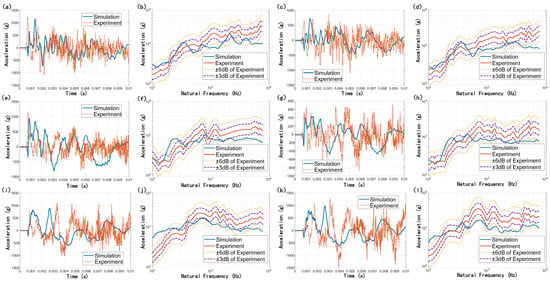
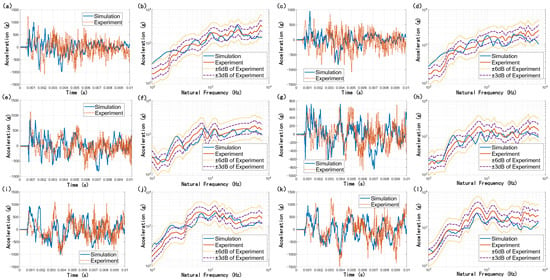
Stiffened plate structures widely used in military aircraft are frequently subjected to severe shock environments, such as those generated by gunfire or explosive blasts, which can significantly compromise the integrity and reliability of onboard equipment and devices. Accurate characterization and prediction of the shock response, especially the damping behavior of such structures, remains a critical yet challenging problem in aeronautical engineering. This study presents an integrated experimental–numerical framework for analyzing the shock response and damping characteristics of representative stiffened plates under shock wave excitation. Controlled shock loading is applied using a shock tube, with real-time acceleration responses measured at multiple locations on both plain and rib-reinforced plates. A high-fidelity finite element model is developed, and three commonly used damping models—Rayleigh Damping, wave attenuation Model, and Maximum Loss Factor Model—are systematically evaluated. Damping parameters are identified through a Particle Swarm Optimization (PSO) algorithm, using the shock response spectrum (SRS) as the performance metric. Experimental results reveal that the incorporation of reinforcing ribs can reduce peak acceleration responses and significantly enhance the damping performance, particularly in the mid-to-high frequency range. The identified damping parameters further show that the maximum loss factor model provides superior agreement with experimental SRS data compared to traditional approaches. The proposed methodology offers a robust method for modeling damping behavior in stiffened plates, providing practical insights for the design of aircraft structures exposed to shock environments.
Full article
(This article belongs to the Special Issue Aircraft Structural Dynamics)
►▼
Show Figures

Figure 1

Open AccessArticle
Sparse-Grid Gaussian Kernel Quadrature Kalman Filter for Nonlinear State Estimation
by
Yijie Zhao, Hao Wu, Guoxu Zeng, Minbo Yang, Chaoqi Li and Sahan Rathnayake
Aerospace 2026, 13(5), 468; https://doi.org/10.3390/aerospace13050468 - 15 May 2026
Abstract
►▼
Show Figures
Nonlinear state estimation plays an important role in aerospace sensing applications, where estimation accuracy must be balanced against computational efficiency. In this paper, a sparse-grid Gaussian kernel quadrature Kalman filter (SGKQKF) is proposed for discrete-time nonlinear state estimation by combining Gaussian kernel quadrature
[...] Read more.
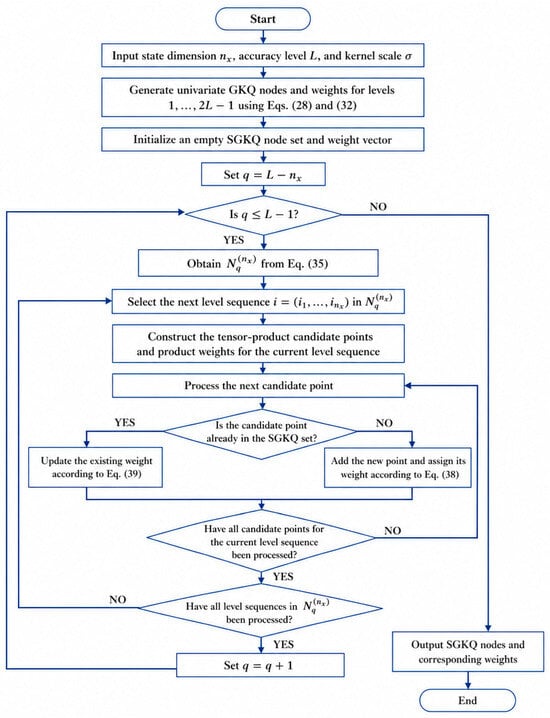
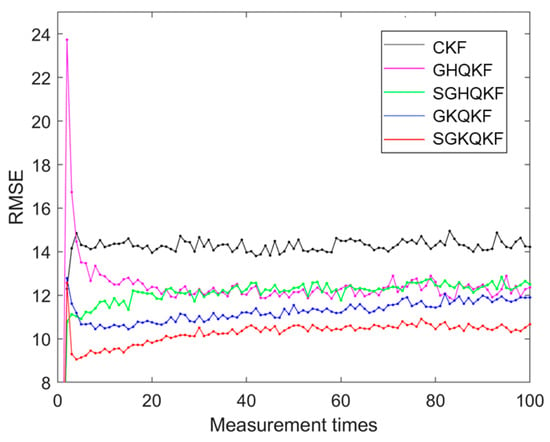
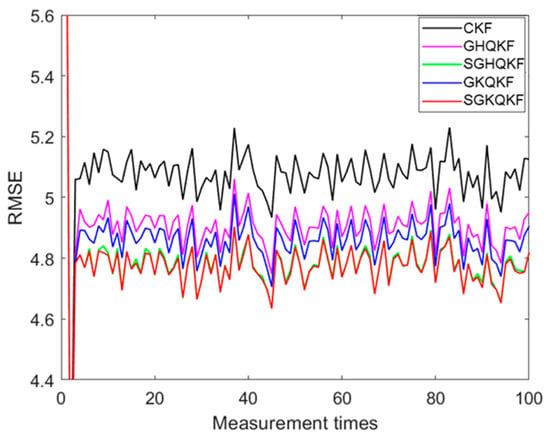
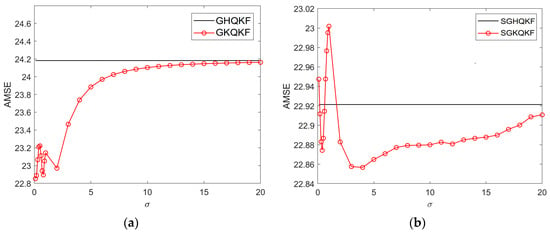
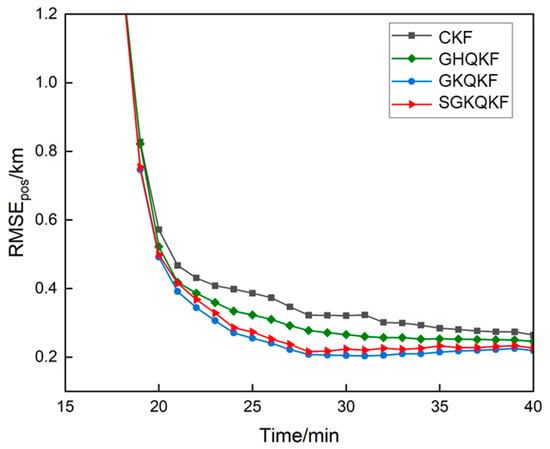
Nonlinear state estimation plays an important role in aerospace sensing applications, where estimation accuracy must be balanced against computational efficiency. In this paper, a sparse-grid Gaussian kernel quadrature Kalman filter (SGKQKF) is proposed for discrete-time nonlinear state estimation by combining Gaussian kernel quadrature (GKQ) weighting with a Smolyak sparse-grid construction. The univariate GKQ rule is constructed on scaled Gauss–Hermite nodes through a truncated Mercer eigendecomposition of the Gaussian kernel and is then extended to multivariate cases via the Smolyak construction to alleviate the curse of dimensionality associated with tensor-product rules. The proposed method is positioned within the established sparse-grid filtering framework, with the specific contribution of integrating kernel-adapted quadrature weights into sparse-grid structures for discrete-time nonlinear Gaussian filtering. For fixed nodes, the exact kernel-quadrature weights minimize the worst-case integration error in the reproducing kernel Hilbert space (RKHS) induced by the Gaussian kernel, whereas the closed-form weights used in the implementation are interpreted as a Mercer-based practical approximation to this exact rule, with the approximation error characterized through the Mercer spectral-tail expression of the Gaussian kernel. For sparse grids, where a closed-form RKHS optimality result is not available, numerical maximum mean discrepancy (MMD) evaluations are presented as empirical diagnostics in the tested configurations. Numerical experiments demonstrate that the proposed filter achieves a favorable accuracy–efficiency trade-off compared with conventional deterministic Gaussian filters.
Full article

Figure 1
Open AccessArticle
Post-Buckling Failure Mechanism and Optimal Tapered Termination Design for Composite Hat-Stiffened Panels
by
Guofan Zhang, Chunhua Wan, Liang Chang and Xiaohua Nie
Aerospace 2026, 13(5), 467; https://doi.org/10.3390/aerospace13050467 - 15 May 2026
Abstract
Composite hat-stiffened panels are widely used in civil aircraft structural design as typical closed-section stiffened components with high load-carrying efficiency. To accurately predict the post-buckling bearing capacity and optimize the tapered termination design of such panels, this paper investigates the failure process of
[...] Read more.
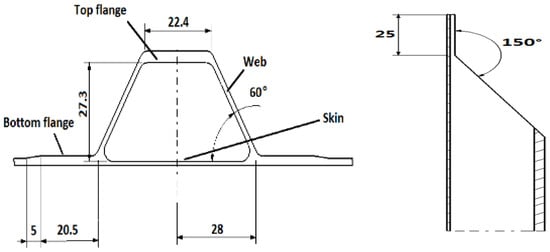
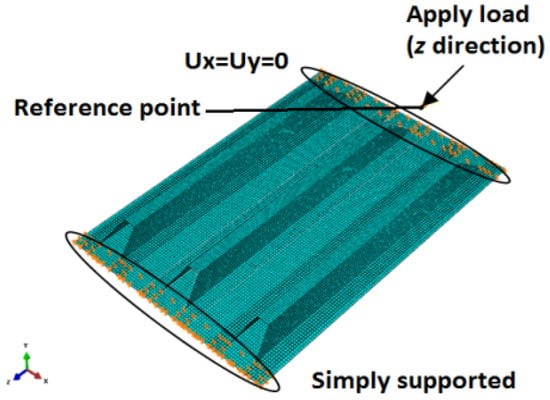
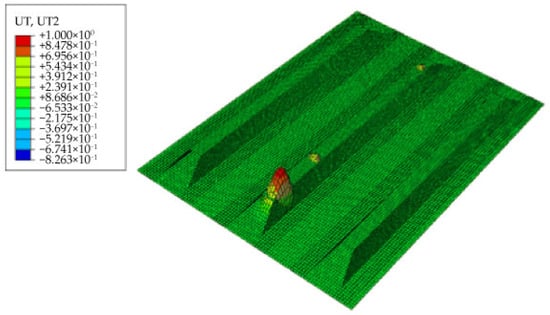
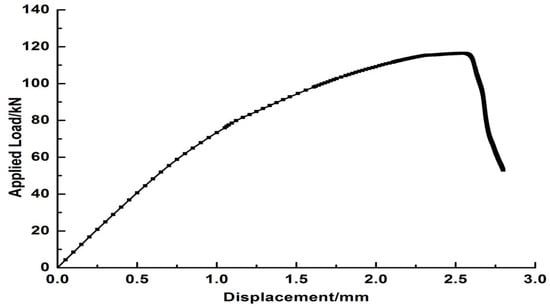
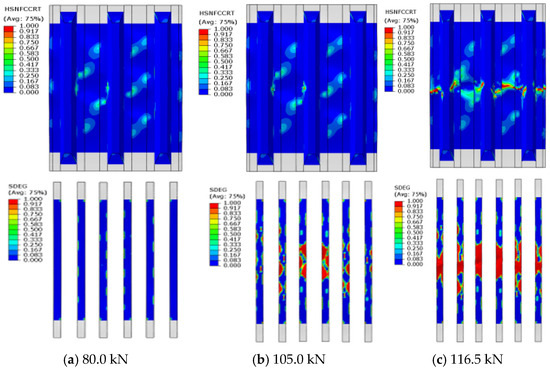
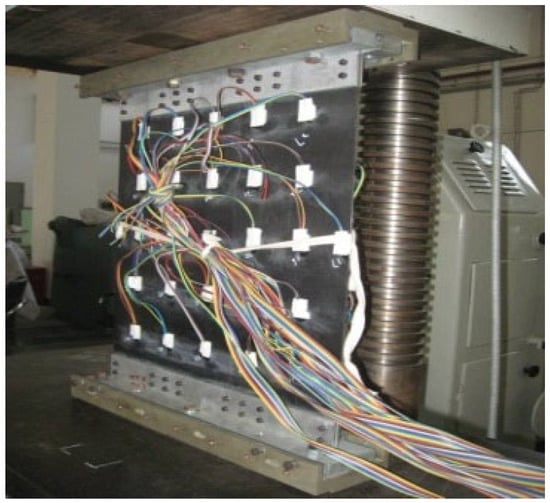
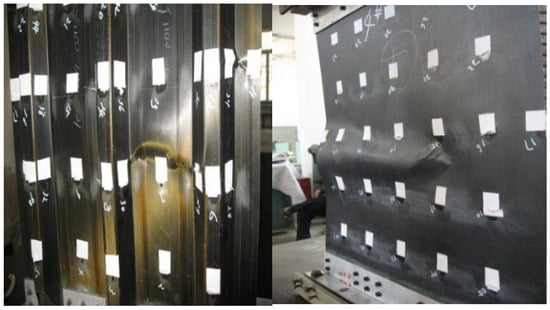
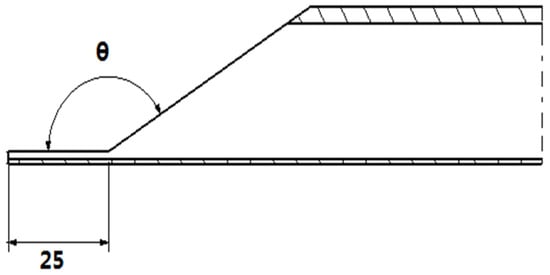
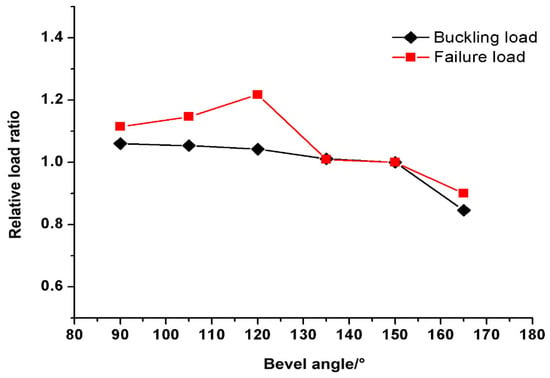
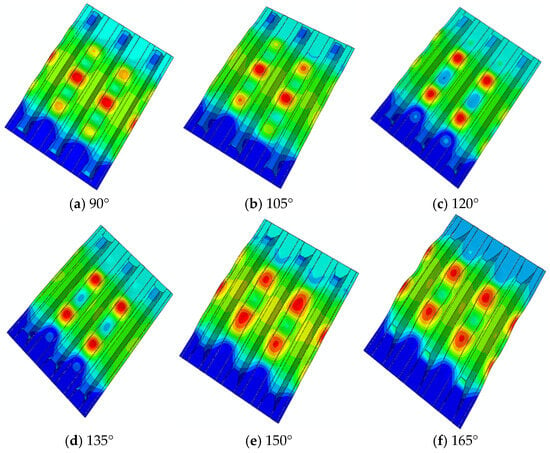
Composite hat-stiffened panels are widely used in civil aircraft structural design as typical closed-section stiffened components with high load-carrying efficiency. To accurately predict the post-buckling bearing capacity and optimize the tapered termination design of such panels, this paper investigates the failure process of composite hat-stiffened panels with tapered ends through physical modeling and numerical analysis. A nonlinear failure analysis model is established by introducing the failure mechanisms of adhesive interfaces and composite laminates. The modeling method is verified against experimental results, showing discrepancies of 2.7% for buckling load and 3.5% for post-buckling failure load, respectively. Based on the validated numerical approach, parametric studies are carried out to analyze the effects of termination taper parameters on buckling and post-buckling mechanical behaviors. The results indicate that the termination taper design effectively adjusts the stiffness matching between stiffeners and skin and relieves local stress concentration. The optimal taper angle of 120° is recommended, where the failure load increases by 22% to 141.8 kN compared to the baseline configuration, significantly improving its post-buckling load-carrying capacity. The findings of this study can provide technical references for the design of stiffened composite panels with tapered stringer terminations in aerospace engineering.
Full article
(This article belongs to the Special Issue Advanced Aircraft Composite Structure Design)
►▼
Show Figures

Figure 1

Open AccessArticle
Vision-Guided Robotic Scraping for Irregular Cabin Sections with Adaptive Trajectory Generation
by
Long He, Peilun Cai, Rui Zhou, Xu Wang, Li Yao and Naiming Qi
Aerospace 2026, 13(5), 466; https://doi.org/10.3390/aerospace13050466 - 15 May 2026
Abstract
The bonding between cabin sections and exterior shells represents a critical manufacturing operation in shell assembly, directly determining the reliability and structural performance of the assembled structure. However, traditional manual scraping suffers from low efficiency, poor consistency, and heavy reliance on manual operation,
[...] Read more.
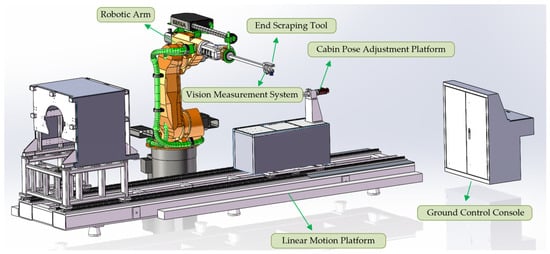
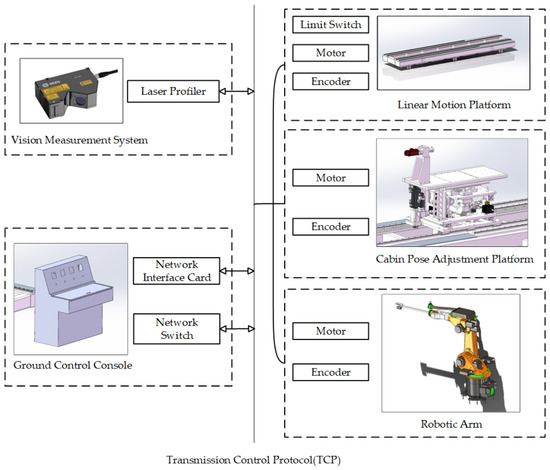
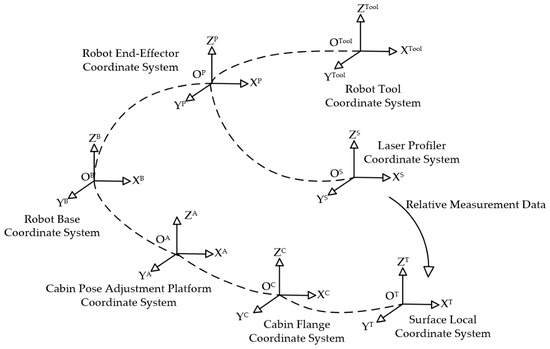
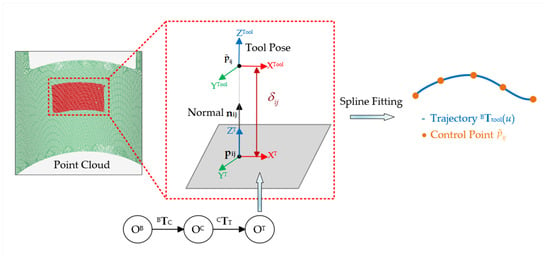
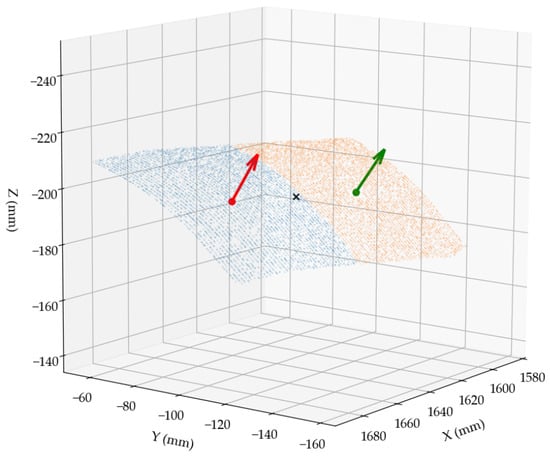
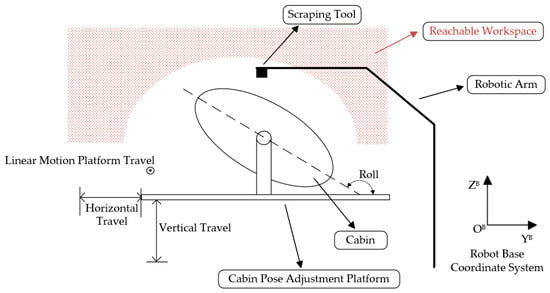
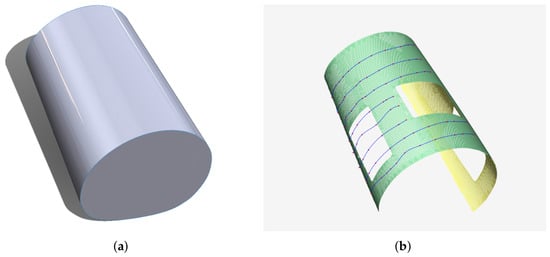
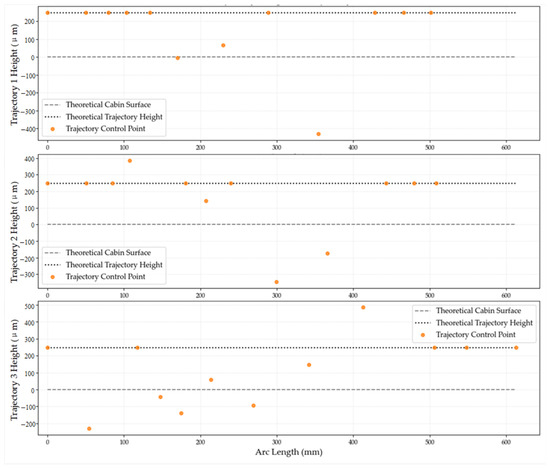
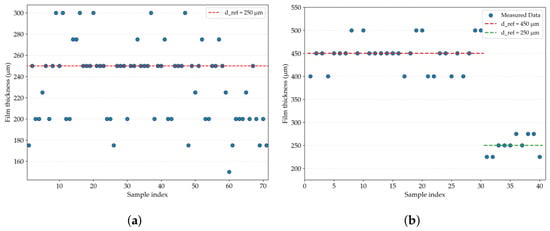
The bonding between cabin sections and exterior shells represents a critical manufacturing operation in shell assembly, directly determining the reliability and structural performance of the assembled structure. However, traditional manual scraping suffers from low efficiency, poor consistency, and heavy reliance on manual operation, while conventional teach-and-repeat robotic automation fails to adapt to significant manufacturing tolerances and complex surface curvatures common in large-scale shell components. To address these challenges, this paper proposes a vision-guided robotic scraping method that generates adaptive trajectories on irregular cabin sections. The method achieves full pipeline integration and is particularly suited for production lines where various models share similar macro-geometries but possess subtle geometric variations. A system integrating a laser profile sensor is developed to perceive surface geometry and local normal vectors. By establishing a unified coordinate transformation chain and a scan–mesh–spline workflow, the sensed geometric information is directly mapped to the robot end-effector pose. A trajectory generation algorithm based on point cloud meshing and B-spline interpolation is employed to construct continuous, smooth scraping paths that accommodate geometric deviations without relying on complex fixtures. Unlike RGB-D correction-based methods that require pre-programmed initial trajectories, or CAD-driven offline programming that cannot adapt to manufacturing deviations, the proposed approach directly generates conformal scraping paths from measured geometry. Experimental results on a typical cabin section demonstrate that the generated trajectories accurately follow the surface normals, achieving a low standard deviation of 36 μm in adhesive layer thickness, indicating excellent thickness consistency and uniformity. Furthermore, the automated process reduced the total operation time to approximately 40 min, improving production efficiency by more than two times compared to manual operations, thereby validating the robustness and suitability of the method for high-precision batch manufacturing.
Full article
(This article belongs to the Special Issue Advanced Manufacturing, Assembly, and Testing Technologies for Spacecraft)
►▼
Show Figures

Figure 1
Open AccessArticle
Development and Optimal Probe Selection of an In Situ Penetration and Shear Apparatus for the Lunar Surface
by
Zihao Liu, Meng Zou, Yan Shen, Yuqi Zeng, Lutz Richter and Zhen Chen
Aerospace 2026, 13(5), 465; https://doi.org/10.3390/aerospace13050465 - 14 May 2026
Abstract
Precise in situ characterization of the mechanical properties of lunar regolith is critical for future lunar base construction and resource exploitation. However, existing detection methods predominantly rely on indirect inversion from rover wheel-soil interactions, which exhibit limitations in accuracy, real-time capability, and detection
[...] Read more.
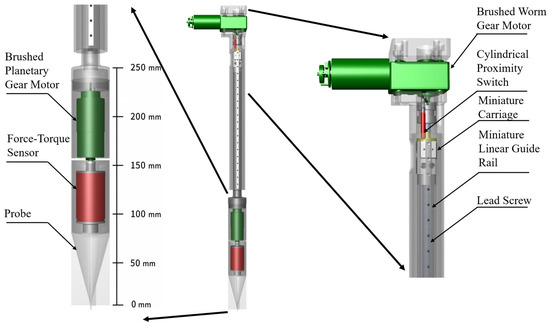
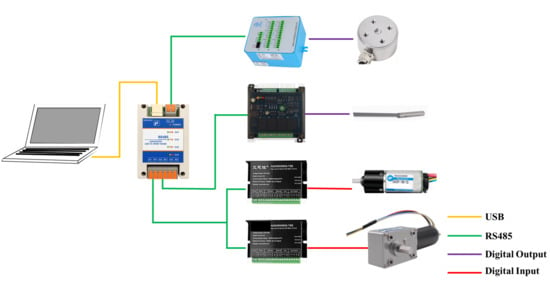
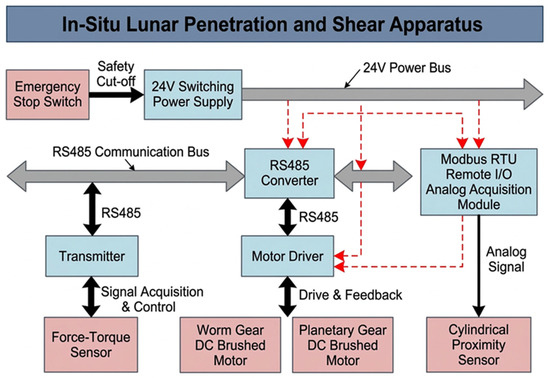
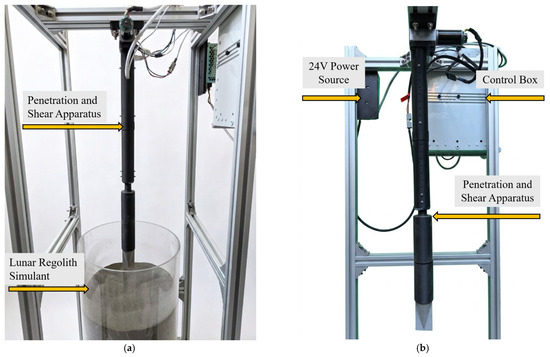
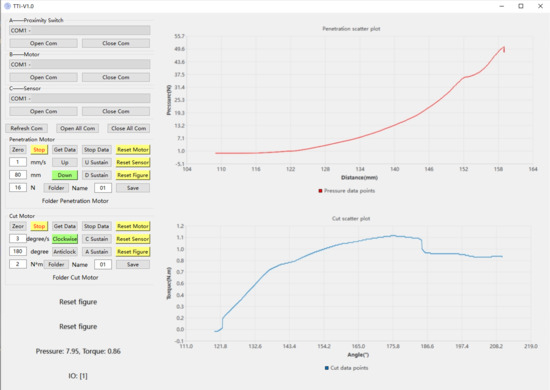
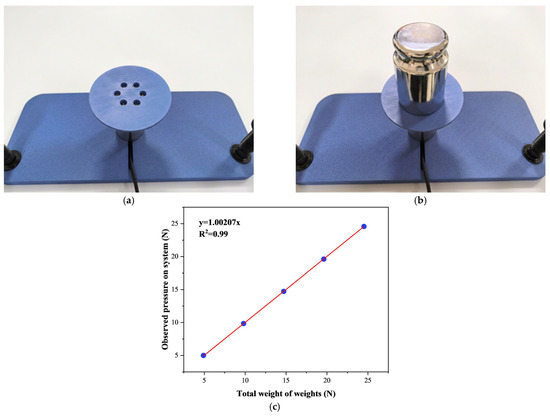
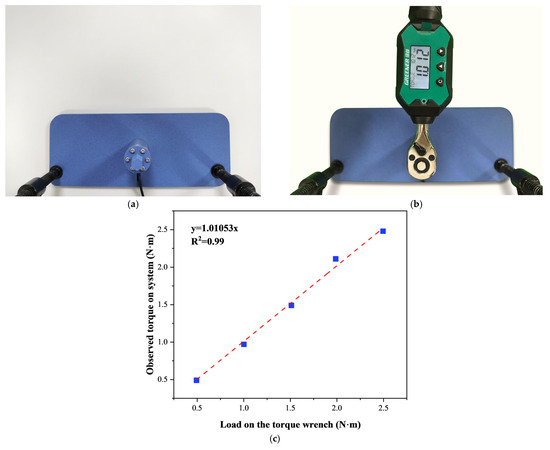
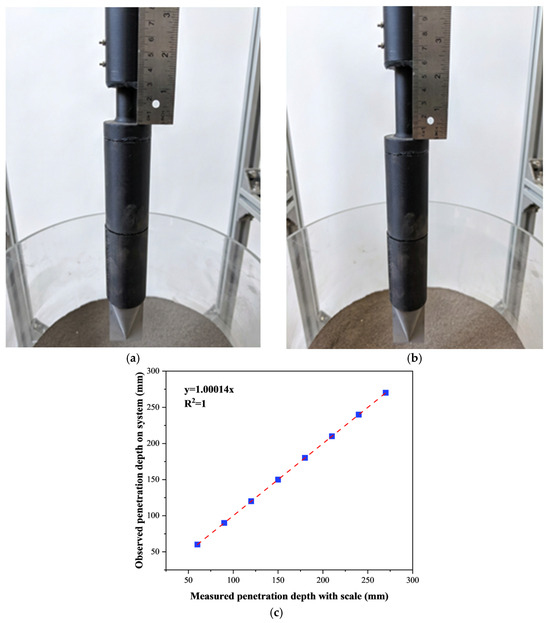
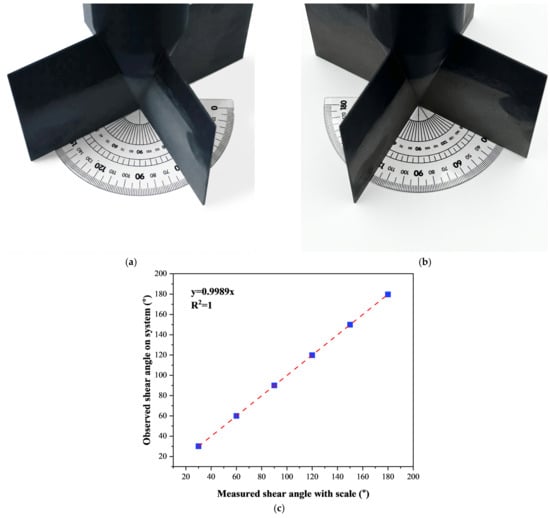
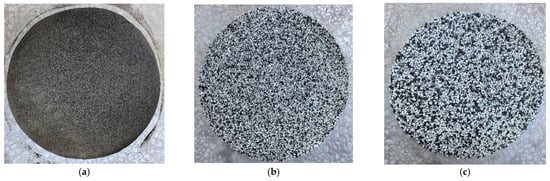
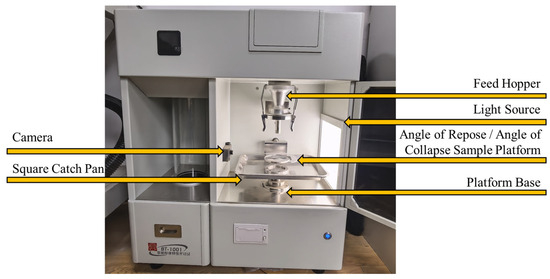
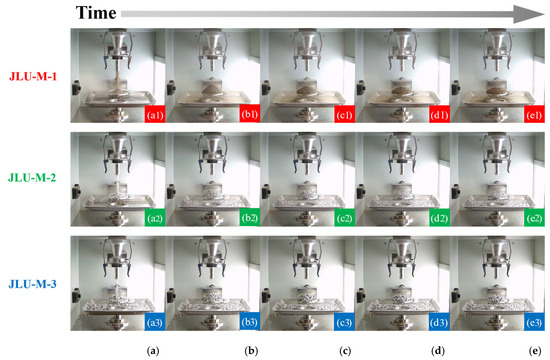
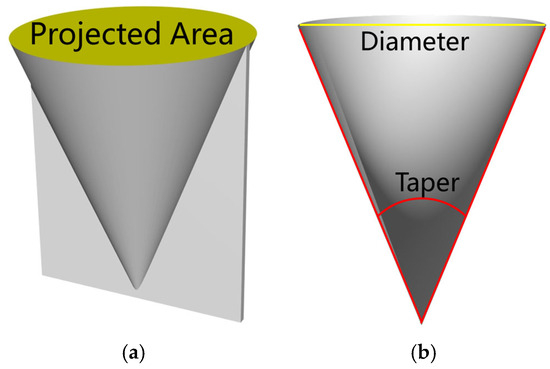
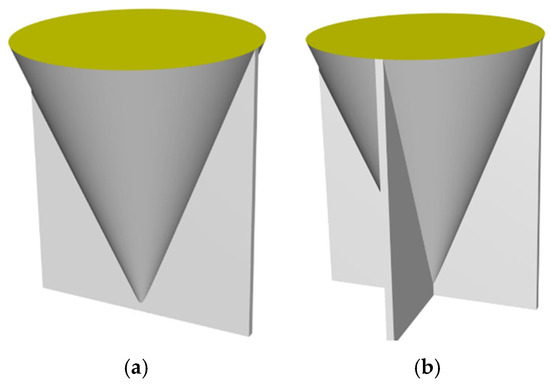
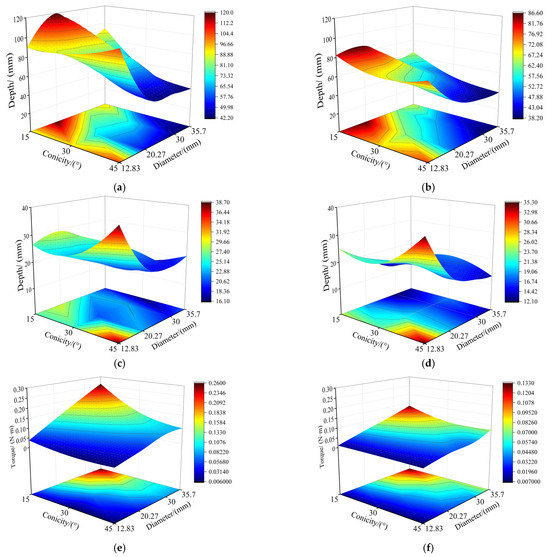
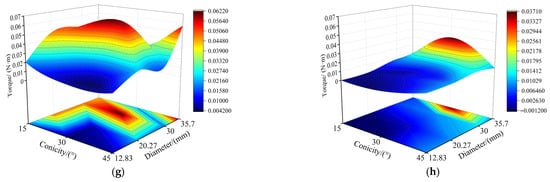
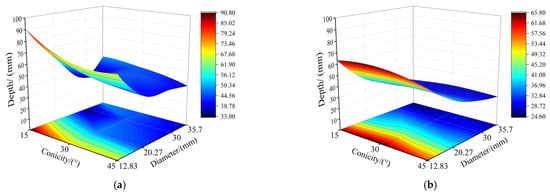
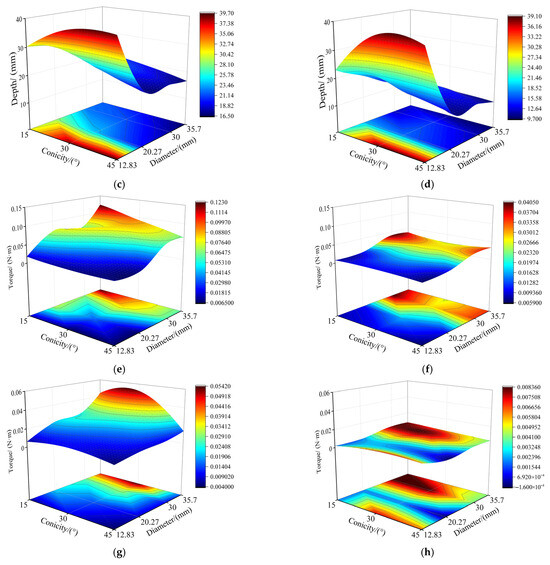
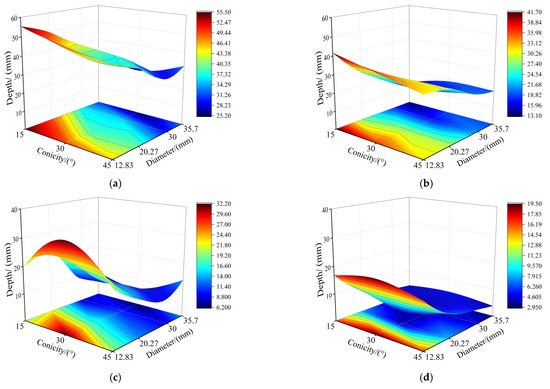
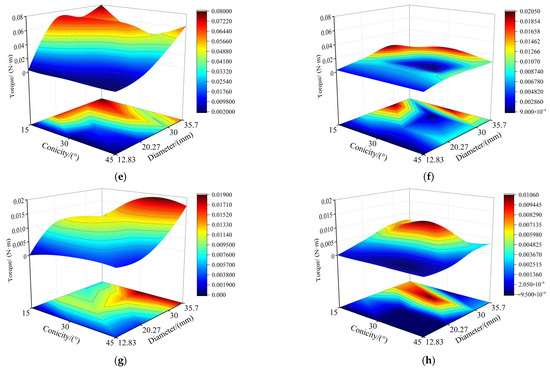
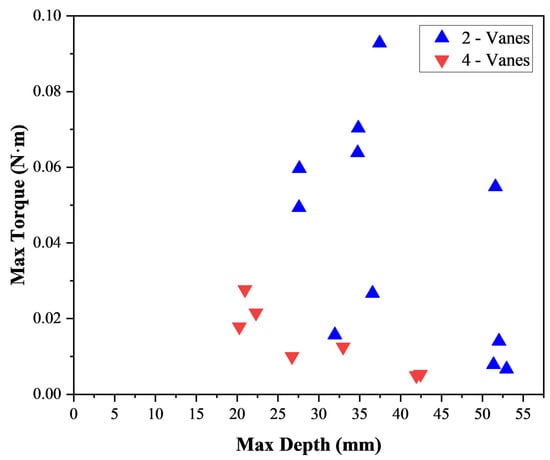
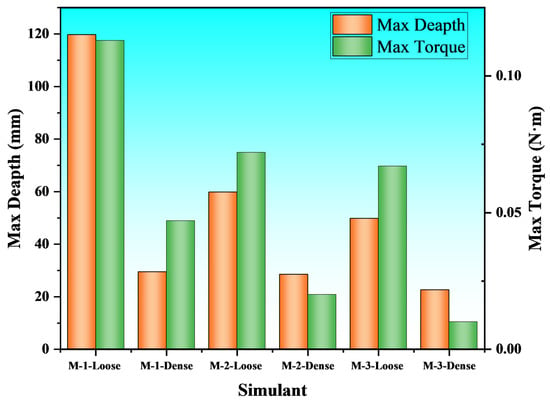
Precise in situ characterization of the mechanical properties of lunar regolith is critical for future lunar base construction and resource exploitation. However, existing detection methods predominantly rely on indirect inversion from rover wheel-soil interactions, which exhibit limitations in accuracy, real-time capability, and detection depth. Furthermore, specialized automated equipment capable of adapting to the complex lunar surface environment remains lacking. To address these challenges, this study presents the design and development of a novel autonomous in situ penetration-shear apparatus. The device automatically executes penetration and shear operations while recording real-time data, with a maximum penetration force of 25 N, shear torque of 2.5 N·m, penetration depth of 300 mm, and rotation angle of 360°. Given the maximum normal load constraint of 16 N imposed by the lunar rover platform, 24 probe configurations—varying in conicity, projected area, and vane number—were systematically evaluated using lunar soil simulants with three particle size distributions and two density levels. Multi-objective optimization was conducted to maximize detection efficiency, specifically penetration depth and shear torque, subject to a lightweight payload constraint (16 N). The multi-objective optimization reveals a fundamental trade-off: smaller conicity angles and projected areas favor deeper penetration, while larger projected areas enhance shear torque response. Under the 16 N constraint, the Pareto analysis identifies that a combination of moderate projected area, small conicity, and fewer vanes achieves the most balanced performance across all soil conditions. Results further demonstrate that increasing particle size and density substantially suppress both penetration capability and shear torque response, with compaction being the dominant factor limiting probe advancement under constrained normal loading. Results indicate that the optimal probe configuration comprises a 15° conicity, 324 mm2 projected area, and two vanes, achieving an average penetration depth of 51.61 mm and average shear torque of 0.06 N·m across all test conditions. This study validates a complete automated system for characterizing lunar soil mechanical properties and provides an efficient, reliable hardware solution for future unmanned lunar exploration missions through optimized probe design. These findings establish a solid technical foundation for deep, high-precision in situ investigation of lunar soil structure and mechanical parameters, with significant implications for lunar base site selection and In Situ Resource Utilization (ISRU).
Full article
(This article belongs to the Section Astronautics & Space Science)
►▼
Show Figures

Figure 1
Open AccessArticle
A Portable, Compact, and Fault-Tolerant Processor for Spaceflight Applications
by
David Guzman-Garcia, Ryan J. Ridley, George Suarez, Salman I. Sheikh, Matthew C. Daehn, Jeffrey J. Dumonthier, Georgia A. de Nolfo and John G. Mitchell
Aerospace 2026, 13(5), 464; https://doi.org/10.3390/aerospace13050464 - 14 May 2026
Abstract
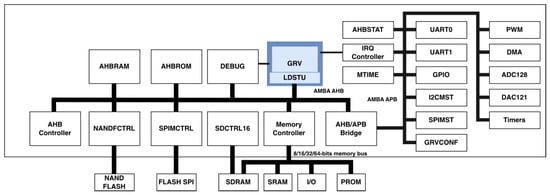
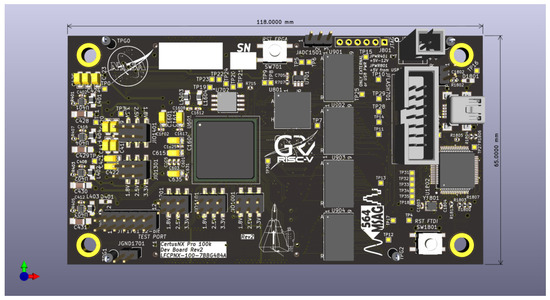
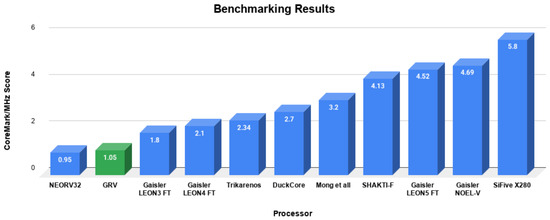
This paper presents the Goddard RISC-V (GRV) a compact, portable, and highly customizable fault-tolerant 32-bit RISC-V processor, specifically designed for embedded space applications. The design integrates advanced fault-tolerance mechanisms to mitigate arbitrary Single Event Transient (SET) and Single Event Upset (SEU) errors while
[...] Read more.
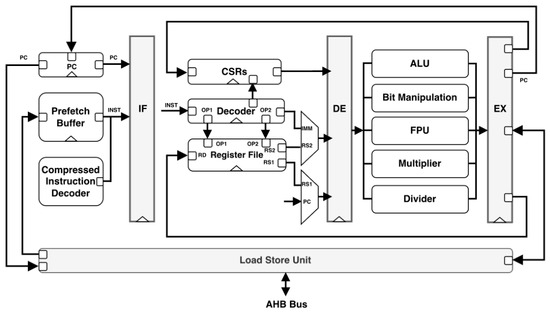
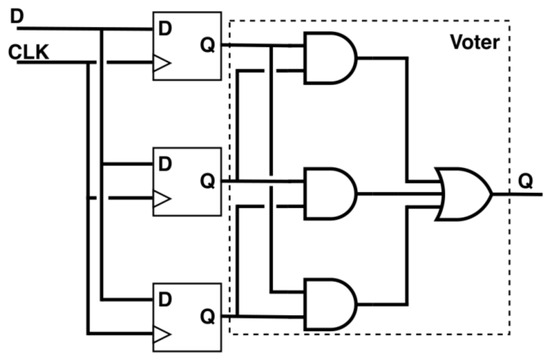
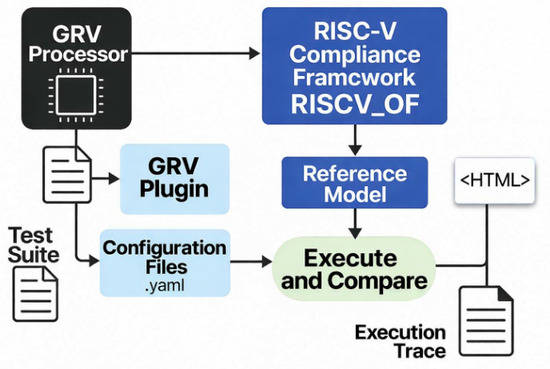
This paper presents the Goddard RISC-V (GRV) a compact, portable, and highly customizable fault-tolerant 32-bit RISC-V processor, specifically designed for embedded space applications. The design integrates advanced fault-tolerance mechanisms to mitigate arbitrary Single Event Transient (SET) and Single Event Upset (SEU) errors while ensuring data integrity. Importantly, fault tolerance is achieved entirely at the design level, eliminating the need for SEU-hardened semiconductor processes, custom cell libraries, or specialized back-end tools. The implementation prioritizes portability and resource efficiency, enabling compatibility with various FPGA and ASIC technologies. This initiative aims to provide NASA with a suite of portable, modular, and scalable alternatives to proprietary solutions. These solutions are designed for broad adaptability across multiple platforms, such as compact scientific instruments, miniaturized deep-space technologies, CubeSats, control and automation systems, and other applications constrained by low-resource processing environments.
Full article
(This article belongs to the Special Issue On-Board Systems Design for Aerospace Vehicles (3rd Edition))
►▼
Show Figures

Figure 1
Open AccessArticle
Mapping Airport 5.0: A Conceptual Digital Maturity Model and the Application to Australian Airports
by
Doreen La and Iryna Heiets
Aerospace 2026, 13(5), 463; https://doi.org/10.3390/aerospace13050463 - 13 May 2026
Abstract
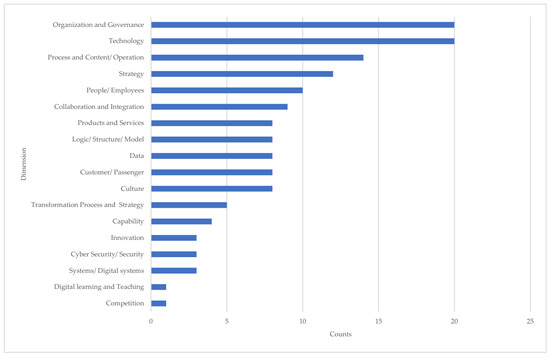
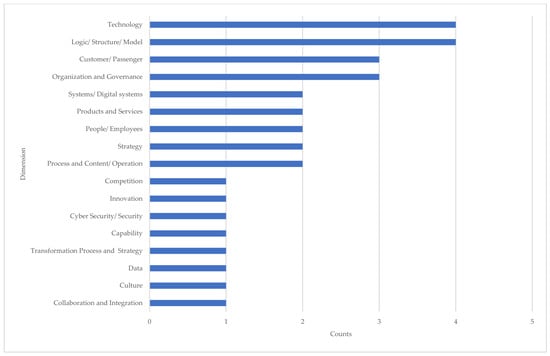
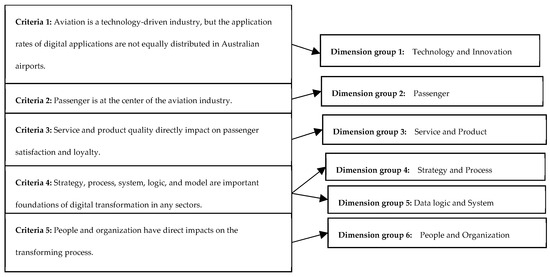
Digital transformation has become one of the key drivers of airport sustainability development; however, existing digital maturity frameworks are not fully tailored to the aviation context, particularly within Australia. This study built a conceptual digital maturity model for Australian airports by integrating ISO/IEC
[...] Read more.
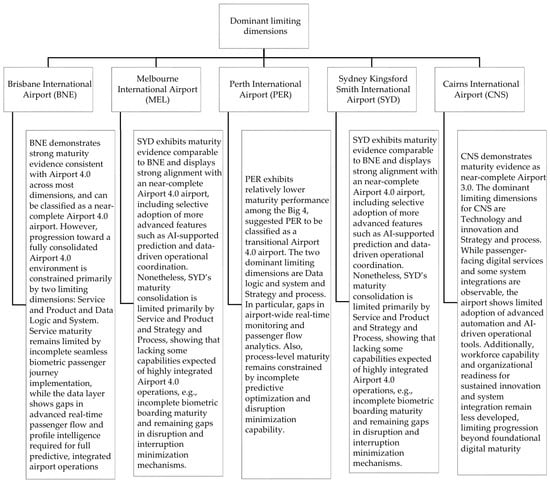
Digital transformation has become one of the key drivers of airport sustainability development; however, existing digital maturity frameworks are not fully tailored to the aviation context, particularly within Australia. This study built a conceptual digital maturity model for Australian airports by integrating ISO/IEC maturity framework with the Airport 1.0–5.0 concept. A structured literature review informed the dimension formulation, and the model was validated through case studies of Australia’s Big 4 airports and one regional airport. The findings show that the Big 4 airports have largely achieved Airport 4.0 maturity, while Cairns Airport demonstrates maturity between Airport 2.5 and 3.0. These results confirm the model’s applicability and discriminative capability across diverse operational scales. The proposed model offers a practical, context-specific framework for benchmarking, planning, and guiding digital transformation initiatives across Australian airports.
Full article
(This article belongs to the Collection Air Transportation—Operations and Management)
►▼
Show Figures

Figure 1
Open AccessArticle
Data-Fitted Approximate Analytical Torque Model for Electromagnetic De-Tumbling of a Nutating Conducting Spherical Shell Under Bounded Positional Offsets
by
Tianquan Han, Guocai Yang, Shicai Shi, Shaowei Fan, Minghe Jin and Hong Liu
Aerospace 2026, 13(5), 462; https://doi.org/10.3390/aerospace13050462 - 13 May 2026
Abstract
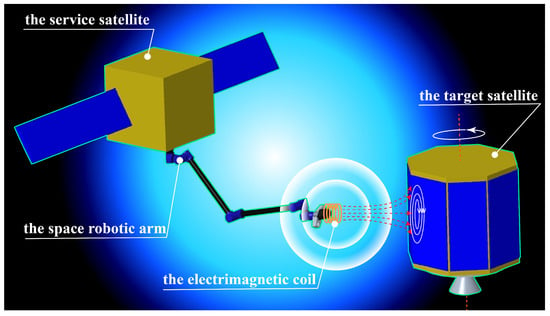
Electromagnetic de-tumbling has emerged as a promising non-contact approach for mitigating the rotational motion of space debris and defunct satellites because of its inherent safety and controllability. In practical missions, however, the target often undergoes nutational motion and bounded positional offsets relative to
[...] Read more.
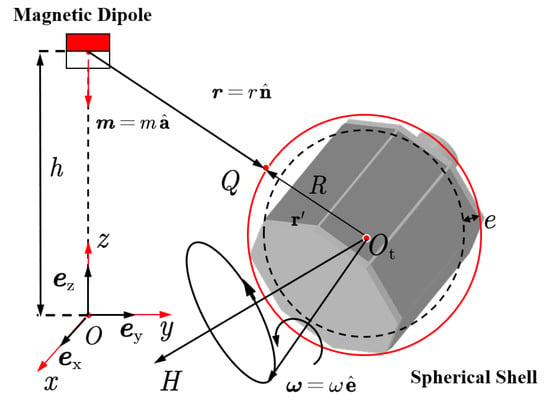
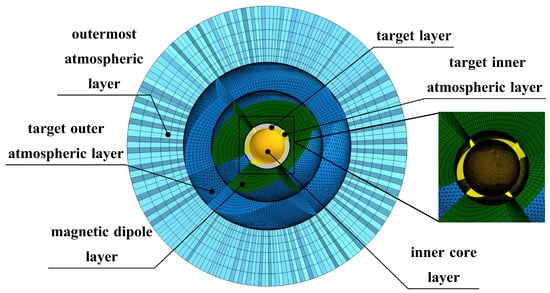
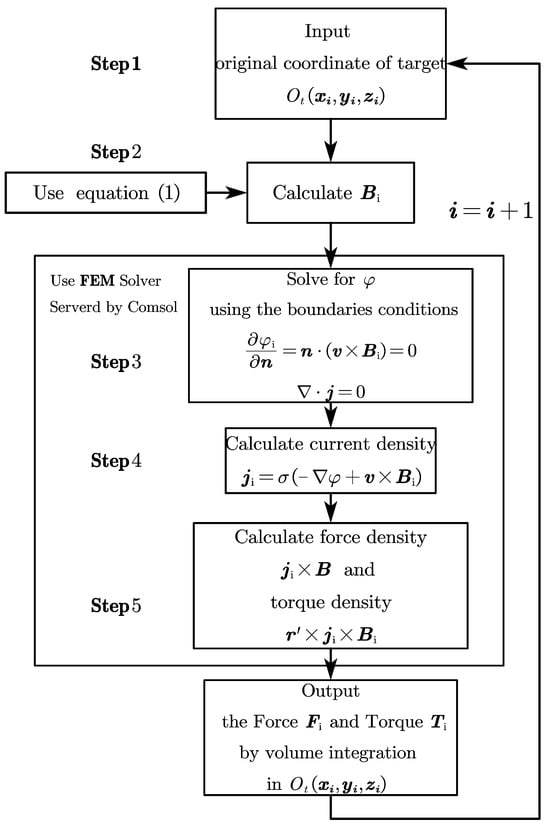
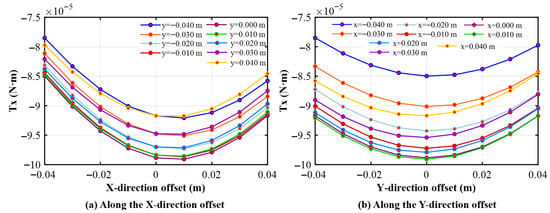
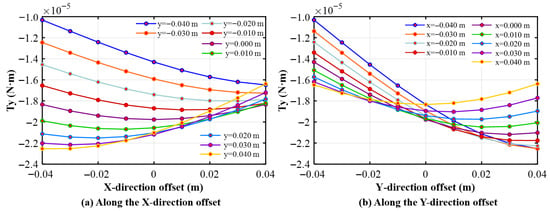
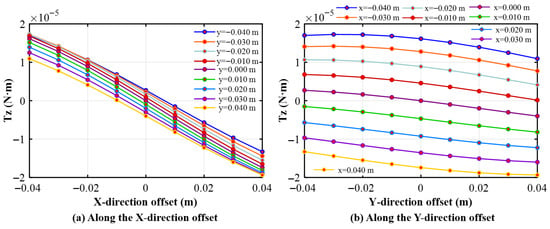
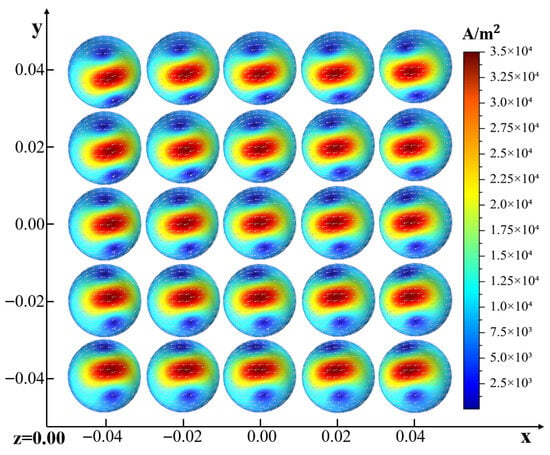
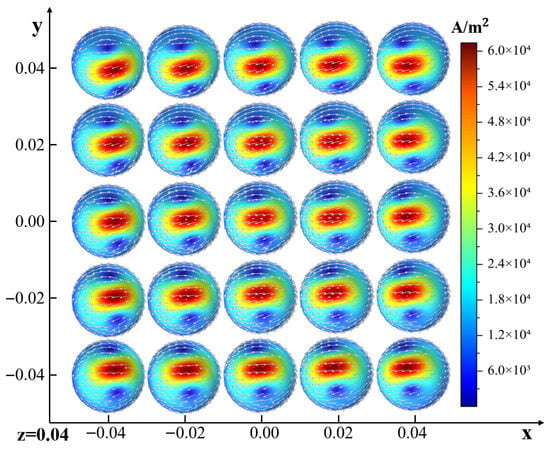
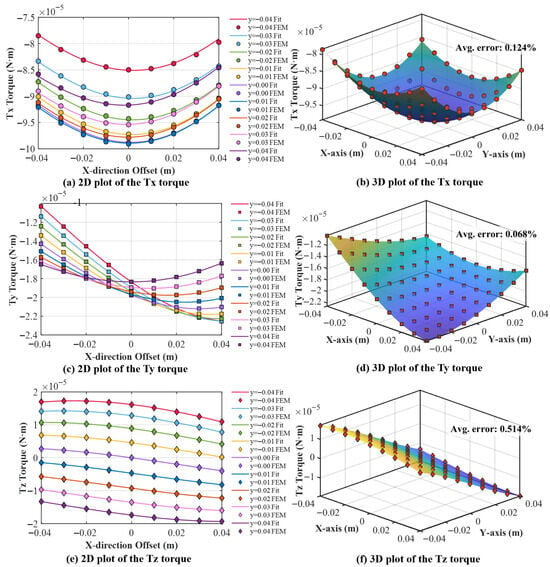
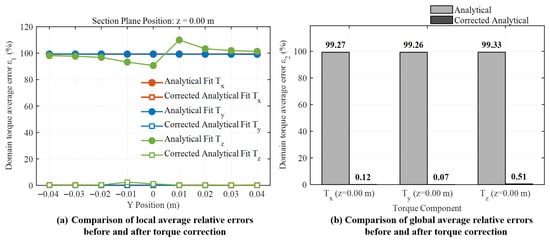
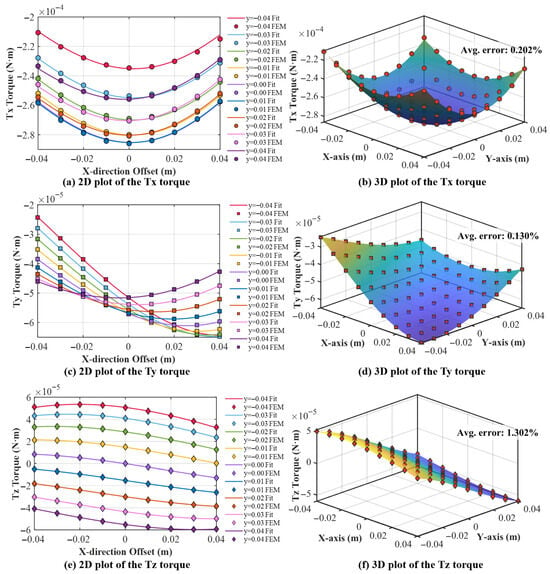
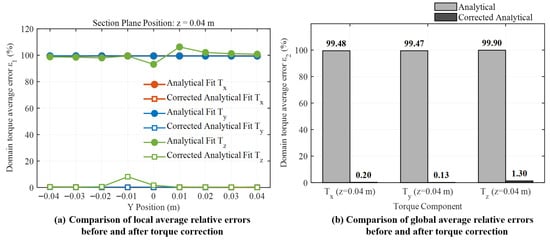
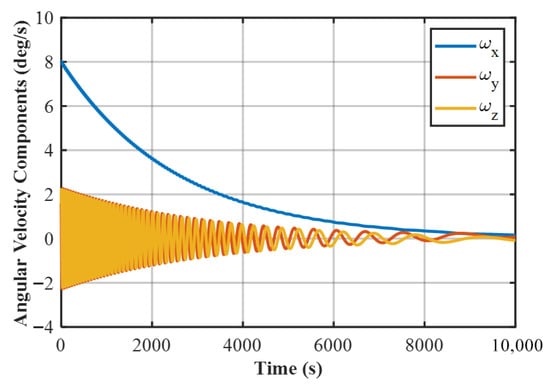
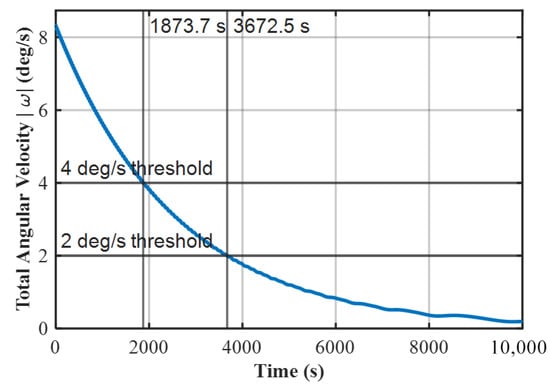
Electromagnetic de-tumbling has emerged as a promising non-contact approach for mitigating the rotational motion of space debris and defunct satellites because of its inherent safety and controllability. In practical missions, however, the target often undergoes nutational motion and bounded positional offsets relative to the service spacecraft, which makes rapid and accurate prediction of electromagnetic torque more difficult. This paper presents a corrected approximate analytical model for calculating the electromagnetic torque acting on a nutating conducting spherical shell in a magnetic dipole field within a bounded offset domain. A mathematical model describing the relative position and electromagnetic interaction between the spherical shell and the magnetic dipole is first established. Finite-element simulations are then conducted to obtain the spatial distributions of the three torque components and to provide numerical benchmarks. Based on these results, approximate analytical expressions and polynomial correction terms are derived for torque prediction. The corrected analytical solutions show high accuracy and good consistency with the numerical results, providing an effective theoretical basis for subsequent dynamic analysis, real-time control, and rapid torque prediction.
Full article
(This article belongs to the Section Astronautics & Space Science)
►▼
Show Figures

Figure 1
Journal Menu
► ▼ Journal Menu-
- Aerospace Home
- Aims & Scope
- Editorial Board
- Reviewer Board
- Topical Advisory Panel
- Instructions for Authors
- Special Issues
- Topics
- Sections & Collections
- Article Processing Charge
- Indexing & Archiving
- Most Cited & Viewed
- Journal Statistics
- Journal History
- Journal Awards
- Society Collaborations
- Conferences
- Editorial Office
Journal Browser
► ▼ Journal BrowserHighly Accessed Articles
Latest Books
E-Mail Alert
News
14 May 2026
Meet Us at the 35th International Conference on Adaptive Structures and Technologies (ICAST 2026), 1–3 June 2026, Hongkong, China
12 May 2026
MDPI’s Journal Cluster of Mechanical Manufacturing and Automation Control Webinar | Robotics Innovation: Precision & Wearable Technology, 19 May 2026
Topics
Topic in
Aerospace, Drones, Electronics, Remote Sensing, Sensors, Signals
Civil and Public Domain Applications of Unmanned Aviation 2025
Topic Editors: Kimon P. Valavanis, Nikolaos VitzilaiosDeadline: 30 June 2026
Topic in
Aerospace, Applied Sciences, Catalysts, Energies, Modelling
Theoretical, Numerical and Experimental Studies on Clean Energy and Combustion, 2nd Edition
Topic Editors: Pedro Miguel Rebelo Resende, Mohsen Ayoobi, Alexandre M. AfonsoDeadline: 30 September 2026
Topic in
Aerospace, Applied Sciences, Astronautics, Coatings, J. Compos. Sci., JMMP, Materials, Polymers
Advanced Materials and Manufacturing for Extreme Environments in Energy and Aerospace
Topic Editors: Richard E. Wirz, Chih-Hung (Alex) Chang, Tianyi Chen, Somayeh Pasebani, Dong Lin, Devin J. Roach, Jesse A. RodriguezDeadline: 31 October 2026
Topic in
Aerospace, Applied Sciences, Drones, Electronics, Eng, Remote Sensing, Sensors
Unmanned Vehicles Technology and Embodied Intelligence Systems for Intelligent Transportation
Topic Editors: Jian Chen, Min Xia, Hui XieDeadline: 20 November 2026
Conferences
Special Issues
Special Issue in
Aerospace
Space Robotics and Embodied Intelligence: Advancing Autonomous Exploration
Guest Editors: Deshan Meng, Lei Yan, Linqi YeDeadline: 25 May 2026
Special Issue in
Aerospace
Formation Flight of Fixed-Wing Aircraft
Guest Editor: Carlo E. D. RiboldiDeadline: 30 May 2026
Special Issue in
Aerospace
Heat and Mass Transfer in Rocket Propulsion
Guest Editors: Giuseppe Gallo, Harunori Nagata, Landon KampsDeadline: 31 May 2026
Special Issue in
Aerospace
Heritage and Innovation: Solid Propellants Throughout a Century of Rocket Development
Guest Editor: Xiang LvDeadline: 31 May 2026
Topical Collections
Topical Collection in
Aerospace
Air Transportation—Operations and Management
Collection Editors: Michael Schultz, Judith Rosenow
Topical Collection in
Aerospace
Avionic Systems
Collection Editors: Carlos Insaurralde, Francesco Dell’Olio