


-
Automation in the Shellfish Aquaculture Sector to Ensure Sustainability and Food Security -
Crop Identification with Monte Carlo Simulations and Rotation Models from Sentinel-2 Data -
A Prototype Crop Management Platform for Low-Tunnel-Covered Strawberries Using Overhead Power Cables -
Development and Validation of an Image Dataset for Automatic Recognition of the Olive Fruit Fly (Bactrocera oleae) Using Machine Learning
Journal Description
AgriEngineering
AgriEngineering
is an international, peer-reviewed, open access journal on the engineering science of agricultural and horticultural production, published monthly online by MDPI.
- Open Access— free for readers, with article processing charges (APC) paid by authors or their institutions.
- High Visibility: indexed within Scopus, ESCI (Web of Science), PubAg, FSTA, AGRIS, CAPlus / SciFinder, and other databases.
- Journal Rank: JCR - Q2 (Agricultural Engineering) / CiteScore - Q1 (Horticulture)
- Rapid Publication: manuscripts are peer-reviewed and a first decision is provided to authors approximately 22 days after submission; acceptance to publication is undertaken in 6.3 days (median values for papers published in this journal in the second half of 2025).
- Recognition of Reviewers: reviewers who provide timely, thorough peer-review reports receive vouchers entitling them to a discount on the APC of their next publication in any MDPI journal, in appreciation of the work done.
- Journal Cluster of Agricultural Science: Agriculture, Agronomy, Horticulturae, Soil Systems, AgriEngineering, Crops, Seeds, Grasses, Agrochemicals and AI and Precision Agriculture.
Impact Factor:
3.0 (2024);
5-Year Impact Factor:
3.2 (2024)
Latest Articles
Integration of a Galvanic Cell-Based Sensor for Volumetric Soil Moisture into Penetration Resistance Measurements
AgriEngineering 2026, 8(4), 159; https://doi.org/10.3390/agriengineering8040159 - 19 Apr 2026
Abstract
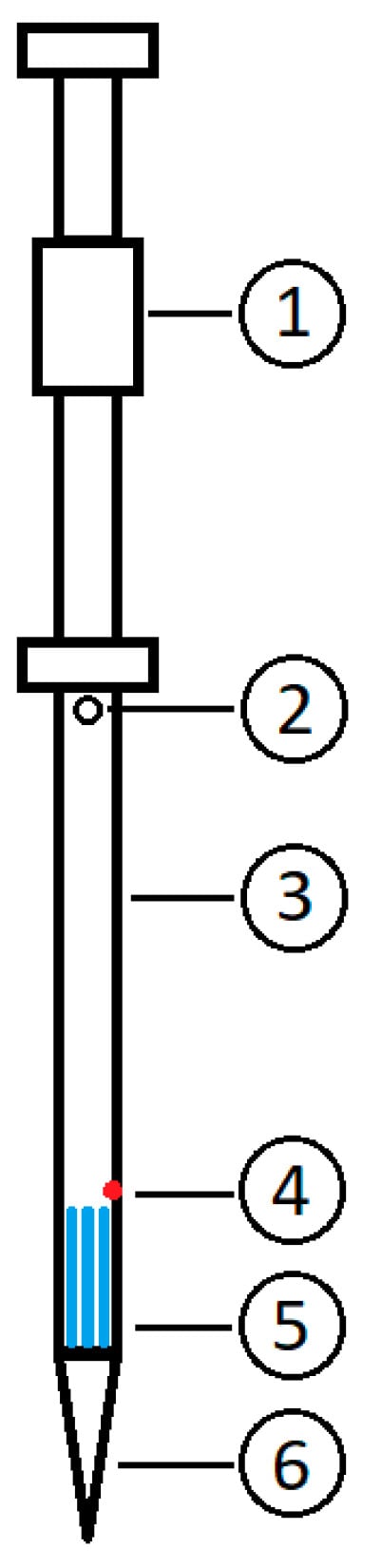
Soil penetration resistance (Pr) measurement is important for assessing compaction and permeability; however, Pr is heavily dependent on soil moisture. Therefore, the interpretation of Pr data is significantly more reliable if moisture is measured simultaneously and in the same soil layer. In addition,
[...] Read more.
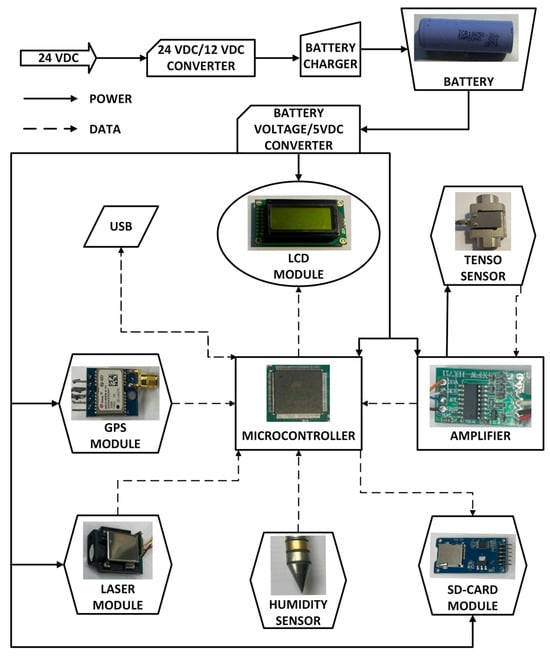
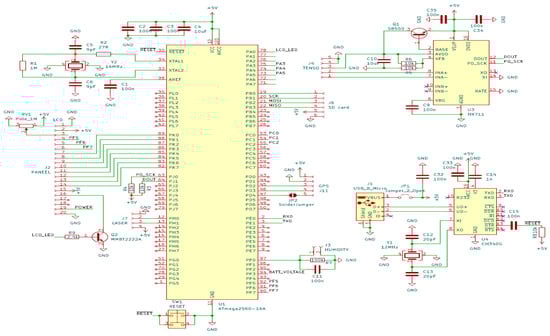
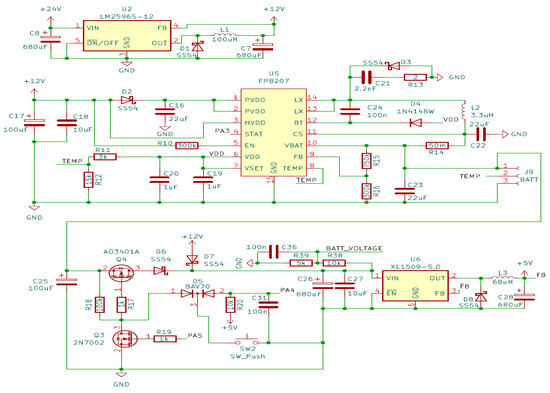
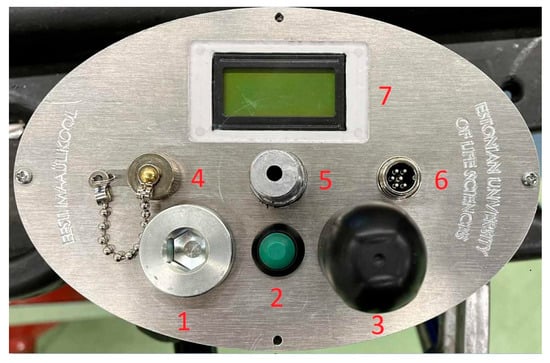
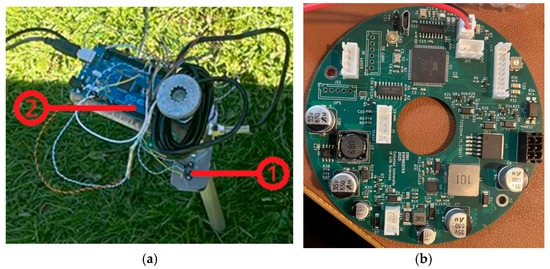
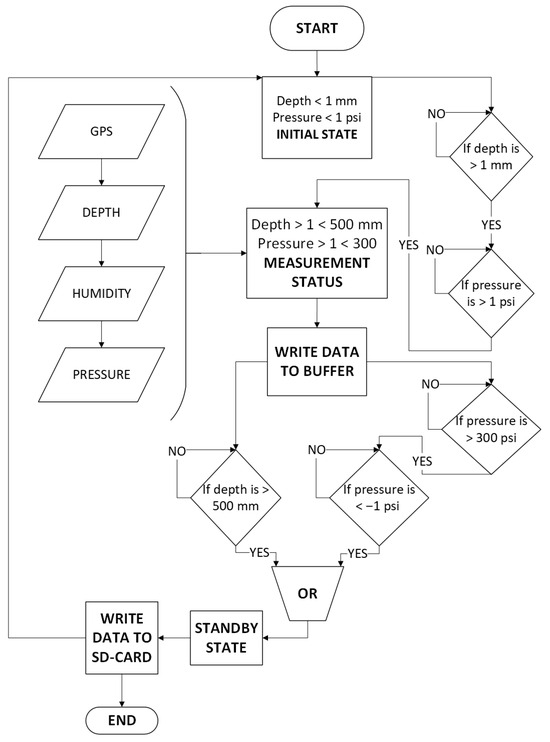
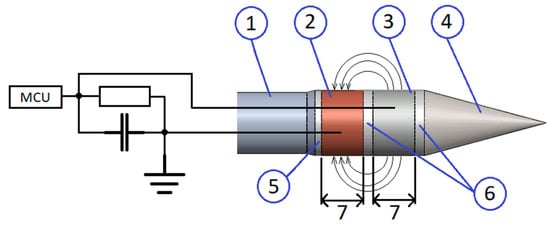
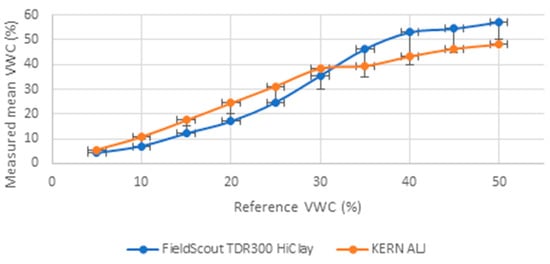
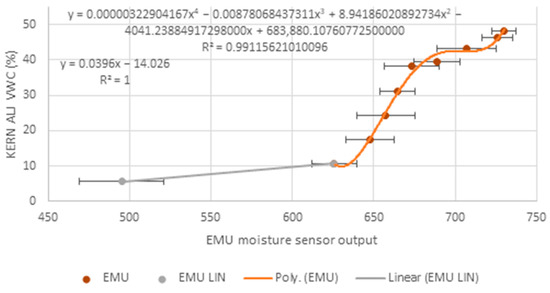
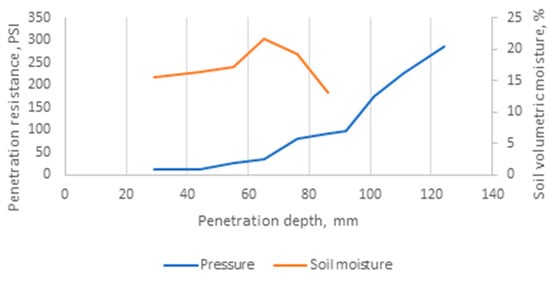
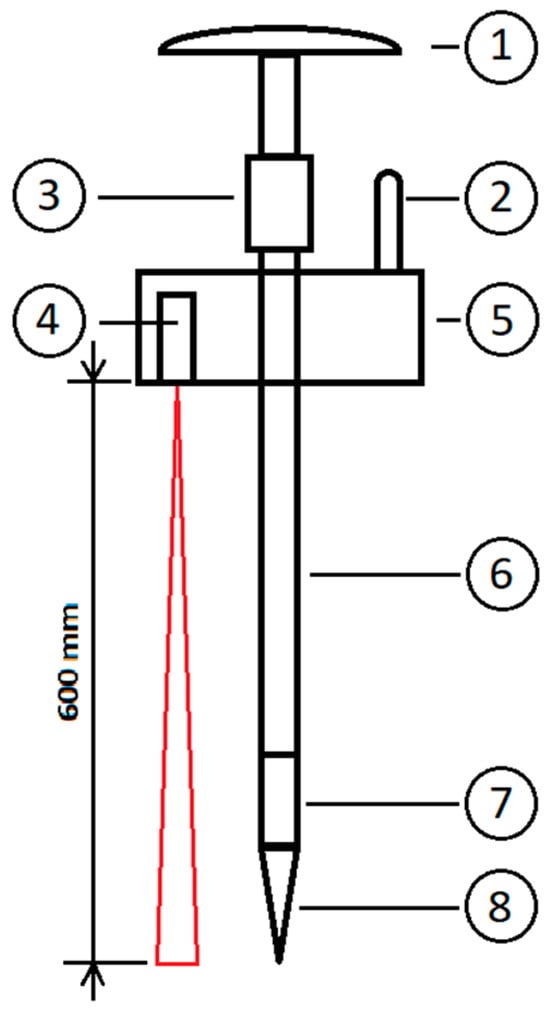
Soil penetration resistance (Pr) measurement is important for assessing compaction and permeability; however, Pr is heavily dependent on soil moisture. Therefore, the interpretation of Pr data is significantly more reliable if moisture is measured simultaneously and in the same soil layer. In addition, reliable assessment of permeability requires consideration of both soil moisture and penetration resistance. The aim of this work was to develop a prototype of a hand-held combined device in which a volumetric moisture sensor operating on the principle of a galvanic cell is integrated into the Pr measurement cycle, allowing simultaneous measurements at different depths. The device simultaneously determined the penetration resistance acting on the cone, the measurement depth (with a laser sensor), the volumetric moisture (Cu–Zn electrode pair), and the location of the measurement site (GNSS). The moisture sensor was found to be neutral to the influence of the mineral part of the soil on moisture measurement, which in the case of other alternative measurement methods significantly affects the soil moisture measurement data. The calibration of the galvanic moisture sensor was performed under laboratory conditions (VWC 5–50%) based on a gravimetric reference. The relationship was approximately linear at lower moistures and nonlinear at higher moistures. The salinity effect test indicated that the TDR-based reference device gave a strongly overestimated moisture reading in saline soil, while the galvanic cell-based measurement remained within a realistic range compared to the gravimetric method. The results indicate that Pr measurement integrated with a galvanic sensor creates a practical prerequisite for the simultaneous collection of Pr and moisture profiles and is useful in conditions where dielectric methods are affected by salinity or minerality interference.
Full article
(This article belongs to the Section Sensors Technology and Precision Agriculture)
►
Show Figures
Open AccessArticle
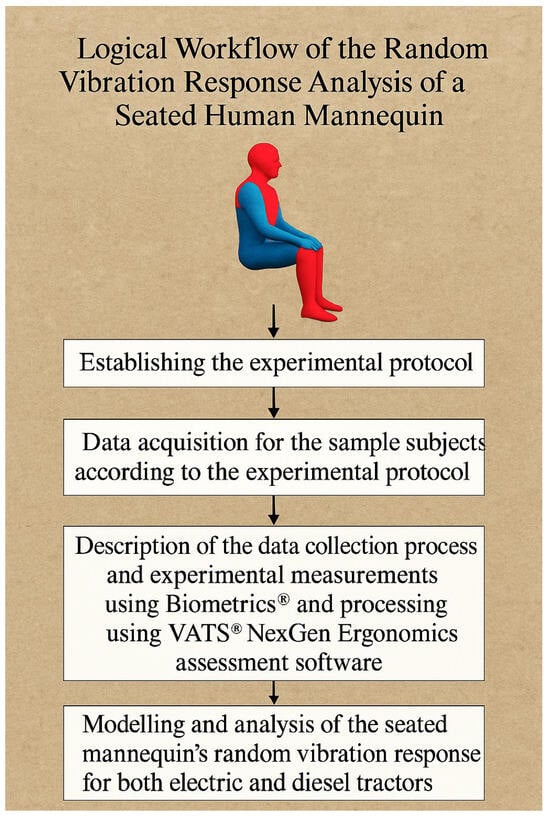
Comparative Analysis of the Biomechanical Response of a Virtual Driver Dummy Subjected to Random Vibrations Generated by Diesel-and Electric-Powered Self-Propelled Agricultural Tractors
by
Teofil-Alin Oncescu, Sorin Stefan Biris, Iuliana Gageanu, Nicolae-Valentin Vladut, Ioan Catalin Persu, Stefan-Lucian Bostina, Daniela Tarnita, Ana-Maria Tabarasu, Daniela-Cristina Radu, Cornelia Muraru-Ionel, Raluca Sfiru, Ionut Cosmin Nica and Teodor Anita
AgriEngineering 2026, 8(4), 158; https://doi.org/10.3390/agriengineering8040158 - 17 Apr 2026
Abstract
The aim of this study is to evaluate the biomechanical response of a seated operator subjected to whole-body vibrations generated by two agricultural tractors with different propulsion systems: a diesel model (TD80D) and an electric prototype (TE-0). An integrated experimental–numerical approach was employed,
[...] Read more.
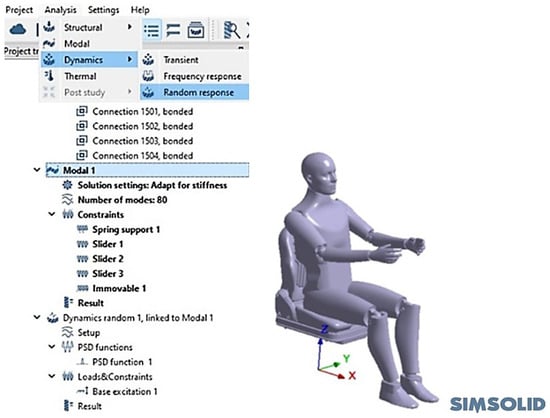
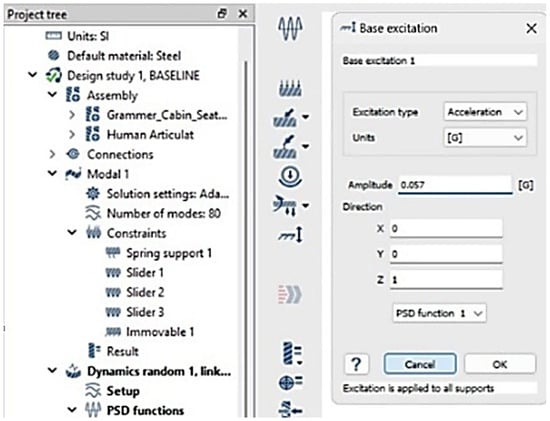
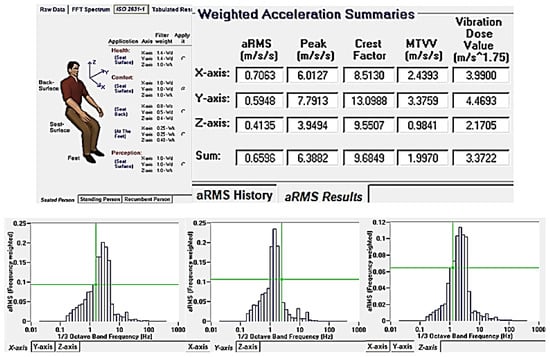
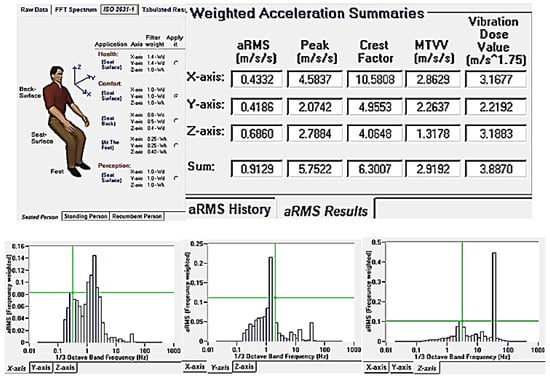
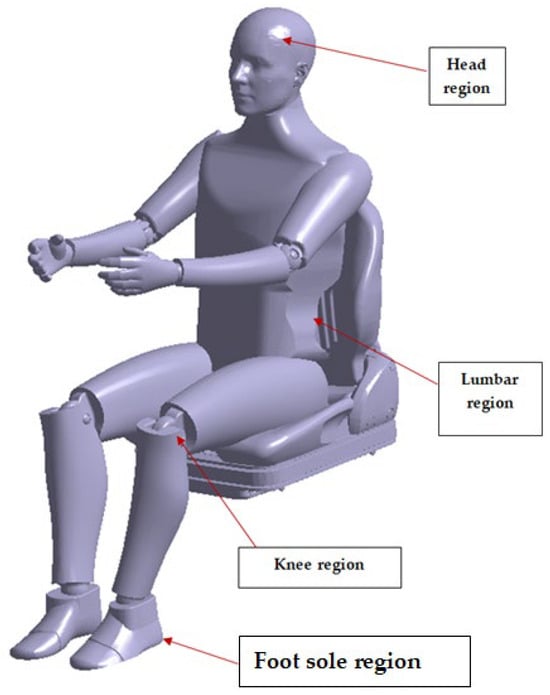
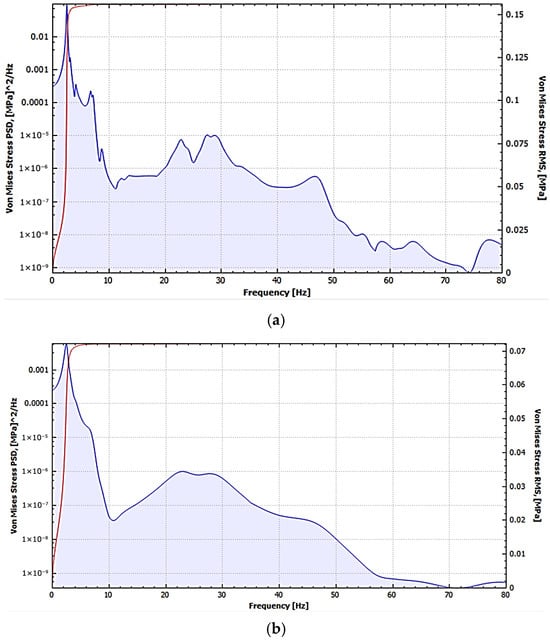
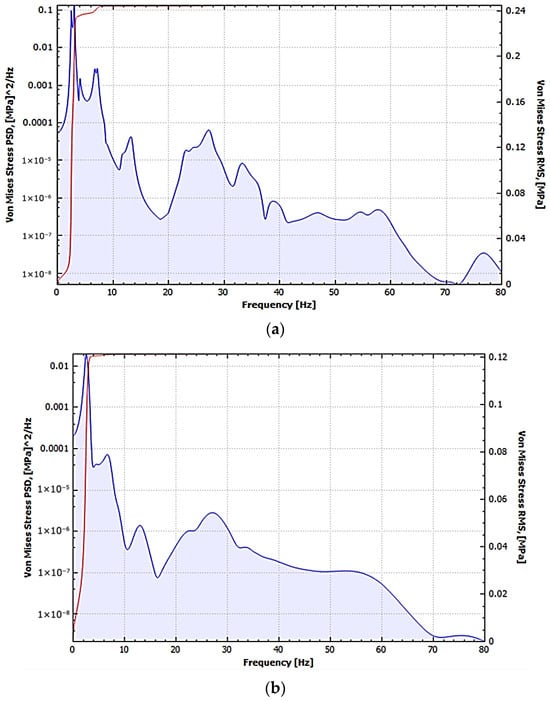
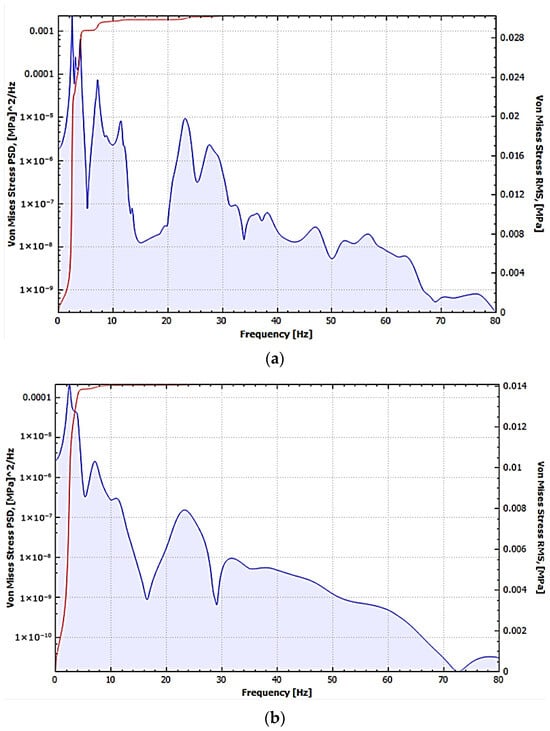
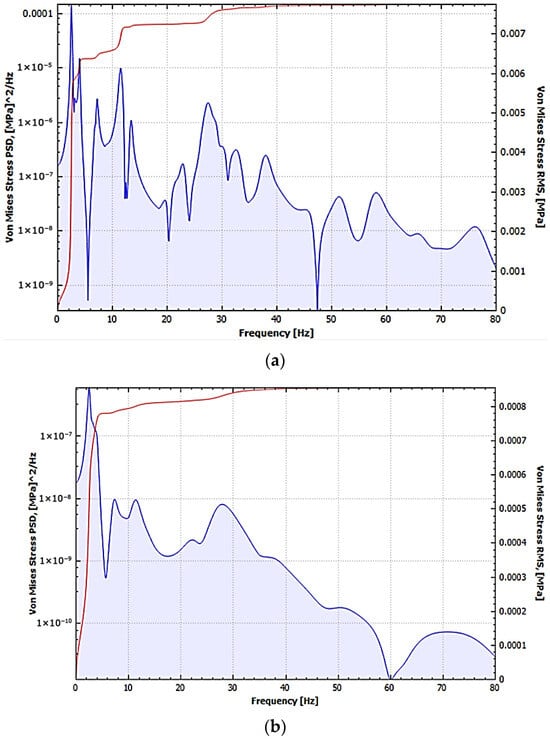
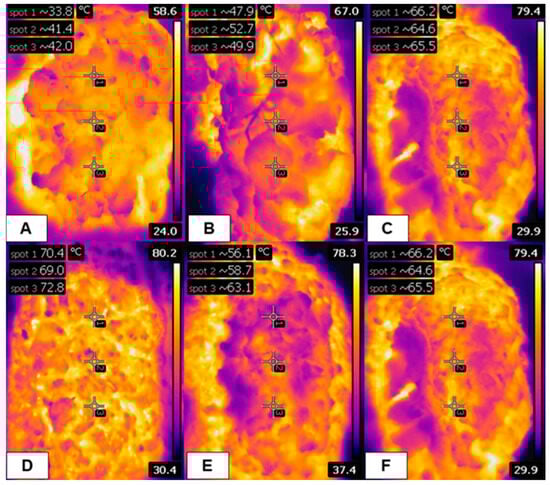
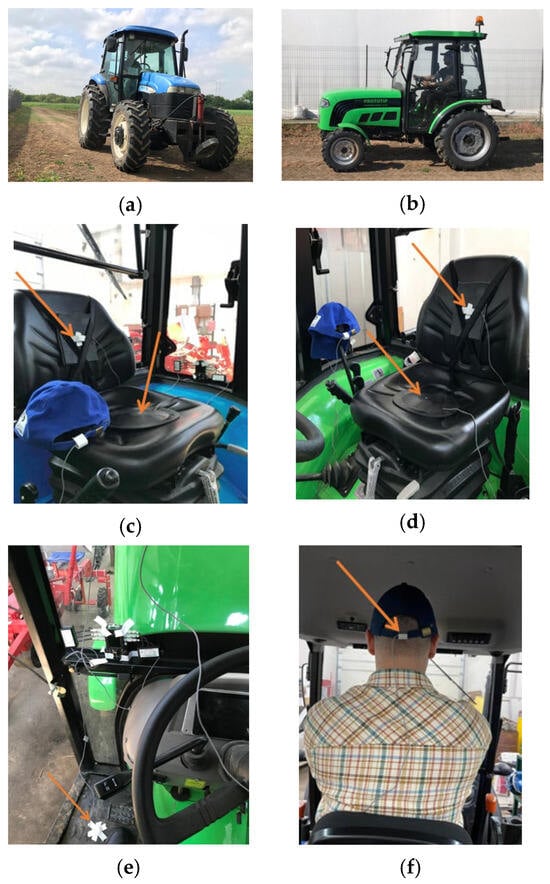
The aim of this study is to evaluate the biomechanical response of a seated operator subjected to whole-body vibrations generated by two agricultural tractors with different propulsion systems: a diesel model (TD80D) and an electric prototype (TE-0). An integrated experimental–numerical approach was employed, combining triaxial accelerometer measurements under real operating conditions (constant speed of 5 km/h on unprepared terrain) with random vibration response simulations performed in Altair SimSolid. The excitation input for the numerical model was defined using frequency-dependent power spectral density (PSD) functions derived from experimentally measured acceleration signals and scaled to a representative global RMS value. The analysis focused on the distribution of mechanical stress in key anatomical regions of a virtual human dummy in a seated posture, including the foot sole, knee, lumbar region, and head. The results indicate that, under the analysed conditions, the electric tractor (TE-0) exhibits improved vibration attenuation, leading to significant reductions in mechanical stress across all analysed regions, with decreases of up to 56.3% at the foot sole, 50.0% at the knee, 53.3% in the lumbar region, and 91.1% at the head compared to the diesel tractor (TD80D). These findings highlight the relevance of integrating experimental measurements with numerical simulation for assessing operator exposure to vibrations and suggest that electric tractor configurations may provide improved biomechanical comfort under the analysed operating conditions.
Full article
(This article belongs to the Special Issue Innovations, Engineering, Technologies and Best Practices for Ensuring Work Safety in Agriculture)
►▼
Show Figures

Figure 1
Open AccessEditorial
Recent Trends and Advances in Agricultural Engineering
by
Pankaj B. Pathare and Peeyush Soni
AgriEngineering 2026, 8(4), 157; https://doi.org/10.3390/agriengineering8040157 - 15 Apr 2026
Abstract
Agriculture is currently undergoing a significant technological transformation as global food systems respond to escalating challenges associated with population growth, climate variability, resource limitations, and environmental sustainability [...]
Full article
(This article belongs to the Special Issue Recent Trends and Advances in Agricultural Engineering)
Open AccessArticle
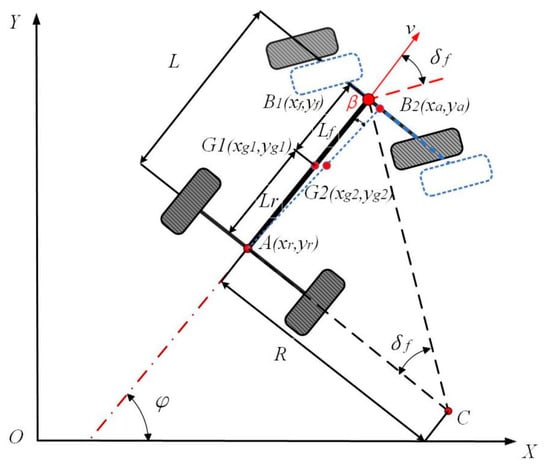
Hierarchical Fuzzy-Enhanced Soft-Constrained Model Predictive Control for Curvilinear Path Tracking in Autonomous Agricultural Machines
by
Baidong Zhao, Chenghan Yang, Gang Zheng, Baurzhan Belgibaev, Madina Mansurova, Sholpan Jomartova and Dingkun Zheng
AgriEngineering 2026, 8(4), 156; https://doi.org/10.3390/agriengineering8040156 - 14 Apr 2026
Abstract
►▼
Show Figures
Precise curvilinear path tracking remains a persistent challenge for autonomous agricultural machines, where conventional Model Predictive Control (MPC) suffers from poor adaptability to varying curvatures and high computational overhead in unstructured farmland environments. This paper proposes a soft-constrained MPC framework enhanced by a
[...] Read more.
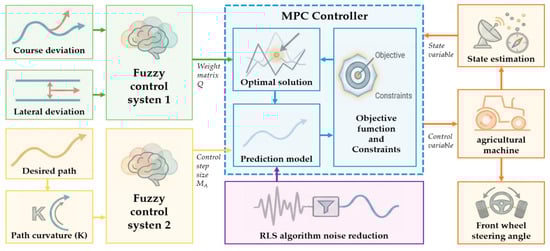
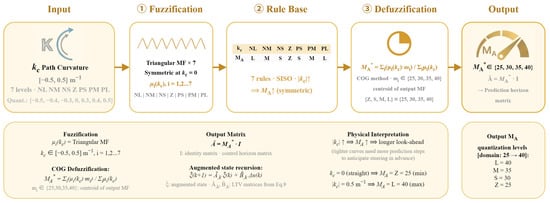
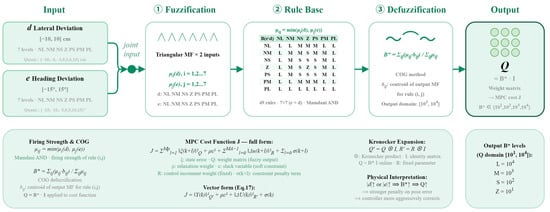
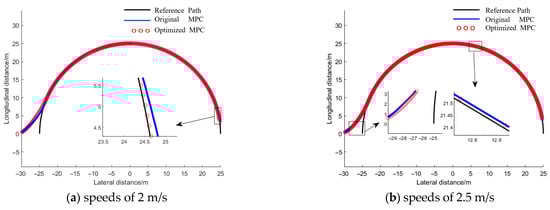
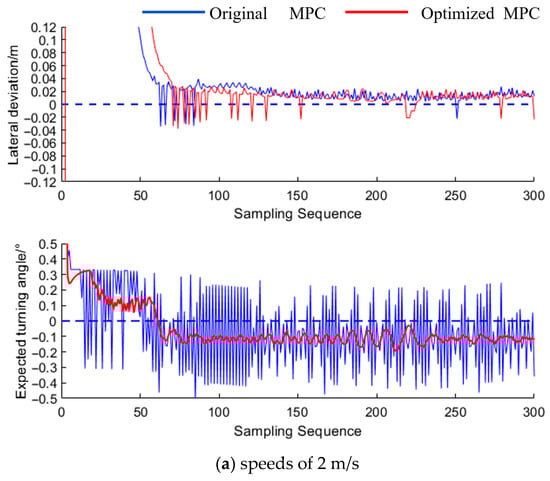
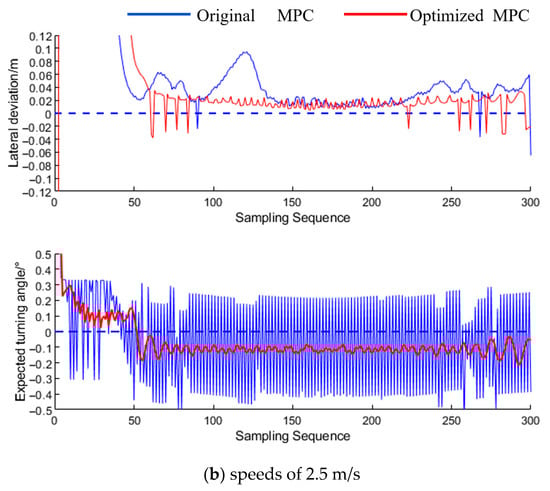
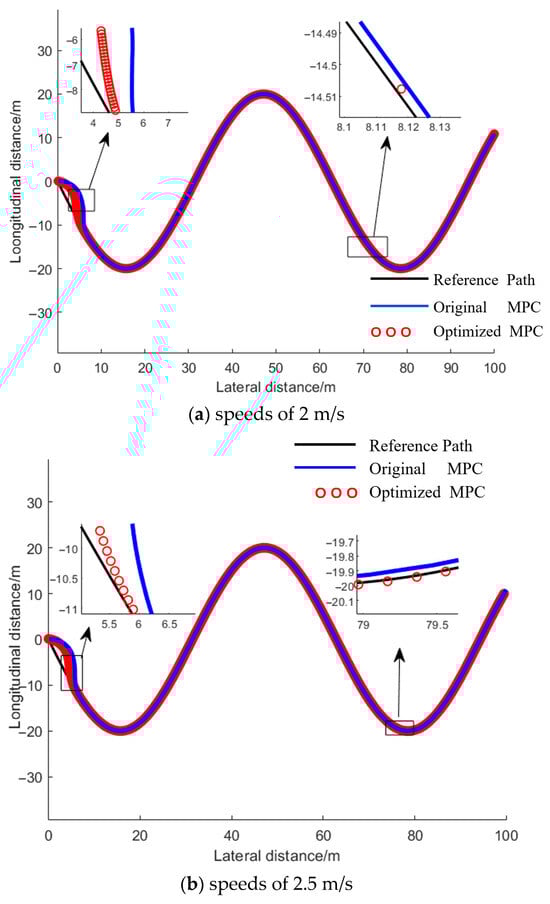
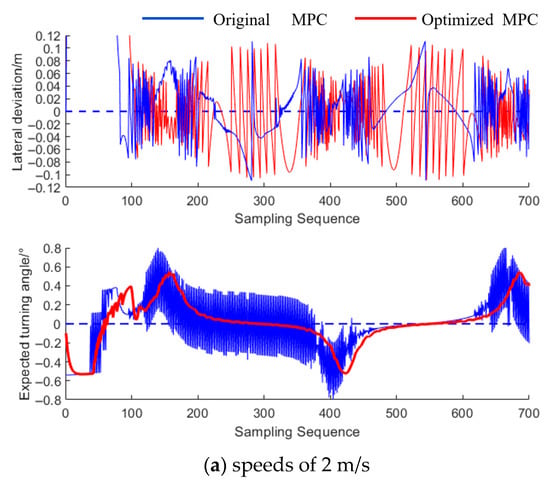
Precise curvilinear path tracking remains a persistent challenge for autonomous agricultural machines, where conventional Model Predictive Control (MPC) suffers from poor adaptability to varying curvatures and high computational overhead in unstructured farmland environments. This paper proposes a soft-constrained MPC framework enhanced by a two-layer fuzzy architecture and Recursive Least Squares filtering to address these limitations simultaneously. The first fuzzy layer dynamically adjusts the MPC prediction horizon in response to real-time path curvature, enabling proactive steering on complex curved trajectories. The second fuzzy layer tunes the state weighting matrix online based on lateral and heading deviations, improving transient tracking accuracy without increasing computational cost. Recursive Least Squares filtering is further integrated to suppress sensor noise and compensate for tire slip dynamics inherent to farmland operation. The proposed framework is validated using MATLAB simulations on both constant-curvature semicircular paths and variable-curvature S-curve trajectories at operational speeds of 2.0 and 2.5 m/s, followed by outdoor field trials on a scaled autonomous robot platform. Simulation results demonstrate average tracking error reductions of 52.7–55.9% on constant-curvature paths and 10.8–18.2% on variable-curvature paths compared to fixed-parameter soft-constrained MPC. Field experiments confirm practical viability, achieving an RMS lateral error of 0.131 m over a 50 m curved route on natural terrain. These results demonstrate that the hierarchical decomposition of adaptation objectives yields substantial accuracy gains while preserving real-time feasibility on resource-constrained embedded platforms.
Full article

Figure 1
Open AccessArticle
Microbial Bio-Inoculation Effects on the Seed Germination Dynamics and Field Performance of Pea (Pisum sativum L.) under Osmotic Stress and Fertilization in the Amazonas Region of Peru
by
Francisco Guevara-Fernández, Sebastian Casas-Niño, Milagros Ninoska Munoz-Salas, Wagner Meza-Maicelo, Manuel Oliva-Cruz and Flavio Lozano-Isla
AgriEngineering 2026, 8(4), 155; https://doi.org/10.3390/agriengineering8040155 - 10 Apr 2026
Abstract
Microbial bio-inoculants have been proposed as management tools to enhance crop performance under variable environmental conditions; however, their effectiveness is often influenced by site-specific factors. This study evaluated the effects of bio-inoculation on seed germination and seedling vigor of pea under osmotic stress
[...] Read more.
Microbial bio-inoculants have been proposed as management tools to enhance crop performance under variable environmental conditions; however, their effectiveness is often influenced by site-specific factors. This study evaluated the effects of bio-inoculation on seed germination and seedling vigor of pea under osmotic stress induced by polyethylene glycol (PEG 6000), and its interaction with two fertilization levels (75% and 100% of the recommended dose) under field conditions in the Amazonas region of Peru. Under laboratory conditions, germination percentage remained high across all treatments (93.3–100%) and was not affected by bio-inoculation or osmotic potential; however, osmotic stress altered germination dynamics, increasing mean germination time from 1.85–2.09 days at 0 MPa to 2.26–2.43 days at −0.8 MPa, while germination synchrony and seedling vigor decreased as stress increased. The seedling vigor index reached maximum values at −0.2 MPa (4.47–5.29) and declined at −0.8 MPa (1.50–2.00), and multivariate analyses showed that variation in germination responses was mainly associated with germination timing and vigor rather than seed viability. Under field conditions, no significant effects of fertilization level, microbial bio-inoculation, or their interaction were detected on agronomic traits or yield, although variability between locations was observed; plant height ranged from 38.5–46.3 cm in Lamud and from 100.6–108.3 cm in Molinopampa, while grain yield varied from 698–1846 kg/ha and 8771–9919 kg/ha, respectively. Overall, environmental conditions exerted a stronger influence than microbial bio-inoculation on germination dynamics and field productivity, while the findings provide practical guidance for improving pea production with bio-inoculants and optimized fertilization.
Full article
(This article belongs to the Section Sustainable Bioresource and Bioprocess Engineering)
Open AccessArticle
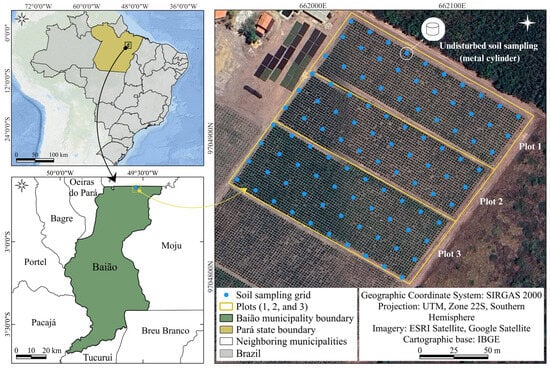
Geostatistical Integration of Soil Attributes and NDVI for Localized Management of Black Pepper in Eastern Amazon
by
Nelson Ken Narusawa Nakakoji, Ítala Duam Souza Narusawa, Fábio Júnior de Oliveira, Welliton de Lima Sena, Félix Lélis da Silva, Gabriel Garreto dos Santos, João Paulo Ferreira Neris, Pedro Guerreiro Martorano, Alexandre da Trindade Lélis, Jose Gilberto Sousa Medeiros, Norberto Cornejo Noronha, Luís Sérgio Cunha Nascimento, Everton Cardoso Wanzeler, Jean Marcos Corrêa Tocantins, Thais Lopes Vieira, João Fernandes da Silva Júnior and Paulo Roberto Silva Farias
AgriEngineering 2026, 8(4), 154; https://doi.org/10.3390/agriengineering8040154 - 10 Apr 2026
Abstract
Black pepper (Piper nigrum L.) is a crop of significant economic importance in the Amazon, especially in the state of Pará, where intensive production systems predominate. Understanding the spatial variability of soil attributes and their relationship with plant vigor is essential to
[...] Read more.
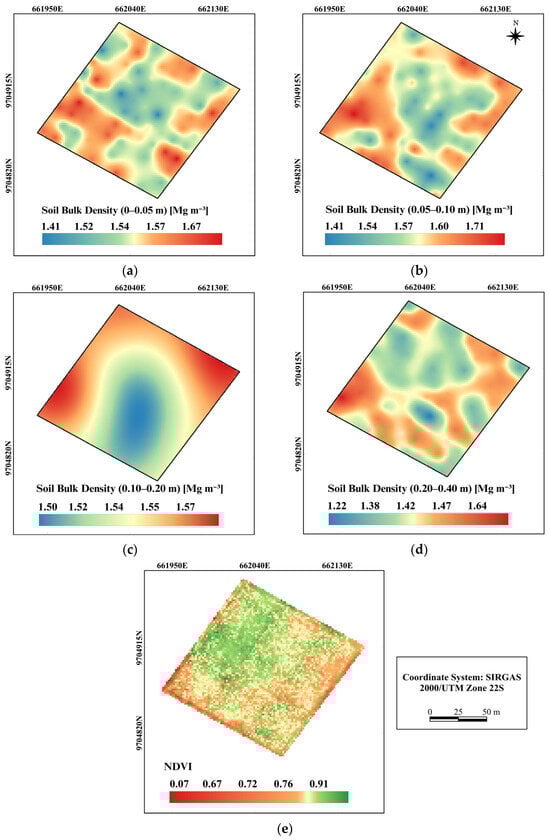
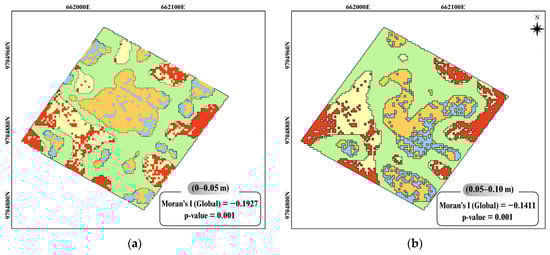
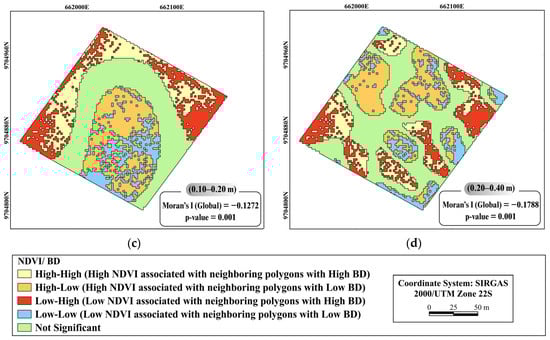
Black pepper (Piper nigrum L.) is a crop of significant economic importance in the Amazon, especially in the state of Pará, where intensive production systems predominate. Understanding the spatial variability of soil attributes and their relationship with plant vigor is essential to optimize agricultural practices and input use. Geotechnology-based approaches enable the generation of more precise management zones, contributing to efficient resource use and increased profitability. This study aimed to delimit potential management zones in black pepper crops based on the spatial analysis of soil bulk density (BD) integrated with the NDVI (Normalized Difference Vegetation Index), evaluated using the Bivariate Moran’s Index. The research was conducted in a production area in the municipality of Baião, Pará, Brazil, using soil samples to determine bulk density and UAV images for NDVI calculation. Data were interpolated by kriging and analyzed to identify spatial associations between soil compaction and NDVI. Soil bulk density ranged from 1.14 to 1.80 Mg m−3, while NDVI values ranged from 0.07 to 0.91, revealing a clear inverse spatial relationship between soil compaction and vegetative vigor. The integration of BD and NDVI allowed the delineation of site-specific management zones, supporting more efficient decision-making in precision agriculture.
Full article
(This article belongs to the Section Sensors Technology and Precision Agriculture)
►▼
Show Figures

Figure 1

Open AccessArticle
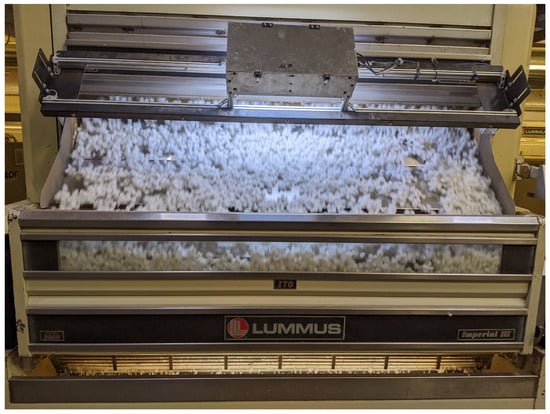
An Ultrasonic Phased Array System for Detection of Plastic Contaminants in Cotton
by
Ethan Elliott, Allison Foster, Ayrton Bernussi, Hamed Sari-Sarraf, Mohammad Saed, Vikki B. Martin and Neha Kothari
AgriEngineering 2026, 8(4), 153; https://doi.org/10.3390/agriengineering8040153 - 10 Apr 2026
Abstract
►▼
Show Figures
Cotton, a globally significant crop grown in over 100 countries, sustains a $40 billion market and provides employment for over 350 million people worldwide. However, plastic contamination remains a persistent challenge within the industry, degrading cotton fiber quality and disrupting ginning. Manual inspection
[...] Read more.
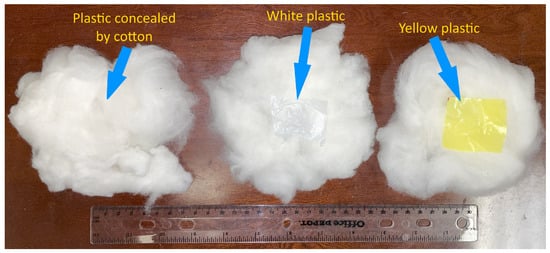
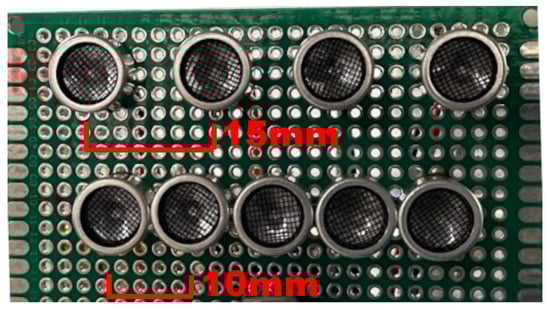
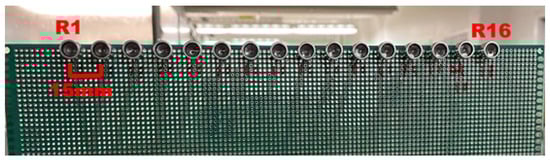
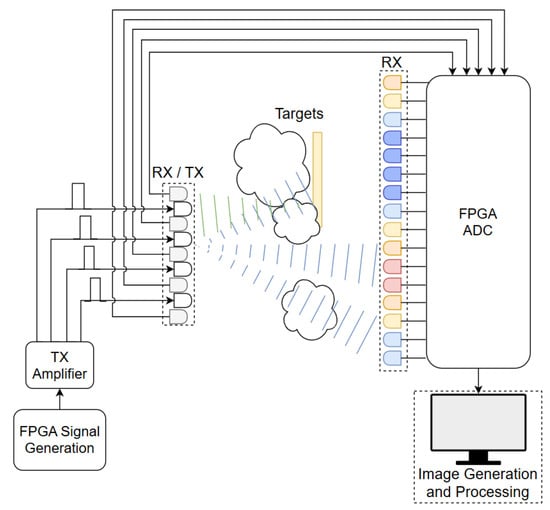
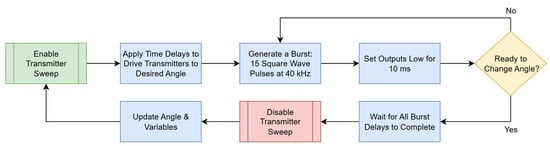
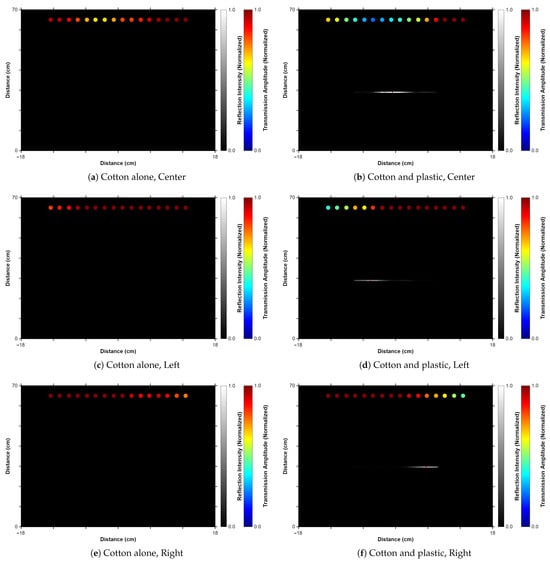
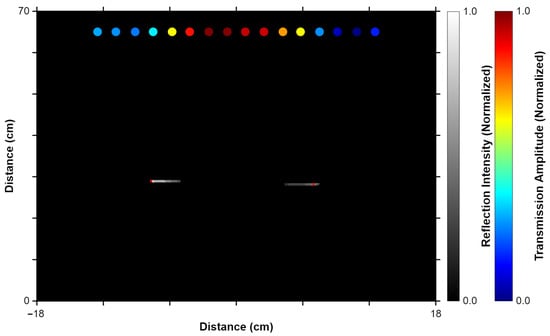
Cotton, a globally significant crop grown in over 100 countries, sustains a $40 billion market and provides employment for over 350 million people worldwide. However, plastic contamination remains a persistent challenge within the industry, degrading cotton fiber quality and disrupting ginning. Manual inspection and optical machine-vision systems struggle when plastic fragments are concealed by fibers or lack sufficient color contrast. To address these challenges, we developed an ultrasonic phased-array imaging system operating at 40 kHz under field-programmable gate array (FPGA) control. Transmitter elements emit pulsed ultrasound along radial paths, separate reflection receivers record echo amplitudes to form acoustic images, and a set of transmission receivers captures signal attenuation, which is overlaid onto the reflection-based image to highlight potential contaminants. In preliminary laboratory-based tests on both seed cotton and lint samples, the system successfully detected visually obscured plastic fragments as small as with an angular resolution limit of . Distinct reflection peaks and corresponding attenuation overlays were produced across the field of view, validating the system’s detection capabilities. These results demonstrate the feasibility of using ultrasonic imaging to reveal concealed plastics in cotton processing. Integrating this approach with existing optical methods could enhance contaminant-removal workflows and improve overall fiber quality and processing efficiency.
Full article

Figure 1
Open AccessArticle
GateProtoNet: A Compute-Aware Two-Stage Hybrid Framework with Prototype Evidence and Faithfulness-Verified Explainability for Wheat and Cotton Leaf Disease Classification
by
Muhammad Irfan Sharif, Yong Zhong, Muhammad Zaheer Sajid and Francesco Marinello
AgriEngineering 2026, 8(4), 152; https://doi.org/10.3390/agriengineering8040152 - 10 Apr 2026
Abstract
►▼
Show Figures
Accurate diagnosis of wheat leaf diseases in real farming conditions requires models that are not only highly accurate but also computationally efficient and interpretable for practical deployment on edge devices. We propose GateProtoNet (GPN), a two-stage, compute-aware, and explainable framework for multi-class leaf
[...] Read more.
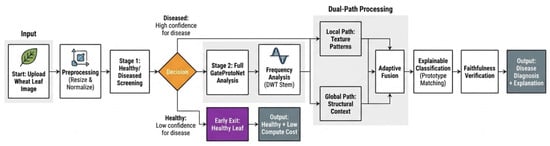
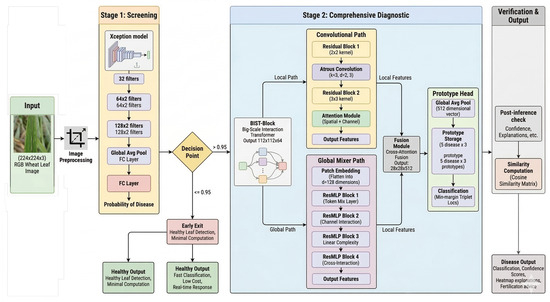
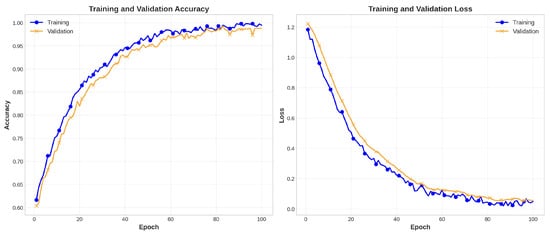
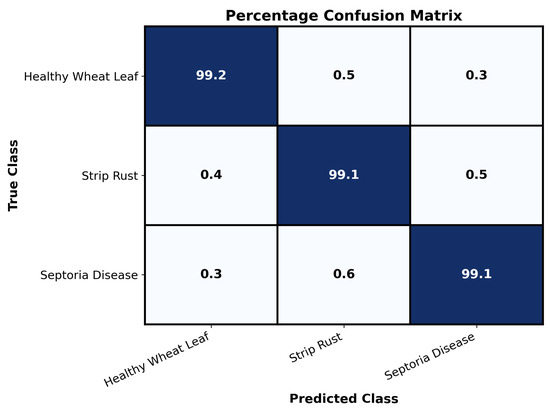
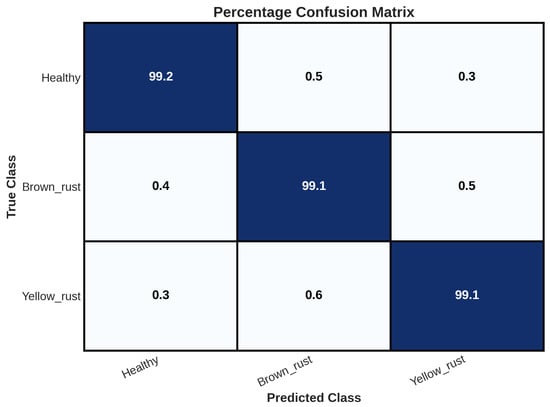
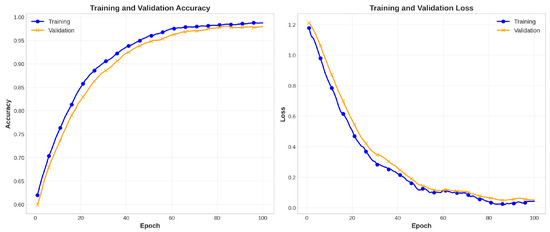
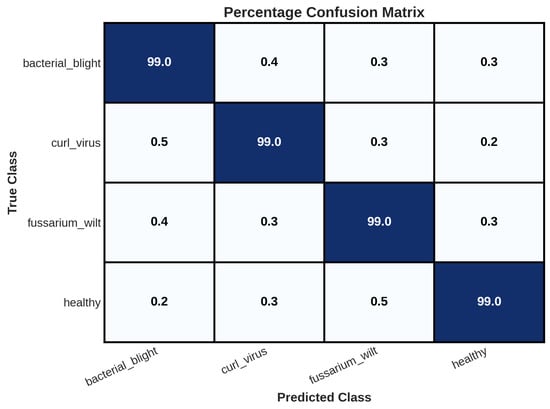
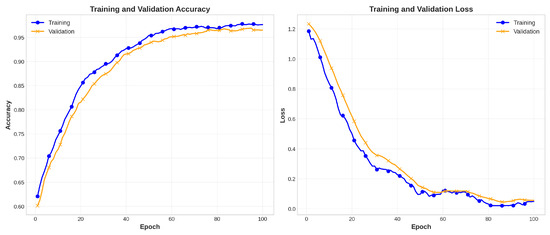
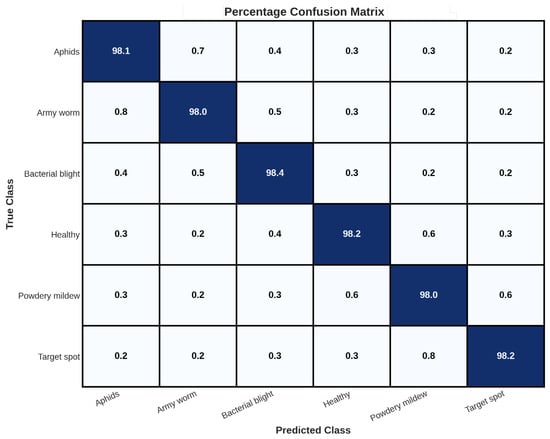
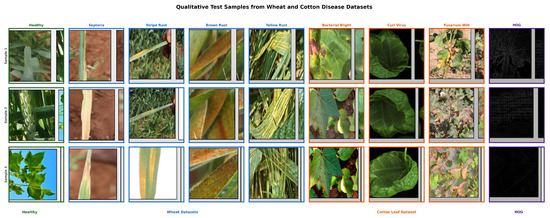
Accurate diagnosis of wheat leaf diseases in real farming conditions requires models that are not only highly accurate but also computationally efficient and interpretable for practical deployment on edge devices. We propose GateProtoNet (GPN), a two-stage, compute-aware, and explainable framework for multi-class leaf disease recognition. Stage-1 performs ultra-light healthy-versus-diseased screening, enabling early exit for healthy samples and substantially reducing average expected inference cost. For diseased samples, Stage-2 applies a novel hybrid backbone featuring a frequency-factorized Discrete Wavelet Transform (DWT) stem, parallel micro-lesion convolutional encoding for fine texture patterns, and a linear token mixer for global context modeling. A cross-gated fusion module adaptively integrates local and global evidence with minimal computational overhead. To ensure trustworthy predictions, GPN introduces a prototype evidence head that performs classification via similarity to learned class prototypes, providing human-interpretable explanations, along with a faithfulness constraint that enforces explanation reliability by measuring confidence degradation under salient region removal. Rigorous evaluation on four publicly available wheat and cotton leaf disease datasets demonstrate that GateProtoNet achieves 99.2% classification accuracy, 99.1% macro-F1 score, and 99.3% AUC, significantly outperforming existing CNN, transformer, and hybrid baselines while requiring substantially fewer parameters and FLOPs. The two-stage inference strategy reduces average computational cost by avoiding full model execution on healthy leaves, enabling real-time, on-device diagnosis for resource-constrained agricultural environments.
Full article

Figure 1
Open AccessArticle
Design and Performance Evaluation of a Vacuum-Based Twist–Bend End-Effector for Automated Mushroom Harvesting with Vision-Based Damage Assessment
by
Kittiphum Pawikhum, Yanqiu Yang, Long He, John A. Pecchia and Paul Heinemann
AgriEngineering 2026, 8(4), 151; https://doi.org/10.3390/agriengineering8040151 - 10 Apr 2026
Abstract
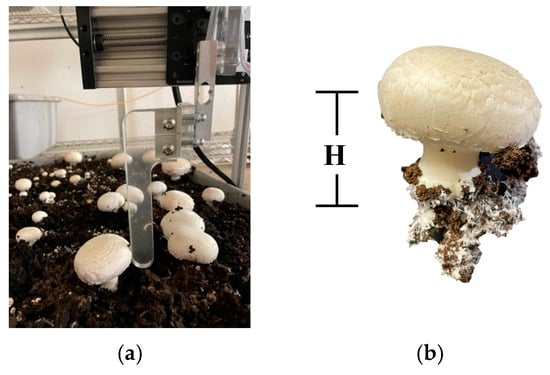
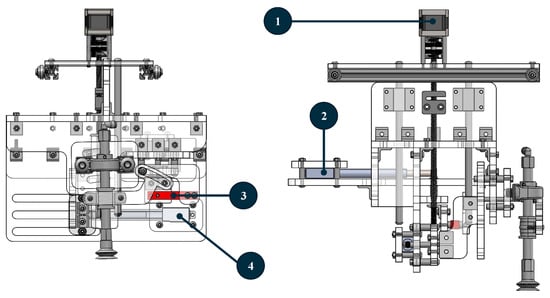
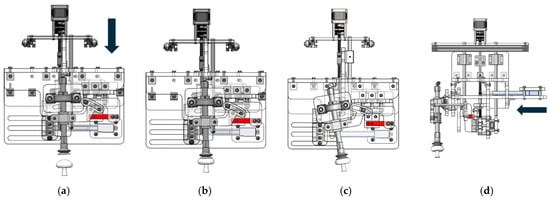
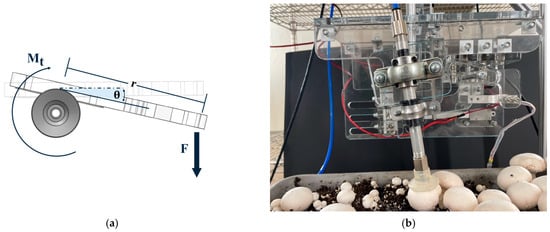
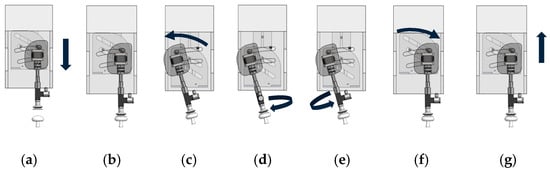
Manual harvesting of white button mushrooms involves coordinated bending and twisting motions to detach the fruiting body while minimizing surface damage; however, replicating these actions in automated systems remains challenging. In this study, a vacuum-based end-effector that mimics manual twist–bend detachment using a
[...] Read more.
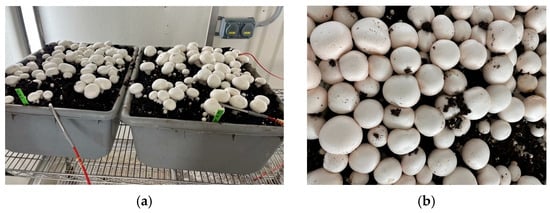
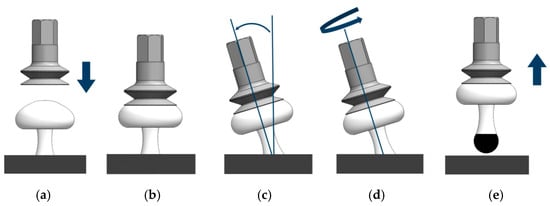
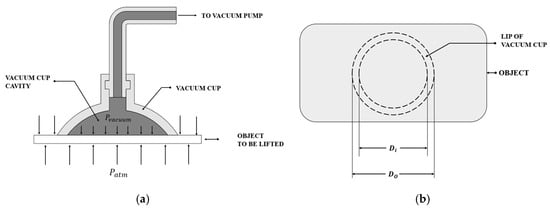
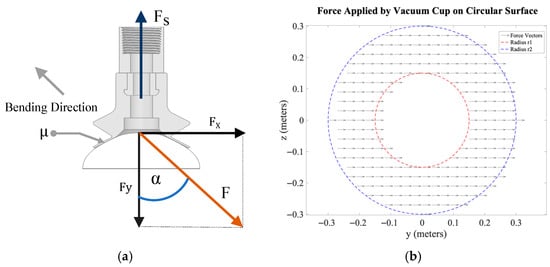
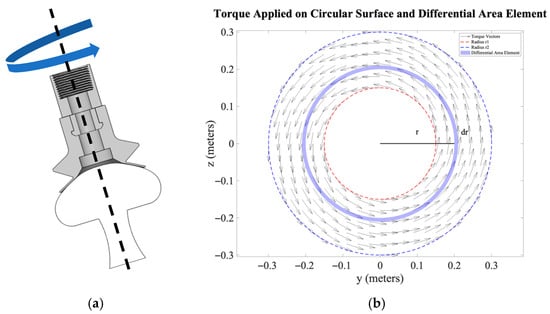
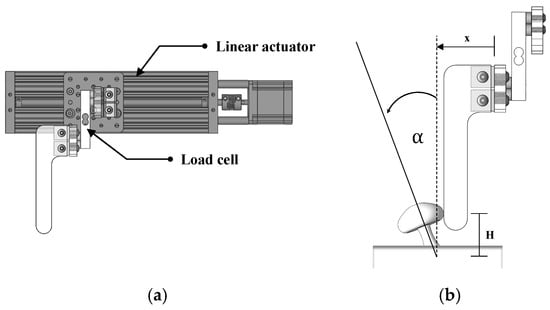
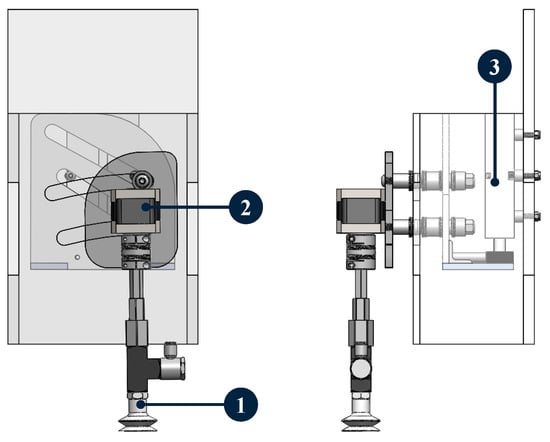
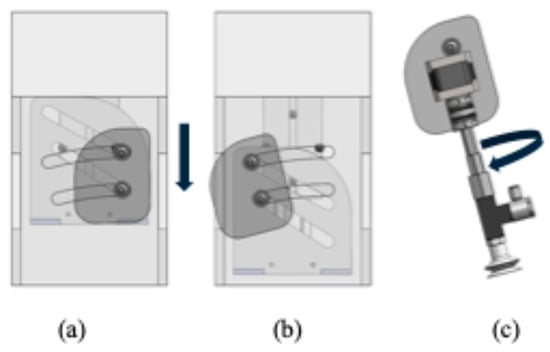
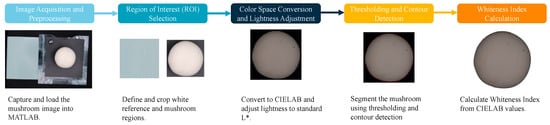
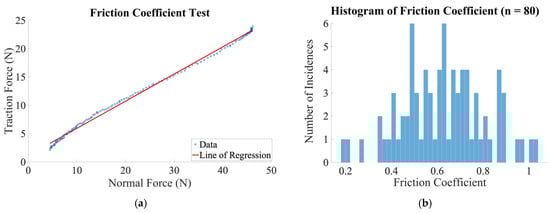
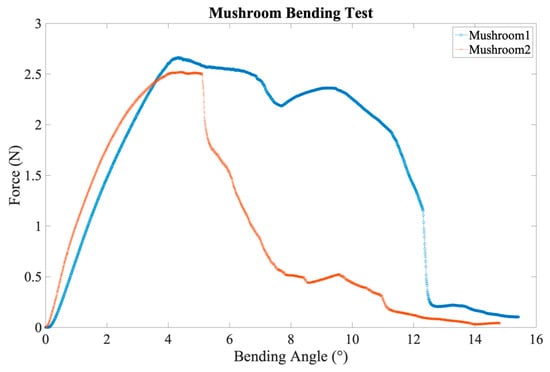
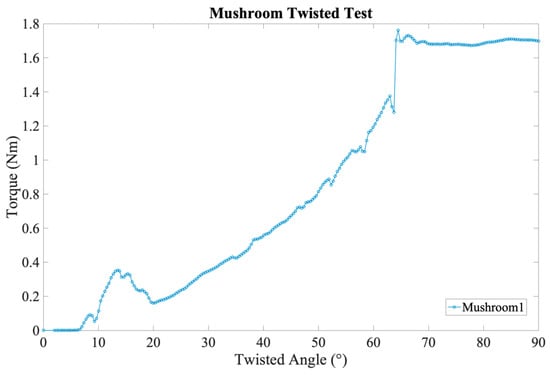
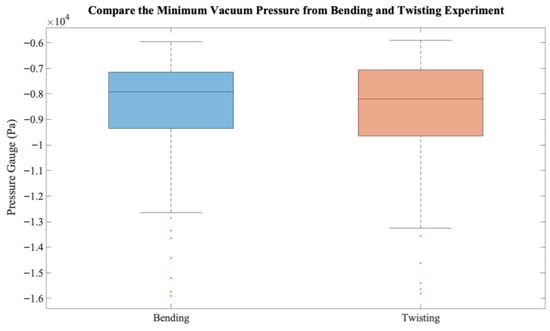
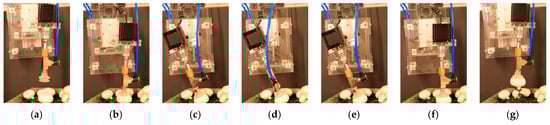
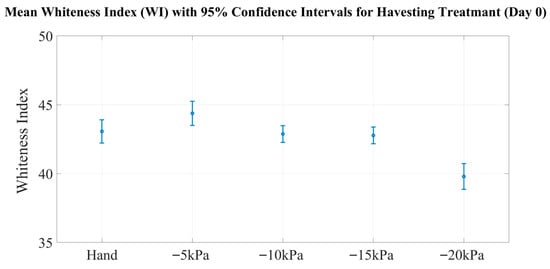
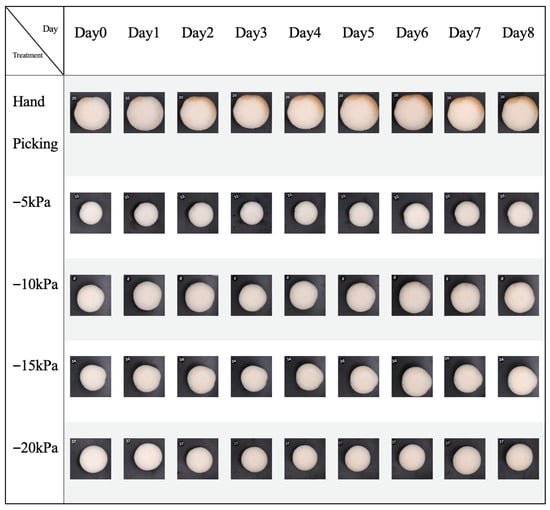
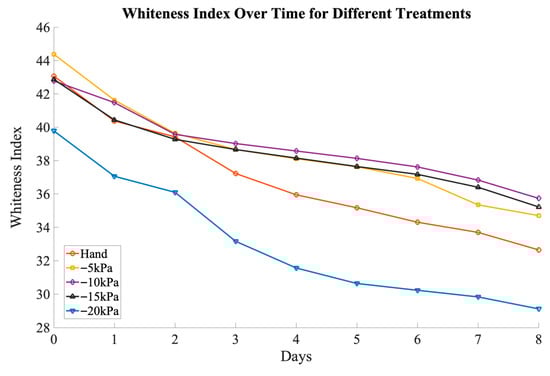
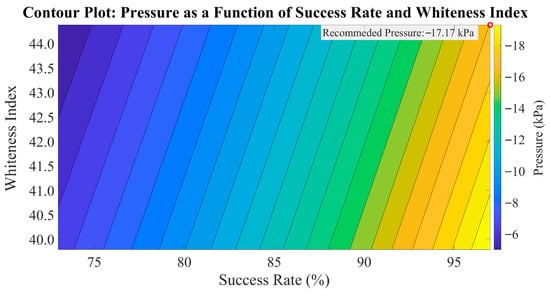
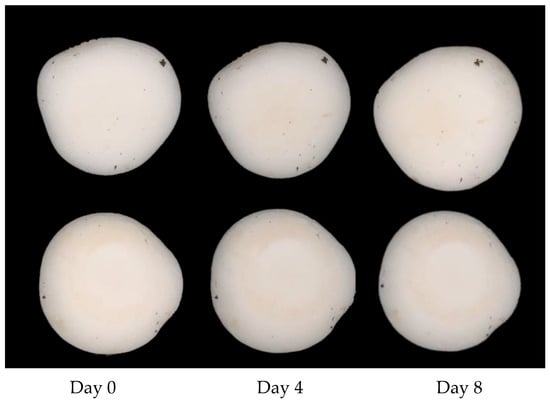
Manual harvesting of white button mushrooms involves coordinated bending and twisting motions to detach the fruiting body while minimizing surface damage; however, replicating these actions in automated systems remains challenging. In this study, a vacuum-based end-effector that mimics manual twist–bend detachment using a single-point contact was designed and evaluated to reduce mechanical damage. Key detachment parameters, including the friction coefficient (mean 0.62), bending angle (average 5.72°), and twisting torque (average 2.56 N·m), were experimentally analyzed to determine the minimum vacuum pressures required for effective bending and twisting, which were −8.64 ± 2.21 kPa and −8.91 ± 2.45 kPa, respectively, with no significant difference observed between the two motions (p = 0.51). A customized vision-based image processing algorithm was developed to quantify postharvest surface damage using a whiteness index (WI). An optimal vacuum pressure of −17.17 kPa was identified, together with a bending angle of 10° and a twisting angle of 90°, balancing high harvesting success with preservation of mushroom quality. The results highlight the influence of end-effector design parameters, including vacuum cup material, contact area, bending direction, and vacuum application duration, on harvesting performance and product marketability, supporting the development of robotic systems for fresh mushroom harvesting.
Full article
(This article belongs to the Section Agricultural Mechanization and Machinery)
►▼
Show Figures

Figure 1
Open AccessSystematic Review
Intelligent Evaporative Cooling Systems for Post-Harvest Fruit and Vegetable Preservation: A Systematic Literature Review
by
Rabiu Omeiza Isah, Segun Emmanuel Adebayo, Bello Kontagora Nuhu, Eustace Manayi Dogo, Buhari Ugbede Umar, Danlami Maliki, Ibrahim Mohammed Abdullahi, Olayemi Mikail Olaniyi and James Agajo
AgriEngineering 2026, 8(4), 150; https://doi.org/10.3390/agriengineering8040150 - 9 Apr 2026
Abstract
►▼
Show Figures
Post-harvest losses of fruits and vegetables are an important bottleneck in food systems of countries around the world, with 30–50% of perishable food items lost between farm and consumer, smallholder farmers in low-and-middle income countries (LMICs) with poor cold chain infrastructures facing a
[...] Read more.
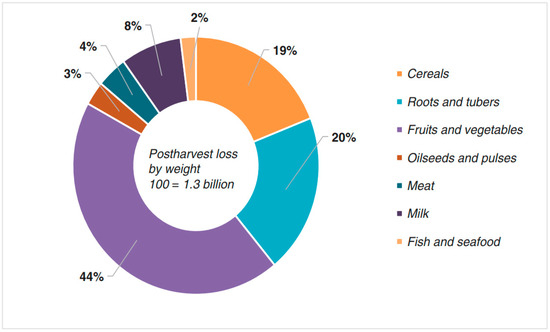
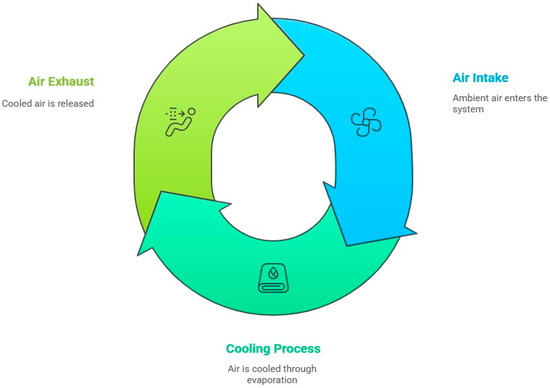
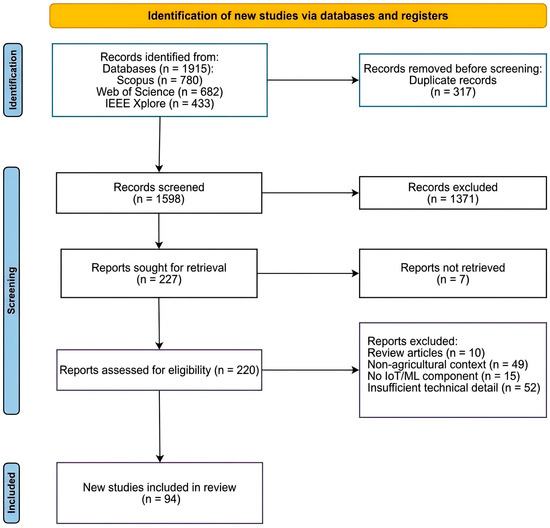
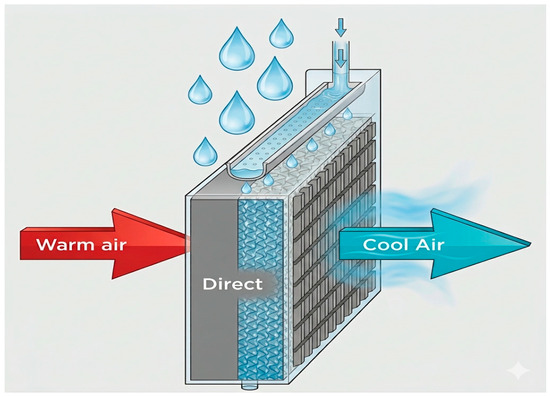
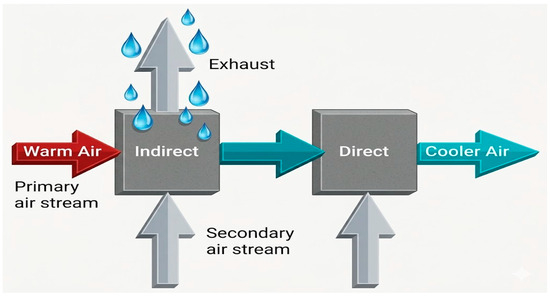
Post-harvest losses of fruits and vegetables are an important bottleneck in food systems of countries around the world, with 30–50% of perishable food items lost between farm and consumer, smallholder farmers in low-and-middle income countries (LMICs) with poor cold chain infrastructures facing a disproportionate burden. Evaporative cooling (EC) is a low-cost and energy-efficient alternative to mechanical refrigeration; however, traditional systems are operated in one position and are dependent on climate, which restricts its performance. The combination of Internet of Things (IoT) sensing, machine learning (ML), and the advanced control theory has made intelligent evaporative cooling systems (IECS) adaptive, data-driven platforms that can regulate the environment in real-time and optimise autonomously. This is a systematic literature review that was carried out according to PRISMA 2020, summarising 94 peer-reviewed articles published in 2018–2025 to map the technological landscape, performance indicators, and research directions of the field of post-harvest fruit and vegetable preservation using IECS. Findings indicate that IECS can considerably lower the storage temperatures, increase the shelf life by 50–200%, and reduce energy consumption by 75–90% compared to traditional refrigeration, and the payback period is as short as 1.2 years. In arid conditions, ML models are accurate in prediction with an R2 of 0.98. The gaps in the research identified are a lack of validation in wet climatic conditions, non-existent standardised Ag-IoT protocols, inadequate Food–Energy–Water (FEW) nexus calculation, and no explainable AI (XAI) interfaces. An example of a conceptual framework of four layers synthesised is proposed to direct next-generation research and implementation of the IECS.
Full article

Figure 1
Open AccessArticle
Modeling Sugar Cane Evapotranspiration Using UAV Thermal and Multispectral Images in Northeast Brazil
by
Marcos Elias de Oliveira, Júnior, Alexandre Ferreira do Nascimento, Ericka Aguiar Carneiro, Guillaume Francis Bertrand, Lúcio André de Castro Jorge, Érick Rúbens Oliveira Cobalchini, Edson Wendland, Valéria Peixoto Borges and Davi de Carvalho Diniz Melo
AgriEngineering 2026, 8(4), 149; https://doi.org/10.3390/agriengineering8040149 - 9 Apr 2026
Abstract
►▼
Show Figures
Understanding crop water use is essential for improving agricultural water management and ensuring sustainable food production, especially in regions with limited water resources. Evapotranspiration (ET) is a key component of the hydrological cycle, directly influencing irrigation planning and crop productivity. However, accurately estimating
[...] Read more.
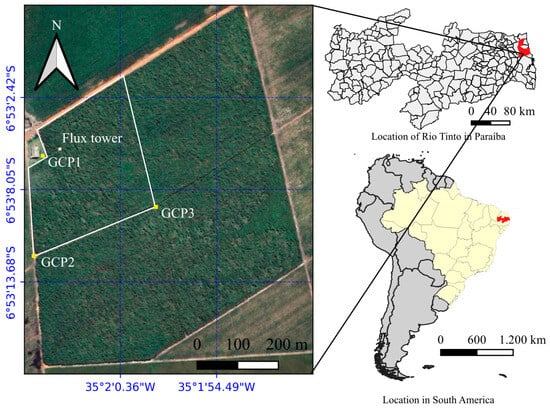
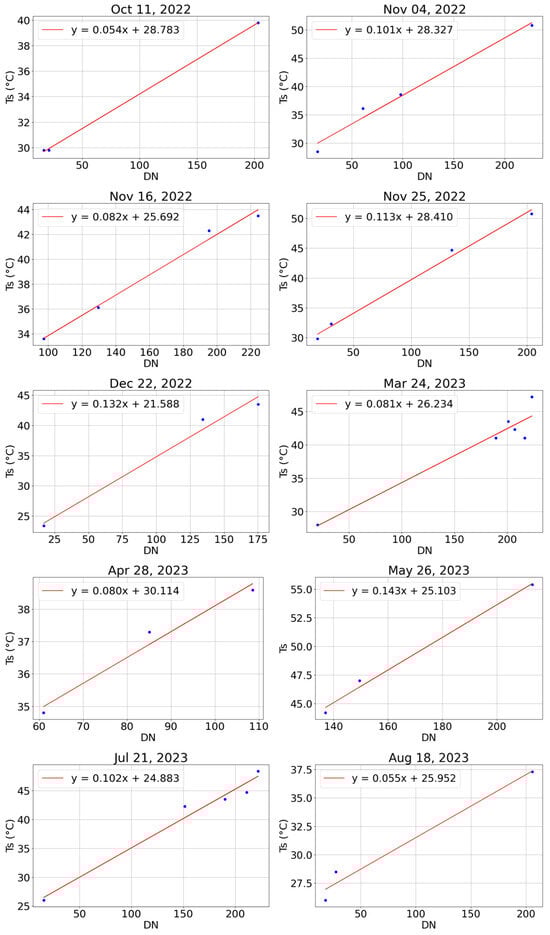
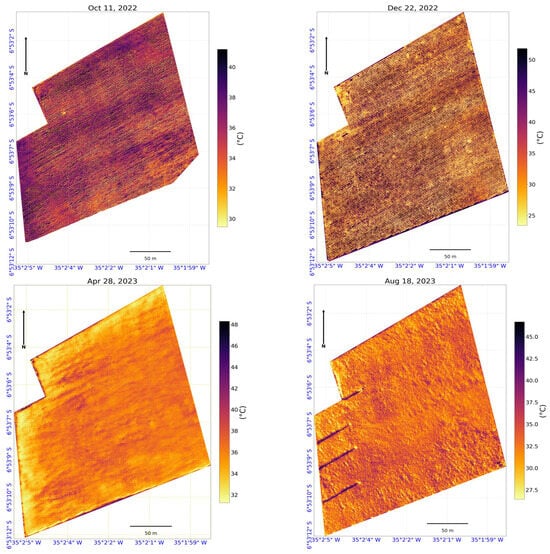
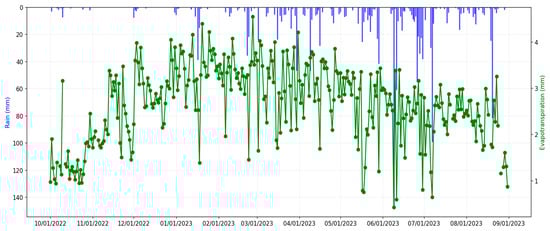
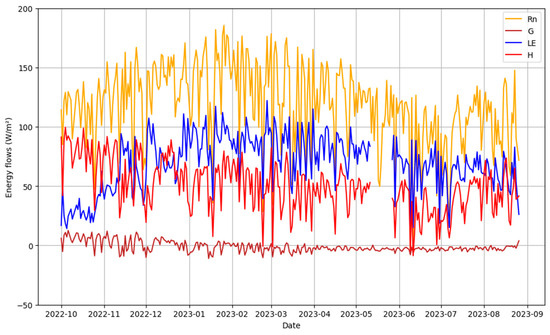
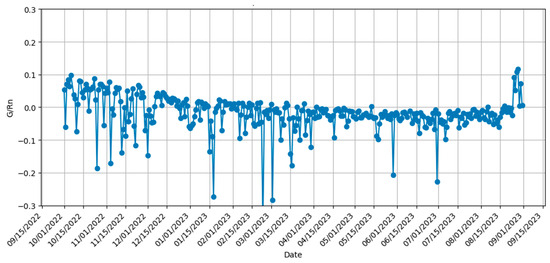
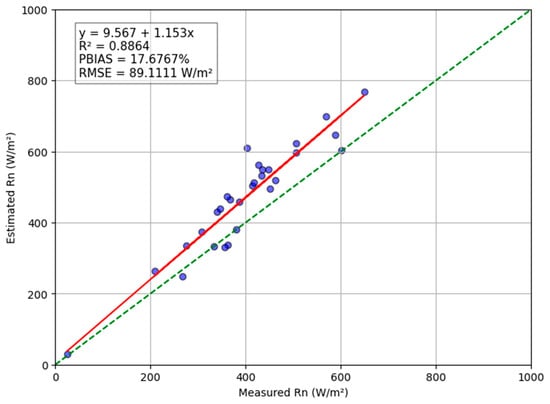
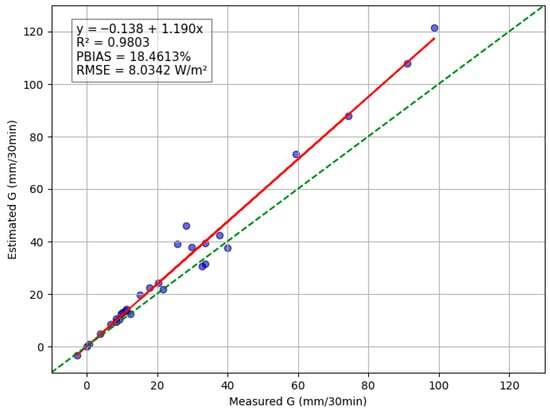
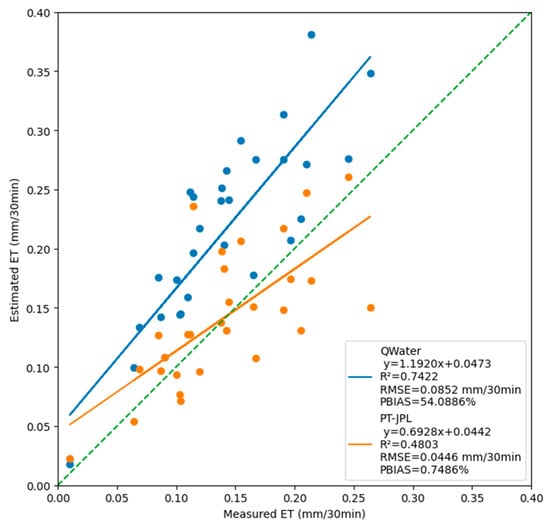
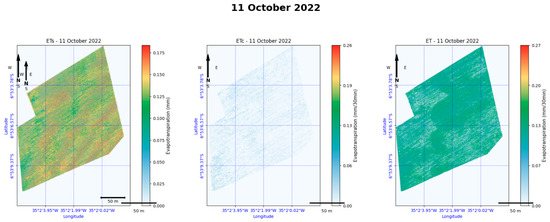
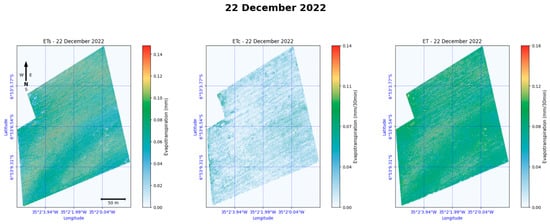
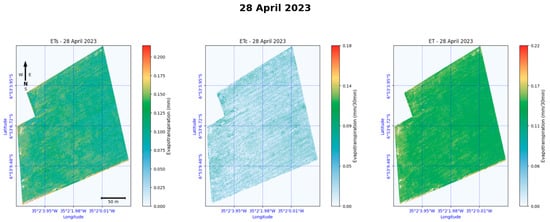
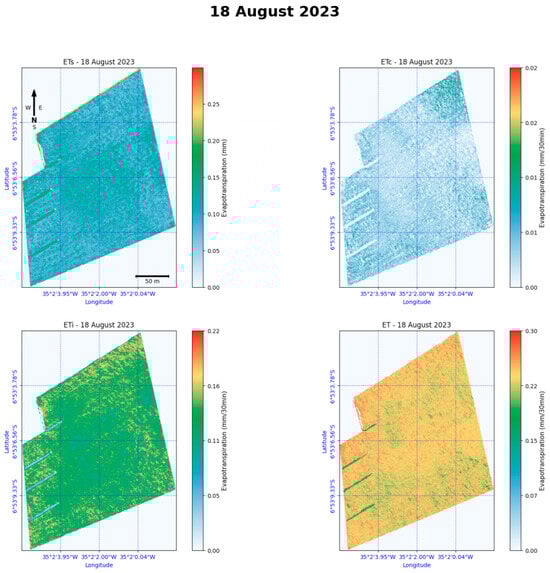
Understanding crop water use is essential for improving agricultural water management and ensuring sustainable food production, especially in regions with limited water resources. Evapotranspiration (ET) is a key component of the hydrological cycle, directly influencing irrigation planning and crop productivity. However, accurately estimating ET at local scales remains a challenge due to the limitations of conventional measurement methods and the difficulty of integrating high-resolution remote sensing data. This study investigates the estimation of terrestrial evapotranspiration (ET) in a sugarcane cultivation area located in the northern coastal region of Paraíba, Brazil, using meteorological data and aerial images acquired by an Unmanned Aerial Vehicle (UAV). We adapted the PT-JPL model to estimate ET at the local scale, using thermal and multispectral imagery obtained from UAVs. Data validation was performed using surface energy balance measurements obtained from a micrometeorological tower, thereby enabling comparison of estimated and observed ET values. The results demonstrated strong correlations between modeled predictions and field measurements of net radiation (R2 = 0.85), with performance metrics indicating moderate reliability for local-scale simulated ET when compared to flux-tower-based ET (R2 = 0.48; RMSE ≈ 0.045 mm/30 min). This research highlights the potential of integrating UAV-based remote sensing with the PT-JPL model to improve understanding of crop water use, support irrigation management, and contribute to sustainable agricultural practices.
Full article

Figure 1
Open AccessReview
A Comprehensive Review of Buried Biochar Layer Applications for Soil Salinity Mitigation: Mechanisms, Efficacy, and Future Directions
by
Muhammad Irfan and Gamal El Afandi
AgriEngineering 2026, 8(4), 148; https://doi.org/10.3390/agriengineering8040148 - 9 Apr 2026
Abstract
►▼
Show Figures
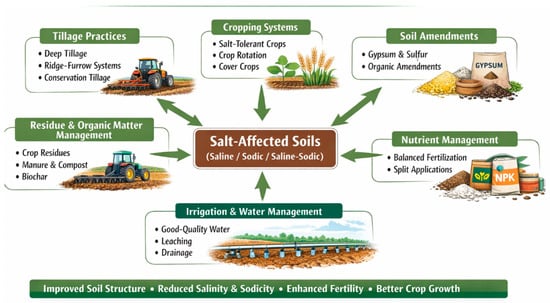
Soil salinity poses a major challenge to agricultural productivity, especially threatening food security in arid and semi-arid areas. Traditional soil reclamation methods, such as leaching, chemical amendments, and drainage engineering, usually need large amounts of water, involve high costs, and can lead to
[...] Read more.
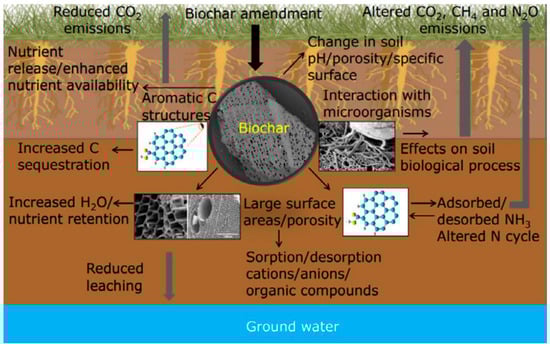
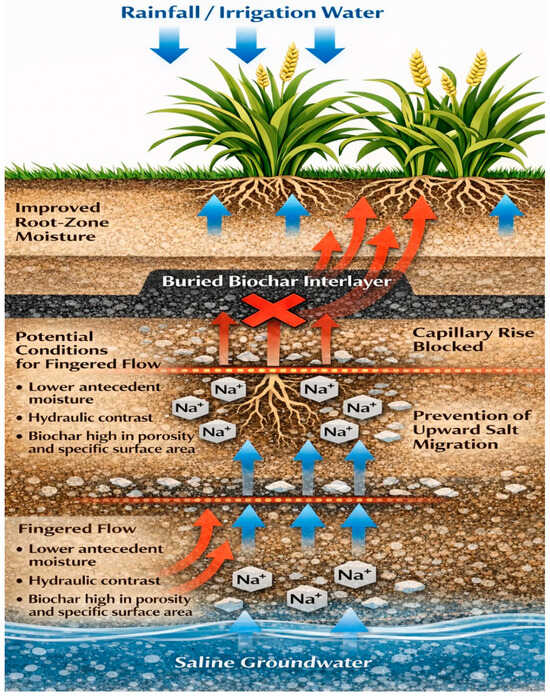
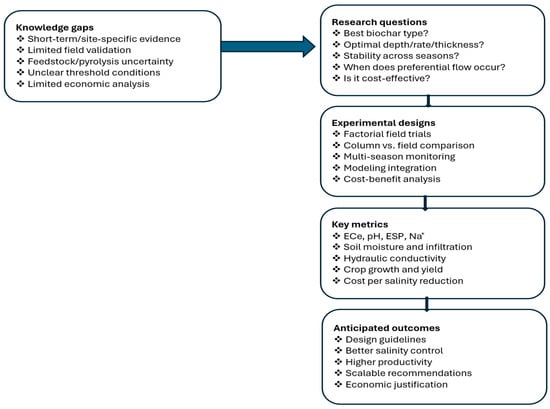
Soil salinity poses a major challenge to agricultural productivity, especially threatening food security in arid and semi-arid areas. Traditional soil reclamation methods, such as leaching, chemical amendments, and drainage engineering, usually need large amounts of water, involve high costs, and can lead to environmental problems. This review compiles existing knowledge on innovative strategies for managing saline soils, focusing on buried interlayer systems that use materials like straw, sand, gravel–sand mixtures, and biochar. These interlayers improve soil hydraulic properties by preventing capillary rise, encouraging salt leaching, and reducing surface salt buildup. Biochar stands out as a particularly useful material because of its stability, large surface area, porosity, and high cation exchange capacity. These features help improve soil structure, increase water retention, and effectively retain sodium. Evidence from lab and field tests shows that buried biochar layers can stop salt from moving upward, aid in desalinating the root zone, and boost crop yields. While straw and sand interlayers show potential in reducing salinity, biochar is noted for its multifunctionality and long-term effectiveness in addressing salinity problems. The success of buried biochar systems depends on several factors, including the properties of the biochar, how much is used, how deep it is buried, and the specific soil and climate conditions. This review highlights how these systems work, compares their performance, and points out research gaps, advocating for their potential as a sustainable, resource-efficient way to manage salinity and improve soil health over the long term. A substantial proportion of the existing evidence is derived from controlled laboratory studies, and the buried biochar layer approach remains an emerging technique that requires further validation under field conditions. Still, significant knowledge gaps persist regarding long-term performance and water-salt dynamics, while site-specific soil variability and scalability challenges may limit the effective implementation of biochar interlayer systems under field conditions.
Full article

Figure 1
Open AccessArticle
Agentic AI-Based IoT Precision Agriculture Framework—Our Vision and Challenges
by
Danco Davcev, Slobodan Kalajdziski, Ivica Dimitrovski, Ivan Kitanovski and Kosta Mitreski
AgriEngineering 2026, 8(4), 147; https://doi.org/10.3390/agriengineering8040147 - 9 Apr 2026
Abstract
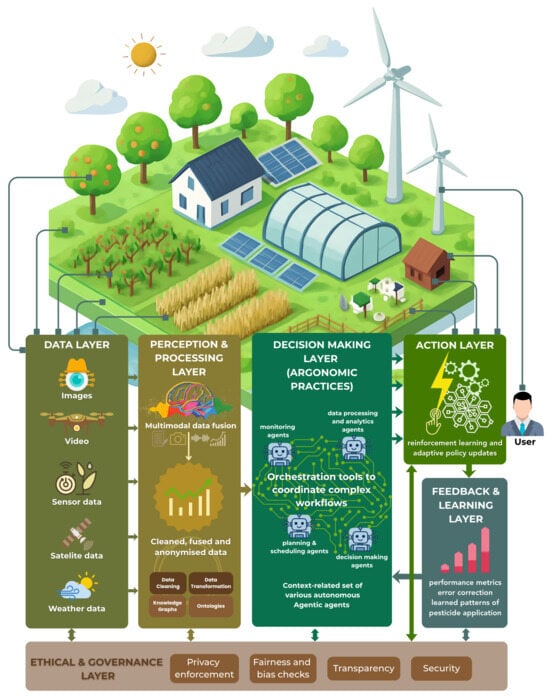
Accurate, timely, and resource-efficient decision-making is critical for sustainable precision agriculture. This paper proposes an agentic AI-based Internet of Things (IoT) framework that enables coordinated, closed-loop perception–decision–action processes across heterogeneous sensing and actuation components. The framework models agricultural systems as distributed collections of
[...] Read more.
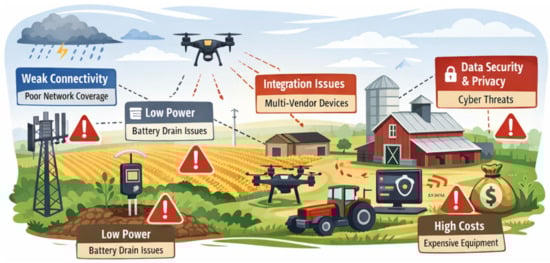
Accurate, timely, and resource-efficient decision-making is critical for sustainable precision agriculture. This paper proposes an agentic AI-based Internet of Things (IoT) framework that enables coordinated, closed-loop perception–decision–action processes across heterogeneous sensing and actuation components. The framework models agricultural systems as distributed collections of goal-driven agents responsible for multimodal sensing, uncertainty-aware reasoning, and adaptive decision-making. To provide a structured foundation, the proposed architecture is formalized within a Multi-Agent Partially Observable Markov Decision Process (MPOMDP) perspective, enabling systematic treatment of coordination, uncertainty, and decision policies. The framework integrates multimodal information sources, including vision-based perception and environmental sensing, and defines mechanisms for their fusion and use in system-level decision-making. A proof-of-concept instantiation is presented using publicly available datasets, combining visual perception models and tabular reasoning models within the proposed agentic workflow. The experiments are designed to demonstrate the feasibility, modularity, and coordination capabilities of the framework, rather than to benchmark predictive performance or provide field-validated evaluation. The results illustrate how multimodal information can be integrated to support adaptive and resource-aware decision processes. Finally, the paper discusses key challenges and outlines directions for future work, including real-world deployment, integration with physical actuation systems, and validation under operational conditions.
Full article
(This article belongs to the Special Issue The Future of Artificial Intelligence in Agriculture, 2nd Edition)
►▼
Show Figures

Figure 1

Open AccessArticle
Deep Learning–Based Corn Yield Component Estimation Under Different Nitrogen and Irrigation Rates
by
Binita Ghimire, Lorena N. Lacerda, Thirimachos Bourlai and Guoyu Lu
AgriEngineering 2026, 8(4), 146; https://doi.org/10.3390/agriengineering8040146 - 9 Apr 2026
Abstract
The number of kernels per ear is a key yield parameter that reflects the effects of breeding and agronomic management practices on crop productivity. However, conventional manual counting is labor-intensive, time-consuming, and prone to human error. This study evaluated the performance of six
[...] Read more.
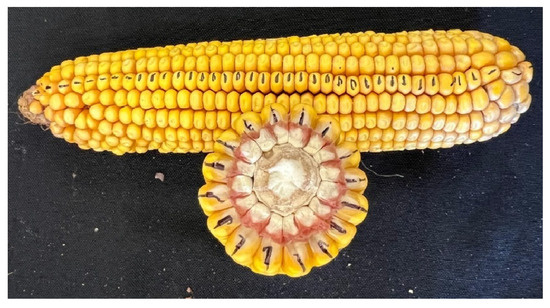
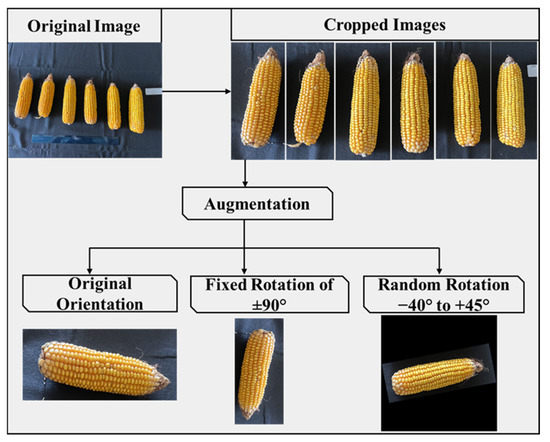
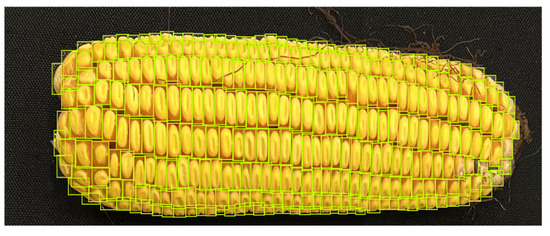
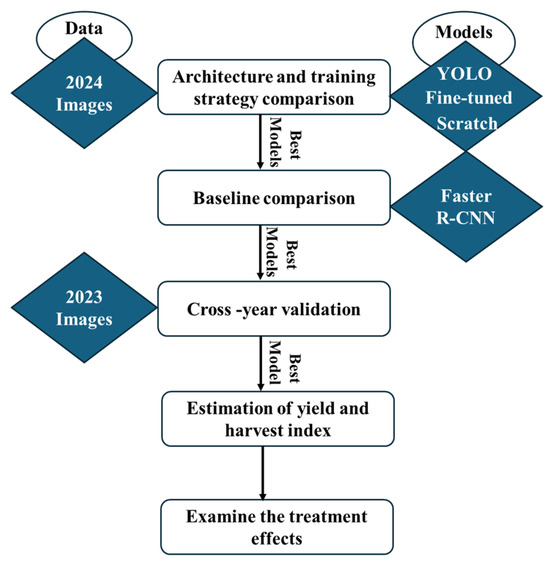
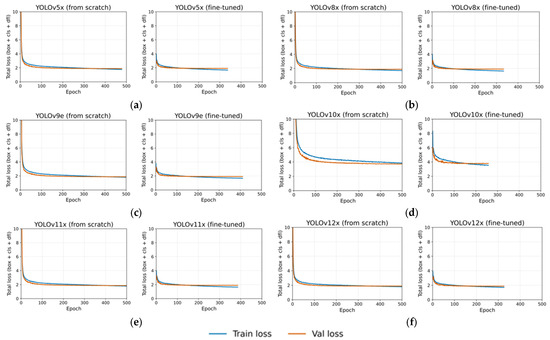
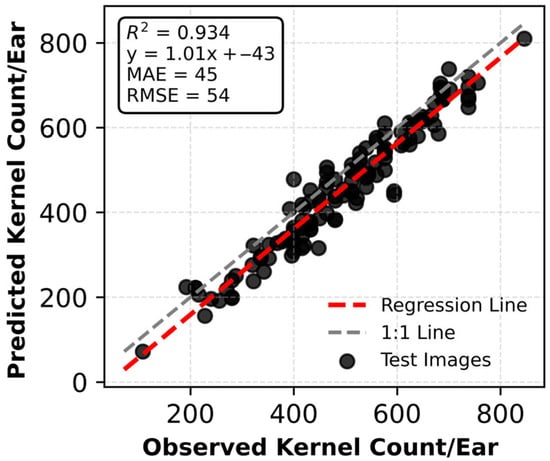
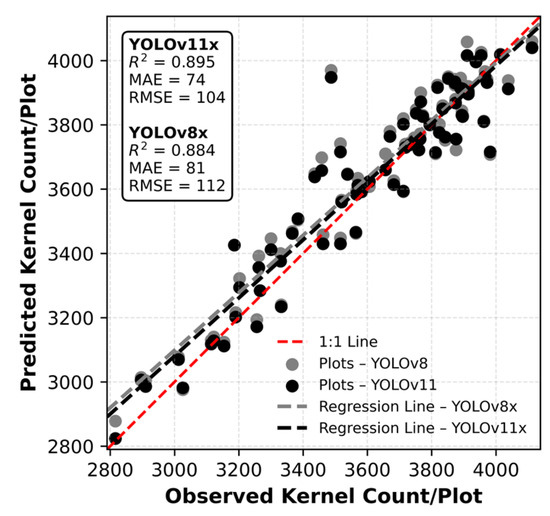
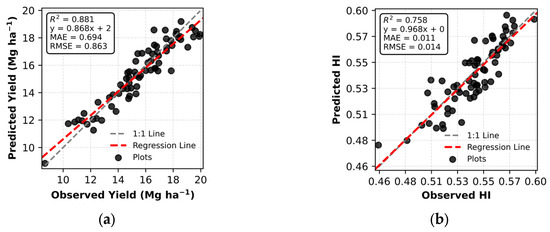
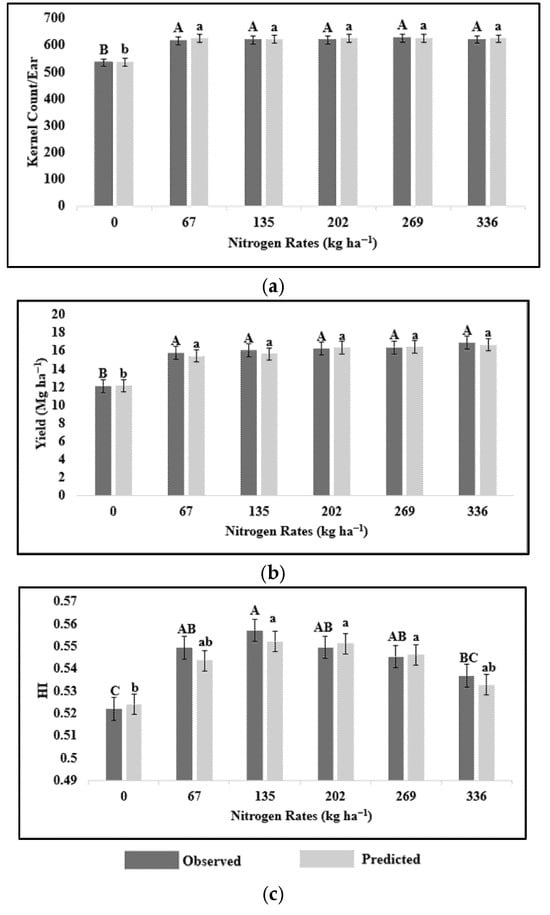
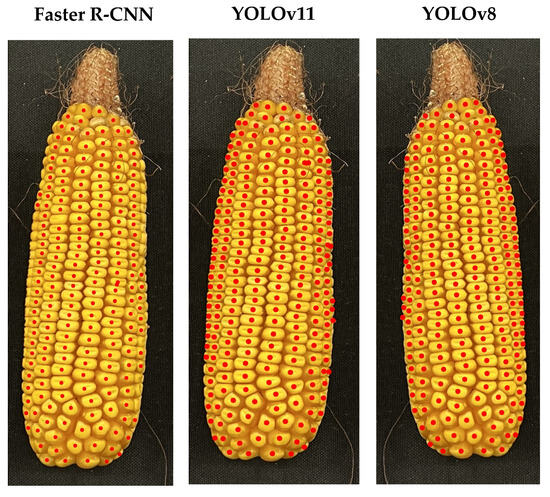
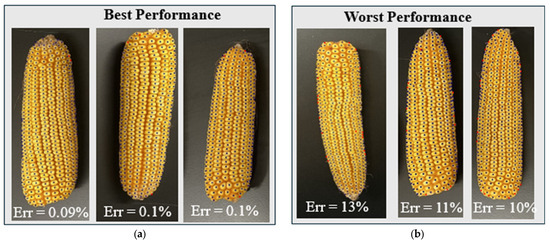
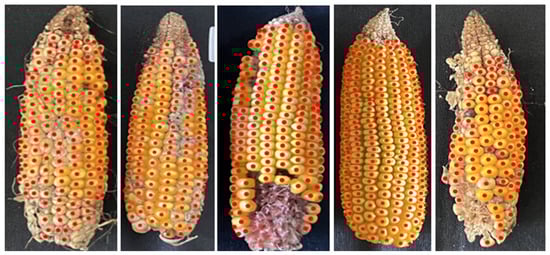
The number of kernels per ear is a key yield parameter that reflects the effects of breeding and agronomic management practices on crop productivity. However, conventional manual counting is labor-intensive, time-consuming, and prone to human error. This study evaluated the performance of six YOLO models, trained from scratch and fine-tuned, alongside a Faster R-CNN model, for automated kernel detection and counting from manually harvested field corn ear images. Model performance was assessed for predicting the yield and harvest index (HI) of field corn under varying nitrogen and irrigation rates. Results show that models trained with fine-tuning consistently outperform those trained from scratch in both accuracy and computational speed. Among all tested YOLO models, YOLOv11x achieved the highest performance, with a precision of 0.978, a recall of 0.968, a latency of 4.8 ms, and a prediction coefficient of determination (R2pred) of 0.858 for the test set and 0.890 for cross-year datasets. The YOLOv8x model ranked second, whereas YOLOv10x was the worst-performing model. Compared to YOLO, Faster R-CNN performed poorly. Yield and HI predictions using YOLOv11x achieved R2 values of 0.881 and 0.758, respectively, and captured treatment effects. Overall, the findings demonstrate that YOLO-based architecture is highly effective for detecting kernels and predicting yield in precision agriculture applications.
Full article
(This article belongs to the Special Issue Application of Remote Sensing and Machine Learning in Precision Agriculture)
►▼
Show Figures

Figure 1

Open AccessArticle
Design and Simulation of a Three-DOF Profiling Header for Forage Harvesters in Hilly Terrain
by
Zuoxi Zhao, Yuanjun Xu, Wenqi Zou, Shenye Shi and Yangfan Luo
AgriEngineering 2026, 8(4), 145; https://doi.org/10.3390/agriengineering8040145 - 8 Apr 2026
Abstract
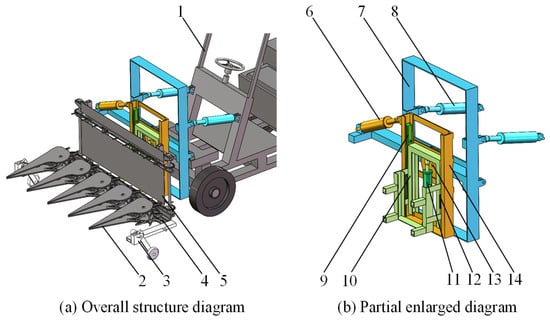
To address the problems of uneven stubble height and high missed-cutting rate caused by the insufficient profiling capability of traditional forage harvesters in complex hilly terrain, this paper designs a three-degrees-of-freedom (DOF) profiling header primarily for typical hilly terrain with gentle slopes of
[...] Read more.
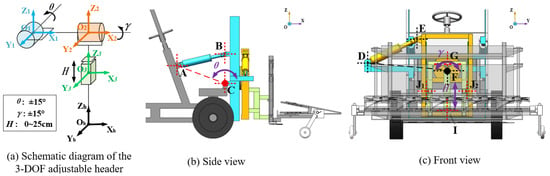
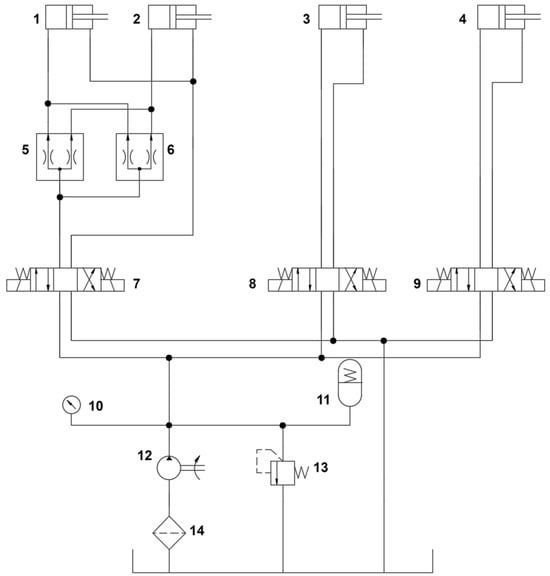
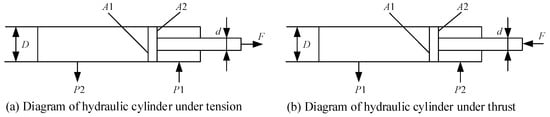
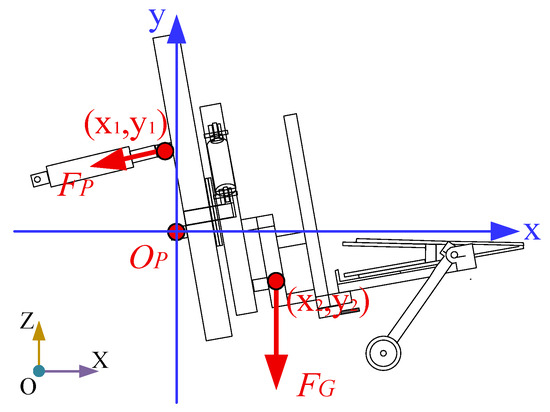
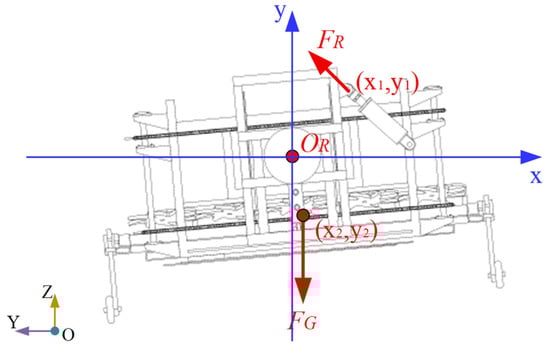
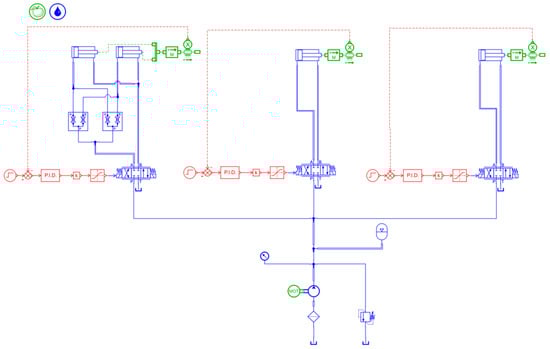
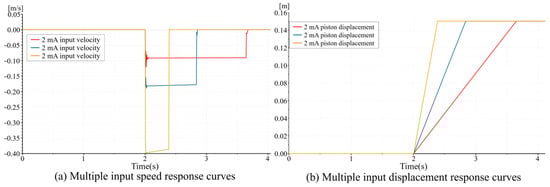
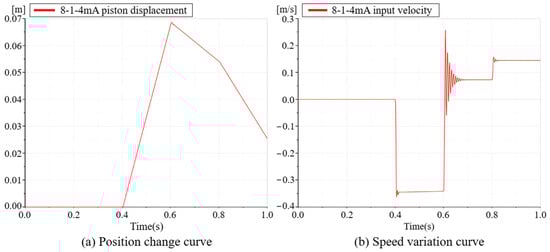
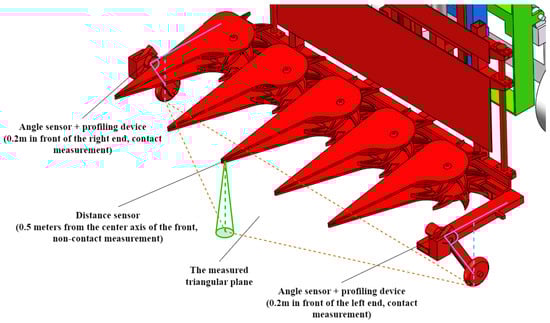
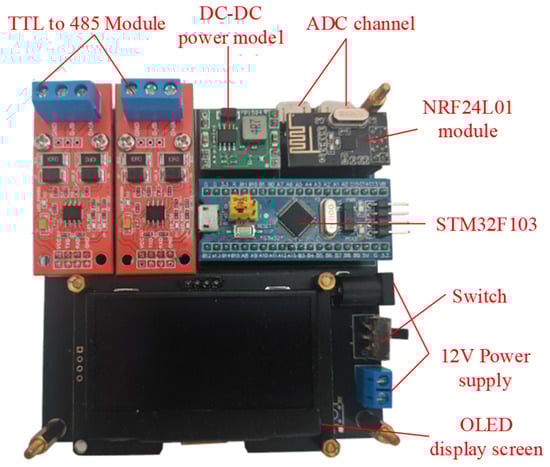
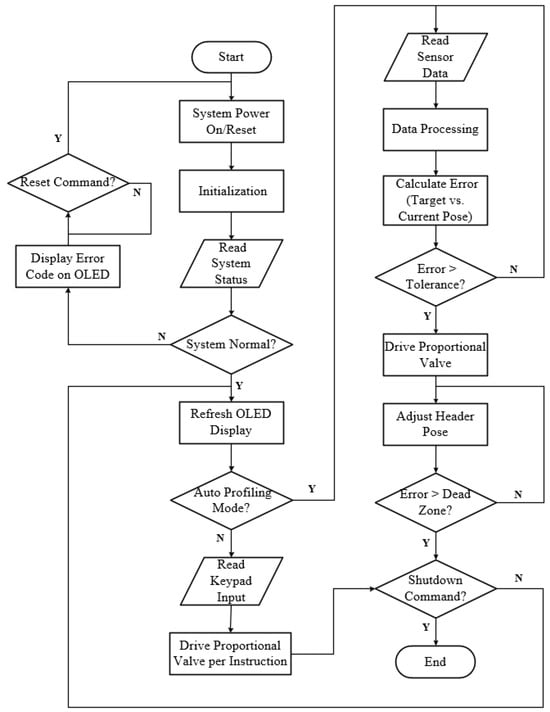
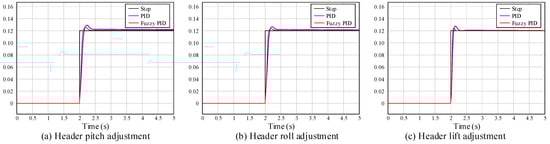
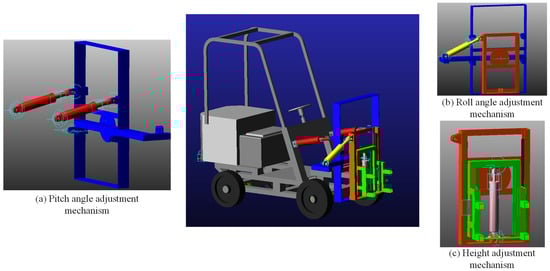
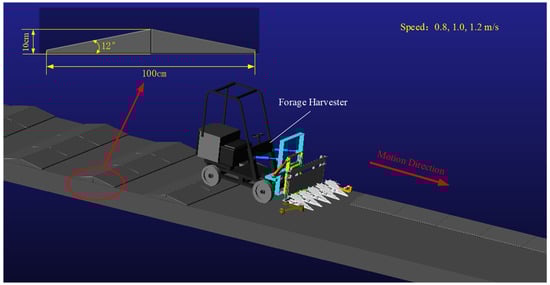
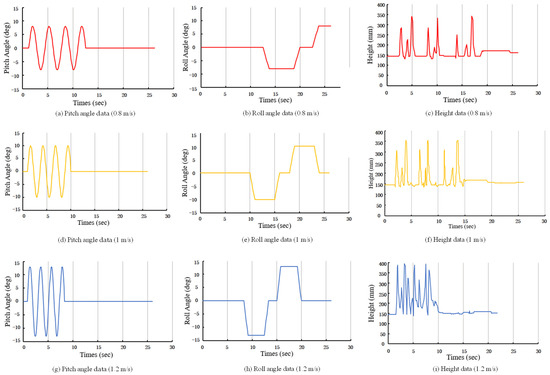
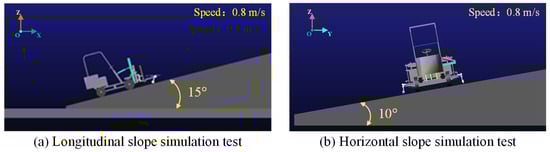
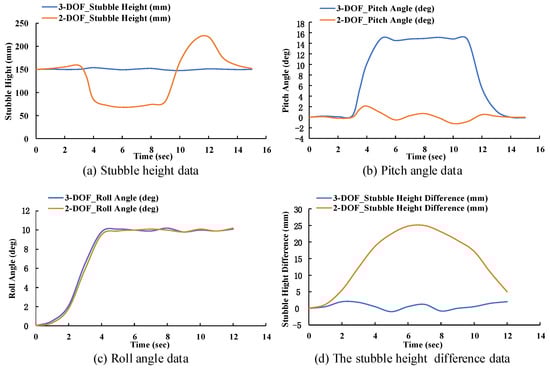
To address the problems of uneven stubble height and high missed-cutting rate caused by the insufficient profiling capability of traditional forage harvesters in complex hilly terrain, this paper designs a three-degrees-of-freedom (DOF) profiling header primarily for typical hilly terrain with gentle slopes of 8–15°. Through pitch, roll, and height adjustments, it stably maintains stubble height at 150 mm. Subsequently, geometric analysis and structural optimization achieved kinematic decoupling among all degrees of freedom, thereby overcoming the inherent limitations of the two-DOF header, such as poor adaptability to longitudinal slope and strong adjustment coupling. Three-dimensional modeling was completed in SolidWorks, multibody dynamics simulation was performed in ADAMS, and a profiling control system incorporating a hydraulic system, multi-source sensor fusion, and a fuzzy PID controller was built. The dynamics simulation results show that under the working conditions of 15° longitudinal and 10° transverse slopes, the stubble height error of the header is controlled within 10%, the attitude angle adjustment error is less than 0.5°, and the dynamic response is excellent. Prototype field tests showed that, compared with the two-DOF header, the three-DOF profiling header improved the stubble height stability by about 35%, reduced the missed-cutting rate by about 5%, and increased the operating efficiency by about 15%. No cutting blade contact with the soil occurred, verifying the rationality of the mechanism design and its adaptability to terrain. This study provides an effective technical solution for improving the mechanization level of forage harvesting in hilly and mountainous areas.
Full article
(This article belongs to the Special Issue Data-Driven Fields: AI and Unmanned Sensing Technologies in Agricultural Optimization)
►▼
Show Figures

Figure 1

Open AccessArticle
Effects of Planting Speed, Downforce, Vacuum, and Planter Platform on Peanut Stand Establishment, Spacing Uniformity, and Yield
by
Marco Torresan, Wesley Porter, Lavesta C. Hand, Walter Scott Monfort, Nicola Dal Ferro, Hasan Mirzakhaninafchi and Glen Rains
AgriEngineering 2026, 8(4), 144; https://doi.org/10.3390/agriengineering8040144 - 8 Apr 2026
Abstract
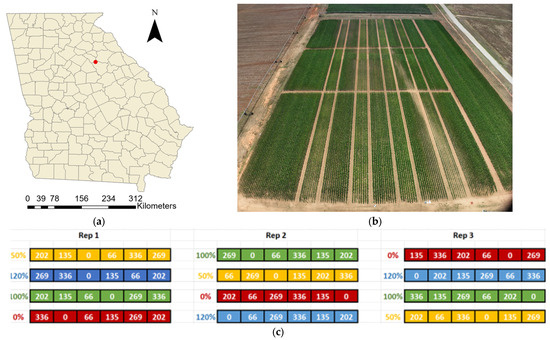
Peanut planting presents unique challenges due to the large, fragile, and irregular seed and the sensitivity of seed metering systems to operating conditions. Field experiments were conducted between 2022 and 2025 in Georgia to evaluate how planting speed, row-unit downforce, vacuum setting, and
[...] Read more.
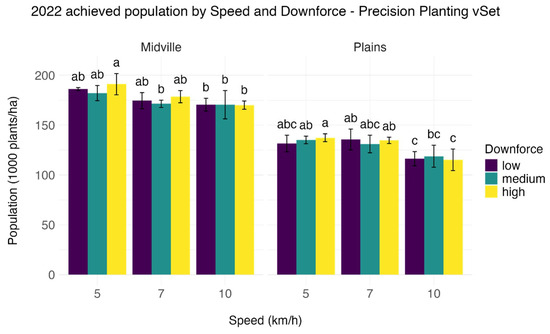
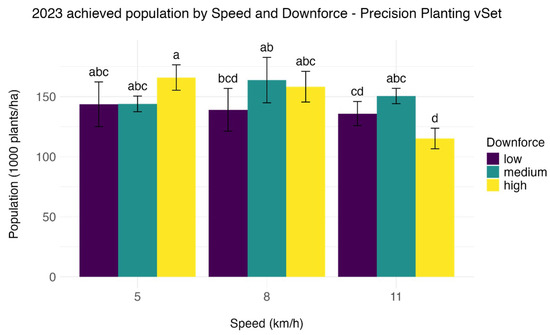
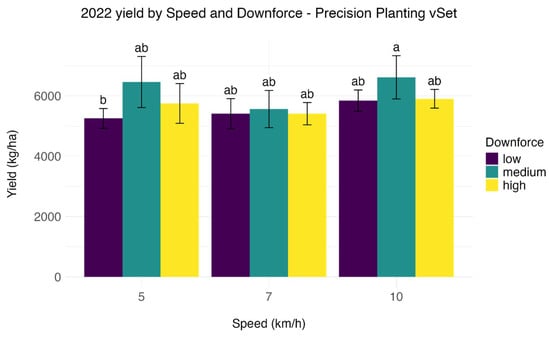
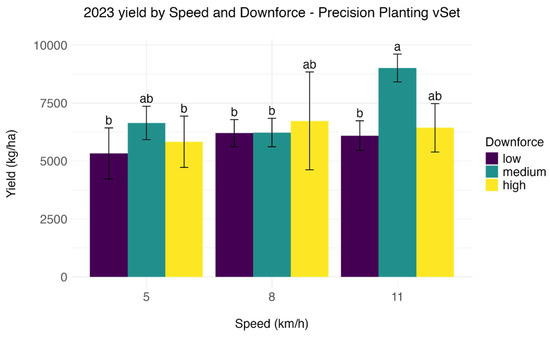
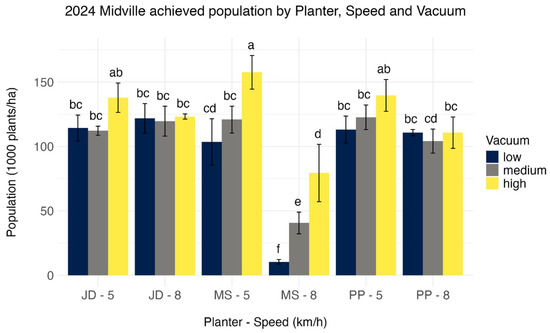
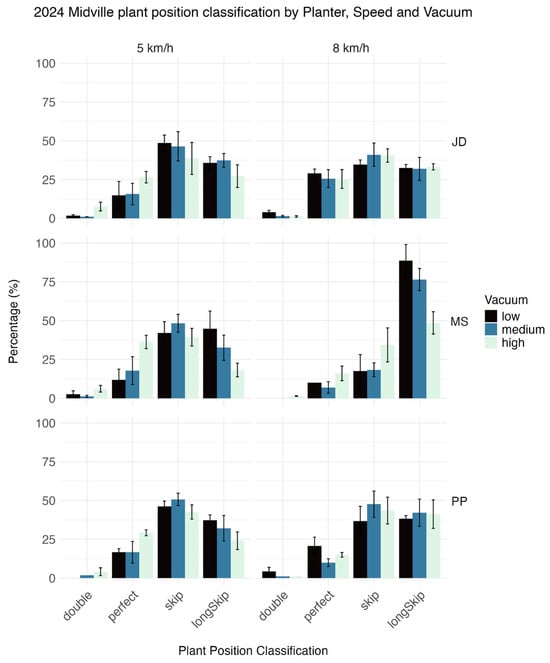
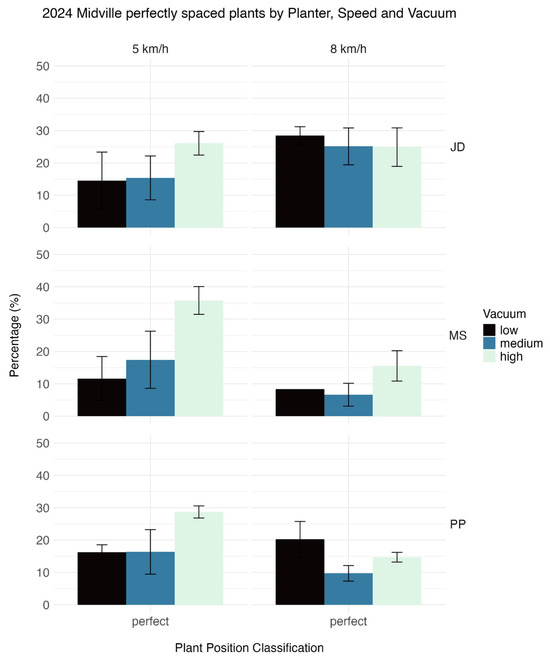
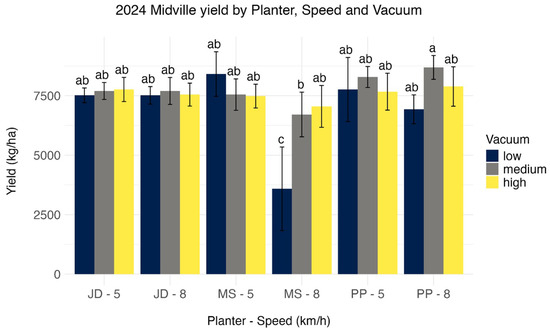
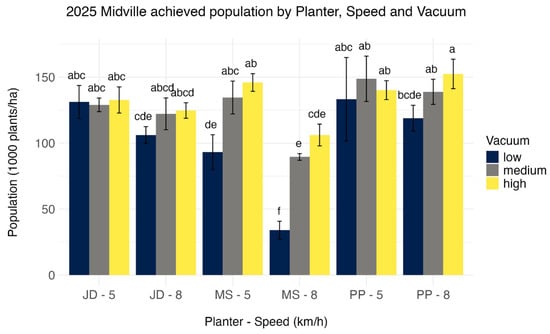
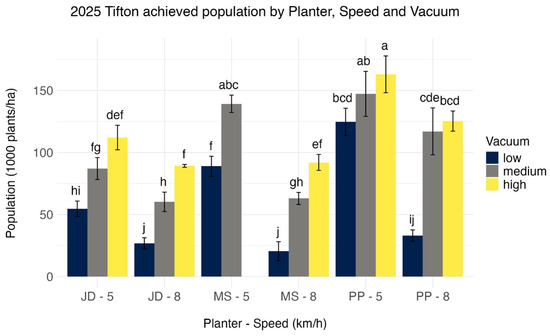
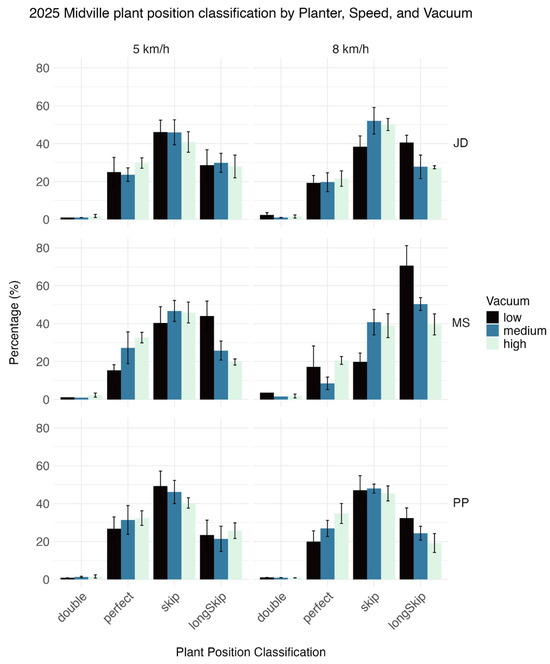
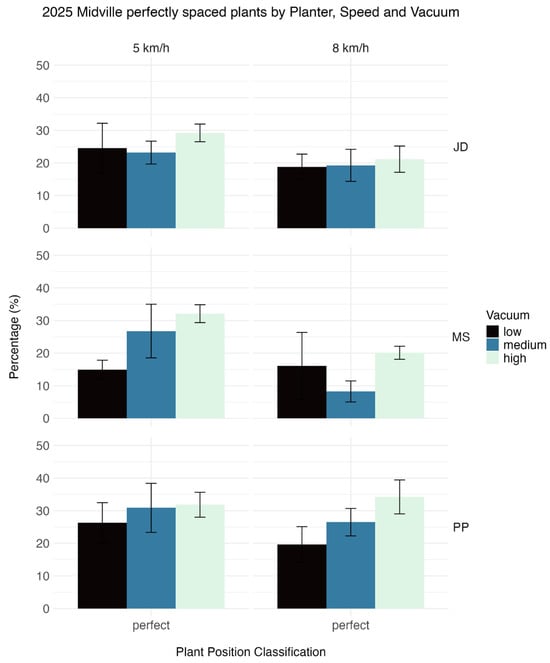
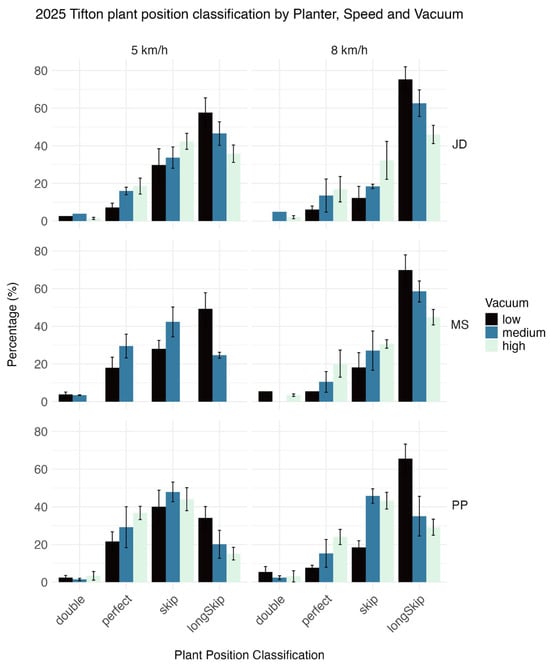
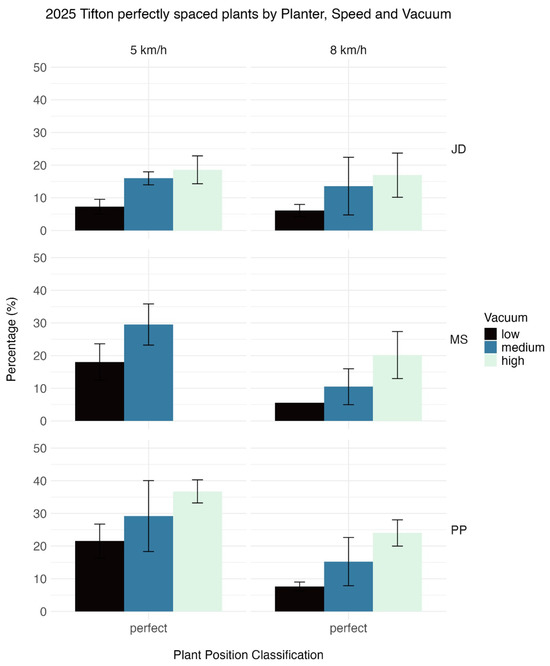
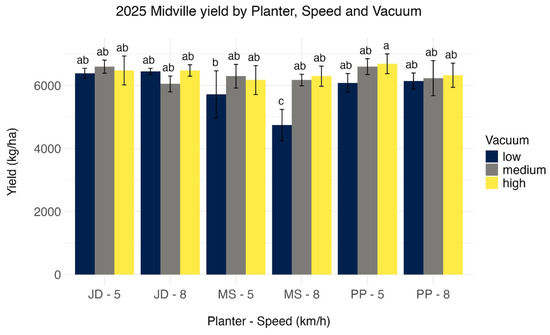
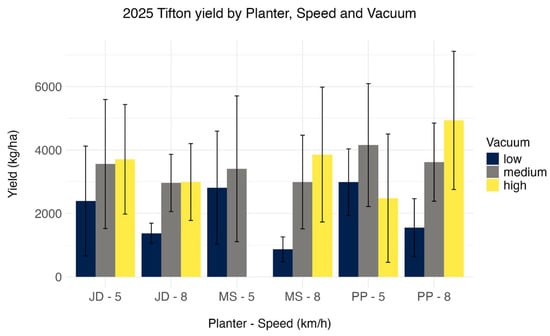
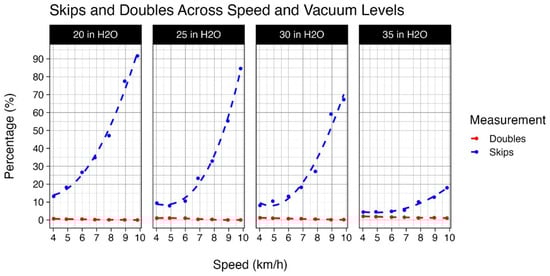
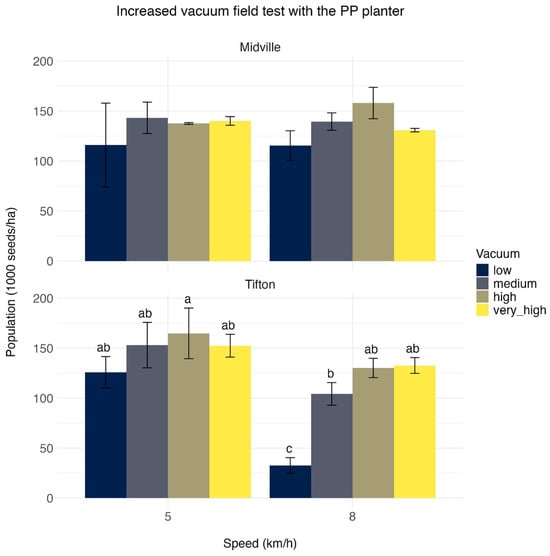
Peanut planting presents unique challenges due to the large, fragile, and irregular seed and the sensitivity of seed metering systems to operating conditions. Field experiments were conducted between 2022 and 2025 in Georgia to evaluate how planting speed, row-unit downforce, vacuum setting, and planter platform influence peanut stand establishment, final within-row plant distribution, and yield in single-row planting systems. Trials included speed × downforce evaluations using an electric seed meter and planter-platform × speed × planter-specific vacuum comparisons involving ground-driven, hydraulic-driven, and electric-driven seed meters. Achieved population was determined from post-emergence stand counts, plant distribution was evaluated using emerged-plant position classification relative to theoretical plant spacing, and yield was measured at harvest. Across site years, achieved population patterns were consistently associated with planting speed and vacuum setting, whereas downforce effects were minor and inconsistent within site years. Higher achieved populations were generally obtained at 5 km h−1 and at higher planter-specific vacuum settings, especially for the ground-driven planter. Hydraulic- and electric-driven planter platforms were less sensitive to changes in speed and vacuum and more often maintained acceptable stands at 8 km h−1. Despite large differences in achieved population and plant distribution, peanut yield was often not significantly reduced until stand loss became severe, indicating substantial yield compensation. Spacing uniformity remained poor across all treatments, with skips and long skips common regardless of planter platform. These results indicate that peanut planting performance in current single-row systems is constrained primarily by seed singulation rather than downforce, and that hydraulic- and electric-driven planter platforms improve operational flexibility more consistently than yield.
Full article
(This article belongs to the Section Agricultural Mechanization and Machinery)
►▼
Show Figures

Figure 1
Open AccessArticle
Hierarchical Spectral Modelling of Pasture Nutrition: From Laboratory to Sentinel-2 via UAV Hyperspectral
by
Jason Barnetson, Hemant Raj Pandeya and Grant Fraser
AgriEngineering 2026, 8(4), 143; https://doi.org/10.3390/agriengineering8040143 - 7 Apr 2026
Abstract
This study demonstrates a hierarchical spectral modelling approach for predicting pasture nutrition metrics using TabPFN (Tabular Prior-Data Fitted Network), a transformer-based machine learning architecture. In the face of climate variability, aligning stocking rates with pasture resources is crucial for sustainable livestock grazing, requiring
[...] Read more.
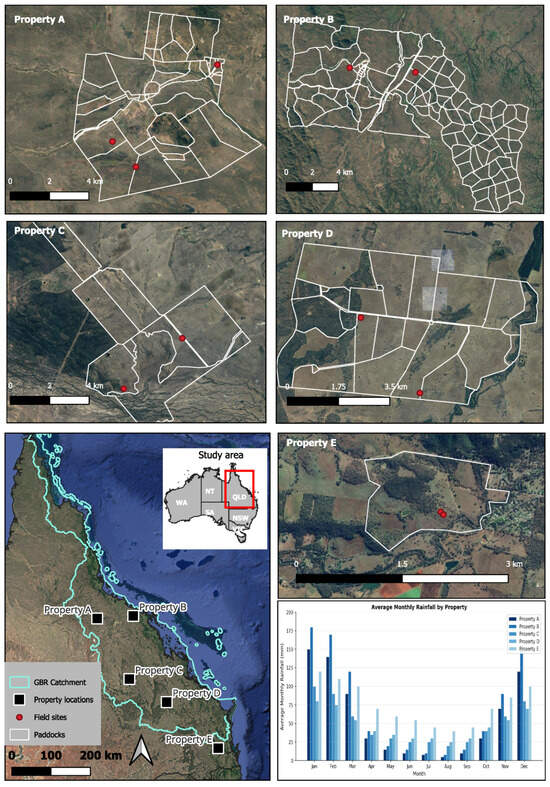
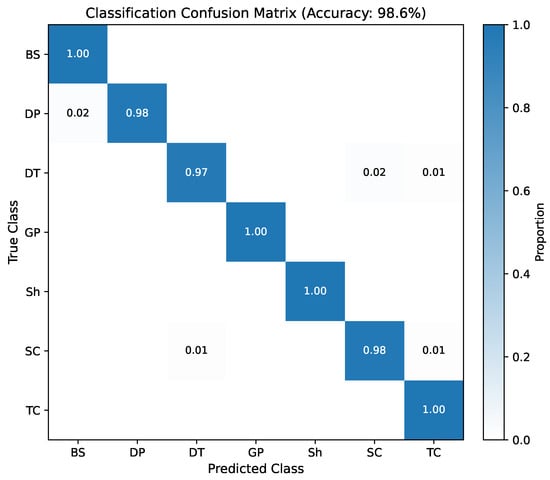
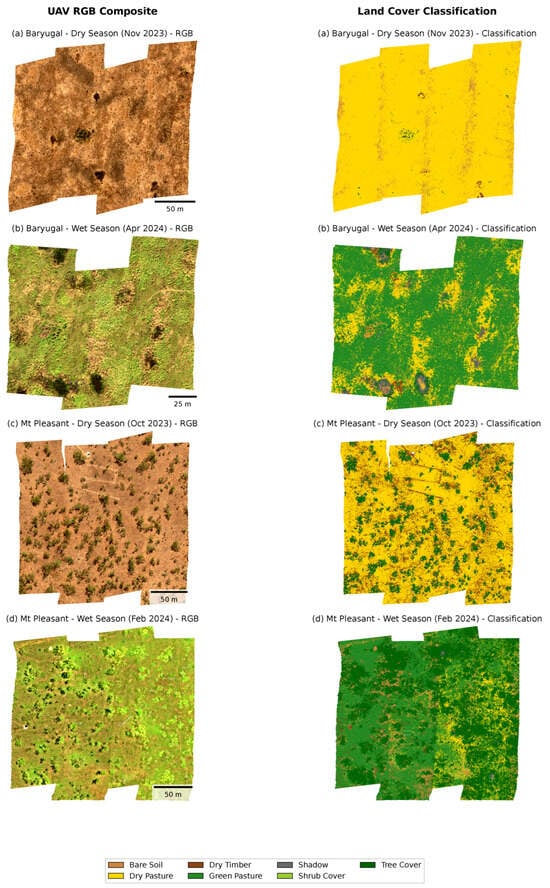
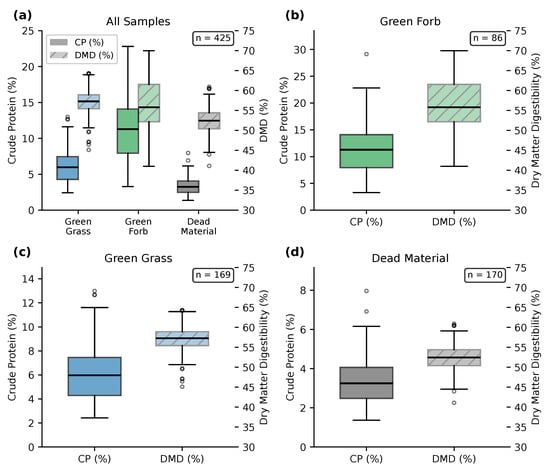
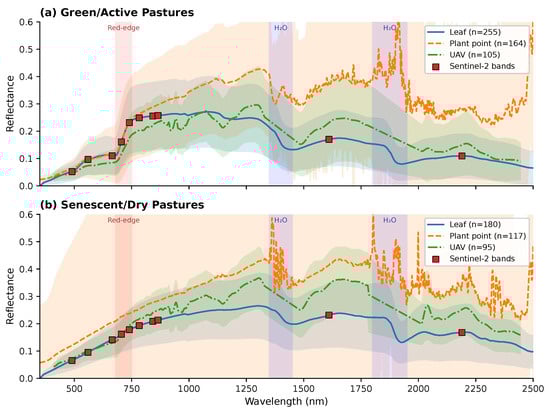
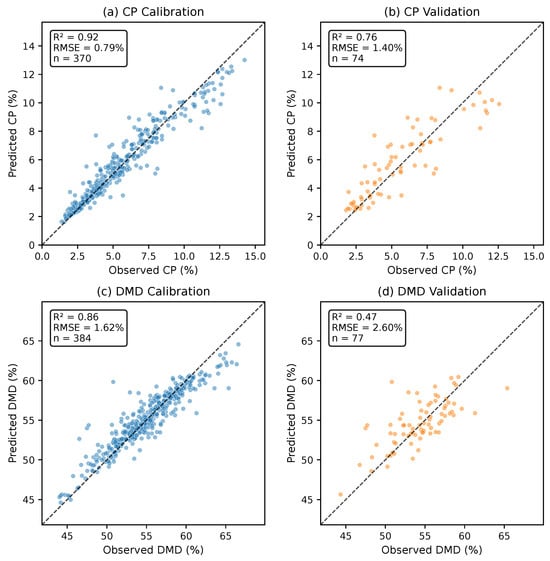
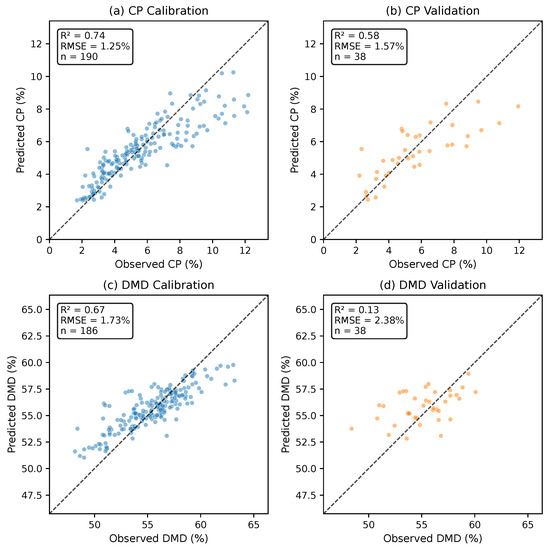
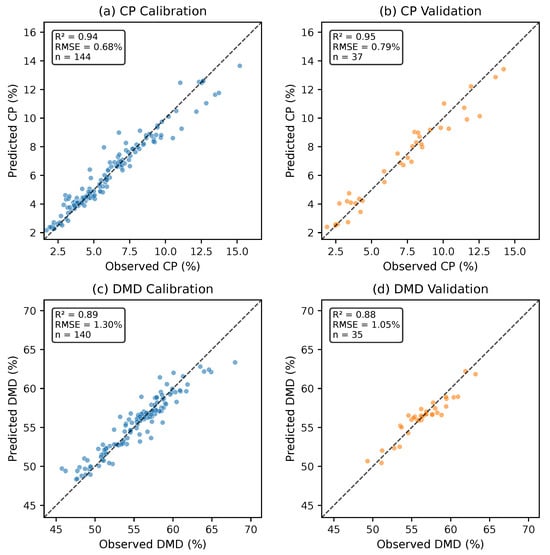
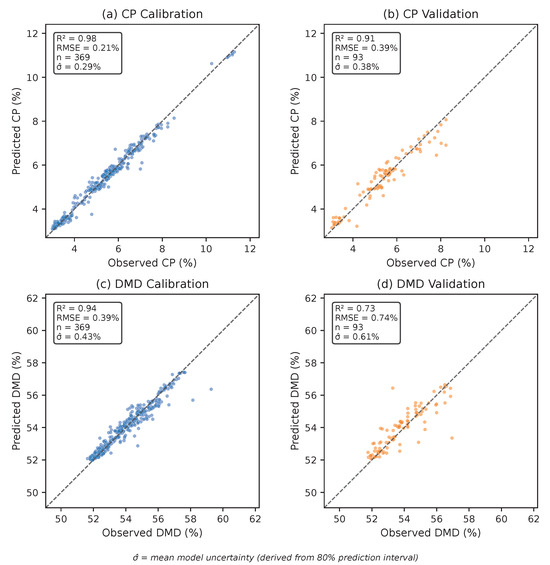
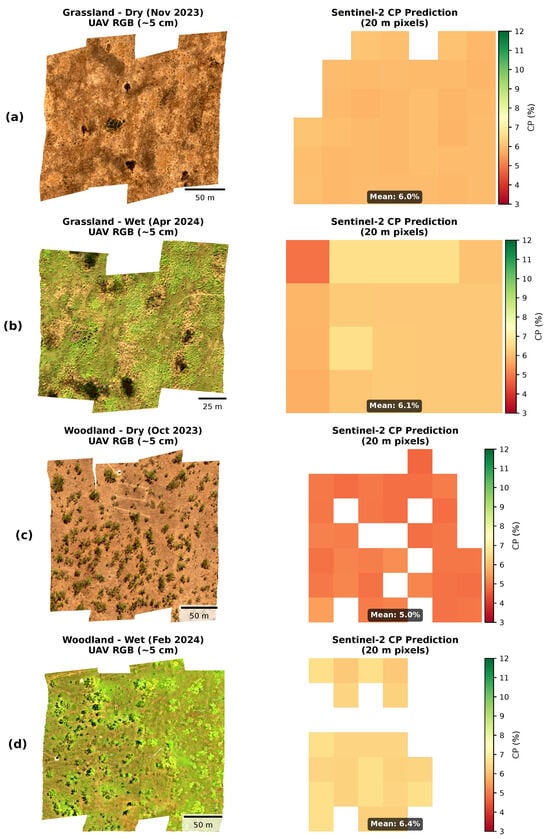
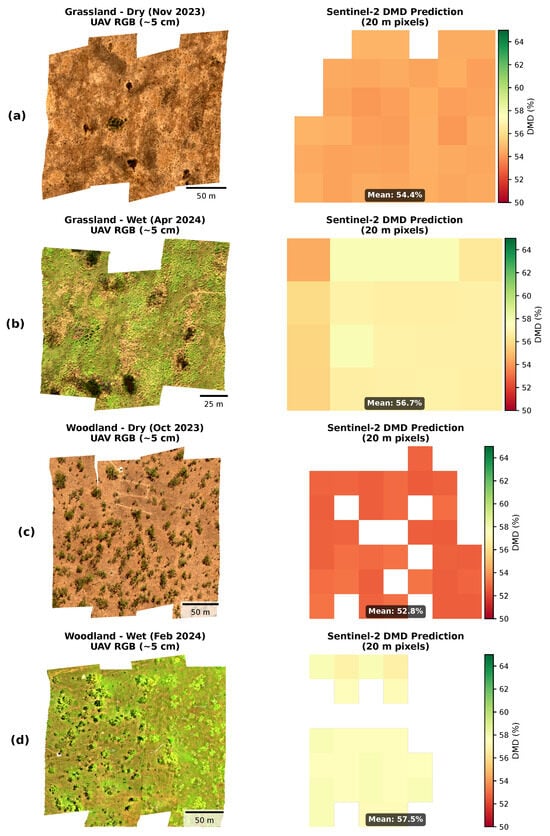
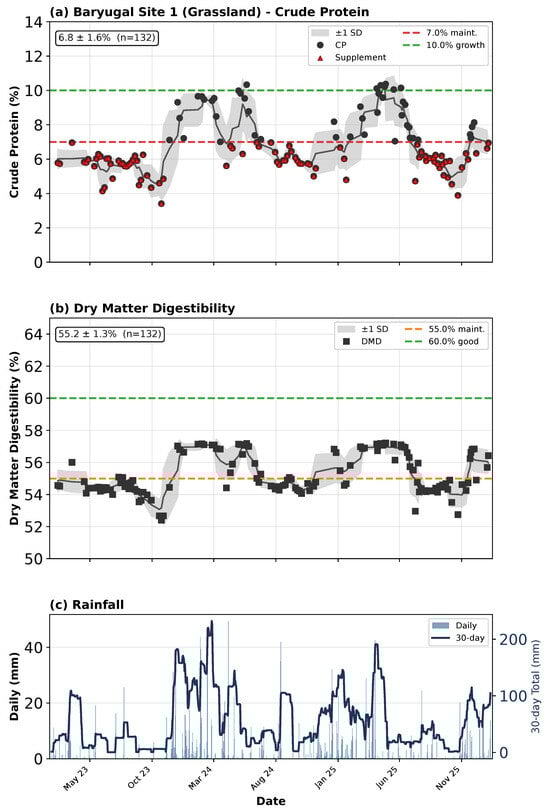
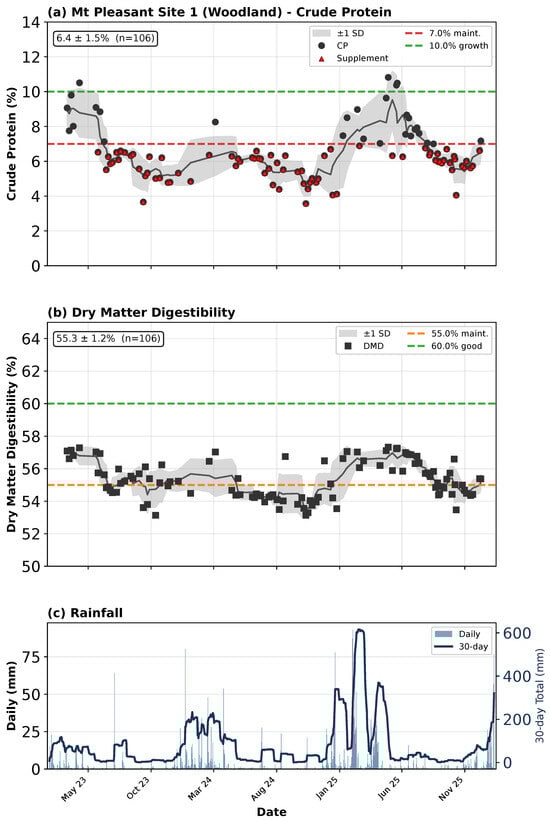
This study demonstrates a hierarchical spectral modelling approach for predicting pasture nutrition metrics using TabPFN (Tabular Prior-Data Fitted Network), a transformer-based machine learning architecture. In the face of climate variability, aligning stocking rates with pasture resources is crucial for sustainable livestock grazing, requiring accurate assessments of both pasture biomass and nutrient composition. Our research, conducted across diverse growth stages at five tropical and subtropical savanna rangeland properties in Queensland, Australia, with native and introduced C4 grasses, employed a hierarchical sampling and modelling strategy that scales from laboratory spectroscopy to Sentinel-2 satellite predictions via uncrewed aerial vehicle (UAV) hyperspectral imaging. Spectral data were collected from leaf (laboratory spectroscopy) through field (point measurements), UAV hyperspectral imaging, and Sentinel-2 satellite imagery. Traditional laboratory wet chemistry methods determined plant leaf and stem nutrient content, from which crude protein (CP = total nitrogen (TN) × 6.25) and dry matter digestibility (DMD = 88.9–0.779 × acid detergent fibre (ADF)) were derived. TabPFN models were trained at each spatial scale, achieving validation of 0.76 for crude protein at the leaf scale, 0.95 at the UAV scale, and 0.92 at the Sentinel-2 satellite scale. For dry matter digestibility, validation was 0.88 at the UAV scale and 0.73 at the Sentinel-2 scale. A pasture classification masking approach using a deep neural network with 98.6% accuracy (7 classes) was implemented to focus predictions on productive pasture areas, excluding bare soil and woody vegetation. The Sentinel-2 models were trained on 462 samples from 19 site–date combinations across 11 field sites. The TabPFN architecture provided notable advantages over traditional neural networks: no hyperparameter tuning required, faster training, and superior generalisation from limited training samples. These results demonstrate the potential for accurate and efficient prediction and mapping of pasture quality across large areas (100 s–1000 s ) using freely available satellite imagery and open-source machine learning frameworks.
Full article
(This article belongs to the Special Issue The Application of Remote Sensing for Agricultural Monitoring)
►▼
Show Figures

Figure 1

Open AccessReview
The Role of AI-Integrated Drone Systems in Agricultural Productivity and Sustainable Pest Management
by
Muhammad Towfiqur Rahman, A. S. M. Bakibillah, Adib Hossain, Ali Ahasan, Md. Naimul Basher, Kabiratun Ummi Oyshe and Asma Mariam
AgriEngineering 2026, 8(4), 142; https://doi.org/10.3390/agriengineering8040142 - 7 Apr 2026
Abstract
Artificial intelligence (AI)-assisted drone technology in agriculture has transformed productivity and pest control techniques, resulting in novel solutions to modern farming challenges. Drones utilizing sensors, cameras, and AI algorithms can precisely monitor crop health, soil conditions, and insect infestations. Using AI-assisted drones for
[...] Read more.
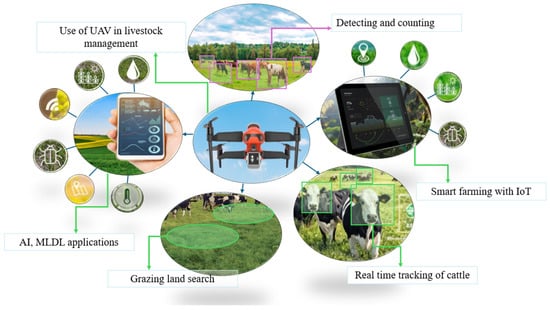
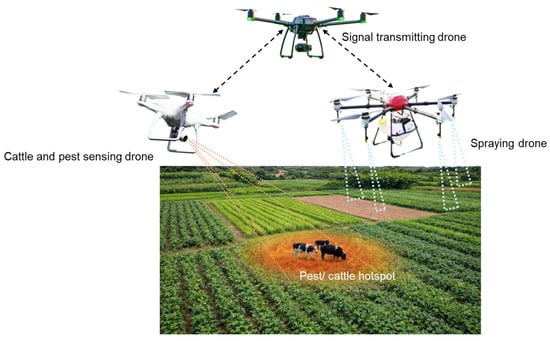
Artificial intelligence (AI)-assisted drone technology in agriculture has transformed productivity and pest control techniques, resulting in novel solutions to modern farming challenges. Drones utilizing sensors, cameras, and AI algorithms can precisely monitor crop health, soil conditions, and insect infestations. Using AI-assisted drones for precision irrigation and yield predictions further improves resource allocation, promotes sustainability, and reduces operating costs. This review examines recent advancements in AI and unmanned aerial vehicles (UAVs) in precision agriculture. Key trends include AI-driven crop disease detection, UAV-enabled multispectral imaging, precision pest management, smart tractors, variable-rate fertilization, and integration with IoT-based decision support systems. This study synthesizes current research to identify technological progress, implementation challenges, scalability barriers, and opportunities for sustainable agricultural transformation. This review of peer-reviewed studies published between 2013 and 2025 uses major scientific databases and predefined inclusion and exclusion criteria covering crop monitoring, precision input application, integrated pest management (IPM), and livestock (especially cattle) monitoring. We describe the platform and payload trade-offs that govern coverage, endurance, and spray quality; the dominant analytics trends, from classical machine learning to deep learning and embedded/edge inference; and the emerging shift from monitoring-only UAV use toward closed-loop decision-making (detection–prediction–intervention). Across the literature, the strongest opportunities lie in robust field validation, multi-modal data fusion (UAV + ground sensors + farm records), and interoperable standards that enable actionable IPM decisions. Key gaps include limited cross-site generalization, scarce reporting of economic indicators (ROI, payback period, and adoption rate), and regulatory and safety barriers for routine autonomous operations. Finally, we present some case studies to emphasize the feasibility and highlight future research directions of AI-assisted drone technology. Through this review, we aim to demonstrate technological advancements, challenges, and future opportunities in AI-assisted drone applications, ultimately advocating for more sustainable and cost-effective farming practices.
Full article
(This article belongs to the Section Computer Applications and Artificial Intelligence in Agriculture)
►▼
Show Figures

Figure 1
Open AccessArticle
Assessing the Viability of Chitosan-Based Films Reinforced with Cellulose Nanofibers from Salicornia ramosissima Agro-Industrial By-Product for Food Packaging
by
Alexandre R. Lima, Laurence Sautron, Aliki Kalamaridou, Nathana L. Cristofoli, Andreia C. Quintino, Renata A. Amaral, Jorge A. Saraiva and Margarida C. Vieira
AgriEngineering 2026, 8(4), 141; https://doi.org/10.3390/agriengineering8040141 - 5 Apr 2026
Abstract
This study investigates the valorisation of Salicornia ramosissima agro-industrial by-product by using cellulose nanofibers (CNFs) extracted from this halophyte to reinforce chitosan-based films. The physical, mechanical, and thermal properties of chitosan films containing 0% (control), 1%, and 2% (w/w)
[...] Read more.
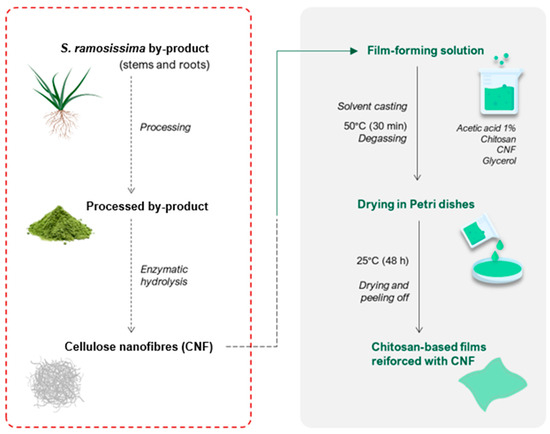
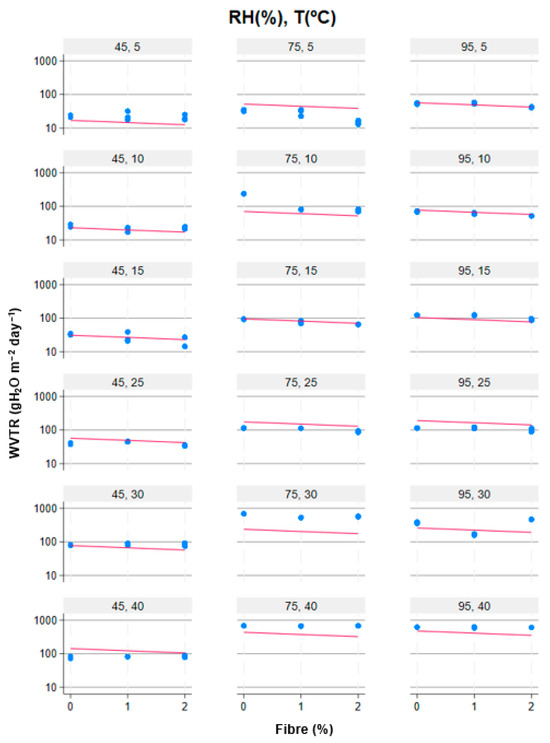
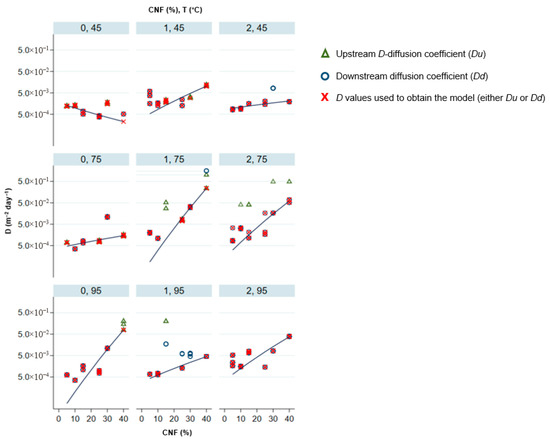
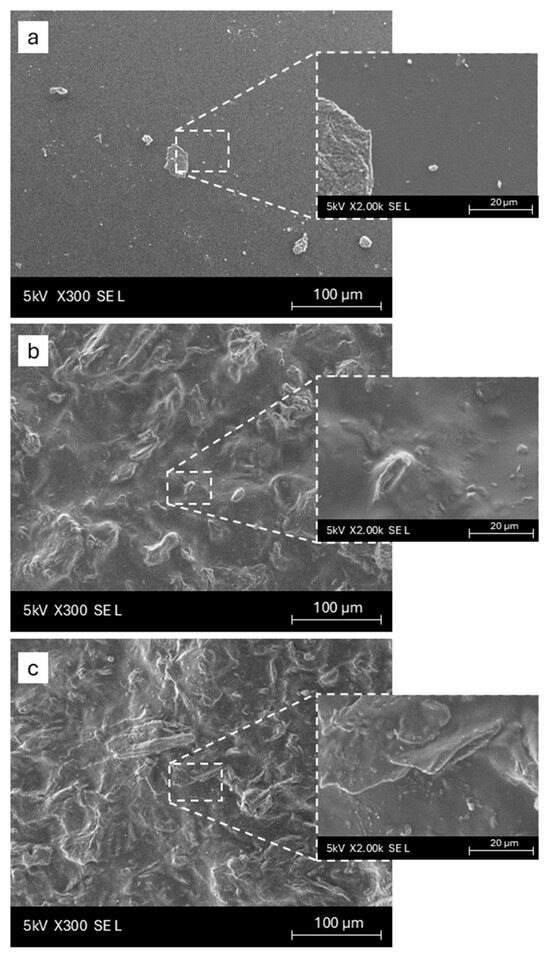
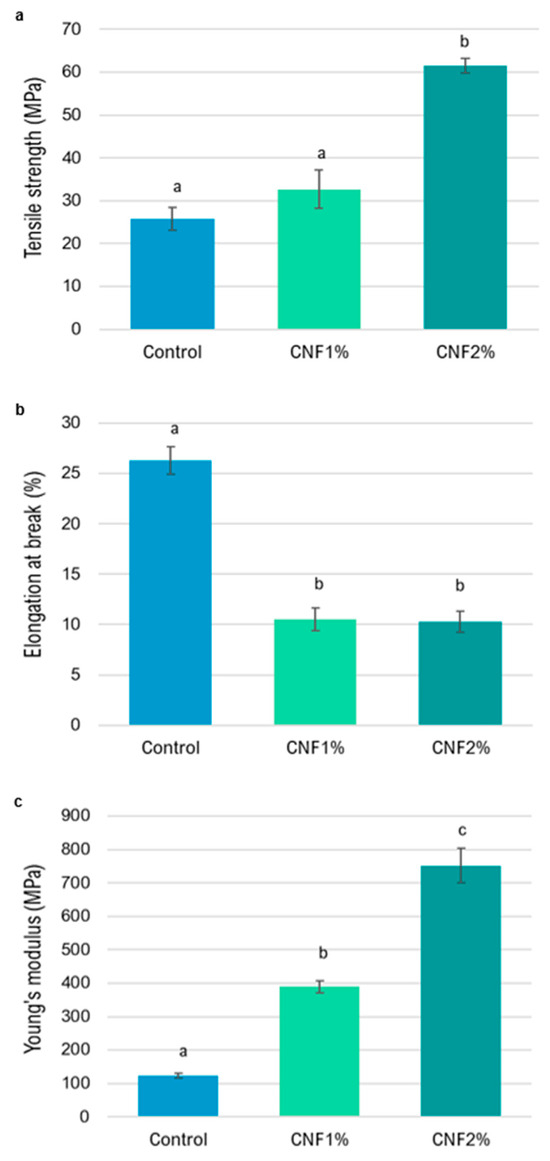
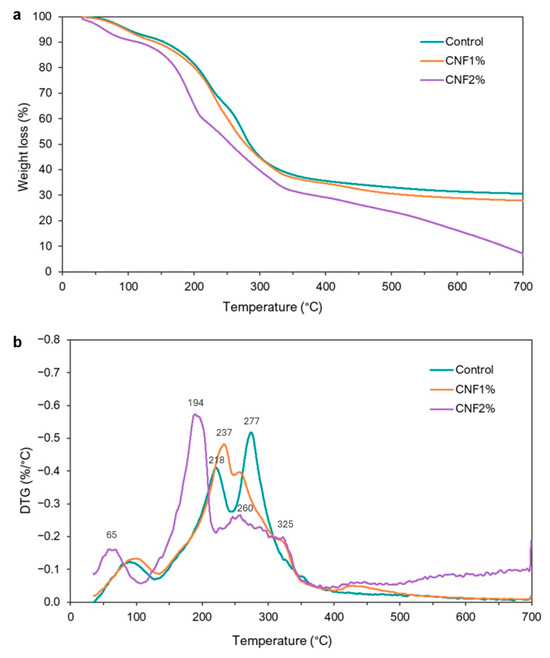
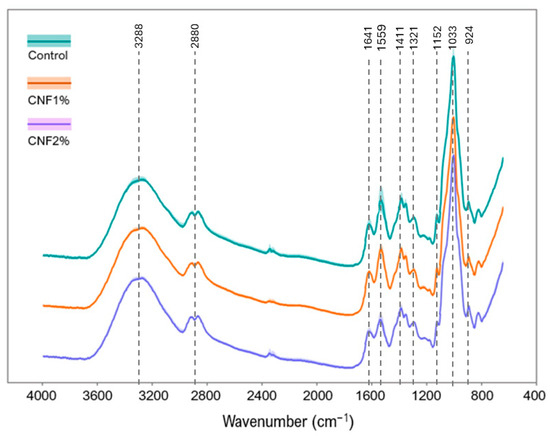
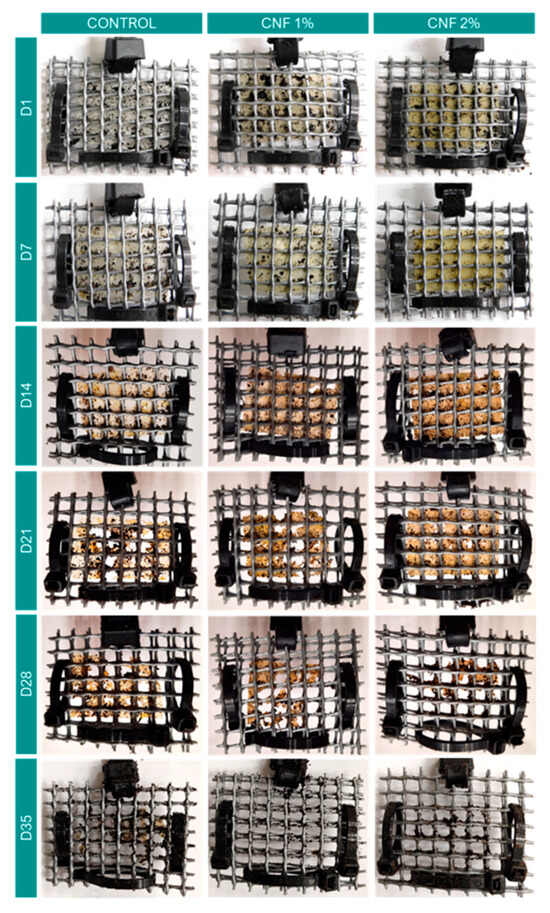
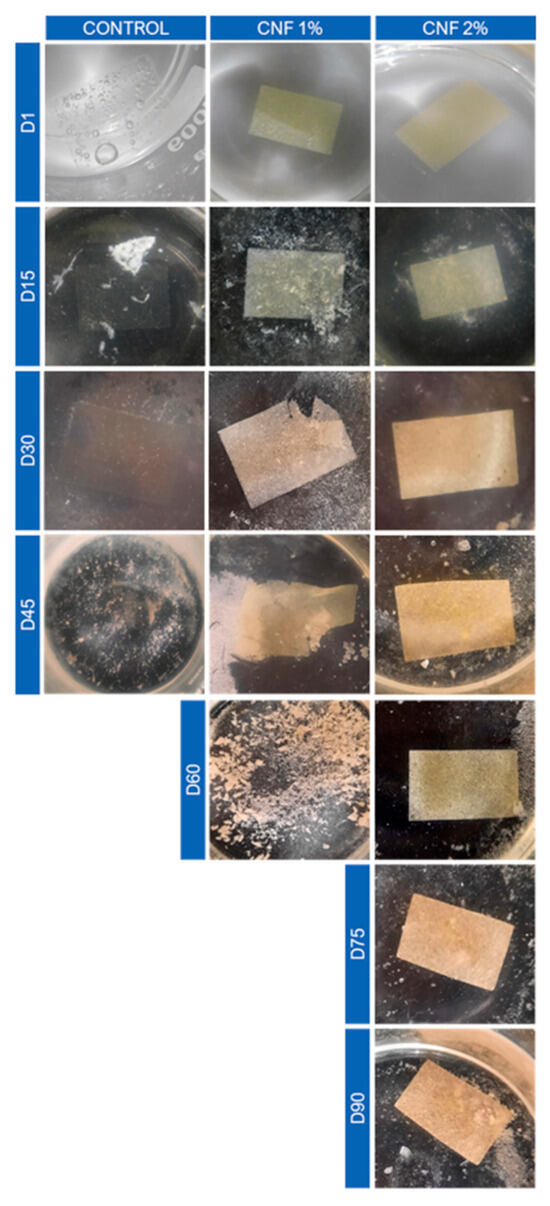
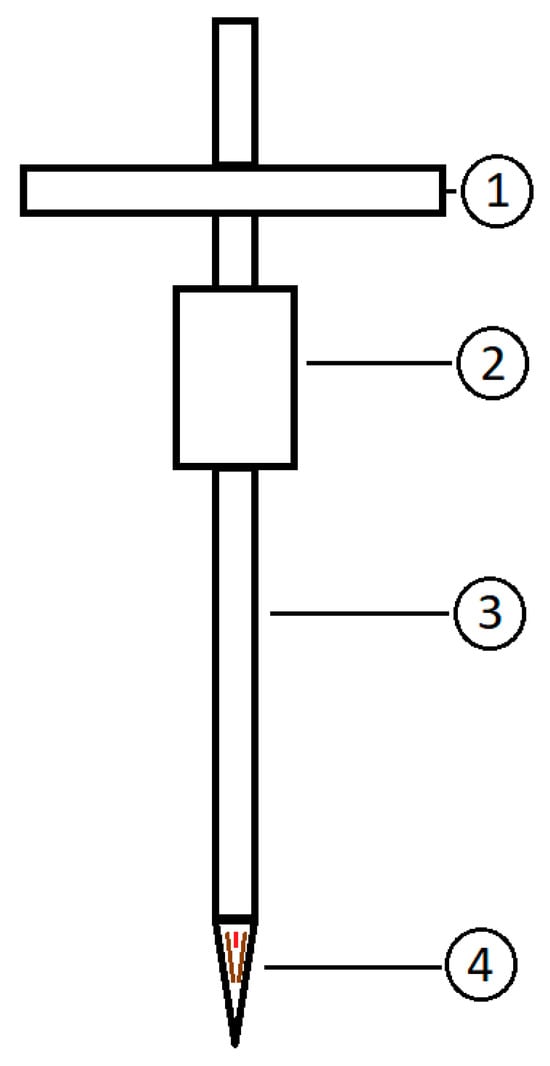
This study investigates the valorisation of Salicornia ramosissima agro-industrial by-product by using cellulose nanofibers (CNFs) extracted from this halophyte to reinforce chitosan-based films. The physical, mechanical, and thermal properties of chitosan films containing 0% (control), 1%, and 2% (w/w) CNF were evaluated. Films were produced by solvent casting with glycerol as a plasticiser. At the 2% CNF concentration, films exhibited a reduced moisture content and increased solubility in aqueous solutions. The water vapour transmission rate (WVTR) decreased as CNF content increased under constant humidity but increased at higher temperature and humidity. Control films were more transparent, yet CNF-reinforced films had higher tensile strength and Young’s modulus, reflecting greater stiffness. Maximum elongation at break decreased markedly with the addition of CNFs. SEM revealed that reinforced films had more heterogeneous, rougher surfaces, particularly at 2% CNF. Thermogravimetric analysis showed that 2% CNF adversely affected the thermal stability of the chitosan film. ATR-FTIR spectra indicated that CNF reinforcement protected against UV-induced degradation. Degradability tests in soil and seawater confirmed that the chitosan–CNF mixture preserved degradability, especially at 1% CNF. These findings demonstrate that reinforcing chitosan-based films with CNFs from S. ramosissima can improve functional properties and suggest the potential of this approach for biomaterials development in food packaging applications.
Full article
(This article belongs to the Section Sustainable Bioresource and Bioprocess Engineering)
►▼
Show Figures

Figure 1
Open AccessArticle
Inactivation of Weedy Rice Using 915 MHz Microwaves with Soil Physicochemical Property and Microbiome Retention
by
Kaushik Luthra, Devisree Chukkapalli, Bindu Regonda, Chris Isbell, Akshita Mishra and Griffiths Atungulu
AgriEngineering 2026, 8(4), 140; https://doi.org/10.3390/agriengineering8040140 - 5 Apr 2026
Abstract
►▼
Show Figures
There is a growing demand for alternative low cost and sustainable weed management technology suitable for aerobic and organic farming. This study evaluates 915 MHz microwave heating as a potential non-chemical approach for managing weedy rice while assessing its impact on soil physicochemical
[...] Read more.
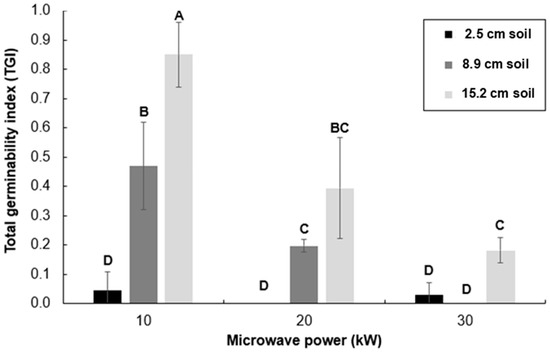
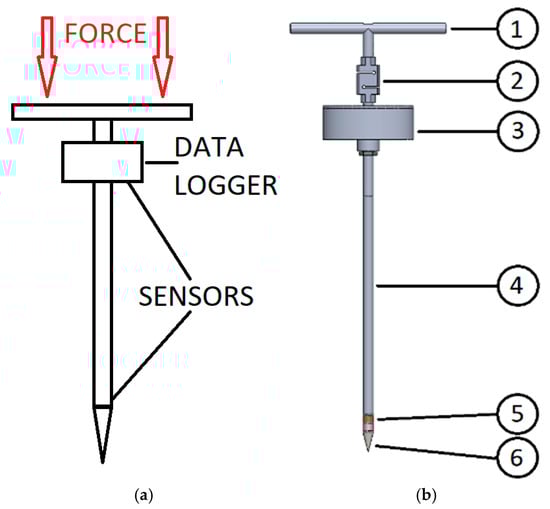
There is a growing demand for alternative low cost and sustainable weed management technology suitable for aerobic and organic farming. This study evaluates 915 MHz microwave heating as a potential non-chemical approach for managing weedy rice while assessing its impact on soil physicochemical properties and selected microbial groups. Microwave power levels of 10, 20, and 30 kW were applied to soil at depths of 2.5, 8.9, and 15.2 cm under controlled laboratory conditions. Weed emergence was quantified using the total germinability index (TGI), and soil physicochemical and microbial responses were analyzed in separate experiments. TGI decreased significantly with increasing microwave power and decreasing soil depth, ranging from 0.84 (10 kW at 15.2 cm) to 0 (20 kW at 2.5 cm and 30 kW at 8.9 cm). For 8.9 cm soil depth, energy levels between 176 and 265 kJ/kg resulted in 80–100% emergence suppression, while treatment of 15.2 cm soil at 30 kW for 30 s (188 kJ/kg) reduced TGI by approximately 80% and germination by 64% relative to control. Soil physicochemical properties showed minimal changes, with values remaining within agronomically acceptable ranges. Total bacterial abundance was not significantly affected, whereas ammonia-oxidizing archaea and bacteria were reduced following treatment. These results indicate that microwave heating can effectively suppress weedy rice emergence under controlled conditions, primarily through thermal effects. However, TGI reflects emergence suppression and does not distinguish underlying mechanisms such as lethality, injury, or dormancy. Additionally, limitations including low replication, lack of depth-matched controls, and limited spatial temperature measurements should be considered. Further field-scale studies are needed to validate performance, optimize energy requirements, and assess long-term soil impacts.
Full article

Figure 1
Journal Menu
► ▼ Journal Menu-
- AgriEngineering Home
- Aims & Scope
- Editorial Board
- Topical Advisory Panel
- Instructions for Authors
- Special Issues
- Topics
- Sections & Collections
- Article Processing Charge
- Indexing & Archiving
- Editor’s Choice Articles
- Most Cited & Viewed
- Journal Statistics
- Journal History
- Journal Awards
- Editorial Office
Journal Browser
► ▼ Journal BrowserHighly Accessed Articles
Latest Books
E-Mail Alert
News
Topics
Topic in
Agriculture, AgriEngineering, Agronomy, Applied Sciences, Automation, Crops, Robotics, Sensors
Digital Agriculture, Smart Farming and Crop Monitoring
Topic Editors: Qingting Liu, Tao Wu, Zhigang ZhangDeadline: 30 April 2026
Topic in
Electronics, AgriEngineering, AI Sensors, Healthcare, AI, BioMedInformatics, BDCC, Information
Generative AI and Interdisciplinary Applications
Topic Editors: Jisheng Dang, Wenjie Wang, Yongqi Li, Juncheng LiDeadline: 31 August 2026
Topic in
Agriculture, Applied Sciences, Sci, Energies, AgriEngineering, Automation
New Research on Automated and Efficient Agricultural Machineries
Topic Editors: Francesco Mocera, Aurelio Somà, Simone PascuzziDeadline: 31 December 2026
Topic in
Agriculture, AgriEngineering, Agronomy, Applied Sciences, Horticulturae, Water
Smart Irrigation and Crop Management: Towards Sustainable and Resilient Agriculture
Topic Editors: Maria do Rosario Cameira, Joao RolimDeadline: 31 January 2027
Special Issues
Special Issue in
AgriEngineering
Lightweight AI for Agricultural Quality Assurance: Computer Vision Applications in Tea and Other High-Value Crops
Guest Editors: Chunwang Dong, Zhiwei Chen, Chennan YuDeadline: 30 April 2026
Special Issue in
AgriEngineering
Advances in Precision Livestock Farming: Engineering Solutions for Modern Animal Husbandry
Guest Editors: Patrícia Ferreira Ponciano Ferraz, Verónica González Cadavid, Giuseppe RossiDeadline: 25 May 2026
Special Issue in
AgriEngineering
Advances in Biochar and Carbon-Negative Technologies for Sustainable Soil Management and Enhanced Crop Productivity
Guest Editors: Muhammad Ayaz, Modupe DoyeniDeadline: 31 May 2026
Special Issue in
AgriEngineering
Integrating AI and Robotics for Precision Weed Control in Agriculture
Guest Editors: Asad (Md) Asaduzzaman, Quazi MamunDeadline: 31 May 2026
Topical Collections
Topical Collection in
AgriEngineering
Research Progress of Agricultural Machinery Testing
Collection Editors: Kléber Pereira Lanças, Daniel Albiero, Alberto Kazushi Nagaoka, Francesco Marinello
Topical Collection in
AgriEngineering
Exploring the Application of Artificial Intelligence and Image Processing in Agriculture
Collection Editors: Yee Siang Gan, Sze-Teng Liong