
Topical Advisory Panel applications are now closed. Please contact the Editorial Office with any queries.
Journal Description
AgriEngineering
AgriEngineering
is an international, peer-reviewed, open access journal on the engineering science of agricultural and horticultural production, published monthly online by MDPI.
- Open Access— free for readers, with article processing charges (APC) paid by authors or their institutions.
- High Visibility: indexed within Scopus, ESCI (Web of Science), PubAg, FSTA, AGRIS, CAPlus / SciFinder, and other databases.
- Journal Rank: JCR - Q2 (Agricultural Engineering) / CiteScore - Q1 (Horticulture)
- Rapid Publication: manuscripts are peer-reviewed and a first decision is provided to authors approximately 22 days after submission; acceptance to publication is undertaken in 6.3 days (median values for papers published in this journal in the second half of 2025).
- Recognition of Reviewers: reviewers who provide timely, thorough peer-review reports receive vouchers entitling them to a discount on the APC of their next publication in any MDPI journal, in appreciation of the work done.
- Journal Cluster of Agricultural Science: Agriculture, Agronomy, Horticulturae, Soil Systems, AgriEngineering, Crops, Seeds, Grasses, Agrochemicals and AI and Precision Agriculture.
Impact Factor:
3.0 (2024);
5-Year Impact Factor:
3.2 (2024)
Latest Articles
EasySpectra: An Integrated Open-Access Platform for Spectral Image Analysis
AgriEngineering 2026, 8(6), 224; https://doi.org/10.3390/agriengineering8060224 - 3 Jun 2026
Abstract
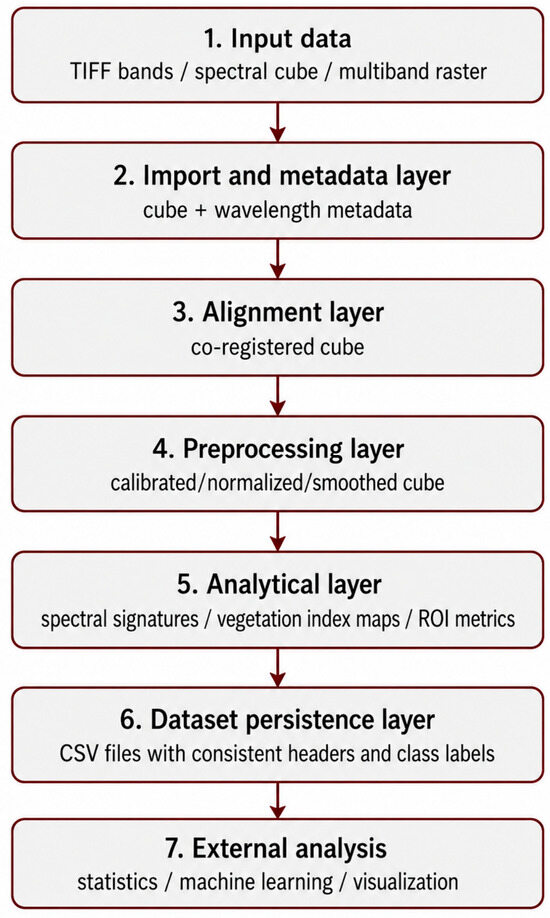
Spectral sensors have expanded the opportunities for the non-destructive monitoring of crops and weeds. However, the lack of standardized and accessible analytical pipelines remains a major limitation for data reproducibility and integration in this field. EasySpectra was developed to address these challenges by
[...] Read more.
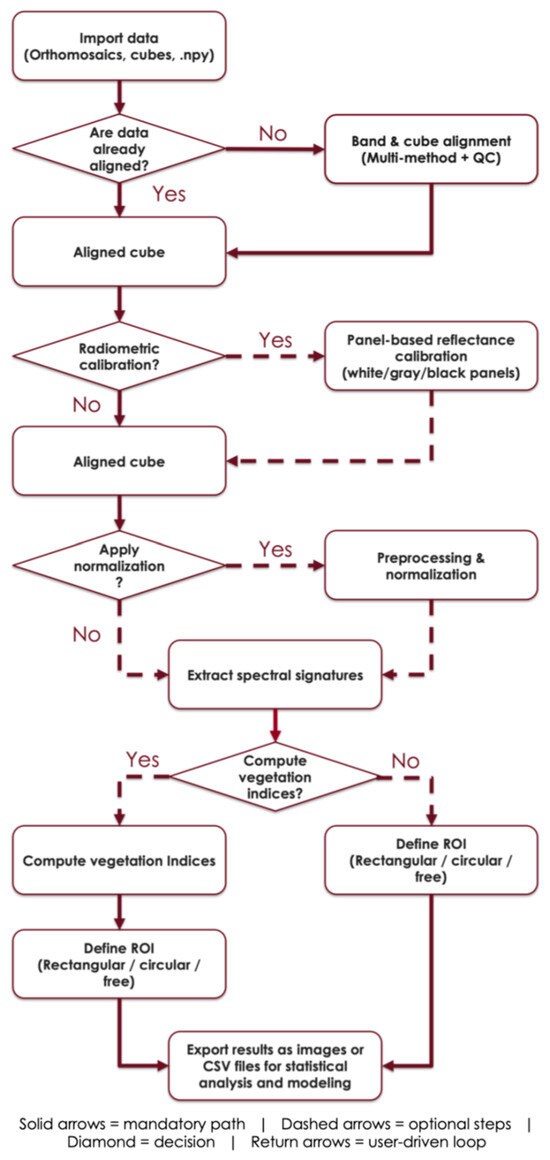
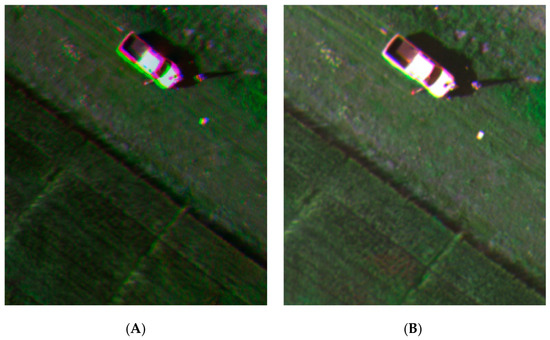
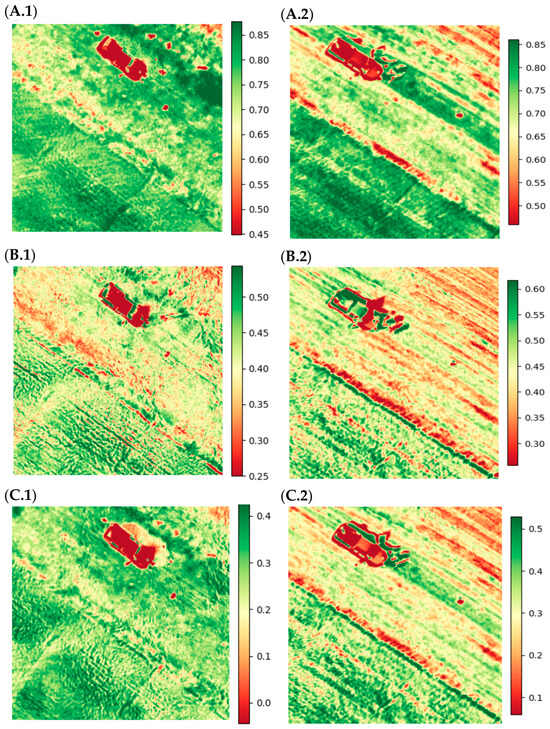
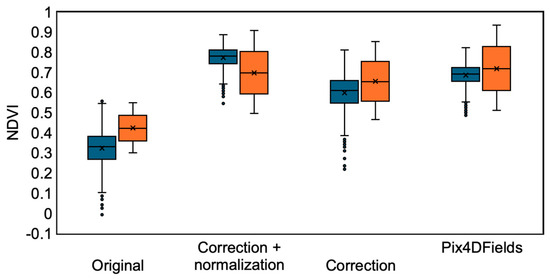
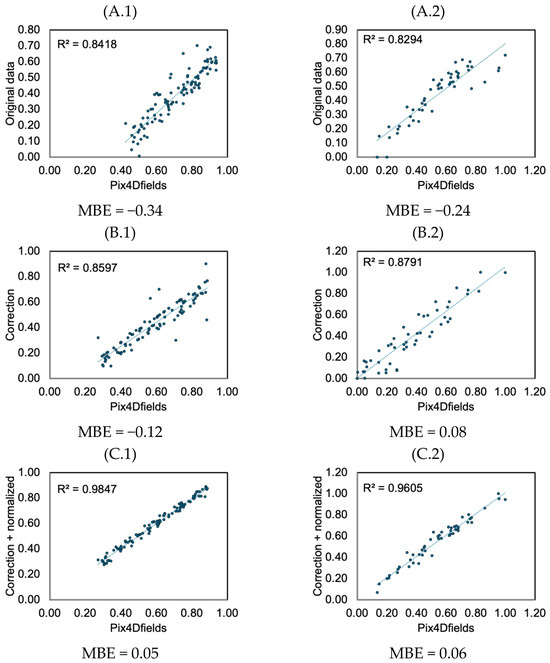
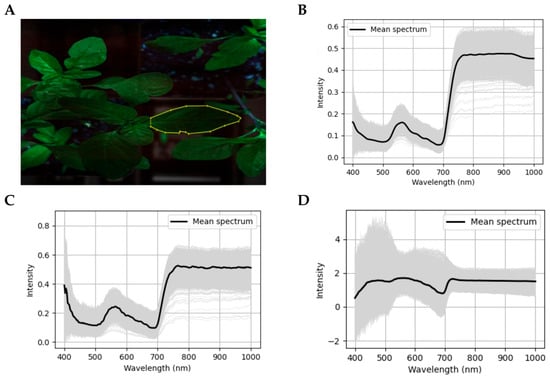
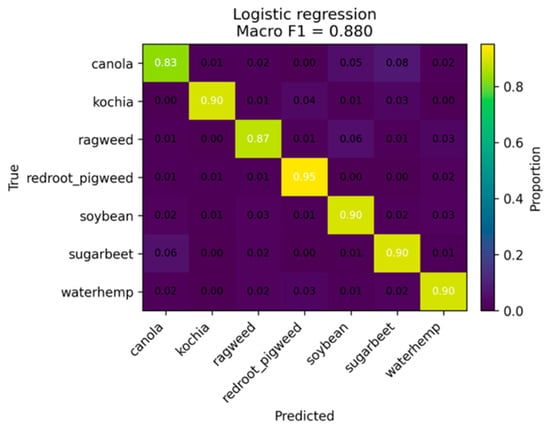
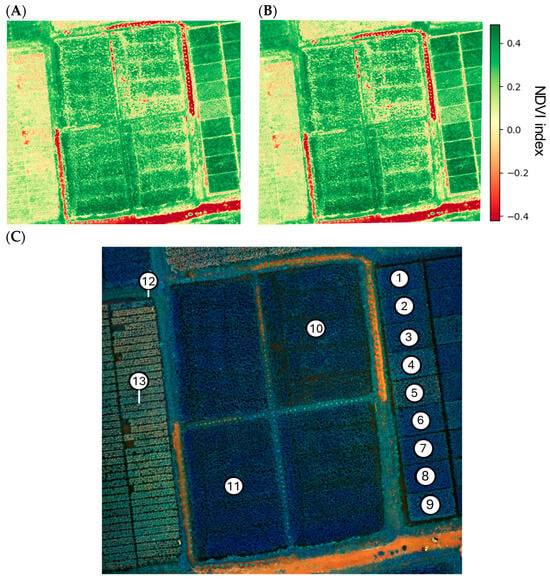
Spectral sensors have expanded the opportunities for the non-destructive monitoring of crops and weeds. However, the lack of standardized and accessible analytical pipelines remains a major limitation for data reproducibility and integration in this field. EasySpectra was developed to address these challenges by providing a unified environment that integrates data import, radiometric calibration, geometric alignment, spectral pre-processing, region-of-interest selection, feature extraction, vegetation index computation, and dataset construction. A graphical user interface guides users through the entire analytical workflow, reducing technical barriers for non-experts. EasySpectra supports heterogeneous data sources, including single-band images, spectral cubes and georeferenced orthomosaics. Across 100 sampled areas, the correction + normalization workflow in EasySpectra produced NDVI values very close to Pix4DFields (0.70 ± 0.052 vs. 0.69 ± 0.055), with a pixel-wise correlation of up to 0.98 and low bias (MBE = 0.05). In an independent UAV dataset, EasySpectra also showed close agreement with WebODM, with NDVI values ranging from 0.09 ± 0.10 to 0.42 ± 0.08 versus 0.08 ± 0.13 to 0.43 ± 0.10, across 13 sampled areas. In addition, hyperspectral species classification using EasySpectra-extracted profiles achieved a Macro F1-score of 0.880, with class-wise accuracies ranging from 0.83 for canola to 0.95 for redroot pigweed. Overall, EasySpectra enables reproducible, transparent, and standardized spectral analysis.
Full article
(This article belongs to the Section Computer Applications and Artificial Intelligence in Agriculture)
►
Show Figures
Open AccessArticle
Enhanced A* Pathfinding Using Distance-Dependent Octile Annealing for Mobile Robot Navigation in Agricultural Field Terrains
by
Antonios Chatzisavvas and Minas Dasygenis
AgriEngineering 2026, 8(6), 223; https://doi.org/10.3390/agriengineering8060223 - 2 Jun 2026
Abstract
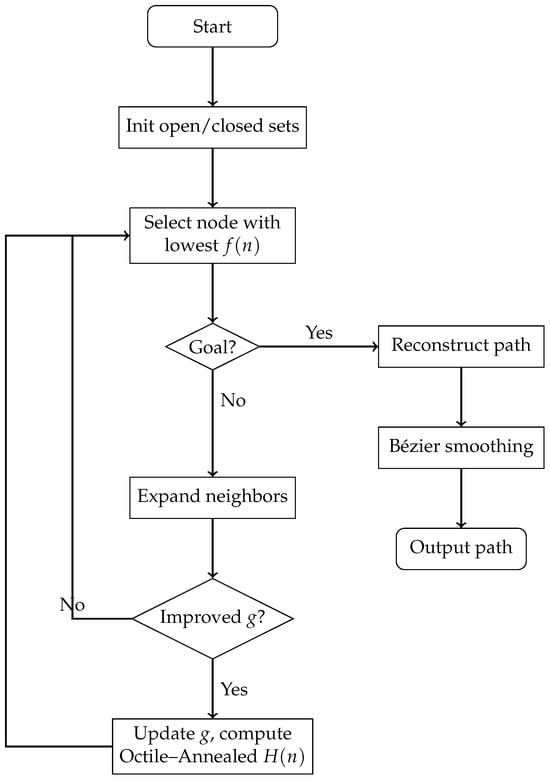
The A* algorithm is widely adopted across agriculture, robotics, and GPS navigation for efficient route planning, yet it faces challenges in balancing search efficiency with path quality. To address these limitations, we introduce Octile–Annealed, a novel heuristic that augments the classic Octile distance
[...] Read more.
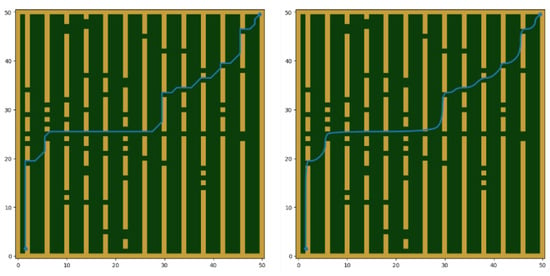
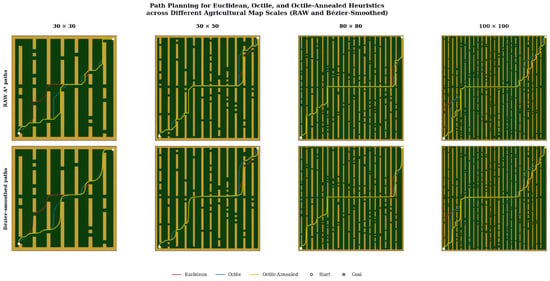
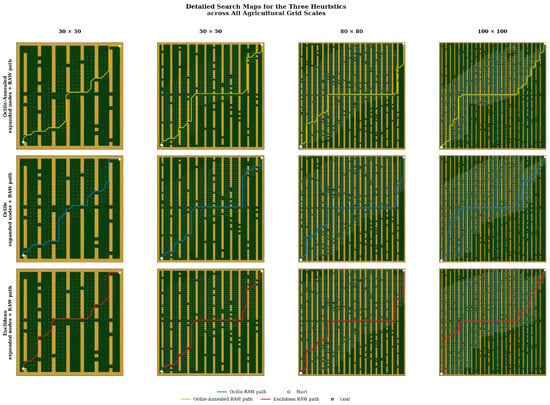
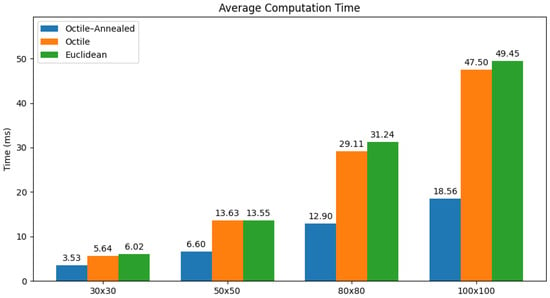
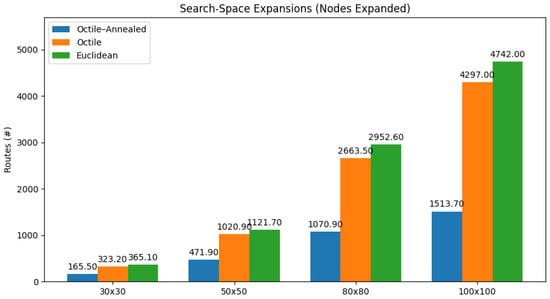
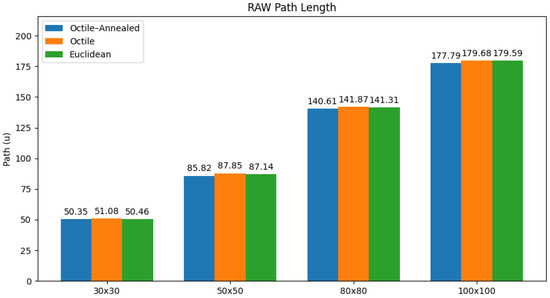
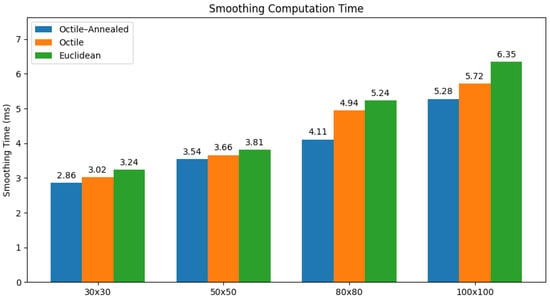
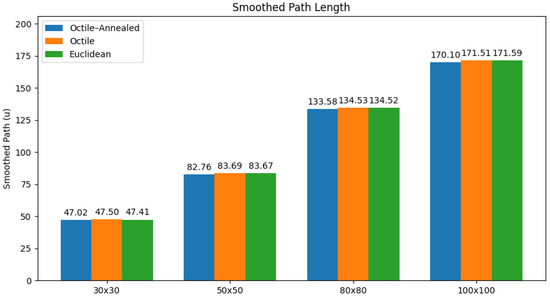
The A* algorithm is widely adopted across agriculture, robotics, and GPS navigation for efficient route planning, yet it faces challenges in balancing search efficiency with path quality. To address these limitations, we introduce Octile–Annealed, a novel heuristic that augments the classic Octile distance with a distance-dependent annealing weight. Specifically, Octile–Annealed scales the Octile metric by a smooth function of the current node’s Euclidean distance to the final location, yielding a heuristic that is gentle near the target and more directive when far away. This design retains the geometric fidelity of Octile, accelerates search convergence in open regions, and preserves guidance in constrained corridors. Beyond discrete planning, we incorporate adaptive Bézier smoothing to post-process the grid path into a collision-free, curvature-friendly trajectory. This is particularly relevant in agricultural environments (e.g., orchard rows and cross-aisles), where machines must follow efficient routes without abrupt turns that could slow operations or risk crop damage. We benchmark Octile–Annealed against three established baselines—Euclidean and Octile—on orchard-like grids of varying sizes and obstacle patterns. The results show that Octile–Annealed consistently reduces computation time while maintaining competitive raw path lengths and producing short, smooth Bézier trajectories. Overall, the proposed heuristic enhances A*’s operational efficiency and route quality, making it well-suited for complex, structured agricultural layouts and for general navigation tasks that benefit from smooth post-processing. However, it must be acknowledged that these comparative performance metrics are strictly limited to simulated grid cases; consequently, comprehensive validation using actual field data remains necessary to fully confirm their practical applicability under real-world agricultural conditions.
Full article
(This article belongs to the Special Issue Intelligent Perception, Decision-Making, and Precision Operation in Agriculture: Technologies and Applications)
►▼
Show Figures

Figure 1

Open AccessArticle
Data Fusion of Sentinel-2 Spectral and Meteorological Data for Field-Scale Sugarcane Biomass Prediction in Humid Tropical Mexico Using Machine Learning
by
Sergio Salgado-Velázquez, Hilario Becerril-Hernández, Lorenzo Armando Aceves-Navarro, Joaquín Alberto Rincón-Ramírez, Samuel Córdova-Sánchez and David Julián Palma-Cancino
AgriEngineering 2026, 8(6), 222; https://doi.org/10.3390/agriengineering8060222 - 2 Jun 2026
Abstract
Yield estimation in sugarcane systems remains a major challenge in tropical regions due to the reliance on destructive, labor-intensive, and spatially limited field measurements. Although remote sensing has been widely used for crop monitoring, its predictive performance is often constrained when spectral information
[...] Read more.
Yield estimation in sugarcane systems remains a major challenge in tropical regions due to the reliance on destructive, labor-intensive, and spatially limited field measurements. Although remote sensing has been widely used for crop monitoring, its predictive performance is often constrained when spectral information is used in isolation. This study proposes a data fusion framework integrating multitemporal Sentinel-2 spectral bands with meteorological variables to improve sugarcane biomass prediction under tropical conditions. A commercial field was monitored throughout the 2022–2023 growing season, and machine learning models, including random forest (RF), support vector machine (SVM), and multiple linear regression (MLR), were developed to estimate stem, foliage, and total biomass. To reduce potential spatial data leakage caused by spatial autocorrelation within the field, model performance was evaluated using Spatial Block Cross-Validation. Results showed that integrating spectral and meteorological data consistently improved predictive performance compared to spectral-only and weather-only scenarios. Spectral bands exhibited stronger relationships with biomass than derived vegetation indices, while maximum temperature and solar radiation were identified as key drivers of biomass variability. RF combined with spectral–weather fusion achieved the highest predictive performance, reaching R2 values up to 0.95, RMSE values as low as 5296.35, and rRMSE values close to 18% for stem biomass, consistently outperforming SVM and MLR. In contrast, spectral-only scenarios produced lower predictive accuracy and higher prediction errors across all biomass variables. This study provides one of the first field-scale implementations under humid tropical conditions in southeastern Mexico, where georeferenced yield data remain scarce.
Full article
(This article belongs to the Section Computer Applications and Artificial Intelligence in Agriculture)
Open AccessReview
Current Development Status of Peanut Seed Metering Devices
by
Xin Wang, Lianglong Hu, Huichang Wu, Xuemei Gao, Gongpu Wang and Youqing Chen
AgriEngineering 2026, 8(6), 221; https://doi.org/10.3390/agriengineering8060221 - 2 Jun 2026
Abstract
As an important oil crop in China, peanuts require mechanized sowing to enhance production efficiency. This paper analyzes the influence of peanut seed physical characteristics on the design of seed metering devices and systematically introduces the working principles, advantages, and disadvantages of mechanical
[...] Read more.
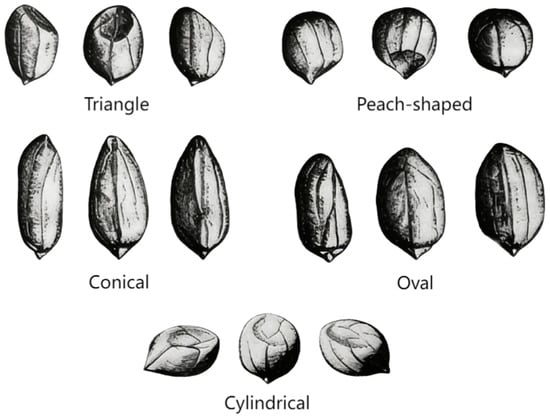
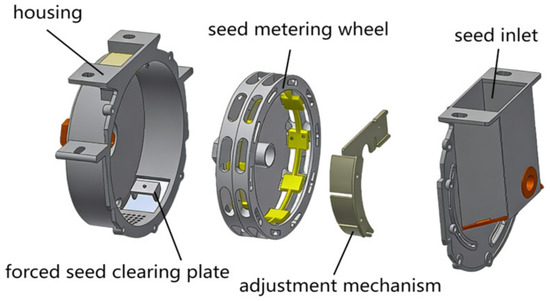
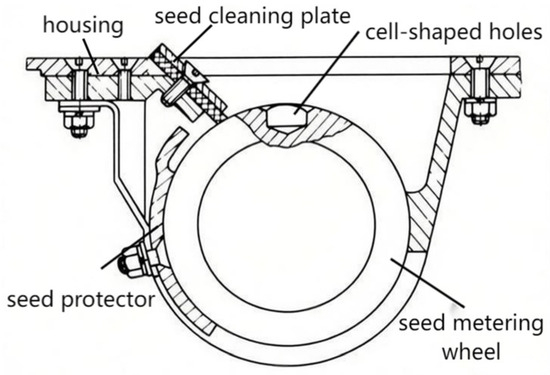
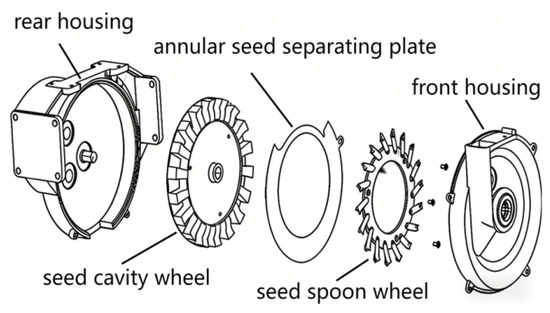
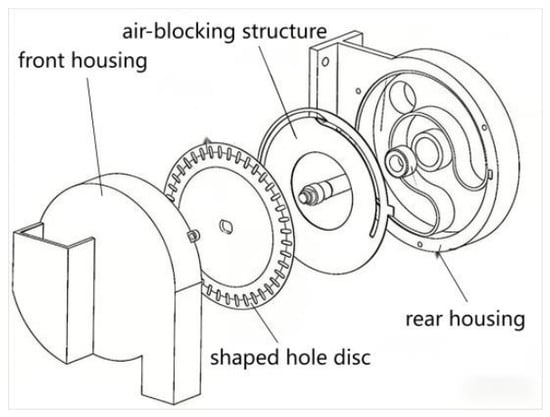
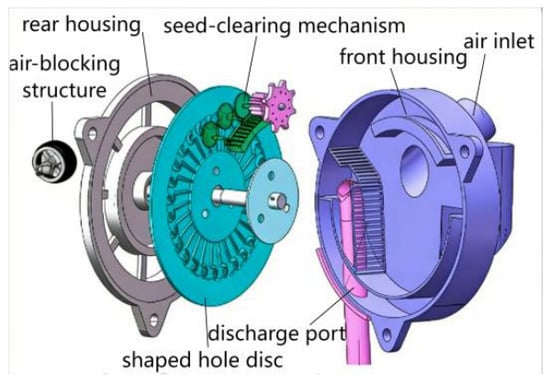
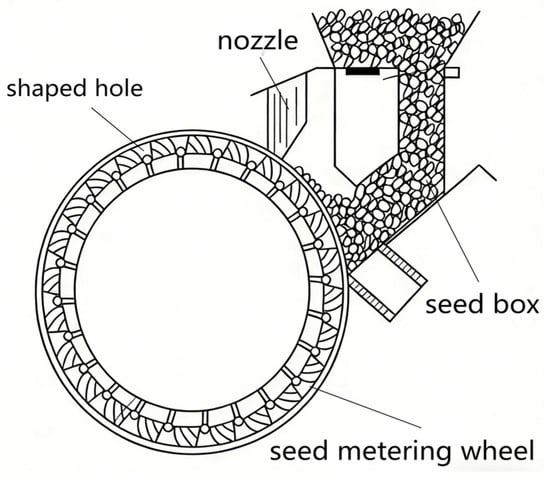
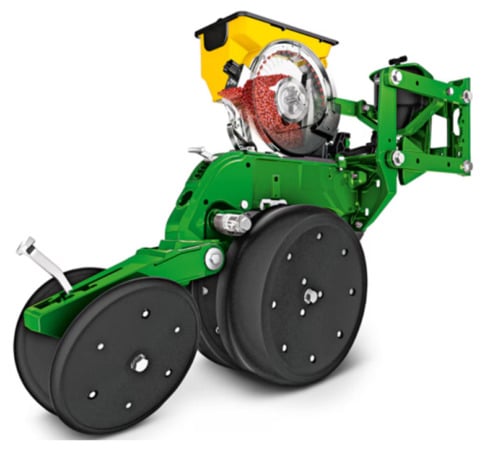
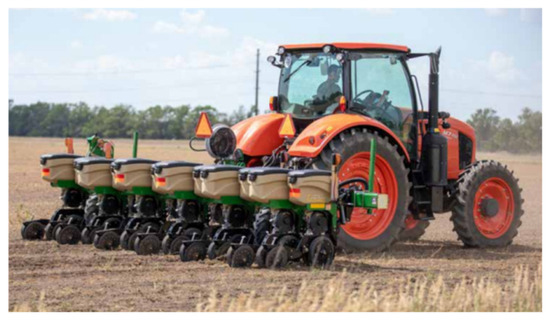
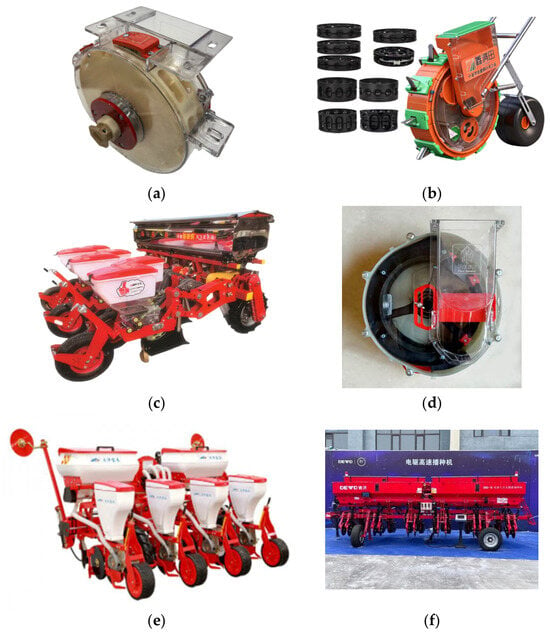
As an important oil crop in China, peanuts require mechanized sowing to enhance production efficiency. This paper analyzes the influence of peanut seed physical characteristics on the design of seed metering devices and systematically introduces the working principles, advantages, and disadvantages of mechanical (internal cell-fill, cell-wheel, and spoon-wheel types) and pneumatic (air suction, air pressure, and air-blowing types) seed metering devices. This paper reviews the development status of peanut seed metering devices and provides examples of these devices mounted on sowing machines. It is found that European and American researchers mainly conduct research on high-speed pneumatic seed metering devices, and, though China’s peanut seed metering device development has made progress and resulted in products with different technical levels, they still fall short of international advanced products in terms of high-speed seeding capability and seeding accuracy. In the future, research should be strengthened in areas such as the in-depth development of pneumatic seed metering devices, the adaptability of mechanical seed metering devices to high-speed operation, and intelligent monitoring and control systems.
Full article
(This article belongs to the Special Issue Design and Optimization of Intelligent Planting Machinery)
►▼
Show Figures

Figure 1
Open AccessReview
Image-Based Evaluation of Spray Deposition Using Water-Sensitive Papers: Metrics, Limitations, and Practical Implications
by
Seweryn Lipiński
AgriEngineering 2026, 8(6), 220; https://doi.org/10.3390/agriengineering8060220 - 1 Jun 2026
Abstract
►▼
Show Figures
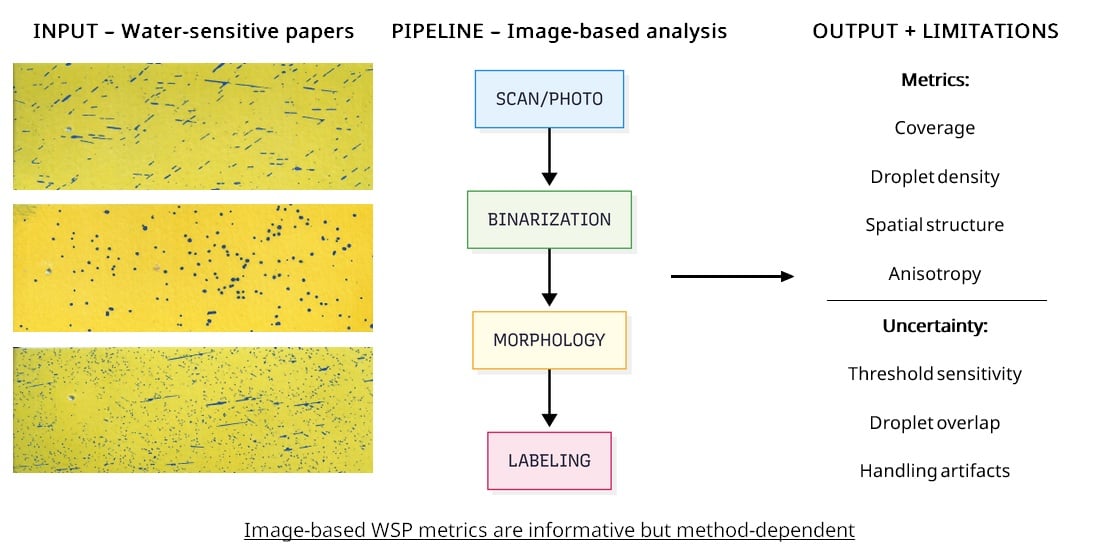
Water-sensitive papers (WSPs) are widely used for spray deposition assessment because they are inexpensive, simple to use, and suitable for field conditions. Combined with image analysis, they provide quantitative information on spray coverage and indirect insight into deposition structure. However, their interpretation is
[...] Read more.
Water-sensitive papers (WSPs) are widely used for spray deposition assessment because they are inexpensive, simple to use, and suitable for field conditions. Combined with image analysis, they provide quantitative information on spray coverage and indirect insight into deposition structure. However, their interpretation is often oversimplified, particularly when percent coverage is treated as the sole indicator of spray quality. This paper presents a critical methodological review of image-based evaluation of spray deposition using WSPs, with emphasis on coverage-related metrics, spatial descriptors, droplet size estimation, and the main sources of uncertainty affecting their interpretation. The review also positions WSPs relative to other spray characterization techniques and discusses their practical role as proxy-based tools rather than direct measurement instruments. Representative WSP samples from previous field experiments are used exclusively to illustrate typical processing steps and methodological pitfalls, not to report new experimental results. In addition, the paper summarizes major segmentation approaches, discusses the interpretative value of selected deposition descriptors, and formulates practical recommendations for image acquisition, binarization, metric selection, sample exclusion, and reporting practice. It is concluded that WSP-based image analysis is most valuable for comparative and diagnostic assessment of spray deposition, provided that its methodological constraints are explicitly recognized and consistently reported.
Full article

Graphical abstract
Open AccessArticle
DINOv2-Driven Monocular Body Measurement Keypoint Detection for Low-Texture Endangered Binglangjiang Buffalo
by
Yuhan Xun, Xingchen Ye, Yinuo He, Bo Hu and Fei Xiong
AgriEngineering 2026, 8(6), 219; https://doi.org/10.3390/agriengineering8060219 - 1 Jun 2026
Abstract
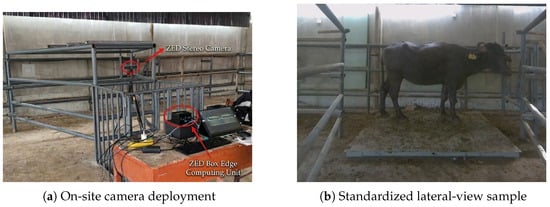
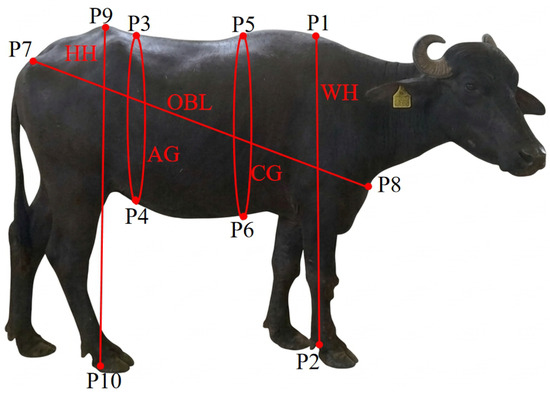
The Binglangjiang buffalo, the only indigenous river-type buffalo in China, poses significant challenges for automated keypoint detection due to its uniformly black, low-texture coat, poor foreground–background contrast, and scarcity of annotated training samples. To address these challenges, this study constructs a benchmark dataset
[...] Read more.
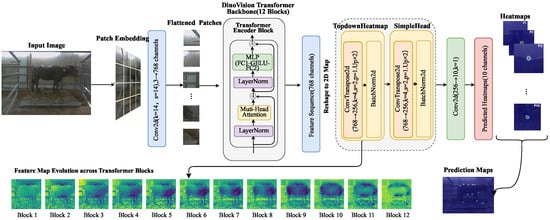
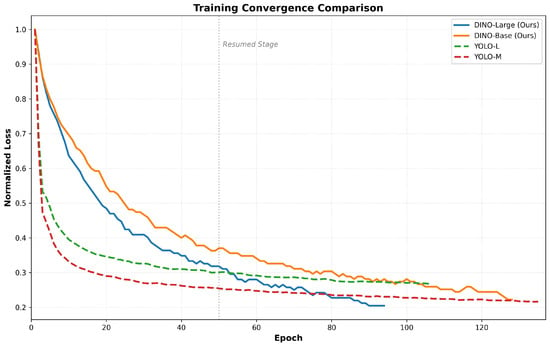
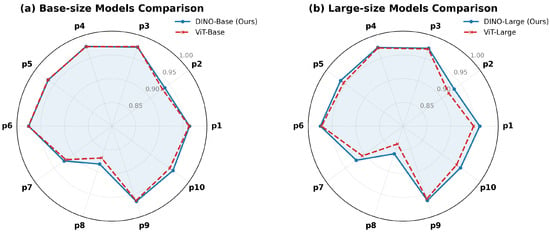
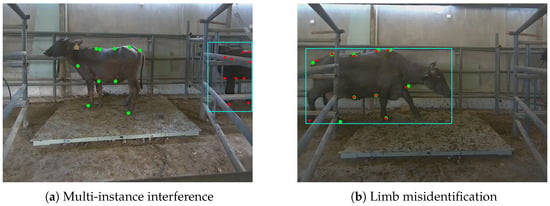
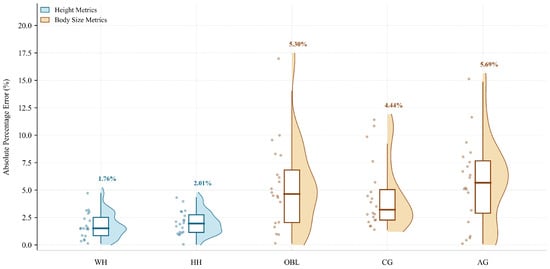
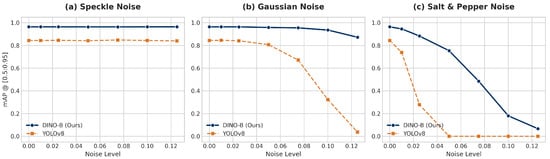
The Binglangjiang buffalo, the only indigenous river-type buffalo in China, poses significant challenges for automated keypoint detection due to its uniformly black, low-texture coat, poor foreground–background contrast, and scarcity of annotated training samples. To address these challenges, this study constructs a benchmark dataset of 10,834 lateral-view images covering 424 individuals, annotated with 10 body measurement keypoints following standardized buffalo measurement protocols. A keypoint detection pipeline is developed by adapting DINOv2 with a top-down heatmap regression head under a single-view imaging setup, reducing hardware complexity for practical farm deployment. Benchmarking against YOLOv8 series and a standard ViT baseline shows that DINOv2-Base achieves 96.51% mAP, surpassing YOLOv8m by 5.6 percentage points. Compared to standard ViT, DINOv2 demonstrates more stable localization across keypoints under model scaling. Specifically, on the scapular tip (P8), a particularly low-texture region, DINOv2 exhibits only 0.28% mAP fluctuation versus 0.82% for standard ViT, indicating greater robustness to limited training data and low-contrast imaging. Body measurement validation on 20 individuals yields MAPE values of 1.76–5.69% across five measurements, confirming reliable non-contact measurement performance. The dataset and pipeline provide practical support for precision livestock management of endangered breeds.
Full article
(This article belongs to the Special Issue Advances in Precision Livestock Farming: Engineering Solutions for Modern Animal Husbandry)
►▼
Show Figures

Figure 1

Open AccessArticle
Pre-Sowing Treatment of Soybean Seeds in a High-Voltage DC and AC Electric Field
by
Igor V. Yudaev and Yuliia V. Daus
AgriEngineering 2026, 8(6), 218; https://doi.org/10.3390/agriengineering8060218 - 31 May 2026
Abstract
Soybean (Glycine max L.) is a globally strategic crop valued for its high-quality protein and oil, yet its yield potential is frequently constrained by inconsistent seed germination and a heavy reliance on chemical treatments that carry environmental and health risks. Physical pre-sowing
[...] Read more.
Soybean (Glycine max L.) is a globally strategic crop valued for its high-quality protein and oil, yet its yield potential is frequently constrained by inconsistent seed germination and a heavy reliance on chemical treatments that carry environmental and health risks. Physical pre-sowing stimulation has emerged as an eco-friendly alternative, but the comparative efficacy of direct current (DC) versus alternating current (AC) high-voltage electric fields—and the mechanistic basis for their differential effects—has remained poorly understood. Here, we systematically compared DC and AC pre-sowing treatments across a comprehensive matrix of field intensities (0.5, 1.0, and 1.5 kV/cm) and exposure durations (30, 60, and 120 s) at a fixed electrode gap of 10 cm, using soybean seeds of the Volgogradka 1 cultivar. Germination energy (day 3) and total germination (day 7) were assessed under standardized laboratory conditions in triplicate, followed by a replicated field trial to evaluate plant height, bean yield, and disease incidence. DC treatment significantly outperformed both the untreated control and AC treatment: germination energy increased by up to 60%, and total germination reached 100% compared with 85% in the control. The optimal DC window was identified at 0.8–1.5 kV/cm with a 30 s exposure. In stark contrast, AC treatment at industrial frequency not only failed to enhance germination but also frequently suppressed it and markedly increased susceptibility to fungal crown rot. Field results corroborated these findings: DC-treated seeds produced the highest bean mass (85 g per five plants vs. 80 g in the control), while AC-treated seeds yielded the lowest (72 g). Backward elimination regression analysis revealed that field intensity alone was the sole significant predictor of treatment outcomes, whereas exposure time and interaction effects were non-significant. We conclude that short-duration DC pre-sowing stimulation (1.0 kV/cm, 30–60 s) is a robust, chemically safe, and readily scalable technique for enhancing soybean establishment and yield. Conversely, AC treatment at power frequency is not recommended due to its deleterious effects on plant health and productivity. These findings establish a clear, evidence-based framework for the rational design of electrical seed treatment protocols.
Full article
(This article belongs to the Special Issue Innovative Technologies for Agricultural Product Pre-Processing and Processing Engineering)
Open AccessArticle
SSAD-YOLOv8s-Prune: A Compression Model for Small-Scale Defect Detection of Fresh Corn Cobs
by
Enkui Zhang, Zhongwen Zhao, Yongli Zhang, Xuan Liu, Yang Li and Tailin Han
AgriEngineering 2026, 8(6), 217; https://doi.org/10.3390/agriengineering8060217 - 29 May 2026
Abstract
In the development of intelligent processing for fresh corn cobs, automated inspection of ear appearance quality to promptly sort out cobs with surface defects and ensure overall product compliance is currently a hot topic in agricultural product processing research. However, fresh corn cob
[...] Read more.
In the development of intelligent processing for fresh corn cobs, automated inspection of ear appearance quality to promptly sort out cobs with surface defects and ensure overall product compliance is currently a hot topic in agricultural product processing research. However, fresh corn cob surfaces are covered with numerous independent, densely packed kernels, and defects affecting one or more kernels create surface anomalies of highly variable sizes. This leads to defect targets with multi-scale features and scattered distributions, making it challenging for existing deep learning-based visual inspection methods to simultaneously optimize small-target modeling capacity and computational efficiency. Consequently, these methods cannot effectively balance the accuracy of small-scale defect detection with computational efficiency, making it difficult to meet practical requirements. To address these issues, this paper proposes the SSAD-YOLOv8s-Prune defect detection method for small-scale defect detection in white fresh corn cobs. First, the backbone layer of the original model is replaced with a custom-designed SSA structure, which not only expands the feature dimensions for small-scale defects and enriches feature representation but also reduces the number of computational parameters to achieve model compression. Second, the original neck layer is replaced with a custom-designed RepDyFPN structure to enable feature fusion and interaction across different scales and depths. Finally, the LAMP algorithm is employed to prune and compress the newly improved model, further achieving model compression performance. Compared with the baseline YOLOv8s, our method reduces model parameters by 9.33 M, floating-point operations (FLOPs) by 12.5 G, and model size by 17.6 MB, while simultaneously improving mAP50 by 1.2 percentage points to 96.1% and mAP50–95 by 4.1 percentage points to 62.8%. Furthermore, our method maintains advantages over other mainstream detection models. Therefore, the proposed SSAD-YOLOv8-Prune detection model successfully balances detection accuracy with model compression, providing a feasible detection method for small-scale defect detection in fresh corn cobs.
Full article
(This article belongs to the Section Computer Applications and Artificial Intelligence in Agriculture)
Open AccessArticle
Design and Evaluation of a Dual-Chamber Pre-Cut Cassava Stem Filling Mechanism for Precision Planting
by
Lintao Chen, Jun Wang, Elsayed M. Atwa, Xiangwei Mou, Hamidreza Rahmanian, Xu Ma and Jinming Pan
AgriEngineering 2026, 8(6), 216; https://doi.org/10.3390/agriengineering8060216 - 29 May 2026
Abstract
►▼
Show Figures
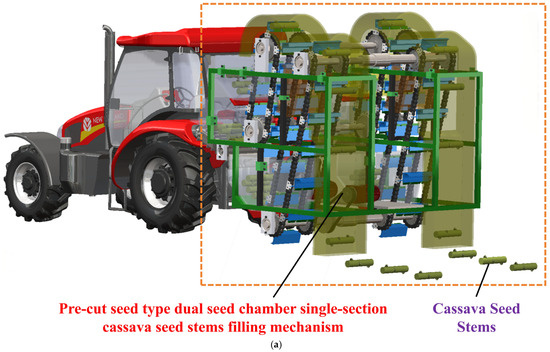
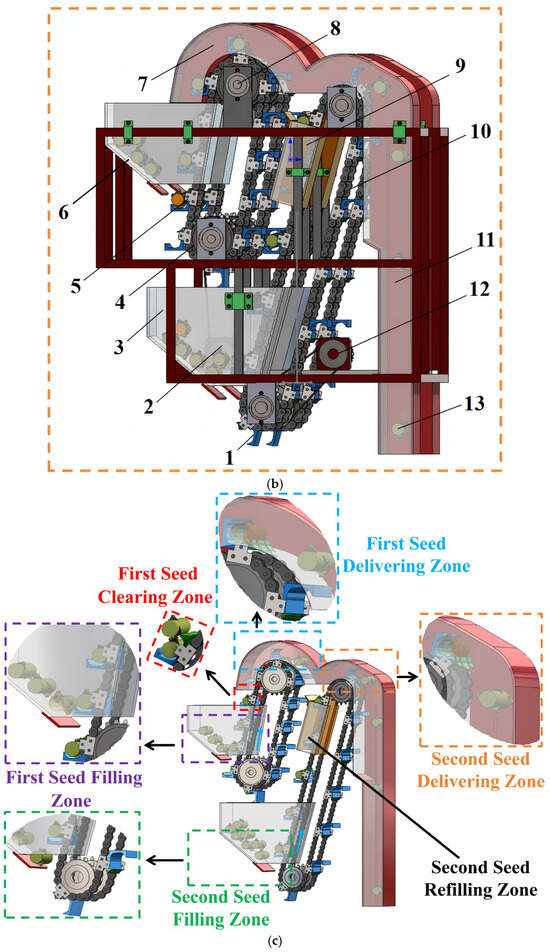
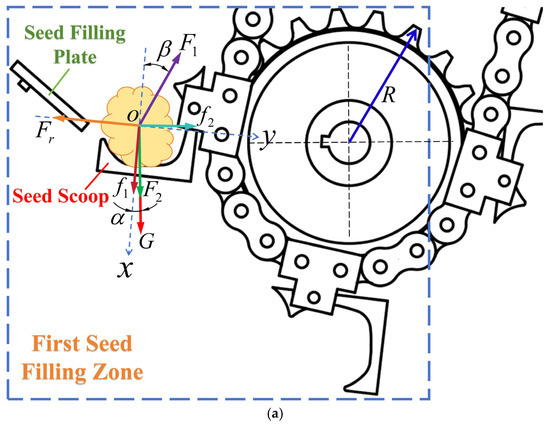
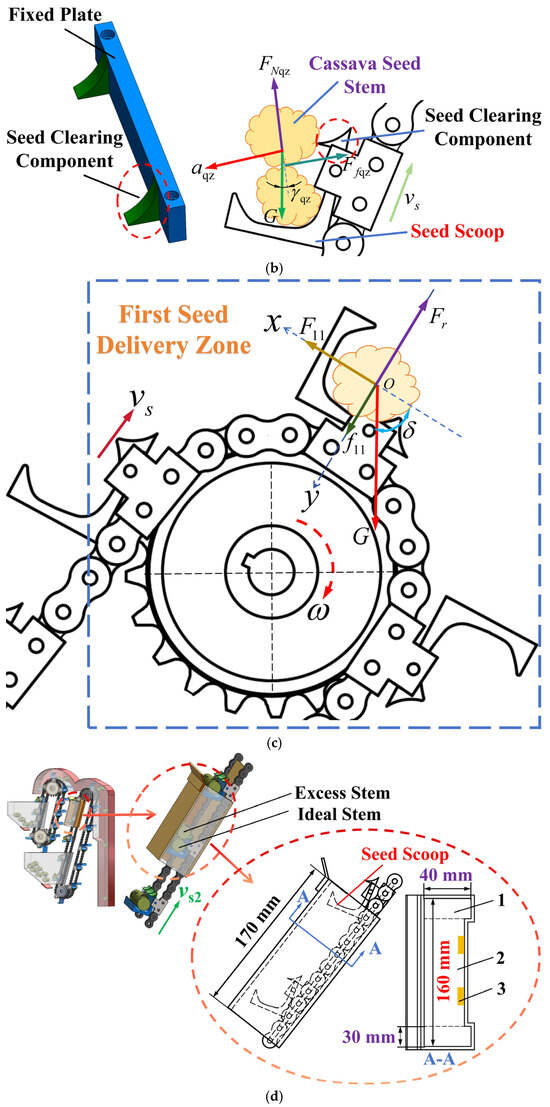
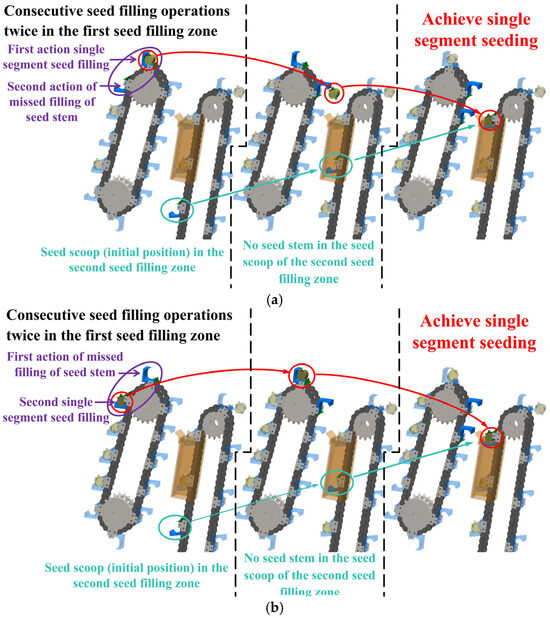
To address the issues of poor seed filling efficiency, low qualified seeding index, and high missed-seeding index in cassava precision planters, this study developed a dual-chamber pre-cut cassava stem filling mechanism. The structure and working principles were analyzed, identifying key factors affecting performance.
[...] Read more.
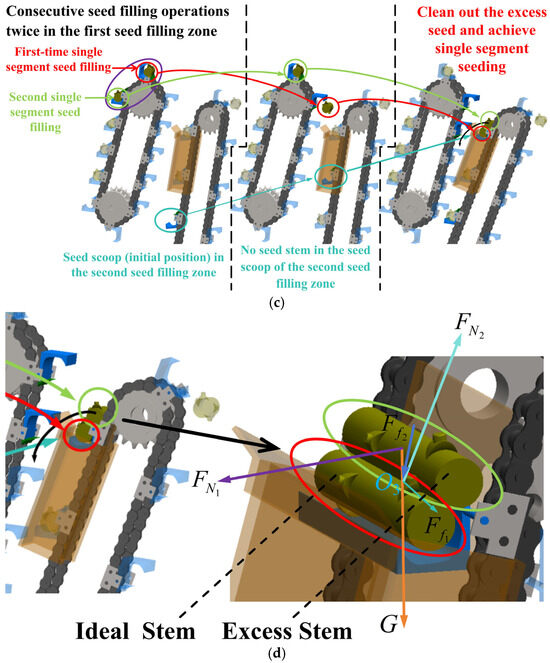
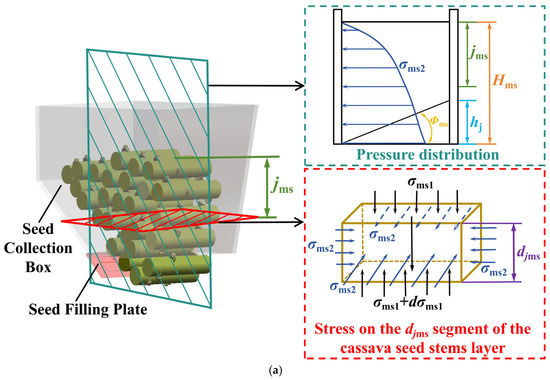
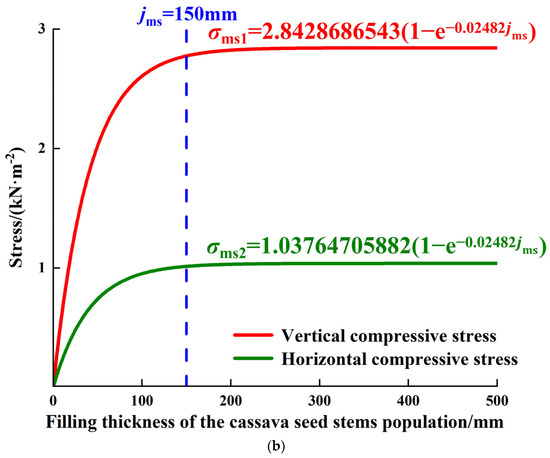
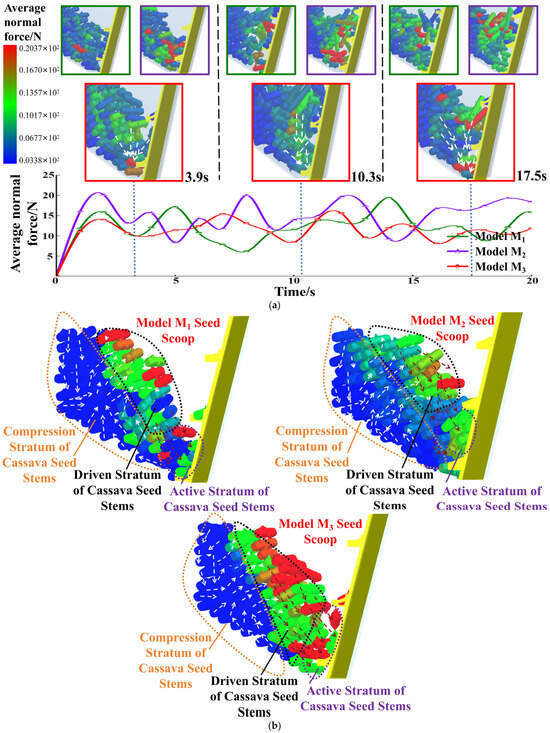
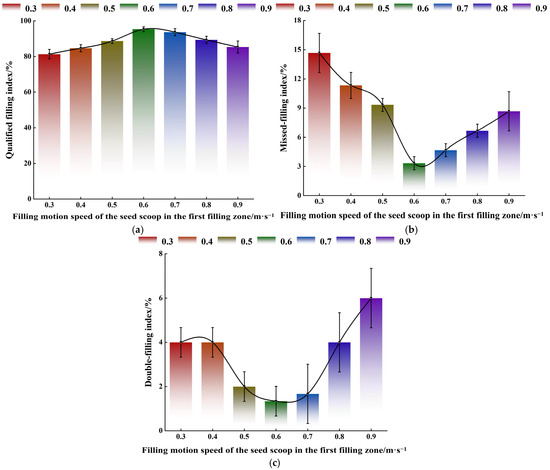
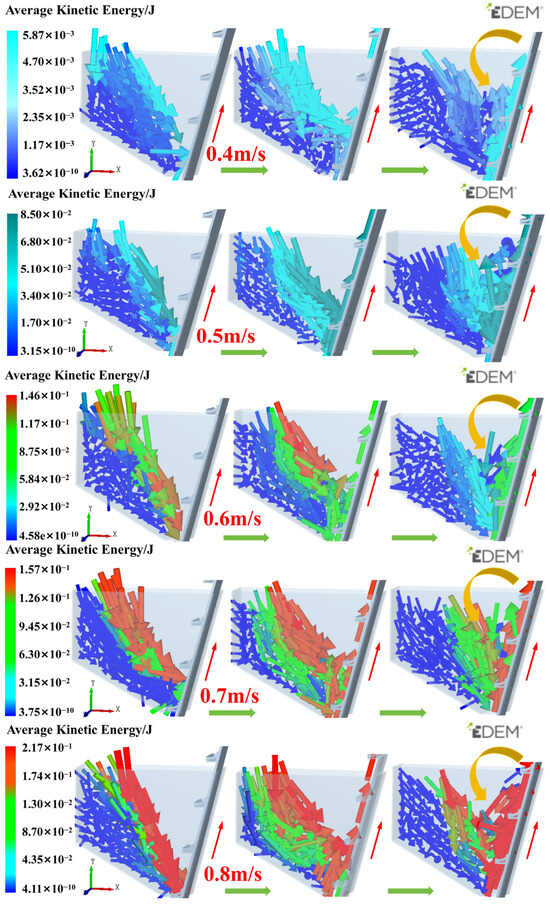
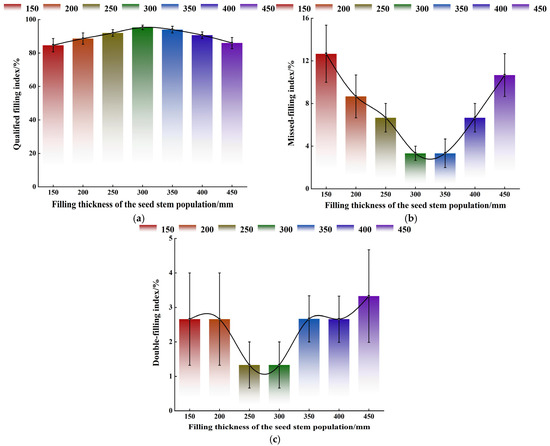
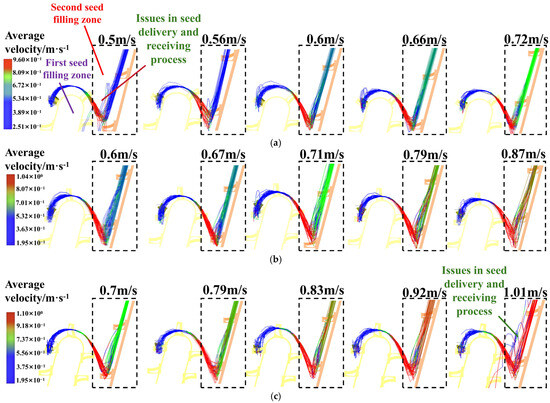
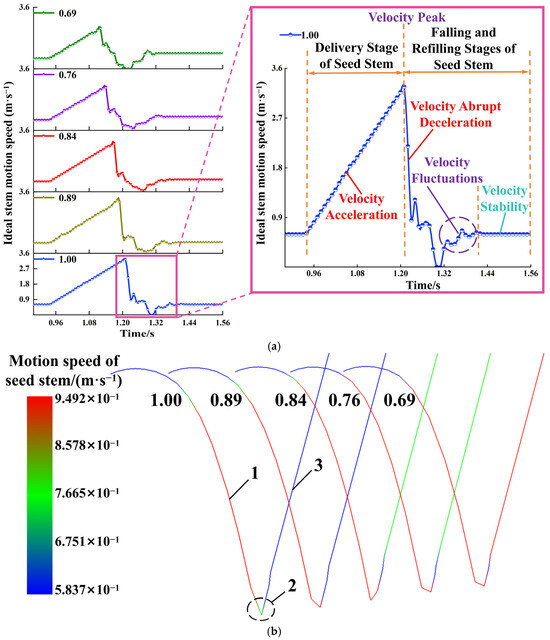
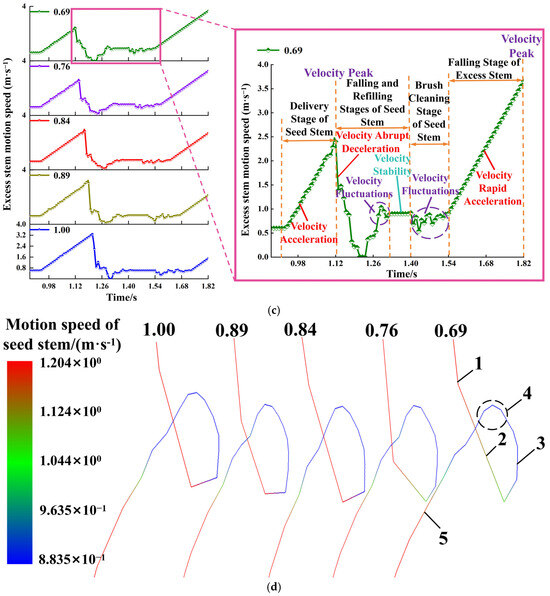
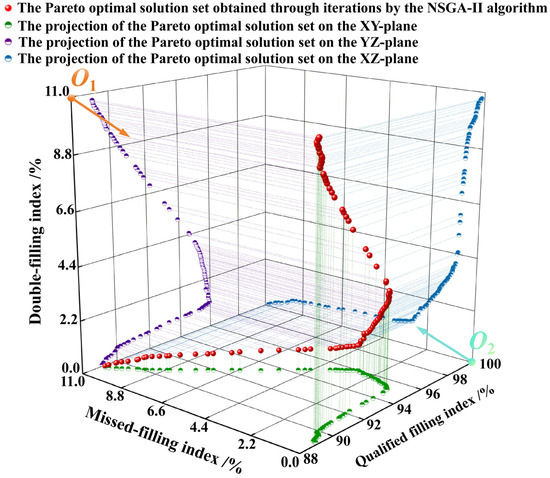
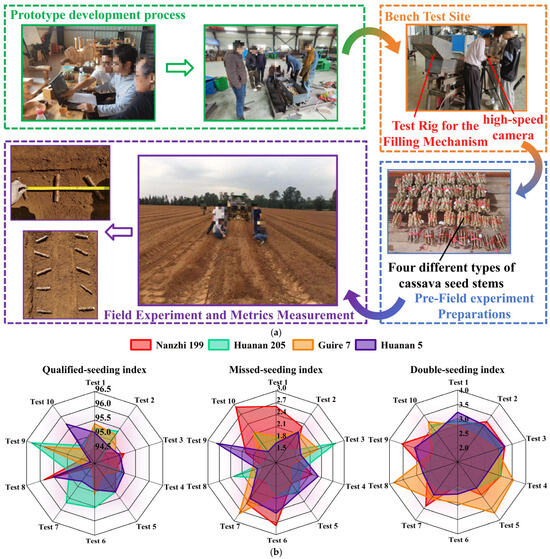
To address the issues of poor seed filling efficiency, low qualified seeding index, and high missed-seeding index in cassava precision planters, this study developed a dual-chamber pre-cut cassava stem filling mechanism. The structure and working principles were analyzed, identifying key factors affecting performance. By employing the discrete element method (DEM) to simulate the interaction between cassava seed stems and the filling mechanism, using statistical analysis to process experimental data, and adopting kinematic and mechanical equilibrium modeling for theoretical analysis, the structure and dimensions of the seed scoop were ultimately optimized. Subsequently, we evaluated the effects of the seed scoop speed in the first filling zone, the seed filling speed ratio, and the seed stem population thickness on performance through multi-factor simulation experiments. Based on the NSGA-II algorithm and the analytic hierarchy process, the optimal parameters were determined as follows: a seed filling speed ratio of 0.78, a seed scoop speed (first filling zone) of 0.6 m/s, and a seed stem population thickness of 290–320 mm. Bench tests under these conditions yielded a 95.31% qualified filling rate (ratio of single-segment cassava stem captured by seed scoop to total stems), 1.89% missed-filling rate (ratio of cassava stem not captured by seed scoop to total stems), and 2.80% double-filling rate (ratio of multi-segment cassava stem captured by seed scoop to total stems). Variety adaptability tests confirmed the mechanism’s robustness for precision planting. These findings offer theoretical guidance for precision planting of stalk-type crops.
Full article

Figure 1
Open AccessArticle
Ontology Construction for Agri-Text Using Hybrid NLP with Deep Learning Methods
by
Baghavathi Priya Sankaralingam, Krithikha Sanju Saravanan, Vaishnavi Vennila Balasubramanian and Bollimuntha Navya Sai
AgriEngineering 2026, 8(6), 215; https://doi.org/10.3390/agriengineering8060215 - 29 May 2026
Abstract
►▼
Show Figures
Developing an agricultural ontology will facilitate the advancement of agriculture in transferring information between fields and natural language processing (NLP). Grammatical and contextual comprehension of the domain data is required to construct a domain-specific ontology. Although there are datasets available for agriculture, there
[...] Read more.
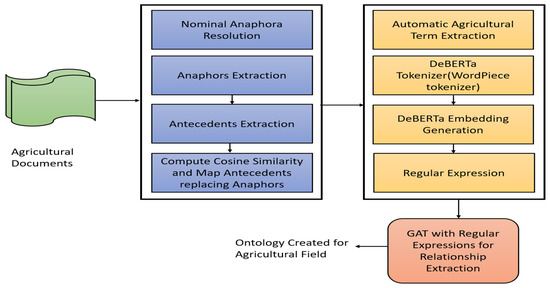
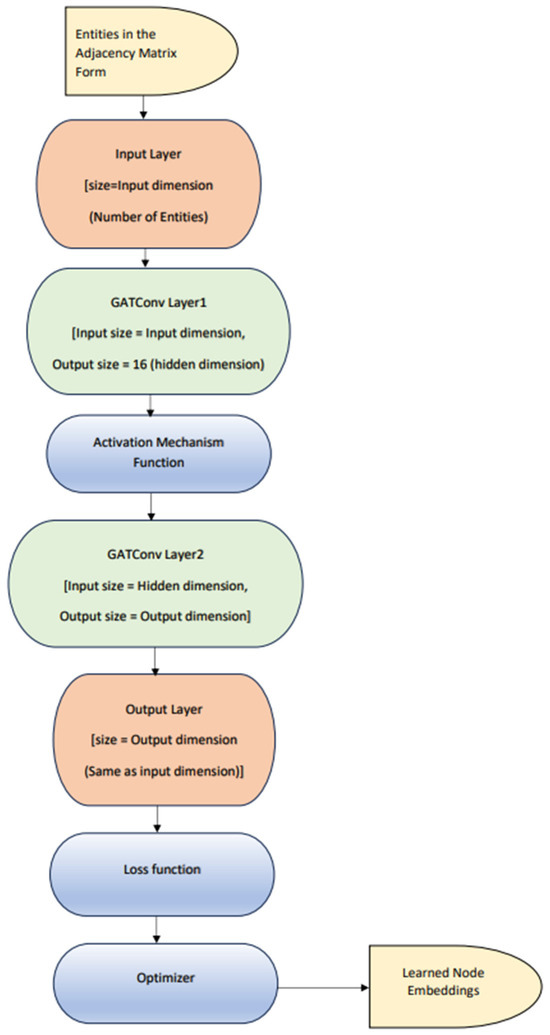
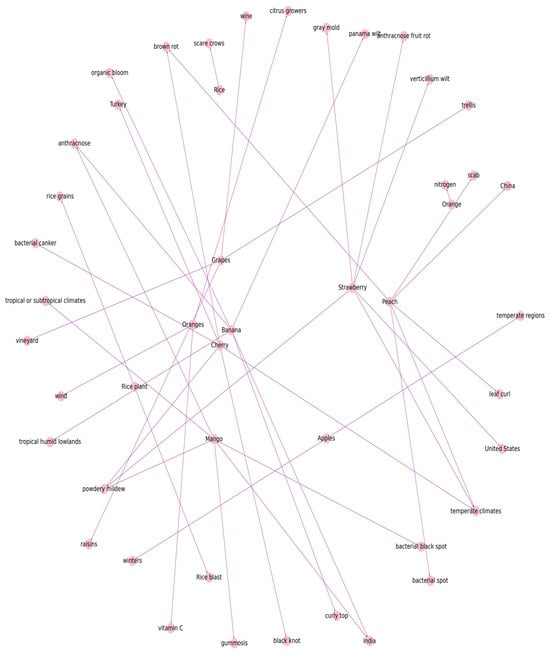
Developing an agricultural ontology will facilitate the advancement of agriculture in transferring information between fields and natural language processing (NLP). Grammatical and contextual comprehension of the domain data is required to construct a domain-specific ontology. Although there are datasets available for agriculture, there is a lack of standardized and large-scale annotated datasets developed specifically for the purpose of ontology development and relationship extraction. Thus, because of the unavailability of a structured and annotated domain-specific dataset, a standard methodology with a combination of both grammatical and contextual analysis is required for effective data processing. Though there are many approaches to lay the foundations for the agriculture domain-specific ontologies, in this paper, pretrained DeBerta with regular expressions and the Graph Attention Network (GAT) method with regular expressions for term with domain relations extraction are proposed. From the acquired entities and connections between the entities, an ontology graph is constructed. The proposed work is evaluated using performance measures and compared with existing work. It was found that the proposed Ontology Construction for Agriculture Domain (OCAD) method performs better than other methods. The proposed OCAD framework achieves a precision of 99.64%, a recall of 99.26%, and an F1 score of 99.5%, demonstrating strong performance within a domain-specific setting over existing methods.
Full article

Figure 1
Open AccessArticle
Improved YOLO11n-OBB for Rotated Watermelon Detection in Complex Field Environments Toward Agricultural Large-Model Applications
by
Xinyang Li, Jinghao Shi, Chuang Wang, Xin Yue, Weiqi Sun, Zonghui Zhuo, Jinge Wang and Kezhu Tan
AgriEngineering 2026, 8(6), 214; https://doi.org/10.3390/agriengineering8060214 - 28 May 2026
Abstract
Intelligent perception of watermelon targets in complex field environments is a key prerequisite for automated harvesting and future collaborative decision-making with agricultural large models. To address severe leaf occlusion, large pose variation, dense adhesion among adjacent fruits, and the inability of conventional horizontal
[...] Read more.
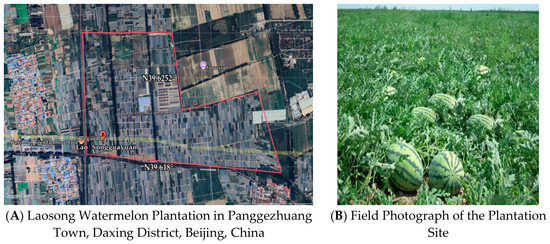
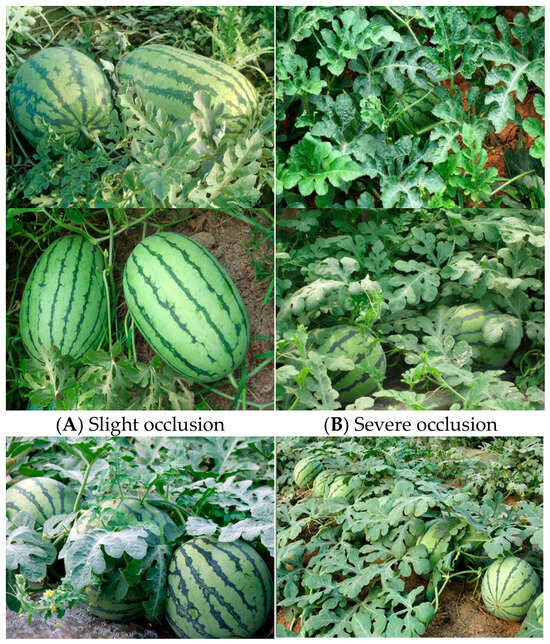
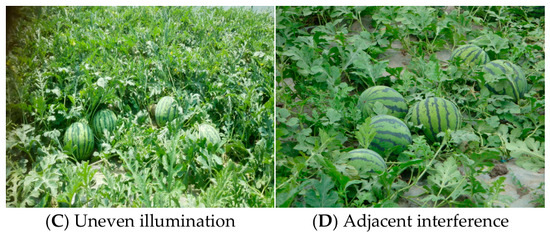
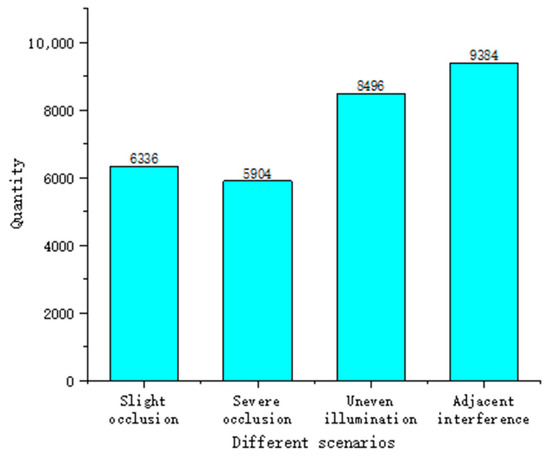
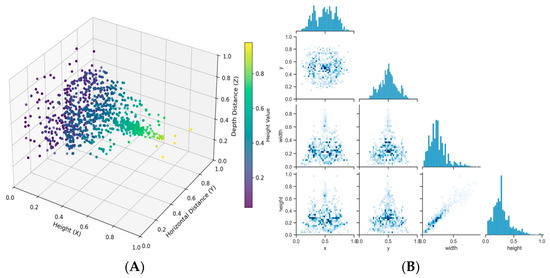
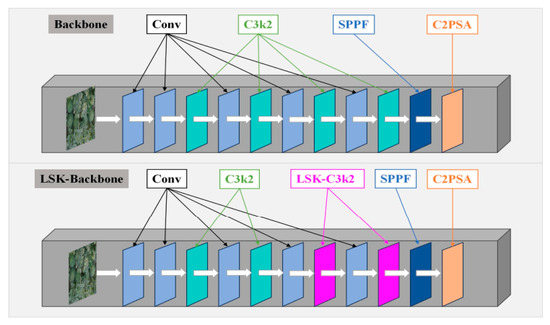
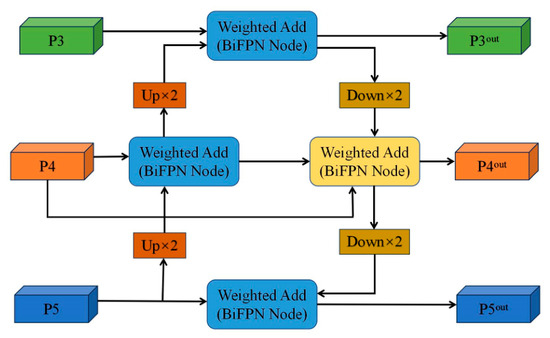
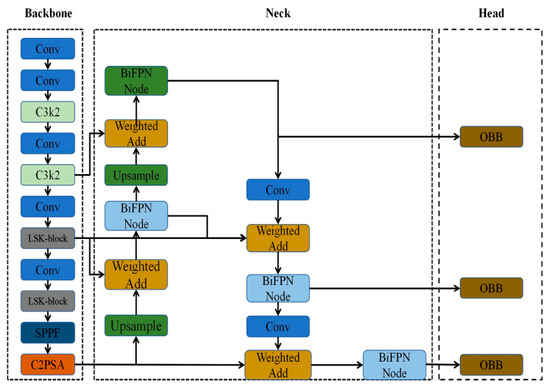
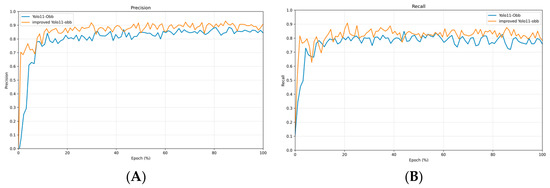
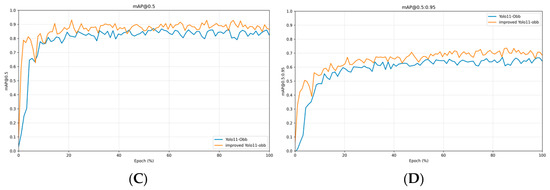
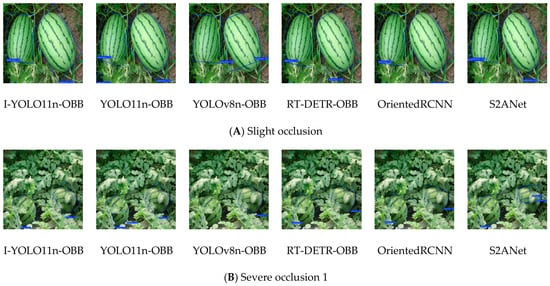
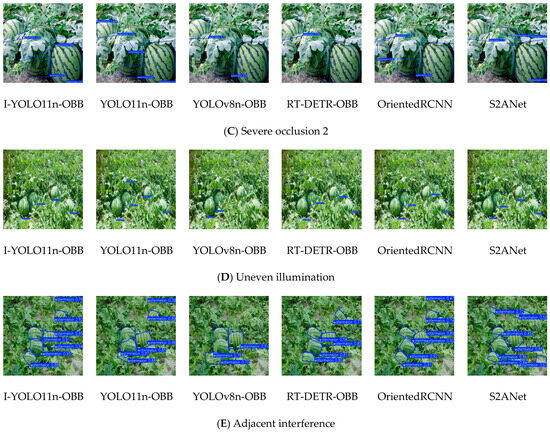
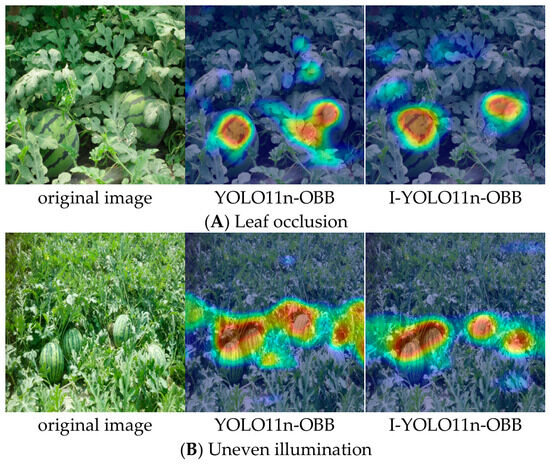
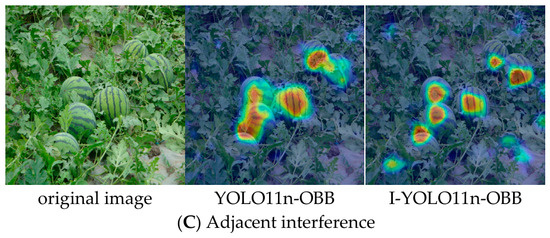
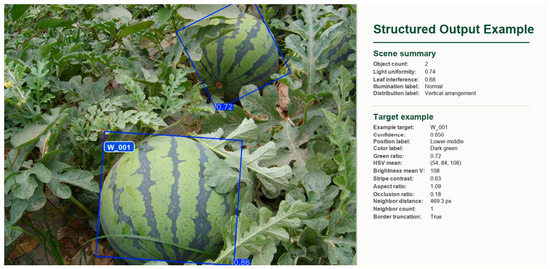
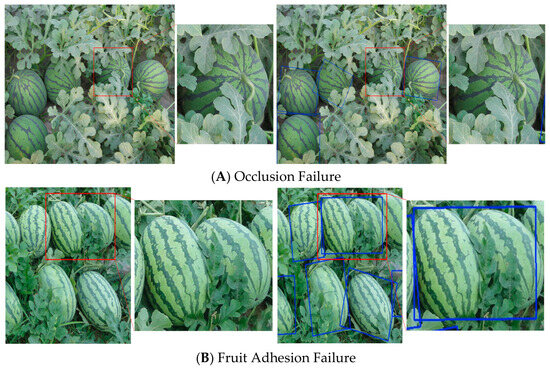
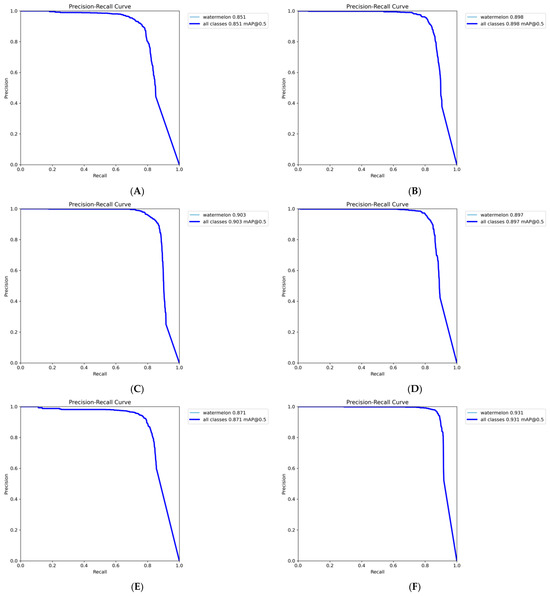
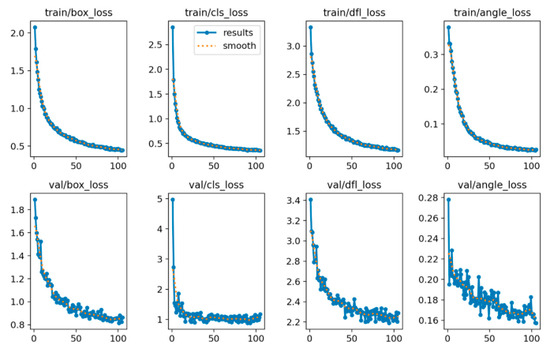
Intelligent perception of watermelon targets in complex field environments is a key prerequisite for automated harvesting and future collaborative decision-making with agricultural large models. To address severe leaf occlusion, large pose variation, dense adhesion among adjacent fruits, and the inability of conventional horizontal bounding boxes to accurately represent target orientation under natural cultivation conditions, this paper proposes an improved YOLO11n-OBB-based method for rotated watermelon detection. During data preparation, a semi-automatic annotation strategy combining segmentation-mask assistance with circumscribed rectangle fitting was adopted to efficiently construct a watermelon OBB dataset that closely matches the true physical boundaries of the fruits. On this basis, three structural improvements were introduced to the YOLO11n-OBB baseline: an LSK module was selectively embedded into the middle and later stages of the backbone to enhance adaptive receptive-field modeling and occlusion reasoning in complex bac kgrounds; the original neck structure was replaced with a lightweight BiFPN to strengthen bidirectional feature fusion for targets with large-scale variation in field scenes; and KFIoU Loss was incorporated into the rotated box regression branch to alleviate angle sensitivity and boundary discontinuity, thereby improving the convergence stability of orientation parameter learning. On the constructed watermelon OBB test set, the improved model raised mAP@0.5 (OBB) from 0.871 to 0.931, mAP@0.5:0.95 (OBB) from 0.670 to 0.736, Precision from 0.885 to 0.931, and Recall from 0.849 to 0.908 relative to the YOLO11n-OBB baseline (relative gains of 6.89%, 9.85%, 5.20%, and 6.95%, respectively), while keeping the inference speed at 100 FPS and the parameter count at only 2.71 M. While maintaining a compact model size and high real-time performance, the proposed method significantly improved rotated detection accuracy in crowded and overlapping scenes. In addition, the detection results were encapsulated into a structured JSON perception interface, preliminarily demonstrating the integration pathway of this lightweight front-end for task planning and human–machine collaborative operations with agricultural large models, and indicating its potential for future intelligent agricultural decision-making.
Full article
(This article belongs to the Special Issue Next-Generation Smart Farming: The Role of Agricultural Large Models and Intelligent Machinery)
►▼
Show Figures

Figure 1

Open AccessArticle
Explainable Deep Learning for Greenhouse Horticulture: Feature and Temporal Interpretability in Crop Yield and Energy Optimization
by
Yiqiao Li, Boyuan Zheng, Victor W. Chu, Jianlong Zhou, Fang Chen, Sachin Chavan, Jing He, Meng Xu, Zhonghua Chen and David Tissue
AgriEngineering 2026, 8(6), 213; https://doi.org/10.3390/agriengineering8060213 - 28 May 2026
Abstract
►▼
Show Figures
Optimizing crop yield while minimizing energy consumption remains a central challenge in greenhouse horticulture. This study introduces an integrated deep learning framework that couples multi-horizon time-series forecasting with dual-layered explainability to address the critical need for spatiotemporal transparency in optimizing greenhouse crop yield
[...] Read more.
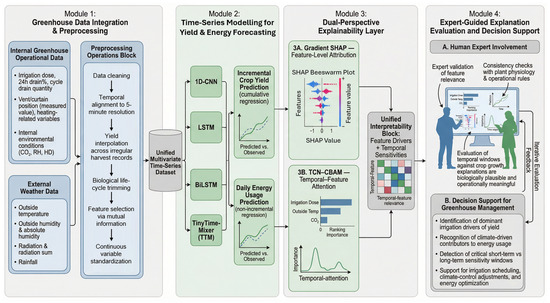
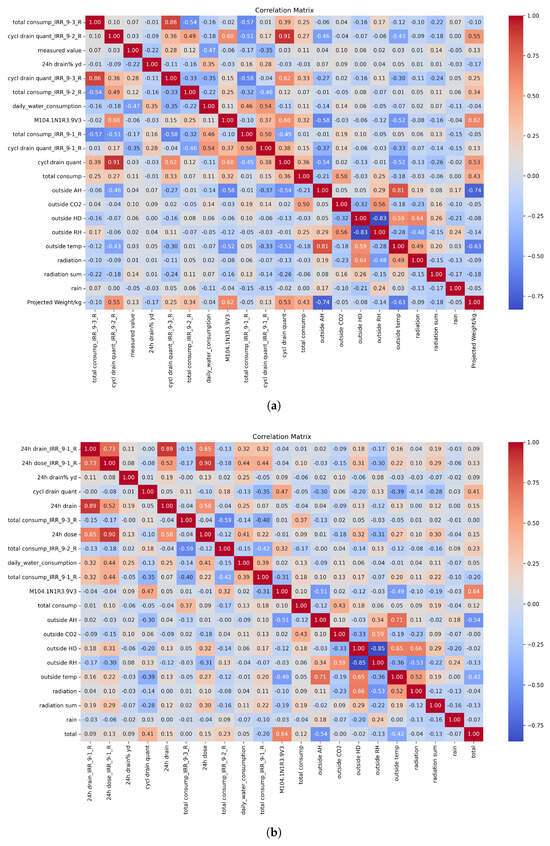
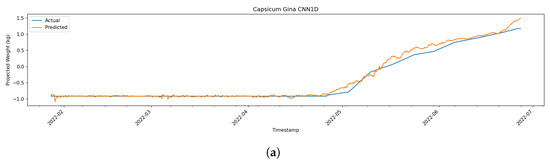
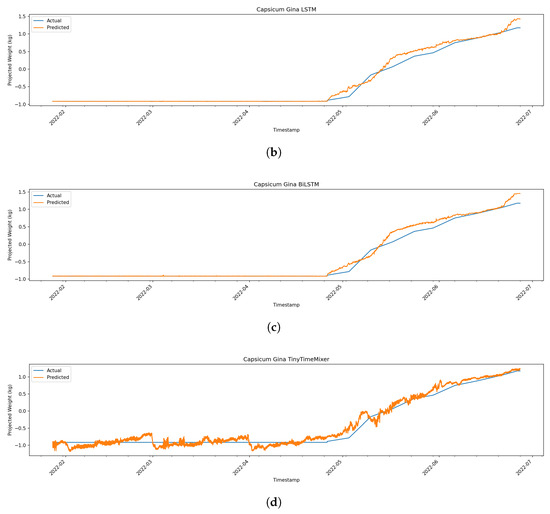
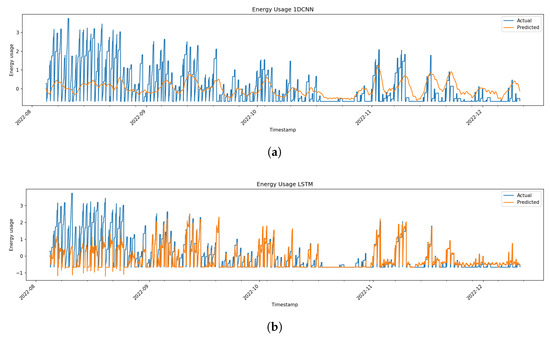
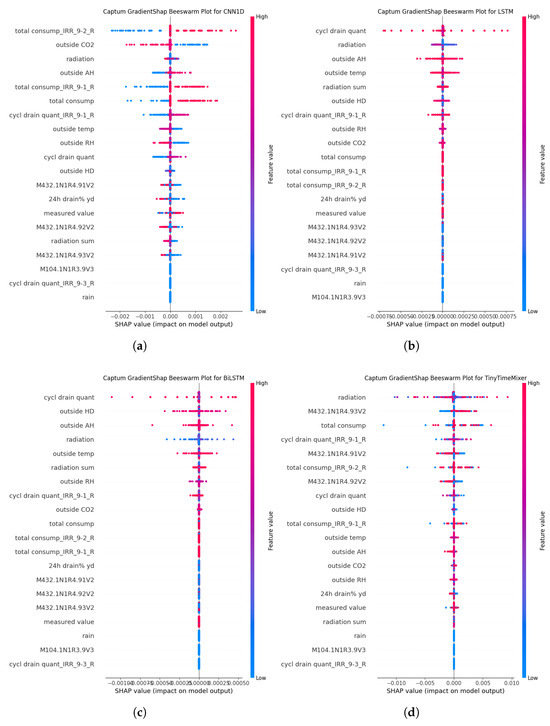
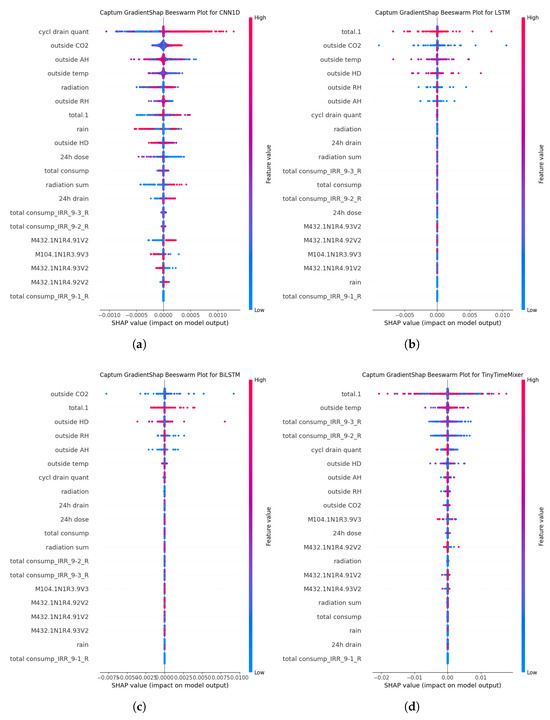
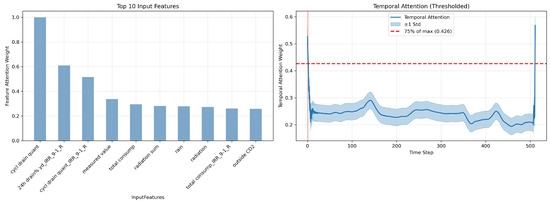
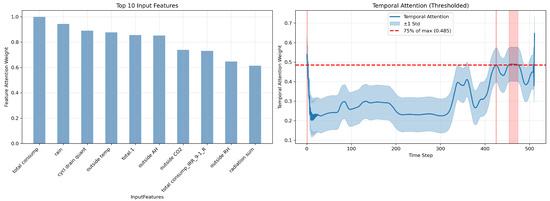
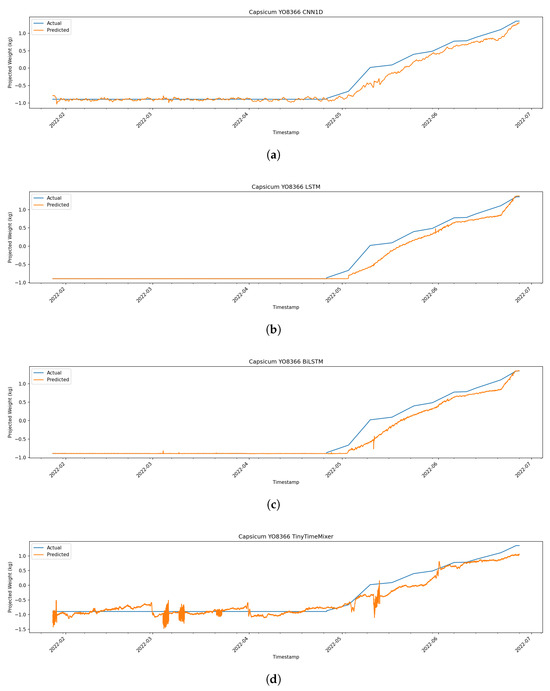
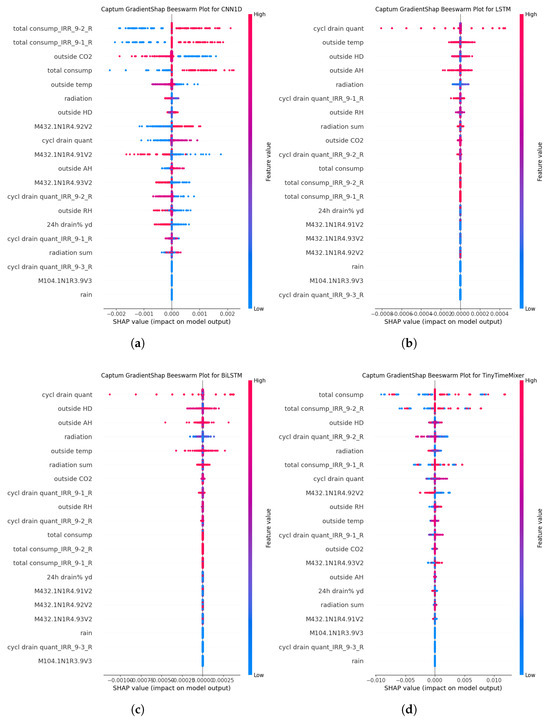
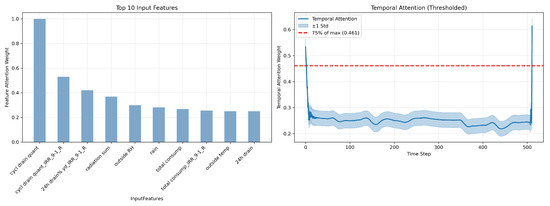
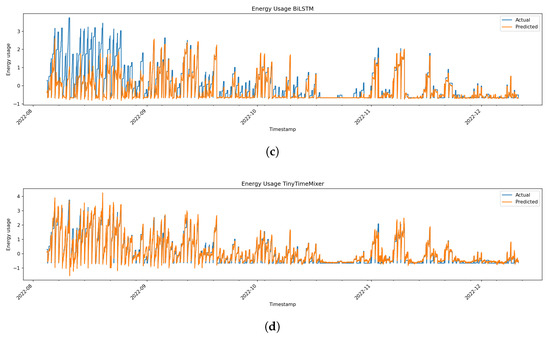
Optimizing crop yield while minimizing energy consumption remains a central challenge in greenhouse horticulture. This study introduces an integrated deep learning framework that couples multi-horizon time-series forecasting with dual-layered explainability to address the critical need for spatiotemporal transparency in optimizing greenhouse crop yield and energy efficiency. Four deep learning architectures, including the One-Dimensional Convolutional Neural Network (1D-CNN), Long Short-Term Memory Network (LSTM), Bidirectional Long Short-Term Memory Network (BiLSTM), and TinyTimeMixer (TTM), were evaluated across two varieties of capsicum. LSTM and BiLSTM achieved the highest accuracy for incremental yield prediction, whereas TTM outperformed other models in forecasting daily energy usage, reflecting the distinct temporal characteristics of biological growth and environment-driven energy demand. To uncover the factors driving these predictions, two complementary explainability methods were applied: Gradient SHapley Additive exPlanations (SHAP) for feature-level attribution and a Temporal Convolutional Network with Convolutional Block Attention Module (TCN–CBAM) attention mechanism for joint temporal-feature interpretation. Radiation and drainage-related variables consistently emerged as the dominant contributors to yield, whereas external temperature, and humidity were the primary determinants of energy usage. Temporal attention further showed that yield is influenced by both recent irrigation responses and longer-term developmental dynamics, while energy consumption is driven mainly by short-term climatic fluctuations. These findings provide actionable insights for irrigation scheduling, climate-control strategies, and energy optimization, supporting more transparent and sustainable greenhouse management.
Full article

Figure 1
Open AccessArticle
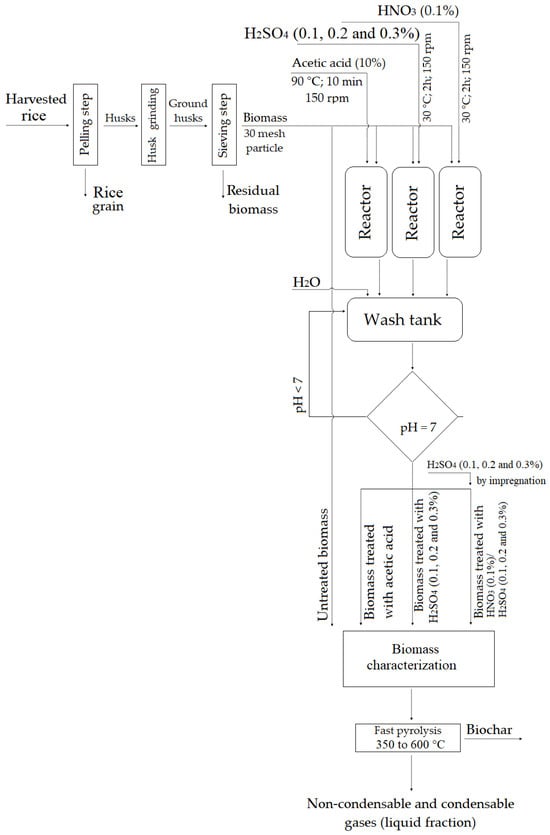
The Fast Pyrolysis of Rice Husks: The Effect of Different Acids on the Production of Platform Chemicals
by
Rodolfo Roberto Moreno-Parra, Thays da Costa Silveira, Victor Haber Pérez, Geraldo Ferreira David, Marcelo Silva Sthel, Oselys Rodriguez Justo and Euripedes Garcia Silveira-Junior
AgriEngineering 2026, 8(6), 212; https://doi.org/10.3390/agriengineering8060212 - 28 May 2026
Abstract
The growing global demand for sustainable biotechnological routes for bioenergy production has paved the way for Brazil to position itself as a strategic leader due to its vast agricultural production and, consequently, agricultural residues, among which rice husk stands out. Although rice husk
[...] Read more.
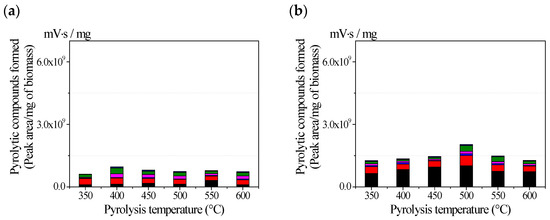
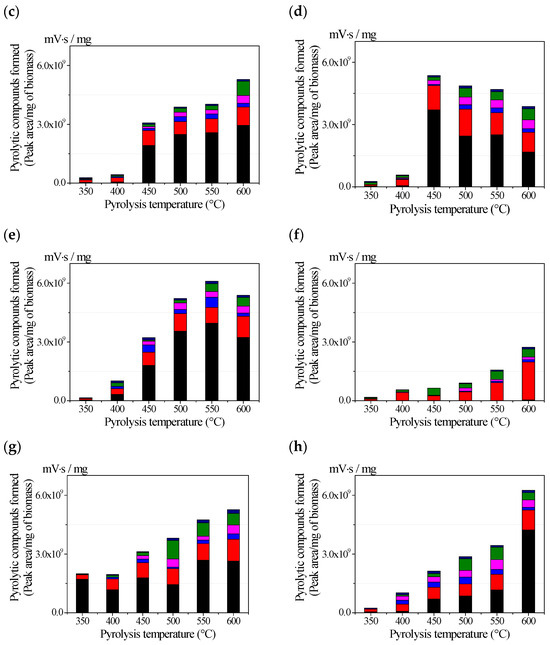
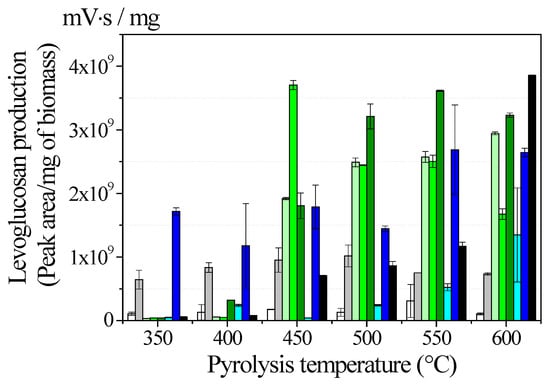
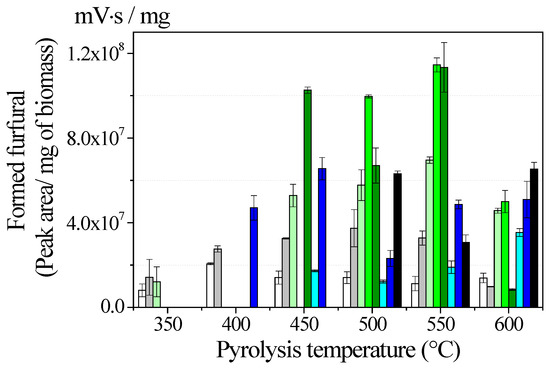
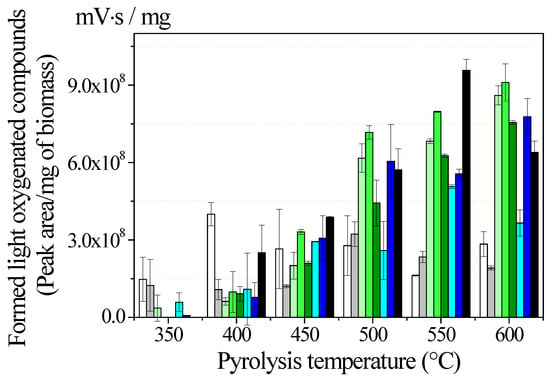
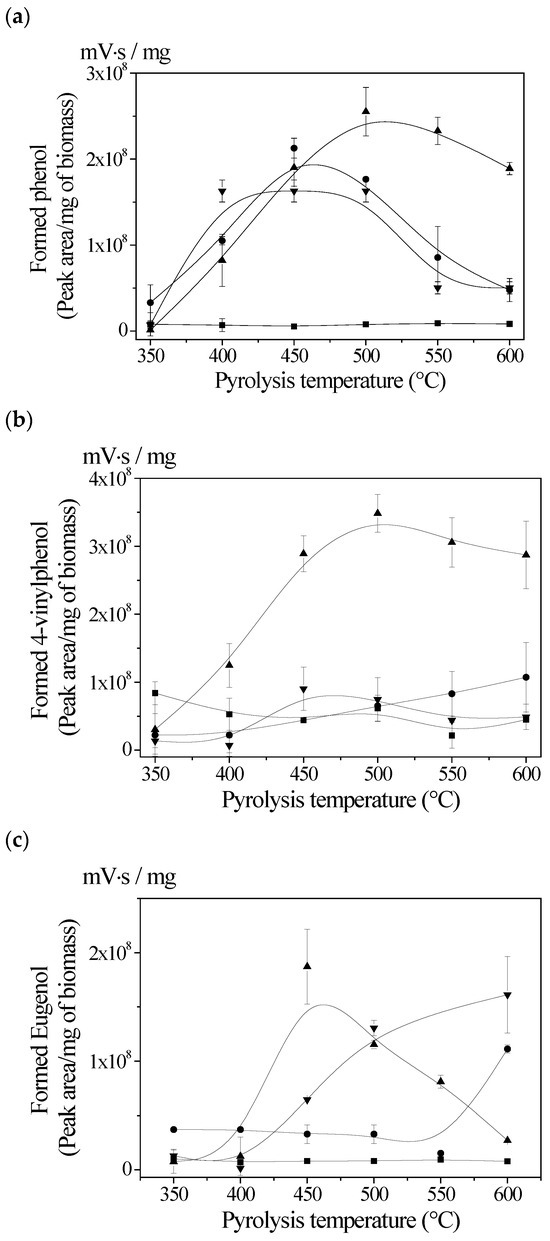
The growing global demand for sustainable biotechnological routes for bioenergy production has paved the way for Brazil to position itself as a strategic leader due to its vast agricultural production and, consequently, agricultural residues, among which rice husk stands out. Although rice husk is widely used for energy cogeneration, its potential for producing high-value platform chemicals remains underexplored. This study aims to evaluate the production of value-added pyrolytic derivatives from rice husk by investigating the synergy between acid pretreatments and fast pyrolysis temperatures (350–600 °C). Thus, the experimental strategy involved intensifying the production of target compounds in the condensable fraction (bio-oil) from pyrolysis gases using different biomass pretreatments before fast pyrolysis according to the following conditions: (i) acid washing using acetic acid (10%), (ii) acid washing using nitric acid (0.1%) followed by impregnation using sulfuric acid (0.1–0.3%), and (iii) impregnation using sulfuric acid alone (0.1–0.3%). Fast pyrolysis was carried out over a temperature range of 350–600 °C using a pyroprobe microreactor coupled to a mass spectrometer (GC/MS). The best results, regarding overall volatile fraction, were observed when impregnation with 0.3% sulfuric acid was used prior to pyrolysis at 600 °C, resulting in around an 8.88-fold increase compared with untreated biomass. Nevertheless, the experimental conditions that favored the formation of our main chemical targets, such as levoglucosan, furfural and some phenols, were different. For instance, levoglucosan, furfural and eugenol increased by 21-, 10- and 22-fold, respectively, for biomass treated with HNO3 (0.1%)/H2SO4 (0.2%) at 450 °C, whereas phenol and 4-vinylphenol increased by 35- and 14-fold at 500 °C. These findings can be considered satisfactory, highlighting the potential of the thermochemical conversion process as a valuable tool for the production of high-value chemicals from agricultural waste like rice husk.
Full article
(This article belongs to the Section Sustainable Bioresource and Bioprocess Engineering)
►▼
Show Figures

Figure 1

Open AccessArticle
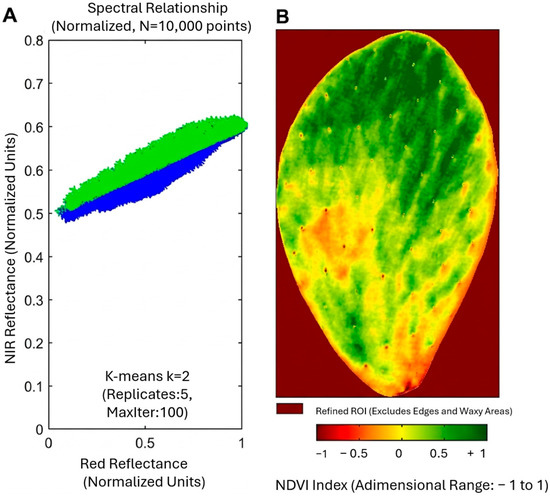
A Non-Destructive Methodological Approach for Modeling Continuous Drought Stress Dynamics in Opuntia ficus-indica Using Hyperspectral and UAV RGB Imagery
by
Juan Arredondo-Valdez, Brigido Saúl Zúñiga-Hernández, Urbano Luna-Maldonado, Héctor Flores-Breceda, Sugey Ramona Sinagawa-García, Jesús Rodolfo Valenzuela-García, Ajay Kumar, Ricardo David Valdez-Cepeda and Alejandro Isabel Luna-Maldonado
AgriEngineering 2026, 8(6), 211; https://doi.org/10.3390/agriengineering8060211 - 28 May 2026
Abstract
►▼
Show Figures
Destructive methods for monitoring stress responses remain a bottleneck in precision agriculture. This study presents a non-destructive methodological framework evaluating drought responses in 30 Opuntia ficus-indica plants over four months under five irrigation levels. Cladode traits (color, weight, and thickness) were measured alongside
[...] Read more.
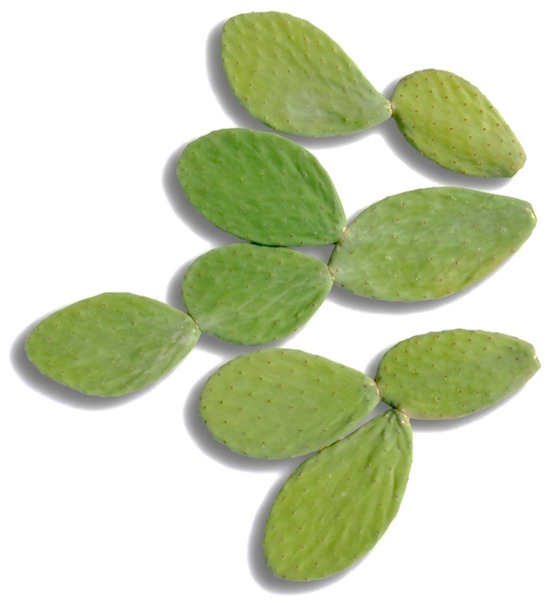
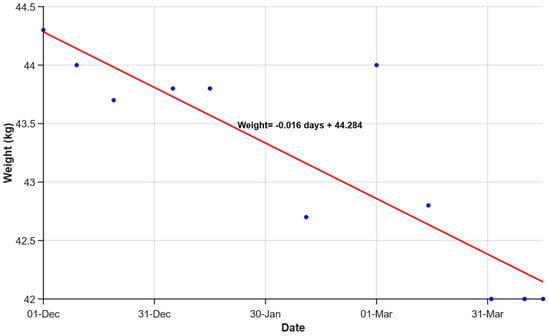
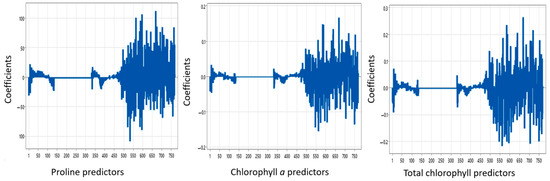
Destructive methods for monitoring stress responses remain a bottleneck in precision agriculture. This study presents a non-destructive methodological framework evaluating drought responses in 30 Opuntia ficus-indica plants over four months under five irrigation levels. Cladode traits (color, weight, and thickness) were measured alongside RGB imagery from a UAV and hyperspectral imaging (400–1000 nm). Partial least squares regression (PLSR) models showed high capability to model proline (R2 = 0.91), chlorophyll a (R2 = 0.97), and total chlorophyll (R2 = 0.97) within the experimental dataset. Crucially, these models reflected continuous spectral–physiological variation across the irrigation gradient rather than discrete treatment separation, with key spectral regions identified at 530–600 nm and 550–750 nm. UAV-derived RGB imagery enabled the estimation of plant area and biomass (R2 = 0.88). Under extreme drought, cladode thickness decreased by approximately 41%, accompanied by reduced biomass and increased soluble solids (°Brix). While no statistically significant differences were observed among irrigation treatments for biochemical variables, limiting treatment discrimination based on discrete classification, the hyperspectral data successfully captured the underlying continuous physiological variation. Consequently, this work demonstrates the methodological viability of integrating UAV structural phenotyping and hyperspectral analysis as a continuous monitoring tool rather than a rigid classification system. These findings provide a methodological baseline that highlights the need for continuous sensing in CAM plants, though further validation with independent datasets remains essential for wider operational application.
Full article

Figure 1
Open AccessArticle
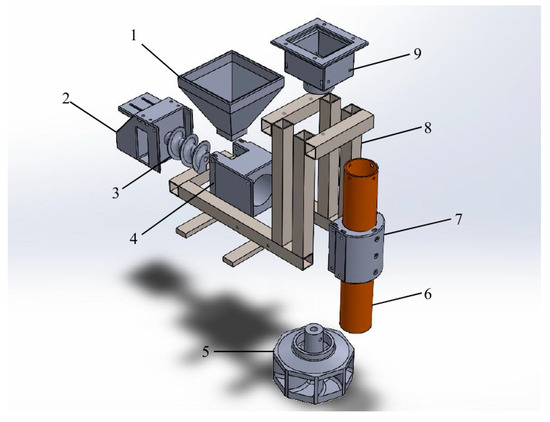
Development of an Automatic Aquaculture Bottom Feeder Using a Closed-Type Impeller
by
Jose Pocholo I. Dorongon, Omar F. Zubia, Paolo Rommel P. Sanchez, Ralph Kristoffer B. Gallegos and Adrian A. Borja
AgriEngineering 2026, 8(6), 210; https://doi.org/10.3390/agriengineering8060210 - 28 May 2026
Abstract
Efficient feed management is essential in aquaculture, especially for bottom-feeding species such as shrimp that require feed delivery at the tank bottom. Most commercial automated feeders are designed for surface-feeding fish and are unsuitable for benthic organisms, leading to feed waste and uneven
[...] Read more.
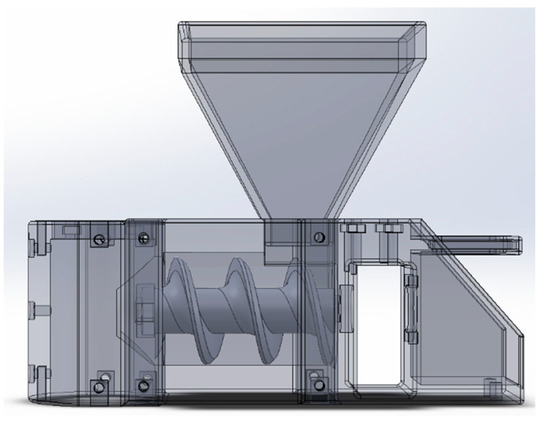
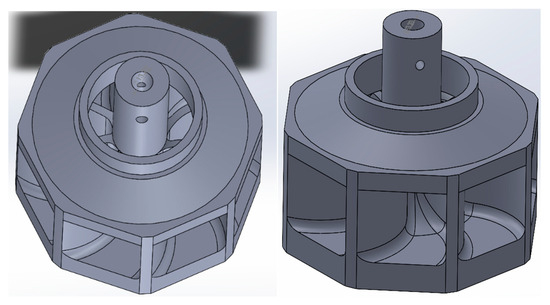
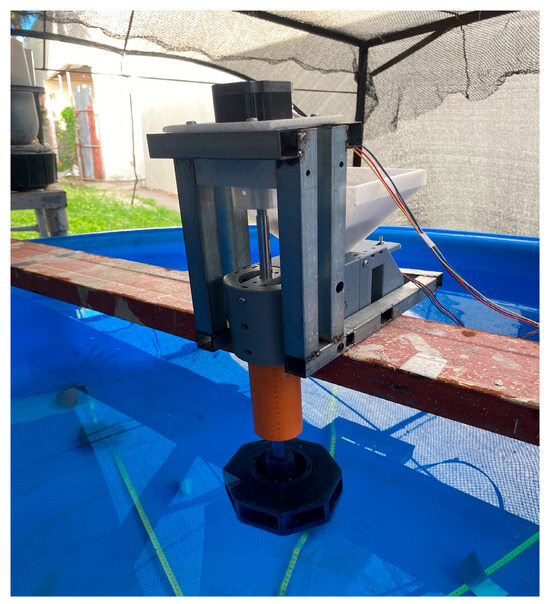
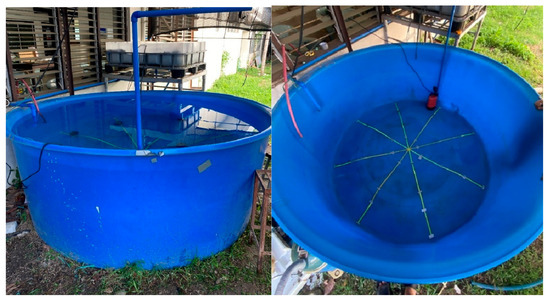
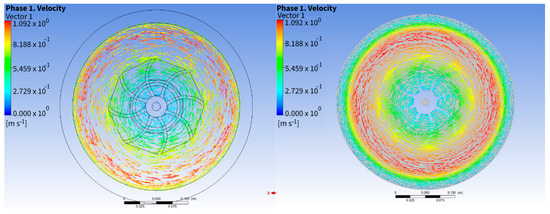
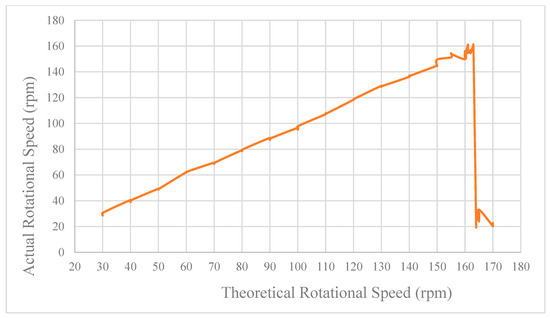
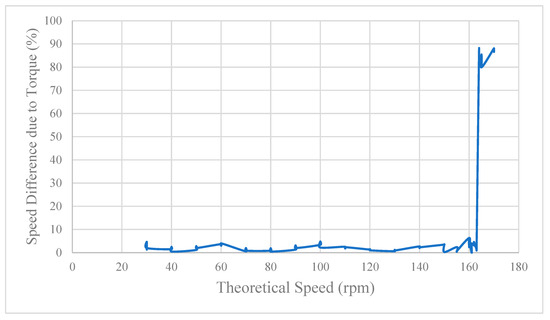
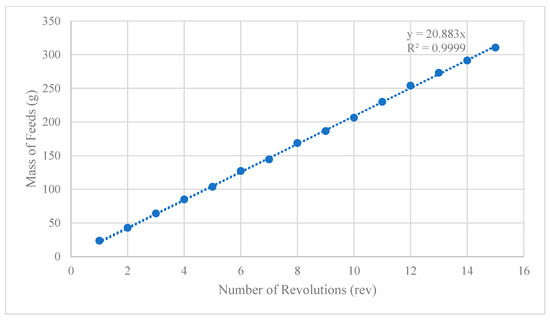
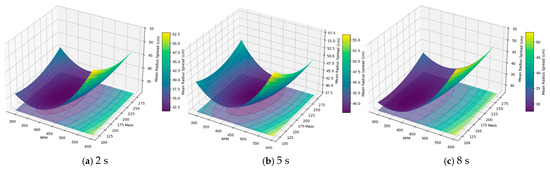
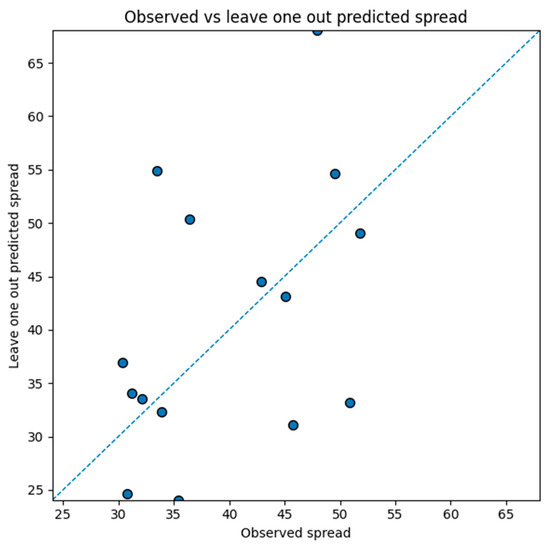
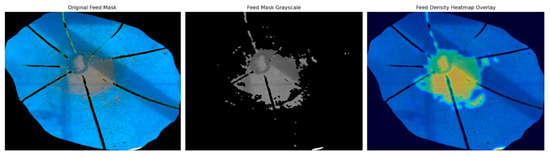
Efficient feed management is essential in aquaculture, especially for bottom-feeding species such as shrimp that require feed delivery at the tank bottom. Most commercial automated feeders are designed for surface-feeding fish and are unsuitable for benthic organisms, leading to feed waste and uneven distribution. This study developed and evaluated an automatic bottom feeder capable of dispensing sinking pellets directly to the substrate. The system integrated a 3D-printed auger for precise feed metering and a closed-type centrifugal impeller positioned at the water surface to achieve radial dispersion of feed. An Arduino Uno microcontroller operated the impeller speed (285.98–586.85 rpm), feed mass (95.23–285.68 g), and dispersion time (2–8 s). A Box–Behnken response surface methodology was used to analyze the influence of these parameters on the mean radius spread of feed, supported by image-based uniformity assessment using OpenCV. Results identified impeller speed as the most significant factor (p = 0.010), with optimal dispersion observed at moderate speeds and longer spread durations. The system demonstrated reliable mechanical performance and precise control, providing a novel, programmable solution for uniform feed delivery in shrimp aquaculture and a promising foundation for scalable, automated bottom-feeding technologies.
Full article
(This article belongs to the Section Agricultural Mechanization and Machinery)
►▼
Show Figures

Figure 1
Open AccessArticle
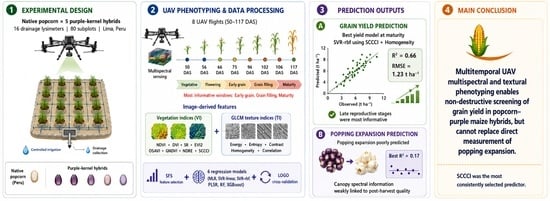
Predicting Grain Yield and Popping Expansion in Native Peruvian Popcorn and Purple-Kernel Hybrids Using Multitemporal Unmanned Aerial Vehicle-Derived Multispectral and Textural Indices
by
Elias Huanuqueño-Coca, José Huanuqueño-Murillo, Roxana Peña-Amaro, David Quispe-Tito, Lena Cruz-Villacorta, Indira Betalleluz-Pallardel, Javier Quille-Mamani and Lia Ramos-Fernández
AgriEngineering 2026, 8(6), 209; https://doi.org/10.3390/agriengineering8060209 - 27 May 2026
Abstract
Popping expansion is the main quality trait determining the commercial value of popcorn maize, yet its evaluation requires destructive grain sampling. We investigated whether multitemporal UAV multispectral and textural features could predict grain yield and popping expansion in a native population of Peruvian
[...] Read more.
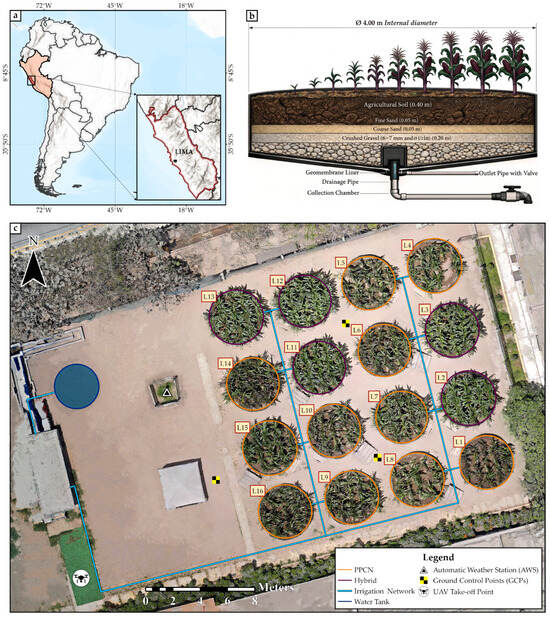
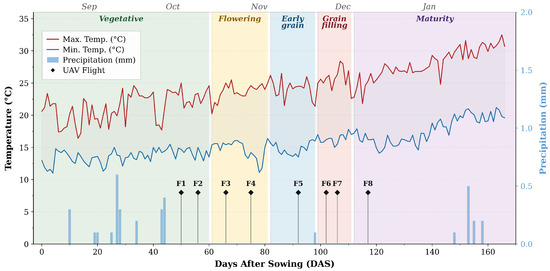
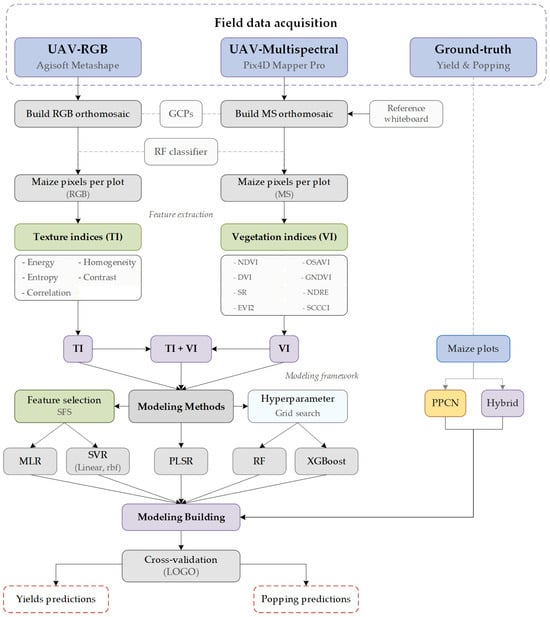
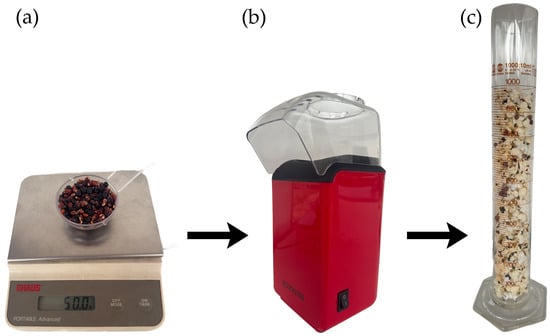
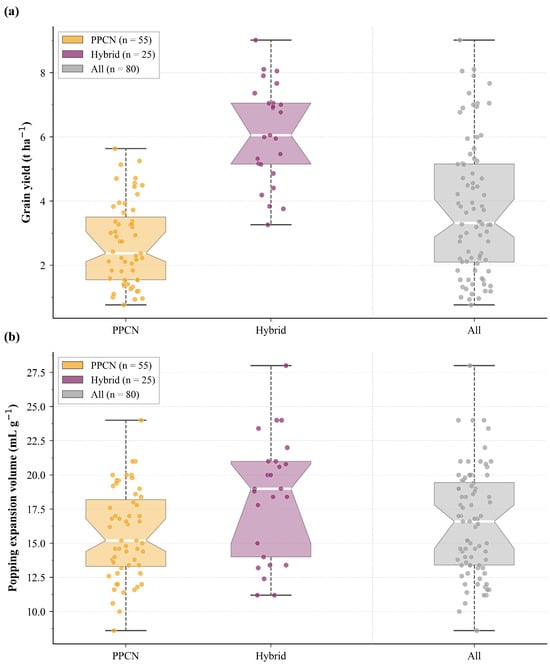
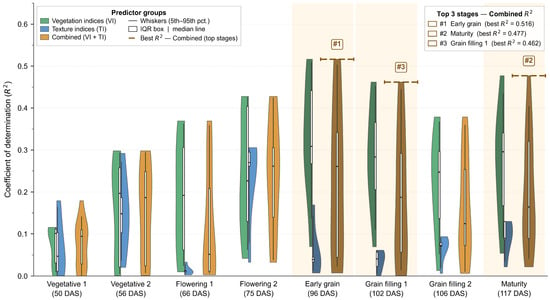
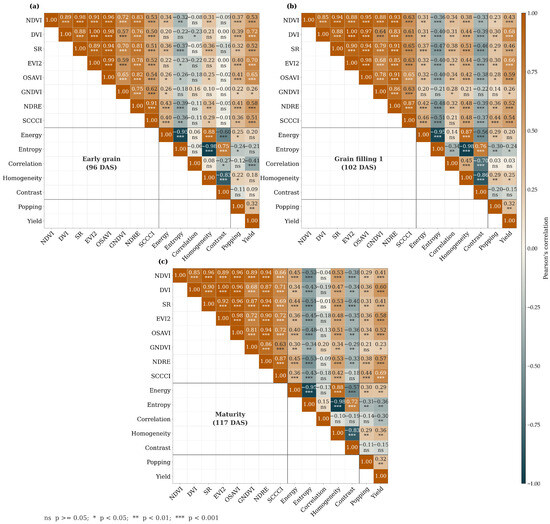
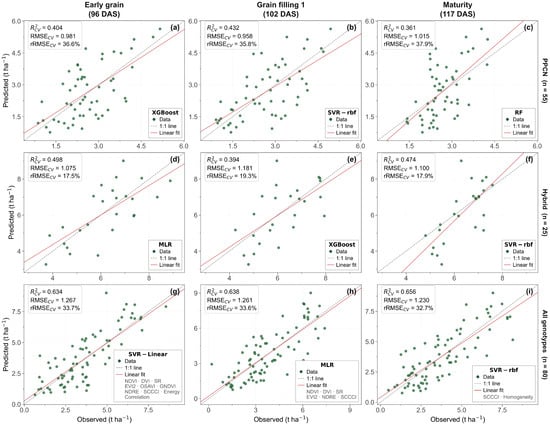
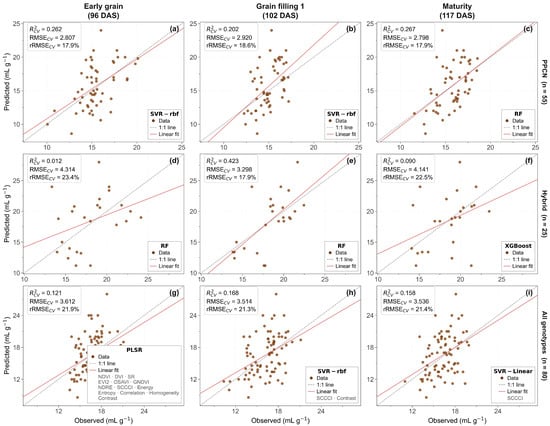
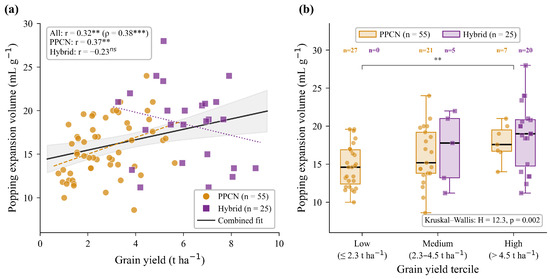
Popping expansion is the main quality trait determining the commercial value of popcorn maize, yet its evaluation requires destructive grain sampling. We investigated whether multitemporal UAV multispectral and textural features could predict grain yield and popping expansion in a native population of Peruvian popcorn and its five purple-kernel corn hybrids grown in 16 drainage lysimeters (80 subplots) under controlled irrigation in Lima, Peru. Eight UAV flights were conducted between 50 and 117 days after sowing, and 8 vegetation indices plus 5 GLCM texture metrics were extracted from canopy-masked imagery. Six regression algorithms were trained using Sequential Forward Selection (SFS; applied to five of six algorithms) and validated by Leave-One-Lysimeter-Out cross-validation (LOGO). Early grain, grain filling, and maturity were the most informative stages for yield prediction. The best model, obtained at maturity, was SVR-rbf using SCCCI and Homogeneity, reaching R2 = 0.66 and RMSE = 1.23 t ha−1. SCCCI was the most consistently selected predictor across models. By contrast, popping expansion was poorly predicted (R2 = 0.17), indicating that this post-harvest quality trait is only weakly linked to canopy-level spectral information. Multitemporal UAV phenotyping therefore shows promise for non-destructive yield screening, but not for replacing direct popping expansion measurements.
Full article
(This article belongs to the Special Issue The Application of Remote Sensing for Agricultural Monitoring)
►▼
Show Figures

Graphical abstract
Open AccessArticle
Impact of Production System Intensification on Soil Physical–Hydric Properties and Soybean Performance
by
Eduardo da Silva Nunes Stédile, Leandro Galon, Jackson Korchagin, Rafael Gabbi Magnanti and Mateus Possebon Bortoluzzi
AgriEngineering 2026, 8(6), 208; https://doi.org/10.3390/agriengineering8060208 - 27 May 2026
Abstract
►▼
Show Figures
In southern Brazil, a large proportion of farmers maintain their fields under fallow conditions during the transition period between summer and winter crops. During this interval, mechanical practices such as chiseling or the introduction of cover crop species may contribute to improving soil
[...] Read more.
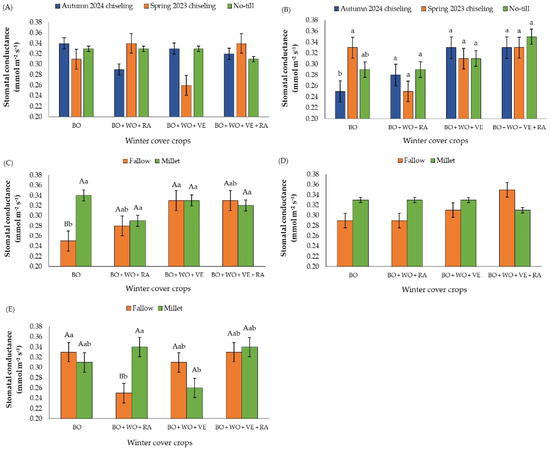
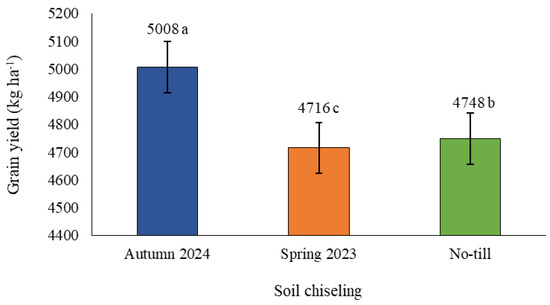
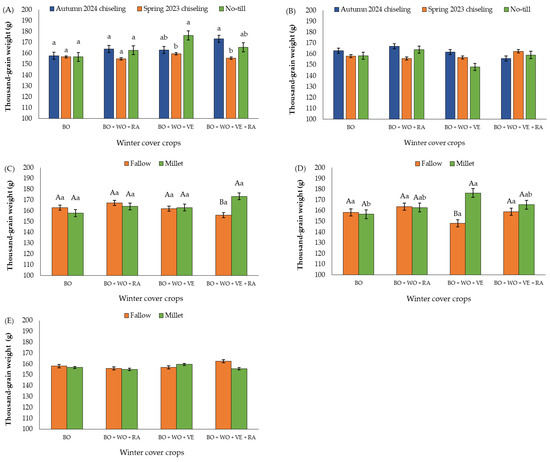
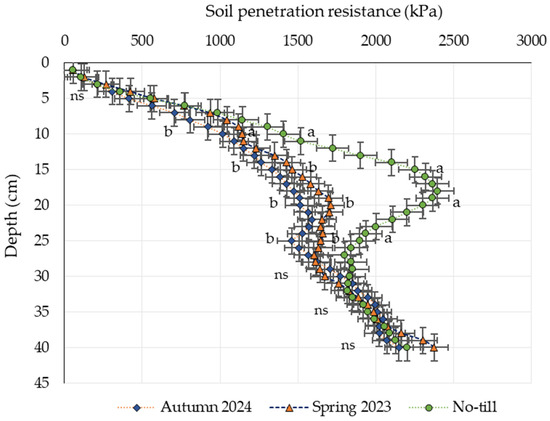
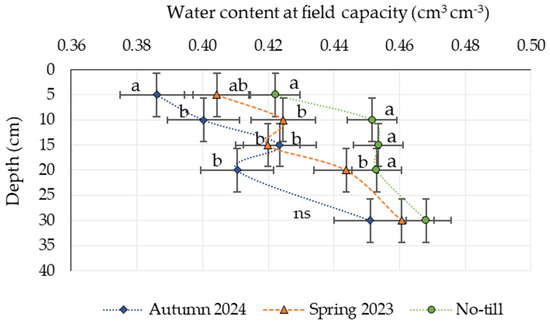
In southern Brazil, a large proportion of farmers maintain their fields under fallow conditions during the transition period between summer and winter crops. During this interval, mechanical practices such as chiseling or the introduction of cover crop species may contribute to improving soil management and conservation in no-tillage systems. Therefore, this study aimed to investigate the effects of mechanical soil chiseling and production system intensification on soil physical–hydric properties and soybean performance. The experiment was conducted in São José do Ouro, Rio Grande do Sul, Brazil, from September 2023 to April 2025. The experimental design consisted of three factors: soil management (spring 2023 chiseling, autumn 2024 chiseling, and a no-till control), post-maize cover (millet and fallow conditions), and winter cover crops (black oat, white oat, vetch, and radish) grown either as monocultures or in mixtures. A randomized block design with split plots and three replicates was used. The evaluated variables included dry biomass of winter cover crops, soil bulk density, total porosity, microporosity, macroporosity, soil water content at field capacity, soil penetration resistance, plant gas exchange, leaf area index, thousand-grain weight, and soybean grain yield. The results indicated that soil chiseling altered soil physical properties by reducing soil bulk density, penetration resistance, microporosity, and field capacity, while increasing total porosity and macroporosity. Soil chiseling promoted short-term increases in thousand-grain weight and soybean grain yield, with no persistent effects after 20 months. Production system intensification, through the use of cover crops and millet, did not affect grain yield but increased stomatal conductance and soybean leaf area index. Therefore, occasional tillage in high-clay subtropical Oxisols should be strategically applied and associated with long-term conservation agriculture practices to sustain improvements in soil physical quality.
Full article

Figure 1
Open AccessArticle
Deep Learning for Hourly FAO-56 PM-Derived Crop Evapotranspiration Estimation Using a Transformer Encoder Approach for Data-Driven Irrigation Management in Tropical Horticulture
by
Pattharaporn Thongnim and Sirawit Wongjeam
AgriEngineering 2026, 8(6), 207; https://doi.org/10.3390/agriengineering8060207 - 27 May 2026
Abstract
Accurate hourly crop evapotranspiration (ETc) estimation is important for data-driven irrigation management support in tropical horticulture, yet existing approaches are constrained by data requirements and an inability to capture multi-scale temporal dynamics. This study proposes a Transformer encoder model for one-step-ahead hourly FAO-56
[...] Read more.
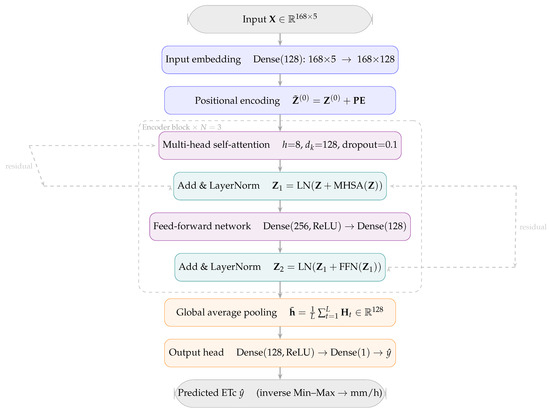
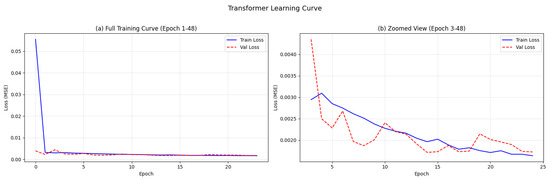
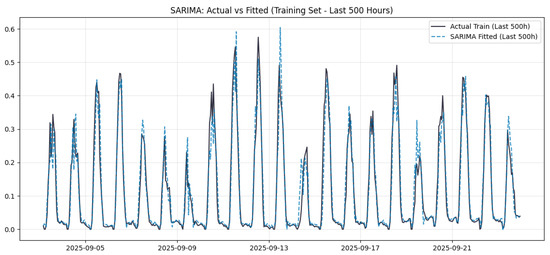
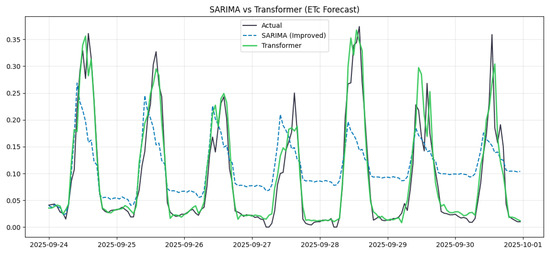
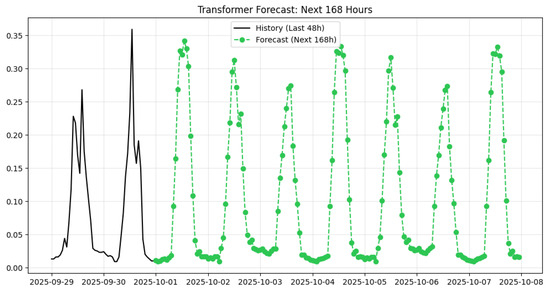
Accurate hourly crop evapotranspiration (ETc) estimation is important for data-driven irrigation management support in tropical horticulture, yet existing approaches are constrained by data requirements and an inability to capture multi-scale temporal dynamics. This study proposes a Transformer encoder model for one-step-ahead hourly FAO-56 PM-derived ETc estimation in a durian orchard in Chanthaburi Province, Eastern Thailand, using 36,528 hourly meteorological observations obtained from the Visual Crossing Weather API for the orchard location over four years, with ETc computed from these inputs using the FAO-56 Penman–Monteith equation. The model employs a 168-h (7-day) look-back window, three stacked encoder blocks with multi-head self-attention ( , ), and five meteorological input features (air temperature, relative humidity, solar radiation, wind speed, and ETc). A SARIMA model trained on the same dataset served as the statistical baseline. The Transformer achieved an RMSE of 0.0308 mm/h, MAE of 0.0188 mm/h, and of 0.9018 on the 168-h test set, outperforming SARIMA (RMSE = 0.0717, MAE = 0.0593, = 0.4688), representing a 57.0% reduction in RMSE, a 68.3% reduction in MAE, and a 92.4% improvement in . The Transformer also achieved a daytime-only RMSE of 0.0414 mm/h vs. 0.0791 mm/h for SARIMA, and a daily cumulative ETc MAE of 0.1599 mm/day vs. 0.5901 mm/day, demonstrating superior accuracy during agronomically critical periods. The Transformer accurately reproduced both the 24-h diurnal cycle and the 7-day weekly pattern of ETc, whereas SARIMA exhibited a damped amplitude response. A recursive 168-h heuristic simulation demonstrated that the model generates physically plausible ETc patterns under an approximated meteorological scenario, suggesting the approach warrants further investigation as a component of future irrigation decision-support research. These results highlight the potential of Transformer-based deep learning for site-specific, proof-of-concept ETc estimation from meteorological inputs in tropical fruit production, pending validation across diverse sites and seasons.
Full article
(This article belongs to the Special Issue Transforming Agriculture with Artificial Intelligence: Recent Advances and Applications)
►▼
Show Figures

Figure 1

Open AccessArticle
IA4CACAO: Deep Learning-Based Classification of Fermented Cocoa Beans (Cut Test Images) in Colombia
by
Ariolfo Camacho Velasco, Ramiro S. Avila Chacón, Diego A. Zárate, Lucero G. Rodriguez Silva, German A. Estrada-Bonilla and Cesar A. Vargas
AgriEngineering 2026, 8(6), 206; https://doi.org/10.3390/agriengineering8060206 - 27 May 2026
Abstract
Automated and objective grading of cocoa (Theobroma cacao L.) fermentation remains a major challenge because the conventional cut test relies on subjective visual inspection and is difficult to scale. In this study, we develop and evaluate a deep learning pipeline for classifying
[...] Read more.
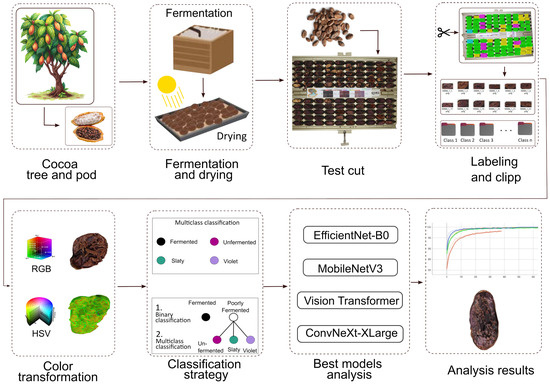
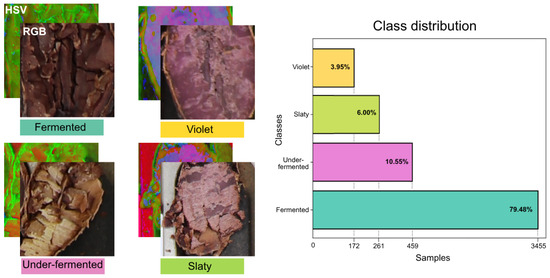
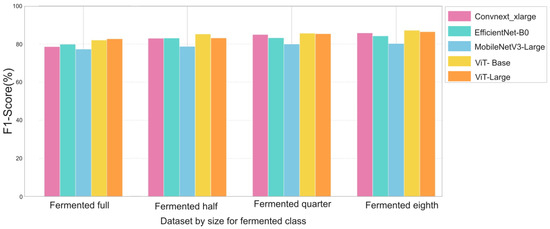
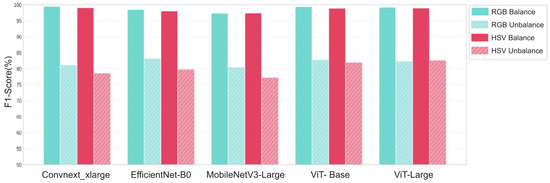
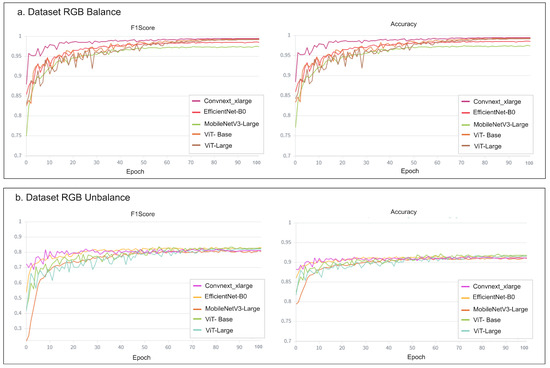
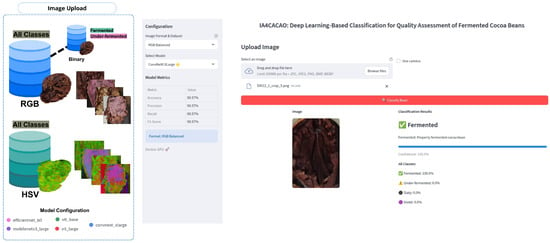
Automated and objective grading of cocoa (Theobroma cacao L.) fermentation remains a major challenge because the conventional cut test relies on subjective visual inspection and is difficult to scale. In this study, we develop and evaluate a deep learning pipeline for classifying cocoa bean fermentation levels from expert-annotated cut-test images acquired under controlled conditions, enabling the systematic evaluation and comparison of multiple convolutional and transformer-based architectures under consistent preprocessing, training, and evaluation protocols. The dataset comprises 4347 segmented cocoa bean images distributed across four severely imbalanced classes, namely fermented, under-fermented, slaty, and violet. Representative architectures, including EfficientNet-B0, MobileNetV3-Large, ConvNeXt-XLarge, ViT-Base, and ViT-Large, are benchmarked to analyze the effects of class imbalance, RGB versus HSV color representation, training duration, and label-space formulation. The results show that severe class imbalance strongly degrades performance in direct four-class classification. A hierarchical binary-to-multiclass strategy significantly improves balanced recognition by separating fermented from unfermented beans prior to subclass discrimination, increasing macro-F1 scores from approximately 80–83% to 89–91%. Among the evaluated models, ViT-Base emerges as the most stable architecture across experimental settings and offers the best balance between classification performance, training stability, and computational cost. Although larger models achieve slightly higher peak performance under balanced conditions, ViT-Base provides more consistent results under realistic constraints. The proposed framework enables near-real-time inference on segmented single-bean images and supports objective, reproducible, and scalable fermentation assessment. These findings demonstrate that performance in cocoa fermentation grading is determined not only by model capacity, but also by imbalance-aware label-space design and evaluation protocols aligned with real-world cut-test conditions.
Full article
(This article belongs to the Section Computer Applications and Artificial Intelligence in Agriculture)
►▼
Show Figures

Figure 1

Open AccessArticle
Internet of Things-Based Hydroponic Monitoring and Thresh-Old-Controlled Recirculation for Lettuce (Lactuca sativa) Under Open-Field Thermal Stress
by
Fray L. Becerra-Suarez, Mónica Diaz, Eiji M. Oshiro-Nakamatzu, Hilary Z. Villa-Cabrera, José F. Bobadilla-García, Roberts L. Alvarado-Sandoval and Marco A. Romani-Vasquez
AgriEngineering 2026, 8(6), 205; https://doi.org/10.3390/agriengineering8060205 - 26 May 2026
Abstract
►▼
Show Figures
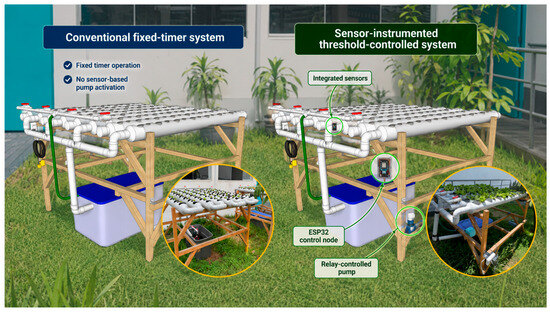
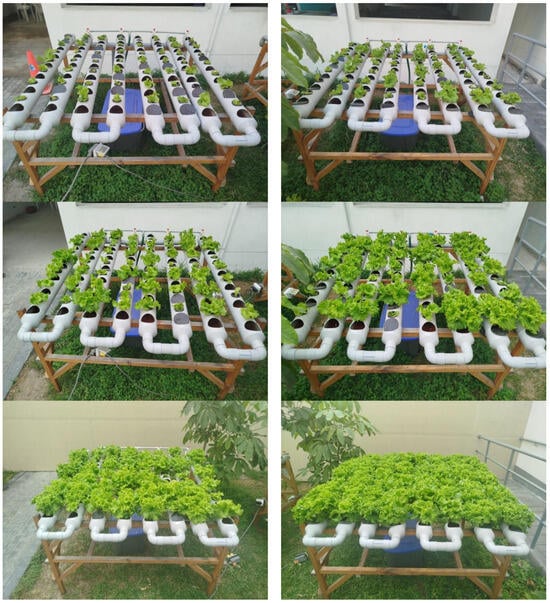
Agriculture currently faces multiple challenges associated with climate change, the reduction in arable land, and the need to produce food more efficiently in terms of water and nutrient use. This study evaluated an Internet of Things (IoT)-based hydroponic monitoring system with threshold-controlled recirculation
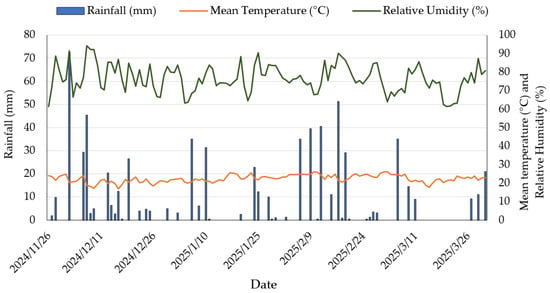
[...] Read more.
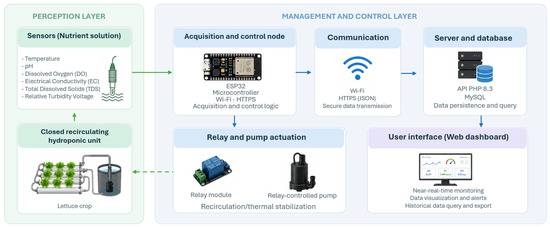
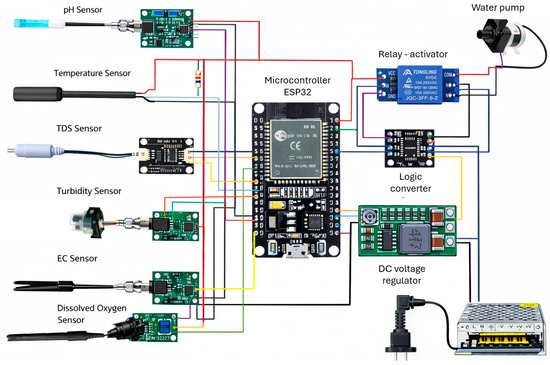
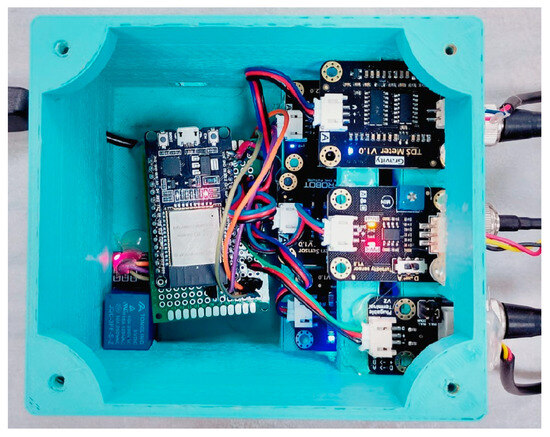
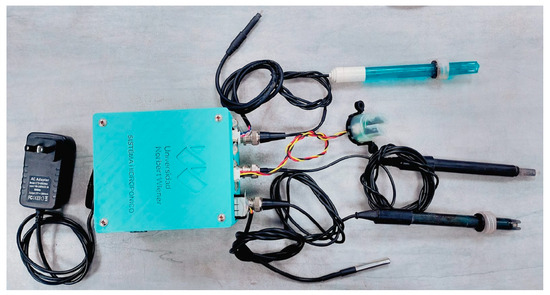
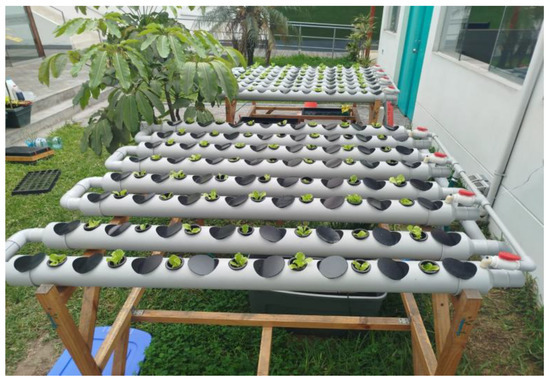
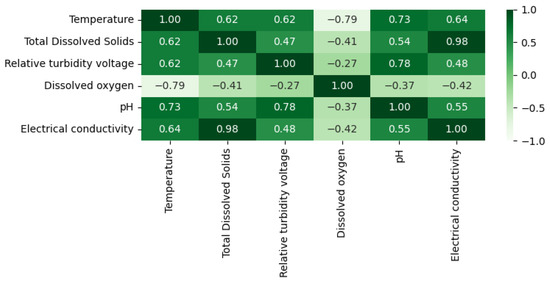
Agriculture currently faces multiple challenges associated with climate change, the reduction in arable land, and the need to produce food more efficiently in terms of water and nutrient use. This study evaluated an Internet of Things (IoT)-based hydroponic monitoring system with threshold-controlled recirculation for lettuce (Lactuca sativa) under open-field thermal stress conditions, comparing it with a conventional closed recirculating PVC pipe-based hydroponic system operated using fixed pump timing. The architecture integrated an ESP32 microcontroller, sensors for nutrient solution temperature, pH, total dissolved solids (TDS), turbidity voltage, dissolved oxygen (DO), and electrical conductivity (EC), Wi-Fi/HTTPS connectivity, a PHP–MySQL server, and a web interface for near-real-time monitoring. During the growing period, 241,797 readings were recorded between 21 January and 13 February 2026. The threshold-based logic activated the pump mainly according to nutrient solution temperature and DO, while pH, EC, TDS, and relative turbidity voltage were monitored as operational indicators. The sensor-instrumented system operated with pump activation during approximately 28.5% of the monitoring period, while temperature exhibited high variability and peaks of 40.19 °C. Visual crop monitoring showed greater canopy uniformity in the sensor-instrumented system, supporting the technical feasibility of low-cost IoT-based monitoring and threshold-controlled recirculation for open-field hydroponic production of lettuce.
Full article

Figure 1
Journal Menu
► ▼ Journal Menu-
- AgriEngineering Home
- Aims & Scope
- Editorial Board
- Topical Advisory Panel
- Instructions for Authors
- Special Issues
- Topics
- Sections & Collections
- Article Processing Charge
- Indexing & Archiving
- Editor’s Choice Articles
- Most Cited & Viewed
- Journal Statistics
- Journal History
- Journal Awards
- Conferences
- Editorial Office
Journal Browser
► ▼ Journal BrowserHighly Accessed Articles
Latest Books
E-Mail Alert
News
Topics
Topic in
Electronics, AgriEngineering, AI Sensors, Healthcare, AI, BioMedInformatics, BDCC, Information
Generative AI and Interdisciplinary Applications
Topic Editors: Jisheng Dang, Wenjie Wang, Yongqi Li, Juncheng LiDeadline: 31 August 2026
Topic in
Agriculture, Applied Sciences, Sci, Energies, AgriEngineering, Automation
New Research on Automated and Efficient Agricultural Machineries
Topic Editors: Francesco Mocera, Aurelio Somà, Simone PascuzziDeadline: 31 December 2026
Topic in
Agriculture, AgriEngineering, Agronomy, Applied Sciences, Horticulturae, Water
Smart Irrigation and Crop Management: Towards Sustainable and Resilient Agriculture
Topic Editors: Maria do Rosario Cameira, Joao RolimDeadline: 31 January 2027
Topic in
Agriculture, AgriEngineering, Agronomy, Forests, Remote Sensing, Sustainability
Novel Theories, Methodologies and Application Paradigms of Smart Agriculture and Forestry
Topic Editors: Xiaoli Zhang, Dengsheng Lu, Ning Zhang, Langning HuoDeadline: 30 June 2027
Conferences
Special Issues
Special Issue in
AgriEngineering
Climate-Smart Agriculture Technologies: Bridging Science, Systems, and Solutions
Guest Editors: You Wu, Xianhua Wu, Zhibin Sun, Yufeng HeDeadline: 30 June 2026
Special Issue in
AgriEngineering
Innovations, Engineering, Technologies and Best Practices for Ensuring Work Safety in Agriculture
Guest Editors: Marcello Biocca, Massimo CecchiniDeadline: 30 June 2026
Special Issue in
AgriEngineering
Precision Agriculture: Sensor-Based Systems and IoT-Enabled Machinery
Guest Editors: Guangming Wang, Zhiqiang ZhaiDeadline: 30 June 2026
Special Issue in
AgriEngineering
Innovative Technologies for Agricultural Product Pre-Processing and Processing Engineering
Guest Editor: Gabriel Henrique Horta de OliveiraDeadline: 17 July 2026
Topical Collections
Topical Collection in
AgriEngineering
Research Progress of Agricultural Machinery Testing
Collection Editors: Kléber Pereira Lanças, Daniel Albiero, Alberto Kazushi Nagaoka, Francesco Marinello
Topical Collection in
AgriEngineering
Exploring the Application of Artificial Intelligence and Image Processing in Agriculture
Collection Editors: Yee Siang Gan, Sze-Teng Liong