



Skip to Content
You are currently on the new version of our website. Access the old version .

Algorithms

Algorithms is a peer-reviewed, open access journal which provides an advanced forum for studies related to algorithms and their applications, and is published monthly online by MDPI.
The European Society for Fuzzy Logic and Technology (EUSFLAT) is affiliated with Algorithms and its members receive discounts on the article processing charges.
Quartile Ranking JCR - Q2 (Computer Science, Theory and Methods)

All Articles (4,357)

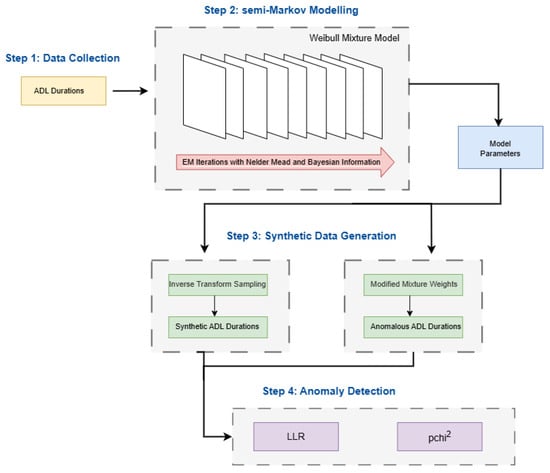
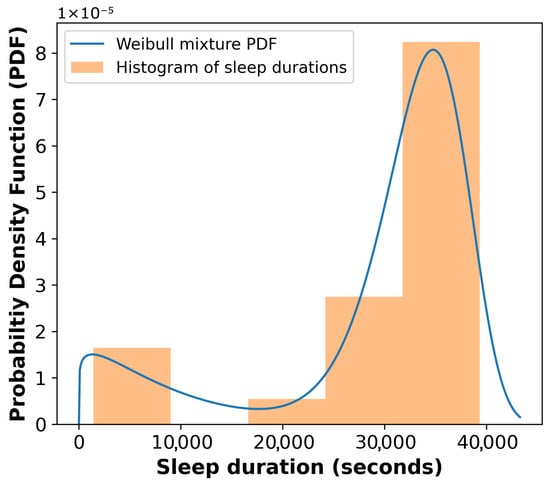
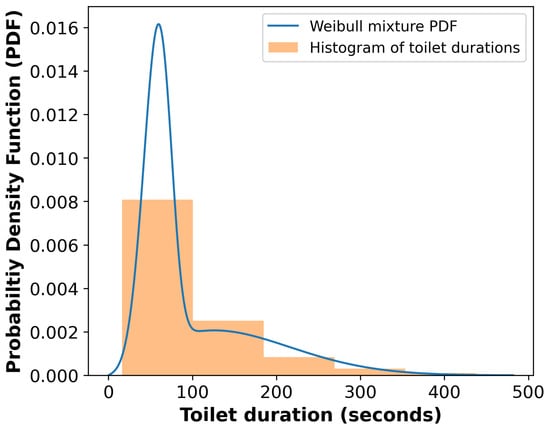
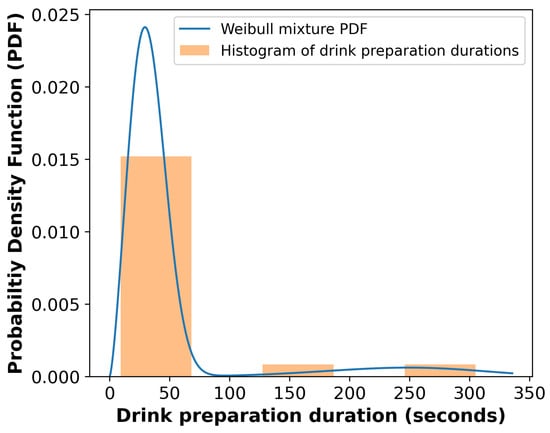
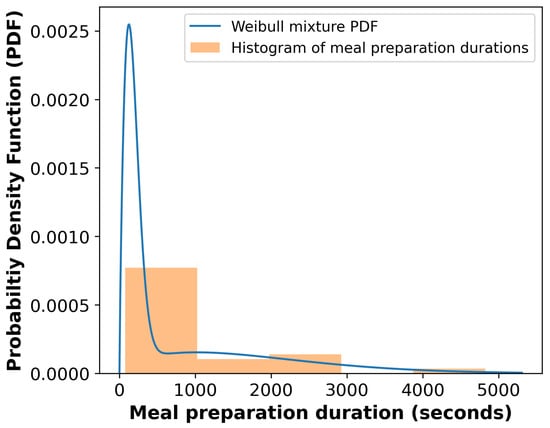
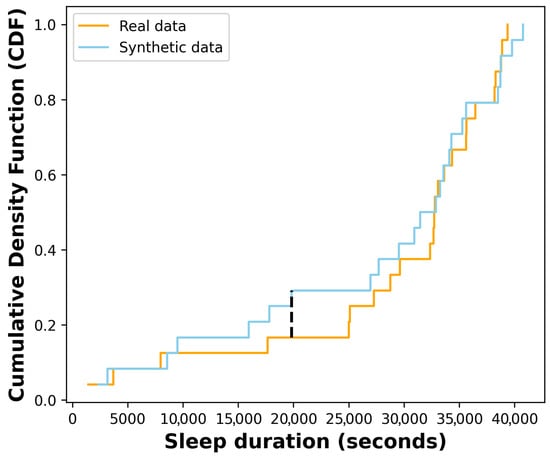
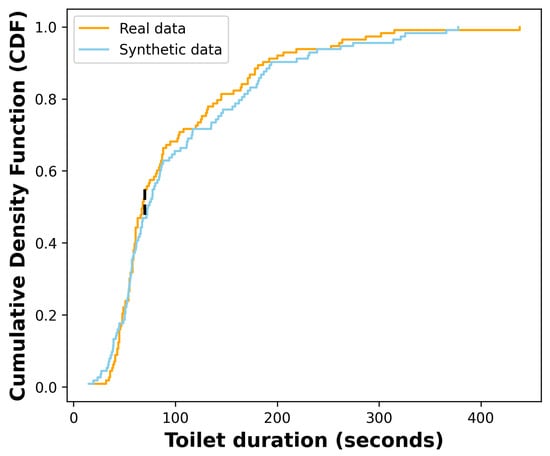
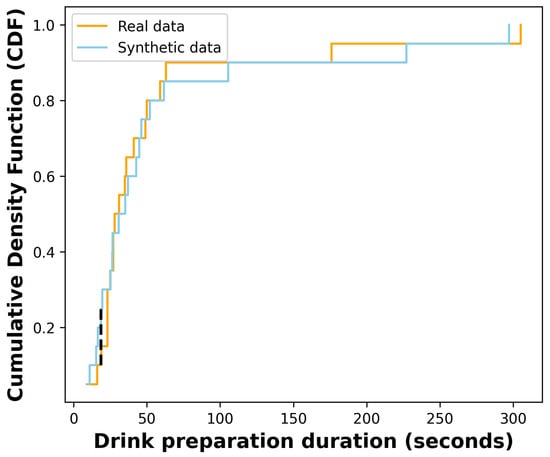
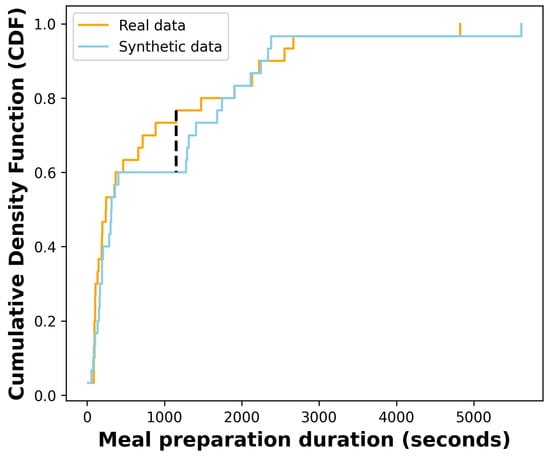
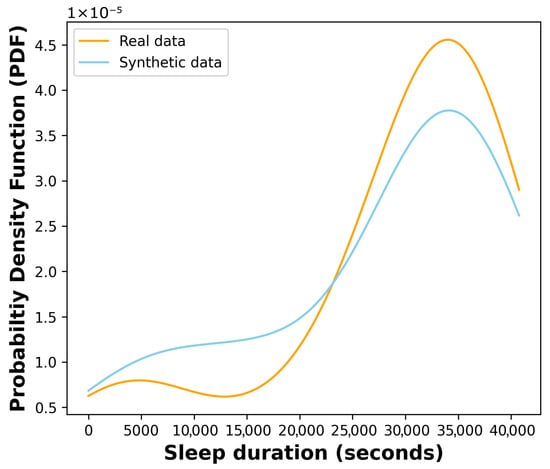
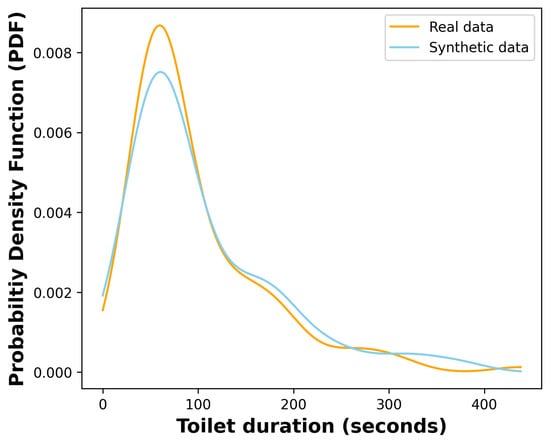
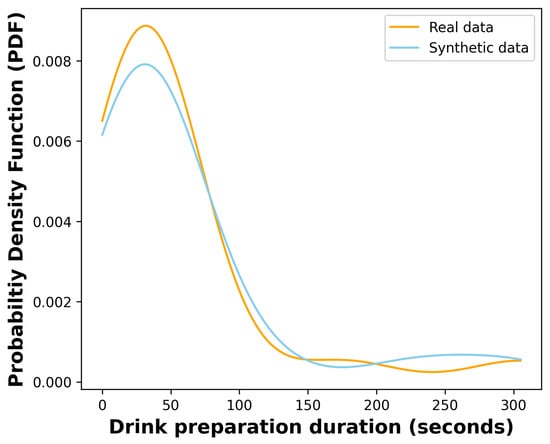
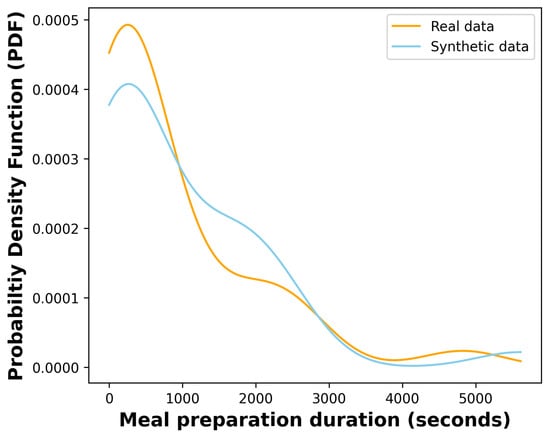
Stochastic Process Mining, in particular, Markov processes, is used to represent uncertainty and variability in Activities of Daily Living (ADLs). However, the Markov models inherently assume that the time spent in each state must follow an exponential distribution. This presents a significant challenge to model real-life complexities in ADLs. Therefore, this paper employs semi-Markov models on publicly available ADL event logs to model state durations, where results are validated via goodness-of-fit tests (Kullback–Leibler, Kolmogorov–Smirnov, Cramér–von Mises). Synthetic durations are generated using the inverse transform sampling technique. To simulate dementia-based behaviours, the weights of the mixture model are altered to reflect prolonged duration in napping, toileting, meal, and drink preparation. These anomalies are then detected through the employment of log-likelihood ratio and chi-square tests. Experimental results demonstrate that the proposed approach can be used to reliably identify abnormal ADL durations, offering a proven framework to track early detection of behavioural shifts, and showcasing the effectiveness of detecting duration-based anomalies in ADL. By identifying such anomalies, our work aims to detect deterioration in the smart home resident’s condition, focusing in particular on their ability to execute different ADLs.

12 February 2026

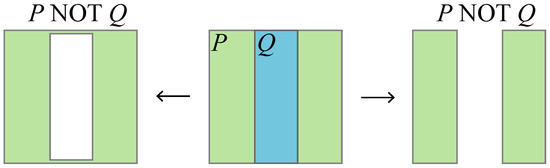
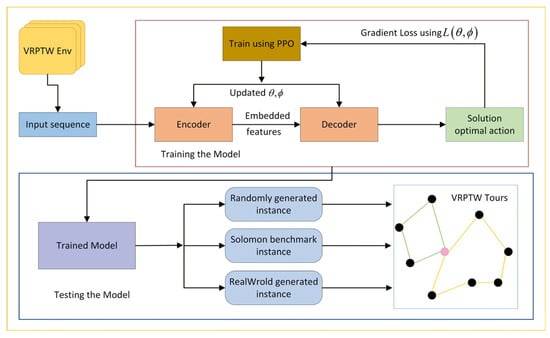
Overview of proposed methodology.

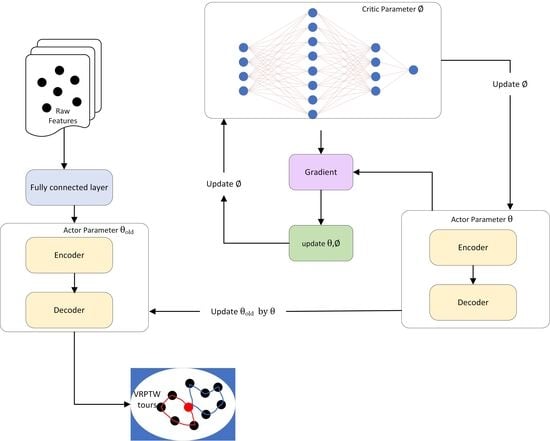
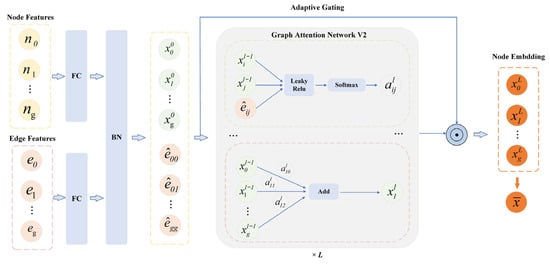
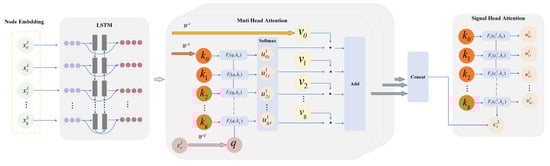
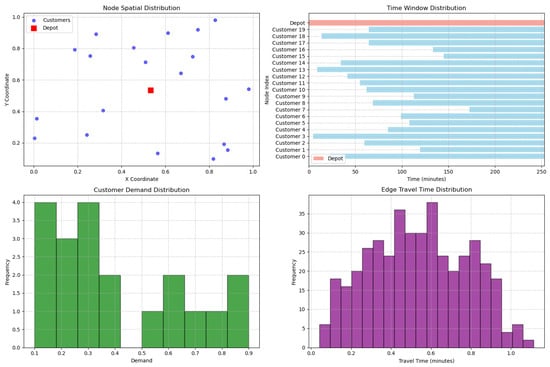
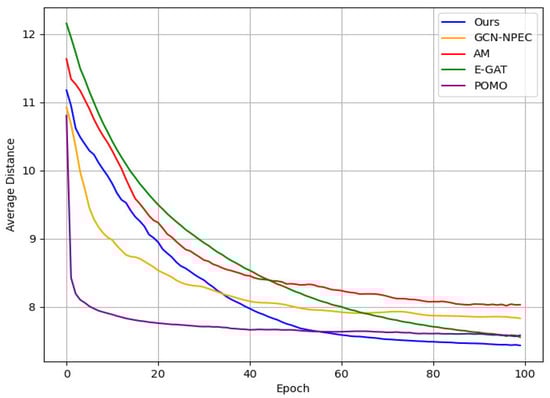
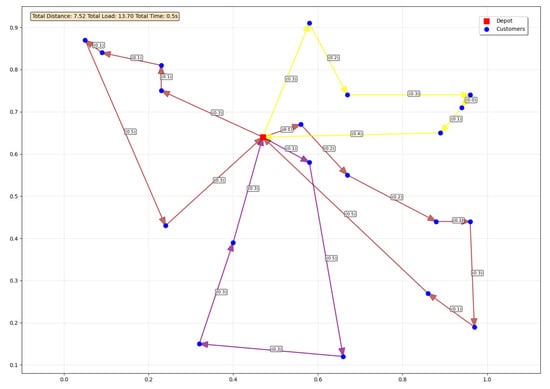
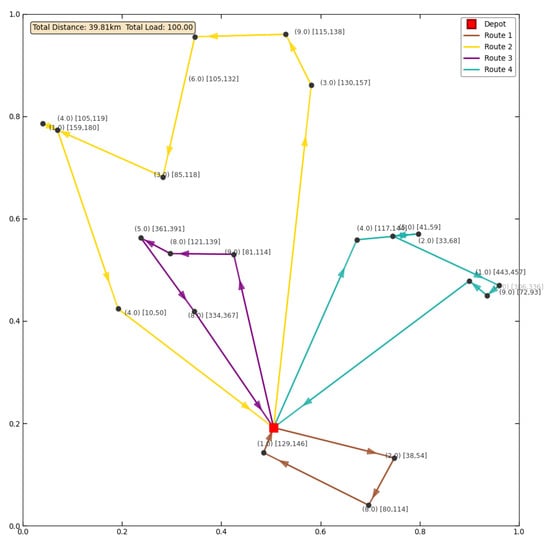
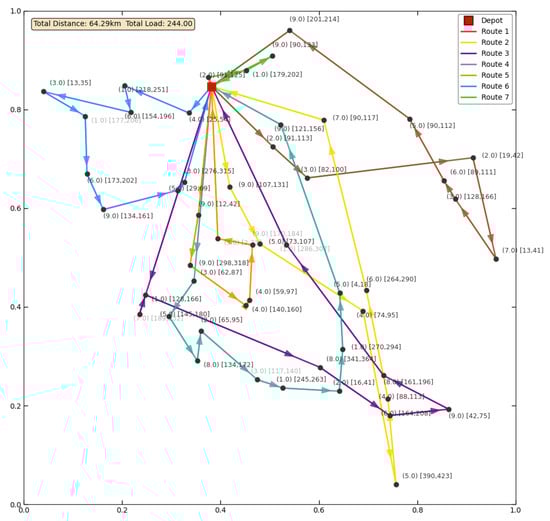
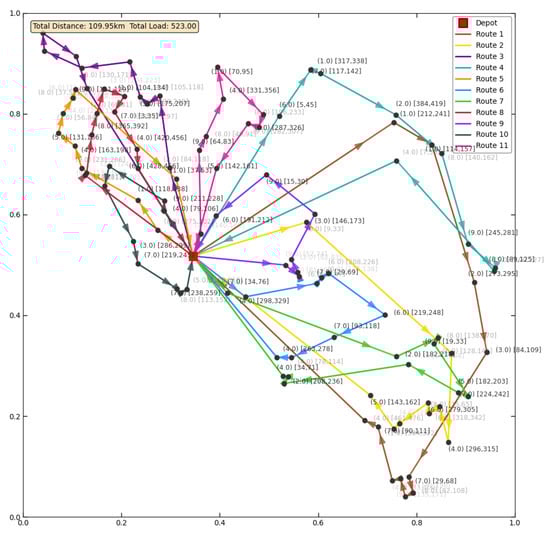
The vehicle routing problem with time windows (VRPTW) is a core challenge in logistics optimization, requiring the minimization of transportation costs under constraints such as time windows and vehicle capacity. Deep reinforcement learning (DRL) provides an effective approach for solving such complex combinatorial optimization problems. However, existing DRL methods still suffer from shortcomings, including insufficient modeling of spatiotemporal correlations among customer nodes, inadequate capture of path temporal dependencies, and policy exploration prone to local optima. To address these issues, this paper proposes an end-to-end hybrid DRL framework: the encoder employs a graph attention network (GATv2) with adaptive gating to effectively model the coupling between customer spatial proximity and time window constraints; the decoder integrates multi-head attention (MHA) and a dynamic context-aware long short-term memory network (LSTM) to synergistically enhance the overall quality and constraint feasibility of route solutions; during the training phase, an improved proximal policy optimization (PPO) algorithm and a constraint-aware composite reward function are used to enhance optimization stability. Experiments on random instances, Solomon benchmark datasets, and real-world logistics datasets show that, compared to mainstream DRL methods and classical heuristic algorithms, the proposed framework reduces transportation costs by 2–10%, achieves a demand fulfillment rate exceeding 99%, and exhibits a performance degradation of only 3.2% in cross-distribution testing. This study provides an integrated DRL solution paradigm for combinatorial optimization problems with complex constraints, promoting the application of DRL in the field of intelligent logistics.

11 February 2026

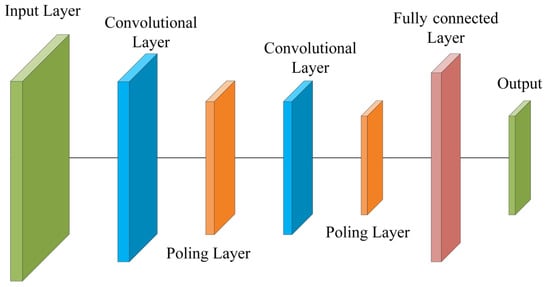
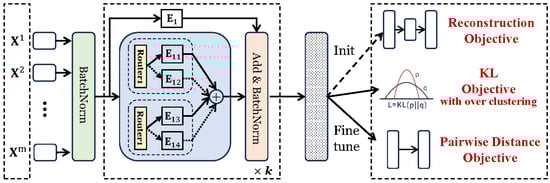
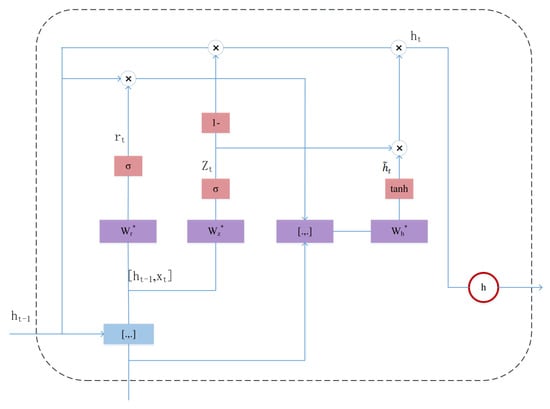
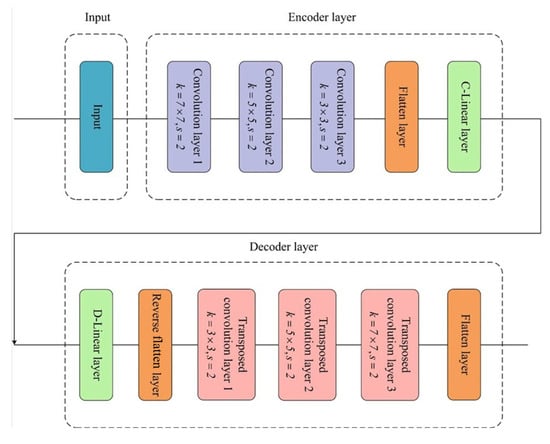
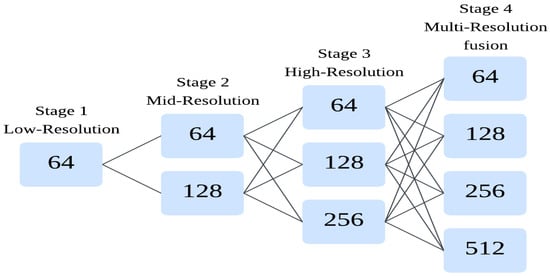
Encoder Architecture Diagram in the Model.

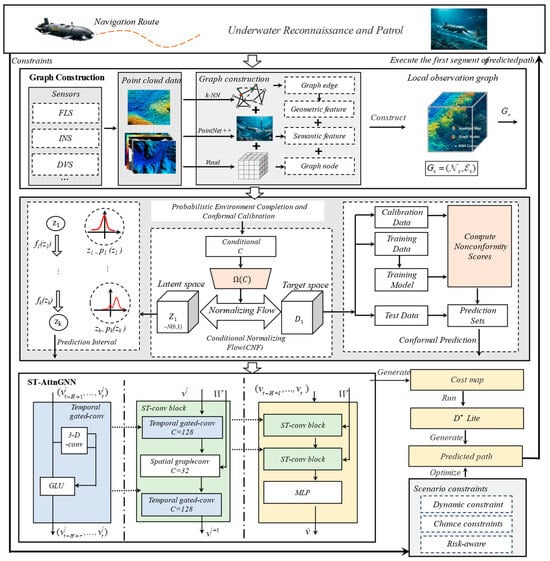
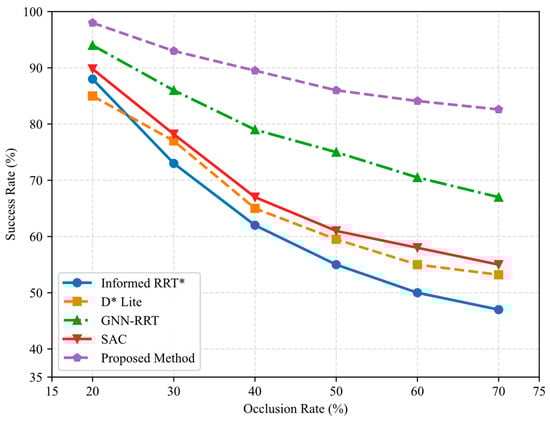
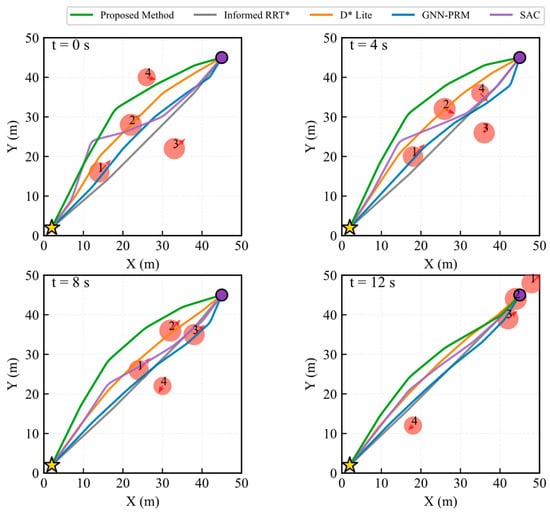
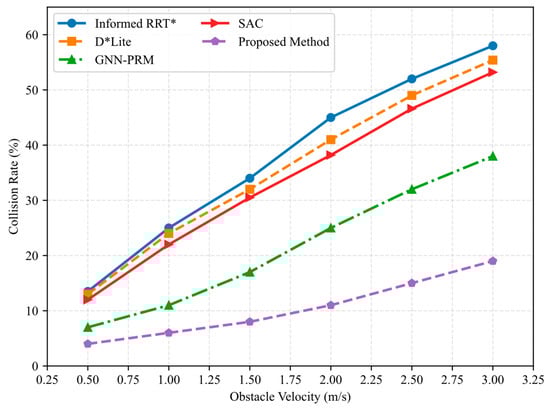
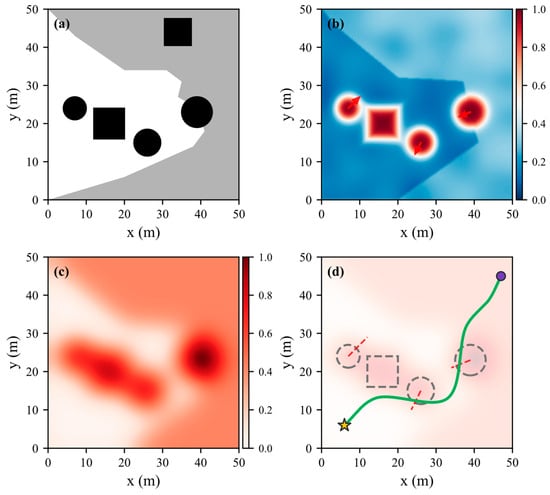
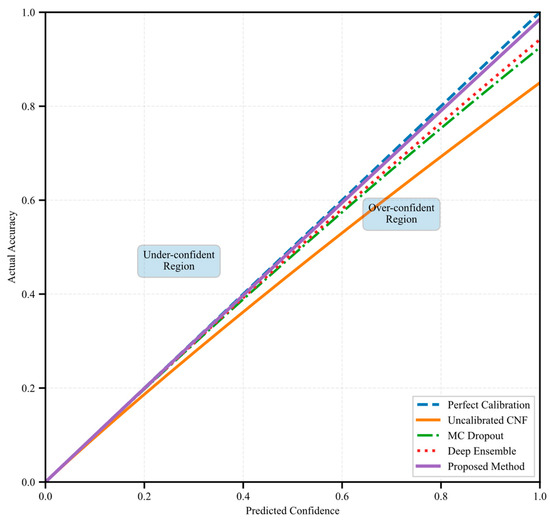
In underwater reconnaissance and patrol, AUV has to sense and judge traversability in cluttered areas that include reefs, cliffs, and seabed infrastructure. A narrow sonar field of view, occlusion, and current-driven disturbances leave the vehicle with local, time-varying information, so decisions are made with incomplete and uncertain observations. A path-planning framework is built around two coupled components: spatiotemporal graph neural network prediction and conditional normalizing flow (CNF)-based probabilistic environment reconstruction. Forward-looking sonar and inertial navigation system (INS) measurements are fused online to form a local environment graph with temporal encoding. Cross-temporal message passing captures how occupancy and maneuver patterns evolve, which supports path prediction under dynamic reachability and collision-avoidance constraints. For regions that remain unobserved, CNF performs conditional generation from the available local observations, producing probabilistic completion and an explicit uncertainty output. Conformal calibration then maps model confidence to credible intervals with controlled miscoverage, giving a consistent probabilistic interface for risk budgeting. To keep pace with ocean currents and moving targets, edge weights and graph connectivity are updated online as new observations arrive. Compared with Informed Random Tree star (RRT*), D* Lite, Soft Actor-Critic (SAC), and Graph Neural Network-Probabilistic Roadmap (GNN-PRM), the proposed method achieves a near 100% success rate at 20% occlusion and maintains about an 80% success rate even under 70% occlusion. In dynamic obstacle scenarios, it yields about a 4% collision rate at low speeds and keeps the collision rate below 20% when obstacle speed increases to 3 m/s. Ablation studies further demonstrate that temporal modeling improves success rate by about 7.1%, CNF-based probabilistic completion boosts success rate by about 13.2% and reduces collisions by about 17%, while conformal calibration reduces coverage error by about 6.6%, confirming robust planning under heavy occlusion and time-varying uncertainty.

11 February 2026

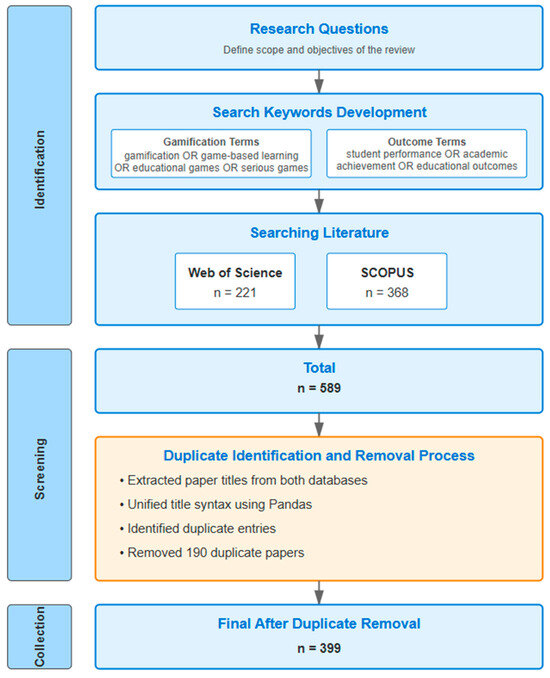
Framework of graph-based AUV path-planning method.

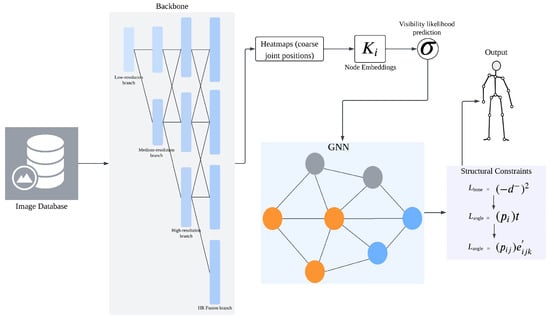
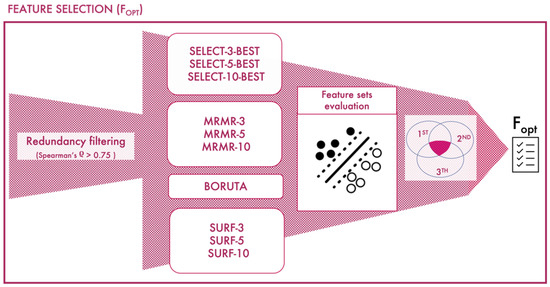
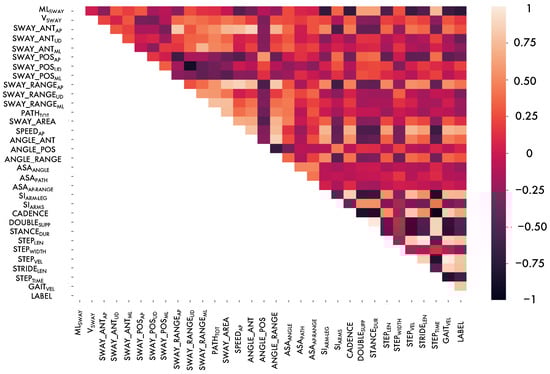
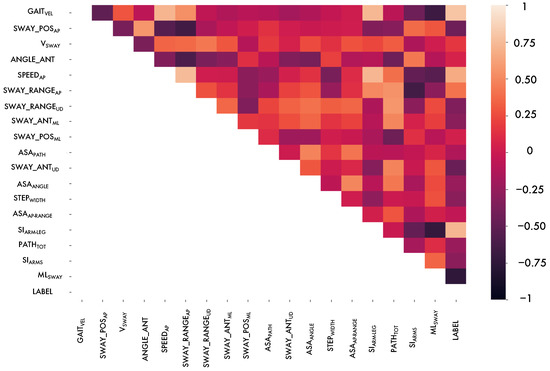
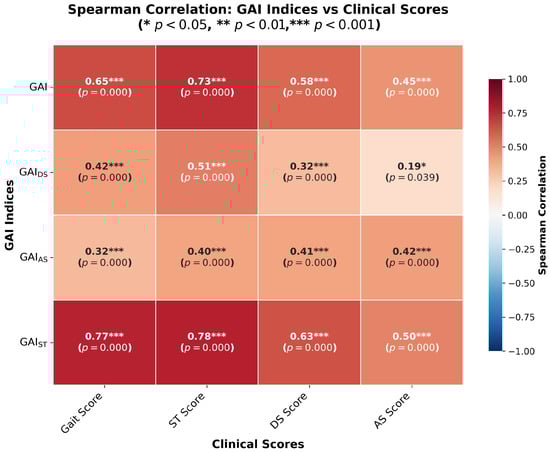
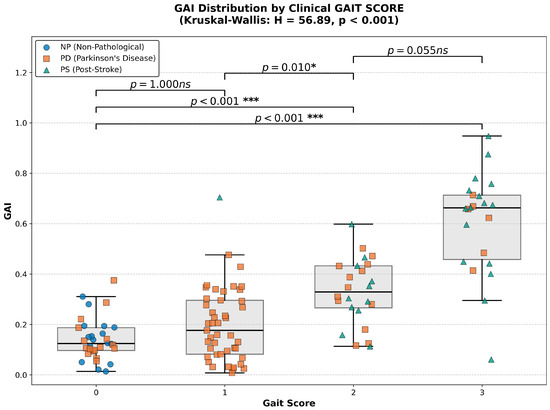
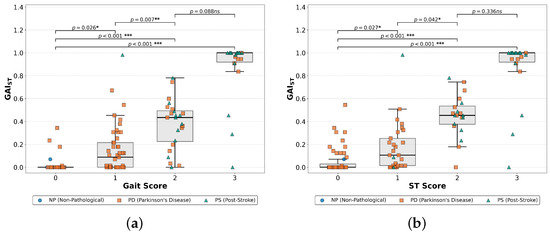
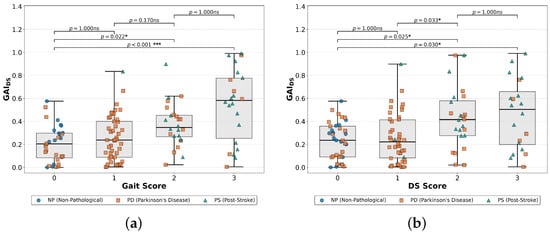
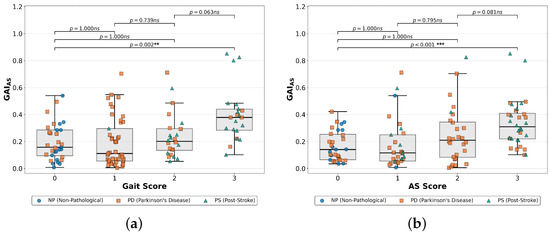
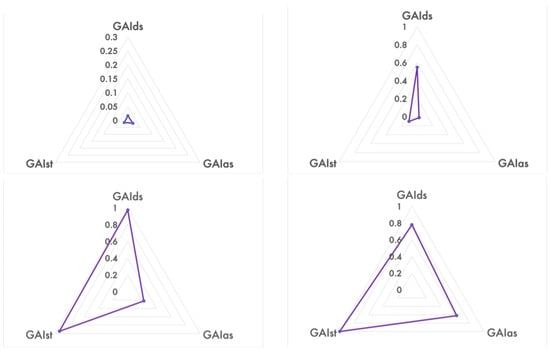
Quantitative gait analysis is essential for assessing motor function, as altered walking patterns are linked to functional decline and increased fall risk. Although recent advances in markerless motion analysis and human pose estimation enable gait feature extraction from low-cost video systems compared to expensive motion analysis laboratories, clinical translation remains limited by fragmented descriptors or approaches that directly regress clinical scores, often reducing interpretability and generalizability. We propose the Gait Alteration Index (GAI), an interpretable index that quantifies gait abnormality as a functional deviation from typical walking patterns, independently of specific pathologies. The GAI is computed from a small set of gait parameters and integrates three complementary domains: spatio-temporal characteristics, surrogates of dynamic stability, and arm swing behaviour, providing both a global index and domain-specific sub-indices. Preliminary evaluation on a heterogeneous cohort using clinician-derived assessments showed that the GAI captures clinically meaningful gait alterations (Spearman’s ρ=0.65), with the strongest agreement for spatio-temporal features (ρ=0.77). These results suggest that the GAI is a promising low-cost, and interpretable tool for objective gait assessment, screening, and longitudinal monitoring.

11 February 2026

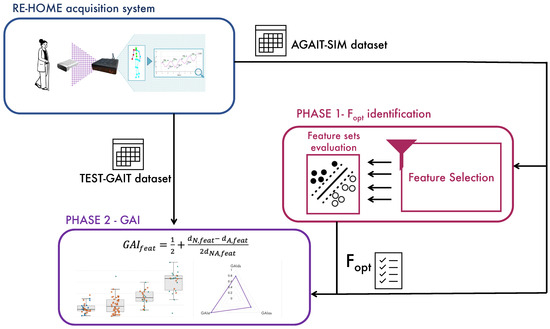
Summary of the study: using the acquisition system proposed for the RE-HOME project, the two datasets employed in this study were collected. In Phase 1 of this study, the optimal gait features for defining the Gait Alteration Index (GAI) are selected using the AGAIT-SIM dataset. In Phase 2, the index is preliminary validated on normal and real pathological walking profiles included in the TEST-GAIT dataset.
News & Conferences

Issues

Open for Submission

Editor's Choice

Reprints of Collections

Machine Learning for Pattern Recognition (2nd Edition)
Reprint

Machine Learning for Pattern Recognition (2nd Edition)

Editors: Chih-Lung Lin, Bor-Jiunn Hwang, Shaou-Gang Miaou, Chi-Hung Chuang

Get Alerted

Add your email address to receive forthcoming issues of this journal.

XFacebookLinkedIn
Algorithms - ISSN 1999-4893