Journal Description
Anatomia
Anatomia
is an international, peer-reviewed, open access journal on anatomy published quarterly online by MDPI.
- Open Access free for readers, with article processing charges (APC) paid by authors or their institutions.
- Rapid Publication: manuscripts are peer-reviewed and a first decision is provided to authors approximately 26.1 days after submission; acceptance to publication is undertaken in 5.7 days (median values for papers published in this journal in the second half of 2025).
- Recognition of Reviewers: APC discount vouchers, optional signed peer review, and reviewer names published annually in the journal.
Latest Articles
Morphology in Motion: Reimagining Medicine Through Tissue Programs and Cellular Logic
Anatomia 2026, 5(2), 15; https://doi.org/10.3390/anatomia5020015 - 20 May 2026
Abstract
►
Show Figures
Morphological disciplines, namely Human Anatomy, Histology, and Embryology, have traditionally provided the foundational knowledge for medical education, offering spatial, cellular, and temporal coordinates of the human body. However, reducing these disciplines to static and purely descriptive learning undermines their deeper purpose: interpreting morphology
[...] Read more.
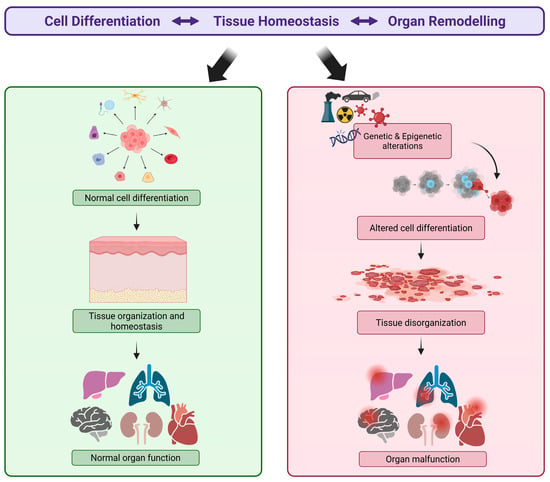
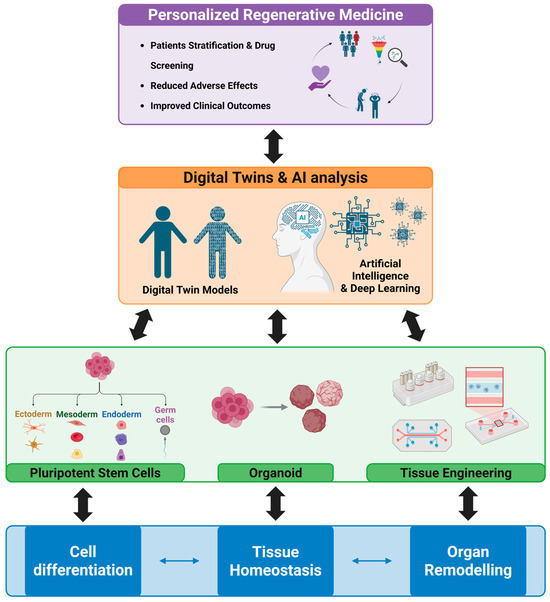
Morphological disciplines, namely Human Anatomy, Histology, and Embryology, have traditionally provided the foundational knowledge for medical education, offering spatial, cellular, and temporal coordinates of the human body. However, reducing these disciplines to static and purely descriptive learning undermines their deeper purpose: interpreting morphology as the dynamic outcome of biological processes. This review emphasizes three interrelated pillars of morphological sciences—cell differentiation, tissue homeostasis, and organ remodeling—as essential frameworks for understanding both normal physiology and disease pathogenesis. Cell differentiation establishes functional identity, tissue homeostasis ensures structural stability, and organ remodeling enables adaptation to both physiological and pathological stimuli. Dysregulation of these programs underlies a wide range of conditions, from degenerative diseases and chronic inflammation to neoplasms. Integrating classical morphological knowledge with modern approaches—including stem cell biology, organoids, tissue engineering, and computational modeling—enables predictive and regenerative strategies in personalized medicine. Furthermore, recent advances in artificial intelligence applied to histopathology have enhanced our capacity to detect early deviations from homeostasis and guide targeted interventions. By combining spatial, cellular, and molecular perspectives, the morphological sciences can provide clinicians with tools to interpret disease as the result of altered biological programs, anticipate pathology, and design precise therapeutic strategies. This integrated approach highlights the renewed centrality of morphology in contemporary medicine, bridging foundational knowledge with predictive, regenerative, and personalized healthcare.
Full article
Open AccessSystematic Review
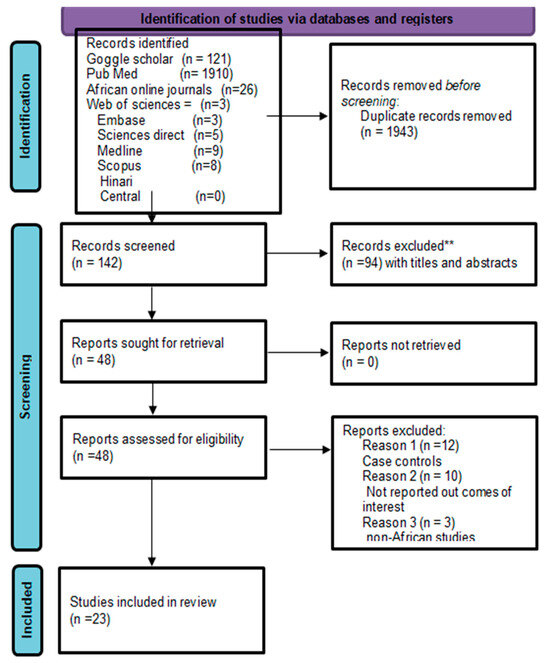
Absence of Palmaris Longus Muscle and Its Clinical Significance in Africa Cadaveric and Clinical Studies: Systematic Review and Meta-Analysis
by
Tilahun Bitew, Mamaru Getinet, Addisu Simachew Asgai, Fentahun Adane, Habtamu Molla Gietie, Ashagrie Anteneh, Aderajew Agmass Adebabay, Bickes Wube, Demeke Shumu Negesse and Worku Abie Liyew
Anatomia 2026, 5(2), 14; https://doi.org/10.3390/anatomia5020014 - 6 May 2026
Abstract
►▼
Show Figures
Background: Among the superficial flexor muscles of the upper limb, the Palmaris longus muscle is the most susceptible to anatomical variation. The most common anatomical variant is complete bilateral absence, followed by unilateral absence. Although considerable study has been conducted on the frequency
[...] Read more.
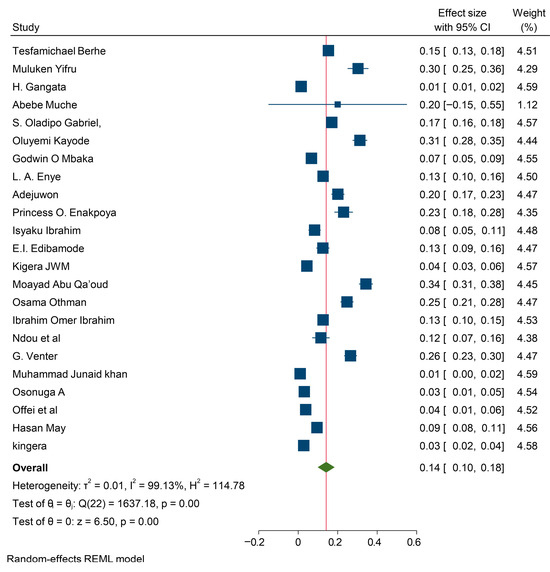
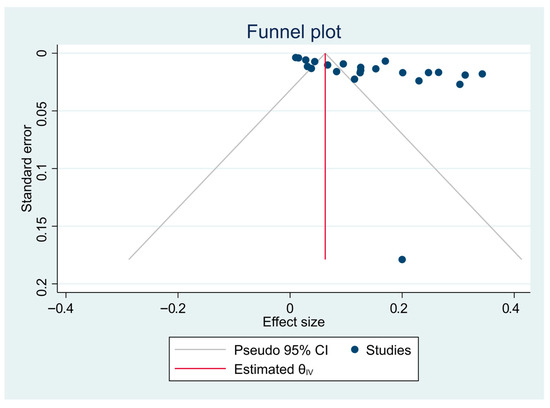
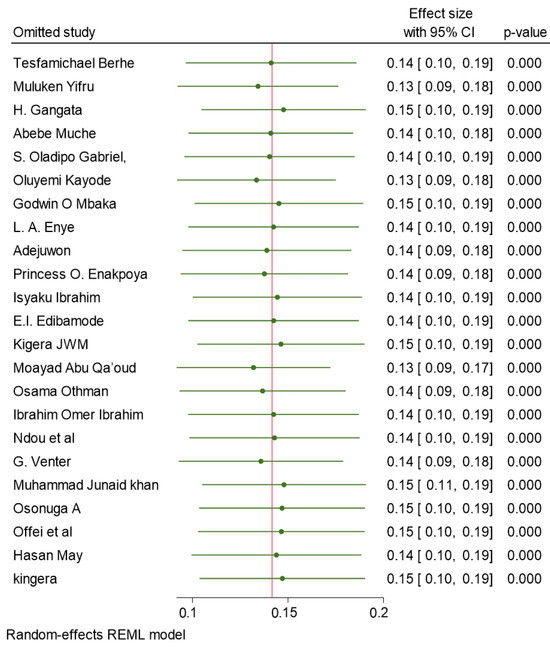
Background: Among the superficial flexor muscles of the upper limb, the Palmaris longus muscle is the most susceptible to anatomical variation. The most common anatomical variant is complete bilateral absence, followed by unilateral absence. Although considerable study has been conducted on the frequency of Palmaris longus muscle absences in Africa, much of it has been conducted at the national level. The pooled prevalence of Palmaris longus absence in Africa has not been established. Objectives: To assess the absence of Palmaris longus muscle and its clinical significance in Africa cadaveric and clinical studies: systematic review and meta-analysis. Methods: We thoroughly examined Google Scholar, PubMed/med line, Science Direct, Hinari, African online journals, Web of Sciences, Central, Embase, Scopus, Cochrane, and institutional repositories. The studies’ quality were assessed using the Newcastle–Ottawa Scale. The pooled prevalence of Palmaris longus muscle absences was estimated using a random-effects meta-analysis model. Data analysis was conducted using STATA 17; heterogeneity, funnel plots, and meta-regression were examined. Sensitivity analyses, publication bias, and subgroup analysis by study time code, location code, and sample size code were also carried out. Result: A total of 23 studies were included in the meta-analysis. The pooled prevalence of Palmaris longus absence in Africa was 14.0% (95% CI: 10.0–18.0). However, there was significant variation in reported prevalence rates, as seen by the significant heterogeneity found across studies (I2 = 99.13%). The results were not significantly changed by sensitivity analysis. Conclusions and recommendation: This study found that the Palmaris longus muscle is absent in 14% of African populations. Comparison with international studies revealed both similarities and differences, influenced by methodology and genetic factors. Clinicians should consider this prevalence when advising patients requiring tendon grafts. Further long-term studies using imaging techniques (MRI; ultrasound) are recommended to improve understanding in African populations and globally.
Full article

Figure 1
Open AccessArticle
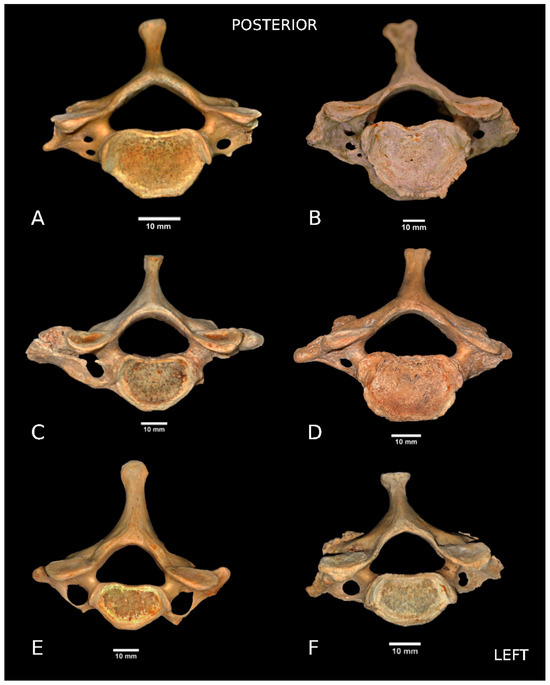
Morphological Characteristics of Transverse Foramina of Seventh Cervical Vertebrae in a South African Skeletal Population
by
Erin Jones and Glen James Paton
Anatomia 2026, 5(2), 13; https://doi.org/10.3390/anatomia5020013 - 6 May 2026
Abstract
►▼
Show Figures
Background/Objectives: The seventh cervical vertebra (C7), the terminal segment of the cervical spine, demonstrates transitional characteristics between the cervical and thoracic regions. The transverse foramen (TF), a defining feature of all cervical vertebrae, is consistently present in C1 to C6 but shows marked
[...] Read more.
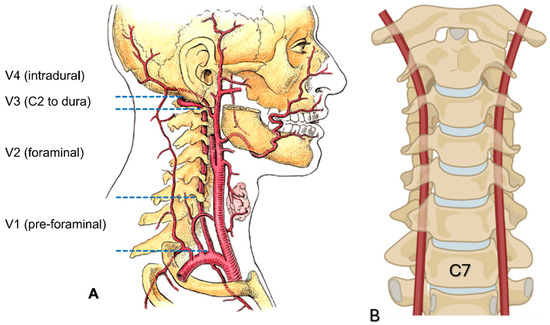
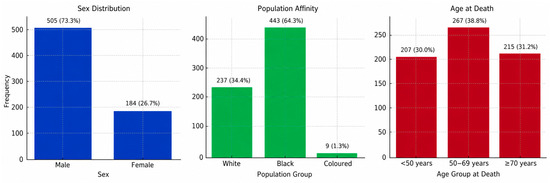
Background/Objectives: The seventh cervical vertebra (C7), the terminal segment of the cervical spine, demonstrates transitional characteristics between the cervical and thoracic regions. The transverse foramen (TF), a defining feature of all cervical vertebrae, is consistently present in C1 to C6 but shows marked variability at C7, appearing rudimentary or atypical. This study aimed to analyze the prevalence and morphology of TF of the C7 vertebra in the South African skeletal collection. The objectives of the study were to document the absence of the C7 TF, describe its morphological characteristics, and investigate associations between the C7 TF morphology and demographic factors. Methods: An exploratory osteological anatomical study appraised dry macerated C7 vertebrae. A total of six hundred and eighty-nine (n = 689) C7 vertebrae were analyzed. Frequency and descriptive statistics were used, as well as cross tabulations, to determine relationships between demographic factors and the presence or absence of a TF at C7. Results: Bilateral TF were present in 98.5% (n = 679) of vertebrae; 1.5% (n = 10) exhibited unilateral absence (4 left, 6 right). No bilateral absence was observed. The oval-oblique (toward midline) configuration was the most frequent shape bilaterally (left: 36.3%; right: 43.4%). Accessory double foramina occurred in 5.6% (left) and 8.3% (right); triple accessory foramina were rare (0.3%, right side only). Significant associations were found between TF shape and population affinity (p = 0.000, both sides) and age (p = 0.025 left, p = 0.037 right). A weak association was found between sex and right TF shape (p = 0.025). Conclusions: The findings support clinical and surgical implications for anatomical understanding of the vertebral artery, vein, and sympathetic nerve fibre pathways. The enclosed TF variation predominated, and triple accessory foramina were rare but notable.
Full article

Figure 1
Open AccessArticle
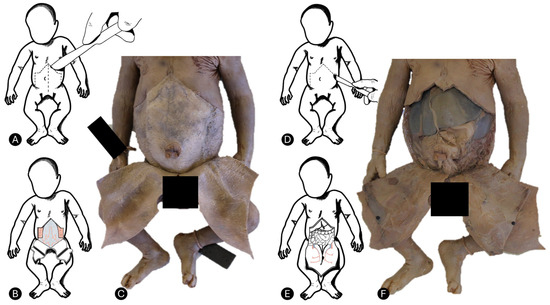
Vasculature of the Anterior Abdominal Wall and Surface Anatomy of the Liver and Stomach: Considerations for Minimal Access Surgeries in Neonates
by
Daniël J. van Tonder, Natalie Keough, Martin L. van Niekerk and Albert van Schoor
Anatomia 2026, 5(2), 12; https://doi.org/10.3390/anatomia5020012 - 21 Apr 2026
Abstract
►▼
Show Figures
Background: Minimal access surgeries are growing more common in neonatal care, but the risk of accidental injury to abdominal wall blood vessels remains a concern. This risk is increased by limited precise anatomical data specific to neonates. Therefore, this study aimed to
[...] Read more.
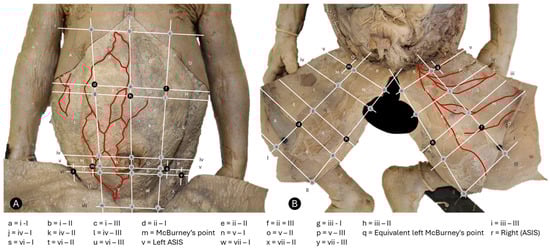
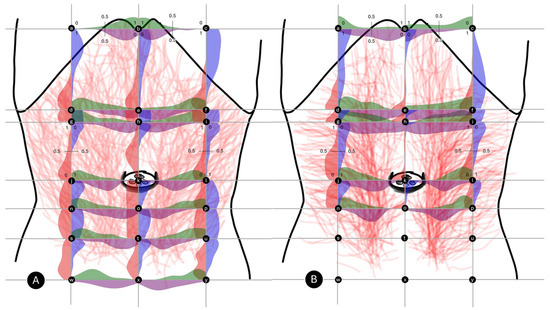
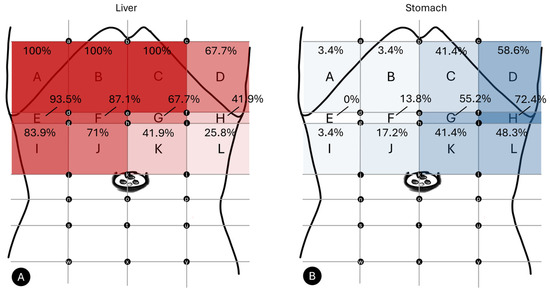
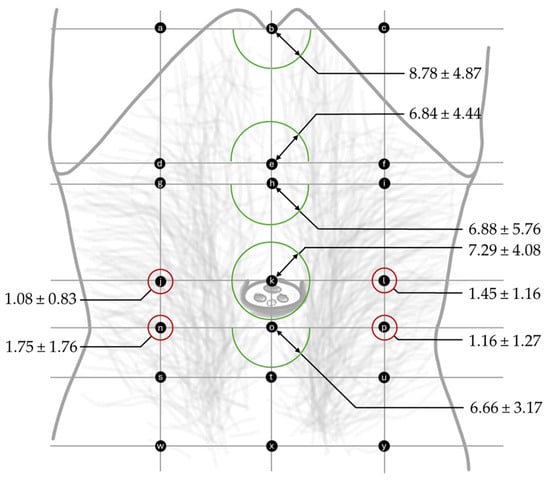
Background: Minimal access surgeries are growing more common in neonatal care, but the risk of accidental injury to abdominal wall blood vessels remains a concern. This risk is increased by limited precise anatomical data specific to neonates. Therefore, this study aimed to quantitatively map the superficial and deep blood vessels of the neonatal anterior abdominal wall concerning important surgical landmarks to develop evidence-based recommendations for safer laparoscopic port placement. Methods: Thirty formalin-fixed low-birth-weight neonatal body donations (≤4 weeks old) were dissected. An anatomical grid based on palpable landmarks—including the umbilicus, xiphoid process, and anterior superior iliac spines—was utilised to measure distances to the nearest vessels via digital image analysis. In situ topography of the liver, stomach, and umbilical vessels was also documented. Results: A midline corridor of reduced vascular density was identified; minimum circumferential distances to deep vessels above the umbilicus averaged 6.84–6.88 mm. Conversely, lateral regions were highly vascular, particularly at or below the transumbilical plane, with distances to deep vessels as short as 1.08 ± 0.83 mm. The liver and stomach extended significantly below the costal margin (averaging 20.61 ± 8.29 mm and 34.18 ± 14.44 mm, respectively). Conclusions: The results establish an anatomical foundation for using the reduced vascular midline for port placement and highlight the importance of inserting secondary lateral ports under direct visualisation.
Full article

Figure 1
Open AccessOpinion
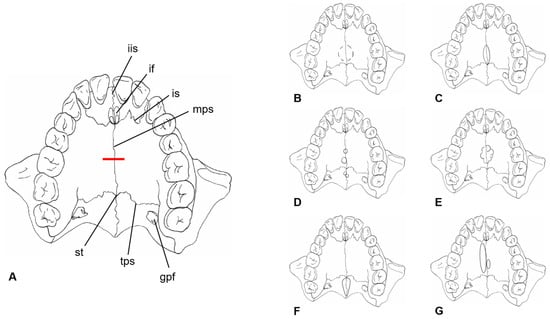
Definition and Classification of the Palatine Torus—A Proposed System
by
Philipp Christians, Michael J. Schmeisser and Sven Schumann
Anatomia 2026, 5(2), 11; https://doi.org/10.3390/anatomia5020011 - 21 Apr 2026
Abstract
A palatine torus (torus palatinus) is a bony mass in the midline of the hard palate. Its prevalence varies widely in different populations, ranging from around 1% to over 60%. Females seem to be affected more often. Despite its benign nature, a palatine
[...] Read more.
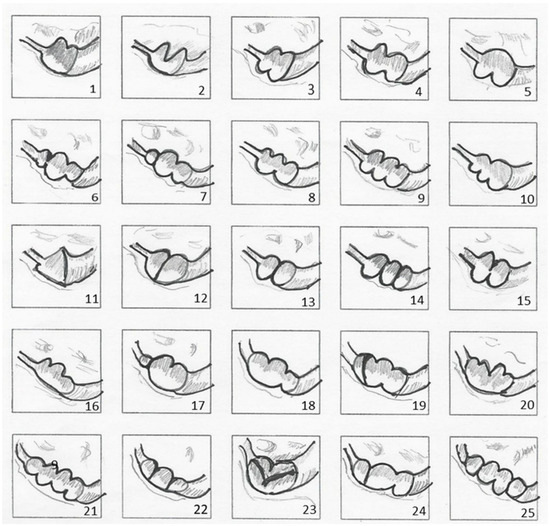
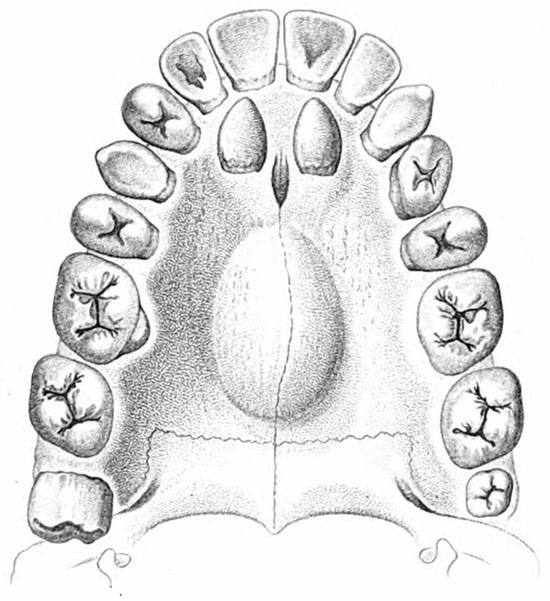
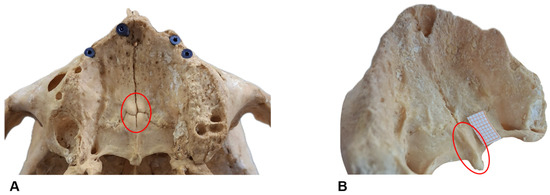
A palatine torus (torus palatinus) is a bony mass in the midline of the hard palate. Its prevalence varies widely in different populations, ranging from around 1% to over 60%. Females seem to be affected more often. Despite its benign nature, a palatine torus might cause problems with removable prosthetics, phonation, and mastication. Here, we propose a novel classification system for the systematic description of a palatine torus. Our system includes symmetry, localization, shape, and size of a palatine torus. This might help to standardize future investigations on this topic.
Full article
(This article belongs to the Special Issue Oral and Maxillofacial Anatomy)
►▼
Show Figures

Figure 1
Open AccessCase Report
Experimental Long-Term Conservation of an Infant-Sized Piglet—Efficacy of a Late 17th Century Embalming Procedure
by
Andreas G. Nerlich, Stephanie Panzer and Oliver K. Peschel
Anatomia 2026, 5(2), 10; https://doi.org/10.3390/anatomia5020010 - 7 Apr 2026
Abstract
►▼
Show Figures
In this experiment, we used a late 17th century embalming protocol for the long-term preservation (7.2 years) of an infant-sized piglet in order to evaluate the success of this technique over a period of several years. According to the description of the French
[...] Read more.
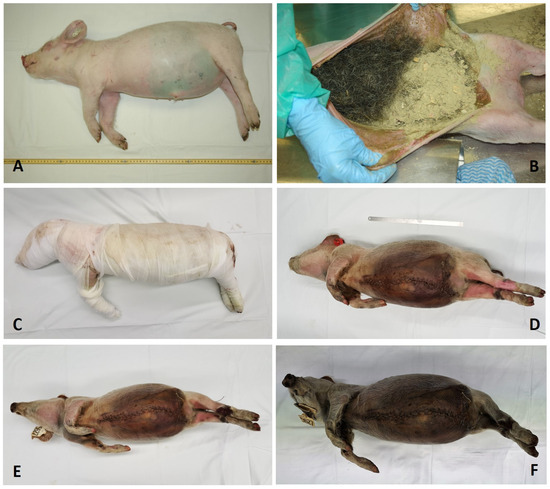
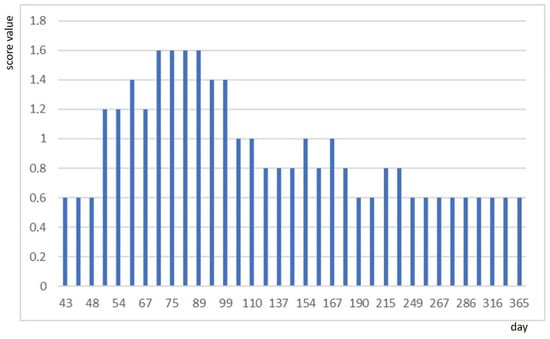
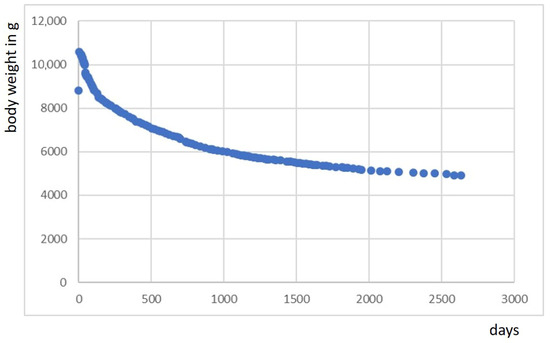
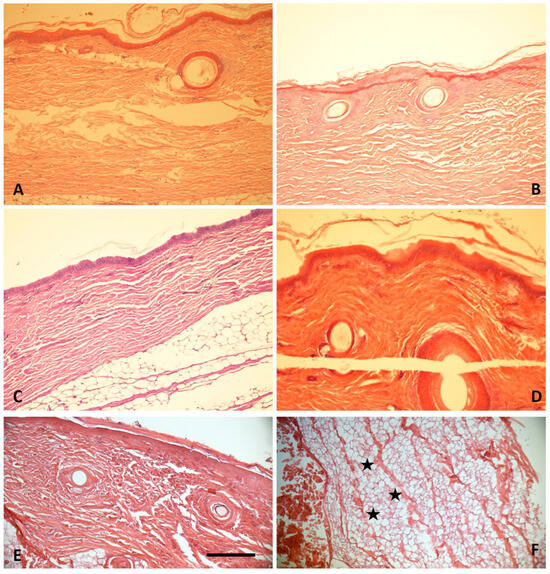
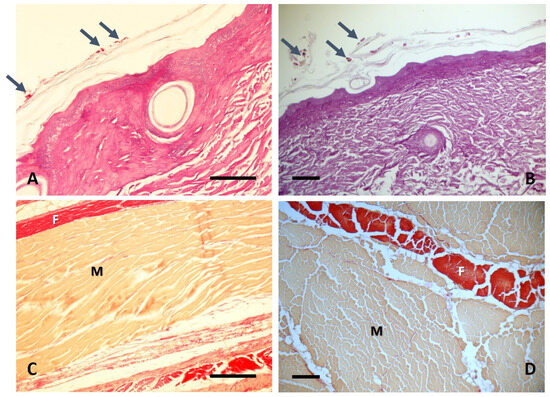
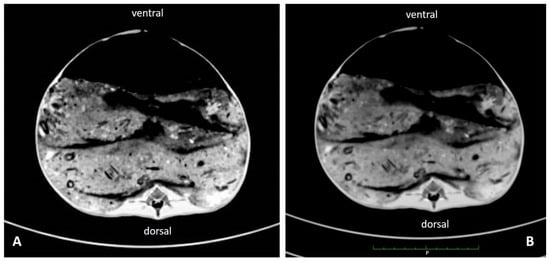
In this experiment, we used a late 17th century embalming protocol for the long-term preservation (7.2 years) of an infant-sized piglet in order to evaluate the success of this technique over a period of several years. According to the description of the French anatomist Penicher (published in 1699), an 8.8 kg female piglet corpse was treated with a broad spectrum of herbs, seeds, leaves, flowers and dried berries, along with an alcohol-based fluid following subtotal exenteration and a reduction in peripheral muscle mass. The further process of this dry embalming technique was monitored by visual, tactile and olfactory evaluation of the embalmed body, along with a record of the body weight. Repeatedly taking samples from the skin and soft tissues provided insight into eventual changes on a histomorphological level and two whole-body CT scans complemented the evaluation of the internal changes within the corpse, which was eventually examined at autopsy. On the macroscopic level, we recorded slight signs of autolysis and very mild putrefaction within the first few weeks and a very well preserved and stable body over the subsequent years of evaluation. In parallel, we noted a gradual loss of fluid, as shown by a reduction in the body weight. This occurred faster in the first year (reduction in body weight by ca. 25%) than in the following ca. 4 years (with another ca. 25% loss of body weight). The CT scans showed stable osseous and soft tissue structures, while the few remaining internal organs that had been left inside the body after initial evisceration (such as kidneys and internal genitalia) had already completely disappeared after approx. 1 year. On the histological level, the histoanatomy of skin, subcutis and muscle remained intact over the entire observation period. A loss of epidermal cell nuclei was not noted before day 1772 and there were only slight signs of adipocire formation of fat tissue at the end point of observation (day 2634). In summary, we can confirm that excellent body preservation of external skin and soft tissue was maintained over a considerably long period (in this case, 7.2 years) using the applied protocol of dry embalming, but a complete loss of residual internal organs/structures beyond skin, subcutaneous fat tissue and muscle. Previous observations of the excellent preservation of an infant mummy that underwent the dry embalming procedure are very plausible.
Full article

Figure 1
Open AccessArticle
Osteological Compartmentalization Model of Jugular Foramina Compared with Current Anatomic Models: Clinical Implications
by
Paola Lorenzoni, Daniela Franci, Massimo Guarna, Gianluca Marcaccini, Roberto Cuomo, Ishith Seth, Warren Matthew Rozen and Margherita Aglianò
Anatomia 2026, 5(2), 9; https://doi.org/10.3390/anatomia5020009 - 2 Apr 2026
Abstract
►▼
Show Figures
Background and Objectives: To study the bony compartmentalization of the jugular foramen in comparison with existing anatomical models. Materials and Methods: We carried out the study on 59 undamaged dry adult human skulls of known age and sex. Two independent examiners with 10
[...] Read more.
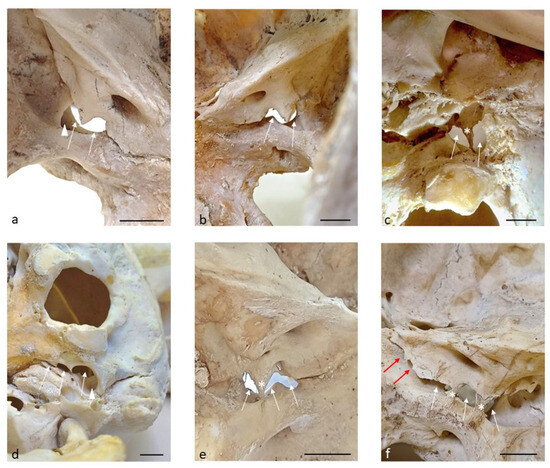
Background and Objectives: To study the bony compartmentalization of the jugular foramen in comparison with existing anatomical models. Materials and Methods: We carried out the study on 59 undamaged dry adult human skulls of known age and sex. Two independent examiners with 10 years of experience in anatomical studies by visual inspections determined the type of osseous septation at the inner surface of the jugular foramina. Relationships between jugular foramen morphology and laterality were assessed at the foraminal level, while associations with age groups and sex were evaluated at the skull level. The data obtained was analyzed using the chi-square statistical test to determine the possibility that two or more variables were associated. Results: Different types of jugular foramina were observed: a single foramen without bony spurs was rarely observed (0.9%). Bipartite and tripartite partial or total foramina were frequent (42.2% and 51.4%, respectively). Partial quadripartite foramina were more rarely observed (5.5%). Complete bony bridges were observed in 13 right and 11 left jugular foramina (24/109, 22.01%). Statistical analysis revealed no significant differences in the occurrence of bony bridges in relation to sex, age, laterality, or foramen partition. As regards the bipartite foramina on the left, we found that in males the frequency was higher in older subjects compared to younger ones; although statistical significance was not reached (p = 0.054). Furthermore, the absence of the intrajugular process from the occipital bone was much higher (45.9%) than that from the temporal bone (1.8%), and this difference was statistically significant (p = 0.0001). Conclusions: The jugular foramen from our studies appears mostly septate. These partitions fit well into the anatomical models existing in the literature for the jugular foramina. Our study fits into the anatomical models of the septum and subdivision of the jugular foramen, especially the bipartite and tripartite ones, even if there are differences related to the behavior of the meninges present in some current anatomical models. The existing literature relates primarily to ethnic groups other than our study, which was conducted on European skulls.
Full article

Figure 1
Open AccessArticle
Anatomical Investigation of the Transverse Dural Venous Sinuses
by
Jacobus J. Gates, Kirsten S. Regan, Lané Prigge and Gerda Venter
Anatomia 2026, 5(1), 8; https://doi.org/10.3390/anatomia5010008 - 23 Mar 2026
Abstract
►▼
Show Figures
Background and objectives: Accurate anatomical knowledge of the transverse dural venous sinuses (TS) is essential for safe neurosurgical procedures, particularly in resource-limited settings where advanced imaging modalities may be unavailable. Despite the TS’s clinical importance, detailed cadaveric studies focusing solely on its morphology
[...] Read more.
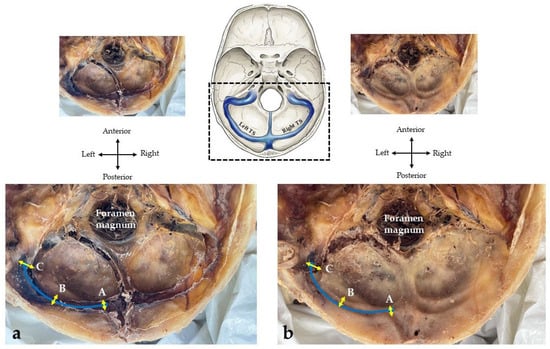
Background and objectives: Accurate anatomical knowledge of the transverse dural venous sinuses (TS) is essential for safe neurosurgical procedures, particularly in resource-limited settings where advanced imaging modalities may be unavailable. Despite the TS’s clinical importance, detailed cadaveric studies focusing solely on its morphology are scarce. This study investigated the length, width, and shape of the TS in adult human cadavers, assessing anatomical dominance and morphological variations relevant to surgical planning. Methods: A descriptive, cross-sectional study was conducted on 32 formalin-fixed adult cadavers (20 male, 12 female) at the University of Pretoria in South Africa. The TS was examined bilaterally within the dura mater and the corresponding transverse sulcus. Lengths were measured using a string and a ruler to accommodate curvature, while widths at the origin, midpoint, and termination were measured using digital calipers. Statistical analyses included Shapiro–Wilk tests, paired t-tests, and intra-class correlation to determine significance and reliability. Results: The average TS length was 72.54 mm (left) and 70.23 mm (right), with no statistically significant differences between sides. Right-sided dominance in TS width was observed in 71.88% of cases. A significant narrowing at the midpoint, followed by widening at the termination, was consistently noted, especially in males. Differences between dural and bony groove widths suggested that sulcal impressions may not accurately reflect TS dimensions. Conclusions: The TS demonstrates significant morphological variability, including asymmetry and abrupt dimensional changes. These findings underscore the importance of direct anatomical reference for surgical navigation, particularly in low-resource settings lacking advanced imaging.
Full article

Figure 1
Open AccessCase Report
Variant Superficial Epigastric Supply to the Anterior Abdominal Wall Arising from Inferior Epigastric Perforators: A Neonatal Case Report
by
Daniël J. van Tonder, Natalie Keough, Martin L. van Niekerk and Albert van Schoor
Anatomia 2026, 5(1), 7; https://doi.org/10.3390/anatomia5010007 - 20 Mar 2026
Cited by 1
Abstract
►▼
Show Figures
Introduction: Understanding superficial epigastric vessel anatomy is crucial for abdominal surgeries like laparoscopy, especially in neonates, to prevent injury. While standard courses are described, variations occur. This case report highlights a unique anatomical variation in the superficial epigastric artery found during the dissection
[...] Read more.
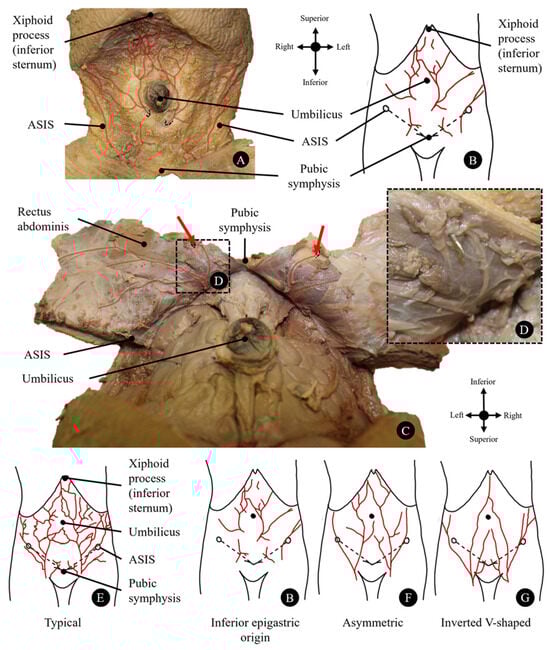
Introduction: Understanding superficial epigastric vessel anatomy is crucial for abdominal surgeries like laparoscopy, especially in neonates, to prevent injury. While standard courses are described, variations occur. This case report highlights a unique anatomical variation in the superficial epigastric artery found during the dissection of a stillborn neonatal cadaver. Case Report: In contrast to the usual origin from the femoral artery, this variation features the inferior epigastric artery penetrating the anterior abdominal wall near the umbilicus and branching superiorly to supply the superficial abdominal wall. Conclusions: This distinctive vascular configuration, which to the best of our knowledge has not been previously described in neonatal anatomical literature, diverges from the typical symmetrical arrangement and previously reported variations. The study stresses the clinical importance of this finding, especially for laparoscopic procedures in neonates. During trocar placement, surgeons should be cognizant of such variations to reduce the risk of iatrogenic injuries, including rectus sheath hematoma. The report highlights the need for further investigation to establish the prevalence of this variation and its potential effects on surgical safety and outcomes in a broader neonatal population, which may also reflect the dynamic vascular remodeling that occurs during early developmental stages.
Full article

Figure 1

Open AccessCase Report
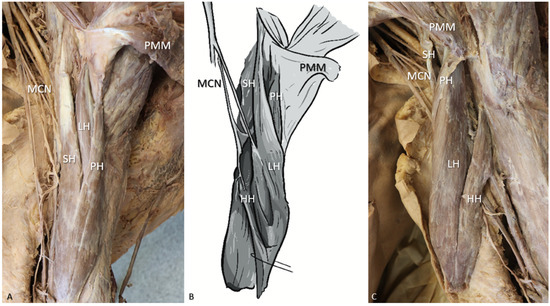
Four-Headed Biceps Brachii Muscle, with a Rare Pectoralis Major Supernumerary Head: A Cadaveric Case Report
by
Sasha Mosig and Lané Prigge
Anatomia 2026, 5(1), 6; https://doi.org/10.3390/anatomia5010006 - 9 Mar 2026
Abstract
►▼
Show Figures
The biceps brachii muscle is a two-headed muscle located in the anterior compartment of the arm. Anatomical variations observed in the biceps brachii muscle are not uncommon. However, very few incidents are reported on a unilateral, rarely described accessory pectoral head in conjunction
[...] Read more.
The biceps brachii muscle is a two-headed muscle located in the anterior compartment of the arm. Anatomical variations observed in the biceps brachii muscle are not uncommon. However, very few incidents are reported on a unilateral, rarely described accessory pectoral head in conjunction with the more commonly seen accessory humeral head. This anatomical variation was encountered during routine educational dissection and is the first case of this specific type of four-headed biceps brachii muscle to be described in detail. Variations in the biceps brachii morphology are linked to neurovascular compression, kinematic irregularities and variations in the musculocutaneous nerve. Knowledge of anatomical variations in the biceps brachii muscle is essential for understanding kinematic abnormalities, preventing surgical complications, and diagnosing symptoms of neurovascular compression.
Full article

Figure 1
Open AccessArticle
Morphometric and Morphological Analysis of the Pulmonary Auscultatory Triangle in Human Fetuses: Anatomical Insights for Thoracic Surgery
by
Caio Siqueira Kuhn, Marcelo Lucas de Lima Prado, Iapunira Catarina Sant’Anna Aragão, Felipe Matheus Sant’Anna Aragão, Francisco Prado Reis, Deise Maria Furtado de Mendonça and José Aderval Aragão
Anatomia 2026, 5(1), 5; https://doi.org/10.3390/anatomia5010005 - 9 Feb 2026
Abstract
►▼
Show Figures
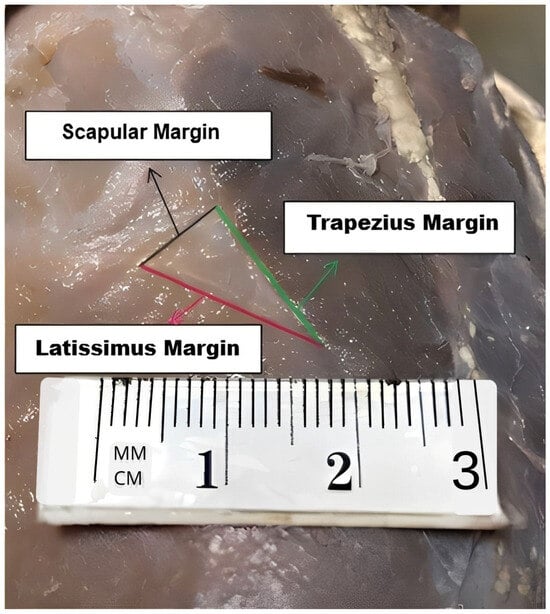
Objectives: The Pulmonary Auscultatory Triangle (PAT) is a bilateral region on the back delimited by the trapezius, latissimus dorsi, and scapula. Beyond its relevance for pulmonary auscultation, PAT also represents an important anatomical window for posterior thoracic approaches. While its anatomy has been
[...] Read more.
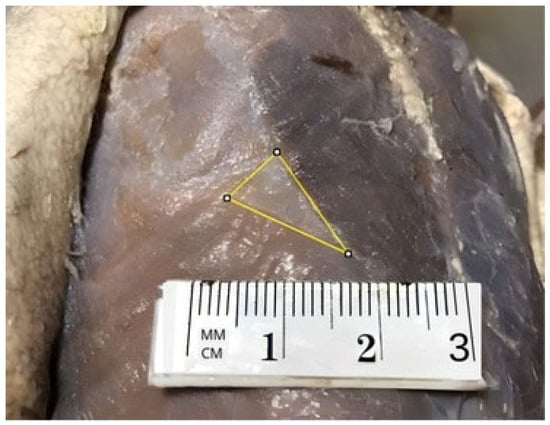
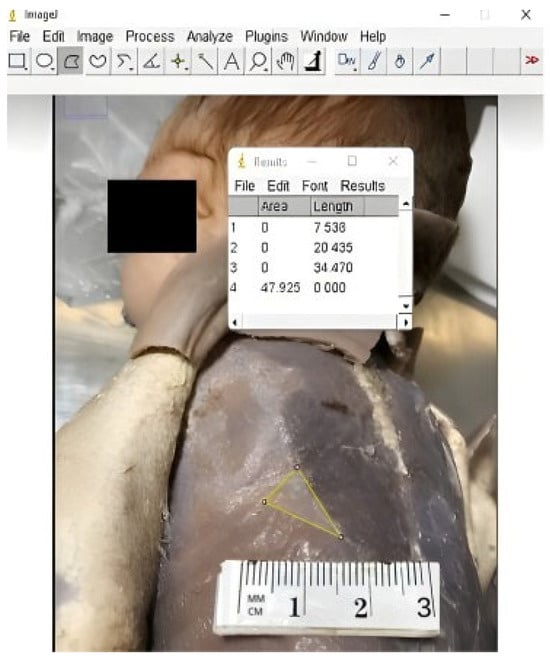
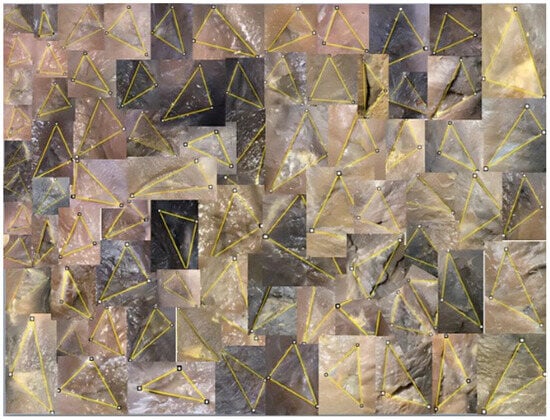
Objectives: The Pulmonary Auscultatory Triangle (PAT) is a bilateral region on the back delimited by the trapezius, latissimus dorsi, and scapula. Beyond its relevance for pulmonary auscultation, PAT also represents an important anatomical window for posterior thoracic approaches. While its anatomy has been extensively described in adults, data on its developmental morphology during fetal life remain scarce. This original morphometric study aimed to characterize the morphometry and morphology of the PAT in human fetuses and to evaluate differences according to sex, side, and gestational age. Methods: A total of 80 PATs from 40 human fetuses (20 male and 20 female) were examined. Using ImageJ software 1.54k, we measured margin lengths (inferior trapezius, medial scapular, and superior latissimus), area, and perimeter. Morphological classification was performed based on internal angles. Associations with sex, side, and gestational age were statistically assessed. Results: The mean gestational age was 28.6 weeks. PAT had a mean area of 103.2 mm2 and a mean perimeter of 49.1 mm. Mean margin lengths were 20.1 mm for the trapezius, 12.4 mm for the scapular margin, and 16.6 mm for the latissimus dorsi. Three morphologies were observed: acute (42.5%), obtuse (25.0%), and rectangular (32.5%). A significant asymmetry in shape distribution was found between sides (p = 0.034). Weak but statistically significant positive correlations with gestational age were found for perimeter and for the trapezius and latissimus dorsi margins, indicating progressive enlargement with fetal growth. Conclusions: This study provides the first detailed morphometric and morphological description of the PAT in human fetuses. The findings establish a developmental anatomical baseline for the posterior thoracic wall and highlight growth-related changes and side-related variability.
Full article

Figure 1

Open AccessReview
Lateral Patellar Compression Syndrome: Surgical Techniques and Treatment
by
Mason Nolan, Ethan Marting, Sarah Willard, James Applegate, Morgan Turnow, Taylor Manes and Benjamin C. Taylor
Anatomia 2026, 5(1), 4; https://doi.org/10.3390/anatomia5010004 - 22 Jan 2026
Abstract
►▼
Show Figures
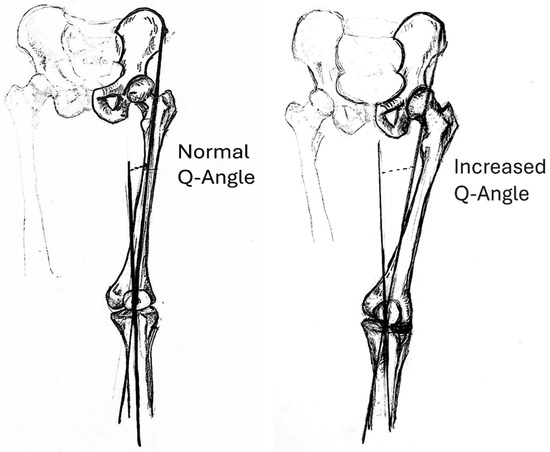
Anterolateral knee pain is a common complaint that can be debilitating for patients if not treated properly. Lateral Patellar Compression Syndrome (LPCS), characterized by the maltracking of the patella with flexion, placing undue stress on the lateral patellar facet, is a common mechanism
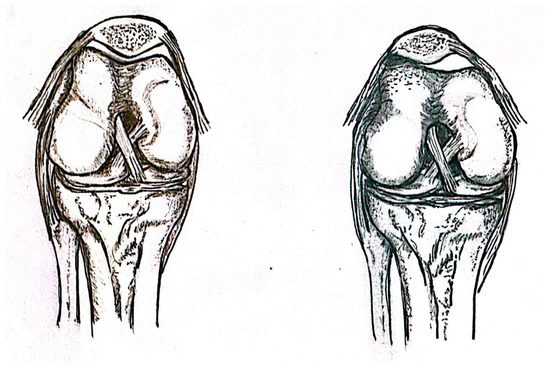
[...] Read more.
Anterolateral knee pain is a common complaint that can be debilitating for patients if not treated properly. Lateral Patellar Compression Syndrome (LPCS), characterized by the maltracking of the patella with flexion, placing undue stress on the lateral patellar facet, is a common mechanism causing anterolateral knee pain. Symptoms tend to be exacerbated with deep/prolonged flexion as the lateral patellar facet is compressed on the lateral trochlear groove of the femur. While conservative treatment methods are often sufficient, persistent pain may indicate surgical intervention to correct mechanical malalignment. The surgical treatment of LPCS is not widely agreed upon, with numerous techniques being practiced and no single procedure being considered optimal. This narrative review synthesizes the available literature on surgical techniques for LPCS treatment. A comprehensive search strategy was not employed, limiting the systematic nature of our findings.
Full article

Figure 1
Open AccessOpinion
The Building of the Triangular Locus of the Atrioventricular Node from Todaro to Tandler
by
Marcos C. De Almeida
Anatomia 2026, 5(1), 3; https://doi.org/10.3390/anatomia5010003 - 21 Jan 2026
Abstract
►▼
Show Figures
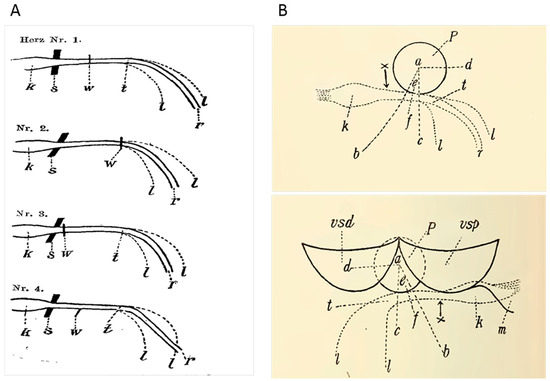
What is known today as the triangle of Koch (the triangular locus of the atrioventricular node, TLAVN) is bordered by the fibrous attachment of the septal cusp of tricuspid valve, the opening of the coronary sinus and tendon of valve of inferior vena
[...] Read more.
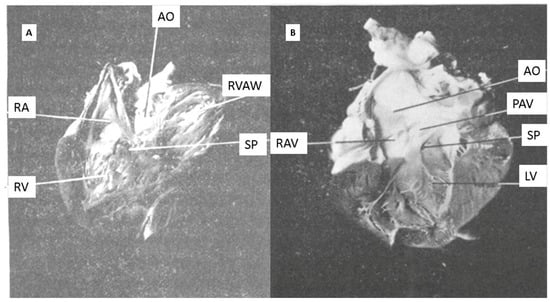
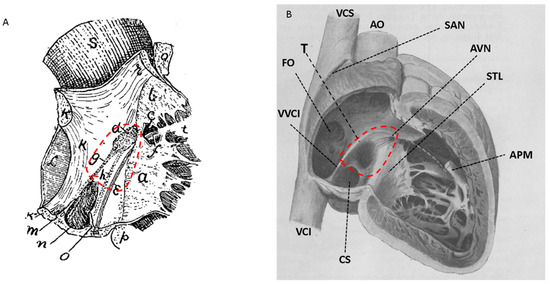
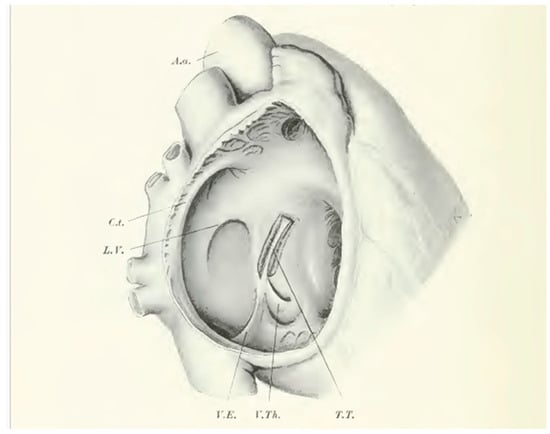
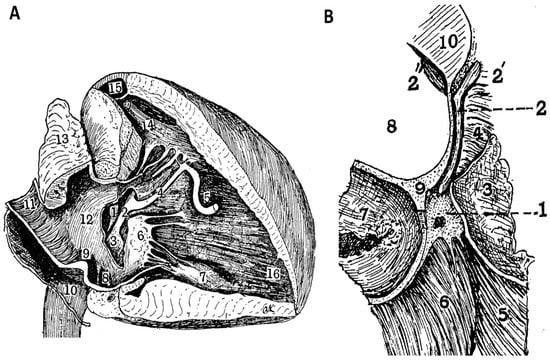
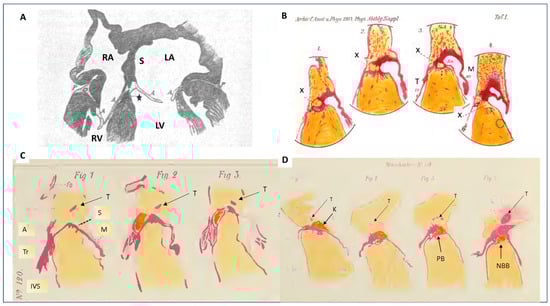
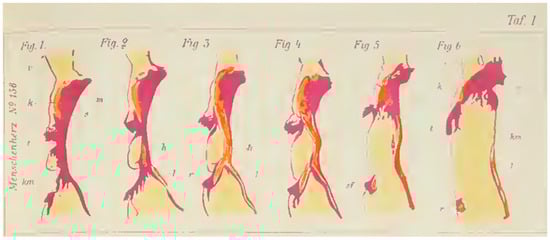
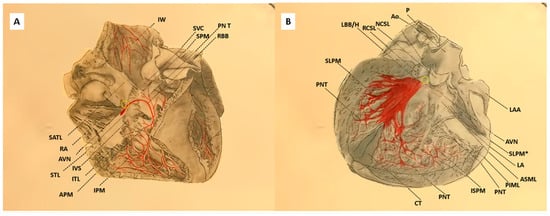
What is known today as the triangle of Koch (the triangular locus of the atrioventricular node, TLAVN) is bordered by the fibrous attachment of the septal cusp of tricuspid valve, the opening of the coronary sinus and tendon of valve of inferior vena cava (TIVCV). This is a concept developed cumulatively by several exceptional anatomists. The literature was reviewed with a focus on the discovery of the atrioventricular node by Sunao Tawara (January 1906), its previous announcement by Tawara’s mentor Ludwig Aschoff (1905), and the contributions of the authors who described the other components of the triangular locus. Francesco Todaro discovered the TIVCV (1865); Tawara described the atrioventricular node and its relationship with the fibrous attachment of the septal cusp of tricuspid valve and the opening of the coronary sinus. The first description of assembling all components was provided by Arthur Keith (March 1906). Keith was also the first to consider the triangular locus as a useful landmark for identifying the atrial structures of the conduction system discovered by Tawara and Wilhelm His Jr. (1893). Julius Tandler named the TLAVN as Koch’s triangle (1913). Keith’s contributions to this topic have been particularly overlooked. The “triangular locus of the atrioventricular node” or “triangle of the atrioventricular node” are more instructive and impartial names.
Full article

Figure 1

Open AccessCase Report
A Case of Double Superior Vena Cava with a Rare Accessory Hemiazygos Arch Crossing over the Descending Aorta in a Male Body Donor
by
Sandeep Silawal, Mustafa Kandemir, Franz Stelzl, Valentina Oberguggenberger, Kristinko Martinovic, Maria Kokozidou, Niels Hammer and Gundula Schulze-Tanzil
Anatomia 2026, 5(1), 2; https://doi.org/10.3390/anatomia5010002 - 2 Jan 2026
Abstract
►▼
Show Figures
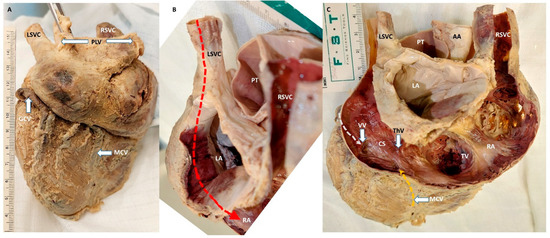
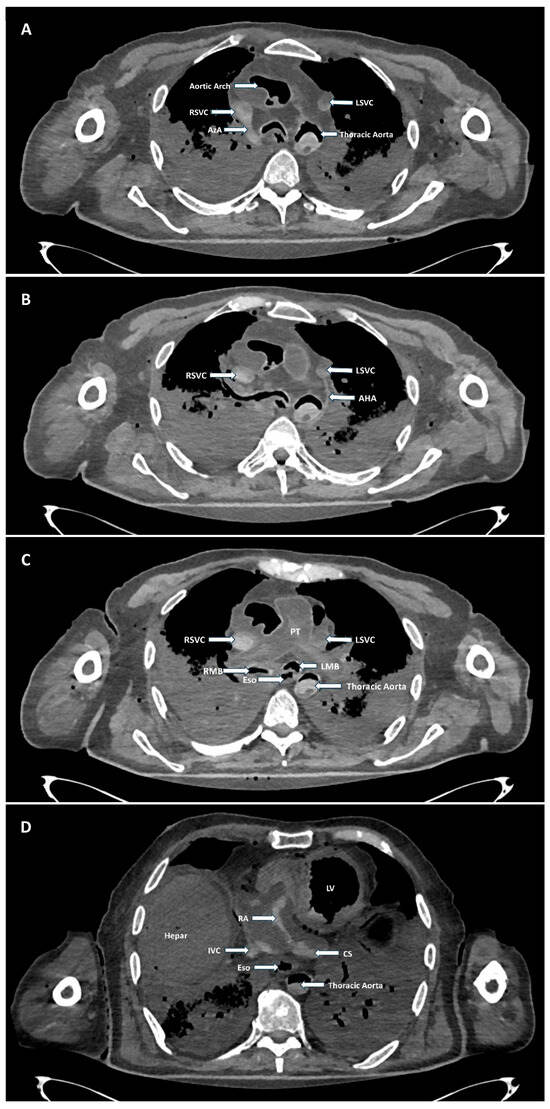
While performing a routine anatomical dissection on a male donor, undergraduate medical students observed an uncommon vascular anomaly: a persistent left superior vena cava (LSVC). Prior to the anatomical dissection, computed tomography (CT) images were obtained in an embalmed condition. Relevant anatomical structures
[...] Read more.
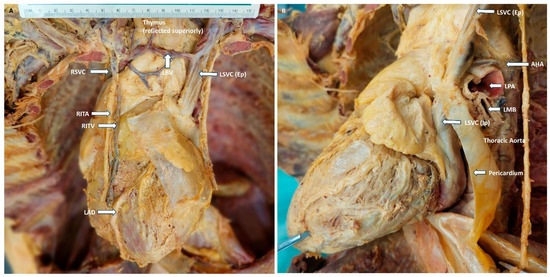
While performing a routine anatomical dissection on a male donor, undergraduate medical students observed an uncommon vascular anomaly: a persistent left superior vena cava (LSVC). Prior to the anatomical dissection, computed tomography (CT) images were obtained in an embalmed condition. Relevant anatomical structures were measured using the JiveX DICOM Viewer. The left brachiocephalic vein (LBV) was present as a communicating vessel with a markedly reduced diameter between the LSVC and the right superior vena cava (RSVC). The diameters of RSVC and LSVC averaged 19.4 mm and 15.2 mm, respectively. The LSVC drained into a dilated coronary sinus (CS), which measured 22.7 mm in diameter. In addition, the left accessory hemiazygos vein collected the 2nd to 5th left intercostal veins, forming a small-caliber venous arch (2.1 mm in diameter) at the T5 vertebral level, which crossed anterior to the thoracic aorta, before draining into the LSVC. In comparison, the azygos venous arch on the right side is connected to the RSVC at T4. Knowledge of such venous variations through preoperative imaging—such as CT, MRI, or echocardiography—can be essential for procedural planning and for minimizing inadvertent complications. This case also highlights a dual approach, combining anatomical dissection with detailed CT analysis of the same specimen, which can both enhance undergraduate anatomical education and contribute to high-quality morphological research.
Full article

Figure 1
Open AccessReview
Clinical Insights into Zenker’s Diverticulum: Anatomy, Pathophysiology, Diagnosis, and Evolving Treatments
by
Diego Panci, Francesco Carini, Riccardo Chiodo, Sabrina David, Francesco Cappello and Giovanni Tomasello
Anatomia 2026, 5(1), 1; https://doi.org/10.3390/anatomia5010001 - 28 Dec 2025
Abstract
►▼
Show Figures
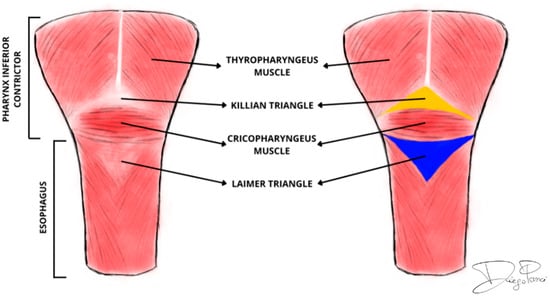
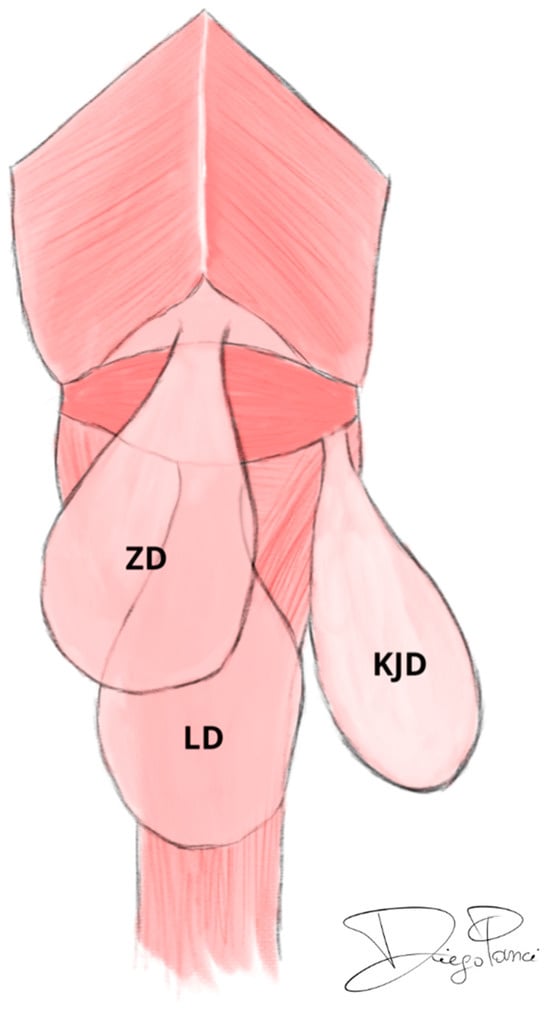
Background/Objectives: Zenker’s diverticulum (ZD) is a rare but clinically relevant condition. It is a false, pulsion-type diverticulum due to the protrusion of mucosal and submucosal layers through the Killian’s Triangle. Its pathogenesis is multifactorial and entails cricopharyngeus muscle dysfunction and age-related tissue
[...] Read more.
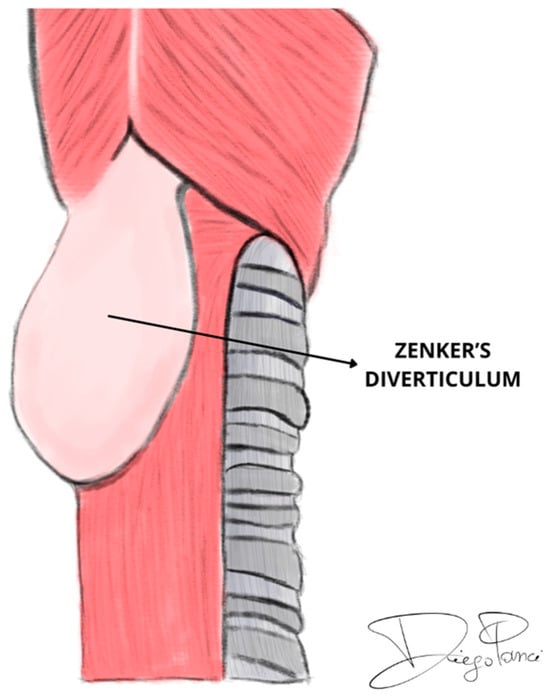
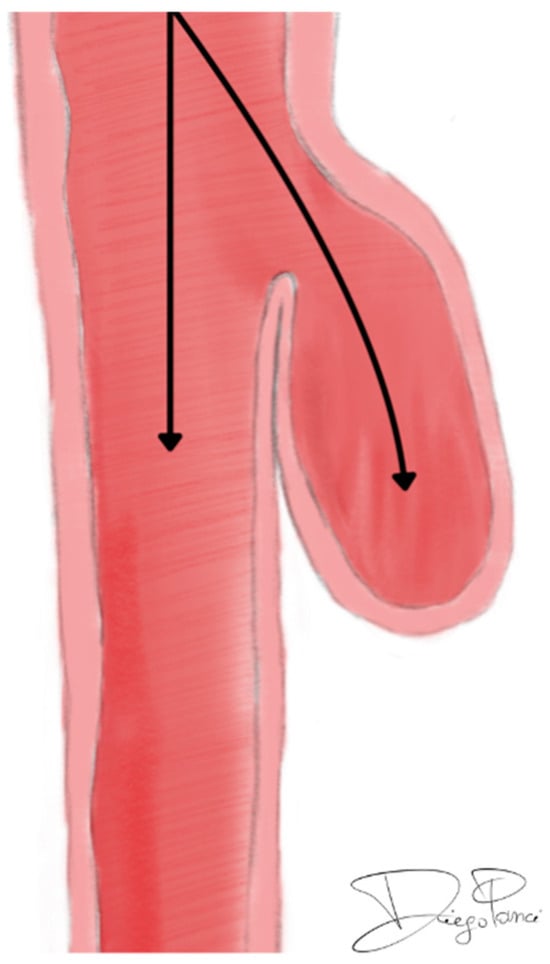
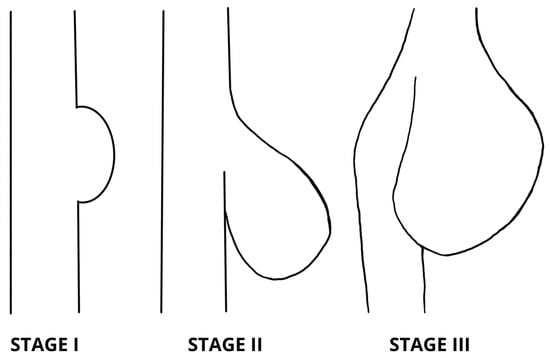
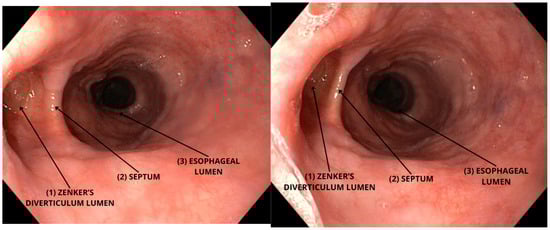
Background/Objectives: Zenker’s diverticulum (ZD) is a rare but clinically relevant condition. It is a false, pulsion-type diverticulum due to the protrusion of mucosal and submucosal layers through the Killian’s Triangle. Its pathogenesis is multifactorial and entails cricopharyngeus muscle dysfunction and age-related tissue degeneration. This review addresses the current evidence regarding the anatomy, pathophysiology, clinical presentation, diagnostic approach, and therapeutic management of ZD. Methods: For this literature review, we searched the PubMed and Scopus databases using combinations of keywords relevant to Zenker’s diverticulum, including “Zenker’s diverticulum,” “esophageal diverticula,” “diagnosis,” “endoscopic treatment,” and “surgery”. We included articles published in recent decades, with a focus on most recent ones regarding clinical studies, systematic reviews, meta-analyses, and descriptions of new diagnostic and therapeutic techniques. Results: Characteristic symptoms comprise progressive dysphagia, regurgitation of undigested food, halitosis, and, in advanced cases, aspiration-related respiratory complications. Diagnosis of ZD is primarily based on barium swallow esophagography and endoscopic evaluation, complemented by other imaging techniques. Current therapeutic options include traditional open surgery and endoscopic procedures, including newer minimally invasive techniques. Conclusions: ZD is the most common type of esophageal diverticulum and can have a disabling impact on a patient’s quality of life. It is commonly underdiagnosed or misdiagnosed as another condition, and prevalence is expected to increase with the growing population ageing. Improved understanding of its pathophysiology is needed to refine diagnostic and therapeutic strategies and minimize recurrences and risks.
Full article

Figure 1
Open AccessArticle
Osseous Changes and Morphometric Measurements in the Temporomandibular Joint in Different Malocclusion Types
by
Simge Eşme, Kaan Orhan, Aslıhan Akbulut, Emre Cesur and Bayram Ufuk Şakul
Anatomia 2025, 4(4), 20; https://doi.org/10.3390/anatomia4040020 - 10 Dec 2025
Abstract
Background/Objectives: The relationship between occlusion and temporomandibular joint is controversial in the scientific literature. The aim of this study is to evaluate the bone changes in the temporomandibular joint and surrounding bone structures and to determine the effect of malocclusions on the temporomandibular
[...] Read more.
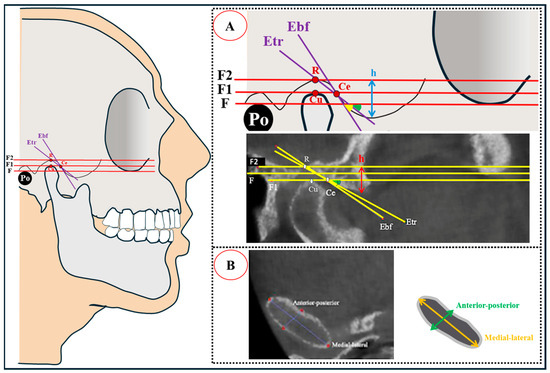
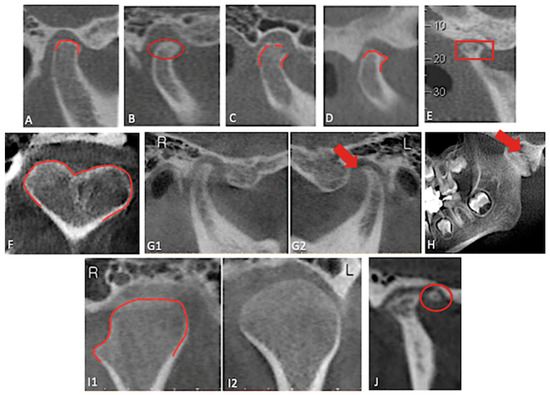
Background/Objectives: The relationship between occlusion and temporomandibular joint is controversial in the scientific literature. The aim of this study is to evaluate the bone changes in the temporomandibular joint and surrounding bone structures and to determine the effect of malocclusions on the temporomandibular joint by making morphometric measurements in different skeletal classes using three-dimensional cone beam computed tomography images. Methods: A total of 90 patients (30 class I, 30 class II and 30 class III) were included in the study. In each skeletal pattern, condylar osseous changes were evaluated and articular eminence inclination and height, condylar diameters were measured. It was also divided into two age groups: 18–29 and 30 and over. Results: Articular eminence inclination measured with the best-fit line method was significantly higher in Class II compared with class I and III, and in individuals aged ≥30 years. Among osseous changes, only condylar flattening showed a significant age-related increase. The mediolateral condylar diameter was greater in males than females, while the anteroposterior diameter was higher in the ≥30-year age group. Conclusions: Temporomandibular joint morphology demonstrates age- and function-related adaptive remodeling, particularly in articular eminence inclination and condylar dimensions. CBCT-based assessment of these morphological features may assist clinicians in diagnosis and treatment planning, although further studies with larger prospective cohorts are warranted.
Full article
(This article belongs to the Special Issue Oral and Maxillofacial Anatomy)
►▼
Show Figures

Figure 1
Open AccessCase Report
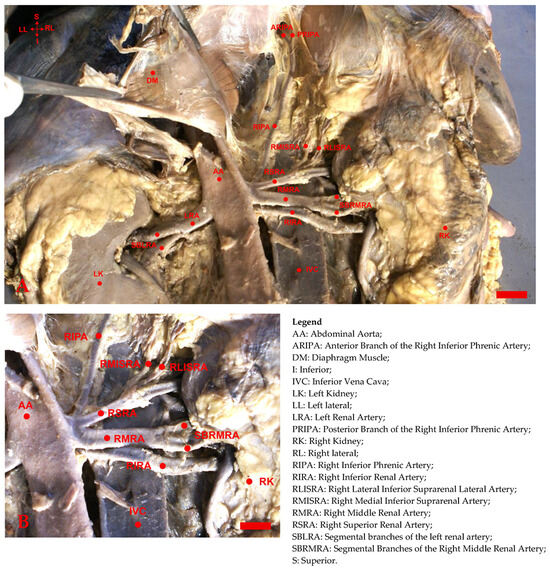
Triple Renal Artery and Anomalous Origin of the Inferior Phrenic Artery: A Case Report
by
Giovanna de Oliveira Sá Costa, Adler Oliveira Silva Jacó Carvalho, Henrique Montalvão Routman da Cunha, Wallance Geovane Alexandre Lima, Gilvan Paixão Santos Junior, Iapunira Catarina Sant’Anna Aragão, Felipe Matheus Sant’Anna Aragão, Rudvan Cicotti, Deise Maria Furtado de Mendonça, Francisco Prado Reis and José Aderval Aragão
Anatomia 2025, 4(4), 19; https://doi.org/10.3390/anatomia4040019 - 21 Nov 2025
Abstract
►▼
Show Figures
Background/Objectives: Understanding anatomical variations in the abdominal vasculature, particularly of the inferior phrenic arteries (IPAs) and renal arteries (RAs), is essential in surgery and radiology, as such variations directly influence preoperative planning and therapeutic strategies. Although IPAs most commonly arise from the abdominal
[...] Read more.
Background/Objectives: Understanding anatomical variations in the abdominal vasculature, particularly of the inferior phrenic arteries (IPAs) and renal arteries (RAs), is essential in surgery and radiology, as such variations directly influence preoperative planning and therapeutic strategies. Although IPAs most commonly arise from the abdominal aorta (AA) or the celiac trunk, and RAs from the AA, anomalous origins have clinical significance, notably the emergence of the IPA from the RA. This study reports the concomitant occurrence of a triple right renal artery and the atypical origin of the ipsilateral inferior phrenic artery. Case Report: During a routine cadaveric dissection, three right renal arteries (superior, middle, and inferior) were identified in an adult male specimen, along with an anomalous origin of the right inferior phrenic artery (RIPA). The RIPA originated from the superior renal artery (SRA), ascended superolaterally to the inferior vena cava and bifurcated at the diaphragmatic dome. The SRA also gave rise to two right inferior suprarenal arteries. Conclusions: The coexistence of a triple renal artery and anomalous origin of the IPA represents an exceptionally uncommon and scarcely reported vascular configuration. This finding underscores the importance of meticulous preoperative vascular mapping, crucial for preventing intraoperative and iatrogenic complications. Broader anatomical and radiological studies are warranted to better elucidate the prevalence, developmental basis, and clinical implications of such variations.
Full article

Figure 1
Open AccessArticle
Human Mandible: Anatomical Variation and Adaptations over the Last 2000 Years
by
Flavio De Angelis, Anna Russo, Antonio Nappo, Giovanna Cataldo, Marina Alessandrella, Silvia Iorio, Valentina Gazzaniga, Paola Francesca Rossi, Antonio De Luca, Dardo Menditti and Alfonso Reginelli
Anatomia 2025, 4(4), 18; https://doi.org/10.3390/anatomia4040018 - 7 Nov 2025
Abstract
Background/Objectives: This study explores the evolution and morphology of the human mandible, focusing on recent changes and adaptations over the last 2000 years. It aims to examine how functional, genetic, and environmental factors influence mandibular size, shape, and sexual dimorphism by analyzing key
[...] Read more.
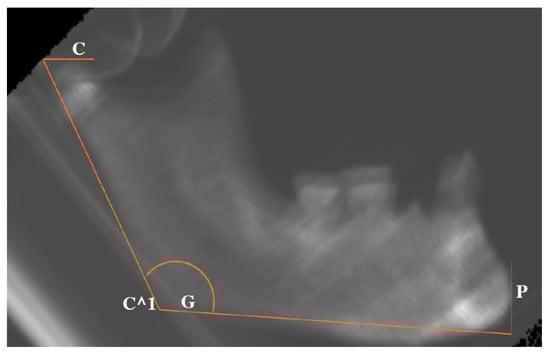
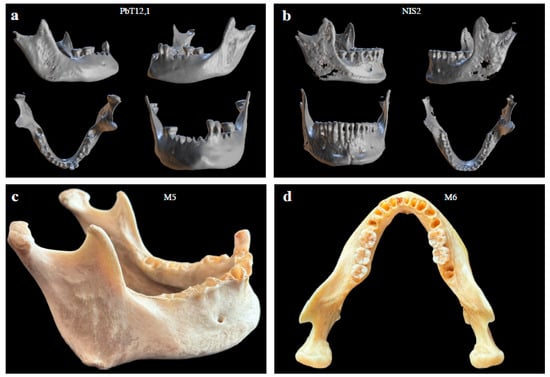
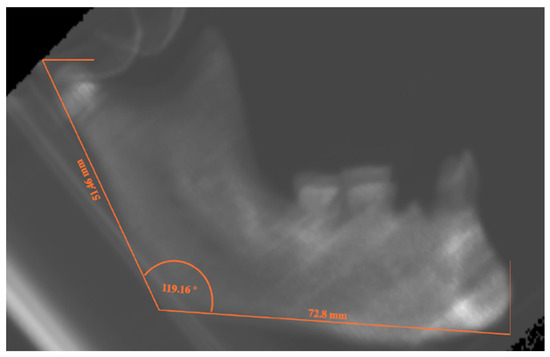
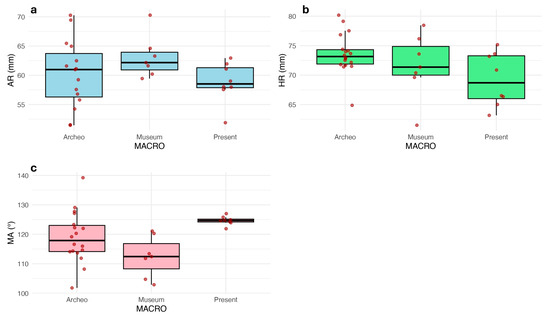
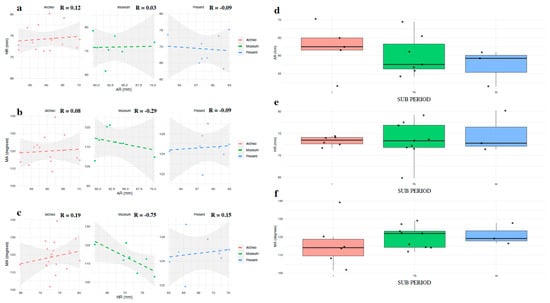
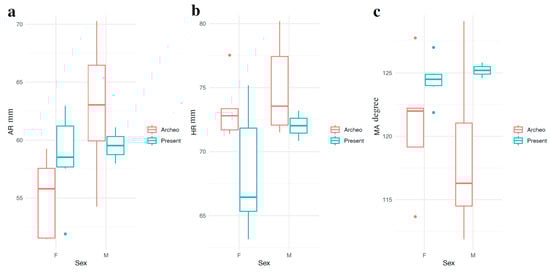
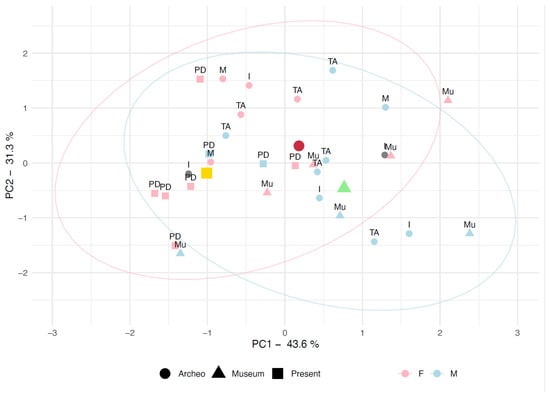
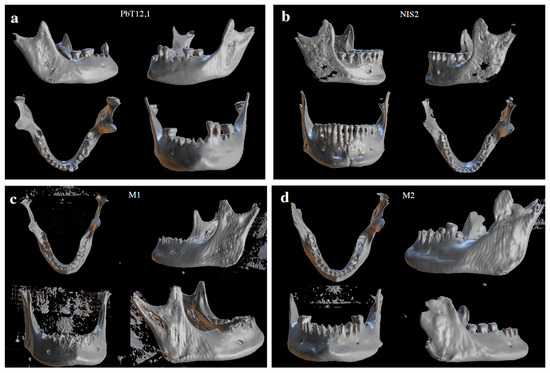
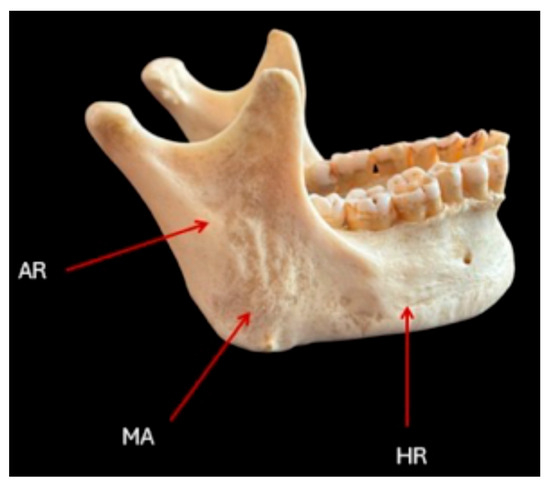
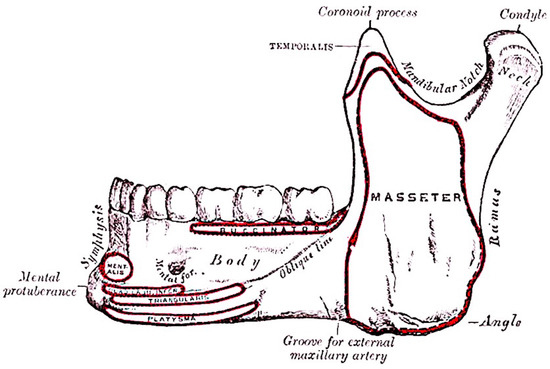
Background/Objectives: This study explores the evolution and morphology of the human mandible, focusing on recent changes and adaptations over the last 2000 years. It aims to examine how functional, genetic, and environmental factors influence mandibular size, shape, and sexual dimorphism by analyzing key anatomical landmarks—the horizontal ramus (HR), ascending ramus (AR), and mandibular angle (MA). Methods: A retrospective approach was employed using computed tomography (CT) scans of 39 mandibular samples from various historical periods, ranging from the Roman Imperial Age to the present day. Imaging was conducted using a 64-slice multislice computed tomography (MSCT) scanner, and the resulting data were processed to generate detailed 3D reconstructions for morphological assessment. Results: The analysis reveals that present-day samples exhibit significantly less variation in AR and MA compared to archaeological specimens, suggesting a trend of gracilization over time. Statistically significant differences were found in MA, likely influenced by environmental, dietary, and cultural factors. Correlation analysis showed moderate to weak relationships between AR, HR, and MA across sample groups, with significant sexual dimorphism in AR within the archaeological sample. Principal Component Analysis (PCA) further supported these findings, demonstrating a clear distinction between gracile modern mandibles and more robust ancient ones. Conclusions: These findings provide insights into the evolutionary trajectory of the human mandible, underscoring the influence of dietary and cultural shifts on mandibular structure over the past two millennia.
Full article
(This article belongs to the Special Issue Oral and Maxillofacial Anatomy)
►▼
Show Figures

Figure 1
Open AccessReview
Mental Eminence in the Historical, Surgical and Anthropological Perspective: A Scoping Review
by
Mauro Vaccarezza, Elena Varotto, Francesco Maria Galassi, Samanta Taurone, Luigi Cofone, Marco Artico and Veronica Papa
Anatomia 2025, 4(4), 17; https://doi.org/10.3390/anatomia4040017 - 6 Nov 2025
Abstract
►▼
Show Figures
The mental eminence (chin) is a uniquely human anatomical feature with critical relevance across multiple domains of biomedical and anthropological research. This transdisciplinary review aims to synthesize current knowledge regarding its morphology, population variability, evolutionary origin, and surgical relevance. A comprehensive scoping review
[...] Read more.
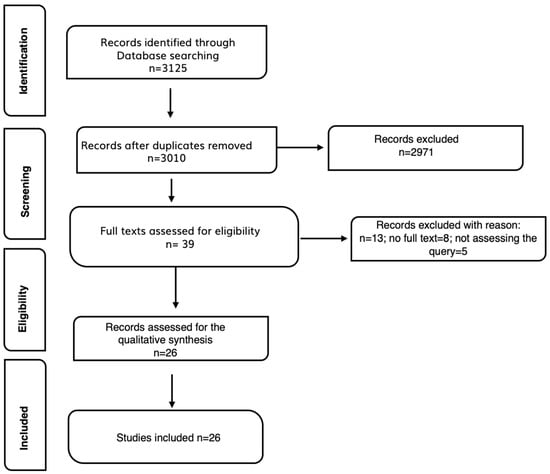
The mental eminence (chin) is a uniquely human anatomical feature with critical relevance across multiple domains of biomedical and anthropological research. This transdisciplinary review aims to synthesize current knowledge regarding its morphology, population variability, evolutionary origin, and surgical relevance. A comprehensive scoping review aims to map how the mental eminence has been defined and evaluated in anthropological, forensic research, identifying the main methodological approaches, anatomical landmarks, and sources of morphological variability, as well as the reliability and applicability of current assessment methods in clinical–forensic contexts. The search strategy was performed in October 2025. The authors initially identified 3125 records, and 26 studies were finally included and assessed for qualitative analysis. Moreover, the analysis integrates data from osteological collections, radiographic imaging, and modern morphometric studies. The mental eminence exhibits significant variability across human populations, with pronounced sexual dimorphism and evolutionary distinction from non-human primates. Its emergence in Homo sapiens is a key taxonomic trait. Clinically, the chin serves as a landmark in surgical procedures involving genioplasty, trauma reconstruction, and dental implantology. Recent advances in imaging and biometrics have refined its analysis in both anthropological and diagnostic contexts. Though often overlooked, mental eminence plays a vital role in craniofacial morphology and human evolution. Its study bridges osteology, anthropology, and surgery, offering insight into both phylogenetic development and applied anatomical practice. A multidisciplinary understanding of this structure enhances its diagnostic and therapeutic utility.
Full article

Figure 1
Open AccessArticle
Reaching Students Where They Scroll: A Pilot Study Using Facebook as a Supplementary Learning Platform in Undergraduate Anatomy and Physiology Education
by
Homaira M. Azim, Dimitrios E. Bakatsias, Brittnay K. Harrington, Patrick A. Vespa and Kristyn A. Spetz
Anatomia 2025, 4(4), 16; https://doi.org/10.3390/anatomia4040016 - 15 Oct 2025
Abstract
►▼
Show Figures
Background: Social networking platforms offer promising educational value, particularly for undergraduate students whose daily lives are deeply embedded in online spaces. Yet in most courses, instructional technologies remain limited to institutional learning management systems (LMSs), which often do not foster informal interaction or
[...] Read more.
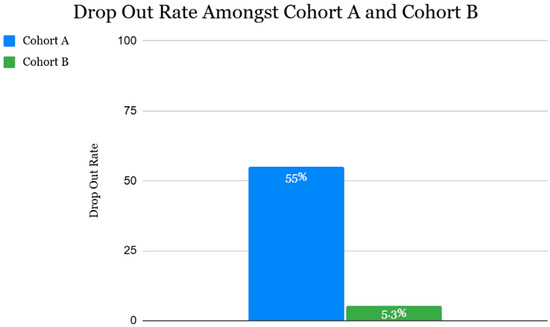
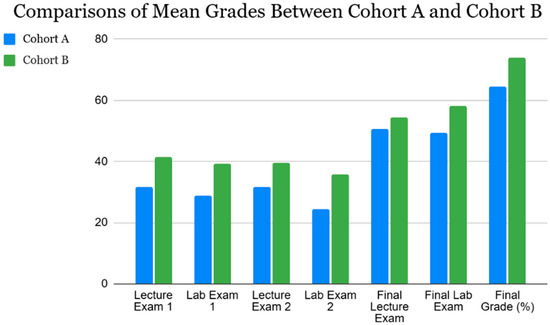
Background: Social networking platforms offer promising educational value, particularly for undergraduate students whose daily lives are deeply embedded in online spaces. Yet in most courses, instructional technologies remain limited to institutional learning management systems (LMSs), which often do not foster informal interaction or community. This study examined whether supplementing LMSs with a Facebook group could enhance academic outcomes and retention in undergraduate Anatomy and Physiology (A&P) courses. Methods: Over two semesters, two student cohorts (n = 39) were taught by the same instructor using identical materials; one cohort also used a closed Facebook group for course-related engagement. Results: While final course grades were not significantly different between groups (p = 0.186), students in the Facebook cohort scored significantly higher on mid-semester unit exams (p < 0.001 to p = 0.006). Regression analysis revealed a 9.4% higher mean final course grade among Facebook users. Importantly, the pass rate in the Facebook cohort was 94.7% compared to 45.0% in the control group, with dropout rates significantly lower (5.3% vs. 55%, p = 0.001). Conclusions: These findings suggest that incorporating social media into undergraduate science instruction may promote academic success and retention by providing a familiar, collaborative space for active learning and peer support.
Full article

Figure 1
Highly Accessed Articles
Latest Books
E-Mail Alert
News
Topics
Topic in
Anatomia, Biomedicines, IJMS, Medicina, Tomography
Human Anatomy and Pathophysiology, 3rd Edition
Topic Editors: Francesco Cappello, Mugurel Constantin RusuDeadline: 31 March 2027
Conferences
Special Issues
Special Issue in
Anatomia
Oral and Maxillofacial Anatomy
Guest Editor: Sven SchumannDeadline: 30 June 2026