


Journal Description
Applied Biosciences
Applied Biosciences
is an international, peer-reviewed, open access journal on all aspects of applied biosciences published quarterly online by MDPI.
- Open Access— free for readers, with article processing charges (APC) paid by authors or their institutions.
- High Visibility: indexed within ESCI (Web of Science), Scopus, Embase, and other databases.
- Journal Rank: CiteScore - Q1 (Agricultural and Biological Sciences (miscellaneous))
- Rapid Publication: manuscripts are peer-reviewed and a first decision is provided to authors approximately 22.8 days after submission; acceptance to publication is undertaken in 6.2 days (median values for papers published in this journal in the second half of 2025).
- Recognition of Reviewers: APC discount vouchers, optional signed peer review, and reviewer names published annually in the journal.
- Applied Biosciences is a companion journal of Applied Sciences.
Latest Articles
Subchronic Toxicity Study of Nitric Oxide Nanobubble Injection in Sprague Dawley Rats
Appl. Biosci. 2026, 5(2), 45; https://doi.org/10.3390/applbiosci5020045 - 1 Jun 2026
Abstract
►
Show Figures
Objective: The development of nanobubble technology has expanded to various gas molecules, such as nitric oxide (NO). NO donors have been frequently used for both therapeutic and diagnostic purposes. However, the use of NO in nanoformulations has received little attention thus far. This
[...] Read more.
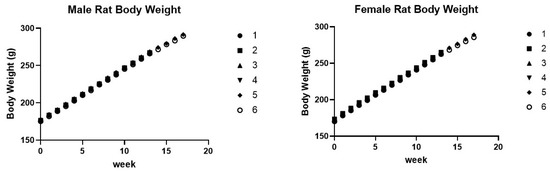
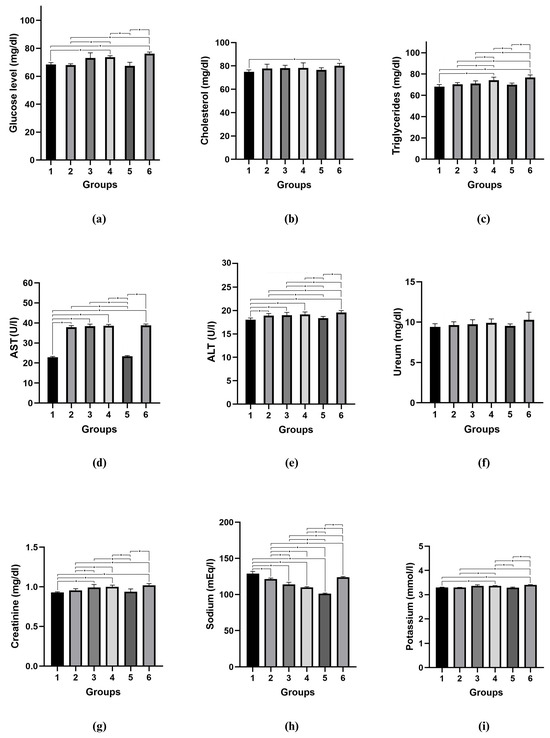
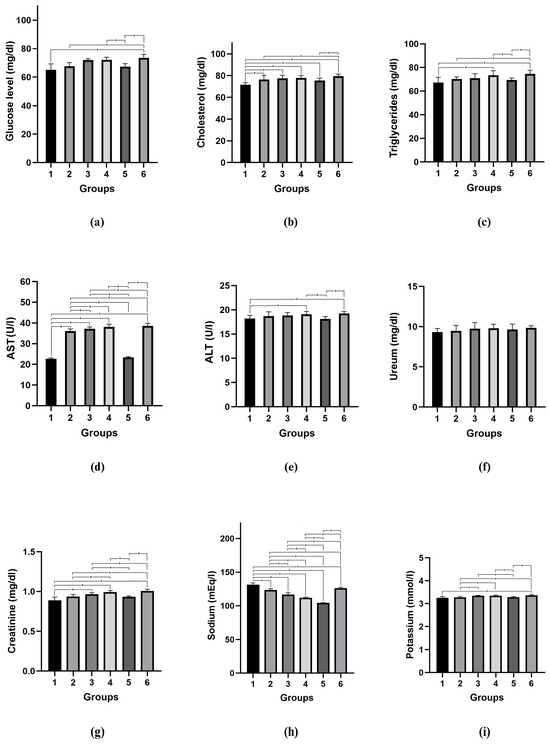
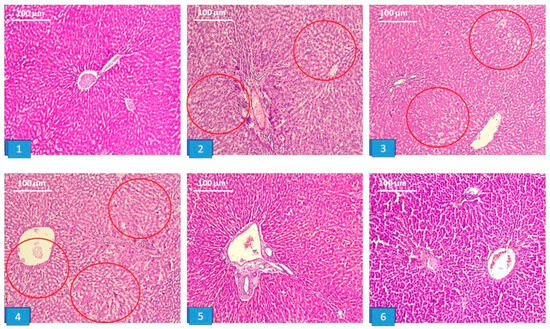
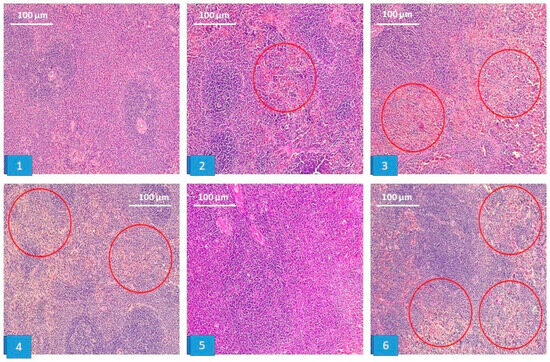
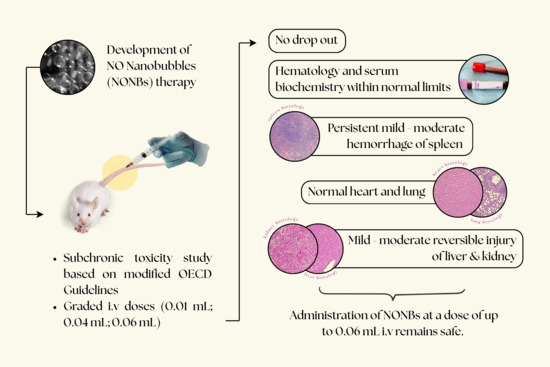
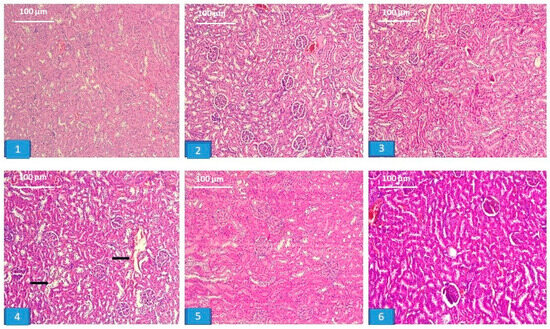
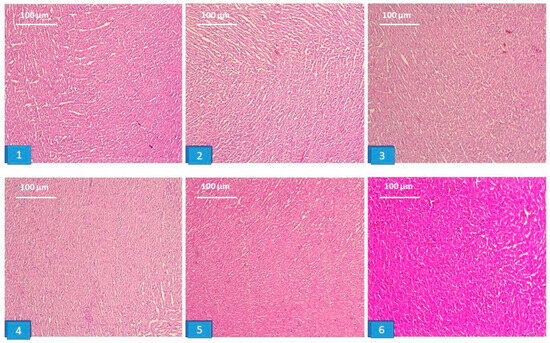
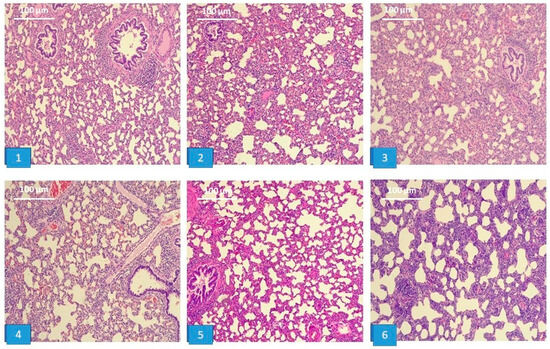
Objective: The development of nanobubble technology has expanded to various gas molecules, such as nitric oxide (NO). NO donors have been frequently used for both therapeutic and diagnostic purposes. However, the use of NO in nanoformulations has received little attention thus far. This research aimed to assess the subchronic toxicity of NO nanobubbles in a preclinical study design. Methods: Ninety days of subchronic toxicity testing based on modified OECD guidelines in Sprague Dawley rats was used in this study to assess potential adverse effects of intravenous administration of NO nanobubbles (NONBs). Hematological factors, serum biochemistry, and histology of the liver, kidney, heart, lung, and spleen were investigated. Results: The intravenous NONB injection trial using graded doses of 0.01 mL, 0.04 mL, and 0.06 mL resulted in no deaths during the 90-day treatment period. However, liver disturbance and electrolyte imbalance emerged. This condition was supported by histological findings in the liver and kidney, which showed potential reversible damage, and persistent hemorrhage of the spleen. Conclusions: Intravenous administration of NONBs at a dose of up to 0.06 mL in this subchronic toxicity test remains safe. Further studies with adjustments to the test formulation are highly encouraged before the clinical trial stage in humans.
Full article
Open AccessArticle
Endophytic Plant Growth-Promoting Bacteria Isolated from the Halophyte Plantago salsa Enhance Barley Tolerance to Salinity
by
Anastasia S. Tugbaeva, Gregory I. Shiryaev, Mohamad Darkazanli, Olga V. Voropaeva, Ekaterina E. Ryabova, Alexander A. Ermoshin, Galina G. Borisova, Maria G. Maleva and Irina S. Kiseleva
Appl. Biosci. 2026, 5(2), 44; https://doi.org/10.3390/applbiosci5020044 - 1 Jun 2026
Abstract
►▼
Show Figures
Salinization of agricultural soils is a global problem causing crop yield declines. This impact is caused by osmotic and oxidative stress, which plants often rely on endophytic bacteria to overcome. A bacterial isolate from the roots of the halophyte Plantago salsa was studied
[...] Read more.
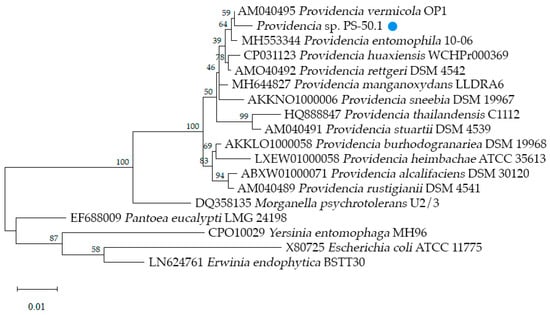
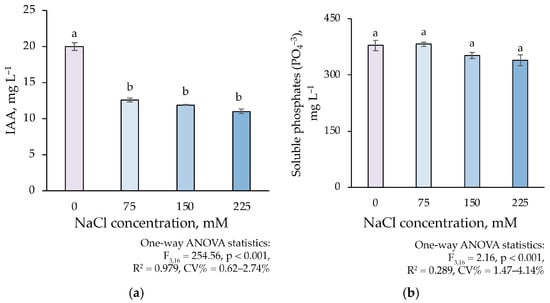
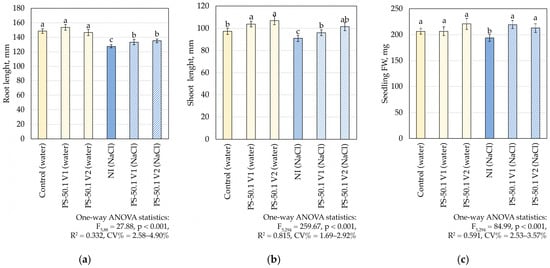
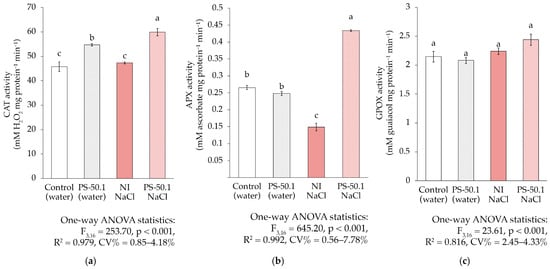
Salinization of agricultural soils is a global problem causing crop yield declines. This impact is caused by osmotic and oxidative stress, which plants often rely on endophytic bacteria to overcome. A bacterial isolate from the roots of the halophyte Plantago salsa was studied between 2024 and 2026, and its ability to increase barley tolerance to moderate salt stress was determined. Based on 16S rRNA gene sequencing (1410 bp), the isolate PS-50.1 was identified as Providencia sp. It demonstrated key plant growth-promoting properties, including indole-3-acetic acid production (21.4 mg L−1) and phosphate solubilization (69.0 mg L−1). The strain supported barley growth at 7% NaCl. Inoculation of barley seeds with this strain (108 CFU L−1) significantly reduced moderate salt stress in plants both in vitro and in a pot experiment. Inoculated plants under salinity conditions had greater shoot length (+11.6%) compared to non-inoculated; higher pre-flag leaf fresh weight; demonstrated decreased levels of prooxidants (H2O2 by 44.8% and malondialdehyde by 31.8%), higher proline accumulation (up to 2.0-fold), and increased antioxidant enzyme activity (catalase by 26.6% and ascorbate peroxidase by 191%). Furthermore, inoculated plants showed 9.4% higher water use efficiency and photosynthetic rate (+5.5%) under salt stress compared to uninoculated plants. These results indicate that the halophytic strain Providencia sp. PS-50.1 is a promising candidate for the development of microbial preparations aimed at increasing crop productivity under saline conditions.
Full article

Figure 1
Open AccessArticle
Explorative Study on the Aroma and Antioxidant Profile of Single-Origin Chocolate from Indonesia
by
Dimas Rahadian Aji Muhammad, Marliana Bella Saputri, As-salamah Karomatusy Syifa, Danar Praseptiangga and Setyaningrum Ariviani
Appl. Biosci. 2026, 5(2), 43; https://doi.org/10.3390/applbiosci5020043 - 29 May 2026
Abstract
►▼
Show Figures
This study evaluated the aroma and antioxidant properties of single-origin chocolate produced from cocoa beans sourced from seven regions in Indonesia. Two roasting approaches—dynamic and static—were applied, followed by small-scale chocolate processing using a melanger. Both raw cocoa beans and resulting chocolates were
[...] Read more.
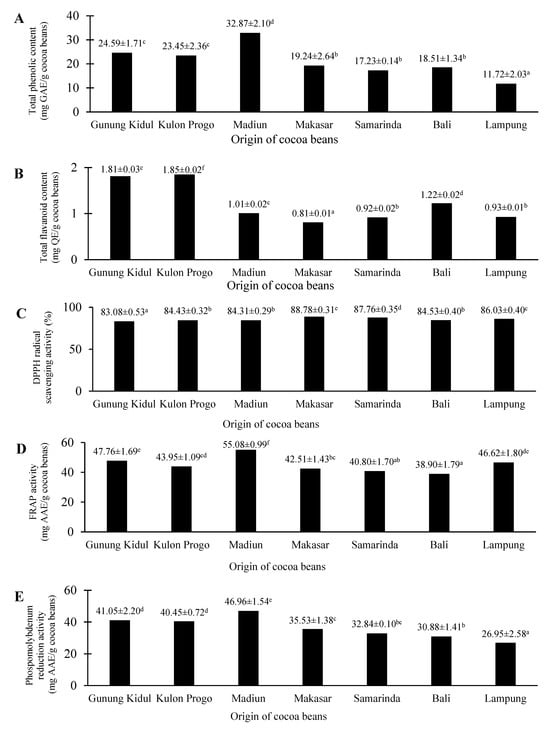
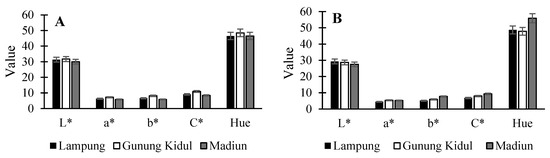
This study evaluated the aroma and antioxidant properties of single-origin chocolate produced from cocoa beans sourced from seven regions in Indonesia. Two roasting approaches—dynamic and static—were applied, followed by small-scale chocolate processing using a melanger. Both raw cocoa beans and resulting chocolates were comprehensively characterised to examine relationships between raw material quality and final product attributes. The results show that the cocoa beans exhibited significant regional variation in physicochemical properties, including moisture, protein, pH, phenolic and flavonoid contents, antioxidant activity, and the fermentation index. These differences were reflected in the chocolates, which showed distinct appearance, aroma profiles, and antioxidant capacities. Roasting methods significantly influenced moisture content, colour, and antioxidant properties, with static roasting yielding chocolates with higher moisture, greater antioxidant retention, and lighter colour compared to dynamic roasting. Gas chromatography–mass spectrometry (GC–MS) analysis identified key volatile compounds such as acetic acid, 2-phenylethyl acetate, phenylethyl alcohol, acetoin, and pyranone as dominant contributors to aroma. Regional origin and processing conditions play critical roles in defining the quality of a single-origin chocolate. The knowledge obtained in this study can support the chocolate industry by enabling raw material selection, optimising roasting strategies, and standardising processes to achieve targeted quality attributes.
Full article

Figure 1
Open AccessArticle
Pollen Analysis of Bees’ Crop Nectar as an Effective Method to Determine Nectar Sources: Comparison with Traditional Approaches
by
Nandita Das, Rajib Mondal, Ujjwal Layek and Prakash Karmakar
Appl. Biosci. 2026, 5(2), 42; https://doi.org/10.3390/applbiosci5020042 - 26 May 2026
Abstract
►▼
Show Figures
Identifying the nectar sources of stingless bees is essential for understanding plant–pollinator interactions and for promoting sustainable meliponiculture. Traditionally, this has been achieved through melissopalynological analysis of honey; however, this approach has certain limitations. Here, we aimed to evaluate whether pollen analysis of
[...] Read more.
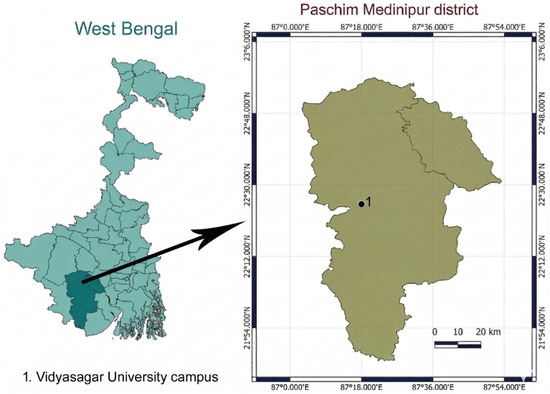
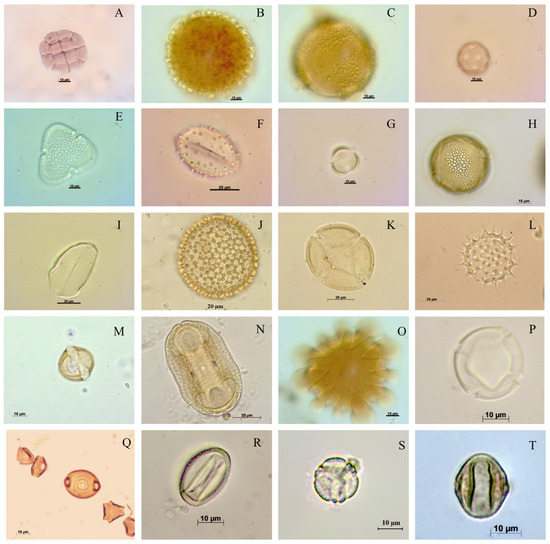
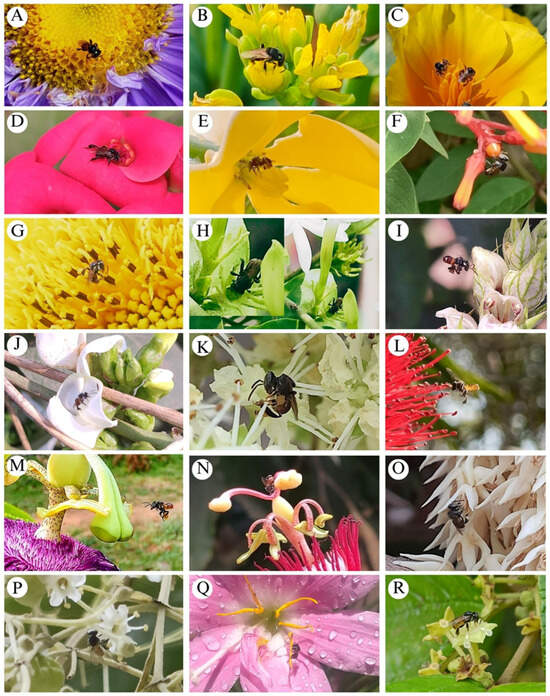
Identifying the nectar sources of stingless bees is essential for understanding plant–pollinator interactions and for promoting sustainable meliponiculture. Traditionally, this has been achieved through melissopalynological analysis of honey; however, this approach has certain limitations. Here, we aimed to evaluate whether pollen analysis of bee crop nectar can reliably identify nectar sources for stingless bees. We conducted palynological analyses of honey samples (n = 12) and crop nectar samples (n = 757, considering individual foragers), and conducted field surveys to determine nectar sources for the stingless bee Tetragonula pagdeni in West Bengal, India. From the honey analysis, 42 pollen types were identified, with Eucalyptus tereticornis as the predominant pollen type. In contrast, 67 pollen types were recorded from the crop nectar samples. The most frequently occurring pollen types were Acacia auriculiformis, Borassus flabellifer, Eucalyptus tereticornis, Peltophorum pterocarpum, Tridax procumbens, and Ziziphus mauritiana. Through field surveys, 73 plant species were identified as nectar sources. By integrating these methods, 85 plant species were recognised as nectar sources for stingless bees. The findings indicate that palynological analysis of bees’ crop nectar is an effective method for identifying the nectar sources of a bee species. Furthermore, combining palynological analysis of crop nectar with melissopalynological analysis of honey provides a more comprehensive and potentially more accurate assessment of nectar sources than reliance on honey analysis alone.
Full article

Figure 1
Open AccessArticle
Modulation of Pro- and Anti-Inflammatory Cytokines by Melaleuca cajuputi subsp. cajuputi Powell Ethanolic Leaf Extract (MC-ELE) in BALB/c Mice
by
Agustyas Tjiptaningrum, Yusra Yusra, Kusmardi Kusmardi, Ade Arsianti, Sjahjenny Mustokoweni and Fadilah Fadilah
Appl. Biosci. 2026, 5(2), 41; https://doi.org/10.3390/applbiosci5020041 - 16 May 2026
Abstract
Background: Cytokine storm-like inflammation includes an imbalanced immune response, where excessive interleukin-6 (IL-6) and inadequate IL-10 play a central role in increasing tissue injury. Melaleuca cajuputi leaves are known to contain anti-inflammatory bioactive compounds. However, the potential to modulate the dysregulated cytokine response
[...] Read more.
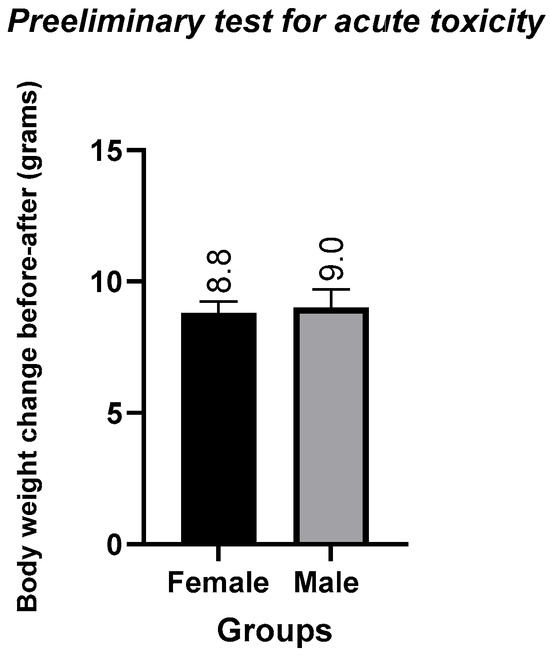
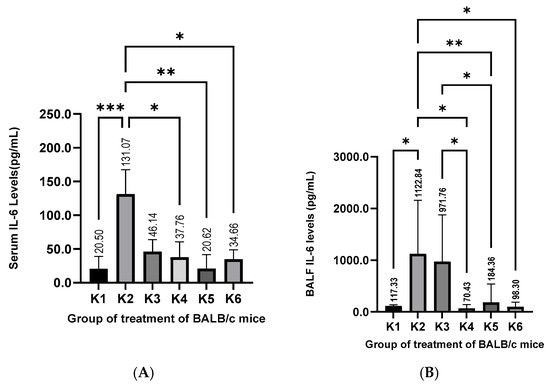
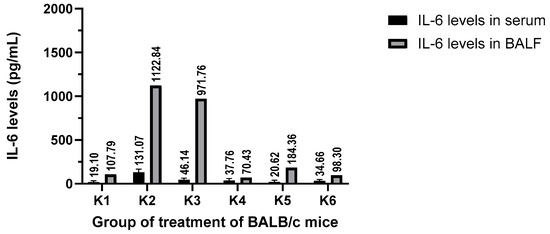
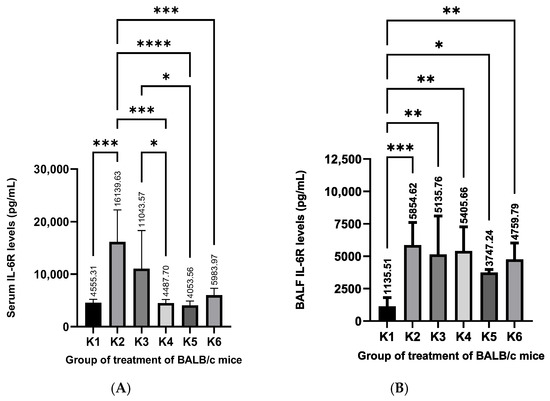
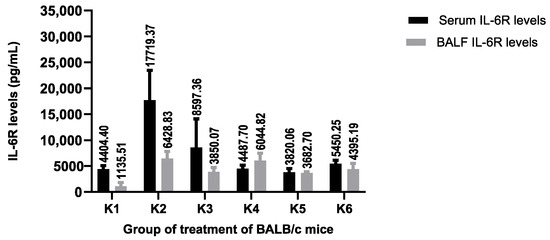
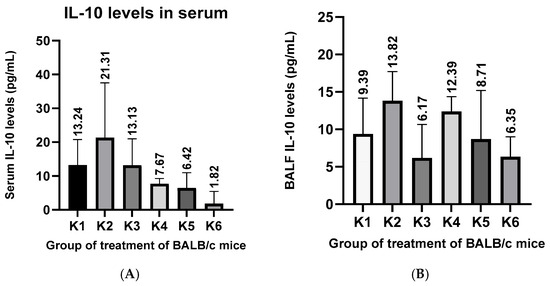
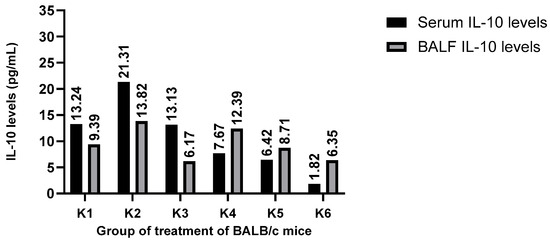
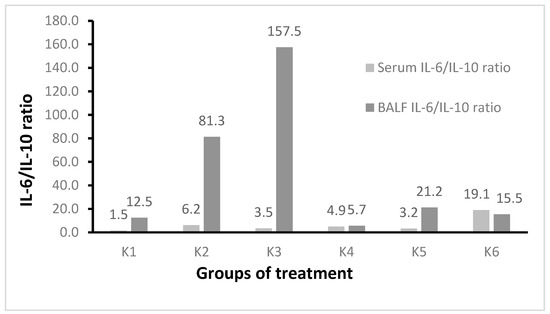
Background: Cytokine storm-like inflammation includes an imbalanced immune response, where excessive interleukin-6 (IL-6) and inadequate IL-10 play a central role in increasing tissue injury. Melaleuca cajuputi leaves are known to contain anti-inflammatory bioactive compounds. However, the potential to modulate the dysregulated cytokine response remains underexplored. Objective: This study aimed to evaluate the immunomodulatory effects of Melaleuca cajuputi subsp. cajuputi Powell Ethanolic Leaf Extract (MC-ELE) on IL-6, IL-6R, and IL-10 levels in a BALB/c mouse model of lung inflammation induced by lipopolysaccharide (LPS). Methods: Phytochemical screening was performed to identify active constituents in MC-ELE. Male BALB/c mice were intratracheally challenged with LPS (mg·kg−1 BW) to induce cytokine storm-like inflammation. After 24 h, mice received oral MC-ELE at doses of 750, 1500, 3000 mg·kg−1 BW, or dexamethasone (10 mg·kg−1 BW), for seven consecutive days. On day eight, serum and bronchoalveolar lavage fluid (BALF) were collected for IL-6, IL-6R, and IL-10 assessment using ELISA. Furthermore, body weight changes and clinical symptoms were monitored throughout the study. Results: MC-ELE was confirmed to contain anti-inflammatory compounds. Across all groups, IL-6 concentrations in BALF were consistently higher than in serum, with the LPS-only group showing the greatest elevation. Serum IL-6R levels exceeded BALF IL-6R levels in most groups, except at 1500 mg·kg−1 BW MC-ELE dose. BALF IL-10 was higher compared with serum in all MC-ELE-treated groups. Therefore, MC-ELE might preferentially enhance anti-inflammatory responses within the pulmonary microenvironment. There was no observed toxicity or weight loss at doses up to 3000 mg·kg−1 BW. Conclusions: MC-ELE reported promising immunomodulatory activity by lowering IL-6 and IL-6R levels while enhancing IL-10 responses in lung inflammation induced by LPS within lung tissue. These results suggested its potential as a natural therapeutic candidate for managing severe inflammatory conditions.
Full article
(This article belongs to the Special Issue Plant Natural Compounds: From Discovery to Application (2nd Edition))
►▼
Show Figures

Figure 1
Open AccessArticle
Association of Elevated Lipoprotein(a) Levels with HDL Subfraction Distribution and Antioxidant Function
by
Amalia Despoina Koutsogianni, Georgios Tatsis, Christina Telli, Konstantinos Stamoulis, Haralampos Milionis, Evangelos Liberopoulos, Alexandros D. Tselepis and Constantinos Tellis
Appl. Biosci. 2026, 5(2), 40; https://doi.org/10.3390/applbiosci5020040 - 15 May 2026
Abstract
►▼
Show Figures
Low levels of high-density lipoprotein cholesterol (HDL-C) are strongly associated with increased cardiovascular risk. However, under various pathological conditions, high-density lipoprotein (HDL) particles may undergo structural and functional modifications, leading to a progressive loss of antioxidant capacity and a shift from a cardioprotective
[...] Read more.
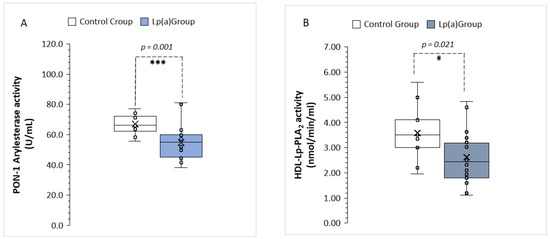
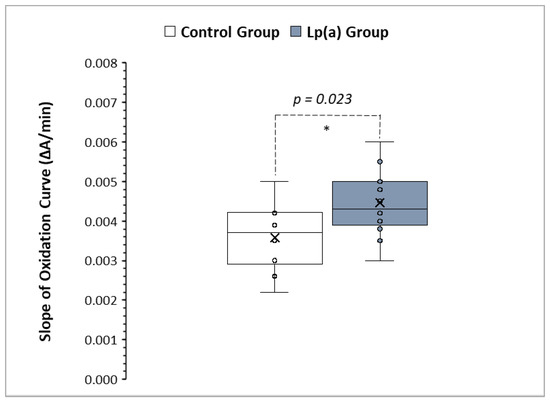
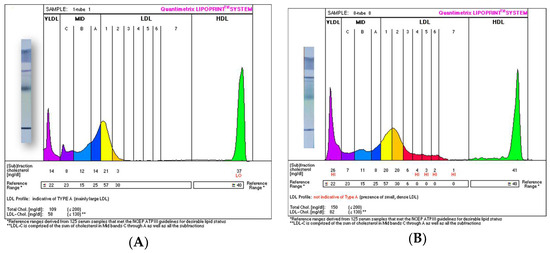
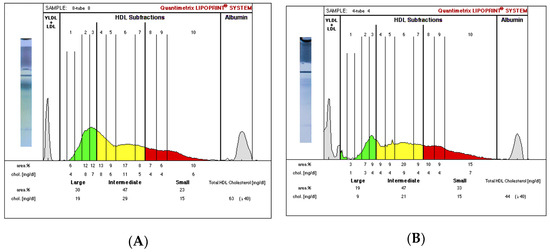
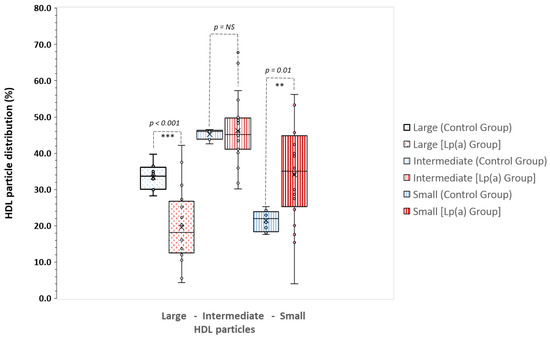
Low levels of high-density lipoprotein cholesterol (HDL-C) are strongly associated with increased cardiovascular risk. However, under various pathological conditions, high-density lipoprotein (HDL) particles may undergo structural and functional modifications, leading to a progressive loss of antioxidant capacity and a shift from a cardioprotective to a proatherogenic phenotype. In this cross-sectional study, we investigated differences in HDL particle distribution and antioxidant function between individuals with elevated lipoprotein(a) [Lp(a)] levels (≥30 mg/dL) and those with low Lp(a) levels (<10 mg/dL). Serum low-density lipoprotein (LDL) and HDL subfractions were analyzed in twenty subjects with high Lp(a) and ten low-Lp(a) controls using non-denaturing polyacrylamide gel electrophoresis (PAGE, Lipoprint system). Enzymatic activities of paraoxonase-1 (PON1) and HDL-associated lipoprotein-associated phospholipase A2 (HDL-Lp-PLA2) were measured. Electrophoretic analysis revealed a significant increase in small HDL (S-HDL) in the high-Lp(a) group compared to the controls (34.1 ± 13.2% vs. 21.5 ± 2.7%, p = 0.01), alongside a reduction in large HDL (L-HDL) (19.6 ± 9.9% vs. 33.4 ± 3.8%, p < 0.001). Furthermore, the high Lp(a) group exhibited significantly lower HDL-PON1 activity (55 ± 12 vs. 67 ± 7 U/mL, p < 0.001) and HDL-Lp-PLA2 activity (2.6 ± 1.0 vs. 3.6 ± 1.2 nmol/min/mL, p < 0.02) compared with the controls. These findings suggest that markedly elevated Lp(a) levels are associated with a shift toward a more proatherogenic HDL subfraction profile and impaired antioxidant functionality, which may reflect mechanisms linked to increased atherosclerotic cardiovascular disease (ASCVD) risk.
Full article

Figure 1
Open AccessArticle
Tissue-Specific Lipidomic Alterations in Carrot Plants Following Sublethal Exposure to a Glyphosate-Based Herbicide
by
Laia L. Fernández, Carmen Bedia and Joaquim Jaumot
Appl. Biosci. 2026, 5(2), 39; https://doi.org/10.3390/applbiosci5020039 - 13 May 2026
Abstract
►▼
Show Figures
Glyphosate-based herbicides are widely used in agriculture. However, their broader effects on plant lipid metabolism remain insufficiently characterized beyond their canonical target, the shikimate pathway. In this study, we evaluated tissue-specific lipidomic responses of carrot (Daucus carota L.) plants grown under controlled
[...] Read more.
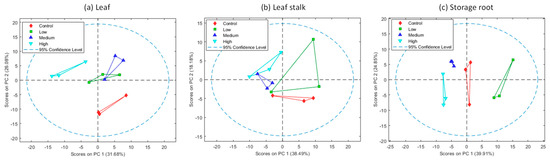
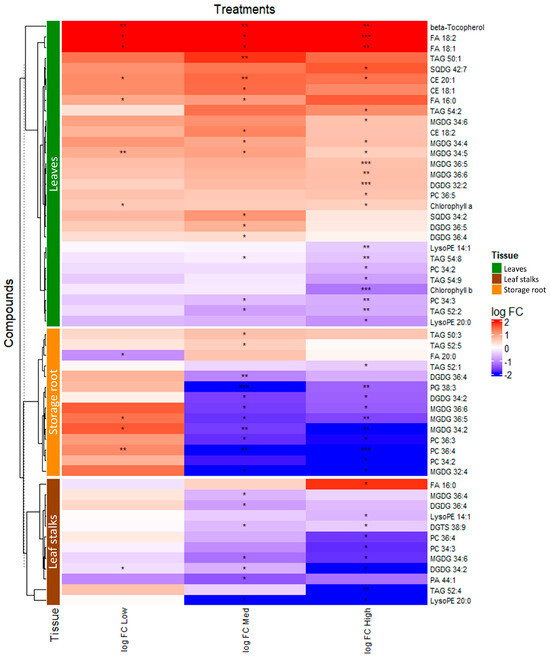
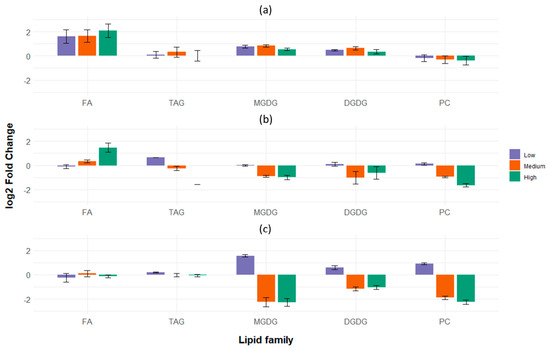
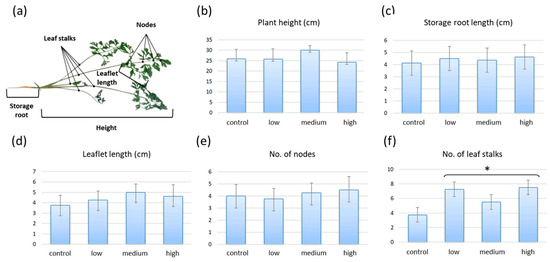
Glyphosate-based herbicides are widely used in agriculture. However, their broader effects on plant lipid metabolism remain insufficiently characterized beyond their canonical target, the shikimate pathway. In this study, we evaluated tissue-specific lipidomic responses of carrot (Daucus carota L.) plants grown under controlled conditions following sublethal foliar exposure to a commercial glyphosate-based herbicide formulation. Leaves, leaf stalks, and roots were harvested 30 days after application, and lipid extracts were analyzed using ultra-high-performance liquid chromatography coupled to mass spectrometry. Multivariate statistical analyses were applied to assess treatment-related differences. Morphological parameters showed no major visible symptoms, although minor changes in shoot architecture were observed. Untargeted lipidomic profiling revealed treatment-associated, tissue-specific alterations in lipid composition. In leaves, changes were detected in free fatty acids, tocopherols, and galactolipids, whereas leaf stalks and storage roots showed alterations mainly affecting phospholipid and glycerolipid classes. In summary, lipid profiles indicated shifts in the relative abundance of membrane- and storage-related lipid species. These results suggest that sublethal exposure to a glyphosate-based herbicide formulation may be associated with measurable lipidomic differences in carrot tissues, highlighting the sensitivity of untargeted lipidomic profiling for detecting metabolic responses to agrochemical exposure.
Full article

Figure 1
Open AccessArticle
An Exploratory Reinforcement Learning Simulation Framework for Studying Antimicrobial Resistance Dynamics Under Copper Exposure
by
Hayden D. Hedman
Appl. Biosci. 2026, 5(2), 38; https://doi.org/10.3390/applbiosci5020038 - 3 May 2026
Abstract
►▼
Show Figures
This study presents an exploratory reinforcement learning (RL)-based simulation framework for examining antimicrobial resistance (AMR) dynamics under repeated exposure to a non-antibiotic stressor, using copper as a simplified model compound. The objective is not to provide mechanistic or predictive insight into microbial evolution,
[...] Read more.
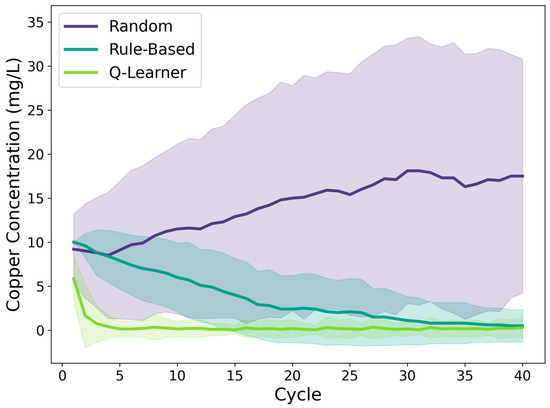
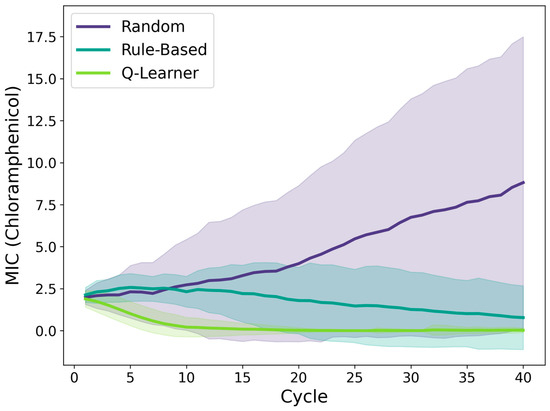
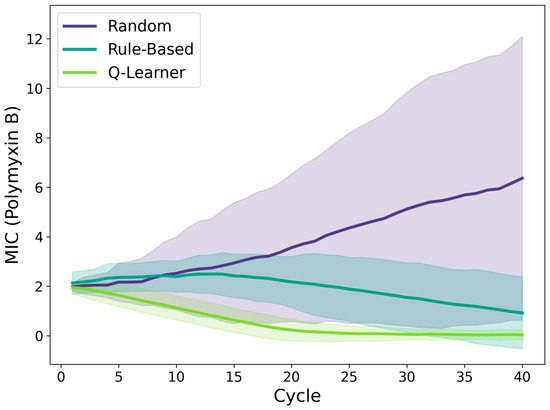
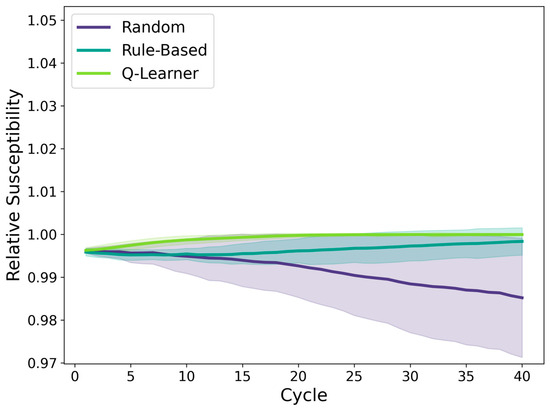
This study presents an exploratory reinforcement learning (RL)-based simulation framework for examining antimicrobial resistance (AMR) dynamics under repeated exposure to a non-antibiotic stressor, using copper as a simplified model compound. The objective is not to provide mechanistic or predictive insight into microbial evolution, but to evaluate how alternative sequential decision-making strategies perform within a constrained and transparent simulation environment. Three agent strategies were compared: random action selection, a rule-based heuristic, and a tabular Q-learning agent. Simulations were conducted over fixed 40-cycle episodes in which agents adjusted copper exposure in response to evolving resistance-related state variables. Across experimental runs, the Q-learning agent exhibited lower cumulative resistance burden, measured by area under the curve (AUC) of minimum inhibitory concentration (MIC) trajectories for chloramphenicol and polymyxin B, while maintaining lower cumulative copper exposure relative to baseline strategies. The rule-based agent demonstrated intermediate performance, whereas the random agent showed greater variability and less stable trajectories. These findings reflect differences in simulated control behavior within a simplified stochastic system. Overall, this work introduces an interpretable reinforcement learning simulation tool intended to support comparative evaluation of adaptive versus static strategies in antimicrobial pressure management under limited observability.
Full article

Figure 1
Open AccessReview
Virtual Brain and Digital Twins in Neurogenetics: From Multimodal Patient Data to Genomically Informed, Clinically Actionable Models
by
Lorenzo Cipriano
Appl. Biosci. 2026, 5(2), 37; https://doi.org/10.3390/applbiosci5020037 - 2 May 2026
Abstract
Molecular diagnosis has advanced rapidly in neurogenetic disorders, yet translating genotype into patient-specific predictions of brain network dysfunction and progression remains limited. Virtual brain models provide a structured solution by embedding individual anatomy and connectomics into biophysical whole-brain simulations. The critical step is
[...] Read more.
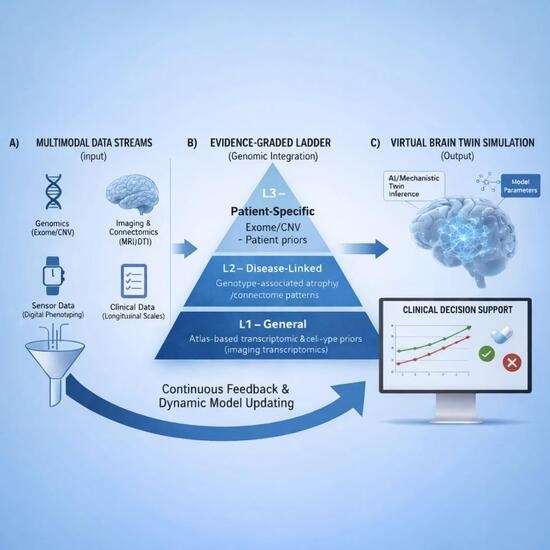
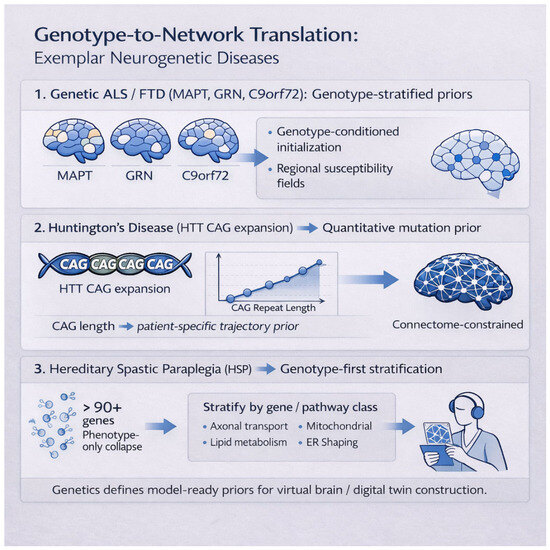
Molecular diagnosis has advanced rapidly in neurogenetic disorders, yet translating genotype into patient-specific predictions of brain network dysfunction and progression remains limited. Virtual brain models provide a structured solution by embedding individual anatomy and connectomics into biophysical whole-brain simulations. The critical step is to position genetics not as a diagnostic label, but as a constructive input to model design. This review outlines a genetics-centered framework for virtual brain modeling. First, atlas-derived transcriptomic and cell-type maps can define region-specific molecular priors, constraining vulnerability or excitability parameters and reducing model degeneracy. Second, when reproducible genotype-linked network phenotypes exist, mutation groups can inform stratified initialization and progression regimes. Third, at the patient level, exome and CNV data—summarized as pathway burdens and, where appropriate, calibrated polygenic modifiers—can be translated into individualized priors or regularizers, provided that mapping rules are explicit and externally validated. By integrating genetics at multiple levels of evidence, virtual brain models gain mechanistic plausibility, improved calibration, and explicit uncertainty quantification. The most realistic impact over the next few years is likely to be improved stratification, progression-aware forecasting, and scenario-based decision support in rare neurogenetic diseases, especially where longitudinal cohort infrastructure and validated biomarker inputs are already available, rather than deterministic individual prediction.
Full article
(This article belongs to the Special Issue Feature Reviews for Applied Biosciences)
►▼
Show Figures

Graphical abstract
Open AccessArticle
Analytical and Diagnostic Validation of a Fluorescence-Based Hybridization Chain Reaction Assay for Detection of HPV 16/35 E6 Transcripts
by
Victoria K. Mwaeni, Dorothy Nyamai, Samoel A. Khamadi, Sophia K. Musenjeri, Hellen Kariuki and Mutinda Cleophas Kyama
Appl. Biosci. 2026, 5(2), 36; https://doi.org/10.3390/applbiosci5020036 - 2 May 2026
Abstract
►▼
Show Figures
Cervical cancer is associated with persistent human papillomavirus (HPV) infections. The early detection of HPV is one of the key strategies for the effective treatment of cervical cancer. Current HPV molecular detection methods use enzyme-based nucleic acid amplification strategies that, although specific and
[...] Read more.
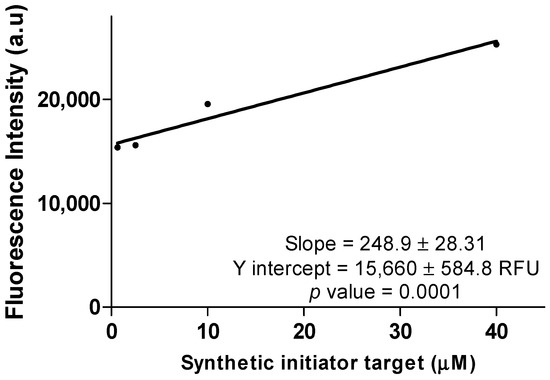
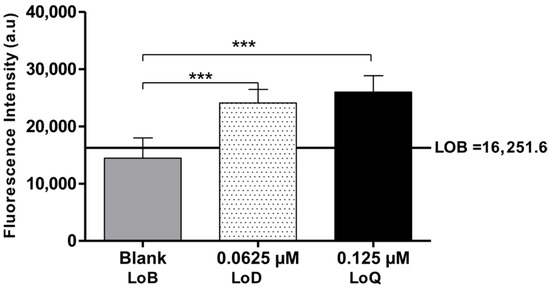
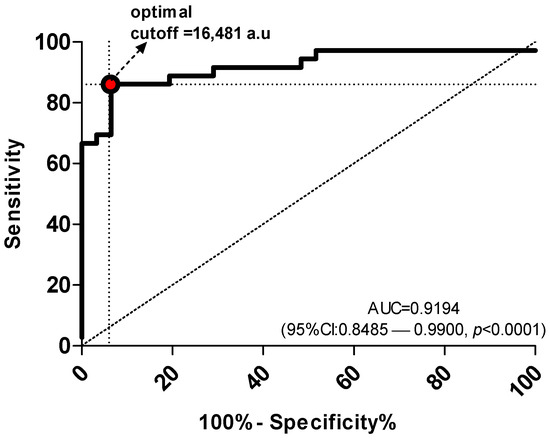
Cervical cancer is associated with persistent human papillomavirus (HPV) infections. The early detection of HPV is one of the key strategies for the effective treatment of cervical cancer. Current HPV molecular detection methods use enzyme-based nucleic acid amplification strategies that, although specific and sensitive, involve extensive workflows. Enzyme-free isothermal amplification detection strategies with the potential to adapt to low-resource settings for HPV oncogenic transcripts remain limited. This study aimed to validate a fluorescence-based branched hybridization chain reaction (bHCR) assay for the targeted detection of HPV 16/35 E6 oncogenic transcripts. Analytical performance was evaluated using a synthetic target and a negative clinical matrix, whereas the diagnostic performance of the bHCR assay was evaluated using clinically characterized samples (n = 67). The study demonstrated assay linearity over an analyte concentration range of 0.625–40 µM, with a statistically significant correlation between the fluorescence signal and target concentration (r2 = 0.928, p < 0.0001). Analytical accuracy was assessed by pre-extraction spike recovery; achieved recoveries ranged from 70% to 86%, indicating potential RNA loss during the assay workflow. Analytical sensitivity determined the background signal threshold limit of blank (LoB) as 16,251.6 RFU, with detection and quantification at concentrations of 0.0625 µM (≈2.6 × 10¹¹ copies per reaction, limit of detection (LoD) and 0.125 µM (≈5.3 × 10¹¹ copies per reaction, limit of quantification (LoQ). The assay exhibited high diagnostic performance, with a diagnostic cut-off of 16,481 RFU and an area under the curve (AUC) of 0.9194. Specificity and sensitivity of the assay were 94% and 86%, respectively, with a Negative Predictive Value (NPV) of 85% and a Positive Predictive Value (PPV) of 94%. These findings demonstrate a reliable analytical assay with excellent diagnostic discrimination and warrant further optimization and expanded clinical validation.
Full article

Figure 1
Open AccessReview
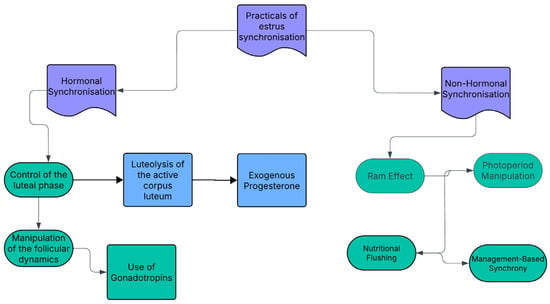
Hormonal and Non-Hormonal Estrus Synchronization in Sheep and Goats: Physiological Basis, Efficacy, and Practical Applications
by
Daniel Berean, Liviu Marian Bogdan, Simona Ciupe and Raluca Cimpean
Appl. Biosci. 2026, 5(2), 35; https://doi.org/10.3390/applbiosci5020035 - 1 May 2026
Abstract
Efficient reproductive management is essential for optimizing productivity and sustainability in sheep and goat production systems. Estrus synchronization (ES) has emerged as a pivotal tool for coordinating mating, enhancing fertility, facilitating artificial insemination (AI), and supporting out-of-season breeding. Hormonal protocols, including progesterone devices,
[...] Read more.
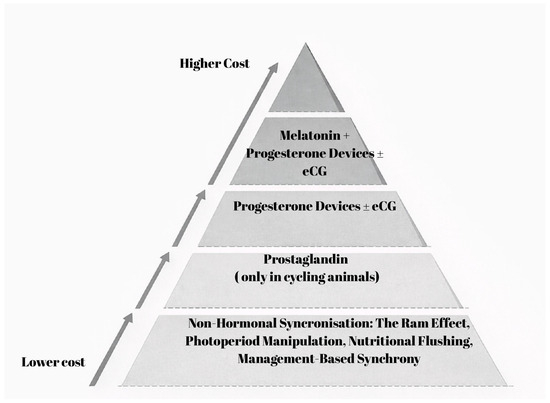
Efficient reproductive management is essential for optimizing productivity and sustainability in sheep and goat production systems. Estrus synchronization (ES) has emerged as a pivotal tool for coordinating mating, enhancing fertility, facilitating artificial insemination (AI), and supporting out-of-season breeding. Hormonal protocols, including progesterone devices, prostaglandins, and gonadotropin or gonadoliberine treatments, provide the highest precision in estrus and ovulation timing, with estrus response rates exceeding 90% and conception rates commonly between 65–85%. These methods are particularly effective in intensive or AI-based systems but are constrained by cost, labor, regulatory restrictions, and welfare considerations. Non-hormonal strategies, such as the ram effect, photoperiod manipulation, nutritional flushing, and management-based interventions, exploit natural physiological, socio sexual, and nutritional cues to partially synchronize estrus. While these approaches exhibit greater variability and lower precision than hormonal methods, they offer advantages in low input, organic, and extensive systems by improving reproductive clustering, ovulation, and lambing compactness. Among these, the ram effect is the most effective and widely applicable. Integrated reproductive management, combining hormonal or non-hormonal strategies with optimized nutrition, health, and flock management, is critical for achieving predictable and sustainable reproductive outcomes. Future research should focus on refining hormone-sparing protocols and enhancing the reliability of natural synchronization methods.
Full article
(This article belongs to the Special Issue Feature Reviews for Applied Biosciences)
►▼
Show Figures

Figure 1
Open AccessReview
Implementation of Generative AI in Biomedical Research and Healthcare
by
Anastasios Nikolopoulos and Vangelis D. Karalis
Appl. Biosci. 2026, 5(2), 34; https://doi.org/10.3390/applbiosci5020034 - 1 May 2026
Abstract
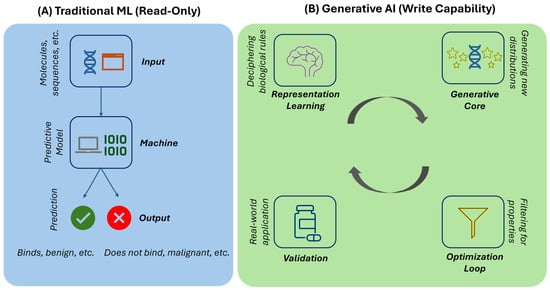
Artificial intelligence has evolved to generative AI (GenAI), a paradigm shift that has shifted the emphasis away from the evaluation of existing patterns to the generation of novel biological and medical material. This study examines GenAI achievements in biosciences and medical fields the
[...] Read more.
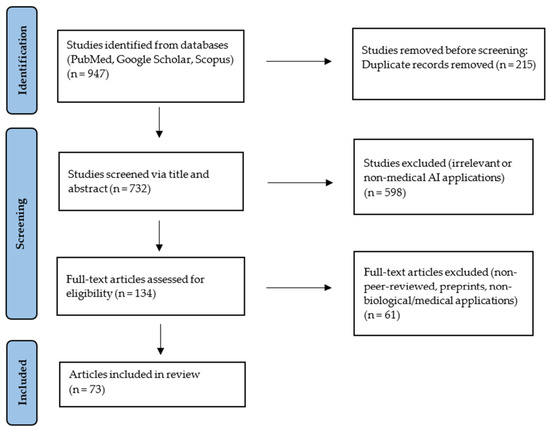
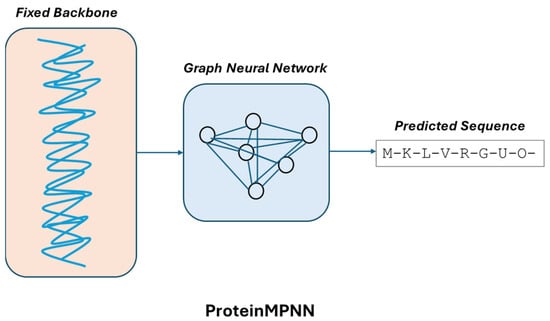
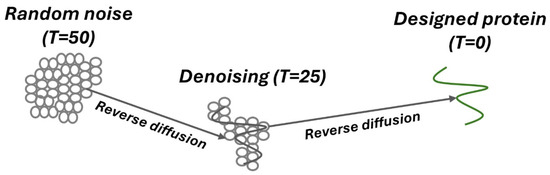
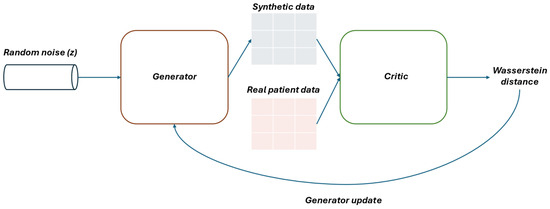
Artificial intelligence has evolved to generative AI (GenAI), a paradigm shift that has shifted the emphasis away from the evaluation of existing patterns to the generation of novel biological and medical material. This study examines GenAI achievements in biosciences and medical fields the last five years in these fields using databases such as PubMed and Scopus. The paper highlights the recent evolution in biomedical research from virtual screening to de novo design. It illustrates how models like RFdiffusion and ProteinMPNN leverage “inverse folding” to assemble novel of proteins and drugs. Ultimately, these generative methods yield candidate with enhanced binding affinity and structural stability. For example, exploratory studies suggest GenAI has the potential to address inefficiencies via automatic documentation in the therapeutic sector, and it may enhance research capabilities by using Generative Adversarial Networks (GANs) and Variational Autoencoders (VAEs) to generate synthetic clinical trial data that preserves confidentiality. In addition, the review argues that though GenAI democratizes medical education through scalable simulations, it raises questions about long-term knowledge retention. Finally, GenAI also offers a transformative “write” capability for biology, but its responsible application will require addressing model “hallucinations” and building Explainable AI (XAI) and robust ethical frameworks.
Full article
(This article belongs to the Special Issue Feature Reviews for Applied Biosciences)
►▼
Show Figures

Figure 1
Open AccessArticle
Impact of Apple Cold Storage on the Physicochemical and Bioactive Quality of Juice
by
Ana-Marija Gotal Skoko, Ivana Flanjak, Dajana Gašo-Sokač, Martina Skendrović Babojelić, Bojan Šarkanj, Ivana Tomac, Valentina Obradović and Ante Lončarić
Appl. Biosci. 2026, 5(2), 33; https://doi.org/10.3390/applbiosci5020033 - 14 Apr 2026
Abstract
This study compared the quality and bioactive composition of cloudy apple juices produced from four traditional and four conventional apple cultivars immediately after harvest and following cold storage of the fruit at 4 °C for three and six months. Apples were harvested at
[...] Read more.
This study compared the quality and bioactive composition of cloudy apple juices produced from four traditional and four conventional apple cultivars immediately after harvest and following cold storage of the fruit at 4 °C for three and six months. Apples were harvested at the ripening stage at the same criteria, stored as whole fruit, and processed into cloudy juice after harvest, three, and six months of storage. Physicochemical parameters and sugar composition were determined, while phenolic compounds were quantified by HPLC-PDA. Antioxidant activity, total phenolic, and flavonoid content were measured spectrophotometrically. All analyses were performed in technical triplicate. The results revealed notable differences between traditional and conventional cultivars. Juices produced from traditional apple cultivars exhibited significantly higher total polyphenol and flavonoid contents than those from conventional cultivars. Significant variations in catechin, myricetin, quercetin, and epigallocatechin levels were also observed among cultivars. The traditional apple cultivar ‘Mašanka’ showed higher concentrations of quercetin (0.09 ± 0.01 µg/mL), chlorogenic acid (486.58 ± 5.48 µg/mL), catechin (8.76 ± 0.54 µg/mL), epicatechin (20.22 ± 0.20 µg/mL), and phloridzin (13.48 ± 0.19 µg/mL) compared to the other cultivars. In contrast, conventional cultivars showed higher concentrations of myricetin and procyanidin B1. Moreover, the content of TA, sucrose, and glucose decreased, whereas pH, fructose, TSS (except for ‘Fuji’ and ‘Granny Smith’) increased. The TFC decreased in traditional apple cultivars, while it increased in conventional cultivars; however, the TFC in conventional cultivars remained lower than in traditional ones. Overall, these findings demonstrate that the cold storage of apples significantly affects juice composition and highlight the advantages of traditional apple cultivars for producing juices with enhanced phenolic content and antioxidant activity.
Full article
(This article belongs to the Special Issue Plant Natural Compounds: From Discovery to Application (2nd Edition))
Open AccessArticle
An Ensemble Learning-Based Early Warning Framework for Brucellosis Outbreaks in High-Altitude Pastoral Systems
by
Liu Xi, Faez Firdaus Abdullah Jesse, Bura Thlama Paul, Eric Lim Teik Chung and Mohd Azmi Mohd Lila
Appl. Biosci. 2026, 5(2), 32; https://doi.org/10.3390/applbiosci5020032 - 13 Apr 2026
Abstract
►▼
Show Figures
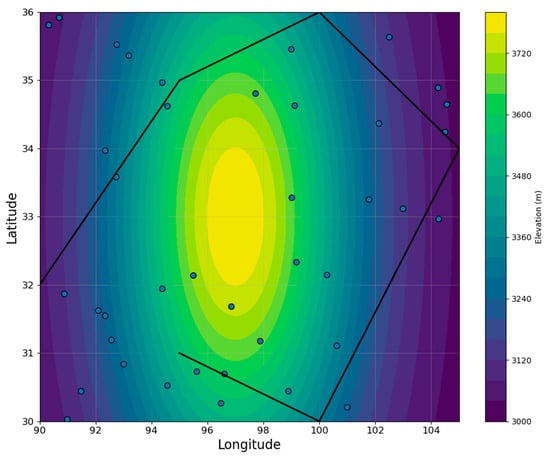
Brucellosis poses a persistent threat to livestock health in high-altitude pastoral regions of China, where harsh environments and semi-nomadic grazing increase transmission risk. Existing surveillance systems rely mainly on periodic serological testing and lack effective early warning capability. This study proposes an ensemble
[...] Read more.
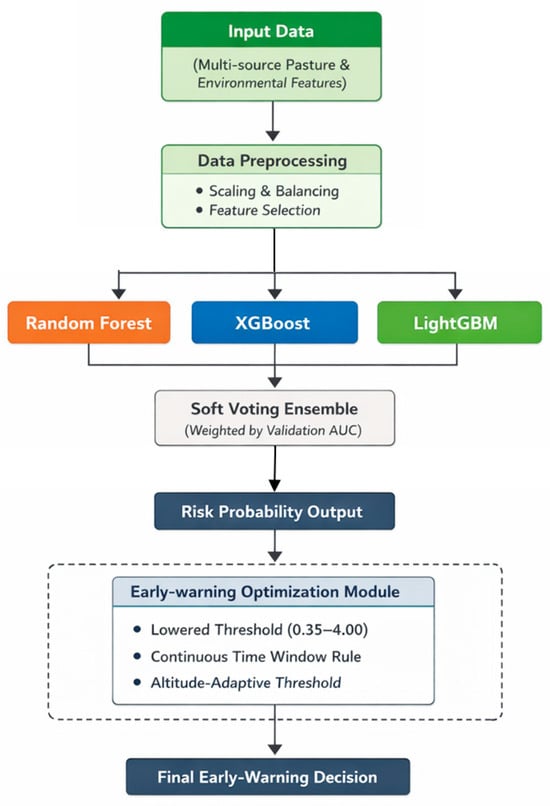
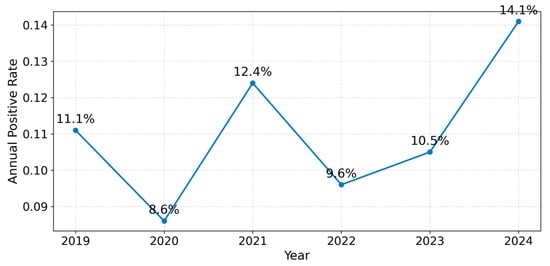
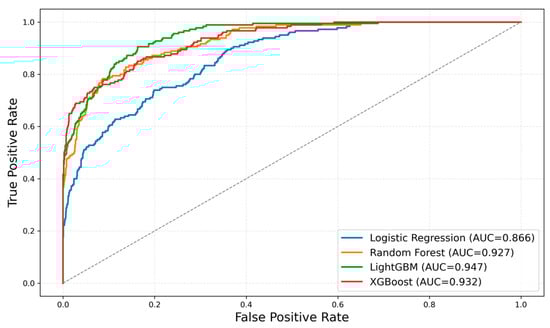
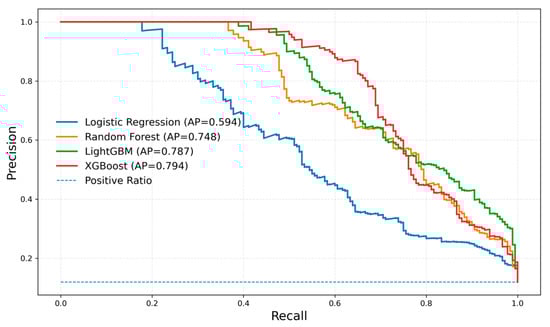
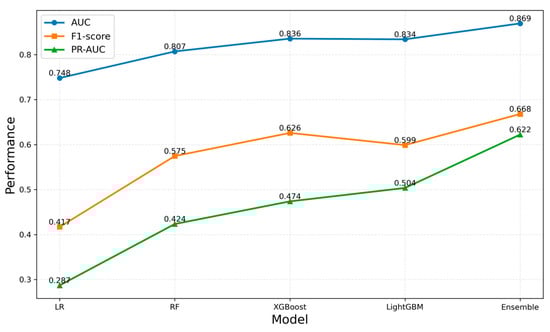
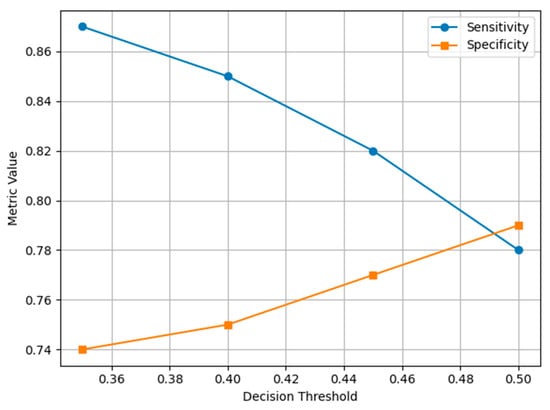
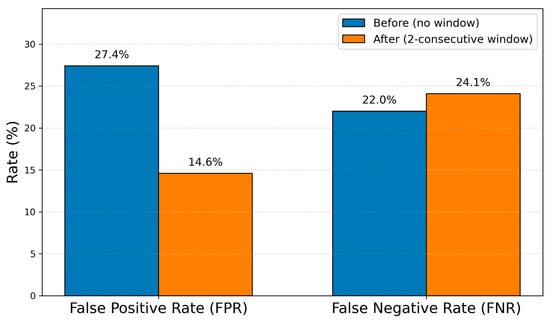
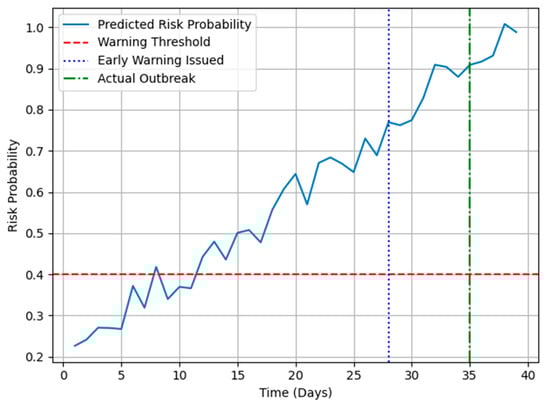
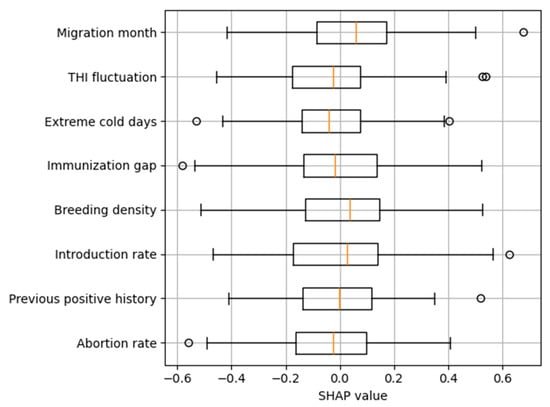
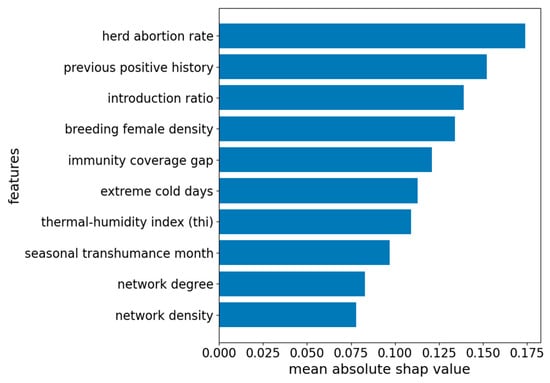
Brucellosis poses a persistent threat to livestock health in high-altitude pastoral regions of China, where harsh environments and semi-nomadic grazing increase transmission risk. Existing surveillance systems rely mainly on periodic serological testing and lack effective early warning capability. This study proposes an ensemble learning-based early warning framework integrating veterinary epidemiological indicators with environmental and herd-movement data. A total of 4826 herd-level records collected over five years (2019–2024) were analyzed, with an overall positivity rate of 11.4%. Multi-source data, including serological, clinical, reproductive, vaccination, meteorological, pasture-management, and herd-movement information (from GPS tracking and structured surveys), were integrated through epidemiology-guided feature engineering. To address class imbalance and temporal dynamics, Synthetic Minority Over-sampling Technique (SMOTE) resampling and sliding time-window features were applied. The proposed ensemble model combines Random Forest, XGBoost, and LightGBM using a soft-voting strategy, with logistic regression as a baseline. Results show that the ensemble model outperforms single models, achieving an AUC of 0.86 and a PR-AUC of 0.65. After threshold optimization, sensitivity increased from 0.78 to 0.87. Under field conditions, the system provided herd-level early warnings with an average lead time of approximately 12 days before confirmed outbreaks, demonstrating its feasibility and practical value for proactive brucellosis surveillance in high-altitude pastoral systems.
Full article

Figure 1
Open AccessArticle
Game Theory and Artificial Life Models for Prostate Cancer Growth and the Evaluation of Therapeutic Regimens
by
Dimitrios Morakis, Athanasia Kotini, Alexandra Giatromanolaki and Adam Adamopoulos
Appl. Biosci. 2026, 5(2), 31; https://doi.org/10.3390/applbiosci5020031 - 7 Apr 2026
Abstract
►▼
Show Figures
Castrate-resistant prostate cancer (PCa) is a critical situation in which many patients will relapse. Hormonal androgen deprivation therapy (HADT) is the gold standard of care when a patient relapses, following primary surgical or radiation therapy. Usually, the benefits from HADT are poor and
[...] Read more.
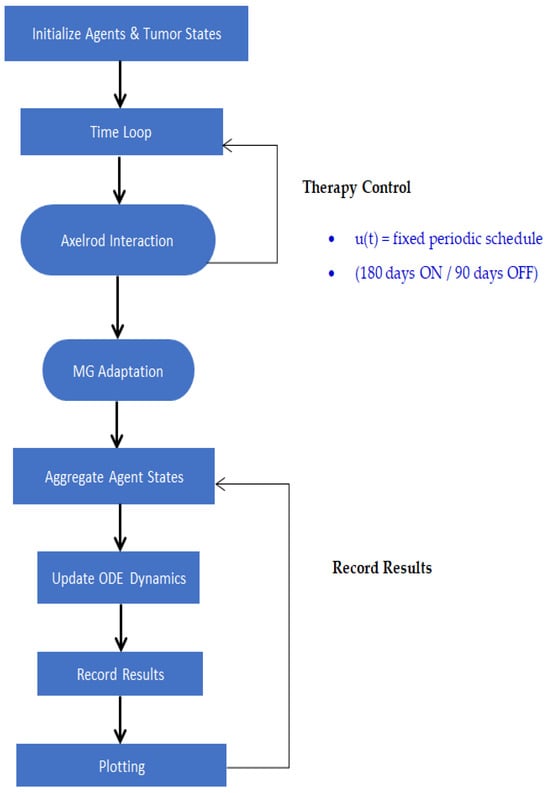
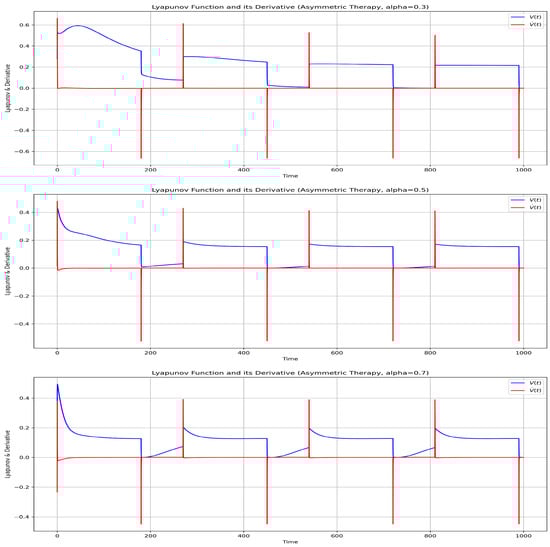
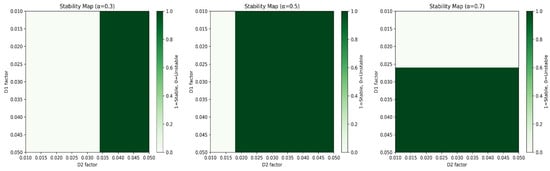
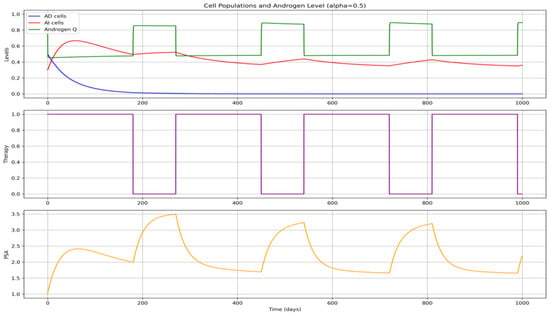
Castrate-resistant prostate cancer (PCa) is a critical situation in which many patients will relapse. Hormonal androgen deprivation therapy (HADT) is the gold standard of care when a patient relapses, following primary surgical or radiation therapy. Usually, the benefits from HADT are poor and recurrent disease after HADT treatment is termed castrate-resistant prostate cancer (CRPC), which is in most cases fatal. The therapeutic regimens for CRPC include chemotherapy with docetaxel, immunotherapy agent sipuleucel-T, the taxane cabazitaxel, the CYP17 inhibitor abiraterone acetate and the androgen receptor (AR) antagonist enzalutamide. Thus, it is imperative to study the inherent property of prostate cancer cells, to resist therapy and reconsider the therapeutic protocols (continuous v’s intermittent). We make use of a hybrid mathematical model which consists of an extension of a very potent ordinary differential equation (ODE) Baez–Kuang model, combined with two Game Theory components: the Minority Game for adaptive behavior and the Axelrod model for heterogeneity behavior. Our study suggests that increasing tumor adaptability, through Minority Game dynamics, improves short-term prostatic-specific antigen (PSA) control and stabilizes therapy cycles. However, this comes at the cost of driving the tumor to a homogeneous, androgen-independent (AI) state, which is therapy-resistant. Conversely, maintaining heterogeneity, via Axelrod dynamics, sustains a mixed population, with androgen-dependent (AD) cells persisting longer and potentially delaying resistance emergence.
Full article

Figure 1
Open AccessReview
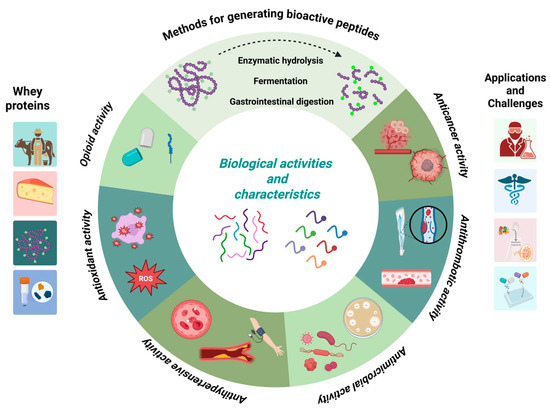
Applied Advances in Whey Bioactive Peptides: Enzymatic Generation, Mechanisms of Action, and Health-Related Applications
by
Génesis K. González-Quijano, José Roberto González-Reyes, Ilse Monroy-Rodríguez, Esmeralda Rangel-Vargas, Ciro Baruchs Muñoz-Llandes and Fabiola Araceli Guzmán-Ortiz
Appl. Biosci. 2026, 5(2), 30; https://doi.org/10.3390/applbiosci5020030 - 7 Apr 2026
Abstract
Whey is a major by-product of the dairy industry and represents a valuable source of proteins that can be enzymatically converted into bioactive peptides with diverse health-related functions. In recent years, increasing attention has been given to whey-derived peptides due to their antioxidant,
[...] Read more.
Whey is a major by-product of the dairy industry and represents a valuable source of proteins that can be enzymatically converted into bioactive peptides with diverse health-related functions. In recent years, increasing attention has been given to whey-derived peptides due to their antioxidant, antihypertensive, antimicrobial, anti-inflammatory, antithrombotic, immunomodulatory, and anticancer activities, highlighting their potential use as functional ingredients and nutraceutical compounds. The generation and biological functionality of these peptides are strongly influenced by the protein source, processing conditions, enzymatic or microbial hydrolysis strategies, and peptide structure. Unlike the existing literature, this review provides an analysis of individual peptide sequences, meticulously linking their specific chemical structures to their diverse biological activities, such as antioxidants, antihypertensive, and immunomodulatory effects. By moving beyond general protein hydrolysis, this work offers a unique comparative framework that evaluates how these distinct peptide fractions perform under industrial conditions. Furthermore, it bridges the gap between laboratory discovery and commercial implementation, focusing on critical parameters for large-scale production, stability in functional food matrices, and the regulatory pathways required for market-ready nutraceuticals. This integrated approach provides a strategic roadmap for translating molecular bioactivity into high-value industrial applications. This review provides an applied overview of recent advances in the production of whey bioactive peptides, emphasizing enzymatic generation methods, structure–activity relationships, and underlying mechanisms of action associated with their biological effects. In addition, current and emerging applications of whey-derived peptides in functional foods, nutraceuticals, and health-oriented formulations are critically discussed. Finally, key challenges related to peptide stability, bioavailability, industrial scalability, and regulatory aspects are addressed to identify future perspectives for the effective translation of whey bioactive peptides from research to practical applications.
Full article
(This article belongs to the Special Issue Functional Food: Molecular Nutrition, Emerging Technologies and Applications)
►▼
Show Figures

Figure 1
Open AccessArticle
Role of Luminal Calcium in the Permeation of Phytate Across Caco-2 Monolayer
by
Theresa Bäuerle, Christina Kunz and Karlis Briviba
Appl. Biosci. 2026, 5(2), 29; https://doi.org/10.3390/applbiosci5020029 - 3 Apr 2026
Abstract
►▼
Show Figures
Phytate (myo-inositol hexakisphosphate) is a polyphosphate found in plant-based foods whose intestinal absorption mechanisms are insufficiently understood. Due to its high affinity for calcium, phytate can deplete extracellular calcium and potentially affect tight junction integrity, which could increase paracellular permeability. This study investigated
[...] Read more.
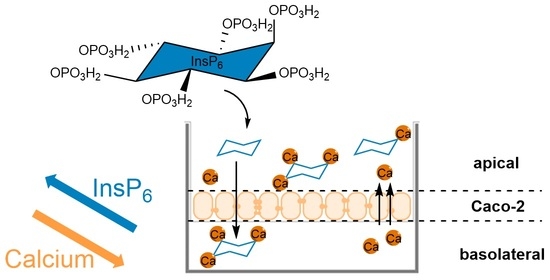
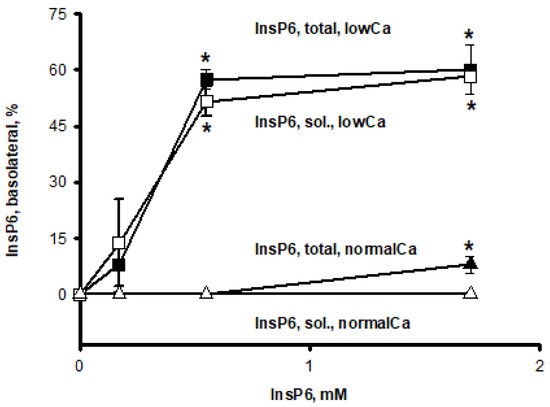
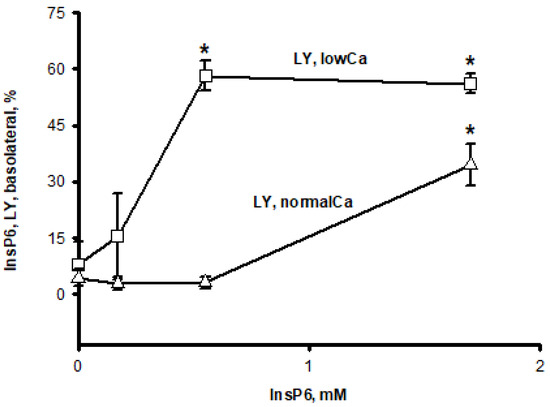
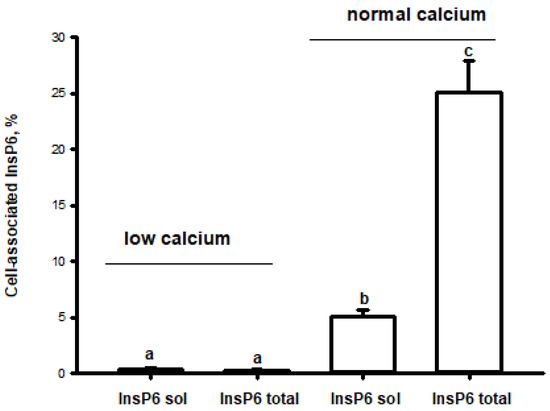
Phytate (myo-inositol hexakisphosphate) is a polyphosphate found in plant-based foods whose intestinal absorption mechanisms are insufficiently understood. Due to its high affinity for calcium, phytate can deplete extracellular calcium and potentially affect tight junction integrity, which could increase paracellular permeability. This study investigated the permeation of phytate across Caco-2 cell monolayers depending on calcium concentration. Differentiated Caco-2 cells were cultured on semi-permeable membranes and incubated with various phytate concentrations (0.17–1.66 mM) in media with low (2.1 µM) or normal (1.8 mM) calcium concentration. Phytate permeability and tight junction integrity were analyzed using HPLC and Lucifer yellow as a paracellular marker. At low calcium concentration, significant permeability was observed starting from 0.55 mM phytate (~60% at 1.66 mM), while at normal calcium concentration, significant permeability was only detectable at 1.66 mM. The increased Lucifer yellow permeation correlated with phytate permeation and confirmed tight junction disruption. Phytate that reached the basolateral side at physiological calcium concentration precipitated completely as insoluble calcium–phytate complex. These results demonstrate that phytate can pass intestinal epithelium via the paracellular pathway and increase the paracellular permeability, especially at low apical concentrations of calcium.
Full article

Graphical abstract
Open AccessArticle
Three Spectrin-Sensitive Dielectric Relaxations in RBC Membrane: Relation to RBC Deformability and Surface Properties
by
Ivan T. Ivanov and Boyana K. Paarvanova
Appl. Biosci. 2026, 5(2), 28; https://doi.org/10.3390/applbiosci5020028 - 2 Apr 2026
Abstract
►▼
Show Figures
Two spectrin-sensitive relaxations have been reported in the RBC plasma membrane: βs (1.4 MHz, related to the interface β-relaxation) and γ1s (9 MHz, rotation alignment of spectrin-bound dipoles by penetrating electric field). Here, a third (αs) relaxation type is
[...] Read more.
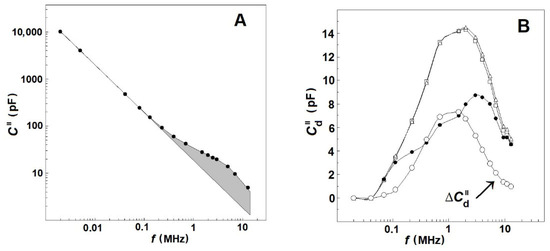
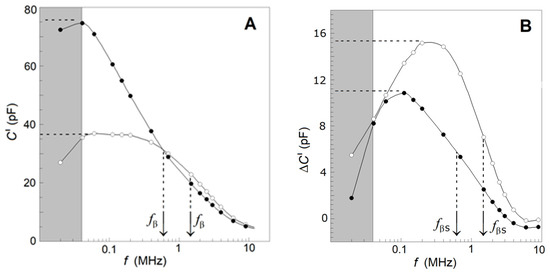
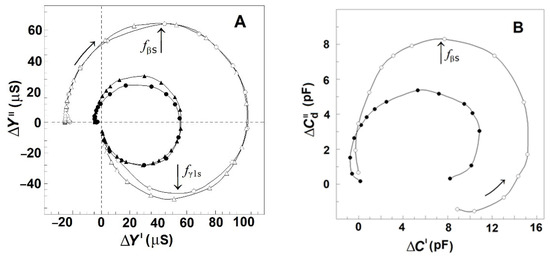
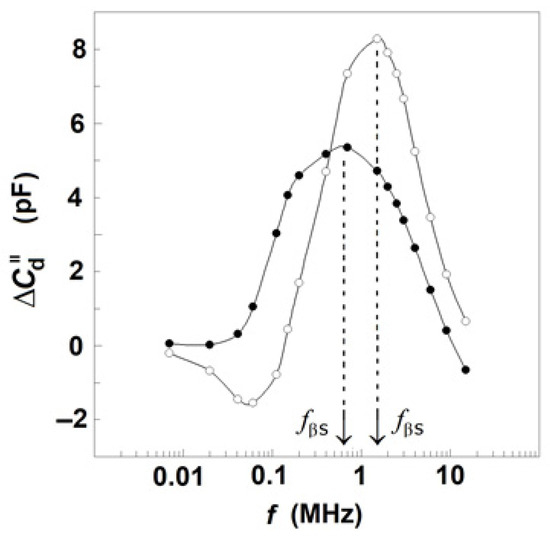
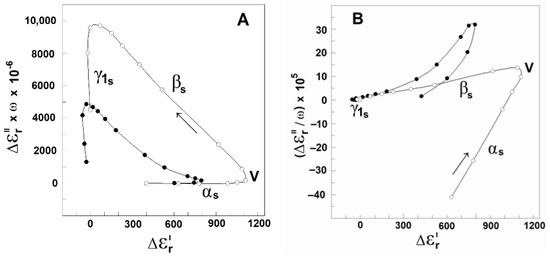
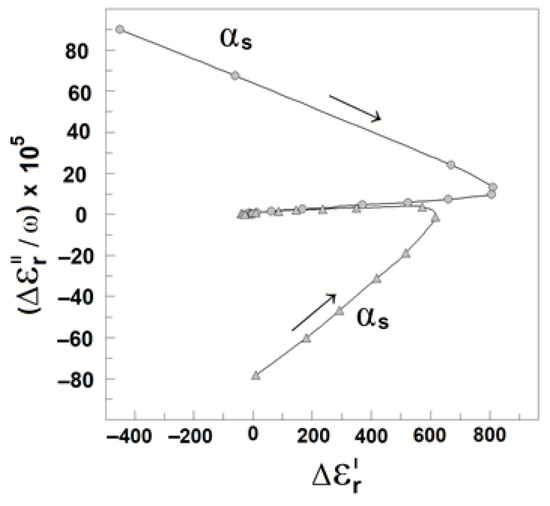
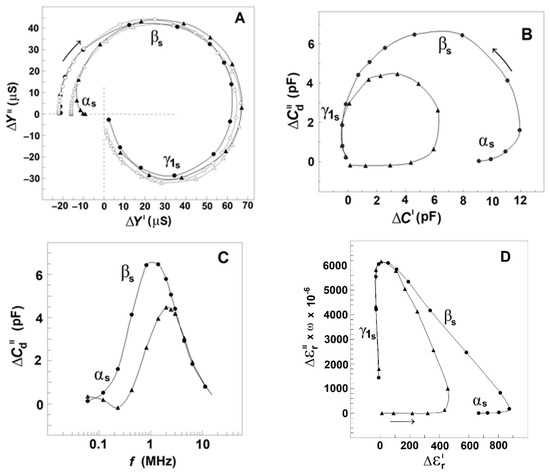
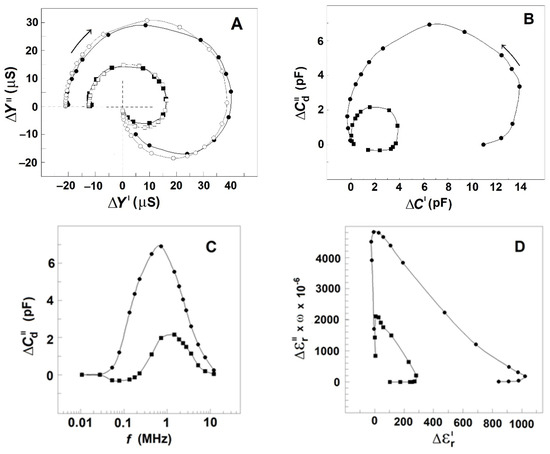
Two spectrin-sensitive relaxations have been reported in the RBC plasma membrane: βs (1.4 MHz, related to the interface β-relaxation) and γ1s (9 MHz, rotation alignment of spectrin-bound dipoles by penetrating electric field). Here, a third (αs) relaxation type is reported within the frequency region of surface (α) relaxation. With low-ion-strength outside media, the adsorption of blood plasma immunoglobulins on RBCs was found to inhibit βs and γ1s relaxations, while αs relaxation was enforced with strong inflammation. The three relaxations are represented by three consecutive segments on the Cole′s plots: Δεrd″.ω against Δεr′ and Δεrd″/ω against Δεr′. Here, ω is the frequency of the field and Δεr* = Δεr′ + j.Δεrd″ is the change in the relative complex dielectric permittivity of RBC suspension at the denaturation temperature of spectrin. The βs segment in Δεrd″.ω against the Δεr′ plot could be regarded as a vector (complex number) whose projection on the vertical axis (the irreversible loss in energy) could express the ability of the plasma membrane to deform (under the impact of shear stress).
Full article

Figure 1
Open AccessCommunication
Effect of Feeding Lactic Acid Bacteria from Agave in Caenorhabditis elegans Lifespan, Heat Shock and Acute Oxidative Stress
by
Vania Lizett Lucas-Hernández, Liliana Lugo-Zarate, Diana Patricia Olivo-Ramírez, Estefani Yaquelin Hernández-Cruz, José Pedraza-Chaverri and Angélica Saraí Jiménez-Osorio
Appl. Biosci. 2026, 5(2), 27; https://doi.org/10.3390/applbiosci5020027 - 2 Apr 2026
Abstract
The food industry has a strong interest in lactic acid bacteria (LAB) because of their probiotic potential and health advantages. LAB have been previously isolated from pulque and agave sap, showing antibacterial action. However, their reaction to stress can limit their survivability, and
[...] Read more.
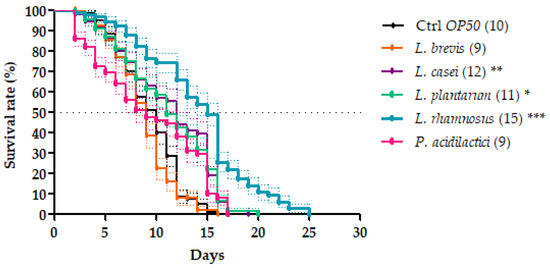
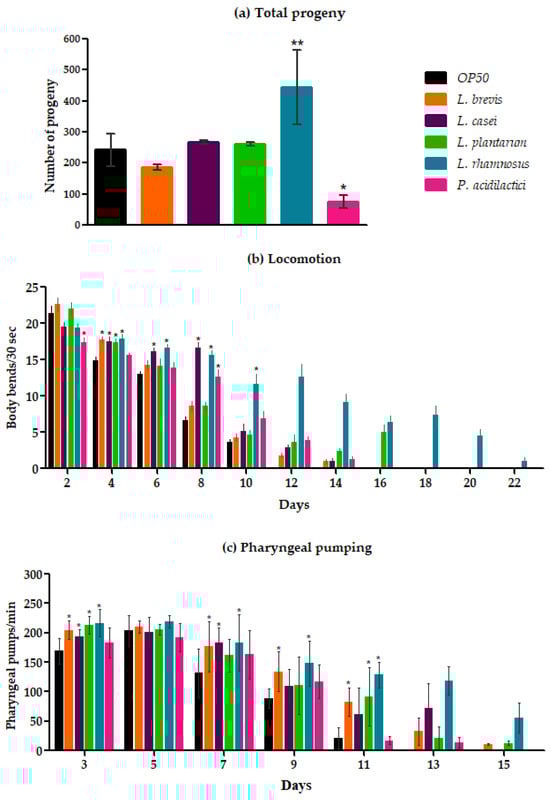
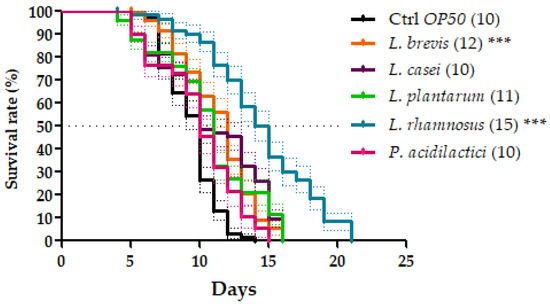
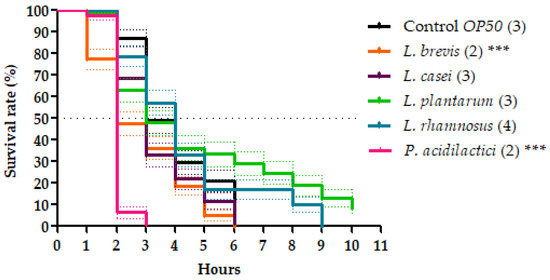
The food industry has a strong interest in lactic acid bacteria (LAB) because of their probiotic potential and health advantages. LAB have been previously isolated from pulque and agave sap, showing antibacterial action. However, their reaction to stress can limit their survivability, and their biological activities are strain-specific. To ascertain the impact of LAB isolated from pulque and agave sap on lifespan, thermal and oxidative stress, and health span parameters, we fed the nematode Caenorhabditis elegans these bacteria. The nematodes fed the Escherichia coli OP50 strain were utilized as a control for each experiment. Animals were fed each strain for four days starting from L4 and either (day 5) exposed to oxidative stress caused by high hydrogen peroxide concentrations (8 mM) or acute heat stress (35 °C) for four hours. The strains Lacticaseibacillus rhamnosus and Lactiplantibacillus plantarum significantly improved lifespan, fertility, movement, and heat shock resistance. Lacticaseibacillus casei enhanced the C. elegans lifespan, and Levilactobacillus brevis only increased its survivability in the heat shock studies. Interestingly, we discovered a harmful impact on animals fed Pediococcus acidilactici. This study highlights that, even when strains come from the same plant source, their biological activity might differ significantly.
Full article
(This article belongs to the Special Issue Plant Natural Compounds: From Discovery to Application (2nd Edition))
►▼
Show Figures

Figure 1
Open AccessArticle
Multi-Platform Expression Analyses Reveal a Putative INHBA-SERPINE2-SDF2L1 Co-Regulated Module in the Bovine Cumulus–Oocyte Complex
by
Beatriz Elena Castro-Valenzuela, Tannia Janeth Vega-Montoya, Blanca Sánchez-Ramírez, Álvaro Vargas-Cázares, Moisés Armides Franco-Molina and M.Eduviges Burrola-Barraza
Appl. Biosci. 2026, 5(2), 26; https://doi.org/10.3390/applbiosci5020026 - 2 Apr 2026
Abstract
►▼
Show Figures
Bidirectional communication between the oocyte and surrounding follicular cells coordinates follicle growth, meiotic maturation, and the acquisition of competence. We aimed to identify genes related to follicular crosstalk and the secretory pathway as candidate mediators of cumulus–oocyte complex (COC) crosstalk in cattle. Expressed
[...] Read more.
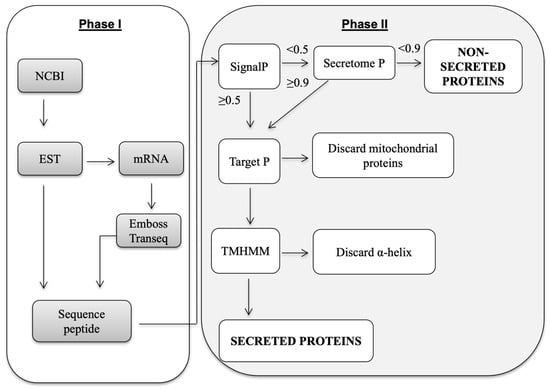
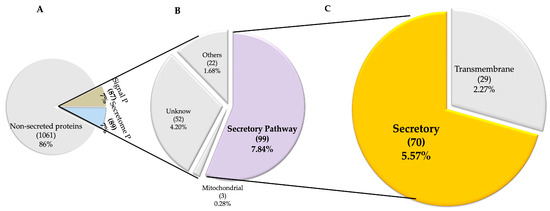
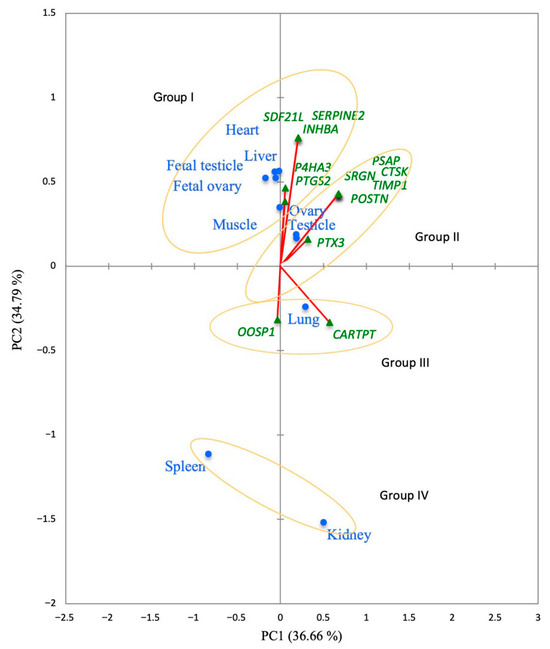
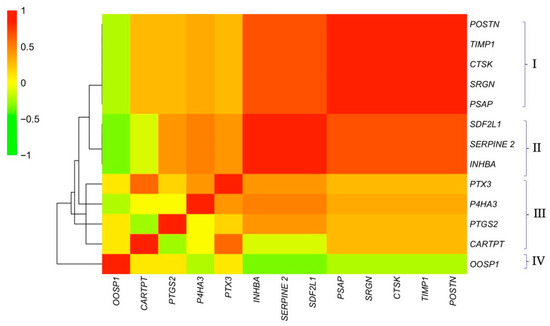
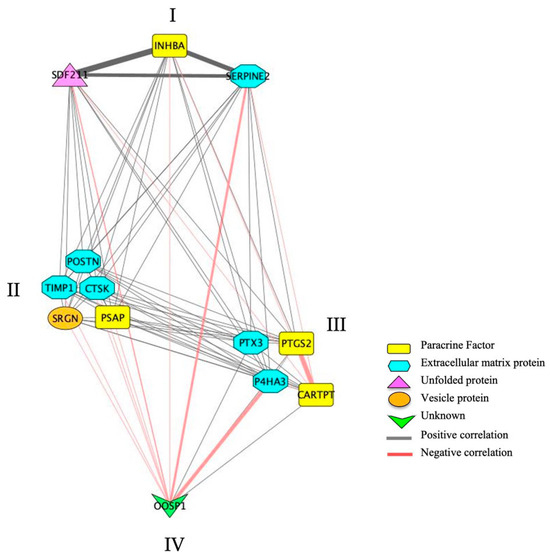
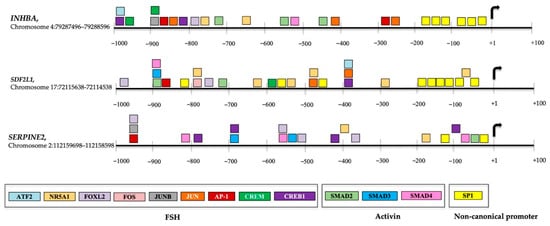
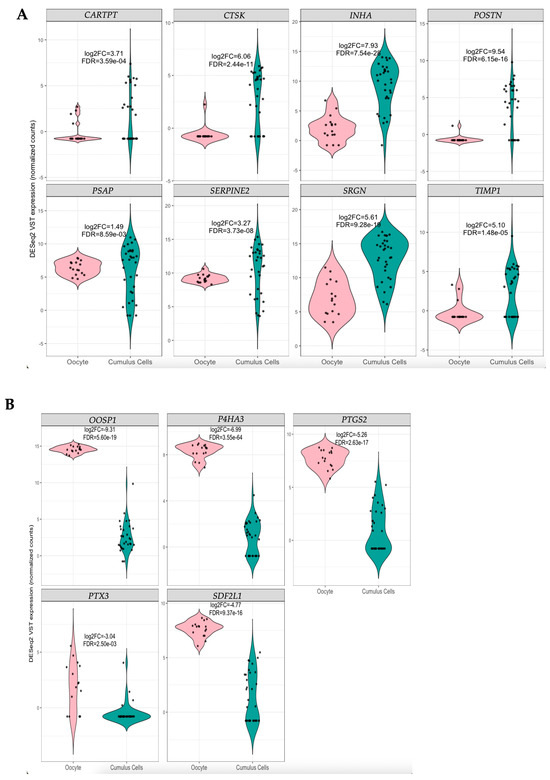
Bidirectional communication between the oocyte and surrounding follicular cells coordinates follicle growth, meiotic maturation, and the acquisition of competence. We aimed to identify genes related to follicular crosstalk and the secretory pathway as candidate mediators of cumulus–oocyte complex (COC) crosstalk in cattle. Expressed sequence tags (ESTs) from bovine COCs were retrieved from databases and screened for genes related to secretion and the secretory pathway using SignalP and SecretomeP, and transmembrane proteins were removed, yielding 13 candidate genes. Candidate expression was examined in two GEO RNA-seq datasets to assess enrichment in oocytes versus cumulus cells. RT–qPCR profiling across tissues and reproductive cell types enabled principal component analysis and correlation/network analysis, visualized as heatmaps and Cytoscape, revealing an INBHA-SERPINE2-SDF2L1 co-expression pattern. INHBA and SERPINE2 protein products are secreted, whereas SDF2L1 protein is a secretory pathway-associated, endoplasmic reticulum-resident chaperone. Promoter sequences of INHBA, SERPINE2, and SDF2L1 were scanned with FIMO using JASPAR motifs, identifying shared SMAD-associated motifs and FSH/cAMP-related motif families. The data support a co-regulation model in which endocrine FSH/cAMP and activin/TGF-β–SMAD inputs converge on a shared transcriptional program consistent with a putative INHBA–SERPINE2–SDF2L1 co-regulated module, linking cumulus extracellular matrix remodeling/protease control with oocyte ER protein folding capacity during COC maturation.
Full article

Figure 1
Journal Menu
► ▼ Journal Menu-
- Applied Biosciences Home
- Aims & Scope
- Editorial Board
- Topical Advisory Panel
- Early Career Editorial Board
- Instructions for Authors
- Special Issues
- Topics
- Article Processing Charge
- Indexing & Archiving
- Editor’s Choice Articles
- Most Cited & Viewed
- Journal Statistics
- Journal History
- Journal Awards
- Conferences
- Editorial Office
Journal Browser
► ▼ Journal BrowserHighly Accessed Articles
Latest Books
E-Mail Alert
News
Topics
Topic in
Applied Biosciences, Applied Microbiology, JoF
Fungi in the Circular Economy
Topic Editors: Giuseppe Venturella, Lillian BarrosDeadline: 31 July 2026
Topic in
Applied Biosciences, Applied Sciences, Fermentation, Marine Drugs, Microorganisms, Phycology
Microalgae: Current Trends in Basic Research and Applications
Topic Editors: Nhuan Nghiem, Tae Hyun KimDeadline: 30 September 2026
Topic in
Applied Sciences, Dentistry Journal, Polymers, Applied Biosciences, Bioengineering, Materials
Advances in Biomaterials—2nd Edition
Topic Editors: Satoshi Komasa, Yoshiro Tahara, Tohru Sekino, Hideaki Sato, Yoshiya Hashimoto, Tetsuya AdachiDeadline: 31 December 2026
Topic in
Compounds, Medicines, Molecules, Plants, Separations, Applied Biosciences, Life, Pharmaceuticals
Research on Natural Products of Medical Plants
Topic Editors: Cristiane Aguiar Da Costa, Graziele Freitas De BemDeadline: 5 March 2027
Conferences
Special Issues
Special Issue in
Applied Biosciences
Feature Reviews for Applied BiosciencesGuest Editor: Robert HenryDeadline: 30 June 2026
Special Issue in
Applied Biosciences
Plant Natural Compounds: From Discovery to Application (2nd Edition)
Guest Editors: Adriana Basile, Viviana Maresca, Alessia PostiglioneDeadline: 31 July 2026
Special Issue in
Applied Biosciences
Neural Networks and Deep Learning for Biosciences, 2nd Edition
Guest Editor: Nikolaos KourkoumelisDeadline: 30 September 2026
Special Issue in
Applied Biosciences
Functional Food: Molecular Nutrition, Emerging Technologies and Applications
Guest Editor: Sanggil LeeDeadline: 31 January 2027