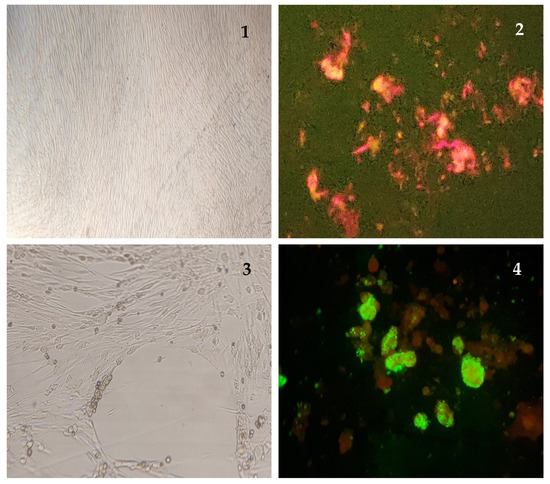



-
Role of Plant Growth Promoting Microbes in Plant Growth and Development -
Practical Insights and Emerging Trends for Strategic Cloning of Large Biosynthetic Gene Clusters from Bacteria -
Metagenomic and Proxy Monitoring of Surfactant Degradation by Microbial Consortia from Oil-Contaminated Soil -
Microbial Reservoirs in Artisanal Dairy Products from Spain and Algeria Harbor Lactic Acid Bacteria with Significant Gluten-Degrading Activity
Journal Description
Applied Microbiology
is an international, peer-reviewed, open access journal on application of microorganisms published monthly online by MDPI.
- Open Access— free for readers, with article processing charges (APC) paid by authors or their institutions.
- High Visibility: indexed within Scopus, EBSCO, Embase, and other databases.
- Journal Rank: CiteScore - Q2 (Biochemistry, Genetics and Molecular Biology (miscellaneous))
- Rapid Publication: manuscripts are peer-reviewed and a first decision is provided to authors approximately 16.2 days after submission; acceptance to publication is undertaken in 4.1 days (median values for papers published in this journal in the second half of 2025).
- Recognition of Reviewers: APC discount vouchers, optional signed peer review, and reviewer names published annually in the journal.
- Applied Microbiology is a companion journal of Microorganisms.
- Journal Cluster of Microbiology: Acta Microbiologica Hellenica, Applied Microbiology, Bacteria, Journal of Fungi, Microorganisms, Microbiology Research, Pathogens and Viruses.
Latest Articles
Diversity of Fusarium spp. in Pomelo (Citrus maxima (Burm.) Merr.) Orchards Riskily Caused Root Rot and Yellow Leaf Disease, and the Control Approach
Appl. Microbiol. 2026, 6(5), 58; https://doi.org/10.3390/applmicrobiol6050058 - 1 May 2026
Abstract
►
Show Figures
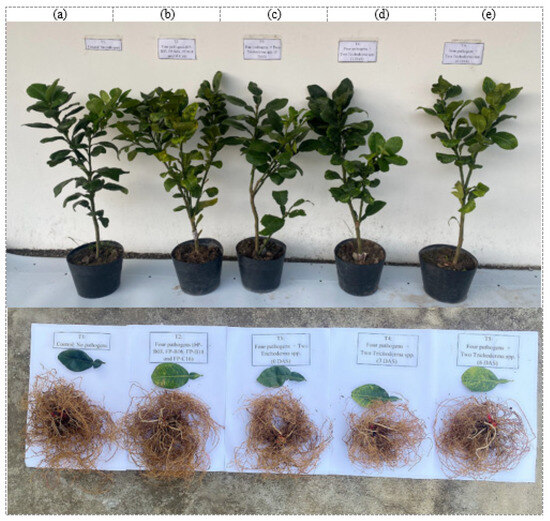
Diseases caused by Fusarium spp. vary around the world. It is important to determine the causals agents and indigenous antagonists against these pathogens. Thus, this study aimed to (i) determine the pathogens of root rot and yellow leaf disease (RRYLD), (ii) select Trichoderma
[...] Read more.
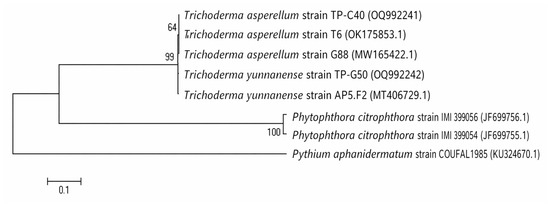
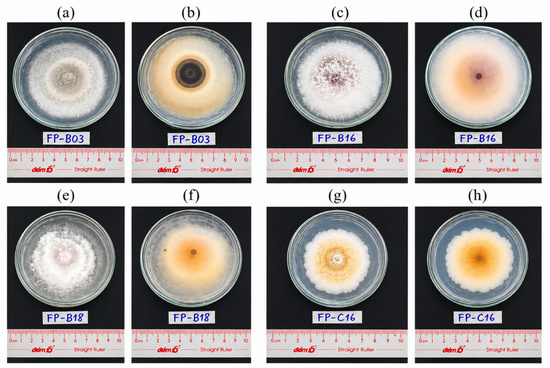
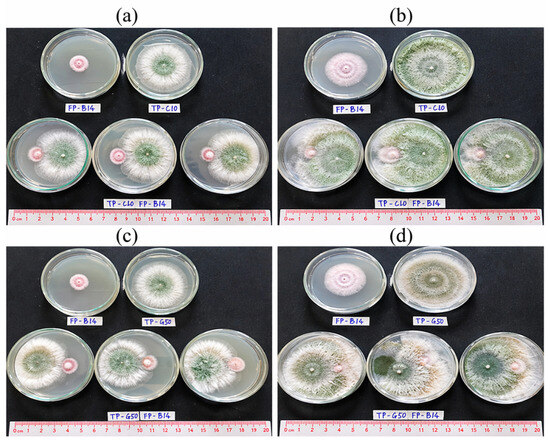
Diseases caused by Fusarium spp. vary around the world. It is important to determine the causals agents and indigenous antagonists against these pathogens. Thus, this study aimed to (i) determine the pathogens of root rot and yellow leaf disease (RRYLD), (ii) select Trichoderma spp. strains to control the pathogens, and (iii) evaluate methods for preparing the antagonistic fungi. Diseased soil samples were collected from pomelo orchards in Ben Tre province, Vietnam. The experiment isolated 08 Fusarium spp. strains, with the fastest growth in PDA in FP-C16, FP-B18, FP-B16, and FP-B03 (8.33–17.3 mm) on day 4 of culture. They were identified as Fusarium fujikuroi FP-C16, F. verticillioides FP-B18, F. verticillioides FP-B16, and F. incarnatum FP-B03. On the other hand, 25 Trichoderma spp. strains were isolated from the pomelo rhizosphere. Among them, 13 Trichoderma spp. strains showed rapid growth and strong antagonistic activity against two Fusarium spp. strains under laboratory conditions. The two Trichoderma spp. strains TP-C40 and TP-G50 had antagonistic efficiencies against FP-C16 and FP-B16 at 47.7–63.5%. The two selected Trichoderma spp. strains were identified as Trichoderma asperellum TP-C40 and T. yunnanense TP-G50. The two Trichoderma spp. strains TP-C40 and TP-G50 reduced the number of leaves and roots infected by Fusarium spp.
Full article
Open AccessReview
Functional Redundancy of Multidrug Resistance Transporters in Yeast: Substrate Diversity and System Robustness
by
Kseniia V. Galkina, Arina M. Adamovich and Dmitry A. Knorre
Appl. Microbiol. 2026, 6(5), 57; https://doi.org/10.3390/applmicrobiol6050057 - 28 Apr 2026
Abstract
►▼
Show Figures
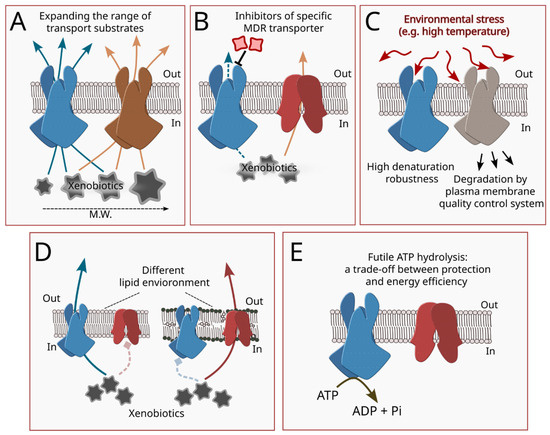
Yeast harbour more than ten different multiple drug resistance (MDR) genes encoding transporters that extrude xenobiotics from the cytoplasm into the environment. These transporters, belonging to the ATP-binding cassette (ABC) or major facilitator superfamily (MFS), exhibit broad and significantly overlapping substrate specificities, though
[...] Read more.
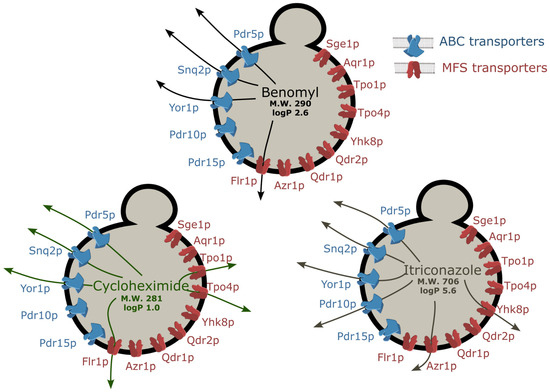
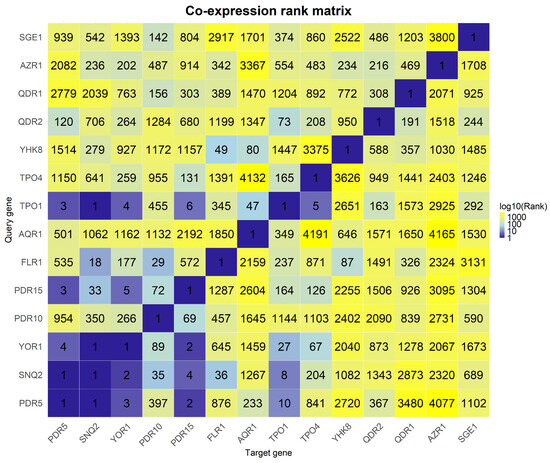
Yeast harbour more than ten different multiple drug resistance (MDR) genes encoding transporters that extrude xenobiotics from the cytoplasm into the environment. These transporters, belonging to the ATP-binding cassette (ABC) or major facilitator superfamily (MFS), exhibit broad and significantly overlapping substrate specificities, though the precise boundaries of their individual substrate ranges remain undefined. During evolution, genes with overlapping functions tend either to specialize or to degenerate into pseudogenes. Here, we propose several explanations for how this apparent redundancy of MDR efflux pumps benefits cells, and we discuss the potential individual roles of the full MDR efflux pump repertoire in the model organism Saccharomyces cerevisiae. We posit that individual MDR transporters may vary in stability under challenging environmental conditions, in the energetic cost of their synthesis and maintenance, and in their degree of specialization toward particular classes of xenobiotics. Furthermore, given that ABC transporters and MFS transporters exploit distinct driving forces for xenobiotic efflux, each class may have its own vulnerabilities. We argue that deciphering the distinct roles of MDR proteins will reveal critical weaknesses in the MDR system and guide the development of strategies to overcome multidrug resistance in pathogenic fungi.
Full article

Figure 1
Open AccessArticle
Endophytic Fungi Associated with Plantago major L.: A Source of Bioactive Metabolites with Anti-MRSA Activity
by
Phuoc-Vinh Nguyen, Gia Phong Vu, Luyen Tien Vu, Luong Hieu Ngan, Minh-Tri Le, Thu-Hoai Le, Nhat-Thong Le, Linh X. T. Tran and Bac V. G. Nguyen
Appl. Microbiol. 2026, 6(5), 56; https://doi.org/10.3390/applmicrobiol6050056 - 26 Apr 2026
Abstract
The rapid emergence of multi-drug resistant (MDR) bacteria has become a major health concern, driving the need to identify new antimicrobial resources. Recently, endophytes, inhabiting in internal tissues of medicinal plants, have drew important interest from the scientific community, as reservoirs of bioactive
[...] Read more.
The rapid emergence of multi-drug resistant (MDR) bacteria has become a major health concern, driving the need to identify new antimicrobial resources. Recently, endophytes, inhabiting in internal tissues of medicinal plants, have drew important interest from the scientific community, as reservoirs of bioactive metabolites. Numerous studies highlight the symbiotic relationship between plants and their endophytes, in which these microorganisms produce antimicrobial compounds, helping the host plant’s defense against pathogens. Plantago major (commonly known as plantain) is widely recognized for its therapeutic properties, especially for its antimicrobial properties. In this study, endophytic fungi were isolated from Plantago major, morphologically characterized and identified using ITS sequencing. Their antibacterial activity was assessed using the agar diffusion assay. In total, 21 endophytic fungal isolates were obtained from different plant tissues, including leaves, stems, roots, and flowers. Antibacterial assays against methicillin-resistant Staphylococcus aureus (MRSA) were investigated on PDA, SDA, and CDA media. Amongst the isolates, nine strains (MD-H1, MD-L1, MD-L2, MD-L3, MD-L4, MD-L5, MD-R1, MD-T1, MD-T2, and MD-T10) showed medium to strong antibacterial effects, with inhibition zones exceeding 15 mm. The result suggests that endophytic fungi associated with Plantago is a valuable source of anti-MRSA compounds. Further work will focus on identifying the secondary metabolites responsible for this activity and elucidating their chemical structures, providing a basis for the development of new potent antibiotic agents.
Full article
Open AccessArticle
The Surveillance of Antimicrobial Resistance in South African Wastewater Using Wastewater-Based Epidemiology Approaches
by
Nokhanyo G. Mbewana-Ntshanka, Titus A. M. Msagati, Thabo I. Nkambule, Bhekie Mamba, Rian. R. E. Pierneef and Awelani Mutshembele
Appl. Microbiol. 2026, 6(4), 55; https://doi.org/10.3390/applmicrobiol6040055 - 17 Apr 2026
Abstract
►▼
Show Figures
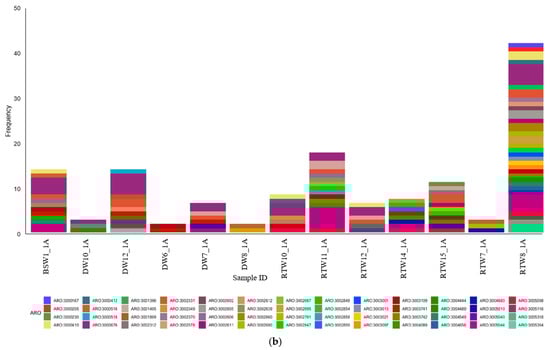
Antimicrobial resistance (AMR) has become one of the top ten global public health threats. Many countries have recognized the societal and economic burden of AMR. AMR has reduced the effectiveness of antimicrobial therapies, and this results in high mortality, morbidity, and health care
[...] Read more.
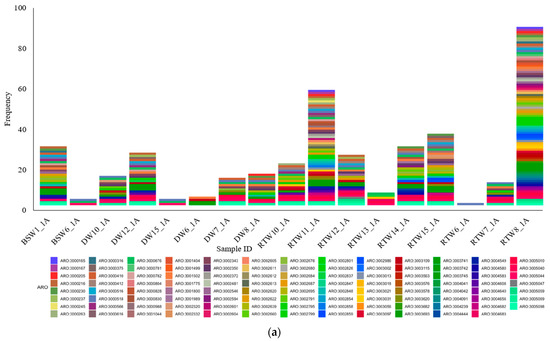
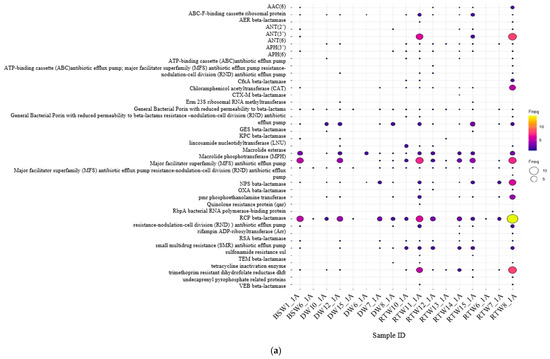
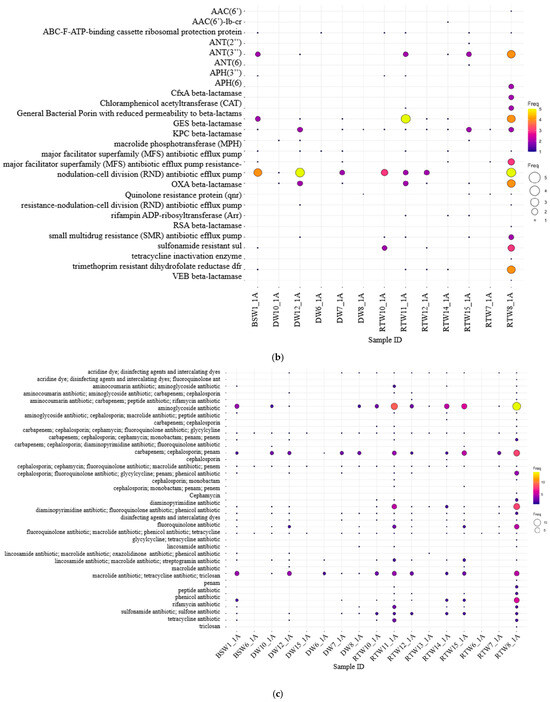
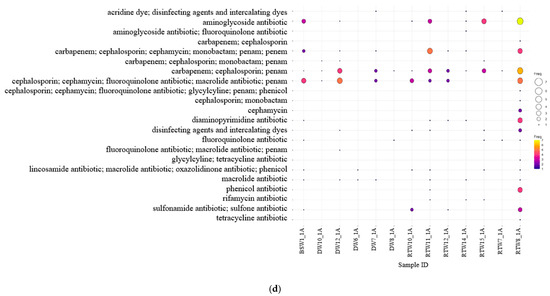
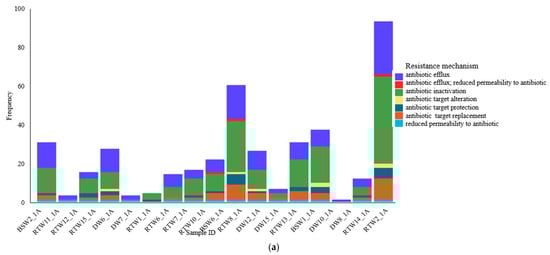
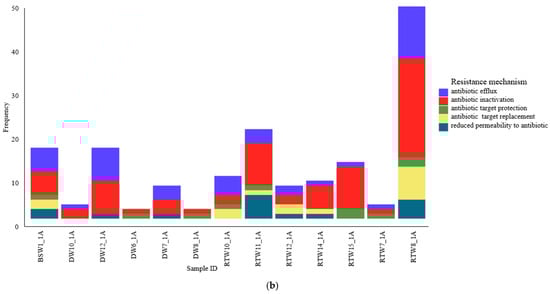
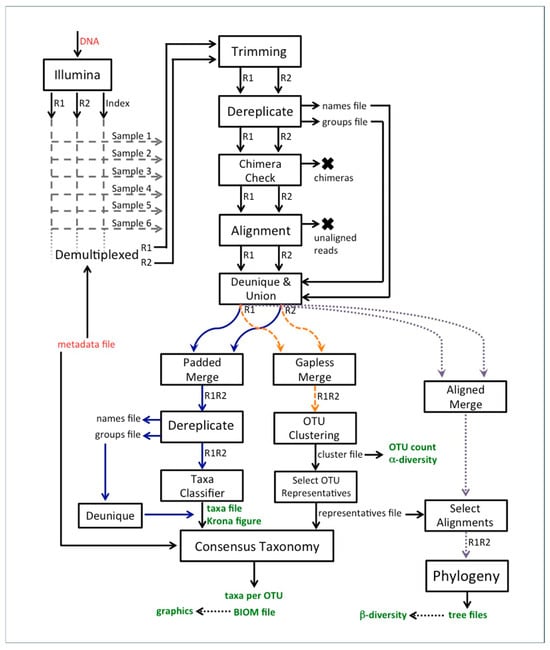
Antimicrobial resistance (AMR) has become one of the top ten global public health threats. Many countries have recognized the societal and economic burden of AMR. AMR has reduced the effectiveness of antimicrobial therapies, and this results in high mortality, morbidity, and health care expenditure. Like all the other developing countries, South Africa (SA) falls under the same ambiguous management system of antimicrobials. A lot of research focused on the global public health threat “AMR”. However, studies on AMR in wastewater are not yet enough, even though they are beginning to gain momentum. This paper highlights the imperatives of surveying AMR pathogens in wastewater since wastewaters are consecrated as hotspots for the dissemination and propagation of AMR genes. RNA was extracted from the untreated wastewater samples collected from the Tshwane district in Gauteng province, SA. Metatranscriptomics analysis was proposed for the analysis and profiling of AMR genes present in the wastewater. A total of 39 AMR gene families and 39 AMR drug classes were detected across 17 samples. The Metatranscriptomics approach discussed in this paper demonstrates the importance of wastewater surveillance, as it can be used as an early detecting system for communicable diseases and for monitoring wastewater.
Full article

Figure 1
Open AccessArticle
Machine Learning Prediction of Listeria monocytogenes Serogroups and Biofilm Formation from Infrared Spectra: A Comparative Study with Genomic Analysis
by
Martine Denis, Stéphanie Bougeard, Virginie Allain, Mélanie Guy, Emmanuelle Houard, Arnaud Felten, Jean Lagarde, Benoit Gassilloud, Evelyne Boscher and Pierre-Emmanuel Douarre
Appl. Microbiol. 2026, 6(4), 54; https://doi.org/10.3390/applmicrobiol6040054 - 16 Apr 2026
Abstract
►▼
Show Figures
This study evaluated the performance of Fourier-transform infrared (FTIR) spectroscopy for identifying spectral signatures associated with two key traits of Listeria monocytogenes: serogroup classification and biofilm-forming capacity. A total of 100 strains, previously serogrouped by PCR and categorized as high, intermediate, or
[...] Read more.
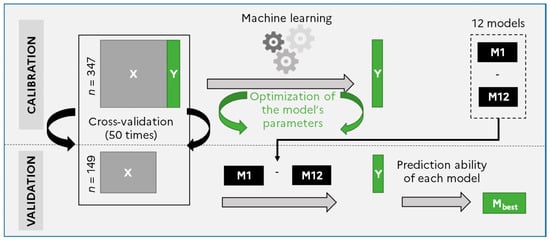
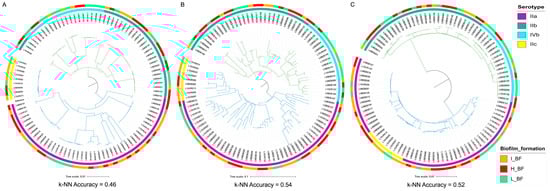
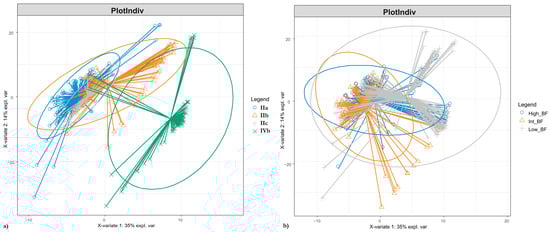
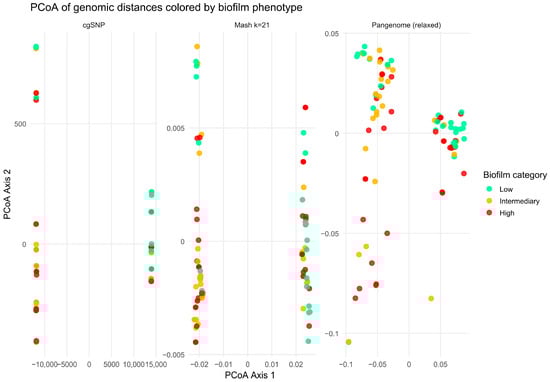
This study evaluated the performance of Fourier-transform infrared (FTIR) spectroscopy for identifying spectral signatures associated with two key traits of Listeria monocytogenes: serogroup classification and biofilm-forming capacity. A total of 100 strains, previously serogrouped by PCR and categorized as high, intermediate, or low biofilm producers, were analyzed. Whole-genome sequencing was performed, and comparative genomics was conducted at core-genome, pangenome, and whole-genome (k-mer) levels to determine which genomic representation best reflected the phenotypes. Strains were typed using Fourier-Transform Infrared (FTIR Biotyper® system from Bruker Daltonics GmbH and Co., Bremen, Germany) with five technical replicates. Spectral data from the polysaccharide region (1300–800 cm−1) were extracted and used to train twelve statistical models within a machine learning pipeline combined with cross-validation to predict four serogroups and three biofilm clusters from 501 spectral variables. Genomic analyses showed strong concordance between population structure and serogroup, whereas biofilm formation displayed only weak genomic association, explaining less than 0.1% of genomic variance (PERMANOVA R2 ≤ 0.001). Penalized discriminant analysis achieved the highest performance for serogroup prediction (overall accuracy 97.2%), while the k-nearest neighbor model performed best for biofilm prediction (74.8%). Two dedicated R Shiny applications were developed to facilitate model use. Overall, FTIR spectroscopy coupled with machine learning can provide a rapid and cost-effective alternative to PCR, genomic analyses, and in vitro assays for phenotypic trait prediction.
Full article

Figure 1

Open AccessReview
Potential Health Benefits of Probiotic Strains of Clostridium butyricum
by
Maja Šikić Pogačar, Mia Pogačar and Sabina Fijan
Appl. Microbiol. 2026, 6(4), 53; https://doi.org/10.3390/applmicrobiol6040053 - 8 Apr 2026
Abstract
Clostridium butyricum is a well-known Gram-positive, spore-forming, obligate anaerobic, and butyrate-producing bacterium with a few species of next-generation probiotic strains. By far, the most well-known strain is Clostridium butyricum CBM588 (also known as MIYAIRI 588). This strain has gained significant attention for its
[...] Read more.
Clostridium butyricum is a well-known Gram-positive, spore-forming, obligate anaerobic, and butyrate-producing bacterium with a few species of next-generation probiotic strains. By far, the most well-known strain is Clostridium butyricum CBM588 (also known as MIYAIRI 588). This strain has gained significant attention for its therapeutic potential across a variety of human health conditions. Preclinical studies have shown its ability to stabilize gut microbiota, enhance short-chain fatty acid (SCFA) production, and modulate immune responses, which contribute to its therapeutic effects in conditions such as ulcerative colitis, allergies, and cancer. We examined 28 interventional clinical trials and 7 observational studies investigating the effect of Clostridium butyricum strains. These studies have supported the findings of preclinical trials and demonstrated symptom improvement and immune modulation in diverse conditions. Clostridium butyricum CBM588 has shown efficacy in managing gastrointestinal diseases, such as acute gastroenteritis and inflammatory bowel disease, and has also proven beneficial in immune modulation, as evidenced by its positive effects in allergic rhinitis and cancer immunotherapy. Additionally, CBM588 has been reported to have a favorable safety and tolerability profile in various patient populations, including children, adults, and critically ill patients. Despite these promising results, clinical studies face limitations such as small sample sizes, varied protocols, and short study durations. Future well-designed, large-scale trials are necessary to further validate the long-term safety and efficacy of Clostridium butyricum in clinical practice.
Full article
(This article belongs to the Special Issue Current Trends in the Applications of Probiotics and Other Beneficial Microbes, Second Edition)
Open AccessArticle
Optimized Decolorization of Methylene Blue by Bacillus cereus: A Genomic and Analytical Approach
by
Fatima Hamadeh, Thibaut Armel Chérif Gnimadi, Mano Joseph Mathew, Charbel Al-Bayssari, Mounir Kassir, Rana El Hajj and Dalia El Badan
Appl. Microbiol. 2026, 6(4), 52; https://doi.org/10.3390/applmicrobiol6040052 - 8 Apr 2026
Abstract
►▼
Show Figures
Synthetic dyes, such as methylene blue (MB), constitute a major category of environmental pollutants due to their toxicity, persistence, and resistance to standard treatment methods. In this study, Bacillus cereus BC WW Saida was isolated from the heavily polluted Saida dumpsite in Lebanon
[...] Read more.
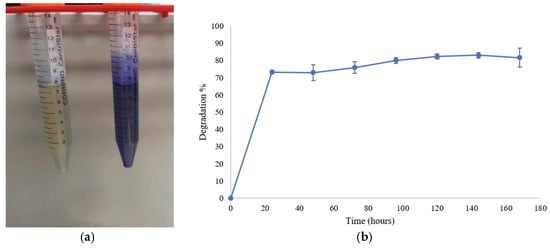
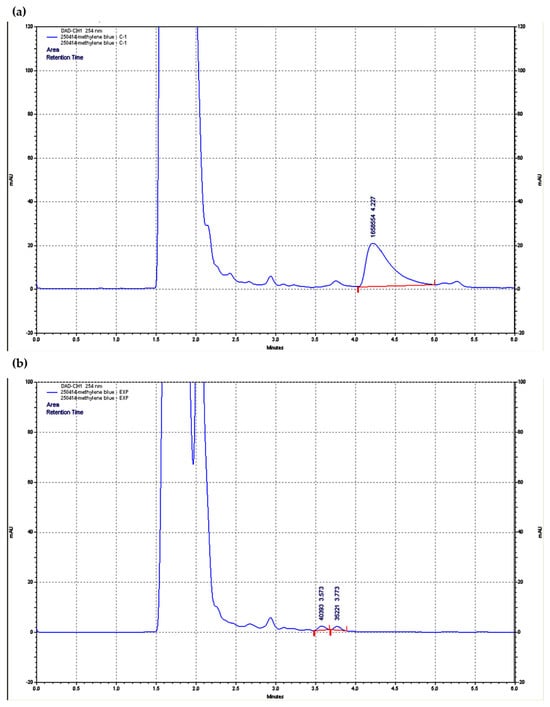
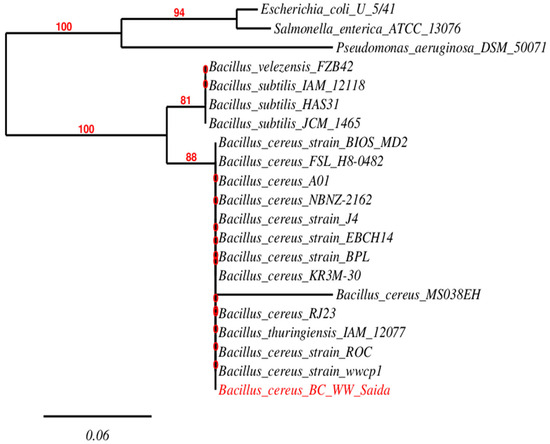
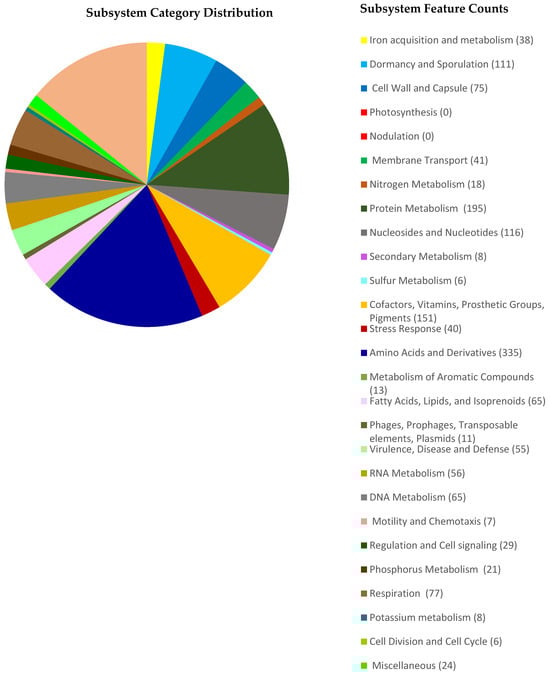
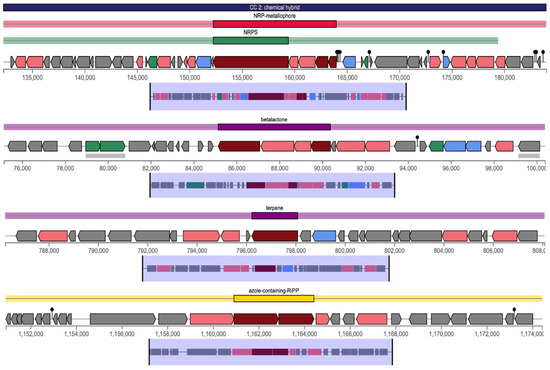
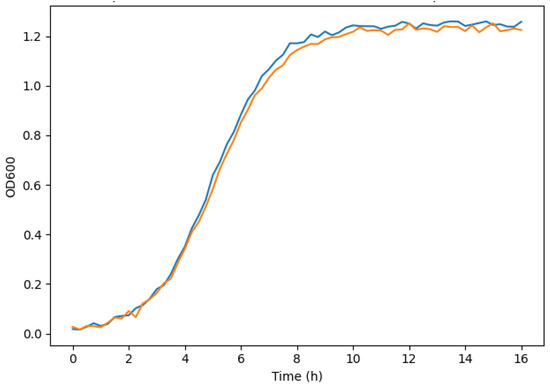
Synthetic dyes, such as methylene blue (MB), constitute a major category of environmental pollutants due to their toxicity, persistence, and resistance to standard treatment methods. In this study, Bacillus cereus BC WW Saida was isolated from the heavily polluted Saida dumpsite in Lebanon and evaluated for its MB degradation efficiency. The isolate was identified through whole-genome sequencing, which revealed the presence of key enzymatic systems involved in azo dye degradation. Under optimized conditions, the strain achieved 82% decolorization, as determined by optical density measurements using a microplate reader. The process was further examined using High-Performance Liquid Chromatography (HPLC), which revealed a significant reduction in the original dye peak and the emergence of new intermediate products. These findings suggest the strong biodegradation capability of B. cereus BC WW Saida isolated from contaminated environments and highlight its potential application in the eco-friendly treatment of azo dye-contaminated wastewater.
Full article

Figure 1
Open AccessArticle
In Silico Interaction Profiling of Pseudomonas aeruginosa Elastase (LasB) with Structural Fragments of Synthetic Polymers
by
Afrah I. Waheeb, Saleem Obaid Gatia Almawla, Mayada Abdullah Shehan, Sameer Ahmed Awad, Mohammed Mukhles Ahmed and Saja Saddallah Abduljaleel
Appl. Microbiol. 2026, 6(4), 51; https://doi.org/10.3390/applmicrobiol6040051 - 7 Apr 2026
Abstract
Background: The ability of synthetic plastics to persist in the environment and the accumulation of microplastics has intensified the need to explore biological mechanisms capable of interacting with, and possibly degrading, polymeric materials. Microbial enzymes that have extensive catalytic flexibility represent promising candidates
[...] Read more.
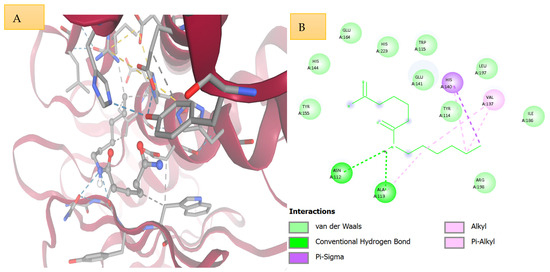
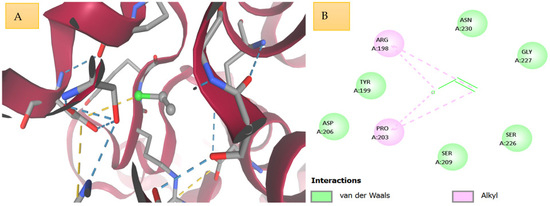
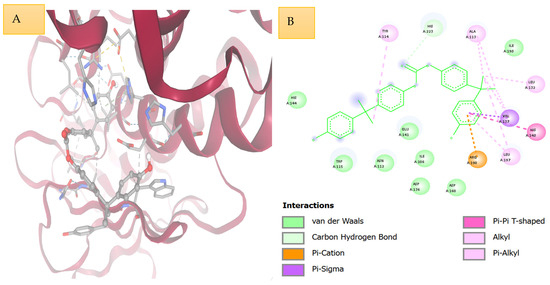
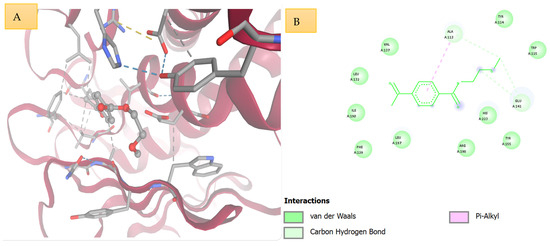
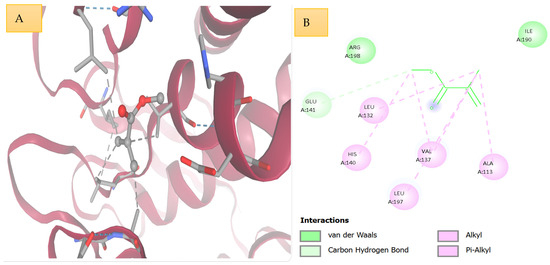
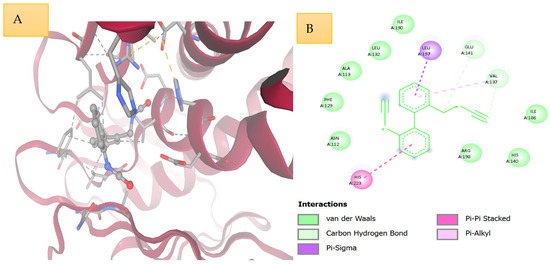
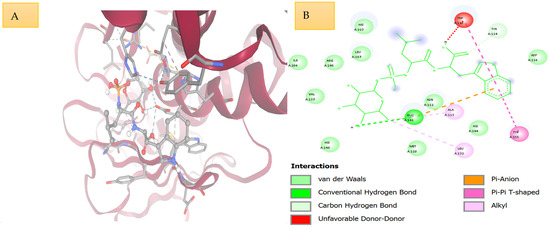
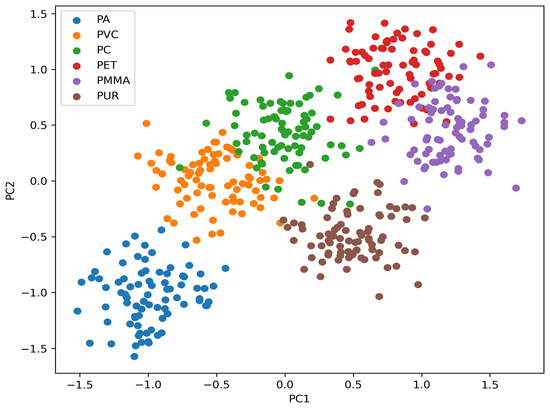
Background: The ability of synthetic plastics to persist in the environment and the accumulation of microplastics has intensified the need to explore biological mechanisms capable of interacting with, and possibly degrading, polymeric materials. Microbial enzymes that have extensive catalytic flexibility represent promising candidates in this context. Aim: This study set out to examine the molecular interaction patterns and dynamical stability of Pseudomonas aeruginosa elastase (LasB) with representative structural fragments of typical synthetic plastics to assess the suitability of the enzyme to polymer-derived substrates. Methods: The crystallographic structure of LasB (PDB ID: 1EZM) was retrieved from the Protein Data Bank and pre-prepared with the help of AutoDock4.2.6 Tools. Those polymer-derived ligands that were associated with the major industrial plastics such as polyamide (PA), polyvinyl chloride (PVC), polycarbonate (PC), poly-ethylene terephthalate (PET), polymethyl methacrylate (PMMA), and polyurethane (PUR) were retrieved in the PubChem database and geometrically optimized with the help of the MMFF94 force field. AutoDock Vina, with a specific grid box around the catalytic pocket, including Zn2+ ion, was used to perform molecular docking simulations. PyMOL and BIOVIA Discovery Studio software were used to analyze binding conformations, interaction residues and types of intermolecular contacts. Phosphoramidon, a known metalloprotease inhibitor, served as a positive control to confirm the docking protocol. Additional assessment of the structural stability and conformational behavior of the enzyme–ligand complexes was conducted by molecular dynamics (MD) simulations with the Desmond engine and explicit solvent model in a 50 ns trajectory using the OPLS4 force field. RMSD, RMSF, radius of gyration, hydrogen bonding analysis and solvent accessibility parameters were used to measure structural stability. Results: The docking experiment showed varying binding affinities with the test polymers. Polycarbonate (−5.774 kcal/mol) and polyurethane (−5.707 kcal/mol) had the highest in-teractions with the LasB catalytic pocket, polyamide (−5.277 kcal/mol) and PET (−4.483 kcal/mol) followed PMMA and PVC, which had weaker affinities. The following were the important residues involved in interaction networks: Glu141, His140, Val137, Arg198, Tyr114, and Trp115 that were implicated in interaction networks with hydrophobic interactions, π-cation interactions and van der Waals forces that were the major stabilization forces. MD simulations had stabilized complexes, and RMSD values were found to be within acceptable ranges of stability, and ligand-specific changes (around 1.0-3.2 A), which is also in line with stable protein-ligand systems. Phosphoramidon used as a positive control had an RMSD of 1.205 A which is within this stability range. PCA determined various ligand-bound conformational states of LasB with PA in com-pact state, PC and PVC in intermediate states and PUR, PMMA and PET in ex-panded conformations, indicating structur-al stability and adaptability of the binding pocket. Conclusion: These findings show that LasB has a structurally flexible catalytic pocket that can accommodate a wide range of polymer-derived ligands. These results offer an insight into the recognition of enzymes with polymers at the molecular level and also indicate that LasB might help in the interaction of microorganisms with synthetic plastics in environmental systems.
Full article
(This article belongs to the Special Issue Advances in Fundamentals and Application of Microbial Industrial Biotechnology)
►▼
Show Figures

Figure 1
Open AccessReview
Functional Plasticity of Microbial Siderophores in Iron- and Boron-Rich Niches
by
Valery M. Dembitsky, Alexander O. Terent’ev and Sergey V. Baranin
Appl. Microbiol. 2026, 6(4), 50; https://doi.org/10.3390/applmicrobiol6040050 - 31 Mar 2026
Cited by 1
Abstract
►▼
Show Figures
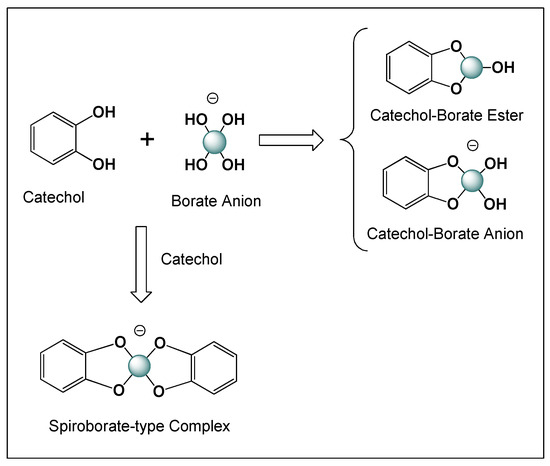
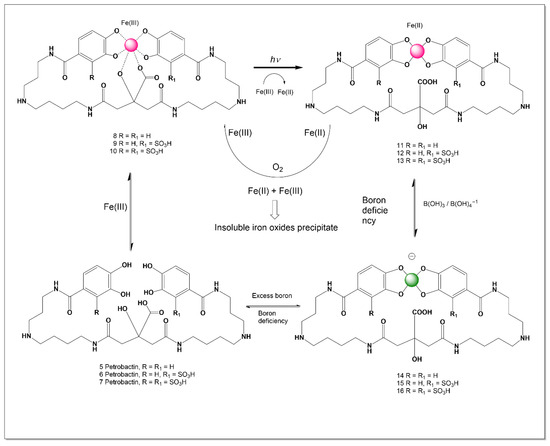
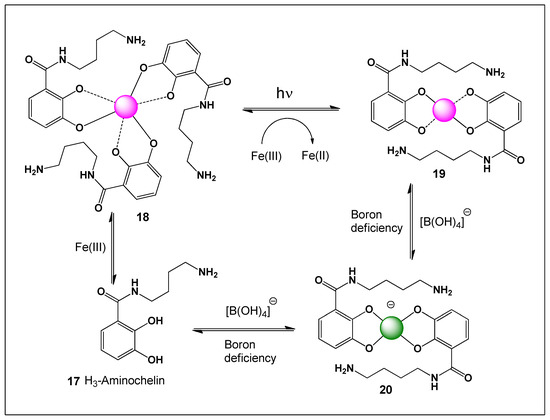
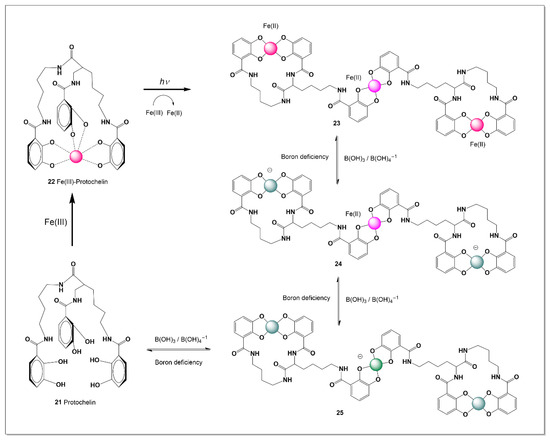
Siderophores are high-affinity iron-chelating metabolites that underpin microbial survival in iron-limited environments and play central roles in metal homeostasis, ecological competition, and pathogenesis. Traditionally viewed as dedicated Fe(III) scavengers, siderophores are now recognized as structurally and functionally versatile coordination agents whose donor-set architectures—particularly
[...] Read more.
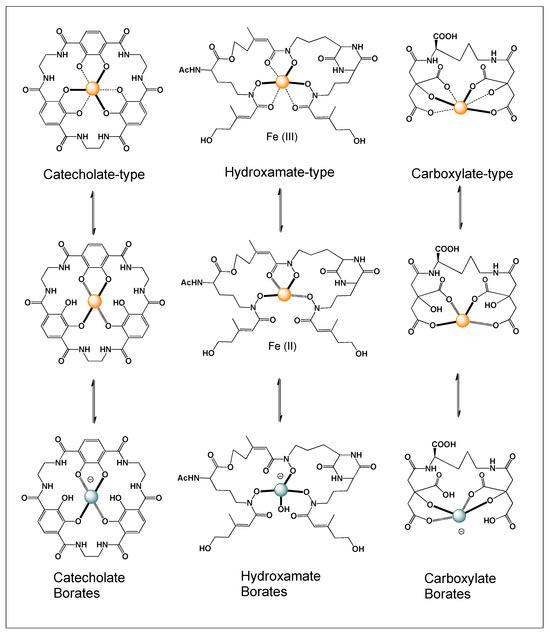
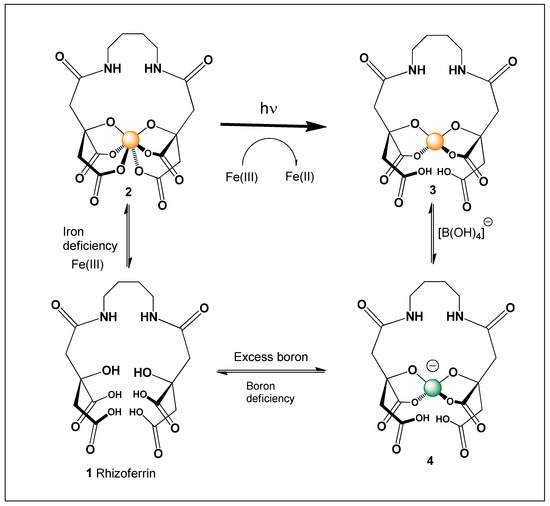
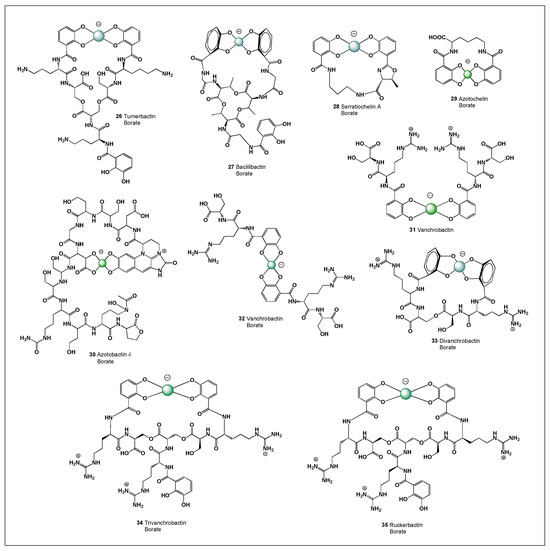
Siderophores are high-affinity iron-chelating metabolites that underpin microbial survival in iron-limited environments and play central roles in metal homeostasis, ecological competition, and pathogenesis. Traditionally viewed as dedicated Fe(III) scavengers, siderophores are now recognized as structurally and functionally versatile coordination agents whose donor-set architectures—particularly catecholate and α-hydroxycarboxylate motifs—permit conditional interactions beyond iron. In iron- and boron-rich niches, especially marine and mildly alkaline systems where borate availability increases, certain siderophores are chemically capable of forming reversible borate complexes through cis-diol coordination. Although Fe(III) exhibits substantially higher thermodynamic affinity and remains the primary biological target, boron binding represents a predictable secondary property arising from shared oxygen-donor chemistry. This dynamic interplay allows siderophores to cycle between iron-bound, boron-bound, and apo states depending on local redox conditions, pH, and metal availability. Here, we synthesize current knowledge on the structural classes of microbial siderophores, their transport and regulatory mechanisms, and emerging evidence for boron coordination within catecholate and carboxylate systems. By integrating coordination chemistry with microbial ecology, we propose an expanded model in which siderophores function not only as iron acquisition molecules but also as modulators of boron speciation and environmental sensing. This functional plasticity positions siderophores at the intersection of iron and boron biogeochemical cycles and highlights new directions for understanding microbial adaptation in complex metal-rich environments.
Full article

Figure 1

Open AccessArticle
Revisiting the LuxS/AI-2–SdiA Regulatory Network in Klebsiella pneumoniae: Context-Dependent Modulation by Halogenated Thiolactones
by
Sinethemba H. Yakobi and Uchechukwu U. Nwodo
Appl. Microbiol. 2026, 6(4), 49; https://doi.org/10.3390/applmicrobiol6040049 - 27 Mar 2026
Abstract
►▼
Show Figures
Quorum sensing (QS) represents a promising target for anti-virulence therapy; however, effective pharmacological intervention requires a detailed understanding of regulatory network architecture and environmental context. In Klebsiella pneumoniae, the orphan LuxR-type receptor SdiA lacks a cognate LuxI synthase and instead detects exogenous
[...] Read more.
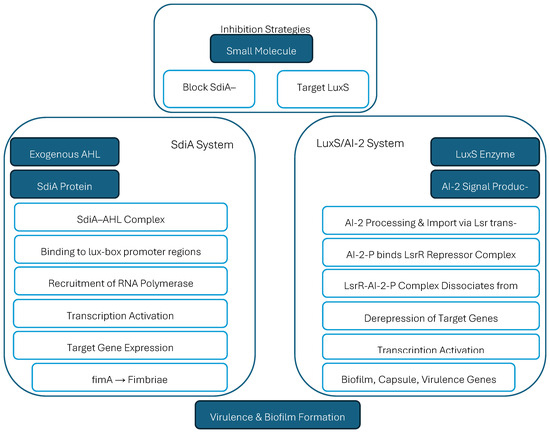
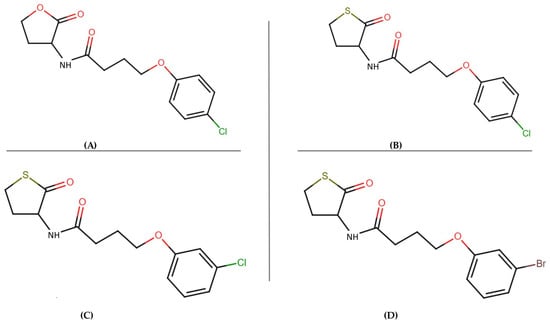
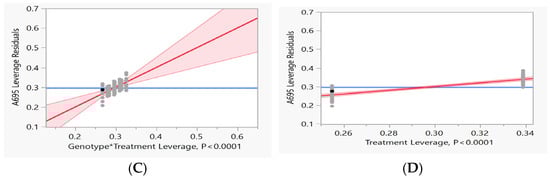
Quorum sensing (QS) represents a promising target for anti-virulence therapy; however, effective pharmacological intervention requires a detailed understanding of regulatory network architecture and environmental context. In Klebsiella pneumoniae, the orphan LuxR-type receptor SdiA lacks a cognate LuxI synthase and instead detects exogenous acyl-homoserine lactones (AHLs), positioning it as an inter-species signal integrator. Here, we demonstrate that SdiA functions as a context-dependent regulator whose impact on biofilm formation and virulence gene expression is gated by environmental AHL availability. Using isogenic ΔluxS, ΔsdiA, and ΔluxSΔsdiA mutants in a clinical bloodstream isolate, we show that under AHL-limited conditions, SdiA promotes baseline biofilm development, whereas in the presence of exogenous C6-HSL, it restrains excessive biofilm maturation. Two-way ANOVA confirmed significant genotype, treatment, and interaction effects, establishing that SdiA-mediated regulation is signal contingent. We further investigated the halogenated thiolactone meta-bromo-thiolactone (mBTL), previously described as a QS inhibitor in Pseudomonas aeruginosa. In K. pneumoniae, mBTL acts as a context-selective modulator rather than a simple inhibitor. Under AHL-limited conditions, mBTL phenocopied ΔsdiA, reducing biofilm formation and inducing overlapping transcriptional profiles. In contrast, under AHL-replete conditions, mBTL opposed SdiA-dependent gene expression, consistent with competitive antagonism of ligand-bound receptor. RNA-seq analysis revealed substantial concordance between ΔsdiA and WT + mBTL under AHL-free conditions, with the inversion of transcriptional directionality in the presence of C6-HSL. The findings redefine SdiA as a conditional quorum-sensing integrator and identify mBTL as a ligand-context-dependent modulator of LuxR-type signaling. Our results highlight the necessity of evaluating anti-virulence compounds across relevant signal environments and introduce receptor state-selective modulation as a strategic framework for targeting hybrid quorum-sensing systems in polymicrobial pathogens.
Full article

Figure 1

Open AccessArticle
Antibacterial Activity of a Probiotic and Synbiotic Suspension Combined with Inulin Against Helicobacter pylori in an In Vitro Model
by
Henry Paniagua González, Guadalupe Guzmán Barboza, José Bolaños Jiménez, Melissa Moya Granados and Vanessa Bagnarello Madrigal
Appl. Microbiol. 2026, 6(4), 48; https://doi.org/10.3390/applmicrobiol6040048 - 25 Mar 2026
Abstract
Helicobacter pylori is a highly prevalent pathogen associated with chronic gastritis, peptic ulcers, and gastric cancer. Treatment is increasingly challenging due to antibiotic resistance and adverse effects that can reduce adherence. These limitations have encouraged the exploration of complementary strategies. This study evaluated
[...] Read more.
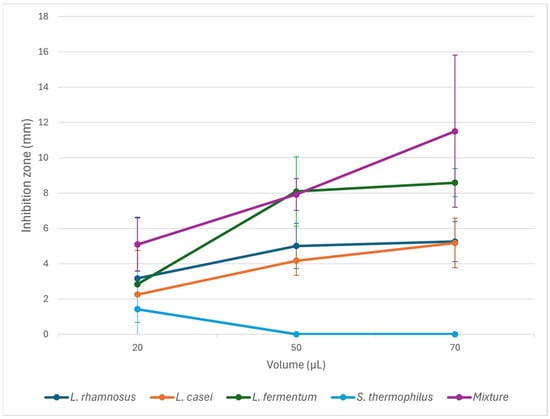
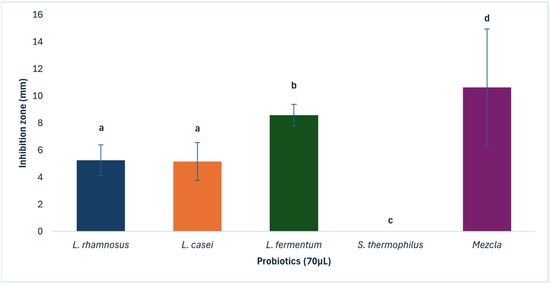
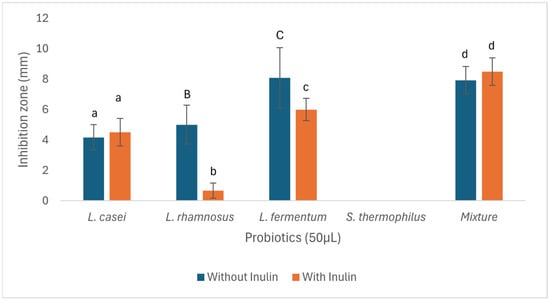
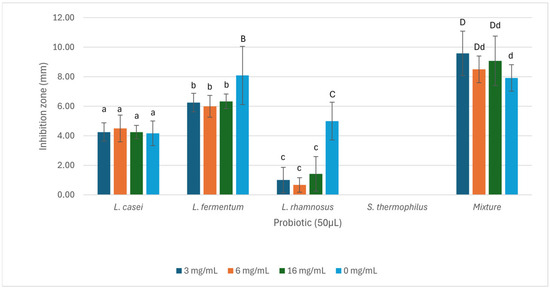
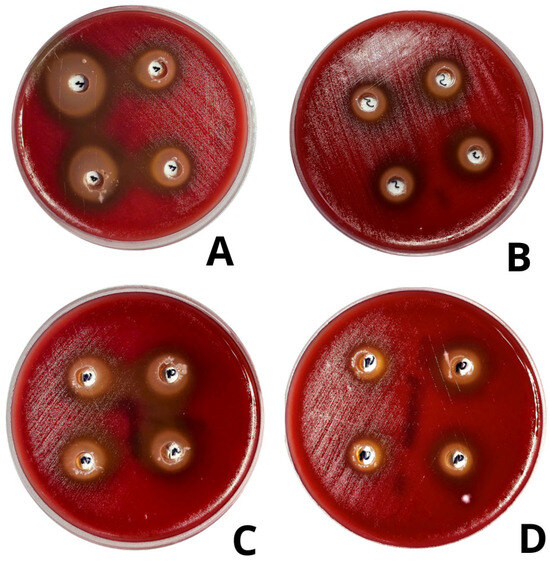
Helicobacter pylori is a highly prevalent pathogen associated with chronic gastritis, peptic ulcers, and gastric cancer. Treatment is increasingly challenging due to antibiotic resistance and adverse effects that can reduce adherence. These limitations have encouraged the exploration of complementary strategies. This study evaluated the in vitro antibacterial activity of selected probiotic strains and synbiotic formulations containing inulin against clinical isolates of H. pylori. Isolates obtained from gastric biopsies were identified by MALDI-TOF. Four probiotic strains (Lacticaseibacillus casei, Lacticaseibacillus rhamnosus, Limosilactobacillus fermentum, and Streptococcus thermophilus) were tested individually and as a mixed culture, both alone and combined with inulin. Antibacterial activity was assessed using the agar well diffusion method under microaerophilic conditions after 72 h of incubation at 37 °C. Variable inhibitory effects were observed, with L. fermentum (8.08 ± 1.98 mm) and the probiotic mixture (7.92 ± 0.90 mm) showing greater activity, while S. thermophilus exhibited limited inhibition. The addition of low-dose inulin (3 mg/mL) was associated with increased inhibition by the probiotic mixture (9.58 ± 1.51 mm), whereas higher concentrations did not enhance this effect. These findings indicate that certain probiotic and synbiotic formulations exhibit in vitro activity against H. pylori and warrant further investigation as complementary approaches.
Full article
(This article belongs to the Special Issue Clinical Applications and Validation of Probiotics: Exploring Therapeutic and Preventive Potential Across Diverse Medical Conditions)
►▼
Show Figures

Figure 1
Open AccessReview
New Insight into Endophytic Fungi–Plant Symbioses Under Climate Change: Molecular Crosstalk, Nutrient Exchange, and Ecosystem Resilience
by
Ayaz Ahmad, Mian Muhammad Ahmed, Aadab Akhtar, Chen Shuihong, Zeeshan Zafar, Rehmat Ullah, Muhammad Asim, Zhenli He and Muhammad Bilal Khan
Appl. Microbiol. 2026, 6(3), 47; https://doi.org/10.3390/applmicrobiol6030047 - 17 Mar 2026
Cited by 1
Abstract
►▼
Show Figures
Fungal endophytes are microorganisms that inhabit plant tissues without causing disease and emerge as critical mediators of plant stress tolerance, nutrient acquisition, and ecosystem resilience under diverse climate change scenarios. Their unique position within the host allows them to modulate physiological responses more
[...] Read more.
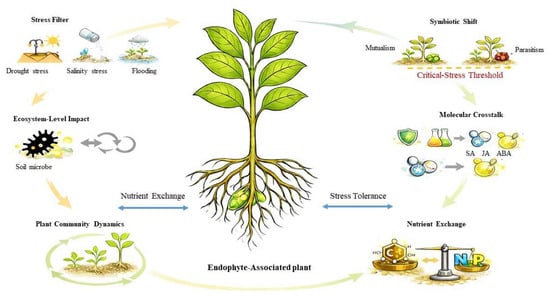
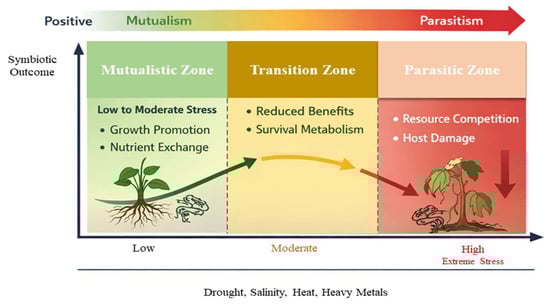
Fungal endophytes are microorganisms that inhabit plant tissues without causing disease and emerge as critical mediators of plant stress tolerance, nutrient acquisition, and ecosystem resilience under diverse climate change scenarios. Their unique position within the host allows them to modulate physiological responses more closely than external microbiota. This review explores how endophytic fungi contribute to plant adaptation under climate-induced stresses such as heat, salinity, drought, pollution, and nutrient limitation, with a focus on molecular crosstalk, functional trait modules, and metabolic trade-offs. Key findings emphasize multilayered signaling systems, including MAMP/DAMP recognition, phytohormone regulation, immune tuning, ROS dynamics, and effector deployment, while emerging mechanisms such as cross-kingdom RNA and extracellular vesicle (EV)-mediated exchange are discussed as promising but currently limited in empirical validation within many endophytic systems. Endophytes also enhance nutrient exchange through conditional carbon-for-benefit trade and may shape rhizosphere microbiota and soil activities through plant-mediated inputs. Integrative multi-omics approaches provide predominantly correlational insights into the mechanistic basis of these effects, linking molecular function to ecosystem and community outcomes. These insights have potential applications in climate-resilient agriculture, phytoremediation, and ecosystem restoration; however, their large-scale implementation requires further field-based validation and context-specific assessment. Future priorities should focus on trait-based selection, ecological modeling, and biosafety evaluation to translate microbial functions into reliable field-level strategies that support sustainable crop performance under accelerating environmental stress.
Full article

Figure 1
Open AccessArticle
In Vitro and In Planta Evaluation of Trichoderma spp. for the Control of Neopestalotiopsis rosae on Strawberry
by
Tom E. Schierling, Ralf T. Voegele and Abbas El-Hasan
Appl. Microbiol. 2026, 6(3), 46; https://doi.org/10.3390/applmicrobiol6030046 - 15 Mar 2026
Abstract
Neopestalotiopsis rosae is an emerging fungal pathogen that causes leaf blight and fruit rot on strawberry. Due to limited fungicide availability and the small number of substances confirmed to be effective against this pathogen, alternative disease control strategies have become a focus of
[...] Read more.
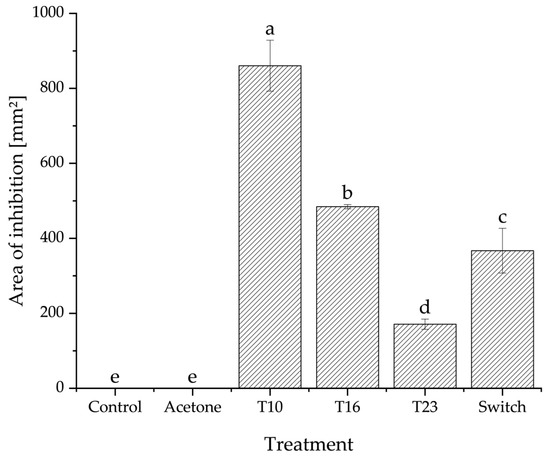
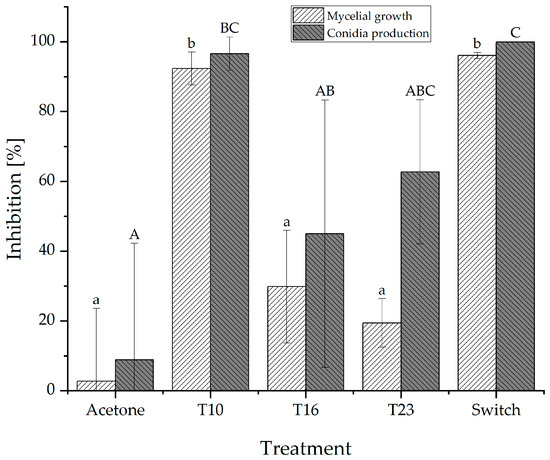
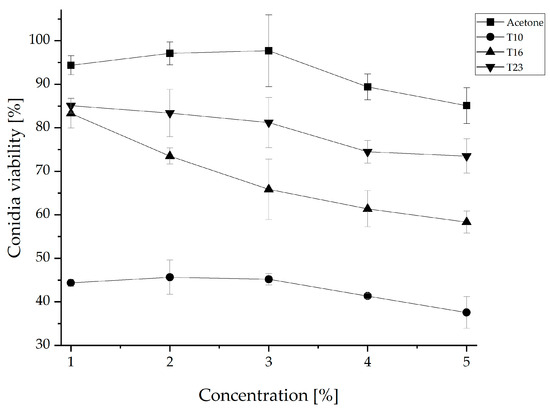
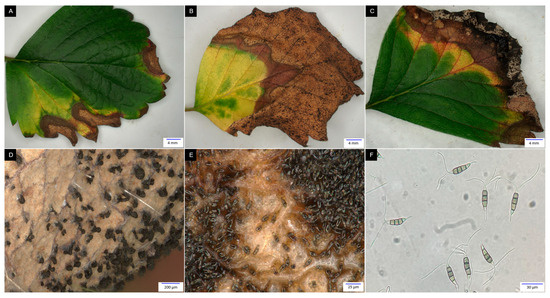
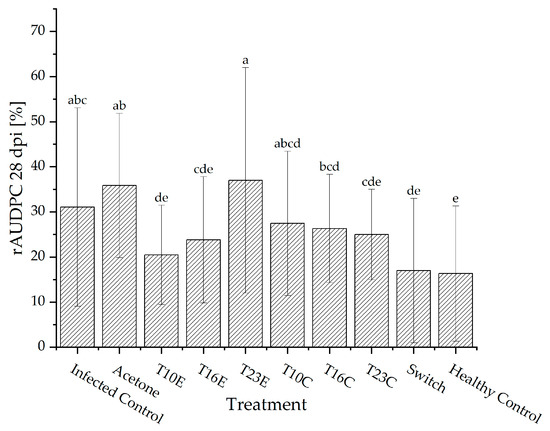
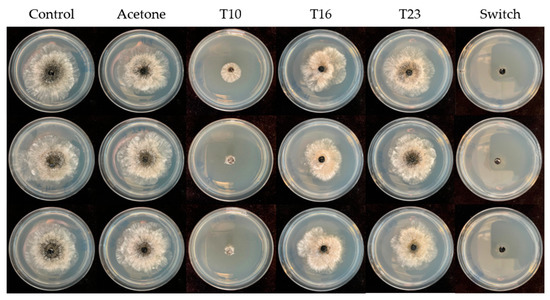
Neopestalotiopsis rosae is an emerging fungal pathogen that causes leaf blight and fruit rot on strawberry. Due to limited fungicide availability and the small number of substances confirmed to be effective against this pathogen, alternative disease control strategies have become a focus of current research. This study aimed to assess, quantify, and compare the efficacy of extracts and inocula of Trichoderma spp. with the conventional fungicide Switch in controlling N. rosae. In the presence of T. harzianum T16 and T. asperellum T23 extracts, conidia production of N. rosae was reduced by 45.0% and 62.7%, respectively. Extracts of T. koningiopsis T10 strongly inhibited both mycelial growth and conidia production (>92.0%), demonstrating efficacy comparable to that of the reference fungicide. Furthermore, T. koningiopsis T10 extracts were able to inhibit N. rosae conidia viability by 55.6%. Under greenhouse conditions, strawberry plants treated with extracts from T. koningiopsis T10 showed protection from N. rosae leaf spots at levels similar to Switch. These findings highlight T. koningiopsis T10 extracts as a promising alternative to chemical fungicides in the integrated management of N. rosae on strawberry.
Full article
(This article belongs to the Special Issue Exclusive Papers Collection of Editorial Board Members and Invited Scholars in Applied Microbiology (2025))
►▼
Show Figures

Figure 1
Open AccessArticle
Microbial Reservoirs in Artisanal Dairy Products from Spain and Algeria Harbor Lactic Acid Bacteria with Significant Gluten-Degrading Activity
by
Abdelhak Menasri, Rosario Lucas, Javier Rodríguez López, Antonio Gálvez, Mª José Grande and Rubén Pérez Pulido
Appl. Microbiol. 2026, 6(3), 45; https://doi.org/10.3390/applmicrobiol6030045 - 15 Mar 2026
Abstract
Celiac disease (CD) is an autoimmune disorder triggered by immunogenic gluten peptides that resist gastrointestinal digestion. The only current treatment is a strict gluten-free diet, which is challenging to maintain. Lactic acid bacteria (LAB) with specific proteolytic systems offer a promising strategy for
[...] Read more.
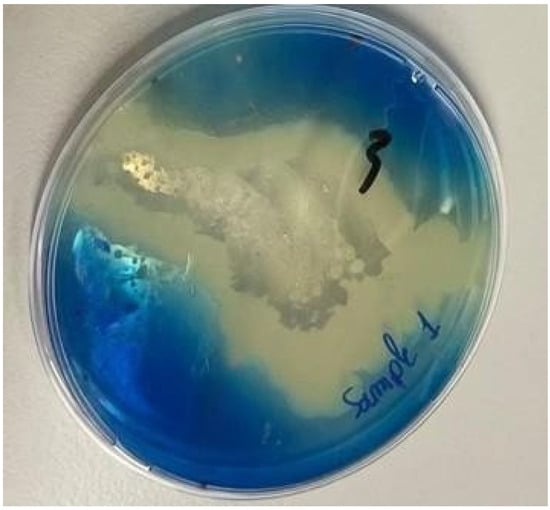
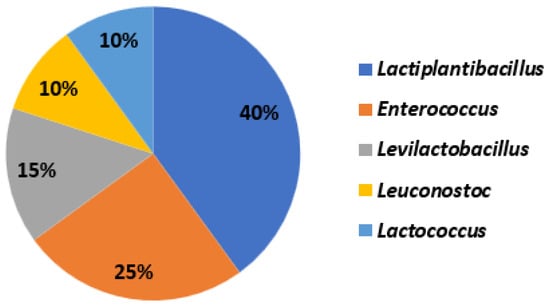
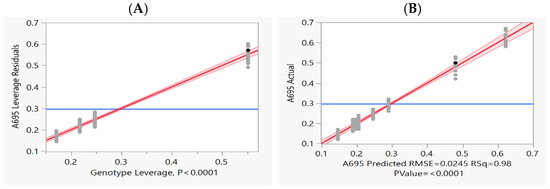
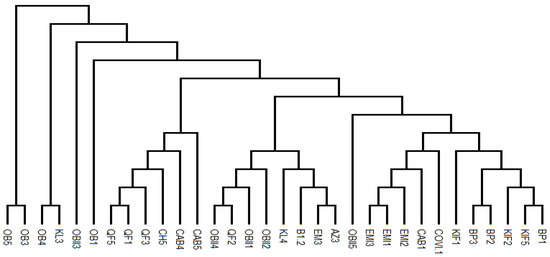
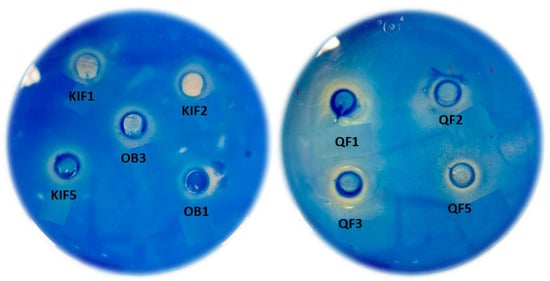
Celiac disease (CD) is an autoimmune disorder triggered by immunogenic gluten peptides that resist gastrointestinal digestion. The only current treatment is a strict gluten-free diet, which is challenging to maintain. Lactic acid bacteria (LAB) with specific proteolytic systems offer a promising strategy for gluten hydrolysis and potential reduction of immunogenicity. This study aims to isolate and characterize gluten-degrading LAB from traditional Spanish and Algerian dairy products. A total of 27 artisanal dairy samples were collected. LAB were isolated on MRS and Elliker agar. Gluten-degrading activity was screened using a well diffusion assay with cell-free supernatants and a spot assay with live cultures. Active isolates were identified by 16S rRNA gene sequencing. Out of 123 isolates, 40 (32.5%) were positive in the well assay, while 67 (54.5%) were positive in the spot assay, indicating the latter’s higher sensitivity for detecting cell-associated proteases. Halo diameters ranged from 6 to 16 mm. Algerian isolates exhibited significantly stronger activity (mean halo: 12.6 ± 2.1 mm) compared to Spanish isolates (10.2 ± 2.0 mm; p < 0.001). Molecular identification of the 32 most active isolates revealed the following dominant species: Lactiplantibacillus plantarum, L. pentosus, Levilactobacillus brevis, and Enterococcus faecium. This study confirms that artisanal dairy fermentations are rich sources of LAB with robust gluten-degrading potential. The superior activity of Lactiplantibacillus spp. aligns with their complex peptidase systems. The geographical variation highlights the influence of local fermentation practices. Selected strains represent excellent candidates for developing adjunct cultures to produce gluten-reduced foods and warrant further investigation as potential probiotics, pending safety and efficacy validation in vivo and in clinical studies.
Full article
(This article belongs to the Special Issue Applied Microbiology of Foods, 3rd Edition)
►▼
Show Figures

Figure 1
Open AccessArticle
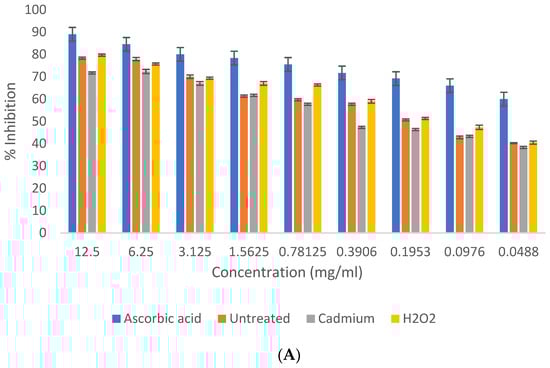
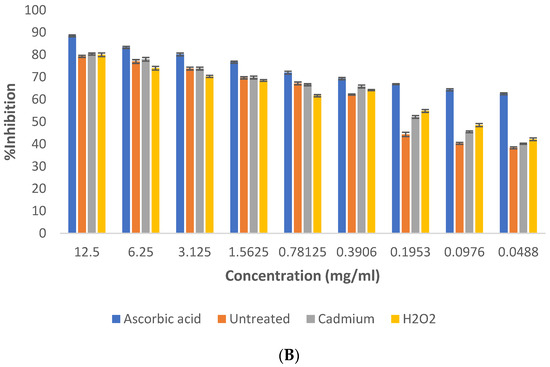
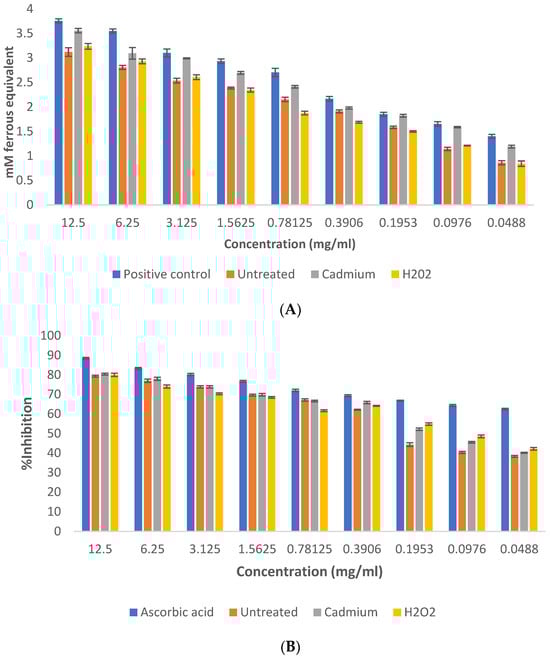
The Effect of Cadmium and Hydrogen Peroxide on Bioactive Metabolite Production in Endophytic Bacillus Isolates from Solanum nigrum
by
Benedict Ndou, Beauty-Ben Baloyi, Nokufa Morrieson Mabona, Charity Masilela, Bonisiwe Bhiya and Matsobane Godfrey Tlou
Appl. Microbiol. 2026, 6(3), 44; https://doi.org/10.3390/applmicrobiol6030044 - 12 Mar 2026
Abstract
►▼
Show Figures
Bacterial endophytes isolated from medicinal and wild plant species have recently gained significant attention for their medicinal properties, often closely linked to those of their plant hosts. This study identified two endophytic Bacillus isolates using 16S rRNA sequencing-based phylogeny. The impact of sublethal
[...] Read more.
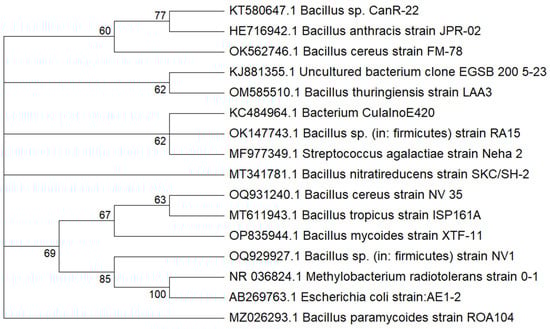
Bacterial endophytes isolated from medicinal and wild plant species have recently gained significant attention for their medicinal properties, often closely linked to those of their plant hosts. This study identified two endophytic Bacillus isolates using 16S rRNA sequencing-based phylogeny. The impact of sublethal concentrations (0.5 mg/mL) of cadmium and hydrogen peroxide on metabolite production and bioactivity was also investigated. Phytochemical testing and antimicrobial and antioxidant assays revealed shifts in metabolite production under stress conditions. According to the phylogenetic analysis, Bacillus sp. NV35 and NV1 are respectively related to Bacillus cereus and B. mycoides. Phytochemical screening of methanolic crude extracts from both isolates tested positive for alkaloids, flavonoids, and saponins. Notably, tannins were detected only after cadmium treatment, while steroids were present following exposure to both cadmium and H2O2. LC-MS fingerprinting confirmed the presence of several tannins and steroids in treated samples. The untreated crude extracts exhibited an IC50 of ~3 mg/mL with the DPPH assay, which decreased to ~1.5 mg/mL after treatment with cadmium or H2O2, demonstrating enhanced antioxidant potential under stress conditions. Additionally, extracts from both treated and untreated bacteria displayed antimicrobial activity against selected bacterial pathogens, with MIC values ranging from 62.5 μg/mL to 125 μg/mL. LC-MS analysis identified various antimicrobial and antioxidant metabolites, including phenoxymethylpenicilloyl, maculosin, (S,R,S)-alpha-tocopherol, 3-indoleacrylate, procyanidin A2, cis-11-eicosenamide, 3-hydroxy-3-phenacyloxindole, and 9-octadecenamide.
Full article

Figure 1

Open AccessArticle
Integrated Use of Plant Growth-Promoting Rhizobacteria and Chemical Fertilizers Improves the Growth and Yield of the Tomato Plant
by
Baby Lyn T. De Guzman, Maria Luisa T. Mason, Pariyanuj Chulaka and Pechrada Pinjai
Appl. Microbiol. 2026, 6(3), 43; https://doi.org/10.3390/applmicrobiol6030043 - 9 Mar 2026
Abstract
►▼
Show Figures
Microbial biofertilizers offer a sustainable alternative to reduce inorganic fertilizer inputs in intensive vegetable production. While rhizobia are traditionally associated with legumes, their co-inoculation with native rhizobacteria for non-leguminous crops like tomatoes remains under-explored. This study aimed to isolate native rhizobacteria compatible with
[...] Read more.
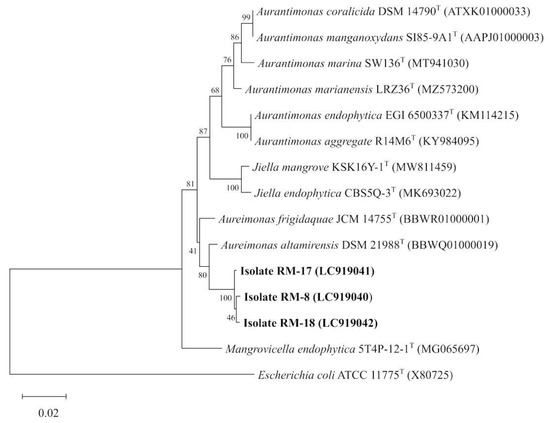
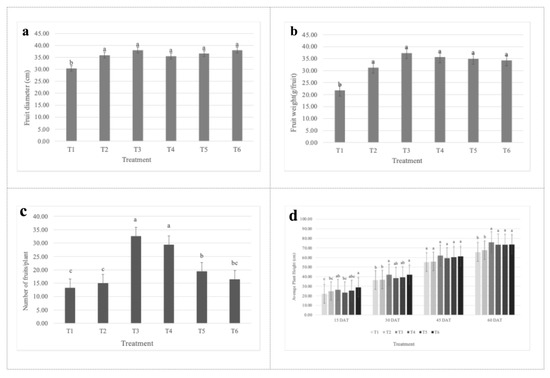
Microbial biofertilizers offer a sustainable alternative to reduce inorganic fertilizer inputs in intensive vegetable production. While rhizobia are traditionally associated with legumes, their co-inoculation with native rhizobacteria for non-leguminous crops like tomatoes remains under-explored. This study aimed to isolate native rhizobacteria compatible with Bradyrhizobium diazoefficiens NE1-65 and evaluate their combined effect on the tomato plant (var. max F1) under reduced inorganic fertilizer rates. From the initial eighteen isolates screened on nitrogen-free media, and solubilization assays of phosphorus and potassium, three isolates (RM-8, RM-17, RM-18) were found compatible with B. diazoefficiens NE1-65. Isolate RM-17 (tentatively identified as Aureimonas sp. based on 16S rRNA gene sequence) was selected for its high K-solubilizing capacity (KSI = 8.60). Then, a 90-day growth trial compared various fertilizer application rates (0, 25, 50, 75, and 100%) with and without the bacterial consortia. The 75% fertilizer rate plus the consortia significantly outperformed the 100% fertilizer rate alone. Specifically, it increased plant height (11.57%), fruit diameter (9.23%), fruit number (53.90%), and fruit weight (16.15%). These findings demonstrate that the RM-17 and B. diazoefficiens NE1-65 consortia can partially substitute inorganic fertilizers while significantly enhancing tomato growth and yield, highlighting its potential application for sustainable tomato production systems.
Full article

Figure 1
Open AccessArticle
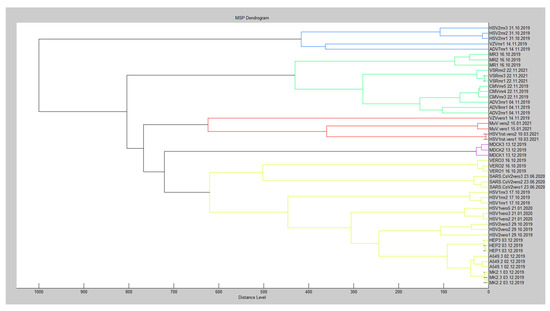
Viral Identification from Cell Cultures by MALDI-TOF: Development, Application and Bioinformatic Assessment of an In-House Library—Understanding Strengths and Limitations
by
Gabriel Martín
Appl. Microbiol. 2026, 6(3), 42; https://doi.org/10.3390/applmicrobiol6030042 - 9 Mar 2026
Abstract
►▼
Show Figures
Well established long ago for bacterial and fungal detection, Matrix-Assisted Laser Desorption/Ionization–Time of Flight (MALDI-TOF) technique is not so well established in the virology field, and taking care of its advantages (speed, precision and low cost), this can be a powerful method for
[...] Read more.
Well established long ago for bacterial and fungal detection, Matrix-Assisted Laser Desorption/Ionization–Time of Flight (MALDI-TOF) technique is not so well established in the virology field, and taking care of its advantages (speed, precision and low cost), this can be a powerful method for viral identification. To explore the feasibility and potential of MALDI-TOF for viral detection, this study shows the development of an in-house spectral library including several uninfected cell cultures and cultures infected with different clinically relevant viruses, such as SARS-CoV-2. This library was applied to the identification of viral infections directly on cell cultures, assessing the ability of the technique to discriminate between infected and non-infected profiles. Additionally, bioinformatic analyses were conducted to evaluate the structure, specificity, and reproducibility of the in-house library, and to understand its strengths and limitations. Sensitivity and specificity of the method were estimated by testing multiple culture batches from selected viruses included in the library. Together, these results provide a deeper understanding of the performance and applicability of MALDI-TOF in the virological context, highlighting its potential as a valuable research platform and a prospective tool for clinical viral detection.
Full article

Figure 1
Open AccessArticle
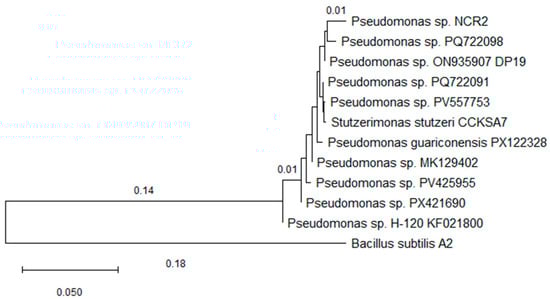
An Indigenous Pseudomonas Strain from Maize Rhizosphere Enhances Plant Growth Through Multiple Mechanisms
by
Muhammad Usman Nadeem, Najam Naveed, Fatima Murtaza, Maryam Ali and Izzah Shahid
Appl. Microbiol. 2026, 6(3), 41; https://doi.org/10.3390/applmicrobiol6030041 - 6 Mar 2026
Abstract
The excessive use of chemical fertilizers has depleted agricultural soils, necessitating a paradigm shift toward eco-friendly alternatives such as plant-beneficial microbes. However, the integration of plant-beneficial bacteria into global agroecosystems requires strategic and comprehensive analyses, as well as the development of optimally designed
[...] Read more.
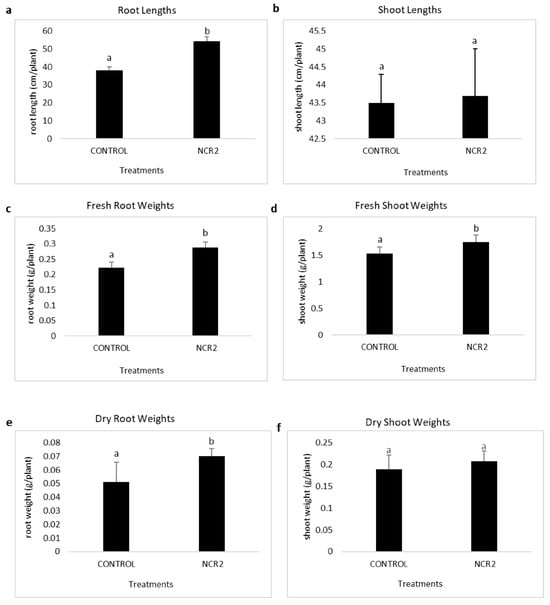
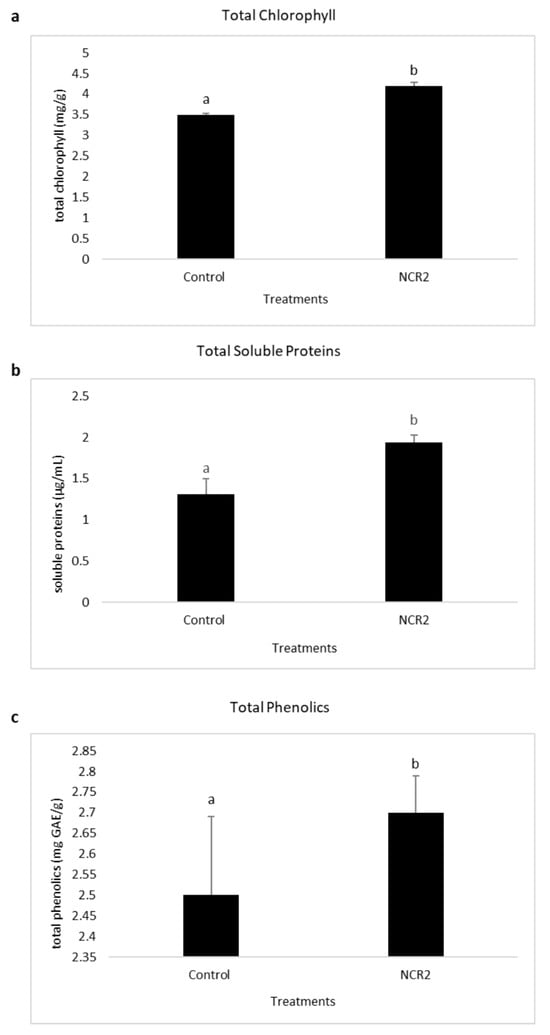
The excessive use of chemical fertilizers has depleted agricultural soils, necessitating a paradigm shift toward eco-friendly alternatives such as plant-beneficial microbes. However, the integration of plant-beneficial bacteria into global agroecosystems requires strategic and comprehensive analyses, as well as the development of optimally designed bioinocula to maximize their benefits. In this study, twenty-one rhizobacteria isolated from the maize rhizosphere were systematically screened for plant-beneficial traits, including phosphate and zinc solubilization, indole-3-acetic acid (IAA) production, and the synthesis of extracellular hydrolytic enzymes, followed by their evaluation for plant growth promotion. Among all bacterial isolates, Pseudomonas sp. NCR2 displayed the most comprehensive plant growth-promoting traits. In a pot-scale experiment, maize plants inoculated with multifaceted Pseudomonas sp. NCR2 showed significantly increased root growth, chlorophyll, soluble proteins, and phenolic contents as compared to untreated plants. This study underscores the significance of systematic screening of host-adaptive rhizobacteria for developing promising and tailored bioinocula. Furthermore, the results of this study also demonstrate the use of multifunctional biofertilizing inoculum for the systematic decrease of chemical inputs while simultaneously maintaining the crop productivity.
Full article
(This article belongs to the Special Issue Current Trends in the Applications of Probiotics and Other Beneficial Microbes, Second Edition)
►▼
Show Figures

Figure 1
Open AccessBrief Report
Metabolic Profiling of Insect-Associated Bacteria from Enterobacteriaceae and Acetobacteriaceae
by
Kiran Gurung and Bregje Wertheim
Appl. Microbiol. 2026, 6(3), 40; https://doi.org/10.3390/applmicrobiol6030040 - 5 Mar 2026
Abstract
►▼
Show Figures
Pest insect-associated microbes display great phenotypic and genotypic diversity, with many members inhabiting broader ecological niche. Several of these bacteria are ubiquitous in nature and contribute to fruit spoilage. When microbes occur in both environmental niches and insect hosts, their ability to adapt
[...] Read more.
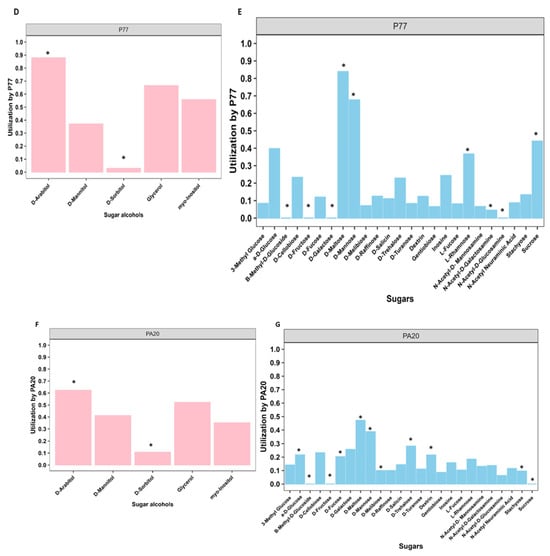
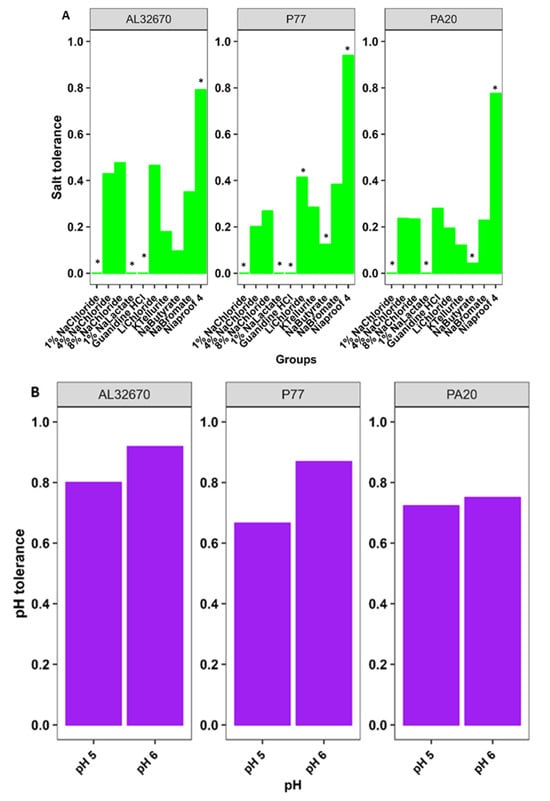
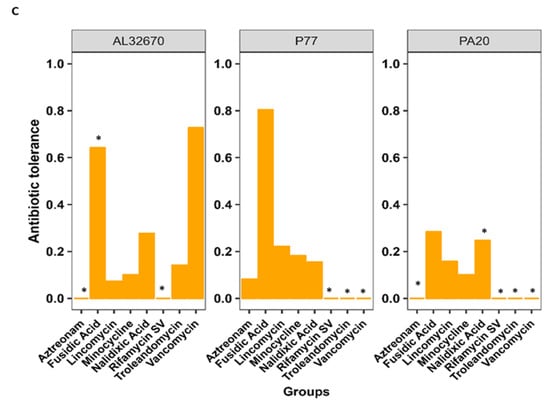
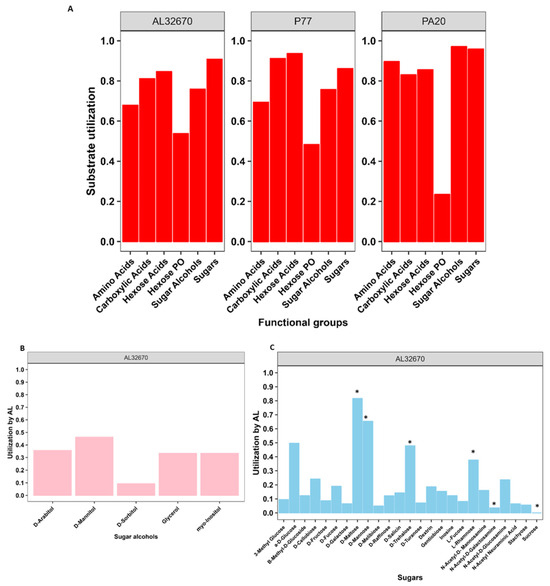
Pest insect-associated microbes display great phenotypic and genotypic diversity, with many members inhabiting broader ecological niche. Several of these bacteria are ubiquitous in nature and contribute to fruit spoilage. When microbes occur in both environmental niches and insect hosts, their ability to adapt to diverse substrates may facilitate their ecological success. This study focuses on characterization of the metabolic capability of three bacterial isolates belonging to the genera Acetobacter and Pantoea associated with Drosophila suzukii collected in the Netherlands. Carbon utilization patterns and tolerance to environmental stressors were assessed under varying conditions of salinity, pH, and antibiotics. The isolates differed in their metabolic profiles but collectively demonstrated the capacity to utilize a wide range of carbon sources. In addition, they exhibited tolerance towards different chemicals including salt and antibiotics. The metabolic flexibility of bacteria associated with D. suzukii may facilitate their persistence within fruit environments and contribute to host ecology. Overall, this study provides functional insight into insect-associated bacteria and underscores the importance of metabolic characterization in understanding their ecological significance.
Full article

Figure 1
Open AccessBrief Report
Is There a Microbiological Basis for Increased Breast Cancer Risk in Women with High Mammographic Density?
by
Jack W. Sample, Matteo Redaelli, Jun Chen, Tanya L. Hoskin, Stephen Johnson, Marina Walther-Antonio and Tina J. Hieken
Appl. Microbiol. 2026, 6(3), 39; https://doi.org/10.3390/applmicrobiol6030039 - 3 Mar 2026
Abstract
►▼
Show Figures
(1) Background: Mammographic breast density (MBD) is a well-established predictor of breast cancer risk, yet the biological mechanisms underlying this association remain incompletely understood. MBD is characterized by alterations in breast stromal architecture, including increased collagen deposition and changes in immune cell composition.
[...] Read more.
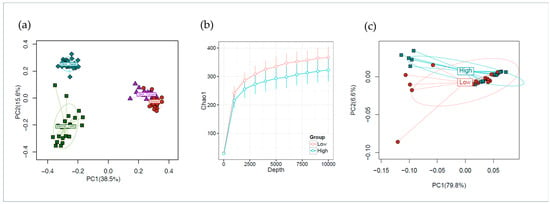
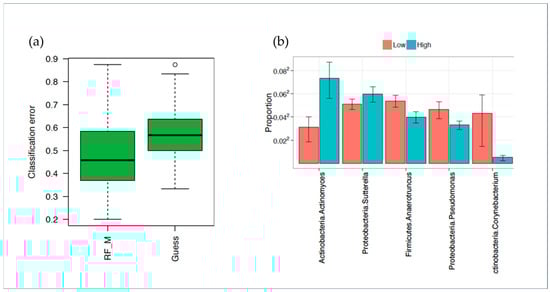
(1) Background: Mammographic breast density (MBD) is a well-established predictor of breast cancer risk, yet the biological mechanisms underlying this association remain incompletely understood. MBD is characterized by alterations in breast stromal architecture, including increased collagen deposition and changes in immune cell composition. Given emerging evidence that the breast harbors a resident microbiome, we investigated whether the breast tissue microbiome correlates with MBD. (2) Methods: Adjacent normal breast tissue was collected under sterile conditions from 33 women undergoing surgery for benign or malignant breast disease. DNA was extracted and subjected to 16S rRNA gene sequencing (Illumina MiSeq). (3) Results: We observed a non-significant trend toward lower α-diversity in high-MBD samples compared to low-MBD samples, p = 0.13. β-Diversity analyses identified a modest association between MBD and microbial community composition (MiRKAT p = 0.049). A random forest-based model incorporating genus-level relative abundances improved prediction of MBD over clinical characteristics alone, identifying Corynebacterium (Actinobacteria) and other genera as key predictors. (4) Conclusions: Breast tissue microbial features vary with mammographic breast density, suggesting a potential association with density-associated breast cancer risk. These exploratory findings warrant validation in larger cohorts to better elucidate biological mechanisms and clinical relevance.
Full article

Figure 1
Highly Accessed Articles
Latest Books
E-Mail Alert
News
Topics
Topic in
Applied Biosciences, Applied Microbiology, Fermentation, Marine Drugs, Microorganisms
Microbial Cell Factories for Natural Products
Topic Editors: Carlos Barreiro, Ana Ibáñez, José L. BarredoDeadline: 31 May 2026
Topic in
Applied Biosciences, Applied Microbiology, JoF
Fungi in the Circular Economy
Topic Editors: Giuseppe Venturella, Lillian BarrosDeadline: 31 July 2026
Topic in
Applied Microbiology, Fermentation, Foods, Microbiology Research, Microorganisms, Nutrients
News and Updates on Probiotics
Topic Editors: Alessandra Pino, Mutamed AyyashDeadline: 30 September 2026
Topic in
Applied Microbiology, Microorganisms, Pharmaceuticals, Pharmaceutics, Foods
Probiotics: New Avenues
Topic Editors: Daniela Machado, José Carlos AndradeDeadline: 10 December 2026
Special Issues
Special Issue in
Applied Microbiology
Microbial Evolutionary Genomics and Bioinformatics
Guest Editor: Agostinho AntunesDeadline: 31 May 2026
Special Issue in
Applied Microbiology
Microbiome Innovations in Food Systems for a Green Future
Guest Editors: Ioannis Kourkoutas, Gregoria Mitropoulou, Ioanna Prapa, Gregorios NeliosDeadline: 30 June 2026
Special Issue in
Applied Microbiology
Advances in Fundamentals and Application of Microbial Industrial Biotechnology
Guest Editors: J.H. de Winde, Arthur RamDeadline: 30 June 2026
Special Issue in
Applied Microbiology
Bacteriophages in Therapy: Efficacy and Safety Considerations
Guest Editor: Alicja WegrzynDeadline: 31 July 2026