
Journal Description
Advances in Respiratory Medicine
(ARM) is an international, peer-reviewed, open access journal on respiratory medicine, covering allergology, oncology, immunology and infectious diseases of the respiratory system, published bimonthly online. It is the official journal of the Polish Respiratory Society (PtChP).
- Open Access— free for readers, with article processing charges (APC) paid by authors or their institutions.
- High Visibility: indexed within Scopus, ESCI (Web of Science), PubMed, MEDLINE, PMC, Embase, and other databases.
- Rapid Publication: manuscripts are peer-reviewed and a first decision is provided to authors approximately 22.9 days after submission; acceptance to publication is undertaken in 3.6 days (median values for papers published in this journal in the second half of 2025).
- Recognition of Reviewers: APC discount vouchers, optional signed peer review, and reviewer names published annually in the journal.
Impact Factor:
2.3 (2024);
5-Year Impact Factor:
1.5 (2024)
Latest Articles
Antifibrotic Drugs Regulate the Expression of Epithelial Sodium Channels in the Lungs
Adv. Respir. Med. 2026, 94(3), 30; https://doi.org/10.3390/arm94030030 - 29 Apr 2026
Abstract
►
Show Figures
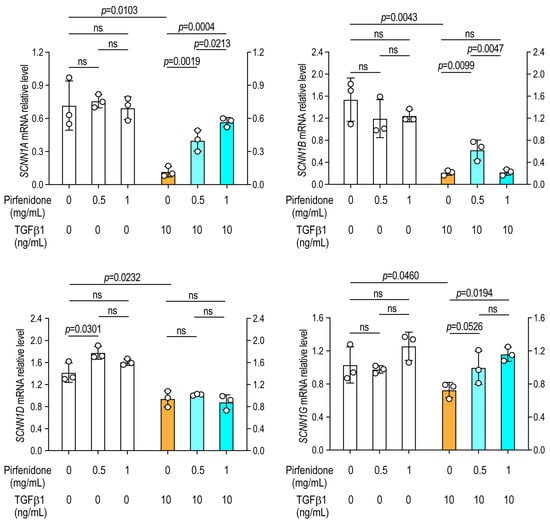
Purpose: A high-salt extracellular environment promotes fibrosis in multiple organs by inducing oxidative stress, fibroblast activation, and extracellular matrix remodeling. In the lung, sodium accumulation may result from impaired epithelial ion transport. Transforming growth factor-β1 (TGF-β1), a key profibrotic cytokine, downregulates epithelial sodium
[...] Read more.
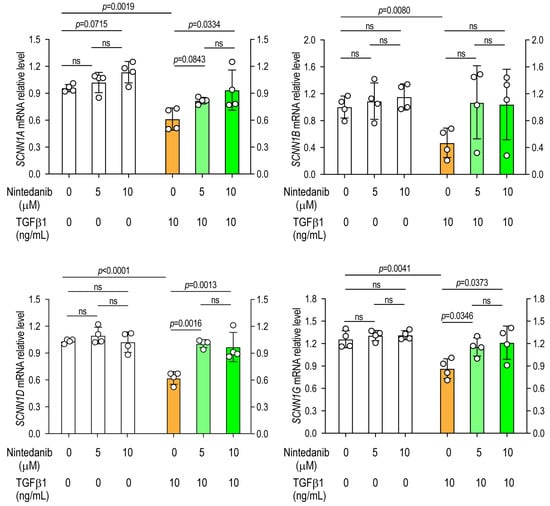
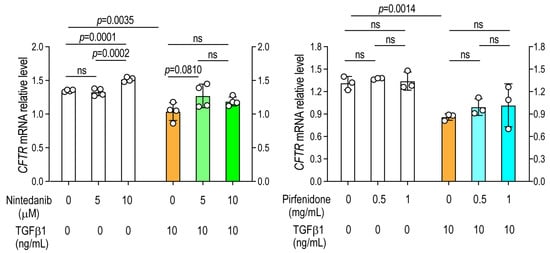
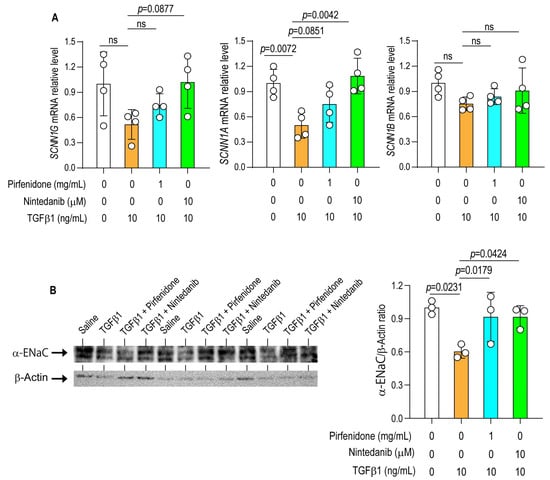
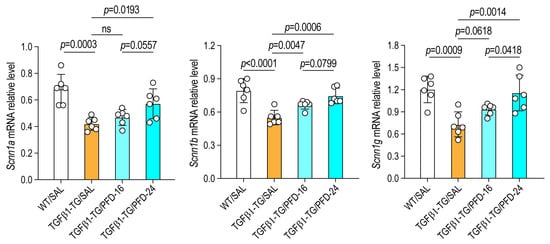
Purpose: A high-salt extracellular environment promotes fibrosis in multiple organs by inducing oxidative stress, fibroblast activation, and extracellular matrix remodeling. In the lung, sodium accumulation may result from impaired epithelial ion transport. Transforming growth factor-β1 (TGF-β1), a key profibrotic cytokine, downregulates epithelial sodium and chloride channels, promoting sodium retention and fibrotic remodeling. This study investigated whether antifibrotic drugs can prevent TGF-β1-induced suppression of sodium channel expression in the lung epithelium. Methods: Human A549 alveolar epithelial cells and primary alveolar epithelial cells were cultured with or without TGF-β1 in the presence or absence of nintedanib or pirfenidone. Expression of epithelial sodium channel (ENaC) subunits (SCNN1A, SCNN1B, SCNN1G, SCNN1D) and CFTR was analyzed. In vivo, lung tissues from TGF-β1 transgenic mice and wild-type controls were examined following intranasal administration of pirfenidone. Results: TGF-β1 markedly reduced the expression of all ENaC subunits and CFTR in vitro. Nintedanib prevented suppression of SCNN1A, SCNN1D, and SCNN1G, whereas pirfenidone prevented suppression of SCNN1A, SCNN1B, and SCNN1G. In TGF-β1 transgenic mice, Scnn1a, Scnn1b, and Scnn1g expression was significantly decreased compared with wild-type controls. Pirfenidone administration dose-dependently restored expression of these ENaC subunits in vivo. Conclusions: Antifibrotic drugs partially prevent TGF-β1-induced suppression of epithelial sodium channels, preserving epithelial ion homeostasis. Restoration of ENaC expression may represent a novel mechanism by which antifibrotic therapy mitigates sodium-associated lung fibrosis.
Full article
Open AccessArticle
Inflammatory Biomarkers and Outcome Heterogeneity in Anti-MDA5 Antibody-Associated Interstitial Lung Disease: A Single-Center Consecutive Cohort Study
by
Akina Nigi, Keisuke Iwamoto, Hidetoshi Itani, Shigeto Kondou, Yuki Okunishi and Takahiro Ohnishi
Adv. Respir. Med. 2026, 94(3), 29; https://doi.org/10.3390/arm94030029 - 28 Apr 2026
Abstract
►▼
Show Figures
Background: Anti-melanoma differentiation-associated gene 5 (anti-MDA5) antibody-positive interstitial lung disease (ILD) is associated with high mortality. While inflammatory markers have been linked to poor outcomes, clinical heterogeneity remains evident, as some patients survive despite marked hyperinflammation. Methods: We retrospectively analyzed consecutive patients with
[...] Read more.
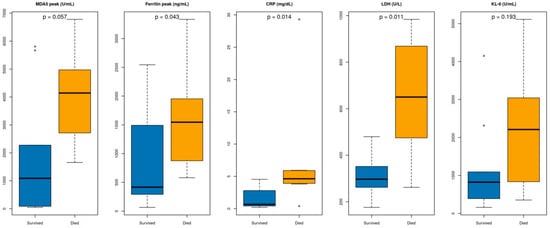
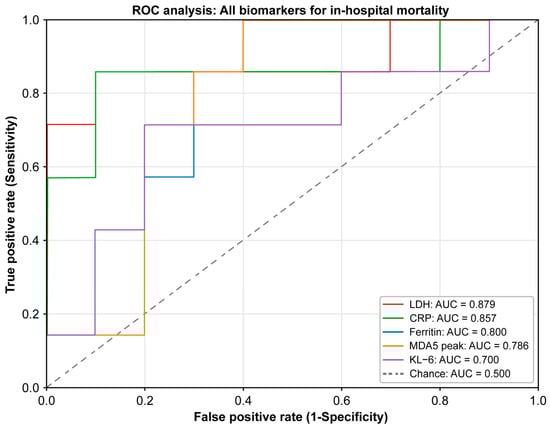
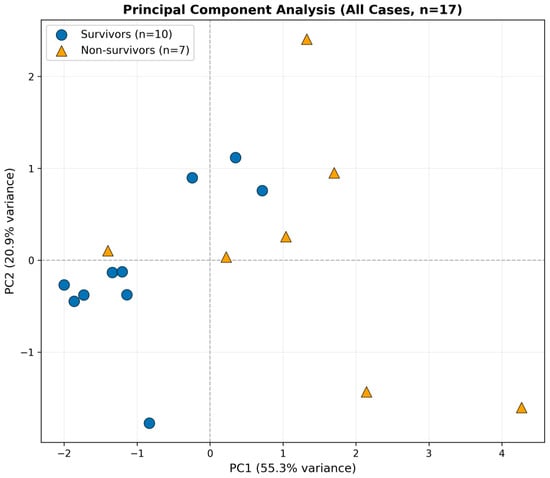
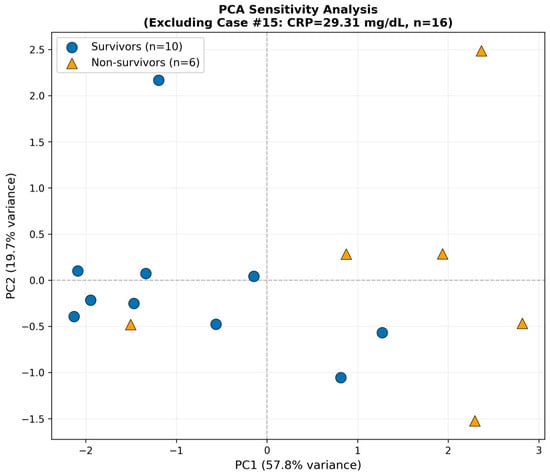
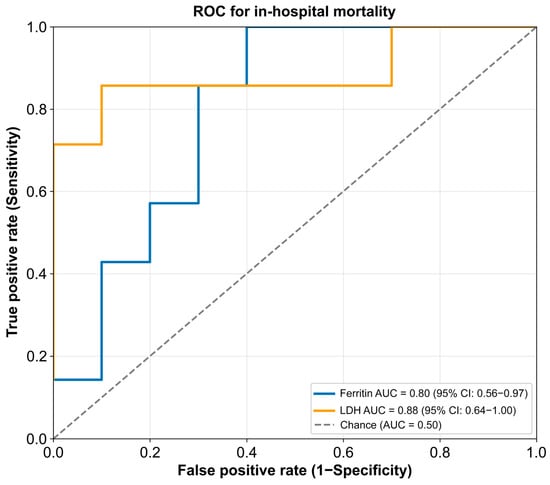
Background: Anti-melanoma differentiation-associated gene 5 (anti-MDA5) antibody-positive interstitial lung disease (ILD) is associated with high mortality. While inflammatory markers have been linked to poor outcomes, clinical heterogeneity remains evident, as some patients survive despite marked hyperinflammation. Methods: We retrospectively analyzed consecutive patients with anti-MDA5 antibody-positive ILD treated at our institution between May 2017 and November 2025. In-hospital mortality was assessed in relation to clinical characteristics and laboratory markers, including peak anti-MDA5 antibody titers, ferritin, C-reactive protein (CRP), lactate dehydrogenase (LDH), and KL-6. Analyses were exploratory and hypothesis-generating. Continuous variables were compared using Mann–Whitney U tests, and categorical variables using Fisher’s exact test. Principal component analysis (PCA) and receiver operating characteristic (ROC) analyses were performed for descriptive purposes. Results: Seventeen patients were included (10 survivors and 7 non-survivors). Peak ferritin, C-reactive protein (CRP), and lactate dehydrogenase (LDH) levels were significantly higher in non-survivors, whereas peak anti-MDA5 antibody titers showed a non-significant trend toward higher values in non-survivors (p = 0.057). KL-6 levels did not differ significantly between groups. In ROC analyses, LDH and CRP showed the highest discriminative performance for in-hospital mortality, followed by ferritin, whereas KL-6 showed the lowest discriminative performance. Despite these overall trends, substantial overlap between survivors and non-survivors remained across all biomarkers. Principal component analysis (PCA) demonstrated partial separation of outcomes along an inflammation-dominant axis, but with persistent overlap, indicating marked outcome heterogeneity. Conclusions: Inflammatory biomarkers, particularly LDH, CRP, and ferritin, were associated with in-hospital mortality in anti-MDA5 antibody-associated ILD. However, persistent overlap between survivors and non-survivors suggests that single-biomarker assessment is insufficient for precise prognostication. These findings should be interpreted as hypothesis-generating and require validation in larger multicenter cohorts.
Full article

Figure 1
Open AccessArticle
Validation of SpO2/FiO2 as a Non-Invasive Surrogate of PaO2/FiO2 in Mechanically Ventilated COVID-19 Patients at High Altitude
by
Guillermo Ortiz-Ruiz, Manuel Garay-Fernández, Eduardo Tuta-Quintero, Alirio Bastidas, Antonio Lara, Arlen Mauricio Márquez, Carolina Aponte, Jairo Guevara and Jonathan A. Guezguan
Adv. Respir. Med. 2026, 94(3), 28; https://doi.org/10.3390/arm94030028 - 28 Apr 2026
Abstract
►▼
Show Figures
Background: The ratio of arterial partial pressure of oxygen to fraction of inspired oxygen (PaO2/FiO2) is central to the classification of acute respiratory distress syndrome (ARDS). However, its assessment requires arterial blood gas analysis, which may be limited by
[...] Read more.
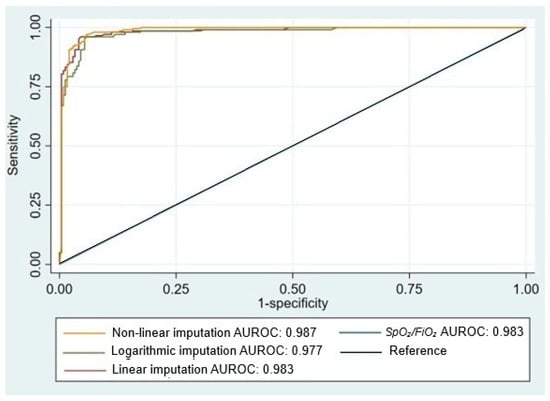
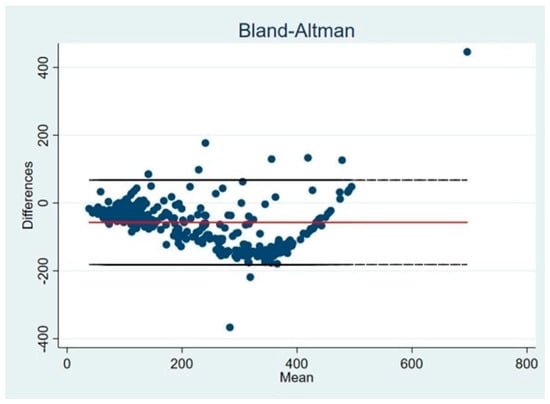
Background: The ratio of arterial partial pressure of oxygen to fraction of inspired oxygen (PaO2/FiO2) is central to the classification of acute respiratory distress syndrome (ARDS). However, its assessment requires arterial blood gas analysis, which may be limited by availability, cost, and invasiveness. Consequently, the ratio of peripheral oxygen saturation to fraction of inspired oxygen (SpO2/FiO2) has been proposed as a non-invasive surrogate for estimating the degree of oxygenation impairment. Methods: A retrospective cross-sectional study was conducted in adult patients with COVID-19 admitted to the intensive care unit at an altitude of 2600 m above sea level (m.a.s.l.). Spearman correlation coefficients were calculated to assess the association between the SpO2/FiO2 and PaO2/FiO2 ratios and their corresponding imputation models. A generalized linear model was applied, and the diagnostic performance of the SpO2/FiO2 ratio and the imputation models for detecting severe and non-severe hypoxemia (PaO2/FiO2 cutoff value of 150) was evaluated using the area under the receiver operating characteristic curve (AUC). Results: A total of 473 patients receiving invasive mechanical ventilation were included, with a mean age of 62.4 years (SD 14.1), and a predominance of males (67.2%). An SpO2/FiO2 ratio cutoff value of ≥206 demonstrated excellent diagnostic performance, with an AUC of 0.983 (95% CI 0.97–0.99), high sensitivity (90.6%), high specificity (96.7%), and an overall correct classification rate of 93.9%. This performance remained consistent across multiple clinical scenarios. In patients with positive end-expiratory pressure > 10 cmH2O, the AUC was 0.982, with a specificity of 97.7%. In the presence of hyperbilirubinemia (total bilirubin ≥ 3 mg/dL), the AUC was 0.951. Among patients with hemoglobin levels < 10 g/dL, sensitivity reached 100%, although specificity was reduced. In the subgroup with arterial partial pressure of carbon dioxide > 35 mmHg, an SpO2/FiO2 ratio ≥ 206 showed near-perfect specificity (99.4%) and a positive likelihood ratio of 120.9. Conclusions: The SpO2/FiO2 ratio is a reliable and non-invasive surrogate of the PaO2/FiO2 ratio in mechanically ventilated patients with COVID-19 living at high altitude, particularly for the identification of non-severe hypoxemia.
Full article

Figure 1
Open AccessArticle
Exploratory Changes in Surfactant Protein D During Intermittent Hypoxia and Modulation by Galectin-3 Inhibition
by
Saad Al-Anazi, Yasser A. Alshawakir, Syed Shahid Habib, Hayam Gad, Asma F. Alotaibi, Alanoud T. Aljasham, Wajd Ahmed Althakfi, Mohamed A. Mekhtiche and Abeer Abdulmoati Al-Masri
Adv. Respir. Med. 2026, 94(3), 27; https://doi.org/10.3390/arm94030027 - 24 Apr 2026
Abstract
►▼
Show Figures
Background: Surfactant Protein D (SP-D) is a critical immunomodulatory collectin maintaining alveolar homeostasis. Obstructive sleep apnea (OSA)-related intermittent hypoxia (IH) disrupts pulmonary surfactant integrity; however, severity-dependent SP-D dynamics remain incompletely characterized. This study explores SP-D as a potential indicator of IH-induced alveolar stress
[...] Read more.
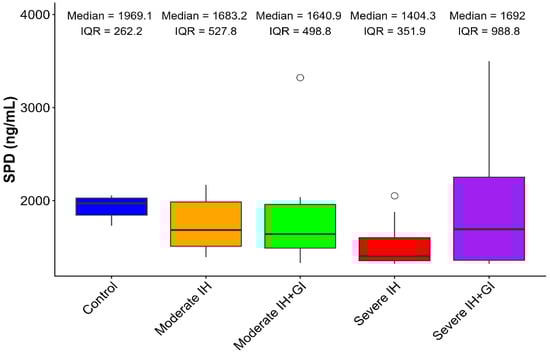
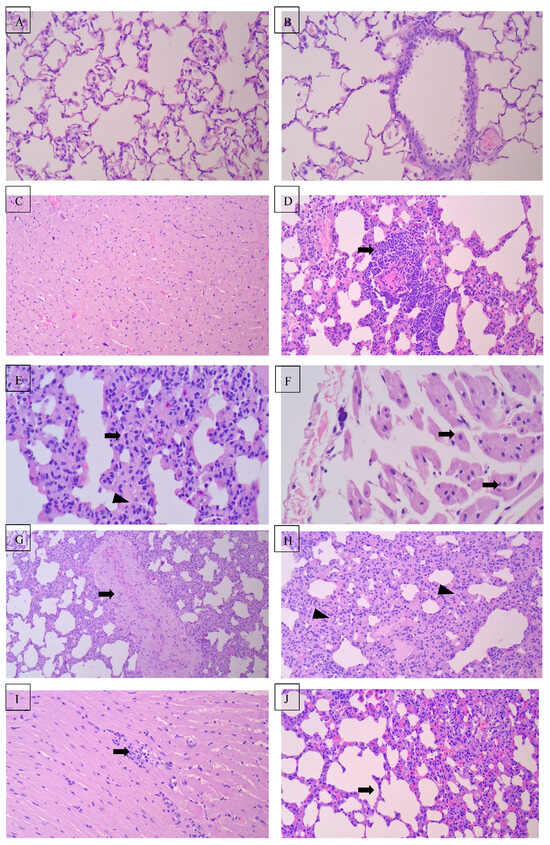
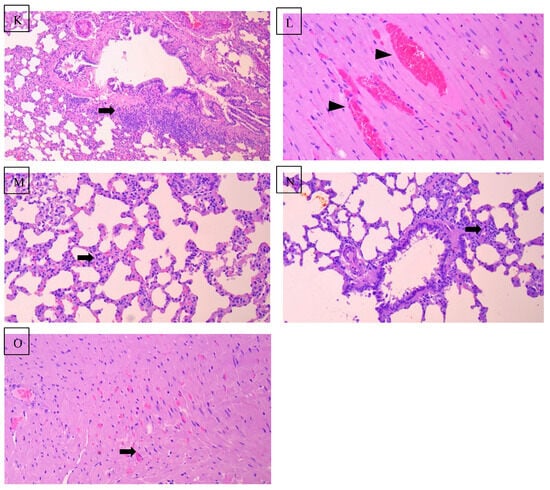
Background: Surfactant Protein D (SP-D) is a critical immunomodulatory collectin maintaining alveolar homeostasis. Obstructive sleep apnea (OSA)-related intermittent hypoxia (IH) disrupts pulmonary surfactant integrity; however, severity-dependent SP-D dynamics remain incompletely characterized. This study explores SP-D as a potential indicator of IH-induced alveolar stress and evaluates whether Galectin-3 (Gal-3) inhibition modulates surfactant homeostasis. Methods: Forty adult male Sprague-Dawley rats (8 per group) were randomized to Control (normoxia), Moderate IH (MIH; 15–30 events/hour), Severe IH (SIH; 30–60 events/hour), MIH + Gal-3 inhibitor (Modified Citrus Pectin, 800 mg/kg/day), or SIH + Gal-3 inhibitor. IH exposure lasted 8 h/day for 10 days. Outcomes included circulating SP-D, Surfactant Protein B (SP-B), inflammatory markers, physiological parameters, and histopathological lung injury scores assessed via American Thoracic Society guidelines. Results: SP-D levels showed numerical reductions with increasing IH severity (Control: 1969.07 pg/mL [IQR: 262.15]; SIH: 1404.30 pg/mL [IQR: 351.88]), representing a 28.6% decrease. However, between-group variability resulted in non-significant omnibus testing (Kruskal–Wallis p = 0.187). Gal-3 inhibition elevated SP-D levels, particularly in severe IH (2133.95 pg/mL [IQR: 1240.70]), though high inter-individual variability was observed (CV = 58.1%). SP-B showed significant suppression under moderate IH (p = 0.019) with restoration by treatment. Exploratory correlation analysis revealed moderate positive associations between SP-D and heart rate (r = 0.587) and respiratory rate (r = 0.419) in severe IH, though these did not reach statistical significance (p = 0.126 and p = 0.301, respectively). Histologically, severe IH induced diffuse alveolar damage (total lung score: 19.67 ± 0.82). Gal-3 inhibition produced context-dependent effects: protective in severe IH but paradoxically exacerbating inflammation under moderate IH (29.20 ± 4.64 vs. 20.00 ± 4.34; p < 0.05). Gal-3 inhibition significantly attenuated cardiac injury (injury score: 0.00 ± 0.00 vs. 7.17 ± 0.75 in severe IH; p < 0.001, η2 = 0.859). Conclusions: SP-D demonstrates severity-associated alterations consistent with alveolar epithelial stress during IH, though high variability limits definitive biomarker validation in this sample. Gal-3 inhibition modulates surfactant homeostasis and attenuates cardiopulmonary injury in a context-dependent manner. These findings support further investigation into SP-D as a component of multimodal severity stratification in OSA and highlight Gal-3 inhibition as a context-dependent anti-inflammatory strategy, pending validation in larger cohorts with tissue-level confirmation.
Full article

Figure 1

Open AccessArticle
Biomechanical Phenotyping of Forced Expiration for Precision Pulmonary Rehabilitation: A Machine Learning Approach to Identify Structural and Kinetic Drivers
by
Noppharath Sangkarit and Weerasak Tapanya
Adv. Respir. Med. 2026, 94(2), 26; https://doi.org/10.3390/arm94020026 - 17 Apr 2026
Abstract
Background: Standard spirometry fundamentally overlooks the mechanical dynamics of forced expiration. This study derived novel biomechanical parameters to establish functional phenotypes and predict clinical respiratory impairments. Methods: Utilizing 16,596 acceptable spirometry records from NHANES (2007 to 2012), parameters reflecting kinetic power, mass constraint,
[...] Read more.
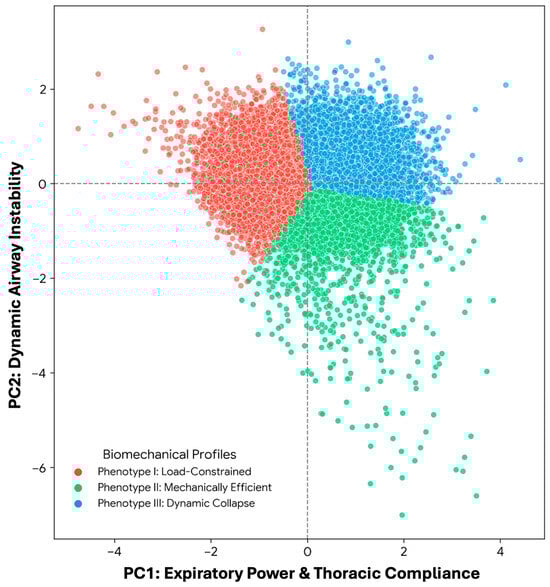
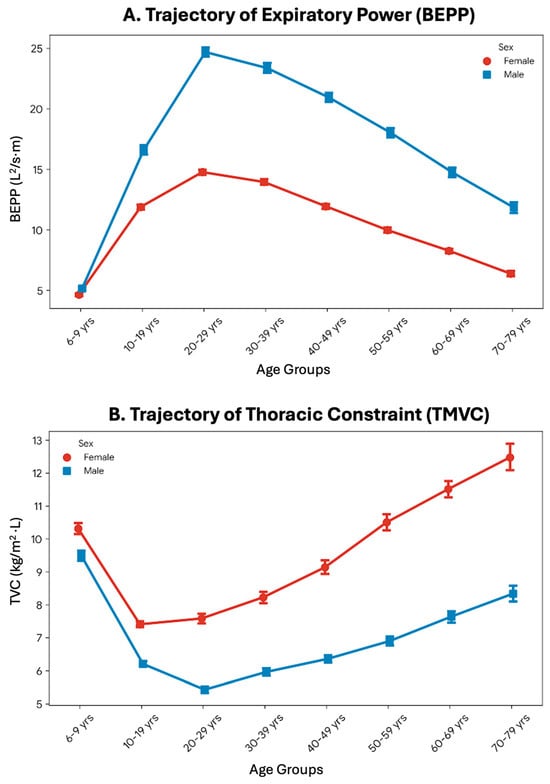
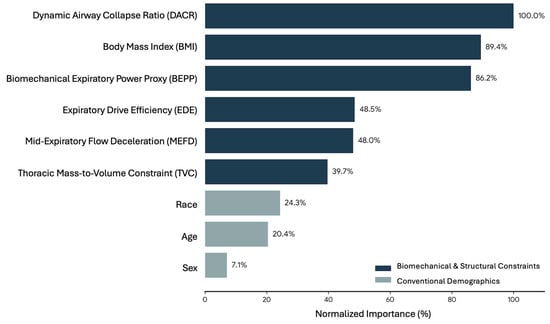
Background: Standard spirometry fundamentally overlooks the mechanical dynamics of forced expiration. This study derived novel biomechanical parameters to establish functional phenotypes and predict clinical respiratory impairments. Methods: Utilizing 16,596 acceptable spirometry records from NHANES (2007 to 2012), parameters reflecting kinetic power, mass constraint, and airway instability were mathematically derived. Principal component analysis, K-means clustering, and a Multilayer Perceptron neural network were sequentially applied. Results: Three distinct biomechanical phenotypes emerged: Load-Constrained (45.4%), Mechanically Efficient (23.5%), and Dynamic Collapse (31.0%). Aging significantly degraded kinetic power, demonstrating a steeper functional decline in males (p < 0.001). The neural network achieved 93.2% testing accuracy in classifying spirometric abnormalities. Crucially, Dynamic Airway Collapse Ratio (100% normalized importance), BMI (89.4%), and kinetic power (86.2%) fundamentally outperformed traditional demographic predictors such as chronological age (20.4%) and biological sex (7.1%). Conclusions: Structural and dynamic kinetic factors drive pulmonary dysfunction far more accurately than conventional demographics. Classifying these mechanical phenotypes facilitates highly targeted precision cardiopulmonary rehabilitation.
Full article
(This article belongs to the Special Issue Pulmonary Rehabilitation: Interventions, Protocols, and Outcomes)
►▼
Show Figures

Figure 1
Open AccessSystematic Review
Effects of Exercise-Based Pulmonary Rehabilitation in Patients with Long COVID: A Systematic Review and Meta-Analysis
by
Janne Marques Silveira, Ana Paula Midori Nakaishi, Marcos Gontijo da Silva, Daniele Oliveira dos Santos and Ada Clarice Gastaldi
Adv. Respir. Med. 2026, 94(2), 25; https://doi.org/10.3390/arm94020025 - 10 Apr 2026
Abstract
►▼
Show Figures
Background/Objective: A substantial proportion of infected individuals develop persistent symptoms after the acute phase of COVID-19, regardless of initial disease severity. Long COVID (LC) remains a public health challenge characterized by impaired functional exercise capacity (FEC) and quality of life (QoL). We
[...] Read more.
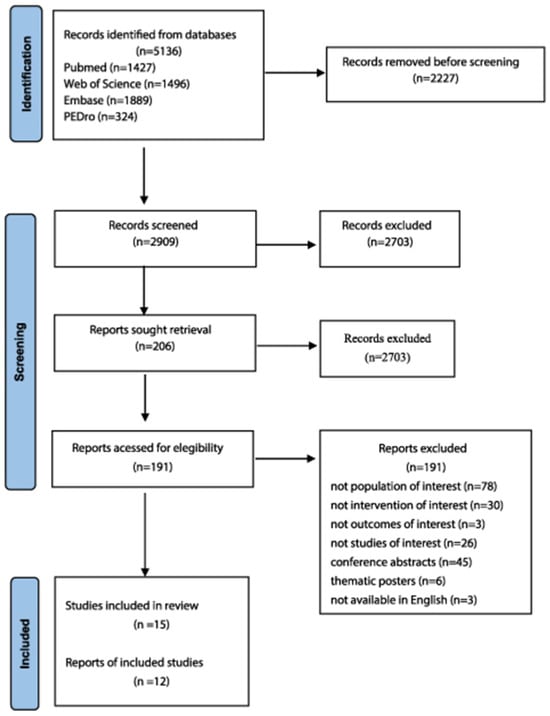
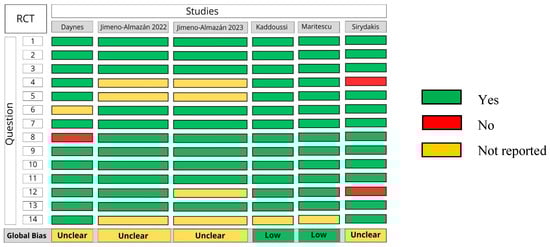
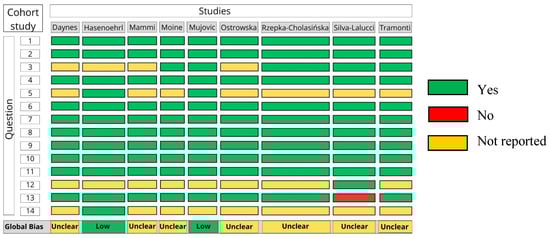
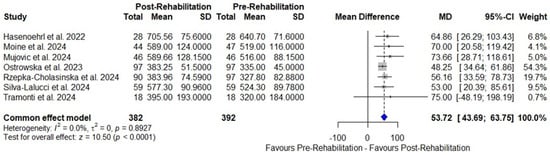
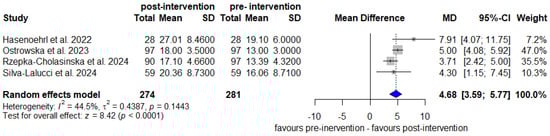
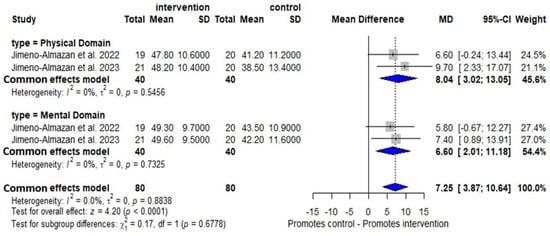
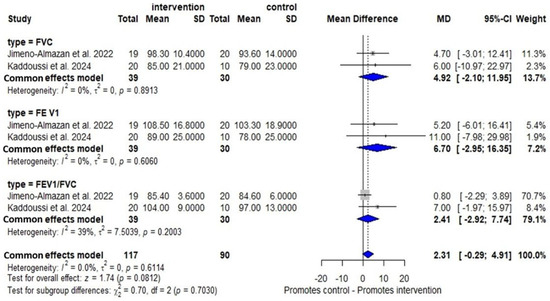
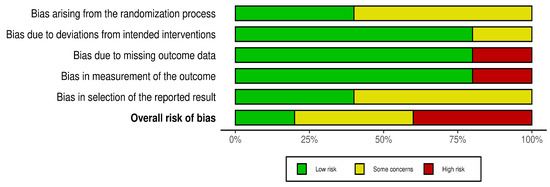
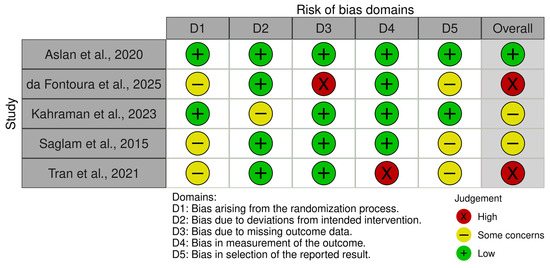
Background/Objective: A substantial proportion of infected individuals develop persistent symptoms after the acute phase of COVID-19, regardless of initial disease severity. Long COVID (LC) remains a public health challenge characterized by impaired functional exercise capacity (FEC) and quality of life (QoL). We systematically synthesized evidence on the effects of in-person outpatient pulmonary rehabilitation (OPR) with individualized and supervised exercise in adults with LC. Methods: Following PROSPERO (CRD42023389365), this study reviewed randomized controlled trials (RCTs) and observational cohort studies (OCSs) published between November 2019 and January 2026 in MEDLINE/PubMed, Web of Science, PEDro, and EMBASE. Results: Fifteen studies (n = 803) were included. OPR improved FEC (6MWT; MD: 53.72 m, 95% CI 43.69–63.75) and 30″SST (MD: 4.68, 95% CI 3.59–5.77) and reduced exertional dyspnea. RCTs showed benefits in physical (MD: 8.04, 95% CI 3.02–13.05) and mental QoL (MD: 6.60, 95% CI 2.01–11.18) and dyspnea impact, with inconsistent PF findings. Fatigue showed a trend toward improvement but was measured using heterogeneous patient-reported tools in RCTs and OCSs. Conclusions: Supervised PR improves FEC, QoL, and dyspnea in individuals with LC. In patients with fatigue/PEM, systematic assessment and continuous symptom monitoring are essential. High-quality controlled studies are needed to strengthen evidence and clinical guide.
Full article

Figure 1
Open AccessArticle
Prognostic Impact of Serum Transthyretin and Sarcopenia on 3-Year Mortality and Respiratory-Related Hospitalizations in Idiopathic Pulmonary Fibrosis: A Prospective Cohort Study
by
Akihito Okada, Akiko Nakano, Kohei Fujita, Yoshitsugu Inoue, Toshiyasu Ito, Fumitaka Hashiba, Masashi Fujikawa, Tatsuya Tanaka, Aya Mukai, Keima Ito, Yuta Mori, Kensuke Fukumitsu, Satoshi Fukuda, Yoshihiro Kanemitsu, Tomoko Tajiri, Tetsuya Oguri, Yoshiyuki Ozawa, Takayuki Murase and Hirotsugu Ohkubo
Adv. Respir. Med. 2026, 94(2), 24; https://doi.org/10.3390/arm94020024 - 8 Apr 2026
Abstract
►▼
Show Figures
Background: Prognostic markers reflecting nutritional vulnerability in idiopathic pulmonary fibrosis (IPF) remain poorly defined. Methods: In this prospective cohort study, 63 stable outpatients with IPF were followed for 3 years. Sarcopenia was defined according to the 2019 Asian Working Group for Sarcopenia criteria.
[...] Read more.
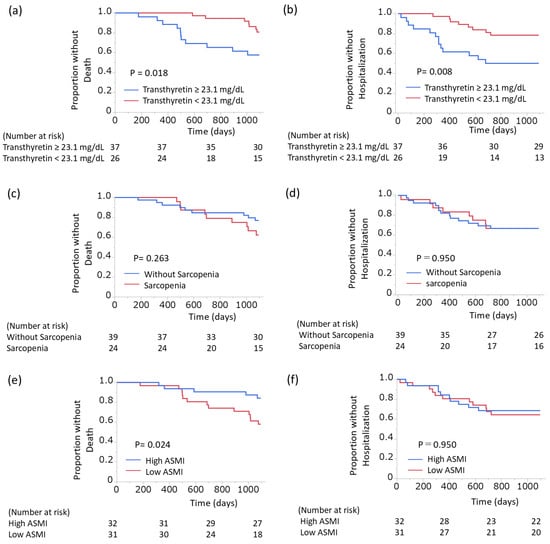
Background: Prognostic markers reflecting nutritional vulnerability in idiopathic pulmonary fibrosis (IPF) remain poorly defined. Methods: In this prospective cohort study, 63 stable outpatients with IPF were followed for 3 years. Sarcopenia was defined according to the 2019 Asian Working Group for Sarcopenia criteria. Serum transthyretin levels were measured concurrently. Cox proportional hazards regression, binary logistic regression, and Kaplan–Meier survival analyses were performed. Results: During follow-up, 18 patients (29%) died and 21 (33%) experienced respiratory-related hospitalization. Serum transthyretin was an independent predictor of both 3-year mortality and respiratory-related hospitalization, even after adjusting for the Gender–Age–Physiology index. Conversely, sarcopenia and low appendicular skeletal muscle mass index (ASMI) were not independently associated with either outcome. Kaplan–Meier analysis demonstrated significant differences in both mortality and hospitalization according to serum transthyretin levels. Low ASMI evaluated using sex-specific cutoffs was associated with higher mortality in the unadjusted analysis, but not with hospitalization; sarcopenia was not significantly associated with either endpoint. Conclusions: Serum transthyretin may serve as a practical biomarker of nutritional vulnerability, providing complementary prognostic information beyond muscle mass-based assessment in IPF.
Full article

Figure 1

Open AccessArticle
Stroke-Associated Pneumonia and Impaired Functional Recovery After Stroke: The Role of Nutritional-Inflammatory Factors
by
Rongjian Feng, Chonggui Jiang, Yan Yang, Mao Su, Meng Qin and Quan Wei
Adv. Respir. Med. 2026, 94(2), 23; https://doi.org/10.3390/arm94020023 - 6 Apr 2026
Abstract
►▼
Show Figures
Background: Stroke-associated pneumonia (SAP) is a common complication after acute ischemic stroke and contributes to worse recovery and greater resource use. Nutritional and inflammatory dysregulation have been implicated in both SAP susceptibility and adverse prognosis. Objective: To examine whether admission inflammatory and nutritional
[...] Read more.
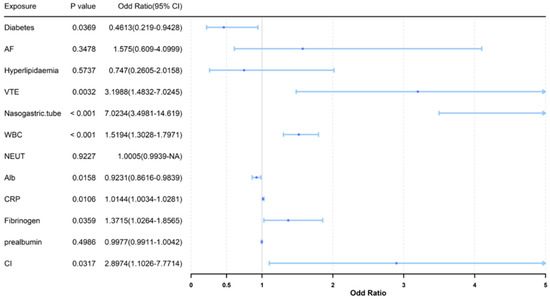
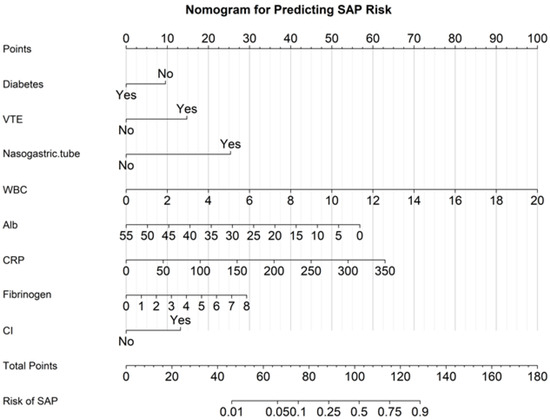
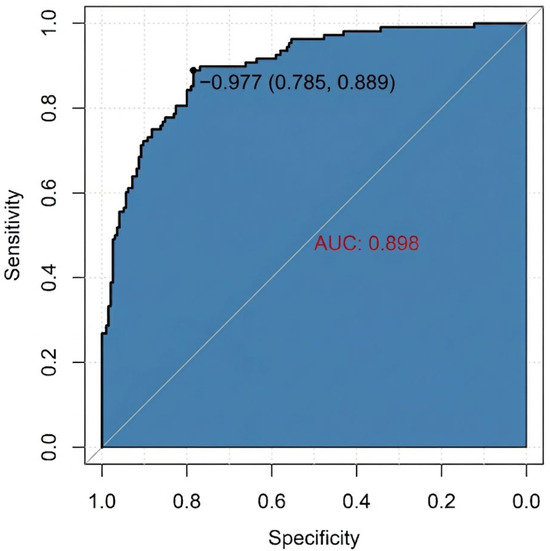
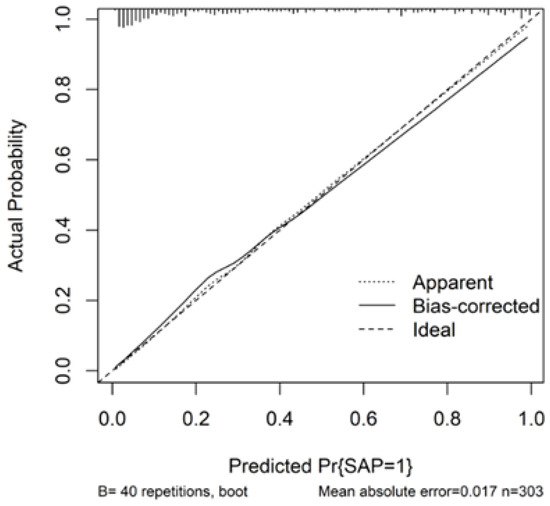
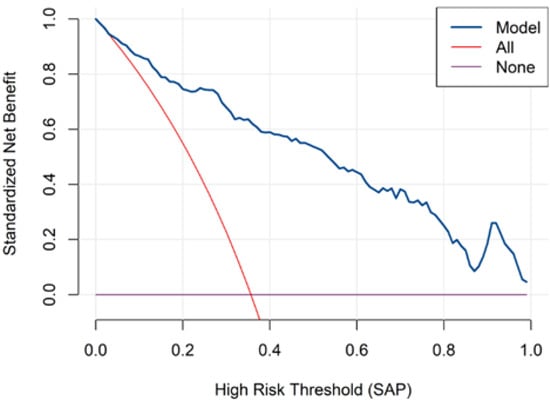
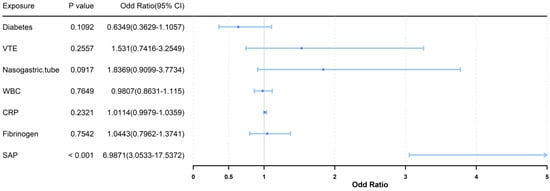
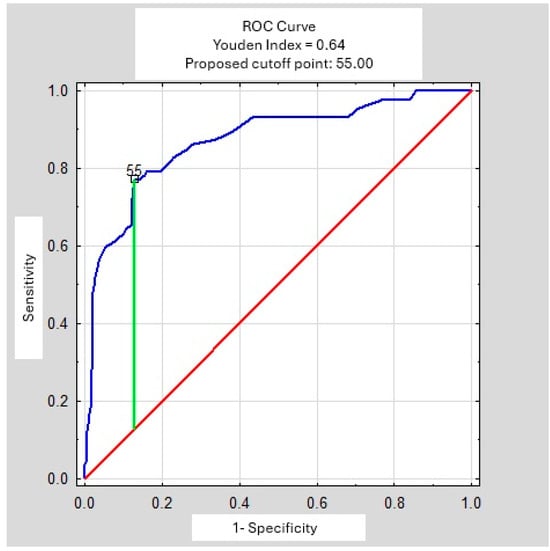
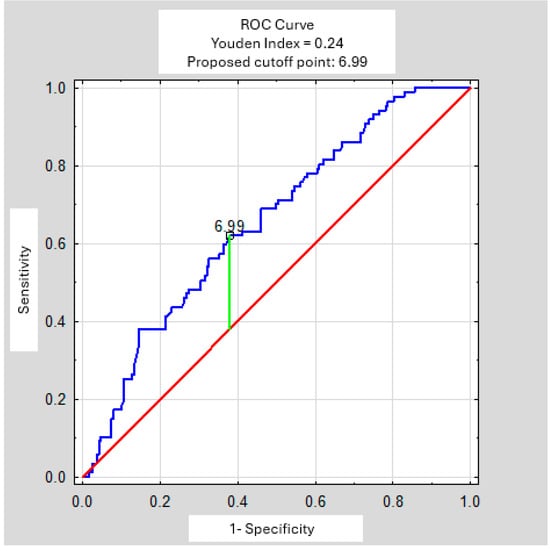
Background: Stroke-associated pneumonia (SAP) is a common complication after acute ischemic stroke and contributes to worse recovery and greater resource use. Nutritional and inflammatory dysregulation have been implicated in both SAP susceptibility and adverse prognosis. Objective: To examine whether admission inflammatory and nutritional markers are associated with the development of SAP and with short-term functional prognosis. Methods: We performed a retrospective single-centre cohort study of consecutive patients with acute ischemic stroke admitted between 1 January 2015 and 31 December 2024 ( ). Admission laboratory indices (albumin, CRP, fibrinogen, WBC, PCT, and prealbumin) in the first 24 h and clinical variables were analysed. Multivariable logistic regression identified factors independently associated with SAP; the relationship between SAP and early functional recovery was assessed in adjusted outcome models. A nomogram integrating key predictors was developed and its apparent discrimination is reported. Results: SAP occurred in 35.6% of patients. Factors independently associated with SAP included nasogastric tube placement (OR: 7.02, 95% CI: 3.50–14.62), venous thromboembolism (OR: 3.20, 95% CI: 1.62–6.31), cognitive impairment (OR: 2.90, 95% CI: 1.32–6.36), and elevated inflammatory markers (WBC OR: 1.52, 95% CI: 1.28–1.80; fibrinogen OR: 1.37, 95% CI: 1.02–1.84; CRP OR: 1.01, 95% CI: 1.00–1.03). Higher admission serum albumin was associated with lower odds of SAP (OR: 0.92, 95% CI: 0.86–0.98). The nomogram showed strong apparent discrimination (AUC: 0.90, 95% CI: 0.86–0.94). After multivariable adjustment, SAP remained associated with poorer short-term functional improvement (adjusted OR: 6.99, 95% CI: 3.05–17.54) and greater healthcare utilization (median length of stay: 39.6 vs. 30.6 days; median cost: USD 12,836 vs. 6585). Conclusion: In this retrospective cohort, admission markers of nutritional depletion and inflammatory activation were associated not only with increased likelihood of SAP, but also with adverse early functional outcomes. These association-based findings support early risk stratification using routine admission markers; prospective studies and external validation are required before clinical implementation.
Full article

Figure 1
Open AccessArticle
Non-Pharmacological Pulmonary Rehabilitation in Patients with Pneumoconiosis: A Systematic Review
by
Madina B. Baurzhan, Sayagul A. Kairgeldina, Venera M. Almatova, Alexandr E. Gulyayev, Raushan S. Dosmagambetova, Kanat K. Tekebayev, Karashash Absatarova and Karlygash S. Absattarova
Adv. Respir. Med. 2026, 94(2), 22; https://doi.org/10.3390/arm94020022 - 31 Mar 2026
Abstract
►▼
Show Figures
Background: Pneumoconiosis remains a major occupational lung disease associated with progressive respiratory impairment, reduced functional capacity, and diminished quality of life. Non-pharmacological rehabilitation has been increasingly proposed as a supportive intervention; however, evidence regarding its effectiveness remains heterogeneous. Objective: This study aimed to
[...] Read more.
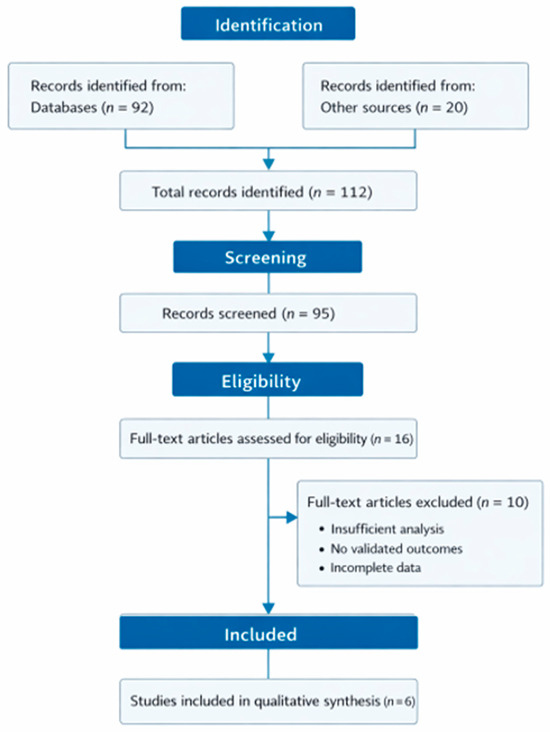
Background: Pneumoconiosis remains a major occupational lung disease associated with progressive respiratory impairment, reduced functional capacity, and diminished quality of life. Non-pharmacological rehabilitation has been increasingly proposed as a supportive intervention; however, evidence regarding its effectiveness remains heterogeneous. Objective: This study aimed to systematically review and synthesize the available evidence on the effects of non-pharmacological rehabilitation interventions on functional capacity, quality of life, and psychological outcomes in patients with pneumoconiosis. Methods: A systematic literature search was conducted in major electronic databases and grey literature sources in accordance with PRISMA 2020 guidelines. Studies evaluating non-pharmacological rehabilitation interventions in adults with pneumoconiosis were eligible for inclusion. Outcomes of interest included functional capacity, health-related quality of life, and psychological well-being. Due to methodological heterogeneity across studies, a qualitative synthesis was performed. Results: Six studies met the predefined inclusion criteria and were included in the qualitative synthesis. The reviewed evidence suggests that structured rehabilitation interventions were associated with clinically meaningful improvements in functional capacity, particularly in structured rehabilitation programs, most consistently reflected by increases in six-minute walk distance exceeding established minimal clinically important differences in three studies. Improvements in health-related quality of life and selected psychological outcomes were also reported, although outcome measures and intervention protocols varied across studies. Significant improvements in exercise capacity, dyspnea severity, and health-related quality of life were reported. Conclusions: Non-pharmacological rehabilitation may provide clinically meaningful benefits for patients with pneumoconiosis, based on limited and heterogeneous evidence, particularly in terms of functional capacity and quality of life. Nevertheless, the current evidence base is limited by heterogeneity in study design and outcome reporting. Further high-quality, standardized trials are needed to strengthen the evidence and guide the clinical implementation of rehabilitation programs for occupational lung diseases.
Full article

Figure 1

Open AccessReview
High-Flow Nasal Cannula in Patients Awaiting Lung Transplant: Evidence, Clinical Applications, and Outcomes
by
Salah M. Zeineldine, Rami Hallak, Antonio Esquinas and Mohamad F. El-Khatib
Adv. Respir. Med. 2026, 94(2), 21; https://doi.org/10.3390/arm94020021 - 30 Mar 2026
Abstract
Patients with end-stage lung diseases awaiting lung transplant frequently experience severe hypoxemia, dyspnea, and functional limitations that may compromise survival and transplant eligibility. Optimizing noninvasive respiratory support during the waiting period is crucial to preserve oxygenation, maintain physical conditioning, and avoid escalation to
[...] Read more.
Patients with end-stage lung diseases awaiting lung transplant frequently experience severe hypoxemia, dyspnea, and functional limitations that may compromise survival and transplant eligibility. Optimizing noninvasive respiratory support during the waiting period is crucial to preserve oxygenation, maintain physical conditioning, and avoid escalation to invasive mechanical ventilation, which is associated with poorer transplant outcomes. High-flow nasal cannula therapy has emerged as an important noninvasive respiratory support modality capable of providing physiological and clinical benefits such as precise fractions of inspired oxygen, a low level of positive end-expiratory pressure, dead-space washout, and reduced work of breathing. This review summarizes the pathophysiology of hypoxemia in lung transplant candidates, the mechanisms of action of high-flow nasal cannulas, and the current clinical evidence supporting its use in this population during the pre-transplant period. Available evidence suggests that the use of high-flow nasal cannulas improves oxygenation, relieves dyspnea, enhances exercise tolerance, facilitates participation in pulmonary rehabilitation programs, and may reduce the need for endotracheal intubation, thereby improving the likelihood of survival to transplantation. The review also discusses patient selection, the practical implementation of high-flow nasal cannula therapy, and comparisons with other respiratory support modalities. Although the current evidence is largely observational and heterogenous, high flow appears to be a valuable supportive and bridging therapy for selected patients awaiting lung transplant. Future prospective studies are needed to define standardized protocols and evaluate transplant-specific outcomes.
Full article
(This article belongs to the Special Issue Non-Invasive Ventilatory Support Tool as a Bridge in Lung Transplants—Practical Approach and Clinical Evaluation)
Open AccessArticle
Glucagon-like Peptide-1 Receptor Agonist Therapy and Risk of Pulmonary and Systemic Infections in Diabetic Gastroparesis: A Propensity-Matched Cohort Study
by
Muhammad Ali Ibrahim Kazi, Hasan Kamal, Syed Musa Mufarrih, Imran Qureshi, Sanmeet Singh and Adrien Mazer
Adv. Respir. Med. 2026, 94(2), 20; https://doi.org/10.3390/arm94020020 - 24 Mar 2026
Abstract
►▼
Show Figures
Introduction: Diabetic gastroparesis increases the risk of aspiration, pneumonia, and sepsis, yet the impact of glucagon-like peptide-1 receptor agonists (GLP-1 RAs) on these outcomes is uncertain because of their gastric-emptying effects. Methods: We performed a retrospective cohort study using the TriNetX Global Research
[...] Read more.
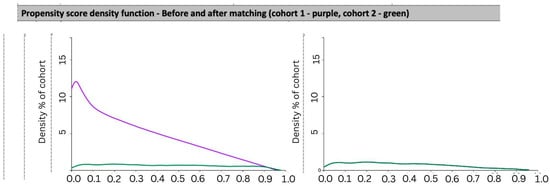
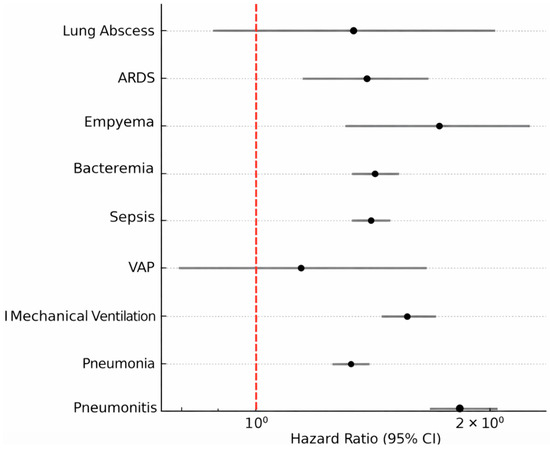
Introduction: Diabetic gastroparesis increases the risk of aspiration, pneumonia, and sepsis, yet the impact of glucagon-like peptide-1 receptor agonists (GLP-1 RAs) on these outcomes is uncertain because of their gastric-emptying effects. Methods: We performed a retrospective cohort study using the TriNetX Global Research Network. Adults (≥18 years) with diabetes mellitus and gastroparesis were identified and divided into two cohorts based on GLP-1 RA exposure. Propensity score matching (1:1) balanced demographics, comorbidities, and antidiabetic medications, yielding 23,371 patients per cohort. Outcomes, assessed from 180 days after index, included pneumonia, pneumonitis, mechanical ventilation, ventilator-associated pneumonia, sepsis, bacteremia, empyema, lung abscess, acute respiratory distress syndrome (ARDS), and need for enteral feeding. Risk ratios (RRs) and hazard ratios (HRs) with 95% confidence intervals (CIs) were estimated. Results: Compared with GLP-1 users, non-GLP-1 patients had higher incidences of pneumonitis (3.6% vs. 2.5%; HR 1.76, 95% CI 1.58–1.95), pneumonia (13.2% vs. 12.2%; HR 1.34, 95% CI 1.27–1.41), mechanical ventilation (4.4% vs. 3.3%; HR 1.63, 95% CI 1.49–1.79), sepsis (12.8% vs. 11.1%; HR 1.44, 95% CI 1.37–1.52), and bacteremia (5.2% vs. 4.4%; HR 1.46, 95% CI 1.35–1.59) (all p < 0.001). Empyema and ARDS were also numerically lower among GLP-1 users, while ventilator-associated pneumonia and lung abscess were rare and similar between groups. No patients required percutaneous endoscopic gastrostomy or nasal enteral feeding. Conclusions: In patients with diabetes and gastroparesis, GLP-1 RA therapy was associated with significantly fewer pulmonary and systemic infectious complications. These data suggest that the systemic benefits of GLP-1 RAs may outweigh concerns regarding delayed gastric emptying in this high-risk population.
Full article

Figure 1
Open AccessArticle
Diagnostic Factors Associated with Sarcoidosis in Patients Referred for EBUS-TBNA Due to Mediastinal Lymphadenopathy
by
Paweł Zając, Monika Zając, Wojciech Kądziołka, Andrzej Sokołowski and Ewa Kaznowska
Adv. Respir. Med. 2026, 94(2), 19; https://doi.org/10.3390/arm94020019 - 16 Mar 2026
Abstract
►▼
Show Figures
Sarcoidosis is a multisystem granulomatous disease of unknown aetiology that frequently presents with mediastinal lymphadenopathy and often requires invasive diagnostic procedures. Endobronchial ultrasound-guided transbronchial needle aspiration (EBUS-TBNA) is widely used in this setting; however, a definitive diagnosis cannot always be established at first
[...] Read more.
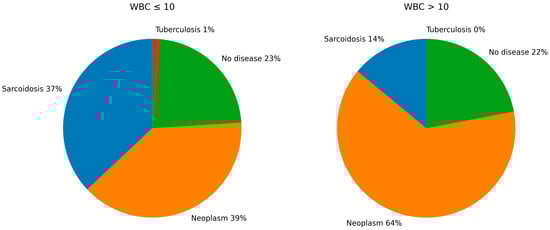
Sarcoidosis is a multisystem granulomatous disease of unknown aetiology that frequently presents with mediastinal lymphadenopathy and often requires invasive diagnostic procedures. Endobronchial ultrasound-guided transbronchial needle aspiration (EBUS-TBNA) is widely used in this setting; however, a definitive diagnosis cannot always be established at first attempt. This study aimed to identify clinical, laboratory, and radiological factors associated with a definitive diagnosis of sarcoidosis in patients referred for EBUS-TBNA. A retrospective analysis was performed including patients undergoing first-time ever EBUS-TBNA for mediastinal lymphadenopathy over a 12-month period. Demographic data, clinical features suggestive of sarcoidosis, chest computed tomography findings, and white blood cell count, were analysed, and definitive diagnoses were established based on cytological results and available follow-up data. Younger age (≤55 years), female sex, the absence of a pulmonary mass >10 mm on imaging, normal white blood cell count, and the presence of clinical features typical of sarcoidosis were significantly associated with a definitive diagnosis of sarcoidosis. Based on these variables, two point-based diagnostic scoring models were developed, demonstrating clinically relevant discriminatory performance. Readily available pre-procedural clinical and radiological factors may assist in estimating the probability of sarcoidosis in patients undergoing EBUS-TBNA for mediastinal lymphadenopathy and may support risk stratification and clinical decision-making.
Full article

Figure 1
Open AccessReview
Clues to Long COVID Linked to Virulence and Infectivity Found in Shell Proteins
by
Gerard Kian-Meng Goh, James A. Foster and Vladimir N. Uversky
Adv. Respir. Med. 2026, 94(2), 18; https://doi.org/10.3390/arm94020018 - 11 Mar 2026
Abstract
Clinical, experimental, and computational evidence of COVID-19 virulence and infectivity has been linked to SARS-CoV-2 shell disorder. A strong link was first discovered using an AI disorder-predicting tool, which detected an unusually hard (low disorder) outer shell among all SARS-CoV-2-related viruses but not
[...] Read more.
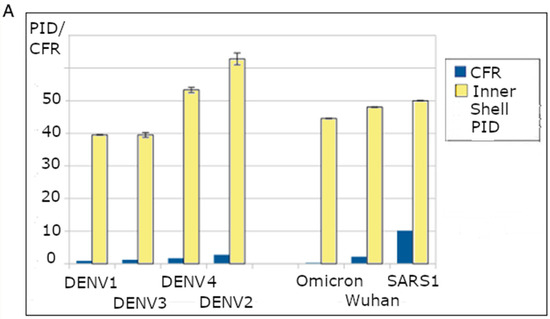
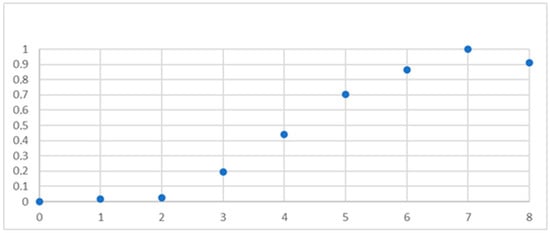
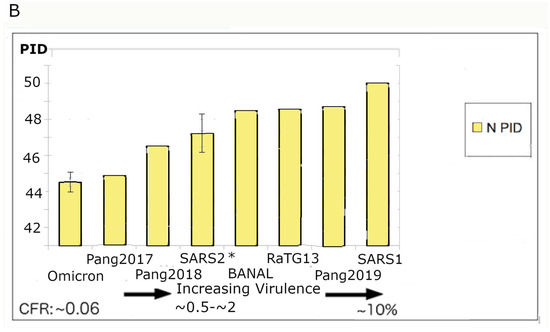
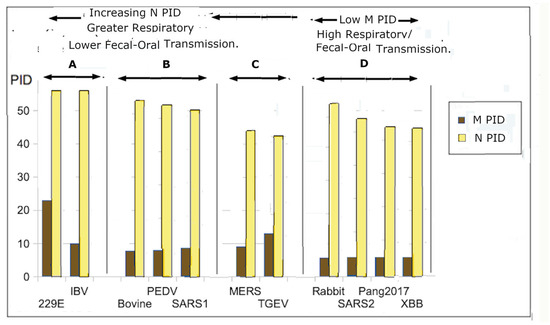
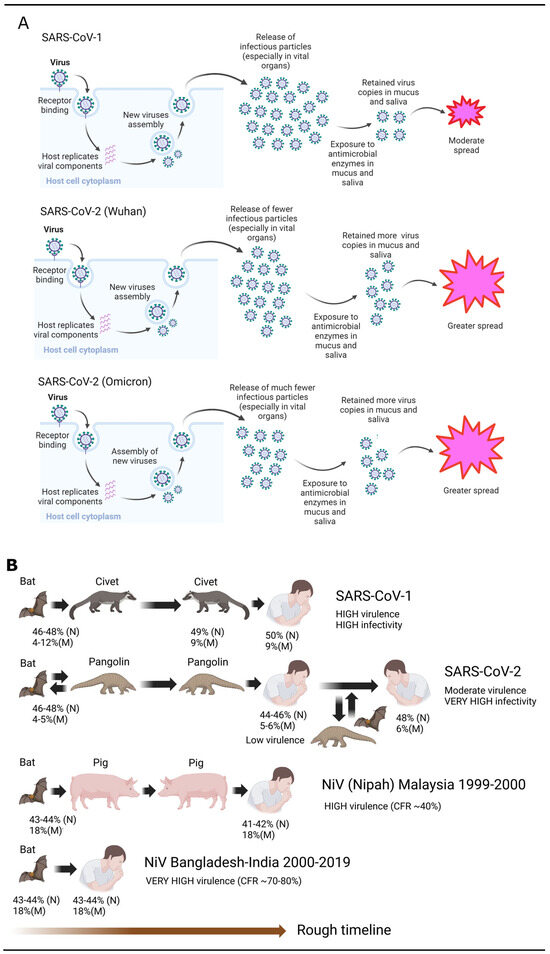
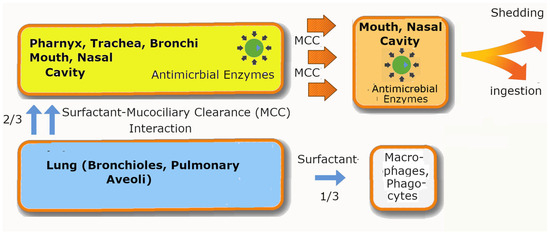
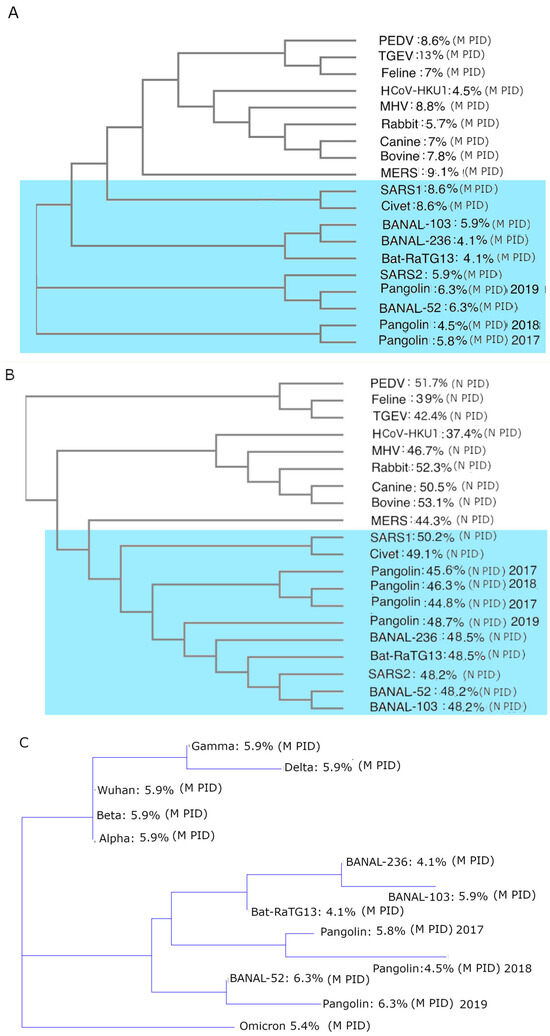
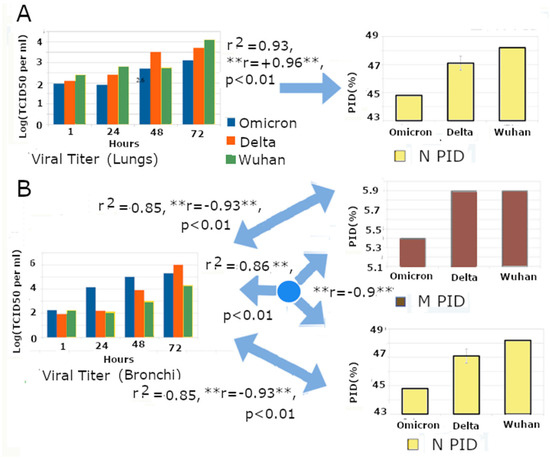
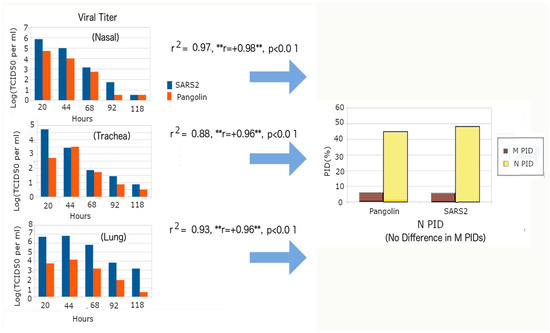
Clinical, experimental, and computational evidence of COVID-19 virulence and infectivity has been linked to SARS-CoV-2 shell disorder. A strong link was first discovered using an AI disorder-predicting tool, which detected an unusually hard (low disorder) outer shell among all SARS-CoV-2-related viruses but not in the 2003 SARS-CoV-1. This could account for the high infectivity found in SARS-CoV-2—but not in SARS-CoV-1—as it is believed that hard shells protect viral particles from the onslaught of the antimicrobial enzymes present in the respiratory system and saliva. As a result, much larger quantities of particles are shed by COVID-19 patients. Abnormally hard outer shells (M) are associated with burrowing animals, e.g., pangolins, and SARS-CoV-2 likely acquired these shells due to its long-term evolutionary interactions with pangolins. As for virulence, the inner shell of SARS-CoV-2 (N) has been found to exhibit lower disorder than that of SARS-CoV-1. This lower disorder is consistent with the fact that SARS-CoV-2 is less virulent than SARS-CoV-1, as higher disorder in the inner shell is associated with more efficient protein–protein binding during replication. The link between N/M disorder and virulence or infectivity falls under the umbrella of shell disorder models (SDMs), which can connect virulence, infectivity, and long COVID under one coherent concept. Evidence of the reliability and reproducibility of SDMs as applied to COVID-19 is examined. The hard M that is resisting the antimicrobial enzymes in the respiratory system can be extended to immunological enzymes, especially those found in phagocytes such as macrophages, which can therefore become a reservoir for the virus.
Full article
(This article belongs to the Special Issue Infectious Diseases in Respiratory Medicine)
►▼
Show Figures

Figure 1
Open AccessSystematic Review
Safety of Performing Spirometry During Pregnancy: A Systematic Review
by
Zofia Potocka, Katarzyna Górska, Radosław Ciesielski, Dorota Bomba-Opoń, Mirosław Wielgoś and Piotr Korczyński
Adv. Respir. Med. 2026, 94(2), 17; https://doi.org/10.3390/arm94020017 - 6 Mar 2026
Abstract
►▼
Show Figures
Introduction: It is estimated that up to 75% of pregnant women complain of dyspnea at some point during pregnancy. Asthma is the most common chronic pulmonary disease complicating pregnancy. Well controlled asthma does not affect pregnancy negatively. However, asthma exacerbations are linked
[...] Read more.
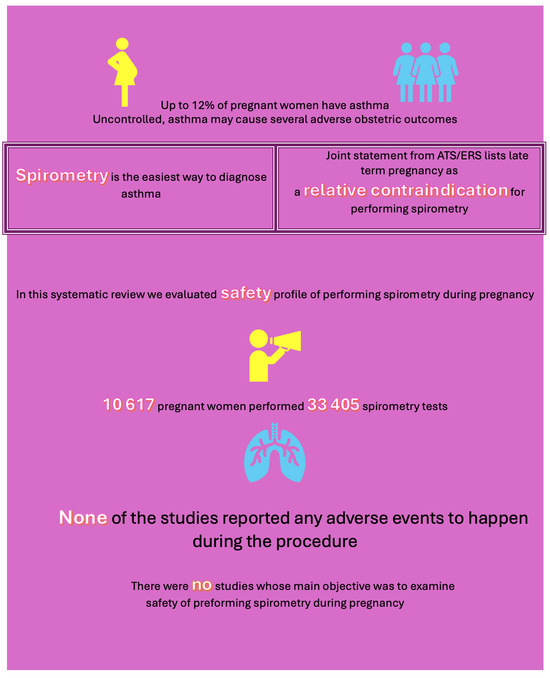
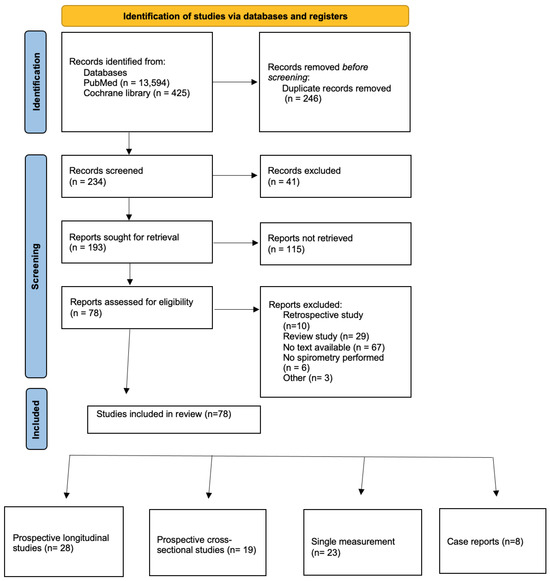
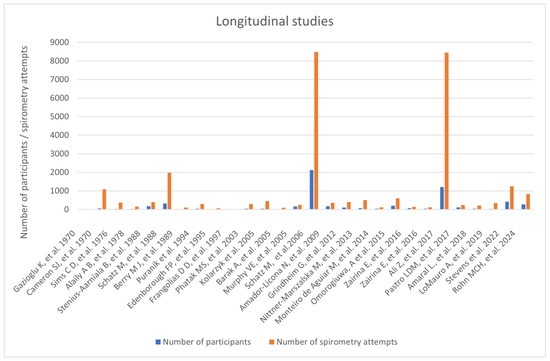
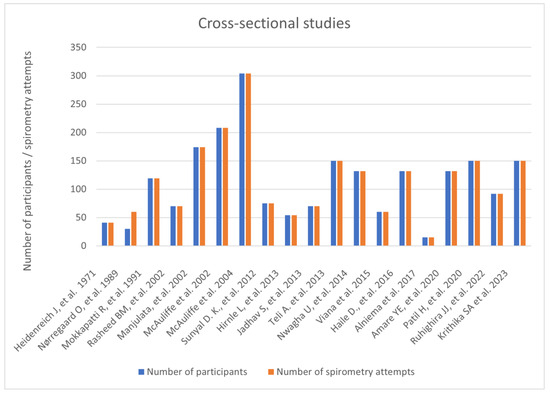
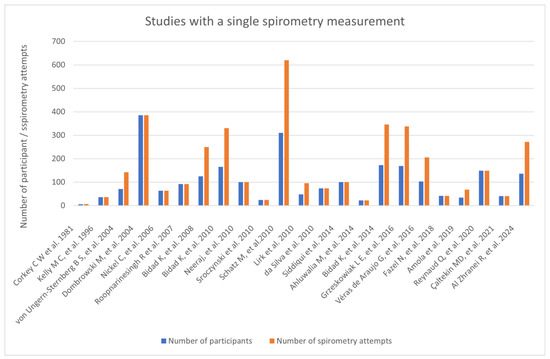
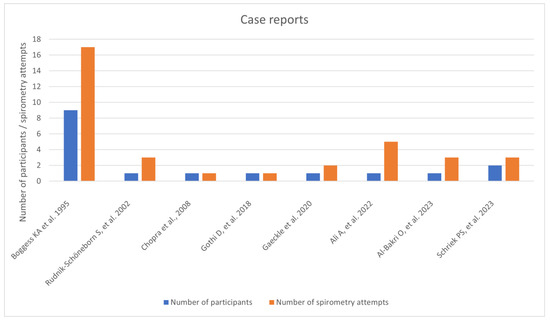
Introduction: It is estimated that up to 75% of pregnant women complain of dyspnea at some point during pregnancy. Asthma is the most common chronic pulmonary disease complicating pregnancy. Well controlled asthma does not affect pregnancy negatively. However, asthma exacerbations are linked with several adverse perinatal outcomes. As diligent treatment of asthma significantly reduces the number of asthma exacerbations, it is important to properly detect asthmatic patients among pregnant women in order to provide them with better care. The most efficient way to diagnose asthma is to perform spirometry with a reversibility test. There are no studies that have examined the safety of performing spirometry and, more specifically, a reversibility test, during pregnancy. Objectives: In this systematic review we aimed to review current available data regarding the safety of performing spirometry and a reversibility test during pregnancy. Patients and methods: For this systematic review, we searched PubMed, Scopus and Cochrane databases. We used the following search terms: (pregnancy); (spirometry); (lung function test); (pulmonary function test); (reversibility test); (post-bronchodilator challenge); (safety). Results: We collected reports of spirometry performed on pregnant women and analyzed them for complications that occurred during the procedure. Out of 13,594 records identified for the aforementioned search words, we included 78 documents that met the inclusion criteria. In total, the studies consisted of over 33,405 spirometry attempts performed by 10,617 pregnant women. Additionally, the reversibility test was conducted in nine studies. In all of the selected articles, there were no reports of adverse events occurring while performing spirometry. Conclusions: In this systematic review we aimed to summarize the current available data about the safety of performing spirometry during pregnancy. Several studies have investigated pulmonary function tests during pregnancy. No studies reported any adverse events that occurred while performing the procedure. In order to better characterize the safety profile of spirometry, including during pregnancy, further prospective studies systematically reporting on adverse symptoms during spirometry are required.
Full article

Graphical abstract
Open AccessReply
Reply to Dolu, K.O. Comment on “Topaloglu et al. Machine Learning-Driven Lung Sound Analysis: Novel Methodology for Asthma Diagnosis. Adv. Respir. Med. 2025, 93, 32”
by
Ihsan Topaloglu, Gulfem Ozduygu, Cagri Atasoy, Guntug Batıhan, Damla Serce, Gulsah Inanc, Mutlu Onur Güçsav, Arif Metehan Yıldız, Turker Tuncer, Sengul Dogan and Prabal Datta Barua
Adv. Respir. Med. 2026, 94(2), 16; https://doi.org/10.3390/arm94020016 - 28 Feb 2026
Abstract
Thank you for forwarding the external comment regarding our published article (Machine Learning-Driven Lung Sound Analysis: Novel Methodology for Asthma Diagnosis) [...]
Full article
Open AccessComment
Comment on Topaloglu et al. Machine Learning-Driven Lung Sound Analysis: Novel Methodology for Asthma Diagnosis. Adv. Respir. Med. 2025, 93, 32
by
Kazim Okan Dolu
Adv. Respir. Med. 2026, 94(2), 15; https://doi.org/10.3390/arm94020015 - 28 Feb 2026
Abstract
I am writing regarding the article titled “Machine Learning-Driven Lung Sound Analysis: Novel Methodology for Asthma Diagnosis” published by Topaloglu et al [...]
Full article
Open AccessArticle
Impact of Dupilumab on Small Airway Disease in Severe Asthma: A 12-Month Retrospective Real-World Study
by
Lorenzo Carriera, Angelo Coppola, Roberto Lipsi, Stefano Baglioni, Pier-Valerio Mari, Roberto Barone, Simone Ielo, Raffaele Scala, Andrea Smargiassi, Riccardo Inchingolo, Luca Richeldi, Valeria Gambacorta, Alfredo Di Giovanni and Eugenio De Corso
Adv. Respir. Med. 2026, 94(2), 14; https://doi.org/10.3390/arm94020014 - 26 Feb 2026
Cited by 1
Abstract
►▼
Show Figures
Small-airway disease (SAD) is a key feature of severe asthma and is associated with poor symptom control and frequent exacerbations. Dupilumab has demonstrated efficacy in improving lung function and reducing exacerbations, but real-world evidence on its effects in SAD remains limited. The aim
[...] Read more.
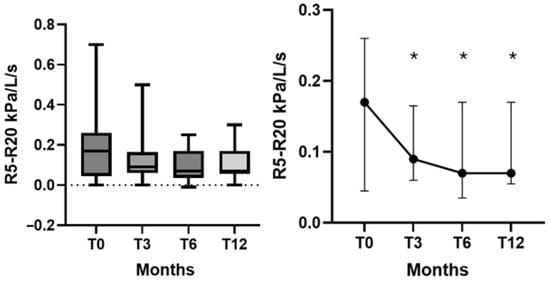
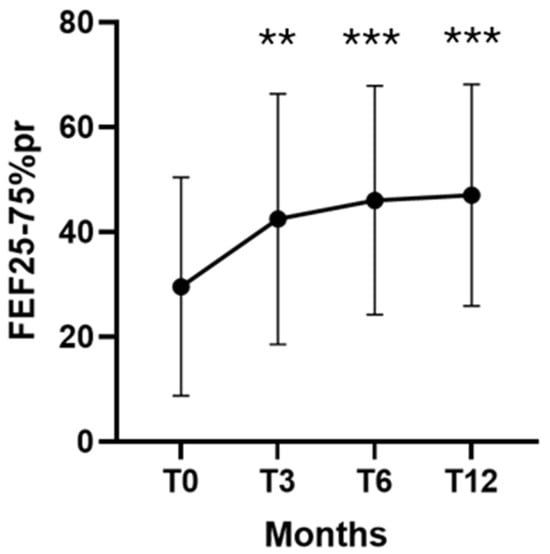
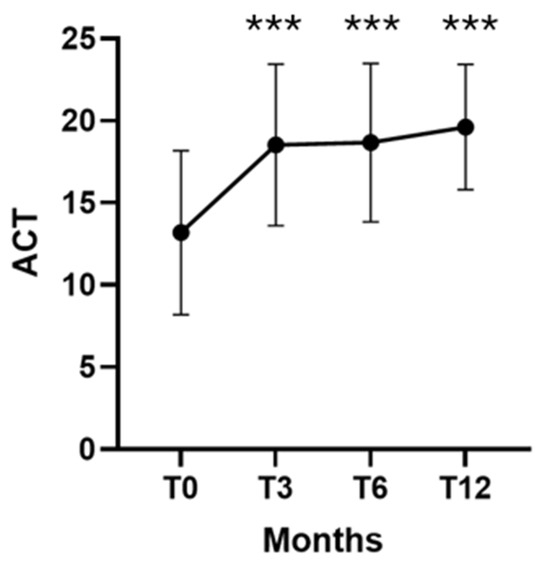
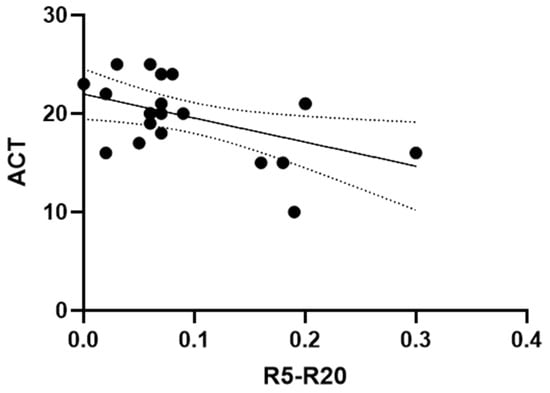
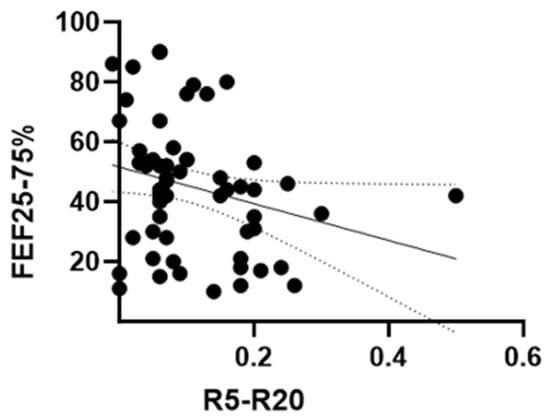
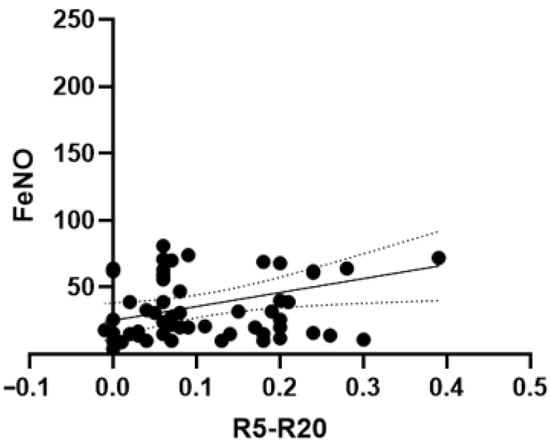
Small-airway disease (SAD) is a key feature of severe asthma and is associated with poor symptom control and frequent exacerbations. Dupilumab has demonstrated efficacy in improving lung function and reducing exacerbations, but real-world evidence on its effects in SAD remains limited. The aim of this study is to evaluate the impact of 12 months of dupilumab treatment on SAD, clinical outcomes, and type 2 inflammation. We included 21 patients. Small-airway function was assessed by impulse oscillometry (R5–R20) and spirometry FEF25–75% predicted at baseline (T0) and after 3 (T3), 6 (T6), and 12 (T12) months of treatment. Additional assessments included FEV1, the Asthma Control Test (ACT), exacerbation frequency, oral corticosteroid (OCS) use, the blood eosinophil count (BEC), and fractional exhaled nitric oxide (FeNO). At baseline, 62% of patients exhibited SAD (R5–R20 > 0.07 kPa/L/s). Dupilumab treatment led to a significant and sustained improvement in small-airway function: mean R5–R20 decreased from 0.18 ± 0.17 kPa/L/s to 0.09 ± 0.07 at T12 (p = 0.04), while predicted FEF25–75% increased from 29.5 ± 20.8% to 47.0 ± 21.1% (p < 0.001). ACT scores improved from 13.1 ± 4.9 to 19.6 ± 3.8 (p < 0.001). FeNO levels declined from 64.1 ± 50.7 ppb to 24.8 ± 20.9 ppb (p = 0.01). Improvements in R5–R20 correlated with better ACT and FeNO reductions. In this real-world cohort, dupilumab significantly improved SAD, lung function, and asthma control, while reducing exacerbations, OCS dependence, and type 2 inflammation over 12 months.
Full article

Figure 1
Open AccessSystematic Review
Evaluating the Impact of Inspiratory Muscle Training on Respiratory Function and Exercise Capacity in Pulmonary Hypertension: A Systematic Review and Meta-Analysis of Randomized Controlled Trials
by
Saja Alrashedi, Lama Alharbi, Meshal Alotaibi, Inad Alzahrani, Albara Jad, Qamar Aldoboke, Suroor Algethami, Raghda Alrabah, Rana Alharbi, Ali Al Nuwaiser and Mohammed Al-Hariri
Adv. Respir. Med. 2026, 94(1), 13; https://doi.org/10.3390/arm94010013 - 15 Feb 2026
Abstract
►▼
Show Figures
(1) Background: Pulmonary hypertension (PH) is characterized by respiratory muscle weakness, limited exercise tolerance, and reduced quality of life, but inspiratory muscle training (IMT) has emerged as a potential non-pharmacological strategy to improve functional outcomes in this population. This systematic review and meta-analysis
[...] Read more.
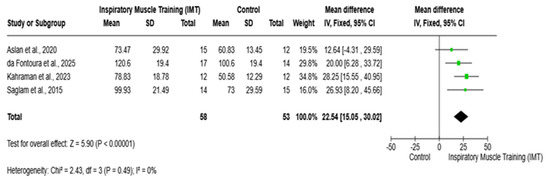
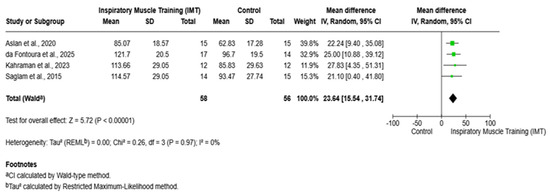
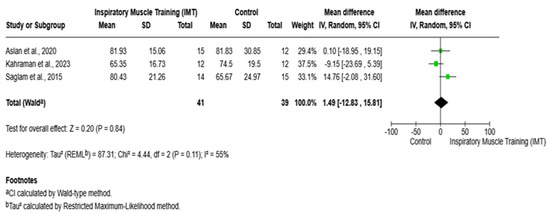
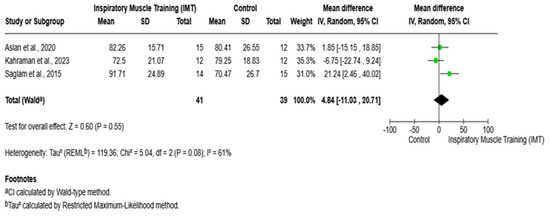
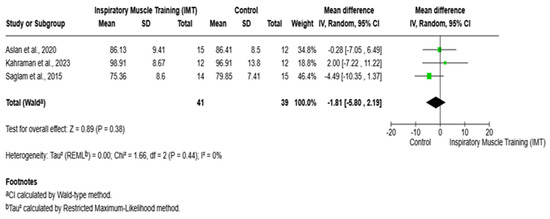
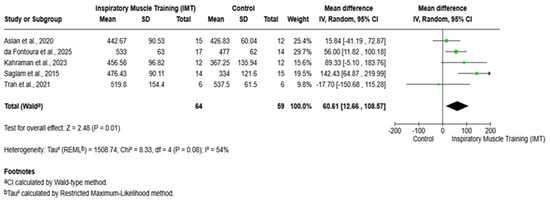
(1) Background: Pulmonary hypertension (PH) is characterized by respiratory muscle weakness, limited exercise tolerance, and reduced quality of life, but inspiratory muscle training (IMT) has emerged as a potential non-pharmacological strategy to improve functional outcomes in this population. This systematic review and meta-analysis evaluated the effects of isolated IMT on respiratory function, exercise capacity, symptom burden, and safety in adults with PH. (2) Methods: A systematic search was conducted in accordance with PRISMA guidelines. Randomized controlled trials involving adults with PH who underwent isolated IMT were included, and respiratory muscle strength, spirometric parameters, exercise capacity, dyspnea, fatigue, quality of life, and adverse events were the outcomes that were assessed. Data were pooled using meta-analytic techniques where appropriate. (3) Results: A total of 130 participants, assigned to five randomized controlled trials, met the inclusion criteria. IMT significantly improved maximal inspiratory pressure (MD = +24.01 cmH2O), maximal expiratory pressure (MD = +23.64 cmH2O), and six-minute walk distance (MD = +60.61 m), but no significant changes were observed in spirometric indices (FEV1%, FVC%, and FEV1/FVC). While several individual studies demonstrated clinically relevant improvements in six-minute walk distance, the pooled analysis did not demonstrate a statistically significant effect. IMT consistently reduced dyspnea and fatigue and improved quality-of-life domains. No serious adverse events were reported, and adherence was high. (4) Conclusions: IMT is a safe and feasible adjunct intervention in PH, providing meaningful improvements in respiratory muscle strength and symptom burden. Further large-scale trials are warranted to confirm its long-term clinical benefits.
Full article

Figure 1
Open AccessArticle
Trend Analysis of Respiratory Disease Mortality in the Population Aged 65 and over in Poland: Results from a Registry Study (2000–2022)
by
Monika Burzyńska and Małgorzata Pikala
Adv. Respir. Med. 2026, 94(1), 12; https://doi.org/10.3390/arm94010012 - 14 Feb 2026
Abstract
►▼
Show Figures
Background: Respiratory diseases remain a major contributor to mortality in Europe, yet national long-term analyses rarely explore sex- and age-specific temporal patterns in detail. Large international datasets provide aggregated estimates but may obscure country-specific trend changes relevant for public health planning. The
[...] Read more.
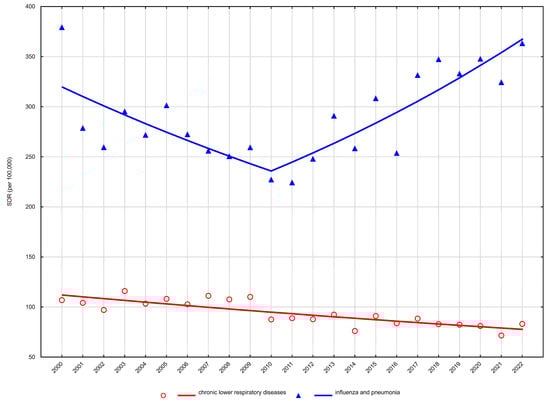
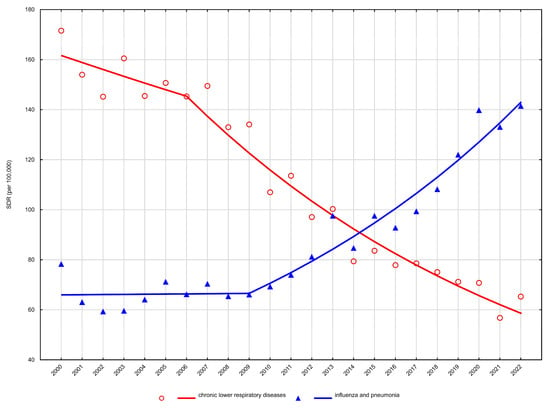
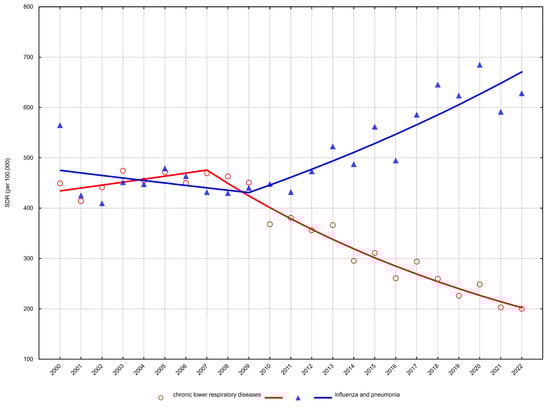
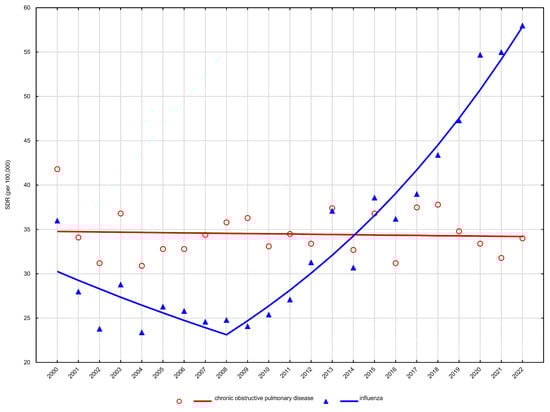
Background: Respiratory diseases remain a major contributor to mortality in Europe, yet national long-term analyses rarely explore sex- and age-specific temporal patterns in detail. Large international datasets provide aggregated estimates but may obscure country-specific trend changes relevant for public health planning. The aim of the study was to assess long-term trends in mortality from chronic lower respiratory diseases (ICD-10: J40–J47) as well as pneumonia and influenza. (ICD-10: J10–J18) in Poland, with particular emphasis on sex- and age-specific trajectories and joinpoint-defined changes over time. Methods: All deaths among Polish residents aged ≥65 years were analysed using nationwide mortality registry data. Age-standardised death rates (SDRs) were calculated, and temporal trends were assessed using joinpoint regression models to estimate annual percentage changes (APC) and average annual percentage change (AAPC). Results: The proportion of deaths attributable to respiratory diseases increased in both men and women across early (65–74 years) and late (≥75 years) old age. Mortality from chronic lower respiratory diseases declined throughout the study period among men, with the most pronounced reductions observed in the early 2000s, particularly among those aged ≥75 years, while trends among women remained largely stable or showed only gradual declines. In contrast, mortality from pneumonia and influenza rose markedly across all sex and age subgroups, with distinct trend reversals observed after 2008–2009. Conclusions: Long-term respiratory mortality trends in Poland exhibit marked sex- and age-specific differences that are not fully captured by aggregated international analyses. These findings highlight the importance of country-level, stratified assessments when interpreting respiratory mortality patterns and underscore the need for caution when relying on single time-point indicators for risk assessment and policy planning.
Full article

Figure 1
Open AccessCommunication
The Role of L-Arginine and Liposomal Vitamin C Supplementation as an Adjunct in Seasonal Respiratory Viral Infection Recovery
by
Valentina Trimarco, Paola Gallo, Seyedali Ghazihosseini, Alessia Izzo, Paola Ida Rozza, Alessandra Spinelli, Stefano Cristiano, Carlo De Rosa, Felicia Rozza and Carmine Morisco
Adv. Respir. Med. 2026, 94(1), 11; https://doi.org/10.3390/arm94010011 - 9 Feb 2026
Abstract
Respiratory seasonal viral infections remain one of the most important issues in community medicine. The heterogeneity of etiological agents and the characteristics of the hosts airway antiviral defenses account for the complex management of these infections. The clinical consequence of this picture is
[...] Read more.
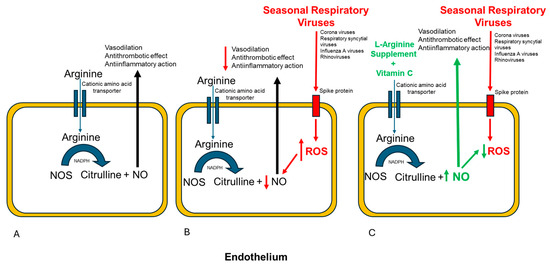
Respiratory seasonal viral infections remain one of the most important issues in community medicine. The heterogeneity of etiological agents and the characteristics of the hosts airway antiviral defenses account for the complex management of these infections. The clinical consequence of this picture is that, despite the widespread use of vaccination as the primary prevention strategy, the rates of acute respiratory complications remain still high. In addition, they determine post-infectious fatigue and organ dysfunction. Inflammation and oxidative stress are the principal pathogenic mechanisms responsible for clinical complications during respiratory seasonal viral infections. Nowadays, a growing body of evidence indicates that adjunctive nutritional support can contribute to relieve the symptoms during the acute and subacute phases of respiratory viral infections. We assess the data in the literature regarding the combination of L-Arginine and Liposomal Vitamin C as adjuvant treatment for respiratory seasonal viral infections. The database of the National Library of Medicine (PubMed) was searched using the keywords “L-Arginine, Vitamin C, dietary supplements, seasonal respiratory viral infections”. The treatment of symptoms during acute and post-acute respiratory viral infections requires an integrated approach that includes vitamins and nutritional supplementation. The combination of L-Arginine and Liposomal Vitamin C seems to represent a nutritional support able to mitigate symptoms occurring during the acute or post-acute phase of infection.
Full article
(This article belongs to the Special Issue Infectious Diseases in Respiratory Medicine)
►▼
Show Figures

Figure 1
Journal Menu
► ▼ Journal MenuJournal Browser
► ▼ Journal Browser-
arrow_forward_ios
Forthcoming issue
arrow_forward_ios Current issue - Volumes not published by MDPI
Highly Accessed Articles
Latest Books
E-Mail Alert
News
Topics
Conferences
Special Issues
Special Issue in
ARM
Infectious Diseases in Respiratory Medicine
Guest Editor: Kay Choong SeeDeadline: 26 September 2026
Special Issue in
ARM
Non-Invasive Ventilatory Support Tool as a Bridge in Lung Transplants—Practical Approach and Clinical Evaluation
Guest Editor: Antonio EsquìnasDeadline: 16 October 2026
Special Issue in
ARM
Pulmonary Rehabilitation: Interventions, Protocols, and Outcomes
Guest Editor: Cleofas Rodriguez-BlancoDeadline: 20 December 2026