Journal Description
Applied System Innovation
(ASI) is an international, peer-reviewed, open access journal on integrated engineering and technology, published monthly online. It is the official journal of the International Institute of Knowledge Innovation and Invention (IIKII).
- Open Access— free for readers, with article processing charges (APC) paid by authors or their institutions.
- High Visibility: indexed within Scopus, ESCI (Web of Science), Inspec, Ei Compendex and other databases.
- Journal Rank: JCR - Q2 (Engineering, Electrical and Electronic) / CiteScore - Q1 (Applied Mathematics)
- Rapid Publication: manuscripts are peer-reviewed and a first decision is provided to authors approximately 22 days after submission; acceptance to publication is undertaken in 4.8 days (median values for papers published in this journal in the second half of 2025).
- Recognition of Reviewers: reviewers who provide timely, thorough peer-review reports receive vouchers entitling them to a discount on the APC of their next publication in any MDPI journal, in appreciation of the work done.
- Journal Cluster of Information Systems and Technology: Analytics, Applied System Innovation, Cryptography, Data, Digital, Informatics, Information, Journal of Cybersecurity and Privacy and Multimedia.
Impact Factor:
3.7 (2024);
5-Year Impact Factor:
4.0 (2024)
Latest Articles
Three-Stage Optimization Algorithm for Sustainable Tourism Route Planning with Point-of-Interest Recommendation
Appl. Syst. Innov. 2026, 9(6), 117; https://doi.org/10.3390/asi9060117 (registering DOI) - 30 May 2026
Abstract
Temples are tourist attractions that represent the history and culture of Thailand, especially in Chiang Mai province—a city with a rich history that has become a prominent destination attracting visitors from around the world. Many temples remain undiscovered yet are ready for tourists
[...] Read more.
Temples are tourist attractions that represent the history and culture of Thailand, especially in Chiang Mai province—a city with a rich history that has become a prominent destination attracting visitors from around the world. Many temples remain undiscovered yet are ready for tourists to visit; however, due to unfamiliarity, tourists tend to visit only the well-known temples, as other visitors do, missing great opportunities to engage with new cultural heritage tourism experiences. To address this issue, we propose a Hybrid Three-Stage Route Planning Recommendation (HTS-RPR), a novel method for tourist route planning that delivers recommended routes based on tourists’ preferred constraints. This model contains three-stage route recommendations providing an optimal single-day route with mandatory and recommended points of interest (POIs) through a metaheuristic integrating Mixed Integer Programming (MIP), heuristic-based POI recommendation filtering, and Genetic Algorithm route optimization with Bayesian reward and peak-time awareness, ensuring that users can effectively travel cultural routes with high popularity and satisfaction while avoiding attractions during periods of high traffic. To validate the efficacy of the proposed model, experiments with three baseline methods were conducted. The results demonstrate that HTS-RPR achieves the best fitness score in 55 out of 60 scenarios and the best reward in 54 out of 60 scenarios, with a median fitness score 28.34% and 103.67% higher than the Genetic Algorithm and Multi-Start Simulated Annealing baselines, respectively, and a median total reward exceeding all three baselines by up to 40.74%. Although HTS-RPR’s median execution time is approximately 2.6 times that of the Genetic Algorithm, it remains 84.5% faster than the Multi-Start Simulated Annealing baseline, offering a favorable trade-off between solution quality and computational cost. Moreover, the framework’s pluggable reward function enables destination managers to configure recommendation priorities, including the promotion of undiscovered tourist attractions, while the peak-time-aware optimization mitigates congestion at specific POIs.
Full article
(This article belongs to the Section Applied Mathematics)
Open AccessArticle
On the Sufficiency of Direct Regression for Perovskite Solar Cell Degradation Forecasting
by
Khaled Chahine and Hassan N. Noura
Appl. Syst. Innov. 2026, 9(6), 116; https://doi.org/10.3390/asi9060116 (registering DOI) - 30 May 2026
Abstract
Accurate prediction of the long-term MPPT degradation trajectory of perovskite solar cells (PSCs) from short-term measurements can significantly reduce the time required for material characterization. Although conditional diffusion models have recently been introduced for degradation prediction in energy devices, their applicability to PSC-specific
[...] Read more.
Accurate prediction of the long-term MPPT degradation trajectory of perovskite solar cells (PSCs) from short-term measurements can significantly reduce the time required for material characterization. Although conditional diffusion models have recently been introduced for degradation prediction in energy devices, their applicability to PSC-specific maximum power point tracking (MPPT) degradation trajectory forecasting remains uncertain due to the complexity of the underlying dynamics. This study benchmarks three approaches using 2245 devices from a publicly available dataset: NHITS, a hierarchical multilayer perceptron (MLP) with direct multi-horizon regression; Probabilistic NHITS (P-NHITS), which utilizes the same architecture with multi-quantile output; and TimeDiff, a conditional diffusion model with a CSDI backbone, autoregressive initialization, mode conditioning, and classifier-free guidance. The results indicate that PSC degradation under controlled conditions is predominantly single-exponential, with device-specific decay rates identifiable within the first 30 h. Therefore, the forecasting task is most appropriately framed as a regression problem rather than a generative one. NHITS achieves a root mean squared error (RMSE) of 0.738 PCE% compared to TimeDiff’s 0.863 (a 17% increase, ), despite TimeDiff incorporating all architectural advantages reported in the literature. P-NHITS matches deterministic accuracy (0.744 PCE%) while providing 77% coverage prediction intervals without sampling, which is closer to the nominal 80% target than TimeDiff’s 63% coverage from 50 DDPM samples. For T90 (the time at which PCE first falls below 90% of its reference value) lifetime prediction restricted to forecast-window crossings, NHITS achieves a mean absolute error (MAE) of 16.2 h, outperforming TimeDiff’s 22.5 h. For smooth, unimodal degradation processes, direct regression with quantile outputs is both sufficient and preferable to conditional diffusion. Model selection should be guided by the underlying physical processes rather than by methodological trends.
Full article
(This article belongs to the Section Artificial Intelligence)
Open AccessArticle
Leveraging Self-Sovereign Identity for Certifying Extra-Curricular Competencies and Skills in University Programs
by
Pablo López-Márquez, Jessica Zaqueros-Martinez, Bruno Ramos-Cruz, Francisco José Quesada-Real and Mercedes Rodriguez-Garcia
Appl. Syst. Innov. 2026, 9(6), 115; https://doi.org/10.3390/asi9060115 (registering DOI) - 30 May 2026
Abstract
Traditional academic degrees often fail to capture the full range of competencies students acquire throughout their university education, particularly those developed through laboratory activities, internships, volunteering, and other extra-curricular experiences. This limitation hinders students’ ability to differentiate themselves in increasingly competitive labor markets
[...] Read more.
Traditional academic degrees often fail to capture the full range of competencies students acquire throughout their university education, particularly those developed through laboratory activities, internships, volunteering, and other extra-curricular experiences. This limitation hinders students’ ability to differentiate themselves in increasingly competitive labor markets and complicates employers’ identification of candidates with balanced technical and transversal competencies. To address this challenge, this paper presents a design-oriented research study proposing a Self-Sovereign Identity (SSI)-based framework for the decentralized issuance and verification of academic micro-credentials. The proposed approach combines a structured methodology for generating micro-credentials with a decentralized architecture supported by a prototype implementation based on SSI technologies. The framework enables universities, lecturers, and other trusted entities to issue verifiable and tamper-resistant credentials that students can securely manage, control, and share through SSI wallets. Unlike existing approaches, which typically focus either on secure credential infrastructures or on the pedagogical value of micro-credentials, the proposed framework integrates both technological and educational perspectives while explicitly supporting the certification of extra-curricular and soft skills. The system supports the creation of granular and portable competency profiles while enhancing transparency, authenticity, interoperability, and trust in credential management. Furthermore, the paper discusses key challenges associated with large-scale adoption, including trust management, governance, scalability, interoperability, and issuer credibility. The results suggest that SSI-based micro-credentialing represents a promising approach for improving the recognition of both technical and transversal competencies, contributing to better alignment between higher education outcomes and evolving labor market demands.
Full article
(This article belongs to the Special Issue Feature Papers in the ‘Applied Systems on Educational Innovations and Emerging Technologies’ Section)
Open AccessArticle
Advanced Numerical Methods for a First-Kind Fredholm Integral Equation in Potential Field Continuation
by
Dinara Tamabay, Nurlan Temirbekov, Ayauzhan Seitova and Aruzhan Seitova
Appl. Syst. Innov. 2026, 9(6), 114; https://doi.org/10.3390/asi9060114 - 29 May 2026
Abstract
In this research, surface Au concentration measurements are considered as a spatially correlated geochemical field associated with deep occurrences of disturbing masses using real geological exploration data from the Novo-Khairuzovsky gold deposit in East Kazakhstan. The approach is based on the relationship between
[...] Read more.
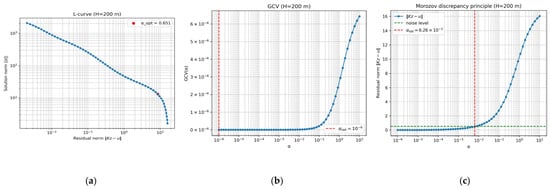
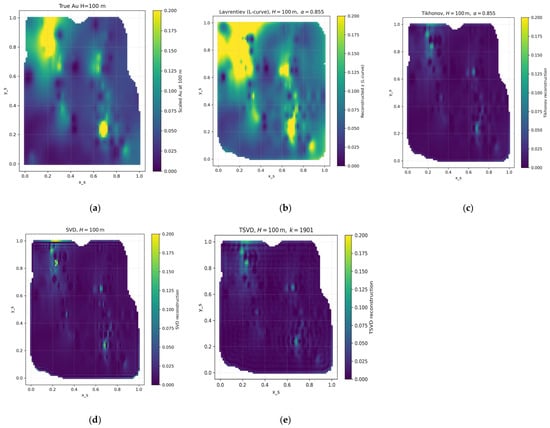
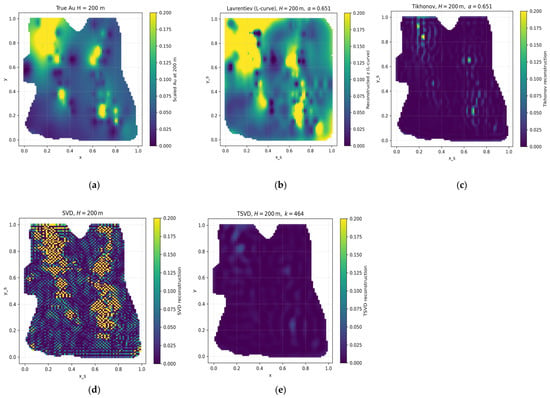
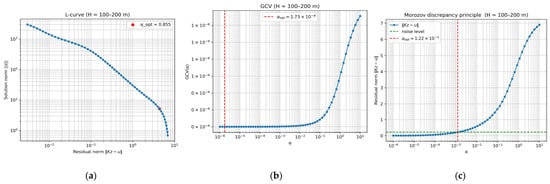
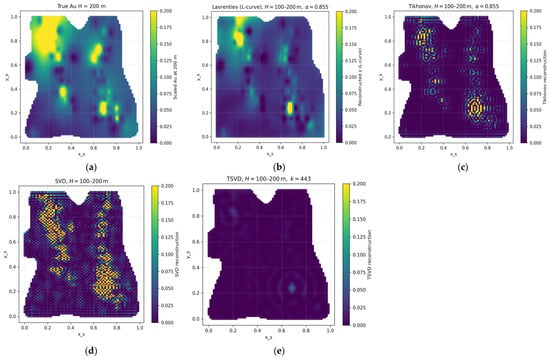
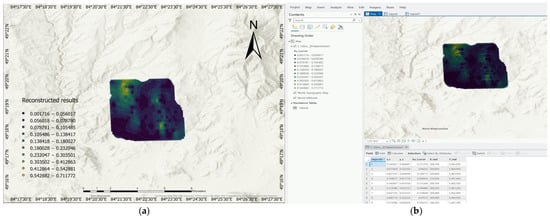
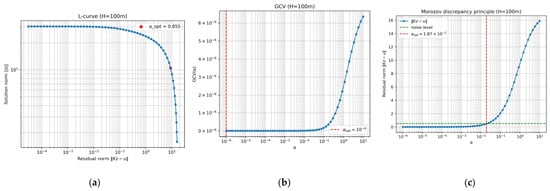
In this research, surface Au concentration measurements are considered as a spatially correlated geochemical field associated with deep occurrences of disturbing masses using real geological exploration data from the Novo-Khairuzovsky gold deposit in East Kazakhstan. The approach is based on the relationship between potential-field continuation problems and reconstruction of subsurface geological anomalies from surface observations. The considered approaches include Tikhonov and Lavrentiev regularization, SVD, and TSVD. Special attention is given to regularization parameter selection using the L-curve method, Morozov discrepancy principle, and GCV. Comparative computational analysis is performed to evaluate the accuracy, stability, and efficiency of these methods in solving first-kind Fredholm integral equations. Results are assessed using error metrics and spatial visualization of reconstructed fields within a Geographic Information System (ArcGIS), enabling consistent geospatial interpretation. Results show that Lavrentiev regularization with L-curve criterion provides the most stable and reliable reconstruction across all depths, achieving high correlations ( at 100 m and at 200 m) with low reconstruction errors. Tikhonov regularization performs acceptably at 100 m but becomes less stable at greater depths. Among spectral methods, TSVD improves stability compared with classical SVD, while standard SVD shows weak correlations and larger reconstruction errors due to high noise sensitivity.
Full article
(This article belongs to the Section Applied Mathematics)
►▼
Show Figures

Figure 1
Open AccessArticle
Experimental Design and Implementation of Vision-Based Sorting Using SCARA Robotic Arms
by
Huiping Jin, Chenxi Shen, Tianshi Lu, Yong Ling, Feng Gao, Kang Han and Xiaojun Jin
Appl. Syst. Innov. 2026, 9(6), 113; https://doi.org/10.3390/asi9060113 - 29 May 2026
Abstract
Conventional industrial manipulators are often costly and come with steep learning curves, which limits their scalability in hands-on robotics education. This paper presents a compact and modular vision-guided sorting platform based on a 4-DOF SCARA robot, designed for rapid assembly, reconfiguration, and beginner-friendly
[...] Read more.
Conventional industrial manipulators are often costly and come with steep learning curves, which limits their scalability in hands-on robotics education. This paper presents a compact and modular vision-guided sorting platform based on a 4-DOF SCARA robot, designed for rapid assembly, reconfiguration, and beginner-friendly deployment in laboratory courses. A collaborative visual perception strategy is proposed, which introduces a lightweight YOLOv8 algorithm for robust material category recognition, while HSV-based color segmentation and Hough circle localization are utilized to extract sub-pixel centroid features. The pixel measurements are mapped to the robot base frame through an integrated nine-point hand–eye calibration model, and joint commands are generated via a joint-space quintic polynomial interpolation algorithm to ensure continuity and avoid kinematic singularities. The overall system adopts a hierarchical architecture in which the vision host communicates target commands to a motion controller via TCP/IP, while joint actuators are driven through a CAN bus. Feasibility is first verified in a Webots digital prototype with synchronized conveyor and manipulator control, and is then validated on a physical platform equipped with a compliant TPU-based soft gripper to improve grasp tolerance under localization noise. Experiments demonstrate that the system achieves an average recognition accuracy of 98.1% and a mean positioning error of 0.189 mm. The proposed platform provides an extensible testbed for teaching kinematics, perception-to-control integration, and modular robotic system development.
Full article
Open AccessArticle
Per-Flow Throughput of a FIFO Buffer
by
Andrzej Chydzinski
Appl. Syst. Innov. 2026, 9(6), 112; https://doi.org/10.3390/asi9060112 - 29 May 2026
Abstract
FIFO buffers are widely employed in networking devices to store packets prior to transmission. Their impact on aggregate traffic has been extensively studied and is well documented in the literature. In contrast, significantly less attention has been allocated to the impact of FIFO
[...] Read more.
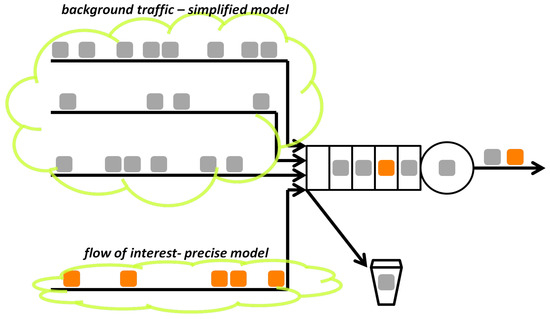
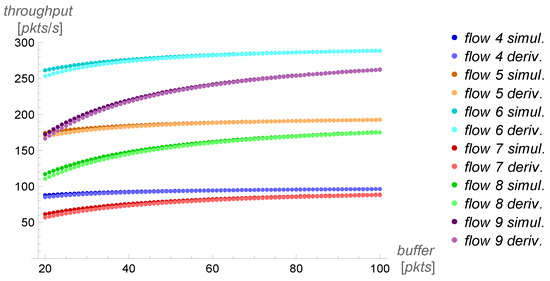
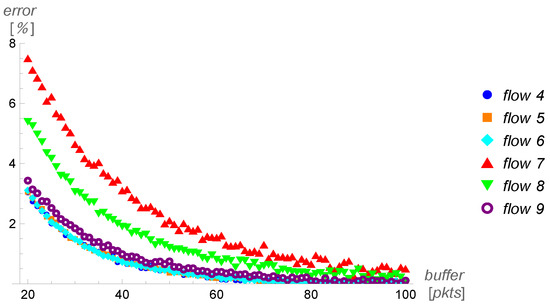
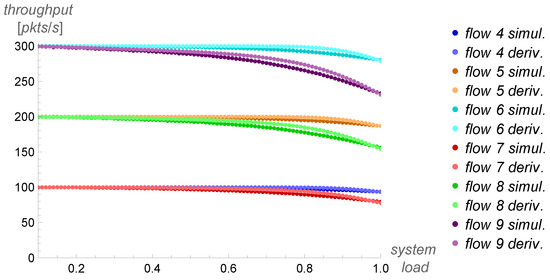
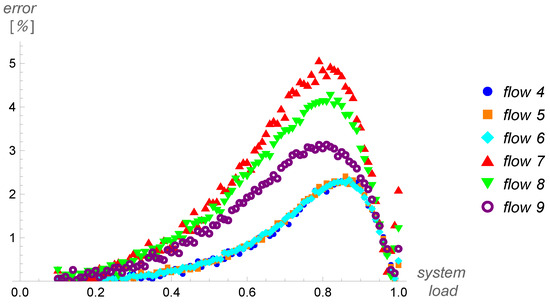
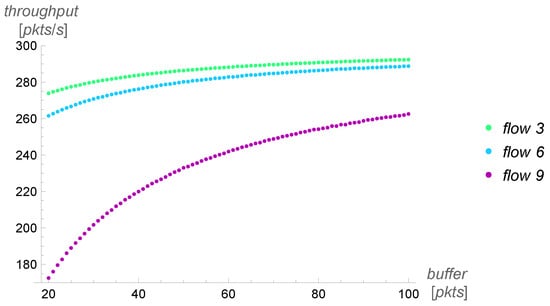
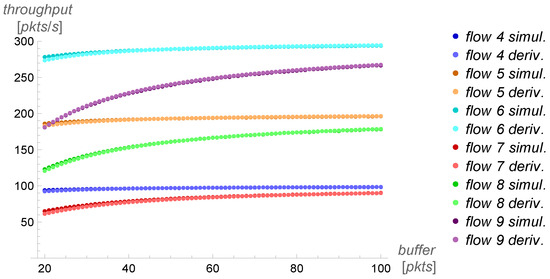
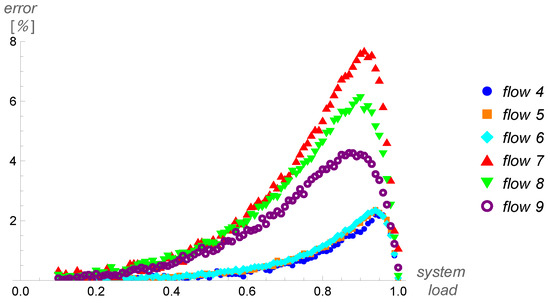
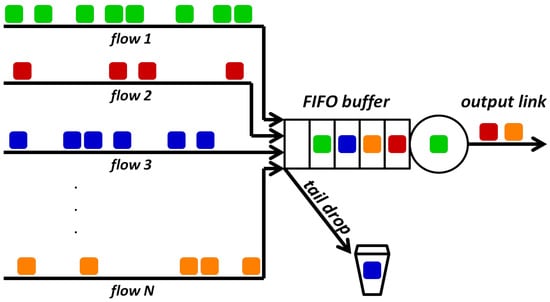
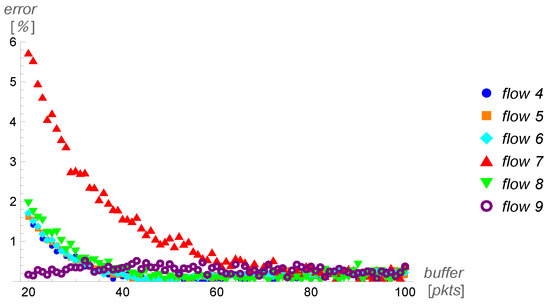
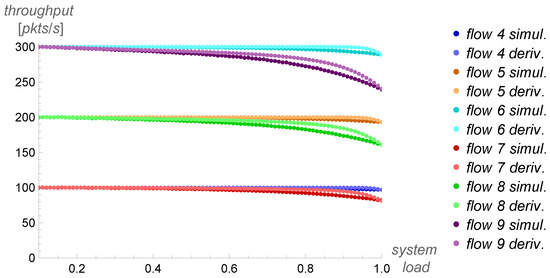
FIFO buffers are widely employed in networking devices to store packets prior to transmission. Their impact on aggregate traffic has been extensively studied and is well documented in the literature. In contrast, significantly less attention has been allocated to the impact of FIFO buffers on individual flows contributing to the aggregate traffic. In this paper, the throughput of each flow traversing a FIFO buffer supplied with complex traffic composed of numerous flows, potentially exhibiting heterogeneous statistical properties, is investigated. A full queuing model of a FIFO buffer fed by many flows with different characteristics is considered first. This model is very precise with respect to each flow, but cannot be solved in practice. Then, a simplification of the full model based on a limiting theorem is proposed. For the simplified model, exact formulae for throughput and loss ratio of each participating flow are derived. In numerical examples, the throughput of flows of diverse types in scenarios with various buffer sizes, buffer loads, and transmission time distributions is calculated. It is also examined, how these factors influence per-flow throughput. Finally, it is demonstrated that in typical scenarios, the results of the simplified model differ by only a few percent from those obtained through simulations of the full, precise model.
Full article
(This article belongs to the Section Applied Mathematics)
►▼
Show Figures

Figure 1
Open AccessArticle
Towards Intelligent Fiscal Auditing: Integrating Network Analytics and Predictive Systems for Proactive Risk Detection
by
Andrés F. Cifuentes-Perdomo, Carlos A. Rodado-Grijalba, Mauricio A. Vargas-Hernández, Lilibeth Aguilera-Pua, Rosse M. Villamil-Cañas, Jaime A. Restrepo-Carmona, Luis A. Fletscher and Hernán Felipe García
Appl. Syst. Innov. 2026, 9(6), 111; https://doi.org/10.3390/asi9060111 - 28 May 2026
Abstract
Public procurement systems are prone to risks such as collusion, contractual concentration, and irregular subcontracting, which undermine transparency and accountability. Traditional fiscal oversight approaches remain largely retrospective, limiting their ability to anticipate irregularities and prevent potential losses. Addressing the gap between theoretical machine
[...] Read more.
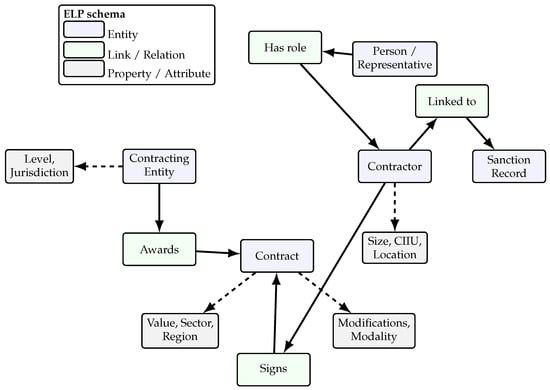
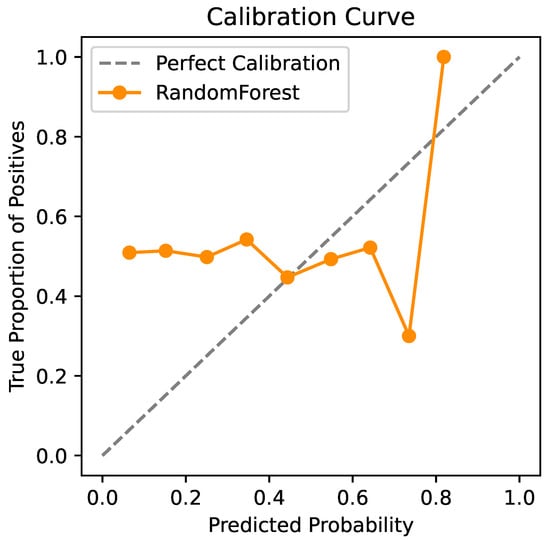
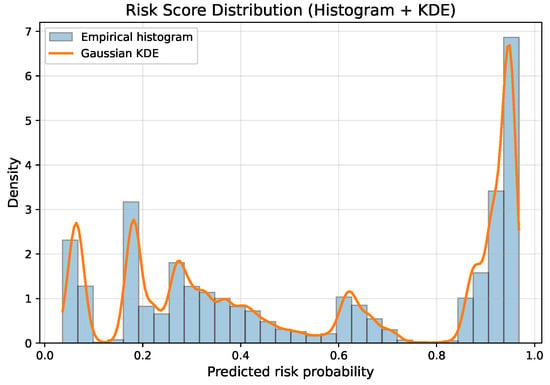
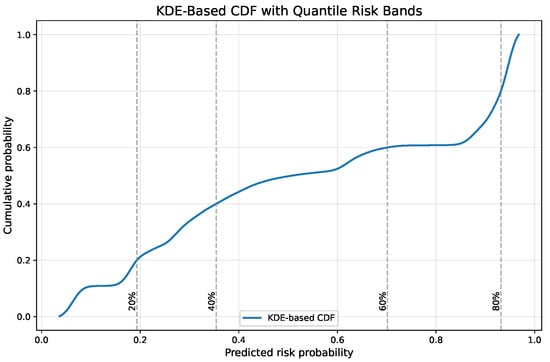
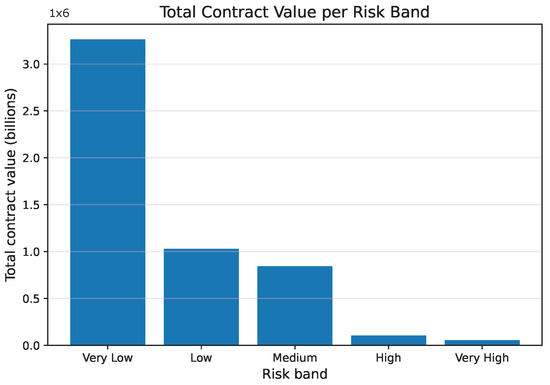
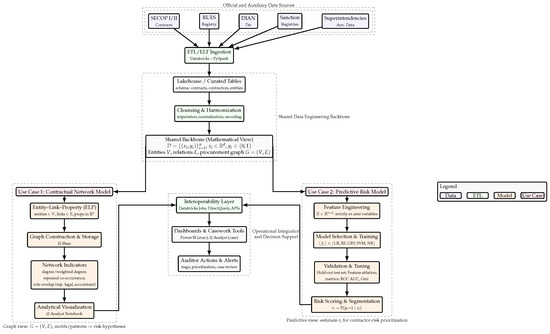
Public procurement systems are prone to risks such as collusion, contractual concentration, and irregular subcontracting, which undermine transparency and accountability. Traditional fiscal oversight approaches remain largely retrospective, limiting their ability to anticipate irregularities and prevent potential losses. Addressing the gap between theoretical machine learning models and real-world institutional deployment, this study introduces an applied system innovation that integrates two complementary approaches at a national scale: a Contractual Network Model (Mallas Contractuales) and a Predictive Risk Model for Contractors. The first component uses graph-based analytics, employing an Entity–Link–Property schema to represent relationships among entities, contractors, and contracts, thereby enabling the detection of structural patterns associated with collusive or anomalous behavior. The second component implements supervised machine learning models, trained on more than 16 million contracts and 2.6 million contractors from sources such as SECOP, RUES, DIAN, and national sanction registries. Models, including Random Forests and Gradient Boosted Trees, were optimized via cross-validated hyperparameter search and evaluated on a separate hold-out set using ROC AUC and Gini metrics, achieving strong discriminatory performance under the available retrospective validation setting while maintaining operational interpretability. Both approaches were deployed in a modular architecture that integrated Databricks, i2 Analyst’s Notebook, and Power BI dashboards, providing interactive visualizations and risk scores at multiple levels. Together, these systems demonstrate how the convergence of graph analytics and predictive modeling enables proactive fiscal auditing, strengthens institutional capacity, and offers a replicable framework for public sector accountability.
Full article
(This article belongs to the Special Issue AI-Enhanced Decision Support Systems)
►▼
Show Figures

Figure 1
Open AccessArticle
A Movement-Robust Wireless Respiratory Rate Monitoring System Using Force Sensitive Resistor-Based Sensors
by
Sarisa Theera-Umpon, Jarupichaya Punyakwaw, Pornpailin Suwanpitak and Nipon Theera-Umpon
Appl. Syst. Innov. 2026, 9(6), 110; https://doi.org/10.3390/asi9060110 - 27 May 2026
Abstract
Respiratory rate is one of the most important vital signs. It affects ventilation which relates to oxygen inhalation and carbon dioxide elimination. Currently, only a handful of prototypes are available for estimating the respiratory rate under the condition that users remain completely still.
[...] Read more.
Respiratory rate is one of the most important vital signs. It affects ventilation which relates to oxygen inhalation and carbon dioxide elimination. Currently, only a handful of prototypes are available for estimating the respiratory rate under the condition that users remain completely still. This research focuses on the development of a respiratory rate monitoring system that can detect human respiratory signals using force sensitive resistors (FSRs). The FSR sensors measure the forces from respiratory motion and then signal processing techniques are employed to minimize background noise and artifacts. Respiratory data are processed by a microcontroller and transmitted via Bluetooth to a mobile device for further processing and visualization. The system performance was evaluated in three stages. Firstly, for the proof by simulation, a mean absolute error (MAE), root mean square error (RMSE), and Pearson correlation coefficient (PCC) of 0.26, 0.37 breaths per minute (bpm), and 0.9998 are achieved, respectively, even when the noise level is very high, i.e., power signal-to-noise ratio is 0.25 or −6.02 decibel. Secondly, for the test on a robot, the MAEs are 0.25, 0.53, and 0.75 bpm; the RMSEs are 0.28, 0.64, and 0.92 bpm; the PCCs are approximately 1, 0.9993, and 0.9986, respectively, under sitting, walking, and jogging conditions. The system is further deployed on 14 human subjects yielding MAEs of 0.51, 1.24, and 1.92 bpm; RMSEs of 0.65, 1.63, and 2.22 bpm; and PCCs of 0.9893, 0.9831, and 0.9655, for human sitting, walking, and jogging, respectively. In the future, this respiratory rate monitoring system could be applied to patients, elderly individuals, or the general population who experience movement or locomotion during monitoring.
Full article
(This article belongs to the Section Medical Informatics and Healthcare Engineering)
Open AccessArticle
A Theoretical Study on Coordinated Control Strategy of VSG for Transient Power Angle Stability and Fault Current Limiting
by
Sheng Li and Shihao Gu
Appl. Syst. Innov. 2026, 9(6), 109; https://doi.org/10.3390/asi9060109 - 27 May 2026
Abstract
Virtual synchronous generators (VSGs) are prone to transient power angle instability and short-circuit current overshoot under symmetrical short-circuit grid faults. To address the limitation that existing transient control strategies fail to simultaneously guarantee power angle stability and fault current limiting, a coordinated control
[...] Read more.
Virtual synchronous generators (VSGs) are prone to transient power angle instability and short-circuit current overshoot under symmetrical short-circuit grid faults. To address the limitation that existing transient control strategies fail to simultaneously guarantee power angle stability and fault current limiting, a coordinated control strategy combining dynamic active power reference regulation and adaptive virtual impedance is designed. Specifically, the active power reference is dynamically adjusted in accordance with the voltage sag magnitude at the point of common coupling (PCC), which effectively narrows the acceleration area of the virtual rotor and maintains the transient power angle near its rated value to prevent the risk of system loss of synchronism. On this basis, an adaptive virtual impedance control scheme is designed to accurately calculate and implement the optimal current-limiting impedance on demand, confining the steady-state fault current within the allowable threshold. Finally, the effectiveness of the designed strategy is verified on the Matlab/Simulink simulation platform. Simulation results demonstrate that the designed strategy achieves the coordination between transient power angle stability and fault current limiting, thus improving the operational stability of the VSG grid-connected system under symmetrical short-circuit grid faults.
Full article
(This article belongs to the Special Issue Advanced Control Strategies and Optimization for Renewable Energy Systems)
Open AccessArticle
An Intelligent Decision-Support Framework Based on Fuzzy BWM–TOPSIS with Interdependent Criteria for Alternative Selection in Complex Construction Projects
by
Luong Duc Long, Vo Thi Dinh Khanh, Nguyen Quang Trung and Truong Ngoc Son
Appl. Syst. Innov. 2026, 9(6), 108; https://doi.org/10.3390/asi9060108 - 26 May 2026
Abstract
This study proposes an intelligent decision-support framework for alternative selection in complex construction projects, where evaluation processes are affected by uncertainty, multiple decision-makers, and interdependent criteria. The framework integrates the fuzzy group best–worst method with fuzzy TOPSIS into a unified structure that explicitly
[...] Read more.
This study proposes an intelligent decision-support framework for alternative selection in complex construction projects, where evaluation processes are affected by uncertainty, multiple decision-makers, and interdependent criteria. The framework integrates the fuzzy group best–worst method with fuzzy TOPSIS into a unified structure that explicitly captures cross-criterion influence effects. First, triangular fuzzy judgments from multiple experts are used to derive criterion weights, while interdependencies among criteria are represented through a fuzzy influence-intensity matrix and incorporated into fuzzy nonlinear optimization models. This process enables the systematic estimation of both independent and interdependency-adjusted criterion weights. Second, the resulting weights are used in a fuzzy ranking procedure to evaluate alternatives according to their relative closeness to fuzzy ideal solutions. To enhance transparency, reproducibility, and practical usability, the proposed method is implemented in Python as an automated computational workflow for decision analysis. Its applicability is demonstrated through a real-world case study on access platform system selection for mechanical, electrical, and plumbing installation in an airport terminal subject to safety, productivity, workspace, and elevation-related constraints. The results show that explicitly modeling criterion interdependencies provides a more realistic evaluation structure and enhances the robustness and reliability of alternative selection in complex construction management contexts.
Full article
(This article belongs to the Special Issue AI-Driven Decision Support for Systemic Innovation)
Open AccessArticle
AI-Supported Objection Management in Public Participation: Concept, Prototype and Evaluation in the Context of Infrastructure Projects
by
Jonathan Matthei, Johannes Maas, Maurice Wischum, Sven Mackenbach and Katharina Klemt-Albert
Appl. Syst. Innov. 2026, 9(6), 107; https://doi.org/10.3390/asi9060107 - 26 May 2026
Abstract
Public participation is a central component of democratic decision-making processes, particularly in planning and approval procedures. However, increasing data complexity and the growing number of submitted objections significantly raise the effort required for their review and processing. Against this background, this study developed
[...] Read more.
Public participation is a central component of democratic decision-making processes, particularly in planning and approval procedures. However, increasing data complexity and the growing number of submitted objections significantly raise the effort required for their review and processing. Against this background, this study developed an AI-supported objection management system that uses a large language model (LLM) to automatically pre-sort objections by topic and generate response suggestions based on historical objection texts from previous infrastructure projects. The aim is to increase efficiency in the processing workflow while maintaining consistent response quality without replacing human decision-making. The prototype development is preceded by a literature review to identify key user requirements and derive relevant use cases. Subsequently, four expert workshops with representatives from German road and rail infrastructure administrations at the state and federal level were conducted to evaluate the prototype. The results indicate significant efficiency potential, particularly through automated thematic pre-sorting of objections. However, topic structures must be adapted to the specific procedure. AI currently mainly serves as supportive pre-processing and requires human review (“human-in-the-loop”). Transparent labeling of AI use is also necessary to ensure traceability and acceptance. The findings will be incorporated into the ongoing development of the prototype within the BIM4People research project funded by the German Federal Ministry of Transport (BMV), with the aim of further improving the system’s functionality and exploring additional applications.
Full article
(This article belongs to the Section Artificial Intelligence)
Open AccessArticle
Benchmarking of Morphological and Textural Descriptors for Automated Thermal Anomaly Detection in Photovoltaic Panels
by
Daniel Sanin-Villa, Cristian M. Hernandez and Vanessa Botero-Gómez
Appl. Syst. Innov. 2026, 9(6), 106; https://doi.org/10.3390/asi9060106 - 25 May 2026
Abstract
►▼
Show Figures
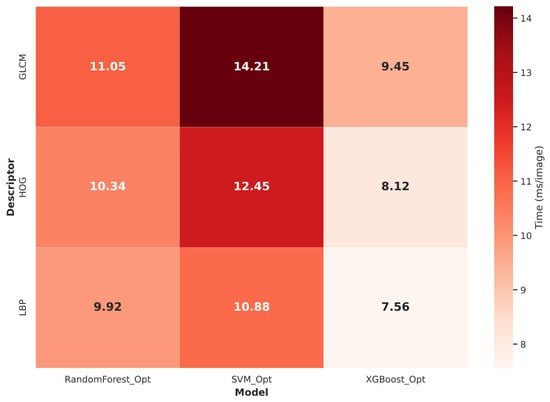
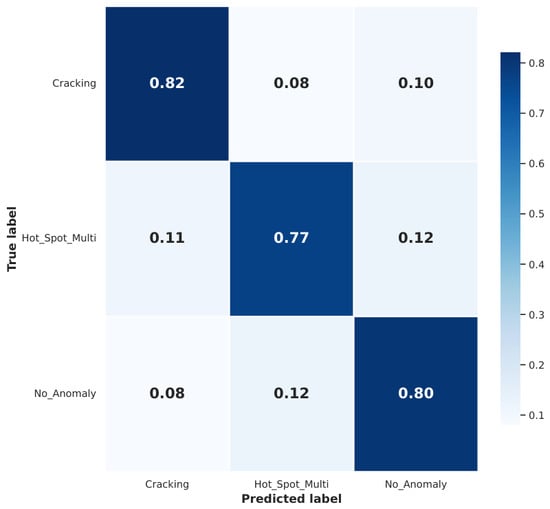
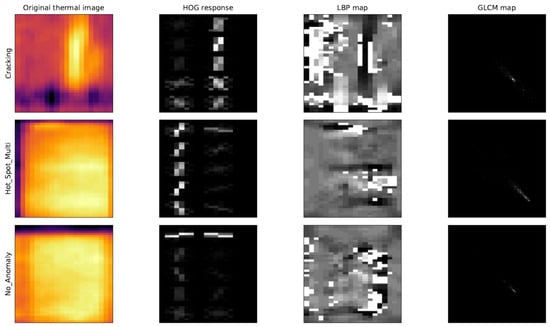
Automated thermal inspection supports scalable photovoltaic asset management by reducing the subjectivity and limited temporal coverage of manual surveys. This study benchmarks a lightweight machine vision framework for low-resolution infrared inspection of photovoltaic modules using native pixel thermal images. Morphological
[...] Read more.
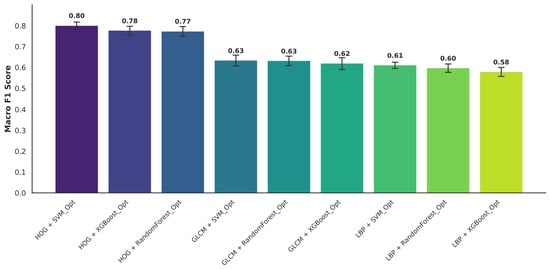
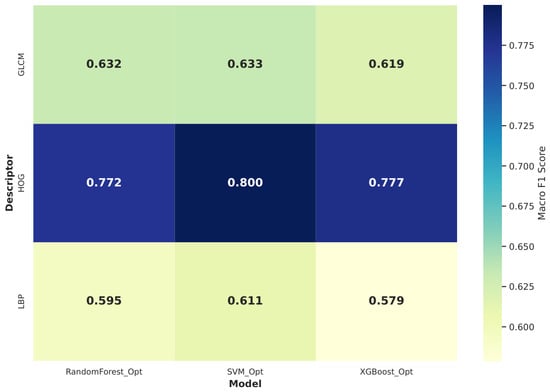
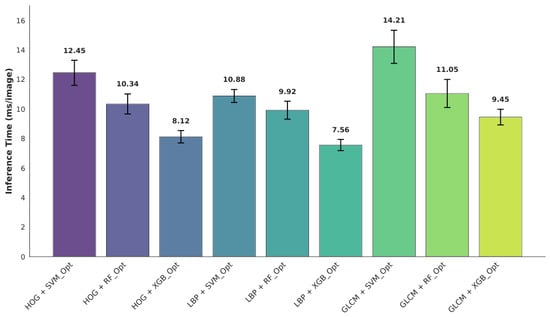
Automated thermal inspection supports scalable photovoltaic asset management by reducing the subjectivity and limited temporal coverage of manual surveys. This study benchmarks a lightweight machine vision framework for low-resolution infrared inspection of photovoltaic modules using native pixel thermal images. Morphological and textural descriptors, namely HOG, LBP, and GLCM, were evaluated with optimized SVM, Random Forest, and XGBoost classifiers under a unified experimental protocol. The HOG + SVMOpt configuration achieved the best performance, with a Macro F1-score of and an average accuracy of . The same pipeline maintained an end-to-end CPU latency of ms per image, including preprocessing, descriptor extraction, and prediction. The results indicate that gradient-based structural descriptors provide the most favorable balance between predictive performance and computational cost among the evaluated configurations. The proposed pipeline is therefore presented as an interpretable reference for first-stage thermal screening in low-cost photovoltaic inspection workflows.
Full article

Figure 1
Open AccessArticle
Evaluating AI-Supported Learning in an Aviation Operations Course: Perceived Usefulness, Ease of Use, and Student Engagement
by
Duen-Huang Huang and Yu-Cheng Wang
Appl. Syst. Innov. 2026, 9(5), 105; https://doi.org/10.3390/asi9050105 - 21 May 2026
Abstract
While the use of artificial intelligence (AI) in higher education is widespread, students’ experiences with AI-supported learning in their regular courses remain underexplored. Objective: This research examines the relationships among perceived usefulness, perceived ease of use, and academic engagement among undergraduate students enrolled
[...] Read more.
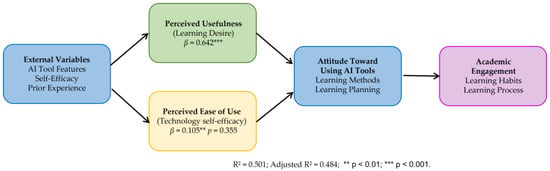
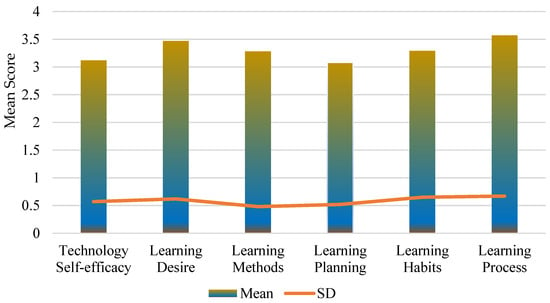
While the use of artificial intelligence (AI) in higher education is widespread, students’ experiences with AI-supported learning in their regular courses remain underexplored. Objective: This research examines the relationships among perceived usefulness, perceived ease of use, and academic engagement among undergraduate students enrolled in AI-supported courses at a Taiwan university. It adopts the Technology Acceptance Model, where learning desire indicates perceived usefulness, and technology self-efficacy indicates perceived ease of use. Methods: The study takes a questionnaire with six dimensions of technology self-efficacy, learning desire, learning methods, learning planning, learning habits, and learning process to evaluate students’ attitudes toward AI-supported learning and their academic engagement. Results: Students’ attitudes toward AI-supported learning were moderate to positive. Multiple regression analysis showed that perceived usefulness was significantly and positively associated with academic engagement, whereas perceived ease of use showed a positive but non-significant association. Implications: Students’ academic engagement is influenced more by how useful AI tools are perceived for learning, rather than by their confidence in using AI tools. This paper enriches the literature on student-centered AI in higher education and gives insights for designing AI-supported courses that integrate AI tools with meaningful learning tasks. Future research can examine larger and more diverse samples and use longitudinal or experimental designs to test how students’ perceptions of AI tools develop over time.
Full article
(This article belongs to the Special Issue AI-Driven Educational Technologies: Systems and Applications)
►▼
Show Figures

Figure 1
Open AccessArticle
An AI-Driven Decision Support System for Sustainable Smart Clothing Design Based on Flexible Material Properties and Environmental Metrics
by
Fang Zheng, Yanping Lu, Junghee Lee, Hongyan Liu, Dandan Wang and Myun Kim
Appl. Syst. Innov. 2026, 9(5), 104; https://doi.org/10.3390/asi9050104 - 20 May 2026
Abstract
With the rapid expansion of the smart clothing market, designers face increasing pressure to balance functional performance, material suitability, environmental impact, and development efficiency. Conventional design workflows and rule-based assistance methods often struggle to provide adaptive and data-driven support for multi-constraint decision-making. To
[...] Read more.
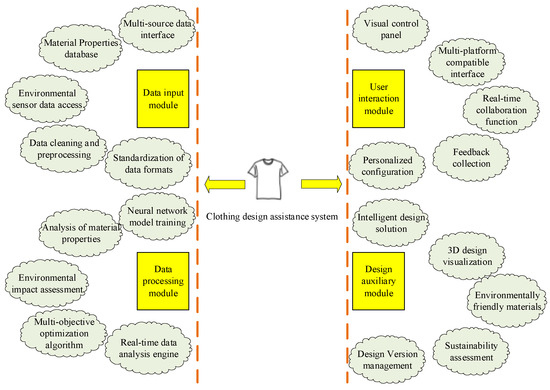
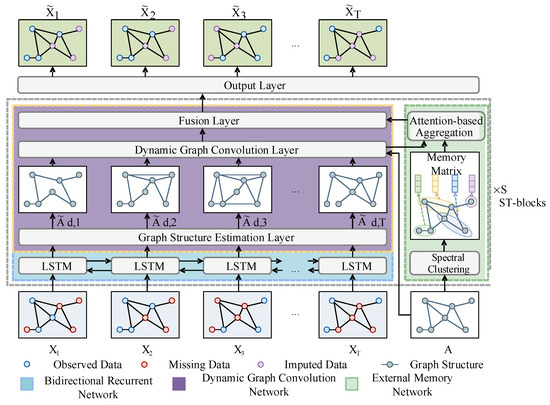
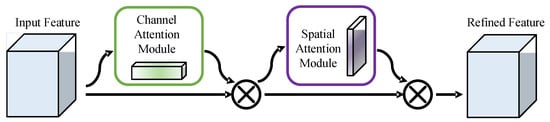
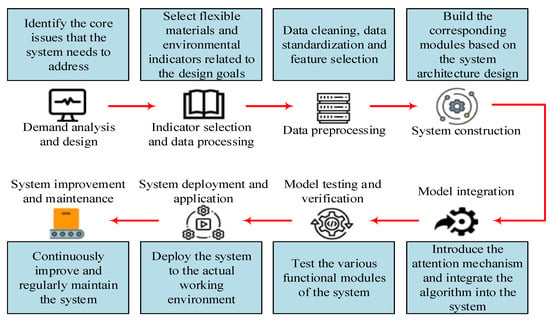
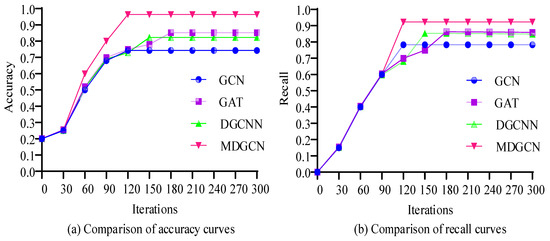
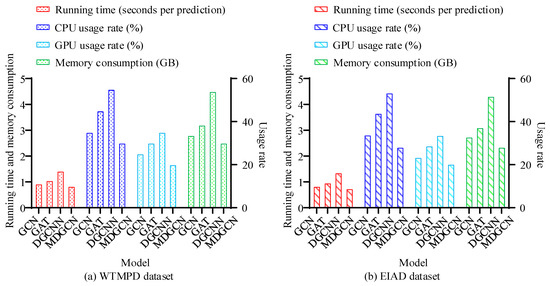
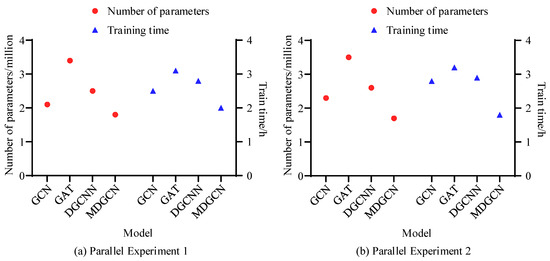
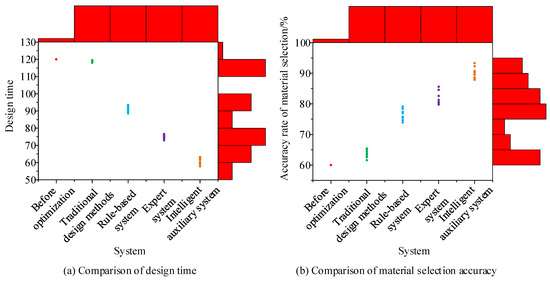
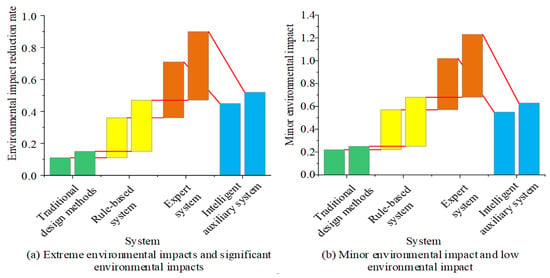
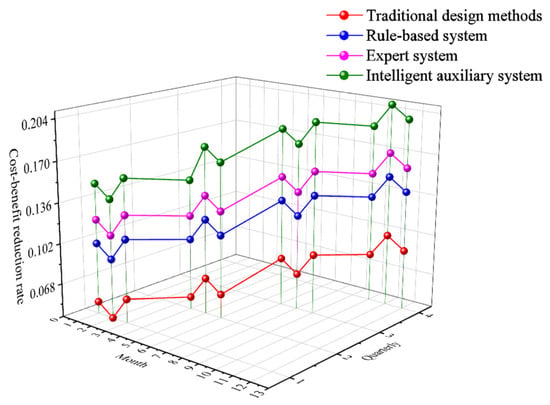
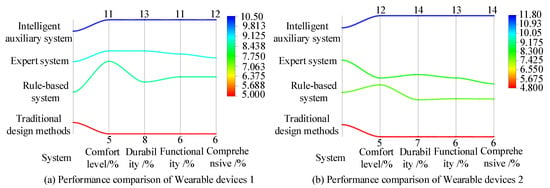
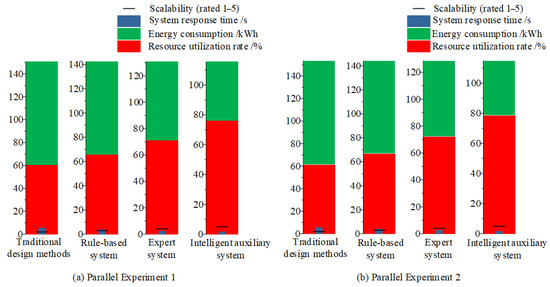
With the rapid expansion of the smart clothing market, designers face increasing pressure to balance functional performance, material suitability, environmental impact, and development efficiency. Conventional design workflows and rule-based assistance methods often struggle to provide adaptive and data-driven support for multi-constraint decision-making. To address this issue, this study proposes an AI-driven decision support system for sustainable smart clothing design based on a multi-scale dynamic graph convolutional network (MDGCN). The proposed system integrates material properties, environmental indicators, and user-oriented design requirements into a unified decision-support framework and further enhances feature extraction through an attention mechanism. Two datasets, the Wearable Technology Material Properties Dataset (WTMPD) and the Environmental Impact Assessment Dataset (EIAD), were used to validate the model and system effectiveness. Experimental results showed that the MDGCN-based model achieved accuracies of 0.964 and 0.943, with recalls of 0.923 and 0.920 on the WTMPD and EIAD datasets, respectively. In system-level evaluation, the proposed decision support system reduced design time from 120 h to 60 h, improved material selection accuracy to 90.2%, and achieved superior operational performance in terms of resource utilization (77.45%), energy consumption (115.25 kWh), and response time (1.56 s). These results demonstrate that the proposed framework can effectively support complex design decision-making while improving efficiency, sustainability, and adaptability in smart clothing development. The study provides a practical AI-enabled system innovation approach for sustainable smart clothing design by linking flexible material selection, environmental impact prediction, and designer-oriented decision support. In addition, the prototype deployment demonstrates the feasibility of applying the proposed system as a design-stage wearable AI tool for mediating human, technological, and environmental considerations in smart clothing development.
Full article
(This article belongs to the Special Issue AI-Driven Decision Support for Systemic Innovation)
►▼
Show Figures

Figure 1
Open AccessArticle
A Hybrid SBERT–WGAN Framework with Ensemble Learning for Sentiment Analysis in Imbalanced Datasets
by
Hamza Jakha, Sanae Tbaikhi, Souad El Houssaini, Mohammed-Alamine El Houssaini and Souad Ajjaj
Appl. Syst. Innov. 2026, 9(5), 103; https://doi.org/10.3390/asi9050103 - 19 May 2026
Abstract
Sentiment analysis has become increasingly important across various domains, particularly in business intelligence, where it is crucial for improving the performance of companies by identifying the sentiments and emotions expressed in customer feedback on products and services. Despite its growing relevance, sentiment analysis
[...] Read more.
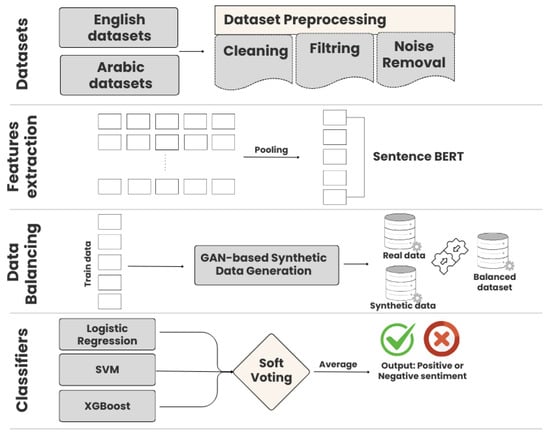
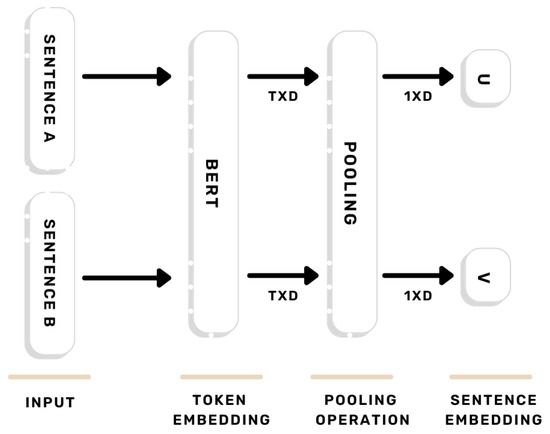
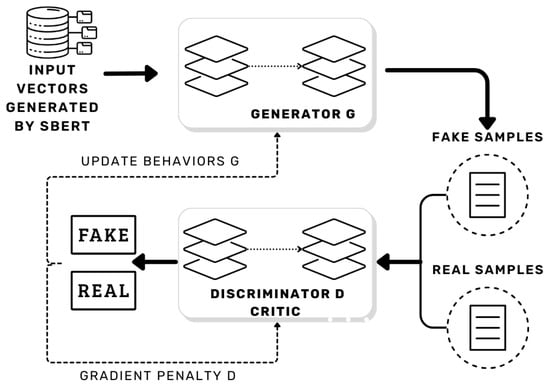
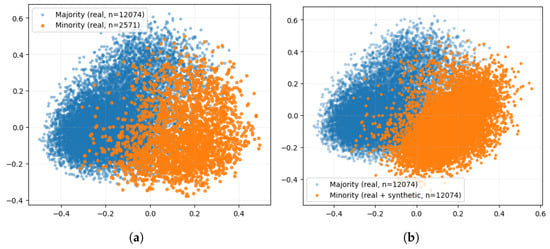
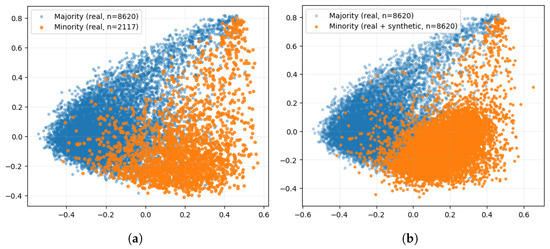
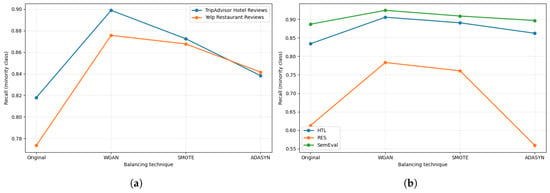
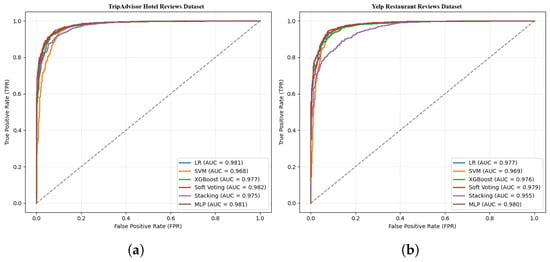
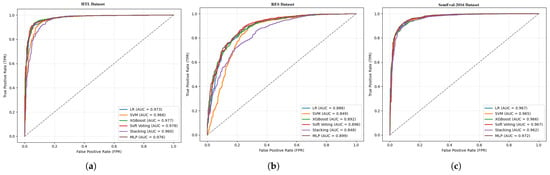
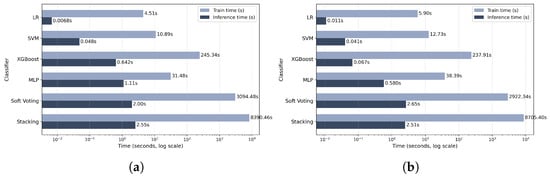
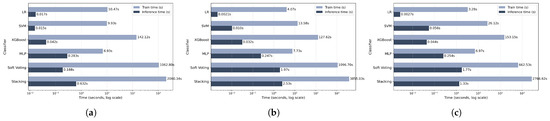
Sentiment analysis has become increasingly important across various domains, particularly in business intelligence, where it is crucial for improving the performance of companies by identifying the sentiments and emotions expressed in customer feedback on products and services. Despite its growing relevance, sentiment analysis still faces several challenges, including class imbalance in datasets, limitations in feature extraction techniques, and the selection of appropriate classification models. Effectively addressing these challenges requires the integration of robust representation methods, reliable data balancing strategies, and efficient classification frameworks. In this study, we propose a novel sentiment analysis approach that combines SBERT for contextual feature extraction, WGAN-based synthetic data generation for addressing class imbalance, and a soft voting ensemble classifier for improved prediction. The proposed approach is evaluated on five datasets, including two English datasets and three Arabic datasets, in order to assess its performance in a multilingual setting. We compare the effectiveness of the proposed model with several baseline machine learning classifiers, as well as with commonly used data balancing techniques such as the synthetic minority over-sampling technique (SMOTE) and adaptive synthetic (ADASYN). The evaluation is conducted using multiple performance metrics, including accuracy, precision, recall, F1-score, MCC, ROC–AUC and training and inference time, along with different validation strategies including fixed train–test splits and k-fold cross-validation. The experimental results demonstrate the effectiveness and stability of the proposed approach. In particular, they highlight the importance of capturing sentence-level contextual representations and generating realistic synthetic samples to address class imbalance.
Full article
(This article belongs to the Special Issue AI-Driven Computational Methods for Social Media Analysis)
►▼
Show Figures

Figure 1
Open AccessArticle
PID Plus Adaptive Neural Network Control for Trajectory Tracking in Robotic Manipulators: Application to Automated Tape Laying (ATL)
by
José F. Villa-Tiburcio, Rodrigo Hernández-Alvarado, Antonio Estrada, Cristían H. Sánchez-Saquín and Teresa Hernández-Díaz
Appl. Syst. Innov. 2026, 9(5), 102; https://doi.org/10.3390/asi9050102 - 18 May 2026
Abstract
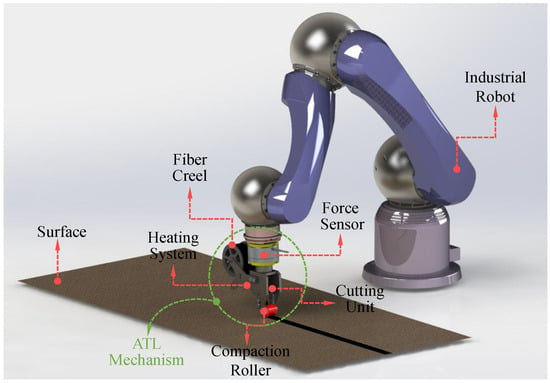
This article addresses the challenge of positioning accuracy in robotic manipulators applied to automated tape placement (ATL). A hybrid control strategy is proposed that integrates a Proportional-Integral-Derivative (PID) controller with a Backpropagation Neural Network (BP-NN). The proposed approach, called PID + NN, acts
[...] Read more.
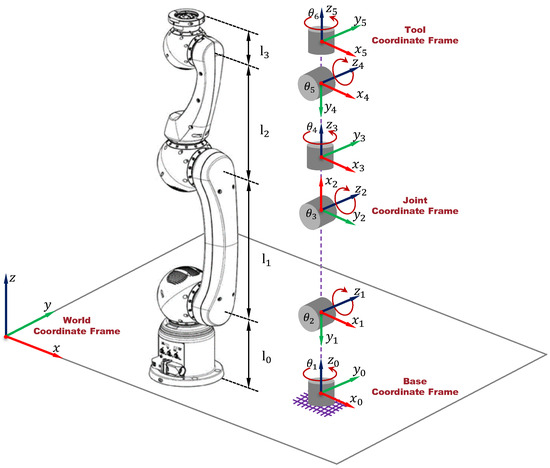
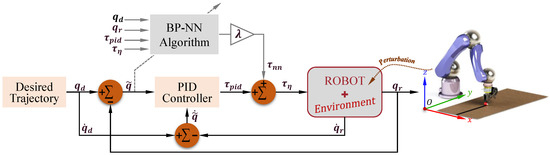
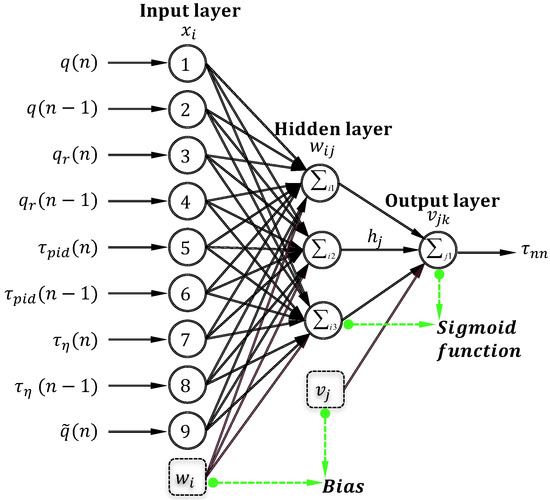
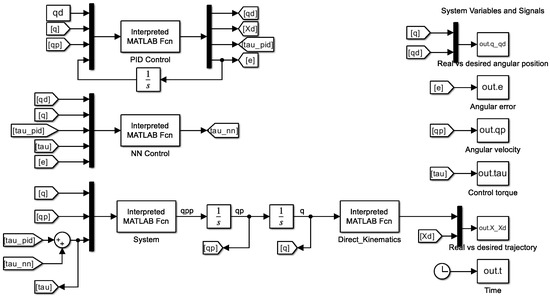
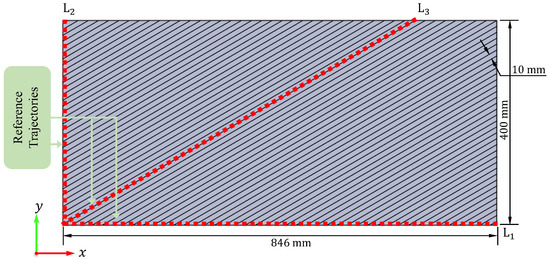
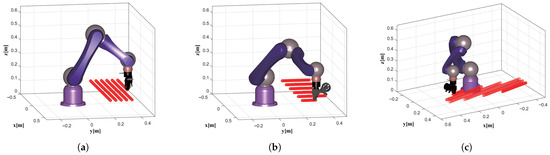
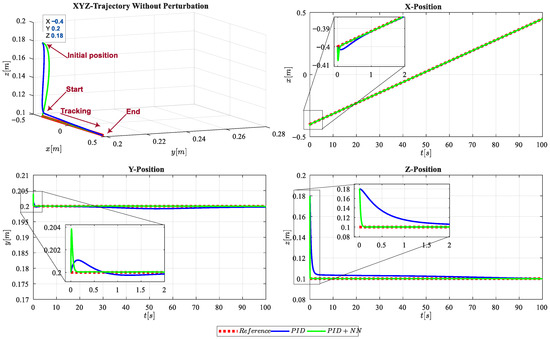
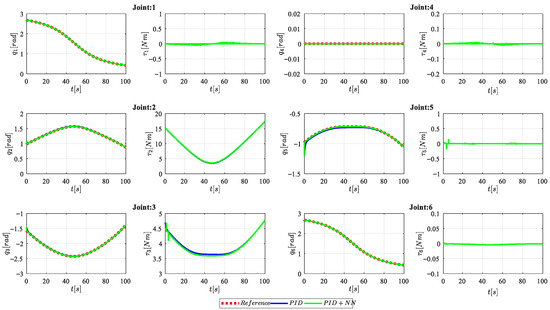
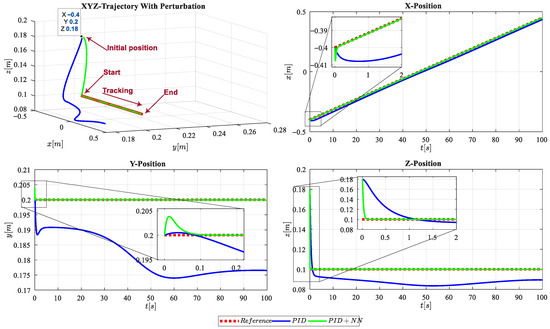
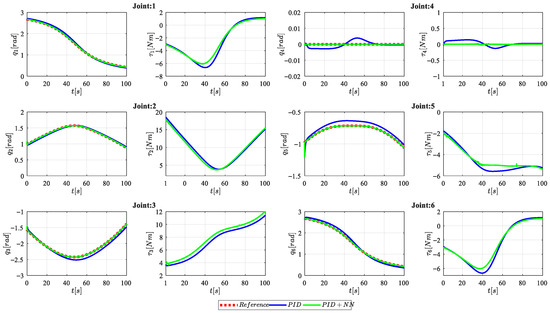
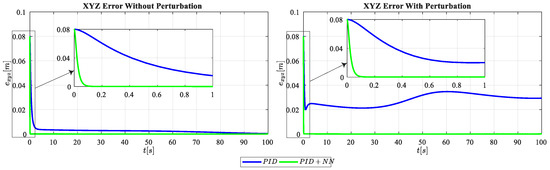
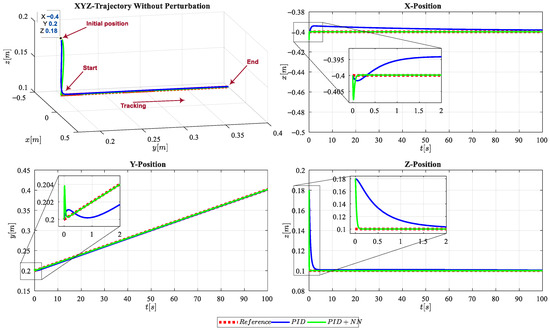
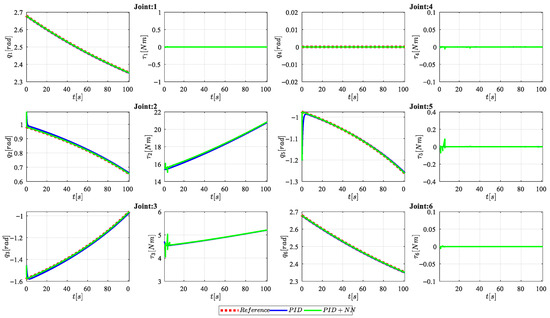
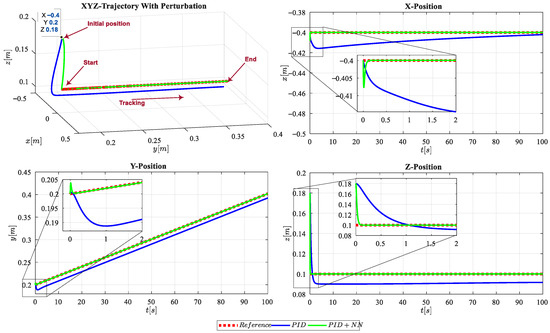
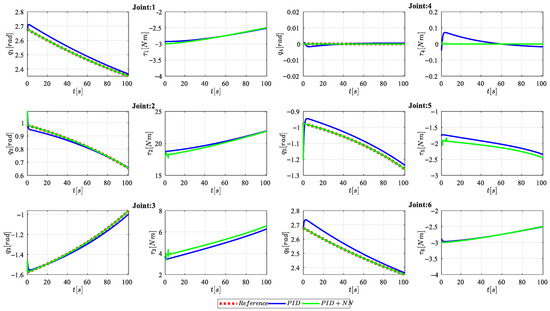
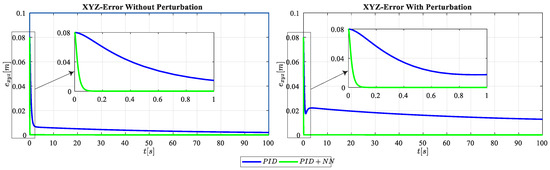
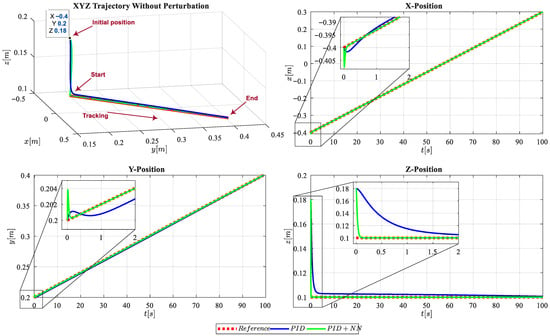
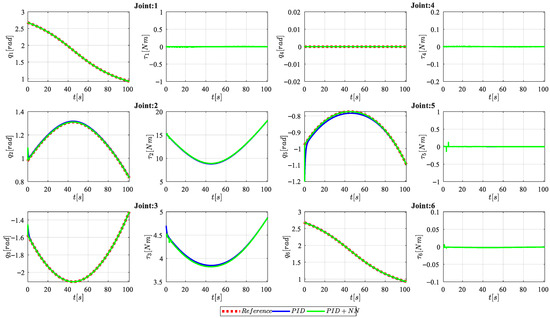
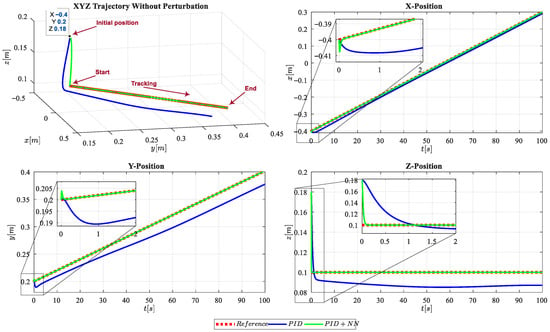
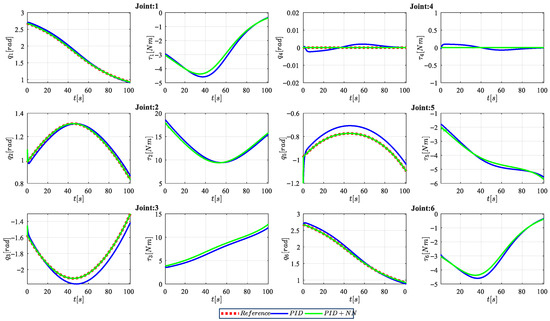
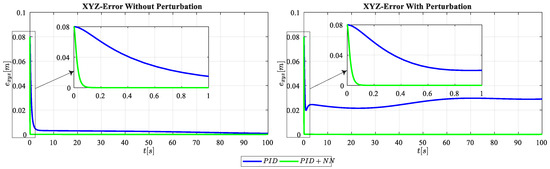
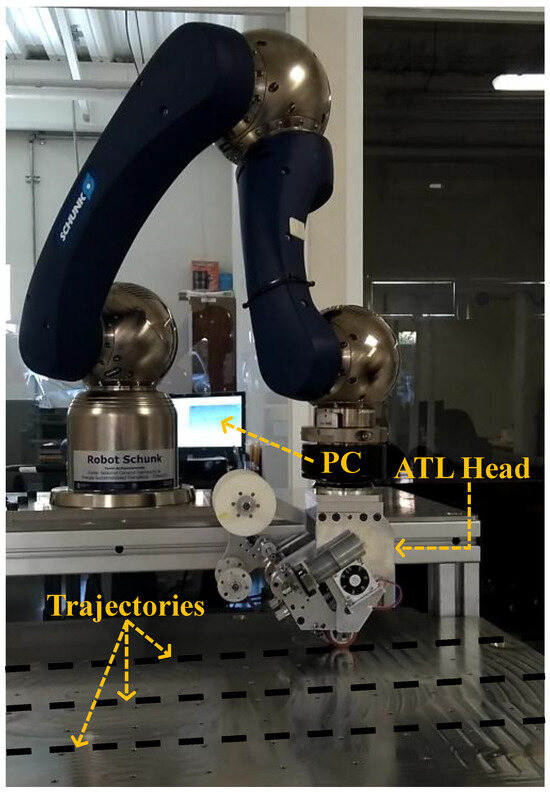
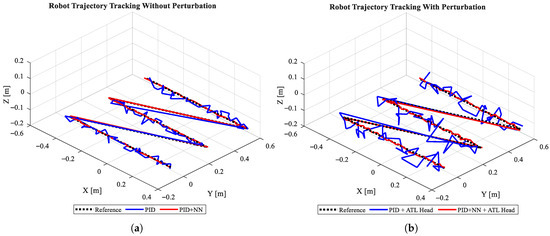
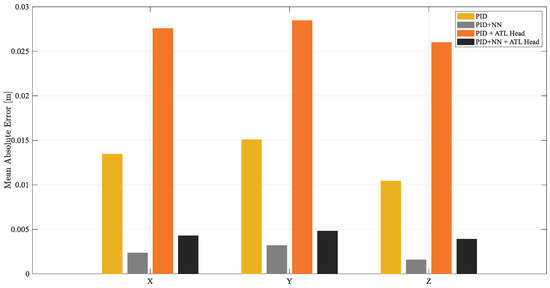
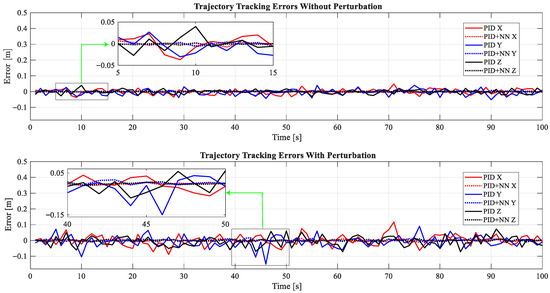
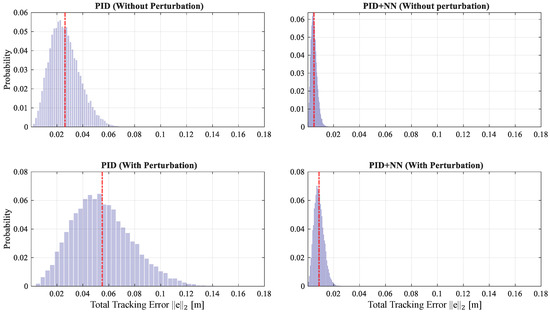
This article addresses the challenge of positioning accuracy in robotic manipulators applied to automated tape placement (ATL). A hybrid control strategy is proposed that integrates a Proportional-Integral-Derivative (PID) controller with a Backpropagation Neural Network (BP-NN). The proposed approach, called PID + NN, acts as a robust control scheme designed to compensate for parametric uncertainties and unmodeled perturbations arising from the integration of high-inertia tools in the end effector, dynamic mass variation due to tape consumption, and external reaction forces during the compaction process. Within this framework, the PID controller manages the nominal dynamics of the system, while the neural network operates as an adaptive compensator that adjusts the control signal in real time to minimize trajectory tracking errors. A rigorous stability analysis based on Lyapunov theory is presented, and the results are validated through numerical simulations on a six-degree-of-freedom manipulator. In addition, experimental tests are performed in a real operating environment to verify the practical performance of the strategy. The experimental results indicate that the proposed PID + NN controller significantly improves trajectory tracking accuracy, achieving a substantial reduction in tracking error and smoother control torque profiles compared to the conventional PID controller. These findings validate the effectiveness and robustness of the method for advanced manufacturing applications that demand high precision.
Full article
(This article belongs to the Special Issue Autonomous Robotics and Hybrid Intelligent Systems)
►▼
Show Figures

Figure 1
Open AccessArticle
LLM-SSHH: An LLM-Powered SSH Honeypot Framework via State Snapshot
by
Xiang Li, Nanfang Li, Zongrong Li, Lijun Yan, Denghui Ma, Haishan Cao, Xu Wang and Yu Liu
Appl. Syst. Innov. 2026, 9(5), 101; https://doi.org/10.3390/asi9050101 - 18 May 2026
Abstract
►▼
Show Figures
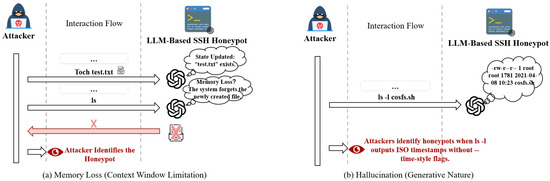
SSH honeypots serve as critical infrastructure for cyber threat intelligence, but existing LLM-based systems suffer from context window limitations causing state loss and hallucination-driven inconsistencies, making them easily detectable through simple verification tests. To address these limitations, we propose LLM-SSHH, a framework combining
[...] Read more.
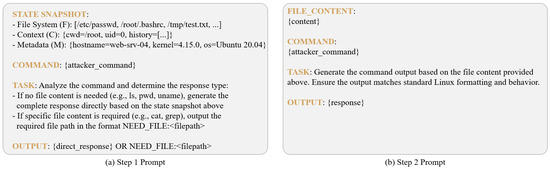
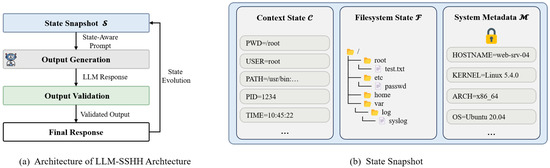
SSH honeypots serve as critical infrastructure for cyber threat intelligence, but existing LLM-based systems suffer from context window limitations causing state loss and hallucination-driven inconsistencies, making them easily detectable through simple verification tests. To address these limitations, we propose LLM-SSHH, a framework combining explicit state management with LLM generation to achieve long-term interaction consistency. The system maintains a persistent state snapshot organized as a three-component tuple capturing file system state, runtime context, and system metadata. The framework serializes the current state into LLM prompts and validates generated responses against state constraints to reject hallucinations. Validated responses update the state snapshot, forming a closed loop that ensures consistent state evolution throughout extended interactions. Experimental results demonstrate that LLM-SSHH achieves a mean detection rate of 0.150, representing a 3 to 4 times improvement over existing methods, significantly extending honeypot survivability for threat intelligence collection.
Full article

Figure 1
Open AccessArticle
A Multi-Model CNN Approach Using Pre-Trained Network for Improved Hand Gesture Recognition
by
Yeou-Jiunn Chen, Aryanti Aryanti and Qian-Bei Hong
Appl. Syst. Innov. 2026, 9(5), 100; https://doi.org/10.3390/asi9050100 - 13 May 2026
Abstract
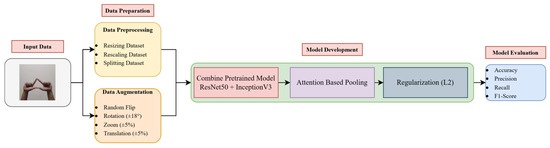
Hand gesture recognition (HGR) is a critical area in computer vision that supports intuitive human–computer interaction and sign language communication, yet existing systems remain sensitive to lighting variations, background clutter, and diverse hand postures. This study introduces two contributions to address these limitations:
[...] Read more.
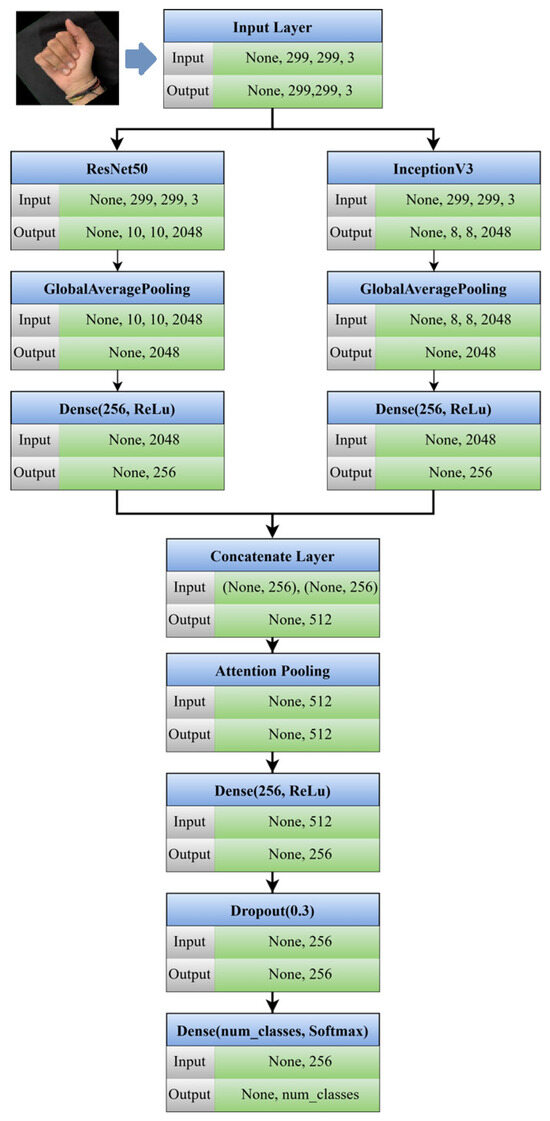
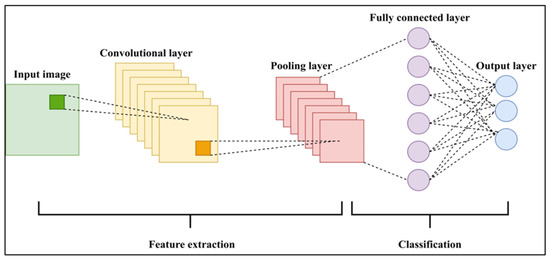
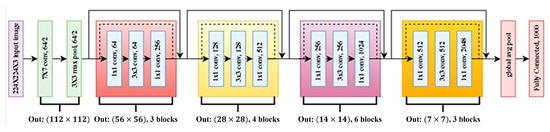
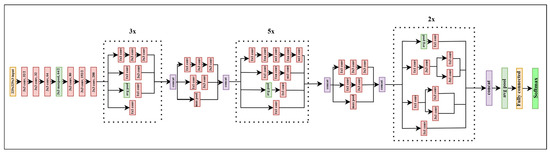
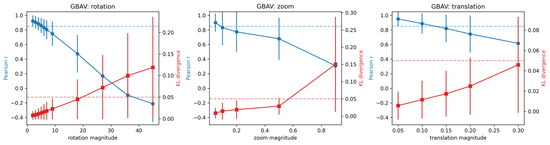
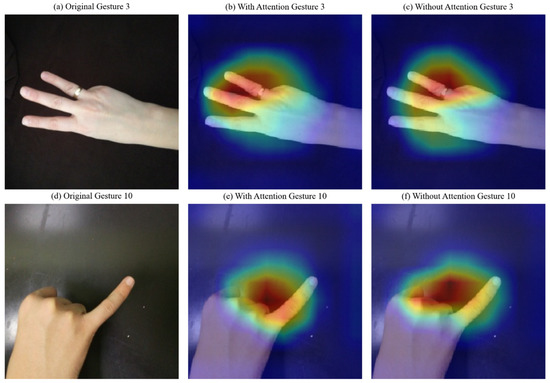
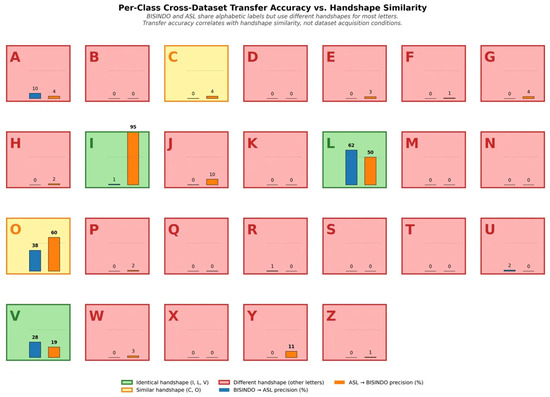
Hand gesture recognition (HGR) is a critical area in computer vision that supports intuitive human–computer interaction and sign language communication, yet existing systems remain sensitive to lighting variations, background clutter, and diverse hand postures. This study introduces two contributions to address these limitations: a Gradient-Based Augmentation Validation (GBAV) framework that establishes structurally safe augmentation ranges before training, and a multi-backbone Convolutional Neural Network (CNN) architecture combining ResNet50 and InceptionV3 with optional attention-based pooling. GBAV uses magnitude-weighted gradient orientation histograms with Pearson correlation and Kullback–Leibler divergence thresholds to verify label invariance under spatial transformations, providing a classifier-agnostic pre-training calibration mechanism. The proposed framework is evaluated on three static gesture datasets, Indonesian Sign Language (BISINDO), American Sign Language (ASL), and Hand Gesture 14 (HG14), yielding validation accuracies of 96.87%, 99.92%, and 95.25%, respectively, with 5-fold cross-validation on HG14 confirming result stability (93.51% ± 2.31%). Quantitative attention localization, cross-dataset transfer evaluation, and computational efficiency analysis (26.8 ms per image, ~37 FPS) further support the framework’s robustness and practical deployability. These findings establish GBAV-calibrated augmentation as the principal performance driver, which complements the multi-backbone architecture for robust hand gesture recognition across diverse visual contexts.
Full article
(This article belongs to the Topic Social Sciences and Intelligence Management, 2nd Volume)
►▼
Show Figures

Figure 1
Open AccessArticle
AI-Driven Decision Support Beneath Uncertainty: A Hybrid Bayesian–PLS Model for Systemic Sustainability Innovation
by
Mostafa Aboulnour Salem
Appl. Syst. Innov. 2026, 9(5), 99; https://doi.org/10.3390/asi9050099 - 12 May 2026
Abstract
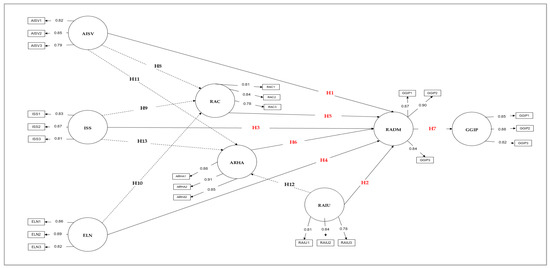
This study examines Responsible Decision-Making (RADM) in AI-enabled sustainability within tertiary education under conditions of uncertainty and complex interdependence. Conventional analytical approaches are limited in such settings because they typically explain behavioural relationships without adequately modelling uncertainty. To address this limitation, the study
[...] Read more.
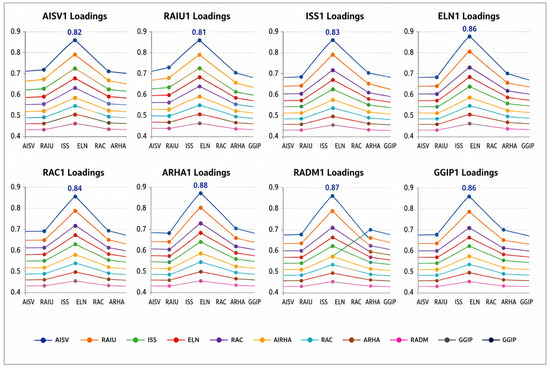
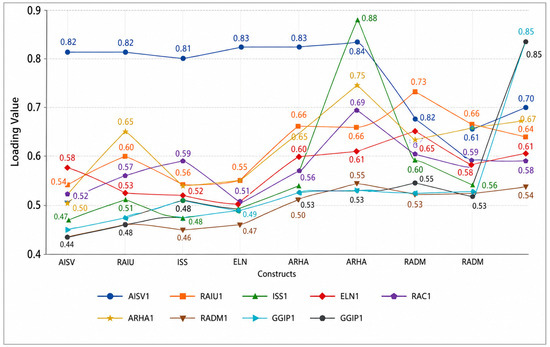
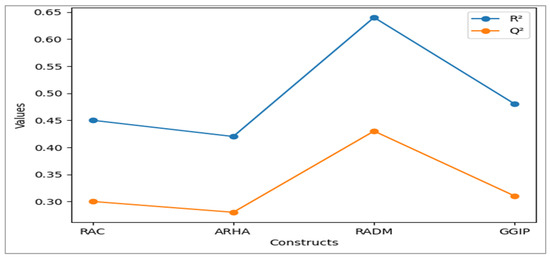
This study examines Responsible Decision-Making (RADM) in AI-enabled sustainability within tertiary education under conditions of uncertainty and complex interdependence. Conventional analytical approaches are limited in such settings because they typically explain behavioural relationships without adequately modelling uncertainty. To address this limitation, the study proposes an AI-driven Decision Support System (DSS) based on a hybrid probabilistic framework integrating PLS-SEM with Bayesian Network (BN) inference. The framework combines structural analysis with probabilistic reasoning in a unified, interpretable system capable of modelling conditional dependencies among decision variables. Data were collected from 713 academic leaders in tertiary education institutions in Saudi Arabia. The model examines the effects of AI-Driven Sustainable Value (AISV), Responsible AI Ease of Use (RAIU), Institutional Sustainability Support (ISS), Ethical Leadership Norms (ELN), Responsible AI Competence (RAC), and AI Risk and Hallucination Awareness (ARHA) on Responsible Decision-Making and Sustainability Impact Performance (GGIP). The results indicate that ELN and ARHA have significant positive effects on RADM, while AISV and RAIU also contribute positively to decision quality. In contrast, ISS and RAC do not demonstrate significant direct effects on RADM. However, ISS shows indirect effects through contextual and cognitive pathways. The findings further suggest that awareness of uncertainty and AI-related risks plays a more influential role in decision quality than technical competence alone. The model demonstrates strong explanatory power (R2 = 0.64) and acceptable predictive capability (R2 = 0.48). Bayesian inference further indicates that sustainability outcomes improve under favourable institutional and cognitive conditions. Overall, the framework provides an interpretable and scalable DSS that supports scenario-based evaluation and probabilistic decision analysis under uncertainty. The findings are specific to the institutional context examined in this study. Although the framework may have relevance to other organisational environments characterised by uncertainty and complex decision structures, no external or cross-contextual validation was conducted. Therefore, the findings should be interpreted with appropriate contextual caution.
Full article
(This article belongs to the Special Issue AI-Driven Decision Support for Systemic Innovation)
►▼
Show Figures

Figure 1
Open AccessSystematic Review
Maritime Integrated Systems Architecture in the Digital Era: A Systematic Review of Model-Based Approaches, Interoperability, and Resilience
by
Ernesto José García Fernández de Castro, Leonardo Lizcano, Daladier Jabba, Miguel Jimeno, Wilson Nieto Bernal and Andrés Pedraza
Appl. Syst. Innov. 2026, 9(5), 98; https://doi.org/10.3390/asi9050098 - 12 May 2026
Abstract
►▼
Show Figures
Background: Maritime operations increasingly rely on integrated, secure, and resilient architectures, yet the associated body of knowledge remains fragmented across conceptual, operational, logical, methodological, and governance-oriented perspectives. Objective: Our aim is to systematically review the literature on maritime integrated systems architecture in order
[...] Read more.
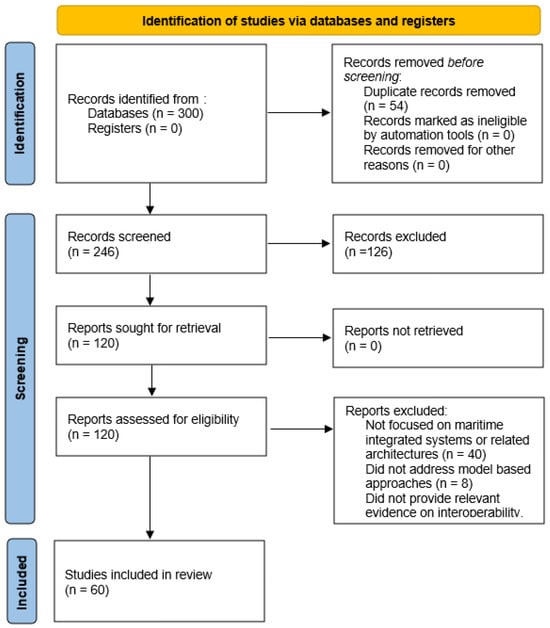
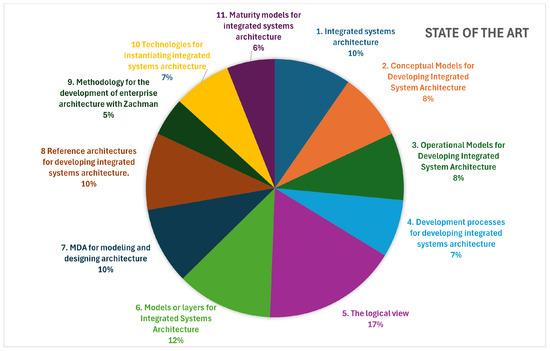
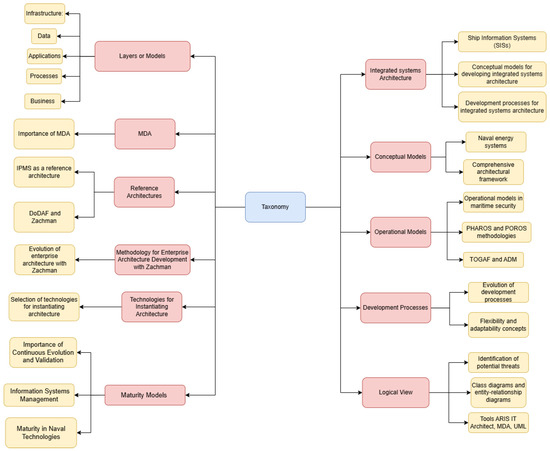
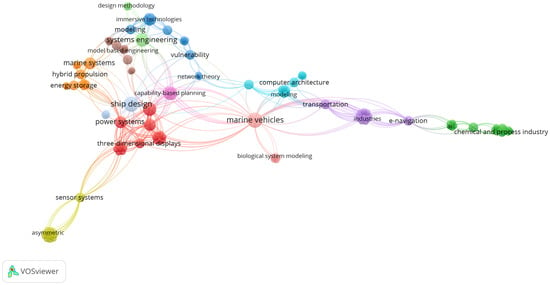
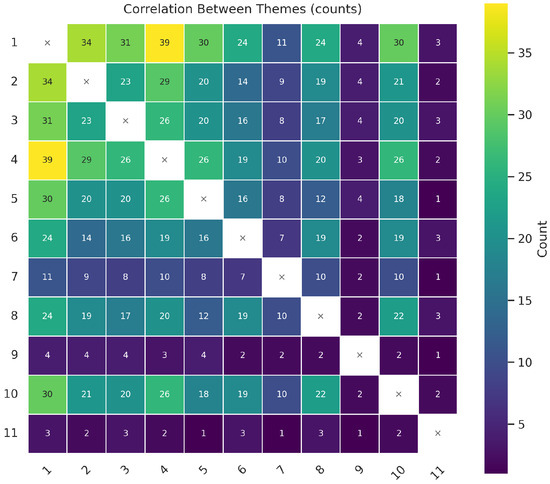
Background: Maritime operations increasingly rely on integrated, secure, and resilient architectures, yet the associated body of knowledge remains fragmented across conceptual, operational, logical, methodological, and governance-oriented perspectives. Objective: Our aim is to systematically review the literature on maritime integrated systems architecture in order to identify dominant themes, methodological tendencies, enabling technologies, and unresolved research gaps. Eligibility criteria: Peer-reviewed studies published in English were included when they addressed integrated systems architecture, or closely related architectural approaches, in maritime or naval contexts. Studies centred exclusively on isolated components, non-maritime settings without clear architectural transferability, or insufficient technical or methodological detail were excluded. Information sources: ACM Digital Library, IEEE Xplore, SpringerLink, ScienceDirect, MDPI, and IMarEST. Searches were carried out between January and March 2025, with the final search update for all sources completed in March 2025. Methods: The review was conducted and reported in accordance with PRISMA 2020. Three reviewers independently screened titles, abstracts, and full texts. Two reviewers independently extracted data, assessed methodological limitations and risk of bias using a review-specific qualitative appraisal framework, and evaluated the risk of bias due to missing results at the synthesis level. Disagreements were resolved through discussion and consensus, with third-reviewer arbitration when necessary. The synthesis combined qualitative thematic analysis across eleven predefined analytical categories with descriptive bibliometric and thematic mapping procedures. Results: Of 300 identified records, 60 studies met the inclusion criteria. Across non-mutually exclusive analytical categories, the literature was concentrated in Integrated Systems Architecture (52 studies), Development Processes (42), and Conceptual Models (37), whereas Zachman-based Methodology (4) and Maturity Models (3) were only marginally represented. Three recurrent patterns were observed across the corpus: the central role of cybersecurity and risk governance in architectural design; the growing importance of information technology and operational technology convergence for resilient monitoring, coordination, and decision support; and the increasing use of model-based and model-driven approaches to address architectural complexity. Overall confidence in the principal synthesized findings was judged to be moderate. Limitations: The review was limited to six databases and English-language publications, and the included studies varied in reporting depth, methodological transparency, and degree of empirical validation. Conclusions: The review organizes the field into a multilevel taxonomy spanning conceptual and operational models, logical and layered views, development processes, reference architectures, enabling technologies, and maturity-related perspectives. Taken together, the findings suggest that research in this area has progressed more clearly in architectural representation and integration than in long-term evaluation, particularly with regard to the practical operationalization of Zachman-based approaches and the development of maritime-specific maturity assessment frameworks. Funding: This review received no external funding. Registration: The review was not prospectively registered, and no publicly accessible protocol was prepared.
Full article

Figure 1
Journal Menu
► ▼ Journal Menu-
- ASI Home
- Aims & Scope
- Editorial Board
- Topical Advisory Panel
- Instructions for Authors
- Special Issues
- Topics
- Sections
- Article Processing Charge
- Indexing & Archiving
- Editor’s Choice Articles
- Most Cited & Viewed
- Journal Statistics
- Journal History
- Journal Awards
- Society Collaborations
- Conferences
- Editorial Office
Journal Browser
► ▼ Journal BrowserHighly Accessed Articles
Latest Books
E-Mail Alert
News
Topics
Topic in
Applied Sciences, ASI, Blockchains, Computers, MAKE, Software
Recent Advances in AI-Enhanced Software Engineering and Web Services
Topic Editors: Hai Wang, Zhe HouDeadline: 31 May 2026
Topic in
Applied Sciences, Buildings, Sustainability, Infrastructures, ASI
Circularity Research and Innovation Towards Sustainable Cities and Built Environment
Topic Editors: Sakdirat Kaewunruen, Charalampos Baniotopoulos, Luís BragançaDeadline: 31 July 2026
Topic in
Applied Sciences, Computers, Electronics, Sensors, ASI, Micromachines
Collection Series on Applied System Innovation
Topic Editors: Sheng-Joue Young, Shoou-Jinn Chang, Stephen D. Prior, Liang-Wen JiDeadline: 31 August 2026
Topic in
Social Sciences, Societies, ASI
Social Sciences and Intelligence Management, 2nd Volume
Topic Editors: Liza Lee, Teen-Hang Meen, Kuei-Kuei Lai, Linda Pavitola, Charles Tijus, Kate ChenDeadline: 31 December 2026
Conferences
Special Issues
Special Issue in
ASI
Efficient and Scalable Federated Learning for Real-World Applications
Guest Editor: Bruno CasellaDeadline: 20 June 2026
Special Issue in
ASI
Unmanned Aerial Vehicles for Smart Cities: Optimization, Collaboration, and Intelligent Applications
Guest Editor: Wu DengDeadline: 20 June 2026
Special Issue in
ASI
Advanced Control Strategies and Optimization for Renewable Energy Systems
Guest Editor: Mohsen PourkiaeiDeadline: 20 June 2026
Special Issue in
ASI
Enhancing Smart Manufacturing: Process Innovation and Safety Management in the Digital Factory Era
Guest Editors: Mario Nardo, Valentina Popolo, Marianna MadonnaDeadline: 30 June 2026