
Journal Description
Audiology Research
Audiology Research
is an international, peer-reviewed, open access journal on audiology and neurotology, published bimonthly online by MDPI (since Volume 10, Issue 2 - 2020). The Italian Society of Vestibology (VIS) is affiliated with Audiology Research and its members receive discounts on the article processing charges.
- Open Access— free for readers, with article processing charges (APC) paid by authors or their institutions.
- High Visibility: indexed within Scopus, ESCI (Web of Science), PubMed, PMC, Embase, and other databases.
- Journal Rank: JCR - Q2 (Audiology and Speech-language Pathology) / CiteScore - Q2 (Otorhinolaryngology)
- Rapid Publication: manuscripts are peer-reviewed and a first decision is provided to authors approximately 26.2 days after submission; acceptance to publication is undertaken in 4.6 days (median values for papers published in this journal in the second half of 2025).
- Recognition of Reviewers: APC discount vouchers, optional signed peer review, and reviewer names published annually in the journal.
Impact Factor:
1.8 (2024);
5-Year Impact Factor:
1.8 (2024)
Latest Articles
Urdu–English Perceptual Confusions in Bilingual Children with Normal Hearing and Cochlear Implants: An Analysis of Place, Manner, and Voicing Features
Audiol. Res. 2026, 16(3), 84; https://doi.org/10.3390/audiolres16030084 (registering DOI) - 29 May 2026
Abstract
Background and Aims: Accuracy in speech perception in bilingual children is influenced by two phonological systems. This study compares phonological development in bilingual Urdu–English (UE) children with CIs with their hearing-age-matched peers with normal hearing (NH), by investigating whether bilingualism or any spectral
[...] Read more.
Background and Aims: Accuracy in speech perception in bilingual children is influenced by two phonological systems. This study compares phonological development in bilingual Urdu–English (UE) children with CIs with their hearing-age-matched peers with normal hearing (NH), by investigating whether bilingualism or any spectral limitations of CI impact perception of UE phonemes. Method and Procedures: Children (n = 57) aged 3; 0–6; 11 years (28 CI, 29 NH) were assessed for speech perception using a custom-designed UE Speech Perception Test (UE-SPT), in quiet and noise (+5 dB SNR). Responses were analysed using confusion matrices, across phonological parameters of place, manner, and voicing to determine error patterns. Outcomes and Results: Significant deficits in CI children were found across all features, with voicing discrimination showing the largest errors (effect sizes d > 6), exacerbated by noise, especially for Urdu aspirated stops. CIs mastered only 8.3% Urdu-aspirated consonants at 6; 11 years compared to 91.7% mastered by NH peers, indicating critical language-specific vulnerabilities. Backing and substitutions errors were particularly seen in CI’s speech, whilst manner was preserved. Conclusion and Implications: UE bilingual phonological complexity compounded by inadequate speech processing abilities in CIs challenges them, underscoring urgent need for targeted speech therapy interventions focusing voicing contrasts and aspirated consonants, as well as environmental accommodations that reduce noise interference and enhance listening through CI, to optimise educational outcomes. This research contributes vital clinical guidance for supporting bilingual children with cochlear implants, addressing both environmental, technological and linguistic challenges.
Full article
(This article belongs to the Collection Cochlear Implants: Challenges and Opportunities in Hearing Rehabilitation)
Open AccessArticle
Auditory Perception and Psychosocial Well-Being in Long-Term Cochlear Implant Users
by
Kadriye Guney, Ozlem Topcu, Patrizia Mancini and Hilal Dincer D’Alessandro
Audiol. Res. 2026, 16(3), 83; https://doi.org/10.3390/audiolres16030083 - 28 May 2026
Abstract
Background/Objectives: This study investigated auditory perception and psychosocial well-being in long-term cochlear implant (CI) users, with a particular focus on the effects of auditory (re)habilitation on learned helplessness and speech-in-noise perception, representing everyday listening performance. Methods: Thirty CI users and thirty
[...] Read more.
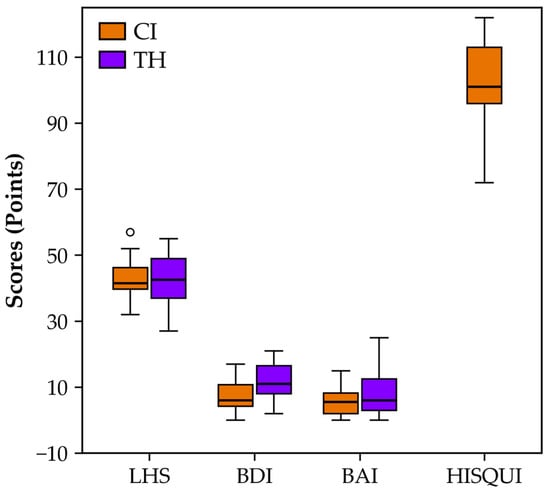
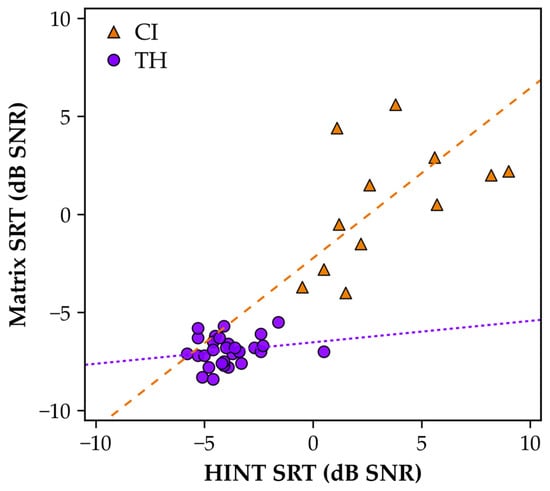
Background/Objectives: This study investigated auditory perception and psychosocial well-being in long-term cochlear implant (CI) users, with a particular focus on the effects of auditory (re)habilitation on learned helplessness and speech-in-noise perception, representing everyday listening performance. Methods: Thirty CI users and thirty peers with typical hearing (TH) participated in the study. Speech perception was assessed using the Hearing in Noise Test (HINT) and the Matrix Test in both quiet and noisy listening conditions. Psychosocial status was evaluated using the Learned Helplessness Scale (LHS), the Beck Depression Inventory (BDI), and the Beck Anxiety Inventory (BAI). Perceived hearing quality was evaluated using the Hearing Implant Sound Quality Index (HISQUI). Results: CI users showed significantly poorer speech perception performance than TH participants (p < 0.05), whereas between-group psychosocial outcomes, including LHS, BDI, and BAI scores, did not differ significantly (p > 0.05). Positive correlations were observed between Matrix and HINT scores in quiet and noisy conditions. Positive associations were also observed between CI hearing thresholds and HINT/Matrix results in noisy conditions. Within the prelingually deaf CI subgroup, age at implantation was correlated with CI thresholds, as well as with speech perception performance across both tests (p < 0.05). Conclusions: Although CI users showed significantly poorer speech perception performance, their levels of learned helplessness, depression, and anxiety were comparable to those of their TH peers. These results suggest auditory benefits following long-term CI rehabilitation, while psychosocial status appears to be within a typical range despite persistent listening difficulties in daily life.
Full article
(This article belongs to the Section Hearing)
►▼
Show Figures

Figure 1
Open AccessArticle
Current Practices in Vestibular Migraine Management Among Canadian Otolaryngologists: A National Survey
by
Raisa Chowdhury, Angelina Tohme, Daniel Lelli and Darren Tse
Audiol. Res. 2026, 16(3), 82; https://doi.org/10.3390/audiolres16030082 - 27 May 2026
Abstract
►▼
Show Figures
Background/Objectives: Vestibular migraine is a common but often underrecognized cause of dizziness in otolaryngology practice. Although awareness has increased, variation in clinician training and management may contribute to inconsistent care. This study evaluated current diagnostic and treatment practices of Canadian otolaryngologists for vestibular
[...] Read more.
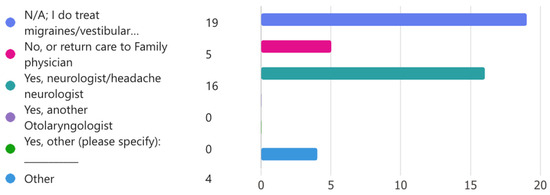
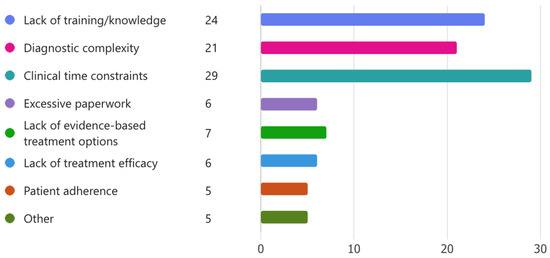
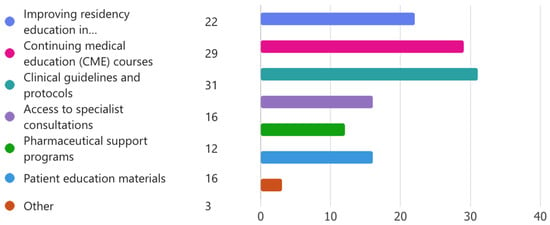
Background/Objectives: Vestibular migraine is a common but often underrecognized cause of dizziness in otolaryngology practice. Although awareness has increased, variation in clinician training and management may contribute to inconsistent care. This study evaluated current diagnostic and treatment practices of Canadian otolaryngologists for vestibular migraine, including familiarity with diagnostic criteria, therapeutic approaches, perceived barriers, and educational needs. Methods: A national cross-sectional electronic survey was distributed to practicing and emeritus members of the Canadian Society of Otolaryngology–Head and Neck Surgery from February to April 2025. The 14-item survey assessed demographics, clinical exposure to dizzy patients, residency training, diagnostic familiarity, treatment patterns, referral practices, barriers to care, and preferred educational resources. Responses were anonymized and analyzed using descriptive statistics. Results: Forty-four otolaryngologists completed the survey (response rate: 7.4%). Most respondents reported being very familiar (59.1%) or moderately familiar (38.6%) with vestibular migraine diagnostic criteria, and 97.7% reported currently diagnosing and/or treating these patients. However, only 15.9% had received extensive residency training specific to migraine or vestibular migraine. Common treatments included lifestyle and dietary modification (90.9%), nutraceutical supplements (59.1%), tricyclic antidepressants (54.5%), and analgesics (52.3%). Vestibular rehabilitation therapy (29.5%) and calcitonin gene-related peptide-targeted therapies (<10%) were used less frequently. Major barriers were clinical time constraints (65.9%), lack of training or knowledge (54.5%), and diagnostic complexity (47.7%). Clinical guidelines (70.5%) and continuing medical education courses (65.9%) were identified as the most valuable supports. Conclusions: Among surveyed Canadian otolaryngologists engaged in dizziness and vestibular migraine care, substantial heterogeneity existed in training and management practices. Standardized guidance, enhanced education, and interdisciplinary collaboration may improve consistency of care and patient outcomes.
Full article

Figure 1
Open AccessReview
Presbycusis Across the Lifespan: Genetic, Molecular, and Multi-Omics Contributions
by
Anna Morgan, Paolo Gasparini and Giorgia Girotto
Audiol. Res. 2026, 16(3), 81; https://doi.org/10.3390/audiolres16030081 - 26 May 2026
Abstract
Presbycusis, or age-related hearing loss (ARHL), is a multifactorial disorder characterized by a gradual, bilateral sensorineural decline in hearing sensitivity, predominantly affecting high-frequency sounds. It is one of the most common chronic conditions in the aging population and represents a major public health
[...] Read more.
Presbycusis, or age-related hearing loss (ARHL), is a multifactorial disorder characterized by a gradual, bilateral sensorineural decline in hearing sensitivity, predominantly affecting high-frequency sounds. It is one of the most common chronic conditions in the aging population and represents a major public health concern due to its high prevalence and progressive nature. Presbycusis significantly impairs speech perception, especially in noisy environments, leading to communication difficulties, reduced social participation, increased risk of social isolation, and a decline in quality of life. Moreover, growing evidence highlights a strong association between ARHL and cognitive impairment, dementia, depression, and increased frailty in older adults. The etiology of presbycusis is complex and involves the interplay between genetic predisposition and cumulative environmental and lifestyle-related factors. Genetic susceptibility influences cochlear aging, neural degeneration, and vulnerability to external insults. Non-genetic contributors include chronic noise exposure, cardiovascular and metabolic disorders such as diabetes and dyslipidemia, ototoxic medications, smoking, and other lifestyle factors that may accelerate cochlear damage through oxidative stress and microvascular dysfunction. This narrative review aims to provide an updated overview of the genetic and environmental determinants involved in the development and progression of presbycusis. Furthermore, it discusses the clinical implications of these factors for early identification, audiological evaluation, prevention strategies, and personalized management approaches. A better understanding of the multifactorial nature of presbycusis may support the development of targeted interventions to preserve hearing function and improve overall health outcomes in the aging population.
Full article
(This article belongs to the Special Issue The Aging Ear)
Open AccessArticle
Vestibular Evoked Myogenic Potentials (cVEMP and oVEMP) in Pregnancy: A Clinical Study
by
Isil Cakmak Karar and Erdinc Sarıdogan
Audiol. Res. 2026, 16(3), 80; https://doi.org/10.3390/audiolres16030080 - 26 May 2026
Abstract
Background/Objectives: Pregnancy involves significant hormonal, cardiovascular, and physiological shifts that may potentially affect the vestibular system. The utricle and saccule, the two primary otolith organs, are responsible for detecting linear acceleration and maintaining equilibrium. This study aims to objectively evaluate the functional
[...] Read more.
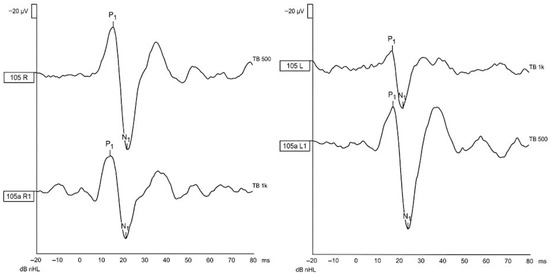
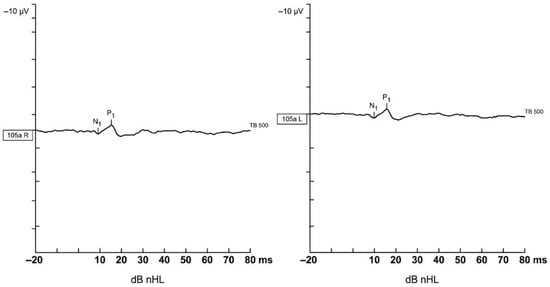
Background/Objectives: Pregnancy involves significant hormonal, cardiovascular, and physiological shifts that may potentially affect the vestibular system. The utricle and saccule, the two primary otolith organs, are responsible for detecting linear acceleration and maintaining equilibrium. This study aims to objectively evaluate the functional status of these organs throughout the three trimesters of pregnancy using Vestibular Evoked Myogenic Potentials (VEMPs). Methods: A prospective cross-sectional study was conducted with 64 healthy primigravida women (mean age 29.4 ± 2.3 years). Cervical VEMP (cVEMP) and ocular VEMP (oVEMP) tests were performed at three distinct time points: the first (8–9 weeks), second (20–21 weeks), and third (33–34 weeks) trimesters. Latencies (p13 and n23 for cVEMP; n10 and p15 for oVEMP) and peak-to-peak amplitudes were recorded and statistically compared across trimesters. Results: No statistically significant differences were found in cVEMP p13 and n23 latencies or amplitudes across the three trimesters (p > 0.05). Similarly, oVEMP p15 latencies and amplitudes remained stable throughout the pregnancy (p = 0.43 and p = 0.95, respectively). While a slight numerical increase in certain latencies was observed in the third trimester, and the oVEMP n10 latency was found to be consistently prolonged compared to non-pregnant norms, these values remained stable between trimesters. The inter-aural asymmetry showed no significant deviations, indicating a balanced vestibular adaptation. Conclusions: The functional integrity of the saccule and utricle is preserved during a healthy pregnancy. Despite the dramatic increase in gestational hormones such as estrogen and progesterone, the otolith-dependent reflex pathways (vestibulocollic and vestibulo-ocular) remain resilient. These results provide a clinical baseline for evaluating vestibular symptoms in pregnant populations, suggesting that significant VEMP abnormalities should prompt investigation into underlying vestibular pathologies rather than being attributed to normal pregnancy changes.
Full article
(This article belongs to the Section Hearing)
►▼
Show Figures

Figure 1
Open AccessArticle
Pupillary Nystagmus as an Objective Neuro-Otological Biomarker in Vestibular Migraine: A Quantitative Pupillometric Study
by
Augusto Pietro Casani, Nicola Ducci, Luigi Califano and Mauro Gufoni
Audiol. Res. 2026, 16(3), 79; https://doi.org/10.3390/audiolres16030079 - 23 May 2026
Abstract
Background: Vestibular migraine (VM) is a common cause of episodic vertigo, yet its diagnosis remains primarily clinical and is often complicated by the absence of reliable objective biomarkers. Pupillary nystagmus, reflecting spontaneous oscillations of pupil diameter, has been proposed as a potential
[...] Read more.
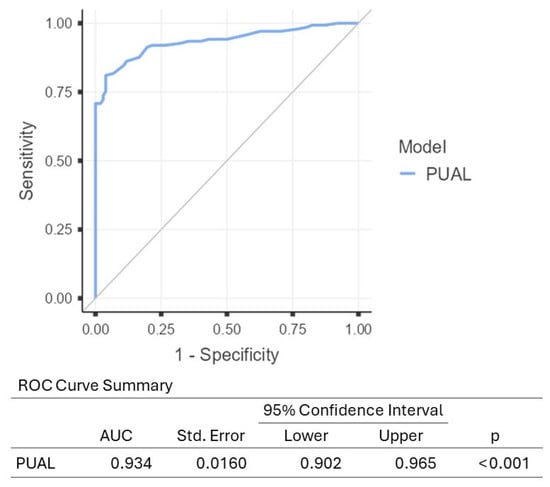
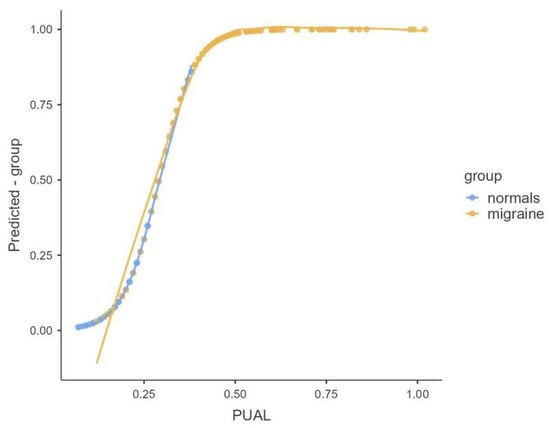
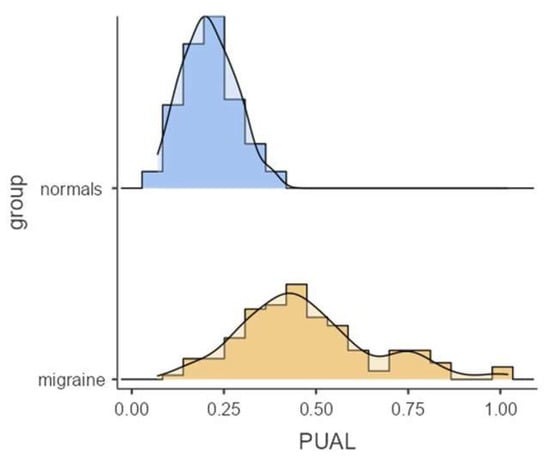
Background: Vestibular migraine (VM) is a common cause of episodic vertigo, yet its diagnosis remains primarily clinical and is often complicated by the absence of reliable objective biomarkers. Pupillary nystagmus, reflecting spontaneous oscillations of pupil diameter, has been proposed as a potential clinical sign of VM, but its quantitative characterization remains limited. Objective: The objective of this study is to evaluate the diagnostic value of pupillary nystagmus in VM and to provide a quantitative assessment using infrared pupillometry. Methods: In this case–control study, 137 patients with vestibular migraine and 102 healthy controls underwent comprehensive neuro-otological evaluation, including vestibular testing and pupillometric assessment. Pupillary activity was recorded using a dedicated infrared pupillometer, and oscillatory dynamics were quantified using the Pupillary Unrest Activity Level (PUAL), which was derived through spectral analysis (Larson–Neice algorithm). Statistical comparisons were performed using non-parametric methods. Results: PUAL values differed significantly between VM patients and controls (Mann–Whitney test p < 0.001), demonstrating a clear separation between groups. A cut-off value of 0.325 was identified as the upper limit of normality, suggesting that elevated PUAL values may indicate vestibular migraine. Conclusions: Pupillary nystagmus represents a clinically accessible sign that can be objectively quantified through infrared pupillometry. The PUAL index provides a measurable parameter reflecting altered vestibulo–autonomic dynamics in VM and may serve as a promising neuro-otological biomarker. The integration of pupillometric analysis with clinical evaluation may improve diagnostic accuracy and support the development of objective diagnostic tools in vestibular migraine.
Full article
(This article belongs to the Section Balance)
►▼
Show Figures

Figure 1
Open AccessArticle
Impact of Education, Sex, and Residence on Tinnitus Distress, Depression, and Anxiety
by
András Molnár, Panayiota Mavrogeni and Stefani Maihoub
Audiol. Res. 2026, 16(3), 78; https://doi.org/10.3390/audiolres16030078 - 22 May 2026
Abstract
►▼
Show Figures
Objectives: This study aimed to analyse the effects of educational levels, sex, and residence on tinnitus-related distress, as well as the severity of depression and anxiety. Material and methods: A total of 235 patients with primary subjective tinnitus participated in the study. These
[...] Read more.
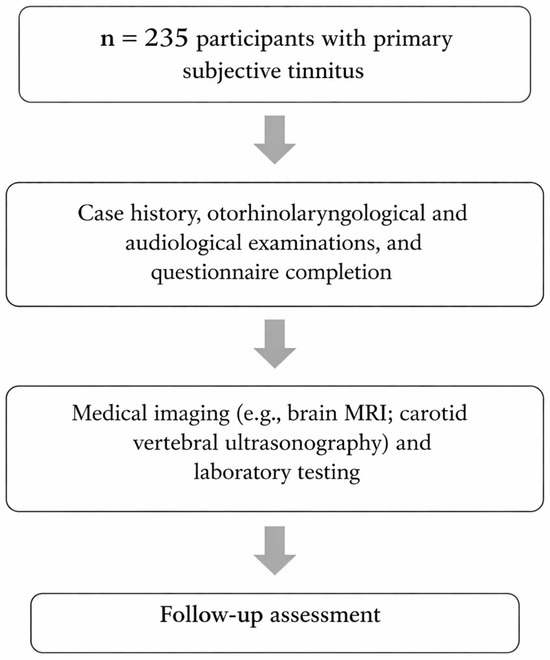
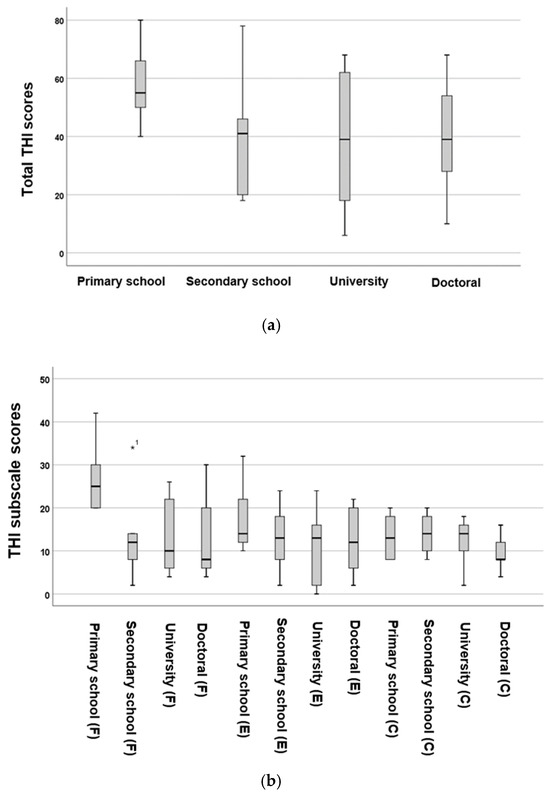
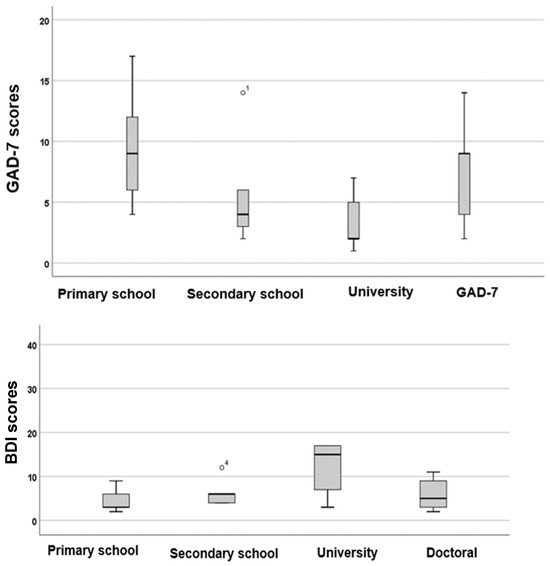
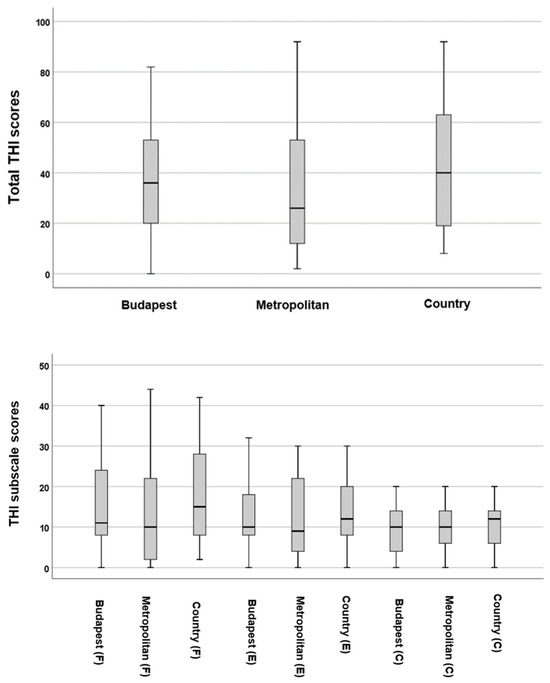
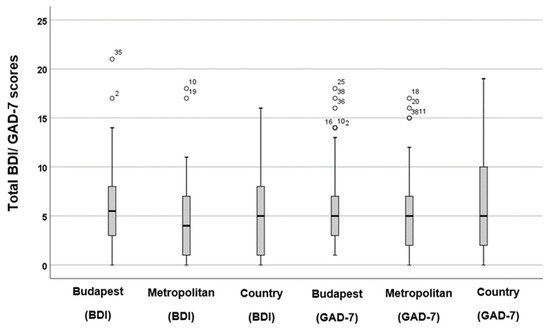
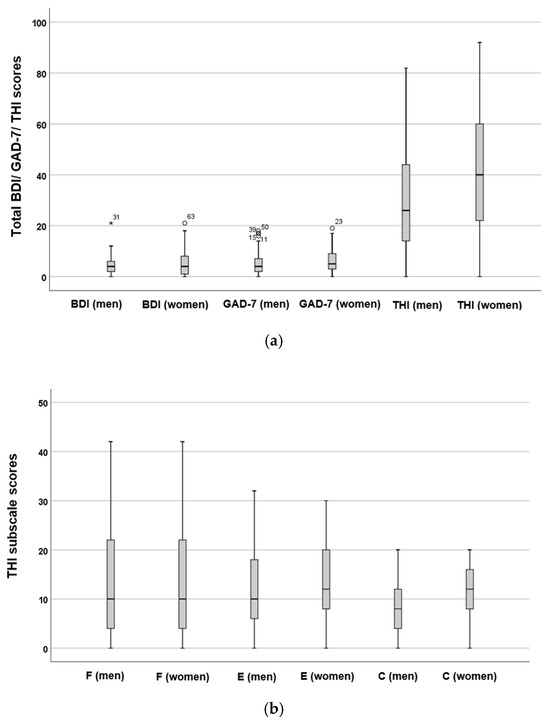
Objectives: This study aimed to analyse the effects of educational levels, sex, and residence on tinnitus-related distress, as well as the severity of depression and anxiety. Material and methods: A total of 235 patients with primary subjective tinnitus participated in the study. These patients underwent thorough evaluations in otorhinolaryngology and audiology. Additionally, all patients completed the Tinnitus Handicap Inventory (THI), Beck Depression Inventory (BDI), and the Generalised Anxiety Disorder-7 (GAD-7) questionnaires. Results: Patients with a primary school education scored significantly higher on the functional (F) subscale of the THI. When examining depression and anxiety levels, it was observed that patients with a primary school education exhibited the highest levels of anxiety, whereas those with a university education displayed the highest levels of depression. When analysing the effects of residency, slightly lower total THI scores were observed in individuals living in metropolitan areas. When comparing the subscale results of the THI, patients residing in metropolitan areas exhibited significantly lower scores on the F subscale. In terms of the total BDI and GAD-7 scores, there were no statistically significant differences observed. Women had slightly higher scores on the BDI and GAD-7, without statistical differences. However, women had significantly higher total THI scores. Additionally, women exhibited statistically significantly higher scores on the catastrophic (C) subscale. However, the results for the F and emotional (E) subscales did not show any statistically significant differences. There was no correlation between age and the THI, BDI, or GAD-7 scores. Conclusions: The results of this study reveal significant differences in tinnitus distress based on sex, educational levels, and residence locations, along with the presence of psychiatric symptoms, which should also be considered in tinnitus management.
Full article

Figure 1
Open AccessArticle
Hearing Through the Patient’s Ears: Hearing Simulation for Counseling and Education
by
Hailey A. Kingsbury, Sarah E. Kingsbury, Michael J. Cevette, Jan Stepanek, Edwar Habr, Hussein Itawi and Gaurav N. Pradhan
Audiol. Res. 2026, 16(3), 77; https://doi.org/10.3390/audiolres16030077 - 22 May 2026
Abstract
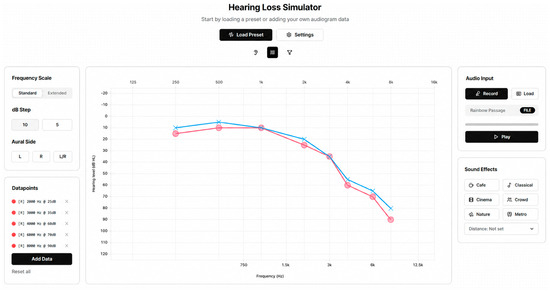
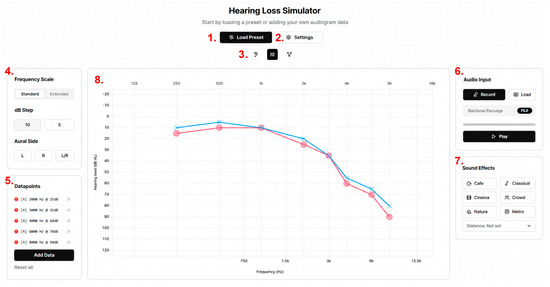
Background/Objectives: Hearing loss is frequently misunderstood by communication partners and healthcare providers of patients with hearing loss alike, leading to gaps in counseling, medical adherence, and empathy. Hearing loss simulation is a technique that can clarify patient experience by illustrating how hearing
[...] Read more.
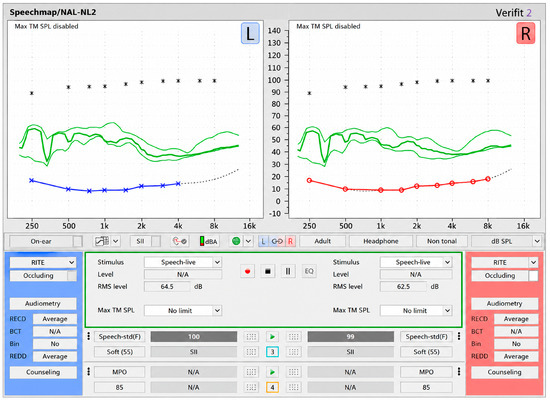
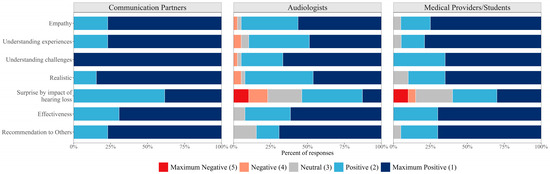
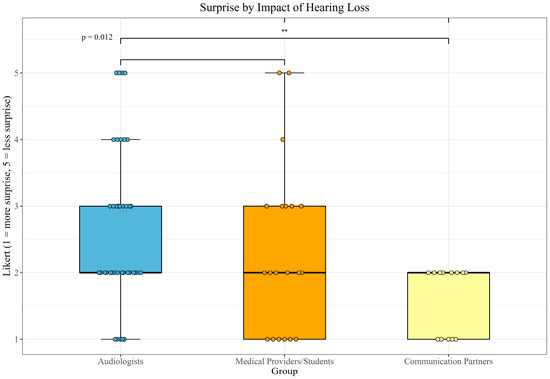
Background/Objectives: Hearing loss is frequently misunderstood by communication partners and healthcare providers of patients with hearing loss alike, leading to gaps in counseling, medical adherence, and empathy. Hearing loss simulation is a technique that can clarify patient experience by illustrating how hearing loss affects daily listening and speech discrimination. The current research explores the influences of a web-based hearing loss simulator on how hearing loss is understood by communication partners, audiologists, and medical providers/students. Methods: Using a convergent parallel mixed-methods design, 72 participants (communication partners, audiologists, and medical providers/residents) completed a guided trial with the hearing simulator, either one-on-one or in group settings, and subsequently completed a questionnaire regarding their experiences. The simulation trial included demonstrations of hearing loss and amplification across four listening environments: speech in quiet, in noise, at a distance, as well as listening to instrumental music. Results: Communication partners reported that they gained a better understanding of their partner’s hearing loss, with all expressing increased feelings of empathy towards their partner and individuals with hearing loss. When compared to audiologists, communication partners were significantly more surprised by the impact of hearing loss on speech understanding. Medical providers and students emphasized the value of the simulator as a counseling tool and highly recommended that other providers use the simulator with their patients. Conclusions: Simulating hearing loss can be beneficial for counseling purposes and medical training. These findings suggest that hearing loss simulation can enhance empathy and communication across clinical and educational contexts.
Full article
(This article belongs to the Special Issue Hearing Loss: Causes, Symptoms, Diagnosis, and Treatment—Volume II)
►▼
Show Figures

Figure 1
Open AccessArticle
Potential Risk for Hearing from Prolonged Exposure to Sound at Conversation Levels
by
Wenyue Xue, Nolan Sun, Emily Wood, Jason Xie, Xiuping Liu and Jun Yan
Audiol. Res. 2026, 16(3), 76; https://doi.org/10.3390/audiolres16030076 - 22 May 2026
Abstract
Background: Prolonged exposure to moderate and loud noise is known to impair hearing; however, the safety of long-duration exposure to low-level sound, such as that encountered during everyday conversation, remains unclear. This study aimed to determine the effect of continuous exposure to sound
[...] Read more.
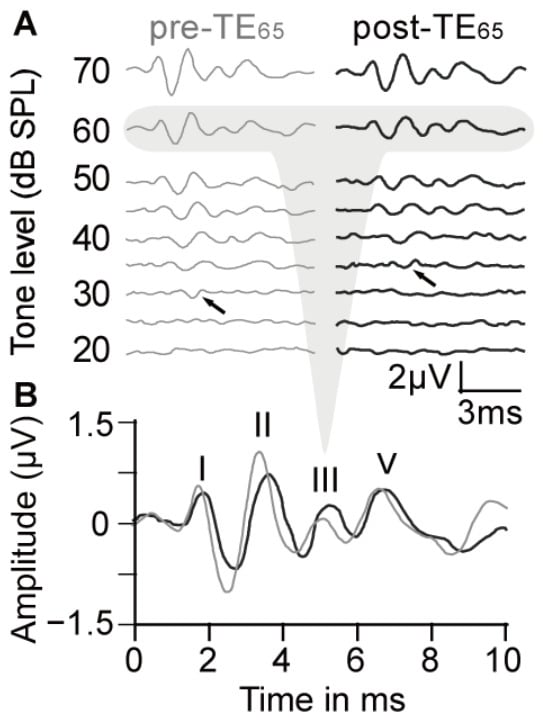
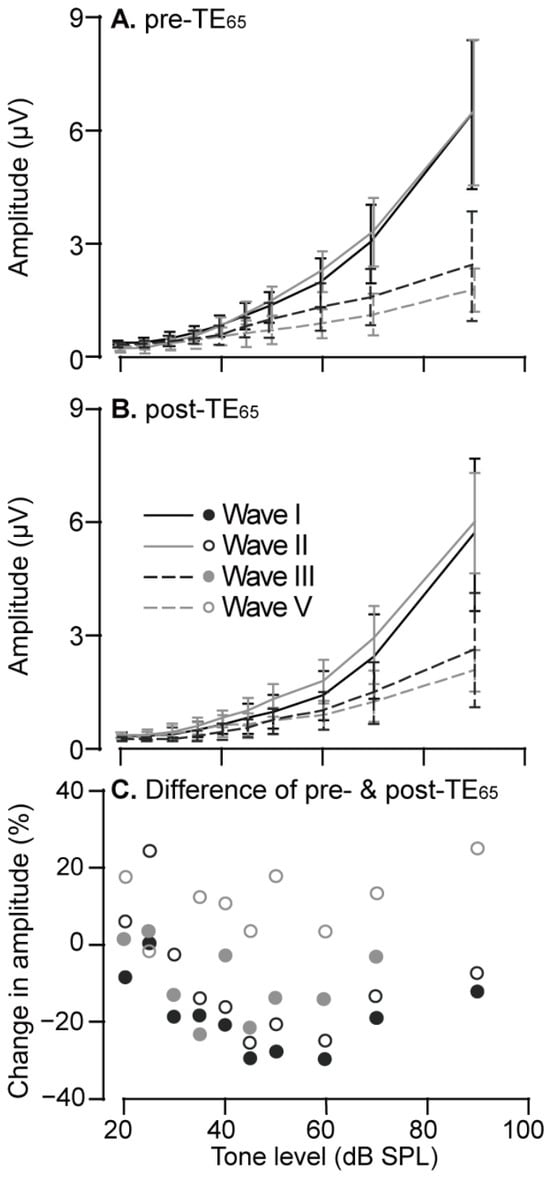
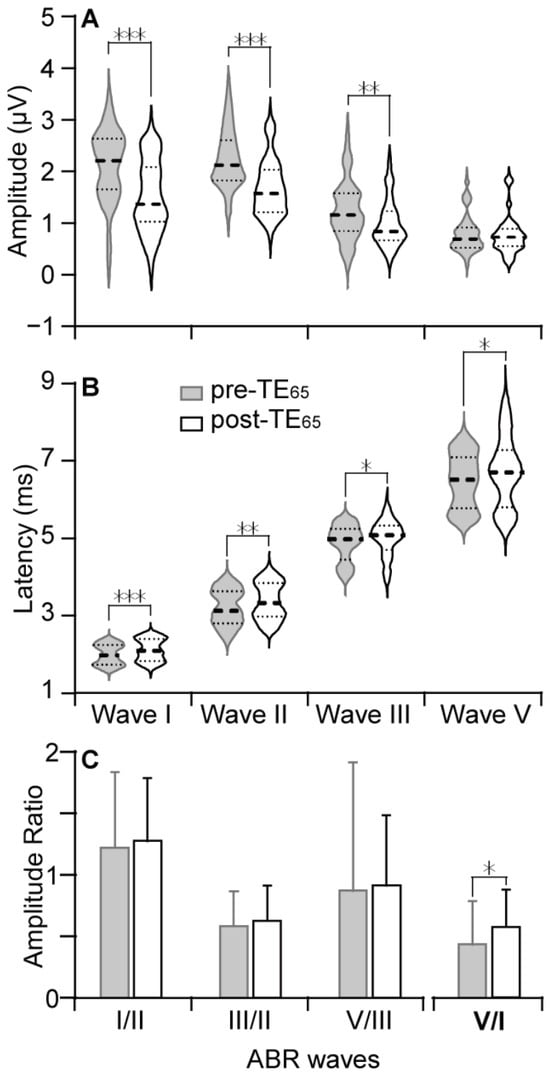
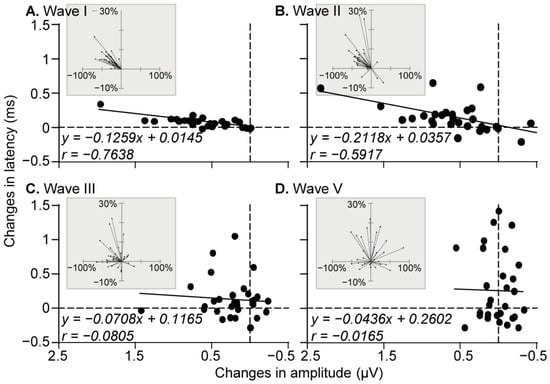
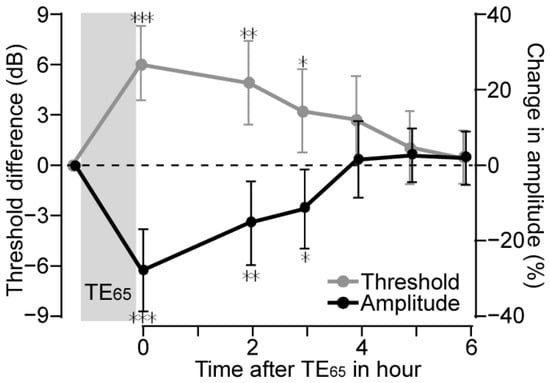
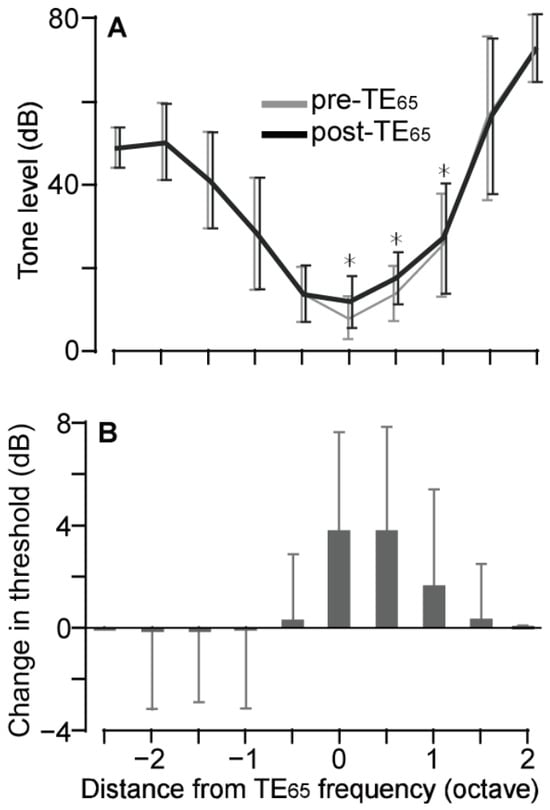
Background: Prolonged exposure to moderate and loud noise is known to impair hearing; however, the safety of long-duration exposure to low-level sound, such as that encountered during everyday conversation, remains unclear. This study aimed to determine the effect of continuous exposure to sound at a 65 dB sound pressure level (SPL) on auditory processing. Methods: Auditory brainstem responses (ABRs) were recorded in C57BL/6 mice before and after a 1 h exposure to a continuous pure tone at 65 dB SPL. Changes in ABR thresholds, wave amplitudes, and latencies were analyzed across frequencies and time points. Correlations between amplitude and latency changes across ABR waves were also assessed. Results: Tone exposure induced a significant, frequency-specific increase in ABR thresholds, with a mean elevation of approximately 6 dB and a maximum shift of 15 dB. Significant reductions in amplitudes and prolongations of latencies were observed in Waves I–III, while Wave V amplitude remained relatively stable. A strong negative correlation between amplitude reduction and latency increase was found in Wave I, which progressively weakened from Wave II to Wave V. These functional changes persisted for up to three hours following exposure before gradually returning to baseline. Conclusions: Prolonged exposure to low-level sound at intensities typical of conversational speech can transiently impair auditory function and alter early neural processing in the auditory pathway. These findings suggest that sound levels commonly considered safe may still pose a risk when exposure is sustained, with implications for understanding hidden hearing loss and improving early diagnostic approaches.
Full article
(This article belongs to the Section Hearing)
►▼
Show Figures

Figure 1
Open AccessArticle
Validation of the Adaptive Danish Sentence Test (DAST): Normative Data from a Template-Based, Linguistically Rich Sentence-in-Noise Test
by
Abigail Anne Kressner, Kirsten Maria Jensen-Rico, Anja Kofoed Pedersen, Lars Bramsløw and Brent Kirkwood
Audiol. Res. 2026, 16(3), 75; https://doi.org/10.3390/audiolres16030075 - 19 May 2026
Abstract
►▼
Show Figures
Background/Objectives: This study describes the development and validation of the Danish Sentence Test (DAST), a Danish-language, adaptive speech-in-noise test constructed from a linguistically balanced corpus using a template-based method. This approach enables controlled linguistic variation while maintaining lexical consistency and may serve
[...] Read more.
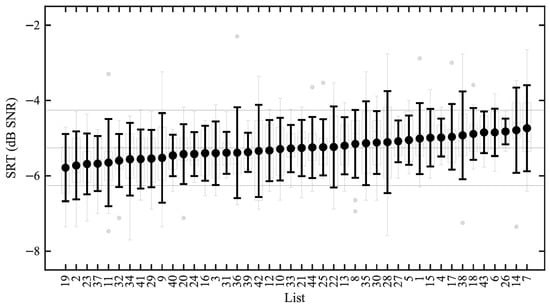
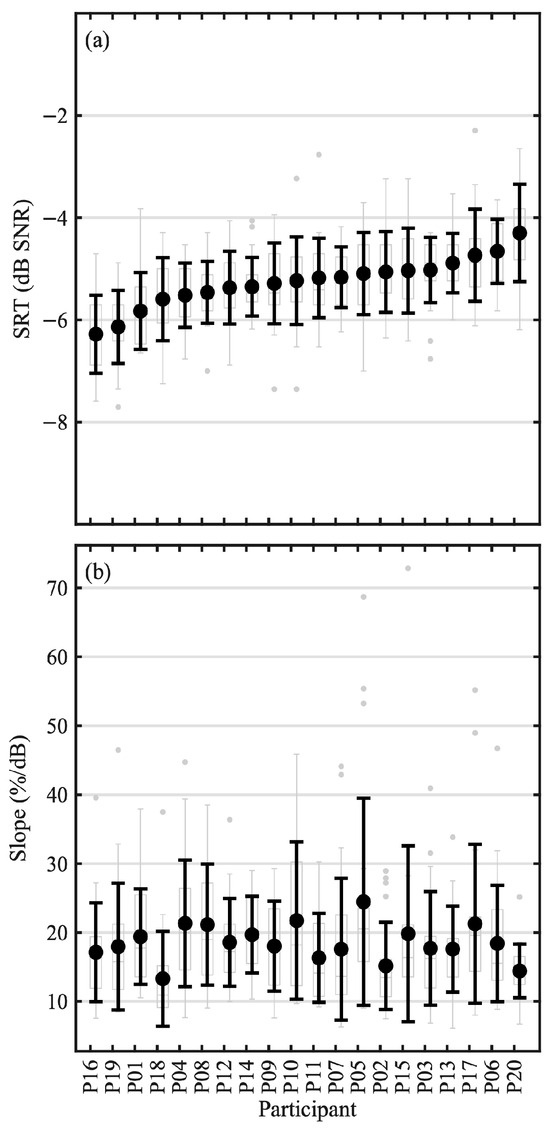
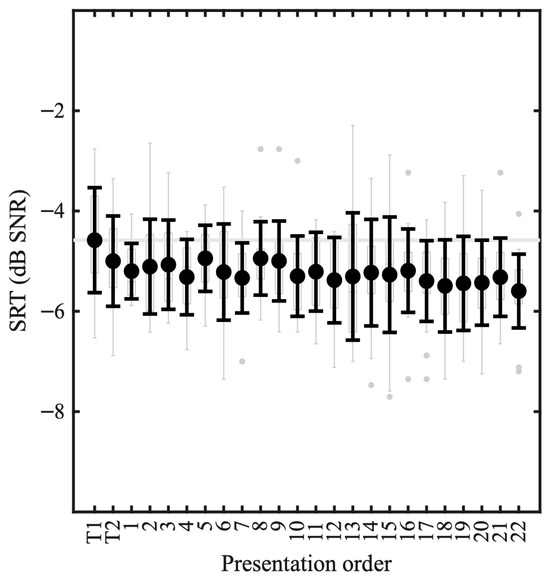
Background/Objectives: This study describes the development and validation of the Danish Sentence Test (DAST), a Danish-language, adaptive speech-in-noise test constructed from a linguistically balanced corpus using a template-based method. This approach enables controlled linguistic variation while maintaining lexical consistency and may serve as a model for developing similar speech materials in other languages. Methods: Sentences spoken by one female talker from the DAST corpus were sorted into 44 balanced lists of 20 sentences using a psychometric optimization procedure. Speech reception thresholds (SRTs) were measured in 20 normal-hearing participants using headphone playback with speech-shaped noise. Results: Across the 44 sentence lists, the mean SRT was −5.3 dB SNR, with list means within ±0.5 dB of the grand average under the tested configuration. The average within-subject standard deviation was 0.7 dB, and the grand-average psychometric slope was 18.5%/dB. A statistically significant within-session training effect of approximately 0.02 dB per measurement. Conclusions: This study provides normative speech reception threshold (SRT) data for the adaptive Danish Sentence Test (DAST) in normal-hearing listeners under a defined headphone-based speech-in-noise paradigm and demonstrates that the resulting sentence lists yield comparable performance across lists. The template-based construction and optimization approach offers a framework for developing linguistically rich sentence-in-noise tests in other languages.
Full article

Figure 1
Open AccessArticle
Exploring and Overcoming Challenges for Efficient Audiological Testing in Children Under 5 Years of Age—Screening with Otoacoustic Emissions
by
Nienke Streefkerk, Franciscus A. Diepstraten, Evangeline A. Huis in ’t Veld, Antoinette am Zehnhoff-Dinnesen, Martine van Grotel, Katrin Neumann, Annelot J. M. Meijer, Frédéric Amant, Ross Parfitt, L’udmila Verešpejová, Penelope R. Brock, Lisa L. Hunter, Hiske W. Helleman, Beth Brooks, Kaukab M. Rajput, Kristin Knight, Marry M. van den Heuvel-Eibrink and Alexander E. Hoetink
Audiol. Res. 2026, 16(3), 74; https://doi.org/10.3390/audiolres16030074 - 15 May 2026
Abstract
Background/Objectives: Cisplatin-exposed pediatric cancer patients are at increased risk of ototoxicity, particularly those under 5 years of age. In this group, audiological monitoring is challenging, as interpretation of otoacoustic emissions (OAEs) and tympanometry, used to supplement behavioral audiometry, is subject to interindividual variability.
[...] Read more.
Background/Objectives: Cisplatin-exposed pediatric cancer patients are at increased risk of ototoxicity, particularly those under 5 years of age. In this group, audiological monitoring is challenging, as interpretation of otoacoustic emissions (OAEs) and tympanometry, used to supplement behavioral audiometry, is subject to interindividual variability. This study aimed to identify key challenges and establish an international consensus on optimal testing procedures and interpretation criteria for assessing early cochlear damage. Methods: Audiological data from 11 children (<5 years) exposed to cisplatin in utero were evaluated. An international panel of 10 pediatric oncology audiology experts reviewed tympanometry, transient evoked OAEs (TEOAEs), and distortion product OAEs (DPOAEs). Areas of disagreement were analyzed, and consensus was sought regarding testing conditions, interpretation, and clinical application. Results: Agreement on cochlear status was good in 10/22 ears, moderate in 3/22 ears, and poor in 9/22 ears, highlighting substantial variability in interpretation. Consensus was achieved on minimal technical and interpretative requirements for OAE testing in this population. The panel proposes a classification framework integrating OAEs and tympanometry to guide clinical follow-up. Importantly, normal OAE results were not considered sufficient to exclude ototoxic damage or mild hearing loss. Conclusions: OAEs, particularly DPOAEs, are valuable as a screening tool in ototoxicity monitoring programs for young children, provided that testing conditions and interpretation are standardized. However, OAEs alone are insufficient for definitive assessment. Longitudinal monitoring and confirmatory testing with behavioral audiometry or ABR/ASSR remain essential. Further validation of the proposed classification system is warranted.
Full article
Open AccessArticle
Short-Term Music Training Enhances Spectral Resolution for Prelingually Deafened Children with Cochlear Implants
by
Chi Yhun Lo and Valerie Looi
Audiol. Res. 2026, 16(3), 73; https://doi.org/10.3390/audiolres16030073 - 13 May 2026
Abstract
Background/Objectives: Spectral resolution is strongly associated with speech perception for adult cochlear implant users, but the developmental trajectory of spectral resolution in childhood is more complex and far less understood. Music-based training presents a unique opportunity to address this gap, as musical stimuli
[...] Read more.
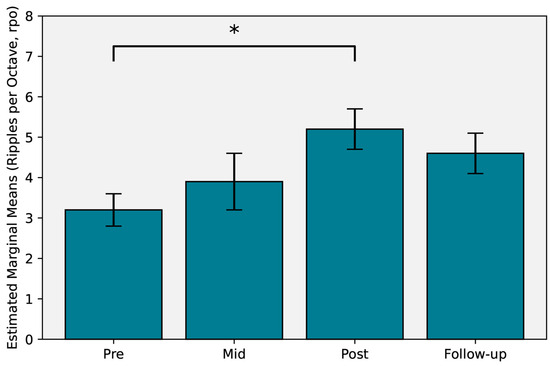
Background/Objectives: Spectral resolution is strongly associated with speech perception for adult cochlear implant users, but the developmental trajectory of spectral resolution in childhood is more complex and far less understood. Music-based training presents a unique opportunity to address this gap, as musical stimuli feature spectral complexity and fine frequency cues which map to spectral resolution. This study explored if a 12-week music-based intervention could support better spectral resolution in children with cochlear implants. Methods: Twelve children with cochlear implants participated in this longitudinal, repeated-measures study. The music training intervention consisted of group-based in-person music therapy and a take-home music app. Participants (six boys, six girls; M age = 7.3 years) were pseudo-randomized into an immediate training group (n = 4) or delayed-start waitlisted group (n = 8). Inclusion criteria required bilateral moderate-to-profound sensorineural hearing loss, prelingual device fitting, and consistent bilateral device use. Eight children had bilateral CIs and four were bimodal listeners. Results: Spectral resolution perception was significantly enhanced after participating in the music intervention with a mean increase of 2 rpo, F(3, 10.7) = 3.859, p = 0.017. Previous engagement with music and age were not associated with spectral resolution. Conclusions: Despite the known limitations of CIs on spectral resolution, the results of this study indicate that music training can improve spectral resolution perception in children using CIs.
Full article
(This article belongs to the Special Issue Hearing Beyond Words: Advancements in Music Perception and Enjoyment for the Hearing-Impaired Population)
►▼
Show Figures

Figure 1
Open AccessArticle
Seasickness, Sea Legs, and Gravity: Suppression of Motion Sickness, Development of Sea Legs, The Role of the Striated Organelle in the Vestibular Efferent System
by
Neil S. Longridge and Arthur I. Mallinson
Audiol. Res. 2026, 16(3), 72; https://doi.org/10.3390/audiolres16030072 - 13 May 2026
Abstract
Background/Objectives: In a recent article we outlined how the vestibular efferent system connects the stereo/kinociliary complex at the apex of the macular vestibular hair cells of the inner ear and coordinates movement so that planned body movements are precisely timed to coordinate with
[...] Read more.
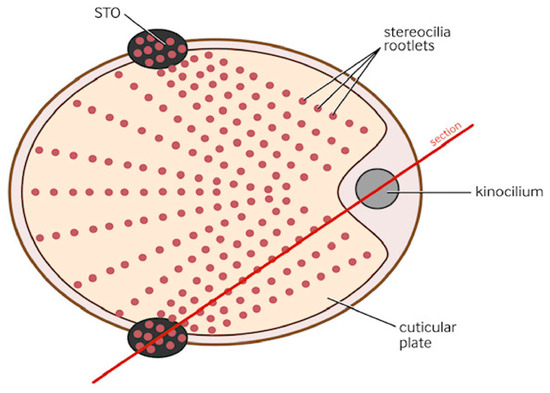
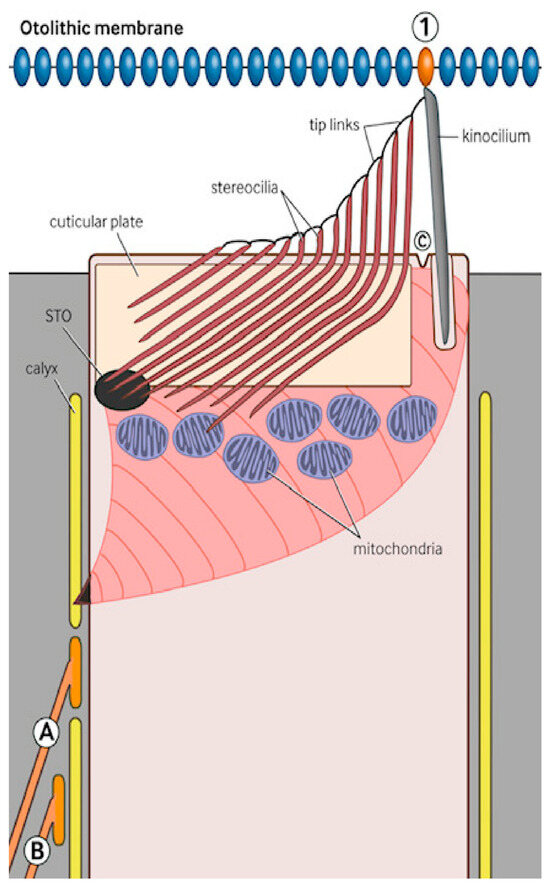
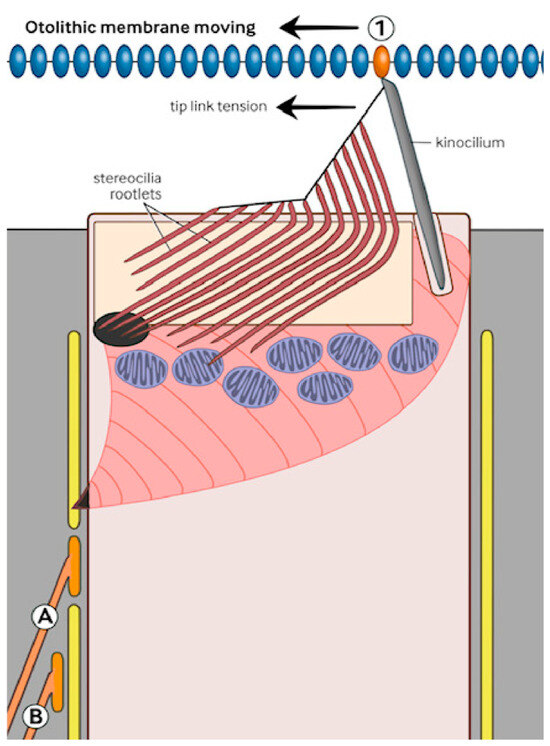
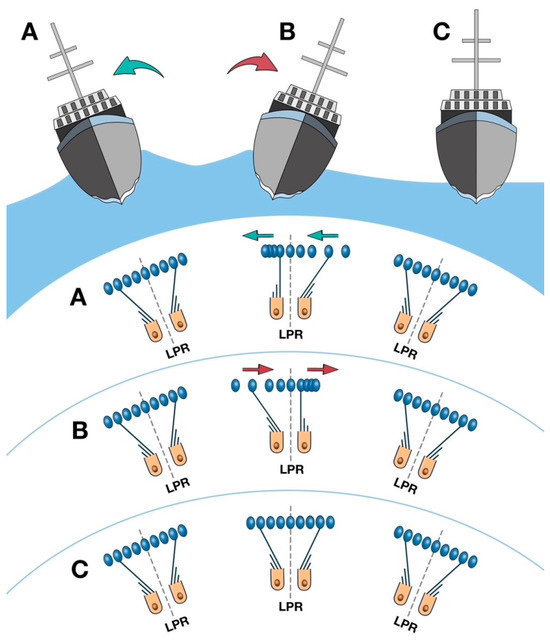
Background/Objectives: In a recent article we outlined how the vestibular efferent system connects the stereo/kinociliary complex at the apex of the macular vestibular hair cells of the inner ear and coordinates movement so that planned body movements are precisely timed to coordinate with the expected otoconial movement that the body movement induces. Methods: Our present article proposes an extension of this concept with details about how a sailor develops “sea legs.” The rocking motion of a boat in rough seas requires sailors to sway in order to remain vertical. This causes fluctuation in the gravity-referenced otoconial signal. Results: As a sailor develops sea legs, it is necessary that the routine vestibular efferent system activity (based on gravity-referenced orientation on land) is disrupted as the otoconia move with this rocking process in order to re-coordinate with the new otoconial movement. As a result, the cerebral cortex must reconfigure vestibular efferent activity so that the stereo/kinociliary complex moves in conjunction with the otoconial movement. This process is carried out via the striated organelle (STO) and is one that takes several days. Those who are unfortunate and have severe motion sickness, become extremely unwell with nausea, vomiting, severe unsteadiness, and anorexia during this time. Conclusions: The present article describes how “sea legs” develop and discusses why an unpleasant symptom set can accompany it. We will also outline how a new medication, a calcitonin gene-related peptide (CGRP) inhibitor, which is presently used for the treatment of vestibular dysfunction, has been shown to suppress vestibular efferent activity and may be an effective therapy for these overly symptomatic individuals.
Full article
(This article belongs to the Special Issue Skull Vibration-Induced Nystagmus Test—Volume II)
►▼
Show Figures

Figure 1
Open AccessArticle
The Effect of a Single Hemodialysis Session on Cochlear Function of Patients with End-Stage Renal Disease
by
Isil Cakmak Karaer and Irem Pembegul
Audiol. Res. 2026, 16(3), 71; https://doi.org/10.3390/audiolres16030071 - 11 May 2026
Abstract
Background/Objectives: To determine the effect of single-dose hemodialysis treatment on the inner ear in patients with normal hearing functions using the Distortion product otoacoustic emissions (DPOAE) test. Methods: A total of twenty-four (24) patients with end-stage renal disease were included in the study.
[...] Read more.
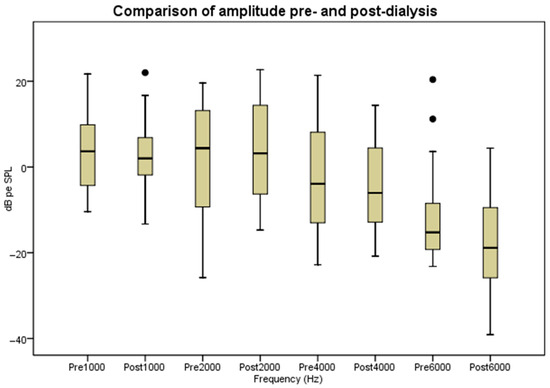
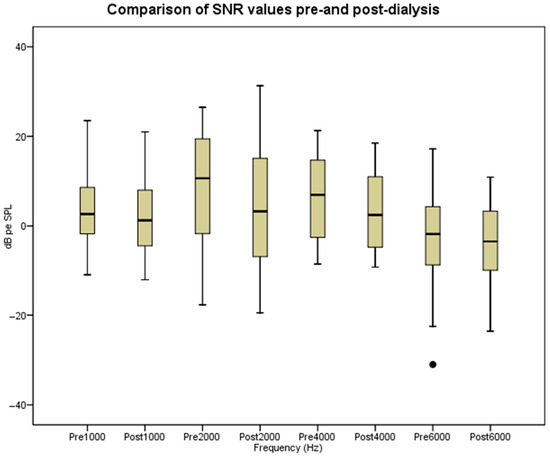
Background/Objectives: To determine the effect of single-dose hemodialysis treatment on the inner ear in patients with normal hearing functions using the Distortion product otoacoustic emissions (DPOAE) test. Methods: A total of twenty-four (24) patients with end-stage renal disease were included in the study. For all patients, the DPOAE test was performed immediately before hemodialysis and 3 h after hemodialysis. Both amplitude and signal-to-noise ratio (SNR) values were compared. Results: Compared to pre-dialysis values, the DPOAE test showed a statistically significant decrease in both amplitude and SNR values at all frequencies (1000, 2000, 4000 and 6000 Hz) in patients’ post-dialysis measurements. Conclusions: A single hemodialysis treatment has been found to have an adverse effect on cochlear function at both low and high frequencies.
Full article
(This article belongs to the Section Hearing)
►▼
Show Figures

Figure 1
Open AccessArticle
Tubomanometry and Symptom Outcomes in Eustachian Tube Dysfunction Associated with Chronic Nasal Disease
by
Sofia Anastasiadou, Petros Karkos, Jannis Constantinidis and George Psillas
Audiol. Res. 2026, 16(3), 70; https://doi.org/10.3390/audiolres16030070 - 10 May 2026
Abstract
Background: Eustachian Tube Dysfunction (ETD) presents significant diagnostic challenges, particularly in patients with chronic nasal disease, which often mimic or complicate ETD symptoms. Tubomanometry (TMM) is emerging as an objective tool for diagnosing ETD, but its application in patients with concurrent nasal
[...] Read more.
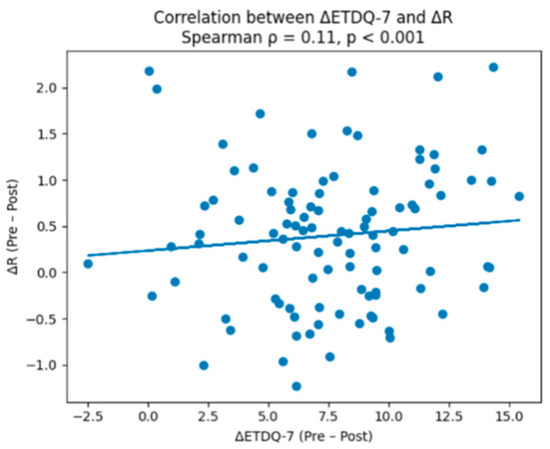
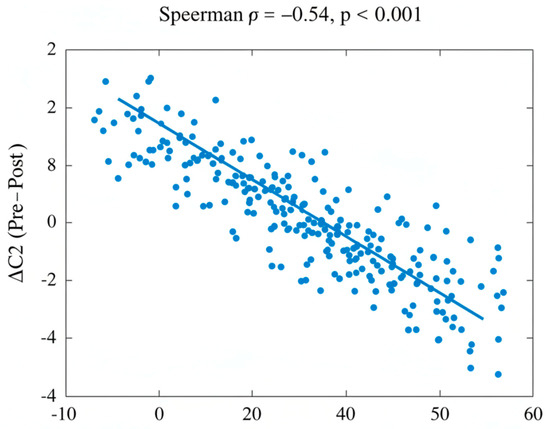
Background: Eustachian Tube Dysfunction (ETD) presents significant diagnostic challenges, particularly in patients with chronic nasal disease, which often mimic or complicate ETD symptoms. Tubomanometry (TMM) is emerging as an objective tool for diagnosing ETD, but its application in patients with concurrent nasal pathologies remains underexplored. Methods: One hundred patients with concurrent ETD and chronic nasal disease were recruited. They were categorized into three groups: chronic rhinitis (35 patients, group A), nasal septal deviation (31 patients, group B) and chronic rhinosinusitis with polyps (34 patients, group C). Treatments included nasal irrigation, septoplasty, and nasal polypectomy with functional endoscopic sinus surgery, respectively. The TMM parameters (R, C2 and C2–C1 scores) were assessed before and after interventions. The patient reported outcome measures (ETDQ-7 and NOSE scores) were also recorded and statistically correlated with TMM measures. Results: Group A showed improvements in R, C2 and C2–C1 scores and mild post-treatment reductions in ETDQ-7 and NOSE scores. Similar improvements were observed in Group B, with significant symptom reduction post-septoplasty, particularly on the side of the nasal septal deviation. Group C demonstrated the greatest improvement, with significant improvements in TMM values and substantial reductions in both ETDQ-7 and NOSE scores. The statistical results revealed correlations between the treatment of nasal pathologies and ETDQ-7 and NOSE scores. Conclusions: All TMM parameters improved in each group following the nasal intervention. This study highlights the utility of TMM in evaluating ETD in the context of chronic nasal disease and suggests that treating underlying nasal conditions can significantly alleviate ETD symptoms.
Full article
(This article belongs to the Special Issue Hearing Loss: Causes, Symptoms, Diagnosis, and Treatment—Volume II)
►▼
Show Figures

Figure 1
Open AccessArticle
Mapping Speech-Language Pathology and Audiology Rehabilitation Services Across Saudi Arabia: A Retrospective Cross-Sectional Study
by
Mohammed F. Alharbi and Ahmad A. Alanazi
Audiol. Res. 2026, 16(3), 69; https://doi.org/10.3390/audiolres16030069 - 10 May 2026
Abstract
►▼
Show Figures
Background: Speech-language pathology (SLP) and audiology services are essential components of multidisciplinary rehabilitation, particularly for individuals with developmental, neurological, and communication-related disorders. National-level data describing the distribution and utilization of these services in Saudi Arabia remain limited. This study aimed to examine national
[...] Read more.
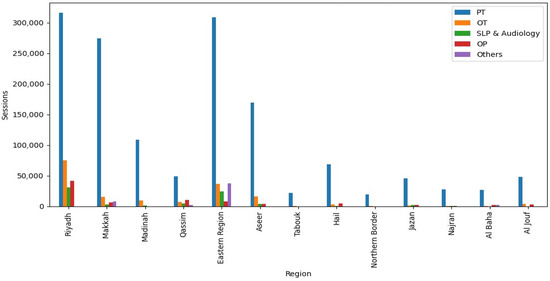
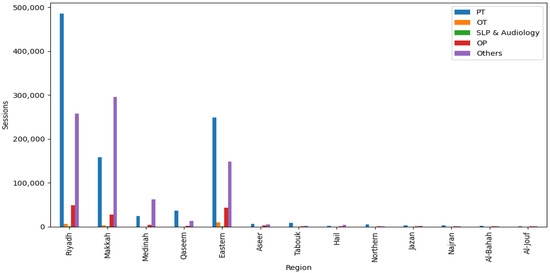
Background: Speech-language pathology (SLP) and audiology services are essential components of multidisciplinary rehabilitation, particularly for individuals with developmental, neurological, and communication-related disorders. National-level data describing the distribution and utilization of these services in Saudi Arabia remain limited. This study aimed to examine national patterns of rehabilitation service utilization, with a focus on SLP and audiology services in comparison to other rehabilitation specialties. Methods: A retrospective cross-sectional analysis was conducted using publicly available national open data released by the Saudi Ministry of Health (MOH). Aggregated rehabilitation service encounters (n = 1,872,328 to 1,930,695) from 2023–2024 were analyzed by specialty, geographic region, sector (MOH clusters versus private sector), and pediatric age groups. Descriptive statistics were used to characterize utilization patterns and regional variation. Results: Rehabilitation services were widely delivered across both public and private sectors, with physiotherapy representing the largest share of encounters. SLP and audiology services contributed a smaller proportion of total rehabilitation encounters compared to other specialties. Service distribution varied regionally, with higher volumes concentrated in major urban areas including Riyadh, Makkah, and the Eastern Region. Pediatric service encounters were highest in early childhood (ages 3–7), with SLP and audiology services forming a consistent component of rehabilitation during this period. Conclusions: This study provides a descriptive overview of rehabilitation service utilization in Saudi Arabia, highlighting the distribution of SLP and audiology services relative to other specialties and across regions. Findings emphasize the importance of addressing regional variation, supporting workforce development, and enhancing national rehabilitation data systems to inform planning and ensure comprehensive access to communication and hearing services.
Full article

Figure 1
Open AccessStudy Protocol
Study Protocol: Psychometric Testing of the German Vestibular Schwannoma Quality of Life Index—A Multicenter Study on Quality of Life and Patient-Centered Care in Vestibular Schwannoma
by
Mareike Rutenkröger, Lasse Dührsen, Maximilian Scheer, Sandro M. Krieg, Jannik Walter, Andrea Baehr, Bastian Baselt, Alexander Huber and Isabelle Scholl
Audiol. Res. 2026, 16(3), 68; https://doi.org/10.3390/audiolres16030068 - 9 May 2026
Abstract
Vestibular schwannomas (VSs) are benign tumors of the vestibulocochlear nerve that often cause significant neurological and functional impairment, affecting patients’ overall quality of life (QoL). While clinical assessments have traditionally focused on hearing preservation and tumor control, patients often emphasize other critical symptoms
[...] Read more.
Vestibular schwannomas (VSs) are benign tumors of the vestibulocochlear nerve that often cause significant neurological and functional impairment, affecting patients’ overall quality of life (QoL). While clinical assessments have traditionally focused on hearing preservation and tumor control, patients often emphasize other critical symptoms such as dizziness, pain, cognitive difficulties and satisfaction with care. Therefore, patient-centered care that addresses the full range of patient experiences is essential. Despite its importance, patient-centered care in VS remains underexplored. This study will address this gap by psychometrically validating the German version of the Vestibular Schwannoma Quality of Life (VSQOL) Index, a newly developed QoL tool that includes key patient-centered domains. The primary objective is to validate the reliability and validity of the German VSQOL Index. The secondary aim is to assess VS patients’ experience of patient-centered care and its impact on their well-being. This multicenter, cross-sectional study will involve German-speaking VS patients from several clinical centers in Germany and Switzerland as well as an online cohort. Psychometric testing of the German VSQOL will include reliability assessments (e.g., Cronbach’s alpha, test–retest reliability), confirmatory factor analysis and convergent validity. In parallel, the study will assess patient-centered experiences of care using the EPAT questionnaire. Ethical approval has been obtained and all participants will be asked to provide written informed consent. The results will be shared through scientific publications and conferences, as well as with patient groups, in order to support improvements in clinical care.
Full article
(This article belongs to the Section Hearing)
Open AccessReview
Effects of Hearing Intervention on Cognitive Function in Patients with Presbycusis: A Systematic Review and Meta-Analysis
by
Yuxuan Li, Luofei Zhang, Jia Chen and Beibei Yang
Audiol. Res. 2026, 16(3), 67; https://doi.org/10.3390/audiolres16030067 - 30 Apr 2026
Abstract
►▼
Show Figures
Introduction: This study aimed to systematically assess the impact of hearing interventions on cognitive function in older adults with presbycusis. Methods: A comprehensive search was conducted across PubMed, EMBASE, and Web of Science databases from their inception to 22 June 2025 to identify
[...] Read more.
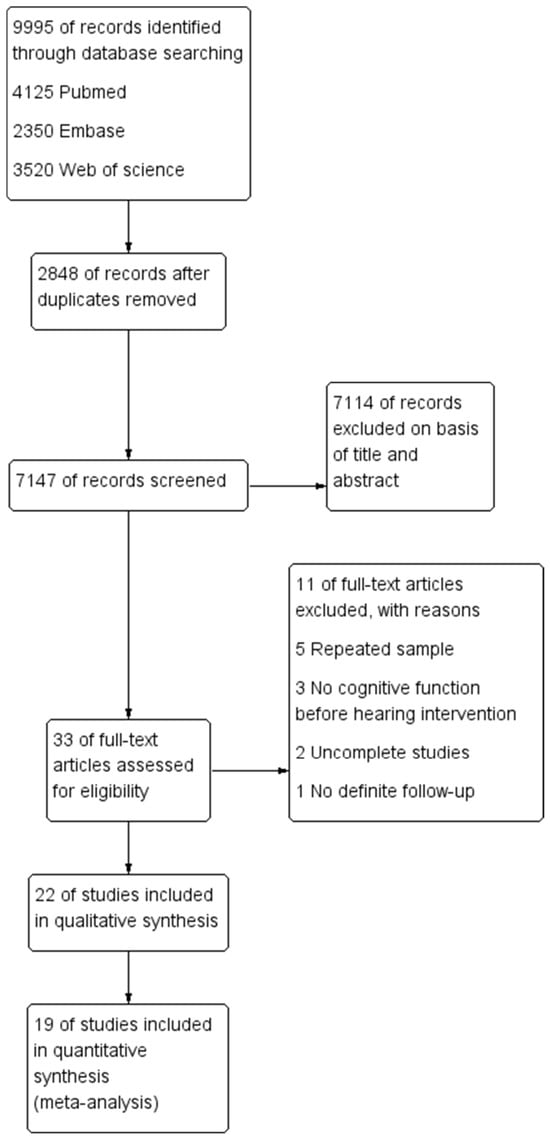
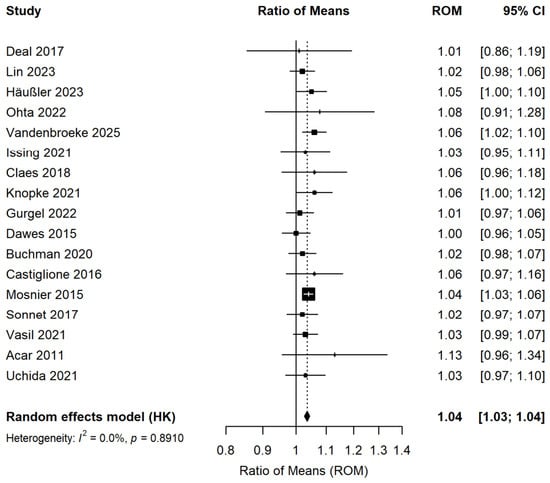
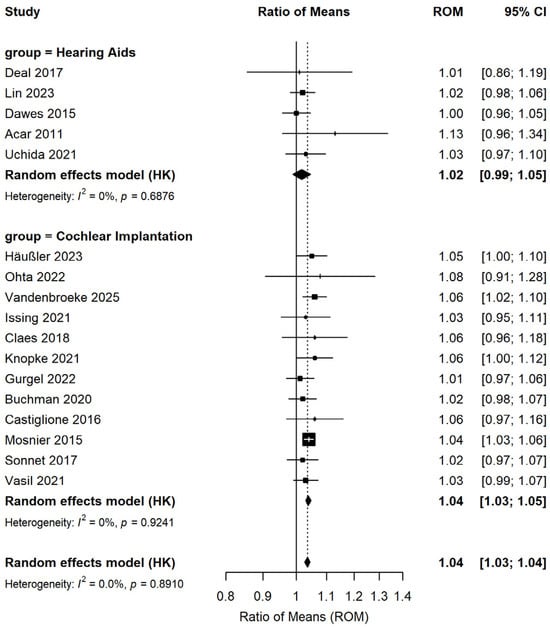
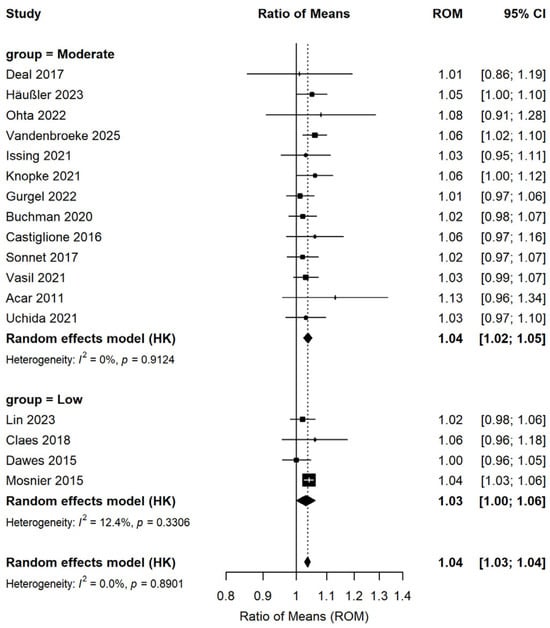
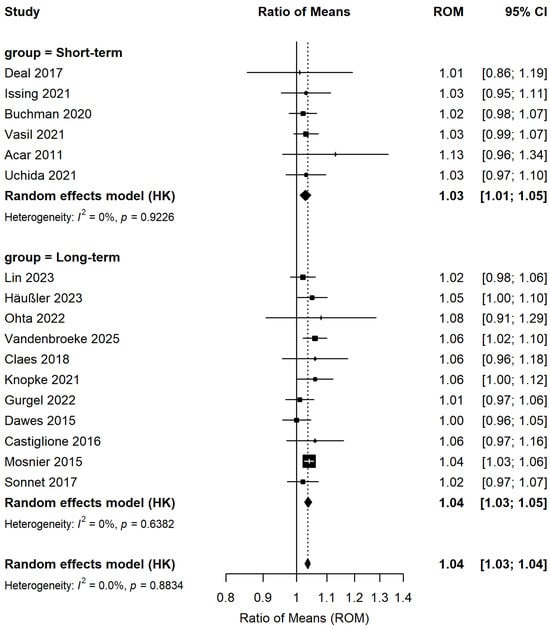
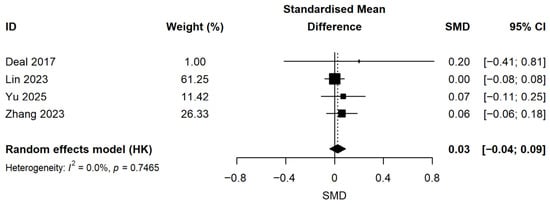
Introduction: This study aimed to systematically assess the impact of hearing interventions on cognitive function in older adults with presbycusis. Methods: A comprehensive search was conducted across PubMed, EMBASE, and Web of Science databases from their inception to 22 June 2025 to identify eligible randomized clinical trials or cohort studies that used designated cognitive scales or cognitive test measures. Two separate meta-analyses were conducted: one using uncontrolled pre–post comparisons and another restricted to studies that included concurrent untreated control groups. Results: A total of 22 studies were identified, comprising 9 focused on hearing aid use and 13 on cochlear implantation. Ultimately, 19 studies were included in the quantitative analysis: 7 on hearing aid use and 12 on cochlear implantation. The pooled analysis of hearing intervention across 17 studies involving 1562 patients indicated a 4% improvement in cognitive test scores post-intervention compared with pre-intervention (ratio of means: 1.04; 95% CI: 1.03–1.05; p < 0.001). However, in the 4 controlled studies that included an untreated comparator group (815 intervention, 7450 control participants), hearing intervention did not confer a statistically significant cognitive benefit over no intervention (SMD = 0.03; 95% CI: −0.04 to 0.09; p = 0.369). Conclusions: Current controlled evidence does not support the claim that hearing interventions preserve or enhance cognitive function in older adults with presbycusis.
Full article

Figure 1
Open AccessArticle
Pre-Stimulus Head Position and Its Effect on Sound Localization Metrics in Children
by
Elisabeth Zangerl, Franz Muigg, Josef Seebacher, Simone Graf and Philipp Zelger
Audiol. Res. 2026, 16(3), 66; https://doi.org/10.3390/audiolres16030066 - 30 Apr 2026
Abstract
Background: This study investigates the impact of initial head position prior to stimulus presentation on sound localization accuracy in children. The quadratic angular root mean square error (RMSE) and the linear mean-absolute-error (MAE) have been considered for this study. Material and Methods: A
[...] Read more.
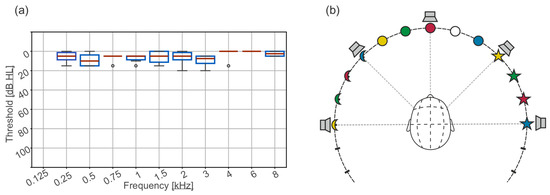
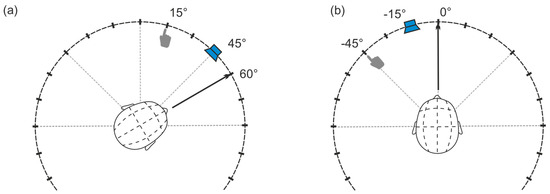
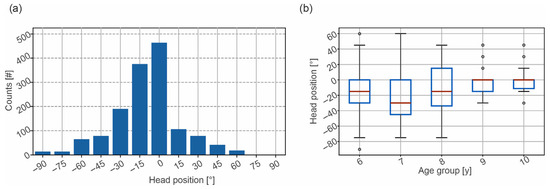
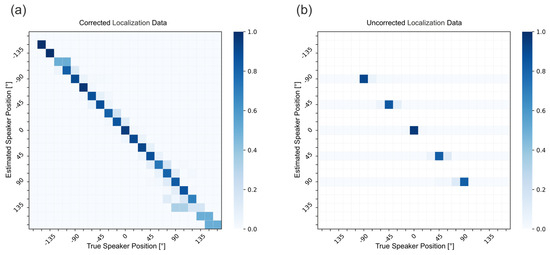
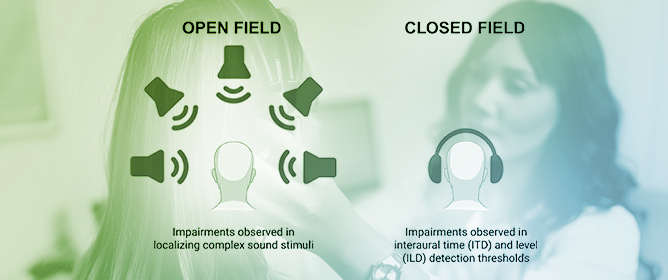
Background: This study investigates the impact of initial head position prior to stimulus presentation on sound localization accuracy in children. The quadratic angular root mean square error (RMSE) and the linear mean-absolute-error (MAE) have been considered for this study. Material and Methods: A total of 28 normal-hearing children (ages 6–10) participated in sound localization. The participants localized sounds presented from five speakers at the frontal semicircle. Head positions at stimulus onset were tracked using glasses with a built-in webcam. The localization results were analyzed with and without correcting for the offset from the frontal direction of the initial head position prior to stimulus presentation. Results: The initial head position prior to stimulus presentation significantly affected the RMSE but had no influence on the MAE. This effect was stronger in younger children. The MAE showed fewer changes in head position due to its linear nature, which reduces the effect of large errors. An analysis of the children’s initial head positions revealed a tendency to deviate from the frontal direction. Therefore, the initial head position prior to stimulus presentation should be considered when calculating localization measures. Conclusions: The initial head position prior to a stimulus can distort the RMSE in directional hearing tests for children, while the MAE remains robust against such deviations.
Full article
(This article belongs to the Section Hearing)
►▼
Show Figures

Figure 1
Open AccessArticle
Speech Data for Improved Audiological Evaluation in the Romani Language
by
Eva Kiktová and Július Zimmermann
Audiol. Res. 2026, 16(3), 65; https://doi.org/10.3390/audiolres16030065 - 28 Apr 2026
Abstract
Background: This paper describes the development of speech materials in the Romani language intended for audiological and comprehension assessment of Romani-speaking children and adults living in Slovakia. The work responds to the documented lack of linguistic resources and test stimuli in Romani, which
[...] Read more.
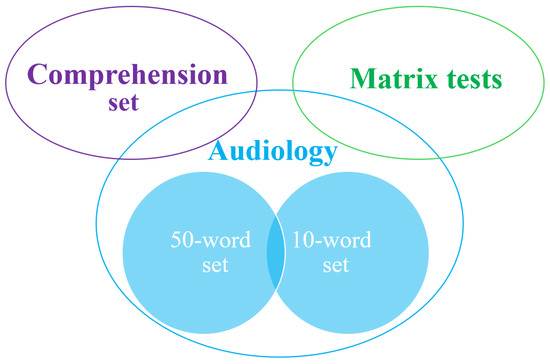
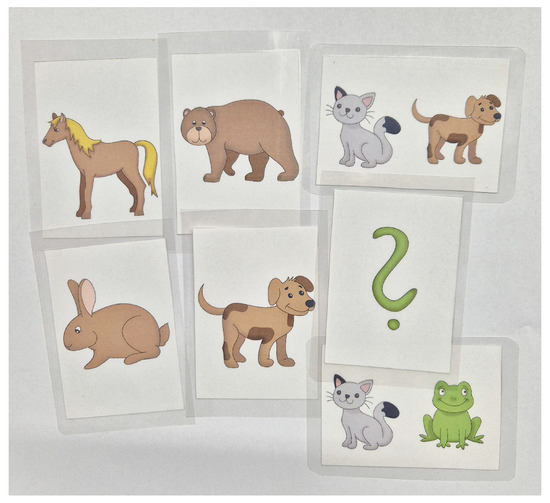
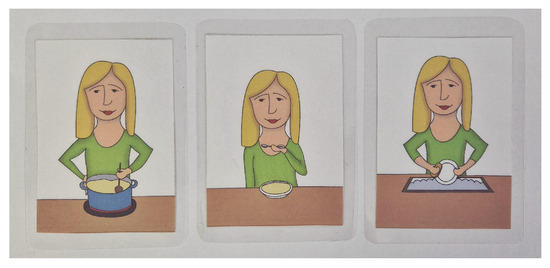
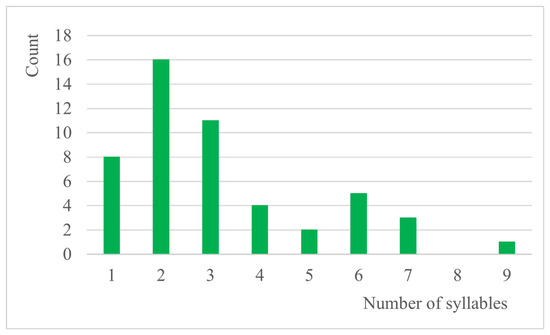
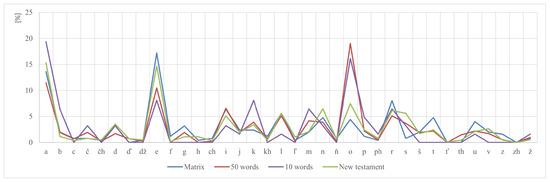
Background: This paper describes the development of speech materials in the Romani language intended for audiological and comprehension assessment of Romani-speaking children and adults living in Slovakia. The work responds to the documented lack of linguistic resources and test stimuli in Romani, which limits the accuracy of speech perception and comprehension testing. Method: The existing state of communication-assessment tests used in Slovakia was reviewed, and new Romani-language materials for audiology and comprehension testing were created. The work focused on developing word lists, matrix-based sentence tests, and comprehension sentences that were linguistically verified by native Romani speakers. Results: A set of Romani speech stimuli was developed, including a ten-word screening list, a 50-word illustrated set for pediatric audiometry, an adaptive matrix sentence test for advanced assessment, and a collection of comprehension sentences targeting various linguistic structures. Conclusions: The newly created Romani-language test materials address the absence of suitable diagnostic tools in Slovakia and provide culturally and linguistically appropriate resources for more accurate audiological and comprehension assessment.
Full article
(This article belongs to the Section Speech and Language)
►▼
Show Figures

Figure 1
Journal Menu
► ▼ Journal Menu-
- Audiology Research Home
- Aims & Scope
- Editorial Board
- Topical Advisory Panel
- Instructions for Authors
- Special Issues
- Topics
- Sections & Collections
- Article Processing Charge
- Indexing & Archiving
- Editor’s Choice Articles
- Most Cited & Viewed
- Journal Statistics
- Journal History
- Journal Awards
- Society Collaborations
- Conferences
- Editorial Office
Journal Browser
► ▼ Journal BrowserHighly Accessed Articles
Latest Books
E-Mail Alert
News
Topics
Conferences
Special Issues
Special Issue in
Audiology Research
Ototoxicity: Prevention, Diagnosis, and Treatment
Guest Editors: Giacinto Asprella Libonati, Salvatore Allosso, Anna Rita FetoniDeadline: 31 May 2026
Special Issue in
Audiology Research
Hearing Loss: Causes, Symptoms, Diagnosis, and Treatment—Volume II
Guest Editor: George K. PsillasDeadline: 30 June 2026
Special Issue in
Audiology Research
The Aging Ear
Guest Editors: Alessandro Martini, Stefania MaggiDeadline: 30 June 2026
Special Issue in
Audiology Research
Skull Vibration-Induced Nystagmus Test—Volume II
Guest Editors: Georges Dumas, Sébastien Schmerber, Philippe P. PerrinDeadline: 31 July 2026
Topical Collections
Topical Collection in
Audiology Research
Cochlear Implants: Challenges and Opportunities in Hearing Rehabilitation
Collection Editors: Andrea Ciorba, Daniele Borsetto
Topical Collection in
Audiology Research
Translational Audiology
Collection Editor: Agnieszka Szczepek