




-
Green Hydrogen and Biomethane Recovery from Slaughterhouse Wastes Using Temperature-Phased Anaerobic Co-Digestion -
A Semi-Mechanistic Approach to Modeling Lipase-Catalyzed Processes with Multiple Competing Reactions: Demonstration for the Esterification of Trimethylolpropane -
Utilization of Oil Palm Residual Biomass Within the Framework of Industrial Symbiosis: A Systematic Review of the Economic Sectors Involved in Its Valorization -
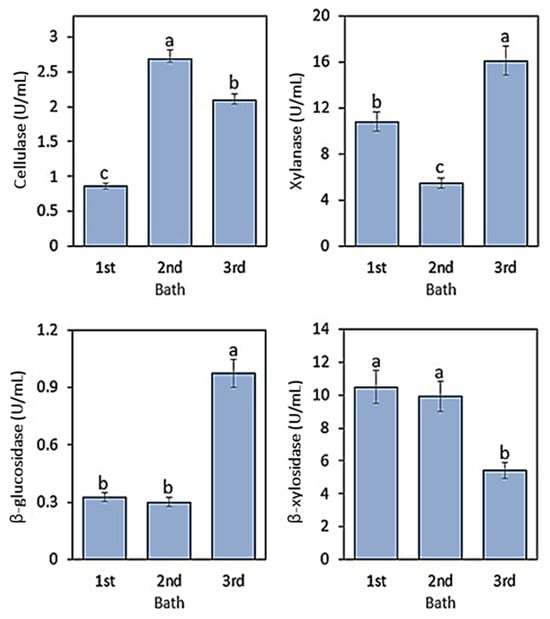
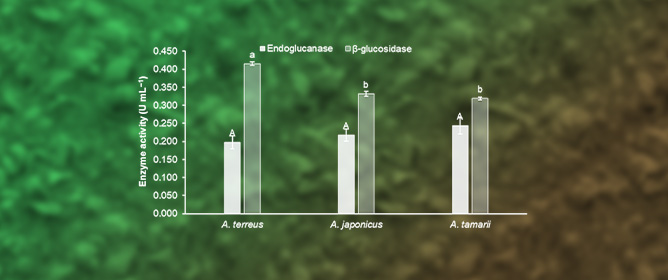
Sequential Fermentation of Coffee Husks by Aspergillus japonicus URM5620 for Cellulases Production: Biochemical Characterization and Kinetic/Thermodynamic Study -
Valorization of Vinasse and Ethanol Stillage in Bioelectrochemical Systems via Sequential Microbial Sulfate Reduction and Biomethanation
Journal Description
Biomass
Biomass
is an international, peer-reviewed, open access journal on biomass conversion and biorefinery published bimonthly online by MDPI.
- Open Access— free for readers, with article processing charges (APC) paid by authors or their institutions.
- High Visibility: indexed within ESCI (Web of Science), Scopus, EBSCO, and other databases.
- Rapid Publication: manuscripts are peer-reviewed and a first decision is provided to authors approximately 19.4 days after submission; acceptance to publication is undertaken in 4.8 days (median values for papers published in this journal in the second half of 2025).
- Journal Rank: JCR - Q1 (Engineering, Chemical) / CiteScore - Q1 (Forestry)
- Recognition of Reviewers: APC discount vouchers, optional signed peer review, and reviewer names published annually in the journal.
- Journal Cluster of Energy and Fuels: Energies, Batteries, Hydrogen, Biomass, Electricity, Wind, Fuels, Gases, Solar, ESA, Bioresources and Bioproducts and Methane.
Impact Factor:
6.1 (2025);
5-Year Impact Factor:
5.8 (2025)
Latest Articles
Acid–Hydrothermal Pretreatment Enhances Methane Production from Pine Nut Shells: Structural Disruption and Derivative-Based Kinetic Landmark Analysis
Biomass 2026, 6(3), 47; https://doi.org/10.3390/biomass6030047 (registering DOI) - 18 Jun 2026
Abstract
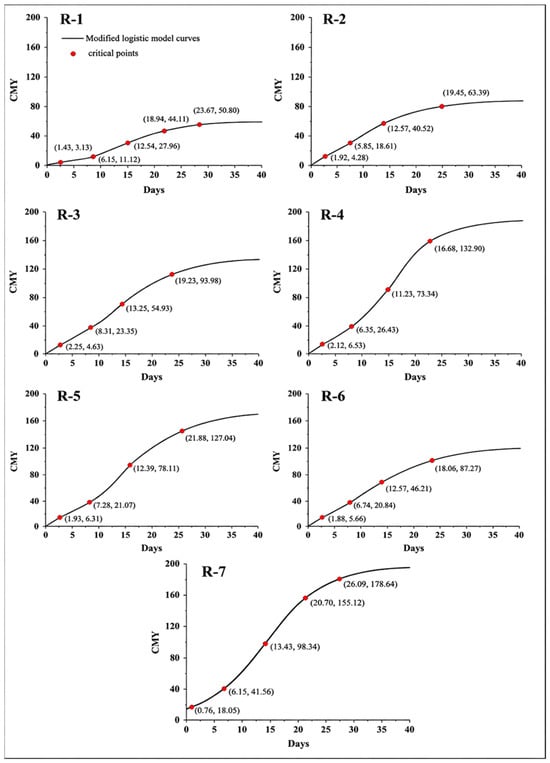
Anaerobic digestion (AD) of lignocellulosic biomass is often constrained by biomass recalcitrance, limiting methane recovery. This study investigated whether low-temperature dilute-acid hydrothermal pretreatment could enhance methane production from pine nut shells (PNSs), a lignin-rich and underutilized agro-industrial residue, and whether derivative-based kinetic landmarks
[...] Read more.
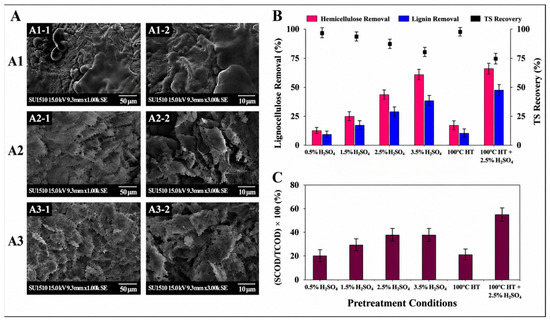
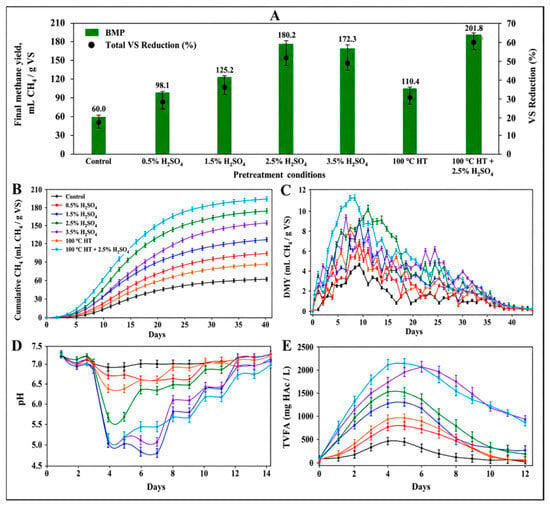
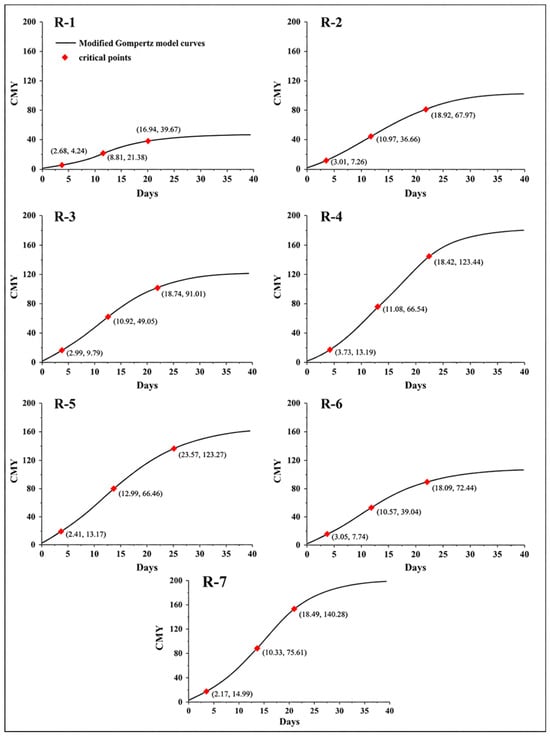
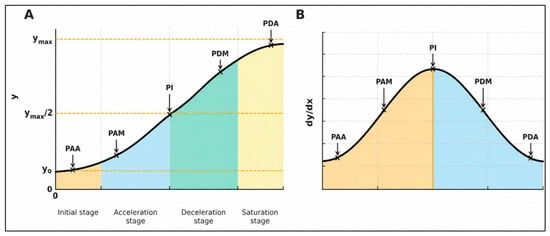
Anaerobic digestion (AD) of lignocellulosic biomass is often constrained by biomass recalcitrance, limiting methane recovery. This study investigated whether low-temperature dilute-acid hydrothermal pretreatment could enhance methane production from pine nut shells (PNSs), a lignin-rich and underutilized agro-industrial residue, and whether derivative-based kinetic landmarks could provide a more systematic characterization of batch AD performance. Methane production was significantly improved by dilute sulfuric acid and hydrothermal pretreatments. The highest methane yield (201.8 mL CH4 g−1 VS) was achieved under the combined 100 °C hydrothermal and 2.5% H2SO4 condition, representing approximately 1.8-fold and 3.3-fold increases compared with hydrothermal-only and untreated PNSs, respectively. Enhanced performance was attributed to hemicellulose solubilization, lignin disruption, and improved substrate accessibility. In contrast, excessive acid severity resulted in process instability, associated with total volatile fatty acid accumulation and pH reduction. The Modified Logistic Model (MLM) was further used to derive five kinetic landmarks (PAA, PAM, PI, PDM, and PDA) describing phase-specific features of cumulative methane production curves. While these landmarks provide a model-based framework for comparing batch AD kinetics, their nearly constant normalized yields primarily reflect the geometry of the fitted logistic function rather than independent biological invariants. Overall, the results identify 100 °C hydrothermal pretreatment with 2.5% H2SO4 as an effective moderate-severity strategy for enhancing methane recovery from PNSs and demonstrate the utility of MLM-derived landmarks as comparative descriptors of phase-resolved methane production.
Full article
(This article belongs to the Topic Biomass for Energy, Chemicals and Materials)
►
Show Figures
Open AccessArticle
Holistic Thermoenergetic Assessment of Biomass Boilers: An Integrated Static, Dynamic, and Emergy Framework
by
Eladio Omar Cajusol Pingo, Yoisdel Castillo Alvarez, Reinier Jiménez Borges, Jonny Paul Zavala de Paz, Francisco Antonio Castillo Velasquez, Luis Angel Iturralde Carrera and Juvenal Rodríguez-Resendiz
Biomass 2026, 6(3), 46; https://doi.org/10.3390/biomass6030046 - 17 Jun 2026
Abstract
►▼
Show Figures
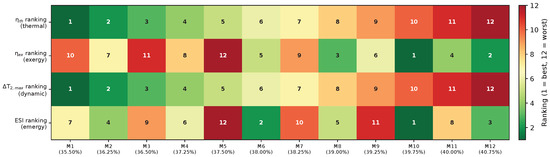
The evaluation of biomass boilers using partial approaches limits system understanding, because energy, exergy, dynamic, and emergy analyses describe complementary, but not equivalent, dimensions of thermo-industrial performance. In response to this gap, an integrated methodological framework is proposed to analyze two representative steam
[...] Read more.
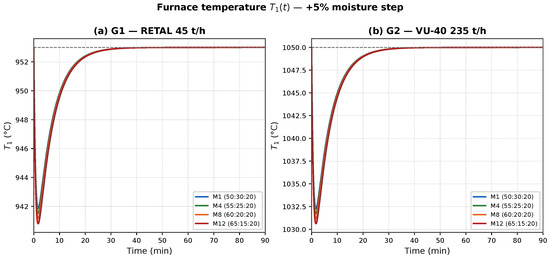
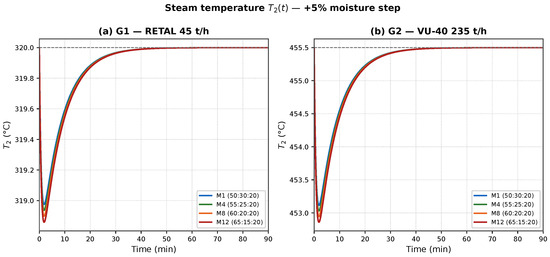
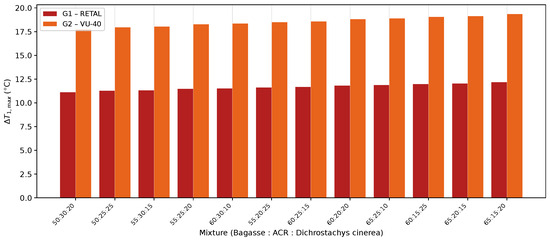
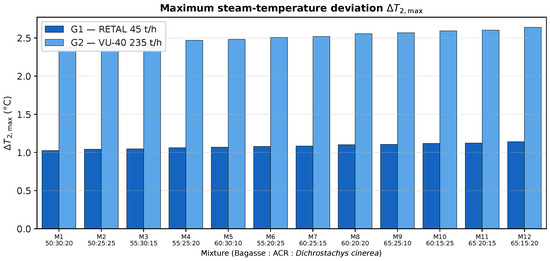
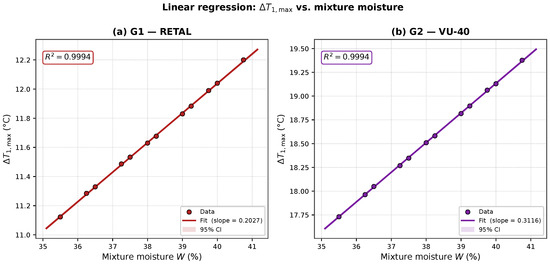
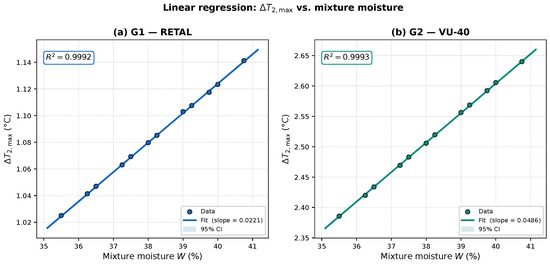
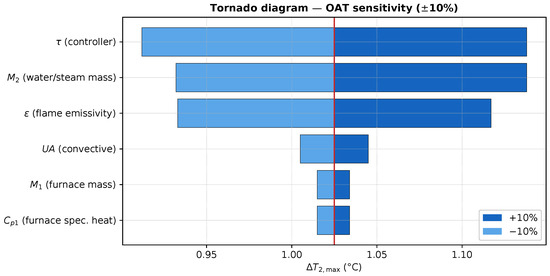
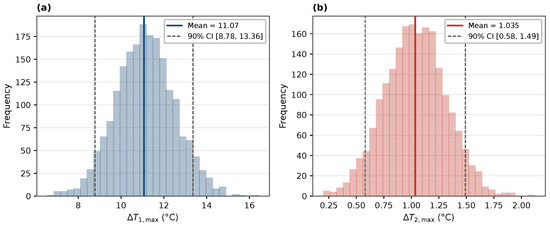
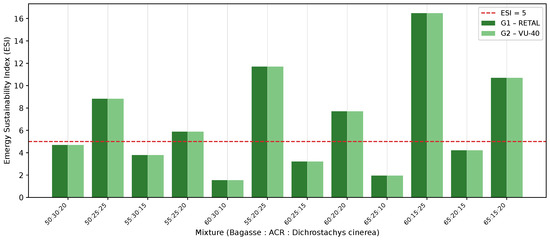
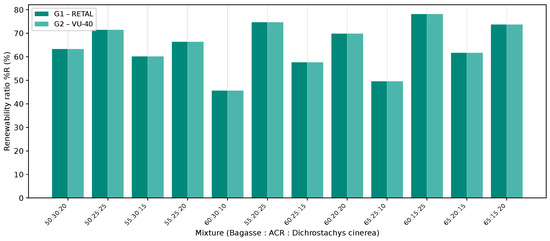
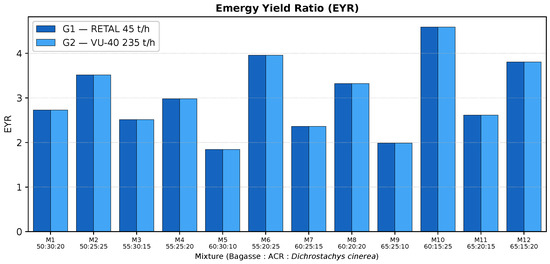
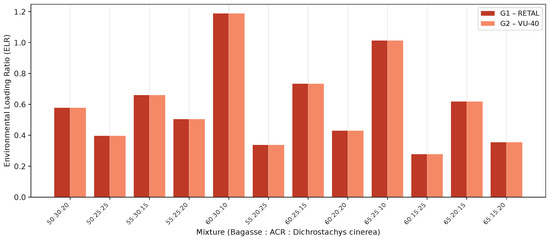
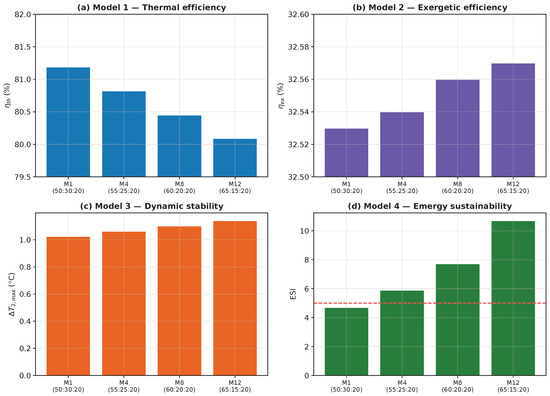
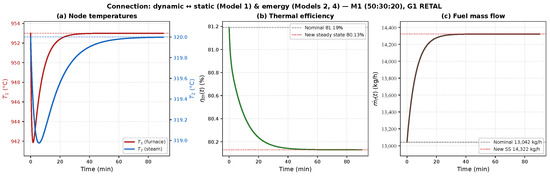
The evaluation of biomass boilers using partial approaches limits system understanding, because energy, exergy, dynamic, and emergy analyses describe complementary, but not equivalent, dimensions of thermo-industrial performance. In response to this gap, an integrated methodological framework is proposed to analyze two representative steam generator technologies in the sugar industry, fueled with ternary mixtures of sugarcane bagasse, Agricultural Crop Residues (ACR), and Dichrostachys cinerea, with the aim of identifying robust operating windows from a simultaneously thermal, exergetic, transient, and sustainability perspective. The methodology combines: (i) a direct and indirect steady-state model to quantify thermal losses and efficiency; (ii) an exergy model to assess conversion quality; (iii) a two-node coupled transient dynamic model capable of representing the differentiated response of the combustion zone and the water/steam system to moisture perturbations; and (iv) an emergy model to estimate the overall sustainability of the process. The results show that the effective moisture content of the mixture is the dominant control variable, since it determines the lower heating value on a wet basis, the specific fuel consumption, the main thermal loss, and the dynamic stability of the system. In the transient domain, a +5% step perturbation in moisture generates drops of 11.14–12.20 °C and 17.76–19.39 °C in furnace temperature for G1 and G2, respectively, while the steam response is damped to 1.03–1.14 °C and 2.39–2.65 °C. Likewise, moisture explains the magnitude of the response with coefficients of determination above 0.99, and the sensitivity analysis identifies the controller time constant, the thermal mass of the water/steam system, and the emissivity as the most influential parameters. Overall, the proposed framework makes it possible to go beyond isolated efficiency assessment and move toward a holistic characterization of biomass boiler performance under technically plausible ternary mixtures. Although the proposed methodological framework is transferable to other biomass combustion contexts, the numerical results—including optimal compositional zones, emergy indicators, and dynamic sensitivity coefficients—are specific to the Cuban sugar industry conditions, adopted transformities, and the biomass types evaluated herein.
Full article

Figure 1
Open AccessArticle
Enhancement of Cationic Dye Adsorption by Alkaline-Activated Sewage Sludge
by
Patcharaporn Phuinthiang, Punyanuch Thammaacheep, Wikorn Punyain, Wilawan Khanitchaidecha, Auppatham Nakaruk and Duangdao Channei
Biomass 2026, 6(3), 45; https://doi.org/10.3390/biomass6030045 - 17 Jun 2026
Abstract
►▼
Show Figures
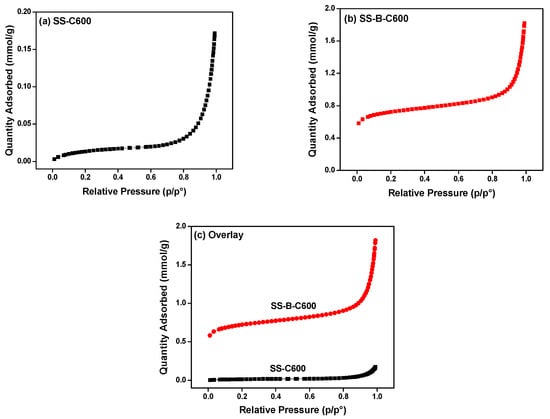
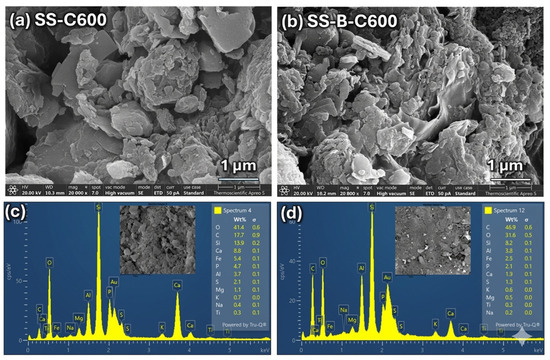
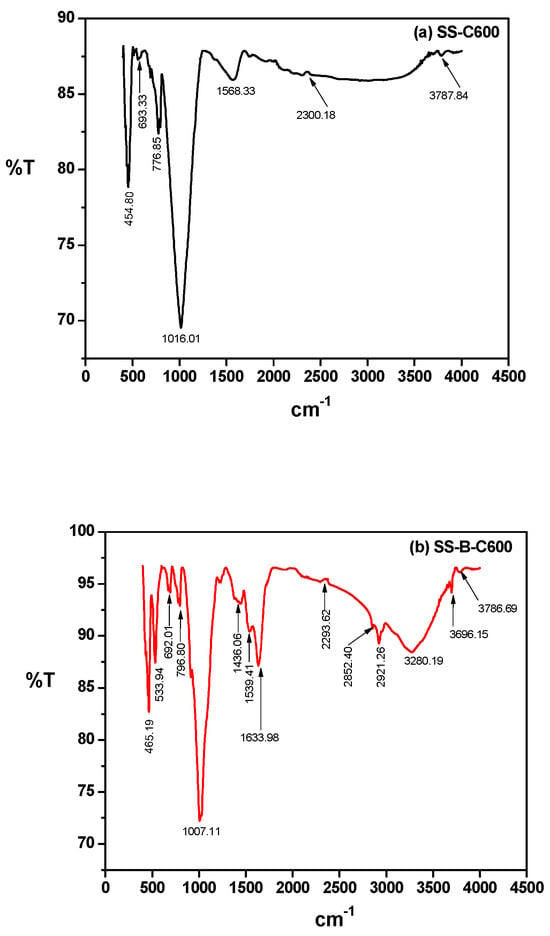
Wastewater from street food activities is a major pollution source. In this study, sewage sludge (SS) from a treatment plant in Thailand was converted into a porous adsorbent via NaOH activation and calcination (SS-B-C600), while SS-C600 was used as a control. Characterization revealed
[...] Read more.
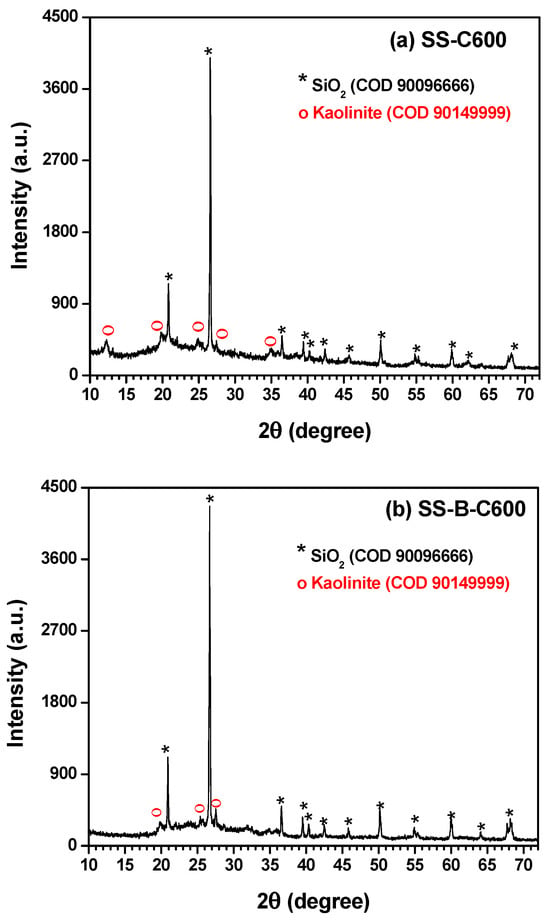
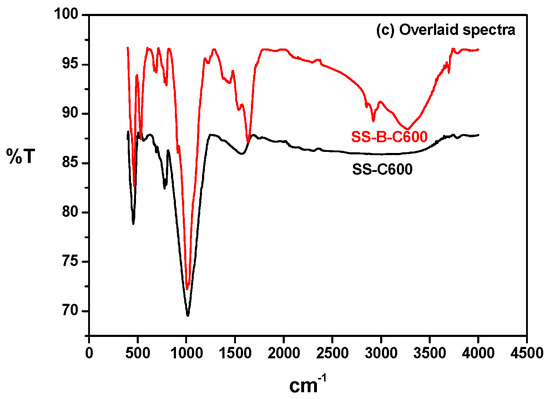
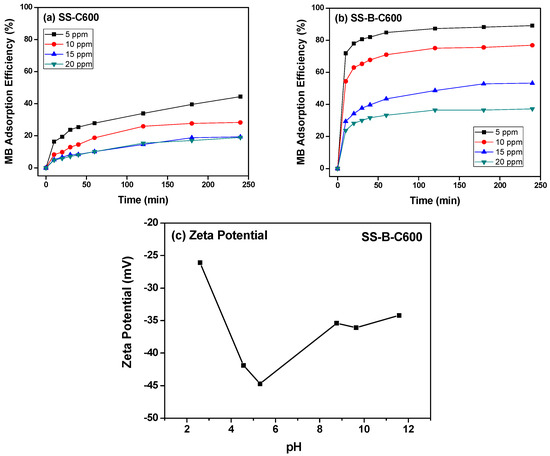
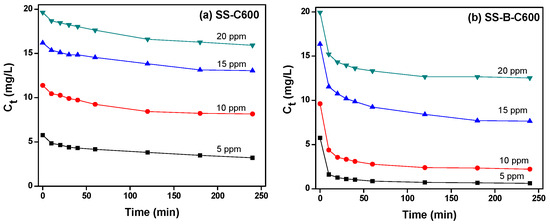
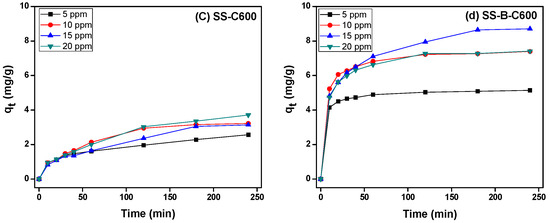
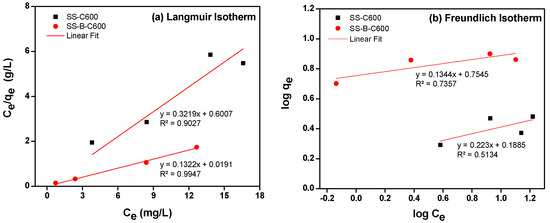
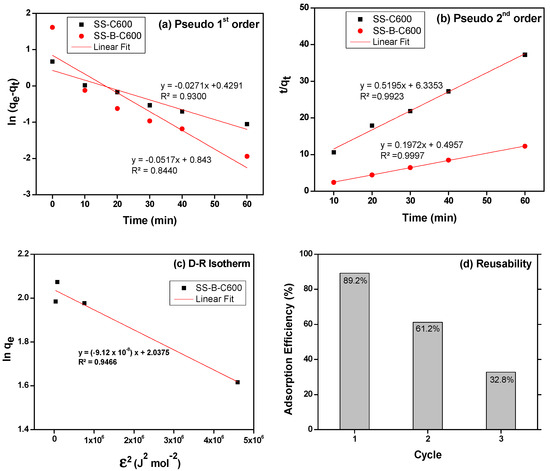
Wastewater from street food activities is a major pollution source. In this study, sewage sludge (SS) from a treatment plant in Thailand was converted into a porous adsorbent via NaOH activation and calcination (SS-B-C600), while SS-C600 was used as a control. Characterization revealed that both samples were composed of SiO2 with minor kaolinite. FTIR confirmed Si–O–Si vibrations in both samples, while SS-B-C600 showed enhanced –OH (Si–OH) groups, indicating improved surface hydroxylation. Activation significantly enhanced the adsorption performance for methylene blue (MB) in laboratory-scale experiments. The equilibrium data were best fitted by the Langmuir isotherm model, indicating monolayer adsorption, with maximum capacities of 3.11 mg/g (SS-C600) and 7.56 mg/g (SS-B-C600). The kinetic results were well described by the pseudo-second-order model, suggesting that the adsorption mechanism is governed by a combination of porosity and surface interactions through physisorption. DFT calculations revealed that intermolecular hydrogen bonds between MB and aluminosilicate play a key role in the formation of the complex, while the calculated interaction energy (ΔE = −304.27 kJ/mol) further confirmed the presence of strong intermolecular interactions. Moreover, SS-B-C600 showed stable performance over three reuse cycles, highlighting its potential as a cost-effective and sustainable adsorbent.
Full article

Figure 1
Open AccessArticle
Biochar as Circular Technology: Toward Shaping Policy and Behavioral-Level Strategies to Encourage Farmers’ Adoption
by
Naser Valizadeh, Ali Karami and Tuyet-Anh T. Le
Biomass 2026, 6(3), 44; https://doi.org/10.3390/biomass6030044 - 15 Jun 2026
Abstract
The shift to circular agrosystems necessitates using new ideas like sustainable biochar, which provides many eco-beneficial attributes like enhancing soil fertility, storing atmospheric carbon dioxide, and retaining soil moisture. However, there is still a small number of farmers worldwide (particularly those located in
[...] Read more.
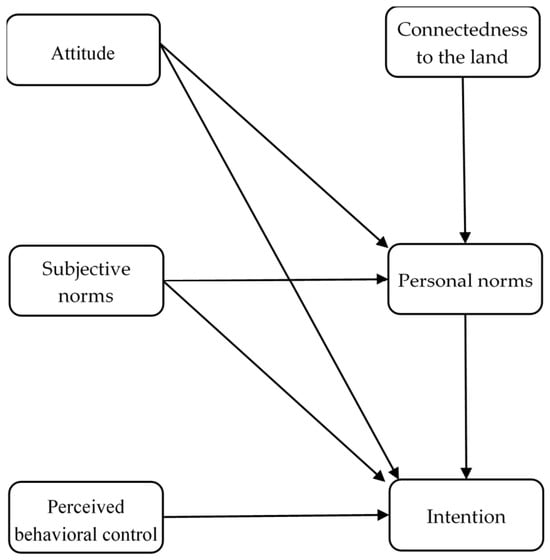
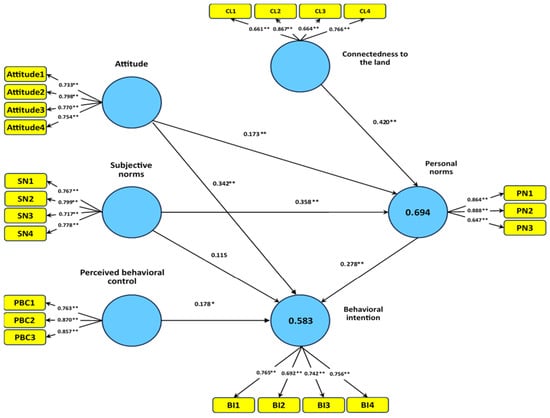
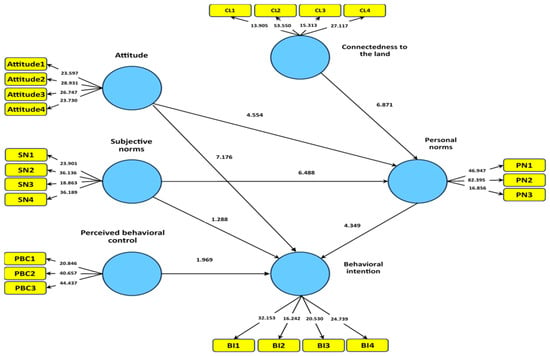
The shift to circular agrosystems necessitates using new ideas like sustainable biochar, which provides many eco-beneficial attributes like enhancing soil fertility, storing atmospheric carbon dioxide, and retaining soil moisture. However, there is still a small number of farmers worldwide (particularly those located in low-income countries) adopting biochar. Accordingly, this research is focused primarily on determining how factors affecting behavior will influence the decision of wheat producers in Marvdasht County, in Iran’s Fars Province, to use biochar as a circular technology for farming. The study will focus on addressing issues related to environmental challenges (e.g., degradation of soil and drought) through the implementation of resource-efficient, sustainable agricultural technologies. The intent of this paper was to research the behavioral characteristics associated with wheat farmers who choose to use biochar in the city of Marvdasht, Fars Region, Iran, using a new Theory of Planned Behavior (TPB). The model is theoretically enriched through the inclusion of personal norms and connectedness to the land, allowing for a more comprehensive understanding of pro-environmental decision-making. Data was collected from a total of 386 wheat farmers through the use of a structured survey. The data was analyzed using Partial Least Squares Structural Equation Modeling (PLS-SEM) with the software Smart-PLS 3.0. The results reveal that attitude (β = 0.342, p < 0.001) and personal norms (β = 0.278, p < 0.001) are the strongest predictors of behavioral intention, while perceived behavioral control showed a weaker but significant effect (β = 0.178, p = 0.049). Subjective norms do not have a significant direct effect (β = 0.115, p = 0.199) but significantly influence intention indirectly through personal norms (β = 0.100, p < 0.001). Furthermore, connectedness to the land strongly affects personal norms (β = 0.420, p < 0.001) and exerts a significant indirect effect on intention (β = 0.117, p < 0.001), highlighting the importance of emotional attachment to land. The findings are significant because they demonstrated that farmers’ biochar adoption decisions are shaped not only by rational evaluations but also by moral obligations and emotional relationships with land. This study makes significant theoretical contributions by extending TPB with moral and relational constructs and empirically demonstrating their mediating roles in agricultural innovation adoption. The novelty of this study lies in integrating personal norms and connectedness to the land into the TPB framework to explain biochar adoption behavior within the context of circular agriculture in a developing country. Practically, the findings provide evidence-based insights for designing policies that integrate cognitive, ethical, and emotional drivers to promote biochar adoption and advance circular agriculture. Specifically, policymakers and extension agencies should prioritize behavioral-level strategies such as awareness campaigns, farmer training programs, and community-based initiatives that strengthen positive attitudes, environmental responsibility, and farmers’ emotional connection to land in order to enhance biochar adoption.
Full article
(This article belongs to the Special Issue Biochar and the Circular Bioeconomy: Innovations in Biomass Utilisation)
►▼
Show Figures

Figure 1
Open AccessArticle
Sustainable Valorisation of Banana Inflorescence for Development of Nutraceutical Lozenges
by
Chloe Xi-Kit Chan, Lee Jia Xuan, Norhayati Mustafa Khalid, Mohd Naeem Mohd Nawi, Anandarajagopal Kalusalingam, Poonguzhali Subramanian and Sreelakshmi Sankara Narayanan
Biomass 2026, 6(3), 43; https://doi.org/10.3390/biomass6030043 - 11 Jun 2026
Abstract
►▼
Show Figures
Banana (Musa acuminata), the second most cultivated fruit worldwide, generates approximately 220 tons of agricultural waste per hectare annually, with nearly 80% of the plant biomass remaining underutilised after harvest. Banana inflorescence, an underutilised by-product of banana cultivation, is commonly discarded
[...] Read more.
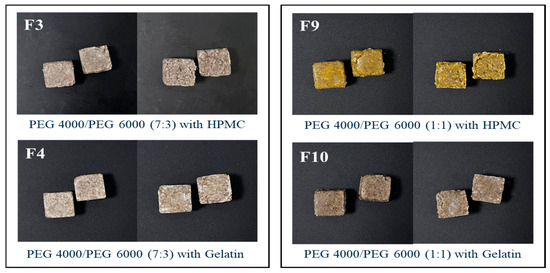
Banana (Musa acuminata), the second most cultivated fruit worldwide, generates approximately 220 tons of agricultural waste per hectare annually, with nearly 80% of the plant biomass remaining underutilised after harvest. Banana inflorescence, an underutilised by-product of banana cultivation, is commonly discarded despite its rich nutritional and bioactive composition, contributing to agricultural waste and environmental concerns. This study aimed to develop and evaluate banana inflorescence lozenges as a nutraceutical supplement while promoting sustainable agricultural waste valorisation. Freeze-dried banana inflorescence powder was incorporated into a hard lozenge formulation using the melt-and-mould method, and the formulation was optimised through physical evaluation. The optimised lozenges demonstrated acceptable mechanical properties, including friability of 0.13%, hardness of 55.16 kg/cm2, and disintegration time of 35 min. Fourier-transform infrared spectroscopy with attenuated total reflectance (FTIR–ATR) confirmed the compatibility between the active ingredient and excipients. The formulated lozenges exhibited a total phenolic content of 22.74 ± 0.74 mg GAE/g DW and moderate antioxidant activity, with ABTS and DPPH IC50 values of 30.65 mg/mL and 72.53 mg/mL, respectively. In vitro antidiabetic assays demonstrated α-glucosidase inhibition of 45.80% and α-amylase inhibition of 98.11%. Mineral analysis further revealed appreciable levels of potassium, magnesium, calcium, and iron. Although some reduction in bioactivity was observed following processing and formulation, banana inflorescence still demonstrated potential as a sustainable functional ingredient for nutraceutical applications and agricultural waste valorisation. Further studies involving stability assessment and in vivo validation are recommended.
Full article

Figure 1
Open AccessReview
Candida krusei: A Useful Yeast for Production of Second-Generation Bioethanol
by
Hironaga Akita and Akinori Matsushika
Biomass 2026, 6(3), 42; https://doi.org/10.3390/biomass6030042 - 11 Jun 2026
Abstract
►▼
Show Figures
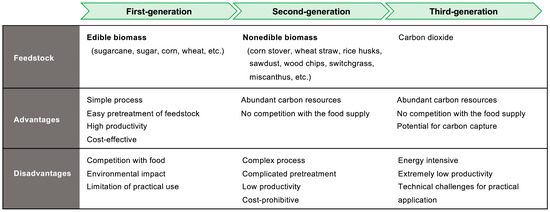
The mitigation of anthropogenic climate change caused by fossil fuel combustion is a critical global challenge that necessitates a transition to renewable energy systems. Bioethanol represents a major renewable fuel, but first-generation production relies on edible feedstocks, which raises concerns regarding food security.
[...] Read more.
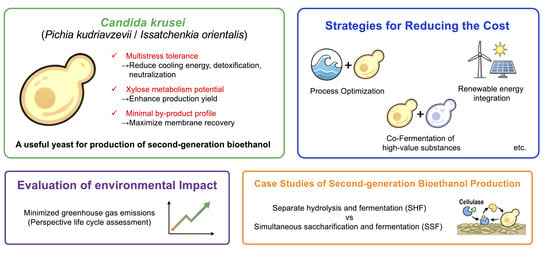
The mitigation of anthropogenic climate change caused by fossil fuel combustion is a critical global challenge that necessitates a transition to renewable energy systems. Bioethanol represents a major renewable fuel, but first-generation production relies on edible feedstocks, which raises concerns regarding food security. Consequently, research is shifting toward second-generation bioethanol produced from abundant non-edible lignocellulosic biomass sources. This review comprehensively examines the potential of Candida krusei (synonyms: Pichia kudriavzevii, Issatchenkia orientalis) to serve as an alternative biocatalyst for second-generation bioethanol production. Compared with the first-generation bioethanol-producing yeast Saccharomyces cerevisiae, C. krusei exhibits superior physiological traits, such as thermo, acid, and inhibitor tolerances, enabling the utilization of several lignocellulosic feedstocks. This review summarizes the taxonomic and physiological characteristics of C. krusei, describes case studies on bioethanol production, and discusses strategies for reducing production costs. Furthermore, the technical and biosafety challenges associated with the industrial deployment of C. krusei are critically examined, including xylose metabolism limitations, scale-up constraints, and the management of its opportunistic pathogenic nature. A life cycle assessment perspective suggests that the unique physiological properties of C. krusei contribute to reducing greenhouse gas emissions and energy consumption throughout the entire production process, from pretreatment to downstream ethanol recovery.
Full article

Graphical abstract
Open AccessArticle
Data-Driven Prediction of Limnospira platensis (Spirulina) Biomass from Experimental Time-Series Data
by
Bartolomeo Cosenza, Marco Pomaré, Alessandro Concas, Giancarlo Cravotto, Alida Cosenza, Catalina Valencia Peroni, Luca Usai and Giovanni Antonio Lutzu
Biomass 2026, 6(3), 41; https://doi.org/10.3390/biomass6030041 - 31 May 2026
Abstract
►▼
Show Figures
Accurate short-term forecasting of Limnospira platensis biomass is essential for optimizing experimental scheduling and cultivation strategies, yet small datasets and strong temporal autocorrelation pose significant challenges for model reliability. In this study, we developed a leakage-safe, data-driven framework for direct multi-step forecasting of
[...] Read more.
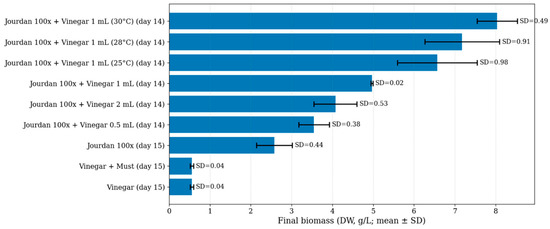
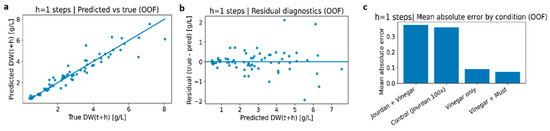
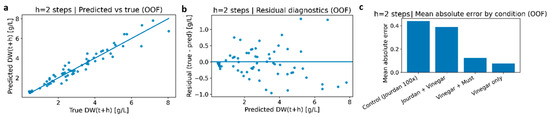
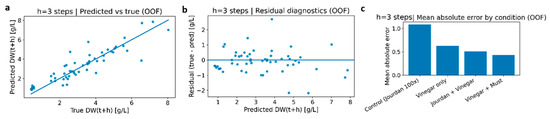
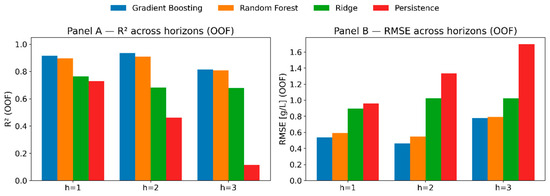
Accurate short-term forecasting of Limnospira platensis biomass is essential for optimizing experimental scheduling and cultivation strategies, yet small datasets and strong temporal autocorrelation pose significant challenges for model reliability. In this study, we developed a leakage-safe, data-driven framework for direct multi-step forecasting of biomass concentration based on experimental time-series data from nine independent cultivation trials conducted under heterogeneous nutritional and environmental conditions. Gradient Boosting consistently outperformed a persistence baseline across all forecasting horizons (R2 ≈ 0.915 at h = 1, 0.935 at h = 2, 0.814 at h = 3), demonstrating strong predictive capability under Leave-One-Experiment-Out cross-validation, which ensures generalization to unseen experiments. Residual analysis and prediction intervals confirmed robust uncertainty quantification and revealed condition-dependent variability in predictive performance. Overall, the results show that rigorously validated machine learning models can reliably forecast biomass trajectories beyond naïve baselines, even under limited and heterogeneous datasets. This approach provides a scalable and reproducible methodological framework for predictive modeling in algal biotechnology; however, because the training data were collected at flask scale, direct transfer to larger photobioreactor or outdoor systems should be considered a future validation step rather than an immediate deployment outcome.
Full article

Figure 1
Open AccessArticle
Sustainable Production of Indole-3-Acetic Acid-Equivalent Compounds by Endophytic Streptomyces Strain OP15 Using Synthetic Dairy Wastewater
by
Karima Khenaka, Hanane Nacer Bouhadjem, Douaa Mebrak, Fateh Merouane and Houssem Boulebd
Biomass 2026, 6(3), 40; https://doi.org/10.3390/biomass6030040 - 29 May 2026
Abstract
►▼
Show Figures
Indole-3-acetic acid (IAA) is an essential phytohormone that regulates several tropic responses in plants and serves as signaling molecule in plant–bacteria interactions. In this study, a high indolic-compound-producing actinobacterial strain, designated OP15, was isolated from the roots of Opuntia ficus-indica as an endophyte
[...] Read more.
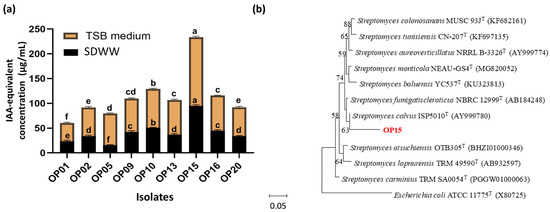
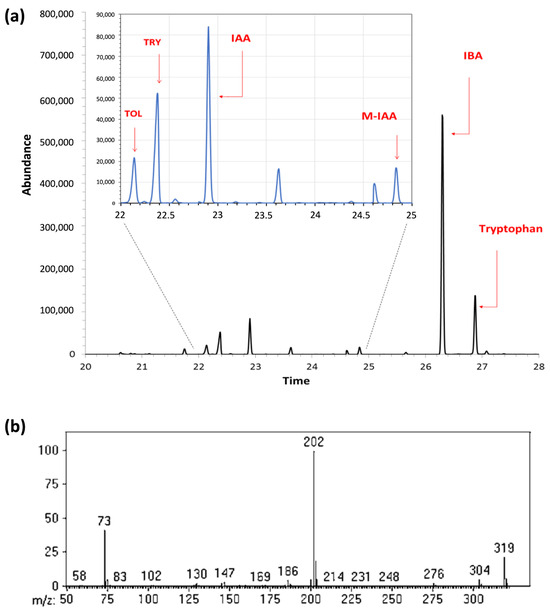
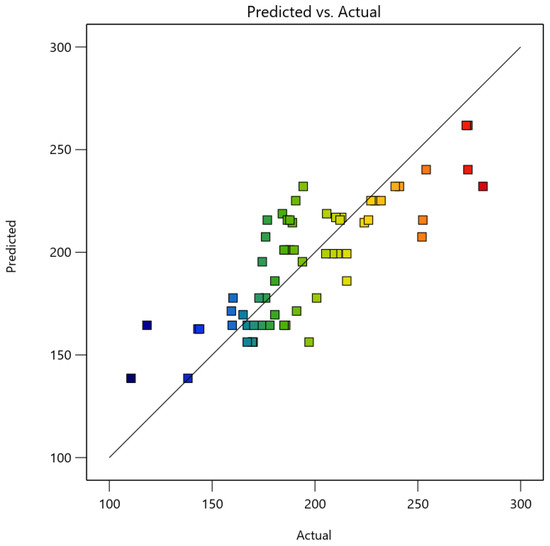
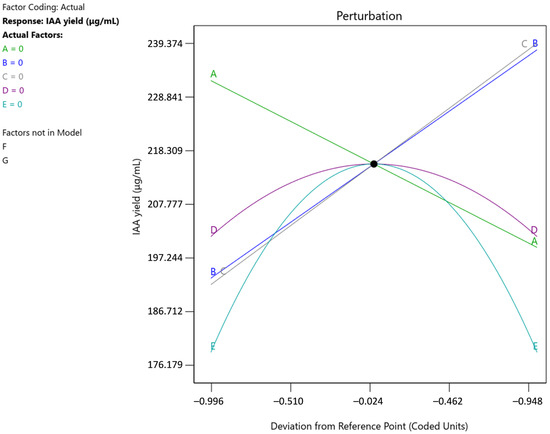
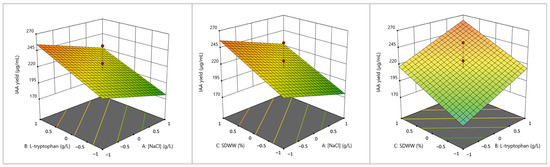
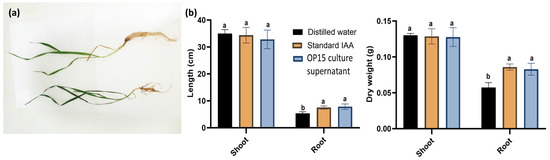
Indole-3-acetic acid (IAA) is an essential phytohormone that regulates several tropic responses in plants and serves as signaling molecule in plant–bacteria interactions. In this study, a high indolic-compound-producing actinobacterial strain, designated OP15, was isolated from the roots of Opuntia ficus-indica as an endophyte and identified as a member of the Streptomyces genus based on 16S rRNA gene sequence analysis. Synthetic dairy wastewater (SDWW) was used as a low-cost fermentation substrate for the production of IAA-equivalent compounds, providing a sustainable approach that links microbial metabolite production with agro-industrial waste valorization. Fermentation conditions were optimized using a Box–Behnken design coupled with response surface methodology. To address model overfitting, a backward elimination procedure was applied, yielding a reduced statistical model (R2 = 0.658, adjusted R2 = 0.628, predicted R2 = 0.583) with adequate predictive performance. Under the optimized conditions (1 g/L NaCl, 1 g/L L-tryptophan, 100% SDWW, 7.5% inoculum, 4.5 days), the model predicted a maximum response of 278.2 µg/mL (95% prediction interval: 230.0–326.4 µg/mL). Experimental validation yielded a response of 296.838 µg/mL, falling within the prediction interval and confirming the model’s reliability within the experimental domain. This agreement supports the model’s utility for process optimization within the experimental domain. In addition, treatment of wheat seeds with the culture supernatant of OP15 isolate significantly (p < 0.05) promoted root length and root dry weight. Overall, these findings highlight the potential of the OP15 strain for the sustainable production of IAA-equivalent compounds using SDWW and support the valorization of dairy effluents as low-cost substrates for biotechnological applications.
Full article

Figure 1
Open AccessArticle
Chemical Characterization and Polyol-Based Liquefaction of Bay Laurel (Laurus nobilis) Leaves and Branches
by
Idalina Domingos, Miguel Ferreira, José Ferreira, Helder Viana, Luísa Cruz-Lopes and Bruno Esteves
Biomass 2026, 6(3), 39; https://doi.org/10.3390/biomass6030039 - 28 May 2026
Abstract
►▼
Show Figures
Bay laurel (Laurus nobilis) pruning residues, including leaves and small branches, were chemically characterized and subjected to polyol-based liquefaction to evaluate their valorization potential. Leaves exhibited higher ash and extractive contents (3.37% and 10.8% against 2.53% and 4.9%, reflecting greater accumulation
[...] Read more.
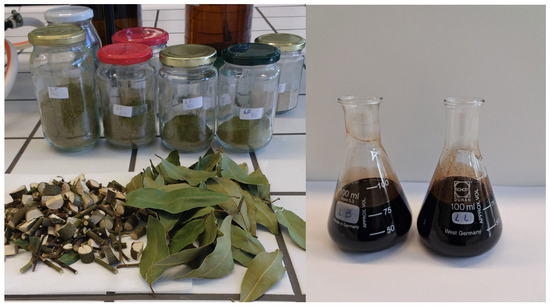
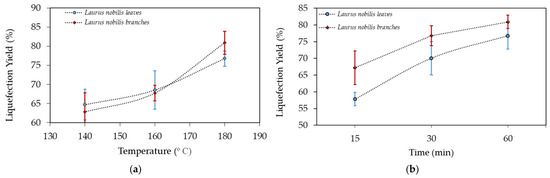
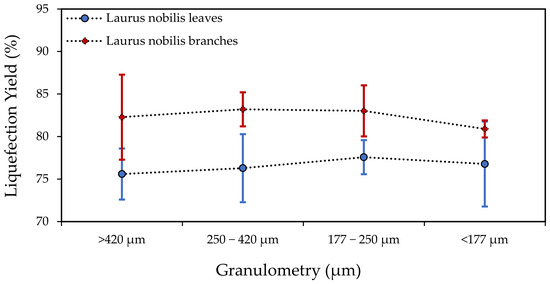
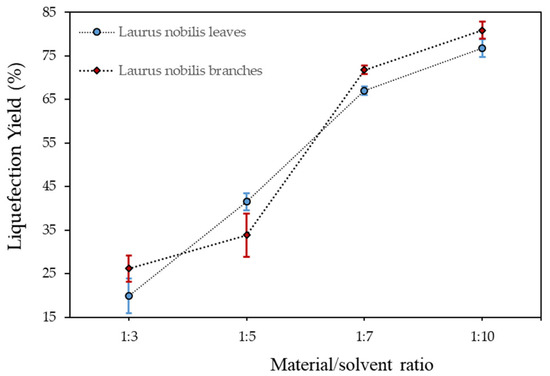
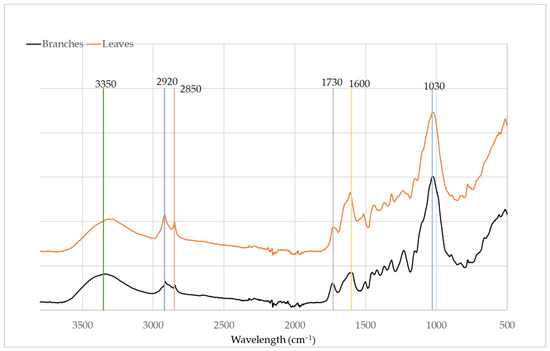
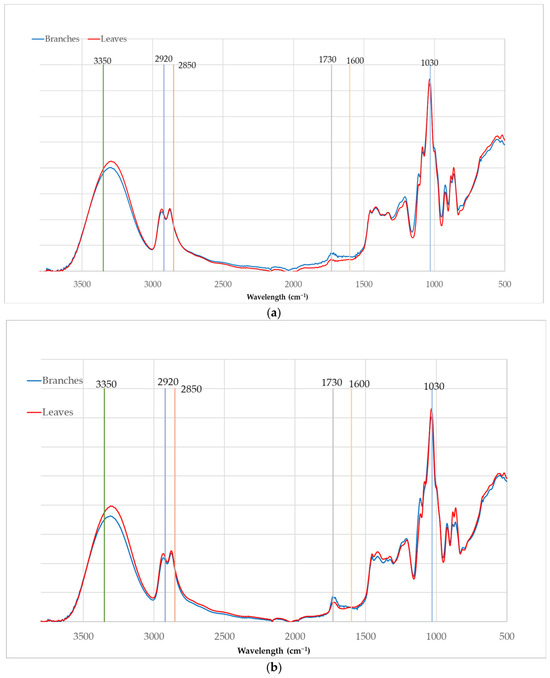
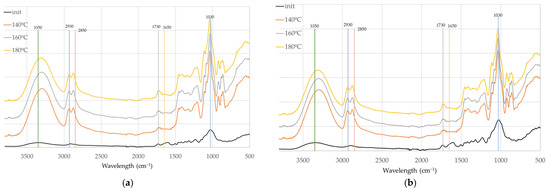
Bay laurel (Laurus nobilis) pruning residues, including leaves and small branches, were chemically characterized and subjected to polyol-based liquefaction to evaluate their valorization potential. Leaves exhibited higher ash and extractive contents (3.37% and 10.8% against 2.53% and 4.9%, reflecting greater accumulation of minerals and lipophilic compounds, whereas branches were richer in structural polysaccharides such as α-cellulose and hemicelluloses. Acid-insoluble lignin was higher in leaves, likely due to phenolic compounds and recalcitrant structures like cutin. Liquefaction experiments using a glycerol–ethylene glycol solvent system revealed that both biomass fractions respond positively to increases in temperature, residence time and solvent-to-biomass ratio. Leaves showed higher liquefaction yields under milder conditions (57.8% at 15 min compared to 67.2% for branches), likely related to their extractive-rich and less organized structure, while branches tended to surpass leaves at higher temperatures and longer reaction times, possibly due to the greater susceptibility of their lignocellulosic matrix to breakdown under more severe conditions. FTIR-ATR analysis of the liquefied products suggested an increased presence of hydroxyl and carbonyl groups, indicating gradual breakdown of polysaccharides, lignin, and other structural polymers. These results highlight the distinct reactivity of leaves and branches, providing insights for tailored conversion strategies in polyol-based liquefaction processes. The results provide a basis for tailoring the process to specific biomass fractions, contributing to more efficient and selective biomass conversion into useful products.
Full article

Figure 1
Open AccessArticle
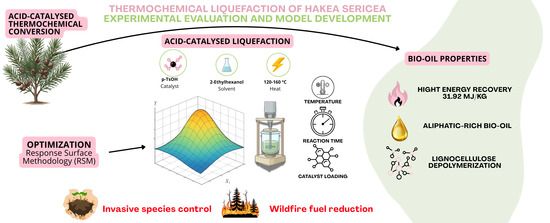
Thermochemical Liquefaction of Hakea sericea: Experimental Evaluation and Model Development
by
Ana R. P. Gonçalves, Salma Dehhaoui and Rui Galhano dos Santos
Biomass 2026, 6(3), 38; https://doi.org/10.3390/biomass6030038 - 27 May 2026
Abstract
Hakea sericea is one of the most aggressive invasive shrubs in Mediterranean ecosystems, producing large quantities of lignocellulosic residues during control operations. This study evaluates thermochemical liquefaction as a valorisation route for this biomass, linking biomass conversion with invasive species management. Whole-plant material
[...] Read more.
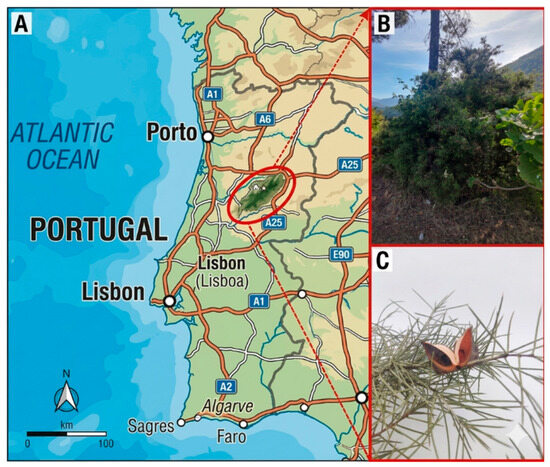
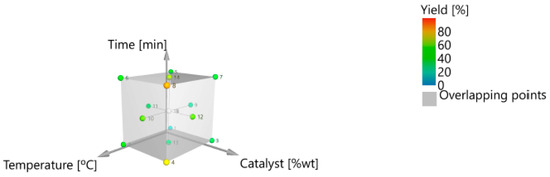
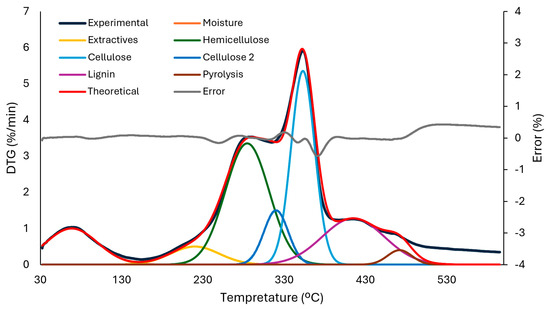
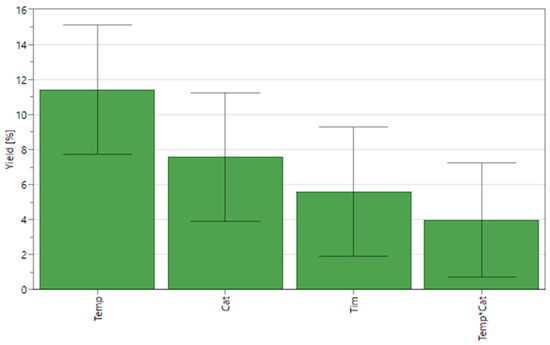
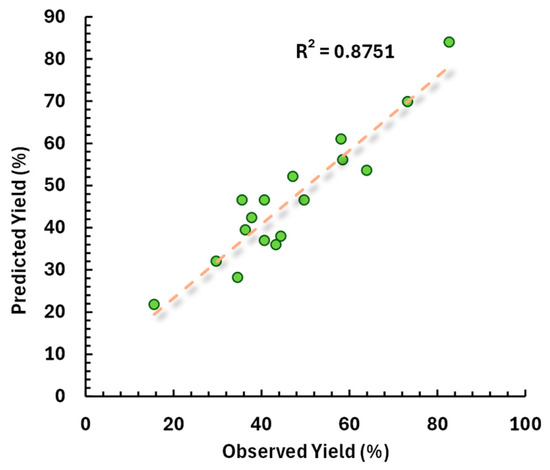
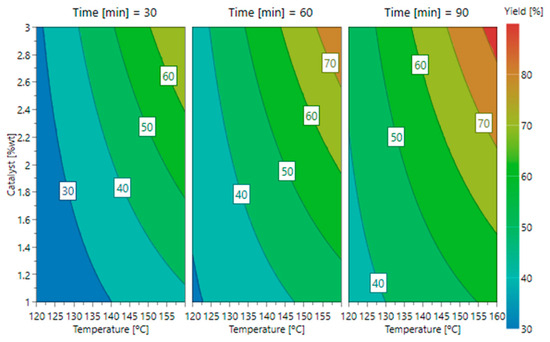
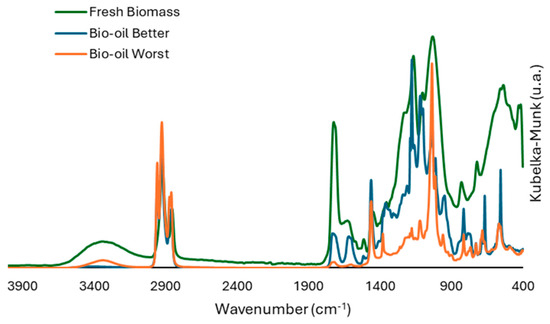
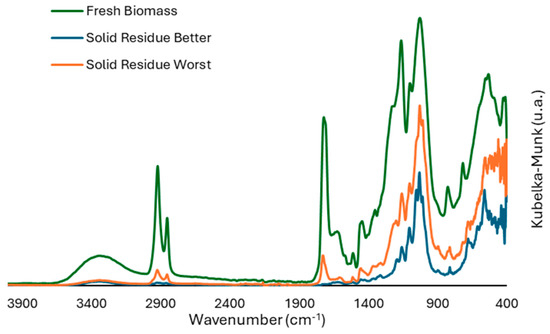
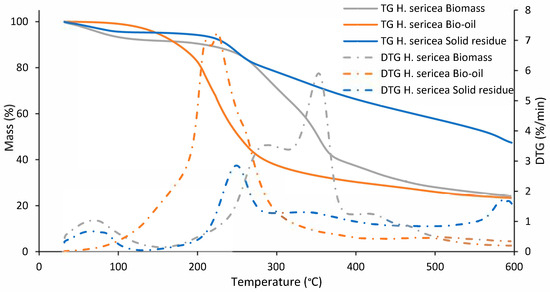
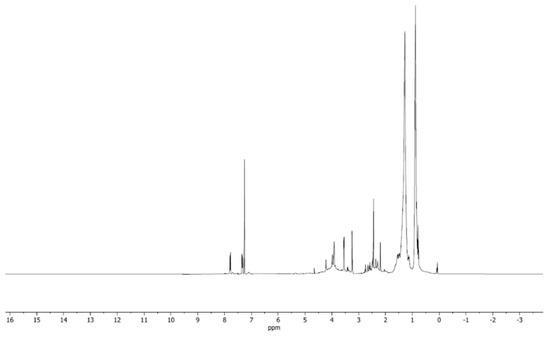
Hakea sericea is one of the most aggressive invasive shrubs in Mediterranean ecosystems, producing large quantities of lignocellulosic residues during control operations. This study evaluates thermochemical liquefaction as a valorisation route for this biomass, linking biomass conversion with invasive species management. Whole-plant material was liquefied through acid-catalysed reactions using 2-ethylhexanol as the solvent and p-toluenesulfonic acid as the catalyst. A response surface methodology design was used to assess the effects of temperature, reaction time, and catalyst loading on conversion efficiency. The biomass contained 35.92% cellulose, 32.29% hemicellulose, and 17.36% lignin. Liquefaction yields ranged from 15.59% at 120 °C for 30 min to 82.7% at 160 °C for 90 min, with conversions above 70% achieved within 30 min at higher catalyst concentrations. The regression model explained 87.5% of the variability in liquefaction performance. Spectroscopic and thermal analyses confirmed extensive depolymerisation of lignocellulosic polymers and the formation of an aliphatic-rich bio-oil, with 57.5% of proton signals located in the alkane region of the 1H NMR spectrum. The bio-oil exhibited a higher heating value of 31.91 MJ kg−1, corresponding to an energy recovery of about 85%. Microscopic observations showed strong structural disruption of plant fibres. Overall, the results demonstrate efficient conversion of H. sericea biomass into energy-dense liquid products, supporting its use in invasive species control strategies.
Full article
(This article belongs to the Special Issue Recent Advances in Thermochemical Conversion of Biomass and Waste to Fuels, Chemicals and Materials)
►▼
Show Figures

Graphical abstract
Open AccessArticle
Physicochemical Characterization and Valorization of Processing Residues from Amazonian Guayusa (Ilex guayusa Loes.) Within a Circular Economy Framework: A Case Study of Kallari Cooperative, Ecuador
by
Angelica Saeteros-Hernandez, Ana Moreno-Guerra, Ronald Zurita-Gallegos and Pedro Badillo-Arevalo
Biomass 2026, 6(3), 37; https://doi.org/10.3390/biomass6030037 - 26 May 2026
Abstract
►▼
Show Figures
Ilex guayusa Loes., an Amazonian holly cultivated by indigenous Kichwa communities, is valued for its caffeine-rich leaves (2.0–3.5% dry weight). However, industrial processing generates substantial by-products that remain undercharacterized and underutilized. This study provides baseline quantitative assessment and physicochemical characterization of guayusa processing
[...] Read more.
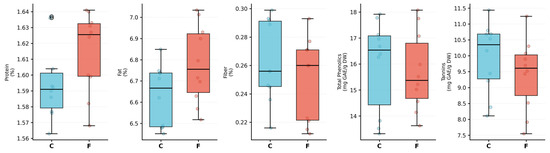
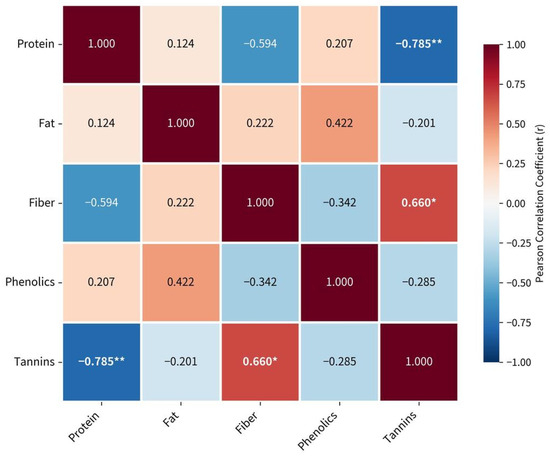
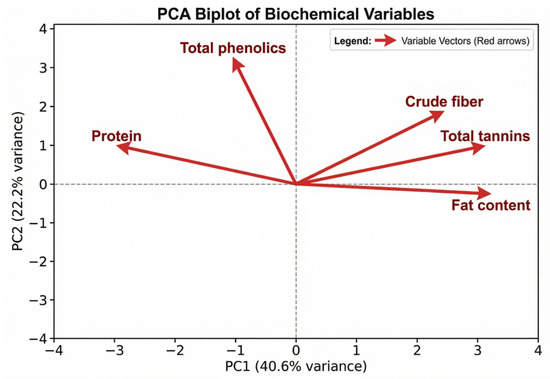
Ilex guayusa Loes., an Amazonian holly cultivated by indigenous Kichwa communities, is valued for its caffeine-rich leaves (2.0–3.5% dry weight). However, industrial processing generates substantial by-products that remain undercharacterized and underutilized. This study provides baseline quantitative assessment and physicochemical characterization of guayusa processing residues from the Kallari cooperative (Napo, Ecuador) to explore their potential within a circular bioeconomy framework. Granulometric analysis showed that processing produces predominantly coarse material (>425 μm, 67.5%), while intermediate and fine fractions (<425 μm) account for 32.5% of total biomass. Comparative analysis of pooled fractions (n = 10 subsamples per fraction) did not show clear compositional differences across twelve physicochemical parameters (p > 0.05), suggesting relatively comparable compositional profiles within the analyzed material. Residues contained relevant bioactive compounds, including total phenolics (15.7–16.0 mg GAE g−1 DW) and condensed tannins (9.4–10.0 mg GAE g−1 DW). Preliminary caffeine analysis (n = 2 composite samples) indicated values of 1.89–2.09% DW. Correlation analysis showed a negative association between protein and tannins (r = −0.785, p = 0.007) and a positive relationship between fiber and tannins (r = 0.660, p = 0.038). Exploratory principal component analysis suggested structural–phenolic patterns, although results should be interpreted cautiously due to the limited sample size. At the cooperative scale (18–25 t yr−1), these residues represent 5.8–8.1 t yr−1 of underutilized biomass. While the findings suggest potential suitability for applications such as functional ingredients, bioactive extraction, and cosmetic formulations, further validation including independent biological replication, compound-specific profiling, and techno-economic assessment is required. This study establishes a baseline dataset to support future valorization strategies within Amazonian indigenous bioeconomy contexts.
Full article

Figure 1
Open AccessArticle
Greenhouse Gas Emissions and Nutrient Recovery from Fish Waste During Composting and Burial
by
Juliana Dias de Oliveira, Ana Carolina Amorim Orrico, Luís Antonio Kioshi Aoki Inoue, Michely Tomazi, Tarcila Souza de Castro Silva, Érika do Carmo Ota, Cláudio Teodoro de Carvalho, Ranielle Nogueira da Silva Vilela and Marco Antonio Previdelli Orrico, Junior
Biomass 2026, 6(3), 36; https://doi.org/10.3390/biomass6030036 - 9 May 2026
Abstract
►▼
Show Figures
Fish-processing residues represent a significant environmental challenge due to their high moisture and nitrogen contents, which favor greenhouse gas (GHG) emissions during degradation. This study evaluated how different waste management strategies affect GHG emissions from fish waste, including conventional composting (Bulk), composting amended
[...] Read more.
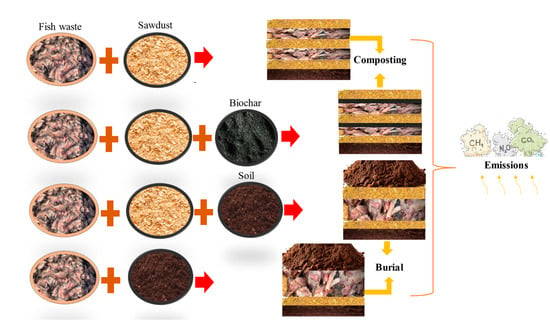
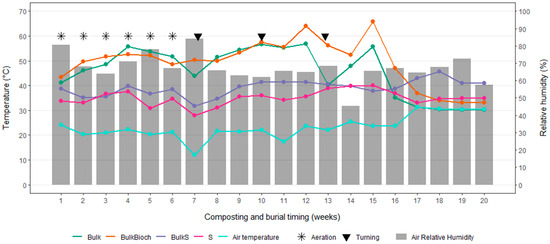
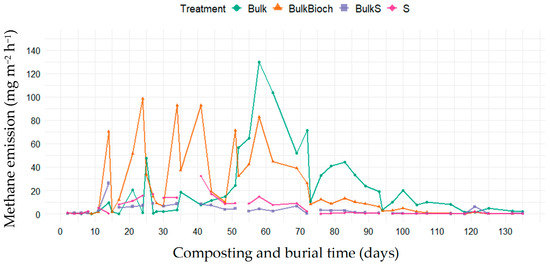
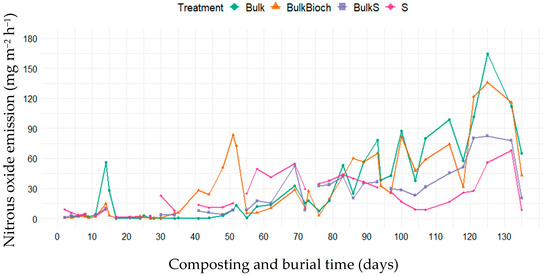
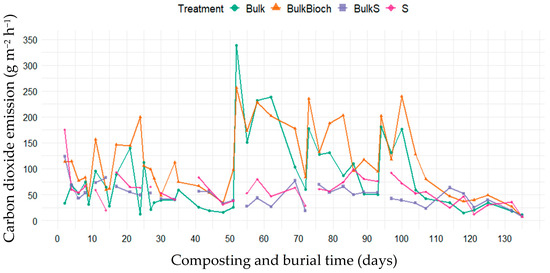
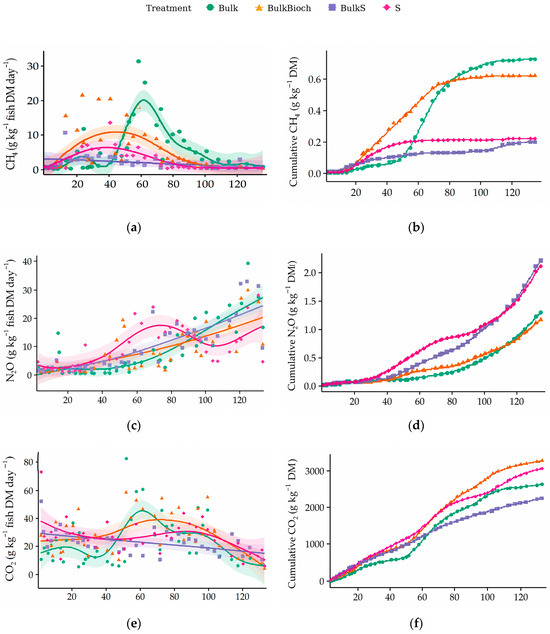
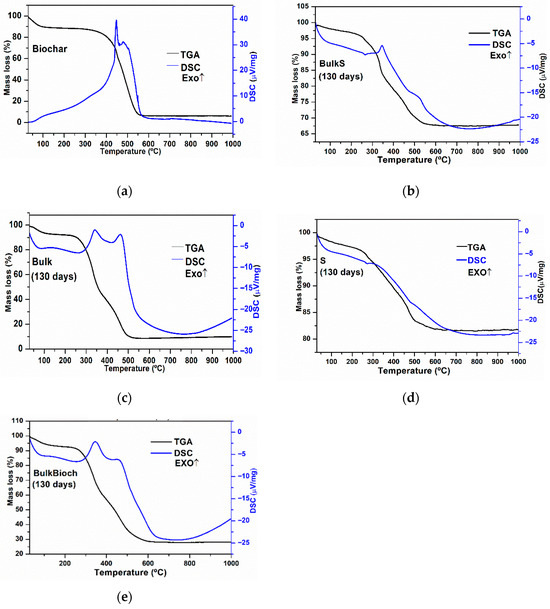
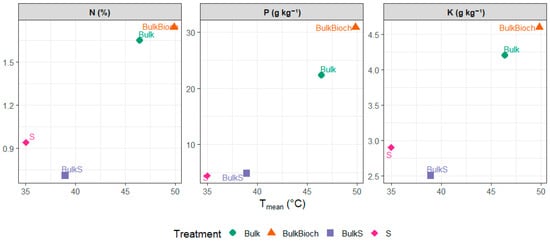
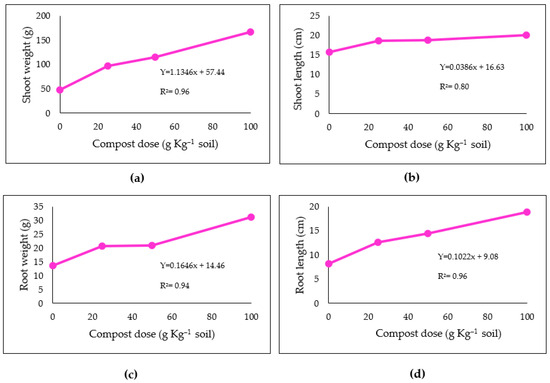
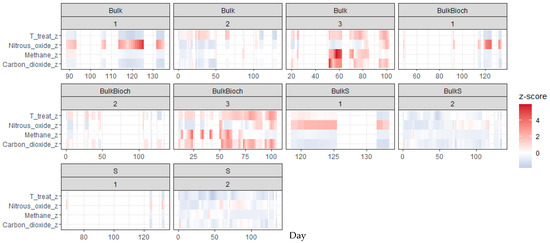
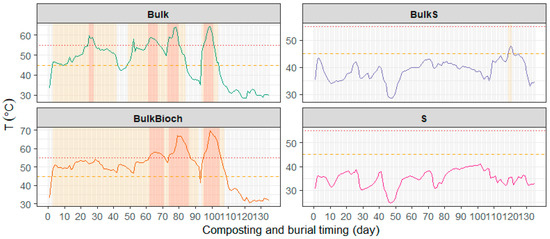
Fish-processing residues represent a significant environmental challenge due to their high moisture and nitrogen contents, which favor greenhouse gas (GHG) emissions during degradation. This study evaluated how different waste management strategies affect GHG emissions from fish waste, including conventional composting (Bulk), composting amended with biochar (BulkBioch), burial with soil (S), and burial with soil plus sawdust (BulkS). Daily emissions of CH4, N2O, and CO2 were monitored, and cumulative emissions were modeled using generalized additive models. Composting treatments (Bulk and BulkBioch) released higher CO2, suggesting greater microbial degradation, while burial treatments developed earlier anaerobic conditions with reduced decomposition efficiency. Bulk showed the highest cumulative CH4 and CO2 emissions, whereas N2O fluxes were greater in burial methods, reaching 2.18 g N2O kg−1 TS in S. Biochar addition was associated with 15% and 10% lower CH4 and N2O emissions, respectively, and earlier stabilization of CH4 emissions. In global warming potential, BulkBioch presented the lowest climate impact (305 g CO2-eq kg−1 fish), followed by Bulk (338 g CO2-eq kg−1), whereas BulkS reached up to 599 g CO2-eq kg−1. The use of bulking agents in burial resulted in lower CH4 buildup and greater nutrient retention. Overall, combining bulking agents and biochar may represent a promising strategy to mitigate GHG emissions while supporting nutrient conservation.
Full article

Figure 1
Open AccessArticle
Wheat Straw Upcycling: Severity Effects, Release Kinetics and Optimization of an Alkali-Catalyzed Organosolv Treatment for Enhanced Recovery of Hydroxycinnamate Antioxidants
by
Elif Nur Dilbirliği, Mohamed Mehdi Yataghene, Spyros Grigorakis and Dimitris P. Makris
Biomass 2026, 6(3), 35; https://doi.org/10.3390/biomass6030035 - 6 May 2026
Abstract
The examination presented herein aimed at developing a benign alkali-catalyzed organosolv treatment for efficacious recovery of antioxidant hydroxycinnamates from wheat straw (WS), which is a widespread agricultural residue, rich in lignocellulosic material. After an initial screening of aqueous mixtures of various common alcohols,
[...] Read more.
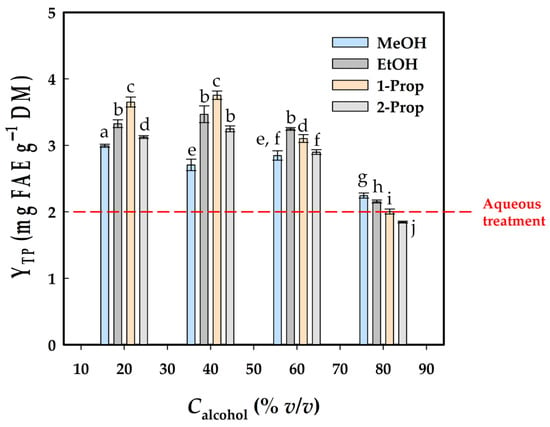
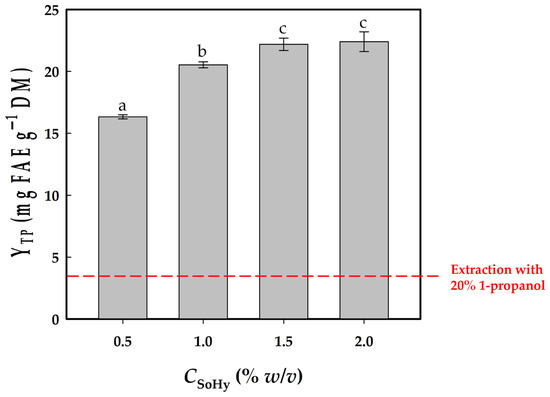
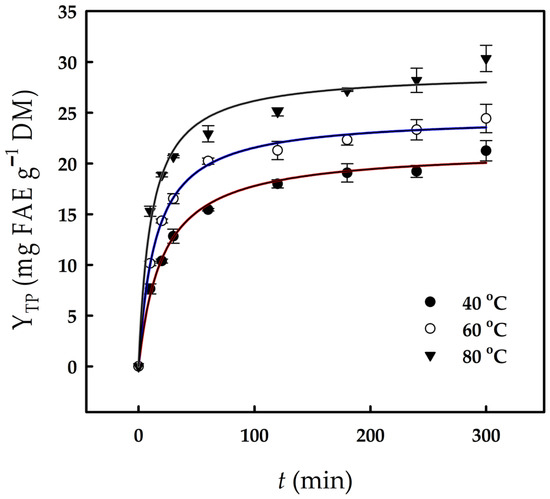
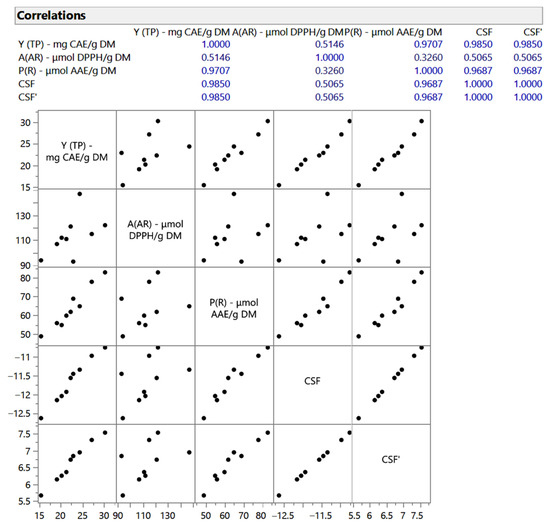
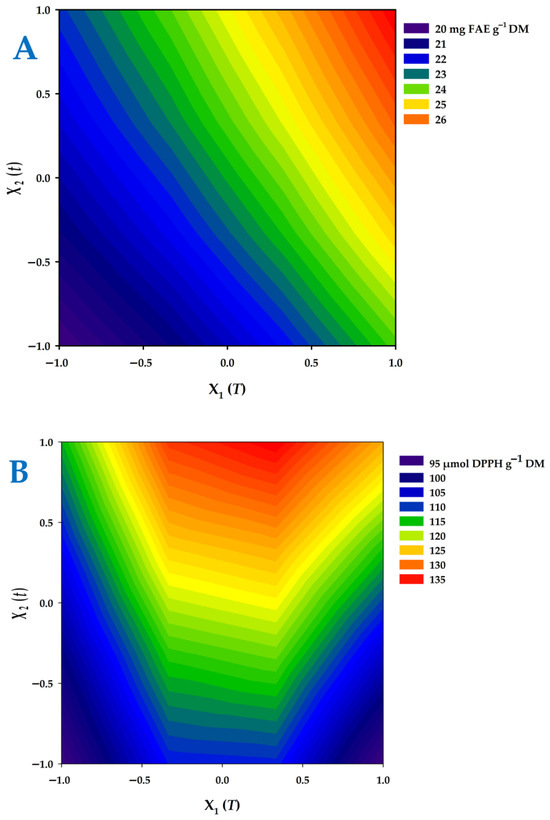
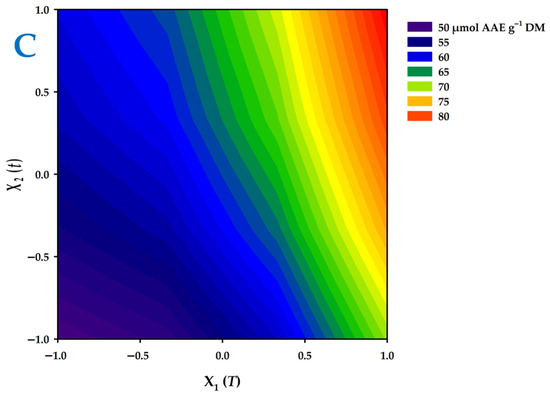
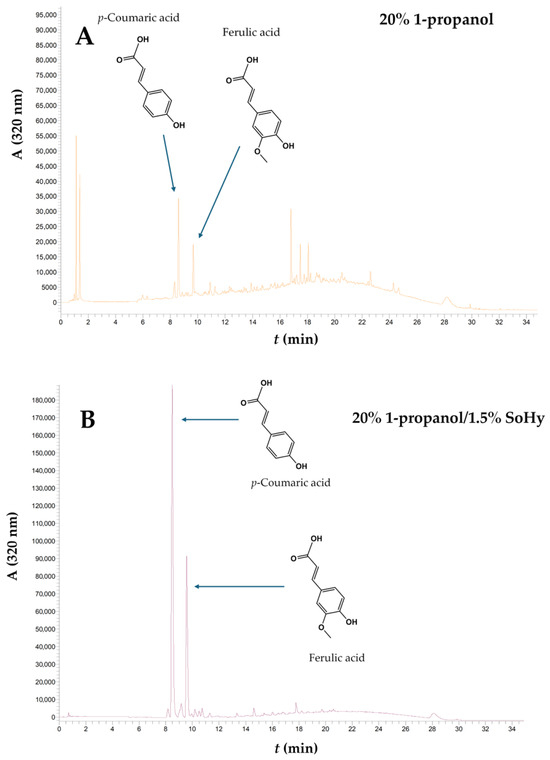
The examination presented herein aimed at developing a benign alkali-catalyzed organosolv treatment for efficacious recovery of antioxidant hydroxycinnamates from wheat straw (WS), which is a widespread agricultural residue, rich in lignocellulosic material. After an initial screening of aqueous mixtures of various common alcohols, 20% (v/v) 1-propanol was selected as the most efficient solvent, while a following trial indicated 1.5% sodium hydroxide as the most appropriate catalyst concentration. Using this system (20% 1propanol/1.5% sodium hydroxide), WS treatment was investigated by carrying out polyphenol recovery kinetics, estimating the effect of severity and performing treatment optimization with response surface methodology. It was shown that the yield in total polyphenols and the ferric-reducing power of the extracts produced were highly correlated with treatment severity, but the antiradical activity was less so. Under optimized conditions, the treatment afforded a total polyphenol yield of 30.0 ± 1.7 mg ferulic acid equivalents g−1 dry WS mass, at 300 min and 80 °C. Analysis of the extracts obtained under optimized conditions with liquid chromatography–tandem mass spectrometry revealed the instrumental role of the alkali catalyst in liberating major bound hydroxycinnamates, namely p-coumaric acid and ferulic acid. The corresponding yields of these two compounds were 4.01 and 2.55 mg g−1 dry WS mass, suggesting WS as a promising source of high value-added phytochemicals, with a significant prospect in food, pharmaceutical and cosmetics industry.
Full article
(This article belongs to the Special Issue Biomass Derivatives: Green Pathways to Chemicals, Materials, and Energy)
►▼
Show Figures

Figure 1
Open AccessReview
Impact of Heavy Metal Sequestration During Phytoremediation of Textile Wastewater on Biogas Yield of Aquatic Plants: A Review
by
Kaizar Hossain, Sayanti Kar, Dipsita Hati, Arpita Ghosh, Sinjini Sengupta, Souvik Paul, Avik De and Abhishek RoyChowdhury
Biomass 2026, 6(3), 34; https://doi.org/10.3390/biomass6030034 - 28 Apr 2026
Abstract
►▼
Show Figures
The textile industry consumes a significant quantity of water and produces effluent containing water-soluble dyes and heavy metals such as Lead (Pb), Cadmium (Cd), Chromium (Cr), Copper (Cu), and Zinc (Zn), among others. Heavy metal contamination of water bodies and their impact on
[...] Read more.
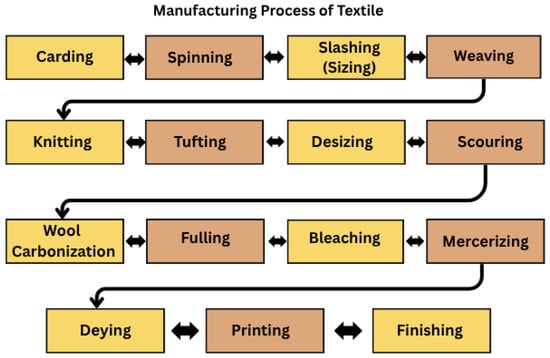
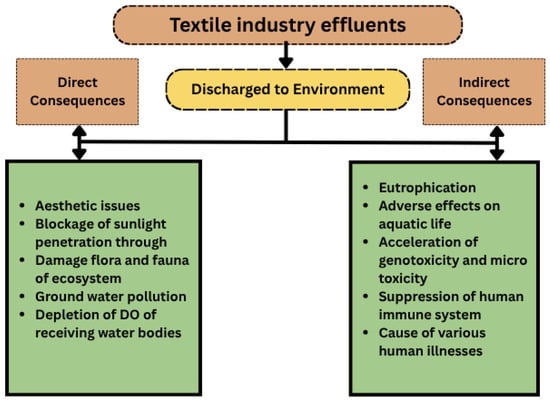
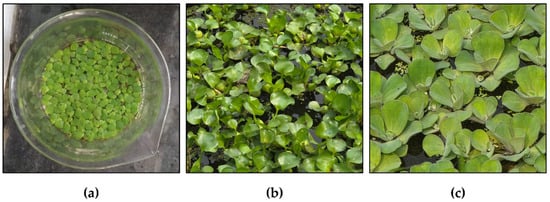
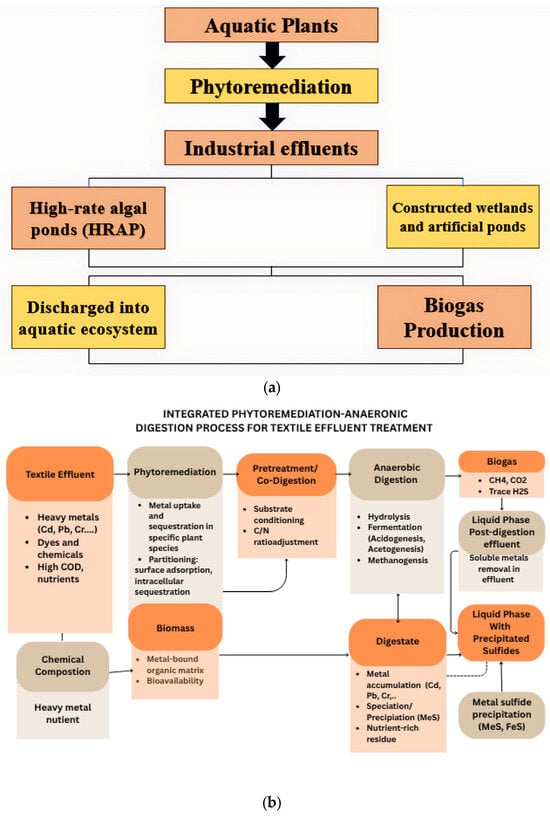
The textile industry consumes a significant quantity of water and produces effluent containing water-soluble dyes and heavy metals such as Lead (Pb), Cadmium (Cd), Chromium (Cr), Copper (Cu), and Zinc (Zn), among others. Heavy metal contamination of water bodies and their impact on aquatic life, as well as on human health, is of prime importance. This review examined the potential of phytoremediation, a low-cost and eco-friendly process for removing contaminants from textile effluent. This review also investigated the impact of heavy metal toxicity on aquatic plants used for biogas production post phytoremediation application. This review evaluated textile effluent characteristics, efficiency evaluation of phytoremediation of textile wastewater, metal uptake mechanisms of aquatic plants, and anaerobic digestion processes with emphasis on Water hyacinth (Eichhornia crassipes), Duckweed (Lemna minor), and Water lettuce (Pistia stratiotes). The findings indicated that these aquatic plants possess immense potential for removing heavy metals and other impurities by employing phytoextraction and rhizofiltration methods. Their rapid growth rate makes them preferred candidates for anaerobic digestion. However, accumulation of heavy metals in plant tissues inhibits microbial activities during anaerobic digestion, resulting in fluctuations in biogas and methane production. Findings also showed that these aquatic plants are efficient in the removal of heavy metals in water while yielding considerable biomass that can be used to produce bioenergy through anaerobic digestion. However, the sequestration of heavy metals in plant biomass may affect the rate of methane generation efficiency. The findings of this review suggest that phytoremediation has promising potential for the recycling of textile wastewater and, when coupled with biogas production, contributes towards a circular bioeconomy, an approach that integrates closed-loop resource utilization with renewable biological systems to minimize waste.
Full article

Figure 1
Open AccessReview
Gasifier Stoves for Bioenergy Generation from Oil Palm Residues in Humid Tropical Regions of Mexico: A Review
by
Marco Antonio-Zarate, Lizeth Rojas-Blanco, Moises Moheno-Barrueta, Marcela Arellano-Cortaza, Ildefonso Zamudio-Torres and Erik Ramirez-Morales
Biomass 2026, 6(3), 33; https://doi.org/10.3390/biomass6030033 - 24 Apr 2026
Abstract
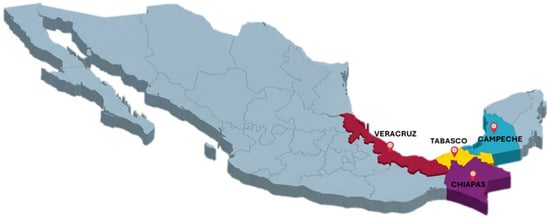
The growing demand for sustainable, decentralized energy solutions has heightened interest in biomass-based technologies for rural applications. In Mexico, the expansion of oil palm cultivation in humid tropical regions has generated large quantities of agro-industrial residues that remain largely underutilized. This review analyzes
[...] Read more.
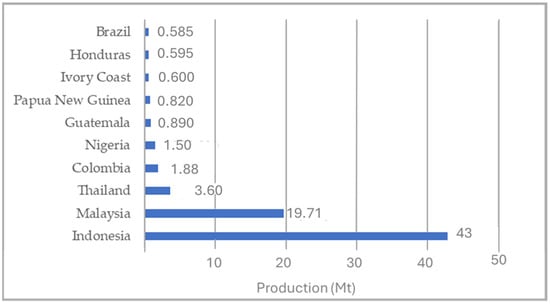
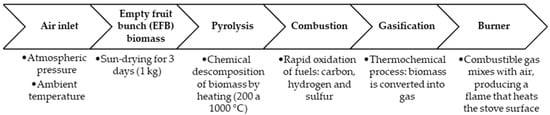
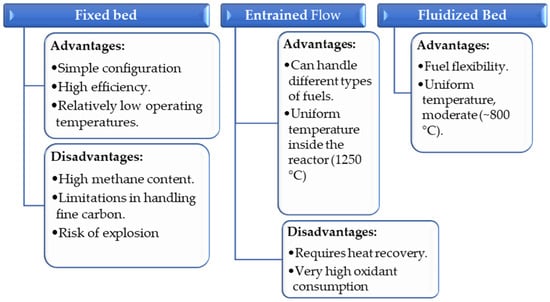
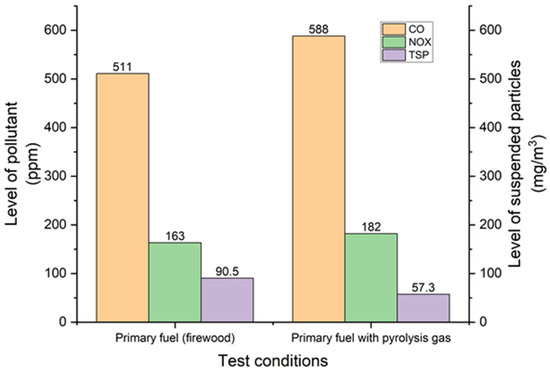
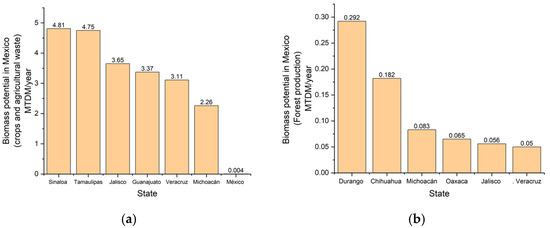
The growing demand for sustainable, decentralized energy solutions has heightened interest in biomass-based technologies for rural applications. In Mexico, the expansion of oil palm cultivation in humid tropical regions has generated large quantities of agro-industrial residues that remain largely underutilized. This review analyzes the potential of oil palm residues as feedstock for small-scale thermochemical conversion, with a particular focus on gasifier stove technologies. Key residues, including empty fruit bunches, mesocarp fiber, and palm kernel shells, exhibit favorable physicochemical properties, including adequate calorific values and high volatile matter content, which support their suitability for gasification processes. However, challenges related to moisture content, ash composition, and tar formation may affect system performance and require appropriate pre-treatment and operational control. Gasifier stoves, especially fixed-bed and top-lit updraft (TLUD) configurations, represent a viable solution for decentralized energy generation in rural settings, improving combustion efficiency and reducing emissions compared to traditional biomass use. Despite their potential, current bioenergy policies in Mexico remain primarily focused on large-scale biofuel production, limiting the deployment of small-scale technologies. Overall, oil palm residues constitute a promising feedstock for gasifier stove applications, although their successful implementation depends on feedstock optimization, appropriate stove design, and the development of policy frameworks that support decentralized bioenergy systems.
Full article
(This article belongs to the Topic Biomass for Energy, Chemicals and Materials)
►▼
Show Figures

Figure 1
Open AccessReview
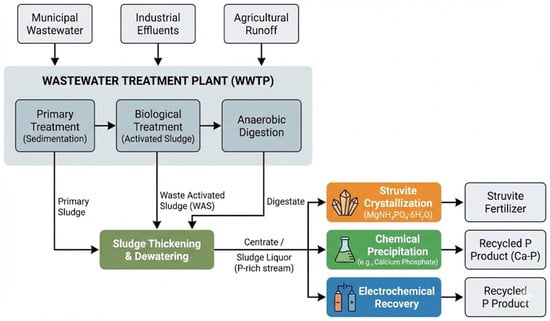
Phosphorus Recovery from Wastewater in the Circular Economy: Focus on Struvite Crystallization
by
Gergana Peeva
Biomass 2026, 6(2), 32; https://doi.org/10.3390/biomass6020032 - 17 Apr 2026
Abstract
►▼
Show Figures
Phosphorus is an essential and finite resource critical for global food production, yet its inefficient use and discharge from wastewater systems contribute to eutrophication and resource depletion. The transition from conventional wastewater treatment plants to water resource recovery facilities has intensified interest in
[...] Read more.
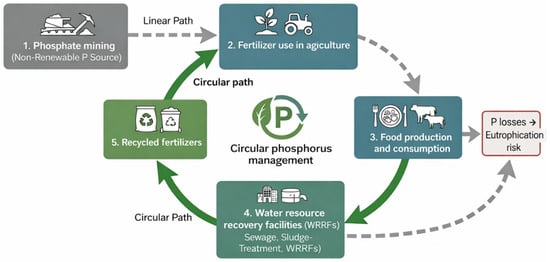
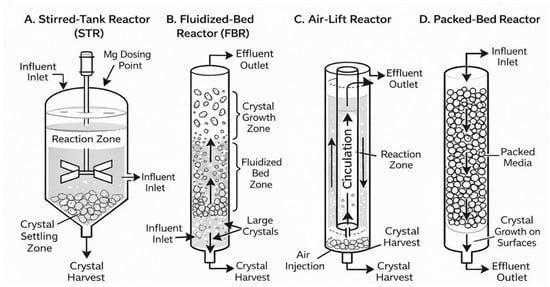
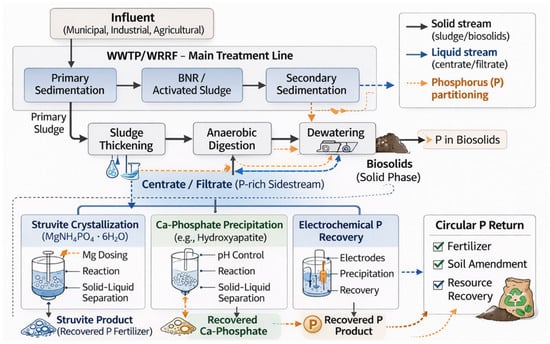
Phosphorus is an essential and finite resource critical for global food production, yet its inefficient use and discharge from wastewater systems contribute to eutrophication and resource depletion. The transition from conventional wastewater treatment plants to water resource recovery facilities has intensified interest in technologies that enable phosphorus recovery within a circular economy framework. This review provides a critical and up-to-date synthesis of phosphorus recovery strategies from wastewater, with primary emphasis on struvite (MgNH4PO4·6H2O) crystallization as one of the most mature and practically implemented recovery routes. The occurrence and chemical forms of phosphorus in wastewater streams are discussed alongside conventional approaches, such as enhanced biological phosphorus removal and chemical precipitation, in order to position struvite recovery within the broader phosphorus management landscape. In addition to struvite crystallization, selected competing and complementary recovery pathways, including electrochemical systems, biochar-assisted processes, and sludge ash recovery, are discussed to compare technological maturity, recovery potential, and practical applicability. Particular attention is given to reactor configurations, full-scale applications, and commercial technologies to assess operational reliability, recovery performance, and fertilizer product quality. Life-cycle assessment results and regulatory developments are also discussed to contextualize sustainability claims, technology selection, and market integration. The review identifies key technical and economic challenges, particularly regarding magnesium supply, competing ions, wastewater matrix effects, and the feasibility of mainstream application. Overall, controlled sidestream struvite crystallization appears to offer the most favorable balance between recovery efficiency, operational reliability, and fertilizer product quality under suitable plant conditions.
Full article

Figure 1
Open AccessArticle
Experimental Design and Life Cycle Assessment of Biomass Briquettes from Melinjo Shell, Tobacco Stem, and Cacao Shell
by
Sri Hartini, Diana Puspita Sari, Didik Nurhardiyanto, Muhammad Hisjam, Benedictus Devin Ardityawan and Dhanius Ari Sandi
Biomass 2026, 6(2), 31; https://doi.org/10.3390/biomass6020031 - 16 Apr 2026
Abstract
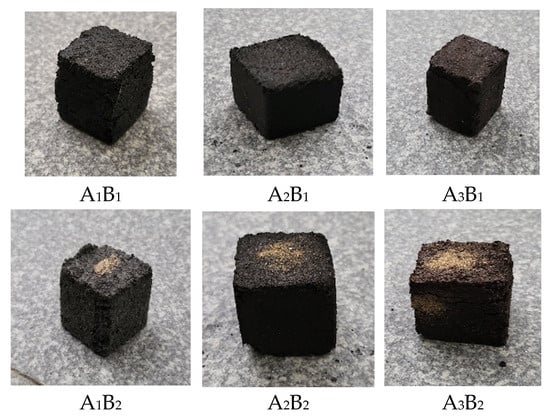
Indonesia, particularly Central Java, generates substantial amounts of agricultural biomass residues, including melinjo shells, tobacco stalks, and cacao shells, which remain underutilized for energy applications. This study addresses the limited scientific evidence on the fuel properties and environmental performance of these residues by
[...] Read more.
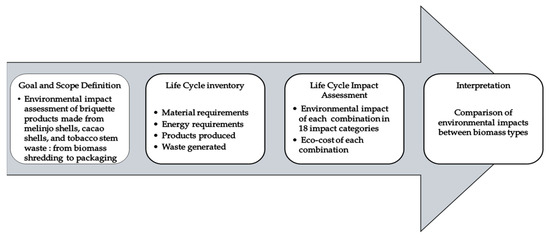
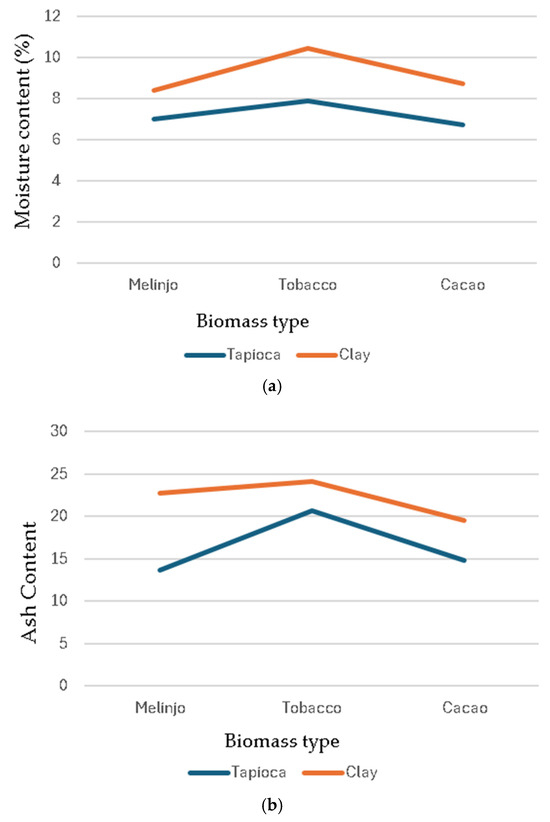
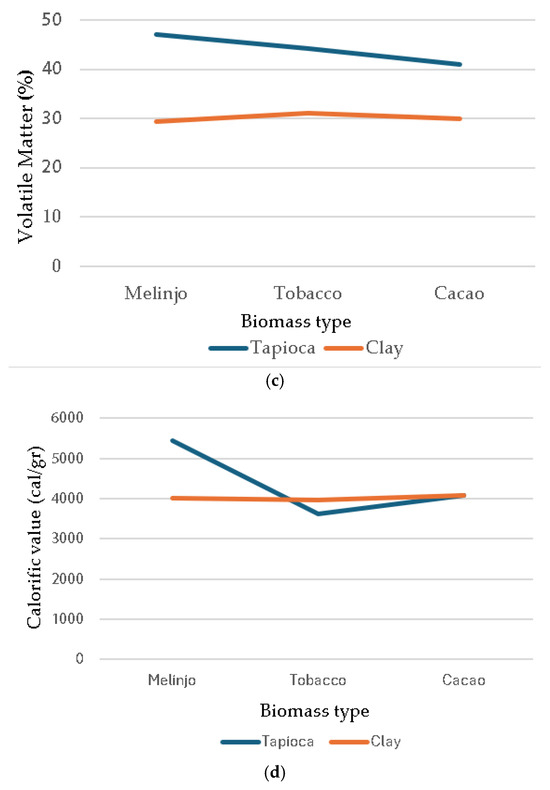
Indonesia, particularly Central Java, generates substantial amounts of agricultural biomass residues, including melinjo shells, tobacco stalks, and cacao shells, which remain underutilized for energy applications. This study addresses the limited scientific evidence on the fuel properties and environmental performance of these residues by systematically evaluating their suitability as briquette feedstocks. A factorial experimental design was applied using three biomass types and two binders (tapioca starch and clay). The produced briquettes were characterized for moisture content, ash content, volatile matter, and higher heating value according to the Indonesian National Standard (SNI 01-6235-2000), and their environmental performance was assessed using a Life Cycle Assessment (LCA) approach to estimate associated environmental costs. The results indicate that briquettes made from melinjo shells with tapioca starch binder exhibited the most favorable performance, achieving a moisture content of 7.01%, ash content of 13.58%, volatile matter of 47.15%, and a calorific value of 5453.43 cal g−1. However, the ash and volatile matter contents exceeded the recommended limits for solid biofuels. These findings demonstrate that melinjo shells are a promising feedstock for briquette production due to their relatively high energy content, while further improvements in carbonization conditions and reductions in binder proportion are required to enhance fuel quality and environmental performance.
Full article
(This article belongs to the Topic Biomass for Energy, Chemicals and Materials)
►▼
Show Figures

Figure 1

Open AccessArticle
Olive Pomace-Based Nanobiochar as an Adsorbent Biomass for the Removal of Simple Phenols from Oil Mill Effluents: Experimental Modeling and Computational Approaches
by
Rania Abbi, Alexander Mikhalev, Meryem Achira, Ayoub Ainane, Aise Deliboran, Ayla Mumcu, Khadija Oumaskour, Tarik Ainane and Rafail Isemin
Biomass 2026, 6(2), 30; https://doi.org/10.3390/biomass6020030 - 14 Apr 2026
Cited by 1
Abstract
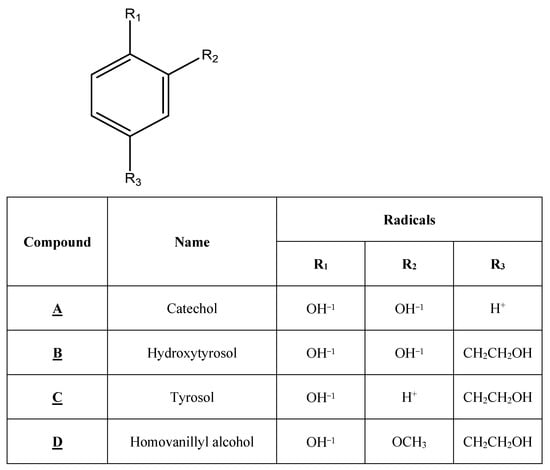
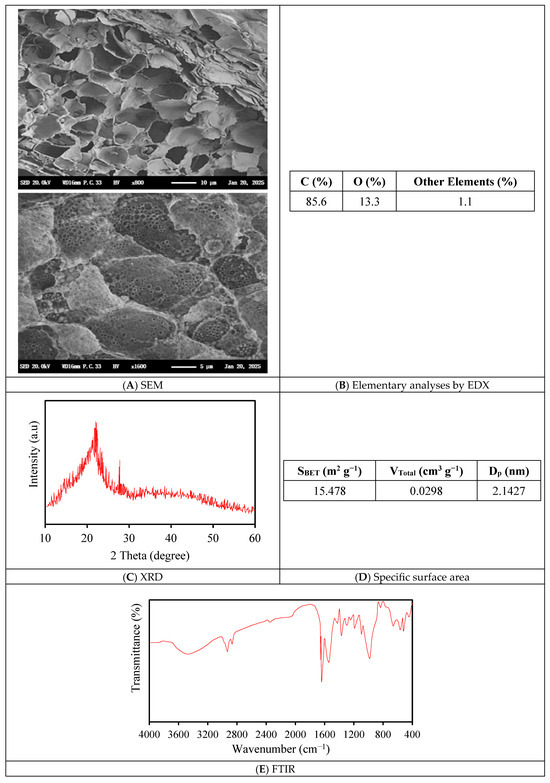
This study evaluated the sustainability of removing phenolic compounds from olive mill effluents using a nanobiochar synthesized from olive pomace. Catechol, tyrosol, hydroxytyrosol, and homovanillic alcohol were chosen as model pollutants due to their presence in agro-industrial wastewater. The surface morphology, elemental composition,
[...] Read more.
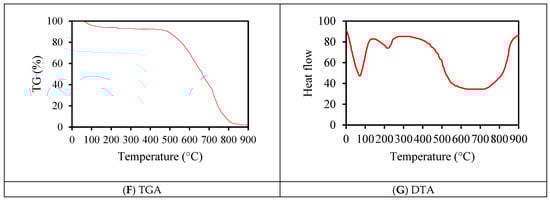
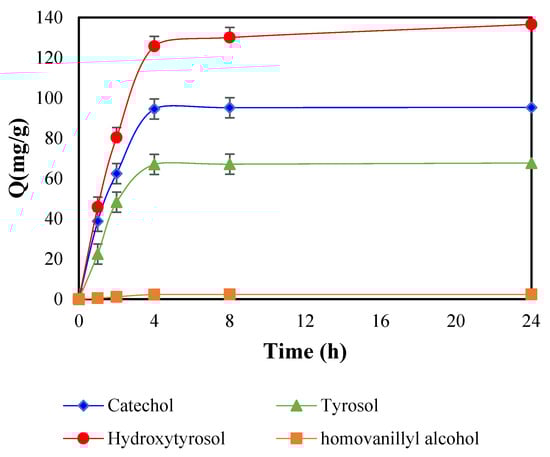
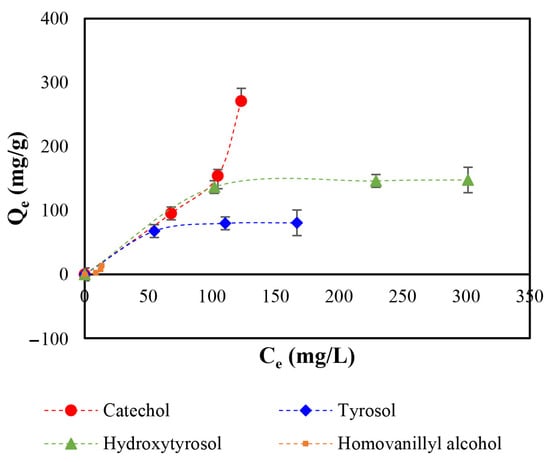
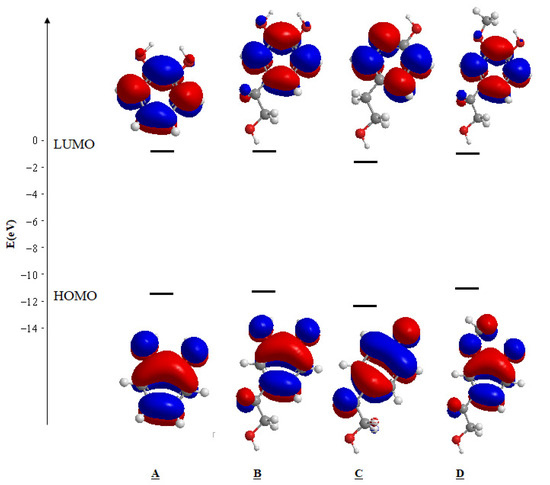
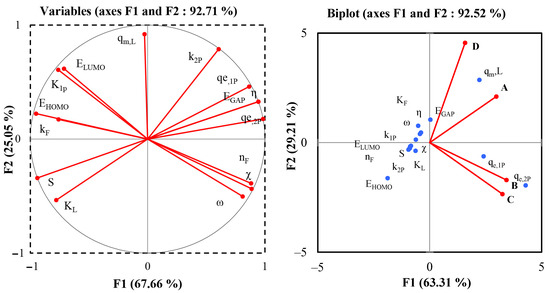
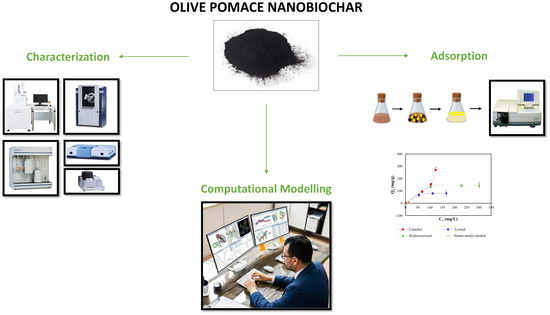
This study evaluated the sustainability of removing phenolic compounds from olive mill effluents using a nanobiochar synthesized from olive pomace. Catechol, tyrosol, hydroxytyrosol, and homovanillic alcohol were chosen as model pollutants due to their presence in agro-industrial wastewater. The surface morphology, elemental composition, crystallographic structure, functional groups, porosity, and thermal stability of the nanobiochar were investigated by SEM, EDX, XRD, FTIR, BET analysis, and TGA/DTA. The developed nanobiochar exhibited a predominantly amorphous carbon structure, enriched in carbon (85.6%), with localized graphitic domains. Its mesoporous architecture (SBET = 15.478 m2 g−1; Dp = 2.14 nm) promotes accessibility to active sites, while its thermal stability confirmed its suitability for adsorption applications. In this batch adsorption study, the technological aspect considered is the influence of operating parameters on adsorption efficiency, using kinetic and equilibrium models. Pseudo-first-order and pseudo-second-order kinetic models, as well as Freundlich and Langmuir isotherms, were used to analyze the experimental data. The pseudo-second-order model proved to be the most suitable for describing adsorption, suggesting that the process is primarily dominated by chemisorption. Similarly, the Langmuir model gave the least satisfactory results regarding equilibrium data, indicating monolayer adsorption on homogeneous active sites. The adsorption capacity of phenolic compounds was variable. The highest adsorption capacities were observed for catechol (250 mg g−1), tyrosol (19.23 mg g−1), homovanillic alcohol (15.38 mg g−1), and hydroxytyrosol (13.16 mg g−1). The results of this research indicate that adsorption affinity depends on molecular structure and electronic properties. Furthermore, computer modeling based on molecular simulations and electronic descriptors was performed to explain the adsorption mechanism. Linear regression, principal component analysis, and elastic regression revealed strong correlations between adsorption parameters and molecular descriptors. These results demonstrate that olive pomace-based nanobiochar is an environmentally friendly adsorbent for the treatment of phenolic effluents, with adsorption primarily controlled by surface interactions.
Full article
(This article belongs to the Special Issue Biochar and the Circular Bioeconomy: Innovations in Biomass Utilisation)
►▼
Show Figures

Graphical abstract
Open AccessArticle
Magnetic Immobilization as a Tool for Efficient Recycling of Biocatalysts in Solid-Rich Medium During Consolidated Bioprocessing of Sugarcane Bagasse
by
Márcio D. N. Ramos, João Pedro M. Souza, Johan M. Thevelein, José Renato Guimarães and Thais S. Milessi
Biomass 2026, 6(2), 29; https://doi.org/10.3390/biomass6020029 - 10 Apr 2026
Abstract
►▼
Show Figures
Consolidated Bioprocessing (CBP) is a promising technology that integrates enzyme production, biomass hydrolysis, and sugars fermentation. However, CBP is underexplored from a process engineering point of view. Considering that cell recycling can increase process economic viability and that the selection of a bioreactor
[...] Read more.
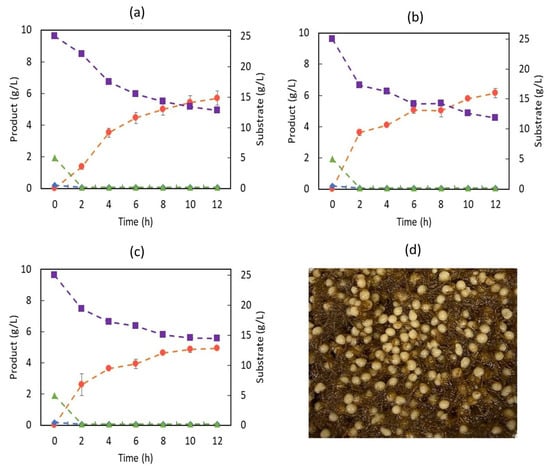
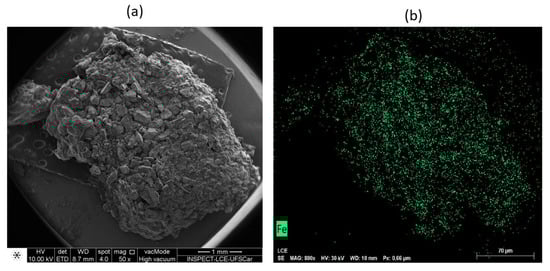
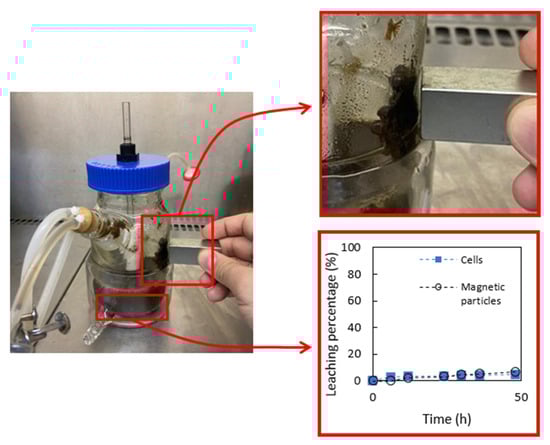
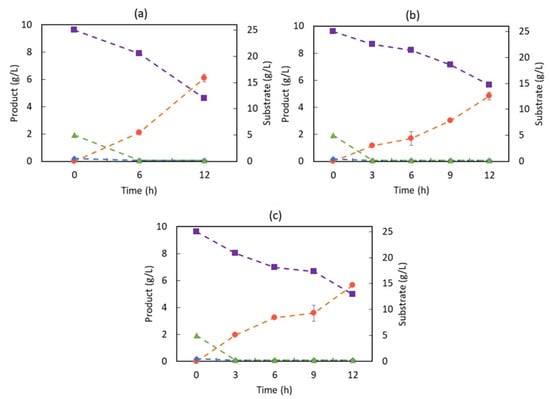
Consolidated Bioprocessing (CBP) is a promising technology that integrates enzyme production, biomass hydrolysis, and sugars fermentation. However, CBP is underexplored from a process engineering point of view. Considering that cell recycling can increase process economic viability and that the selection of a bioreactor is a key factor to ensure process effectiveness, this study demonstrates the feasibility of recycling cells during sugarcane bagasse CBP by using magnetic immobilized enzyme producer yeast and a low shear stress vortex flow bioreactor. In the first step, Ca-alginate immobilized strains achieved good productivities (0.48 g/L/h) and 5.7 g/L of ethanol in only 12 h, but cell recovery was hindered by residual solids. To overcome this limitation, magnetic particles were incorporated into the spheres, allowing for rapid post-fermentation, maintaining ethanol production and productivity (6.1 g/L and 0.51 g/L/h). Three repeated batches were successful performed (producing an average of 5.5 g/L of ethanol, 0.46 g/L/h) with complete cell recovery from the remaining solid after biomass hydrolysis, maintaining high cell viability and bead integrity, highlighting the robustness of the immobilization strategy and the suitability of the bioreactor for the process. The successful cell recovery accomplished overcomes a fundamental limitation of bioprocesses carried out in the presence of solids. This strategy represents an important step for biorefineries development, with potential applicability to other bioprocesses using solid substrates.
Full article

Figure 1
Open AccessArticle
Incorporation of Lignin Binder from Agricultural Waste to Enhance Sustainability and Performance of Asphalt Pavements
by
Joan G. Lynam, Nazimuddin Wasiuddin, Mostafa A. Elseifi, Syed Ashik Ali, Musharraf Zaman, Md Reazul Islam, Nafisa Tarannum and Kenneth Hobson
Biomass 2026, 6(2), 28; https://doi.org/10.3390/biomass6020028 - 8 Apr 2026
Abstract
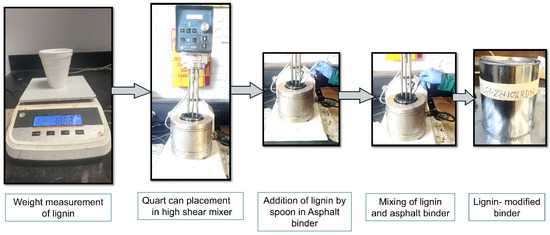
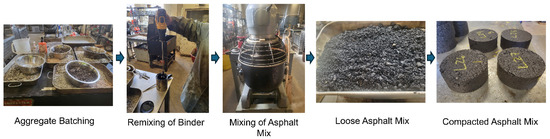
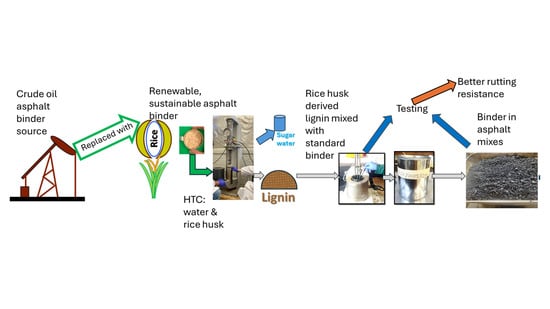
Utilizing lignin from agricultural wastes as a partial replacement for asphalt binder used in pavement presents a sustainable option, as it is abundant in nature. The effects of the addition of lignin on the properties and performance of asphalt binder and asphalt mixes
[...] Read more.
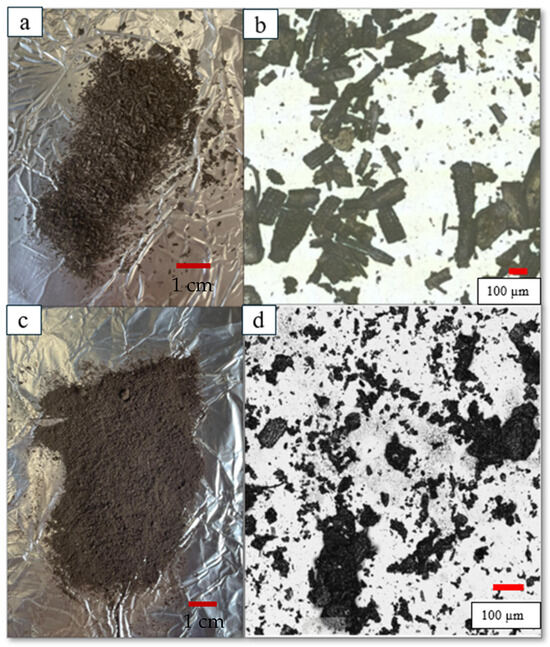
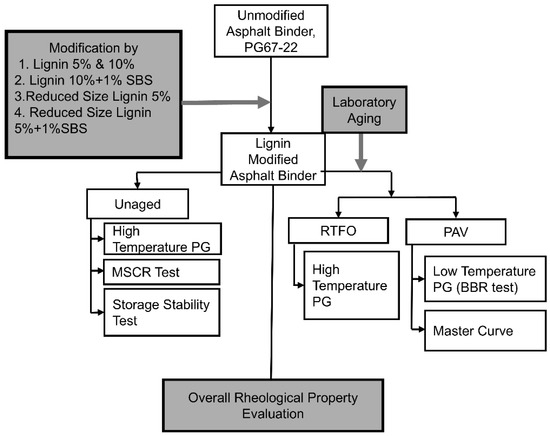
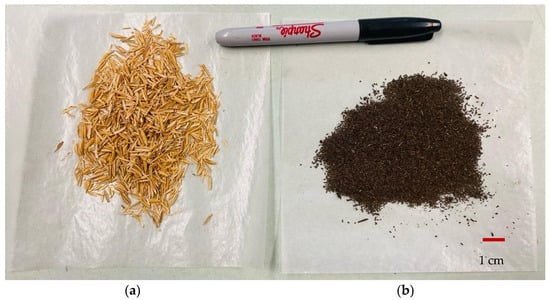
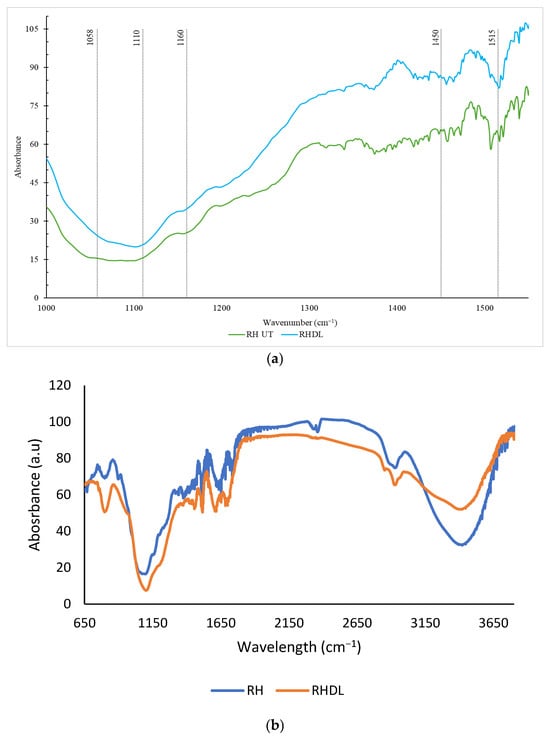
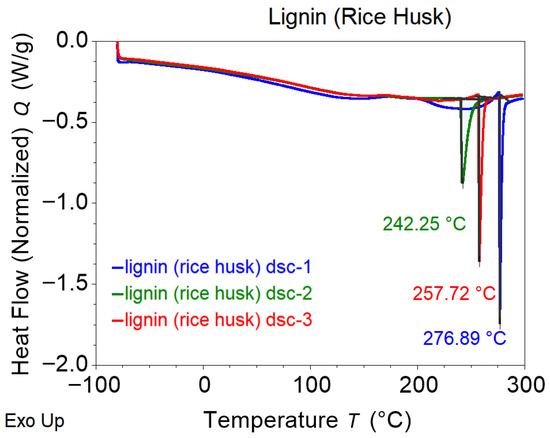
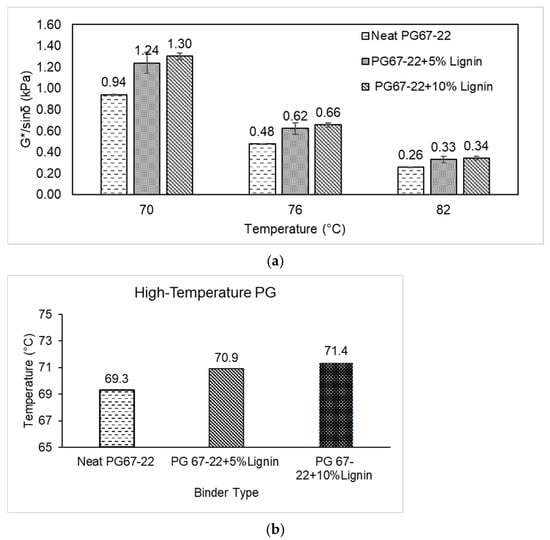
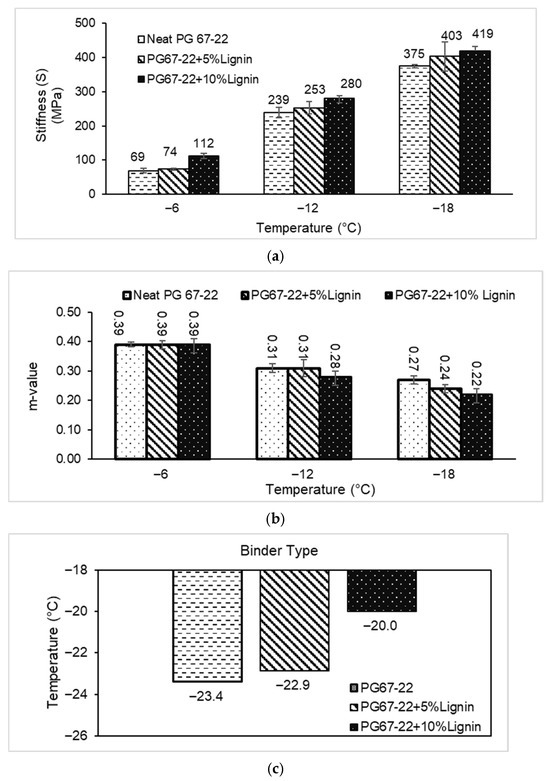
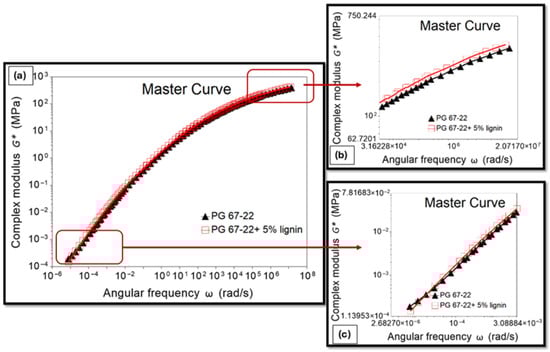
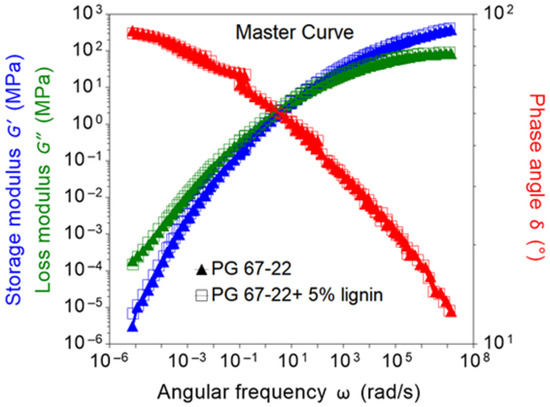
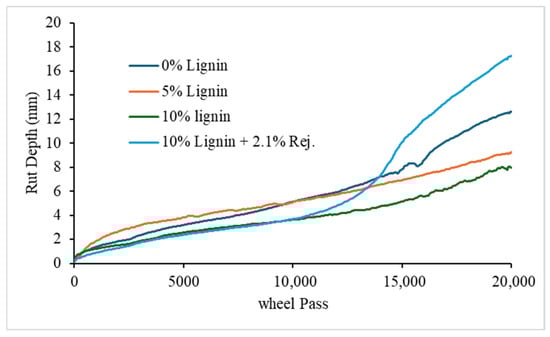
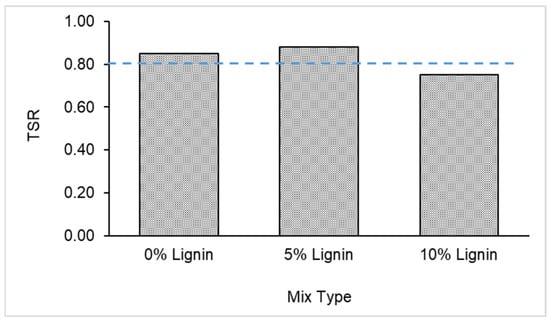
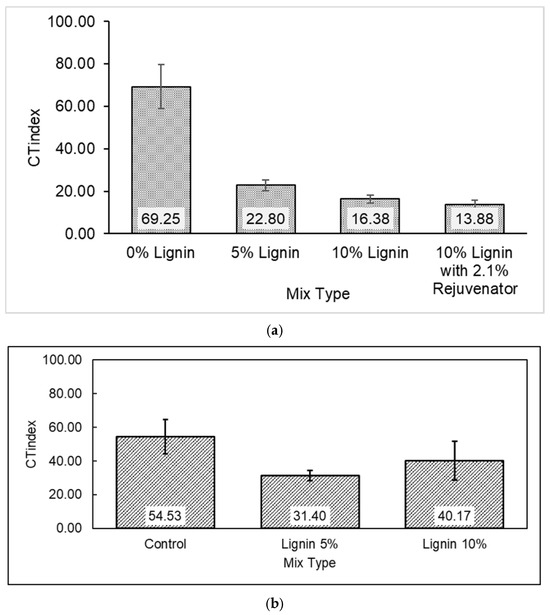
Utilizing lignin from agricultural wastes as a partial replacement for asphalt binder used in pavement presents a sustainable option, as it is abundant in nature. The effects of the addition of lignin on the properties and performance of asphalt binder and asphalt mixes were studied. Lignin was produced from rice husks, using a hydrothermal carbonization (HTC) treatment process. The rice husk-derived lignin was then mixed with a PG 67-22 binder at 0%, 5% and 10% of the mass of the total binder. The HTC treatment of rice husks at 250 °C created a powdery substance with an increased acid-insoluble lignin content and a reduced cellulose and hemicellulose content. The addition of 10% lignin was found to produce an unstable modified binder due to phase separation between the lignin and binder, thus requiring continuous stirring before use. Asphalt mixes prepared with 5% lignin exhibited better moisture-induced damage resistance compared to the control mix. Also, an improved rutting resistance of asphalt mixes was observed with the use of a lignin-modified binder. Lignin from rice husks may constitute a sustainable partial substitute for a crude-oil-based binder.
Full article
(This article belongs to the Special Issue Recent Advances in Thermochemical Conversion of Biomass and Waste to Fuels, Chemicals and Materials)
►▼
Show Figures

Graphical abstract
Highly Accessed Articles
Latest Books
E-Mail Alert
News
Topics
Topic in
Biomass, Fermentation, Microbiology Research, Microorganisms
The Utilization of Non-Grain Biomass Resources
Topic Editors: Shilei Wang, Yafan CaiDeadline: 31 October 2026
Topic in
Biomass, Catalysts, Energies, Processes, Sustainability, Molecules
Advanced Bioenergy and Biofuel Technologies
Topic Editors: Jiho Yoo, Hokyung ChoiDeadline: 31 December 2026
Topic in
Energies, Catalysts, Applied Sciences, Processes, Biomass
Advances in Biomass and Bioenergy
Topic Editors: Rocio Maceiras, Leticia Pérez-Rial, Milena A. VegaDeadline: 30 April 2027
Topic in
Biomass, Catalysts, Energies, Molecules, Processes
Advanced Biomass Pretreatment and Bioconversion in Biofuels and Bioproducts Production
Topic Editors: Dawid Mikulski, Santhosh Pillai, Cristiano E.R. ReisDeadline: 10 May 2027
Conferences
Special Issues
Special Issue in
Biomass
Biomass Derivatives: Green Pathways to Chemicals, Materials, and Energy
Guest Editors: Yongsheng Guo, Guijin HeDeadline: 31 August 2026
Special Issue in
Biomass
Recent Advances in Thermochemical Conversion of Biomass and Waste to Fuels, Chemicals and Materials
Guest Editors: Fabrizio Scala, Paola Brachi, Antonio Coppola, Massimo UrciuoloDeadline: 20 September 2026
Special Issue in
Biomass
Biochar and the Circular Bioeconomy: Innovations in Biomass Utilisation
Guest Editors: Kaveh Khalilpour, Andrew HoadleyDeadline: 20 September 2026
Special Issue in
Biomass
Catalysts for Biomass Valorization: Trends, Challenges, and Opportunities
Guest Editors: Fabio Barboza Passos, Thiago de Melo LimaDeadline: 31 December 2026