Journal Description
Ceramics
Ceramics
is an international, peer-reviewed, open access journal of ceramics science and engineering, published monthly online by MDPI.
- Open Access— free for readers, with article processing charges (APC) paid by authors or their institutions.
- High Visibility: indexed within Scopus, ESCI (Web of Science), and other databases.
- Journal Rank: JCR - Q2 (Materials Science, Ceramics) / CiteScore - Q2 (Materials Science (miscellaneous))
- Rapid Publication: manuscripts are peer-reviewed and a first decision is provided to authors approximately 20.4 days after submission; acceptance to publication is undertaken in 2.8 days (median values for papers published in this journal in the second half of 2025).
- Recognition of Reviewers: reviewers who provide timely, thorough peer-review reports receive vouchers entitling them to a discount on the APC of their next publication in any MDPI journal, in appreciation of the work done.
Impact Factor:
2.0 (2024);
5-Year Impact Factor:
2.3 (2024)
Latest Articles
Durability Assessment of Self-Compacting Sand Concrete Incorporating Windshield Glass Aggregate Under Extreme Environmental Conditions: High Temperature and Freeze–Thaw Cycling
Ceramics 2026, 9(6), 59; https://doi.org/10.3390/ceramics9060059 - 1 Jun 2026
Abstract
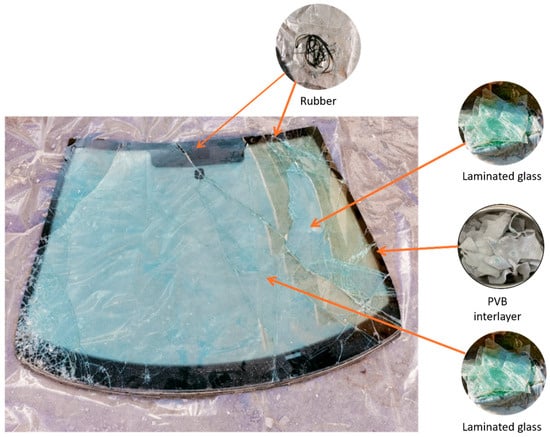
This study evaluates the durability of Self-Compacting Sand Concrete (SCSC) incorporating Windshield Glass Aggregate (WGA) as a sustainable replacement for natural sand, utilizing Blast Furnace Slag (BFS) as a constant filler component. Eleven mixtures were investigated: a control mix and ten variants with
[...] Read more.
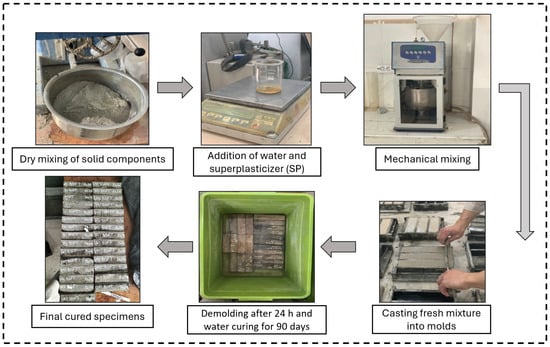
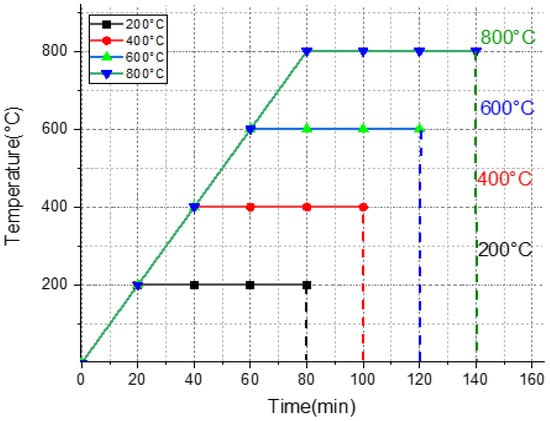
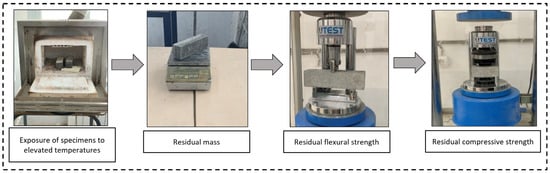
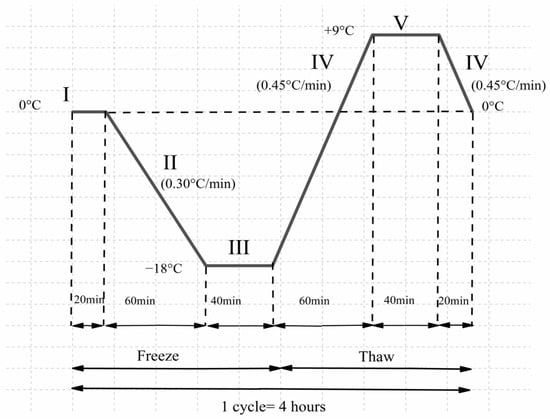
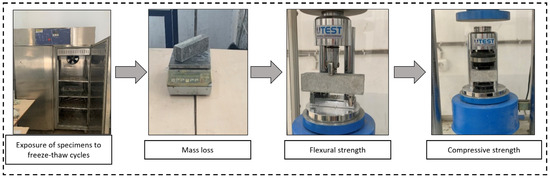
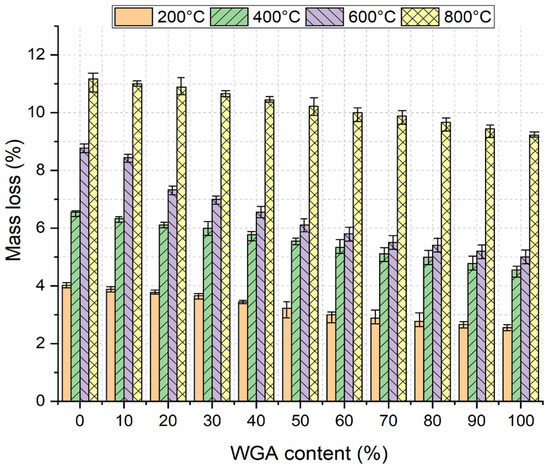
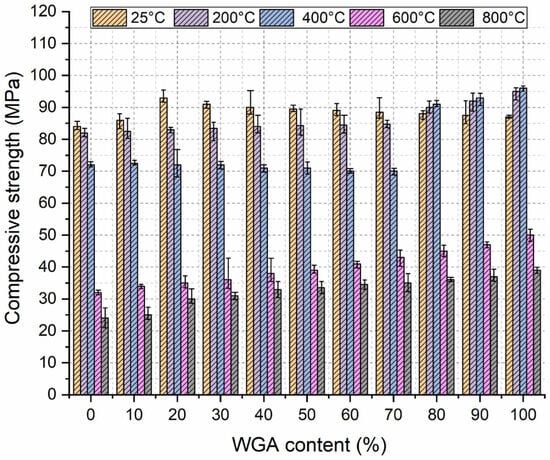
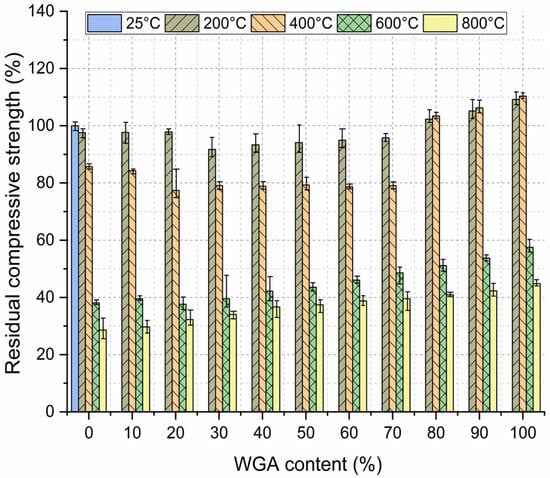
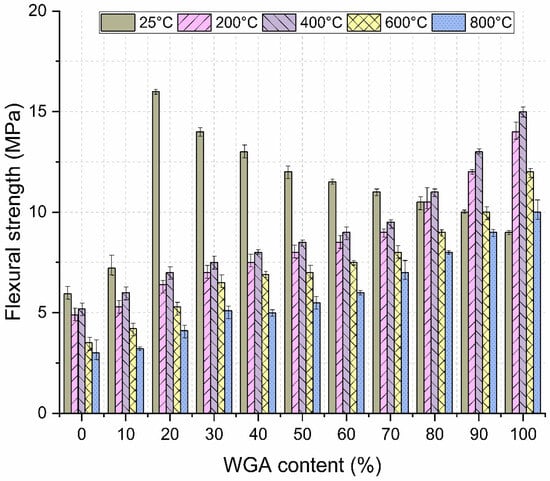
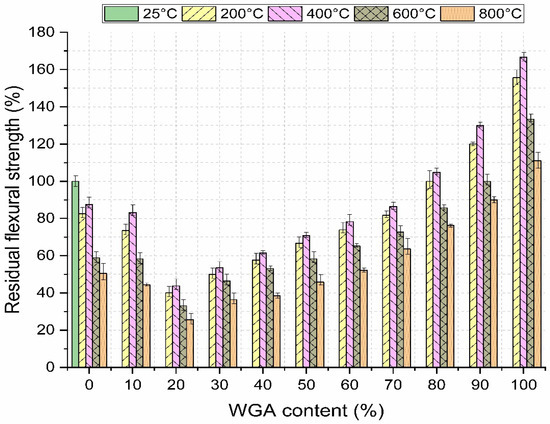
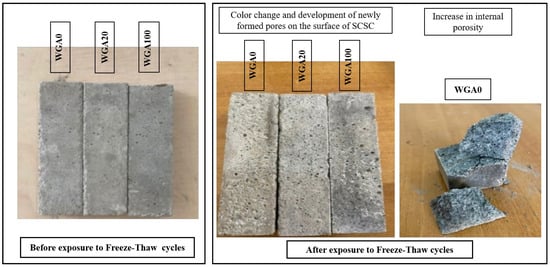
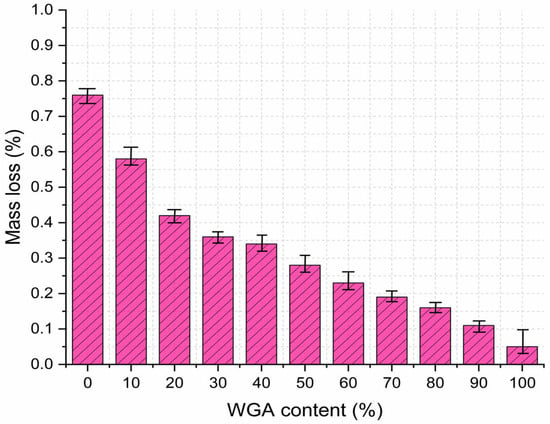
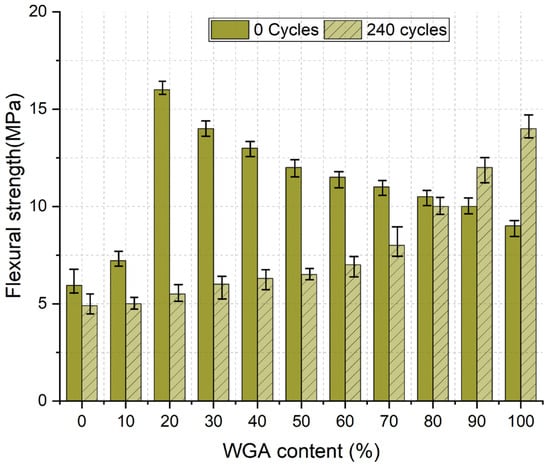
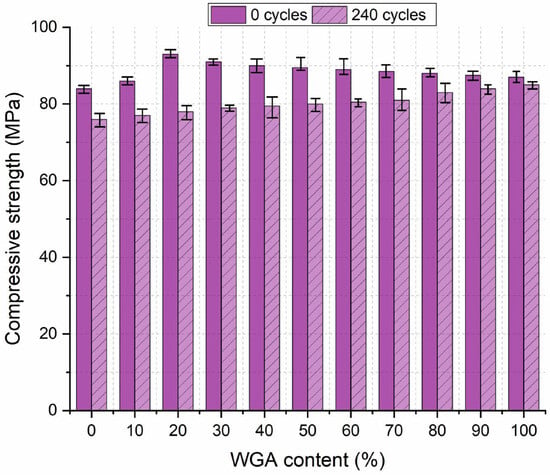
This study evaluates the durability of Self-Compacting Sand Concrete (SCSC) incorporating Windshield Glass Aggregate (WGA) as a sustainable replacement for natural sand, utilizing Blast Furnace Slag (BFS) as a constant filler component. Eleven mixtures were investigated: a control mix and ten variants with WGA substitution levels ranging from 10% to 100% in 10% increments. The specimens were exposed to elevated temperatures of 200–800 °C and to 240 freeze–thaw cycles between −18 °C and +9 °C. Under heating, mass loss increased with temperature, but WGA-rich mixtures generally showed lower mass loss and higher residual mechanical performance than the control. At 400 °C, WGA100 reached about 96 MPa in compressive strength and 15 MPa in flexural strength, corresponding to residual values of approximately 110.34% and 166.7%, respectively. After freeze–thaw cycling, all mixtures showed limited surface deterioration and mass loss below 1%, decreasing from about 0.76% for the control mixture to about 0.05% for WGA100. The improved durability is mainly attributed to the physical effect of WGA replacement and the baseline matrix refinement associated with BFS.
Full article
(This article belongs to the Special Issue Ceramics in the Circular Economy for a Sustainable World, 2nd Edition)
►
Show Figures
Open AccessArticle
Synergistic Effects of Mg2Si-YH2 Composite Additives on the Microstructure and Properties of Silicon Nitride Ceramics
by
Zizheng Cai, He Ma, Kun Tian, Feng Sun, Lijuan Zhou and Shuang Li
Ceramics 2026, 9(6), 58; https://doi.org/10.3390/ceramics9060058 - 29 May 2026
Abstract
Sintering additives play a decisive role in the densification behavior, mechanical properties, and thermal conductivity of silicon nitride ceramics. In this study, Mg2Si and YH2 were used as sintering additives for gas pressure sintering of silicon nitride based on the
[...] Read more.
Sintering additives play a decisive role in the densification behavior, mechanical properties, and thermal conductivity of silicon nitride ceramics. In this study, Mg2Si and YH2 were used as sintering additives for gas pressure sintering of silicon nitride based on the synergistic mechanism of “silicide silicon extraction-hydride dehydrogenation”. The regulation rules of the additives on ceramic densification, mechanical properties, and thermal conductivity were systematically investigated. Two optimization strategies were proposed for the technical route of replacing traditional oxide additives with non-oxide systems. (i) Rare-earth hydride YH2 was used to replace traditional rare-earth oxides. It reacts with SiO2 to achieve strong deoxidation and precisely regulate the liquid phase composition. (ii) Metal silicide Mg2Si was used to replace metal oxides. It promotes the preferred growth of β-Si3N4 grains, consumes oxygen in the system, and reduces lattice defects. Mg2Si introduces Si into the liquid phase, increasing the Si/O ratio, which lowers lattice oxygen content and supports higher thermal conductivity. YH2 consumes SiO2 on the Si3N4 surface, which reduces liquid phase oxygen content and inhibits lattice oxygen incorporation, promoting a liquid phase with a high N/O ratio. Compared with traditional Y2O3, YH2 increases the Y2O3/SiO2 ratio in the liquid phase. It promotes grain growth, reduces SiO2 activity, and further improves the thermal conductivity of ceramics. Silicon nitride ceramics prepared by gas pressure sintering at 1750 °C with 3 wt.% Mg2Si and 4 wt.% YH2 composite additives exhibit the highest thermal conductivity of 87 W/(m·K), with a Vickers hardness of 14.36 GPa and a flexural strength of 643.15 MPa. This study provides an innovative idea for the preparation of high-performance silicon nitride heat dissipation substrates.
Full article
Open AccessArticle
Elastic Properties of Illite-Based Ceramics at Low Temperatures of Firing
by
Štefan Csáki, Tomáš Húlan, Anton Trník and Igor Štubňa
Ceramics 2026, 9(6), 57; https://doi.org/10.3390/ceramics9060057 - 29 May 2026
Abstract
Samples made from illitic clay were investigated using thermogravimetry (TG), thermodilatometry (TD) and dynamic mechanical analysis (DMA) during heating from room temperature to 300 °C. TG revealed three steps of mass loss: (a) the release of weakly bound H2O (with the
[...] Read more.
Samples made from illitic clay were investigated using thermogravimetry (TG), thermodilatometry (TD) and dynamic mechanical analysis (DMA) during heating from room temperature to 300 °C. TG revealed three steps of mass loss: (a) the release of weakly bound H2O (with the maximum rate at ~120 °C) from the pores, (b) a small mass loss event around 215 °C, (c) a small mass loss event near ~300 °C related to dehydration when H2O molecules located in K-free sites of the illite interlayers are removed. TD indicated very small dimension changes for 20 °C → 300 °C. This behavior may result from two competing mechanisms, where the first one is regular thermal expansion and the second one is particle rearrangement caused by the removal of physically bound water. Young’s modulus initially decreases during heating up to approximately 70 °C. Young’s modulus subsequently increases exponentially, which may be explained by mechanisms analogous to those observed in the TD measurements. The activation energies derived from the exponential dependence E(t) are 5.66 kJ/mol for the temperature interval 130–200 °C and 10.96 kJ/mol for the 200–280 °C range.
Full article
(This article belongs to the Special Issue Advances in Ceramics, 3rd Edition)
Open AccessArticle
The Effect of Doping Modification on the Piezoelectric Properties of Ba1−xCaxZr0.1Ti0.9−ySny Lead-Free Piezoelectric Ceramics
by
Zhiyong Yang, Shengxian Luo, An Xue, Fangfang Zeng, Yang Liao, Yang Li, Zhiyao Chu, Qibin Liu and Huaizhang Gu
Ceramics 2026, 9(6), 56; https://doi.org/10.3390/ceramics9060056 - 29 May 2026
Abstract
Lead-free piezoelectric ceramics have attracted substantial attention in environmental protection and energy storage applications due to their excellent performance. In this study, the Ba1−xCaxZr0.1Ti0.9−ySnyO3(BCZTS) lead-free piezoelectric ceramic system was
[...] Read more.
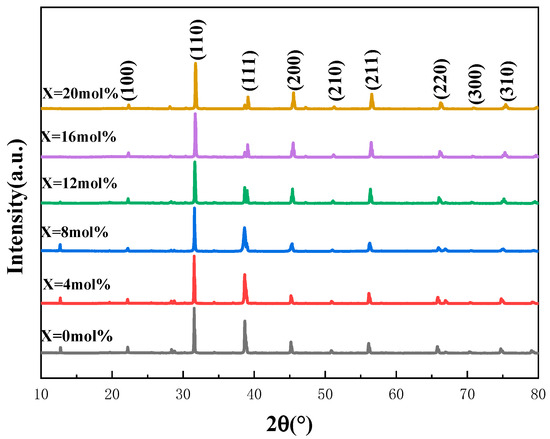
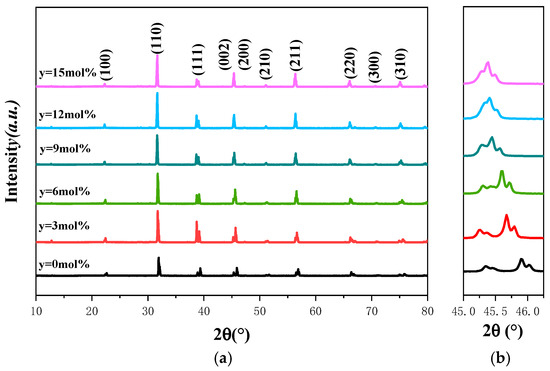
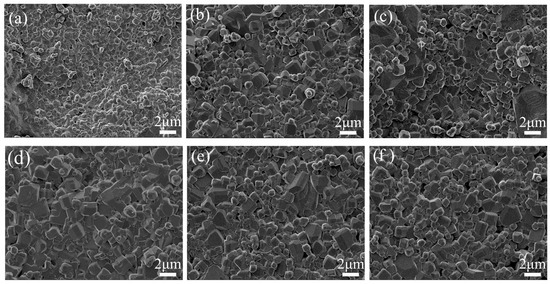
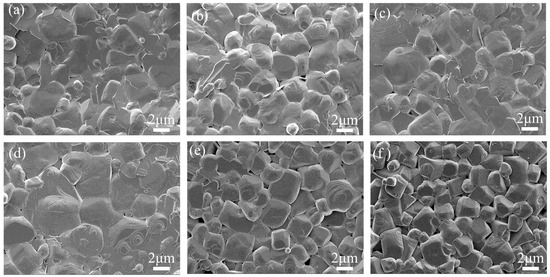
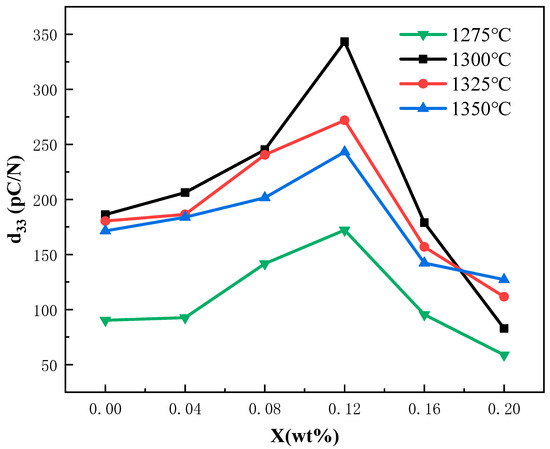
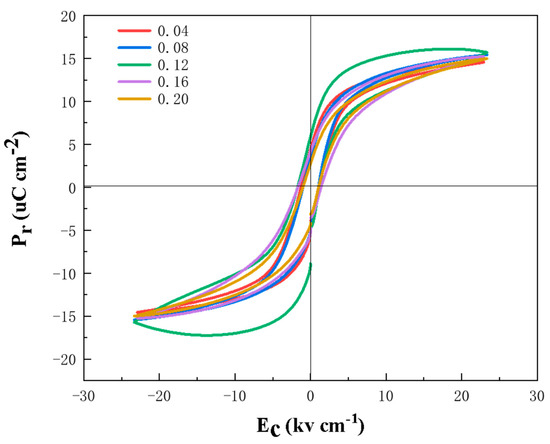
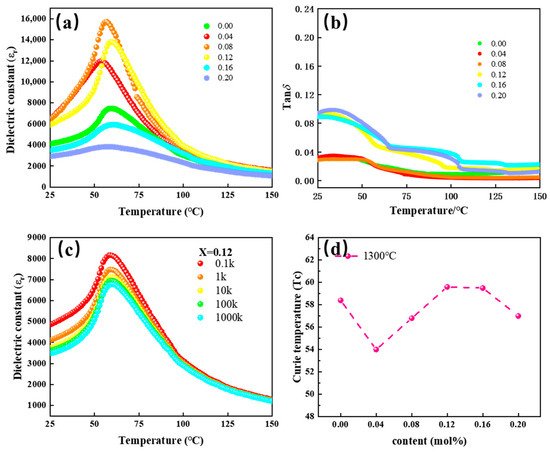
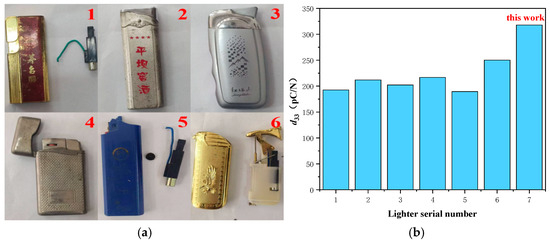
Lead-free piezoelectric ceramics have attracted substantial attention in environmental protection and energy storage applications due to their excellent performance. In this study, the Ba1−xCaxZr0.1Ti0.9−ySnyO3(BCZTS) lead-free piezoelectric ceramic system was synthesized. The effects of doping ratios of Ca and Sn, as well as sintering temperature, were systematically investigated on the phase structure, microstructure, and piezoelectric properties of BCZTS ceramics. The results showed that the Ba0.88Ca0.12Zr0.1Ti0.81Sn0.09 ceramics synthesized with a Ca doping content of x = 12 mol% and a Sn doping content of y = 9 mol % had a homogeneous phase structure with an Orthorhombic–Tetragonal (O-T) morphotropic phase boundary (MPB) and uniform grain size. At a sintering temperature of 1300 °C, the ceramics achieved optimal piezoelectric performance, with a piezoelectric coefficient d33 = 319 pC/N. These lead-free piezoelectric ceramics have superior properties compared to conventional lead-based piezoelectric ceramics in the local market, providing a novel and feasible way to replace lead-based ones in civilian applications.
Full article
(This article belongs to the Special Issue Advances in Electronic Ceramics, 2nd Edition)
►▼
Show Figures

Figure 1

Open AccessArticle
Green Synthesis of AgNP-Modified TiO2-Fe3O4 Magnetic Spheres for Aqueous Organic Pollutant Removal
by
José Adalberto Castillo-Robles, Rubí Maria Cobos-Ramos, Jesús Emmanuel López-Zúñiga, Eddie Nahúm Armendáriz-Mireles and Enrique Rocha-Rangel
Ceramics 2026, 9(6), 55; https://doi.org/10.3390/ceramics9060055 - 29 May 2026
Abstract
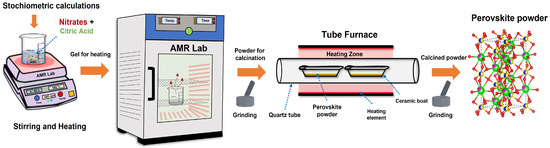
This work reports the synthesis, characterization, and photocatalytic performance of multifunctional spheres based on AgNP-doped TiO2-Fe3O4 embedded in an alginate–chitosan biopolymeric matrix for the removal of organic contaminants from water. The composite powders exhibited a nanocrystalline structure composed
[...] Read more.
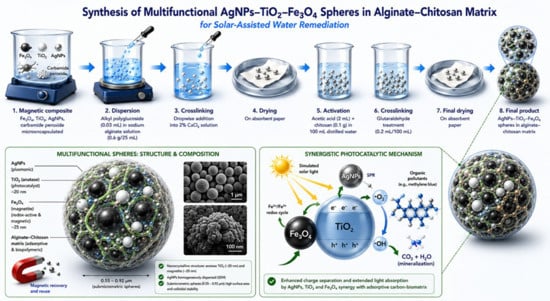
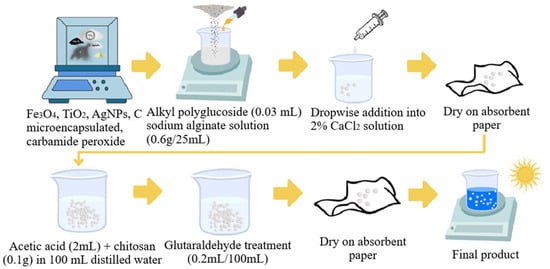
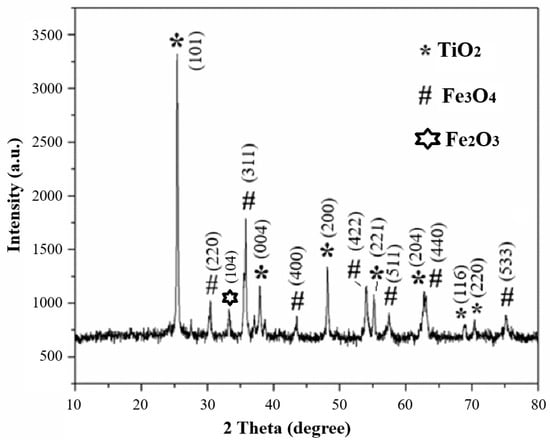
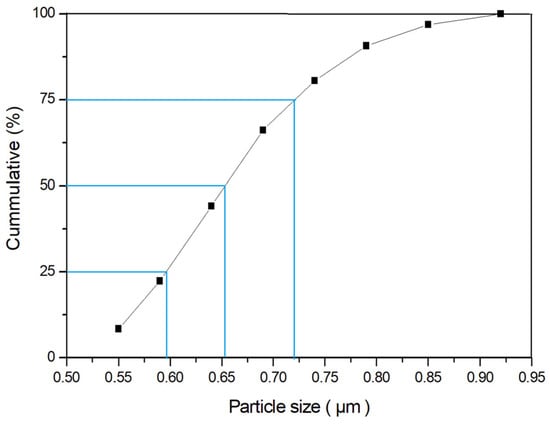
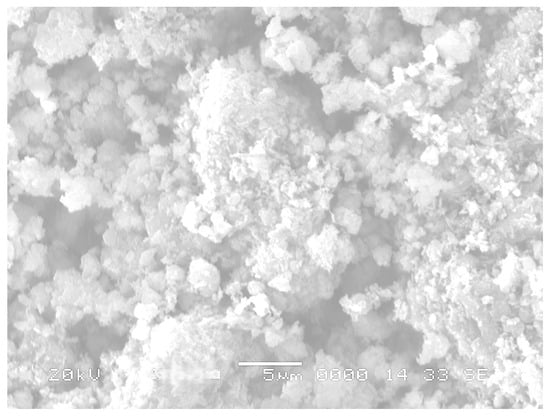
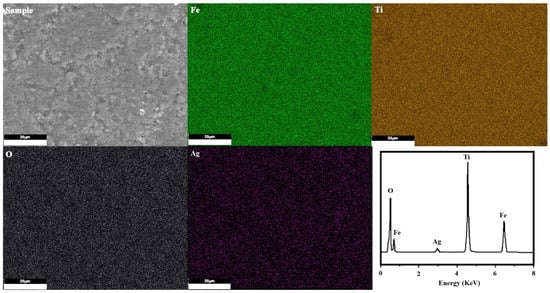
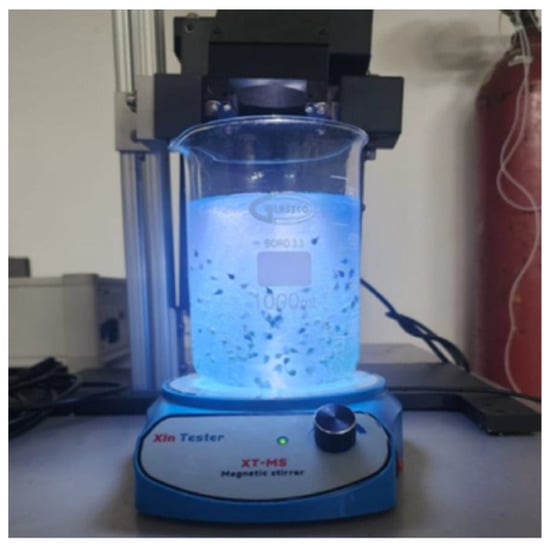
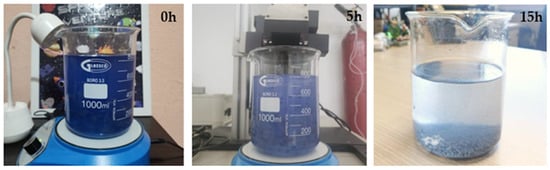
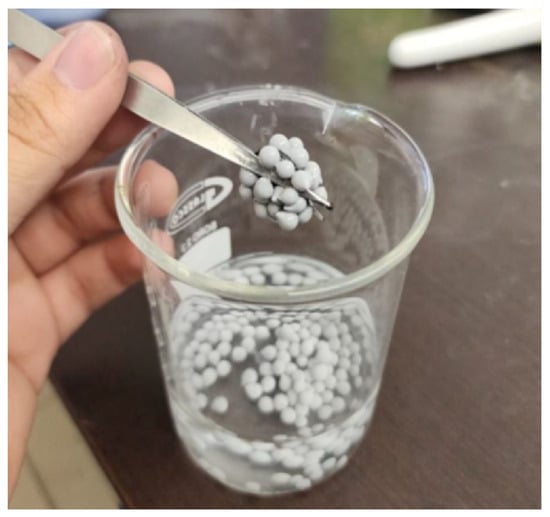
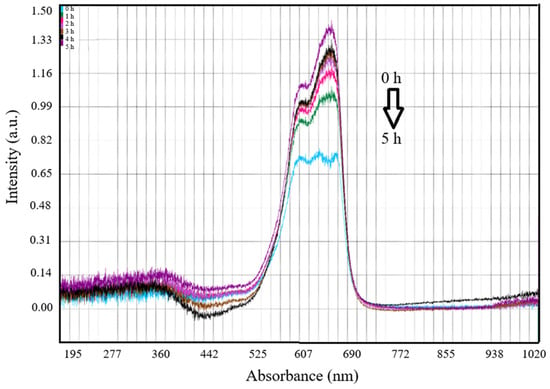
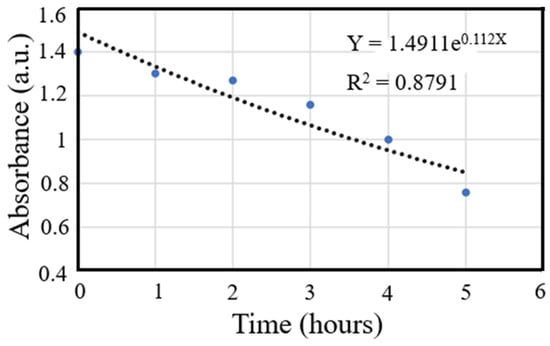
This work reports the synthesis, characterization, and photocatalytic performance of multifunctional spheres based on AgNP-doped TiO2-Fe3O4 embedded in an alginate–chitosan biopolymeric matrix for the removal of organic contaminants from water. The composite powders exhibited a nanocrystalline structure composed of anatase TiO2 (~20 nm) and magnetite (~25 nm), with homogeneously dispersed Ag nanoparticles, as observed by SEM. The spheres presented a mainly submicrometric particle size distribution (0.55–0.92 µm), favoring high surface area and colloidal stability. Under simulated solar irradiation, the material achieved efficient photocatalytic degradation of methylene blue, with a pseudo-first-order rate constant of 0.112 h−1 and ~46% decolorization after 5 h. UV-Vis spectra showed progressive attenuation of the dye absorption band without accumulation of intermediates. Magnetic recovery tests confirmed rapid separation and reuse without performance loss. The enhanced activity is attributed to the synergistic interaction among plasmonic Ag, photocatalytic TiO2, redox-active Fe3O4, and the adsorptive carbon–biopolymer matrix. The material exhibited strong antibacterial activity, achieving over 90% removal of fecal coliforms after 5 h of irradiation. Therefore, the developed AgNP-doped TiO2-Fe3O4 spheres represent a sustainable, reusable, and efficient material for solar-assisted water sanitation.
Full article
(This article belongs to the Special Issue Advances in Ceramics, 3rd Edition)
►▼
Show Figures

Graphical abstract
Open AccessArticle
Effect of Kyzylorda Thermal Power Plant Ash and Rice Husk Ash on the Physical and Mechanical Properties of Ceramic Materials
by
Saken Uderbayev, Aizhan Dilmanova, Aigerim Khamit, Gulnaz Zhakapbayeva, Akmaral Zhapakhova, Nargul Saktaganova and Koktem Yerimbetov
Ceramics 2026, 9(6), 54; https://doi.org/10.3390/ceramics9060054 - 28 May 2026
Abstract
►▼
Show Figures
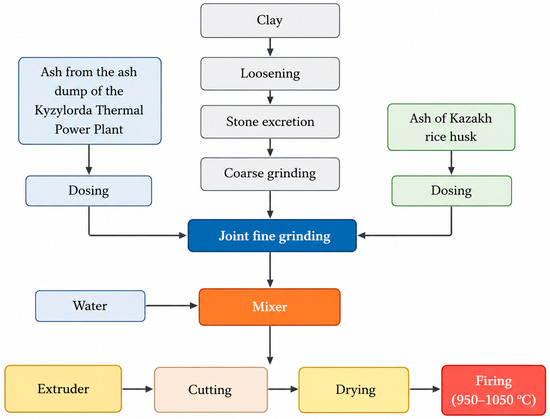
This study investigates the development of sustainable ceramic materials using industrial and agricultural waste from the Kyzylorda region of Kazakhstan. The research focuses on the combined use of local clay, ash from the Kyzylorda thermal power plant (TPP), and rice husk ash (RHA).
[...] Read more.
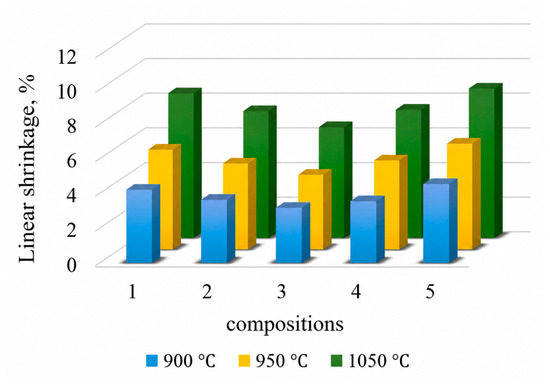
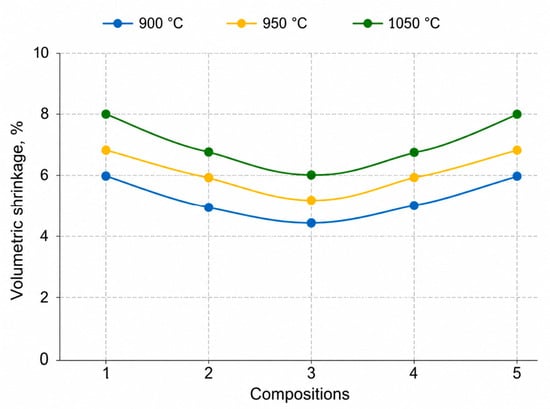
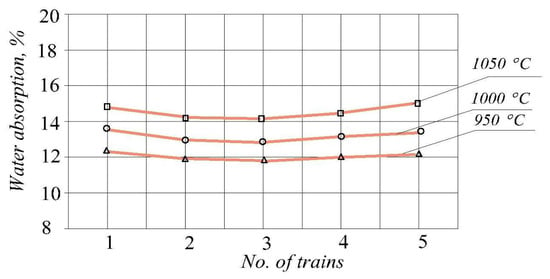
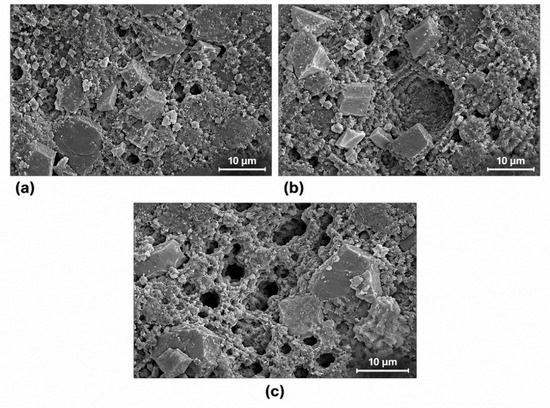
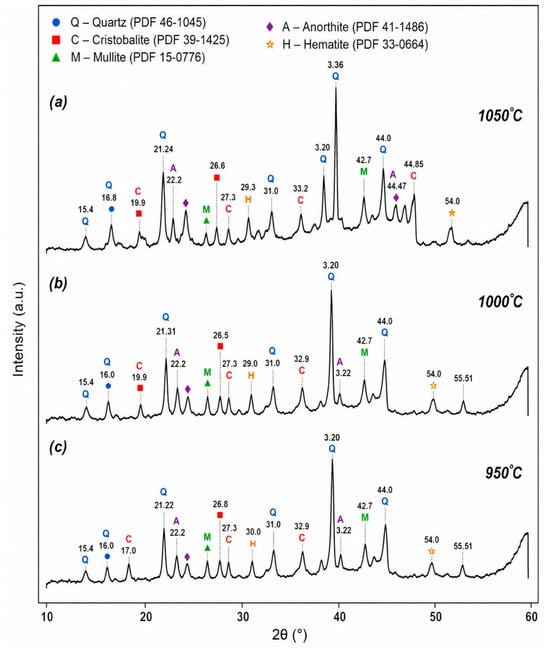
This study investigates the development of sustainable ceramic materials using industrial and agricultural waste from the Kyzylorda region of Kazakhstan. The research focuses on the combined use of local clay, ash from the Kyzylorda thermal power plant (TPP), and rice husk ash (RHA). Experimental investigations included the evaluation of chemical composition, linear and volumetric shrinkage, water absorption, bulk density, and compressive strength of ceramic samples fired at 950–1050 °C. Microstructural (SEM) and phase composition (XRD) analyses were performed to explain the observed behavior. The results showed that the optimal composition was 70% clay, 20% TPP ash, and 10% RHA, which demonstrated the highest compressive strength (15.45 MPa), reduced water absorption, and improved densification. The enhanced performance is attributed to partial vitrification and viscous-phase-assisted densification and the formation of crystalline phases such as mullite, cristobalite, and anorthite. The study confirms that the combined use of TPP ash and RHA enables effective recycling of local waste materials and improves the physical and mechanical properties of ceramic products.
Full article

Figure 1
Open AccessArticle
Sustainable Solar-Reflective Ceramic Engobes Based on Secondary Raw Materials
by
Davide Casotti, Erika Iveth Cedillo-González and Cristina Siligardi
Ceramics 2026, 9(6), 53; https://doi.org/10.3390/ceramics9060053 - 26 May 2026
Abstract
The ceramic tile industry is increasingly required to reduce its environmental impact while maintaining high technological and aesthetic standards. In this context, the use of secondary raw materials (SRMs) represents a promising strategy to decrease the consumption of virgin resources and the energy
[...] Read more.
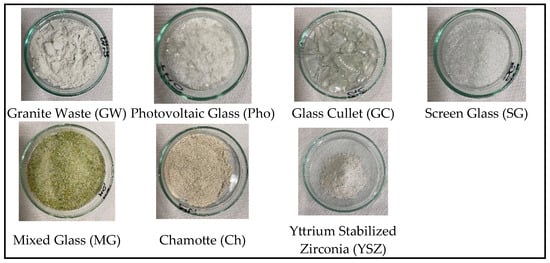
The ceramic tile industry is increasingly required to reduce its environmental impact while maintaining high technological and aesthetic standards. In this context, the use of secondary raw materials (SRMs) represents a promising strategy to decrease the consumption of virgin resources and the energy demand associated with conventional frit production. At the same time, solar-reflective engobes can contribute to passive cooling by limiting solar heat absorption and mitigating the urban heat island effect. In this study, white solar-reflective engobes were developed by incorporating at least 8 wt.% of SRMs, including various recycled glass streams, ceramic wastes, and yttria-stabilized zirconia residues. The results demonstrate that optimized formulations achieve high solar reflectance values (up to 0.79) while maintaining the technological and aesthetic requirements of industrial ceramic tiles. Recycled glasses act as effective fluxing agents, whereas waste zirconia enhances optical performance due to its strong light-scattering capability. The most promising formulations were validated at the industrial scale, confirming their applicability under real production conditions. Overall, the developed engobes represent a scalable alternative to traditional frit-based systems, enabling reduced resource consumption and supporting the development of energy-efficient ceramic surfaces.
Full article
(This article belongs to the Special Issue Ceramics in the Circular Economy for a Sustainable World, 2nd Edition)
►▼
Show Figures

Figure 1
Open AccessArticle
Grain Versus Grain-Boundary Contributions to Thermal Conductivity in Prospective Oxide Ceramics for Next-Generation Thermal Barrier Coatings
by
Roman Aleksandrovich Shishkin
Ceramics 2026, 9(5), 52; https://doi.org/10.3390/ceramics9050052 - 21 May 2026
Abstract
Thermal barrier coatings (TBCs) require materials with intrinsically low thermal conductivity and high grain-boundary thermal resistance to maximize the temperature gradient across the top coat. In this work, the effective thermal conductivity of more than 40 prospective TBC oxides belonging to seven structural
[...] Read more.
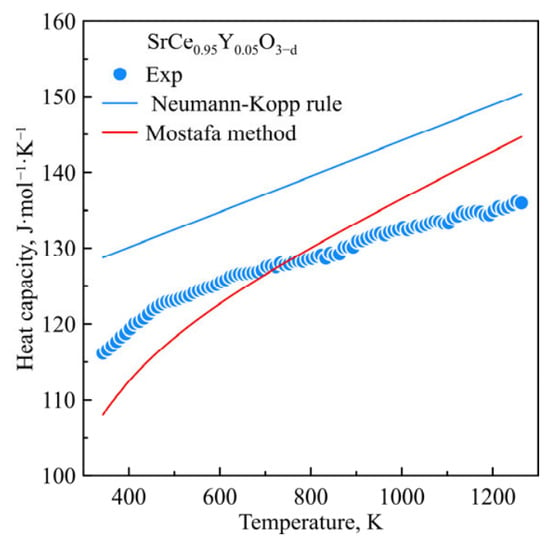
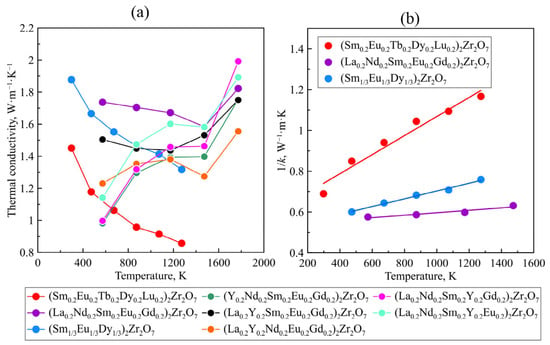
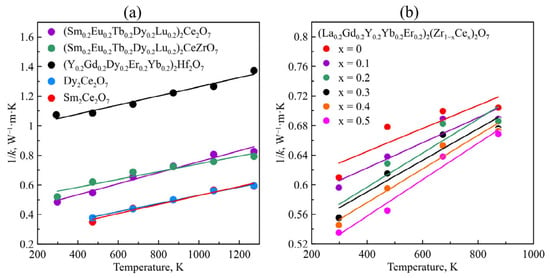
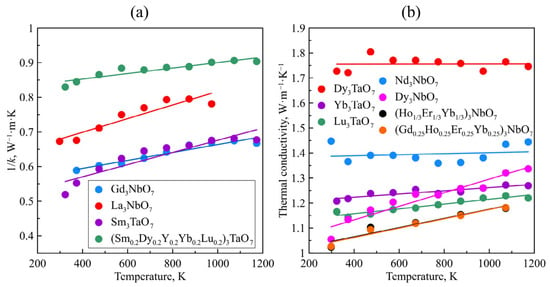
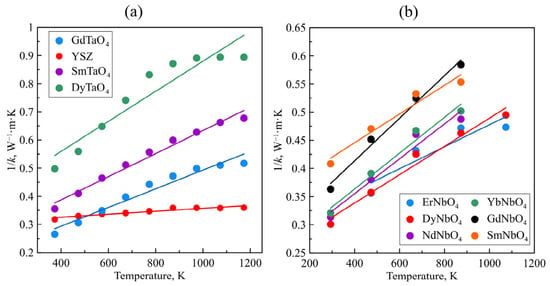
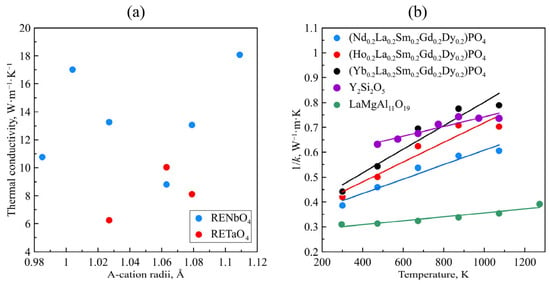
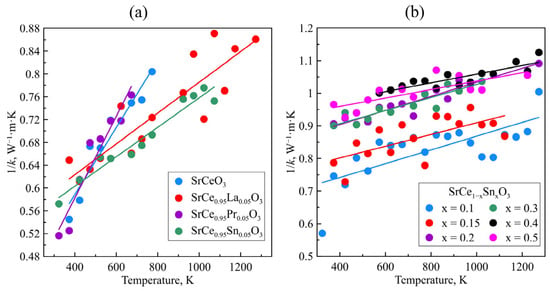
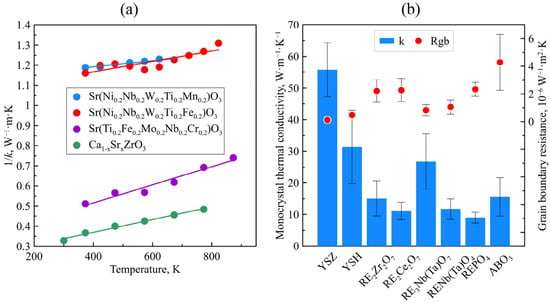
Thermal barrier coatings (TBCs) require materials with intrinsically low thermal conductivity and high grain-boundary thermal resistance to maximize the temperature gradient across the top coat. In this work, the effective thermal conductivity of more than 40 prospective TBC oxides belonging to seven structural families (YSZ/YSH, pyrochlores/fluorites A2B2O7, defective fluorites A3BO7, fergusonite/monazite ABO4, and perovskites ABO3) was systematically deconvoluted into intrinsic grain thermal conductivity (kgrain) and grain-boundary (Rgb) contributions. It is shown that grain-boundary Kapitza resistance dominates heat transport in virtually all advanced oxides, contributing 60–90% to the total thermal resistance of polycrystalline samples. The lowest kgrain values (4–12 W m−1 K−1) are found for cerates and certain tantalates, while the highest Rgb (up to 7.2 × 10⁻⁶ m2 K W−1) are characteristic of high-entropy and heavily doped perovskites. Orthorhombically distorted SrCeO3-based and high-entropy perovskites combine moderate kgrain (4.7–27.9 W m−1 K−1), high Rgb, and tunable thermal-expansion coefficients (10–13 × 10−6 K−1), making them the most promising candidates for next-generation TBCs. These findings provide a rational basis for microstructure engineering and composition design aimed at maximizing the temperature drop across TBC layers while maintaining phase stability and CMAS resistance.
Full article
(This article belongs to the Special Issue Ceramic and Glass Material Coatings)
►▼
Show Figures

Figure 1

Open AccessArticle
The Influence of Parameters on Surface Properties and the Optimization of HVOF-Sprayed NiCr/WC-Co Coatings
by
Weimin Luo and Mingder Jean
Ceramics 2026, 9(5), 51; https://doi.org/10.3390/ceramics9050051 - 17 May 2026
Abstract
►▼
Show Figures
This study centred on the parametric optimisation and performance prediction of NiCr/WC-Co coatings produced by high-velocity oxygen fuel (HVOF) spraying. An L18 orthogonal experimental design based on the Taguchi method and the response surface method (RSM) was adopted to examine how key process
[...] Read more.
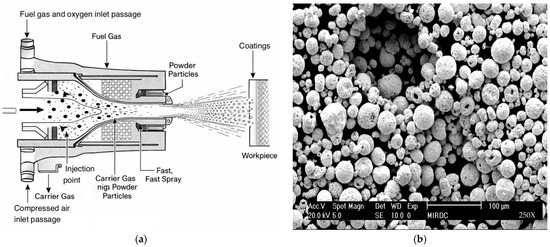
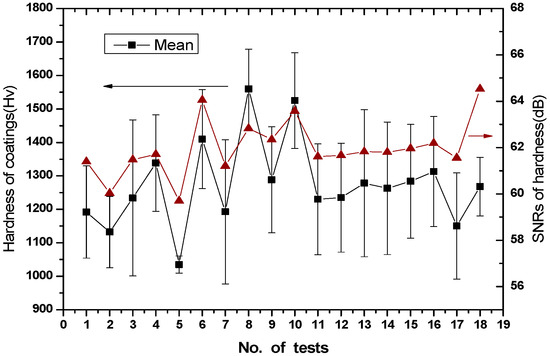
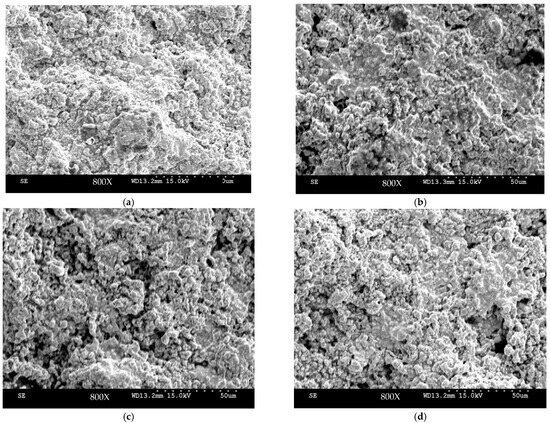
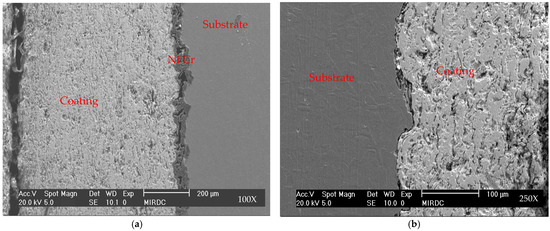
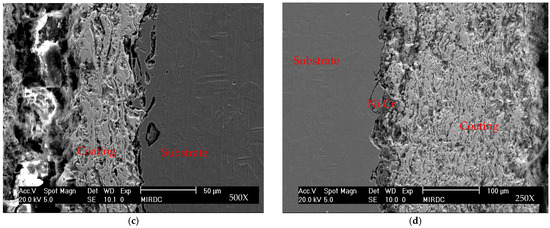
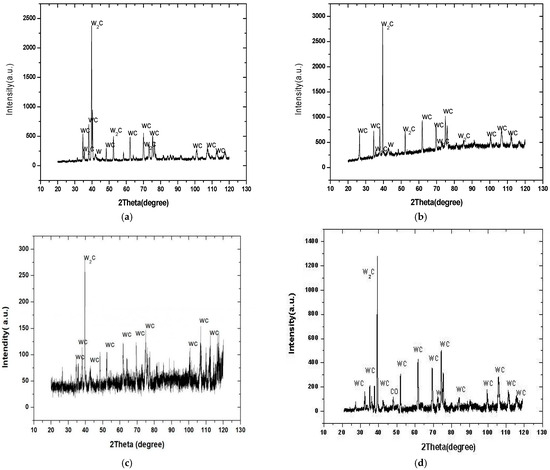
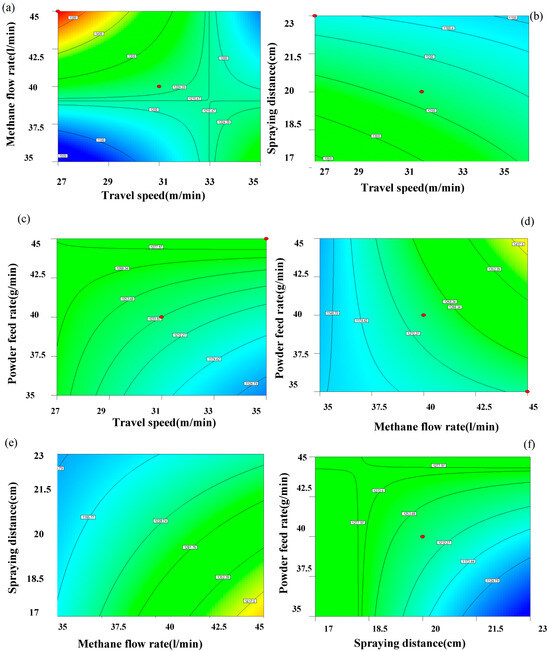
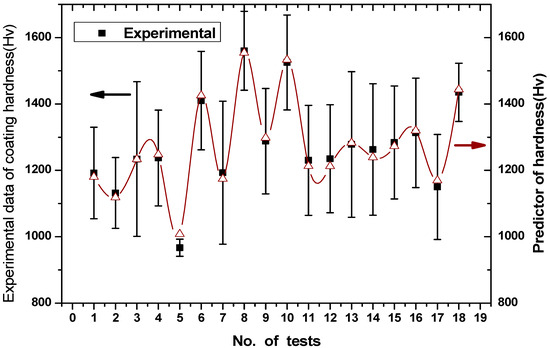
This study centred on the parametric optimisation and performance prediction of NiCr/WC-Co coatings produced by high-velocity oxygen fuel (HVOF) spraying. An L18 orthogonal experimental design based on the Taguchi method and the response surface method (RSM) was adopted to examine how key process parameters affect the microstructure, phase composition and hardness of the coatings. The results revealed that analysis of variance (ANOVA) indicated that travel speed, methane flow rate, powder feed rate, and stand-off distance were the primary parameters affecting coating hardness, collectively accounting for 76.25% of the total variance. Also, the RSM model established in this study demonstrates remarkably high predictive accuracy, with a coefficient of determination (R2) of 0.985 and an average prediction error of just 1.16%. Verification experiments were also conducted under optimal conditions. The measured hardness was 1352.7 ± 75 HV, in close agreement with the predicted value of 1365 HV. The coating, which was applied using HVOF spraying, had a dense layered structure and low porosity, and the decarburisation of the tungsten carbide was extremely minimal. In addition, interfacial bonding is improved and structural defects are reduced by the addition of a NiCr intermediate layer. It is demonstrated by the results that the Taguchi-RSM method is reliable for the optimization of HVOF spraying parameters and the prediction of coating hardness.
Full article

Figure 1
Open AccessReview
Advances in Zirconia Crowns: A Comprehensive Review of Strength, Aesthetics, Digital Manufacturing, and Clinical Performance
by
Sohaib Fadhil Mohammed, Mohd Firdaus Yhaya, Matheel Al-Rawas and Tahir Yusuf Noorani
Ceramics 2026, 9(5), 50; https://doi.org/10.3390/ceramics9050050 - 13 May 2026
Abstract
►▼
Show Figures
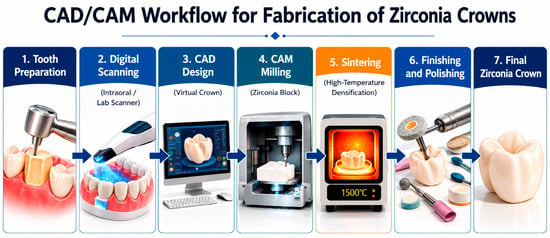
The use of zirconia as a material in the base of modern restorative dentistry is due to its high strength, biocompatibility, and improved aesthetic performance. The aim of this review is to provide an integrated and coherent overview of the recent developments in
[...] Read more.
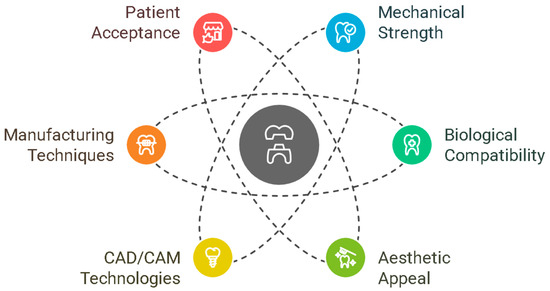
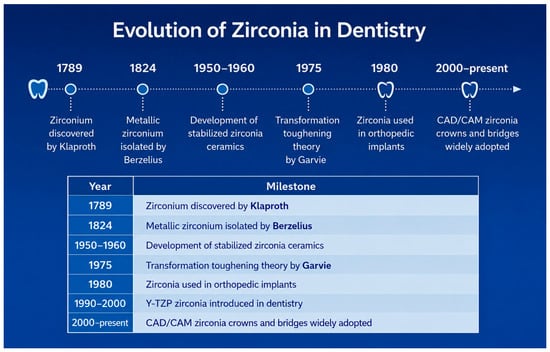
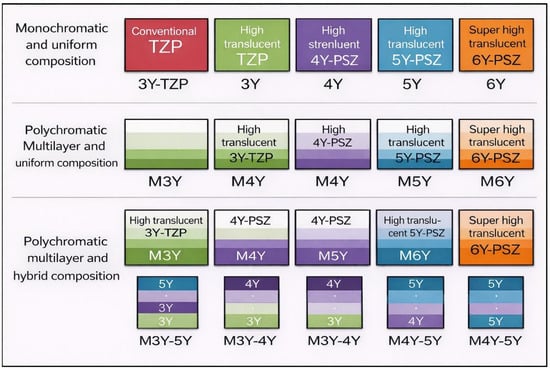
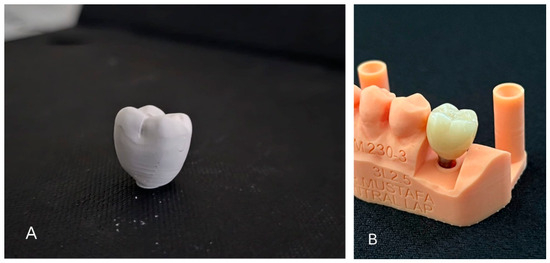
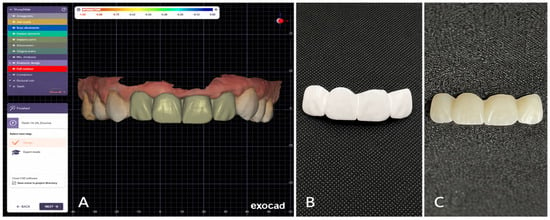
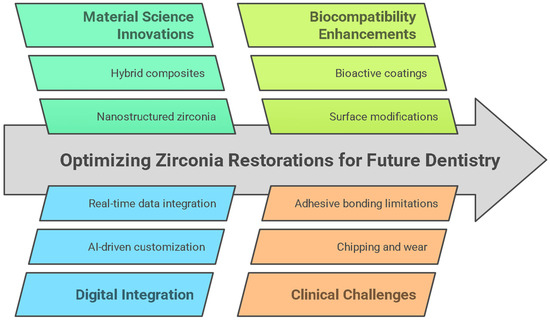
The use of zirconia as a material in the base of modern restorative dentistry is due to its high strength, biocompatibility, and improved aesthetic performance. The aim of this review is to provide an integrated and coherent overview of the recent developments in zirconia crowns by focusing on the development of materials, microstructure, digital fabrication processes, optical capabilities, and clinical performance. A survey of literature in the form of a narrative literature review was conducted in the most significant databases, such as PubMed, Scopus, Web of Science, and Google Scholar, including publications published since 2000, with a focus on systematic reviews, meta-analyses, clinical studies, and materials science studies. The results show that zirconia materials have developed beyond traditional 3Y-TZP systems, characterized by high strength and fracture toughness to high-translucency and multilayer zirconia (4Y 6Y-PSZ) systems, which provide better aesthetics at the cost of lower mechanical reliability. The implementation of CAD/CAM technologies has enhanced the accuracy of fabrication, marginal fit and reproducibility and the development of sintering, surface modification and bonding protocols has enhanced clinical performance. Recent clinical results have shown high survival rates (around 85–95 percent over 5–10 years), and the results depend on the design of the restoration, the zirconia generation, and the functional loading circumstances. Despite these developments, there are still concerns about the durability of bonding, trade-offs between translucency and strength, and long-term performance of high-translucency zirconia. The development of new technologies, such as additive manufacturing, design-aided artificial intelligence, and bioactive surface modification, is a promising avenue toward improving clinical reliability and performance.
Full article

Figure 1
Open AccessFeature PaperArticle
Synthesis of Fully Dense Monoclinic Zirconia Ceramics via Ternary Sintering Aids
by
Akio Ikesue and Yan Lin Aung
Ceramics 2026, 9(5), 49; https://doi.org/10.3390/ceramics9050049 - 12 May 2026
Abstract
Fully dense monoclinic zirconia ceramics were successfully fabricated by pressureless sintering and/or HIP. Although monoclinic zirconia exhibits unique physicochemical properties, fabrication of fully dense polycrystalline bodies has remained challenging due to catastrophic volume expansion during the tetragonal-to-monoclinic transformation. By introducing a synergistic ternary
[...] Read more.
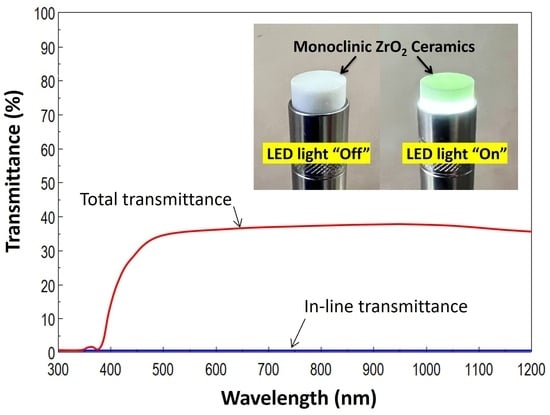
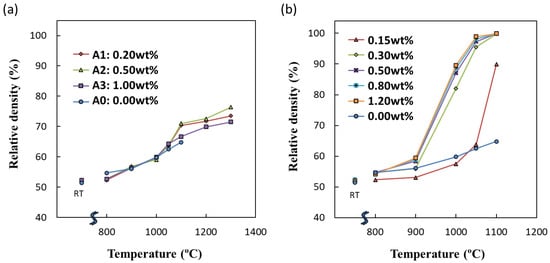
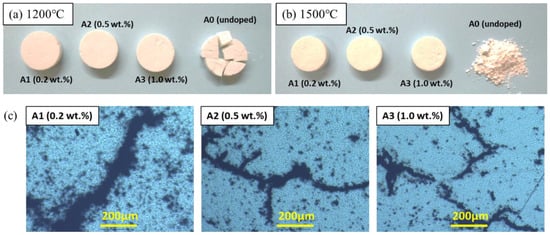
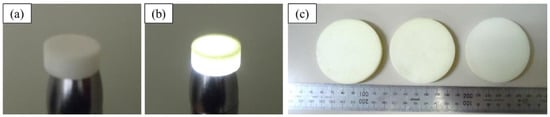
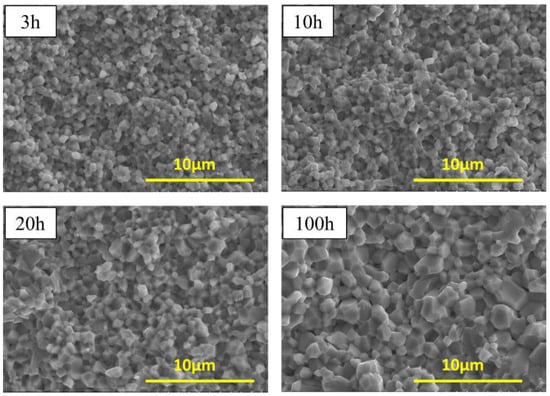
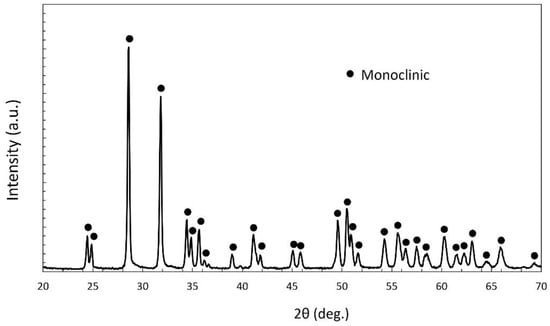
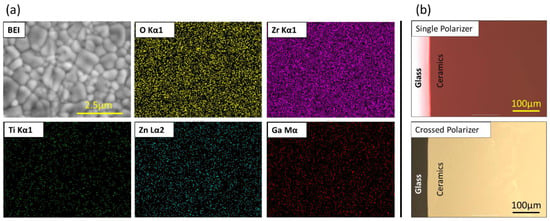
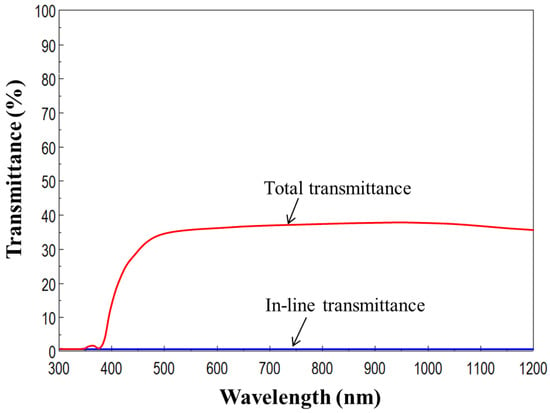
Fully dense monoclinic zirconia ceramics were successfully fabricated by pressureless sintering and/or HIP. Although monoclinic zirconia exhibits unique physicochemical properties, fabrication of fully dense polycrystalline bodies has remained challenging due to catastrophic volume expansion during the tetragonal-to-monoclinic transformation. By introducing a synergistic ternary (Ga2O3-ZnO-TiO2) sintering aid, a relative density exceeding 99.6% with an average grain size of 0.5–2 µm was achieved by sintering under an oxygen atmosphere at 1070 °C for 3–100 h, well below the phase-transition temperature. X-ray diffractometry confirmed a single-phase monoclinic structure. Subsequent hot isostatic pressing at 1080 °C and 180 MPa for 2 h eliminated residual porosity, yielding a 4-point bending strength of 328 MPa, a fracture toughness of 2.7 MPa·m0.5, and a Vickers hardness HV1 of 805. This monoclinic zirconia ceramic exhibited ~30% total transmittance, while in-line transmittance remained below 0.1% due to intrinsic birefringence of the monoclinic lattice. These results established a low-temperature route for densifying phase-sensitive ceramics while achieving long-term stability.
Full article
(This article belongs to the Special Issue Advances in Ceramics, 3rd Edition)
►▼
Show Figures

Graphical abstract
Open AccessArticle
Phase and Microstructure Modifications in Monoclinic Zirconia: Synergistic Effects of Extended Ball Milling and Annealing
by
Mahesh Kumar Munchikana, Shivakumar Jagadish Shetty, Anbukkarasi Rajendran, Gurumurthy Sangam Chandrashekar, Manjunath Shetty, Tarun Sharda and Raghavendra Karkala Gururaj
Ceramics 2026, 9(5), 48; https://doi.org/10.3390/ceramics9050048 - 30 Apr 2026
Abstract
►▼
Show Figures
The structural response of ceramics to extreme deformation is of significant scientific and technological relevance since such conditions are commonly encountered during both processing and service. In this study, monoclinic zirconia was subjected to high-energy ball milling for extended durations of 80 h
[...] Read more.
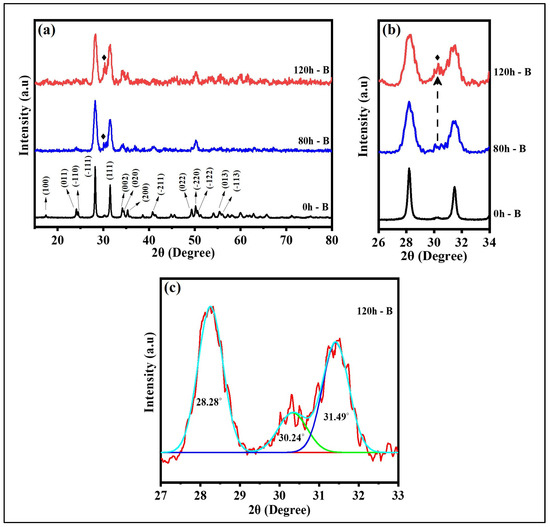
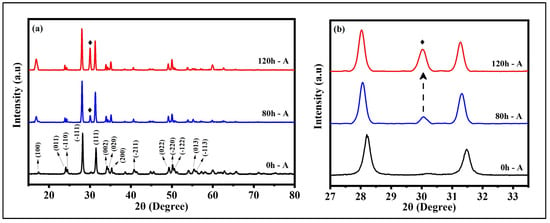
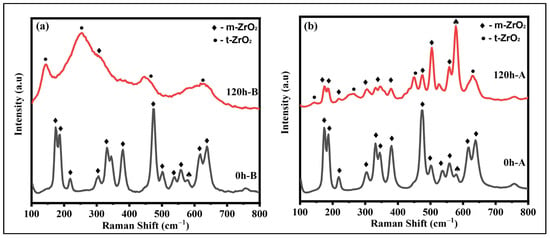
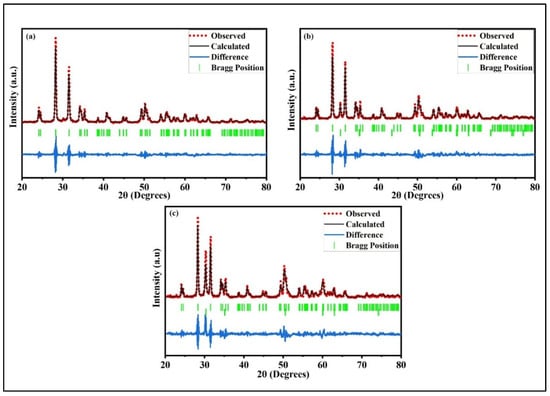
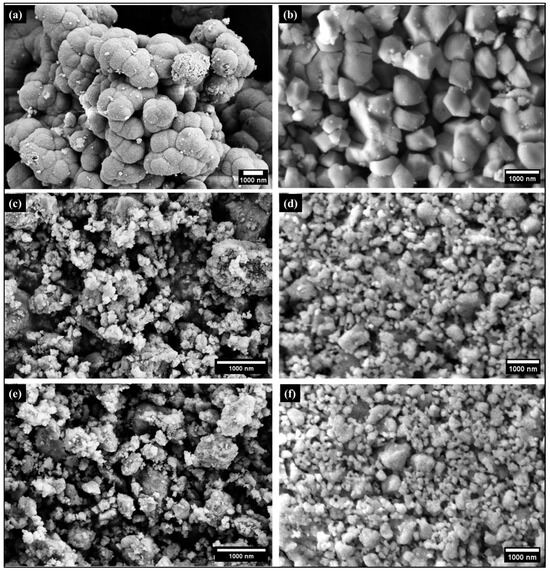
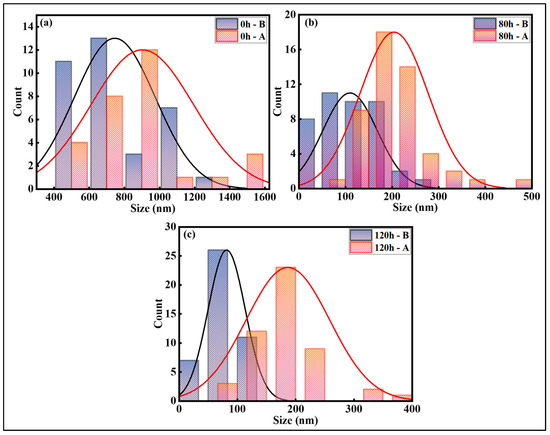
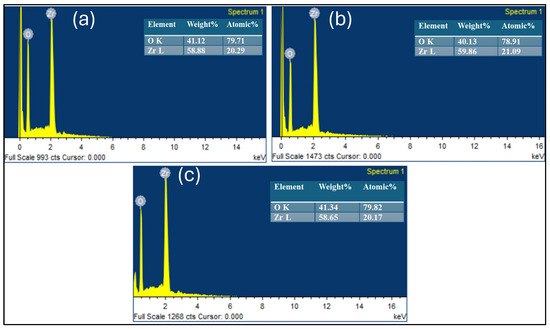
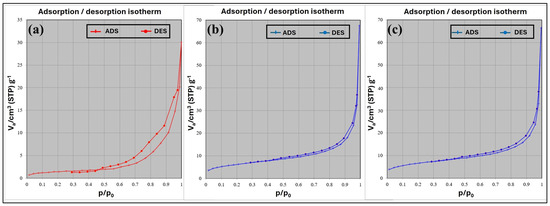
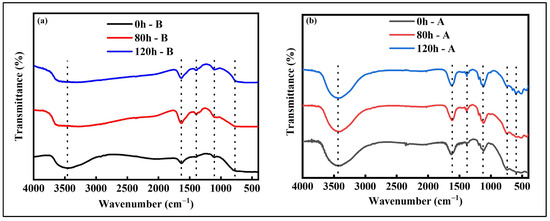
The structural response of ceramics to extreme deformation is of significant scientific and technological relevance since such conditions are commonly encountered during both processing and service. In this study, monoclinic zirconia was subjected to high-energy ball milling for extended durations of 80 h and 120 h, followed by annealing at 1000 °C. X-ray diffraction revealed a progressive increase in the tetragonal phase content with milling duration, while subsequent annealing promoted its consolidation alongside the principal monoclinic phase, resulting in a stable biphasic structure. The phase evolution is also evaluated through a Raman spectroscopy analysis and correlated with the morphology, mechanical properties, and surface area analyses. Scanning electron microscopy confirmed the preservation of nanoscale features in the milled and annealed specimens, in contrast to the unmilled sample, which exhibited pronounced grain coarsening. The combined presence of nanostructural stability and biphasic phase constitution underscores the efficacy of high-energy ball milling, in conjunction with thermal treatment, as an effective strategy to tailor the microstructure and phase stability of zirconia ceramics for advanced engineering applications.
Full article

Figure 1
Open AccessArticle
Multiphysics Modeling of Hot-Wall CVD Deposition of W–C–B Coatings for Process Optimization
by
Andrey V. Poligenko, Evgeny A. Ruban, Kirill M. Osipov, Andrey A. Shaporenkov and Vladimir V. Dushik
Ceramics 2026, 9(5), 47; https://doi.org/10.3390/ceramics9050047 - 26 Apr 2026
Abstract
►▼
Show Figures
In this study, a multiphysics finite-element model was developed for the deposition of W–C–B coatings in a hot-wall tubular CVD reactor from a gas mixture of tungsten hexafluoride (WF6), hydrogen (H2), and trimethylamine borane ((CH3)3N:BH
[...] Read more.
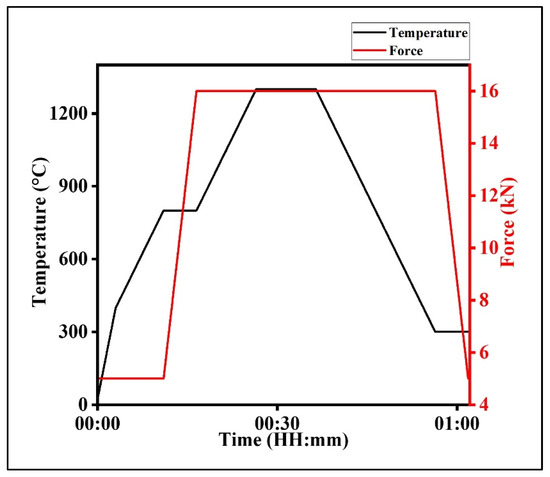
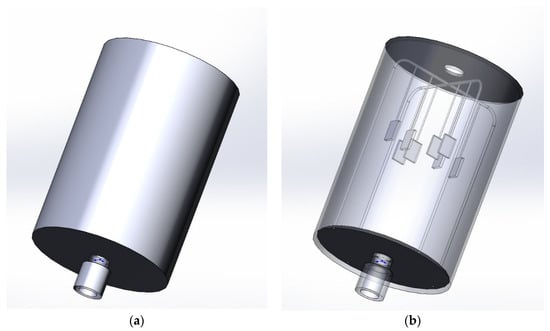
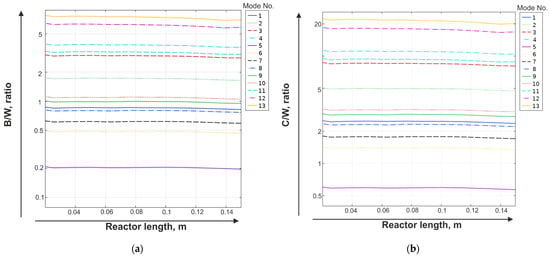
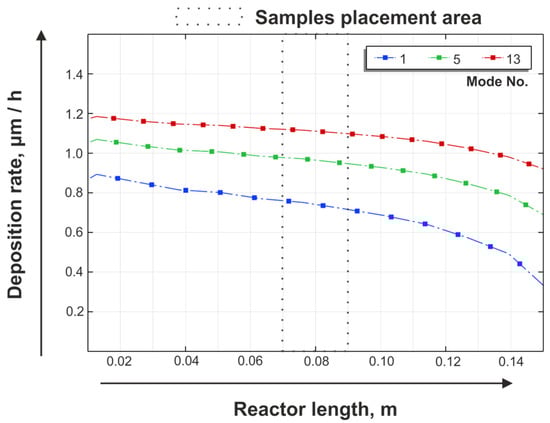
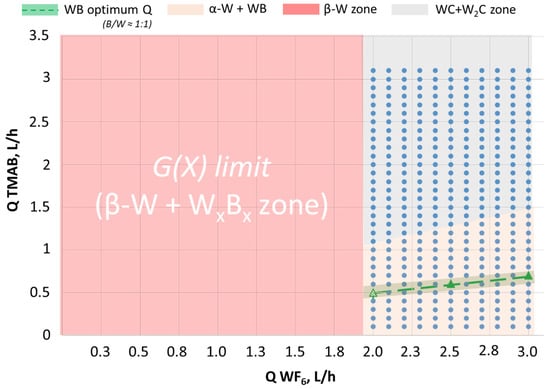
In this study, a multiphysics finite-element model was developed for the deposition of W–C–B coatings in a hot-wall tubular CVD reactor from a gas mixture of tungsten hexafluoride (WF6), hydrogen (H2), and trimethylamine borane ((CH3)3N:BH3) at 550 °C and 5 Torr. The aim of this work is to deepen the understanding of reactant transport mechanisms and to optimize the process parameters for obtaining targeted tungsten carbide or boride phases. The simulations were performed in COMSOL Multiphysics (ver. 6.1) using a 2D axisymmetric formulation that couples laminar flow, heat transfer, and multicomponent diffusion, accounting for heterogeneous chemical reactions at the reactor walls. The obtained spatial distributions of reactant concentrations demonstrate precursor depletion along the reactor length. A comparison of the calculated B/W and C/W stoichiometric ratios for 13 operating conditions with experimental data confirms a transition from W and W–B phases at low trimethylamine borane (TMAB) flow rates to tungsten carbide-based coatings at higher flow rates. Furthermore, a parametric sweep was utilized to determine the optimal parameter range for the synthesis of tungsten borides.
Full article

Figure 1
Open AccessArticle
Temperature-Driven Transition from Knudsen Diffusion to Viscous Flow in a Macroporous Ceramic Membrane
by
Mohammod Hafizur Rahman
Ceramics 2026, 9(5), 46; https://doi.org/10.3390/ceramics9050046 - 25 Apr 2026
Abstract
►▼
Show Figures
Ceramic membranes show potential for high-temperature CO2 extraction from flue gas; nevertheless, their performance under simultaneous heat and pressure stress is not well comprehended. This research addresses the temperature-dependent CO2/N2 separation characteristics of a commercial ceramic membrane (pore size
[...] Read more.
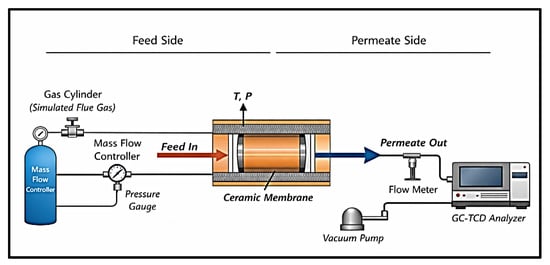
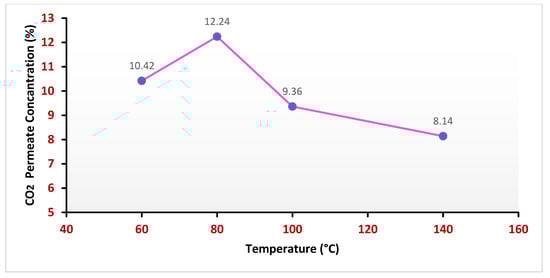
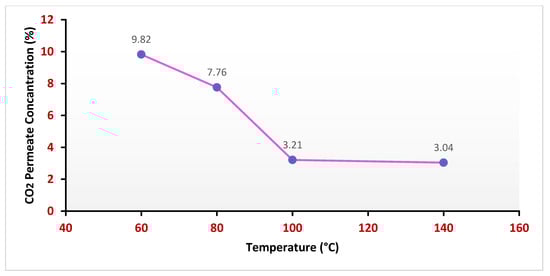
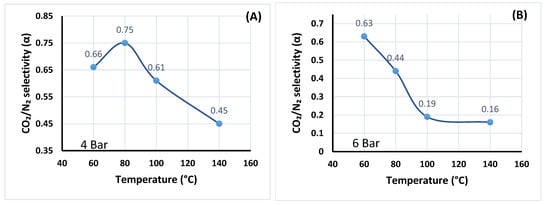
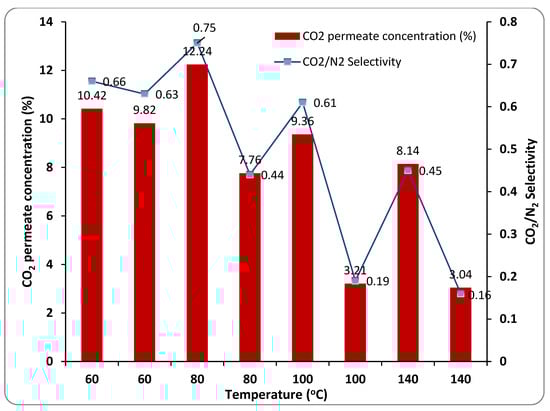
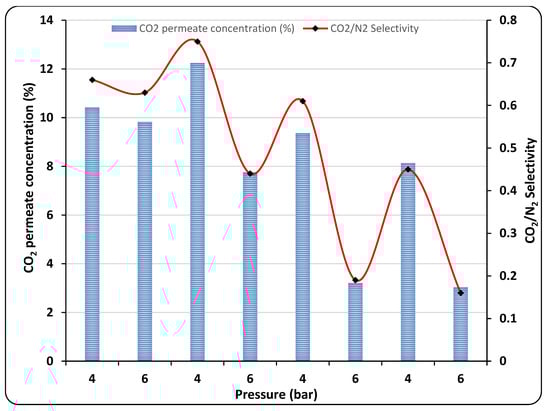
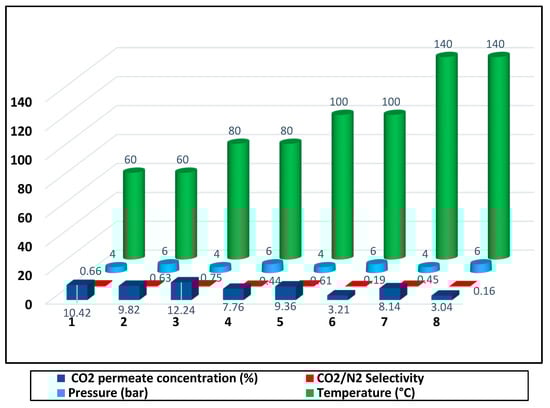
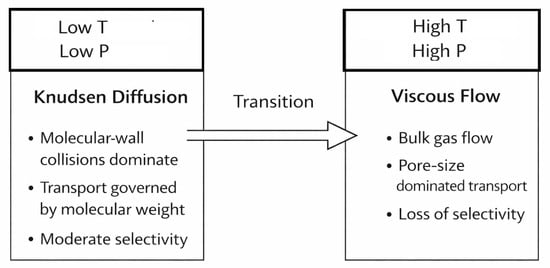
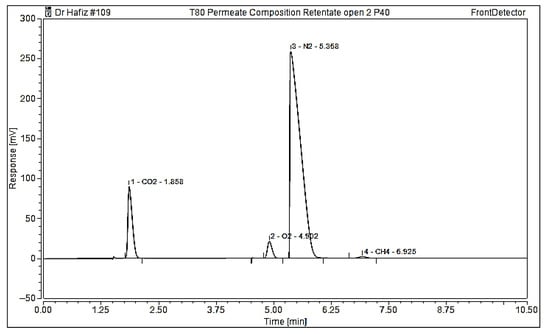
Ceramic membranes show potential for high-temperature CO2 extraction from flue gas; nevertheless, their performance under simultaneous heat and pressure stress is not well comprehended. This research addresses the temperature-dependent CO2/N2 separation characteristics of a commercial ceramic membrane (pore size ~0.1–1 µm) utilizing simulated flue gas (11.8% CO2, 74.2% N2, 2.5% O2, remainder CH4) at temperatures ranging from 60 to 140 °C and pressures between 4 and 6 bar. Calibrated GC-TCD was used to quantify permeate compositions across multiple operating valve openings. With a CO2/N2 selectivity (α) of 0.75 at 4 bars, the maximum CO2 enrichment peaked at 80 °C (10.8 mol%), getting close to the Knudsen diffusion limit (0.80). Selectivity decreased dramatically beyond 100 °C—α = 0.61 (100 °C), 0.45 (140 °C)—and CO2 dropped to 5.8% at 4 bar and 2.2% at 6 bars. Viscous flow dominance was shown by the strong pressure amplification—α decreased by more than 60% from 4 to 6 bar at all temperatures. These findings emphasize the possibility of performance collapse in hot, pressured flue streams and identify the limited operating window under which Knudsen-controlled transport can be maintained. The study provides quantitative evidence of a transition in transport regime under mixed flue-gas conditions.
Full article

Figure 1
Open AccessArticle
Electrochemical Performance of Ti3C2Tx MXenes During Structural Evolution
by
Zhuo Chen, Peng He, Yueyue Wang, Qingqing Zhou, Feng Tao, Qi Liu and Yuexin Liu
Ceramics 2026, 9(5), 45; https://doi.org/10.3390/ceramics9050045 - 24 Apr 2026
Abstract
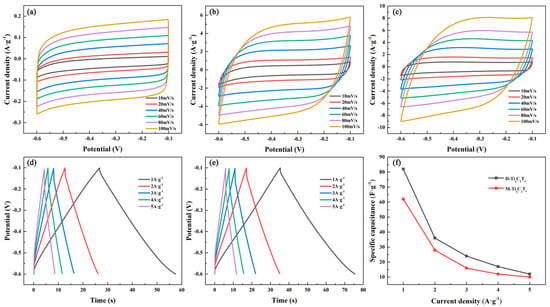
MXenes, with a high surface area, abundant active sites, and excellent ion transport properties, have demonstrated excellent electrochemical performance. However, systematic comparisons of the structural evolution process and electrochemical performance for MXene are lacking. In this study, multilayer MXene (M-Ti3C2
[...] Read more.
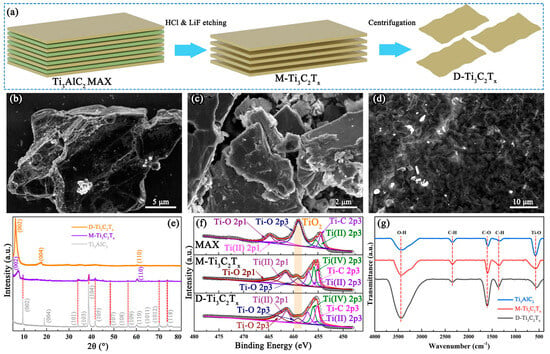
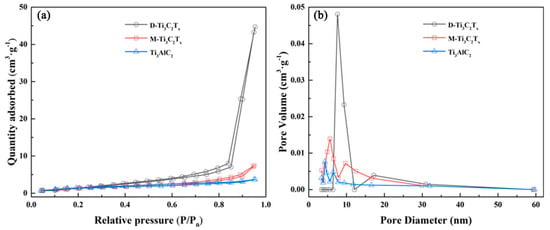
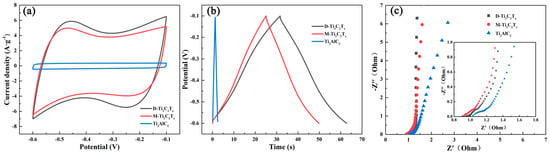
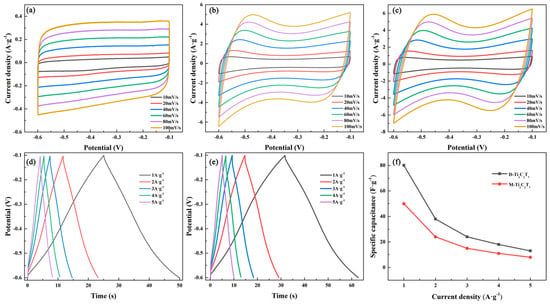
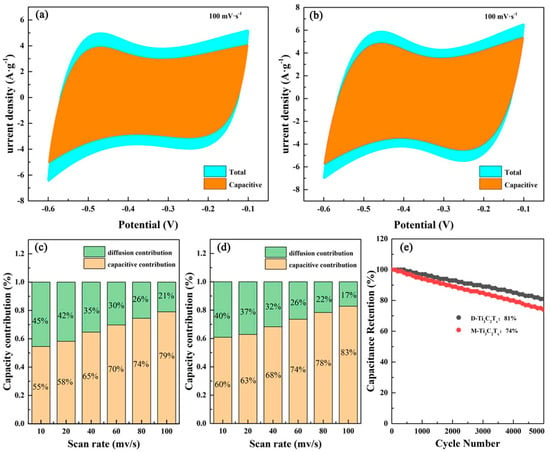
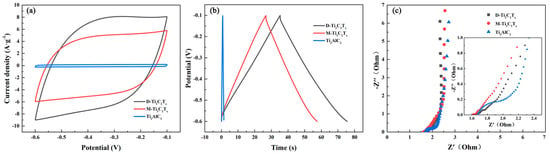
MXenes, with a high surface area, abundant active sites, and excellent ion transport properties, have demonstrated excellent electrochemical performance. However, systematic comparisons of the structural evolution process and electrochemical performance for MXene are lacking. In this study, multilayer MXene (M-Ti3C2Tx) was successfully fabricated by in situ etching. During the subsequent centrifugation process, the thicker and heavier multilayer sheets settled due to their faster sedimentation rate, while the lighter, surface-functionalized monolayer sheets remained colloidally stable in the supernatant due to solvation and electrostatic repulsion, thereby achieving separation and obtaining delaminated MXene (D-Ti3C2Tx). Structural analysis indicates that the removal of the aluminum layer synergizes with the exfoliation of the nanosheets, significantly increasing the interlayer spacing and making the sheet structure more pronounced, and the pore structure is more abundant. Especially, in three-electrode and two-electrode systems at an identical mass loading of 5 mg on carbon paper, D-Ti3C2Tx delivered a higher specific capacitance, more pronounced pseudocapacitive behavior, and a superior rate capability compared to Ti3AlC2 and M-Ti3C2Tx. Such excellent electrochemical performance of D-Ti3C2Tx is due to the shortened ion diffusion path in the delaminated structure, which enables rapid ion migration, an extremely large specific surface area, and a mesoporous structure that provides abundant active sites. This study underscores the significant potential of D-Ti3C2Tx in emerging energy storage systems and offers insights into guiding MAX phase synthesis during its preparation.
Full article
(This article belongs to the Special Issue Advances in Electronic Ceramics, 2nd Edition)
►▼
Show Figures

Figure 1
Open AccessArticle
Impact of Sr Content on the Morphology and Electrochemical Properties of La1−xSrxMnO3 Perovskites for High-Performance Supercapacitors
by
Zaeem Ur Rehman, Muhammad Faheem Maqsood, Mohsin Ali Raza, Syed Muhammad Zain Mehdi, Rumasa Kanwal, Umair Azhar, Sunil Kumar, Muhammad Javaid Iqbal, Waseem Amin, Muhammad Farooq Khan and Sharafat Ali
Ceramics 2026, 9(5), 44; https://doi.org/10.3390/ceramics9050044 - 23 Apr 2026
Abstract
►▼
Show Figures
The effect of A-site substitution on the morphological and electrochemical properties of La1-xSrxMnO3 (x = 0, 0.25, 0.50) perovskites was investigated to evaluate their potential as electrode materials for supercapacitors. X-ray diffraction analysis confirmed the formation of the
[...] Read more.
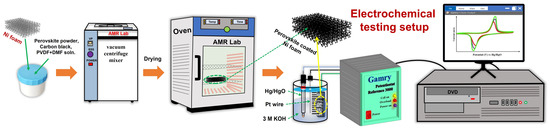
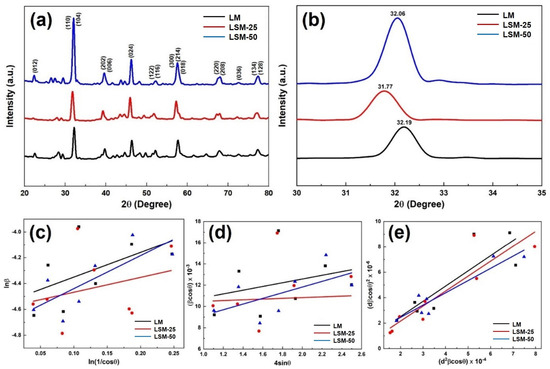
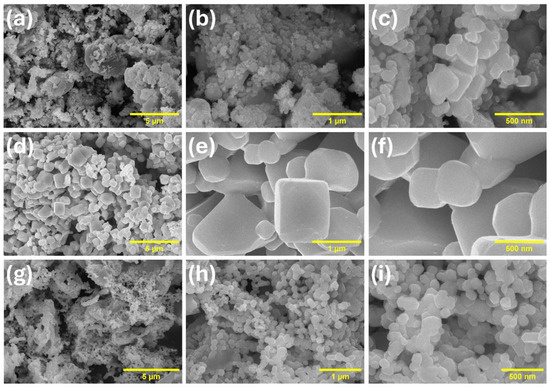
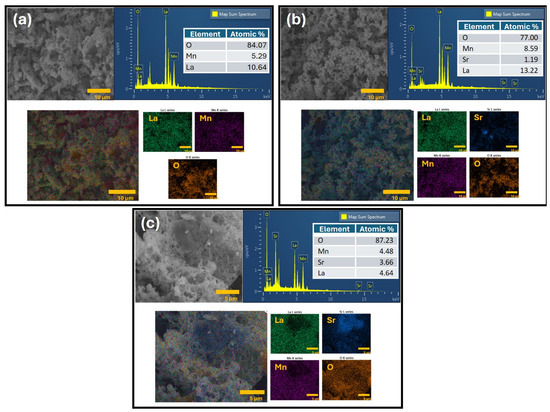
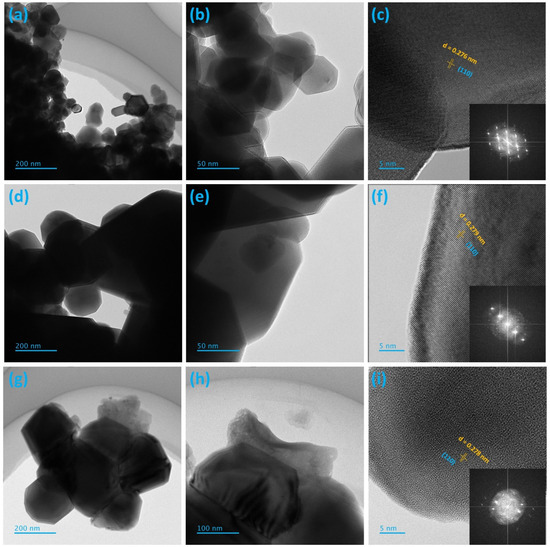
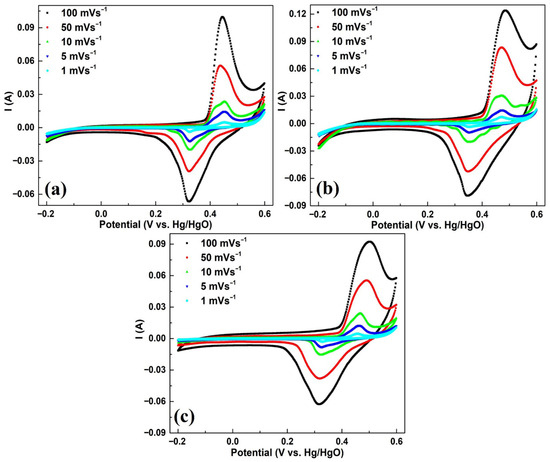
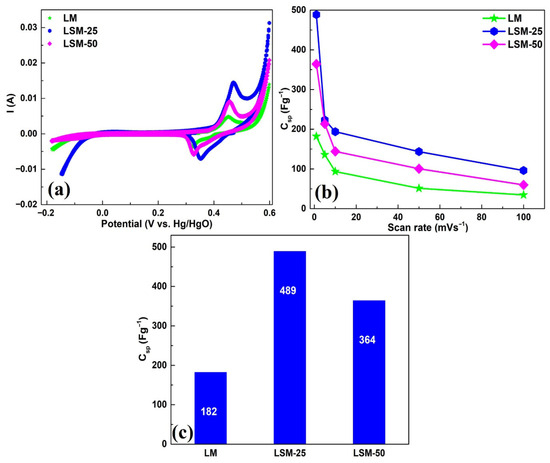
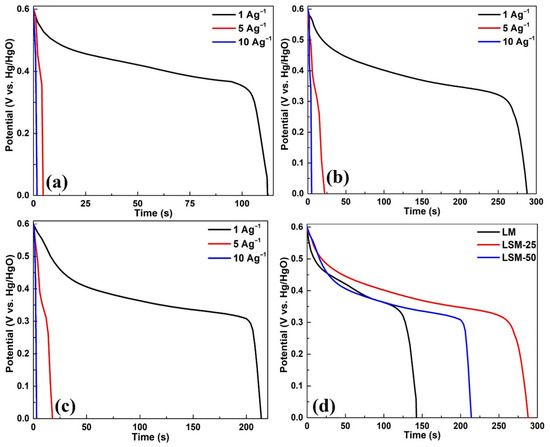
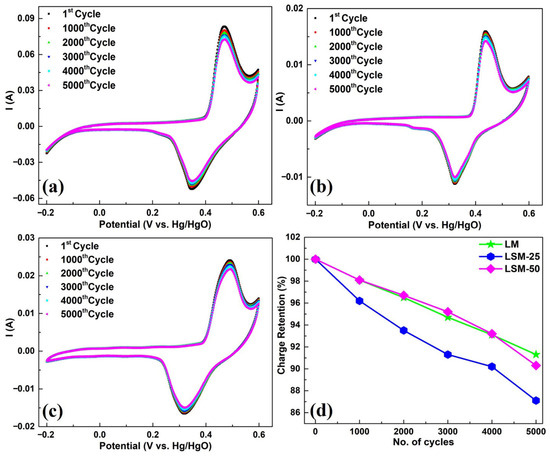
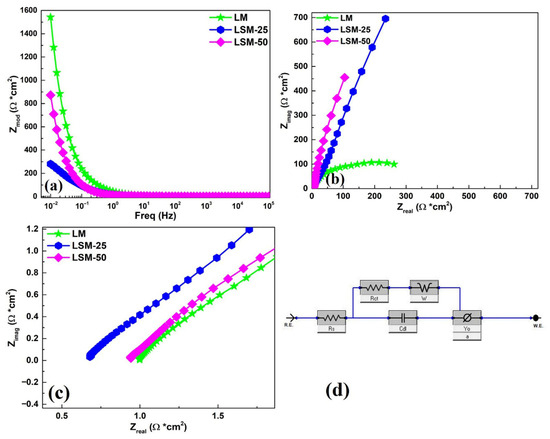
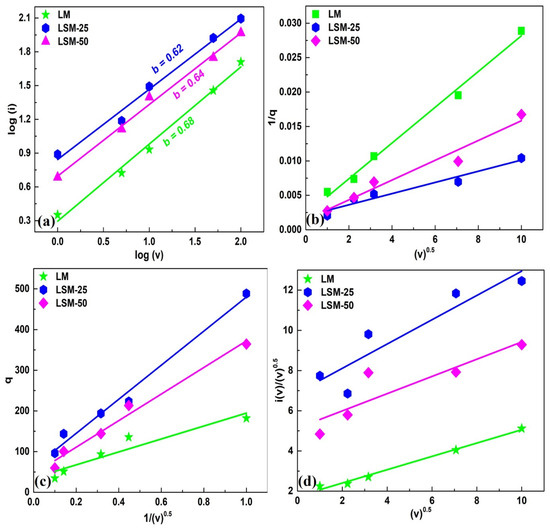
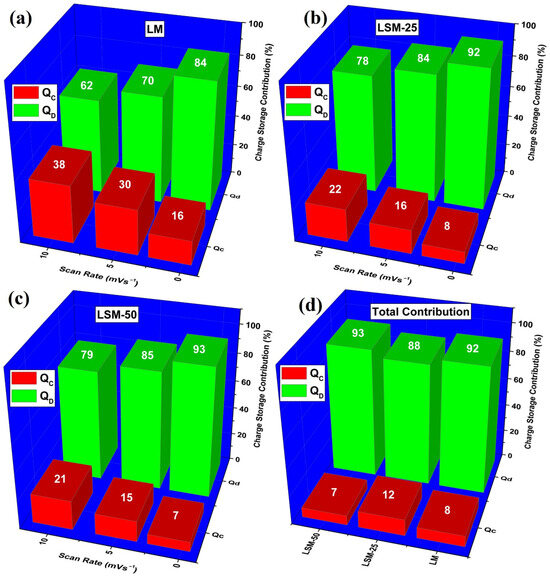
The effect of A-site substitution on the morphological and electrochemical properties of La1-xSrxMnO3 (x = 0, 0.25, 0.50) perovskites was investigated to evaluate their potential as electrode materials for supercapacitors. X-ray diffraction analysis confirmed the formation of the perovskite structure, with minor peak shifts and distortion of crystal structure induced by Sr substitution. Scanning electron microscopy analysis revealed irregularly shaped particulate morphology across all perovskite compositions. The increasing amount of Sr as in La0.5Sr0.5MnO3 (LSM-50) favored the formation of nanosized particles, and energy dispersive X-ray (EDX) analysis confirmed the presence of all constituent elements; EDX elemental mapping also showed a uniform distribution of all elements in the various perovskite compositions. Among all compositions, La0.75Sr0.25MnO3 (LSM-25) possessed the highest specific capacitance (Csp) of 483 Fg−1 at 1 Ag−1 current density in 3 M KOH electrolyte, as determined by electrochemical analysis. This perovskite material also exhibited a capacitance retention of 87.8% after 5000 charge–discharge cycles. Electrochemical impedance spectroscopy revealed that LSM-25 showed the lowest solution resistance (0.68 Ω*cm2) and charge transfer resistance (1.52 Ω*cm2), indicating strong electrode–electrolyte interaction. Detailed analysis of cyclic voltammetry data revealed that the predominant charge storage mechanism was diffusive in nature, with 88% of the diffusive contribution registered for LSM-25. These findings demonstrate that Sr substitution at the A-site significantly enhances the energy storage performance of LaMnO3, making it a promising candidate for supercapacitor applications.
Full article

Figure 1
Open AccessReview
Additive Manufacturing of Ceramics and Ceramic-Based Composites: Processing, Properties, and Engineering Applications
by
Subin Antony Jose, John Crosby and Pradeep L. Menezes
Ceramics 2026, 9(5), 43; https://doi.org/10.3390/ceramics9050043 - 22 Apr 2026
Abstract
Ceramics are widely evaluated for their extreme hardness, high-temperature stability, and corrosion resistance, which enable applications in harsh service environments. However, these same properties, high melting points, brittleness, and low thermal shock resistance, make conventional manufacturing of complex ceramic components difficult and expensive.
[...] Read more.
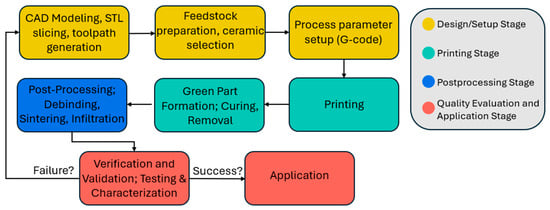
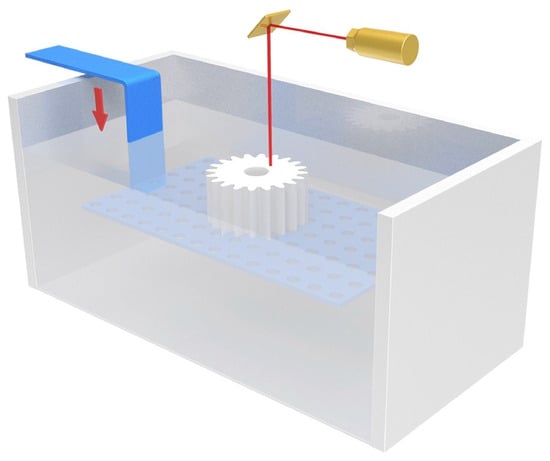
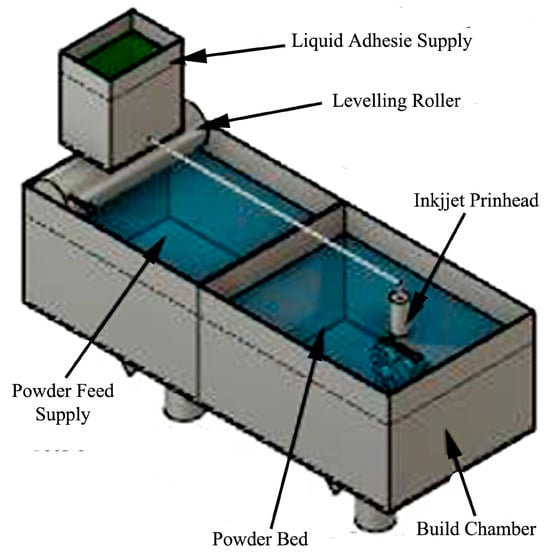
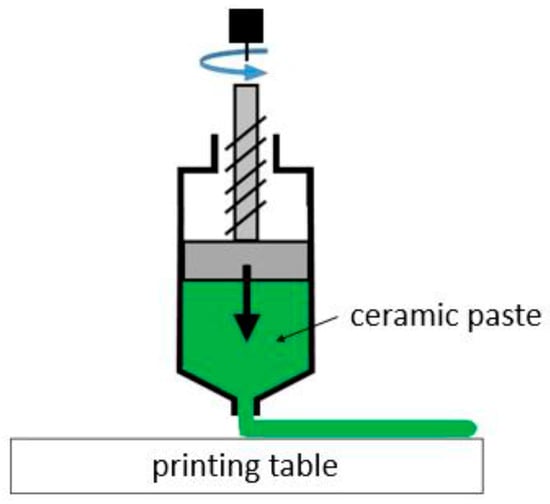
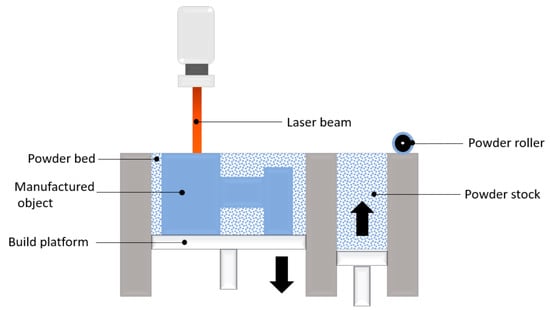
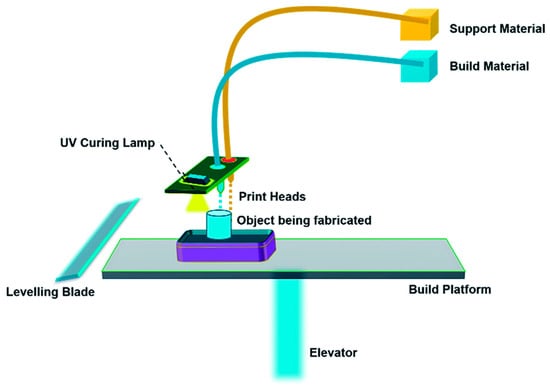
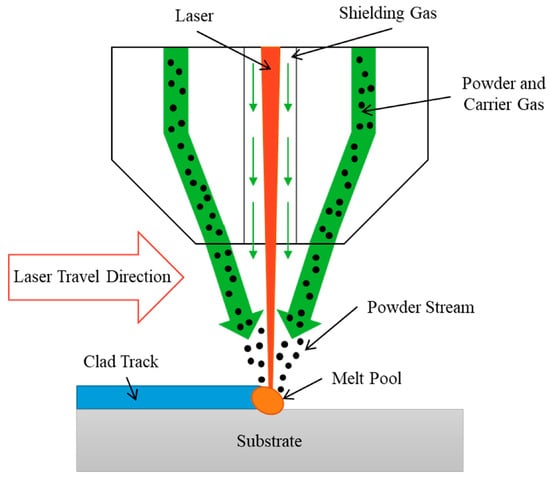
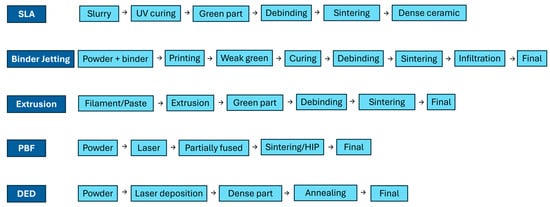
Ceramics are widely evaluated for their extreme hardness, high-temperature stability, and corrosion resistance, which enable applications in harsh service environments. However, these same properties, high melting points, brittleness, and low thermal shock resistance, make conventional manufacturing of complex ceramic components difficult and expensive. Traditional processes often require costly diamond tooling or energy-intensive sintering and tend to produce only simple geometries, with significant waste material and risk of defects. Additive manufacturing (AM) has recently emerged as a promising route to fabricate intricate, near-net-shape ceramic parts without these drawbacks. By building components layer by layer, AM reduces the need for extensive machining and enables the fabrication of geometrically complex, near-net-shape ceramic structures with reduced material waste, although challenges such as porosity, interlayer defects, and cracking during post-processing remain. Nonetheless, ceramic AM technologies lag behind their metal and polymer counterparts, and significant challenges remain in achieving fully dense parts with reliable mechanical properties. This review provides an in-depth overview of the state of the art in ceramics and ceramic composite additive manufacturing. We detail the most widely used AM processes (stereolithography, binder jetting, material extrusion, powder bed fusion, inkjet printing, and direct energy deposition) and typical feedstock formulations for each technique. We examine the resulting mechanical properties (strength, toughness, hardness, wear resistance) and functional properties (thermal stability, dielectric behavior, biocompatibility) of additively manufactured ceramics, and discuss their current and potential engineering applications in the aerospace, defense, automotive, biomedical, and energy sectors. Persistent challenges, including porosity, shrinkage and cracking during sintering, achieving uniform microstructures, high process costs, and scalability issues, are analyzed, and we highlight promising future directions such as multi-material grading, integration of machine learning for process optimization, and sustainable manufacturing approaches. Despite significant progress, challenges remain in achieving fully dense structures, improving process reliability, and scaling ceramic AM for industrial applications, highlighting the need for further research in process optimization, material design, and multi-material integration.
Full article
(This article belongs to the Special Issue Ceramics 3D Printing: Materials, Technologies and Challenges from Biomedical Devices to Buildings)
►▼
Show Figures

Figure 1

Open AccessArticle
Synthesis of RE3+ (RE = Ho, Tb, Pr)-Doped Alumina Ceramic Coatings by Plasma Electrolytic Oxidation of Aluminum: Investigation of Photocatalytic Performance
by
Stevan Stojadinović, Darwin Augusto Torres-Ceron, Sebastian Amaya-Roncancio and Nenad Radić
Ceramics 2026, 9(4), 42; https://doi.org/10.3390/ceramics9040042 - 21 Apr 2026
Abstract
►▼
Show Figures
Porous, crystalline gamma-Al2O3 coatings with a thickness of (6 ± 0.5) μm and a uniform distribution of rare earth (RE) dopants are synthesized by plasma electrolytic oxidation of aluminum at a current density of 150 mA/cm2 in a boric
[...] Read more.
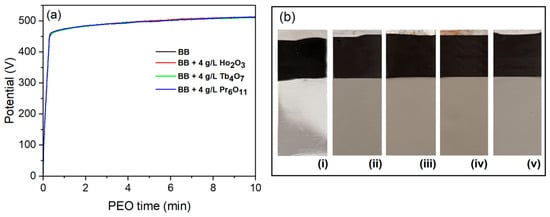
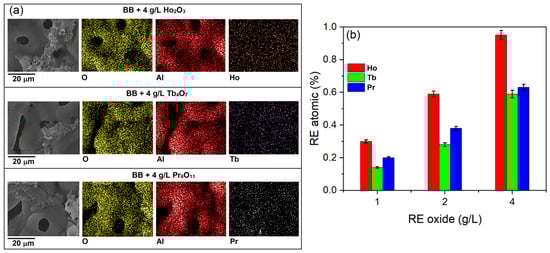
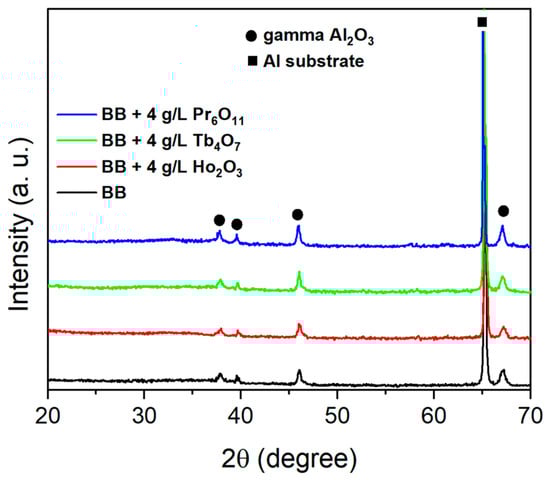
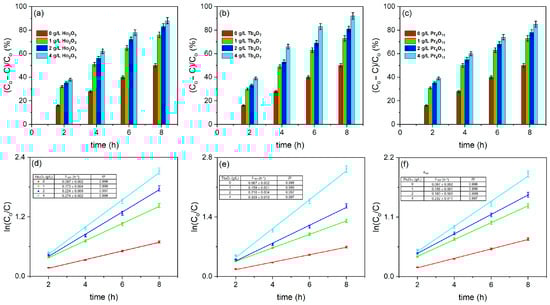
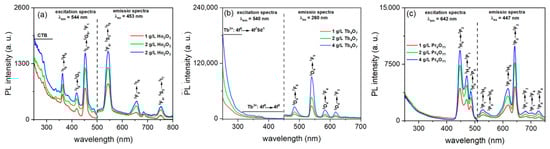
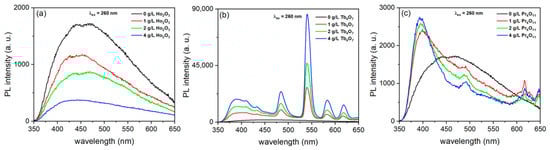
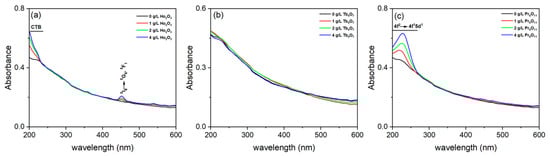
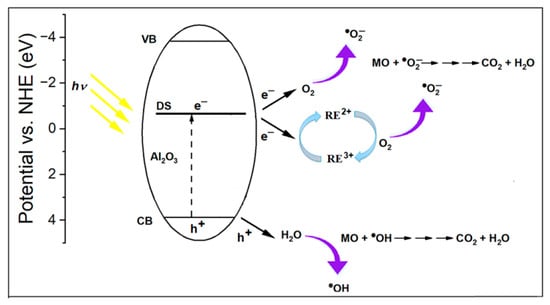
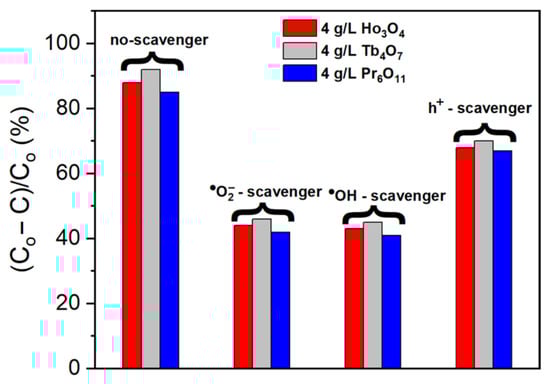
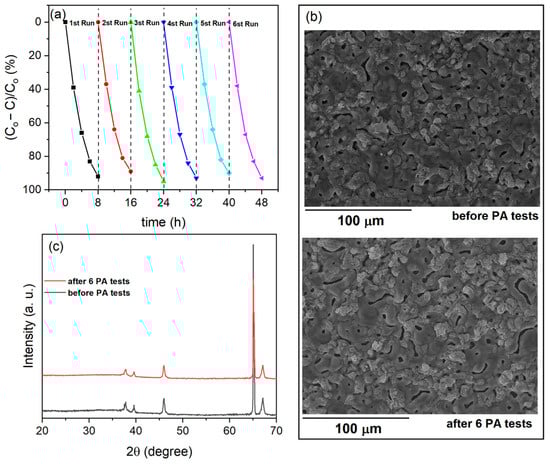
Porous, crystalline gamma-Al2O3 coatings with a thickness of (6 ± 0.5) μm and a uniform distribution of rare earth (RE) dopants are synthesized by plasma electrolytic oxidation of aluminum at a current density of 150 mA/cm2 in a boric acid and borax (BB) solution containing added RE oxide particles (Ho2O3, Tb4O7, and Pr6O11) at concentrations of 1, 2, and 4 g/L. The concentration of RE oxide particles in the BB solution determines the amount of RE elements incorporated into the coatings but does not significantly affect their surface morphology, crystal structure, or light absorption properties. The coatings exhibit high absorption in the middle/near-ultraviolet region, characteristic of Al2O3. Typical 4f-4f transitions of Ho3+, Tb3+, and Pr3+ are observed in the photoluminescence spectra. Photocatalytic evaluations using methyl orange degradation under simulated solar irradiation show that RE doping significantly enhances photocatalytic efficiency. Peak degradation efficiencies are achieved at a concentration of 4 g/L for all RE oxides. After 8 h of irradiation, maximum degradation reaches 88%, 92%, and 85% with pseudo-first-order rate constants (kapp) of about 0.274 h−1, 0.339 h−1, and 0.232 h−1 for coatings synthesized in BB with 4 g/L Ho2O3, Tb4O7, or Pr6O11, respectively. In comparison, the pristine Al2O3 coating achieves only about 50% degradation (kapp ≈ 0.087 h−1). Photoluminescence indicates that RE3+ ions serve as effective charge-carrier traps, suppressing electron–hole pair recombination. RE-doped Al2O3 coatings demonstrate exceptional structural stability and reusability over six cycles, highlighting their potential for sustainable wastewater remediation.
Full article

Figure 1
Open AccessEditorial
Mechanical Behavior and Reliability of Engineering Ceramics
by
Malika Saâdaoui
Ceramics 2026, 9(4), 41; https://doi.org/10.3390/ceramics9040041 - 18 Apr 2026
Cited by 1
Abstract
Engineering ceramics are successfully used as structural or functional materials in a wide range of technical and biomedical applications [...]
Full article
(This article belongs to the Special Issue Mechanical Behavior and Reliability of Engineering Ceramics)
Open AccessArticle
Effect of MoO3 Doping on the Microstructure and Magnetic Properties of Mn0.816Zn0.091Fe2.093MoxO4
by
Shuxin Liu, Xinglian Song, Changchun Wang, Wenju Liao, Zhen Wang and Haomiao Yu
Ceramics 2026, 9(4), 40; https://doi.org/10.3390/ceramics9040040 - 14 Apr 2026
Abstract
The traditional solid-state method was employed in this study to prepare Mn-Zn ferrite. By adjusting the sintering temperature and the MoO3 doping ratio, the evolution of its structural and magnetic properties was systematically investigated. Fe2O3, MnO, and ZnO
[...] Read more.
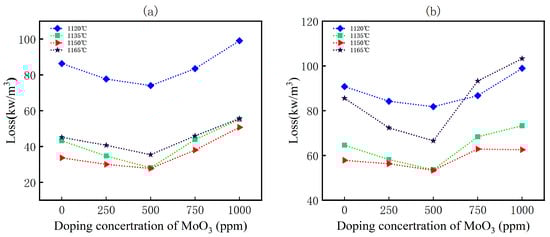
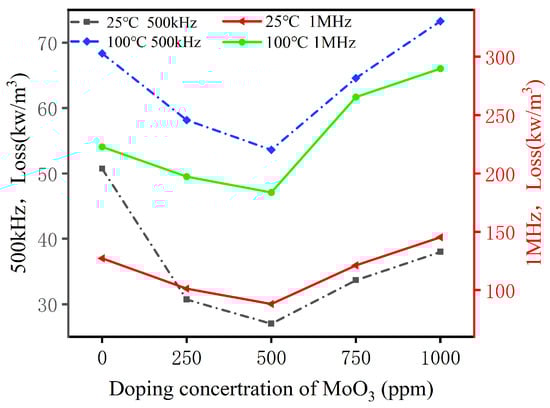
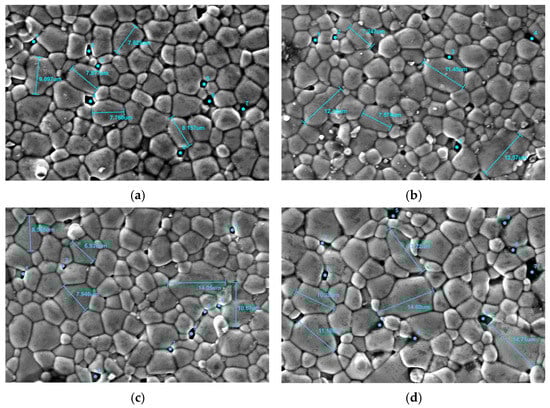
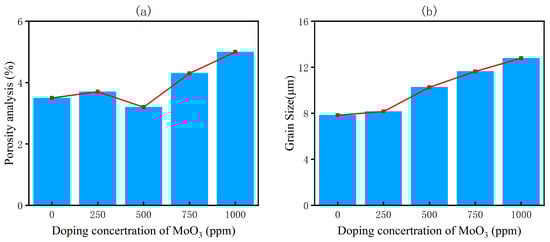
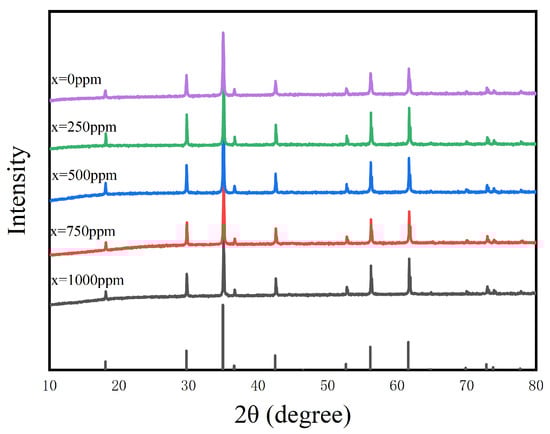
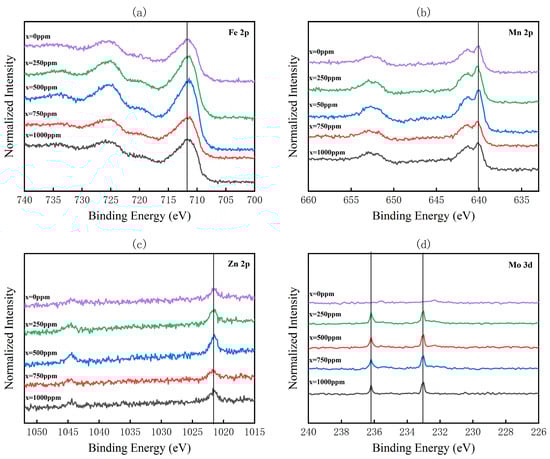
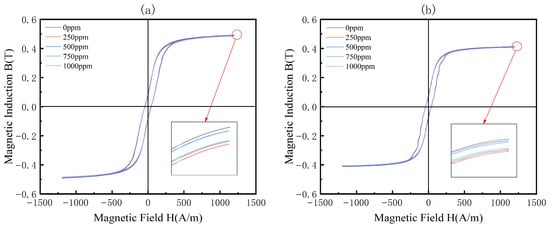
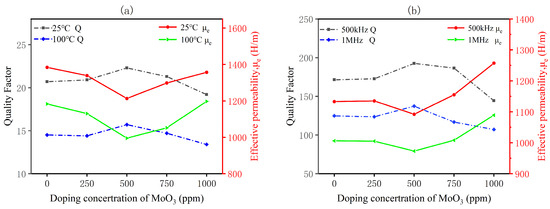
The traditional solid-state method was employed in this study to prepare Mn-Zn ferrite. By adjusting the sintering temperature and the MoO3 doping ratio, the evolution of its structural and magnetic properties was systematically investigated. Fe2O3, MnO, and ZnO were used as the main raw materials, with MoO3 serving as an additive. MoO3 was doped at molar ratios ranging from 0 to 1000 ppm under experimental conditions involving a sintering temperature between 1125 °C and 1165 °C and an oxygen concentration of 1.5%. The addition of an appropriate amount of MoO3 led to an increase in the Q value, which consequently resulted in a reduction in the loss. The formation of a single-phase spinel structure was confirmed by X-ray diffraction analysis. Observations of the surface morphology revealed that the grain size also increased with the increase in MoO3 content, a trend consistent with the enhanced grain growth kinetics at higher MoO3 levels. In this study, a Mn-Zn ferrite material with excellent comprehensive performance was successfully prepared under the optimal conditions of a sintering temperature of 1150 °C and a MoO3 doping concentration of 500 ppm. A Q value of 22.3 was obtained for this material at 25 °C, while a Q value of 15.7 was obtained at 100 °C. At room temperature, a Q value of 192.4 was measured at a test frequency of 500 kHz, and a Q value of 137.2 was measured at 1 MHz. At a frequency of 500 kHz, a loss of 27.1 kW/m3 was observed at 25 °C, and a loss of 53.6 kW/m3 was observed at 100 °C. At a frequency of 1 MHz, a loss of 88.2 kW/m3 was recorded at 25 °C, while a loss of 183.7 kW/m3 was recorded at 100 °C. Additionally, the lattice constant was stabilized in the range of 8.52–8.53 Å, indicating favorable structural stability.
Full article
(This article belongs to the Special Issue Advances in Electronic Ceramics, 2nd Edition)
►▼
Show Figures

Figure 1

Highly Accessed Articles
Latest Books
E-Mail Alert
News
Topics
Topic in
Applied Sciences, Ceramics, Polymers, Sustainable Chemistry, Buildings, Construction Materials, Materials
Research in Sustainable and Alternative Construction and Building Materials
Topic Editors: Jessica Giró Paloma, Joan Formosa MitjansDeadline: 30 September 2026
Topic in
Materials, Nanomaterials, Coatings, Ceramics
Advances in Boron Nitride (Nano)Materials: Synthesis, Functionalization and Applications
Topic Editors: Nikolaos Kostoglou, Claus RebholzDeadline: 31 December 2026
Topic in
Ceramics, Materials, Metals, Polymers, Coatings
Advances in Coatings Technology and Their Multidisciplinary Applications
Topic Editors: Kamalan Kirubaharan Amirtharaj Mosas, Doni DanielDeadline: 31 January 2027
Topic in
Applied Sciences, Ceramics, Crystals, Materials, Nanomaterials, Sci
Advanced Ceramics: Processing, Properties, and Applications
Topic Editors: Amparo Borrell, Rujie He, Maria Virgínia GelfusoDeadline: 31 July 2027
Conferences
Special Issues
Special Issue in
Ceramics
The Production Processes and Applications of Geopolymers, 2nd Edition
Guest Editors: Kinga Korniejenko, Katarzyna Łoś, Aleksandar NikolovDeadline: 15 July 2026
Special Issue in
Ceramics
Advances in Electronic Ceramics, 2nd Edition
Guest Editors: Dawei Wang, Raz Muhammad, Zhilun Lu, Fangfang ZengDeadline: 31 July 2026
Special Issue in
Ceramics
Nanoceramics and Two-Dimensional Ceramic Materials
Guest Editors: Brian Wyatt, Kartik NemaniDeadline: 31 July 2026
Special Issue in
Ceramics
Ceramics 3D Printing: Materials, Technologies and Challenges from Biomedical Devices to Buildings
Guest Editors: Bartolomeo Coppola, Frank Kern, Julien SchmittDeadline: 31 July 2026