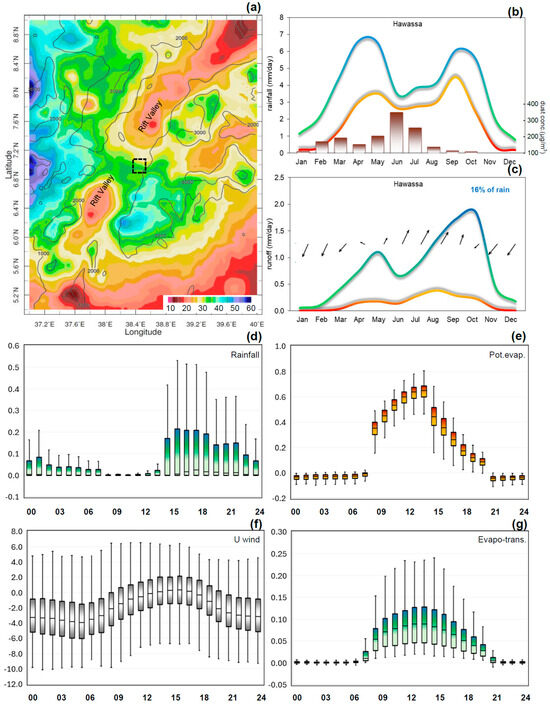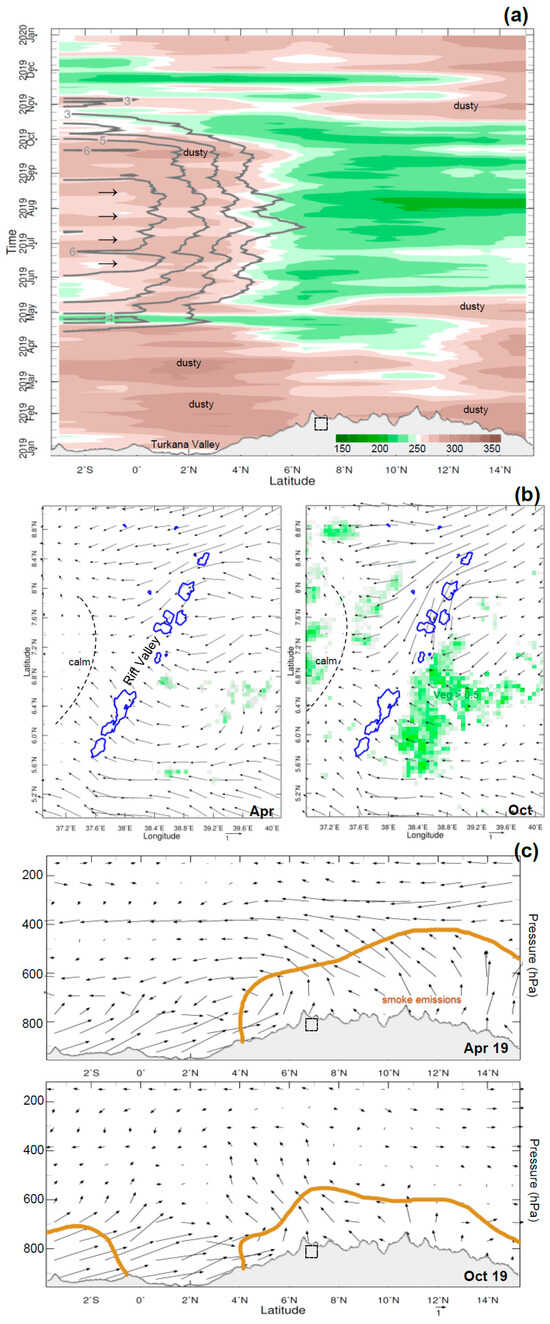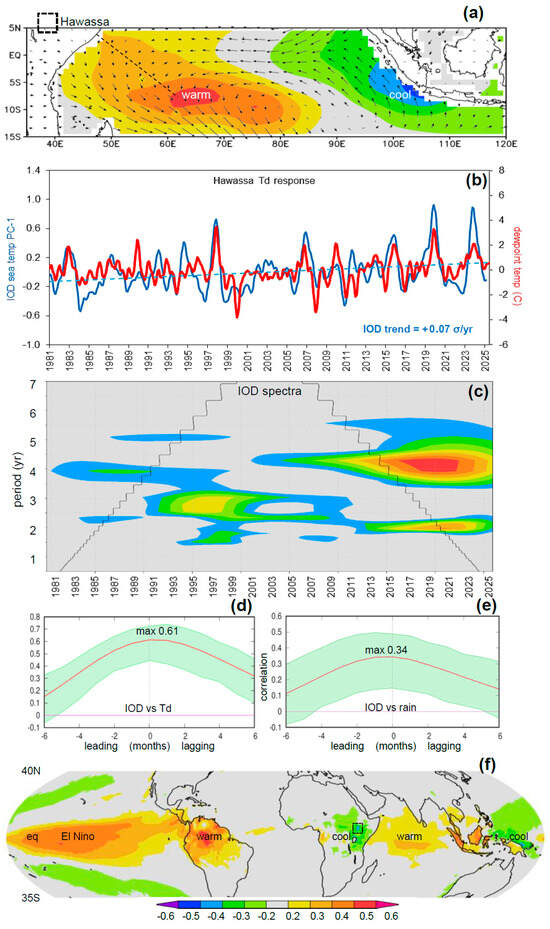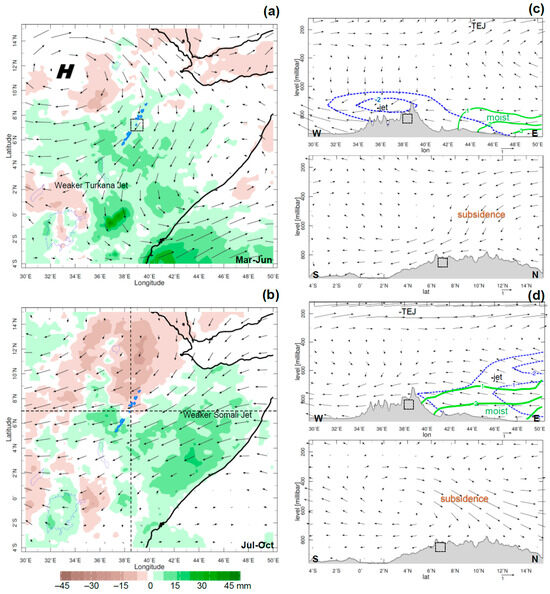

-
Wildfires as Emerging Dominant Arctic and Subarctic Extremes -
Declining Rainfall in Southern Coastal Australia Signals a Return to Drought, Low Dam Levels, Declining Stream Flows, and Catastrophic Bushfires -
Wind Energy Potential over the Eastern Mediterranean During the Summer Season: Evaluation and Future Projections from CMIP6
Journal Description
Climate
Climate
is a scientific, peer-reviewed, open access journal of climate science published online monthly by MDPI. The American Society of Adaptation Professionals (ASAP) is affiliated with Climate and its members receive discounts on the article processing charges.
- Open Access— free for readers, with article processing charges (APC) paid by authors or their institutions.
- High Visibility: indexed within Scopus, ESCI (Web of Science), GEOBASE, GeoRef, AGRIS, and other databases.
- Journal Rank: JCR - Q2 (Meteorology and Atmospheric Sciences) / CiteScore - Q2 (Atmospheric Science)
- Rapid Publication: manuscripts are peer-reviewed and a first decision is provided to authors approximately 20.8 days after submission; acceptance to publication is undertaken in 3.8 days (median values for papers published in this journal in the second half of 2025).
- Recognition of Reviewers: reviewers who provide timely, thorough peer-review reports receive vouchers entitling them to a discount on the APC of their next publication in any MDPI journal, in appreciation of the work done.
Impact Factor:
3.2 (2024);
5-Year Impact Factor:
3.5 (2024)
Latest Articles
Validation of ERA5 and ERA5-Land ECMWF Reanalysis on the Mountainous Coast of Northeastern Brazil
Climate 2026, 14(5), 98; https://doi.org/10.3390/cli14050098 - 1 May 2026
Abstract
►
Show Figures
Reanalysis datasets provide gridded, high-frequency estimates of atmospheric variables that are essential for studying weather and climate, particularly in regions with sparse observational networks. Despite their widespread use, the quality of reanalysis products remains insufficiently validated in tropical regions, particularly in areas with
[...] Read more.
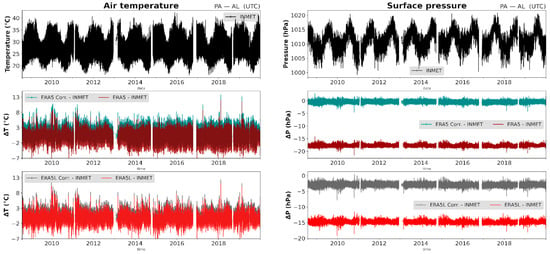
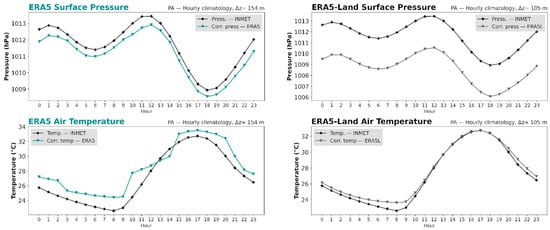
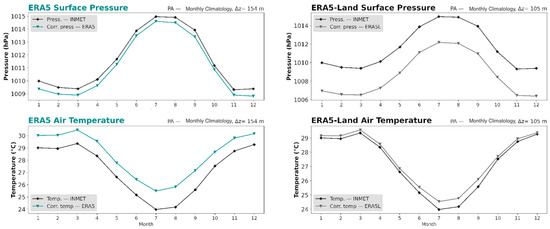
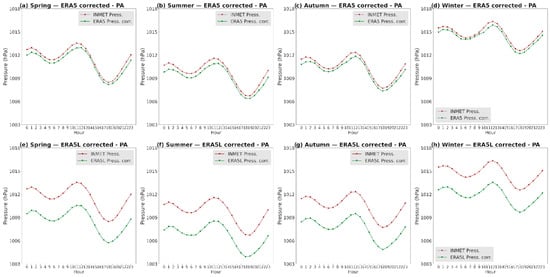
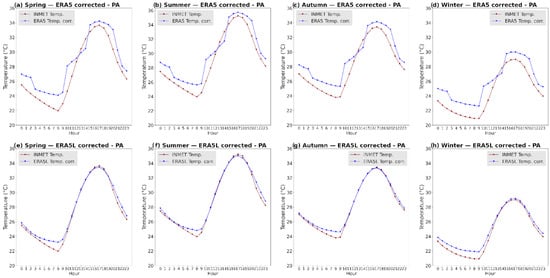
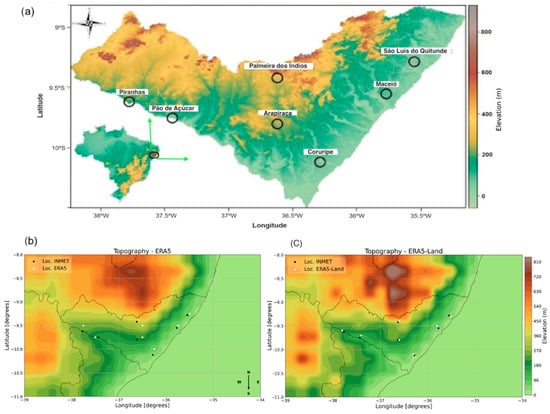
Reanalysis datasets provide gridded, high-frequency estimates of atmospheric variables that are essential for studying weather and climate, particularly in regions with sparse observational networks. Despite their widespread use, the quality of reanalysis products remains insufficiently validated in tropical regions, particularly in areas with complex terrain. In this study, we evaluate the performance of surface-level temperature and atmospheric pressure fields from ERA5 and ERA5-Land in the state of Alagoas, northeastern Brazil. The analysis is based on a 12-year comparison (2008–2019) with observational data from the National Institute of Meteorology (INMET). Prior to validation, altitude corrections were applied to minimize elevation-induced biases in the reanalysis fields. Performance was assessed using statistical metrics. Both reanalyses showed strong agreement with observations, with average correlations exceeding 0.91 for temperature and pressure. ERA5 temperature biases ranged from −0.2 °C to 0.3 °C, and those for ERA5-Land from −0.6 °C to −0.3 °C, with RMSE around 1.6 °C. Pressure biases were initially larger (−20 hPa to +6 hPa in ERA5), but were reduced to below 0.5 hPa at key reference stations after correction. Diurnal and seasonal cycle analyses confirmed the datasets’ ability to reproduce temporal variability, though both reanalyses tended to overestimate minimum temperatures and underestimate maximum temperatures. Further investigation is needed to identify the origin of anomalous temperature jumps in ERA5’s diurnal cycle, which seem unrelated to the assimilation cycles. Overall, the results highlight the robust performance of ERA5 and ERA5-Land in representing surface atmospheric conditions in tropical coastal regions, while also emphasizing the continued need for regional validation and preprocessing before application in high-resolution or short-term studies.
Full article
Open AccessReview
Pathways to Carbon Neutrality in Agriculture: Emission Sources, Mitigation Strategies, and Policy Frameworks
by
Joairia Hossain Faria, Sabina Yeasmin, Sanjana Hossain Nijhum, A. K. M. Mominul Islam and Md. Parvez Anwar
Climate 2026, 14(5), 97; https://doi.org/10.3390/cli14050097 - 29 Apr 2026
Abstract
Globally, greenhouse gas (GHG) emissions have risen dramatically due to accelerated industrialization, excessive fossil fuel extraction, and agricultural activities, leading to global warming and ecosystem collapse. Achieving net-zero carbon emissions has therefore become a crucial global priority. Despite substantial international efforts, only a
[...] Read more.
Globally, greenhouse gas (GHG) emissions have risen dramatically due to accelerated industrialization, excessive fossil fuel extraction, and agricultural activities, leading to global warming and ecosystem collapse. Achieving net-zero carbon emissions has therefore become a crucial global priority. Despite substantial international efforts, only a small number of countries have achieved carbon neutrality so far, with the majority aiming to do so by 2050 or 2060. Progress remains hindered by fragmented international coordination and inadequate integration of mitigation and adaptation co-benefits. However, agriculture is a major carbon emitter with significant mitigation potential. Attaining local carbon neutrality in agricultural landscapes is highly costly and strongly impacted by the spatial heterogeneity of GHG emissions and the diversity of available mitigation possibilities. This sector remains a major contributor to methane (CH4) and nitrous oxide (N2O) emissions, mainly through enteric fermentation and fertilizer use, and thus must be prioritized in global carbon neutrality strategies. Tactics such as improved livestock management, reduced use of synthetic fertilizers, conservation agriculture, afforestation, and renewable energy adoption can reduce emissions. These technical approaches should be supported by effective policy instruments, like carbon taxes, cap-and-trade schemes, low-carbon practice subsidies, and regulatory frameworks. Together, these measures can enable a transition toward long-term sustainability in agriculture by balancing emissions with removals through enhanced carbon sinks and credible offset mechanisms.
Full article
(This article belongs to the Special Issue Climate Change and Crop Response)
Open AccessArticle
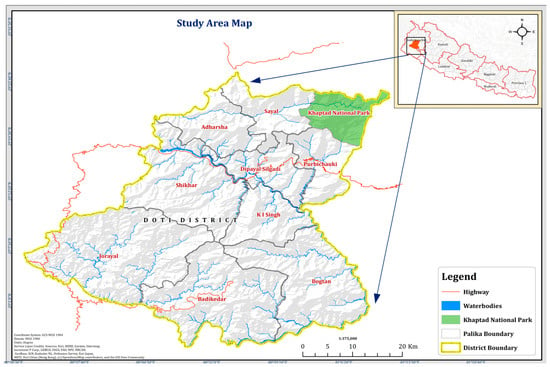
Impact of Climate Change on Agriculture and Adaptive Responses: Evidence from Doti District of Nepal
by
Jitendra Bikram Shahi, Bed Mani Dahal, Nani Raut, Sunil Kumar Pariyar and Nabin Aryal
Climate 2026, 14(5), 96; https://doi.org/10.3390/cli14050096 - 29 Apr 2026
Abstract
The agriculture sector in Nepal is highly vulnerable to climate change due to its traditional practices, limited technological intervention, and low adaptive capacity. Owing to the country’s complex topography, the impacts of climate change are spatially heterogeneous, making local-level climate change assessments highly
[...] Read more.
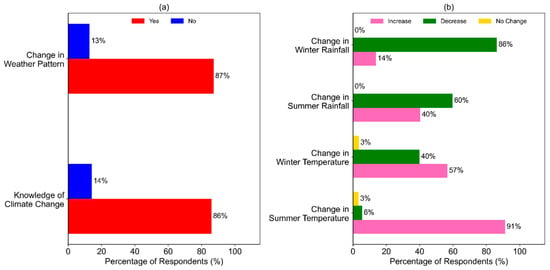
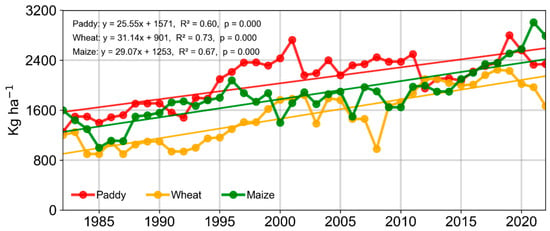
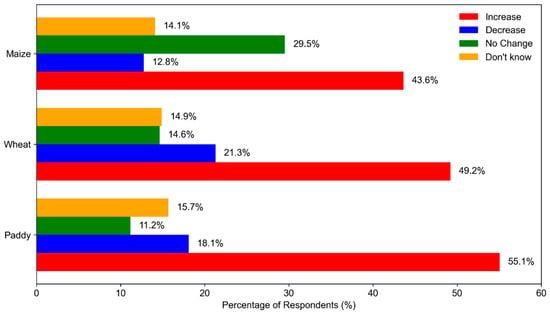
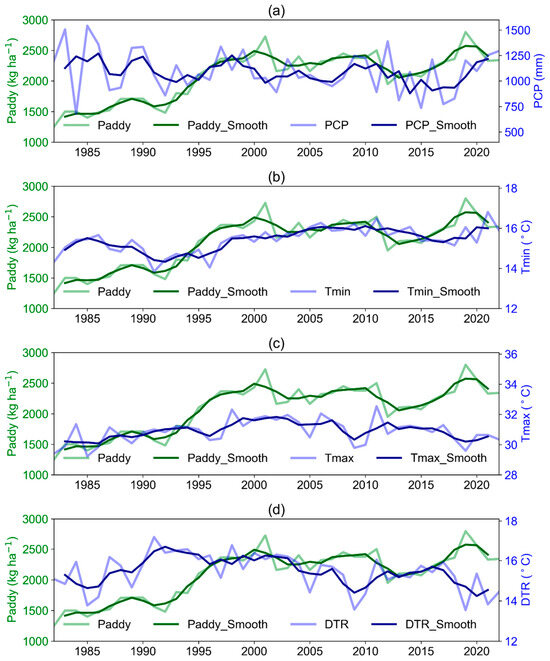
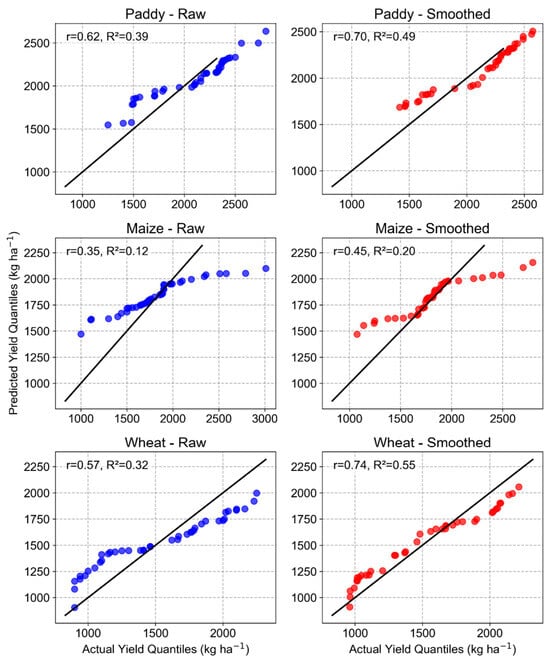
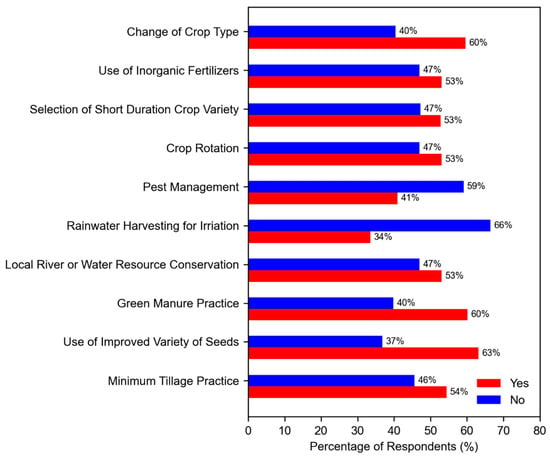
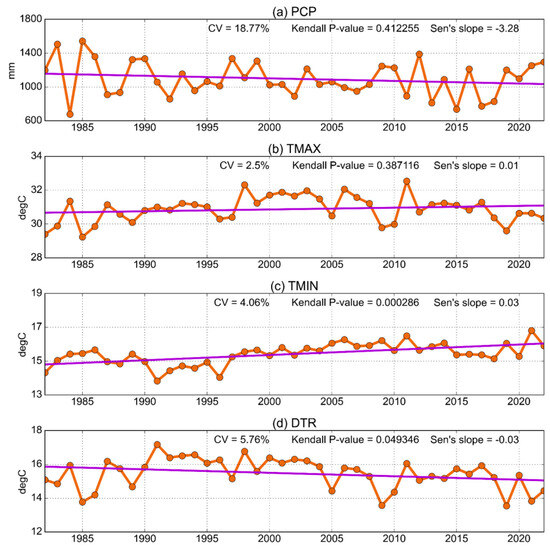
The agriculture sector in Nepal is highly vulnerable to climate change due to its traditional practices, limited technological intervention, and low adaptive capacity. Owing to the country’s complex topography, the impacts of climate change are spatially heterogeneous, making local-level climate change assessments highly relevant. This study focuses on the impact of climate change on three major crops (rice, wheat, and maize), in the Doti district of Nepal, based on meteorological records, crop yield data, questionnaire surveys, and focus group discussions. Climate records from 1982 to 2022 show a trend in annual rainfall at a rate of −3.28 mm per year, with a particularly pronounced decline during the monsoon season. Both maximum and minimum temperatures exhibit statistically significant increasing trends of 0.01 °C and 0.03 °C per year, respectively. The most significant warming for maximum temperature occurs during the monsoon season, while minimum temperature shows the highest increase during the pre-monsoon season. During the same period, annual yields of paddy, maize, and wheat show statistically significant increasing trends. These trends in climate variables and crop yields align with the perceptions of local communities. Linear correlation analysis indicates that maximum and minimum temperatures have a positive influence on crop yields, whereas precipitation and diurnal temperature range have negative effects. Among these, minimum temperature has the greatest impact on crop yields, followed by maximum temperature and rainfall. Multiple linear regression analysis reveals that climate variables better explain long-term trends in crop yields rather than year-to-year variability. The impact of climate is most pronounced in wheat where climate variables account for approximately 55% of the yield variability, followed by paddy (R2~49%) and maize (R2~20%). Despite the overall increase in crop yields, interannual variability has grown, consistent with increased variability in climate parameters. To cope with this uncertainty, local communities have adopted various adaptation strategies, including the use of improved seed varieties, green manure, and changes in crop types. Other key practices include the use of inorganic fertilizers, selection of short-duration crops, crop rotation, minimum tillage farming, and river conservation.
Full article
(This article belongs to the Section Climate and Environment)
►▼
Show Figures

Figure 1
Open AccessArticle
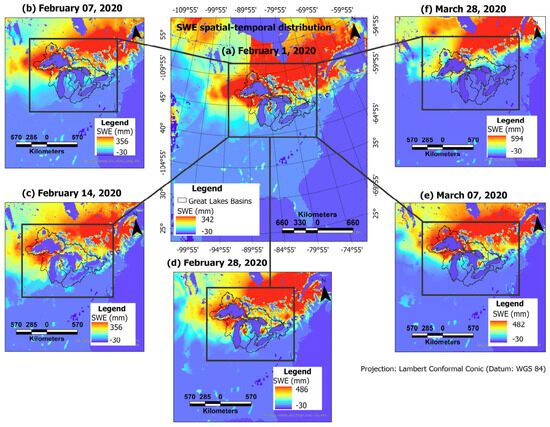
Daily Snow-Water-Equivalent Trends over the Great Lakes Basin: A Computer Vision and Deep Learning-Based Approach
by
Karim Malik, Isteyak Isteyak, Kristen Kys, Yusriyah Rahman, Hala Al Daker and Karanveer Sidhu
Climate 2026, 14(5), 95; https://doi.org/10.3390/cli14050095 - 28 Apr 2026
Abstract
►▼
Show Figures
Snow water equivalent (SWE), the amount of water that will be liberated when a given snowpack melts, is considered an essential climate variable. Snowmelt drives annual run-off in snow-dominant basins. However, detecting daily SWE changes in lake-effect snowfall regions such as the Great
[...] Read more.
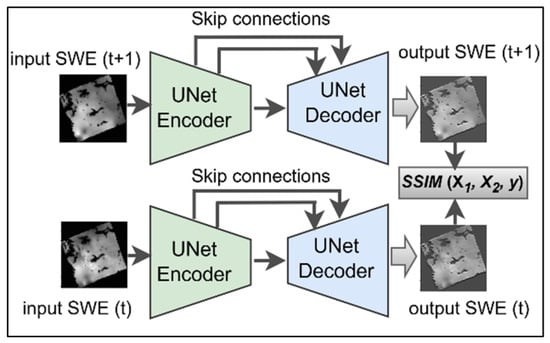
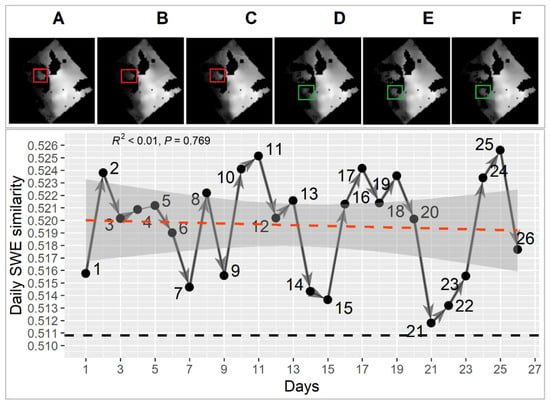
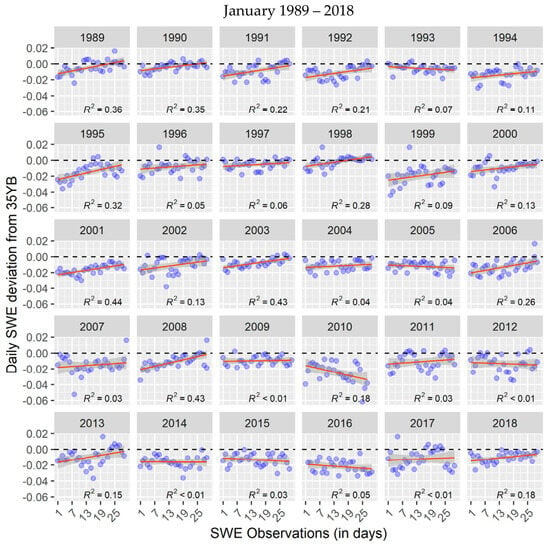
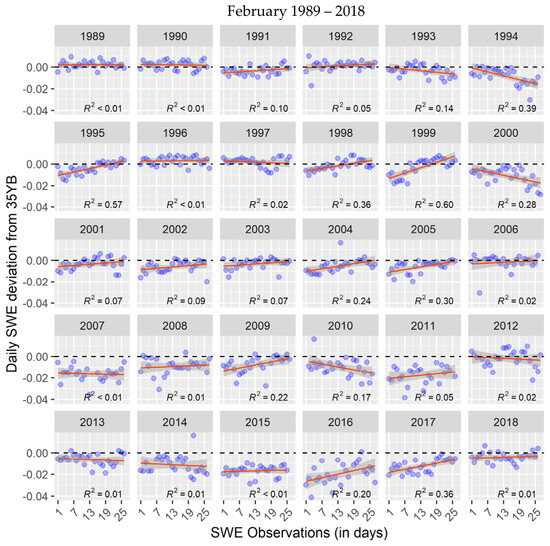
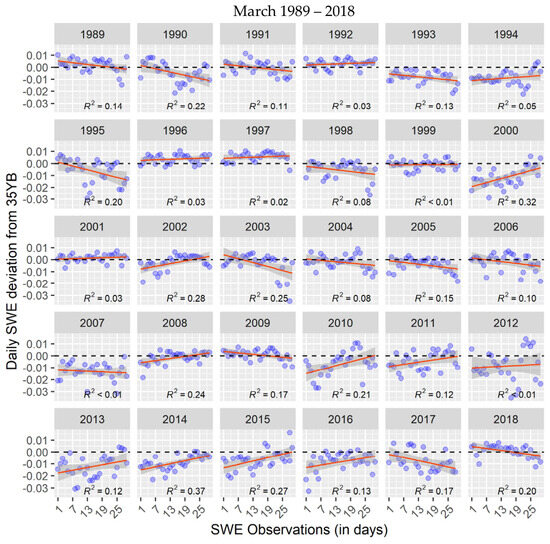
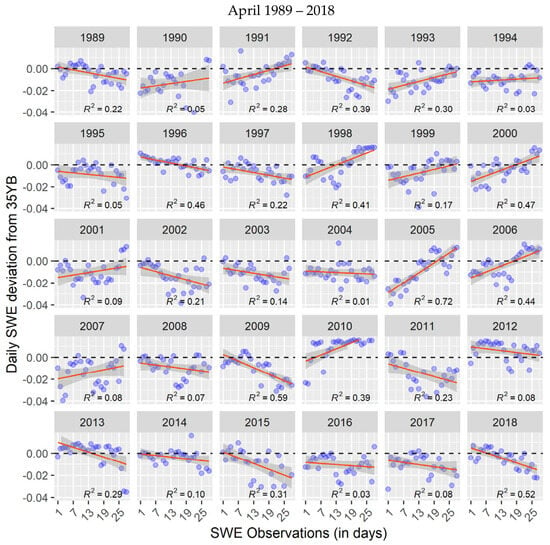
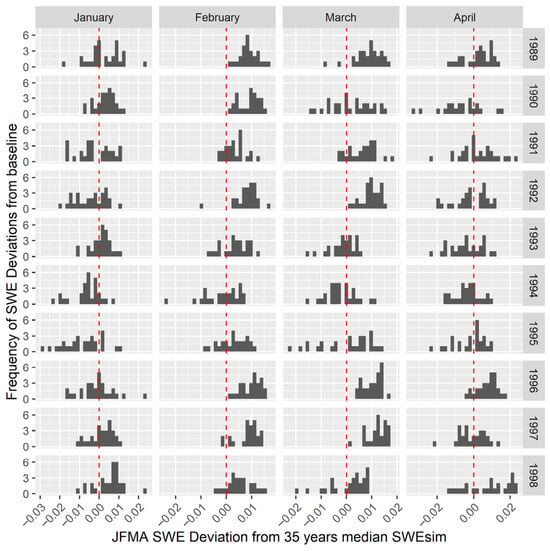
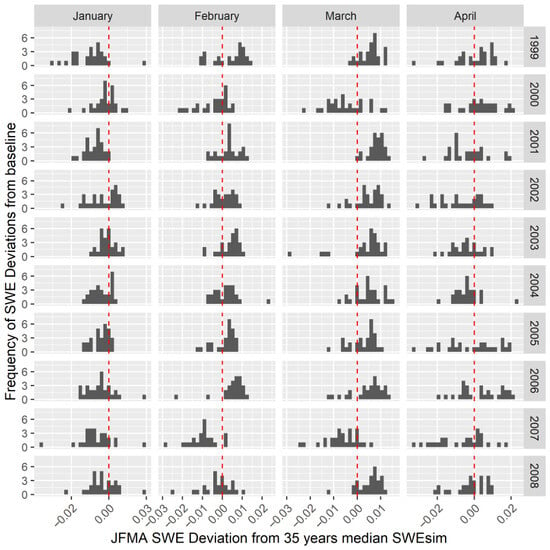
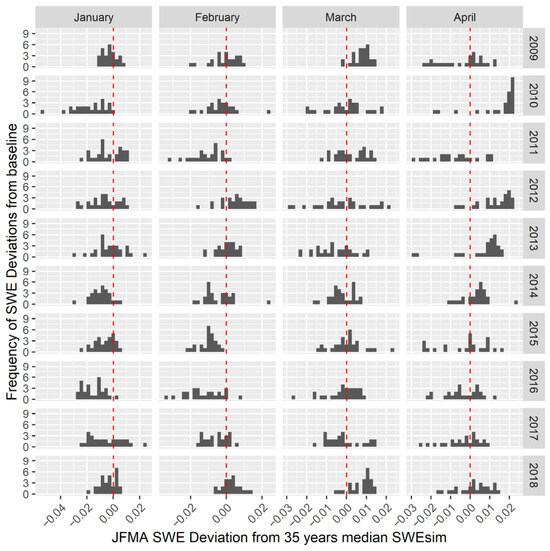
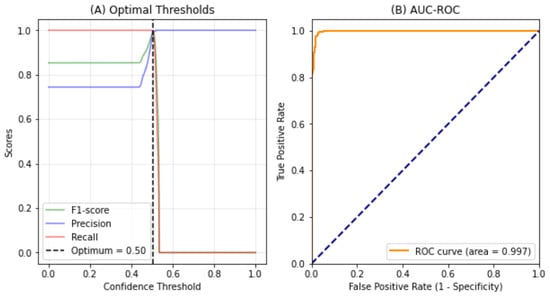
Snow water equivalent (SWE), the amount of water that will be liberated when a given snowpack melts, is considered an essential climate variable. Snowmelt drives annual run-off in snow-dominant basins. However, detecting daily SWE changes in lake-effect snowfall regions such as the Great Lakes Basin (GLB) is challenging with classical methods. We developed a Siamese U-Net (Si-UNet) model to detect and characterize daily changes and trends in SWE. Our Si-UNet detected daily changes in SWE over the GLB with an F1-score of 98.73%. To characterize the basin-wide extent of anomalies in SWE distribution, we compared SWE trends to a 35-year median (35YB) baseline and identified decadal trends in SWE. We found that the period from 1989 to 2008 was the temporal window with minimal anomalies, compared to the 35YB of ~0.5108. Positive deviations from the 35YB were prevalent over these 20 years, indicating less significant daily changes. A significant shift to daily SWE similarity below the 35YB occurred after 2009, especially in January and February. Daily changes in SWE were high in April, beginning in the second week. The strongest positive trend, likely associated with lake-effect snowfall, was observed in April 2000 (R2 = 0.47).
Full article

Figure 1
Open AccessArticle
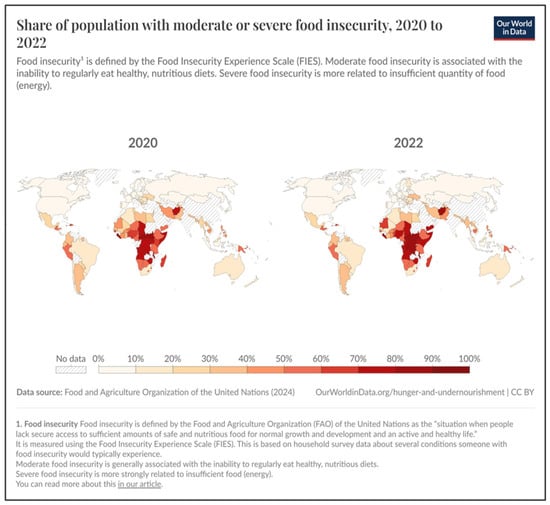
The Impact of Climatic Variables on Food Production in Afghanistan: The Role of Green Energy
by
Sayed Alim Samim, Abdul Qadir Nabizada, Miraqa Hussain Khail, Zhiquan Hu and Sebastian Stepien
Climate 2026, 14(5), 94; https://doi.org/10.3390/cli14050094 - 28 Apr 2026
Abstract
Afghanistan is highly vulnerable to the effects of climate change, which poses significant challenges to food security and environmental systems. To mitigate these challenges and promote sustainable development, it is important to adopt an integrated method that promotes food production and climate resilience
[...] Read more.
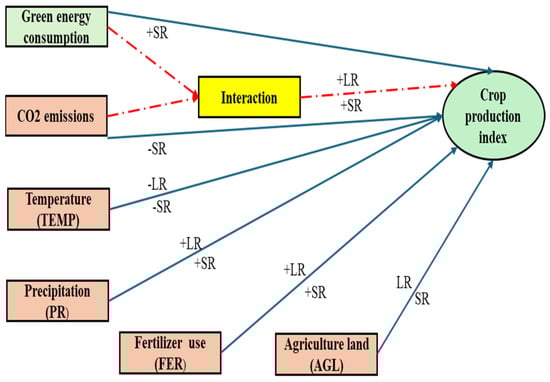
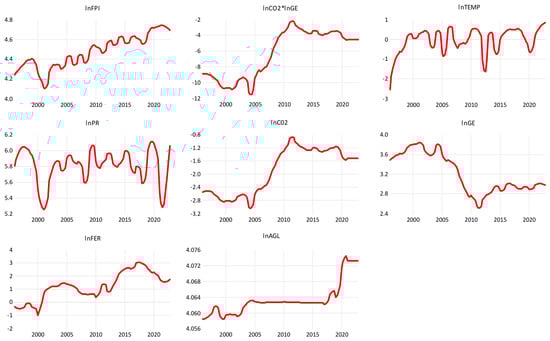
Afghanistan is highly vulnerable to the effects of climate change, which poses significant challenges to food security and environmental systems. To mitigate these challenges and promote sustainable development, it is important to adopt an integrated method that promotes food production and climate resilience for environmental sustainability. This manuscript aims to estimate the decoupling impact of green energy on CO2 emissions and food crop production in Afghanistan, with a focus on promoting Sustainable food production. In this research article, the Nonlinear Auto Regressive Distributed Lag (NARDL) model was used to estimate data from 1996 to 2021 in Afghanistan. The NARDL bounds test confirms a stable long-run equilibrium relationship between climatic factors and food crop production. The long-run results reveal an asymmetric decoupling impact of green energy on CO2 emission and food crop production. Specifically, a 1% positive or negative shock in the interaction between green energy and CO2 emissions produces different outcomes for food crop production. Increasing temperature tends to decrease food production, while precipitation increases food production over the long term. Furthermore, raising CO2 emissions negatively affects long-term food production, while greater use of green energy contributes to food production in the future. These findings underscore the need to adopt climate-resilient technologies, including climate-smart agriculture, to help farmers withstand the adverse effects of climate change. In addition, to ensure long-term stability in food production, Afghanistan should prioritize the development of green technologies. This approach would reduce agriculture’s dependence on fossil fuels and foster the growth of sustainable agricultural industries.
Full article
(This article belongs to the Special Issue Climate Change and Food Sustainability: A Critical Nexus)
►▼
Show Figures

Figure 1
Open AccessArticle
Summertime Increase in the Frequency of Low-Pressure Systems in the Mediterranean Region from 1940 to 2024
by
Muhammad Attiq Khan and Ulrich Foelsche
Climate 2026, 14(5), 93; https://doi.org/10.3390/cli14050093 - 27 Apr 2026
Abstract
Mediterranean low-pressure systems or cyclones are responsible for many extreme events affecting the region. This study presents a comprehensive analysis of Mediterranean cyclones from 1940 to 2024 using high-resolution ERA5 reanalysis data. This study implements a detection algorithm based on geopotential height minima
[...] Read more.
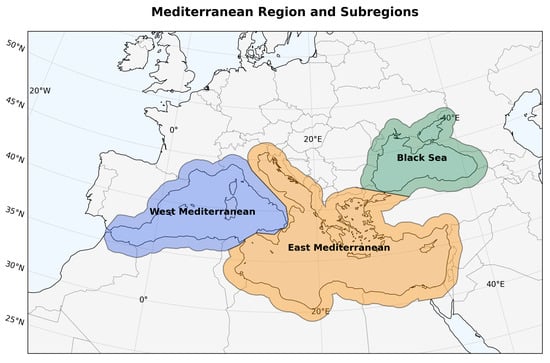
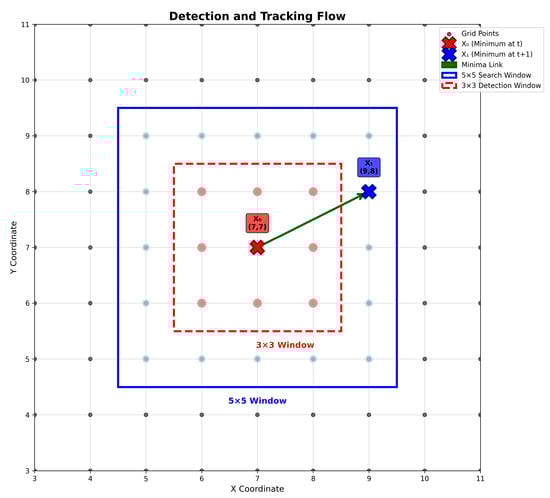
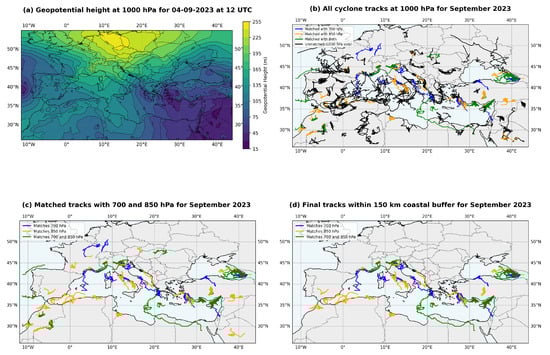
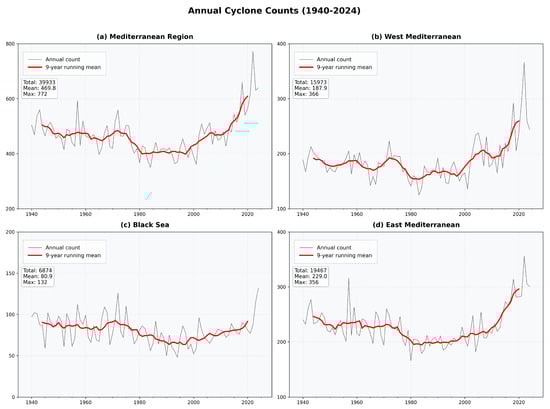
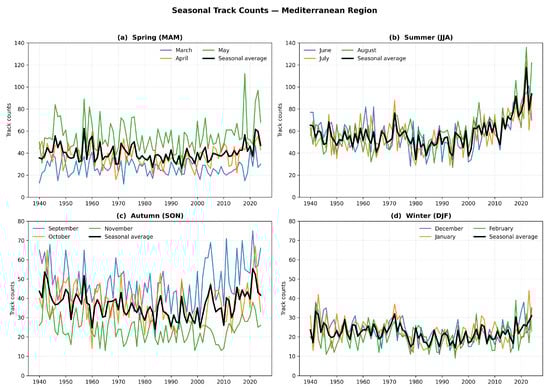
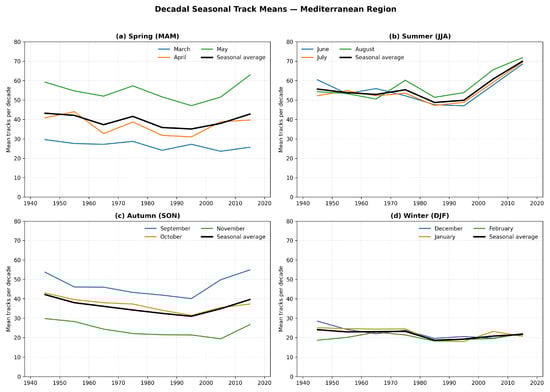
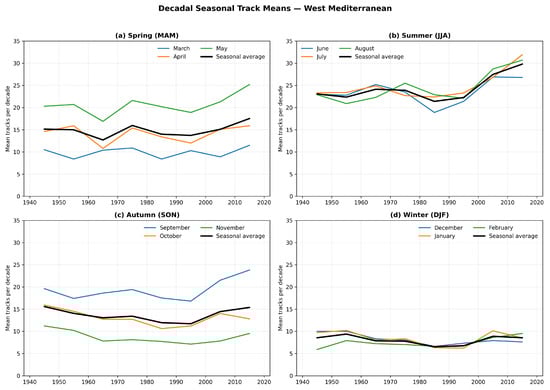
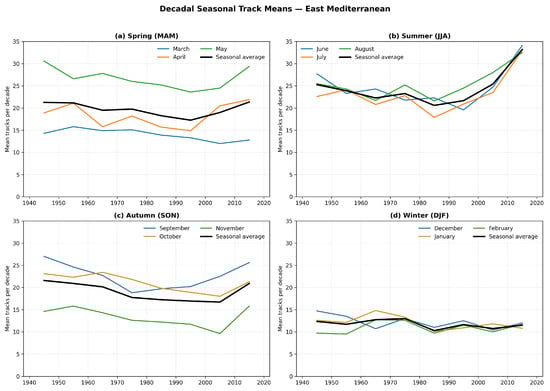
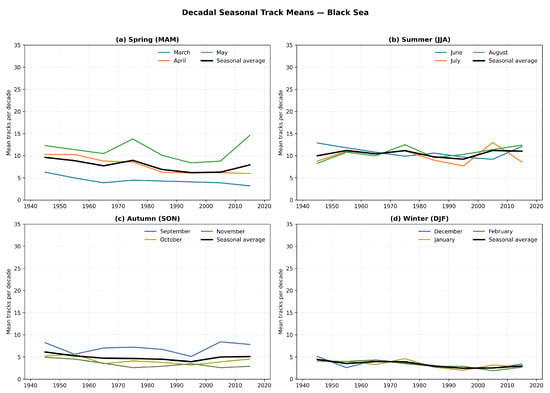
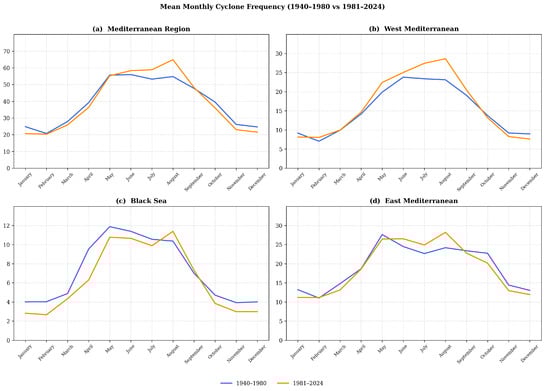
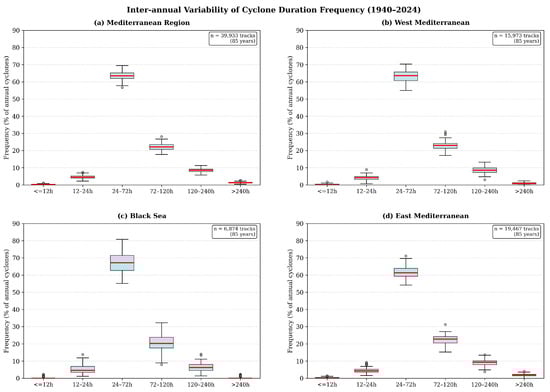
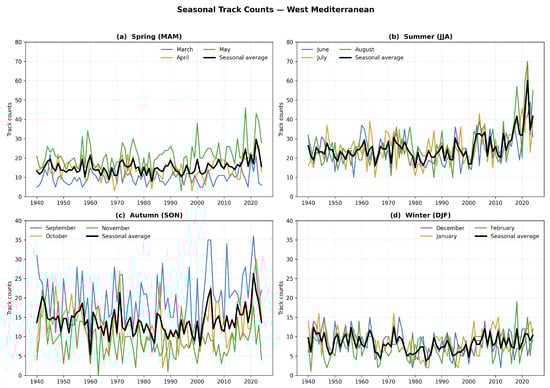
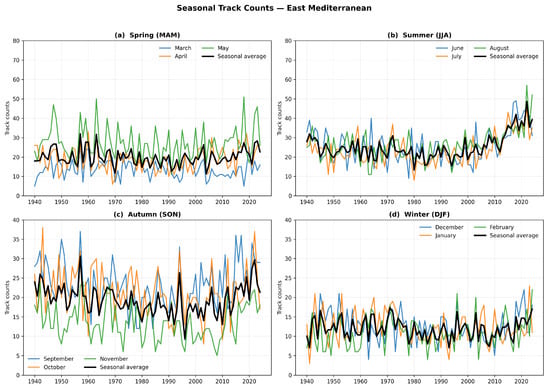
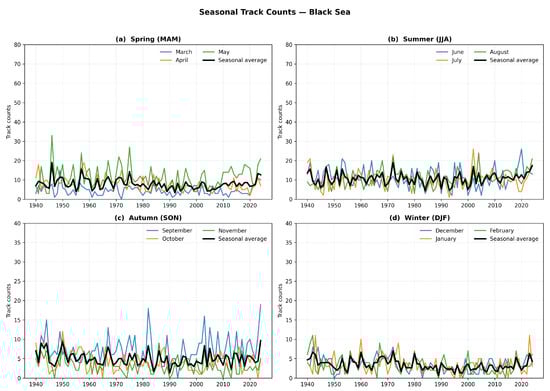
Mediterranean low-pressure systems or cyclones are responsible for many extreme events affecting the region. This study presents a comprehensive analysis of Mediterranean cyclones from 1940 to 2024 using high-resolution ERA5 reanalysis data. This study implements a detection algorithm based on geopotential height minima on three different pressure levels (1000 hPa, 850 hPa and 700 hPa). Cyclone tracks in this study are constructed by linking identified low-pressure centers at successive time steps using a nearest neighbor tracking algorithm. The number of cyclones at 1000 hPa is filtered by matching them with upper levels and restricting them within 150 km from the coast, covering the entire Mediterranean region, which we divided into three subregions: the western Mediterranean, the eastern Mediterranean, and the Black Sea. Seasonal analysis was performed for winter (December–February), spring (March–May), summer (June–August), and autumn (September–November). Our results have recorded 39,933 individual cyclone tracks, where the majority (25,265 cyclones; 63.3%) are short-lived (24–72 h). Regionally, the western Mediterranean has the highest cyclone density, followed by the Black Sea and the eastern Mediterranean. While there is only a small increase in total numbers, a notable increase in cyclone activity is observed during the summer months, particularly in August, with a statistically significant rise of 18.4% since 1980 across the whole Mediterranean region. In the western Mediterranean, this August intensification was even 23.8%. As a result of this, the annual peak of cyclone activity has shifted from May/June to August.
Full article
(This article belongs to the Special Issue The Importance of Long Climate Records (Second Edition))
►▼
Show Figures

Figure 1
Open AccessArticle
Propagation Speed Climatology of Pacific Equatorial Kelvin Waves in Different Background Conditions
by
Crizzia Mielle De Castro and Paul E. Roundy
Climate 2026, 14(5), 92; https://doi.org/10.3390/cli14050092 - 24 Apr 2026
Abstract
Atmospheric equatorial Kelvin waves—convective disturbances that manipulate tropical wind and rainfall patterns—can propagate eastward at speeds ranging from nearly stationary to 30 m/s, with variability determined by moist processes and advection by the background wind. Current studies on Kelvin waves lack a comprehensive
[...] Read more.
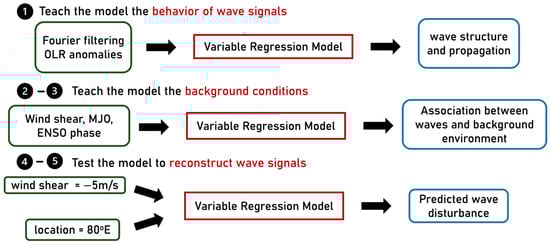
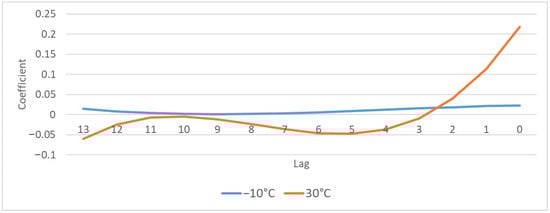
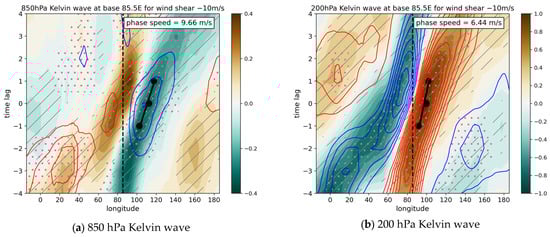
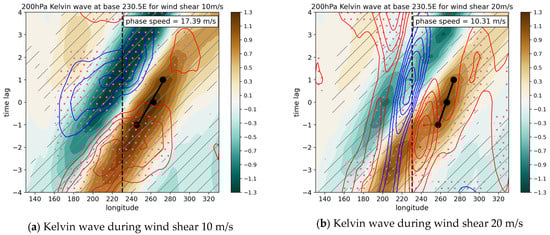
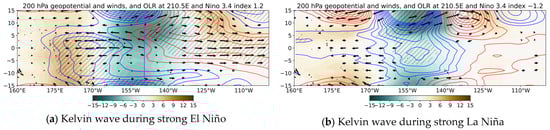
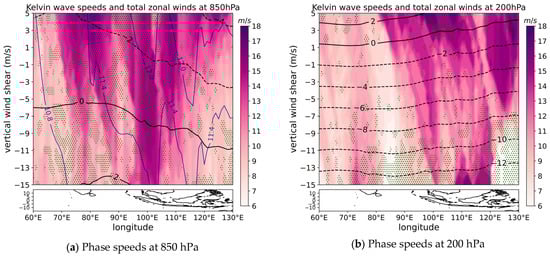
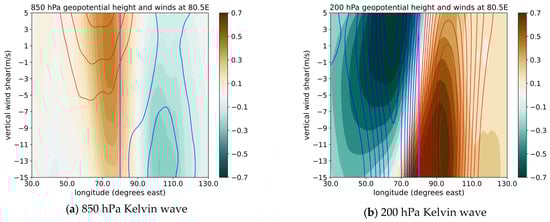
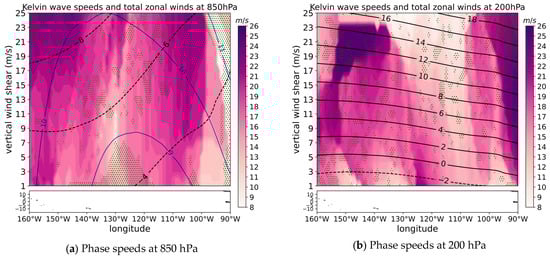
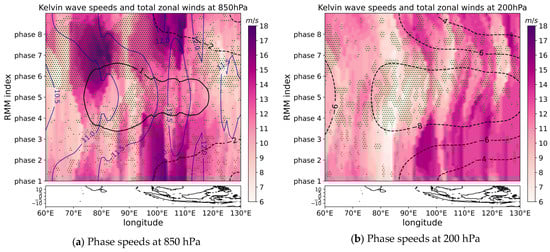
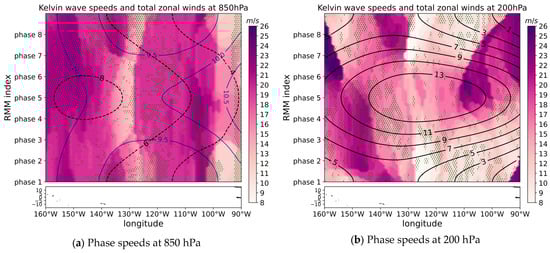
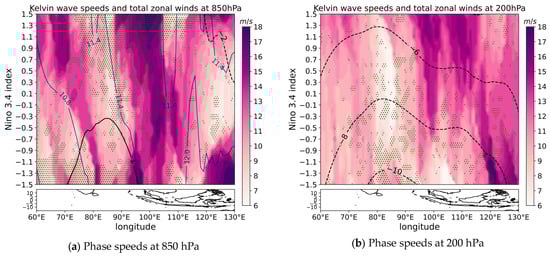
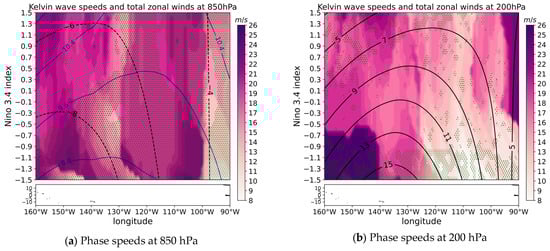
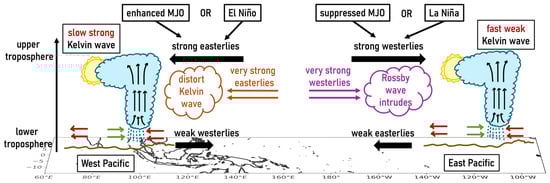
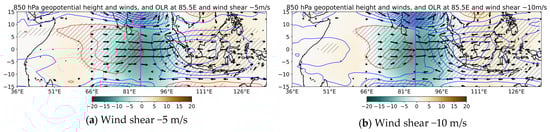
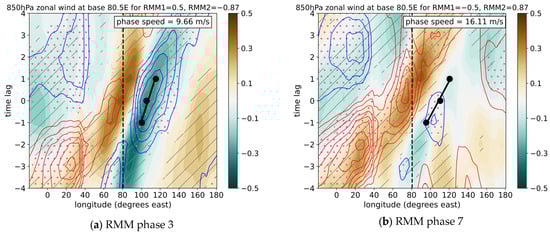
Atmospheric equatorial Kelvin waves—convective disturbances that manipulate tropical wind and rainfall patterns—can propagate eastward at speeds ranging from nearly stationary to 30 m/s, with variability determined by moist processes and advection by the background wind. Current studies on Kelvin waves lack a comprehensive climatology that explains how their structure and propagation speeds change in different background states. Thus, this work builds a variable regression model that uses ERA5 reanalysis data to reconstruct Kelvin waves during different background wind shear conditions and phases of the Madden–Julian Oscillation (MJO) and the El Niño–Southern Oscillation (ENSO) over the Pacific. Overall, Kelvin waves tend to speed up during background conditions that generate upper-tropospheric westerlies and slow down during upper-tropospheric easterlies. East Pacific Kelvin waves are faster than West Pacific Kelvin waves because of climatological westerly shear in the former and easterly shear in the latter. However, strong westerly shear over the East Pacific allows extratropical Rossby waves to impede on the Kelvin wave, while strong easterly shear over the West Pacific distorts classical Kelvin wave structure. The results provide references for weather prediction models to accurately resolve the interaction between Kelvin waves and background circulation.
Full article
(This article belongs to the Section Climate Dynamics and Modelling)
►▼
Show Figures

Figure 1
Open AccessArticle
Improving Lagrangian Simulations of Tropical Cyclogenesis While Maintaining Realistic Madden–Julian Oscillations
by
Patrick Haertel and David Torres
Climate 2026, 14(5), 91; https://doi.org/10.3390/cli14050091 - 24 Apr 2026
Abstract
Tropical cyclones (TCs) and the Madden–Julian Oscillation (MJO) are two of the most impactful weather systems in the tropics. For example, it is not uncommon for a strong TC to kill hundreds of people and cause tens of billions of dollars in damage.
[...] Read more.
Tropical cyclones (TCs) and the Madden–Julian Oscillation (MJO) are two of the most impactful weather systems in the tropics. For example, it is not uncommon for a strong TC to kill hundreds of people and cause tens of billions of dollars in damage. The MJO modulates not only TCs but also monsoons around the world, which contribute essential rainfall for agriculture that supports billions of people, but which also can cause deadly floods. Because of the close coupling between the MJO and TCs, as well as the several week predictability of the MJO, models that can accurately simulate both kinds of weather systems have the potential to be useful for both mid-range weather forecasting and studies of impacts of climate change. This paper describes the further development of one such model, the Lagrangian Atmospheric Model (LAM), which simulates atmospheric motions by predicting motions of individual air parcels, and which has been shown to accurately simulate the MJO in previous studies. In this study, a new parameterization of cloud albedo is included in the LAM, and the model is tuned to improve simulations of TC distributions while still maintaining a robust and realistic MJO. Objective metrics of the model basic state, MJO quality, and TC distributions are used to optimize parameter selections for the cloud albedo parameterization and convective mixing. After tuning the LAM using dozens of 3-year simulations, we conduct two longer simulations forced with observed sea surface temperatures to verify that the new version of LAM has a substantially improved representation of TCs while still maintaining a realistic MJO.
Full article
(This article belongs to the Special Issue El Niño-Southern Oscillation and Pan-Tropical Climate Interactions: Dynamics, Predictability, Modeling and Projections)
Open AccessArticle
Risk of Powerline Failure Induced by Heavy Rainfall Hazards: Debris Flow Case Studies in Talamona and Campo Tartano
by
Andrea Abbate, Leonardo Mancusi and Michele de Nigris
Climate 2026, 14(5), 90; https://doi.org/10.3390/cli14050090 - 23 Apr 2026
Abstract
The power system is the backbone of the energy network, and overhead lines are its vital structures. Weather threats may jeopardise the reliability of lines and make them a weak link. In particular, heavy rainfall episodes can cause failures, especially in mountain areas.
[...] Read more.
The power system is the backbone of the energy network, and overhead lines are its vital structures. Weather threats may jeopardise the reliability of lines and make them a weak link. In particular, heavy rainfall episodes can cause failures, especially in mountain areas. Current climate changes may exacerbate the effects on the ground, intensifying rainfall episodes and increasing the frequency of extreme events. In this context, debris flows triggered by rather intense precipitation and characterised by fast kinematics can destroy pylons and electric connections, affecting the infrastructures not only in the upper ridges but also downstream across the fan apex, where powerlines are much more distributed. This study presents an in-depth back-analysis of two debris flow events triggered in concomitance with a heavy cloudburst that occurred in Talamona (Sondrio Province, Italy) in July 2008 and in Campo Tartano (Sondrio Province, Italy) in April 2024. These events hit onsite powerlines, causing blackouts and showing the potential vulnerabilities of the local electricity system. An analysis of rainfall-induced landslide failure is carried out using the numerical model CRHyME (Climatic Rainfall Hydrogeological Modelling Experiment) and MIST-DF (Modelling Impulsive Sediment Transport—Debris Flow) with the aim of reconstructing the dynamics of the first (i.e., Talamona) geo-hydrological event. Powerline vulnerability is also investigated against debris flow dynamics, discussing possible strategies to reduce pylon exposure and to increase the resilience of the local electro-energetic network. Since, under climate change scenarios, heavy rainfall episodes are projected to intensify, an alternative approach based on rainfall-threshold curves is presented and applied to both cases of study. The latter, already implemented for civil protection purposes, could be useful in early-warning procedures against potential debris flow hazards. For both methodologies, the findings from the study confirm the strength of the approaches and foster their application in different situations (back-analysis and early warning) to reduce powerlines’ geo-hydrological risks.
Full article
(This article belongs to the Special Issue Hydroclimatic Extremes: Modeling, Forecasting, and Assessment)
Open AccessArticle
Attributable Deaths from Heat and Cold in Austria According to Future Climate Scenarios Until 2100
by
Hanns Moshammer, Martin Jury, Alexandra Kristian, Lisbeth Weitensfelder and Hans-Peter Hutter
Climate 2026, 14(5), 89; https://doi.org/10.3390/cli14050089 - 22 Apr 2026
Abstract
Climate change will impact the distribution of daily deaths in Austria until the end of the century. This study examines the net effects of fewer cold and more-frequent hot days on daily mortality under different climate and demographic scenarios. Projected district-level mortality data
[...] Read more.
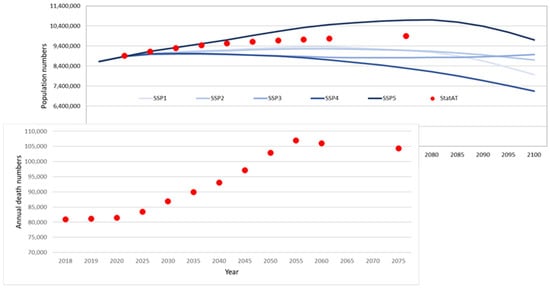
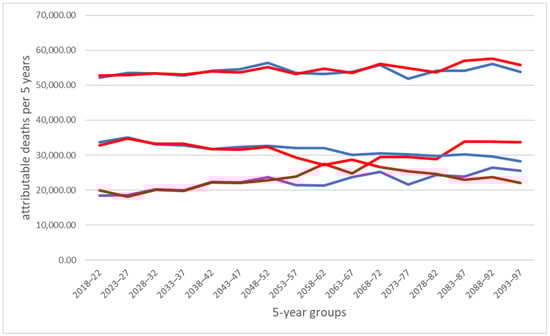
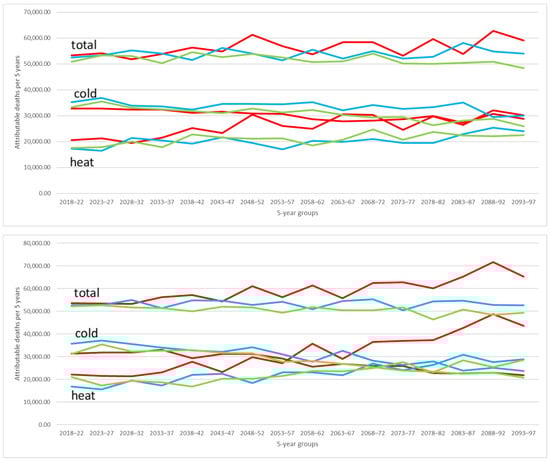
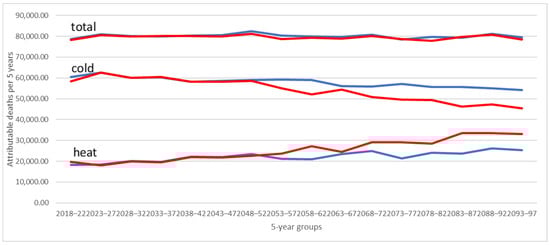
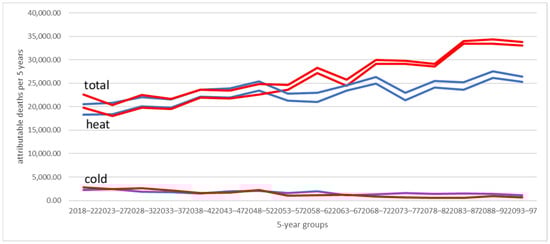
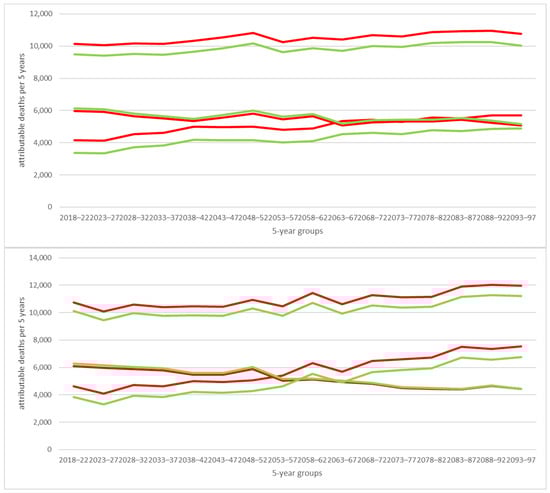
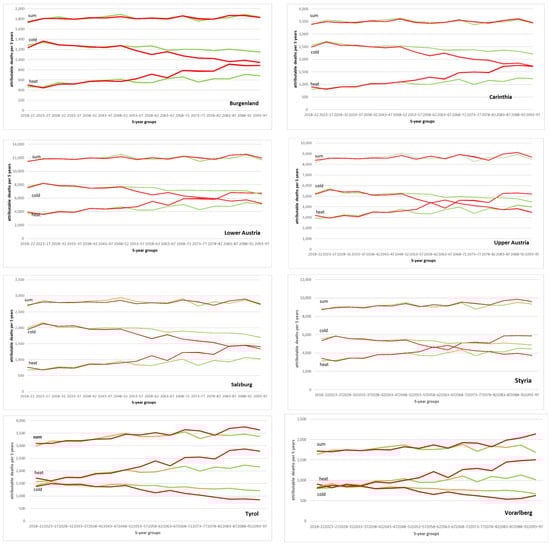
Climate change will impact the distribution of daily deaths in Austria until the end of the century. This study examines the net effects of fewer cold and more-frequent hot days on daily mortality under different climate and demographic scenarios. Projected district-level mortality data and daily temperatures based on Representative Concentration Pathways (RCP4.5 and RCP8.5) are analyzed to estimate the number of attributable deaths for every fifth year due to heat and cold using district-wise temperature–effect estimates from a previous analysis. While the overall shape of the time course of temperature-attributable deaths depends mostly on the demographic developments (with the highest numbers of daily mortality mid-century), under all climate scenarios investigated, the increase in heat-attributable deaths will be more pronounced than the decrease in cold-attributable deaths. Contrary to common claims, shift in temperatures due to climate change already has a net negative effect on population health in Austria now.
Full article
(This article belongs to the Special Issue Climate, Ecosystem and Human Health: Impacts and Adaptation)
►▼
Show Figures

Figure 1
Open AccessArticle
Historical Trend and Future Projection of Extreme Seasonal Precipitation over Ethiopia, East Africa
by
Daniel Berhanu, Tena Alamirew, Greg O’Donnell, Claire L. Walsh, Amare Haileslassie, Temesgen Gashaw Tarkegn, Amare Bantider, Solomon Gebrehiwot and Gete Zeleke
Climate 2026, 14(4), 88; https://doi.org/10.3390/cli14040088 - 21 Apr 2026
Abstract
►▼
Show Figures
East Africa is highly vulnerable to climate change due to limited adaptive capacity and strong reliance on rain-fed agriculture. Ethiopia, in particular, experiences recurrent socio-economic losses from droughts and floods. This study presents a national-scale assessment of observed (1981–2010) and projected (2041–2100) changes
[...] Read more.
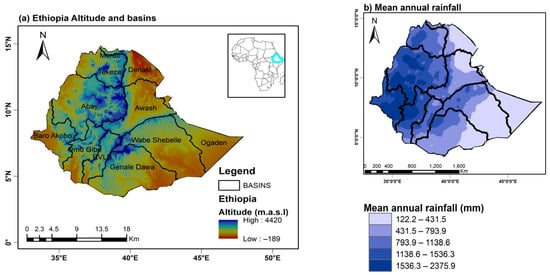
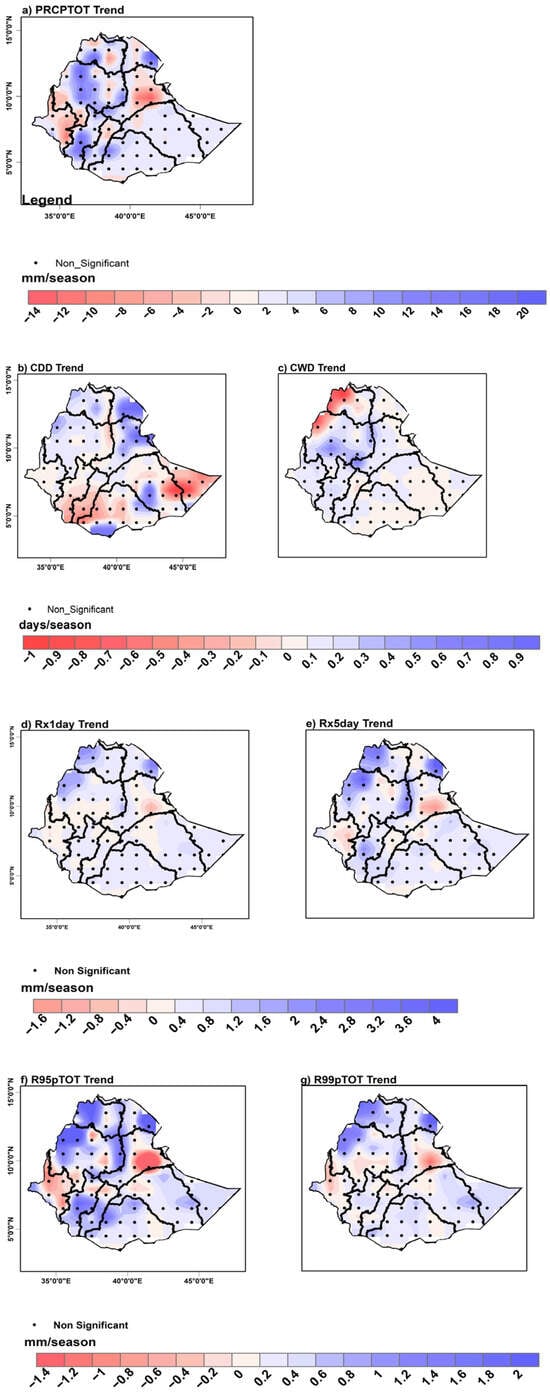
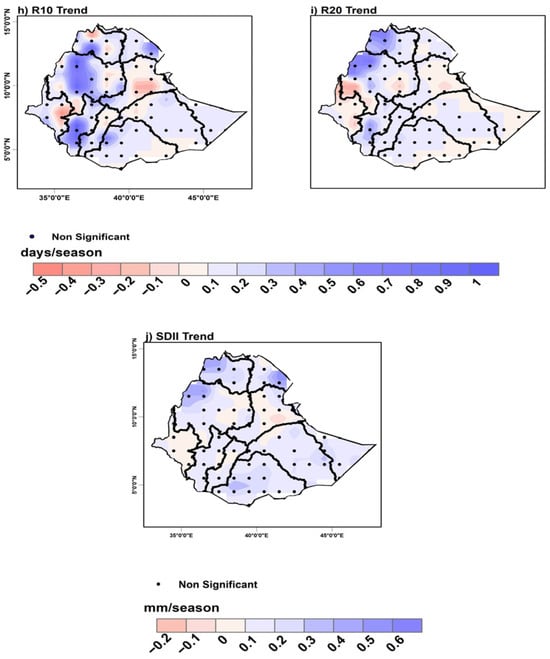
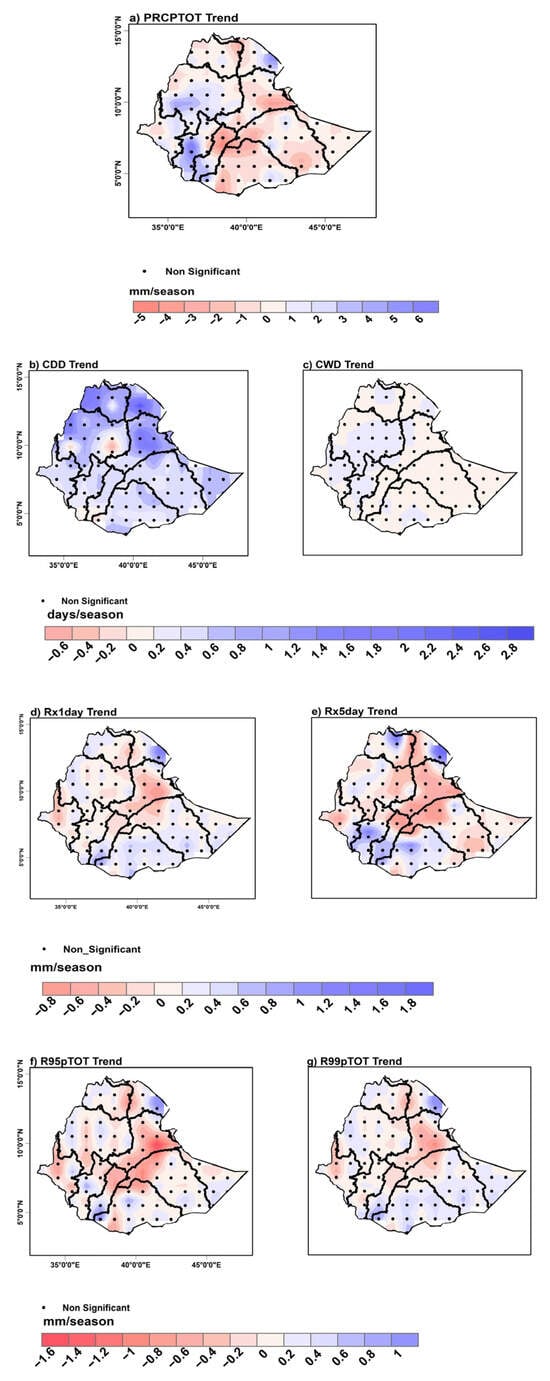
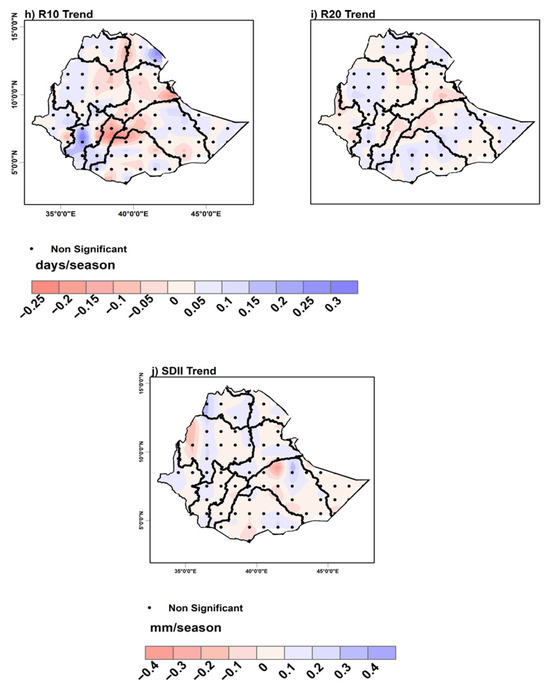
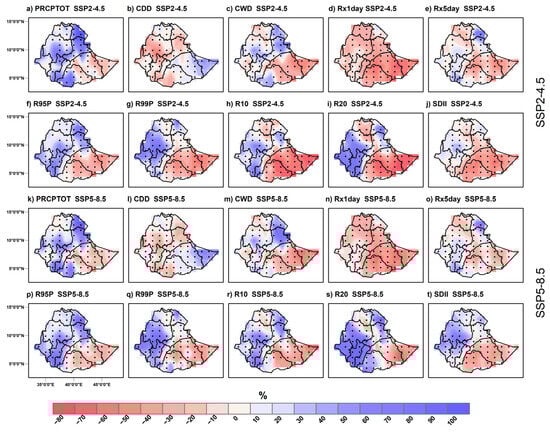
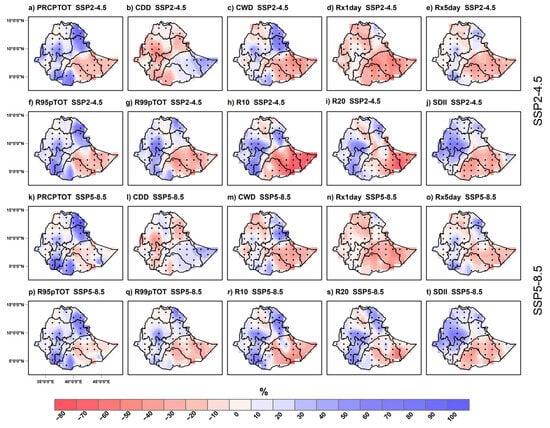
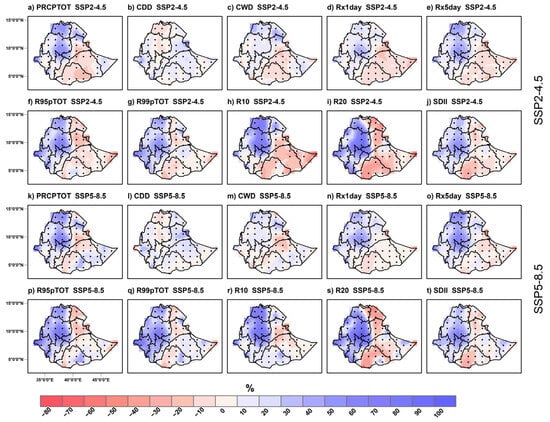
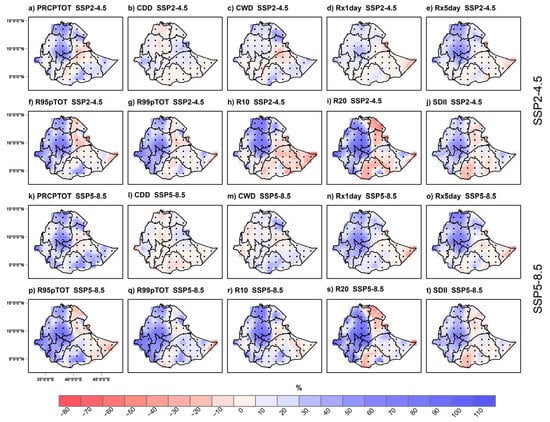
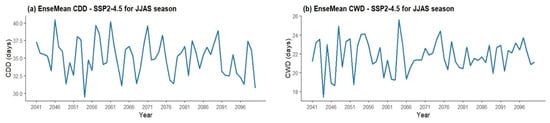
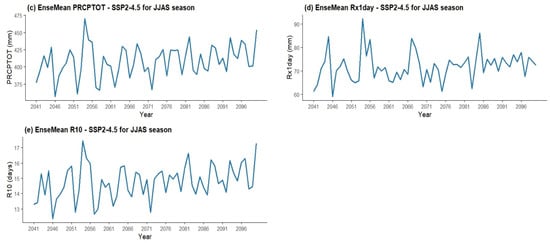
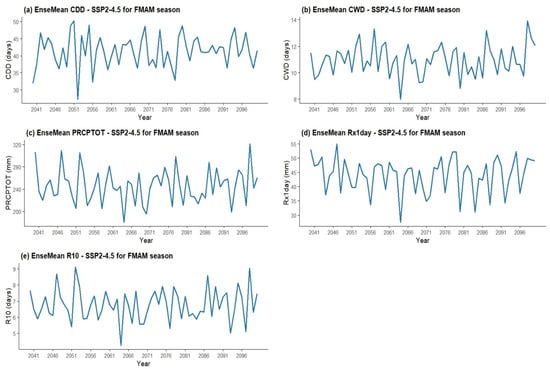
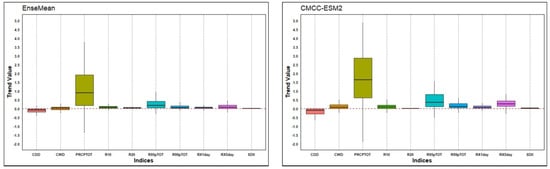
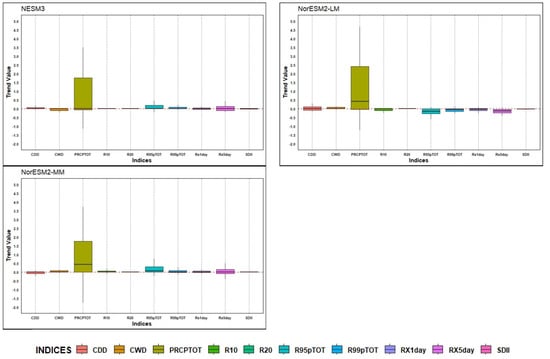
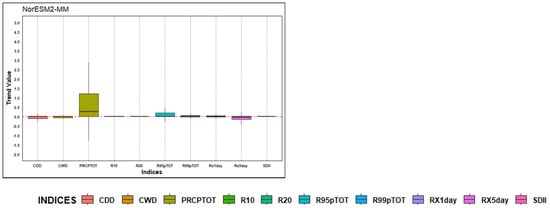
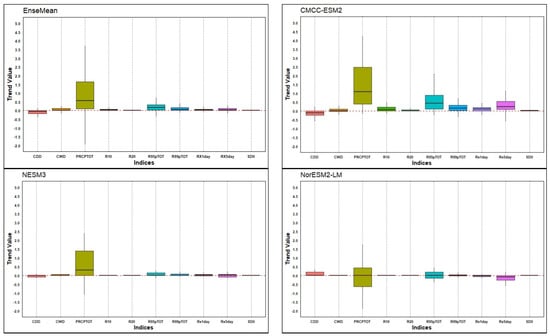
East Africa is highly vulnerable to climate change due to limited adaptive capacity and strong reliance on rain-fed agriculture. Ethiopia, in particular, experiences recurrent socio-economic losses from droughts and floods. This study presents a national-scale assessment of observed (1981–2010) and projected (2041–2100) changes in extreme seasonal precipitation across Ethiopia using ten ETCCDIs. High-resolution Enhancing National Climate Services (ENACTS) observations and bias-corrected outputs from a selected ensemble of CMIP6 models under SSP2-4.5 and SSP5-8.5 scenarios are used to assess historically trends and future extreme precipitation, respectively. Historical trends show increases in extreme precipitation during the Kiremt (JJAS) season, particularly over the northwestern, western, and southwestern highlands; however, most of these increases are not statistically significant. In contrast, the Belg (FMAM) season exhibits widespread declines, which are also largely not statistically significant. Future projections suggest increases in total precipitation (PRCPTOT), heavy (R10) and very heavy rainfall days (R20), very wet days (R95p) and extremely wet days (R95p), and rainfall intensity (SDII) over northwestern, western, southwestern, and parts of northeastern Ethiopia during JJAS. During FMAM, PRCPTOT is projected to increase in the northern and northwestern regions, while decreases are expected in the northeastern and southeastern regions. The Awash and Tekeze basins emerge as key hotspots of change, indicating potential seasonal shifts and an increased likelihood of extreme weather in these regions. Despite inter-model uncertainty, the results highlight the need for flexible, uncertainty-informed adaptation strategies to enhance climate resilience in Ethiopia.
Full article

Figure 1
Open AccessArticle
Prognosis for Brazilian Agricultural Production: The Impact of Drought-Sensitive Crops on the Climate
by
João Lucas Della-Silva, Fernando Saragosa Rossi, Damien Arvor, Gabriela Souza de Oliveira, Larissa Pereira Ribeiro Teodoro, Paulo Eduardo Teodoro, Tatiane Deoti Pelissari, Wendel Bueno Morinigo and Carlos Antonio da Silva Junior
Climate 2026, 14(4), 87; https://doi.org/10.3390/cli14040087 - 20 Apr 2026
Abstract
►▼
Show Figures
The northern part of the state of Mato Grosso is located at the intersection of large-scale agricultural production and the Amazon, a tropical biome of great importance for ecosystem services and biodiversity. Agricultural production activities interact with natural capital, among other factors, in
[...] Read more.
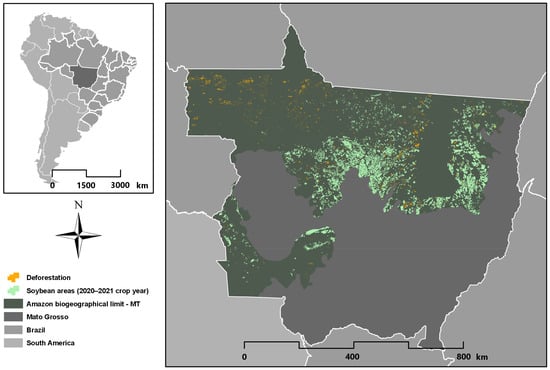
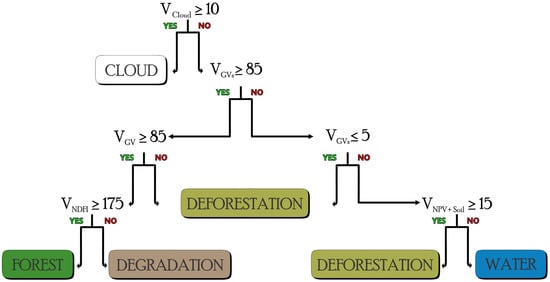
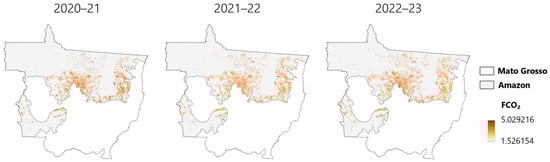
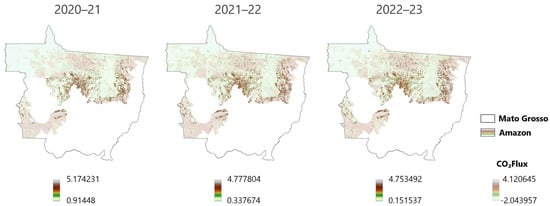
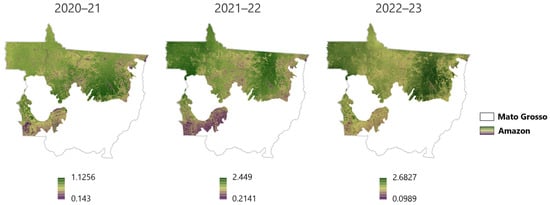
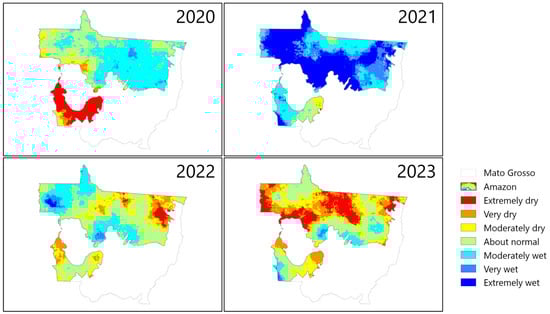
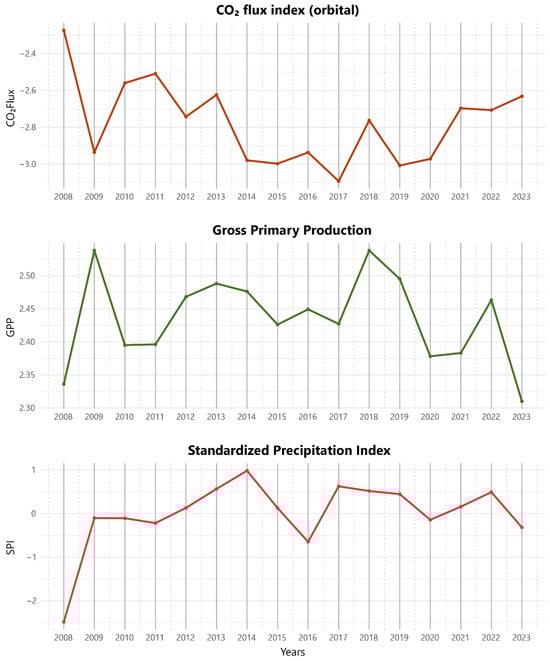
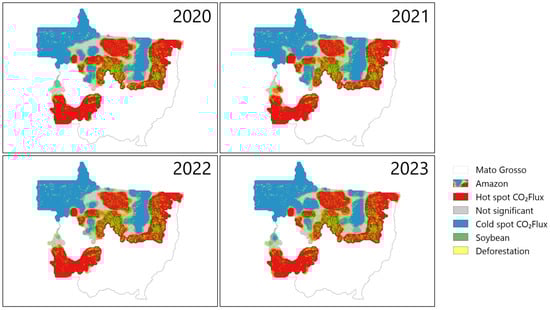
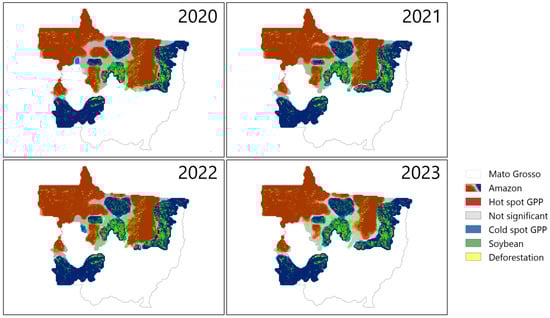
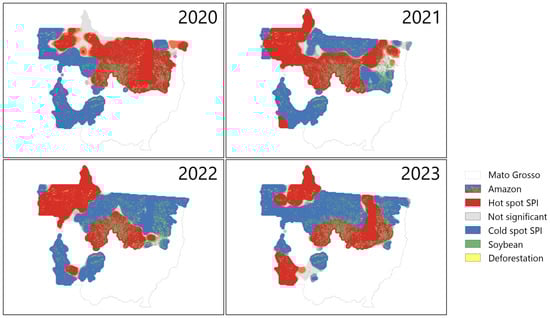
The northern part of the state of Mato Grosso is located at the intersection of large-scale agricultural production and the Amazon, a tropical biome of great importance for ecosystem services and biodiversity. Agricultural production activities interact with natural capital, among other factors, in land use and in biogeochemical cycles of water and carbon. In this study, we sought to use remote sensing at the regional level to diagnose and spatialize the contribution of agricultural activity to dry areas. Using carbon dioxide orbital models, land use classification techniques, the Standardized Precipitation Index (SPI), and Pettitt and Mann–Kendall statistics, the variables were compared spatially for the biogeographic boundary of the Amazon in Mato Grosso in two distinct time frames: (i) over the crop years of the CO2 efflux model (2020 to 2023), and (ii) over the years 2008 to 2023, with consolidated data from the MODIS sensor system. The hot and cold spots analysis reinforces the correlation of carbon variables to land use; the drought index suggests a spatial correlation to forest loss, where more intense agricultural activity favors drought and inhibits moderate rainfall, and in turn is linked to the amount of forest in the context of intense continentality. Temporally, the statistical diagnosis highlights abrupt changes in 2011, 2013, and 2019, restate the complex relation of tropical forest and biogeochemical cycles, above all with carbon dioxide.
Full article

Figure 1
Open AccessArticle
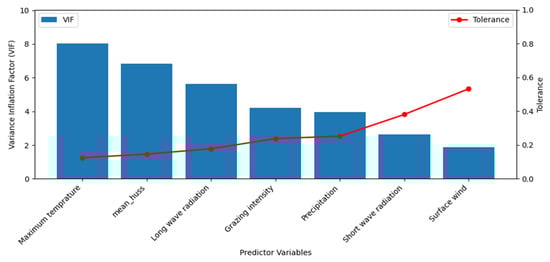
Evaluating Grazing Management for Drought Reduction Under Different Climate Change Scenarios
by
Mohammed Mussa Abdulahi, Pascal E. Egli, Anteneh Belayneh, Yazidhi Bamutaze, Charlotte Anne Nakakaawa and Sintayehu W. Dejene
Climate 2026, 14(4), 86; https://doi.org/10.3390/cli14040086 - 17 Apr 2026
Abstract
►▼
Show Figures
Nature-based solutions (NbSs) are increasingly recognized as sustainable and cost-effective strategies for mitigating drought impacts. However, robust quantitative evidence on the effectiveness of NbSs for drought mitigation, especially under future climate change scenarios, remains limited. In particular, the extent to which grazing management
[...] Read more.
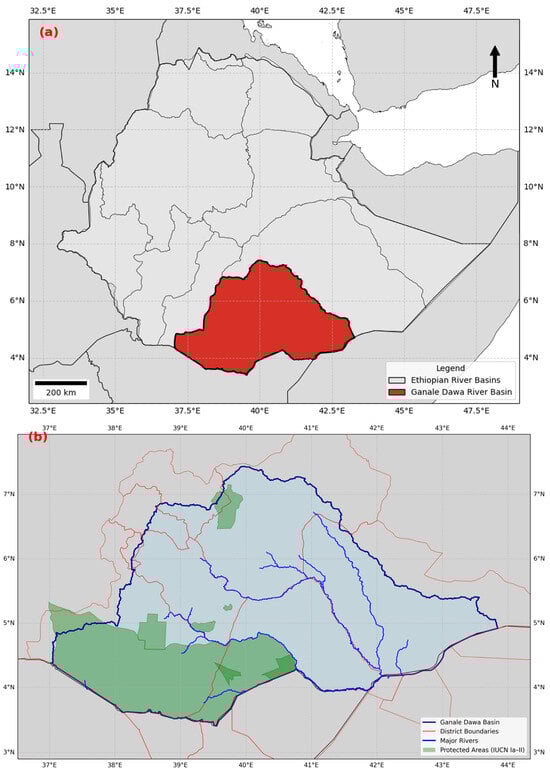
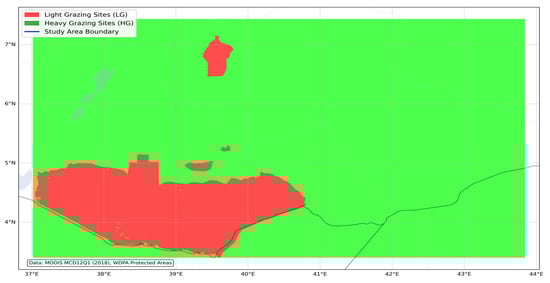
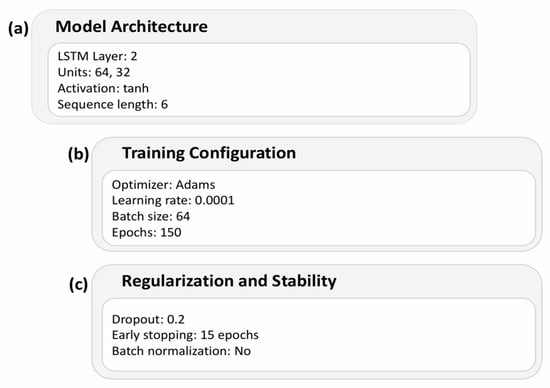
Nature-based solutions (NbSs) are increasingly recognized as sustainable and cost-effective strategies for mitigating drought impacts. However, robust quantitative evidence on the effectiveness of NbSs for drought mitigation, especially under future climate change scenarios, remains limited. In particular, the extent to which grazing management can reduce agricultural and hydrological droughts over long time horizons is still poorly understood. This study examines the long-term effectiveness of grazing management as a NbS for mitigating drought under historical and future climate conditions in the Ganale Dawa River Basin, Ethiopia. We combined remote sensing, machine learning, and climate projections to simulate soil moisture and runoff using a long short-term memory (LSTM) model. Protected areas were used as proxies for light grazing, while adjacent non-protected areas represented heavy grazing. Agricultural and hydrological droughts were quantified using the standardized soil moisture index (SSMI) and standardized runoff index (SRI), respectively. The results show that light grazing consistently reduced drought severity compared to heavy grazing across all periods. Agricultural drought severity was reduced by up to ~15% under SSP2-4.5 and SSP5-8.5, while hydrological drought severity showed substantially larger reductions, exceeding ~40% in mid- and late-future periods. Differences between grazing regimes widened under stronger climate forcing, indicating that grazing management benefits become more pronounced under future climate stress. These findings demonstrate that grazing management is an effective NbS for enhancing long-term drought resilience. Scaling up sustainable grazing practices could, therefore, serve as a practical climate adaptation strategy for drought-prone basins in Ethiopia and similar regions.
Full article

Figure 1
Open AccessArticle
Impact of Unprotected Area (UPA) Deforestation on Amazonian Climate: Mapping Regional Shifts and Localized Risk
by
Corrie Monteverde, Fernando De Sales, Trent W. Biggs, Katrina Mullan, Charles Jones and Mariana Vedoveto
Climate 2026, 14(4), 85; https://doi.org/10.3390/cli14040085 - 16 Apr 2026
Abstract
Deforestation in unprotected areas (UPAs) within the Brazilian Amazon affects environmental sustainability and regional climate. This study quantifies shifts in near-surface air temperature, precipitation, and evapotranspiration (ET) during the dry season resulting from UPA loss. Utilizing a five-year ensemble (2015–2019) to isolate the
[...] Read more.
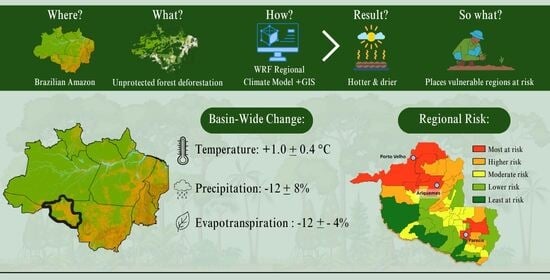
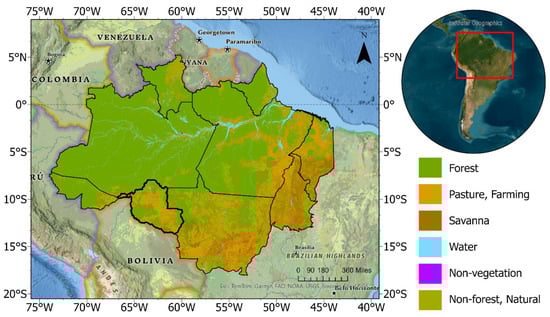
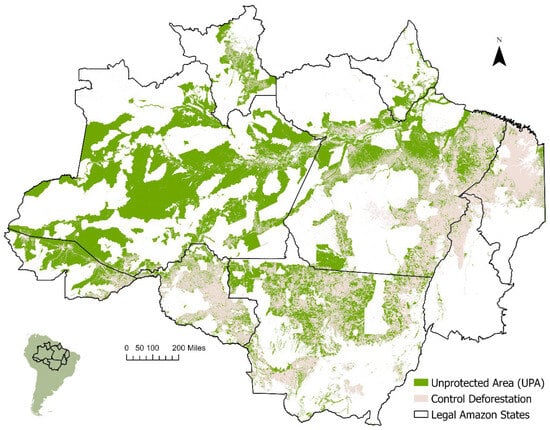
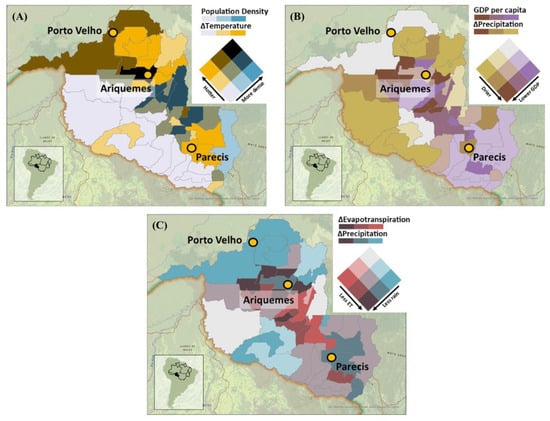
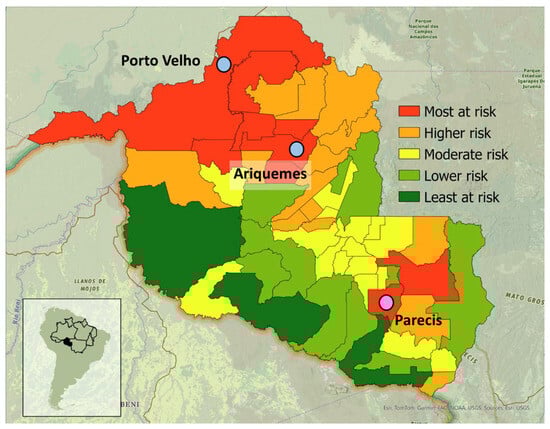
Deforestation in unprotected areas (UPAs) within the Brazilian Amazon affects environmental sustainability and regional climate. This study quantifies shifts in near-surface air temperature, precipitation, and evapotranspiration (ET) during the dry season resulting from UPA loss. Utilizing a five-year ensemble (2015–2019) to isolate the climatic response from interannual variability, simulations indicate a warmer (+1.0 ± 0.4 °C) and drier climate, characterized by a basin-wide 12 ± 8% reduction in precipitation and a 12 ± 4% reduction in ET following UPA removal. This shifted climate state extends to Rondônia, a southwestern state where detailed risk mapping was developed by integrating changes in climate variables with socio-economic, agricultural, and demographic. UPA deforestation, largely external to Rondônia, is associated with a simulated decrease in precipitation by 20 ± 7% and ET by 11 ± 9% coupled with an increase in air temperature by 1.2 ± 0.4 °C. These shifts indicate increased vulnerability for municipalities, including the capital, potentially affecting agricultural productivity. Findings suggest that to protect remaining forests these biophysical risks must be mitigated. This study establishes a spatial framework for identifying municipalities most suceptible to the climatic shifts triggered by UPA loss.
Full article
(This article belongs to the Special Issue Climate and Human-Driven Impacts on Tropical Rainforests)
►▼
Show Figures

Graphical abstract
Open AccessArticle
Effect of Climate Variability on Rice Production in Liberia
by
Bondo T. Simpson, Celsa Mondlane Macandza, Jone L. Medja Ussalu, Arsénio D. Ndeve and Luis Artur
Climate 2026, 14(4), 84; https://doi.org/10.3390/cli14040084 - 14 Apr 2026
Abstract
Climate variability poses major challenges to agriculture worldwide amid an increasing world population and growing food demand. This study evaluates the impact of climate variability on rice production in Liberia. Rice yields and production data (1990–2023) were attained from the Food and Agriculture
[...] Read more.
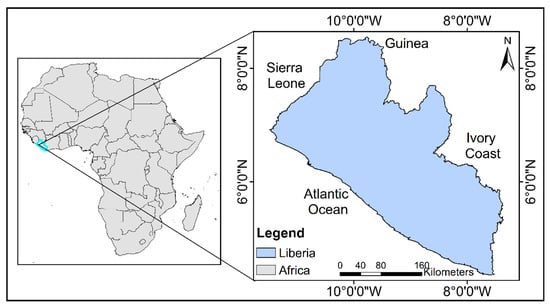
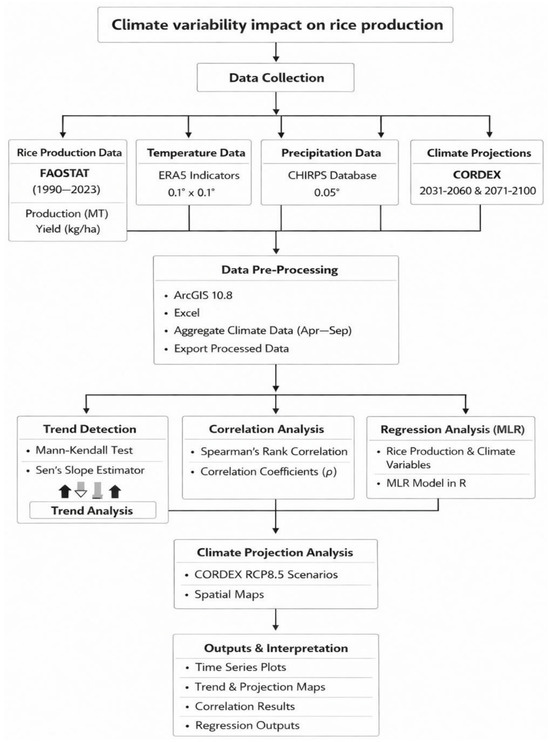
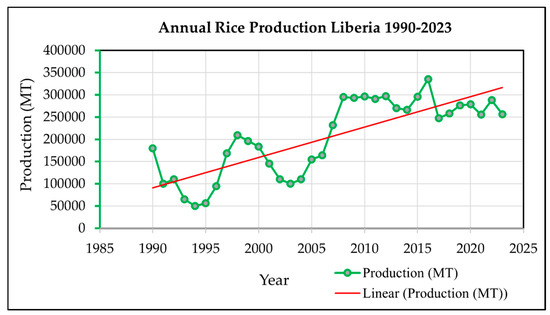
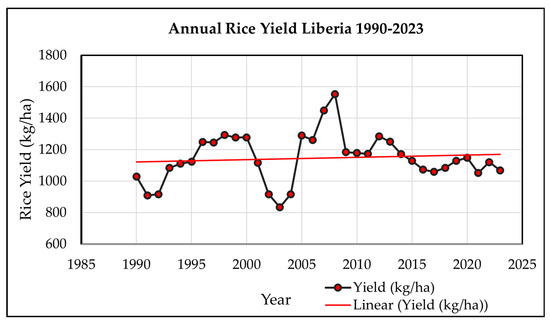
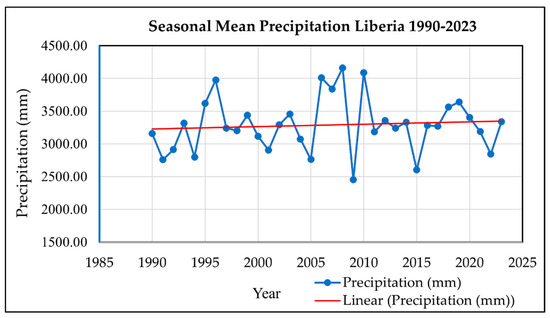
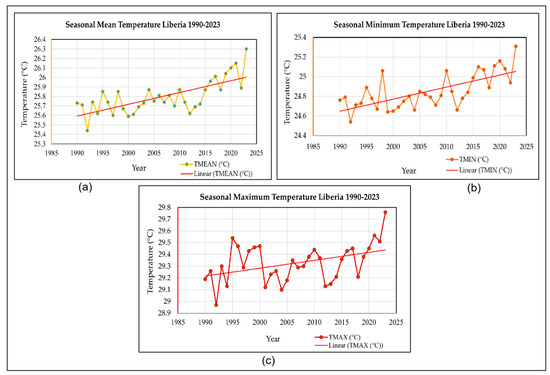
Climate variability poses major challenges to agriculture worldwide amid an increasing world population and growing food demand. This study evaluates the impact of climate variability on rice production in Liberia. Rice yields and production data (1990–2023) were attained from the Food and Agriculture Organization Statistics (FAOSTAT), while temperature and precipitation were sourced from ERA5 Agrometeorological Indicators and the Climate Hazards Group InfraRed Precipitation with Station (CHIRPS). Trends and relationships were analyzed using Mann–Kendall, Sen’s slope tests, and Spearman’s rank correlation. Multiple linear regression estimates climate variables’ impact on rice productivity. The results show that mean, minimum, and maximum temperatures increased by 0.57 °C, 0.55 °C, and 0.55 °C, respectively, with precipitation variability at 180.31 mm. Climate variables showed diverse correlations with rice production. Regression results revealed a significant negative impact of minimum temperature (p-value = 0.015) on production and a positive effect of precipitation on yields (p-value = 0.036). Farmers in Liberia recognized climate impacts and adopted adaptation strategies, but resilience is hindered by limited credit access, low technology adoption, reliance on traditional practices, and inadequate extension services. Overall, the findings highlight the sensitivity of rice production in Liberia to climate variability and underscore the need for guided adaptation and institutional support to augment farmer resilience.
Full article
(This article belongs to the Section Weather, Events and Impacts)
►▼
Show Figures

Figure 1
Open AccessReview
Heatwaves and Occupational Health: Emerging Risks and Adaptive Public Health Strategies Under Climate Change—A Narrative Review
by
Xiaoli Wang, Lihua Hu, Siyu Zhang, Shiyi Hong, Ziqi Zhu, Guiping Hu and Guang Jia
Climate 2026, 14(4), 83; https://doi.org/10.3390/cli14040083 - 7 Apr 2026
Abstract
►▼
Show Figures
Heatwaves, intensified by climate change and urbanization, pose increasing threats to human health, with occupational populations facing disproportionate risks due to prolonged exposure and high metabolic demands. Existing evidence remains fragmented, particularly regarding the integration of acute and chronic health effects in workplace
[...] Read more.
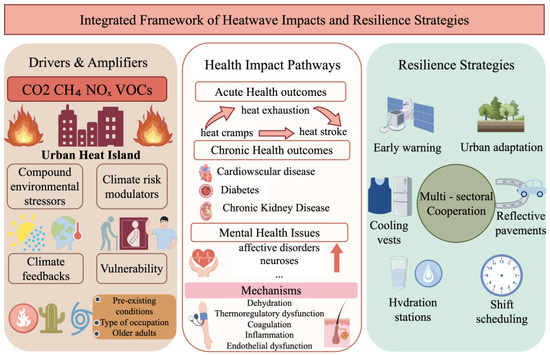
Heatwaves, intensified by climate change and urbanization, pose increasing threats to human health, with occupational populations facing disproportionate risks due to prolonged exposure and high metabolic demands. Existing evidence remains fragmented, particularly regarding the integration of acute and chronic health effects in workplace settings. This narrative review synthesizes current knowledge on occupational heat exposure, highlighting emerging risks such as cumulative physiological strain, heat-related chronic diseases, and mental health impacts. We identify key occupational-specific pathways that amplify vulnerability beyond that of the general population. Despite growing awareness, substantial gaps persist in the implementation of effective adaptation strategies, especially in low- and middle-income countries, where regulatory, economic, and structural barriers limit intervention uptake. To address these challenges, we emphasize the need for adaptive work–rest scheduling, dynamic early warning systems, and cross-sectoral collaboration to enhance occupational heat resilience under a changing climate.
Full article

Figure 1
Open AccessArticle
Accuracy Assessment of CMORPH and GPCP Satellite Precipitation Products Across Iran
by
Mohammad Ramyar Yousefnezhad, Manuchehr Farajzadeh and Yousef Ghavidel Rahimi
Climate 2026, 14(4), 82; https://doi.org/10.3390/cli14040082 - 6 Apr 2026
Abstract
►▼
Show Figures
Reliable precipitation data are fundamental for climate and hydrological research, especially in regions with sparse ground-based observations. This study evaluates and compares the accuracy of two satellite-based precipitation products—CMORPH and GPCP—across daily, monthly, and annual scales over Iran. Daily, monthly, and annual precipitation
[...] Read more.
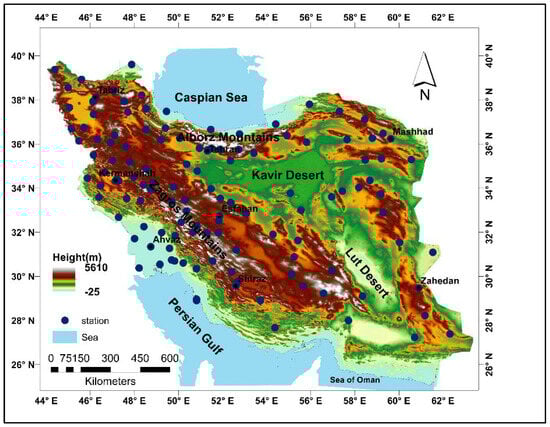
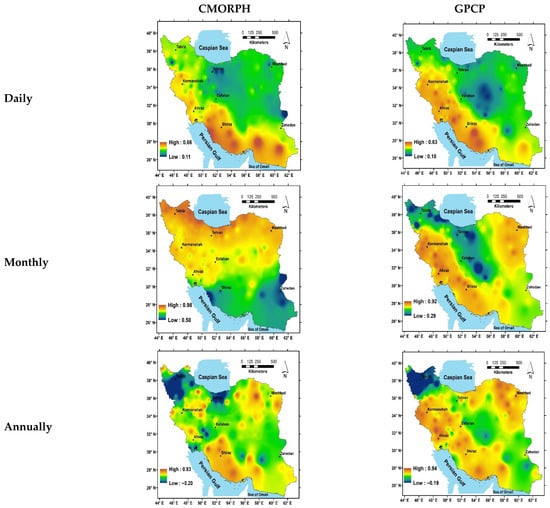
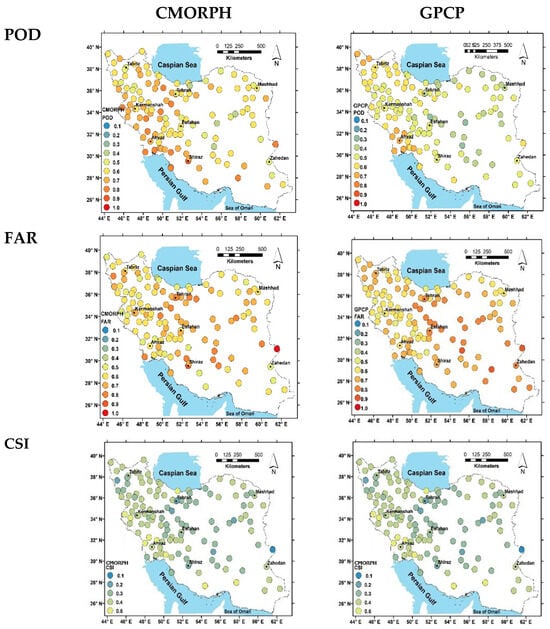
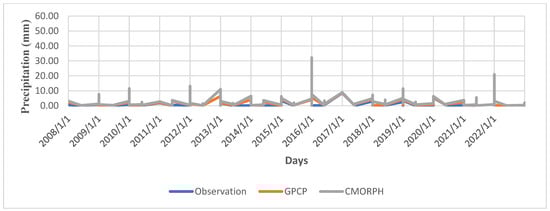
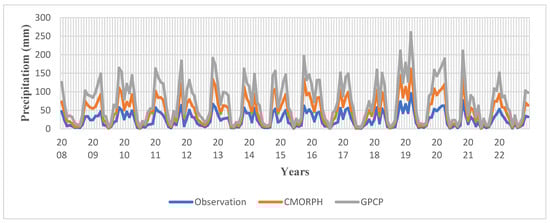
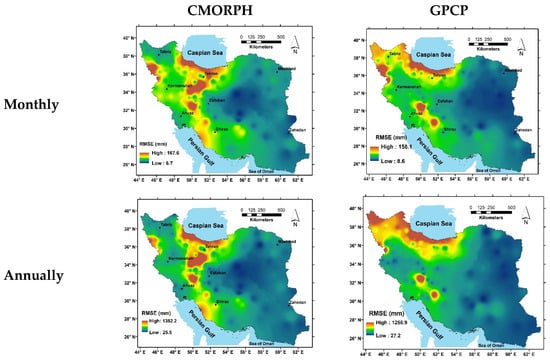
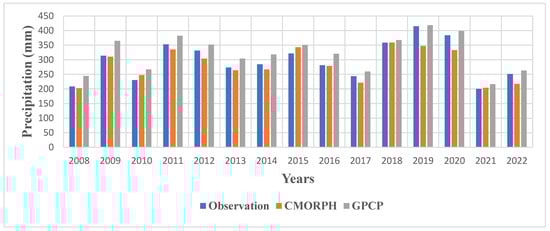
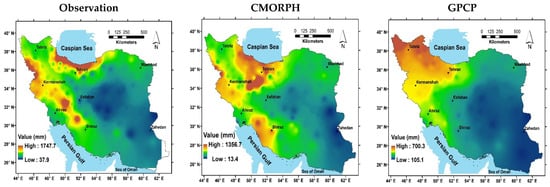
Reliable precipitation data are fundamental for climate and hydrological research, especially in regions with sparse ground-based observations. This study evaluates and compares the accuracy of two satellite-based precipitation products—CMORPH and GPCP—across daily, monthly, and annual scales over Iran. Daily, monthly, and annual precipitation estimates from CMORPH and GPCP were validated against observations from 128 meteorological stations distributed throughout the country. The assessment employed two statistical indices—correlation coefficient (CC) and root mean square error (RMSE)—alongside three categorical indices: probability of detection (POD), false alarm ratio (FAR), and critical success index (CSI). At the daily scale, CMORPH outperformed GPCP in terms of CC, RMSE, POD, and CSI, while GPCP exhibited a lower FAR. At the monthly scale, correlations between satellite-derived and station-based precipitation were stronger than those at the daily scale; CMORPH achieved the highest correlation (CC = 0.84), whereas GPCP yielded a lower RMSE, with a mean value of 26.2 mm. At the annual scale, GPCP demonstrated better performance in CC, while CMORPH showed superior accuracy in RMSE. CMORPH consistently underestimated precipitation, whereas GPCP tended to overestimate rainfall across Iran. Although both datasets provided reliable precipitation estimates at the national scale, CMORPH demonstrated higher overall accuracy and efficiency. Its superior performance across most indices makes CMORPH the more suitable dataset for precipitation monitoring in Iran, despite its tendency to underestimate rainfall relative to ground observations.
Full article

Figure 1

Open AccessArticle
A Global Multi-Hazard Framework for Projecting Climate Migration Flows to 2100 Along Shared Socioeconomic Pathways (SSPs)
by
Zachary M. Hirsch, Danielle N. Medgyesi, Jasmina M. Buresch and Jeremy R. Porter
Climate 2026, 14(4), 81; https://doi.org/10.3390/cli14040081 - 2 Apr 2026
Abstract
►▼
Show Figures
Climate-induced migration is increasingly recognized as a major demographic consequence of environmental change, yet projections vary widely due to differences in spatial scale, hazard coverage, and modeling approaches. This study introduces the First Street Global Climate Migration Model (FS-GCMM), a globally consistent, multi-hazard
[...] Read more.
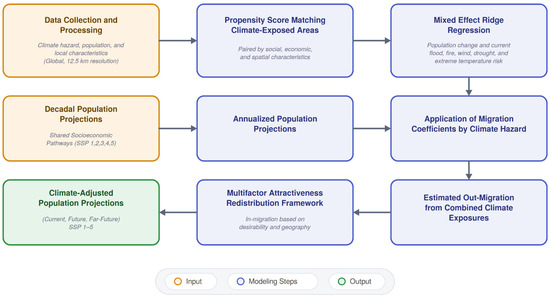
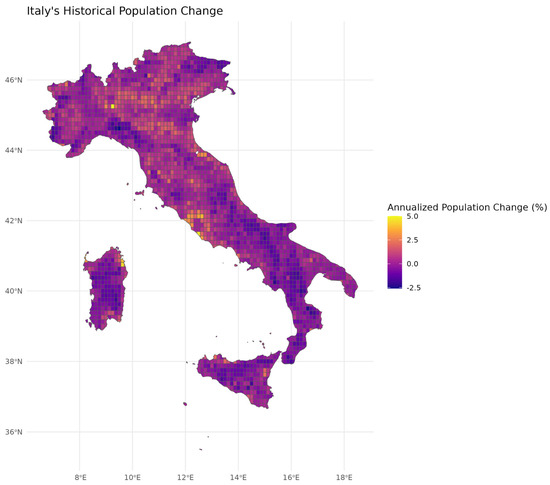
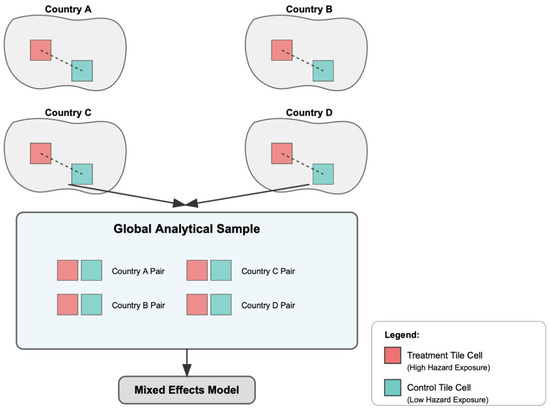
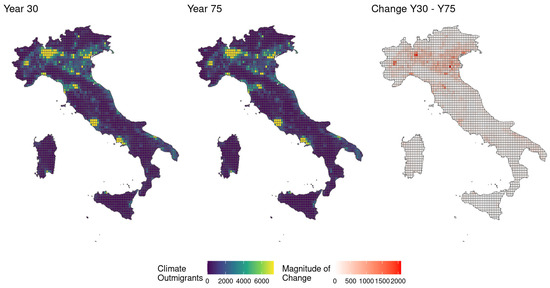
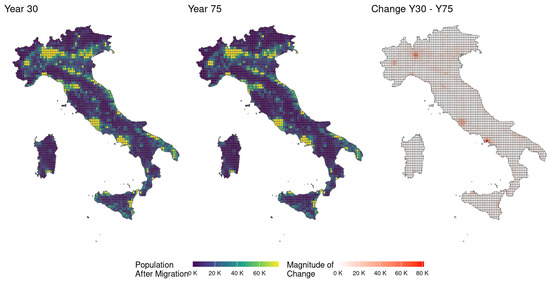
Climate-induced migration is increasingly recognized as a major demographic consequence of environmental change, yet projections vary widely due to differences in spatial scale, hazard coverage, and modeling approaches. This study introduces the First Street Global Climate Migration Model (FS-GCMM), a globally consistent, multi-hazard framework that estimates climate-driven population redistribution at a 12.5 km resolution across all countries through 2100. The model integrates high-resolution global climate hazard datasets, including flood (GloFAS), wind (IBTrACS and ERA5), drought (ERA5), wildfire (Global Fire Atlas), and extreme heat and cold (ERA5-LAND) datasets, with gridded population data from NASA SEDAC’s Gridded Population of the World (GPWv4) and Shared Socioeconomic Pathway (SSP) projections. To identify climate-related migration effects, we applied within-country propensity score matching to construct balanced samples of exposed and unexposed grid cells with similar socioeconomic, demographic, geographic, and governance characteristics. Hazard-specific impacts on annualized population change from 2000 to 2020 were then estimated using mixed-effects ridge regression with country-level random effects to account for cross-national heterogeneity and multicollinearity. These empirically derived coefficients were applied to SSP1-2.6, SSP2-4.5, and SSP5-8.5 scenarios to project future climate-driven outmigration, which was subsequently redistributed using a spatial attractiveness framework incorporating economic opportunity, population density, climate safety, and geographic proximity. Results indicate statistically significant negative effects of all modeled hazards on population retention globally, with approximately 199.5 million people projected to experience climate-driven displacement by 2055 under SSP2-4.5.
Full article

Figure 1
Open AccessArticle
Ethiopia Rift Valley Meso-Climate and Response to the Indian Ocean Dipole
by
Mark R. Jury
Climate 2026, 14(4), 80; https://doi.org/10.3390/cli14040080 - 2 Apr 2026
Abstract
This study of the Ethiopian Rift Valley meso-climate (5° N–9° N, 37° E–40° E) employed space–time statistical methods over the period 1981–2025. Links between weather conditions at Hawassa (7.1° N, 38.5° E, 1700 m) and the Indian Ocean Dipole (IOD) were uncovered, among
[...] Read more.
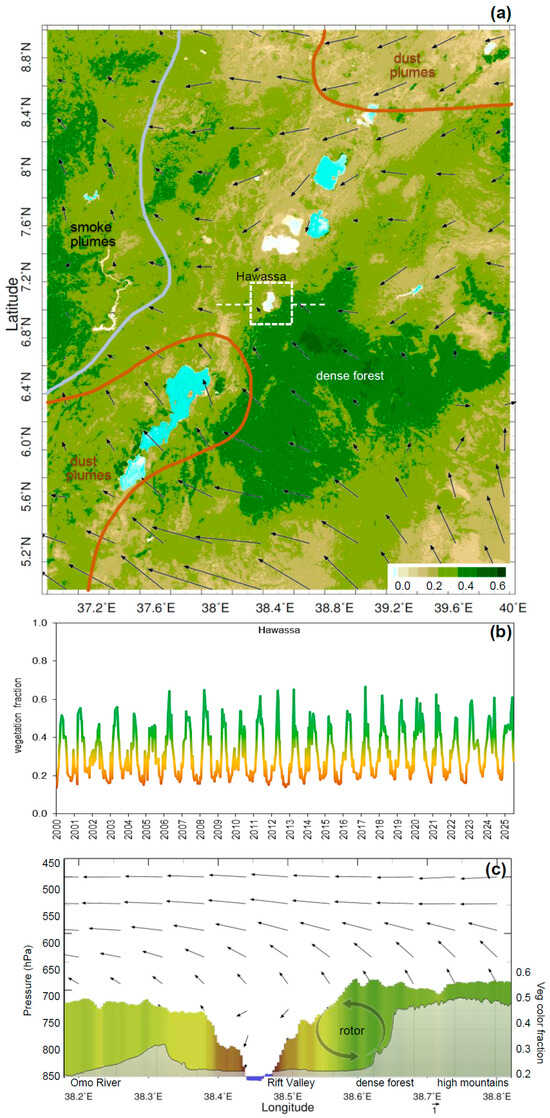
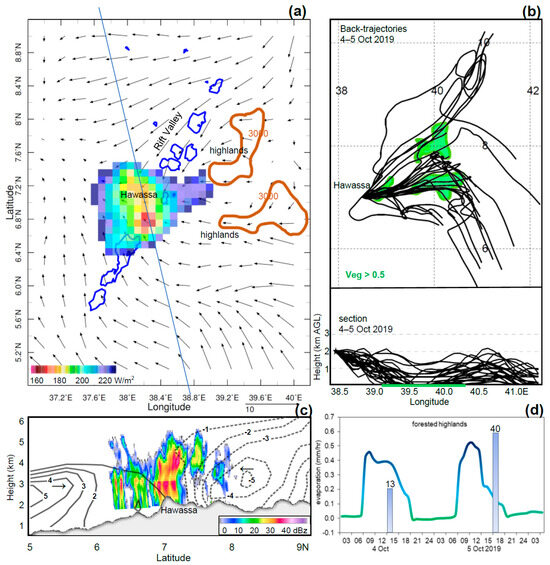
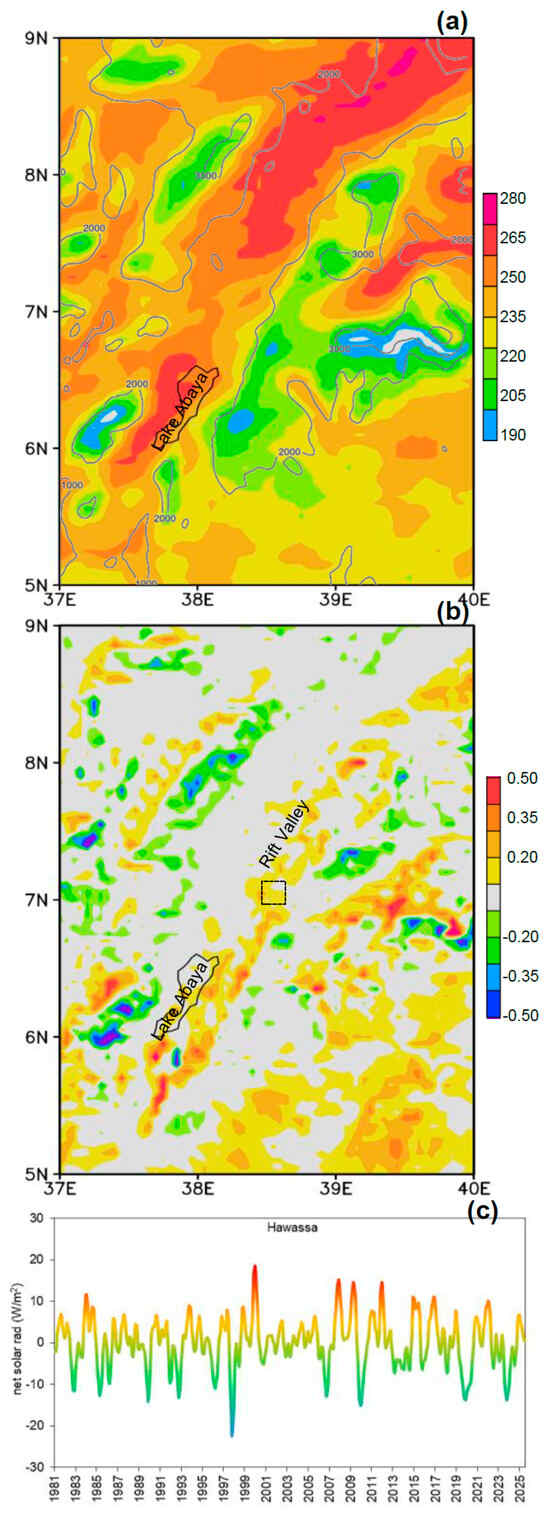
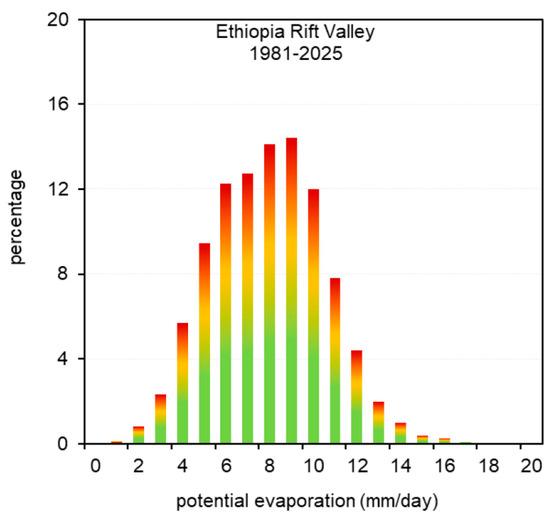
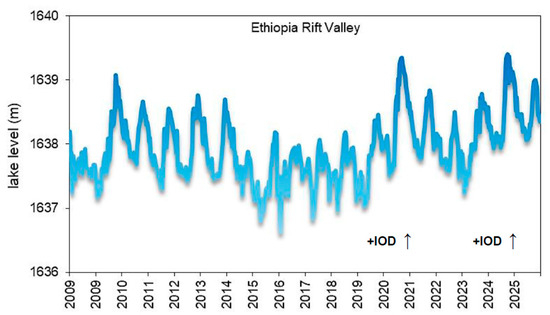
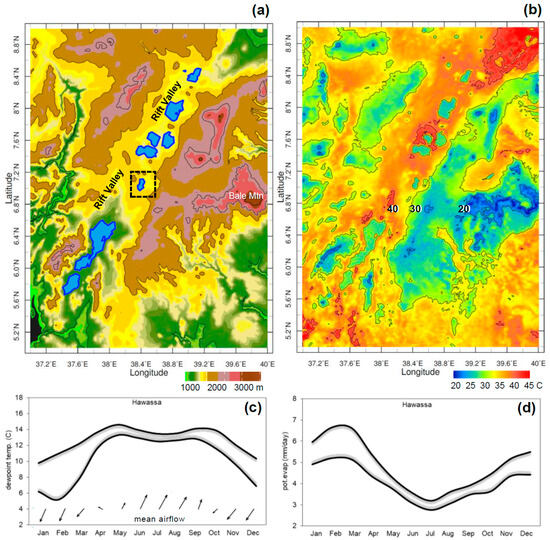
This study of the Ethiopian Rift Valley meso-climate (5° N–9° N, 37° E–40° E) employed space–time statistical methods over the period 1981–2025. Links between weather conditions at Hawassa (7.1° N, 38.5° E, 1700 m) and the Indian Ocean Dipole (IOD) were uncovered, among 3–4 yr oscillations and a weak upward trend. Seasonal anomalies of local dewpoint temperature (Td) and IOD cross-correlated at R = 0.61 over the four-decade study. Mean annual cycling revealed a narrow range for Td from April to October, in contrast with bi-modal rainfall and asymmetric runoff. Diurnal cycle analysis indicated that evening rainfall was driven by midday heat (0.6 mm/h) and moisture fluxes (0.1 mm/h). A case study revealed how shallow cloud bands extend westward from cool, forested highlands to the warm Rift Valley. Composite differences between warm and cool IOD events exhibited contrasting effects for zonal and meridional airflows, which explains why the equatorial trough and its associated rainfall are confined to the southeastern escarpment of Ethiopia. While earlier studies had anticipated drying trends, wetter conditions during the warm IOD events of 2019 and 2023 resulted in rising lake levels (1.8 m) and crop yields (4 T/ha). These findings enhance our understanding of regional climate dynamics to support adaptive management.
Full article
(This article belongs to the Special Issue Changing Rainfall Patterns and Food Insecurity: Vulnerable Regions and Adaptation Strategies)
►▼
Show Figures

Figure 1
Open AccessArticle
Hydrodynamic Changes in the Gulf of California Under Different Climate Change Scenarios: 2015–2100
by
Metzli Romero-Robles and David Alberto Salas-de-León
Climate 2026, 14(4), 79; https://doi.org/10.3390/cli14040079 - 31 Mar 2026
Abstract
Ocean warming driven by climate change is altering regional circulation patterns and the balance of hydrodynamic forcings in semi-enclosed seas. Understanding how these changes affect ocean circulation and stratification is critical, as they directly influence marine productivity and ecosystem functioning in highly sensitive
[...] Read more.
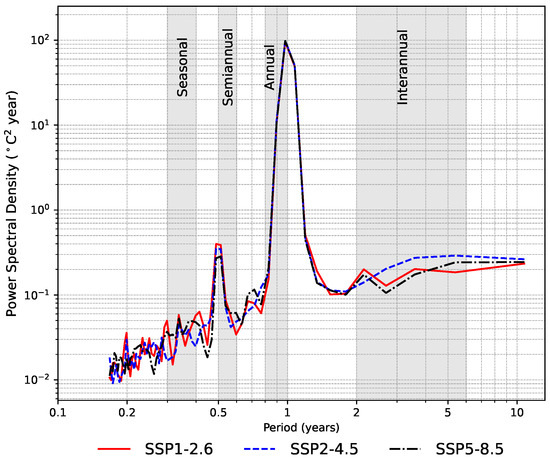
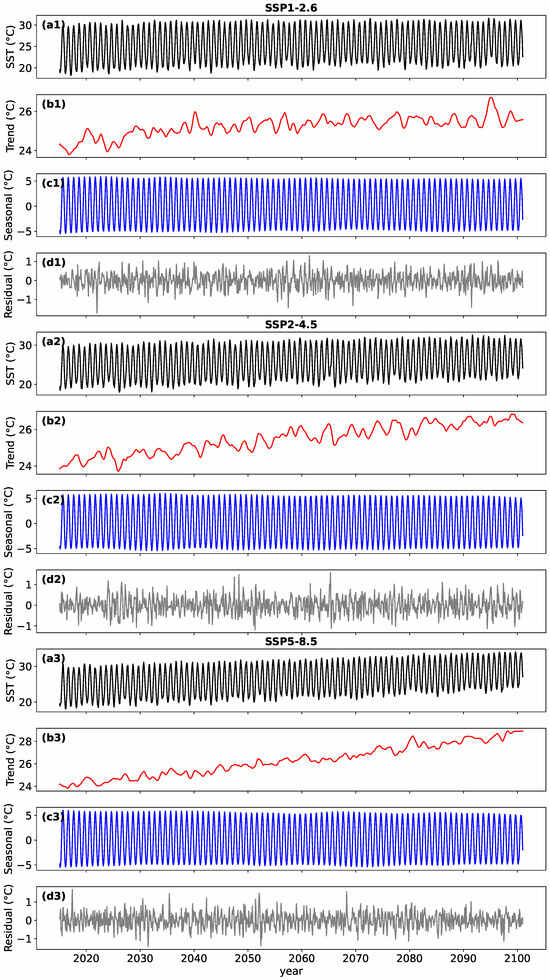
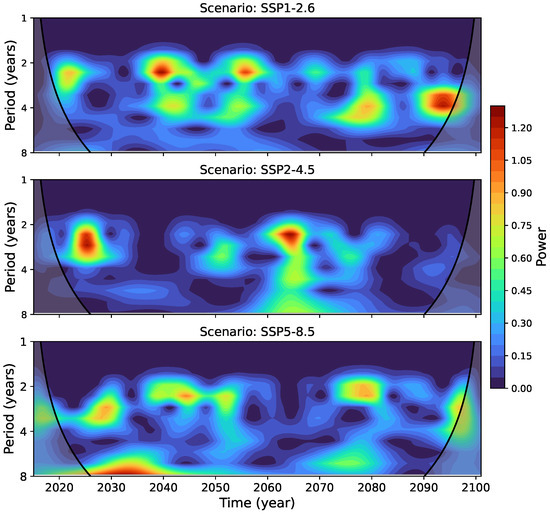
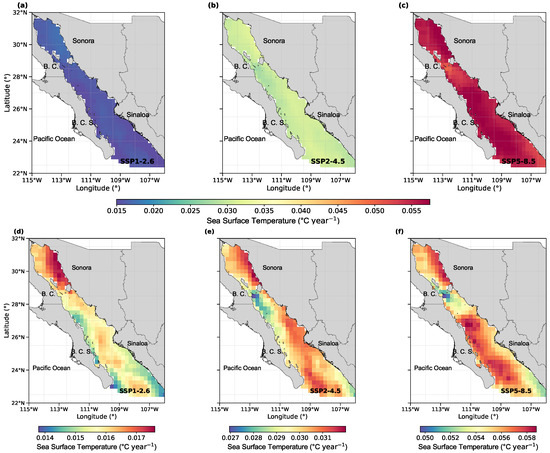
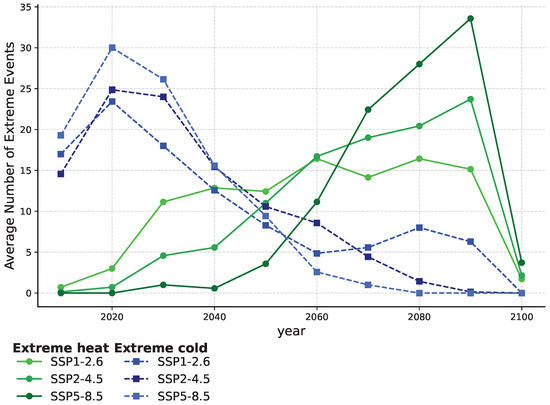
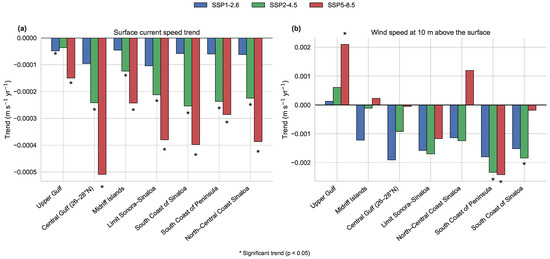
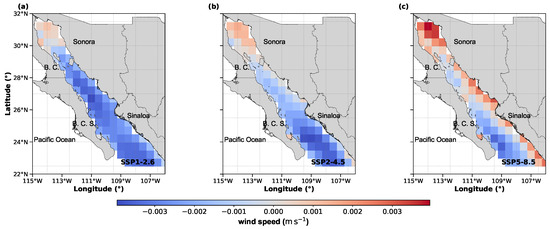
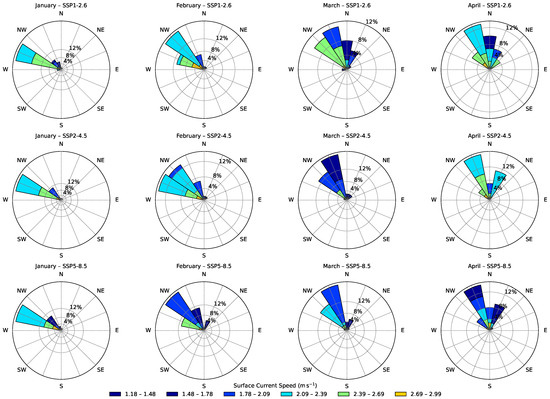
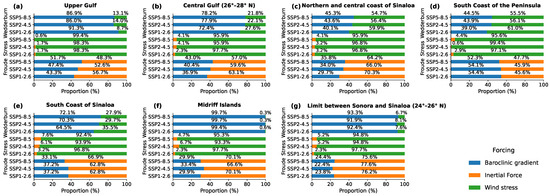
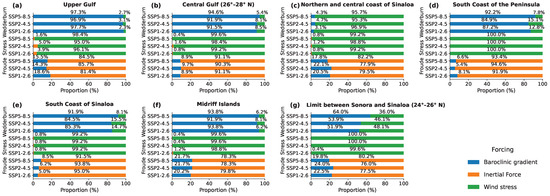
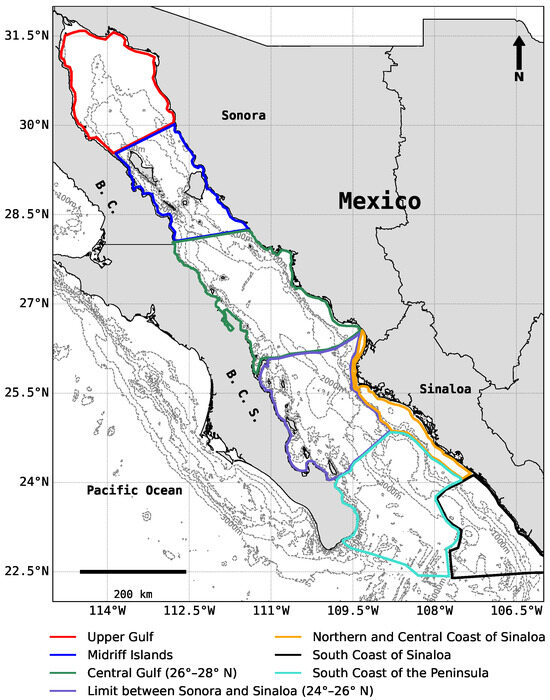
Ocean warming driven by climate change is altering regional circulation patterns and the balance of hydrodynamic forcings in semi-enclosed seas. Understanding how these changes affect ocean circulation and stratification is critical, as they directly influence marine productivity and ecosystem functioning in highly sensitive regions such as the Gulf of California. This study examines the hydrodynamic response of the Gulf of California under three climate change scenarios (SSP1–2.6, SSP2–4.5, SSP5–8.5) projected from 2015 to 2100 using the CNRM-CM6-1-HR global climate model. We evaluate changes in sea surface temperature, surface circulation, and the relative contributions of dominant dynamic forcing mechanisms at annual and interannual scales. Results reveal a basin-wide warming trend accompanied by an increased frequency of extreme heat events. Surface current velocities weaken throughout the Gulf, exhibiting a consistent negative trend, with the strongest decline occurring under SSP5–8.5 in the central basin ( m s−1 year−1). Wind speed also shows a general decreasing tendency, contributing to reduced circulation intensity and enhanced stratification. The analysis of dimensionless numbers indicates moderate but consistent changes in the relative balance among inertial, baroclinic, and wind-driven processes. Although their proportions vary slightly across scenarios, the dominant forcing hierarchy remains largely preserved, suggesting a gradual modulation in forcing intensity rather than a fundamental reorganization of the hydrodynamic regime. These findings highlight spatial contrasts in climate sensitivity within the Gulf of California and underscore the importance of regional-scale assessments for anticipating future changes in circulation dynamics and marine ecosystem responses.
Full article
(This article belongs to the Special Issue The Dynamics and Impacts of Ocean-Atmosphere Coupling on Regional and Global Climate)
►▼
Show Figures

Figure 1
Journal Menu
► ▼ Journal Menu-
- Climate Home
- Aims & Scope
- Editorial Board
- Reviewer Board
- Topical Advisory Panel
- Instructions for Authors
- Special Issues
- Topics
- Sections & Collections
- Article Processing Charge
- Indexing & Archiving
- Editor’s Choice Articles
- Most Cited & Viewed
- Journal Statistics
- Journal History
- Journal Awards
- Society Collaborations
- Conferences
- Editorial Office
Journal Browser
► ▼ Journal BrowserHighly Accessed Articles
Latest Books
E-Mail Alert
News
Topics
Topic in
Atmosphere, Buildings, Climate, Environments, Sustainability, Earth
Climate, Health and Cities: Building Aspects for a Resilient Future
Topic Editors: Ferdinando Salata, Virgilio Ciancio, Simona MannucciDeadline: 25 May 2026
Topic in
Agronomy, Applied Sciences, Climate, Forests, IJGI, Sustainability, Plants
Climate Change Impacts and Adaptation: Interdisciplinary Perspectives, 2nd Edition
Topic Editors: Cheng Li, Fei Zhang, Mou Leong Tan, Kwok Pan ChunDeadline: 30 June 2026
Topic in
Buildings, Climate, Fire, Sustainability, Water, Infrastructures
Disaster Risk Management and Resilience
Topic Editors: M. Amin Hariri-Ardebili, Sissy NikolaouDeadline: 31 July 2026
Topic in
Agronomy, Climate, Crops, Grasses, Horticulturae, Land, Plants
Reframing Strategies for a Low Carbon Future in Agricultural Systems
Topic Editors: M. Ibrahim Khalil, Bruce OsborneDeadline: 8 October 2026
Conferences
Special Issues
Special Issue in
Climate
Advances in Climate and Water Resources Management and Drought Assessment
Guest Editors: Katarzyna Kubiak-Wójcicka, Hany F. Abd-ElhamidDeadline: 30 May 2026
Special Issue in
Climate
Effects of Climate Change on Ecosystem Behavior Across Varied Environments
Guest Editors: Tao Bao, Wanying Zhang, Ning ChenDeadline: 31 May 2026
Special Issue in
Climate
Clean Energy Technologies for Climate Change Mitigation
Guest Editors: Mulualem Gebreslassie, Augustine IkpehaiDeadline: 31 May 2026
Special Issue in
Climate
Climate Change and Crop Response
Guest Editor: Xiaodong JiangDeadline: 31 May 2026
Topical Collections
Topical Collection in
Climate
Adaptation and Mitigation Practices and Frameworks
Collection Editor: Rajib Shaw