-
A Quinoline-Conjugated Luminescent Colorant with Dual Optoelectronic and Bioactive Potential: In Silico Target Prediction and Docking Study -
Decolorization of Textile Dyes Using Endophytic Bacteria Isolated from Black Bean (Phaseolus vulgaris L.) -
Effects of Porphyrin Photosensitizers on Photostability and Bioactivities of Dietary Pigments, Curcumin and β-Carotene -
Engineering Chromatic Intensity Through Sol–Gel Confinement in Melanin–Silica Hybrids
Journal Description
Colorants
Colorants
is an international, peer-reviewed, open access journal on all aspects of coloring matters published quarterly online by MDPI.
- Open Access— free for readers, with article processing charges (APC) paid by authors or their institutions.
- High Visibility: indexed within Scopus and other databases.
- Rapid Publication: manuscripts are peer-reviewed and a first decision is provided to authors approximately 25 days after submission; acceptance to publication is undertaken in 8.9 days (median values for papers published in this journal in the first half of 2026).
- Recognition of Reviewers: APC discount vouchers, optional signed peer review, and reviewer names published annually in the journal.
Latest Articles
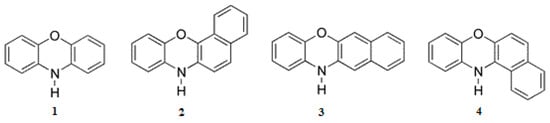
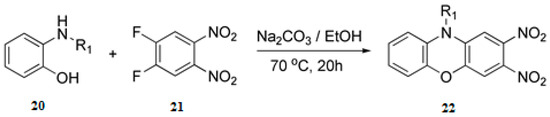
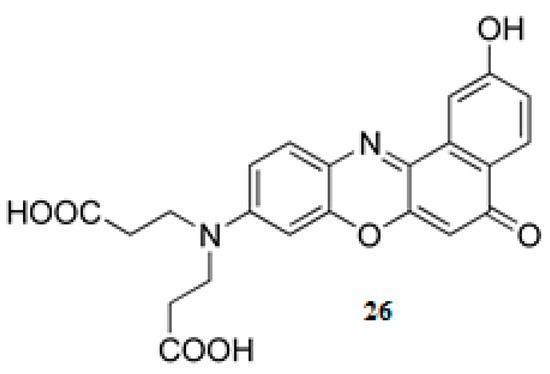
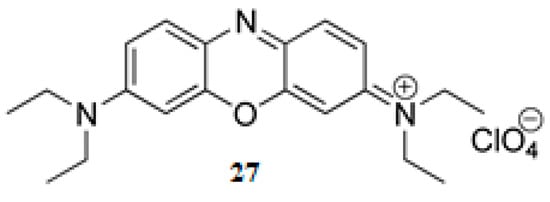
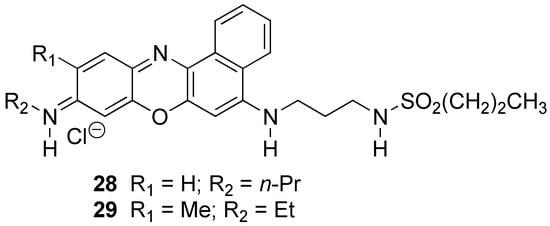
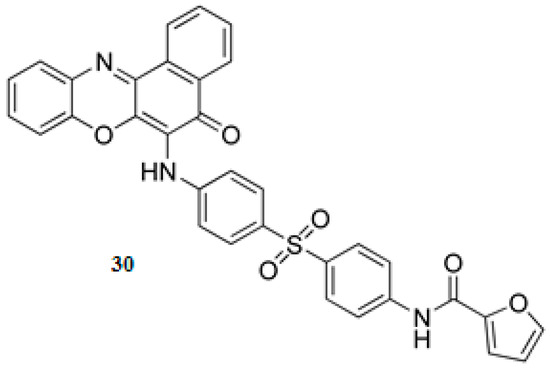
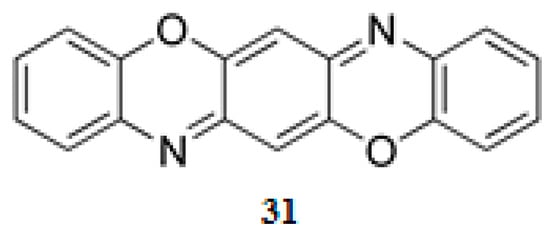
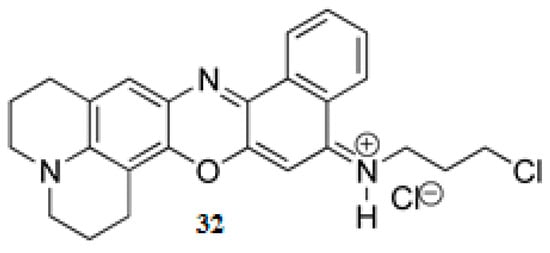
Benzophenoxazine Fluorescent Dyes: Synthesis and Application
Colorants 2026, 5(3), 29; https://doi.org/10.3390/colorants5030029 - 21 Aug 2026
Abstract
►
Show Figures
Benzophenoxazines are among the most important classes of heterocyclic compounds, with strongly coupled π systems which enable efficient light absorption and emission. Due to its unique photophysical properties, such as high molar absorption coefficient, intense fluorescence, and good photochemical stability, the benzophenoxazine skeleton
[...] Read more.
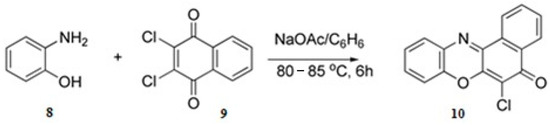
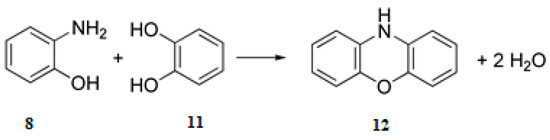
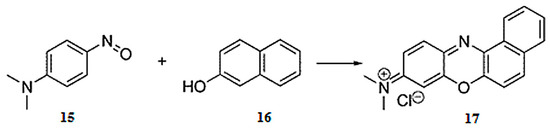
Benzophenoxazines are among the most important classes of heterocyclic compounds, with strongly coupled π systems which enable efficient light absorption and emission. Due to its unique photophysical properties, such as high molar absorption coefficient, intense fluorescence, and good photochemical stability, the benzophenoxazine skeleton plays a key role in the design of fluorescent dyes for special applications. The article presents methods for synthesizing benzophenoxazine derivatives, their photophysical properties, and the significance of their applications, highlighting their potential as structural platforms for producing advanced fluorophores.
Full article
Open AccessArticle
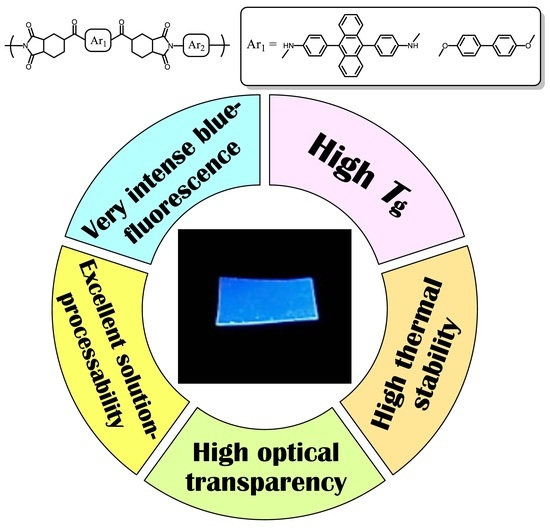
Solution-Processable Heat-Resistant Polymers with Extremely Intense Pure-Blue Photoluminescence Functionality and Impact of Casting Solvents
by
Masatoshi Hasegawa, Hiroo Nitta and Shunichi Horii
Colorants 2026, 5(3), 28; https://doi.org/10.3390/colorants5030028 - 10 Aug 2026
Abstract
►▼
Show Figures
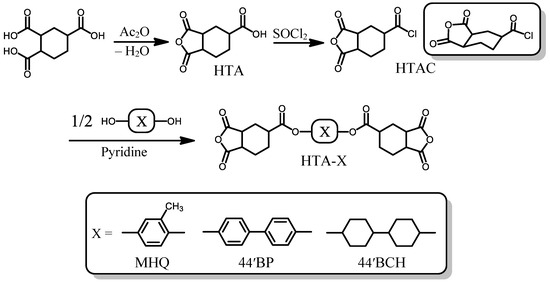
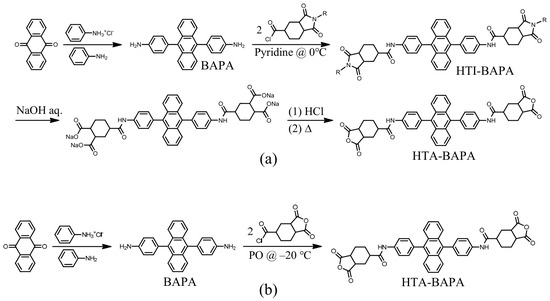
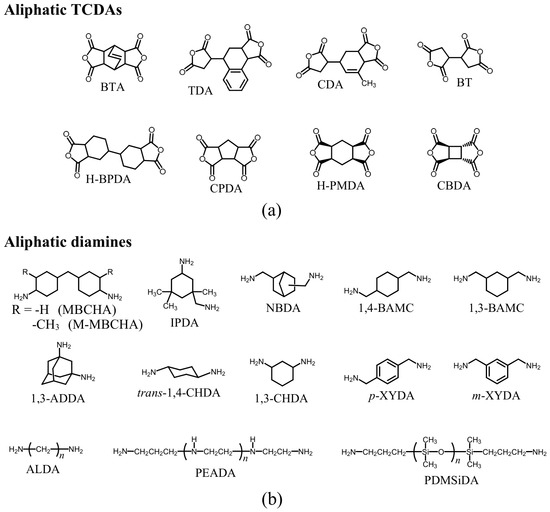
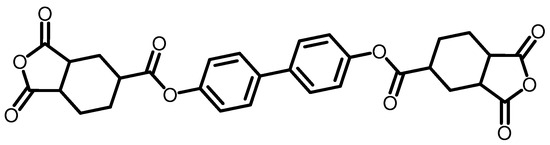
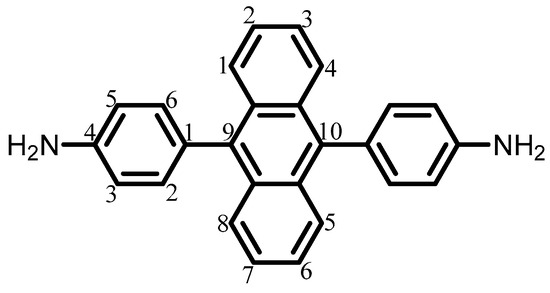
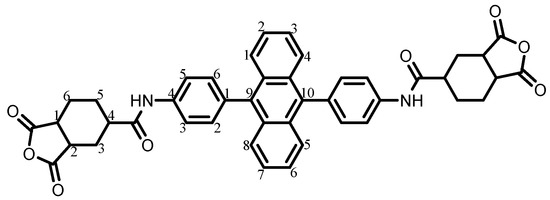
This study aimed to develop unique heat-resistant polymers with very high-intensity blue photoluminescence (PL), particularly by maximizing the PL efficiencies (ΦPL) of fluorophore-incorporated polyimides (PIs) while maintaining their PL color. A bifunctional amide-linked fluorophore (HTA-BAPA) was synthesized from a hydrogenated
[...] Read more.
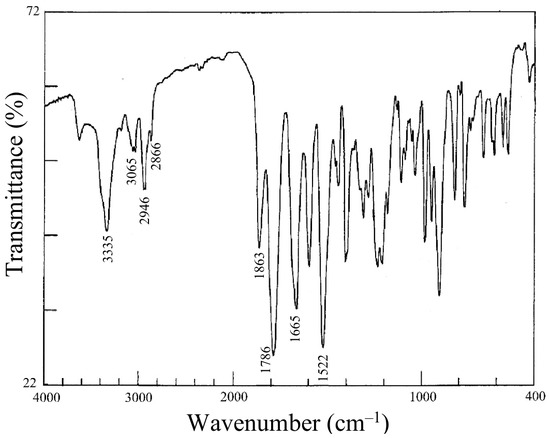
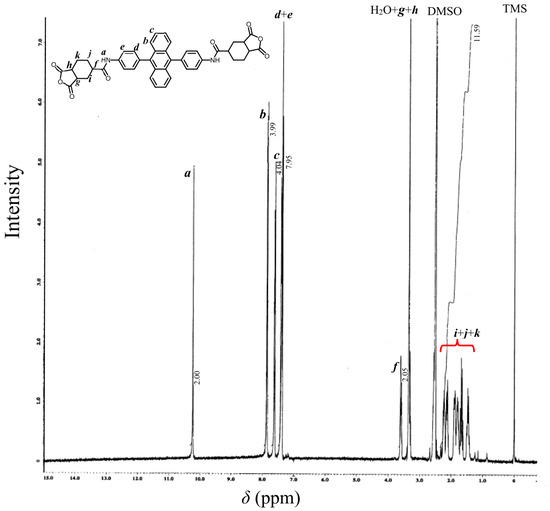
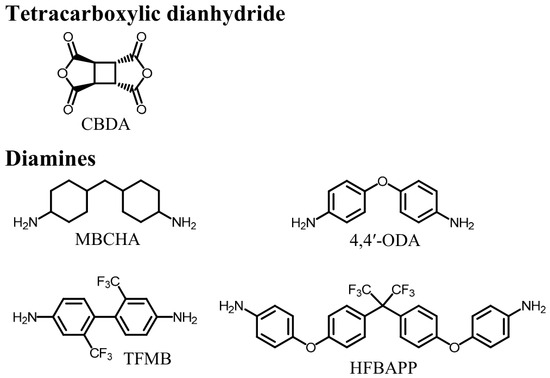
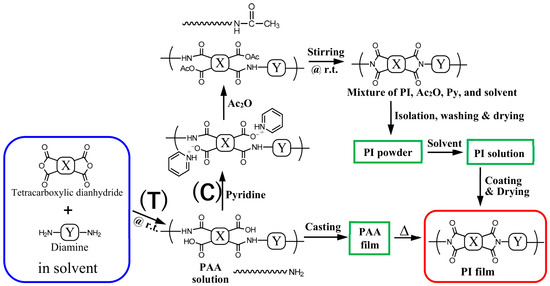
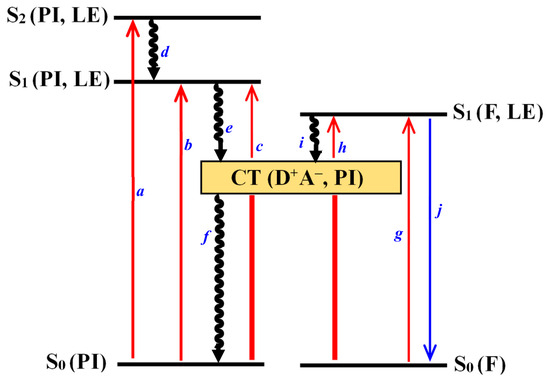
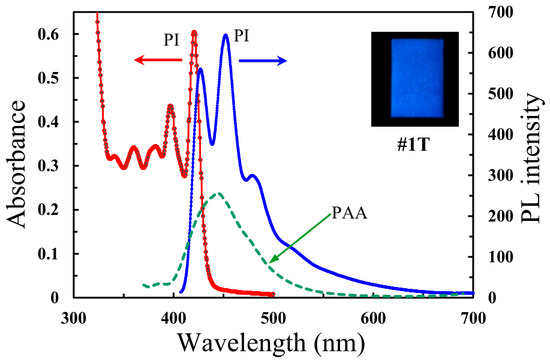
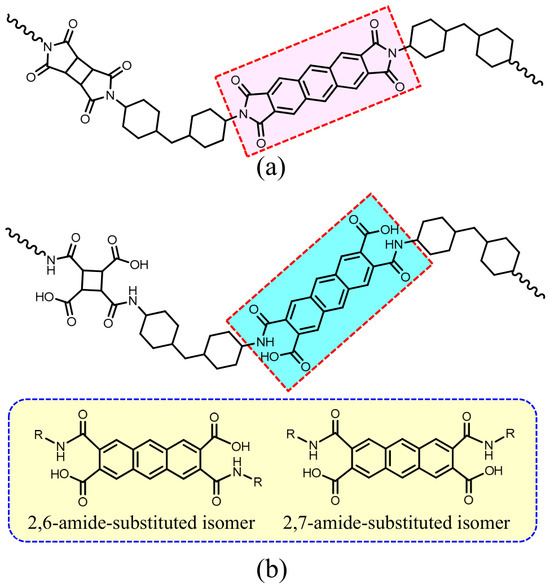
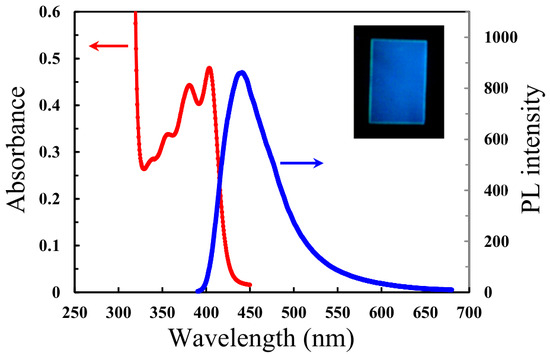
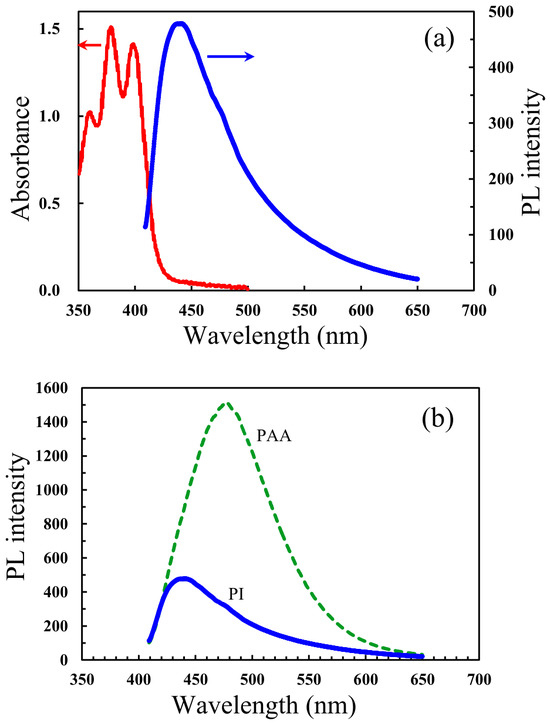
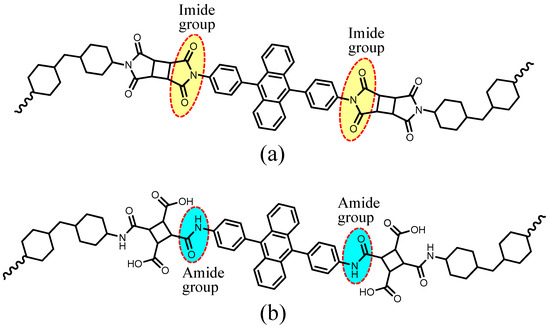
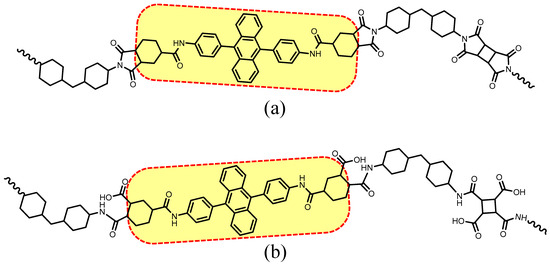
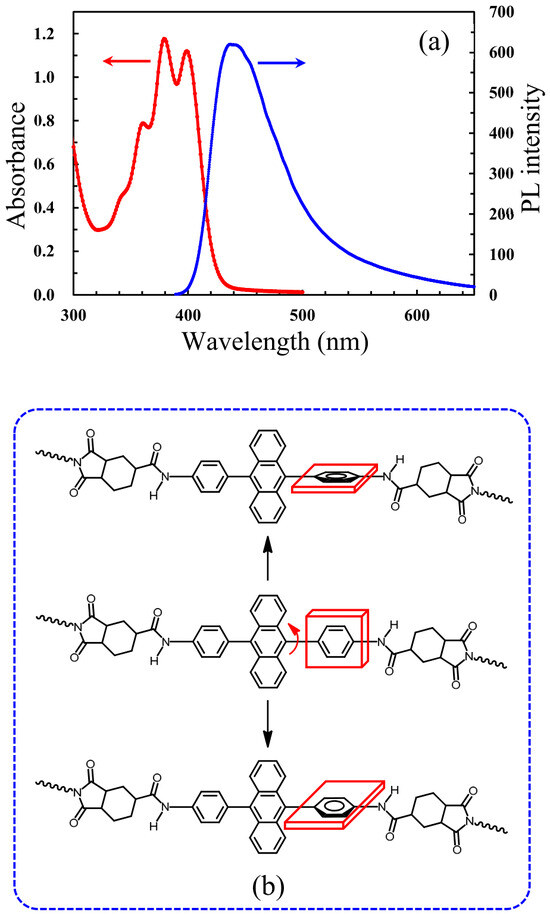
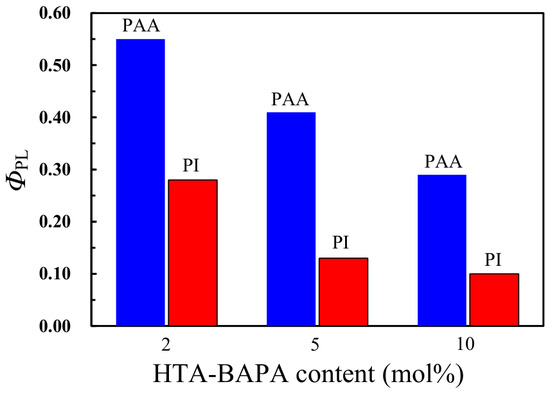
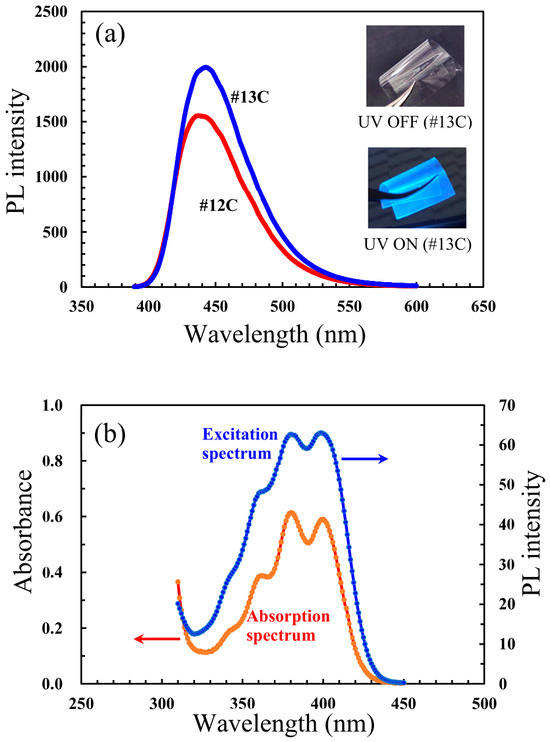
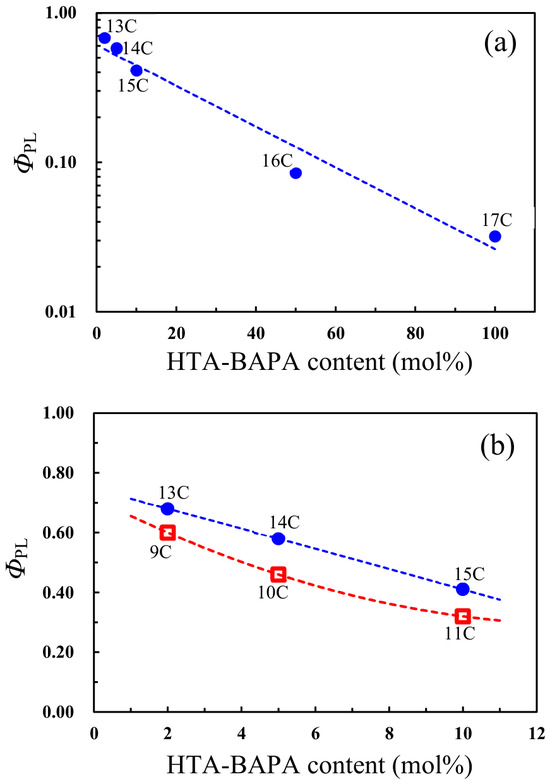
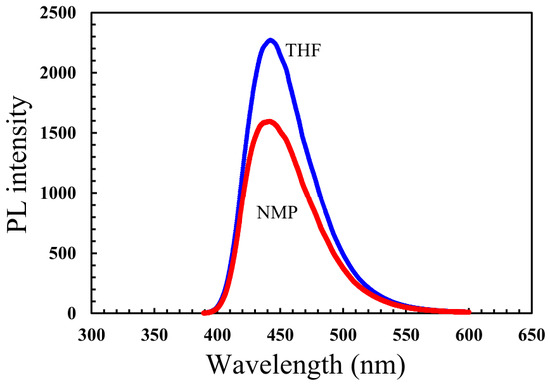
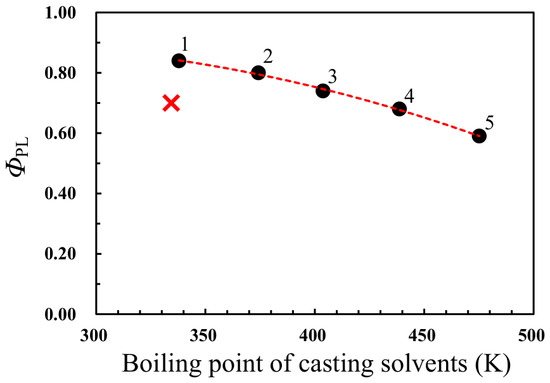
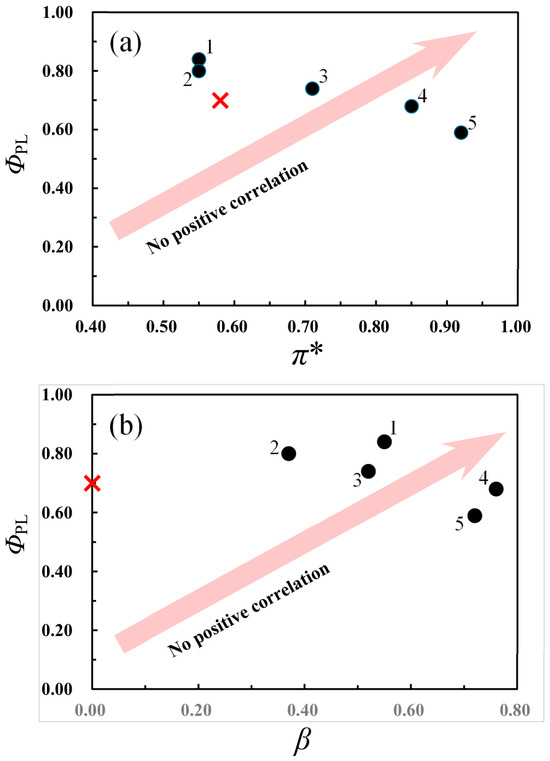
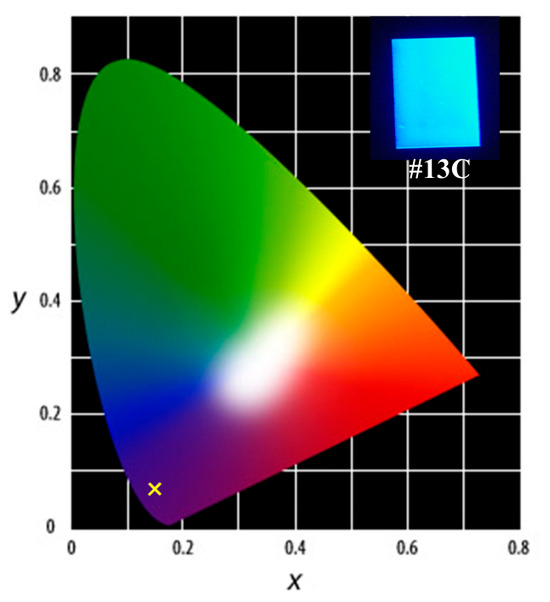
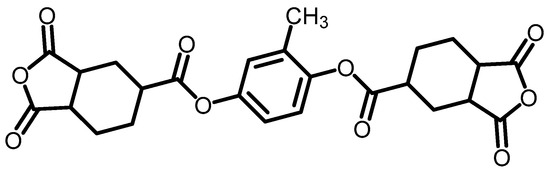
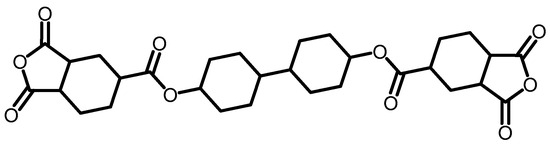
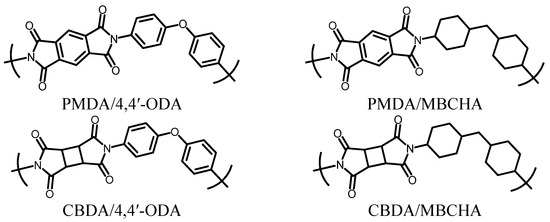
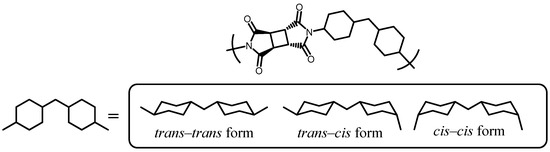
This study aimed to develop unique heat-resistant polymers with very high-intensity blue photoluminescence (PL), particularly by maximizing the PL efficiencies (ΦPL) of fluorophore-incorporated polyimides (PIs) while maintaining their PL color. A bifunctional amide-linked fluorophore (HTA-BAPA) was synthesized from a hydrogenated trimellitic anhydride (HTA) derivative and 9,10-bis(4-aminophenyl)anthracene (BAPA) to covalently incorporate into the main chains of PIs. The dependence of the ΦPL on the HTA-BAPA content was investigated using a wholly cycloaliphatic PI matrix, derived from 1,2,3,4-cyclobutanetetracarboxylic dianhydride (CBDA) with 4,4′-methylenebis(cyclohexylamine) (MBCHA), without charge-transfer (CT) interactions, which mask the desired PL. The ΦPL in the PI precursor film significantly decreased after thermal imidization while maintaining the PL spectral profile (spectral shape and position = PL color). This is likely related to low-level (two-molecular) fluorophore aggregation during thermal imidization, which is responsible for concentration quenching (CQ). Then, the effect of the chemical imidization process (Route-C) on ΦPL was investigated. Route-C provided PI films via a simple solution coating and drying process without thermal imidization. However, when CBDA/MBCHA was used as the PI matrix, gelation/precipitation occurred during chemical imidization, which inhibited subsequent solution casting. To solve this problem, an alternative cycloaliphatic tetracarboxylic dianhydride, derived from the HTA derivative and 4,4′-biphenol (44′BP), was used to combine with 2,2′-bis(trifluoromethyl)benzidine. This matrix PI exhibited Route-C compatibility, excellent solubility, and high heat resistance (Tg = 263 °C), while maintaining a CT-inhibiting function. The PI cast film incorporating HTA-BAPA (2 mol%) exhibited a highly intense blue PL with an exceedingly high ΦPL of 0.68 (68%) and a color coordinate, CIE (x = 0.151, y = 0.074), corresponding to deep-blue PL. The impact of casting solvent type on the ΦPL was also investigated. A clear correlation between the boiling points (Tb) of the casting solvents and ΦPL of the resulting PI cast films was observed, where ΦPL monotonically increased with decreasing Tb. These results probably suggest that faster evaporation (solidification) related to the lower Tb during the first soft-drying step at 60 °C kinetically overcame the two-molecular fluorophore aggregation responsible for CQ. Solution casting from tetrahydrofuran (with the lowest Tb) afforded a maximum ΦPL of 0.84 (84%). Thus, unique polymeric materials with excellent solubility, high Tg, relatively high thermal stability and acceptable film ductility along with highly intense pure-blue PL were obtained, broadening the scope of photoluminescent PI applications, such as heat-resistant fluorescent QR codes.
Full article


Graphical abstract
Open AccessReview
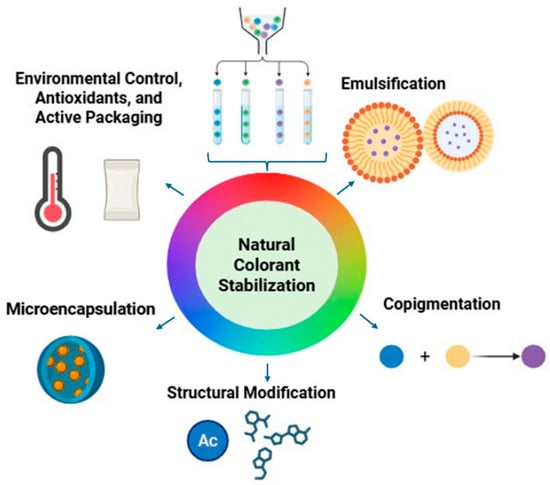
Natural Food Colorant Applications in the Food Industry: Alternatives for Overcoming Stability Limitations
by
Laura Arroyo-Esquivel and Patricia Esquivel
Colorants 2026, 5(3), 27; https://doi.org/10.3390/colorants5030027 - 10 Aug 2026
Abstract
The replacement of synthetic dyes with natural food colorants has become a priority for the food industry, as emerging evidence from in vitro and animal studies on the potential neurotoxic and pro-inflammatory effects of certified dyes converges with consumer pressure for clean-label formulations.
[...] Read more.
The replacement of synthetic dyes with natural food colorants has become a priority for the food industry, as emerging evidence from in vitro and animal studies on the potential neurotoxic and pro-inflammatory effects of certified dyes converges with consumer pressure for clean-label formulations. Yet despite this, the industrial uptake of natural pigments remains uneven, held back by stability limitations that differ considerably from one pigment class to the next and from one food matrix to another. This review covers the chemistry, industrial applications, and stabilization approaches of the main natural colorant groups: carotenoids, anthocyanins, betalains, chlorophylls, curcuminoids, phycocyanin, and genipin-derived pigments, with particular attention to the physicochemical reasons behind their instability and the practical tools available to address it. Among stabilization strategies, spray-drying microencapsulation with composite protein–polysaccharide wall materials is often the most scalable and cost-effective option, whereas freeze drying may be preferable for high-value pigments or applications in which maximum pigment retention is the priority. Whether the encapsulating matrix remains in a glassy or rubbery state stands out as a key factor governing oxidative degradation across all pigment categories, which makes water activity management a non-negotiable element of any serious formulation effort. Anthocyanins require more than physical encapsulation alone: copigmentation and structural approaches such as acylation and pyranoanthocyanin formation hold degradation routes that no shell material can prevent on its own. For hydrophobic pigments like carotenoids and curcuminoids, lipid-based delivery systems consistently deliver higher bioaccessibility than aqueous or dried formats. pH control, antioxidant incorporation, and modified atmosphere packaging add a useful but ultimately incomplete third line of defense. One development worth attention is the use of pH-responsive pigments in biopolymer packaging films, where color instability, long treated as a drawback, becomes a real-time indicator of food freshness. Bridging the remaining performance gap with synthetic dyes will call for stabilization platforms that tackle the molecular, physical, and environmental dimensions of degradation together, built around the particular chemistry of each pigment and the demands of each application.
Full article
(This article belongs to the Special Issue All the Colors of the Rainbow: Natural Colorants)
►▼
Show Figures

Figure 1
Open AccessCommunication
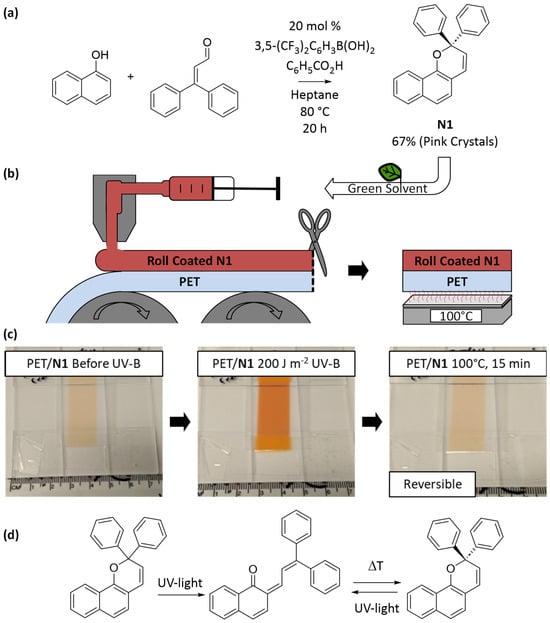
Slot-Die-Coated Photochromic Naphthopyran-Based Films for UV-B Light Detection
by
Richard D. Pettipas, Clément Cabanetos and Gregory C. Welch
Colorants 2026, 5(3), 26; https://doi.org/10.3390/colorants5030026 - 26 Jul 2026
Abstract
►▼
Show Figures
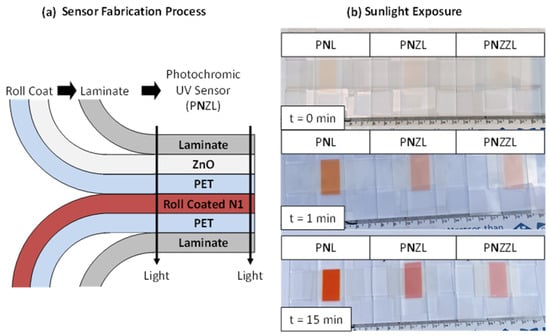
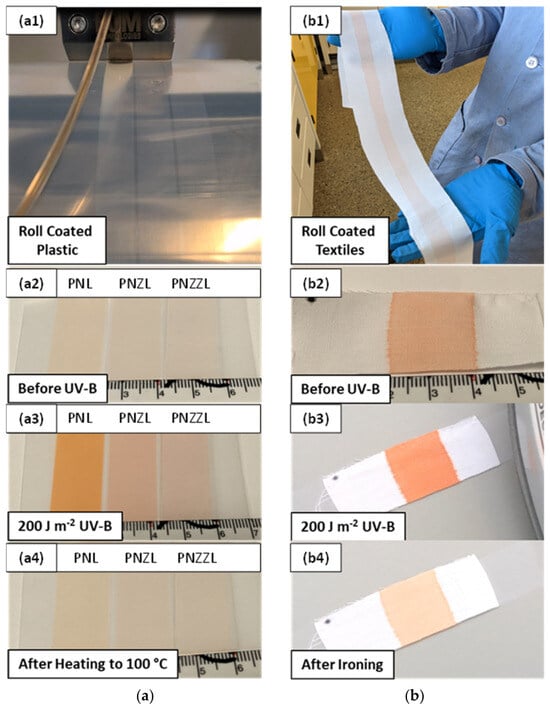
Photochromic materials have attracted widespread interest for an innate ability to change color in response to UV-B light without electronic integration. Major challenges toward the realization of sensors based on these materials are the lack of color change reversibility and chemical stability of
[...] Read more.
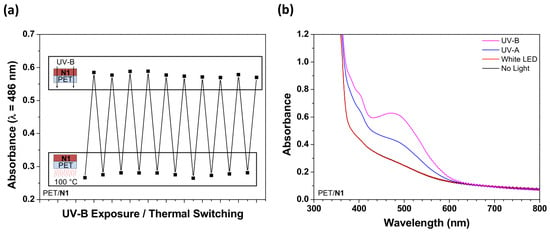
Photochromic materials have attracted widespread interest for an innate ability to change color in response to UV-B light without electronic integration. Major challenges toward the realization of sensors based on these materials are the lack of color change reversibility and chemical stability of the photochromic dyes. Here, we demonstrate the use of slot-die coating to develop flexible plastic and textile integrated films capable of color changes under UV-B light exposure. The films change from near colorless to amber orange with UV-B exposure and revert to near colorless when heated at 100 °C. The films show a stronger response to UV-B light (compared to longer wavelength light) and exhibit in-lab ambient condition stability. This work has potential relevance for materials science and health care applications and contributes to the development of non-electronic UV light-sensing materials.
Full article
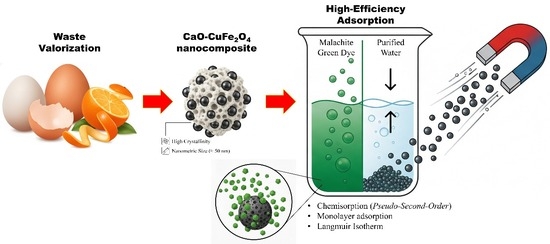
Figure 1
Open AccessSystematic Review
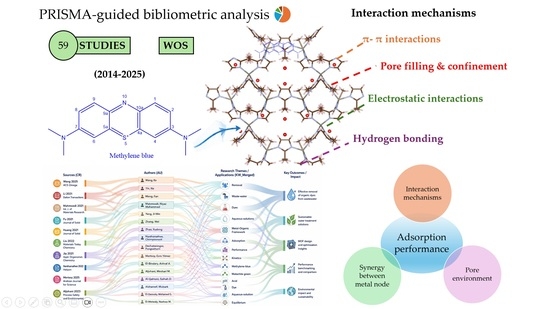
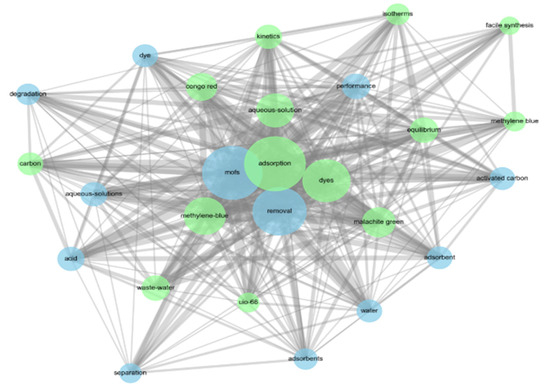
Performance Benchmarking of MOF-Based Adsorbents for Organic Dye Removal: A PRISMA-Guided Bibliometric and Statistical Analysis
by
Arelly Montserrat Canton-Diaz, Juan Jose Alonso-Tijerina and Nancy Elizabeth Davila-Guzman
Colorants 2026, 5(3), 25; https://doi.org/10.3390/colorants5030025 - 14 Jul 2026
Cited by 1
Abstract
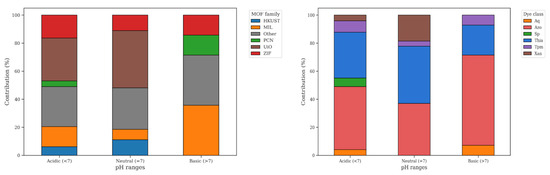
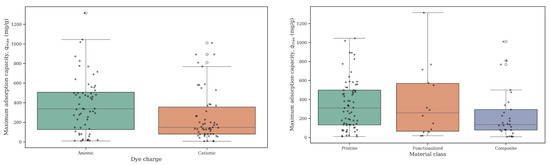
This study presents a PRISMA-guided bibliometric and statistical analysis of MOF-based adsorbents for organic dye removal, covering publications from 2014 to 2026. A total of 59 studies were analyzed to evaluate research trends, material classification, and adsorption performance under diverse experimental conditions. The
[...] Read more.
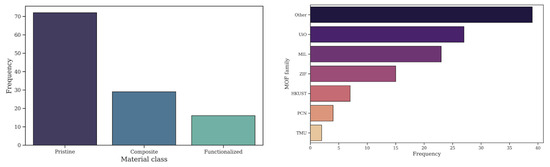
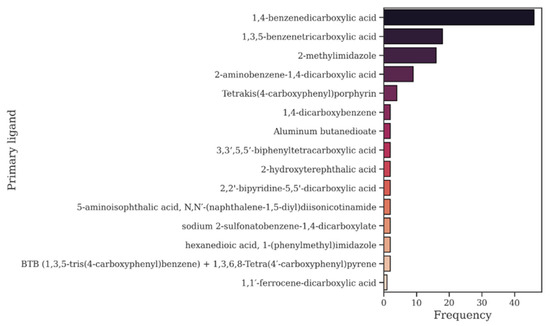
This study presents a PRISMA-guided bibliometric and statistical analysis of MOF-based adsorbents for organic dye removal, covering publications from 2014 to 2026. A total of 59 studies were analyzed to evaluate research trends, material classification, and adsorption performance under diverse experimental conditions. The results revealed clear differences in adsorption behavior depending on dye type, molecular properties, and operational conditions, highlighting the key role of electrostatic interactions and solution chemistry. From a materials perspective, pristine MOFs dominated the literature; however, a transition toward functionalized and composite materials was identified, driven by the need to improve adsorption efficiency, selectivity, and stability. MIL-, UiO-, and ZIF-type frameworks were the most frequently investigated due to their balance between structural stability and adsorption performance. The analysis also identified critical limitations, particularly the inconsistent reporting of key experimental parameters, which limits comparability and hinders the identification of reliable structure–property relationships. Overall, this study provides a benchmarking framework supporting the rational design of MOF-based adsorbents for wastewater treatment applications.
Full article
(This article belongs to the Special Issue Structural Modification of Colorants to Safeguard the Environment)
►▼
Show Figures

Graphical abstract
Open AccessArticle
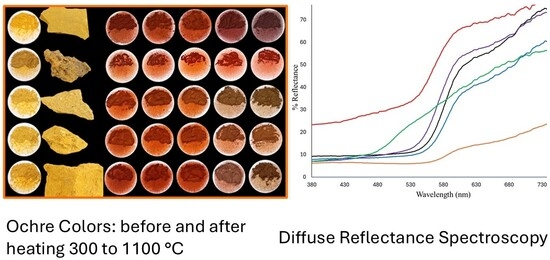
Transformation of Goethite to Hematite: Dependence of Ochre Color on Temperature and Time of Heating
by
India F. Buff, Lina N. Hassini, Joan E. Reichert, Karen Wu, Giovanni Cavallo and Walter J. Bowyer
Colorants 2026, 5(3), 24; https://doi.org/10.3390/colorants5030024 - 13 Jul 2026
Abstract
►▼
Show Figures
Ochres, natural pigments based on iron oxide and (oxy)hydroxide minerals, range in color from yellow to red to violet to brown. Ochres have been used and manipulated by humans for more than 100,000 years, and they continue to be valued because they are
[...] Read more.
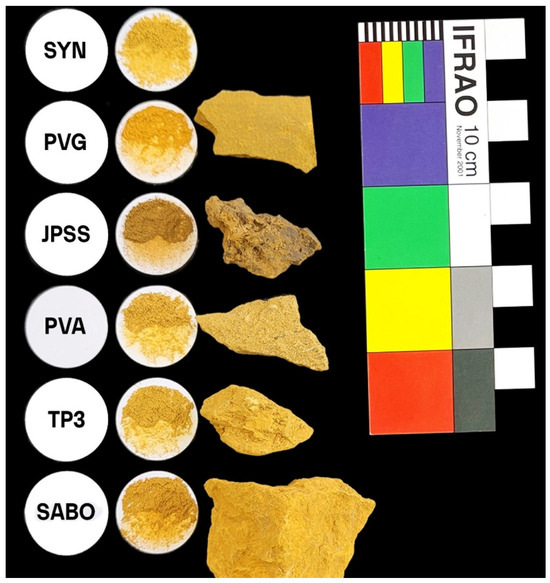
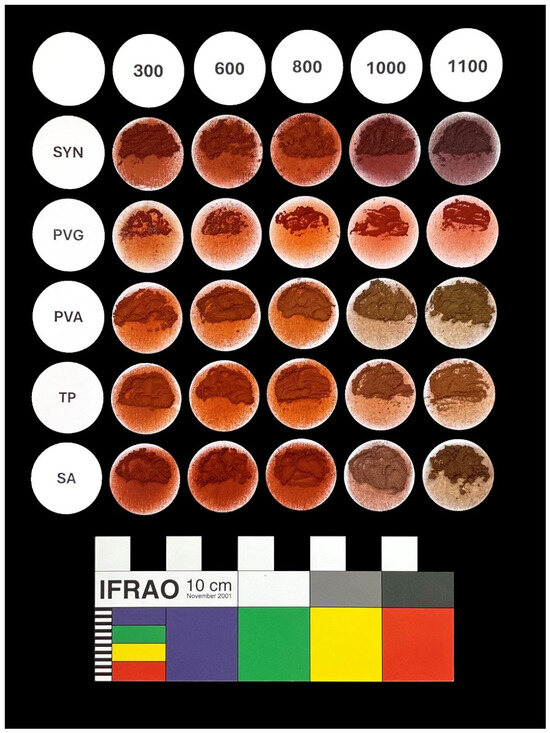
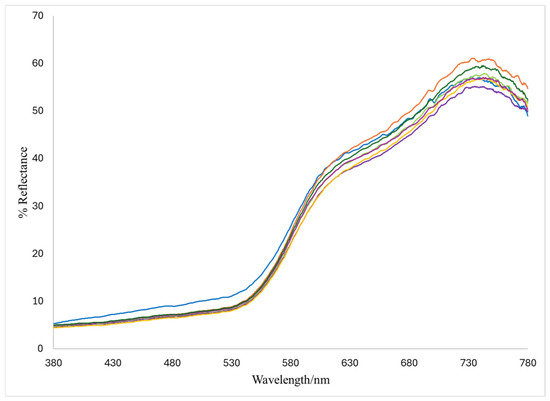
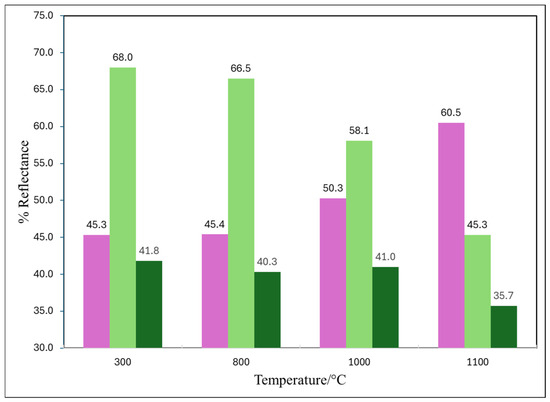
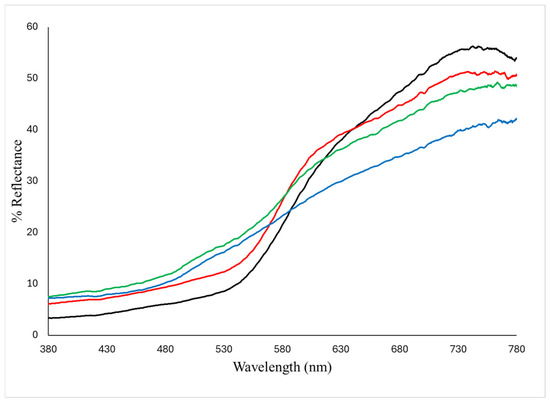
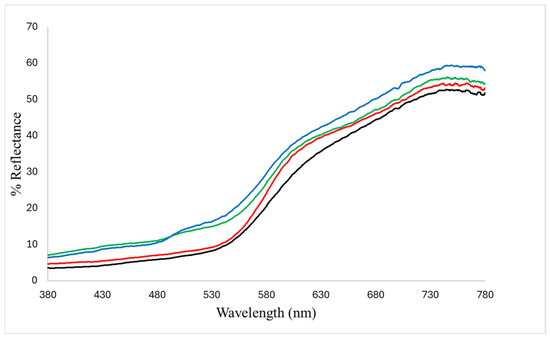
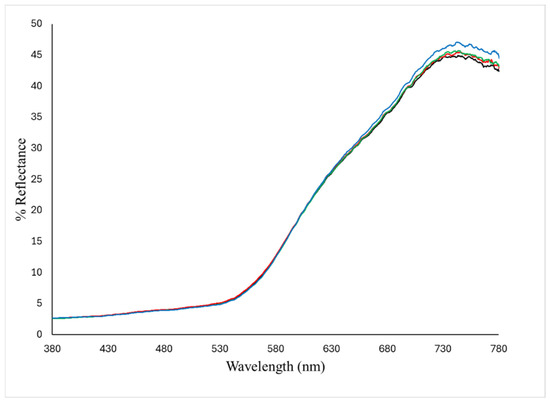
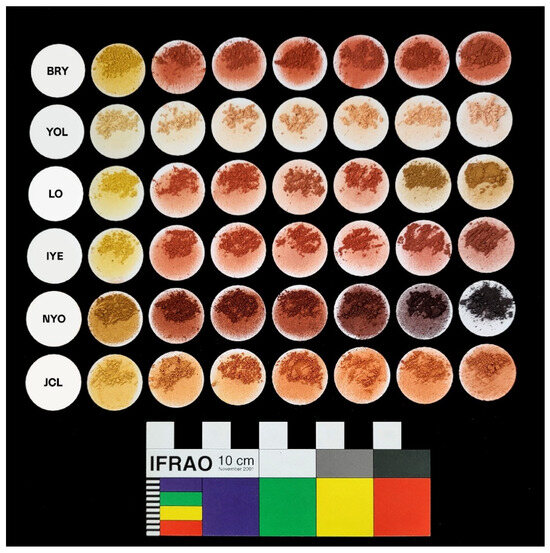
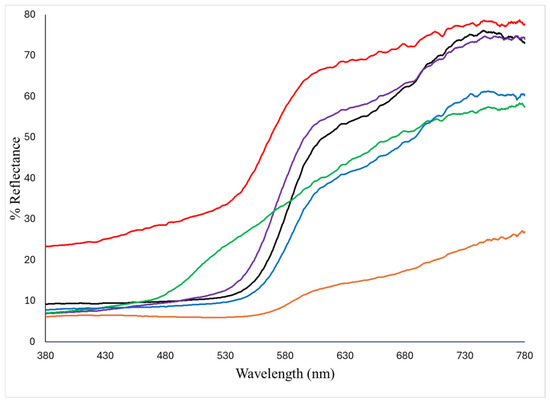
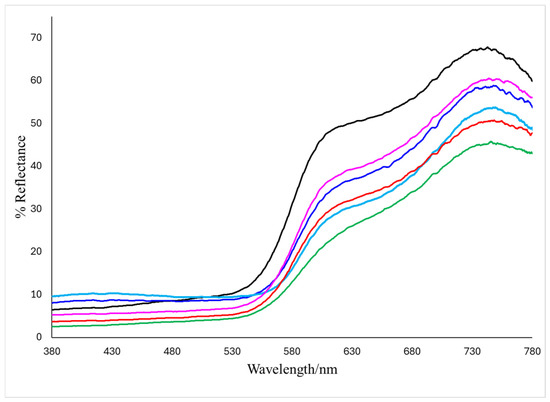
Ochres, natural pigments based on iron oxide and (oxy)hydroxide minerals, range in color from yellow to red to violet to brown. Ochres have been used and manipulated by humans for more than 100,000 years, and they continue to be valued because they are intensely colored, stable to light and heat, and cheap. Ochres offer critical evidence for the evolution of human cognition and symbolic behavior. Interpretation of the archeological evidence requires an understanding of ancient processing of ochre. Of particular importance in the Paleolithic is the heating of yellowish-brown goethite to convert it to red hematite. We heat natural ochres containing goethite in a furnace and characterize the colors of the resulting hematites. Within the temperatures achievable by early humans in simple wood fires (300 to 800 °C), the color is almost entirely independent of temperature and time of heating with λm ≥ 580 nm and reflectance at 780 nm varying by less than 5%. At higher temperatures (800 to 1100 °C) natural ochres may become a brighter red (increasing reflectance by 15%), purplish red, or various shades of brown depending on the accessory minerals in the ochre.
Full article

Graphical abstract
Open AccessReview
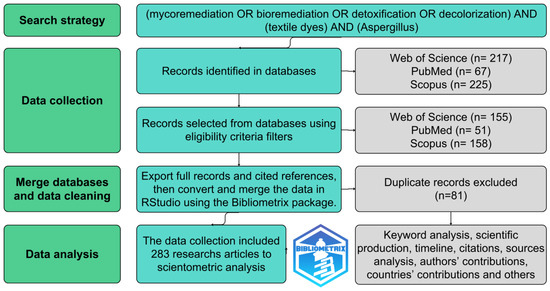
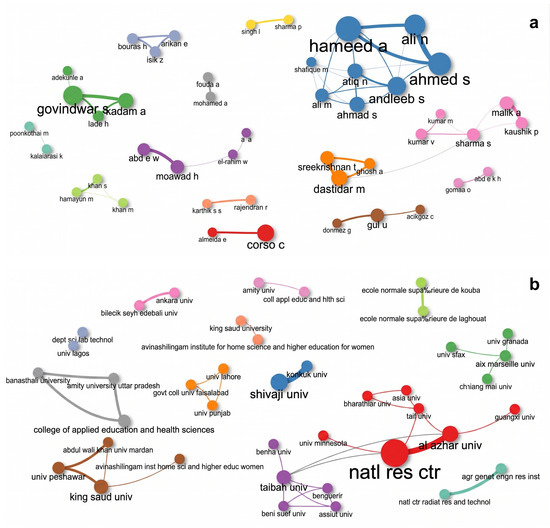
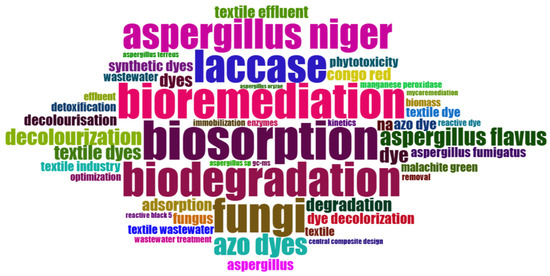
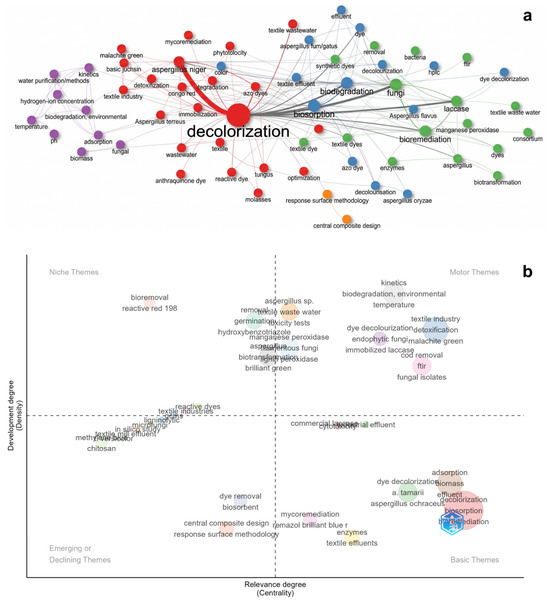
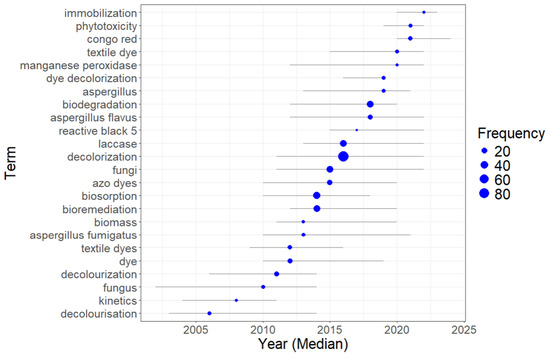
Temporal Trends, Scientific Impacts, and Collaborations in Global Research on Aspergillus-Based Bioremediation of Textile Dyes
by
Anna Gabrielly Duarte Neves, Kethylen Barbara Barbosa Cardoso, Jairo José Ribeiro Toscano de Brito, Júnior, Raphael Luiz Andrade Silva, Maria Eduarda Luiz Coelho de Miranda, Maria Eduarda Alves da Silva, Romero Marcos Pedrosa Brandão-Costa, Raquel Pedrosa Bezerra and Ana Lúcia Figueiredo Porto
Colorants 2026, 5(3), 23; https://doi.org/10.3390/colorants5030023 - 1 Jul 2026
Abstract
►▼
Show Figures
Textile dyes are considered emerging pollutants due to their recalcitrant and xenobiotic nature, making them toxic and mutagenic, leading to various environmental impacts. Aspergillus fungi, known for their metabolic diversity and high environmental adaptability, emerge as an alternative for remediating these contaminants. The
[...] Read more.
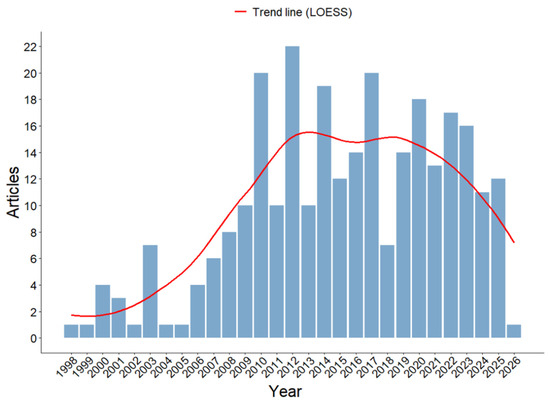
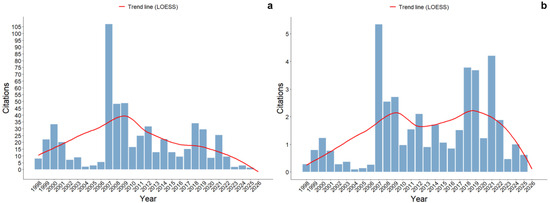
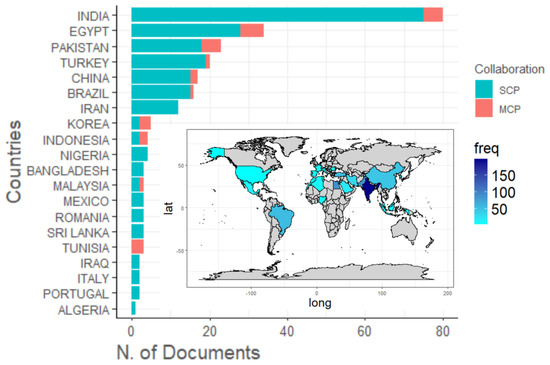
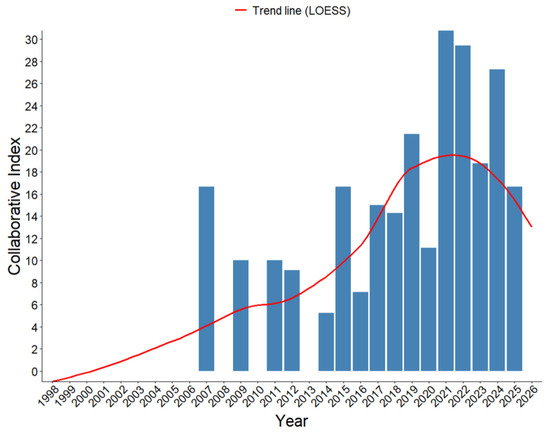
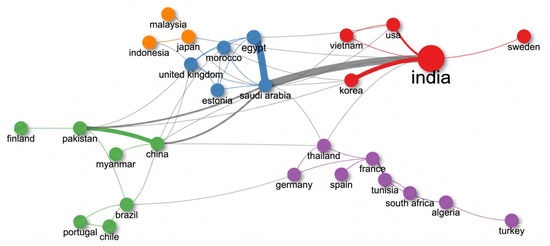
Textile dyes are considered emerging pollutants due to their recalcitrant and xenobiotic nature, making them toxic and mutagenic, leading to various environmental impacts. Aspergillus fungi, known for their metabolic diversity and high environmental adaptability, emerge as an alternative for remediating these contaminants. The evolution and trends in research on the application of Aspergillus in the bioremediation of textile dyes were assessed through a scientometric analysis of articles indexed in Web of Science, PubMed, and Scopus, using the Bibliometrix tool. A total of 283 documents were identified over 28 years since the first publication, indicating that although the topic is established, research output remains limited. Publications originated from 43 countries, with India as the leading contributor; however, the low rate of international collaboration (12.37%) highlights the need for stronger global partnerships. Research primarily focused on dye decolorization via biosorption and biodegradation, with Aspergillus niger and Aspergillus flavus as the most frequently studied species. Recent trends emphasize lignolytic enzymes, especially laccase, and integrative approaches combining biological and physicochemical processes. The results also reveal the urgent need for comprehensive toxicological assessments beyond phytotoxicity, considering increasing concerns about textile effluent impacts on ecosystems and human health.
Full article

Figure 1
Open AccessArticle
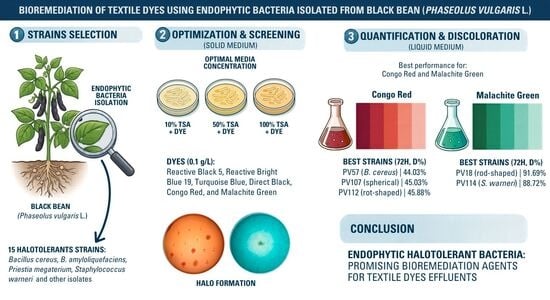
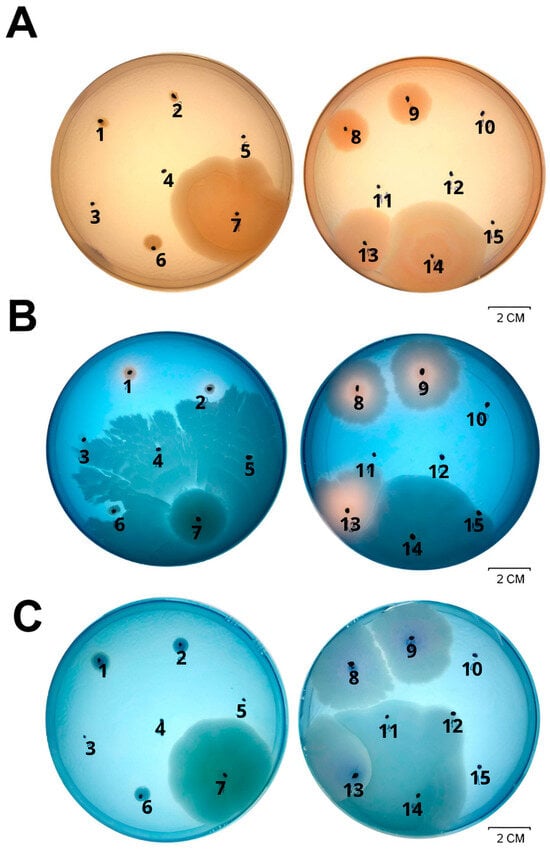
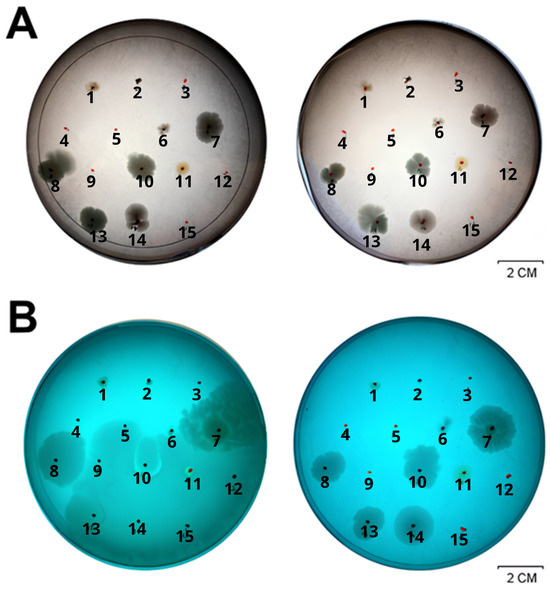
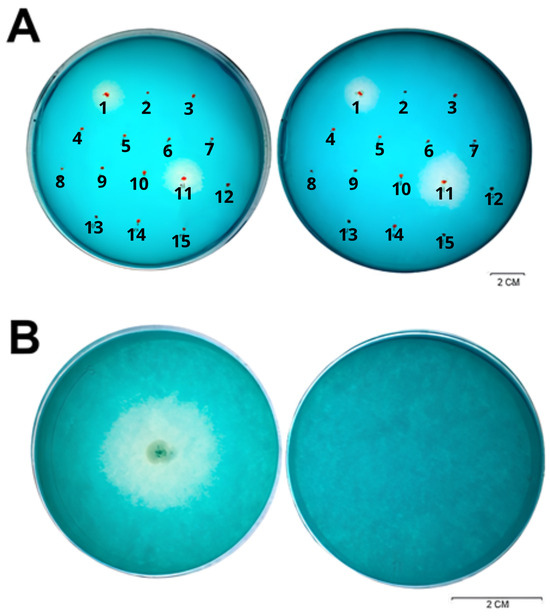
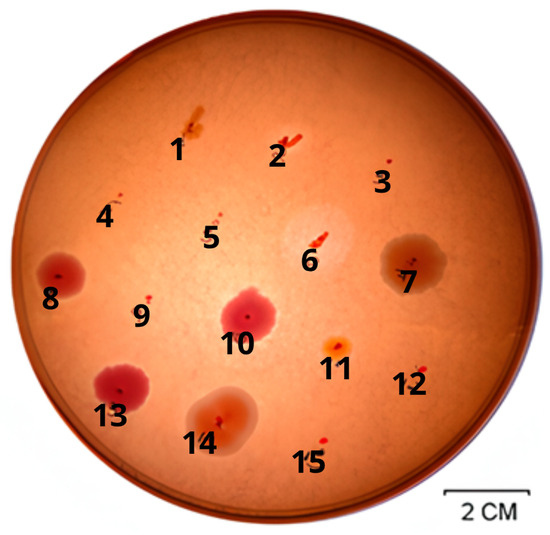
Decolorization of Textile Dyes Using Endophytic Bacteria Isolated from Black Bean (Phaseolus vulgaris L.)
by
Gabriel Mendes Oliveira, Victoria Batista Figueiredo da Silva, Giovanna Porto Lima, Tiago Tognolli de Almeida, Julio Cesar Polonio and Andressa Domingos Polli
Colorants 2026, 5(2), 22; https://doi.org/10.3390/colorants5020022 - 10 Jun 2026
Abstract
►▼
Show Figures
The textile industry contributes significantly to environmental pollution through massive water usage and toxic synthetic dye effluents. Bioremediation offers a sustainable solution by using microorganisms, such as bacteria, to transform complex contaminants into simpler substances. This study evaluated the bioremediation potential of fifteen
[...] Read more.
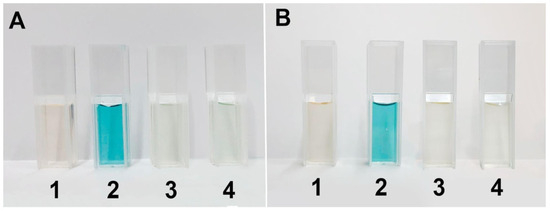
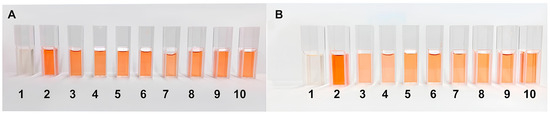
The textile industry contributes significantly to environmental pollution through massive water usage and toxic synthetic dye effluents. Bioremediation offers a sustainable solution by using microorganisms, such as bacteria, to transform complex contaminants into simpler substances. This study evaluated the bioremediation potential of fifteen halotolerant endophytic bacteria isolated from black beans (Phaseolus vulgaris L.) against various textile dyes. The strains included Bacillus cereus, Bacillus amyloliquefaciens, Priestia megaterium, and Staphylococcus warneri. Initial screenings across different TSA (Tryptic Soy Agar) medium concentrations (10%, 50%, 100%) revealed that bacterial growth and discoloration—assessed via halo formation—were most pronounced in 50% medium. While several dyes showed no reaction, Malachite Green and Congo Red were successfully decolorized. In liquid medium assays TSB (Tryptic Soy Broth) (50%) quantitative analysis via spectrophotometry showed that strains PV57, PV107, and PV112 achieved approximately 45% discoloration for Congo Red. Most notably, PV18 and PV114 achieved discoloration efficiencies of 91.69% and 88.72%, respectively, for Malachite Green after 72 h. These findings indicate that salt-tolerant endophytic bacteria are promising candidates for the decolorization of textile dyes. However, further studies are required to determine whether the observed discoloration results from biodegradation, biotransformation, or biosorption. This study underscores the potential of agricultural endophytes in managing industrial waste effectively.
Full article

Graphical abstract
Open AccessArticle
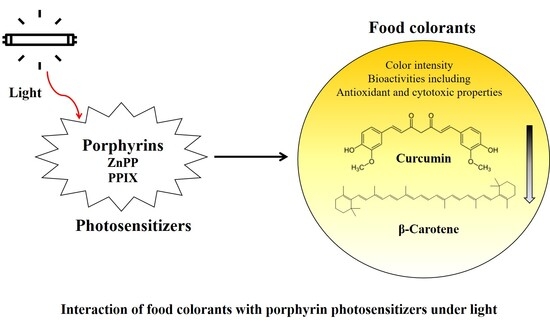
Effects of Porphyrin Photosensitizers on Photostability and Bioactivities of Dietary Pigments, Curcumin and β-Carotene
by
Yu Na Jung and Jungil Hong
Colorants 2026, 5(2), 21; https://doi.org/10.3390/colorants5020021 - 5 Jun 2026
Abstract
►▼
Show Figures
Natural food pigments such as curcumin and β-carotene are valued for their coloring properties and health-promoting bioactivities, including antioxidant and anticancer effects. However, both compounds are susceptible to light-induced degradation, which can compromise their stability and functional integrity. This study investigated changes in
[...] Read more.
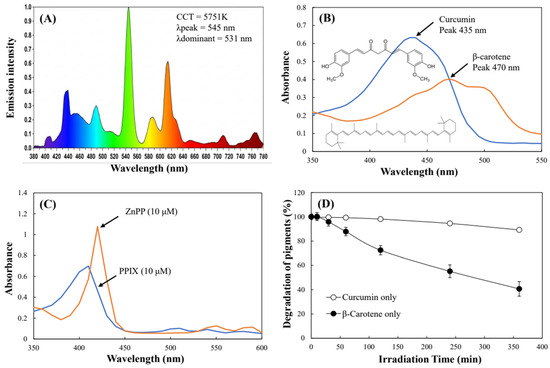
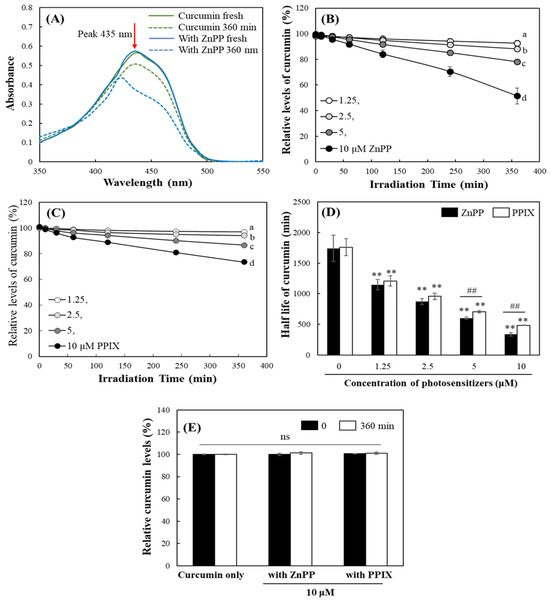
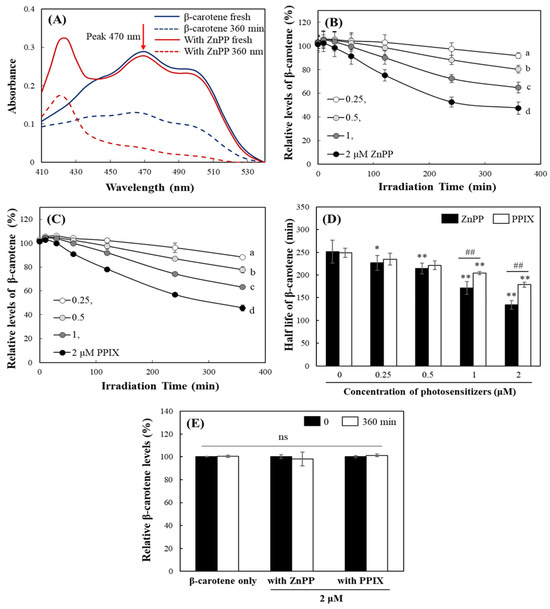
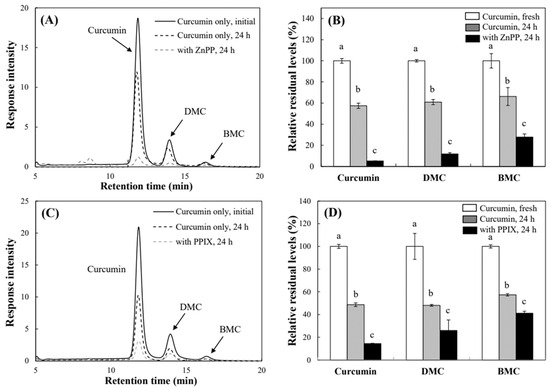
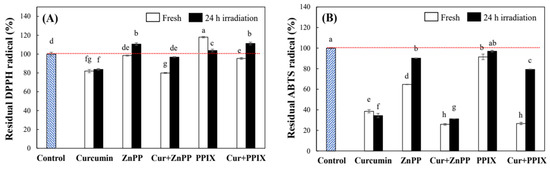
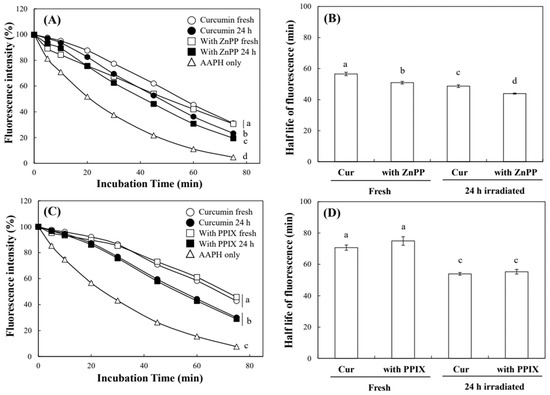
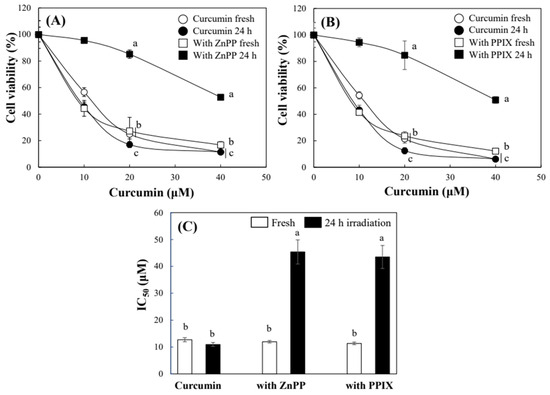
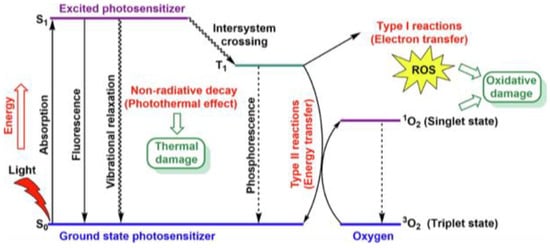
Natural food pigments such as curcumin and β-carotene are valued for their coloring properties and health-promoting bioactivities, including antioxidant and anticancer effects. However, both compounds are susceptible to light-induced degradation, which can compromise their stability and functional integrity. This study investigated changes in the photostability and bioactivity of curcumin and β-carotene under fluorescent light irradiation, focusing on their interactions with the porphyrin photosensitizers zinc protoporphyrin (ZnPP) and protoporphyrin IX (PPIX). Spectral and HPLC analyses revealed significant pigment degradation, with β-carotene exhibiting greater instability than curcumin. ZnPP and PPIX accelerated the bleaching of both pigments in a concentration-dependent manner, with ZnPP consistently showing stronger destabilizing effects. Functional assays further demonstrated that the antioxidant activity of curcumin was altered by light exposure. Co-irradiation with ZnPP or PPIX significantly reduced the scavenging activity of curcumin against DPPH, ABTS, and AAPH radicals. In HCT-116 colon cancer cells, irradiation alone slightly enhanced the cytotoxic activity of curcumin, whereas co-irradiation with ZnPP or PPIX significantly attenuated this effect. These findings indicate that porphyrin photosensitizers accelerate pigment degradation and impair functional properties under light exposure, highlighting the importance of pigment–photosensitizer interactions during food storage and processing.
Full article

Graphical abstract
Open AccessArticle
Honey as a Xylindein-Stimulatory Media for Chlorociboria Species
by
Olivia Queisser, Hayden Houck, Padraic Duggan, Bo MacGill and Seri C. Robinson
Colorants 2026, 5(2), 20; https://doi.org/10.3390/colorants5020020 - 2 Jun 2026
Abstract
►▼
Show Figures
Fungi in the Chlorociboria genus produce a blue pigment called xylindein—a pigment with high UV stability, photovoltaic capacity, and which is used as a historic wood colorant. The pigment has not yet been synthesized; however, recent studies have shown that optimizing sucrose and
[...] Read more.
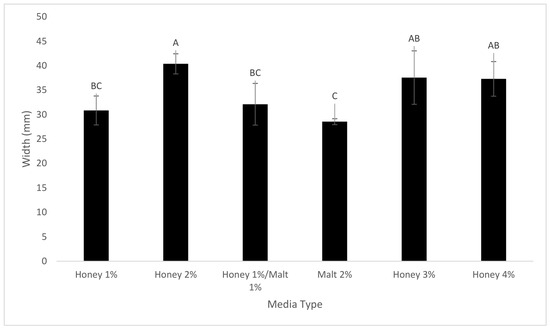
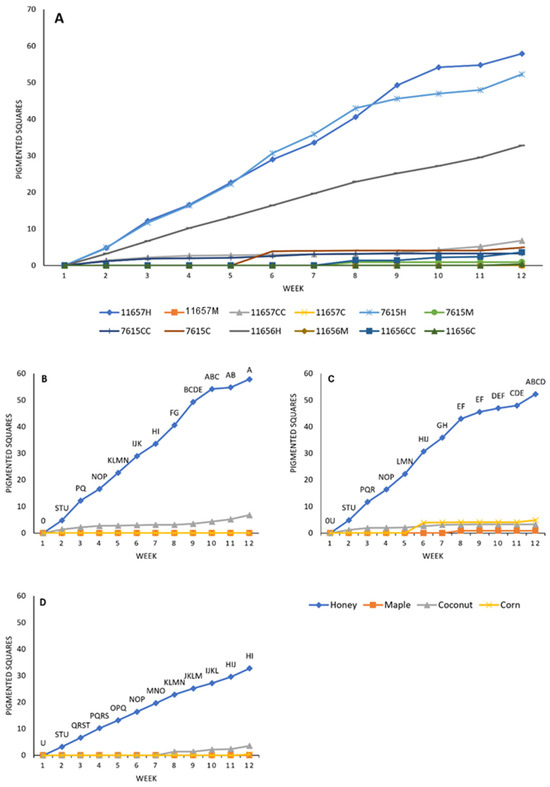
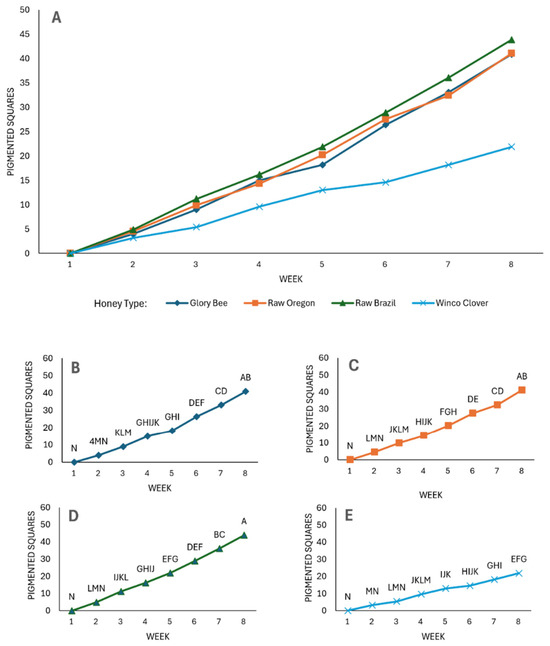
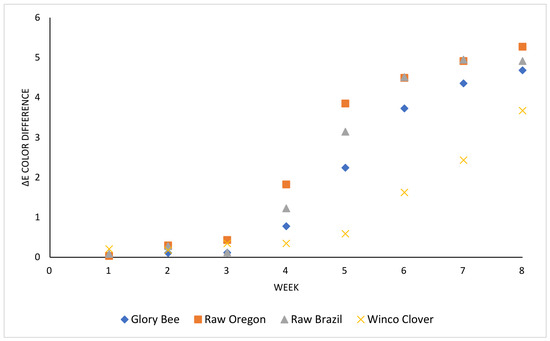
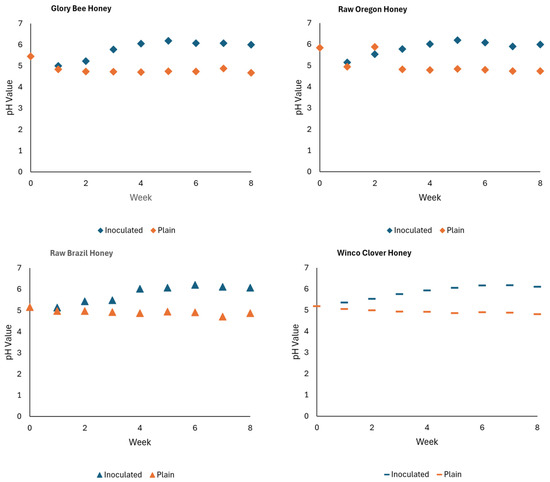
Fungi in the Chlorociboria genus produce a blue pigment called xylindein—a pigment with high UV stability, photovoltaic capacity, and which is used as a historic wood colorant. The pigment has not yet been synthesized; however, recent studies have shown that optimizing sucrose and glucose levels, as well as nitrogen levels during Chlorociboria growth, affects the amount of pigment produced. Ideal for laboratory and commercial production, most users of xylindein are hobbyist woodworkers for whom this level of control is not feasible. This study sought to determine easily-accessible sugar sources capable of stimulating xylindein production specifically for “at home” cultivation. Four ‘common’ sugar sources were tested for their ability to stimulate pigment production of four Chlorociboria species: honey, maple syrup, coconut cream, and high fructose corn syrup. All fungi produced significantly more xylindein in honey-based media. Across the different types of honey, the three fungi produced the most xylindein on raw honey over the more “processed” honey, although both raw and processed honey induced pigmentation. The use of honey as a media sugar source for Chlorociboria spp. offers a reliable, cheap, and effective method to optimize sucrose for hobbyists interested in maximizing their xylindein output, and may offer a cheaper pigment stimulant for larger-scale, industrial production.
Full article

Figure 1
Open AccessArticle
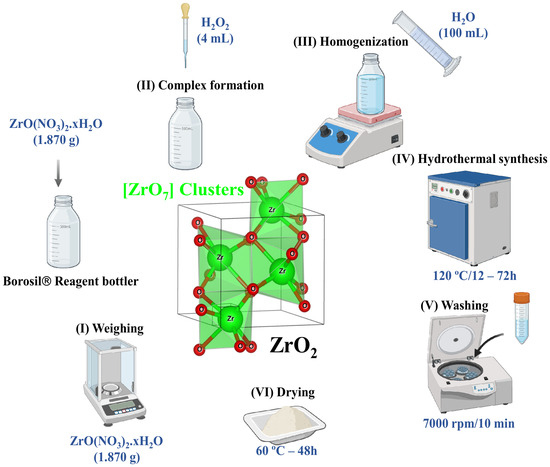
Structure, Photoluminescence, and Photocatalytic Performance of Zirconium Oxide Nanocrystals Synthesized via a Hydrogen Peroxide-Assisted Hydrothermal Route
by
Giancarlo Sousa, Francisco Nobre, Elson Longo, Edgar Júnior, Luiz Silva, Máximo Li, Laécio Santos Cavalcante, Yurimiler Ruiz, José de Matos and Maria Rita de Morais Chaves Santos
Colorants 2026, 5(2), 19; https://doi.org/10.3390/colorants5020019 - 1 Jun 2026
Abstract
►▼
Show Figures
This paper reports the controlled synthesis of ZrO2 nanocrystals via a peroxide-assisted hydrothermal (HT) route at 120 °C, with processing times ranging from 12 to 72 h, and investigates the correlation between structural evolution, defect chemistry, and functional properties. X-ray diffraction (XRD)
[...] Read more.
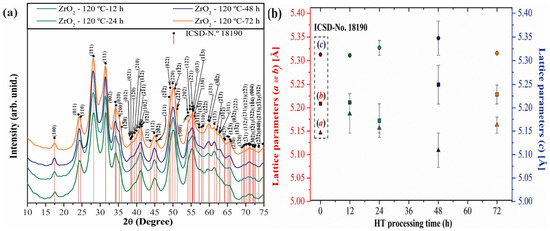
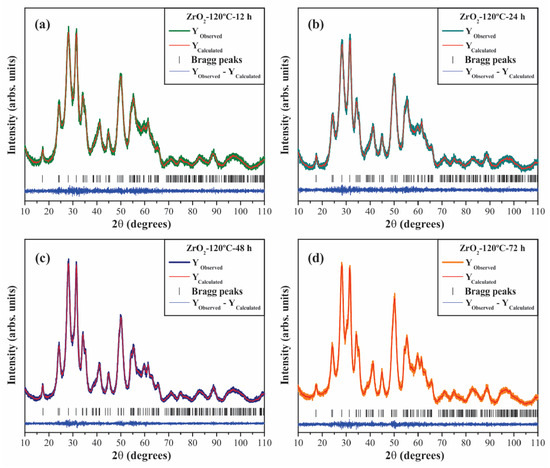
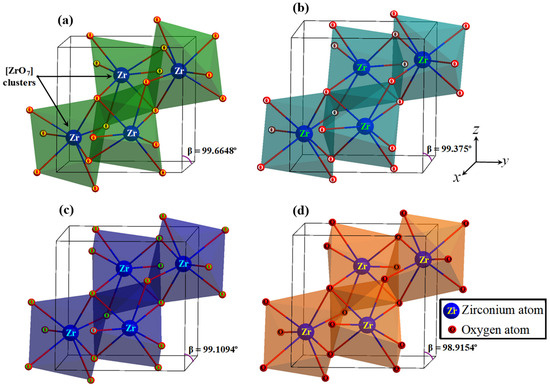
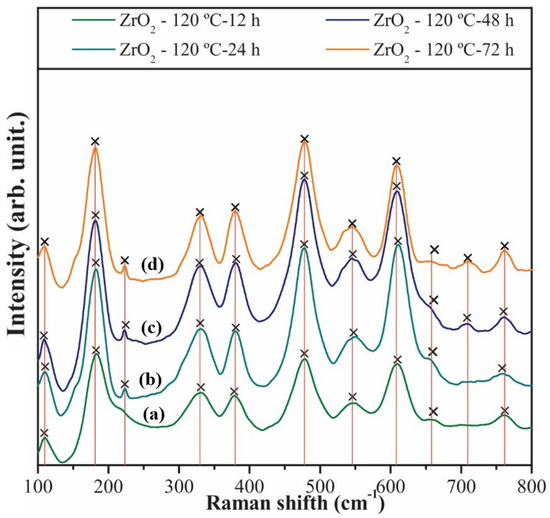
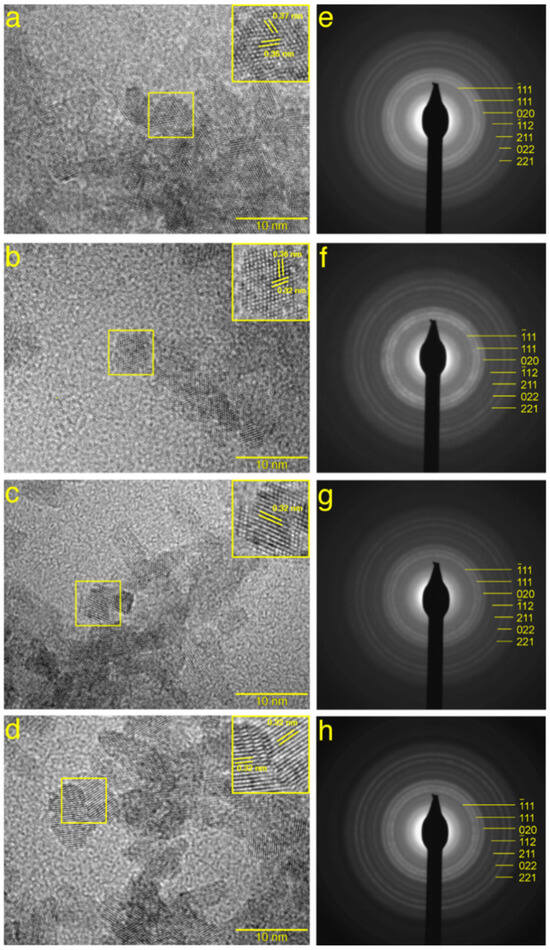
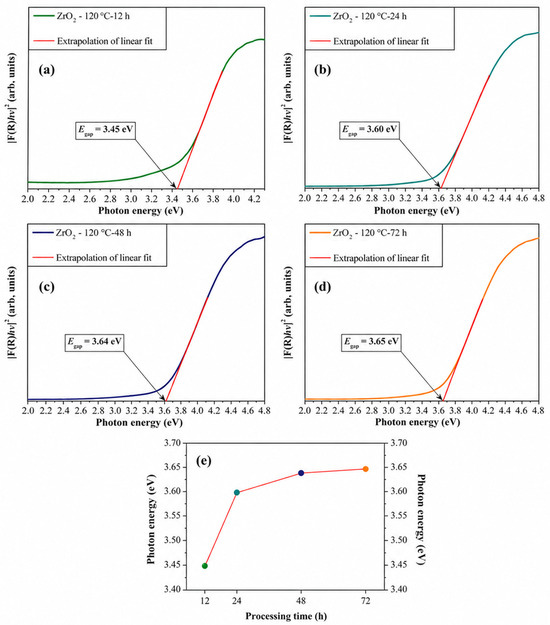
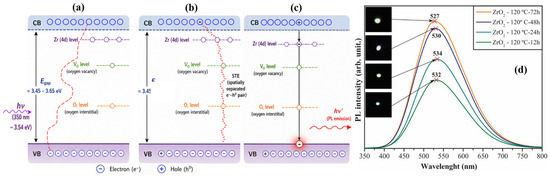
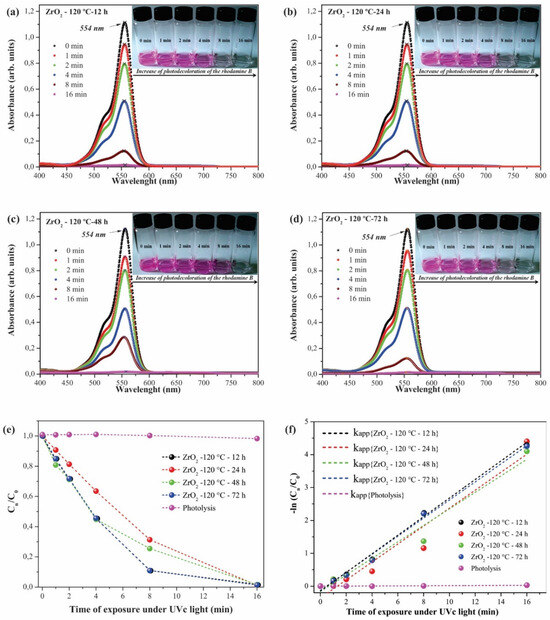
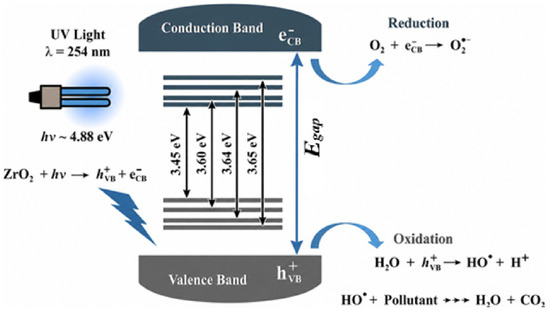
This paper reports the controlled synthesis of ZrO2 nanocrystals via a peroxide-assisted hydrothermal (HT) route at 120 °C, with processing times ranging from 12 to 72 h, and investigates the correlation between structural evolution, defect chemistry, and functional properties. X-ray diffraction (XRD) combined with Rietveld refinement confirmed the formation of a monophasic monoclinic structure with high structural reliability. Microstructural analysis revealed progressive crystallite growth and lattice ordering with increasing reaction time, accompanied by subtle distortions in local coordination environments. Micro-Raman spectroscopy indicated improved medium-range structural organization at longer synthesis durations, while transmission electron microscopy showed quasi-spherical and nanorod-like aggregates formed through oriented attachment, with particle sizes of 6–9 nm. Optical investigations using diffuse reflectance spectroscopy revealed band gap energies of 3.45–3.65 eV, attributed to defect-induced intermediate electronic states associated primarily with oxygen vacancies. A comprehensive photoluminescence (PL) analysis suggests that the observed emission arises from defect-mediated recombination pathways involving localized states within the band gap, modulated by the interplay between structural order and residual defects. The role of hydrogen peroxide is discussed in terms of regulating oxygen vacancy concentration, promoting structural stabilization while preserving functional defect states. The results demonstrate that precise control of HT processing time enables tuning of structural disorder, defect density, optical response, and the enhanced photocatalytic performance of ZrO2 toward RhB dye degradation, highlighting its potential for optoelectronic applications.
Full article

Figure 1
Open AccessArticle
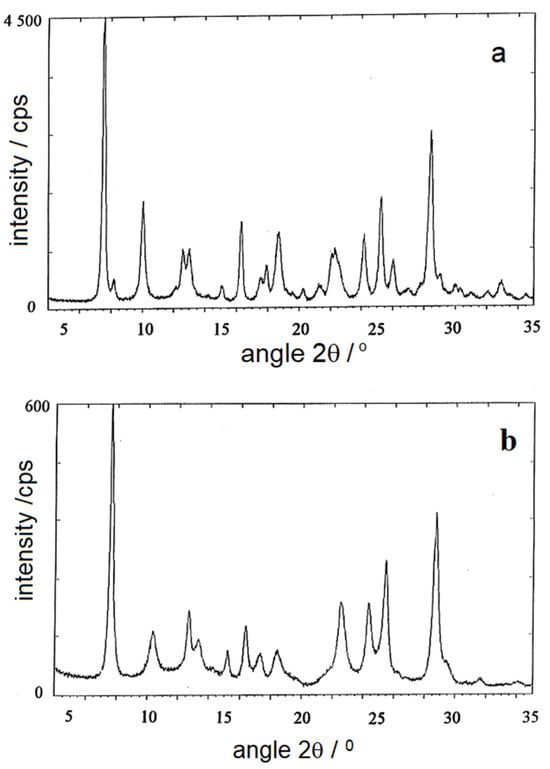
Structural Investigations on Hydroxygallium Phthalocyanine Type V (HOGAPC V)
by
Peter Zugenmaier
Colorants 2026, 5(2), 18; https://doi.org/10.3390/colorants5020018 - 21 May 2026
Abstract
►▼
Show Figures
Hydroxygallium phthalocyanine type V (HOGaPc V) is an excellent photo generator and is applied in xerography. The material is only accessible as polycrystalline substances, and the crystal structure for an evaluation of the structure–property relationship cannot be determined from the few X-ray reflections
[...] Read more.
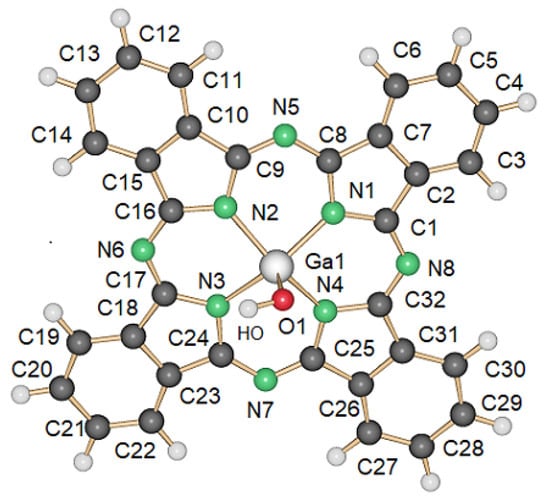
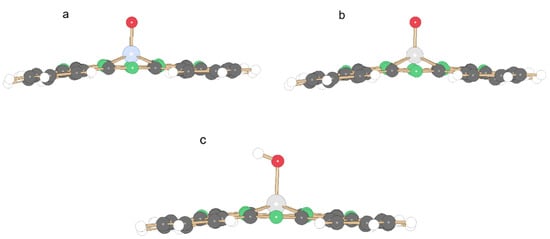
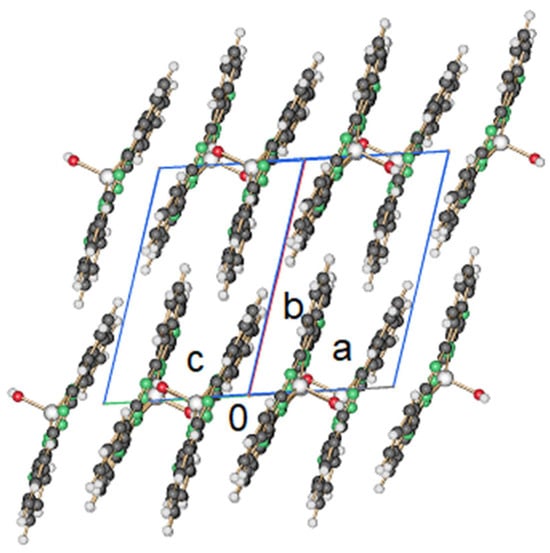
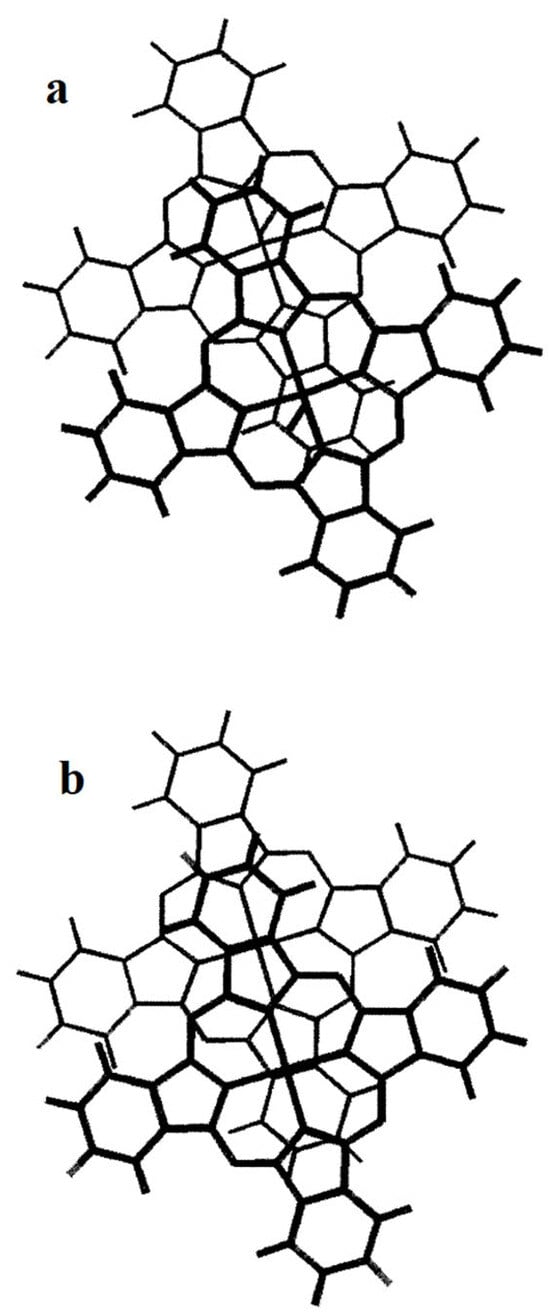
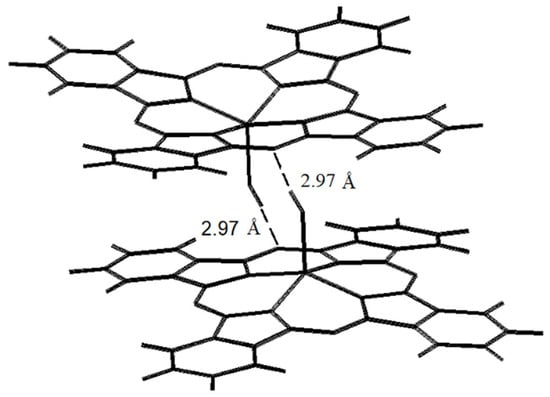
Hydroxygallium phthalocyanine type V (HOGaPc V) is an excellent photo generator and is applied in xerography. The material is only accessible as polycrystalline substances, and the crystal structure for an evaluation of the structure–property relationship cannot be determined from the few X-ray reflections available by powder X-ray pattern. A new method for crystal structure determination is introduced, utilizing molecular interactions. This proposed structure appears to be superior to the published one by the classical application of the Rietveld analysis. Hydrogen bonds are detected and explain the thermal stability, combined with high photosensitivity, and point towards favorable application in electrophotography. A triclinic two-molecule unit cell P-1 with a = 11.63 Å, b = 12.60 Å, c = 8.88 Å, α = 95.7°, β = 95.2°, γ = 69.1° was established close to the one verified by the Rietveld analysis. The structure obtained was successfully tested by a comparison of the observed contacts and the packing energy of known Pc single-crystal structures and by a similar X-ray residual R factor of the mostly overlapping reflections with other materials. The packing contacts of the crystal determined by the Rietveld analysis show too short contacts and too high packing energies. The molecular and crystal structure of HOGaPc V is represented and discussed.
Full article

Figure 1
Open AccessArticle

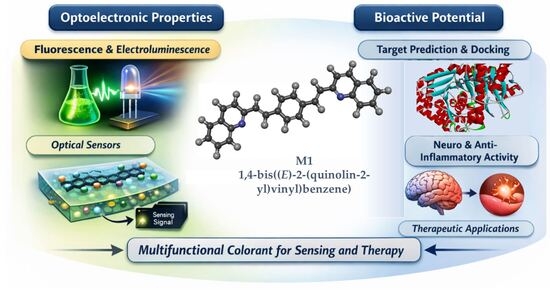
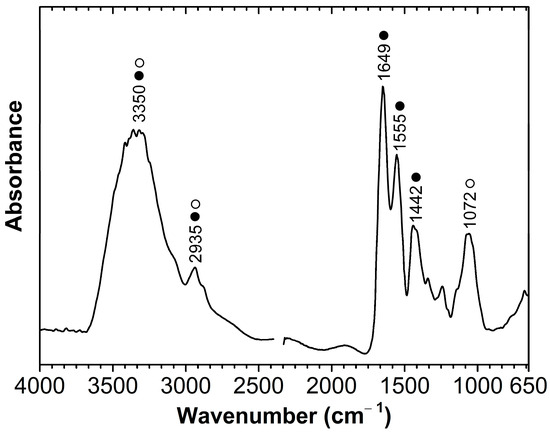
A Quinoline-Conjugated Luminescent Colorant with Dual Optoelectronic and Bioactive Potential: In Silico Target Prediction and Docking Study
by
Zianya Gómez-Soto, Carlos Ángel-Jijón, Otilio Arturo Acevedo-Sandoval, Eduardo Cornejo-Velázquez, María Aurora Veloz-Rodríguez and Rosa Angeles Vázquez-García
Colorants 2026, 5(2), 17; https://doi.org/10.3390/colorants5020017 - 6 May 2026
Abstract
►▼
Show Figures
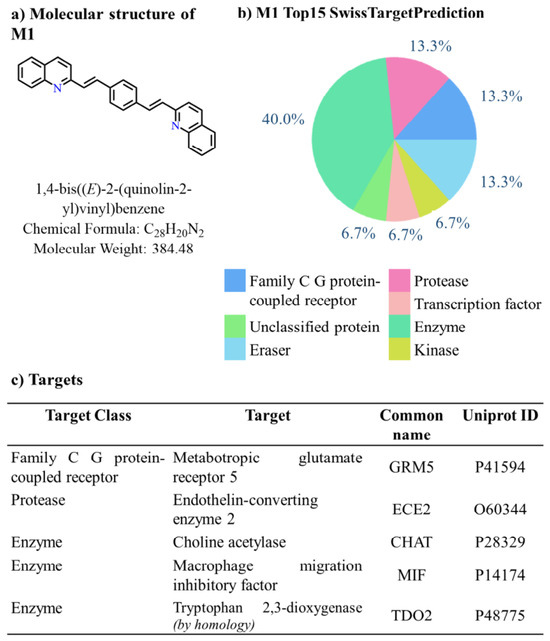
This study examines the colorimetric characteristics and possible biological effects of the quinoline-derived dye M1 1,4-bis((E)-2-(quinolin-2-yl)vinyl)benzene. The pi-conjugated structure and high planarity of M1 give it important semiconductor and optical properties, such as the modulation of its fluorescence properties depending on
[...] Read more.
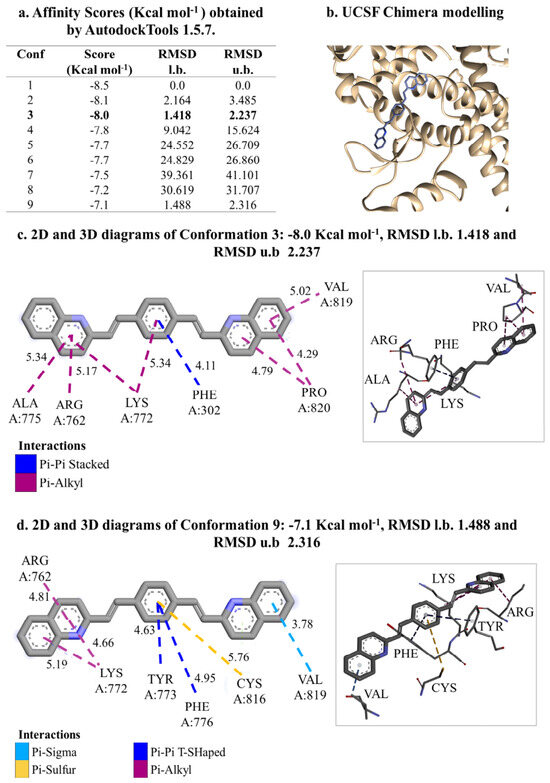
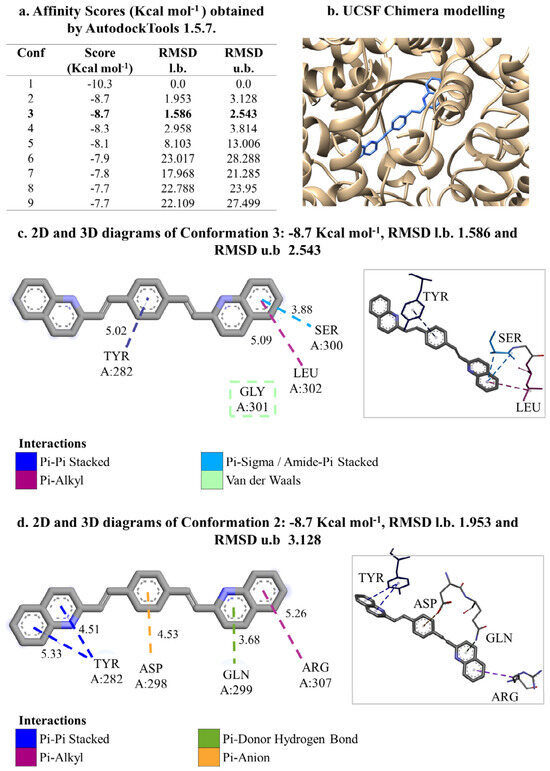
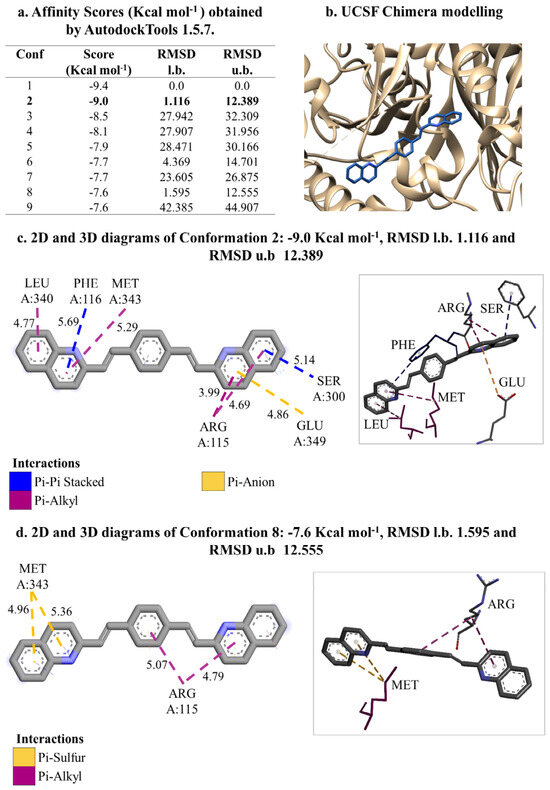
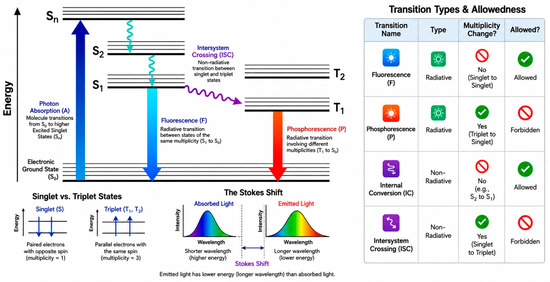
This study examines the colorimetric characteristics and possible biological effects of the quinoline-derived dye M1 1,4-bis((E)-2-(quinolin-2-yl)vinyl)benzene. The pi-conjugated structure and high planarity of M1 give it important semiconductor and optical properties, such as the modulation of its fluorescence properties depending on the synthesis method. These optical properties make this dye a candidate for use as a sensor for biological targets. Predictions were made on molecular targets such as receptors and enzymes involved in neurological and inflammatory processes. Docking studies indicated moderate to strong binding affinities (−10.3 to −7.1 kcal mol−1), supported mainly by hydrophobic pi interactions and low RMSD conformations. The predicted biological activity, together with the luminescent properties documented above, position M1 as a versatile dye with potential uses in biomedical applications and as a luminescent detection sensor. These results lay the groundwork for future experimental confirmation combining photophysical analysis and biological testing.
Full article
Graphical abstract
Open AccessArticle
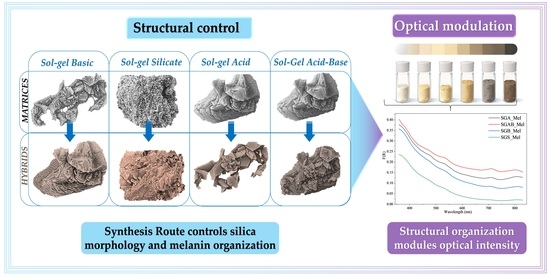
Engineering Chromatic Intensity Through Sol–Gel Confinement in Melanin–Silica Hybrids
by
Vanessa M. Fontenele Sampaio, Vladimir Lavayen and João Henrique Zimnoch dos Santos
Colorants 2026, 5(2), 16; https://doi.org/10.3390/colorants5020016 - 6 May 2026
Abstract
►▼
Show Figures
Melanin is a biological pigment known for its broadband UV-Vis absorption and structural disorder, which collectively determine its chromatic response. In this study, melanin–silica hybrid materials were synthesized via sol–gel processing under different catalytic conditions (acid, base, sequential acid–base) and using distinct silica
[...] Read more.
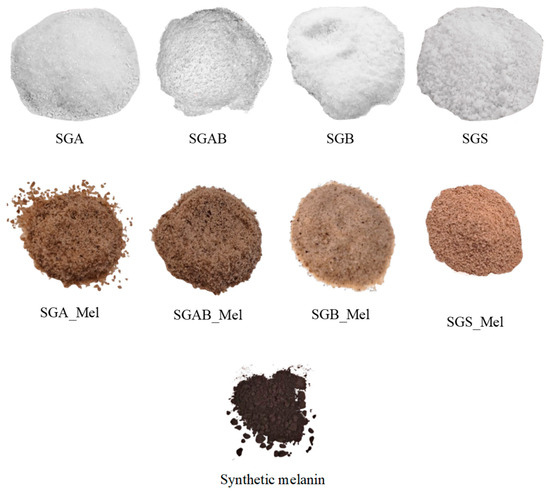
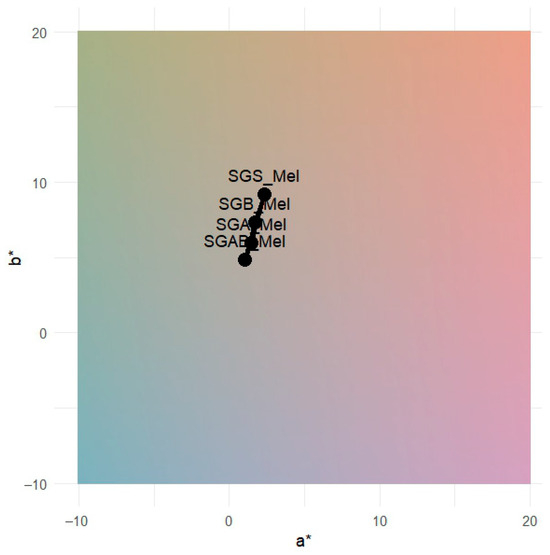
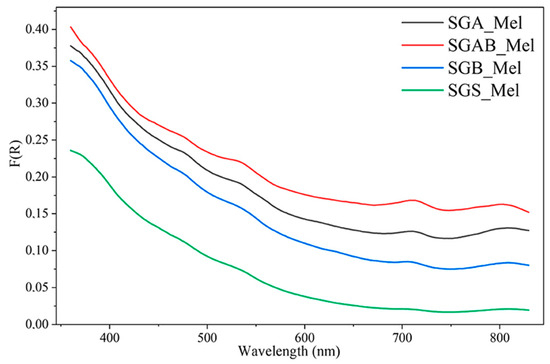
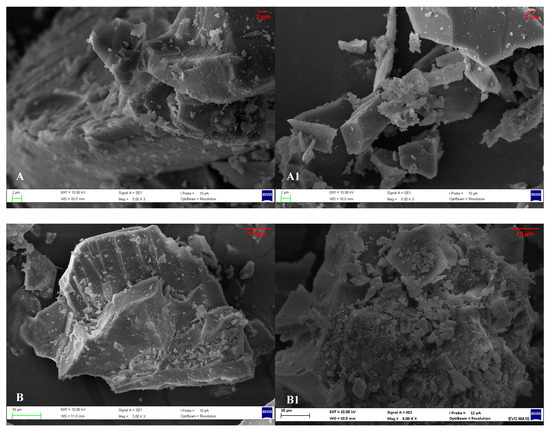
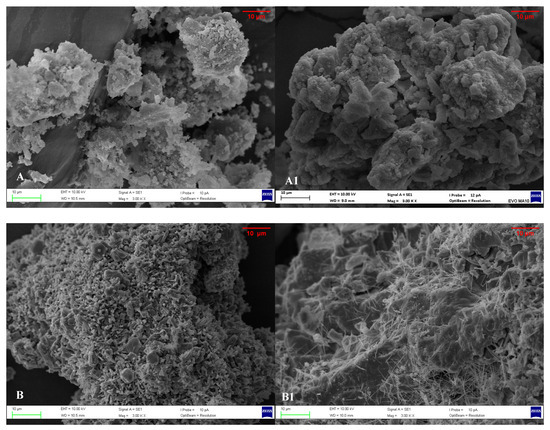
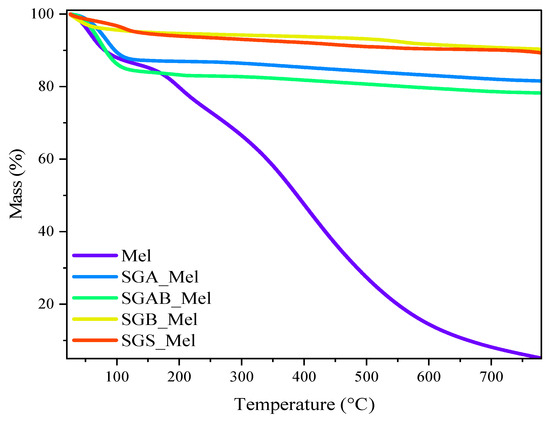
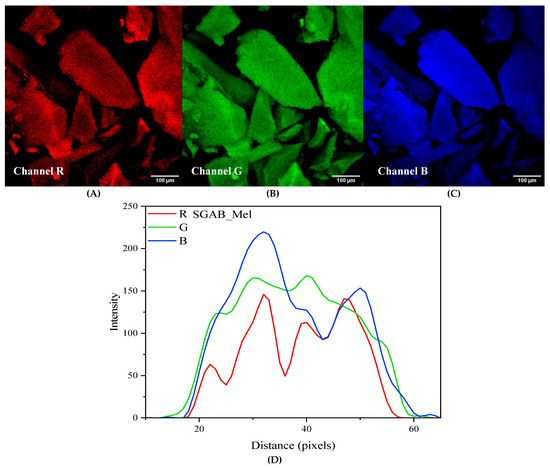
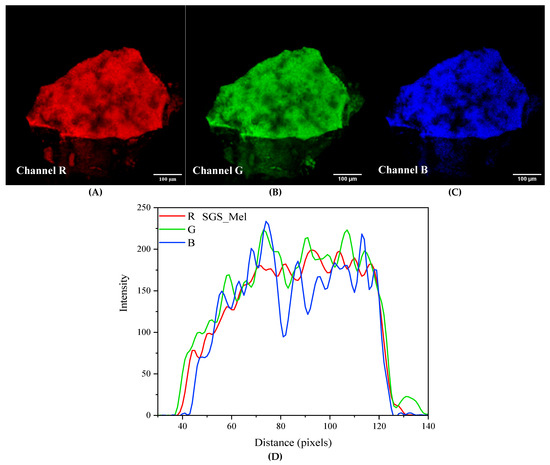
Melanin is a biological pigment known for its broadband UV-Vis absorption and structural disorder, which collectively determine its chromatic response. In this study, melanin–silica hybrid materials were synthesized via sol–gel processing under different catalytic conditions (acid, base, sequential acid–base) and using distinct silica precursors (TEOS and sodium metasilicate) to investigate how the inorganic matrix modulates the optical properties of the synthetic melanin. Colorimetric analysis revealed significant variations in lightness among the hybrids, while the chromatic coordinates remained characteristic of eumelanin. The material obtained via the sequential acid–base route exhibited the lowest lightness and highest absorption, indicating more efficient pigment dispersion, whereas the system derived from silicate precursors showed the highest lightness and lowest absorption, suggesting increased light scattering and/or pigment aggregation. Materials prepared under purely acidic and basic conditions displayed intermediate optical behavior. Electron Microscopy revealed distinct morphologies associated with each synthesis pathway, ranging from dense lamellar structures to compact aggregates and hierarchical assemblies, directly influencing light scattering mechanisms. Thermal analysis confirmed effective stabilization of melanin within the silica networks, with significantly reduced mass loss compared to the pure pigment. Confocal microscopy revealed detectable fluorescence only in selected systems, indicating variations in pigment dispersion and aggregation state. Overall, the results demonstrate that the chromatic response of melanin–silica hybrids is governed not only by the intrinsic properties of the pigment, but also by the structural organization of the inorganic matrix. Sol–gel processing thus provides a versatile strategy for tuning the optical behavior of melanin-based materials through controlled interfacial interactions.
Full article
Graphical abstract
Open AccessReview
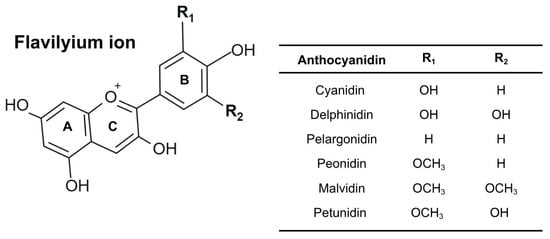
Anthocyanins as Natural Alternatives to Synthetic Red Colorants: Risks and Food Applications
by
Sandra Vega-Maturino, Luz Araceli Ochoa-Martínez, Silvia Marina González-Herrera, Olga Miriam Rutiaga-Quiñones, Juliana Morales-Castro, José Alberto Gallegos-Infante and Miriam Estevez
Colorants 2026, 5(2), 15; https://doi.org/10.3390/colorants5020015 - 1 May 2026
Cited by 1
Abstract
►▼
Show Figures
In recent years, increasing consumer demand for healthier and more natural foods has driven the food industry to replace artificial additives. Among these, colorants play a crucial role, as they influence the sensory perception and acceptance of food products. However, the widespread use
[...] Read more.
In recent years, increasing consumer demand for healthier and more natural foods has driven the food industry to replace artificial additives. Among these, colorants play a crucial role, as they influence the sensory perception and acceptance of food products. However, the widespread use of synthetic colorants has raised growing concerns due to their potential association with adverse health effects. In addition, several regulatory agencies have restricted or banned the use of certain synthetic colorants, requiring their replacement with natural alternatives. In this context, anthocyanins have emerged as a promising substitute for artificial colorants, owing to their similar color properties. Despite their potential, their use as a food colorant still faces several challenges, particularly regarding stability, incorporation into food matrices, and regulatory constraints. Therefore, this review examines the challenges and current trends in natural colorants, highlighting the potential of anthocyanins as substitutes for synthetic red colorants in food products.
Full article
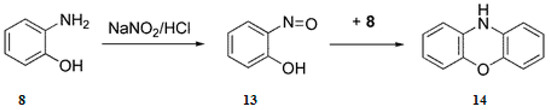
Figure 1
Open AccessArticle
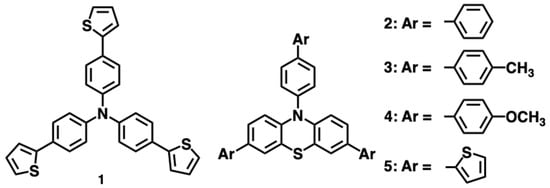
Solution-Processable Near-Infrared-Absorbing Dye: Thiophene-Substituted N-Phenylphenothiazine Radical Cations for Stable Thin Films
by
Masafumi Yano, Kengo Sakai, Minami Ueda, Koichi Mitsudo and Yukiyasu Kashiwagi
Colorants 2026, 5(2), 14; https://doi.org/10.3390/colorants5020014 - 16 Apr 2026
Abstract
►▼
Show Figures
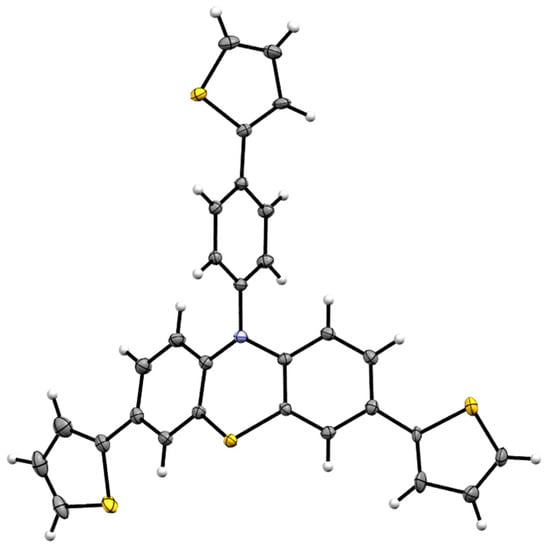
We report a π-extended N-phenylphenothiazine dye bearing thiophene substituents, designed to address the practical compromise between long-wavelength near-infrared (NIR) absorption and the isolability of a stable radical cation state. The target compound was synthesized via Suzuki–Miyaura cross-coupling and exhibited good solubility in
[...] Read more.
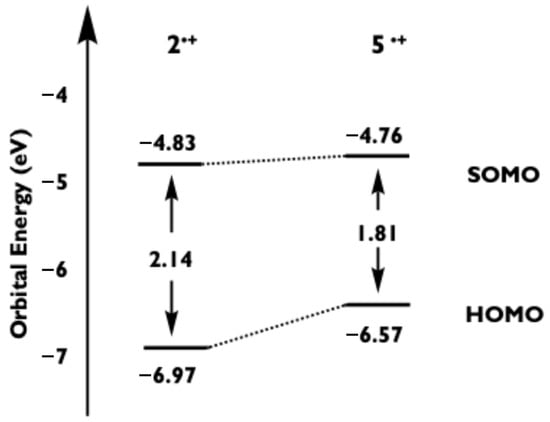
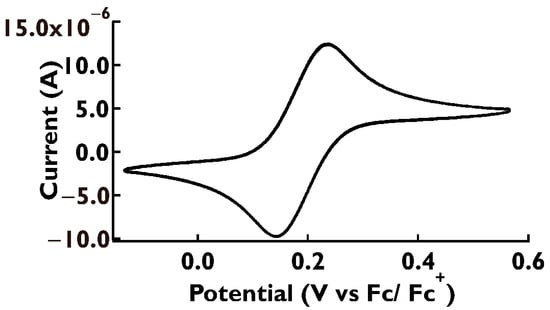
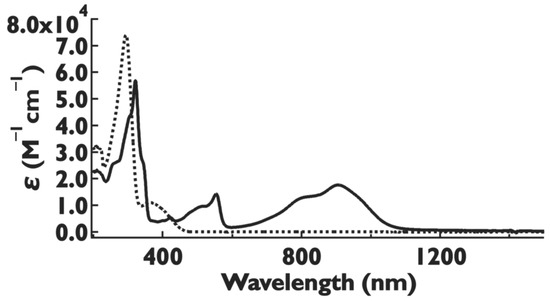
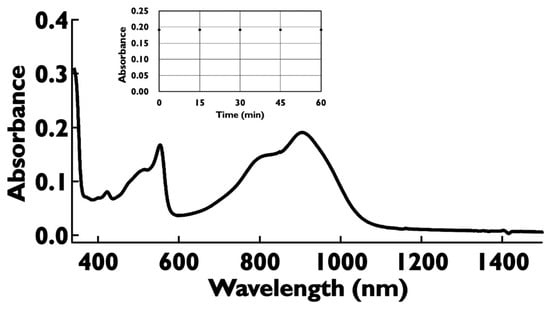
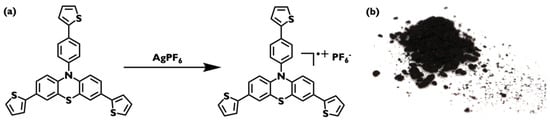
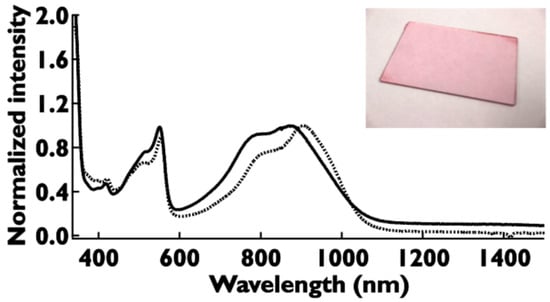
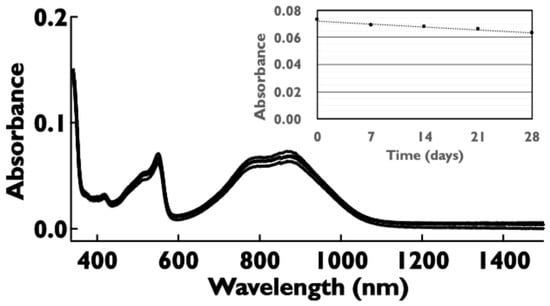
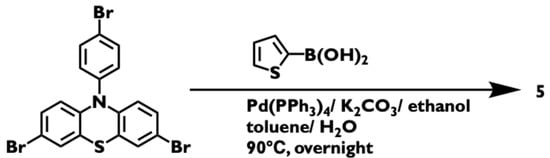
We report a π-extended N-phenylphenothiazine dye bearing thiophene substituents, designed to address the practical compromise between long-wavelength near-infrared (NIR) absorption and the isolability of a stable radical cation state. The target compound was synthesized via Suzuki–Miyaura cross-coupling and exhibited good solubility in common organic solvents. Cyclic voltammetry in dichloromethane showed a reversible one-electron oxidation at E0 = 0.19 V vs. Fc/Fc+. Chemical oxidation afforded the corresponding radical cation, which showed an intense NIR absorption maximum at 910 nm. DFT calculations support thiophene-induced narrowing of the HOMO–SOMO gap and predict a pronounced bathochromic shift of the main absorption band. The radical cation was isolated as a stable PF6− salt and readily processed into spin-coated films, which retained strong NIR absorption and remained stable for months under ambient conditions.
Full article
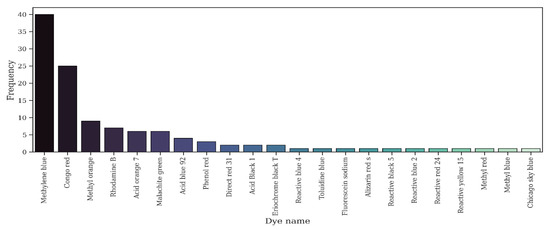
Figure 1
Open AccessArticle
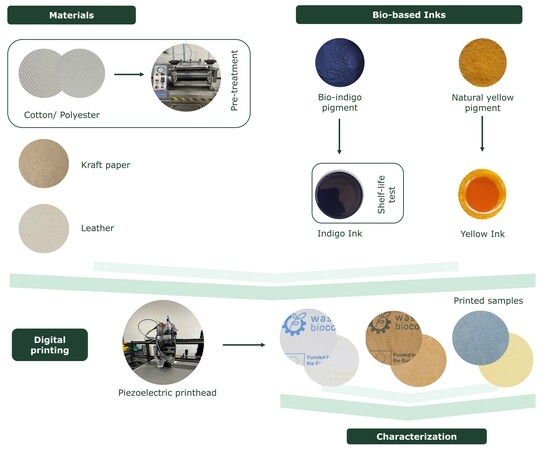
Bio-Based Pigment Water-Based Inks for Piezoelectric Inkjet Printing
by
Jéssica Antunes, Agata Nolasco, Beatriz Marques, Marisa Lopes, Philippe Sarra-Bournet, Augusta Silva, Helena Vilaça and Carla J. Silva
Colorants 2026, 5(2), 13; https://doi.org/10.3390/colorants5020013 - 13 Apr 2026
Cited by 1
Abstract
►▼
Show Figures
The development of bio-based inks represents a promising strategy to reduce the environmental impact of digital printing technologies. This study investigates the formulation and performance of water-based inks incorporating two renewable pigments: a fermentation-derived indigo pigment and a plant-extracted yellow pigment. Special attention
[...] Read more.
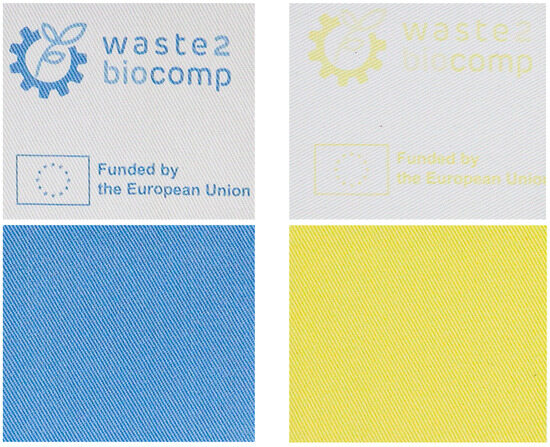
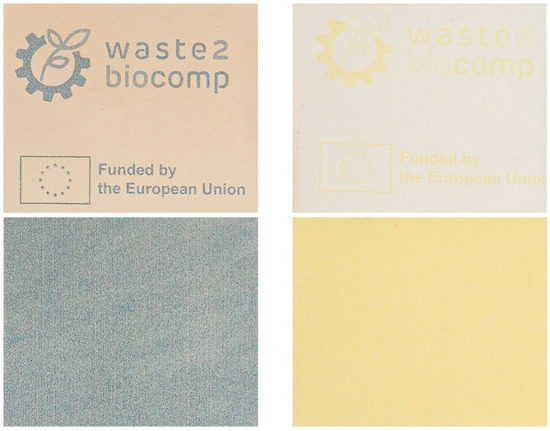
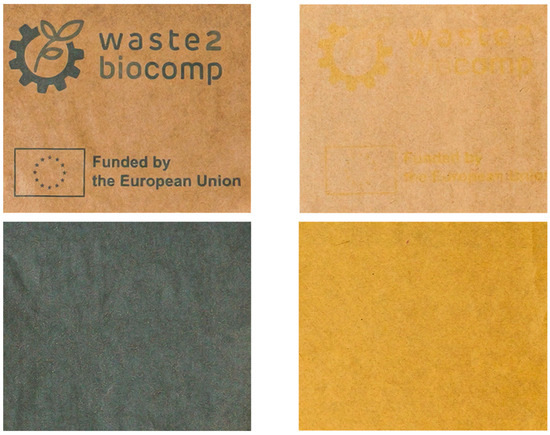
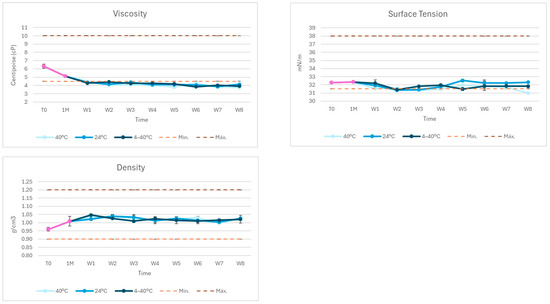
The development of bio-based inks represents a promising strategy to reduce the environmental impact of digital printing technologies. This study investigates the formulation and performance of water-based inks incorporating two renewable pigments: a fermentation-derived indigo pigment and a plant-extracted yellow pigment. Special attention was given to dispersion optimization of the poorly water-soluble indigo pigment. Extended mechanical dispersion (115 h in a ball mill) proved critical to achieve colloidal stability, enabling the preparation of inks that met standard rheological and physicochemical criteria for inkjet printing with piezoelectric printheads. Both inks were applied on a variety of substrates, including cotton, polyester, leather, and kraft paper, pre-treated, in the case of the textiles, with either a cationic biopolymer or a synthetic polyurethane-based binder. Colorimetric evaluation confirmed effective deposition and uniformity, with the indigo ink producing deep blue hues and superior overall fastness than the yellow ink, particularly in washing and rubbing tests. The yellow pigment ink showed good stability but once applied to the fabric, the resulting print exhibited poor fastness, particularly against light exposure, indicating limited durability of the coloration on the textile. Shelf-life analysis of the indigo ink revealed a decline in viscosity and surface tension over time, though the colour and particle size remained stable, particularly under room temperature conditions. These findings confirm the potential of fermentation-derived indigo as a robust bio-based alternative to synthetic dyes and its superior performance in relation to other nature extracted pigments, which, although facilitating ink preparation due to their higher water solubility, result in lower-fastness prints.
Full article
Graphical abstract
Open AccessArticle
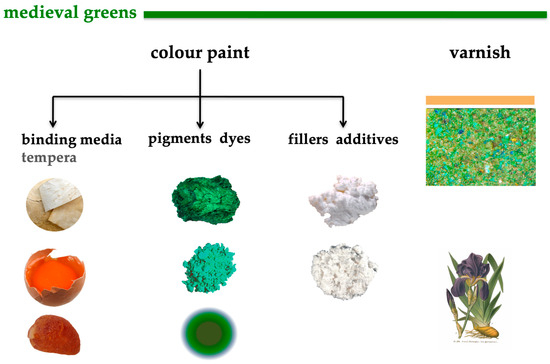
Sustainable Preservation of Medieval Greens Through Historical Reproduction and Spectroscopy
by
Magdalena Souto, Marcello Picollo, Giovanni Bartolozzi, Frédéric Jamme, Márcia Vieira, Paula Nabais and Maria J. Melo
Colorants 2026, 5(2), 12; https://doi.org/10.3390/colorants5020012 - 7 Apr 2026
Abstract
►▼
Show Figures
By examining historical recipes from the medieval treatise The Montpellier Liber Diversarum Arcium, the creation of bottle green and verdigris pigments involved various types of tempera, such as parchment glue and gum arabic. Malachite was also prepared. These references and paints were
[...] Read more.
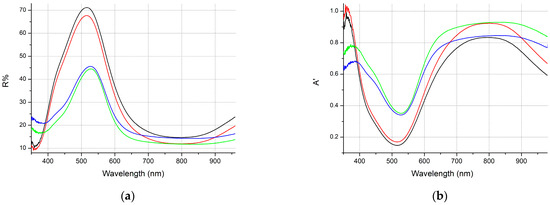
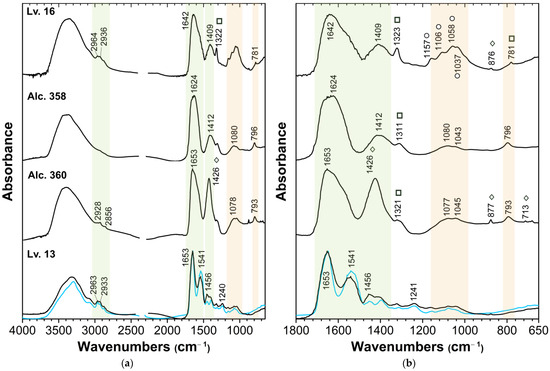
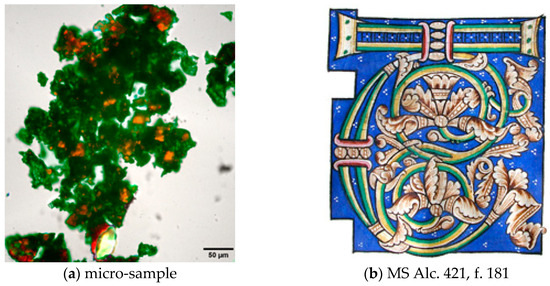
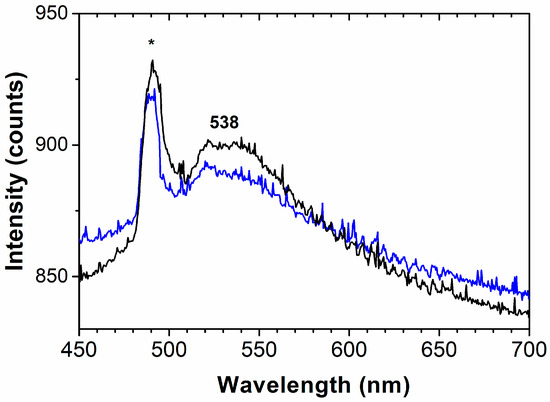
By examining historical recipes from the medieval treatise The Montpellier Liber Diversarum Arcium, the creation of bottle green and verdigris pigments involved various types of tempera, such as parchment glue and gum arabic. Malachite was also prepared. These references and paints were analysed using infrared spectroscopy and visible spectroscopy techniques, such as micro-Infrared Spectroscopy (microFTIR) and Fibre Optic Reflectance Spectroscopy, (FORS) over the 350–1000 nm range. This research provided new insights into the pigments used in monastic manuscripts and Books of Hours, supported by valuable data from the Soleil synchrotron. Producing historically accurate reproductions and applying spectroscopy to analyse them promotes sustainable cultural heritage preservation by maintaining ancient artefacts, detecting early signs of degradation, and enabling the development of compatible restoration materials.
Full article
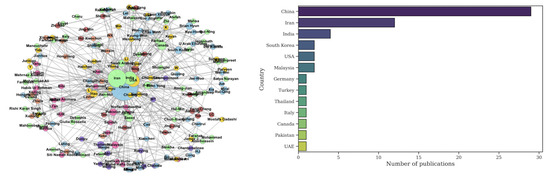
Figure 1
Open AccessArticle
Eggshell-Derived CaO-CuFe2O4 Nanocomposite for Sustainable and Highly Efficient Malachite Green Dye Removal
by
Rocío Magdalena Sánchez-Albores, Clara López-Aguilar, Odín Reyes-Vallejo, Francisco Javier Cano, Johana De la Cruz-Ascencio, J. Escorcia-García, A. Cruz-Salomón and A. Ashok
Colorants 2026, 5(2), 11; https://doi.org/10.3390/colorants5020011 - 3 Apr 2026
Cited by 5
Abstract
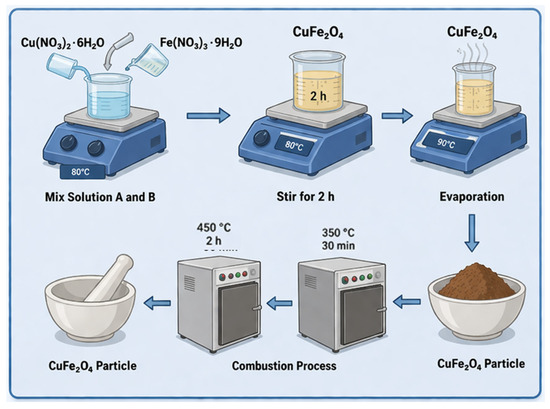
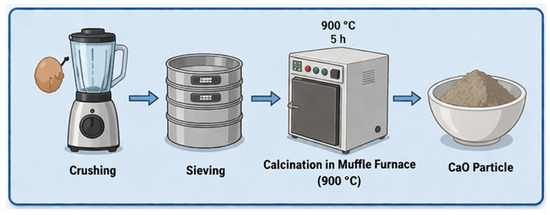
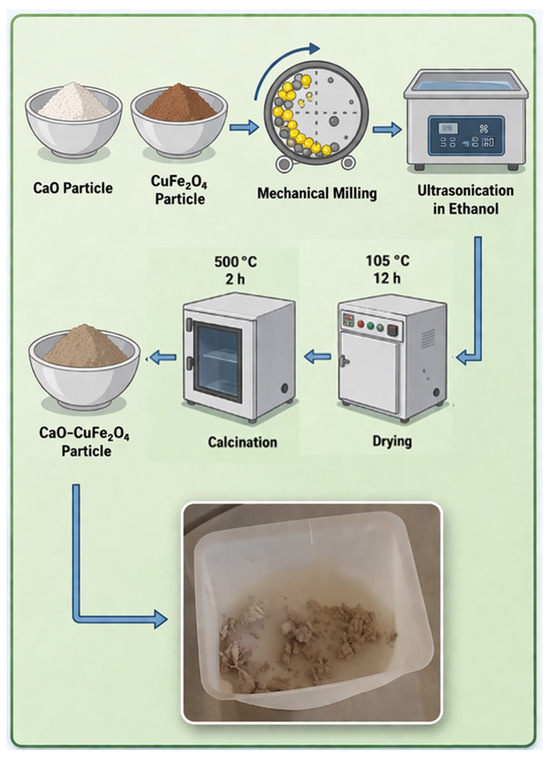
Water contamination by synthetic dyes such as malachite green (MG) remains a significant environmental and public health challenge due to their high toxicity, chemical stability, and resistance to biodegradation. In this study, a CaO-CuFe2O4 composite was synthesized through a sustainable
[...] Read more.
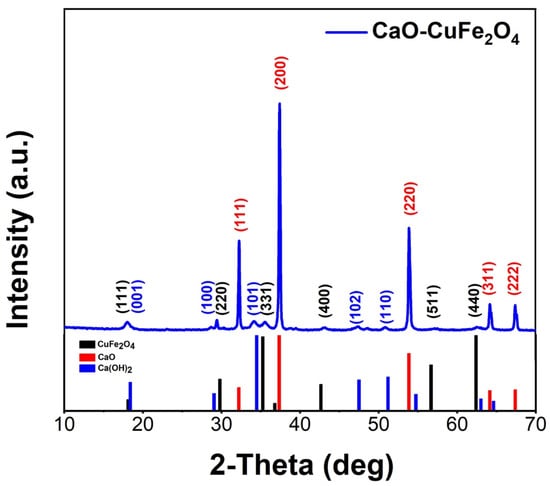
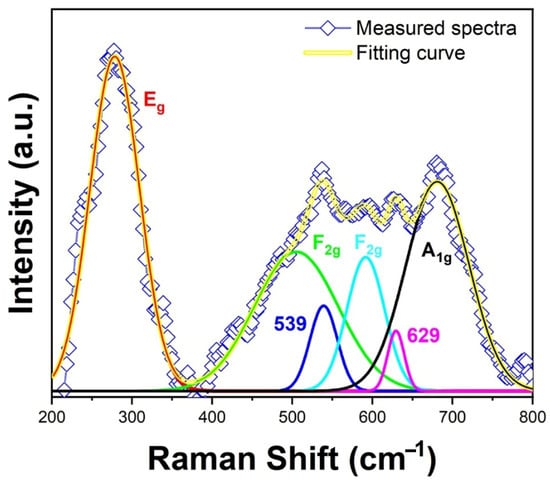
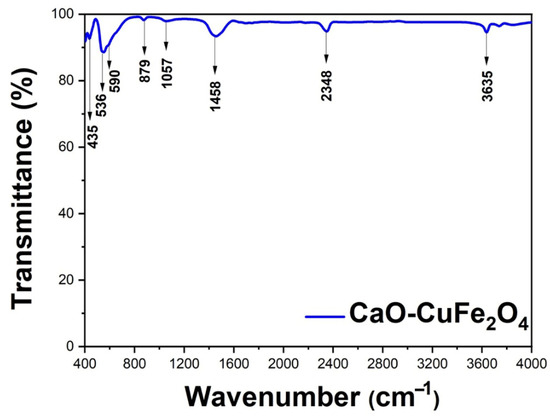
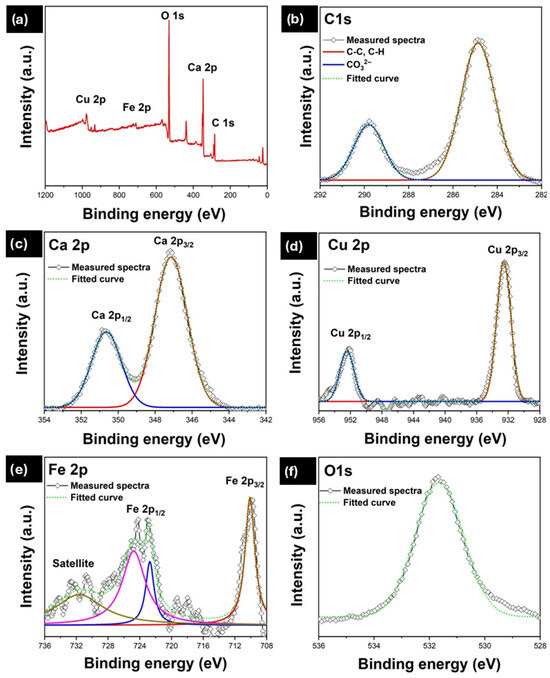
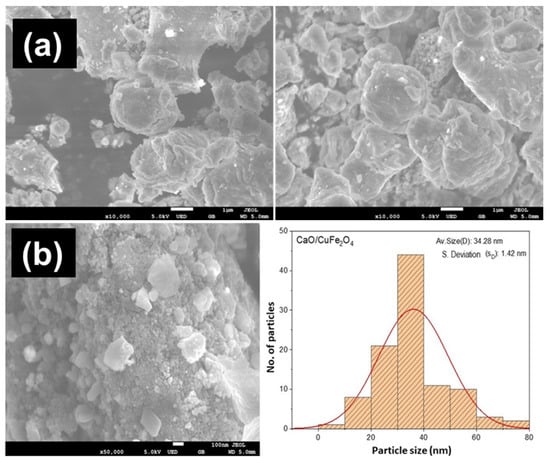
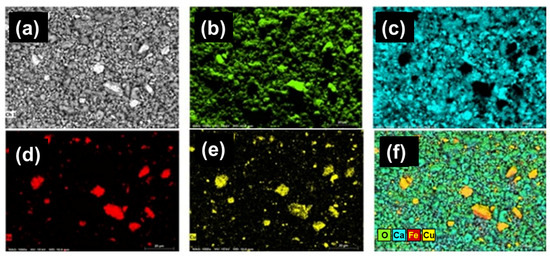
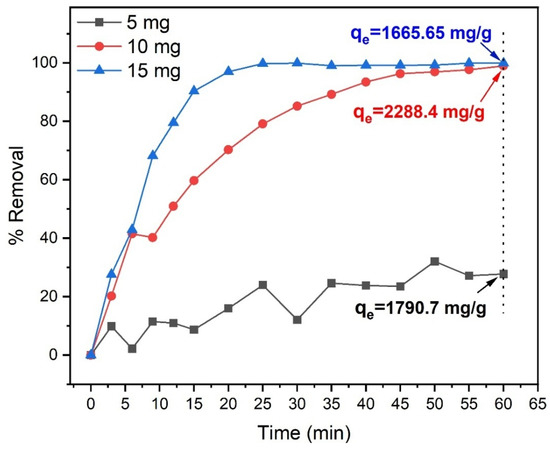
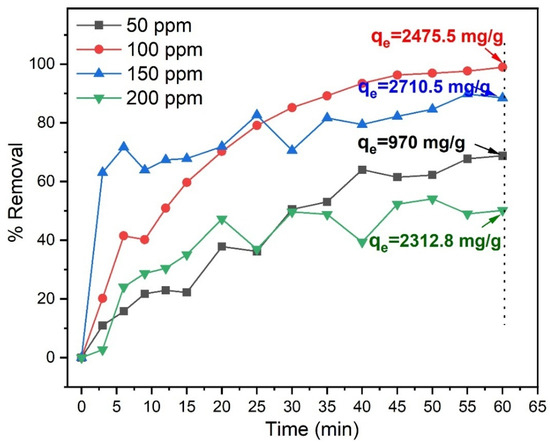
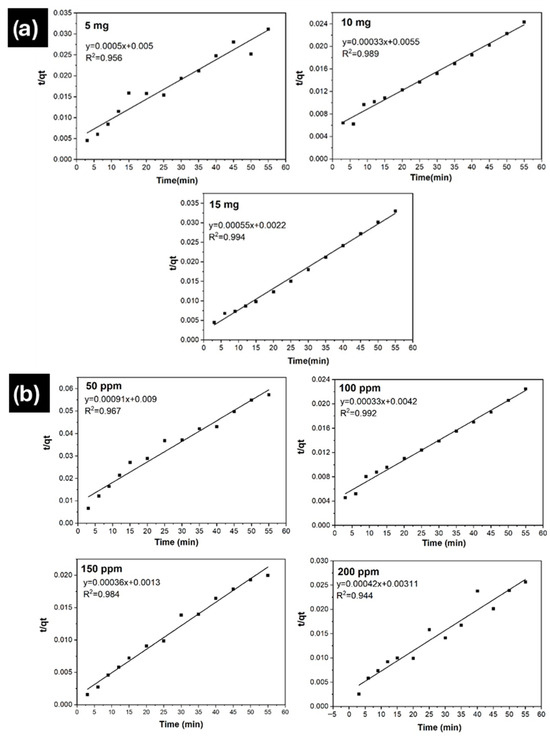
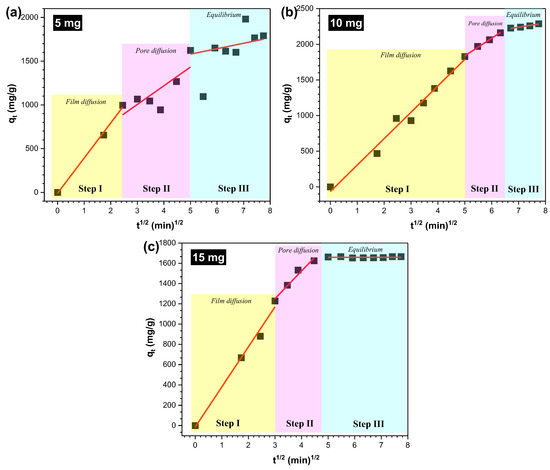
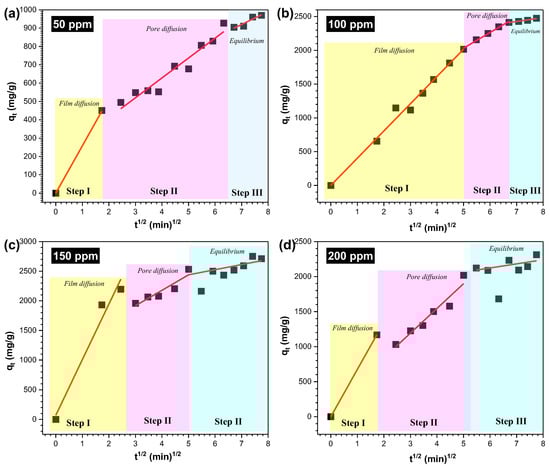
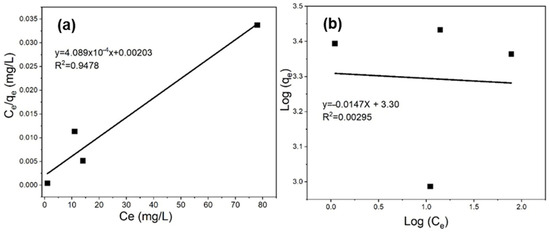
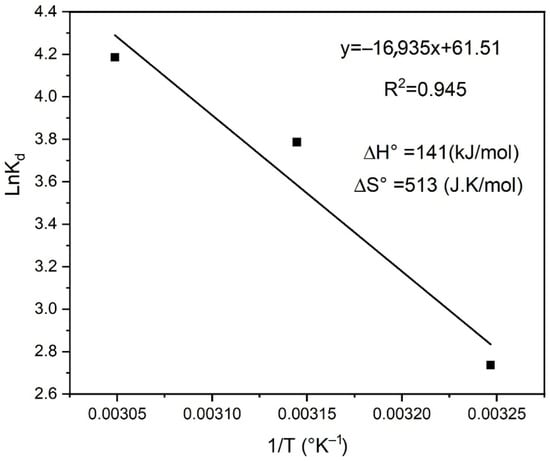
Water contamination by synthetic dyes such as malachite green (MG) remains a significant environmental and public health challenge due to their high toxicity, chemical stability, and resistance to biodegradation. In this study, a CaO-CuFe2O4 composite was synthesized through a sustainable route using eggshells and orange peel as agro-industrial waste precursors. Comprehensive structural, spectroscopic and microscopic analyses confirmed the coexistence of a predominant CaO-based phase with spinel CuFe2O4, together with nanometric features, satisfactory elemental dispersion and practical magnetic recoverability. Under the experimental conditions employed, the composite exhibited high adsorption performance towards MG, reaching an equilibrium capacity of 2288.4 mg g−1 and 99.98% decolorization within 60 min. The kinetics were better described by the pseudo-second-order model, while the equilibrium behavior was more satisfactorily fitted by the Langmuir isotherm than by the Freundlich model. Thermodynamic analysis indicated that the adsorption process was favorable over the temperature range studied and became more pronounced at higher temperature. The results suggest that the adsorption behavior arises from the combined influence of surface chemistry, calcium-derived basic sites, ferrite-associated metal centers and interfacial accessibility, rather than from surface area alone. In addition, the material could be readily separated from aqueous solution using an external magnetic field, highlighting its practical post-treatment recoverability. Overall, this work demonstrates a viable waste valorization strategy for the development of a magnetically recoverable CaO-CuFe2O4 adsorbent for cationic dye removal. Beyond the specific case of MG, the study underscores the potential of agro-waste-derived hybrid oxides as application-relevant materials for water remediation.
Full article
(This article belongs to the Special Issue Structural Modification of Colorants to Safeguard the Environment)
►▼
Show Figures

Graphical abstract
Open AccessReview
Organic Dyes for Light-Based Biomedical Imaging and Therapy
by
Panangattukara Prabhakaran Praveen Kumar
Colorants 2026, 5(2), 10; https://doi.org/10.3390/colorants5020010 - 26 Mar 2026
Cited by 1
Abstract
►▼
Show Figures
Light-based diagnostic and therapeutic approaches are increasingly important in modern biomedicine, with organic dyes emerging as versatile optical agents due to their tunable photophysical properties. Precise control over absorption and emission characteristics has enabled their application in fluorescence, photoacoustic, and Raman imaging, as
[...] Read more.
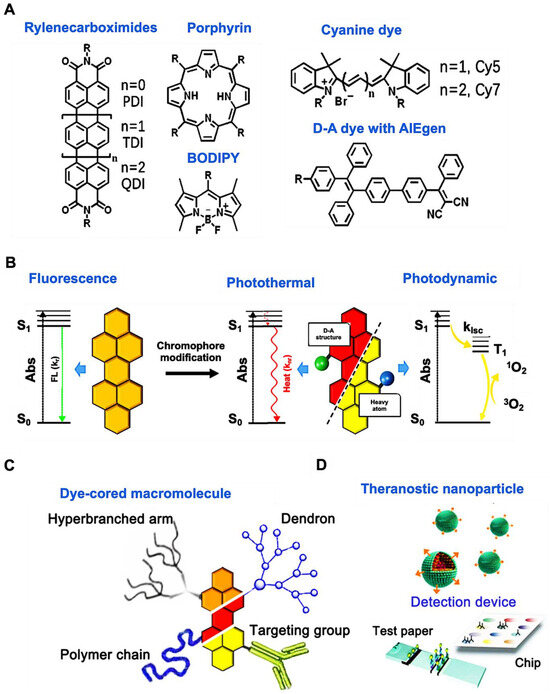
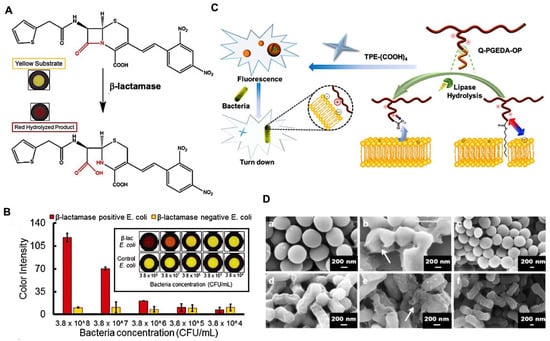
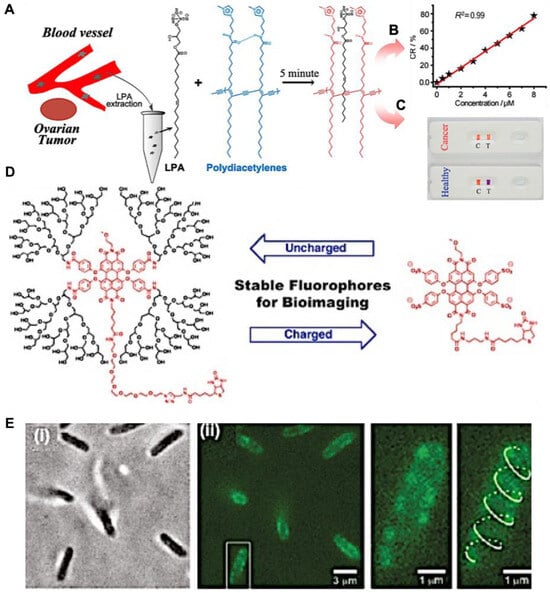
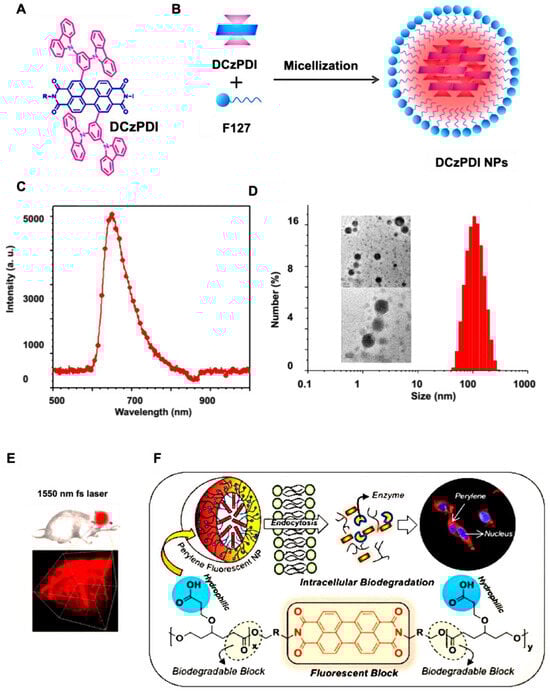
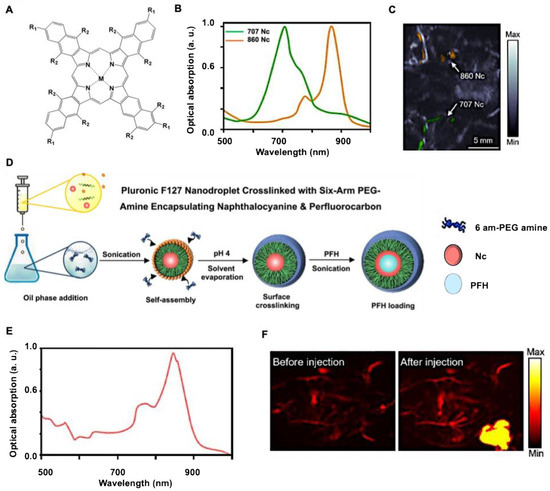
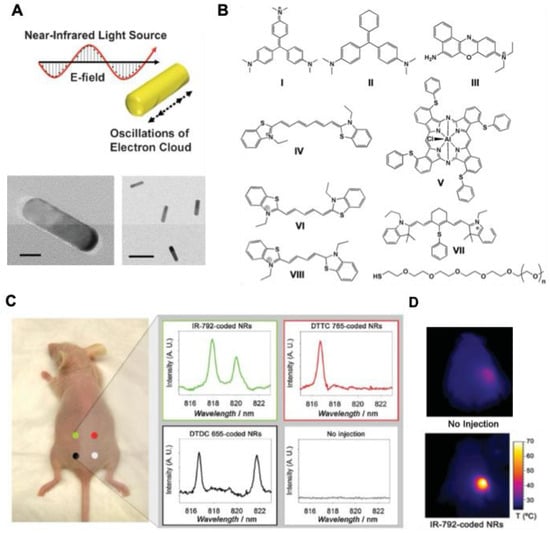
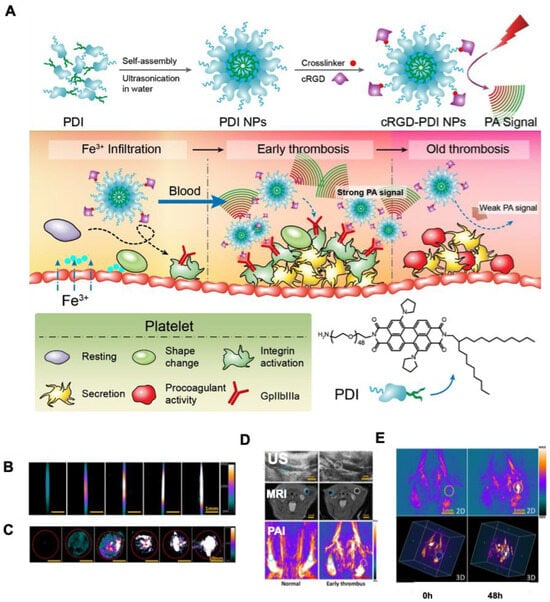
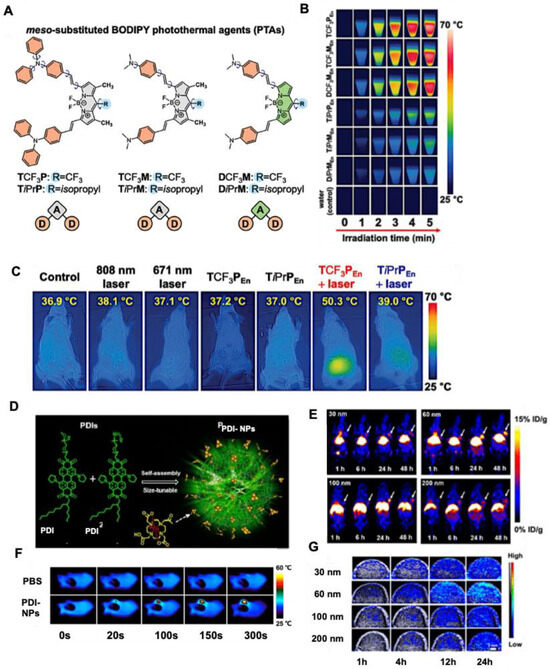
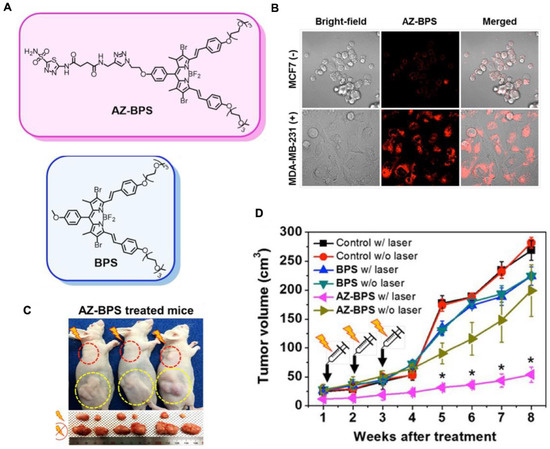
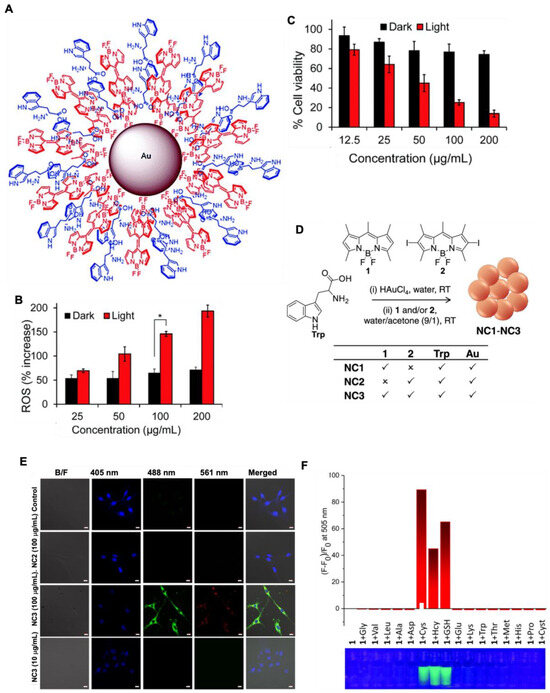
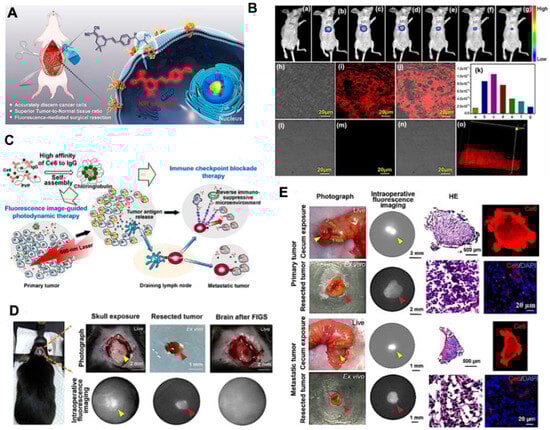
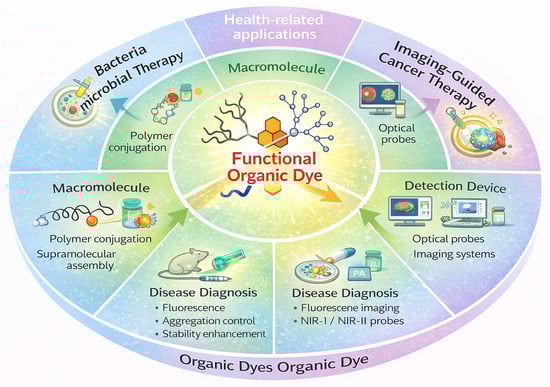
Light-based diagnostic and therapeutic approaches are increasingly important in modern biomedicine, with organic dyes emerging as versatile optical agents due to their tunable photophysical properties. Precise control over absorption and emission characteristics has enabled their application in fluorescence, photoacoustic, and Raman imaging, as well as in photodynamic and photothermal therapies. However, challenges related to biocompatibility, aqueous stability, and in vivo performance remain critical for clinical translation. Organic dyes that absorb in the near-infrared region are particularly attractive because of their deeper tissue penetration and reduced background interference. This review highlights key structure property relationships of organic dyes and summarizes current design strategies, including chromophore modification, peripheral functionalization for water solubility, and self-assembled nanotheranostic systems. Recent biomedical applications in cancer diagnosis and therapy, bacterial detection, and imaging-guided treatment are discussed, along with future directions for advancing dye-based technologies in healthcare.
Full article
Graphical abstract
Highly Accessed Articles
Latest Books
E-Mail Alert
News
Topics
Special Issues
Special Issue in
Colorants
All the Colors of the Rainbow: Natural Colorants
Guest Editor: Anthony HarrimanDeadline: 31 December 2026
Special Issue in
Colorants
Structural Modification of Colorants to Safeguard the Environment
Guest Editor: Anthony HarrimanDeadline: 31 December 2026