Journal Description
Compounds
Compounds
is an international, peer-reviewed, open access journal on chemical compounds published quarterly online by MDPI.
- Open Access— free for readers, with article processing charges (APC) paid by authors or their institutions.
- High Visibility: indexed within ESCI (Web of Science), Scopus and other databases.
- Rapid Publication: manuscripts are peer-reviewed and a first decision is provided to authors approximately 19.6 days after submission; acceptance to publication is undertaken in 5.5 days (median values for papers published in this journal in the second half of 2025).
- Recognition of Reviewers: APC discount vouchers, optional signed peer review, and reviewer names published annually in the journal.
- Compounds is a companion journal of Metals.
Impact Factor:
2.3 (2024);
5-Year Impact Factor:
2.2 (2024)
Latest Articles
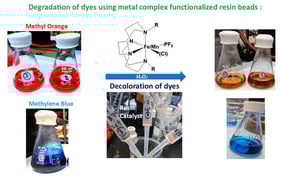
Rechargeable and Reusable Catalysts for Advanced Oxidation of Organic Dyes: Fe and Mn Cross-Bridged Tetraazamacrocycle Complexes Electrostatically Bound to an Ion Exchange Resin
Compounds 2026, 6(1), 23; https://doi.org/10.3390/compounds6010023 - 18 Mar 2026
Abstract
Mn and Fe complexes of ethylene cross-bridged tetraazamacrocycles, known to retain their reactive metal ions even under harsh aqueous conditions due to the rigidity and topological constraint of the ligands, with methyl, allyl and benzyl pendant arms were electrostatically fixed to a commercial
[...] Read more.
Mn and Fe complexes of ethylene cross-bridged tetraazamacrocycles, known to retain their reactive metal ions even under harsh aqueous conditions due to the rigidity and topological constraint of the ligands, with methyl, allyl and benzyl pendant arms were electrostatically fixed to a commercial cation exchange resin, and their effectiveness and recyclability in the bleaching of organic dyes, namely, methyl orange, methylene blue and rhodamine B, were determined. These molecular Mn and Fe tetraazamacrocycle catalysts have been previously reported as homogeneous solution phase catalysts for bleaching organic dyes, but could not be feasibly recovered for multiple cycles of dye bleaching. Herein, we report the potential of these resin-fixed solid-state metal complex catalysts in the degradation of organic dyes. The Mn catalysts were faster in the first cycle of dye bleaching, but their bleaching rate slowed considerably (to about 10% on average) in additional cycles. In contrast, the Fe catalysts were slower in the first cycle of dye bleaching, but were able to bleach dyes for up to five cycles while retaining more of their original reactivity (30–50% on average), suggesting their potential recyclability. Thus, these resin-fixed tetraazamacrocyclic metal complex catalysts, when coupled with the demonstrated rechargeability of the resin with fresh catalyst, may one day be effectively used for water purification applications. SEM and optical microscopy images demonstrated the robustness of the resin bead across multiple cycles, while EDS experiments confirmed the continued presence of Mn and Fe on the bead surface after multiple cycles.
Full article
(This article belongs to the Special Issue Feature Papers in Compounds (2025))
►
Show Figures
Open AccessArticle
Can Thymol-Based Emulsion(s) Combat Intrahospital Multidrug-Resistant Isolates of Klebsiella pneumoniae?
by
Tatjana Vukotić, Milica Nemoda, Vladimir Živanović, Filip Veljković, Božana Petrović, Marijana Janić, Jelena Filipović Tričković, Biljana Nikolić and Jelena Marinković
Compounds 2026, 6(1), 22; https://doi.org/10.3390/compounds6010022 - 13 Mar 2026
Abstract
►▼
Show Figures
Background: Increasing antimicrobial resistance has directed studies toward investigating the antimicrobial activity of thymol, as well as the antibiofilm and antioxidant potential of its emulsions (with Tween 80) against multidrug-resistant (MDR) K. pneumoniae isolates. Methods: A microdilution assay was used to estimate thymol’s
[...] Read more.
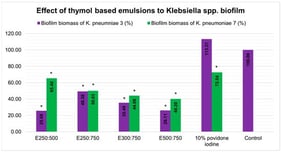
Background: Increasing antimicrobial resistance has directed studies toward investigating the antimicrobial activity of thymol, as well as the antibiofilm and antioxidant potential of its emulsions (with Tween 80) against multidrug-resistant (MDR) K. pneumoniae isolates. Methods: A microdilution assay was used to estimate thymol’s antibacterial potential against 10 clinical isolates (labeled 1–10). The dynamic light scattering technique was used to measure the particle size diameter (Zavg) of formulated emulsions. The antibiofilm potential of emulsions was assessed in vitro using a crystal violet assay and ex vivo on a surgical drain through a colony-forming unit assay. Antioxidant activity was screened by using the DPPH assay. Results: The MIC values were ≤1.5 mg/mL for strains 1 and 7 and <0.5 mg/mL for the other strains. Emulsions E250:500, E250:750, E300:750, and E500:750 were stable and homogeneous, with a Zavg of approx. 200 nm (128.4 ± 0.8 nm for E250:750). These emulsions significantly reduced the biofilm biomass of strains 3 and 7 (50.6–74.32% and 34.60–59.8% of inhibition, respectively), with the strongest activity observed for E250:500 and E500:750. Antibiofilm potential was confirmed ex vivo, with E500:750 showing the highest efficacy (ΔLogCFU 2.60 and 2.68 for strains 3 and 7). E250:750 demonstrated the highest capacity to neutralize the DPPH• radical. Conclusions: Thymol and its emulsions exhibited antibacterial and antibiofilm activity against MDR K. pneumoniae isolates, along with the proven antioxidant properties of the emulsions.
Full article

Figure 1
Open AccessArticle
Tailoring Optical Properties via Ru Doping and Magnetic Properties via Ce Doping in α-Fe2−4xZ3xO3 (Z = Ce, Ru) Solid-Solution Nanoparticles
by
Assaad Elouafi and Abdeslam Tizliouine
Compounds 2026, 6(1), 21; https://doi.org/10.3390/compounds6010021 - 12 Mar 2026
Abstract
►▼
Show Figures
α-Fe2−4xZ3xO3 (Z = Ce, Ru) nanoparticles were synthesized via a conventional solid-state reaction route. X-Ray diffraction analysis confirmed that all compositions crystallize in the single-phase hexagonal hematite (α-Fe2O3) structure, with no detectable secondary phases.
[...] Read more.
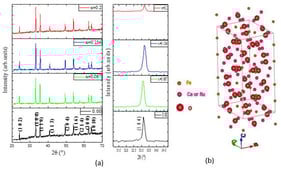
α-Fe2−4xZ3xO3 (Z = Ce, Ru) nanoparticles were synthesized via a conventional solid-state reaction route. X-Ray diffraction analysis confirmed that all compositions crystallize in the single-phase hexagonal hematite (α-Fe2O3) structure, with no detectable secondary phases. Cerium substitution resulted in a pronounced reduction in crystallite size accompanied by a progressive narrowing of the optical band gap, which decreased to approximately 1.73 eV at higher Ce contents. The optical properties were further investigated through absorption coefficient, optical transmittance, and complex refractive index analyses, revealing that cerium-doped hematite exhibits enhanced light-harvesting capability, highlighting its strong potential for optoelectronic and solar-energy conversion applications. Magnetic hysteresis measurements on α-Fe2−4xRu3xO3 samples showed a systematic increase in both coercive field (Hc) and remanent magnetization (Mr) with increasing Ru concentration. This magnetic hardening behavior is attributed to strengthened magnetocrystalline and shape anisotropy induced by Ru incorporation into the hematite lattice. Mössbauer spectroscopy confirmed the presence of Fe3+ and Ru4+ species, providing valuable insight into the oxidation states and local magnetic environments within the corundum-type structure.
Full article

Figure 1
Open AccessArticle
Comparative Antifouling Activity of Bioactive Compounds from Juvenile Ginger, Holy Basil, and Aronia mitschurinii
by
Ezra E. Cable, Keith Bratley, Ryan Buzzetto-More, Bokary Sylla, Sara Lahoff, William L. Weaver and Victoria V. Volkis
Compounds 2026, 6(1), 20; https://doi.org/10.3390/compounds6010020 - 6 Mar 2026
Abstract
Biofouling, the formation of a biofilm on submerged surfaces, is a widespread problem affecting all of the maritime industries and ecosystems. Historically, antifouling solutions have included toxic compounds, such as heavy metals and tributyl tin. Recently, less-toxic antifouling paints have been explored, including
[...] Read more.
Biofouling, the formation of a biofilm on submerged surfaces, is a widespread problem affecting all of the maritime industries and ecosystems. Historically, antifouling solutions have included toxic compounds, such as heavy metals and tributyl tin. Recently, less-toxic antifouling paints have been explored, including paints made from antioxidant-rich plants, and a study measured the effectiveness of polymer blends containing Aronia mitschurinii extracts. This new study will compare those results with polymer blends made from extracts of juvenile ginger and holy basil, two plants rich in antioxidants and essential oils. Extracts were assessed for antioxidant and essential oil content. Then, slides coated with a polymer-extract blend were exposed to freshwater and saltwater for three weeks and assessed by contrast microscopy. For freshwater and saltwater analysis, holy basil extracts had a minimum precipitation count of 3.40 ± 0.4 and 22.4 ± 6.0 for non-stained slides and 58.3 ± 7.3 and 9.3 ± 1.0 for stained. Ginger extracts had a minimum precipitation count of 3.9 ± 0.8 and 87.1 ± 17.3 for non-stained slides, and 5.4 ± 1.8 and 9.5 ± 0.3 for stained slides. All minimum precipitation counts for ginger and holy basil were less than those measured by controls and Aronia mitschurinii, showcasing the antifouling potential of ginger and holy basil extracts at a compatible but slightly lower level, but one that is much higher than was reported for other plant materials.
Full article
(This article belongs to the Special Issue Compounds–Derived from Nature)
►▼
Show Figures

Figure 1
Open AccessArticle
Ursolic Acid and Rutin Isolated from Biophytum umbraculum: Antiproliferative Activity of the Plant Against Human Adherent Cancer Cell Lines
by
Mirana Rakotozafy, Rivoarison Randrianasolo, Solomon Tesfaye, Christian Schulze, Dimby Andrianina Ralambomanana, Patrick J. Bednarski, Sharif Mortoga and Andreas Link
Compounds 2026, 6(1), 19; https://doi.org/10.3390/compounds6010019 - 5 Mar 2026
Abstract
►▼
Show Figures
In recent years, Biophytum umbraculum Welw. (Oxalidaceae) has undergone several phytochemical and pharmacological investigations. Although its major phytochemical classes have been characterized, few isolated compounds have been reported. The previously detected phytoconstituents, along with the documented antioxidant and anti-inflammatory activities, both align with
[...] Read more.
In recent years, Biophytum umbraculum Welw. (Oxalidaceae) has undergone several phytochemical and pharmacological investigations. Although its major phytochemical classes have been characterized, few isolated compounds have been reported. The previously detected phytoconstituents, along with the documented antioxidant and anti-inflammatory activities, both align with a potential antiproliferative effect. This study aims to complement the existing chemotaxonomic profile of B. umbraculum through the isolation and identification of phytoconstituents and to evaluate the antiproliferative potential of its extracts. Hexane, ethyl acetate, and methanolic extracts of B. umbraculum were screened against two human adherent cell lines, breast (MCF-7) and cervical (SiSo) adenocarcinomas, by using the crystal violet staining assay. The hexane extract inhibited both MCF-7 and SiSo cell proliferation with IC50 values of 8.93 ± 0.07 and 14.59 ± 0.08 µg/mL, respectively. The ethyl acetate extract showed activity against both cell lines, with IC50 values of 12.60 ± 0.14 and 13.10 ± 0.04 µg/mL, respectively. However, the methanolic extract was inactive on the MCF-7 cell line and only slightly active on the SiSo cell line. Chromatographic fractionations led to the isolation of ursolic acid from the active ethyl acetate extract and rutin from the methanolic extract. A further antiproliferative evaluation is warranted to confirm the contribution of ursolic acid to the effect of the ethyl acetate extract. Additional fractionations may uncover more phytoconstituents of diverse pharmaceutical interests.
Full article

Graphical abstract
Open AccessArticle
Chemoselective Reduction of 3-Methylcyclohex-2-enone into rac 3-Methylcyclohex-2-enol (Seudenol) by NaBH4 Alone, with Modifiers or via Catalytic Transfer Hydrogenation
by
Marek Gliński, Adrian Dąbrowski, Agata Kacprzak, Ewa M. Iwanek (nee Wilczkowska) and Jan Borucki
Compounds 2026, 6(1), 18; https://doi.org/10.3390/compounds6010018 - 2 Mar 2026
Abstract
►▼
Show Figures
A systematic study of the chemoselectivity of the reduction of 3-methylcyclohex-2-enone (seudenone) to 3-methylcyclohex-2-enol (seudenol) was performed. Two approaches were investigated, namely the reduction of this ketone using NaBH4 with modifiers and Catalytic Transfer Hydrogenation (CTH). The former resulted in higher conversions
[...] Read more.
A systematic study of the chemoselectivity of the reduction of 3-methylcyclohex-2-enone (seudenone) to 3-methylcyclohex-2-enol (seudenol) was performed. Two approaches were investigated, namely the reduction of this ketone using NaBH4 with modifiers and Catalytic Transfer Hydrogenation (CTH). The former resulted in higher conversions (95–99%) and high selectivity (up to 95%), whereas with CTH, a selectivity of 100% was achieved, albeit with a low conversion. The study therefore demonstrated that it is possible to chemoselectively reduce an α,β-unsaturated ketone in the liquid phase CTH using MgO as the catalyst and 2-pentanol as the hydrogen donor. The application of modifiers such as CeCl3 · 7H2O and MCl2, where M = Be, Mg, Ca, Sr, and Ba, resulted in a significant improvement of the chemoselectivity (up to 95%) of the reduction with NaBH4. The effect of parameters such as the solvent mixture composition, reaction temperature and modifier:NaBH4 molar ratio was also investigated. In CTH, although high conversions of the ketone were observed for Al2O3, ZrO2 and MgO in the vapor phase, the first two did not yield 3-methylcyclohex-2-enol among the obtained products. It was shown that 3-methylcyclohex-3-enol was the main product of the transformations of 3-methylcyclohex-2-enone in the presence of MgO, with yields of 25–33%. In a series of experiments, it was shown that 3-methylcyclohex-3-enol is formed as a result of the transformation of 3-methylcyclohex-2-enol in the presence of MgO as a catalyst.
Full article

Figure 1
Open AccessArticle
Ultrasound Co-Extraction Strategies to Obtain Carbohydrates and Protein from Macroalgae Gracilaria birdiae
by
Rhonyele Maciel da Silva, Rita Sannara Bandeira do Nascimento, Fabiano André Narciso Fernandes, Thaiz Batista Azevedo Rangel Miguel, Emilio de Castro Miguel, Pedro Henrique Campelo, Glácio Souza Araújo and Sueli Rodrigues
Compounds 2026, 6(1), 17; https://doi.org/10.3390/compounds6010017 - 12 Feb 2026
Abstract
The growing demand for sustainable, functional food ingredients has increased interest in algae, particularly for their bioactive compounds. Gracilaria birdiae is mainly used for agar production, but its protein potential is underexplored. Conventional extraction methods require high temperatures and long durations, whereas emerging
[...] Read more.
The growing demand for sustainable, functional food ingredients has increased interest in algae, particularly for their bioactive compounds. Gracilaria birdiae is mainly used for agar production, but its protein potential is underexplored. Conventional extraction methods require high temperatures and long durations, whereas emerging technologies, such as ultrasound (US), could be more efficient alternatives when combined with other strategies. This study is the first to evaluate the co-extraction of carbohydrates and proteins from G. birdiae using US combined with different extraction methods. The proximate composition of the algae was as follows: 63.97% carbohydrates, 5.20% proteins, and 19.65% lipids. Ethanol pretreatment did not improve US co-extraction but enabled phycobiliprotein recovery. Higher US power (500 W, 373 W·cm−2) and biomass concentration enhanced recovery, achieving up to 64.43 mg/g of carbohydrates and 10.28 mg/g of proteins. Sequential extraction using hot water and US at 60 °C produced 97.51 and 74.70 mg/g of carbohydrates and 5.67 and 5.08 mg/g of proteins, respectively. Acid treatment combined with US 60 °C achieved the highest recovery of 396.15 mg/g carbohydrate (1% v/v H2SO4) and 38.49 mg/g of protein (7% v/v H2SO4). Alkali extraction yielded lower amounts: 190.51 mg/g of carbohydrates and 33.20 mg/g of protein using 5% w/v NaOH. Microscopy revealed that the chemical treatments fully disrupted the cell wall, promoting compound release. Thus, combining the US with chemical extraction effectively enhances carbohydrates and protein recovery from G. birdiae.
Full article
(This article belongs to the Special Issue Compounds–Derived from Nature)
►▼
Show Figures

Graphical abstract
Open AccessArticle
Development and Characterization of Gellan Gum Microspheres for the Controlled Release of Antioxidants from Vaccinium myrtillus Extract
by
Norma Mallegni, Niccoletta Barbani, Silvia Tampucci, Chiara Salvini, Miriam Cappello, Serena Coiai, Elisa Passaglia and Caterina Cristallini
Compounds 2026, 6(1), 16; https://doi.org/10.3390/compounds6010016 - 5 Feb 2026
Abstract
In this work, gellan gum microspheres (G–MPs) were developed as delivery systems for blueberry extract (Vaccinium myrtillus) (BEX), a source of natural antioxidants rich in anthocyanins (ATCs) and phenolic compounds (PHCs). Gellan gum, an anionic polysaccharide produced via fermentation by Sphingomonas
[...] Read more.
In this work, gellan gum microspheres (G–MPs) were developed as delivery systems for blueberry extract (Vaccinium myrtillus) (BEX), a source of natural antioxidants rich in anthocyanins (ATCs) and phenolic compounds (PHCs). Gellan gum, an anionic polysaccharide produced via fermentation by Sphingomonas elodea, was selected for its biocompatibility and gelling properties. BEX was obtained using a mild citric acid–based extraction method to preserve antioxidant capacity and was characterized for its total polyphenol, flavonoid, and anthocyanin content before loading. The extract was loaded into gellan gum microspheres via absorption (G–MPs–BEX). The resulting microspheres exhibited a spherical and porous morphology that favoured both encapsulation and controlled release. FT–IR analysis confirmed the absorption of the extract within the polymer network and revealed hydrogen bonding interactions between the matrix and active compounds. Despite these interactions, microspheres retained a high swelling capacity and enabled rapid release, with maximum release of polyphenols and anthocyanins within 30 min at pH 5.5. The antioxidant activity of BEX, assessed via DPPH assay, remained stable during storage (up to 60 days) and after incorporation into the microspheres. Overall, this study demonstrates that G–MPs can efficiently absorb, stabilize, and release natural antioxidant compounds, supporting their potential use in biomedical, nutraceutical, and cosmetic applications.
Full article
(This article belongs to the Special Issue Compounds–Derived from Nature)
►▼
Show Figures

Graphical abstract
Open AccessArticle
Mechanical and Candida albicans Response of Bombyx mori Silk Fibroin Nanoparticles Incorporated into Self-Curing Poly(methylmethacrylate) (PMMA)
by
Letícia Pena Botelho, Daniele Morais Dias, Karine Taís Aguiar Tavano, Adriana da Silva Torres, Moisés de Matos Torres, Larissa Doalla Almeida e Silva, Renan Leonardi de Oliveira Rigotti and Rodrigo Galo
Compounds 2026, 6(1), 15; https://doi.org/10.3390/compounds6010015 - 5 Feb 2026
Abstract
►▼
Show Figures
This study evaluated the effects of incorporating silk fibroin nanoparticles into self-curing polymethyl methacrylate (PMMA) on the mechanical and Candida albicans responses of provisional dental prostheses. Rectangular specimens (64 × 10 × 3 mm) were fabricated and assigned to three groups (n
[...] Read more.
This study evaluated the effects of incorporating silk fibroin nanoparticles into self-curing polymethyl methacrylate (PMMA) on the mechanical and Candida albicans responses of provisional dental prostheses. Rectangular specimens (64 × 10 × 3 mm) were fabricated and assigned to three groups (n = 10): G1 (control), PMMA without reinforcement; G2, PMMA with 0.5% silk nanoparticles; and G3, PMMA with 1% silk nanoparticleScheme4. 4 × 6 mm) were prepared. Scanning electron microscopy (SEM) was used to assess nanoparticle incorporation within the polymer matrix. No significant differences were observed in surface roughness (G1 = 0.4118 ± 0.100; G2 = 0.3245 ± 0.072; G3 = 0.3269 ± 0.076) or microhardness (G1 = 12.21 ± 0.351; G2 = 12.72 ± 0.213; G3 = 12.53 ± 0.177). Flexural strength differed significantly among the groups (p = 0.009), with higher values in nanoparticle-reinforced specimens (G1 = 79.142 ± 3.202; G2 = 87.089 ± 2.756; G3 = 92.412 ± 1.963). None of the tested concentrations exhibited antifungal activity against C. albicans. In conclusion, the incorporation of silk fibroin nanoparticles enhanced the flexural strength of self-curing PMMA without adversely affecting surface roughness or microhardness, although no antifungal effect was detected at the evaluated concentrations.
Full article

Figure 1
Open AccessArticle
Integrated Chemometric Assessment, Antioxidant Potential, and Phytochemical Fingerprinting of Selected Stachys and Betonica Plants
by
Anna Hawrył, Mirosław Hawrył, Mykhaylo Chernetskyy, Wiktor Wojciech Winiarski and Anna Oniszczuk
Compounds 2026, 6(1), 14; https://doi.org/10.3390/compounds6010014 - 4 Feb 2026
Abstract
The aim of this study was to evaluate, on a preliminary basis, the ability of multivariate techniques to predict the antioxidant activity of selected Stachys and Betonica species, based on chromatographic data. The methanol extracts of six Stachys species and ten Betonica species
[...] Read more.
The aim of this study was to evaluate, on a preliminary basis, the ability of multivariate techniques to predict the antioxidant activity of selected Stachys and Betonica species, based on chromatographic data. The methanol extracts of six Stachys species and ten Betonica species were analyzed using reversed-phase high-performance liquid chromatography (RP-HPLC) to obtain their chromatographic profiles. The phytochemical similarity of the samples was assessed using a selected chemometric method (principal component analysis (PCA) and hierarchical cluster analysis (HCA)). The antioxidant activity of the studied extracts (DPPH with 2,2-diphenyl-1-picrylhydrazyl reagent and FRAP—ferric reducing antioxidant power) was determined using a spectrophotometric technique. A multivariate PLS model was then used to predict the antioxidant activity of the methanolic extracts of Stachys and Betonica species based on their RP-HPLC fingerprints. The two obtained PLS models proved useful for predicting the biological activity of the tested extracts. High correlation coefficients (DPPH: R2 = 0.9963; FRAP: R2 = 0.9895) confirmed the reliability of the PLS prediction model. The results confirmed the effectiveness of combining qualitative and quantitative chromatographic fingerprinting methods with antioxidant activity testing and chemometric analysis, demonstrating that extracts from Stachys and Betonica are a rich source of bioactive substances with antioxidant properties.
Full article
(This article belongs to the Special Issue Organic Compounds with Biological Activity (2nd Edition))
►▼
Show Figures

Figure 1
Open AccessArticle
Heartwood Chemistry Predicts Natural Durability in Pinus nigra Clones: The Critical Role of Resin Acid over Stilbenes in Decay Resistance
by
Kostas Ioannidis, Nikoleta Soulioti, Polyxeni Koropouli, Eleni Melliou, Prokopios Magiatis and Georgios Menexes
Compounds 2026, 6(1), 13; https://doi.org/10.3390/compounds6010013 - 2 Feb 2026
Abstract
The natural durability of wood, determined primarily by its chemistry, meets the growing demand for environmentally sustainable alternatives to toxic wood preservatives. This study assessed the relationship between the fungitoxic acetone extractive content, in particular resin acids and stilbenes, and heartwood decay resistance
[...] Read more.
The natural durability of wood, determined primarily by its chemistry, meets the growing demand for environmentally sustainable alternatives to toxic wood preservatives. This study assessed the relationship between the fungitoxic acetone extractive content, in particular resin acids and stilbenes, and heartwood decay resistance among fifty-two Pinus nigra J. F. Arnold clones from a clonal seed orchard in Greece. Quantitative 1H-NMR spectroscopy was employed to determine total stilbenes (TSs) and total resin acids (TRAs) in heartwood samples, while decay resistance was evaluated through standardized weight loss tests using the brown-rot fungus Coniophora puteana (Schumach.) P. Karst. (1865) and the white-rot fungus Porodaedalea pini (Brot.) Murrill (1905). The heartwood exhibited exceptionally high extractive content (mean TAE = 304.15 mg gdhw−1), with resin acids (68.26%) predominating over stilbenes (22.31%). Regression analysis showed that the TAE and TRAs were the strongest predictors of decay resistance, explaining 33% of the variance, while stilbenes exhibited weaker and more variable associations. P. pini caused significantly higher mean weight loss (11.43%) than C. puteana (3.55%), indicating species-specific fungal aggressiveness. Among individual resin acids, abietic acids were the most influential contributors to decay resistance. The results demonstrate that resin acids have a dominant role over stilbenes in determining the natural durability of P. nigra (Black pine) heartwood and could serve as effective biochemical markers for selective breeding.
Full article
(This article belongs to the Special Issue Phenolic Compounds: Extraction, Chemical Profiles, and Bioactivity)
►▼
Show Figures

Figure 1
Open AccessArticle
Synthesis, Photophysical Characterization, and Computational Analysis of Novel Bis(oxazolo[5,4-b]pyridine) Derivatives as Terpyridine-Inspired Fluorophores
by
Irina V. Palamarchuk, Aida S. Rakhimzhanova, Svetlana S. Volkova, Alexander S. Novikov, Irina A. Pustolaikina and Ivan V. Kulakov
Compounds 2026, 6(1), 12; https://doi.org/10.3390/compounds6010012 - 2 Feb 2026
Abstract
Terpyridines are well-known ligands in coordination chemistry, are valued for their conformational flexibility and strong metal-binding properties, and are also of interest as fluorophores. This study focused on the synthesis and comprehensive investigation of a new class of bis-oxazolo[5,4-b]pyridine derivatives, designed based on
[...] Read more.
Terpyridines are well-known ligands in coordination chemistry, are valued for their conformational flexibility and strong metal-binding properties, and are also of interest as fluorophores. This study focused on the synthesis and comprehensive investigation of a new class of bis-oxazolo[5,4-b]pyridine derivatives, designed based on their structural similarity to terpyridines. Four novel compounds, 4a–d, were synthesized by cyclization of amide derivatives of 3-aminopyridin-2(1H)-ones using pyridine-2,6-dicarboxylic acid and its dichloride as key acidic components. Their structures and purity were confirmed by melting point analysis, high-resolution mass spectrometry, and 1H, 13C NMR spectroscopy. Compounds 4a–c exhibit UV absorption at 323–357 nm and intense blue to deep-blue fluorescence (357–474 nm, цi ≈ 0.32–0.84) in chloroform, dichloromethane, and acetonitrile, attributed to p–p* transitions within the conjugated ring system. These findings suggest their potential as phosphors for organic electronics. Computational modeling of 4a–c molecules provided insight into their electronic structures, conformational stability, and predicted optical behavior. The most stable conformers (4a–II, 4b–II, 4c–II′) exhibited a progressive decrease in the HOMO–LUMO gap from 4a to 4c, correlated with the enhancement of photoactivity. Among them, compound 4a stands out as the most promising luminophore, displaying the most intense and narrow luminescence band, owing to its high molecular symmetry and stable emission characteristics. Overall, this study lays the foundation for future studies of bis(oxazolo[5,4-b]pyridine) derivatives in coordination chemistry and optoelectronic materials development.
Full article
(This article belongs to the Special Issue Fluorescence in Lanthanide Coordination Compounds)
►▼
Show Figures

Figure 1
Open AccessArticle
The (Bipyridyl)copper(II) Acetate System: (2,2′-Bipyridyl)copper(II) Acetate Pentahydrate (Ribbons of Planar (H2O)6 Rings Fused with Planar (H2O)4 Rings) and (2,2′-Bipyridyl)copper(II) Acetate Acetonitrile Solvate
by
Paul D. Entzminger, Edward J. Valente and Eugenijus Urnezius
Compounds 2026, 6(1), 11; https://doi.org/10.3390/compounds6010011 - 2 Feb 2026
Abstract
►▼
Show Figures
Two crystalline complexes, (2,2′-bipyridine)Cu(CH3COO)2·5H2O (3) and (2,2′-bipyridine)Cu(CH3COO)2·CH3CN (4), have been isolated and characterized by low-temperature single-crystal X-ray diffraction experiments. Crystals of phase 3 were studied previously at
[...] Read more.
Two crystalline complexes, (2,2′-bipyridine)Cu(CH3COO)2·5H2O (3) and (2,2′-bipyridine)Cu(CH3COO)2·CH3CN (4), have been isolated and characterized by low-temperature single-crystal X-ray diffraction experiments. Crystals of phase 3 were studied previously at room temperature (296 K) under conditions leading to rapid desolvation and less distinct characterization of the waters of crystallization. With our redetermination of 3 at 100(2) K, we present a detailed description of ribbon-like structure formed by water molecules in crystals of (2,2′-bipyridine)Cu(CH3COO)2·5H2O. Acetate oxygens are linked by hydrogen-bonding to two inequivalent waters separated by 4.72 Å; the other three water molecules are trapped in polymeric ribbons of anticooperative hydrogen-bonded six-membered rings fused with cooperative hydrogen-bonded four-rings. Water oxygens of the fused ring ribbons associate only with other water oxygens, and this water structure has a local density and pair distribution function which resembles that of liquid water. Crystals of 4 are monoclinic, with acetonitrile of solvation unassociated with the complex. In both 3 and 4, bipyridine planes interleave through π-aryl stacking.
Full article

Graphical abstract
Open AccessArticle
NMR Characterization, LC-MS Phenolic Profiling, and Cytotoxic Activity Evaluation of Ethanolic Extract of Propolis from Central Mexico
by
Eloy Rodríguez-deLeón, José E. Báez, Guadalupe García-Alcocer, Fabián Santa-María, Miguel A. Ramos-López, Claudia Gutiérrez-García and Moustapha Bah
Compounds 2026, 6(1), 10; https://doi.org/10.3390/compounds6010010 - 2 Feb 2026
Abstract
►▼
Show Figures
Propolis is a resinous material produced by honeybees characterized by a high phenolic compound and flavonoid content. To date, several studies have examined the chemical composition of Mexican propolis from the south and north of the country. However, limited information is available on
[...] Read more.
Propolis is a resinous material produced by honeybees characterized by a high phenolic compound and flavonoid content. To date, several studies have examined the chemical composition of Mexican propolis from the south and north of the country. However, limited information is available on the chemical profile of propolis from central Mexico. The present study isolated six known compounds from propolis from central Mexico: one diterpene (sugiol, found for the first time in Mexican propolis), three flavonoids (chrysin, galangin 3-methyl ether, and 3,7-dimethoxyquercetin), a fatty acid (cerotic acid), and an unusual glycerol derivative (batyl alcohol). Moreover, LC-ESI-MS analysis conducted on the ethanolic extract led to the identification of three phenolic compounds and fourteen flavonoids commonly found in propolis. Lastly, the cytotoxic activity evaluation carried out on the ethanolic extract showed a decrease in the cell viability of human leukemia (Jurkat) cells in a concentration-dependent manner.
Full article

Graphical abstract
Open AccessCommunication
Screening for Antivirally Active Flavonoids Against Herpes Simplex Virus Type 2 and Influenza A Virus
by
Jung-Bum Lee and Kyoko Hayashi
Compounds 2026, 6(1), 9; https://doi.org/10.3390/compounds6010009 - 23 Jan 2026
Abstract
►▼
Show Figures
The discovery of antiviral agents is an important research area because the world is increasingly exposed to the risk of viral infectious diseases. Herpes simplex virus type 2 (HSV-2) causes globally prevalent sexually transmitted diseases, and numerous individuals are living with HSV-2. Influenza
[...] Read more.
The discovery of antiviral agents is an important research area because the world is increasingly exposed to the risk of viral infectious diseases. Herpes simplex virus type 2 (HSV-2) causes globally prevalent sexually transmitted diseases, and numerous individuals are living with HSV-2. Influenza A virus (IAV) causes annual epidemics and occasional pandemics, attracting great concern in public health. In this study, antiviral activities against HSV-2 and IAV of 103 flavonoids were screened. The screening identified cirsilineol and apigenin as active against HSV-2, while cirsimaritin and hymenoxin displayed anti-IAV activity. These flavonoids have the potential to serve as therapeutic candidates for viral infectious diseases.
Full article

Figure 1
Open AccessArticle
Royal Jelly Mitigates Cognitive Decline and Anxiety in Female Mice: A Promising Natural Neuroprotective Solution for Alzheimer’s Disease
by
Noureddine Djebli, Nadjet Mostefa, Hadjer Chenini-Bendiab, Mokhtaria Hamidi, Arbia Zitouni, Flávia dos Santos Ferreira and Graziele Freitas de Bem
Compounds 2026, 6(1), 8; https://doi.org/10.3390/compounds6010008 - 21 Jan 2026
Abstract
►▼
Show Figures
Background: The incidence of dementia, especially Alzheimer’s disease (AD), is rising, with over 55 million affected globally. Therefore, this disease, for which there is no adequate treatment, is more frequent and prevalent in women. Royal jelly, a bee secretion, is known for its
[...] Read more.
Background: The incidence of dementia, especially Alzheimer’s disease (AD), is rising, with over 55 million affected globally. Therefore, this disease, for which there is no adequate treatment, is more frequent and prevalent in women. Royal jelly, a bee secretion, is known for its health benefits and contains proteins, carbohydrates, lipids, minerals, polyphenols, enzymes, and B vitamins, as well as anti-inflammatory and antioxidant properties relevant to AD. Thus, we aimed to investigate the chemical compounds in royal jelly extract and their effect on neurobehavioral changes in an AD female model. Methods: In vitro studies were used to investigate the chemical and physicochemical properties of the royal jelly extract. In vivo studies, we divided female mice into five groups (n = 25): Control (C), Alzheimer (ALZ), ALZ standard (ALZ-STD, rivastigmine 1 mg/Kg), ALZ-D1 (royal jelly 150 mg/kg), and ALZ-D2 (royal jelly 300 mg/kg). The mice received the treatments orally at 45 days. We induced the AD model by orally administering aluminum chloride at 100 mg/kg and intraperitoneally injecting D-galactose at 120 mg/kg for 45 consecutive days, after which we subjected the animals to the radial arm maze, Morris water maze, elevated plus maze, and forced swim tests. Results: Analyses showed moderate acidity and a rich bioactive profile, with flavonoids being more prevalent. Antioxidant activity tests indicated moderate efficacy, while FTIR-ATR analysis revealed the chemical complexity of royal jelly. The royal jelly extract used in the study did not induce toxicity in vivo. Notably, royal jelly improved cognitive deficits, neurodegeneration, and reduced anxiety in AD. Conclusions: The study suggests that royal jelly extract has promising neuroprotective properties and could be a viable natural therapeutic option for AD.
Full article

Figure 1
Open AccessReview
Endoperoxides: Highly Oxygenated Terpenoids with Anticancer and Antiprotozoal Activities
by
Valery M. Dembitsky and Alexander O. Terent’ev
Compounds 2026, 6(1), 7; https://doi.org/10.3390/compounds6010007 - 13 Jan 2026
Cited by 3
Abstract
Endoperoxides constitute a distinctive class of highly oxygenated terpenoids defined by the presence of a cyclic peroxide (–O–O–) bond, a structural motif responsible for their pronounced chemical reactivity and diverse biological effects. Naturally occurring endoperoxide-containing terpenoids are broadly distributed across terrestrial and marine
[...] Read more.
Endoperoxides constitute a distinctive class of highly oxygenated terpenoids defined by the presence of a cyclic peroxide (–O–O–) bond, a structural motif responsible for their pronounced chemical reactivity and diverse biological effects. Naturally occurring endoperoxide-containing terpenoids are broadly distributed across terrestrial and marine taxa, including higher plants, algae, fungi, and bryophytes, where they are believed to participate in chemical defense and ecological interactions. This review provides a comprehensive overview of naturally occurring endoperoxide terpenoids, focusing on their natural sources, structural diversity, and reported biological activities. Particular emphasis is placed on compounds exhibiting antiprotozoal and antitumor activities, exemplified by artemisinin and its derivatives, which remain cornerstone agents in antimalarial therapy and continue to attract interest for their anticancer potential. Structure–activity relationship (SAR) analysis, supported by computational prediction using the PASS (Prediction of Activity Spectra for Substances) platform, is employed to examine correlations between peroxide-containing frameworks and biological function. Comparative assessment of experimental data and predicted activity profiles identifies key structural features associated with antiprotozoal, antineoplastic, and anti-inflammatory effects. Collectively, this review highlights endoperoxides as a valuable and chemically distinctive class of bioactive natural products and discusses their promise and limitations as leads for further pharmacological development, particularly in light of their intrinsic reactivity and stability challenges.
Full article
(This article belongs to the Special Issue Compounds–Derived from Nature)
►▼
Show Figures

Graphical abstract
Open AccessArticle
Enhanced Removal of the Antibiotic Sulfamethoxazole by a B-Doped Mesoporous Carbon Nanosheet/Peroxymonosulfate System: Characterization and Mechanistic Insights
by
Thi-Hai Anh Nguyen, Tran Van Tam and Minh-Tri Nguyen-Le
Compounds 2026, 6(1), 6; https://doi.org/10.3390/compounds6010006 - 12 Jan 2026
Abstract
This study investigates the activation mechanism of boron-doped carbon (BMC) catalysts for the degradation of the antibiotic sulfamethoxazole (SMX) via persulfate (PMS) activation. The catalysts were synthesized using a sequential double-melting calcination method, resulting in mesoporous carbon nanosheets characterized by hierarchical macro-mesopores and
[...] Read more.
This study investigates the activation mechanism of boron-doped carbon (BMC) catalysts for the degradation of the antibiotic sulfamethoxazole (SMX) via persulfate (PMS) activation. The catalysts were synthesized using a sequential double-melting calcination method, resulting in mesoporous carbon nanosheets characterized by hierarchical macro-mesopores and atomically dispersed dual active sites. Comprehensive characterization was performed using BET, SEM, TEM, FT-IR, XPS, XRD, and Raman techniques. The optimized BMC catalyst demonstrated excellent performance, achieving complete removal of sulfamethoxazole (100%) and a high mineralization rate (~90%) within 45 min. Mechanistic analysis, including electron paramagnetic resonance (EPR), revealed that the degradation predominantly follows a singlet oxygen (1O2)-dominated pathway. The system exhibited broad applicability to various pollutants, along with notable operational stability and robust resistance to common environmental interferents. Persulfate activation was primarily attributed to boron-active sites, while the hierarchical mesoporous structure facilitated both pollutant enrichment and catalytic efficiency.
Full article
(This article belongs to the Special Issue Feature Papers in Compounds (2025))
►▼
Show Figures

Figure 1
Open AccessArticle
Influence of Polyhydroxyl Additives on the Mechanical Properties of Poly(acrylic acid)/Polyvinylpyrrolidone Complex Films
by
Tomoko Ito and Yoshiyuki Koyama
Compounds 2026, 6(1), 5; https://doi.org/10.3390/compounds6010005 - 6 Jan 2026
Abstract
►▼
Show Figures
Poly(acrylic acid)/polyvinylpyrrolidone (PAA/PVP) hydrogen-bonded complexes are of growing interest as functional materials for biomedical applications. However, the influence of polyhydroxyl additives, such as polyols and sugars, on complex formation and material performance remains insufficiently understood. This study aimed to elucidate how polyhydroxyl compounds
[...] Read more.
Poly(acrylic acid)/polyvinylpyrrolidone (PAA/PVP) hydrogen-bonded complexes are of growing interest as functional materials for biomedical applications. However, the influence of polyhydroxyl additives, such as polyols and sugars, on complex formation and material performance remains insufficiently understood. This study aimed to elucidate how polyhydroxyl compounds affect the physical properties of PAA/PVP complexes. Dried PAA films were brought into contact with aqueous PVP solutions containing various additives (glycerol, sugar alcohols, or sugars), and the resulting hydrogels were dried to form films. Their swelling behavior in water and PBS, thermal stability, and mechanical properties were comparatively evaluated. Sugar alcohols markedly improved swelling and flexibility, whereas sugars showed limited effects. Glucitol exhibited intermediate performance due to a high tendency toward intramolecular hydrogen bonding in aqueous media. Mechanistic analysis suggested that sugar alcohols act in a chaperone-like manner during complex formation, promoting microphase-separated structures composed of hydrogen-bonded domains and free segment regions. These findings provide new molecular insight into designing PAA/PVP-based materials with additives for biomedical applications.
Full article

Graphical abstract
Open AccessArticle
Characterization of Volatile Compounds in Amarillo, Ariana, Cascade, Centennial, and El Dorado Hops Using HS-SPME/GC-MS
by
Marcos Edgar Herkenhoff, Oliver Brödel, Guilherme Dilarri, Miklos Maximiliano Bajay, Marcus Frohme and Carlos André da Veiga Lima Rosa Costamilan
Compounds 2026, 6(1), 4; https://doi.org/10.3390/compounds6010004 - 4 Jan 2026
Abstract
►▼
Show Figures
Humulus lupulus L. (hops) is essential in brewing due to its contributions to bitterness, flavor, and aroma. This study compared the volatile profiles of five commercially important hop varieties—Amarillo, Ariana, Cascade, Centennial, and El Dorado—grown in their main regions of origin (United States
[...] Read more.
Humulus lupulus L. (hops) is essential in brewing due to its contributions to bitterness, flavor, and aroma. This study compared the volatile profiles of five commercially important hop varieties—Amarillo, Ariana, Cascade, Centennial, and El Dorado—grown in their main regions of origin (United States for Amarillo, Cascade, and El Dorado; Germany for Ariana; and Brazil for Centennial). Headspace solid-phase microextraction coupled with gas chromatography–mass spectrometry (HS-SPME/GC-MS) enabled the identification of 312 volatile compounds, including monoterpenes (e.g., myrcene, linalool, geraniol), sesquiterpenes (e.g., humulene, caryophyllene), esters, alcohols, aldehydes, and ketones. Amarillo showed the highest myrcene content (22.61% of the total volatile area), while Centennial was distinguished by elevated γ-muurolene (20.59%), and El Dorado by the highest level of undecan-2-one (10.47%), highlighting marked varietal differences in key aroma-active constituents. Multivariate, including principal component analysis (PCA) and partial least squares discriminant analysis (PLS-DA), clearly discriminated the five varieties: PC1 (41.04% of the variance) separated samples enriched in fruity/floral monoterpenes and esters from those dominated by woody/resinous sesquiterpenes, whereas PC2 (25.93% of the variance) reflected variation in medium-chain esters, ketones, and waxy compounds. These chemometric patterns demonstrate that both genetic background and growing region terroir strongly shape hop volatile composition and, consequently, aroma potential, providing brewers with objective criteria for selecting hop varieties to achieve specific sensory profiles in beer.
Full article

Graphical abstract
Highly Accessed Articles
Latest Books
E-Mail Alert
News
Topics
Topic in
Compounds, Medicines, Molecules, Plants, Separations, Applied Biosciences, Life, Pharmaceuticals
Research on Natural Products of Medical Plants
Topic Editors: Cristiane Aguiar Da Costa, Graziele Freitas De BemDeadline: 5 March 2027
Special Issues
Special Issue in
Compounds
Compounds–Derived from Nature
Guest Editor: Victoria V. VolkisDeadline: 30 June 2026
Special Issue in
Compounds
Fluorescence in Lanthanide Coordination Compounds
Guest Editor: Salah MassoudDeadline: 20 July 2026
Special Issue in
Compounds
Phenolic Compounds: Extraction, Chemical Profiles, and Bioactivity
Guest Editors: Francisco Vázquez-Armenta, Ariadna Thalia Bernal-MercadoDeadline: 30 September 2026
Special Issue in
Compounds
Organic Compounds with Biological Activity (2nd Edition)
Guest Editors: Małgorzata Anna Marć, Enrique Domínguez-Álvarez, Alcides Pinto SimaoDeadline: 31 October 2026