Topical Advisory Panel applications are now closed. Please contact the Editorial Office with any queries.
Journal Description
Computation
Computation
is a peer-reviewed journal of computational science and engineering published monthly online by MDPI.
- Open Access— free for readers, with article processing charges (APC) paid by authors or their institutions.
- High Visibility: indexed within Scopus, ESCI (Web of Science), CAPlus / SciFinder, Inspec, dblp, and other databases.
- Journal Rank: JCR - Q2 (Mathematics, Interdisciplinary Applications) / CiteScore - Q1 (Applied Mathematics)
- Rapid Publication: manuscripts are peer-reviewed and a first decision is provided to authors approximately 14.8 days after submission; acceptance to publication is undertaken in 5.6 days (median values for papers published in this journal in the second half of 2025).
- Recognition of Reviewers: reviewers who provide timely, thorough peer-review reports receive vouchers entitling them to a discount on the APC of their next publication in any MDPI journal, in appreciation of the work done.
- Journal Cluster of Mathematics and Its Applications: AppliedMath, Axioms, Computation, Fractal and Fractional, Geometry, International Journal of Topology, Logics, Mathematics and Symmetry.
Impact Factor:
1.9 (2024);
5-Year Impact Factor:
1.9 (2024)
Latest Articles
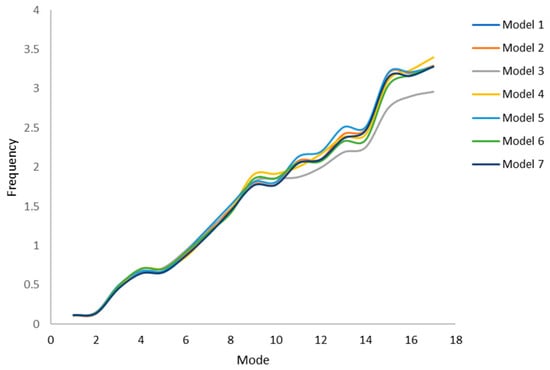
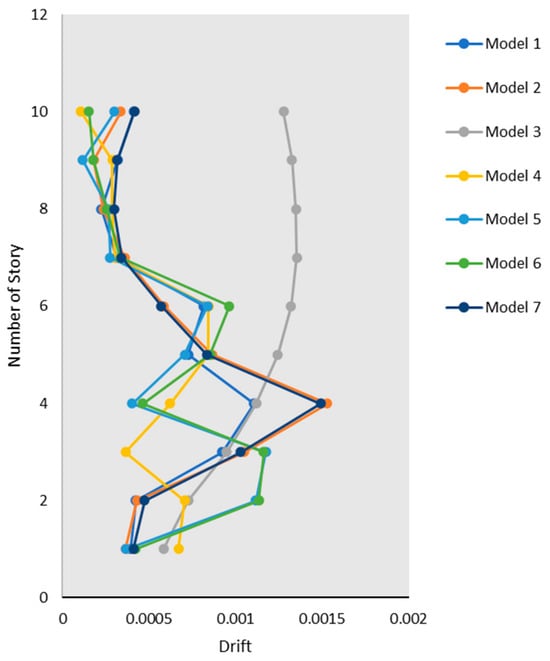
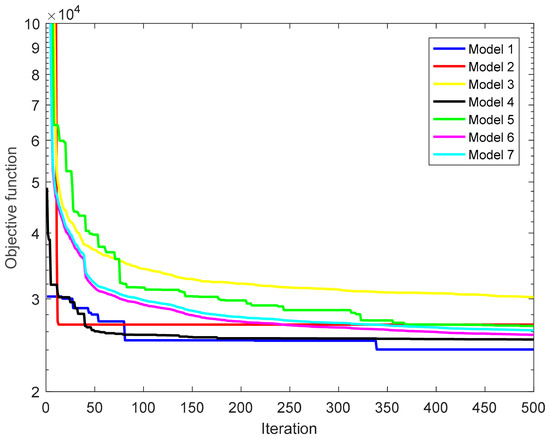
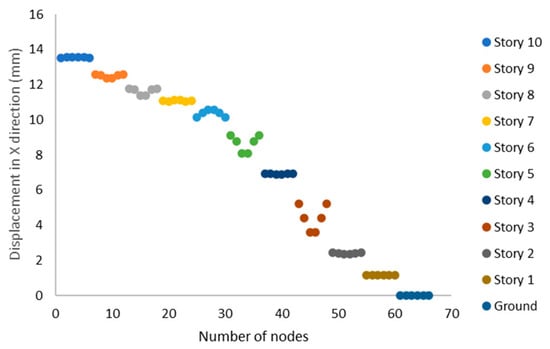
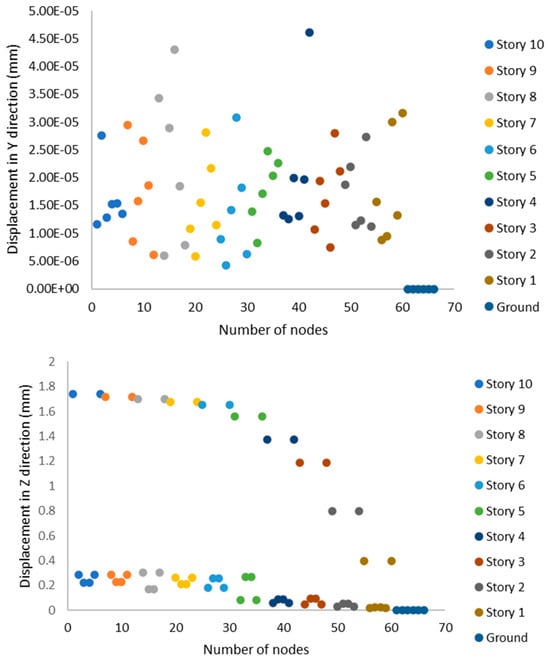
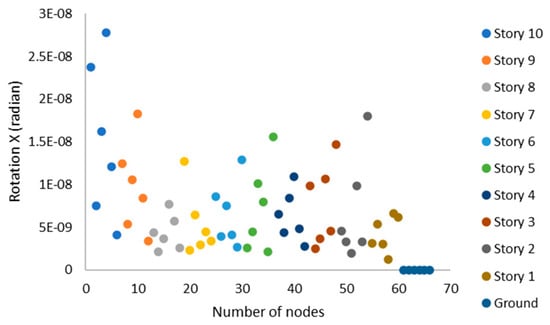
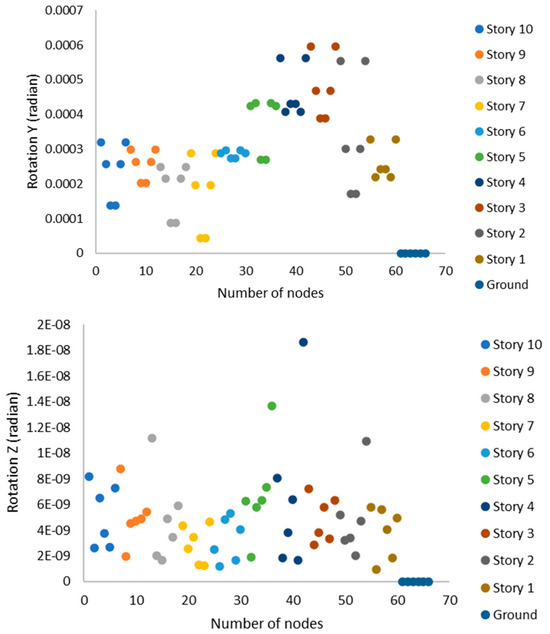
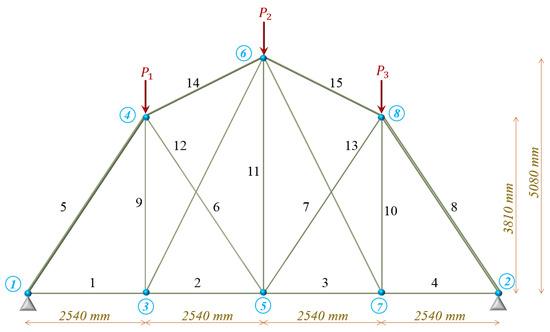
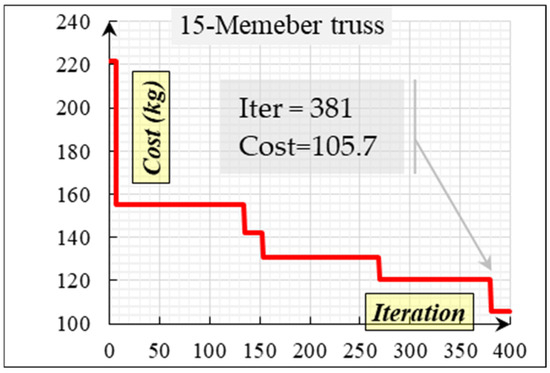
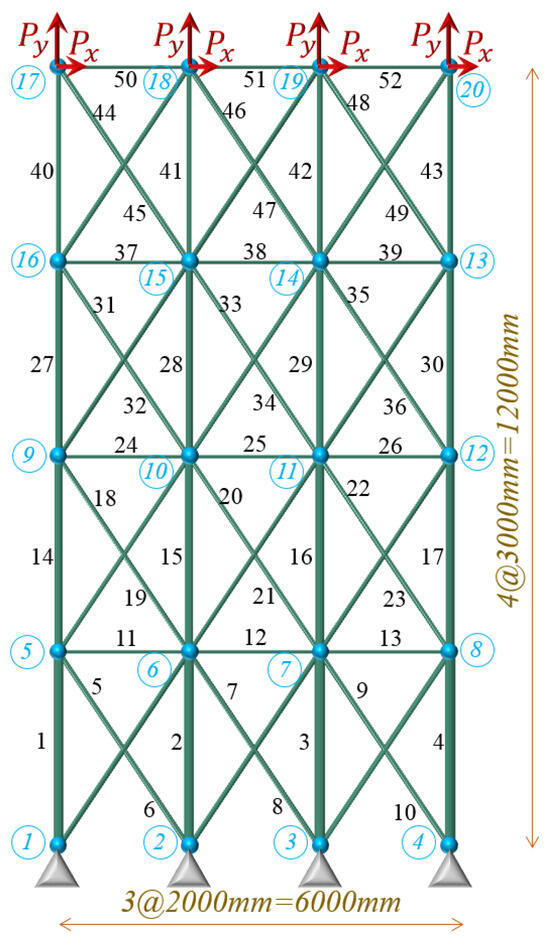
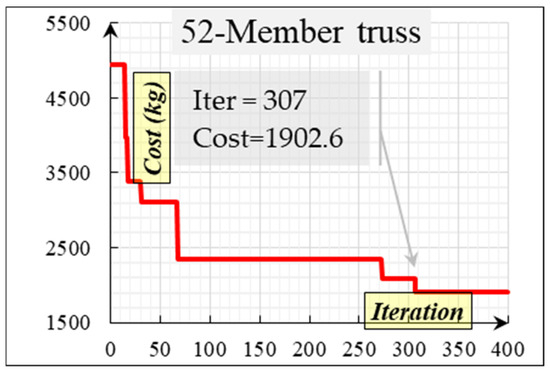
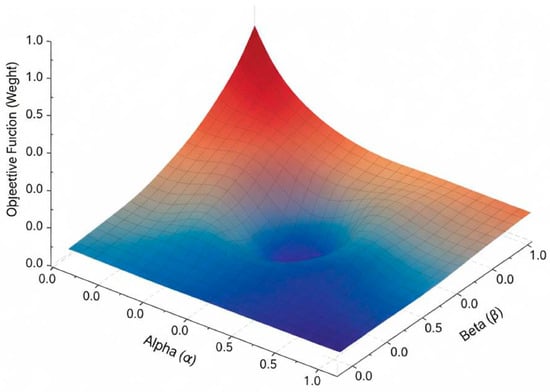
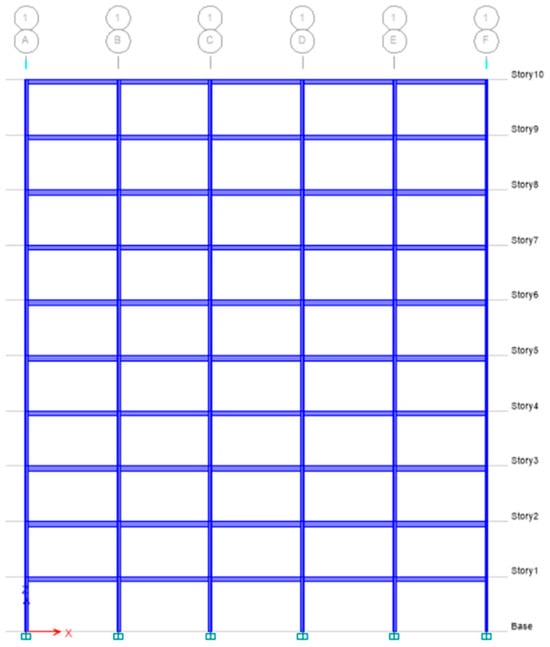
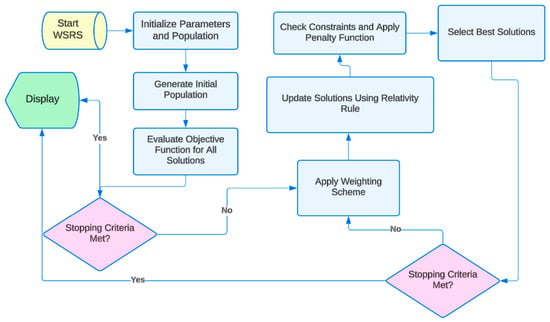
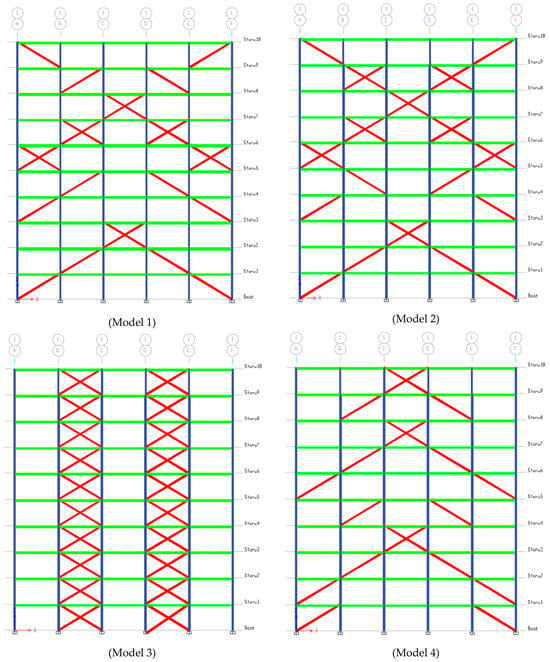
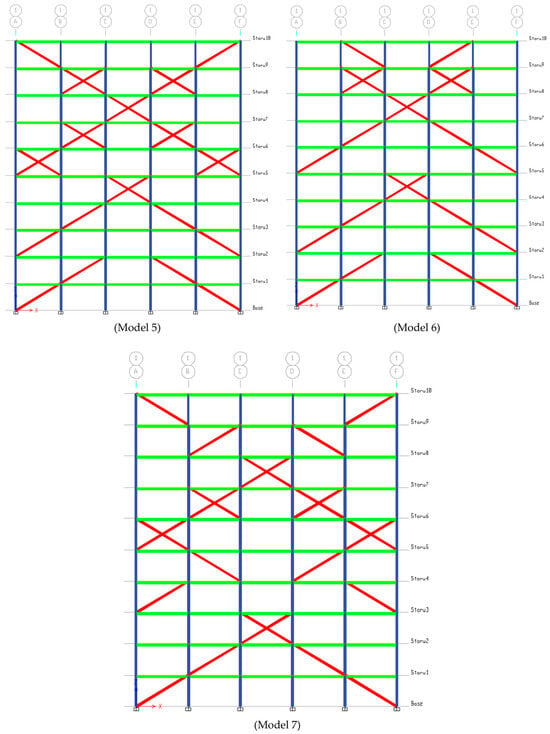
Optimal Placement of Seismic-Resistant Systems in Frame Structures Using Weighted Special Relativity Search Algorithm
Computation 2026, 14(6), 120; https://doi.org/10.3390/computation14060120 (registering DOI) - 23 May 2026
Abstract
Developing seismic-resistant systems for steel frames presents a significant challenge in structural engineering, requiring sophisticated computational methods to achieve effective and precise outcomes. This study focuses on enhancing the Special Relativity Search (SRS) algorithm by redefining the mass (m) parameter, a critical element
[...] Read more.
Developing seismic-resistant systems for steel frames presents a significant challenge in structural engineering, requiring sophisticated computational methods to achieve effective and precise outcomes. This study focuses on enhancing the Special Relativity Search (SRS) algorithm by redefining the mass (m) parameter, a critical element affecting its convergence characteristics. Traditionally, the SRS algorithm treated m as a fixed unit value. However, detailed analysis indicates that dynamically modifying m can substantially improve the algorithm’s ability to solve complex optimization problems. To address this, a novel weighted equation for m is proposed, leading to improved convergence rates and greater accuracy in solutions. The refined Weighted Special Relativity Search (WSRS) algorithm is then applied to optimize the placement of seismic-resistant systems in steel frames. Comparative evaluations demonstrate that the WSRS algorithm outperforms its predecessor, delivering enhanced precision and computational efficiency. This research contributes to the advancement of algorithmic techniques and the optimization of seismic-resistant structural designs.
Full article
(This article belongs to the Section Computational Engineering)
►
Show Figures
Open AccessArticle
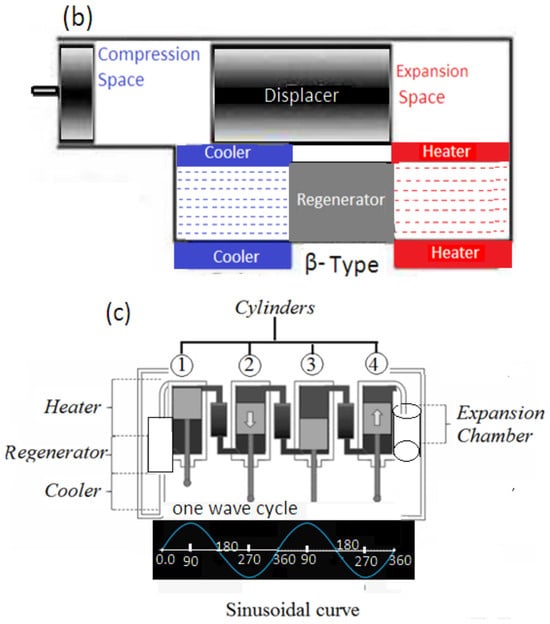
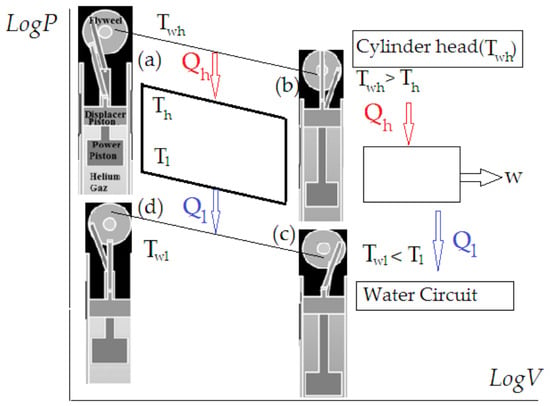
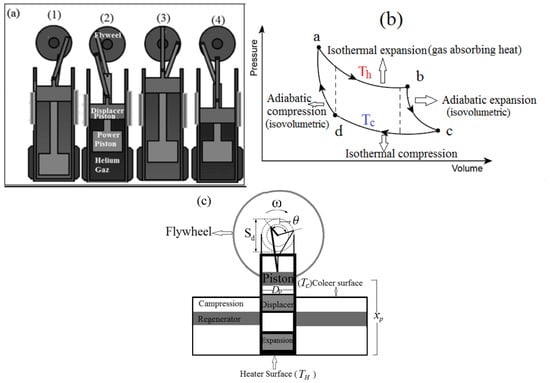
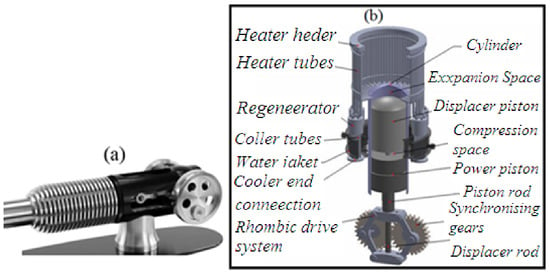
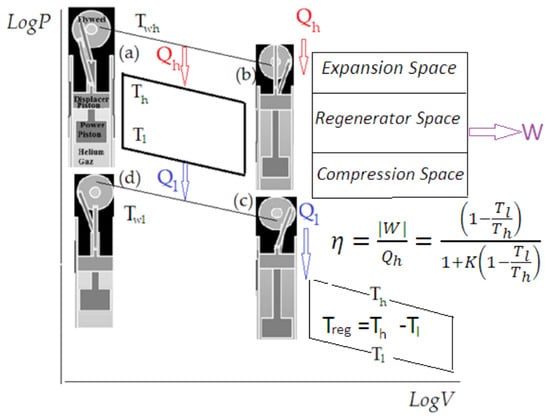
AI-Driven Thermodynamic Evaluation of Beta-Type Stirling Engine Using CFD Simulation and Numerical Calculations
by
Amir H. Shahriari, Majid Monajjemi and Fatemeh Mollaamin
Computation 2026, 14(6), 119; https://doi.org/10.3390/computation14060119 - 22 May 2026
Abstract
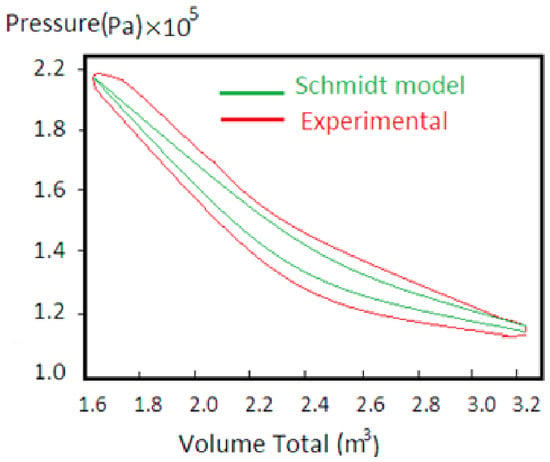
This study presents an AI-assisted thermodynamic and computational fluid dynamics (CFD) evaluation of a β-type Stirling engine to improve its thermal efficiency and indicated power output. The engine performance was investigated using Restricted Dimensions Thermodynamics (RDT), the Schmidt thermodynamic model, and three-dimensional CFD
[...] Read more.
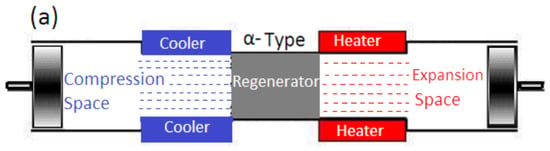
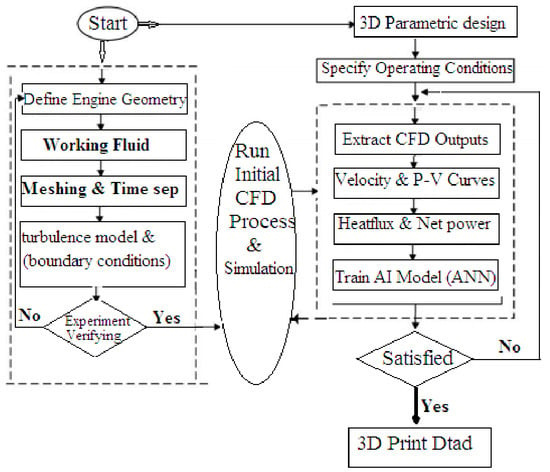
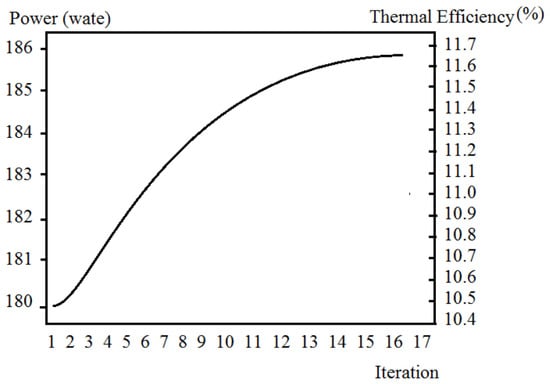
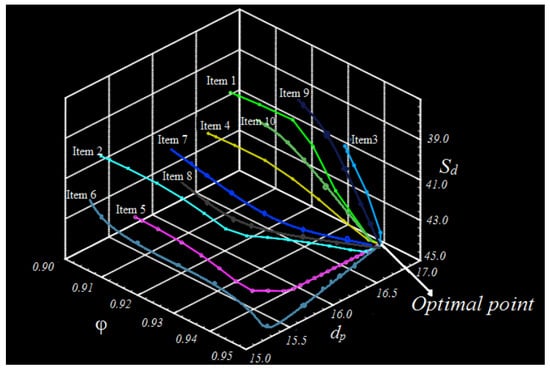
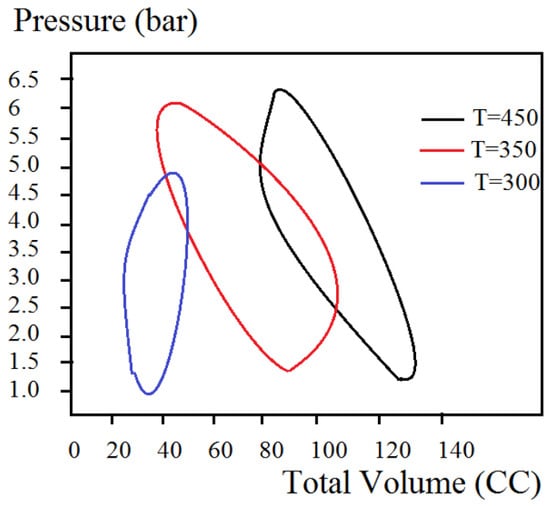
This study presents an AI-assisted thermodynamic and computational fluid dynamics (CFD) evaluation of a β-type Stirling engine to improve its thermal efficiency and indicated power output. The engine performance was investigated using Restricted Dimensions Thermodynamics (RDT), the Schmidt thermodynamic model, and three-dimensional CFD simulations under various operating and geometric conditions. Key parameters including rotational speed, phase angle, piston diameter, displacer stroke, porosity, and charged pressure were systematically analyzed to determine their influence on engine behavior. A feed-forward artificial neural network (ANN) trained using the Levenberg–Marquardt optimization algorithm was integrated with CFD-generated datasets to predict engine performance and accelerate the optimization process. The AI-assisted optimization was coupled with the Variable Step-size Simplified Conjugate Gradient Method (VSCGM) to identify near-optimal operating conditions while reducing computational cost. Simulation results demonstrated that the optimization process improved the indicated power from 180.33 W to 185.44 W and increased thermal efficiency from 10.32% to 11.54%. The results also showed close agreement between predicted and experimental pressure–temperature profiles, confirming the reliability of the proposed methodology. Furthermore, CFD analyses revealed that increasing piston diameter and optimizing porosity enhanced heat transfer and pressure distribution within the engine chambers, resulting in improved thermodynamic performance. The proposed AI-driven framework provides a reliable and computationally efficient approach for the design and optimization of advanced β-type Stirling engines operating under realistic thermal conditions.
Full article
(This article belongs to the Section Computational Engineering)
►▼
Show Figures

Figure 1

Open AccessArticle
Numerical Investigation on Cathode Gas Diffusion Layer with Conical Frustum Grooves for Enhancing Performance of Proton Exchange Membrane Fuel Cell
by
Wei Zuo, Xiongwei Yao, Yimin Li and Qingqing Li
Computation 2026, 14(6), 118; https://doi.org/10.3390/computation14060118 - 22 May 2026
Abstract
To address performance limitations in proton exchange membrane fuel cells (PEMFCs), this work proposes and numerically investigates a cathode gas diffusion layer (GDL) with conical frustum grooves. A systematic comparison is performed across three GDL configurations: a baseline structure without grooves, a design
[...] Read more.
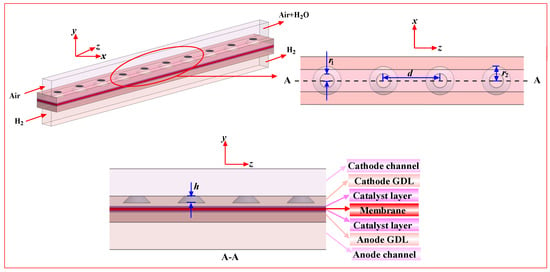
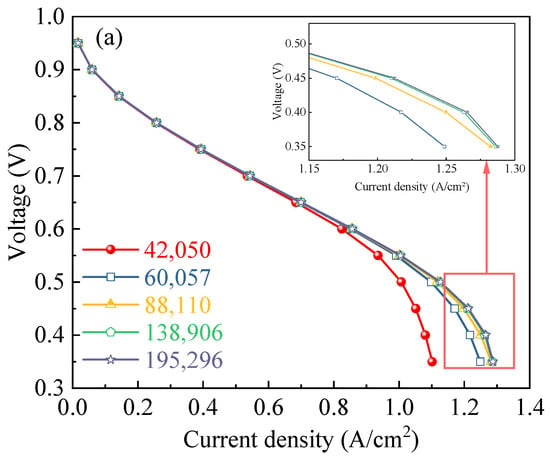
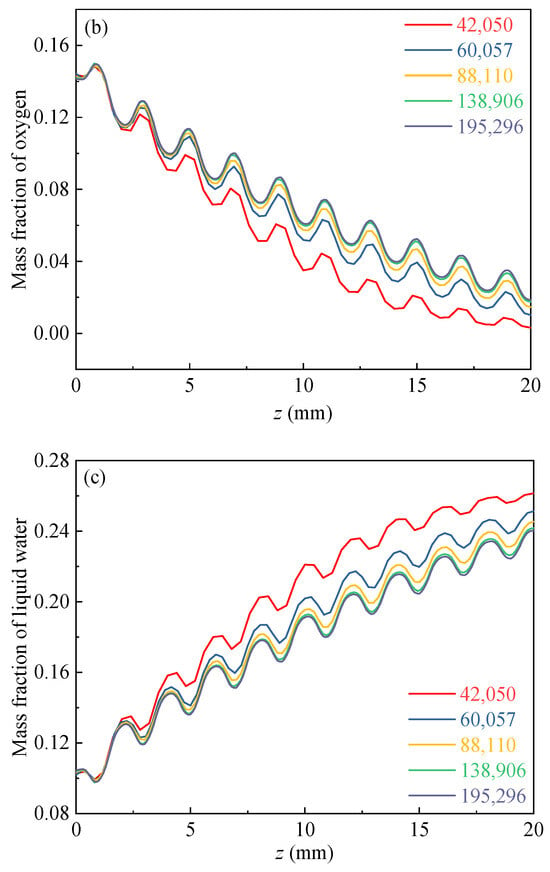
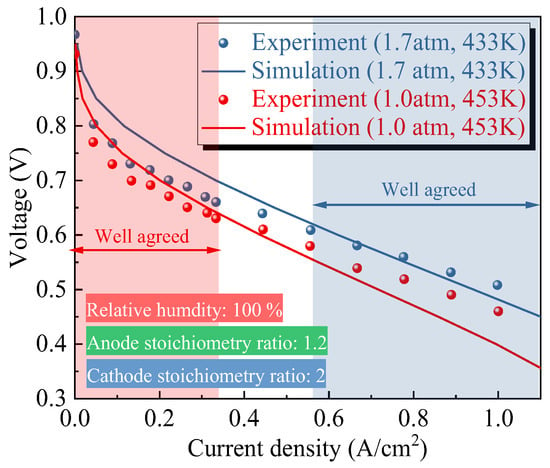
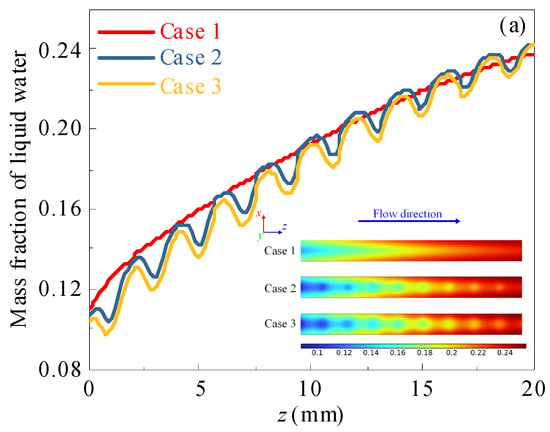
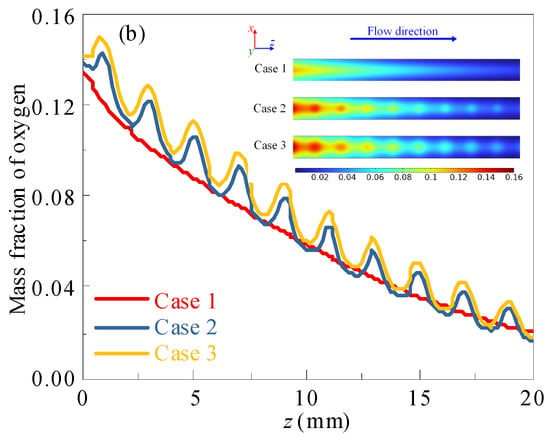
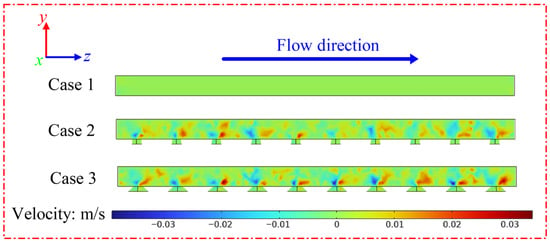
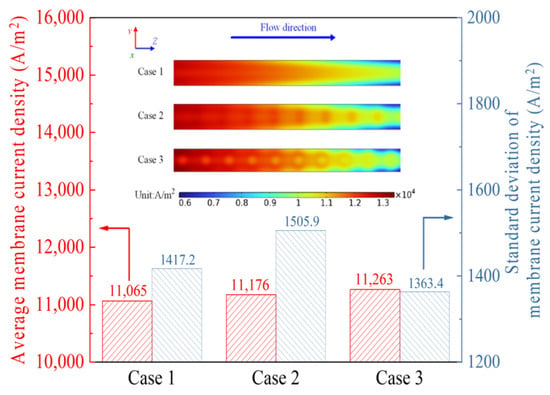
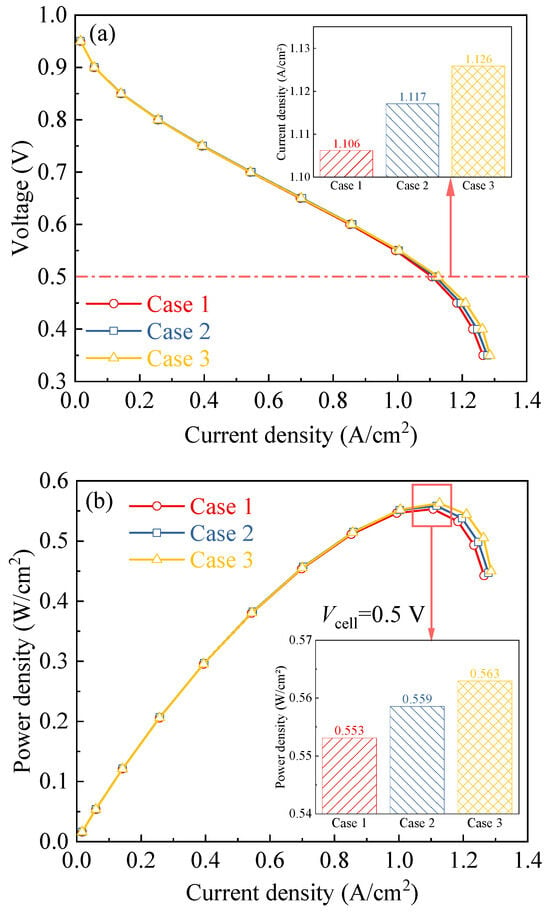
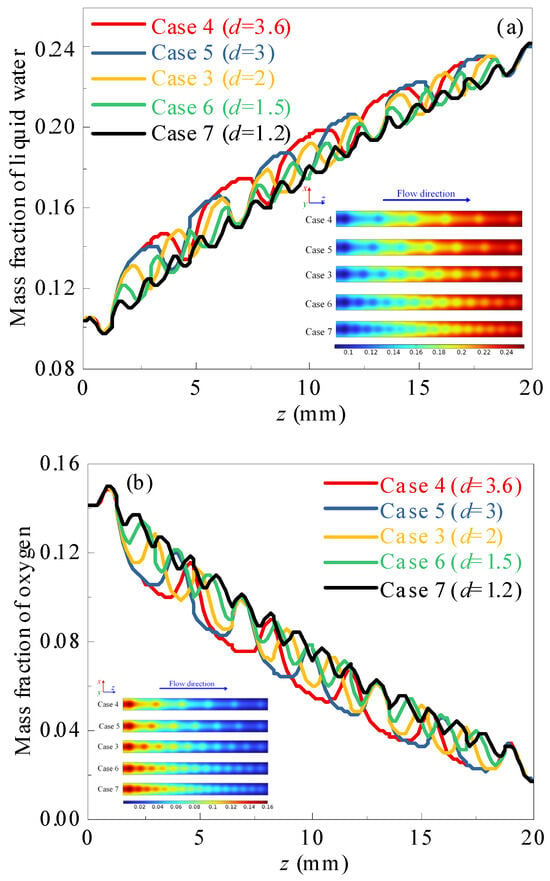
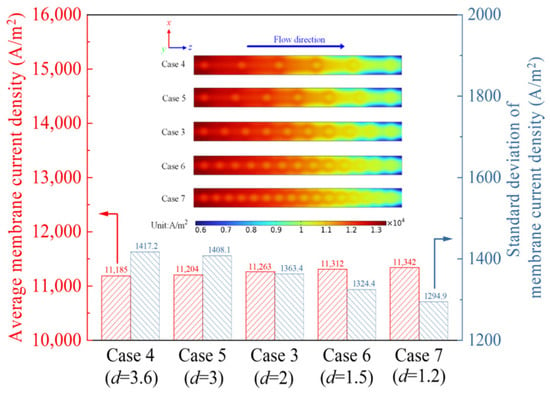
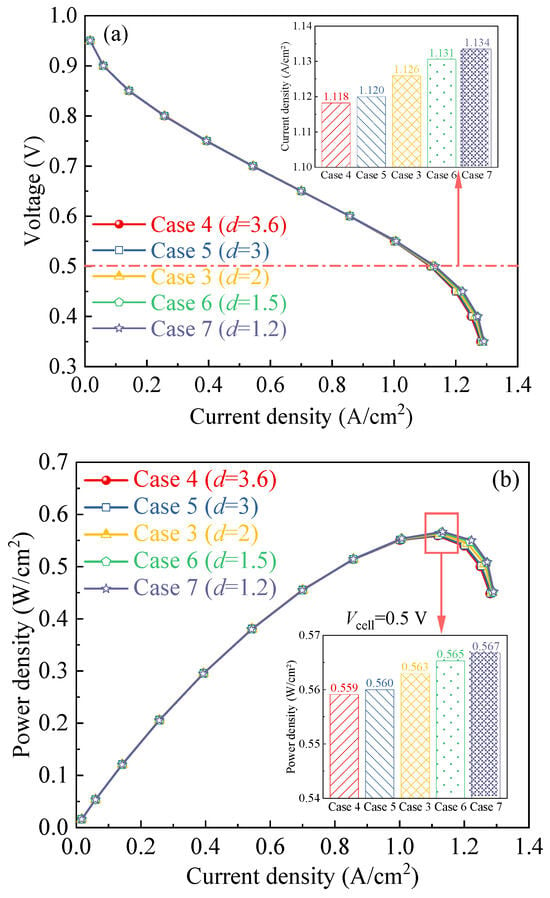
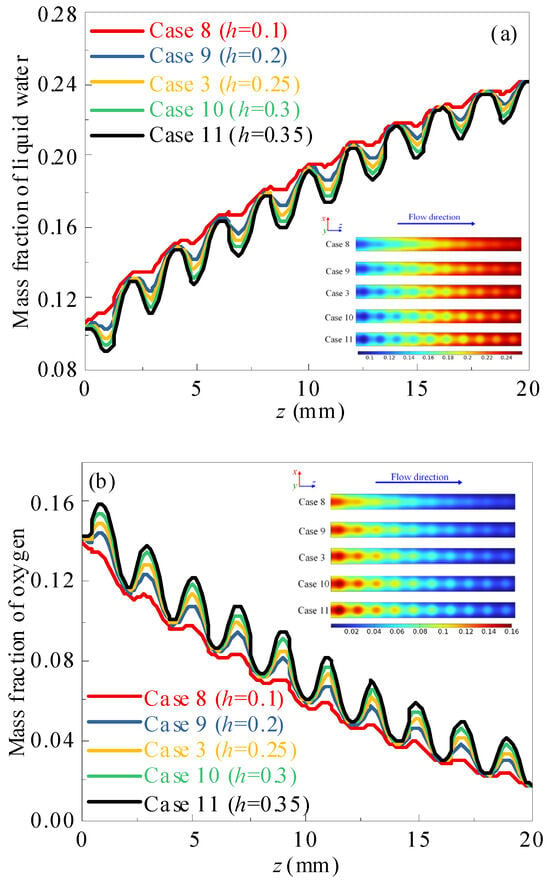
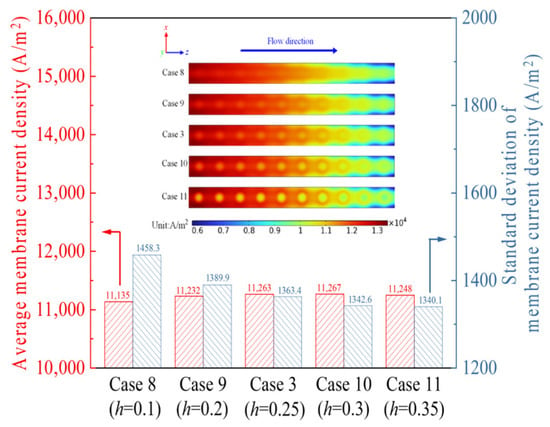
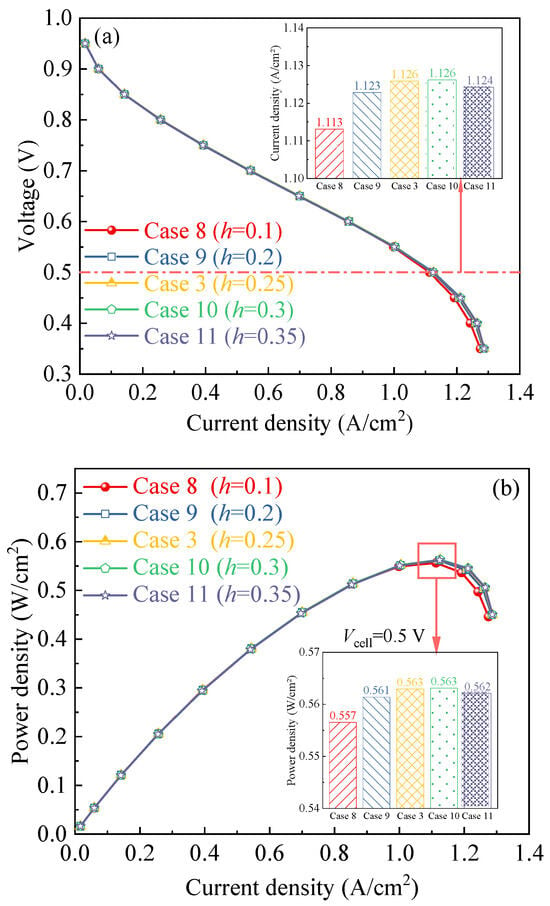
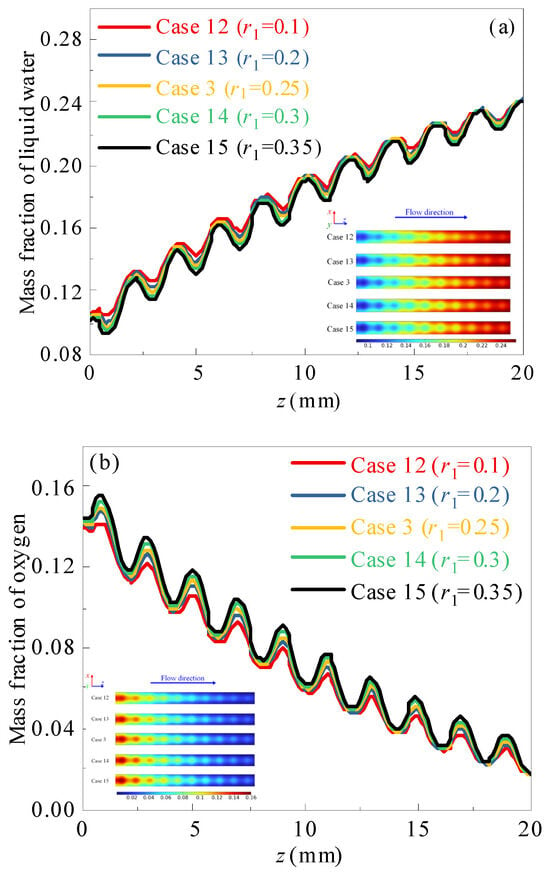
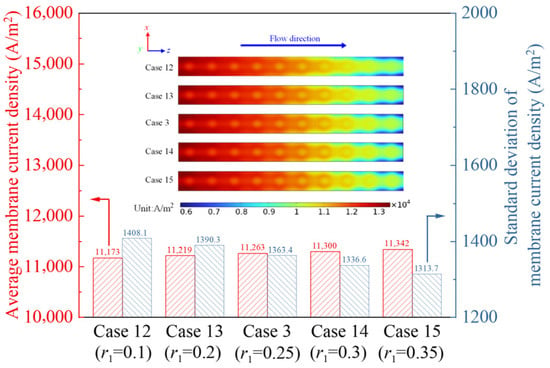
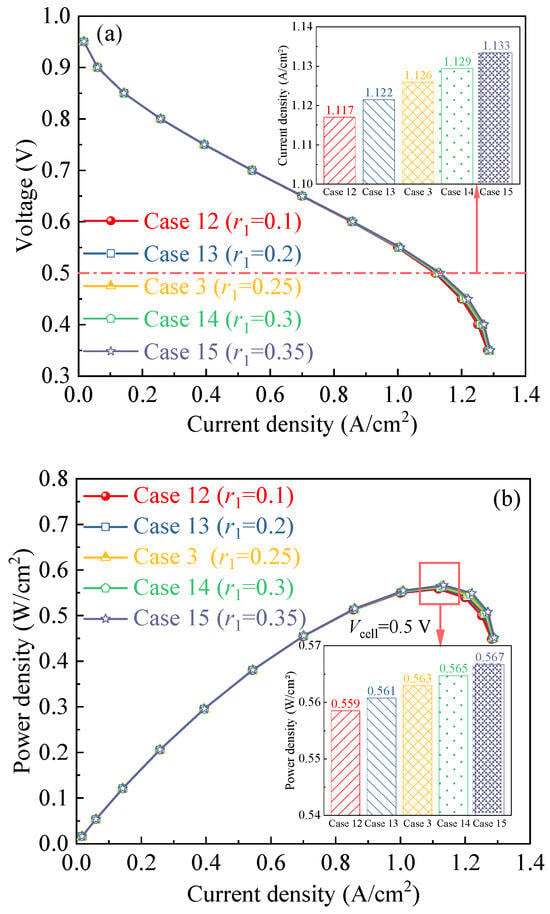
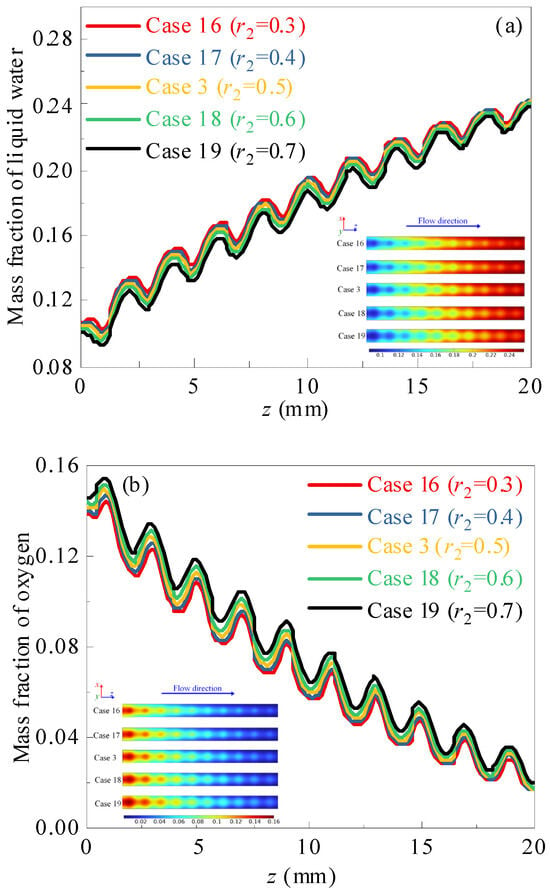
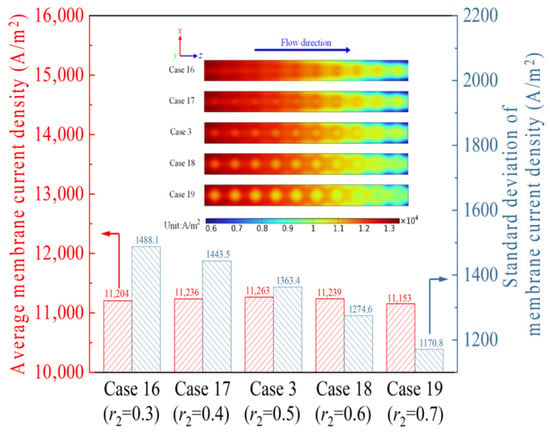
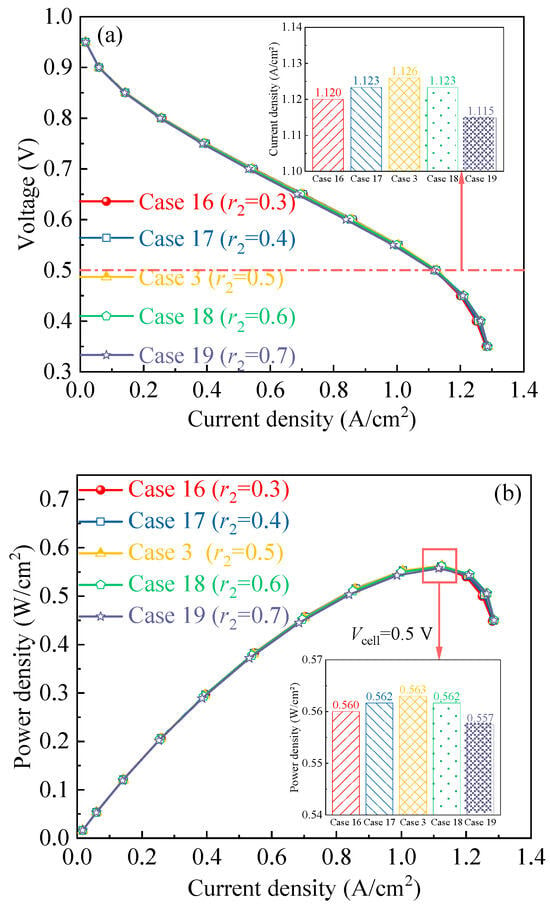
To address performance limitations in proton exchange membrane fuel cells (PEMFCs), this work proposes and numerically investigates a cathode gas diffusion layer (GDL) with conical frustum grooves. A systematic comparison is performed across three GDL configurations: a baseline structure without grooves, a design with cylindrical grooves, and the proposed conical frustum grooves. The results demonstrate that the conical frustum grooves effectively enhance liquid water removal, oxygen mass transport, membrane current density, and peak power density. This improvement arises as the grooves expand transport pathways for both liquid water and oxygen, facilitating more robust electrochemical reactions. A parametric analysis is further conducted to evaluate the effects of groove spacing, depth, top radius, and bottom radius. Reduced groove spacing, together with increased groove depth, top radius, and bottom radius, consistently improves water management and oxygen delivery. However, membrane current density and power density do not vary monotonically with groove depth and bottom radius. The optimal values for these two parameters are identified as 0.3 mm and 0.5 mm, respectively.
Full article
(This article belongs to the Special Issue Computational Modelling of Transport Phenomena in Advanced Energy Systems)
►▼
Show Figures

Figure 1
Open AccessArticle
A State-Space Agent-Based Model for Infectious Disease Spread
by
Durward A. Cator, Martial L. Ndeffo-Mbah and Ulisses M. Braga-Neto
Computation 2026, 14(6), 117; https://doi.org/10.3390/computation14060117 - 22 May 2026
Abstract
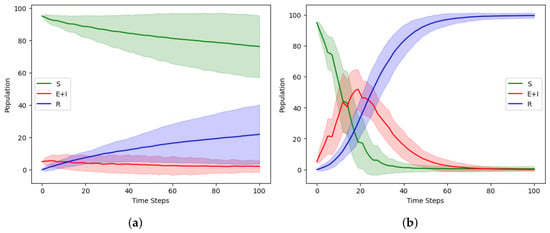
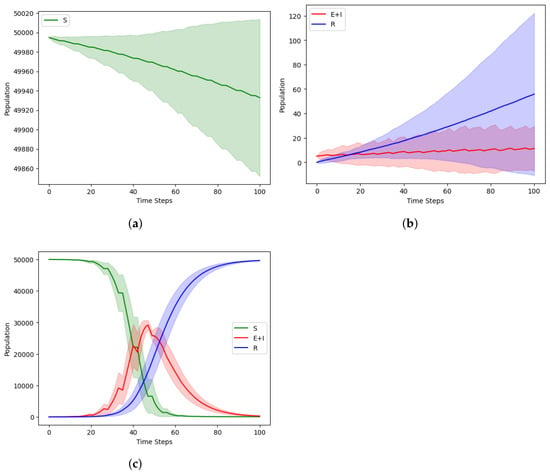
We present a novel framework for epidemiological disease spread modeling that combines agent-based simulation with Boolean state-space representations and optimal filtering for state estimation under noisy observations. Our approach models individual agents in discrete Susceptible-Exposed-Infected-Recovered (SEIR) states using a compact 2-bit Boolean representation,
[...] Read more.
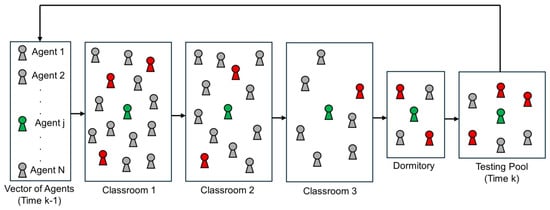
We present a novel framework for epidemiological disease spread modeling that combines agent-based simulation with Boolean state-space representations and optimal filtering for state estimation under noisy observations. Our approach models individual agents in discrete Susceptible-Exposed-Infected-Recovered (SEIR) states using a compact 2-bit Boolean representation, with agent interactions governed by scheduled contact patterns. To address the challenge of inferring latent infection states from limited and noisy testing data, we develop two complementary inference approaches: (1) a Boolean Kalman particle filter for small populations that tracks the full joint distribution over agent states, and (2) a mean-field approximation for large populations that factorizes the posterior into independent marginal distributions, enabling scalability to realistic population sizes. Unlike continuous-state Kalman filters, our methods naturally handle the discrete nature of epidemiological states while accommodating realistic observation models where only a subset of agents are tested at each time step, with test results subject to false positive and false negative errors. We demonstrate that this framework enables accurate reconstruction of population-level infection dynamics and individual agent states from sparse, noisy observations across populations from 100 to 50,000 agents, providing a computationally tractable approach for real-time epidemic monitoring.
Full article
(This article belongs to the Section Computational Social Science)
►▼
Show Figures

Figure 1

Open AccessArticle
Model Formulation of an Urban Canopy Model by Means of Detailed CFD Simulation
by
Michael Vögtle, Rainer Stauch and Hermann Knaus
Computation 2026, 14(5), 116; https://doi.org/10.3390/computation14050116 - 21 May 2026
Abstract
Urban areas significantly influence atmospheric flow fields and momentum exchange processes, which are relevant for wind energy applications and meso-scale atmospheric modeling. However, meso-scale simulations typically represent urban effects using surface roughness parameterizations that neglect volumetric momentum losses within the urban canopy layer.
[...] Read more.
Urban areas significantly influence atmospheric flow fields and momentum exchange processes, which are relevant for wind energy applications and meso-scale atmospheric modeling. However, meso-scale simulations typically represent urban effects using surface roughness parameterizations that neglect volumetric momentum losses within the urban canopy layer. In this study, a methodology is presented to derive a volumetric urban canopy parameterization directly from building-resolved computational fluid dynamics (CFD) simulations. A detailed micro-scale CFD simulation of a real urban region is used to evaluate the momentum balance within a control volume surrounding the urban region. Based on this analysis, two key parameters are derived: the vertical distribution of the House Area Density (HAD), representing the geometric characteristics of the urban morphology, and an effective drag coefficient describing the momentum loss induced by the built environment. These parameters are subsequently implemented as volumetric source terms in a urban canopy model formulated analogously to plant canopy parameterizations. The resulting urban canopy model is validated by comparison with the fully resolved CFD simulation. The results show good agreement in the streamwise momentum balance and pressure loss distribution, while computational cost is significantly reduced. The proposed urban canopy model provides a physically consistent framework for representing urban momentum sinks in meso-scale flow simulations.
Full article
(This article belongs to the Special Issue Computational Heat and Mass Transfer (ICCHMT 2025))
Open AccessArticle
Quantifying Domain-Specific Risk Signals in Lung Cancer Severity Prediction: A Multi-Domain Ablation Study Using XGBoost and SHAP
by
Sidra Ishfaq, Muhammad Abdullah Khan, Ghulam Mustafa, Muhammad Tanvir Afzal, Isabel De la Torre Díez, Mirtha Silvana Garat de Marin and Eduardo Silva Alvarado
Computation 2026, 14(5), 115; https://doi.org/10.3390/computation14050115 - 20 May 2026
Abstract
Predictive modeling for lung cancer severity often struggles with the high dimensionality and multi-domain nature of risk factors. While individual contributors like smoking are well-documented, the relative predictive weight of lifestyle, environmental, and genetic domains remains insufficiently quantified in integrated frameworks. This study
[...] Read more.
Predictive modeling for lung cancer severity often struggles with the high dimensionality and multi-domain nature of risk factors. While individual contributors like smoking are well-documented, the relative predictive weight of lifestyle, environmental, and genetic domains remains insufficiently quantified in integrated frameworks. This study proposes an explainable machine learning approach using an XGBoost classifier to evaluate these three distinct risk domains. Utilizing the UCI Machine Learning Repository Lung Cancer Dataset, we implemented a domain-wise ablation study to isolate the predictive signal of each factor group. To ensure scientific rigor and address the “black box” nature of ensemble models, we employed 5-fold stratified cross-validation and SHAP (Shapley Additive Explanations) for feature-level transparency. Our results demonstrate that the integrated model achieves a classification accuracy of 95.7% (AUC-ROC = 0.98) on this dataset. Notably, ablation analysis revealed that the Lifestyle domain retained the highest standalone predictive performance (92.9%), followed by the Genetic/Clinical domain (94.6%), while the Environmental domain showed a more pronounced performance drop (73.3%), suggesting differential information density across risk categories. SHAP analysis identified cumulative smoking exposure as the primary feature influencing model predictions within this dataset. This study presents a proof-of-concept interpretable framework for lung cancer risk stratification, demonstrating that domain-wise ablation combined with explainable AI can provide transparent, feature-level insight to support rather than replace clinical judgment in settings where comprehensive diagnostic testing may be limited.
Full article
(This article belongs to the Section Computational Engineering)
Open AccessArticle
Digital Attention as a Market Salience Indicator: Predicting Fintech Market Performance with Computational Models
by
Vasilina K. Tsimpouka, Nikolaos T. Giannakopoulos and Damianos P. Sakas
Computation 2026, 14(5), 114; https://doi.org/10.3390/computation14050114 - 18 May 2026
Abstract
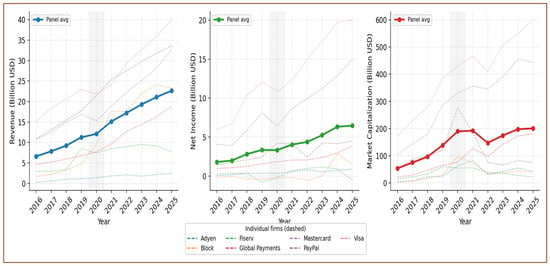
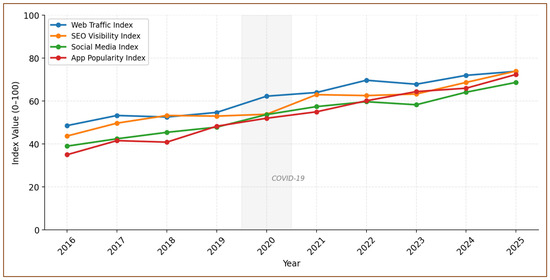
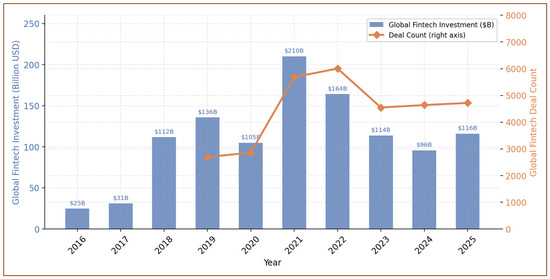
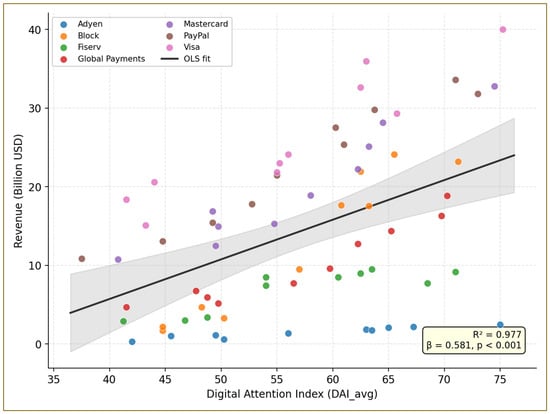
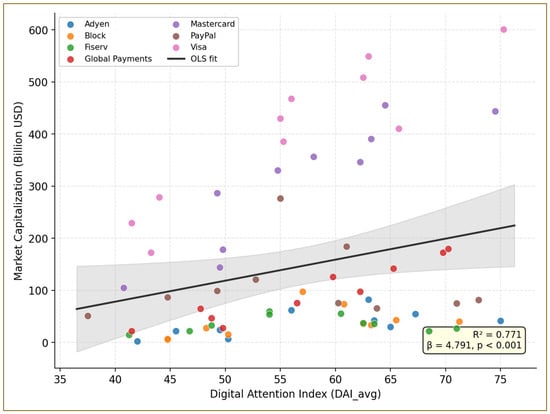
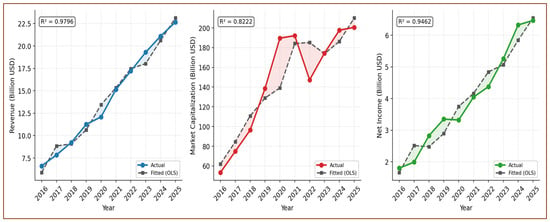
This study examines whether digital attention can serve as an engagement-based digital attention signal for fintech market performance. Using a revised panel of 70 firm-year observations from seven publicly verifiable fintech and payments firms over 2016–2025, the analysis combines financial outcomes, sector investment
[...] Read more.
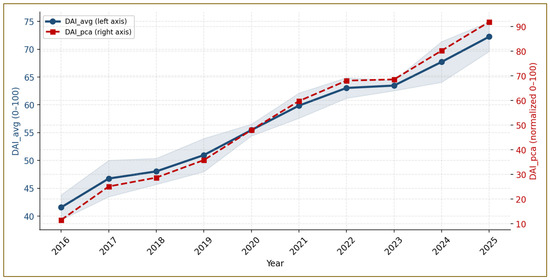
This study examines whether digital attention can serve as an engagement-based digital attention signal for fintech market performance. Using a revised panel of 70 firm-year observations from seven publicly verifiable fintech and payments firms over 2016–2025, the analysis combines financial outcomes, sector investment indicators, and digital variables related to web traffic, SEO visibility, social media presence, and app popularity. A Digital Attention Index (DAI) was constructed through arithmetic averaging and principal component analysis, with the first component explaining 82.39% of the digital-indicator variance. Fixed Effects models show that the DAI is positively and significantly associated with revenue, market capitalization, and net income, while sector investment is generally weak or insignificant. Out-of-sample validation confirms that panel Fixed Effects specifications outperform pooled OLS, Ridge, and Random Forest models. App popularity is the strongest standalone predictor for revenue and net income, while social media performs best for market capitalization. However, first-difference models weaken most relationships, and Granger tests indicate bidirectional temporal ordering, with financial performance often preceding digital attention. Overall, the findings support the DAI as a useful computational signal of fintech performance, while emphasizing that predictive and causal claims require cautious interpretation.
Full article
(This article belongs to the Special Issue Sentiment-Driven Modelling in Business, Economics, and Social Sciences)
►▼
Show Figures

Figure 1
Open AccessArticle
Nonlinear Vibration of Temperature-Dependent FGM Beams with Symmetric and Asymmetric Boundary Conditions via the Generalized Differential Quadrature Method
by
Malik K. Altaee, Azhar G. Hamad, Thamer H. Alhussein, Yousef S. Al Rjoub, Nasser Firouzi and Przemysław Podulka
Computation 2026, 14(5), 113; https://doi.org/10.3390/computation14050113 - 18 May 2026
Abstract
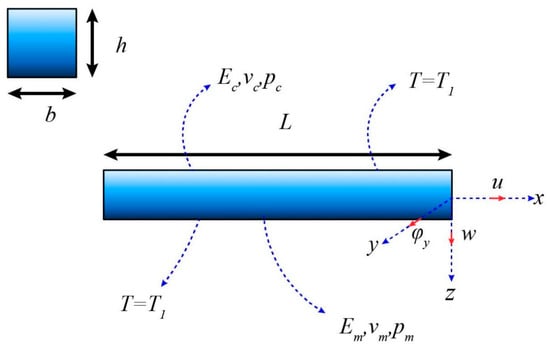
Functionally graded (FG) materials can deliver greater mechanical performance compared to pure isotropic and composite materials. Temperature has a significant effect on structural performance, as it can substantially reduce the stiffness parameter and induce thermal stresses in fully restrained structures. This study investigates
[...] Read more.
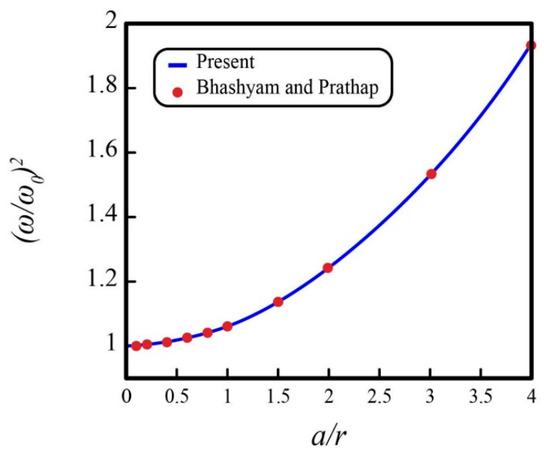
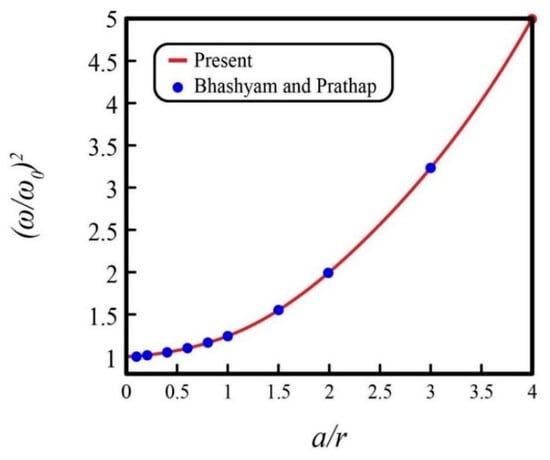
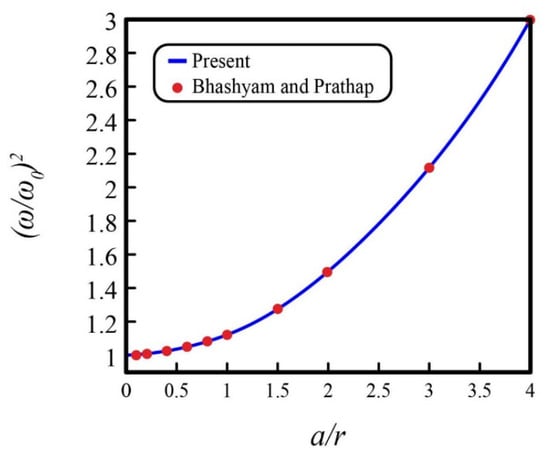
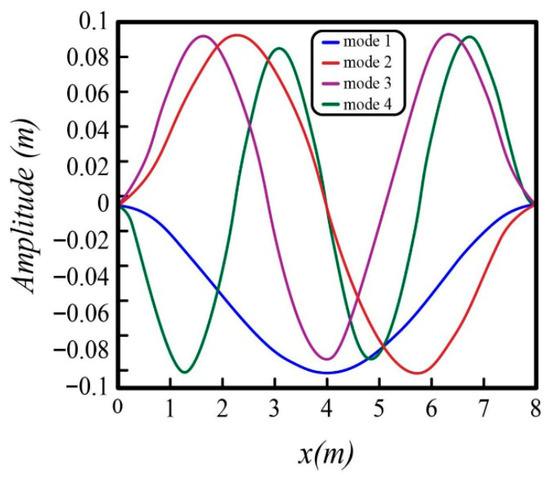
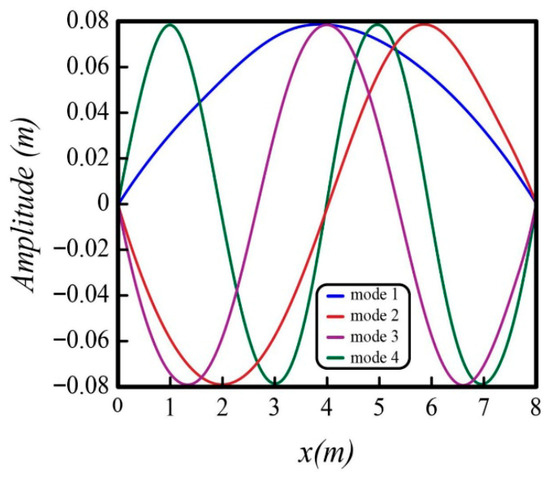
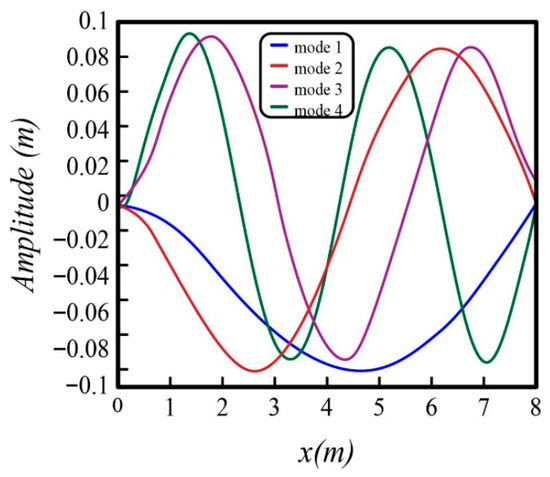
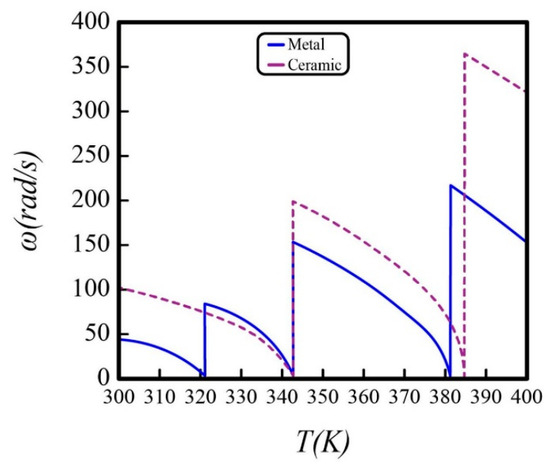
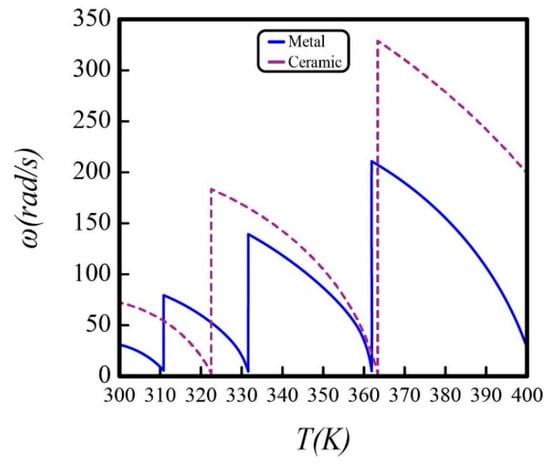
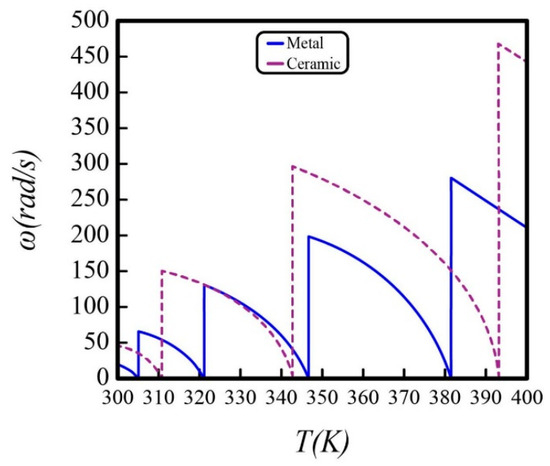
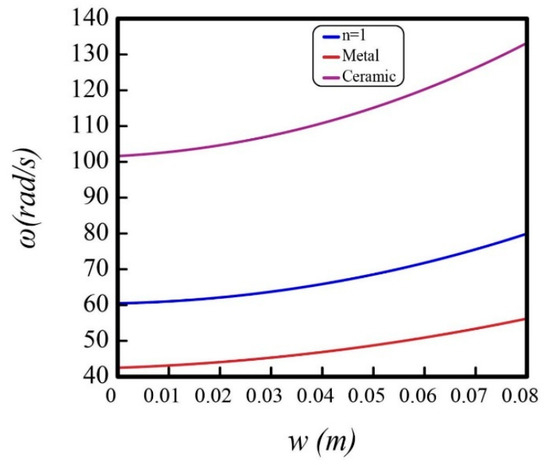
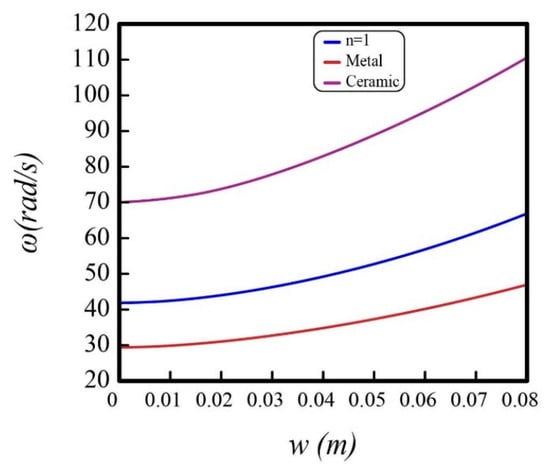
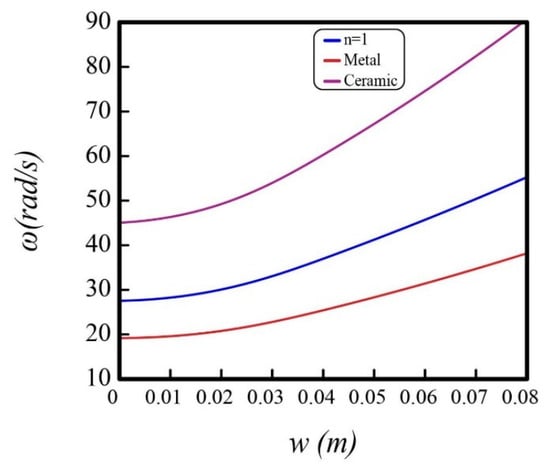
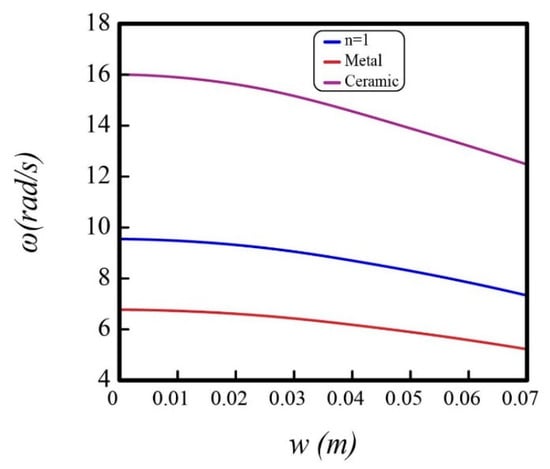
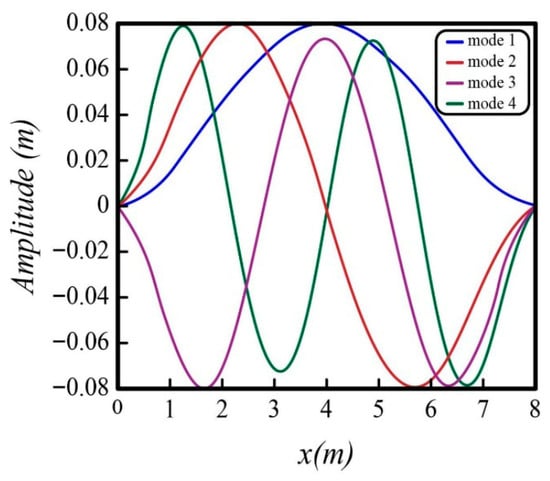
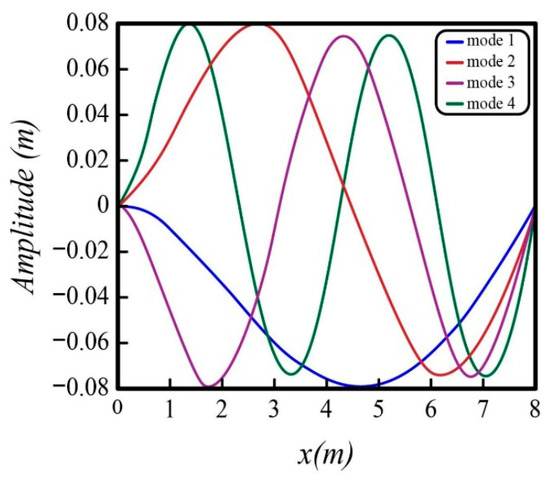
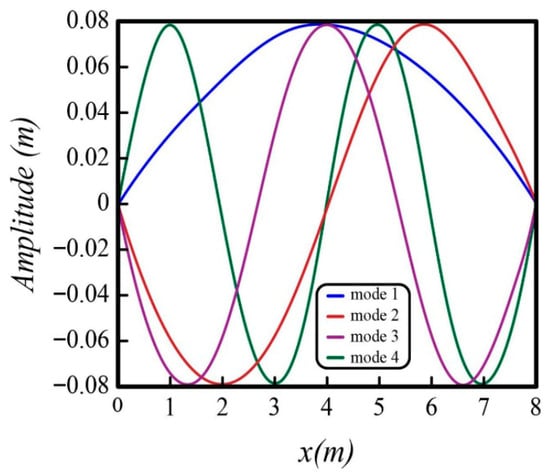
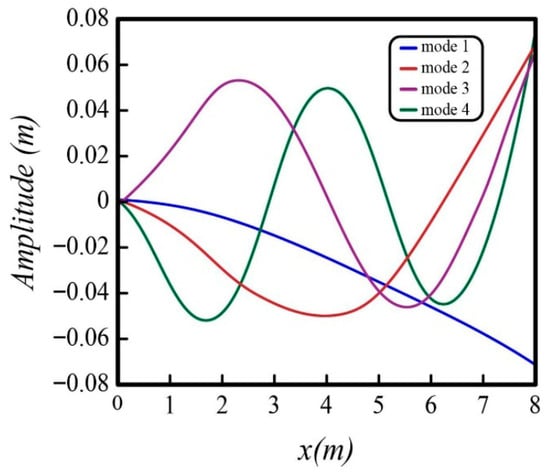
Functionally graded (FG) materials can deliver greater mechanical performance compared to pure isotropic and composite materials. Temperature has a significant effect on structural performance, as it can substantially reduce the stiffness parameter and induce thermal stresses in fully restrained structures. This study investigates the nonlinear free vibration of functionally graded beams under a thermal environment. First, the nonlinear formulation of a Timoshenko beam using von Kármán nonlinear strain theory is derived. Then, the effect of temperature is applied. Finally, using the generalized quadrature method, which is a mesh-free method, the nonlinear vibration of the FG beam with different boundary conditions is analyzed. To the best of the authors’ knowledge, this study distinctively contributes to the existing literature by providing a rigorous integration of the GDQM with strongly nonlinear thermal vibration of FG beams, highlighting the lack of purely mesh-free treatments incorporating such coupled physics. The results show that increasing the temperature can lead to an instability phenomenon. Specifically, temperature increments cause a thermally induced mode change, profoundly altering the dynamic response. The conducted parametric study indicates that increasing the gradient index n enhances the nonlinear vibration behavior of FG beams.
Full article
(This article belongs to the Special Issue Nonlinear System Modelling and Control—2nd Edition)
►▼
Show Figures

Figure 1

Open AccessArticle
Design and Evaluation of a Compact VGG-Inspired CNN for Keyword Spotting in Resource-Constrained TinyML Systems
by
Wilson Gustavo Chango, Mayra Barrera, Daniel Maldonado-Ruiz, Julio Balarezo, Marcelo V. Garcia and Geovanny Silva
Computation 2026, 14(5), 112; https://doi.org/10.3390/computation14050112 - 13 May 2026
Abstract
This paper investigates the design and evaluation of compact convolutional neural networks (CNNs) for keyword spotting (KWS) and acoustic event detection under the stringent constraints of the TinyML paradigm. The research expands upon traditional binary classification approaches by addressing a multi-class acoustic scenario
[...] Read more.
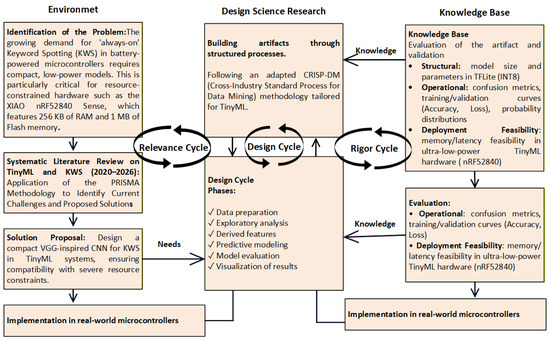
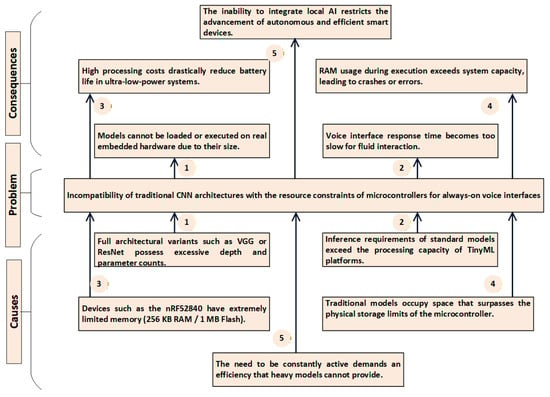
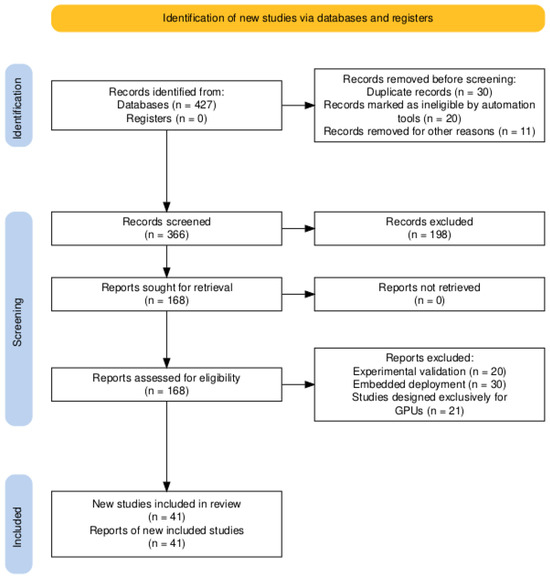
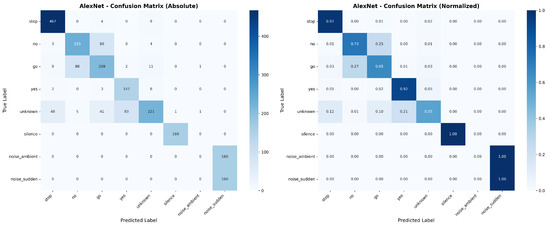
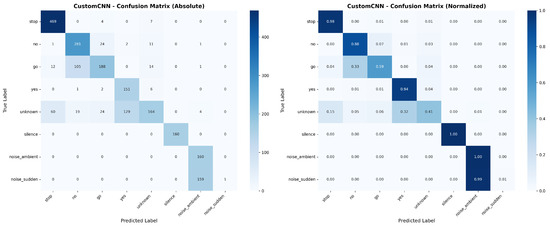
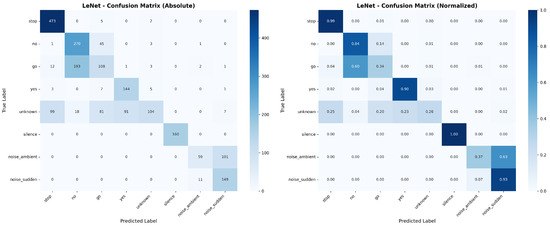
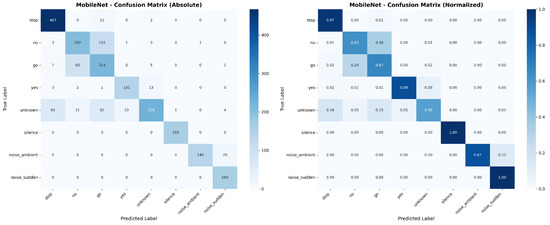
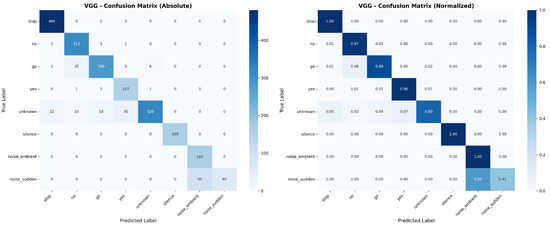
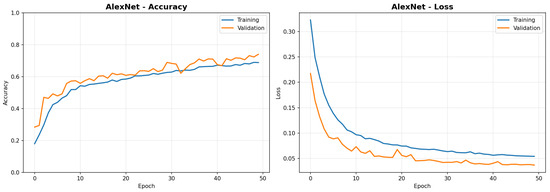
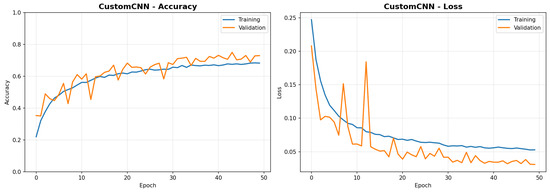
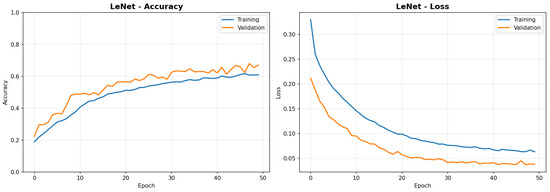
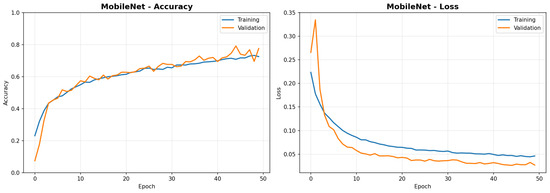
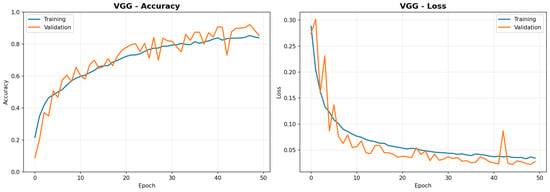
This paper investigates the design and evaluation of compact convolutional neural networks (CNNs) for keyword spotting (KWS) and acoustic event detection under the stringent constraints of the TinyML paradigm. The research expands upon traditional binary classification approaches by addressing a multi-class acoustic scenario encompassing eight distinct categories: stop, no, go, yes, unknown, silence, noise_ambient, and noise_sudden. The primary objective is to evaluate the feasibility of deploying reliable acoustic detection systems on ultra-low-power microcontrollers for edge computing applications. To this end, five lightweight architectures were developed and benchmarked: AlexNet-Tiny, LeNet-Tiny, MobileNet-Tiny, VGG-Tiny, and CustomCNN-Tiny. The models were trained using Mel-spectrogram features and optimized through INT8 post-training quantization to facilitate embedded deployment. Hardware simulation was conducted targeting the XIAO nRF52840 Sense microcontroller (64 MHz, 256 KB RAM). Experimental results demonstrate that the Gold VGG-Tiny architecture achieves the highest classification accuracy ( ), while Silver MobileNet-Tiny provides the superior operational efficiency with the lowest inference latency ( ms) and minimal energy consumption ( µJ). Furthermore, the Bronze CustomCNN-Tiny model achieves the most reduced memory footprint ( KB), highlighting its suitability for memory-constrained environments. Statistical validation using Cohen’s Kappa, Matthews Correlation Coefficient (MCC), and Area Under the Curve (AUC) confirms the robustness and reliability of the proposed models. The potential application of this system is motivated by acoustic monitoring for the early detection of high-risk situations, such as gender-based violence. Future work will focus on on-device physical validation and real-world deployment in wearable safety electronics.
Full article
(This article belongs to the Section Computational Engineering)
►▼
Show Figures

Graphical abstract
Open AccessArticle
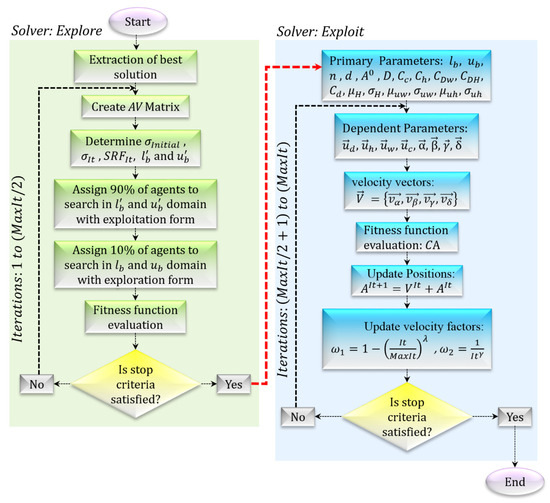
Actiniaria Optimization Algorithm and Its Application in Solving Structural Problems
by
Peyman Faraji, Hossein Parvini Sani and Asghar Rasouli
Computation 2026, 14(5), 111; https://doi.org/10.3390/computation14050111 - 13 May 2026
Abstract
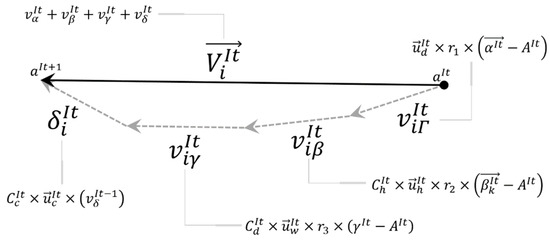
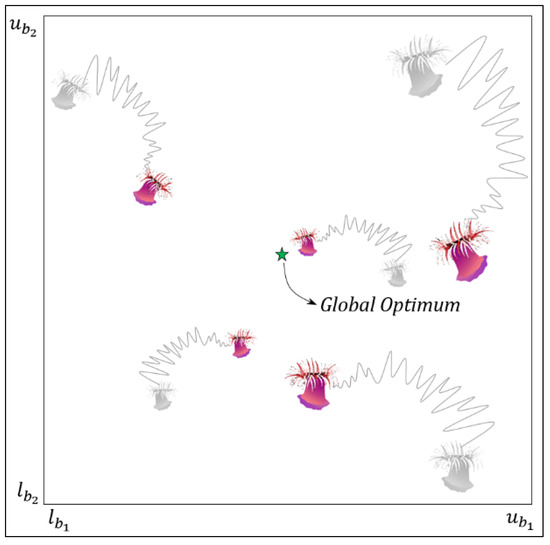
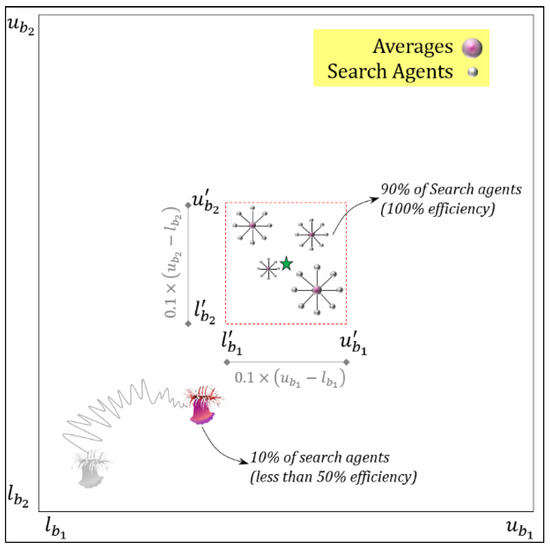
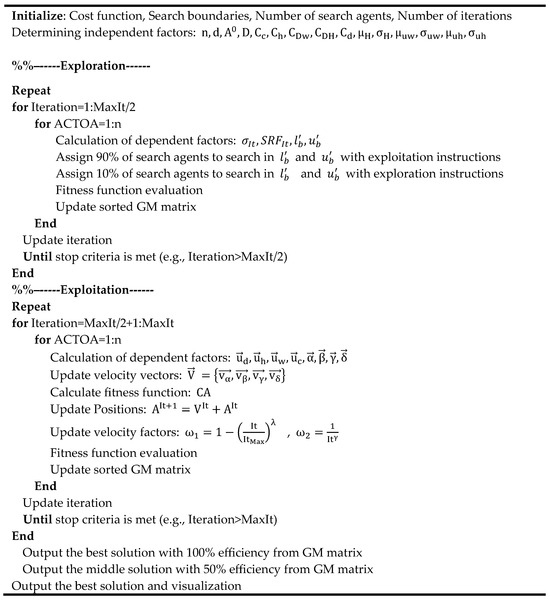
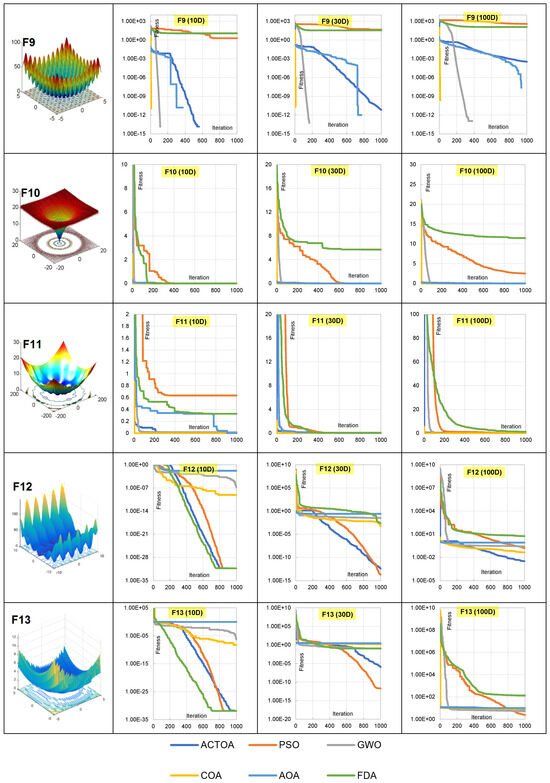
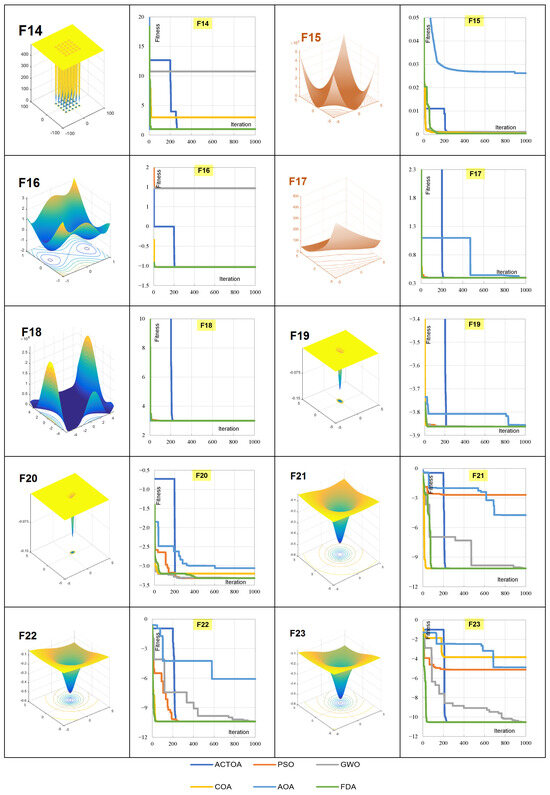
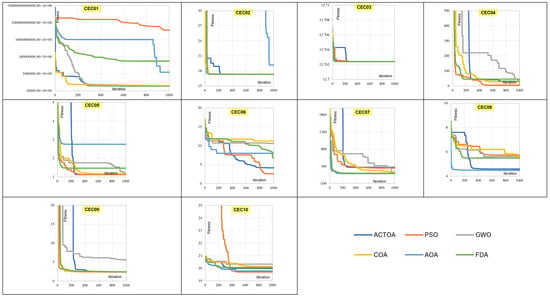
Nature-inspired optimization algorithms (NIOAs) have attracted enormous attention thanks to their great capabilities in solving complex problems. This paper presents the novel Actiniaria optimization algorithm (ACTOA), inspired by the behavior and biological characteristics of Actiniaria (sea anemones). Actiniaria are known to have unique
[...] Read more.
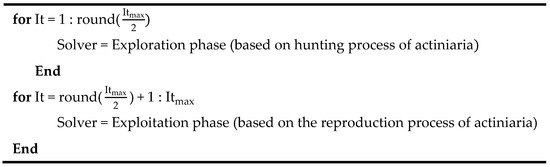
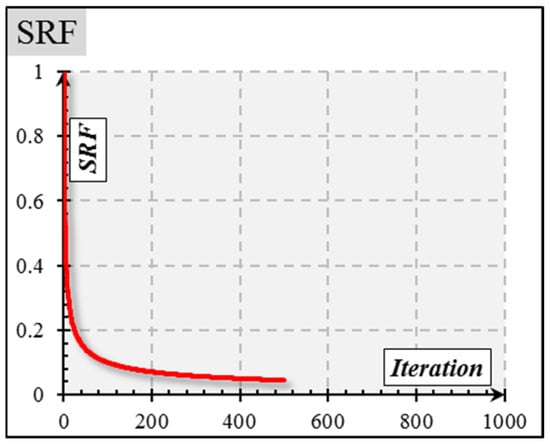
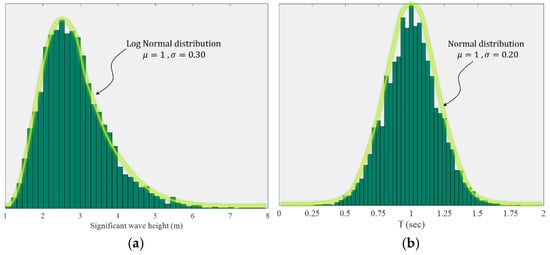
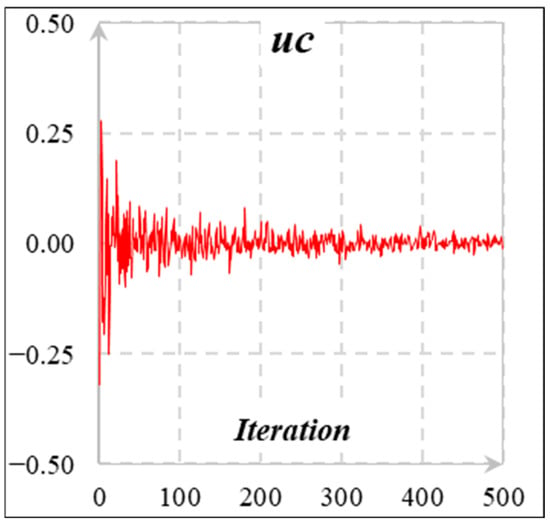
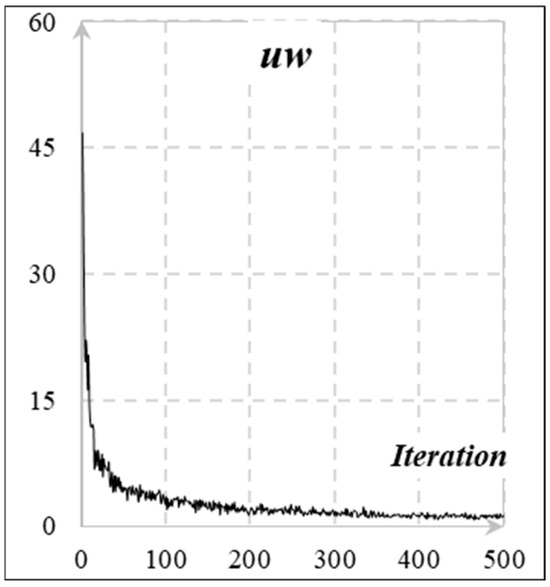
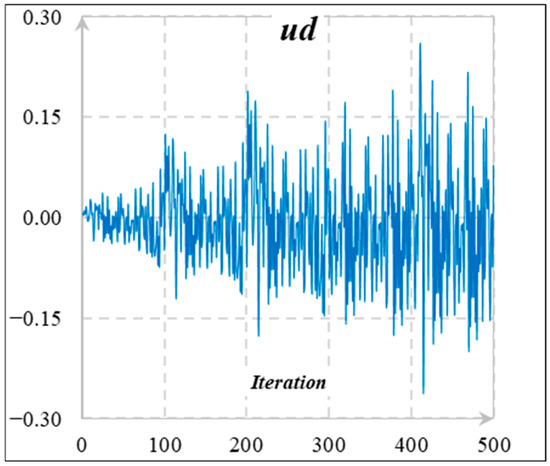
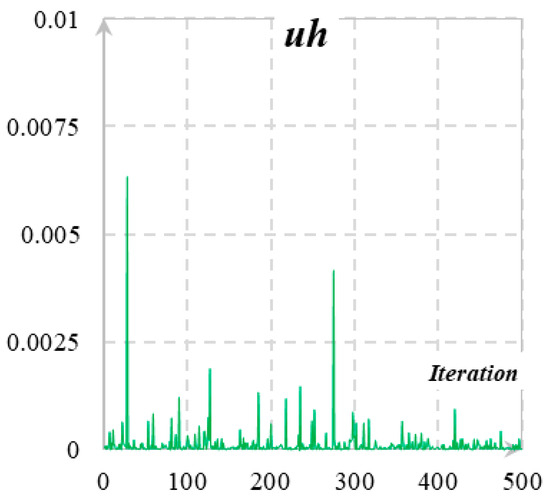
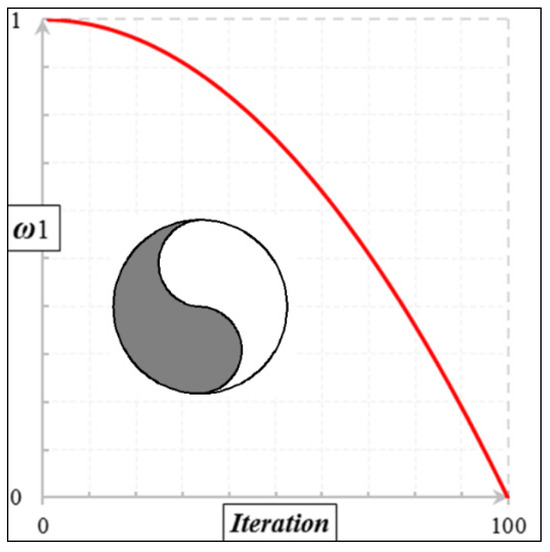
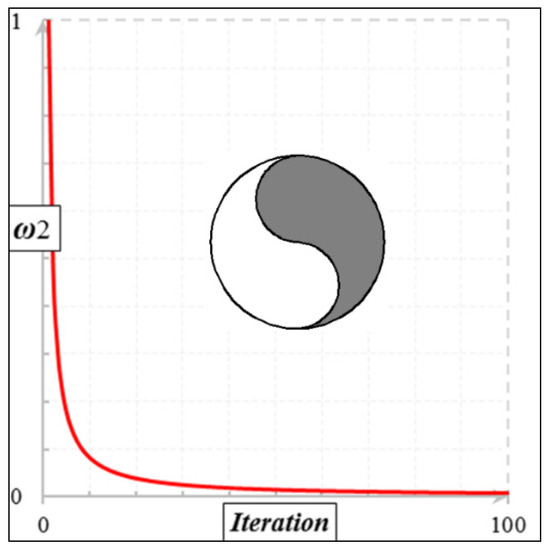
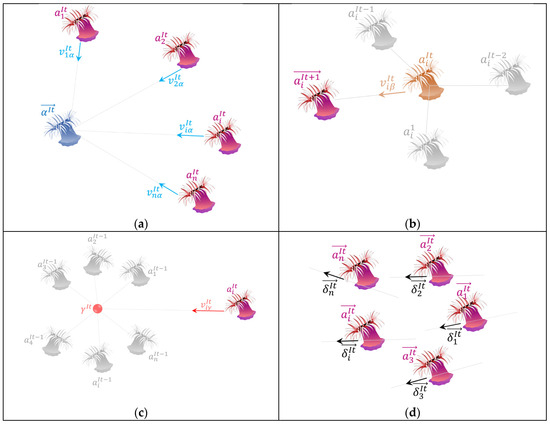
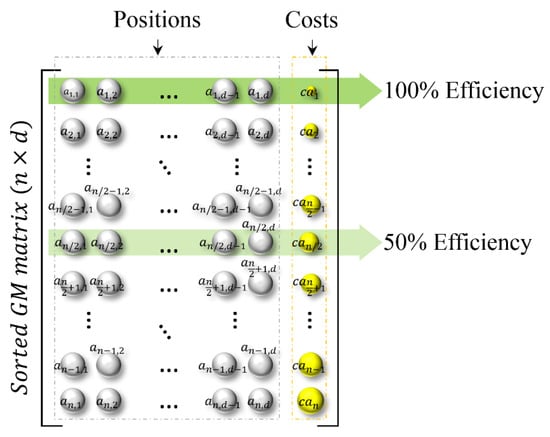
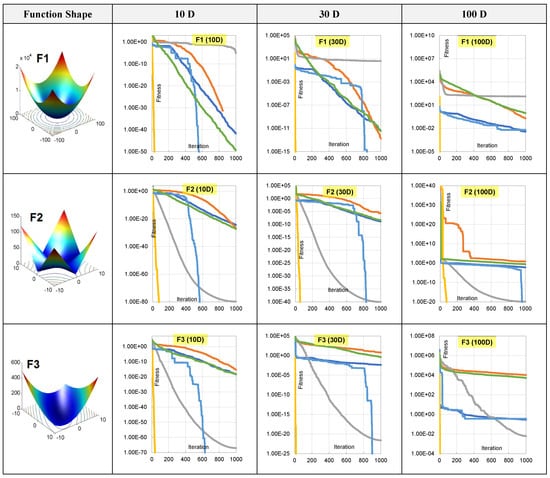
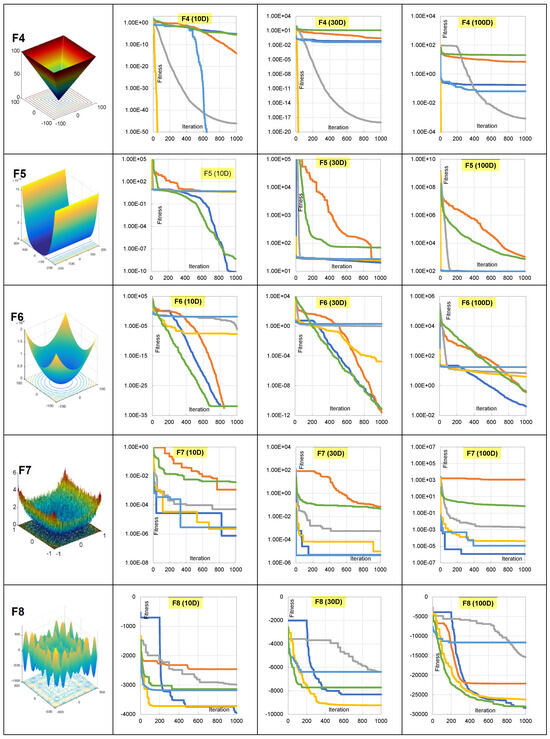
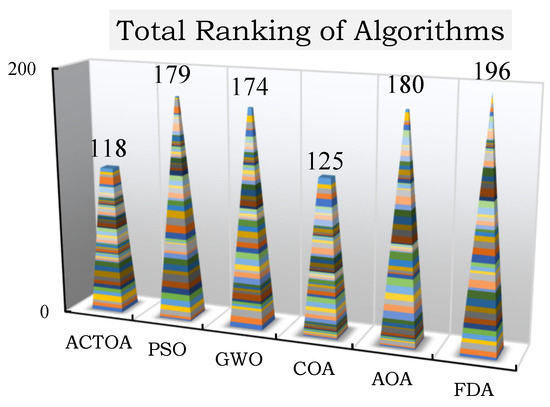
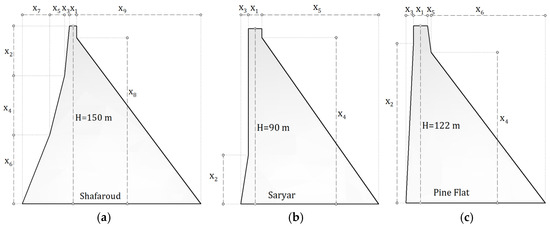
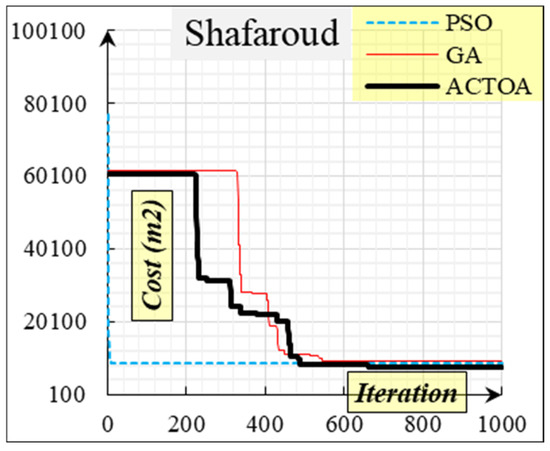
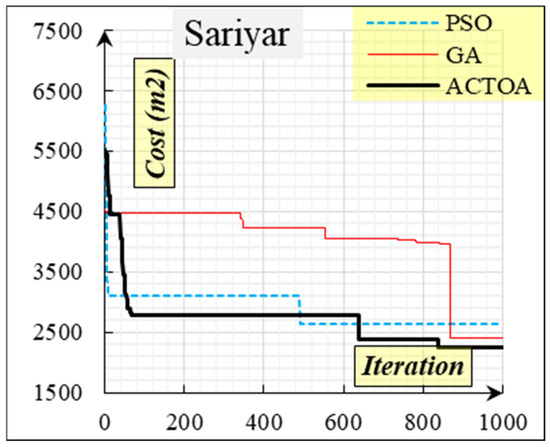
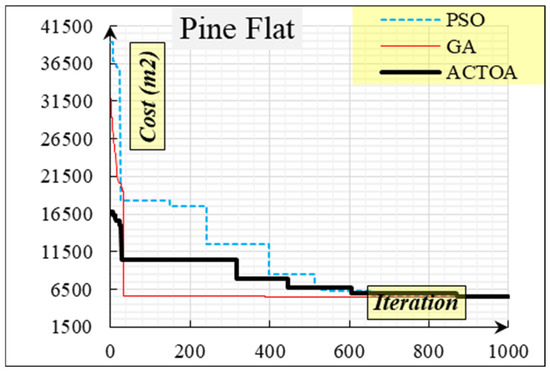
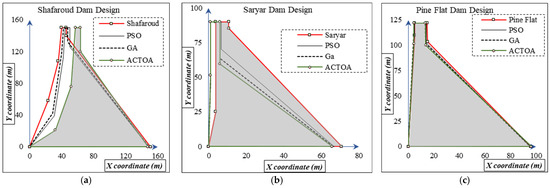
Nature-inspired optimization algorithms (NIOAs) have attracted enormous attention thanks to their great capabilities in solving complex problems. This paper presents the novel Actiniaria optimization algorithm (ACTOA), inspired by the behavior and biological characteristics of Actiniaria (sea anemones). Actiniaria are known to have unique abilities to survive and interact with various marine environments. Therefore, they can provide an appropriate model for designing an optimization algorithm. This study aimed to balance the exploration and exploitation phases using Actiniaria’s two biological mechanisms: hunting and spawning. The exploration phase is developed with a hunting mechanism as a normal distribution of the searching particles with a reduced standard deviation (SD) around the best searching particle. Next, the dispersal of Actiniaria’s eggs in the exploitation phase under forces such as wind and ocean waves is simulated. The performance of ACTOA is assessed using a set of optimization parameters. The advantages of the algorithm’s performance were also examined by 59 test functions, and ACTOA outperformed modern algorithms. Ultimately, optimization of the three dams of Sariyar, Shafaroud, and Pine Flat was put on the agenda and the proposed algorithm showed that optimal solutions were found by the 700th, 840th, and 985th iterations, which resulted in savings of 28.2, 30, and 3.5 percent in concrete volume, respectively.
Full article
(This article belongs to the Special Issue Computational Methods in Structural Optimization)
►▼
Show Figures

Figure 1

Open AccessArticle
Intra-GPU Concurrency in BiCGStab Solvers: Leveraging CUDA Streams for Kernel-Level Parallelism
by
Ayaz H. Khan
Computation 2026, 14(5), 110; https://doi.org/10.3390/computation14050110 - 12 May 2026
Abstract
The Biconjugate Gradient Stabilized (BiCGStab) algorithm is a widely used iterative method for solving large, sparse, and non-symmetric linear systems in scientific and engineering applications. While efficient, its performance is constrained by high iteration costs, memory bandwidth limitations, and synchronization overheads in CPU
[...] Read more.
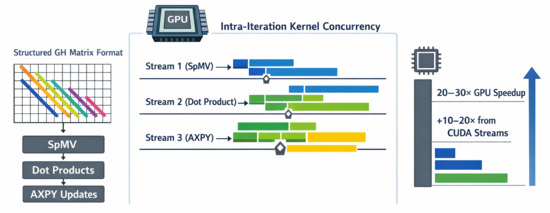
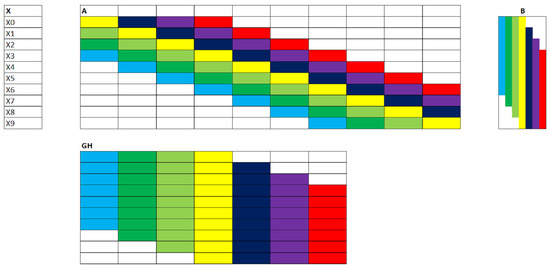
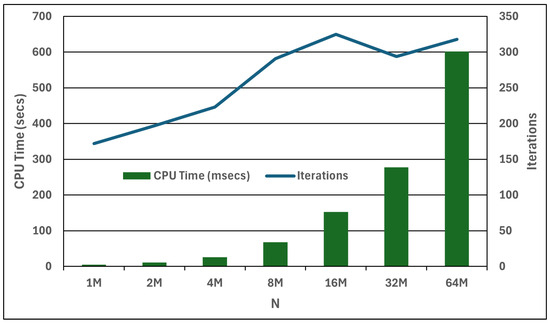
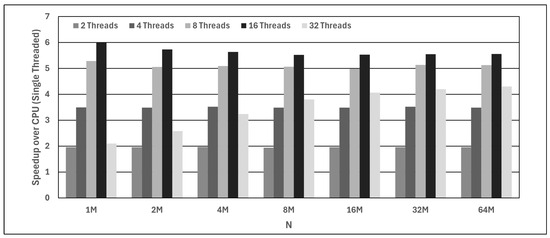
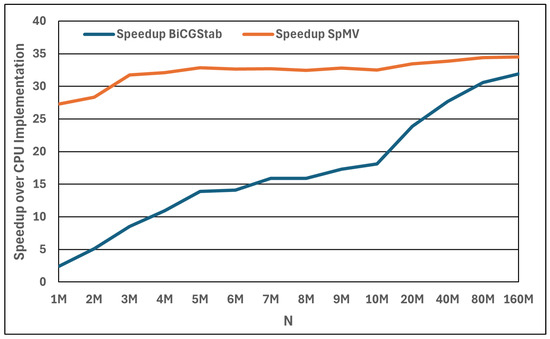
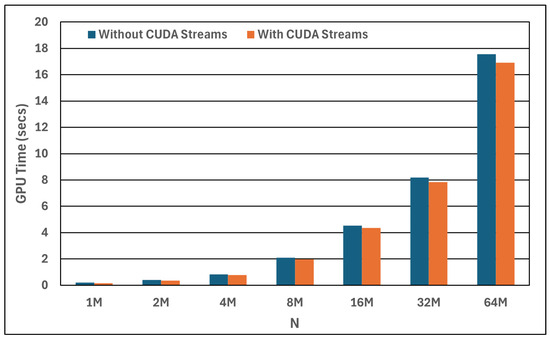
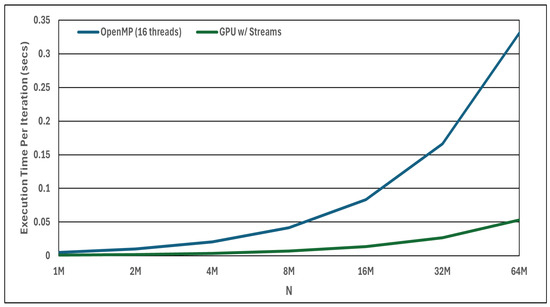
The Biconjugate Gradient Stabilized (BiCGStab) algorithm is a widely used iterative method for solving large, sparse, and non-symmetric linear systems in scientific and engineering applications. While efficient, its performance is constrained by high iteration costs, memory bandwidth limitations, and synchronization overheads in CPU implementations. This paper investigates GPU-based acceleration of BiCGStab, with particular emphasis on the use of CUDA streams to optimize kernel concurrency and improve resource utilization. A structured hepta-diagonal matrix format is adopted to ensure efficient memory access across both CPU and GPU executions. Performance evaluations are conducted across problem sizes ranging from 1 to 64 million unknowns, comparing single-threaded and multi-threaded CPU baselines against GPU implementations with and without CUDA streams. The results demonstrate that GPU acceleration achieves up to 30× speedup relative to single-threaded CPU execution and up to 5× compared to the best OpenMP configuration (16 threads), with CUDA streams providing an additional 10–20% performance improvement through intra-iteration kernel overlap. Scalability analysis reveals that GPU performance advantages increase with problem size, underscoring the effectiveness of CUDA streams in minimizing idle GPU time and enhancing throughput. These findings highlight the potential of stream-optimized GPU solvers for large-scale scientific simulations and provide a foundation for future extensions incorporating CUDA graphs and multi-GPU environments.
Full article
(This article belongs to the Section Computational Engineering)
►▼
Show Figures

Graphical abstract
Open AccessArticle
DGSNA: Dynamic Generative Scene-Based Noise Addition Method
by
Zihao Chen, Zhentao Lin, Bi Zeng, Linyi Huang and Jia Cai
Computation 2026, 14(5), 109; https://doi.org/10.3390/computation14050109 - 9 May 2026
Abstract
To ensure the reliable operation of speech systems across diverse environments, noise addition methods have emerged as the standard solution. However, existing methods offer limited coverage of real-world scenes and depend on pre-existing noise libraries and scene metadata. This paper presents prompt-based Dynamic
[...] Read more.
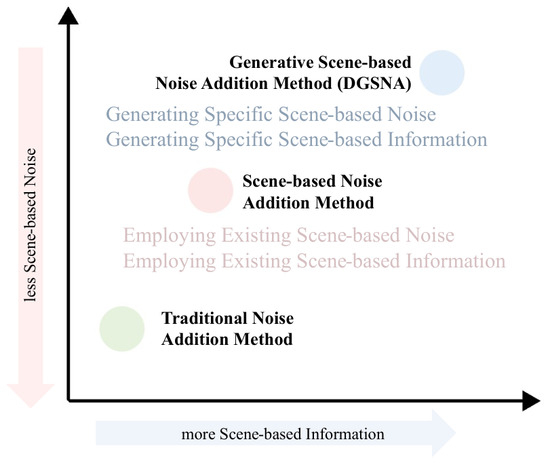
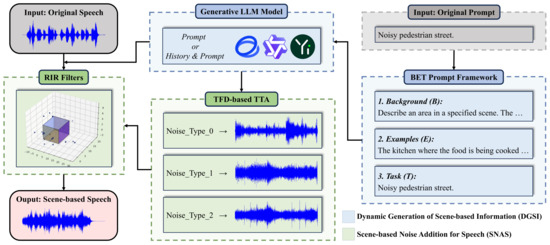
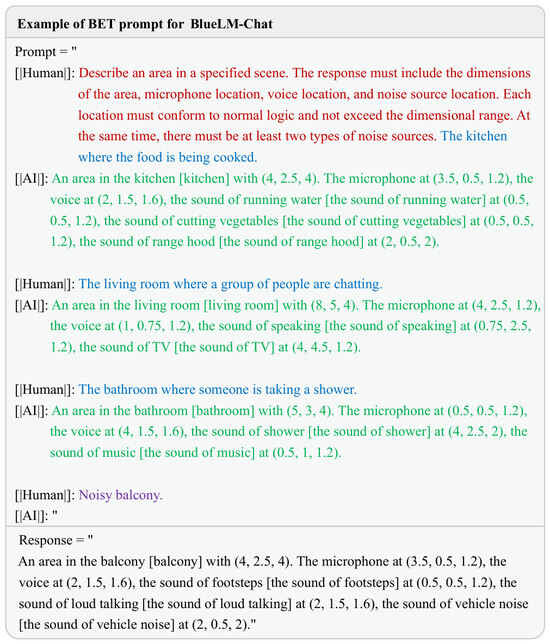
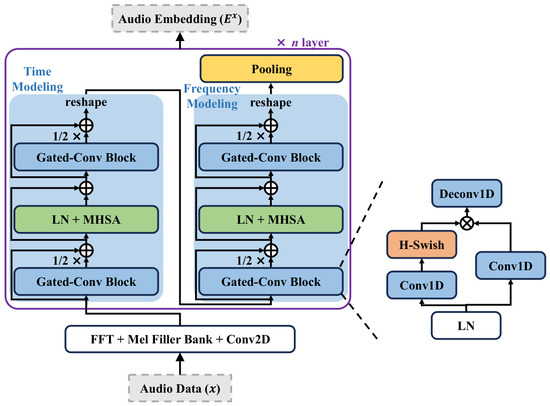
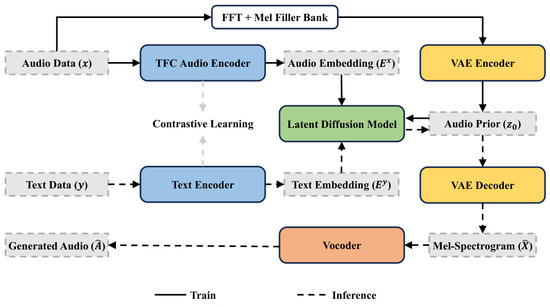
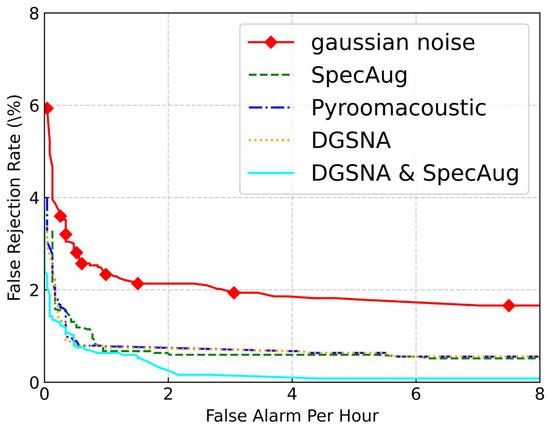
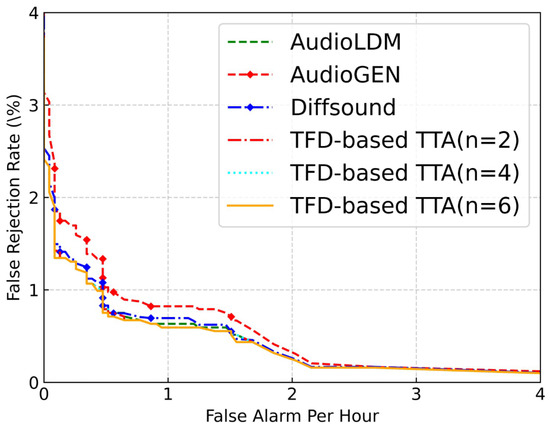
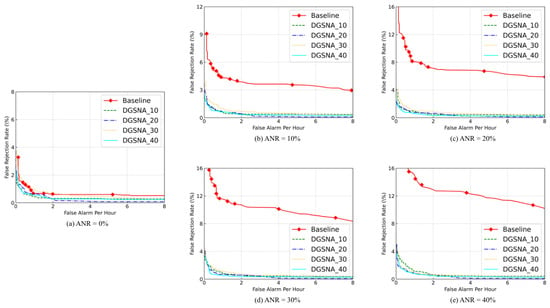
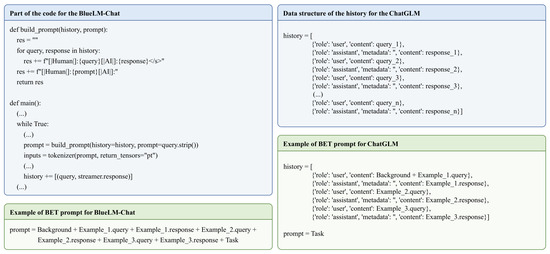
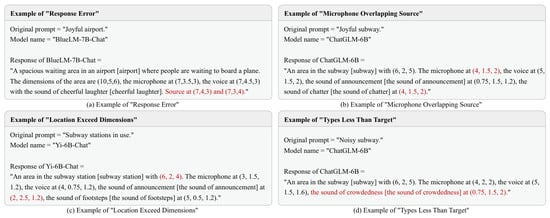
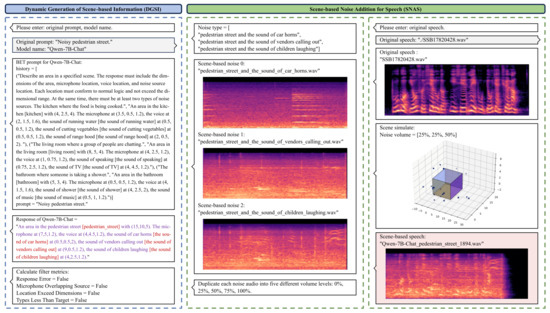
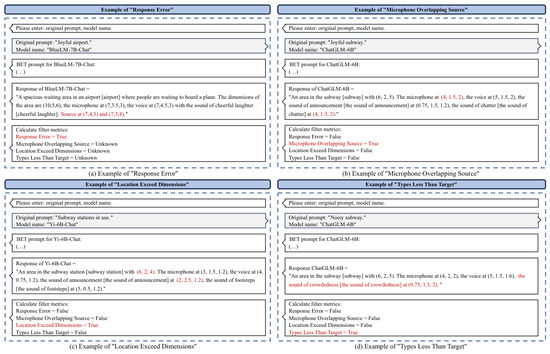
To ensure the reliable operation of speech systems across diverse environments, noise addition methods have emerged as the standard solution. However, existing methods offer limited coverage of real-world scenes and depend on pre-existing noise libraries and scene metadata. This paper presents prompt-based Dynamic Generative Scene-based Noise Addition (DGSNA), a novel approach driven by generative language models that integrates Dynamic Generation of Scene-based Information (DGSI) with Scene-based Noise Addition for Speech (SNAS). The DGSI module, with a BET (Background, Examples, Task) prompt framework, dynamically generates logic-compliant scene-based information, including scene dimensions, sound sources, and microphone positions, thereby addressing the challenges of scene enumeration and detailed description. Complementing this, the SNAS module employs a Time–Frequency Diffusion-based (TFD) Text-to-Audio model to synthesize scene-specific noise. By integrating this noise with clean speech via Room Impulse Response (RIR) filters, the module streamlines the traditionally labor-intensive process of replicating diverse acoustic environments. Experimental results show that DGSNA significantly enhances the robustness of speech recognition and keyword spotting models, achieving relative improvements of up to 11.32%. Furthermore, DGSNA is highly compatible with existing noise addition techniques.
Full article
(This article belongs to the Section Computational Engineering)
►▼
Show Figures

Figure 1

Open AccessArticle
Limits of Classical Immune Response Models
by
Marina Bershadsky and Genady Kogan
Computation 2026, 14(5), 108; https://doi.org/10.3390/computation14050108 - 8 May 2026
Abstract
We analyze parameter identifiability in a Marchuk-type immune-response model using longitudinal whole-blood transcriptomic signatures from the influenza challenge. Latent states are extracted from curated gene signatures derived from nine symptomatic and eight asymptomatic subjects. The governing delay differential equations are cast in a
[...] Read more.
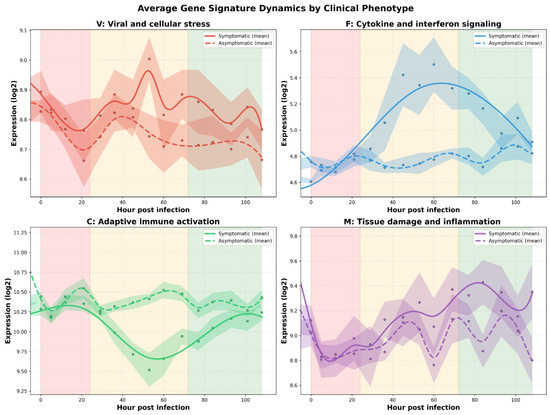
We analyze parameter identifiability in a Marchuk-type immune-response model using longitudinal whole-blood transcriptomic signatures from the influenza challenge. Latent states are extracted from curated gene signatures derived from nine symptomatic and eight asymptomatic subjects. The governing delay differential equations are cast in a linear-in-parameters form; derivatives are estimated by smoothing splines, coefficients are fit by ridge regression, and the delay is selected by grid search. We find that the parameters governing viral and innate dynamics are consistently identifiable, with low relative error, and are highly determined, whereas adaptive-immunity and tissue-damage parameters are poorly constrained by transcriptomics alone. Introducing a small additive background term and tissue dependence markedly reduces residual variance and stabilizes estimates. Symptomatic patients exhibit a characteristic regulatory delay near 21 h. These results show that aggregated transcriptomic time series can reliably identify some subsystems of classical immune models, but that adaptive immunity and damage dynamics require explicit structural extensions or additional data modalities. The study provides a practical identification pipeline and concrete guidance on model extensions needed for transcriptomic-driven mechanistic inference.
Full article
(This article belongs to the Section Computational Biology)
►▼
Show Figures

Figure 1

Open AccessArticle
A Marchuk’s Model Analysis by Proposed Decomposition Theorem
by
Marina Bershadsky, Božidar Ivanković and Solomon Naftaliyev
Computation 2026, 14(5), 107; https://doi.org/10.3390/computation14050107 - 6 May 2026
Abstract
Taking the Singularly Perturbed System (SPS) as a model of ODE system separation into fast and slow subsystems by an arbitrarily small parameter, we state and prove a theorem on the decomposition of an Ordinary Differential Equations (ODE) system without the aforementioned arbitrarily
[...] Read more.
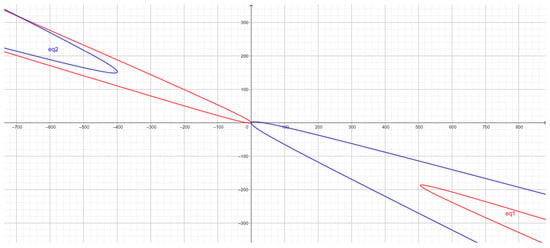
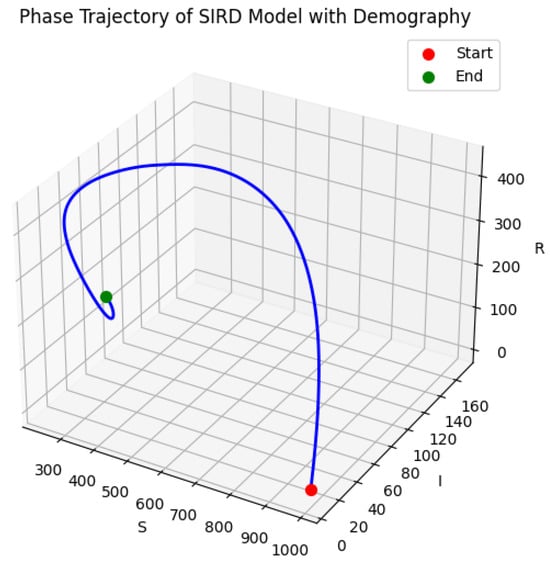
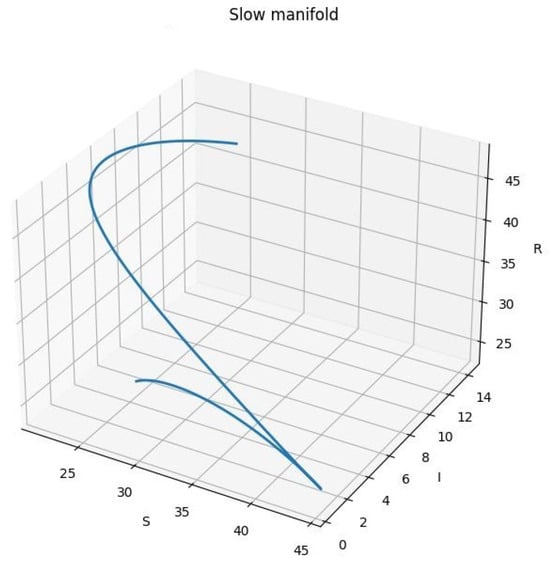
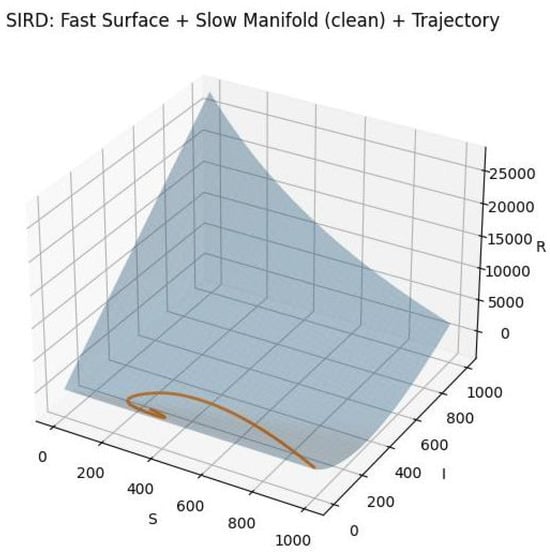
Taking the Singularly Perturbed System (SPS) as a model of ODE system separation into fast and slow subsystems by an arbitrarily small parameter, we state and prove a theorem on the decomposition of an Ordinary Differential Equations (ODE) system without the aforementioned arbitrarily small parameter. In accordance with the proven theorem, we implemented an algorithm to decompose an ODE system into fast and slow subsystems by coordinate transformation. A similar algorithm is called the Singular Perturbed Vector Field (SPVF) algorithm; however, it is not justified by any stated theorem. Since we have not found any theorem to propose a similar ODE decomposition in the literature, we have tried to fill the gap with our theorem and algorithm explanations through examples. Finally, we propose our concept on Marchuk’s infectious diseases model, which allows a different analysis of the original Marchuk’s ODE system with delay.
Full article
(This article belongs to the Section Computational Biology)
►▼
Show Figures

Figure 1
Open AccessEditorial
Artificial Intelligence Applications in Public Health: 2nd Edition
by
Dmytro Chumachenko and Sergiy Yakovlev
Computation 2026, 14(5), 106; https://doi.org/10.3390/computation14050106 - 4 May 2026
Abstract
Artificial intelligence (AI) is assuming an increasingly important role in public health, where the scale, heterogeneity, and temporal dynamics of health-related data often exceed the capacity of conventional analytic approaches [...]
Full article
(This article belongs to the Special Issue Artificial Intelligence Applications in Public Health: 2nd Edition)
Open AccessArticle
Risk-Aware Downlink Throughput Prediction in High-Density 5G Networks
by
Najem N. Sirhan, Riyad Alrousan, Samar Al-Saqqa, Faten Hamad and Zaid Khrisat
Computation 2026, 14(5), 105; https://doi.org/10.3390/computation14050105 - 2 May 2026
Abstract
Accurate short-horizon downlink throughput prediction is essential for automation in high-density 5G deployments (e.g., stadiums and events), where user load, scheduling decisions, and interference conditions change rapidly and produce highly variable user-perceived rates. This paper benchmarks lightweight regression models for per-user throughput prediction
[...] Read more.
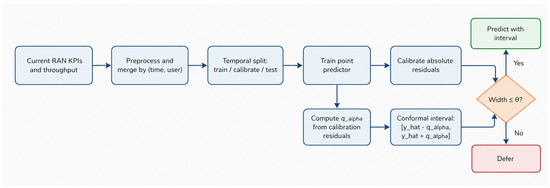
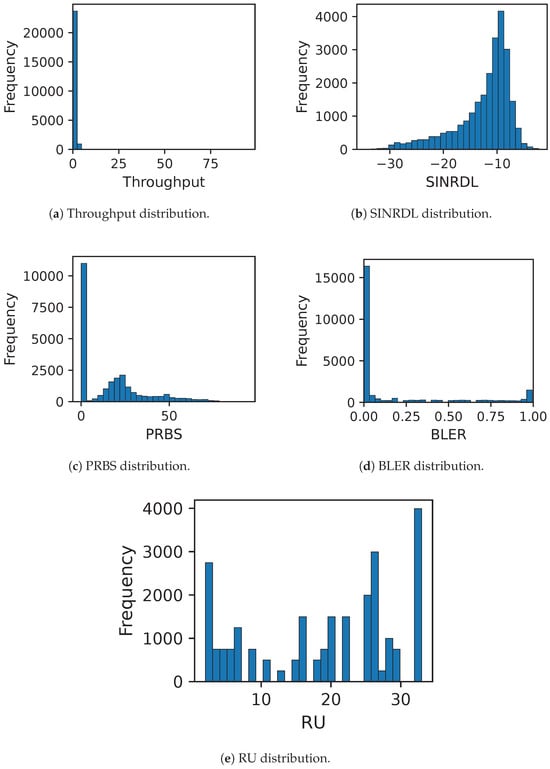
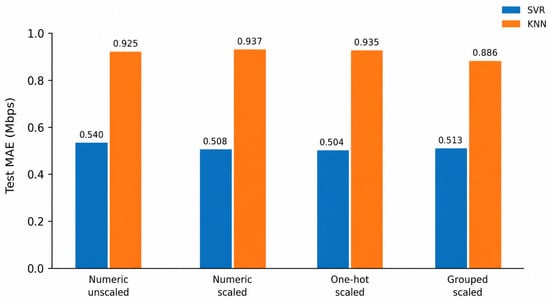
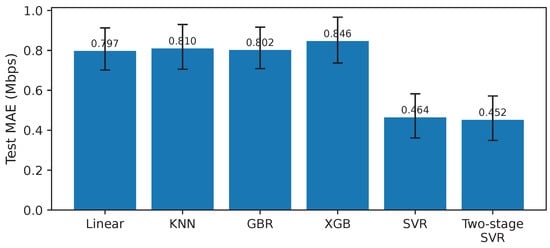
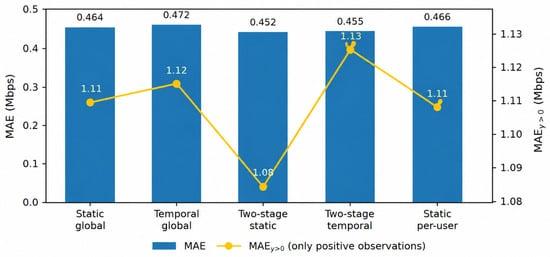
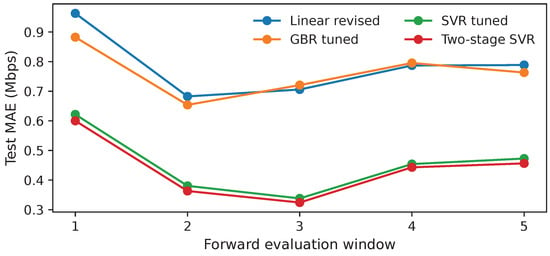
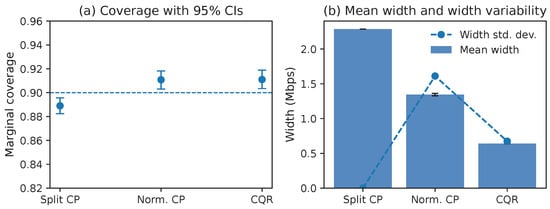
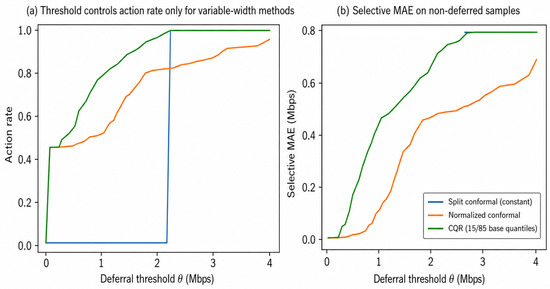
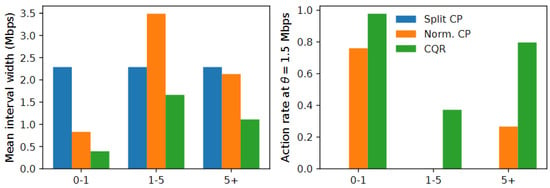
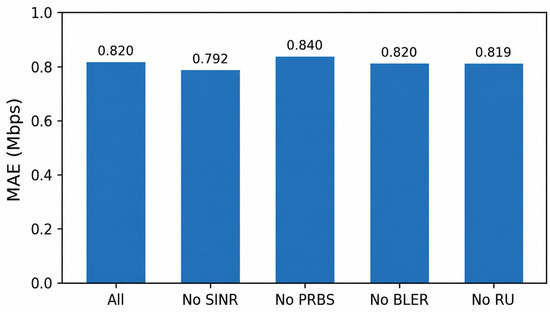
Accurate short-horizon downlink throughput prediction is essential for automation in high-density 5G deployments (e.g., stadiums and events), where user load, scheduling decisions, and interference conditions change rapidly and produce highly variable user-perceived rates. This paper benchmarks lightweight regression models for per-user throughput prediction from readily available radio access network (RAN) key performance indicators (KPIs) and studies a risk-aware extension that augments point forecasts with calibrated uncertainty and an abstention (deferral) rule. Experiments use a strictly time-ordered train/calibration/test protocol on the Liverpool 5G High-Density Demand (L5GHDD) dataset. The target is strongly zero-inflated (about 62% of samples at 0 Mbps) and heavy-tailed, creating regimes where average-error optimization can mask rare but operationally important bursts. In the point-prediction benchmark, the best model is a tuned two-stage support vector regressor with a mean absolute error (MAE) of Mbps, while the strongest single-stage model attains a weighted mean absolute percentage error (WMAPE) of . For uncertainty quantification, we compare standard split conformal prediction against two input-adaptive alternatives. Constant-width split conformal attains marginal coverage for a nominal 90% target with an average interval width of Mbps, but width-based deferral is degenerate because all intervals have the same size. Variable-length conformal intervals preserve near-nominal coverage ( ) while producing informative width variation: normalized conformal reduces the average width to Mbps, and conformalized quantile regression reduces it to Mbps. At a deferral threshold of Mbps, constant-width conformal defers all samples, whereas normalized conformal still acts on of samples with selective MAE Mbps. These results show that input-adaptive uncertainty is necessary for meaningful selective prediction in heteroscedastic 5G throughput dynamics.
Full article
(This article belongs to the Section Computational Engineering)
►▼
Show Figures

Figure 1
Open AccessArticle
Optimization of Convolutional Neural Networks Using Genetic Algorithms for the Classification of Arrhythmias in Skeletonized ECG Images
by
Álvaro Gabriel Vega-De la Garza, Ervin Jesús Alvarez-Sánchez, Julio Fernando Zaballa-Contreras, Rosario Aldana-Franco, Fernando Aldana-Franco, José Gustavo Leyva-Retureta and Andrés López-Velázquez
Computation 2026, 14(5), 104; https://doi.org/10.3390/computation14050104 - 1 May 2026
Abstract
Class imbalance among arrhythmia types and electrocardiogram (ECG) signal complexity present significant challenges for automated ECG-based arrhythmia detection. This research proposes an innovative approach that combines Genetic Algorithm (GA) optimization of Convolutional Neural Network (CNN) hyperparameters with morphological skeletonization of ECG images. The
[...] Read more.
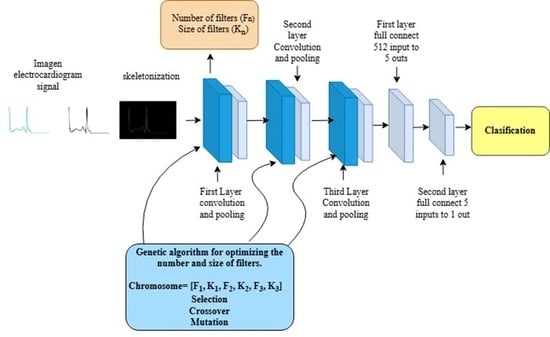
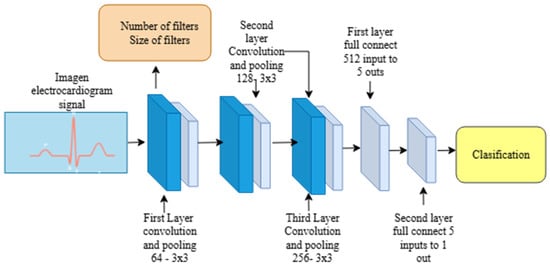
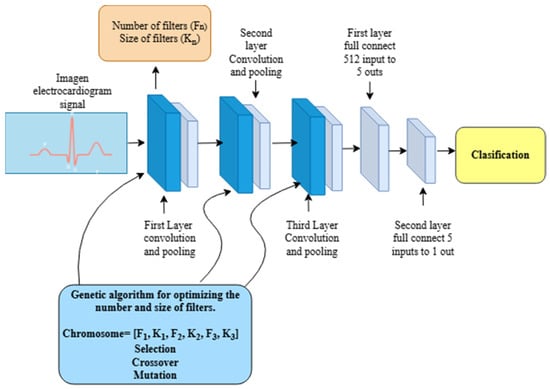
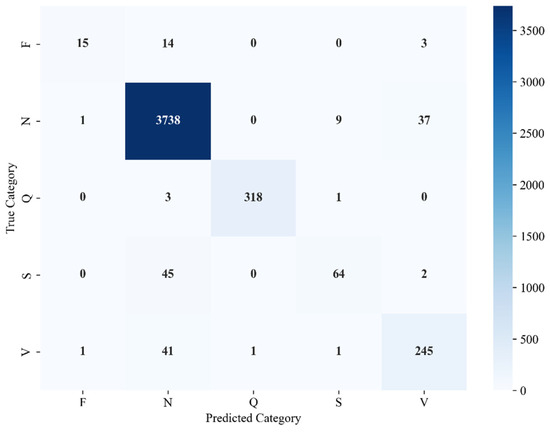
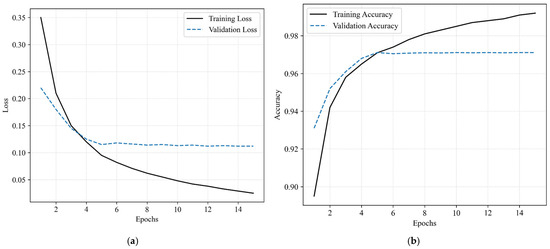
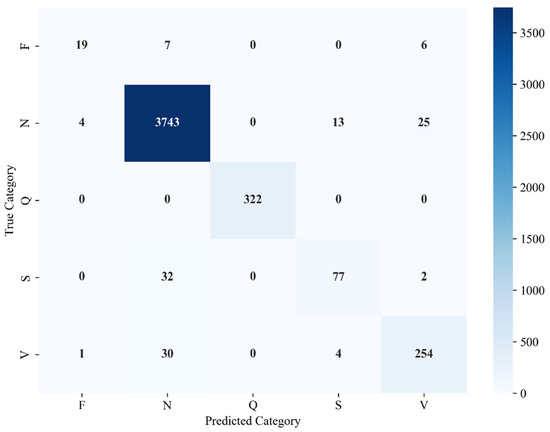
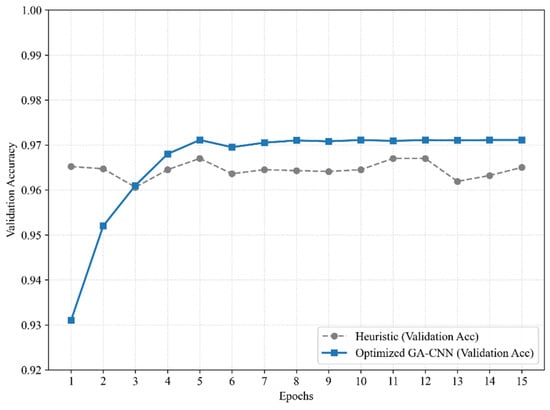
Class imbalance among arrhythmia types and electrocardiogram (ECG) signal complexity present significant challenges for automated ECG-based arrhythmia detection. This research proposes an innovative approach that combines Genetic Algorithm (GA) optimization of Convolutional Neural Network (CNN) hyperparameters with morphological skeletonization of ECG images. The MIT-BIH Arrhythmia Database served as the primary data source, with the ECG signal converted to skeletonized representations emphasizing QRS complex geometry. A GA-optimized model was compared against a heuristic (manual design) baseline to determine optimal kernel and filter configurations. Evaluation emphasized not only overall accuracy but also robust metrics for minority classes. The optimized model achieved 97.26% accuracy, with macro recall improving substantially from 77.36% to 83.10% (+5.74%). These results demonstrate that evolutionary optimization enhances detection sensitivity to subtle geometric patterns, effectively mitigating class imbalance without artificial oversampling techniques.
Full article
(This article belongs to the Section Computational Biology)
►▼
Show Figures

Graphical abstract
Open AccessArticle
Admissible Reconstruction of Reaction-Channel Levels on Fixed Subgroup Support and Probabilities in Algebraic Probability Table Construction
by
Beichen Zheng and Lili Wen
Computation 2026, 14(5), 103; https://doi.org/10.3390/computation14050103 - 30 Apr 2026
Abstract
This work considers admissibility-enforcing reconstruction of reaction-channel subgroup levels on prescribed total-subgroup support and probabilities, a setting in which conventional exact reconstruction may produce negative reaction-channel levels. The proposed reconstruction relaxes conventional full matching by retaining selected low-order channel quantities associated with limiting
[...] Read more.
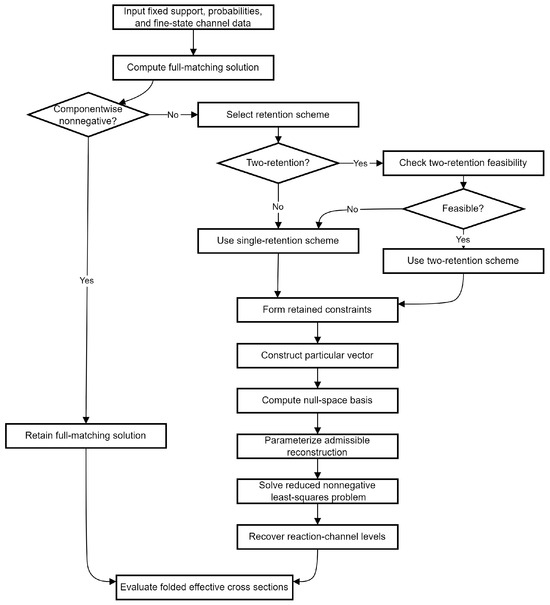
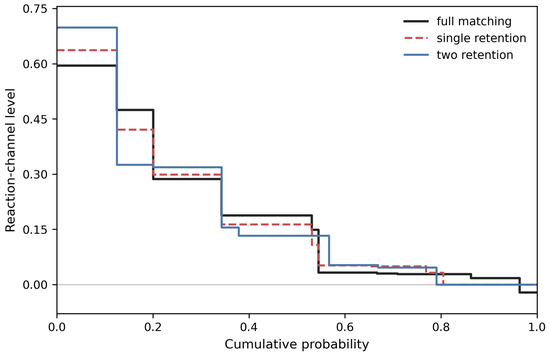
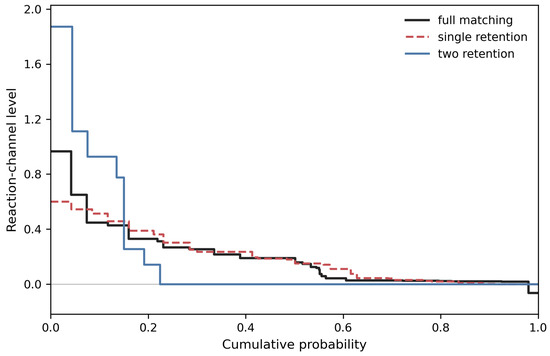
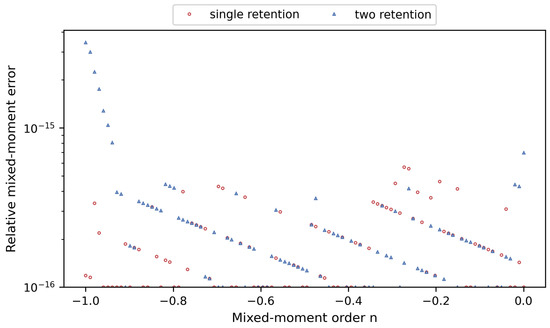
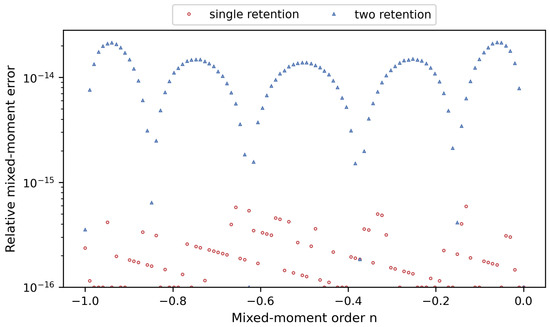
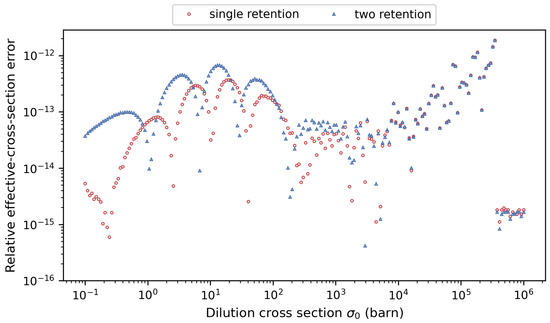
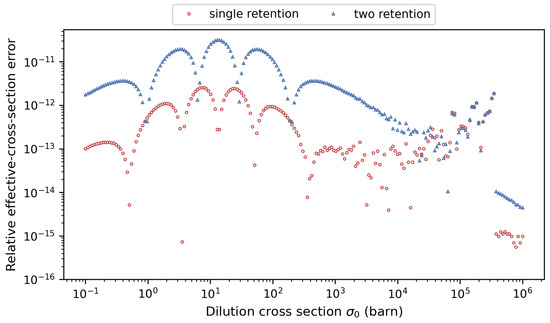
This work considers admissibility-enforcing reconstruction of reaction-channel subgroup levels on prescribed total-subgroup support and probabilities, a setting in which conventional exact reconstruction may produce negative reaction-channel levels. The proposed reconstruction relaxes conventional full matching by retaining selected low-order channel quantities associated with limiting dilution responses exactly, while fitting the remaining matching conditions in a constrained least-squares sense under nonnegativity. The exact-retention constraints are embedded through a null-space parametrization, which reduces the reconstruction to a convex optimization problem over the remaining degrees of freedom. Two variants are examined: a single-retention formulation, which is automatically feasible for nonnegative retained data, and a two-retention formulation, which is more restrictive and depends on compatibility with the fixed total-subgroup rule. Numerical tests for 238U capture data show that the proposed reconstruction removes the negative reaction-channel levels observed in the violating groups. Restoring admissibility entails deterioration in response accuracy relative to the unconstrained full-matching baseline, reflecting the trade-off between exact matching and nonnegativity on the fixed rule. Of the two variants considered, the single-retention formulation shows more stable overall behavior in the present comparison. In particular, for all violating cases at orders , it restores nonnegativity, with the reported 95th-percentile relative errors in the folded effective cross section not exceeding .
Full article
(This article belongs to the Section Computational Engineering)
►▼
Show Figures

Figure 1
Open AccessArticle
A Hybrid Multi-Model Framework for Personalized User-Level Anomaly Detection with Data-Driven Threshold Optimization
by
Amit Kumar, Wakar Ahmad, Om Pal and Sunil
Computation 2026, 14(5), 102; https://doi.org/10.3390/computation14050102 - 30 Apr 2026
Abstract
Modern user authentication systems increasingly need user and device-behavior-aware adaptive mechanisms to detect evolving threats beyond the traditional authentication framework of static credential verification. This paper proposes a hybrid multi-model framework for personalized user-level anomaly detection using a data-driven Hybrid Anomaly Score (HAS).
[...] Read more.
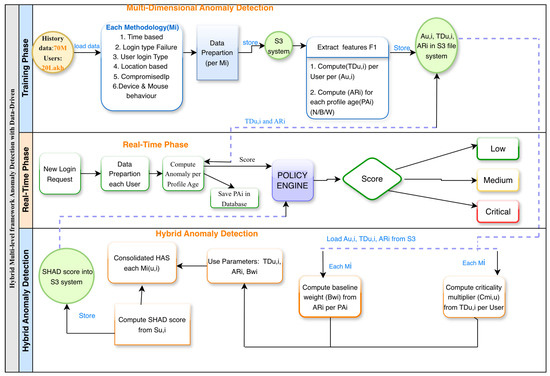
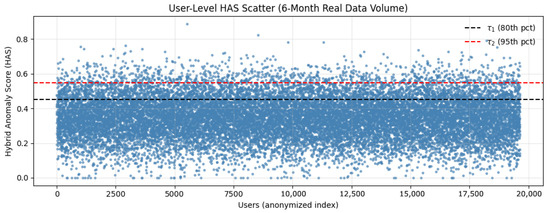
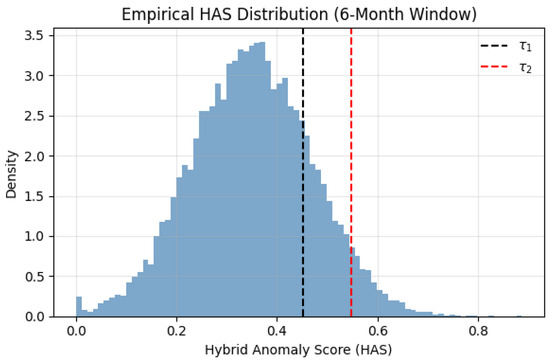
Modern user authentication systems increasingly need user and device-behavior-aware adaptive mechanisms to detect evolving threats beyond the traditional authentication framework of static credential verification. This paper proposes a hybrid multi-model framework for personalized user-level anomaly detection using a data-driven Hybrid Anomaly Score (HAS). The primary contribution lies in deriving the HAS using the joint integration of three adaptive attributes: dynamically computed per-user deviation thresholds conditioned on individual behavioral history, profile-age-aware baseline weights reflecting user cohort maturity, and criticality-scaled aggregation with the security impact of each detection methodology. The framework is evaluated on a large-scale real-world dataset and demonstrates strong detection performance, while achieving low inference latency suitable for real-time enterprise deployment. The ablation analysis of the framework confirms that dynamic weighting and personalized threshold substantially improve detection stability and convergence with an effective and deployable solution for large-scale authentication environments.
Full article
(This article belongs to the Section Computational Engineering)
►▼
Show Figures

Figure 1
Open AccessArticle
What Is an Oval, Officially and Overall? Old and New Mathematical Descriptions
by
Valeriy G. Narushin, Stefan T. Orszulik, Michael N. Romanov and Darren K. Griffin
Computation 2026, 14(5), 101; https://doi.org/10.3390/computation14050101 - 27 Apr 2026
Abstract
Deriving from the Latin “ovum” (egg), the oval is a commonly used term, but does not have the status of a standard geometric figure like a circle or ellipse. Consequently, the oval lacks both a mathematical descriptive basis to attribute a set of
[...] Read more.
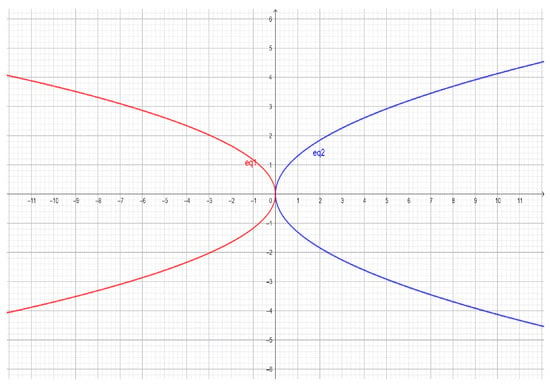
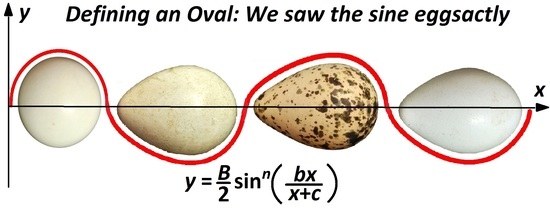
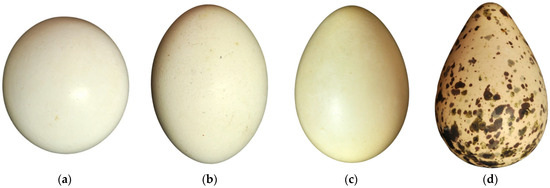
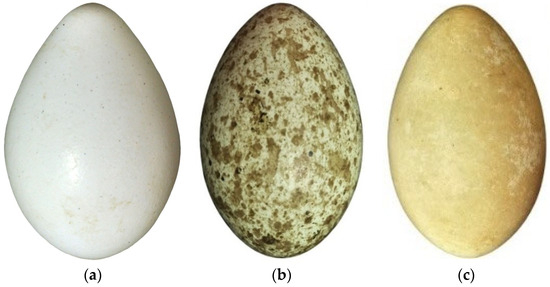
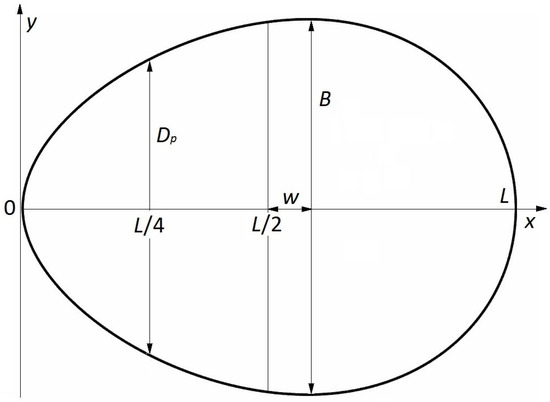
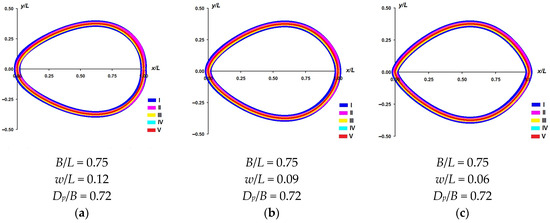
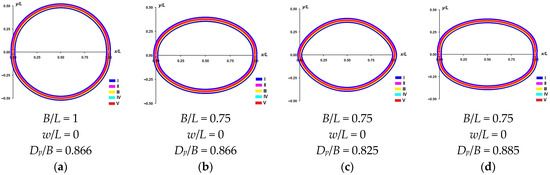
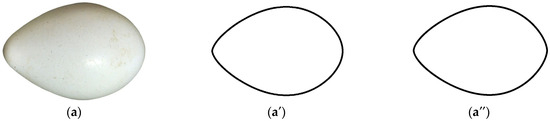
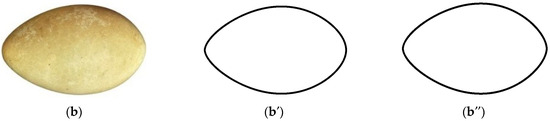
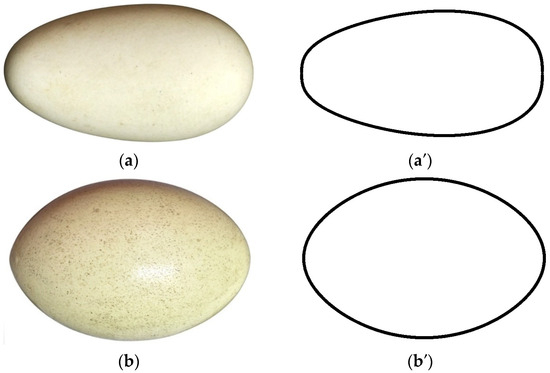
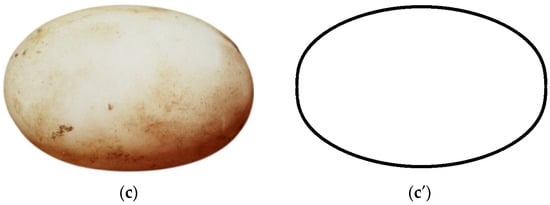
Deriving from the Latin “ovum” (egg), the oval is a commonly used term, but does not have the status of a standard geometric figure like a circle or ellipse. Consequently, the oval lacks both a mathematical descriptive basis to attribute a set of key geometric parameters and an elegant formula to describe its contours. Herein, we consider the basis for deriving the formula of an oval for typical egg profiles. Specifically, these are round, ellipsoid, classic oval, pyriform (conical) and biconical shapes. To do this, we adhered to four basic postulates: (i) the ability to describe all possible egg shapes; (ii) a minimum set of measurable geometric parameters; (iii) the application of some universal indices (ratios of key geometric dimensions) to describe mathematical models; (iv) conformity with the “Main Axiom of the Mathematical Formula of the Bird’s Egg.” Additionally, we sought to comply with the principles of mathematical elegance. Following these theoretical assumptions and practical verification, we obtained a mathematically supported, elegant formula for this well-known but non-standardized geometric figure. The derived oval geometry equation will find use in applied problems of biology, construction, engineering and school curricula, alongside the classical figures of the circle and ellipse.
Full article
(This article belongs to the Section Computational Biology)
►▼
Show Figures

Graphical abstract
Highly Accessed Articles
Latest Books
E-Mail Alert
News
Topics
Topic in
Axioms, Computation, Fractal Fract, Mathematics, Symmetry
Fractional Calculus: Theory and Applications, 2nd Edition
Topic Editors: António Lopes, Liping Chen, Sergio Adriani David, Alireza AlfiDeadline: 30 May 2026
Topic in
Brain Sciences, NeuroSci, Applied Sciences, Mathematics, Computation
The Computational Brain
Topic Editors: William Winlow, Andrew JohnsonDeadline: 31 July 2026
Topic in
Sustainability, Remote Sensing, Forests, Applied Sciences, Computation
Artificial Intelligence, Remote Sensing and Digital Twin Driving Innovation in Sustainable Natural Resources and Ecology
Topic Editors: Huaiqing Zhang, Ting YunDeadline: 31 January 2027
Topic in
Algorithms, AppliedMath, Computation, Mathematics, Symmetry, Sci, Applied Sciences
Intelligent Optimization Algorithm: Theory and Applications, 2nd Edition
Topic Editors: Shi Cheng, Chaomin Luo, Shangce GaoDeadline: 31 March 2027
Conferences
Special Issues
Special Issue in
Computation
Advances in Computational Methods for Soil Stability Analysis and Slope Engineering
Guest Editor: Florin Dumitru PopescuDeadline: 31 May 2026
Special Issue in
Computation
Nonlinear System Modelling and Control—2nd Edition
Guest Editor: Chathura WanigasekaraDeadline: 1 June 2026
Special Issue in
Computation
Object Detection Models for Transportation Systems
Guest Editors: Taqwa AlHadidi, Shadi Jaradat, Ahmed JaberDeadline: 30 June 2026
Special Issue in
Computation
Multi-Omics for Diagnosing Diseases: Bioinformatics Approaches and Integrative Data Analyses
Guest Editors: Emanuel Maldonado, Imran KhanDeadline: 30 June 2026