Journal Description
Computer Sciences & Mathematics Forum
is an open access journal dedicated to publishing findings resulting from academic conferences, workshops, and similar events in the area of computer science and mathematics. Each conference proceeding can be individually indexed, is citable via a digital object identifier (DOI), and is freely available under an open access license. The conference organizers and proceedings editors are responsible for managing the peer-review process and selecting papers for conference proceedings.
Latest Articles
Multifractal Analysis in Healthcare: A Review of Techniques, Applications, and Future Perspectives
Comput. Sci. Math. Forum 2026, 13(1), 13; https://doi.org/10.3390/cmsf2026013013 (registering DOI) - 22 Apr 2026
Abstract
Complex biological and medical systems often exhibit irregular and self-similar structures that can be effectively analyzed using fractal and multifractal frameworks. This study aims to provide a comprehensive overview of multifractal analysis as a mathematical tool for characterizing complex biomedical patterns and improving
[...] Read more.
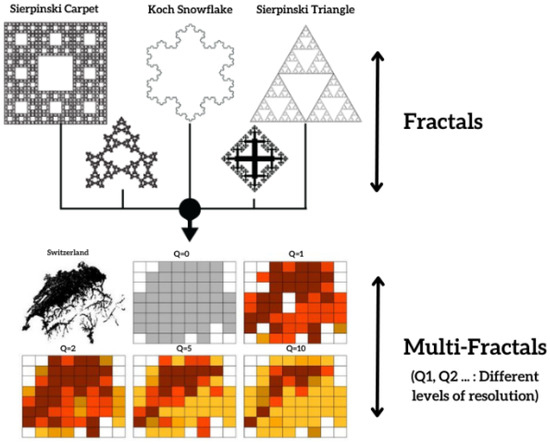
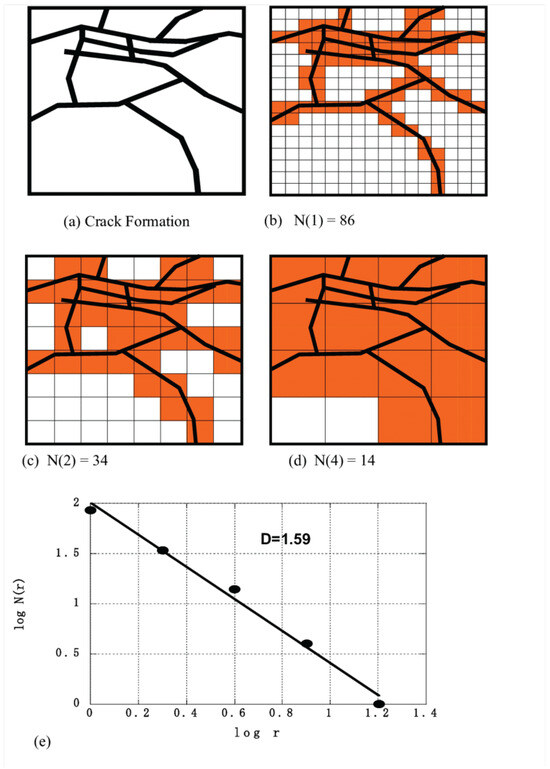
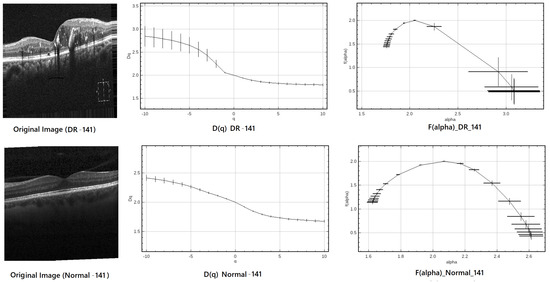
Complex biological and medical systems often exhibit irregular and self-similar structures that can be effectively analyzed using fractal and multifractal frameworks. This study aims to provide a comprehensive overview of multifractal analysis as a mathematical tool for characterizing complex biomedical patterns and improving disease diagnosis. The methods discussed include the Wavelet Transform Modulus Maxima (WTMM) and box-counting techniques, which quantify local scaling behaviors and heterogeneity within medical images. A review of recent studies demonstrates that multifractal parameters have successfully differentiated between normal and pathological tissues in diseases such as cancer, cardiac disorders, and Alzheimer’s disease. This paper also examines the integration of artificial intelligence, particularly machine learning algorithms, with multifractal features to enhance diagnostic accuracy and automate image interpretation. The results indicate that this hybrid approach improves the reliability and sensitivity of early disease detection. In conclusion, multifractal analysis, when systematically applied and combined with AI, offers a promising complementary framework for advancing precision medicine and supporting clinical decision-making.
Full article
(This article belongs to the Proceedings of The 1st International Conference on Emerging Tech & Innovation (ICETI))
►
Show Figures
Open AccessProceeding Paper
Explainable Intrusion Detection System Using Prototypical Network and Recursive Feature Elimination
by
Wessam F. Abouzaid, Ebrahim A. Ramadan and Nermeen G. Rezk
Comput. Sci. Math. Forum 2026, 13(1), 12; https://doi.org/10.3390/cmsf2026013012 - 22 Apr 2026
Abstract
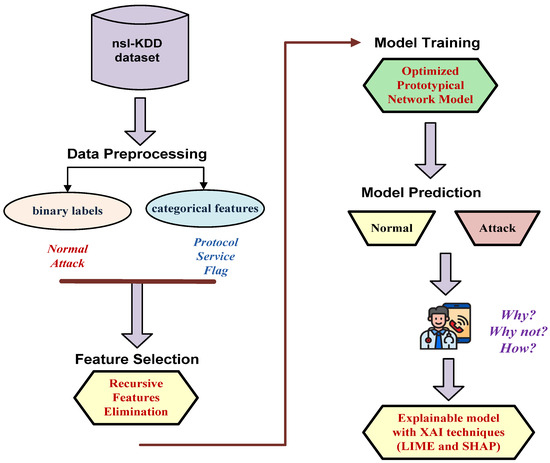
This study explores the use of traditional machine learning and deep learning algorithms to develop efficient Intrusion Detection Systems (IDSs). It evaluates data using the NSL-KDD dataset, which contains both normal and attack traffic. The research compares the performance of various classifiers, including
[...] Read more.
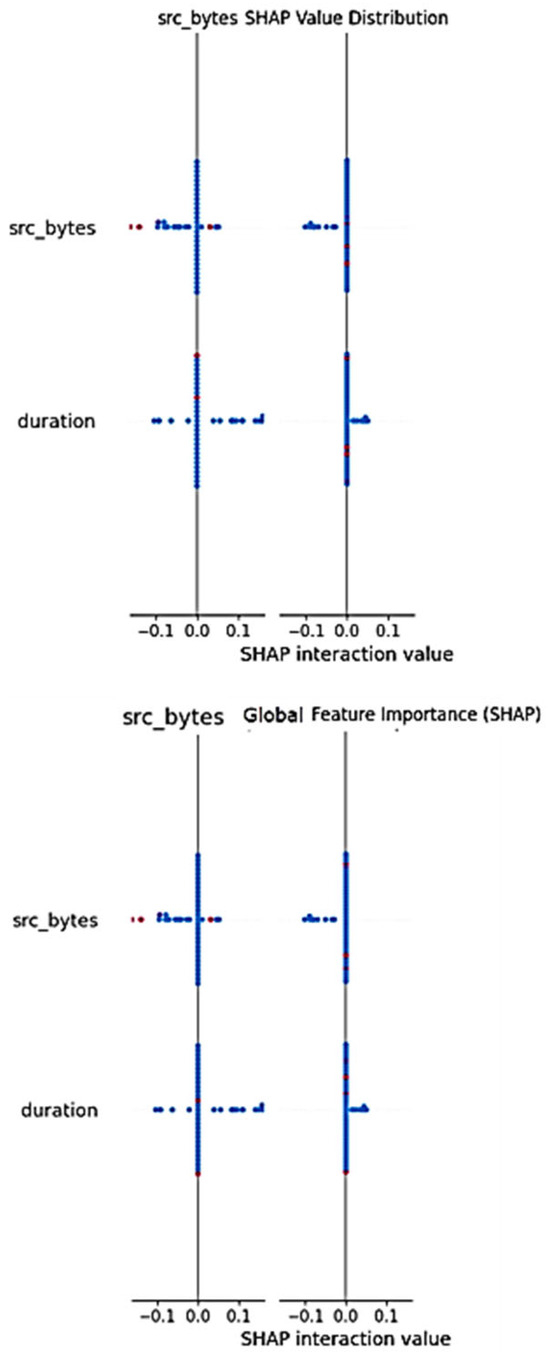
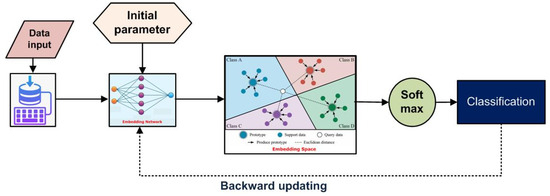
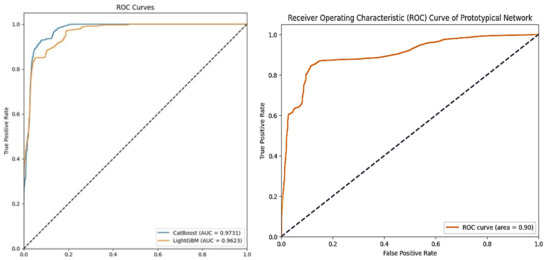
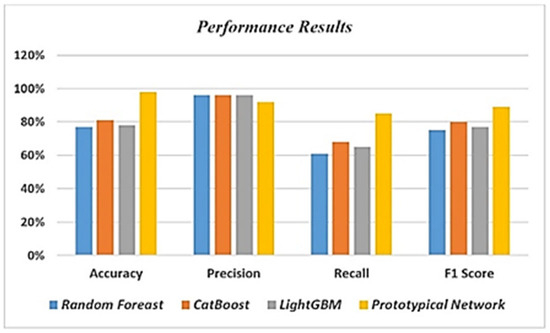
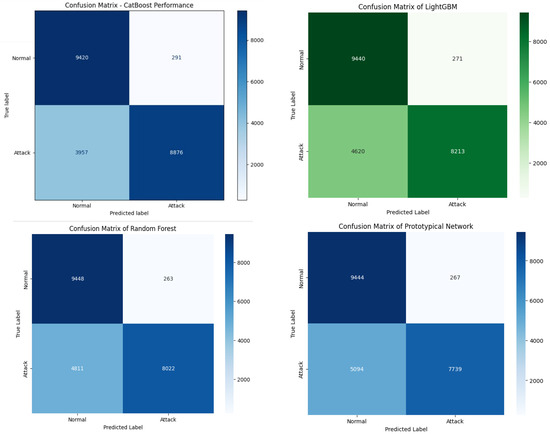
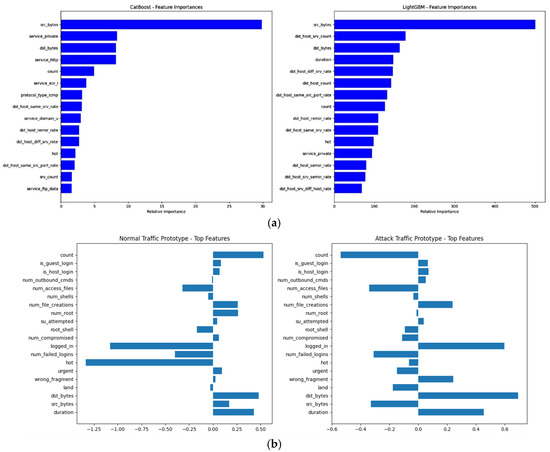
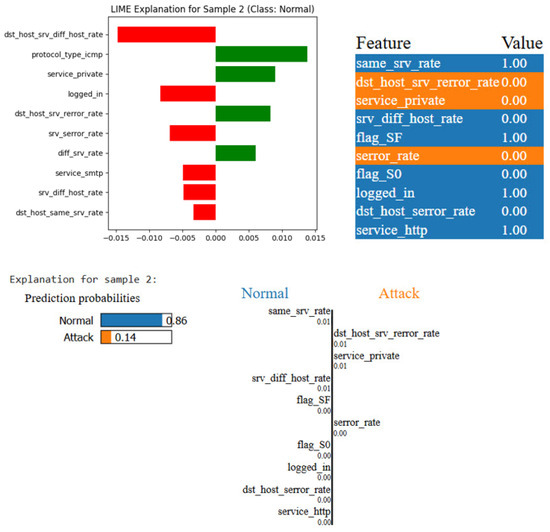
This study explores the use of traditional machine learning and deep learning algorithms to develop efficient Intrusion Detection Systems (IDSs). It evaluates data using the NSL-KDD dataset, which contains both normal and attack traffic. The research compares the performance of various classifiers, including Random Forest, Extreme Gradient Boosting, LightGBM, and Prototypical Networks. Recursive Feature Elimination is used for feature selection to enhance decision-making and model performance. The models are assessed using multiple metrics, such as accuracy, precision, recall, F-score, ROC curves, and confusion matrices. In addition, Explainable AI techniques like SHAP and LIME are employed to interpret predictions, making the IDS more transparent and reliable. Results indicate that few-shot learning models, particularly Prototypical Networks, combined with Recursive Feature Elimination techniques, outperform traditional models, achieving up to 98% accuracy. This approach enhances IDS applications in IoT by enabling more accurate threat detection, improving decision-making, and identifying key intrusion parameters.
Full article
(This article belongs to the Proceedings of The 1st International Conference on Emerging Tech & Innovation (ICETI))
►▼
Show Figures

Figure 1

Open AccessProceeding Paper
A Computational Model for Animal Language Processing: Translating Canine and Feline Behavior into Human-Readable Communication
by
Deepa Sonal, Md Alimul Haque, Sultan Ahmad, Sultan Alqahtani and A. E. M. Eljialy
Comput. Sci. Math. Forum 2026, 13(1), 11; https://doi.org/10.3390/cmsf2026013011 - 17 Apr 2026
Abstract
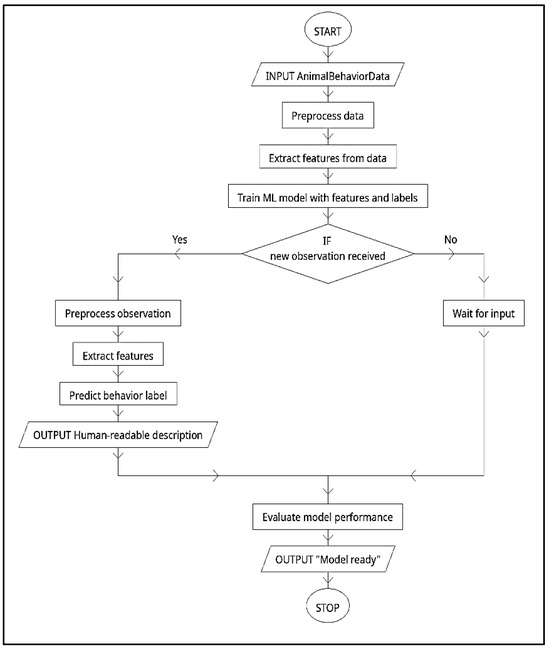
Humans have always been curious about what animals are trying to communicate, especially our closest companions—dogs and cats. While we often rely on instinct and observation to understand their needs and feelings, this method can be inaccurate or limited. This research introduces a
[...] Read more.
Humans have always been curious about what animals are trying to communicate, especially our closest companions—dogs and cats. While we often rely on instinct and observation to understand their needs and feelings, this method can be inaccurate or limited. This research introduces a new computational model designed to translate the behaviors of dogs and cats into simple, human-readable messages. By combining data from their body language, sounds, facial expressions, and movements, the model uses advanced machine learning and deep learning techniques to identify what the animal might be feeling or trying to express. We collect and analyze real-world behavioral data from pets, then train the system to interpret signals like barking, meowing, tail movements, or posture changes. The final output could be a sentence or voice alert that helps pet owners understand things like “I’m hungry,” “I’m scared,” or “I want to play.” This approach not only improves how we care for pets but also enhances emotional connection and communication between humans and animals. It opens new doors for technology in pet care, training, and veterinary support.
Full article
(This article belongs to the Proceedings of The 1st International Conference on Emerging Tech & Innovation (ICETI))
►▼
Show Figures

Figure 1
Open AccessProceeding Paper
Heterogeneous Federated Learning Model for Recognizing Human Activity
by
Nwadher S. Alblihed and Dina M. Ibrahim
Comput. Sci. Math. Forum 2026, 13(1), 10; https://doi.org/10.3390/cmsf2026013010 - 17 Apr 2026
Abstract
A range of sensors are used by human activity recognition (HAR) to identify the activities that people complete each day. The recognition of human activities has benefited greatly from machine learning (ML), as it has made many human activities more easily recorded. Unfortunately,
[...] Read more.
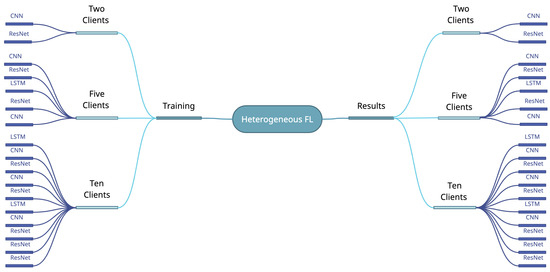
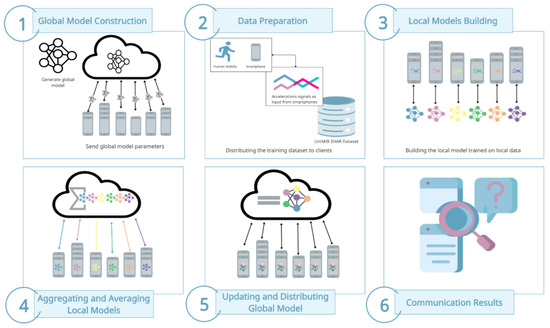
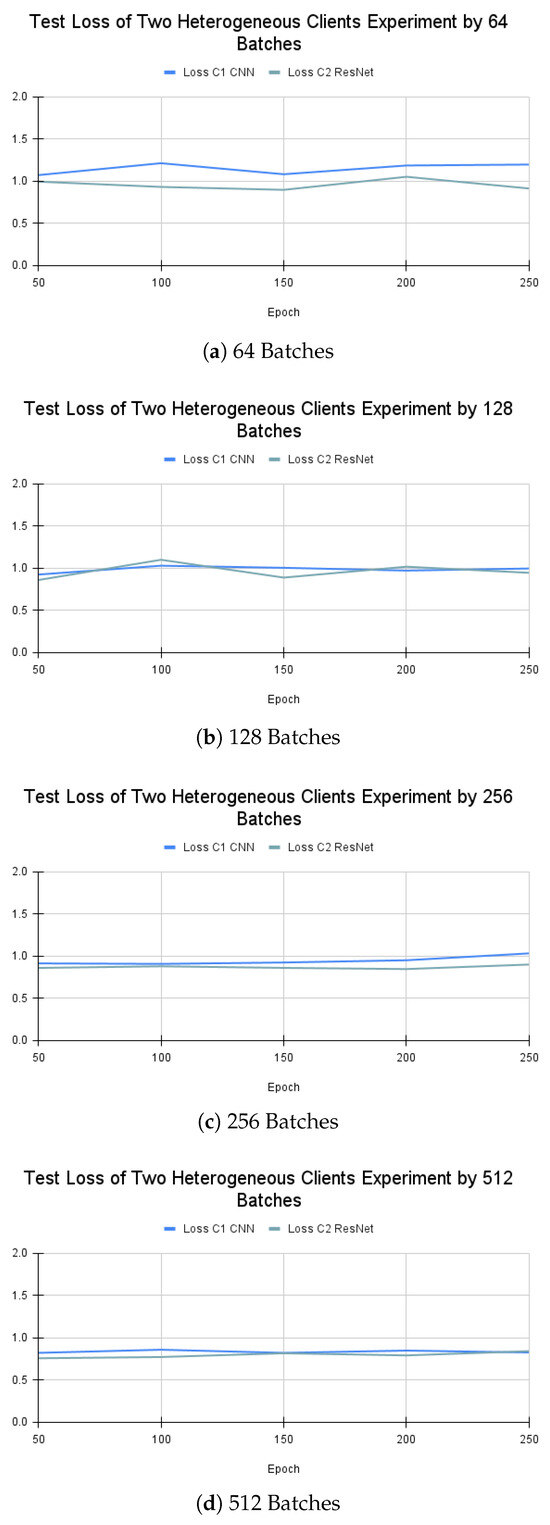
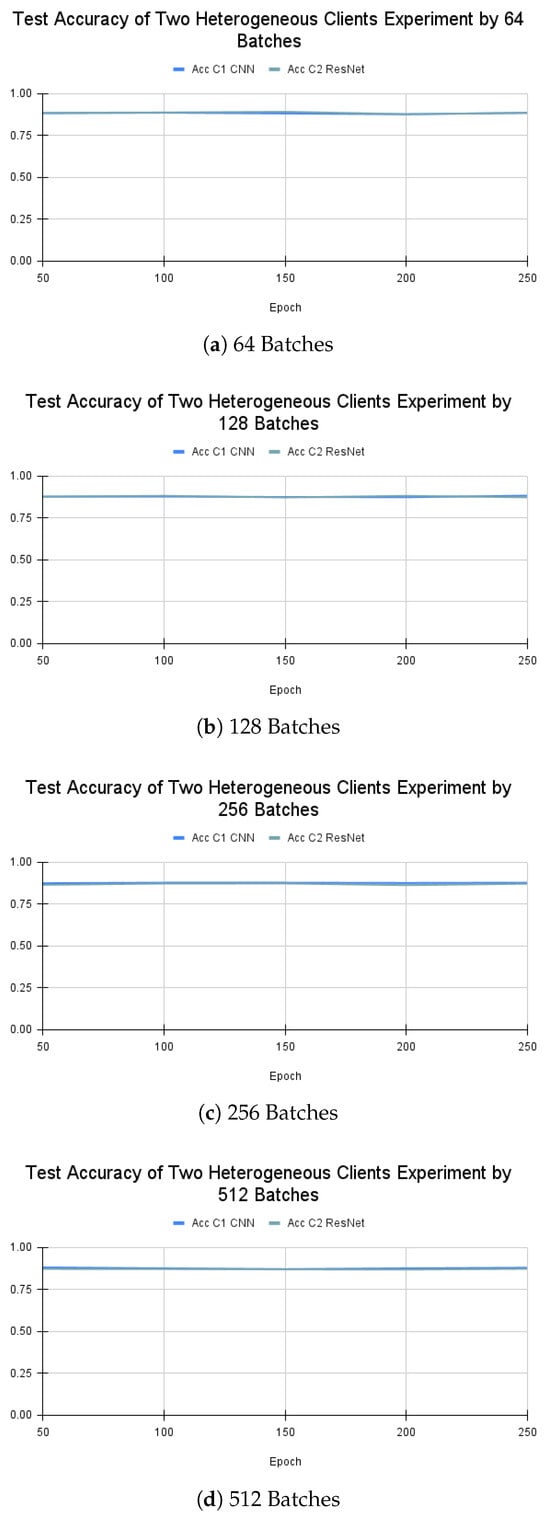
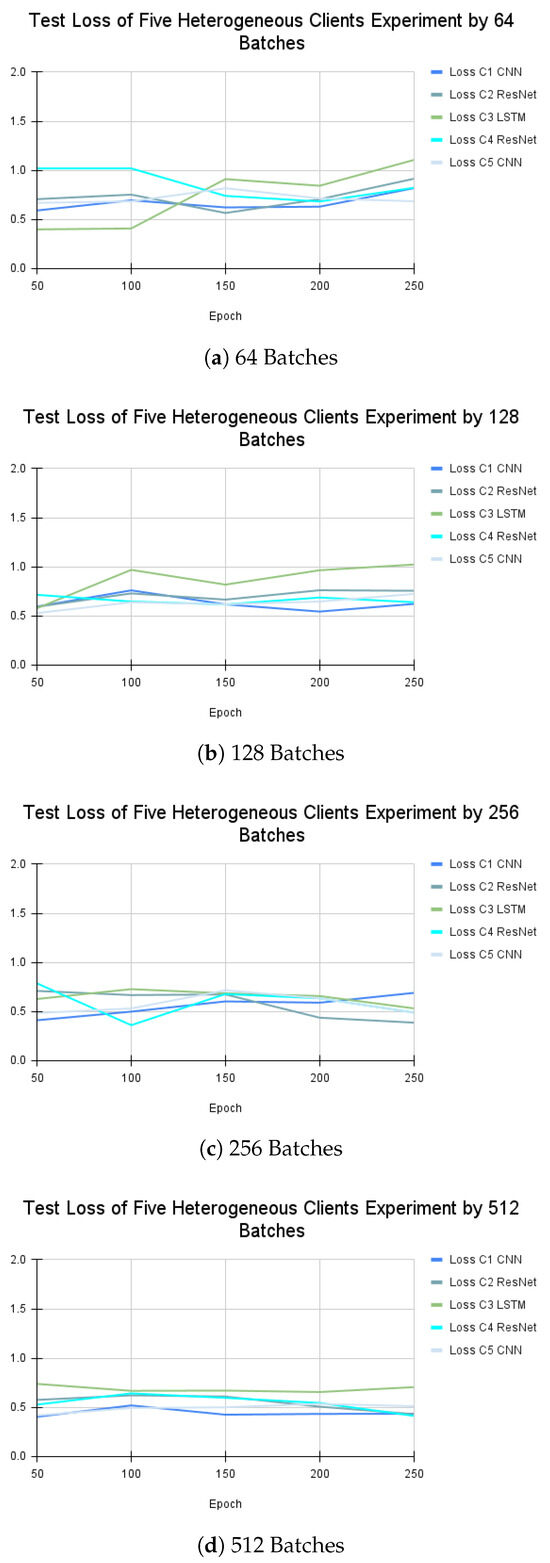
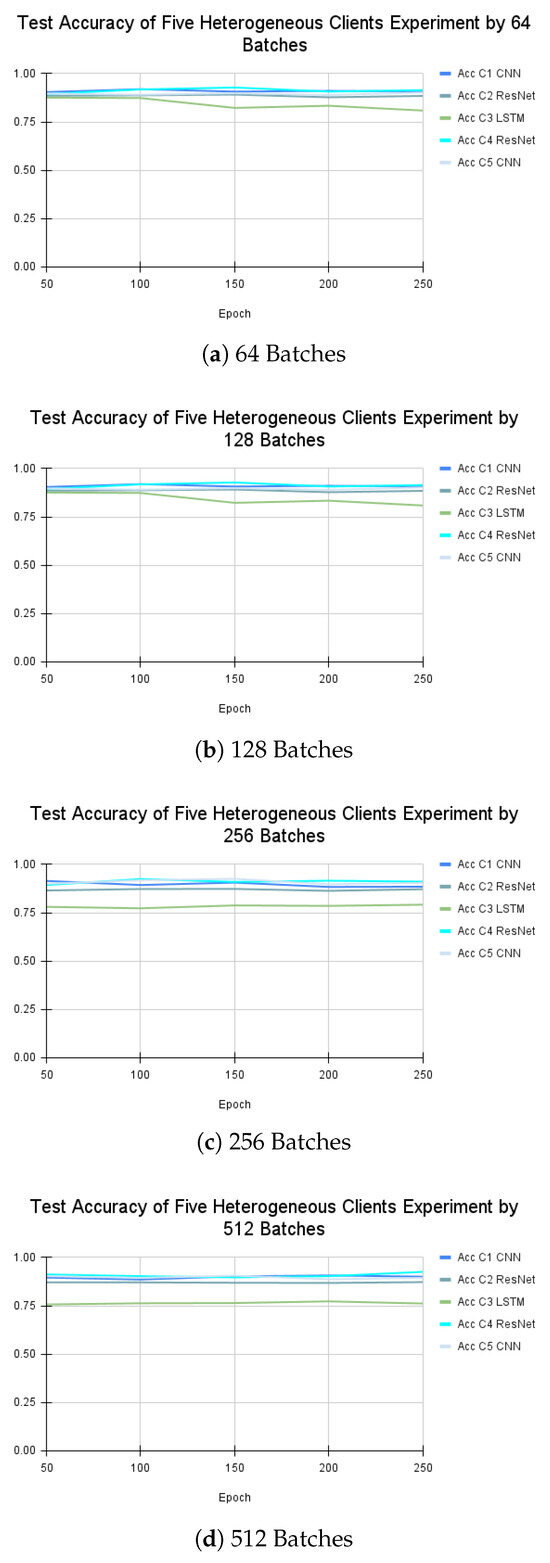
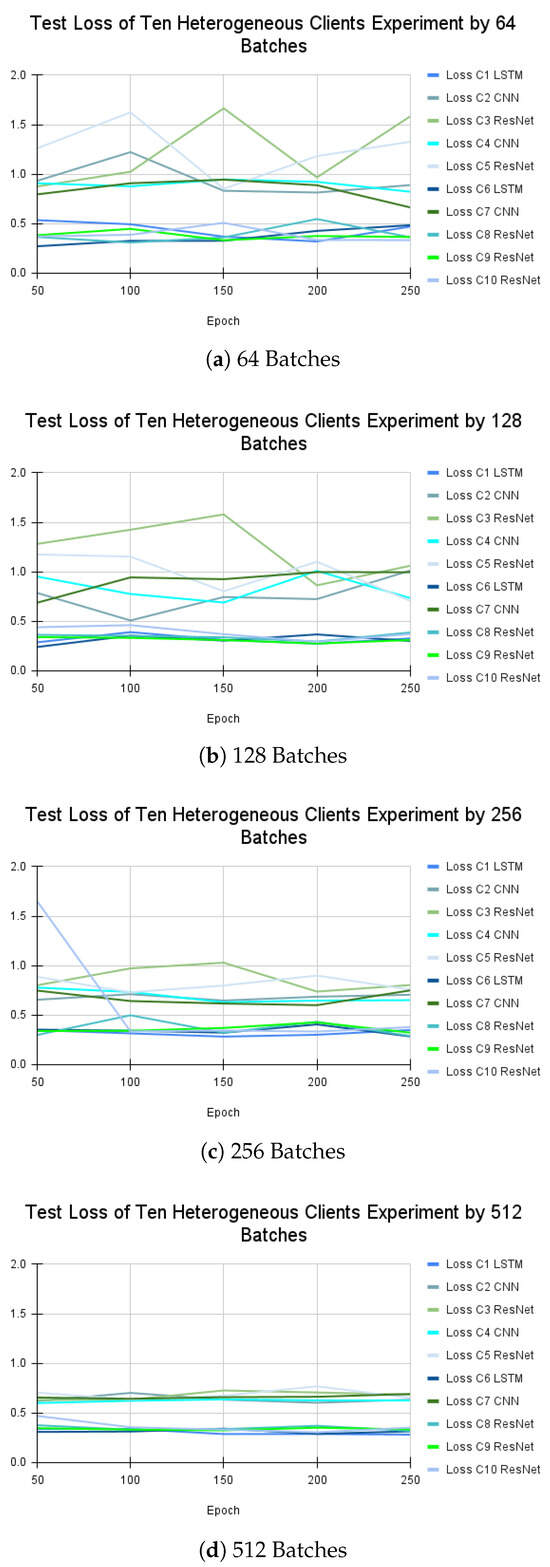
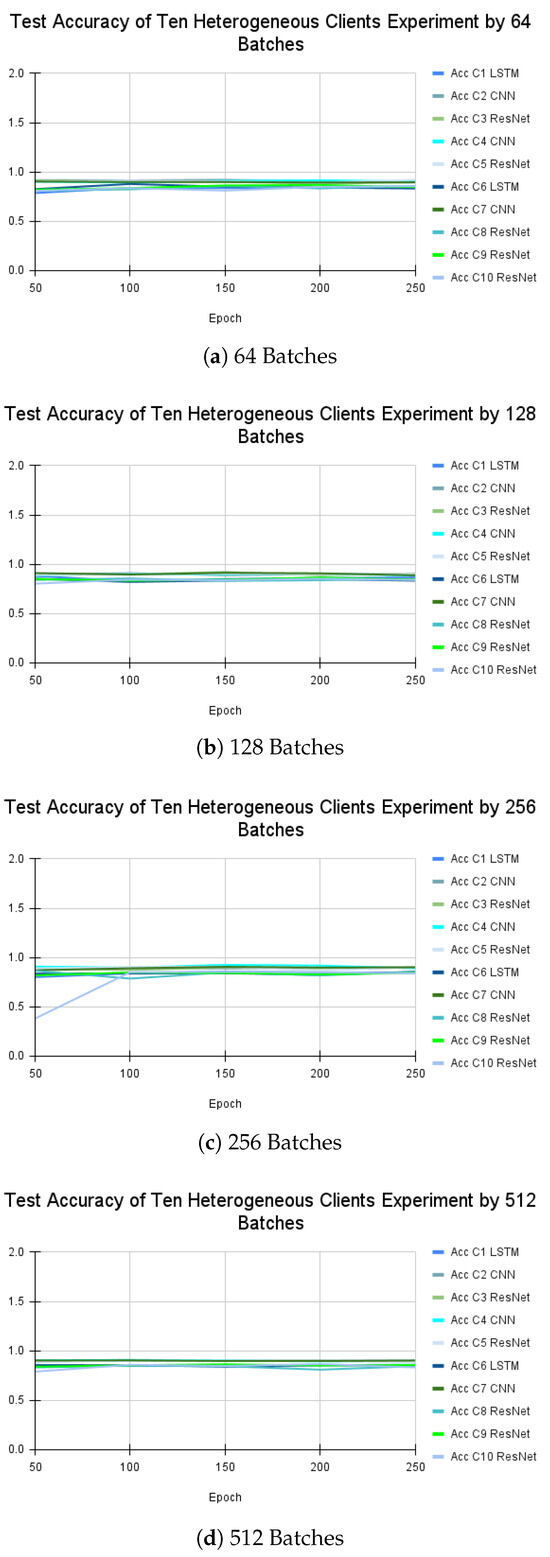
A range of sensors are used by human activity recognition (HAR) to identify the activities that people complete each day. The recognition of human activities has benefited greatly from machine learning (ML), as it has made many human activities more easily recorded. Unfortunately, a centralized approach is used in many HAR applications, which might compromise user privacy. One must use deep learning (DL) using different algorithms and models to analyze the data generated from ML. Another kind of ML is distributed ML, called federated learning (FL), which tries to distribute ML models across edge devices. Thus, this study presents an FL model to support HAR by building a generic model and using user-based training data without data sharing. Through developing heterogeneous local models, each client takes the most suitable DL model to the client. This study uses three different DL models to develop the local model: Convolutional Neural Network (CNN), Residual Network (ResNet), and Long Short-term Memory (LSTM). Moreover, different numbers of clients are experimented with: two, five, and ten clients. The UniMiB SHAR dataset is used to apply the experiments. As a result, using five clients with three mixed DL models gives the highest Accuracy of 90.8%.
Full article
(This article belongs to the Proceedings of The 1st International Conference on Emerging Tech & Innovation (ICETI))
►▼
Show Figures

Figure 1

Open AccessProceeding Paper
Energy-Aware Bid-Based Client Selection for Federated Learning in Resource-Constrained IoT Networks
by
Rana Albelaihi
Comput. Sci. Math. Forum 2026, 13(1), 7; https://doi.org/10.3390/cmsf2026013007 - 17 Apr 2026
Abstract
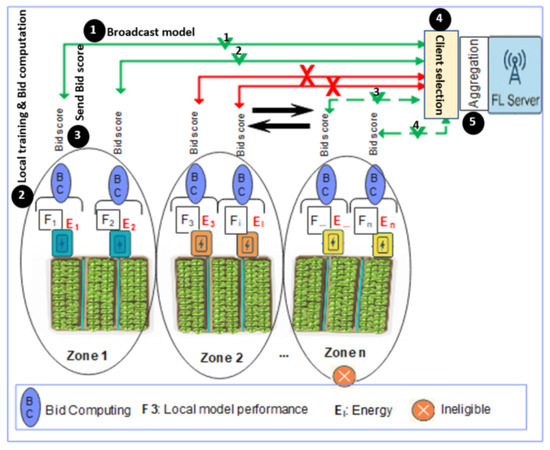
Federated learning (FL) enables distributed IoT devices to train machine learning models collaboratively without sharing raw data. However, energy heterogeneity among devices significantly challenges efficient and equitable participation, particularly in resource-constrained networks. This paper introduces BEAF (Bid-based Energy-Aware Federated Learning), a client selection
[...] Read more.
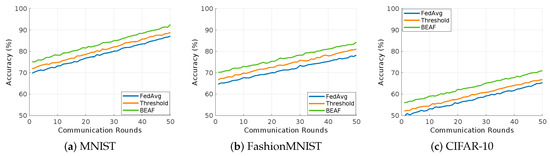
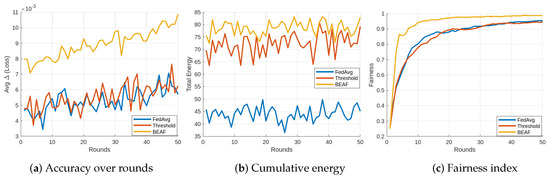
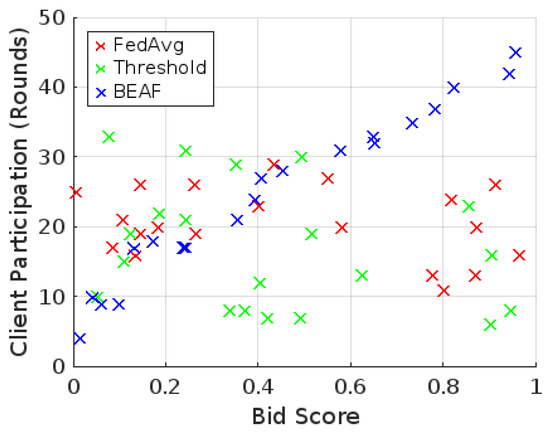
Federated learning (FL) enables distributed IoT devices to train machine learning models collaboratively without sharing raw data. However, energy heterogeneity among devices significantly challenges efficient and equitable participation, particularly in resource-constrained networks. This paper introduces BEAF (Bid-based Energy-Aware Federated Learning), a client selection strategy that incorporates the availability of energy and the training utility of the device into a unified selection criterion. Each client independently computes a bid score based on its remaining energy and the relative improvement in local training loss. Clients with the highest utility-per-joule scores are selected to participate in each round. The approach operates without centralized profiling or historical coordination and is compatible with synchronous FL protocols. The evaluation of standard benchmarks shows that BEAF enhances the precision of the global model, reduces total energy consumption, and improves fairness in client participation compared to baseline methods, such as random sampling and selection based on energy thresholds. The method is suitable for deployment in energy-limited environments, including agricultural monitoring and other distributed sensing applications.
Full article
(This article belongs to the Proceedings of The 1st International Conference on Emerging Tech & Innovation (ICETI))
►▼
Show Figures

Figure 1
Open AccessProceeding Paper
Spectral Analysis of Neural Network Weight Matrices and the Impact of Weight Conditioning on Optimization Performance
by
Abdulnaser Rashid
Comput. Sci. Math. Forum 2026, 13(1), 8; https://doi.org/10.3390/cmsf2026013008 - 16 Apr 2026
Abstract
This paper explores the relationship between random matrix theory (RMT) and the use of weight conditioning for training deep neural networks by employing an integrated framework. It has been shown that trained neural networks produce singular value distributions that follow universal distributions prescribed
[...] Read more.
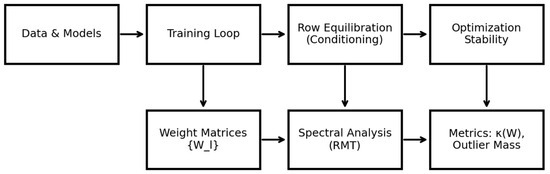
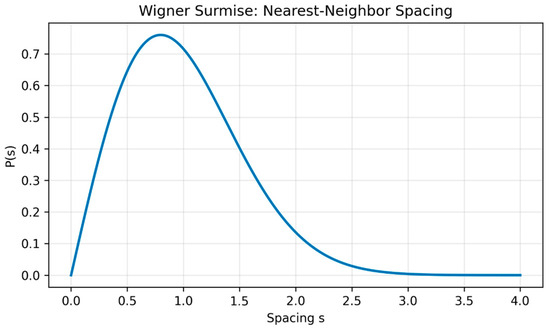
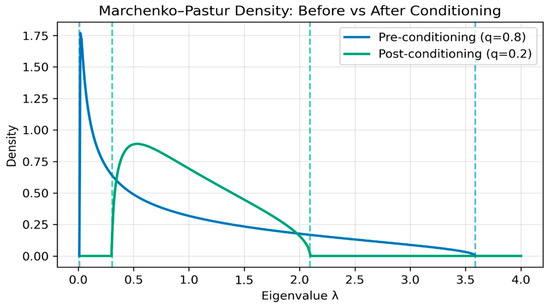
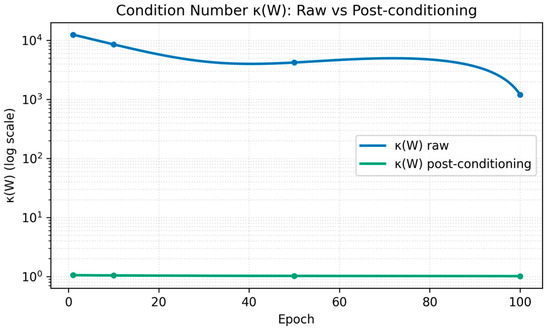
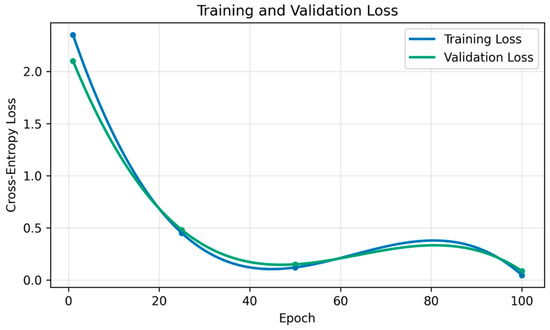
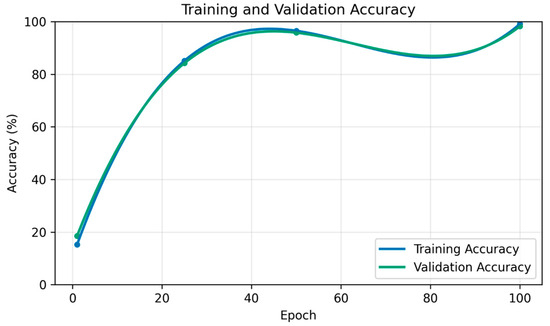
This paper explores the relationship between random matrix theory (RMT) and the use of weight conditioning for training deep neural networks by employing an integrated framework. It has been shown that trained neural networks produce singular value distributions that follow universal distributions prescribed by RMT; however, the presence of non-universal outliers in the distribution can contain significant information particular to the task being performed. In addition, this research investigates how the application of diagonal row equilibration as a form of conditioning affects spectral behavior and optimization stability within deep neural networks. The results show that through conditioning, the random bulk of the singular value decomposition (SVD) spectrum is effectively compressed into a narrow band about the value 1, significantly reducing the Marchenko–Pastur bounds. The results also support the claim that weight conditioning retains the informative nature of the spectral outliers. The experimental results show that weight condition numbers (κ(W)) decreased from extremely ill-conditioned regimes of approximately 103 to 104 to almost 1.0, producing smoother training landscapes, a quicker convergence rate, and an improved ability for gradients to propagate. These results suggest that conditioning weights can be thought of as an implicit spectral regularize linking RMT evidence and concepts to the practical optimization of deep learning methods.
Full article
(This article belongs to the Proceedings of The 1st International Conference on Emerging Tech & Innovation (ICETI))
►▼
Show Figures

Figure 1

Open AccessProceeding Paper
Encephalon_DC: Classification of Brain Diseases Using Deep Learning Techniques
by
Leidi M. Saleh Aouto, Lin M. Saleh Aouto, Rawan Khaled Flifel and Dina M. Ibrahim
Comput. Sci. Math. Forum 2026, 13(1), 6; https://doi.org/10.3390/cmsf2026013006 - 16 Apr 2026
Abstract
The brain is the most complex organ in the human body, and neurological disorders pose significant diagnostic challenges. This study focuses on three prevalent conditions—Alzheimer’s disease, brain tumors, and Parkinson’s disease—collectively referred to as Encephalon Diseases. We propose a three-level deep learning-based framework,
[...] Read more.
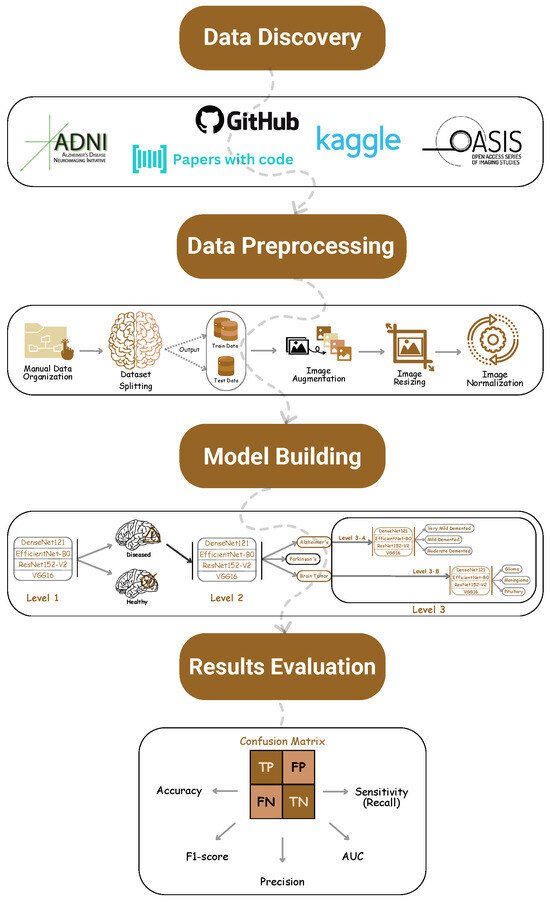
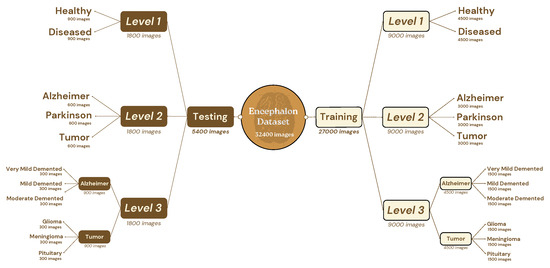
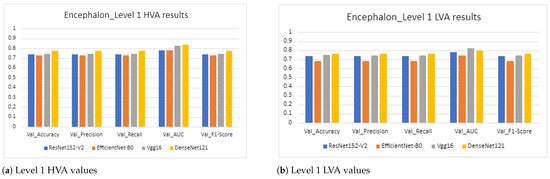
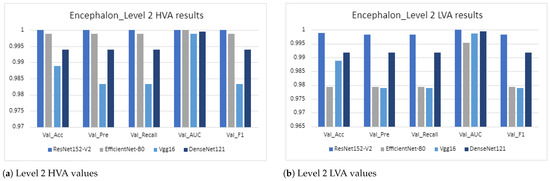
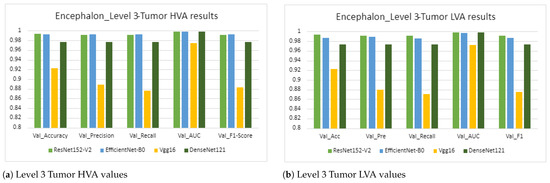
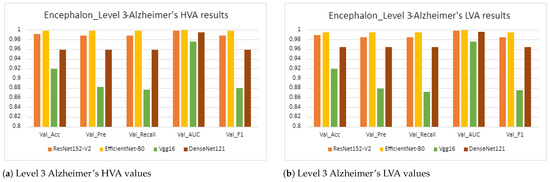
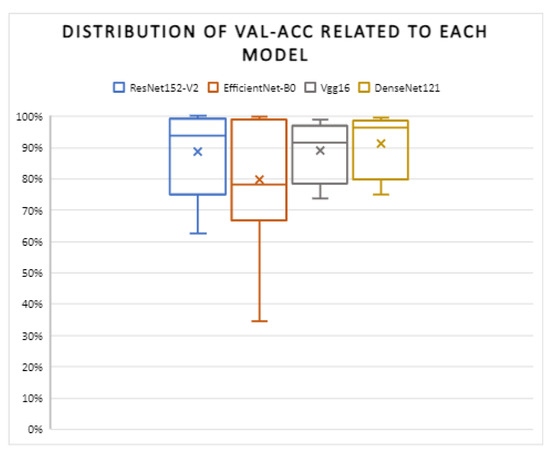
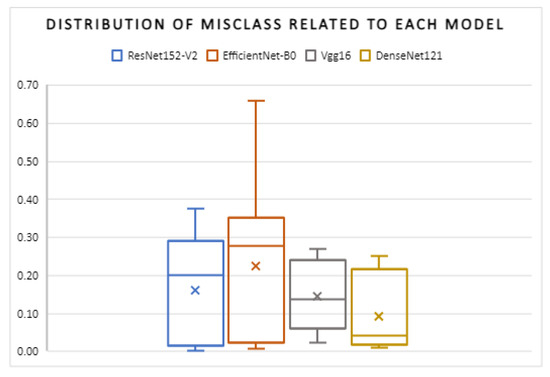
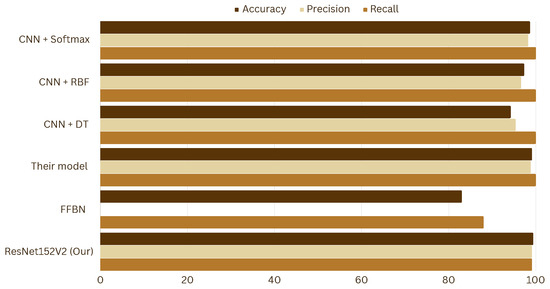
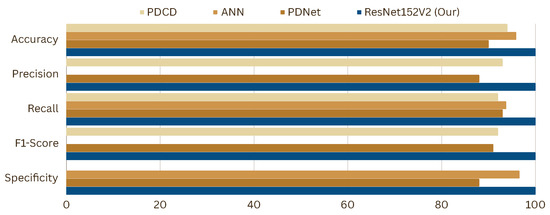
The brain is the most complex organ in the human body, and neurological disorders pose significant diagnostic challenges. This study focuses on three prevalent conditions—Alzheimer’s disease, brain tumors, and Parkinson’s disease—collectively referred to as Encephalon Diseases. We propose a three-level deep learning-based framework, termed the Encephalon Diseases Classifier, for automated diagnosis from magnetic resonance imaging (MRI) scans. In Level 1, MRI images are classified as normal or diseased. Level 2 further categorizes diseased cases into one of the three targeted conditions. Level 3 performs stage or subtype classification for Alzheimer’s disease and brain tumors. The framework employs four convolutional neural network (CNN) architectures, namely ResNet152-V2, EfficientNet-B0, DenseNet121, and VGG16, trained on a preprocessed dataset. Experimental results show that ResNet152-V2 achieves the highest accuracy of 100%, while EfficientNet-B0 and DenseNet121 yield comparable performance across all levels. The proposed method demonstrates the potential of multi-level deep learning strategies for precise and scalable Encephalon disease classification.
Full article
(This article belongs to the Proceedings of The 1st International Conference on Emerging Tech & Innovation (ICETI))
►▼
Show Figures

Figure 1

Open AccessProceeding Paper
Lightweight and Transparent Intrusion Detection in the Internet of Medical Things: The Role of Explainable AI
by
Rawan Abdulaziz AlRumaih, Tarek Moulahi and Dina M. Ibrahim
Comput. Sci. Math. Forum 2026, 13(1), 5; https://doi.org/10.3390/cmsf2026013005 - 16 Apr 2026
Abstract
The rise of the Internet of Medical Things (IoMT) has transformed healthcare through real-time monitoring and improved outcomes but also introduced critical security and privacy challenges. This paper presents a focused survey of Explainable AI (XAI) approaches for intrusion detection in IoMT, emphasizing
[...] Read more.
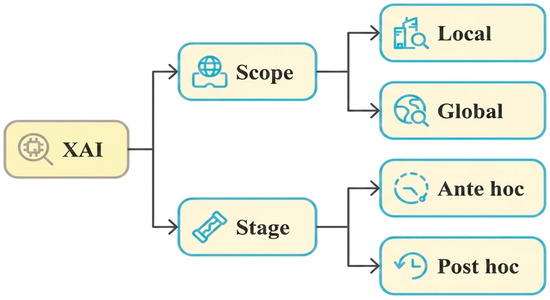
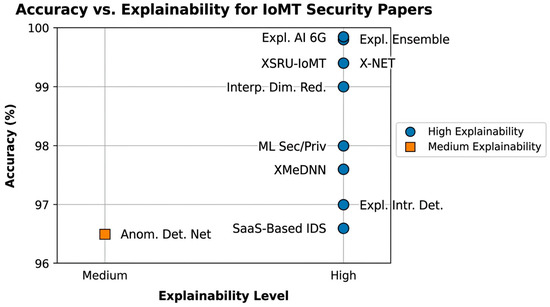
The rise of the Internet of Medical Things (IoMT) has transformed healthcare through real-time monitoring and improved outcomes but also introduced critical security and privacy challenges. This paper presents a focused survey of Explainable AI (XAI) approaches for intrusion detection in IoMT, emphasizing methods that are lightweight, transparent, and deployable under resource constraints. We first clarify XAI terminology and taxonomy (global vs. local scope; ante hoc vs. post hoc; model-agnostic vs. model-specific) and then systematize recent works from the past five years across cybersecurity sub-domains relevant to eHealth. Representative pipelines span classical ML (e.g., LR, RF, SVM, and XGBoost) and deep models (e.g., DNNs and SRU/LSTM), with post hoc explainers, especially SHAP and LIME, dominating practice on benchmark datasets such as CICIDS2017, NSL-KDD, ToN-IoT, WUSTL-EHMS, and CICIoMT2024. Our comparative analysis highlights consistent gains from model ensembling and interpretable feature selection while uncovering key gaps: limited real-world validation, inconsistent explainability metrics, adversarial brittleness, and the computing cost of explanations at the edge.
Full article
(This article belongs to the Proceedings of The 1st International Conference on Emerging Tech & Innovation (ICETI))
►▼
Show Figures

Figure 1

Open AccessProceeding Paper
DSGCNN-DA: A Deep Stacked Graph Convolutional Neural Network with Dynamic Aggregation for Malware Behavioral Learning
by
Ghida Almusned, Lama Almutairi, Emna Benmohamed and Rana Albelaihi
Comput. Sci. Math. Forum 2026, 13(1), 9; https://doi.org/10.3390/cmsf2026013009 - 15 Apr 2026
Abstract
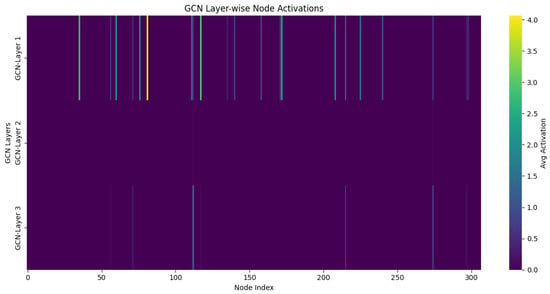
Malware remains a major threat to computer systems, posing serious risks to security and privacy by stealing sensitive data, disrupting services, and compromising system integrity. Traditional detection methods are often ineffective against rapidly evolving malware. In response, data-driven deep learning has emerged as
[...] Read more.
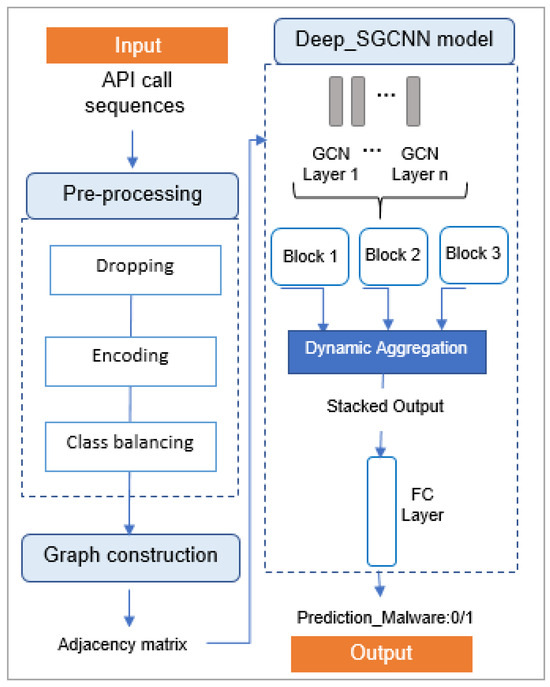
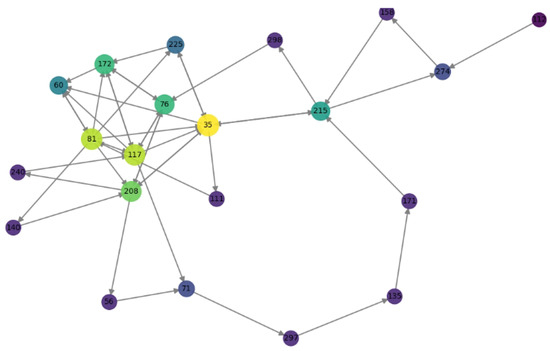
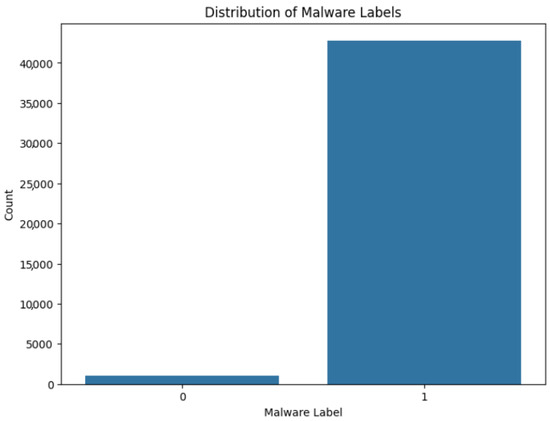
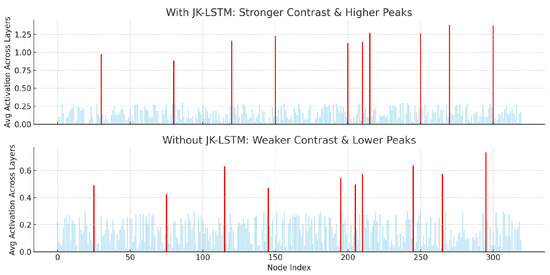
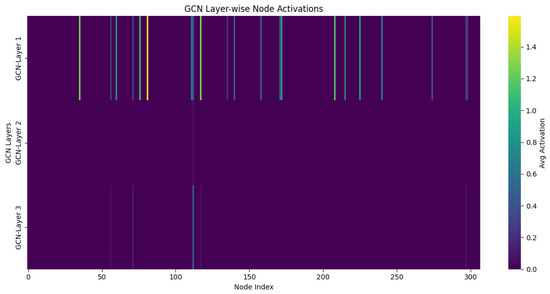
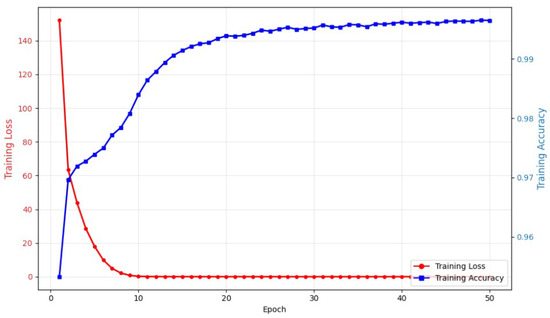
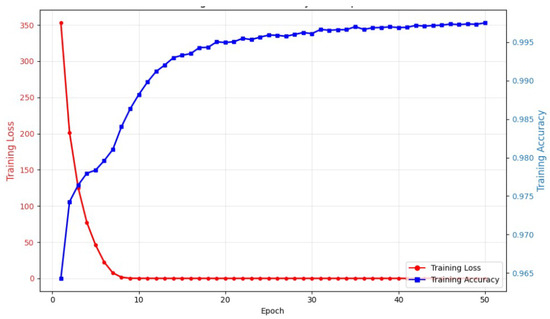
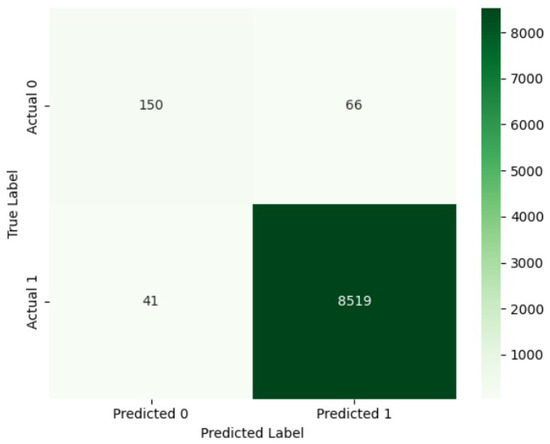
Malware remains a major threat to computer systems, posing serious risks to security and privacy by stealing sensitive data, disrupting services, and compromising system integrity. Traditional detection methods are often ineffective against rapidly evolving malware. In response, data-driven deep learning has emerged as a powerful alternative. Recent models have demonstrated promising performance in detecting malicious behavior by learning from these behavioral traces. Behavior-based detection represents a significant advancement in the fight against malware. This paper introduces a deep stacked Graph Convolutional Network (GCN) for effective malware behavioral analysis. The aggregation of multiple GCN layers and blocks results in dynamically performed Jumping Knowledge (JK) method, especially Long Short-Term Memory (LSTM). LSTM-based JK dynamically selects and weights the most informative GCN layers for each node to improve the model’s ability. Experimental results demonstrate the superior performance of our deep stacked Graph Convolutional Network with Dynamic Aggregation (DSGCN-DA) model, achieving an accuracy of 98.93% on the API-Call-Sequences dataset, outperforming the state-of-the-art approaches.
Full article
(This article belongs to the Proceedings of The 1st International Conference on Emerging Tech & Innovation (ICETI))
►▼
Show Figures

Figure 1

Open AccessProceeding Paper
Deep Learning Approaches for Efficient and Accurate DNA Sequence Alignment Using Large Language Models
by
Shefa Alkhowaiter and Mohamed Tahar Ben Othman
Comput. Sci. Math. Forum 2026, 13(1), 4; https://doi.org/10.3390/cmsf2026013004 - 15 Apr 2026
Abstract
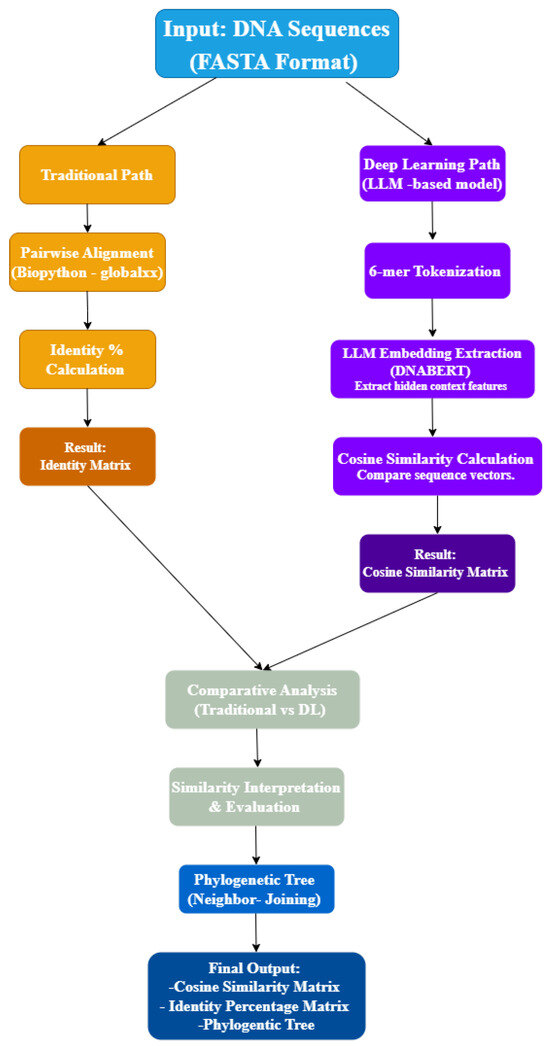
This study addresses the challenge of DNA sequence similarity analysis by combining deep learning with DNABERT embeddings. Traditional alignment methods based on direct pairwise comparisons often fail to detect deeper biological relationships beyond nucleotide matching. However, DNABERT, a large transformer-based language model, captures
[...] Read more.
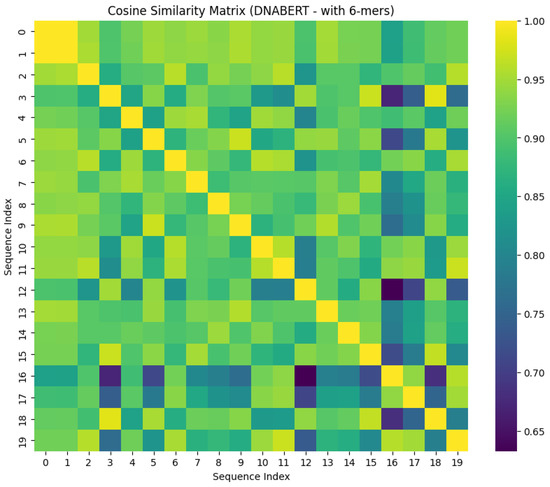
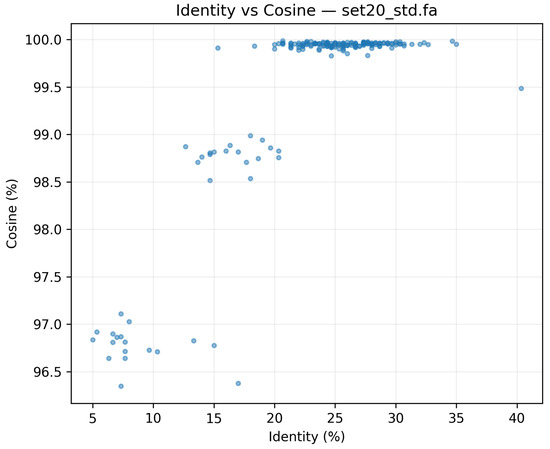
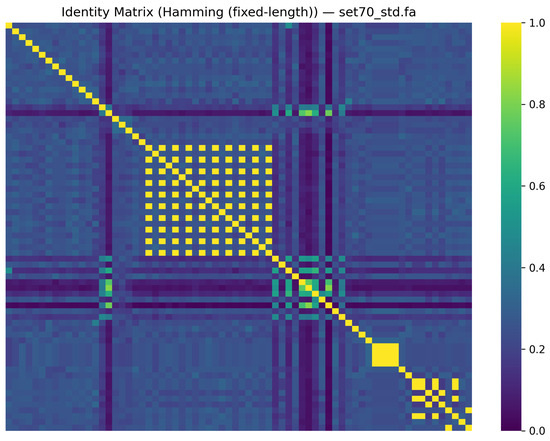
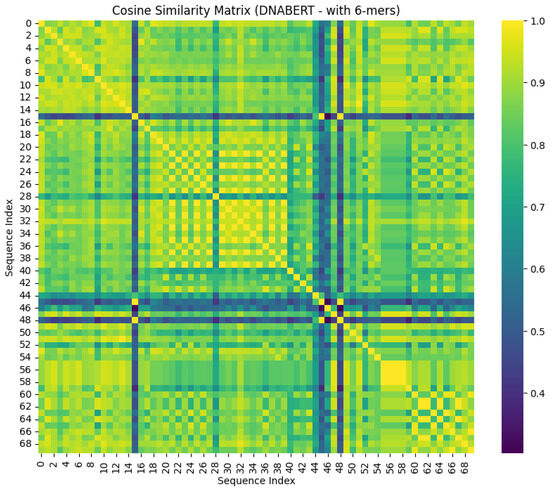
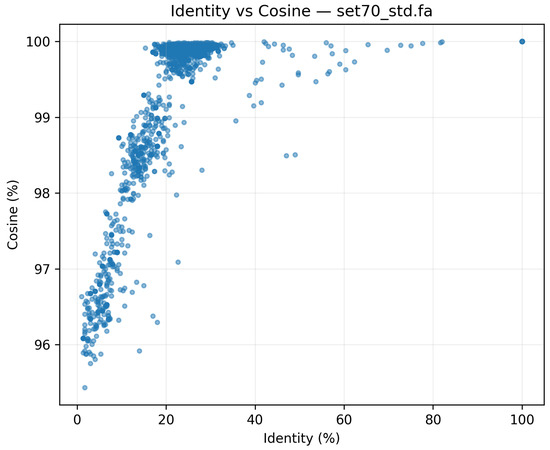
This study addresses the challenge of DNA sequence similarity analysis by combining deep learning with DNABERT embeddings. Traditional alignment methods based on direct pairwise comparisons often fail to detect deeper biological relationships beyond nucleotide matching. However, DNABERT, a large transformer-based language model, captures contextual and functional patterns within genomic data. We initially used a dataset of 20 human DNA sequences and later expanded it to 70 sequences to enhance statistical reliability. The results showed that DNABERT recovered functional similarities even between sequences with low identity percentages, revealing previously overlooked structural relationships that were hidden by traditional alignments. Quantitative evaluation using precision, recall, and F1 score confirmed the robustness and consistency of the DNABERT-based approach. Overall, this study demonstrates that combining traditional and deep learning-based methods yields a more accurate and interpretable framework for DNA sequence alignment, thereby paving the way for enhanced genomic analysis.
Full article
(This article belongs to the Proceedings of The 1st International Conference on Emerging Tech & Innovation (ICETI))
►▼
Show Figures

Figure 1
Open AccessProceeding Paper
Data Encryption Algorithms for Cloud Storage Systems—A Comparative Analysis
by
Abdulsalam Ibrahim Almirdasi and Mohamed Tahar Ben Othman
Comput. Sci. Math. Forum 2026, 13(1), 3; https://doi.org/10.3390/cmsf2026013003 - 15 Apr 2026
Abstract
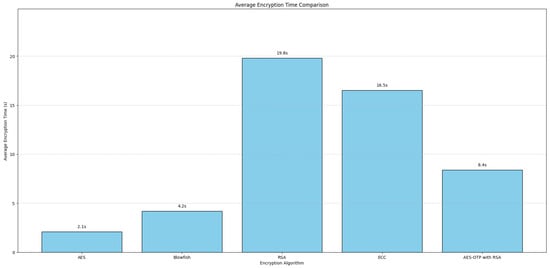
Cloud storage systems require strong and efficient encryption methods to ensure data security and reliability. However, selecting the most suitable encryption algorithm remains a challenge due to variations in performance, overhead, and reliability. This study aims to introduce a comparative analysis of five
[...] Read more.
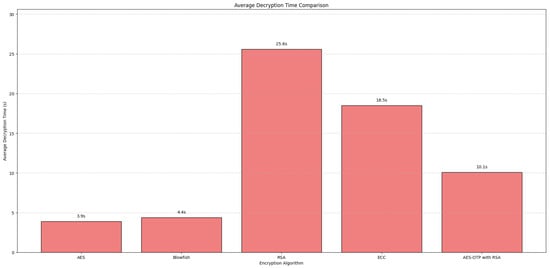
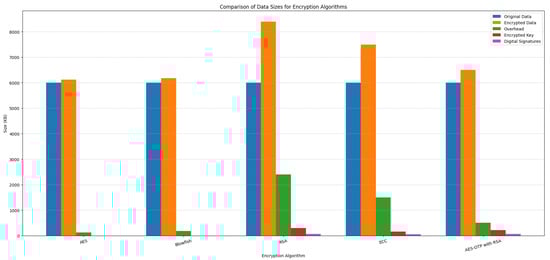
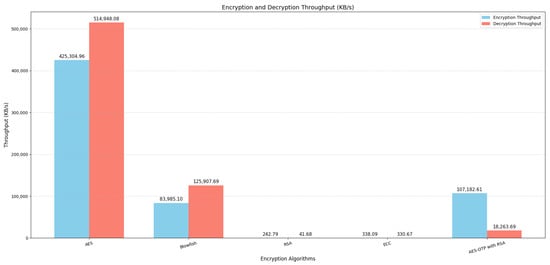
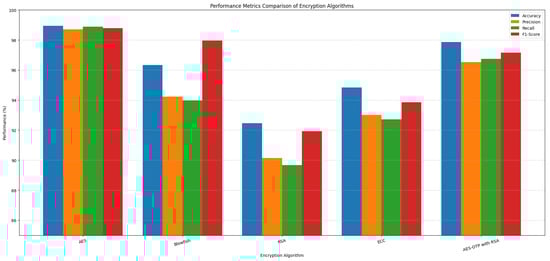
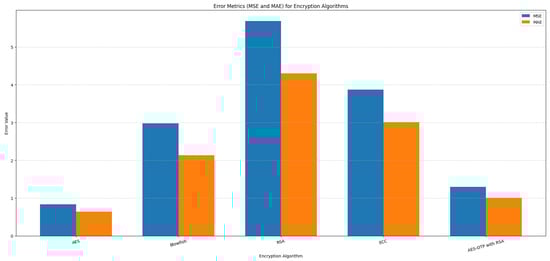
Cloud storage systems require strong and efficient encryption methods to ensure data security and reliability. However, selecting the most suitable encryption algorithm remains a challenge due to variations in performance, overhead, and reliability. This study aims to introduce a comparative analysis of five encryption algorithms—Advanced Encryption Standard (AES), Blowfish, Rivest-Shamir-Adleman (RSA), Elliptic Curve Cryptography (ECC), and Advanced Encryption Standard one-time password AES-OTP with RSA hybrid model (AES-OTP with RSA)—to identify the most suitable algorithm to protect sensitive data in cloud storage systems. The evaluation of these algorithms was based on encryption/decryption time, data size overhead, encryption/decryption throughput, performance metrics (accuracy, precision, recall, and F1-score), and error metrics mean square error and mean absolute error (MSE and MAE), using datasets of various sizes. The results indicated that AES provided the fastest encryption and decryption time, minimal overhead, and the highest throughput and accuracy, while Blowfish also performed efficiently but with slightly higher error rates. RSA and ECC, although secure, were slower and demonstrated more overhead. The hybrid AES-OTP with RSA model achieved a good balance between speed and secure key management. This study highlights the trade-offs between speed, security, and storage efficiency, offering guidance in selecting appropriate encryption algorithms for cloud-based data protection.
Full article
(This article belongs to the Proceedings of The 1st International Conference on Emerging Tech & Innovation (ICETI))
►▼
Show Figures

Figure 1
Open AccessProceeding Paper
Blockchain-Based Secure Data Sharing in Cybersecurity: A Framework for Protecting Sensitive Information
by
Raneem Khaled AlFadhel and Mohammad Ali A. Hammoudeh
Comput. Sci. Math. Forum 2026, 13(1), 2; https://doi.org/10.3390/cmsf2026013002 (registering DOI) - 15 Apr 2026
Abstract
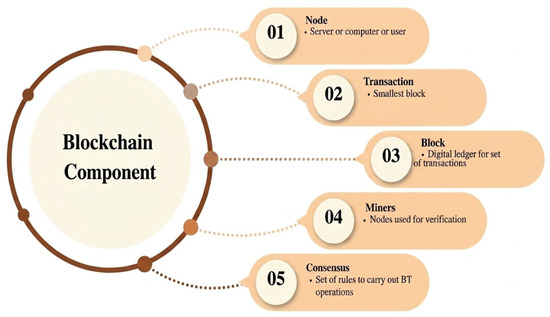
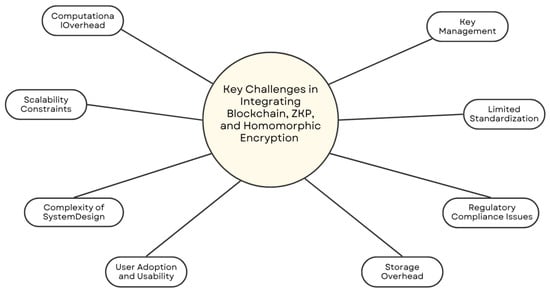
With the growing volume of sensitive data stored and processed in cloud environments, conventional security models are no longer sufficient to guarantee privacy, integrity, and trust. This paper proposes a blockchain-based framework that integrates Zero-Knowledge Proofs (ZKPs) and homomorphic encryption (HE) to enable
[...] Read more.
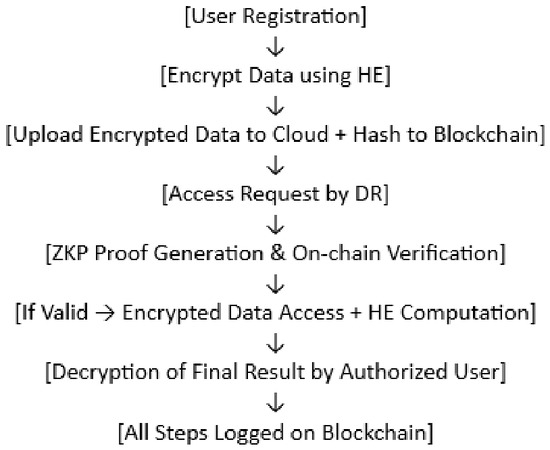
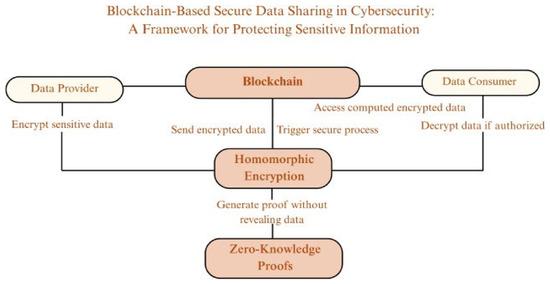
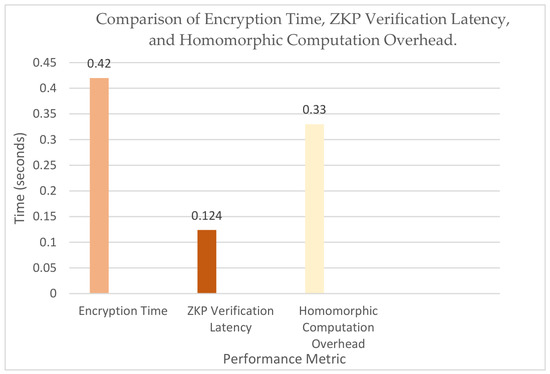
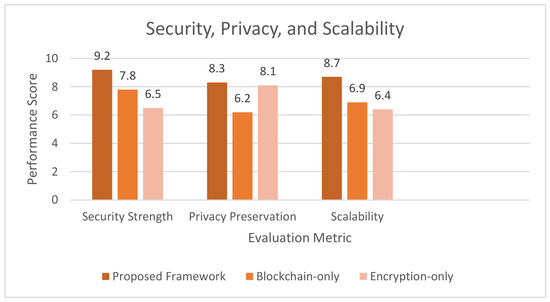
With the growing volume of sensitive data stored and processed in cloud environments, conventional security models are no longer sufficient to guarantee privacy, integrity, and trust. This paper proposes a blockchain-based framework that integrates Zero-Knowledge Proofs (ZKPs) and homomorphic encryption (HE) to enable secure and privacy-preserving data sharing. ZKPs are employed to verify user access rights without exposing identities or underlying information, while HE allows computations to be performed directly on encrypted data, ensuring confidentiality is preserved throughout the data lifecycle. The proposed framework addresses the limitations of existing approaches that either lack encrypted computation capabilities or expose sensitive data during processing. Formal and informal analyses demonstrate the feasibility of the model in terms of encryption time, ZKP verification latency, and computation overhead. The framework is designed to be applied initially in the healthcare sector and aligns with national digital transformation initiatives such as Saudi Vision 2030.
Full article
(This article belongs to the Proceedings of The 1st International Conference on Emerging Tech & Innovation (ICETI))
►▼
Show Figures

Figure 1
Open AccessEditorial
Preface to the 1st International Conference on Emerging Tech & Innovation (ICETI)
by
Dina M. Ibrahim and Jamal Alotaibi
Comput. Sci. Math. Forum 2026, 13(1), 1; https://doi.org/10.3390/cmsf2026013001 - 13 Apr 2026
Abstract
n/a
Full article
(This article belongs to the Proceedings of The 1st International Conference on Emerging Tech & Innovation (ICETI))
Open AccessEditorial
Statement of Peer Review
by
Sameena Pathan and Saad Hassan Kiani
Comput. Sci. Math. Forum 2025, 12(1), 19; https://doi.org/10.3390/cmsf2025012019 - 9 Feb 2026
Abstract
n/a
Full article
(This article belongs to the Proceedings of First International Conference on Computational Intelligence and Soft Computing (CISCom 2025))
Open AccessProceeding Paper
A Comprehensive Analysis of Features, Benefits, Challenges, and Best Practices of Security Information and Event Management (SIEM) Solutions
by
Marios Vardalachakis, Manos Vasilakis and Manolis Tampouratzis
Comput. Sci. Math. Forum 2025, 12(1), 18; https://doi.org/10.3390/cmsf2025012018 - 6 Feb 2026
Abstract
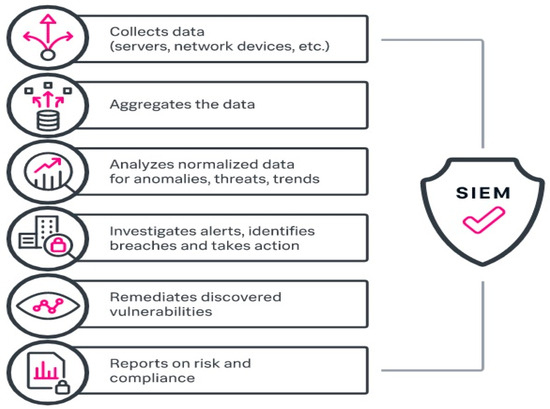
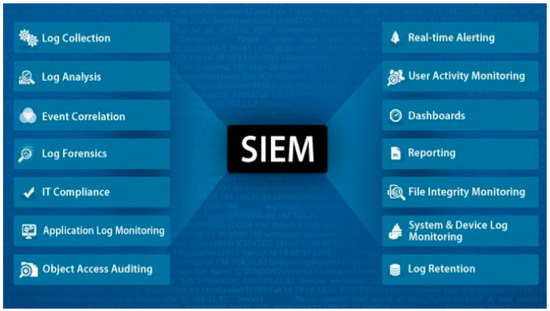
Businesses need good defenses against any number of incidents in the continually evolving area of cybersecurity. SIEM (Security Information and Event Management) systems are now important tools for them. The current study offers a comprehensive analysis of SIEM solutions, such as their key
[...] Read more.
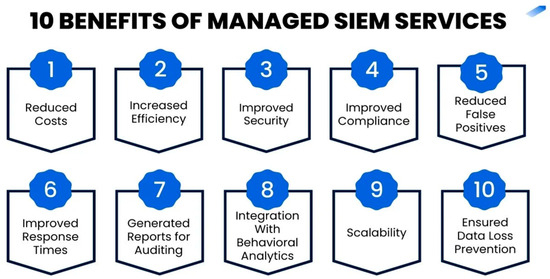
Businesses need good defenses against any number of incidents in the continually evolving area of cybersecurity. SIEM (Security Information and Event Management) systems are now important tools for them. The current study offers a comprehensive analysis of SIEM solutions, such as their key features, benefits, installation issues, and suggested procedures. SIEM systems effectively store security event data, giving continuous tracking, interaction, and examination to recognize and deal with threats rapidly. The advantages of this technology include enhanced operating efficiency, streamlined compliance with laws, expedited response to events, and heightened threat detection capabilities. However, the implementation of SIEM systems has many challenges that must be overcome, including intricacies, cognitive exhaustion, data integration complications, and restrictions. To effectively handle these issues, businesses are advised to develop objectives, properly schedule, attend school, and periodically review and enhance their SIEM goals. In addition, organizations may use the complete capabilities of SIEM systems to enhance their cybersecurity stance and mitigate the risks posed by cyberattacks by staying updated with the most recent developments. This study aims to provide a comprehensive examination of Security Information and Event Management (SIEM) systems, with a specific emphasis on important features, benefits, implementation challenges, and suggestions.
Full article
(This article belongs to the Proceedings of First International Conference on Computational Intelligence and Soft Computing (CISCom 2025))
►▼
Show Figures

Figure 1
Open AccessProceeding Paper
Advanced Machine Learning Approaches for Predicting ADHD in Females: A Data-Driven Study Employing the WIDS Dataset
by
Parth Patil, Karthik Kamaldinni, Sanjana Patil and Sakshi Gaitonde
Comput. Sci. Math. Forum 2025, 12(1), 17; https://doi.org/10.3390/cmsf2025012017 - 3 Feb 2026
Abstract
Attention Deficit/Hyperactivity Disorder (ADHD) is a neurodevelopmental disorder that is found in both children and adults. While this disorder often continues in adulthood, diagnosis can be challenging, particularly in females. Unlike males, who are often diagnosed with ADHD due to their externalizing behaviors
[...] Read more.
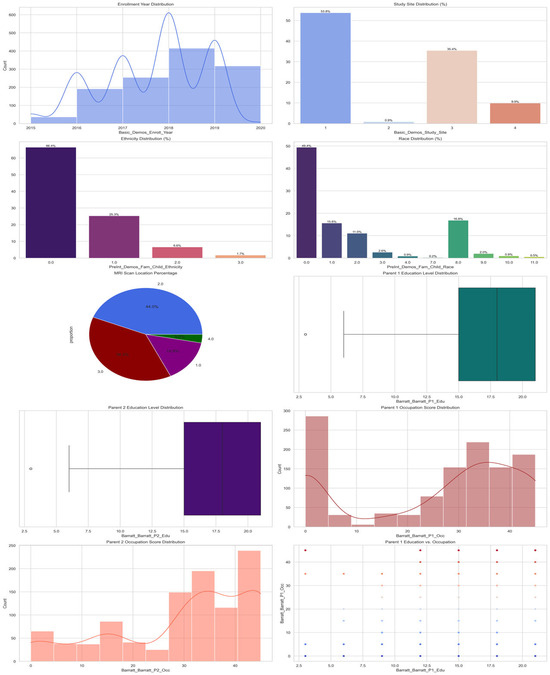
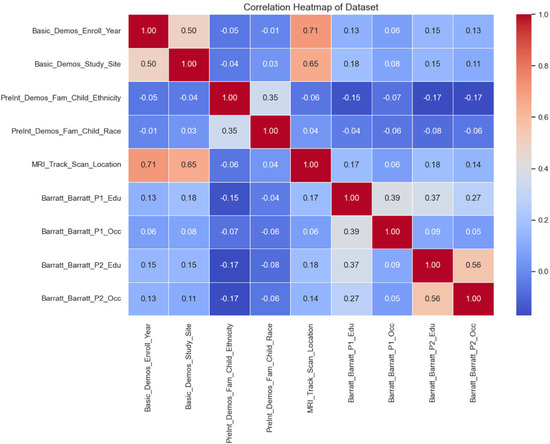
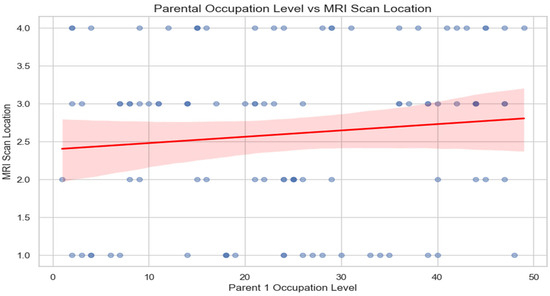
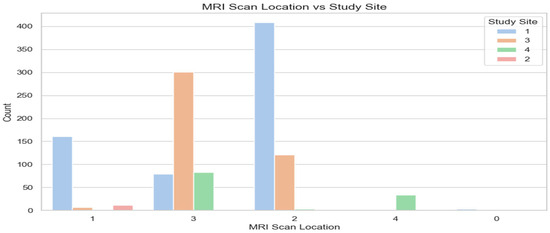
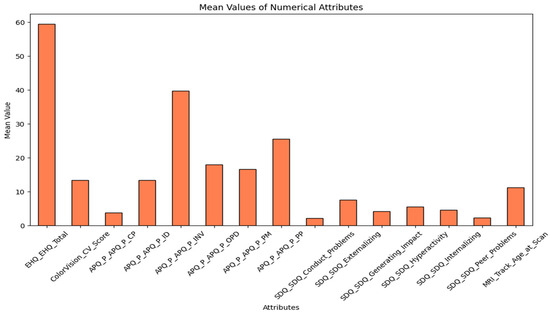
Attention Deficit/Hyperactivity Disorder (ADHD) is a neurodevelopmental disorder that is found in both children and adults. While this disorder often continues in adulthood, diagnosis can be challenging, particularly in females. Unlike males, who are often diagnosed with ADHD due to their externalizing behaviors (i.e., impulsive nature), most females show inattentive symptoms (i.e., in focusing, disorganization), which makes this disorder hard to detect. This paper proposes a machine learning approach to detect ADHD among females. The Wids Datathon 2025 provides three datasets: categorical data, quantitative data, and function connectomes. It contains information on 1213 participants who are seeking to take a test to detect ADHD. Categorical data includes 10 attributes, quantitative data has 19 attributes, and functional connectomes contain 19,901 attributes which are relevant to studying the participants’ overall condition. By combining both XGBoost and Random Forest, an accuracy of 79.42% was achieved. The results show that machine learning algorithms can help in improving ADHD detection in females, leading to better diagnoses in future.
Full article
(This article belongs to the Proceedings of First International Conference on Computational Intelligence and Soft Computing (CISCom 2025))
►▼
Show Figures

Figure 1
Open AccessEditorial
Time Series and Forecasting ITISE-2025: Statement of Peer Review for Computer Sciences & Mathematics Forum
by
Olga Valenzuela, Fernando Rojas, Luis Javier Herrera, Hector Pomares and Ignacio Rojas
Comput. Sci. Math. Forum 2025, 11(1), 38; https://doi.org/10.3390/cmsf2025011038 - 19 Jan 2026
Abstract
n/a
Full article
(This article belongs to the Proceedings of The 11th International Conference on Time Series and Forecasting)
Open AccessProceeding Paper
Visualizing Trends and Correlation Between Fashion Features for Product Design Prediction Using Classification and Sentiment Analysis
by
Monika Sharma, Navneet Sharma and Priyanka Verma
Comput. Sci. Math. Forum 2025, 12(1), 16; https://doi.org/10.3390/cmsf2025012016 - 7 Jan 2026
Abstract
To demonstrate the interrelation of fashion elements for design forecasting, the research examines classification and sentiment analysis methodologies. The study combines survey data with information from social media and e-commerce sites to find important emotional and behavioral patterns that affect how people make
[...] Read more.
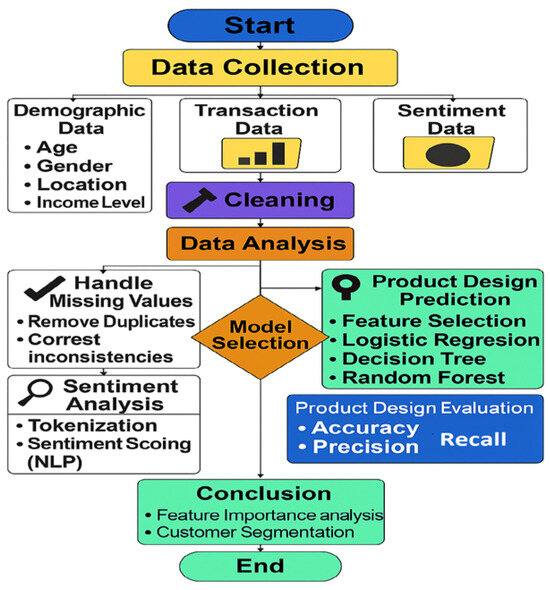
To demonstrate the interrelation of fashion elements for design forecasting, the research examines classification and sentiment analysis methodologies. The study combines survey data with information from social media and e-commerce sites to find important emotional and behavioral patterns that affect how people make buying decisions. The research employs deep learning, Logistic Regression, and Random Forest models to predict design trends and user preferences. The research methodology focuses on improving fashion analytics through feature selection and user segmentation and visual storytelling methods to enhance strategic decision-making.
Full article
(This article belongs to the Proceedings of First International Conference on Computational Intelligence and Soft Computing (CISCom 2025))
►▼
Show Figures

Figure 1
Open AccessProceeding Paper
Smart and Sustainable Infrastructure System for Climate Action
by
Bhanu Prakash, Jayanth Sidlaghatta Muralidhar, Mohammed Zaman Pasha, Vijay Kumar Harapanahalli Kulkarni, Shridhar B. Devamane and N. Rana Pratap Reddy
Comput. Sci. Math. Forum 2025, 12(1), 15; https://doi.org/10.3390/cmsf2025012015 - 29 Dec 2025
Abstract
Flooding in Bengaluru areas such as Kodigehalli, Hebbal, and Nagavara has led to severe disruptions, including traffic congestion, infrastructure damage, and health risks. To address this issue, we have proposed a smart flood alert and communication system, integrating Internet of things (IoT), artificial
[...] Read more.
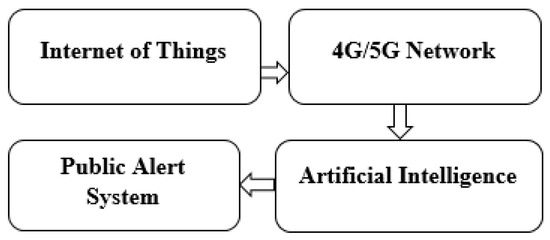
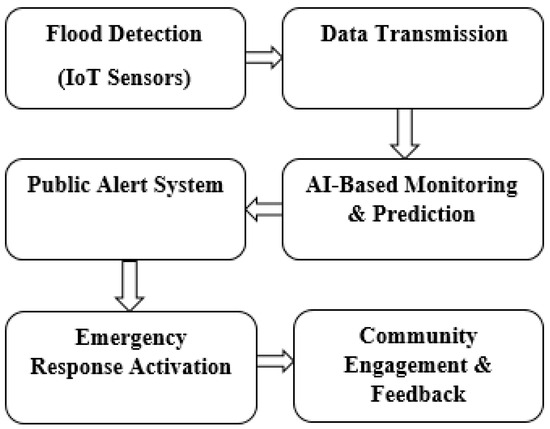
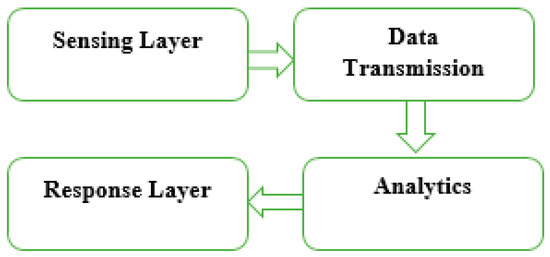
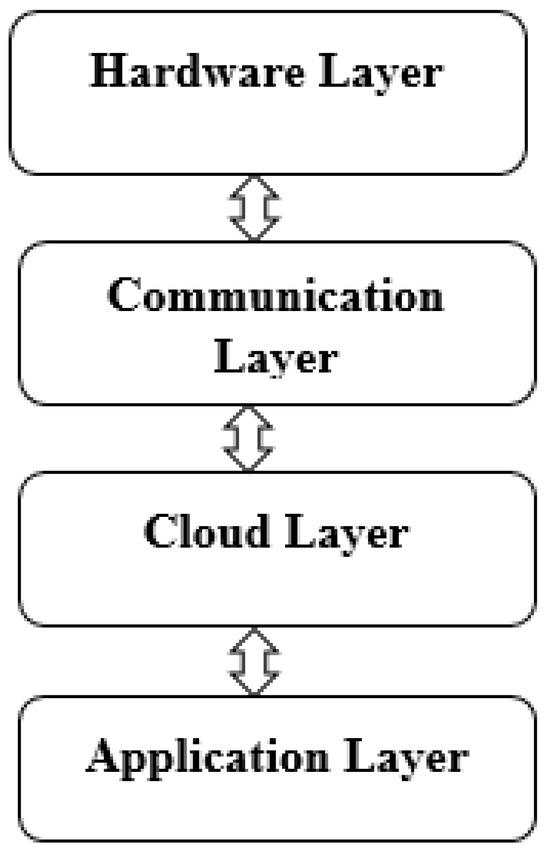
Flooding in Bengaluru areas such as Kodigehalli, Hebbal, and Nagavara has led to severe disruptions, including traffic congestion, infrastructure damage, and health risks. To address this issue, we have proposed a smart flood alert and communication system, integrating Internet of things (IoT), artificial intelligence (AI), and smart infrastructure solutions. The system helps by giving information about real-time water level sensors, AI-driven flood prediction models, automated emergency coordination, and a mobile-based citizen reporting platform. Through cloud-based data processing, predictive analytics, and smart drainage management, this solution aims to enhance early warnings, reduce emergency response time, and improve urban flood resilience. It yields up to an 80% reduction in alert delays, a 50% faster emergency response, and improved community safety. This project seeks collaboration with government agencies, technology firms, and community stakeholders to implement a pilot plan, ensuring a scalable and sustainable flood mitigation strategy for Bengaluru.
Full article
(This article belongs to the Proceedings of First International Conference on Computational Intelligence and Soft Computing (CISCom 2025))
►▼
Show Figures

Figure 1
Open AccessProceeding Paper
CNN-Based Image Classification of Silkworm for Early Prediction of Diseases
by
Kajal Mungase, Shwetambari Chiwhane and Priyanka Paygude
Comput. Sci. Math. Forum 2025, 12(1), 14; https://doi.org/10.3390/cmsf2025012014 - 25 Dec 2025
Abstract
The need to automate the disease identification processes is frequent because manual identification is time-consuming and needs professional skills to be performed; hence, it may improve effectiveness and precision. This paper has resolved the problem by using image classification with deep learning to
[...] Read more.
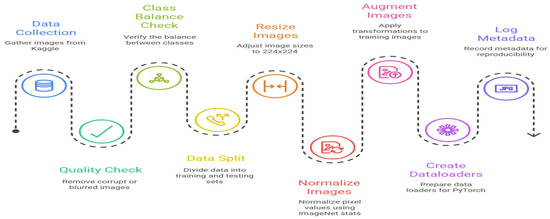
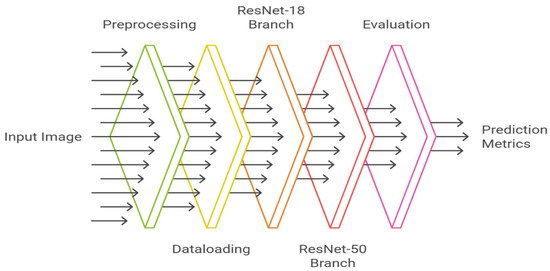
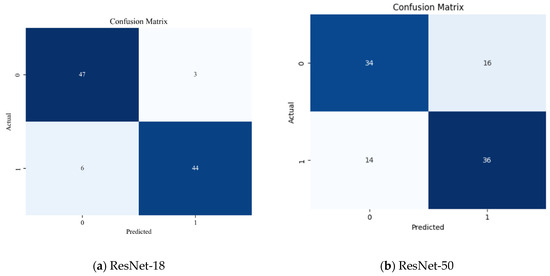
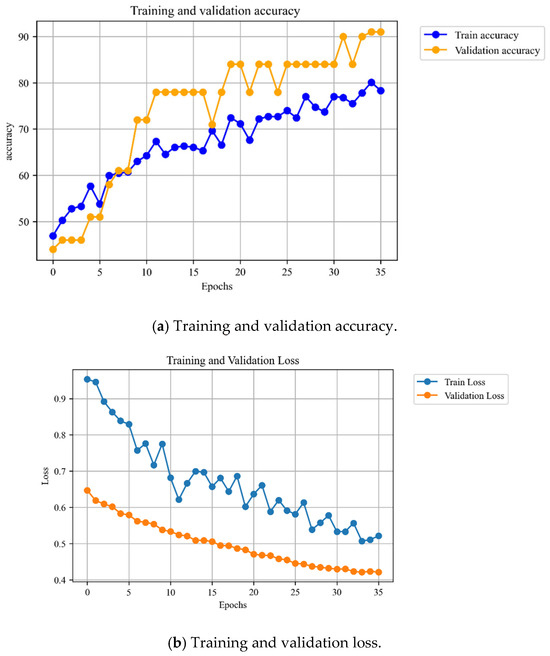
The need to automate the disease identification processes is frequent because manual identification is time-consuming and needs professional skills to be performed; hence, it may improve effectiveness and precision. This paper has resolved the problem by using image classification with deep learning to detect silkworm diseases. A Kaggle-sourced dataset of work of 492 labelled samples (247 diseased and 245 healthy) was used with a stratified division into 392 training and 100 testing samples. The transfer learning method was performed on two Residual Network models, ResNet-18 and ResNet-50, in which pretrained convolutional layers were frozen and the last fully connected layer was trained to conduct binomial classification. Performance was measured by standard evaluation metrics such as accuracy, precision, recall, F1-score, and confusion matrices.
Full article
(This article belongs to the Proceedings of First International Conference on Computational Intelligence and Soft Computing (CISCom 2025))
►▼
Show Figures

Figure 1
Highly Accessed Articles
Latest Books
E-Mail Alert
News
Topics