


-
Post and Core for Telescopic Crown-Retained Dentures—A Comparison of Different Materials Using Chewing Simulation -
Mapping Dental Anxiety Across Oral and Systemic Health Pathways -
A Clinical Framework for Interpreting Endodontic–Periodontal Lesions -
Cyclic Fatigue of Rotary Versus Reciprocating Endodontic Files: An In Vitro Study of Engine-Driven Endodontic Files
Journal Description
Dentistry Journal
Dentistry Journal
is an international, peer-reviewed, open access journal on dentistry, published monthly online by MDPI.
- Open Access— free for readers, with article processing charges (APC) paid by authors or their institutions.
- High Visibility: indexed within Scopus, ESCI (Web of Science), PubMed, PMC, and other databases.
- Journal Rank: JCR - Q1 (Dentistry, Oral Surgery and Medicine) / CiteScore - Q2 (General Dentistry)
- Rapid Publication: manuscripts are peer-reviewed and a first decision is provided to authors approximately 25.4 days after submission; acceptance to publication is undertaken in 4.6 days (median values for papers published in this journal in the second half of 2025).
- Recognition of Reviewers: reviewers who provide timely, thorough peer-review reports receive vouchers entitling them to a discount on the APC of their next publication in any MDPI journal, in appreciation of the work done.
Impact Factor:
3.1 (2024);
5-Year Impact Factor:
3.3 (2024)
Latest Articles
Bone Changes in the Temporomandibular Joint: A Retrospective Cone Beam Computed Tomography Study
Dent. J. 2026, 14(5), 313; https://doi.org/10.3390/dj14050313 (registering DOI) - 20 May 2026
Abstract
►
Show Figures
Objectives: To analyze the prevalence of bone changes in the temporomandibular joint (TMJ) and describe their distribution regarding age and sex using Cone Beam Computed Tomography (CBCT). Methods: This retrospective study analyzed CBCT images of 483 individuals (326 females, 157 males) retrieved from
[...] Read more.
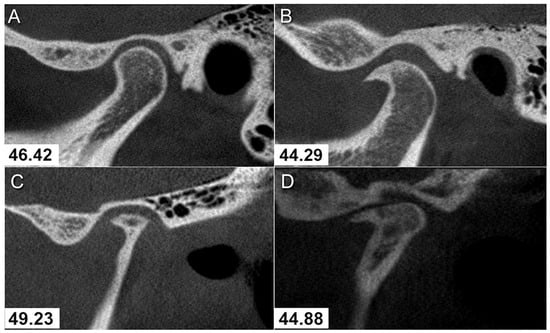
Objectives: To analyze the prevalence of bone changes in the temporomandibular joint (TMJ) and describe their distribution regarding age and sex using Cone Beam Computed Tomography (CBCT). Methods: This retrospective study analyzed CBCT images of 483 individuals (326 females, 157 males) retrieved from a computer database and assessed using the iCAT Workstation. Right and left condyles were evaluated for the presence of flattening, osteophytes, sclerosis, erosion, and subchondral cysts. Pearson’s chi-square test was used to identify potential associations between these alterations and demographic variables (p < 0.05). Results: At least one TMJ alteration was observed in 91.5% of the participants. Flattening was the most frequent finding (76.4%), followed by osteophytes (53%), sclerosis (32.3%), erosion (20.1%), and subchondral cysts (2.7%). No statistically significant association was found between gender and the presence of alterations (p > 0.05), with a high prevalence in both females (91.1%) and males (92.4%). However, specific degenerative changes showed a significant upward trend with age: osteophytes increased from 43.9% in patients under 20 to 68.9% in those over 60, while erosion doubled from 12.2% to 24.4% in the same groups (p < 0.05). Alterations were slightly more frequent on the left side (81.6%) than on the right side (76.6%). Conclusions: Degenerative TMJ changes are highly prevalent in the studied population, with flattening appearing as a widespread finding across all groups. While some specific alterations, such as osteophytes and erosion, show an increased prevalence in older age groups, these associations reflect a descriptive trend of bone remodeling over time rather than a direct causal relationship.
Full article
Open AccessArticle
Cytotoxicity of Self-Etch Versus Etch-and-Rinse Dentin Adhesives After 48 h: An In Vitro Study
by
Kamelia Parkhoo, Lea Aylin Schmitz, Luisa Fröb, Nicole Grüßner, Georgios E. Romanos, Eva Herrmann and Susanne Gerhardt-Szép
Dent. J. 2026, 14(5), 312; https://doi.org/10.3390/dj14050312 (registering DOI) - 19 May 2026
Abstract
►▼
Show Figures
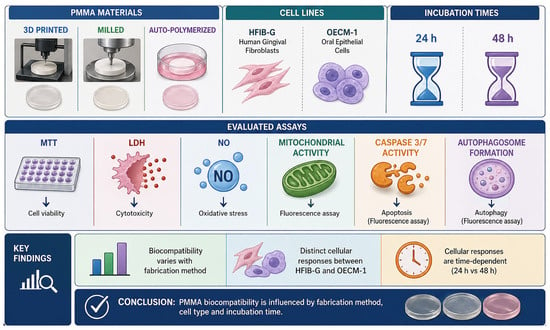
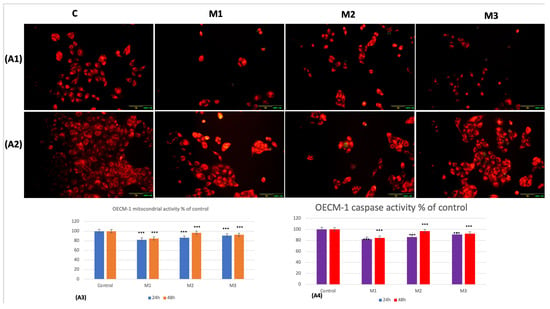
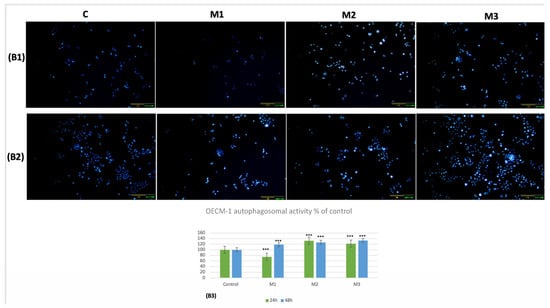
Objectives: Six dentin adhesives were tested in vitro regarding their cytotoxicity toward human fibroblasts. AdheSE, Clearfil SE Bond, Hybrid Bond, One-up Bond F Plus, Optibond Solo Plus, and Syntac were tested using a cell culture model. The several components of dentin adhesives,
[...] Read more.
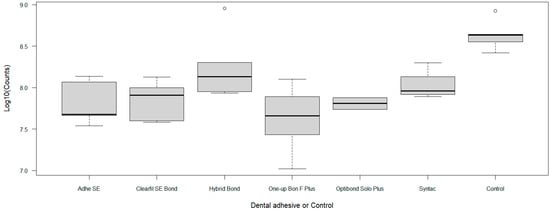
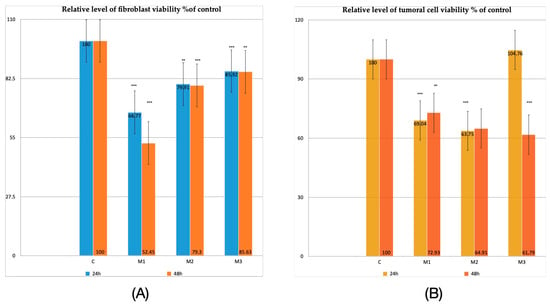
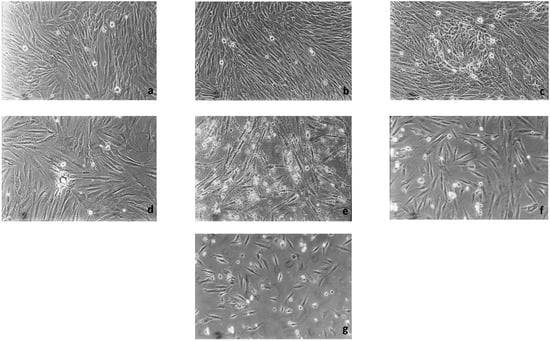
Objectives: Six dentin adhesives were tested in vitro regarding their cytotoxicity toward human fibroblasts. AdheSE, Clearfil SE Bond, Hybrid Bond, One-up Bond F Plus, Optibond Solo Plus, and Syntac were tested using a cell culture model. The several components of dentin adhesives, like the primer and bonding, were analyzed as single and additive applied components as specified by the manufacturer for application in vivo. Methods: Seventy-five Petri dishes were produced per adhesive and control group, and all 525 Petri dishes were evaluated using multiparametric strategies, i.e., using multiple methods to strengthen the reliability of the results. The multiparametric strategies consisted of automated cell counting for viability, microscopic morphological assessment and lastly of reactivity grading according to ISO 10993-5. These assessments were performed after our initial investigation, and the observation period was extended from 24 h to 48 h. Results: AdheSE, Clearfil SE Bond, One-up Bond F Plus, and Optibond Solo Plus showed statistically significant reductions in viable cells relative to the cell control. All dentin adhesives except Clearfil SE Bond showed a statistically significant difference regarding the reactivity index in the application comparison. Conclusions: The test materials showed a moderate degree of cytotoxicity, with no statistically significant difference between the tested self-etch and etch-and-rinse dentin adhesives. However, the results show statistically significant differences between the adhesives when applied sequentially and once. Further research addressing mechanisms of cytotoxicity is needed for advancement in this field.
Full article

Figure 1
Open AccessReview
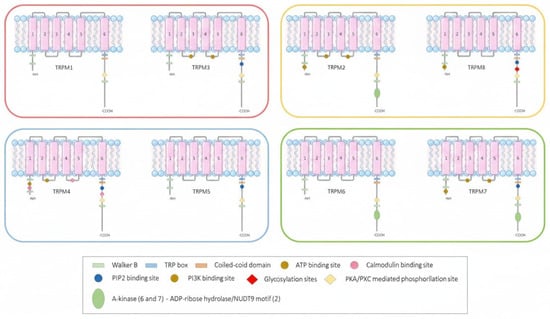
Somatosensory Functions of Melastatin Transient-Receptor Potential Channels in the Teeth: Molecular Basis for Thermal Dentine Hypersensitivity
by
Ramón Méndez, José Martín-Cruces, Marcos Anache, Mirian Teulé-Trull, Yolanda García-Mesa, Patricia Cuendias, José A. Vega and Teresa Cobo
Dent. J. 2026, 14(5), 311; https://doi.org/10.3390/dj14050311 - 19 May 2026
Abstract
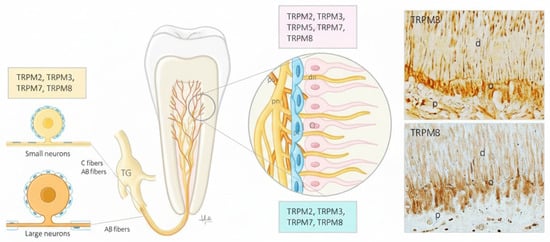
Dental pain due to dentine hypersensitivity or pulpitis is characterized by short or lasting episodes of pain triggered by normally innocuous stimuli originating from exposed dentine. Both represent the most frequent pain of the orofacial region. Transient receptor potential (TRP) superfamily of ion
[...] Read more.
Dental pain due to dentine hypersensitivity or pulpitis is characterized by short or lasting episodes of pain triggered by normally innocuous stimuli originating from exposed dentine. Both represent the most frequent pain of the orofacial region. Transient receptor potential (TRP) superfamily of ion channels participates in the detection of different modalities of sensibility in the mammalian sensory teeth system, i.e., trigeminal neurons and odontoblasts. In particular, some members of the melastatin family (TRPM) serve as molecular thermal sensors, and temperature is one of the most potent stimuli in triggering dentine hypersensitivity. Here we review and update the information about the distribution of TRPM channels in the trigeminal ganglion and dental pulp cells, especially odontoblasts, in humans and animal models. In addition to the well-known sensory roles of TRPM, other functions such as the development and mineralization of teeth are considered.
Full article
(This article belongs to the Special Issue Dentinal Hypersensitivity)
►▼
Show Figures

Figure 1
Open AccessReview
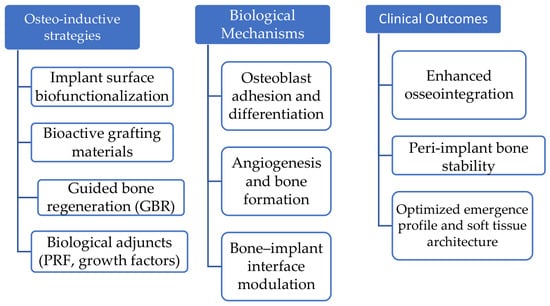
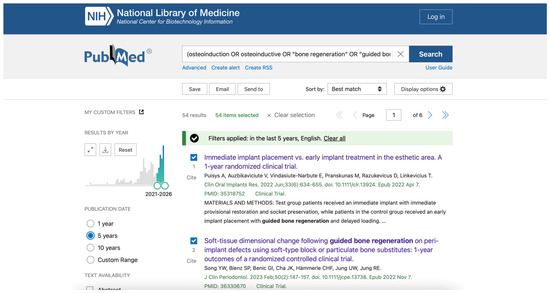
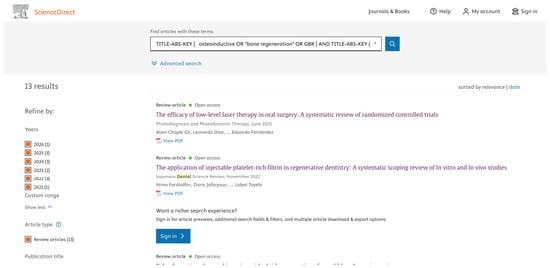
Osteo-Inductive Strategies for Enhancing Osseointegration and Optimizing Peri-Implant Emergence Profile: A Narrative Review
by
Ioan Sirbu, Elisei Adelin Radu, Andy Radu Leibovici, Andreea Mihaela Custura, Ruxandra Stanescu, Alexandra Tuta, Vladimir Nastasie and Valentin Daniel Sirbu
Dent. J. 2026, 14(5), 310; https://doi.org/10.3390/dj14050310 - 18 May 2026
Abstract
Background: Osteoinduction and bone regeneration are fundamental biological mechanisms enabling osseointegration and long-term durability of endosseous dental implants. In clinical practice, poor bone conditions, aesthetic demands, and peri-implant soft tissue problems commonly need the utilization of regenerative techniques targeted at optimizing both hard
[...] Read more.
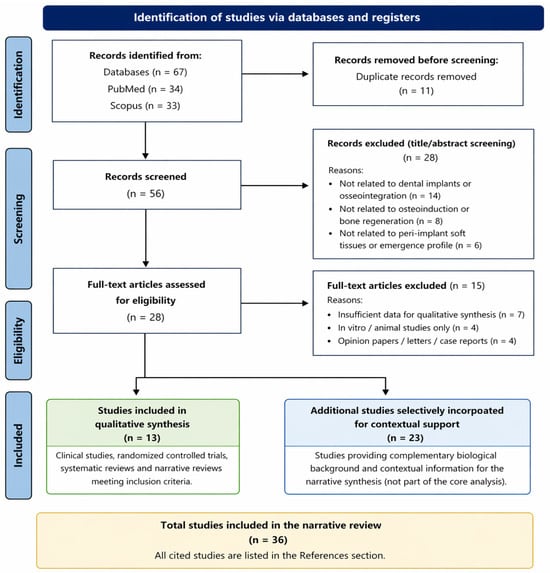
Background: Osteoinduction and bone regeneration are fundamental biological mechanisms enabling osseointegration and long-term durability of endosseous dental implants. In clinical practice, poor bone conditions, aesthetic demands, and peri-implant soft tissue problems commonly need the utilization of regenerative techniques targeted at optimizing both hard and soft tissue results. The purpose of this narrative review was to examine osteo-inductive and regenerative strategies currently employed in implant dentistry, with particular emphasis on the mechanobiological integration of hard–soft tissue regeneration and its implications for peri-implant tissue stability, osseointegration, and clinical predictability. Methods: A narrative literature review was done using PubMed and Scopus databases. Based on predetermined inclusion and exclusion criteria, studies published in English during the previous five years were reviewed. The core narrative analysis comprised a selection of physiologically relevant research that addressed osteo-inductive techniques, bone regeneration, osseointegration, and peri-implant soft tissue outcomes, as well as clinical studies, randomized controlled trials, systematic reviews, and narrative reviews. A narrative synthesis was carried out because of methodological variability. Special emphasis was placed on evidence addressing the biological and clinical interaction between hard- and soft-tissue regenerative strategies, reflecting the specific conceptual focus of the review. Results: The evidence presented suggests that implant surface biofunctionalization, biologically active grafting materials, guided bone regeneration, and supplementary biological treatments may have a favorable impact on implant stability and peri-implant bone healing. Several investigations also underlined the biological dependency between peri-implant bone regeneration and soft tissue architecture, stressing the significance of soft tissue thickness, keratinized mucosa, and emergence profile stability. Even in inflammatory environments, bioactive titanium surface changes showed osteogenic potential, indicating a supporting function in early osseointegration. Conclusions: By promoting osseointegration and improving peri-implant tissue outcomes, osteo-inductive and regenerative techniques are essential to modern implant dentistry; however, their greatest potential may lie in integrated hard–soft tissue regenerative approaches aimed at improving long-term clinical predictability. To further understand the clinical efficacy of combination hard–soft tissue regeneration methods, future well-designed clinical trials with standardized outcome measures are needed. Future research should further clarify the mechanobiological principles underlying these integrated regenerative approaches.
Full article
(This article belongs to the Special Issue Oral Implantology and Bone Regeneration: 2nd Edition)
►▼
Show Figures

Figure 1
Open AccessArticle
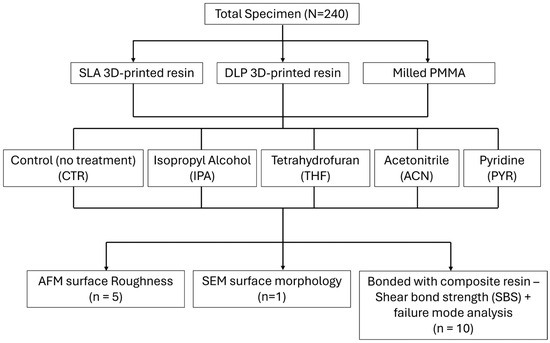
Effects of Isopropyl Alcohol, Tetrahydrofuran, Pyridine, and Acetonitrile on Surface Roughness, Surface Morphology, and Shear Bond Strength Between Composite Resin and Different Provisional Restorative Materials
by
Nutchapol Thongsawas, Awutsadaporn Katheng, Santiphab Kengtanyakich, Hathairat Lekatana and Wisarut Prawatvatchara
Dent. J. 2026, 14(5), 309; https://doi.org/10.3390/dj14050309 - 18 May 2026
Abstract
Background/Objectives: Provisional restorations are essential in prosthodontic treatment, and reliable intraoral repair is clinically important during extended interim use. This in vitro study evaluated the effects of organic solvent pretreatment on surface characteristics and shear bond strength (SBS) of CAD/CAM provisional restorative materials
[...] Read more.
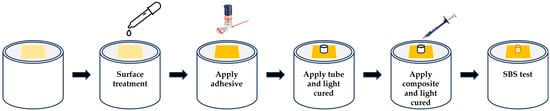
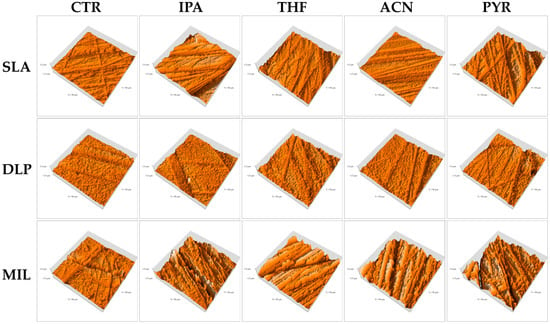
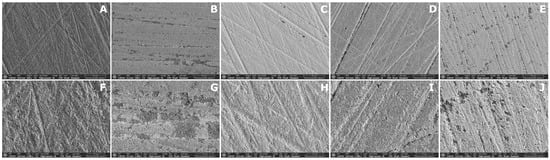
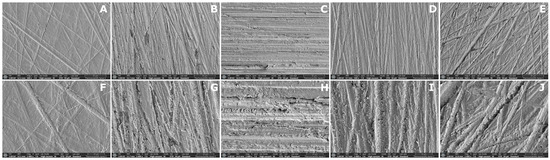
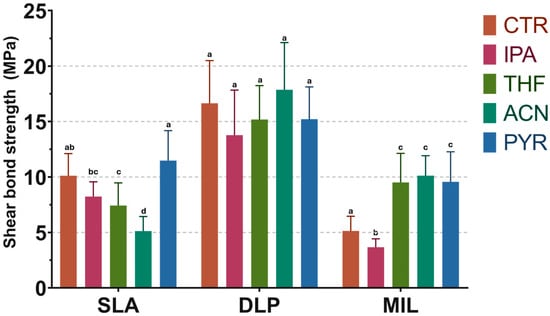
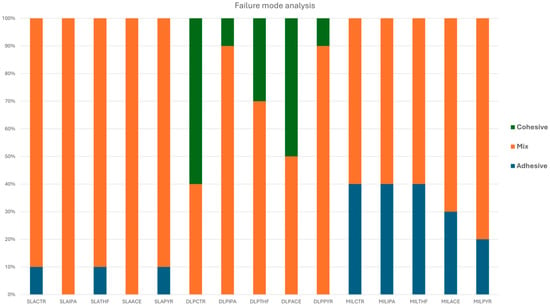
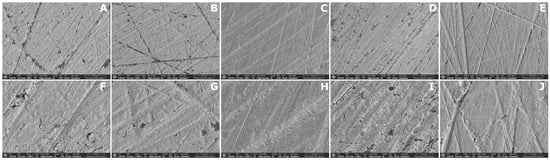
Background/Objectives: Provisional restorations are essential in prosthodontic treatment, and reliable intraoral repair is clinically important during extended interim use. This in vitro study evaluated the effects of organic solvent pretreatment on surface characteristics and shear bond strength (SBS) of CAD/CAM provisional restorative materials fabricated by milling, stereolithography (SLA), and digital light processing (DLP). Methods: Three materials were assigned to five surface treatment conditions: no solvent (control), isopropyl alcohol (IPA), tetrahydrofuran (THF), acetonitrile (ACN), and pyridine (PYR). After pretreatment, separate specimens were used for surface analysis and SBS testing. Surface roughness was measured by atomic force microscopy using arithmetic mean height (Sa) and root mean square height (Sq), and surface morphology was examined by scanning electron microscopy (SEM). For SBS testing, specimens were repaired using a universal adhesive and a flowable resin composite, followed by failure mode analysis. Data were analyzed using two-way ANOVA and Tukey’s post hoc test (α = 0.05). Results: Material type, solvent treatment, and their interaction significantly affected SBS, Sa, and Sq. The DLP material showed the highest SBS overall, with no significant differences among treatments. In the SLA material, ACN resulted in the lowest SBS, whereas PYR showed the highest mean value. In the milled material, THF, ACN, and PYR produced significantly higher SBS than the control and IPA groups. Conclusions: Within the limitations of this study, the effect of organic solvent pretreatment on repair performance was substrate-dependent.
Full article
(This article belongs to the Section Dental Materials)
►▼
Show Figures

Figure 1
Open AccessArticle
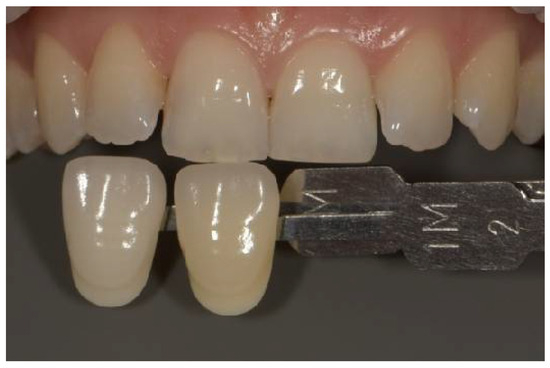
Accuracy of Digital Photography and Intraoral Scanning for Tooth Shade Selection in Digital Prosthodontics: A Comparative Clinical Study Using Spectrophotometry as Reference
by
Luciana Maria Goguta, Mirela Frandes, Melania Teodora Nāşcuţiu, Alina Cudera and Anca Jivanescu
Dent. J. 2026, 14(5), 308; https://doi.org/10.3390/dj14050308 - 18 May 2026
Abstract
Background: The integration of digital technologies into prosthodontics has significantly improved clinical workflows, from intraoral data acquisition to restoration design and fabrication. Accurate tooth shade selection remains a critical step in achieving optimal aesthetic outcomes, with spectrophotometry considered the gold standard. However,
[...] Read more.
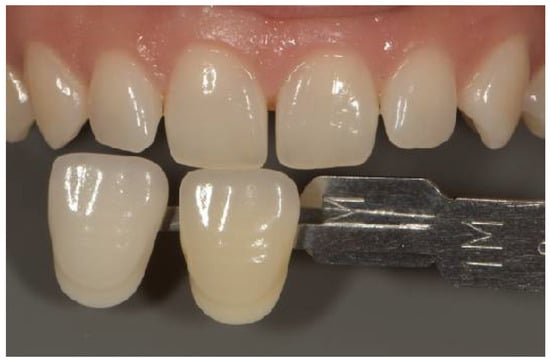
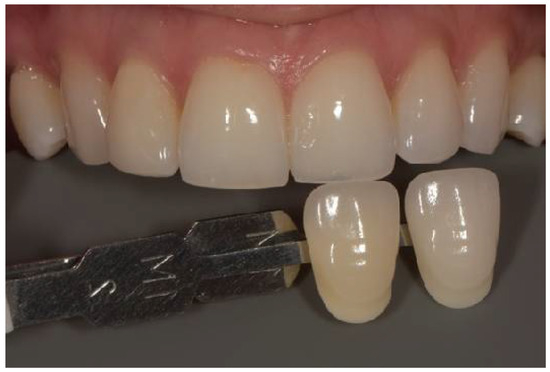
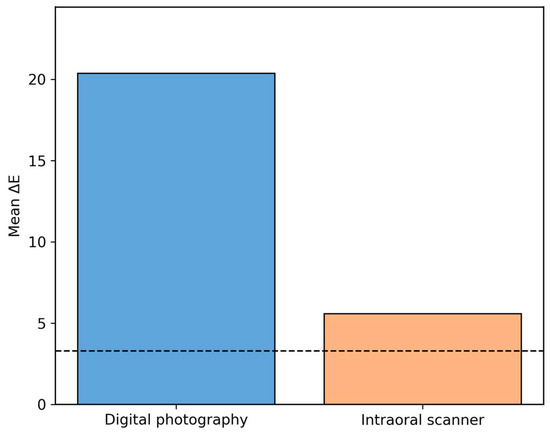
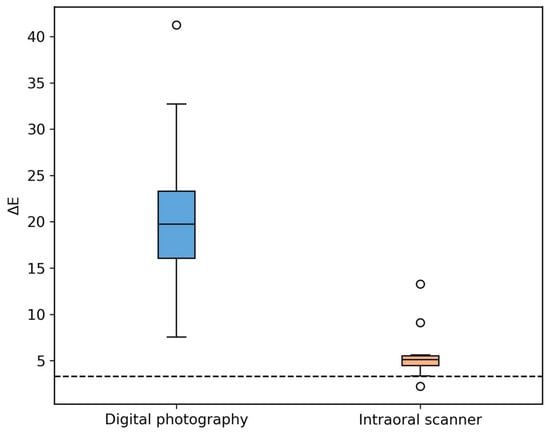
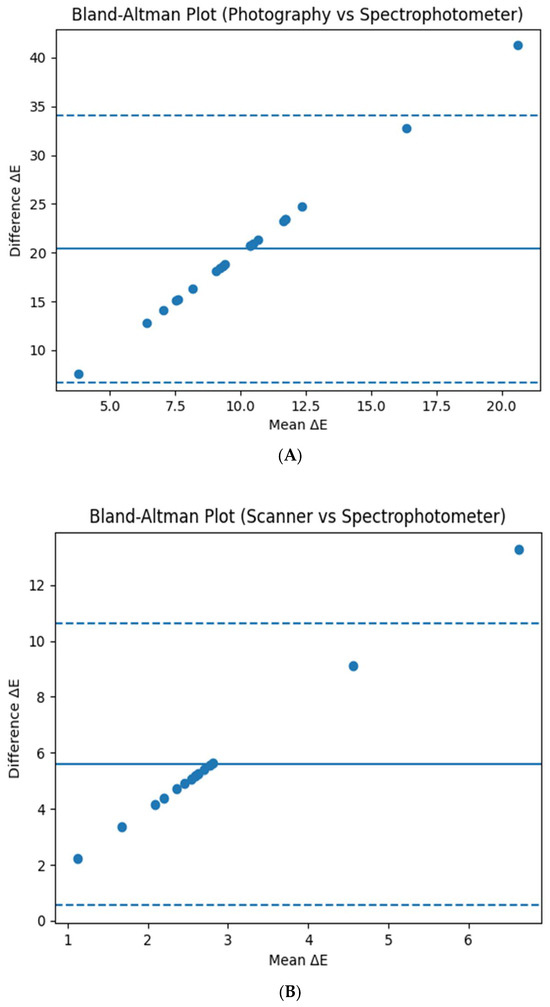
Background: The integration of digital technologies into prosthodontics has significantly improved clinical workflows, from intraoral data acquisition to restoration design and fabrication. Accurate tooth shade selection remains a critical step in achieving optimal aesthetic outcomes, with spectrophotometry considered the gold standard. However, alternative digital methods such as intraoral scanners and digital photography are increasingly used in clinical practice. Objective: This study aimed to evaluate the accuracy of intraoral scanning and standardized digital photography for tooth shade selection within a digital prosthodontic workflow, using spectrophotometric measurements as reference. Methods: Twenty participants were included in this clinical study. Tooth color was recorded using a spectrophotometer (reference method), an intraoral scanner (Medit i700), and standardized digital photography, which was analyzed with a Digital Color Meter. Color differences (ΔE) were calculated using the CIELAB formula. Statistical analysis included one-sample and independent-samples t-tests, as well as Bland–Altman analysis to assess agreement between methods. Results: Digital photography showed significantly higher ΔE values (19.37 ± 2.45) compared to the clinical acceptability threshold (ΔE = 3.3; p < 0.001), indicating poor accuracy. The intraoral scanner demonstrated lower ΔE values (5.53 ± 0.62; p < 0.001) but still exceeded the acceptable limit. Bland–Altman analysis confirmed poor agreement for digital photography and a reduced, though still suboptimal, agreement for the intraoral scanner relative to spectrophotometry. Nonetheless, the intraoral scanner demonstrated significantly better agreement than digital photography, supporting its preferential use in digital prosthodontic workflows. Conclusions: Within the context of digital prosthodontics, digital photography cannot be considered a reliable method for shade matching. Intraoral scanners provide improved consistency but do not achieve clinically acceptable accuracy compared to spectrophotometry. Spectrophotometry remains the gold standard, while intraoral scanning may serve as a complementary tool in digital workflows. Future studies with larger samples are needed to confirm these findings.
Full article
(This article belongs to the Special Issue Recent Progress in Digital Technology in Prosthodontics and Implantology)
►▼
Show Figures

Figure 1
Open AccessArticle
A Cross-Sectional Study of Postgraduate Orthodontic Students’ Moral Reasoning Ability and Opinions on Professionalism and Dental Board of Australia Tribunal Outcomes
by
Maurice J. Meade, Xiangqun Ju, David Hunter and Lisa Jamieson
Dent. J. 2026, 14(5), 307; https://doi.org/10.3390/dj14050307 - 18 May 2026
Abstract
Background/Objectives: The aim of this investigation was to determine postgraduate orthodontic students’ moral reasoning ability and evaluate their opinions on professionalism and the Dental Board of Australia’s (DBA) tribunal outcomes. Methods: Students undergoing postgraduate orthodontic specialist training in five Australian universities
[...] Read more.
Background/Objectives: The aim of this investigation was to determine postgraduate orthodontic students’ moral reasoning ability and evaluate their opinions on professionalism and the Dental Board of Australia’s (DBA) tribunal outcomes. Methods: Students undergoing postgraduate orthodontic specialist training in five Australian universities were invited to participate in a three-part electronic questionnaire survey. Part 1 related to participant demographic details. Part 2 invited responses to a series of statements related to professionalism and 10 DBA tribunal outcomes, and Part 3 was a validated moral reasoning assessment instrument [Defining Issues Test (DIT-2)]. Results: A response rate of 80.4% (n = 37) was recorded. The mean DIT-2 Post-conventional Schema (P) score was 31.14 (SD = 13.25). All respondents (n = 37; 100%) were aware of the DBA’s Code of Conduct (Code). Respondents were broadly supportive of the statements related to professionalism although 15.4% reported that being bound by the Code meant they could not fully value the student experience whilst at university. Most respondents considered that most DBA tribunal outcomes were fair or tended towards being lenient. However, one outcome regarding dishonest evidence by a dentist in court related to an employment dispute was considered harsh or very harsh by 53% (n = 20). There was little correlation between P scores and responses to most professionalism statements/DBA outcomes. Conclusions: The moral reasoning scores were lower than what might be expected from individuals in the provision of healthcare. The introduction of formal training in moral reasoning may develop postgraduate moral reasoning skills and DIT-2 scores.
Full article
(This article belongs to the Section Dental Education)
Open AccessArticle
Level of Dental Anxiety and Its Role Among Barriers to Habitual Use of Oral Health Care in Adult Finns
by
Vesa Pohjola, Anna Liisa Suominen, Mika Kajita, Pirjo Kurki, Ulla Harjunmaa and Satu Lahti
Dent. J. 2026, 14(5), 306; https://doi.org/10.3390/dj14050306 - 18 May 2026
Abstract
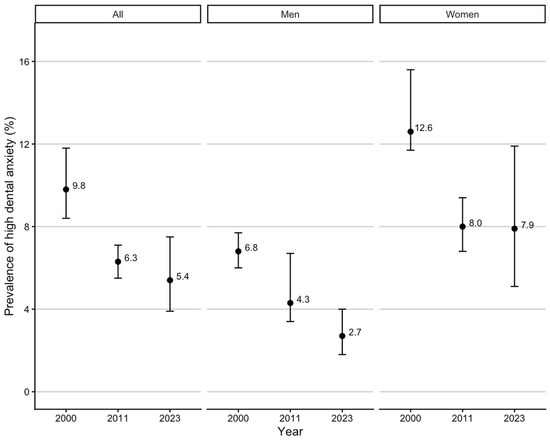
Objectives: The aims were to compare prevalence of high dental anxiety (DA) in 2000, 2011 and 2023, to compare the age- and sex-specific levels of DA, and to study if total, anticipatory, and treatment-related DA have an independent association with the non-habitual
[...] Read more.
Objectives: The aims were to compare prevalence of high dental anxiety (DA) in 2000, 2011 and 2023, to compare the age- and sex-specific levels of DA, and to study if total, anticipatory, and treatment-related DA have an independent association with the non-habitual use of oral health care considering age, sex, education, current perceived treatment need, and reported barriers to use of oral health in nationally representative samples of adult Finns (n = 1950). Methods: DA was assessed with a single question (n = 1770) for prevalence and with the Modified Dental Anxiety Scale (MDAS) (n = 1739) for DA levels described as means, medians, standard errors (SE), interquartile ranges, and 95% confidence intervals (CI). Multivariable logistic regression analyses were used to assess the independent effect of total, anticipatory, and treatment-related DA on habitual use of oral health care (regular = habitual, for toothache or other problems = non-habitual) adjusted for age, sex, level of attained education, current perceived treatment need, and barriers to using oral health care (care costs and long queues). Results: Among women, the prevalence of high DA decreased from 2000 to 2011, but the decrease did not continue between 2011 and 2023. Among men, the prevalence of high DA decreased between 2000 and 2023. The mean MDAS (SE) for women was 10.1 (0.1) and for men 8.4 (0.1). Total, anticipatory, and treatment-related dental DA had an independent association with non-habitual use of oral health services. Conclusions: DA as an independent barrier to oral health care can prevent habitual care utilization, potentially leading to poor oral health.
Full article
(This article belongs to the Special Issue Dental Anxiety: The Current Status and Developments)
►▼
Show Figures

Figure 1
Open AccessArticle
Dental Students’ Perceptions of a Self-Directed Simulation-Based Learning Methodology (MAES©): A Pilot Study
by
Sonia Guzmán, Alfonso García, María Ángeles Velló-Ribes and Olga Cortés
Dent. J. 2026, 14(5), 305; https://doi.org/10.3390/dj14050305 - 15 May 2026
Abstract
►▼
Show Figures
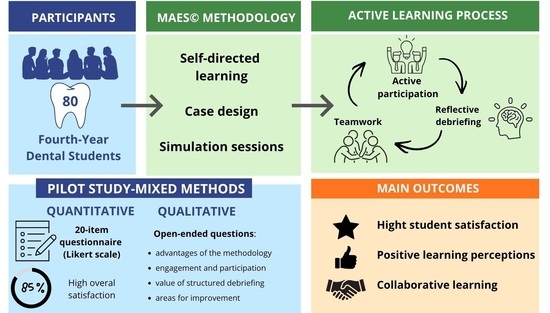
Background/Objectives: Simulation-based education is increasingly used in health sciences to promote active learning and the development of clinical and non-technical skills. However, its implementation in undergraduate dental education remains limited. This study aimed to explore dental students’ perceptions of the Self-Learning Methodology
[...] Read more.
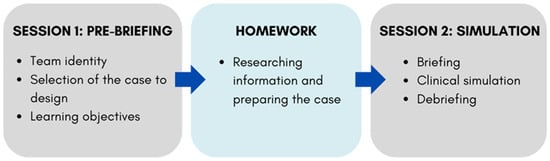
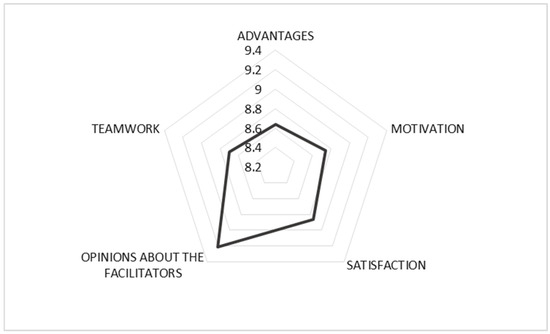
Background/Objectives: Simulation-based education is increasingly used in health sciences to promote active learning and the development of clinical and non-technical skills. However, its implementation in undergraduate dental education remains limited. This study aimed to explore dental students’ perceptions of the Self-Learning Methodology in Simulated Environments (MAES©) applied to high-fidelity simulation. Methods: A mixed-methods, cross-sectional pilot study was conducted with 80 fourth-year dental students enrolled in a Pediatric Dentistry course at a Spanish university. Quantitative data were collected using a validated satisfaction questionnaire (Cronbach’s alpha = 0.905), and descriptive statistics were performed. Qualitative data were obtained through open-ended questions and analyzed using inductive content analysis. Results: Students reported high levels of satisfaction, motivation, and perceived learning, with mean scores above 8.5 out of 10 across all evaluated dimensions. The facilitator’s role received the highest ratings. Qualitative analysis identified four main themes: perceived advantages of the methodology, increased engagement and participation, the value of structured debriefing, and areas for improvement related to group dynamics and performance-related stress. Conclusions: The MAES© methodology was well received and perceived as a feasible approach in dental simulation-based education. It may support student-centered learning, collaboration, and reflective practice, providing practical guidance for educators interested in implementing active learning strategies. As an exploratory pilot study conducted in a single institution, these findings should be interpreted cautiously and warrant further research.
Full article

Graphical abstract
Open AccessSystematic Review
Accuracy of Digital and Conventional Implant Impressions in Edentulous Jaws: A Systematic Review and Meta-Analysis of In Vitro Studies
by
Boldizsár László Vánkos, Xinyi Qian, Kata Kelemen, Boglárka Lilla Szentes, Gergely Agócs, Gábor Varga, Péter Hegyi, Péter Hermann and Barbara Kispélyi
Dent. J. 2026, 14(5), 304; https://doi.org/10.3390/dj14050304 - 15 May 2026
Abstract
Objectives: Digital impression-taking techniques are widely used due to their many advantages. However, the accuracy of intraoral scanning in full-arch cases remains a matter of debate. The reliability of different digital implant impression techniques remains questionable in completely edentulous, full-arch cases. This
[...] Read more.
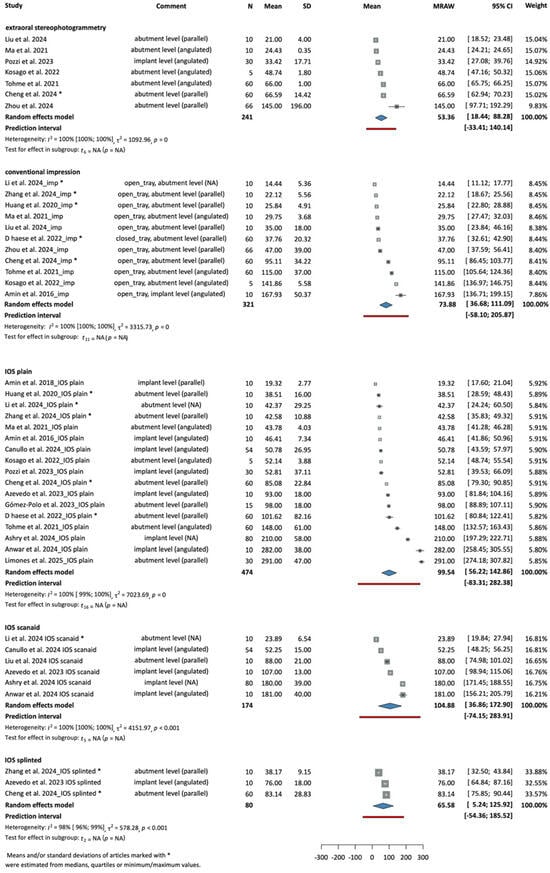
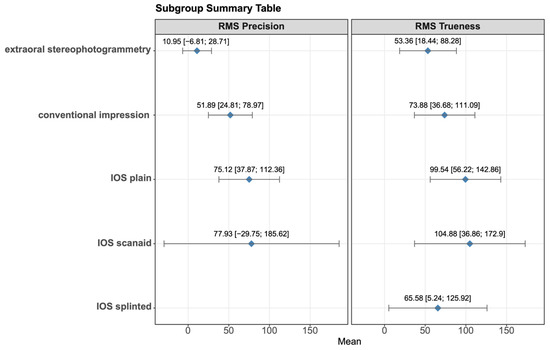
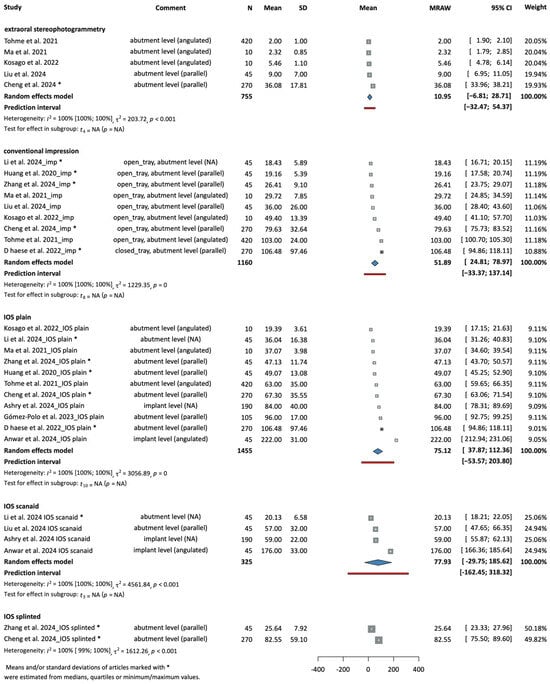
Objectives: Digital impression-taking techniques are widely used due to their many advantages. However, the accuracy of intraoral scanning in full-arch cases remains a matter of debate. The reliability of different digital implant impression techniques remains questionable in completely edentulous, full-arch cases. This review investigated the accuracy of digital implant impression techniques for full-arch use. Methods: Our study protocol was registered in the PROSPERO database (CRD42023393091). Data reporting was based on the PRISMA (Preferred Reporting Items for Systematic Reviews and Meta-Analyses) 2020 guidelines, by the Cochrane Handbook. Comparative in vitro studies matching the PICO framework were included. A systematic search was conducted in four databases: PubMed (MEDLINE), EMBASE, Web of Science and the Cochrane Library (Cochrane Central Register of Controlled Trials [CENTRAL]). Results: Thirty-four papers were included in analyzing trueness and precision of root mean square (RMS) deviations. No significant differences were observed between test groups. The overall RMS trueness deviation was 53.36 μm [18.44; 88.28] in the extraoral stereophotogrammetry group, 73.88 μm [36.68; 111.09] in the conventional impression group, 99.54 μm [56.22; 142.86] in the IOS plain group, 104.88 μm [36.86; 172.90] in the IOS scanaid group, and 65.58 μm [5.24; 125.92] in the IOS splinted group. Substantial heterogeneity was observed across studies (I2 ≈ 100%) Conclusions: In case of completely edentulous jaws restored with four to eight implants, digital techniques showed comparable accuracy to the conventional method with no statistically significant differences detected.
Full article
(This article belongs to the Section Dental Implantology)
►▼
Show Figures

Figure 1
Open AccessArticle
Effects of Ultrasonic Scaling and Teeth Brushing on Surface Properties of PEEK Prosthetic Restorations
by
Aleksandra D. Čairović, Mirjana M. Perić, Nevena Čairović, Luka Župac, Vesna M. Maksimović, Sanja S. Stevanović, Aleksandra B. Špadijer-Gostović and Dragan M. Stanimirović
Dent. J. 2026, 14(5), 303; https://doi.org/10.3390/dj14050303 - 15 May 2026
Abstract
►▼
Show Figures
Purpose: This study provides a comparative evaluation of surface changes in BioHPP materials under routine professional hygiene procedures, which is recommended by dentists, twice a year. BioHPP is a polyetheretherketone polymer used in prosthetic dentistry as a frame material. The aim was to
[...] Read more.
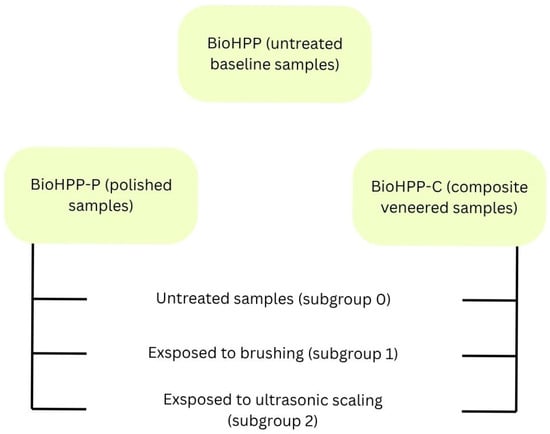
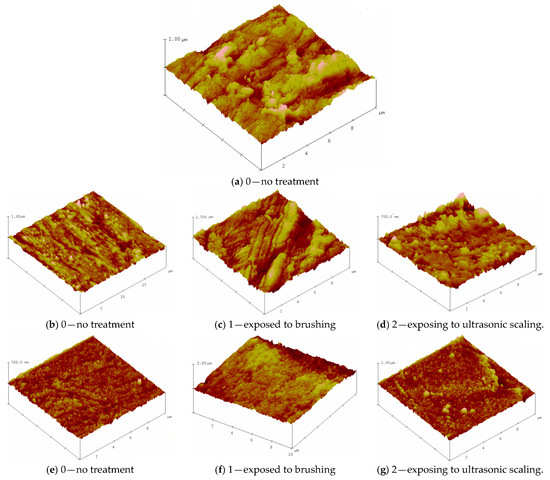
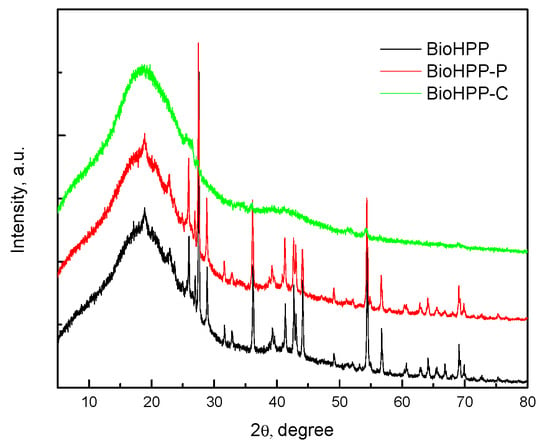
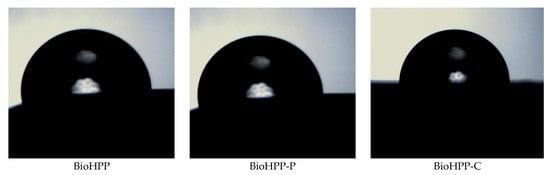
Purpose: This study provides a comparative evaluation of surface changes in BioHPP materials under routine professional hygiene procedures, which is recommended by dentists, twice a year. BioHPP is a polyetheretherketone polymer used in prosthetic dentistry as a frame material. The aim was to investigate whether routine dental cleaning procedures such as ultrasonic scaling and brushing affect the surface proprieties of prosthetic BioHPP restorations. This study was conducted to evaluate the surface properties of different restorations based on BioHPP (veneered with composite resin and polished) after brushing and ultrasonic scaling exposure. Materials and Methods: The BioHPP specimens were divided into three groups. The first group (marked BioHPP) served as a baseline reference for assessing the effect of different surface processing approaches, and no further treatment was applied. The specimens in the second group (BioHPP-P) were polished, while the specimens in the third group (BioHPP-C) were veneered with composite resin. Group BioHPP-P and BioHPP-C of samples was divided into three subgroups: 0—no treatment, 1—exposed to tooth brushing, 2—exposed to ultrasonic scaling. Untreated samples (subgroup 0) served as controls for evaluating treatment-related changes within groups 2 and 3. The surface morphology was investigated by atomic force microscopy (AFM). The structure of samples was analyzed using the XRD technique, and the surface wettability was evaluated. Results: The surface roughness of the samples was evaluated via root mean square (RMS) parameter. Baseline BioHPP specimens exhibited higher roughness values compared to the other analyzed groups. The roughness of the non-treated specimens (0) decreased in the line 59.18→28.84→14.51 nm. Treatment of the samples by brushing and ultrasonic scaling was associated with an increase in surface roughness. Variations in water contact angle values were observed. However, no consistent treatment-related trend could be established. Conclusions: Composite veneered BioHPP showed a tendency toward higher surface resistance to brushing and ultrasonic scaling. These findings should be interpreted within the limitations of an in vitro descriptive study.
Full article

Figure 1
Open AccessSystematic Review
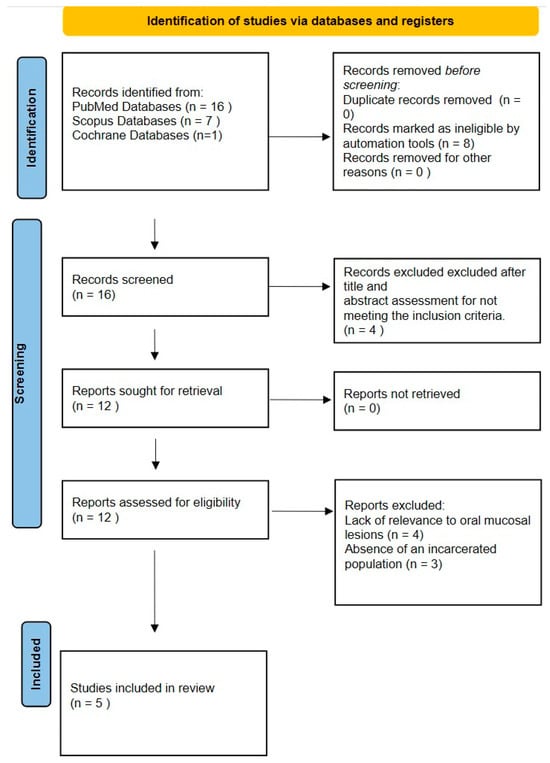
Prevalence and Risk Factors of Potentially Malignant Oral Lesion in Prison Population: A Systematic Review
by
Erika Roncarati, Saverio Ceraulo, Antonio Barbarisi, Gianluigi Caccianiga, Francesco Carinci and Dorina Lauritano
Dent. J. 2026, 14(5), 302; https://doi.org/10.3390/dj14050302 - 14 May 2026
Abstract
►▼
Show Figures
Background: Potentially malignant oral disorders (OPMDs) and oral carcinomas represent a significant oncological concern in incarcerated populations, where multiple modifiable risk factors such as tobacco use, illicit drug consumption, oncogenic human papillomavirus infections, and poor oral hygiene coexist with limited access to preventive
[...] Read more.
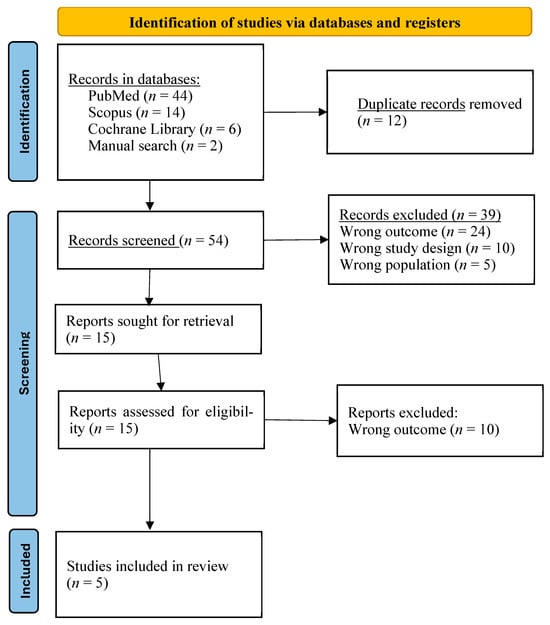
Background: Potentially malignant oral disorders (OPMDs) and oral carcinomas represent a significant oncological concern in incarcerated populations, where multiple modifiable risk factors such as tobacco use, illicit drug consumption, oncogenic human papillomavirus infections, and poor oral hygiene coexist with limited access to preventive and routine dental care. This combination may increase the risk of delayed diagnosis and malignant transformation. Objective: This PRISMA-compliant systematic review aimed to evaluate the prevalence of OPMDs and associated risk factors in prison populations, with a particular focus on identifying gaps in the current evidence. Methods. A systematic literature search was conducted in PubMed, Scopus and Cochrane Library using predefined search strategies. The final search yielded 24 records, which were screened according to PRISMA 2020 guidelines. After title and abstract screening, 10 full-text articles were assessed for eligibility, and 5 cross-sectional studies were included in the qualitative synthesis following independent review. Results: The included studies revealed a substantial burden of oral mucosal lesions in incarcerated populations. Premalignant lesions were reported in a significant proportion of inmates, with oral submucous fibrosis particularly prevalent in some cohorts. Additionally, a high prevalence of oral high-risk HPV infection and widespread oral manifestations were observed. Tobacco use, often combined with betel quid, alcohol, or illicit drugs, emerged as the primary and consistently associated risk factor for oral lesions. Conclusions: Prison populations appear to represent a high-risk group for OPMDs due to the combined effect of behavioral and structural risk factors. However, the limited number of available studies, their cross-sectional design, and methodological heterogeneity prevent definitive conclusions. Further longitudinal and methodologically robust studies are needed to better define prevalence patterns and support targeted screening and prevention strategies in correctional settings.
Full article

Figure 1
Open AccessArticle
In Silico Identification of Dual-Action Compounds Targeting TLR2 and Streptococcus mutans Proteins for the Prevention of Early Childhood Caries
by
Juan Manuel Guzmán-Flores, Sofía Meza-Rodríguez, Sonia Isela Vázquez-Jiménez, Isabel del Carmen Medrano-González, Brianna Lissete Gallegos-García, Andrea Larissa Hernández-Villalobos, María Fernanda Yañez-Acosta and Carmen Celina Alonso-Sanchez
Dent. J. 2026, 14(5), 301; https://doi.org/10.3390/dj14050301 - 14 May 2026
Abstract
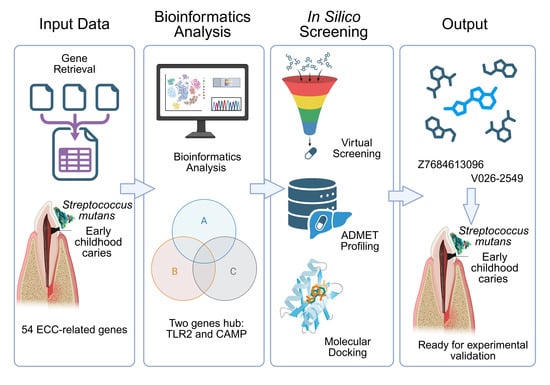
Background/Objectives: Early childhood caries (ECC) remains a major public health concern, with Streptococcus mutans as a primary etiological agent. Current treatments rely on broad-spectrum antimicrobials, which can disrupt the oral microbiome and promote resistance. This study applied a structure-based in silico pipeline to
[...] Read more.
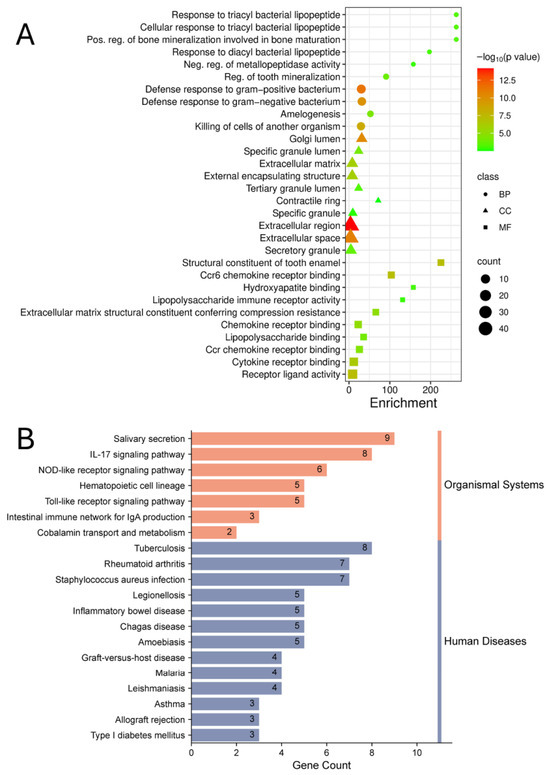
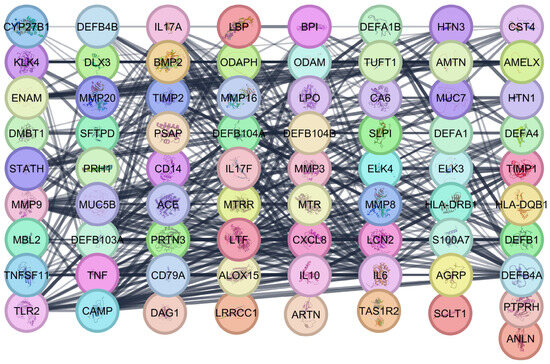
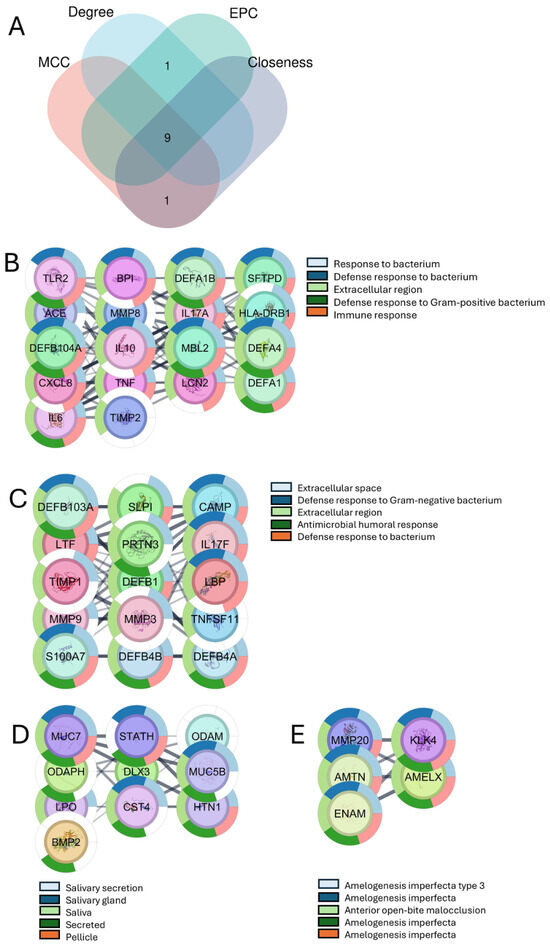
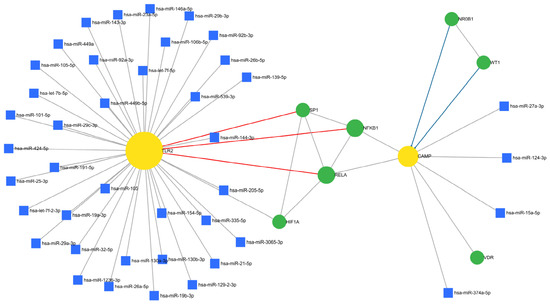
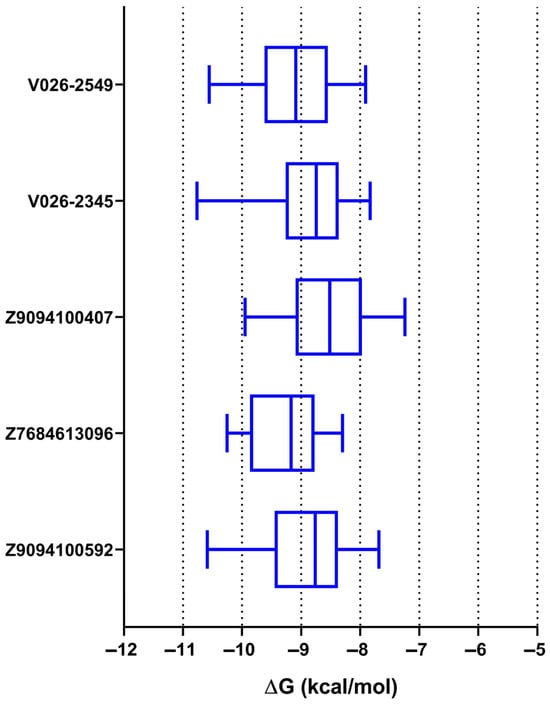
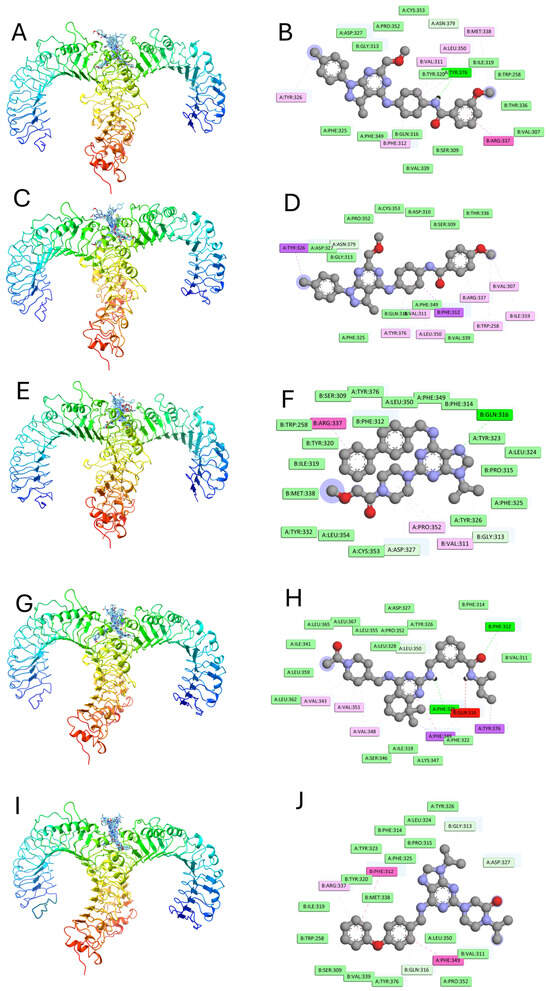
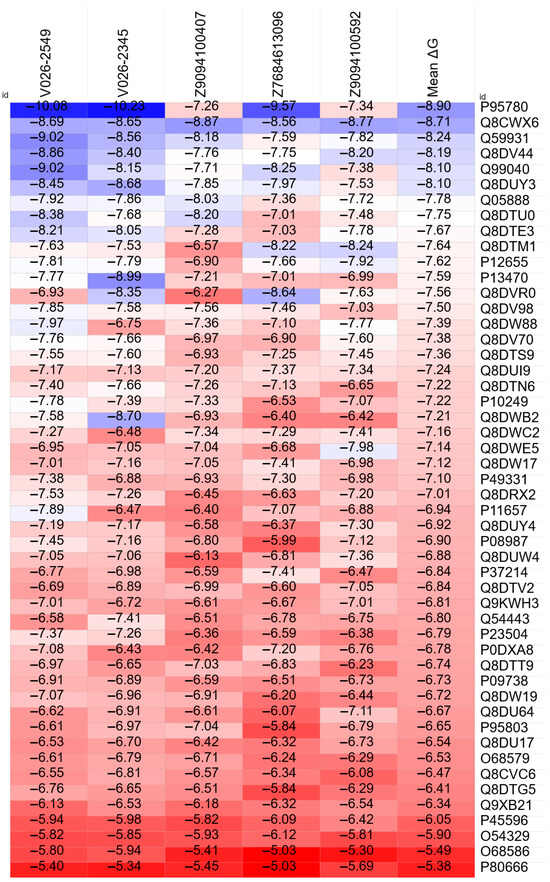
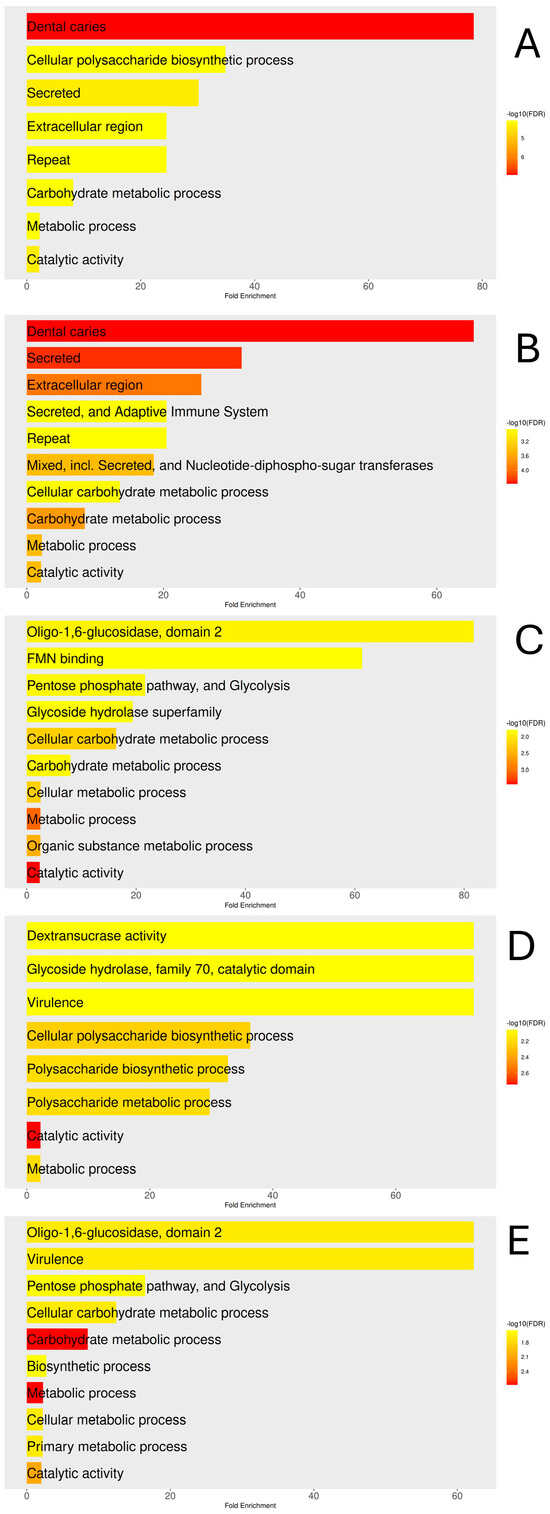
Background/Objectives: Early childhood caries (ECC) remains a major public health concern, with Streptococcus mutans as a primary etiological agent. Current treatments rely on broad-spectrum antimicrobials, which can disrupt the oral microbiome and promote resistance. This study applied a structure-based in silico pipeline to identify molecule modulators of Toll-like receptor 2 (TLR2), a key host receptor implicated in ECC, and to explore their binding potential against major S. mutans proteins. Methods: ECC-related genes were collected from public databases and analyzed by functional enrichment and protein–protein interaction (PPI) network analysis. Hub genes were ranked using centrality algorithms. Virtual screening on TLR2 (DrugCLIP) was followed by molecular docking of selected compounds against the TLR1/TLR2 heterodimer and 50 S. mutans proteins, complemented by in silico absorption, distribution, metabolism, excretion, and toxicity (ADMET) profiling. Results: Fifty-four ECC-related genes and nine hub genes were identified, with TLR2 and cathelicidin antimicrobial peptide (CAMP) as central nodes. Virtual screening yielded five lead compounds fulfilling drug-likeness and toxicity criteria. Docking to TLR1/TLR2 showed favorable binding energies, with Z7684613096 showing the most consistent binding. V026-2549 displayed the highest number of strong interactions with S. mutans targets, including dTDP-glucose 4,6-dehydratase (rmlB), NADP-dependent glyceraldehyde-3-phosphate dehydrogenase (gapN), glucosyltransferase C (gtfC), and 5-methyltetrahydropteroyltriglutamate-homocysteine methyltransferase (metE). Conclusions: Five candidate compounds with promising dual activity against TLR1/TLR2 and S. mutans proteins were prioritized for experimental validation, including TLR2 functional assays and in vitro anti-biofilm studies.
Full article
(This article belongs to the Special Issue Preventive Dental Care, Chairside and Beyond: 2nd Edition)
►▼
Show Figures

Graphical abstract
Open AccessArticle
Dental Students’ Perceptions of Workforce Readiness, Career Aspirations and Institutional Support Needs at the Point of Professional Transition: A Cross-Sectional Study in Romania
by
Băluță Daniel, Dragomirescu Anca Oana, Drăgoi Mihaela Cristina, Băluță Andreea Mihaela, Păcurar Mariana and Ionescu Ecaterina
Dent. J. 2026, 14(5), 300; https://doi.org/10.3390/dj14050300 - 14 May 2026
Abstract
Background: The transition from dental education to professional practice represents a critical stage in career development, influenced by individual expectations, labor market conditions, and institutional support mechanisms. This study aimed to explore final-year dental students’ perceptions of professional transition and the role
[...] Read more.
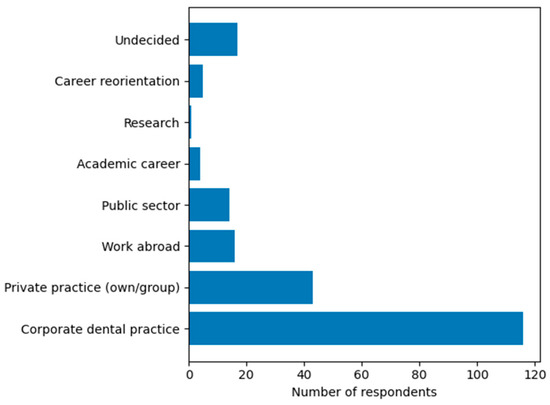
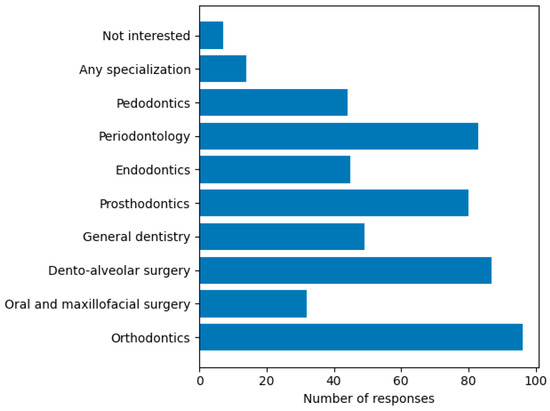
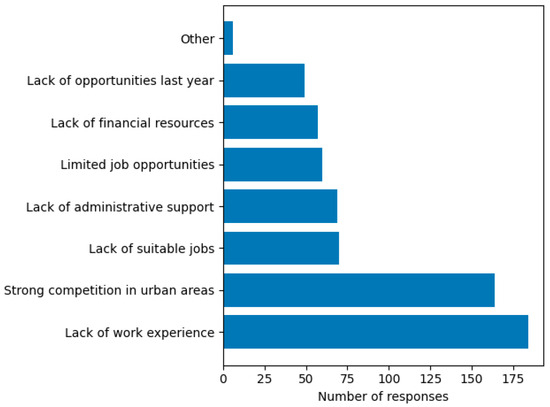
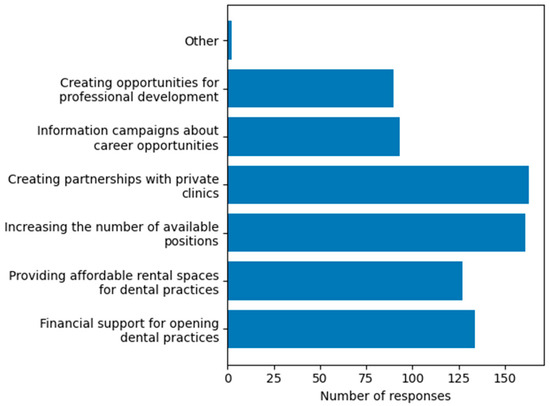
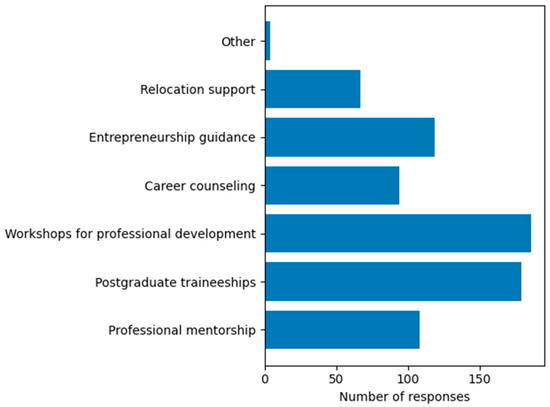
Background: The transition from dental education to professional practice represents a critical stage in career development, influenced by individual expectations, labor market conditions, and institutional support mechanisms. This study aimed to explore final-year dental students’ perceptions of professional transition and the role of public authorities in facilitating early-career integration. Methods: A cross-sectional study was conducted among 216 final-year dental students from a single Romanian university using a structured, self-administered questionnaire. Descriptive and inferential statistical analyses were performed using Jamovi software, with significance set at p < 0.05. Results: Most students reported feeling insufficiently prepared for professional practice and identified lack of clinical experience as the main barrier to employment. A strong preference for private sector employment was observed, while interest in the public sector was limited. Students expressed a clear need for structured support, including mentorship, practical training, and career guidance. A significant association was identified between intention to work abroad and the types of support expected from authorities (χ2(2) = 14.7, p < 0.001, moderate effect size). Conclusions: The findings highlight important challenges in the transition to professional practice and emphasize the need for coordinated interventions involving educational institutions and public authorities. Strengthening structured support mechanisms may facilitate professional integration and contribute to improved workforce retention.
Full article
(This article belongs to the Section Dental Education)
►▼
Show Figures

Figure 1
Open AccessArticle
Shear Bond Strength of Orthodontic Brackets on Demineralized Enamel Before and After Application of a Resin Infiltrant Remineralizing Agent: An In Vitro Study
by
Ahmed Almahrul, Ikuo Yonemitsu, Tomoko Tabata, Masaomi Ikeda, Yuka Tanaka-Takemura, Yasushi Shimada and Takashi Ono
Dent. J. 2026, 14(5), 299; https://doi.org/10.3390/dj14050299 - 14 May 2026
Abstract
Background/Objectives: We evaluated whether resin infiltration treatment of demineralized enamel improves shear bond strength (SBS). Methods: Thirty permanent bovine incisor teeth were assigned randomly into three groups (n = 10 per group): control group, demineralized enamel pretreated with ICON®
[...] Read more.
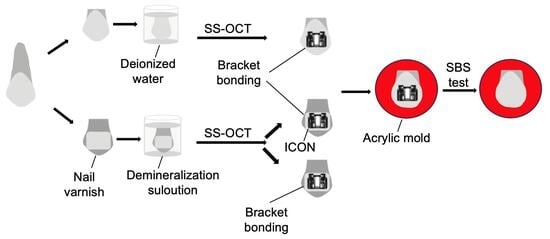
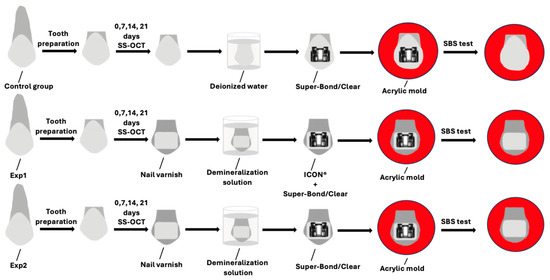
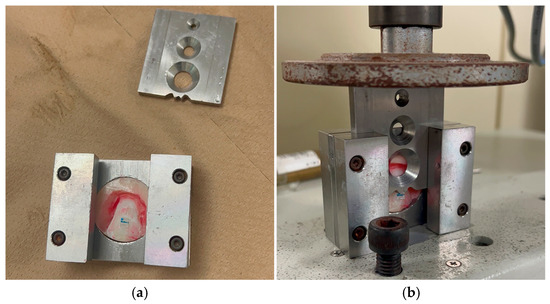
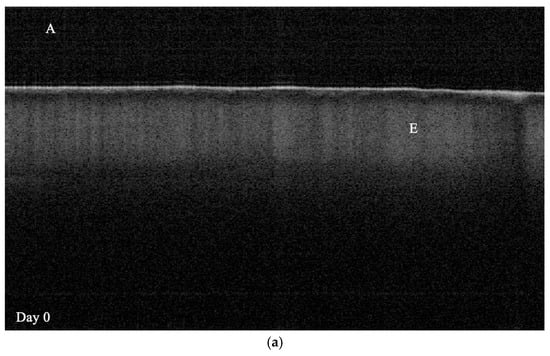
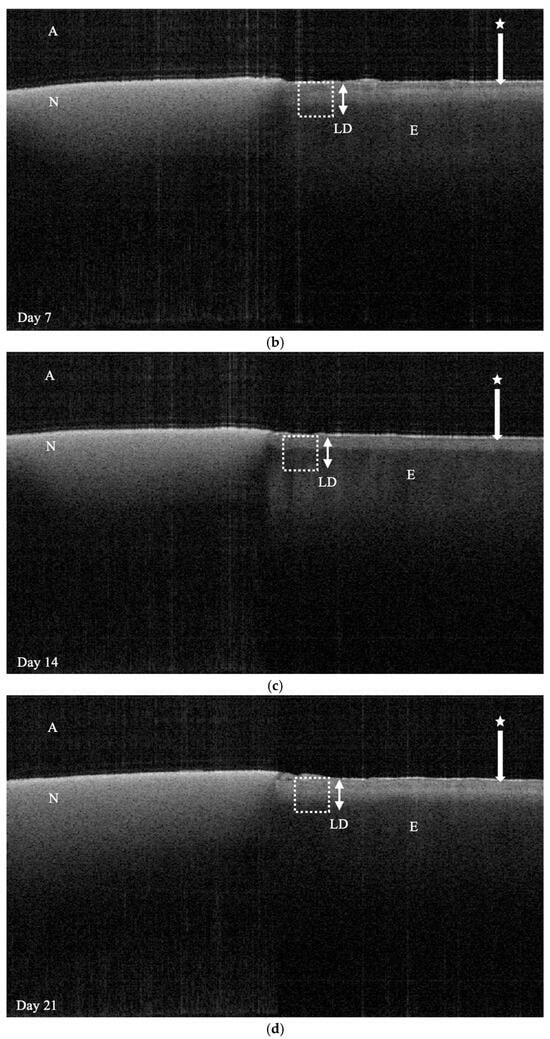
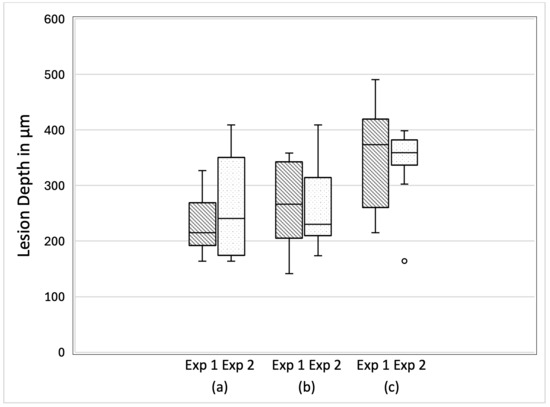
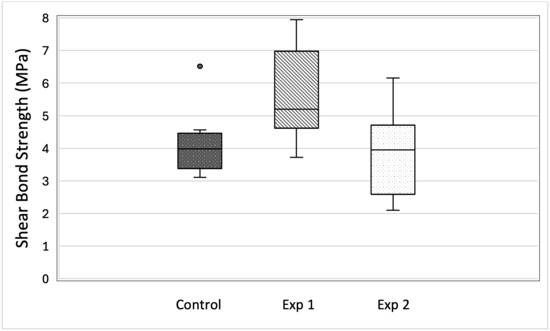
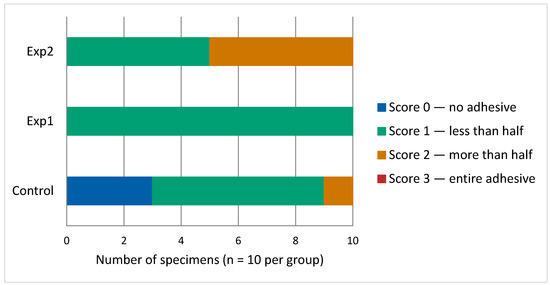
Background/Objectives: We evaluated whether resin infiltration treatment of demineralized enamel improves shear bond strength (SBS). Methods: Thirty permanent bovine incisor teeth were assigned randomly into three groups (n = 10 per group): control group, demineralized enamel pretreated with ICON® resin infiltrant (Exp1 group), and demineralized enamel without pretreatment (Exp2). Demineralization was induced using a pH 4.5 solution for 21 days and was monitored using swept-source optical coherence tomography on days 0, 7, 14, and 21. The lesion depth (LD) was quantified and evaluated using ImageJ software. In the Exp1 group, ICON® was applied prior to bracket bonding; no pretreatment was applied in the Exp2 group. In all groups, brackets were bonded using Super-Bond/Clear fluoride-free self-cure adhesive resin (4-META/MMA-TBB, Sun Medical) following Phosphoric acid (65%; Red Activator, Sun Medical). After debonding, enamel surfaces were evaluated to determine the adhesive remnant index (ARI). Results: No significant difference (p = 0.631) was noted in LD between Exp1 and Exp2 groups. The SBS values significantly differed (p < 0.05) between the control (4.1 ± 1.0 MPa) and Exp1 (5.5 ± 1.4 MPa) groups and between the Exp1 and Exp2 (3.8 ± 1.3 MPa) groups. However, SBS did not differ significantly between the control and Exp2 groups. Furthermore, ARI scores showed no significant difference between the control and Exp1 groups, whereas the Exp2 group recorded significantly elevated ARI scores relative to the control group (p = 0.0127). Conclusions: These findings suggest that resin infiltration with ICON® may improve bracket adhesion on demineralized enamel.
Full article
(This article belongs to the Section Dental Materials)
►▼
Show Figures

Graphical abstract
Open AccessArticle
Association Between the Spheno-Occipital Synchondrosis and Mandibular Condyle Periphery Maturation in Relation to Chronological Age
by
Zanda Bokvalde, Elizabete Domokejeva and Laura Neimane
Dent. J. 2026, 14(5), 298; https://doi.org/10.3390/dj14050298 - 14 May 2026
Abstract
►▼
Show Figures
Background: Investigation of craniofacial growth and maturation, particularly of structures such as the spheno-occipital synchondrosis (SOS) and mandibular condyle cortication (MCC), provides valuable insight into late adolescent development. These markers may serve as valuable tools in age assessment, especially in legal and forensic
[...] Read more.
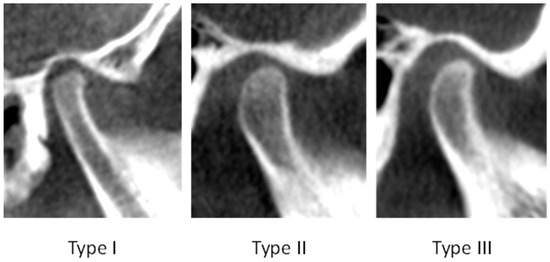
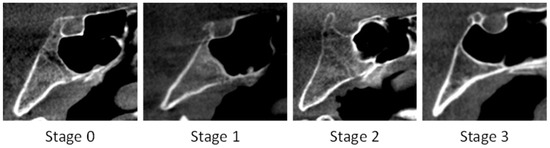
Background: Investigation of craniofacial growth and maturation, particularly of structures such as the spheno-occipital synchondrosis (SOS) and mandibular condyle cortication (MCC), provides valuable insight into late adolescent development. These markers may serve as valuable tools in age assessment, especially in legal and forensic contexts, where accurate determination of the 18-year threshold is critical. In addition, understanding their maturation can support more accurate assessment of skeletal development and improve clinical decision-making in growth-related dental treatments. Methods: This retrospective observational cross-sectional study was conducted to evaluate the stage of SOS and MCC maturation on a group of 230 individuals aged 14–22 years. Data was acquired from the mid-sagittal and sagittal sections of CBCT images representing, respectively, the SOS and the condyles. MCC was assessed bilaterally using a three-type system (Types I–III), and SOS fusion was evaluated using a four-stage system (Stages 0–3). Statistical analysis was performed to evaluate the association and correlation between the variables. Results: The Kruskal–Wallis test showed statistically significant differences in the age distribution of right and left MCC types, as well as SOS fusion stages (p < 0.001). Statistically significant differences were found in age distributions between all four SOS fusion stages in the MCC Type II groups of both condyles in both sexes, as well as Type III groups of the right condyle in both sexes and the left condyle in females (p < 0.001). Statistically significant differences were not observed in the MCC Type I group of the right and left condyle in both sexes and in the Type III group of the left condyle in males (p > 0.05). Spearman’s correlation analysis showed that the correlation between SOS fusion stages and MCC types was positive and statistically significant both between the parameters and with chronological age between sexes (rs = 0.461–0.534, p < 0.001). Conclusions: This study revealed a statistically significant association and correlation between the maturation of the SOS, the MCC and chronological age. Simultaneous MCC Type III and SOS Stage 3 maturation was predominantly observed in individuals aged 18 years or older, although a small number of cases were identified below this threshold. SOS fusion and MCC may serve as skeletal parameters for age assessment; thus, they could be used as an adjunct method in a multifactorial age assessment procedure.
Full article

Figure 1
Open AccessArticle
Association Between Childhood Asthma and Oral Health-Related Quality of Life in Young Children: A Cross-Sectional Study Using the SOHO-5
by
Susana Valbom Morgado, João Gaspar Marques, Margarida Tejada Nunes, Ana Coelho Canta and Paula Faria Marques
Dent. J. 2026, 14(5), 297; https://doi.org/10.3390/dj14050297 - 13 May 2026
Abstract
Aim: Asthma is a chronic condition with high prevalence in pediatric populations and may negatively influence oral health. The primary aim of this study was to evaluate the association between asthma and oral health-related quality of life (OHRQoL) in Portuguese children aged 6
[...] Read more.
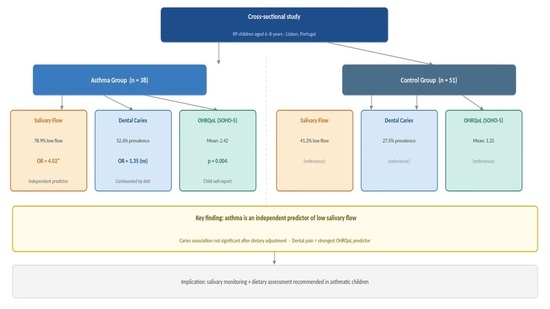
Aim: Asthma is a chronic condition with high prevalence in pediatric populations and may negatively influence oral health. The primary aim of this study was to evaluate the association between asthma and oral health-related quality of life (OHRQoL) in Portuguese children aged 6 to 8 years. Secondary aims included comparing caries experience, salivary parameters, and other clinical oral health indicators between asthmatic and non-asthmatic peers. Materials and Methods: A cross-sectional study was conducted with 89 child–parent pairs using a convenience sampling approach. Children with asthma were recruited from a hospital immunoallergology service, and healthy controls were recruited from a primary school. Data collection included parent-administered questionnaires on sociodemographic and behavioral factors, the Portuguese version of the SOHO-5 (child self-report and parent proxy forms), and standardized intraoral examinations assessing caries (WHO criteria, 5th edition), malocclusion, gingival bleeding, dental erosion, mucosal lesions, and molar–incisor hypomineralization. Stimulated salivary flow was measured. Bivariate statistical analyses and multivariable regression models were performed using SPSS (v.29), with a significance level set at p < 0.05. Results: Asthmatic children had significantly higher caries prevalence in both primary (52.6% vs. 27.5%, p = 0.027) and permanent dentition (32.4% vs. 0%, p < 0.001), as well as higher mean dmft scores (2.68 vs. 1.14, p = 0.026), reduced stimulated salivary flow (78.9% vs. 41.2% with low flow, p < 0.001), and worse child-reported SOHO-5 scores (mean 2.42 vs. 1.25, p = 0.004). After multivariable adjustment, asthma remained a significant independent predictor of low salivary flow (OR = 4.017, 95% CI: 1.443–11.178, p = 0.008), while the association with caries was attenuated and no longer significant (OR = 1.345, p = 0.590). Pain experience in the past year was the strongest predictor of OHRQoL across all multivariable models (SOHO-5 child: B = 1.583, p = 0.006; SOHO-5 total: B = 4.970, p < 0.001), indicating that children with pain history reported substantially worse OHRQoL. After adjustment, asthma did not reach statistical significance for either child-reported (B = 0.732, p = 0.090) or total OHRQoL scores (B = 0.693, p = 0.293). These findings should be interpreted cautiously given the limited number of covariates included in the models, constrained by the available sample size. Conclusions: Within the limitations of this cross-sectional study, including a small and non-probabilistic sample, asthmatic children presented a higher caries burden and a markedly higher prevalence of low stimulated salivary flow compared with non-asthmatic peers. Asthma remained a significant independent predictor of low salivary flow after multivariable adjustment, while the association with caries was attenuated, suggesting partial confounding by dietary habits. These findings highlight the importance of integrating oral health surveillance into the routine care of asthmatic children, with particular attention paid to salivary function and caries prevention.
Full article
(This article belongs to the Special Issue Oral Health-Related Quality of Life and Its Determinants)
►▼
Show Figures

Graphical abstract
Open AccessArticle
A Real-Time Inertial Sensor-Based Diagnostic Support System for Improving Angular Accuracy in Dental Implant Placement: Preclinical Experimental Validation in a 3D Haptic Simulation Model
by
Raul Cuesta Román, Pere Riutord-Sbert, Daniela Vallejos Rojas, Irene Coll Campayo, Joan Obrador de Hevia and Sebastiana Arroyo Bote
Dent. J. 2026, 14(5), 296; https://doi.org/10.3390/dj14050296 - 13 May 2026
Abstract
►▼
Show Figures
Background: Accurate three-dimensional positioning of dental implants is critical for ensuring biomechanical stability, prosthetic passivity, and long-term clinical success. While computer-assisted navigation systems achieve high precision, their complexity and cost often limit accessibility. This study presents the development and preclinical experimental validation of
[...] Read more.
Background: Accurate three-dimensional positioning of dental implants is critical for ensuring biomechanical stability, prosthetic passivity, and long-term clinical success. While computer-assisted navigation systems achieve high precision, their complexity and cost often limit accessibility. This study presents the development and preclinical experimental validation of a low-cost prototype designed to enhance angular accuracy in dental implant placement within a controlled 3D haptic simulation environment. Methods: A preclinical experimental design was implemented using a 3D haptic simulator (Virteasy, Montpellier, France). The prototype incorporated high-precision inertial measurement units (IMUs) and an Extended Kalman Filter (EKF) for real-time angular feedback. Ninety-seven simulated implant placements were performed—both freehand and with prototype assistance—under identical virtual conditions by a single experienced operator. Angular deviations in mesiodistal and buccolingual planes were recorded, combined into a composite 3D index, and analyzed using paired t-tests and linear mixed-effects models. The study was conducted in a controlled simulation environment, which does not fully replicate clinical conditions. Results: The prototype significantly reduced angular deviation from 13.49° to 2.99° in the mesiodistal plane (−77.8%) and from 13.56° to 5.59° in the buccolingual plane (−58.8%), achieving an overall 67% improvement in three-dimensional orientation (p < 0.001; Cohen’s d = 1.47). Agreement with an optical reference system (OptiTrack) was excellent (bias = +0.36°, RMSE = 0.39°). Intra-operator reliability exceeded 0.95 (ICC), confirming strong reproducibility and measurement stability. Conclusions: The proposed inertial sensor-based prototype achieved angular accuracy within the range reported for computer-guided systems while maintaining advantages of portability, low cost, and usability. Its integration into haptic simulators provides a valid tool for both educational and preclinical applications, offering real-time feedback that enhances spatial perception and psychomotor learning. Future clinical studies should validate its performance in cadaveric and patient-based contexts to determine its practical impact on surgical precision and implant success.
Full article

Figure 1
Open AccessArticle
Risk of Edentulism Among Older Adults with Multimorbidity
by
Rolla Mira and Wael Sabbah
Dent. J. 2026, 14(5), 295; https://doi.org/10.3390/dj14050295 - 13 May 2026
Abstract
Objective: This study aimed to assess whether older American adults with multimorbidity are at higher risk of becoming edentate over time. Methods: We used data from three waves of the Health and Retirement Study (HRS), a longitudinal survey of older American adults aged
[...] Read more.
Objective: This study aimed to assess whether older American adults with multimorbidity are at higher risk of becoming edentate over time. Methods: We used data from three waves of the Health and Retirement Study (HRS), a longitudinal survey of older American adults aged 50 years and over. Data on multimorbidity was from 2012, while data on complete tooth loss was from 2018. Multimorbidity included five common and serious conditions, namely diabetes, heart conditions, lung diseases, cancer, and stroke. Socioeconomic factor was indicated by total wealth in 2006; behaviour was indicated by smoking in 2012. We used Structural Equation Modelling (SEM) to assess the relationship between multimorbidity in 2012 and complete tooth loss in 2018. Participants with complete tooth loss in 2012 were excluded from the analysis. Results: Among 6286 participants with complete data across all three waves, each additional chronic condition in 2012 was associated with 1.30 times higher odds of edentulism in 2018 (95% CI: 1.12, 1.52). In the SEM, multimorbidity in 2012 was positively associated with being edentate in 2018 (estimate: 0.01, 95% CI 0.01, 0.02); smoking and wealth were also significantly associated with edentulism. Wealth and smoking were also associated with multimorbidity. Conclusions: Older adults with multimorbidity appear to have a higher probability for becoming edentate. The findings highlight the need for oral health promotion activities for those with multimorbidity.
Full article
(This article belongs to the Special Issue Dental Disease Research in the USA)
►▼
Show Figures

Graphical abstract
Open AccessReview
Clinical Significance and Anatomical Considerations of Apical Patency in Endodontic Therapy: A Comprehensive Review
by
Hidetaka Ishizaki and Takashi Matsuura
Dent. J. 2026, 14(5), 294; https://doi.org/10.3390/dj14050294 - 13 May 2026
Abstract
Background: The primary goal of root canal treatment is the prevention and healing of apical periodontitis through the meticulous elimination of pathogenic bacteria and infected tissues. Within this framework, apical patency remains a fundamental yet debated clinical concept. Objectives: This review aims to
[...] Read more.
Background: The primary goal of root canal treatment is the prevention and healing of apical periodontitis through the meticulous elimination of pathogenic bacteria and infected tissues. Within this framework, apical patency remains a fundamental yet debated clinical concept. Objectives: This review aims to evaluate the clinical significance of maintaining apical patency, its influence on postoperative discomfort, and the technical strategies required for predictable negotiation. Methods: We performed a comprehensive review of existing literature, including clinical studies and recent meta-analyses, focusing on the correlation between patency maneuvers and postoperative pain, the role of preoperative CBCT imaging, and the efficacy of specialized negotiation instruments and motor kinematics. While patency facilitates thorough debridement, evidence regarding its impact on postoperative pain is conflicting, with recent meta-analyses suggesting it may actually alleviate discomfort intensity. Preoperative CBCT was identified as essential for identifying complex anatomy, such as the MB2 canal. Furthermore, the use of specialized files and reciprocating motor modes enhances the predictability of glide path establishment. Conclusions: Although failure to achieve patency does not always dictate a negative outcome, it is associated with improved long-term healing. Clinicians should prioritize “Anatomical Patency”—respecting original morphology—over forceful “Operative Patency” to ensure procedural integrity and clinical success.
Full article
(This article belongs to the Special Issue Endodontics: From Technique to Regeneration)
►▼
Show Figures

Figure 1
Journal Menu
► ▼ Journal Menu-
- Dentistry Journal Home
- Aims & Scope
- Editorial Board
- Reviewer Board
- Topical Advisory Panel
- Instructions for Authors
- Special Issues
- Topics
- Sections & Collections
- Article Processing Charge
- Indexing & Archiving
- Editor’s Choice Articles
- Most Cited & Viewed
- Journal Statistics
- Journal History
- Journal Awards
- Conferences
- Editorial Office
Journal Browser
► ▼ Journal BrowserHighly Accessed Articles
Latest Books
E-Mail Alert
News
Topics
Topic in
Biology, JCM, Diagnostics, Dentistry Journal
Assessment of Craniofacial Morphology: Traditional Methods and Innovative Approaches
Topic Editors: Nikolaos Gkantidis, Carlalberta VernaDeadline: 1 June 2026
Topic in
Dentistry Journal, IJMS, JCM, Medicina, Applied Sciences
Oral Health Management and Disease Treatment
Topic Editors: Christos Rahiotis, Felice Lorusso, Sergio Rexhep TariDeadline: 31 July 2026
Topic in
Applied Sciences, Dentistry Journal, Polymers, Applied Biosciences, Bioengineering, Materials
Advances in Biomaterials—2nd Edition
Topic Editors: Satoshi Komasa, Yoshiro Tahara, Tohru Sekino, Hideaki Sato, Yoshiya Hashimoto, Tetsuya AdachiDeadline: 31 December 2026
Conferences
Special Issues
Special Issue in
Dentistry Journal
Advancements and Implications of Digital Workflow Integration in Implant Dentistry
Guest Editor: Corina Marilena CristacheDeadline: 20 May 2026
Special Issue in
Dentistry Journal
Regenerative Dentistry: Innovations and Clinical Applications
Guest Editors: Nima Farshidfar, Richard Miron, Jean Claude ImberDeadline: 20 May 2026
Special Issue in
Dentistry Journal
Bone Regeneration and Tissue Reconstruction in Dentistry
Guest Editor: Juho SuojanenDeadline: 31 May 2026
Special Issue in
Dentistry Journal
Advances in Esthetic Dentistry
Guest Editor: Dubravka ZlatarićDeadline: 31 May 2026
Topical Collections
Topical Collection in
Dentistry Journal
Light and Laser Dentistry
Collection Editors: Samir Nammour, Aldo Brugnera Junior
Topical Collection in
Dentistry Journal
Novel Ceramic Materials in Dentistry
Collection Editors: Roberto Sorrentino, Gianrico Spagnuolo
Topical Collection in
Dentistry Journal
Bio-Logic Approaches to Implant Dentistry
Collection Editors: Luigi Canullo, Donato Antonacci, Piero Papi, Francesco Gianfreda, Bianca Di Murro, Carlo Raffone
Topical Collection in
Dentistry Journal
Dental Traumatology and Sport Dentistry
Collection Editor: Enrico Spinas