






-
Management of Implantable Cardiovascular Devices in Patients Undergoing Radiotherapy -
Collaborative Robotics, Mobile Platforms, and Total Laboratory Automation in Clinical Diagnostics -
Systemic Sclerosis-Associated ILD: Insights and Limitations of ScleroID -
Cerebello-Pontine Angle Tumors in Children: An Update on Challenging Neoplasms -
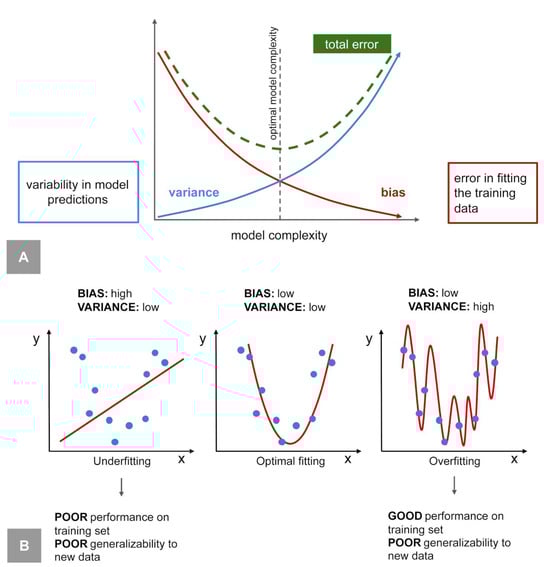
AI-Guided Inference of Morphodynamic Attractor-like States in Glioblastoma
Journal Description
Diagnostics
Diagnostics
is an international, peer-reviewed, open access journal on medical diagnosis published semimonthly online by MDPI. The British Neuro-Oncology Society (BNOS), the International Society for Infectious Diseases in Obstetrics and Gynaecology (ISIDOG) and the Swiss Union of Laboratory Medicine (SULM) are affiliated with Diagnostics and their members receive a discount on the article processing charges.
- Open Access— free for readers, with article processing charges (APC) paid by authors or their institutions.
- High Visibility: indexed within Scopus, SCIE (Web of Science), PubMed, PMC, Embase, Inspec, CAPlus / SciFinder, and other databases.
- Journal Rank: JCR - Q1 (Medicine, General and Internal) / CiteScore - Q2 (Internal Medicine)
- Rapid Publication: manuscripts are peer-reviewed and a first decision is provided to authors approximately 21.6 days after submission; acceptance to publication is undertaken in 2.7 days (median values for papers published in this journal in the second half of 2025).
- Recognition of Reviewers: reviewers who provide timely, thorough peer-review reports receive vouchers entitling them to a discount on the APC of their next publication in any MDPI journal, in appreciation of the work done.
- Companion journals for Diagnostics include: LabMed and AI in Medicine.
Impact Factor:
3.3 (2024);
5-Year Impact Factor:
3.3 (2024)
Latest Articles
Conference Report: The FutuRE oF MinimalLy InvasivE GI and Capsule DiagnosTics (REFLECT), September 2025
Diagnostics 2026, 16(9), 1315; https://doi.org/10.3390/diagnostics16091315 - 27 Apr 2026
Abstract
Capsule endoscopy (CE) is evolving from a primarily small-bowel imaging modality into a broader diagnostic platform that increasingly incorporates artificial intelligence (AI), robotic technologies, biosensing capabilities, and decentralized models of care. The REFLECT symposium brought together an international, multidisciplinary audience of clinicians, engineers,
[...] Read more.
Capsule endoscopy (CE) is evolving from a primarily small-bowel imaging modality into a broader diagnostic platform that increasingly incorporates artificial intelligence (AI), robotic technologies, biosensing capabilities, and decentralized models of care. The REFLECT symposium brought together an international, multidisciplinary audience of clinicians, engineers, scientists, and healthcare stakeholders to critically evaluate the present and future role of CE across a range of gastrointestinal (GI) applications, including inflammatory bowel disease, GI bleeding, coeliac disease, and colorectal cancer screening. Discussions explored the clinical impact of panenteric and colon capsule endoscopy, the potential of AI to enhance diagnostic performance and streamline workflows, innovations in capsule hardware, and the design of patient-centred diagnostic pathways. While conventional endoscopy continues to serve as the benchmark in many clinical scenarios, CE was recognized for its ability to improve access, acceptability, and scalability when deployed in appropriately selected populations. The symposium also identified key barriers to broader implementation, such as reinvestigation rates, absence of standardized quality indicators, limited real-world evidence for AI tools, and ongoing economic and environmental challenges. Overall, the meeting highlighted the importance of gradual, evidence-driven integration of CE, supported by robust validation, standardized metrics, close clinician-engineer collaboration, and meaningful incorporation of patient experience, to support the development of a safe, equitable, and sustainable pathway.
Full article
(This article belongs to the Section Biomedical Optics)
Open AccessReview
Skin as a Metabolic Organ: Dermatologic Markers of Morbid Obesity and Their Role in Risk Stratification and Treatment Monitoring
by
Aleksandra Sado, Monika Tomaszewska, Simona Wójcik and Anna Rulkiewicz
Diagnostics 2026, 16(9), 1314; https://doi.org/10.3390/diagnostics16091314 - 27 Apr 2026
Abstract
Morbid obesity is a chronic condition characterized by metabolic disorders and low-grade chronic inflammation, both of which are closely linked to insulin resistance and adipokine dysregulation. In addition to its systemic effects, obesity also leads to structural and functional changes in the skin,
[...] Read more.
Morbid obesity is a chronic condition characterized by metabolic disorders and low-grade chronic inflammation, both of which are closely linked to insulin resistance and adipokine dysregulation. In addition to its systemic effects, obesity also leads to structural and functional changes in the skin, supporting its role as an active metabolic and immunological organ. This study analyzed skin lesions occurring in individuals with morbid obesity and explored their potential relevance in the context of metabolic risk and treatment response rather than establishing clinically validated tools. The focus was on how excess adipose tissue affects the skin through metabolic, hormonal and mechanical mechanisms. Although this review focuses on morbid obesity, many of the included studies examine general obesity without separating its severity. Therefore, the findings may not fully reflect patients with BMI ≥ 40 kg/m2 and should be interpreted with caution. Three main areas were considered: the pathophysiological mechanisms underlying obesity-related skin lesions, selected dermatological manifestations as potential markers associated with metabolic risk, and changes in these manifestations during pharmacological, surgical, and lifestyle interventions. Available studies show that acanthosis nigricans and multiple acrochordons are consistently associated with insulin resistance, metabolic syndrome, and metabolic dysfunction-associated steatotic liver disease. An increase in BMI is also associated with impairment of the epidermal barrier, changes in the composition of skin lipids, and modifications of the skin microbiome, while biomechanical factors promote the development of chronic inflammation in the intertriginous areas. It has been shown that normalization of metabolic parameters achieved through GLP-1-based pharmacotherapy, bariatric surgery, or lifestyle changes can improve some skin manifestations, especially acanthosis nigricans. However, it should be emphasized that most available data are based on cross-sectional or observational studies, and validated composite dermatological indices are still unavailable. Skin changes in patients with morbid obesity often reflect underlying metabolic and hormonal disturbances. They may have potential as additional, non-invasive clinical clues, but they should not be treated as independent tools for risk assessment or treatment monitoring. At present, most evidence shows associations only, and it is unclear whether these findings add meaningful predictive value beyond standard metabolic markers. More prospective studies are needed to confirm their clinical usefulness and to define their role in assessing metabolic risk and monitoring treatment over time.
Full article
(This article belongs to the Special Issue Novel Diagnostic Approaches in Cardiovascular and Metabolic Disorders: From Pathophysiology to Clinical Practice)
Open AccessArticle
Beyond Binary Cutoffs: An Explainable Machine Learning Framework for Individualized Diagnostic Reasoning in Suspected Urolithiasis
by
Kyungman Cha, Sang Hoon Oh, Jaekwang Shin and Jee Yong Lim
Diagnostics 2026, 16(9), 1313; https://doi.org/10.3390/diagnostics16091313 - 27 Apr 2026
Abstract
Background: Emergency department evaluation of suspected urolithiasis increasingly relies on non-contrast CT, yet not all patients require imaging. Existing clinical prediction rules help stratify stone probability, but by converting continuous measurements into fixed binary indicators, they offer little insight into why a
[...] Read more.
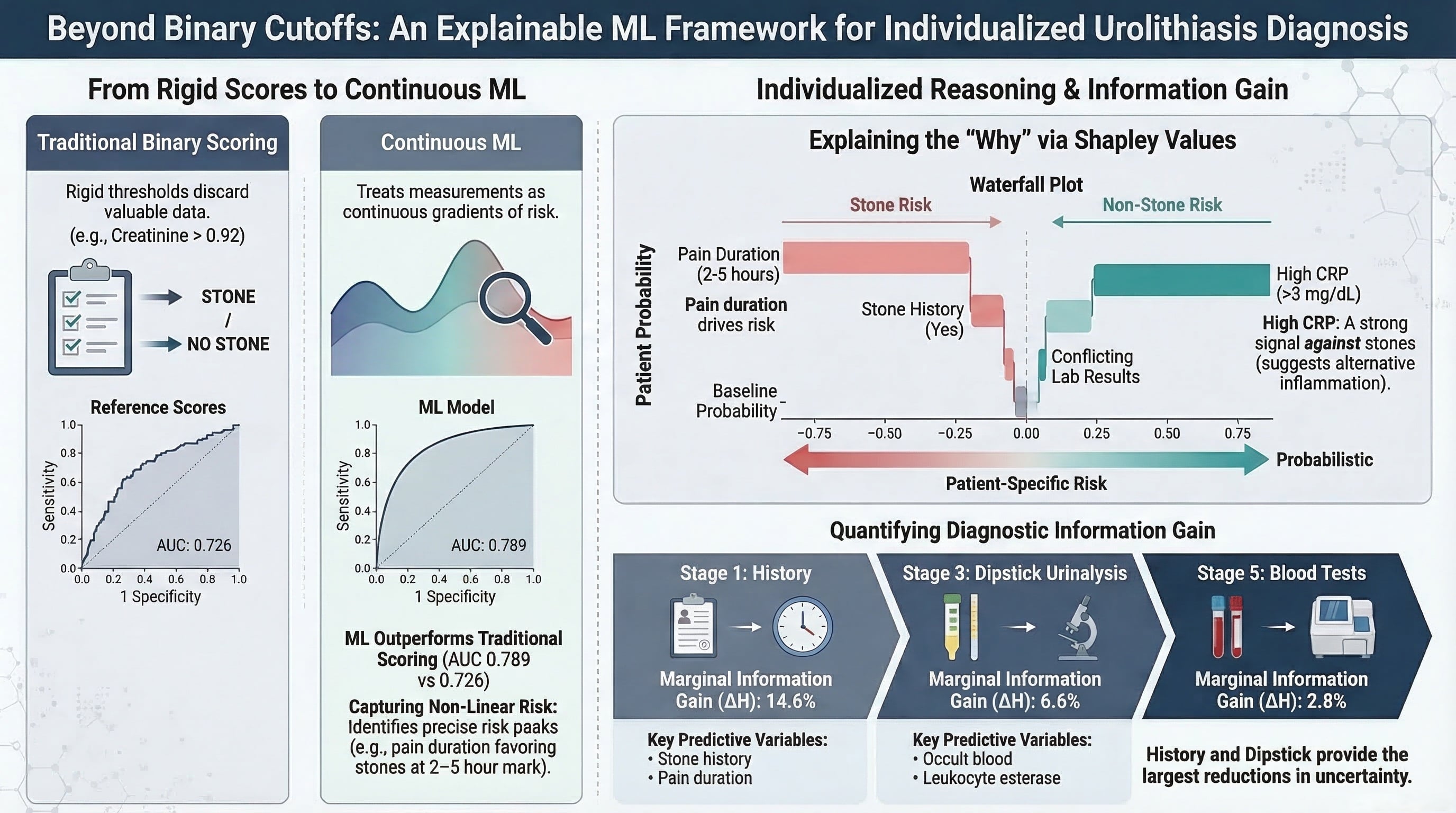
Background: Emergency department evaluation of suspected urolithiasis increasingly relies on non-contrast CT, yet not all patients require imaging. Existing clinical prediction rules help stratify stone probability, but by converting continuous measurements into fixed binary indicators, they offer little insight into why a particular patient is at risk or how much uncertainty remains after each testing stage—questions that bear directly on individualized diagnostic decisions. Methods: We retrospectively analyzed 1000 ED patients with suspected urolithiasis who underwent non-contrast CT (stone prevalence 85.0%). A gradient boosting classifier was trained on 17 continuous clinical and laboratory features and compared against binary-thresholded counterparts and an established scoring system; the 17-feature model achieved AUC 0.771 (95% CI 0.726–0.813) versus 0.723 (95% CI 0.675–0.771) for the reference score on this cohort (DeLong p = 0.001). Individual predictions were explained using an interventional Shapley value approach, and a Shannon entropy-based framework was applied to quantify the marginal diagnostic contribution of each sequential testing stage. Results: Held-out permutation importance identified red blood cell count on microscopy, age, pain duration, and prior stone history as the most influential predictors. Several features showed non-linear contributions that diverged from conventional binary thresholds: creatinine effect crossed zero near 0.90 mg/dL and pain duration peaked between 2 and 5 h. C-reactive protein, absent from existing scoring systems, emerged as a meaningful negative predictor. Sequential entropy analysis showed that dipstick urinalysis provided the largest marginal information gain among non-history stages (6.1% of prior entropy), while physical examination contributed 2.3%. A prevalence sensitivity analysis projected that the framework’s threshold behavior would differ substantially in lower-prevalence populations, underscoring that the cohort-specific cut-points are not portable decision rules. We therefore position the framework as a reasoning aid that complements clinical judgment and imaging, not as a stand-alone triage tool. Conclusions: Explainable machine learning can address questions that aggregate discrimination metrics cannot: which features drive risk for a given patient, how those effects behave across the continuous measurement range, and how much diagnostic uncertainty each testing stage resolves. The Shapley-based explanations and entropy framework developed here offer a structured approach to individualized diagnostic reasoning in the ED evaluation of suspected urolithiasis, functioning as an interpretive adjunct to, rather than a replacement for, existing clinical tools and CT imaging.
Full article
(This article belongs to the Special Issue Clinical Diagnosis and Management in Urology)
►▼
Show Figures

Graphical abstract
Open AccessArticle
Magnetic Resonance Imaging Systematically Differs from Histology in Quantifying Macrovesicular Liver Steatosis in Individuals with Morbid Obesity: A Prospective Paired MRI–Histology Study in Bariatric Surgery
by
Sergio Carandina, Viola Zulian, Eric Fontas and Antonio Iannelli
Diagnostics 2026, 16(9), 1312; https://doi.org/10.3390/diagnostics16091312 - 27 Apr 2026
Abstract
Background: Liver histology remains the gold standard for assessing liver steatosis (LS); however, non-invasive methods are increasingly being explored in clinical practice. This study aimed to evaluate the agreement between magnetic resonance imaging (MRI) and liver histology in quantifying LS in patients
[...] Read more.
Background: Liver histology remains the gold standard for assessing liver steatosis (LS); however, non-invasive methods are increasingly being explored in clinical practice. This study aimed to evaluate the agreement between magnetic resonance imaging (MRI) and liver histology in quantifying LS in patients with morbid obesity undergoing bariatric surgery (BS). Methods: This ancillary study is part of a prospective, double-blind, multicenter, randomized placebo-controlled trial investigating the effects of preoperative omega-3 polyunsaturated fatty acid supplementation on liver volume in morbidly obese patients undergoing BS. The parent trial yielded negative results, and randomization arm was retained as a covariate in all analyses. Patients underwent MRI within 2 days before surgery, followed by intraoperative wedge resection and TruCore needle liver biopsy. Agreement between MRI and histology was assessed using the intraclass correlation coefficient (ICC) and Cohen’s kappa coefficient (K) for both macro- and microvesicular steatosis. Results: Thirty-seven patients were enrolled; paired MRI and biopsy data were available for thirty-one (83.8%). Moderate and statistically significant agreement was observed between MRI and both TruCore (ICC: 0.52, p = 0.002; K: 0.42, p = 0.007) and wedge-resection (ICC: 0.53, p = 0.001; K: 0.29, p = 0.044) biopsies for macrovesicular steatosis. The MRI-derived values were systematically lower than histological estimates for macrovesicular steatosis (mean MRI: 23.4% vs. histology: 36.7–37.1%). No significant agreement was identified for microvesicular steatosis with either biopsy technique. Conclusions: In morbidly obese patients, MRI demonstrates only moderate agreement with liver histology for macrovesicular steatosis and is unreliable for microvesicular steatosis. The systematic underestimation of macrovesicular steatosis by MRI warrants caution when this modality is used as a standalone decision-making tool in this population. Further studies in larger and more heterogeneous cohorts are needed to better define the performance boundaries of MRI-derived fat-fraction measurement across the spectrum of obesity and metabolic liver disease.
Full article
(This article belongs to the Section Medical Imaging and Theranostics)
Open AccessArticle
Multiparametric Ultrasound and Machine Learning for Predicting Renal Scarring in Children
by
Zeynep Ayvat Ocal, Ozgur Ozdemir Simsek, Cemal Bilir and Hasan Turan
Diagnostics 2026, 16(9), 1311; https://doi.org/10.3390/diagnostics16091311 - 27 Apr 2026
Abstract
Background/Objectives: Renal scarring in children is linked to long-term complications, including hypertension and chronic kidney disease. Although dimercaptosuccinic acid (DMSA) scintigraphy is the reference standard, routine use is limited due to radiation exposure. This study evaluated whether multiparametric ultrasound combined with machine
[...] Read more.
Background/Objectives: Renal scarring in children is linked to long-term complications, including hypertension and chronic kidney disease. Although dimercaptosuccinic acid (DMSA) scintigraphy is the reference standard, routine use is limited due to radiation exposure. This study evaluated whether multiparametric ultrasound combined with machine learning could predict DMSA-detected renal scarring in pediatric patients. Methods: In this retrospective study, 192 children undergoing renal ultrasound and DMSA scintigraphy were included. Renal morphometric and volumetric parameters, along with shear wave elastography, were analyzed. Supervised machine learning models were trained to predict renal scarring. A validated data augmentation framework addressed class imbalance and limited sample size. Model performance was assessed using standard classification metrics. Results: Kidney volume indexed to body surface area and the asymmetry index were strongly associated with renal scarring. Elastography alone had limited discriminatory power in conventional analyses but improved predictive performance when incorporated into machine learning models after data augmentation. Ensemble-based models achieved the highest accuracy and area under the receiver operating characteristic curve. Conclusions: Multiparametric ultrasound with machine learning shows potential as a noninvasive tool for predicting renal scarring in children. While not a replacement for DMSA scintigraphy, this approach may aid risk stratification and clinical decision-making, potentially reducing unnecessary radiation exposure.
Full article
(This article belongs to the Section Machine Learning and Artificial Intelligence in Diagnostics)
Open AccessReview
Beyond One-Size-Fits-All Active Surveillance for Low-Risk Prostate Cancer: Risk-Adapted Follow-Up, De-Escalation Pathways, and Focal Therapy as Tailored Strategy
by
Fabio Zattoni, Andrea Mari, Ugo Giovanni Falagario, Riccardo Giuseppe Bertolo, Simone Albisinni, Daniele Amparore, Lorenzo Bianchi, Riccardo Campi, Roberto Contieri, Elisa De Lorenzis, Paolo Dell’Oglio, Michele Marchioni, Veronica Mollica, Marco Moschini, Francesco Soria, Michele Talso, Filippo Turri and Savio Domenico Pandolfo
Diagnostics 2026, 16(9), 1310; https://doi.org/10.3390/diagnostics16091310 - 27 Apr 2026
Abstract
Low-risk prostate cancer (PCa) has historically been overtreated, exposing men to unnecessary morbidity. Emerging evidence supports conservative management of low-risk PCa without immediate radical intervention. Contemporary data show a marked decline in surgical overtreatment, with the proportion of radical prostatectomies yielding only Grade
[...] Read more.
Low-risk prostate cancer (PCa) has historically been overtreated, exposing men to unnecessary morbidity. Emerging evidence supports conservative management of low-risk PCa without immediate radical intervention. Contemporary data show a marked decline in surgical overtreatment, with the proportion of radical prostatectomies yielding only Grade Group 1 cancers falling from 32.4% in 2010 to 7.8% in 2020 in the US SEER registry. Long-term studies confirm that deferring treatment is safe for low-risk disease, with PCa-specific survival exceeding 95% at 15–25 years for cohorts managed with surveillance. Major guidelines now endorse active surveillance (AS) as the preferred management for low-risk PCa. An alternative risk stratification system that expands the low-risk category was shown to reclassify 45–83% more men as low risk without increasing 15-year PCa mortality. Focal therapy has emerged as a potential middle-ground strategy, though evidence is still limited. The paradigm for managing low-risk PCa has shifted toward conservatism, with AS firmly established as the standard of care. Continued efforts to refine risk stratification and evaluate focal therapy are needed to further optimize individualized care, minimize harm, and maintain excellent cancer-specific outcomes for low-risk PCa. This comprehensive review aims to create a practical, risk-adapted framework for managing patients on AS. We will: (i) summarize inclusion criteria and outcomes, (i) compare AS follow-up schedules across major institutions and guidelines, (iii) provide evidence-based criteria to de-intensify surveillance in men with sustained stability and (iv) clarify the role of focal therapy as an intermediate treatment option within the AS continuum.
Full article
(This article belongs to the Special Issue Clinical Diagnosis and Management in Urology)
Open AccessArticle
Prevalence of Hyperkalemia in a Contemporary European Cohort According to EKFC eGFR Categories
by
Priscila Villalvazo, Luis Miguel Molinero-Casares, Maria Dolores Sanchez-Niño and Alberto Ortiz
Diagnostics 2026, 16(9), 1309; https://doi.org/10.3390/diagnostics16091309 - 27 Apr 2026
Abstract
Background/Objectives: Hyperkalemia is common in patients with chronic kidney disease (CKD). However, its epidemiology may be evolving due to population aging, new therapeutic developments and novel estimated glomerular filtration rate (eGFR) equations. We have re-evaluated the epidemiology of hyperkalemia in a contemporary
[...] Read more.
Background/Objectives: Hyperkalemia is common in patients with chronic kidney disease (CKD). However, its epidemiology may be evolving due to population aging, new therapeutic developments and novel estimated glomerular filtration rate (eGFR) equations. We have re-evaluated the epidemiology of hyperkalemia in a contemporary cohort in which eGFR was assessed using the EKFC equation recommended by the European Federation of Clinical Chemistry and Laboratory Medicine (EFLM). Methods: We analyzed 190,579 laboratory tests with serum potassium values corresponding to individual outpatients in Primary or Specialty Care from a single laboratory in 2023, representing 42% of the catchment area population. Results: Hypokalemia (<3.5 mmol/L) was present in 0.3% patients, hyperkalemia (≥5.0 mmol/L) in 10.5% (11.5% of men, 9.7% of women). Hyperkalemia was mostly mild (9.4%) but was severe in 0.1% overall and in 10.5% of CKD G5. One in four patients with hyperkalemia had CKD. Hyperkalemia was more common among patients with CKD G3–G5 defined using the CKD-EPI2009 equation than defined using the EKFC equation (20.5 vs. 18.6%, p < 0.0001). Using EKFC, hyperkalemia prevalence increased with decreasing eGFR from G1 (6.6%) to G2 (10.8%) and, especially in CKD G3–G5 (G3 17.2% to G5 47.5%). In multivariate logistic analysis, worse renal function, worse diabetes control, older age, and surrogates for release of intracellular potassium during sample processing (red blood cell counts or size, platelet counts, elevated calcium levels) were independently associated with hyperkalemia. This multivariate model yielded an area under the curve (AUC) of the Receiver Operating Characteristic (ROC) curve for hyperkalemia of 0.678 (95% CI 0.674–0.682). Random forest also identified GFR as the most important feature associated with hyperkalemia and generally concurred with logistic analysis findings. Conclusions: Hyperkalemia remains common, especially in CKD G5. While hyperkalemia is mainly associated with low eGFR, sample processing should be optimized.
Full article
(This article belongs to the Special Issue Current Issues in Kidney Diseases Diagnosis and Management 2026)
Open AccessReview
Cerebral Venous Thrombosis: Pathophysiologic Insights, Clinical Evaluation Tools, and Novel Therapeutic Strategies
by
Min Li, Qiqi Cui, Xiaogang Gao, Xuefan Yao, Ran Meng, Xunming Ji and Juexian Song
Diagnostics 2026, 16(9), 1308; https://doi.org/10.3390/diagnostics16091308 - 27 Apr 2026
Abstract
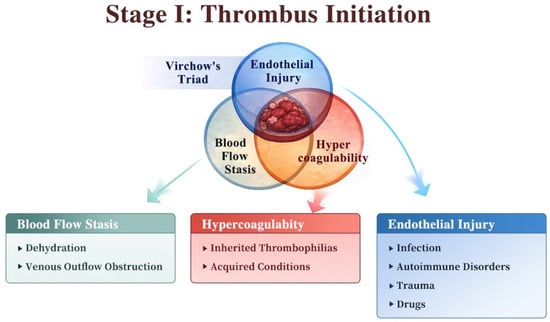
Cerebral venous thrombosis (CVT) is a rare but potentially life-threatening subtype of stroke, characterized by thrombus formation within the dural venous sinuses and cerebral veins. Recent advances have deepened our understanding of CVT pathophysiology, highlighting a multifactorial process that encompasses thrombus initiation, subsequent
[...] Read more.
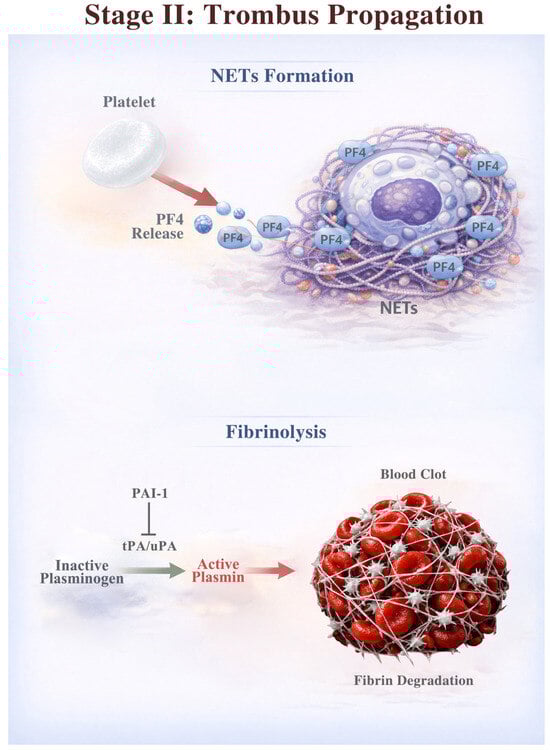
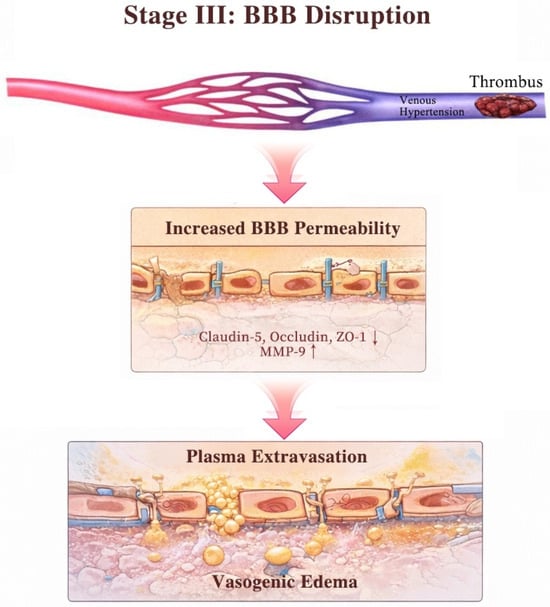
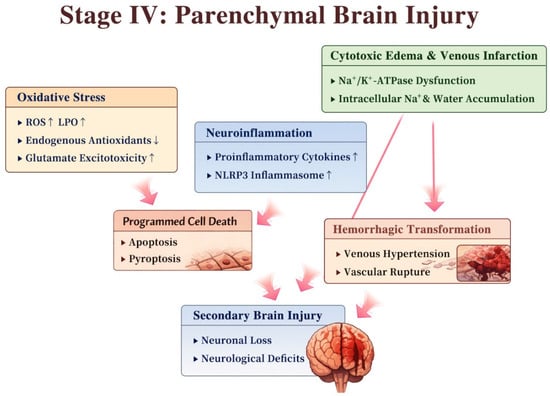
Cerebral venous thrombosis (CVT) is a rare but potentially life-threatening subtype of stroke, characterized by thrombus formation within the dural venous sinuses and cerebral veins. Recent advances have deepened our understanding of CVT pathophysiology, highlighting a multifactorial process that encompasses thrombus initiation, subsequent thrombus propagation, venous hypertension with blood–brain barrier disruption, and secondary parenchymal brain injury. Comprehensive clinical assessment, including diagnosis and differential diagnosis, disease severity scores, imaging-based metrics, and prognostic scoring systems, enables accurate evaluation and risk stratification. Emerging therapeutic strategies, including direct oral anticoagulants, corticosteroids for selected patients, natural-origin agents, immunomodulatory therapy, endovascular treatment, optic nerve sheath fenestration, and neuromodulation, provide novel and alternative options for the management of CVT. This review provides a comprehensive overview of CVT pathophysiology, clinical assessment tools, and novel therapeutic strategies to guide clinical decision-making and inform future research.
Full article
(This article belongs to the Special Issue Pathophysiologic Mechanisms, Diagnosis and Management of Venous Thromboembolism)
►▼
Show Figures

Figure 1
Open AccessSystematic Review
Cardiac MRI in MINOCA: Current Evidence, Parametric Mapping Advances, and Future AI Applications—A Systematic Review
by
Diana Alexandra Pepelea, Roxana E. Coroiu, Eliza M. Aron, Ramona M. Popa, Mircea D. Hogea and Rosana M. Manea
Diagnostics 2026, 16(9), 1307; https://doi.org/10.3390/diagnostics16091307 - 27 Apr 2026
Abstract
Background: Myocardial infarction with nonobstructive coronary arteries (MINOCA) is a heterogenous clinical syndrome in which aetiologies range from “true” ischemic mechanisms to non-ischemic mimics (e.g., myocarditis and Takotsubo syndrome). Cardiac magnetic resonance (CMR) plays a central role in the diagnostic pathway. Recent
[...] Read more.
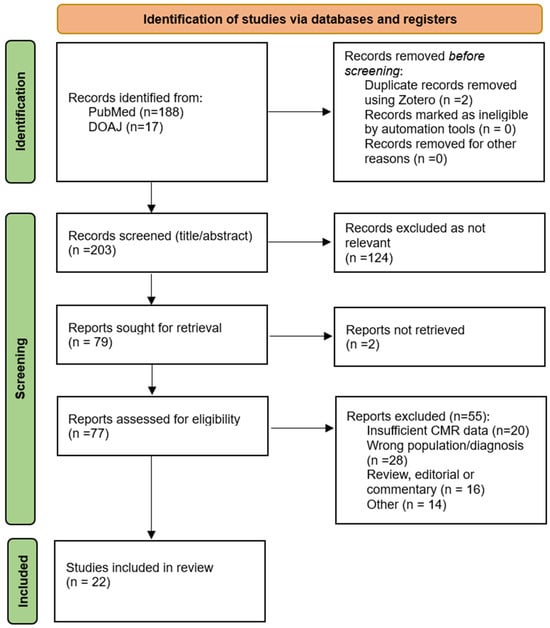
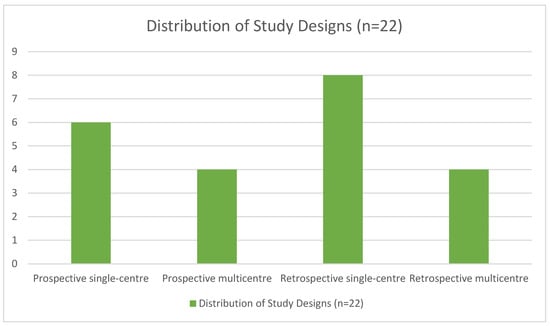
Background: Myocardial infarction with nonobstructive coronary arteries (MINOCA) is a heterogenous clinical syndrome in which aetiologies range from “true” ischemic mechanisms to non-ischemic mimics (e.g., myocarditis and Takotsubo syndrome). Cardiac magnetic resonance (CMR) plays a central role in the diagnostic pathway. Recent advances in parametric mapping (native T1, T2, and extracellular volume ECV) and evolving AI/radiomic methods promise to further improve diagnostic accuracy and prognostic stratification. This review aims to evaluate the current CMR evidence in MINOCA, while highlighting parametric mapping advances and future directions in the sphere of AI and radiomics. Methods: A systematic literature search of PubMed and the Directory of Open Access Journals (DOAJ) was performed. We included original prospective and retrospective CMR studies of MINOCA and MINOCA-like presentations in adults. Data were extracted into a master dataset and synthetised thematically into five subsections: (1) diagnostic yield, (2) reclassification rate), (3) timing of CMR, (4) prognosis, and (5) future directions. Results: Twenty-two studies met the inclusion criteria. CMR diagnostic yield varied by protocol and timing but was consistently substantial. CMR consistently reclassified initial MINOCA diagnoses (ischemia or alternative non-ischemic diagnoses). Parametric mapping provided incremental diagnostic and prognostic information. Across studies, early imaging (ideally within the first 1–2 weeks) increased diagnostic yield, while delayed CMR reduced detectability of transient lesions. Early AI and radiomics work show promise for LGE-based classification and for predicting post-contrast findings from non-contrast data, but current models require larger, multicentre training and robust external validation. Conclusions: CMR increases diagnostic yield and reclassification rates in MINOCA, particularly when performed early and with standardised T1/T2/ECV mapping. Mapping not only improves detection of inflammatory and diffuse injuries but also contributes to prognostic stratification. High-resolution LGE, OCT, and AI/radiomics are promising future refinements but need prospective validation in large, early, mapping-inclusive cohorts.
Full article
(This article belongs to the Section Machine Learning and Artificial Intelligence in Diagnostics)
►▼
Show Figures

Figure 1
Open AccessSystematic Review
Closing Diagnostic Gaps in Pediatric HIV: Innovations in Point-of-Care and Digital Monitoring with an Asia–Pacific Implementation Lens—A Systematic Review
by
Miao-Chiu Hung and Hsihsien Wei
Diagnostics 2026, 16(9), 1306; https://doi.org/10.3390/diagnostics16091306 - 27 Apr 2026
Abstract
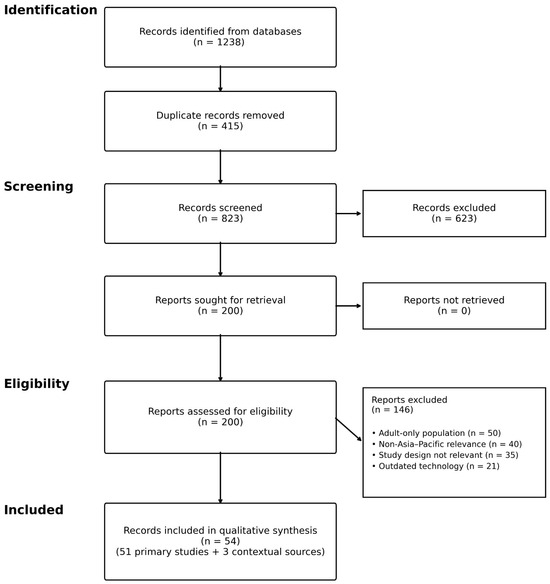
Background/Objectives: Pediatric HIV case-finding and monitoring remain constrained by delayed early infant diagnosis (EID), loss to follow-up, and limited viral load (VL) testing—challenges particularly consequential in the operationally diverse Asia–Pacific region. We systematically reviewed innovations in point-of-care (POC) and near-patient HIV diagnostics and
[...] Read more.
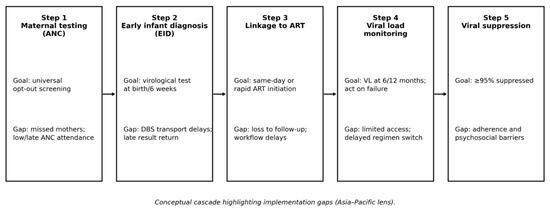
Background/Objectives: Pediatric HIV case-finding and monitoring remain constrained by delayed early infant diagnosis (EID), loss to follow-up, and limited viral load (VL) testing—challenges particularly consequential in the operationally diverse Asia–Pacific region. We systematically reviewed innovations in point-of-care (POC) and near-patient HIV diagnostics and digital monitoring relevant to children and adolescents. Methods: Following a registered protocol (INPLASY2025110058) and PRISMA 2020 guidance, we searched PubMed, EMBASE, Cochrane Library, and WHO Global Index Medicus for studies on POC/near-patient EID and VL testing, dried blood spot (DBS) workflows, and digital monitoring tools. Risk of bias was assessed using RoB 2, QUADAS-2, and MMAT. Results: Fifty-three primary studies were included (39 sub-Saharan Africa, 12 Asia–Pacific, 1 multi-country/global, 1 Americas/Caribbean). Patient selection and flow/timing were common limitations in diagnostic accuracy studies; sample representativeness and nonresponse bias were frequent concerns in implementation studies. The most consistent benefits of POC EID and near-patient VL testing were shorter turnaround times and improved cascade completion when paired with quality assurance and connectivity. Conclusions: POC diagnostics and digital monitoring can help close pediatric HIV cascade gaps, though evidence derives predominantly from sub-Saharan Africa. Impact depends on implementation design. Asia–Pacific programs should prioritize generating context-specific evidence alongside the adaptation of established lessons.
Full article
(This article belongs to the Special Issue Innovations in HIV Diagnostics and Monitoring)
►▼
Show Figures

Figure 1
Open AccessReview
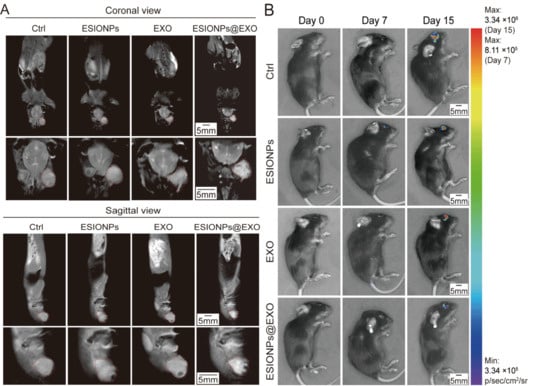
Extracellular Vesicles in Myocardial Infarction: Dual Role in Ferroptosis Regulation and In Vivo Imaging
by
Cong Zhang and Yang Hou
Diagnostics 2026, 16(9), 1305; https://doi.org/10.3390/diagnostics16091305 - 27 Apr 2026
Abstract
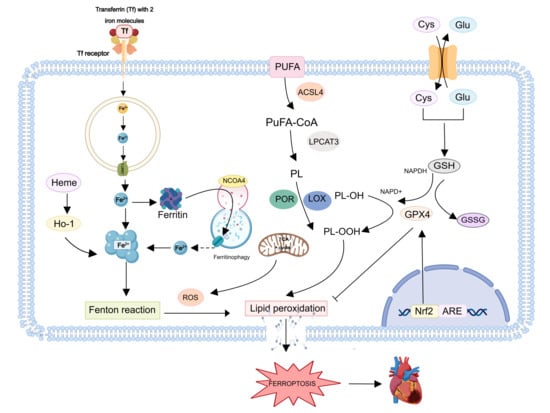
Acute myocardial infarction (AMI), a life-threatening event caused by cardiomyocyte death due to oxygen deprivation, drives cardiac dysfunction through ferroptosis—an iron-dependent cell death mechanism involving lipid peroxidation. By delivering multifunctional cargoes with low immunogenicity, extracellular vesicles (EVs) hold the therapeutic potential to inhibit
[...] Read more.
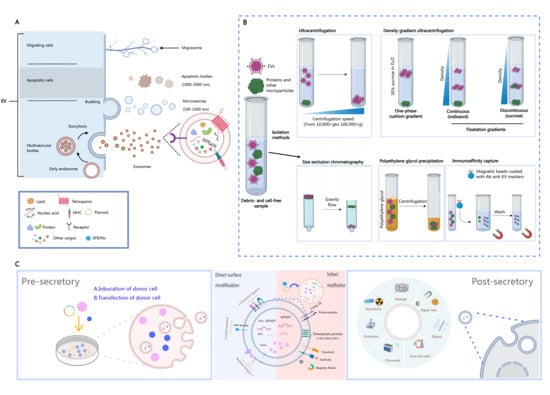
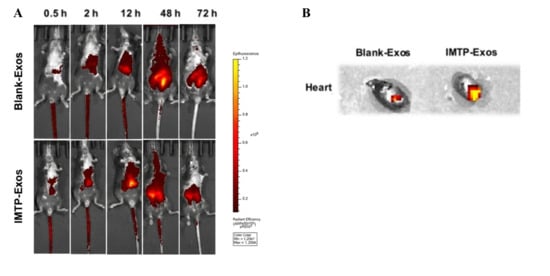
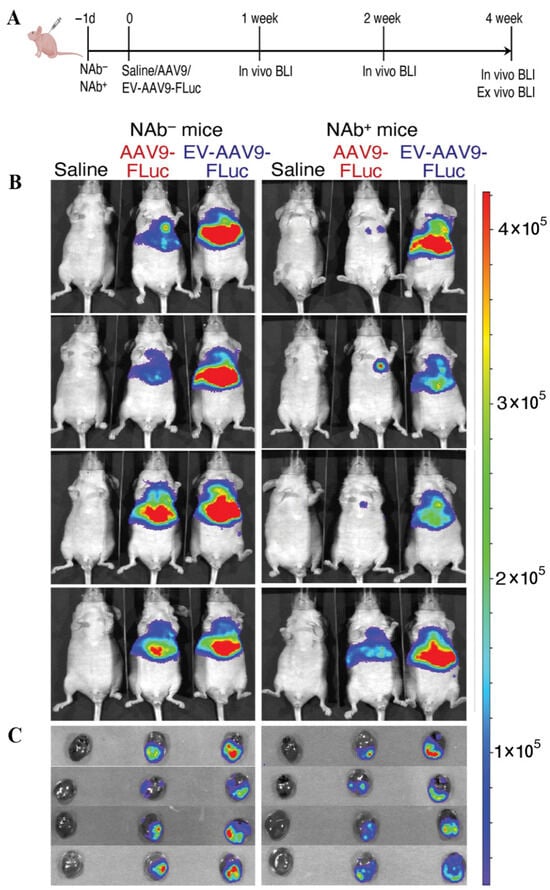
Acute myocardial infarction (AMI), a life-threatening event caused by cardiomyocyte death due to oxygen deprivation, drives cardiac dysfunction through ferroptosis—an iron-dependent cell death mechanism involving lipid peroxidation. By delivering multifunctional cargoes with low immunogenicity, extracellular vesicles (EVs) hold the therapeutic potential to inhibit cardiomyocyte ferroptosis through the regulation of iron metabolism and the mitigation of oxidative damage. Their dual role as targeted drug carriers and natural imaging probes enhances precision in AMI management. EVs enable the non-invasive tracking of biodistribution and therapeutic responses in real time when integrated with molecular imaging technology, offering insights into cardiac repair mechanisms. This synergy between EV-based therapy and advanced imaging presents a novel strategy for AMI diagnosis and targeted intervention.
Full article
(This article belongs to the Section Medical Imaging and Theranostics)
►▼
Show Figures

Figure 1
Open AccessReview
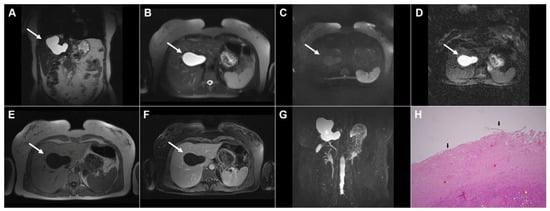
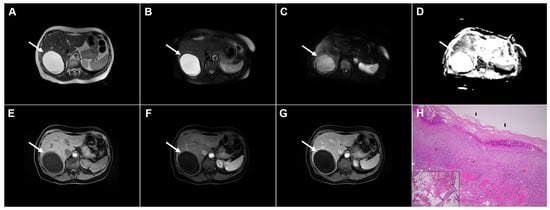
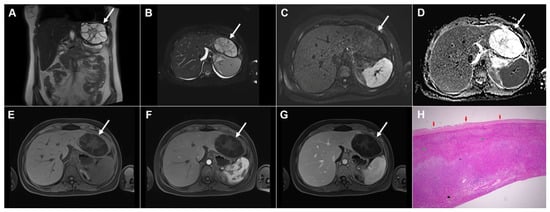
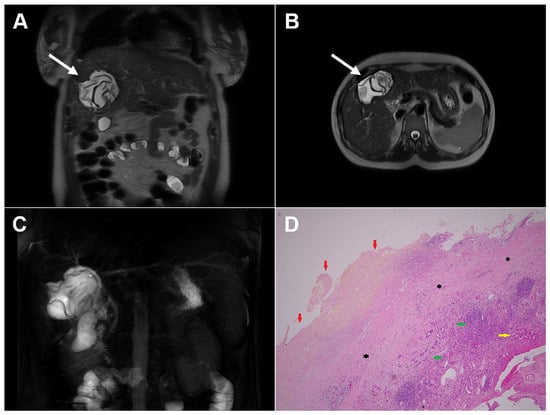
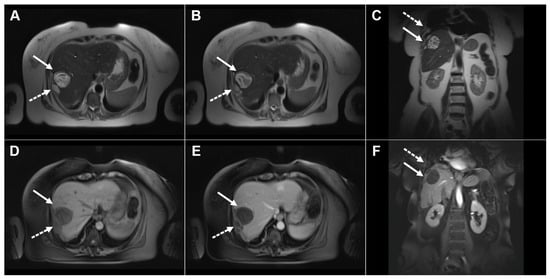
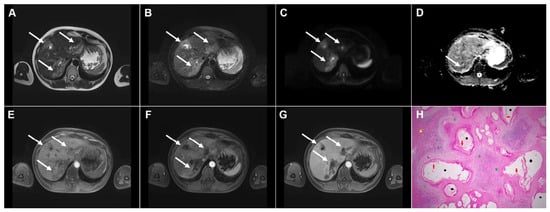
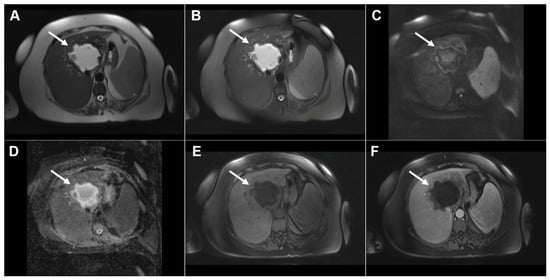
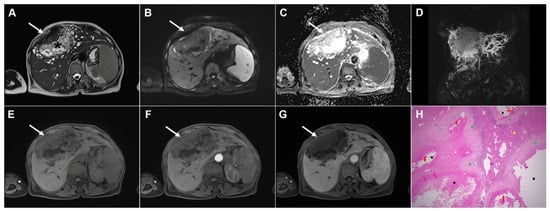
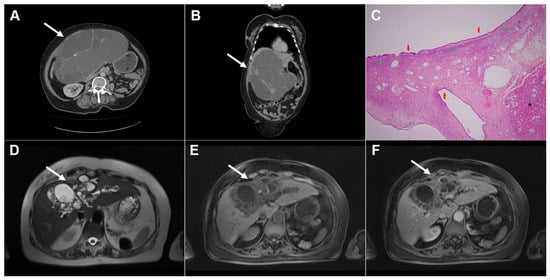
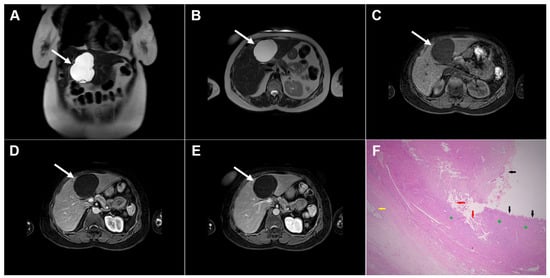
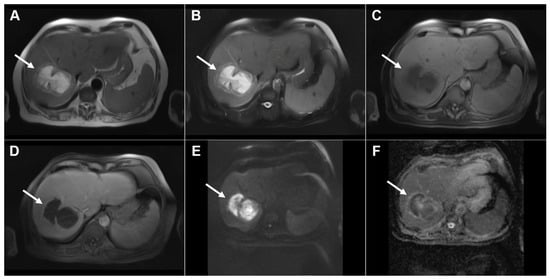
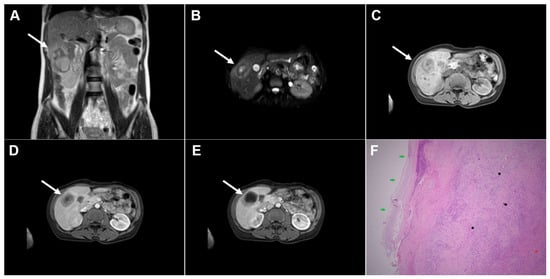
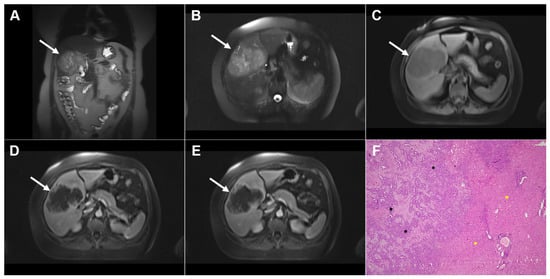
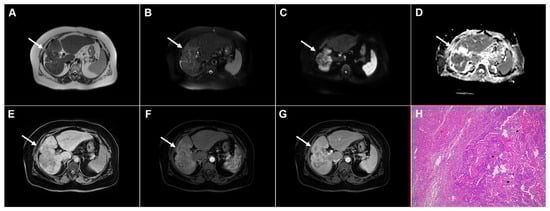
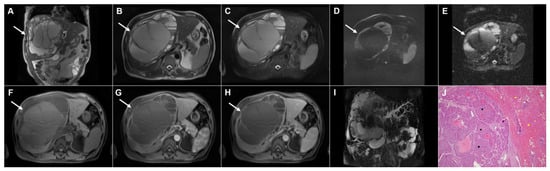
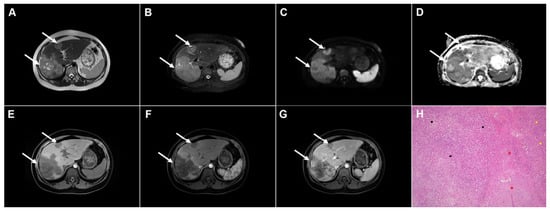
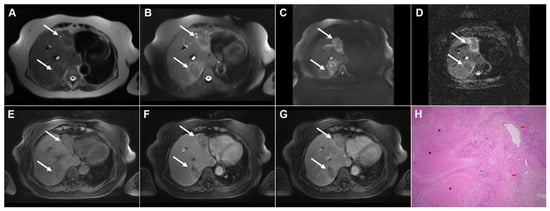
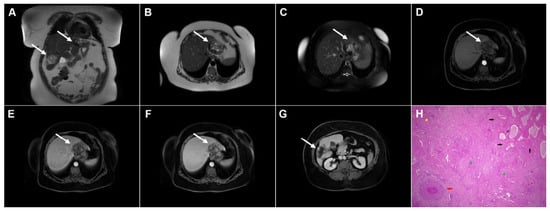
Magnetic Resonance Imaging Features of Hepatic Hydatid Disease: A Pictorial Review with Emphasis on Atypical Presentations and Differential Diagnosis
by
Jelena Djokic Kovač, Aleksandra Đikić-Rom, Aleksandra Janković, Nikica Grubor, Aleksandra Đurić-Stefanović, Aleksandar Bogdanović, Milica Mitrović, Ognjan Skrobić, Andrija Antić, Đorđe Knežević, Goran Đuričić, Predrag Zdujić and Nemanja Bidžić
Diagnostics 2026, 16(9), 1304; https://doi.org/10.3390/diagnostics16091304 - 27 Apr 2026
Abstract
Hepatic echinococcosis, caused by Echinococcus species, remains a significant global health concern, with cystic echinococcosis (CE) being widespread and alveolar echinococcosis (AE) representing a rarer but more aggressive form. CE generally demonstrates characteristic imaging features, allowing straightforward diagnosis, whereas atypical presentations can closely
[...] Read more.
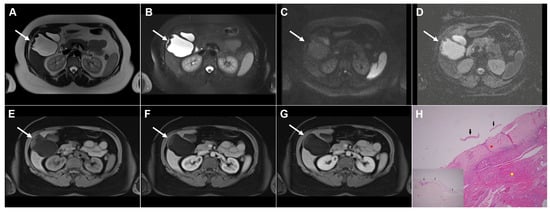
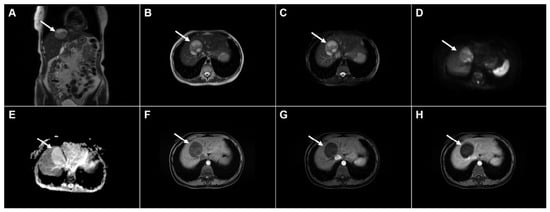
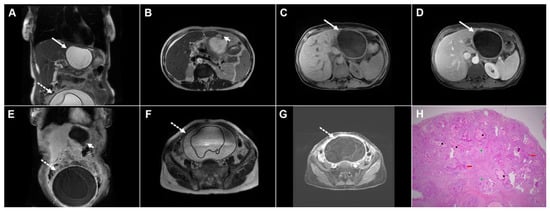
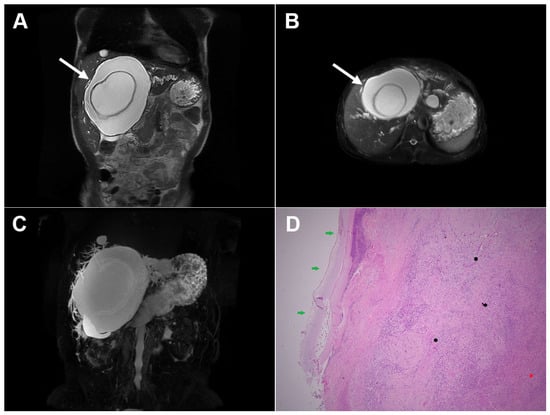
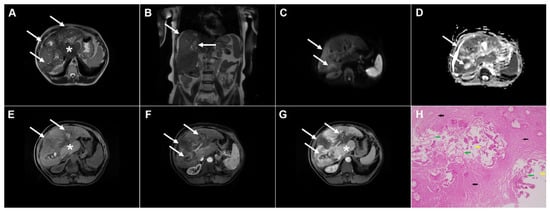
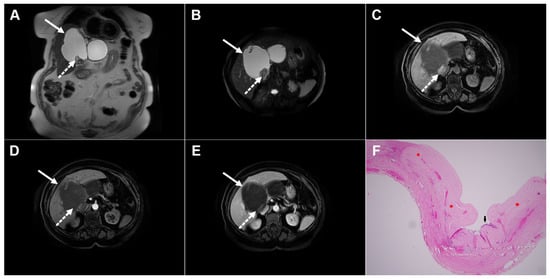
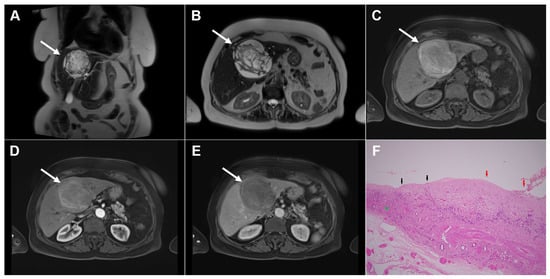
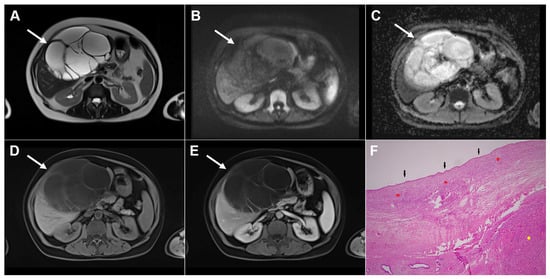
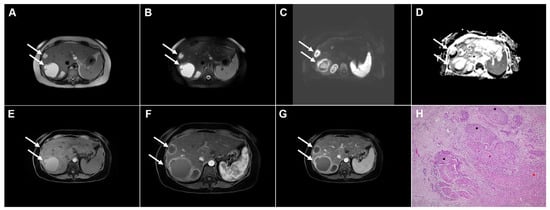
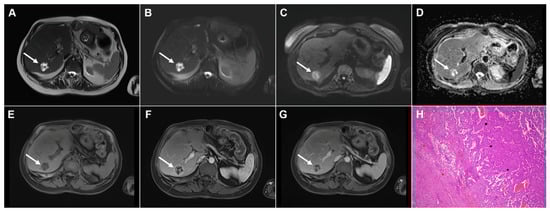
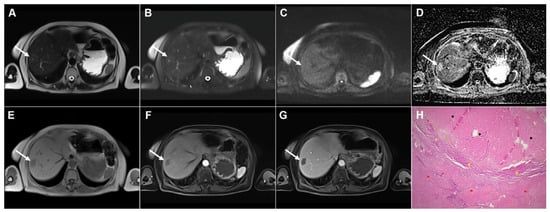
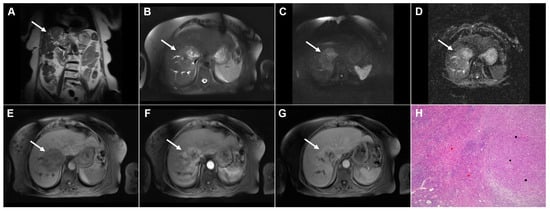
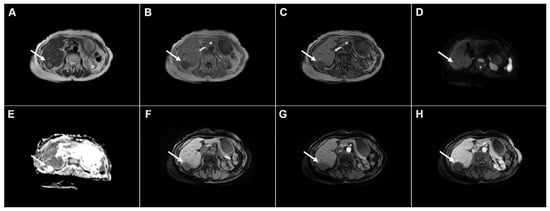
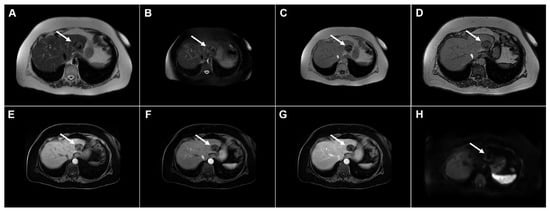
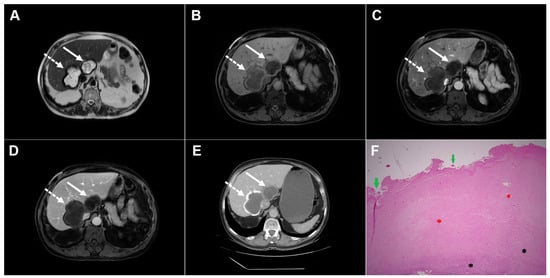
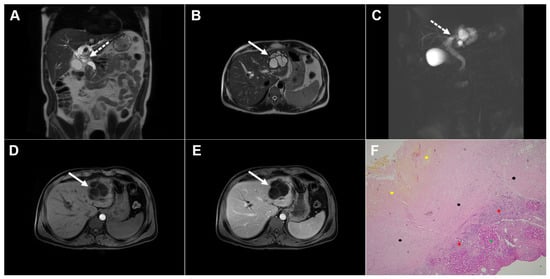
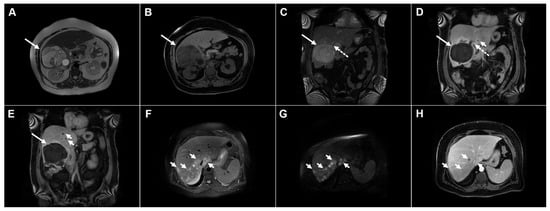
Hepatic echinococcosis, caused by Echinococcus species, remains a significant global health concern, with cystic echinococcosis (CE) being widespread and alveolar echinococcosis (AE) representing a rarer but more aggressive form. CE generally demonstrates characteristic imaging features, allowing straightforward diagnosis, whereas atypical presentations can closely mimic other hepatic lesions, leading to diagnostic uncertainty. AE poses an even greater diagnostic challenge due to its infiltrative, tumor-like growth pattern. Magnetic resonance imaging (MRI), with its superior soft-tissue contrast and multiplanar capabilities, plays a crucial role in the evaluation of AE and atypical CE cases. This pictorial review summarizes MRI features of hepatic echinococcosis, detailing both typical and atypical appearances, and emphasizes key criteria for differentiating hydatid cysts from other cystic or solid hepatic lesions. By consolidating imaging findings and discussing relevant differential diagnoses, this review aims to improve diagnostic accuracy, guide clinical management, and increase radiologists’ awareness of echinococcosis in both endemic and non-endemic regions.
Full article
(This article belongs to the Special Issue Detection and Characterization of Focal Lesions in the Solid Abdominal Organs)
►▼
Show Figures

Figure 1
Open AccessArticle
Driveline Infections in Durable LVAD Support: Risk Factors, Microbiology, and Resistance Patterns from a Large Cohort
by
Umit Kahraman, Oguzhan Acet, Barkin Dost Bulut, Aysen Yaprak Kapkın, Osman Nuri Tuncer, Meltem Tasbakan, Sanem Nalbantgil, Emrah Oguz, Cagatay Engin, Mustafa Ozbaran and Tahir Yagdi
Diagnostics 2026, 16(9), 1303; https://doi.org/10.3390/diagnostics16091303 - 27 Apr 2026
Abstract
Background: Driveline infection (DLI) is the most common device-specific infection in patients supported with ventricular assist devices (VADs) and remains a major cause of morbidity during long-term mechanical circulatory support. This study aimed to evaluate the incidence, risk factors, microbiological characteristics, and
[...] Read more.
Background: Driveline infection (DLI) is the most common device-specific infection in patients supported with ventricular assist devices (VADs) and remains a major cause of morbidity during long-term mechanical circulatory support. This study aimed to evaluate the incidence, risk factors, microbiological characteristics, and antimicrobial resistance patterns of DLIs in patients undergoing durable left ventricular assist device (LVAD) implantation. Methods: This retrospective cohort study included 772 consecutive patients who underwent durable LVAD implantation at a single tertiary center between January 2012 and December 2024. Patients were categorized according to the development of DLI: the DLI group (n = 158) and the non-DLI group (n = 614). Demographic, clinical, laboratory, perioperative, and postoperative variables were analyzed. Multivariate logistic regression analysis was performed to identify independent predictors of DLI. Microbiological isolates and antimicrobial resistance patterns were also evaluated. Results: Driveline infection developed in 20.5% of patients during follow-up. Patients with DLI had a significantly higher body mass index (26.4 vs. 24.8 kg/m2, p = 0.002) and a higher prevalence of diabetes mellitus (28.2% vs. 12.1%, p < 0.001). In multivariate analysis, diabetes mellitus (OR 3.29, p = 0.013) and longer LVAD support duration (p = 0.003) were independently associated with DLI. Device type showed differences in crude infection rates but was not an independent predictor. The most frequently isolated pathogens were Staphylococcus aureus (36%) and Pseudomonas aeruginosa (19%). The most common antimicrobial resistance patterns included fluoroquinolone resistance (23%), methicillin-resistant Staphylococcus aureus (10%), and resistance to piperacillin/tazobactam and carbapenems. Conclusions: In this large single-center cohort, diabetes mellitus and prolonged device support duration were the main independent predictors of driveline infection. Staphylococcus aureus and Pseudomonas aeruginosa were the predominant pathogens, with notable antimicrobial resistance patterns. These findings highlight the importance of metabolic optimization, meticulous driveline exit-site care, and structured long-term surveillance strategies for reducing infection risk in LVAD recipients.
Full article
(This article belongs to the Special Issue Interdisciplinary Approaches to Improve Cardiovascular Outcomes)
Open AccessArticle
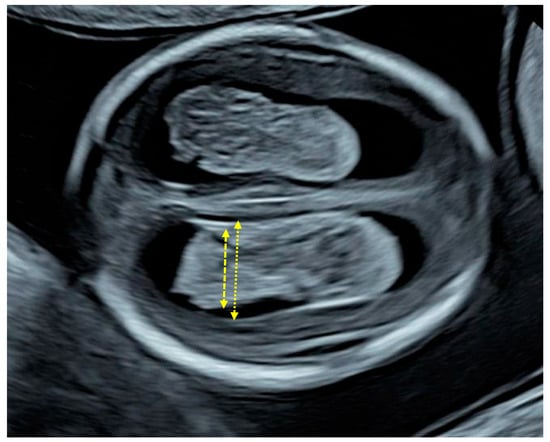
Dangling Choroid Plexus: An Early Sign of Fetal Anomaly
by
Anastasija Arechvo, Michael Brusilov, Antigoni Hadjiiona, Gustavo Malinger, Karina Krajden Haratz and Kypros H. Nicolaides
Diagnostics 2026, 16(9), 1302; https://doi.org/10.3390/diagnostics16091302 - 27 Apr 2026
Abstract
Objectives: This study aimed to examine the association between the dangling choroid plexus sign and fetal structural, chromosomal, and genetic abnormalities, as well as to define the normal range of lateral ventricular width and the ratio of choroid plexus width to lateral
[...] Read more.
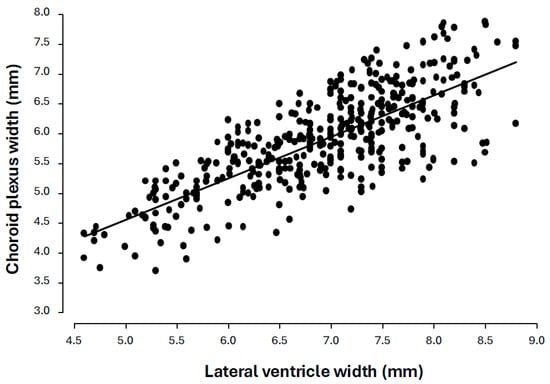
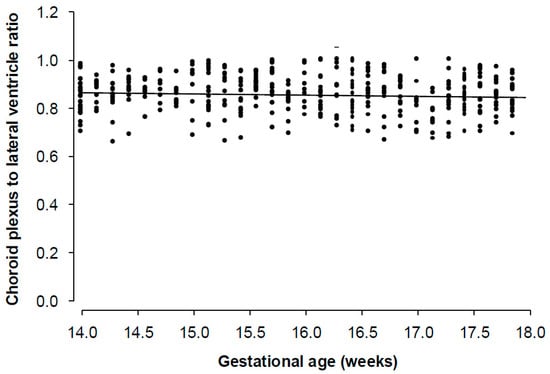
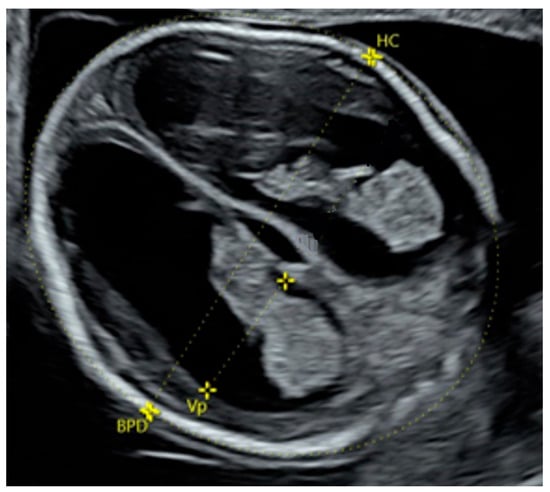
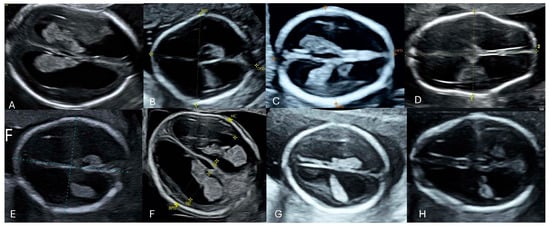
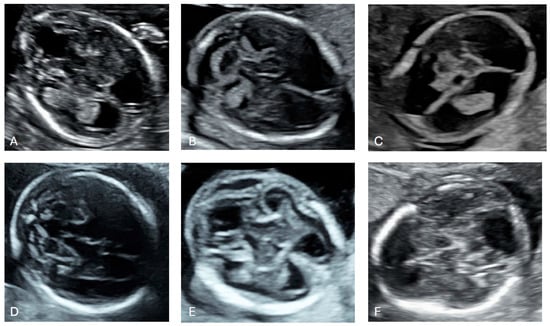
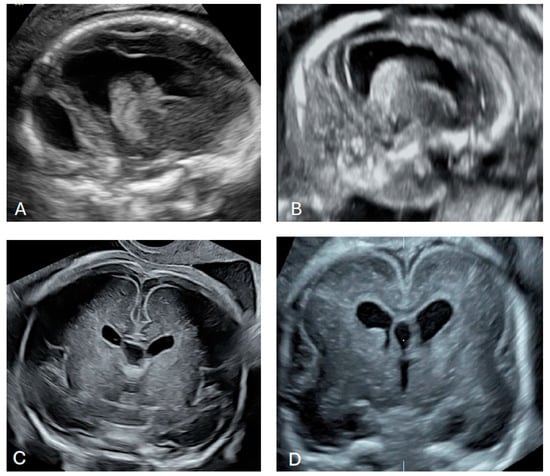
Objectives: This study aimed to examine the association between the dangling choroid plexus sign and fetal structural, chromosomal, and genetic abnormalities, as well as to define the normal range of lateral ventricular width and the ratio of choroid plexus width to lateral ventricular width at 14–17 weeks of gestation. Methods: This retrospective study analyzed ultrasound images from early fetal anatomy scans performed between January 2018 and July 2025 at two tertiary fetal medicine centres. In centre A, 6063 singleton pregnancies underwent routine scans at 11–13 and 14–17 weeks. In centre B, 776 fetuses with suspected abnormalities or increased nuchal translucency at 11–13 weeks were reassessed at 14–17 weeks. Additionally, 400 fetuses without obvious abnormalities at 14–17 weeks were used to determine normal ventricular measurements. Results: In normal fetuses, the mean lateral ventricular width was 6.90 mm (95% CI 6.81–6.99) and the mean choroid plexus-to-ventricle ratio was 0.85 (95% CI 0.84–0.86). A dangling choroid plexus was identified in 38 fetuses (0.16% in routine and 3.6% in high-risk populations). Out of 38 cases of dangling choroid plexus, 37 were associated with additional structural defects, chromosomal abnormalities, or single-gene disorders. Chromosomal abnormalities were found in 11/30 tested cases, most commonly trisomy 21. The most common defects observed on initial or subsequent scans were ventriculomegaly, cardiac defects, and abnormal posterior fossa. Conclusions: A dangling choroid plexus at 14–17 weeks is a sonographic marker associated with major fetal abnormalities and should prompt detailed anatomical assessment and consideration of genetic testing.
Full article
(This article belongs to the Special Issue Advances in Gynecological and Pediatric Imaging)
►▼
Show Figures

Figure 1
Open AccessCorrection
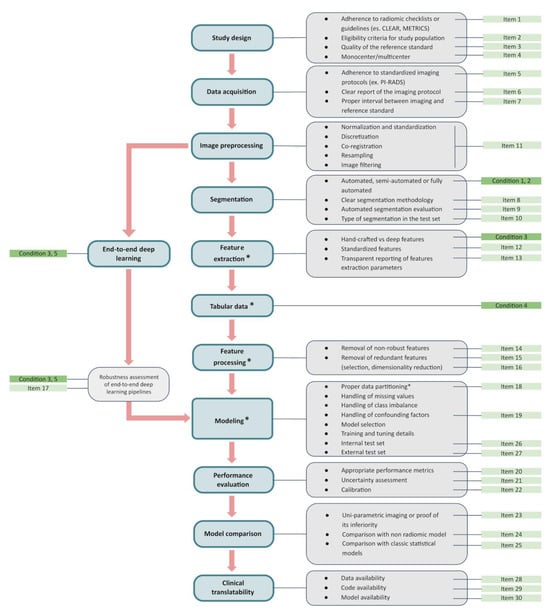
Correction: Cè et al. Decoding Radiomics: A Step-by-Step Guide to Machine Learning Workflow in Hand-Crafted and Deep Learning Radiomics Studies. Diagnostics 2024, 14, 2473
by
Maurizio Cè, Marius Dumitru Chiriac, Andrea Cozzi, Laura Macrì, Francesca Lucrezia Rabaiotti, Giovanni Irmici, Deborah Fazzini, Gianpaolo Carrafiello and Michaela Cellina
Diagnostics 2026, 16(9), 1301; https://doi.org/10.3390/diagnostics16091301 - 27 Apr 2026
Abstract
In the original publication [...]
Full article
(This article belongs to the Section Machine Learning and Artificial Intelligence in Diagnostics)
►▼
Show Figures

Figure 2
Open AccessInteresting Images
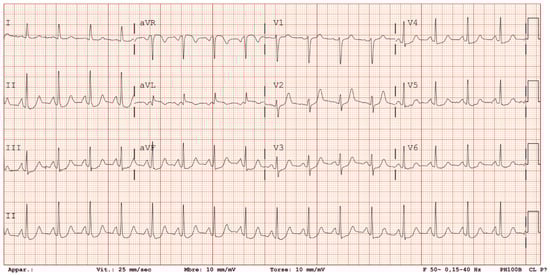
Unexpected Findings in Diffuse ST-Segment Depression and aVR ST-Segment Elevation
by
Mohamed El Mallouli, Amina El Bakkali, Usama Azziz, Pierre-Emmanuel Massart and Georgiana Pintea Bentea
Diagnostics 2026, 16(9), 1300; https://doi.org/10.3390/diagnostics16091300 - 27 Apr 2026
Abstract
Electrocardiographic changes resembling myocardial ischemia are rare in gastrointestinal emergencies. In particular, gastric perforation has been reported in association with ST-segment elevation, but not with ST-segment depression mimicking non-ST-segment elevation myocardial infarction (NSTEMI). We report the case of a 60-year-old woman presenting with
[...] Read more.
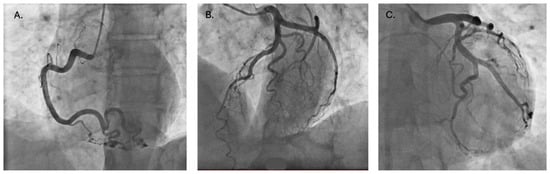
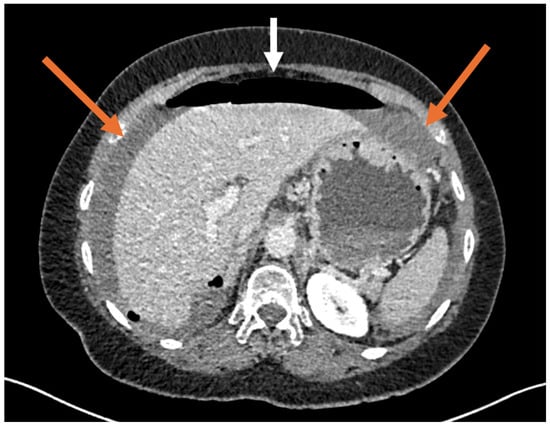
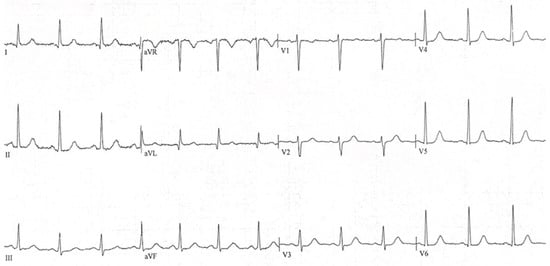
Electrocardiographic changes resembling myocardial ischemia are rare in gastrointestinal emergencies. In particular, gastric perforation has been reported in association with ST-segment elevation, but not with ST-segment depression mimicking non-ST-segment elevation myocardial infarction (NSTEMI). We report the case of a 60-year-old woman presenting with sudden-onset epigastric pain radiating to the chest. She remained hemodynamically stable throughout her emergency department stay. On admission, the ECG showed diffuse ST-segment depression with ST-segment elevation in aVR. High-sensitivity troponin and inflammatory markers were within normal limits. Coronary angiography revealed no significant coronary stenosis, and left ventriculography demonstrated preserved left ventricular systolic function. Abdominal computed tomography showed abundant pneumoperitoneum, diffuse anterior gastric wall thickening, and moderate intraperitoneal fluid, findings highly suggestive of gastric perforation. The patient underwent laparoscopic gastric repair and abdominal lavage, with an uneventful postoperative recovery. A repeat ECG 24 h after surgery showed complete resolution of the ST-segment abnormalities. To our knowledge, this is the first reported case of gastric perforation presenting with diffuse ST-segment depression and aVR ST-segment elevation. Awareness of this presentation helps to broaden the spectrum of diagnostic possibilities and to plan appropriate diagnostic–therapeutic procedures.
Full article
(This article belongs to the Section Medical Imaging and Theranostics)
►▼
Show Figures

Figure 1
Open AccessArticle
Three-Dimensional CBCT Analysis of Second Mesiobuccal Canal Anatomy in Maxillary Molars
by
Hanadi Sabban, Maysoon Albahiti and Suha S. Maddah
Diagnostics 2026, 16(9), 1299; https://doi.org/10.3390/diagnostics16091299 - 27 Apr 2026
Abstract
Background: This study aimed to evaluate the prevalence, morphology, and influencing factors of the second mesiobuccal (MB2) canal in maxillary molars and the middle-mesial canal in mandibular molars using cone-beam computed tomography (CBCT). Methods: A total of 146 CBCT scans acquired
[...] Read more.
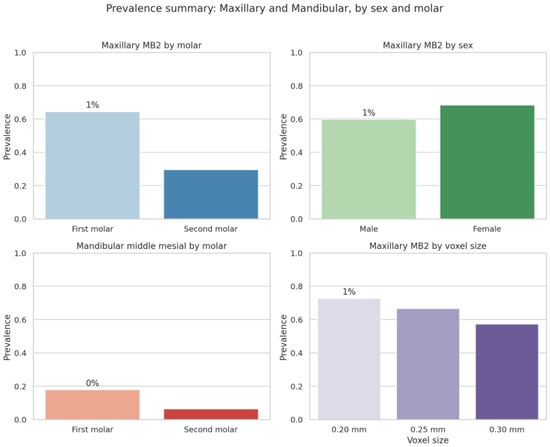
Background: This study aimed to evaluate the prevalence, morphology, and influencing factors of the second mesiobuccal (MB2) canal in maxillary molars and the middle-mesial canal in mandibular molars using cone-beam computed tomography (CBCT). Methods: A total of 146 CBCT scans acquired between 2023 and 2025 were retrospectively analyzed at the Oral Radiology Division, King Abdulaziz University Dental Hospital. Canal prevalence, morphometric dimensions, symmetry, and Vertucci configurations were recorded and correlated with age, sex, and voxel size. Results: MB2 canals were detected in 64.4% of maxillary first molars and 29.6% of second molars, while middle-mesial canals were found in 17.8% of mandibular first molars and 6.4% of second molars. Detection rates declined with increasing voxel size and patient age (p < 0.05). Bilateral symmetry was strong for MB2 (κ = 0.78) but moderate for mandibular canals (κ = 0.29). Vertucci Type I and II were most common in maxillary roots, and Type IV predominated in mandibular mesial roots. Conclusions: These findings confirm CBCT as a reliable tool for identifying complex canal systems and emphasize the importance of voxel resolution and anatomical understanding in enhancing endodontic diagnosis and treatment success.
Full article
(This article belongs to the Special Issue Advances in Oral and Maxillofacial Imaging)
►▼
Show Figures

Figure 1
Open AccessArticle
Biological Cardiovascular Age Derived from Coronary CTA Reports Using a Large Language Model: A Novel Predictor of Major Adverse Cardiovascular Events?
by
Gudrun M. Feuchtner, Yannick Scharll, Johannes Deeg, Valentin Bilgeri, Philipp Spitaler, Malik Galijasevic, Michael Swoboda, Leonhard Gruber, Gerlig Widmann and Pietro G. Lacaita
Diagnostics 2026, 16(9), 1298; https://doi.org/10.3390/diagnostics16091298 - 26 Apr 2026
Abstract
Background/Objectives: Coronary artery disease (CAD) remains the leading cause of death worldwide. Traditional cardiovascular risk assessment is based on chronological age and other clinical factors, with inherent limitations and poor accuracy. Objective was to estimate the artificial intelligence (AI)-enhanced biological cardiovascular age
[...] Read more.
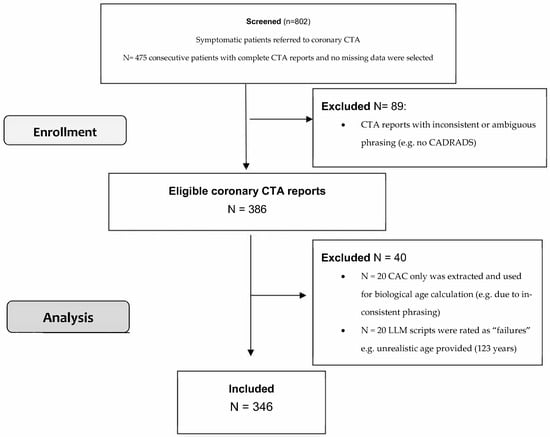
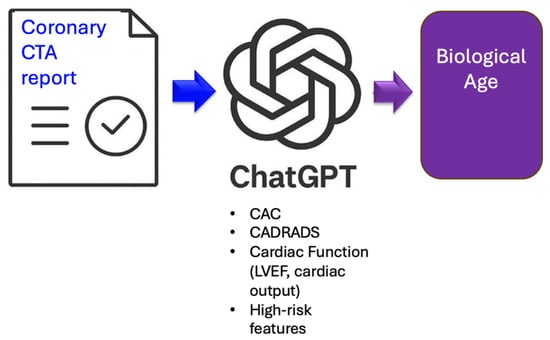
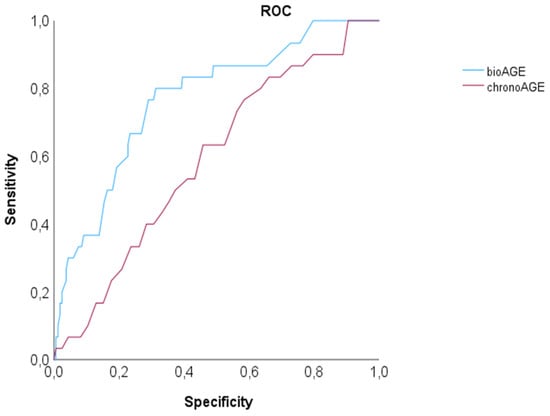
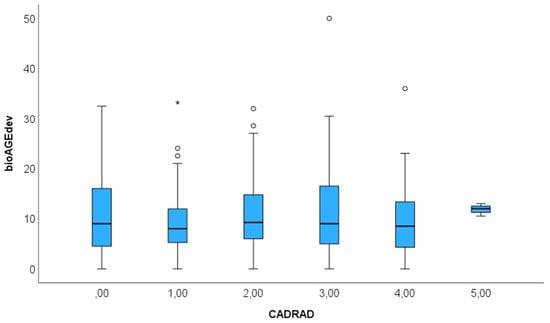
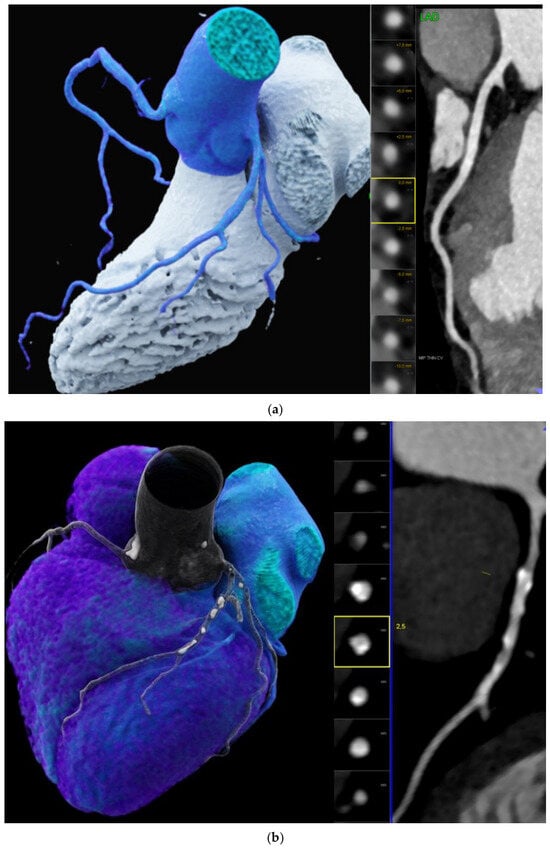
Background/Objectives: Coronary artery disease (CAD) remains the leading cause of death worldwide. Traditional cardiovascular risk assessment is based on chronological age and other clinical factors, with inherent limitations and poor accuracy. Objective was to estimate the artificial intelligence (AI)-enhanced biological cardiovascular age calculation derived from coronary computed tomography angiography (CTA) reports using a large language model (LLM), in predicting major adverse cardiovascular events (MACE). Methods: Coronary CTA reports were analyzed using a LLM (ChatGPT-4.0v, OpenAI), from symptomatic patients with suspected CAD who underwent coronary CTA for clinical indications. Patients in which the LLM successfully analyzed the key metrics (1) coronary artery calcium (CAC) score and (2) coronary CTA reports (coronary stenosis severity (CAD-RADS), high-risk anatomy, non-calcified plaque, cardiac function (LVEF and others) were included. Results: 386 CTA reports were uploaded, and 346 (89.6%) included. The mean biological age (bioAGE) was 57.2 ± 10.9 and the chronological 58.5 ± 10.8 years. 137 (39.6%) were women. The intra-individual deviation in bioAGE was high (median: 8.8; IQR 9.98). BioAGE exceeded chronological age in 45.4% patient and was lower or equal in 54.6%) MACE rate was 8.7% comprising 2 deaths, 5 myocardial infarctions, and 22 late revascularizations. The accuracy for prediction of MACE was higher for bioAGE (c = 0.768; 95% CI: 0.681–0.855, p < 0.001) compared to chronological age (c = 0.590; 95% CI: 0.492–0.689, p = 0.102) Conclusions: Biological age calculation from coronary CTA reports using LLM is feasible, yet intra-individual deviations are high. The accuracy for prediction of MACE is improved by bioAGE compared to chronological.
Full article
(This article belongs to the Special Issue Advances in Cardiovascular and Vascular Imaging)
►▼
Show Figures

Figure 1
Open AccessArticle
Impact of Prehospital Lung Ultrasound on Diagnostic Precision and Hospital Transport in Patients with Dyspnea and Respiratory Failure: A Retrospective Comparative Analysis
by
Damian Kowalczyk and Mikołaj Tyczyński
Diagnostics 2026, 16(9), 1297; https://doi.org/10.3390/diagnostics16091297 - 26 Apr 2026
Abstract
Background: Dyspnea is a common reason for emergency medical service (EMS) interventions and is associated with a substantial risk of severe clinical course, complications, and hospital admission. Its differential diagnosis in the prehospital setting remains challenging due to the limited availability of imaging
[...] Read more.
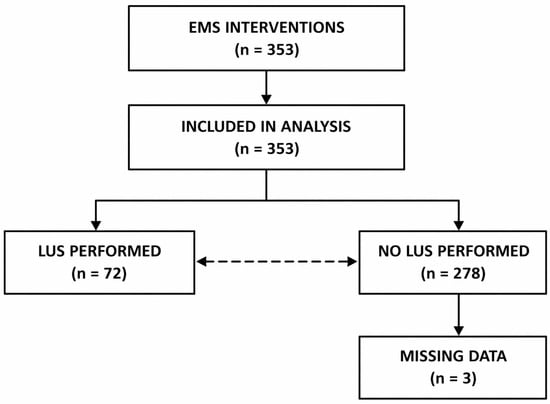
Background: Dyspnea is a common reason for emergency medical service (EMS) interventions and is associated with a substantial risk of severe clinical course, complications, and hospital admission. Its differential diagnosis in the prehospital setting remains challenging due to the limited availability of imaging modalities. Point-of-care ultrasound (POCUS), including lung ultrasound (LUS), is a rapid, field-applicable technique recommended in numerous acute respiratory diagnostic scenarios. Objective: To evaluate the use of lung ultrasound in the prehospital setting and its association with the precision of diagnoses related to respiratory failure, the frequency of transport to the emergency department (ED) among patients presenting with dyspnea/respiratory failure, and to characterize the profile of sonographic findings with their correlation to clinical diagnostic categories. Additionally, transport rates in the study population were compared with aggregated regional data for the Masovian Voivodeship (excluding the analyzed county). Methods: A retrospective observational study was conducted on EMS interventions performed between 01 January 2025 and 30 June 2025 in Legionowo County (N = 353). The analysis included ICD-10 codes assigned in prehospital documentation (one primary code and up to two additional codes) in patients presenting with dyspnea and/or respiratory failure, the performance of ultrasound examination, and resulting LUS findings (absence of pleural sliding and/or lung point; B-lines; consolidations; C-lines; pleural effusion). Descriptive analyses, frequency comparison tests (χ2/Fisher), estimation of relative risk (RR) with 95% confidence intervals (CI), and agreement analysis using Cohen’s kappa coefficient (κ) between etiological categories derived from ICD-10 codes and those inferred from LUS profiles were performed (κ with 95% CI estimated using bootstrap resampling). The study was reported in accordance with the STROBE guidelines for observational studies. Additionally, the distribution of ICD-10 coding and the proportion of hospital transports across the entire Masovian Voivodeship were compared with those observed in the analyzed area. Results: Ultrasound examination was performed in 72/353 (20.4%) EMS interventions; transport to the emergency department occurred in 239/353 (67.7%) cases. The most frequent clinical categories based on ICD-10 codes were: general/symptom-based 182/353 (51.6%), inflammatory 77/353 (21.8%), obstructive 66/353 (18.7%), and cardiological 20/353 (5.7%). Among abnormal LUS findings, the most common were B-lines (43/72; 61.4%) and consolidations (29/72; 41.4%). Consolidations were strongly associated with the inflammatory category (OR 9.72; p < 0.001), whereas B-lines were associated with the cardiological category (OR 23.41; p = 0.0011) among cases in which LUS was performed. Ultrasound use was associated with a higher frequency of assigning at least one targeted (non-symptom-based) diagnosis within ICD coding: 53/72 (73.6%) vs. 111/278 (39.9%), RR 1.84 (95% CI 1.51–2.25; p < 0.001). Agreement between the ICD-10 etiological category (inflammatory/cardiological/obstructive/other) and the category inferred from the LUS profile was moderate: κ = 0.36 (95% CI 0.21–0.51), with an observed agreement of 54.2%. Compared with aggregated regional data (Masovian Voivodeship excluding the analyzed county), the overall transport rate for comparable ICD-10 codes was lower in the study unit: 279/409 (68.2%) vs. 11,351/13,785 (82.3%), RR 0.83 (95% CI 0.78–0.89; p < 0.001). The largest differences were observed for dyspnea (R06.0: 72.9% vs. 88.2%; RR 0.83) and obstructive codes (J44/J45/J46 combined: 43.1% vs. 67.0%; RR 0.64). Conclusions: In this retrospective analysis, an EMS unit with systematically implemented ultrasound demonstrated a lower frequency of hospital transport for selected dyspnea/respiratory failure codes compared with regional data and greater precision in ICD-10 diagnostic coding in cases where ultrasound was performed. The profile of LUS findings correlated with clinical categories in a manner consistent with existing literature.
Full article
(This article belongs to the Special Issue Application of Ultrasound Imaging in Clinical Diagnosis)
►▼
Show Figures

Figure 1
Open AccessArticle
Uric Acid-Driven Biomarkers and Clinical Outcomes in Metastatic Pancreatic Cancer: A Multicenter Real-World Cohort Study
by
Ahmet Unlu, Asim Armagan Aydin, Mehmet Nuri Baser, Merve Turan, Murat Kocer, Banu Ozturk and Mustafa Yildiz
Diagnostics 2026, 16(9), 1296; https://doi.org/10.3390/diagnostics16091296 - 26 Apr 2026
Abstract
Background/Objectives: Metastatic pancreatic cancer is a highly lethal disease, and clinically useful biomarkers for outcome stratification are limited. Uric acid reflects systemic metabolic stress and inflammatory signaling, suggesting potential relevance as a tumor–host biomarker. However, the clinical significance of uric acid-based composite
[...] Read more.
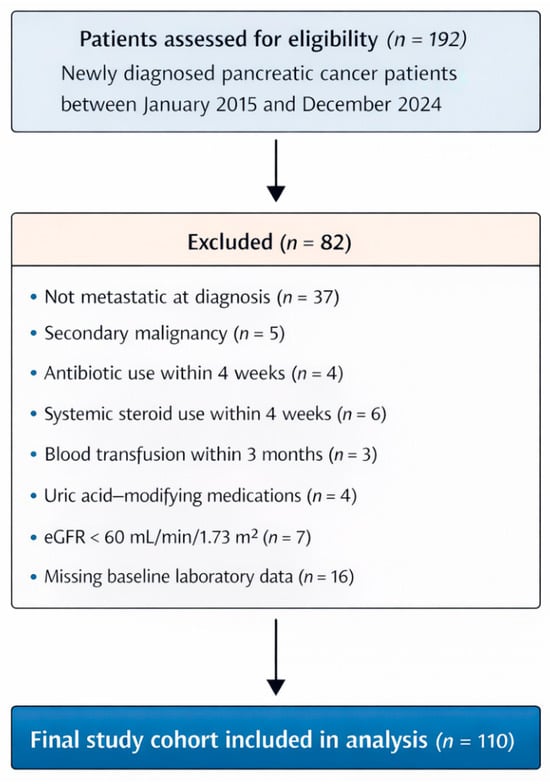
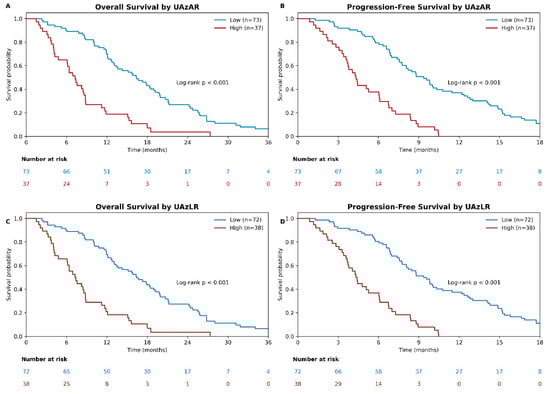
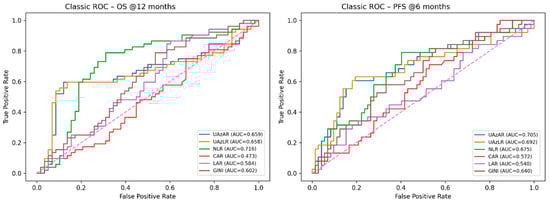
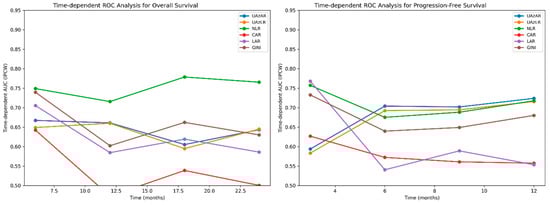
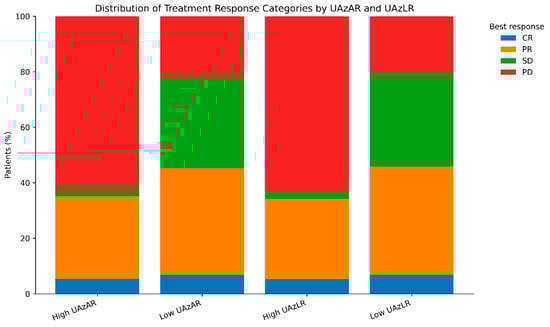
Background/Objectives: Metastatic pancreatic cancer is a highly lethal disease, and clinically useful biomarkers for outcome stratification are limited. Uric acid reflects systemic metabolic stress and inflammatory signaling, suggesting potential relevance as a tumor–host biomarker. However, the clinical significance of uric acid-based composite biomarkers in pancreatic cancer remains unclear. Methods: In this multicenter retrospective cohort study, 110 patients with metastatic pancreatic adenocarcinoma treated between 2015 and 2024 were analyzed. Sex-adjusted uric acid-based biomarkers were calculated using uric acid z-scores normalized by sex and integrated with markers of nutritional and immune status, including the uric acid z-score-to-albumin ratio (UAzAR) and uric acid z-score-to-lymphocyte ratio (UAzLR). Associations with overall survival (OS), progression-free survival (PFS), and chemotherapy response were evaluated using Kaplan–Meier analysis, Cox proportional hazards models, receiver operating characteristic (ROC) analyses, and multivariate logistic regression. Results: The median OS and PFS for the entire cohort were 12.6 months (95% CI 11.3–13.9) and 7.5 months (95% CI 6.6–8.4), respectively. Patients with high UAzAR had significantly shorter OS than those with low UAzAR (7.3 vs. 16.4 months; log-rank p < 0.001), and similar findings were observed for UAzLR (7.4 vs. 16.4 months; p < 0.001). In multivariate Cox models, elevated UAzAR independently predicted inferior OS (HR] 3.10, 95% CI 1.58–6.09; p = 0.001) and PFS (HR 2.35, 95% CI 1.22–4.52; p = 0.010), while elevated UAzLR was similarly associated with reduced OS (HR 3.28, 95% CI 1.68–6.39; p < 0.001) and PFS (HR 2.47, 95% CI 1.30–4.70; p = 0.006). High UAzAR and UAzLR were also independently associated with chemotherapy failure (adjusted odds ratio [OR] 5.52, 95% CI 2.16–14.06 and OR 6.42, 95% CI 2.49–16.55; both p < 0.001). In ROC analyses, UAzAR and UAzLR demonstrated moderate discrimination for 12-month OS (AUC 0.659 and 0.658) and stronger discrimination for 6-month PFS (AUC 0.705 and 0.692). Conclusions: Sex-adjusted uric acid-derived composite biomarkers independently predict survival and chemotherapy response in metastatic pancreatic cancer and may identify a high-risk metabolic phenotype relevant for clinical risk stratification.
Full article
(This article belongs to the Special Issue Predictive Biomarkers in Oncology)
►▼
Show Figures

Figure 1
Journal Menu
► ▼ Journal Menu-
- Diagnostics Home
- Aims & Scope
- Editorial Board
- Reviewer Board
- Topical Advisory Panel
- Instructions for Authors
- Special Issues
- Topics
- Sections & Collections
- Article Processing Charge
- Indexing & Archiving
- Editor’s Choice Articles
- Most Cited & Viewed
- Journal Statistics
- Journal History
- Journal Awards
- Society Collaborations
- Conferences
- Editorial Office
Journal Browser
► ▼ Journal BrowserHighly Accessed Articles
Latest Books
E-Mail Alert
News
Topics
Topic in
Biology, JCM, Diagnostics, Dentistry Journal
Assessment of Craniofacial Morphology: Traditional Methods and Innovative Approaches
Topic Editors: Nikolaos Gkantidis, Carlalberta VernaDeadline: 1 June 2026
Topic in
Diagnostics, Electronics, Eng, Micro, Micromachines
Micro-Nanoelectronic Systems for Diagnosis and Therapies
Topic Editors: Wubin Bai, Jiho ShinDeadline: 30 June 2026
Topic in
Applied Sciences, Diagnostics, JCM, Clinics and Practice, Therapeutics
Advances in Diagnosis and Treatment of Dental Diseases and Temporomandibular Joints
Topic Editors: Rafał Obuchowicz, Małgorzata Pihut, Karolina Nurzynska, Andrzej UrbanikDeadline: 31 July 2026
Topic in
Cancers, Diagnostics, Gastrointestinal Disorders, JCM, Current Oncology
Metastatic Colorectal Cancer: From Laboratory to Clinical Studies, 2nd Edition
Topic Editors: Ioannis Ntanasis-Stathopoulos, Diamantis I. TsilimigrasDeadline: 20 August 2026
Conferences
Special Issues
Special Issue in
Diagnostics
Exploring the Role of Diagnostic Biochemistry, 2nd Edition
Guest Editors: Daria Pašalić, Lidija Bilic-ZulleDeadline: 30 April 2026
Special Issue in
Diagnostics
Advanced Role of Endoscopic Ultrasound in Clinical Medicine
Guest Editor: Germana De NucciDeadline: 30 April 2026
Special Issue in
Diagnostics
Advances in Elastography for Applications in Rehabilitation, Physiotherapy, and Sports Sciences
Guest Editors: Juan Antonio Valera-Calero, Sandra Sanchez-JorgeDeadline: 30 April 2026
Special Issue in
Diagnostics
Prostate Cancer: Innovations in Diagnosis and Risk Stratification
Guest Editor: Biren SaraiyaDeadline: 30 April 2026
Topical Collections
Topical Collection in
Diagnostics
Biomedical Optics: From Technologies to Applications
Collection Editor: Mengyang Liu
Topical Collection in
Diagnostics
Artificial Intelligence in Medical Diagnosis and Prognosis
Collection Editor: Tim Duong